Blog

  • Amoxicillin Outlook 2034: Key Drivers, Trends, and Market Frontiers

    Amoxicillin Outlook 2034: Key Drivers, Trends, and Market Frontiers

    Claim your 30% discount on Global Market Reports with code ONLINE30. Limited time only.

    What Are the Projected Market Size and Growth Rates for the Amoxicillin Market From 2025 To 2029?

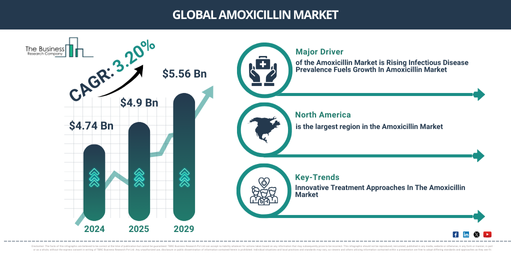
    The market size for amoxicillin has demonstrated consistent growth over the past few years. Forecasts predict a rise from $4.74 billion in 2024 to $4.9 billion in 2025, resulting in a compound annual growth rate (CAGR) of 3.4%. Factors that contribute to this growth include enhanced knowledge of antibiotics, accelerated pace of research and discoveries, a surge in cardiovascular disease cases, growing use of amoxicillin for urinary tract infection treatment, and an uptick in the elderly population.

    The anticipated increase in the size of the amoxicillin market is expected to remain consistent in the upcoming years, with it projected to reach$5.56 billion in 2029, boasting a compound annual growth rate (CAGR) of 3.2%. The reasons for such positive trend during the forecast period primarily include an increased incidence of renal impairment, a higher prevalence of lower respiratory infections, a rise in skin infections, more cases of lower respiratory tract infections, and a surge in occurrences of bacterial infections. The major forthcoming trends include a heightened demand for generic amoxicillin, a shift towards combination therapies, a rising interest in probiotics and immunotherapy, a need for antibiotics, and the progression of healthcare facilities.

    Download a free sample to assess the report’s scope and structure:

    https://www.thebusinessresearchcompany.com/sample.aspx?id=16336&type=smp

    How Are Key Drivers in the Industry Acting as Catalysts for the Growth of theAmoxicillin Market?

    The rising frequency of infectious diseases is anticipated to drive the expansion of the amoxicillin market. These diseases are triggered by deleterious microorganisms such as bacteria, viruses, fungi, or parasites. Global travel, antimicrobial resistance, the effect of climate change on disease vectors, and population density are causing an upsurge in infectious disease cases. Amoxicillin aids in combating these diseases by attacking bacterial cell wall creation resulting in bacterial cell eradication. Due to its wide-spectrum activity, quick absorption, and ability to complement other antibiotics, it is a flexible and efficient remedy for numerous bacterial infections. As an example, the National Institute of Health, a public health research agency based in the US, reported in January 2023 that urinary tract infections were the seventh main cause for emergency department visits in the US, comprising of more than 1 million visits each year. Out of these, 22% (220,000) were recognized as complicated UTIs, resulting in roughly 100,000 hospital admissions per annum. Hence, the rising frequency of infectious diseases is fuelling the expansion of the amoxicillin market.

    Which Segments in the Amoxicillin Offer the Most Growth?

    The amoxicillinmarket covered in this report is segmented –

    1) By Drug Class: Penicillin; Cephalosporin; Tetracycline; Macrolides; Sulfonamides

    2) By Therapy Type: Monotherapy; Combinational Therapy

    3) By Form: Tablets; Capsule; Suspensions; Syrup; Powder

    4) By Infection Type: Skin Infections; Ear, Nose And Throat Infections; Stomach Infections; Lungs Infections; Urinary tract infections (UTI); Pneumonia; Bronchitis; Gonorrhea

    5) By End User: Hospitals; Homecare; Specialty Clinics; Other End Users

    Subsegments:

    1) By Penicillin: Penicillin G; Penicillin V; Extended-Spectrum Penicillins (Amoxicillin); Beta-Lactam Antibiotics

    2) By Cephalosporin: First-Generation Cephalosporins (Cephalexin); Second-Generation Cephalosporins (Cefuroxime); Third-Generation Cephalosporins (Ceftriaxone); Fourth-Generation Cephalosporins (Cefepime)

    3) By Tetracycline: Doxycycline; Minocycline; Tetracycline Hydrochloride

    4) By Macrolides: Azithromycin; Erythromycin; Clarithromycin

    5) By Sulfonamides: Sulfamethoxazole; Sulfadiazine; Sulfasalazine; Trimethoprim-Sulfamethoxazole Combination

    Request customized data on this market:

    https://www.thebusinessresearchcompany.com/customise?id=16336&type=smp

    What Are the Fastest-Growing Geographies in the #How Are Key Drivers in the Industry Acting as Catalysts for the Growth of theAmoxicillin Market?# Market?

    North America was the largest region in the amoxicillin market in 2024. Asia-Pacific is expected to be the fastest-growing region in the forecast period. The regions covered in the amoxicillin market report are Asia-Pacific, Western Europe, Eastern Europe, North America, South America, Middle East, Africa.

    What Are the Current Market Growth and Trends in the Amoxicillin Industry?

    Leading firms in the amoxicillin market are seeking to improve their products by creating innovative drugs, such as recomposed versions of vonoprazan tablets. This is aimed at improving the management of Helicobacter pylori infections and enhancing patient results. Vonoprazan is a unique form of potassium-competitive acid blocker (PCAB), a new category of acid repressing drug that has been redesigned. In a case in point, Phathom Pharmaceuticals, a pharmaceutical company based in the US, secured FDA approval in May 2022 for the VOQUEZNA TRIPLE PAK (vonoprazan, amoxicillin, clarithromycin) and the VOQUEZNA DUAL PAK (vonoprazan, amoxicillin) intended for treating Helicobacter pylori (H. pylori) infections in adults. Packaged with vonoprazan – a revolutionary potassium-competitive acid blocker (PCAB) – these treatment regimens incorporate antibiotics. This marks the debut of an inventive acid suppressant from a new drug class approved in the U.S. in over three decades.

    View the full report here:

    https://www.thebusinessresearchcompany.com/report/amoxicillin-global-market-report

    What Are the Key Elements That Define the Amoxicillin Market?

    Amoxicillin is a broad-spectrum antibiotic belonging to the penicillin group, used to treat various bacterial infections. It works by inhibiting the growth of bacteria by preventing them from forming cell walls, thereby effectively treating infections such as respiratory tract infections, urinary tract infections, skin infections, and certain types of bacterial endocarditis.

    Purchase the full report and get a swift delivery:

    https://www.thebusinessresearchcompany.com/purchaseoptions.aspx?id=16336

    About The Business Research Company:

    With over 15000+ reports from 27 industries covering 60+ geographies, The Business Research Company has built a reputation for offering comprehensive, data-rich research and insights. Armed with 1,500,000 datasets, the optimistic contribution of in-depth secondary research, and unique insights from industry leaders, you can get the information you need to stay ahead in the game.

    Get in touch with us:

    The Business Research Company: https://www.thebusinessresearchcompany.com/

    Americas +1 310-496-7795

    Europe +44 7882 955267

    Asia & Others +44 7882 955267 & +91 8897263534

    Email us at info@tbrc.info

    Follow us on:

    LinkedIn: https://in.linkedin.com/company/the-business-research-company

    YouTube: https://www.youtube.com/channel/UC24_fI0rV8cR5DxlCpgmyFQ

    Global Market Model: https://www.thebusinessresearchcompany.com/global-market-model
  • Global Amblyopia Market Trends: Regional Breakdowns and Strategic Insights

    Global Amblyopia Market Trends: Regional Breakdowns and Strategic Insights

    Claim your 30% discount on Global Market Reports with code ONLINE30. Limited time only.

    What Is the Estimated Market Size of the Amblyopia Market In 2029?

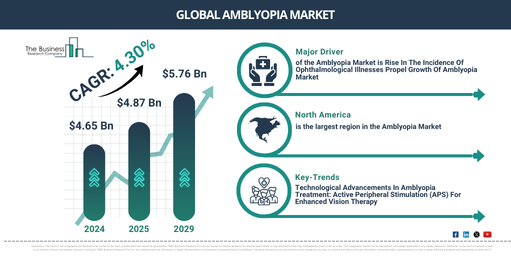
    In recent times, there’s been a consistent expansion in the amblyopia market size. It’s expected to escalate from $4.65 billion in 2024 to $4.87 billion in 2025, representing a compound annual growth rate (CAGR) of 4.7%. This growth during the historic period is linked to an increase in ophthalmological diseases, a surge in consumer demand for cost-effective eyewear, the commonness of hyperopia and myopia, a rise in the elderly population, and the enhanced implementation of telemedicine.

    Expectations are set for the amblyopia market to experience consistent expansion in the coming years with an anticipated worth of$5.76 billion by 2029″, representing a compound annual growth rate (CAGR) of 4.3%. The prediction of such growth during this period can be linked to the emergence of digital health platforms, improved access to supportive resources for parents, an increased focus on children’s preventive healthcare, heightened understanding of amblyopia, and the spreading of specialized eye healthcare centers. In the forecast period, prevailing trends taking shape are innovation in diagnostic technology, emergence of new treatment methodologies, advancements in comprehending visual development, breakthroughs in neuroplasticity, and the creation and validation of novel pharmaceuticals.

    Download a free sample to assess the report’s scope and structure:

    https://www.thebusinessresearchcompany.com/sample.aspx?id=16334&type=smp

    What Are the Major Market Drivers Behind the Rising Adoption of Amblyopia Market?

    The upward trend in ophthalmological diseases is projected to bolster the growth of the amblyopia market in the future. These diseases, affecting the eyes, range from commonplace problems like cataracts and glaucoma to rare ailments such as retinitis pigmentosa and ocular tumors. The increase in such diseases is related to numerous factors such as heightened screen time, aging demographics, and environmental elements like pollution. Amblyopia may contribute to these eye diseases, as it causes the brain to disregard signals from the weaker eye, potentially leading to lasting vision damage and depth perception concerns if left untreated. As an example, the Centers for Disease Control and Prevention, a US-based organization that safeguards the public’s health through science and data, reported in January 2024 that over 3.4 million Americans aged 40 years and above were blind or visually impaired, a figure projected to double by 2030. Thus, the escalating prevalence of ophthalmological diseases serves as a driver for the growth of the amblyopia market.

    Which Key Market Segments Comprise the Amblyopia Market and Drive Its Revenue Growth?

    The amblyopiamarket covered in this report is segmented –

    1) By Disease Type: Strabismus Amblyopia; Refractive Amblyopia; Deprivation Amblyopia; Reverse Amblyopia

    2) By Diagnosis: Visual Acuity Tests; Photo Screening; Bruckner Test; Other Diagnosis

    3) By Treatment: Eye Patches; Atropine Drops; Glasses; Video Games; Other Treatments

    4) By End User: Hospital Pharmacy; Retail Pharmacy; Online Pharmacy

    Subsegments:

    1) By Strabismus Amblyopia: Congenital Strabismus Amblyopia; Acquired Strabismus Amblyopia; Non-Paralytic Strabismus Amblyopia; Paralytic Strabismus Amblyopia; Treatment For Misaligned Eyes (Eye Patches, Vision Therapy)

    2) By Refractive Amblyopia: Myopic Refractive Amblyopia; Hypermetropic Refractive Amblyopia; Astigmatic Refractive Amblyopia; Treatment Through Corrective Lenses (Glasses, Contact Lenses)

    3) By Deprivation Amblyopia: Amblyopia Due To Cataracts; Amblyopia Caused By Ptosis (Drooping Eyelid); Amblyopia From Corneal Opacities; Treatment Through Surgical Interventions Or Patching

    4) By Reverse Amblyopia: Amblyopia Due To Optic Nerve Dysfunction; Amblyopia Associated With Anisometropia (Unequal Refractive Errors); Treatment Through Vision Training Or Optical Correction

    Request customized data on this market:

    https://www.thebusinessresearchcompany.com/customise?id=16334&type=smp

    Which Areas Are Leading Regions in the Amblyopia Market Expansion Across the Globe?

    North America was the largest region in the amblyopia market in 2024. Asia-Pacific is expected to be the fastest-growing region in the forecast period. The regions covered in the amblyopia market report are Asia-Pacific, Western Europe, Eastern Europe, North America, South America, Middle East, Africa.

    What Are the Strategic Trends Steering theAmblyopia Market Direction?

    Leading entities in the amblyopia industry are focusing on technological innovations, including active peripheral stimulation (APS), to enhance peripheral vision therapy. APS is a therapeutic method that stimulates peripheral nerves or tissues to activate sensory pathways, offering potential advantages for pain relief, rehabilitation, and neurological conditions. For example, in October 2024, AmblyoPlay, a startup from the US concentrating on digital vision therapy, employed APS to augment treatment for peripheral vision deficiencies. This revolutionary method tackles conditions such as lazy eye (amblyopia), strabismus, and convergence insufficiency, which disrupt spatial recognition and complete visual functionality. Through the proactive stimulation of peripheral vision, APS tackles a public health concern affecting around 5% of the global populace. AmblyoPlay has seamlessly incorporated APS into a gaming framework, making vision therapy more interactive and enjoyable, especially for children, while encouraging better compliance with treatment.

    View the full report here:

    https://www.thebusinessresearchcompany.com/report/amblyopia-global-market-report

    How Is the Amblyopia Market Conceptually Defined?

    Amblyopia, also known as lazy eye, is a vision development disorder where one eye fails to achieve normal visual acuity, even with prescription eyeglasses or contact lenses. It usually begins during infancy or early childhood and occurs when the brain and the eye do not work together properly. Over time, the brain favors the better-seeing eye, leading to further weakening of the affected eye.

    Purchase the full report and get a swift delivery:

    https://www.thebusinessresearchcompany.com/purchaseoptions.aspx?id=16334

    About The Business Research Company:

    With over 15000+ reports from 27 industries covering 60+ geographies, The Business Research Company has built a reputation for offering comprehensive, data-rich research and insights. Armed with 1,500,000 datasets, the optimistic contribution of in-depth secondary research, and unique insights from industry leaders, you can get the information you need to stay ahead in the game.

    Get in touch with us:

    The Business Research Company: https://www.thebusinessresearchcompany.com/

    Americas +1 310-496-7795

    Europe +44 7882 955267

    Asia & Others +44 7882 955267 & +91 8897263534

    Email us at info@tbrc.info

    Follow us on:

    LinkedIn: https://in.linkedin.com/company/the-business-research-company

    YouTube: https://www.youtube.com/channel/UC24_fI0rV8cR5DxlCpgmyFQ

    Global Market Model: https://www.thebusinessresearchcompany.com/global-market-model
  • Alpers Disease Treatment Market Outlook 2025: Mapping Growth, Innovation, and Regional Shifts

    Alpers Disease Treatment Market Outlook 2025: Mapping Growth, Innovation, and Regional Shifts

    Claim your 30% discount on Global Market Reports with code ONLINE30. Limited time only.

    How Fast Is The Alpers Disease Treatment Market Expected to Grow Between 2025 And 2029?

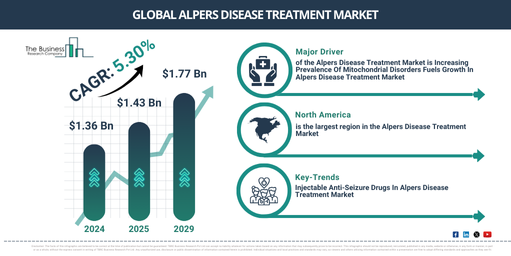
    There has been a robust growth in the market size of Alpers disease treatment in recent years. The estimated progression is from $1.36 billion in 2024 escalating to $1.43 billion in 2025, with a Compound Annual Growth Rate (CAGR) of 5.7%. Factors such as rising awareness and diagnosis rates, advancements in funding for rare disease research, improvement in patient support networks, escalation in healthcare expenditure, and increased regulatory rewards for the development of orphan drugs have contributed to the growth in the historic period.

    Anticipations are high for significant expansion in the alpers disease treatment market in the ensuing years. The market is projected to reach$1.77 billion in 2029, with a compound annual growth rate (CAGR) of 5.3%. Factors contributing to this anticipated growth during the forecast period include an upsurge in research funding, increasing incidence of mitochondrial disorders, amplified education and awareness among healthcare providers, expanded drug therapies, improved healthcare infrastructure and accessibility, and increased patient advocacy initiatives. The evolving trends during the forecast period involve progress in gene therapy, developments in diagnostic processes, improvements in healthcare technology, advances in genetic engineering, and ongoing clinical trials.

    Download a free sample to assess the report’s scope and structure:

    https://www.thebusinessresearchcompany.com/sample.aspx?id=16585&type=smp

    What External and Internal Drivers Are Contributing to the Growth of theAlpers Disease Treatment Market?

    The growth of the alpers disease treatment market is predicted to be fueled by the higher prevalence of mitochondrial disorders. Mitochondrial disorders are diseases caused by mitochondrial dysfunction, which serve as the cell’s energy generators. This increased prevalence is attributed to the growing need for targeted therapies, progress in genetic research, enhanced diagnostic capabilities, and greater awareness among healthcare professionals and patients. Mitochondrial disorder tests can also detect Alpers disease by verifying the existence of gene mutations associated with mitochondrial function. For example, the National Center for Biotechnology Information, a government organization based in the United States, reported in April 2024 that in 2022, the projected prevalence of mtDNA-related mitochondrial disease among adults was 9.2 per 100,000 individuals, with a 95% confidence interval of 6.5 to 12.7. As such, the escalating prevalence of mitochondrial disorders is expected to stimulate the Alpers disease treatment market.

    What Segment Types Define the Alpers Disease Treatment Market Structure?

    The alpers disease treatmentmarket covered in this report is segmented –

    1) By Treatment: Anticonvulsant Drugs; Speech Therapy; Physical Therapy; Occupational Therapy; Other Treatments

    2) By Diagnosis: Laboratory Tests; Molecular Genetic Testing; Electroencephalography (EEG); Other Diagnoses

    3) By Dosage: Tablet; Injection; Other Dosages

    4) By Symptom: Headache; Dementia; Seizures; Spasticity; Liver Dysfunction; Blindness; Cerebral Degeneration; Other Symptoms

    5) By End-User: Clinic; Hospital; Other End-Users

    Subsegments:

    1) By Anticonvulsant Drugs: Valproic Acid; Levetiracetam; Lamotrigine; Topiramate; Clonazepam; Phenobarbital; Others

    2) By Speech Therapy: Articulation Therapy; Language Development Therapy; Swallowing Therapy; Cognitive Communication Therapy

    3) By Physical Therapy: Motor Skill Therapy; Balance And Coordination Training; Stretching And Strengthening Exercises; Gait Training

    4) By Occupational Therapy: Fine Motor Skill Training; Sensory Integration Therapy; Adaptive Techniques For Daily Living; Cognitive Rehabilitation

    5) By Other Treatments: Nutritional Support (Specialized Diets); Genetic Counseling; Psychological Support And Counseling; Antioxidant Therapy; Mitochondrial Support Therapies

    Request customized data on this market:

    https://www.thebusinessresearchcompany.com/customise?id=16585&type=smp

    Which Geographic Areas Hold the Strongest Growth Potential in the Alpers Disease Treatment Market?

    North America was the largest region in the alpers disease treatment market in 2024. The regions covered in the alpers disease treatment market report are Asia-Pacific, Western Europe, Eastern Europe, North America, South America, Middle East, Africa.

    What Long-Term Trends Are Transforming the Competitive Landscape of the Alpers Disease Treatment Market?

    Key players in the Alpers disease treatment market are focusing on the creation of novel solutions like Injectable anti-seizure drugs (ASDs). These drugs offer a quicker and more dependable action than orally consumed medications. They are especially helpful for Alpers disease patients by offering swift and consistent seizure management, circumventing possible absorption problems in the digestive tract, guaranteeing stable and efficient dosing, and providing a more accurate treatment alternative for this complex neurological disorder. For example, East Asia-based pharmaceutical firm Eisai Co. Ltd., introduced FYCOMPA, an injectable variant used in epilepsy treatment in April 2024. This is a selective, noncompetitive AMPA receptor antagonist, thought to de-escalate neuron hyperactivity related to seizures by focusing on glutamate activity at AMPA receptors on postsynaptic membranes. However, using it in Alpers disease patients demands cautious consideration because of the specific hardships and susceptibilities correlating to the disease.

    View the full report here:

    https://www.thebusinessresearchcompany.com/report/alpers-disease-treatment-global-market-report

    What Is the Definition of the Alpers Disease Treatment Market?

    Alpers disease, also known as alpers-Huttenlocher syndrome, is a rare genetic disorder primarily affecting the brain’s function. It begins in childhood and is characterized by seizures, developmental delay, and liver dysfunction. Alpers disease treatment mainly focuses on managing symptoms and providing supportive care.

    Purchase the full report and get a swift delivery:

    https://www.thebusinessresearchcompany.com/purchaseoptions.aspx?id=16585

    About The Business Research Company:

    With over 15000+ reports from 27 industries covering 60+ geographies, The Business Research Company has built a reputation for offering comprehensive, data-rich research and insights. Armed with 1,500,000 datasets, the optimistic contribution of in-depth secondary research, and unique insights from industry leaders, you can get the information you need to stay ahead in the game.

    Get in touch with us:

    The Business Research Company: https://www.thebusinessresearchcompany.com/

    Americas +1 310-496-7795

    Europe +44 7882 955267

    Asia & Others +44 7882 955267 & +91 8897263534

    Email us at info@tbrc.info

    Follow us on:

    LinkedIn: https://in.linkedin.com/company/the-business-research-company

    YouTube: https://www.youtube.com/channel/UC24_fI0rV8cR5DxlCpgmyFQ

    Global Market Model: https://www.thebusinessresearchcompany.com/global-market-model

  • Allogeneic Cell Therapy Market in Focus: Forecasting Growth Drivers, Scaling Potential, and Global Opportunities

    Allogeneic Cell Therapy Market in Focus: Forecasting Growth Drivers, Scaling Potential, and Global Opportunities

    Claim your 30% discount on Global Market Reports with code ONLINE30. Limited time only.

    What Are the Key Projections for the CAGR of the Allogeneic Cell Therapy Market Size From 2025 to 2034?

    The market size of allogeneic cell therapy has seen swift expansion in the past few years. Projected to increase from $1.08 billion in 2024 to $1.2 billion in 2025, the compound annual growth rate (CAGR) is set at 11.5%. The surge during the historic period is a result of heightened emphasis on customizing donor cell choices and genetic alterations, population growth, a rise in the worldwide impact of chronic illnesses, heightened awareness, and an upswing in partnership initiatives for biosimilar development.

    The market size of allogeneic cell therapy is predicted to witness significant expansion in the upcoming years, reaching $1.81 billion by 2029 at a compound annual growth rate (CAGR) of 10.8%. This growth within the projected period is fostered by factors like increasing demand for high quality medical care, growing interest in fresh allogeneic cell treatments, escalating number of clinical tests, major contributions by expanding patient population, and soaring income levels. The forecast period is also expected to showcase major shifts such as advancement in technology, relationship formations among firms, collaborations of prominent companies, mergers and captures, and unveiling of new products.

    Download a free sample to assess the report’s scope and structure:

    https://www.thebusinessresearchcompany.com/sample.aspx?id=15976&type=smp

    What Are the Core Market Drivers Propelling Growth in the Allogeneic Cell Therapy Industry?

    The anticipated surge in chronic diseases is likely to contribute to the expansion of the allogeneic cell therapy market. These long-term conditions often necessitate consistent medical care and can impede day-to-day activities or quality of life. The rise in chronic illnesses can be attributed to lifestyle changes, genetic predisposition, and exposure to harmful chemicals, toxins, and pollutants. Allogeneic cell therapy, which uses healthy cells from a donor to repair, replace, or modify non-functional cells or tissues in the recipient, offers immense potential for the treatment of diverse chronic diseases. For example, the National Center for Biotechnology Information (NCBI), a US-based medical library, predicted in January 2023 that the number of individuals over 50 suffering from one or more chronic diseases will grow by 99.5% by 2050, from 71.52 million in 2020 to 142.66 million. Consequently, the escalating prevalence of chronic conditions propels the allogeneic cell therapy market’s growth.

    How Is the Allogeneic Cell Therapy Market Segmented?

    The allogeneic cell therapymarket covered in this report is segmented –

    1) By Type: Stem Cell Therapies; Non-Stem Cell Therapies

    2) By Therapeutic Area: Hematological Disorders; Dermatological Disorders; Other Therapeutic Area

    3) By End User: Hospitals; Specialty Clinics; Research Organizations

    Subsegments:

    1) By Stem Cell Therapies: Hematopoietic Stem Cell Therapy (Hematopoietic Stem Cells); Mesenchymal Stem Cell Therapy (MSC-Based Therapies); Induced Pluripotent Stem Cells (iPSC-Based Therapies); Neural Stem Cell Therapy; Other Stem Cell Therapies

    2) By Non-Stem Cell Therapies: T-cell Therapies; Natural Killer (NK) Cell Therapies; Dendritic Cell Therapies; Other Non-Stem Cell Therapies

    Request customized data on this market:

    https://www.thebusinessresearchcompany.com/customise?id=15976&type=smp

    Which Regions Are Driving the Next Phase of the Allogeneic Cell Therapy Market Growth?

    North America was the largest region in the allogeneic cell therapy market in 2024. Asia-Pacific is expected to be the fastest-growing region in the forecast period. The regions covered in the allogeneic cell therapy market report are Asia-Pacific, Western Europe, Eastern Europe, North America, South America, Middle East, Africa.

    What Key Market Trends and Innovations Are Shaping the Future of the Allogeneic Cell Therapy Industry?

    Leading firms in the allogeneic cell therapy market are concentrating on the creation of innovative solutions, including cell processing platforms, to bolster their market presence. Cell processing platforms are technologies and systems designed for cell preparation and manipulation for therapeutic utilize, combining isolation, purification, expansion, modification, and quality control to warrant cell suitability for clinical use. For instance, in March 2024, Getinge, a healthcare company based in Sweden, collaborated with CellRev, a biotech firm from the UK, to unveil Livit ACE, a continuous cell processing platform for Adherent Cell Expansion. This revolutionary platform uses advanced automation and bioprocessing technologies to greatly improve the scalability and efficiency of cell production. It has unique functionalities such as cutting-edge cell isolation and purification systems assuring high levels of cell purity and viability, robust expansion capabilities for extensive therapeutic cell production, intricate genetic alteration tools for accurate cell engineering, and stringent quality control procedures to assure the safety and effectiveness of the cell products.

    View the full report here:

    https://www.thebusinessresearchcompany.com/report/allogeneic-cell-therapy-global-market-report

    How Is the Allogeneic Cell Therapy Market Defined and What Are Its Core Parameters?

    Allogeneic cell therapy is a treatment in which cells are harvested from a donor and used to treat a different individual (the recipient). These therapies are designed to replace or repair damaged tissues, modulate immune responses, or treat diseases such as cancer, genetic disorders, and autoimmune conditions.

    Purchase the full report and get a swift delivery:

    https://www.thebusinessresearchcompany.com/purchaseoptions.aspx?id=15976

    About The Business Research Company:

    With over 15000+ reports from 27 industries covering 60+ geographies, The Business Research Company has built a reputation for offering comprehensive, data-rich research and insights. Armed with 1,500,000 datasets, the optimistic contribution of in-depth secondary research, and unique insights from industry leaders, you can get the information you need to stay ahead in the game.

    Get in touch with us:

    The Business Research Company: https://www.thebusinessresearchcompany.com/

    Americas +1 310-496-7795

    Europe +44 7882 955267

    Asia & Others +44 7882 955267 & +91 8897263534

    Email us at info@tbrc.info

    Follow us on:

    LinkedIn: https://in.linkedin.com/company/the-business-research-company

    YouTube: https://www.youtube.com/channel/UC24_fI0rV8cR5DxlCpgmyFQ

    Global Market Model: https://www.thebusinessresearchcompany.com/global-market-model
  • Strong CAGR to Propel in the Albumin Market and Beyond upto $9.93 Billion by 2029

    Strong CAGR to Propel in the Albumin Market and Beyond upto $9.93 Billion by 2029

    Claim your 30% discount on Global Market Reports with code ONLINE30. Limited time only.

    How Has The Albumin Market Growth Evolved From 2024 To 2025, And What’s Ahead?

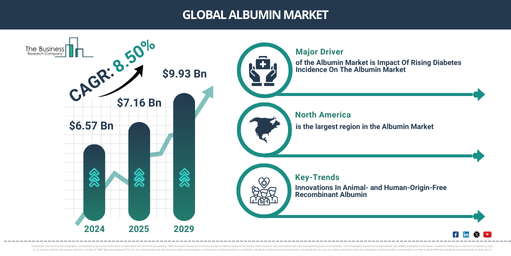
    The size of the albumin market has seen significant growth in the past few years. It is expected to rise from $6.57 billion in 2024 to $7.16 billion in 2025, showcasing a compound annual growth rate (CAGR) of 9.0%. The growth during the historic period has been propelled by improvements in biotechnology, surging demand for therapies derived from plasma, broadening utilization in pharmaceuticals, the high occurrence of liver diseases, approvals from regulatory bodies for products based on albumin, and the increasing globalization of healthcare that leads to enhanced market access.

    The market size of albumin is predicted to witness significant expansion in the upcoming years, growing to be worth$9.93 billion in 2029″ with an average annual growth rate (CAGR) of 8.5%. This anticipated expansion for the forecast period can be accredited to an escalating occurrence of liver conditions, widened use in regenerative medicine, an increasing elderly population, modernizing diagnostic methods, a shift in the healthcare structure towards outpatient services, and an enhanced understanding of the need for maintaining suitable protein levels. Essential trends for the forecast period comprise of the expanding use of therapeutic applications, growing adoption in drug delivery systems, increased demand in cell culture media, advancements in personalized medicine, progression in recombinant technology, elevated consciousness about hypoalbuminemia therapy, and significant funding in research and development for the introduction of innovative albumin-based commodities.

    Download a free sample to assess the report’s scope and structure:

    https://www.thebusinessresearchcompany.com/sample.aspx?id=16333&type=smp

    Which Primay Drivers Are Accelerating Growth in the Albumin Market?

    Due to the escalating number of diabetes cases, it is anticipated that the albumin market will expand significantly. Diabetes is a metabolic disorder defined by consistently elevated blood sugar levels. Malnutrition, insufficient physical exercise, hormonal imbalances, and obesity contribute to the increasing prevalence of diabetes. Albumin, a notable biomarker in the monitoring of diabetes, plays a key role in directing insulin treatment, supervising blood sugar control, aiding in diagnosis, and foreseeing complications like diabetic ketoacidosis (DKA). Proper management of diabetes relies heavily on maintaining normal albumin levels. As an example, the National Library of Medicine, a government library in the USA, reported in January 2022 that the global diabetes prevalence for 2021 was around 10.5%, impacting roughly 536.6 million people aged 20-79. Predictions for 2045 suggest this number will reach 12.2%, affecting about 783.2 million individuals. Hence, the surge in diabetes cases is set to fuel the future growth of the albumin market.

    Which Primary Segments of the Albumin Market Are Driving Growth and Industry Transformations?

    The albuminmarket covered in this report is segmented –

    1) By Type: Human Serum Albumin; Bovine Serum Albumin; Recombinant Albumin

    2) By Application: Therapeutics; Drug Formulation And Vaccines; Component Of Media; Other Applications

    3) By Sales Channel: Business-To-Consumer (B2C); Business-To-Business (B2B)

    4) By End-User: Hospitals And Clinics; Pharmaceutical And Biotechnology Companies; Research Institutes

    Subsegments:

    1) By Human Serum Albumin: Plasma-Derived Human Serum Albumin; Recombinant Human Serum Albumin; Human Serum Albumin For Therapeutic Use (In Liver Disease, Burns); Human Serum Albumin For Drug Delivery And Research Applications

    2) By Bovine Serum Albumin: Bovine Serum Albumin For Laboratory Use (In Cell Culture); Bovine Serum Albumin For Diagnostic Kits; Bovine Serum Albumin As A Stabilizer In Vaccines And Biopharmaceuticals

    3) By Recombinant Albumin: Recombinant Human Albumin For Therapeutic Applications; Recombinant Albumin For Biopharmaceutical Formulation; Recombinant Albumin For Cosmetic And Personal Care Applications; Recombinant Albumin For Research And Diagnostic Applications

    Request customized data on this market:

    https://www.thebusinessresearchcompany.com/customise?id=16333&type=smp

    Which Regions Are Key Players in the Growth of the #Which Primay Drivers Are Accelerating Growth in the Albumin Market?# Market?

    North America was the largest region in the albumin market in 2024. Asia-Pacific is expected to be the fastest-growing region in the forecast period. The regions covered in the albumin market report are Asia-Pacific, Western Europe, Eastern Europe, North America, South America, Middle East, Africa.

    Which Technological Trends Are Reshaping the Albumin Industry Dynamics?

    Leading firms in the albumin market are pioneering new products like animal- and human-origin-free recombinant albumin, providing customers with improved features. This kind of albumin is produced through a non-mammalian expression system like yeast, and does not include any elements from animals or humans. For example, in March 2023, Albumedix, a UK-based producer of recombinant human albumin (rHA), partnered with Heartseed Inc., a clinical-stage biotech company from Japan, to introduce Recombin, a crucial excipient for the manufacture of Heartseed’s experimental cell therapy, HS-001, as it begins its first human clinical trial. This partnership represents a major breakthrough in the progression of HS-001, and is set to drastically change the way various diseases are treated. The incorporation of recombination in the production process guarantees superior performance and durability of the cell therapy, further strengthening its potential for therapeutic triumph.

    View the full report here:

    https://www.thebusinessresearchcompany.com/report/albumin-global-market-report

    What Parameters Are Used to Define the Albumin Market?

    Albumin is a type of protein found in blood plasma, serum, muscle, the whites of eggs, milk, and other animal substances, as well as in many plant tissues and fluids. It is a simple, heat-coagulable, and water-soluble protein that plays a crucial role in maintaining fluid balance and transporting hormones, vitamins, and enzymes throughout the body.

    Purchase the full report and get a swift delivery:

    https://www.thebusinessresearchcompany.com/purchaseoptions.aspx?id=16333

    About The Business Research Company:

    With over 15000+ reports from 27 industries covering 60+ geographies, The Business Research Company has built a reputation for offering comprehensive, data-rich research and insights. Armed with 1,500,000 datasets, the optimistic contribution of in-depth secondary research, and unique insights from industry leaders, you can get the information you need to stay ahead in the game.

    Get in touch with us:

    The Business Research Company: https://www.thebusinessresearchcompany.com/

    Americas +1 310-496-7795

    Europe +44 7882 955267

    Asia & Others +44 7882 955267 & +91 8897263534

    Email us at info@tbrc.info

    Follow us on:

    LinkedIn: https://in.linkedin.com/company/the-business-research-company

    YouTube: https://www.youtube.com/channel/UC24_fI0rV8cR5DxlCpgmyFQ

    Global Market Model: https://www.thebusinessresearchcompany.com/global-market-model

  • $3.22 Billion Forecast for Adult Spinal Deformity Market by 2029, Backed by Demand and Innovation

    $3.22 Billion Forecast for Adult Spinal Deformity Market by 2029, Backed by Demand and Innovation

    Claim your 30% discount on Global Market Reports with code ONLINE30. Limited time only.

    What is the Anticipated CAGR of the Adult Spinal Deformity Market, and What Factors Will Drive It?

    In recent times, there has been a significant expansion in the market size of adult spinal deformity. This market is projected to escalate from $2.42 billion in 2024 to $2.57 billion in 2025, registering a compound annual growth rate (CAGR) of 6.1%. The surge witnessed during the historic period is ascribed to factors such as the growth of the aged population, progress in surgical methodologies, an increased incidence of degenerative disc ailments, heightened consciousness about spinal health, technological breakthroughs, and enhancements in healthcare facilities.

    The market for adult spinal deformity is predicted to experience robust growth in the coming years, reaching $3.22 billion in 2029 with a compound annual growth rate (CAGR) of 5.8%. Factors contributing to this growth during the forecast period include higher occurrence of spinal deformities, an increased demand for specific devices, expansion of regional markets, greater awareness and early diagnosis, and a concentrated focus on intricate deformities and degenerative diseases. The forecast period will also see key trends such as technological progress, less invasive procedures, the advent of 3D printing and customization, the introduction of robotic-assisted surgeries, digital technologies, and individually tailored treatments.

    Download a free sample to assess the report’s scope and structure:

    https://www.thebusinessresearchcompany.com/sample.aspx?id=17052&type=smp

    What Are the Core Growth Drivers Propelling the Adult Spinal Deformity Market Forward?

    The adult spinal deformity market’s expansion is forecasted to be driven by the increasing rates of obesity. With an average body mass index (BMI) of 30 or above, a larger percentage of the population is now classified as obese. This increase in obesity rates is attributed to a greater intake of processed foods high in calories and a sedentary lifestyle. Furthermore, the scarcity of healthy food options and environmental influences add to this growing problem. The growing demand for adult spinal deformity treatments in obese patients is to counter the enhanced mechanical strain on the spine and to reduce the risk and evolution of spinal abnormalities linked to obesity. In September 2023, the Centers for Disease Control and Prevention, a government organization in the US, showed that in 2022, there were 22 states with an adult obesity rate of 35% or above, an increase from 19 states in 2021. As a result of these rising obesity rates, the adult spinal deformity market is expected to grow.

    What Segment Types Define the Adult Spinal Deformity Market Structure?

    The adult spinal deformitymarket covered in this report is segmented –

    1) By Type: Scoliosis; Kyphosis; Lordosis

    2) By Product Type: Cervical Fixation Devices; Interbody Fusion Devices; Thoracolumbar Devices; Other Product Types

    3) By Procedure: Spinal Fusion Surgery; Osteotomy; Spinal Deformity Correction; Spinal Arthrodesis; Spinal Fixation; Minimally Invasive Spinal Surgeries; Other Procedures

    4) By Application: Hospitals And Clinics; Ambulatory Surgical Centers; Other Applications

    Subsegments:

    1) By Scoliosis: Idiopathic Scoliosis; Degenerative Scoliosis; Neuromuscular Scoliosis; Congenital Scoliosis

    2) By Kyphosis: Postural Kyphosis; Scheuermann’s Kyphosis; Degenerative Kyphosis; Congenital Kyphosis

    3) By Lordosis: Hyperlordosis; Hypolordosis

    Request customized data on this market:

    https://www.thebusinessresearchcompany.com/customise?id=17052&type=smp

    Which Geographic Areas Hold the Strongest Growth Potential in the Adult Spinal Deformity Market?

    North America was the largest region in the adult spinal deformity market in 2024. Asia-Pacific is expected to be the fastest-growing region in the forecast period The regions covered in the adult spinal deformity market report are Asia-Pacific, Western Europe, Eastern Europe, North America, South America, Middle East, Africa.

    Which Emerging Trends that Are Influencing theAdult Spinal Deformity Industry Evolution?

    Leading corporations in the adult spinal deformity market are prioritizing the creation of bespoke solutions, including implant technologies, to identify and evaluate upper limb congenital abnormalities, with a focus on hand and wrist deformities. Implant technologies used in spinal deformity devices, such as advanced materials like titanium alloys and polymer composites, are designed to increase structural support and aid in corrective procedures. For instance, the U.S. medical device firm, Orthofix Medical Inc., introduced the Mariner deformity pedicle screw system in January 2023 after their merger with SeaSpine. Created specifically for complicated adult spine deformities, this system includes specialized reduction tools, unique implants, and powerful osteotomy instruments. Its utilisation of Mariner’s modular technology offers a wide-ranging implant solution, which reduces the number of surgical trays needed, and helps to streamline hospital operations, improving workflow and minimizing costs.

    View the full report here:

    https://www.thebusinessresearchcompany.com/report/adult-spinal-deformity-global-market-report

    What Is the Definition of the Adult Spinal Deformity Market?

    Adult spinal deformity is an abnormal curvature of the spine that develops or persists in adulthood, such as scoliosis (sideways curve), kyphosis (rounded back), or lordosis (excessive lower back curve). It can cause pain and functional issues and may require treatment through physical therapy, medication, or surgery.

    Purchase the full report and get a swift delivery:

    https://www.thebusinessresearchcompany.com/purchaseoptions.aspx?id=17052

    About The Business Research Company:

    With over 15000+ reports from 27 industries covering 60+ geographies, The Business Research Company has built a reputation for offering comprehensive, data-rich research and insights. Armed with 1,500,000 datasets, the optimistic contribution of in-depth secondary research, and unique insights from industry leaders, you can get the information you need to stay ahead in the game.

    Get in touch with us:

    The Business Research Company: https://www.thebusinessresearchcompany.com/

    Americas +1 310-496-7795

    Europe +44 7882 955267

    Asia & Others +44 7882 955267 & +91 8897263534

    Email us at info@tbrc.info

    Follow us on:

    LinkedIn: https://in.linkedin.com/company/the-business-research-company

    YouTube: https://www.youtube.com/channel/UC24_fI0rV8cR5DxlCpgmyFQ

    Global Market Model: https://www.thebusinessresearchcompany.com/global-market-model

  • Global Adult Intraventricular Hemorrhage Market Projected to Reach $2.77 Billion by 2029 at a CAGR of 5.8%

    Global Adult Intraventricular Hemorrhage Market Projected to Reach $2.77 Billion by 2029 at a CAGR of 5.8%

    Claim your 30% discount on Global Market Reports with code ONLINE30. Limited time only.

    What Are the Key Milestones in the Adult Intraventricular Hemorrhage Market’s Growth Trajectory From 2025 To 2034?

    The market for adult intraventricular hemorrhage has seen substantial growth in the recent past. Projected to increase from $2.09 billion in 2024 to $2.22 billion by 2025, it displays a compound annual growth rate (CAGR) of 6.2%. Various factors contributed to the growth during the historic period, like advancements in neuroimaging techniques, the rise in hypertension and cardiovascular illnesses, a growing aging population, increased occurrences of traumatic brain injuries, and innovations in medical technology.

    In the coming years, the market size of adult intraventricular hemorrhage is anticipated to experience substantial growth. The market is projected to inflate to$2.77 billion by 2029, with a compound annual growth rate (CAGR) of 5.8%. This projected growth during the forecast period is due to advancements in minimally invasive surgical techniques, improved healthcare systems, growing attention towards stroke prevention and management, the progression of new medicinal treatments, and increased awareness and educational programs. Notable trends during this period are expected to include the advent of telemedicine and distant monitoring, the creation of customized therapies, the growth of inclusive stroke centers, improved rehabilitation services, and a shift towards personalized healthcare.

    Download a free sample to assess the report’s scope and structure:

    https://www.thebusinessresearchcompany.com/sample.aspx?id=17051&type=smp

    What are the Fundamental Drivers and Innovations Shaping the Adult Intraventricular Hemorrhage Market?

    The escalation in stroke cases is projected to stimulate the expansion of the adult intraventricular hemorrhage market in the future. The interruption or reduction of blood flow to the brain during a crisis situation such as a stroke can cause harm to brain cells. The growth in stroke incidents can be mainly attributed to factors like an aging demographic, heightened prevalence of hypertension, diabetes, and obesity, as well as lifestyle-related risk elements like inactive physical behavior and smoking. Strokes can lead to adult intraventricular hemorrhage (IVH) by causing bleeding within the brain’s ventricular system, often as a result of burst blood vessels. For instance, Socialstyrelsen, based in Sweden, reported in November 2023 that around 26,800 cases of stroke were recorded in 2022, affecting nearly 25,100 individuals. This number reflects a decrease of about 300 people compared to 2021 figures. Therefore, the spiraling occurrence of strokes is bolstering the growth of the adult intraventricular hemorrhage market.

    How Is the Adult Intraventricular Hemorrhage Market Segmented?

    The adult intraventricular hemorrhagemarket covered in this report is segmented –

    1) By Product Type: Surgical Devices; Drugs; Monitoring Devices

    2) By Distribution Channel: Direct Sales; Distributors; Online Platforms; Other Distribution Channels

    3) By Application: Intraventricular Hemorrhage; Intracerebral Hemorrhage; Subarachnoid Hemorrhage; Other Applications

    4) By End-User: Hospitals; Specialty Clinics; Ambulatory Surgical Centers; Diagnostic Centers; Other End-Users

    Subsegments:

    1) By Surgical Devices: Craniotomy Instruments; External Ventricular Drainage (EVD) Systems; Surgical Clips And Staples; Endoscopic Tools

    2) By Drugs: Hemostatic Agents; Antihypertensive Drugs; Anticoagulants aAnd Antiplatelet Drugs; Sedatives And Analgesics

    3) By Monitoring Devices: Intracranial Pressure (ICP) Monitors; Brain Oxygenation Monitors; Cerebral Blood Flow (CBF) Monitors; Neuroimaging Devices

    Request customized data on this market:

    https://www.thebusinessresearchcompany.com/customise?id=17051&type=smp

    Which Regions Are Driving the Next Phase of the Adult Intraventricular Hemorrhage Market Growth?

    North America was the largest region in the adult intraventricular hemorrhage market in 2024. Asia-Pacific is expected to be the fastest-growing region in the forecast period. The regions covered in the adult intraventricular hemorrhage market report are Asia-Pacific, Western Europe, Eastern Europe, North America, South America, Middle East, Africa.

    What Key Trends Are Shaping the Future of the Adult Intraventricular Hemorrhage Market?

    Leading companies in the adult intraventricular hemorrhage market are propelling innovation by focusing on the production of new products like neuroaccess devices, specifically intended for the neurovascular treatment of ischemic and hemorrhagic strokes. Neuroaccess devices provide a pathway into the brain or spinal cord for diagnostic or therapeutic purposes. For example, Penumbra Inc., a medical device firm based in the United States, heralded the CE Mark approval and European introduction of its BMX81 and BMX96 neuroaccess devices in June 2024, designed for the treatment of ischemic and hemorrhagic strokes. These devices, which represent Penumbra’s most up-to-date neuroaccess inventions, have a unique build compared to conventional access catheters. The BMX81 and BMX96 are fabricated using laser-cut stainless steel hypo tube technology for optimal stability and trackability, simplifying the task of navigating the brain’s intricate structure for physicians.

    View the full report here:

    https://www.thebusinessresearchcompany.com/report/adult-intraventricular-hemorrhage-global-market-report

    How Is the Adult Intraventricular Hemorrhage Market Defined and What Are Its Core Parameters?

    Adult intraventricular hemorrhage (IVH) is a type of bleeding that occurs within the brain’s ventricular system, where cerebrospinal fluid is produced and circulates. It often results from trauma, stroke, or other conditions that cause blood vessels in the brain to rupture. IVH can lead to increased intracranial pressure, hydrocephalus, and neurological damage, requiring prompt medical intervention.

    Purchase the full report and get a swift delivery:

    https://www.thebusinessresearchcompany.com/purchaseoptions.aspx?id=17051

    About The Business Research Company:

    With over 15000+ reports from 27 industries covering 60+ geographies, The Business Research Company has built a reputation for offering comprehensive, data-rich research and insights. Armed with 1,500,000 datasets, the optimistic contribution of in-depth secondary research, and unique insights from industry leaders, you can get the information you need to stay ahead in the game.

    Get in touch with us:

    The Business Research Company: https://www.thebusinessresearchcompany.com/

    Americas +1 310-496-7795

    Europe +44 7882 955267

    Asia & Others +44 7882 955267 & +91 8897263534

    Email us at info@tbrc.info

    Follow us on:

    LinkedIn: https://in.linkedin.com/company/the-business-research-company

    YouTube: https://www.youtube.com/channel/UC24_fI0rV8cR5DxlCpgmyFQ

    Global Market Model: https://www.thebusinessresearchcompany.com/global-market-model

  • Acute Migraine Treatment Market Forecast 2025–2034: Trends Reshaping Demand, Investment, and Innovation

    Acute Migraine Treatment Market Forecast 2025–2034: Trends Reshaping Demand, Investment, and Innovation

    Claim your 30% discount on Global Market Reports with code ONLINE30. Limited time only.

    How Has The Adeno-Associated Viral Vectors Market Size Shifted, And What Is the Outlook Through 2034?

    The market size for adeno-associated viral vectors has seen swift growth in recent years. It is projected to rise from $2.69 billion in 2024 to $3.17 billion in 2025, showcasing a compound annual growth rate (CAGR) of 17.6%. The historic growth can be credited to vaccine research, amplified funding and investments, collaborations between academia and industry, clinical trial expansions, and increased public awareness and advocacy.

    The market size of the adeno-associated viral vectors is anticipated to witness rapid expansion in the approaching years. It’s projected to reach $5.85 billion by 2029, expanding at a compound annual growth rate (CAGR) of 16.6%. This growth during the predicted period is due to various factors such as the broadening of therapeutic uses, an increase in genetic and neurological disorders, regulatory backing and approvals, and decreased production costs. Key developments expected in the forecast length include progress in gene therapy, innovative technology, scalable manufacturing procedures, collaborations, investments, and technological advancements.

    Download a free sample to assess the report’s scope and structure:

    https://www.thebusinessresearchcompany.com/sample.aspx?id=15969&type=smp

    What Are the Primary Drivers Supporting the Market Growth of the Adeno-Associated Viral Vectors Market?

    The adeno-associated viral vectors market is predicted to expand due to the growing occurrence of genetic disorders. These disorders are abnormalities in an individual’s DNA, which could lead to physical or developmental deformities. The emergence of advanced diagnostic methods, increased awareness, elevated reproductive age, environmental factors, and genetic drift contribute to the escalating prevalence of these genetic disorders. Adeno-associated viral vectors play a crucial role in gene therapy for genetic disorders, introducing corrective genes into cells to potentially address conditions such as muscular dystrophy or cystic fibrosis. In February 2023, the World Health Organization (WHO), a Swiss-based UN agency dedicated to global public health, revealed that congenital diseases were responsible for an approximate 240,000 infant deaths worldwide within the first 28 days after birth each year. In addition, congenital diseases cause the death of an extra 170,000 kids aged between 1 month and 5 years. As such, the escalating occurrence of genetic disorders is fueling the growth of the adeno-associated viral vectors market.

    Which Primary Segments of the Adeno-Associated Viral Vectors Market Are Driving Growth and Industry Transformations?

    The adeno-associated viral vectorsmarket covered in this report is segmented –

    1) By Type Of Therapy: Gene Augmentation; Immunotherapy; Other Type Of Therapies

    2) By Type Of Gene Delivery Method Used: Ex Vivo; In Vivo

    3) By Target Therapeutic Area: Genetic Disorders; Hematological Disorders; Infectious Diseases; Metabolic Disorders; Ophthalmic Disorders; Muscle Disorders; Neurological Disorders; Other Target Therapeutic Areas

    4) By Scale Of Operation: Preclinical; Clinical; Commercial

    5) By Application Area: Gene Therapy; Cell Therapy; Vaccines

    Subsegments:

    1) By Gene Augmentation: Inherited Genetic Disorders; Muscular Dystrophy; Cystic Fibrosis; Hemophilia

    2) By Immunotherapy: Cancer Immunotherapy; Viral Infections Immunotherapy; Autoimmune Diseases Immunotherapy

    3) By Other Types Of Therapies: Gene Editing; RNA Therapy; Antiviral Therapy

    Request customized data on this market:

    https://www.thebusinessresearchcompany.com/customise?id=15969&type=smp

    Which Regions Are Key Players in the Growth of the #What Are the Primary Drivers Supporting the Market Growth of the Adeno-Associated Viral Vectors Market?# Market?

    North America was the largest region in the adeno-associated viral vectors market in 2024. Asia-Pacific is expected to be the fastest-growing region in the forecast period. The regions covered in the adeno-associated viral vectors market report are Asia-Pacific, Western Europe, Eastern Europe, North America, South America, Middle East, Africa.

    What Are the Most Significant Market Trends in the Adeno-Associated Viral Vectors Market?

    Major firms in the adeno-associated viral vectors market, such as Charles River Laboratories International Inc., are distinguishing themselves by providing ready access to replication-capsid plasmid. Rep/Cap plasmids are often used in gene therapy for adeno-associated virus (AAV) vector production and are readily accessible from many commercial suppliers that serve the molecular biology research needs. For example, in January 2024, this US-based pharmaceutical company launched a range of off-the-shelf replication-capsid plasmids aiming to streamline AAV-based gene therapy efforts. This addition to their product line complements their current lentiviral packaging and AAV Helper plasmid offerings and potentially reduces manufacturing efforts by up to 66%. These prepared plasmids undergo a detailed batch production process and are accompanied by documentation, adhering to CMC guidelines and a Certificate of Analysis (COA) to aid IND and Clinical Trial Application (CTA) submissions.

    View the full report here:

    https://www.thebusinessresearchcompany.com/report/adeno-associated-viral-vectors-global-market-report

    What Parameters Are Used to Define the Adeno-Associated Viral Vectors Market?

    Adeno-associated viral vectors (AAV) are small, non-pathogenic viruses commonly used in gene therapy. They are engineered to deliver therapeutic genes into target cells, offering potential treatments for genetic disorders, cancers, and other diseases. AAV’s safety profile and ability to efficiently infect both dividing and non-dividing cells make them valuable tools in biomedical research and clinical applications.

    Purchase the full report and get a swift delivery:

    https://www.thebusinessresearchcompany.com/purchaseoptions.aspx?id=15969

    About The Business Research Company:

    With over 15000+ reports from 27 industries covering 60+ geographies, The Business Research Company has built a reputation for offering comprehensive, data-rich research and insights. Armed with 1,500,000 datasets, the optimistic contribution of in-depth secondary research, and unique insights from industry leaders, you can get the information you need to stay ahead in the game.

    Get in touch with us:

    The Business Research Company: https://www.thebusinessresearchcompany.com/

    Americas +1 310-496-7795

    Europe +44 7882 955267

    Asia & Others +44 7882 955267 & +91 8897263534

    Email us at info@tbrc.info

    Follow us on:

    LinkedIn: https://in.linkedin.com/company/the-business-research-company

    YouTube: https://www.youtube.com/channel/UC24_fI0rV8cR5DxlCpgmyFQ

    Global Market Model: https://www.thebusinessresearchcompany.com/global-market-model
  • Acoustic Neuroma Market Trends 2025-2034: Growth, Strategic Insights, and Opportunities Ahead

    Acoustic Neuroma Market Trends 2025-2034: Growth, Strategic Insights, and Opportunities Ahead

    Claim your 30% discount on Global Market Reports with code ONLINE30. Limited time only.

    What Are the Projected Market Size and Growth Rates for the Acoustic Neuroma Market From 2025 To 2029?

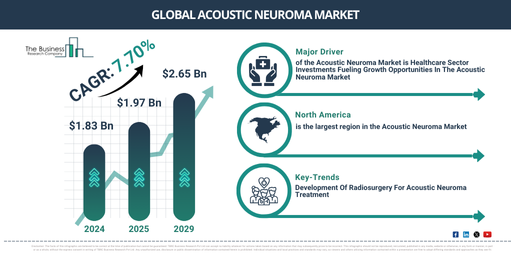
    In recent years, the acoustic neuroma market has seen robust growth. An increase from $1.83 billion in 2024 to $1.97 billion in 2025, reflecting a compound annual growth rate (CAGR) of 7.5%, is expected. This growth during the historic period is due to factors such as improved imaging technologies, surgical breakthroughs, heightened awareness and screening initiatives, economic considerations, and regulatory sanctions.

    The market size of acoustic neuroma is anticipated to witness robust growth in the coming years. It is projected to attain a value of$2.65 billion by 2029, with a compound annual growth rate (CAGR) of 7.7%. The ascension in the forecast period is due to factors such as technological progress, individualized medical treatments, escalating healthcare expenses, patients’ choices and requests, as well as the enhancement of healthcare systems. Major trends foreseen in this period consist of the rise in occurrence rates, technological breakthroughs, market augmentation, combined research undertakings, and developments in treatment methods.

    Download a free sample to assess the report’s scope and structure:

    https://www.thebusinessresearchcompany.com/sample.aspx?id=15502&type=smp

    What Are the Major Market Drivers Behind the Rising Adoption of Acoustic Neuroma Market?

    Growth in the acoustic neuroma market is set to surge on the back of expanding investments in the healthcare industry. Comprising several services and amenities for endorsing health, delivering healthcare, and enhancing the general well-being of individuals and communities, the healthcare sector is witnessing more investment due to heightened demand, innovative technology, changes in regulations, and worldwide health issues. These investments help pioneer new diagnostic techniques and treatments for conditions like acoustic neuroma, leading to improved patients’ outcomes and quality of life. For example, data from the Centers for Medicare & Medicaid Services (CMS), a federal agency based in the U.S., showed that healthcare expenditure rose by 4.1% in 2022, summing to an impressive $4.5 trillion, as of December 2023. Consequently, the elevated investment in the healthcare industry is a primary catalyst for the growth in the acoustic neuroma market.

    Which Key Market Segments Comprise the Acoustic Neuroma Market and Drive Its Revenue Growth?

    The acoustic neuromamarket covered in this report is segmented –

    1) By Type: Unilateral Vestibular Schwannomas; Bilateral Vestibular Schwannomas

    2) By Treatment Type: Drugs; Anticonvulsants; Radiation Therapy; Proton Therapy; Stereotactic Radiosurgery

    3) Diagnosis Type: Magnetic Resonance Imaging (MRI); Computed Tomography Scan (CT-SCAN); Hearing Tests

    4) By End User: Hospitals; Clinics; Surgical Centers

    Subsegments:

    1) By Unilateral Vestibular Schwannomas: Small Unilateral Vestibular Schwannomas; Medium Unilateral Vestibular Schwannomas; Large Unilateral Vestibular Schwannomas; Malignant Unilateral Vestibular Schwannomas; Other Variants Of Unilateral Vestibular Schwannomas

    2) By Bilateral Vestibular Schwannomas: Familial Bilateral Vestibular Schwannomas; Sporadic Bilateral Vestibular Schwannomas; Other Variants Of Bilateral Vestibular Schwannomas

    Request customized data on this market:

    https://www.thebusinessresearchcompany.com/customise?id=15502&type=smp

    Which Areas Are Leading Regions in the Acoustic Neuroma Market Expansion Across the Globe?

    North America was the largest region in the acoustic neuroma market in 2024. The regions covered in the acoustic neuroma market report are Asia-Pacific, Western Europe, Eastern Europe, North America, South America, Middle East, Africa.

    What Are the Strategic Trends Steering theAcoustic Neuroma Market Direction?

    In a bid to cater to their customers with the most advanced features, foremost corporations in the acoustic neuroma market are putting their efforts into creating cutting-edge treatment options, including radiosurgery techniques for treating acoustic neuroma. This approach entails the meticulous delivery of radiation to the tumor, aiming to shrink or eliminate it and prevent damage to nearby normal tissue. As an illustration, Elekta, a Swedish healthcare technology firm known for offering image-guided clinical solutions, unveiled its new advanced radiosurgery system, Elekta Esprit, in May 2022. This equipment is a top-notch stereotactic radiosurgery device that is engineered to target pathologies in the brain, like tumors, functional abnormalities, and vascular malformations. Robust algorithms for automated treatment planning significantly expedite the process, allowing clinicians to provide more patient-friendly, custom care with an unrivaled level of precision. This state-of-the-art system facilitates superior image visualization, remote access, and collaborative tools for the treatment team, empowering them to approach the most complex cases with an extraordinary degree of precision. This, in turn, promises a more gentle, customized radiosurgery strategy. Esprit’s dedication to design is reflected in its integrated system, tailored for comprehensive user-friendliness, and it assures precision that safeguards the healthy tissues, thereby preserving the patient’s cognitive function and overall wellness.

    View the full report here:

    https://www.thebusinessresearchcompany.com/report/acoustic-neuroma-global-market-report

    How Is the Acoustic Neuroma Market Conceptually Defined?

    Acoustic neuroma, also known as vestibular schwannoma, is a non-cancerous tumor that develops on the vestibular nerve connecting the inner ear to the brain responsible for transmitting balance and hearing information to the brain. Acoustic neuromas typically grow slowly and do not spread to other body parts, with symptoms of hearing loss, tinnitus (ringing in the ear), dizziness, imbalance, facial numbness or weakness, and problems with coordination.

    Purchase the full report and get a swift delivery:

    https://www.thebusinessresearchcompany.com/purchaseoptions.aspx?id=15502

    About The Business Research Company:

    With over 15000+ reports from 27 industries covering 60+ geographies, The Business Research Company has built a reputation for offering comprehensive, data-rich research and insights. Armed with 1,500,000 datasets, the optimistic contribution of in-depth secondary research, and unique insights from industry leaders, you can get the information you need to stay ahead in the game.

    Get in touch with us:

    The Business Research Company: https://www.thebusinessresearchcompany.com/

    Americas +1 310-496-7795

    Europe +44 7882 955267

    Asia & Others +44 7882 955267 & +91 8897263534

    Email us at info@tbrc.info

    Follow us on:

    LinkedIn: https://in.linkedin.com/company/the-business-research-company

    YouTube: https://www.youtube.com/channel/UC24_fI0rV8cR5DxlCpgmyFQ

    Global Market Model: https://www.thebusinessresearchcompany.com/global-market-model
  • Ablation Technology Market Insights: In-Depth Look at Growth Trends, Market Size, and Opportunities for 2025-2034

    Ablation Technology Market Insights: In-Depth Look at Growth Trends, Market Size, and Opportunities for 2025-2034

    Claim your 30% discount on Global Market Reports with code ONLINE30. Limited time only.

    What Is the Estimated Market Size of the Ablation Technology Market In 2029?

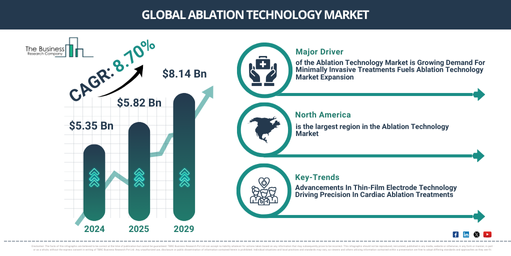
    The market size for ablation technology has experienced significant growth in recent years. It is predicted to rise from $5.35 billion in 2024 to $5.82 billion in 2025, boasting an 8.9% compound annual growth rate (CAGR). The growth in previous years can be correlated with increased awareness amongst patients and doctors, a rise in healthcare spending, increased disposable income, the growing acceptance of radiofrequency ablation (RFA), and expanded access to ablation procedures.

    The market for ablation technology is projected to experience substantial growth in the upcoming years. The market value is predicted to reach$8.14 billion in 2029 with a Compound Annual Growth Rate (CAGR) of 8.7%. The surge during the forecast period can be connected to the increasing rates of chronic diseases, an amplified demand for less invasive surgeries, an aging populace, a rise in surgical operations, and healthcare infrastructure support from government initiatives. Key trends to look out for in the forecast period comprise technological advancements, the application of ablation technology in cancer treatment, enhanced healthcare accessibility, superiorities over conventional surgeries, and cooperative efforts and alliances.

    Download a free sample to assess the report’s scope and structure:

    https://www.thebusinessresearchcompany.com/sample.aspx?id=18206&type=smp

    What External and Internal Drivers Are Contributing to the Growth of theAblation Technology Market?

    The surge in preference for minimally invasive procedures is likely to stimulate the expansion of the ablation technology market in the future. These minimally invasive procedures constitute medical interventions done through minuscule incisions or ordinary body openings employing particular devices, guided by imaging methodologies. As these procedures have the potential to curb recovery periods, mitigate surgical complications, and enhance patient results in contrast to conventional surgical methods, their adoption is increasing. Used in minimally invasive procedures, ablation technology can accurately pinpoint and eradicate the diseased tissues, ensuring minimal harm to the adjacent healthy tissues. For example, the American Society of Plastic Surgeons, a US-based plastic surgeons’ association, estimated that approximately 23,672,269 minimally invasive cosmetic surgeries occurred in the USA in 2022. This figure surged by 7% to reach 25,442,640 surgeries in 2023. Thus, increased demand for minimally invasive procedures is fuelling the growth of the ablation technology market.

    What Segment Types Define the Ablation Technology Market Structure?

    The ablation technologymarket covered in this report is segmented –

    1) By Product: Cryoablation Devices; Electrical Ablators; Hydrothermal Or Hydromechanical Ablators; Laser Or Light Ablators; Microwave Ablators; Radiofrequency Ablators; Ultrasound Ablators; Other Products

    2) By Technologies: Thermal Ablation Technology; Non-Thermal Ablation Technology; Other Technologies

    3) By Applications: Cardiovascular Disease Treatment; Cancer Treatment; Gynecological Treatment; Cosmetic Or Aesthetic Surgery; Pain Management; Orthopedic Treatment; Urological Treatment; Ophthalmologic Treatment; Other Applications

    4) By End Users: Ambulatory Surgical Centers; Hospitals And Ablation Centers; Medical Spas And Aesthetic Clinics; Other End Users

    Subsegments:

    1) By Cryoablation Devices: Cryoprobes; Cryoablation Catheters

    2) By Electrical Ablators: Electrosurgical Units; Electrode Catheters

    3) By Hydrothermal Or Hydromechanical Ablators: Steam-Based Ablation Devices; Water-Jet Ablation Devices

    4) By Laser Or Light Ablators: Diode Laser Ablation Devices; Fiber-Optic Laser Ablation Systems

    5) By Microwave Ablators: Microwave Ablation Catheters; Microwave Generator Systems

    6) By Radiofrequency Ablators: RF Ablation Catheters; RF Ablation Generators

    7) By Ultrasound Ablators: Focused Ultrasound Ablation Devices; Ultrasound-Guided Ablation Systems

    8) By Other Products: Balloon Ablation Systems; Cryoanalgesia Systems

    Request customized data on this market:

    https://www.thebusinessresearchcompany.com/customise?id=18206&type=smp

    Which Geographic Areas Hold the Strongest Growth Potential in the Ablation Technology Market?

    North America was the largest region in the ablation technology market in 2024. Asia-Pacific is expected to be the fastest-growing region in the forecast period. The regions covered in the ablation technology market report are Asia-Pacific, Western Europe, Eastern Europe, North America, South America, Middle East, Africa.

    What Long-Term Trends Are Transforming the Competitive Landscape of the Ablation Technology Market?

    Major firms in the ablation technology market, such as NeuroOne, are working towards advancing technologies like thin-film electrode technology to enhance precision and effectiveness in treating cardiac arrhythmias, shorten the procedure duration, and improve patient results. Thin-film electrode technology is an approach that utilizes extremely thin conductive layers to make precise electrodes for targeted ablation therapies. For instance, NeuroOne, an American medical equipment manufacturer, introduced the OneRF Ablation System in March 2024. This RF technology system uses thin-film stereoelectroencephalography (sEEG) to document electrical activity and conduct precise ablation of nerve tissue using temperature control, employing the same electrode for both diagnosis and treatment. NeuroOne launched the OneRF ablation system as its first product with a treatment indication and it is the company’s third device to receive FDA clearance. The system supports the firm’s Evo cortical and sEEG electrode product lines, which are chiefly used for less than 30 days to monitor electrical activity in the brain.

    View the full report here:

    https://www.thebusinessresearchcompany.com/report/ablation-technology-global-market-report

    What Is the Definition of the Ablation Technology Market?

    Ablation technology involves the removal or destruction of tissue through various methods such as heat, cold, chemicals, or lasers. It is commonly used in medical procedures to treat conditions such as tumors, arrhythmias, or chronic pain. This minimally invasive technique offers precise targeting, reducing damage to surrounding tissues.

    Purchase the full report and get a swift delivery:

    https://www.thebusinessresearchcompany.com/purchaseoptions.aspx?id=18206

    About The Business Research Company:

    With over 15000+ reports from 27 industries covering 60+ geographies, The Business Research Company has built a reputation for offering comprehensive, data-rich research and insights. Armed with 1,500,000 datasets, the optimistic contribution of in-depth secondary research, and unique insights from industry leaders, you can get the information you need to stay ahead in the game.

    Get in touch with us:

    The Business Research Company: https://www.thebusinessresearchcompany.com/

    Americas +1 310-496-7795

    Europe +44 7882 955267

    Asia & Others +44 7882 955267 & +91 8897263534

    Email us at info@tbrc.info

    Follow us on:

    LinkedIn: https://in.linkedin.com/company/the-business-research-company

    YouTube: https://www.youtube.com/channel/UC24_fI0rV8cR5DxlCpgmyFQ

    Global Market Model: https://www.thebusinessresearchcompany.com/global-market-model