Blog

  • Key Developments and Trends Steering the Smart Drug Delivery Systems Market Forward: Advanced Technologies In Smart Drug Delivery Systems

    Key Developments and Trends Steering the Smart Drug Delivery Systems Market Forward: Advanced Technologies In Smart Drug Delivery Systems

    Claim your 30% discount on Global Market Reports with code ONLINE30. Limited time only.

    What Is the Current and Projected Market Size of the Smart Drug Delivery Systems Market Through 2034?

    There has been a swift expansion in the market size of smart drug delivery systems in the past few years. The market is projected to rise from $12.65 billion in 2024 to $15.06 billion in 2025, demonstrating a compound annual growth rate (CAGR) of 19.1%. Factors leading to this growth during the historic time frame include the escalating demand for drug delivery systems, improved patient compliance, the growing incidence of long-standing illnesses, the rise in individualized therapy, and the necessity for cost-effective health care systems.

    The market for intelligent drug delivery systems is predicted to experience brisk expansion in the coming years, growing to $29.19 billion in 2029 with a compound annual growth rate (CAGR) of 18.0%. This predicted expansion during the forecast period is linked to the escalating incidence of non-transmittable diseases, amplified concentration on precision medicine, the emergence of theragnostic, increasing preference for non-invasive modes of drug delivery, and rising healthcare expenses. The upcoming trends for the forecast period involve the miniaturization and microfabrication technologies, progress in the field of material science, utilization of artificial intelligence (AI) and machine learning (ML), the creation of nano-scale drug delivery mechanisms, and the fusion of Internet of Things (IoT) and wearable technology.

    Download a free sample to assess the report’s scope and structure:

    https://www.thebusinessresearchcompany.com/sample.aspx?id=14796&type=smp

    How Are Key Drivers in the Industry Acting as Catalysts for the Growth of theSmart Drug Delivery Systems Market?

    The escalation of chronic diseases is anticipated to stimulate the expansion of the smart drug delivery systems market in the future. Chronic health conditions, characterized by their slow progression over time and complicated causes, are becoming more common due to aging populations, environmental factors, and unequal access to healthcare. Smart drug delivery systems present a viable solution to coping with chronic diseases by improving medication efficiency and promoting patient compliance. For instance, data from the National Library of Medicine, a US medical library, in January 2023 predicted that by 2050, the number of individuals with at least one chronic disease would reach 142.66 million, an increase of 99.5% from 71.522 million in 2020. Hence, the escalating incidence of chronic diseases is propelling the growth of the smart drug delivery systems market.

    Which Segments in the Smart Drug Delivery Systems Offer the Most Growth?

    The smart drug delivery systemsmarket covered in this report is segmented –

    1) By Product: Connected Inhalers; Connected Autoinjectors; Connected Pen Injectors; Connected Wearable Injectors; Add-On Sensors; Other Products

    2) By Therapeutic Area: Metabolic Disorders; Neurological Disorders; Respiratory Disorders; Hormonal Disorders; Other Therapeutic Areas

    3) By Drug Delivery Mode: Injectable; Inhalation; Oral

    4) By End-User: Hospitals; Clinics; Home Care; Ambulatory Care Settings; Other End-Users

    Subsegments:

    1) By Connected Inhalers: Dry Powder Inhalers (DPIs); Metered Dose Inhalers (MDIs)

    2) By Connected Autoinjectors: Single-Dose Autoinjectors; Multi-Dose Autoinjectors

    3) By Connected Pen Injectors: Insulin Pen Injectors; Biologic Pen Injectors

    4) By Connected Wearable Injectors: Insulin Wearable Injectors; Infusion Pump Wearable Injectors

    5) By Add-On Sensors: Glucose Monitoring Sensors; Medication Adherence Sensors; Temperature Sensors

    6) By Other Products: Smart Syringes; Smart Patches; Smart Implants

    Request customized data on this market:

    https://www.thebusinessresearchcompany.com/customise?id=14796&type=smp

    What Are the Fastest-Growing Geographies in the #How Are Key Drivers in the Industry Acting as Catalysts for the Growth of theSmart Drug Delivery Systems Market?# Market?

    North America was the largest region in the smart drug delivery systems market in 2024. Asia-Pacific is expected to be the fastest-growing region in the forecast period. The regions covered in the smart drug delivery systems market report are Asia-Pacific, Western Europe, Eastern Europe, North America, South America, Middle East and Africa.

    What Are the Current Market Growth and Trends in the Smart Drug Delivery Systems Industry?

    In an effort to transform the way drugs are administered, dominant firms in the smart drug delivery systems market are concentrating their efforts on creating reusable drug delivery devices like Qfinity. Unlike their single-use counterparts that are thrown away after one use, Qfinity is a device that can be reutilized for medication administration. A case in point is when Jabil Inc., a US-based manufacturing company, unveiled Qfinity in May 2022. The newly introduced reusable drug delivery gadget is structured for the self-administration of drugs through the subcutaneous route. Remarkably, the device can accommodate either 1 mL or 2.25 mL pre-loaded cartridges and can manage over 100 injections per device, while decreasing the carbon footprint per injection by 60%. Qfinity serves as a versatile autoinjector platform with wide ranging technical specifications, capable of handling diverse drug volumes and viscosities. Furthermore, an advanced version known as Qfinity+ features built-in sensors and electronics to enable remote patient monitoring and adherence to care without compromising the device’s simplicity of use.

    View the full report here:

    https://www.thebusinessresearchcompany.com/report/smart-drug-delivery-systems-global-market-report

    What Are the Key Elements That Define the Smart Drug Delivery Systems Market?

    Smart drug delivery systems refer to advanced technologies designed to improve the efficacy, safety, and targeted delivery of pharmaceutical compounds to specific sites within the body. These systems employ various strategies to control the release of drugs, enhance bioavailability, and minimize side effects.

    Purchase the full report and get a swift delivery:

    https://www.thebusinessresearchcompany.com/purchaseoptions.aspx?id=14796

    About The Business Research Company:

    With over 15000+ reports from 27 industries covering 60+ geographies, The Business Research Company has built a reputation for offering comprehensive, data-rich research and insights. Armed with 1,500,000 datasets, the optimistic contribution of in-depth secondary research, and unique insights from industry leaders, you can get the information you need to stay ahead in the game.

    Get in touch with us:

    The Business Research Company: https://www.thebusinessresearchcompany.com/

    Americas +1 310-496-7795

    Europe +44 7882 955267

    Asia & Others +44 7882 955267 & +91 8897263534

    Email us at info@tbrc.info

    Follow us on:

    LinkedIn: https://in.linkedin.com/company/the-business-research-company

    YouTube: https://www.youtube.com/channel/UC24_fI0rV8cR5DxlCpgmyFQ

    Global Market Model: https://www.thebusinessresearchcompany.com/global-market-model
  • Abetalipoproteinemia Management Market Forecast Reaching $0.67 Billion by 2029 at 8.7% CAGR

    Abetalipoproteinemia Management Market Forecast Reaching $0.67 Billion by 2029 at 8.7% CAGR

    Claim your 30% discount on Global Market Reports with code ONLINE30. Limited time only.

    How Has The Abetalipoproteinemia Management Market Size Shifted, And What Is the Outlook Through 2034?

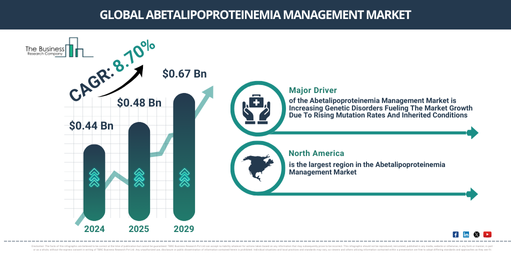
    In recent times, there has been significant growth in the market size of abetalipoproteinemia management. Progressing from a value of $0.44 billion in 2024, it is set to expand to $0.48 billion in 2025, with a compound annual growth rate (CAGR) of 8.8%. The augmentation in the historic period is credited to the growing awareness of rare genetic disorders, increased efforts in patient advocacy, an upswing in the usage of lipid supplements, a heightened demand for preliminary screening, and amplified research into vitamin E therapy.

    The market for the management of abetalipoproteinemia is anticipated to experience substantial growth in the forthcoming years, with predictions suggesting that it will expand to$0.67 billion by 2029, progressing at a compound annual growth rate (CAGR) of 8.7%. This estimated surge during the forecast period can be ascribed to factors such as the rising incidence of inherited metabolic disorders, increased emphasis on therapies based on nutrition, the upswing in genetic screening programs, an influx of biotech startups, and heightened awareness surrounding carrier screening. Predominant trends within the forecast period include the broadening of newborn screening initiatives, research into gene therapy, the development of personalized nutritional strategies, the application of high-dose vitamin therapies, and advancements in the monitorization of patients.

    Download a free sample to assess the report’s scope and structure:

    https://www.thebusinessresearchcompany.com/sample.aspx?id=23290&type=smp

    Which Major Market Drivers Are Expected to Boost the Growth Potential of the Abetalipoproteinemia Management Market?

    The escalating occurrence of genetic disorders is predicted to stimulate growth in the abetalipoproteinemia management market. Genetic disorders are conditions triggered by mutations or abnormalities in a person’s DNA, which can either be inherited or take place spontaneously, having an impact on health and development. The survival rates of those suffering from genetic conditions are increasing, thanks to improved medical treatments and interventions, which leads to increased occurrences of these disorders. To prevent the complications associated with these genetic disorders, the management of abetalipoproteinemia incorporates addressing nutrient deficiencies through a low-fat diet and high doses of fat-soluble vitamins (A, D, E, K). This early treatment helps avert neurological and vision issues, thereby enhancing life quality. For instance, as reported by the US-based philanthropic Cystic Fibrosis (CF) Foundation in July 2022, the occurrences of Cystic fibrosis (a genetic disorder mainly impacting the lungs, pancreas, liver, and intestines) have increased, affecting roughly 40,000 adults and children in the United States, and more than 105,000 diagnosed across the world. Consequently, this rising prevalence of genetic disorders is bolstering the growth of the abetalipoproteinemia management market.

    Which Key Market Segments Comprise the Abetalipoproteinemia Management Market and Drive Its Revenue Growth?

    The abetalipoproteinemia managementmarket covered in this report is segmented –

    1) By Treatment: Molecular Genetic Testing Treatment; Blood Testing Treatment; Fat-Soluble Vitamins Supplementation; Other Treatments

    2) By Route Of Administration: Oral; Parenteral; Topical

    3) By Patient Population: Pediatric Patients; Adult Patients; Geriatric Patients

    4) By Application: Hospitals And Clinics; Diagnostics labs; Other Applications

    Subsegments:

    1) By Molecular Genetic Testing Treatment: Deoxyribonucleic Acid (DNA) Sequencing; Polymerase Chain Reaction (PCR) Testing; Microarray Analysis; Next-Generation Sequencing (NGS); Southern Blotting

    2) By Blood Testing Treatment: Lipid Panel Testing; Apolipoprotein B (ApoB) Testing; Complete Blood Count (CBC); Liver Function Tests (LFTs); Other Blood Biomarkers

    3) By Fat-Soluble Vitamins Supplementation: Vitamin A; Vitamin D; Vitamin E; Vitamin K; Multivitamin Combinations

    4) By Other Treatments: Dietary Modifications; Medium-Chain Triglycerides (MCT) Therapy; Supportive Care; Gene Therapy Research; Emerging Experimental Therapies

    Request customized data on this market:

    https://www.thebusinessresearchcompany.com/customise?id=23290&type=smp

    Which Areas Are Leading Regions in the Abetalipoproteinemia Management Market Expansion Across the Globe?

    North America was the largest region in the abetalipoproteinemia management market in 2024. Asia-Pacific is expected to be the fastest-growing region in the forecast period. The regions covered in the abetalipoproteinemia management market report are Asia-Pacific, Western Europe, Eastern Europe, North America, South America, Middle East, Africa.

    View the full report here:

    https://www.thebusinessresearchcompany.com/report/abetalipoproteinemia-management-global-market-report

    How Is the Abetalipoproteinemia Management Market Conceptually Defined?

    Abetalipoproteinemia management refers to the clinical approach to treating and managing a rare inherited disorder characterized by the inability to produce apoB-containing lipoproteins necessary for fat and fat-soluble vitamin transport. This condition leads to malabsorption of fat and fat-soluble vitamins and causes various symptoms, including failure to thrive, developmental delay, vision problems, and neurological issues.

    Purchase the full report and get a swift delivery:

    https://www.thebusinessresearchcompany.com/purchaseoptions.aspx?id=23290

    About The Business Research Company:

    With over 15000+ reports from 27 industries covering 60+ geographies, The Business Research Company has built a reputation for offering comprehensive, data-rich research and insights. Armed with 1,500,000 datasets, the optimistic contribution of in-depth secondary research, and unique insights from industry leaders, you can get the information you need to stay ahead in the game.

    Get in touch with us:

    The Business Research Company: https://www.thebusinessresearchcompany.com/

    Americas +1 310-496-7795

    Europe +44 7882 955267

    Asia & Others +44 7882 955267 & +91 8897263534

    Email us at info@tbrc.info

    Follow us on:

    LinkedIn: https://in.linkedin.com/company/the-business-research-company

    YouTube: https://www.youtube.com/channel/UC24_fI0rV8cR5DxlCpgmyFQ

    Global Market Model: https://www.thebusinessresearchcompany.com/global-market-model

  • Market Trends Influencing Strategic Decisions in the Smart Contact Lenses Industry: Advancements In Augmented Reality Contact Lenses

    Market Trends Influencing Strategic Decisions in the Smart Contact Lenses Industry: Advancements In Augmented Reality Contact Lenses

    Claim your 30% discount on Global Market Reports with code ONLINE30. Limited time only.

    What is the Anticipated CAGR of the Smart Contact Lenses Market, and What Factors Will Drive It?

    In recent years, the market size for smart contact lenses has seen quick expansion. The market is anticipated to expand from $5.25 billion in 2024 to $5.83 billion in 2025, reflecting a compound annual growth rate (CAGR) of 11.2%. The historical growth can be attributed to factors such as an increase in vision-related disorders and eye conditions, rising demand for health monitoring and diagnostics in real-time, growing consciousness about the advantages of smart contact lenses, broadening use in healthcare and medical diagnostics, and an influx in research and development activities.

    In the coming years, the market size for smart contact lenses is anticipated to accelerate rapidly, reaching $8.55 billion in 2029 with a CAGR of 10.0%. Factors leading to this growth during the predicted period include an increased need for tailored health care services, a rise in the aging population and associated age-related eye disorders, greater use of health and lifestyle management wearable technology, and a heightened interest in non-invasive wellness monitoring solutions, enthusiast from unexploited potential in emerging markets and developing regions. Other significant trends for the forecast period encompass the fusion of augmented reality (AR) and virtual reality (VR) technologies, advancements in microelectronics and miniaturization technology, ongoing innovation in smart contact lens technology, improved connectivity attributes, and integration of the Internet of Things (IoT).

    Download a free sample to assess the report’s scope and structure:

    https://www.thebusinessresearchcompany.com/sample.aspx?id=13932&type=smp

    What Are the Major Market Drivers Behind the Rising Adoption of Smart Contact Lenses Market?

    The rising incidence of glaucoma is predicted to fuel the expansion of the smart contact lens market in the future. Glaucoma, a collection of eye conditions marked by increased intraocular pressure (pressure within the eye) that can harm the optic nerve, could lead to vision loss or even blindness if not treated promptly. Smart contact lenses can aid in managing glaucoma by tracking intraocular pressure, providing constant information for improved disease control and early intervention. For example, the BrightFocus Foundation, a non-profit organization based in the US, reported in October 2022 that roughly 80 million people worldwide are currently living with glaucoma, and this number is projected to rise to more than 111 million by 2040. Consequently, the growing prevalence of glaucoma is set to accelerate the development of the smart contact lens market.

    Which Key Market Segments Comprise the Smart Contact Lenses Market and Drive Its Revenue Growth?

    The smart contact lensesmarket covered in this report is segmented –

    1) By Type: Daily Wear Soft Lenses; Extended-Wear; Planned Replacement; Rapid Gas Permeable (RGP); Other Types

    2) By Application: Intraocular Pressure Monitoring; Continuous Glucose Monitoring

    3) By End User: Hospitals; Ophthalmology Clinics; Other End Users

    Subsegments:

    1) By Daily Wear Soft Lenses: Daily Disposable Lenses; Weekly Disposable Lenses; Monthly Disposable Lenses

    2) By Extended-Wear: Continuous Wear Lenses; Extended Wear Soft Lenses

    3) By Planned Replacement: Biweekly Lenses; Monthly Lenses

    4) By Rapid Gas Permeable (RGP): Traditional RGP Lenses; Specialty RGP Lenses

    5) By Other Types: Scleral Lenses; Orthokeratology Lenses; Multifocal Lenses

    Request customized data on this market:

    https://www.thebusinessresearchcompany.com/customise?id=13932&type=smp

    Which Areas Are Leading Regions in the Smart Contact Lenses Market Expansion Across the Globe?

    North America was the largest region in the smart contact lenses market in 2024. Asia-Pacific is expected to be the fastest-growing region in the forecast period. The regions covered in the smart contact lenses market report are Asia-Pacific, Western Europe, Eastern Europe, North America, South America, Middle East, Africa.

    What Are the Strategic Trends Steering theSmart Contact Lenses Market Direction?

    Leading firms in the smart contact lens market are innovating and adopting advanced technology such as augmented reality contact lenses, to provide their customers with enhanced features. Augmented reality contact lenses, a form of wearable tech, embed AR technology directly into the contact lenses worn by consumers. For example, Mojo Vision, an American company known for its development and commercialization of cutting-edge micro-LED display tech, launched Mojo Lens in March 2022. This lens, the brainchild of the company, is designed to infuse invisible computing into everyday reality. The smart contact lens prototype features a range of innovative hardware and technologies smoothly built into the lens design, to amplify display, communication, eye tracking, and power features. Importantly, this new advancement debuts the base operating system code and UX elements, setting the stage for significant exploration and testing of vital consumer and partner use cases.

    View the full report here:

    https://www.thebusinessresearchcompany.com/report/smart-contact-lenses-global-market-report

    How Is the Smart Contact Lenses Market Conceptually Defined?

    Smart contact lenses are advanced eye-wearable devices that combine vision correction with health monitoring, fitness tracking, augmented reality displays, and drug delivery, potentially transforming personal healthcare and enhancing daily life through real-time data and interactive experiences.

    Purchase the full report and get a swift delivery:

    https://www.thebusinessresearchcompany.com/purchaseoptions.aspx?id=13932

    About The Business Research Company:

    With over 15000+ reports from 27 industries covering 60+ geographies, The Business Research Company has built a reputation for offering comprehensive, data-rich research and insights. Armed with 1,500,000 datasets, the optimistic contribution of in-depth secondary research, and unique insights from industry leaders, you can get the information you need to stay ahead in the game.

    Get in touch with us:

    The Business Research Company: https://www.thebusinessresearchcompany.com/

    Americas +1 310-496-7795

    Europe +44 7882 955267

    Asia & Others +44 7882 955267 & +91 8897263534

    Email us at info@tbrc.info

    Follow us on:

    LinkedIn: https://in.linkedin.com/company/the-business-research-company

    YouTube: https://www.youtube.com/channel/UC24_fI0rV8cR5DxlCpgmyFQ

    Global Market Model: https://www.thebusinessresearchcompany.com/global-market-model

  • $2.43 Billion Forecast for Von Willebrand Disease Market by 2029, Backed by Demand and Innovation

    $2.43 Billion Forecast for Von Willebrand Disease Market by 2029, Backed by Demand and Innovation

    Claim your 30% discount on Global Market Reports with code ONLINE30. Limited time only.

    How Has the Von Willebrand Disease Market Growth Performance Trended Historically, And What Lies Ahead?

    The market size for von Willebrand disease has experienced significant expansion in the past few years. The market is predicted to grow from a value of $1.74 billion in 2024 to $1.86 billion in 2025, presenting a compound annual growth rate (CAGR) of 7.0%. The surges in the historical period are a result of heightened awareness of uncommon bleeding conditions, increased detection rates of von Willebrand disease, expanded funding for blood disorder research, improved healthcare accessibility, and a rise in the application of preventive treatments in hemophilia management.

    In the coming years, the market size of von Willebrand disease is predicted to witness robust growth, escalating to $2.43 billion in 2029 with a Compound Annual Growth Rate (CAGR) of 6.9%. The predicted expansion over the forecast period can be linked with the enhancement in gene therapy for haemorrhagic disorders, an increase in biotechnology research funding, amplified demand for non-invasive diagnostic methods, the burgeoning use of tech-centered health tools for disease surveillance, and the expansion in telemedicine services catered to rare diseases. The forecast period is expected to see trends such as advancements in gene therapy techniques, the inclusion of artificial intelligence in diagnostic processes, innovative non-invasive diagnostic instruments, the launch of new drug delivery systems, and tech-based health platforms aimed at patient education.

    Download a free sample to assess the report’s scope and structure:

    https://www.thebusinessresearchcompany.com/sample.aspx?id=22168&type=smp

    What Are the Core Growth Drivers Propelling the Von Willebrand Disease Market Forward?

    The expanding occurrence of bleeding disorders is anticipated to boost the advancement of the von willebrand disease market. These disorders encompass a range of health anomalies that hamper the body’s clotting capabilities resulting in extended or hefty bleeding. The mounting incidence of diagnosed bleeding disorders can largely be attributed to the progression in medical understanding and diagnostic methodologies that permit medical professionals and healthcare institutions to correctly identify earlier undetected instances. Treatment for von willebrand disease assists individuals with bleeding disorders by augmenting blood clot formation, minimizing extreme bleeding, and uplifting their overall quality of life. For example, the United Kingdom Haemophilia Centre Doctors’ Organization, a UK-based medical group, reported in November 2022 that there were 16 new registrations for Hemophilia A in the United Kingdom in 2021, escalating to 19 in 2022. Consequently, the escalated prevalence of bleeding disorders is fuelling the von willebrand disease market’s growth.

    What Segment Types Define the Von Willebrand Disease Market Structure?

    The von willebrand diseasemarket covered in this report is segmented –

    1) By Type: Type 1; Type 2; Type 3

    2) By Drugs: Antihemophilic Factor; Coagulation Factor VIII Complex; Von Willebrand Factor; Desmopressin Acetate; Other Drugs

    3) By Severity: Mild; Moderate; Severe

    4) By Distribution Channel: Hospital Pharmacy; Retail Pharmacy; Online Pharmacy; Other Distribution Channels

    5) By End Users: Hospitals; Speciality Clinics; Homecare; Other End Users

    Subsegments:

    1) By Type 1: Mild Von Willebrand Disease; Moderate Von Willebrand Disease; Severe Von Willebrand Disease

    2) By Type 2: Type 2A; Type 2B; Type 2M; Type 2N

    3) By Type 3: Congenital Type 3; Acquired Type 3

    Request customized data on this market:

    https://www.thebusinessresearchcompany.com/customise?id=22168&type=smp

    Which Geographic Areas Hold the Strongest Growth Potential in the Von Willebrand Disease Market?

    North America was the largest region in the von willebrand disease market in 2024. Asia-Pacific is expected to be the fastest-growing region in the forecast period. The regions covered in the von willebrand disease market report are Asia-Pacific, Western Europe, Eastern Europe, North America, South America, Middle East, Africa.

    Which Emerging Trends that Are Influencing theVon Willebrand Disease Industry Evolution?

    The leading enterprises in the von willebrand disease market are prioritizing innovative therapeutics like von willebrand factor concentrate to elevate treatment efficacy, decrease bleeding incidents, and enhance patient results. Von willebrand factor (VWF) concentrate serves as a cure used in treating and thwarting bleeding in individuals afflicted with von willebrand disease (VWD), a genetic bleeding affliction caused by a lack or malfunction of the von willebrand factor. For example, in April 2024, Octapharma USA Inc., an American pharmaceutical entity, disclosed the approval of Wilate by Food and Drug Administration (FDA), a governmental agency in the US. Wilate is a von willebrand factor concentrate which is a lyophilized powder solution intended for intravenous injection to serve as a regular prophylaxis to lessen the frequency of bleeding incidents in adults and children aged 6 years and above. The orphan drug designation by FDA furnishes Wilate with a seven-year market exclusivity, designed to foster the advancement of treatments for uncommon diseases.

    View the full report here:

    https://www.thebusinessresearchcompany.com/report/von-willebrand-disease-global-market-report

    What Is the Definition of the Von Willebrand Disease Market?

    Von willebrand disease (VWD) is a genetic bleeding disorder caused by a deficiency or dysfunction of von willebrand factor (VWF), a protein that helps blood clot. The severity of the disorder depends on the amount and functionality of von willebrand factor in the blood.

    Purchase the full report and get a swift delivery:

    https://www.thebusinessresearchcompany.com/purchaseoptions.aspx?id=22168

    About The Business Research Company:

    With over 15000+ reports from 27 industries covering 60+ geographies, The Business Research Company has built a reputation for offering comprehensive, data-rich research and insights. Armed with 1,500,000 datasets, the optimistic contribution of in-depth secondary research, and unique insights from industry leaders, you can get the information you need to stay ahead in the game.

    Get in touch with us:

    The Business Research Company: https://www.thebusinessresearchcompany.com/

    Americas +1 310-496-7795

    Europe +44 7882 955267

    Asia & Others +44 7882 955267 & +91 8897263534

    Email us at info@tbrc.info

    Follow us on:

    LinkedIn: https://in.linkedin.com/company/the-business-research-company

    YouTube: https://www.youtube.com/channel/UC24_fI0rV8cR5DxlCpgmyFQ

    Global Market Model: https://www.thebusinessresearchcompany.com/global-market-model

  • Top Trends Driving Innovation and Change in the Sickle Cell Disease Treatment Market: Advancements in Sickle Cell Disease Treatment: Akums Introduces Affordable, Room Temperature-Stable Hydroxyurea Oral Suspension

    Top Trends Driving Innovation and Change in the Sickle Cell Disease Treatment Market: Advancements in Sickle Cell Disease Treatment: Akums Introduces Affordable, Room Temperature-Stable Hydroxyurea Oral Suspension

    Claim your 30% discount on Global Market Reports with code ONLINE30. Limited time only.

    What Are the Key Milestones in the Sickle Cell Disease Treatment Market’s Growth Trajectory From 2025 To 2034?

    The market size for treating sickle cell disease has seen a swift expansion in the recent past. The growth is projected to shoot up from $2.95 billion in 2024 to $3.51 billion in 2025, with a compound annual growth rate (CAGR) set at 18.7%. The surge during the historic period can be credited to factors like comprehension of the disease, blood transfusion procedures, pain control measures, and the application of hydroxyurea therapy.

    The market for treatment of sickle cell disease is anticipated to witness a swift expansion in the upcoming years, potentially reaching a valuation of$6.72 billion by 2029, growing at a compound annual growth rate (CAGR) of 17.7%. The predicted growth over this period could be due to factors such as advancements in gene editing and therapy, development of new drugs, introduction of telemedicine and remote monitoring, along with worldwide health initiatives. Major trends projected for this period encompass curative therapies, alternative methods for pain management, international collaborations, and heightened patient advocacy and engagement.

    Download a free sample to assess the report’s scope and structure:

    https://www.thebusinessresearchcompany.com/sample.aspx?id=13048&type=smp

    What External and Internal Drivers Are Contributing to the Growth of theSickle Cell Disease Treatment Market?

    The surge in the need for blood transfusions is anticipated to accelerate the growth of the sickle cell disease treatment market. Blood transfusions, a medical procedure where blood or blood products are transferred from one person (the donor) to another (the recipient), play a pivotal role in the treatment of sickle cell disease (SCD). They enhance the blood’s capability to transport oxygen and reduce the complications related to vaso-occlusion. For example, in January 2022, Mid-Atlantic Long-Term Care, a US-based organization offering specialized 24-hour triage on-call service, reported that approximately 29,000 units of red blood cells, 5,000 units of platelets, and 6.500 units of plasma are required daily in the US. Hence, the growing need for blood transfusions is fostering the expansion of the sickle cell disease treatment market.

    What Segment Types Define the Sickle Cell Disease Treatment Market Structure?

    The sickle cell disease treatmentmarket covered in this report is segmented –

    1) By Treatment Modality: Blood Transfusion; Pharmacotherapy; Bone Marrow Transplant

    2) By Disease Type: Sickle Cell Anemia; Hemoglobin Sickle C Disease (HbSC); Other Disease Types

    3) By Route Of Administration: Oral; Parenteral

    4) By End-User: Hospitals; Specialty Clinics; Other End-Users

    Subsegments:

    1) By Blood Transfusion: Regular Blood Transfusion; Exchange Transfusion

    2) By Pharmacotherapy: Hydroxyurea; L-Glutamine; Voxelotor; Crizanlizumab

    3) By Bone Marrow Transplant: Allogeneic Transplant; Autologous Transplant

    Request customized data on this market:

    https://www.thebusinessresearchcompany.com/customise?id=13048&type=smp

    Which Geographic Areas Hold the Strongest Growth Potential in the Sickle Cell Disease Treatment Market?

    North America was the largest region in the sickle cell disease treatment market in 2024. The regions covered in sickle cell disease treatment market report are Asia-Pacific, Western Europe, Eastern Europe, North America, South America, Middle East and Africa.

    What Long-Term Trends Are Transforming the Competitive Landscape of the Sickle Cell Disease Treatment Market?

    Firms dominating the market for sickle cell disease treatment are concentrating on creating new oral suspension drugs in a bid to elevate patient adherence, escalate drug effectiveness, and offer easier treatment options. This is particularly beneficial for pediatric and elderly patients. Oral suspension drugs are medications offered in liquid form with solid particles, engineered to simplify swallowing, especially for children or those who find it challenging to consume pills. An illustration of this is when Akums Drugs and Pharmaceuticals Ltd., a pharmaceutical production company based in India, introduced a non-refrigerated oral suspension of Hydroxyurea in March 2024. This SCD medication, priced at less than 1% of imported alternatives, eliminates cold storage requirements while providing accurate far-reaching dosing accessible to patients of all ages. It was aimed to boost healthcare access in India.

    View the full report here:

    https://www.thebusinessresearchcompany.com/report/sickle-cell-disease-treatment-global-market-report

    What Is the Definition of the Sickle Cell Disease Treatment Market?

    Sickle cell disease (SCD), also known as sickle cell anemia, is a genetic disorder affecting hemoglobin, a protein in red blood cells. A mutation in the hemoglobin gene causes the production of defective hemoglobin, referred to as hemoglobin S (HbS), in people with sickle cell disease. The sickle cell disease treatment removes blockages, enhances blood flow and repairs damaged tissues.

    Purchase the full report and get a swift delivery:

    https://www.thebusinessresearchcompany.com/purchaseoptions.aspx?id=13048

    About The Business Research Company:

    With over 15000+ reports from 27 industries covering 60+ geographies, The Business Research Company has built a reputation for offering comprehensive, data-rich research and insights. Armed with 1,500,000 datasets, the optimistic contribution of in-depth secondary research, and unique insights from industry leaders, you can get the information you need to stay ahead in the game.

    Get in touch with us:

    The Business Research Company: https://www.thebusinessresearchcompany.com/

    Americas +1 310-496-7795

    Europe +44 7882 955267

    Asia & Others +44 7882 955267 & +91 8897263534

    Email us at info@tbrc.info

    Follow us on:

    LinkedIn: https://in.linkedin.com/company/the-business-research-company

    YouTube: https://www.youtube.com/channel/UC24_fI0rV8cR5DxlCpgmyFQ

    Global Market Model: https://www.thebusinessresearchcompany.com/global-market-model
  • Global Venous Leg Ulcer Treatment Market Projected to Reach $5.63 Billion by 2029 at a CAGR of 7%

    Claim your 30% discount on Global Market Reports with code ONLINE30. Limited time only.

    What Are the Projected Market Size and Growth Rates for the Venous Leg Ulcer Treatment Market From 2025 To 2029?

    The market for treating venous leg ulcers has seen a remarkable growth in the past few years. The market size, which stood at $4 billion in 2024, is projected to escalate to $4.29 billion in 2025, advancing at a compound annual growth rate of 7.2%. Factors contributing to this growth during the historic period include a rise in the occurrence of venous leg ulcers, growing knowledge of advanced treatment methods for healing wounds, increasing inclination towards less intrusive treatment options, a surge in the application of antimicrobial dressings, and an uptick in the uptake of bioengineered skin substitutes.

    Expectations are high for significant growth in the venous leg ulcer treatment market size within the coming years, with estimates indicating it will expand to$5.63 billion by 2029″ at a compound annual growth rate (CAGR) of 7.0%. The predicted expansion during the projected period can be attributed to factors such as increased spending on healthcare, escalated research and development, a surge in cases of diabetes, a heightened demand for compression therapy goods, and a rise in the preference for individualized wound care solutions. Leading trends expected to be apparent during the forecast period comprise advancements in wound dressings, creative alterations in compression therapy, the integration of telemedicine, the application of artificial intelligence (AI) for wound evaluation, and the broadening of health insurance coverage.

    Download a free sample to assess the report’s scope and structure:

    https://www.thebusinessresearchcompany.com/sample.aspx?id=22167&type=smp

    What are the Fundamental Drivers and Innovations Shaping the Venous Leg Ulcer Treatment Market?

    The continual enhancement of healthcare facilities is anticipated to accelerate the development of the venous leg ulcer treatment market. Healthcare facilities encompass necessary physical structures, systems, and resources required to offer effective healthcare services. The growth of healthcare infrastructure stems from advancements in medical technology, including the introduction of telemedicine, robotic surgery, and AI-powered diagnostics. Such innovations necessitate improved facilities, specialized equipment, and advanced healthcare delivery systems to optimize patient outcomes and efficiency. Healthcare facilities aid venous leg ulcer treatment by providing access to modern wound care facilities, evidence-backed therapies, skilled medical experts, and cutting-edge treatment options. These elements collectively contribute to superior healing outcomes and an improved quality of life for patients. For instance, the American Hospital Association, a non-profit organization based in the US, recorded a total of 6,120 hospitals in 2024, reflecting an increase from 6,093 hospitals in 2022. Consequently, the evolving healthcare infrastructure is influencing the progression of the venous leg ulcer treatment market.

    How Is the Venous Leg Ulcer Treatment Market Segmented?

    The venous leg ulcer treatmentmarket covered in this report is segmented –

    1) By Treatment Type: Compression Therapy; Debridement; Medication; Surgery

    2) By Etiology: Venous Insufficiency; Arterial Insufficiency; Mixed Insufficiency; Other Etiologies

    3) By Mechnaism Of Action: Oxygenation Enhancers; Growth Factor Stimulators; Anti-inflammatory Agents; Antimicrobial Treatments

    4) By End Users: Hospitals; Clinics; Home Healthcare; Other End-Users

    Subsegments:

    1) By Compression Therapy Type: Short-Stretch Bandages; Long-Stretch Bandages; Multi-Layer Compression Bandages; Compression Stockings; Intermittent Pneumatic Compression (IPC) Devices

    2) By Debridement Type: Surgical Debridement; Autolytic Debridement; Enzymatic Debridement; Mechanical Debridement; Biological Debridement

    3) By Medication Type: Topical Antibiotics; Oral Antibiotics; Growth Factors; Anti-Inflammatory Agents; Wound Healing Agents

    4) By Surgery Type: Skin Grafting; Vein Ablation; Subfascial Endoscopic Perforator Surgery (SEPS); Sclerotherapy; Vein Bypass Surgery

    Request customized data on this market:

    https://www.thebusinessresearchcompany.com/customise?id=22167&type=smp

    Which Regions Are Driving the Next Phase of the Venous Leg Ulcer Treatment Market Growth?

    North America was the largest region in the venous leg ulcer treatment market in 2024. Asia-Pacific is expected to be the fastest-growing region in the forecast period. The regions covered in the venous leg ulcer treatment market report are Asia-Pacific, Western Europe, Eastern Europe, North America, South America, Middle East, Africa.

    What Key Trends Are Shaping the Future of the Venous Leg Ulcer Treatment Market?

    Major corporations functioning in the sector of venous leg ulcer treatments are emphasizing the development of inventive wound dressings to help chronic wound management and better healing with biosynthetic cellulose. Biosynthetic cellulose is a sub-type of a biological material that microorganisms generate through the process of fermentation that possesses characteristics such as high purity, biocompatibility, and superior strength which are apt for a wide range of uses. As an example, Epicite Balance, a wound dressing fabricated from biosynthetic cellulose, was launched in June 2023 by Evonik Industries AG, a speciality chemical firm based in Germany. This dressing was developed particularly for the management of persistent wounds like venous leg ulcers, diabetic foot ulcers, and pressure ulcers. The product allows for optimal healing of the wounds by preserving a moist wound environment, enabling superior cleansing, and absorbing exudate, making it favourable for utilization in both homecare and hospital environments.

    View the full report here:

    https://www.thebusinessresearchcompany.com/report/venous-leg-ulcer-treatment-global-market-report

    How Is the Venous Leg Ulcer Treatment Market Defined and What Are Its Core Parameters?

    Venous leg ulcer treatment refers to a comprehensive approach aimed at managing and healing open sores that develop on the legs due to poor blood circulation in the veins. This treatment typically involves compression therapy to improve blood flow, wound care to prevent infection, and lifestyle adjustments or medical interventions to address underlying venous conditions.

    Purchase the full report and get a swift delivery:

    https://www.thebusinessresearchcompany.com/purchaseoptions.aspx?id=22167

    About The Business Research Company:

    With over 15000+ reports from 27 industries covering 60+ geographies, The Business Research Company has built a reputation for offering comprehensive, data-rich research and insights. Armed with 1,500,000 datasets, the optimistic contribution of in-depth secondary research, and unique insights from industry leaders, you can get the information you need to stay ahead in the game.

    Get in touch with us:

    The Business Research Company: https://www.thebusinessresearchcompany.com/

    Americas +1 310-496-7795

    Europe +44 7882 955267

    Asia & Others +44 7882 955267 & +91 8897263534

    Email us at info@tbrc.info

    Follow us on:

    LinkedIn: https://in.linkedin.com/company/the-business-research-company

    YouTube: https://www.youtube.com/channel/UC24_fI0rV8cR5DxlCpgmyFQ

    Global Market Model: https://www.thebusinessresearchcompany.com/global-market-model

  • Emerging Trends Redefining the Severe Acute Respiratory-Syndrome Treatment Market Landscape: Innovative Fluorescent Pcr Technology Advancements By Leading Companies In The Sexually Transmitted Infections (STIS) Market

    Claim your 30% discount on Global Market Reports with code ONLINE30. Limited time only.

    How Has The Sexually Transmitted Infections (STIs) Market Size Shifted, And What Is the Outlook Through 2034?

    In recent years, the market size for sexually transmitted infections (STIs) has exhibited swift growth. It’s predicted to expand from a worth of $63.69 billion in 2024 to $71.28 billion in 2025, escalating at a compound annual growth rate (CAGR) of 11.9%. The notable growth in the preceding period can be attributed to factors like behavioral aspects, education and awareness, access to healthcare, and development of antibiotics.

    Over the approaching years, the market for sexually transmitted infections (stis) is predicted to undergo a swift expansion. It is projected to escalate to a value of$112.02 billion by 2029, with a compound annual growth rate (CAGR) of 12.0%. Various factors like the development of new STI strains, advancement in vaccination measures, telemedicine, and at-home testing, sexual health equality, are asserted to drive growth in the projected period. The upcoming period also indicates trends like increasing antimicrobial resistance, pre-exposure prophylaxis (prep), self-management of STI, and enhanced sexual education.

    Download a free sample to assess the report’s scope and structure:

    https://www.thebusinessresearchcompany.com/sample.aspx?id=13047&type=smp

    What Are the Core Market Drivers Propelling Growth in the Sexually Transmitted Infections (STIs) Industry?

    The increase in state-sponsored programs aimed at promoting understanding of sexually transmitted infections is set to boost expansion in the sexually transmitted infections (STIs) market. These initiatives, developed by the government to tackle specific issues and achieve certain objectives, encompass a variety of measures to prevent, manage, and treat sexually transmitted infections (STIs). These include financing public awareness campaigns on STIs, vaccinations against certain STIs, as well as free or low-cost screening and testing services. For example, in April 2023, the US-based public health institution, Springfield-Greene County Health announced a new scheme and partnership with the Missouri Department of Health and Senior Services (Missouri DHSS) designated as the Disease Intervention Specialist (DIS). This initiative is to address the growing prevalence of STIs in Greene County. The two specialists of the DIS program, whose main focus is on syphilis and HIV, will establish communication with patients who have tested positive for these infections, assist them with treatment options and help to identify and communicate with individuals who may be infected. This boost in state-led initiatives, consequently, will fuel the sexually transmitted infections (STIs) market.

    How Is the Sexually Transmitted Infections (STIs) Market Segmented?

    The sexually transmitted infections (stis)market covered in this report is segmented –

    1) By Type: Human Immunodeficiency Virus (HIV); Human Papilloma Virus (HPV); Gonorrhea; Syphilis; Other Types

    2) By Treatment: Antibiotics; Antiviral

    3) By Location Of Testing: Laboratory Testing; Point-Of-Care (POC) Testing

    4) By Route Of Administration: Oral; Parenteral; Other Route Of Administration

    5) By End-Users: Hospitals; Specialty Clinics; Homecare; Other End-Users

    Subsegments:

    1) By Human Immunodeficiency Virus (HIV): HIV Type 1; HIV Type 2

    2) By Human Papilloma Virus (HPV): Low-Risk HPV; High-Risk HPV

    3) By Gonorrhea: Uncomplicated Gonorrhea; Complicated Gonorrhea

    4) By Syphilis: Primary Syphilis; Secondary Syphilis; Tertiary Syphilis

    5) By Other Types: Chlamydia; Herpes Simplex Virus (HSV); Hepatitis B; Hepatitis C; Trichomoniasis

    Request customized data on this market:

    https://www.thebusinessresearchcompany.com/customise?id=13047&type=smp

    Which Regions Are Driving the Next Phase of the Sexually Transmitted Infections (STIs) Market Growth?

    North America was the largest region in the sexually transmitted infection (STIs) market in 2024. Asia-Pacific is expected to be the fastest-growing region in the forecast period. The regions covered in sexually transmitted infections (STIs) market report are Asia-Pacific, Western Europe, Eastern Europe, North America, South America, Middle East and Africa.

    What Key Market Trends and Innovations Are Shaping the Future of the Sexually Transmitted Infections (STIs) Industry?

    Leading firms in the sexually transmitted infections (STIs) market are leveraging Fluorescent PCR (Polymerase Chain Reaction) technology to create innovative products and secure an edge over their competitors. This molecular biology method allows the detection and quantification of particular DNA sequences in a biological sample. For example, in March 2023, Jiangsu Bioperfectus Technologies Co. Ltd., headquartered in China and specialising in molecular diagnostic solutions, launched two new polymerase chain reaction (PCR) kits – Mycoplasma Hominis Real-Time PCR Kit and Treponema Pallidum Real-Time PCR Kit. These kits offer a comprehensive PCR solution for early detection of sexually transmitted diseases, which affect a large number of people. The BioPerfectus Mycoplasma Hominis Real-Time PCR Kit, which employs Fluorescent PCR technology, is designed to identify Mycoplasma hominis in human male urethral swabs, female cervical or vaginal swabs and urine samples. Meanwhile, the BioPerfectus Treponema Pallidum Real-Time PCR Kit is engineered to locate treponema pallidum nucleic acid in human serum and plasma.

    View the full report here:

    https://www.thebusinessresearchcompany.com/report/sexually-transmitted-infections-stis-global-market-report

    How Is the Sexually Transmitted Infections (STIs) Market Defined and What Are Its Core Parameters?

    Sexually transmitted infections (STIs), also known as sexually transmitted diseases (STDs), refer to diseases caused by viruses, bacteria and parasites that are passed from one person to another through sexual contact. These infections can be transmitted by vaginal, anal and oral sex and through skin-to-skin contact.

    Purchase the full report and get a swift delivery:

    https://www.thebusinessresearchcompany.com/purchaseoptions.aspx?id=13047

    About The Business Research Company:

    With over 15000+ reports from 27 industries covering 60+ geographies, The Business Research Company has built a reputation for offering comprehensive, data-rich research and insights. Armed with 1,500,000 datasets, the optimistic contribution of in-depth secondary research, and unique insights from industry leaders, you can get the information you need to stay ahead in the game.

    Get in touch with us:

    The Business Research Company: https://www.thebusinessresearchcompany.com/

    Americas +1 310-496-7795

    Europe +44 7882 955267

    Asia & Others +44 7882 955267 & +91 8897263534

    Email us at info@tbrc.info

    Follow us on:

    LinkedIn: https://in.linkedin.com/company/the-business-research-company

    YouTube: https://www.youtube.com/channel/UC24_fI0rV8cR5DxlCpgmyFQ

    Global Market Model: https://www.thebusinessresearchcompany.com/global-market-model
  • Spina Bifida In-Utero Market Forecast 2025–2034: Trends Reshaping Demand, Investment, and Innovation

    Spina Bifida In-Utero Market Forecast 2025–2034: Trends Reshaping Demand, Investment, and Innovation

    Claim your 30% discount on Global Market Reports with code ONLINE30. Limited time only.

    What Is the Estimated Market Size of the Valley Fever Market In 2029?

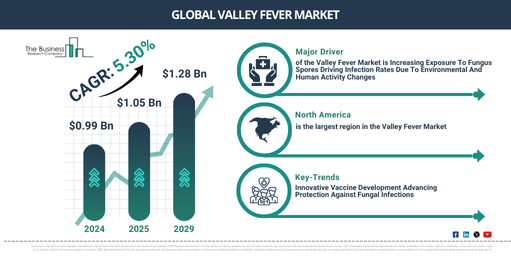
    Over the past few years, the market size for valley fever has seen significant growth. It is estimated to increase from $0.99 billion in 2024 to $1.05 billion in 2025, marking a Compound Annual Growth Rate (CAGR) of 5.7%. The commendable growth in the historic period seems to stem from several factors including the escalating effects of climate change that are contributing to the spread of fungi, enhanced funding for research in valley fever treatments, an increase in healthcare investments, swelling demand for specialized diagnostic laboratories, and a surge in valley fever occurrences in regions where it was previously not prevalent.

    Expectations are high for a significant increase in the Valley Fever market size in the upcoming years. By 2029, it is projected to reach a value of $1.28 billion with a Compound Annual Growth Rate (CAGR) of 5.3%. Factors contributing to this predicted growth span from the rising endorsement of telemedicine to advancements in antifungal research, improved funding for vaccine research, the increase in population mobility in high-risk zones, and enhanced accessibility of antifungal therapies. Additionally, trends set to characterize this period include technological advancements, a growing demand for antifungal medication, progress in the field of vaccine development, continued utilization of telemedicine, and international cooperative efforts.

    Download a free sample to assess the report’s scope and structure:

    https://www.thebusinessresearchcompany.com/sample.aspx?id=22166&type=smp

    What Are the Primary Drivers Supporting the Market Growth of the Valley Fever Market?

    The increased interaction with fungal spores is predicted to drive the growth of the valley fever market in the future. These spores, which are microscopic reproductive elements produced by fungi, can disseminate through air, water, or surfaces, allowing the fungi to flourish and multiply in new surroundings. The augmented exposure to fungal spores can be attributed to deforestation and shifts in weather patterns, causing soil disturbance and encouraging spore emission, thus heightening the likelihood of infections like valley fever. This risk is notably higher in arid areas that host the coccidioides fungus. Assistance for valley fever patients exposed to fungal spores comes through treatments that alleviate symptoms, avert complications, and manage the growth of fungi. This, in turn, boosts their recovery speed and enhances the quality of their lives. For example, as per the International Society for Infectious Diseases, a non-profit organization from the US, in September 2024, invasive fungal infections affect around 6.5 million people each year, leading to approximately 3.8 million deaths. Out of these, roughly 2.5 million fatalities are directly related to the infections. Thus, the surge in fungus spore exposure is a key factor in the expansion of the valley fever market.

    Which Primary Segments of the Valley Fever Market Are Driving Growth and Industry Transformations?

    The valley fevermarket covered in this report is segmented –

    1) By Types Of Treatment: Fluconazole; Itraconazole; Voriconazole; Posaconazole; Others Types Of Treatment

    2) By Site Of Infection: Skin; Lungs; Liver; Bones; Heart; Brain; Membranes That Surround The Brain And Spinal Cord; Other Sites Of Infection

    3) By End-Users: Human; Cattle; Sheep And Goats; Camel; Other End-Users

    Subsegments:

    1) By Fluconazole Type: Oral Fluconazole; Intravenous Fluconazole

    2) By Itraconazole Type: Capsule Itraconazole; Oral Solution Itraconazole

    3) By Voriconazole Type: Oral Voriconazole; Intravenous Voriconazole

    4) By Posaconazole Type: Oral Suspension Posaconazole; Delayed-Release Tablets Posaconazole; Intravenous Posaconazole

    5) By Other Treatment Types: Combination Therapy; Adjunctive Therapy

    Request customized data on this market:

    https://www.thebusinessresearchcompany.com/customise?id=22166&type=smp

    Which Regions Are Key Players in the Growth of the #What Are the Primary Drivers Supporting the Market Growth of the Valley Fever Market?# Market?

    North America was the largest region in the valley fever market in 2024. The regions covered in the valley fever market report are Asia-Pacific, Western Europe, Eastern Europe, North America, South America, Middle East, Africa.

    What Are the Most Significant Market Trends in the Valley Fever Market?

    The main players in the valley fever market are focusing their efforts on creating innovative vaccines to tackle the growing issue of fungal infections. The objective of valley fever vaccines is to safeguard individuals through the application of cutting-edge science and manufacturing processes, thus improving public health and safety. For example, in August 2024, the National Institute of Allergy and Infectious Diseases (NIAID), a US government agency, awarded a contract worth up to $33 million to Anivive Lifesciences Inc., a US pet pharmaceutical company. This grant will assist in the additional manufacturing, formulation, comprehensive safety testing, and a Phase 1 clinical trial of a human Valley Fever vaccine. The goal is to introduce the first vaccine to combat a severe systemic fungal infection.

    View the full report here:

    https://www.thebusinessresearchcompany.com/report/valley-fever-global-market-report

    What Parameters Are Used to Define the Valley Fever Market?

    Valley fever, also called coccidioidomycosis, is a fungal infection that primarily affects the lungs and can cause symptoms such as cough, fever, fatigue, and chest pain, with some cases resulting in severe complications. It is caused by inhaling airborne spores of the coccidioides fungi, which are commonly present in dry, dusty soil and can become airborne when the soil is disturbed.

    Purchase the full report and get a swift delivery:

    https://www.thebusinessresearchcompany.com/purchaseoptions.aspx?id=22166

    About The Business Research Company:

    With over 15000+ reports from 27 industries covering 60+ geographies, The Business Research Company has built a reputation for offering comprehensive, data-rich research and insights. Armed with 1,500,000 datasets, the optimistic contribution of in-depth secondary research, and unique insights from industry leaders, you can get the information you need to stay ahead in the game.

    Get in touch with us:

    The Business Research Company: https://www.thebusinessresearchcompany.com/

    Americas +1 310-496-7795

    Europe +44 7882 955267

    Asia & Others +44 7882 955267 & +91 8897263534

    Email us at info@tbrc.info

    Follow us on:

    LinkedIn: https://in.linkedin.com/company/the-business-research-company

    YouTube: https://www.youtube.com/channel/UC24_fI0rV8cR5DxlCpgmyFQ

    Global Market Model: https://www.thebusinessresearchcompany.com/global-market-model

  • Spina Bifida In-Utero Market 2025-2034: Key Highlights, Growth Dynamics, and Emerging Trends

    Spina Bifida In-Utero Market 2025-2034: Key Highlights, Growth Dynamics, and Emerging Trends

    Claim your 30% discount on Global Market Reports with code ONLINE30. Limited time only.

    How Fast Is The Spina Bifida In-Utero Market Expected to Grow Between 2025 And 2029?

    In recent times, there has been considerable growth in the spina bifida in-utero market size. The market, valued at $2.42 billion in 2024, is projected to escalate to $2.65 billion in 2025, demonstrating a compound annual growth rate (CAGR) of 9.6%. The previous growth can be linked to a rise in the incidence of spina bifida, intensifying consciousness about fetal surgery, an upsurge in maternal age which brings along associated pregnancy risks, an increase in healthcare spending, and a burgeoning interest in research and development within the area of fetal medicine.

    It is anticipated that the in-utero spina bifida market will witness robust growth in the coming years, with projections estimating its value at $3.74 billion by 2029, growing at a compound annual growth rate (CAGR) of 9.0%. Factors contributing to this projected expansion include heightened awareness regarding prenatal diagnosis and treatment, an increase in the adoption of less invasive procedures, supportive government initiatives and funding, improvements in healthcare facilities in developing markets, and a rise in the number of specialized centers for fetal surgery. Leading trends for the forecast period encompass progress in prenatal screening and diagnostics, technological enhancements in least invasive surgical techniques, the evolution of biomaterials for fetal surgical interventions, advancements in therapies utilising amniotic fluid, and the uptake of artificial womb technology for supporting fetal development.

    Download a free sample to assess the report’s scope and structure:

    https://www.thebusinessresearchcompany.com/sample.aspx?id=22150&type=smp

    How Are Key Drivers in the Industry Acting as Catalysts for the Growth of theSpina Bifida In-Utero Market?

    Advancements in the realm of healthcare facilities are likely to fuel the growth trajectory of the spina bifida in-utero market. These facilities encompass critical physical resources, systems, and infrastructure that are integral for effective healthcare services. The growth of healthcare infrastructure can be attributed to technological advancements in the medical field, with innovations like telemedicine, AI-driven diagnoses, and robotic surgeries necessitating upgraded facilities, advanced equipment, and superior healthcare delivery systems to optimize patient outcomes and efficiency. By providing access to evidence-based treatments, specialized medical professionals, and innovative therapeutic options, healthcare facilities aid spina bifida in-utero, leading to improved patient healing results and better quality of life. As an illustration, data from the American Hospital Association, a US-based non-profit entity, indicates an increment in hospitals from 6,093 in 2022 to a total of 6,120 in 2024 in the United States. Consequently, the augmenting healthcare infrastructure is propelling the growth of the spina bifida in-utero market.

    Which Segments in the Spina Bifida In-Utero Offer the Most Growth?

    The spina bifida in-uteromarket covered in this report is segmented –

    1) By Type: Myelomeningocele; Meningocele; Occulta

    2) By Diagnosis: Ultrasound; Magnetic Resonance Imaging (MRI); Amniocentesis

    3) By Treatment: Surgery; Postnatal Surgery; Medication Management

    4) By End-User: Hospitals; Specialty Clinics; Ambulatory Surgical Centers

    Subsegments:

    1) By Myelomeningocele Type: Open Myelomeningocele; Closed Myelomeningocele; Lumbosacral Myelomeningocele; Thoracic Myelomeningocele; Cervical Myelomeningocele

    2) By Meningocele Type: Cranial Meningocele; Spinal Meningocele; Occipital Meningocele; Frontal Meningocele; Parietal Meningocele

    3) By Occulta Type: Lumbosacral Spina Bifida Occulta; Sacral Spina Bifida Occulta; Isolated Spina Bifida Occulta; Complex Spina Bifida Occulta; Tethered Cord Syndrome Associated Occulta

    Request customized data on this market:

    https://www.thebusinessresearchcompany.com/customise?id=22150&type=smp

    What Are the Fastest-Growing Geographies in the #How Are Key Drivers in the Industry Acting as Catalysts for the Growth of theSpina Bifida In-Utero Market?# Market?

    North America was the largest region in the spina bifida in utero market in 2024. Asia-Pacific is expected to be the fastest-growing region in the forecast period. The regions covered in the spina bifida in-utero market report are Asia-Pacific, Western Europe, Eastern Europe, North America, South America, Middle East, Africa.

    What Are the Current Market Growth and Trends in the Spina Bifida In-Utero Industry?

    Leading enterprises in the spina bifida in utero market are creating specialized centers, including surgery centers, that incorporate advanced imaging and low-risk methods for fetal interventions. A surgery center is a specialized institution where surgeries are carried out on a day patient basis, nullifying the necessity for hospital admission. For example, Wadia Hospital, located in India, inaugurated a center in January 2025 that provides intrauterine surgery for open spina bifida. This innovative facility amalgamates state-of-the-art surgical methods with a multidisciplinary strategy, facilitating early interventions capable of minimizing complications and boosting positive long-term results for newborns affected. This center aims to improve surgical accuracy and patient care quality, signifying progress for families dealing with open spina bifida hurdles.

    View the full report here:

    https://www.thebusinessresearchcompany.com/report/spina-bifida-in-utero-global-market-report

    What Are the Key Elements That Define the Spina Bifida In-Utero Market?

    Spina bifida in-utero refers to a prenatal surgical procedure performed to repair spina bifida, a neural tube defect where the spine and spinal cord don’t develop properly. The surgery, done before birth, aims to reduce complications such as hydrocephalus and improve mobility and neurological outcomes. It helps protect the exposed spinal cord from further damage by closing the defect earlier. This intervention can enhance the child’s quality of life compared to postnatal repair.

    Purchase the full report and get a swift delivery:

    https://www.thebusinessresearchcompany.com/purchaseoptions.aspx?id=22150

    About The Business Research Company:

    With over 15000+ reports from 27 industries covering 60+ geographies, The Business Research Company has built a reputation for offering comprehensive, data-rich research and insights. Armed with 1,500,000 datasets, the optimistic contribution of in-depth secondary research, and unique insights from industry leaders, you can get the information you need to stay ahead in the game.

    Get in touch with us:

    The Business Research Company: https://www.thebusinessresearchcompany.com/

    Americas +1 310-496-7795

    Europe +44 7882 955267

    Asia & Others +44 7882 955267 & +91 8897263534

    Email us at info@tbrc.info

    Follow us on:

    LinkedIn: https://in.linkedin.com/company/the-business-research-company

    YouTube: https://www.youtube.com/channel/UC24_fI0rV8cR5DxlCpgmyFQ

    Global Market Model: https://www.thebusinessresearchcompany.com/global-market-model

  • Reading Glasses Market Trends 2025-2034: Growth, Strategic Insights, and Opportunities Ahead

    Reading Glasses Market Trends 2025-2034: Growth, Strategic Insights, and Opportunities Ahead

    Claim your 30% discount on Global Market Reports with code ONLINE30. Limited time only.

    What Are the Key Projections for the CAGR of the Reading Glasses Market Size From 2025 to 2034?

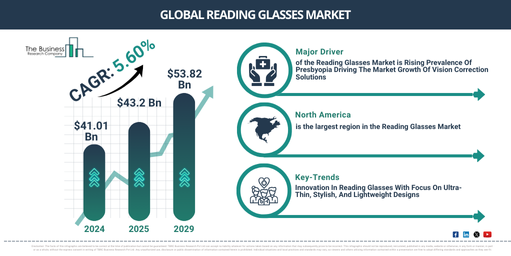
    In the past few years, the market size for reading glasses has shown robust growth. The market, which was valued at $41.01 billion in 2024, is forecasted to rise to $43.2 billion in 2025, representing a compound annual growth rate (CAGR) of 5.4%. Factors contributing to growth in this historical period include an increasingly aging population, rising urbanization levels, increased cases of presbyopia, an escalated demand for vision correction, and a growing incidence of eye diseases.

    The market for reading glasses is set to experience significant expansion in the coming years, with predictions indicating a growth amounting to$53.82 billion by 2029″ with a compound annual growth rate (CAGR) of 5.6%. This predicted growth during the forecast period is due to a number of factors such as the broadening of online sales avenues, heightened patronization of top-tier brand products, a surge in the demand for reading glasses, an increase in disposable income among consumers, intensified use of mobile technology, computers and other digital tech, growing trend of fashionable designs and branded products among youthful consumers, along with the advancements in e-commerce platforms. Key market trends for this period include escalated digital device use, transformation in consumer purchase behavior, technological enhancements, improvements in eyeglass frame materials, and inclusion of AI in the design of reading glasses.

    Download a free sample to assess the report’s scope and structure:

    https://www.thebusinessresearchcompany.com/sample.aspx?id=22122&type=smp

    What Are the Major Market Drivers Behind the Rising Adoption of Reading Glasses Market?

    The growth of the reading glasses market is predicted to be fueled by the escalating incidence of presbyopia. This vision problem primarily related to age causes difficulties in focusing accurately on objects up close and generally impacts people over 40. The increasing occurrences of presbyopia arise from the natural process of aging that incrementally decreases the pliability of the eye’s lens, thereby reducing its capacity to concentrate on nearby things. Contemporary shifts in lifestyle, such as elevated screen time and reduced outdoor pursuits, might accelerate the early onset or intensify the symptoms. Reading glasses aid individuals with presbyopia by making up for the diminished capacity of the eye to concentrate on close range, offering the requisite amplification to elevate clarity and alleviate strain. For example, as reported by the Ophthalmology Times Europe, a UK-based publication, in September 2023, nearly 1.8 billion individuals were plagued by presbyopia internationally in 2022. Moreover, the incidences of presbyopia are anticipated to surge to approximately 2.1 billion by 2030. Consequently, the escalating occurrences of presbyopia is propelling the evolution of the reading glasses market.

    Which Key Market Segments Comprise the Reading Glasses Market and Drive Its Revenue Growth?

    The reading glassesmarket covered in this report is segmented –

    1) By Type: Prescription Reading Glasses; Over-The-Counter (OTC) Reading Glasses

    2) By Material: Plastic; Metal; Hybrid; Other Materials

    3) By Age Group: Less Than 18 Years; 65 Years And Greater; 18-64 Years

    4) By Distribution Channel: Online Retail; Optical Stores; Supermarkets; Pharmacies; Other Distribution Channels

    Subsegments:

    1) By Prescription Reading Glasses: Single Vision Prescription Reading Glasses; Bifocal Prescription Reading Glasses; Progressive Prescription Reading Glasses; Blue Light Blocking Prescription Reading Glasses; Custom-Tinted Prescription Reading Glasses

    2) By Over-The-Counter (OTC) Reading Glasses: Full-Frame OTC Reading Glasses; Half-Frame OTC Reading Glasses; Rimless OTC Reading Glasses; Foldable OTC Reading Glasses; Multi-Strength OTC Reading Glasses

    Request customized data on this market:

    https://www.thebusinessresearchcompany.com/customise?id=22122&type=smp

    Which Areas Are Leading Regions in the Reading Glasses Market Expansion Across the Globe?

    North America was the largest region in the reading glasses market in 2024. Asia-Pacific is expected to be the fastest-growing region in the forecast period. The regions covered in the reading glasses market report are Asia-Pacific, Western Europe, Eastern Europe, North America, South America, Middle East, Africa.

    What Are the Strategic Trends Steering theReading Glasses Market Direction?

    Significant players in the reading glasses sector are concentrating on creating cutting-edge items like ultra-thin reading glasses to satisfy customer’s needs for light, comfortable, and chic eyewear choices. These ultra-thin reading glasses are produced for close-range sight, applying advanced materials and technology to lessen thickness and weight without compromising the optical clarity and robustness. Take for instance, in February 2024, Read On, an eyewear company based in Switzerland, unveiled their product known as Read On Light, which are incredibly flexible and lightweight reading glasses. These glasses, created from top-notch TR90 eyewear substance, offer the utmost convenience and elegance, and they are accompanied by a matching sturdy case and offered in five trendy colors. The glasses also have extra-long temples for effortless adjustment and can be folded flat for storage. This innovation caters to the demand for trendy yet practical reading glasses, eliminating the need for incorporation into a smartphone case as seen in their prior creations.

    View the full report here:

    https://www.thebusinessresearchcompany.com/report/reading-glasses-global-market-report

    How Is the Reading Glasses Market Conceptually Defined?

    Reading glasses are non-prescription, over-the-counter eyewear designed to temporarily enhance near vision for individuals experiencing presbyopia. These glasses work by magnifying close-up objects, allowing users to read, write, or perform other near-vision tasks with improved clarity.

    Purchase the full report and get a swift delivery:

    https://www.thebusinessresearchcompany.com/purchaseoptions.aspx?id=22122

    About The Business Research Company:

    With over 15000+ reports from 27 industries covering 60+ geographies, The Business Research Company has built a reputation for offering comprehensive, data-rich research and insights. Armed with 1,500,000 datasets, the optimistic contribution of in-depth secondary research, and unique insights from industry leaders, you can get the information you need to stay ahead in the game.

    Get in touch with us:

    The Business Research Company: https://www.thebusinessresearchcompany.com/

    Americas +1 310-496-7795

    Europe +44 7882 955267

    Asia & Others +44 7882 955267 & +91 8897263534

    Email us at info@tbrc.info

    Follow us on:

    LinkedIn: https://in.linkedin.com/company/the-business-research-company

    YouTube: https://www.youtube.com/channel/UC24_fI0rV8cR5DxlCpgmyFQ

    Global Market Model: https://www.thebusinessresearchcompany.com/global-market-model