Blog

  • Next-Gen Mammalian Cell Fermentation Technology : Market Forecast, Transformation, and Long-Term Trajectories

    Next-Gen Mammalian Cell Fermentation Technology : Market Forecast, Transformation, and Long-Term Trajectories

    Claim your 30% discount on Global Market Reports with code ONLINE30. Limited time only.

    What Is the Estimated Market Size of the Mammalian Cell Fermentation Technology Market In 2029?

    The market size of mammalian cell fermentation technology has witnessed a swift expansion in the last few years. It is projected to surge from $51.29 billion in 2024 to $57.37 billion in 2025, growing at a compound annual growth rate (CAGR) of 11.9%. The substantial growth during the historical period can be credited to a rise in demand for biologics and biosimilars, enhanced focus on personalized medicine, an increase in the production of biopharmaceuticals, and a surge in demand for scalable and efficient cell culture techniques.

    In the coming years, the market size for mammalian cell fermentation technology is projected to significantly expand, reaching an estimated $87.07 billion by 2029, with a Compound Annual Growth Rate (CAGR) of 11.0%. The expected growth during the forecast period is largely due to the increasing incidence of chronic diseases, amplified investments from multinational corporations, heightened occurrence of chronic conditions, greater adoption of innovative bioprocessing techniques, growing investment towards the research and development of new recombinant proteins and the escalating demand for cancer treatments. Noteworthy trends in the forecast period include technological progress in cell culture, advances in bioreactor design, evolution of next-generation bioprocessing technologies, incorporation of multi-omics approaches, and the move towards technology-powered automation.

    Download a free sample to assess the report’s scope and structure:

    https://www.thebusinessresearchcompany.com/sample.aspx?id=16473&type=smp

    Which Major Market Drivers Are Expected to Boost the Growth Potential of the Mammalian Cell Fermentation Technology Market?

    The burgeoning need for biologics is predicted to catalyze the expansion of the mammalian cell fermentation technology market. Biologics, which are medicinal substances extracted from living beings or their parts, are frequently employed in curing ailments like cancer, autoimmune disorders, and contagious diseases. The escalated demand for biologics is fueled by progress in biotechnology, their effectiveness in managing widespread chronic diseases like cancer and autoimmune disorders, regulatory sanctions, and amplified investment in research and discovery. Mammalian cell fermentation technology is proficient in generating intricate biologics that cater to the expanding requirement for personalized and targeted treatment methodologies. Factors like its scalability, versatility, and ability to manufacture superior proteins, promote innovation in the biopharmaceutical sector. For example, the National Library of Medicine, a US-based medical library, reported in February 2024 that in 2023, the FDA approved 55 novel drugs, encompassing 29 new chemical entities (NCEs) and 25 new biological entities (NBEs). This marked a 50% rise in comparison to the 37 approvals in 2022. Hence, the escalated demand for biologics is propelling the growth of the bacterial cell fermentation technology market.

    Which Key Market Segments Comprise the Mammalian Cell Fermentation Technology Market and Drive Its Revenue Growth?

    The mammalian cell fermentation technologymarket covered in this report is segmented –

    1) By Type: Chinese Hamster Ovary Cell Fermentation; Human Embryonic Kidney Cell Fermentation; Baby Hamster Kidney Cell Fermentation; Murine Myeloma Cell Fermentation; Other Types

    2) By Application: Monoclonal Antibodies; Recombinant Proteins; Vaccines; Hormones; Enzymes; Other Applications

    3) By End-Use: Biopharmaceutical Companies; Contract Research Organizations And Contract Development and Manufacturing Organizations; Academic And Research Institutes

    Request customized data on this market:

    https://www.thebusinessresearchcompany.com/customise?id=16473&type=smp

    Which Areas Are Leading Regions in the Mammalian Cell Fermentation Technology Market Expansion Across the Globe?

    North America was the largest region in the mammalian cell fermentation technology market in 2024. Asia-Pacific is expected to be the fastest-growing region in the forecast period. The regions covered in the mammalian cell fermentation technology market report are Asia-Pacific, Western Europe, Eastern Europe, North America, South America, Middle East, Africa.

    What Are the Key Market Trends in theMammalian Cell Fermentation Technology Market Over the Coming Years?

    Leading businesses in the mammalian cell fermentation technology market are enhancing their market standing by innovating and advancing technologies like mammalian cell culture. This technology is vital across several sectors, including biomanufacturing, research, and regenerative medicine, due to its use in creating therapeutic proteins, vaccines, and functional cell or tissue substitutes. An example of this is when Syntegon, a biotech firm based in Germany, introduced its new Modular Bioprocessing Platform (MBP) at Achema 2024 in June 2024. The new platform is developed to address significant obstacles in biopharmaceutical manufacturing. It provides a highly adaptable, fully comprehensive, and automatic solution appropriate for diverse applications like microbial and mammalian cell cultures, proteins, peptides, oligonucleotides, plasmid DNA, and recombinant vaccines. The MBP’s modular structure reduces lead times and costs while sustaining high functionality and quality, living up to the “made in Germany” reputation. Its readymade cleanroom layout accommodates all ancillary technology outside the cleanroom, making operations more efficient and maintenance easier.

    View the full report here:

    https://www.thebusinessresearchcompany.com/report/mammalian-cell-fermentation-technology-global-market-report

    How Is the Mammalian Cell Fermentation Technology Market Conceptually Defined?

    Mammalian cell fermentation technology refers to the process of cultivating mammalian cells under controlled conditions to produce biopharmaceuticals, vaccines, or other biological products. This technology involves optimizing cell growth and protein expression in bioreactors or fermenters, ensuring the production of high-quality and consistent yields of desired therapeutic proteins or substances.

    Purchase the full report and get a swift delivery:

    https://www.thebusinessresearchcompany.com/purchaseoptions.aspx?id=16473

    About The Business Research Company:

    With over 15000+ reports from 27 industries covering 60+ geographies, The Business Research Company has built a reputation for offering comprehensive, data-rich research and insights. Armed with 1,500,000 datasets, the optimistic contribution of in-depth secondary research, and unique insights from industry leaders, you can get the information you need to stay ahead in the game.

    Get in touch with us:

    The Business Research Company: https://www.thebusinessresearchcompany.com/

    Americas +1 310-496-7795

    Europe +44 7882 955267

    Asia & Others +44 7882 955267 & +91 8897263534

    Email us at info@tbrc.info

    Follow us on:

    LinkedIn: https://in.linkedin.com/company/the-business-research-company

    YouTube: https://www.youtube.com/channel/UC24_fI0rV8cR5DxlCpgmyFQ

    Global Market Model: https://www.thebusinessresearchcompany.com/global-market-model
  • Macrolide Antibiotics Market Overview 2025: Competitive Shifts, Forecast Models, and Emerging Opportunities

    Macrolide Antibiotics Market Overview 2025: Competitive Shifts, Forecast Models, and Emerging Opportunities

    Claim your 30% discount on Global Market Reports with code ONLINE30. Limited time only.

    How Fast Is The Macrolide Antibiotics Market Expected to Grow Between 2025 And 2029?

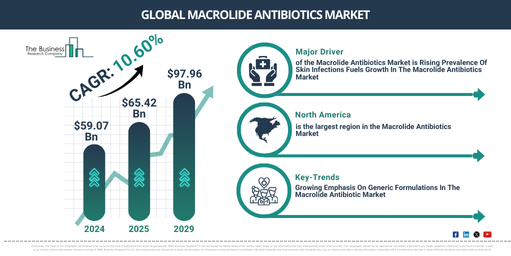
    The market size for macrolide antibiotics has seen quick expansion in the recent past. This sector is projected to escalate from $59.07 billion in 2024 to $65.42 billion in 2025, indicating a compound annual growth rate (CAGR) of 10.8%. The growth noted during the historic period is a result of rising antibiotic resistance, sanctioning of new formulations, increasing incidences of infectious diseases, and initiatives by the government and healthcare sector.

    In the coming years, the macrolide antibiotics market is projected to experience a rapid expansion, reaching a size of$97.96 billion by 2029″ with an annual growth rate (CAGR) of 10.6%. This anticipated growth over the forecast period can be linked to an increase in respiratory infections, a rise in combination therapies, a surge in the ageing population worldwide, heightened awareness and enhanced diagnostics, and the expansion of telemedicine and online pharmacy services. Key trends for the forecast period comprise advances in drug delivery systems and formulations, the creation of new macrolide antibiotics, improvements in telemedicine and remote healthcare services, and the introduction of environmentally friendly production processes for macrolide antibiotics.

    Download a free sample to assess the report’s scope and structure:

    https://www.thebusinessresearchcompany.com/sample.aspx?id=16472&type=smp

    What Are the Core Growth Drivers Propelling the Macrolide Antibiotics Market Forward?

    The macrolide antibiotics market is likely to expand due to the rising incidence of skin infections. Skin infections, characterized by symptoms such as redness, swelling, and pain, result from the entrance of detrimental germs into the skin, causing inflammation. These infections often occur due to improper hygiene, weakened immune systems, exposure to pollutants, resistance to antibiotics, and insufficient wound care. Physicians often prescribe macrolide antibiotics to treat bacterial skin infections, specifically those resulting from Staphylococcus aureus or Streptococcus pyogenes, particularly when there’s an allergy or resistance to penicillin. For instance, per the UK Health Security Agency (UKHSA), in September 2022, there was an increase in Methicillin-resistant Staphylococcus aureus (MRSA) bacteremia cases linked to skin and soft tissue infections, from 25.7% in the fiscal year April 2020-March 2021 to 33.7% in the fiscal year April 2021-March 2022. In addition, for Methicillin-Sensitive Staphylococcus aureus (MSSA) bacteremia cases, the percentage rose from 27.2% to 28.5% over the identical period. Thus, the escalation in skin infections prevalence is fuelling the growth of the macrolide antibiotics market.

    What Segment Types Define the Macrolide Antibiotics Market Structure?

    The macrolide antibioticsmarket covered in this report is segmented –

    1) By Drugs: Azithromycin; Clarithromycin; Erythromycin; Fidaxomicin; Telithromycin

    2) By Indication: Respiratory Tract Infections; Skin Infections; Sexually Transmitted Infections; Gastrointestinal Infections; Other Indications

    3) By Route Of Administration: Oral; Parenteral; Other Route Of Administrations

    4) By Distribution Channel: Hospital Pharmacies; Drug Stores And Retail Pharmacies; Online Providers

    5) By End User: Hospital; Dermatology Clinic; Clinic; Ambulatory Centre; Research Laboratories

    Subsegments:

    1) By Azithromycin: Oral Tablets; Oral Suspension; Injection

    2) By Clarithromycin: Immediate-Release Tablets; Extended-Release Tablets; Oral Suspension

    3) By Erythromycin: Tablets; Capsules; Topical Solution; Injection

    4) By Fidaxomicin: Oral Tablets

    5) By Telithromycin: Oral Tablets

    Request customized data on this market:

    https://www.thebusinessresearchcompany.com/customise?id=16472&type=smp

    Which Geographic Areas Hold the Strongest Growth Potential in the Macrolide Antibiotics Market?

    North America was the largest region in the macrolide antibiotics market in 2024. The regions covered in the macrolide antibiotics market report are Asia-Pacific, Western Europe, Eastern Europe, North America, South America, Middle East, Africa.

    Which Emerging Trends that Are Influencing theMacrolide Antibiotics Industry Evolution?

    Prominent players in the macrolide antibiotic market are channeling their efforts into creating generic formulations to enhance accessibility, lower the cost of treatment and broaden their market presence. Generic versions of macrolide antibiotics are non-branded drugs that maintain the same active components, dosage, and potency as their original branded counterparts. For example, in May 2022, Phantom Pharmaceuticals, a pharmaceutical firm based in the US, introduced VOQUEZNA TRIPLE PAK and VOQUEZNA DUAL PAK, both developed for treating Helicobacter pylori (H. pylori) infection in adults. VOQUEZNA TRIPLE PAK comprises vonoprazan, a potassium-competitive acid blocker (PCAB), paired with amoxicillin and clarithromycin, whereas VOQUEZNA DUAL PAK is a blend of vonoprazan and amoxicillin. These therapies are ground-breaking as vonoprazan signifies the first fresh class of acid suppressants to gain approval in the U.S. in more than 30 years.

    View the full report here:

    https://www.thebusinessresearchcompany.com/report/macrolide-antibiotics-global-market-report

    What Is the Definition of the Macrolide Antibiotics Market?

    Macrolide antibiotics are a class of antibiotics characterized by a macrocyclic lactone ring with one or more sugars attached. They inhibit bacterial protein synthesis by binding to the 50S ribosomal subunit, making them effective against various Gram-positive and some Gram-negative bacteria.

    Purchase the full report and get a swift delivery:

    https://www.thebusinessresearchcompany.com/purchaseoptions.aspx?id=16472

    About The Business Research Company:

    With over 15000+ reports from 27 industries covering 60+ geographies, The Business Research Company has built a reputation for offering comprehensive, data-rich research and insights. Armed with 1,500,000 datasets, the optimistic contribution of in-depth secondary research, and unique insights from industry leaders, you can get the information you need to stay ahead in the game.

    Get in touch with us:

    The Business Research Company: https://www.thebusinessresearchcompany.com/

    Americas +1 310-496-7795

    Europe +44 7882 955267

    Asia & Others +44 7882 955267 & +91 8897263534

    Email us at info@tbrc.info

    Follow us on:

    LinkedIn: https://in.linkedin.com/company/the-business-research-company

    YouTube: https://www.youtube.com/channel/UC24_fI0rV8cR5DxlCpgmyFQ

    Global Market Model: https://www.thebusinessresearchcompany.com/global-market-model
  • From Insight to Impact: Strategic Growth Mapping in the Lupus Therapeutics Market

    From Insight to Impact: Strategic Growth Mapping in the Lupus Therapeutics Market

    Claim your 30% discount on Global Market Reports with code ONLINE30. Limited time only.

    What Are the Key Projections for the CAGR of the Lupus Therapeutics Market Size From 2025 to 2034?

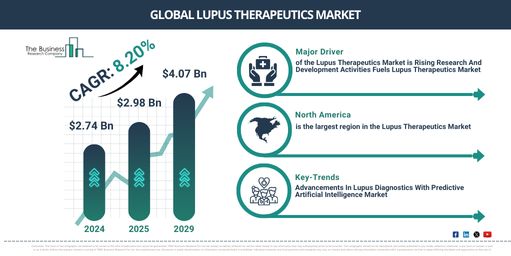
    In recent times, there has been robust growth in the lupus therapeutic market size. It is anticipated to expand from $2.74 billion in 2024 to $2.98 billion in 2025, progressing at a compound annual growth rate (CAGR) of 8.5%. Factors contributing to this growth during the historical period include a rise in the incidence of lupus, heightened investment in healthcare infrastructure, significant disposable incomes, increasing demand for effective treatments, and a growing elderly population.

    In the coming years, the lupus therapeutics market is anticipated to witness robust growth. The market is projected to expand to$4.07 billion by 2029, exhibiting a compound annual growth rate (CAGR) of 8.2%. The progression during the given forecast period can be ascribed to factors such as an increase in drug approvals and launches, emerging markets, enhancements in disease awareness and diagnosis, rising awareness initiatives, and the presence of immunosuppressive products. The forecast period is also expected to see significant trends such as the use of chimeric antigen receptor T-cell (CAR-T) therapy, small molecule therapeutics for lupus, CAR-NK therapy for lupus, combined inhibition of human plasmacytoid dendritic cell activity during systemic lupus, erythematosus (SLE), and urine proteomics.

    Download a free sample to assess the report’s scope and structure:

    https://www.thebusinessresearchcompany.com/sample.aspx?id=16471&type=smp

    What are the Fundamental Drivers and Innovations Shaping the Lupus Therapeutics Market?

    The escalation in research and development endeavors is predicted to stimulate the expansion of the lupus therapeutics market. These activities encompass systematic probes and experimentations aimed at promoting wisdom, technology, or product evolution in various disciplines. The rise in research and development efforts is frequently stimulated by the desire for novelty, technologic progressions, tackling emerging obstacles, ameliorating health outcomes, and galvanizing economic growth via scientific findings and technological innovations. They aid in the advancement of lupus therapeutics by unveiling new treatments, augmenting existing therapies, and comprehending the basic mechanisms of the disease. For example, in March 2023, the Congressional Research Service reported that the national institutes of health, a federal legislative branch agency based in the US, were granted a budget of $49.183 billion for research and development activities, a rise from the $42.941 billion assigned in 2021. Consequently, the growing research and development endeavors are propelling the lupus therapeutics market’s expansion.

    How Is the Lupus Therapeutics Market Segmented?

    The lupus therapeuticsmarket covered in this report is segmented –

    1) By Disease Type: Systemic Lupus Erythematosus (SLE); Cutaneous Lupus Erythematosus; Drug-Induced Lupus Erythematosus; Neonatal Lupus

    2) By Treatment Type: Non-Steroidal Anti-Inflammatory Drugs (NSAIDs); Biologics; Antimalarial Drugs; Corticosteroids; Other Treatment Types

    3) By Route Of Administration: Oral; Subcutaneous; Intravenous; Other Routes Of Administration

    4) By End User: Hospitals And Clinics; Diagnostic Laboratories; Other End Users

    Subsegments:

    1) By Systemic Lupus Erythematosus (SLE): Mild SLE; Moderate SLE; Severe SLE

    2) By Cutaneous Lupus Erythematosus: Acute Cutaneous Lupus; Subacute Cutaneous Lupus; Chronic Cutaneous Lupus (Including Discoid Lupus)

    3) By Drug-Induced Lupus Erythematosus: Medications Known To Cause Drug-Induced Lupus; Hydralazine; Procainamide; Isoniazid

    4) By Neonatal Lupus: Heart-Related Neonatal Lupus; Skin-Related Neonatal Lupus

    Request customized data on this market:

    https://www.thebusinessresearchcompany.com/customise?id=16471&type=smp

    Which Regions Are Driving the Next Phase of the Lupus Therapeutics Market Growth?

    North America was the largest region in the lupus therapeutics market in 2024. Asia-Pacific is expected to be the fastest-growing region in the forecast period. The regions covered in the lupus therapeutics market report are Asia-Pacific, Western Europe, Eastern Europe, North America, South America, Middle East, Africa.

    What Key Trends Are Shaping the Future of the Lupus Therapeutics Market?

    Key players in the lupus therapeutics market are concentrating on the development of sophisticated blood tests using predictive artificial intelligence to improve both diagnostic precision and the effectiveness of treatment. Predictive AI-powered blood tests are diagnostic instruments that use artificial intelligence algorithms to examine biomarkers in blood samples, allowing them to anticipate disease outcomes or response to treatment with higher precision. For example, AMPEL BioSolutions LLC, a US-based precision medicine firm, rolled out the LuGENE blood test in March 2024. This test, which uses predictive AI to forecast lupus flares and drug targets based on gene expression, is set to drastically transform lupus management. The test can detect real-time gene expression irregularities that result in inflammation and immune system malfunctions that can potentially be targeted with medication, offering personalized treatment options for lupus patients.

    View the full report here:

    https://www.thebusinessresearchcompany.com/report/lupus-therapeutics-global-market-report

    How Is the Lupus Therapeutics Market Defined and What Are Its Core Parameters?

    Lupus therapeutics refer to treatments and medications specifically designed to manage and alleviate the symptoms of lupus, an autoimmune disease where the body’s immune system attacks its own tissues, leading to inflammation and damage in various organs. These therapeutics aim to reduce inflammation, suppress the overactive immune response, and improve the quality of life for patients.

    Purchase the full report and get a swift delivery:

    https://www.thebusinessresearchcompany.com/purchaseoptions.aspx?id=16471

    About The Business Research Company:

    With over 15000+ reports from 27 industries covering 60+ geographies, The Business Research Company has built a reputation for offering comprehensive, data-rich research and insights. Armed with 1,500,000 datasets, the optimistic contribution of in-depth secondary research, and unique insights from industry leaders, you can get the information you need to stay ahead in the game.

    Get in touch with us:

    The Business Research Company: https://www.thebusinessresearchcompany.com/

    Americas +1 310-496-7795

    Europe +44 7882 955267

    Asia & Others +44 7882 955267 & +91 8897263534

    Email us at info@tbrc.info

    Follow us on:

    LinkedIn: https://in.linkedin.com/company/the-business-research-company

    YouTube: https://www.youtube.com/channel/UC24_fI0rV8cR5DxlCpgmyFQ

    Global Market Model: https://www.thebusinessresearchcompany.com/global-market-model

  • Liver Metastases Treatment Outlook 2034: Key Drivers, Trends, and Market Frontiers

    Claim your 30% discount on Global Market Reports with code ONLINE30. Limited time only.

    What is the Projected CAGR for the Liver Metastases Treatment Market Size from 2025 to 2034?

    The market size for liver metastases treatment has seen considerable growth in the past years. The market, which is projected to escalate from $1.57 billion in 2024 to $1.69 billion in 2025, is predicted to have a compound annual growth rate (CAGR) of 7.4%. Factors such as the broadening of personalized medicine, improved accessibility to healthcare services, better multidisciplinary care, along with clinical trials and research initiatives have largely contributed to this historic growth.

    The market size for treatment of liver metastases is anticipated to experience robust expansion in the following years. It is predicted to reach$2.26 billion by 2029 with a compound annual growth rate (CAGR) of 7.6%. The projected growth in the upcoming years can be credited to factors such as the adoption of patient-centric care models, developments in precision medicine, a shift towards outpatient and ambulatory care, and regulatory actions. Key trends expected during the forecast period involve next-generation sequencing technologies, progress in immuno-oncology, the rise of liquid biopsy technologies and the use of adjuvant therapies.

    Download a free sample to assess the report’s scope and structure:

    https://www.thebusinessresearchcompany.com/sample.aspx?id=15849&type=smp

    How Are Key Drivers in the Industry Acting as Catalysts for the Growth of theLiver Metastases Treatment Market?

    The escalation in liver disease incidents is projected to stimulate the expansion of the liver metastases treatment market in the future. Liver disease encompasses any ailments that disrupt or impair the overall functioning of the liver. Treatments for metastases contribute to general well-being by safeguarding liver activity, necessary for metabolism, detoxification, and other vital bodily functions. Furthermore, in particular cases, comprehensive treatments such as surgical resection, ablation, or targeted therapies, coupled with systemic drugs like chemotherapy or immunotherapy, are essential for prolonged remission. For example, in September 2022, Cancer Australia, a government cancer agency based in Australia, reported about 2,905 new instances of liver cancer (2,113 males and 792 females) diagnosed in 2022 in Australia. Additionally, the probability of contracting liver cancer by 85 is forecasted to be 1 in 103 (or 0.97%) in 2022, 1 in 70, or 1.4%, for males, and 1 in 195, or 0.51%, for females. Consequently, the mounting instances of liver diseases are fuelling the growth of the liver metastases treatment market.

    Which Segments in the Liver Metastases Treatment Offer the Most Growth?

    The liver metastases treatmentmarket covered in this report is segmented –

    1) By Treatment Type: Chemotherapy; Targeted Therapy; Immunotherapy

    2) By Primary Cancer: Colorectal Cancer; Breast Cancer

    3) By Distribution Channel: Hospital Pharmacies; Specialty Pharmacies

    Subsegments:

    1) By Chemotherapy: Cytotoxic Chemotherapy; Neoadjuvant Chemotherapy; Adjuvant Chemotherapy

    2) By Targeted Therapy: Tyrosine Kinase Inhibitors (TKIs); Monoclonal Antibodies; MTOR Inhibitors

    3) By Immunotherapy: Immune Checkpoint Inhibitors; Cancer Vaccines; Adoptive Cell Transfer Therapy

    Request customized data on this market:

    https://www.thebusinessresearchcompany.com/customise?id=15849&type=smp

    What Are the Fastest-Growing Geographies in the #How Are Key Drivers in the Industry Acting as Catalysts for the Growth of theLiver Metastases Treatment Market?# Market?

    North America was the largest region in the liver metastases treatment market in 2024. Asia-Pacific is expected to be the fastest-growing region in the forecast period. The regions covered in the liver metastases treatment market report are Asia-Pacific, Western Europe, Eastern Europe, North America, South America, Middle East and Africa.

    What Are the Current Market Growth and Trends in the Liver Metastases Treatment Industry?

    Leading players in the liver metastases therapy market are concentrating on developing and implementing liver-directed treatments for more efficient and accessible remedies. These therapies are particular medical interventions or drugs that are specifically designed towards the illness or affliction of the liver. Liver-directed therapies aim to tackle liver metastases by precisely attacking the cancer cells within the liver. This is achieved either by directly eradicating them or by inhibiting their blood supply using techniques such as surgical resection, radiofrequency ablation, transarterial chemoembolization, radioembolization, and stereotactic body radiation therapy. For example, in August 2023, Delcath Systems Incorporated, an interventional oncology firm based in the US, initiated the Hepzato kit, which functions as a liver-directed treatment for adults suffering from metastatic uveal melanoma (mUM) with inoperable hepatic metastases that affect less than 50% of the liver. This is applicable in cases where there is no extrahepatic disease or a minor extrahepatic disease that can be excised or exposed to radiation. The Hepzato kit is a composite product that delivers melphalan, an anti-cancer agent, directly to the liver via Delcath’s Hepatic Delivery System (HDS). This allows for an increased drug concentration in targeted tissues while minimizing toxicity throughout the system.

    View the full report here:

    https://www.thebusinessresearchcompany.com/report/liver-metastases-treatment-global-market-report

    What Are the Key Elements That Define the Liver Metastases Treatment Market?

    Liver metastases treatment refers to therapeutic interventions aimed at managing cancerous growths that have spread to the liver from primary tumors elsewhere in the body. This comprehensive treatment strategy aims to improve patient outcomes by shrinking or eliminating metastatic lesions, alleviating symptoms, and enhancing overall quality of life.

    Purchase the full report and get a swift delivery:

    https://www.thebusinessresearchcompany.com/purchaseoptions.aspx?id=15849

    About The Business Research Company:

    With over 15000+ reports from 27 industries covering 60+ geographies, The Business Research Company has built a reputation for offering comprehensive, data-rich research and insights. Armed with 1,500,000 datasets, the optimistic contribution of in-depth secondary research, and unique insights from industry leaders, you can get the information you need to stay ahead in the game.

    Get in touch with us:

    The Business Research Company: https://www.thebusinessresearchcompany.com/

    Americas +1 310-496-7795

    Europe +44 7882 955267

    Asia & Others +44 7882 955267 & +91 8897263534

    Email us at info@tbrc.info

    Follow us on:

    LinkedIn: https://in.linkedin.com/company/the-business-research-company

    YouTube: https://www.youtube.com/channel/UC24_fI0rV8cR5DxlCpgmyFQ

    Global Market Model: https://www.thebusinessresearchcompany.com/global-market-model

  • Liraglutide And Semaglutide Market Outlook 2025: Mapping Growth, Innovation, and Regional Shifts

    Liraglutide And Semaglutide Market Outlook 2025: Mapping Growth, Innovation, and Regional Shifts

    Claim your 30% discount on Global Market Reports with code ONLINE30. Limited time only.

    What is the Anticipated CAGR of the Liraglutide And Semaglutide Market, and What Factors Will Drive It?

    The market share of liraglutide and semaglutide has seen a swift expansion in the preceding years. It is projected to inflate from $15.19 billion in 2024 to $16.94 billion in 2025, with a compound annual growth rate (CAGR) of 11.5%. Factors contributing to this growth over the historic period include a rising incidence of diabetes, the surge in obesity-related ailments, an increase in clinical trials, enhanced investments in diabetes research and development, and a growing client call for accessible treatment alternatives.

    We anticipate a sharp increase in the liraglutide and semaglutide market size in the forthcoming years with a projection to reach$26.07 billion in 2029, exhibiting a compound annual growth rate (CAGR) of 11.4%. Reasons for this growth in the forecast period can be traced back to the growing use of GLP-1 receptor agonists, hike in healthcare spending, the broadening of pharmaceutical firms’ product offerings, escalated disposable incomes, and an increasing number of elderly people susceptible to diabetes. Noteworthy trends predicted during this period encompass the assimilation of digital health platforms, application of personalized dosing approaches, progress in drug delivery technologies, the emergence of biosimilar versions, and incorporation of artificial intelligence into treatment decision-making processes.

    Download a free sample to assess the report’s scope and structure:

    https://www.thebusinessresearchcompany.com/sample.aspx?id=18400&type=smp

    What External and Internal Drivers Are Contributing to the Growth of theLiraglutide And Semaglutide Market?

    The increase in diabetes cases is anticipated to boost the liraglutide and semaglutide market growth. Diabetes, a long-term ailment, manifests as high blood sugar levels due to the body’s insulin resistance and deficiency. The escalating number of diabetics can be attributed to inactive lifestyles, unhealthy nutrition, and genetic factors. Liraglutide and semaglutide play a vital role in providing efficient blood glucose control and minimizing the risk of diabetes-related complications for diabetic individuals. For instance, the National Health Service, a government department in the UK, revealed in June 2024, that in 2023, they had recognized an extra 549,000 individuals in England with a heightened risk of contracting type 2 diabetes. This took the total count of people with non-diabetic hyperglycemia or pre-diabetes registered with a GP to 3,615,330. An impressive surge compared to 3,065,825 in 2022, indicating an almost 20% increase. Consequently, the growing number of diabetes patients spurs the growth of the liraglutide and semaglutide markets.

    What Segment Types Define the Liraglutide And Semaglutide Market Structure?

    The liraglutide and semaglutidemarket covered in this report is segmented –

    1) By Type: Pills; Liquid

    2) By Administration: Parenteral; Oral

    3) By Application: Type 2 Diabetes Mellitus; Obesity; Other Applications

    4) By Distribution Channel: Hospital Pharmacies; Retail Pharmacies; Online Pharmacies

    Subsegments:

    1) By Pills: Oral Tablets (Liraglutide, Semaglutide); Extended-Release Oral Formulations

    2) By Liquid: Injectable Solutions (Liraglutide, Semaglutide); Pre-Filled Syringes; Vials For Injection

    Request customized data on this market:

    https://www.thebusinessresearchcompany.com/customise?id=18400&type=smp

    Which Geographic Areas Hold the Strongest Growth Potential in the Liraglutide And Semaglutide Market?

    North America was the largest region in the liraglutide and semaglutide market in 2024. Asia-Pacific is expected to be the fastest-growing region in the forecast period. The regions covered in the liraglutide and semaglutide market report are Asia-Pacific, Western Europe, Eastern Europe, North America, South America, Middle East, Africa.

    What Long-Term Trends Are Transforming the Competitive Landscape of the Liraglutide And Semaglutide Market?

    Leading firms in the liraglutide and semaglutide industry are advancing the development of anti-diabetic biosimilar drugs to improve glucose management and lessen cardiovascular threats for individuals diagnosed with diabetes. These anti-diabetic biosimilars, which are affordable, nearly identical versions of original diabetes biological drugs, are designed to provide the same health advantages as their counterparts. For example, Glenmark Pharmaceuticals Ltd., a pharmaceutical firm based in India, introduced a biosimilar to the widely-used anti-diabetic medication, Liraglutide, in January 2024, marking its first launch in India. This biosimilar of Liraglutide aids in better glycemic control in adults suffering from type 2 diabetes mellitus. Its introduction reduces the cost of daily therapy, thus broadening its accessibility to more patients across the country. With a price tag of roughly INR 100 for a standard 1.2 mg dose each day, this treatment decreases therapy expenses by nearly 70%, with a prescription being necessary for its purchase.

    View the full report here:

    https://www.thebusinessresearchcompany.com/report/liraglutide-and-semaglutide-global-market-report

    What Is the Definition of the Liraglutide And Semaglutide Market?

    Liraglutide and semaglutide refer to medications categorized as glucagon-like peptide-1 (GLP-1) receptor agonists, prescribed primarily for managing type 2 diabetes mellitus and utilized to improve glycemic control in adults with this condition. They are injectable medications and are typically used when other treatments for diabetes or obesity have not been effective enough. They are often part of a comprehensive treatment plan that includes diet, exercise, and other medications as needed.

    Purchase the full report and get a swift delivery:

    https://www.thebusinessresearchcompany.com/purchaseoptions.aspx?id=18400

    About The Business Research Company:

    With over 15000+ reports from 27 industries covering 60+ geographies, The Business Research Company has built a reputation for offering comprehensive, data-rich research and insights. Armed with 1,500,000 datasets, the optimistic contribution of in-depth secondary research, and unique insights from industry leaders, you can get the information you need to stay ahead in the game.

    Get in touch with us:

    The Business Research Company: https://www.thebusinessresearchcompany.com/

    Americas +1 310-496-7795

    Europe +44 7882 955267

    Asia & Others +44 7882 955267 & +91 8897263534

    Email us at info@tbrc.info

    Follow us on:

    LinkedIn: https://in.linkedin.com/company/the-business-research-company

    YouTube: https://www.youtube.com/channel/UC24_fI0rV8cR5DxlCpgmyFQ

    Global Market Model: https://www.thebusinessresearchcompany.com/global-market-model
  • Liposomal Doxorubicin Market in Focus: Forecasting Growth Drivers, Scaling Potential, and Global Opportunities

    Claim your 30% discount on Global Market Reports with code ONLINE30. Limited time only.

    What Are the Key Milestones in the Liposomal Doxorubicin Market’s Growth Trajectory From 2025 To 2034?

    There has been a robust growth in the size of the liposomal doxorubicin market in the past few years. Projections show an increase from $1.23 billion in 2024 to $1.32 billion in 2025, indicating a compound annual growth rate (CAGR) of 6.9%. This encouraging trend during the historical period can be traced back to the progress in liposome formulations, supportive reimbursement policies for cancer therapies, increasing consciousness regarding the significance of cancer screening initiatives, and strengthened healthcare facilities. Moreover, the growing inclination of patients towards minimally invasive methods for cancer treatment has also contributed positively.

    A significant surge is anticipated in the liposomal doxorubicin market in the subsequent few years, with an estimated size of$1.69 billion by 2029, marking a 6.3% Compound Annual Growth Rate (CAGR). Factors that underscore this predicted incline cover increased consciousness about potential treatments for cancer, soaring number of clinical trials, continued adoption of combined therapies, heightening healthcare outlays, and an expanding inclination for precision treatments. Future trends in this period are projected to feature the amalgamation of Artificial Intelligence (AI) and machine learning algorithms to aid drug discovery, the application of 3D printing technologies, magnetic directing techniques, pioneering approaches, like tumor-infiltrating peptides or ultrasound-enabled drug delivery, and progressive developments in drug delivery science.

    Download a free sample to assess the report’s scope and structure:

    https://www.thebusinessresearchcompany.com/sample.aspx?id=16464&type=smp

    What Are the Core Market Drivers Propelling Growth in the Liposomal Doxorubicin Industry?

    The escalating occurrence of cancer is speculated to inflate the prospects of the liposomal doxorubicin market in the near future. Cancer constitutes a range of diseases that can arise from almost any organ or tissue in the body as abnormal cells multiply uncontrollably, breach their normal limits, and either metastasize to other organs or infiltrate nearby body components. The increase in cancer cases is attributed to aspects like an aged population, lifestyle adaptations, environmental exposures, and advanced diagnostic methodologies. Liposomal doxorubicin is employed in cancer therapy to amplify drug conveyance to tumors, diminish toxicity, and boost curative outcomes. For example, the American Cancer Society, a US-based nonprofit cancer advocacy organization, reported in January 2024 that the count of cancer cases had elevated to 2,001,140 from 1,958,310 in 2023, marking a growth of 2.19%. Consequently, the escalating occurrence of cancer is spurring the expansion of the liposomal doxorubicin market.

    How Is the Liposomal Doxorubicin Market Segmented?

    The liposomal doxorubicinmarket covered in this report is segmented –

    1) By Product: Doxil Or Caelyx; Lipodox; Myocet; Other Products

    2) By Route Of Administration: Parenteral; Other Routes Of Administration

    3) By Application: Leukemia; Bone Sarcoma; Breast Cancer; Endometrial Cancer; Kidney Cancer; Multiple Myeloma; Kaposi Sarcoma; Other Applications

    4) By End-Users: Hospitals; Homecare; Other End-Users

    Subsegments:

    1) By Doxil Or Caelyx: Different Dosage Strengths; Branded Versions; Generic Versions

    2) By Lipodox: Different Dosage Strengths; Branded Versions; Generic Versions

    3) By Myocet: Different Dosage Strengths; Branded Versions; Generic Versions

    4) By Other Products: Newer Liposomal Formulations; Regional Brand Variants; Combination Therapies

    Request customized data on this market:

    https://www.thebusinessresearchcompany.com/customise?id=16464&type=smp

    Which Regions Are Driving the Next Phase of the Liposomal Doxorubicin Market Growth?

    North America was the largest region in the liposomal doxorubicin market in 2024. Asia-Pacific is expected to be the fastest-growing region in the forecast period. The regions covered in the liposomal doxorubicin market report are Asia-Pacific, Western Europe, Eastern Europe, North America, South America, Middle East, Africa.

    What Key Market Trends and Innovations Are Shaping the Future of the Liposomal Doxorubicin Industry?

    Leading players in the liposomal doxorubicin market are emphasizing on the creation of advanced drug delivery systems such as PEGylated liposomes to enhance the pharmacokinetics and biodistribution of doxorubicin, resulting in improved patient results. These advancements improve the effectiveness and accuracy of drug delivery, ensuring medications are directed more efficiently towards cancer cells and reducing adverse effects. Accord Healthcare Limited, a pharmaceutical company based in the US, for example, introduced Zolsketil, a PEGylated liposomal 2mg/ml concentrate for infusion in May 2022. This product is a generic version of the cancer drug doxorubicin, often employed in the treatment of various cancer type.

    View the full report here:

    https://www.thebusinessresearchcompany.com/report/liposomal-doxorubicin-global-market-report

    How Is the Liposomal Doxorubicin Market Defined and What Are Its Core Parameters?

    Liposomal doxorubicin refers to a formulation of the chemotherapy drug doxorubicin encapsulated within lipid bilayers, creating microscopic vesicles called liposomes. This encapsulation alters its pharmacokinetics, allowing for prolonged circulation in the bloodstream and accumulation at tumor sites due to enhanced permeability and retention effects. Liposomal doxorubicin is used to treat various cancers, including ovarian cancer, breast cancer, and Kaposi’s sarcoma, with potentially reduced cardiotoxicity compared to conventional doxorubicin formulations.

    Purchase the full report and get a swift delivery:

    https://www.thebusinessresearchcompany.com/purchaseoptions.aspx?id=16464

    About The Business Research Company:

    With over 15000+ reports from 27 industries covering 60+ geographies, The Business Research Company has built a reputation for offering comprehensive, data-rich research and insights. Armed with 1,500,000 datasets, the optimistic contribution of in-depth secondary research, and unique insights from industry leaders, you can get the information you need to stay ahead in the game.

    Get in touch with us:

    The Business Research Company: https://www.thebusinessresearchcompany.com/

    Americas +1 310-496-7795

    Europe +44 7882 955267

    Asia & Others +44 7882 955267 & +91 8897263534

    Email us at info@tbrc.info

    Follow us on:

    LinkedIn: https://in.linkedin.com/company/the-business-research-company

    YouTube: https://www.youtube.com/channel/UC24_fI0rV8cR5DxlCpgmyFQ

    Global Market Model: https://www.thebusinessresearchcompany.com/global-market-model

  • Strong CAGR to Propel in the Lipid Disorder Treatment Market and Beyond upto $18.82 Billion by 2029

    Strong CAGR to Propel in the Lipid Disorder Treatment Market and Beyond upto $18.82 Billion by 2029

    Claim your 30% discount on Global Market Reports with code ONLINE30. Limited time only.

    How Has The Lipid Disorder Treatment Market Size Shifted, And What Is the Outlook Through 2034?

    The market for treating lipid disorders has seen a significant expansion over the past few years. It’s projected to increase from $10.69 billion in 2024 to $12.06 billion in 2025, representing a compound annual growth rate (CAGR) of 12.9%. The historical growth is due to factors such as the rising acceptance of a sedentary lifestyle, growth in the working-class population, heightened awareness about the condition and its therapies, an increase in desk jobs, and the growing incidence of familial combined hyperlipidemia.

    The market for treating lipid disorders is projected to experience rapid expansion in the forthcoming years, swelling to$18.82 billion in 2029″ with a compound annual growth rate (CAGR) of 11.8%. This surge during the forecast period can be ascribed to the escalating instances of obesity and high cholesterol, the rising prevalence of heart diseases, increased cases of high cholesterol leading to cardiovascular conditions, and the heightened demand for efficient and safe treatments, such as those needed due to excessive intake of alcohol and smoking. Significant trends in the forecast period comprise of advances in pharmaceutical technology, product innovation, an escalation in business expansion investments, treatments being enhanced by technological advancements, and clinical advancements.

    Download a free sample to assess the report’s scope and structure:

    https://www.thebusinessresearchcompany.com/sample.aspx?id=15600&type=smp

    Which Primay Drivers Are Accelerating Growth in the Lipid Disorder Treatment Market?

    Increasing incidences of obesity and high cholesterol are projected to spur the expansion of the lipid disorder treatment market in the coming years. Obesity signifies an undue accumulation of body fat, and high cholesterol denotes excessive cholesterol content in the bloodstream, both of which can lead to serious health problems. Factors such as unhealthy eating habits, inactive lifestyles, genetics, and environmental impacts contribute to the rise of obesity and high cholesterol. The significance of lipid disorder treatment is accentuated due to its effectiveness in managing obesity and high cholesterol through a blend of drug therapies, lifestyle changes, weight management techniques, patient awareness programs, and holistic healthcare. For example, as per the World Obesity Atlas 2022 published in May 2022 by the UK’s World Obesity Federation, a non-profit organization, by 2030, obesity will affect one billion people worldwide including one in every five women and one in every seven men. By 2035, this figure is projected to reach four billion or 51% of the world’s population. Hence, the escalating instances of obesity and high cholesterol significantly contribute to the lipid disorder treatment market’s growth.

    Which Primary Segments of the Lipid Disorder Treatment Market Are Driving Growth and Industry Transformations?

    The lipid disorder treatmentmarket covered in this report is segmented –

    1) By Drug Type: Atorvastatin; Fluvastatin; Rosuvastatin; Simvastatin; Pravastatin; Other Drugs

    2) By Indication: Familial Combined Hyperlipidemia; Familial Defective Apolipoprotein B-100; Familial Dysbetalipoproteinemia; Familial Hypertriglyceridemia; Heterozygous Familial Hypercholesterolemia; Other Indications

    3) By Distribution Channel: Hospital Pharmacies; Retail Pharmacies; Online Pharmacies; Other Distribution Channels

    Subsegments:

    1) By Atorvastatin: Generic Atorvastatin; Brand-Name Atorvastatin ( Lipitor)

    2) By Fluvastatin: Generic Fluvastatin; Brand-Name Fluvastatin ( Lescol)

    3) By Rosuvastatin: Generic Rosuvastatin; Brand-Name Rosuvastatin ( Crestor)

    4) By Simvastatin: Generic Simvastatin; Brand-Name Simvastatin ( Zocor)

    5) By Pravastatin: Generic Pravastatin; Brand-Name Pravastatin ( Pravachol)

    6) By Other Drugs: Ezetimibe; Pcsk9 Inhibitors ( Alirocumab, Evolocumab); Fibrates ( Gemfibrozil, Fenofibrate); Niacin (Vitamin B3); Omega-3 Fatty Acids ( Icosapent Ethyl)

    Request customized data on this market:

    https://www.thebusinessresearchcompany.com/customise?id=15600&type=smp

    Which Regions Are Key Players in the Growth of the #Which Primay Drivers Are Accelerating Growth in the Lipid Disorder Treatment Market?# Market?

    North America was the largest region in the lipid disorder treatment market in 2024. Asia-Pacific is expected to be the fastest-growing region in the forecast period. The regions covered in the lipid disorder treatment market report are Asia-Pacific, Western Europe, Eastern Europe, North America, South America, Middle East, Africa.

    Which Technological Trends Are Reshaping the Lipid Disorder Treatment Industry Dynamics?

    Significant businesses in the lipid disorder treatment market are evolving the proprotein convertase subtilisin type 9 (PCSK9) inhibitors to provide enhanced and specialized therapies for the management of elevated cholesterol levels. By improving the removal of LDL cholesterol from the bloodstream, PCSK9 inhibitors help in controlling lipid disorders and decreasing the chances of cardiovascular diseases in patients who are at high risk. For instance, in March 2024, Praluent (alirocumab) injection, a product of the US biotech firm Regeneron Pharmaceuticals Inc., received approval from the U.S. Food and Drug Administration (FDA) for its use in treating heterozygous familial hypercholesterolemia (HeFH) in children aged 8 years and older. The special aspect of the Praluent injection is its ability to prevent the binding of PCSK9 to the LDL receptor, increasing the amount of LDL receptors on the surfaces of liver cells, and consequently aiding in LDL removal and lowering LDL-C levels in the bloodstream.

    View the full report here:

    https://www.thebusinessresearchcompany.com/report/lipid-disorder-treatment-global-market-report

    What Parameters Are Used to Define the Lipid Disorder Treatment Market?

    Lipid disorder treatment refers to a comprehensive approach that includes lifestyle modifications, medications, and regular monitoring to manage conditions like high cholesterol and triglycerides. It aims to reduce the risk of atherosclerosis and its complications, such as heart disease and stroke.

    Purchase the full report and get a swift delivery:

    https://www.thebusinessresearchcompany.com/purchaseoptions.aspx?id=15600

    About The Business Research Company:

    With over 15000+ reports from 27 industries covering 60+ geographies, The Business Research Company has built a reputation for offering comprehensive, data-rich research and insights. Armed with 1,500,000 datasets, the optimistic contribution of in-depth secondary research, and unique insights from industry leaders, you can get the information you need to stay ahead in the game.

    Get in touch with us:

    The Business Research Company: https://www.thebusinessresearchcompany.com/

    Americas +1 310-496-7795

    Europe +44 7882 955267

    Asia & Others +44 7882 955267 & +91 8897263534

    Email us at info@tbrc.info

    Follow us on:

    LinkedIn: https://in.linkedin.com/company/the-business-research-company

    YouTube: https://www.youtube.com/channel/UC24_fI0rV8cR5DxlCpgmyFQ

    Global Market Model: https://www.thebusinessresearchcompany.com/global-market-model

  • Levothyroxine Sodium Market Valuation Expected To Reach $4.78 Billion By 2029, Growing At A Rate Of 4.1%

    Claim your 30% discount on Global Market Reports with code ONLINE30. Limited time only.

    How Has the Levothyroxine Sodium Market Growth Performance Trended Historically, And What Lies Ahead?

    The market size of levothyroxine sodium has been continually expanding over the recent years. From an estimated worth of $3.9 billion in 2024, the market value will experience growth to $4.07 billion in 2025, signifying a compound annual growth rate (CAGR) of 4.5%. This growth during the past years can be linked to enhanced comprehension and identification of hypothyroidism, comprehensive clinical trials and research that vouched for the safety and effectiveness of Levothyroxine sodium, the emergence of generic versions of Levothyroxine sodium as cost-efficient substitutes, training initiatives and ongoing medical education, along with an increased reach of health insurance for prescription drugs.

    It is anticipated that the market size for levothyroxine sodium will experience consistent expansion in the ensuing years. By 2029, it is projected to reach$4.78 billion, with a compound annual growth rate (CAGR) of 4.1%. The expansion during this forecast period is mainly due to an augmented emphasis on sustainable healthcare measures, which could affect the manufacture, distribution, and discarding process of Levothyroxine sodium products. Implementation of specific quality assurance benchmarks, sustained increase in healthcare spending, particularly in developing economies, the transition towards more patient-centric care approaches, and a raised awareness of environmental factors impacting thyroid health all contribute to this growth. Key trends for this forecast period incorporate the launching of innovative products, new studies in organ transplantation, improved formulation procedures in labs, escalating research and development pursuits, and the rise of telemedicine and e-pharmacy.

    Download a free sample to assess the report’s scope and structure:

    https://www.thebusinessresearchcompany.com/sample.aspx?id=16461&type=smp

    Which Factors and External Forces Are Driving Demand in the Levothyroxine Sodium Market?

    An augmentation in the gravity of thyroid diseases is foreseen to drive the growth of the levothyroxine sodium market. Thyroid diseases relate to ailments that compromise the thyroid gland, which is a butterfly-shaped gland found at the front of the neck. Factors contributing to the intensity of thyroid diseases encompass delayed detection, insufficient treatment, autoimmune responses, or complications emerging from different medical issues. Levothyroxine sodium aids to remediate thyroid disorders like hypothyroidism, by supplementing the body with synthetic thyroxine (T4), which helps to rebuild regular hormone levels and mitigate associated symptoms. For example, as per the American Cancer Society, a US-based professional organization, it’s projected that in 2024, around 44,020 new cases of thyroid cancer will be recorded in the United States (12,500 in men and 31,520 in women), and around 2,170 individuals (990 in men and 1,180 in women) will succumb to thyroid cancer. Consequently, the surge in the gravity of thyroid ailments is propelling the levothyroxine sodium market.

    Which Segments in the Levothyroxine Sodium Offer the Most Growth?

    The levothyroxine sodiummarket covered in this report is segmented –

    1) By Product: Oral; Injection

    2) By Type: Hypothyroidism; Goiter; Thyroid Cancer; Myxedema Coma

    3) By Application: Hospitals; Clinic; Other Applications

    4) By Distribution Channel: Hypermarkets; Supermarkets; Drug Stores; Online Stores; Specialty Stores

    Subsegments:

    1) By Oral: Tablets; Oral Solution

    2) By Injection: Intravenous (IV) Injection; Intramuscular (IM) Injection

    Request customized data on this market:

    https://www.thebusinessresearchcompany.com/customise?id=16461&type=smp

    What Are the Fastest-Growing Geographies in the #Which Factors and External Forces Are Driving Demand in the Levothyroxine Sodium Market?# Market?

    North America was the largest region in the levothyroxine sodium market in 2024. Asia-Pacific is expected to be the fastest-growing region in the forecast period. The regions covered in the levothyroxine sodium market report are Asia-Pacific, Western Europe, Eastern Europe, North America, South America, Middle East, Africa.

    Which Cutting-Edge Market Trends Are Expected to Drive theLevothyroxine Sodium Market’s Growth?

    Leading companies in the levothyroxine sodium market are innovating new gel capsule formulations of levothyroxine to create alternatives for patients who struggle with swallowing or need specific dosages. These gel capsules provide a reliable and comfortable method of levothyroxine delivery, promising uniform absorption and bioavailability. IBSA Pharma, based in Switzerland, is one such firm that introduced Tirosint, a levothyroxine gel capsule and corresponding oral liquid solution, to the market in April 2023. Tirosint (levothyroxine sodium) is a substitute for a hormone usually produced by the thyroid gland, essential in controlling the body’s energy and metabolism and treating hypothyroidism (low thyroid hormone). Tirosint brings a significant advancement to hypothyroidism treatment with unique FDA-approved dosage strengths of 37.5, 44, and 62.5 micrograms, allowing unparalleled tailoring to patient requirements and minimizing the requirement for frequent changes in dosage, enabling medical professionals to most effectively adjust treatments.

    View the full report here:

    https://www.thebusinessresearchcompany.com/report/levothyroxine-sodium-global-market-report

    What Are the Key Elements That Define the Levothyroxine Sodium Market?

    Levothyroxine sodium is a synthetic form of the thyroid hormone thyroxine, used to treat hypothyroidism by restoring adequate hormone levels. It helps regulate the body’s energy and metabolism, mimicking the function of natural thyroid hormones. This medication is prescribed for individuals with an underactive thyroid gland or following thyroidectomy.

    Purchase the full report and get a swift delivery:

    https://www.thebusinessresearchcompany.com/purchaseoptions.aspx?id=16461

    About The Business Research Company:

    With over 15000+ reports from 27 industries covering 60+ geographies, The Business Research Company has built a reputation for offering comprehensive, data-rich research and insights. Armed with 1,500,000 datasets, the optimistic contribution of in-depth secondary research, and unique insights from industry leaders, you can get the information you need to stay ahead in the game.

    Get in touch with us:

    The Business Research Company: https://www.thebusinessresearchcompany.com/

    Americas +1 310-496-7795

    Europe +44 7882 955267

    Asia & Others +44 7882 955267 & +91 8897263534

    Email us at info@tbrc.info

    Follow us on:

    LinkedIn: https://in.linkedin.com/company/the-business-research-company

    YouTube: https://www.youtube.com/channel/UC24_fI0rV8cR5DxlCpgmyFQ

    Global Market Model: https://www.thebusinessresearchcompany.com/global-market-model

  • Leadless Pacemakers Market Forecast Reaching $1.17 Billion by 2029 at 14.8% CAGR

    Leadless Pacemakers Market Forecast Reaching $1.17 Billion by 2029 at 14.8% CAGR

    Claim your 30% discount on Global Market Reports with code ONLINE30. Limited time only.

    What Are the Projected Market Size and Growth Rates for the Leadless Pacemakers Market From 2025 To 2029?

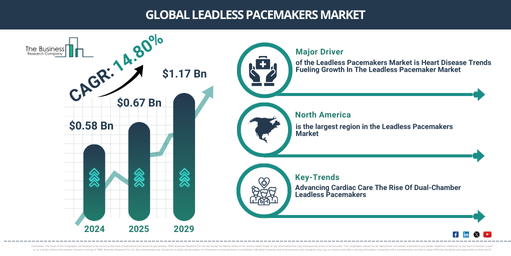
    The market size for leadless pacemakers has seen notable growth in the past few years. The market is projected to expand from $0.58 billion in 2024 to $0.67 billion in 2025, marking a compound annual growth rate (CAGR) of 15.0%. The historical growth can largely be attributed to advancements in imaging and navigation systems, an increased emphasis on minimally invasive procedures, the quest for an improved quality of life, the use of enhanced biocompatibility materials, and a rise in the prevalence of cardiovascular diseases.

    The leadless pacemakers market is projected to experience an accelerated rate of growth in the upcoming years, expanding to a value of $1.17 billion by 2029 with a compound annual growth rate (CAGR) of 14.8%. Factors contributing to this growth during the forecast period include broader clinical indications, an aging global populace, an enhanced focus on patient safety and results, a greater emphasis on sustainability, and heightened public awareness as well as education. Key trends for this period include advances in technology and innovation, integration with wearable devices and digital health technologies, extended battery lifespan and resilience, a focus on patient-oriented design and personalization, and increased collaboration and partnerships.

    Download a free sample to assess the report’s scope and structure:

    https://www.thebusinessresearchcompany.com/sample.aspx?id=15846&type=smp

    Which Major Market Drivers Are Expected to Boost the Growth Potential of the Leadless Pacemakers Market?

    The leadless pacemaker market is projected to expand due to the anticipated rise in heart disease. Heart diseases entail a variety of conditions that impact the structure or functionality of the heart, resulting in abnormal blood flow and heart rhythms or other cardiovascular issues. These growing heart conditions are the result of factors including population growth and aging, lifestyle habits, stress and physical inactivity, challenges faced by the healthcare system, along with genetic and environmental influences. Leadless pacemakers have the potential to significantly help manage particular heart diseases by offering effective pacing and lessening the possibility of lead-related issues, all while permitting a less invasive implantation process. For example, the World Health Organization (WHO), an intergovernmental organization based in Switzerland, states that by February 2024, there are projected to be over 35 million new cases of cancer by 2050, a 77% increase compared to the estimated 20 million cases in 2022. Consequently, this rise in heart disease is propelling the growth of the leadless pacemaker market.

    Which Key Market Segments Comprise the Leadless Pacemakers Market and Drive Its Revenue Growth?

    The leadless pacemakersmarket covered in this report is segmented –

    1) By Type: Micra Transcatheter Pacing System; Other Types

    2) By Pacing Chamber: Single Chamber; Dual Chamber

    3) By Application: Hospital; Specialty Clinic; Other Applications

    Subsegments:

    1) By Micra Transcatheter Pacing System: Micra AV; Micra VR

    2) By Other Types: Nanostim Leadless Pacemaker System; AVEIR Leadless Pacemaker; Other Experimental Or Emerging Leadless Pacemaker Models

    Request customized data on this market:

    https://www.thebusinessresearchcompany.com/customise?id=15846&type=smp

    Which Areas Are Leading Regions in the Leadless Pacemakers Market Expansion Across the Globe?

    North America was the largest region in the leadless pacemakers market in 2024. Asia-Pacific is expected to be the fastest-growing region in the forecast period. The regions covered in the leadless pacemakers market report are Asia-Pacific, Western Europe, Eastern Europe, North America, South America, Middle East and Africa.

    What Are the Key Market Trends in theLeadless Pacemakers Market Over the Coming Years?

    Key players in the leadless pacemakers market are focusing on the creation of groundbreaking products, including dual-chamber leadless pacemakers, to accommodate a wider variety of cardiac issues and provide patients with more tailored treatment alternatives. A dual-chamber leadless pacemaker is a piece of cardiac pacing equipment that regulates heart rhythms by sending electrical signals to the right atrium and ventricle without the need for traditional pacing leads. Abbott Laboratories, a healthcare and medical device company based in the United States, debuted the AveirTM DR, a dual-chamber pacemaker, in February 2022. This is intended to offer synchronized right atrium and ventricle pacing on a beat-by-beat basis. The Aveir DR uses the unique i2iTM communication technology to support synchronous pacing between the atrium and ventricle on a beat-to-beat basis, providing authentic Dual-chamber rate-modulated (DDDR) pacing for continuous atrioventricular (AV) synchrony. This advanced leadless pacemaker system meets the vital need for dual-chamber pacing for patients who require pacing in both heart chambers.

    View the full report here:

    https://www.thebusinessresearchcompany.com/report/leadless-pacemakers-global-market-report

    How Is the Leadless Pacemakers Market Conceptually Defined?

    Leadless pacemakers refer to a type of cardiac pacing device designed to provide electrical stimulation to the heart without using traditional leads (wires). These self-contained devices eliminate the need for these leads, reducing the risk of lead-related complications such as infection, breakage, and displacement.

    Purchase the full report and get a swift delivery:

    https://www.thebusinessresearchcompany.com/purchaseoptions.aspx?id=15846

    About The Business Research Company:

    With over 15000+ reports from 27 industries covering 60+ geographies, The Business Research Company has built a reputation for offering comprehensive, data-rich research and insights. Armed with 1,500,000 datasets, the optimistic contribution of in-depth secondary research, and unique insights from industry leaders, you can get the information you need to stay ahead in the game.

    Get in touch with us:

    The Business Research Company: https://www.thebusinessresearchcompany.com/

    Americas +1 310-496-7795

    Europe +44 7882 955267

    Asia & Others +44 7882 955267 & +91 8897263534

    Email us at info@tbrc.info

    Follow us on:

    LinkedIn: https://in.linkedin.com/company/the-business-research-company

    YouTube: https://www.youtube.com/channel/UC24_fI0rV8cR5DxlCpgmyFQ

    Global Market Model: https://www.thebusinessresearchcompany.com/global-market-model

  • $19.28 Billion Forecast for Large Molecule Bioanalytical Technologies Market by 2029, Backed by Demand and Innovation

    $19.28 Billion Forecast for Large Molecule Bioanalytical Technologies Market by 2029, Backed by Demand and Innovation

    Claim your 30% discount on Global Market Reports with code ONLINE30. Limited time only.

    What Is the Estimated Market Size of the Large Molecule Bioanalytical Technologies Market In 2029?

    Over the past few years, the market size for large molecule bioanalytical technologies has experienced notable expansion. Experts predict that the market will escalate from its 2024 size of $10.19 billion to a substantial $11.67 billion in 2025, reflecting a compound annual growth rate (CAGR) of 14.6%. Several factors have contributed to this historical growth pattern, including heightened investment in biotechnology research, the expansion of proteomics research, increased adoption of high-throughput screening, next-generation sequencing uptake, and the growing preference for single-cell analysis.

    Rapid expansion is predicted for the large molecule bioanalytical technologies market in the coming years, with its value expected to rise to $19.28 billion in 2029, reflecting a compound annual growth rate (CAGR) of 13.4%. The burgeoning demand for biopharmaceuticals, increased life science research investments, a rising demand for point-of-care testing, a higher prevalence of chronic diseases, along with higher demands for biosimilars and biologics, could be credited for this expected growth during the projected period. Further trends anticipated within this period include real-time analysis, the increased use of quality control labs, the incorporation of artificial intelligence, technological progression, as well as a shift to cloud-based solutions and digital technologies.

    Download a free sample to assess the report’s scope and structure:

    https://www.thebusinessresearchcompany.com/sample.aspx?id=15596&type=smp

    What Are the Core Growth Drivers Propelling the Large Molecule Bioanalytical Technologies Market Forward?

    The surge in emphasis on tailored healthcare is estimated to spur the expansion of the large molecule bioanalytical technologies market. Tailored healthcare involves customizing healthcare decisions and medical treatment to fit each patient’s unique characteristics, such as genetic composition, biomarkers, lifestyle, and environmental influences, to enhance success rates and minimize adverse effects. Factors like an individual’s variable susceptibility to diseases, the transition to value-based healthcare, and the stressing on patient-focused care, contribute to the increased emphasis on personalized medicine. Large-molecule bioanalytical technologies play a role in drug development by deciphering the pharmacokinetics and pharmacodynamics of large-molecule medications, like monoclonal antibodies or gene therapies. For example, in February 2024, per the Personalized Medicine Coalition, a non-profit organization based in the US, there was an increase in FDA approvals of new personalized medicines for patients suffering from rare diseases, from six in 2022 to 16 in 2023. Consequently, the intensifying emphasis on personalized medicine propels the expansion of the large molecule bioanalytical technologies market.

    What Segment Types Define the Large Molecule Bioanalytical Technologies Market Structure?

    The large molecule bioanalytical technologiesmarket covered in this report is segmented –

    1) By Product And Services: Products; Services

    2) By Technology: Chromatography; Mass Spectrometry; Enzyme-Linked Immunosorbent Assay; Electrophoresis; Polymerase Chain Reaction; Western Blot; Flow Cytometry; Spectrometer; Other Technologies

    3) By Application: Biologics; Oligonucleotide Derived Drugs And Molecules; Viral Vector; Cell And Gene Therapy; Nanoparticles And Polymers; Disease Diagnosis; Other Applications

    Subsegments:

    1) By Products – Instruments ( Mass Spectrometers, Chromatography Systems, Immunoassay Analyzers); Reagents And Consumables ( Antibodies, Enzyme-Linked Immunosorbent Assay (Elisa) Kits); Software ( Data Analysis And Visualization Software)

    2) By Services – Analytical Testing Services; Contract Research Organization (Cro) Services; Method Development And Validation Services; Stability Testing Services; Consulting And Training Services

    Request customized data on this market:

    https://www.thebusinessresearchcompany.com/customise?id=15596&type=smp

    Which Geographic Areas Hold the Strongest Growth Potential in the Large Molecule Bioanalytical Technologies Market?

    North America was the largest region in the large molecule bioanalytical technologies market in 2024. Asia-Pacific is expected to be the fastest-growing region in the forecast period. The regions covered in the large molecule bioanalytical technologies market report are Asia-Pacific, Western Europe, Eastern Europe, North America, South America, Middle East, Africa.

    Which Emerging Trends that Are Influencing theLarge Molecule Bioanalytical Technologies Industry Evolution?

    Leading businesses in the large molecule bioanalytical technologies sector are innovating with sophisticated technologies like Fourier transform infrared spectroscopy to elevate large molecule analysis and characterization. This technique is employed in big-molecule bioanalytical technology for determining a biomolecule’s chemical structure. Edinburgh Instruments Ltd., a scientific instrumentation corporation based in the UK, unveiled the IR5, a compact Fourier transform infrared (FTIR) spectrometer, in April 2022. This top-notch tool is customized for molecular spectroscopy use. Special features consist of superior sensitivity and spectral resolution and the inclusion of an extra detector for enhanced sensitivity. Also, Fourier transform photoluminescence (FT-PL) is deployed for the amalgamation of absorption and photoluminescence spectroscopy. The IR5 comes with the specialized Miracle software that renders a contemporary, effective, and convenient user interface.

    View the full report here:

    https://www.thebusinessresearchcompany.com/report/large-molecule-bioanalytical-technologies-global-market-report

    What Is the Definition of the Large Molecule Bioanalytical Technologies Market?

    Large molecule bioanalytical technologies are analytical methods employed in the examination and assessment of complex biological entities such as proteins and nucleic acids. These technologies are essential for comprehending the structure, functionality, and interactions of molecules, serving as pivotal tools in drug discovery, clinical diagnostics, and biotechnology research.

    Purchase the full report and get a swift delivery:

    https://www.thebusinessresearchcompany.com/purchaseoptions.aspx?id=15596

    About The Business Research Company:

    With over 15000+ reports from 27 industries covering 60+ geographies, The Business Research Company has built a reputation for offering comprehensive, data-rich research and insights. Armed with 1,500,000 datasets, the optimistic contribution of in-depth secondary research, and unique insights from industry leaders, you can get the information you need to stay ahead in the game.

    Get in touch with us:

    The Business Research Company: https://www.thebusinessresearchcompany.com/

    Americas +1 310-496-7795

    Europe +44 7882 955267

    Asia & Others +44 7882 955267 & +91 8897263534

    Email us at info@tbrc.info

    Follow us on:

    LinkedIn: https://in.linkedin.com/company/the-business-research-company

    YouTube: https://www.youtube.com/channel/UC24_fI0rV8cR5DxlCpgmyFQ

    Global Market Model: https://www.thebusinessresearchcompany.com/global-market-model