Blog

  • Top Trends Driving Innovation and Change in the Pelvic Inflammatory Disease (PID) Treatment Market: Lee Health Domain Introduces V-Ferin For Vaginal Health

    Top Trends Driving Innovation and Change in the Pelvic Inflammatory Disease (PID) Treatment Market: Lee Health Domain Introduces V-Ferin For Vaginal Health

    Claim your 30% discount on Global Market Reports with code ONLINE30. Limited time only.

    What is the Anticipated CAGR of the Pelvic Inflammatory Disease (PID) Treatment Market, and What Factors Will Drive It?

    The pelvic inflammatory disease (pid) treatment market size has grown strongly in recent years. It will grow from $4.49 billion in 2024 to $4.74 billion in 2025 at a compound annual growth rate (CAGR) of 5.5%. The growth in the historic period can be attributed to the growing adoption of telemedicine, rising incidence of sexually transmitted infections, increasing cases of sexually transmitted infections (STIs), rising awareness of pelvic inflammatory disease, and increasing healthcare expenditure.

    In the coming years, the market for treatment of pelvic inflammatory disease (pid) is anticipated to experience robust expansion. It is projected to reach$5.84 billion by 2029, exhibiting a compound annual growth rate (CAGR) of 5.4%. This predicted growth during the forecast period can be ascribed to factors such as the escalating incidence of sexually transmitted infections, augmented understanding of female reproductive health, heightened awareness of pelvic inflammatory disease, increased utilization of telehealth facilities, and the mounting occurrence of sexually transmitted infections (STIs). Significant trends during this period involve state-of-the-art treatment products for pelvic inflammatory disease, advancements in diagnostic methodologies, breakthroughs such as customized treatment, highly developed imaging techniques, and technological progression.

    Download a free sample to assess the report’s scope and structure:

    https://www.thebusinessresearchcompany.com/sample.aspx?id=21251&type=smp

    What External and Internal Drivers Are Contributing to the Growth of thePelvic Inflammatory Disease (PID) Treatment Market?

    The rise in sexually transmitted infection cases is anticipated to boost expansion in the pelvic inflammatory disease (PID) treatment market. These infections, which can be transmitted through vaginal, anal, or oral sex, are caused by bacteria, viruses, or parasites. The rising prevalence of these infections is due to factors including risky sexual behaviors, unprotected sex, lack of knowledge, and delay in testing and treatments. PJ treatment, which involves the use of antibiotics to kill the bacteria causing infection, is beneficial for managing sexually transmitted infections. It works to prevent complications like chronic pelvic pain and infertility, and reduces the chances of repeated infections. As per a report provided by the UK Health Security Agency (UKHSA), a government agency based in the UK, in 2023 England reported a 51% increase in new human immunodeficiency virus (HIV) diagnoses with 6,008 cases, compared to 3,975 diagnoses in 2022. Hence, the surge in sexually transmitted infections is a major contributor to the growth of the pelvic inflammatory disease (PID) treatment market.

    What Segment Types Define the Pelvic Inflammatory Disease (PID) Treatment Market Structure?

    The pelvic inflammatory disease (pid) treatmentmarket covered in this report is segmented –

    1) By Treatment Type: Antibiotic Therapy; Surgery; Pain Management; Hormonal Therapy

    2) By Route Of Administration: Oral; Intravenous; Intramuscular

    3) By End User: Hospitals; Clinics; Homecare

    Subsegments:

    1) By Antibiotic Therapy: Broad-spectrum Antibiotics; Combination Antibiotic Therapy; Oral Antibiotics; Intravenous Antibiotics

    2) By Surgery: Laparoscopy; Hysterectomy; Tubal Surgery

    3) By Pain Management: Nonsteroidal Anti-inflammatory Drugs (NSAIDs); Opioid Analgesics; Acetaminophen; Localized Pain Management

    4) By Hormonal Therapy: Birth Control Pills; Hormonal Intrauterine Device (IUD); Progesterone Therapy

    Request customized data on this market:

    https://www.thebusinessresearchcompany.com/customise?id=21251&type=smp

    Which Geographic Areas Hold the Strongest Growth Potential in the Pelvic Inflammatory Disease (PID) Treatment Market?

    North America was the largest region in the pelvic inflammatory disease (PID) treatment market in 2024. Asia-Pacific is expected to be the fastest-growing region in the forecast period. The regions covered in the pelvic inflammatory disease (PID) treatment market report are Asia-Pacific, Western Europe, Eastern Europe, North America, South America, Middle East, Africa.

    What Long-Term Trends Are Transforming the Competitive Landscape of the Pelvic Inflammatory Disease (PID) Treatment Market?

    Key market players in the pelvic inflammatory disease (PID) treatment sector are evolving their strategies, focusing on creating innovative formulas such as probiotic supplements. These supplements are aimed at improving the treatment efficiency, reestablishing the balance of vaginal microbiota, and decreasing the frequency of infection recurrences in patients afflicted with PID. Probiotic supplements are products dense with beneficial live bacteria or yeasts which help in maintaining or reinstating a healthy equilibrium of gut and vaginal microbiota. For example, in November 2024, Lee Health Domain, a pharmaceutical corporation based in India, introduced V-Ferin, a probiotic supplement purposed for enhancing vaginal health. V-Ferin, which is comprised of Lactobacillus acidophilus, lactoferrin peptide, and cranberry extract, is designed to renew the natural microbiome, and deter common vaginal infections such as bacterial vaginosis and yeast infections. Considering that about 25-30% of women are susceptible to these diseases – which could potentially lead to PID if not addressed – V-Ferin provides a unique solution to enhance health and avoid complications.

    View the full report here:

    https://www.thebusinessresearchcompany.com/report/pelvic-inflammatory-disease-pid-treatment-global-market-report

    What Is the Definition of the Pelvic Inflammatory Disease (PID) Treatment Market?

    Pelvic inflammatory disease (PID) treatment refers to the medical management of infections affecting the female reproductive organs, typically caused by sexually transmitted bacteria such as Chlamydia trachomatis and Neisseria gonorrhoeae. Treatment aims to eliminate the infection, alleviate symptoms, and prevent complications such as infertility, chronic pelvic pain, and ectopic pregnancy.

    Purchase the full report and get a swift delivery:

    https://www.thebusinessresearchcompany.com/purchaseoptions.aspx?id=21251

    About The Business Research Company:

    With over 15000+ reports from 27 industries covering 60+ geographies, The Business Research Company has built a reputation for offering comprehensive, data-rich research and insights. Armed with 1,500,000 datasets, the optimistic contribution of in-depth secondary research, and unique insights from industry leaders, you can get the information you need to stay ahead in the game.

    Get in touch with us:

    The Business Research Company: https://www.thebusinessresearchcompany.com/

    Americas +1 310-496-7795

    Europe +44 7882 955267

    Asia & Others +44 7882 955267 & +91 8897263534

    Email us at info@tbrc.info

    Follow us on:

    LinkedIn: https://in.linkedin.com/company/the-business-research-company

    YouTube: https://www.youtube.com/channel/UC24_fI0rV8cR5DxlCpgmyFQ

    Global Market Model: https://www.thebusinessresearchcompany.com/global-market-model
  • ArthralgiaMarket Overview 2025–2034: CAGR Trends, Long-Term Growth Paths, and Business Implications

    ArthralgiaMarket Overview 2025–2034: CAGR Trends, Long-Term Growth Paths, and Business Implications

    Claim your 30% discount on Global Market Reports with code ONLINE30. Limited time only.

    How Fast Is The Arthralgia Market Expected to Grow Between 2025 And 2029?

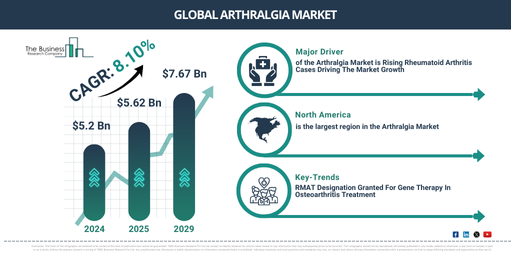
    In recent years, the size of the arthralgia market has witnessed robust growth. The market will escalate from $5.2 billion in 2024 to $5.62 billion in 2025, recording a compound annual growth rate (CAGR) of 8.2%. The historical market expansion is linked to the growing occurrences of autoimmune diseases, the rise in associated risk factors, an uptick in obesity cases, an increase in arthralgia prevalence, and a surge in joint disorders prevalence.

    We anticipate a robust expansion in the arthralgia market in the coming years. The market forecasts suggest a rise to$7.67 billion by 2029, with a compound annual growth rate (CAGR) of 8.1%. This predicted growth in the forthcoming period can be traced back to a heightened awareness about arthralgia, an increase in the elderly population, improved healthcare infrastructure, an escalated demand for less invasive treatments, and a growing occurrence of sports-related injuries. The forecast period will also witness major trends such as the incorporation of digital health solutions, innovative therapies, cell treatments, advancements in medical technologies, and considerable investments in research and development.

    Download a free sample to assess the report’s scope and structure:

    https://www.thebusinessresearchcompany.com/sample.aspx?id=21104&type=smp

    What Are the Primary Drivers Supporting the Market Growth of the Arthralgia Market?

    The arthralgia market is poised for growth, driven by the rising instances of rheumatoid arthritis. This chronic autoimmune disorder primarily impacts joints, leading to inflammation, pain, and possible joint deterioration. Factors such as an aging demographic, genetic factors, changes in lifestyle, and environmental concerns linked to smoking and pollution contribute to the increase in cases of rheumatoid arthritis. This condition induces arthralgia through chronic joint inflammation, resulting in discomfort, stiffness, and ongoing damage. Arthritis Australia, a non-profit organization based in Australia, reported in February 2024 that arthritis cases in Australia could escalate from 4.11 million in 2025 to 5.39 million by 2040, with osteoarthritis rising from 2.35 million to 3.11 million and rheumatoid arthritis projected to reach 748,721. Hence, the surge in rheumatoid arthritis cases is propelling the arthralgia market’s expansion.

    Which Primary Segments of the Arthralgia Market Are Driving Growth and Industry Transformations?

    The arthralgiamarket covered in this report is segmented –

    1) By Cause: Osteoarthritis; Rheumatoid Arthritis; Gout; Psoriatic Arthritis; Lupus; Injuries; Infections; Other Causes

    2) By Treatment Type: Medications; Therapies; Surgical Interventions; Lifestyle And Home Remedies

    3) By Route Of Administration: Oral; Injectable; Topical; Transdermal

    4) By Distribution Channel: Hospital Pharmacies; Retail Pharmacies; Online Pharmacies

    5) By End User: Hospital; Clinics; Homecare Settings; Rehabilitation Centers

    Subsegments:

    1) By Osteoarthritis: Knee Osteoarthritis; Hip Osteoarthritis; Hand Osteoarthritis; Spine Osteoarthritis; Shoulder Osteoarthritis

    2) By Rheumatoid Arthritis: Seropositive Rheumatoid Arthritis; Seronegative Rheumatoid Arthritis; Juvenile Rheumatoid Arthritis; Early-Onset Rheumatoid Arthritis

    3) By Gout: Primary Gout; Secondary Gout; Gouty Arthritis

    4) By Psoriatic Arthritis: Symmetric Psoriatic Arthritis; Asymmetric Psoriatic Arthritis; Psoriatic Spondylitis; Distal Interphalangeal Predominant Psoriatic Arthritis

    5) By Lupus: Systemic Lupus Erythematosus (SLE); Discoid Lupus Erythematosus; Drug-induced Lupus; Neonatal Lupus

    6) By Injuries: Sports-related Injuries; Trauma and Fractures; Sprains and Strains; Tendon or Ligament Damage

    7) By Infections: Septic Arthritis; Viral Arthritis; Bacterial Infections; Fungal Infections

    8) By Other Causes: Fibromyalgia; Overuse Injuries; Sarcoidosis; Ankylosing Spondylitis; Crystal-induced Arthritis

    Request customized data on this market:

    https://www.thebusinessresearchcompany.com/customise?id=21104&type=smp

    Which Regions Are Key Players in the Growth of the #What Are the Primary Drivers Supporting the Market Growth of the Arthralgia Market?# Market?

    North America was the largest region in the arthralgia market in 2024. The regions covered in the arthralgia market report are Asia-Pacific, Western Europe, Eastern Europe, North America, South America, Middle East, Africa.

    What Are the Most Significant Market Trends in the Arthralgia Market?

    The dominant players in the arthralgia industry are prioritizing the creation of novel treatments, such as RMAT-assigned gene therapy, to offer patients advanced therapeutic options that result in lasting pain alleviation and enhanced joint mobility. RMAT-assigned gene therapy is a term used to reference treatments that have been awarded the Regenerative Medicine Advanced Therapy (RMAT) designation by the FDA. This designation accelerates the advancement and evaluation of groundbreaking gene therapies for severe or life-threatening illnesses. For example, in March 2024, the US pharmaceutical company Pacira BioSciences Inc. was accorded the Regenerative Medicine Advanced Therapy (RMAT) recognition for their product PCRX-201 (enekinragene inzadenovec) by the U.S. Food and Drug Administration (FDA). This is a cutting-edge, intra-articular gene therapy employing a helper-dependent adenovirus (HDAd) for addressing knee osteoarthritis. The therapy aims to generate interleukin-1 receptor antagonists (IL-1Ra). Pacira expressed satisfaction at being awarded the FDA’s inaugural RMAT label for a gene therapy targeting osteoarthritis, underlining the encouraging primary clinical findings hinting that PCRX-201 could potentially be a disease-altering treatment.

    View the full report here:

    https://www.thebusinessresearchcompany.com/report/arthralgia-global-market-report

    What Parameters Are Used to Define the Arthralgia Market?

    Arthralgia refers to pain in one or more joints, often without inflammation, and can result from various causes such as infections, autoimmune diseases, or injury. It is a symptom rather than a condition, typically indicating an underlying health issue affecting the joints.

    Purchase the full report and get a swift delivery:

    https://www.thebusinessresearchcompany.com/purchaseoptions.aspx?id=21104

    About The Business Research Company:

    With over 15000+ reports from 27 industries covering 60+ geographies, The Business Research Company has built a reputation for offering comprehensive, data-rich research and insights. Armed with 1,500,000 datasets, the optimistic contribution of in-depth secondary research, and unique insights from industry leaders, you can get the information you need to stay ahead in the game.

    Get in touch with us:

    The Business Research Company: https://www.thebusinessresearchcompany.com/

    Americas +1 310-496-7795

    Europe +44 7882 955267

    Asia & Others +44 7882 955267 & +91 8897263534

    Email us at info@tbrc.info

    Follow us on:

    LinkedIn: https://in.linkedin.com/company/the-business-research-company

    YouTube: https://www.youtube.com/channel/UC24_fI0rV8cR5DxlCpgmyFQ

    Global Market Model: https://www.thebusinessresearchcompany.com/global-market-model

  • $5.83 Billion Forecast for Pediatric Growth Hormone Deficiency Market by 2029, Backed by Demand and Innovation

    $5.83 Billion Forecast for Pediatric Growth Hormone Deficiency Market by 2029, Backed by Demand and Innovation

    Claim your 30% discount on Global Market Reports with code ONLINE30. Limited time only.

    What Are the Key Milestones in the Pediatric Growth Hormone Deficiency Market’s Growth Trajectory From 2025 To 2034?

    The pediatric growth hormone deficiency market size has grown strongly in recent years. It will grow from $3.8 billion in 2024 to $4.15 billion in 2025 at a compound annual growth rate (CAGR) of 9.1%. The growth in the historic period can be attributed to increased awareness regarding the treatment of pediatric growth disorders, increased diagnostic capabilities, a rise in investments in research and development of next-gen products, and a strengthened public insurance scheme.

    In the forthcoming years, the market size for pediatric growth hormone deficiency is predicted to witness substantial growth, potentially reaching$5.83 billion by 2029″ with a compound annual growth rate (CAGR) of 8.9%. The anticipated growth in the forecast period might be due to the expansion of healthcare infrastructure and the improvement in access to care facilities, advancements in growth hormone treatment strategies, increased awareness and patient advocacy efforts, favorable government regulations and healthcare programs, and a surge in PGHD prevalence. Key trends to watch in this forecast period encompass the inception of novel therapies, customization in treatment options, product innovation, the use of telemedicine and remote patient monitoring, as well as personalized medicine and genetic testing.

    Download a free sample to assess the report’s scope and structure:

    https://www.thebusinessresearchcompany.com/sample.aspx?id=21250&type=smp

    What Are the Core Market Drivers Propelling Growth in the Pediatric Growth Hormone Deficiency Industry?

    The rise in pediatric ailments is slated to accelerate the expansion of the pediatric growth hormone deficiency market. Pediatric diseases essentially encompass health conditions or sicknesses that mainly impact children, from infancy through to adolescence. The surge in such illnesses can be attributed to environmental factors, enhanced detection techniques, alterations in lifestyle, genetic predispositions, as well as escalating incidences of chronic conditions and allergies among children. The incidence of pediatric diseases has an influence on pediatric growth hormone deficiency (GHD) due to their effect on the hypothalamus or pituitary gland, organs that play a crucial role in the production of growth hormone. For example, in March 2024, the United Nations Children’s Fund (UNICEF), a governmental organization based in the U.S., stated that in 2022, roughly 4.9 million children who were under the age of five passed away, which came to an average of 13,400 deaths daily. Worldwide, primary reasons for mortality among under-fives were infectious diseases like pneumonia, diarrhea, and malaria, as well as complications linked to preterm birth and intrapartum-related issues. Therefore, the rising number of pediatric diseases is fueling the growth of the pediatric growth hormone deficiency market.

    How Is the Pediatric Growth Hormone Deficiency Market Segmented?

    The pediatric growth hormone deficiencymarket covered in this report is segmented –

    1) By Type: Congenital GH Deficiency; Acquired GH Deficiency; Idiopathic GH deficiency

    2) By Product: Recombinant Human Growth Hormone (rhGH); Human Growth Hormone (HGH) Analogs; Long-Acting Growth Hormones

    3) By Route Of Administration: Subcutaneous; Intramuscular; Oral

    4) By Distribution Channel: Hospital Pharmacies; Retail Pharmacies; Online Pharmacies

    5) By Application: Growth Hormone Deficiency; Idiopathic Short Stature; Turner Syndrome; Small For Gestational Age; Prader Willi Syndrome; Other Applications

    Subsegments:

    1) By Congenital GH Deficiency: Isolated GH Deficiency; Combined Pituitary Hormone Deficiency

    2) By Acquired GH Deficiency: GH Deficiency Due To Pituitary Tumors; GH Deficiency Due To Brain Injury; GH Deficiency Due To Radiation Therapy

    3) By Idiopathic GH Deficiency: Primary Idiopathic GH Deficiency; Secondary Idiopathic GH Deficiency

    Request customized data on this market:

    https://www.thebusinessresearchcompany.com/customise?id=21250&type=smp

    Which Regions Are Driving the Next Phase of the Pediatric Growth Hormone Deficiency Market Growth?

    North America was the largest region in the pediatric growth hormone deficiency market in 2024. Asia-Pacific is expected to be the fastest-growing region in the forecast period. The regions covered in the pediatric growth hormone deficiency market report are Asia-Pacific, Western Europe, Eastern Europe, North America, South America, Middle East, Africa.

    What Key Market Trends and Innovations Are Shaping the Future of the Pediatric Growth Hormone Deficiency Industry?

    Big names in the pediatric growth hormone deficiency market are concentrating on the development of original solutions, such as long-lasting, once-weekly human growth hormone equivalents. These are aimed at enhancing patient adherence and ease of use. Such a hormone equivalent is a tweaked version of the naturally-occurring human growth hormone, designed to act longer within the body. As an instance, in June 2023, both the American pharmaceutical giant, Pfizer Inc., and medicine corporate entity, OPKO Health Inc., together revealed NGENLA (somatrogon-ghla), a weekly human growth hormone substitute designed for therapy in children of three years and over experiencing growth failures because of insufficient native growth hormone production. This was sanctioned by the Food and Drug Administration, an American government body. This pioneering treatment is designed to elevate patient adherence by lowering the necessity for regular injections as commonplace treatments generally need daily dosing. Clinical experiments have demonstrated that NGENLA has comparable effectiveness to everyday growth hormone interventions, and it offers a very manageable and more suitable alternative for children as well as their guardians.

    View the full report here:

    https://www.thebusinessresearchcompany.com/report/pediatric-growth-hormone-deficiency-global-market-report

    How Is the Pediatric Growth Hormone Deficiency Market Defined and What Are Its Core Parameters?

    Pediatric growth hormone deficiency (PGHD) is a condition where the pituitary gland produces insufficient growth hormone, leading to slow growth, short stature, and delayed puberty. It can be congenital or acquired, and treatment typically involves recombinant human growth hormone (rhGH) therapy to support normal development.

    Purchase the full report and get a swift delivery:

    https://www.thebusinessresearchcompany.com/purchaseoptions.aspx?id=21250

    About The Business Research Company:

    With over 15000+ reports from 27 industries covering 60+ geographies, The Business Research Company has built a reputation for offering comprehensive, data-rich research and insights. Armed with 1,500,000 datasets, the optimistic contribution of in-depth secondary research, and unique insights from industry leaders, you can get the information you need to stay ahead in the game.

    Get in touch with us:

    The Business Research Company: https://www.thebusinessresearchcompany.com/

    Americas +1 310-496-7795

    Europe +44 7882 955267

    Asia & Others +44 7882 955267 & +91 8897263534

    Email us at info@tbrc.info

    Follow us on:

    LinkedIn: https://in.linkedin.com/company/the-business-research-company

    YouTube: https://www.youtube.com/channel/UC24_fI0rV8cR5DxlCpgmyFQ

    Global Market Model: https://www.thebusinessresearchcompany.com/global-market-model
  • Apraxia Outlook 2034: Key Drivers, Trends, and Market Frontiers

    Apraxia Outlook 2034: Key Drivers, Trends, and Market Frontiers

    Claim your 30% discount on Global Market Reports with code ONLINE30. Limited time only.

    What Are the Key Projections for the CAGR of the Apraxia Market Size From 2025 to 2034?

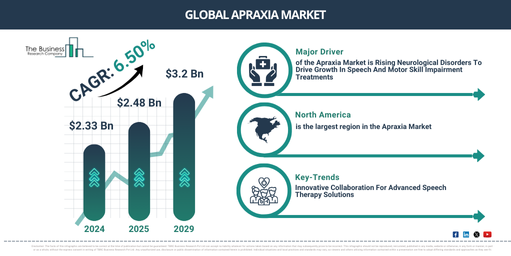
    The market size of apraxia has considerably expanded over the past few years. It’s predicted to rise from $2.33 billion in 2024 to as much as $2.48 billion by 2025 with a whopping 6.6% compound annual growth rate (CAGR). Various reasons contribute to this growth in the historic period, which include an increased awareness about apraxia among children and adults, a surge in the incidence of neurological disorders, better access to healthcare and therapeutic services, a rise in funding for researching neurological conditions, and the expansion of speech-language pathology programs.

    The apraxia market is set to witness significant expansion in the coming years, eventually reaching a value of$3.2 billion by 2029″, growing at a compound annual growth rate (CAGR) of 6.5%. This upswing during the predicted period can be ascribed to the growing usage of sophisticated diagnostic instruments, the proliferation of teletherapy services, increased governmental support for early detection, a heightened concentration on tailored therapy solutions, and extended insurance provision for treatments. Key developments anticipated during this forecast period encompass AI-powered speech therapy applications, wearable devices for neurostimulation, enhanced diagnostic imaging, bespoke rehabilitation plans, teletherapy frameworks, interfaces between brains and computers, and innovative drug treatments.

    Download a free sample to assess the report’s scope and structure:

    https://www.thebusinessresearchcompany.com/sample.aspx?id=21103&type=smp

    How Are Key Drivers in the Industry Acting as Catalysts for the Growth of theApraxia Market?

    The growth of the apraxia market is anticipated to be propelled by the escalating incidence of neurological conditions. These are medical anomalies that impact the brain, spinal cord, and nerves, resulting in a spectrum of cognitive, motor, sensory, or behavioral dysfunctions. The surge in these disorders is owed to elements such as an aging populace, heightened awareness, and lifestyle modifications. Apraxia critically aids in comprehending these conditions as it’s a principal marker of impaired brain function, specifically in the regions in charge of organizing and synchronizing movements. This is crucial in the diagnosis and treatment of numerous neurological ailments. For example, the European Brain Council, a Belgium-based non-profit entity, reported in April 2022 that over 600 neurological diseases and close to 300 psychiatric conditions afflict millions around the world, counting 65 million individuals with epilepsy. It also highlighted that in Europe, 10.5 million people are affected by dementia, with estimates predicting an increase to 18.7 million by 2050. Consequently, the escalating incidence of neurological disorders is accelerating the growth trajectory of the apraxia market.

    Which Segments in the Apraxia Offer the Most Growth?

    The apraxiamarket covered in this report is segmented –

    1) By Types: Ideomotor Apraxia; Ideational Or Conceptual Apraxia; Buccofacial Or Orofacial Apraxia; Constructional Apraxia; Gait Apraxia; Limb-Kinetic Apraxia; Oculomotor Apraxia; Apraxia Of Speech

    2) By Treatment: Speech Therapy; Occupational Therapy; Physical Therapy; Other Treatments

    3) By Diagnosis: Test To Measure Upper Limb Apraxia; Magnetic Resonance Imaging (MRI); Other Diagnosis

    Subsegments:

    1) By Ideomotor Apraxia: Limb Apraxia; Facial Apraxia; Non-dominant Hand Apraxia

    2) By Ideational Or Conceptual Apraxia: Complex Task Apraxia; Sequential Action Disorder; Apraxia Of Tool Use

    3) By Buccofacial Or Orofacial Apraxia: Lip Movements Apraxia; Tongue And Cheek Apraxia; Swallowing And Mastication Apraxia

    4) By Constructional Apraxia: Drawing Apraxia; Building And Construction Apraxia

    5) By Gait Apraxia: Frontal Gait Apraxia; Parkinsonian Gait Apraxia

    6) By Limb-Kinetic Apraxia: Upper Limb Kinetic Apraxia; Lower Limb Kinetic Apraxia

    7) By Oculomotor Apraxia: Saccadic Eye Movement Apraxia; Smooth Pursuit Apraxia

    8) By Apraxia Of Speech: Verbal Apraxia; Phonemic Apraxia; Apraxia Of Speech With Dysarthria

    Request customized data on this market:

    https://www.thebusinessresearchcompany.com/customise?id=21103&type=smp

    What Are the Fastest-Growing Geographies in the #How Are Key Drivers in the Industry Acting as Catalysts for the Growth of theApraxia Market?# Market?

    North America was the largest region in the apraxia market in 2024. Asia-Pacific is expected to be the fastest-growing region in the forecast period. The regions covered in the apraxia market report are Asia-Pacific, Western Europe, Eastern Europe, North America, South America, Middle East, Africa.

    What Are the Current Market Growth and Trends in the Apraxia Industry?

    Key players in the apraxia market are leveraging strategic alliances to bolster their research proficiency, amplify their treatment range, and enhance patient results. For example, in July 2024, Trios Health, a healthcare firm based in the US, collaborated with the Department of Speech and Hearing Sciences at Washington State University, also a US-based institution, to initiate an inventive program named “Camp I Can Say It!”. This uniquely crafted initiative is aimed at assisting children between the ages of 5 to 7 who are grappling with childhood apraxia of speech (CAS) and other serious speech impediments. The camp presents bilingual speech therapy, serving both English- and Spanish-speaking children, and integrates early literacy development, providing a holistic method to boost communication and scholastic abilities.

    View the full report here:

    https://www.thebusinessresearchcompany.com/report/apraxia-global-market-report

    What Are the Key Elements That Define the Apraxia Market?

    Apraxia is a neurological disorder that affects purposeful movements despite intact muscle strength, coordination, and comprehension. It results from brain damage, often in motor planning areas like the parietal or frontal lobes. Those affected may struggle with tasks such as waving, tying shoelaces, or speaking.

    Purchase the full report and get a swift delivery:

    https://www.thebusinessresearchcompany.com/purchaseoptions.aspx?id=21103

    About The Business Research Company:

    With over 15000+ reports from 27 industries covering 60+ geographies, The Business Research Company has built a reputation for offering comprehensive, data-rich research and insights. Armed with 1,500,000 datasets, the optimistic contribution of in-depth secondary research, and unique insights from industry leaders, you can get the information you need to stay ahead in the game.

    Get in touch with us:

    The Business Research Company: https://www.thebusinessresearchcompany.com/

    Americas +1 310-496-7795

    Europe +44 7882 955267

    Asia & Others +44 7882 955267 & +91 8897263534

    Email us at info@tbrc.info

    Follow us on:

    LinkedIn: https://in.linkedin.com/company/the-business-research-company

    YouTube: https://www.youtube.com/channel/UC24_fI0rV8cR5DxlCpgmyFQ

    Global Market Model: https://www.thebusinessresearchcompany.com/global-market-model
  • Pediatric Brain Tumors Market 2025-2034: Key Highlights, Growth Dynamics, and Emerging Trends

    Pediatric Brain Tumors Market 2025-2034: Key Highlights, Growth Dynamics, and Emerging Trends

    Claim your 30% discount on Global Market Reports with code ONLINE30. Limited time only.

    How Has The Pediatric Brain Tumors Market Size Shifted, And What Is the Outlook Through 2034?

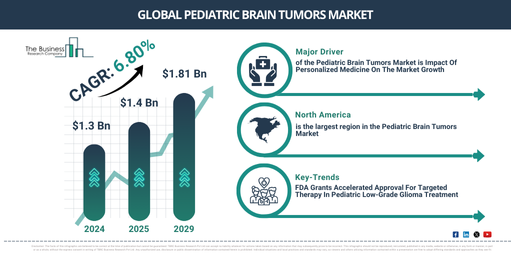
    Over recent years, there has been a robust growth in the pediatric brain tumors market size. The market projection is estimated to surge from $1.3 billion in 2024 to $1.4 billion in 2025, indicating a compound annual growth rate (CAGR) of 7.0%. The notable expansion during the historic period can be credited to factors such as the rising cases of pediatric brain tumors, the emergence of strong economies, increased funding in research and development, and an enhanced demand for diagnostic technology. Moreover, there has been a worldwide increase in pediatric tumor cases.

    The market for pediatric brain tumors is predicted to experience substantial growth in the coming years, reaching a size of $1.81 billion in 2029, expanding at a compound annual growth rate (CAGR) of 6.8%. The anticipated growth during the forecast period is poised to be driven by precision medicine, molecular profiling, targeted treatments, improvements in healthcare infrastructure, and broader insurance coverage. Emerging trends for the forecast timeframe involve advancements in technologies such as magnetic resonance imaging (MRI), positron emission tomography (PET), and computed tomography (CT), alongside the utilization of genetic and molecular profiling, the formulation of targeted therapies, the advent of immunotherapies, and the proliferation of minimally invasive surgical methods.

    Download a free sample to assess the report’s scope and structure:

    https://www.thebusinessresearchcompany.com/sample.aspx?id=21248&type=smp

    Which Primay Drivers Are Accelerating Growth in the Pediatric Brain Tumors Market?

    The pediatric brain tumor market is anticipated to experience robust growth due to the increasing interest in personalized healthcare. This tailor-made approach to treatment and clinical decision-making benefits from a detailed understanding of an individual’s genetic composition, lifestyle, and distinctive healthcare needs. The accelerated push for personalized medicine can be attributed to breakthroughs in genetic studies, sophisticated diagnostic tools, and the promise of better and meticulously aimed treatments. By aligning therapies to a child’s particular tumor characteristics, genetic alterations, and responses, personalized medicine can enhance treatment results and decrease side effects, only attacking the disease and preserving healthy cells. Substantiating this, in February 2024, the US-based Personalized Medicine Coalition noted that, in 2023, the FDA sanctioned 16 novel personalized treatments for patients with rare diseases, a significant increase from the six in the previous year. Thus, this surging demand for personalized healthcare is significantly fueling the expansion of the pediatric brain tumor market.

    Which Primary Segments of the Pediatric Brain Tumors Market Are Driving Growth and Industry Transformations?

    The pediatric brain tumorsmarket covered in this report is segmented –

    1) By Type: Gliomas; Mixed Neuronal-Glial Tumors; Embryonal Tumors; Choroid Plexus Papilloma Or Carcinoma; Tumors Arising From Non-Neuroepithelial Tissue; Meningeal Tumors

    2) By Treatment Type: Surgery; Radiation Therapy; Chemotherapy; Targeted Therapy; Immunotherapy

    3) By Diagnosis Method: Imaging Techniques; Biopsy; Neurological Exam; Lumbar Puncture

    4) By Age Group: Infants; Toddlers; Children; Adolescents

    5) By Application: Hospitals And Clinics; Medical Research Centers; Academic Institutes; Other Applications

    Subsegments:

    1) By Gliomas: Low-Grade Gliomas; High-Grade Gliomas

    2) By Mixed Neuronal-Glial Tumors: Gangliogliomas; Dysembryoplastic Neuroepithelial Tumors (DNET)

    3) By Embryonal Tumors: Medulloblastoma; Atypical Teratoid Rhabdoid Tumor (ATRT); Primitive Neuroectodermal Tumors (PNET)

    4) By Choroid Plexus Papilloma or Carcinoma: Choroid Plexus Papilloma; Choroid Plexus Carcinoma

    5) By Tumors Arising from Non-Neuroepithelial Tissue: Rhabdomyosarcoma; Ewing’s Sarcoma

    6) By Meningeal Tumors: Meningiomas; Hemangiopericytomas

    Request customized data on this market:

    https://www.thebusinessresearchcompany.com/customise?id=21248&type=smp

    Which Regions Are Key Players in the Growth of the #Which Primay Drivers Are Accelerating Growth in the Pediatric Brain Tumors Market?# Market?

    North America was the largest region in the pediatric brain tumors market in 2024. The regions covered in the pediatric brain tumors market report are Asia-Pacific, Western Europe, Eastern Europe, North America, South America, Middle East, Africa.

    Which Technological Trends Are Reshaping the Pediatric Brain Tumors Industry Dynamics?

    Leading corporations in the pediatric brain tumors market are concentrating on producing advanced therapy options like type II RAF inhibitors to boost targeted treatments and improve the outcomes for patients. RAF kinases, particularly those with mutations that fuel tumor growth, are the main focus of these specialized therapies known as Type II RAF inhibitors. These inhibitors are tailored to inhibit the irregular RAF protein structures present in some pediatric low-grade glioma (pLGG) subtypes, effectively barricading faulty signaling routes that lead to tumor cell growth and endurance. Day One Biopharmaceuticals, a biotech firm based in the US, declared in April 2024 that the U.S. Food and Drug Administration (FDA) has given accelerated approval for OJEMDA (tovorafenib), a treatment for recurrent or stubborn pediatric low-grade glioma (pLGG) in patients six months and older with particular BRAF alterations. This acknowledgment sets OJEMDA as the inaugural FDA-endorsed treatment that targets BRAF fusions or mutations in this patient group. The approval comes as a result of an overall response rate of 51% in the FIREFLY-1 clinical trial, which evaluated the drug’s effectiveness in this instance. This drug is particularly aimed at pediatric patients whose brain tumors have not reacted to past therapies.

    View the full report here:

    https://www.thebusinessresearchcompany.com/report/pediatric-brain-tumors-global-market-report

    What Parameters Are Used to Define the Pediatric Brain Tumors Market?

    Pediatric brain tumors are abnormal growths of cells in the brain or central nervous system (CNS) of children. These tumors can be benign (non-cancerous) or malignant (cancerous) and can originate in different parts of the brain or spinal cord. The goal of treatment is to shrink or remove the tumor, relieve symptoms, and preserve cognitive and motor functions, ensuring the child’s long-term health and development.

    Purchase the full report and get a swift delivery:

    https://www.thebusinessresearchcompany.com/purchaseoptions.aspx?id=21248

    About The Business Research Company:

    With over 15000+ reports from 27 industries covering 60+ geographies, The Business Research Company has built a reputation for offering comprehensive, data-rich research and insights. Armed with 1,500,000 datasets, the optimistic contribution of in-depth secondary research, and unique insights from industry leaders, you can get the information you need to stay ahead in the game.

    Get in touch with us:

    The Business Research Company: https://www.thebusinessresearchcompany.com/

    Americas +1 310-496-7795

    Europe +44 7882 955267

    Asia & Others +44 7882 955267 & +91 8897263534

    Email us at info@tbrc.info

    Follow us on:

    LinkedIn: https://in.linkedin.com/company/the-business-research-company

    YouTube: https://www.youtube.com/channel/UC24_fI0rV8cR5DxlCpgmyFQ

    Global Market Model: https://www.thebusinessresearchcompany.com/global-market-model

  • Global Aortic Stenosis Market Trends: Regional Breakdowns and Strategic Insights

    Global Aortic Stenosis Market Trends: Regional Breakdowns and Strategic Insights

    Claim your 30% discount on Global Market Reports with code ONLINE30. Limited time only.

    How Has The Aortic Stenosis Market Growth Evolved From 2024 To 2025, And What’s Ahead?

    In recent times, there’s been a swift escalation in the size of the aortic stenosis market. The market is predicted to surge from $7.88 billion in 2024 to $8.91 billion in 2025, exhibiting a compound annual growth rate (CAGR) of 13.0%. The growth during the historical period has been spurred by factors such as the aging population, higher occurrence of risk factors, advancements in diagnostic technologies, heightened awareness about heart diseases, and enhanced healthcare infrastructure.

    In the coming years, the aortic stenosis market is anticipated to undergo rapid expansion, potentially reaching a value of$14.4 billion by 2029″, with a compound annual growth rate (CAGR) of 12.8%. This predicted growth within the expected period can be linked to the increased uptake of minimally invasive surgeries, an enlarging demographic of elderly individuals, escalation in health expenditure, enhanced healthcare accessibility in emerging markets, and advancements in technologies related to aortic valve replacement. Key trends to observe in the predicted period encompass robotic-assisted operations, 3D imaging and visualisation, innovative developments in transcatheter aortic valve replacement (tavr), the use of artificial intelligence in diagnostic procedures, and the use of biodegradable stents.

    Download a free sample to assess the report’s scope and structure:

    https://www.thebusinessresearchcompany.com/sample.aspx?id=21102&type=smp

    What Are the Major Market Drivers Behind the Rising Adoption of Aortic Stenosis Market?

    The escalating incidence of heart conditions is anticipated to drive the expansion of the aortic stenosis market. Heart ailments encompass a variety of disorders that disrupt the heart’s anatomy and functions. These disorders can hinder the heart’s capacity to efficiently pump blood, resulting in complications. Common heart conditions include coronary artery disease (CAD), heart failure, arrhythmias, valvular heart disease, cardiomyopathy, among others. Aortic stenosis is a condition in which the aortic valve narrows, obstructing the blood’s path from the left ventricle to the aorta. This heightens resistance which exerts additional stress on the heart, which can ultimately lead to heart failure and other heart-related complications over time. The correct treatment for aortic stenosis, such as valve replacement or TAVI, can enhance the heart’s function and decrease the likelihood of adverse heart disease outcomes. For instance, the British Heart Foundation, a cardiovascular research charity based in the UK, estimated in January 2025 that almost 7.6 million individuals in the UK live with heart and circulatory diseases, which includes roughly 4 million men and 3.6 million women. These diseases are responsible for roughly 27% of all deaths in the UK, resulting in over 170,000 deaths each year, or approximately 480 deaths each day. Consequently, the rising prevalence of heart conditions is fueling the expansion of the aortic stenosis market.

    Which Key Market Segments Comprise the Aortic Stenosis Market and Drive Its Revenue Growth?

    The aortic stenosismarket covered in this report is segmented –

    1) By Type: Congenital Aortic Stenosis; Acquired Aortic Stenosis

    2) By Treatment: Surgical Aortic Valve Replacement; Transcatheter Aortic Valve Replacement; Balloon Aortic Valvuloplasty

    3) By Administration: Oral; Parenteral; Implants

    4) By Distribution Channel: Offline; Online

    5) By End User: Online Pharmacy; Retail Pharmacy; Hospital Pharmacy

    Subsegments:

    1) By Congenital Aortic Stenosis: Neonatal Aortic Stenosis; Infantile Aortic Stenosis; Juvenile Aortic Stenosis

    2) By Acquired Aortic Stenosis: Age-Related Aortic Stenosis; Degenerative Aortic Stenosis; Rheumatic Aortic Stenosis

    Request customized data on this market:

    https://www.thebusinessresearchcompany.com/customise?id=21102&type=smp

    Which Areas Are Leading Regions in the Aortic Stenosis Market Expansion Across the Globe?

    North America was the largest region in the aortic stenosis market in 2024. Asia-Pacific is expected to be the fastest-growing region in the forecast period. The regions covered in the aortic stenosis market report are Asia-Pacific, Western Europe, Eastern Europe, North America, South America, Middle East, Africa.

    What Are the Strategic Trends Steering theAortic Stenosis Market Direction?

    Key players in the aortic stenosis market are concentrating on the creation of pioneering aortic valve technologies such as the transcatheter aortic valve implantation (TAVI) systems. Their focus is to enhance patient results, minimize procedural dangers, and augment overall treatment efficacy for aortic stenosis. The TAVI system, a least invasive medical gadget, can substitute a malfunctioning aortic valve without the need for open-heart surgery. An illustration of this is Abbott Laboratories, a medical device firm based in the United States, which gained approval for Navitor, an innovative transcatheter aortic valve implantation (TAVI) system, from the U.S. Food and Drug Administration (FDA) in January 2023. Navitor comes with a NaviSeal fabric cuff designed to decrease or remove paravalvular leaks. The design of the system, which includes leaflets within the native valve, is crafted to augment the accessibility to coronary arteries for potential treatments of coronary artery disease.

    View the full report here:

    https://www.thebusinessresearchcompany.com/report/aortic-stenosis-global-market-report

    How Is the Aortic Stenosis Market Conceptually Defined?

    Aortic stenosis is a condition where the aortic valve in the heart becomes narrowed, restricting blood flow from the left ventricle to the aorta and the rest of the body. It is often caused by age-relate valve calcification, congenital valve defects, or rheumatic fever. Aortic stenosis can lead to serious complications such as heart failure, which can be treated with medication or surgical interventions such as valve replacement.

    Purchase the full report and get a swift delivery:

    https://www.thebusinessresearchcompany.com/purchaseoptions.aspx?id=21102

    About The Business Research Company:

    With over 15000+ reports from 27 industries covering 60+ geographies, The Business Research Company has built a reputation for offering comprehensive, data-rich research and insights. Armed with 1,500,000 datasets, the optimistic contribution of in-depth secondary research, and unique insights from industry leaders, you can get the information you need to stay ahead in the game.

    Get in touch with us:

    The Business Research Company: https://www.thebusinessresearchcompany.com/

    Americas +1 310-496-7795

    Europe +44 7882 955267

    Asia & Others +44 7882 955267 & +91 8897263534

    Email us at info@tbrc.info

    Follow us on:

    LinkedIn: https://in.linkedin.com/company/the-business-research-company

    YouTube: https://www.youtube.com/channel/UC24_fI0rV8cR5DxlCpgmyFQ

    Global Market Model: https://www.thebusinessresearchcompany.com/global-market-model
  • Parkinson’s Disease Growth Trajectory: Key Forecasts and Strategic Insights

    Parkinson’s Disease Growth Trajectory: Key Forecasts and Strategic Insights

    Claim your 30% discount on Global Market Reports with code ONLINE30. Limited time only.

    How Has the Parkinson’s Disease Market Growth Performance Trended Historically, And What Lies Ahead?

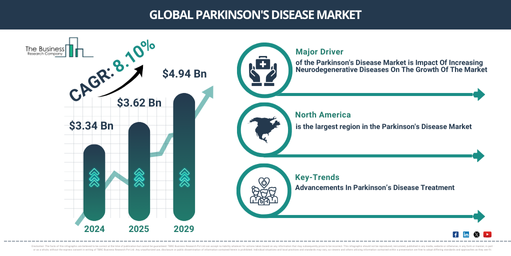
    In recent times, there has been substantial growth in the size of the Parkinson’s disease market. The market, which is set to increase from $3.34 billion in 2024 to $3.62 billion in 2025, shows a compound annual growth rate (CAGR) of 8.2%. This growth in the past period is linked to various factors including enhanced research and development efforts, more government funding, a rise in personalized treatment approaches, an increase in support networks dedicated to Parkinson’s disease patients, and more utilized advanced rehabilitation therapies.

    Expectations for the parkinson’s disease market forecast a robust growth in the upcoming years, with predictions of the market size to reach$4.94 billion by 2029″, exhibiting a compound annual growth rate (CAGR) of 8.1%. Factors contributing to the projected growth during this period include escalating awareness about symptoms of parkinson’s disease, proactive government initiatives, enhancement in healthcare expenditures, an increase in clinical trials specific to Parkinson’s disease, and the growing preference for gene therapies. Upcoming trends during the forecast period encompass advancements in technology, government contributions, and funding, the incorporation of artificial intelligence in diagnoses, innovative solutions, and tailor-made medicine.

    Download a free sample to assess the report’s scope and structure:

    https://www.thebusinessresearchcompany.com/sample.aspx?id=21247&type=smp

    Which Factors and External Forces Are Driving Demand in the Parkinson’s Disease Market?

    The growing incidence of neurodegenerative disorders is anticipated to fuel the development of the Parkinson’s disease market. Neurodegenerative disorders encompass a set of conditions characterized by the gradual deterioration and loss of brain and nervous system neurons’ ability. The occurrence of such disorders is on the rise due to numerous factors, including an aging populace, genetic susceptibility, ecological impacts, enhanced diagnostic measures, and increased chronic health issues. Parkinson’s disease aids in the elucidation of neurodegenerative disorders by providing crucial insights into their fundamental mechanisms, potential treatment targets, and innovative therapeutic methods’ creation. For instance, as per the European Brain Council, a non-profit organization based in Belgium, over 600 neurological disorders and nearly 300 psychiatric conditions plague millions worldwide, including those with epilepsy which is estimated to be around 65 million. In Europe, 10.5 million individuals are estimated to have dementia, with the figure projected to rise to 18.7 million by 2050. Hence, the growing incidence of neurodegenerative disorders propels the expansion of the Parkinson’s disease market.

    Which Segments in the Parkinson’s Disease Offer the Most Growth?

    The parkinson’s diseasemarket covered in this report is segmented –

    1) By Drug Class: Dopamine Agonists; Catechol-O-Methyltransferase Inhibitors; Monoamine Oxidase B Inhibitors; Anticholinergics; Carbidopa-Levodopa; Other Drug Classes

    2) By Route Of Administration: Oral; Injectable; Intestinal infusion; Subcutaneous; Other Route Of Administrations

    3) By Distribution Channel: Retail Pharmacies; Hospital Pharmacies; Online Pharmacies

    4) By Patient Care Setting: Clinics; Hospitals

    Subsegments:

    1) By Dopamine Agonists: Ergot Derivatives; Non-Ergot Derivatives

    2) By Catechol-O-Methyltransferase (COMT) Inhibitors: Entacapone; Tolcapone; Opicapone

    3) By Monoamine Oxidase B (MAO-B) Inhibitors: Selegiline; Rasagiline; Safinamide

    4) By Anticholinergics: Trihexyphenidyl; Benztropine; Procyclidine

    5) By Carbidopa-Levodopa: Immediate-Release Formulation; Extended-Release Formulation; Inhaled And Intestinal Gel Formulations

    6) By Other Drug Classes: Amantadine And Derivatives; Adenosine A2A Receptor Antagonists; Glutamate Antagonists

    Request customized data on this market:

    https://www.thebusinessresearchcompany.com/customise?id=21247&type=smp

    What Are the Fastest-Growing Geographies in the #Which Factors and External Forces Are Driving Demand in the Parkinson’s Disease Market?# Market?

    North America was the largest region in the parkinson’s disease market in 2024. Asia-Pacific is expected to be the fastest-growing region in the forecast period. The regions covered in the parkinson’s disease market report are Asia-Pacific, Western Europe, Eastern Europe, North America, South America, Middle East, Africa.

    Which Cutting-Edge Market Trends Are Expected to Drive theParkinson’s Disease Market’s Growth?

    Major firms working within the parkinson’s disease sphere are heavily investing in the creation of innovative solutions, such as levodopa-infused therapy, with the aim to boost motor function and deliver consistent management of symptoms for individuals with advanced parkinson’s disease. This kind of therapeutic approach employs levodopa, a drug that transforms into dopamine in the brain, to boost motor capabilities and suppress the symptoms of Parkinson’s disease. For instance, in October 2024, AbbVie Inc., a biopharmaceutical business based in the US, got the green light from the US Food and Drug Administration (FDA) for their combination therapy VYALEV, which includes levodopa and carbidopa, engineered specifically for the treatment of Parkinson’s disease. This therapy has been designed to enhance the effectiveness of levodopa by preventing its breakdown before it arrives in the brain, effectively increasing dopamine levels. This prescription medication successfully manages motor symptoms of Parkinson’s, such as tremors, stiffness, and bradykinesia, therefore improving the patient’s daily functioning activities. It is hailed as a crucial treatment option for those Parkinson’s patients experiencing motor fluctuation.

    View the full report here:

    https://www.thebusinessresearchcompany.com/report/parkinsons-disease-global-market-report

    What Are the Key Elements That Define the Parkinson’s Disease Market?

    Parkinson’s disease is a progressive neurological disorder that affects movement due to the loss of dopamine-producing brain cells. It primarily causes tremors, muscle stiffness, slowed movement, and balance difficulties. Treatment often involves medications such as levodopa to alleviate symptoms, complemented by physical therapy and, in certain cases, surgical interventions such as deep brain stimulation.

    Purchase the full report and get a swift delivery:

    https://www.thebusinessresearchcompany.com/purchaseoptions.aspx?id=21247

    About The Business Research Company:

    With over 15000+ reports from 27 industries covering 60+ geographies, The Business Research Company has built a reputation for offering comprehensive, data-rich research and insights. Armed with 1,500,000 datasets, the optimistic contribution of in-depth secondary research, and unique insights from industry leaders, you can get the information you need to stay ahead in the game.

    Get in touch with us:

    The Business Research Company: https://www.thebusinessresearchcompany.com/

    Americas +1 310-496-7795

    Europe +44 7882 955267

    Asia & Others +44 7882 955267 & +91 8897263534

    Email us at info@tbrc.info

    Follow us on:

    LinkedIn: https://in.linkedin.com/company/the-business-research-company

    YouTube: https://www.youtube.com/channel/UC24_fI0rV8cR5DxlCpgmyFQ

    Global Market Model: https://www.thebusinessresearchcompany.com/global-market-model

  • Antinuclear Antibody Test Market Outlook 2025: Mapping Growth, Innovation, and Regional Shifts

    Antinuclear Antibody Test Market Outlook 2025: Mapping Growth, Innovation, and Regional Shifts

    Claim your 30% discount on Global Market Reports with code ONLINE30. Limited time only.

    What is the Projected CAGR for the Antinuclear Antibody Test Market Size from 2025 to 2034?

    The market for antinuclear antibody tests has witnessed significant expansion in recent times. The market value is predicted to rise from $1.54 billion in 2024 to $1.73 billion in 2025, signifying a compound annual growth rate (CAGR) of 12.6%. Its growth during the historic period is largely down to a higher incidence of autoimmune diseases, increased awareness of the importance of early detection, advancements in diagnostic technologies, growth in healthcare spending, and a rising elderly population.

    The market size for the antinuclear antibody test is projected to experience significant expansion in the upcoming years, with an expected valuation of $2.76 billion in 2029, boasting a compound annual growth rate (CAGR) of 12.4%. The expected growth during the forecast period is due to an increasing prevalence of autoimmune diseases, advancements in diagnostic tool technology, burgeoning interest in personalized medicine, an expanding healthcare structure in emerging regions, and a growing preference for early disease identification and management. The forecast period will also witness critical trends such as the incorporation of artificial intelligence into diagnostic processes, the creation of point-of-care testing devices, the application of multiplex testing technologies, the employment of machine learning for data interpretation, and advancements in automation and high-throughput testing systems.

    Download a free sample to assess the report’s scope and structure:

    https://www.thebusinessresearchcompany.com/sample.aspx?id=21101&type=smp

    What External and Internal Drivers Are Contributing to the Growth of theAntinuclear Antibody Test Market?

    The growing occurrence of autoimmune diseases, wherein the immune system wrongly assaults the body’s own healthy cells and tissues, is anticipated to fuel the expansion of the antinuclear antibody test market. The surge in these diseases is attributed to aspects such as genetic susceptibility, environmental impacts, hormonal shifts, and lifestyle components like diet and stress. The antinuclear antibody testing aids in the prompt diagnosis of autoimmune diseases by recognizing antibodies that target the body’s cells and tissues. For example, a report by the Australian Institute of Health and Welfare, a governmental organization based in Australia, revealed that hospitalizations due to rheumatoid arthritis touched 10,000 in June 2024, a 25% increase from the preceding year’s 8,000. This equates to a hospitalization rate of 39 out of every 100,000 individuals. Hence, the escalating frequency of autoimmune diseases is contributing to the growth of the antinuclear antibody test market.

    What Segment Types Define the Antinuclear Antibody Test Market Structure?

    The antinuclear antibody testmarket covered in this report is segmented –

    1) By Product: Assay Kits; Reagent Kits; Software And Services

    2) By Technology: Immunofluorescence Assay; Multiplex Assay; ELISA

    3) By Application: Rheumatoid Arthritis; Systemic Lupus Erythematosus; Other Applications

    4) By End-User: Hospitals; Clinical; Physician Laboratories

    Subsegments:

    1) By Assay Kits: Enzyme-Linked Immunosorbent Assay (ELISA) Kits; Immunofluorescence Assay (IFA) Kits; Western Blot Assay Kits

    2) By Reagent Kits: Antigen Reagents; Conjugated Antibodies; Detection Reagents

    3) By Software And Services: Data Management Software; Laboratory Information Management Systems (LIMS); Technical Support And Consulting Services

    Request customized data on this market:

    https://www.thebusinessresearchcompany.com/customise?id=21101&type=smp

    Which Geographic Areas Hold the Strongest Growth Potential in the Antinuclear Antibody Test Market?

    North America was the largest region in the antinuclear antibody test market in 2024. Asia-Pacific is expected to be the fastest-growing region in the forecast period. The regions covered in the antinuclear antibody test market report are Asia-Pacific, Western Europe, Eastern Europe, North America, South America, Middle East, Africa.

    What Long-Term Trends Are Transforming the Competitive Landscape of the Antinuclear Antibody Test Market?

    Key players in the antinuclear antibody test market are striving to develop innovative diagnostic technologies like digital immunofluorescence systems. The objective is to improve the precision, productivity, and automation of antinuclear antibody (ANA) testing. The digital immunofluorescence system is an upgraded diagnostic tool that uses high-resolution imaging and AI to enhance accuracy and efficiency in autoimmune disease testing. In March 2022, ZEUS Scientific Inc., a diagnostic solutions provider based in the US, obtained FDA clearance for its ZEUS dIFine IFA Imaging and Pattern Recognition System. This endorsement caters to the HEp-2 ANA IFA test system on the dIFine platform, which optimizes ZEUS’ ANA HEp-2 indirect fluorescent antibody (IFA) assay. The scope of the clearance also includes features for interpreting positive and negative outcomes and recognizing eight frequent ANA HEp-2 staining patterns. Moreover, the system integrates an incorporated pattern atlas functioning as a reference and training instrument, allowing for a comparative analysis of images with ZEUS’s proprietary images in accordance with ICAP nomenclature.

    View the full report here:

    https://www.thebusinessresearchcompany.com/report/antinuclear-antibody-test-global-market-report

    What Is the Definition of the Antinuclear Antibody Test Market?

    An antinuclear antibody (ANA) test is a blood test that detects autoantibodies targeting the body’s own cells, which can be a sign of autoimmune diseases. It is commonly used to diagnose conditions like lupus, rheumatoid arthritis, and other autoimmune disorders.

    Purchase the full report and get a swift delivery:

    https://www.thebusinessresearchcompany.com/purchaseoptions.aspx?id=21101

    About The Business Research Company:

    With over 15000+ reports from 27 industries covering 60+ geographies, The Business Research Company has built a reputation for offering comprehensive, data-rich research and insights. Armed with 1,500,000 datasets, the optimistic contribution of in-depth secondary research, and unique insights from industry leaders, you can get the information you need to stay ahead in the game.

    Get in touch with us:

    The Business Research Company: https://www.thebusinessresearchcompany.com/

    Americas +1 310-496-7795

    Europe +44 7882 955267

    Asia & Others +44 7882 955267 & +91 8897263534

    Email us at info@tbrc.info

    Follow us on:

    LinkedIn: https://in.linkedin.com/company/the-business-research-company

    YouTube: https://www.youtube.com/channel/UC24_fI0rV8cR5DxlCpgmyFQ

    Global Market Model: https://www.thebusinessresearchcompany.com/global-market-model

  • Anterior Uveitis Market in Focus: Forecasting Growth Drivers, Scaling Potential, and Global Opportunities

    Anterior Uveitis Market in Focus: Forecasting Growth Drivers, Scaling Potential, and Global Opportunities

    Claim your 30% discount on Global Market Reports with code ONLINE30. Limited time only.

    What Is the Current and Projected Market Size of the Anterior Uveitis Market Through 2034?

    The growth observed in the anterior uveitis market has been significant in recent years, with the size projected to expand from $0.51 billion in 2024 to $0.57 billion in 2025, registering a compound annual growth rate (CAGR) of 11.5%. This impressive surge during the historic period is linked to factors such as a swelling prevalence of autoimmune maladies, enhanced consciousness about eye health, improved availability of healthcare services, increased utilization of corticosteroids and biologics, advanced research into immunological pathways, and the aging global populace.

    In the coming years, the market size of anterior uveitis is anticipated to experience swift expansion, reaching a value of$0.88 billion in 2029″ at a Compound Annual Growth Rate (CAGR) of 11.4%. The anticipated growth in the forecast period is credited to the increasing consciousness about autoimmune diseases, enhanced acceptance of biologic therapies, rising incidents of inflammatory conditions, an increase in healthcare spending, and ongoing studies in personalized medicine. Important market trends predicted during this period include progress in novel biologics, the uptake of corticosteroid delivery systems, advancements in diagnostic imaging, the application of personalized medicine, targeted immunomodulators, the use of minimally invasive surgical methods, and innovations in digital health tools.

    Download a free sample to assess the report’s scope and structure:

    https://www.thebusinessresearchcompany.com/sample.aspx?id=21099&type=smp

    What Are the Core Market Drivers Propelling Growth in the Anterior Uveitis Industry?

    The growth of the anterior uveitis market is anticipated to be propelled by the increasing incidence of autoimmune disorders. When the body’s healthy cells and tissues are attacked by the immune system by mistake, assuming them to be foreign intruders, this unusual reaction causes inflammation and damage in several organs and systems. The upsurge in autoimmune ailments can be attributed to genetic predispositions, environmental elements, lifestyle modifications, and heightened awareness leading to improved diagnosis. Autoimmune diseases commonly present with anterior uveitis, which causes inflammation in the front part of the eye, often related to conditions like rheumatoid arthritis and ankylosing spondylitis. For example, Versorgungsatlas.de, a German organization, mentioned that in 2022, out of 73,241,305 insured persons, as many as 6,304,340 had a diagnosis of at least one autoimmune disease, leading to an unadjusted prevalence rate of 8.61% in November 2024. Hence, the escalating incidence of autoimmune disorders is a critical factor fuelling the growth of the anterior uveitis market.

    How Is the Anterior Uveitis Market Segmented?

    The anterior uveitismarket covered in this report is segmented –

    1) By Treatment Type: Pharmacological Treatments; Surgical Treatments; Biologic Therapy

    2) By Diagnosis Method: Clinical Diagnosis; Diagnostic Imaging; Biomarkers

    3) By Cause: Infectious; Non-Infectious

    4) By End-User: Hospitals And Clinics; Ambulatory Surgical Centers

    Subsegments:

    1) By Pharmacological Treatments: Corticosteroids; Non-Steroidal Anti-Inflammatory Drugs (NSAIDs); Immunosuppressive Drugs

    2) By Surgical Treatments: Cataract Surgery; Glaucoma Surgery; Vitrectomy

    3) By Biologic Therapy: Tumor Necrosis Factor (TNF) Inhibitors; Interleukin-6 (IL-6) Inhibitors; Monoclonal Antibodies

    Request customized data on this market:

    https://www.thebusinessresearchcompany.com/customise?id=21099&type=smp

    Which Regions Are Driving the Next Phase of the Anterior Uveitis Market Growth?

    North America was the largest region in the anterior uveitis market in 2024. The regions covered in the anterior uveitis market report are Asia-Pacific, Western Europe, Eastern Europe, North America, South America, Middle East, Africa.

    What Key Market Trends and Innovations Are Shaping the Future of the Anterior Uveitis Industry?

    Key players in the anterior uveitis market are investing in the production of cutting-edge medicinal preparations such as eye drops with the intent of enhancing patient adherence, optimizing medicinal delivery, and minimizing inflammation while producing fewer adverse effects. The common method of treating anterior uveitis involves the usage of eye drops to control inflammation, relieve discomfort and avert impending complications. For instance, Tarsier Pharma Ltd., a pharmaceutical organization based in Israel, obtained the approval from the U.S. Food and Drug Administration (FDA) under the Special Protocol Assessment (SPA) in January 2024 for the clinical trial methodology and statistical analysis plan for the Tarsier-04 Phase 3 trial. The prime objective of this trial is to assess the effectiveness of the TRS01 eye drops in treating non-infectious uveitis, including uveitic glaucoma. The Tarsier-04 trial, consisting of multiple centers, randomization, double masking, and active control mechanism, aims to sign up around 300 patients from the U.S., with the intention to demonstrate the safety and efficiency of TRS01, majorly in managing inflammation without escalating the risk of glaucoma.

    View the full report here:

    https://www.thebusinessresearchcompany.com/report/anterior-uveitis-global-market-report

    How Is the Anterior Uveitis Market Defined and What Are Its Core Parameters?

    Anterior uveitis refers to a condition that causes an inflammation of the eye’s middle layer, which includes the iris (the colored part of the eye) and the ciliary body, the adjacent tissue. Anterior uveitis can occur due to eye trauma, such as a direct blow or the presence of a foreign object in the eye. It can also be linked to general health issues such as rheumatoid arthritis, syphilis, tuberculosis, sarcoidosis, or viral infections (herpes simplex, herpes zoster, cytomegalovirus), or it can be idiopathic, with no identifiable underlying cause.

    Purchase the full report and get a swift delivery:

    https://www.thebusinessresearchcompany.com/purchaseoptions.aspx?id=21099

    About The Business Research Company:

    With over 15000+ reports from 27 industries covering 60+ geographies, The Business Research Company has built a reputation for offering comprehensive, data-rich research and insights. Armed with 1,500,000 datasets, the optimistic contribution of in-depth secondary research, and unique insights from industry leaders, you can get the information you need to stay ahead in the game.

    Get in touch with us:

    The Business Research Company: https://www.thebusinessresearchcompany.com/

    Americas +1 310-496-7795

    Europe +44 7882 955267

    Asia & Others +44 7882 955267 & +91 8897263534

    Email us at info@tbrc.info

    Follow us on:

    LinkedIn: https://in.linkedin.com/company/the-business-research-company

    YouTube: https://www.youtube.com/channel/UC24_fI0rV8cR5DxlCpgmyFQ

    Global Market Model: https://www.thebusinessresearchcompany.com/global-market-model

  • Next-Gen Paranasal Sinus Cancer : Market Forecast, Transformation, and Long-Term Trajectories

    Next-Gen Paranasal Sinus Cancer : Market Forecast, Transformation, and Long-Term Trajectories

    Claim your 30% discount on Global Market Reports with code ONLINE30. Limited time only.

    What Are the Projected Market Size and Growth Rates for the Paranasal Sinus Cancer Market From 2025 To 2029?

    In recent times, the market size for paranasal sinus cancer has shown a sturdy growth. It is expected to increase from $1.03 billion in 2024 to $1.1 billion in 2025, exhibiting a compound annual growth rate (CAGR) of 6.8%. Factors contributing to the growth during the historical phase include the advancements in radiation therapy, greater awareness and early diagnosis, the broadening application of chemotherapy and targeted therapy, enhanced surgical procedures, and an increase in cases linked to occupational exposure.

    Expect a robust expansion in paranasal sinus cancer market within the coming years. It is projected that the market size will rise to$1.42 billion in 2029 at a compound annual growth rate (CAGR) of 6.6%. The forecast period growth can be attributed to factors such as increasing demand for immunotherapy, surging healthcare expenditure, progress in personalized medicine, encouraging regulations and orphan drug designations, and a growing aging population. Anticipated trends within the forecast period include the implementation of AI in cancer diagnosis, advancements in gene therapy & targeted drugs, the broadening scope of minimally invasive surgeries, the potential landfall of liquid biopsies, and the escalating utilization of telemedicine & digital health instruments.

    Download a free sample to assess the report’s scope and structure:

    https://www.thebusinessresearchcompany.com/sample.aspx?id=21246&type=smp

    Which Major Market Drivers Are Expected to Boost the Growth Potential of the Paranasal Sinus Cancer Market?

    The escalating use of tobacco products is anticipated to fuel the growth of the paranasal sinus cancer market. The term “tobacco use” covers a wide variety of items, including cigarettes, cigars, and smokeless tobacco, each poses a risk of exposure to several carcinogens. Factors contributing to the rise in tobacco use range from a surge in worldwide smoking numbers, to aggressive advertising campaigns by tobacco firms, socio-economic hurdles, poor regulatory enforcement in less developed countries, and cultural acceptance in certain areas. As tobacco consumption increases, so does the risk of paranasal sinus cancer, given that smoking introduces harmful substances that damage mucous membranes and encourage the growth of tumors. Carcinogens found in tobacco smoke incite cellular mutations and inflammation, which heightens the risk of sinus cancer. For example, data from the Centers for Disease Control and Prevention, a government agency in the U.S., indicated that around 49.2 million or 19.8% of U.S. adults reported using tobacco products in 2022. Hence, the surge in tobacco use is catalyzing the expansion of the paranasal sinus cancer market.

    Which Key Market Segments Comprise the Paranasal Sinus Cancer Market and Drive Its Revenue Growth?

    The paranasal sinus cancermarket covered in this report is segmented –

    1) By Type: Squamous Cell Carcinoma; Adenocarcinoma; Mucoepidermoid Carcinoma; Other Types

    2) By Diagnosis: Medical History And Physical Examination; Imaging Tests; Biopsy; Other Diagnosis

    3) By Treatment: Surgery; Radiation Therapy; Chemotherapy; Targeted Therapy; Immunotherapy

    4) By End-User: Hospital And Clinics; Cancer Treatment And Research Center; Research Laboratories; Other End-Users

    Subsegments:

    1) By Squamous Cell Carcinoma: Keratinizing Squamous Cell Carcinoma; Non-Keratinizing Squamous Cell Carcinoma; Basaloid Squamous Cell Carcinoma

    2) By Adenocarcinoma: Intestinal-Type Adenocarcinoma; Non-Intestinal-Type Adenocarcinoma

    3) By Mucoepidermoid Carcinoma: Low-Grade Mucoepidermoid Carcinoma; Intermediate-Grade Mucoepidermoid Carcinoma; High-Grade Mucoepidermoid Carcinoma

    4) By Other Types: Sinonasal Undifferentiated Carcinoma; Neuroendocrine Carcinoma; Adenoid Cystic Carcinoma; Melanoma; Sarcomas; Lymphoma

    Request customized data on this market:

    https://www.thebusinessresearchcompany.com/customise?id=21246&type=smp

    Which Areas Are Leading Regions in the Paranasal Sinus Cancer Market Expansion Across the Globe?

    North America was the largest region in the paranasal sinus cancer market in 2024. Asia-Pacific is expected to be the fastest-growing region in the forecast period. The regions covered in the paranasal sinus cancer market report are Asia-Pacific, Western Europe, Eastern Europe, North America, South America, Middle East, Africa.

    View the full report here:

    https://www.thebusinessresearchcompany.com/report/paranasal-sinus-cancer-global-market-report

    How Is the Paranasal Sinus Cancer Market Conceptually Defined?

    Paranasal sinus cancer is a rare malignancy that develops in the paranasal sinuses which are air-filled cavities surrounding the nose. Addressing this cancer aims to promptly identify, diagnose, and treat the condition to enhance survival rates and improve the patient’s quality of life. The main treatment objective is to eliminate or shrink the tumor, prevent its spread, and alleviate symptoms such as pain or blockage.

    Purchase the full report and get a swift delivery:

    https://www.thebusinessresearchcompany.com/purchaseoptions.aspx?id=21246

    About The Business Research Company:

    With over 15000+ reports from 27 industries covering 60+ geographies, The Business Research Company has built a reputation for offering comprehensive, data-rich research and insights. Armed with 1,500,000 datasets, the optimistic contribution of in-depth secondary research, and unique insights from industry leaders, you can get the information you need to stay ahead in the game.

    Get in touch with us:

    The Business Research Company: https://www.thebusinessresearchcompany.com/

    Americas +1 310-496-7795

    Europe +44 7882 955267

    Asia & Others +44 7882 955267 & +91 8897263534

    Email us at info@tbrc.info

    Follow us on:

    LinkedIn: https://in.linkedin.com/company/the-business-research-company

    YouTube: https://www.youtube.com/channel/UC24_fI0rV8cR5DxlCpgmyFQ

    Global Market Model: https://www.thebusinessresearchcompany.com/global-market-model