Blog

  • Urinary Stents Or Ureteral Stents Market Valuation Expected To Reach $0.65 Billion By 2029, Growing At A Rate Of 6.5%

    Claim your 30% discount on Global Market Reports with code ONLINE30. Limited time only.

    What is the Projected CAGR for the Urinary Stents Or Ureteral Stents Market Size from 2025 to 2034?

    In the past few years, the urinary or ureteral stents market has significantly expanded in size. It’s forecasted to increase from $0.48 billion in 2024 to $0.51 billion in 2025, representing a compound annual growth rate (CAGR) of 5.4%. This historical growth can be credited to the surge in urological diseases, heightened interest for cutting-edge urinary stent solutions, growing preference for minimally invasive procedures, an increased focus on patient convenience and shorter recovery periods, as well as a higher attention towards technological innovation in stent materials.

    Expectations are for substantial expansion in the urinary or ureteral stents market in the coming years, projected to reach$0.65 billion by 2029, experiencing a compound annual growth rate (CAGR) of 6.5%. This predicted growth throughout the forecast period can be linked to a rising demand for custom urinary stent options, heightened patient awareness regarding healthcare, an increase in kidney stone incidents, enhanced healthcare investment, and an aging populace. The forecast period is also expected to witness notable trends including progress in minimally intrusive procedures, improvements in ureteral stent design, the launch of innovative products, technological evolution, and advancements in biodegradable hydrogel stents.

    Download a free sample to assess the report’s scope and structure:

    https://www.thebusinessresearchcompany.com/sample.aspx?id=20987&type=smp

    Which Factors and External Forces Are Driving Demand in the Urinary Stents Or Ureteral Stents Market?

    An upward trend in kidney disorders is anticipated to fuel the expansion of the urinary stents or ureteral stents market. Kidney disorders encompass conditions such as chronic kidney disease (CKD), kidney stones, urinary tract obstructions, and infections which hamper the function and formation of the kidneys. Globally, kidney disorders are surging due to the increasing prevalence of diabetes, hypertension, obesity, aging populations, poor lifestyle habits, environmental factors, and late diagnoses. Urinary stents are imperative in the management of kidney disorders by assuring proper urine flow, averting obstructions, and bolstering kidney function, notably in cases such as chronic kidney disease, kidney stones, and urinary tract obstructions. For example, as per the Australian Institute of Health and Welfare, a government agency in Australia, in December 2024, the death rates from chronic kidney disease (CKD) saw a rise from 4.2% in 2021 to 6.2% in 2022. Hence, the growing prevalence of kidney disorders is propelling the expansion of the urinary stents or ureteral stents market.

    Which Segments in the Urinary Stents Or Ureteral Stents Offer the Most Growth?

    The urinary stents or ureteral stentsmarket covered in this report is segmented –

    1) By Product Type: Open End Stents; Closed End Stents; Double Pigtail Stents; Multiloop Stents

    2) By Material: Metallic Stents; Polymer Stents; Biodegradable Hydrogel Stents

    3) By Application: Kidney Stones; Kidney Failure; Urinary Tract Infection; Urinary Incontinence; Other Applications

    4) By End-user: Hospitals And Specialty Centers; Ambulatory Surgical Centers; Academic and Research Institutes

    Subsegments:

    1) By Open End Stents: Standard Open End Ureteral Stents; Silicone Open End Stents

    2) By Closed End Stents: Standard Closed End Ureteral Stents; Anti-reflux Closed End Stents

    3) By Double Pigtail Stents: Coiled Double Pigtail Stents; Silicone Double Pigtail Stents

    4) By Multiloop Stents: Metallic Multiloop Stents; Polymeric Multiloop Stents

    Request customized data on this market:

    https://www.thebusinessresearchcompany.com/customise?id=20987&type=smp

    What Are the Fastest-Growing Geographies in the #Which Factors and External Forces Are Driving Demand in the Urinary Stents Or Ureteral Stents Market?# Market?

    North America was the largest region in the urinary stents or ureteral stents market in 2024. Asia-Pacific is expected to be the fastest-growing region in the forecast period. The regions covered in the urinary stents or ureteral stents market report are Asia-Pacific, Western Europe, Eastern Europe, North America, South America, Middle East, Africa.

    Which Cutting-Edge Market Trends Are Expected to Drive theUrinary Stents Or Ureteral Stents Market’s Growth?

    Leading businesses in the urinary or ureteral stents market are concentrating on creating sophisticated products like innovative stents that lessen the discomfort for patients and mitigate infection risks. An innovative stent refers to a technologically advanced and unique kind of stent, providing distinctive features or enhancements over traditional stent designs. An example of this occurred in May 2022, when University Hospitals, a health system based in the United States, in partnership with the Ureteral Stent Company, a US manufacturer, achieved FDA 510k approval for the Relief Ureteral Stent. This stent flaunts cutting-edge materials and an exceptional structure that elevates patient comfort and reduces the possibility of complications such as encrustation or migration. It’s designed for superior durability and flexibility, guaranteeing improved long-term efficacy for patients suffering from urinary tract blockages. The FDA’s approval of this product underscores its safety, effectiveness, and clinical readiness, signifying a significant milestone in the realm of urology.

    View the full report here:

    https://www.thebusinessresearchcompany.com/report/urinary-stents-or-ureteral-stents-global-market-report

    What Are the Key Elements That Define the Urinary Stents Or Ureteral Stents Market?

    Urinary stents, also known as ureteral stents, are medical devices inserted into the ureters (tubes that carry urine from the kidneys to the bladder) to maintain or restore urine flow. These stents are typically used when there is a blockage, injury, or narrowing in the ureter, such as from kidney stones, tumors, or after surgery. They help prevent urine backup, reduce the risk of kidney damage, and provide relief from symptoms such as pain or infection.

    Purchase the full report and get a swift delivery:

    https://www.thebusinessresearchcompany.com/purchaseoptions.aspx?id=20987

    About The Business Research Company:

    With over 15000+ reports from 27 industries covering 60+ geographies, The Business Research Company has built a reputation for offering comprehensive, data-rich research and insights. Armed with 1,500,000 datasets, the optimistic contribution of in-depth secondary research, and unique insights from industry leaders, you can get the information you need to stay ahead in the game.

    Get in touch with us:

    The Business Research Company: https://www.thebusinessresearchcompany.com/

    Americas +1 310-496-7795

    Europe +44 7882 955267

    Asia & Others +44 7882 955267 & +91 8897263534

    Email us at info@tbrc.info

    Follow us on:

    LinkedIn: https://in.linkedin.com/company/the-business-research-company

    YouTube: https://www.youtube.com/channel/UC24_fI0rV8cR5DxlCpgmyFQ

    Global Market Model: https://www.thebusinessresearchcompany.com/global-market-model
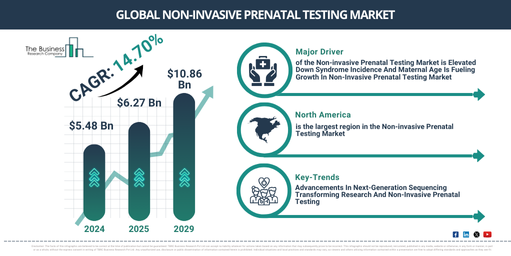
  • Major Drivers Propelling the Growth oh theNon-invasive Prenatal Testing Market Forward: Elevated Down Syndrome Incidence And Maternal Age Is Fueling Growth In Non-Invasive Prenatal Testing Market

    Major Drivers Propelling the Growth oh theNon-invasive Prenatal Testing Market Forward: Elevated Down Syndrome Incidence And Maternal Age Is Fueling Growth In Non-Invasive Prenatal Testing Market

    Claim your 30% discount on Global Market Reports with code ONLINE30. Limited time only.

    How Has The Non-invasive Prenatal Testing Market Size Shifted, And What Is the Outlook Through 2034?

    The market size for non-invasive prenatal testing has experienced swift expansion in the recent past. It is projected to increase from a value of $5.48 billion in 2024 to $6.27 billion in 2025, progressing at a compound annual growth rate (CAGR) of 14.5%. Factors such as enhanced precision, diminished risk, rising maternal age, heightened awareness, and clinical guidelines have contributed to the growth trajectory in the historic period.

    In the forthcoming years, a significant expansion is expected in the non-invasive prenatal testing market size, which is anticipated to grow to$10.86 billion by 2029 with a compound annual growth rate (CAGR) of 14.7%. Factors such as a wider range of tests, enhanced accessibility, increasing age of mothers, the detection of fetal anomalies, and the rise of telemedicine and digital health are contributing to this growth. Future trends forecasting this period include the proliferation of test panels, a broader implementation of non-invasive prenatal testing (nipt), advancements in technology, and non-invasive fetal aneuploidy diagnosis (nifad).

    Download a free sample to assess the report’s scope and structure:

    https://www.thebusinessresearchcompany.com/sample.aspx?id=2492&type=smp

    Which Major Market Drivers Are Expected to Boost the Growth Potential of the Non-invasive Prenatal Testing Market?

    The non-invasive prenatal testing market is predominantly driven by the high prevalence of Down syndrome, a circumstance which is exacerbated by an increase in the average maternal age. There is a growing concern over the health and development of the fetus as the age of the mother increases. Down syndrome is a chromosomal disorder that results from an error in cell division, leading to an additional 21st chromosome, which can impact the cognitive and physical growth of the fetus. Non-invasive prenatal testing (NIPT) has emerged as a safe method of screening for Down Syndrome, as it poses no risk to the mother or the baby and does not cause miscarriage. Moreover, NIPT can detect over 99% of Down syndrome cases. Based on statistics from the National Down Syndrome Society and the Centers for Disease Control and Prevention, in the USA, 1 in every 700 babies are born with Down syndrome, and 80% of these children are born to mothers who are older. This higher risk of having a baby with Down syndrome among older women is fueling the expansion of the non-invasive prenatal testing market.

    Which Key Market Segments Comprise the Non-invasive Prenatal Testing Market and Drive Its Revenue Growth?

    The non-invasive prenatal testingmarket covered in this report is segmented –

    1) By Type: Consumables; Instruments

    2) By Application: Trisomy; Microdeletion; Genetics; Rh factor

    3) By End User: Hospital; Diagnostic Labs

    Subsegments:

    1) By Consumables: Assay Kits; Reagents; Disposables

    2) By Instruments: Next-Generation Sequencers (NGS); Polymerase Chain Reaction (PCR) Systems; Ultrasound Devices; Others (Microarrays And Mass Spectrometers)

    Request customized data on this market:

    https://www.thebusinessresearchcompany.com/customise?id=2492&type=smp

    Which Areas Are Leading Regions in the Non-invasive Prenatal Testing Market Expansion Across the Globe?

    North America was the largest region in the non-invasive prenatal testing market in 2024. Western Europe was the second largest region in the non-invasive prenatal testing market. The regions covered in the non-invasive prenatal testing market report are Asia-Pacific, Western Europe, Eastern Europe, North America, South America, Middle East, Africa

    What Are the Key Market Trends in theNon-invasive Prenatal Testing Market Over the Coming Years?

    The advent of next-generation sequencing has significantly amplified the efficiency, scalability, and speed of research, allowing scientists to execute diverse applications and thoroughly investigate biological systems. This groundbreaking technology facilitates the simultaneous sequencing of thousands to millions of DNA molecules. Producers have adopted this technology as a cost and time-effective solution that enhances the output for results relating to genome and DNA testing. Leading players such as Illumina, Eurofins, Natera, Roche, and Annoroad have incorporated this technology in non-invasive prenatal testing. The next-generation sequencing instrument, NextSeq 550AR, manufactured by Annoroad, has received approved medical instrument product registration from CFDA (China Food and Drug Administration).

    View the full report here:

    https://www.thebusinessresearchcompany.com/report/non-invasive-prenatal-testing-global-market-report

    How Is the Non-invasive Prenatal Testing Market Conceptually Defined?

    Non-invasive prenatal testing is a test in which blood from the mother is drawn and tested for possible abnormalities in the patient. Non-invasive prenatal testing kits and equipment are used to diagnose genetic abnormalities, mainly chromosome defects, in fetuses in the first trimester of pregnancy.

    Purchase the full report and get a swift delivery:

    https://www.thebusinessresearchcompany.com/purchaseoptions.aspx?id=2492

    About The Business Research Company:

    With over 15000+ reports from 27 industries covering 60+ geographies, The Business Research Company has built a reputation for offering comprehensive, data-rich research and insights. Armed with 1,500,000 datasets, the optimistic contribution of in-depth secondary research, and unique insights from industry leaders, you can get the information you need to stay ahead in the game.

    Get in touch with us:

    The Business Research Company: https://www.thebusinessresearchcompany.com/

    Americas +1 310-496-7795

    Europe +44 7882 955267

    Asia & Others +44 7882 955267 & +91 8897263534

    Email us at info@tbrc.info

    Follow us on:

    LinkedIn: https://in.linkedin.com/company/the-business-research-company

    YouTube: https://www.youtube.com/channel/UC24_fI0rV8cR5DxlCpgmyFQ

    Global Market Model: https://www.thebusinessresearchcompany.com/global-market-model
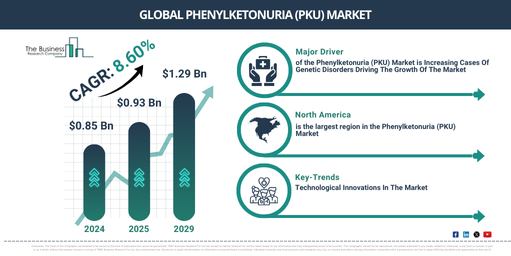
  • Critical Market Drivers Shaping the Outlook for Phenylketonuria (PKU) Market from 2025-2034: Increasing Cases Of Genetic Disorders Driving The Growth Of The Market

    Critical Market Drivers Shaping the Outlook for Phenylketonuria (PKU) Market from 2025-2034: Increasing Cases Of Genetic Disorders Driving The Growth Of The Market

    Claim your 30% discount on Global Market Reports with code ONLINE30. Limited time only.

    How Fast Is The Phenylketonuria (PKU) Market Expected to Grow Between 2025 And 2029?

    There has been a robust growth in the phenylketonuria (PKU) market size recently. The market is projected to grow from $0.85 billion in 2024 to $0.93 billion in 2025, at a compound annual growth rate (CAGR) of 8.8%. This growth during the historic period has been largely driven by increasing newborn screening programs, rising awareness regarding metabolic disorders, dietary management for PKU, the expanding availability of medical foods, and regulatory endorsements for PKU treatments.

    In the upcoming years, the market size for phenylketonuria (PKU) is projected to experience robust growth, escalating to a value of$1.29 billion by 2029 with an anticipated compound annual growth rate (CAGR) of 8.6%. This growth within the forecast period could be due to the increased preference for gene therapy, the rise of enzyme replacement therapies, an upsurge in rare disease research funding, increasing interest in personalized medical solutions, and state support for PKU treatments. The period looks promising with the emergence of trends such as the creation of RNA-based therapies, the incorporation of digital health strategies for PKU management, an increase in collaborations between biotech firms and research organizations, attention towards non-dietary treatment options, and the broadening scope of telehealth services specific to PKU patients.

    Download a free sample to assess the report’s scope and structure:

    https://www.thebusinessresearchcompany.com/sample.aspx?id=21257&type=smp

    What Are the Core Growth Drivers Propelling the Phenylketonuria (PKU) Market Forward?

    The escalation in instances of genetic disorders is projected to drive the expansion of the phenylketonuria (PKU) market in the future. Genetic disorders are health conditions triggered by anomalies within a person’s DNA, including mutations, deletions, and duplications of genes or chromosomes. The surge in genetic disorders is linked to elements such as an increase in maternal age, environmental factors, progressive diagnostic technologies, and enhanced awareness, all of which contribute to better detection rates. Phenylketonuria offers insight into genetic disorders through the demonstration of inherited enzyme deficiencies that can result in serious metabolic complexities. For instance, as reported by Gene People, a registered UK-based charity, in March 2024, it is estimated that genetic conditions impact 1 in 25 children, affecting over 2.4 million children and adults in the UK. In addition, approximately 30,000 newborns and children in the UK receive a genetic disorder diagnosis each year. Consequently, the burgeoning instances of genetic disorders are steering the growth trajectory of the phenylketonuria (PKU) market.

    What Segment Types Define the Phenylketonuria (PKU) Market Structure?

    The phenylketonuria (pku)market covered in this report is segmented –

    1) By Type: Hyperphenylalaninemia; Mild Phenylketonuria (PKU); Moderate And Variant; Classic Phenylketonuria (PKU)

    2) By Treatment Type: Enzyme Replacement Therapy; Gene Therapy; Medication; Dietary Therapy

    3) By Diagnosis: Genetic Testing; Biochemical Testing; Newborn Screening

    4) By End-User: Specialty Clinics; Research Institutes; Home Healthcare; Hospitals

    Subsegments:

    1) By Hyperphenylalaninemia: Mild Hyperphenylalaninemia; Moderate Hyperphenylalaninemia; Severe Hyperphenylalaninemia

    2) By Mild Phenylketonuria (PKU): Mild PKU with dietary management; Mild PKU with enzyme supplementation

    3) By Moderate And Variant: Moderate PKU with medication; Variant PKU with treatment variations

    4) By Classic Phenylketonuria (PKU): Classic PKU with strict dietary management; Classic PKU with enzyme replacement therapy

    Request customized data on this market:

    https://www.thebusinessresearchcompany.com/customise?id=21257&type=smp

    Which Geographic Areas Hold the Strongest Growth Potential in the Phenylketonuria (PKU) Market?

    North America was the largest region in the phenylketonuria (PKU) market in 2024. Europe is expected to be the fastest-growing region in the forecast period. The regions covered in the phenylketonuria (PKU) market report are Asia-Pacific, Western Europe, Eastern Europe, North America, South America, Middle East, Africa.

    Which Emerging Trends that Are Influencing thePhenylketonuria (PKU) Industry Evolution?

    Leading firms in the phenylketonuria (PKU) industry are concentrating on innovative product development by harnessing various technologies, like physiognomic technology, to augment the effectiveness and safety of PKU therapies. These advancements mimic human physiological conditions to improve drug absorption and metabolism. Physiomimic technology involves a complete range of hardware, expendable items, and testing procedures created to emulate intricate human biology and accurately foresee human responses to drugs. For instance, Relief Therapeutics Holding SA, a Swiss biopharmaceutical firm, launched PKU Golike in October 2022. PKU Golike, a cutting-edge medical food product, was crafted using the patented, pharmaceutical-grade Physiomimic technology intended for dietary management of phenylketonuria (PKU). This product comes in the form of granules, packets, and medical food bars and features a unique coating that facilitates the physiological absorption of amino acids, like natural proteins, while successfully concealing their unpleasant taste, smell, and aftertaste.

    View the full report here:

    https://www.thebusinessresearchcompany.com/report/phenylketonuria-pku-global-market-report

    What Is the Definition of the Phenylketonuria (PKU) Market?

    Phenylketonuria (PKU) is a rare inherited metabolic disorder in which the body cannot break down an amino acid called phenylalanine (Phe) found in many protein-containing foods. This inability is due to a deficiency or malfunction of the phenylalanine hydroxylase (PAH) enzyme, which normally converts phenylalanine into another amino acid called tyrosine.

    Purchase the full report and get a swift delivery:

    https://www.thebusinessresearchcompany.com/purchaseoptions.aspx?id=21257

    About The Business Research Company:

    With over 15000+ reports from 27 industries covering 60+ geographies, The Business Research Company has built a reputation for offering comprehensive, data-rich research and insights. Armed with 1,500,000 datasets, the optimistic contribution of in-depth secondary research, and unique insights from industry leaders, you can get the information you need to stay ahead in the game.

    Get in touch with us:

    The Business Research Company: https://www.thebusinessresearchcompany.com/

    Americas +1 310-496-7795

    Europe +44 7882 955267

    Asia & Others +44 7882 955267 & +91 8897263534

    Email us at info@tbrc.info

    Follow us on:

    LinkedIn: https://in.linkedin.com/company/the-business-research-company

    YouTube: https://www.youtube.com/channel/UC24_fI0rV8cR5DxlCpgmyFQ

    Global Market Model: https://www.thebusinessresearchcompany.com/global-market-model
  • Tuberculosis Therapeutics Market Forecast Reaching $2.55 Billion by 2029 at 6.2% CAGR

    Claim your 30% discount on Global Market Reports with code ONLINE30. Limited time only.

    What Is the Current and Projected Market Size of the Tuberculosis Therapeutics Market Through 2034?

    The market size of tuberculosis therapeutics has experienced considerable growth in the past few years. Projected expansion from $1.88 billion in 2024 to $2 billion in 2025, with a compound annual growth rate of 6.6%, signifies robust growth. Factors that contributed to the growth in the historical timeframe include growing frequency of tuberculosis, increased acceptance of tuberculosis therapeutics, heightened awareness of tuberculosis, rising prevalence of XDR-TB, and an upswing in drug-resistant tuberculosis cases.

    Anticipated robust expansion is seen in the tuberculosis therapeutics market size over the upcoming years. It is projected to surge to$2.55 billion in 2029″ with a compound annual growth rate (CAGR) of 6.2%. The predicted expansion throughout the forecast period is due to factors such as elevated investment in healthcare framework, increased knowledge and education, rising funding for research and development, increased endorsement of various anti-TB drugs, augmentation in research grants, and an increasing count of elderly populations. Notable trends for the forecast period comprise advancements in drug formulations, customized medical treatment, combed therapeutic strategies, digital health improvements, and augmentation of AI and machine learning in pharmaceutical exploration.

    Download a free sample to assess the report’s scope and structure:

    https://www.thebusinessresearchcompany.com/sample.aspx?id=20983&type=smp

    Which Major Market Drivers Are Expected to Boost the Growth Potential of the Tuberculosis Therapeutics Market?

    The growth of the tuberculosis therapeutics market is projected to be fueled by the increasing prevalence of co-infections of tuberculosis (TB) and human immunodeficiency virus (HIV). The term co-infection rates (TB-HIV) signifies the percentage of people concurrently infected with TB and HIV. An uptick in such co-infections arises due to the impaired immune system triggered by HIV, which heightens the susceptibility to TB, coupled with the global overlapping of the two epidemics among vulnerable populations. Tuberculosis therapeutics play an essential role in managing the escalating co-infection rates (TB-HIV), by offering specialized treatment plans that tackle both the TB infection and the HIV-induced immune suppression. This improves the overall prognosis of patients, easing the strain of both diseases. For instance, the UK-based public sector, as per gov.uk, declared in October 2023, that England registered 3,805 fresh HIV diagnoses, marking a significant leap of 22% from the 3,118 cases reported in 2021. Hence, the upsurge in co-infection rates (TB-HIV) is a major driving factor in the expansion of the tuberculosis therapeutics market.

    Which Key Market Segments Comprise the Tuberculosis Therapeutics Market and Drive Its Revenue Growth?

    The tuberculosis therapeuticsmarket covered in this report is segmented –

    1) By Type: Active Tuberculosis (TB); Latent Tuberculosis (TB)

    2) By Product Type: Isoniazid; Rifampin; Pyrazinamide; Hydrazine derivatives; Miscellaneous anti-tubercular drugs; Ethambutol

    3) By Route of Administration: Oral; Parenteral; Other route of administration

    4) By Distribution Channel: Hospital Pharmacy; Retail Pharmacy; Online Pharmacy

    5) By End-User: Hospitals; Clinics; Ambulatory Surgical Centers; Other End-Users

    Subsegments:

    1) By Active Tuberculosis (TB): First-Line Drugs (Rifampicin, Isoniazid, Pyrazinamide, Ethambutol); Second-Line Drugs (Fluoroquinolones, Aminoglycosides); Combination Therapies; Drug-Resistant TB Treatments (MDR-TB, XDR-TB)

    2) By Latent Tuberculosis (TB): Isoniazid Prophylaxis; Rifampicin-Based Regimens; Rifapentine-Based Regimens; Combination Prophylactic Therapies

    Request customized data on this market:

    https://www.thebusinessresearchcompany.com/customise?id=20983&type=smp

    Which Areas Are Leading Regions in the Tuberculosis Therapeutics Market Expansion Across the Globe?

    North America was the largest region in the tuberculosis therapeutics market in 2024. Asia-Pacific is expected to be the fastest-growing region in the forecast period. The regions covered in the tuberculosis therapeutics market report are Asia-Pacific, Western Europe, Eastern Europe, North America, South America, Middle East, Africa.

    What Are the Key Market Trends in theTuberculosis Therapeutics Market Over the Coming Years?

    Major corporations in the tuberculosis therapeutics market have begun concentrating on creating unique solutions, such as combination therapy, to enhance the effectiveness of treatments, shorten the period of therapy, and fight against tuberculosis drug-resistant strains. The term combination therapy refers to the application of two or more different class medications to cure a disease with the goal of boosting treatment effectiveness, minimizing resistance, and enhancing patient outcomes. For example, Johnson & Johnson, a pharmaceutical firm based in the US, hit a significant landmark in tuberculosis treatment in July 2024 when SIRTURO (bedaquiline) received approval from both the U.S. FDA and the European Commission. This innovative medication is the first in more than 40 years explicitly intended to combat multidrug-resistant tuberculosis (MDR-TB). It has a unique mechanism of action that targets the ATP synthase enzyme necessary for the energy production of TB bacteria, providing a targeted and efficient therapeutic approach. Incorporating this drug into combination therapies increases the overall efficacy of MDR-TB programs, reducing the length of treatment while also improving patient adherence to the regimen.

    View the full report here:

    https://www.thebusinessresearchcompany.com/report/tuberculosis-therapeutics-global-market-report

    How Is the Tuberculosis Therapeutics Market Conceptually Defined?

    Tuberculosis therapeutics refers to the pharmaceutical treatments designed to prevent and cure tuberculosis (TB), a bacterial infection caused by Mycobacterium tuberculosis. The purpose of these therapeutics is to eradicate the bacteria, reduce transmission, and improve patient outcomes, particularly for those with drug-resistant strains.

    Purchase the full report and get a swift delivery:

    https://www.thebusinessresearchcompany.com/purchaseoptions.aspx?id=20983

    About The Business Research Company:

    With over 15000+ reports from 27 industries covering 60+ geographies, The Business Research Company has built a reputation for offering comprehensive, data-rich research and insights. Armed with 1,500,000 datasets, the optimistic contribution of in-depth secondary research, and unique insights from industry leaders, you can get the information you need to stay ahead in the game.

    Get in touch with us:

    The Business Research Company: https://www.thebusinessresearchcompany.com/

    Americas +1 310-496-7795

    Europe +44 7882 955267

    Asia & Others +44 7882 955267 & +91 8897263534

    Email us at info@tbrc.info

    Follow us on:

    LinkedIn: https://in.linkedin.com/company/the-business-research-company

    YouTube: https://www.youtube.com/channel/UC24_fI0rV8cR5DxlCpgmyFQ

    Global Market Model: https://www.thebusinessresearchcompany.com/global-market-model
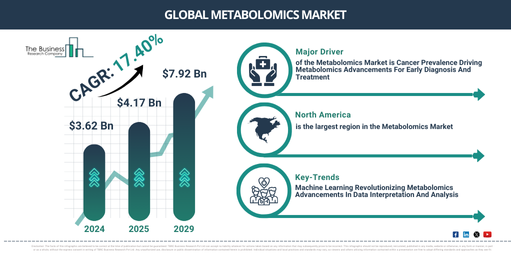
  • Critical Market Drivers Shaping the Outlook for Metabolomics Market from 2025-2034: Cancer Prevalence Driving Metabolomics Advancements For Early Diagnosis And Treatment

    Critical Market Drivers Shaping the Outlook for Metabolomics Market from 2025-2034: Cancer Prevalence Driving Metabolomics Advancements For Early Diagnosis And Treatment

    Claim your 30% discount on Global Market Reports with code ONLINE30. Limited time only.

    How Has the Metabolomics Market Growth Performance Trended Historically, And What Lies Ahead?

    There has been a swift expansion in the metabolomics market size in the past few years. It is projected to rise from $3.62 billion in 2024 to $4.17 billion in 2025, exhibiting a compound annual growth rate (CAGR) of 15.1%. The historical growth can be linked to progress in healthcare, advancement in drug discovery and development, the identification of disease biomarkers, contributions from academic and research institutions, and advancements in nutrition and food science.

    The market size of metabolomics is anticipated to witness significant expansion in the coming years, specifically reaching to$7.92 billion in 2029″ with a Compound Annual Growth Rate (CAGR) of 17.4%. This growth during the predicted period can be credited largely to factors like bespoke healthcare solutions, safer and more effective drugs, advancements in microbiome and gut health research, environmental and agricultural applications, and regenerative medicine. The period is also likely to see industry trends such as the intersection with other ‘omics’, focused metabolomics studies, single-cell metabolomics, the utilization of data analytics and artificial intelligence, and point-of-care testing.

    Download a free sample to assess the report’s scope and structure:

    https://www.thebusinessresearchcompany.com/sample.aspx?id=2497&type=smp

    What Are the Core Growth Drivers Propelling the Metabolomics Market Forward?

    The escalating rate of cancer occurrence is a key factor propelling the growth of the metabolomics market. Metabolomics assists in identifying potential biomarkers like specific cells, gene products, enzymes, hormones, or molecules, thereby aiding early diagnosis by measuring the responsiveness of cancer drugs. For example, the American Cancer Society, a U.S based company, predicted in 2023 that there will be 1,958,310 new cancer cases and 609,820 cancer deaths in the United States, which marks an increase from the previous year. Techniques such as nuclear magnetic resonance (NMR) and mass spectrometry (MS) are being utilized in metabolomics to study cancer. Companies like Metabolon Inc., Bruker Corp., and others have leveraged metabolomics as an effective tool for early detection and treatment of cancer.

    What Segment Types Define the Metabolomics Market Structure?

    The metabolomicsmarket covered in this report is segmented –

    1) By Product And Service: Metabolomics Instruments; Metabolomics Bioinformatics Tools And Services

    2) By Indication: Cancer; Cardiovascular Disorders; Neurological Disorders; Inborn Errors of Metabolism; Other Indications

    3) By Application: Biomarker Discovery; Drug Discovery; Toxicology Testing; Nutrigenomics; Functional Genomics; Personalized Medicine; Other Applications

    Subsegments:

    1) By Metabolomics Instruments: Chromatography Instruments (Gas Chromatography, Liquid Chromatography); Mass Spectrometry Instruments (LC-MS, GC-MS); NMR Instruments (Nuclear Magnetic Resonance); Others (Spectroscopy Instruments, Microarrays)

    2) By Metabolomics Bioinformatics Tools And Services: Software Tools (Data Analysis, Statistical Tools, Modeling Tools); Database Services (Metabolomic Databases); Consulting Services (Data Interpretation, Analytical Support); Training And Support Services

    Request customized data on this market:

    https://www.thebusinessresearchcompany.com/customise?id=2497&type=smp

    Which Geographic Areas Hold the Strongest Growth Potential in the Metabolomics Market?

    North America was the largest region in the metabolomics market in 2024. Western Europe was the second largest region in the metabolomics market. The regions covered in the metabolomics market report are Asia-Pacific, Western Europe, Eastern Europe, North America, South America, Middle East, Africa

    Which Emerging Trends that Are Influencing theMetabolomics Industry Evolution?

    The rise in the use of machine learning in metabolomics is evident thanks to enhanced efficiency in interpreting data obtained from metabolomics techniques. Technologies powered by machine learning assist in automating risky, intricate processes, eliminating redundant and lengthy procedures, and providing speedy, mistake-free services. Industry companies are favouring machine learning methods for metabolism analysis to address issues, automate operations, and perform tasks. Certain machine learning algorithms are beneficial in analysing metabolism data and modelling metabolic pathways. Companies such as Bio-Rad Laboratories and Metabolon Inc., for example, have begun employing machine learning algorithms for improved comprehension and prediction in studies of metabolomics. For instance, MeltDB 2.0 is a machine learning software that functions as a tool in analysing and integrating metabolomics experiment data, aiding in research and data set storage. This kind of machine learning software delivers detailed analysis and visualization capabilities for properly depicting extensive complex data.

    View the full report here:

    https://www.thebusinessresearchcompany.com/report/metabolomics-global-market-report

    What Is the Definition of the Metabolomics Market?

    Metabolomics is the study of small molecules called metabolites that are produced during metabolism within cells, tissues, or organisms. It provides insights into biological processes, disease mechanisms, and metabolic pathways by analyzing and quantifying these metabolites. This field is crucial in personalized medicine, drug discovery, and understanding various diseases like cancer and diabetes.

    Purchase the full report and get a swift delivery:

    https://www.thebusinessresearchcompany.com/purchaseoptions.aspx?id=2497

    About The Business Research Company:

    With over 15000+ reports from 27 industries covering 60+ geographies, The Business Research Company has built a reputation for offering comprehensive, data-rich research and insights. Armed with 1,500,000 datasets, the optimistic contribution of in-depth secondary research, and unique insights from industry leaders, you can get the information you need to stay ahead in the game.

    Get in touch with us:

    The Business Research Company: https://www.thebusinessresearchcompany.com/

    Americas +1 310-496-7795

    Europe +44 7882 955267

    Asia & Others +44 7882 955267 & +91 8897263534

    Email us at info@tbrc.info

    Follow us on:

    LinkedIn: https://in.linkedin.com/company/the-business-research-company

    YouTube: https://www.youtube.com/channel/UC24_fI0rV8cR5DxlCpgmyFQ

    Global Market Model: https://www.thebusinessresearchcompany.com/global-market-model
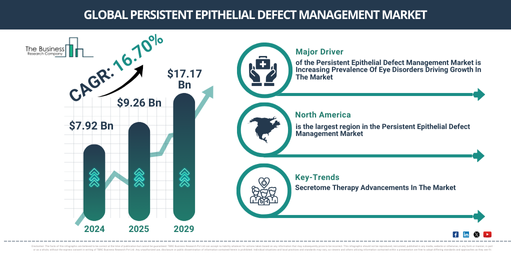
  • Key Factors Fueling the Growth of the Persistent Epithelial Defect Management Market in 2025: Increasing Prevalence Of Eye Disorders Driving Growth In The Market

    Key Factors Fueling the Growth of the Persistent Epithelial Defect Management Market in 2025: Increasing Prevalence Of Eye Disorders Driving Growth In The Market

    Claim your 30% discount on Global Market Reports with code ONLINE30. Limited time only.

    What Are the Key Projections for the CAGR of the Persistent Epithelial Defect Management Market Size From 2025 to 2034?

    The market size of persistent epithelial defect management has seen a significant increase over the recent years. From $7.92 billion in 2024, It’s projected to grow to $9.26 billion in 2025 with a compound annual growth rate (CAGR) of 17.0%. The historical growth can be associated with a rise in research activities, a surge in hospital demand, an increase in cases of ocular surface disorders and eye disorders, as well as a growing elderly population.

    The market size for managing persistent epithelial defects is projected to experience considerable expansion in the forthcoming years. It is anticipated to reach$17.17 billion by 2029,” growing at a compound annual growth rate (CAGR) of 16.7%. The expected rise during this forecast period is linked to the growth in partnerships and collaborations, increased awareness and education, the emphasis on value-centered care, and the escalating prevalence of disorders such as diabetes and hypertension, all of which contribute to early intervention and management. Significant trends anticipated during this period are technological advancements, the surging demand for novel treatment forms, advanced therapeutic procedures, and the availability of sophisticated surgical instruments and strategies and innovative medication.

    Download a free sample to assess the report’s scope and structure:

    https://www.thebusinessresearchcompany.com/sample.aspx?id=21256&type=smp

    What are the Fundamental Drivers and Innovations Shaping the Persistent Epithelial Defect Management Market?

    The surge in eye-related issues is anticipated to fuel the expansion of the persistent epithelial defect management market in the future. Eye disorders span a comprehensive range of medical issues influencing the eye’s structure, functioning, or health, resulting in vision loss, discomfort, or even possible blindness. Aspects such as aging demographics, extended exposure to screens, and climatic alterations drive the occurrence of these eye disorders. Persistent epithelial defect management proves to be critical in treating these disorders as it facilitates healing, reduces inflammation, and wards off further issues like infections or scarring. For instance, the World Health Organization, based in Switzerland, stated in December 2024 that the universal pooled prevalence of childhood myopia in 2023 was 5.23%, with a noticeably elevated rate in females (4.90%) as opposed to males (3.94%). Hence, the escalating prevalence of eye disorders stimulates the expansion of the persistent epithelial defect management market.

    How Is the Persistent Epithelial Defect Management Market Segmented?

    The persistent epithelial defect managementmarket covered in this report is segmented –

    1) By Disease Type: Epithalial Or Limbal; Inflammatory Disease; Neurotrophic Disease; Other Disease Types

    2) By Distribution Channel: Direct Sales; Online Pharmacy; Retail Pharmacy; Hospitals

    3) By End User: Hospital Or Clinical Laboratories; Physician Offices; Reference Laboratories; Other End Users

    Subsegments:

    1) By Epithelial Or Limbal: Limbal Stem Cell Deficiency (LSCD); Limbal Transplantation; Conjunctival Transplantation

    2) By Inflammatory Disease: Dry Eye Syndrome; Allergic Conjunctivitis; Uveitis

    3) By Neurotrophic Disease: Herpes Simplex Virus (HSV) Keratitis; Diabetic Neuropathy; Neurotrophic Keratopathy

    4) By Other Disease Types: Chemical Burns; Trauma-Induced Defects; Congenital Corneal Opacities

    Request customized data on this market:

    https://www.thebusinessresearchcompany.com/customise?id=21256&type=smp

    Which Regions Are Driving the Next Phase of the Persistent Epithelial Defect Management Market Growth?

    North America was the largest region in the persistent epithelial defect management market in 2024. Asia-Pacific is expected to be the fastest-growing region in the forecast period. The regions covered in the persistent epithelial defect management market report are Asia-Pacific, Western Europe, Eastern Europe, North America, South America, Middle East, Africa.

    What Key Trends Are Shaping the Future of the Persistent Epithelial Defect Management Market?

    In the persistent epithelial defect management market, dominant firms are concentrating their efforts on the creation of novel treatment methods, specifically secretome therapy, which is intended to hasten the healing process and enhance the results for persistent epithelial defects. Secretome therapy involves the use of cells’ secreted bioactive molecules, including lipids, proteins, and extracellular vesicles for treating diverse diseases, fostering tissue repair, and regulating immune responses. For example, Kala Pharmaceuticals Inc., a biopharmaceutical business located in the US, in April 2023, attained U.S. Food and Drug Administration (FDA) Fast Track Designation approval for KPI-012, a persistent corneal epithelial defect treatment using human MSC-S therapy. The medicine utilizes a multifactorial approach to target persistent epithelial defect management’s root causes, boosting corneal recovery through bioactive molecules like neurotrophic factors, growth factors, and protease inhibitors.

    View the full report here:

    https://www.thebusinessresearchcompany.com/report/persistent-epithelial-defect-management-global-market-report

    How Is the Persistent Epithelial Defect Management Market Defined and What Are Its Core Parameters?

    Persistent Epithelial Defect (PED) Management refers to the medical strategies used to promote corneal healing in cases where the corneal epithelium fails to regenerate and close within two weeks despite standard treatment. It involves identifying and addressing underlying causes using therapeutic approaches such as lubricating eye drops, autologous serum tears, amniotic membrane transplantation, bandage contact lenses, and biologic therapies to facilitate epithelial healing and prevent corneal complications like ulcers or perforation.

    Purchase the full report and get a swift delivery:

    https://www.thebusinessresearchcompany.com/purchaseoptions.aspx?id=21256

    About The Business Research Company:

    With over 15000+ reports from 27 industries covering 60+ geographies, The Business Research Company has built a reputation for offering comprehensive, data-rich research and insights. Armed with 1,500,000 datasets, the optimistic contribution of in-depth secondary research, and unique insights from industry leaders, you can get the information you need to stay ahead in the game.

    Get in touch with us:

    The Business Research Company: https://www.thebusinessresearchcompany.com/

    Americas +1 310-496-7795

    Europe +44 7882 955267

    Asia & Others +44 7882 955267 & +91 8897263534

    Email us at info@tbrc.info

    Follow us on:

    LinkedIn: https://in.linkedin.com/company/the-business-research-company

    YouTube: https://www.youtube.com/channel/UC24_fI0rV8cR5DxlCpgmyFQ

    Global Market Model: https://www.thebusinessresearchcompany.com/global-market-model
  • $4.93 Billion Forecast for Testicular Cancer Market by 2029, Backed by Demand and Innovation

    $4.93 Billion Forecast for Testicular Cancer Market by 2029, Backed by Demand and Innovation

    Claim your 30% discount on Global Market Reports with code ONLINE30. Limited time only.

    What is the Anticipated CAGR of the Testicular Cancer Market, and What Factors Will Drive It?

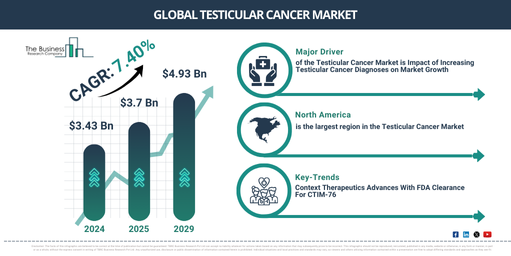
    The market for testicular cancer has seen robust expansion in the past few years. The projections show an increase from $3.43 billion in 2024 to $3.7 billion in 2025, marking a compound annual growth rate (CAGR) of 7.9%. Spurring growth in the past era may be due to a boost in testicular cancer awareness, a surge in risk factors, increasing incidences of testicular cancer, and the heightened solicitation for diagnostic procedures.

    The market for testicular cancer is predicted to experience a significant expansion in the upcoming years. The market size is estimated to propel to$4.93 billion by 2029″, marking a compound annual growth rate (CAGR) of 7.4%. Factors contributing to this accelerated progression during the forecast period encompass an escalatory diagnosis rate of testicular cancer, rising disease prevalence, enhanced treatment alternatives, and a surge in the acceptance of targeted therapies. KEY trends influencing this forecast period comprise progress in treatment methodologies, the advancement of healthcare facilities, intensified research and development, the generation of targeted medications, and improvements in clinical trials.

    Download a free sample to assess the report’s scope and structure:

    https://www.thebusinessresearchcompany.com/sample.aspx?id=20977&type=smp

    What Are the Core Growth Drivers Propelling the Testicular Cancer Market Forward?

    The rise in the detection of testicular cancer is anticipated to drive the expansion of the testicular cancer market in the future. Testicular cancer, which typically presents as painless tumors or swelling in male testes, has seen an uptick in diagnoses due to enhanced awareness, advancements in diagnostic procedures, and an increase in self-exams as well as potential environmental and lifestyle influences. The testicular cancer market plays a critical role in stepping up the diagnoses by backing research, bettering diagnostic aids, and endorsing awareness efforts for early detection. For example, a July 2024 report by Cancer Council Victoria, a non-profit organization based in Australia, showed in 2022, the incidences of testicular cancer in males below 40 were significantly higher at 160 cases, contrasted with 37 cases in the 40-49 age group, underscoring a significant difference in diagnoses among the younger and middle-aged male demographics. Consequently, the escalating diagnoses of testicular cancer are fueling the progression of the testicular cancer market.

    What Segment Types Define the Testicular Cancer Market Structure?

    The testicular cancermarket covered in this report is segmented –

    1) By Treatment Type: Surgery; Chemotherapy; Radiotherapy; Immunotherapy; Targeted Therapy

    2) By Histology: Seminoma; Non-Seminoma; Mixed

    3) By Product: Tablet; Capsule; Creams

    4) By Route Of Administration: Oral; Topical

    5) By End-use: Hospitals; Clinics

    Subsegments:

    1) By Surgery: Orchiectomy; Retroperitoneal Lymph Node Dissection (RPLND)

    2) By Chemotherapy: Platinum-Based Chemotherapy; Chemotherapy Regimens (BEP regimen)

    3) By Radiotherapy: External Beam Radiation; Retroperitoneal Radiation

    4) By Immunotherapy: Immune Checkpoint Inhibitors; Cancer Vaccines

    5) By Targeted Therapy: Tyrosine Kinase Inhibitors; Monoclonal Antibodies

    Request customized data on this market:

    https://www.thebusinessresearchcompany.com/customise?id=20977&type=smp

    Which Geographic Areas Hold the Strongest Growth Potential in the Testicular Cancer Market?

    North America was the largest region in the testicular cancer market in 2024. Asia-Pacific is expected to be the fastest-growing region in the forecast period. The regions covered in the testicular cancer market report are Asia-Pacific, Western Europe, Eastern Europe, North America, South America, Middle East, Africa.

    Which Emerging Trends that Are Influencing theTesticular Cancer Industry Evolution?

    Key players in the testicular cancer market are concentrating their efforts on the creation of novel products, like cell-engaging bispecific antibodies, aimed at treating CLDN6-positive gynecologic and testicular cancers. A cell-engaging bispecific antibody is a specific type of antibody that joins two separate targets to stimulate immune cells into eliminating cancerous or diseased cells. For example, in May 2024, the U.S. biopharmaceutical firm Context Therapeutics Inc. declared that the U.S. Food and Drug Administration (FDA) approved its Investigational New Drug (IND) application for CTIM-76, a CLDN6 x CD3 T cell-engaging bispecific antibody. This approval permits the organization to commence a Phase 1 clinical trial to investigate CTIM-76 in patients with CLDN6-positive gynecologic and testicular cancers. The study will primarily examine dosage escalation and expansion to determine the drug’s safety, efficacy, and pharmacokinetics.

    View the full report here:

    https://www.thebusinessresearchcompany.com/report/testicular-cancer-global-market-report

    What Is the Definition of the Testicular Cancer Market?

    Testicular cancer is a type of cancer that originates in the testicles, which are part of the male reproductive system. It typically affects young men and is highly treatable, especially when diagnosed early, with various treatment options. Testicular cancer is relatively rare but is one of the most common cancers in young men, particularly between the ages of 15 and 35. It often presents as a lump or swelling in one testicle, sometimes accompanied by pain or discomfort.

    Purchase the full report and get a swift delivery:

    https://www.thebusinessresearchcompany.com/purchaseoptions.aspx?id=20977

    About The Business Research Company:

    With over 15000+ reports from 27 industries covering 60+ geographies, The Business Research Company has built a reputation for offering comprehensive, data-rich research and insights. Armed with 1,500,000 datasets, the optimistic contribution of in-depth secondary research, and unique insights from industry leaders, you can get the information you need to stay ahead in the game.

    Get in touch with us:

    The Business Research Company: https://www.thebusinessresearchcompany.com/

    Americas +1 310-496-7795

    Europe +44 7882 955267

    Asia & Others +44 7882 955267 & +91 8897263534

    Email us at info@tbrc.info

    Follow us on:

    LinkedIn: https://in.linkedin.com/company/the-business-research-company

    YouTube: https://www.youtube.com/channel/UC24_fI0rV8cR5DxlCpgmyFQ

    Global Market Model: https://www.thebusinessresearchcompany.com/global-market-model
  • Key Factors Fueling the Growth of the Medical Billing Outsourcing Market in 2025: Error Minimization Driving Growth In The Medical Billing Outsourcing Market

    Key Factors Fueling the Growth of the Medical Billing Outsourcing Market in 2025: Error Minimization Driving Growth In The Medical Billing Outsourcing Market

    Claim your 30% discount on Global Market Reports with code ONLINE30. Limited time only.

    What Are the Projected Market Size and Growth Rates for the Medical Billing Outsourcing Market From 2025 To 2029?

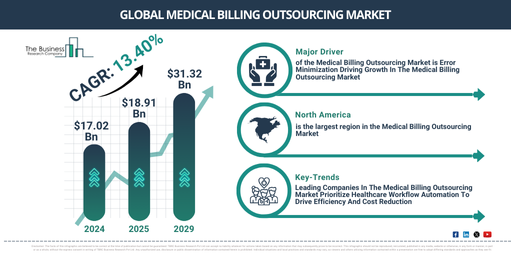
    In recent times, the size of the medical billing outsourcing market has expanded swiftly. It is projected to increase from $17.02 billion in 2024 to $18.91 billion in 2025, at a compound annual growth rate (CAGR) of 11.1%. The advancement during the historic phase can be credited to the increasing intricacy of medical billing, transition towards electronic health records (ehrs), a surge in patient numbers, and heightened emphasis on patient care.

    In the ensuing years, the medical billing outsourcing market size is projected to experience substantial growth, increasing to$31.32 billion in 2029 with a compound annual growth rate (CAGR) of 13.4%. Several contributing factors to this projected growth over the forecast period include the advancement of telehealth, integration of healthcare IT, globalization and offshoring, along with economic and labor considerations. Key trends expected to shape this period include the advent of AI and automation, improved cybersecurity and data protection measures, personalized revenue cycle solutions, patient-focused billing, and technological progress in the sector.

    Download a free sample to assess the report’s scope and structure:

    https://www.thebusinessresearchcompany.com/sample.aspx?id=3306&type=smp

    What are the Fundamental Drivers and Innovations Shaping the Medical Billing Outsourcing Market?

    The growth of the medical billing outsourcing market is attributed to the escalating requirement for reducing errors. In the US, about 80% of medical invoices are believed to contain inaccuracies. For example, Equifax, a credit agency company, discovered through an audit that there is an average mistake value of $1,300 in hospital invoices exceeding $10,000. Additionally, it is anticipated that doctors let slip around $125 billion annually due to substandard billing methods in the USA. This increasing necessity for reducing errors and fine-tuning the billing procedure propelled the market for medical billing outsourcing.

    How Is the Medical Billing Outsourcing Market Segmented?

    The medical billing outsourcingmarket covered in this report is segmented –

    1) By Service: Front End; Back End

    2) By Component: In-house; Outsourced

    3) By End User: Hospitals; Physician Offices

    Subsegments:

    1) By Front End: Patient Registration; Insurance Verification; Coding And Billing; Charge Entry; Other Front-End Services

    2) By Back End: Accounts Receivable Management; Payment Posting; Denial Management; Insurance Follow-Up; Coding Compliance; Other Back-End Services

    Request customized data on this market:

    https://www.thebusinessresearchcompany.com/customise?id=3306&type=smp

    Which Regions Are Driving the Next Phase of the Medical Billing Outsourcing Market Growth?

    North America was the largest region in the medical billing outsourcing market in 2024. Western Europe was the second-largest region in the global medical billing outsourcing market analysis. The regions covered in the medical billing outsourcing market report are Asia-Pacific, Western Europe, Eastern Europe, North America, South America, Middle East, and Africa.

    What Key Trends Are Shaping the Future of the Medical Billing Outsourcing Market?

    Leading businesses in the medical billing outsourcing market are keen on creating healthcare workflow automation platforms to enhance productivity, lower expenses, and increase precision in the billing process. Their ultimate goal is to facilitate healthcare providers’ operations and expedite reimbursement for services offered. A healthcare workflow automation platform is a software solution engineered to simplify and automate various functions within the healthcare system. This innovative platform revolutionizes order entry and results for outpatient clinics, decreasing costs and boosting efficiency, accuracy, and the quality of patient services. For example, in November 2023, US-based Shadowbox, Inc introduced Shadowbox Automation Platform, a healthcare workflow automation platform. This platform collaborates with a collection of electronic health records (EHRs) and Radiology Information Systems (RIS), pushing for a paperless workflow for order entry and findings. This collaboration eradicates the need for manual processes and intricate EHR integration projects, leading to more effective data transfer. It provides comprehensive patient details along with automated insurance verification and prior authorization at the point of order.

    View the full report here:

    https://www.thebusinessresearchcompany.com/report/medical-billing-outsourcing-global-market-report

    How Is the Medical Billing Outsourcing Market Defined and What Are Its Core Parameters?

    Medical billing outsourcing refers to the practice where healthcare providers contract third-party companies to manage and handle their billing processes. These third-party providers ensure that claims for medical services are submitted accurately and on time to insurance companies and patients. By outsourcing, healthcare facilities can focus on patient care while the billing company takes care of tracking payments, managing collections, and resolving disputes. This service helps healthcare providers reduce administrative burdens, improve revenue cycle management, minimize errors, and ensure compliance with changing healthcare regulations.

    Purchase the full report and get a swift delivery:

    https://www.thebusinessresearchcompany.com/purchaseoptions.aspx?id=3306

    About The Business Research Company:

    With over 15000+ reports from 27 industries covering 60+ geographies, The Business Research Company has built a reputation for offering comprehensive, data-rich research and insights. Armed with 1,500,000 datasets, the optimistic contribution of in-depth secondary research, and unique insights from industry leaders, you can get the information you need to stay ahead in the game.

    Get in touch with us:

    The Business Research Company: https://www.thebusinessresearchcompany.com/

    Americas +1 310-496-7795

    Europe +44 7882 955267

    Asia & Others +44 7882 955267 & +91 8897263534

    Email us at info@tbrc.info

    Follow us on:

    LinkedIn: https://in.linkedin.com/company/the-business-research-company

    YouTube: https://www.youtube.com/channel/UC24_fI0rV8cR5DxlCpgmyFQ

    Global Market Model: https://www.thebusinessresearchcompany.com/global-market-model
  • Global Tadalafil Market Projected to Reach $8.78 Billion by 2029 at a CAGR of 12.2%

    Global Tadalafil Market Projected to Reach $8.78 Billion by 2029 at a CAGR of 12.2%

    Claim your 30% discount on Global Market Reports with code ONLINE30. Limited time only.

    What Are the Key Milestones in the Tadalafil Market’s Growth Trajectory From 2025 To 2034?

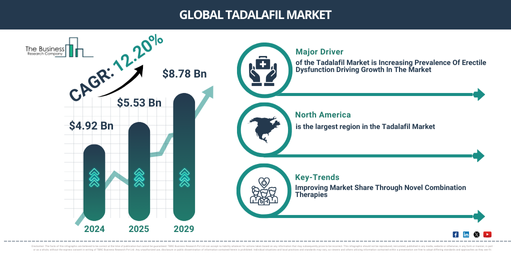
    The market size for tadalafil has experienced significant expansion in the past few years. Its anticipated growth is from $4.92 billion in 2024 to $5.53 billion in 2025, exhibiting a compound annual growth rate (CAGR) of 12.5%. The reasons for the expansion during the historical period include heightened awareness of men’s health, increased drug usage, a surge in the growth of tadalafil, a rise in healthcare spending, and a growing elderly population.

    Expectations for the tadalafil market project a sharp expansion in the coming years, with its size predicted to reach $8.78 billion in 2029, growing at a compound annual rate (CAGR) of 12.2%. Factors contributing to this anticipated growth in the forecast period include rising instances of erectile dysfunction, the escalating demand for lifestyle medications, increased cases of PAH, the growing acceptance of contemporary healthcare solutions, and higher disposable incomes. During the forecast period, the market is expected to witness trends like the integration of digital health systems, innovative drug formations, advancements in medication, improved drug delivery systems, and progress in medical technology.

    Download a free sample to assess the report’s scope and structure:

    https://www.thebusinessresearchcompany.com/sample.aspx?id=20974&type=smp

    What are the Fundamental Drivers and Innovations Shaping the Tadalafil Market?

    The escalating prevalence of erectile dysfunction anticipates fostering the expansion of the tadalafil market. Erectile dysfunction (ED) is a health disorder defined by a consistent incapacity to realize or uphold an erection adequate for satisfactory sexual activity. The intensifying prevalence of ED stems from factors such as an aged population, chronic medical conditions, poor lifestyle habits, mental stress, and undesirable effects of some drugs. Tadalafil aids erectile dysfunction by calming the smooth muscles in the penis’s blood vessels, boosting blood circulation and facilitating the capability to attain and preserve an erection during sexual arousal. For instance, in February 2024, a report by the National Library of Medicine, an entity of the National Institutes of Health (NIH) in the US, indicated that the prevalence of ED, gauged using IIEF-5 scores, is 24.2% across the overall population. This incidence significantly escalates with age, influencing 52.2% of those aged 75 and above and 48.0% of those in the 65-74 age bracket. Consequently, the escalating prevalence of erectile dysfunction is steering the growth of the tadalafil market.

    How Is the Tadalafil Market Segmented?

    The tadalafilmarket covered in this report is segmented –

    1) By Product Type: Tablets; Oral Suspensions

    2) By Distribution Channel: Hospital Pharmacy; Retail Pharmacy; Online Pharmacy

    3) By Application: Erectile Dysfunction; Pulmonary Arterial Hypertension; Benign Prostatic Hyperplasia

    Subsegments:

    1) By Tablets: 2.5 mg Tablets; 5 mg Tablets; 10 mg Tablets; 20 mg Tablets

    2) By Oral Suspensions: 2.5 mg/5 mL Oral Suspension; 10 mg/5 mL Oral Suspension; Custom Dosing Oral Suspensions

    Request customized data on this market:

    https://www.thebusinessresearchcompany.com/customise?id=20974&type=smp

    Which Regions Are Driving the Next Phase of the Tadalafil Market Growth?

    North America was the largest region in the tadalafil market in 2024. Asia-Pacific is expected to be the fastest-growing region in the forecast period. The regions covered in the tadalafil market report are Asia-Pacific, Western Europe, Eastern Europe, North America, South America, Middle East, Africa.

    What Key Trends Are Shaping the Future of the Tadalafil Market?

    Leading organizations in the tadalafil market are investing in pioneering formulations, like combined treatments, to step up therapy effectiveness, bolster patient adherence, and grow their market dominance in managing erectile dysfunction and pulmonary arterial hypertension. Combined therapy involves the concurrent use of two or more medications or treatments in order to augment therapeutic results, boost efficiency, and tackle an array of aspects related to a disease or condition. For example, in March 2024, Johnson & Johnson, a healthcare firm based in the US, declared that it has received approval from the U.S. Food and Drug Administration (FDA) for OPSYNVI, an innovative single-tablet treatment which merges macitentan, an endothelin receptor antagonist (ERA), and tadalafil, an inhibitor of phosphodiesterase 5 (PDE5). This inventive therapy is designed for the enduring management of pulmonary arterial hypertension (PAH) in Adults (WHO Group I) who fall under the WHO functional class II-III. It’s suitable for patients starting treatment and those already on ERA, PDE5 inhibitors, or both. It also provides a simpler alternative for patients stabilized on separate doses of macitentan 10 mg and tadalafil 40 mg (20 mg x 2).

    View the full report here:

    https://www.thebusinessresearchcompany.com/report/tadalafil-global-market-report

    How Is the Tadalafil Market Defined and What Are Its Core Parameters?

    Tadalafil is a phosphodiesterase 5 (PDE5) inhibitor used primarily to treat erectile dysfunction and pulmonary arterial hypertension. It works by relaxing blood vessels, improving blood flow to specific areas, and helping to manage these conditions effectively.

    Purchase the full report and get a swift delivery:

    https://www.thebusinessresearchcompany.com/purchaseoptions.aspx?id=20974

    About The Business Research Company:

    With over 15000+ reports from 27 industries covering 60+ geographies, The Business Research Company has built a reputation for offering comprehensive, data-rich research and insights. Armed with 1,500,000 datasets, the optimistic contribution of in-depth secondary research, and unique insights from industry leaders, you can get the information you need to stay ahead in the game.

    Get in touch with us:

    The Business Research Company: https://www.thebusinessresearchcompany.com/

    Americas +1 310-496-7795

    Europe +44 7882 955267

    Asia & Others +44 7882 955267 & +91 8897263534

    Email us at info@tbrc.info

    Follow us on:

    LinkedIn: https://in.linkedin.com/company/the-business-research-company

    YouTube: https://www.youtube.com/channel/UC24_fI0rV8cR5DxlCpgmyFQ

    Global Market Model: https://www.thebusinessresearchcompany.com/global-market-model

  • Major Trends and Emerging Patterns in the Peripheral T-Cell Lymphoma Market: Innovative Product Development In The Market

    Major Trends and Emerging Patterns in the Peripheral T-Cell Lymphoma Market: Innovative Product Development In The Market

    Claim your 30% discount on Global Market Reports with code ONLINE30. Limited time only.

    How Has The Peripheral T-Cell Lymphoma Market Growth Evolved From 2024 To 2025, And What’s Ahead?

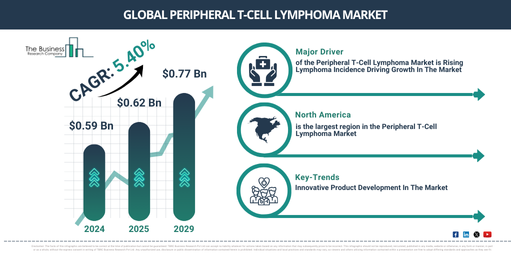
    The market for peripheral t-cell lymphoma has seen significant growth recently, expanding from a size of $0.59 billion in 2024 to an anticipated $0.62 billion in 2025, which represents a compound annual growth rate (CAGR) of 5.6%. Factors contributing to this historic growth include an increased awareness of rare lymphomas, the introduction of monoclonal antibodies, early designations of orphan drugs, advancements in research on hematologic cancers, a rise in the uptake of stem cell transplants, enhanced diagnostic precision, the development of oncology healthcare infrastructure, and early innovations in immunotherapy.

    In the forthcoming years, the peripheral t-cell lymphoma market is anticipated to experience significant expansion. Predictions estimate that the market will escalate to$0.77 billion by 2029 with a compound annual growth rate (CAGR) of 5.4%. Such growth during the projection period can be ascribed to the progressions in targeted treatments, increased adoption of personalized medical practices, advancements in immunotherapy applications, a strong influx of revolutionary drugs, increased healthcare investment in developing markets, the broadening of patient access programs, incorporation of artificial intelligence in diagnostic methods, regulatory incentives for orphan drugs, and an increased focus on combined treatments. Key trends to look out for during the forecast period include the innovation of new biologics, improvements in gene editing technologies, adoption of liquid biopsy diagnostics, integration of artificial intelligence in treatment planning, advancements in CAR-T cell therapies, progressions in next-generation sequencing, the application of nanotechnology in drug delivery, personalized vaccine development, emergence of bispecific antibodies and the automation of clinical trial processes.

    Download a free sample to assess the report’s scope and structure:

    https://www.thebusinessresearchcompany.com/sample.aspx?id=21255&type=smp

    What Are the Primary Drivers Supporting the Market Growth of the Peripheral T-Cell Lymphoma Market?

    The rising prevalence of lymphoma is anticipated to fuel the expansion of the peripheral T-cell lymphoma market in the future. Lymphoma is a kind of cancer that originates in the lymphatic system, a component of the body’s immune defenses. The increased occurrence of lymphoma is attributed to genetic factors, environmental exposure, viral infections such as the Epstein-Barr virus, immune deficiency disorders, and lifestyle aspects like smoking and obesity. Peripheral T-cell lymphoma (PTCL) plays a role in lymphoma’s advancement by stemming from mature T-cells, causing aggressive disease conduct, dysregulation of the immune system, and lesser receptivity to treatment compared to other lymphoma variants. For example, the American Cancer Society Facts and Figures, a professional organization based in the US, estimated that new non-Hodgkin lymphoma cases in 2023 and 2024 were 80,550 each. Consequently, the growing prevalence of lymphoma is propelling the peripheral T-cell lymphoma market’s growth.

    Which Primary Segments of the Peripheral T-Cell Lymphoma Market Are Driving Growth and Industry Transformations?

    The peripheral t-cell lymphomamarket covered in this report is segmented –

    1) By Type: Peripheral T-Cell Lymphoma Not Otherwise Specified (PTCL-NOS); Angioimmunoblastic T- Cell Lymphoma (AITL); Anaplastic Large Cell Lymphoma (ALCL); Adult T- Cell Leukaemia Or Lymphoma (ATLL); Enteropathy-Associated T- Cell Lymphoma ( EATL); Hepatosplenic T- Cell Lymphoma; Other Types

    2) By Treatment Type: Chemotherapy; Target Therapy; Immunotherapy; Stem Cell Therapy; Radiation Therapy

    3) By Drug Class: Histone Deacetylase (HDAC) Inhibitors; Monoclonal Antibodies; Alkylating Angents; Antimetabolites; Other Drug Class

    4) By Route Of Administration: Oral; Injectable

    5) By End-User: Hospitals; Specialty Clinics; Ambulatory Surgical Center; Research Institute

    Subsegments:

    1) By Peripheral T-Cell Lymphoma Not Otherwise Specified (PTCL-NOS): Cutaneous PTCL; Systemic PTCL

    2) By Angioimmunoblastic T-Cell Lymphoma (AITL): Classical AITL; Variant AITL

    3) By Anaplastic Large Cell Lymphoma (ALCL): Systemic ALCL; Cutaneous ALCL

    4) By Adult T-Cell Leukaemia Or Lymphoma (ATLL): Acute ATLL; Chronic ATLL; Smoldering ATLL; Lymphoma Type ATLL

    5) By Enteropathy-Associated T-Cell Lymphoma (EATL): Type 1 EATL; Type 2 EATL

    6) By Hepatosplenic T-Cell Lymphoma: Hepatic Type; Splenic Type

    7) By Other Types: Subcutaneous T-Cell Lymphoma; Lymphomatoid Granulomatosis

    Request customized data on this market:

    https://www.thebusinessresearchcompany.com/customise?id=21255&type=smp

    Which Regions Are Key Players in the Growth of the #What Are the Primary Drivers Supporting the Market Growth of the Peripheral T-Cell Lymphoma Market?# Market?

    North America was the largest region in the peripheral T-cell lymphoma market in 2024. Asia-Pacific is expected to be the fastest-growing region in the forecast period. The regions covered in the peripheral T-cell lymphoma market report are Asia-Pacific, Western Europe, Eastern Europe, North America, South America, Middle East, Africa.

    What Are the Most Significant Market Trends in the Peripheral T-Cell Lymphoma Market?

    Leading businesses in the peripheral T-cell lymphoma market are innovating, with a particular focus on novel drugs like dihydrofolate reductase inhibitors. These are crucial in boosting treatment effectiveness and consequently enhancing patient health. Dihydrofolate reductase inhibitors block an enzyme vital for DNA replication and cell multiplication. For example, in December 2024, Fresenius Kabi AG, a pharmaceutical firm from Germany, launched Pralatrexate Injection. This drug is a generic alternative to Folotyn and is used in the treatment of resistant or recurring peripheral T-cell lymphoma. The introduction of this product enriches the firm’s oncology range, providing both physicians and patients with an affordable, high-quality treatment alternative. The injection comes in 20 mg/1 mL and 40 mg/2 mL single-dose vials and its continued approval is dependent on confirmatory test outcomes, although it was initially approved under accelerated approval based on overall response rate.

    View the full report here:

    https://www.thebusinessresearchcompany.com/report/peripheral-t-cell-lymphoma-global-market-report

    What Parameters Are Used to Define the Peripheral T-Cell Lymphoma Market?

    Peripheral T-cell lymphoma (PTCL) refers to a group of aggressive non-Hodgkin lymphomas that originate in mature T-cells, a type of white blood cell essential for immune function. PTCL can affect lymph nodes, spleen, bone marrow, liver, and other organs. Symptoms often include swollen lymph nodes, fever, night sweats, unexplained weight loss, skin rashes, and persistent fatigue.

    Purchase the full report and get a swift delivery:

    https://www.thebusinessresearchcompany.com/purchaseoptions.aspx?id=21255

    About The Business Research Company:

    With over 15000+ reports from 27 industries covering 60+ geographies, The Business Research Company has built a reputation for offering comprehensive, data-rich research and insights. Armed with 1,500,000 datasets, the optimistic contribution of in-depth secondary research, and unique insights from industry leaders, you can get the information you need to stay ahead in the game.

    Get in touch with us:

    The Business Research Company: https://www.thebusinessresearchcompany.com/

    Americas +1 310-496-7795

    Europe +44 7882 955267

    Asia & Others +44 7882 955267 & +91 8897263534

    Email us at info@tbrc.info

    Follow us on:

    LinkedIn: https://in.linkedin.com/company/the-business-research-company

    YouTube: https://www.youtube.com/channel/UC24_fI0rV8cR5DxlCpgmyFQ

    Global Market Model: https://www.thebusinessresearchcompany.com/global-market-model