Blog

  • Ovarian Cancer Market Outlook 2025: Mapping Growth, Innovation, and Regional Shifts

    Ovarian Cancer Market Outlook 2025: Mapping Growth, Innovation, and Regional Shifts

    Claim your 30% discount on Global Market Reports with code ONLINE30. Limited time only.

    What Is the Current and Projected Market Size of the Ovarian Cancer Market Through 2034?

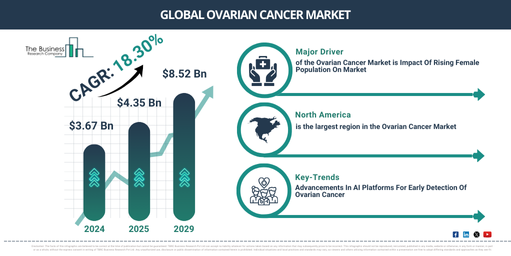
    There has been a swift expansion in the ovarian cancer market over the recent years. A growth is projected from $3.67 billion in 2024 to $4.35 billion in 2025, indicating a compound annual growth rate (CAGR) of 18.6%. The significant expansion during the historical period stems from factors such as the aging population, a surge in the cases of ovarian cancer, increasing occurrence of the disease, enhanced government initiatives, and escalating healthcare expenditures.

    The expected size of the ovarian cancer market is predicted to experience swift expansion in the coming years. The market is projected to rise to$8.52 billion by 2029, with a compound annual growth rate (CAGR) of 18.3%. The projected growth during this period is due to factors such as the heightened focus on targeted therapy and personalized medicine research, the expanding elderly population, increased awareness of healthcare, the growing incidence of ovarian cancer, and the increased spending on healthcare. During this forecast period, notable trends include the introduction of novel therapies, elevated radiation therapy techniques, progressive healthcare infrastructure, technological progress, and the endorsement of innovative drugs.

    Download a free sample to assess the report’s scope and structure:

    https://www.thebusinessresearchcompany.com/sample.aspx?id=21240&type=smp

    What External and Internal Drivers Are Contributing to the Growth of theOvarian Cancer Market?

    The rise in the number of women is predicted to spur the expansion of the ovarian cancer market in the future. This rise in the number of women, whether it be in a specific region or globally, is influenced by factors such as increased longevity, advancements in healthcare, and demographic changes. Offering surgical options, chemotherapy, targeted therapy, and immunotherapy, ovarian cancer treatment aids women by removing cancer cells, slowing the advancement of the disease, alleviating symptoms, and increasing survival rates. This not only improves the quality of life but also serves as a beacon of hope for improved long-term results. For example, the Census Bureau, a US government agency, reported in March 2024 that as of July 2022 the United States had a female population of around 168 million, with an additional 1.9 million women aged 85 and older. In another report released by CEIC Data, a financial service company based in the UK, in December 2022, it was reported that the number of women aged 15-64 had increased from 2,940,645 in 2021 to 2,951,856 in 2022. Hence, the growth of the ovarian cancer market is being propelled by an increase in the number of women.

    What Segment Types Define the Ovarian Cancer Market Structure?

    The ovarian cancermarket covered in this report is segmented –

    1) By Type: Epithelial Ovarian Tumors; Ovarian Germ Cell Tumors; Ovarian Stromal Tumors; Primary Peritoneal Carcinoma

    2) By Treatment: Chemotherapy; Targeted Therapy; Radiation Therapy; Immunotherapy; Hormonal Therapy; Surgery

    3) By Route Of Administration: Oral; Parenteral; Other Route Of Administrations

    4) By End-user: Hospitals; Diagnostic Centers; Drug Stores; Online Pharmacies; Other End Users

    Subsegments:

    1) By Epithelial Ovarian Tumors: Serous Carcinoma; Mucinous Carcinoma; Endometrioid Carcinoma; Clear Cell Carcinoma; Brenner Tumors

    2) By Ovarian Germ Cell Tumors: Dysgerminoma; Teratoma; Yolk Sac Tumor; Embryonal Carcinoma; Choriocarcinoma

    3) By Ovarian Stromal Tumors: Granulosa Cell Tumors; Thecomas; Sertoli-Leydig Cell Tumors

    4) By Primary Peritoneal Carcinoma: High-Grade Serous Carcinoma; Low-Grade Serous Carcinoma

    Request customized data on this market:

    https://www.thebusinessresearchcompany.com/customise?id=21240&type=smp

    Which Geographic Areas Hold the Strongest Growth Potential in the Ovarian Cancer Market?

    North America was the largest region in the ovarian cancer market in 2024. Asia-Pacific is expected to be the fastest-growing region in the forecast period. The regions covered in the ovarian cancer market report are Asia-Pacific, Western Europe, Eastern Europe, North America, South America, Middle East, Africa.

    What Long-Term Trends Are Transforming the Competitive Landscape of the Ovarian Cancer Market?

    Prominent organizations within the ovarian cancer market are focusing their efforts on improved solutions such as AI platforms to dissect complex medical data efficiently. An artificial intelligence (AI) platform for ovarian cancer is a tech-based system that uses the power of AI and machine-learning (ML) to upgrade various facets of ovarian cancer care. These platforms merge medical imaging, genomic data, electronic health records (EHRs), and real-time analytics to facilitate early detection, diagnosis, personalized treatment plans, and patient monitoring. For example, AIIMS Delhi launched an AI platform named iOncology.ai in February 2024, in partnership with CDAC Pune, an organization based in India. This platform is designed to provide early detection of breast and ovarian cancer using deep learning models to scrutinize radiological and histopathological images with great precision, in a bid to enhance early diagnosis and survival rates. iOncology.ai, which is presently deployed in several hospitals, merges with the healthcare system to perform risk assessments and suggest mammograms, focusing mainly on women in rural regions. This is part of a larger initiative to incorporate AI into healthcare, thereby minimizing the pressure on medical systems.

    View the full report here:

    https://www.thebusinessresearchcompany.com/report/ovarian-cancer-global-market-report

    What Is the Definition of the Ovarian Cancer Market?

    Ovarian cancer refers to a type of cancer that originates in the ovaries, which are the female reproductive organs responsible for producing eggs (ova) and hormones such as estrogen and progesterone. It can develop in different parts of the ovaries, including the surface epithelium, the germ cells, or the stroma.

    Purchase the full report and get a swift delivery:

    https://www.thebusinessresearchcompany.com/purchaseoptions.aspx?id=21240

    About The Business Research Company:

    With over 15000+ reports from 27 industries covering 60+ geographies, The Business Research Company has built a reputation for offering comprehensive, data-rich research and insights. Armed with 1,500,000 datasets, the optimistic contribution of in-depth secondary research, and unique insights from industry leaders, you can get the information you need to stay ahead in the game.

    Get in touch with us:

    The Business Research Company: https://www.thebusinessresearchcompany.com/

    Americas +1 310-496-7795

    Europe +44 7882 955267

    Asia & Others +44 7882 955267 & +91 8897263534

    Email us at info@tbrc.info

    Follow us on:

    LinkedIn: https://in.linkedin.com/company/the-business-research-company

    YouTube: https://www.youtube.com/channel/UC24_fI0rV8cR5DxlCpgmyFQ

    Global Market Model: https://www.thebusinessresearchcompany.com/global-market-model
  • Strong CAGR to Propel in the Bioinformatics Market and Beyond upto $32.38 Billion by 2029

    Strong CAGR to Propel in the Bioinformatics Market and Beyond upto $32.38 Billion by 2029

    Claim your 30% discount on Global Market Reports with code ONLINE30. Limited time only.

    What is the Projected CAGR for the Bioinformatics Market Size from 2025 to 2034?

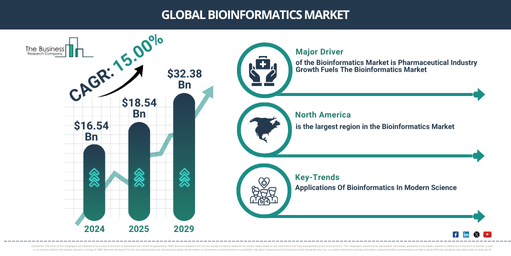
    In recent years, there has been a swift expansion in the size of the bioinformatics market. It is projected to increase from $16.54 billion in 2024 to $18.54 billion in 2025, exhibiting a compound annual growth rate (CAGR) of 12.1%. Factors contributing to the growth during the historic period include advancements in genomic sequencing, expansion of biomedical research, progress in drug discovery and development, personalized medicine, along with agriculture and biotechnology.

    Expectations are high for a swift expansion in the bioinformatics market size in the upcoming years. The market is anticipated to increase to$32.38 billion by 2029 at a compound annual growth rate (CAGR) of 15.0%. This upcoming growth can be credited to the progress made in omics technologies, artificial intelligence (AI), machine learning, data amalgamation and cloud-based computing, discovery of biomarkers, and diagnostics, alongside cross-disciplinary cooperation. Noteworthy trends expected in the forecast period encompass genomic data surge, bespoke medication, development of machine learning and AI, as well as drug exploration and production.

    Download a free sample to assess the report’s scope and structure:

    https://www.thebusinessresearchcompany.com/sample.aspx?id=2483&type=smp

    Which Primay Drivers Are Accelerating Growth in the Bioinformatics Market?

    The expansion of the pharmaceutical industry is expected to catalyze the rise of the bioinformatics market. The industry entails the historical evolution, production, and discovery of pharmaceuticals from numerous entities, both private and governmental. Bioinformatics plays a paramount role in the pharmaceutical field by dramatically enhancing the speed of pharmaceutical discovery and development, minimizing costs, and advancing the safety and efficiency of pharmaceutical therapies. For instance, in May 2024, as per GOV.UK, a government department based in the UK, the turnover of the UK’s life science industry reached £108.1 billion during 2021/22, witnessing a surge of 13% from the £95.9 billion turnover noted in 2020/21, after adjusting for 2021/22 prices. Therefore, the escalating pharmaceutical industry is the primary propellant for the growth of the bioinformatics market.

    Which Primary Segments of the Bioinformatics Market Are Driving Growth and Industry Transformations?

    The bioinformaticsmarket covered in this report is segmented –

    1) By Products and Services: Knowledge Management Tools; Data Analysis Platforms; Services

    2) By Application: Metabolomics; Molecular Phylogenetics; Transcriptomics; Proteomics; Chemoinformatics; Genomics; Other Applications

    3) By End Users: Pharmaceutics; Animal Study; Agriculture; Forensic Science; Other End Users

    Subsegments:

    1) By Knowledge Management Tools: Data Integration Tools; Literature Mining Tools; Data Repositories And Databases; Biological Data Visualization Tools

    2) By Data Analysis Platforms: Genomic Data Analysis Platforms; Proteomics Data Analysis Platforms; Transcriptomics Data Analysis Platforms; Metabolomics Data Analysis Platforms

    3) By Services: Data Analysis Services; Consulting Services; Software And Platform-As-A-Service (PaaS); Bioinformatics Research And Development Services

    Request customized data on this market:

    https://www.thebusinessresearchcompany.com/customise?id=2483&type=smp

    Which Regions Are Key Players in the Growth of the #Which Primay Drivers Are Accelerating Growth in the Bioinformatics Market?# Market?

    North America was the largest region in the bioinformatics market in 2024. Western Europe was the second largest region in the bioinformatics market analysis. The regions covered in the bioinformatics market report are Asia-Pacific, Western Europe, Eastern Europe, North America, South America, Middle East, Africa

    Which Technological Trends Are Reshaping the Bioinformatics Industry Dynamics?

    Leading bioinformatics market players are striving to create technologically progressive solutions such as bioinformatics platforms. These platforms are set to enhance their capabilities in data analytics, heighten precision in personalized medication, and hasten the processes involved in drug discovery. A bioinformatics platform involves a suite of tools or a software system specifically designed for the interpretation, management, and analysis of biological data. This can range from genomic and proteomic data to metabolomic information, thus bolstering research and clinical decision-making. For example, in February 2024, Metabolon, Inc., a biotechnology firm based in the United States, introduced an all-inclusive bioinformatics platform. This platform provides a complete set of analytical tools made to simplify metabolomics research, making it possible for users to perform intricate analyses without difficulty. Its key features encompass advanced visualization tools like the volcano plots and principal component analysis (PCA), alongside novel biomarker lenses, delivering focused insights into particular diseases and pathways.

    View the full report here:

    https://www.thebusinessresearchcompany.com/report/bioinformatics-global-market-report

    What Parameters Are Used to Define the Bioinformatics Market?

    Bioinformatics, which is connected to genetics and genomics, uses computer technology to gather, store, analyze, and share biological information and data such as DNA and amino acid sequences or annotations about those sequences.

    Purchase the full report and get a swift delivery:

    https://www.thebusinessresearchcompany.com/purchaseoptions.aspx?id=2483

    About The Business Research Company:

    With over 15000+ reports from 27 industries covering 60+ geographies, The Business Research Company has built a reputation for offering comprehensive, data-rich research and insights. Armed with 1,500,000 datasets, the optimistic contribution of in-depth secondary research, and unique insights from industry leaders, you can get the information you need to stay ahead in the game.

    Get in touch with us:

    The Business Research Company: https://www.thebusinessresearchcompany.com/

    Americas +1 310-496-7795

    Europe +44 7882 955267

    Asia & Others +44 7882 955267 & +91 8897263534

    Email us at info@tbrc.info

    Follow us on:

    LinkedIn: https://in.linkedin.com/company/the-business-research-company

    YouTube: https://www.youtube.com/channel/UC24_fI0rV8cR5DxlCpgmyFQ

    Global Market Model: https://www.thebusinessresearchcompany.com/global-market-model
  • Osteosarcoma Market in Focus: Forecasting Growth Drivers, Scaling Potential, and Global Opportunities

    Osteosarcoma Market in Focus: Forecasting Growth Drivers, Scaling Potential, and Global Opportunities

    Claim your 30% discount on Global Market Reports with code ONLINE30. Limited time only.

    What is the Anticipated CAGR of the Osteosarcoma Market, and What Factors Will Drive It?

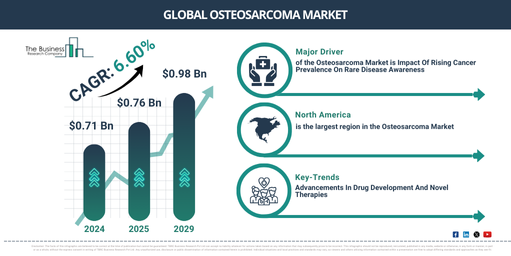
    The market size for osteosarcoma has seen significant growth in the past years. It is projected to increase from $0.71 billion in 2024 to a value of $0.76 billion in 2025, with a compound annual growth rate (CAGR) of 6.8%. This growth during the historic period is due to several factors including heightened cancer awareness, enhanced treatment methods, an increase in bone cancer cases, an improvement in healthcare facilities, advancement in research and clinical trials, and the expansion in the development of targeted therapies and immunotherapies.

    The osteosarcoma market size is anticipated to witness substantial growth in the forthcoming years, expanding to$0.98 billion in 2029″ with a compound annual growth rate (CAGR) of 6.6%. The expected growth during the forecast period is due to an increase in the use of personalized medicine, enhanced awareness of uncommon cancers, elevated governmental and private sector investment in research, an escalating prevalence of genetic mutations, and the potential for enhanced treatment results with immunotherapy. Key factors influencing the forecast period encompass the development of targeted therapies, progress in immunotherapies, the utilization of personalized medicine, advancements in gene editing methods, breakthroughs in chemotherapy pharmaceuticals, refined diagnostic imaging technology, and progression in surgical techniques.

    Download a free sample to assess the report’s scope and structure:

    https://www.thebusinessresearchcompany.com/sample.aspx?id=21239&type=smp

    What Are the Core Market Drivers Propelling Growth in the Osteosarcoma Industry?

    The projected upsurge in cancer occurrences is anticipated to boost the expansion of the osteosarcoma market. This medical condition, known as cancer, is marked by the unrestricted proliferation and dissemination of abnormal cells within the body, capable of invading and damaging normal tissues. The escalating instances of cancer can be attributed to factors like an aging population, modifications in lifestyle, environmental exposure, infections, and genetic susceptibility. Osteosarcoma treatment aids cancer patients through the encouragement of advancements in treatment methodologies, the promotion of early detection techniques, and an augmented comprehension of bone cancer. This ultimately aids in improving patient care, enhancing survival outcomes, and the invention of more potent therapies. For example, the National Cancer Institute, a US government agency, reported in May 2024 that around 20 million new cancer cases and 9.7 million cancer-related deaths were logged globally in 2022. Future estimates imply that these figures could escalate to 29.9 million new cases and 15.3 million fatalities annually by 2040. Therefore, the projected upsurge in cancer occurrences is fueling the expansion of the osteosarcoma market.

    How Is the Osteosarcoma Market Segmented?

    The osteosarcomamarket covered in this report is segmented –

    1) By Type: Intramedullary Osteosarcoma; Juxtacortical Osteosarcoma; Extraskeletal Osteosarcoma

    2) By Treatment Type: Surgery; Chemotherapy; Radiation Therapy; Targeted Therapy; Immunotherapy

    3) By Age Group: Pediatric; Adult

    4) By Distribution Channel: Online Channel; Offline Channel

    5) By End User: Hospitals And Clinics; Diagnostic Centers; Academic And Research Organizations

    Subsegments:

    1) By Intramedullary Osteosarcoma: Metaphyseal Osteosarcoma; Diaphyseal Osteosarcoma

    2) By Juxtacortical Osteosarcoma: Parosteal Osteosarcoma; Periosteal Osteosarcoma

    3) By Extraskeletal Osteosarcoma: Primary Extraskeletal Osteosarcoma; Secondary Extraskeletal Osteosarcoma

    Request customized data on this market:

    https://www.thebusinessresearchcompany.com/customise?id=21239&type=smp

    Which Regions Are Driving the Next Phase of the Osteosarcoma Market Growth?

    North America was the largest region in the osteosarcoma market in 2024. Asia-Pacific is expected to be the fastest-growing region in the forecast period. The regions covered in the osteosarcoma market report are Asia-Pacific, Western Europe, Eastern Europe, North America, South America, Middle East, Africa.

    What Key Market Trends and Innovations Are Shaping the Future of the Osteosarcoma Industry?

    Leading businesses in the osteosarcoma market are concentrating their efforts on creating innovative drugs that hold orphan drug designation. The intention is to heighten the effectiveness of treatment, lessen side effects, and boost patient survival rates. Regulatory authorities award the status of orphan drug designation to drugs or biologics that are designed to treat uncommon diseases. This status offers advantages such as tax incentives, support for clinical trials, and prolonged exclusivity in the market. An example of this is Lisata Therapeutics Inc., a pharmaceutical firm from the United States that, in April 2024, revealed that the Food and Drug Administration (FDA) had granted orphan drug designation to LSTA1, its investigative drug for osteosarcoma treatment. LSTA1 is intended to promote a new absorption path that increases drug penetration and concentration in osteosarcoma tumors. It could potentially alter the tumor microenvironment, enhancing the response to immunotherapies.

    View the full report here:

    https://www.thebusinessresearchcompany.com/report/osteosarcoma-global-market-report

    How Is the Osteosarcoma Market Defined and What Are Its Core Parameters?

    Osteosarcoma is a cancerous tumor that develops in the bone-forming cells, occurring in the long bones in the body. It mainly impacts teenagers and young adults, causing symptoms such as pain, swelling, and difficulty moving the affected area.

    Purchase the full report and get a swift delivery:

    https://www.thebusinessresearchcompany.com/purchaseoptions.aspx?id=21239

    About The Business Research Company:

    With over 15000+ reports from 27 industries covering 60+ geographies, The Business Research Company has built a reputation for offering comprehensive, data-rich research and insights. Armed with 1,500,000 datasets, the optimistic contribution of in-depth secondary research, and unique insights from industry leaders, you can get the information you need to stay ahead in the game.

    Get in touch with us:

    The Business Research Company: https://www.thebusinessresearchcompany.com/

    Americas +1 310-496-7795

    Europe +44 7882 955267

    Asia & Others +44 7882 955267 & +91 8897263534

    Email us at info@tbrc.info

    Follow us on:

    LinkedIn: https://in.linkedin.com/company/the-business-research-company

    YouTube: https://www.youtube.com/channel/UC24_fI0rV8cR5DxlCpgmyFQ

    Global Market Model: https://www.thebusinessresearchcompany.com/global-market-model
  • 3D Diagnostic Imaging Services Market Valuation Expected To Reach $396.67 Billion By 2029, Growing At A Rate Of 8.2%

    Claim your 30% discount on Global Market Reports with code ONLINE30. Limited time only.

    What Is the Current and Projected Market Size of the 3D Diagnostic Imaging Services Market Through 2034?

    In recent times, the market size for 3D diagnostic imaging services has witnessed substantial growth. Its progression is expected to continue from $266.32 billion in 2024 to $289.49 billion in 2025, reflecting a Compound Annual Growth Rate (CAGR) of 8.7%. The growth in the preceding period is due to factors such as the rising need for point-of-care imaging systems, an increase in the incidence of chronic diseases, an uptick in demand for optical imaging, expanded usage of 3D imaging, and escalating healthcare expenditure.

    Expectations for the 3D diagnostic imaging services market depict robust growth in the upcoming years, with a projection to rise to$396.67 billion by 2029 at a compound annual growth rate (CAGR) of 8.2%. The anticipated growth within this period can be ascribed to the rising demand for early detection and preventive healthcare, an escalation in healthcare infrastructure investments, a surge in the need for 3D accelerometers in smartphones and gaming consoles, increased demand for 3D image sensors from various sectors, and a growing elderly population. Key trends for this forecast period encompass technological advancements, the integration of artificial intelligence (AI), increased investment inflows, product innovations, and business collaborations and acquisitions.

    Download a free sample to assess the report’s scope and structure:

    https://www.thebusinessresearchcompany.com/sample.aspx?id=3180&type=smp

    Which Factors and External Forces Are Driving Demand in the 3D Diagnostic Imaging Services Market?

    The demand for point-of-care testing (PoCT) has seen continual growth over recent years, resulting in a commensurate increase in the market for 3D diagnostic imaging services. This increase is largely due to the ability of PoCT to offer immediate, lab-grade diagnostic results. In addition, current changes in healthcare delivery are leaning towards more cost-efficient home care for patients. In many nations, particularly those still developing, there is a compelling need for efficient care for infectious diseases. Thankfully, due to the simplicity and enhanced analytical performance of PoCT technologies, coupled with recent advancements in the speed, user-friendliness, and cost-effectiveness of medical imaging with 3D integration, effective patient care has become more accessible. These developments have significantly boosted the market growth of 3D diagnostic imaging services.

    Which Segments in the 3D Diagnostic Imaging Services Offer the Most Growth?

    The 3D diagnostic imaging servicesmarket covered in this report is segmented –

    1) By Technique: Ultrasound; MRI; X-ray; Computed Tomography; Other Techniques

    2) By Application: Oncology; Cardiology; Orthopedic; Other Applications

    3) By End User: Diagnostic Centers; Hospitals; Research Centers

    Subsegments:

    1) By Ultrasound: 3D Or 4D Ultrasound; Contrast-Enhanced Ultrasound

    2) By MRI (Magnetic Resonance Imaging): Functional MRI (FMRI); Magnetic Resonance Spectroscopy (MRS); Cardiac MRI; Whole-Body MRI

    3) By X-Ray: 3D Mammography (Tomosynthesis); Cone Beam CT (CBCT) For X-Ray Imaging

    4) By Computed Tomography (CT): Spiral Or Helical CT; Cone Beam CT (CBCT); Positron Emission Tomography-Computed Tomography (PET-CT)

    5) By Other Techniques: Positron Emission Tomography (PET); Single Photon Emission Computed Tomography (SPECT); Optical Imaging

    Request customized data on this market:

    https://www.thebusinessresearchcompany.com/customise?id=3180&type=smp

    What Are the Fastest-Growing Geographies in the #Which Factors and External Forces Are Driving Demand in the 3D Diagnostic Imaging Services Market?# Market?

    North America was the largest region in the 3D diagnostic imaging services market in 2024. Western Europe was the second largest region in the 3D diagnostic imaging services market. The regions covered in the 3D diagnostic imaging services market report are Asia-Pacific, Western Europe, Eastern Europe, North America, South America, Middle East, Africa

    Which Cutting-Edge Market Trends Are Expected to Drive the3D Diagnostic Imaging Services Market’s Growth?

    The advent of enhanced data storage systems and information dissemination platforms such as the medical cloud technology is paving way for increased growth prospects in the 3D diagnostic imaging sector. This is primarily due to the high demand for ample resources for processing, storage, exchange, and utilization of extensive medical data for effective diagnosis and treatment choices. Such needs are aptly addressed by advanced cloud computing in medical imaging. Cloud computing has emerged as the go-to solution for issues surrounding the provision of complex services and cybernetic data exchange. Through such technology, the exchange of medical data can be accomplished across various regions, increasing patient access to required medical resources. Moreover, it facilitates effortless data recall and offers physicians a more user-friendly platform for clinical illustrations, providing clear and vital images. Thus, medical cloud imaging is carving a niche for itself in the realm of cloud computing.

    View the full report here:

    https://www.thebusinessresearchcompany.com/report/3d-diagnostic-imaging-services-global-market-report

    What Are the Key Elements That Define the 3D Diagnostic Imaging Services Market?

    3D diagnostic imaging services include optical imaging of body to visualize internals of body in 3D. These services are used for diagnostic purposes. 3D Diagnostic imaging enables medical professionals to probe within your body in search of signs of a disease.

    Purchase the full report and get a swift delivery:

    https://www.thebusinessresearchcompany.com/purchaseoptions.aspx?id=3180

    About The Business Research Company:

    With over 15000+ reports from 27 industries covering 60+ geographies, The Business Research Company has built a reputation for offering comprehensive, data-rich research and insights. Armed with 1,500,000 datasets, the optimistic contribution of in-depth secondary research, and unique insights from industry leaders, you can get the information you need to stay ahead in the game.

    Get in touch with us:

    The Business Research Company: https://www.thebusinessresearchcompany.com/

    Americas +1 310-496-7795

    Europe +44 7882 955267

    Asia & Others +44 7882 955267 & +91 8897263534

    Email us at info@tbrc.info

    Follow us on:

    LinkedIn: https://in.linkedin.com/company/the-business-research-company

    YouTube: https://www.youtube.com/channel/UC24_fI0rV8cR5DxlCpgmyFQ

    Global Market Model: https://www.thebusinessresearchcompany.com/global-market-model
  • Strong CAGR to Propel in the Oral Mucositis Market and Beyond upto $2.06 Billion by 2029

    Strong CAGR to Propel in the Oral Mucositis Market and Beyond upto $2.06 Billion by 2029

    Claim your 30% discount on Global Market Reports with code ONLINE30. Limited time only.

    What Are the Key Milestones in the Oral Mucositis Market’s Growth Trajectory From 2025 To 2034?

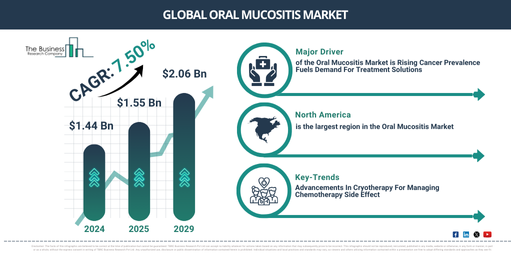
    Recently, the market for oral mucositis has been experiencing significant expansion. Forecasts predict a surge from $1.44 billion in 2024 to $1.55 billion in 2025, resulting in a compound annual growth rate (CAGR) of 7.7%. Factors contributing to the growth observed in the historical period include the escalating number of cancer cases, increases in chemotherapy and radiation treatments, growing awareness about oral mucositis, expanding adoption of supportive care therapies, a rising incidence of head and neck cancers, and amplified investment and activity in oncology supportive care research and development.

    A significant surge in the size of the oral mucositis market is anticipated in the upcoming years, with its value expected to reach$2.06 billion by 2029″, growing at a compound annual growth rate (CAGR) of 7.5%. This growth projection for the period forecasted may be attributed to an escalation in global cancer rates, a growing demand for customized medicine, an increased emphasis on palliative care, enhanced patient understanding and education, and a rise in the utilization of over-the-counter oral care products. Additionally, greater governmental and healthcare investments and a heightened prevalence of radiation and chemotherapy treatments also contribute. Major developments in the forecast period include progress in low-level laser therapy, innovation in drug delivery systems, the incorporation of digital health technologies, the use of AI in treatment plans, concepts of tissue engineering and regenerative therapies being developed, and advances in smart mouthwashes and oral care products.

    Download a free sample to assess the report’s scope and structure:

    https://www.thebusinessresearchcompany.com/sample.aspx?id=21237&type=smp

    Which Primay Drivers Are Accelerating Growth in the Oral Mucositis Market?

    The escalating occurrence of cancer is predicted to drive the expansion of the oral mucositis market in the future. Cancer, a condition marked by uncontrollable abnormal cell growth that can infiltrate and harm healthy tissues, is on the rise due to factors such as an aging demographic, lifestyle modifications, environmental exposure, infections, and genetic predisposition. Oral mucositis therapy aids cancer patients by relieving discomfort, decreasing swelling, thwarting additional infections, and encouraging faster recovery of mouth tissues, thus enhancing their comfort, food consumption, and general life quality throughout chemotherapy or radiation therapy. For example, in May 2024, the US-based National Cancer Institute reported approximately 20 million new cancer instances and 9.7 million cancer-related fatalities worldwide in 2022. Forecasts indicate that these figures could grow to 29.9 million new cases and 15.3 million annual deaths by 2040. Consequently, the rising prevalence of cancer stimulates the growth of the oral mucositis market.

    Which Primary Segments of the Oral Mucositis Market Are Driving Growth and Industry Transformations?

    The oral mucositismarket covered in this report is segmented –

    1) By Indication: Chemotherapy; Radiotherapy; Hematopoietic Stem Cell Transplantation

    2) By Product Type: Solid Dosage Form; Liquid Dosage Form

    3) By Treatment: Palifermin; Amifostine; Chlorhexidine; Sucralfate; Avasopasem; Dusquetide

    4) By Distribution Channel: Hospital Pharmacies; Retail Pharmacies; Online Pharmacies

    5) By End User: Hospitals; Dental Clinics; Oncology Hospitals; Research Institutes

    Subsegments:

    1) By Chemotherapy: High-Dose Chemotherapy-Induced Oral Mucositis; Standard-Dose Chemotherapy-Induced Oral Mucositis

    2) By Radiotherapy: Head And Neck Cancer Radiotherapy-Induced Oral Mucositis; Total Body Irradiation-Induced Oral Mucositis

    3) By Hematopoietic Stem Cell Transplantation: Autologous Stem Cell Transplantation-Induced Oral Mucositis; Allogeneic Stem Cell Transplantation-Induced Oral Mucositis

    Request customized data on this market:

    https://www.thebusinessresearchcompany.com/customise?id=21237&type=smp

    Which Regions Are Key Players in the Growth of the #Which Primay Drivers Are Accelerating Growth in the Oral Mucositis Market?# Market?

    North America was the largest region in the oral mucositis market in 2024. Asia-Pacific is expected to be the fastest-growing region in the forecast period. The regions covered in the oral mucositis market report are Asia-Pacific, Western Europe, Eastern Europe, North America, South America, Middle East, Africa.

    Which Technological Trends Are Reshaping the Oral Mucositis Industry Dynamics?

    Leading firms in the oral mucositis market are prioritizing the creation of inventive solutions such as cryotherapy to decrease the severity and frequency of cases by utilizing cold therapy to limit damage to oral tissues. Cryotherapy is a health treatment which employs extreme cold temperatures to obliterate and remove abnormal or diseased tissue, and is utilized for conditions like warts, tumors or injuries. For example, Chemo Mouthpiece LLC, a medical device company based in the US, made an announcement in February 2024 concerning the approval of their chemo mouthpiece device by the Food and Drug Administration, a government agency in the US. The chemo mouthpiece is an inner mouth ice pack that administers cryotherapy to a patient’s oral cavity during chemotherapy. It actively controls and treats oral mucositis, a frequently occurring painful side effect of chemotherapy.

    View the full report here:

    https://www.thebusinessresearchcompany.com/report/oral-mucositis-global-market-report

    What Parameters Are Used to Define the Oral Mucositis Market?

    Oral mucositis is a condition characterized by the inflammation and ulceration of the mucous membranes lining the mouth. It is commonly seen as a side effect of cancer treatments particularly chemotherapy and radiation therapy, which damage the rapidly dividing cells of the oral mucosa.

    Purchase the full report and get a swift delivery:

    https://www.thebusinessresearchcompany.com/purchaseoptions.aspx?id=21237

    About The Business Research Company:

    With over 15000+ reports from 27 industries covering 60+ geographies, The Business Research Company has built a reputation for offering comprehensive, data-rich research and insights. Armed with 1,500,000 datasets, the optimistic contribution of in-depth secondary research, and unique insights from industry leaders, you can get the information you need to stay ahead in the game.

    Get in touch with us:

    The Business Research Company: https://www.thebusinessresearchcompany.com/

    Americas +1 310-496-7795

    Europe +44 7882 955267

    Asia & Others +44 7882 955267 & +91 8897263534

    Email us at info@tbrc.info

    Follow us on:

    LinkedIn: https://in.linkedin.com/company/the-business-research-company

    YouTube: https://www.youtube.com/channel/UC24_fI0rV8cR5DxlCpgmyFQ

    Global Market Model: https://www.thebusinessresearchcompany.com/global-market-model
  • 3D Cell Culture Technologies Market Forecast Reaching $8.16 Billion by 2029 at 19.8% CAGR

    3D Cell Culture Technologies Market Forecast Reaching $8.16 Billion by 2029 at 19.8% CAGR

    Claim your 30% discount on Global Market Reports with code ONLINE30. Limited time only.

    What is the Anticipated CAGR of the 3D Cell Culture Technologies Market, and What Factors Will Drive It?

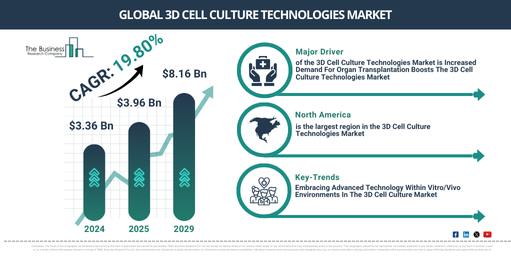
    The market size for 3D cell culture technologies has expanded significantly in the past few years. An increase from $3.36 billion in 2024 to $3.96 billion in 2025 is expected, displaying a compound annual growth rate (CAGR) of 17.9%. The historic progression can be linked to cell biology improvements, drug development enhancements, higher occurrences of chronic illnesses, and increased government support.

    In the coming years, the market size for 3D cell culture technologies is predicted to experience a significant surge and is slated to expand to$8.16 billion in 2029 with a compound annual growth rate (CAGR) of 19.8%. The expected growth during the forecast period is due to contributing factors such as the pharmaceutical industry, augmented research and development activities, along with environmental and ethical considerations. The forthcoming forecast period will see major trends such as personalized medicine, technological progressions, bioprinting, and regenerative medicine.

    Download a free sample to assess the report’s scope and structure:

    https://www.thebusinessresearchcompany.com/sample.aspx?id=2462&type=smp

    Which Major Market Drivers Are Expected to Boost the Growth Potential of the 3D Cell Culture Technologies Market?

    There is a soaring demand for organ transplants which is propelling the growth of the 3D Cell Culture Technologies Market. The technology of 3D cell culture forms three-dimensional structures that have the capability to mimic tissues or organs, thus facilitating organ transplantation. These 3D structures not only have the potential for organ and tissue regeneration but also have applications in drug toxicology screening. In 2023, United Network for Organ Sharing (UNOS), a US-based not-for-profit entity, reported that in 2022, there were a whopping 42,887 organ transplants carried out in the United States, showing a 3.7% increase from the previous year. About 14,903 individuals became deceased organ donors in 2022, marking 12 successive years of record-breaking donations and a 7.5% rise from 2021. The eligibility criteria for deceased organ donations are expanding due to favorable clinical results, leading to an increased number of donors from non-traditional categories. In 2022, organ donations post circulatory death (DCD donors) increased by almost 14% compared to 2021 totals, with 4,776 such cases. For the first time, there were 5,789 deceased donors aged 50 or older, marking the first time that donors of that age group exceeded 5,000 in a single year.

    Which Key Market Segments Comprise the 3D Cell Culture Technologies Market and Drive Its Revenue Growth?

    The 3D cell culture technologiesmarket covered in this report is segmented –

    1) By Type: Scaffold-based; Scaffold-free; 3D Bioreactors

    2) By Application: Cancer Research; Stem Cell Research; Drug Discovery; Regenerative Medicine

    3) By End Users: Research Laboratories and Institutes; Biotechnology and Pharmaceutical Companies; Hospitals and Diagnostic Centers; Other End Users

    Subsegments:

    1) By Scaffold-Based: Natural Scaffolds; Synthetic Scaffolds; Hybrid Scaffolds

    2) By Scaffold-Free: Spheroid-Based; Organoid-Based

    3) By 3D Bioreactors: Spinner Flask Bioreactors; Rotating Wall Bioreactors; Microcarrier-Based Bioreactors; Hollow Fiber Bioreactors

    Request customized data on this market:

    https://www.thebusinessresearchcompany.com/customise?id=2462&type=smp

    Which Areas Are Leading Regions in the 3D Cell Culture Technologies Market Expansion Across the Globe?

    North America was the largest region in the 3D cell culture technologies market in 2024. Western Europe was the second largest region in the 3D cell culture technologies market. The regions covered in the 3D cell culture technologies market report are Asia-Pacific, Western Europe, Eastern Europe, North America, South America, Middle East, Africa

    What Are the Key Market Trends in the3D Cell Culture Technologies Market Over the Coming Years?

    The current trend in the 3D Cell culture market is embracing cutting-edge technologies. Numerous companies are taking advantage of a particular technological breakthrough in the 3D cell culture space, the employment of the vivo/vitro environment. While the 2D models for cell expansion and interactions are not ideal for in vitro models, the 3D cell culture method provides an improved cell culture setting. The Vitro environment empowers researchers and doctors to perform procedures in a regulated environment outside of an organism, gaining significance due to its fundamental role in overseeing patient health. The FDA has given its approval for Biotek’s 3D cell expansion system to be utilized as a medical device and also approved Biotek’s Polycaprolactone (PCL), a biodegradable polyester material used in many FDA-endorsed implants and drug delivery devices.

    View the full report here:

    https://www.thebusinessresearchcompany.com/report/3d-cell-culture-technologies-global-market-report

    How Is the 3D Cell Culture Technologies Market Conceptually Defined?

    Cell culture is a process for developing substrates for the safe production of viral vaccines. 3D cell culture is an in vitro technique wherein the cells can grow in an artificially created environment. These technologies are essential for understanding more complex biological processes, such as tissue development, cell behavior, drug responses, and disease mechanisms.

    Purchase the full report and get a swift delivery:

    https://www.thebusinessresearchcompany.com/purchaseoptions.aspx?id=2462

    About The Business Research Company:

    With over 15000+ reports from 27 industries covering 60+ geographies, The Business Research Company has built a reputation for offering comprehensive, data-rich research and insights. Armed with 1,500,000 datasets, the optimistic contribution of in-depth secondary research, and unique insights from industry leaders, you can get the information you need to stay ahead in the game.

    Get in touch with us:

    The Business Research Company: https://www.thebusinessresearchcompany.com/

    Americas +1 310-496-7795

    Europe +44 7882 955267

    Asia & Others +44 7882 955267 & +91 8897263534

    Email us at info@tbrc.info

    Follow us on:

    LinkedIn: https://in.linkedin.com/company/the-business-research-company

    YouTube: https://www.youtube.com/channel/UC24_fI0rV8cR5DxlCpgmyFQ

    Global Market Model: https://www.thebusinessresearchcompany.com/global-market-model
  • Optic Neuropathy Management Market Valuation Expected To Reach $4.81 Billion By 2029, Growing At A Rate Of 5.8%

    Optic Neuropathy Management Market Valuation Expected To Reach $4.81 Billion By 2029, Growing At A Rate Of 5.8%

    Claim your 30% discount on Global Market Reports with code ONLINE30. Limited time only.

    How Has The Optic Neuropathy Management Market Size Shifted, And What Is the Outlook Through 2034?

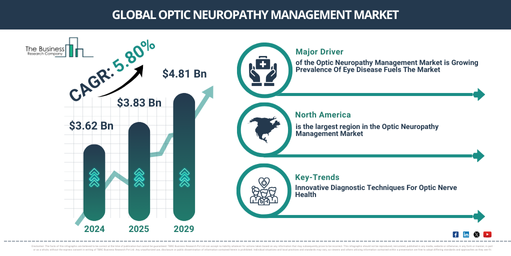
    The market for managing optic neuropathy has seen robust growth in the recent past. Expanding from $3.62 billion in 2024, it is predicted to reach $3.83 billion in 2025, showcasing a compound annual growth rate (CAGR) of 5.9%. The historical growth has been fueled by increasing instances of optic neuropathy, a rise in eye injuries, greater investments in eye care services and a surge in demand for specialized eye care. Additionally, the escalating rates of diabetes and other chronic maladies have contributed to this growth.

    The market for managing optic neuropathy is anticipated to experience robust growth in the coming years, reaching a value of $4.81 billion in 2029, with a 5.8% Compound Annual Growth Rate (CAGR). This surge during the forecast period is attributed to a rising count of people suffering from amebic infections, growing aging population, escalating instances of optic neuritis and glaucoma, along with the increased prevalence of optic neuritis. The forecast period is expected to witness key trends such as progress in the medical technology sphere, personalizing medical therapy, growth of telemedicine, enhancement in diagnostic technology, burgeoning healthcare infrastructure in burgeoning markets, combined with increased focus on neuroprotective treatments.

    Download a free sample to assess the report’s scope and structure:

    https://www.thebusinessresearchcompany.com/sample.aspx?id=21236&type=smp

    Which Factors and External Forces Are Driving Demand in the Optic Neuropathy Management Market?

    The optic neuropathy management market is anticipated to expand due to an increase in eye disease prevalence. Eye diseases signify any issue that impacts the eyes’ structure or function, resulting in impaired vision or related symptoms. The surge of eye conditions is attributed to aging demographics, amplified screen usage, unhealthy lifestyle selections, and fundamental medical conditions like diabetes. Optic neuropathy management plays a pivotal role in lessening the occurrence of eye disease by averting further optic nerve destruction and maintaining vision. For example, in February 2025, the Department of Health and Social Care, a governmental department from the UK, reported about 2 million residents in the UK suffer some level of sight loss, and this figure is predicted to elevate to 2.7 million by 2030. Hence, the escalation in eye disease prevalence is fuelling the optic neuropathy management market’s growth.

    Which Segments in the Optic Neuropathy Management Offer the Most Growth?

    The optic neuropathy managementmarket covered in this report is segmented –

    1) By Treatment Type: Medications; Surgery; Other Treatment Types

    2) By Diagnosis: Imaging Tests; Blood Tests; Other Diagnosis

    3) By End-User: Hospitals; Specialty Clinics; Ambulatory Surgical Centers; Other End-Users

    Subsegments:

    1) By Medications: Corticosteroids; Neuroprotective Agents; Antioxidants; Immunosuppressants; Prostaglandin Analogs

    2) By Surgery: Optic Nerve Decompression Surgery; Optic Nerve Transplantation; Retinal Implant Surgery

    3) By Other Treatment Types: Low Vision Aids; Stem Cell Therapy; Gene Therapy

    Request customized data on this market:

    https://www.thebusinessresearchcompany.com/customise?id=21236&type=smp

    What Are the Fastest-Growing Geographies in the #Which Factors and External Forces Are Driving Demand in the Optic Neuropathy Management Market?# Market?

    North America was the largest region in the optic neuropathy management market in 2024. Asia-Pacific is expected to be the fastest-growing region in the forecast period. The regions covered in the optic neuropathy management market report are Asia-Pacific, Western Europe, Eastern Europe, North America, South America, Middle East, Africa.

    Which Cutting-Edge Market Trends Are Expected to Drive theOptic Neuropathy Management Market’s Growth?

    Leading firms in the optic neuropathy management market are focusing on the creation of innovative treatments like monoclonal antibody therapy to gain a competitive edge. These monoclonal antibodies are engineered proteins that emulate the immune system’s power to combat detrimental pathogens like bacteria and viruses. For example, Horizon Therapeutics, a company based in Ireland, revealed a fresh analysis of MRI results for their medication, UPLIZNA (inebilizumab), in March 2023. The analysis showed that UPLIZNA lessens the creation of asymptomatic optic nerve lesions in people suffering from neuromyelitis optica spectrum disorder (NMOSD). This emphasizes Horizon’s dedication to offering inventive solutions for rare diseases such as NMOSD, gout, and thyroid eye disease. UPLIZNA is a monoclonal antibody therapy specifically engineered to treat NMOSD by destroying harmful B cells, lessening inflammation, and averting further harm to the central nervous system and optic nerves, thereby reducing flare-ups and maintaining vision.

    View the full report here:

    https://www.thebusinessresearchcompany.com/report/optic-neuropathy-management-global-market-report

    What Are the Key Elements That Define the Optic Neuropathy Management Market?

    Optic neuropathy management refers to the diagnosis, treatment, and monitoring of optic nerve damage using medications, lifestyle modifications, surgical interventions, and vision rehabilitation to prevent further deterioration and improve visual function.

    Purchase the full report and get a swift delivery:

    https://www.thebusinessresearchcompany.com/purchaseoptions.aspx?id=21236

    About The Business Research Company:

    With over 15000+ reports from 27 industries covering 60+ geographies, The Business Research Company has built a reputation for offering comprehensive, data-rich research and insights. Armed with 1,500,000 datasets, the optimistic contribution of in-depth secondary research, and unique insights from industry leaders, you can get the information you need to stay ahead in the game.

    Get in touch with us:

    The Business Research Company: https://www.thebusinessresearchcompany.com/

    Americas +1 310-496-7795

    Europe +44 7882 955267

    Asia & Others +44 7882 955267 & +91 8897263534

    Email us at info@tbrc.info

    Follow us on:

    LinkedIn: https://in.linkedin.com/company/the-business-research-company

    YouTube: https://www.youtube.com/channel/UC24_fI0rV8cR5DxlCpgmyFQ

    Global Market Model: https://www.thebusinessresearchcompany.com/global-market-model
  • $1.98 Billion Forecast for Secure Messaging In Healthcare Market by 2029, Backed by Demand and Innovation

    $1.98 Billion Forecast for Secure Messaging In Healthcare Market by 2029, Backed by Demand and Innovation

    Claim your 30% discount on Global Market Reports with code ONLINE30. Limited time only.

    What Are the Key Milestones in the Secure Messaging In Healthcare Market’s Growth Trajectory From 2025 To 2034?

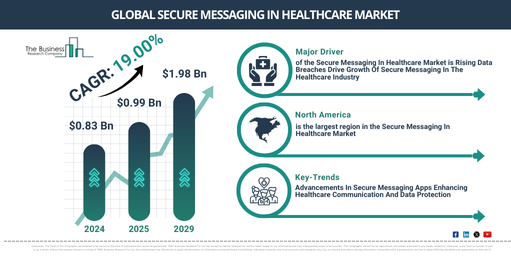
    The healthcare secure messaging market has seen significant expansion in the previous few years. The market is predicted to increase from a value of $0.83 billion in 2024 to about $0.99 billion in 2025, with a compound annual growth rate (CAGR) of 18.9%. The historic growth can be accredited to factors such as adherence to regulatory compliance and data security, the surge in cybersecurity threats, the extensive utilization of electronic health records, the increasing preference for telehealth and remote patient treatment, and the escalated complexity in patient care.

    The market for secure healthcare messaging is set to experience substantial growth over the coming years, with the market size projected to reach $1.98 billion in 2029, marking a compound annual growth rate (CAGR) of 19.0%. This expansion in the forecast window is linked to numerous factors, such as a heightened emphasis on safeguarding patient information, the rise of remote and hybrid working models, the surge in mobile health apps usage, the introduction of value-based healthcare models, and digital transformation drives within the healthcare sector. Key trends expected in this forecast period include the broadening scope of cloud-based solutions, increased attention towards user experience, incorporation of blockchain for improved security, efforts towards personalized patient engagement, and the growth of secure messaging usage beyond just clinical environments.

    Download a free sample to assess the report’s scope and structure:

    https://www.thebusinessresearchcompany.com/sample.aspx?id=19181&type=smp

    What Are the Core Growth Drivers Propelling the Secure Messaging In Healthcare Market Forward?

    The escalating instances of data violations within the healthcare sector are projected to boost the expansion of secure messaging within the field. Unauthorized exposure, theft, or access of confidential patient information, encompassing medical records, personal data and financial particulars, are included in these data breaches, potentially putting patient’s privacy and security at stake. The increased digitization of medical records, deficiencies in cybersecurity strategies, the high relevance of medical data on the black market, and the escalating complexity of cyberattacks focusing on susceptible healthcare infrastructures are all factors contributing to the surge in data violations. Secure messaging within healthcare works as a solution to these breaches by safeguarding the transmission of sensitive patient information through encrypted and fortified channels, lessening the chance of unauthorized violations. For instance, as reported by the HIPAA Journal, an in-depth U.S. online resource focusing on news and information pertinent to the Health Insurance Portability and Accountability Act (HIPAA), there were a total of 61 data breaches that impacted 500 or more records, recorded to the U.S. Department of Health and Human Services (HHS) Office for Civil Rights (OCR) in January 2024. This exhibited a 22% reduction in recorded violations when compared to the prior month. Hence, the escalating instances of data breaches within the healthcare sector are contributing to the expansion of secure messaging within the healthcare market.

    What Segment Types Define the Secure Messaging In Healthcare Market Structure?

    The secure messaging in healthcaremarket covered in this report is segmented –

    1) By Type: Medical Compliance; Direct Secure Messaging; Secure File Transfer; Secure Forms Processing; Secure Patient Information

    2) By Component: Software; Services

    3) By Application: Hospitals; Clinics; Nursing Homes; Long Term Care; Ambulatory Surgery Centers (ASCs) And Trauma Centers; Rehabilitation Centers; Home Healthcare

    Subsegments:

    1) By Medical Compliance: Regulatory Compliance Messaging; Patient Consent Management; Compliance Monitoring Notifications

    2) By Direct Secure Messaging: Secure Messaging for Physicians; Patient-To-Provider Messaging; Inter-Provider Messaging; Secure Messaging Platforms

    3) By Secure File Transfer: Patient Records Transfer; Laboratory Results Transfer; Referral And Consultation Documents Transfer

    4) By Secure Forms Processing: Patient Intake Forms; Insurance Verification Forms; Authorization Forms; Survey And Feedback Forms

    5) By Secure Patient Information: Health Information Exchange; Secure Communication With Patients; Electronic Health Record (EHR) Messaging

    Request customized data on this market:

    https://www.thebusinessresearchcompany.com/customise?id=19181&type=smp

    Which Geographic Areas Hold the Strongest Growth Potential in the Secure Messaging In Healthcare Market?

    North America was the largest region in the secure messaging in healthcare market in 2024. Asia-Pacific is expected to be the fastest-growing region in the forecast period. The regions covered in the secure messaging in healthcare market report are Asia-Pacific, Western Europe, Eastern Europe, North America, South America, Middle East, Africa.

    Which Emerging Trends that Are Influencing theSecure Messaging In Healthcare Industry Evolution?

    Leading firms in the healthcare secure messaging market are concentrating on the evolution of superior solutions such as safe messaging applications, geared towards transforming communication in healthcare. These applications serve as communication platforms leveraging encryption to safeguard messages, thereby guaranteeing that only designated recipients can view them, thus preserving privacy and inhibiting unauthorized access. For example, in May 2024, Canada’s Lumeca Health Inc., a software-based company, introduced Lumeca Messages, an application purposed for healthcare professionals offering comprehensive encryption to secure patient correspondence. The application, equipped with real-time messaging, secure document sharing, and smooth electronic health records (EHRs) integration, ensures compliance with healthcare privacy norms in all patient engagements. Also, its user-friendly interface with features like message tagging and read receipt enhances communication effectiveness in healthcare teams.

    View the full report here:

    https://www.thebusinessresearchcompany.com/report/secure-messaging-in-healthcare-global-market-report

    What Is the Definition of the Secure Messaging In Healthcare Market?

    Secure messaging in healthcare refers to using encrypted and protected communication methods to exchange information between healthcare professionals, patients, and other stakeholders. This approach ensures that sensitive health information, such as medical records, test results, and treatment plans, is transmitted in a way that maintains confidentiality, integrity, and authenticity. Secure messaging systems are critical in healthcare to protect patient privacy, support efficient communication, and enhance care coordination.

    Purchase the full report and get a swift delivery:

    https://www.thebusinessresearchcompany.com/purchaseoptions.aspx?id=19181

    About The Business Research Company:

    With over 15000+ reports from 27 industries covering 60+ geographies, The Business Research Company has built a reputation for offering comprehensive, data-rich research and insights. Armed with 1,500,000 datasets, the optimistic contribution of in-depth secondary research, and unique insights from industry leaders, you can get the information you need to stay ahead in the game.

    Get in touch with us:

    The Business Research Company: https://www.thebusinessresearchcompany.com/

    Americas +1 310-496-7795

    Europe +44 7882 955267

    Asia & Others +44 7882 955267 & +91 8897263534

    Email us at info@tbrc.info

    Follow us on:

    LinkedIn: https://in.linkedin.com/company/the-business-research-company

    YouTube: https://www.youtube.com/channel/UC24_fI0rV8cR5DxlCpgmyFQ

    Global Market Model: https://www.thebusinessresearchcompany.com/global-market-model
  • Oncolytic Adenovirus Market Forecast Reaching $181.71 Billion by 2029 at 8.2% CAGR

    Oncolytic Adenovirus Market Forecast Reaching $181.71 Billion by 2029 at 8.2% CAGR

    Claim your 30% discount on Global Market Reports with code ONLINE30. Limited time only.

    How Has the Oncolytic Adenovirus Market Growth Performance Trended Historically, And What Lies Ahead?

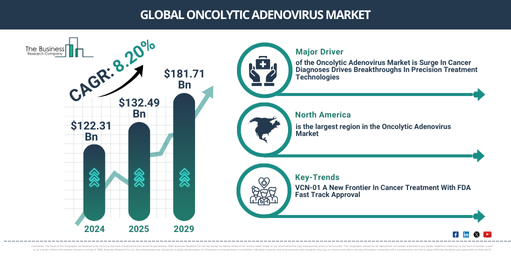
    The market size for oncolytic adenovirus has witnessed considerable growth lately. It’s projected to rise from $122.31 billion in 2024 to $132.49 billion in 2025, registering a compound annual growth rate (CAGR) of 8.3%. The growth witnessed in the historical period is due to a surge in cancer cases, augmented demand for tailored cancer treatments, an increase in R&D funds, enhancement in delivery procedures, and regulatory approvals.

    With a robust increase projected over the coming years, the oncolytic adenovirus market is anticipated to surge to$181.71 billion by 2029 at an 8.2% compound annual growth rate (CAGR). The substantial growth anticipated during this period is attributed to factors such as rising instances and prevalence of cancer, the extension of combination therapies, advancements and approvals in regulations, breakthroughs in virus engineering technology, as well as heightened investment in oncology research. The main trends forecasted during this period involve progresses in viral engineering methodologies, enhanced drug delivery systems, precision improvements in tumor targeting, superior combinations of immunotherapy, and advancements in patient monitoring and diagnostic procedures.

    Download a free sample to assess the report’s scope and structure:

    https://www.thebusinessresearchcompany.com/sample.aspx?id=21235&type=smp

    Which Major Market Drivers Are Expected to Boost the Growth Potential of the Oncolytic Adenovirus Market?

    The relentless rise in cancer cases is set to further stimulate expansion in the oncolytic adenovirus market. This illness, defined by unregulated cell proliferation and dissemination to other body sites, has seen its prevalence escalate due to aging populations, lifestyle choices, environmental exposure, genetic predispositions, and superior detection techniques. Oncolytic adenoviruses specifically target and annihilate cancer cells, presenting a hopeful strategy to counter the mounting number of cancer incidents. For instance, reports released by the National Cancer Institute (NCI), a US governmental body, in May 2024 stated that the world witnessed nearly 20 million fresh cancer cases and 9.7 million fatalities, with a forecast for 2040 to burgeon to approximately 29.9 million cases and 15.3 million deaths. Moreover, statistics from the Australian Bureau of Statistics, a government agency in Australia, showed in 2023 that 1.8% of Australians were diagnosed with cancer, with a slightly higher proportion of men (2.1%) than women (1.6%) being afflicted, particularly those aged 75 and over. Consequently, the escalating occurrence of cancer is propelling the growth trajectory of the oncolytic adenovirus market.

    Which Key Market Segments Comprise the Oncolytic Adenovirus Market and Drive Its Revenue Growth?

    The oncolytic adenovirusmarket covered in this report is segmented –

    1) By Virus Type: Adenovirus Type 5-Based Oncolytic Viruses; Adenovirus Type 2-Based Oncolytic Viruses; Other Virus Types

    2) By Application: Melanoma; Prostate Cancer; Breast Cancer; Ovarian Cancer; Lung Cancer; Other Applications

    3) By End-User: Hospitals; Cancer Research Institutes; Biotechnology Companies; Academic And Research Institutes

    Subsegments:

    1) By Adenovirus Type 5-Based Oncolytic Viruses: First-generation Adenovirus Type 5-based; Second-generation Adenovirus Type 5-based; Engineered Adenovirus Type 5-based

    2) By Adenovirus Type 2-Based Oncolytic Viruses: First-generation Adenovirus Type 2-based; Second-generation Adenovirus Type 2-based; Engineered Adenovirus Type 2-based

    3) By Other Virus Types: Modified Adenovirus Strains; Hybrid Adenovirus Types; Chimeric Adenoviruses

    Request customized data on this market:

    https://www.thebusinessresearchcompany.com/customise?id=21235&type=smp

    Which Areas Are Leading Regions in the Oncolytic Adenovirus Market Expansion Across the Globe?

    North America was the largest region in the oncolytic adenovirus market in 2024. Asia-Pacific is expected to be the fastest-growing region in the forecast period. The regions covered in the oncolytic adenovirus market report are Asia-Pacific, Western Europe, Eastern Europe, North America, South America, Middle East, Africa.

    What Are the Key Market Trends in theOncolytic Adenovirus Market Over the Coming Years?

    Dominant businesses in the oncolytic adenovirus market are concentrating on collaborative therapies such as VCN-01. This method merges oncolytic virotherapy and chemotherapy to enhance tumor targeting and amplify therapeutic results. VCN-01 is a purposefully engineered oncolytic adenovirus that aims to selectively infect and eliminate cancer cells while also boosting the efficiency of chemotherapy. In May 2024, for instance, Theriva Biologics, a clinical-phase immuno-oncology business located in the United States, reported that the U.S. Food and Drug Administration (FDA) conferred Fast Track Designation (FTD) to their leading candidate, VCN-01. This title is applied to VCN-01 when used alongside gemcitabine and nab-paclitaxel for handling metastatic pancreatic adenocarcinoma. VCN-01 is an oncolytic adenovirus that targets and multiplies within tumor cells, assisting in the tumor stroma breakdown, a significant barrier to successful cancer therapy.

    View the full report here:

    https://www.thebusinessresearchcompany.com/report/oncolytic-adenovirus-global-market-report

    How Is the Oncolytic Adenovirus Market Conceptually Defined?

    Oncolytic adenovirus is a genetically modified virus designed to selectively infect and destroy cancer cells while sparing healthy tissue. It replicates within tumor cells, causing them to rupture and release new viral particles, which further attack the cancer. Additionally, it stimulates the immune system to enhance the body’s anti-tumor response.

    Purchase the full report and get a swift delivery:

    https://www.thebusinessresearchcompany.com/purchaseoptions.aspx?id=21235

    About The Business Research Company:

    With over 15000+ reports from 27 industries covering 60+ geographies, The Business Research Company has built a reputation for offering comprehensive, data-rich research and insights. Armed with 1,500,000 datasets, the optimistic contribution of in-depth secondary research, and unique insights from industry leaders, you can get the information you need to stay ahead in the game.

    Get in touch with us:

    The Business Research Company: https://www.thebusinessresearchcompany.com/

    Americas +1 310-496-7795

    Europe +44 7882 955267

    Asia & Others +44 7882 955267 & +91 8897263534

    Email us at info@tbrc.info

    Follow us on:

    LinkedIn: https://in.linkedin.com/company/the-business-research-company

    YouTube: https://www.youtube.com/channel/UC24_fI0rV8cR5DxlCpgmyFQ

    Global Market Model: https://www.thebusinessresearchcompany.com/global-market-model

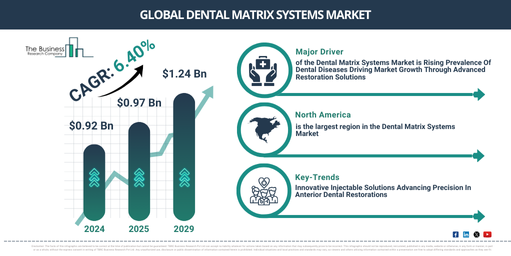
  • Dental Matrix Systems Market Valuation Expected To Reach $1.24 Billion By 2029, Growing At A Rate Of 6.4%

    Dental Matrix Systems Market Valuation Expected To Reach $1.24 Billion By 2029, Growing At A Rate Of 6.4%

    Claim your 30% discount on Global Market Reports with code ONLINE30. Limited time only.

    What Is the Current and Projected Market Size of the Dental Matrix Systems Market Through 2034?

    Recently, there has been robust growth in the dental matrix systems market. The market size, which was recorded at $0.92 billion in 2024, is projected to increase to $0.97 billion in 2025 with a compound annual growth rate (CAGR) of 5.6%. The factors that contributed to this growth in the historical period include a surge in dental health issues, escalating rates of dental diseases, rising demand for cosmetic dentistry, an increase in root canal treatments, and growing demand for cosmetic and aesthetic dental procedures.

    The dental matrix systems market is anticipated to experience robust growth in the upcoming years, escalating to$1.24 billion in 2029″ with a compound annual growth rate (CAGR) of 6.4%. This surge over the forecast period can be contributed to the increasing demand for sophisticated dental care services, the growing popularity of cosmetic dentistry, heightened awareness about oral hygiene, a rise in the need for dental handpieces, as well as an increased recognition and implementation of good oral hygiene habits. Significant trends predicted for the forecast period consist of advancements in bio-compatible materials, adoption of single-use systems, incorporation with digital dentistry, bettered ergonomic designs, heightened precision for minimally invasive procedures, the introduction of products specifically targeting pediatric needs, and the adoption of environment-friendly, sustainable products.

    Download a free sample to assess the report’s scope and structure:

    https://www.thebusinessresearchcompany.com/sample.aspx?id=24202&type=smp

    Which Factors and External Forces Are Driving Demand in the Dental Matrix Systems Market?

    The dental matrix systems market is predicted to expand, driven by the growing occurrence of dental diseases. These conditions, which include cavities, gum disease, and oral infections, primarily affect the teeth, gums and other structures in the mouth. The increase in dental diseases can be linked to the intake of foods and drinks high in sugar, combined with poor oral hygiene practices. Dental matrix systems play a pivotal role in the treatment of these diseases by ensuring correct contour and contact during the restoration of teeth, which leads to precise placement of fillings and proper tooth function. To exemplify, the National Health Service (NHS) dentistry, a government agency based in the UK, reported in May 2024 that 32.5 million dental treatments were administered during 2022-23. This constitutes a 23.2% rise when compared to the preceding year. Therefore, the growing incidence of dental diseases is fuelling the dental matrix systems market’s growth.

    Which Segments in the Dental Matrix Systems Offer the Most Growth?

    The dental matrix systemsmarket covered in this report is segmented –

    1) By Product Type: Sectional Matrix Systems; Circumferential Matrix Systems; Other Product Types

    2) By Material Used: Stainless Steel; Nickel Titanium; Polymer-Based Materials; Composite Materials; Glass Fiber Materials

    3) By Sales Channel: Direct Sales; Distributors; Online Retail; Catalog Sales; Wholesale Suppliers

    4) By Application: Dental Filling; Contour And Shape Control; Gingival Protection; Proximal Contact And Separation; Dental Sealing; Dental Aesthetics

    5) By End-User: Dentistry Clinics; Dental Hospitals; Dental Laboratories; Academic And Research Institutes; Dental Training Centers

    Subsegments:

    1) By Sectional Matrix Systems: Ring Systems; Wedges; Matrix Bands; Forceps

    2) By Circumferential Matrix Systems: Retainer-based Matrix Systems; Retainer-less Matrix Systems; Pre-contoured Bands; Plain Bands

    3) By Other Product Types: Tofflemire Matrix Systems; Mylar Strips; Strip Holders; Tension Rings

    Request customized data on this market:

    https://www.thebusinessresearchcompany.com/customise?id=24202&type=smp

    What Are the Fastest-Growing Geographies in the #Which Factors and External Forces Are Driving Demand in the Dental Matrix Systems Market?# Market?

    North America was the largest region in the dental matrix systems market in 2024. Asia-Pacific is expected to be the fastest-growing region in the forecast period. The regions covered in the dental matrix systems market report are Asia-Pacific, Western Europe, Eastern Europe, North America, South America, Middle East, Africa.

    Which Cutting-Edge Market Trends Are Expected to Drive theDental Matrix Systems Market’s Growth?

    Major corporations in the dental matrix system marketplace are honing their focus on technological advancements, like the creation of injectable matrix systems, to increase clinical efficacy, comfort for the patient, and accurate adaptation in complicated restorative processes. These injectable matrix systems are malleable dental tools that facilitate precise and easy restorations in intricate dental treatments. For instance, in December 2024, Premier Dental, a dental equipment manufacturer from the US, unveiled VeneerNow, an adaptable injectable matrix system aimed at streamlining anterior composite restorations. This novel advancement enables meticulous and aesthetically pleasing veneer shaping that requires minimal finishing and polishing. The product is compatible with both flowable and packable composites, ensuring uniform, superior quality outcomes. The initiative of introducing VeneerNow signified a major leap in restorative dentistry, providing clinicians with a more streamlined and reliable method to accomplish natural-looking anterior restorations.

    View the full report here:

    https://www.thebusinessresearchcompany.com/report/dental-matrix-systems-global-market-report

    What Are the Key Elements That Define the Dental Matrix Systems Market?

    Dental matrix systems are devices used by dentists to form a temporary boundary around a tooth while placing a filling. They aid in shaping the restoration, maintaining tooth structure, and ensuring the filling material stays properly in place and aligns correctly with surrounding teeth.

    Purchase the full report and get a swift delivery:

    https://www.thebusinessresearchcompany.com/purchaseoptions.aspx?id=24202

    About The Business Research Company:

    With over 15000+ reports from 27 industries covering 60+ geographies, The Business Research Company has built a reputation for offering comprehensive, data-rich research and insights. Armed with 1,500,000 datasets, the optimistic contribution of in-depth secondary research, and unique insights from industry leaders, you can get the information you need to stay ahead in the game.

    Get in touch with us:

    The Business Research Company: https://www.thebusinessresearchcompany.com/

    Americas +1 310-496-7795

    Europe +44 7882 955267

    Asia & Others +44 7882 955267 & +91 8897263534

    Email us at info@tbrc.info

    Follow us on:

    LinkedIn: https://in.linkedin.com/company/the-business-research-company

    YouTube: https://www.youtube.com/channel/UC24_fI0rV8cR5DxlCpgmyFQ

    Global Market Model: https://www.thebusinessresearchcompany.com/global-market-model