Blog

  • Tissue Sectioning Market Insights: In-Depth Look at Growth Trends, Market Size, and Opportunities for 2025-2034

    Tissue Sectioning Market Insights: In-Depth Look at Growth Trends, Market Size, and Opportunities for 2025-2034

    Claim your 30% discount on Global Market Reports with code ONLINE30. Limited time only.

    How Has the Tissue Sectioning Market Growth Performance Trended Historically, And What Lies Ahead?

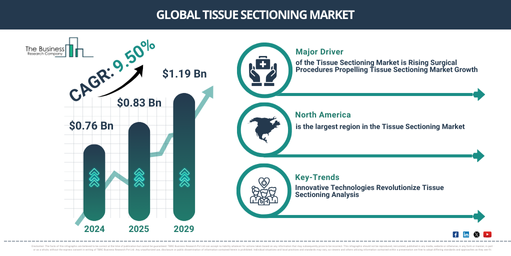
    There has been a robust growth in the tissue sectioning market size in the last few years. Its growth projection shows an increase from $0.76 billion in 2024 to $0.83 billion in 2025, with a compound annual growth rate (CAGR) of 9.2%. The growth witnessed during the historic period is largely due to the rising incidence of chronic diseases, an increasing aging population, heightened investments in life sciences research, expansion of the biotechnology and pharmaceutical sectors, governmental support for research, increased demand for companion diagnostics, improved awareness regarding early detection of diseases, and advancement in regenerative medicine.

    The market for tissue sectioning is anticipated to witness impressive growth in the ensuing few years. Projected to reach$1.19 billion in 2029 with a compound annual growth rate (CAGR) of 9.5%, the growth during the anticipated period can be credited to factors like the rising requirement for personalized medicine, increasing biobanks, investments in research and development, heightened healthcare spending, the escalating awareness of early disease diagnosis, the development of digital pathology, an increased need for biomarker discovery, the expanding biopharmaceutical industry, and a growing demand for point of care testing. Key trends for the forecasted period would include progress in automation technology, the incorporation of AI and machine learning, digital pathology integration, the acceptance of 3D tissue sectioning methods, the development of advanced throughput solutions, the broadening of research applications, innovation in cutting methods, improvement in imaging modes, and the use of cryosectioning techniques.

    Download a free sample to assess the report’s scope and structure:

    https://www.thebusinessresearchcompany.com/sample.aspx?id=16555&type=smp

    What External and Internal Drivers Are Contributing to the Growth of theTissue Sectioning Market?

    The growth of the tissue sectioning market is predicted to be fueled by the increasing number of surgical processes. These procedures entail the use of medical tools for the detection, treatment, or repair of the body. The upturn in surgical processes is attributed to medical technological advancements, demographic transitions, and changes in healthcare methodologies. Tissue sectioning supplements surgical procedures by delivering exact, thin tissue sections for histological examination, fostering accurate diagnosis, treatment preparation, and transplants. For example, as reported by the Australian Institute of Health and Welfare (AIHW), a government agency in Australia for public health and welfare, there was an increase of 18% in the number of patients admitted for surgery from public hospital elective surgery waiting lists, totaling 735,500 in 2022-23, compared to 2021-22. Consequently, the escalating surgical procedures contribute to the expansion of the tissue sectioning market.

    What Segment Types Define the Tissue Sectioning Market Structure?

    The tissue sectioningmarket covered in this report is segmented –

    1) By Product: Accessories And Consumables; Instruments; Services

    2) By Technology: Automatic; Manual; Semi-Automatic

    3) By Application: Diagnosis; Research

    4) By End-User: Clinics; Diagnostic Laboratories; Hospitals; Research Centers

    Subsegments:

    1) By Accessories And Consumables: Microtome Blades; Staining Reagents; Tissue Embedding Media; Mounting Media; Disposable Consumables (Slides, Coverslips)

    2) By Instruments: Microtomes (Manual, Semi-Automated, Fully Automated); Cryostats; Tissue Processors; Tissue Embedding Stations; Sectioning Systems

    3) By Services: Maintenance And Repair Services; Calibration Services; Installation Services; Training Services

    Request customized data on this market:

    https://www.thebusinessresearchcompany.com/customise?id=16555&type=smp

    Which Geographic Areas Hold the Strongest Growth Potential in the Tissue Sectioning Market?

    North America was the largest region in the tissue sectioning market in 2024. Asia-Pacific is expected to be the fastest-growing region in the forecast period. The regions covered in the tissue sectioning market report are Asia-Pacific, Western Europe, Eastern Europe, North America, South America, Middle East, Africa.

    What Long-Term Trends Are Transforming the Competitive Landscape of the Tissue Sectioning Market?

    Pioneering corporations in the tissue sectioning market are spearheading the advent of superior technologies like the next-generation spatial gene expression technology to augment tissue analysis and diagnostic methods. This cutting-edge technology facilitates comprehensive gene activity mapping within tissue sections, delivering crucial understanding of the spatial arrangement of gene expression and tissue architecture. For example, 10x Genomics, a biotechnology firm based in the United States, unveiled the Visium HD in March 2024. This technology, a breakthrough in spatial gene expression, provides an exact gene expression mapping in highly detailed anatomical structures. It’s developed to yield high-resolution spatial gene expression data at a single-cell scale resolution from formalin-fixed, paraffin-embedded (FFPE) tissue sections. Consequently, this technology permits a thorough characterization of FFPE tissue sections by gauging spatial gene expression of the entire transcriptome at single-cell resolution.

    View the full report here:

    https://www.thebusinessresearchcompany.com/report/tissue-sectioning-global-market-report

    What Is the Definition of the Tissue Sectioning Market?

    Tissue sectioning is a crucial technique in histology and pathology to prepare thin tissue slices for microscopic examination. This process is essential for studying the microscopic structure of tissues and understanding the pathological changes associated with diseases.

    Purchase the full report and get a swift delivery:

    https://www.thebusinessresearchcompany.com/purchaseoptions.aspx?id=16555

    About The Business Research Company:

    With over 15000+ reports from 27 industries covering 60+ geographies, The Business Research Company has built a reputation for offering comprehensive, data-rich research and insights. Armed with 1,500,000 datasets, the optimistic contribution of in-depth secondary research, and unique insights from industry leaders, you can get the information you need to stay ahead in the game.

    Get in touch with us:

    The Business Research Company: https://www.thebusinessresearchcompany.com/

    Americas +1 310-496-7795

    Europe +44 7882 955267

    Asia & Others +44 7882 955267 & +91 8897263534

    Email us at info@tbrc.info

    Follow us on:

    LinkedIn: https://in.linkedin.com/company/the-business-research-company

    YouTube: https://www.youtube.com/channel/UC24_fI0rV8cR5DxlCpgmyFQ

    Global Market Model: https://www.thebusinessresearchcompany.com/global-market-model
  • Tinea Pedis Treatment Market Outlook 2025–2034: Identifying Growth Drivers, Technology Trends, and Policy Impact

    Tinea Pedis Treatment Market Outlook 2025–2034: Identifying Growth Drivers, Technology Trends, and Policy Impact

    Claim your 30% discount on Global Market Reports with code ONLINE30. Limited time only.

    What Are the Projected Market Size and Growth Rates for the Tinea Pedis Treatment Market From 2025 To 2029?

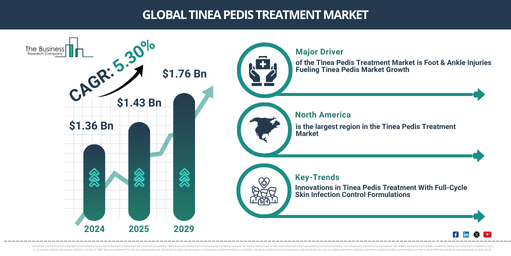
    The market for tinea pedis treatment has seen a solid expansion in the recent past. The market is predicted to grow from $1.36 billion in 2024 to $1.43 billion in 2025, progressing at a compound annual growth rate (CAGR) of 5.3%. This growth during the historical period is due to the surge in infectious disorders, the use of traditional remedies, the development of Antifungals, availability of Over-the-Counter (OTC) Products and advancements in medical education.

    The market for tinea pedis treatment is predicted to experience significant growth in the forthcoming years, achieving a value of$1.76 billion by 2029 with a compound annual growth rate (CAGR) of 5.3%. This projected growth within the forecast period can be credited to numerous factors, including globalization, the frequency of travel, drug resistance, economic influences, and public health initiatives. Key trends predicted for the forecast period feature innovative drug delivery systems, progress in medical technology, advancements in the field of pharmaceuticals, and nanotechnology.

    Download a free sample to assess the report’s scope and structure:

    https://www.thebusinessresearchcompany.com/sample.aspx?id=15684&type=smp

    What Are the Core Market Drivers Propelling Growth in the Tinea Pedis Treatment Industry?

    The escalating frequency of foot and ankle injuries is projected to boost the Tinea pedis treatment market. Foot and ankle injuries refer to any harm to the bones, ligaments, muscles, tendons, or other tissues in the foot or ankle area, usually caused by accidents, sports activities, or ongoing stress. These injuries are often brought on by various factors like lifestyle shifts, increased engagement in sports and physical activities, inadequate footwear, incorrect training methods, susceptibility to falling, and degenerative conditions. Moreover, the incidence of conditions like obesity and chronic diseases like diabetes raises the likelihood of complications in the foot and ankle. Injuries to the ankle and foot can exacerbate tinea pedis treatment by providing optimal conditions for fungal growth and lengthening periods of dormancy. For example, as per Howden Group Holdings Ltd., a UK-based insurance intermediary firm, the severity of ankle injuries in the English Premier League rose by 170% from October 2022 to January 2023 subsequent to the FIFA World Cup Qatar 2022. Consequently, the increasing rate of foot and ankle injuries is driving the growth of the Tinea pedis treatment market.

    How Is the Tinea Pedis Treatment Market Segmented?

    The tinea pedis treatmentmarket covered in this report is segmented –

    1) By Drug Class: Antifungals; Combinations

    2) By Route of Administration: Oral; Topical

    3) By Disease Indication: Interdigital Tinea Pedis; Plantar Tinea pedis; Vesicular Tinea Pedis

    4) By Distribution Channel: Hospital Pharmacies; Retail Pharmacies; E-commerce

    Subsegments:

    1) By Antifungals: Topical Antifungal Drugs; Oral Antifungal Drugs

    2) By Combinations: Antifungal And Corticosteroid Combinations; Antifungal And Antiseptic Combinations

    Request customized data on this market:

    https://www.thebusinessresearchcompany.com/customise?id=15684&type=smp

    Which Regions Are Driving the Next Phase of the Tinea Pedis Treatment Market Growth?

    North America was the largest region in the tinea pedis treatment market in 2024. Asia-Pacific is expected to be the fastest-growing region in the forecast period. The regions covered in the tinea pedis treatment market report are Asia-Pacific, Western Europe, Eastern Europe, North America, South America, Middle East, Africa.

    What Key Market Trends and Innovations Are Shaping the Future of the Tinea Pedis Treatment Industry?

    Leading enterprises in the tinea pedis treatment marketplace are creating comprehensive skin infection control formulas to augment patient outcomes. These full-cycle skin infection control formulas offer thorough solutions that not only address the fungal infection but also prevent repeat occurrences and manage related symptoms like itchiness, peeling skin, and redness. For example, in May 2022, Bayer, a pharmaceutical firm based in Germany, introduced a new and improved Canesten range. This holistic skin infection control formula eases itching and stops the infection from further growth. Canesten cream provides relief from conditions like ringworm, jock itch, athlete’s foot, skin candidiasis, erythrasma, and fungal infections. The cream’s active element, clotrimazole, successfully treats the fungal infection that causes athlete’s foot. Clotrimazole functions by curbing the fungus’s growth, hence aiding the reduction of symptoms like itching, burning, and skin irritation associated with tinea pedis.

    View the full report here:

    https://www.thebusinessresearchcompany.com/report/tinea-pedis-treatment-global-market-report

    How Is the Tinea Pedis Treatment Market Defined and What Are Its Core Parameters?

    Tinea pedis treatment refers to the various medical interventions and self-care practices aimed at alleviating the symptoms and eradicating the fungal infection known as athlete’s foot. Antifungal drugs, both topical and oral, are often used to eradicate the fungus that is causing the illness and reduce symptoms including itching, redness, and inflammation, prevent the spread of the infection to other parts of the body.

    Purchase the full report and get a swift delivery:

    https://www.thebusinessresearchcompany.com/purchaseoptions.aspx?id=15684

    About The Business Research Company:

    With over 15000+ reports from 27 industries covering 60+ geographies, The Business Research Company has built a reputation for offering comprehensive, data-rich research and insights. Armed with 1,500,000 datasets, the optimistic contribution of in-depth secondary research, and unique insights from industry leaders, you can get the information you need to stay ahead in the game.

    Get in touch with us:

    The Business Research Company: https://www.thebusinessresearchcompany.com/

    Americas +1 310-496-7795

    Europe +44 7882 955267

    Asia & Others +44 7882 955267 & +91 8897263534

    Email us at info@tbrc.info

    Follow us on:

    LinkedIn: https://in.linkedin.com/company/the-business-research-company

    YouTube: https://www.youtube.com/channel/UC24_fI0rV8cR5DxlCpgmyFQ

    Global Market Model: https://www.thebusinessresearchcompany.com/global-market-model
  • Global Lenegre’s Disease Market Projected to Reach $1 Billion by 2029 at a CAGR of 6.9%

    Global Lenegre’s Disease Market Projected to Reach $1 Billion by 2029 at a CAGR of 6.9%

    Claim your 30% discount on Global Market Reports with code ONLINE30. Limited time only.

    What Are the Key Milestones in the Lenegre’s Disease Market’s Growth Trajectory From 2025 To 2034?

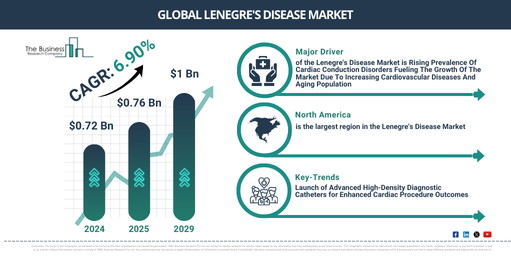
    Recent years have witnessed substantial growth in the market for lenegre’s disease. The market size, which is currently at $0.72 billion in 2024, is projected to reach $0.76 billion by 2025, indicating a compound annual growth rate (CAGR) of 5.9%. The factors contributing to this positive trend in the historical period include heightened prevalence of cardiovascular conditions, an aging population, growing consciousness of conduction anomalies, increased spending on healthcare, and progress in initiatives encouraging early diagnosis.

    The market size for Lenegre’s disease is projected to witness robust expansion in the upcoming years. The development is gauged to reach$1 billion by 2029 with a CAGR of 6.9%. The expected growth within the forecast period is credited to the escalating prevalence of arrhythmias, an increased adoption of remote patient monitoring, boosted funding in cardiac research, broadening healthcare foundations, and enhanced access to electrophysiology treatments. Predominant trends for the forecast phase entail the transition towards AI-enabled diagnostics, the invention of cutting-edge pacemakers, the incorporation of considerable data in cardiac care, advancements in electrocardiography, and the broadening of telehealth services.

    Download a free sample to assess the report’s scope and structure:

    https://www.thebusinessresearchcompany.com/sample.aspx?id=22034&type=smp

    What are the Fundamental Drivers and Innovations Shaping the Lenegre’s Disease Market?

    The surge in cardiac conduction conditions is anticipated to stimulate the growth of the Lenegre disease market shortly. These conditions interfere with the heart’s electrical signals, resulting in erratic heartbeats or poor heartbeat synchronization. The surge is due to the growing number of cardiovascular diseases and an aging populace. As cardiovascular conditions like hypertension, coronary artery disease, and heart failure become increasingly common, they immediately impact the heart’s electrical conduction system, resulting in conduction disorders such as arrhythmias and heart block. Lenègre’s disease is caused by cardiac conduction disorders which lead to a gradual decay of the heart’s conduction system, causing conduction impediments and arrhythmias. For instance, as per the American Heart Association, a non-profit organization based in the US, the country reported 941,652 deaths related to cardiovascular diseases (CVD) in 2022, indicating an increase of over 10,000 from 931,578 deaths in 2021. Hence, the rising prevalence of cardiac conduction disorders is fueling the Lenegre disease market.

    How Is the Lenegre’s Disease Market Segmented?

    The lenegre’s diseasemarket covered in this report is segmented –

    1) By Disorder Type: Cutaneous Lenegres Disease; Systemic Lenegres Disease

    2) By Treatment: Corticosteroids; Immunosuppressants; Biological Therapies; Phototherapy; Other Treatments

    3) By End User: Hospital; Dermatology Clinics; Ambulatory Surgical Centers; Other End Users

    Subsegments:

    1) By Cutaneous Lenegre’s Disease: Autoimmune-Related Cutaneous Lenegre’s Disease; Genetic Cutaneous Lenegre’s Disease; Idiopathic Cutaneous Lenegre’s Disease; Drug-Induced Cutaneous Lenegre’s Disease

    2) By Systemic Lenegre’s Disease: Primary Systemic Lenegre’s Disease; Secondary Systemic Lenegre’s Disease; Congenital Systemic Lenegre’s Disease; Aging-related Systemic Lenegre’s Disease

    Request customized data on this market:

    https://www.thebusinessresearchcompany.com/customise?id=22034&type=smp

    Which Regions Are Driving the Next Phase of the Lenegre’s Disease Market Growth?

    North America was the largest region in the lenegre’s disease market in 2024. The regions covered in the lenegre’s disease market report are Asia-Pacific, Western Europe, Eastern Europe, North America, South America, Middle East, Africa.

    What Key Trends Are Shaping the Future of the Lenegre’s Disease Market?

    Leading corporations in the lenegre disease market are concentrating on rolling out superior product offerings like high-density diagnostic catheters to augment the accuracy and efficacy of cardiac procedures. These high-density diagnostic catheters are specialized medical apparatus used in the field of cardiology for mapping the heart’s electrical activity with finely tuned precision, thereby facilitating a comprehensive diagnosis and treatment plan for heart arrhythmias. As an illustration, Biosense Webster Inc., a U.S.-based firm specializing in medical equipment production, released an OPTRELL mapping catheter incorporated with TRUEref technology in July 2023. This innovative technology, backed by the CARTO 3 System, allows for high-definition electrophysiological charting through its 48 diminutive electrodes, equipping medical experts with the ability to map intricate cardiac arrhythmias more accurately and devise superior ablation strategies.

    View the full report here:

    https://www.thebusinessresearchcompany.com/report/lenegres-disease-global-market-report

    How Is the Lenegre’s Disease Market Defined and What Are Its Core Parameters?

    Lénegre’s disease is a rare condition that primarily affects the heart’s electrical conduction system, leading to a type of arrhythmia. This disease is characterized by progressive fibrosis (scarring) of the cardiac conduction tissues, including the atrioventricular (AV) node and the bundle of His, which can impair the transmission of electrical impulses in the heart.

    Purchase the full report and get a swift delivery:

    https://www.thebusinessresearchcompany.com/purchaseoptions.aspx?id=22034

    About The Business Research Company:

    With over 15000+ reports from 27 industries covering 60+ geographies, The Business Research Company has built a reputation for offering comprehensive, data-rich research and insights. Armed with 1,500,000 datasets, the optimistic contribution of in-depth secondary research, and unique insights from industry leaders, you can get the information you need to stay ahead in the game.

    Get in touch with us:

    The Business Research Company: https://www.thebusinessresearchcompany.com/

    Americas +1 310-496-7795

    Europe +44 7882 955267

    Asia & Others +44 7882 955267 & +91 8897263534

    Email us at info@tbrc.info

    Follow us on:

    LinkedIn: https://in.linkedin.com/company/the-business-research-company

    YouTube: https://www.youtube.com/channel/UC24_fI0rV8cR5DxlCpgmyFQ

    Global Market Model: https://www.thebusinessresearchcompany.com/global-market-model
  • Emerging Growth Drivers in the Thyroid Function Test Market Landscape: Rising Incidences of Thyroid Disorders Fuel Growth In The Thyroid Function Test Market

    Emerging Growth Drivers in the Thyroid Function Test Market Landscape: Rising Incidences of Thyroid Disorders Fuel Growth In The Thyroid Function Test Market

    Claim your 30% discount on Global Market Reports with code ONLINE30. Limited time only.

    What Is the Estimated Market Size of the Thyroid Function Test Market In 2029?

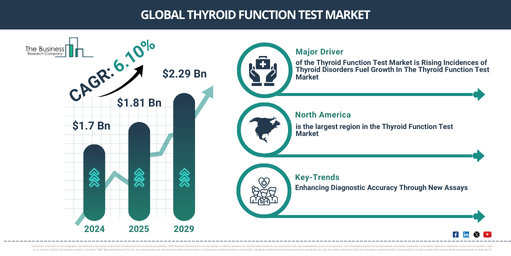
    In recent times, the market size for thyroid function tests has seen significant growth. It’s set to expand from $1.7 billion in 2024 to $1.81 billion in 2025, experiencing a compound annual growth rate (CAGR) of 6.6%. Factors such as the higher occurrence of thyroid cancers, increment in the disposable income of the middle class, surge in the patient population, strategic government initiatives, and the increased tendency towards a sedentary lifestyle, have all contributed to the growth witnessed during the historical period.

    Predictions suggest robust expansion of the thyroid function test market size in the coming years, as it is expected to reach$2.29 billion by 2029″, ascending at a compound annual growth rate (CAGR) of 6.1%. This forthcoming growth could be linked to rising cases of thyroid disorders, heightened awareness on thyroid issues, amplifying existence of lifestyle-related diseases, a growing older population, along with increased consumption of alcohol and tobacco. Significant trends for the forecasted period encompass the need for affordable tests, enhancement in healthcare facilities, a call for early diagnosis, high demand for thyroid function tests in hospitals, and technological progress.

    Download a free sample to assess the report’s scope and structure:

    https://www.thebusinessresearchcompany.com/sample.aspx?id=16553&type=smp

    Which Primay Drivers Are Accelerating Growth in the Thyroid Function Test Market?

    The thyroid function test market is projected to expand due to the increasing occurrences of thyroid disorders. These medical conditions, which impact the functioning of the butterfly-shaped thyroid gland in the neck’s front, are on the rise because of factors like changes in diet, exposure to radiation, hormonal fluctuations, environmental factors and autoimmune diseases. Vital in diagnosing and managing these disorders, thyroid function tests provide essential data on hormone levels and antibody existence in the thyroid, help make treatment choices, monitor the effectiveness of therapies, and prevent further complications. For instance, the American Cancer Society, a health organization based in the US, reported around 44,020 new thyroid cancer cases (12,500 in men and 31,520 in women) and roughly 2,170 thyroid cancer fatalities (990 in men and 1,180 in women) in January 2024. Consequently, the surge in thyroid disorder occurrences fuels the expansion of the thyroid function test market.

    Which Primary Segments of the Thyroid Function Test Market Are Driving Growth and Industry Transformations?

    The thyroid function testmarket covered in this report is segmented –

    1) By Test Type: Thyroid Stimulating Hormone (TSH); Triiodothyronine (T3); Thyroxine (T4); Free triiodothyronine (FT3); Free Thyroxine (FT4)

    2) By Indication: Hypothyroidism; Hyperthyroidism; Thyroid Cancer; Other Indications

    3) By End User: Clinics; Research Organizations; Diagnostic Laboratories; Hospitals

    Subsegments:

    1) By Thyroid Stimulating Hormone (TSH): TSH Assay (Immunoassay, Electrochemiluminescence); TSH-Based Diagnostic Kits

    2) By Triiodothyronine (T3): Total T3; Free T3; T3-Based Diagnostic Kits

    3) By Thyroxine (T4): Total T4; Free T4; T4-Based Diagnostic Kits

    4) By Free Triiodothyronine (FT3): FT3-Based Diagnostic Kits

    5) By Free Thyroxine (FT4): FT4-Based Diagnostic Kits

    Request customized data on this market:

    https://www.thebusinessresearchcompany.com/customise?id=16553&type=smp

    Which Regions Are Key Players in the Growth of the #Which Primay Drivers Are Accelerating Growth in the Thyroid Function Test Market?# Market?

    North America was the largest region in the thyroid function test market in 2024. Asia-Pacific is expected to be the fastest-growing region in the forecast period. The regions covered in the thyroid function test market report are Asia-Pacific, Western Europe, Eastern Europe, North America, South America, Middle East, Africa.

    Which Technological Trends Are Reshaping the Thyroid Function Test Industry Dynamics?

    To secure a competitive advantage, major companies in the thyroid function test market are striving to introduce innovative solutions, including the inclusion of guidelines. Guideline inclusion involves integrating particular rules, recommendations or methods into practices, policies, or systems in a specific field or industry. As an example, in May 2022, Mindray Medical International Limited, a China-based worldwide health technology company known for developing and producing medical devices and solutions, rolled out a new assay to evaluate TSH receptor antibodies (TRAb). These antibodies are essential in diagnosing and managing Graves’ disease, the most common cause of hyperthyroidism. This assay aims to improve diagnostic accuracy and offer valuable prognostic details. The significance of TRAb assessment in managing autoimmune thyroid diseases is stressed by clinical guidelines, emphasizing its essential role in regular medical operations.

    View the full report here:

    https://www.thebusinessresearchcompany.com/report/thyroid-function-test-global-market-report

    What Parameters Are Used to Define the Thyroid Function Test Market?

    Thyroid function tests (TFTs) are a group of blood tests used to assess the function of the thyroid gland, which plays a crucial role in regulating metabolism and various bodily functions. These tests measure levels of thyroid hormones and other substances that influence thyroid activity to diagnose thyroid disorders and monitor their treatment.

    Purchase the full report and get a swift delivery:

    https://www.thebusinessresearchcompany.com/purchaseoptions.aspx?id=16553

    About The Business Research Company:

    With over 15000+ reports from 27 industries covering 60+ geographies, The Business Research Company has built a reputation for offering comprehensive, data-rich research and insights. Armed with 1,500,000 datasets, the optimistic contribution of in-depth secondary research, and unique insights from industry leaders, you can get the information you need to stay ahead in the game.

    Get in touch with us:

    The Business Research Company: https://www.thebusinessresearchcompany.com/

    Americas +1 310-496-7795

    Europe +44 7882 955267

    Asia & Others +44 7882 955267 & +91 8897263534

    Email us at info@tbrc.info

    Follow us on:

    LinkedIn: https://in.linkedin.com/company/the-business-research-company

    YouTube: https://www.youtube.com/channel/UC24_fI0rV8cR5DxlCpgmyFQ

    Global Market Model: https://www.thebusinessresearchcompany.com/global-market-model

  • Ischemia Reperfusion Injury Market Forecast 2025–2034: Trends Reshaping Demand, Investment, and Innovation

    Ischemia Reperfusion Injury Market Forecast 2025–2034: Trends Reshaping Demand, Investment, and Innovation

    Claim your 30% discount on Global Market Reports with code ONLINE30. Limited time only.

    How Has The Leber Congenital Amaurosis Market Size Shifted, And What Is the Outlook Through 2034?

    The market size of leber congenital amaurosis has been gradually increasing over the past few years. It is predicted to expand from a size of $1.01 billion in 2024 to $1.06 billion in 2025, displaying a compound annual growth rate (CAGR) of 4.9%. The growth witnessed in the past can be credited to the heightened consciousness about rare ocular disorders, amplified government financial aid, advancements in diagnostic methods, growth of eye research establishments, and patient advocacy efforts.

    Anticipations are high for robust expansion in the Leber congenital amaurosis market size over the ensuing years. The market is set to escalate to$1.31 billion by 2029, growing at a compound annual growth rate (CAGR) of 5.5%. The prospective growth can be credited to factors such as the surge in gene therapy investments, the rising occurrence of inherited retinal diseases, green lights from regulators for novel treatments, advanced clinical trials, and increased healthcare spending. Noteworthy trends during the forecast period comprise the emergence of CRISPR-based treatments, the heightened collaboration among biotechnology companies, the growth of personalized medicine, the broadening of teleophthalmology, and the advancement in retinal imaging technology.

    Download a free sample to assess the report’s scope and structure:

    https://www.thebusinessresearchcompany.com/sample.aspx?id=22033&type=smp

    What Are the Primary Drivers Supporting the Market Growth of the Leber Congenital Amaurosis Market?

    The surge in incidences of inherited retinal diseases is believed to boost the leber congenital amaurosis (LCA) market. These diseases are genetic conditions that affect the retina – the light-sensitive tissue at the rear of the eye which is crucial for vision. The rise in these diseases is due to the enhancement in genetic testing, increased awareness and diagnosis, as well as extended life expectancy. Due to the progress in genetic testing, diagnosing inherited retinal diseases has become easier, leading to the discovery of more such cases. Leber congenital amaurosis plays a key role in deepening the understanding of these diseases by unveiling the genetic mutations and disease mechanisms, which helps in creating focussed therapies and treatments. As an example, the UK Parliament’s House of Commons Library, a government establishment in the UK, reported in January 2025 that approximately 25,000 people in the UK had inherited retinal diseases in 2024, marking a yearly rise of 2%. Hence, the rising incidents of inherited retinal diseases are powering the growth in the leber congenital amaurosis market.

    Which Primary Segments of the Leber Congenital Amaurosis Market Are Driving Growth and Industry Transformations?

    The leber congenital amaurosismarket covered in this report is segmented –

    1) By Treatment Type: Gene Therapy; Pharmaceutical Drugs; Retinal Prosthesis; Assistive Devices; Other Treatments

    2) By Age Of Onset: Congenital Leber Congenital Amaurosis (LCA) (From Birth); Early Childhood Leber Congenital Amaurosis (LCA) (1-5 Years); Late-Onset Leber Congenital Amaurosis (LCA) (6 Years And Above)

    3) By Distribution Channel:; Direct Tender; Retail Sales

    4) By End User: Hospitals; Specialized Eye Clinics; Ophthalmology Research Centers; Home Care Settings; Other End Users

    Subsegments:

    1) By Gene Therapy: RPE65 Gene Replacement Therapy; CRISPR-Based Gene Editing; AAV (Adeno-Associated Virus) Vector Therapy; Emerging Experimental Gene Therapies

    2) By Pharmaceutical Drugs: Retinoid-Based Therapies; Neuroprotective Agents; Anti-Inflammatory Drugs; Antioxidant Therapies

    3) By Retinal Prosthesis: Implantable Retinal Chips; Artificial Retinal Stimulation Devices; Bionic Eye Technology

    4) By Assistive Devices: Low Vision Aids; Screen Readers and Braille Devices; Mobility Aids for Vision Impairment

    5) By Other Treatments: Stem Cell Therapy; Optogenetics-Based Treatments; Visual Rehabilitation Programs; Nutritional and Dietary Interventions

    Request customized data on this market:

    https://www.thebusinessresearchcompany.com/customise?id=22033&type=smp

    Which Regions Are Key Players in the Growth of the #What Are the Primary Drivers Supporting the Market Growth of the Leber Congenital Amaurosis Market?# Market?

    North America was the largest region in the leber congenital amaurosis market in 2024. Asia-Pacific is expected to be the fastest-growing region in the forecast period. The regions covered in the leber congenital amaurosis market report are Asia-Pacific, Western Europe, Eastern Europe, North America, South America, Middle East, Africa.

    What Are the Most Significant Market Trends in the Leber Congenital Amaurosis Market?

    Key leber congenital amaurosis market players are channeling their efforts towards creating groundbreaking solutions like RNA-based treatments. This approach improves vision restoration and management of the disease through the use of RNA molecules targeted at genetic processes. mRNA vaccines, siRNA therapies, antisense oligonucleotides, and RNA aptamers are among these treatments. For example, Laboratoires Théa S.A.S., a pharmaceutical firm based in France, unveiled Sepul Bio in January 2025. This specialized business division endeavors to propel RNA therapies forward for inherited retinal diseases, specifically focusing on sepofarsen for leber congenital amaurosis 10 (LCA10) and ultevursen for USH2A-linked retinitis pigmentosa. Following the successful administration of the first dosage to a patient in the LUNA Phase 2b clinical trial for ultevursen, Sepul Bio is set to make considerable progress in tackling these uncommon genetic disorders.

    View the full report here:

    https://www.thebusinessresearchcompany.com/report/leber-congenital-amaurosis-global-market-report

    What Parameters Are Used to Define the Leber Congenital Amaurosis Market?

    Leber congenital amaurosis (LCA) is a genetic eye disorder that causes severe vision loss or blindness from infancy due to mutations affecting the retina’s ability to detect light. It is characterized by poor visual response, involuntary eye movements (nystagmus), and extreme farsightedness resulting from disrupted photoreceptor function and progressive retinal degeneration.

    Purchase the full report and get a swift delivery:

    https://www.thebusinessresearchcompany.com/purchaseoptions.aspx?id=22033

    About The Business Research Company:

    With over 15000+ reports from 27 industries covering 60+ geographies, The Business Research Company has built a reputation for offering comprehensive, data-rich research and insights. Armed with 1,500,000 datasets, the optimistic contribution of in-depth secondary research, and unique insights from industry leaders, you can get the information you need to stay ahead in the game.

    Get in touch with us:

    The Business Research Company: https://www.thebusinessresearchcompany.com/

    Americas +1 310-496-7795

    Europe +44 7882 955267

    Asia & Others +44 7882 955267 & +91 8897263534

    Email us at info@tbrc.info

    Follow us on:

    LinkedIn: https://in.linkedin.com/company/the-business-research-company

    YouTube: https://www.youtube.com/channel/UC24_fI0rV8cR5DxlCpgmyFQ

    Global Market Model: https://www.thebusinessresearchcompany.com/global-market-model
  • Strategic Growth Drivers Shaping the Thiamine Market Outlook 2025- 2034:Impact Of Increasing Demand For Dietary Supplements On The Thiamine Market

    Strategic Growth Drivers Shaping the Thiamine Market Outlook 2025- 2034:Impact Of Increasing Demand For Dietary Supplements On The Thiamine Market

    Claim your 30% discount on Global Market Reports with code ONLINE30. Limited time only.

    How Fast Is The Thiamine Market Expected to Grow Between 2025 And 2029?

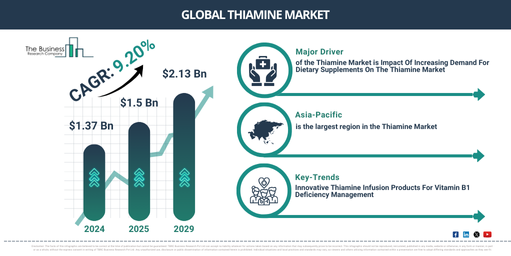
    In recent times, the thiamine market has seen significant growth. The market, which is valued at $1.37 billion in 2024, is projected to reach $1.5 billion in 2025, registering a compound annual growth rate (CAGR) of 9.4%. The growth observed in the historic period stems from the expansion of functional food industries, increased efforts toward fortification, heightened demand for natural and organic sources, and a rise in the need for fortified food.

    Expectations are high for robust expansion in the thiamine market size in the coming years. It is projected to expand to$2.13 billion by 2029, with a compound annual growth rate (CAGR) of 9.2%. The anticipated growth in the forecast period is linked to the rising health awareness, an aging demographic, an increase in chronic diseases, a consumer inclination towards natural and organic products, and a surge in lifestyle-associated illnesses. Key trends that will define the forecast period include advancements in technology, research and development efforts, the incorporation of telemedicine and digital health platforms, exploration of therapeutic applications, and tailored nutrition strategies.

    Download a free sample to assess the report’s scope and structure:

    https://www.thebusinessresearchcompany.com/sample.aspx?id=16552&type=smp

    Which Factors and External Forces Are Driving Demand in the Thiamine Market?

    The escalating need for dietary supplements is anticipated to catalyze the expansion of the thiamine market in the future. Dietary supplements, which can be consumed in forms such as pills, capsules, tablets, powders, or liquids, are designed to enhance a person’s dietary regimen. This escalating demand stems from heightened health consciousness, a shift towards preventive healthcare, and a mounting focus on fortifying the immune system. Thiamine is incorporated in these supplements to ensure an ample supply of this indispensable vitamin, which plays a critical role in various bodily processes like energy generation, nervous system maintenance, cardiovascular function, digestion, managing stress, and maintaining metabolic balance. For instance, data from Nutrition Integrated, a UK-based business-to-business service reveals that since January 2022, the availability of clear protein powder products in Europe soared by 159%, while the acquisition of clear protein powders in the UK witnessed a 216% surge in 2023 compared to 2022. Hence, the burgeoning demand for dietary supplements is fuelling the growth of the thiamine market.

    Which Segments in the Thiamine Offer the Most Growth?

    The thiaminemarket covered in this report is segmented –

    1) By Product Type: Thiamine Mononitrate; Thiamine Hydrochloride; Thiamine Pyrophosphate

    2) By Form: Tablets And Capsules; Liquid; Powder

    3) By Application: Food And Beverages; Pharmaceuticals; Animal Feed; Dietary Supplements; Other Applications

    Subsegments:

    1) By Thiamine Mononitrate: Powder; Granules; Tablets

    2) By Thiamine Hydrochloride: Powder; Injectable Form; Tablets

    3) By Thiamine Pyrophosphate: Powder; Injectable Form

    Request customized data on this market:

    https://www.thebusinessresearchcompany.com/customise?id=16552&type=smp

    What Are the Fastest-Growing Geographies in the #Which Factors and External Forces Are Driving Demand in the Thiamine Market?# Market?

    Asia-Pacific was the largest region in the thiamine market in 2024. The regions covered in the thiamine market report are Asia-Pacific, Western Europe, Eastern Europe, North America, South America, Middle East, Africa.

    Which Cutting-Edge Market Trends Are Expected to Drive theThiamine Market’s Growth?

    Major players in the thiamine market are concentrating their efforts on the introduction of innovative solutions like vitamin B1 deficiency infusions, with a view to maintain their market prominence. Vitamin B1 deficiency infusion denotes the process of administering thiamine (Vitamin B1) directly into the bloodstream via intravenous (IV) infusion. For instance, in June 2023, Lupin Limited, a pharmaceutical company based in India, launched a thiamine hydrochloride injection (USP) in multi-dose vials containing 200 mg/2 mL (100 mg/mL). This injectable form serves as an effective substitute for patients plagued with problems like gastrointestinal disorders or severe deficiencies that require immediate attention, thereby impacting oral absorption. It offers healthcare practitioners a credible method of managing and replenishing vitamin B1 levels, potentially minimizing the risks associated with long-term deficiency.

    View the full report here:

    https://www.thebusinessresearchcompany.com/report/thiamine-global-market-report

    What Are the Key Elements That Define the Thiamine Market?

    Thiamine, or Vitamin B1, is a vital water-soluble nutrient within the B-complex group, essential for carbohydrate metabolism and nerve function. It is crucial for maintaining overall health and proper physiological functions, particularly those related to energy metabolism and neurological health.

    Purchase the full report and get a swift delivery:

    https://www.thebusinessresearchcompany.com/purchaseoptions.aspx?id=16552

    About The Business Research Company:

    With over 15000+ reports from 27 industries covering 60+ geographies, The Business Research Company has built a reputation for offering comprehensive, data-rich research and insights. Armed with 1,500,000 datasets, the optimistic contribution of in-depth secondary research, and unique insights from industry leaders, you can get the information you need to stay ahead in the game.

    Get in touch with us:

    The Business Research Company: https://www.thebusinessresearchcompany.com/

    Americas +1 310-496-7795

    Europe +44 7882 955267

    Asia & Others +44 7882 955267 & +91 8897263534

    Email us at info@tbrc.info

    Follow us on:

    LinkedIn: https://in.linkedin.com/company/the-business-research-company

    YouTube: https://www.youtube.com/channel/UC24_fI0rV8cR5DxlCpgmyFQ

    Global Market Model: https://www.thebusinessresearchcompany.com/global-market-model
  • Ischemia Reperfusion Injury Market 2025-2034: Key Highlights, Growth Dynamics, and Emerging Trends

    Ischemia Reperfusion Injury Market 2025-2034: Key Highlights, Growth Dynamics, and Emerging Trends

    Claim your 30% discount on Global Market Reports with code ONLINE30. Limited time only.

    How Has the Ischemia Reperfusion Injury Market Growth Performance Trended Historically, And What Lies Ahead?

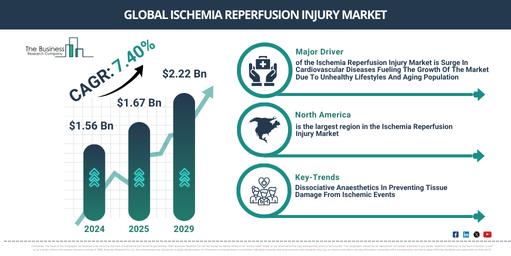
    There has been a marked strengthening of the ischemia reperfusion injury market size in the past few years. The market, projected to reach $1.56 billion in 2024, is expected to further expand to $1.67 billion by 2025, boasting a compound annual growth rate (CAGR) of 6.8%. Factors contributing to this growth throughout the historic period include a surge in cardiovascular disease cases, an uptick in surgical procedures, a heightened demand for organ transplantation, population aging, and a rise in the occurrence of stroke.

    The market for ischemia reperfusion injury is anticipated to experience robust growth in the coming years. By 2029, its worth is predicted to be around $2.22 billion, growing at a compound annual growth rate (CAGR) of 7.4%. This growth within the forecast period can be credited to factors such as heightened demand for diagnostics based on biomarkers, increased understanding of organ conservation methods, a rise in myocardial infarction incidents, increasing investment in pharmaceutical research and development, and an increasing need for stem cell therapies. Other drivers for growth in the forecast period are technological advancements in medical imaging, creation of new pharmacological agents, integration of AI and machine learning in treatment procedures, use of 3D printing for organ simulation, and a transition towards telemedicine.

    Download a free sample to assess the report’s scope and structure:

    https://www.thebusinessresearchcompany.com/sample.aspx?id=22025&type=smp

    How Are Key Drivers in the Industry Acting as Catalysts for the Growth of theIschemia Reperfusion Injury Market?

    The rise in cases of heart and blood vessel disorders, collectively known as cardiovascular diseases, is a significant factor propelling the ischemia-reperfusion injury market’s growth. The mounting cases of cardiovascular diseases can be attributed to unhealthy lifestyle choices and the growing elderly population. Unhealthy eating habits, which include excessive intake of saturated fats, sugar, and salt, coupled with the absence of physical activity, have led to an increase in obesity, hypertension, and diabetes rates; these conditions are all notable risk factors for cardiovascular diseases. Ischemia-reperfusion injury plays a role in advancing cardiovascular diseases by escalating tissue damage caused by oxidative stress, inflammation, and cell death. This leads to negative impacts on the cardiac function, thereby raising the chances of heart failure and other complications. For example, there was an increase in deaths due to coronary heart disease (CHD) from 14,100 in 2021 to 14,900 in 2022, as reported by the Australian Institute of Health and Welfare in December 2023. Hence, the increasing occurrence of cardiovascular diseases fuels the growth of the ischemia-reperfusion injury market.

    Which Segments in the Ischemia Reperfusion Injury Offer the Most Growth?

    The ischemia reperfusion injurymarket covered in this report is segmented –

    1) By Treatment Type: Pharmacological Therapy; Non-pharmacological Therapy

    2) By Application: Cardiovascular Diseases; Stroke; Organ Transplantation; Heart Attack; Diabetes

    3) By End Users: Hospitals; Clinics; Ambulatory Services; Nursing Home

    Subsegments:

    1) By Pharmacological Therapy: Antioxidants; Anti-inflammatory Agents; Calcium Channel Blockers; Free Radical Scavengers; Nitric Oxide Donors; Mitochondrial Protective Agents.

    2) By Non-Pharmacological Therapy: Ischemic Preconditioning (IPC); Ischemic Postconditioning (IPO); Remote Ischemic Conditioning (RIC); Hypothermia Therapy; Mechanical Interventions; Gene and Stem Cell Therapy.

    Request customized data on this market:

    https://www.thebusinessresearchcompany.com/customise?id=22025&type=smp

    What Are the Fastest-Growing Geographies in the #How Are Key Drivers in the Industry Acting as Catalysts for the Growth of theIschemia Reperfusion Injury Market?# Market?

    North America was the largest region in the ischemia reperfusion injury market in 2024. Asia-Pacific is expected to be the fastest-growing region in the forecast period. The regions covered in the ischemia reperfusion injury market report are Asia-Pacific, Western Europe, Eastern Europe, North America, South America, Middle East, Africa.

    What Are the Current Market Growth and Trends in the Ischemia Reperfusion Injury Industry?

    Leading enterprises involved in the ischemia-reperfusion damage market are directing their efforts towards creating advanced therapies, including ketamine-centric therapies, to mitigate tissue damage and inflammation caused by ischemia-reperfusion injury. Ketamine-centric therapies involve the use of ketamine, a type of dissociative anesthetic, for treating various health issues. These therapies are predominantly used for mental health-related conditions such as depression, anxiety, and post-traumatic stress disorder (PTSD), as well as for managing pain. For instance, in December 2022, PharmaTher Holdings Ltd., a pharmaceutical corporation based in Canada, was granted an orphan drug designation by the U.S. Food and Drug Administration (FDA) for the use of ketamine to help prevent ischemia-reperfusion injury during organ transplants. This medication counters ischemia-reperfusion-induced damage by inhibiting NF-?B, thereby preventing the generation of proinflammatory cytokines such as IL-6 and TNF-a. Moreover, it demonstrates anti-inflammatory properties by restraining leukocyte reactivity, subsequently reducing immune system inflicted damage to transplanted organs.

    View the full report here:

    https://www.thebusinessresearchcompany.com/report/ischemia-reperfusion-injury-global-market-report

    What Are the Key Elements That Define the Ischemia Reperfusion Injury Market?

    Ischemia-reperfusion injury is the tissue damage that occurs when blood supply returns to tissue after a period of ischemia (lack of oxygen). The restoration of circulation can result in inflammation and oxidative damage. This injury involves pathophysiological mechanisms with local and systemic effects.

    Purchase the full report and get a swift delivery:

    https://www.thebusinessresearchcompany.com/purchaseoptions.aspx?id=22025

    About The Business Research Company:

    With over 15000+ reports from 27 industries covering 60+ geographies, The Business Research Company has built a reputation for offering comprehensive, data-rich research and insights. Armed with 1,500,000 datasets, the optimistic contribution of in-depth secondary research, and unique insights from industry leaders, you can get the information you need to stay ahead in the game.

    Get in touch with us:

    The Business Research Company: https://www.thebusinessresearchcompany.com/

    Americas +1 310-496-7795

    Europe +44 7882 955267

    Asia & Others +44 7882 955267 & +91 8897263534

    Email us at info@tbrc.info

    Follow us on:

    LinkedIn: https://in.linkedin.com/company/the-business-research-company

    YouTube: https://www.youtube.com/channel/UC24_fI0rV8cR5DxlCpgmyFQ

    Global Market Model: https://www.thebusinessresearchcompany.com/global-market-model
  • Major Drivers Propelling the Growth oh theTherapeutic Plasma Exchange Market Forward: Hematological Disorder Prevalence Fueling The Therapeutic Plasma Exchange Market Growth

    Major Drivers Propelling the Growth oh theTherapeutic Plasma Exchange Market Forward: Hematological Disorder Prevalence Fueling The Therapeutic Plasma Exchange Market Growth

    Claim your 30% discount on Global Market Reports with code ONLINE30. Limited time only.

    What Are the Key Projections for the CAGR of the Therapeutic Plasma Exchange Market Size From 2025 to 2034?

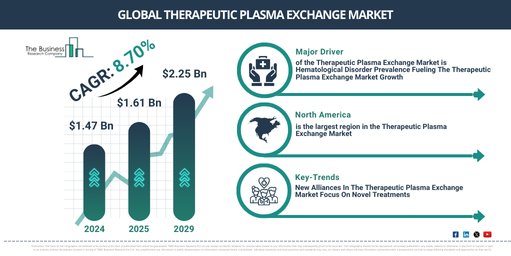
    There has been considerable expansion in the therapeutic plasma exchange market recently. It’s predicted to rise from $1.47 billion in 2024 to $1.61 billion in 2025, with a compound annual growth rate (CAGR) of 9.5%. The historical growth period’s increase can be credited to the appearance of immunological illnesses, advancements in technology, enhanced awareness and education, widened indications, and an improved comprehension of the pathophysiology.

    It is predicted that the market size of therapeutic plasma exchange will witness a robust expansion in the coming years. The market is set to reach$2.25 billion by 2029, growing at a compound annual growth rate (CAGR) of 8.7%. This growth during the forecasted period can be ascribed to factors like increasing elderly population, clinical proofs and guidelines, regulatory frameworks, enhancement in hospital infrastructure, investing in healthcare facilities, healthcare spending, and indemnification plans. Notable trends for the forecasted period encompass individualized treatments, automation incorporation, collective efforts, and integration of telemedicine.

    Download a free sample to assess the report’s scope and structure:

    https://www.thebusinessresearchcompany.com/sample.aspx?id=15683&type=smp

    Which Major Market Drivers Are Expected to Boost the Growth Potential of the Therapeutic Plasma Exchange Market?

    The therapeutic plasma exchange market is set to expand, propelled by the high incidence of blood disorders. Hematological disorders, otherwise known as blood diseases, encompass conditions that disrupt the blood and blood-forming tissues such as bone marrow, lymph nodes, and the spleen. An increase in these disorders is linked to several factors like genetic tendencies, environmental factors, and transformations in lifestyle. Therapeutic plasma exchange (TPE) is employed in the treatment of these disorders to purge pathogenic substances like autoantibodies in autoimmune hemolytic anemia or immune complexes in thrombotic thrombocytopenic purpura from the plasma, decreasing the intensity of the disease and enhancing patient health. The Leukemia and Lymphoma Society, a reputable American professional group, projected in August 2023, that the projected myeloma diagnoses will witness a rise of approximately 2.3% from 2021’s 34,920 to 35,730 by 2023. This high incidence of blood diseases is hence catalyzing the expansion of the therapeutic plasma exchange market.

    Which Key Market Segments Comprise the Therapeutic Plasma Exchange Market and Drive Its Revenue Growth?

    The therapeutic plasma exchangemarket covered in this report is segmented –

    1) By Type: Therapeutic Plasma Exchange (TPE); Double Filtered Plasmapheresis (DFPP)

    2) By Indication: Neurological Disorders; Hematological Disorders; Renal Disorders; Metabolic Disorders; Other Indications

    3) By Technology: Centrifugation; Membrane Separation

    4) By End User: Blood Collection Centers; Hospitals And Clinics; Transfusion Centers; Other End Users

    Subsegments:

    1) By Therapeutic Plasma Exchange (Tpe): Manual Tpe; Automated Tpe

    2) By Double Filtered Plasmapheresis (Dfpp): Single-Stage Dfpp; Multi-Stage Dfpp

    Request customized data on this market:

    https://www.thebusinessresearchcompany.com/customise?id=15683&type=smp

    Which Areas Are Leading Regions in the Therapeutic Plasma Exchange Market Expansion Across the Globe?

    North America was the largest region in the therapeutic plasma exchange market in 2024. Asia-Pacific is expected to be the fastest-growing region in the forecast period. The regions covered in the therapeutic plasma exchange market report are Asia-Pacific, Western Europe, Eastern Europe, North America, South America, Middle East, Africa.

    What Are the Key Market Trends in theTherapeutic Plasma Exchange Market Over the Coming Years?

    Prominent firms in the therapeutic plasma exchange market are opting for strategic collaborations to boost technological incorporation and broaden their market presence. A strategic alliance generally signifies a joint effort by two or more organizations, leveraging their collective resources, knowledge, and energies to reach shared goals. To illustrate, Terumo Blood and Cell Technologies, an American technology firm, formed an alliance with Eliaz Therapeutics Inc., a U.S. medical device entity specializing in therapeutic apheresis for inflammation and kidney-specific conditions in July 2022. Their joint endeavor aims at tackling acute kidney injury (AKI) and sepsis-induced AKI (S-AKI) by selectively eliminating the Gal-3 inflammatory protein from blood plasma. Given the high mortality associated with AKI, this partnership seeks to investigate new therapeutic approaches using Terumo’s Spectra Optia Apheresis System and ETI’s XGal-3 column. Preliminary studies will centre on large animals, followed by human clinical tests. Terumo, recognized for its innovative strides in therapeutic apheresis, has previously collaborated on projects addressing conditions like triple-negative breast cancer and COVID-19.

    View the full report here:

    https://www.thebusinessresearchcompany.com/report/therapeutic-plasma-exchange-global-market-report

    How Is the Therapeutic Plasma Exchange Market Conceptually Defined?

    Therapeutic plasma exchange (TPE) refers to a medical procedure used to treat certain autoimmune diseases and other conditions. During TPE, blood is removed from the body, plasma (the liquid portion of the blood) is separated from the blood cells, and then the blood cells are returned to the body, often after being mixed with a replacement fluid. This process helps remove harmful substances from the blood, such as autoantibodies or toxins, which can contribute to various diseases.

    Purchase the full report and get a swift delivery:

    https://www.thebusinessresearchcompany.com/purchaseoptions.aspx?id=15683

    About The Business Research Company:

    With over 15000+ reports from 27 industries covering 60+ geographies, The Business Research Company has built a reputation for offering comprehensive, data-rich research and insights. Armed with 1,500,000 datasets, the optimistic contribution of in-depth secondary research, and unique insights from industry leaders, you can get the information you need to stay ahead in the game.

    Get in touch with us:

    The Business Research Company: https://www.thebusinessresearchcompany.com/

    Americas +1 310-496-7795

    Europe +44 7882 955267

    Asia & Others +44 7882 955267 & +91 8897263534

    Email us at info@tbrc.info

    Follow us on:

    LinkedIn: https://in.linkedin.com/company/the-business-research-company

    YouTube: https://www.youtube.com/channel/UC24_fI0rV8cR5DxlCpgmyFQ

    Global Market Model: https://www.thebusinessresearchcompany.com/global-market-model
  • Emerging Growth Drivers in the Atrophic Glossitis Treatment Market Landscape: Rising Prevalence Of Nutritional Deficiencies Is Primarily Due To Poor Dietary Habits And Low Nutrient Intake

    Emerging Growth Drivers in the Atrophic Glossitis Treatment Market Landscape: Rising Prevalence Of Nutritional Deficiencies Is Primarily Due To Poor Dietary Habits And Low Nutrient Intake

    Claim your 30% discount on Global Market Reports with code ONLINE30. Limited time only.

    How Has The Atrophic Glossitis Treatment Market Growth Evolved From 2024 To 2025, And What’s Ahead?

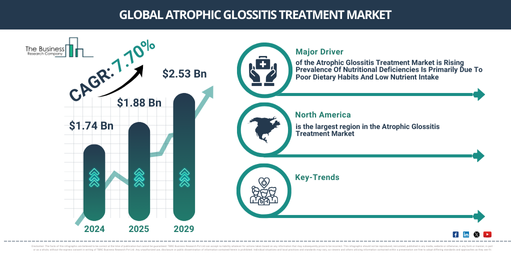
    The market for atrophic glossitis treatment has seen a significant surge in recent times. Projected to increase from $1.74 billion in 2024 to $1.88 billion in 2025, it presents a compound annual growth rate (CAGR) of 7.8%. Factors contributing to this historical growth include heightened oral health awareness, a rise in nutritional deficiencies, an expanding elderly population, the growing trend of online pharmacies, and increased incidence of vitamin deficiencies.

    The market for atrophic glossitis treatment is predicted to witness significant expansion in the forthcoming years, reaching a value of$2.53 billion by 2029, and attaining a compound annual growth rate (CAGR) of 7.7%. This projected growth in the coming period is primarily due to increasing healthcare expenses, the widespread acceptance of dietary supplements, advances in diagnostic methods for oral diseases, a growing elder population at a high risk of glossitis, and a surge in the demand for non-invasive treatment methods. Key trends anticipated in the forecast period include the innovation of topical solutions, the creation of customized nutritional supplements, advancements in the technology used for oral care treatments, the application of AI and machine learning in glossitis diagnosis, and the inclusion of atrophic glossitis therapies in overall oral care plans.

    Download a free sample to assess the report’s scope and structure:

    https://www.thebusinessresearchcompany.com/sample.aspx?id=24155&type=smp

    Which Primay Drivers Are Accelerating Growth in the Atrophic Glossitis Treatment Market?

    The increasing incidence of nutritional deficiencies is projected to stimulate the expansion of the atrophic glossitis treatment market in the future. Nutritional deficiencies are implicated in numerous health issues and are characterized by an inadequate presence of essential nourishing elements like vitamins, minerals, and proteins in one’s diet. The primary reason for this rise is low-quality dietary habits where individuals are consuming more low-nutrient, processed food, resulting in insufficient ingestion of vital minerals and vitamins required for complete health. Atrophic glossitis treatment assists in overcoming these nutritional deficiencies by replenishing crucial vitamins and minerals such as iron, folate, and vitamin B12, instrumental in reinstating tongue tissue health and averting further mucosal atrophy. For example, as per the World Health Organization, a Switzerland-based intergovernmental organization, in 2023, 30.7% of women aged 15–49 years and 35.5% of pregnant women within the same age group were diagnosed with anemia. Hence, the escalating incidence of nutritional deficiencies boosts the upward trajectory of the atrophic glossitis treatment market.

    Which Primary Segments of the Atrophic Glossitis Treatment Market Are Driving Growth and Industry Transformations?

    The atrophic glossitis treatmentmarket covered in this report is segmented –

    1) By Treatment Type: Medications; Topical Treatments; Nutritional Supplements; Oral Care Products

    2) By Symptoms: Inflammation; Discoloration; Itching; Burning Tongue

    3) By Distribution Channel: Direct Tender; Hospital Pharmacy; Retail Pharmacy; Online Pharmacy; Other Distribution Channels

    4) By End User: Hospitals; Ambulatory Surgical Centers; Home Care

    Subsegments:

    1) By Medications: Antibiotics; Antifungals; Antivirals; Corticosteroids; Immunosuppressants

    2) By Topical Treatments: Mouthwashes; Oral Gels; Ointments; Lozenges

    3) By Nutritional Supplements: Vitamin B12; Iron Supplements; Folic Acid; Zinc Supplements; Multivitamins

    4) By Oral Care Products: Toothpaste for Sensitive Mouths; Alcohol-Free Mouth Rinses; Soft-Bristled Toothbrushes; Oral Moisturizers

    Request customized data on this market:

    https://www.thebusinessresearchcompany.com/customise?id=24155&type=smp

    Which Regions Are Key Players in the Growth of the #Which Primay Drivers Are Accelerating Growth in the Atrophic Glossitis Treatment Market?# Market?

    North America was the largest region in the atrophic glossitis treatment market in 2024. Asia-Pacific is expected to be the fastest-growing region in the forecast period. The regions covered in the atrophic glossitis treatment market report are Asia-Pacific, Western Europe, Eastern Europe, North America, South America, Middle East, Africa.

    View the full report here:

    https://www.thebusinessresearchcompany.com/report/atrophic-glossitis-treatment-global-market-report

    What Parameters Are Used to Define the Atrophic Glossitis Treatment Market?

    Atrophic glossitis treatment refers to the medical management strategies aimed at addressing the inflammation and degeneration of the tongue’s papillae, which results in a smooth, glossy, and often painful tongue. Effective treatment involves identifying and correcting underlying causes, commonly including nutritional deficiencies (such as iron, vitamin B12, or folate), infections, autoimmune disorders, or systemic conditions such as celiac disease.

    Purchase the full report and get a swift delivery:

    https://www.thebusinessresearchcompany.com/purchaseoptions.aspx?id=24155

    About The Business Research Company:

    With over 15000+ reports from 27 industries covering 60+ geographies, The Business Research Company has built a reputation for offering comprehensive, data-rich research and insights. Armed with 1,500,000 datasets, the optimistic contribution of in-depth secondary research, and unique insights from industry leaders, you can get the information you need to stay ahead in the game.

    Get in touch with us:

    The Business Research Company: https://www.thebusinessresearchcompany.com/

    Americas +1 310-496-7795

    Europe +44 7882 955267

    Asia & Others +44 7882 955267 & +91 8897263534

    Email us at info@tbrc.info

    Follow us on:

    LinkedIn: https://in.linkedin.com/company/the-business-research-company

    YouTube: https://www.youtube.com/channel/UC24_fI0rV8cR5DxlCpgmyFQ

    Global Market Model: https://www.thebusinessresearchcompany.com/global-market-model
  • Intermittent Claudication Market Trends 2025-2034: Growth, Strategic Insights, and Opportunities Ahead

    Intermittent Claudication Market Trends 2025-2034: Growth, Strategic Insights, and Opportunities Ahead

    Claim your 30% discount on Global Market Reports with code ONLINE30. Limited time only.

    What Are the Projected Market Size and Growth Rates for the Intermittent Claudication Market From 2025 To 2029?

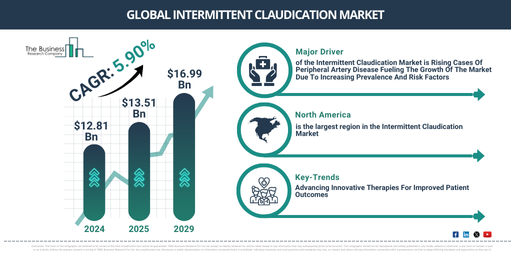
    Over the last few years, the size of the intermittent claudication market has been experiencing robust growth. Projections for the future indicate that the market will expand from $12.81 billion in 2024 to an estimated $13.51 billion in 2025, boasting a compound annual growth rate (CAGR) of 5.5%. The growth observed in the historic period is thought to have been fueled by factors such as the escalating prevalence of peripheral artery disease, amplified awareness about vascular illnesses, a rising geriatric population, increased diagnosis rates, and a higher expenditure in the healthcare sector.

    The market size for intermittent claudication is projected to experience significant growth in the forthcoming years, reaching$16.99 billion by 2029 at a compound annual growth rate (CAGR) of 5.9%. Several factors are anticipated to fuel this growth during the forecast period, including the escalating incidence of diabetes, increasing occurrences of obesity, a rise in cardiovascular diseases, an upward trend in alcohol and tobacco use, and augmented healthcare expenditure. In addition, the forecast period will also witness major trends such as progression in pad diagnostics, incorporation of wearable devices, introduction of personalized medicine, shift towards drug-eluting stents, and advancements in stem cell therapy.

    Download a free sample to assess the report’s scope and structure:

    https://www.thebusinessresearchcompany.com/sample.aspx?id=22021&type=smp

    What Are the Major Market Drivers Behind the Rising Adoption of Intermittent Claudication Market?

    The rise in instances of peripheral artery disease (PAD) is anticipated to drive the expansion of the intermittent claudication market. PAD, a circulatory issue characterized by constricted arteries leading to reduced blood flow to the limbs, results in pain, numbness, and other complications. This escalation in PAD cases largely results from factors such as an aging society, diabetes, smoking, hypertension, obesity, and inactive lifestyles. PAD induces intermittent claudication by curtailing blood flow to the leg muscles during physical activity, resulting in pain and muscle cramps due to insufficient oxygen. For example, in June 2023, statistics from the American Heart Association Journals, a U.S. based open-access scientific journal that is peer-reviewed, noted that PAD occurs in 7-12 million individuals in the U.S. and 200 million globally. Consequently, the upsurge in peripheral artery disease (PAD) cases is propelling the expansion of the intermittent claudication market.

    Which Key Market Segments Comprise the Intermittent Claudication Market and Drive Its Revenue Growth?

    The intermittent claudicationmarket covered in this report is segmented –

    1) By Type: Medication Therapies; Revascularization

    2) By Route Of Administration: Parenteral Route; Oral Route; Other Routes Of Administration

    3) By Application: Hospitals; Clinics; Home Healthcare; Other Applications

    4) By Distribution Channel: Hospital Pharmacies; Retail Pharmacies; Online Pharmacies

    Subsegments:

    1) By Medication Therapies: Antiplatelet Agents; Vasodilators; Phosphodiesterase Inhibitors; Cilostazol; Pentoxifylline

    2) By Revascularization: Angioplasty; Stenting; Bypass Surgery; Endarterectomy

    Request customized data on this market:

    https://www.thebusinessresearchcompany.com/customise?id=22021&type=smp

    Which Areas Are Leading Regions in the Intermittent Claudication Market Expansion Across the Globe?

    North America was the largest region in the intermittent claudication market in 2024. Asia-Pacific is expected to be the fastest-growing region in the forecast period. The regions covered in the intermittent claudication market report are Asia-Pacific, Western Europe, Eastern Europe, North America, South America, Middle East, Africa.

    What Are the Strategic Trends Steering theIntermittent Claudication Market Direction?

    Leading businesses in the intermittent claudication market are prioritizing advanced therapeutic treatments, such as RIPK1 inhibitors, in their strategy to improve treatment effects for patients dealing with peripheral artery disease (PAD) experiencing intermittent claudication. The goal is to boost blood circulation, lessen inflammation, and halt disease progression. RIPK1 inhibitors are specialized drugs that hinder RIPK1 kinase activity, thereby minimizing inflammation and cellular death. For example, GenFleet, a biotech firm based in China, acquired a US Food and Drug Administration (FDA) approval for a Phase II clinical trial of GFH312, a novel therapy for peripheral artery disease (PAD) with intermittent claudication, in August 2022. This research, which is randomized, double-blinded, and placebo-controlled, will take place across 15 research facilities. GFH312 is a RIPK1 inhibitor that has displayed potential in preliminary studies by suppressing the inflammatory response in animal models.

    View the full report here:

    https://www.thebusinessresearchcompany.com/report/intermittent-claudication-global-market-report

    How Is the Intermittent Claudication Market Conceptually Defined?

    Intermittent claudication is a condition characterized by muscle pain, cramping, or discomfort in the legs that occurs during physical activity, such as walking, and is relieved by rest. It is typically caused by peripheral artery disease (PAD), which results from narrowed or blocked arteries reducing blood flow to the muscles. The pain is often due to insufficient oxygen supply (ischemia) to the affected muscles.

    Purchase the full report and get a swift delivery:

    https://www.thebusinessresearchcompany.com/purchaseoptions.aspx?id=22021

    About The Business Research Company:

    With over 15000+ reports from 27 industries covering 60+ geographies, The Business Research Company has built a reputation for offering comprehensive, data-rich research and insights. Armed with 1,500,000 datasets, the optimistic contribution of in-depth secondary research, and unique insights from industry leaders, you can get the information you need to stay ahead in the game.

    Get in touch with us:

    The Business Research Company: https://www.thebusinessresearchcompany.com/

    Americas +1 310-496-7795

    Europe +44 7882 955267

    Asia & Others +44 7882 955267 & +91 8897263534

    Email us at info@tbrc.info

    Follow us on:

    LinkedIn: https://in.linkedin.com/company/the-business-research-company

    YouTube: https://www.youtube.com/channel/UC24_fI0rV8cR5DxlCpgmyFQ

    Global Market Model: https://www.thebusinessresearchcompany.com/global-market-model