Blog

  • $9.18 Billion Forecast for Transdermal Skin Patches Market by 2029, Backed by Demand and Innovation

    $9.18 Billion Forecast for Transdermal Skin Patches Market by 2029, Backed by Demand and Innovation

    Claim your 30% discount on Global Market Reports with code ONLINE30. Limited time only.

    What is the Anticipated CAGR of the Transdermal Skin Patches Market, and What Factors Will Drive It?

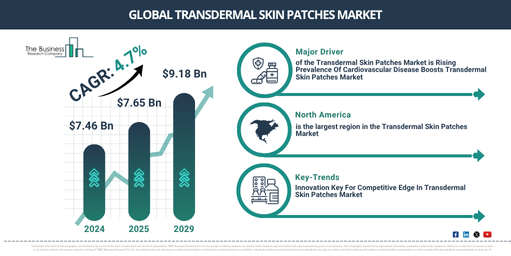
    The market size of transdermal skin patches has seen consistent growth over the past few years. It is projected to rise from $7.46 billion in 2024 to $7.65 billion in 2025, with a Compound Annual Growth Rate (CAGR) of 2.5%. The historical growth can be credited to the escalating occurrence of cardiovascular diseases, substantial economic growth in burgeoning markets, an upsurge in pharmaceutical research & development expenditure, and augmented healthcare spending.

    Anticipated to experience consistent expansion in the coming years, the transdermal skin patches market is predicted to reach a valuation of $9.18 billion in 2029, exhibiting a compound annual growth rate (CAGR) of 4.7%. The growth expected within the forecast period can be linked to factors such as the rise in smoking cessation, the fast-paced increase in older demographics, the climb in health-care spending, and a growing number of cardiovascular disease cases. Key trends projected to characterize the forecast period include technological improvements in transdermal skin patches, advancements in diabetes transdermal patches, vigorous research and development initiatives, product innovation, collaborations and partnerships, developments in wearable skin patches, strides in microneedle patches for vaccination, and the introduction of new iontophoresis patches.

    Download a free sample to assess the report’s scope and structure:

    https://www.thebusinessresearchcompany.com/sample.aspx?id=2829&type=smp

    What Are the Core Growth Drivers Propelling the Transdermal Skin Patches Market Forward?

    The escalating cases of cardiovascular disease are anticipated to stimulate the transdermal skin patches market’s expansion. These are conditions that affect the heart and blood vessels and are typically associated with the formation of fatty sediment inside (atherosclerosis) arteries and an increased risk of blood clots. Transdermal skin patches are utilized to impede angina (chest pain) episodes in individuals diagnosed with coronary artery disease – a condition where blood vessels supplying blood to the heart become narrow. These patches are also applied to enhance bioavailability in heart failure treatment. For instance, a report by the American College of Cardiology, a US-based non-profit medical organization, stated in August 2022 that the four main cardiovascular risk factors in the US were expected to surge between 2025 and 2060. Diabetes is predicted to see the highest percentage increase, rising 39.3% to 55 million individuals, followed by dyslipidemia (growing 27.6% to 126 million), hypertension (rising by 25.1% to 162 million), and obesity (expanding by 18.3% to 126 million). The study also noted that stroke (33.8% to 15 million) and heart failure (33.4% to 13 million) were predicted to have the most noticeable increases in cardiovascular disease rates, followed by ischemic heart disease (30.7% to 29 million) and heart attack (16.9% to 16 million). Therefore, the rise in cardiovascular disease cases is fueling the expansion of the transdermal skin patches market.

    What Segment Types Define the Transdermal Skin Patches Market Structure?

    The transdermal skin patches market covered in this report is segmented –

    1) By Product: Matrix, Drug In Adhesive, Reservoir, Vapor

    2) By Type: Fentanyl Transdermal Patch, Nicotine Transdermal Patch, Estradiol Transdermal Patch, Clonidine Transdermal Patch, Testosterone Transdermal Patch, Other Types

    3) By Distribution Channel: Pain Relief, Nicotine Cessation,Hormone Replacement Therapy, Neurological Disorders, Cardiovascular Disorders, Other Applications

    Subsegments:

    1) By Matrix: Drug-in-matrix Patches, Polymer Matrix Patches

    2) By Drug In Adhesive: Adhesive Matrix Patches With The Drug Incorporated In The Adhesive Layer

    3) By Reservoir: Drug Reservoir Patches With A Separate Compartment For The Drug, Multi-layer Reservoir Patches

    4) By Vapor: Vapor Patches That Release Active Ingredients In Vapor Form, Transdermal Patches Utilizing Vaporization Technology

    Request customized data on this market:

    https://www.thebusinessresearchcompany.com/customise?id=2829&type=smp

    Which Geographic Areas Hold the Strongest Growth Potential in the Transdermal Skin Patches Market?

    North America was the largest region in the global transdermal skin patches market in 2024. Middle East is expected to be the fastest growing region in the transdermal skin patches market report during the forecast period. The regions covered in the transdermal skin patches market report are Asia-Pacific, Western Europe, Eastern Europe, North America, South America, Middle East, Africa

    Which Emerging Trends that Are Influencing theTransdermal Skin Patches Industry Evolution?

    Companies that dominate the transdermal skin patches market are targeting their efforts on developing innovative goods and securing their approval to establish an edge over their competitors. These groundbreaking items are aimed at providing new or enhanced solutions, such as medications, medical equipment, or other commodities, to pre-existing challenges or necessities. A case in point is Noven Pharmaceuticals Inc., an American pharmaceutical firm, which in March 2022 announced that XELSTRY (dextroamphetamine) transdermal system had received the green light from the U.S. Food and Drug Administration (FDA), a federal agency of the U.S. This system represents the first and only approved amphetamine patch designed for ADHD (Attention-Deficit or Hyperactivity Disorder) treatment. XELSTRYM ought to be utilized two hours prior to when the effect is needed and should be removed after nine hours. The final dosage should be adjusted according to the clinical response and tolerability.

    View the full report here:

    https://www.thebusinessresearchcompany.com/report/transdermal-skin-patche-global-market-report

    What Is the Definition of the Transdermal Skin Patches Market?

    Transdermal skin patches refer to a drug delivery technique where a pre-prescribed dose of medication is applied as an adhesive patch and absorbed via the skin into the bloodstream. They deliver a precise, pre-set dosage of medication that is absorbed into the bloodstream through the skin.

    Purchase the full report and get a swift delivery:

    https://www.thebusinessresearchcompany.com/purchaseoptions.aspx?id=2829

    About The Business Research Company:

    With over 15000+ reports from 27 industries covering 60+ geographies, The Business Research Company has built a reputation for offering comprehensive, data-rich research and insights. Armed with 1,500,000 datasets, the optimistic contribution of in-depth secondary research, and unique insights from industry leaders, you can get the information you need to stay ahead in the game.

    Get in touch with us:

    The Business Research Company: https://www.thebusinessresearchcompany.com/

    Americas +1 310-496-7795

    Europe +44 7882 955267

    Asia & Others +44 7882 955267 & +91 8897263534

    Email us at info@tbrc.info

    Follow us on:

    LinkedIn: https://in.linkedin.com/company/the-business-research-company

    YouTube: https://www.youtube.com/channel/UC24_fI0rV8cR5DxlCpgmyFQ

    Global Market Model: https://www.thebusinessresearchcompany.com/global-market-model
  • Global Stem Cell Therapy Market Projected to Reach $14.6 Billion by 2029 at a CAGR of 12.1%

    Claim your 30% discount on Global Market Reports with code ONLINE30. Limited time only.

    What Are the Key Milestones in the Stem Cell Therapy Market’s Growth Trajectory From 2025 To 2034?

    In recent times, there has been a swift expansion in the market size of stem cell therapy. It is projected to escalate from a worth of $7.86 billion in 2024 to $9.26 billion in 2025, with a compound annual growth rate (CAGR) of 17.7%. The historical growth surge can be credited to factors like the increasing incidence of chronic illnesses, greater funding from government and private bodies, swift advancement in emerging markets, a rise in investments in cell and gene therapies, an upsurge in healthcare spending, along with an increase in pharmaceutical research and development expenditures.

    The market for stem cell therapy is projected to experience swift expansion over the coming years, reaching $14.6 billion by 2029 with a compound annual growth rate (CAGR) of 12.1%. Key drivers of this growth over the forecast period include enhanced government backing, a swiftly rising elderly population, increased funding for research and development, and escalating healthcare expenditure. Noteworthy trends during the forecast period involve an emphasis on meticulous tracking of progress in mesenchymal stem cell therapy to leverage field innovation, collaboration and acquisition between market participants to propel product innovation and revenue, an important investment consideration for companies would be the development of ipsc-derived nk cells, market operators in stem cell therapy should focus on advancing stem cell therapy particularly for cancer to have an edge over somatic cell competitors, and AI utilisation should be considered by companies in the stem cell therapy market to improve product quality, ensure safety, and enhance manufacturing productivity.

    Download a free sample to assess the report’s scope and structure:

    https://www.thebusinessresearchcompany.com/sample.aspx?id=3399&type=smp

    What are the Fundamental Drivers and Innovations Shaping the Stem Cell Therapy Market?

    The increase in chronic diseases has fueled the expansion of the stem cell therapy market. The prevalence of chronic diseases among individuals can be attributed to extended working hours, lack of physical exercise, and poor eating and drinking habits, all of which enhance the demand for stem cell therapy. A United Nations report predicts that by 2030, chronic diseases will account for 70% of total global death rates. The anticipated worldwide burden of these diseases is set to reach approximately 60%. Thus, the escalating occurrence of chronic diseases is forecasted to propel the growth of the stem cell therapy market.

    How Is the Stem Cell Therapy Market Segmented?

    The stem cell therapy market covered in this report is segmented –

    1) By Type: Allogeneic Stem Cell Therapy, Autologous Stem Cell Therapy

    2) By Cell Source: Adult Stem Cells, Induced Pluripotent Stem Cells, Embryonic Stem Cells

    3) By Application: Musculoskeletal Disorders and Wounds & Injuries, Cancer, Autoimmune Disorders, Others

    4) By End-Users: Hospitals And Clinics, Research Centers, Others.

    Subsegments:

    1) By Allogeneic Stem Cell Therapy: Derived From Donors (Related Or Unrelated), Used For Various Conditions, Including Blood Disorders And Certain Cancers, Examples Include Umbilical Cord Blood Stem Cells And Peripheral Blood Stem Cells

    2) By Autologous Stem Cell Therapy: Derived From The Patient’s Own Cells, Used For Conditions Such As Orthopedic Injuries, Cardiac Diseases, And Certain Cancers, Involves The Harvesting Of Stem Cells From Tissues Like Bone Marrow Or Adipose Tissue

    Request customized data on this market:

    https://www.thebusinessresearchcompany.com/customise?id=3399&type=smp

    Which Regions Are Driving the Next Phase of the Stem Cell Therapy Market Growth?

    North America was the largest region in the stem cell therapy market in 2024. The Middle East is expected to be the fastest-growing region in the global stem cell therapy market during the forecast period. The regions covered in the stem cell therapy market report are Asia-Pacific, Western Europe, Eastern Europe, North America, South America, Middle East, Africa

    What Key Trends Are Shaping the Future of the Stem Cell Therapy Market?

    Strategic partnerships are becoming increasingly popular amongst businesses in the stem cell therapy market. This type of partnership is characterized by mutually beneficial agreements, typically between two companies not in direct competition. In May 2022, an illustration of such a partnership was seen when SQZ Biotechnologies, a company based in the US, collaborated with STEMCELL Technologies Inc., based in Canada. The joint effort is focused on developing a microfluidic intracellular delivery system for research use only (RUO), which is based on the Cell Squeeze technology by SQZ. This enterprise aims to give the scientific community enhanced abilities to engineer cells for preclinical research. Integral findings surrounding the efficiency of the RUO system in delivering cargoes to primary immune cell types will be presented by both companies, alongside breakthroughs in hematopoietic stem cell engineering via mRNA and CRISPR/Cas9.

    View the full report here:

    https://www.thebusinessresearchcompany.com/report/stem-cells-therapy-global-market-report

    How Is the Stem Cell Therapy Market Defined and What Are Its Core Parameters?

    Stem cell therapy refers to a form of regenerative medicine that uses stem cells or their byproducts to stimulate the body’s natural repair process in damaged, malfunctioning, or wounded tissue. It is the next step in the transplantation of organs, replacing donor organs—which are scarce—with cells.

    Purchase the full report and get a swift delivery:

    https://www.thebusinessresearchcompany.com/purchaseoptions.aspx?id=3399

    About The Business Research Company:

    With over 15000+ reports from 27 industries covering 60+ geographies, The Business Research Company has built a reputation for offering comprehensive, data-rich research and insights. Armed with 1,500,000 datasets, the optimistic contribution of in-depth secondary research, and unique insights from industry leaders, you can get the information you need to stay ahead in the game.

    Get in touch with us:

    The Business Research Company: https://www.thebusinessresearchcompany.com/

    Americas +1 310-496-7795

    Europe +44 7882 955267

    Asia & Others +44 7882 955267 & +91 8897263534

    Email us at info@tbrc.info

    Follow us on:

    LinkedIn: https://in.linkedin.com/company/the-business-research-company

    YouTube: https://www.youtube.com/channel/UC24_fI0rV8cR5DxlCpgmyFQ

    Global Market Model: https://www.thebusinessresearchcompany.com/global-market-model

  • Skin Cancer Drugs Market Forecast 2025–2034: Trends Reshaping Demand, Investment, and Innovation

    Skin Cancer Drugs Market Forecast 2025–2034: Trends Reshaping Demand, Investment, and Innovation

    Claim your 30% discount on Global Market Reports with code ONLINE30. Limited time only.

    How Has The Small Molecule Active Pharmaceutical Ingredient Market Size Shifted, And What Is the Outlook Through 2034?

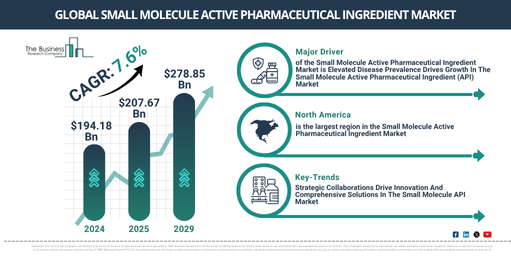
    In recent times, the market size of the small molecule active pharmaceutical ingredient has witnessed robust growth. It will see an increase from $194.18 billion in 2024 to $207.67 billion in 2025, experiencing a compound annual growth rate (CAGR) of 6.9%. Factors such as regulatory authorizations, expiry of patents, disease incidence, pricing challenges, and clinical trial results have significantly contributed to this historic period growth.

    In the coming years, substantial growth is anticipated in the small molecule active pharmaceutical ingredient market. The market is projected to expand to $278.85 billion by 2029, displaying a compound annual growth rate (CAGR) of 7.6%. The predicted growth in the forecast period can be credited to various factors such as precision medicine, specialty therapeutics, sustainability programs, the use of telehealth, and AI integration. Other significant trends during the forecast period could be outsourcing trends, targeted therapies, pharma digitalization, virtual clinical trials, and advanced analytics.

    Download a free sample to assess the report’s scope and structure:

    https://www.thebusinessresearchcompany.com/sample.aspx?id=7948&type=smp

    What Are the Primary Drivers Supporting the Market Growth of the Small Molecule Active Pharmaceutical Ingredient Market?

    The escalating incidence of various ailments is a significant factor fueling the growth of the small molecule active pharmaceutical ingredient (API) market. Diseases are specific abnormal conditions effecting an individual’s organ function or structure. Active pharmaceutical ingredients (APIs) are key parts of pharmaceutical drugs that generate the necessary effects on the body to mitigate different conditions. For example, a report released by the American Society of Clinical Oncology (ASCO), a U.S.-based professional entity, in March 2023 projected that annually, over 12,000 individuals in the U.S. are detected with neuroendocrine tumors. Additionally, approximately 171,000 individuals were living with this diagnosis in that year. Cardiovascular diseases have claimed the lives of 17.9 million people globally. Consequently, the escalating incidence of diseases will persistently remain the dominating driver in the small molecule API market.

    Which Primary Segments of the Small Molecule Active Pharmaceutical Ingredient Market Are Driving Growth and Industry Transformations?

    The small molecule active pharmaceutical ingredient market covered in this report is segmented –

    1) By Type: Synthetic, Chemical, Biological

    2) By Therapeutic Type: Autoimmune Diseases, Oncology, Metabolic Diseases, Ophthalmology, Cardiovascular Diseases, Infectious Diseases, Neurology, Respiratory Disorders, Dermatology, Urology

    3) By Manufacturing Method: In-House, Contract

    4) By Application: Clinical, Commercial

    Subsegments:

    1) By Synthetic: Small Molecule Drugs, Generic Drugs

    2) By Chemical: Organic Compounds, Inorganic Compounds

    3) By Biological: Natural Products, Semi-Synthetic Compounds

    Request customized data on this market:

    https://www.thebusinessresearchcompany.com/customise?id=7948&type=smp

    Which Regions Are Key Players in the Growth of the #What Are the Primary Drivers Supporting the Market Growth of the Small Molecule Active Pharmaceutical Ingredient Market?# Market?

    North America was the largest region in the small molecule active pharmaceutical ingredient market in 2024. Asia-Pacific is expected to be the fastest-growing region in the forecast period. The regions covered in the small molecule active pharmaceutical ingredient market report are Asia-Pacific, Western Europe, Eastern Europe, North America, South America, Middle East, Africa.

    What Are the Most Significant Market Trends in the Small Molecule Active Pharmaceutical Ingredient Market?

    Strategic alliances and cooperative efforts are becoming increasingly common in the small molecule active pharmaceutical ingredient sector, as this appears to be a prominent trend. To strengthen their dominance, major players in this sector are concentrating on forming such collaborations and partnerships. For example, a collaborative effort was formed in May 2022 between NovAliX, a France-based drug discovery entity; Alysophil, a French company focusing on new industrial chemistry through continuous flow chemistry; De Dietrich Process Systems, a French provider of fine chemical and pharmaceutical industry solutions; and Bruker, a US-based molecular and materials research instrument manufacturer. The aim of this collaboration is to jointly innovate a new approach to active pharmaceutical ingredient (API) production and to provide comprehensive, fully separate, and location-agnostic API manufacturing solutions to pharmaceutical firms or contract manufacturing organizations (CMOs).

    View the full report here:

    https://www.thebusinessresearchcompany.com/report/small-molecule-active-pharmaceutical-ingredient-global-market-report

    What Parameters Are Used to Define the Small Molecule Active Pharmaceutical Ingredient Market?

    A small-molecule active pharmaceutical ingredient (API) is any substance or mixture of organic substances or compounds with a low molecular weight intended to be used as the active ingredient in the manufacture of a drug or medicinal product. A small molecule active pharmaceutical ingredient (API) is used as raw materials in the manufacturing of pharmaceutical drugs.

    Purchase the full report and get a swift delivery:

    https://www.thebusinessresearchcompany.com/purchaseoptions.aspx?id=7948

    About The Business Research Company:

    With over 15000+ reports from 27 industries covering 60+ geographies, The Business Research Company has built a reputation for offering comprehensive, data-rich research and insights. Armed with 1,500,000 datasets, the optimistic contribution of in-depth secondary research, and unique insights from industry leaders, you can get the information you need to stay ahead in the game.

    Get in touch with us:

    The Business Research Company: https://www.thebusinessresearchcompany.com/

    Americas +1 310-496-7795

    Europe +44 7882 955267

    Asia & Others +44 7882 955267 & +91 8897263534

    Email us at info@tbrc.info

    Follow us on:

    LinkedIn: https://in.linkedin.com/company/the-business-research-company

    YouTube: https://www.youtube.com/channel/UC24_fI0rV8cR5DxlCpgmyFQ

    Global Market Model: https://www.thebusinessresearchcompany.com/global-market-model
  • Skin Cancer Drugs Market 2025-2034: Key Highlights, Growth Dynamics, and Emerging Trends

    Skin Cancer Drugs Market 2025-2034: Key Highlights, Growth Dynamics, and Emerging Trends

    Claim your 30% discount on Global Market Reports with code ONLINE30. Limited time only.

    How Has the Skin Cancer Drugs Market Growth Performance Trended Historically, And What Lies Ahead?

    The market for skin cancer medications has seen rapid expansion in recent years. It is set to increase from $4.72 billion in 2024 to $5.3 billion in 2025, experiencing a compound annual growth rate (CAGR) of 12.2%. Factors contributing to the growth during the historic period include rising cases of skin cancer, concerns over sun exposure and UV radiation, advancements in diagnostic methods, shifts in demographics, an aging population, and regulatory clearances and clinical studies.

    The market size for skin cancer treatments is predicted to witness a swift expansion in the coming years, reaching a value of $8.17 billion by 2029, with a CAGR of 11.4%. The projected growth during this period can be traced back to advancements in immunotherapy, precision medicine, biomarker research, patient enlightenment programs, global research collaborations, and expanding therapy possibilities. The period will also see key trends such as the use of combined therapies for optimal efficacy, the surge in tailored medical practices, the creation of topical therapies, heightened emphasis on early diagnosis and prevention, and the examination of new drug delivery mechanisms.

    Download a free sample to assess the report’s scope and structure:

    https://www.thebusinessresearchcompany.com/sample.aspx?id=2564&type=smp

    How Are Key Drivers in the Industry Acting as Catalysts for the Growth of theSkin Cancer Drugs Market?

    The escalating prevalence of skin cancer is fueling the need for Skin Cancer drugs. To address the increasing number of skin cancer cases, there has been a surge in the production of innovative skin cancer drugs. The American Cancer Society, a US-based entity, reported in 2022 that roughly 99,780 new melanoma skin cancer diagnoses are expected annually and about 7,650 people are likely to die from it each year. This surge in melanoma cases is ramping up the demand for skin cancer drugs thereby propelling the skin cancer drugs market forward.

    Which Segments in the Skin Cancer Drugs Offer the Most Growth?

    The skin cancer drugs market covered in this report is segmented –

    1) By Type: Actinic Keratoses (AK), Basal cell carcinoma (BCC), Squamous cell carcinoma (SCC), Melanoma

    2) By Drug Class: Chemotherapy, Immunotherapy, Targeted Agents & Other Drugs

    3) By End Users: Hospitals, Cancer Research Centers, Clinics

    Subsegments:

    1) By Actinic Keratoses (AK): Cryotherapy Treatments, Topical Medications, Photodynamic Therapy (PDT), Laser Therapy

    2) By Basal Cell Carcinoma (BCC): Surgical Excision, Mohs Micrographic Surgery, Radiation Therapy, Topical Therapies

    3) By Squamous Cell Carcinoma (SCC): Surgical Excision, Cryosurgery, Electrosurgery and Curettage, Radiation Therapy

    4) By Melanoma: Surgical Excision, Immunotherapy, Targeted Therapy, Chemotherapy and Radiation

    Request customized data on this market:

    https://www.thebusinessresearchcompany.com/customise?id=2564&type=smp

    What Are the Fastest-Growing Geographies in the #How Are Key Drivers in the Industry Acting as Catalysts for the Growth of theSkin Cancer Drugs Market?# Market?

    North America was the largest region in the skin cancer drugs market in 2024. Middle East is expected to be the fastest-growing region in the global skin cancer drugs market during the forecast period. The regions covered in the skin cancer drugs market report are Asia-Pacific, Western Europe, Eastern Europe, North America, South America, Middle East, Africa.

    What Are the Current Market Growth and Trends in the Skin Cancer Drugs Industry?

    Firms operating in the Skin Cancer Market are progressively seeking Strategic Partnerships with other players within the market. These partnerships can bolster their R&D capabilities, accelerate the creation of new medicines, and strengthen their competitive stance in the market. Illustratively, Leo Pharma has entered into a strategic partnership with PellePharm to develop a medication for a particularly uncommon type of skin cancer known as Gorlin syndrome. Additionally, MorphoSys and LEO Pharma have joined forces to create antibodies for skin cancer treatment. Furthermore, Pfizer has forged a strategic alliance with Merck KGaA for the production of an innovative skin cancer drug.

    View the full report here:

    https://www.thebusinessresearchcompany.com/report/skin-cancer-drugs-global-market-report

    What Are the Key Elements That Define the Skin Cancer Drugs Market?

    Skin cancer drugs refer to chemotherapy drugs that are used to treat skin cancer. Skin cancer refers to aberrant skin cell proliferation, which most frequently appears on sun-exposed skin. However, this prevalent type of cancer can also develop on parts of your skin that are not often exposed to sunlight. Skin cancer can be of various types including actinic keratoses, basal cell carcinoma, squamous cell carcinoma, or melanoma. Examples of skin cancer drugs include 5-FU, Aldara, and Efudex.

    Purchase the full report and get a swift delivery:

    https://www.thebusinessresearchcompany.com/purchaseoptions.aspx?id=2564

    About The Business Research Company:

    With over 15000+ reports from 27 industries covering 60+ geographies, The Business Research Company has built a reputation for offering comprehensive, data-rich research and insights. Armed with 1,500,000 datasets, the optimistic contribution of in-depth secondary research, and unique insights from industry leaders, you can get the information you need to stay ahead in the game.

    Get in touch with us:

    The Business Research Company: https://www.thebusinessresearchcompany.com/

    Americas +1 310-496-7795

    Europe +44 7882 955267

    Asia & Others +44 7882 955267 & +91 8897263534

    Email us at info@tbrc.info

    Follow us on:

    LinkedIn: https://in.linkedin.com/company/the-business-research-company

    YouTube: https://www.youtube.com/channel/UC24_fI0rV8cR5DxlCpgmyFQ

    Global Market Model: https://www.thebusinessresearchcompany.com/global-market-model
  • Serum Market Trends 2025-2034: Growth, Strategic Insights, and Opportunities Ahead

    Serum Market Trends 2025-2034: Growth, Strategic Insights, and Opportunities Ahead

    Claim your 30% discount on Global Market Reports with code ONLINE30. Limited time only.

    What Are the Projected Market Size and Growth Rates for the Serum Market From 2025 To 2029?

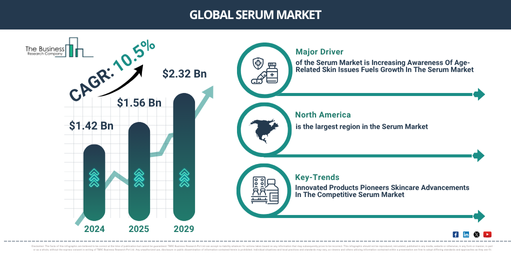
    In recent times, the serum market’s dimensions have seen significant expansion. It is projected to increase from $1.42 billion in 2024 to $1.56 billion in 2025 at an impressive compound annual growth rate (CAGR) of 9.7%. The growth factors during the historical phase include medical diagnostics, clinical study, drug evolution and examination, disease surveillance, and therapeutic applications.

    Anticipating robust expansion in the coming years, the serum market is projected to swell to a value of $2.32 billion by 2029, marking a Compound Annual Growth Rate (CAGR) of 10.5%. This growth trajectory over the prediction period can be traced back to advancements in precision medicine, the surge in personalized healthcare, broadened oncology applications, worldwide health endeavors, and the growing older population. The dominant trends during this forecast period revolve around the increased adoption of customizable serum solutions, the incorporation of fermented ingredients for skin health enhancement, the emergence of CBD-infused serums, the use of specialized ingredients like retinol alternatives, and a focus on inclusive beauty with diverse formulations.

    Download a free sample to assess the report’s scope and structure:

    https://www.thebusinessresearchcompany.com/sample.aspx?id=9432&type=smp

    What Are the Major Market Drivers Behind the Rising Adoption of Serum Market?

    The increased understanding of skin problems associated with aging is set to boost the serum market’s expansion in the future. Age-related skin conditions are those typically seen in the elderly, including wrinkles and lines caused by facial movements. Serums can treat these conditions, alleviating dullness, hyperpigmentation, dehydration, wrinkles, and firmness loss, while also balancing and brightening skin tone, reducing noticeable imperfections, and providing nourishment. For example, the Melanoma UK support and advocacy group reported in July 2022 that melanoma skin cancer cases are predicted to rise 9% by 2025, totaling 19,513. Furthermore, disease-related deaths are slated to go up by 13%, leading to 3,119 deaths. By 2040, an estimated 22,886 people will be diagnosed with melanoma skin cancer. Hence, the growing awareness about skin problems related to aging is fueling the serum market’s growth.

    Which Key Market Segments Comprise the Serum Market and Drive Its Revenue Growth?

    The serum market covered in this report is segmented –

    1) By Type: Bovine Serum, Fetal bovine serum (FBS), Other Types

    2) By Inactivation Technique: Heat Inactivated, Non-Heat Inactivated

    3) By Application: Biological Products, Research, Cell Culture, Biopharmaceutical Drugs, Vaccine Products, Diagnostic Products, Other Applications

    Subsegments:

    1) By Bovine Serum: Raw Bovine Serum, Processed Bovine Serum, Fetal Bovine Serum (FBS)

    2) By Fetal Bovine Serum (FBS): FBS (Heat-Inactivated), FBS (Non-Heat-Inactivated)

    3) By Other Types: Equine Serum, Porcine Serum, Human Serum

    Request customized data on this market:

    https://www.thebusinessresearchcompany.com/customise?id=9432&type=smp

    Which Areas Are Leading Regions in the Serum Market Expansion Across the Globe?

    North America was the largest region in the serum market in 2024. The regions covered in the serum market report are Asia-Pacific, Western Europe, Eastern Europe, North America, South America, Middle East, Africa.

    What Are the Strategic Trends Steering theSerum Market Direction?

    The serum market is witnessing a growing trend of product innovation, with key players focusing on developing unique serum formulations for an expanded range of skincare and beauty uses and to secure a competitive advantage. For example, in March 2022, Galderma, a Swiss pharmaceutical firm expert in dermatology treatments and skincare products, introduced HA Immerse Serum, an innovative addition to its ALASTIN Skincare range. The HA Immerse Serum is designed to hydrate the skin surface and boost the skin’s natural ability to generate hyaluronic acid from within, leading to a fuller, younger look over time. ALASTIN’s patented Octapeptide-45 is employed in the serum to improve the skin’s innate ability to enhance its high molecular hyaluronic acid production deep within, offering sustainable skin plumping, anti-ageing, and hydration benefits.

    View the full report here:

    https://www.thebusinessresearchcompany.com/report/serum-global-market-report

    How Is the Serum Market Conceptually Defined?

    Serum refers to the clear and liquid portion of blood that remains after blood cells and clotting proteins have been eliminated. It is used as a supplement to the basal growth medium in cell culture applications.

    Purchase the full report and get a swift delivery:

    https://www.thebusinessresearchcompany.com/purchaseoptions.aspx?id=9432

    About The Business Research Company:

    With over 15000+ reports from 27 industries covering 60+ geographies, The Business Research Company has built a reputation for offering comprehensive, data-rich research and insights. Armed with 1,500,000 datasets, the optimistic contribution of in-depth secondary research, and unique insights from industry leaders, you can get the information you need to stay ahead in the game.

    Get in touch with us:

    The Business Research Company: https://www.thebusinessresearchcompany.com/

    Americas +1 310-496-7795

    Europe +44 7882 955267

    Asia & Others +44 7882 955267 & +91 8897263534

    Email us at info@tbrc.info

    Follow us on:

    LinkedIn: https://in.linkedin.com/company/the-business-research-company

    YouTube: https://www.youtube.com/channel/UC24_fI0rV8cR5DxlCpgmyFQ

    Global Market Model: https://www.thebusinessresearchcompany.com/global-market-model
  • Research Antibodies and Reagents Market Insights: In-Depth Look at Growth Trends, Market Size, and Opportunities for 2025-2034

    Research Antibodies and Reagents Market Insights: In-Depth Look at Growth Trends, Market Size, and Opportunities for 2025-2034

    Claim your 30% discount on Global Market Reports with code ONLINE30. Limited time only.

    What Is the Estimated Market Size of the Research Antibodies and Reagents Market In 2029?

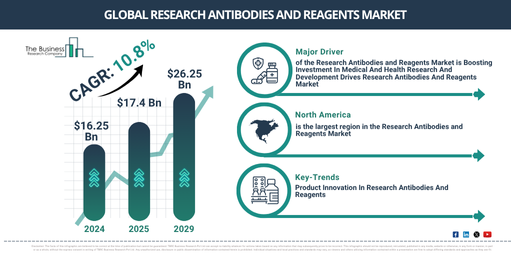
    Over the past few years, the market size of research antibodies and reagents has seen significant growth. It is expected to expand from a value of $16.25 billion in 2024 to $17.4 billion in 2025, indicating a compound annual growth rate (CAGR) of 7.1%. The historic rise in the market can be linked to factors such as rising pharmaceutical R&D spending, a growing elderly population, increased expenditure in healthcare, enhanced government funding for research, and expansion in the number of healthcare facilities.

    The market size for research antibodies and reagents is predicted to experience notable expansion in the forthcoming years, reaching $26.25 billion in 2029 with a compound annual growth rate (CAGR) of 10.8%. This growth during the projected period can be linked to several factors such as the surge in geriatric population, rising incidence of cancer and other chronic afflictions, increased budget allotment to research and development, escalation in healthcare expenses, augmented funding towards proteomics projects, an increased demand for personalized medications, and the sprouting of infectious diseases. During the forecast period, several trends will emerge including the adoption of nanotechnology in detecting scarcely abundant molecules, the introduction of pioneering tech-based products to boost sales and profitability, the emphasis on implementing superior antibody purification techniques, contemplation of collaborations and amalgamations with other research organizations and centers, and investment in research and development lab projects and initiatives.

    Download a free sample to assess the report’s scope and structure:

    https://www.thebusinessresearchcompany.com/sample.aspx?id=3418&type=smp

    What External and Internal Drivers Are Contributing to the Growth of theResearch Antibodies and Reagents Market?

    The surge in investments towards medical and health research and development (R&D) is anticipated to bolster the growth of the research antibodies and reagents market. In the realm of life science research, antibodies and reagents play crucial roles in studying biological processes or the origins of diseases with meticulous experimentation, observation, laboratory work, analysis and testing. For instance, data from the National Center for Science and Engineering Statistics (NCSES), a statistical body based in the U.S., shows that in January 2024, research and experimental development (R&D) in the U.S. amounted to $789.1 billion in 2021, and businesses project it will reach $885.6 billion in 2022, an increase of $84.1 billion. Thus, the escalation of investments in healthcare research and development is poised to enhance the market demand for research antibodies and reagents.

    What Segment Types Define the Research Antibodies and Reagents Market Structure?

    The research antibodies and reagents market covered in this report is segmented –

    1) By Technology: Western Blot, Immunofluorescence, Immunohistochemistry, Flow Cytometry, Enzyme-Linked Immunosorbent Assay (Elisa), Others

    2) By Application: Proteomics, Genomics, Other Applications

    3) By End User: Pharmaceutical & Biotechnology Industry, Academic & Research Institutes, Contract Research Organizations (CROs)

    Subsegments:

    1) By Western Blot: Primary Antibodies For Western Blot, Secondary Antibodies For Western Blot, Detection Kits

    2) By Immunofluorescence: Primary Antibodies For Immunofluorescence, Secondary Antibodies For Immunofluorescence, Fluorescent Dyes And Probes

    3) By Immunohistochemistry: Primary Antibodies For Immunohistochemistry, Secondary Antibodies For Immunohistochemistry, Detection Kits

    4) By Flow Cytometry: Fluorochrome-Conjugated Antibodies, Isotype Controls, Flow Cytometry Kits

    5) By Enzyme-Linked Immunosorbent Assay (ELISA): Capture Antibodies, Detection Antibodies, ELISA Kits

    6) By Others: Proteomics Reagents, Cell Culture Reagents, Antibody Conjugation Kits

    Request customized data on this market:

    https://www.thebusinessresearchcompany.com/customise?id=3418&type=smp

    Which Geographic Areas Hold the Strongest Growth Potential in the Research Antibodies and Reagents Market?

    North America was the largest region in the research antibodies and reagents market in 2024. The regions covered in the research antibodies and reagents market report are Asia-Pacific, Western Europe, Eastern Europe, North America, South America, Middle East, Africa

    What Long-Term Trends Are Transforming the Competitive Landscape of the Research Antibodies and Reagents Market?

    The leading companies in the research antibodies and reagents market are prioritizing the creation of innovative products such as bispecific antibodies for antibody therapeutics. These bispecific antibodies (bsAbs) comprise two antigen-binding sites, thus, they can concurrently target two distinctive epitopes. For example, F. Hoffmann-La Roche AG, a pharmaceutical company based in Switzerland, revealed in January 2022 that the FDA approved its Vabysmo (Faricimab) for the treatment of wet age-related macular degeneration (AMD) and diabetic macular edema (DME). Faricimab, or Vabysmo, is the inaugural bispecific antibody developed specifically for use in the eye.

    View the full report here:

    https://www.thebusinessresearchcompany.com/report/research-antibodie-and-reagent-global-market-report

    What Is the Definition of the Research Antibodies and Reagents Market?

    Research antibodies and reagents refer to the antibodies that bio scientists utilize as basic detection techniques. These are used to designate and distinguish particular proteins that are found within the sick cell at a particular stage of its life cycle.

    Purchase the full report and get a swift delivery:

    https://www.thebusinessresearchcompany.com/purchaseoptions.aspx?id=3418

    About The Business Research Company:

    With over 15000+ reports from 27 industries covering 60+ geographies, The Business Research Company has built a reputation for offering comprehensive, data-rich research and insights. Armed with 1,500,000 datasets, the optimistic contribution of in-depth secondary research, and unique insights from industry leaders, you can get the information you need to stay ahead in the game.

    Get in touch with us:

    The Business Research Company: https://www.thebusinessresearchcompany.com/

    Americas +1 310-496-7795

    Europe +44 7882 955267

    Asia & Others +44 7882 955267 & +91 8897263534

    Email us at info@tbrc.info

    Follow us on:

    LinkedIn: https://in.linkedin.com/company/the-business-research-company

    YouTube: https://www.youtube.com/channel/UC24_fI0rV8cR5DxlCpgmyFQ

    Global Market Model: https://www.thebusinessresearchcompany.com/global-market-model
  • Regenerative Medicine For Cartilage Market Outlook 2025–2034: Identifying Growth Drivers, Technology Trends, and Policy Impact

    Claim your 30% discount on Global Market Reports with code ONLINE30. Limited time only.

    How Fast Is The Regenerative Medicine For Cartilage Market Expected to Grow Between 2025 And 2029?

    The market size for regenerative medicine for cartilage has experienced robust growth in recent years. The market is expected to expand from $4.43 billion in 2024 to $4.68 billion in 2025, registering a compound annual growth rate (CAGR) of 5.6%. Factors contributing to the historical growth include increased incidences of chronic diseases, expansion in emerging markets, the enactment of the 21st Century Cures Act, a rapidly growing aging population, and enhancements in health awareness and spending.

    Anticipated to experience robust growth in the following years, the regenerative medicine for cartilage market is projected to expand to a value of $5.97 billion in 2029, with a compound annual growth rate (CAGR) of 6.3%. Factors contributing to this growth during the forecast period include an upturn in demand for organ transplants, an increase in healthcare expenditure, enhancements in the field of regenerative medicine technology, a surge in research investment for regenerative medicine, and lifestyle modifications. The forecast period sees rising trends like the amplified use of mesenchymal stem cell technology, enhanced focus on research and development of innovative gene therapy techniques, advancements in tech transfer and clinical applications, a surge in strategic alliances and partnerships, emergence and growth of new enterprises, the important role of injectable hydrogel in cartilage repair as a regenerative medicine, and worldwide research initiatives and funding.

    Download a free sample to assess the report’s scope and structure:

    https://www.thebusinessresearchcompany.com/sample.aspx?id=3961&type=smp

    What Are the Core Market Drivers Propelling Growth in the Regenerative Medicine For Cartilage Industry?

    Regenerative medicine for cartilage market potential is heightened by the escalating global cases of osteoarthritis. This degenerative joint condition mainly inflicts harm to the articular cartilage. As per the Arthritis Foundation, degenerative joint disease like osteoarthritis, is set to affect approximately 130 million individuals globally by 2050. With the key treatments for osteoarthritis being autologous chondrocyte implantation and scaffold implants, the surge in osteoarthritis cases will likely boost demand in the market for regenerative medicine for cartilage.

    How Is the Regenerative Medicine For Cartilage Market Segmented?

    The regenerative medicine for cartilage market covered in this report is segmented –

    1) By Product: Cell Based, Gene Based, Tissue Based

    2) By End-Use: Ambulatory Surgical Centers, Hospitals And Clinics, Others

    3) By Application: Musculoskeletal, Oncology, Dental, Wound Care, Others

    Subsegments:

    1) By Cell-Based: Chondrocyte-Based Therapies, Mesenchymal Stem Cell (MSC) Therapies, Induced Pluripotent Stem Cell (iPSC) Therapies, Embryonic Stem Cell (ESC) Therapies

    2) By Gene-Based: Gene Modification Therapies, CRISPR-Based Gene Editing, Viral Vector Gene Therapies, Non-Viral Gene Therapies

    3) By Tissue-Based: Autologous Tissue Grafts, Allogeneic Tissue Grafts, Xenogeneic Tissue Grafts, Synthetic Scaffolds

    Request customized data on this market:

    https://www.thebusinessresearchcompany.com/customise?id=3961&type=smp

    Which Regions Are Driving the Next Phase of the Regenerative Medicine For Cartilage Market Growth?

    Europe was the largest region in regenerative medicine for cartilage in 2024. The regions covered in the regenerative medicine for cartilage market report are Asia-Pacific, Western Europe, Eastern Europe, North America, South America, Middle East, Africa.

    What Key Market Trends and Innovations Are Shaping the Future of the Regenerative Medicine For Cartilage Industry?

    Tissue engineering and stem cell therapy are becoming popular trends in the field of regenerative medicine for the cartilage market. Advancements in tissue engineering technology have provided a promising avenue for the regeneration of cartilage. Stem cell therapy is increasingly being recognized for its benefits compared to traditional orthopedic treatments. It effectively alleviates knee pain and fosters knee cartilage regrowth and recovery. For example, growth factors are injected in the form of platelet-rich plasma (PRP) therapy to effectively stimulate tissue regeneration. To remain competitive in the regenerative medicine for cartilage market, companies are steadily concentrating on the development and introduction of new technologies.

    View the full report here:

    https://www.thebusinessresearchcompany.com/report/regenerative-medicine-for-cartilage-global-market-report

    How Is the Regenerative Medicine For Cartilage Market Defined and What Are Its Core Parameters?

    Regenerative medicine for cartilage refers to a medication used during surgery to repair damaged cartilage in the knees using body-produced cells that can create cartilage. A biopsy is required to collect chondrocytes (cells that produce cartilage), which are then multiplied in a lab before being implanted into the injured area during surgery.

    Purchase the full report and get a swift delivery:

    https://www.thebusinessresearchcompany.com/purchaseoptions.aspx?id=3961

    About The Business Research Company:

    With over 15000+ reports from 27 industries covering 60+ geographies, The Business Research Company has built a reputation for offering comprehensive, data-rich research and insights. Armed with 1,500,000 datasets, the optimistic contribution of in-depth secondary research, and unique insights from industry leaders, you can get the information you need to stay ahead in the game.

    Get in touch with us:

    The Business Research Company: https://www.thebusinessresearchcompany.com/

    Americas +1 310-496-7795

    Europe +44 7882 955267

    Asia & Others +44 7882 955267 & +91 8897263534

    Email us at info@tbrc.info

    Follow us on:

    LinkedIn: https://in.linkedin.com/company/the-business-research-company

    YouTube: https://www.youtube.com/channel/UC24_fI0rV8cR5DxlCpgmyFQ

    Global Market Model: https://www.thebusinessresearchcompany.com/global-market-model
  • Emerging Growth Drivers in the Psychedelic Drugs Market Landscape: Surging Cases Of Mental Illness To Drive Market Growth

    Emerging Growth Drivers in the Psychedelic Drugs Market Landscape: Surging Cases Of Mental Illness To Drive Market Growth

    Claim your 30% discount on Global Market Reports with code ONLINE30. Limited time only.

    What Are the Key Projections for the CAGR of the Psychedelic Drugs Market Size From 2025 to 2034?

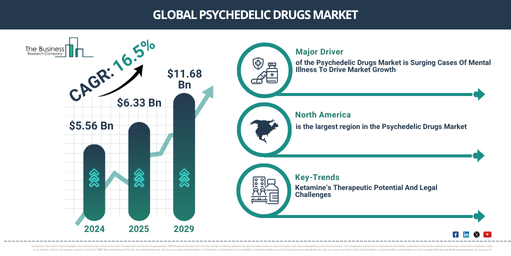
    The size of the market for psychedelic drugs has seen a swift expansion in the past few years. Its growth is projected to surge, moving from $5.56 billion in 2024 to $6.33 billion in 2025. This represents a compound annual growth rate (CAGR) of 13.9%. Factors contributing to the growth witnessed in the historic period include changes in the regulatory environment, heightened awareness about mental health, and evolving public viewpoints.

    The market size for psychedelic drugs is projected to experience exponential growth in the upcoming years, expanding to an estimate of $11.68 billion by 2029 with a Compound Annual Growth Rate (CAGR) of 16.5%. This surge in growth during the projection period can be attributed to several factors such as progress in drug development, broadening of therapeutic applications, the increasing acceptance within the medical fraternity, changes in public policy, and responses to mental health crises. The forecast period will also witness significant trends such as a concentration on educating the public and increasing awareness, evolution in legal and regulatory factors, the proliferation of psychedelic compounds, and an emphasis on patient-focused treatments.

    Download a free sample to assess the report’s scope and structure:

    https://www.thebusinessresearchcompany.com/sample.aspx?id=6345&type=smp

    Which Primay Drivers Are Accelerating Growth in the Psychedelic Drugs Market?

    The escalation in mental illness instances is projected to spur the expansion of the psychedelic drugs market in the future. Mental illnesses denote health conditions characterized by variations in feelings, cognition, or conduct; they encompass conditions like distress and post-traumatic stress disorder. Psychedelic drugs, used for treating depression and PTSD, can reduce the occurrence of mental illnesses with regular use. To illustrate, per the November 2022 data from the National Centre for Social Research, London-based social research institute indicated that the count of 17 to 19-year-olds suspected of having a mental disorder escalated from 17.4% in 2021 to 25.7% in 2022. Consequently, the escalating prevalence of mental health disorders is fuelling the growth of the psychedelic drugs market.

    Which Primary Segments of the Psychedelic Drugs Market Are Driving Growth and Industry Transformations?

    The psychedelic drugs market covered in this report is segmented –

    1) By Type: Lysergic Acid Diethylamide (LSD), Ketamine, Phencyclidine, Gamma Hydroxybutyric Acid (GHB), Salvia

    2) By Disease Indication: Depression, PTSD

    3) By Origin: Natural, Synthetic

    4) By Application: Treatment-Resistant Depression, Opiate addiction, Post- Traumatic Stress Disorder, Narcolepsy, Panic Disorders

    5) By Distribution Channel: Hospitals Pharmacy, Retail Pharmacy, Online Pharmacy

    Subsegments:

    1) By Lysergic Acid Diethylamide (LSD): LSD Tablets, LSD Liquid, LSD Blotters

    2) By Ketamine: Ketamine Infusion, Ketamine Nasal Spray, Ketamine Injectable

    3) By Phencyclidine (PCP): PCP Powder, PCP Tablets, PCP Liquid

    4) By Gamma Hydroxybutyric Acid (GHB): GHB Liquid, GHB Powder, GHB Capsules

    5) By Salvia: Salvia Extract, Salvia Dried Leaves, Salvia Tinctures

    Request customized data on this market:

    https://www.thebusinessresearchcompany.com/customise?id=6345&type=smp

    Which Regions Are Key Players in the Growth of the #Which Primay Drivers Are Accelerating Growth in the Psychedelic Drugs Market?# Market?

    North America was the largest region in the psychedelic drugs market in 2024. Asia-Pacific is expected to be the fastest-growing region in the forecast period. The regions covered in the psychedelic drugs market report are Asia-Pacific, Western Europe, Eastern Europe, North America, South America, Middle East, Africa.

    Which Technological Trends Are Reshaping the Psychedelic Drugs Industry Dynamics?

    Leading organizations in the psychedelic drugs industry are concentrating their efforts on ground-breaking products like ketamine to enhance treatment results for mental health issues, augment patient access to therapy, and delve into new uses for psychedelic substances in areas such as depression, anxiety, PTSD, and substance use disorders. Known for its dissociative characteristics, ketamine is also used as an anesthetic and analgesic and is being studied for its instantaneous antidepressant effects in managing severe conditions like depression and PTSD. For example, Husch Blackwell, a conventional company headquartered in the US, introduced the Psychedelics and Emerging Therapies Practice Group in March 2022. This group is planned to support innovators in the research, development, and marketing of novel therapies derived from psychedelics. It includes a multidisciplinary group of solicitors proficient in navigating the complex legal environment surrounding these substances, often categorized as Schedule I controlled substances under U.S. federal law. This categorization presents considerable regulatory obstacles which can slow down research and development.

    View the full report here:

    https://www.thebusinessresearchcompany.com/report/psychedelic-drugs-global-market-report

    What Parameters Are Used to Define the Psychedelic Drugs Market?

    Psychedelic drug refers to a group of psychoactive drugs that alter perception, mood, and thought processes. All the senses are affected by psychedelics, which change a person’s thinking, perception of time, and emotions. These include chemicals such as Lysergic acid diethylamide (LSD) and plants such as peyote. These medications are used to treat a variety of brain conditions.

    Purchase the full report and get a swift delivery:

    https://www.thebusinessresearchcompany.com/purchaseoptions.aspx?id=6345

    About The Business Research Company:

    With over 15000+ reports from 27 industries covering 60+ geographies, The Business Research Company has built a reputation for offering comprehensive, data-rich research and insights. Armed with 1,500,000 datasets, the optimistic contribution of in-depth secondary research, and unique insights from industry leaders, you can get the information you need to stay ahead in the game.

    Get in touch with us:

    The Business Research Company: https://www.thebusinessresearchcompany.com/

    Americas +1 310-496-7795

    Europe +44 7882 955267

    Asia & Others +44 7882 955267 & +91 8897263534

    Email us at info@tbrc.info

    Follow us on:

    LinkedIn: https://in.linkedin.com/company/the-business-research-company

    YouTube: https://www.youtube.com/channel/UC24_fI0rV8cR5DxlCpgmyFQ

    Global Market Model: https://www.thebusinessresearchcompany.com/global-market-model

  • Strategic Growth Drivers Shaping the Precision Medicine Market Outlook 2025- 2034:Rising Cancer Prevalence Propels Growth In The Precision Medicine Market

    Strategic Growth Drivers Shaping the Precision Medicine Market Outlook 2025- 2034:Rising Cancer Prevalence Propels Growth In The Precision Medicine Market

    Claim your 30% discount on Global Market Reports with code ONLINE30. Limited time only.

    How Has The Precision Medicine Market Growth Evolved From 2024 To 2025, And What’s Ahead?

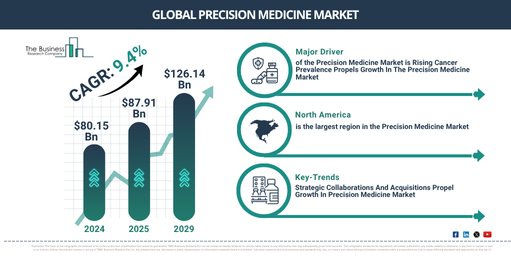
    The scale of the precision medicine market has significantly expanded in the last few years. It is anticipated to rise from $80.15 billion in 2024 to $87.91 billion in 2025, with a compound annual growth rate (CAGR) of 9.7%. Factors such as the escalation in cancer cases, rise in mental health issues, amplified instances of respiratory diseases, escalating funds, growing elderly population, higher pharmaceutical R&D spend, and augmented healthcare expenditure contributed to the market’s growth in the historical period.

    The market size for precision medicine is anticipated to experience substantial growth in the future. The market is projected to surge to $126.14 billion in 2029 with a compound annual growth rate (CAGR) of 9.4%. Factors contributing to growth during this period include growing older population, rising cancer prevalence, potential in developing economies, emergence of new pathogen infestations, increased funding for research and development, and growth in health care spending. Foreseen growth trends revolve around adopting AI technologies to enhance competitive edge, providing diagnosis and personalized treatment for immune-mediated diseases, investing more in R&D activities, and forming partnerships with tech and healthcare firms to enhance their product offerings.

    Download a free sample to assess the report’s scope and structure:

    https://www.thebusinessresearchcompany.com/sample.aspx?id=5301&type=smp

    Which Factors and External Forces Are Driving Demand in the Precision Medicine Market?

    The increasing occurrence of cancer is anticipated to push the expansion of the precision medicine market. Cancer is among the leading factors of mortality globally, with every fifth individual being at risk of developing some form of cancer in their lifetime. The application of precision medicine in cancer entails the examination of tumor DNA to identify gene mutations or other genomic irregularities triggering the disease. This allows physicians to select a treatment that best suits or targets the genetic modifications in the tumor of a specific patient. For example, as per the World Health Organization, a Switzerland-based entity responsible for global public health, over 35 million new incidences of cancer are predicted by 2050, marking a 77% surge from the anticipated 20 million cases in 2022. Consequently, the escalating frequency of cancer propels the growth of the precision medicine market.

    Which Segments in the Precision Medicine Offer the Most Growth?

    The precision medicine market covered in this report is segmented –

    1) By Technology: Big Data Analytics, Bioinformatics, Gene Sequencing, Drug Discovery, Companion Diagnostics, Other Technology

    2) By Application: Oncology, Respiratory Diseases, Central Nervous System Disorders, Immunology, Genetic Diseases, Other Applications.

    3) By End-Use: Pharmaceutical Companies, Diagnostic Companies, Healthcare And IT Firms, Others

    Subsegments:

    1) By Big Data Analytics: Predictive Analytics, Prescriptive Analytics, Data Mining

    2) By Bioinformatics: Genomic Data Analysis, Proteomics Data Analysis, Metabolomics Data Analysis

    3) By Gene Sequencing: Next-Generation Sequencing (NGS), Sanger Sequencing, Whole Genome Sequencing

    4) By Drug Discovery: Target Identification And Validation, Lead Compound Discovery, Preclinical And Clinical Trials

    5) By Companion Diagnostics: Biomarker Testing, Genomic Profiling, Companion Diagnostic Tests

    6) By Other Technology: Personalized Treatment Plans, Telemedicine And Digital Health Solutions, Wearable Health Technology

    Request customized data on this market:

    https://www.thebusinessresearchcompany.com/customise?id=5301&type=smp

    What Are the Fastest-Growing Geographies in the #Which Factors and External Forces Are Driving Demand in the Precision Medicine Market?# Market?

    North America was the largest region in the precision medicine market in 2024. Asia-Pacific is expected to be the fastest-growing region in the forecast period. The regions covered in the precision medicine market report are Asia-Pacific, Western Europe, Eastern Europe, North America, South America, Middle East, Africa.

    Which Cutting-Edge Market Trends Are Expected to Drive thePrecision Medicine Market’s Growth?

    An increase in collaborations and acquisitions among precision medicine firms is broadening their reach in both cancer-related and non-cancer fields. The constant research and development in precision medicine are being propelled forward by these alliances, helping companies refine their strategies and capabilities. For example, in September 2022, the UK pharmaceutical corporation, GSK plc, deepened its relationship with Tempus, an American precision medicine firm. The objective of this three-year partnership is to enhance clinical trial design, accelerate the process of patient enrollment and identify possible drug targets through the use of Tempus’ AI-powered platforms and abundant anonymous patient data. This venture is a continuation of earlier collaborations and is projected to boost GSK’s research and development abilities, particularly in the area of oncology.

    View the full report here:

    https://www.thebusinessresearchcompany.com/report/precision-medicine-global-market-report

    What Are the Key Elements That Define the Precision Medicine Market?

    Precision medicine refers to a type of medication that prevents, detects, or treats disease using knowledge about a person’s genes or proteins. To choose a treatment that may be most effective for a person, precision medicine considers their genetics, environment, and lifestyle.

    Purchase the full report and get a swift delivery:

    https://www.thebusinessresearchcompany.com/purchaseoptions.aspx?id=5301

    About The Business Research Company:

    With over 15000+ reports from 27 industries covering 60+ geographies, The Business Research Company has built a reputation for offering comprehensive, data-rich research and insights. Armed with 1,500,000 datasets, the optimistic contribution of in-depth secondary research, and unique insights from industry leaders, you can get the information you need to stay ahead in the game.

    Get in touch with us:

    The Business Research Company: https://www.thebusinessresearchcompany.com/

    Americas +1 310-496-7795

    Europe +44 7882 955267

    Asia & Others +44 7882 955267 & +91 8897263534

    Email us at info@tbrc.info

    Follow us on:

    LinkedIn: https://in.linkedin.com/company/the-business-research-company

    YouTube: https://www.youtube.com/channel/UC24_fI0rV8cR5DxlCpgmyFQ

    Global Market Model: https://www.thebusinessresearchcompany.com/global-market-model

  • Major Drivers Propelling the Growth oh thePhotodynamic Therapy Market Forward: Rising Prevalence Of Skin Cancer Drives Growth In The Photodynamic Therapy Market

    Major Drivers Propelling the Growth oh thePhotodynamic Therapy Market Forward: Rising Prevalence Of Skin Cancer Drives Growth In The Photodynamic Therapy Market

    Claim your 30% discount on Global Market Reports with code ONLINE30. Limited time only.

    What is the Projected CAGR for the Photodynamic Therapy Market Size from 2025 to 2034?

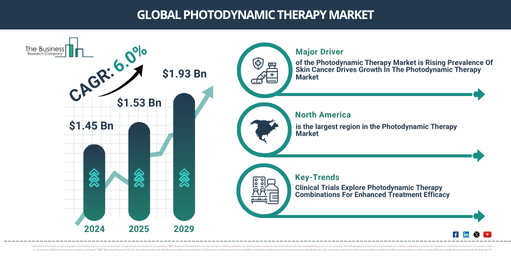
    There has been significant growth in the photodynamic therapy market size in the past few years. The market, which was valued at $1.45 billion in 2024, is projected to increase to $1.53 billion in 2025, demonstrating a compound annual growth rate (CAGR) of 5.6%. Factors contributing to the growth during the historic period include a rise in the aging population, an uptick in cancer incidence and skin disorders, escalating pollution levels, higher spending on healthcare, and an expansion in the number of healthcare establishments.

    In the coming years, there is anticipated vigorous expansion in the market for photodynamic therapy, which is projected to reach $1.93 billion in 2029, flourishing at a compounded annual growth rate (CAGR) of 6.0%. The predicted increase during this period can be credited to factors such as expanding healthcare investment, coverage of photodynamic therapy by insurance, promising opportunities in developing economies, a surge in the adolescent and aged demographic, an escalated incidence of cancer and chronic disorders, and the advent of contagious diseases. The noteworthy trends for the forecasted tenure are the launching of portable devices for photodynamic therapy that aid in conducting dermatological PDT procedures at home, channeling funds into AI-powered PDT to better patient treatment, broadening the product spectrum in the realm of cosmetic treatments, ongoing funding for research and development, and striving to offer photoimmunotherapy devices besides augmenting the portfolio to incorporate photothermal therapy.

    Download a free sample to assess the report’s scope and structure:

    https://www.thebusinessresearchcompany.com/sample.aspx?id=5246&type=smp

    Which Major Market Drivers Are Expected to Boost the Growth Potential of the Photodynamic Therapy Market?

    The surge in skin cancer incidences is propelling the photodynamic therapy market. Skin cancer happens to be the most prevalent type of cancer. Even though melanoma accounts for only about 1% of skin cancers, it’s responsible for a significant number of skin cancer fatalities. Photodynamic therapy (PDT) employs a combination of a photosensitizing drug and a high-intensity light source to eradicate cancer cells. In this process, a lotion containing a photosensitizing chemical is applied by the physician to the skin cancer as well as the nearby area. For instance, the American Cancer Society, a renowned US organization, stated in January 2024 that skin cancer is the most frequently observed cancer in the U.S., with melanoma accounting for 1% of the cases but leading to most skin cancer deaths. Furthermore, in 2024, an expected 100,640 fresh melanoma cases will be identified in the U.S., including approximately 59,170 men and 41,470 women. About 8,290 fatalities from melanoma are foreseen, with approximately 5,430 men and 2,860 women among them. Thus, the escalating prevalence of skin cancer is projected to boost the photodynamic therapy market in future years.

    Which Key Market Segments Comprise the Photodynamic Therapy Market and Drive Its Revenue Growth?

    The photodynamic therapy market covered in this report is segmented –

    1) By Product: Drugs, Devices

    2) By Application: Actinic Keratosis (AK), Cancer, Acne, Psoriasis, Other Applications

    3) By End-User: Cosmetics And Dermatology Clinics, Hospitals, Cancer Treatment Centers, Other End-Users

    Subsegments:

    1) By Drugs: Photosensitizers, Combination Drug Therapies, Novel Photosensitizer Formulations

    2) By Devices: Light Sources (Laser Systems, LED Systems), Delivery Devices (Fiber Optics, Handheld Devices), Treatment Systems (Portable Devices, Fixed Systems)

    Request customized data on this market:

    https://www.thebusinessresearchcompany.com/customise?id=5246&type=smp

    Which Areas Are Leading Regions in the Photodynamic Therapy Market Expansion Across the Globe?

    North America was the largest region in the photodynamic therapy market in 2024. The regions covered in the photodynamic therapy market report are Asia-Pacific, Western Europe, Eastern Europe, North America, South America, Middle East, Africa.

    What Are the Key Market Trends in thePhotodynamic Therapy Market Over the Coming Years?

    Industry participants in the photodynamic therapy market are increasingly directing their efforts towards clinical trials that integrate PDT with various drugs. For example, Kintara Therapeutics, a biotechnology firm based in the US, initiated a clinical trial for its REM-001 therapy aimed at cutaneous metastatic breast cancer in February 2024. The open-label study NCT05374915, which encompasses 15 patients suffering from cutaneous metastatic breast cancer (CMBC), tests the second-generation photodynamic therapy agent REM-001 at a dosage of 0.8 mg. The trial’s objective is to refine the study design in anticipation of a Phase 3 trial and to concentrate on the Best Overall Objective Response Rate (bORR) within the treatment fields over a span of 24 weeks. The primary endpoint includes the measure of entire and partial responses.

    View the full report here:

    https://www.thebusinessresearchcompany.com/report/photodynamic-therapy-global-market-report

    How Is the Photodynamic Therapy Market Conceptually Defined?

    Photodynamic therapy refers to a procedure that uses a light source and medication that is light-sensitive to eliminate aberrant cells. Some eye and skin disorders, as well as specific cancers, can be treated with it. Photodynamic therapy (PDT) is a two-stage treatment that combines light energy with a drug (photosensitizer) designed to destroy cancerous and precancerous cells after light activation.

    Purchase the full report and get a swift delivery:

    https://www.thebusinessresearchcompany.com/purchaseoptions.aspx?id=5246

    About The Business Research Company:

    With over 15000+ reports from 27 industries covering 60+ geographies, The Business Research Company has built a reputation for offering comprehensive, data-rich research and insights. Armed with 1,500,000 datasets, the optimistic contribution of in-depth secondary research, and unique insights from industry leaders, you can get the information you need to stay ahead in the game.

    Get in touch with us:

    The Business Research Company: https://www.thebusinessresearchcompany.com/

    Americas +1 310-496-7795

    Europe +44 7882 955267

    Asia & Others +44 7882 955267 & +91 8897263534

    Email us at info@tbrc.info

    Follow us on:

    LinkedIn: https://in.linkedin.com/company/the-business-research-company

    YouTube: https://www.youtube.com/channel/UC24_fI0rV8cR5DxlCpgmyFQ

    Global Market Model: https://www.thebusinessresearchcompany.com/global-market-model