Blog

  • Chickenpox Vaccine Market Overview 2025: Competitive Shifts, Forecast Models, and Emerging Opportunities

    Chickenpox Vaccine Market Overview 2025: Competitive Shifts, Forecast Models, and Emerging Opportunities

    Claim your 30% discount on Global Market Reports with code ONLINE30. Limited time only.

    How Fast Is The Chickenpox Vaccine Market Expected to Grow Between 2025 And 2029?

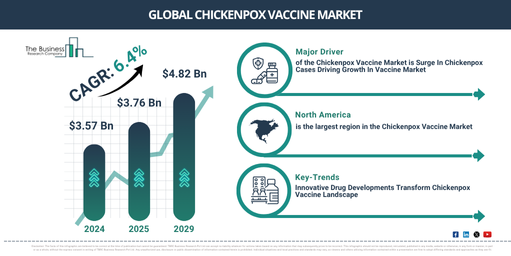
    The market for the chickenpox vaccine has been on a robust growth trajectory in the past years. It promises to surge from a value of $3.57 billion in 2024 to $3.76 billion in 2025, experiencing a compound annual growth rate (CAGR) of 5.5%. Factors such as the advancement in vaccine research, regulatory green signals, rate of occurrence of the disease, policies regarding vaccination, and initiatives related to public health have been instrumental in spurring the growth during the previous period.

    The market of chickenpox vaccine is anticipated to witness significant expansion in the coming years. The market is predicted to reach $4.82 billion by 2029, with a compound annual growth rate (CAGR) of 6.4%. Various factors can be credited for this anticipated growth during the forecast period like public faith and understanding, readiness for pandemics, research activities and advancements, rising requirement in emerging markets, and development of healthcare infrastructure. The forecast period is also expected to see certain trends such as educational drives for vaccines, monitoring of adverse events, strategies related to vaccine pricing, breakthrough innovations, and the implementation of AI.

    Download a free sample to assess the report’s scope and structure:

    https://www.thebusinessresearchcompany.com/sample.aspx?id=8581&type=smp

    What Are the Core Growth Drivers Propelling the Chickenpox Vaccine Market Forward?

    The growth of the chickenpox vaccine market is likely to receive significant momentum due to the increasing cases of chickenpox disease. Chickenpox is a severe infectious disease caused by the varicella-zoster virus (VZV), which results in a fluid-filled rash accompanied by itching. The surge in chickenpox cases necessitates an increase in varicella vaccine immunization, thereby enhancing the demand for chickenpox vaccines. For example, the National Library of Medicine (NLM), a renowned US-based biomedical library, published a report in October 2023 stating that a study conducted from September 2016 to December 2022 revealed the average weekly rate of 3.4 GP consultations per 100,000 people in England for chickenpox during weeks 13 to 15 each year. During the COVID-19 pandemic, these typical epidemic peaks were absent due to lockdowns and social distancing measures. Despite this, the consultation rate among children under one year old was higher in 2022 than in the pre-pandemic years, pointing to altered transmission patterns. These factors collectively contribute to the escalating prevalence of chickenpox disease, fuelling the growth of the chickenpox vaccine market.

    What Segment Types Define the Chickenpox Vaccine Market Structure?

    The chickenpox vaccine market covered in this report is segmented –

    1) By Vaccine: Monovalent Varicella Vaccine, Combination Varicella Vaccine

    2) By Application: Mumps, Measles, Rubella, And Varicella Immunization, Herpes Zoster Immunization, Chickenpox Vaccination

    3) By End-Users: Hospitals, Clinics, Other End-Users

    Subsegments:

    1) By Monovalent Varicella Vaccine: Live Attenuated Varicella Vaccine

    2) By Combination Varicella Vaccine: Measles, Mumps, Rubella, And Varicella (MMRV) Vaccine

    Request customized data on this market:

    https://www.thebusinessresearchcompany.com/customise?id=8581&type=smp

    Which Geographic Areas Hold the Strongest Growth Potential in the Chickenpox Vaccine Market?

    North America was the largest region in the chickenpox vaccine market share in 2024. Asia-Pacific is expected to be the fastest-growing region in the forecast period. The regions covered in the chickenpox vaccine market report are Asia-Pacific, Western Europe, Eastern Europe, North America, South America, Middle East, Africa.

    Which Emerging Trends that Are Influencing theChickenpox Vaccine Industry Evolution?

    The chickenpox vaccine market is witnessing a significant trend of innovative drug advancements. Established companies in the industry are creating groundbreaking medications featuring greater effectiveness and unique derivatives to maintain market dominance. In November 2022, Sinovac Biotech Ltd., a company from China that specializes in vaccine research, manufacturing, and development, announced that its live attenuated chickenpox (varicella) vaccine had received prequalification from the World Health Organization (WHO); being the first varicella vaccine to receive such recognition globally. The varicella vaccine is derived from the Oka strain and is manufactured in the unique Human Diploid Cell (SV-1 strain) of SINOVAC, which is created by cultivating and harvesting the virus, adding stabilizers, and then freeze-drying it. A phase III efficacy trial, involving a group of children aged 1 to 12, demonstrated a 97.1% seroconversion rate. Additionally, the vaccine showed an 87.1% and 89.2% effectiveness against varicella and breakthrough varicella, respectively. The vaccine also provided 100 percent protection against both mild and severe conditions.

    View the full report here:

    https://www.thebusinessresearchcompany.com/report/chickenpox-vaccine-global-market-report

    What Is the Definition of the Chickenpox Vaccine Market?

    Chickenpox vaccines are biological preparations that stimulate the cell-mediated immune response and prepare it to fight future infections caused by viruses by triggering IgG-mediated production of antibodies against varicella-zoster-specific pathogens that enter the body. The varicella-zoster virus causes chickenpox, which is a highly contagious disease (VZV).

    Purchase the full report and get a swift delivery:

    https://www.thebusinessresearchcompany.com/purchaseoptions.aspx?id=8581

    About The Business Research Company:

    With over 15000+ reports from 27 industries covering 60+ geographies, The Business Research Company has built a reputation for offering comprehensive, data-rich research and insights. Armed with 1,500,000 datasets, the optimistic contribution of in-depth secondary research, and unique insights from industry leaders, you can get the information you need to stay ahead in the game.

    Get in touch with us:

    The Business Research Company: https://www.thebusinessresearchcompany.com/

    Americas +1 310-496-7795

    Europe +44 7882 955267

    Asia & Others +44 7882 955267 & +91 8897263534

    Email us at info@tbrc.info

    Follow us on:

    LinkedIn: https://in.linkedin.com/company/the-business-research-company

    YouTube: https://www.youtube.com/channel/UC24_fI0rV8cR5DxlCpgmyFQ

    Global Market Model: https://www.thebusinessresearchcompany.com/global-market-model
  • From Insight to Impact: Strategic Growth Mapping in the Cervical Cancer Drugs Market

    From Insight to Impact: Strategic Growth Mapping in the Cervical Cancer Drugs Market

    Claim your 30% discount on Global Market Reports with code ONLINE30. Limited time only.

    What Are the Key Projections for the CAGR of the Cervical Cancer Drugs Market Size From 2025 to 2034?

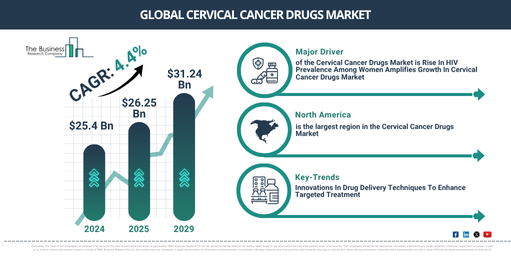
    The market size for drugs treating cervical cancer has seen consistent enlargement over the past years. The growth will progress from $25.4 billion in 2024 to $26.25 billion in 2025, marking a Compound Annual Growth Rate (CAGR) of 3.3%. The historical phase of growth is ascribed to the introduction of HPV vaccines, innovative developments in chemotherapy drugs, advancements in the realm of radiation therapy, early uptake of targeted therapies, and diagnostic breakthroughs.

    The market size of drugs for cervical cancer is projected to witness consistent growth in the coming years. The expectation is for the market value to rise to $31.24 billion in 2029 with a Compound Annual Growth Rate (CAGR) of 4.4%. The estimated growth during the forecast period can be attributed to advancements in immunotherapy, the growth of precision medicine, the ongoing development of targeted therapies, expanded HPV vaccination programs, and novel combination therapies. Major trends foreseen during this period include the development of healthcare infrastructure, advancements in immunotherapy, a focus on precision medicine approaches, development of targeted therapies, and the implementation of HPV vaccination programs.

    Download a free sample to assess the report’s scope and structure:

    https://www.thebusinessresearchcompany.com/sample.aspx?id=2589&type=smp

    What are the Fundamental Drivers and Innovations Shaping the Cervical Cancer Drugs Market?

    The cervical cancer drugs market is expanding due to the rising prevalence of HIV (Human Immunodeficiency Virus) among women. Women who are HIV positive are at a higher risk of developing cervical cancer compared to the general population. Approximately 18 million women globally have been confirmed as HIV positive, and the virus causes a weakened immune system which raises the possibility of cervical cancer. There’s an elevated risk for women with HIV to be diagnosed with cervical cancer due to a decrease in the protein CD4. Data from the National Cancer Institute indicates that individuals with HIV are three times more prone to a diagnosis, contributing to the expansion of the cervical cancer drugs market.

    How Is the Cervical Cancer Drugs Market Segmented?

    The cervical cancer drugs market covered in this report is segmented –

    1) By Cancer Type: Squamous Cell Cancer, Adenocarcinoma

    2) By Drug Type: Avastin, Bevacizumab, Bleomycin, Blenoxane, Other Drug Types

    3) By Distribution Channel: Hospitals Pharmacies, Retail Pharmacies, Other Distribution Channels

    Subsegments:

    1) By Squamous Cell Cancer: Chemotherapy Agents, Targeted Therapy, Immunotherapy

    2) By Adenocarcinoma: Chemotherapy Agents, Targeted Therapy, Immunotherapy

    Request customized data on this market:

    https://www.thebusinessresearchcompany.com/customise?id=2589&type=smp

    Which Regions Are Driving the Next Phase of the Cervical Cancer Drugs Market Growth?

    North America was the largest region in the cervical cancer drugs market in 2024. Middle East is expected to be the fastest-growing region in the global cervical cancer drugs market share during the forecast period. The regions covered in the cervical cancer drugs market report are Asia-Pacific, Western Europe, Eastern Europe, North America, South America, Middle East, Africa.

    What Key Trends Are Shaping the Future of the Cervical Cancer Drugs Market?

    Several notable trends are currently being observed in the cervical cancer drugs market that contribute to the disease’s effective and targeted management, with progress in drug delivery being a key factor. Among these trends is the utilization of drugs that can be administered directly via the vagina, employing vaginal formulations like gels, creams, pessaries, rings, films, and tablets. These medications simplify cervical cancer’s localized treatment. These drugs are specifically formulated for easy absorption into the vaginal tissue, ensuring that they reach the location where they are needed. For instance, pharmaceutical companies have brought products like Cidofovir gel and 851B Gel to the marketplace to combat cervical cancer. According to reports by the International Council for Harmonization of Technical Requirements for Pharmaceuticals for Human Use (ICH) Clinical Trials Registry, 851B Gel is still in trial, while Cidofovir gel, marketed under the brand name Vistide, has already achieved market success. Besides these gels, potential drugs including ISA101, AGEN2034, and Z-100 are in the development pipeline and are expected to foster growth in the cervical cancer drugs market.

    View the full report here:

    https://www.thebusinessresearchcompany.com/report/cervical-cancer-drugs-global-market-report

    How Is the Cervical Cancer Drugs Market Defined and What Are Its Core Parameters?

    Cervical cancer drugs refer to the drugs or medications that are used to treat cervical cancer. This treatment is effective in killing cancer cells in the majority of body parts because the chemicals enter the bloodstream and can travel to practically all parts of the body. Cervical cancer is a medical condition in which there is a tumor formation in the lower portion of the uterus which is known as the cervix.

    Purchase the full report and get a swift delivery:

    https://www.thebusinessresearchcompany.com/purchaseoptions.aspx?id=2589

    About The Business Research Company:

    With over 15000+ reports from 27 industries covering 60+ geographies, The Business Research Company has built a reputation for offering comprehensive, data-rich research and insights. Armed with 1,500,000 datasets, the optimistic contribution of in-depth secondary research, and unique insights from industry leaders, you can get the information you need to stay ahead in the game.

    Get in touch with us:

    The Business Research Company: https://www.thebusinessresearchcompany.com/

    Americas +1 310-496-7795

    Europe +44 7882 955267

    Asia & Others +44 7882 955267 & +91 8897263534

    Email us at info@tbrc.info

    Follow us on:

    LinkedIn: https://in.linkedin.com/company/the-business-research-company

    YouTube: https://www.youtube.com/channel/UC24_fI0rV8cR5DxlCpgmyFQ

    Global Market Model: https://www.thebusinessresearchcompany.com/global-market-model
  • Cell TherapyMarket Overview 2025–2034: CAGR Trends, Long-Term Growth Paths, and Business Implications

    Cell TherapyMarket Overview 2025–2034: CAGR Trends, Long-Term Growth Paths, and Business Implications

    Claim your 30% discount on Global Market Reports with code ONLINE30. Limited time only.

    How Has The Cell Therapy Market Growth Evolved From 2024 To 2025, And What’s Ahead?

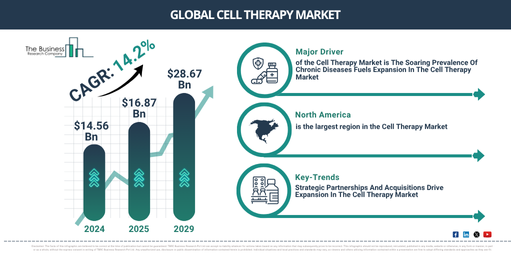
    The market for cell therapy has witnessed substantial growth in recent years. The size of the market is projected to surge from $14.56 billion in 2024, and reach a value of $16.87 billion in 2025, with a compound annual growth rate (CAGR) of 15.8%. This past period of growth is due largely to early exploration and discoveries, regulatory milestones, clinical experiments and research, the willingness of early adopters and innovative corporations to implement the technology, and favorable market acceptance and perception.

    The market size of cell therapy is projected to witness a swift expansion in the coming years, with an estimated rise to $28.67 billion in 2029, featuring a compound annual growth rate (CAGR) of 14.2%. The forecast period’s growth may be due to ethical and societal considerations, investment and funding patterns, consumer or patient demand, healthcare infrastructure, and fast innovation cycles. Key trends during the forecast period encompass personalized medicine, burgeoning targeted treatments, gene editing technologies, an extension in stem cell research, advancements in immunotherapy, and manipulation of the microenvironment.

    Download a free sample to assess the report’s scope and structure:

    https://www.thebusinessresearchcompany.com/sample.aspx?id=3393&type=smp

    What Are the Primary Drivers Supporting the Market Growth of the Cell Therapy Market?

    The cell therapy market is growing due to the increasing incidence of chronic diseases. Chronic diseases, as defined by the US Centers for Disease Control and Prevention (CDC), are conditions that persist for a year or more and require medical attention, limit daily activities, or both. These ailments include heart disease, cancer, diabetes, and Parkinson’s disease. Patients with spinal cord injuries, type 1 diabetes, Parkinson’s disease (PD), heart disease, cancer, and osteoarthritis can potentially derive advantages from stem cells. In July 2024, the Centers for Disease Control and Prevention (CDC), a national public health agency in the US, issued considerable revise on public health strategies. Heart disease or stroke kill over 944,800 Americans annually, representing more than one-third of all deaths. Furthermore, cancer is diagnosed in 1.7 million individuals in the U.S. every year, with over 600,000 succumbing to the ailment, which is the second top cause of death. Over 38 million Americans are affected by diabetes, with an additional 98 million adults being prediabetic, raising the chance for type 2 diabetes. Diabetes can cause serious complications such as heart disease, kidney failure, and loss of vision. Obesity affects 20% of kids and 42% of adults, thereby increasing the risk of chronic diseases like type 2 diabetes, heart disease, and specific cancers. The increasing prevalence of chronic diseases escalated the necessity for cell therapies, contributing to the cell therapy market’s expansion.

    Which Primary Segments of the Cell Therapy Market Are Driving Growth and Industry Transformations?

    The cell therapy market covered in this report is segmented –

    1) By Technique: Stem Cell Therapy, Cell Vaccine, Adoptive Cell Transfer (ACT), Fibroblast Cell Therapy, Chondrocyte Cell Therapy

    2) By Therapy Type: Allogeneic Therapies, Autologous Therapies

    3) By Application: Oncology, Cardiovascular Disease (CVD), Orthopedic, Wound Healing, Other Applications

    Subsegments:

    1) By Stem Cell Therapy: Hematopoietic Stem Cell Transplantation, Mesenchymal Stem Cell Therapy, Embryonic Stem Cell Therapy, Induced Pluripotent Stem Cell Therapy

    2) By Cell Vaccine: Dendritic Cell Vaccine, Tumor-Infiltrating Lymphocyte (TIL) Vaccine, Antigen-Specific Cell Vaccine

    3) By Adoptive Cell Transfer (ACT): CAR T-Cell Therapy, T-Cell Receptor (TCR) Therapy, Natural Killer (NK) Cell Therapy

    4) By Fibroblast Cell Therapy: Dermal Fibroblast Therapy, Adipose-Derived Stem Cell Therapy

    5) By Chondrocyte Cell Therapy: Autologous Chondrocyte Implantation (ACI), Chondral Graft Therapy

    Request customized data on this market:

    https://www.thebusinessresearchcompany.com/customise?id=3393&type=smp

    Which Regions Are Key Players in the Growth of the #What Are the Primary Drivers Supporting the Market Growth of the Cell Therapy Market?# Market?

    North America was the largest region in the cell therapy market in 2024. The regions covered in the cell therapy market report are Asia-Pacific, Western Europe, Eastern Europe, North America, South America, Middle East, Africa.

    What Are the Most Significant Market Trends in the Cell Therapy Market?

    Top industry contenders are tactically forging partnerships and collaborations to widen their product range and enhance their geographic footprint. In November 2023, Ajinomoto Co Inc., a Japanese food corporation, purchased Forge Biologics for a whopping $620 million. This acquisition is intended to strengthen Ajinomoto Co Inc.’s worldwide abilities in AAV and plasmid gene therapy production, further enriching and enhancing its current contract development and manufacturing services. Forge Biologics, a biotech company based in the US, is committed to the development of cell therapy technologies for the treatment of a variety of diseases.

    View the full report here:

    https://www.thebusinessresearchcompany.com/report/cells-therapy-global-market-report

    What Parameters Are Used to Define the Cell Therapy Market?

    Cell therapy refers to the replacement or repair of damaged tissue and/or cells through the transplantation of human cells. Numerous different types of cells may be used as part of a therapy or treatment for a number of diseases and disorders with the help of new technologies, inventive products, and infinite imagination. It is a form of treatment wherein a patient receives live cells via injection, grafting, or implant in order to produce a therapeutic result.

    Purchase the full report and get a swift delivery:

    https://www.thebusinessresearchcompany.com/purchaseoptions.aspx?id=3393

    About The Business Research Company:

    With over 15000+ reports from 27 industries covering 60+ geographies, The Business Research Company has built a reputation for offering comprehensive, data-rich research and insights. Armed with 1,500,000 datasets, the optimistic contribution of in-depth secondary research, and unique insights from industry leaders, you can get the information you need to stay ahead in the game.

    Get in touch with us:

    The Business Research Company: https://www.thebusinessresearchcompany.com/

    Americas +1 310-496-7795

    Europe +44 7882 955267

    Asia & Others +44 7882 955267 & +91 8897263534

    Email us at info@tbrc.info

    Follow us on:

    LinkedIn: https://in.linkedin.com/company/the-business-research-company

    YouTube: https://www.youtube.com/channel/UC24_fI0rV8cR5DxlCpgmyFQ

    Global Market Model: https://www.thebusinessresearchcompany.com/global-market-model
  • Branded Generics Outlook 2034: Key Drivers, Trends, and Market Frontiers

    Branded Generics Outlook 2034: Key Drivers, Trends, and Market Frontiers

    Claim your 30% discount on Global Market Reports with code ONLINE30. Limited time only.

    What is the Projected CAGR for the Branded Generics Market Size from 2025 to 2034?

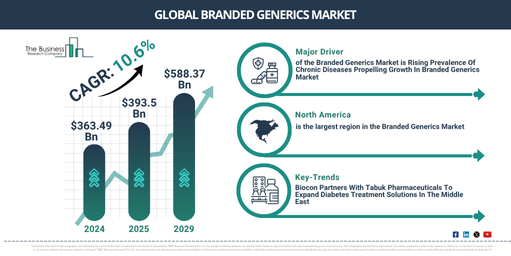
    In the last few years, the market size of branded generics has significantly expanded. It’s anticipated to surge from $363.49 billion in 2024 up to $393.5 billion in 2025, marking a compound annual growth rate (CAGR) of 8.3%. Factors contributing to this growth during the historic period include cost-effectiveness and affordability, expiration of patents, market expansion and accessibility, government policies and initiatives, as well as healthcare reforms.

    The market size for branded generics is projected to experience swift expansion in the coming years, ballooning to $588.37 billion in 2029, with a Compound Annual Growth Rate (CAGR) of 10.6%. Factors influencing the growth during this forecast period include an increased need for generic biologics, the prevalence of chronic diseases, emerging markets development, and emphasis on biosimilars. Key trends for this period encompass strategic alliances and collaborations, technological progression, focus on long-term illness, market amalgamation, and patient-centered approach.

    Download a free sample to assess the report’s scope and structure:

    https://www.thebusinessresearchcompany.com/sample.aspx?id=7186&type=smp

    How Are Key Drivers in the Industry Acting as Catalysts for the Growth of theBranded Generics Market?

    The branded generics market is set to grow due to the rising occurrence of chronic illnesses. These are enduring diseases which while not completely curable, can be managed effectively. The rise in chronic diseases can be attributed to factors such as increasing consumption of tobacco, poor diet, lack of physical exercise, high alcohol intake and other similar factors. Globally, consumers are gravitating towards branded generics for managing chronic illnesses as these are more financially viable compared to regular medications. For example, in the 2022 Highlights released by the World Health Organisation (WHO), a health agency based in Switzerland, in September 2022, it was reported that out of all global deaths, 74% or 41 million deaths are due to noncommunicable diseases (NCDs) or chronic illnesses, annually. Hence, the growing incidence of chronic illnesses is predicted to propel the demand for branded generics over the projected period.

    Which Segments in the Branded Generics Offer the Most Growth?

    The branded generics market covered in this report is segmented –

    1) By Drug Class: Alkylating Agents, Antimetabolites, Hormones, Anti-Hypertensive, Lipid Lowering Drugs, Anti-Depressants, Anti-Psychotics, Anti-Epileptics, Other Drugs

    2) By Route Of Administration: Topical, Oral, Parenteral, Other Routes Of Administration

    3) By Application: Oncology, Cardiovascular Diseases, Diabetes, Neurology, Gastrointestinal Diseases, Dermatology Diseases, Analgesics And Anti-inflammatory, Other Applications

    Subsegments:

    1) By Alkylating Agents: Nitrogen Mustards, Ethylene Imine Compounds

    2) By Antimetabolites: Purine Analogues, Pyrimidine Analogues

    3) By Hormones: Corticosteroids, Thyroid Hormones

    4) By Anti-Hypertensive: ACE Inhibitors, Beta Blockers, Calcium Channel Blockers

    5) By Lipid Lowering Drugs: Statins, Fibrates

    6) By Anti-Depressants: SSRIs (Selective Serotonin Reuptake Inhibitors), SNRIs (Serotonin-Norepinephrine Reuptake Inhibitors)

    7) By Anti-Psychotics: Atypical Antipsychotics, Typical Antipsychotics

    8) By Anti-Epileptics: Sodium Channel Blockers, GABAergic Drugs

    9) By Other Drugs: Analgesics, Antibiotics, Antivirals

    Request customized data on this market:

    https://www.thebusinessresearchcompany.com/customise?id=7186&type=smp

    What Are the Fastest-Growing Geographies in the #How Are Key Drivers in the Industry Acting as Catalysts for the Growth of theBranded Generics Market?# Market?

    North America was the largest region in the branded generics market in 2024. Asia-Pacific is expected to be the fastest-growing region in the forecast period. The regions covered in the branded generics market report are Asia-Pacific, Western Europe, Eastern Europe, North America, South America, Middle East, Africa.

    What Are the Current Market Growth and Trends in the Branded Generics Industry?

    Collaborative undertakings are emerging as a primary trend in the branded generics sector. Firms within this market are forming alliances with suitable partners to capitalize on each other’s assets and extend their reach into fresh territories. For instance, in September 2024, Biocon Ltd., an Indian pharmaceutical entity, established a partnership with Tabuk Pharmaceuticals. Biocon’s role will be in the production and development of GLP-1 products, ensuring top-notch biopharmaceuticals specifically designed for diabetes management. Tabuk Pharmaceuticals, on the other hand, will possess marketing authorization rights and will supervise the registration, import, and promotion of these offerings throughout the Middle East, primarily in Saudi Arabia. This deal also accommodates provisions for potential expansion into other GLP products beyond the initial offerings, enabling a wider spectrum of diabetes therapies. The aim of this alliance is to create distinctive health solutions to uplift patients’ health quality in Saudi Arabia and nearby regions, in line with the commitment of both companies towards enhancing healthcare accessibility. Tabuk Pharmaceuticals, headquartered in Saudi Arabia, deals in the marketing of branded and generic pharmaceutical goods.

    View the full report here:

    https://www.thebusinessresearchcompany.com/report/branded-generics-global-market-report

    What Are the Key Elements That Define the Branded Generics Market?

    Branded generics refer to an unregistered drug that is marketed under a brand name and provides patients and healthcare providers with a benefit that encourages them to choose the brand. These are the generic medications that have a unique brand name on the market. They might be advertised similarly to how branded medications are.

    Purchase the full report and get a swift delivery:

    https://www.thebusinessresearchcompany.com/purchaseoptions.aspx?id=7186

    About The Business Research Company:

    With over 15000+ reports from 27 industries covering 60+ geographies, The Business Research Company has built a reputation for offering comprehensive, data-rich research and insights. Armed with 1,500,000 datasets, the optimistic contribution of in-depth secondary research, and unique insights from industry leaders, you can get the information you need to stay ahead in the game.

    Get in touch with us:

    The Business Research Company: https://www.thebusinessresearchcompany.com/

    Americas +1 310-496-7795

    Europe +44 7882 955267

    Asia & Others +44 7882 955267 & +91 8897263534

    Email us at info@tbrc.info

    Follow us on:

    LinkedIn: https://in.linkedin.com/company/the-business-research-company

    YouTube: https://www.youtube.com/channel/UC24_fI0rV8cR5DxlCpgmyFQ

    Global Market Model: https://www.thebusinessresearchcompany.com/global-market-model
  • Global Brain Tumor Drugs Market Trends: Regional Breakdowns and Strategic Insights

    Global Brain Tumor Drugs Market Trends: Regional Breakdowns and Strategic Insights

    Claim your 30% discount on Global Market Reports with code ONLINE30. Limited time only.

    What Is the Current and Projected Market Size of the Brain Tumor Drugs Market Through 2034?

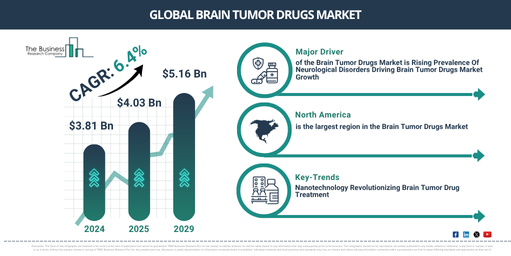
    In the past few years, there has been a robust expansion in the market size of brain tumor medications. The market is projected to escalate from $3.81 billion in 2024 to $4.03 billion in 2025 at a CAGR of 5.8%. The historic period’s growth can be credited to the growing number of neurological disorder cases, elevation in healthcare spending, a rise in the approvals of oncology drugs, an upsurge in the R&D expenditure of pharmaceuticals, and advancements in the discovery of cancer drugs.

    The market for brain tumor medications is projected to witness considerable growth over the next several years, swelling to $5.16 billion by 2029 with a compound annual growth rate (CAGR) of 6.4%. This anticipated growth during the forecast period stems from factors such as the escalating rate of cancer cases, the spike in spending on healthcare, an aging population, a robust drug pipeline, and updated FDA rules promoting the development of biologic drugs. Pivotal trends for the projected period include the investment in drug combinations for brain tumor treatment, the adaptation of phase-zero clinical trials to boost effectiveness, the application of technology to improve drug delivery and effectiveness, the emphasis on expanding cell and gene therapy, and the implementation of strategic mergers and acquisitions.

    Download a free sample to assess the report’s scope and structure:

    https://www.thebusinessresearchcompany.com/sample.aspx?id=2588&type=smp

    What Are the Major Market Drivers Behind the Rising Adoption of Brain Tumor Drugs Market?

    The upsurge in the Brain Tumor drugs market is primarily attributed to the escalating occurrence of Neurological Disorders globally. These disorders are observed to be most widespread due to lengthened life expectancy, amplified exposure to infections, and inactive lifestyles. To illustrate this, according to the National Brain Tumor Society, nearly 700,000 people in the US have a primary brain tumor, with an additional 86,000 expected to be diagnosed. The swelling population of patients dealing with neurological disorders including brain tumors, dictates an amplification in demand for drugs used for their treatment, which is propelling growth in the brain tumor drugs market.

    Which Key Market Segments Comprise the Brain Tumor Drugs Market and Drive Its Revenue Growth?

    The brain tumor drugs market covered in this report is segmented –

    1) By Drugs: Temozolomide, Bevacizumab, Other Drugs

    2) By End User: Hospital Pharmacies, Retail Pharmacies Or Drug Stores, Other End-Users

    Subsegments:

    1) By Temozolomide: Oral Formulation, Injectable Formulation

    2) By Bevacizumab: Monoclonal Antibody Therapy, Combination Therapy With Chemotherapy

    3) By Other Drugs: Carmustine, Lomustine, Etoposide, Irinotecan, Novantrone (Mitoxantrone)

    Request customized data on this market:

    https://www.thebusinessresearchcompany.com/customise?id=2588&type=smp

    Which Areas Are Leading Regions in the Brain Tumor Drugs Market Expansion Across the Globe?

    North America was the largest region in the brain tumor drugs market in 2024. Middle East is expected to be the fastest-growing region in the global brain tumor drugs market share during the forecast period. The regions covered in the brain tumor drugs market report are Asia-Pacific, Western Europe, Eastern Europe, North America, South America, Middle East, Africa

    What Are the Strategic Trends Steering theBrain Tumor Drugs Market Direction?

    Firms operating within the brain tumor drug market are turning their attention towards the incorporation of nanotechnology in treatments. Nanoparticles have proven beneficial in delivering combined drugs directly to cancer cells or the tumor itself. Advantages of this technology include a decrease in the drug dosage required, an extended shelf life and lower toxicity levels. Certain nanodrugs have proven successful in breaching the blood-brain barrier, a previously significant hurdle in brain tumor treatment. For example, Liposomes nanoparticles can be utilized in drug delivery reliable to cancer cells and if loaded with transferrin they can even penetrate the blood-brain barrier. Enterprises such as GE Healthcare, Sigma-Tau Pharmaceuticals Inc., Johnson & Johnson, Merck & Company Inc., Pfizer, Inc., and Celgene Corporation are leveraging this technology to enhance existing therapy and treatment methods.

    View the full report here:

    https://www.thebusinessresearchcompany.com/report/brain-tumor-drugs-global-market-report

    How Is the Brain Tumor Drugs Market Conceptually Defined?

    Brain tumor drugs refer to the drugs or medications that are used to treat brain tumors. Chemotherapy, hormone therapies, anticonvulsants, and painkillers are among the drugs used to treat brain tumors. While other prescription drugs are used to manage symptoms while the tumor is being treated, chemotherapy works to reduce or destroy brain tumors.

    Purchase the full report and get a swift delivery:

    https://www.thebusinessresearchcompany.com/purchaseoptions.aspx?id=2588

    About The Business Research Company:

    With over 15000+ reports from 27 industries covering 60+ geographies, The Business Research Company has built a reputation for offering comprehensive, data-rich research and insights. Armed with 1,500,000 datasets, the optimistic contribution of in-depth secondary research, and unique insights from industry leaders, you can get the information you need to stay ahead in the game.

    Get in touch with us:

    The Business Research Company: https://www.thebusinessresearchcompany.com/

    Americas +1 310-496-7795

    Europe +44 7882 955267

    Asia & Others +44 7882 955267 & +91 8897263534

    Email us at info@tbrc.info

    Follow us on:

    LinkedIn: https://in.linkedin.com/company/the-business-research-company

    YouTube: https://www.youtube.com/channel/UC24_fI0rV8cR5DxlCpgmyFQ

    Global Market Model: https://www.thebusinessresearchcompany.com/global-market-model
  • Bi-Specific MAbS Market Outlook 2025: Mapping Growth, Innovation, and Regional Shifts

    Bi-Specific MAbS Market Outlook 2025: Mapping Growth, Innovation, and Regional Shifts

    Claim your 30% discount on Global Market Reports with code ONLINE30. Limited time only.

    What is the Anticipated CAGR of the Bi-Specific MAbS Market, and What Factors Will Drive It?

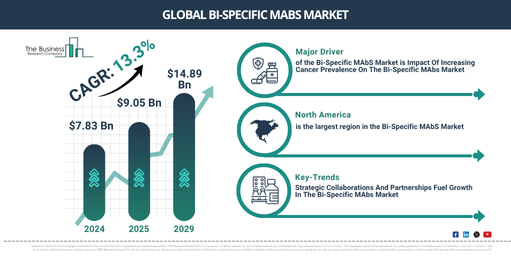
    The market size of bi-specific MAbS has seen an accelerated increase in recent times. It is projected to escalate from $7.83 billion in 2024, reaching $9.05 billion in 2025, with a compound annual growth rate (CAGR) of 15.5%. Factors such as higher healthcare spending, boosted funds, and official government actions account for the historic period’s growth.

    The market of bi-specific MAbS is projected to experience swift expansion in the forthcoming years, with an estimated valuation of $14.89 billion by 2029; this represents a compound annual growth rate (CAGR) of 13.3%. The expected growth over the forecast period is primarily due to the rising prevalence of cancer, growth in the elderly population, and increase in chronic diseases incidence. Key trends identified for the forecast period include technological advancements, product innovation, artificial intelligence emphasis, investment in targeted and combination therapy, as well as strategic collaborative efforts.

    Download a free sample to assess the report’s scope and structure:

    https://www.thebusinessresearchcompany.com/sample.aspx?id=3390&type=smp

    What External and Internal Drivers Are Contributing to the Growth of theBi-Specific MAbS Market?

    The growth of the bispecific monoclonal antibodies market is anticipated to be driven by the increasing incidence of cancer and other chronic diseases during the forecast period. Developed for the treatment of various cancers, infectious diseases, central nervous system disorders, and autoimmune disorders, bispecific monoclonal antibodies are believed to be more potent than monoclonal antibodies (moAbs). This is because they target two or more antigens on tumor cells to hinder the advancement of cancer. According to the American Cancer Society’s (ACS) Cancer Facts & Figures 2023 report, in 2023, there are predicted to be around 609,820 cancer-related fatalities in the USA. Consequently, the rising prevalence of cancer and other chronic diseases is projected to fuel demand for bi-specific MAbs as a highly efficient treatment option.

    What Segment Types Define the Bi-Specific MAbS Market Structure?

    The bi-specific mabs market covered in this report is segmented –

    1) By Type: Catumaxomab (Removab), Blinatumomab, Duligotumab, Emicizumab, Amivantamab, Faricimab, Teclistamab

    2) By Product Type: In Vivo, In Vitro

    3) By Indication: Cancer, Haemophilia A, Ophthalmic

    4) By End Use: Hospitals, Research Institutes, Other End-Users

    Subsegments:

    1) By Catumaxomab (Removab): Cancer Therapy, Targeting EpCAM and CD3

    2) By Blinatumomab: Acute Lymphoblastic Leukemia (ALL) Treatment, Targeting CD19 and CD3

    3) By Duligotumab: Oncology Treatments, Targeting Epidermal Growth Factor Receptor (EGFR)

    4) By Emicizumab: Hemophilia A Treatment, Targeting Factor IXa and Factor X

    5) By Amivantamab: Non-Small Cell Lung Cancer (NSCLC) Therapy, Targeting EGFR And MET

    6) By Faricimab: Ophthalmology Treatment (Wet Age-related Macular Degeneration, Diabetic Macular Edema), Targeting Angiopoietin-2 And VEGF-A

    7) By Teclistamab: Multiple Myeloma Treatment, Targeting BCMA and CD3

    Request customized data on this market:

    https://www.thebusinessresearchcompany.com/customise?id=3390&type=smp

    Which Geographic Areas Hold the Strongest Growth Potential in the Bi-Specific MAbS Market?

    North America was the largest region in the bi-specific MAbs market in 2024. The regions covered in the bi-specific MAbs market report are Asia-Pacific, Western Europe, Eastern Europe, North America, South America, Middle East, Africa

    What Long-Term Trends Are Transforming the Competitive Landscape of the Bi-Specific MAbS Market?

    Businesses in the bi-specific MAbs market are progressively investing in strategic measures such as alliances and partnerships to enhance their product range and broaden their geographic footprint. A strategic partnership is a synergy between two or more companies aimed at achieving mutual objectives or goals. For example, in October 2022, Gilead Sciences and MacroGenics, both US-based biopharmaceutical firms, formed an exclusive partnership to develop MGD024, a bispecific antibody targeting CD123 and CD3 developed using MacroGenics’ DART platform, along with two other bispecific research initiatives. Gilead has been granted exclusive licensing options for MGD024 as part of this collaboration, which is believed to hold promise for the treatment of multiple blood-related cancers, including acute myeloid leukemia (AML) and myelodysplastic syndromes (MDS). MGD024 is engineered to alleviate cytokine-release syndrome (CRS) symptoms and facilitate periodic dosing, potentially resulting in more patient-centric care and superior clinical outcomes for AML and MDS patients.

    View the full report here:

    https://www.thebusinessresearchcompany.com/report/bi-specific-mab-global-market-report

    What Is the Definition of the Bi-Specific MAbS Market?

    Bi-specific MAbs or bispecific monoclonal antibodies refer to antibodies that have two binding sites and are designed to bind to two antigens that are either distinct or have two different epitopes. Monoclonal antibodies (MoAbs) do not have the clinical therapeutic effects of BsAbs, which have a wide range of applications for the treatment of different diseases as well as tumor immunotherapy.

    Purchase the full report and get a swift delivery:

    https://www.thebusinessresearchcompany.com/purchaseoptions.aspx?id=3390

    About The Business Research Company:

    With over 15000+ reports from 27 industries covering 60+ geographies, The Business Research Company has built a reputation for offering comprehensive, data-rich research and insights. Armed with 1,500,000 datasets, the optimistic contribution of in-depth secondary research, and unique insights from industry leaders, you can get the information you need to stay ahead in the game.

    Get in touch with us:

    The Business Research Company: https://www.thebusinessresearchcompany.com/

    Americas +1 310-496-7795

    Europe +44 7882 955267

    Asia & Others +44 7882 955267 & +91 8897263534

    Email us at info@tbrc.info

    Follow us on:

    LinkedIn: https://in.linkedin.com/company/the-business-research-company

    YouTube: https://www.youtube.com/channel/UC24_fI0rV8cR5DxlCpgmyFQ

    Global Market Model: https://www.thebusinessresearchcompany.com/global-market-model
  • Biosimilars Market in Focus: Forecasting Growth Drivers, Scaling Potential, and Global Opportunities

    Biosimilars Market in Focus: Forecasting Growth Drivers, Scaling Potential, and Global Opportunities

    Claim your 30% discount on Global Market Reports with code ONLINE30. Limited time only.

    What Are the Key Milestones in the Biosimilars Market’s Growth Trajectory From 2025 To 2034?

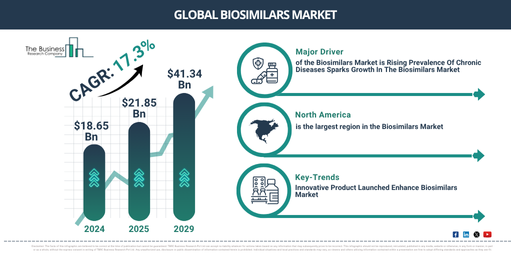
    In recent times, the biosimilars market has seen a sharp increase in size. The market value, which is predicted to shift from $18.65 billion in 2024 to $21.85 billion in 2025, will exhibit a compound annual growth rate (CAGR) of 17.2%. This notable growth in the historical period is due to various factors, namely, a rise in cancer cases, significant economic development in budding markets, an escalade in the expenditure for pharmaceutical R&D, expanded healthcare funding, increasing governmental initiatives, a robust drug pipeline, diminutive cost of biosimilars, and a surge in patent expirations.

    The biosimilars market is projected to experience rapid expansion in the coming years, escalating to $41.34 billion in 2029 with a compound annual growth rate (CAGR) of 17.3%. Various factors contributing to this anticipated growth in the forecast period include the rising incidence of cancer, escalating demand for prophylaxis with granulocyte colony-stimulating factor (G-CSF), growth in healthcare spending, increased potential in upcoming economies, advances in technology, the growing influence of biological drugs, the aging demographic, and enhanced healthcare access. In the forecast period, significant trends include heightened emphasis on rigorous R&D for the creation of innovative and potent drugs, a focus on mergers and acquisitions as a growth plan, efforts towards forming strategic alliances, increased investment, and a shift towards integrating artificial intelligence.

    Download a free sample to assess the report’s scope and structure:

    https://www.thebusinessresearchcompany.com/sample.aspx?id=2807&type=smp

    What Are the Core Market Drivers Propelling Growth in the Biosimilars Industry?

    The escalating prevalence of chronic illnesses such as arthritis, asthma, and cancer is anticipated to be a primary driving force for the biosimilars market. Factors contributing to the rise in chronic diseases include extended work hours, limited physical exercise, along with unhealthy dietary and drinking choices, and biosimilars are increasingly becoming a common treatment method for such diseases. They work by initiating the immune system’s response against cancer cells, assisting the body in eradicating the cancer cells. A United Nations piece suggests that by 2030, chronic diseases are expected to cause 70% of all global deaths. Furthermore, the worldwide impact of chronic disease is predicted to reach approximately 60%. Hence, the upward trend in chronic diseases is likely to fuel the demand for biosimilars, subsequently advancing the biosimilars market.

    How Is the Biosimilars Market Segmented?

    The biosimilars market covered in this report is segmented –

    1) By Type: Monoclonal Antibodies, Insulin, Erythropoietin, Granulocyte-Colony Stimulating Factor, Other Hormones, Others

    2) By Product: Recombinant Non-glycosylated Proteins, Recombinant Glycosylated Proteins

    3) By Application: Oncology, Chronic And Autoimmune Diseases, Growth Hormone Deficiency, Infectious Diseases, Other Applications

    Subsegments:

    1) By Monoclonal Antibodies: IgG Biosimilars, Non-IgG Biosimilars

    2) By Insulin: Rapid-Acting Insulin Biosimilars, Long-Acting Insulin Biosimilars, Premixed Insulin Biosimilars

    3) By Erythropoietin: Epoetin Alfa Biosimilars, Darbepoetin Alfa Biosimilars

    4) By Granulocyte-Colony Stimulating Factor (G-CSF): Filgrastim Biosimilars, Pegfilgrastim Biosimilars

    5) By Other Hormones: Growth Hormones, Hormonal Replacement Therapy Biosimilars

    6) By Others: Enzyme Biosimilars, Vaccines, Other Biologics

    Request customized data on this market:

    https://www.thebusinessresearchcompany.com/customise?id=2807&type=smp

    Which Regions Are Driving the Next Phase of the Biosimilars Market Growth?

    North America was the largest region in the global biosimilars market in 2024. Middle East is expected to be the fastest-growing region in the forecast period. The regions covered in the biosimilars market report are Asia-Pacific, Western Europe, Eastern Europe, North America, South America, Middle East, Africa

    What Key Market Trends and Innovations Are Shaping the Future of the Biosimilars Industry?

    In an effort to establish a competitive presence in the biosimilars market, leading companies are centred on the creation of novel products. More than a million patients with certain severe inflammatory illnesses rely on Humira, and AMJEVITA is the first biosimilar to this medication in the U.S. For instance, Amgen Inc., a biotechnology company based in the U.S., introduced AMJEVITA (adalimumab-atto), a biosimilar to Humira (adalimumab), in the U.S. in January 2023. AMJEVITA (40 mg) is been offered at a wholesale acquisition cost, which is 55% lower than the existing Humira’s list price. It’s also provided with a 5% reduction on the existing list price of Humira.

    View the full report here:

    https://www.thebusinessresearchcompany.com/report/biosimilar-global-market-report

    How Is the Biosimilars Market Defined and What Are Its Core Parameters?

    Biosimilars are medications made from living things, though they can be made in a variety of ways and with slightly different materials. Due to the intricacy and high cost of their creation, as well as their molecular size and structure, biosimilars are fundamentally distinct from generic drugs.

    Purchase the full report and get a swift delivery:

    https://www.thebusinessresearchcompany.com/purchaseoptions.aspx?id=2807

    About The Business Research Company:

    With over 15000+ reports from 27 industries covering 60+ geographies, The Business Research Company has built a reputation for offering comprehensive, data-rich research and insights. Armed with 1,500,000 datasets, the optimistic contribution of in-depth secondary research, and unique insights from industry leaders, you can get the information you need to stay ahead in the game.

    Get in touch with us:

    The Business Research Company: https://www.thebusinessresearchcompany.com/

    Americas +1 310-496-7795

    Europe +44 7882 955267

    Asia & Others +44 7882 955267 & +91 8897263534

    Email us at info@tbrc.info

    Follow us on:

    LinkedIn: https://in.linkedin.com/company/the-business-research-company

    YouTube: https://www.youtube.com/channel/UC24_fI0rV8cR5DxlCpgmyFQ

    Global Market Model: https://www.thebusinessresearchcompany.com/global-market-model
  • Strong CAGR to Propel in the Bevacizumab Biosimilars Market and Beyond upto $2.23 Billion by 2029

    Strong CAGR to Propel in the Bevacizumab Biosimilars Market and Beyond upto $2.23 Billion by 2029

    Claim your 30% discount on Global Market Reports with code ONLINE30. Limited time only.

    How Has The Bevacizumab Biosimilars Market Size Shifted, And What Is the Outlook Through 2034?

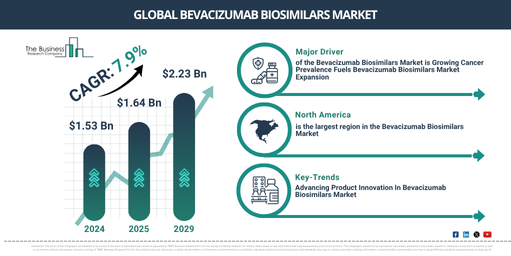
    The market size for bevacizumab biosimilars has demonstrated robust growth in recent years. With an expected compound annual growth rate (CAGR) of 7.2%, this market is projected to increase from $1.53 billion in 2024 to $1.64 billion in 2025. Factors contributing to this growth during the historical period include patent expiration, healthcare cost containment, a rising prevalence of cancer, market competitiveness, patient affordability and access, as well as the acceptance of biosimilars.

    The market size for bevacizumab biosimilars is projected to experience robust growth in the upcoming years, reaching approximately $2.23 billion by 2029, with a compound annual growth rate (CAGR) of 7.9%. Factors contributing to this potential growth during the forecast period are an increased need for cancer treatments, expertise in the development of biosimilars, strains on the healthcare system, the regulatory environment for biosimilars, and biosimilar interchangeability. Key trends forecasted for the period include partnerships and collaborative efforts, regulatory progress and approvals, innovations in biosimilar development, strategies for obtaining market access, and the management of the biosimilar lifecycle.

    Download a free sample to assess the report’s scope and structure:

    https://www.thebusinessresearchcompany.com/sample.aspx?id=10848&type=smp

    Which Primay Drivers Are Accelerating Growth in the Bevacizumab Biosimilars Market?

    The anticipated rise in cancer cases is set to significantly boost the bevacizumab biosimilar market. The term ‘cancer incidence’ denotes the quantity of new cancer cases within a certain population over a specific timeframe. Bevacizumab, a biologic, helps inhibit tumor angiogenesis, potentially leading to the shrinkage of tumors and stifling their growth. It’s worth noting that it is on par with reference biologics in terms of efficacy and safety when treating patients suffering from advanced non-small cell lung cancer or metastatic colorectal cancer. For instance, in October 2024, the UK’s National Health Service (NHS) reported 346,217 new cases of cancer in 2022, translating to an average of 948 new diagnoses each day. This marks a 5% increase compared to 329,664 cases reported in 2021. Additionally, 2022 registered a 7% spike in cancer diagnoses, rising from 167,917 to 180,877. Hence, the augmenting prevalence of cancer conditions fuels the growth of the bevacizumab biosimilars market.

    Which Primary Segments of the Bevacizumab Biosimilars Market Are Driving Growth and Industry Transformations?

    The bevacizumab biosimilars market covered in this report is segmented –

    1) By Product: Avastin, Mvasi, Zirabev, Aybintio, Other Products

    2) By Distribution Channel: Hospital Pharmacy, Online Pharmacy, Retail Pharmacy, Other Distribution Channels

    3) By Application: Colorectal Cancer, Non-small Cell Lung Cancer, Glioblastoma, Renal Cell Carcinoma, Cervical Cancer, Ovarian Cancer

    Subsegments:

    1) By Avastin: Original Avastin Product

    2) By Mvasi: Mvasi (Amgen Biosimilar)

    3) By Zirabev: Zirabev (Pfizer Biosimilar)

    4) By Aybintio: Aybintio (Samsung Bioepis Biosimilar)

    5) By Other Products: Additional Bevacizumab Biosimilars

    Request customized data on this market:

    https://www.thebusinessresearchcompany.com/customise?id=10848&type=smp

    Which Regions Are Key Players in the Growth of the #Which Primay Drivers Are Accelerating Growth in the Bevacizumab Biosimilars Market?# Market?

    North America was the largest region in the bevacizumab biosimilars market in 2024. The regions covered in the bevacizumab biosimilars market report are Asia-Pacific, Western Europe, Eastern Europe, North America, South America, Middle East, Africa.

    Which Technological Trends Are Reshaping the Bevacizumab Biosimilars Industry Dynamics?

    A significant trend that’s gaining traction in the bevacizumab biosimilars market is product innovation. Top contenders in the market are currently focusing on constructing innovative products to enhance their market status. For example, in May 2022, pharmaceutical companies, Viatris and Biocon Biologics, both based in the US, introduced a biosimilar named Abevmy, mirroring Roche’s Avastin (bevacizumab). Health Canada has approved Abevmy for use in four distinct oncology applications. The product is described as disbursing efficiency, safety, and quality on par with the reference biologic, given that it’s a humanized monoclonal antibody (MA) designed to attach to and neutralize the biologic response of human vascular endothelial growth factor (VEGF).

    View the full report here:

    https://www.thebusinessresearchcompany.com/report/bevacizumab-biosimilars-global-market-report

    What Parameters Are Used to Define the Bevacizumab Biosimilars Market?

    Bevacizumab biosimilars are a type of medication that is highly similar to a reference biologic drug called bevacizumab. It is commonly used to inhibit the growth of new blood vessels in tumors, thereby slowing down their progression.

    Purchase the full report and get a swift delivery:

    https://www.thebusinessresearchcompany.com/purchaseoptions.aspx?id=10848

    About The Business Research Company:

    With over 15000+ reports from 27 industries covering 60+ geographies, The Business Research Company has built a reputation for offering comprehensive, data-rich research and insights. Armed with 1,500,000 datasets, the optimistic contribution of in-depth secondary research, and unique insights from industry leaders, you can get the information you need to stay ahead in the game.

    Get in touch with us:

    The Business Research Company: https://www.thebusinessresearchcompany.com/

    Americas +1 310-496-7795

    Europe +44 7882 955267

    Asia & Others +44 7882 955267 & +91 8897263534

    Email us at info@tbrc.info

    Follow us on:

    LinkedIn: https://in.linkedin.com/company/the-business-research-company

    YouTube: https://www.youtube.com/channel/UC24_fI0rV8cR5DxlCpgmyFQ

    Global Market Model: https://www.thebusinessresearchcompany.com/global-market-model
  • Antisense & RNAi Therapeutics Market Valuation Expected To Reach $3.11 Billion By 2029, Growing At A Rate Of 12.8%

    Antisense & RNAi Therapeutics Market Valuation Expected To Reach $3.11 Billion By 2029, Growing At A Rate Of 12.8%

    Claim your 30% discount on Global Market Reports with code ONLINE30. Limited time only.

    How Has the Antisense & RNAi Therapeutics Market Growth Performance Trended Historically, And What Lies Ahead?

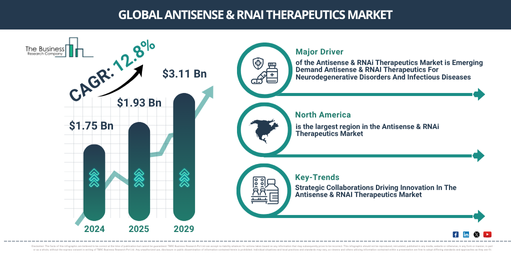
    The market size of antisense and RNAi therapeutics has experienced a swift upsurge in recent times, with projections showing an increase from $1.75 billion in 2024 to $1.93 billion in 2025, indicating a compound annual growth rate (CAGR) of 10.2%. This augmentation during the historical period can be ascribed to an upswing in funding, technological advancements, and an increase in health care spending, alongside a fast-paced growth in the aged population and the economic expansion in budding markets.

    In the coming years, the antisense & RNAi therapeutics market is projected to experience substantial growth, expanding to $3.11 billion in 2029 at a Compound Annual Growth Rate (CAGR) of 12.8%. The projected growth during this period can be attributed to better healthcare access, the increasing rate of cancer, and a boosted demand for antisense and RNAi therapeutics, driven by COVID-19. The forecast period will see major trends such as concentrated research and development efforts for RNA therapeutics towards orphan diseases, the use of nanoparticles, the creation of improved and new antisense and RNAi therapeutics, and company collaborations for product innovation and revenue growth.

    Download a free sample to assess the report’s scope and structure:

    https://www.thebusinessresearchcompany.com/sample.aspx?id=3389&type=smp

    Which Factors and External Forces Are Driving Demand in the Antisense & RNAi Therapeutics Market?

    The antisense & RNAi therapeutics market is anticipated to benefit from the growing occurrence of coronary artery diseases, neurodegenerative disorders, and infections. Approaches such as RNA interference and antisense oligonucleotides, which suppress gene expression, are utilized to treat a variety of neurodegenerative diseases by repairing defective genes. For example, a report from the American Heart Association, a US-based organization, stated in January 2024 that the age-adjusted death rate from heart-related illnesses had risen to 233.3 per 100,000, indicating a 4.0% increase from the preceding year. As a result, the rising incidences of numerous neurodegenerative disorders and infectious ailments are anticipated to stimulate the antisense & RNAi therapeutics market’s expansion.

    Which Segments in the Antisense & RNAi Therapeutics Offer the Most Growth?

    The antisense & rnai therapeutics market covered in this report is segmented –

    1) By Technology: RNA Interference, Antisense RNA

    2) By Route Of Administration: Intravenous Injections, Intra-dermal Injections, Other Delivery Methods

    3) By Indication: Oncology, Cardiovascular Diseases (CVDs), Respiratory Disorders, Neurological Disorders, Infectious Diseases, Other Indications

    Subsegments:

    1) By RNA Interference (RNAi): Small Interfering RNA (siRNA), Short Hairpin RNA (shRNA), Dicer-substrate siRNA, MicroRNA (miRNA) Based Therapeutics

    2) By Antisense RNA: Antisense Oligonucleotides (ASOs), Morpholino Oligomers, Locked Nucleic Acids (LNAs), Gapmer Antisense Oligonucleotides

    Request customized data on this market:

    https://www.thebusinessresearchcompany.com/customise?id=3389&type=smp

    What Are the Fastest-Growing Geographies in the #Which Factors and External Forces Are Driving Demand in the Antisense & RNAi Therapeutics Market?# Market?

    North America was the largest region in the antisense & RNAi therapeutics market in 2024. The regions covered in the antisense & RNAi therapeutics market report are Asia-Pacific, Western Europe, Eastern Europe, North America, South America, Middle East, Africa

    Which Cutting-Edge Market Trends Are Expected to Drive theAntisense & RNAi Therapeutics Market’s Growth?

    Key players in the antisense & RNAi therapeutics market are embracing strategic actions like partnerships and collaborations to retain their competitiveness in the ever-tightening industry. The concept of strategic collaboration refers to several businesses pooling resources together to achieve shared goals. For instance, Orbit Discovery Limited, an American company that provides peptide discovery services, formed a partnership with SanegeneBio Inc., a UK-based firm that develops novel RNAi-based medicines, in January 2023. Their goal was to identify tissue-specific delivery of RNA therapeutics for efficient gene knockdown and consequently create a series of advanced RNAi therapeutics. The agreement included hit identification and cellular internalization studies, with Sanegene earning the option to advance the screened hits using Orbit’s distinctive technology for quick peptide lead discovery. Orbit Discovery’s exclusive peptide display technology allows the screening of enormous peptide libraries, thus facilitating faster discovery of suitable peptide leads through affinity and functionality screens.

    View the full report here:

    https://www.thebusinessresearchcompany.com/report/antisense-and-rnai-therapeutics-global-market-report

    What Are the Key Elements That Define the Antisense & RNAi Therapeutics Market?

    Antisense therapy refers to the selective, sequence-specific suppression of gene expression by single-stranded DNA oligonucleotides. Contrarily, RNA interference (RNAi) is activated by double-stranded RNA (dsRNA) and results in the sequence-specific mRNA degradation of single-stranded target RNAs.

    Purchase the full report and get a swift delivery:

    https://www.thebusinessresearchcompany.com/purchaseoptions.aspx?id=3389

    About The Business Research Company:

    With over 15000+ reports from 27 industries covering 60+ geographies, The Business Research Company has built a reputation for offering comprehensive, data-rich research and insights. Armed with 1,500,000 datasets, the optimistic contribution of in-depth secondary research, and unique insights from industry leaders, you can get the information you need to stay ahead in the game.

    Get in touch with us:

    The Business Research Company: https://www.thebusinessresearchcompany.com/

    Americas +1 310-496-7795

    Europe +44 7882 955267

    Asia & Others +44 7882 955267 & +91 8897263534

    Email us at info@tbrc.info

    Follow us on:

    LinkedIn: https://in.linkedin.com/company/the-business-research-company

    YouTube: https://www.youtube.com/channel/UC24_fI0rV8cR5DxlCpgmyFQ

    Global Market Model: https://www.thebusinessresearchcompany.com/global-market-model
  • Anti-Hypertensive Drugs Market Forecast Reaching $40.74 Billion by 2029 at 1.7% CAGR

    Anti-Hypertensive Drugs Market Forecast Reaching $40.74 Billion by 2029 at 1.7% CAGR

    Claim your 30% discount on Global Market Reports with code ONLINE30. Limited time only.

    What Are the Projected Market Size and Growth Rates for the Anti-Hypertensive Drugs Market From 2025 To 2029?

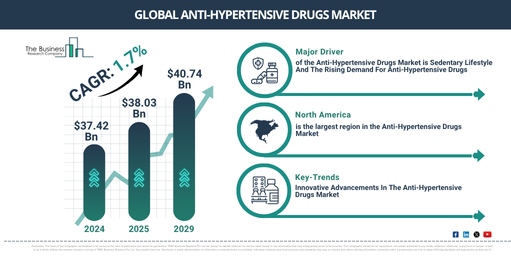
    In recent times, there’s been a slight expansion in the anti-hypertensive drugs market size. It’s forecasted to escalate from $37.42 billion in 2024 to $38.03 billion in 2025, recording a compound annual growth rate (CAGR) of 1.6%. Factors such as environmental and lifestyle impacts, previous market competition, traditional treatment choices, economic circumstances, and past global health patterns have contributed to growth in the historic period.

    The market size of anti-hypertensive drugs is anticipated to witness slight escalation in the coming years, expanding to $40.74 billion in 2029 with a compound annual growth rate (CAGR) of 1.7%. The increment during this forecast period can be ascribed to factors such as affordability and cost-effectiveness, the advent of therapeutic advancements, epidemiological transformations, policy changes and approvals in regulations, dynamics of the aging population, and amendments in healthcare policies and reimbursements. Key trends observed during this forecast period involve innovation in therapy, shifts in epidemiology, changes in regulatory frameworks, healthcare policies, and progress in diagnosis and monitoring procedures.

    Download a free sample to assess the report’s scope and structure:

    https://www.thebusinessresearchcompany.com/sample.aspx?id=2410&type=smp

    Which Major Market Drivers Are Expected to Boost the Growth Potential of the Anti-Hypertensive Drugs Market?

    The surge in the anti-hypertensive drug market is largely due to a sedentary lifestyle. Eating fast food, not following a well-rounded and nutritious diet, and inadequate sleep caused by irregular work hours all contribute to the rise in hypertension. Hypertension is a contributing factor in roughly 45% of heart disease-related deaths and 51% of stroke-related deaths. After a hypertension diagnosis, patients need to use drugs to manage their hypertension, the type of which depends on the severity of the condition. For example, in May 2023, the National Health Service, a government department based in England, reported that the total hypertension prevalence grows with age—starting at 9% among adults aged 16 to 44 and increasing to 60% in those aged 65 and older. This trend ensures a consistent demand for these products, making it a major contributing factor to the market’s growth.

    Which Key Market Segments Comprise the Anti-Hypertensive Drugs Market and Drive Its Revenue Growth?

    The anti-hypertensive drugs market covered in this report is segmented –

    1) By Therapeutics: Diuretics, Angiotensin Receptor Blockers (ARBs), Angiotensin Converting Enzyme (ACE) Inhibitors, Beta Blockers, Alpha Blockers, Calcium Channel Blockers, Renin Inhibitors, Vasodilators

    2) By Disease Source: Primary Hypertension, Secondary Hypertension

    3) By End Users: Hospitals, Clinics, Homecare

    Subsegments:

    1) By Diuretics: Thiazide Diuretics, Loop Diuretics, Potassium-Sparing Diuretics

    2) By Angiotensin Receptor Blockers (ARBs): Losartan, Valsartan, Irbesartan, Candesartan

    3) By Angiotensin Converting Enzyme (ACE) Inhibitors: Enalapril, Lisinopril, Ramipril, Benazepril

    4) By Beta Blockers: Metoprolol, Atenolol, Carvedilol, Bisoprolol

    5) By Alpha Blockers: Doxazosin, Prazosin, Terazosin

    6) By Calcium Channel Blockers: Amlodipine, Diltiazem, Verapamil, Nifedipine

    7) By Renin Inhibitors: Aliskiren

    8) By Vasodilators: Hydralazine, Minoxidil

    Request customized data on this market:

    https://www.thebusinessresearchcompany.com/customise?id=2410&type=smp

    Which Areas Are Leading Regions in the Anti-Hypertensive Drugs Market Expansion Across the Globe?

    North America was the largest region in the anti-hypertensive drugs market in 2024. The Middle East is expected to be the largest growing region in the global anti-hypertensive drugs market during the forecast period. The regions covered in the anti-hypertensive drugs market report are Asia-Pacific, Western Europe, Eastern Europe, North America, South America, Middle East, Africa.

    What Are the Key Market Trends in theAnti-Hypertensive Drugs Market Over the Coming Years?

    Premier enterprises in the anti-hypertensive drugs industry are centering their strategies on the development of innovative products like Metoprolol Succinate Extended-Release Tablets. Such inventions offer them a strategic advantage in the competitive marketplace. These tablets serve as anti-hypertensive medication for those suffering from high blood pressure. For example, in June 2023, an India-based pharmaceutical firm, Granules India Limited, introduced Metoprolol Succinate Extended-Release Tablets which have received approval from the Food and Drug Administration (FDA), a federal agency in the US. Launching Metoprolol Succinate Extended-Release Tablets as anti-hypertensive medication is a step forward in the battle against hypertension by controlling blood pressure. The tablets can be obtained at different strengths: 25mg, 50mg, 100mg, and 200mg. They incorporate beta-blockers, which can curtail the heart rate, ease the heart’s effort, and bring down blood pressure.

    View the full report here:

    https://www.thebusinessresearchcompany.com/report/anti-hypertensive-drugs-global-market-report

    How Is the Anti-Hypertensive Drugs Market Conceptually Defined?

    Anti-hypertensive drugs refer to a group of medications used to treat high blood pressure (high blood pressure). The goal of antihypertensive therapy is to prevent the negative effects of high blood pressure, such as myocardial infarction and stroke.

    Purchase the full report and get a swift delivery:

    https://www.thebusinessresearchcompany.com/purchaseoptions.aspx?id=2410

    About The Business Research Company:

    With over 15000+ reports from 27 industries covering 60+ geographies, The Business Research Company has built a reputation for offering comprehensive, data-rich research and insights. Armed with 1,500,000 datasets, the optimistic contribution of in-depth secondary research, and unique insights from industry leaders, you can get the information you need to stay ahead in the game.

    Get in touch with us:

    The Business Research Company: https://www.thebusinessresearchcompany.com/

    Americas +1 310-496-7795

    Europe +44 7882 955267

    Asia & Others +44 7882 955267 & +91 8897263534

    Email us at info@tbrc.info

    Follow us on:

    LinkedIn: https://in.linkedin.com/company/the-business-research-company

    YouTube: https://www.youtube.com/channel/UC24_fI0rV8cR5DxlCpgmyFQ

    Global Market Model: https://www.thebusinessresearchcompany.com/global-market-model