Blog

  • Global Sedative-Hypnotic Drugs Market Projected to Reach $5.2 Billion by 2029 at a CAGR of 7.8%

    Global Sedative-Hypnotic Drugs Market Projected to Reach $5.2 Billion by 2029 at a CAGR of 7.8%

    Claim your 30% discount on Global Market Reports with code ONLINE30. Limited time only.

    What Is the Estimated Market Size of the Sedative-Hypnotic Drugs Market In 2029?

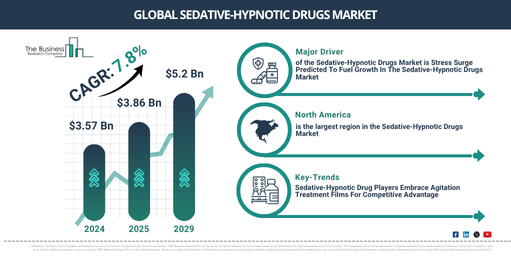
    In the past few years, the market size of sedative-hypnotic drugs has experienced substantial growth. The market’s value is expected to increase from $3.57 billion in 2024 to $3.86 billion in 2025, marking a compound annual growth rate (CAGR) of 8.0%. The surge during the historic period is largely due to the growth of direct-to-consumer advertising, escalating stress levels, a rise in sleep disorder cases, alongside the expansion of direct-to-consumer advertising and an aging population.

    The market for sedative-hypnotic drugs is predicted to expand significantly in the forthcoming years, reaching $5.2 billion in revenue in 2029, with a compound annual growth rate of 7.8%. Elements contributing to this anticipated growth include enhanced healthcare infrastructures, improving disposable income, increasing cases of disorders associated with lifestyle, escalating interest in natural and herbal ways to aid sleep, and the broadening of telemedicine services. The forecast period is set to witness several notable trends such as a rising inclination towards non-benzodiazepine sedative-hypnotic drugs, breakthroughs in drug delivery devices, a heightened focus on tailor-made medicine, the inclusion of digital health instruments, and the advent of benzodiazepines.

    Download a free sample to assess the report’s scope and structure:

    https://www.thebusinessresearchcompany.com/sample.aspx?id=15666&type=smp

    What are the Fundamental Drivers and Innovations Shaping the Sedative-Hypnotic Drugs Market?

    The growth of the sedative-hypnotic drugs market is anticipated to be propelled by heightened stress levels. These stress levels correspond to the emotional or psychological fatigue that individuals encounter due to unavoidable or difficult situations. Factors contributing to these stress levels can be the struggle of balancing personal life with work-related obligations, a lack of efficient coping methods, or increased work pressure among staff members. Sedative-hypnotic drugs are mainly used as pharmacological tools designed to create a sense of serenity, lower anxiety levels and relieve tension in individuals, usually through their calming effects on the central nervous system. For example, in a survey carried out by the American Psychiatric Association, a US-based national medical specialty organization, in December 2022 with 2,212 American adults, over 26% (more than one in four) predicted they would experience higher stress at the start of 2023, an increase from the 20% reported in the year before. As a result, the rise in stress levels is fuelling the growth of the sedative-hypnotic drugs market.

    How Is the Sedative-Hypnotic Drugs Market Segmented?

    The sedative-hypnotic drugs market covered in this report is segmented –

    1) By Drug Class: Benzodiazepines, Barbiturates, Antihistamines, Nonbenzodiazepine, Other Drug Classes

    2) By Route of Administration: Oral, Parenteral, Other Routes of Administration

    3) By Disease Type: Sleep Disorders, Anesthesia, Pain, Other Disease Types

    4) By Distribution Channel: Hospital Pharmacy, Retail Pharmacy, Online Pharmacy, Other Distribution Channels

    5) By End-Users: Hospitals, Specialty Clinics, Homecare, Other End-Users

    Subsegments:

    1) By Benzodiazepines: Diazepam, Lorazepam, Alprazolam

    2) By Barbiturates: Phenobarbital, Thiopental, Pentobarbital

    3) By Antihistamines: Diphenhydramine, Hydroxyzine

    4) By Nonbenzodiazepine: Zolpidem, Eszopiclone, Zaleplon

    5) By Other Drug Classes: Melatonin Receptor Agonists, Orexin Receptor Antagonists

    Request customized data on this market:

    https://www.thebusinessresearchcompany.com/customise?id=15666&type=smp

    Which Regions Are Driving the Next Phase of the Sedative-Hypnotic Drugs Market Growth?

    North America was the largest region in the sedative-hypnotic drugs market in 2024. The regions covered in the sedative-hypnotic drugs market report are Asia-Pacific, Western Europe, Eastern Europe, North America, South America, Middle East, Africa.

    What Key Trends Are Shaping the Future of the Sedative-Hypnotic Drugs Market?

    Prominent entities in the sedative-hypnotic drug industry are aiming to broaden their product collections by incorporating cutting-edge products such as sublingual films for acute agitation management, to fortify their market position. The term “sublingual film for acute agitation treatment” refers to a slim, dissolvable film that contains medication, which is put under the tongue for quick absorption into the blood vessels. For instance, BioXcel Therapeutics Inc., a biopharmaceutical organization based in the US, declared the introduction of IGALMI in April 2022. This unique sublingual film is developed for immediate intervention in agitation related to schizophrenia or bipolar I or II disorder in adults. It is the latest innovation for the acute treatment of agitation related to schizophrenia or bipolar disorder in almost ten years, offering a unique method to assist patients in managing these difficult and handicapping symptoms. The authorization of IGALMI is a noteworthy accomplishment, providing health professionals with a novel method for agitation management, through its immediate effectiveness and self-applied film format.

    View the full report here:

    https://www.thebusinessresearchcompany.com/report/sedative-hypnotic-drugs-global-market-report

    How Is the Sedative-Hypnotic Drugs Market Defined and What Are Its Core Parameters?

    A sedative-hypnotic drug refers to a chemical substance utilized to alleviate tension and anxiety, promote a sense of calm (sedative effect), or facilitate sleep induction (hypnotic effect). Sedatives or hypnotics act to suppress the limbic system of the brain, which governs emotional and behavioral reactions, as well as the reticular formation, responsible for regulating sleep patterns and overall consciousness.

    Purchase the full report and get a swift delivery:

    https://www.thebusinessresearchcompany.com/purchaseoptions.aspx?id=15666

    About The Business Research Company:

    With over 15000+ reports from 27 industries covering 60+ geographies, The Business Research Company has built a reputation for offering comprehensive, data-rich research and insights. Armed with 1,500,000 datasets, the optimistic contribution of in-depth secondary research, and unique insights from industry leaders, you can get the information you need to stay ahead in the game.

    Get in touch with us:

    The Business Research Company: https://www.thebusinessresearchcompany.com/

    Americas +1 310-496-7795

    Europe +44 7882 955267

    Asia & Others +44 7882 955267 & +91 8897263534

    Email us at info@tbrc.info

    Follow us on:

    LinkedIn: https://in.linkedin.com/company/the-business-research-company

    YouTube: https://www.youtube.com/channel/UC24_fI0rV8cR5DxlCpgmyFQ

    Global Market Model: https://www.thebusinessresearchcompany.com/global-market-model
  • Skin Cancer Drugs Market Forecast 2025–2034: Trends Reshaping Demand, Investment, and Innovation

    Claim your 30% discount on Global Market Reports with code ONLINE30. Limited time only.

    #How Has The Small Molecule Active Pharmaceutical Ingredient Market Size Shifted, And What Is the Outlook Through 2034?#_x000D_

    In recent times, the market size of the small molecule active pharmaceutical ingredient has witnessed robust growth. It will see an increase from $194.18 billion in 2024 to $207.67 billion in 2025, experiencing a compound annual growth rate (CAGR) of 6.9%. Factors such as regulatory authorizations, expiry of patents, disease incidence, pricing challenges, and clinical trial results have significantly contributed to this historic period growth._x000D_

    _x000D_

    In the coming years, substantial growth is anticipated in the small molecule active pharmaceutical ingredient market. The market is projected to expand to $278.85 billion by 2029, displaying a compound annual growth rate (CAGR) of 7.6%. The predicted growth in the forecast period can be credited to various factors such as precision medicine, specialty therapeutics, sustainability programs, the use of telehealth, and AI integration. Other significant trends during the forecast period could be outsourcing trends, targeted therapies, pharma digitalization, virtual clinical trials, and advanced analytics._x000D_

    _x000D_

    #Download a free sample to assess the report’s scope and structure:#_x000D_

    https://www.thebusinessresearchcompany.com/sample.aspx?id=7948&type=smp_x000D_

    _x000D_

    #What Are the Primary Drivers Supporting the Market Growth of the Small Molecule Active Pharmaceutical Ingredient Market?#_x000D_

    The escalating incidence of various ailments is a significant factor fueling the growth of the small molecule active pharmaceutical ingredient (API) market. Diseases are specific abnormal conditions effecting an individual’s organ function or structure. Active pharmaceutical ingredients (APIs) are key parts of pharmaceutical drugs that generate the necessary effects on the body to mitigate different conditions. For example, a report released by the American Society of Clinical Oncology (ASCO), a U.S.-based professional entity, in March 2023 projected that annually, over 12,000 individuals in the U.S. are detected with neuroendocrine tumors. Additionally, approximately 171,000 individuals were living with this diagnosis in that year. Cardiovascular diseases have claimed the lives of 17.9 million people globally. Consequently, the escalating incidence of diseases will persistently remain the dominating driver in the small molecule API market._x000D_

    _x000D_

    #Which Primary Segments of the Small Molecule Active Pharmaceutical Ingredient Market Are Driving Growth and Industry Transformations?#_x000D_

    The small molecule active pharmaceutical ingredient market covered in this report is segmented – _x000D_

    _x000D_

    1) By Type: Synthetic, Chemical, Biological _x000D_

    2) By Therapeutic Type: Autoimmune Diseases, Oncology, Metabolic Diseases, Ophthalmology, Cardiovascular Diseases, Infectious Diseases, Neurology, Respiratory Disorders, Dermatology, Urology _x000D_

    3) By Manufacturing Method: In-House, Contract _x000D_

    4) By Application: Clinical, Commercial_x000D_

    _x000D_

    Subsegments:_x000D_

    1) By Synthetic: Small Molecule Drugs, Generic Drugs_x000D_

    2) By Chemical: Organic Compounds, Inorganic Compounds_x000D_

    3) By Biological: Natural Products, Semi-Synthetic Compounds_x000D_

    _x000D_

    #Request customized data on this market:#_x000D_

    https://www.thebusinessresearchcompany.com/customise?id=7948&type=smp_x000D_

    _x000D_

    #Which Regions Are Key Players in the Growth of the #What Are the Primary Drivers Supporting the Market Growth of the Small Molecule Active Pharmaceutical Ingredient Market?# Market?#_x000D_

    North America was the largest region in the small molecule active pharmaceutical ingredient market in 2024. Asia-Pacific is expected to be the fastest-growing region in the forecast period. The regions covered in the small molecule active pharmaceutical ingredient market report are Asia-Pacific, Western Europe, Eastern Europe, North America, South America, Middle East, Africa._x000D_

    _x000D_

    #What Are the Most Significant Market Trends in the Small Molecule Active Pharmaceutical Ingredient Market?#_x000D_

    Strategic alliances and cooperative efforts are becoming increasingly common in the small molecule active pharmaceutical ingredient sector, as this appears to be a prominent trend. To strengthen their dominance, major players in this sector are concentrating on forming such collaborations and partnerships. For example, a collaborative effort was formed in May 2022 between NovAliX, a France-based drug discovery entity; Alysophil, a French company focusing on new industrial chemistry through continuous flow chemistry; De Dietrich Process Systems, a French provider of fine chemical and pharmaceutical industry solutions; and Bruker, a US-based molecular and materials research instrument manufacturer. The aim of this collaboration is to jointly innovate a new approach to active pharmaceutical ingredient (API) production and to provide comprehensive, fully separate, and location-agnostic API manufacturing solutions to pharmaceutical firms or contract manufacturing organizations (CMOs)._x000D_

    _x000D_

    #View the full report here:#_x000D_

    https://www.thebusinessresearchcompany.com/report/small-molecule-active-pharmaceutical-ingredient-global-market-report_x000D_

    _x000D_

    #What Parameters Are Used to Define the Small Molecule Active Pharmaceutical Ingredient Market?#_x000D_

    A small-molecule active pharmaceutical ingredient (API) is any substance or mixture of organic substances or compounds with a low molecular weight intended to be used as the active ingredient in the manufacture of a drug or medicinal product. A small molecule active pharmaceutical ingredient (API) is used as raw materials in the manufacturing of pharmaceutical drugs._x000D_

    _x000D_

    #Purchase the full report and get a swift delivery:#_x000D_

    https://www.thebusinessresearchcompany.com/purchaseoptions.aspx?id=7948_x000D_

    _x000D_

    #About The Business Research Company:#_x000D_

    With over 15000+ reports from 27 industries covering 60+ geographies, The Business Research Company has built a reputation for offering comprehensive, data-rich research and insights. Armed with 1,500,000 datasets, the optimistic contribution of in-depth secondary research, and unique insights from industry leaders, you can get the information you need to stay ahead in the game._x000D_

    _x000D_

    #Get in touch with us:#_x000D_

    The Business Research Company: https://www.thebusinessresearchcompany.com/_x000D_

    Americas +1 310-496-7795_x000D_

    Europe +44 7882 955267_x000D_

    Asia & Others +44 7882 955267 & +91 8897263534_x000D_

    Email us at info@tbrc.info_x000D_

    _x000D_

    #Follow us on:#_x000D_

    _x000D_

    LinkedIn: https://in.linkedin.com/company/the-business-research-company_x000D_

    YouTube: https://www.youtube.com/channel/UC24_fI0rV8cR5DxlCpgmyFQ_x000D_

    Global Market Model: https://www.thebusinessresearchcompany.com/global-market-model

  • Research-Grade Proteins Market Forecast 2025–2034: Trends Reshaping Demand, Investment, and Innovation

    Research-Grade Proteins Market Forecast 2025–2034: Trends Reshaping Demand, Investment, and Innovation

    Claim your 30% discount on Global Market Reports with code ONLINE30. Limited time only.

    How Fast Is The Rheumatology Therapeutics Market Expected to Grow Between 2025 And 2029?

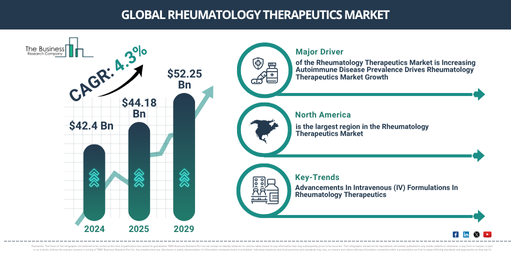
    The market size for rheumatology therapeutics has seen consistent growth over the past few years. The current projection indicates an increase from $42.4 billion in 2024 to $44.18 billion in 2025, showcasing a compound annual growth rate (CAGR) of 4.2%. The historical growth can be credited to the increasing incidence of rheumatologic conditions, a growing aging population worldwide, heightened awareness of potential treatment solutions, progress in biological therapies, and the enhancement of healthcare availability in developing markets.

    Anticipations indicate that the rheumatology therapeutics market will undergo steady expansion in the coming years. The market is predicted to reach $52.25 billion by 2029, growing at an annual average rate of 4.3%. This projected growth during the forecasted period can be credited to factors like the increasing switch to personalized medicine, growing utilization of biosimilars in rheumatology, an upsurge in research and development investment, the unification of digital health technologies, and accreditation for new therapies. Notable trends within this period encompass the proliferation of telemedicine and remote monitoring solutions, broadening of targeted treatments for specific rheumatic conditions, focus on patient-focused care models, widening of biologic treatments beyond monoclonal antibodies, and the embracing of value-based pricing models.

    Download a free sample to assess the report’s scope and structure:

    https://www.thebusinessresearchcompany.com/sample.aspx?id=17246&type=smp

    What Are the Primary Drivers Supporting the Market Growth of the Rheumatology Therapeutics Market?

    The growth of the rheumatology therapeutics market is anticipated to be driven by the mounting occurrence of autoimmune diseases. These diseases have the characteristic where the immune system erroneously damages the body’s tissues. The increasing incidence of such diseases can be attributed to a mix of genetics, environmental influencers, lifestyle elements, enhanced awareness, and better diagnostic skills. Rheumatology therapeutics are vital in managing autoimmune diseases as they control inflammation, relieve symptoms, and prevent damage to joints and tissues caused by the immune system assaulting the body. For example, the Australian Institute of Health and Welfare estimated in June 2024 that around 514,000 individuals, accounting for 2.0% of the Australian population, were living with rheumatoid arthritis in 2022. This disease represented 2.0% of the entire disease load and 16% of the load for all musculoskeletal conditions in 2023. Therefore, due to the escalating incidence of autoimmune diseases, the rheumatology therapeutics market is witnessing growth.

    Which Primary Segments of the Rheumatology Therapeutics Market Are Driving Growth and Industry Transformations?

    The rheumatology therapeutics market covered in this report is segmented –

    1) By Drug Class: Disease Modifying Anti-Rheumatic Drugs, Nonsteroidal Anti-Inflammatory Drugs, Corticosteroids, Uric Acid Drugs, Other Drugs Classes

    2) By Distribution Channel: Hospital Pharmacy, Retail Pharmacy, Online Pharmacy

    3) By Disease Indication: Rheumatoid Arthritis, Osteoarthritis, Gout, Psoriatic Arthritis, Ankylosing Spondylitis, Other Disease Indications

    Subsegments:

    1) By Disease Modifying Anti-Rheumatic Drugs (DMARDs): Conventional Synthetic DMARDs, Biologic DMARDs, Targeted Synthetic DMARDs

    2) By Nonsteroidal Anti-Inflammatory Drugs (NSAIDs): COX-2 Inhibitors, Traditional NSAIDs

    3) By Corticosteroids: Oral Corticosteroids, Injectable Corticosteroids, Topical Corticosteroids

    4) By Uric Acid Drugs: Uric Acid Lowering Agents, Uricosuric Agents, Pegloticase

    5) By Other Drug Classes: Immunosuppressants, Biologic Therapies, Analgesics

    Request customized data on this market:

    https://www.thebusinessresearchcompany.com/customise?id=17246&type=smp

    Which Regions Are Key Players in the Growth of the #What Are the Primary Drivers Supporting the Market Growth of the Rheumatology Therapeutics Market?# Market?

    North America was the largest region in the rheumatology therapeutics market in 2024. Asia-Pacific is expected to be the fastest-growing region in the forecast period. The regions covered in the rheumatology therapeutics market report are Asia-Pacific, Western Europe, Eastern Europe, North America, South America, Middle East, Africa.

    What Are the Most Significant Market Trends in the Rheumatology Therapeutics Market?

    The rheumatology therapeutics market is seeing significant developments by leading companies who are creating unique solutions such as intravenous (IV) formulations to improve treatment effectiveness and patient experience. IV formulations refer to drugs or substances delivered straight into a vein via a needle or tube. One notable development occurred in October 2023, when Swiss pharmaceutical company Novartis AG publicized they had received approval from the US Food and Drug Administration (FDA) for their IV formulation – Cosentyx. The specific form of Cosentyx is exclusively approved for treating adults with psoriatic arthritis (PsA), ankylosing spondylitis (AS), and non-radiographic axial spondyloarthritis (nr-axSpA). It functions by directly targeting and slowing down interleukin-17A (IL-17A) and is the sole non-tumor necrosis factor alpha (TNF-a) IV treatment option available for these ailments.

    View the full report here:

    https://www.thebusinessresearchcompany.com/report/rheumatology-therapeutics-global-market-report

    What Parameters Are Used to Define the Rheumatology Therapeutics Market?

    Rheumatology therapeutics encompass treatments aimed at managing and alleviating symptoms of rheumatic diseases, such as arthritis, lupus, and gout. These therapies include medications, such as anti-inflammatory drugs, disease-modifying antirheumatic drugs (DMARDs), and biologics, as well as physical therapy and lifestyle modifications. The goal is to reduce inflammation, control pain, and improve the quality of life for patients.

    Purchase the full report and get a swift delivery:

    https://www.thebusinessresearchcompany.com/purchaseoptions.aspx?id=17246

    About The Business Research Company:

    With over 15000+ reports from 27 industries covering 60+ geographies, The Business Research Company has built a reputation for offering comprehensive, data-rich research and insights. Armed with 1,500,000 datasets, the optimistic contribution of in-depth secondary research, and unique insights from industry leaders, you can get the information you need to stay ahead in the game.

    Get in touch with us:

    The Business Research Company: https://www.thebusinessresearchcompany.com/

    Americas +1 310-496-7795

    Europe +44 7882 955267

    Asia & Others +44 7882 955267 & +91 8897263534

    Email us at info@tbrc.info

    Follow us on:

    LinkedIn: https://in.linkedin.com/company/the-business-research-company

    YouTube: https://www.youtube.com/channel/UC24_fI0rV8cR5DxlCpgmyFQ

    Global Market Model: https://www.thebusinessresearchcompany.com/global-market-model

  • Skin Cancer Drugs Market 2025-2034: Key Highlights, Growth Dynamics, and Emerging Trends

    Skin Cancer Drugs Market 2025-2034: Key Highlights, Growth Dynamics, and Emerging Trends

    Claim your 30% discount on Global Market Reports with code ONLINE30. Limited time only.

    #How Has the Skin Cancer Drugs Market Growth Performance Trended Historically, And What Lies Ahead?#_x000D_

    The market for skin cancer medications has seen rapid expansion in recent years. It is set to increase from $4.72 billion in 2024 to $5.3 billion in 2025, experiencing a compound annual growth rate (CAGR) of 12.2%. Factors contributing to the growth during the historic period include rising cases of skin cancer, concerns over sun exposure and UV radiation, advancements in diagnostic methods, shifts in demographics, an aging population, and regulatory clearances and clinical studies._x000D_

    _x000D_

    The market size for skin cancer treatments is predicted to witness a swift expansion in the coming years, reaching a value of $8.17 billion by 2029, with a CAGR of 11.4%. The projected growth during this period can be traced back to advancements in immunotherapy, precision medicine, biomarker research, patient enlightenment programs, global research collaborations, and expanding therapy possibilities. The period will also see key trends such as the use of combined therapies for optimal efficacy, the surge in tailored medical practices, the creation of topical therapies, heightened emphasis on early diagnosis and prevention, and the examination of new drug delivery mechanisms._x000D_

    _x000D_

    #Download a free sample to assess the report’s scope and structure:#_x000D_

    https://www.thebusinessresearchcompany.com/sample.aspx?id=2564&type=smp_x000D_

    _x000D_

    #How Are Key Drivers in the Industry Acting as Catalysts for the Growth of theSkin Cancer Drugs Market?#_x000D_

    The escalating prevalence of skin cancer is fueling the need for Skin Cancer drugs. To address the increasing number of skin cancer cases, there has been a surge in the production of innovative skin cancer drugs. The American Cancer Society, a US-based entity, reported in 2022 that roughly 99,780 new melanoma skin cancer diagnoses are expected annually and about 7,650 people are likely to die from it each year. This surge in melanoma cases is ramping up the demand for skin cancer drugs thereby propelling the skin cancer drugs market forward._x000D_

    _x000D_

    #Which Segments in the Skin Cancer Drugs Offer the Most Growth?#_x000D_

    The skin cancer drugs market covered in this report is segmented – _x000D_

    _x000D_

    1) By Type: Actinic Keratoses (AK), Basal cell carcinoma (BCC), Squamous cell carcinoma (SCC), Melanoma _x000D_

    2) By Drug Class: Chemotherapy, Immunotherapy, Targeted Agents & Other Drugs _x000D_

    3) By End Users: Hospitals, Cancer Research Centers, Clinics _x000D_

    _x000D_

    Subsegments:_x000D_

    1) By Actinic Keratoses (AK): Cryotherapy Treatments, Topical Medications, Photodynamic Therapy (PDT), Laser Therapy _x000D_

    2) By Basal Cell Carcinoma (BCC): Surgical Excision, Mohs Micrographic Surgery, Radiation Therapy, Topical Therapies _x000D_

    3) By Squamous Cell Carcinoma (SCC): Surgical Excision, Cryosurgery, Electrosurgery and Curettage, Radiation Therapy _x000D_

    4) By Melanoma: Surgical Excision, Immunotherapy, Targeted Therapy, Chemotherapy and Radiation_x000D_

    _x000D_

    #Request customized data on this market:#_x000D_

    https://www.thebusinessresearchcompany.com/customise?id=2564&type=smp_x000D_

    _x000D_

    #What Are the Fastest-Growing Geographies in the #How Are Key Drivers in the Industry Acting as Catalysts for the Growth of theSkin Cancer Drugs Market?# Market?#_x000D_

    North America was the largest region in the skin cancer drugs market in 2024. Middle East is expected to be the fastest-growing region in the global skin cancer drugs market during the forecast period. The regions covered in the skin cancer drugs market report are Asia-Pacific, Western Europe, Eastern Europe, North America, South America, Middle East, Africa._x000D_

    _x000D_

    #What Are the Current Market Growth and Trends in the Skin Cancer Drugs Industry?#_x000D_

    Firms operating in the Skin Cancer Market are progressively seeking Strategic Partnerships with other players within the market. These partnerships can bolster their R&D capabilities, accelerate the creation of new medicines, and strengthen their competitive stance in the market. Illustratively, Leo Pharma has entered into a strategic partnership with PellePharm to develop a medication for a particularly uncommon type of skin cancer known as Gorlin syndrome. Additionally, MorphoSys and LEO Pharma have joined forces to create antibodies for skin cancer treatment. Furthermore, Pfizer has forged a strategic alliance with Merck KGaA for the production of an innovative skin cancer drug._x000D_

    _x000D_

    #View the full report here:#_x000D_

    https://www.thebusinessresearchcompany.com/report/skin-cancer-drugs-global-market-report_x000D_

    _x000D_

    #What Are the Key Elements That Define the Skin Cancer Drugs Market?#_x000D_

    Skin cancer drugs refer to chemotherapy drugs that are used to treat skin cancer. Skin cancer refers to aberrant skin cell proliferation, which most frequently appears on sun-exposed skin. However, this prevalent type of cancer can also develop on parts of your skin that are not often exposed to sunlight. Skin cancer can be of various types including actinic keratoses, basal cell carcinoma, squamous cell carcinoma, or melanoma. Examples of skin cancer drugs include 5-FU, Aldara, and Efudex._x000D_

    _x000D_

    #Purchase the full report and get a swift delivery:#_x000D_

    https://www.thebusinessresearchcompany.com/purchaseoptions.aspx?id=2564_x000D_

    _x000D_

    #About The Business Research Company:#_x000D_

    With over 15000+ reports from 27 industries covering 60+ geographies, The Business Research Company has built a reputation for offering comprehensive, data-rich research and insights. Armed with 1,500,000 datasets, the optimistic contribution of in-depth secondary research, and unique insights from industry leaders, you can get the information you need to stay ahead in the game._x000D_

    _x000D_

    #Get in touch with us:#_x000D_

    The Business Research Company: https://www.thebusinessresearchcompany.com/_x000D_

    Americas +1 310-496-7795_x000D_

    Europe +44 7882 955267_x000D_

    Asia & Others +44 7882 955267 & +91 8897263534_x000D_

    Email us at info@tbrc.info_x000D_

    _x000D_

    #Follow us on:#_x000D_

    _x000D_

    LinkedIn: https://in.linkedin.com/company/the-business-research-company_x000D_

    YouTube: https://www.youtube.com/channel/UC24_fI0rV8cR5DxlCpgmyFQ_x000D_

    Global Market Model: https://www.thebusinessresearchcompany.com/global-market-model

  • Research-Grade Proteins Market 2025-2034: Key Highlights, Growth Dynamics, and Emerging Trends

    Research-Grade Proteins Market 2025-2034: Key Highlights, Growth Dynamics, and Emerging Trends

    Claim your 30% discount on Global Market Reports with code ONLINE30. Limited time only.

    What Are the Key Projections for the CAGR of the Research-Grade Proteins Market Size From 2025 to 2034?

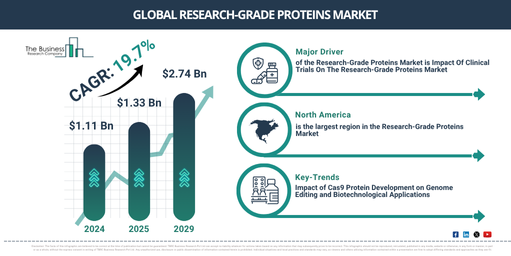
    Over recent years, the market size for research-grade proteins has witnessed substantial growth. The market is projected to expand from a valuation of $1.11 billion in 2024 to $1.33 billion in 2025, marking a compound annual growth rate (CAGR) of 20.4%. Various factors have contributed to this growth over the historic period, including a surge in research activities, an escalation in R&D initiatives within the pharmaceutical and biotechnology sectors, a growing demand for personalized medicine, increased governmental and academic investment, and strategic acquisitions and partnerships.

    The market size for research-grade proteins is predicted to witness substantial growth in the upcoming years, expanding to $2.74 billion by 2029 with a CAGR of 19.7%. The development during the forecasted period is largely due to the progress in proteomics research, the increasing number of clinical trials, the melding of AI and data analytics, the application of research-grade proteins in industrial settings, and the escalated demand for sophisticated research tools. Key trends for this period encompass a heightened awareness of emergent technologies, technological breakthroughs in the biotechnology sector, progression in proteomics and genomics, broadening uses in drug development, and upgraded research equipment in the biotechnology and pharmaceutical arenas.

    Download a free sample to assess the report’s scope and structure:

    https://www.thebusinessresearchcompany.com/sample.aspx?id=15917&type=smp

    How Are Key Drivers in the Industry Acting as Catalysts for the Growth of theResearch-Grade Proteins Market?

    The escalating count of clinical trials is predicted to stimulate the expansion of the research-grade proteins market. Clinical trials are research studies that examine the safety and efficacy of new medical treatments, interventions, or devices in humans. The increasing number of clinical trials can be attributed to developments in medical research, disease prevalence, regulatory modifications, patient demand, and industry investment. In clinical trials, research-grade proteins play a vital role as they serve as indispensable instruments for biomarker development, assay development, drug target identification, quality control, and reference standards, assuring the precision and dependability of experimental data. For example, as per ClinicalTrials.gov, a clinical trial registry based in the US, by the end of 2023, 477,234 clinical trials were recorded globally, which indicates a rise compared to 437,512 clinical trials registered in 2022. Consequently, the escalating count of clinical trials is steering the expansion of the research-grade proteins market.

    Which Segments in the Research-Grade Proteins Offer the Most Growth?

    The research-grade proteins market covered in this report is segmented –

    1) By Product: Cytokines And Growth Factors, Antibodies, Immune Checkpoint Proteins, Virus Antigens, Enzymes, Recombinant Regulatory Proteins, Hormones, Other Products

    2) By Host Cell: Mammalian Cells, Bacterial Cells, Fungi And Yeast, Insect Cells, Other Host Cells

    3) By End-Use: Pharmaceutical And Biotechnology Companies, Academic And Research Institute, Other End-Uses

    Subsegments:

    1) By Cytokines And Growth Factors: Interleukins, Interferons, Colony Stimulating Factors, Erythropoietin, Granulocyte Macrophage Colony-Stimulating Factor

    2) By Antibodies: Monoclonal Antibodies, Polyclonal Antibodies, Recombinant Antibodies, Conjugated Antibodies

    3) By Immune Checkpoint Proteins: PD-1 Inhibitors, PD-L1 Inhibitors, CTLA-4 Inhibitors

    4) By Virus Antigens: HIV Antigens, Hepatitis Antigens, Influenza Antigens, Hepatitis B Antigens

    5) By Enzymes: Restriction Enzymes, Proteases, Ligases, Kinases

    6) By Recombinant Regulatory Proteins: Transcription Factors, Regulatory Enzymes, Epigenetic Modifiers

    7) By Hormones: Insulin, Thyroid Hormones, Growth Hormones, Adrenaline

    8) By Other Products: Peptides, Serum Proteins, Antigen-Binding Proteins

    Request customized data on this market:

    https://www.thebusinessresearchcompany.com/customise?id=15917&type=smp

    What Are the Fastest-Growing Geographies in the #How Are Key Drivers in the Industry Acting as Catalysts for the Growth of theResearch-Grade Proteins Market?# Market?

    North America was the largest region in the research-grade proteins market in 2024. Asia-Pacific is expected to be the fastest-growing region in the forecast period. The regions covered in the research-grade proteins market report are Asia-Pacific, Western Europe, Eastern Europe, North America, South America, Middle East and Africa.

    What Are the Current Market Growth and Trends in the Research-Grade Proteins Industry?

    Leading corporations in the research-grade proteins industry are seeking to enhance the functionality and usability of Cas9 proteins in genome editing and other biotech applications. Cas9 proteins facilitate genome modification by working as molecular shears, accurately cutting DNA at guide RNA (gRNA) specified points. In a concrete example, US biotechnology firm Thermo Fisher Scientific Inc. introduced an advanced GMP-manufactured Gibco CTS TrueCut Cas9 Protein in April 2022. This high-quality, clinically compliant Cas9 protein is produced under Good Manufacturing Practice (GMP) regulations. It is purpose-built for genome editing uses, offering optimal purity and function specifically designed for precision-focused CRISPR-based study, promoting progress in genetic engineering and therapeutic research.

    View the full report here:

    https://www.thebusinessresearchcompany.com/report/research-grade-proteins-global-market-report

    What Are the Key Elements That Define the Research-Grade Proteins Market?

    Research-grade proteins refer to proteins that are produced and purified to a high standard of quality and purity for use in scientific research. These proteins are utilized in various experimental and analytical applications, including studies in molecular biology, biochemistry, cell biology, and drug development. They are essential tools for understanding protein function, interaction, structure, and for developing new therapeutic approaches.

    Purchase the full report and get a swift delivery:

    https://www.thebusinessresearchcompany.com/purchaseoptions.aspx?id=15917

    About The Business Research Company:

    With over 15000+ reports from 27 industries covering 60+ geographies, The Business Research Company has built a reputation for offering comprehensive, data-rich research and insights. Armed with 1,500,000 datasets, the optimistic contribution of in-depth secondary research, and unique insights from industry leaders, you can get the information you need to stay ahead in the game.

    Get in touch with us:

    The Business Research Company: https://www.thebusinessresearchcompany.com/

    Americas +1 310-496-7795

    Europe +44 7882 955267

    Asia & Others +44 7882 955267 & +91 8897263534

    Email us at info@tbrc.info

    Follow us on:

    LinkedIn: https://in.linkedin.com/company/the-business-research-company

    YouTube: https://www.youtube.com/channel/UC24_fI0rV8cR5DxlCpgmyFQ

    Global Market Model: https://www.thebusinessresearchcompany.com/global-market-model
  • Serum Market Trends 2025-2034: Growth, Strategic Insights, and Opportunities Ahead

    Serum Market Trends 2025-2034: Growth, Strategic Insights, and Opportunities Ahead

    Claim your 30% discount on Global Market Reports with code ONLINE30. Limited time only.

    #What Are the Projected Market Size and Growth Rates for the Serum Market From 2025 To 2029?#_x000D_

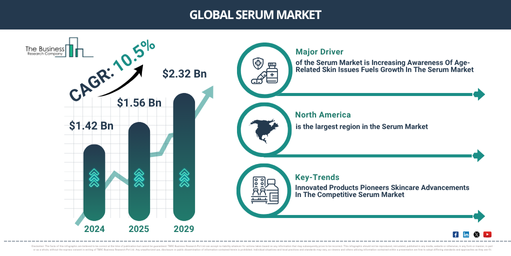
    In recent times, the serum market’s dimensions have seen significant expansion. It is projected to increase from $1.42 billion in 2024 to $1.56 billion in 2025 at an impressive compound annual growth rate (CAGR) of 9.7%. The growth factors during the historical phase include medical diagnostics, clinical study, drug evolution and examination, disease surveillance, and therapeutic applications._x000D_

    _x000D_

    Anticipating robust expansion in the coming years, the serum market is projected to swell to a value of $2.32 billion by 2029, marking a Compound Annual Growth Rate (CAGR) of 10.5%. This growth trajectory over the prediction period can be traced back to advancements in precision medicine, the surge in personalized healthcare, broadened oncology applications, worldwide health endeavors, and the growing older population. The dominant trends during this forecast period revolve around the increased adoption of customizable serum solutions, the incorporation of fermented ingredients for skin health enhancement, the emergence of CBD-infused serums, the use of specialized ingredients like retinol alternatives, and a focus on inclusive beauty with diverse formulations._x000D_

    _x000D_

    #Download a free sample to assess the report’s scope and structure:#_x000D_

    https://www.thebusinessresearchcompany.com/sample.aspx?id=9432&type=smp_x000D_

    _x000D_

    #What Are the Major Market Drivers Behind the Rising Adoption of Serum Market?#_x000D_

    The increased understanding of skin problems associated with aging is set to boost the serum market’s expansion in the future. Age-related skin conditions are those typically seen in the elderly, including wrinkles and lines caused by facial movements. Serums can treat these conditions, alleviating dullness, hyperpigmentation, dehydration, wrinkles, and firmness loss, while also balancing and brightening skin tone, reducing noticeable imperfections, and providing nourishment. For example, the Melanoma UK support and advocacy group reported in July 2022 that melanoma skin cancer cases are predicted to rise 9% by 2025, totaling 19,513. Furthermore, disease-related deaths are slated to go up by 13%, leading to 3,119 deaths. By 2040, an estimated 22,886 people will be diagnosed with melanoma skin cancer. Hence, the growing awareness about skin problems related to aging is fueling the serum market’s growth._x000D_

    _x000D_

    #Which Key Market Segments Comprise the Serum Market and Drive Its Revenue Growth?#_x000D_

    The serum market covered in this report is segmented – _x000D_

    _x000D_

    1) By Type: Bovine Serum, Fetal bovine serum (FBS), Other Types_x000D_

    2) By Inactivation Technique: Heat Inactivated, Non-Heat Inactivated_x000D_

    3) By Application: Biological Products, Research, Cell Culture, Biopharmaceutical Drugs, Vaccine Products, Diagnostic Products, Other Applications_x000D_

    _x000D_

    Subsegments:_x000D_

    1) By Bovine Serum: Raw Bovine Serum, Processed Bovine Serum, Fetal Bovine Serum (FBS)_x000D_

    2) By Fetal Bovine Serum (FBS): FBS (Heat-Inactivated), FBS (Non-Heat-Inactivated)_x000D_

    3) By Other Types: Equine Serum, Porcine Serum, Human Serum_x000D_

    _x000D_

    #Request customized data on this market:#_x000D_

    https://www.thebusinessresearchcompany.com/customise?id=9432&type=smp_x000D_

    _x000D_

    #Which Areas Are Leading Regions in the Serum Market Expansion Across the Globe?#_x000D_

    North America was the largest region in the serum market in 2024. The regions covered in the serum market report are Asia-Pacific, Western Europe, Eastern Europe, North America, South America, Middle East, Africa._x000D_

    _x000D_

    #What Are the Strategic Trends Steering theSerum Market Direction?#_x000D_

    The serum market is witnessing a growing trend of product innovation, with key players focusing on developing unique serum formulations for an expanded range of skincare and beauty uses and to secure a competitive advantage. For example, in March 2022, Galderma, a Swiss pharmaceutical firm expert in dermatology treatments and skincare products, introduced HA Immerse Serum, an innovative addition to its ALASTIN Skincare range. The HA Immerse Serum is designed to hydrate the skin surface and boost the skin’s natural ability to generate hyaluronic acid from within, leading to a fuller, younger look over time. ALASTIN’s patented Octapeptide-45 is employed in the serum to improve the skin’s innate ability to enhance its high molecular hyaluronic acid production deep within, offering sustainable skin plumping, anti-ageing, and hydration benefits._x000D_

    _x000D_

    #View the full report here:#_x000D_

    https://www.thebusinessresearchcompany.com/report/serum-global-market-report_x000D_

    _x000D_

    #How Is the Serum Market Conceptually Defined?#_x000D_

    Serum refers to the clear and liquid portion of blood that remains after blood cells and clotting proteins have been eliminated. It is used as a supplement to the basal growth medium in cell culture applications._x000D_

    _x000D_

    #Purchase the full report and get a swift delivery:#_x000D_

    https://www.thebusinessresearchcompany.com/purchaseoptions.aspx?id=9432_x000D_

    _x000D_

    #About The Business Research Company:#_x000D_

    With over 15000+ reports from 27 industries covering 60+ geographies, The Business Research Company has built a reputation for offering comprehensive, data-rich research and insights. Armed with 1,500,000 datasets, the optimistic contribution of in-depth secondary research, and unique insights from industry leaders, you can get the information you need to stay ahead in the game._x000D_

    _x000D_

    #Get in touch with us:#_x000D_

    The Business Research Company: https://www.thebusinessresearchcompany.com/_x000D_

    Americas +1 310-496-7795_x000D_

    Europe +44 7882 955267_x000D_

    Asia & Others +44 7882 955267 & +91 8897263534_x000D_

    Email us at info@tbrc.info_x000D_

    _x000D_

    #Follow us on:#_x000D_

    _x000D_

    LinkedIn: https://in.linkedin.com/company/the-business-research-company_x000D_

    YouTube: https://www.youtube.com/channel/UC24_fI0rV8cR5DxlCpgmyFQ_x000D_

    Global Market Model: https://www.thebusinessresearchcompany.com/global-market-model

  • Research Antibodies and Reagents Market Insights: In-Depth Look at Growth Trends, Market Size, and Opportunities for 2025-2034

    Research Antibodies and Reagents Market Insights: In-Depth Look at Growth Trends, Market Size, and Opportunities for 2025-2034

    Claim your 30% discount on Global Market Reports with code ONLINE30. Limited time only.

    #What Is the Estimated Market Size of the Research Antibodies and Reagents Market In 2029?#_x000D_

    Over the past few years, the market size of research antibodies and reagents has seen significant growth. It is expected to expand from a value of $16.25 billion in 2024 to $17.4 billion in 2025, indicating a compound annual growth rate (CAGR) of 7.1%. The historic rise in the market can be linked to factors such as rising pharmaceutical R&D spending, a growing elderly population, increased expenditure in healthcare, enhanced government funding for research, and expansion in the number of healthcare facilities._x000D_

    _x000D_

    The market size for research antibodies and reagents is predicted to experience notable expansion in the forthcoming years, reaching $26.25 billion in 2029 with a compound annual growth rate (CAGR) of 10.8%. This growth during the projected period can be linked to several factors such as the surge in geriatric population, rising incidence of cancer and other chronic afflictions, increased budget allotment to research and development, escalation in healthcare expenses, augmented funding towards proteomics projects, an increased demand for personalized medications, and the sprouting of infectious diseases. During the forecast period, several trends will emerge including the adoption of nanotechnology in detecting scarcely abundant molecules, the introduction of pioneering tech-based products to boost sales and profitability, the emphasis on implementing superior antibody purification techniques, contemplation of collaborations and amalgamations with other research organizations and centers, and investment in research and development lab projects and initiatives._x000D_

    _x000D_

    #Download a free sample to assess the report’s scope and structure:#_x000D_

    https://www.thebusinessresearchcompany.com/sample.aspx?id=3418&type=smp_x000D_

    _x000D_

    #What External and Internal Drivers Are Contributing to the Growth of theResearch Antibodies and Reagents Market?#_x000D_

    The surge in investments towards medical and health research and development (R&D) is anticipated to bolster the growth of the research antibodies and reagents market. In the realm of life science research, antibodies and reagents play crucial roles in studying biological processes or the origins of diseases with meticulous experimentation, observation, laboratory work, analysis and testing. For instance, data from the National Center for Science and Engineering Statistics (NCSES), a statistical body based in the U.S., shows that in January 2024, research and experimental development (R&D) in the U.S. amounted to $789.1 billion in 2021, and businesses project it will reach $885.6 billion in 2022, an increase of $84.1 billion. Thus, the escalation of investments in healthcare research and development is poised to enhance the market demand for research antibodies and reagents._x000D_

    _x000D_

    #What Segment Types Define the Research Antibodies and Reagents Market Structure?#_x000D_

    The research antibodies and reagents market covered in this report is segmented – _x000D_

    _x000D_

    1) By Technology: Western Blot, Immunofluorescence, Immunohistochemistry, Flow Cytometry, Enzyme-Linked Immunosorbent Assay (Elisa), Others_x000D_

    2) By Application: Proteomics, Genomics, Other Applications_x000D_

    3) By End User: Pharmaceutical & Biotechnology Industry, Academic & Research Institutes, Contract Research Organizations (CROs)_x000D_

    _x000D_

    Subsegments:_x000D_

    1) By Western Blot: Primary Antibodies For Western Blot, Secondary Antibodies For Western Blot, Detection Kits _x000D_

    2) By Immunofluorescence: Primary Antibodies For Immunofluorescence, Secondary Antibodies For Immunofluorescence, Fluorescent Dyes And Probes _x000D_

    3) By Immunohistochemistry: Primary Antibodies For Immunohistochemistry, Secondary Antibodies For Immunohistochemistry, Detection Kits _x000D_

    4) By Flow Cytometry: Fluorochrome-Conjugated Antibodies, Isotype Controls, Flow Cytometry Kits _x000D_

    5) By Enzyme-Linked Immunosorbent Assay (ELISA): Capture Antibodies, Detection Antibodies, ELISA Kits _x000D_

    6) By Others: Proteomics Reagents, Cell Culture Reagents, Antibody Conjugation Kits _x000D_

    _x000D_

    #Request customized data on this market:#_x000D_

    https://www.thebusinessresearchcompany.com/customise?id=3418&type=smp_x000D_

    _x000D_

    #Which Geographic Areas Hold the Strongest Growth Potential in the Research Antibodies and Reagents Market?#_x000D_

    North America was the largest region in the research antibodies and reagents market in 2024. The regions covered in the research antibodies and reagents market report are Asia-Pacific, Western Europe, Eastern Europe, North America, South America, Middle East, Africa_x000D_

    _x000D_

    #What Long-Term Trends Are Transforming the Competitive Landscape of the Research Antibodies and Reagents Market?#_x000D_

    The leading companies in the research antibodies and reagents market are prioritizing the creation of innovative products such as bispecific antibodies for antibody therapeutics. These bispecific antibodies (bsAbs) comprise two antigen-binding sites, thus, they can concurrently target two distinctive epitopes. For example, F. Hoffmann-La Roche AG, a pharmaceutical company based in Switzerland, revealed in January 2022 that the FDA approved its Vabysmo (Faricimab) for the treatment of wet age-related macular degeneration (AMD) and diabetic macular edema (DME). Faricimab, or Vabysmo, is the inaugural bispecific antibody developed specifically for use in the eye._x000D_

    _x000D_

    #View the full report here:#_x000D_

    https://www.thebusinessresearchcompany.com/report/research-antibodie-and-reagent-global-market-report_x000D_

    _x000D_

    #What Is the Definition of the Research Antibodies and Reagents Market?#_x000D_

    Research antibodies and reagents refer to the antibodies that bio scientists utilize as basic detection techniques. These are used to designate and distinguish particular proteins that are found within the sick cell at a particular stage of its life cycle._x000D_

    _x000D_

    #Purchase the full report and get a swift delivery:#_x000D_

    https://www.thebusinessresearchcompany.com/purchaseoptions.aspx?id=3418_x000D_

    _x000D_

    #About The Business Research Company:#_x000D_

    With over 15000+ reports from 27 industries covering 60+ geographies, The Business Research Company has built a reputation for offering comprehensive, data-rich research and insights. Armed with 1,500,000 datasets, the optimistic contribution of in-depth secondary research, and unique insights from industry leaders, you can get the information you need to stay ahead in the game._x000D_

    _x000D_

    #Get in touch with us:#_x000D_

    The Business Research Company: https://www.thebusinessresearchcompany.com/_x000D_

    Americas +1 310-496-7795_x000D_

    Europe +44 7882 955267_x000D_

    Asia & Others +44 7882 955267 & +91 8897263534_x000D_

    Email us at info@tbrc.info_x000D_

    _x000D_

    #Follow us on:#_x000D_

    _x000D_

    LinkedIn: https://in.linkedin.com/company/the-business-research-company_x000D_

    YouTube: https://www.youtube.com/channel/UC24_fI0rV8cR5DxlCpgmyFQ_x000D_

    Global Market Model: https://www.thebusinessresearchcompany.com/global-market-model

  • Ranibizumab Market Trends 2025-2034: Growth, Strategic Insights, and Opportunities Ahead

    Ranibizumab Market Trends 2025-2034: Growth, Strategic Insights, and Opportunities Ahead

    Claim your 30% discount on Global Market Reports with code ONLINE30. Limited time only.

    How Has The Ranibizumab Market Growth Evolved From 2024 To 2025, And What’s Ahead?

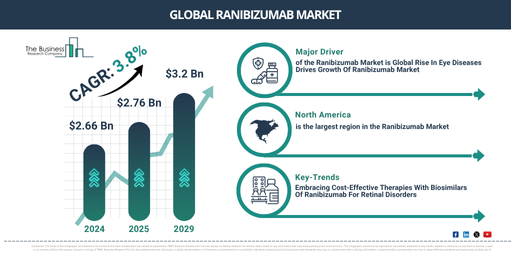
    In the past few years, the ranibizumab market has been revealing consistent growth. The size of the market is expected to raise from $2.66 billion in 2024 to $2.76 billion in 2025, exhibiting a compound annual growth rate (CAGR) of 3.6%. Several factors such as the spread of clinical tests in developing markets, the surge in age-related macular degeneration (AMD) cases, heightened awareness surrounding retinal diseases, escalating cases of diabetic retinopathy, government policies and funding, and increased healthcare costs can be credited for this historical growth.

    The market for ranibizumab is anticipated to undergo consistent expansion in the upcoming years, reaching a valuation of $3.2 billion in 2029, with a compound annual growth rate (CAGR) of 3.8%. Factors contributing to this predicted growth during the forecast period include ongoing R&D efforts, the launching of biosimilars, heightened emphasis on combined therapies, advancements in teleophthalmology, broader use cases for ranibizumab, and positive insurance reimbursement policies. Key trends expected to play a role in the forecasted period encompass progress in biotechnology, enhancements in drug delivery technologies, a tilt towards individualized medical treatment, greater application of artificial intelligence in ophthalmology, the creation of formulas with more extended effects, and an uptick in patient-focused care protocols.

    Download a free sample to assess the report’s scope and structure:

    https://www.thebusinessresearchcompany.com/sample.aspx?id=16172&type=smp

    What Are the Major Market Drivers Behind the Rising Adoption of Ranibizumab Market?

    The ranibizumab market is anticipated to expand due to the growing incidence of eye disorders. Eye diseases include a myriad of disorders that can compromise vision and the overall health of the eyes. An aging population, lifestyle modifications, and a surge in chronic illnesses such as diabetes are the driving forces behind this increase. Ranibizumab, known for treating conditions such as age-related macular degeneration and diabetic retinopathy, is instrumental in reducing vision deterioration amidst the escalating occurrence of eye disorders. For instance, the World Health Organization (WHO), a Switzerland-based intergovernmental organization reported in August 2023 that approximately 2.2 billion people globally suffer from either near or distance vision impairment. Subsequently, the escalating incidence of eye diseases is predicted to boost the growth of the ranibizumab market.

    Which Key Market Segments Comprise the Ranibizumab Market and Drive Its Revenue Growth?

    The ranibizumab market covered in this report is segmented –

    1) By Product: Single Use Prefilled Syringe, Single Use Glass Vial

    2) By Application: Wet Age Related Macular Degeneration (AMD), Diabetic Retinopathy (DR), Diabetic Macular Edema (DME), Myopic Choroidal Neovascularization (MCNV), Retinal Vein Occlusion (RVO)

    3) By Distribution Channel: Hospital Pharmacies, Online Pharmacies, Other Distribution Channels

    Subsegments:

    1) By Single Use Prefilled Syringe: 0.3 Ml Syringe, 0.5 Ml Syringe, 1 Ml Syringe, Other Volume Variants

    2) By Single Use Glass Vial: 0.5 Mg Or 0.05 Ml Vial, 1.0 Mg Or 0.1 Ml Vial, 2.0 Mg Or 0.2 Ml Vial, Other Volume Variants

    Request customized data on this market:

    https://www.thebusinessresearchcompany.com/customise?id=16172&type=smp

    Which Areas Are Leading Regions in the Ranibizumab Market Expansion Across the Globe?

    North America was the largest region in the ranibizumab market in 2024. The regions covered in the ranibizumab market report are Asia-Pacific, Western Europe, Eastern Europe, North America, South America, Middle East, Africa.

    What Are the Strategic Trends Steering theRanibizumab Market Direction?

    Leading corporations in the ranibizumab market are concentrating on therapies that are cost-effective, such as ranibizumab biosimilars, to manage and forestall vision loss in individuals suffering from retinal diseases. A ranibizumab biosimilar is a biological drug that is almost identical to the original ranibizumab, albeit it is marketed under a different brand name, offering a budget-friendly alternative while keeping alike efficaciousness and safety standards. For instance, in April 2024, Formycon AG, a biotechnology company based in Germany, and Bioeq AG, a biopharmaceutical company headquartered in Switzerland, proclaimed the commercial launch of FYB201, a biosimilar to Lucentis (Ranibizumab), in Canada and Switzerland. This introduction comes after receiving marketing authorization from Health Canada under the brand name Ranopto, and from Swissmedic under the brand name Ranivisio. FYB201 provides a novel, quality-assured, effective, and economical option for patients plagued by severe retinal ailments. It has already shown its worth as a cost-efficient treatment alternative for patients in the USA and several regions of Europe.

    View the full report here:

    https://www.thebusinessresearchcompany.com/report/ranibizumab-global-market-report

    How Is the Ranibizumab Market Conceptually Defined?

    Ranibizumab is a recombinant humanized monoclonal antibody fragment designed to inhibit the activity of vascular endothelial growth factor A (VEGF-A) in the treatment of various retinal conditions by reducing abnormal blood vessel growth and leakage in the eye. Its advantage lies in its targeted delivery via intravitreal injection, minimizing systemic side effects while preserving and potentially improving vision in affected patients.

    Purchase the full report and get a swift delivery:

    https://www.thebusinessresearchcompany.com/purchaseoptions.aspx?id=16172

    About The Business Research Company:

    With over 15000+ reports from 27 industries covering 60+ geographies, The Business Research Company has built a reputation for offering comprehensive, data-rich research and insights. Armed with 1,500,000 datasets, the optimistic contribution of in-depth secondary research, and unique insights from industry leaders, you can get the information you need to stay ahead in the game.

    Get in touch with us:

    The Business Research Company: https://www.thebusinessresearchcompany.com/

    Americas +1 310-496-7795

    Europe +44 7882 955267

    Asia & Others +44 7882 955267 & +91 8897263534

    Email us at info@tbrc.info

    Follow us on:

    LinkedIn: https://in.linkedin.com/company/the-business-research-company

    YouTube: https://www.youtube.com/channel/UC24_fI0rV8cR5DxlCpgmyFQ

    Global Market Model: https://www.thebusinessresearchcompany.com/global-market-model
  • Regenerative Medicine For Cartilage Market Outlook 2025–2034: Identifying Growth Drivers, Technology Trends, and Policy Impact

    Regenerative Medicine For Cartilage Market Outlook 2025–2034: Identifying Growth Drivers, Technology Trends, and Policy Impact

    Claim your 30% discount on Global Market Reports with code ONLINE30. Limited time only.

    #How Fast Is The Regenerative Medicine For Cartilage Market Expected to Grow Between 2025 And 2029?#_x000D_

    The market size for regenerative medicine for cartilage has experienced robust growth in recent years. The market is expected to expand from $4.43 billion in 2024 to $4.68 billion in 2025, registering a compound annual growth rate (CAGR) of 5.6%. Factors contributing to the historical growth include increased incidences of chronic diseases, expansion in emerging markets, the enactment of the 21st Century Cures Act, a rapidly growing aging population, and enhancements in health awareness and spending._x000D_

    _x000D_

    Anticipated to experience robust growth in the following years, the regenerative medicine for cartilage market is projected to expand to a value of $5.97 billion in 2029, with a compound annual growth rate (CAGR) of 6.3%. Factors contributing to this growth during the forecast period include an upturn in demand for organ transplants, an increase in healthcare expenditure, enhancements in the field of regenerative medicine technology, a surge in research investment for regenerative medicine, and lifestyle modifications. The forecast period sees rising trends like the amplified use of mesenchymal stem cell technology, enhanced focus on research and development of innovative gene therapy techniques, advancements in tech transfer and clinical applications, a surge in strategic alliances and partnerships, emergence and growth of new enterprises, the important role of injectable hydrogel in cartilage repair as a regenerative medicine, and worldwide research initiatives and funding._x000D_

    _x000D_

    #Download a free sample to assess the report’s scope and structure:#_x000D_

    https://www.thebusinessresearchcompany.com/sample.aspx?id=3961&type=smp_x000D_

    _x000D_

    #What Are the Core Market Drivers Propelling Growth in the Regenerative Medicine For Cartilage Industry?#_x000D_

    Regenerative medicine for cartilage market potential is heightened by the escalating global cases of osteoarthritis. This degenerative joint condition mainly inflicts harm to the articular cartilage. As per the Arthritis Foundation, degenerative joint disease like osteoarthritis, is set to affect approximately 130 million individuals globally by 2050. With the key treatments for osteoarthritis being autologous chondrocyte implantation and scaffold implants, the surge in osteoarthritis cases will likely boost demand in the market for regenerative medicine for cartilage._x000D_

    _x000D_

    #How Is the Regenerative Medicine For Cartilage Market Segmented?#_x000D_

    The regenerative medicine for cartilage market covered in this report is segmented – _x000D_

    _x000D_

    1) By Product: Cell Based, Gene Based, Tissue Based_x000D_

    2) By End-Use: Ambulatory Surgical Centers, Hospitals And Clinics, Others_x000D_

    3) By Application: Musculoskeletal, Oncology, Dental, Wound Care, Others_x000D_

    _x000D_

    Subsegments:_x000D_

    1) By Cell-Based: Chondrocyte-Based Therapies, Mesenchymal Stem Cell (MSC) Therapies, Induced Pluripotent Stem Cell (iPSC) Therapies, Embryonic Stem Cell (ESC) Therapies _x000D_

    2) By Gene-Based: Gene Modification Therapies, CRISPR-Based Gene Editing, Viral Vector Gene Therapies, Non-Viral Gene Therapies _x000D_

    3) By Tissue-Based: Autologous Tissue Grafts, Allogeneic Tissue Grafts, Xenogeneic Tissue Grafts, Synthetic Scaffolds_x000D_

    _x000D_

    #Request customized data on this market:#_x000D_

    https://www.thebusinessresearchcompany.com/customise?id=3961&type=smp_x000D_

    _x000D_

    #Which Regions Are Driving the Next Phase of the Regenerative Medicine For Cartilage Market Growth?#_x000D_

    Europe was the largest region in regenerative medicine for cartilage in 2024. The regions covered in the regenerative medicine for cartilage market report are Asia-Pacific, Western Europe, Eastern Europe, North America, South America, Middle East, Africa._x000D_

    _x000D_

    #What Key Market Trends and Innovations Are Shaping the Future of the Regenerative Medicine For Cartilage Industry?#_x000D_

    Tissue engineering and stem cell therapy are becoming popular trends in the field of regenerative medicine for the cartilage market. Advancements in tissue engineering technology have provided a promising avenue for the regeneration of cartilage. Stem cell therapy is increasingly being recognized for its benefits compared to traditional orthopedic treatments. It effectively alleviates knee pain and fosters knee cartilage regrowth and recovery. For example, growth factors are injected in the form of platelet-rich plasma (PRP) therapy to effectively stimulate tissue regeneration. To remain competitive in the regenerative medicine for cartilage market, companies are steadily concentrating on the development and introduction of new technologies._x000D_

    _x000D_

    #View the full report here:#_x000D_

    https://www.thebusinessresearchcompany.com/report/regenerative-medicine-for-cartilage-global-market-report_x000D_

    _x000D_

    #How Is the Regenerative Medicine For Cartilage Market Defined and What Are Its Core Parameters?#_x000D_

    Regenerative medicine for cartilage refers to a medication used during surgery to repair damaged cartilage in the knees using body-produced cells that can create cartilage. A biopsy is required to collect chondrocytes (cells that produce cartilage), which are then multiplied in a lab before being implanted into the injured area during surgery._x000D_

    _x000D_

    #Purchase the full report and get a swift delivery:#_x000D_

    https://www.thebusinessresearchcompany.com/purchaseoptions.aspx?id=3961_x000D_

    _x000D_

    #About The Business Research Company:#_x000D_

    With over 15000+ reports from 27 industries covering 60+ geographies, The Business Research Company has built a reputation for offering comprehensive, data-rich research and insights. Armed with 1,500,000 datasets, the optimistic contribution of in-depth secondary research, and unique insights from industry leaders, you can get the information you need to stay ahead in the game._x000D_

    _x000D_

    #Get in touch with us:#_x000D_

    The Business Research Company: https://www.thebusinessresearchcompany.com/_x000D_

    Americas +1 310-496-7795_x000D_

    Europe +44 7882 955267_x000D_

    Asia & Others +44 7882 955267 & +91 8897263534_x000D_

    Email us at info@tbrc.info_x000D_

    _x000D_

    #Follow us on:#_x000D_

    _x000D_

    LinkedIn: https://in.linkedin.com/company/the-business-research-company_x000D_

    YouTube: https://www.youtube.com/channel/UC24_fI0rV8cR5DxlCpgmyFQ_x000D_

    Global Market Model: https://www.thebusinessresearchcompany.com/global-market-model

  • Primary Cell Culture Market Insights: In-Depth Look at Growth Trends, Market Size, and Opportunities for 2025-2034

    Primary Cell Culture Market Insights: In-Depth Look at Growth Trends, Market Size, and Opportunities for 2025-2034

    Claim your 30% discount on Global Market Reports with code ONLINE30. Limited time only.

    What is the Projected CAGR for the Primary Cell Culture Market Size from 2025 to 2034?

    In recent years, there has been a notable expansion in the primary cell culture market. The market, valued at $6.79 billion in 2024, is predicted to increase to $7.76 billion in 2025, reflecting a compound annual growth rate (CAGR) of 14.2%. This surge during the historical period can be tied to a rise in the need for monoclonal antibodies, escalating requests for innovative therapeutics, growth in the personalized medicine sector, and an increased demand in cell therapy research.

    The market size for primary cell culture is predicted to expand quickly in the upcoming years, reaching $13.03 billion in 2029 with a compound annual growth rate (CAGR) of 13.8%. The surge during the forecast period can be ascribed to a rapid increase in cancer incidences, an upward trend in the pharmaceutical and biotech industries, the escalating demand for bespoke medicine, and the growing utilization of 3D cell culture models. The forecast period is projected to see significant trends such as technological evolution, product innovation, collaborations, and research and development.

    Download a free sample to assess the report’s scope and structure:

    https://www.thebusinessresearchcompany.com/sample.aspx?id=15903&type=smp

    What External and Internal Drivers Are Contributing to the Growth of thePrimary Cell Culture Market?

    The expected growth of the primary cell culture market is linked to the increasing instances of chronic illnesses. These are prolonged, mostly slow-progressing conditions that usually last for extended durations, often for the lifetime of an individual. The increase in chronic diseases could be due to numerous reasons such as shifts in lifestyle and diet, environmental factors, lack of physical activity, and demographic changes. Primary cell cultures play a crucial role in boosting understanding and developing treatment approaches for these chronic diseases, hence enhancing patient results. For example, the National Center For Biotechnology Information, a US-based government agency, reported in January 2023 that the number of people with at least one chronic disease is anticipated to grow by 99.5% from 71.522 million in 2020 to 142.66 million by 2050. Thus, the growing cases of chronic diseases are driving the primary cell culture market.

    What Segment Types Define the Primary Cell Culture Market Structure?

    The primary cell culture market covered in this report is segmented –

    1) By Product: Primary Cell, Reagents, Supplements, Media

    2) By Cell Type: Animal Cells, Human Cells

    3) By Separation And culture Techniques: Explant Method, Enzymatic Disaggregation, Mechanical Separation, Other Separation

    4) By Application: Tissue Culture and Tissue Engineering, Vaccine Production, Gene Therapy And Regenerative Medicine, Drug Screening And Toxicity Testing, Cancer Research, Virology, Strem Cell Therapy, Other Applications

    5) By End User: Pharmaceutical And Biotechnology Company And Contract Research Organizations, Academic And Research Institutes, Other End Users

    Subsegments:

    1) By Primary Cell: Human Primary Cells, Animal Primary Cells

    2) By Reagents: Enzymes, Buffers And Salts, Antibodies

    3) By Supplements: Growth Factors, Serum Supplements, Hormones

    4) By Media: Basal Media, Serum-Free Media, Specialty Media

    Request customized data on this market:

    https://www.thebusinessresearchcompany.com/customise?id=15903&type=smp

    Which Geographic Areas Hold the Strongest Growth Potential in the Primary Cell Culture Market?

    North America was the largest region in the primary cell culture market in 2024. Asia-Pacific is expected to be the fastest-growing region in the forecast period. The regions covered in the primary cell culture market report are Asia-Pacific, Western Europe, Eastern Europe, North America, South America, Middle East and Africa.

    What Long-Term Trends Are Transforming the Competitive Landscape of the Primary Cell Culture Market?

    Major companies in the primary cell culture market have begun to create cell banks specifically focused on enabling cultivated meat research, with the goal of promoting ethical and sustainable meat production technologies. The purpose of this Cell Bank initiative is to provide aid to beginning companies and researchers by offering top-quality animal primary cells that are apt for cultivated meat research and development, costing up to 90% less than other cell line providers and possessing no licensing restrictions. For instance, as of June 2023, UK-based CDMO (Contract Development and Manufacturing Organization) Extracellular has introduced cost-effective, license-free cell banks to back up the cultivated meat industry. Initially, these banks provide cells obtained from cows, pigs, and lambs’ fat, muscle, and bone marrow tissues. The project signifies a collective effort to expedite the growth of the cultivated meat industry in the UK, intensifying the accessibility to cell lines and empowering researchers and companies to originate innovations without licensing or commercial agreements constraints.

    View the full report here:

    https://www.thebusinessresearchcompany.com/report/primary-cell-culture-global-market-report

    What Is the Definition of the Primary Cell Culture Market?

    Primary cell culture refers to the process of isolating cells directly from a tissue or organism and growing them in a controlled laboratory environment. The process involves obtaining tissues from a human or animal, disaggregating them using various methods, and inducing the viable cells to grow in culture vessels with specialized media.

    Purchase the full report and get a swift delivery:

    https://www.thebusinessresearchcompany.com/purchaseoptions.aspx?id=15903

    About The Business Research Company:

    With over 15000+ reports from 27 industries covering 60+ geographies, The Business Research Company has built a reputation for offering comprehensive, data-rich research and insights. Armed with 1,500,000 datasets, the optimistic contribution of in-depth secondary research, and unique insights from industry leaders, you can get the information you need to stay ahead in the game.

    Get in touch with us:

    The Business Research Company: https://www.thebusinessresearchcompany.com/

    Americas +1 310-496-7795

    Europe +44 7882 955267

    Asia & Others +44 7882 955267 & +91 8897263534

    Email us at info@tbrc.info

    Follow us on:

    LinkedIn: https://in.linkedin.com/company/the-business-research-company

    YouTube: https://www.youtube.com/channel/UC24_fI0rV8cR5DxlCpgmyFQ

    Global Market Model: https://www.thebusinessresearchcompany.com/global-market-model