Blog

  • From Insight to Impact: Strategic Growth Mapping in the Nausea Medicine Market

    From Insight to Impact: Strategic Growth Mapping in the Nausea Medicine Market

    Claim your 30% discount on Global Market Reports with code ONLINE30. Limited time only.

    What Is the Estimated Market Size of the Nausea Medicine Market In 2029?

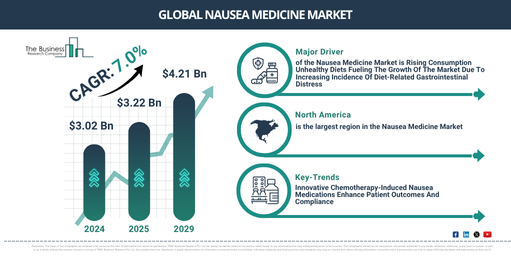
    The market for anti-emetic drugs has seen a significant surge in recent years. Current projections suggest a rise from $3.02 billion in 2024 to $3.22 billion in 2025, reporting a compound annual growth rate (CAGR) of 6.5%. Factors contributing to the growth observed in the historic period comprise an uptick in chemotherapy cases, heightened awareness of pregnancy-induced nausea (NVP), growth of surgical procedures, an increase in the recognition of motion sickness, a higher prevalence of chronic gastrointestinal disorders, and the expansion of formulations for children.

    The market for nausea medication is projected to experience significant expansion in the upcoming years, with its value expected to reach $4.21 billion by 2029, growing at a compound annual growth rate (CAGR) of 7.0%. The anticipated growth during this period can be accredited to an increase in cancer treatment accessibility, regulatory focus on safer ingredients, the growth of telehealth and electronic prescriptions, the wider implementation of minimally invasive surgeries, and the enhancement of hospital infrastructure. Key trends during this forecast period include the merger of digital health services, creation of targeted treatments, a move towards personalization in medicine, the introduction of transdermal patches for therapy, and progress in drug formulation.

    Download a free sample to assess the report’s scope and structure:

    https://www.thebusinessresearchcompany.com/sample.aspx?id=24329&type=smp

    What are the Fundamental Drivers and Innovations Shaping the Nausea Medicine Market?

    Expectations for the nausea medicine market’s expansion are being fueled by the increase in unhealthy eating habits. This includes consuming excessive amounts of processed foods, sugars, detrimental fats, and salt, with a lack of crucial nutrients like vitamins, minerals, and fiber. The rising trend in unhealthy eating is predominantly attributed to the convenience of processed and fast foods, as they are more accessible and affordable compared to healthier alternatives. Prolonged intake of such diets leads to conditions like gastrointestinal problems, acid reflux, indigestion, and nausea. Nausea medicines, specifically antiemetics, are designed to address these issues by tackling the root causes such as motion sickness, gastrointestinal complications, or medication side effects. The drugs function by mitigating the brain’s signals responsible for causing nausea feelings, as well as by calming the stomach, thus decreasing the urge to throw up and providing relief. For example, a US governmental organization, as per the American Journal of Preventive Medicine in April 2025, reported that the deaths caused by consumption of ultra-processed foods in the United States exceeds 124,000 annually. Consequently, the escalating consumption of unhealthy foods is acting as a catalyst for the growth of the nausea medicine market.

    How Is the Nausea Medicine Market Segmented?

    The nausea medicine market covered in this report is segmented –

    1) By Type: Antagonists, Antagonists, Canabinoids, Other Types

    2) By Indication: Oncology, Gastroesophageal Reflux Disease, Motion Sickness and Seasickness, Other Indications

    3) By Route of Administration: Oral, Injectable, Transdermal, Rectal, Other Route of Administrations

    4) By Distribution Channel: Retail Pharmacies, Hospital Pharmacies, Online Pharmacies, Other Distribution Channels

    5) By End User: Hospitals, Homecare settings, Ambulatory Surgical centres, Long-term Care Facilities, Individual Consumers

    Subsegments:

    1) By Antagonists: Serotonin Antagonists, Neurokinin-1 (NK1) Receptor Antagonists, Dopamine Antagonists

    2) By Antihistamines: H1 Antihistamines, H2 Antihistamines

    3) By Cannabinoids: THC (Tetrahydrocannabinol), CBD (Cannabidiol)

    4) By Other Types: Corticosteroids, Benzodiazepines, Ginger-Based Medications

    Request customized data on this market:

    https://www.thebusinessresearchcompany.com/customise?id=24329&type=smp

    Which Regions Are Driving the Next Phase of the Nausea Medicine Market Growth?

    North America was the largest region in the nausea medicine market in 2024. Asia-Pacific is expected to be the fastest-growing region in the forecast period. The regions covered in the nausea medicine market report are Asia-Pacific, Western Europe, Eastern Europe, North America, South America, Middle East, Africa.

    What Key Trends Are Shaping the Future of the Nausea Medicine Market?

    Leading corporations in the nausea medicine market are emphasizing the creation of inventive solutions like medication for nausea induced by chemotherapy. Their goal is to enhance the results for patients and provide solutions for cases where standard treatments fail. Chemotherapy-induced nausea medication typically includes drugs developed specifically to inhibit or alleviate nausea and vomiting that result from cancer chemotherapy. This is often achieved by focusing on serotonin or neurokinin receptors in the brain. For instance, in January 2023, Glenmark Pharmaceuticals, a pharmaceutical company located in India, launched AKYNZEO I.V., a pre-diluted intravenous injection that pairs up fosnetupitant and palonosetron to counter chemotherapy-induced nausea and vomiting (CINV). This one-dosage intravenous drug merges fosnetupitant and palonosetron, ensuring protection against both immediate and prolonged phases of CINV. This single 30-minute infusion efficiently covers both immediate and delayed stages of CINV, streamlining treatment by decreasing the demand for multiple antiemetic drugs and augmenting patient adherence.

    View the full report here:

    https://www.thebusinessresearchcompany.com/report/nausea-medicine-global-market-report

    How Is the Nausea Medicine Market Defined and What Are Its Core Parameters?

    Nausea medicine is a type of drug designed to counteract the body’s emetic response by targeting specific receptors in the brain or gastrointestinal tract that trigger the sensation of nausea and the act of vomiting. It is used to relieve or prevent nausea and vomiting caused by motion sickness, anesthesia, chemotherapy, gastrointestinal disorders, or pregnancy-related conditions.

    Purchase the full report and get a swift delivery:

    https://www.thebusinessresearchcompany.com/purchaseoptions.aspx?id=24329

    About The Business Research Company:

    With over 15000+ reports from 27 industries covering 60+ geographies, The Business Research Company has built a reputation for offering comprehensive, data-rich research and insights. Armed with 1,500,000 datasets, the optimistic contribution of in-depth secondary research, and unique insights from industry leaders, you can get the information you need to stay ahead in the game.

    Get in touch with us:

    The Business Research Company: https://www.thebusinessresearchcompany.com/

    Americas +1 310-496-7795

    Europe +44 7882 955267

    Asia & Others +44 7882 955267 & +91 8897263534

    Email us at info@tbrc.info

    Follow us on:

    LinkedIn: https://in.linkedin.com/company/the-business-research-company

    YouTube: https://www.youtube.com/channel/UC24_fI0rV8cR5DxlCpgmyFQ

    Global Market Model: https://www.thebusinessresearchcompany.com/global-market-model
  • Natural Killer (NK) Cell TherapeuticsMarket Overview 2025–2034: CAGR Trends, Long-Term Growth Paths, and Business Implications

    Natural Killer (NK) Cell TherapeuticsMarket Overview 2025–2034: CAGR Trends, Long-Term Growth Paths, and Business Implications

    Claim your 30% discount on Global Market Reports with code ONLINE30. Limited time only.

    How Fast Is The Natural Killer (NK) Cell Therapeutics Market Expected to Grow Between 2025 And 2029?

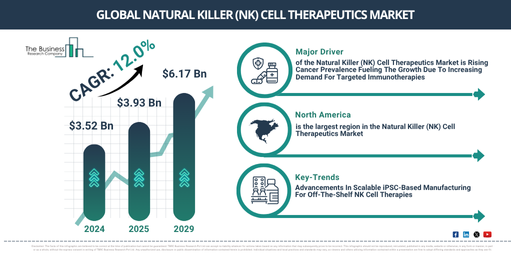
    The market size for natural killer (NK) cell therapeutics has experienced rapid expansion in the last few years. It is projected to escalate from $3.52 billion in 2024 to $3.93 billion in 2025, exhibiting a compound annual growth rate (CAGR) of 11.6%. This significant growth during the historical period has been driven by factors such as heightened cancer prevalence, amplified funding in research and development, increased awareness about immunotherapy, strategic partnerships within the industry, regulatory backing, and advancements in cell expansion technologies.

    The market for natural killer (NK) cell therapeutics is projected to experience swift expansion in the upcoming years, reaching a value of $6.17 billion in 2023, growing at a compound annual growth rate (CAGR) of 12.0%. This expected growth is largely due to factors such as an increase in clinical trials, heightened investment in R&D for immunotherapy, the application of NK cell therapeutics in solid tumors, strategic partnerships, regulatory backing for cell-based treatments, and the rising demand from patients for personalized cancer care. During this forecasted period, key trends that are likely to surface include advancements in genetic engineering, improved CAR-NK therapies, better cell proliferation methods, novel developments in clinical trial procedures, the creation of ready-to-use NK cell products, and progress in the techniques used in solid tumor treatments.

    Download a free sample to assess the report’s scope and structure:

    https://www.thebusinessresearchcompany.com/sample.aspx?id=24328&type=smp

    What Are the Primary Drivers Supporting the Market Growth of the Natural Killer (NK) Cell Therapeutics Market?

    The surge in cancer occurrences is anticipated to drive the expansion of the natural killer (NK) cell therapeutics market in the future. Cancer is characterized by the rampant and uncontrolled growth of abnormal cells, which invade nearby tissues and metastasize to other parts of the body, disrupting regular cell activity, creating tumors, and thwarting bodily functions. Cancer risk is heightened by environmental exposure to pollutants, chemicals, and tobacco smoke that cause damage to deoxyribonucleic acid (DNA) and interrupt cellular function. Natural killer (NK) cell therapeutics are utilized in the treatment of cancer by directly targeting and obliterating tumor cells without requiring prior sensitization. For example, the American Cancer Society disclosed in April 2024 that in 2022, there were 20 million newly diagnosed cases of cancer and 9.7 million deaths globally due to the disease. By 2050, based solely on anticipated population growth, the number of cancer cases is estimated to rise to 35 million. Consequently, the escalating prevalence of cancer is fuelling the expansion of the natural killer (NK) cell therapeutics market.

    Which Primary Segments of the Natural Killer (NK) Cell Therapeutics Market Are Driving Growth and Industry Transformations?

    The natural killer (nk) cell therapeutics market covered in this report is segmented –

    1) By Therapeutics: Natural Killer (NK) Cell Directed Antibodies, Natural Killer (NK) Cell Therapies

    2) By Application: Immunoproliferative Disorders, Gastrointestinal Diseases, Cancer, Other Applications

    3) By Distribution Channel: Hospital Pharmacies, Direct Tender, Other Distribution Channels

    4) By End User: Research And Academic Institutes, Hospitals, Specialty Clinics

    Subsegments:

    1) By Natural Killer (NK) Cell Directed Antibodies: Monoclonal Antibodies (mAbs), Bispecific Antibodies (BsAbs), Antibody-Drug Conjugates (ADCs)

    2) By Natural Killer (NK) Cell Therapies: Autologous NK Cell Therapies, Allogeneic NK Cell Therapies, Chimeric Antigen Receptor (CAR)-NK Cell Therapies

    Request customized data on this market:

    https://www.thebusinessresearchcompany.com/customise?id=24328&type=smp

    Which Regions Are Key Players in the Growth of the #What Are the Primary Drivers Supporting the Market Growth of the Natural Killer (NK) Cell Therapeutics Market?# Market?

    North America was the largest region in the natural killer (NK) cell therapeutics market in 2024. Asia-Pacific is expected to be the fastest-growing region in the forecast period. The regions covered in the natural killer (NK) cell therapeutics market report are Asia-Pacific, Western Europe, Eastern Europe, North America, South America, Middle East, Africa.

    What Are the Most Significant Market Trends in the Natural Killer (NK) Cell Therapeutics Market?

    Several key players in the natural killer (NK) cell therapeutics industry are placing emphasis on progressive methods such as the creation of scalable iPSC-based NK cell production systems. These systems are designed to facilitate inexpensive, ready-to-use NK cell treatments. They make use of induced pluripotent stem cells (iPSCs) to create NK cells in a consistent, feeder-free bioreactor environment, meeting regulations and ensuring high output. In a case in point, the Echo-NK platform was unveiled by Belgian biotech research company, Cellistic, in April 2025. This platform provides a scalable solution for NK cell therapy production that targets solid tumors, blood cancers, and autoimmune diseases, with the critical steps of expansion carried out within Cellistic’s EMA-certified GMP facility using bioreactor closed systems. The Echo-NK platform shortens the timeline to develop stable iPSC cell lines with specific gene edits by integrating Cellistic’s proprietary STAR-CRISPR technology and Pulse cell line development capabilities, resulting in a commercially feasible solution for ready-to-use NK cell therapies.

    View the full report here:

    https://www.thebusinessresearchcompany.com/report/natural-killer-nk-cell-therapeutics-global-market-report

    What Parameters Are Used to Define the Natural Killer (NK) Cell Therapeutics Market?

    Natural Killer (NK) cell therapeutics are treatments that harness or enhance NK cells, a type of immune cell, to target and destroy cancer cells, infected cells, or other diseased cells. These therapies include NK cell infusions (autologous/allogeneic), CAR-NK cells (genetically modified to target specific proteins), and NK-directed antibodies (bispecific antibodies).

    Purchase the full report and get a swift delivery:

    https://www.thebusinessresearchcompany.com/purchaseoptions.aspx?id=24328

    About The Business Research Company:

    With over 15000+ reports from 27 industries covering 60+ geographies, The Business Research Company has built a reputation for offering comprehensive, data-rich research and insights. Armed with 1,500,000 datasets, the optimistic contribution of in-depth secondary research, and unique insights from industry leaders, you can get the information you need to stay ahead in the game.

    Get in touch with us:

    The Business Research Company: https://www.thebusinessresearchcompany.com/

    Americas +1 310-496-7795

    Europe +44 7882 955267

    Asia & Others +44 7882 955267 & +91 8897263534

    Email us at info@tbrc.info

    Follow us on:

    LinkedIn: https://in.linkedin.com/company/the-business-research-company

    YouTube: https://www.youtube.com/channel/UC24_fI0rV8cR5DxlCpgmyFQ

    Global Market Model: https://www.thebusinessresearchcompany.com/global-market-model
  • Natural Baby Body Massage Oil Outlook 2034: Key Drivers, Trends, and Market Frontiers

    Natural Baby Body Massage Oil Outlook 2034: Key Drivers, Trends, and Market Frontiers

    Claim your 30% discount on Global Market Reports with code ONLINE30. Limited time only.

    What Are the Key Projections for the CAGR of the Natural Baby Body Massage Oil Market Size From 2025 to 2034?

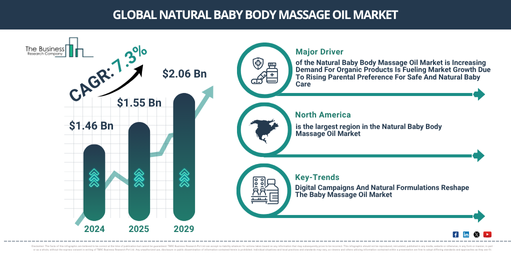
    The market for natural baby body massage oil has seen significant expansion in the recent past. Its size will increase from $1.46 billion in 2024 to $1.55 billion in 2025, with a compound annual growth rate (CAGR) of 6.7%. The upward trend during the earlier period can be linked to factors such as increased understanding of the advantages of natural baby care products, a stronger inclination towards ayurvedic and organic skincare, a rise in skin sensitivity and allergies in babies, an increase in disposable income among new parents, and the growing impact of online parenting communities and blogs.

    The market for natural baby body massage oil is forecasted to experience robust expansion in the coming years, reaching a value of $2.06 billion in 2029, with a compound annual growth rate (CAGR) of 7.3%. The anticipated growth during this period can be credited to the rising demand for transparent and clean-label formulations, along with a trend towards sustainable and environment-friendly packaging. Additionally, the growth in e-commerce and DTC baby care brands, increasing consumer interest in functional and customized baby skincare, and the surge in popularity of dual-purpose and multipurpose products are likely to fuel market expansion. Over the forecast period, key trends to watch include a leaning towards minimalist ingredient lists, the impact of celebrity parenting brands and influencers, the incorporation of aromatherapy benefits, traditional remedies presented in contemporary formats, and a focus on sensory experiences and texture.

    Download a free sample to assess the report’s scope and structure:

    https://www.thebusinessresearchcompany.com/sample.aspx?id=24327&type=smp

    How Are Key Drivers in the Industry Acting as Catalysts for the Growth of theNatural Baby Body Massage Oil Market?

    The escalating popularity for organic products is likely to stimulate expansion in the natural baby body massage oil market in the future. These organic items are crafted from natural compounds, cultivate without the use of artificial chemicals, pesticides, or GMOs, in accordance with eco-friendly principles. The steep rise in the demand for organic goods is attributed to heightened awareness among consumers regarding health and safety issues linked to harmful synthetic ingredients in traditional products. Organic products improve natural baby body care by providing mild, chemical-free reagents, making them perfect for tender skin. They bestow secure, beneficial ingredients that foster healthy skin and minimize irritation risk, enhancing the overall baby care comfort. For example, as per the Economic Research Service (ERS) of the USDA, a principal federal statistical institution with specialization in agricultural economics and policy scrutiny, in January 2025, the retail sales of organic items in the U.S. managed an average growth rate of 8% per year. As such, this surge in demand for organic products is inducing the advancement of the natural baby body massage oil market.

    Which Segments in the Natural Baby Body Massage Oil Offer the Most Growth?

    The natural baby body massage oil market covered in this report is segmented –

    1) By Product Type: Organic Baby Body Massage Oil, Non-Organic Baby Body Massage Oil

    2) By Ingredient Type: Coconut Oil, Olive Oil, Almond Oil, Jojoba Oil, Other Ingredients

    3) By Application: Moisturizing, Nourishing, Relaxation, Other Applications

    4) By Distribution Channel: Online Stores, Supermarkets And Hypermarkets, Specialty Stores, Pharmacies, Other Distribution Channels

    5) By End-User: Parents, Caregivers

    Subsegments:

    1) Organic Baby Body Massage Oil: Cold-Pressed Oils, Essential Oil Blends, Herbal Oils, Certified Organic Oils

    2) Non-Organic Baby Body Massage Oil: Mineral Oil-Based, Synthetic Oil Blends, Fragrance-Added Oils, Economical Oils

    Request customized data on this market:

    https://www.thebusinessresearchcompany.com/customise?id=24327&type=smp

    What Are the Fastest-Growing Geographies in the #How Are Key Drivers in the Industry Acting as Catalysts for the Growth of theNatural Baby Body Massage Oil Market?# Market?

    North America was the largest region in the natural baby body massage oil market in 2024. Asia-Pacific is expected to be the fastest-growing region in the forecast period. The regions covered in the natural baby body massage oil market report are Asia-Pacific, Western Europe, Eastern Europe, North America, South America, Middle East, Africa.

    What Are the Current Market Growth and Trends in the Natural Baby Body Massage Oil Industry?

    Leading entities in the natural baby body massage oil market have shifted their emphasis towards creating innovative products infused with Ayurvedic ingredients, responding to the increasing demand for traditional and holistic wellness options. The new offerings blend the virtues of ancient Ayurvedic herbs with contemporary safety measures, delivering soft yet effective sustenance for a baby’s delicate skin. For instance, Himalaya Wellness Company, an India-centric pharmaceutical firm, unveiled the Himalaya Baby Massage Oil in December 2022. This product is enriched with mustard and coconut oils, and traditional Ayurvedic ingredients like aloe vera and vetiver. Specifically tailored for newborns, this clinically tested non-greasy formula enhances skin, muscle strength and circulation. Excluding parabens, mineral oils, and synthetic scents, it assures safe and gentle experiences for newborns.

    View the full report here:

    https://www.thebusinessresearchcompany.com/report/natural-baby-body-massage-oil-global-market-report

    What Are the Key Elements That Define the Natural Baby Body Massage Oil Market?

    Natural baby body massage oil refers to a gentle, plant-based oil made from natural ingredients, specially formulated for babies’ sensitive skin. It is used to moisturize, nourish, and soothe a baby’s skin while promoting bonding and relaxation during massage. Natural baby body massage oil is free from synthetic fragrances, parabens, and harmful chemicals.

    Purchase the full report and get a swift delivery:

    https://www.thebusinessresearchcompany.com/purchaseoptions.aspx?id=24327

    About The Business Research Company:

    With over 15000+ reports from 27 industries covering 60+ geographies, The Business Research Company has built a reputation for offering comprehensive, data-rich research and insights. Armed with 1,500,000 datasets, the optimistic contribution of in-depth secondary research, and unique insights from industry leaders, you can get the information you need to stay ahead in the game.

    Get in touch with us:

    The Business Research Company: https://www.thebusinessresearchcompany.com/

    Americas +1 310-496-7795

    Europe +44 7882 955267

    Asia & Others +44 7882 955267 & +91 8897263534

    Email us at info@tbrc.info

    Follow us on:

    LinkedIn: https://in.linkedin.com/company/the-business-research-company

    YouTube: https://www.youtube.com/channel/UC24_fI0rV8cR5DxlCpgmyFQ

    Global Market Model: https://www.thebusinessresearchcompany.com/global-market-model
  • Global MSI-H And dMMR Market Trends: Regional Breakdowns and Strategic Insights

    Global MSI-H And dMMR Market Trends: Regional Breakdowns and Strategic Insights

    Claim your 30% discount on Global Market Reports with code ONLINE30. Limited time only.

    How Has The MSI-H And dMMR Market Growth Evolved From 2024 To 2025, And What’s Ahead?

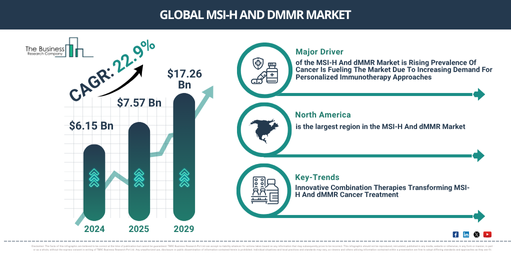
    In recent times, there has been exceptional growth in the market size of MSI-H and dMMR. This market, valued at $6.15 billion in 2024, is projected to rise to $7.57 billion in 2025, indicating a compound annual growth rate (CAGR) of 23.0%. The significant advancement during the historical timeframe is linked with the escalating rate of colorectal and endometrial cancers, expanded genetic testing, increasing utilisation of MSI tests in clinical settings, surge in awareness of inherited cancer syndromes, and an increased adoption of liquid biopsies.

    There is a prediction for a significant surge in the market size of MSI-H and dMMR in the coming years. At a Compound Annual Growth Rate (CAGR) of 22.9%, it is projected to reach a figure of $17.26 billion by 2029. Various factors contribute to this anticipated expansion, including the rising need for customised cancer treatments, evolving uses of next-generation sequencing, increasing expenditure in cancer treatment healthcare, the boost in clinical trials regarding immune checkpoint inhibitors, and supportive regulatory policies for companion diagnostics. Throughout the forecasted period, some notable trends are the incorporation of artificial intelligence into diagnostic procedures, the collab between pharmaceutical and diagnostic companies, the invention of multiplex biomarker panels, advancements in immunotherapy, and the trend towards pan-cancer biomarker testing.

    Download a free sample to assess the report’s scope and structure:

    https://www.thebusinessresearchcompany.com/sample.aspx?id=24324&type=smp

    What Are the Major Market Drivers Behind the Rising Adoption of MSI-H And dMMR Market?

    The anticipated growth of the MSI-H and dMMR market is largely driven by the increasing incidence of cancer. This term refers to several diseases having a common trait of unchecked growth and spread of abnormal cells within the body. The key factor behind the increasing cancer prevalence is the aging of populations, as cancer development risk substantially rises with age due to the accumulation of genetic mutations and long-term exposure to various risk factors. To identify tumors with high mutation rates resulting from uncorrected DNA repair errors, MSI-H and dMMR are used in cancer diagnostics. These biomarkers are instrumental in influencing decisions around immunotherapy due to the fact that such tumors likely yield a better response to immune checkpoint inhibitors. They also give insight into prognosis and possible genetic syndromes. As an example, the American Cancer Society revealed that there were an expected 1,958,310 new cancer cases and 609,820 cancer-related deaths in 2023, in the United States. Projections for 2024 suggest a rise, with about 2,001,140 new cancer cases and 611,720 deaths projected, indicating a sustained increase in both cancer incidence and mortality rates. Thus, the accelerating prevalence of cancer is fueling the growth of the MSI-H and dMMR market.

    Which Key Market Segments Comprise the MSI-H And dMMR Market and Drive Its Revenue Growth?

    The msi-h and dmmr market covered in this report is segmented –

    1) By Treatment Type: Immune Checkpoint Inhibitors (ICIs), Combination Therapy

    2) By Indication: Endometrial, Gastric, Colorectal Cancer, Small Intestine Cancer, Cervical Cancer, Other Indications

    3) By Stage: Early Stages, Advanced Stages

    4) By End User: Hospitals, Oncology Clinics, Research Institutions, Homecare

    Subsegments:

    1) By Immune Checkpoint Inhibitors (ICIs): Programmed Cell Death Protein 1 Inhibitors, Programmed Cell Death Ligand 1 Inhibitors, Cytotoxic T-Lymphocyte Antigen 4 Inhibitors

    2) By Combination Therapy: Immune Checkpoint Inhibitor + Chemotherapy, Immune Checkpoint Inhibitor + Targeted Therapy, Immune Checkpoint Inhibitor + Radiation Therapy, Immune Checkpoint Inhibitor + Other Immunotherapies

    Request customized data on this market:

    https://www.thebusinessresearchcompany.com/customise?id=24324&type=smp

    Which Areas Are Leading Regions in the MSI-H And dMMR Market Expansion Across the Globe?

    North America was the largest region in the MSI-H and dMMR market in 2024. The regions covered in the MSI-H and dMMR market report are Asia-Pacific, Western Europe, Eastern Europe, North America, South America, Middle East, Africa.

    What Are the Strategic Trends Steering theMSI-H And dMMR Market Direction?

    Key players in the MSI-H and dMMR market are gearing toward the creation of novel treatments such as combination therapy, with the aim of augmenting treatment effectiveness and bolstering patient prognosis. Combination therapy for MSI-H and dMMR cancers works through the simultaneous application of two or more treatment methods, typically including immunotherapy components like checkpoint inhibitors or adding immunotherapy to chemotherapy, targeted therapy, or radiation. The intention behind this tactic is to boost response to treatment, overcome resistance, and aid in augmenting survival probabilities in patients with tumors demonstrating high microsatellite instability or deficient mismatch repair traits. For instance, Bristol-Myers Squibb Company, a pharmaceutical company based in the US, in April 2025, secured approval from the United States Food and Drug Administration (FDA) for the amalgamation of nivolumab (Opdivo) and ipilimumab (Yervoy), earmarked as an initial treatment strategy for metastatic colorectal cancer (mCRC) with features of either microsatellite instability-high (MSI-H) or mismatch repair deficient (dMMR). This advanced the treatment opportunities for this obstinate category of cancer. The approval stands as a transformative event in the treatment landscape of MSI-H and dMMR cancers as it offers a new, potent treatment alternative which targets multiple routes to augment patient survival and response rates, thereby addressing the previously unfulfilled medical needs of this group of patients.

    View the full report here:

    https://www.thebusinessresearchcompany.com/report/msi-h-and-dmmr-global-market-report

    How Is the MSI-H And dMMR Market Conceptually Defined?

    MSI-H (microsatellite instability-high) and dMMR (deficient mismatch repair) refer to genetic abnormalities where the DNA repair system fails to correct replication errors, leading to high mutation rates. These markers are commonly found in certain cancers, such as colorectal and endometrial. Tumors with MSI-H and dMMR often respond well to immunotherapy due to their high immunogenicity.

    Purchase the full report and get a swift delivery:

    https://www.thebusinessresearchcompany.com/purchaseoptions.aspx?id=24324

    About The Business Research Company:

    With over 15000+ reports from 27 industries covering 60+ geographies, The Business Research Company has built a reputation for offering comprehensive, data-rich research and insights. Armed with 1,500,000 datasets, the optimistic contribution of in-depth secondary research, and unique insights from industry leaders, you can get the information you need to stay ahead in the game.

    Get in touch with us:

    The Business Research Company: https://www.thebusinessresearchcompany.com/

    Americas +1 310-496-7795

    Europe +44 7882 955267

    Asia & Others +44 7882 955267 & +91 8897263534

    Email us at info@tbrc.info

    Follow us on:

    LinkedIn: https://in.linkedin.com/company/the-business-research-company

    YouTube: https://www.youtube.com/channel/UC24_fI0rV8cR5DxlCpgmyFQ

    Global Market Model: https://www.thebusinessresearchcompany.com/global-market-model
  • Microtubule Inhibitor Chemotherapy Drugs Market Outlook 2025: Mapping Growth, Innovation, and Regional Shifts

    Microtubule Inhibitor Chemotherapy Drugs Market Outlook 2025: Mapping Growth, Innovation, and Regional Shifts

    Claim your 30% discount on Global Market Reports with code ONLINE30. Limited time only.

    What is the Projected CAGR for the Microtubule Inhibitor Chemotherapy Drugs Market Size from 2025 to 2034?

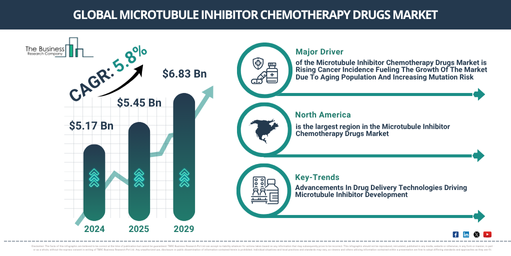
    In recent times, the microtubule inhibitor chemotherapy drugs market has witnessed robust growth. The market size, which is poised at $5.17 billion in 2024, is projected to escalate to $5.45 billion in 2025, registering a compound annual growth rate (CAGR) of 5.5%. The surge observed in the historic period can be linked to the expansion of precision medicine, the upswing in research for targeted cancer therapy, the growing incidence of metastatic cancer, an increase in healthcare investments, and a heightened emphasis on cancer survival rates.

    The market for chemotherapy drugs that inhibit microtubules is anticipated to experience robust expansion in the forthcoming years. Its worth is estimated to reach $6.83 billion by 2029, with a compound annual growth rate (CAGR) of 5.8%. This considerable increase in the projection period can be due to a rise in cancer cases, an enlarging aging demographic, enhanced awareness about cancer, an increase in chemotherapy alternatives, and favorable policies from the government. The forecast period is also set to see significant trends such as enhanced drug formulations, the availability of generics, the development of combined treatment options, progress in nanotechnology, and bettered delivery systems.

    Download a free sample to assess the report’s scope and structure:

    https://www.thebusinessresearchcompany.com/sample.aspx?id=24323&type=smp

    What External and Internal Drivers Are Contributing to the Growth of theMicrotubule Inhibitor Chemotherapy Drugs Market?

    The burgeoning incidence of cancer is predicted to be a key factor propelling the growth of the microtubule inhibitor chemotherapy drugs market. Cancer encompasses a group of disorders characterized by uncontrolled cell growth with the capability of invading or spreading to other body parts. The rise in cancer cases is being influenced by the aging population, as older people are more prone to genetic mutations and extended exposure to carcinogens, elevating their cancer risk. Microtubule inhibitor chemotherapy drugs serve to treat cancer by impeding cell division, targeting critical microtubules required for mitosis, effectively limiting cancer cell expansion. For example, in February 2024, the World Health Organization, an intergovernmental organization based in Switzerland, predicted a considerable upsurge in cancer cases, from 20 million in 2022 to an additional 35 million by 2050. Therefore, the escalating incidence of cancer is a significant driver for the growth of the microtubule inhibitor chemotherapy drugs market.

    What Segment Types Define the Microtubule Inhibitor Chemotherapy Drugs Market Structure?

    The microtubule inhibitor chemotherapy drugs market covered in this report is segmented –

    1) By Drug Type: Vinca Alkaloids, Taxanes, Epothilones, Other Drug Types

    2) By Mechanism Of Action: Spindle Poisoning Agents, Microtubule Stabilizers, Microtubule Destabilizers, Dual-Action Inhibitors

    3) By Administration Route: Intravenous (IV), Oral, Subcutaneous, Intraperitoneal

    4) By Patient Demographics: Pediatric Patients, Adult Patients, Geriatric Patients, Gender-Specific Considerations

    5) By Application Area: Breast Cancer, Lung Cancer, Ovarian Cancer, Lymphomas, Other Application Areas

    Subsegments:

    1) By Vinca Alkaloids: Vincristine, Vinblastine, Vinorelbine, Vindesine

    2) By Taxanes: Paclitaxel, Docetaxel, Cabazitaxel, Nab-paclitaxel

    3) By Epothilones: Ixabepilone, Epothilone B

    4) By Other Drug Types: Eribulin, Estramustine, Novel Synthetic Microtubule Inhibitors

    Request customized data on this market:

    https://www.thebusinessresearchcompany.com/customise?id=24323&type=smp

    Which Geographic Areas Hold the Strongest Growth Potential in the Microtubule Inhibitor Chemotherapy Drugs Market?

    North America was the largest region in the microtubule inhibitor chemotherapy drugs market in 2024. Asia-Pacific is expected to be the fastest-growing region in the forecast period. The regions covered in the microtubule inhibitor chemotherapy drugs market report are Asia-Pacific, Western Europe, Eastern Europe, North America, South America, Middle East, Africa.

    What Long-Term Trends Are Transforming the Competitive Landscape of the Microtubule Inhibitor Chemotherapy Drugs Market?

    Leading firms in the microtubule inhibitor chemotherapy drugs market are concentrating their efforts on creating sophisticated solutions such as albumin-bound formulations to improve the delivery of drugs to tumours. These formulations are a type of drug format where the active pharmaceutical component is bound to albumin, a protein known to enhance drug solubility, stability and the precision of delivery to cancer cells. A case in point is Sandoz AG, a pharmaceutical entity based in Switzerland, that revealed in October 2024 that it would launch its generic version of paclitaxel in the United States. The freshly introduced formula is a freeze-dried powder for injection contained in a 100 mg single-dose vial. The use of paclitaxel protein-bound particles for injectable suspension (albumin-bound), a microtubule inhibitor, is recommended for metastatic breast cancer patients who didn’t respond to combined chemotherapy for metastatic diseases or suffered a recurrence within six months of adjuvant chemotherapy.

    View the full report here:

    https://www.thebusinessresearchcompany.com/report/microtubule-inhibitor-chemotherapy-drugs-global-market-report

    What Is the Definition of the Microtubule Inhibitor Chemotherapy Drugs Market?

    Microtubule inhibitor chemotherapy drugs are anticancer agents that interfere with the function of microtubules, which are essential for cell division. These drugs prevent cancer cells from successfully dividing by disrupting the normal formation and breakdown of microtubules during mitosis.

    Purchase the full report and get a swift delivery:

    https://www.thebusinessresearchcompany.com/purchaseoptions.aspx?id=24323

    About The Business Research Company:

    With over 15000+ reports from 27 industries covering 60+ geographies, The Business Research Company has built a reputation for offering comprehensive, data-rich research and insights. Armed with 1,500,000 datasets, the optimistic contribution of in-depth secondary research, and unique insights from industry leaders, you can get the information you need to stay ahead in the game.

    Get in touch with us:

    The Business Research Company: https://www.thebusinessresearchcompany.com/

    Americas +1 310-496-7795

    Europe +44 7882 955267

    Asia & Others +44 7882 955267 & +91 8897263534

    Email us at info@tbrc.info

    Follow us on:

    LinkedIn: https://in.linkedin.com/company/the-business-research-company

    YouTube: https://www.youtube.com/channel/UC24_fI0rV8cR5DxlCpgmyFQ

    Global Market Model: https://www.thebusinessresearchcompany.com/global-market-model
  • Menopausal Disorder Treatment Market in Focus: Forecasting Growth Drivers, Scaling Potential, and Global Opportunities

    Menopausal Disorder Treatment Market in Focus: Forecasting Growth Drivers, Scaling Potential, and Global Opportunities

    Claim your 30% discount on Global Market Reports with code ONLINE30. Limited time only.

    What Is the Current and Projected Market Size of the Menopausal Disorder Treatment Market Through 2034?

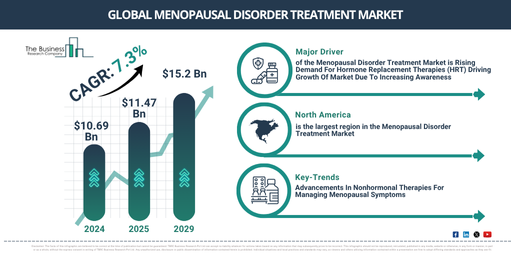
    The market for treating menopausal disorders has experienced robust growth in recent years. The sector, which was valued at $10.69 billion in 2024, is projected to expand to $11.47 billion in 2025, yielding a compound annual growth rate (CAGR) of 7.3%. This historic period of growth is credited to several factors. These include a rise in the senior female population, heightened awareness of health conditions related to menopause, an increased incidence of obesity which intensifies menopausal symptoms, a growing acceptance of hormone replacement therapy (HRT) and advancements in personalized medicine.

    In the forthcoming years, the market size for treatments of menopausal disorders is projected to experience robust growth. By 2029, the market is anticipated to escalate to $15.2 billion at a compound annual growth rate of 7.3%. This growth during the forecasted period is credited to factors such as the rising investment in healthcare infrastructure, increasing emphasis on initiatives towards women’s health, expanding partnerships between pharmaceutical corporations and research entities, and escalating urbanization resulting in lifestyle modifications affecting menopausal health. The forecast period will also witness certain trends including a move towards natural and herbal solutions, the incorporation of AI in treatment strategies, the advent of wearable tech for immediate symptom tracking, an emphasis on comprehensive wellness programs for menopause, and surplus investment into startups focused on solutions for menopause in the women’s health sector.

    Download a free sample to assess the report’s scope and structure:

    https://www.thebusinessresearchcompany.com/sample.aspx?id=24318&type=smp

    What Are the Core Market Drivers Propelling Growth in the Menopausal Disorder Treatment Industry?

    The menopausal disorder treatment market is predicted to experience significant growth due to an escalating need for hormone replacement therapies (HRT). This medical procedure refers to the replenishment or replacement of hormones to help manage menopausal symptoms or hormone imbalances. It particularly seems that heightened awareness and demand for effective control of these health issues is fueling the surge in hormone replacement therapies. HRT offers relief for the menopausal disorder by directly restoring estrogen and progesterone levels, aiding in reestablishing hormonal stability, and reducing distressing symptoms like hot flashes, night sweats, and mood swings, thereby enhancing overall quality of life. To illustrate, the NHS Business Services Authority (NHSBSA), a support services organization based in the UK, disclosed that the prescribed HRT items had a 22% increase, amounting to 13 million in October 2024. This was accompanied by a 12% rise in identified patients from a count of 2.3 million in 2022/23 to 2.6 million in 2023/24. Consequently, the burgeoned need for hormone replacement therapies is facilitating the growth of the menopausal disorder treatment market.

    How Is the Menopausal Disorder Treatment Market Segmented?

    The menopausal disorder treatment market covered in this report is segmented –

    1) By Treatment Type: Hormone Replacement Therapy, Non-Hormonal Treatment, Herbal Supplements, Lifestyle Modifications

    2) By Stages: Menopause, Postmenopause, Perimenopause

    3) By Application: Hot Flashes, Night Sweats, Mood Swings, Vaginal Dryness

    4) By Distribution Channel: Hospital Pharmacy, Retail Pharmacy, Online Pharmacy, Other Distribution Channels

    5) By End-Users: Hospitals, Specialty Clinics, Homecare, Other End-Users

    Subsegments:

    1) By Hormone Replacement Therapy (HRT): Estrogen Therapy, Progesterone Therapy, Combination Therapy, Transdermal Patches, Vaginal Estrogen, Oral Tablets

    2) By Non-Hormonal Treatment: Selective Estrogen Receptor Modulators (SERMs), Antidepressants, Gabapentin, Clonidine, Bisphosphonates, Calcium And Vitamin D Supplements

    3) By Herbal Supplements: Black Cohosh, Red Clover, Dong Quai, Ginseng, Soy Isoflavones, Flaxseed

    4) By Lifestyle Modifications: Dietary Changes, Regular Physical Exercise, Stress Management Techniques, Cognitive Behavioral Therapy (CBT), Smoking Cessation, Sleep Hygiene Practices

    Request customized data on this market:

    https://www.thebusinessresearchcompany.com/customise?id=24318&type=smp

    Which Regions Are Driving the Next Phase of the Menopausal Disorder Treatment Market Growth?

    North America was the largest region in the menopausal disorder treatment market in 2024. The regions covered in the menopausal disorder treatment market report are Asia-Pacific, Western Europe, Eastern Europe, North America, South America, Middle East, Africa.

    What Key Market Trends and Innovations Are Shaping the Future of the Menopausal Disorder Treatment Industry?

    In the menopausal disorder treatment market, major businesses are introducing groundbreaking nonhormonal neurokinin 3 (NK3) receptor antagonist drugs, which offer an effective solution for handling vasomotor symptoms without the need for hormone therapy. These avant-garde therapies that inhibit NK3 receptors are changing the way menopausal symptoms are managed, eliminating the requirement for hormones. For example, in December 2023, the Japan-based pharmaceutical company, Astellas Pharma Inc., received approval from the European Commission for Veozah (fezolinetant), a non-hormonal NK3 receptor antagonist indicated for the treatment of moderate to severe vasomotor symptoms (VMS), such as night sweats and hot flashes in women undergoing menopause. It functions by focusing on the neurons in the brain’s temperature regulation center, thereby reducing these symptoms’ frequency and severity.

    View the full report here:

    https://www.thebusinessresearchcompany.com/report/menopausal-disorder-treatment-global-market-report

    How Is the Menopausal Disorder Treatment Market Defined and What Are Its Core Parameters?

    Menopausal disorder treatment refers to the range of medical and therapeutic interventions aimed at alleviating symptoms associated with menopause, such as hot flashes, mood changes, sleep disturbances, and hormonal imbalances, to improve the overall quality of life and well-being of individuals undergoing the menopausal transition.

    Purchase the full report and get a swift delivery:

    https://www.thebusinessresearchcompany.com/purchaseoptions.aspx?id=24318

    About The Business Research Company:

    With over 15000+ reports from 27 industries covering 60+ geographies, The Business Research Company has built a reputation for offering comprehensive, data-rich research and insights. Armed with 1,500,000 datasets, the optimistic contribution of in-depth secondary research, and unique insights from industry leaders, you can get the information you need to stay ahead in the game.

    Get in touch with us:

    The Business Research Company: https://www.thebusinessresearchcompany.com/

    Americas +1 310-496-7795

    Europe +44 7882 955267

    Asia & Others +44 7882 955267 & +91 8897263534

    Email us at info@tbrc.info

    Follow us on:

    LinkedIn: https://in.linkedin.com/company/the-business-research-company

    YouTube: https://www.youtube.com/channel/UC24_fI0rV8cR5DxlCpgmyFQ

    Global Market Model: https://www.thebusinessresearchcompany.com/global-market-model
  • Strong CAGR to Propel in the Meditation Software Market and Beyond upto $6.89 Billion by 2029

    Strong CAGR to Propel in the Meditation Software Market and Beyond upto $6.89 Billion by 2029

    Claim your 30% discount on Global Market Reports with code ONLINE30. Limited time only.

    What is the Anticipated CAGR of the Meditation Software Market, and What Factors Will Drive It?

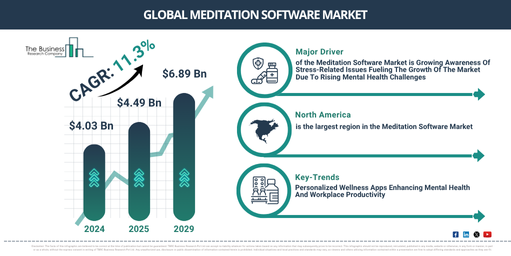
    There has been a swift increase in the market size of meditation software in recent years. The expected growth is from $4.03 billion in 2024 to $4.49 billion in 2025, at a compound annual growth rate (CAGR) of 11.5%. This growth in the historic period is due to rising consciousness about mental health, escalating stress levels in contemporary lifestyles, an increase in smartphone usage, the development of digital health solutions, and a trend towards personalized wellness.

    The market size for meditation software is predicted to undergo substantial expansion in the coming years, expected to attain a worth of $6.89 billion by 2029 with a CAGR of 11.3%. The spike during the forecast period is ascribed to increasing adaptation of subscription-based models, growing inclination for self-care and holistic health, expansion of the wellness tourism sector, a rising count of health-aware consumers, and a heightened focus on self-improvement and mindfulness education. Major forthcoming trends encompass AI-powered personalized meditation, voice-operated meditation enabled by natural language processing, advanced biofeedback systems, application of blockchain for secured data handling and privacy, and the inclusion of Cognitive Behavioral Therapy (CBT) components.

    Download a free sample to assess the report’s scope and structure:

    https://www.thebusinessresearchcompany.com/sample.aspx?id=24316&type=smp

    Which Primay Drivers Are Accelerating Growth in the Meditation Software Market?

    The meditation software market is predicted to prosper amid rising awareness about the implications of stress-related issues. These issues, which can be physical, emotional, or psychological, often emerge from encountering excessive stress. Modern workplaces are paying more attention to the toll stress takes on their employees’ productivity and overall well-being, and subsequently, have started endorsing mental health programs and supportive infrastructures. Meditation software aids in handling these stress-induced problems by providing guided sessions, breath-control exercises, and mindfulness strategies. These tools soothe the mind, mitigate anxiety, decrease cortisol levels, and foster emotional stability. For example, a report from the American Psychiatric Association, a US-based professional entity, revealed that by May 2024, the number of adults experiencing increased anxiety compared to the year before had risen to 43% – a noticeable leap from 37% in 2023 and 32% in 2022. Thus, the escalating awareness regarding stress-related issues is fuelling the expansion of the meditation software market.

    Which Primary Segments of the Meditation Software Market Are Driving Growth and Industry Transformations?

    The meditation software market covered in this report is segmented –

    1) By Type Of Meditation: Guided Meditation, Mindfulness Meditation, Transcendental Meditation, Zen Meditation, Yoga Meditation

    2) By Platform: Mobile Applications, Web-Based Platforms, Desktop Applications, Wearable Devices, Smart Speakers

    3) By Features Offered: Scheduled Reminders, Progress Tracking, Personalized Content, Community Features, Offline Accessibility

    4) By Subscription Model: Freemium Models, Monthly Subscription, Annual Subscription, One-Time Purchase, In-App Purchases

    5) By Target Audience: Individuals, Corporate Clients, Therapists And Counselors, Yoga Studios And Health Coaches, Educational Institutions

    Subsegments:

    1) By Guided Meditation: Sleep-Focused Meditation, Stress And Anxiety Relief, Healing And Recovery Sessions, Productivity And Focus, Self-Improvement And Affirmations

    2) By Mindfulness Meditation: Breath Awareness, Body Scan Meditation, Emotion Regulation, Present Moment Awareness, Mindful Eating

    3) By Transcendental Meditation: Personalized Mantra Sessions, Silent Mantra Repetition, Advanced Transcendental Meditation Techniques, Transcendental Meditation For Stress Management, Transcendental Meditation For Cognitive Enhancement

    4) By Zen Meditation: Zazen, Koan Practice, Walking Meditation, Breathing And Posture Guidance, Zen Mindfulness Practices

    5) By Yoga Meditation: Kundalini Meditation, Chakra Meditation, Yoga Nidra, Pranayama-Based Meditation, Bhakti And Mantra Meditation

    Request customized data on this market:

    https://www.thebusinessresearchcompany.com/customise?id=24316&type=smp

    Which Regions Are Key Players in the Growth of the #Which Primay Drivers Are Accelerating Growth in the Meditation Software Market?# Market?

    North America was the largest region in the meditation software market in 2024. Asia-Pacific is expected to be the fastest-growing region in the forecast period. The regions covered in the meditation software market report are Asia-Pacific, Western Europe, Eastern Europe, North America, South America, Middle East, Africa.

    Which Technological Trends Are Reshaping the Meditation Software Industry Dynamics?

    Prominent enterprises in the sphere of meditation software are placing a strong emphasis on the invention of cutting-edge technologies such as mental wellness and meditation applications. These are designed to amplify user interaction, deliver customized experiences, and boost overall mental health outcomes. These applications are digital aids that aid the users in managing stress, enhancing concentration, and maintaining emotional wellness through directed practices like meditation, breathing exercises, and sleep aids. To cite an example, TO THE NEW, a digital technology services firm based out of Singapore, launched a new free meditation and mental wellness application named Idanim in September 2022, primarily developed for corporate professionals. Idanim provides more than 1,000 guided meditations, distributed across different categories such as stress, anxiety, sleep, and focus, and includes content from world-famous meditation instructors along with daily live sessions. Leveraging machine learning for personalized experiences, Idanim seeks to foster mindfulness, curtail stress, and stimulate productivity in the corporate environment.

    View the full report here:

    https://www.thebusinessresearchcompany.com/report/meditation-software-global-market-report

    What Parameters Are Used to Define the Meditation Software Market?

    Meditation software refers to digital applications that offer guided meditation sessions, breathing exercises, and mindfulness tools to help users manage stress, improve focus, and support mental well-being. These apps are accessible via mobile devices or computers and often include features such as progress tracking, soothing sounds, and personalized meditation plans.

    Purchase the full report and get a swift delivery:

    https://www.thebusinessresearchcompany.com/purchaseoptions.aspx?id=24316

    About The Business Research Company:

    With over 15000+ reports from 27 industries covering 60+ geographies, The Business Research Company has built a reputation for offering comprehensive, data-rich research and insights. Armed with 1,500,000 datasets, the optimistic contribution of in-depth secondary research, and unique insights from industry leaders, you can get the information you need to stay ahead in the game.

    Get in touch with us:

    The Business Research Company: https://www.thebusinessresearchcompany.com/

    Americas +1 310-496-7795

    Europe +44 7882 955267

    Asia & Others +44 7882 955267 & +91 8897263534

    Email us at info@tbrc.info

    Follow us on:

    LinkedIn: https://in.linkedin.com/company/the-business-research-company

    YouTube: https://www.youtube.com/channel/UC24_fI0rV8cR5DxlCpgmyFQ

    Global Market Model: https://www.thebusinessresearchcompany.com/global-market-model
  • Medical Device Clinical Trials Market Valuation Expected To Reach $23.75 Billion By 2029, Growing At A Rate Of 7.1%

    Claim your 30% discount on Global Market Reports with code ONLINE30. Limited time only.

    What Are the Key Milestones in the Medical Device Clinical Trials Market’s Growth Trajectory From 2025 To 2034?

    The size of the clinical trials market for medical devices has seen robust growth over the last few years. The market value is expected to increase from $16.87 billion in 2024 to $18.07 billion in 2025, reflecting a compound annual growth rate (CAGR) of 7.1%. A number of factors are behind the growth observed in the historical period. These include a rise in chronic disease prevalence, a growing demand for innovative medical technology, supportive regulatory climate for clinical research, an enlarging elderly population, healthcare infrastructure expansion, and heightened investment from both public and private sectors.

    Anticipated to experience substantial expansion in the upcoming years, the medical device clinical trials market is projected to reach a valuation of $23.75 billion in 2029, with a Compound Annual Growth Rate (CAGR) of 7.1%. Growth during the prediction period can be ascribed to factors such as the escalating demand for tailored medical devices, increased emphasis on real-world evidence, the escalating implementation of AI in both trial design and supervision, the broadening of decentralised and virtual trials, regulatory backing for expedited approvals, and growing investment in digital health advancements. Key trends throughout this forecast period encompass the embrace of decentralised trials, the amalgamation of AI and big data analytics, the utilisation of wearable monitoring apparatus, enhanced regulatory synchronisation, and progress in trial design as well as data analytics.

    Download a free sample to assess the report’s scope and structure:

    https://www.thebusinessresearchcompany.com/sample.aspx?id=24295&type=smp

    Which Factors and External Forces Are Driving Demand in the Medical Device Clinical Trials Market?

    The medical device clinical trials market is anticipated to experience growth due to the increasing incidences of chronic diseases. Chronic health conditions, which progress at a slow pace and necessitate continual medical care, are on the rise. This increase is a result of sedentary lifestyles which involve prolonged sitting or use of electronic devices, leading to lower calorie burn, reduced cardiovascular health, and conditions like obesity, hypertension, and diabetes. The surge in chronic diseases demands an increase in medical device clinical trials to design and substantiate novel devices for efficient diagnosis, treatment, and management. For example, in June 2023, the Institute for Health Metrics and Evaluation, a US-based public health research institute, stated that over half a billion global population are living with diabetes. This statistic is projected to more than double, hitting 1.3 billion people by 2050. Therefore, the escalating prevalence of chronic diseases is fueling the growth of the medical device clinical trials market.

    Which Segments in the Medical Device Clinical Trials Offer the Most Growth?

    The medical device clinical trials market covered in this report is segmented –

    1) By Study Type: Feasibility And Pilot Study, Pivotal Study, FDA Premarket Approval (PMA) Application, Post-Approval Study

    2) By Indication: Cardiovascular Devices, Neurology Devices, Orthopedic Devices, Diagnostic Imaging, Anesthesia And Respiratory Devices, Other Indications

    3) By Study Design: Interventional, Observational, Expanded Access

    Subsegments:

    1) By Feasibility And Pilot Study: First-in-Human (FIH) Trials, Device Safety Assessment, Procedural Feasibility Studies, Prototype Testing

    2) By Pivotal Study: Comparative Effectiveness Studies, Randomized Controlled Trials (RCTs), Non-Inferiority Trials, Superiority Trials

    3) By FDA PMA (Pre-Market Approval) Application: Clinical Data Submission, Device Risk Analysis, Effectiveness Evidence Studies, Manufacturing Process Validation

    4) By Post-Approval Study: Long-Term Safety Monitoring, Real-World Evidence Collection, Registry Studies, Comparative Outcome Studies

    Request customized data on this market:

    https://www.thebusinessresearchcompany.com/customise?id=24295&type=smp

    What Are the Fastest-Growing Geographies in the #Which Factors and External Forces Are Driving Demand in the Medical Device Clinical Trials Market?# Market?

    North America was the largest region in the medical device clinical trials market in 2024. Asia-Pacific is expected to be the fastest-growing region in the forecast period. The regions covered in the medical device clinical trials market report are Asia-Pacific, Western Europe, Eastern Europe, North America, South America, Middle East, Africa.

    Which Cutting-Edge Market Trends Are Expected to Drive theMedical Device Clinical Trials Market’s Growth?

    Big players in the medical device clinical trials market are shifting their focus towards the development of AI-infused medical device software. The aim is to refine clinical trial protocols and resource allocation, boosting trial effectiveness while lowering expenses. This AI-integrated software for medical devices utilizes artificial intelligence algorithms, predominantly machine learning or deep learning, to either assist or automate medical functions. For example, Risklick, a pharmaceutical firm from Switzerland, introduced Protocol AI in January 2025. It is an AI-fuelled software engineered to expedite and fine-tune clinical trials for medical devices. This software employs Natural Language Processing (NLP) and Machine Learning (ML) to scrutinize clinical data, publications, and regulatory documents, thereby swiftly drafting clinical trial protocols. By drastically reducing the duration and expense linked with protocol development, which usually lasts around six months, this innovation has proven to show a reduction of up to 50% in document development time for medicinal products.

    View the full report here:

    https://www.thebusinessresearchcompany.com/report/medical-device-clinical-trials-global-market-report

    What Are the Key Elements That Define the Medical Device Clinical Trials Market?

    Medical device clinical trials are research studies conducted to assess the safety and effectiveness of medical devices in humans. The process include phases such as feasibility, pivotal, and post-approval studies required for regulatory approval. These trials provide essential data to support device market authorization and ongoing safety monitoring.

    Purchase the full report and get a swift delivery:

    https://www.thebusinessresearchcompany.com/purchaseoptions.aspx?id=24295

    About The Business Research Company:

    With over 15000+ reports from 27 industries covering 60+ geographies, The Business Research Company has built a reputation for offering comprehensive, data-rich research and insights. Armed with 1,500,000 datasets, the optimistic contribution of in-depth secondary research, and unique insights from industry leaders, you can get the information you need to stay ahead in the game.

    Get in touch with us:

    The Business Research Company: https://www.thebusinessresearchcompany.com/

    Americas +1 310-496-7795

    Europe +44 7882 955267

    Asia & Others +44 7882 955267 & +91 8897263534

    Email us at info@tbrc.info

    Follow us on:

    LinkedIn: https://in.linkedin.com/company/the-business-research-company

    YouTube: https://www.youtube.com/channel/UC24_fI0rV8cR5DxlCpgmyFQ

    Global Market Model: https://www.thebusinessresearchcompany.com/global-market-model
  • Mass Spectrometry Imaging Market Forecast Reaching $4.07 Billion by 2029 at 9% CAGR

    Mass Spectrometry Imaging Market Forecast Reaching $4.07 Billion by 2029 at 9% CAGR

    Claim your 30% discount on Global Market Reports with code ONLINE30. Limited time only.

    How Has The Mass Spectrometry Imaging Market Size Shifted, And What Is the Outlook Through 2034?

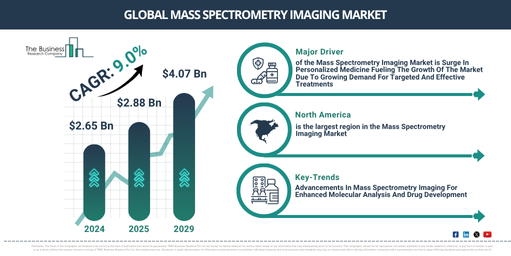
    The market size of mass spectrometry imaging has seen robust growth in the recent past. The projection for the market is that it will surge from $2.65 billion in 2024 to $2.88 billion in 2025, exhibiting a compound annual growth rate (CAGR) of 8.8%. This upward trend during the historical period can be linked to a surge in its utilization in pharmaceutical exploration, an escalating demand for individualized medication, a rise in applications within the field of cancer diagnostics, a boost in activities related to drug discovery and advancement, and an uptick in financial aid targeted towards biomedical investigations.

    The market size for mass spectrometry imaging is anticipated to undergo significant expansion in the coming years, escalating to about $4.07 billion by 2029 at a 9.0% Compound Annual Growth Rate (CAGR). Factors that are projected to contribute to this surge during the forecast period include an increased focus on spatial omics study, higher use in biomarker identification, greater integration with AI tools, a broader application in clinical diagnostic processes, and a heightened requirement for high-resolution imaging procedures. In the forecast span, trends that are expected to play a significant role include development in high-resolution mass spectrometry methodologies, incorporation of advanced imaging software, creativity in the preparation of samples, enhancement in hybrid imaging systems, and sophisticated automation within data analysis operations.

    Download a free sample to assess the report’s scope and structure:

    https://www.thebusinessresearchcompany.com/sample.aspx?id=24288&type=smp

    Which Major Market Drivers Are Expected to Boost the Growth Potential of the Mass Spectrometry Imaging Market?

    The increasing need for tailored medical treatments is predicted to spur the expansion of the mass spectrometry imaging market. Personalized medicine modifies treatment plans based on each individual’s genetic composition, environmental conditions, and lifestyle choices to enhance therapy effectiveness. The surge in personalized medicine is fuelled by advancements in genomics, which facilitate customized treatments guided by genetic data, increasing their efficiency while minimizing adverse effects. Mass spectrometry imaging plays a crucial role in personalized medicine by constructing comprehensive molecular maps of tissues, assisting in disease biomarker identification, and facilitating the creation of targeted therapies aligned with individual patient characteristics. For example, the Personalized Medicine Coalition, a non-profit organization based in the US, reported that in 2023, the FDA approved 16 new personalized treatments for patients with rare diseases, a notable rise from the six approved in 2022. Consequently, the escalating need for personalized treatments is steering the growth of the mass spectrometry imaging market.

    Which Key Market Segments Comprise the Mass Spectrometry Imaging Market and Drive Its Revenue Growth?

    The mass spectrometry imaging market covered in this report is segmented –

    1) By Product Type: Instruments, Consumables, Services

    2) By Technology: Matrix-Assisted Laser Desorption Or Ionization (MALDI), Secondary Ion Mass Spectrometry (SIMS), Desorption Electrospray Ionization (DESI), Magnetic Sector Mass Spectrometry, Time-of-Flight Mass Spectrometry (TOFMS), Other Technologies

    3) By Application: Proteomics, Metabolomics, Glycomics, Other Applications

    4) By End-User: Pharmaceutical and Biotechnology Companies, Government and Academic Institutions, Other End-Users

    Subsegments:

    1) By Instruments: High-Resolution Mass Spectrometers, Imaging Mass Spectrometers, Matrix-Assisted Laser Desorption Or Ionization Time-of-Flight System, Liquid Chromatography-Mass Spectrometry System, Quadrupole Time-of-Flight Mass Spectrometers, Tandem Mass Spectrometers

    2) By Consumables: Reagents And Chemicals, Sample Preparation Kits, Mass Spectrometry Plates And Slides, Calibration Standards, Solvents And Buffers

    3) By Services: Installation And Maintenance Services, Data Analysis And Software Services, Training And Support Services, Consultation And Customization Services

    Request customized data on this market:

    https://www.thebusinessresearchcompany.com/customise?id=24288&type=smp

    Which Areas Are Leading Regions in the Mass Spectrometry Imaging Market Expansion Across the Globe?

    North America was the largest region in the mass spectrometry imaging market in 2024. Asia-Pacific is expected to be the fastest-growing region in the forecast period. The regions covered in the mass spectrometry imaging market report are Asia-Pacific, Western Europe, Eastern Europe, North America, South America, Middle East, Africa.

    What Are the Key Market Trends in theMass Spectrometry Imaging Market Over the Coming Years?

    Leading organizations within the mass spectrometry imaging (MSI) market are honing their focus on the creation of progressive technology like desorption electrospray ionization to allow for more meticulous and accurate molecular analysis across diverse applications. This ionization method, known as DESI, utilizes a charged solvent spray to glean ions from diverse surfaces under typical ambient conditions. This process facilitates direct analyses of solid samples such as tissues, eliminating the necessity for sample prepping or extraction. For example, Waters Corporation, an analytical laboratory instrument manufacturer based in the U.S., unveiled a targeted imaging mass spectrometer in June 2023. This equipment amplifies tissue analysis by enhancing sensitivity and pace, rendering more accurate small-molecule drug analysis with superior resolution in targeted imaging. It speeds up detection while making biological studies more efficient. The accuracy and effectiveness of this instrument have a positive impact on research processes. This groundbreaking invention aids advanced drug development and biological research by supplying comprehensive, top-notch data.

    View the full report here:

    https://www.thebusinessresearchcompany.com/report/mass-spectrometry-imaging-global-market-report

    How Is the Mass Spectrometry Imaging Market Conceptually Defined?

    Mass spectrometry imaging (MSI) is an analytical technique that integrates mass spectrometry with imaging to map the distribution of chemical compounds in biological or material samples. It enables the visualization of molecules like lipids, proteins, and metabolites in tissue sections. MSI provides valuable molecular insights, aiding in the study of disease processes, tissue structure, and biomarker identification. Its main purpose is to connect molecular data with spatial context for a deeper understanding of biological systems.

    Purchase the full report and get a swift delivery:

    https://www.thebusinessresearchcompany.com/purchaseoptions.aspx?id=24288

    About The Business Research Company:

    With over 15000+ reports from 27 industries covering 60+ geographies, The Business Research Company has built a reputation for offering comprehensive, data-rich research and insights. Armed with 1,500,000 datasets, the optimistic contribution of in-depth secondary research, and unique insights from industry leaders, you can get the information you need to stay ahead in the game.

    Get in touch with us:

    The Business Research Company: https://www.thebusinessresearchcompany.com/

    Americas +1 310-496-7795

    Europe +44 7882 955267

    Asia & Others +44 7882 955267 & +91 8897263534

    Email us at info@tbrc.info

    Follow us on:

    LinkedIn: https://in.linkedin.com/company/the-business-research-company

    YouTube: https://www.youtube.com/channel/UC24_fI0rV8cR5DxlCpgmyFQ

    Global Market Model: https://www.thebusinessresearchcompany.com/global-market-model

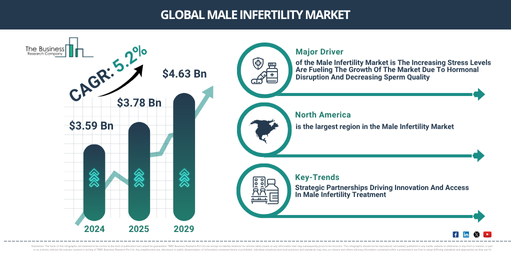
  • $4.63 Billion Forecast for Male Infertility Market by 2029, Backed by Demand and Innovation

    $4.63 Billion Forecast for Male Infertility Market by 2029, Backed by Demand and Innovation

    Claim your 30% discount on Global Market Reports with code ONLINE30. Limited time only.

    How Has the Male Infertility Market Growth Performance Trended Historically, And What Lies Ahead?

    The market for male infertility has been on a robust upward trajectory recently. The projections suggest a growth from $3.59 billion in 2024 to $3.78 billion in 2025, translating to a compound annual growth rate (CAGR) of 5.3%. This significant progress over time can be attributed to increasing consciousness about male reproductive health, higher incidence of disorders related to lifestyle, a rising trend towards the use of assisted reproductive technologies (ART), growth in the number of fertility clinics and diagnostic centers, along with innovative upgrades in semen analysis technologies.

    The market for male infertility is set to witness robust expansion in the forthcoming years, reaching $4.63 billion in 2029 with a CAGR of 5.2%. The projected growth within this time frame can be ascribed to an escalating emphasis on genetic and epigenetic factors, a surge in the need for individualized infertility solutions, an expansion in medical tourism catering to fertility care, breakthroughs in technology pertaining to sperm extraction and storage, and the growing influence of telehealth in fertility discussions. Important trends during the forecast period encompass an increasing reliance on genetic testing for diagnosing infertility, advancements in sperm extraction methods like micro-TESE, a heightened demand for non-invasive fertility procedures, the launch of tailored male fertility treatment protocols, and an escalation in the application of stem cell therapy for the reestablishment of spermatogenesis.

    Download a free sample to assess the report’s scope and structure:

    https://www.thebusinessresearchcompany.com/sample.aspx?id=24286&type=smp

    What Are the Core Growth Drivers Propelling the Male Infertility Market Forward?

    The surge in stress levels is anticipated to hasten the expansion of the male infertility market. These levels of stress refer to the severity of emotional, physical, or mental burdens experienced when facing demanding situations. This increase in stress largely originates from growing job-related demands where constant pressure and high expectations may lead to burnouts, negatively impacting an individual’s mental wellbeing and work-life equilibrium. Heightened stress levels have the potential to disrupt hormone balance, degrade sperm quality, and impede sexual function, resulting in male infertility. It’s found that long-term stress alters cortisol and testosterone levels, leading to an upsurge in infertility cases. For example, as reported by the American Psychiatric Association, a professional body of psychologists based in the US, in May 2024, about 43% of adults in the US were more anxious in 2024 than 37% in 2023, and 32% in 2022. This suggests an ongoing increase in levels of anxiety. Thus, the accelerating stress levels are fuelling the growth of the male infertility market.

    What Segment Types Define the Male Infertility Market Structure?

    The male infertility market covered in this report is segmented –

    1) By Treatment Type: Medication, Surgery, Assisted Reproductive Technology

    2) By Test Type: Sperm Agglutination, Deoxyribonucleic Acid Fragmentation Technique, Oxidative Stress Analysis, Computer Assisted Semen Analysis, Sperm Penetration Assay, Other Test Types

    3) By Distribution Channel: Hospitals Pharmacies, Pharmacies And Drug Stores, Online Pharmacies

    4) By End-User: Hospitals And Clinics, Fertility Centers, Research Institutes, Other End-Users

    Subsegments:

    1) By Medication: Hormone Treatments, Gonadotropins, Antibiotics, Antiestrogens, Dopamine Agonists

    2) By Surgery: Varicocelectomy, Vasovasostomy, Epididymovasostomy, Transurethral Resection of the Ejaculatory Duct (TURED), Sperm Retrieval Procedures

    3) By Assisted Reproductive Technology (ART): In Vitro Fertilization (IVF), Intracytoplasmic Sperm Injection (ICSI), Intrauterine Insemination (IUI), Sperm Donation, Cryopreservation Of Sperm

    Request customized data on this market:

    https://www.thebusinessresearchcompany.com/customise?id=24286&type=smp

    Which Geographic Areas Hold the Strongest Growth Potential in the Male Infertility Market?

    North America was the largest region in the male infertility market in 2024. The regions covered in the male infertility market report are Asia-Pacific, Western Europe, Eastern Europe, North America, South America, Middle East, Africa.

    Which Emerging Trends that Are Influencing theMale Infertility Industry Evolution?

    Several leading businesses in the male infertility market are focusing on forming strategic alliances to enhance the accessibility of advanced fertility treatments in global markets. This involves collaborations between companies that pool their resources and knowledge to meet common goals. Such partnerships spur innovation, widen market exposure, and intensify R&D endeavors. To illustrate, in June 2024, Ferring Pharmaceuticals, a pharmaceutical company based in Switzerland, joined forces with Posterity Health, a male fertility clinic in the US. Their collaboration led to the launching of a male fertility program on Ferring’s Fertility Out Loud platform designed to enlighten men about fertility. This campaign provides men confidential online analysis and informative resources created by reproductive urologists. They aim to help men comprehend the status of their fertility and diminish the shame associated with male infertility, which is implicated in approximately 50% of infertility cases. The program seeks to embolden men to act early, potentially easing the journey to parenthood for couples by addressing male fertility concerns more promptly and more conveniently using digital tools and telehealth services.

    View the full report here:

    https://www.thebusinessresearchcompany.com/report/male-infertility-global-market-report

    What Is the Definition of the Male Infertility Market?

    Male infertility is defined as a man’s inability to cause pregnancy in a fertile female partner after one year of regular, unprotected sexual intercourse. It is typically due to problems with the quantity or quality of sperm and results from structural issues, hormonal imbalances, genetic conditions, or other health factors.

    Purchase the full report and get a swift delivery:

    https://www.thebusinessresearchcompany.com/purchaseoptions.aspx?id=24286

    About The Business Research Company:

    With over 15000+ reports from 27 industries covering 60+ geographies, The Business Research Company has built a reputation for offering comprehensive, data-rich research and insights. Armed with 1,500,000 datasets, the optimistic contribution of in-depth secondary research, and unique insights from industry leaders, you can get the information you need to stay ahead in the game.

    Get in touch with us:

    The Business Research Company: https://www.thebusinessresearchcompany.com/

    Americas +1 310-496-7795

    Europe +44 7882 955267

    Asia & Others +44 7882 955267 & +91 8897263534

    Email us at info@tbrc.info

    Follow us on:

    LinkedIn: https://in.linkedin.com/company/the-business-research-company

    YouTube: https://www.youtube.com/channel/UC24_fI0rV8cR5DxlCpgmyFQ

    Global Market Model: https://www.thebusinessresearchcompany.com/global-market-model