Blog

  • Latest Market Developments in Pruritus Therapeutics Industry: Forecast 2025–2029

    Latest Market Developments in Pruritus Therapeutics Industry: Forecast 2025–2029

    Claim your 30% discount on Global Market Reports with code ONLINE30. Limited time only.

    Claim your 30% discount on Global Market Reports with code ONLINE30. Limited time only.

    What Is the Estimated Industry Valuation for the Pruritus Therapeutics Sector?

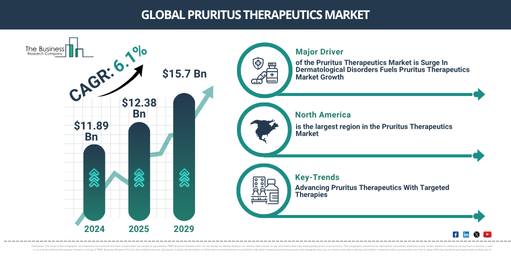
    In the past few years, there has been a consistent increase in the market size of pruritus therapeutics. The market, which is forecasted to be valued at $11.89 billion in 2024, is anticipated to rise to $12.38 billion in 2025, marking a compound annual growth rate (CAGR) of 4.1%. This expansion during the historical phase is due to various factors including an uptick in pruritus cases, diverse origins and circumstances, increasing elderly populace, and emphasis on the quality of life of patients.

    Significant expansion is anticipated in the pruritus therapeutics market in the coming years, with projections estimating it to reach a value of $15.7 billion by 2029, growing at a CAGR of 6.1%. This estimated growth during the forecast period can be linked to a deeper understanding of pruritus pathophysiology, advancements in drug formulations and delivery strategies, a focus on personalized medication, an upsurge in dermatological R&D, improved awareness and diagnosis rates, and a growing inclination towards botanical and herbal treatments. Predicted trends for the forecast period comprise the creation of itch-specific receptor agonists and antagonists, a market focus on personalized therapeutic strategies, the incorporation of technology in itch surveillance and treatment, and partnerships for interdisciplinary research.

    Download The Free Sample Report Here:

    https://www.thebusinessresearchcompany.com/sample.aspx?id=11907&type=smp

    What Forces Are Driving The Growth Of The Pruritus Therapeutics Market?

    The escalating incidence of skin-related ailments is predicted to bolster the expansion of the pruritus therapeutics market in the future. Dermatological disorders encompass conditions affecting the skin, hair, nails, and mucous membrane, varying from acne and eczema to skin cancer and fungal infections. How pruritus treatments are used is often dictated by the root cause of the itch in dermatological diseases. Topical treatments, emollients and moisturizers, immunosuppressive drugs, and anti-itching medications are frequently employed to treat this condition. For example, the American Cancer Society, a non-profit organization committed to eradicating cancer in the US, reported in January 2024 that there would be 108,270 skin cancer cases, a 3.2% rise from the 104,930 cases reported in 2023. Consequently, the escalating prevalence of dermatological ailments is propelling the growth of the pruritus therapeutics market.

    How Is The Pruritus Therapeutics Industry Segmented Across Key Parameters?

    The pruritus therapeutics market covered in this report is segmented –

    1) By Product: Corticosteroids, Antihistamines, Local Anesthetics, Counterirritants, Immunosuppressants, Calcineurin Inhibitors, Other Products

    2) By Route Of Administration: Oral, Parenteral, Topical

    3) By Disease Type: Atopic Dermatitis, Allergic Contact Dermatitis, Urticaria, Cutaneous T-Cell, Other Disease Types

    4) By End-User: Hospitals, Clinics, Other End Users

    Subsegments:

    1) By Corticosteroids: Topical Corticosteroids, Systemic Corticosteroids

    2) By Antihistamines: First-Generation Antihistamines, Second-Generation Antihistamines

    3) By Local Anesthetics: Topical Local Anesthetics

    4) By Counterirritants: Menthol-Based Products, Camphor-Based Products

    5) By Immunosuppressants: Topical Immunosuppressants, Systemic Immunosuppressants

    6) By Calcineurin Inhibitors: Tacrolimus Ointment, Pimecrolimus Cream

    7) By Other Products: Moisturizers And Emollients, Antipruritic Herbal Remedies, Combination Therapies

    What Notable Trends Are Shaping The Direction Of The Pruritus Therapeutics Market?

    Leading corporates in the pneumococcal vaccine sector are introducing novel products in an attempt to boost their market profits. Merck & Co Inc., an American pharmaceutical company, for instance, unveiled the V116 vaccine in July 2023. The purpose of V116 is to target the eight unique serotypes of Streptococcus pneumoniae, which are predominantly accountable for pneumococcal disease in adults. Compared with other similar vaccines, V116 has demonstrated superior immunogenicity across diverse serotypes in adult cohorts, and it has also elicited positive immune responses in both those receiving the vaccine for the first time and those who were previously immunized. The V116 has been classified as a breakthrough therapy by the U.S. Food and Drug Administration (FDA) and is currently undergoing Phase 3 trials.

    Which Companies Currently Dominate The Competitive Landscape In The Pruritus Therapeutics Industry?

    Major companies operating in the pruritus therapeutics market include Pfizer Inc., Johnson & Johnson, AbbVie Inc., Sanofi S.A., Bristol-Myers Squibb Company, Eli Lilly and Company, Regeneron Pharmaceuticals Inc., Astellas Pharma Inc. , Bausch Health Companies Inc., Galderma Laboratories LP, Cipla Limited, LEO Pharma AS, Cara Therapeutics Inc., GlaxoSmithKline Plc, Novan Inc., Escient Pharmaceuticals Inc., Nerre Therapeutic Ltd., EPI Health LLC, Trevi Therapeutics Inc., Evelo Biosciences, Toray Medical Co. Ltd.

    Get The Full Report Here:

    https://www.thebusinessresearchcompany.com/report/pruritus-therapeutics-global-market-report

    Which Geographic Regions Are Driving Demand In The Pruritus Therapeutics Market?

    North America was the largest region in the pruritus treatment market in 2024. Asia-Pacific is expected to be the fastest-growing region in the forecast period. The regions covered in the pruritus therapeutics market report are Asia-Pacific, Western Europe, Eastern Europe, North America, South America, Middle East, Africa.

    Request For A Customized Report:

    https://www.thebusinessresearchcompany.com/customise?id=11907&type=smp

    About The Business Research Company:

    With over 15000+ reports from 27 industries covering 60+ geographies, The Business Research Company has built a reputation for offering comprehensive, data-rich research and insights. Armed with 1,500,000 datasets, the optimistic contribution of in-depth secondary research, and unique insights from industry leaders, you can get the information you need to stay ahead in the game.

    Get in touch with us:

    The Business Research Company: https://www.thebusinessresearchcompany.com/

    Americas +1 310-496-7795

    Asia +44 7882 955267 & +91 8897263534

    Europe +44 7882 955267

    Email us at info@tbrc.info

    Follow us on:

    LinkedIn: https://in.linkedin.com/company/the-business-research-company

    YouTube: https://www.youtube.com/channel/UC24_fI0rV8cR5DxlCpgmyFQ

    Global Market Model: https://www.thebusinessresearchcompany.com/global-market-model
  • 2025–2029 Nanotechnology-Based Medical Devices Market Outlook: Regional Trends and Growth Forecast

    2025–2029 Nanotechnology-Based Medical Devices Market Outlook: Regional Trends and Growth Forecast

    Claim your 30% discount on Global Market Reports with code ONLINE30. Limited time only.

    Claim your 30% discount on Global Market Reports with code ONLINE30. Limited time only.

    What Is the Estimated Industry Valuation for the Nanotechnology-Based Medical Devices Sector?

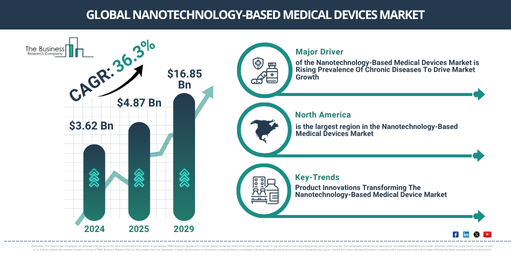
    The market for nanotechnology-based medical devices has seen significant expansion in recent years. The market, which is projected to balloon from $3.62 billion in 2024 to $4.87 billion in 2025, boasts a compound annual growth rate (CAGR) of 34.6%. Factors contributing to this historical trajectory of growth include a trend towards device miniaturization, progress in materials science, improved diagnostic capabilities, advancements in imaging techniques, and the evolution of personalized medicine.

    In the coming years, the market for nanotechnology-based medical devices is predicted to experience significant growth, increasing to $16.85 billion by 2029, with a compound annual growth rate (CAGR) of 36.3%. This growth in the estimated period is due to factors such as the rising burden of chronic diseases, improved drug delivery systems, the broadening of telemedicine, the surge in minimally invasive procedures, and an emphasis on point-of-care devices. The anticipated trends for the forecast period encompass implantable nanosystems, nano-enabled tissue engineering, nanoparticle imaging contrast agents, 3D printing with nanomaterials, and eco-friendly nanotechnology.

    Download The Free Sample Report Here:

    https://www.thebusinessresearchcompany.com/sample.aspx?id=12268&type=smp

    What Forces Are Driving The Growth Of The Nanotechnology-Based Medical Devices Market?

    The anticipated growth of the nanotechnology-based medical device sector is seen to be largely fueled by the escalating prevalence of chronic ailments. These persistent health issues – which last for a year or more and require ongoing medical attention or hinder daily activities – are frequently diagnosed and treated using nanotechnology-based medical instruments. Such tools offer enhanced optical power, antibacterial and antimicrobial properties, bioavailability, surface conjugation, and biocompatibility. The World Health Organization, a specialized agency of the United Nations based in Switzerland, reported in September 2022 that out of the 41 million deaths worldwide each year due to non-communicable diseases (NCDs) or chronic diseases, which comprise 74% of total mortality, 17.9 million were caused by cardiovascular diseases, 9.3 million by cancer, 4.1 million by chronic respiratory diseases, and 2.0 million by diabetes. Thus, the escalating incidence of chronic ailments is a key driver propelling the nanotechnology-based medical device industry forward.

    How Is The Nanotechnology-Based Medical Devices Industry Segmented Across Key Parameters?

    The nanotechnology-based medical devices market covered in this report is segmented –

    1) By Product: Active Implantable Devices, Biochips, Implantable Materials, Medical Textiles And Wound Dressings, Other Products

    2) By Application: Therapeutic Applications, Diagnostic Applications, Research Applications

    3) By End-Users: Hospitals, Clinics, Other End-Users

    Subsegments:

    1) By Active Implantable Devices: Cardiac Pacemakers, Neurostimulators, Implantable Drug Delivery Systems

    2) By Biochips: Lab-On-A-Chip Devices: DNA Microarrays, Protein Microarrays

    3) By Implantable Materials: Nanocomposite Materials, Biodegradable Polymers, Coatings For Implants

    4) By Medical Textiles And Wound Dressings: Nanofiber Dressings, Antimicrobial Textiles, Smart Textiles For Monitoring

    5) By Other Products: Nanoparticles For Imaging, Diagnostic Devices Incorporating Nanotechnology

    What Notable Trends Are Shaping The Direction Of The Nanotechnology-Based Medical Devices Market?

    There’s a growing trend for product innovation within the nanotechnology-based medical device sector. Major participants in this market are focusing on creating unique products to reinforce their market presence. An illustration of this is Ended Pharmaceuticals, an Indian pharmaceutical organization, which worked together with Nonskin London, a UK-based cosmetic research lab, in January 2023. They unveiled a nanotechnology-based eye gel serum, named Eyecare. These nanotechnology-infused serums utilize a biocellular composition containing natural ingredients that have been thoroughly vetted and scientifically confirmed for safety.

    Which Companies Currently Dominate The Competitive Landscape In The Nanotechnology-Based Medical Devices Industry?

    Major companies operating in the nanotechnology-based medical devices market include Johnson & Johnson, General Electric Company, Thermo Fisher Scientific Inc., Abbott Laboratories, 3M Company, Medtronic PLC, Stryker Corporation, DuPont de Nemours Inc., Boston Scientific Corporation, Arkema Group, Zimmer Biomet, Smith And Nephew PLC, Sonova Holding AG, Dentsply Sirona Inc., Perkinelmer Inc., Bruker Corporation, Biotrinik SE & Co. KG, LivaNova Plc, MED-EL, Keystone Nano, Nanonics Imaging Ltd., Imina Technologies SA, Hummingbird Scientific, Blueberry Therapeutics, Cello Therapeutics

    Get The Full Report Here:

    https://www.thebusinessresearchcompany.com/report/nanotechnology-based-medical-devices-global-market-report

    Which Geographic Regions Are Driving Demand In The Nanotechnology-Based Medical Devices Market?

    North America was the largest region in the nanotechnology-based medical devices market in 2024. Asia-Pacific is expected to be the fastest-growing region in the forecast period. The regions covered in the nanotechnology-based medical devices market report are Asia-Pacific, Western Europe, Eastern Europe, North America, South America, Middle East, Africa.

    Request For A Customized Report:

    https://www.thebusinessresearchcompany.com/customise?id=12268&type=smp

    About The Business Research Company:

    With over 15000+ reports from 27 industries covering 60+ geographies, The Business Research Company has built a reputation for offering comprehensive, data-rich research and insights. Armed with 1,500,000 datasets, the optimistic contribution of in-depth secondary research, and unique insights from industry leaders, you can get the information you need to stay ahead in the game.

    Get in touch with us:

    The Business Research Company: https://www.thebusinessresearchcompany.com/

    Americas +1 310-496-7795

    Asia +44 7882 955267 & +91 8897263534

    Europe +44 7882 955267

    Email us at info@tbrc.info

    Follow us on:

    LinkedIn: https://in.linkedin.com/company/the-business-research-company

    YouTube: https://www.youtube.com/channel/UC24_fI0rV8cR5DxlCpgmyFQ

    Global Market Model: https://www.thebusinessresearchcompany.com/global-market-model
  • Emerging Trends and Growth Drivers in the Proton Pump Inhibitors Market Through 2029

    Emerging Trends and Growth Drivers in the Proton Pump Inhibitors Market Through 2029

    Claim your 30% discount on Global Market Reports with code ONLINE30. Limited time only.

    Claim your 30% discount on Global Market Reports with code ONLINE30. Limited time only.

    How Large Is the Proton Pump Inhibitors Market Expected to Be in 2029?

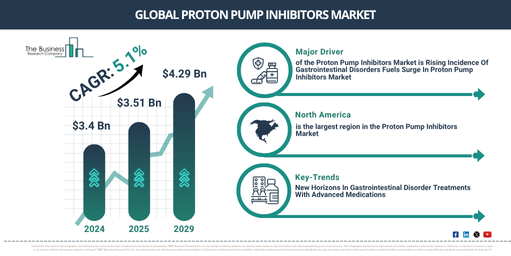
    The market size for proton pump inhibitors has been on a consistent growth trend in the latest years. It is projected to balloon from a valuation of $3.4 billion in 2024 to $3.51 billion in 2025, mirroring a compound annual growth rate (CAGR) of 3.2%. The driving force behind the considerable growth witnessed in the historic period can be traced back to factors such as the widespread incidence of gastroesophageal reflux disease (GERD), the prevalence of peptic ulcer disease, a rising elderly population, modifications in lifestyle and eating habits, and an enhancement in disease awareness and diagnosis.

    Over the coming years, the proton pump inhibitors market is projected to experience significant growth, reaching a value of $4.29 billion in 2029 while exhibiting a compound annual growth rate (CAGR) of 5.1%. This anticipated increase during the projected period is credited to factors such as the adoption by emerging markets, the rise in helicobacter pylori infections, efforts to educate patients, planned marketing ventures, and promotional strategies. Key trends to look out for during this period may include the incorporation of digital health solutions, strategies for global market growth, an emphasis on education about gastrointestinal health, regulatory changes, safety precautions, and considerations for the environmental impact.

    Download The Free Sample Report Here:

    https://www.thebusinessresearchcompany.com/sample.aspx?id=10791&type=smp

    What Are The Contributors To Demand In The Proton Pump Inhibitors Market?

    The rise in gastrointestinal ailments is predicted to fuel the proton pump inhibitors market expansion. Disorders like nausea, vomiting, food poisoning, and diarrhea, which affect the gastrointestinal (GI) tract’s normal biological functions, are categorized as gastrointestinal ailments. To treat heartburn and acid-related conditions, proton pump inhibitors (PPIs) are frequently recommended. These inhibitors decrease the volume of stomach acid generated by the stomach lining glands. The escalating occurrence of these disorders contributes to the growth of PPIs. As per Cancer Australia’s September 2022 report, a cancer control organization in Australia aiming to aid cancer patients and raise disease awareness, 2,572 new cases of stomach cancer (comprising 1,661 male and 911 female instances) are foreseen in Australia for the year 2022. In another report from September 2022, a survey conducted by the American Gastroenterological Association (a US-based medical gastroenterologist association having over 16,000 doctors and scientists as members) highlighted that more than 40% of the American populace had discontinued regular activities in the past year due to severe gastrointestinal symptoms, including working out (19%), completing tasks (17%), and socializing (16%). Consequently, the heightening prevalence of gastrointestinal disorders is predicted to boost the proton pump inhibitors market growth.

    What Segmentation Categories Are Included In The Proton Pump Inhibitors Market Analysis?

    The proton pump inhibitors market covered in this report is segmented –

    1) By Type: Pantoprazole, Omeprazole, Lansoprazole, Esomeprazole, Rabeprazole, Dexlansoprazole, Other Types

    2) By Disease Allocation: Ulcers, Gastroesophageal Reflux Disease, Other Disease Indications

    3) By Application: Hospitals, Clinic, Other Applications

    Subsegments:

    1) By Pantoprazole: Tablet Formulations, Injectable Formulations

    2) By Omeprazole: Over-The-Counter (OTC) Omeprazole, Prescription Omeprazole

    3) By Lansoprazole: Fast-Acting Lansoprazole, Delayed-Release Lansoprazole

    4) By Esomeprazole: Oral Esomeprazole, Intravenous Esomeprazole

    5) By Rabeprazole: Rabeprazole Tablets, Extended-Release Rabeprazole

    6) By Dexlansoprazole: Standard Dexlansoprazole, Modified-Release Dexlansoprazole

    7) By Other Types: Combination Formulations, Lesser-Known PPIs

    What Upcoming Trends Are Expected To Impact The Proton Pump Inhibitors Market Globally?

    The plasma powder industry is seeing a growing emphasis on product innovation. To maintain their market prominence, businesses in this sector are concentrating on introducing novel product ranges. For instance, the Switzerland-based drug manufacturer, Octapharma AG, received authorization from the European Union (EU) in February 2023 for their OctaplasLG powder, a reimagined plasma powder or lyophilized (freeze-dried) iteration of their widely-renowned transfusion plasma. This variant will be sold as a powder and solvent mix for infusion in Europe. OctaplasLG, a medical-grade human plasma product, features unsurpassed pathogen safety profiles and a standardized quality, thanks to Octapharma’s comprehensive pathogen elimination and deactivation methodology.

    Who Are The Top-Ranked Companies In The Proton Pump Inhibitors Market Today?

    Major companies operating in the proton pump inhibitors market include AstraZeneca plc, Pfizer Inc., Cadila Pharmaceuticals Limited, Eisai Pharmaceuticals India Pvt. Ltd, Wyeth LLC, Eli Lilly and Company, Bayer AG, Takeda Pharmaceutical Company, Santarus Inc., Janssen Pharmaceuticals, GlaxoSmithKline plc, Changzhou Siyao Pharmaceuticals, Yangzhou Pharmaceutical, Sanofi S.A., Johnson & Johnson, Novartis International AG, Teva Pharmaceutical Industries Ltd., Mylan N.V., Sun Pharmaceutical Industries Ltd., Dr. Reddy’s Laboratories Ltd., Lupin Limited, Torrent Pharmaceuticals Ltd., Zydus Cadila, Glenmark Pharmaceuticals Ltd., Alkem Laboratories Ltd., Cipla Limited, Hetero Drugs Limited, Intas Pharmaceuticals Ltd., Macleods Pharmaceuticals Ltd., Micro Labs Ltd., Natco Pharma Limited, Panacea Biotec Ltd., Strides Pharma Science Limited, Wockhardt Ltd.

    Get The Full Report Here:

    https://www.thebusinessresearchcompany.com/report/proton-pump-inhibitors-global-market-report

    How Is Proton Pump Inhibitors Market Adoption Varying Across Different Regions And Sectors?

    North America was the largest region in the proton pump inhibitors market in 2024. Asia-Pacific is expected to be the fastest-growing region in the global proton pump inhibitors market size during the forecast period. The regions covered in the proton pump inhibitors market report are Asia-Pacific, Western Europe, Eastern Europe, North America, South America, Middle East, Africa

    Request For A Customized Report:

    https://www.thebusinessresearchcompany.com/customise?id=10791&type=smp

    About The Business Research Company:

    With over 15000+ reports from 27 industries covering 60+ geographies, The Business Research Company has built a reputation for offering comprehensive, data-rich research and insights. Armed with 1,500,000 datasets, the optimistic contribution of in-depth secondary research, and unique insights from industry leaders, you can get the information you need to stay ahead in the game.

    Get in touch with us:

    The Business Research Company: https://www.thebusinessresearchcompany.com/

    Americas +1 310-496-7795

    Asia +44 7882 955267 & +91 8897263534

    Europe +44 7882 955267

    Email us at info@tbrc.info

    Follow us on:

    LinkedIn: https://in.linkedin.com/company/the-business-research-company

    YouTube: https://www.youtube.com/channel/UC24_fI0rV8cR5DxlCpgmyFQ

    Global Market Model: https://www.thebusinessresearchcompany.com/global-market-model
  • CAGR of 9.7% Projected for Proteasome Inhibitors Market From 2025 to 2029

    CAGR of 9.7% Projected for Proteasome Inhibitors Market From 2025 to 2029

    Claim your 30% discount on Global Market Reports with code ONLINE30. Limited time only.

    Claim your 30% discount on Global Market Reports with code ONLINE30. Limited time only.

    What Is the Outlook for the Proteasome Inhibitors Market Heading Into 2029?

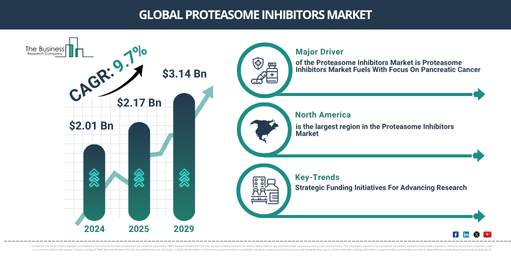
    The market size for proteasome inhibitors has seen significant expansion in the past years. It’s projected to surge from $2.01 billion in 2024 to $2.17 billion in 2025, demonstrating a compound annual growth rate (CAGR) of 7.9%. This upward trend during the historic period could be the result of novel scientific discoveries, clinical investigations and experiments, FDA sanctions, an increase in cancer incidences, and advances in the procedure of drug dispatch.

    The market for proteasome inhibitors is anticipated to experience robust growth in the forthcoming years, with projections suggesting a rise to $3.14 billion in 2029, indicating a compound annual growth rate (CAGR) of 9.7%. Factors driving growth during this forecast period could be linked to the use of precision medicine strategies, advanced generation inhibitors, improved healthcare infrastructure, combination of targeted therapies, and acceptance in emerging markets. Key trends throughout this same period could include combinations of immunotherapy, selective proteasome inhibition, inhibitors with an extended half-life, oral formulations, and treatments for resistant cancer variants.

    Download The Free Sample Report Here:

    https://www.thebusinessresearchcompany.com/sample.aspx?id=12251&type=smp

    Which Factors Are Pushing The Proteasome Inhibitors Market Forward?

    The growth of the proteasome inhibitors market is anticipated to be fueled by the rising occurrence of pancreatic cancer. This cancer type originates in the cells of the pancreas, a bodily organ situated in the belly, just behind the stomach. Proteasome inhibitors, which play a key role in encouraging cell growth and preventing cell death by breaking down proteins regulating cell cycle progression, are predominantly used to manage pancreatic cancer. This disruption of cancer cell survival inhibits tumor expansion and spread. As per reports from the American Cancer Society in January 2024, a health organization headquartered in the United States, about 64,050 adults in the US were identified as having pancreatic cancer in 2023, resulting in the death of 50,550 individuals. Moreover, the number swelled to 66,440 diagnosed cases where the death toll rose to 51,750. Thus, the heightened incidence of pancreatic cancer is propelling the expansion of the proteasome inhibitors market.

    Which Segment Held The Largest Share In The Proteasome Inhibitors Market In 2025?

    The proteasome inhibitors market covered in this report is segmented –

    1) By Product: Velcade, Kyprolis, Ninlaro, Other Products

    2) By Drugs: Bortezomib, Carfilzomib, Ixazomib

    3) By Indication: Lymphoma, Mantle Cell Lymphoma, Multiple Myeloma

    4) By Distribution Channel: Hospital Pharmacy, Online Pharmacy, Retail Pharmacy

    5) By End-User: Hospital, Specialty Clinics, Other End-Users

    Subsegments:

    1) By Velcade: Injectable Velcade (Bortezomib), Oral Formulations

    2) By Kyprolis: Injectable Kyprolis (Carfilzomib), Combination Therapies With Kyprolis

    3) By Ninlaro: Oral Ninlaro (Ixazomib), Combination Therapies With Ninlaro

    4) By Other Products: Investigational Proteasome Inhibitors, Combination Products

    How Are Key Trends Driving Expansion In The Proteasome Inhibitors Industry?

    The emergence of product innovation is a noteworthy trend in the plant-based vaccine market. To remain competitive, major players in this market are investing in the development of groundbreaking products. An example is the approval by Health Canada in February 2022, of COVIFENZ, the COVID-19 vaccine, developed by Medicago Inc., a biopharmaceutical firm headquartered in Canada, and GSK PLC, a UK-based pharmaceutical and biotechnology corporation. This vaccine, which utilises CoVLP technology, is the pioneer plant-based VLP, recombinant, adjuvanted vaccine developed for the treatment of COVID-19. COVIFENZ consists of recombinant spike (S) glycoproteins produced as virus-like particles (VLPs).

    Which Organizations Are Driving Progress In The Proteasome Inhibitors Industry?

    Major companies operating in the proteasome inhibitors market include Pfizer Inc., Johnson And Johnson, AbbVie, Novartis AG, Merck & Co. Inc., Bristol-Myers Squibb Company, Thermo Fisher Scientific Inc., AstraZeneca Plc, Fresenius Kabi AG, GlaxoSmithKline PLC, Takeda Pharmaceutical Company Limited, Eli Lilly and Company, Amgen Inc., Baxter International Inc., Sigma-Aldrich, Zydus Pharmaceuticals, Onyx Pharmaceuticals Inc., Tocris Bioscience, Accuitis Inc., TG Therapeuticsn Inc., QLi5 Therapeutics GmbH, Progenra Inc., Nurix Inc., Cephalon Inc., Cleave Therapeutics, Lifesensors Inc., MimiVax LLC, Apotex Inc.

    Get The Full Report Here:

    https://www.thebusinessresearchcompany.com/report/proteasome-inhibitors-global-market-report

    Which Region Is Expected To Experience The Highest Growth In The Proteasome Inhibitors Industry?

    North America was the largest region in the proteasome inhibitors market in 2024. The regions covered in the proteasome inhibitors market report are Asia-Pacific, Western Europe, Eastern Europe, North America, South America, Middle East, Africa.

    Request For A Customized Report:

    https://www.thebusinessresearchcompany.com/customise?id=12251&type=smp

    About The Business Research Company:

    With over 15000+ reports from 27 industries covering 60+ geographies, The Business Research Company has built a reputation for offering comprehensive, data-rich research and insights. Armed with 1,500,000 datasets, the optimistic contribution of in-depth secondary research, and unique insights from industry leaders, you can get the information you need to stay ahead in the game.

    Get in touch with us:

    The Business Research Company: https://www.thebusinessresearchcompany.com/

    Americas +1 310-496-7795

    Asia +44 7882 955267 & +91 8897263534

    Europe +44 7882 955267

    Email us at info@tbrc.info

    Follow us on:

    LinkedIn: https://in.linkedin.com/company/the-business-research-company

    YouTube: https://www.youtube.com/channel/UC24_fI0rV8cR5DxlCpgmyFQ

    Global Market Model: https://www.thebusinessresearchcompany.com/global-market-model
  • Latest Market Developments in Myeloproliferative Disorders Drugs Industry: Forecast 2025–2029

    Latest Market Developments in Myeloproliferative Disorders Drugs Industry: Forecast 2025–2029

    Claim your 30% discount on Global Market Reports with code ONLINE30. Limited time only.

    Claim your 30% discount on Global Market Reports with code ONLINE30. Limited time only.

    How Large Is the Myeloproliferative Disorders Drugs Market Expected to Be in 2029?

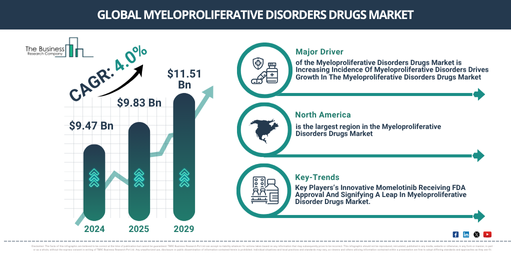
    In past years, the market size for drugs treating myeloproliferative disorders has seen continuous growth. It’s expected that the market will expand from $9.47 billion in 2024 to $9.83 billion in 2025, indicating a compound annual growth rate (CAGR) of 3.8%. The growth in the historical period is believed to be the outcome of a rising number of myeloproliferative disorder cases, advancements in disease mechanism comprehension, progress in clinical research and drug creation, enhanced diagnosis and screening techniques, as well as advocacy and increased public awareness for patients.

    In the coming years, the market size for drugs treating myeloproliferative disorders is poised to experience consistent growth. The market is projected to reach $11.51 billion in 2029, growing at a compound annual growth rate (CAGR) of 4.0%. The projected growth within the forecast period can be ascribed to factors such as aging demographics, advancements in precision medicine, arrival of new treatments, worldwide emphasis on rare diseases, and government-driven initiatives and healthcare policies. The major trends to watch out for in the foresight period are precision medicine strategies, clinical studies for experimental treatments, improved symptom management, wider application of ruxolitinib, and focus on disease biomarkers.

    Download The Free Sample Report Here:

    https://www.thebusinessresearchcompany.com/sample.aspx?id=10681&type=smp

    What Are The Contributors To Demand In The Myeloproliferative Disorders Drugs Market?

    Anticipated growth of the myeloproliferative disorder’s drugs market is largely attributed to the escalating occurrence of such disorders. These particular ailments represent a broad range of conditions that are characterized by the amplified growth of one or more blood cell types, making them distinct from acute leukemia. Genetic abnormalities, along with exposure to radiation, electricity, and chemicals, are some of the key drivers leading to an increase in myeloproliferative disorders, particularly among the aged population. Medications developed for myeloproliferative diseases work by obstructing the BCR-ABL protein. This is achieved by bonding with the ATP pocket located at the active site, which results in the prevention of the target protein’s downstream phosphorylation. This process plays a vital role in the therapy of myeloproliferative conditions. For example, figures from the National Institute of Health, a medical research institution based in the United States, indicate that in August 2022, chronic myelogenous leukemia had a higher prevalence in men. The data showed about 2.4 new cases per 100,000 in contrast to 1.4 new cases per 100,000 in women. When compared to the rate in 2020, which was 1.7 new cases per 100,000 for both genders per annum, we can clearly see an upward trend. By and large, the growing prevalence of myeloproliferative disorders is fuelling the expansion of the myeloproliferative disorder’s drugs market.

    What Segmentation Categories Are Included In The Myeloproliferative Disorders Drugs Market Analysis?

    The myeloproliferative disorders drugs market covered in this report is segmented –

    1) By Type: Primary Myelofibrosis, Polycythemia Vera (PV), Essential Thrombocythemia (ET), Chronic Eosinophilic Leukemia Or Hyper eosinophilic Syndrome (HES), Systemic Masto cytosis (SM)

    2) By Drug Type: JAK2 Inhibitors, Anti-Neoplastics, Demethylation Agents, Imatinib Mesylate, Other Drug Types

    3) By Route Of Administration: Oral, Parenteral, Other Routes Of Administration

    4) By Distribution Channel: Hospital Pharmacy, Retail Stores, Drug Stores

    Subsegments:

    1) By Primary Myelofibrosis: JAK Inhibitors, Immunomodulatory Agents, Supportive Care

    2) By Polycythemia Vera (PV): JAK Inhibitors, Hydroxyurea, Phlebotomy, Interferon-alpha

    3) By Essential Thrombocythemia (ET): JAK Inhibitors, Hydroxyurea, Anagrelide, Interferon-alpha

    4) By Chronic Eosinophilic Leukemia or Hyper Eosinophilic Syndrome (HES): Tyrosine Kinase Inhibitors, Corticosteroids, Interferon-alpha

    5) By Systemic Mastocytosis (SM): Tyrosine Kinase Inhibitors, Corticosteroids, Antihistamines, Immunotherapy

    What Upcoming Trends Are Expected To Impact The Myeloproliferative Disorders Drugs Market Globally?

    In the myeloproliferative disorder drugs marketplace, product innovation is rapidly becoming a predominant trend. Major players in this field are focusing on the development of groundbreaking products as a tactic to consolidate their market standing. For instance, in September 2023, UK-based pharmaceutical and biotech company GSK PLC secured FDA approval for momelotinib for treating primary myelofibrosis, a variant of myeloproliferative disorder (MPD). This new drug is potentially unique, incorporating a specific mechanism that blocks three crucial signaling pathways: JAK 1, JAK 2, and ACVR1. The inhibition of JAK1 and JAK2 can potentially help reduce splenomegaly and constitutional symptoms. Additionally, its direct impact on ACVR1 leads to a reduction in circulating hepcidin levels, which typically elevate in myelofibrosis cases and contribute to anemia.

    Who Are The Top-Ranked Companies In The Myeloproliferative Disorders Drugs Market Today?

    Major companies operating in the myeloproliferative disorders drugs market include Novartis AG, Bristol-Myers Squibb Company, Pfizer Inc., Takeda Pharmaceutical Company Limited, Teva Pharmaceutical Industries Ltd., Incyte Corporation, Eli Lilly and Co, F Hoffmann-La Roche Ltd., Mylan NV, Fresenius Kabi AG, Hikma Pharmaceuticals plc, GSK plc, Bayer AG, Sun Pharmaceutical Industries Ltd., Boehringer Ingelheim International Gmbh, Sanofi Aventis Inc., AstraZeneca AB, Apotex Inc, Celgene Co., Gamida Cell Ltd., Geron Co., Promedior Inc., Johnson & Johnson Private Limited, AbbVie Inc., AOP Orphan Pharmaceuticals AG, Astellas Pharma Inc., Biogen Inc., Daiichi Sankyo Chemical Pharma Co. Ltd., Eisai Pharmaceuticals India Pvt. Ltd.

    Get The Full Report Here:

    https://www.thebusinessresearchcompany.com/report/myeloproliferative-disorders-drugs-global-market-report

    How Is Myeloproliferative Disorders Drugs Market Adoption Varying Across Different Regions And Sectors?

    North America was the largest region in the myeloproliferative disorder drugs market in 2024.Asia-Pacific is expected to be the fastest-growing region in the global myeloproliferative disorder drugs market report during the forecast period. The regions covered in the myeloproliferative disorders drugs market report are Asia-Pacific, Western Europe, Eastern Europe, North America, South America, Middle East, Africa.

    Request For A Customized Report:

    https://www.thebusinessresearchcompany.com/customise?id=10681&type=smp

    About The Business Research Company:

    With over 15000+ reports from 27 industries covering 60+ geographies, The Business Research Company has built a reputation for offering comprehensive, data-rich research and insights. Armed with 1,500,000 datasets, the optimistic contribution of in-depth secondary research, and unique insights from industry leaders, you can get the information you need to stay ahead in the game.

    Get in touch with us:

    The Business Research Company: https://www.thebusinessresearchcompany.com/

    Americas +1 310-496-7795

    Asia +44 7882 955267 & +91 8897263534

    Europe +44 7882 955267

    Email us at info@tbrc.info

    Follow us on:

    LinkedIn: https://in.linkedin.com/company/the-business-research-company

    YouTube: https://www.youtube.com/channel/UC24_fI0rV8cR5DxlCpgmyFQ

    Global Market Model: https://www.thebusinessresearchcompany.com/global-market-model
  • Emerging Trends and Growth Drivers in the Myelodysplastic Syndrome Drugs Market Through 2029

    Emerging Trends and Growth Drivers in the Myelodysplastic Syndrome Drugs Market Through 2029

    Claim your 30% discount on Global Market Reports with code ONLINE30. Limited time only.

    Claim your 30% discount on Global Market Reports with code ONLINE30. Limited time only.

    What Is the Outlook for the Myelodysplastic Syndrome Drugs Market Heading Into 2029?

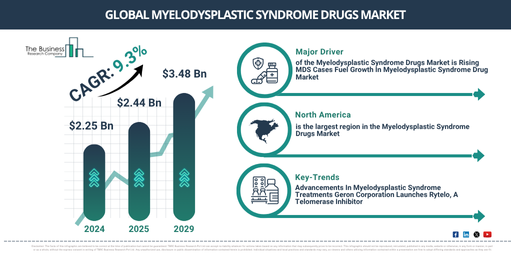
    The market size for drugs treating myelodysplastic syndrome has seen significant growth recently. The market, which is expected to rise from $2.25 billion in 2024 to $2.44 billion in 2025, will enjoy a compound annual growth rate (CAGR) of 8.3%. The expansion during this historical period has been driven by factors such as an aging population, improvements in diagnostic procedures, cases of MDS related to chemotherapy, a rise in the number of cancer survivors, and advancements in clinical research and drug development.

    Expectations are high for strong expansion in the myelodysplastic syndrome drugs market in the coming years. By 2029, it’s projected to reach $3.48 billion, boasting a compound annual growth rate (CAGR) of 9.3%. Comprehensive factors contributing to this growth in the projected period include an aging population, breakthroughs in targeted treatments, deepening knowledge regarding disease processes, a rise in awareness and early detection, and growing oncology research. Key trends anticipated in the forecast period incorporate the optimization of erythropoiesis-stimulating agents, an emphasis on combined therapies, growing attention towards iron chelation therapy, approvals from regulatory bodies, market access, and a focus on patient-centered approach in healthcare.

    Download The Free Sample Report Here:

    https://www.thebusinessresearchcompany.com/sample.aspx?id=10675&type=smp

    Which Factors Are Pushing The Myelodysplastic Syndrome Drugs Market Forward?

    The escalation in the occurrence of myelodysplastic syndrome is anticipated to surge the development of the myelodysplastic syndrome drug market in the foreseeable future. Myelodysplastic syndrome (MDS) encompasses disorders denoted by irregular growth and maturity of blood cells within the bone marrow. This form of blood cancer majorly hampers the production of healthy blood cells. Drugs for myelodysplastic syndrome are used for its treatment, incorporating medicines that hinder or regulate the immune system, reducing the need for transfusion of red blood cells. For example, according to the American Journal of Managed Care, a magazine based in the United States, in October 2022, the prevalence of myelodysplastic syndrome in the US is projected to be between 60,000 and 175,000 cases. As such, the growing incidences of myelodysplastic syndrome are fueling the expansion of the myelodysplastic syndrome drug market.

    Which Segment Held The Largest Share In The Myelodysplastic Syndrome Drugs Market In 2025?

    The myelodysplastic syndrome drugs market covered in this report is segmented –

    1) By Therapeutic Class: Immunomodulatory Drugs, Hypomethylating Agents, Anti-anemics

    2) By Type of Syndrome: Refractory Cytopenia With Multilineage Dysplasia, Refractory Anemia, Refractory Anemia With Excess Blasts, Refractory Anemia With Ringed Sideroblasts

    3) By Route of Administration: Oral, Parenteral

    4) By Applications: Original, Generics

    5) By End-User: Hospitals, Clinics, Ambulatory Surgical Centers

    Subsegments:

    1) By Immunomodulatory Drugs: Thalidomide, Lenalidomide, Pomalidomide

    2) By Hypomethylating Agents: Azacitidine, Decitabine, Guadecitabine

    3) By Anti-anemics: Erythropoiesis-Stimulating Agents (ESAs), Iron Supplements, Blood Transfusion Products

    How Are Key Trends Driving Expansion In The Myelodysplastic Syndrome Drugs Industry?

    Key players in the myelodysplastic syndrome drugs market are focusing on the production of telomerase inhibitors to target the enzyme telomerase, with a goal of slowing the progression of the disease by restraining the irregular multiplication of abnormal cells. Telomerase inhibitors have proven beneficial in myelodysplastic syndrome drugs as they subdue the enzyme telomerase, resulting in a reduction of the growth of abnormal cells, thus potentially enhancing patient conditions. For example, in June 2024, Geron Corporation, a biotechnology firm based in the US, introduced rytelo (imetelstat), a telomerase inhibitor approved by the FDA for intravenous use in adults diagnosed with low to intermediate-1 risk myelodysplastic syndromes (LR-MDS) and transfusion dependent anemia who are irresponsive and ineligible for ESA. Rytelo provides prolonged transfusion independence, enhances hemoglobin levels, and serves an essential need in the myelodysplastic syndrome drugs market with its well-tolerated safety profile.

    Which Organizations Are Driving Progress In The Myelodysplastic Syndrome Drugs Industry?

    Major companies operating in the myelodysplastic syndrome drugs market include Amgen Inc., Celgene Corporation, Otsuka Pharmaceutical Co. Ltd., Takeda Pharmaceutical Company Limited, Cipla Limited, Dr. Reddy’s Laboratories Ltd., Lupin Ltd., Onconova Therapeutics Inc., Sun Pharmaceutical Industries Limited, FibroGen Inc., Aprea Therapeutics, Bayer AG, Bristol Myers Squibb, Celator Pharmaceuticals, Crystal Genomics Inc., AbbVie Inc., Astex Pharmaceuticals Inc., Geron Co., Hikma Pharmaceuticals plc, Jazz Pharmaceuticals Inc., Mylan NV, Novartis AG, Sandoz Inc., Syros Pharmaceuticals, Teva Pharmaceutical Industries Ltd., Acceleron Pharma Inc., Agios Pharmaceuticals Inc., Incyte Corporation, Array Biopharma Inc., MEI Pharma Inc.

    Get The Full Report Here:

    https://www.thebusinessresearchcompany.com/report/myelodysplastic-syndrome-drugs-global-market-report

    Which Region Is Expected To Experience The Highest Growth In The Myelodysplastic Syndrome Drugs Industry?

    North America was the largest region in the Myelodysplastic syndrome drugs market in 2024.Asia-Pacific is expected to be the fastest growing region in the global myelodysplastic syndrome drugs market report during the forecast period. The regions covered in the myelodysplastic syndrome drugs market report are Asia-Pacific, Western Europe, Eastern Europe, North America, South America, Middle East, Africa.

    Request For A Customized Report:

    https://www.thebusinessresearchcompany.com/customise?id=10675&type=smp

    About The Business Research Company:

    With over 15000+ reports from 27 industries covering 60+ geographies, The Business Research Company has built a reputation for offering comprehensive, data-rich research and insights. Armed with 1,500,000 datasets, the optimistic contribution of in-depth secondary research, and unique insights from industry leaders, you can get the information you need to stay ahead in the game.

    Get in touch with us:

    The Business Research Company: https://www.thebusinessresearchcompany.com/

    Americas +1 310-496-7795

    Asia +44 7882 955267 & +91 8897263534

    Europe +44 7882 955267

    Email us at info@tbrc.info

    Follow us on:

    LinkedIn: https://in.linkedin.com/company/the-business-research-company

    YouTube: https://www.youtube.com/channel/UC24_fI0rV8cR5DxlCpgmyFQ

    Global Market Model: https://www.thebusinessresearchcompany.com/global-market-model
  • Industry Forecast: Polyclonal Antibodies Market to Generate $1.94 Billion Revenue by 2029

    Industry Forecast: Polyclonal Antibodies Market to Generate $1.94 Billion Revenue by 2029

    Claim your 30% discount on Global Market Reports with code ONLINE30. Limited time only.

    Claim your 30% discount on Global Market Reports with code ONLINE30. Limited time only.

    What Does the Forecast Indicate for the Polyclonal Antibodies Market From 2025 to 2029?

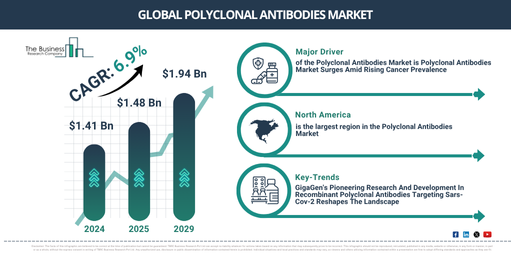
    In the past few years, there has been a gradual expansion in the market size of polyclonal antibodies. The market is projected to increase from $1.41 billion in 2024 to $1.48 billion in 2025, with a compound annual growth rate (CAGR) of 5.0%. The surge during the historical period can be credited to the rising demand in biomedical research, expanded diagnostic applications, a growth in chronic diseases, and diverse applications.

    It’s expected that the polyclonal antibodies market will experience significant growth in the coming years, with its value expected to reach $1.94 billion by 2029, boasting a 6.9% compound annual growth rate (CAGR). The projected growth over the forecast period can be credited to the spread of advanced diagnostic methods, therapeutic developments, the proliferation of infectious diseases, increased funding for research, and a surge in collaborations and partnerships. Some of the key trends for the forecast period include improvements in antibody engineering, a growing emphasis on cancer immunotherapy, the increase of biosimilar polyclonal antibodies, applications in treating neurological disorders, and advancements in regulatory compliance.

    Download The Free Sample Report Here:

    https://www.thebusinessresearchcompany.com/sample.aspx?id=10790&type=smp

    What Elements Are Contributing To Growth In The Polyclonal Antibodies Market?

    The rising incidence of cancer is anticipated to fuel the expansion of the polyclonal antibodies market. These antibodies are employed in cancer management, including in research, biomarker identification, immunohistochemistry, focused therapy, and immunotherapy. These applications have the potential to optimise cancer treatment, diagnosis, and patient outcomes. The growing number of cancer patients directly influences the growth of the polyclonal antibodies market. For instance, in September 2022, Cancer Australia projected 2,572 new stomach cancer cases to be diagnosed in Australia in 2022 (1,661 men and 911 women). According to their projections, an individual is likely to have a 0.87% (or 1 in 114) chance of developing stomach cancer by age 85 in 2022 (87% or 1 in 1.1 for men and 0.60% or 1 in 167 for women). Thus, the escalating prevalence of cancer is a key driver for the expansion of the polyclonal antibodies market.

    Which Segments Are Detailed In The Global Polyclonal Antibodies Market Report?

    The polyclonal antibodies market covered in this report is segmented –

    1) By Product Type: Primary Antibody, Secondary Antibody

    2) By Source: Rabbits, Goats, Sheep, Other Sources

    3) By Application: Research, Diagnostics, Therapy

    4) By End-User: Academic and Research Center , Pharmaceutical and Biotechnology Companies, Diagnostic Centers , Hospitals

    Subsegments:

    1) By Primary Antibody: Immunoglobulin G (IgG), Immunoglobulin M (IgM), Immunoglobulin A (IgA), Immunoglobulin E (IgE)

    2) By Secondary Antibody: Anti-Mouse IgG, Anti-Rabbit IgG, Anti-Goat IgG, Other Secondary Antibodies

    Which Emerging Trends And Strategic Shifts Are Shaping The Polyclonal Antibodies Market?

    A rising trend in the pharmaceutical pellets market is product innovation. Firms in this sector are emphasizing the development of novel products to maintain their market foothold. For example, in May 2024, Schedio SA, an American engineering firm, released the High Potent Pilot Particle Engineering Platform. It is a progressive platform that can handle up to 465 configurations and is compatible with spray dryers and jet mills. Its aim is to improve particle engineering for highly potent compounds in the pharmaceutical field. The platform is designed with high containment and easy-to-operate controls to ensure safety, precision, and adherence to regulatory standards in pharmaceutical manufacturing procedures.

    Who Are The Key Contributors To Growth In The Polyclonal Antibodies Market?

    Major companies operating in the polyclonal antibodies market include Abcam plc, GenScript Biotech Corporation, Merck KGaA, Thermo Fisher Scientific Inc., Becton Dickinson and Company, BioLegend Inc., Bio-Rad Laboratories Inc., Cell Signaling Technology Inc., F. Hoffmann-La Roche Ltd., PerkinElmer Inc., Creative Diagnostics, Agilent Technologies, Analytik Jena GmbH, Atlas Antibodies, Danaher Corporation, DC Biosciences Ltd., Illumia Inc., ImmonoPresice Antibodies Ltd, Fujirebio, Omega BioTek Inc., Dovetail Genomics LLC, Abnova Corporation, Santa Cruz Biotechnology Inc., Enzo Life Sciences Inc., Rockland Immunochemicals Inc., IGY Life Sciences, Genway Biotech, Good Biotech, Gallus Immunotech Inc., BioGenes GmbH, Capralogics Inc., Bio X Cell

    Get The Full Report Here:

    https://www.thebusinessresearchcompany.com/report/polyclonal-antibodies-global-market-report

    Which Region Is Projected To Lead The Polyclonal Antibodies Market By 2025?

    North America was the largest region in the polyclonal antibodies market in 2024. Asia-Pacific is expected to be the fastest-growing region in the global polyclonal antibodies market size forecast period. The regions covered in the polyclonal antibodies market report are Asia-Pacific, Western Europe, Eastern Europe, North America, South America, Middle East, Africa

    Request For A Customized Report:

    https://www.thebusinessresearchcompany.com/customise?id=10790&type=smp

    About The Business Research Company:

    With over 15000+ reports from 27 industries covering 60+ geographies, The Business Research Company has built a reputation for offering comprehensive, data-rich research and insights. Armed with 1,500,000 datasets, the optimistic contribution of in-depth secondary research, and unique insights from industry leaders, you can get the information you need to stay ahead in the game.

    Get in touch with us:

    The Business Research Company: https://www.thebusinessresearchcompany.com/

    Americas +1 310-496-7795

    Asia +44 7882 955267 & +91 8897263534

    Europe +44 7882 955267

    Email us at info@tbrc.info

    Follow us on:

    LinkedIn: https://in.linkedin.com/company/the-business-research-company

    YouTube: https://www.youtube.com/channel/UC24_fI0rV8cR5DxlCpgmyFQ

    Global Market Model: https://www.thebusinessresearchcompany.com/global-market-model
  • CAGR of 6.3% Projected for Multiple Myeloma Drugs Market From 2025 to 2029

    CAGR of 6.3% Projected for Multiple Myeloma Drugs Market From 2025 to 2029

    Claim your 30% discount on Global Market Reports with code ONLINE30. Limited time only.

    Claim your 30% discount on Global Market Reports with code ONLINE30. Limited time only.

    What Does the Forecast Indicate for the Multiple Myeloma Drugs Market From 2025 to 2029?

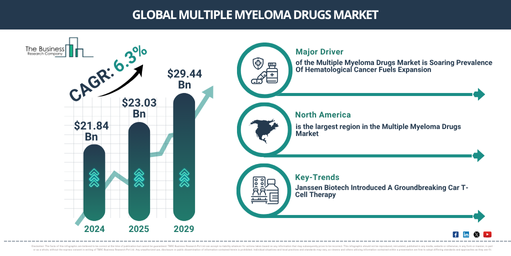
    The market for multiple myeloma drugs has seen robust expansion in the past few years. Projected to increase from $21.84 billion in 2024 to $23.03 billion in 2025, it anticipates a compound annual growth rate (CAGR) of 5.4%. Factors influencing growth during the historical duration include enhanced diagnostic methods, victorious clinical trials, better comprehension of the disease pathology, advancements in healthcare infrastructure, active patient representation, and heightened awareness.

    The market size for multiple myeloma drugs is projected to experience robust expansion in the forthcoming years, with an estimation to reach $29.44 billion by 2029 at a compound annual growth rate (CAGR) of 6.3%. This anticipated growth in the prediction period can be credited to advancements in immunotherapy, broadening of targeted therapies, the application of liquid biopsies, the rise of car-t cell therapy, and the discovery of biomarkers. Noteworthy trends during the forecast period encompass an increased emphasis on long-term survivorship, the investigation of epigenetic therapies, the extended role of telemedicine, widened access to innovative therapies, and sustainability in myeloma treatment.

    Download The Free Sample Report Here:

    https://www.thebusinessresearchcompany.com/sample.aspx?id=11943&type=smp

    What Elements Are Contributing To Growth In The Multiple Myeloma Drugs Market?

    The multiple myeloma drugs market is predicted to grow due to the increasing incidence of hematological cancer. Such cancers have their origin in the blood-forming tissues like bone marrow or immune system cells, covering diseases like leukemia, lymphoma, multiple myeloma, and more. Medications targeted towards multiple myeloma often aid in treating various myelomas by destroying the cancer cells and restricting their proliferation. These drugs diminish the cell division process, stimulate multiple enzymatic activities, and help in maintaining bone strength while reducing pain from deteriorating bones. For instance, data from the American Cancer Society (ACS), a US-based organization committed to eradicating cancer, revealed that in January 2023, around 59,610 new leukemia cases and roughly 20,380 cases of acute myeloid leukemia (AML) were diagnosed. Furthermore, leukemia was responsible for 23,710 deaths. Consequently, the rising incidence of hematological cancer is propelling the growth of the multiple myeloma drugs market.

    Which Segments Are Detailed In The Global Multiple Myeloma Drugs Market Report?

    The multiple myeloma drugs market covered in this report is segmented –

    1) By Drug Type: Immunomodulatory Drugs, Proteasome Inhibitors, Histone Deacetylase Inhibitors, Monoclonal Antibody Drugs, Steroids, Other Drug Types

    2) By Therapy: Targeted Therapy, Biologic Therapy, Chemotherapy, Other Therapies

    3) By Distribution Channel: Hospital Pharmacies, Retail Pharmacies, Online Pharmacies, Other Distribution Channels

    4) By End-User: Men, Women

    Subsegments:

    1) By Immunomodulatory Drugs: Lenalidomide, Thalidomide, Pomalidomide

    2) By Proteasome Inhibitors: Bortezomib, Carfilzomib, Ixazomib

    3) By Histone Deacetylase Inhibitors: Panobinostat, Romidepsin

    4) By Monoclonal Antibody Drugs: Daratumumab, Elotuzumab, Isatuximab

    5) By Steroids: Dexamethasone, Prednisone

    6) By Other Drug Types: Alkylating Agents, Antimetabolites, New Experimental Drugs

    Which Emerging Trends And Strategic Shifts Are Shaping The Multiple Myeloma Drugs Market?

    In the multiple myeloma drugs market, product innovation is becoming a significant trend. Key players in the market are concentrating on the development of new and innovative products to consolidate their market standing and attain a competitive edge. For example, in March 2022, Janssen Biotech Inc., a Japanese biotech firm, secured the approval of the US Food and Drug Administration for Carvykti, a CAR T-Cell therapy (also known as personalized immunotherapy) for multiple myeloma. CARVYKTI (ciltacabtagene autoleucel) is an engineered cell-based remedy involving T cells externally altered with a non-replicative lentiviral vector that carries an anti-B cell maturation antigen (BCMA) chimeric antigen receptor (CAR). This receptor consists of two single-domain antibodies paired to a 4-1BB costimulatory domain and a CD3-zeta signaling domain. Patients who have undergone a minimum of four therapy lines, including specific types of multiple myeloma medicines (an immunomodulator, a proteasome inhibitor, and an anti-CD38 monoclonal antibody), can utilize this treatment for relapsed conditions.

    Who Are The Key Contributors To Growth In The Multiple Myeloma Drugs Market?

    Major companies operating in the multiple myeloma drugs market include Pfizer Inc., Johnson & Johnson Pvt. Ltd, Merck & Co. Inc., AbbVie Inc., Bayer AG., Roche Holding AG, Novartis AG, Sanofi S.A., Bristol-Myers Squibb Company, GlaxoSmithKline Plc, Takeda Pharmaceutical Company Limited, Eli Lilly and Company, Kite Pharma Inc, Amgen Inc., AstraZeneca plc, Teva Pharmaceutical Industries Ltd., Regeneron Pharmaceuticals Inc., Daiichi Sankyo Company, Daiichi Sankyo Co. Ltd., Lonza Group AG, Cipla Ltd., ONO Pharmaceutical Co. Ltd., BieGene Ltd., Biotest AG, Onyx Pharmaceuticals Inc., PharmaMar SA, Karyopharm Therapeutics Inc., Poseida Therapeutics Inc., ImmunoGen Inc., Oncopetides AB

    Get The Full Report Here:

    https://www.thebusinessresearchcompany.com/report/multiple-myeloma-drugs-global-market-report

    Which Region Is Projected To Lead The Multiple Myeloma Drugs Market By 2025?

    North America was the largest region in the multiple myeloma drugs market in 2024. The regions covered in the multiple myeloma drugs market report are Asia-Pacific, Western Europe, Eastern Europe, North America, South America, Middle East, Africa.

    Request For A Customized Report:

    https://www.thebusinessresearchcompany.com/customise?id=11943&type=smp

    About The Business Research Company:

    With over 15000+ reports from 27 industries covering 60+ geographies, The Business Research Company has built a reputation for offering comprehensive, data-rich research and insights. Armed with 1,500,000 datasets, the optimistic contribution of in-depth secondary research, and unique insights from industry leaders, you can get the information you need to stay ahead in the game.

    Get in touch with us:

    The Business Research Company: https://www.thebusinessresearchcompany.com/

    Americas +1 310-496-7795

    Asia +44 7882 955267 & +91 8897263534

    Europe +44 7882 955267

    Email us at info@tbrc.info

    Follow us on:

    LinkedIn: https://in.linkedin.com/company/the-business-research-company

    YouTube: https://www.youtube.com/channel/UC24_fI0rV8cR5DxlCpgmyFQ

    Global Market Model: https://www.thebusinessresearchcompany.com/global-market-model
  • Pneumococcal Vaccine Market Revenue Outlook: Strategic Insights and Forecast to 2029

    Pneumococcal Vaccine Market Revenue Outlook: Strategic Insights and Forecast to 2029

    Claim your 30% discount on Global Market Reports with code ONLINE30. Limited time only.

    Claim your 30% discount on Global Market Reports with code ONLINE30. Limited time only.

    How Much Is the Global Pneumococcal Vaccine Market Valued at Present and by 2029?

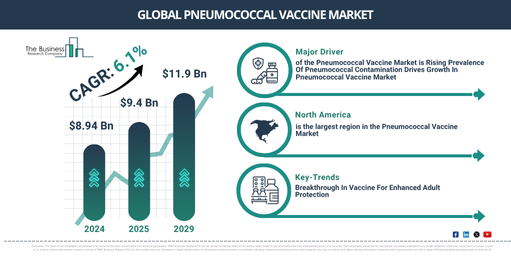
    The market size for the pneumococcal vaccine has seen considerable growth in the past few years. This expansion is predicted to continue with it projected to increase from $8.94 billion in 2024 to $9.4 billion in 2025, exhibiting a compound annual growth rate (CAGR) of 5.2%. The substantial growth observed during the historical period can be tied to developments such as the discovery of streptococcus pneumoniae, public health consciousness, implementation of early vaccination programs, advancements in health care, and modifications in vaccine policies.

    The market for pneumococcal vaccines is projected to witness significant expansion in the upcoming years, escalating to a valuation of $11.9 billion by 2029 with a CAGR of 6.1%. The anticipated growth during the forecast period can be ascribed to factors such as the emergence of new pneumococcal strains, ongoing research and development initiatives, emphasis on immunization, broadening availability of vaccines and the aging population. Key trends identified for the forecast period comprise the development of multivalent vaccines, focus on vaccinating the high-risk group, enhancing the efficacy of vaccines, initiatives to increase education and awareness, with particular attention to infant immunization.

    Download The Free Sample Report Here:

    https://www.thebusinessresearchcompany.com/sample.aspx?id=11950&type=smp

    #What Drivers Are Influencing Growth In The Pneumococcal Vaccine Market?

    The rise in cases of pneumococcal contamination is anticipated to fuel the development of the pneumococcal vaccine market. Pneumococcal contamination, namely infections caused by the bacteria Streptococcus pneumoniae or pneumococcus, consists of pneumonia, bloodstream infections, ear infections, and sinus infections. The pneumococcal vaccine encourages the generation of antibodies to fight pneumococcal bacteria, reducing or eradicating bacteria and toxins that cause diseases, thereby safeguarding children, older adults, and those with compromised immune systems from various pneumococcal infections. As an illustration, the Center for Disease Control and Prevention, a US public health organization, stated in January 2022 that Pneumococcal pneumonia results in around 150,000 hospitalizations annually in the United States, representing approximately 30% of adult community-acquired pneumonia. Hence, the ascending incidence of pneumococcal contamination is stimulating the expansion of the pneumococcal vaccine market.

    What Are The Main Segments Identified In The Pneumococcal Vaccine Market Research?

    The pneumococcal vaccine market covered in this report is segmented –

    1) By Product Type: Prevnar 13, Synflorix, Pneumovax23, Other Products

    2) By Route of Administration: Intravenous, Intramuscular, Subcutaneous

    3) By Distribution Channel: Pharmacies, Community Clinics, Public Health Agencies, Other Distribution Channels

    4) By End User: Pediatrics, Adults

    Subsegments:

    1) By Prevnar 13: Pediatric Formulation, Adult Formulation

    2) By Synflorix: Pediatric Formulation, Adult Formulation

    3) By Pneumovax23: Single-Dose Vials, Pre-Filled Syringes

    4) By Other Products: PCV15 (Vaxneuvance), PCV20 (Prevnar 20), Other Regional Pneumococcal Vaccines

    What Are The Leading Trends And Opportunities In The Pneumococcal Vaccine Sector?

    Technological advancements are emerging as a significant trend in the pharmaceutical continuous manufacturing market, with leading industry players introducing new offerings aimed at maintaining their market positions. For instance, in December 2022, The United States Pharmacopeia (USP) unveiled the USP Advanced Manufacturing Technology Lab as well as research and development analytical solutions. This US-based non-profit organization holds both the trademark and copyright for the Pharmacopeia National Formulary (USP-NF). The role of these analytical lab services is to help drug manufacturers embrace sophisticated manufacturing technologies like pharmaceutical continuous manufacturing (PCM). This not only broadens the geographic diversity in pharmaceutical production but also enhances the resilience of the medicine supply chain. It involves describing materials, creating and qualifying methods to support and ensure the quality of PCM-based drugs.

    Which Companies Play A Key Role In The Development Of The Pneumococcal Vaccine Market?

    Major companies operating in the pneumococcal vaccine market include Pfizer Inc., Johnson & Johnson, Merck & Co. Inc., Sanofi S.A., GlaxoSmithKline plc, Astellas Pharma Inc., CSL Limited, Anhui Zhifei Longcom Biopharmaceutical Co. Ltd, Serum Institute of India Private Limited, Emergent BioSolutions Inc., Walvax Biotechnology Co. Ltd, Biological E Limited, Hualan Biological Engineering Inc., Beijing Minhai Biotechnology Limited Company, NPO Petrovax Pharm LLC, Vaxcyte Inc., Panacea Biotec Ltd, Inventprise LLC, Tergene Biotech Private Limited, PnuVax Incorporated, SK Bioscience Co Ltd

    Get The Full Report Here:

    https://www.thebusinessresearchcompany.com/report/pneumococcal-vaccine-global-market-report

    What Are The Key Regional Developments Shaping The Pneumococcal Vaccine Market?

    North America was the largest region in the pneumococcal vaccine market in 2024. Asia-Pacific is expected to be the fastest-growing region in the forecast period. The regions covered in the pneumococcal vaccine market report are Asia-Pacific, Western Europe, Eastern Europe, North America, South America, Middle East, Africa.

    Request For A Customized Report:

    https://www.thebusinessresearchcompany.com/customise?id=11950&type=smp

    About The Business Research Company:

    With over 15000+ reports from 27 industries covering 60+ geographies, The Business Research Company has built a reputation for offering comprehensive, data-rich research and insights. Armed with 1,500,000 datasets, the optimistic contribution of in-depth secondary research, and unique insights from industry leaders, you can get the information you need to stay ahead in the game.

    Get in touch with us:

    The Business Research Company: https://www.thebusinessresearchcompany.com/

    Americas +1 310-496-7795

    Asia +44 7882 955267 & +91 8897263534

    Europe +44 7882 955267

    Email us at info@tbrc.info

    Follow us on:

    LinkedIn: https://in.linkedin.com/company/the-business-research-company

    YouTube: https://www.youtube.com/channel/UC24_fI0rV8cR5DxlCpgmyFQ

    Global Market Model: https://www.thebusinessresearchcompany.com/global-market-model
  • Industry Forecast: mTOR Inhibitors Market to Generate $9.71 Billion Revenue by 2029

    Industry Forecast: mTOR Inhibitors Market to Generate $9.71 Billion Revenue by 2029

    Claim your 30% discount on Global Market Reports with code ONLINE30. Limited time only.

    Claim your 30% discount on Global Market Reports with code ONLINE30. Limited time only.

    How Much Is the Global mTOR Inhibitors Market Valued at Present and by 2029?

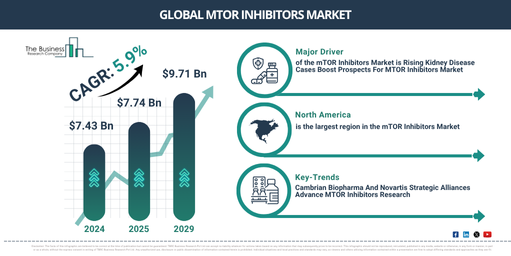
    In recent years, a gradual increase has been observed in the market size of mTOR inhibitors. The market is projected to expand from $7.43 billion in 2024 to $7.74 billion in 2025, mirroring a compound annual growth rate (CAGR) of 4.2%. The surge experienced during the historic period is largely due to numerous factors such as advancements in the treatment of oncology, renal cell carcinoma treatment, development in transplantation medicine, clinical research, drug development, and applications of immunosuppression.

    The market size for mTOR inhibitors is projected to witness significant growth in the upcoming years. It is estimated to reach $9.71 billion by 2029, growing at a compound annual growth rate (CAGR) of 5.9%. This growth during the forecast period is attributed to factors such as increased oncology indications, advancements in precision medicine, a surge in transplantation cases, management of chronic diseases, and a growing population of elderly people. Key trends for the forecast period encompass exploration of neuroprotective effects, applications in transplant medicine, growing interest in metabolic disorders, partnerships for drug development, and worldwide health initiatives addressing rare diseases.

    Download The Free Sample Report Here:

    https://www.thebusinessresearchcompany.com/sample.aspx?id=10860&type=smp

    #What Drivers Are Influencing Growth In The mTOR Inhibitors Market?

    The escalating incidence of kidney disorders is anticipated to fuel the expansion of the mTOR inhibitors market in the future. Kidney disease is a progressive condition that gradually reduces the organ’s functionality. These mTOR inhibitors are utilized in treating an array of kidney diseases. Treatments that suppress the immune system, like mTOR inhibitors including sirolimus and everolimus, are employed to ward off the rejection of a renal allograft. The global surge in kidney diseases is resulting in an increased demand for mTOR inhibitors. To illustrate, in April 2022, the International Society of Nephrology, an American global professional organization, reported that 843.6 million individuals worldwide are affected by kidney diseases from stages 1 to 5. More than 800 million individuals worldwide, making up 10% of the global population, are afflicted by chronic renal disease, a degenerative condition. Consequently, the rising occurrence of kidney diseases will stimulate the expansion of the mTOR inhibitors market.

    What Are The Main Segments Identified In The mTOR Inhibitors Market Research?

    The mtor inhibitors market covered in this report is segmented –

    1) By Product Type: Rapamune, Afinitor, Torisel, Zortress, Other Product Types

    2) By Indication: Oncology, Immunosuppressant, Organ Transplantation, Other Indications

    3) By Route of Administration: Oral, Intravenous

    4) By Application: Tumor Treatment, Kidney Transplant, Other Applications

    5) By Distribution Channel: Hospital Pharmacies, Retail Pharmacies, Online Pharmacies

    Subsegments:

    1) By Rapamune: Dosage Forms, Indications

    2) By Afinitor: Dosage Forms, Indications

    3) By Torisel: Dosage Forms, Indications

    4) By Zortress: Dosage Forms, Indications

    5) By Other Product Types: Experimental MTOR Inhibitors, Generic Versions of MTOR Inhibitors, Combination Therapies with MTOR Inhibitors

    What Are The Leading Trends And Opportunities In The mTOR Inhibitors Sector?

    The mTOR inhibitors market is increasingly witnessing a trend towards partnerships and collaborations. Firms are capitalizing on this trend in an effort to gain a competitive advantage in the market. An example of this trend in action is the collaboration between Mirati Therapeutics, Inc. and Aadi Bioscience, Inc., which was announced in October 2022, with the financial details remaining confidential. The partnership’s goal is to explore the combined advantages of both brands’ drugs in potentially providing improved outcomes for patients grappling with KRAS G12C mutant NSCLC and other cancer varieties. Aadi Bioscience, Inc. is a commercial-stage biopharmaceutical enterprise headquartered in the US whose mission is to bring to life precision therapies for genetically-determined cancers, especially those involving alterations to the mTOR pathway. Furthermore, in February 2022, Cambrian Biopharma, a US-based biotech company with a focus on longevity, inked a licensing agreement with Novartis, with the financial terms kept undisclosed. The aim of this agreement is to advance a group of unique and specialized compounds developed and defined by Novartis to target the mechanistic target of the rapamycin (mTOR) pathway. The Swiss-based Novartis is an industry leader in the research, development, production, and marketing of healthcare products, particularly in oncology and other unique diseases.

    Which Companies Play A Key Role In The Development Of The mTOR Inhibitors Market?

    Major companies operating in the mTOR inhibitors market include Novartis AG, Pfizer Inc., Teva Pharmaceutical Industries Ltd., Hikma Pharmaceuticals plc, LC Laboratories, Exelixis Inc., Dr. Reddy’s Laboratories Ltd., Zydus Lifesciences Limited, Accord Healthcare Inc., Par Pharmaceutical, AbbVie Inc., GlaxoSmithKline plc, Biocon Limited, Alkem Laboratories Ltd., Gland Pharma Ltd., Apotex Inc., Glenmark Pharmaceuticals Ltd., AstraZeneca plc, Bristol-Myers Squibb Company, Eli Lilly and Company, Merck & Co. Inc., AmpliPhi Biosciences Corporation, Melinta Therapeutics Inc., Aduro Biotech Inc., Cumberland Pharmaceuticals Inc., Nabriva Therapeutics plc, Paratek Pharmaceuticals Inc., Bayer AG, Boehringer Ingelheim International GmbH

    Get The Full Report Here:

    https://www.thebusinessresearchcompany.com/report/mtor-inhibitors-global-market-report

    What Are The Key Regional Developments Shaping The mTOR Inhibitors Market?

    North America was the largest region in the mTOR inhibitors market in 2024.Asia-Pacific is expected to be the fastest-growing region in the forecast period. The regions covered in the mTOR inhibitors market report are Asia-Pacific, Western Europe, Eastern Europe, North America, South America, Middle East, Africa.

    Request For A Customized Report:

    https://www.thebusinessresearchcompany.com/customise?id=10860&type=smp

    About The Business Research Company:

    With over 15000+ reports from 27 industries covering 60+ geographies, The Business Research Company has built a reputation for offering comprehensive, data-rich research and insights. Armed with 1,500,000 datasets, the optimistic contribution of in-depth secondary research, and unique insights from industry leaders, you can get the information you need to stay ahead in the game.

    Get in touch with us:

    The Business Research Company: https://www.thebusinessresearchcompany.com/

    Americas +1 310-496-7795

    Asia +44 7882 955267 & +91 8897263534

    Europe +44 7882 955267

    Email us at info@tbrc.info

    Follow us on:

    LinkedIn: https://in.linkedin.com/company/the-business-research-company

    YouTube: https://www.youtube.com/channel/UC24_fI0rV8cR5DxlCpgmyFQ

    Global Market Model: https://www.thebusinessresearchcompany.com/global-market-model