Blog

  • Global Rhinoplasty Implants Market Landscape: Trends and Market Share to 2029

    Global Rhinoplasty Implants Market Landscape: Trends and Market Share to 2029

    Claim your 30% discount on Global Market Reports with code ONLINE30. Limited time only.

    Claim your 30% discount on Global Market Reports with code ONLINE30. Limited time only.

    What Are the Latest Market Insights for the Rhinoplasty Implants Industry?

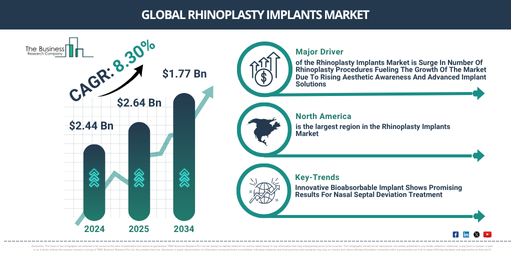
    There has been a significant growth in the rhinoplasty implants market in recent years, expanding from $2.44 billion in 2024 to an expected $2.64 billion in 2025, with a compound annual growth rate of 8.5%. Multiple factors have contributed to this historic growth, including a surge in demand for cosmetic enhancement procedures, an increase in nasal trauma and congenital deformities, growth in medical tourism related to aesthetic surgeries, enhanced accessibility to modern implant materials, and the powerful impact of celebrities and social media trends.

    Expectations are high for robust expansion in the rhinoplasty implants market in the coming years, with projections suggesting that it will reach the $3.63 billion mark by 2029, reflecting a compound annual growth rate (CAGR) of 8.3%. This anticipated growth within the specified period is influenced by factors such as the increasing inclination towards less invasive rhinoplasty processes, a heightened understanding of facial aesthetics amongst the younger audience, rising acceptance of personalized and 3D-printed implants, an expanding number of globally certified cosmetic surgeons, and a boost in disposable income facilitating elective surgeries. Noteworthy trends anticipated for the forecast period are innovations in implant production technologies, the emergence of superior biomaterials offering enhanced biocompatibility, progression in 3D printing for individual-specific implants, the utilization of augmented reality in surgical planning, and advancements in non-surgical rhinoplasty methods.

    Download The Free Sample Report Here:

    https://www.thebusinessresearchcompany.com/sample.aspx?id=25895&type=smp

    What Forces Are Driving The Growth Of The Rhinoplasty Implants Industry?

    The growth of the rhinoplasty implants market is anticipated to accelerate, propelled by an increase in rhinoplasty procedures. These procedures involve the surgical reshaping or reconstruction of the nose, either for aesthetic or functional reasons. This surge is largely due to growing aesthetic consciousness, with many people striving for facial balance and a boosted self-image, shaped by beauty standards and the influence of social media. Versatile, safe, and customizable, rhinoplasty implants are aiding this growth by providing surgeons an effective tool to improve the nasal structure. This results in better surgical outcomes and greater patient satisfaction. For example, the British Association of Aesthetic Plastic Surgeons, a UK-based surgical body, reported a 102% increase in cosmetic surgeries in 2022, up to 31,057 in total. Rhinoplasty procedures were up 67% at 2,220 cases in March 2023. As such, the surge in rhinoplasty procedures is fueling the expansion of the rhinoplasty implants market.

    What Is The Overview Of Market Segmentation In The Rhinoplasty Implants Industry?

    The rhinoplasty implants market covered in this report is segmented –

    1) By Product Type: Silicone Rhinoplasty Implants, Medpor Implants, Gore-Tex Implants, Human Cartilage Implants

    2) By Procedure Type: Surgical, Non-Surgical

    3) By Surgical Approach: Open Rhinoplasty, Closed Rhinoplasty, Endonasal Rhinoplasty

    4) By End User: Hospitals, Plastic Surgery Clinics, Ambulatory Surgical Centers

    Subsegments:

    1) By Silicone Rhinoplasty Implants: Solid Silicone Implants, Carved Silicone Implants, Preformed Silicone Implants, Customized Silicone Implants

    2) By Medpor Implants: Porous Polyethylene Nasal Implants, Pre-Shaped Medpor Nasal Dorsal Implants, Medpor Extended Columellar Strut Implants, Medpor Lateral Crura Implants

    3) By Gore-Tex Implants: Expanded Polytetrafluoroethylene Nasal Implants, Dorsal Augmentation Gore-Tex Implants, Soft Tissue Gore-Tex Sheets, Composite Gore-Tex with Cartilage Implants

    4) By Human Cartilage Implants: Autologous Cartilage, Homologous Cadaveric Cartilage, Fresh Frozen Allograft Cartilage, Processed Cartilage Paste

    What Upcoming Trends Are Expected To Impact The Rhinoplasty Implants Market Globally?

    Leading enterprises in the rhinoplasty implant industry are concentrating on creating innovative items, like bioabsorbable nasal implants, to offer effective treatments for issues like nasal septal deviation and obstruction that spare cartilage. Bioabsorbable nasal implants utilize dissolvable, medical-grade implants to aid in the alignment of the nasal septum and naturally dissolve in the body over a set period. This eliminates surgical removal and minimizes structural disturbance. For example, in June 2025, Spirair Inc., an American company specializing in minimally invasive solutions, reported optimistic 12-month results from their initial clinical trial of SeptAlign implant, a type of bioabsorbable nasal implant. The trial showcased a significant reduction in nasal obstruction symptoms for patients with nasal septal deviation (NSD), a fairly common condition afflicting millions globally. This implant provides a less intrusive solution by bolstering the nasal septum without removing cartilage. The promising results emphasize the device’s potential to enhance the standard of living for individuals undergoing treatment for nasal septal deviation. Based on these results, Spirair is planning further research and commercial deployment.

    Who Are The Primary Players Operating Across The Global Rhinoplasty Implants Market?

    Major companies operating in the rhinoplasty implants market are Johnson & Johnson, Medtronic PLC, Stryker Corporation, Zimmer Biomet, Smith & Nephew plc, W. L. Gore & Associates, Integra LifeSciences, Globus Medical, KLS Martin Group, Medartis AG, Acumed, Koken Co. Ltd., GC Aesthetics, HansBiomed Co. Ltd., Polytech Health & Aesthetics, Implantech Associates Inc., Surgiform Technology Ltd., Xilloc Medical, Poriferous LLC, Hanson Medical.

    Get The Full Report Here:

    https://www.thebusinessresearchcompany.com/report/rhinoplasty-implants-global-market-report

    Which Region Offers The Most Growth Potential For The Rhinoplasty Implants Market Through 2029?

    North America was the largest region in the rhinoplasty implants market in 2024. Asia-Pacific is expected to be the fastest-growing region in the forecast period. The regions covered in the rhinoplasty implants market report are Asia-Pacific, Western Europe, Eastern Europe, North America, South America, Middle East, Africa.

    Request For A Customized Report:

    https://www.thebusinessresearchcompany.com/customise?id=25895&type=smp

    About The Business Research Company:

    With over 15000+ reports from 27 industries covering 60+ geographies, The Business Research Company has built a reputation for offering comprehensive, data-rich research and insights. Armed with 1,500,000 datasets, the optimistic contribution of in-depth secondary research, and unique insights from industry leaders, you can get the information you need to stay ahead in the game.

    Get in touch with us:

    The Business Research Company: https://www.thebusinessresearchcompany.com/

    Americas +1 310-496-7795

    Asia +44 7882 955267 & +91 8897263534

    Europe +44 7882 955267

    Email us at info@tbrc.info

    Follow us on:

    LinkedIn: https://in.linkedin.com/company/the-business-research-company

    YouTube: https://www.youtube.com/channel/UC24_fI0rV8cR5DxlCpgmyFQ

    Global Market Model: https://www.thebusinessresearchcompany.com/global-market-model
  • In-Depth Skin Booster Market Report: Business Trends, Growth Factors, and Forecast to 2029

    In-Depth Skin Booster Market Report: Business Trends, Growth Factors, and Forecast to 2029

    Claim your 30% discount on Global Market Reports with code ONLINE30. Limited time only.

    Claim your 30% discount on Global Market Reports with code ONLINE30. Limited time only.

    What Are the Latest Market Insights for the Skin Booster Industry?

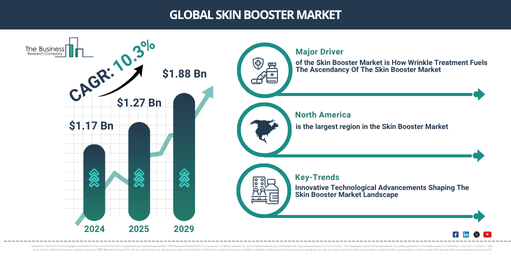
    The market size for skin boosters has witnessed considerable growth in recent years. The market, which was valued at $1.17 billion in 2024, is projected to achieve a value of $1.27 billion in 2025, at a compound annual growth rate (CAGR) of 8.7%. The growth observed in the historical period can be ascribed to factors such as the evolution of the cosmetic industry, progress in cosmetic science, increased awareness of beauty standards, the impact of medical aesthetics, as well as endorsements from celebrities and influencers.

    The skin booster market is projected to experience robust expansion in the years to come, reaching a valuation of $1.88 billion by 2029 with a compound annual growth rate (CAGR) of 10.3%. The increase projected within this duration can be associated with the escalating demand for non-invasive methods, personalized and targeted treatments, the advent of digitalization in the beauty sector, the growing needs of the aging population, and heightened beauty awareness. Noteworthy trends for the forecast period incorporate AI-driven natural and clean beauty, hydration emphasis, personalized solutions, and product novelties.

    Download The Free Sample Report Here:

    https://www.thebusinessresearchcompany.com/sample.aspx?id=10456&type=smp

    What Forces Are Driving The Growth Of The Skin Booster Industry?

    The skin booster market’s growth is predicted to be fueled by the rising demand for wrinkle treatments. Wrinkle treatments, which include the use of creams, laser therapy, Botox, and other methods to manage skin creases, folds, or ridges, are aimed at minimizing the visibility of wrinkles to enhance aesthetic appeal. Skin boosters, which frequently involve the injection of hyaluronic acid into the skin, are often used in wrinkle treatments. These treatments tend to enhance the skin’s texture, elasticity, and moisture levels by boosting hydration and volume, contributing to a younger-looking appearance. For example, the British Association of Aesthetic Plastic Surgeons reported in March 2023 that there were 31,057 cosmetic procedures in the UK in 2022, an increase of 102% compared to the previous year. Hence, the growing demand for wrinkle treatments is fuelling the expansion of the skin booster market.

    What Is The Overview Of Market Segmentation In The Skin Booster Industry?

    The skin booster market covered in this report is segmented –

    1) By Type: Mesotherapy, Micro-Needle

    2) By Gender: Male, Female

    3) By End-Use: Dermatology Clinics, MedSpa

    Subsegments:

    1) By Mesotherapy: Injectables, Non-Invasive Treatments

    2) By Micro-Needle: Dermarollers, Automated Micro-Needling Devices

    What Future Market Trends Are Projected For The Skin Booster Industry?

    The growth of strategic collaborations is a notable prevailing trend in the RNA-targeting small molecule therapeutics market. Numerous leading firms in this market are embarking on partnerships to develop fresh collaborative ideas, resulting in the invention of novel products. For instance, Otsuka Pharmaceutical Co. Ltd., a pharmaceutical producer from Japan, entered into a partnership with the Japan-based drug discovery platform developer, xFOREST Therapeutics Co. Ltd., in June 2022. This association enables Otsuka to utilize the Forest technology offered by xFOREST for enhancing systemic small-molecule drug discovery research focused on RNA structures. Additionally, in April 2024, Ipsen, a biopharmaceutical company from France, collaborated with Skyhawk Therapeutics, an American clinical-stage biotechnology firm dealing with RNA-targeting small molecule therapeutics. Through this alliance, Ipsen is aiming towards the creation of RNA-targeting small molecule medication for rare neurological conditions, and also integrates several datasets for identifying and creating small molecules capable of modulating RNA.

    Who Are The Primary Players Operating Across The Global Skin Booster Market?

    Major companies operating in the skin booster market include Galderma S.A., Merz Pharmaceuticals GmbH, Bloomage BioTechnology Corporation Limited, Teoxane Laboratories, Filorga, Professional Derma SA, IBSA Group, Lemonbottle SA, Fox Group International, Sinclair Pharma, BioScience GmbH, Vivacy Laboratories, SciVision Biotech Inc., Prollenium Medical Technologies Inc., MD Skin Solutions, Cytocare International, Cellfill SA, BCN Medical Institute, Hymagic Corporation, Skin Tech Pharma Group, Regenyal Laboratories LLC, Bioxis Pharmaceuticals Inc., Aqtis Medical Inc., Q-Med AB, Luminera Derm, Suneva Medical Inc., Polymekon Incorporated, Fidia Farmaceutici S.p.A., Aesthetic Dermal LLC, Genyal Global

    Get The Full Report Here:

    https://www.thebusinessresearchcompany.com/report/skin-booster-global-market-report

    Which Region Offers The Most Growth Potential For The Skin Booster Market Through 2029?

    North America was the largest region in the skin boosters market in 2024. Asia-Pacific is expected to be the fastest-growing region in the global skin booster market during the forecast period. The regions covered in the skin booster market report are Asia-Pacific, Western Europe, Eastern Europe, North America, South America, Middle East, Africa

    Request For A Customized Report:

    https://www.thebusinessresearchcompany.com/customise?id=10456&type=smp

    About The Business Research Company:

    With over 15000+ reports from 27 industries covering 60+ geographies, The Business Research Company has built a reputation for offering comprehensive, data-rich research and insights. Armed with 1,500,000 datasets, the optimistic contribution of in-depth secondary research, and unique insights from industry leaders, you can get the information you need to stay ahead in the game.

    Get in touch with us:

    The Business Research Company: https://www.thebusinessresearchcompany.com/

    Americas +1 310-496-7795

    Asia +44 7882 955267 & +91 8897263534

    Europe +44 7882 955267

    Email us at info@tbrc.info

    Follow us on:

    LinkedIn: https://in.linkedin.com/company/the-business-research-company

    YouTube: https://www.youtube.com/channel/UC24_fI0rV8cR5DxlCpgmyFQ

    Global Market Model: https://www.thebusinessresearchcompany.com/global-market-model
  • Single-Cell Omics Industry Poised for Rapid Expansion, Projected to Hit $4.45 Billion by 2029

    Single-Cell Omics Industry Poised for Rapid Expansion, Projected to Hit $4.45 Billion by 2029

    Claim your 30% discount on Global Market Reports with code ONLINE30. Limited time only.

    Claim your 30% discount on Global Market Reports with code ONLINE30. Limited time only.

    What Are the Forecasted Growth Rate and Market Size of the Single-Cell Omics Market?

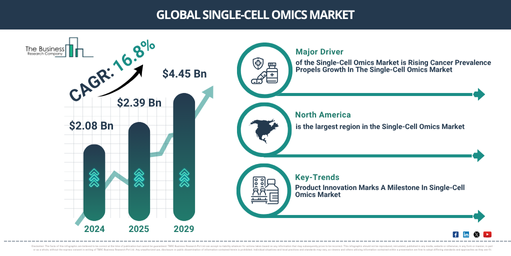
    In recent times, the market size for single-cell omics has experienced a significant escalation. The expectations are that it will escalate from $2.08 billion in 2024 to $2.39 billion in 2025, portraying a compound annual growth rate (CAGR) of 14.9%. The profound growth observed in the historic period could be credited to factors such as the discovery of cellular heterogeneity, the advent of tools for single cell analysis, advancements in biomedical research, characterization of the immune system, and the burgeoning field of precision medicine.

    The market size of single-cell omics is projected to witness rapid expansion in the approaching years, expanding to $4.45 billion in 2029 with a compound annual growth rate (CAGR) of 16.8%. The surge during the forecast period can be ascribed to its clinical use and diagnosis, combined with multi-omics strategies, its implementation in regenerative medication, drug discovery and development, cell treatments, and immune therapies. Prominent trends during the forecast time frame encompass in vivo single-cell investigations, single-cell omics in research for infectious disease, microfluidics coupled with single-cell sorting, the integration of single-cell multi-omics, and spatial single-cell profiling.

    Download The Free Sample Report Here:

    https://www.thebusinessresearchcompany.com/sample.aspx?id=12379&type=smp

    Which Factor Is Shaping The Future Of The Single-Cell Omics Market?

    The increase in cancer cases is projected to drive the expansion of the single-cell omics market. Cancer, a class of diseases that can occur in almost any organ or tissue when rogue cells multiply beyond control, breach their normal limits, and either spread to other organs or infiltrate adjacent body parts, has been a significant factor. The role of single-cell omics data has been instrumental in identifying cancer biomarkers, prognosis predictions, and the exploration of new therapeutic targets within set clinical cohorts. For illustration, the National Institutes of Health, a United States government agency, disclosed in May 2024 that as of January 2022, the United States had about 18.1 million people living as cancer survivors. This estimate is predicted to surge to 22.5 million by 2032. Therefore, the escalating incidence of cancer is pushing the growth of the single-cell omics market.

    What Is The Segment-Wise Breakdown Of The Single-Cell Omics Market?

    The single-cell omics market covered in this report is segmented –

    1) By Product: Single-Cell Genomics, Single-Cell Transcriptomics, Single-Cell Proteomics, Single-Cell Metabolomics

    2) By Technology: Cell Isolation Technologies, Sample Preparation Technologies, Analysis Of Next-Generation Sequencing

    3) By Application: Oncology, Cell Biology, Neurology, Immunology

    4) By End-User: Pharmaceutical And Biotechnology Companies, Academic And Research Organizations, Hospital And Diagnostic Laboratories, Other End Users

    Subsegments:

    1) By Single-Cell Genomics: Whole Genome Sequencing (WGS), Targeted Sequencing, Single-Cell DNA Analysis Kits

    2) By Single-Cell Transcriptomics: RNA Sequencing (RNA-seq), Quantitative PCR (qPCR) For Single Cells, Single-Cell Gene Expression Analysis Kits

    3) By Single-Cell Proteomics: Mass Spectrometry-Based Proteomics, Antibody-Based Protein Analysis, Single-Cell Protein Analysis Kits

    4) By Single-Cell Metabolomics: Mass Spectrometry For Metabolites, Nuclear Magnetic Resonance (NMR) Metabolomics, Single-Cell Metabolite Profiling Kits

    Which Trends Are Redefining The Future Landscape Of The Single-Cell Omics Industry?

    The incorporation of Artificial Intelligence (AI) within the drug discovery sector is becoming a prominent trend in the small-molecule drug discovery market. Major firms within this market are using AI as a tool to expedite their drug discovery processes and maintain a competitive edge. In May 2023, an illustration of this trend was seen when Google Cloud, Google’s cloud computing component based in the US, introduced the Target and Lead Identification Suite along with the Multiomics Suite. These initiatives aim to streamline drug discovery. The Multiomics Suite aids in the swift identification and analysis of genetic information, helping businesses to develop precision medicines. Meanwhile, the Target and Lead Identification Suite assists researchers to comprehend the function of amino acids and predict protein structures.

    Which Companies Hold The Largest Market Share In The Single-Cell Omics Sector?

    Major companies operating in the single-cell omics market include Danaher Corporation, Merck KGaA, Becton Dickinson and Company, GE HealthCare Technologies Inc., Thermo Fischer Scientific Inc., Agilent Technologies Inc., Sartorius AG, Illumina Inc., PerkinElmer Inc., Bio-Rad Laboratories Inc., Qiagen N.V, DiaSorin S.p.A., Tecan Group Ltd., BGI Genomics Co. Ltd., Promega Corporation, 10x Genomics Inc., Takara Bio Inc., NanoString Technologies Inc., Vizgen, HiFiBiO Therapeutics, Deepcell, Immunai, Mission Bio Inc., Standard BioTools Inc., CYTENA GmbH, Celsius Therapeutics, Scailyte AG, Single Cell Discoveries, ImmunoScape Pte. Ltd., Nodexus Inc., 1CellBio Inc.

    Get The Full Report Here:

    https://www.thebusinessresearchcompany.com/report/single-cell-omics-global-market-report

    How Does Regional Performance Compare Across The Single-Cell Omics Industry?

    North America was the largest region in the single-cell omics market in 2024. Asia-Pacific is expected to be the fastest-growing region in the forecast period. The regions covered in the single-cell omics market report are Asia-Pacific, Western Europe, Eastern Europe, North America, South America, Middle East, Africa

    Request For A Customized Report:

    https://www.thebusinessresearchcompany.com/customise?id=12379&type=smp

    About The Business Research Company:

    With over 15000+ reports from 27 industries covering 60+ geographies, The Business Research Company has built a reputation for offering comprehensive, data-rich research and insights. Armed with 1,500,000 datasets, the optimistic contribution of in-depth secondary research, and unique insights from industry leaders, you can get the information you need to stay ahead in the game.

    Get in touch with us:

    The Business Research Company: https://www.thebusinessresearchcompany.com/

    Americas +1 310-496-7795

    Asia +44 7882 955267 & +91 8897263534

    Europe +44 7882 955267

    Email us at info@tbrc.info

    Follow us on:

    LinkedIn: https://in.linkedin.com/company/the-business-research-company

    YouTube: https://www.youtube.com/channel/UC24_fI0rV8cR5DxlCpgmyFQ

    Global Market Model: https://www.thebusinessresearchcompany.com/global-market-model
  • Global Scar Treatment Market Forecast to Reach $40.36 Billion by 2029, Driven by 10.8% CAGR

    Global Scar Treatment Market Forecast to Reach $40.36 Billion by 2029, Driven by 10.8% CAGR

    Claim your 30% discount on Global Market Reports with code ONLINE30. Limited time only.

    Claim your 30% discount on Global Market Reports with code ONLINE30. Limited time only.

    What Is the Estimated Industry Valuation for the Scar Treatment Sector?

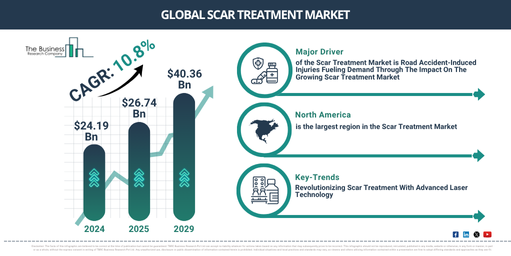
    In recent years, the size of the scar treatment market has seen rapid expansion. The market, which is predicted to be worth $24.19 billion in 2024, is projected to increase to $26.74 billion in 2025. This represents a compound annual growth rate (CAGR) of 10.5%. Factors contributing to growth during the historic period include the integration of minimally invasive procedures, enhanced market accessibility, advancements in wound care, clinical trials, and research, and the progression of cosmetic surgery.

    The market size for scar treatment is forecasted to experience a swift expansion in the coming years. It’s projected to ascend to $40.36 billion in 2029, showing a compound annual growth rate (CAGR) of 10.8%. The growth during the forecast period can be credited to breakthroughs in topical care, advances in regenerative medicine, improvements in cosmetic surgery procedures, tailored treatment strategies, and less invasive methods. The key trends during this period include an increasing interest in aesthetic procedures, innovation in topical care, growth in regenerative medicine, breakthroughs in cosmetic surgery, and a patient-oriented approach.

    Download The Free Sample Report Here:

    https://www.thebusinessresearchcompany.com/sample.aspx?id=10572&type=smp

    What Forces Are Driving The Growth Of The Scar Treatment Market?

    The surge in road accidents is forecasted to fuel the expansion of the scar treatment market moving forward. Road mishaps, defined as events involving one or more vehicles on a public road causing at least one injury or death, lead to accidental skin burns, abrasions, scrapes, or cuts. These wounds naturally heal and replace tissue, which often leaves scars. This scarring can be substantially minimized using special scar treatments that correct the injured skin layers and demonstrate visible results. For example, the National Highway Traffic Safety Administration, a U.S.-based federal government agency, reported in September 2022 that an estimated 20,175 people died in car accidents on roads in the first half of 2022 in the United States, showing a 0.5% increase from 2021. Hence, the escalating volume of road mishaps is facilitating the growth of the scar treatment market.

    How Is The Scar Treatment Industry Segmented Across Key Parameters?

    The scar treatment market covered in this report is segmented –

    1) By Scar Type: Atrophic Scars, Hypertrophic And Keloid Scars, Contracture Scars, Other Scar Types

    2) By Treatment Type: Topical, Laser, Surface, Surgical, Injectable

    3) By End User: Hospitals, Clinics, Pharmacies and Drug Store, E-commerce

    Subsegments:

    1) By Atrophic Scars: Acne Scars, Surgical Scars, Other Atrophic Scars

    2) By Hypertrophic And Keloid Scars: Hypertrophic Scars, Keloid Scars

    3) By Contracture Scars: Post-Burn Contracture Scars, Other Contracture Scars

    4) By Other Scar Types: Stretch Marks, Other Types of Scars

    What Notable Trends Are Shaping The Direction Of The Scar Treatment Market?

    A prominent trend emerging in the rheumatoid arthritis drug market is the focus on product innovations. Firms operating in this market sector are leaning towards launching new products to maintain their market standing. For instance, in August 2022, R-Pharm, a private pharmaceutical firm from Russia, introduced Olokizumab, a humanized monoclonal antibody that specifically targets the cytokine interleukin-6. This transmission molecule is instrumental in the progression of joint-related damage in patients with rheumatoid arthritis and, similar to TNF (tumor necrosis factor), it initiates inflammatory reactions within the body. This tends to reduce the disease’s activity in several patients suffering from rheumatoid arthritis.

    Which Companies Currently Dominate The Competitive Landscape In The Scar Treatment Industry?

    Major companies operating in the scar treatment market include Smith & Nephew plc, Lumenis Ltd., Merz Pharmaceuticals GmbH, Sonoma Pharmaceuticals Inc., Cynosure LLC, CCA Industries Inc., Avita Medical Limited, Mölnlycke Health Care AB, Sientra Inc., Sisram Medical Ltd., Revitol Corporation, Scarguard Labs LLC, Scar Heal Inc., Enaltus LLC, Sumed International Ltd., Syneron Medical Ltd., Bausch Health Companies Inc., Hologic Inc., Beijing Toplaser Technology Co. Ltd., Pacific World Corporation, Suneva Medical Inc., Newmedical Technology Inc., Stratpharma AG, Perrigo Company plc, Alliance Pharma plc, Galderma Laboratories L.P., Acelity L.P. Inc., Advanced Medical Solutions Group plc, Aesthetic Factors LLC, Apyx Medical Corporation, Biofrontera AG, Cutera Inc., Derma Sciences Inc., Ellipse A/S, EndyMed Medical Ltd., Erchonia Corporation, Fotona d.o.o., InMode Ltd., Lutronic Corporation, Medtronic plc

    Get The Full Report Here:

    https://www.thebusinessresearchcompany.com/report/scar-treatment-global-market-report

    Which Geographic Regions Are Driving Demand In The Scar Treatment Market?

    North America was the largest region in the scar treatment market in 2024.Asia-Pacific is expected to be the fastest-growing region in the global scar treatment market report during the forecast period. The regions covered in the scar treatment market report are Asia-Pacific, Western Europe, Eastern Europe, North America, South America, Middle East, Africa

    Request For A Customized Report:

    https://www.thebusinessresearchcompany.com/customise?id=10572&type=smp

    About The Business Research Company:

    With over 15000+ reports from 27 industries covering 60+ geographies, The Business Research Company has built a reputation for offering comprehensive, data-rich research and insights. Armed with 1,500,000 datasets, the optimistic contribution of in-depth secondary research, and unique insights from industry leaders, you can get the information you need to stay ahead in the game.

    Get in touch with us:

    The Business Research Company: https://www.thebusinessresearchcompany.com/

    Americas +1 310-496-7795

    Asia +44 7882 955267 & +91 8897263534

    Europe +44 7882 955267

    Email us at info@tbrc.info

    Follow us on:

    LinkedIn: https://in.linkedin.com/company/the-business-research-company

    YouTube: https://www.youtube.com/channel/UC24_fI0rV8cR5DxlCpgmyFQ

    Global Market Model: https://www.thebusinessresearchcompany.com/global-market-model
  • Outlook for Sarcoma Drugs Market: Key Developments and Future Strategies to 2029

    Outlook for Sarcoma Drugs Market: Key Developments and Future Strategies to 2029

    Claim your 30% discount on Global Market Reports with code ONLINE30. Limited time only.

    Claim your 30% discount on Global Market Reports with code ONLINE30. Limited time only.

    How Large Is the Sarcoma Drugs Market Expected to Be in 2029?

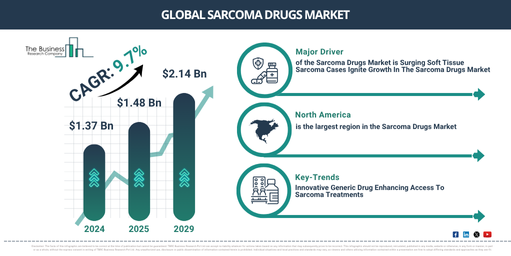
    There has been a significant increase in the market size of sarcoma drugs in the past few years. It is projected to expand from $1.37 billion in 2024 to $1.48 billion in 2025, exhibiting a compound annual growth rate (CAGR) of 7.5%. The prominent growth observed during the historical period is attributed to factors such as the enhancement of healthcare infrastructures, treatment guidelines, influence of patient advocacy groups, improved diagnostic procedures, and a rise in disease awareness.

    Anticipations are high for the sarcoma medications market to witness robust growth in the coming years, predicted to escalate to a value of $2.14 billion by 2029 at a compound annual growth rate (CAGR) of 9.7%. The projected growth during the estimated period can be credited to the demand for innovative treatments, investments in healthcare, precision medication, clinical trials and advancements, as well as research and development. Key trends anticipated during this period encompass progress in immunotherapy, combination therapies, initiatives for early diagnosis, biomarker study, and a focus on patient-centric methodologies.

    Download The Free Sample Report Here:

    https://www.thebusinessresearchcompany.com/sample.aspx?id=10571&type=smp

    What Are The Contributors To Demand In The Sarcoma Drugs Market?

    The anticipated increase in soft tissue sarcoma cases is projected to drive the growth of the sarcoma drugs market. Soft tissue sarcoma is a type of cancer that originates in the body’s soft tissues such as muscles, fat, tendons, lymph and nerves. In the healthcare sector, sarcoma drugs are utilized to treat bone and soft tissue sarcoma by targeting and splitting cancer cells. As per a report from the American Cancer Society, a cancer combating organization based in the US, around 13,400 new soft tissue sarcomas are expected to be identified and it’s estimated that approximately 5140 individuals will succumb to soft tissue sarcomas in 2023 within the US. As a result of this rising incidence of soft tissue sarcoma, the sarcoma drugs market is likely to experience substantial growth.

    What Segmentation Categories Are Included In The Sarcoma Drugs Market Analysis?

    The sarcoma drugs market covered in this report is segmented –

    1) By Treatment Type: Chemotherapy, Targeted Therapy

    2) By Disease Indication: Malignant Bone Tumors, Soft Tissue Sarcomaz

    3) By Distribution Channel: Hospital Pharmacies, Retail Pharmacies, Online Pharmacies, Other Distribution Channels

    Subsegments:

    1) By Chemotherapy: Anthracyclines, Alkylating Agents, Antimetabolites, Other Chemotherapeutic Agents

    2) By Targeted Therapy: Tyrosine Kinase Inhibitors, MTOR Inhibitors, Monoclonal Antibodies, Other Targeted Therapies

    What Upcoming Trends Are Expected To Impact The Sarcoma Drugs Market Globally?

    Trending strongly in the retinal disorder treatment market are product innovations. In order to maintain their market standing, leading firms in this sector are launching new products. One case in point is F. Hoffmann-La Roche AG, a pharmaceutical firm based in Switzerland, which in January 2022, attained U.S. Food and Drug Administration (FDA) authorization for Vabysmo, a bispecific antibody designed for addressing neovascular or wet age-related macular degeneration (AMD) and diabetic macular edema (DME). Vabysmo is the first eye injection drug that impedes and aims at two disease pathways: angiopoietin-2 (Ang-2) and vascular endothelial growth factor-A (VEGF-A), both associated with retinal conditions that may deteriorate vision. Clinical studies have demonstrated equivalent vision enhancement compared to traditional treatment, in addition to a satisfactory safety profile. This approval marks a crucial advancement in retinal disease therapy and gives patients an opportunity for improved vision and a less burdensome treatment regimen.

    Who Are The Top-Ranked Companies In The Sarcoma Drugs Market Today?

    Major companies operating in the sarcoma drugs market include Amgen Inc., Bayer AG, Eisai Co. Ltd., Eli Lilly and Company, GlaxoSmithKline plc, F. Hoffmann-La Roche Ltd., Johnson & Johnson Services Inc., Novartis AG, Pfizer Inc., AgonOX Inc., Daiichi Sankyo Company Limited, Merck & Co. Inc., AbbVie Inc., Amneal Pharmaceuticals LLC, Pharma Mar SA, Bristol-Myers Squibb Company, Fresenius Kabi AG, Ipsen SA, Radiopharm Theranostics, Akeso Biopharma, AstraZeneca plc, BeiGene Ltd., Bausch Health Companies Inc., Shenzhen Chipscreen Biosciences Co. Ltd., Teva Pharmaceuticals Industries Ltd., Monopar Therapeutics Inc., Incyte Corporation, Sanofi SA, Takeda Pharmaceutical Company Limited, Roche Holding AG

    Get The Full Report Here:

    https://www.thebusinessresearchcompany.com/report/sarcoma-drugs-global-market-report

    How Is Sarcoma Drugs Market Adoption Varying Across Different Regions And Sectors?

    North America was the largest region in the sarcoma drugs market in 2024. The regions covered in the sarcoma drugs market report are Asia-Pacific, Western Europe, Eastern Europe, North America, South America, Middle East, Africa.

    Request For A Customized Report:

    https://www.thebusinessresearchcompany.com/customise?id=10571&type=smp

    About The Business Research Company:

    With over 15000+ reports from 27 industries covering 60+ geographies, The Business Research Company has built a reputation for offering comprehensive, data-rich research and insights. Armed with 1,500,000 datasets, the optimistic contribution of in-depth secondary research, and unique insights from industry leaders, you can get the information you need to stay ahead in the game.

    Get in touch with us:

    The Business Research Company: https://www.thebusinessresearchcompany.com/

    Americas +1 310-496-7795

    Asia +44 7882 955267 & +91 8897263534

    Europe +44 7882 955267

    Email us at info@tbrc.info

    Follow us on:

    LinkedIn: https://in.linkedin.com/company/the-business-research-company

    YouTube: https://www.youtube.com/channel/UC24_fI0rV8cR5DxlCpgmyFQ

    Global Market Model: https://www.thebusinessresearchcompany.com/global-market-model

  • Key Market Drivers, Trends, and Forecast for the Global RNA Targeting Small Molecules Therapeutics Industry

    Key Market Drivers, Trends, and Forecast for the Global RNA Targeting Small Molecules Therapeutics Industry

    Claim your 30% discount on Global Market Reports with code ONLINE30. Limited time only.

    Claim your 30% discount on Global Market Reports with code ONLINE30. Limited time only.

    What Is the Outlook for the RNA Targeting Small Molecules Therapeutics Market Heading Into 2029?

    The market size of RNA targeting small molecules therapeutics has witnessed a substantial surge in the past few years. There’s an expected leap in its value from $6.1 billion in 2024 to a whopping $7.83 billion in 2025 showing a compound annual growth rate (CAGR) of 28.3%. The phenomenal growth in the market during this historical period can be credited to the progress in drug discovery and development, an increase in RNA-related diseases, funding provided by the government and private bodies, vested interest of the pharmaceutical industry, and the previous successes in the field of RNA therapeutics.

    The market size for RNA targeting small molecules therapeutics is anticipated to witness substantial growth in the coming years. It is projected to reach $21.95 billion by 2029, seeing a compound annual growth rate (CAGR) of 29.4%. Factors contributing to this growth in the forecast period include precision medicine and personalized therapies, increase in RNA biomarker identification, the expansion of the RNA target spectrum, rising funding and investments, and its application in rare diseases. In the forecast period, significant trends include advancements in screening technologies, the dominance of antisense oligonucleotides, small molecule RNA binders, the use of RNA therapeutics in treating neurological disorders, and gene editing with crispr-cas9.

    Download The Free Sample Report Here:

    https://www.thebusinessresearchcompany.com/sample.aspx?id=12253&type=smp

    Which Factors Are Pushing The RNA Targeting Small Molecules Therapeutics Market Forward?

    The growth of the RNA-targeting small molecule therapeutics market is anticipated to be spurred by the escalating occurrence of cancer cases. Cancer comprises a range of diseases that may arise in virtually any organ or tissue when rogue cells grow without restriction, breach their normal limits, and either disseminate to other organs or infiltrate adjacent body parts. RNA-targeting small molecules, specifically designed and examined for selectively targeting RNA molecules tied to cancer, are used to treat this disease. A notable example is a study published by the American Cancer Society, a health organization based in the US, in January 2022. The report predicted approximately 609,360 deaths and 1.9 million fresh cancer cases in the US in 2022, which equates to around 1,670 deaths per day. As such, the proliferating count of cancer cases is seen as a key driver for the expansion of the RNA-targeting small molecule therapeutics market.

    Which Segment Held The Largest Share In The RNA Targeting Small Molecules Therapeutics Market In 2025?

    The rna targeting small molecules therapeutics market covered in this report is segmented –

    1) By Offering: mRNA (Messenger Ribonucleic Acid) Translation Modulators, RNA (Ribonucleic Acid) Splicing Modification, Direct RNA (Ribonucleic Acid) Targeting, Other Offerings

    2) By Therapeutic Indication: Lung Fibrosis, Cancer, Neurodegenerative Diseases, Autoimmune, Inflammatory, Other Therapeutic Indications

    3) By Application: Drug Discovery, Oncology Research, Disease Identification

    4) By End User: Hospitals, Research Laboratories, Pharmaceutical And Biotechnology Companies, Other End-Users

    Subsegments:

    1) By mRNA (Messenger Ribonucleic Acid) Translation Modulators: Small Molecule Inhibitors, Enhancers Of Translation

    2) By RNA (Ribonucleic Acid) Splicing Modification: Splicing Modulators, Antisense Oligonucleotides

    3) By Direct RNA (Ribonucleic Acid) Targeting: RNA-Binding Small Molecules, RNA Aptamers

    4) By Other Offerings: RNA Interference (RNAi) Therapeutics, Small Molecule Activators Of RNA Stability

    How Are Key Trends Driving Expansion In The RNA Targeting Small Molecules Therapeutics Industry?

    One major trend that is gaining considerable traction in the retinal biologics market is product innovation. Major players in this market are focusing on designing novel products as a strategy to solidify their market position and obtain a competitive edge. For example, in May 2023, F. Hoffmann-La Roche Ltd., a Swiss healthcare organization, received approval from the U.S. Food and Drug Administration for its supplemental biologics license application (sBLA) for Vabysmo (faricimab). This approval was granted for the treatment of macular edema following retinal vein occlusion (RVO), based on the results of two Phase III trials. These trials demonstrated early and substantial visual improvement in patients using Vabysmo, achieving its primary operative endpoint of being as effective as aflibercept. Vabysmo stands as the inaugural bispecific antibody approved for ocular use, particularly for treating neovascular or ‘wet’ age-related macular degeneration and diabetic macular edema. Subsequent research showed a lack of blood vessel leakage in the retina in patients using Vabysmo compared to those using aflibercept.

    Which Organizations Are Driving Progress In The RNA Targeting Small Molecules Therapeutics Industry?

    Major companies operating in the RNA targeting small molecules therapeutics market include F. Hoffmann-La Roche Ltd., Bayer AG, Sanofi S.A., AstraZeneca plc, Eli Lilly and Company, Amgen Inc., Janssen Pharmaceuticals, Vertex Pharmaceuticals, Servier laboratories, Genentech Inc., PTC Therapeutics Inc., Arrakis Therapeutics, Anima Biotech Inc., Skyhawk Therapeutics Inc., Remix Therapeutics, Abivax SA, 858 Therapeutics, Eloxx Pharmaceuticals Inc., STORM Therapeutics Ltd., Accent Therapeutics Inc., eFFECTOR Therapeutics Inc., EPICS Therapeutics, Expansion Therapeutics Inc., Inspirna Inc., MiNA Therapeutics Ltd., Ribometrix Inc., AC Immune SA, Redona Therapeutics

    Get The Full Report Here:

    https://www.thebusinessresearchcompany.com/report/rna-targeting-small-molecules-therapeutics-global-market-report

    Which Region Is Expected To Experience The Highest Growth In The RNA Targeting Small Molecules Therapeutics Industry?

    North America was the largest region in the RNA targeting small molecules therapeutics market in 2024. The regions covered in the RNA targeting small molecules therapeutics market report are Asia-Pacific, Western Europe, Eastern Europe, North America, South America, Middle East, Africa.

    Request For A Customized Report:

    https://www.thebusinessresearchcompany.com/customise?id=12253&type=smp

    About The Business Research Company:

    With over 15000+ reports from 27 industries covering 60+ geographies, The Business Research Company has built a reputation for offering comprehensive, data-rich research and insights. Armed with 1,500,000 datasets, the optimistic contribution of in-depth secondary research, and unique insights from industry leaders, you can get the information you need to stay ahead in the game.

    Get in touch with us:

    The Business Research Company: https://www.thebusinessresearchcompany.com/

    Americas +1 310-496-7795

    Asia +44 7882 955267 & +91 8897263534

    Europe +44 7882 955267

    Email us at info@tbrc.info

    Follow us on:

    LinkedIn: https://in.linkedin.com/company/the-business-research-company

    YouTube: https://www.youtube.com/channel/UC24_fI0rV8cR5DxlCpgmyFQ

    Global Market Model: https://www.thebusinessresearchcompany.com/global-market-model

  • Strategic Report on RNA Targeting Small Molecule Drug Discovery Market: Growth Opportunities and Emerging Challenges

    Strategic Report on RNA Targeting Small Molecule Drug Discovery Market: Growth Opportunities and Emerging Challenges

    Claim your 30% discount on Global Market Reports with code ONLINE30. Limited time only.

    Claim your 30% discount on Global Market Reports with code ONLINE30. Limited time only.

    What Does the Forecast Indicate for the RNA Targeting Small Molecule Drug Discovery Market From 2025 to 2029?

    In recent years, the market size for RNA targeting small molecule drug discovery has seen rapid expansion. It is projected to rise from a worth of $1.76 billion in 2024 to $2.13 billion by the end of 2025, recording a compound annual growth rate (CAGR) of 20.8%. This growth during the historical period is due to factors such as a greater comprehension of disease genetics, advances in genomic and proteomic discoveries, challenges in drug resistance, investment boosts in biotech and pharmaceutical research, and the emergence of RNA therapeutics.

    The market for RNA targeting small molecule drug discovery is projected to witness a significant surge in the foreseeable future. Its valuation is anticipated to reach $4.85 billion by 2029, growing at a compound annual growth rate (CAGR) of 22.9%. This growth in the projected timeframe may be due to factors such as the broadening scope of RNA epigenetics research, RNA-seq, and functional genomics, the incorporation of artificial intelligence (AI), emphasis on patient-oriented approaches, and the use of exosomes for drug delivery. Other key market trends in this period are expected to be the development of RNA editing methods, advancements in CRISPR technology, tech-based innovations, progress in RNA biology, and the application of RNA targeting in treating neurodegenerative diseases.

    Download The Free Sample Report Here:

    https://www.thebusinessresearchcompany.com/sample.aspx?id=12480&type=smp

    What Elements Are Contributing To Growth In The RNA Targeting Small Molecule Drug Discovery Market?

    The escalating incidence of cancer, genetic abnormalities, and viral infections is anticipated to drive the expansion of the RNA-targeted small-molecule drug discovery market. Cancer encompasses a range of conditions typified by unrestrained cell proliferation within the body, while viral infections are caused by minuscule infectious elements that can only replicate within the cells of living organisms. RNA-based drug discovery proves useful in combating these diseases, as they are fundamentally associated with gene-related issues and dysfunctional genetic material, which can be remedied using medications formulated via RNA targeting methods. As an illustration, the World Health Organization, a Swiss intergovernmental entity, reported in February 2024 that diseases like lung cancer, with 2.5 million new cases (12.4%), breast cancer in women (2.3 million cases, 11.6%), colorectal cancer (1.9 million cases, 9.6%), prostate cancer (1.5 million cases, 7.3%), and stomach cancer (970,000 cases, 4.9%) were prevalent across the globe in 2022, with a total of 20 million cancer cases and 9.7 million deaths. It is projected that by 2050, the number of new cancer cases will increase by 77%, surpassing 35 million per year. Thus, the growing occurrence of cancer, genetic anomalies, and viral infections propels the advancement of the RNA-targeted small-molecule drug discovery market.

    Which Segments Are Detailed In The Global RNA Targeting Small Molecule Drug Discovery Market Report?

    The rna targeting small molecule drug discovery market covered in this report is segmented –

    1) By Target RNA Type: Messenger RNA (mRNA), Non-Coding RNA (ncRNA), MicroRNA (miRNA), Long Non-Coding RNA (lncRNA)

    2) By Technology: CRISPR-Cas9, RNA Aptamers, Small Interfering RNA (siRNA), Ribozymes, Other Technologies

    3) By Therapeutic Area: Oncology, Neurology, Infectious Disease, Metabolic Diseases, Genetic Disorders, Other Therapeutic Areas

    4) By Delivery Method: Intravenous (IV), Oral, Topical, Other Methods

    5) By Application: Research Use, Therapeutic Use, Diagnostic Use, Other Applications

    Subsegments:

    1) By Messenger RNA (mRNA): Targeting mRNA For Protein Coding, Modulation Of mRNA Stability, mRNA Translation Inhibition

    2) By Non-Coding RNA (ncRNA): Long Non-Coding RNA, Small Nuclear RNA, Small Nucleolar RNA

    3) By MicroRNA (miRNA): miRNA Inhibition, miRNA Mimics, Targeting Specific miRNA Pathways

    4) By Long Non-Coding RNA (lncRNA): lncRNA Modulators, Targeting Specific lncRNA Functions, Therapeutic Applications Of lncRNA

    Which Emerging Trends And Strategic Shifts Are Shaping The RNA Targeting Small Molecule Drug Discovery Market?

    Top-tier firms in the repsules industry are prioritizing the creation of ground-breaking items, such as unique pharmaceutical solutions that augment drug delivery, boost patient adherence, and heighten therapeutic effectiveness. These innovative pharmaceutical commodities are fresh and different drugs or drug formulations, showing considerable variation from existing therapies. They may offer distinct active ingredients, a new mix of medications, or up-to-date delivery systems crafted to increase efficiency, safety, and patient compliance. For example, in January 2023, Lupin Limited, a firm from India in the pharmaceutical sector, introduced DIFIZMA, a new fixed-dose triple drug combination for the treatment of poorly controlled asthma. This combination features Indacaterol, a long-lasting beta-agonist; Glycopyrronium, a long-lasting muscarinic receptor antagonist; and Mometasone Furoate, an inhaled corticosteroid. Working together, these components enhance lung performance and give superior symptom management. Also, DIFIZMA contributes to a reduction in the frequency of asthma flare-ups, thereby improving patient’s overall life quality and mitigating the hospitalization risk.

    Who Are The Key Contributors To Growth In The RNA Targeting Small Molecule Drug Discovery Market?

    Major companies operating in the RNA targeting small molecule drug discovery market include F. Hoffmann-La Roche Ltd, Merck & Co. Inc, Bayer AG, Novartis AG, Sanofi SA, Bristol-Myers Squibb Company, AstraZeneca PLC, Takeda Pharmaceutical Company Limited, Eli Lilly and Company, Amgen Inc., Moderna Inc., Astellas Pharma Inc., Biogen Inc., Alnylam Pharmaceuticals Inc., Sarepta Therapeutics Inc., Evotec A.G., PTC Therapeutics Inc., Ionis Pharmaceuticals Inc., Dicerna Pharmaceuticals Inc., Arrakis Therapeutics, Arbutus Biopharma Corporation, H3 Biomedicine Inc., Anima Biotech Inc., Ribometrix Inc., Quark Pharmaceuticals Inc., Regulus Therapeutics Inc., Skyhawk Therapeutics Inc., Accent Therapeutics Inc., Epics Therapeutics, Expansion Therapeutics

    Get The Full Report Here:

    https://www.thebusinessresearchcompany.com/report/rna-targeting-small-molecule-drug-discovery-global-market-report

    Which Region Is Projected To Lead The RNA Targeting Small Molecule Drug Discovery Market By 2025?

    North America was the largest region in the RNA-targeting small molecule drug discovery market in 2024. The regions covered in the RNA targeting small molecule drug discovery market report are Asia-Pacific, Western Europe, Eastern Europe, North America, South America, Middle East, Africa

    Request For A Customized Report:

    https://www.thebusinessresearchcompany.com/customise?id=12480&type=smp

    About The Business Research Company:

    With over 15000+ reports from 27 industries covering 60+ geographies, The Business Research Company has built a reputation for offering comprehensive, data-rich research and insights. Armed with 1,500,000 datasets, the optimistic contribution of in-depth secondary research, and unique insights from industry leaders, you can get the information you need to stay ahead in the game.

    Get in touch with us:

    The Business Research Company: https://www.thebusinessresearchcompany.com/

    Americas +1 310-496-7795

    Asia +44 7882 955267 & +91 8897263534

    Europe +44 7882 955267

    Email us at info@tbrc.info

    Follow us on:

    LinkedIn: https://in.linkedin.com/company/the-business-research-company

    YouTube: https://www.youtube.com/channel/UC24_fI0rV8cR5DxlCpgmyFQ

    Global Market Model: https://www.thebusinessresearchcompany.com/global-market-model

  • Industry Trends Show Rheumatoid Arthritis Drugs Market Set to Expand at 2.1% CAGR Until 2029

    Industry Trends Show Rheumatoid Arthritis Drugs Market Set to Expand at 2.1% CAGR Until 2029

    Claim your 30% discount on Global Market Reports with code ONLINE30. Limited time only.

    Claim your 30% discount on Global Market Reports with code ONLINE30. Limited time only.

    How Much Is the Global Rheumatoid Arthritis Drugs Market Valued at Present and by 2029?

    In recent times, the market size for rheumatoid arthritis medications has seen a slight downfall. The market which is expected to be $60.3 billion in 2024, is projected to decrease to $60.1 billion in 2025 with a compound annual growth rate (CAGR) of -0.3%. The earlier growth seen in this market was due to an increase in the prevalence of the disease, expansion of healthcare infrastructures, heightened awareness and education efforts, governmental support and initiatives, as well as strategic collaborations.

    Predicted growth in the rheumatoid arthritis drugs market signifies a stable advancement in the next couple of years. The expected increase is up to $65.34 billion by 2029, with a compound annual growth rate (CAGR) of 2.1%. The surge in the forecast period is due to the influence of personalized medicine trends, the progression of emerging markets, pipeline development, emphasis on combination treatments, and heightened healthcare expenditure. The most prominent trends expected during the forecast period include the prevalence of biological therapies, the impact of biosimilars, advancements in personalized medicine, the amplification of oral therapies, and an emphasis on early diagnosis and intercession.

    Download The Free Sample Report Here:

    https://www.thebusinessresearchcompany.com/sample.aspx?id=10120&type=smp

    #What Drivers Are Influencing Growth In The Rheumatoid Arthritis Drugs Market?

    The escalating rate of arthritis is predicted to stimulate the development of the rheumatoid arthritis drugs market in the future. Rheumatoid arthritis is an autoimmune and inflammatory disorder in which the immune system intentionally damages healthy cells, resulting in inflammation in the impacted areas of the body. Remedies for rheumatoid arthritis, including drugs and self-management methods, are easily accessible. These drugs reduce pain, improve joint mobility, and prevent the disease from progressing. The National Center for Health Statistics, a US government agency, reported in February 2024 that the age-adjusted prevalence of diagnosed arthritis in adults was 18.9% in 2022, with a larger proportion of women (21.5%) being affected than men (16.1%). The occurrence significantly increased with age, from 3.6% among adults aged 18–34 to 53.9% amongst those who were 75 and older. As a result, the rising number of arthritis cases is expected to fuel the rheumatoid arthritis drugs market.

    What Are The Main Segments Identified In The Rheumatoid Arthritis Drugs Market Research?

    The rheumatoid arthritis drugs market covered in this report is segmented –

    1) By Drug Type: Nonsteroidal Anti-Inflammatory Drugs (NSAIDs), Corticosteroids, Disease-Modifying Antirheumatic Drugs (DMARDs), Biologic Response Modifiers (BRMs), Other Drug Types

    2) By Route Of Administration: Oral, Parenteral, Topical, Other Route Of Administrations

    3) By Distribution Channel: Hospital Pharmacy, Retail Pharmacy, Online Pharmacy

    Subsegments:

    1) By Nonsteroidal Anti-Inflammatory Drugs (NSAIDs): Ibuprofen, Naproxen, Diclofenac, Indomethacin

    2) By Corticosteroids: Prednisone, Methylprednisolone, Dexamethasone

    3) By Disease-Modifying Antirheumatic Drugs: Methotrexate, Sulfasalazine, Hydroxychloroquine, Leflunomide

    4) By Biologic Response Modifiers: Tumor Necrosis Factor (TNF) Inhibitors, Interleukin Inhibitors, B-cell Inhibitors

    5) By Other Drug Types: Janus Kinase Inhibitors, Other Novel Therapies

    What Are The Leading Trends And Opportunities In The Rheumatoid Arthritis Drugs Sector?

    The rise of product innovation is a critical trend being observed in the Remicade biosimilar market. Leading corporations in this market are committing to the production of inventive products to maintain their market standing. A case in point is the introduction of Amjevita, a biosimilar to AbbVie’s Humira, by Amgen Inc., a biotechnology firm based in the United States, in January 2023. Amjevita aims to match the original drug in terms of safety and effectiveness and poses as the first biosimilar to Humira, setting it up as a rival for market capital. This biological medication, under use for a range of autoimmune diseases such as rheumatoid arthritis and Crohn’s disease, competes with one of the world’s most costly drugs that generate billions in annual returns for AbbVie. However, Amjevita is projected to be considerably more affordable. Beyond monetary savings, Amjevita also has the potential to provide patients with a greater variety of treatment choices.

    Which Companies Play A Key Role In The Development Of The Rheumatoid Arthritis Drugs Market?

    Major companies operating in the rheumatoid arthritis drugs market include Pfizer Inc., Abbvie Inc., Amgen Inc., Novartis AG, Boehringer Ingelheim International GmbH, Eli Lilly and Company, F-Hoffmann La Roche AG, Bristol-Myers Squibb Company, AstraZeneca PLC, Merck & Co Inc., Johnson & Johnson Inc., Bayer AG, Teva Pharmaceuticals Industries Ltd., Sun Pharmaceutical Industries Ltd., Sanofi S.A, Biogen Inc., Regeneron Pharmaceuticals Inc., Galapagos NV, Abbott Laboratories, Takeda Pharmaceutical Company Limited, Mitsubishi Tanabe Pharma Corporation, UCB S.A., Astellas Pharma Inc., Corbus Pharmaceuticals Holdings Inc., Roche Holding AG, Daiichi Sankyo Company Limited, Mallinckrodt Pharmaceuticals, Gilead Sciences Inc.

    Get The Full Report Here:

    https://www.thebusinessresearchcompany.com/report/rheumatoid-arthritis-drugs-global-market-report

    What Are The Key Regional Developments Shaping The Rheumatoid Arthritis Drugs Market?

    North America was the largest region in the rheumatoid arthritis drugs market in 2024.North America is expected to be the fastest-growing region in the global rheumatoid arthritis market report during the forecast period. The regions covered in the rheumatoid arthritis drugs market report are Asia-Pacific, Western Europe, Eastern Europe, North America, South America, Middle East, Africa.

    Request For A Customized Report:

    https://www.thebusinessresearchcompany.com/customise?id=10120&type=smp

    About The Business Research Company:

    With over 15000+ reports from 27 industries covering 60+ geographies, The Business Research Company has built a reputation for offering comprehensive, data-rich research and insights. Armed with 1,500,000 datasets, the optimistic contribution of in-depth secondary research, and unique insights from industry leaders, you can get the information you need to stay ahead in the game.

    Get in touch with us:

    The Business Research Company: https://www.thebusinessresearchcompany.com/

    Americas +1 310-496-7795

    Asia +44 7882 955267 & +91 8897263534

    Europe +44 7882 955267

    Email us at info@tbrc.info

    Follow us on:

    LinkedIn: https://in.linkedin.com/company/the-business-research-company

    YouTube: https://www.youtube.com/channel/UC24_fI0rV8cR5DxlCpgmyFQ

    Global Market Model: https://www.thebusinessresearchcompany.com/global-market-model

  • Competitive and Market Trend Analysis of Retinal Disorder Treatment Industry Through 2029

    Competitive and Market Trend Analysis of Retinal Disorder Treatment Industry Through 2029

    Claim your 30% discount on Global Market Reports with code ONLINE30. Limited time only.

    Claim your 30% discount on Global Market Reports with code ONLINE30. Limited time only.

    What Is the Current and Projected Market Size of the Retinal Disorder Treatment Industry?

    The market for treating retinal disorders has seen robust growth recently. It is projected to expand from $12.59 billion in 2024 to $13.69 billion in 2025, with a Compound Annual Growth Rate (CAGR) of 8.7%. The past growth can be credited to several factors such as the advent of anti-VEGF therapies, an aging population, a rise in retinal disorder cases, enhanced early detection diagnostic tools, raised awareness and screening initiatives, and wider accessibility to healthcare services.

    Predictions show a robust upswing in the retinal disorder treatment market size over the forthcoming years, potentially reaching $19.3 billion by 2029 with a compound annual growth rate (CAGR) of 9.0%. Contributing factors to this upward trend during the projection period may include the focus on patient-oriented retinal healthcare, an increase in worldwide healthcare spending, heightened attention on combined therapies for retinal ailments, an uptick in at-home retinal disorder monitoring, a rise in use of implantable tools for retinal treatments, and the embracement of regenerative medical practices in retinal therapy. Forecasts for the period also suggest key trends like progress in eye imaging technologies, the introduction of minor surgical procedures, the application of artificial intelligence in diagnosis, improved drug delivery systems, the incorporation of virtual reality in retinal recuperation, collaborative efforts between research establishments and pharmaceutical firms, and the progression of gene therapies in tackling inherited retinal disorders.

    Download The Free Sample Report Here:

    https://www.thebusinessresearchcompany.com/sample.aspx?id=12701&type=smp

    #Which Factors Are Currently Driving The Growth Of The Retinal Disorder Treatment Market?

    As the occurrence of retinal diseases increases, the retinal disorder treatment market is forecasted to expand. Retinal diseases, which affect the retina and the light-sensitive tissue at the back of the eye leading to vision loss or substantial visual impairment, can be controlled and their symptoms reduced with treatments such as laser therapy, vitrectomy, and retinal implants. For example, in January 2023, the International Agency for the Prevention of Blindness, an organization based in the UK, predicted that age-related macular degeneration (AMD) would account for 5% of global blindness. Moreover, AMD is expected to influence around 288 million individuals by 2040. Thus, the escalating occurrence of retinal disorders is fueling the growth of the market for retinal disorder treatments.

    How Is The Global Retinal Disorder Treatment Market Structured In Terms Of Segments?

    The retinal disorder treatment market covered in this report is segmented –

    1) By Type: Macular Degeneration, Diabetic Retinopathy, Other Types

    2) By Dosage Form: Gels, Eye Solutions, Capsules And Tablets, Eye Drops, Ointments

    3) By Distribution Channel: Hospital Pharmacy, Online Pharmacy, Retail Pharmacy

    Subsegments:

    1) By Macular Degeneration: Dry Macular Degeneration, Wet Macular Degeneration

    2) By Diabetic Retinopathy: Non-Proliferative Diabetic Retinopathy, Proliferative Diabetic Retinopathy

    3) By Other Types: Retinal Detachment, Retinitis Pigmentosa, Uveitis, Other Retinal Disorders

    What Trends Are Currently Influencing Growth In The Retinal Disorder Treatment Market?

    One significant trend emerging in the rare kidney disease market is product innovation. Major contenders in the market focus on producing novel products as a means of solidifying their market position. For example, in September 2022, STADA Arzneimittel AG, a company based in Germany specializing in generics, specialty pharma, and over-the-counter consumer healthcare products, launched Kinpeygo (budesonide), making it the first official EU-authorised drug for the rare kidney condition known as immunoglobulin A nephropathy (IgAN). The EU’s first and only approved treatment for primary IgAN is these modified-release budesonide capsules, a scarce, progressive autoimmune kidney disease where there’s a high unfulfilled need, with around 25%-30% of patients eventually progressing to terminal kidney insufficiency necessitating dialysis or a kidney transplant.

    Who Are The Main Participants Shaping The Retinal Disorder Treatment Market Landscape?

    Major companies operating in the retinal disorder treatment market include Pfizer Inc., F. Hoffmann-La Roche Ltd., AbbVie Inc., Bayer AG, Novartis AG, Takeda Pharmaceutical Company Limited, Regeneron Pharmaceuticals Inc., Bausch Health Companies Inc., Genentech Inc., Santen Pharmaceutical Co. Ltd., Apellis Pharmaceuticals Inc., Kubota Pharmaceutical Holdings Co. Ltd, Alimera Sciences Inc., Ocular Therapeutix Inc., EyePoint Pharmaceuticals Inc., Adverum Biotechnologies Inc., Kodiak Sciences Inc., Acucela Inc., IVERIC bio Inc., Oxurion NV, Graybug Vision Inc., Icon Bioscience Inc., Clearside Biomedical Inc., Aerpio Pharmaceuticals Inc., Neurotech Pharmaceuticals Inc., Ophthotech Corporation, Opthea Limited, PanOptica Inc., ThromboGenics NV

    Get The Full Report Here:

    https://www.thebusinessresearchcompany.com/report/retinal-disorder-treatment-global-market-report

    Which Region Currently Holds The Largest Share In The Retinal Disorder Treatment Market?

    North America was the largest region in the retinal disorder treatment market in 2024. Asia-Pacific is expected to be the fastest-growing region in the forecast period. The regions covered in the retinal disorder treatment market report are Asia-Pacific, Western Europe, Eastern Europe, North America, South America, Middle East, Africa

    Request For A Customized Report:

    https://www.thebusinessresearchcompany.com/customise?id=12701&type=smp

    About The Business Research Company:

    With over 15000+ reports from 27 industries covering 60+ geographies, The Business Research Company has built a reputation for offering comprehensive, data-rich research and insights. Armed with 1,500,000 datasets, the optimistic contribution of in-depth secondary research, and unique insights from industry leaders, you can get the information you need to stay ahead in the game.

    Get in touch with us:

    The Business Research Company: https://www.thebusinessresearchcompany.com/

    Americas +1 310-496-7795

    Asia +44 7882 955267 & +91 8897263534

    Europe +44 7882 955267

    Email us at info@tbrc.info

    Follow us on:

    LinkedIn: https://in.linkedin.com/company/the-business-research-company

    YouTube: https://www.youtube.com/channel/UC24_fI0rV8cR5DxlCpgmyFQ

    Global Market Model: https://www.thebusinessresearchcompany.com/global-market-model

  • Global Retinal Biologics Market Landscape: Trends and Market Share to 2029

    Global Retinal Biologics Market Landscape: Trends and Market Share to 2029

    Claim your 30% discount on Global Market Reports with code ONLINE30. Limited time only.

    Claim your 30% discount on Global Market Reports with code ONLINE30. Limited time only.

    How Will the Retinal Biologics Market Evolve in Terms of Growth and Size by 2029?

    In recent times, there has been a significant expansion in the size of the retinal biologics market. The market, valued at $25.17 billion in 2024, is forecasted to reach $28.12 billion in 2025, indicating a compound annual growth rate (CAGR) of 11.7%. This growth during the historic period is primarily due to the rising prevalence of retinal disorders, an aging global population, growing consciousness and early disease detection, advancements in healthcare infrastructure, and an increase in healthcare spending.

    Expectations are high for substantial growth in the retinal biologics market size in the upcoming years. Predictions show it will reach $43.55 billion in 2029, rising at a compound annual growth rate (CAGR) of 11.6%. The projected growth during the forecast period is due to factors such as increasing therapeutic applications, the rise of personalized medicine, growth in emerging markets, a robust biologics pipeline, collaborations and partnerships, and government initiatives and support. The major developments to watch during this forecast period include non-invasive delivery methods, utilization of real-world evidence, an expansion of indications, regulatory pathway streamlining, and a focus on patient-centric outcomes.

    Download The Free Sample Report Here:

    https://www.thebusinessresearchcompany.com/sample.aspx?id=11911&type=smp

    What factors are expected to fuel Retinal Biologics market growth in the coming years?

    The forecasted expansion of the retinal biologics market is attributed to the escalating occurrence of diabetic eye disease. As a consequence of diabetes, this disorder impairs the eyes, resulting in vision impairment and blindness among those diagnosed. Retinal biologics offer hope for more precise and successful treatments, providing early intervention and enhanced results to prevent vision loss linked to diabetic eye disease. For example, data from the Australian Bureau of Statistics in December 2023 revealed that, in 2022, diabetes affected 5.3% of the Australian population, equating to around 1.3 million individuals. This represented a significant surge from the previous 3.3%. Consequently, the escalating rate of diabetic eye disease is propelling the retinal biologics market’s expansion.

    What Are The Key Findings From The Segmentation Analysis Of The Retinal Biologics Market?

    The retinal biologics market covered in this report is segmented –

    1) By Drug Class: Vascular Endothelial Growth Factor (VEGF)-A Antagonist, Tumor Necrosis Factor (TNF)-A Inhibitor

    2) By Indication: Macular Degeneration, Diabetic Retinopathy, Uveitis, Diabetic Macular Edema, Other Indications

    3) By Distribution Channel: Hospitals, Pharmacies, Specialty Clinics, Online Pharmacies, Other Distribution Channels

    Subsegments:

    1) By Vascular Endothelial Growth Factor (VEGF)-A Antagonist: Monoclonal Antibodies, Small Molecule Inhibitors

    2) By Tumor Necrosis Factor (TNF)-A Inhibitor: Monoclonal Antibodies, Fusion Proteins

    Which Trends Are Expected To Shape The Future Of The Retinal Biologics Market?

    The prominent players in the pruritus therapeutics market are concentrating on creating specialized treatments for specific patient demographics and rare diseases, such as the non-systemic ileal bile acid transport inhibitor which aims to provide personal, customized medicine addressing unresolved medical requirements. This specific medication targets the absorption of bile acid in the intestines without substantially impacting the systemic circulation, hence limiting potential negative effects. For example, in June 2023, Ipsen, a pharmaceutical company based in France, obtained approval from the Food and Drug Administration (FDA), a U.S based federal agency under the Department of Health and Human Services, for their medication Bylvay (odevixibat). It is used to treat cholestatic pruritus in ALGS patients who are 12 months old and above. Bylvay, an IBATi, is a daily drug with limited systemic exposure and is the first ever medication approved for progressive familial intrahepatic cholestasis (PFIC)-related cholestatic pruritus in the United States. Prior to this, it had been accepted for PFIC treatment in Europe and can currently be prescribed for eligible ALGS patients.

    What Are The Most Active Companies In The Retinal Biologics Market Today?

    Major companies operating in the retinal biologics market include Regeneron Pharmaceuticals Inc., AbbVie Inc., MeiraGTx Limited, Oxurion NV, Novartis AG, Amgen Inc., Spark Therapeutics Inc., Bayer AG, Bausch Health Companies Inc., Merck & Co. Inc., Santen Pharmaceutical Co. Ltd., Pfizer Inc., Boehringer Ingelheim, Eyenovia Inc., EyePoint Pharmaceuticals Inc., Iveric Bio Inc., Kodiak Sciences Inc., Aerie Pharmaceuticals Inc., Alimera Sciences Inc., Ocular Therapeutix Inc., Acucela Inc., Clearside Biomedical Inc., Ophthotech Corporation, Xcovery Holdings, Athenex Inc., Fidia Farmaceutici S.p.A, Eton Pharmaceuticals Inc.

    Get The Full Report Here:

    https://www.thebusinessresearchcompany.com/report/retinal-biologics-global-market-report

    Which Regional Markets Are Attracting The Most Investment In Retinal Biologics?

    North America was the largest region in the retinal biologics market in 2024. Asia-Pacific is expected to be the fastest-growing region in the forecast period. The regions covered in the retinal biologics market report are Asia-Pacific, Western Europe, Eastern Europe, North America, South America, Middle East, Africa.

    Request For A Customized Report:

    https://www.thebusinessresearchcompany.com/customise?id=11911&type=smp

    About The Business Research Company:

    With over 15000+ reports from 27 industries covering 60+ geographies, The Business Research Company has built a reputation for offering comprehensive, data-rich research and insights. Armed with 1,500,000 datasets, the optimistic contribution of in-depth secondary research, and unique insights from industry leaders, you can get the information you need to stay ahead in the game.

    Get in touch with us:

    The Business Research Company: https://www.thebusinessresearchcompany.com/

    Americas +1 310-496-7795

    Asia +44 7882 955267 & +91 8897263534

    Europe +44 7882 955267

    Email us at info@tbrc.info

    Follow us on:

    LinkedIn: https://in.linkedin.com/company/the-business-research-company

    YouTube: https://www.youtube.com/channel/UC24_fI0rV8cR5DxlCpgmyFQ

    Global Market Model: https://www.thebusinessresearchcompany.com/global-market-model