Blog

  • Key Market Drivers, Trends, and Forecast for the Global RNA Targeting Small Molecules Therapeutics Industry

    Key Market Drivers, Trends, and Forecast for the Global RNA Targeting Small Molecules Therapeutics Industry

    Claim your 30% discount on Global Market Reports with code ONLINE30. Limited time only.

    Claim your 30% discount on Global Market Reports with code ONLINE30. Limited time only.

    What Is the Outlook for the RNA Targeting Small Molecules Therapeutics Market Heading Into 2029?

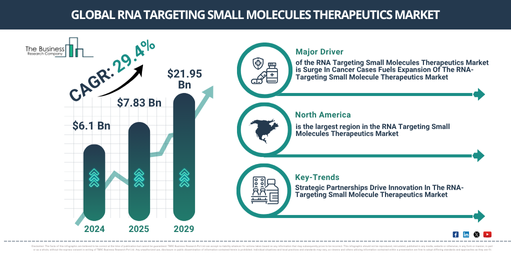
    The market size of RNA targeting small molecules therapeutics has witnessed a substantial surge in the past few years. There’s an expected leap in its value from $6.1 billion in 2024 to a whopping $7.83 billion in 2025 showing a compound annual growth rate (CAGR) of 28.3%. The phenomenal growth in the market during this historical period can be credited to the progress in drug discovery and development, an increase in RNA-related diseases, funding provided by the government and private bodies, vested interest of the pharmaceutical industry, and the previous successes in the field of RNA therapeutics.

    The market size for RNA targeting small molecules therapeutics is anticipated to witness substantial growth in the coming years. It is projected to reach $21.95 billion by 2029, seeing a compound annual growth rate (CAGR) of 29.4%. Factors contributing to this growth in the forecast period include precision medicine and personalized therapies, increase in RNA biomarker identification, the expansion of the RNA target spectrum, rising funding and investments, and its application in rare diseases. In the forecast period, significant trends include advancements in screening technologies, the dominance of antisense oligonucleotides, small molecule RNA binders, the use of RNA therapeutics in treating neurological disorders, and gene editing with crispr-cas9.

    Download The Free Sample Report Here:

    https://www.thebusinessresearchcompany.com/sample.aspx?id=12253&type=smp

    Which Factors Are Pushing The RNA Targeting Small Molecules Therapeutics Market Forward?

    The growth of the RNA-targeting small molecule therapeutics market is anticipated to be spurred by the escalating occurrence of cancer cases. Cancer comprises a range of diseases that may arise in virtually any organ or tissue when rogue cells grow without restriction, breach their normal limits, and either disseminate to other organs or infiltrate adjacent body parts. RNA-targeting small molecules, specifically designed and examined for selectively targeting RNA molecules tied to cancer, are used to treat this disease. A notable example is a study published by the American Cancer Society, a health organization based in the US, in January 2022. The report predicted approximately 609,360 deaths and 1.9 million fresh cancer cases in the US in 2022, which equates to around 1,670 deaths per day. As such, the proliferating count of cancer cases is seen as a key driver for the expansion of the RNA-targeting small molecule therapeutics market.

    Which Segment Held The Largest Share In The RNA Targeting Small Molecules Therapeutics Market In 2025?

    The rna targeting small molecules therapeutics market covered in this report is segmented –

    1) By Offering: mRNA (Messenger Ribonucleic Acid) Translation Modulators, RNA (Ribonucleic Acid) Splicing Modification, Direct RNA (Ribonucleic Acid) Targeting, Other Offerings

    2) By Therapeutic Indication: Lung Fibrosis, Cancer, Neurodegenerative Diseases, Autoimmune, Inflammatory, Other Therapeutic Indications

    3) By Application: Drug Discovery, Oncology Research, Disease Identification

    4) By End User: Hospitals, Research Laboratories, Pharmaceutical And Biotechnology Companies, Other End-Users

    Subsegments:

    1) By mRNA (Messenger Ribonucleic Acid) Translation Modulators: Small Molecule Inhibitors, Enhancers Of Translation

    2) By RNA (Ribonucleic Acid) Splicing Modification: Splicing Modulators, Antisense Oligonucleotides

    3) By Direct RNA (Ribonucleic Acid) Targeting: RNA-Binding Small Molecules, RNA Aptamers

    4) By Other Offerings: RNA Interference (RNAi) Therapeutics, Small Molecule Activators Of RNA Stability

    How Are Key Trends Driving Expansion In The RNA Targeting Small Molecules Therapeutics Industry?

    One major trend that is gaining considerable traction in the retinal biologics market is product innovation. Major players in this market are focusing on designing novel products as a strategy to solidify their market position and obtain a competitive edge. For example, in May 2023, F. Hoffmann-La Roche Ltd., a Swiss healthcare organization, received approval from the U.S. Food and Drug Administration for its supplemental biologics license application (sBLA) for Vabysmo (faricimab). This approval was granted for the treatment of macular edema following retinal vein occlusion (RVO), based on the results of two Phase III trials. These trials demonstrated early and substantial visual improvement in patients using Vabysmo, achieving its primary operative endpoint of being as effective as aflibercept. Vabysmo stands as the inaugural bispecific antibody approved for ocular use, particularly for treating neovascular or ‘wet’ age-related macular degeneration and diabetic macular edema. Subsequent research showed a lack of blood vessel leakage in the retina in patients using Vabysmo compared to those using aflibercept.

    Which Organizations Are Driving Progress In The RNA Targeting Small Molecules Therapeutics Industry?

    Major companies operating in the RNA targeting small molecules therapeutics market include F. Hoffmann-La Roche Ltd., Bayer AG, Sanofi S.A., AstraZeneca plc, Eli Lilly and Company, Amgen Inc., Janssen Pharmaceuticals, Vertex Pharmaceuticals, Servier laboratories, Genentech Inc., PTC Therapeutics Inc., Arrakis Therapeutics, Anima Biotech Inc., Skyhawk Therapeutics Inc., Remix Therapeutics, Abivax SA, 858 Therapeutics, Eloxx Pharmaceuticals Inc., STORM Therapeutics Ltd., Accent Therapeutics Inc., eFFECTOR Therapeutics Inc., EPICS Therapeutics, Expansion Therapeutics Inc., Inspirna Inc., MiNA Therapeutics Ltd., Ribometrix Inc., AC Immune SA, Redona Therapeutics

    Get The Full Report Here:

    https://www.thebusinessresearchcompany.com/report/rna-targeting-small-molecules-therapeutics-global-market-report

    Which Region Is Expected To Experience The Highest Growth In The RNA Targeting Small Molecules Therapeutics Industry?

    North America was the largest region in the RNA targeting small molecules therapeutics market in 2024. The regions covered in the RNA targeting small molecules therapeutics market report are Asia-Pacific, Western Europe, Eastern Europe, North America, South America, Middle East, Africa.

    Request For A Customized Report:

    https://www.thebusinessresearchcompany.com/customise?id=12253&type=smp

    About The Business Research Company:

    With over 15000+ reports from 27 industries covering 60+ geographies, The Business Research Company has built a reputation for offering comprehensive, data-rich research and insights. Armed with 1,500,000 datasets, the optimistic contribution of in-depth secondary research, and unique insights from industry leaders, you can get the information you need to stay ahead in the game.

    Get in touch with us:

    The Business Research Company: https://www.thebusinessresearchcompany.com/

    Americas +1 310-496-7795

    Asia +44 7882 955267 & +91 8897263534

    Europe +44 7882 955267

    Email us at info@tbrc.info

    Follow us on:

    LinkedIn: https://in.linkedin.com/company/the-business-research-company

    YouTube: https://www.youtube.com/channel/UC24_fI0rV8cR5DxlCpgmyFQ

    Global Market Model: https://www.thebusinessresearchcompany.com/global-market-model
  • Latest Market Developments in Non-Hormonal Contraceptives Industry: Forecast 2025–2029

    Claim your 30% discount on Global Market Reports with code ONLINE30. Limited time only.

    Claim your 30% discount on Global Market Reports with code ONLINE30. Limited time only.

    How Much Is the Global Non-Hormonal Contraceptives Market Valued at Present and by 2029?

    The market for non-hormonal contraceptives has seen a significant expansion in recent years. It is projected to rise from a worth of $23.73 billion in 2024 to $25.47 billion in 2025, reflecting a compound annual growth rate (CAGR) of 7.3%. The robust growth observed over the historical period is largely due to factors such as increased emphasis on women’s health programs, greater access to non-prescription non-hormonal contraceptives, heightened attention towards the development of male contraceptive products, a surge in demand for fertilityawareness-based contraceptive methods, and an upswing in the approval and launching of products in the non-hormonal arena.

    Over the coming years, the non-hormonal contraceptives market size is set to experience considerable expansion. Expectations indicate that it will reach $33.48 billion by 2029, growing at a compound annual growth rate (CAGR) of 7.1%. This projected increase for the forecast period is tied to factors like the rising demand for non-hormone-based birth control options, increased awareness around the adverse effects of hormonal contraceptives, growing interest in natural, non-chemical contraceptive methods, the escalating occurrence of sexually transmitted diseases, and heightened reproductive health consciousness among women. The forecast period is also likely to experience trends such as biomaterial advancements for non-hormonal contraceptive devices, technology-enhanced innovation in barrier contraceptive design, the incorporation of smart tracking attributes with fertility-awareness methods, advances in contraceptive gels and films without medications, as well as technologically facilitated self-use tools for contraceptive devices.

    Download The Free Sample Report Here:

    https://www.thebusinessresearchcompany.com/sample.aspx?id=25849&type=smp

    #What Drivers Are Influencing Growth In The Non-Hormonal Contraceptives Market?

    The rise in sexually transmitted diseases (STDs) is set to fuel the expansion of the non-hormonal contraceptives industry. STDs, primarily transmitted through sexual activity and triggered by bacteria, viruses, or parasites, are on the rise and this is largely down to less use of condoms, thereby increasing the risk of infection during unprotected sex. Non-hormonal contraceptives, such as male and female condoms, greatly reduce the spread of sexually transmitted diseases by acting as a physical barrier to stop the transfer of bodily fluids during sexual intercourse. As an example, in April 2025, the Minnesota Department of Health (MDH), a US health authority at the state level, revealed that the percentage of HIV cases among men aged 35 to 39 rose from 10% in 2023 to 17% in 2024. Hence, the rising incidence of sexually transmitted diseases is fuelling the growth of the non-hormonal contraceptives market.

    What Are The Main Segments Identified In The Non-Hormonal Contraceptives Market Research?

    The non-hormonal contraceptives market covered in this report is segmented –

    1) By Type: Devices, Sterilization, Other Product Types

    2) By Mechanism Of Action: Antagonist, Agonist, Inhibitor, Modulator

    3) By Route of Administration: Intramuscular, Intravaginal, Intravenous, Oral, Subcutaneous, Topical, Transdermal, Other Route Of Administrations

    4) By Purpose Of Therapy: Treatment Of Disease, Management Of Symptoms

    5) By Target Indication: Bacterial Vaginosis, Contraception, Endometriosis, Postmenopausal Osteoporosis, Uterine Fibroids, Vaginitis, Other Target Indications

    Subsegments:

    1) By Devices: Surgical Instruments, Ligation Clips, Tubal Rings

    2) By Sterilization: Permanent Sterilization, Reversible Sterilization, Mechanical Sterilization Devices

    3) By Other Product Types: Non-Surgical Barrier Devices, Implantable Plugs, Intrauterine Permanent Devices

    What Future Market Trends Are Projected For The Non-Hormonal Contraceptives Industry?

    Leading firms in the non-hormonal contraceptives market are centering their attention on creating innovative strategies like preloaded intrauterine device delivery systems. These are aimed at simplifying insertion procedures, increasing user-friendly features, and boosting clinical efficiency. A preloaded intrauterine device (IUD) delivery system is typically a ready-to-use, pre-assembled device combining the preloaded intrauterine device and its inserter. This integrated single unit is designed to make the insertion process smoother, reduce the setup duration, and decrease the chances of contamination or operational errors. For example, CooperSurgical Inc., an American medical device and fertility firm, launched the Paragard Single-Handed Inserter in September 2024. This product was developed with the objective of improving insertion efficiency and patient comfort during non-hormonal preloaded intrauterine device implantation. It provides over 99% effective, long-lasting birth control for up to a decade by preventing sperm from fertilizing an egg. The primary advantages include instant and reversible birth control, compatibility with a hormone-free regimen, and minimal maintenance after being inserted.

    Which Companies Play A Key Role In The Development Of The Non-Hormonal Contraceptives Market?

    Major companies operating in the non-hormonal contraceptives market are Bayer AG., Church & Dwight Co., Mankind Pharma Limited, Okamoto Industries, CooperSurgical Inc., PSI India Pvt Ltd., Karex Berhad, Natural Cycles Nordic AB, Fuji Latex Co. Ltd., PREGNA INTERNATIONAL LTD., Cupid Limited, Veru Inc., Evofem Biosciences Inc., Daré Bioscience Inc., Global Protection Corp., SMB Corporation of India, HLL Lifecare Limited, YourChoice Therapeutics Inc., Cirqle Biomedical Contraception ApS, Eppin Pharma Inc., Contraline Inc., Linepharma International Ltd.

    Get The Full Report Here:

    https://www.thebusinessresearchcompany.com/report/non-hormonal-contraceptives-global-market-report

    What Are The Key Regional Developments Shaping The Non-Hormonal Contraceptives Market?

    North America was the largest region in the non-hormonal contraceptives market in 2024. Asia-Pacific is expected to be the fastest-growing region in the forecast period. The regions covered in the non-hormonal contraceptives market report are Asia-Pacific, Western Europe, Eastern Europe, North America, South America, Middle East, Africa.

    Request For A Customized Report:

    https://www.thebusinessresearchcompany.com/customise?id=25849&type=smp

    About The Business Research Company:

    With over 15000+ reports from 27 industries covering 60+ geographies, The Business Research Company has built a reputation for offering comprehensive, data-rich research and insights. Armed with 1,500,000 datasets, the optimistic contribution of in-depth secondary research, and unique insights from industry leaders, you can get the information you need to stay ahead in the game.

    Get in touch with us:

    The Business Research Company: https://www.thebusinessresearchcompany.com/

    Americas +1 310-496-7795

    Asia +44 7882 955267 & +91 8897263534

    Europe +44 7882 955267

    Email us at info@tbrc.info

    Follow us on:

    LinkedIn: https://in.linkedin.com/company/the-business-research-company

    YouTube: https://www.youtube.com/channel/UC24_fI0rV8cR5DxlCpgmyFQ

    Global Market Model: https://www.thebusinessresearchcompany.com/global-market-model
  • Strategic Report on RNA Targeting Small Molecule Drug Discovery Market: Growth Opportunities and Emerging Challenges

    Strategic Report on RNA Targeting Small Molecule Drug Discovery Market: Growth Opportunities and Emerging Challenges

    Claim your 30% discount on Global Market Reports with code ONLINE30. Limited time only.

    Claim your 30% discount on Global Market Reports with code ONLINE30. Limited time only.

    What Does the Forecast Indicate for the RNA Targeting Small Molecule Drug Discovery Market From 2025 to 2029?

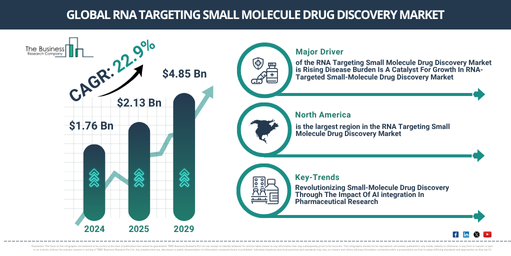
    In recent years, the market size for RNA targeting small molecule drug discovery has seen rapid expansion. It is projected to rise from a worth of $1.76 billion in 2024 to $2.13 billion by the end of 2025, recording a compound annual growth rate (CAGR) of 20.8%. This growth during the historical period is due to factors such as a greater comprehension of disease genetics, advances in genomic and proteomic discoveries, challenges in drug resistance, investment boosts in biotech and pharmaceutical research, and the emergence of RNA therapeutics.

    The market for RNA targeting small molecule drug discovery is projected to witness a significant surge in the foreseeable future. Its valuation is anticipated to reach $4.85 billion by 2029, growing at a compound annual growth rate (CAGR) of 22.9%. This growth in the projected timeframe may be due to factors such as the broadening scope of RNA epigenetics research, RNA-seq, and functional genomics, the incorporation of artificial intelligence (AI), emphasis on patient-oriented approaches, and the use of exosomes for drug delivery. Other key market trends in this period are expected to be the development of RNA editing methods, advancements in CRISPR technology, tech-based innovations, progress in RNA biology, and the application of RNA targeting in treating neurodegenerative diseases.

    Download The Free Sample Report Here:

    https://www.thebusinessresearchcompany.com/sample.aspx?id=12480&type=smp

    What Elements Are Contributing To Growth In The RNA Targeting Small Molecule Drug Discovery Market?

    The escalating incidence of cancer, genetic abnormalities, and viral infections is anticipated to drive the expansion of the RNA-targeted small-molecule drug discovery market. Cancer encompasses a range of conditions typified by unrestrained cell proliferation within the body, while viral infections are caused by minuscule infectious elements that can only replicate within the cells of living organisms. RNA-based drug discovery proves useful in combating these diseases, as they are fundamentally associated with gene-related issues and dysfunctional genetic material, which can be remedied using medications formulated via RNA targeting methods. As an illustration, the World Health Organization, a Swiss intergovernmental entity, reported in February 2024 that diseases like lung cancer, with 2.5 million new cases (12.4%), breast cancer in women (2.3 million cases, 11.6%), colorectal cancer (1.9 million cases, 9.6%), prostate cancer (1.5 million cases, 7.3%), and stomach cancer (970,000 cases, 4.9%) were prevalent across the globe in 2022, with a total of 20 million cancer cases and 9.7 million deaths. It is projected that by 2050, the number of new cancer cases will increase by 77%, surpassing 35 million per year. Thus, the growing occurrence of cancer, genetic anomalies, and viral infections propels the advancement of the RNA-targeted small-molecule drug discovery market.

    Which Segments Are Detailed In The Global RNA Targeting Small Molecule Drug Discovery Market Report?

    The rna targeting small molecule drug discovery market covered in this report is segmented –

    1) By Target RNA Type: Messenger RNA (mRNA), Non-Coding RNA (ncRNA), MicroRNA (miRNA), Long Non-Coding RNA (lncRNA)

    2) By Technology: CRISPR-Cas9, RNA Aptamers, Small Interfering RNA (siRNA), Ribozymes, Other Technologies

    3) By Therapeutic Area: Oncology, Neurology, Infectious Disease, Metabolic Diseases, Genetic Disorders, Other Therapeutic Areas

    4) By Delivery Method: Intravenous (IV), Oral, Topical, Other Methods

    5) By Application: Research Use, Therapeutic Use, Diagnostic Use, Other Applications

    Subsegments:

    1) By Messenger RNA (mRNA): Targeting mRNA For Protein Coding, Modulation Of mRNA Stability, mRNA Translation Inhibition

    2) By Non-Coding RNA (ncRNA): Long Non-Coding RNA, Small Nuclear RNA, Small Nucleolar RNA

    3) By MicroRNA (miRNA): miRNA Inhibition, miRNA Mimics, Targeting Specific miRNA Pathways

    4) By Long Non-Coding RNA (lncRNA): lncRNA Modulators, Targeting Specific lncRNA Functions, Therapeutic Applications Of lncRNA

    Which Emerging Trends And Strategic Shifts Are Shaping The RNA Targeting Small Molecule Drug Discovery Market?

    Top-tier firms in the repsules industry are prioritizing the creation of ground-breaking items, such as unique pharmaceutical solutions that augment drug delivery, boost patient adherence, and heighten therapeutic effectiveness. These innovative pharmaceutical commodities are fresh and different drugs or drug formulations, showing considerable variation from existing therapies. They may offer distinct active ingredients, a new mix of medications, or up-to-date delivery systems crafted to increase efficiency, safety, and patient compliance. For example, in January 2023, Lupin Limited, a firm from India in the pharmaceutical sector, introduced DIFIZMA, a new fixed-dose triple drug combination for the treatment of poorly controlled asthma. This combination features Indacaterol, a long-lasting beta-agonist; Glycopyrronium, a long-lasting muscarinic receptor antagonist; and Mometasone Furoate, an inhaled corticosteroid. Working together, these components enhance lung performance and give superior symptom management. Also, DIFIZMA contributes to a reduction in the frequency of asthma flare-ups, thereby improving patient’s overall life quality and mitigating the hospitalization risk.

    Who Are The Key Contributors To Growth In The RNA Targeting Small Molecule Drug Discovery Market?

    Major companies operating in the RNA targeting small molecule drug discovery market include F. Hoffmann-La Roche Ltd, Merck & Co. Inc, Bayer AG, Novartis AG, Sanofi SA, Bristol-Myers Squibb Company, AstraZeneca PLC, Takeda Pharmaceutical Company Limited, Eli Lilly and Company, Amgen Inc., Moderna Inc., Astellas Pharma Inc., Biogen Inc., Alnylam Pharmaceuticals Inc., Sarepta Therapeutics Inc., Evotec A.G., PTC Therapeutics Inc., Ionis Pharmaceuticals Inc., Dicerna Pharmaceuticals Inc., Arrakis Therapeutics, Arbutus Biopharma Corporation, H3 Biomedicine Inc., Anima Biotech Inc., Ribometrix Inc., Quark Pharmaceuticals Inc., Regulus Therapeutics Inc., Skyhawk Therapeutics Inc., Accent Therapeutics Inc., Epics Therapeutics, Expansion Therapeutics

    Get The Full Report Here:

    https://www.thebusinessresearchcompany.com/report/rna-targeting-small-molecule-drug-discovery-global-market-report

    Which Region Is Projected To Lead The RNA Targeting Small Molecule Drug Discovery Market By 2025?

    North America was the largest region in the RNA-targeting small molecule drug discovery market in 2024. The regions covered in the RNA targeting small molecule drug discovery market report are Asia-Pacific, Western Europe, Eastern Europe, North America, South America, Middle East, Africa

    Request For A Customized Report:

    https://www.thebusinessresearchcompany.com/customise?id=12480&type=smp

    About The Business Research Company:

    With over 15000+ reports from 27 industries covering 60+ geographies, The Business Research Company has built a reputation for offering comprehensive, data-rich research and insights. Armed with 1,500,000 datasets, the optimistic contribution of in-depth secondary research, and unique insights from industry leaders, you can get the information you need to stay ahead in the game.

    Get in touch with us:

    The Business Research Company: https://www.thebusinessresearchcompany.com/

    Americas +1 310-496-7795

    Asia +44 7882 955267 & +91 8897263534

    Europe +44 7882 955267

    Email us at info@tbrc.info

    Follow us on:

    LinkedIn: https://in.linkedin.com/company/the-business-research-company

    YouTube: https://www.youtube.com/channel/UC24_fI0rV8cR5DxlCpgmyFQ

    Global Market Model: https://www.thebusinessresearchcompany.com/global-market-model
  • Emerging Trends and Growth Drivers in the Next-Generation In Vitro Diagnostics (IVD) Market Through 2029

    Emerging Trends and Growth Drivers in the Next-Generation In Vitro Diagnostics (IVD) Market Through 2029

    Claim your 30% discount on Global Market Reports with code ONLINE30. Limited time only.

    Claim your 30% discount on Global Market Reports with code ONLINE30. Limited time only.

    What Is the Current and Projected Market Size of the Next-Generation In Vitro Diagnostics (IVD) Industry?

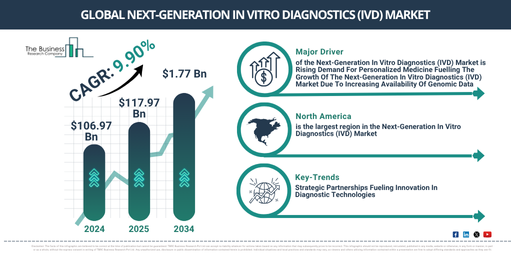
    The size of the upcoming in vitro diagnostics (IVD) market has experienced swift expansion in the past few years. The market, which was worth $106.97 billion in 2024, is projected to reach a value of $117.97 billion in 2025, growing at a compound annual growth rate (CAGR) of 10.3%. Various factors have contributed to this growth in the historic period, including an increase in the elderly population, higher government funding, more investments in genomic research, a surge in clinical trials, and enhanced health awareness among consumers.

    The size of the next-generation in vitro diagnostics (IVD) market is anticipated to witness significant expansion in the upcoming years, increasing to a worth of $172.02 billion in 2029, with a compound annual growth rate (CAGR) of 9.9%. Factors contributing to this projected growth for the given duration include an uptick in the creation of personalized medicine, the rise in healthcare spending, increased focus on research and development, a growing rate of infectious diseases, and an uptick in the occurrence of chronic illnesses. Future trends projected in this period include the rise of technological innovations, the adoption of artificial intelligence and machine learning in diagnostics, advancements in diagnostic technologies, expansion in personalized medicine and the emergence of new biomarkers.

    Download The Free Sample Report Here:

    https://www.thebusinessresearchcompany.com/sample.aspx?id=25848&type=smp

    #Which Factors Are Currently Driving The Growth Of The Next-Generation In Vitro Diagnostics (IVD) Market?

    The surge in preference for personalized medicine is projected to fuel the growth of the next-generation in vitro diagnostics (IVD) market moving forward. Precision medicine, a healthcare approach that customizes illness prevention and treatment utilizing a person’s genetic profile, environment, and lifestyle, is experiencing a rise. This upswing is a result of the expanding accessibility of genomic data that enables healthcare providers to orchestrate target-specific treatments based on the patient’s distinct genetic makeup, resulting in improved care. Next-generation in vitro diagnostics (IVD) bolsters personalized medicine by yielding accurate molecular and genetic details that facilitate customized treatment and preventative measures for individual patients. For example, according to the Personalized Medicine Coalition, a US hospital, and healthcare organization, it was revealed in February 2024 that in 2023, the FDA authorized 16 new personalized therapies for rare disease patients, an increase from six in 2022. Consequently, the swelling demand for personalized medicine is spurring the growth of the next-generation in vitro diagnostics (IVD) market.

    How Is The Global Next-Generation In Vitro Diagnostics (IVD) Market Structured In Terms Of Segments?

    The next-generation in vitro diagnostics (ivd) market covered in this report is segmented –

    1) By Product Type: Consumables, Instruments, Software

    2) By Type: Core Laboratory Diagnostics, Point-Of-Care Testing, Molecular Diagnostics

    3) By Application: Oncology Or Cancer, Infectious Diseases, Diabetes, Cardiology , Other Applications

    4) By End-User: Hospitals And Clinics, Diagnostic Laboratories, Academic And Research Institutions, Other End Users

    Subsegments:

    1) By Software: Laboratory Information Management Systems, Specimen Tracking Software Modules, Cloud-Based Tracking Software, Barcode and Radio Frequency Identification Integration Platforms, Mobile Applications for Specimen Tracking

    2) By Consumables: Barcode Labels, Radio Frequency Identification Tags, Specimen Bags and Tubes, Labeling Ribbons, Seals and Caps

    3) By Hardware: Barcode Scanners, Radio Frequency Identification Readers, Label Printers, Workstations and Terminals, Storage and Transport Monitoring Devices

    Which Trends Are Redefining The Future Landscape Of The Next-Generation In Vitro Diagnostics (IVD) Industry?

    Leading corporations in the next-generation in vitro diagnostics (IVD) industry are embracing a strategic partnership approach. This involves creating alliances with technology suppliers, research institutions, and healthcare organizations to speed up innovation, boost diagnostic precision, and widen the access to sophisticated testing solutions for individuals, governments, and companies. Strategic partnerships are a strategy where companies utilize each other’s resources and strengths to reap shared advantages and achievements. For example, in October 2024, Yourgene Health, a British biotech firm, partnered with Genetix, a Colombian company specializing in human genetic diagnosis, to introduce the first local non-invasive prenatal testing (NIPT) service in Colombia. This marks a major progress in prenatal healthcare in this region, providing expecting parents with quicker, more trustworthy, and competitively priced access to advanced genetic screening. The service uses Yourgene Health’s IONA Nx NIPT Workflow, a comprehensive, CE-marked in vitro diagnostic (IVD) solution. This workflow is versatile and expandable, catering to varied sample volumes, and it empowers Genetix to provide a quality-assured prenatal screening service in Colombia.

    Who Are The Main Participants Shaping The Next-Generation In Vitro Diagnostics (IVD) Market Landscape?

    Major companies operating in the next-generation in vitro diagnostics (ivd) market are F Hoffmann-La Roche AG, Thermo Fisher Scientific Inc., Abbott Laboratories, Becton Dickinson and Company, Quest Diagnostics Incorporated, Grifols SA, Agilent Technologies Inc., Illumina Inc., Sysmex Corporation, Bio-Rad Laboratories Inc., Revvity Inc., Exact Sciences Corporation, QIAGEN NV, DiaSorin SpA, Singular Genomics Systems Inc., Guardant Health Inc., Pacific Biosciences of California Inc., Transasia Bio-Medicals Ltd., Athena Dx, J Mitra and Co Pvt Ltd

    Get The Full Report Here:

    https://www.thebusinessresearchcompany.com/report/next-generation-in-vitro-diagnostics-ivd-global-market-report

    Which Region Currently Holds The Largest Share In The Next-Generation In Vitro Diagnostics (IVD) Market?

    North America was the largest region in the next-generation in vitro diagnostics (IVD) market in 2024. Asia-Pacific is expected to be the fastest-growing region in the forecast period. The regions covered in the next-generation in vitro diagnostics (ivd) market report are Asia-Pacific, Western Europe, Eastern Europe, North America, South America, Middle East, Africa.

    Request For A Customized Report:

    https://www.thebusinessresearchcompany.com/customise?id=25848&type=smp

    About The Business Research Company:

    With over 15000+ reports from 27 industries covering 60+ geographies, The Business Research Company has built a reputation for offering comprehensive, data-rich research and insights. Armed with 1,500,000 datasets, the optimistic contribution of in-depth secondary research, and unique insights from industry leaders, you can get the information you need to stay ahead in the game.

    Get in touch with us:

    The Business Research Company: https://www.thebusinessresearchcompany.com/

    Americas +1 310-496-7795

    Asia +44 7882 955267 & +91 8897263534

    Europe +44 7882 955267

    Email us at info@tbrc.info

    Follow us on:

    LinkedIn: https://in.linkedin.com/company/the-business-research-company

    YouTube: https://www.youtube.com/channel/UC24_fI0rV8cR5DxlCpgmyFQ

    Global Market Model: https://www.thebusinessresearchcompany.com/global-market-model
  • Industry Trends Show Rheumatoid Arthritis Drugs Market Set to Expand at 2.1% CAGR Until 2029

    Industry Trends Show Rheumatoid Arthritis Drugs Market Set to Expand at 2.1% CAGR Until 2029

    Claim your 30% discount on Global Market Reports with code ONLINE30. Limited time only.

    Claim your 30% discount on Global Market Reports with code ONLINE30. Limited time only.

    How Much Is the Global Rheumatoid Arthritis Drugs Market Valued at Present and by 2029?

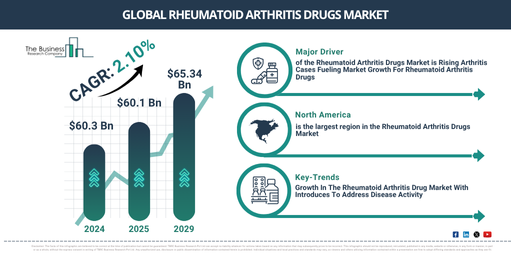
    In recent times, the market size for rheumatoid arthritis medications has seen a slight downfall. The market which is expected to be $60.3 billion in 2024, is projected to decrease to $60.1 billion in 2025 with a compound annual growth rate (CAGR) of -0.3%. The earlier growth seen in this market was due to an increase in the prevalence of the disease, expansion of healthcare infrastructures, heightened awareness and education efforts, governmental support and initiatives, as well as strategic collaborations.

    Predicted growth in the rheumatoid arthritis drugs market signifies a stable advancement in the next couple of years. The expected increase is up to $65.34 billion by 2029, with a compound annual growth rate (CAGR) of 2.1%. The surge in the forecast period is due to the influence of personalized medicine trends, the progression of emerging markets, pipeline development, emphasis on combination treatments, and heightened healthcare expenditure. The most prominent trends expected during the forecast period include the prevalence of biological therapies, the impact of biosimilars, advancements in personalized medicine, the amplification of oral therapies, and an emphasis on early diagnosis and intercession.

    Download The Free Sample Report Here:

    https://www.thebusinessresearchcompany.com/sample.aspx?id=10120&type=smp

    #What Drivers Are Influencing Growth In The Rheumatoid Arthritis Drugs Market?

    The escalating rate of arthritis is predicted to stimulate the development of the rheumatoid arthritis drugs market in the future. Rheumatoid arthritis is an autoimmune and inflammatory disorder in which the immune system intentionally damages healthy cells, resulting in inflammation in the impacted areas of the body. Remedies for rheumatoid arthritis, including drugs and self-management methods, are easily accessible. These drugs reduce pain, improve joint mobility, and prevent the disease from progressing. The National Center for Health Statistics, a US government agency, reported in February 2024 that the age-adjusted prevalence of diagnosed arthritis in adults was 18.9% in 2022, with a larger proportion of women (21.5%) being affected than men (16.1%). The occurrence significantly increased with age, from 3.6% among adults aged 18–34 to 53.9% amongst those who were 75 and older. As a result, the rising number of arthritis cases is expected to fuel the rheumatoid arthritis drugs market.

    What Are The Main Segments Identified In The Rheumatoid Arthritis Drugs Market Research?

    The rheumatoid arthritis drugs market covered in this report is segmented –

    1) By Drug Type: Nonsteroidal Anti-Inflammatory Drugs (NSAIDs), Corticosteroids, Disease-Modifying Antirheumatic Drugs (DMARDs), Biologic Response Modifiers (BRMs), Other Drug Types

    2) By Route Of Administration: Oral, Parenteral, Topical, Other Route Of Administrations

    3) By Distribution Channel: Hospital Pharmacy, Retail Pharmacy, Online Pharmacy

    Subsegments:

    1) By Nonsteroidal Anti-Inflammatory Drugs (NSAIDs): Ibuprofen, Naproxen, Diclofenac, Indomethacin

    2) By Corticosteroids: Prednisone, Methylprednisolone, Dexamethasone

    3) By Disease-Modifying Antirheumatic Drugs: Methotrexate, Sulfasalazine, Hydroxychloroquine, Leflunomide

    4) By Biologic Response Modifiers: Tumor Necrosis Factor (TNF) Inhibitors, Interleukin Inhibitors, B-cell Inhibitors

    5) By Other Drug Types: Janus Kinase Inhibitors, Other Novel Therapies

    What Are The Leading Trends And Opportunities In The Rheumatoid Arthritis Drugs Sector?

    The rise of product innovation is a critical trend being observed in the Remicade biosimilar market. Leading corporations in this market are committing to the production of inventive products to maintain their market standing. A case in point is the introduction of Amjevita, a biosimilar to AbbVie’s Humira, by Amgen Inc., a biotechnology firm based in the United States, in January 2023. Amjevita aims to match the original drug in terms of safety and effectiveness and poses as the first biosimilar to Humira, setting it up as a rival for market capital. This biological medication, under use for a range of autoimmune diseases such as rheumatoid arthritis and Crohn’s disease, competes with one of the world’s most costly drugs that generate billions in annual returns for AbbVie. However, Amjevita is projected to be considerably more affordable. Beyond monetary savings, Amjevita also has the potential to provide patients with a greater variety of treatment choices.

    Which Companies Play A Key Role In The Development Of The Rheumatoid Arthritis Drugs Market?

    Major companies operating in the rheumatoid arthritis drugs market include Pfizer Inc., Abbvie Inc., Amgen Inc., Novartis AG, Boehringer Ingelheim International GmbH, Eli Lilly and Company, F-Hoffmann La Roche AG, Bristol-Myers Squibb Company, AstraZeneca PLC, Merck & Co Inc., Johnson & Johnson Inc., Bayer AG, Teva Pharmaceuticals Industries Ltd., Sun Pharmaceutical Industries Ltd., Sanofi S.A, Biogen Inc., Regeneron Pharmaceuticals Inc., Galapagos NV, Abbott Laboratories, Takeda Pharmaceutical Company Limited, Mitsubishi Tanabe Pharma Corporation, UCB S.A., Astellas Pharma Inc., Corbus Pharmaceuticals Holdings Inc., Roche Holding AG, Daiichi Sankyo Company Limited, Mallinckrodt Pharmaceuticals, Gilead Sciences Inc.

    Get The Full Report Here:

    https://www.thebusinessresearchcompany.com/report/rheumatoid-arthritis-drugs-global-market-report

    What Are The Key Regional Developments Shaping The Rheumatoid Arthritis Drugs Market?

    North America was the largest region in the rheumatoid arthritis drugs market in 2024.North America is expected to be the fastest-growing region in the global rheumatoid arthritis market report during the forecast period. The regions covered in the rheumatoid arthritis drugs market report are Asia-Pacific, Western Europe, Eastern Europe, North America, South America, Middle East, Africa.

    Request For A Customized Report:

    https://www.thebusinessresearchcompany.com/customise?id=10120&type=smp

    About The Business Research Company:

    With over 15000+ reports from 27 industries covering 60+ geographies, The Business Research Company has built a reputation for offering comprehensive, data-rich research and insights. Armed with 1,500,000 datasets, the optimistic contribution of in-depth secondary research, and unique insights from industry leaders, you can get the information you need to stay ahead in the game.

    Get in touch with us:

    The Business Research Company: https://www.thebusinessresearchcompany.com/

    Americas +1 310-496-7795

    Asia +44 7882 955267 & +91 8897263534

    Europe +44 7882 955267

    Email us at info@tbrc.info

    Follow us on:

    LinkedIn: https://in.linkedin.com/company/the-business-research-company

    YouTube: https://www.youtube.com/channel/UC24_fI0rV8cR5DxlCpgmyFQ

    Global Market Model: https://www.thebusinessresearchcompany.com/global-market-model
  • CAGR of 6.8% Projected for Neurology Clinical Trials Market From 2025 to 2029

    CAGR of 6.8% Projected for Neurology Clinical Trials Market From 2025 to 2029

    Claim your 30% discount on Global Market Reports with code ONLINE30. Limited time only.

    Claim your 30% discount on Global Market Reports with code ONLINE30. Limited time only.

    How Will the Neurology Clinical Trials Market Evolve in Terms of Growth and Size by 2029?

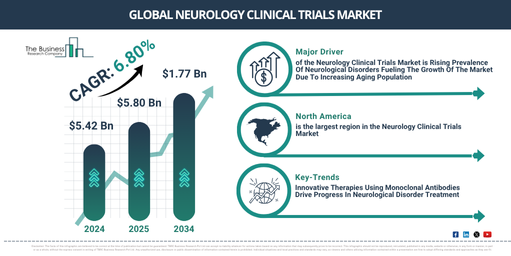
    The neurology clinical trials market has seen considerable growth in recent years. The market that was valued at $5.42 billion in 2024 will increase to $5.80 billion in 2025, exhibiting a compound annual growth rate of 7.0%. This growth during the historic period is attributed to the escalating prevalence of neurological disorders, the rising need for innovative therapies, the growing aging population, higher investment in research and development by pharmaceutic companies, and enhanced knowledge and diagnostic rates for neurological diseases.

    Projected to see robust growth in the coming years, the neurology clinical trials market is estimated to reach $7.54 billion by 2029, with a compound annual growth rate (CAGR) of 6.8%. This anticipated growth can be linked to increasing acceptance of precision medicine, heightened focus on research involving biomarkers, the rising application of artificial intelligence in trial design, a growing neurology drug pipeline, and enhanced governmental support and funding for neurologic research. Looking ahead, key trends include improvements in neuroimaging technologies, enhanced data analytics to support patient stratification, adaptive trial design advancements, novel developments in wearable neurological monitoring tools, and the creation of decentralized clinical trial models.

    Download The Free Sample Report Here:

    https://www.thebusinessresearchcompany.com/sample.aspx?id=25847&type=smp

    What factors are expected to fuel Neurology Clinical Trials market growth in the coming years?

    The anticipated rise in neurological disorders is predicted to fuel the expansion of the neurology clinical trials market. Neurological disorders are conditions that impact the brain, spinal cord, or nerves, thus disrupting the regular operation of the nervous system. The growth of these disorders is primarily attributed to the aging population, who are more prone to age-associated ailments like Alzheimer’s and Parkinson’s disease. Neurology clinical trials contribute to neurological disorder research by assessing novel treatments, drugs, or approaches to enhance diagnosis, symptom management, disease progression reduction, and better patient results. For example, the Australian Institute of Health and Welfare, a government agency based in Australia, forecasted in September 2024, that the number of Australians suffering from dementia would more than double, going from 411,100 in 2023 to 849,300 by 2058. Moreover, by 2058, it is estimated that 315,500 men and 533,800 women will have dementia. Consequently, the rising prevalence of neurological disorders is fuelling the expansion of the neurology clinical trials market.

    What Are The Key Findings From The Segmentation Analysis Of The Neurology Clinical Trials Market?

    The neurology clinical trials market covered in this report is segmented –

    1) By Phase: Phase I, Phase II, Phase III, Phase IV

    2) By Study Design: Interventional, Observational, Expanded Access

    3) By Indication: Epilepsy, Parkinson’s Disease (PD), Huntington’s Disease, Stroke, Traumatic Brain Injury (TBI), Amyotrophic Lateral Sclerosis (ALS), Muscle Regeneration, Other Indications

    4) By End-User: Hospitals, Clinics, Research Institutes, Other End- Users

    Subsegments:

    1) By Phase I: Drug Safety Evaluation, Pharmacokinetics Assessment, Dosage Range Finding, Tolerability Studies

    2) By Phase II: Efficacy Evaluation, Dose Response Studies, Therapeutic Effectiveness, Biomarker Identification

    3) By Phase III: Large Scale Efficacy Studies, Safety Monitoring, Comparative Effectiveness, Risk Benefit Analysis

    4) By Phase IV: Post Marketing Surveillance, Long Term Safety Follow Up, Real World Evidence Collection, Quality Of Life Assessment

    What Notable Trends Are Shaping The Direction Of The Neurology Clinical Trials Market?

    The neurology clinical trials market, driven by major companies aiming to create innovative solutions, such as monoclonal antibodies, these solutions are designed to target specific neurological pathways, enhance the effectiveness of treatments, and quicken the development of new therapies. Monoclonal antibodies are laboratory-created molecules designed to identify and attach to certain proteins or antigens, and are often utilized to accurately target disease mechanisms in both treatments and diagnostics. For instance, in July 2024, U.S. pharmaceutical firm Eli Lilly and Company, introduced Kisunla (donanemab-azbt), designed to treat early symptomatic Alzheimer’s disease. This slows down cognitive and functional deterioration, enabling suitable patients to maintain their independence and engage in daily activities for longer periods. It targets and diminishes brain amyloid plaques, with clinical trials demonstrating up to a 35% disease progression slowdown when compared to a placebo in patients with less advanced disease.

    What Are The Most Active Companies In The Neurology Clinical Trials Market Today?

    Major companies operating in the neurology clinical trials market are AbbVie Inc., Sanofi S.A., Novartis AG, Eli Lilly and Company, Teva Pharmaceutical Industries Ltd., IQVIA Holdings Inc., Biogen Inc., ICON plc., Syneos Health, Charles River Laboratories International Inc., Parexel International Corporation, CMIC Holdings Co. Ltd., Medpace Holdings Inc., PSI CRO AG., Supernus Pharmaceuticals Inc., Worldwide Clinical Trials LLC., Ergomed plc., Biotrial S.A.S., Clinilabs Drug Development Corporation, Lindus Health Ltd.

    Get The Full Report Here:

    https://www.thebusinessresearchcompany.com/report/neurology-clinical-trials-global-market-report

    Which Regional Markets Are Attracting The Most Investment In Neurology Clinical Trials?

    North America was the largest region in the neurology clinical trials market in 2024. Asia-Pacific is expected to be the fastest-growing region in the forecast period. The regions covered in the neurology clinical trials market report are Asia-Pacific, Western Europe, Eastern Europe, North America, South America, Middle East, Africa.

    Request For A Customized Report:

    https://www.thebusinessresearchcompany.com/customise?id=25847&type=smp

    About The Business Research Company:

    With over 15000+ reports from 27 industries covering 60+ geographies, The Business Research Company has built a reputation for offering comprehensive, data-rich research and insights. Armed with 1,500,000 datasets, the optimistic contribution of in-depth secondary research, and unique insights from industry leaders, you can get the information you need to stay ahead in the game.

    Get in touch with us:

    The Business Research Company: https://www.thebusinessresearchcompany.com/

    Americas +1 310-496-7795

    Asia +44 7882 955267 & +91 8897263534

    Europe +44 7882 955267

    Email us at info@tbrc.info

    Follow us on:

    LinkedIn: https://in.linkedin.com/company/the-business-research-company

    YouTube: https://www.youtube.com/channel/UC24_fI0rV8cR5DxlCpgmyFQ

    Global Market Model: https://www.thebusinessresearchcompany.com/global-market-model
  • Competitive and Market Trend Analysis of Retinal Disorder Treatment Industry Through 2029

    Competitive and Market Trend Analysis of Retinal Disorder Treatment Industry Through 2029

    Claim your 30% discount on Global Market Reports with code ONLINE30. Limited time only.

    Claim your 30% discount on Global Market Reports with code ONLINE30. Limited time only.

    What Is the Current and Projected Market Size of the Retinal Disorder Treatment Industry?

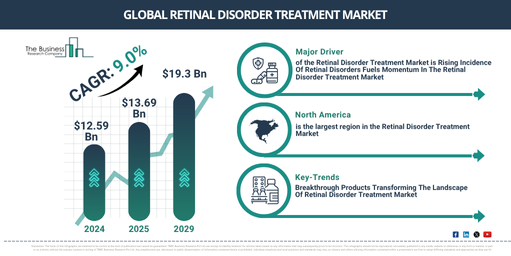
    The market for treating retinal disorders has seen robust growth recently. It is projected to expand from $12.59 billion in 2024 to $13.69 billion in 2025, with a Compound Annual Growth Rate (CAGR) of 8.7%. The past growth can be credited to several factors such as the advent of anti-VEGF therapies, an aging population, a rise in retinal disorder cases, enhanced early detection diagnostic tools, raised awareness and screening initiatives, and wider accessibility to healthcare services.

    Predictions show a robust upswing in the retinal disorder treatment market size over the forthcoming years, potentially reaching $19.3 billion by 2029 with a compound annual growth rate (CAGR) of 9.0%. Contributing factors to this upward trend during the projection period may include the focus on patient-oriented retinal healthcare, an increase in worldwide healthcare spending, heightened attention on combined therapies for retinal ailments, an uptick in at-home retinal disorder monitoring, a rise in use of implantable tools for retinal treatments, and the embracement of regenerative medical practices in retinal therapy. Forecasts for the period also suggest key trends like progress in eye imaging technologies, the introduction of minor surgical procedures, the application of artificial intelligence in diagnosis, improved drug delivery systems, the incorporation of virtual reality in retinal recuperation, collaborative efforts between research establishments and pharmaceutical firms, and the progression of gene therapies in tackling inherited retinal disorders.

    Download The Free Sample Report Here:

    https://www.thebusinessresearchcompany.com/sample.aspx?id=12701&type=smp

    #Which Factors Are Currently Driving The Growth Of The Retinal Disorder Treatment Market?

    As the occurrence of retinal diseases increases, the retinal disorder treatment market is forecasted to expand. Retinal diseases, which affect the retina and the light-sensitive tissue at the back of the eye leading to vision loss or substantial visual impairment, can be controlled and their symptoms reduced with treatments such as laser therapy, vitrectomy, and retinal implants. For example, in January 2023, the International Agency for the Prevention of Blindness, an organization based in the UK, predicted that age-related macular degeneration (AMD) would account for 5% of global blindness. Moreover, AMD is expected to influence around 288 million individuals by 2040. Thus, the escalating occurrence of retinal disorders is fueling the growth of the market for retinal disorder treatments.

    How Is The Global Retinal Disorder Treatment Market Structured In Terms Of Segments?

    The retinal disorder treatment market covered in this report is segmented –

    1) By Type: Macular Degeneration, Diabetic Retinopathy, Other Types

    2) By Dosage Form: Gels, Eye Solutions, Capsules And Tablets, Eye Drops, Ointments

    3) By Distribution Channel: Hospital Pharmacy, Online Pharmacy, Retail Pharmacy

    Subsegments:

    1) By Macular Degeneration: Dry Macular Degeneration, Wet Macular Degeneration

    2) By Diabetic Retinopathy: Non-Proliferative Diabetic Retinopathy, Proliferative Diabetic Retinopathy

    3) By Other Types: Retinal Detachment, Retinitis Pigmentosa, Uveitis, Other Retinal Disorders

    What Trends Are Currently Influencing Growth In The Retinal Disorder Treatment Market?

    One significant trend emerging in the rare kidney disease market is product innovation. Major contenders in the market focus on producing novel products as a means of solidifying their market position. For example, in September 2022, STADA Arzneimittel AG, a company based in Germany specializing in generics, specialty pharma, and over-the-counter consumer healthcare products, launched Kinpeygo (budesonide), making it the first official EU-authorised drug for the rare kidney condition known as immunoglobulin A nephropathy (IgAN). The EU’s first and only approved treatment for primary IgAN is these modified-release budesonide capsules, a scarce, progressive autoimmune kidney disease where there’s a high unfulfilled need, with around 25%-30% of patients eventually progressing to terminal kidney insufficiency necessitating dialysis or a kidney transplant.

    Who Are The Main Participants Shaping The Retinal Disorder Treatment Market Landscape?

    Major companies operating in the retinal disorder treatment market include Pfizer Inc., F. Hoffmann-La Roche Ltd., AbbVie Inc., Bayer AG, Novartis AG, Takeda Pharmaceutical Company Limited, Regeneron Pharmaceuticals Inc., Bausch Health Companies Inc., Genentech Inc., Santen Pharmaceutical Co. Ltd., Apellis Pharmaceuticals Inc., Kubota Pharmaceutical Holdings Co. Ltd, Alimera Sciences Inc., Ocular Therapeutix Inc., EyePoint Pharmaceuticals Inc., Adverum Biotechnologies Inc., Kodiak Sciences Inc., Acucela Inc., IVERIC bio Inc., Oxurion NV, Graybug Vision Inc., Icon Bioscience Inc., Clearside Biomedical Inc., Aerpio Pharmaceuticals Inc., Neurotech Pharmaceuticals Inc., Ophthotech Corporation, Opthea Limited, PanOptica Inc., ThromboGenics NV

    Get The Full Report Here:

    https://www.thebusinessresearchcompany.com/report/retinal-disorder-treatment-global-market-report

    Which Region Currently Holds The Largest Share In The Retinal Disorder Treatment Market?

    North America was the largest region in the retinal disorder treatment market in 2024. Asia-Pacific is expected to be the fastest-growing region in the forecast period. The regions covered in the retinal disorder treatment market report are Asia-Pacific, Western Europe, Eastern Europe, North America, South America, Middle East, Africa

    Request For A Customized Report:

    https://www.thebusinessresearchcompany.com/customise?id=12701&type=smp

    About The Business Research Company:

    With over 15000+ reports from 27 industries covering 60+ geographies, The Business Research Company has built a reputation for offering comprehensive, data-rich research and insights. Armed with 1,500,000 datasets, the optimistic contribution of in-depth secondary research, and unique insights from industry leaders, you can get the information you need to stay ahead in the game.

    Get in touch with us:

    The Business Research Company: https://www.thebusinessresearchcompany.com/

    Americas +1 310-496-7795

    Asia +44 7882 955267 & +91 8897263534

    Europe +44 7882 955267

    Email us at info@tbrc.info

    Follow us on:

    LinkedIn: https://in.linkedin.com/company/the-business-research-company

    YouTube: https://www.youtube.com/channel/UC24_fI0rV8cR5DxlCpgmyFQ

    Global Market Model: https://www.thebusinessresearchcompany.com/global-market-model
  • Industry Forecast: Neurointerventional Devices Market to Generate $3.65  Billion Revenue by 2029

    Industry Forecast: Neurointerventional Devices Market to Generate $3.65 Billion Revenue by 2029

    Claim your 30% discount on Global Market Reports with code ONLINE30. Limited time only.

    Claim your 30% discount on Global Market Reports with code ONLINE30. Limited time only.

    What CAGR Is Anticipated for the Neurointerventional Devices Market Through 2029?

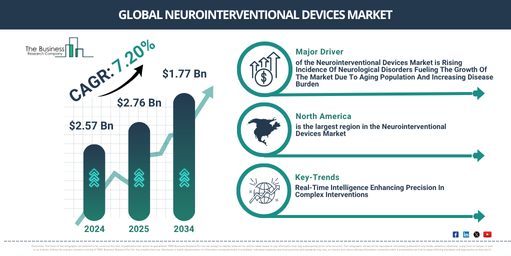
    The market size of neurointerventional devices has recently seen a significant increase. The market is projected to expand from $2.57 billion in 2024 to $2.76 billion in 2025, yielding a compound annual growth rate (CAGR) of 7.5%. Factors such as heightened awareness about early diagnosis, a rising number of speciality centers for neurointervention, a surge in lifestyle diseases like hypertension and diabetes that increase the demand for these devices, a desire for enhanced patient results, and increased backing from public and private health entities have all contributed to the historic growth.

    Expectations are high for robust growth in the neurointerventional devices market over the next few years, with projections of it expanding to $3.65 billion by 2029 at a compound annual growth rate (CAGR) of 7.2%. The forecasted growth can be attributed to an increased inclination towards image-guided surgeries, escalations in neurovascular research funding, approval for new neurointerventional products, increasing collaborations and purchases among device producers, and a rising requirement for tailor-made treatment methods. The forecast period could also experience notable trends like improvements in robot-assisted neurointerventions, advancements in the design of catheters and stents, an enhanced incorporation of artificial intelligence in diagnostic imaging, the integration of augmented reality into surgical planning, and innovative developments in embolization and thrombectomy techniques.

    Download The Free Sample Report Here:

    https://www.thebusinessresearchcompany.com/sample.aspx?id=25846&type=smp

    What Market Forces Are Driving The Neurointerventional Devices Sector In 2025 And Beyond?

    The neurointerventional devices market is poised for expansion due to the increasing prevalence of neurological disorders. These disorders, which disturb normal functioning, affect the brain, spinal cord, or nerves. The rise in neurological disorders is attributed to the aging global population, given that the risk of neurodegenerative conditions heightens with age, due to the natural deterioration of brain function and cell repair mechanisms. Neurointerventional devices provide a way to diagnose and treat these disorders through minimally invasive procedures. They can effectively manage conditions such as brain aneurysms, strokes, and vascular malformations, reducing risk, recovery time and enhancing patient outcomes. For example, a report by the Alzheimer’s Association, a US-based nonprofit voluntary health organisation, stated that the number of Americans aged 65 and older diagnosed with Alzheimer’s dementia rose from 6.5 million in 2022 to 6.9 million in April 2024. Consequently, the growing prevalence of neurological disorders is fuelling the expansion of the neurointerventional devices market.

    How Is The Global Neurointerventional Devices Market Categorized By Segments?

    The neurointerventional devices market covered in this report is segmented –

    1) By Product: Embolic Coils, Carotid Stents, Intracranial Stents, Neurovascular Thrombectomy, Embolic Protection Device, Flow Diverters Device, Intrasaccular Device, Other Products

    2) By Indication: Brain Aneurysm, Stroke, Other Indications

    3) By Technique: Neurothrombectomy Procedure, Cerebral Angiography, Stenting, Coiling Procedures, Flow Disruption

    4) By End User: Hospitals, Ambulatory Surgical Centers, Specialty Clinics, Research Institutes

    Subsegments:

    1) By Embolic Coils: Bare Platinum Coils, Coated Or Modified Coils, Complex-Shaped Coils, Detachable Coils

    2) By Carotid Stents: Open-Cell Stents, Closed-Cell Stents, Hybrid-Cell Stents, Drug-Eluting Stents

    3) By Intracranial Stents: Self-Expanding Stents, Balloon-Expandable Stents, Drug-Eluting Stents

    4) By Neurovascular Thrombectomy Devices: Stent Retrievers, Aspiration Catheters, Combined Thrombectomy Systems

    5) By Embolic Protection Devices: Distal Filters, Proximal Occlusion Devices, Distal Occlusion Devices

    6) By Flow Diverters Devices: Braided Flow Diverters, Dual-Layer Flow Diverters, Coated Flow Diverters

    7) By Intrasaccular Devices: Woven Mesh Implants, Expandable Mesh Baskets, Flow Disrupting Implants

    8) By Other Products: Microcatheters, Guidewires, Balloon Catheters, Distal Access Catheters

    What Upcoming Trends Are Expected To Impact The Neurointerventional Devices Market Globally?

    Prominent companies in the neurointerventional devices marketplace are prioritizing advancements in technology like AI-powered navigation systems. The purpose of this shift is to amplify procedure accuracy, diminish the time taken for interventions, and enhance the results of intricate neurovascular treatments for patients. AI-supported navigation systems engage cutting-edge technological solutions using AI algorithms in real time to control neurointerventional processes. The systems scrutinize medical imaging data for improved visualization, automate the planning of pathways, and aid in the exact navigation of devices amidst complex cranial vascular structures. This is intended to enhance precision, lessen procedure time, and mitigate potential risks. For instance, Medtronic plc, a medical technology firm based in Ireland, unveiled the Medtronic Neurovascular Co Lab Platform in October 2022. This scheme encourages cooperation between startups, doctors, and institutions via a continuously active virtual portal for idea contributions. These are then assessed and progressed utilizing Medtronic’s expertise, financial backing, and networks to swiftly cultivate promising solutions for neurovascular treatments and enhance patient results.

    Which Firms Are Considered Leaders In The Neurointerventional Devices Market Space?

    Major companies operating in the neurointerventional devices market are Johnson & Johnson, Abbott Laboratories, Medtronic plc, Stryker Corporation, Boston Scientific Corporation, Terumo Corporation, Kaneka Corporation, Cook Medical LLC, Integra LifeSciences Holdings Corporation, Merit Medical Systems Inc., MicroPort Scientific Corporation, Penumbra Inc., Asahi Intecc Co. Ltd., MicroVention Inc., Phenox GmbH, Balton Sp. z o.o., Zylox-Tonbridge Medical Technology Co. Ltd., Balt Group SAS, Veiva Scientific Co. Ltd., InspireMD Inc.

    Get The Full Report Here:

    https://www.thebusinessresearchcompany.com/report/neurointerventional-devices-global-market-report

    What Role Do Regional Policies And Investments Play In Neurointerventional Devices Market Expansion?

    North America was the largest region in the neurointerventional market in 2024. The regions covered in the neurointerventional devices market report are Asia-Pacific, Western Europe, Eastern Europe, North America, South America, Middle East, Africa.

    Request For A Customized Report:

    https://www.thebusinessresearchcompany.com/customise?id=25846&type=smp

    About The Business Research Company:

    With over 15000+ reports from 27 industries covering 60+ geographies, The Business Research Company has built a reputation for offering comprehensive, data-rich research and insights. Armed with 1,500,000 datasets, the optimistic contribution of in-depth secondary research, and unique insights from industry leaders, you can get the information you need to stay ahead in the game.

    Get in touch with us:

    The Business Research Company: https://www.thebusinessresearchcompany.com/

    Americas +1 310-496-7795

    Asia +44 7882 955267 & +91 8897263534

    Europe +44 7882 955267

    Email us at info@tbrc.info

    Follow us on:

    LinkedIn: https://in.linkedin.com/company/the-business-research-company

    YouTube: https://www.youtube.com/channel/UC24_fI0rV8cR5DxlCpgmyFQ

    Global Market Model: https://www.thebusinessresearchcompany.com/global-market-model

  • Global Retinal Biologics Market Landscape: Trends and Market Share to 2029

    Global Retinal Biologics Market Landscape: Trends and Market Share to 2029

    Claim your 30% discount on Global Market Reports with code ONLINE30. Limited time only.

    Claim your 30% discount on Global Market Reports with code ONLINE30. Limited time only.

    How Will the Retinal Biologics Market Evolve in Terms of Growth and Size by 2029?

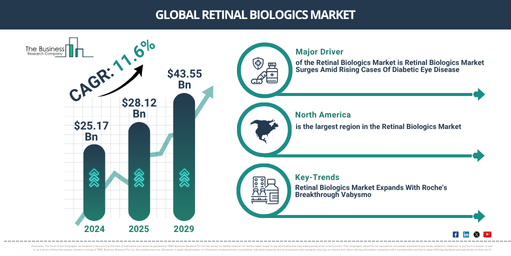
    In recent times, there has been a significant expansion in the size of the retinal biologics market. The market, valued at $25.17 billion in 2024, is forecasted to reach $28.12 billion in 2025, indicating a compound annual growth rate (CAGR) of 11.7%. This growth during the historic period is primarily due to the rising prevalence of retinal disorders, an aging global population, growing consciousness and early disease detection, advancements in healthcare infrastructure, and an increase in healthcare spending.

    Expectations are high for substantial growth in the retinal biologics market size in the upcoming years. Predictions show it will reach $43.55 billion in 2029, rising at a compound annual growth rate (CAGR) of 11.6%. The projected growth during the forecast period is due to factors such as increasing therapeutic applications, the rise of personalized medicine, growth in emerging markets, a robust biologics pipeline, collaborations and partnerships, and government initiatives and support. The major developments to watch during this forecast period include non-invasive delivery methods, utilization of real-world evidence, an expansion of indications, regulatory pathway streamlining, and a focus on patient-centric outcomes.

    Download The Free Sample Report Here:

    https://www.thebusinessresearchcompany.com/sample.aspx?id=11911&type=smp

    What factors are expected to fuel Retinal Biologics market growth in the coming years?

    The forecasted expansion of the retinal biologics market is attributed to the escalating occurrence of diabetic eye disease. As a consequence of diabetes, this disorder impairs the eyes, resulting in vision impairment and blindness among those diagnosed. Retinal biologics offer hope for more precise and successful treatments, providing early intervention and enhanced results to prevent vision loss linked to diabetic eye disease. For example, data from the Australian Bureau of Statistics in December 2023 revealed that, in 2022, diabetes affected 5.3% of the Australian population, equating to around 1.3 million individuals. This represented a significant surge from the previous 3.3%. Consequently, the escalating rate of diabetic eye disease is propelling the retinal biologics market’s expansion.

    What Are The Key Findings From The Segmentation Analysis Of The Retinal Biologics Market?

    The retinal biologics market covered in this report is segmented –

    1) By Drug Class: Vascular Endothelial Growth Factor (VEGF)-A Antagonist, Tumor Necrosis Factor (TNF)-A Inhibitor

    2) By Indication: Macular Degeneration, Diabetic Retinopathy, Uveitis, Diabetic Macular Edema, Other Indications

    3) By Distribution Channel: Hospitals, Pharmacies, Specialty Clinics, Online Pharmacies, Other Distribution Channels

    Subsegments:

    1) By Vascular Endothelial Growth Factor (VEGF)-A Antagonist: Monoclonal Antibodies, Small Molecule Inhibitors

    2) By Tumor Necrosis Factor (TNF)-A Inhibitor: Monoclonal Antibodies, Fusion Proteins

    Which Trends Are Expected To Shape The Future Of The Retinal Biologics Market?

    The prominent players in the pruritus therapeutics market are concentrating on creating specialized treatments for specific patient demographics and rare diseases, such as the non-systemic ileal bile acid transport inhibitor which aims to provide personal, customized medicine addressing unresolved medical requirements. This specific medication targets the absorption of bile acid in the intestines without substantially impacting the systemic circulation, hence limiting potential negative effects. For example, in June 2023, Ipsen, a pharmaceutical company based in France, obtained approval from the Food and Drug Administration (FDA), a U.S based federal agency under the Department of Health and Human Services, for their medication Bylvay (odevixibat). It is used to treat cholestatic pruritus in ALGS patients who are 12 months old and above. Bylvay, an IBATi, is a daily drug with limited systemic exposure and is the first ever medication approved for progressive familial intrahepatic cholestasis (PFIC)-related cholestatic pruritus in the United States. Prior to this, it had been accepted for PFIC treatment in Europe and can currently be prescribed for eligible ALGS patients.

    What Are The Most Active Companies In The Retinal Biologics Market Today?

    Major companies operating in the retinal biologics market include Regeneron Pharmaceuticals Inc., AbbVie Inc., MeiraGTx Limited, Oxurion NV, Novartis AG, Amgen Inc., Spark Therapeutics Inc., Bayer AG, Bausch Health Companies Inc., Merck & Co. Inc., Santen Pharmaceutical Co. Ltd., Pfizer Inc., Boehringer Ingelheim, Eyenovia Inc., EyePoint Pharmaceuticals Inc., Iveric Bio Inc., Kodiak Sciences Inc., Aerie Pharmaceuticals Inc., Alimera Sciences Inc., Ocular Therapeutix Inc., Acucela Inc., Clearside Biomedical Inc., Ophthotech Corporation, Xcovery Holdings, Athenex Inc., Fidia Farmaceutici S.p.A, Eton Pharmaceuticals Inc.

    Get The Full Report Here:

    https://www.thebusinessresearchcompany.com/report/retinal-biologics-global-market-report

    Which Regional Markets Are Attracting The Most Investment In Retinal Biologics?

    North America was the largest region in the retinal biologics market in 2024. Asia-Pacific is expected to be the fastest-growing region in the forecast period. The regions covered in the retinal biologics market report are Asia-Pacific, Western Europe, Eastern Europe, North America, South America, Middle East, Africa.

    Request For A Customized Report:

    https://www.thebusinessresearchcompany.com/customise?id=11911&type=smp

    About The Business Research Company:

    With over 15000+ reports from 27 industries covering 60+ geographies, The Business Research Company has built a reputation for offering comprehensive, data-rich research and insights. Armed with 1,500,000 datasets, the optimistic contribution of in-depth secondary research, and unique insights from industry leaders, you can get the information you need to stay ahead in the game.

    Get in touch with us:

    The Business Research Company: https://www.thebusinessresearchcompany.com/

    Americas +1 310-496-7795

    Asia +44 7882 955267 & +91 8897263534

    Europe +44 7882 955267

    Email us at info@tbrc.info

    Follow us on:

    LinkedIn: https://in.linkedin.com/company/the-business-research-company

    YouTube: https://www.youtube.com/channel/UC24_fI0rV8cR5DxlCpgmyFQ

    Global Market Model: https://www.thebusinessresearchcompany.com/global-market-model

  • Neurogenomics Market Revenue Outlook: Strategic Insights and Forecast to 2029

    Neurogenomics Market Revenue Outlook: Strategic Insights and Forecast to 2029

    Claim your 30% discount on Global Market Reports with code ONLINE30. Limited time only.

    Claim your 30% discount on Global Market Reports with code ONLINE30. Limited time only.

    What Are the Latest Market Insights for the Neurogenomics Industry?

    In the last few years, the neurogenomics market has experienced a rapid expansion. The market value is projected to increase from $1.31 billion in 2024 to $1.50 billion in 2025, exhibiting a compound annual growth rate (CAGR) of 15.0%. This expansion during the historic period was propelled by an increased demand for genetic testing for neurological conditions, enhanced research on the link between the brain, behavior, and genome, an escalation in the prevalence of neurodegenerative ailments, a rise in funding for neuroscience research, and an increase in both biobanks and genomic databases.

    In the coming years, the neurogenomics market is predicted to experience a quick proliferation. It is projected to amplify to $2.60 billion by 2029 at a compound annual growth rate (CAGR) of 14.7%. The upward trend during the forecast period can be linked to the rising interest in customized treatments for mental health conditions, an increment in the utilization of direct-to-consumer neurogenetic testing, higher acceptance of multi-omics strategies, increased precision neurology initiatives, and a growing uptake of tailored therapies. The projection period sees key tendencies like the inception of artificial intelligence-powered genomic analysis, the creation of non-invasive diagnostic platforms, the amalgamation of multi-omics strategies, the integration of genomics into precision neurology, and advancements in neurodegenerative disease modeling.

    Download The Free Sample Report Here:

    https://www.thebusinessresearchcompany.com/sample.aspx?id=25845&type=smp

    What Forces Are Driving The Growth Of The Neurogenomics Industry?

    The neurogenomics market is anticipated to experience significant growth due to the increasing incidence of neurological diseases. These medical conditions, which can affect the brain, spinal cord, or nerves, can cause symptoms like muscle weakness, seizures, pain, or cognitive impairments. Lifestyle factors like poor diet, insufficient exercise, chronic stress, and greater exposure to environmental toxins are primarily responsible for the high prevalence of neurological disorders. Neurogenomics offers a more comprehensive understanding of the genetic causes behind brain function and dysfunction, paving the way for accurate diagnosis and specific treatments for neurological disorders. For example, the Alzheimer’s Association, a nonprofit health organization in the US, reported in March 2023 that around 6.7 million Americans aged 65 and older were living with Alzheimer’s dementia. This statistic is expected to increase to 13.8 million by 2060. Hence, the growing incidence of neurological diseases is fueling the expansion of the neurogenomics market.

    What Is The Overview Of Market Segmentation In The Neurogenomics Industry?

    The neurogenomics market covered in this report is segmented –

    1) By Offering: Next-Generation Sequencing, Polymerase Chain Reaction, Microarray, Software And Services

    2) By Application: Variant Discovery, Research Applications, Target Identification, Transcription Factor Binding Analysis, Functional Studies, Clinical Applications

    3) By End User: Pharmaceutical And Biotechnology Companies, Academic And Research Institutes, Hospitals And Diagnostic Laboratories

    Subsegments:

    1) By Next-Generation Sequencing: Whole Genome Sequencing, Whole Exome Sequencing, Targeted Sequencing, Ribonucleic Acid Sequencing

    2) By Polymerase Chain Reaction: Real-Time Polymerase Chain Reaction, Reverse Transcription Polymerase Chain Reaction, Digital Polymerase Chain Reaction

    3) By Microarray: Deoxyribonucleic Acid Microarray, Ribonucleic Acid Microarray, Protein Microarray

    4) By Software And Services: Data Analysis And Interpretation Software, Genomic Data Management Tools, Custom Services, Cloud-Based Platforms And Reporting Tools

    How Are Key Trends Driving Expansion In The Neurogenomics Industry?

    Prominent firms in the neurogenomics market are concentrating on the development of sophisticated solutions like whole genome sequencing platforms. These advancements are designed to improve the diagnosis and comprehension of intricate neurological disorders. Whole genome sequencing platforms serve as devices for examining a person’s full DNA sequence, therefore uncovering genetic aspects associated with neurological conditions. For instance, Centogene N.V., a German firm that specializes in diagnosing and researching rare diseases, introduced CentoGenome in April 2023. This is universally esteemed as the most extensive whole-genome sequencing (WGS) solution for diagnosing rare and neurodegenerative conditions. The platform uses PCR-free technology for high-quality, impartial sequencing across sophisticated genetic regions. It further boosts variant detection with an advanced bioinformatics pipeline and specialist interpretation, pinpointing almost all illness-causing variants in a single test. It also delivers continuous diagnostic support throughout a patient’s life, including free variant reclassification and confirmatory testing as new scientific data emerges.

    Who Are The Primary Players Operating Across The Global Neurogenomics Market?

    Major companies operating in the neurogenomics market are F. Hoffmann-La Roche Limited, Thermo Fisher Scientific Incorporated, Danaher Corporation, Quest Diagnostics Incorporated, Eurofins Scientific SE, Agilent Technologies Inc., Illumina Inc., Revvity Inc., QIAGEN N.V., Myriad Genetics Inc., GeneDx LLC, Fulgent Genetics Inc., Oxford Nanopore Technologies Plc, Vigil Neuroscience Inc., PacBio, MedGenome Labs Ltd., MGI Tech Co. Ltd., Centogene N.V., Variantyx Inc., Neurogene.

    Get The Full Report Here:

    https://www.thebusinessresearchcompany.com/report/neurogenomics-global-market-report

    Which Region Offers The Most Growth Potential For The Neurogenomics Market Through 2029?

    North America was the largest region in the neurogenomics market in 2024. Asia-Pacific is expected to be the fastest-growing region in the forecast period. The regions covered in the neurogenomics market report are Asia-Pacific, Western Europe, Eastern Europe, North America, South America, Middle East, Africa.

    Request For A Customized Report:

    https://www.thebusinessresearchcompany.com/customise?id=25845&type=smp

    About The Business Research Company:

    With over 15000+ reports from 27 industries covering 60+ geographies, The Business Research Company has built a reputation for offering comprehensive, data-rich research and insights. Armed with 1,500,000 datasets, the optimistic contribution of in-depth secondary research, and unique insights from industry leaders, you can get the information you need to stay ahead in the game.

    Get in touch with us:

    The Business Research Company: https://www.thebusinessresearchcompany.com/

    Americas +1 310-496-7795

    Asia +44 7882 955267 & +91 8897263534

    Europe +44 7882 955267

    Email us at info@tbrc.info

    Follow us on:

    LinkedIn: https://in.linkedin.com/company/the-business-research-company

    YouTube: https://www.youtube.com/channel/UC24_fI0rV8cR5DxlCpgmyFQ

    Global Market Model: https://www.thebusinessresearchcompany.com/global-market-model