Blog

  • Global End Stage Renal Disease (ESRD) Drug Market Landscape: Trends and Market Share to 2029

    Global End Stage Renal Disease (ESRD) Drug Market Landscape: Trends and Market Share to 2029

    Claim your 30% discount on Global Market Reports with code ONLINE30. Limited time only.

    Claim your 30% discount on Global Market Reports with code ONLINE30. Limited time only.

    What Are the Latest Market Insights for the End Stage Renal Disease (ESRD) Drug Industry?

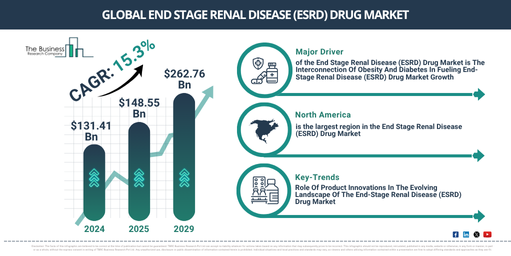
    Recent years have seen a significant expansion in the market size of the end stage renal disease (esrd) drug. The market is expected to balloon from $131.41 billion in 2024 to $148.55 billion in 2025, representing a compound annual growth rate (CAGR) of 13.0%. This surge in the past period can be credited to various factors including the rising incidences of end stage renal disease, an aging population demographic, enhanced accessibility to healthcare services, strategic government initiatives and policies, along with an increased uptake of renal replacement therapies.

    In the upcoming years, a swift expansion is predicted for the market size of end stage renal disease (esrd) drugs, with an projected growth to $262.76 billion by 2029, displaying a compound annual growth rate (CAGR) of 15.3%. This growth rate during the forecast period can be credited to the advent of new therapies and drug innovations, amplified health care spending, escalating global incidence of chronic kidney diseases, personalized treatment strategies, regulatory backing, and fast-tracked endorsements. Key trends for this forecasting period consist of an escalating occurrence of end stage renal disease, improvements in treatment methods, a rising focus on precision medicine, the progress of combination therapies, and the incorporation of technology in healthcare.

    Download The Free Sample Report Here:

    https://www.thebusinessresearchcompany.com/sample.aspx?id=9437&type=smp

    What Forces Are Driving The Growth Of The End Stage Renal Disease (ESRD) Drug Industry?

    The surge in obesity and diabetes cases is anticipated to fuel the expansion of the end-stage renal disease (ESRD) drug market. Obesity refers to an abnormal or excessive accumulation of fat that poses a health risk, while diabetes is a chronic illness characterized by the pancreas’ inability to produce adequate insulin or the body’s inefficient use of the produced insulin. For patients suffering from renal disease, fluid and electrolyte level management, blood pressure regulation, and elimination of waste products via dialysis can enhance overall health and wellness. This could potentially lead to weight loss and better blood sugar control. For example, World Obesity, a U.S.-based membership organization dedicated to the study and management of obesity, projected in March 2022 that the number of obese individuals could escalate to 892 million in 2025 and further to 1,025 million in 2030. Moreover, the National Health Service in the UK, a publicly funded healthcare system, estimated in February 2023 that by 2030, around 5.5 million people in the UK, nearly 9% of the population, could be diagnosed with diabetes. Consequently, the upswing in obesity and diabetes cases will boost the end-stage renal disease (ESRD) drug market.

    What Is The Overview Of Market Segmentation In The End Stage Renal Disease (ESRD) Drug Industry?

    The end stage renal disease (esrd) drug market covered in this report is segmented –

    1) By Product Type: Calcimimetics, Vitamin D, Sterols, Potassium Binders, Calcium-Based Phosphate Binders, Other Products

    2) By Indication: End Stage Renal Disease (ESRD) Induced Hyperparathyroidism, End Stage Renal Disease (ESRD) Induced Hyperphosphatemia, End Stage Renal Disease (ESRD) Induced Hyperkaliemia

    3) By Distribution Channel: Hospital Pharmacy, Online Pharmacy, Retail Pharmacy

    4) By End User: Hospitals, Homecare, Specialty Clinics, Other End Users

    Subsegments:

    1) By Calcimimetics: Cinacalcet, Etelcalcetide

    2) By Vitamin D: Calcitriol, Doxercalciferol, Paricalcitol

    3) By Sterols: Ergocalciferol, Cholecalciferol

    4) By Potassium Binders: Sodium Polystyrene Sulfonate, Patiromer, Sodium Zirconium Cyclosilicate

    5) By Calcium-Based Phosphate Binders: Calcium Acetate, Calcium Carbonate

    6) By Other Products: Iron Supplements, Erythropoiesis-Stimulating Agents

    What Future Market Trends Are Projected For The End Stage Renal Disease (ESRD) Drug Industry?

    Strategic product advancements are emerging as a significant trend for achieving market traction in the end-stage renal disease (ESRD) drug market. The leading companies in the ESRD drug market are resorting to the development of groundbreaking solutions to maintain their market foothold. For instance, in April 2022, GlaxoSmithKline PLC, a biotech and pharmaceutical company located in the UK, confirmed that the New Drug Application (NDA) for daprodustat, an oral hypoxia-inducible factor prolyl hydroxylase inhibitor (HIF-PHI) potentially used for treating chronic kidney disease anemia (CKD), was accepted by the US Food and Drug Administration (FDA). This novel product is built upon the unique, Nobel prize-winning research that validated how cells detect and accommodate to the presence of oxygen.

    Who Are The Primary Players Operating Across The Global End Stage Renal Disease (ESRD) Drug Market?

    Major companies operating in the end stage renal disease (ESRD) drug market include Pfizer Inc., AstraZeneca plc, Sanofi SA, Astellas Pharma Inc., Novartis AG, Fresenius SE & Co. KGaA, Takeda Pharmaceutical Company Limited, F. Hoffmann-La Roche Ltd., Kissei Pharmaceutical Co. Ltd., Baxter International Inc., AbbVie Inc., Amgen Inc., Akebia Drugs Inc., Bayer AG, Bristol-Myers Squibb Company, B. Braun SE, Asahi Kasei Medical Co. Ltd., Nikkiso Co. Ltd., Abbott Laboratories, Merck Co. & KGaA

    Get The Full Report Here:

    https://www.thebusinessresearchcompany.com/report/end-stage-renal-disease-esrd-drug-global-market-report

    Which Region Offers The Most Growth Potential For The End Stage Renal Disease (ESRD) Drug Market Through 2029?

    North America was the largest region in the end stage renal disease (ESRD) drug market in 2024. The regions covered in the end stage renal disease (ESRD) drug market report are Asia-Pacific, Western Europe, Eastern Europe, North America, South America, Middle East, Africa

    Request For A Customized Report:

    https://www.thebusinessresearchcompany.com/customise?id=9437&type=smp

    About The Business Research Company:

    With over 15000+ reports from 27 industries covering 60+ geographies, The Business Research Company has built a reputation for offering comprehensive, data-rich research and insights. Armed with 1,500,000 datasets, the optimistic contribution of in-depth secondary research, and unique insights from industry leaders, you can get the information you need to stay ahead in the game.

    Get in touch with us:

    The Business Research Company: https://www.thebusinessresearchcompany.com/

    Americas +1 310-496-7795

    Asia +44 7882 955267 & +91 8897263534

    Europe +44 7882 955267

    Email us at info@tbrc.info

    Follow us on:

    LinkedIn: https://in.linkedin.com/company/the-business-research-company

    YouTube: https://www.youtube.com/channel/UC24_fI0rV8cR5DxlCpgmyFQ

    Global Market Model: https://www.thebusinessresearchcompany.com/global-market-model

  • Outlook for Non-Therapeutic Biomolecules Market: Key Developments and Future Strategies to 2029

    Outlook for Non-Therapeutic Biomolecules Market: Key Developments and Future Strategies to 2029

    Claim your 30% discount on Global Market Reports with code ONLINE30. Limited time only.

    Claim your 30% discount on Global Market Reports with code ONLINE30. Limited time only.

    What Is the Outlook for the Non-Therapeutic Biomolecules Market Heading Into 2029?

    The market for non-therapeutic biomolecules has seen swift growth in the recent past. The market value is projected to increase from $30.76 billion in 2024 to $33.92 billion in 2025, with a compound annual growth rate (CAGR) of 10.3%. The historic growth can be credited to climbing investments in research and development (R&D), expanding use in research and diagnostics, burgeoning adoption and awareness, strategic alliances and partnerships, as well as regulatory backing.

    Anticipated to expand rapidly in the subsequent years, the non-therapeutic biomolecules market is set to reach a valuation of $51.03 billion by 2029, with an impressive compound annual growth rate (CAGR) of 10.8%. This projected rise in the forecast period is driven by the emergence of new market opportunities, progresses in data analysis and amalgamation, a mounting focus on precision medicine, increased investments into personalized healthcare, and wider application scope. The forecast period is also expected to see certain key trends such as technological advancements, strategic partnerships, a surge in applications in the agriculture sector, a broadening role in industrial procedures, and an emphasis on customization and personalization.

    Download The Free Sample Report Here:

    https://www.thebusinessresearchcompany.com/sample.aspx?id=8769&type=smp

    Which Factors Are Pushing The Non-Therapeutic Biomolecules Market Forward?

    The non-therapeutic biomolecules market is predicted to expand due to the escalating number of research and laboratory tests. Laboratory tests are medical procedures that involve examining bodily samples like blood or urine to identify and track diseases and devise treatment strategies. On the other hand, research involves producing new knowledge or innovatively applying existing knowledge to generate fresh concepts, theories, and comprehensions. Non-therapeutic biomolecules prove useful in lab tests when gauging the existence or concentration of a biomarker molecule denoting disease, thereby increasing the test’s sensitivity and specificity. To illustrate, the UK’s National Health Service (NHS) reported a rise beyond pre-pandemic levels in diagnostic activity in 2024, with diagnostic tests in May 2024 showing a 21% increase as compared to the previous year. Hence, the surging number of research and laboratory tests is fueling the growth of the non-therapeutic biomolecules market.

    Which Segment Held The Largest Share In The Non-Therapeutic Biomolecules Market In 2025?

    The non-therapeutic biomolecules market covered in this report is segmented –

    1) By Trad Pharma: Enzymes, Recombinant Proteins, Plasmids, Peptides, Oligonucleotides, Monoclonal Antibodies

    2) By End User: Research, Pharma, In Vitro Diagnostics(IVD)

    Subsegments:

    1) By Enzymes: Industrial Enzymes, Diagnostic Enzymes

    2) By Recombinant Proteins: Antigens, Cytokines, Growth Factors

    3) By Plasmids: Research Plasmids, Expression Plasmids

    4) By Peptides: Antimicrobial Peptides, Signaling Peptides

    5) By Oligonucleotides: Antisense Oligonucleotides, RNAi Oligonucleotides

    6) By Monoclonal Antibodies: Research Antibodies, Diagnostic Antibodies

    How Are Key Trends Driving Expansion In The Non-Therapeutic Biomolecules Industry?

    The emergence of product innovations is a notable trend in the non-therapeutic biomolecules market. To maintain their market leadership, predominant companies are investing heavily in research and development for these unique innovations. For example, in January 2022, Caregen, a firm based in Korea dedicated to biomimetic peptide research and development, formed a partnership with BASF SE. This German multinational chemical company subsequently launched the Peptovitae series, which was produced using liposome-encapsulation technology, thus broadening its dermo-cosmetics range to offer diverse and inventive solutions for a variety of skin issues. This encapsulation technique employs fats to transport necessary vitamins or medicines to certain areas of the body in minuscule bubbles while leaving other parts unaffected. The Peptovitae series caters to a more extensive selection of skin problems than what peptides commonly address, such as aging signs, skin dryness, itchiness, and the need for hydration.

    Which Organizations Are Driving Progress In The Non-Therapeutic Biomolecules Industry?

    Major companies operating in the non-therapeutic biomolecules market are Amgen Inc., Genentech Inc., Merck KGaA, Lonza Group AG, Bio-Rad Laboratories Inc., Thermo Fisher Scientific Inc., Agilent Technologies Inc., Charles River Laboratories International Inc., GE Healthcare Life Sciences, Fujifilm Diosynth Biotechnologies, Evonik Industries AG, Seikagaku Corporation, Takeda Pharmaceutical Company Limited, MilliporeSigma, Covance Inc., Sartorius AG, Sanofi S.A., CordenPharma International, Bayer AG, WuXi AppTec, Ginkgo Bioworks, Synlogic Inc., 3M Company, Eppendorf AG, Medtronic Plc, Bio-Techne Corporation, Iovance Biotherapeutics Inc., Vectalys, Avid Bioservices Inc., Sientra Inc.

    Get The Full Report Here:

    https://www.thebusinessresearchcompany.com/report/non-therapeutic-biomolecules-global-market-report

    Which Region Is Expected To Experience The Highest Growth In The Non-Therapeutic Biomolecules Industry?

    Asia-Pacific was the largest region in the non-therapeutic biomolecules market share in 2024. The regions covered in the non-therapeutic biomolecules market report are Asia-Pacific, Western Europe, Eastern Europe, North America, South America, Middle East, Africa.

    Request For A Customized Report:

    https://www.thebusinessresearchcompany.com/customise?id=8769&type=smp

    About The Business Research Company:

    With over 15000+ reports from 27 industries covering 60+ geographies, The Business Research Company has built a reputation for offering comprehensive, data-rich research and insights. Armed with 1,500,000 datasets, the optimistic contribution of in-depth secondary research, and unique insights from industry leaders, you can get the information you need to stay ahead in the game.

    Get in touch with us:

    The Business Research Company: https://www.thebusinessresearchcompany.com/

    Americas +1 310-496-7795

    Asia +44 7882 955267 & +91 8897263534

    Europe +44 7882 955267

    Email us at info@tbrc.info

    Follow us on:

    LinkedIn: https://in.linkedin.com/company/the-business-research-company

    YouTube: https://www.youtube.com/channel/UC24_fI0rV8cR5DxlCpgmyFQ

    Global Market Model: https://www.thebusinessresearchcompany.com/global-market-model
  • 2025 Bruton’s Tyrosine Kinase (BTK) Inhibitor Market Outlook: Opportunities, Growth Trends, and Strategic Analysis

    2025 Bruton’s Tyrosine Kinase (BTK) Inhibitor Market Outlook: Opportunities, Growth Trends, and Strategic Analysis

    Claim your 30% discount on Global Market Reports with code ONLINE30. Limited time only.

    Claim your 30% discount on Global Market Reports with code ONLINE30. Limited time only.

    What Are the Forecasted Growth Rate and Market Size of the Bruton’s Tyrosine Kinase (BTK) Inhibitor Market?

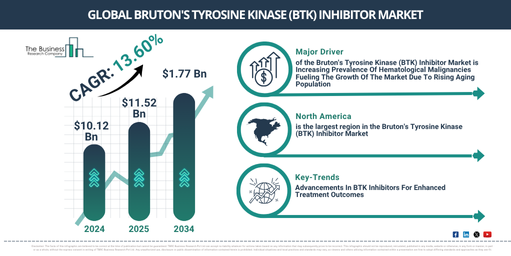
    The market size for Bruton’s Tyrosine Kinase (BTK) inhibitors has seen a significant upswing in the last few years. The projections indicate that it will rise from $10.12 billion in 2024 to a substantial $11.52 billion in 2025, reflecting a Compound Annual Growth Rate (CAGR) of 13.8%. The historical period’s momentum was a result of a number of factors including burgeoning unmet medical needs in the field of oncology, higher efficacy seen in clinical trials, enhanced awareness among healthcare professionals, broader role of targeted small molecules and a growing prevalence in treatment directives.

    Expectations for the bruton’s tyrosine kinase (BTK) inhibitor market forecast suggest a swift expansion in the imminent years, escalating to a value of $19.18 billion by 2029. This growth will be at a compound annual growth rate (CAGR) of 13.6%. The projected growth in this period is largely driven by increased usage in the treatment of autoimmune and inflammatory diseases, augmented label extensions for approved treatments, a growing interest in combining therapies, a growing fondness for oral targeted medications, and the worldwide expansion of healthcare infrastructures. Key trends for this forecast period consist of advancements in designing non-covalent BTK inhibitors, progress in reversible and selective binding mechanisms, technologies that optimize combination therapy, innovative strategies targeting resistance mutation pathways, enhancement in oral delivery formulations, and the incorporation of digital health monitoring tools for treatment.

    Download The Free Sample Report Here:

    https://www.thebusinessresearchcompany.com/sample.aspx?id=25714&type=smp

    Which Factor Is Shaping The Future Of The Bruton’s Tyrosine Kinase (BTK) Inhibitor Market?

    The bruton’s tyrosine kinase (BTK) inhibitor market is projected to expand due to the escalating incidence of hematological malignancies. These malignant conditions, which initiate in the blood, bone marrow, or lymphatic system and potentially cause disruptions in the functionality of blood and immune cells, include leukemia, lymphoma, and multiple myeloma. A contributing factor to their increased prevalence worldwide, apart from the rising elderly population, is that the likelihood of acquiring blood cancers such as leukemia, lymphoma, and myeloma increases with age. BTK inhibitors are significantly beneficial in managing and treating hematological malignancies, as they elongate patient life span, control disease progression, limit the growth and recurrence of cancer cells, and thereby enhance survival rates, which ultimately lead to higher prevalence statistics. For instance, in February 2023, a report from the Leukemia Foundation, a non-profit organization based in Australia, suggests that from 2022 to 2035, over 7,000 children, 6,000 young adults, and 108,000 adults (25–65) will be diagnosed with primary blood cancers like acute lymphoblastic leukemia, acute myeloid leukemia, and non-Hodgkin lymphoma. Consequently, the surge in hematological malignancies is anticipated to fuel the growth of the bruton’s tyrosine kinase (BTK) inhibitor market.

    What Is The Segment-Wise Breakdown Of The Bruton’s Tyrosine Kinase (BTK) Inhibitor Market?

    The bruton’s tyrosine kinase (btk) inhibitor market covered in this report is segmented –

    1) By Drug Type: First-Generation Bruton’s Tyrosine Kinase (BTK) Inhibitors, Second-Generation Bruton’s Tyrosine Kinase (BTK) Inhibitors, Third-Generation Bruton’s Tyrosine Kinase (BTK) Inhibitors

    2) By Route Of Administration: Oral Administration, Intravenous Administration, Subcutaneous Administration

    3) By Application: Chronic Lymphocytic Leukemia (CLL), Follicular Lymphoma, Mantle Cell Lymphoma, Marginal Zone Lymphoma, Small Lymphocytic Lymphoma (SLL), Waldenstrom Macroglobulinemia, Other Selective B Cell Malignancies, Chronic Graft-Versus-Host Disease, Other Applications

    4) By End User: Hospitals, Specialty Clinics, Research Laboratories, Pharmacies, Other End Users

    Subsegments:

    1) By First-Generation Bruton’s Tyrosine Kinase (BTK) Inhibitors: Ibrutinib, CC-292 (Spebrutinib), Other First-Generation BTK Inhibitors

    2) By Second-Generation Bruton’s Tyrosine Kinase (BTK) Inhibitors: Acalabrutinib, Zanubrutinib, Tirabrutinib, Other Second-Generation BTK Inhibitors

    3) By Third-Generation Bruton’s Tyrosine Kinase (BTK) Inhibitors: Pirtobrutinib (LOXO-305/Jaypirca), Nemtabrutinib (ARQ 531), Other Third-Generation BTK Inhibitors

    Which Trends Are Redefining The Future Landscape Of The Bruton’s Tyrosine Kinase (BTK) Inhibitor Industry?

    Significant companies in the Bruton’s Tyrosine Kinase (BTK) inhibitor market are placing emphasis on improvements in drug formulation such as precision therapy, to increase the effectiveness of treatment. The precision therapy is a treatment type that leverages drugs or other substances to selectively target and eliminate cancer cells or disease-associated pathways, sparing the normal, healthy cells from damage. For instance, in July 2025, Glenmark Pharmaceuticals Ltd., a pharmaceutical company from India, introduced Brukinsa (zanubrutinib), a novel hematological (blood) cancer treatment for Indian patients. This became the first and only BTK inhibitor in India sanctioned for five types of B-cell malignancies. Brukinsa possesses unique qualities separating it as a future-generation BTK inhibitor for B-cell malignancy treatment. It ensures persistent, superior level BTK occupancy in both blood and lymph nodes, boosting its efficacy in obstructing the survival of cancerous B cells. Brukinsa has an enhanced safety profile entailing less cardiac side effects and lower dropout rates compared to the first-generation BTK inhibitors. It brings forth adaptable dosing, enabling patients to take either 160 mg twice a day or 320 mg once a day depending on their tolerance and preference.

    Which Companies Hold The Largest Market Share In The Bruton’s Tyrosine Kinase (BTK) Inhibitor Sector?

    Major companies operating in the bruton’s tyrosine kinase (btk) inhibitor market are Johnson & Johnson Inc., F. Hoffmann-La Roche Ltd, Merck & Co. Inc., AbbVie Inc., Novartis International AG, Sanofi S.A., Bristol-Myers Squibb Company, AstraZeneca PLC, Eli Lilly and Company, Gilead Sciences Inc., Biogen Inc., Incyte Corporation, Ono Pharmaceutical Co Ltd., BeOne Medicines Inc., Nurix Therapeutics Inc., InnoCare Pharma Limited, Carna Biosciences Inc., Aptose Biosciences Inc., TG Therapeutics Inc., Everest Medicines Limited.

    Get The Full Report Here:

    https://www.thebusinessresearchcompany.com/report/brutons-tyrosine-kinase-btk-inhibitor-global-market-report

    How Does Regional Performance Compare Across The Bruton’s Tyrosine Kinase (BTK) Inhibitor Industry?

    North America was the largest region in the bruton’s tyrosine kinase (BTK) inhibitor market in 2024. Asia-Pacific is expected to be the fastest-growing region in the forecast period. The regions covered in the bruton’s tyrosine kinase (btk) inhibitor market report are Asia-Pacific, Western Europe, Eastern Europe, North America, South America, Middle East, Africa.

    Request For A Customized Report:

    https://www.thebusinessresearchcompany.com/customise?id=25714&type=smp

    About The Business Research Company:

    With over 15000+ reports from 27 industries covering 60+ geographies, The Business Research Company has built a reputation for offering comprehensive, data-rich research and insights. Armed with 1,500,000 datasets, the optimistic contribution of in-depth secondary research, and unique insights from industry leaders, you can get the information you need to stay ahead in the game.

    Get in touch with us:

    The Business Research Company: https://www.thebusinessresearchcompany.com/

    Americas +1 310-496-7795

    Asia +44 7882 955267 & +91 8897263534

    Europe +44 7882 955267

    Email us at info@tbrc.info

    Follow us on:

    LinkedIn: https://in.linkedin.com/company/the-business-research-company

    YouTube: https://www.youtube.com/channel/UC24_fI0rV8cR5DxlCpgmyFQ

    Global Market Model: https://www.thebusinessresearchcompany.com/global-market-model

  • Comprehensive Forecast: Empty Capsules Market Share, Growth, and Opportunities Through 2029

    Comprehensive Forecast: Empty Capsules Market Share, Growth, and Opportunities Through 2029

    Claim your 30% discount on Global Market Reports with code ONLINE30. Limited time only.

    Claim your 30% discount on Global Market Reports with code ONLINE30. Limited time only.

    What Are the Forecasted Growth Rate and Market Size of the Empty Capsules Market?

    In recent times, there has been substantial growth in the market size for empty capsules. The current value of $3.21 billion in 2024 is projected to increase to $3.47 billion in 2025, exhibiting a compound annual growth rate (CAGR) of 8.3%. Factors driving the growth during the historical period include evolving consumer tastes, positive economic factors, the influence of the conflict between Russia and Ukraine, obstruction encountered while entering the industry, and an aging population.

    The market for empty capsules is projected to witness a swift expansion in the coming years, reaching a value of $5.18 billion by 2029 with a Compound Annual Growth Rate (CAGR) of 10.5%. This growth in the projected period can be credited to increase in market size, market consolidation, ethical issues, and strict regulations, as well as the burgeoning demand for nutraceuticals and market dynamics. Key trends that will dominate the forecast period include product innovation, responsible sourcing, application in vegetarian and vegan products, the patient demographic, and treatments for chronic diseases, and regional dominance.

    Download The Free Sample Report Here:

    https://www.thebusinessresearchcompany.com/sample.aspx?id=8296&type=smp

    Which Factor Is Shaping The Future Of The Empty Capsules Market?

    The escalation in instances of persistent illnesses is projected to expedite the development of the empty capsules market in the future. These chronic illnesses regularly persist for three months or more and might amplify over time. The most common chronic diseases include cancer, heart disease, stroke, diabetes, and arthritis. Empty capsules serve as a medium for delivering different types of drugs without altering their formulation, they are crafted to ensure accurate drug delivery while abstaining from meddling in any drug formulation. For example, research made public by the American Cancer Society, a health organization based in the US, in January 2022 indicated that the US is likely to witness 609,360 cancer-related deaths and 1.9 million fresh cancer cases in the year 2022. This figure translates to roughly 1,670 deaths each day. Consequently, the rising frequency of chronic illnesses is propelling the expansion of the empty capsules market.

    What Is The Segment-Wise Breakdown Of The Empty Capsules Market?

    The empty capsules market covered in this report is segmented –

    1) By Type: Gelatin Capsules, Non-Gelatin Capsules

    2) By Functionality: Immediate-Release Capsules, Sustained-Release Capsules, Delayed-release Capsules

    3) By Application: Antibiotic And Antibacterial Drugs, Dietary Supplements, Antacid And Antiflatulent Preparations, Antianemic Preparations, Anti-inflammatory Drugs, Cardiovascular Therapy Drugs, Cough And Cold Drug Preparations, Other Therapeutic Applications

    4) By End-User: Pharmaceutical Industry, Nutraceutical Industry, Cosmetic Industry, Research Laboratories

    Subsegments:

    1) By Gelatin Capsules: Hard Gelatin Capsules, Soft Gelatin Capsules

    2) By Non-Gelatin Capsules: Vegetable Capsules, Pullulan Capsules, Other Plant-Based Capsules

    Which Trends Are Redefining The Future Landscape Of The Empty Capsules Industry?

    A key trend making waves in the empty capsules market is product innovation. To consolidate their hold in the market, leading companies are unveiling new product lines in the space of empty capsules. For example, in August 2023, Bright Pharma Caps Inc, an Indian pharmaceutical firm, introduced Bright-Poly. Famed as the globe’s inaugural certified organic capsules, they are constructed from USDA-approved organic pullulan. This innovation is geared towards fulfilling a demand for organic encapsulation choices in the nutritional enhancement industry. Bright-Poly capsules consist of NOP certified organic pullulan, pure water, and alginates, and are devoid of the common surfactants and chemical additives found in traditional capsules.

    Which Companies Hold The Largest Market Share In The Empty Capsules Sector?

    Major companies operating in the empty capsules market are ACG Group, CapsCanada Corporation, HealthCaps India Limited, Natural Capsules Ltd., Bright Pharma Caps Inc., Suheung Co. Ltd., Roxlor LLC, Lonza Group AG, Goerlich Pharma GmbH, Qualicaps Inc., Comed Chemicals Limited, Wuhan Carma Technology Co. Ltd., Nectar Lifesciences Ltd., Erawat Pharma Limited, Medi-Caps Ltd., Mitsubishi Chemical Holdings Corporation, Snail Pharma Industry Co. Ltd., Sunil Healthcare Ltd., Shanxi Guangsheng Medicinal Capsule Co. Ltd., Aenova Group GmbH, Capsuline Inc., Farmacapsulas SA, Health Pharma, JC Biotech Pvt. Ltd., Lefan Capsule International Inc., Nipro Capsule Co. Ltd., Qingdao Yiqing Medicinal Capsules Co. Ltd., Shaoxing Kangke Capsule Co. Ltd., Sunloc Industrial Co. Ltd.

    Get The Full Report Here:

    https://www.thebusinessresearchcompany.com/report/empty-capsules-global-market-report

    How Does Regional Performance Compare Across The Empty Capsules Industry?

    North America was the largest region in the empty capsules market in 2024. The regions covered in the empty capsules market report are Asia-Pacific, Western Europe, Eastern Europe, North America, South America, Middle East, Africa.

    Request For A Customized Report:

    https://www.thebusinessresearchcompany.com/customise?id=8296&type=smp

    About The Business Research Company:

    With over 15000+ reports from 27 industries covering 60+ geographies, The Business Research Company has built a reputation for offering comprehensive, data-rich research and insights. Armed with 1,500,000 datasets, the optimistic contribution of in-depth secondary research, and unique insights from industry leaders, you can get the information you need to stay ahead in the game.

    Get in touch with us:

    The Business Research Company: https://www.thebusinessresearchcompany.com/

    Americas +1 310-496-7795

    Asia +44 7882 955267 & +91 8897263534

    Europe +44 7882 955267

    Email us at info@tbrc.info

    Follow us on:

    LinkedIn: https://in.linkedin.com/company/the-business-research-company

    YouTube: https://www.youtube.com/channel/UC24_fI0rV8cR5DxlCpgmyFQ

    Global Market Model: https://www.thebusinessresearchcompany.com/global-market-model

  • Key Market Drivers, Trends, and Forecast for the Global Non-Steroidal Anti-inflammatory Drugs Industry

    Claim your 30% discount on Global Market Reports with code ONLINE30. Limited time only.

    Claim your 30% discount on Global Market Reports with code ONLINE30. Limited time only.

    What Does the Forecast Indicate for the Non-Steroidal Anti-inflammatory Drugs Market From 2025 to 2029?

    In recent times, the market size for non-steroidal anti-inflammatory drugs has experienced substantial growth. The market, valued at $20.68 billion in 2024, is expected to reach $21.89 billion in 2025, marking a compound annual growth rate (CAGR) of 5.8%. Factors contributing to this historical growth include the prevalence of chronic inflammatory diseases, management of post-surgery pain, sport-related injuries, over-the-counter accessibility, an aging demographic, and heightened consumer awareness.

    In the forthcoming years, a substantial surge is anticipated in the non-steroidal anti-inflammatory drugs market size. It is projected to expand to $28.15 billion in 2029, with an annual compound growth rate (CAGR) of 6.5%. Factors contributing to this growth include novel pain management therapies, regulatory amendments, the use of telehealth, global wellness tendencies, biosimilar rivalry, patient choices, and precision medicine tactics. Key forecasts for this period involve dominance of the over-the-counter (OTC) market, a growing inclination towards cox-2 inhibitors, generics and market competition, as well as the introduction of digital health technologies.

    Download The Free Sample Report Here:

    https://www.thebusinessresearchcompany.com/sample.aspx?id=8023&type=smp

    What Elements Are Contributing To Growth In The Non-Steroidal Anti-inflammatory Drugs Market?

    An increase in chronic pain incidents is projected to fuel the expansion of the non-steroidal anti-inflammatory drugs market. Chronic pain, which lasts for over six months, often leads to the need for the use of non-steroidal anti-inflammatory drugs to alleviate injuries and chronic pain. For instance, in April 2022, the CDC (Centers for Disease Control and Prevention), a government agency based in the US, reported that arthritis, which affects numerous people in the US, is a common cause of chronic pain. About one in four adults suffering from arthritis, equating to around 15 million people, experience severe joint pain linked to the condition. Hence, the rising prevalence of chronic pain is propelling the non-steroidal anti-inflammatory drugs market forward.

    Which Segments Are Detailed In The Global Non-Steroidal Anti-inflammatory Drugs Market Report?

    The non-steroidal anti-inflammatory drugs market covered in this report is segmented –

    1) By Route Of Administration: Oral, Topical, Other Route Of Administration

    2) By Disease Indication: Arthritis, Migraine, Ophthalmic Diseases, Other Disease Indications

    3) By Distribution Channel: Hospital Pharmacy, Retail Pharmacy, Online Pharmacy

    Subsegments:

    1) By Oral: Tablets, Capsules, Liquids Or Solutions

    2) By Topical: Gels, Creams, Patches

    3) By Other Route Of Administration: Injectable (Intravenous And Intramuscular), Suppositories

    Which Emerging Trends And Strategic Shifts Are Shaping The Non-Steroidal Anti-inflammatory Drugs Market?

    One of the primary trends in the non-steroidal anti-inflammatory drugs market is product innovation. Leading companies in the sector are focusing on developing novel technological solutions. Case in point, Endo International plc, a pharmaceutical company based in Ireland, debuted ibuprofen-famotidine 800 mg/26.6 mg tablets in March 2024. These tablets merge the pain-relieving and inflammation-reducing qualities of ibuprofen with the stomach-protecting effects of famotidine. The goal of this combination is to provide pain relief while simultaneously lowering the potential for gastrointestinal complications that can arise from the prolonged usage of nonsteroidal anti-inflammatory drugs (NSAIDs) like ibuprofen.

    Who Are The Key Contributors To Growth In The Non-Steroidal Anti-inflammatory Drugs Market?

    Major companies operating in the non-steroidal anti-inflammatory drugs market are Pfizer Inc., Bayer AG, Johnson & Johnson, Sun Pharmaceutical Industries Ltd., Assertio Therapeutics Inc., Iroko Pharmaceuticals Inc., Reckitt Benckiser Group PLC, Perrigo Company PLC, Hikma Pharmaceuticals Public Limited Company, Glenmark Pharmaceuticals Limited, Septodont, Aspen Pharmacare Holdings Limited, Sagent Pharmaceuticals Inc., Advanced Pharma Inc., Akorn Operating Company LLC, Alembic Pharmaceuticals Limited, Torrent Pharmaceuticals Limited, Lupin Limited, Cipla Limited, Zydus Cadila Healthcare Limited, Aurobindo Pharma Limited, Sanofi S.A., GlaxoSmithKline PLC, Horizon Therapeutics PLC, Zyla Life sciences, Novartis AG, Roche Holding AG, AbbVie Inc., Bristol-Myers Squibb Company

    Get The Full Report Here:

    https://www.thebusinessresearchcompany.com/report/non-steroidal-anti-inflammatory-drugs-global-market-report

    Which Region Is Projected To Lead The Non-Steroidal Anti-inflammatory Drugs Market By 2025?

    North America was the largest region in the non-steroidal anti-inflammatory drugs market in 2024. Asia-Pacific is expected to be the fastest-growing region in the non-steroidal anti-inflammatory drugs market during the forecast period. The regions covered in the non-steroidal anti-inflammatory drugs market report are Asia-Pacific, Western Europe, Eastern Europe, North America, South America, Middle East, Africa.

    Request For A Customized Report:

    https://www.thebusinessresearchcompany.com/customise?id=8023&type=smp

    About The Business Research Company:

    With over 15000+ reports from 27 industries covering 60+ geographies, The Business Research Company has built a reputation for offering comprehensive, data-rich research and insights. Armed with 1,500,000 datasets, the optimistic contribution of in-depth secondary research, and unique insights from industry leaders, you can get the information you need to stay ahead in the game.

    Get in touch with us:

    The Business Research Company: https://www.thebusinessresearchcompany.com/

    Americas +1 310-496-7795

    Asia +44 7882 955267 & +91 8897263534

    Europe +44 7882 955267

    Email us at info@tbrc.info

    Follow us on:

    LinkedIn: https://in.linkedin.com/company/the-business-research-company

    YouTube: https://www.youtube.com/channel/UC24_fI0rV8cR5DxlCpgmyFQ

    Global Market Model: https://www.thebusinessresearchcompany.com/global-market-model
  • Global Insights: Breast Ultrasound Market Expected to Surpass $4.96  Billion by 2029

    Global Insights: Breast Ultrasound Market Expected to Surpass $4.96 Billion by 2029

    Claim your 30% discount on Global Market Reports with code ONLINE30. Limited time only.

    Claim your 30% discount on Global Market Reports with code ONLINE30. Limited time only.

    What Is the Estimated Industry Valuation for the Breast Ultrasound Sector?

    In recent years, the breast ultrasound market has seen rapid expansion. The market size is predicted to increase from $2.74 billion in 2024 to $3.09 billion in 2025, signaling a compound annual growth rate (CAGR) of 12.9%. Raises in breast cancer concern, the addition of more screening programs in developed sectors, an enhanced understanding of traditional ultrasound imaging, a greater preference for non-invasive diagnostic devices, and a rising trend in using breast ultrasound as an additional tool are some of the reasons for the historical period’s growth.

    The market for breast ultrasound is forecasted to expand swiftly in the coming years, increasing to $4.96 billion in 2029 at a compounded annual growth rate of 12.6%. This expected growth within the forecast period is due to the acceptance of AI-integrated breast ultrasound systems, an increase in breast cancer cases among younger people, rising demand for point-of-care ultrasound devices, expansion in automated breast ultrasound (ABUS) and enhanced investments in the digital health infrastructure and tele-imaging. Noteworthy trends within the forecast period are improvements in AI-integrated ultrasound systems, the creation of portable and handheld breast ultrasound devices, advancements in 3D and 4D imaging, elastography for examining tissue stiffness, and incorporation with cloud-based data analysis.

    Download The Free Sample Report Here:

    https://www.thebusinessresearchcompany.com/sample.aspx?id=25713&type=smp

    What Forces Are Driving The Growth Of The Breast Ultrasound Market?

    The escalation in breast cancer cases is predicted to stimulate the expansion of the breast ultrasound market. Breast cancer, which originates in breast tissue and has the capacity to infiltrate surrounding regions or spread to other body parts, sees its incidence increasing due to enhanced exposure to lifestyle-related risks, such as obesity. This condition disrupts hormone levels and encourages cancer growth. Breast ultrasound assists with the growing rate of breast cancer by offering a dependable, non-invasive method for early detection and precise distinction of breast anomalies, particularly in dense breast tissue. For example, in October 2024, the American Cancer Society, a cancer organization based in the US, reported that in 2022, an estimated 287,850 new invasive breast cancer cases alongside 51,400 cases of ductal carcinoma in situ (DCIS) were identified in women in the US. These figures are predicted to climb to around 310,720 invasive cases and 56,500 DCIS cases by 2024. Consequently, the surge in breast cancer cases is fuelling the advancement of the breast ultrasound market.

    How Is The Breast Ultrasound Industry Segmented Across Key Parameters?

    The breast ultrasound market covered in this report is segmented –

    1) By Product: Conventional Breast Ultrasound (CBUS), Automated Breast Ultrasound (ABUS)

    2) By Technology: Two-Dimensional (2D) Ultrasound, Three-Dimensional (3D) And Four-Dimensional (4D) Ultrasound, Doppler Ultrasound

    3) By End-Use: Hospital, Diagnostics Imaging Laboratories, Other End-Uses

    Subsegments:

    1) By Conventional Breast Ultrasound (CBUS): Portable Or Handheld Ultrasound Systems, Cart Or Trolley-Based Ultrasound Systems, Compact Or Notebook Ultrasound Systems

    2) By Automated Breast Ultrasound (ABUS): Standalone Automated Breast Ultrasound (ABUS) Systems, Integrated Automated Breast Ultrasound (ABUS) With Full-Field Digital Mammography (FFDM), Mobile Automated Breast Ultrasound (ABUS) Units

    What Notable Trends Are Shaping The Direction Of The Breast Ultrasound Market?

    The breast ultrasound market is seeing significant advancements from its leading companies, with a specific focus on creating sophisticated technology such as AI-integrated breast ultrasound systems (BUS). This technology is instrumental to fast-track diagnostics and early detection, particularly benefiting women with dense breast tissue. AI-integrated ABUS is a AI-boosted ultrasound system that promotes automated image acquisition, immediate quality checks, and lesion detection – significantly reducing scan variability and the need for an operator. For example, GE HealthCare, an American healthcare IT solutions provider, introduced the Invenia ABUS Premium in March 2025. This 3D automated breast ultrasound system, which has received premarket approval from the U.S. FDA, enhances detection sensitivity when used in conjunction with mammography, overcoming the common issue where dense breast tissue obscures cancers during traditional screenings. It is equipped with advanced AI applications such as Verisound AI for scan quality evaluation, automatic nipple detection, and a Fast Scan feature that can speed up the scanning process by as much as 40%. This non-invasive system enhances patient comfort, decreases unnecessary biopsies, and eliminates radiation exposure.

    Which Companies Currently Dominate The Competitive Landscape In The Breast Ultrasound Industry?

    Major companies operating in the breast ultrasound market are Samsung Electronics Co. Ltd., Hitachi Ltd., Siemens Healthineers, Koninklijke Philips N.V., GE Healthcare, Hologic Inc., Mindray Medical International Limited, Canon Medical Systems Corporation, Carestream Health Inc., Blessing Health System, Fujifilm Sonosite Inc., Esaote S.p.A., Sonoscape Medical Corp., Shantou Institute of Ultrasonic Instruments, Terason, Delphinus Medical Technologies Inc., SonoCine Inc., Clarius Mobile Health Corp., QT Imaging Inc., QView Medical Inc.

    Get The Full Report Here:

    https://www.thebusinessresearchcompany.com/report/breast-ultrasound-global-market-report

    Which Geographic Regions Are Driving Demand In The Breast Ultrasound Market?

    North America was the largest region in the breast ultrasound market in 2024. Asia-Pacific is expected to be the fastest-growing region in the forecast period. The regions covered in the breast ultrasound market report are Asia-Pacific, Western Europe, Eastern Europe, North America, South America, Middle East, Africa.

    Request For A Customized Report:

    https://www.thebusinessresearchcompany.com/customise?id=25713&type=smp

    About The Business Research Company:

    With over 15000+ reports from 27 industries covering 60+ geographies, The Business Research Company has built a reputation for offering comprehensive, data-rich research and insights. Armed with 1,500,000 datasets, the optimistic contribution of in-depth secondary research, and unique insights from industry leaders, you can get the information you need to stay ahead in the game.

    Get in touch with us:

    The Business Research Company: https://www.thebusinessresearchcompany.com/

    Americas +1 310-496-7795

    Asia +44 7882 955267 & +91 8897263534

    Europe +44 7882 955267

    Email us at info@tbrc.info

    Follow us on:

    LinkedIn: https://in.linkedin.com/company/the-business-research-company

    YouTube: https://www.youtube.com/channel/UC24_fI0rV8cR5DxlCpgmyFQ

    Global Market Model: https://www.thebusinessresearchcompany.com/global-market-model
  • Future Demand and Leading Companies Shaping the Effervescent Tablet Market to 2029

    Future Demand and Leading Companies Shaping the Effervescent Tablet Market to 2029

    Claim your 30% discount on Global Market Reports with code ONLINE30. Limited time only.

    Claim your 30% discount on Global Market Reports with code ONLINE30. Limited time only.

    What Is the Estimated Industry Valuation for the Effervescent Tablet Sector?

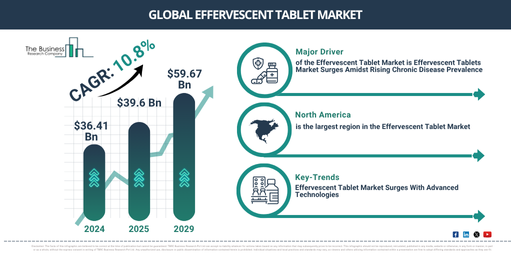
    In the past few years, the market size of effervescent tablets has experienced robust growth. The market is expected to rise from $36.41 billion in 2024 to $39.6 billion in 2025, progressing at a compound annual growth rate (CAGR) of 8.8%. Factors contributing to the growth during the historical period include early advancements in pharmaceuticals, medical breakthroughs, emerging trends in consumer health, consumer comfort and preference, as well as marketing and branding strategies.

    Anticipated to witness substantial expansion in the coming years, the effervescent tablet market is on track to reach a market value of $59.67 billion by 2029, fueled by a compound annual growth rate (CAGR) of 10.8%. This escalation in the projected period can be attributed to factors such as the preference for easy-to-use dosage forms, innovation in pharmaceutical concoctions, burgeoning consumer appetite for novelty, endorsements from medical professionals, and demographic evolutions. Key trends during this forecast period embrace the structure of the market value, cost influencers, sales channels, escalation rate, and progressive technological advancements.

    Download The Free Sample Report Here:

    https://www.thebusinessresearchcompany.com/sample.aspx?id=8295&type=smp

    What Forces Are Driving The Growth Of The Effervescent Tablet Market?

    The escalating rates of chronic diseases are anticipated to stimulate the expansion of the effervescent tablets market. Chronic illnesses, which frequently endure for three months or more and may become graver over time, commonly include cancer, heart disease, stroke, diabetes, and arthritis. To treat such long-term ailments, effervescent tablets are employed, acting as a powerful antioxidant that increases antioxidant levels in the blood and helps lessen the likelihood of chronic diseases. For example, research conducted by the American Cancer Society, a health entity based in the US, revealed in January 2022 that it is predicted that 609,360 cancer-related deaths and 1.9 million new cases of cancer will occur in the US in 2022, which is approximately 1,670 deaths daily. Consequently, the high incidence rate of chronic diseases is propelling the effervescent tablets market’s development.

    How Is The Effervescent Tablet Industry Segmented Across Key Parameters?

    The effervescent tablet market covered in this report is segmented –

    1) By Product: Medication, Supplements

    2) By Methods: Dry Methods, Wet Granulation

    3) By Indication: Diuretics, Pain Management, Gastric Disorders, Respiratory Diseases, Other Indications

    4) By Application: Dental Products, Dietary Supplements, Pharmaceutical, Other Applications

    5) By End-User: Hospitals, Specialty Clinics, Homecare, Other End-Users

    Subsegments:

    1) By Medication: Pain Relief Tablets, Cold And Flu Remedies, Digestive Health Tablets, Antacids

    2) By Supplements: Vitamin And Mineral Supplements, Electrolyte Supplements, Herbal Supplements, Energy And Sports Supplements

    What Notable Trends Are Shaping The Direction Of The Effervescent Tablet Market?

    The effervescent tablet market is increasingly being influenced by technology innovations, a trend that major market players are utilizing to maintain their market positions. They are focusing on the development of novel manufacturing methods tailored to their products. For example, Health Innovations Ltd., a healthcare supplement manufacturer based in the UK, introduced EfferShield technology in April 2022. This patented technology caters to effervescent tablets and powders. It is offered in single-serving pouches and stick-pack packaging, providing consumers with more adaptable and user-friendly packaging options. Moreover, they can be recycled and composted at home, adding to its appeal.

    Which Companies Currently Dominate The Competitive Landscape In The Effervescent Tablet Industry?

    Major companies operating in the effervescent tablet market are Bayer AG, Hermes Arzneimittel GmbH, GlaxoSmithKline PLC, Reckitt Benckiser Group PLC, Bristol-Myers Squibb Company, Bliss GVS Pharma Limited, Herbalife International Inc., Amerilab Technologies Inc., Pfizer Inc., Novartis AG, Perrigo Company PLC, Chiesi Farmaceutici SpA, SG Biopharm Pvt. Ltd., Tower Laboratories Ltd., American Health, By-health Co. Ltd., Vitabiotics Ltd., Prestige Brands Inc., Nuun and Company Inc., Amway Corp, GNC Holdings Inc., Sanofi SA, Merck KGaA, Roche Holding AG, Johnson & Johnson, Nestle SA, Dr Reddy’s Laboratories Ltd.

    Get The Full Report Here:

    https://www.thebusinessresearchcompany.com/report/effervescent-tablet-global-market-report

    Which Geographic Regions Are Driving Demand In The Effervescent Tablet Market?

    North America was the largest region in the effervescent tablets market share in 2024. Asia-Pacific is expected to be the fastest-growing region in the forecast period. The regions covered in the effervescent tablet market report are Asia-Pacific, Western Europe, Eastern Europe, North America, South America, Middle East, Africa.

    Request For A Customized Report:

    https://www.thebusinessresearchcompany.com/customise?id=8295&type=smp

    About The Business Research Company:

    With over 15000+ reports from 27 industries covering 60+ geographies, The Business Research Company has built a reputation for offering comprehensive, data-rich research and insights. Armed with 1,500,000 datasets, the optimistic contribution of in-depth secondary research, and unique insights from industry leaders, you can get the information you need to stay ahead in the game.

    Get in touch with us:

    The Business Research Company: https://www.thebusinessresearchcompany.com/

    Americas +1 310-496-7795

    Asia +44 7882 955267 & +91 8897263534

    Europe +44 7882 955267

    Email us at info@tbrc.info

    Follow us on:

    LinkedIn: https://in.linkedin.com/company/the-business-research-company

    YouTube: https://www.youtube.com/channel/UC24_fI0rV8cR5DxlCpgmyFQ

    Global Market Model: https://www.thebusinessresearchcompany.com/global-market-model

  • Strategic Report on Non-Alcoholic Steatohepatitis Treatment Market: Growth Opportunities and Emerging Challenges

    Claim your 30% discount on Global Market Reports with code ONLINE30. Limited time only.

    Claim your 30% discount on Global Market Reports with code ONLINE30. Limited time only.

    How Much Is the Global Non-Alcoholic Steatohepatitis Treatment Market Valued at Present and by 2029?

    The market for treatment of non-alcoholic steatohepatitis has seen a significant increase in size over the recent years. It is projected to rise from $2.6 billion in 2024 to $3.57 billion in 2025, with a compound annual growth rate (CAGR) of 37.5%. The historic development can be linked to factors such as an increase in NASH cases, improved awareness and diagnosis, changes in lifestyle and the obesity crisis, advancements in clinical research, better access to healthcare infrastructure, supportive regulations and clinical trials.

    The market size for treatment of non-alcoholic steatohepatitis is projected to witness considerable growth in the upcoming years, escalating to $13.57 billion in 2029 with a compound annual growth rate (CAGR) of 39.6%. The projected growth within the forecast period is a result of improvements in drug development, expanded awareness of the disease, an increase in prevalence and risk factors, and a shift towards personalized medicine. Significant trends anticipated across the forecast period encompass a patient-centered approach, technological advancements, targeted therapies, changes in the regulatory landscape, and advancements in research.

    Download The Free Sample Report Here:

    https://www.thebusinessresearchcompany.com/sample.aspx?id=8595&type=smp

    #What Drivers Are Influencing Growth In The Non-Alcoholic Steatohepatitis Treatment Market?

    The growth of the non-alcoholic steatohepatitis treatment market has been pushed forward by a rising prevalence of insulin resistance. This medical issue arises when cells in the muscles, fat, and liver fail to respond correctly to insulin, preventing an easy absorption of glucose from the blood and leading to high blood sugar levels. Unhealthy lifestyle choices, excessive sugar intake, and genetics all play a role in this process. The incidence of insulin resistance has escalated due to an upsurge in diabetes and associated liver ailments, for which non-alcoholic steatohepatitis treatments are used. For example, the Belgium-based International Diabetes Federation reported in January 2022 that diabetes has affected 537 million people aged 20-79 years which accounts for one in every ten individuals. This figure could rise to 643 million by 2030 and 783 million by 2045. Furthermore, in January 2024, the American Cancer Society, a US-based cancer advocacy nonprofit, projected that new liver cancer cases would grow to 41,630 in 2024 from 41,210 in 2023. Hence, the increasing prevalence of insulin resistance due to connected liver and diabetes diseases will spur the growth of the non-alcoholic steatohepatitis treatment market.

    What Are The Main Segments Identified In The Non-Alcoholic Steatohepatitis Treatment Market Research?

    The non-alcoholic steatohepatitis treatment market covered in this report is segmented –

    1) By Drug Type: Vitamin E And Pioglitazone, Ocaliva, Elafibranor, Selonsertib And cenicriviroc, Obeticholic Acid, Other Drugs Types

    2) By Test Type: Blood Tests, Liver Biopsy, Imaging Procedures

    3) By End User: Hospital Pharmacies, Retail And Specialty Pharmacies, Other End Users

    Subsegments:

    1) By Vitamin E And Pioglitazone: Vitamin E Supplements, Pioglitazone-Based Formulations.

    2) By Ocaliva: Ocaliva (Obeticholic Acid) For NASH

    3) By Elafibranor: Elafibranor-Based Treatments

    4) By Selonsertib And Cenicriviroc: Selonsertib Formulations, Cenicriviroc Formulations

    5) By Obeticholic Acid: Other Formulations Of Obeticholic Acid

    6) By Other Drug Types: Novel Agents In Clinical Trials, Combination Therapies

    What Are The Leading Trends And Opportunities In The Non-Alcoholic Steatohepatitis Treatment Sector?

    A prominent trend emerging within the non-alcoholic steatohepatitis treatment landscape is the research and development of non-alcoholic steatohepatitis (NASH) drugs. Numerous corporations are playing a significant role in groundbreaking medicinal innovation, focusing on liver disease treatments with lessened side effects. Notably, in May 2022, Pfizer Inc., a renowned American pharmaceutical and biotech firm, secured a grant from the U.S. Food and Drug Administration (FDA) to accelerate the progression of its NASH drugs, ervogastat and clesacostat. This expedited process, known as Fast Track, aims to streamline the advancement of Pfizer’s experimental combination therapy for treating NASH with liver fibrosis. The medicines in question are ervogastat (PF-06865571, a diacylglycerol O-acyltransferase 2 inhibitor or DGAT2i) and clesacostat (PF-05221304, an acetyl-CoA carboxylase inhibitor, or ACCi).

    Which Companies Play A Key Role In The Development Of The Non-Alcoholic Steatohepatitis Treatment Market?

    Major companies operating in the non-alcoholic steatohepatitis treatment market are AstraZeneca PLC, Galmed Pharmaceuticals Ltd., Genfit S.A., Zydus Cadila Healthcare Limited, Bristol-Myers Squibb Company, Gilead Sciences Inc., Novo Nordisk A/S, Immuron Ltd., Inventiva Pharma SA, NGM Biopharmaceuticals Inc., Galectin Therapeutics Inc., Madrigal Pharmaceuticals Corporation, Intercept Pharmaceuticals Inc., Cirius Therapeutics Inc., Viking Therapeutics Inc., Eli Lilly and Company, Terns Pharmaceuticals Inc., Pfizer Inc., Merck & Co. Inc., AbbVie Inc., Johnson & Johnson Private Limited, Sanofi S.A., F. Hoffmann-La Roche Ltd., C.H. Boehringer Sohn AG & Co. KG

    Get The Full Report Here:

    https://www.thebusinessresearchcompany.com/report/non-alcoholic-steatohepatitis-treatment-global-market-report

    What Are The Key Regional Developments Shaping The Non-Alcoholic Steatohepatitis Treatment Market?

    North America was the largest region in the non-alcoholic steatohepatitis treatment market share in 2024. The regions covered in the non-alcoholic steatohepatitis treatment market report are Asia-Pacific, Western Europe, Eastern Europe, North America, South America, Middle East, Africa.

    Request For A Customized Report:

    https://www.thebusinessresearchcompany.com/customise?id=8595&type=smp

    About The Business Research Company:

    With over 15000+ reports from 27 industries covering 60+ geographies, The Business Research Company has built a reputation for offering comprehensive, data-rich research and insights. Armed with 1,500,000 datasets, the optimistic contribution of in-depth secondary research, and unique insights from industry leaders, you can get the information you need to stay ahead in the game.

    Get in touch with us:

    The Business Research Company: https://www.thebusinessresearchcompany.com/

    Americas +1 310-496-7795

    Asia +44 7882 955267 & +91 8897263534

    Europe +44 7882 955267

    Email us at info@tbrc.info

    Follow us on:

    LinkedIn: https://in.linkedin.com/company/the-business-research-company

    YouTube: https://www.youtube.com/channel/UC24_fI0rV8cR5DxlCpgmyFQ

    Global Market Model: https://www.thebusinessresearchcompany.com/global-market-model

  • 2025–2029 Drug Formulation Market Outlook: Regional Trends and Growth Forecast

    Claim your 30% discount on Global Market Reports with code ONLINE30. Limited time only.

    Claim your 30% discount on Global Market Reports with code ONLINE30. Limited time only.

    How Large Is the Drug Formulation Market Expected to Be in 2029?

    The pharmaceutical formulation market has been witnessing robust growth in the past few years. The market size is projected to expand from $1908.89 billion in 2024 to $2045.31 billion in 2025, with a compound annual growth rate (CAGR) of 7.1%. Factors such as innovation in biopharmaceuticals, drug development focused on patients, personalized healthcare, regulatory encouragement for rare disease drugs, and enhanced R&D spending have contributed to the growth in the historical period.

    The market for drug formulation is set to experience robust expansion in the coming years, with projections indicating a growth to $2894.29 billion by 2029, driven by a compound annual growth rate (CAGR) of 9.1%. This anticipated growth over the forecast period is due largely to developments in 3d printing, a heightened focus on pediatric formulations, the adoption of biological drug delivery systems, the incorporation of green chemistry in formulation alongside the integration of artificial intelligence (ai). Noteworthy trends within the forecast period comprise a dominance of biopharmaceuticals and biologics, the emergence of advanced drug delivery systems, the rising traction of personalized medicine and individualized formulations, the introduction of nanotechnology, along with lifecycle management and reformulation strategies.

    Download The Free Sample Report Here:

    https://www.thebusinessresearchcompany.com/sample.aspx?id=9900&type=smp

    What Are The Contributors To Demand In The Drug Formulation Market?

    The anticipated growth of the drug formulation market is expected to be driven by the increasing prevalence of chronic diseases. Chronic diseases are typically defined as conditions that persist for more than a year and necessitate regular medical care, interfere with daily activities, or both. Drug formulation has the potential to alleviate chronic illnesses by using various drug delivery techniques to boost therapeutic effectiveness while reducing adverse effects through influencing the absorption, distribution, metabolism, and excretion of medication. For example, a September 2022 report by the National Institutes of Health (NIH), a US biomedical research institution, forecasted a 99.5% increase in the population of Americans aged 50 and over with at least one chronic disease, from 71.52 million in 2020 to 142.66 million in 2050. Furthermore, the number of people with multiple chronic conditions is projected to grow by 91.16% from 7.8304 million in 2020 to 14.968 million in 2050. As a result, the escalating incidences of chronic diseases are propelling the expansion of the drug formulation market.

    What Segmentation Categories Are Included In The Drug Formulation Market Analysis?

    The drug formulation market covered in this report is segmented –

    1) By Dosage Form: Oral formulations, Parenteral Formulations, Topical Formulations, Inhalation Formulations

    2) By Formulation: Tablets, Capsules, Injectable, Sprays, Suspensions, Powders, Other Formulations

    3) By Therapy Area: Cardiovascular Diseases (CVDs), Pain, Diabetes, Cancer, Respiratory Diseases, Other Diseases

    4) By End-User: Big Pharma, Small And Medium Pharma, Biotech Companies

    Subsegments:

    1) By Oral Formulations: Tablets, Capsules, Powders, Liquids Or Solutions

    2) By Parenteral Formulations: Injectables, Implants, Infusions

    3) By Topical Formulations: Creams, Ointments, Gels, Transdermal Patches

    4) By Inhalation Formulations: Metered-Dose Inhalers (MDIs), Dry Powder Inhalers (DPIs), Nebulizers

    What Upcoming Trends Are Expected To Impact The Drug Formulation Market Globally?

    One of the emerging trends in the drug formulation sector is technological innovation. Key market participants are focusing on the introduction of new and enhanced technologies to consolidate their market stance. An example of this is the launching of the Merck Digital Sciences Studio (MDSS) by Merck & Co., Inc., a pharmaceutical company from the United States, in June 2022. This initiative zooms in on fostering the development of fresh technologies for drug research, courtesy of Azure Cloud’s potent computing and Merck’s discovery and clinical professionals. The initiative, which is a joint effort between Merck and the New Jersey Innovation Institute (NJII), an entity owned by the New Jersey Institute of Technology in the US, has attracted investment from the Merck Global Health Innovation Fund, Northpond Ventures, and McKesson Ventures. Microsoft will be offering technological backing for start-up organizations.

    Who Are The Top-Ranked Companies In The Drug Formulation Market Today?

    Major companies operating in the drug formulation market include AstraZeneca PLC, The Bristol-Myers Squibb Company, Eli Lilly and Company, Gilead Sciences Inc., Merck & Co. Inc., Novartis AG, Pfizer Inc., AbbVie Inc., C.H. Boehringer Sohn AG & Co. KG, F. Hoffmann-La Roche AG, Johnson & Johnson, Bayer AG, Teva Pharmaceutical Industries Ltd., Sanofi S.A., GlaxoSmithKline plc, Novo Nordisk A/S, Amgen Inc., Viatris Inc., Sandoz International GmbH, Takeda Pharmaceutical Company Limited, Sun Pharmaceutical Industries Ltd., Dr. Reddy’s Laboratories Ltd., Cipla Ltd., Lupin Limited, Torrent Pharmaceuticals Limited, Jubilant Life Sciences Limited, Cadila Healthcare Limited, Glenmark Pharmaceuticals Ltd., Wockhardt Ltd., Hikma Pharmaceuticals plc

    Get The Full Report Here:

    https://www.thebusinessresearchcompany.com/report/drug-formulation-global-market-report

    How Is Drug Formulation Market Adoption Varying Across Different Regions And Sectors?

    North America was the largest region in the drug formulation market in 2024. Asia-Pacific is expected to be the fastest-growing region in the drug formulation market report during the forecast period. The regions covered in the drug formulation market report are Asia-Pacific, Western Europe, Eastern Europe, North America, South America, Middle East, Africa

    Request For A Customized Report:

    https://www.thebusinessresearchcompany.com/customise?id=9900&type=smp

    About The Business Research Company:

    With over 15000+ reports from 27 industries covering 60+ geographies, The Business Research Company has built a reputation for offering comprehensive, data-rich research and insights. Armed with 1,500,000 datasets, the optimistic contribution of in-depth secondary research, and unique insights from industry leaders, you can get the information you need to stay ahead in the game.

    Get in touch with us:

    The Business Research Company: https://www.thebusinessresearchcompany.com/

    Americas +1 310-496-7795

    Asia +44 7882 955267 & +91 8897263534

    Europe +44 7882 955267

    Email us at info@tbrc.info

    Follow us on:

    LinkedIn: https://in.linkedin.com/company/the-business-research-company

    YouTube: https://www.youtube.com/channel/UC24_fI0rV8cR5DxlCpgmyFQ

    Global Market Model: https://www.thebusinessresearchcompany.com/global-market-model

  • 2025 Analysis: Opportunities and Risks in the Evolving Breast Reconstruction Meshes Market

    2025 Analysis: Opportunities and Risks in the Evolving Breast Reconstruction Meshes Market

    Claim your 30% discount on Global Market Reports with code ONLINE30. Limited time only.

    Claim your 30% discount on Global Market Reports with code ONLINE30. Limited time only.

    How Large Is the Breast Reconstruction Meshes Market Expected to Be in 2029?

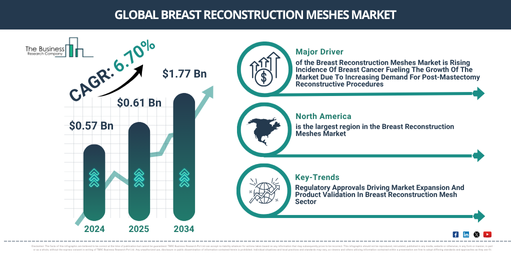
    In the past few years, the breast reconstruction market has seen significant growth. Its size is projected to expand from $0.57 billion in 2024 to $0.61 billion in 2025, indicating a compound annual growth rate (CAGR) of 7.1%. This historical growth is linked to multiple factors such as the rising incidence of breast cancer, growing demand for mastectomy procedures, increased awareness about reconstruction options, the broadening of reconstruction programs within hospitals, and a rising amount of breast implant revisions.

    In the upcoming years, the breast reconstruction market is predicted to witness robust expansion, reaching $0.79 billion by 2029, with a compound annual growth rate (CAGR) of 6.7%. Influencing factors for the surge during the forecast period include the growing inclination towards prepectoral reconstruction, increasing count of breast reconstruction surgeries, better healthcare access in emerging regions, the proliferation of cosmetic surgery clinics, and the rising use of biological and hybrid meshes. Key trends for the projected period include advancements in mesh technology, innovations in absorbable and hybrid mesh materials, investments funneled into research and development, the emergence of 3D-printed reconstruction scaffolds, and breakthroughs in minimally invasive reconstruction methods.

    Download The Free Sample Report Here:

    https://www.thebusinessresearchcompany.com/sample.aspx?id=25712&type=smp

    What Are The Contributors To Demand In The Breast Reconstruction Meshes Market?

    The growth of the market for breast reconstruction meshes is anticipated to be fueled by the escalating prevalence of breast cancer. This illness is a malignant condition in which breast tissue’s abnormal cells proliferate unchecked and can potentially disseminate to other body areas if not promptly identified and treated. The prevalence of breast cancer is on the rise, partially due to women opting to delay fertility and having fewer offspring. This impacts hormonal levels over time and subsequently heightens their odds of contracting the disease. Breast reconstruction meshes aid in breast cancer management by providing structural stability and assisting in molding and securing the breast region during post-mastectomy reconstructive surgery, enhancing both medical results and cosmetic appearance. To exemplify, the World Health Organization, a Switzerland-based international entity, reported about 2.3 million new instances of breast cancer and 670,000 associated fatalities globally in 2022. Moreover, these figures are projected to escalate to 3.2 million new diagnoses and 1.1 million annual deaths by 2050. Consequently, the surging prevalence of breast cancer is propelling the expansion of the breast reconstruction meshes market.

    What Segmentation Categories Are Included In The Breast Reconstruction Meshes Market Analysis?

    The breast reconstruction meshes market covered in this report is segmented –

    1) By Product: Synthetic Mesh, Biological Mesh

    2) By Nature: Absorbable Mesh, Nonabsorbable Mesh, Resorbable Surgical Mesh, Non Resorbable Surgical Mesh

    3) By Application: Implant-Based Reconstruction, Autologous Tissue Reconstruction, Pre-Pectoral Reconstruction, Sub-Pectoral Reconstruction, Revision Surgeries, Congenital Asymmetry Or Deformity Surgery

    4) By End User: Hospitals, Ambulatory Surgical Centers, Specialty Clinics, Comprehensive Cancer Centers, Plastic Surgery Clinics, Academic And Research Institutes

    Subsegments:

    1) By Synthetic Mesh: Absorbable Mesh, Non-Absorbable Mesh

    2) By Biological Mesh: Acellular Dermal Matrix (ADM), Xenograft Mesh, Allograft Mesh

    What Upcoming Trends Are Expected To Impact The Breast Reconstruction Meshes Market Globally?

    Leading firms within the breast reconstruction mesh sector are emphasizing the acquisition of regulatory acceptances in order to broaden their range of products, increase market penetration, and consolidate their competitive status. Such approvals are official permits issued by governmental bodies affirming that a product or service fulfills the required safety, quality, and compliance objectives for it to be marketed or consumed. For illustrative purposes, in October 2022, the Plastic Surgery Foundation, a charitable entity based in the US, procured the approval of the Food and Drug Administration (FDA) to initiate a forward-looking, multicenter observational research assessing the application of acellular dermal matrix (ADM) and surgical mesh in implant-based breast restoration. This examination seeks to present substantial proof concerning the safety, efficacy, surgical methods, complications, device loss, and patient contentment related to these devices, currently used off-label in breast reconstruction without official FDA approval for such purpose. This study won’t mandate surgeons to modify their conventional procedures or randomize patients, mirroring real-world application and will include control arms devoid of ADM or mesh for comparison.

    Who Are The Top-Ranked Companies In The Breast Reconstruction Meshes Market Today?

    Major companies operating in the breast reconstruction meshes market are Stryker Corporation, Baxter International Inc., Coloplast A/S, Integra LifeSciences Holdings Corporation, MTF Biologics, LifeNet Health, Silimed Indústria de Implantes Ltda., AlloSource, TELA Bio Inc., GC Aesthetics Ltd., pfm medical AG, POLYTECH Health & Aesthetics GmbH, CollPlant Biotechnologies Ltd., Laboratoires Arion, Advanced Biomedical Concept Srl, Dipromed Srl, Meccellis Biotech SAS, Novus Scientific AB, SERAG-WIESSNER GmbH & Co. KG, BellaSeno GmbH, RTI Surgical Holdings Inc.

    Get The Full Report Here:

    https://www.thebusinessresearchcompany.com/report/breast-reconstruction-meshes-global-market-report

    How Is Breast Reconstruction Meshes Market Adoption Varying Across Different Regions And Sectors?

    North America was the largest region in the breast reconstruction market in 2024. Asia‑Pacific is expected to be the fastest-growing region in the forecast period. The regions covered in the breast reconstruction meshes market report are Asia-Pacific, Western Europe, Eastern Europe, North America, South America, Middle East, Africa.

    Request For A Customized Report:

    https://www.thebusinessresearchcompany.com/customise?id=25712&type=smp

    About The Business Research Company:

    With over 15000+ reports from 27 industries covering 60+ geographies, The Business Research Company has built a reputation for offering comprehensive, data-rich research and insights. Armed with 1,500,000 datasets, the optimistic contribution of in-depth secondary research, and unique insights from industry leaders, you can get the information you need to stay ahead in the game.

    Get in touch with us:

    The Business Research Company: https://www.thebusinessresearchcompany.com/

    Americas +1 310-496-7795

    Asia +44 7882 955267 & +91 8897263534

    Europe +44 7882 955267

    Email us at info@tbrc.info

    Follow us on:

    LinkedIn: https://in.linkedin.com/company/the-business-research-company

    YouTube: https://www.youtube.com/channel/UC24_fI0rV8cR5DxlCpgmyFQ

    Global Market Model: https://www.thebusinessresearchcompany.com/global-market-model