Blog

  • Emerging Trends and Growth Drivers in the Intravenous Immunoglobulin Market Through 2029

    Emerging Trends and Growth Drivers in the Intravenous Immunoglobulin Market Through 2029

    Claim your 30% discount on Global Market Reports with code ONLINE30. Limited time only.

    Claim your 30% discount on Global Market Reports with code ONLINE30. Limited time only.

    What Is the Outlook for the Intravenous Immunoglobulin Market Heading Into 2029?

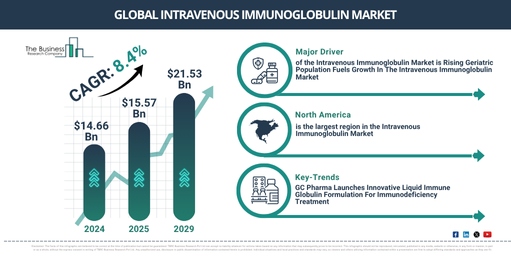
    The market size for intravenous immunoglobulin has exhibited significant growth in the past few years. The forecast shows it will expand from $14.66 billion in 2024 to $15.57 billion in 2025, with a compound annual growth rate (CAGR) of 6.2%. This surge during the historic period can be attributed to its use in the treatment of primary immunodeficiency conditions, handling of neurological disorders, an increasing aging population, advancements in techniques for plasma fractionation, widened applications in neurology, and treatments for infectious diseases and pediatric immunodeficiency.

    The market for intravenous immunoglobulin is forecasted to experience notable expansion in the coming years, with projections suggesting it will reach a value of $21.53 billion by 2029, with an 8.4% compound annual growth rate (CAGR). This expected increase over the forecast period is largely due to several factors, such as the increasing prevalence of autoimmune disorders, ongoing advancements in immunology research, a rise in healthcare spending, growing incidence of cancer, innovation in immunoglobulin products, and the rise of personalized medicine approaches. Key trends to look for during the forecast period include treatment developments for primary immunodeficiency disorders (PIDD), swift technological innovations, strategic alliances and partnerships, advancements in manufacturing procedures, neurological applications, uses in hematology, and developments in immunotherapy techniques.

    Download The Free Sample Report Here:

    https://www.thebusinessresearchcompany.com/sample.aspx?id=8538&type=smp

    Which Factors Are Pushing The Intravenous Immunoglobulin Market Forward?

    The rise in the elderly population is projected to propel the advancement of the intravenous immunoglobulin market. The term “elderly population” pertains to individuals who are 65 years old and above. With advancing age, the immune system tends to malfunction and there is a scarcity of antibodies. Hence, these individuals require immunoglobulins to supply them with necessary antibodies. This escalated need fuels the demand for intravenous immunoglobulis and propels the intravenous immunoglobulin market. For example, projections from the Population Reference Bureau, a nonprofit organization based in Kenya, stated that by January 2024, the population of Americans aged 65 and older is set to increase from 58 million in 2022 to 82 million by 2050, marking a 47% rise. The proportion of this age bracket in comparison to the total population is also expected to grow from 17% to 23% within the same timeframe. Consequently, an uptick in the elderly population is anticipated to spur the expansion of the intravenous immunoglobulin market.

    Which Segment Held The Largest Share In The Intravenous Immunoglobulin Market In 2025?

    The intravenous immunoglobulin market covered in this report is segmented –

    1) By Type: IgG (Immunoglobulin G), IgM (Immunoglobulin M), IgA (Immunoglobulin A), IgE (Immunoglobulin E), IgD (Immunoglobulin D)

    2) By Distribution Channel: Hospital Pharmacy, Retail Pharmacy, Other Distribution Channels

    3) By Application: Hypogammaglobulinemia, Chronic Inflammatory Demyelinating Polyneuropathy (CIDP), Primary Immunodeficiency Diseases, Myasthenia Gravis, Multifocal Motor Neuropathy, Other Applications

    4) By End-User: Hospitals, Clinics, Home Care

    Subsegments:

    1) By Immunoglobulin G (IgG): Normal IgG, Specific IgG

    2) By Immunoglobulin M (IgM): Normal IgM, Specific IgM

    3) By Immunoglobulin A (IgA): Normal IgA, Specific IgA

    4) By Immunoglobulin E (IgE): Normal IgE, Specific IgE

    5) By Immunoglobulin D (IgD): Normal IgD, Specific IgD

    How Are Key Trends Driving Expansion In The Intravenous Immunoglobulin Industry?

    Emerging as a major trend in the intravenous immunoglobulin market, product innovation is increasingly being prioritized by leading companies. These organizations are striving to introduce innovative new products such as liquid immune globulin treatments specifically for immunodeficiency conditions in order to solidify their market standing. For instance, GC Pharma, a pharmaceutical organization based in South Korea, launched an FDA-approved product named Alyglo in December 2023. This new solution is a sterile, pre-prepared liquid formulation comprising 10% immunoglobulin G (IgG), which delivers 100 mg/mL of protein, including a minimum of 96% human IgG acquired from collective human plasma. It is outlined specifically for treating primary humoral immunodeficiency (PI) in adults aged 17 years and above, targeting diseases like congenital agammaglobulinemia, common variable immunodeficiency (CVID), Wiskott-Aldrich syndrome, and severe combined immunodeficiency (SCID).

    Which Organizations Are Driving Progress In The Intravenous Immunoglobulin Industry?

    Major companies operating in the intravenous immunoglobulin market are Bio Products Laboratory Limited, Biotest AG, China Biologic Products Holdings Inc., CSL Behring, Grifols S.A., Kedrion SpA, Shanghai RAAS Blood Products Co. Ltd., Octapharma AG, Takeda Pharmaceutical Company Limited, Baxter International Inc., LFB Biotechnologies SAS, BDI Pharma Inc., Hualan Biological Engineering Inc., ADMA Biologics Inc., Bharat Serums and Vaccines Limited, Sanquin Plasma Products B.V., Prothya Biosolutions B.V., Sichuan Yuanda Shuyang Pharmaceutical Co. Ltd., Pfizer Inc., Kedrion Biopharma, Intas Pharmaceuticals, Octapharma Pharmazeutika Produktionsges.m.b.H., GC Pharma, Grifols Biologicals Inc., Kamada Ltd., LFB USA, Octapharma Plasma Inc., Panacea Biotec Ltd.

    Get The Full Report Here:

    https://www.thebusinessresearchcompany.com/report/intravenous-immunoglobulin-global-market-report

    Which Region Is Expected To Experience The Highest Growth In The Intravenous Immunoglobulin Industry?

    North America was the largest region in the intravenous immunoglobulin market in 2024. Asia-Pacific is expected to be the fastest-growing region in the forecast period. The regions covered in the intravenous immunoglobulin market report are Asia-Pacific, Western Europe, Eastern Europe, North America, South America, Middle East, Africa.

    Request For A Customized Report:

    https://www.thebusinessresearchcompany.com/customise?id=8538&type=smp

    About The Business Research Company:

    With over 15000+ reports from 27 industries covering 60+ geographies, The Business Research Company has built a reputation for offering comprehensive, data-rich research and insights. Armed with 1,500,000 datasets, the optimistic contribution of in-depth secondary research, and unique insights from industry leaders, you can get the information you need to stay ahead in the game.

    Get in touch with us:

    The Business Research Company: https://www.thebusinessresearchcompany.com/

    Americas +1 310-496-7795

    Asia +44 7882 955267 & +91 8897263534

    Europe +44 7882 955267

    Email us at info@tbrc.info

    Follow us on:

    LinkedIn: https://in.linkedin.com/company/the-business-research-company

    YouTube: https://www.youtube.com/channel/UC24_fI0rV8cR5DxlCpgmyFQ

    Global Market Model: https://www.thebusinessresearchcompany.com/global-market-model

  • Industry Trends Show Bioabsorbable Surgical Mesh Market Set to Expand at 8.6% CAGR Until 2029

    Industry Trends Show Bioabsorbable Surgical Mesh Market Set to Expand at 8.6% CAGR Until 2029

    Claim your 30% discount on Global Market Reports with code ONLINE30. Limited time only.

    Claim your 30% discount on Global Market Reports with code ONLINE30. Limited time only.

    What Are the Latest Market Insights for the Bioabsorbable Surgical Mesh Industry?

    The market size for bioabsorbable surgical mesh has witnessed a robust growth in recent times. The market is set to expand from $1.14 billion in 2024 to reach a size of $1.25 billion in 2025, demonstrating a compound annual growth rate (CAGR) of 8.9%. Factors contributing to this growth during the historical period include an escalating prevalence of chronic ailments, a rise in surgical procedures, an aging population, an increased inclination towards minimally invasive surgeries, and enhancements in healthcare infrastructure.

    Expectations are high for robust growth in the bioabsorbable surgical mesh market in the upcoming years, with projections reaching $1.73 billion by 2029, reflecting a compound annual growth rate (CAGR) of 8.6%. The predicted surge during this period is linked to factors like escalated healthcare spending, improved awareness about sophisticated surgical alternatives, heightened inclination towards absorbable mesh, an increase in regulatory approvals and a surge in demand from budding markets. The future trajectory also anticipates progression in bioabsorbable materials, the incorporation of less invasive methods, innovation driven by technology in product design, biocompatibility advancements in mesh, and enhancement in customised absorption rates.

    Download The Free Sample Report Here:

    https://www.thebusinessresearchcompany.com/sample.aspx?id=25705&type=smp

    What Forces Are Driving The Growth Of The Bioabsorbable Surgical Mesh Industry?

    The growth of the bioabsorbable surgical mesh market is anticipated to be fueled by the escalating number of surgical procedures. These procedures involve medically intended, non-temporary changes to body structures, generally including tissue incisions or the repair or removal of body parts to treat, diagnose or prevent diseases, injuries, or other medical conditions. The surge in surgical procedures is primarily attributed to the increased incidence of chronic illnesses, including cardiovascular diseases, cancer, and conditions related to obesity. Bioabsorbable surgical mesh facilitates surgical procedures by offering temporary support to healing tissues and gradually disintegrating, diminishing the risk of enduring complications tied to permanent implants. For instance, records from the International Society of Aesthetic Plastic Surgery (ISAPS), an American professional body for board-certified aesthetic plastic surgeons, indicate that in June 2024, there was a 5.5% increase in surgical procedures compared to 2023, resulting in over 15.8 million surgeries and 19.1 million non-surgical procedures globally. Consequently, the growing number of surgical procedures is propelling the expansion of the bioabsorbable surgical mesh market.

    What Is The Overview Of Market Segmentation In The Bioabsorbable Surgical Mesh Industry?

    The bioabsorbable surgical mesh market covered in this report is segmented –

    1) By Product Type: Polymer-Based Mesh, Composite Mesh, Bioactive Mesh

    2) By Material Type: Polylactic Acid, Polyglycolic Acid, Polycaprolactone, Composite Materials, Natural Polymers

    3) By Distribution Channel: Direct Sales, Online Sales, Distributors And Wholesalers

    4) By Application: Hernia Repair, Dural Repair, Urological Surgery, Cardiovascular Surgery, Orthopedic Surgery, Other Applications

    5) By End-Use: Hospitals, Ambulatory Surgical Centers, Specialty Clinics, Research Institutions

    Subsegments:

    1) By Polymer-Based Mesh: Polyglycolic Acid (PGA) Mesh, Polylactic Acid (PLA) Mesh, Polycaprolactone (PCL) Mesh, Polydioxanone (PDO) Mesh

    2) By Composite Mesh: Polymer-Collagen Composite Mesh, Polymer-Coated Composite Mesh, Synthetic-Biological Composite Mesh, Polymer-Hydrogel Composite Mesh

    3) By Bioactive Mesh: Antimicrobial-Embedded Mesh, Growth Factor-Embedded Mesh, Drug-Eluting Mesh, Stem Cell-Seeded Mesh

    What Future Market Trends Are Projected For The Bioabsorbable Surgical Mesh Industry?

    Leading firms in the bioabsorbable surgical mesh market are concentrating on creating sophisticated products such as entirely bioabsorbable pocket and strap designs to improve placement and fixation ease during hernia repair procedures. A fully bioabsorbable pocket and strap design incorporates absorbable structural components into the mesh, facilitating precise placement and lateral fixation and eradicating the need for permanent implants. For example, Becton, Dickinson and Company, a medical device organization based in the US, introduced the Phasix ST Umbilical Hernia Patch in April 2025. It’s the first completely absorbable hernia patch specifically designed for umbilical hernias, containing a pocket and strap configuration made of poly-4-hydroxybutyrate (P4HB), a biologically sourced polymer. This design emulates the handling and placement approaches of permanent mesh while being entirely absorbed by the body over a period of time. The patch also consists of a hydrogel barrier employing Sepra Technology to lessen tissue adhesion. The product, available in various sizes, caters to a wide range of umbilical hernia defects and indicates the increasing market appetite for non-permanent, patient-focused solutions in soft tissue reconstruction.

    Who Are The Primary Players Operating Across The Global Bioabsorbable Surgical Mesh Market?

    Major companies operating in the bioabsorbable surgical mesh market are Johnson & Johnson, Medtronic plc, Becton, Dickinson and Company, Baxter International Inc., Integra LifeSciences Holdings Corporation, B. Braun Melsungen AG, Advanced Medical Solutions Group plc, TELA Bio Inc., Kerecis Limited , W. L. Gore & Associates Inc., Assut Europe S.p.A., BioHealth Medical Technology Co Ltd., Aroa Biosurgery Limited, Cook Biotech Incorporated, Tissue Regenix Group plc, Aran Biomedical Teoranta, Deep Blue Medical Advances Inc., Meccellis Biotech, PrintBio Inc., Atrium Medical Corporation

    Get The Full Report Here:

    https://www.thebusinessresearchcompany.com/report/bioabsorbable-surgical-mesh-global-market-report

    Which Region Offers The Most Growth Potential For The Bioabsorbable Surgical Mesh Market Through 2029?

    North America was the largest region in the bioabsorbable surgical mesh market in 2024. Asia-Pacific is expected to be the fastest-growing region in the forecast period. The regions covered in the bioabsorbable surgical mesh market report are Asia-Pacific, Western Europe, Eastern Europe, North America, South America, Middle East, Africa.

    Request For A Customized Report:

    https://www.thebusinessresearchcompany.com/customise?id=25705&type=smp

    About The Business Research Company:

    With over 15000+ reports from 27 industries covering 60+ geographies, The Business Research Company has built a reputation for offering comprehensive, data-rich research and insights. Armed with 1,500,000 datasets, the optimistic contribution of in-depth secondary research, and unique insights from industry leaders, you can get the information you need to stay ahead in the game.

    Get in touch with us:

    The Business Research Company: https://www.thebusinessresearchcompany.com/

    Americas +1 310-496-7795

    Asia +44 7882 955267 & +91 8897263534

    Europe +44 7882 955267

    Email us at info@tbrc.info

    Follow us on:

    LinkedIn: https://in.linkedin.com/company/the-business-research-company

    YouTube: https://www.youtube.com/channel/UC24_fI0rV8cR5DxlCpgmyFQ

    Global Market Model: https://www.thebusinessresearchcompany.com/global-market-model
  • 2025 Analysis: Opportunities and Risks in the Evolving Bone And Joint Health Supplements Market

    2025 Analysis: Opportunities and Risks in the Evolving Bone And Joint Health Supplements Market

    Claim your 30% discount on Global Market Reports with code ONLINE30. Limited time only.

    Claim your 30% discount on Global Market Reports with code ONLINE30. Limited time only.

    What Is the Estimated Industry Valuation for the Bone And Joint Health Supplements Sector?

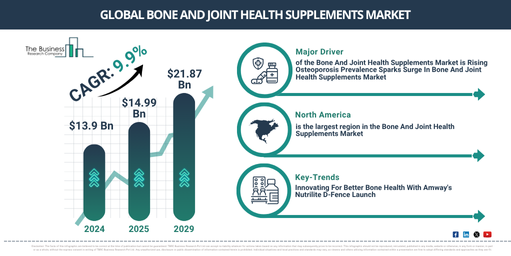
    In recent years, the market size for bone and joint health supplements has noticeably expanded. It is projected to escalate from $13.9 billion in 2024 to $14.99 billion in 2025, indicating a compound annual growth rate (CAGR) of 7.8%. The historical progression is ascribed to elements like quality assurances and safety standards, availability in retail, medical endorsements, marketing strategies and consumer education.

    The market size of supplements for bone and joint health is projected to experience substantial growth in the upcoming years. It is forecasted to reach $21.87 billion by 2029, with a compound annual growth rate (CAGR) of 9.9%. The anticipated growth during this period can be credited to factors such as concerns over healthcare costs, preference for natural and organic components, endorsements and suggestions from the medical sector, as well as personal fitness and wellness trends, among other customized solutions. Innovation in product formulation, trends in sports and fitness, as well as medical recommendations and endorsements represent the prevailing trends that are expected during the forecast period.

    Download The Free Sample Report Here:

    https://www.thebusinessresearchcompany.com/sample.aspx?id=8182&type=smp

    What Forces Are Driving The Growth Of The Bone And Joint Health Supplements Market?

    The growing instances of osteoporosis are predicted to spur the expansion of the market for bone and joint health supplements. Those with less dietary calcium are at a higher risk of developing osteoporosis. Ongoing calcium deficiencies can lead to this condition, which is characterized by changes in bone structure or quality, and loss of bone mass and mineral density. Offering a solution to this issue, bone and joint health supplements aim to stop bone loss and potentially restore bone density to prevent fractures. For instance, Amgen, an American biotech firm, shared statistics in May 2022 that osteoporosis accounts for about 1.5 million fractures annually in the United States, bringing about $19 billion in related costs. Moreover, the yearly count of fractures due to osteoporosis is projected to surge by 68% from 2018 to 2040, jumping from 1.9 million to 3.2 million cases. Hence, the rising instances of osteoporosis will steer the growth of the bone and joint health supplements market.

    How Is The Bone And Joint Health Supplements Industry Segmented Across Key Parameters?

    The bone and joint health supplements market covered in this report is segmented –

    1) By Type: Vitamin D, Vitamin K, Calcium, Collagen, Omega-3 Fatty acids, Glucosamine-Chondroitin, Other Type

    2) By Form Type: Tablets, Capsules, Liquid, Powder, Other Forms

    3) By Application Type: Dietary Supplements, Functional Foods And Beverages, Other Application Types

    4) By Distribution Channel Type: Supermarkets Or Hypermarkets, Pharmacies, Health Stores, Convenience Stores, Internet Retailing, Other Distribution Channels

    Subsegments:

    1) By Vitamin D: Vitamin D2, Vitamin D3

    2) By Vitamin K: Vitamin K1, Vitamin K2

    3) By Calcium: Calcium Carbonate, Calcium Citrate

    4) By Collagen: Type I Collagen, Type II Collagen

    5) By Omega-3 Fatty Acids: EPA (Eicosapentaenoic Acid), DHA (Docosahexaenoic Acid)

    6) By Glucosamine-Chondroitin: Glucosamine Sulfate, Chondroitin Sulfate

    7) By Other Type: Herbal Supplements, Other Nutraceuticals

    What Notable Trends Are Shaping The Direction Of The Bone And Joint Health Supplements Market?

    The rise of product innovations is a notable trend in the bone and joint health supplements market. Many businesses in this field are investing in the development of new products to solidify their market dominance. A recent example is the February 2022 introduction of the Nutrilite D-Fence Vitamin D3 Jelly Strip by Amway Corp., an Indian company. Vitamin D3 is a vital nutrient for the upkeep of bone and joint health, as it aids in the absorption of calcium, essential for the health and strength of the bones. The supplement seeks to promote bone density, joint operation, and comprehensive musculoskeletal wellness. With the Nutrilite D-Fence product, the goal is to support both bone health and overall immunity. Vitamin D plays a critical role in the absorption of calcium and the preservation of bone density, which is essential in warding off conditions like osteoporosis.

    Which Companies Currently Dominate The Competitive Landscape In The Bone And Joint Health Supplements Industry?

    Major companies operating in the bone and joint health supplements market are Nature’s Bounty Incorporated, The Procter & Gamble Company, Amway Corporation, BASF SE, Archer Daniels Midland Company, Reckitt Benckiser Group PLC, Pfizer Incorporated, Vita Life Sciences Limited, Glanbia PLC, Nutramax Laboratories Consumer Care Incorporated, Koninklijke DSM N.V., Xtend-Life Incorporated, Bergstrom Nutrition Incorporated, BioScience Nutrition Incorporated, Herbs Nutriproducts Private Limited, Arazo Nutrition Incorporated, Vitawin International Holdings Limited, Pure Encapsulations LLC, Abbott Laboratories Incorporated, NutriScience Innovations LLC, Optimum Nutrition Inc., Rainbow Light Nutritional Systems Inc., Schiff Nutrition International Inc., Solgar Vitamin and Herb Co. Inc., Source Naturals Inc., Sports Research Corporation, Swanson Health Products Inc., Twinlab Consolidation Corporation, USANA Health Sciences Inc., Vitacost.com Inc.

    Get The Full Report Here:

    https://www.thebusinessresearchcompany.com/report/bone-and-joint-health-supplements-global-market-report

    Which Geographic Regions Are Driving Demand In The Bone And Joint Health Supplements Market?

    North America was the largest region in the bone and joint health supplements market in 2024. Asia-Pacific is expected to be the fastest-growing region in the forecast period. The regions covered in the bone and joint health supplements market report are Asia-Pacific, Western Europe, Eastern Europe, North America, South America, Middle East, Africa.

    Request For A Customized Report:

    https://www.thebusinessresearchcompany.com/customise?id=8182&type=smp

    About The Business Research Company:

    With over 15000+ reports from 27 industries covering 60+ geographies, The Business Research Company has built a reputation for offering comprehensive, data-rich research and insights. Armed with 1,500,000 datasets, the optimistic contribution of in-depth secondary research, and unique insights from industry leaders, you can get the information you need to stay ahead in the game.

    Get in touch with us:

    The Business Research Company: https://www.thebusinessresearchcompany.com/

    Americas +1 310-496-7795

    Asia +44 7882 955267 & +91 8897263534

    Europe +44 7882 955267

    Email us at info@tbrc.info

    Follow us on:

    LinkedIn: https://in.linkedin.com/company/the-business-research-company

    YouTube: https://www.youtube.com/channel/UC24_fI0rV8cR5DxlCpgmyFQ

    Global Market Model: https://www.thebusinessresearchcompany.com/global-market-model
  • CAGR of 11.7% Projected for Intratumoral Cancer Therapies Market From 2025 to 2029

    CAGR of 11.7% Projected for Intratumoral Cancer Therapies Market From 2025 to 2029

    Claim your 30% discount on Global Market Reports with code ONLINE30. Limited time only.

    Claim your 30% discount on Global Market Reports with code ONLINE30. Limited time only.

    What Does the Forecast Indicate for the Intratumoral Cancer Therapies Market From 2025 to 2029?

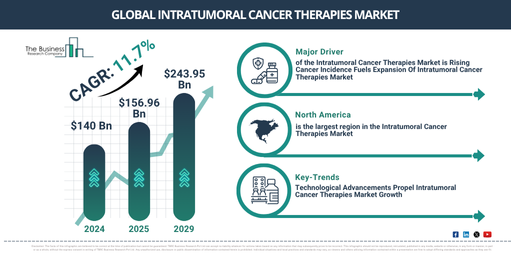
    The market size for intratumoral cancer treatments has experienced swift expansion in the past few years. Projected to increase from $140 billion in 2024 to $156.96 billion in 2025, it will have a compound annual growth rate (CAGR) of 12.1%. Factors contributing to this growth during the historical period include progress in cancer research, a rise in cancer cases, the need for precision medicine, clinical data and research efforts, as well as unfulfilled medical necessities.

    The market size of intratumoral cancer treatments is anticipated to experience swift expansion in the coming years, reaching $243.95 billion by 2029 with a compound annual growth rate (CAGR) of 11.7%. The predicted growth during the forecast period is tied to progress in immunotherapy, an increase in precision medicine adoption, the broadening of clinical trials, heightened focus on unusual cancers, and regulatory backing and approvals. Notable trends throughout the forecast period encompass the investigation of intratumoral immunomodulators, the incorporation of image-guided treatments, the use of hyperthermia in intratumoral interventions, clinical trials of combination therapies, and regulatory endorsement for intratumoral therapies.

    Download The Free Sample Report Here:

    https://www.thebusinessresearchcompany.com/sample.aspx?id=9979&type=smp

    What Elements Are Contributing To Growth In The Intratumoral Cancer Therapies Market?

    The rise in cancer cases is projected to boost the expansion of the intratumoral cancer therapies market. Cancer comprises a variety of illnesses characterized by the uncontrolled proliferation and dissemination of abnormal cells within the body. Intratumoral cancer therapies, which aid in the diagnosis and treatment of cancer, have the advantage of reducing off-target toxicities, dose-limiting toxicities, and side effects caused by immune stimulation in cancer patients. For example, the American Cancer Society, a non-profit cancer advocacy group based in the US, reported in January 2023 that the number of cancer cases rose to 1,958,310 in 2023 from 1,898,160 in 2021, indicating a 3.16% increase. Consequently, the escalating prevalence of cancer is fueling the expansion of the intratumoral cancer therapies market.

    Which Segments Are Detailed In The Global Intratumoral Cancer Therapies Market Report?

    The intratumoral cancer therapies market covered in this report is segmented –

    1) By Technology: Monoclonal Antibodies, Vaccines, Checkpoint Inhibitors, Cell Therapies, Immunes System Modulator, Adoptive Cell Transfer, Cytokines

    2) By Application: Lung Cancer, Breast Cancer, Melanoma, Prostate Cancer, Head And Neck Cancer, Other Applications

    3) By End Users: Hospitals, Cancer Research Centers, Clinics

    Subsegments:

    1) By Monoclonal Antibodies: Naked Monoclonal Antibodies, Conjugated Monoclonal Antibodies, Bispecific Monoclonal Antibodies

    2) By Vaccines: Preventive Cancer Vaccines, Therapeutic Cancer Vaccines

    3) By Checkpoint Inhibitors: PD-1 Or PD-L1 Inhibitors, CTLA-4 Inhibitors

    4) By Cell Therapies: CAR T-Cell Therapy, TCR Therapy

    5) By Immune System Modulators: Immune Checkpoint Inhibitors, Toll-Like Receptor Agonists

    6) By Adoptive Cell Transfer: Tumor-Infiltrating Lymphocytes (TILs), Peripheral Blood Lymphocytes (PBLs)

    7) By Cytokines: Interleukins, Interferons, Tumor Necrosis Factor (TNF)

    Which Emerging Trends And Strategic Shifts Are Shaping The Intratumoral Cancer Therapies Market?

    The rise in technological advancements is a notable trend in the intratumoral cancer therapies market. Businesses in this sector are harnessing new technologies to maintain their competitive edge. For example, in March 2022, the US-based specialty chemical manufacturer, Evonik, introduced a revolutionary microparticle technology named EUDRATEC SoluFlow. This innovation is intended to enhance the solubility of active medicinal ingredients in orally administered cancer medication formulations. With this ground-breaking technology, previously insoluble chemicals can now be utilized to produce a broader range of oral medications.

    Who Are The Key Contributors To Growth In The Intratumoral Cancer Therapies Market?

    Major companies operating in the intratumoral cancer therapies market include Amgen Inc., AstraZeneca plc, Bayer AG, Bristol-Myers Squibb Company, Pfizer Inc., Novartis AG, Johnson & Johnson, Eli Lilly and Company, F. Hoffmann-la Roche, Takeda Pharmaceutical Company Ltd., GSK plc, Ziopharm Oncology Inc., Celldex Therapeutics Inc., Astellas Pharma Inc., Sirnaomics, Checkmate Pharmaceuticals Inc., Immunovative Therapies Ltd., Idera Pharmaceuticals Inc., Daiichi Sankyo, Philogen S.p.A., Apexigen Inc., Merck Group, OncoSec Medical Incorporated, DNAtrix, Istari Oncology Inc., Nanobiotix, Exicure Inc., Karyopharm Therapeutics Inc., Dechra Pharmaceuticals PLC, Torigen Pharmaceuticals Inc., Elekta, Virbac, Norbrook Laboratories, Regeneus Ltd., QBiotics Group, VetDC

    Get The Full Report Here:

    https://www.thebusinessresearchcompany.com/report/intratumoral-cancer-therapies-global-market-report

    Which Region Is Projected To Lead The Intratumoral Cancer Therapies Market By 2025?

    North America was the largest region in the intratumoral cancer therapies market in 2024. The regions covered in the intratumoral cancer therapies market report are Asia-Pacific, Western Europe, Eastern Europe, North America, South America, Middle East, Africa

    Request For A Customized Report:

    https://www.thebusinessresearchcompany.com/customise?id=9979&type=smp

    About The Business Research Company:

    With over 15000+ reports from 27 industries covering 60+ geographies, The Business Research Company has built a reputation for offering comprehensive, data-rich research and insights. Armed with 1,500,000 datasets, the optimistic contribution of in-depth secondary research, and unique insights from industry leaders, you can get the information you need to stay ahead in the game.

    Get in touch with us:

    The Business Research Company: https://www.thebusinessresearchcompany.com/

    Americas +1 310-496-7795

    Asia +44 7882 955267 & +91 8897263534

    Europe +44 7882 955267

    Email us at info@tbrc.info

    Follow us on:

    LinkedIn: https://in.linkedin.com/company/the-business-research-company

    YouTube: https://www.youtube.com/channel/UC24_fI0rV8cR5DxlCpgmyFQ

    Global Market Model: https://www.thebusinessresearchcompany.com/global-market-model
  • Competitive and Market Trend Analysis of Atrial Fibrillation Devices Industry Through 2029

    Competitive and Market Trend Analysis of Atrial Fibrillation Devices Industry Through 2029

    Claim your 30% discount on Global Market Reports with code ONLINE30. Limited time only.

    Claim your 30% discount on Global Market Reports with code ONLINE30. Limited time only.

    What Are the Forecasted Growth Rate and Market Size of the Atrial Fibrillation Devices Market?

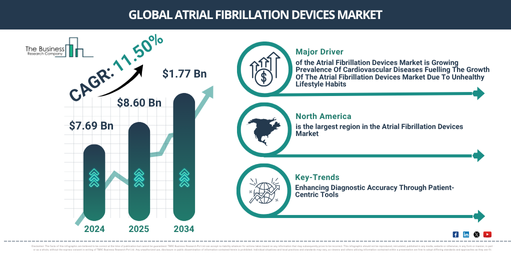
    In recent years, the market size for atrial fibrillation devices has noticeably expanded. The market, worth $7.69 billion in 2024, is predicted to hit $8.60 billion in 2025, indicating a compound annual growth rate (CAGR) of 11.8%. Factors like an increase in the older population, a surge in demand for minimally invasive cardiovascular techniques, a rise in government initiatives and the growing provision of telecardiology services are considered to be behind this historic growth period.

    Expectation for the atrial fibrillation devices market’s size is that there will be fast expansion in the near future. The market is projected to escalate up to $13.28 billion by 2029, with a compound annual growth rate (CAGR) of 11.5%. The projected growth during the forecast period can be due to factors such as rising healthcare expenses, an increasing count of multi-specialty hospitals, higher inclination towards advanced treatment alternatives, amplified regulatory backing for device clearances, and a surge in demand for minimally invasive surgical procedures. Major emerging trends during the forecast period encompass technological advancements, progress in remote monitoring devices, the incorporation of artificial intelligence in diagnostics, developments in non-invasive ablation systems, as well as advancements in mapping and imaging technologies.

    Download The Free Sample Report Here:

    https://www.thebusinessresearchcompany.com/sample.aspx?id=25704&type=smp

    Which Factor Is Shaping The Future Of The Atrial Fibrillation Devices Market?

    The escalating prevalence of cardiovascular diseases is set to stimulate growth in the atrial fibrillation device market. Disorders that affect the heart and blood vessels, like heart attacks, strokes, and hypertension, come under the umbrella of cardiovascular diseases. The rise in such diseases can be linked to a worldwide increase in obesity and diabetes, combined with the adoption of inactive lifestyles and unhealthy eating practices on a widespread scale. Atrial fibrillation (AFib) devices are instrumental in managing cardiovascular diseases since they can identify, monitor, and treat abnormal heart rhythms often linked to or caused by underlying heart conditions. For example, the American Heart Association, a US-based public health organization, reported in June 2024 that high blood pressure is projected to rise from 51.2% to 61.0%. Consequently, the number of people diagnosed with cardiovascular diseases is expected to increase from 128 million in 2020 to over 184 million by 2050. This rise in cardiovascular diseases is fueling the growth of the atrial fibrillation device market.

    What Is The Segment-Wise Breakdown Of The Atrial Fibrillation Devices Market?

    The atrial fibrillation devices market covered in this report is segmented –

    1) By Device Type: Implantable Devices, External Devices, Catheter-Based Devices

    2) By Product: Electrophysiology Ablation Catheters, Cardiac Monitors Or Implantable Loop Recorder, Electrophysiology Diagnostic Catheters, Mapping And Recording Systems, Access Devices, Intracardiac Echocardiography, Left Atrial Appendage Closure Devices, Other Products

    3) By Technology: Radiofrequency, Cryotherapy, Ultrasound, Other Technologies

    4) By Distribution Channel: Direct Sales, Distributors, Online Sales

    5) By End-Use: Hospitals, Cardiac Centers, Ambulatory Surgical Centers, Other End Users

    Subsegments:

    1) By Implantable Devices: Implantable Cardioverter Defibrillators, Pacemakers, Insertable Cardiac Monitors

    2) By External Devices: External Defibrillators, Holter Monitors, Mobile Cardiac Telemetry Devices, Electrocardiogram Monitors

    3) By Catheter-Based Devices: Radiofrequency Ablation Catheters, Cryoablation Catheters, Laser Ablation Catheters, Mapping and Navigation Systems, Transseptal Access Devices

    Which Trends Are Redefining The Future Landscape Of The Atrial Fibrillation Devices Industry?

    Leading businesses in the atrial fibrillation devices market are exploiting advancements in technologies such as patient-oriented clinical decision support tools. These technologies elevate diagnostic precision, customize treatment strategies, and upgrade overall patient repercussions. They are digital innovations that assist medical professionals in shaping treatment choices through the analysis of unique patient data. For example, GE HealthCare Technologies Inc., an American medical technology firm, unveiled CardioVisio for Atrial Fibrillation in August 2023. This digital clinical decision support tool is engineered to streamline clinician procedures and boost precise care for patients suffering from atrial fibrillation. It lets healthcare providers observe the progression of AFib, encompassing past diagnoses, treatments, medications, and linked ailments. The platform provides guideline-based therapy suggestions, which could reduce diagnostic inaccuracies and simplify clinical decision-making. CardioVisio compiles scattered patient data in an understandable format, lessening the load on healthcare staff, and empowering quicker, personalized, and more efficient management of atrial fibrillation.

    Which Companies Hold The Largest Market Share In The Atrial Fibrillation Devices Sector?

    Major companies operating in the atrial fibrillation devices market are Johnson & Johnson Services Inc., Abbott Laboratories, Medtronic Public Limited Company, Koninklijke Philips N.V., Boston Scientific Corporation, Shanghai MicroPort EP MedTech Co. Ltd., Japan Lifeline Co. Ltd., Microlife Corporation, AliveCor Inc., CardioFocus Inc., Imricor Medical Systems Inc., Kardium Inc., Stereotaxis Inc., Volta Medical, Synaptic Medical Corporation, Osypka AG, CathRx Ltd., BIOTRONIK SE & Co. KG, EP Solutions SA, CardiacSense Ltd.

    Get The Full Report Here:

    https://www.thebusinessresearchcompany.com/report/atrial-fibrillation-devices-global-market-report

    How Does Regional Performance Compare Across The Atrial Fibrillation Devices Industry?

    North America was the largest region in the atrial fibrillation devices market in 2024. Asia-Pacific is expected to be the fastest-growing region in the forecast period. The regions covered in the atrial fibrillation devices market report are Asia-Pacific, Western Europe, Eastern Europe, North America, South America, Middle East, Africa.

    Request For A Customized Report:

    https://www.thebusinessresearchcompany.com/customise?id=25704&type=smp

    About The Business Research Company:

    With over 15000+ reports from 27 industries covering 60+ geographies, The Business Research Company has built a reputation for offering comprehensive, data-rich research and insights. Armed with 1,500,000 datasets, the optimistic contribution of in-depth secondary research, and unique insights from industry leaders, you can get the information you need to stay ahead in the game.

    Get in touch with us:

    The Business Research Company: https://www.thebusinessresearchcompany.com/

    Americas +1 310-496-7795

    Asia +44 7882 955267 & +91 8897263534

    Europe +44 7882 955267

    Email us at info@tbrc.info

    Follow us on:

    LinkedIn: https://in.linkedin.com/company/the-business-research-company

    YouTube: https://www.youtube.com/channel/UC24_fI0rV8cR5DxlCpgmyFQ

    Global Market Model: https://www.thebusinessresearchcompany.com/global-market-model
  • In-Depth Biotech Ingredient Market Report: Business Trends, Growth Factors, and Forecast to 2029

    In-Depth Biotech Ingredient Market Report: Business Trends, Growth Factors, and Forecast to 2029

    Claim your 30% discount on Global Market Reports with code ONLINE30. Limited time only.

    Claim your 30% discount on Global Market Reports with code ONLINE30. Limited time only.

    How Large Is the Biotech Ingredient Market Expected to Be in 2029?

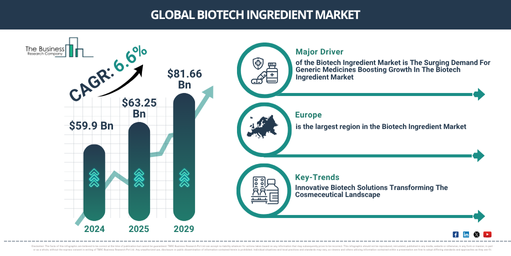
    In recent times, the biotech ingredient market size has witnessed substantial growth. The industry will experience further increases, moving from $59.9 billion in 2024 to a whopping $63.25 billion in 2025, boasting a compound annual growth rate (CAGR) of 5.6%. Factors contributing to this growth during the historic period include innovations in the food and beverage sector, heightened biofuel adoption, growing consumer demand for functional foods, and progress in genetic engineering.

    Forecasting robust growth in the next few years, the biotech ingredient market is anticipated to expand to $81.66 billion by 2029, registering a compound annual growth rate (CAGR) of 6.6%. This surge over the prediction period can be credited to an emphasis on tailor-made nutrition, growth in cell-based meat production, advancement in therapeutic biotech ingredients, utilization of bio ingredients to minimize waste, and a shift towards the use of bioplastics. Noteworthy trends during this period encompass the rise of biotech-fuelled functional foods, the application of biotech solutions in circular economic practices, an increase in therapeutic biotech ingredients, use of biotech ingredients in producing clean energy, along with an international focus on conserving biodiversity.

    Download The Free Sample Report Here:

    https://www.thebusinessresearchcompany.com/sample.aspx?id=9817&type=smp

    What Are The Contributors To Demand In The Biotech Ingredient Market?

    The projected growth of the biotech ingredient market can be attributed to the increasing need for generic drugs. These refer to medicines that are engineered to possess the same attributes as a previously sanctioned drug. Biotech ingredients play a vital role in general medicine due to their ability to provide a less expensive and more efficient way to produce a variety of active ingredients that closely resemble the original product, and these are usually managed under an enhanced set of regulations. As an example, the Personalized Medicine Coalition, a professional organization based in the US, recorded approval for 12 new personalized medicines in 2022, comprising around 34% of all newly approved therapies, which is a sizable increase from past years. As a result, the growing necessity for generic drugs is fueling the expansion of the biotech ingredient market.

    What Segmentation Categories Are Included In The Biotech Ingredient Market Analysis?

    The biotech ingredient market covered in this report is segmented –

    1) By Type: Active Pharmaceutical Ingredients, Biosimilars

    2) By Expression Systems: Mammalian Expression Systems, Microbial Expression Systems, Yeast Expression Systems, Plant Expression Systems, Insect Expression Systems

    3) By Application: Food And Beverages, Personal Care And Cosmetics, Cleaning Products, Other Applications

    Subsegments:

    1) By Active Pharmaceutical Ingredients (APIs): Biologic APIs, Synthetic APIs

    2) By Biosimilars: Monoclonal Antibodies, Recombinant Proteins, Insulin Biosimilars

    What Upcoming Trends Are Expected To Impact The Biotech Ingredient Market Globally?

    The emergence of technological innovations has become a prominent trend in the biotech ingredient market. To solidify their hold on the market, leading companies in this field are utilizing cutting-edge technologies to create new and innovative products. As an illustration, International Flavors & Fragrances Inc., a US firm specializing in fragrance, biotech solutions, cosmetic energetics, and organic health ingredients, unveiled a revolutionary biopolymer for hair care called Aurist AGC in March 2023. This instance highlights the capabilities of the new DEB platform, which leverages IFF’s extensive biotech functionality to deliver sustainable and high-performing glamour solutions that can bring about significant transformations in the cosmeceutical sector. The Aurist AGC leverages IFF’s proprietary Designed Enzymatic Biopolymers (DEB) technology, a sophisticated biotech solution capable of generating original biobased polysaccharides with unique structures and features.

    Who Are The Top-Ranked Companies In The Biotech Ingredient Market Today?

    Major companies operating in the biotech ingredient market include Merck & Co. Inc., Sanofi S.A., AbbVie Inc., International Flavors & Fragrance (IFF) Inc., Novartis AG, Pfizer Inc., Teva Pharmaceutical Industries Ltd., Mylan Inc., Boehringer Ingelheim International GmbH., AstraZeneca plc., Givaudan, Firmenich SA, Amyris Inc., Advanced BioTech, Sollice Biotech, Novocap S.A., Eli Lilly, Bristol-Myers Squibb Company, GlaxoSmithKline plc., F. Hoffmann-La Roche AG, Biogen Inc., Amgen Inc., Johnson & Johnson, Genentech Inc., Regeneron Pharmaceuticals Inc., Vertex Pharmaceuticals Incorporated, Alexion Pharmaceuticals Inc., Celgene Corporation, Gilead Sciences Inc., BioMarin Pharmaceutical Inc., Incyte Corporation, Seattle Genetics Inc., Alnylam Pharmaceuticals Inc., Ionis Pharmaceuticals Inc., Moderna Inc., Editas Medicine Inc., Intellia Therapeutics Inc., Sangamo Therapeutics Inc., Bluebird Bio Inc., Spark Therapeutics Inc.

    Get The Full Report Here:

    https://www.thebusinessresearchcompany.com/report/biotech-ingredient-global-market-report

    How Is Biotech Ingredient Market Adoption Varying Across Different Regions And Sectors?

    Europe was the largest region in the biotech ingredient market in 2024. Asia-Pacific is expected to be the fastest-growing region in the biotech ingredients market report during the forecast period. The regions covered in the biotech ingredient market report are Asia-Pacific, Western Europe, Eastern Europe, North America, South America, Middle East, Africa

    Request For A Customized Report:

    https://www.thebusinessresearchcompany.com/customise?id=9817&type=smp

    About The Business Research Company:

    With over 15000+ reports from 27 industries covering 60+ geographies, The Business Research Company has built a reputation for offering comprehensive, data-rich research and insights. Armed with 1,500,000 datasets, the optimistic contribution of in-depth secondary research, and unique insights from industry leaders, you can get the information you need to stay ahead in the game.

    Get in touch with us:

    The Business Research Company: https://www.thebusinessresearchcompany.com/

    Americas +1 310-496-7795

    Asia +44 7882 955267 & +91 8897263534

    Europe +44 7882 955267

    Email us at info@tbrc.info

    Follow us on:

    LinkedIn: https://in.linkedin.com/company/the-business-research-company

    YouTube: https://www.youtube.com/channel/UC24_fI0rV8cR5DxlCpgmyFQ

    Global Market Model: https://www.thebusinessresearchcompany.com/global-market-model
  • Industry Forecast: Inhaled Antibiotics Market to Generate $2.33 Billion Revenue by 2029

    Claim your 30% discount on Global Market Reports with code ONLINE30. Limited time only.

    Claim your 30% discount on Global Market Reports with code ONLINE30. Limited time only.

    How Much Is the Global Inhaled Antibiotics Market Valued at Present and by 2029?

    The size of the market for inhaled antibiotics has seen significant expansion in recent factors. Its growth projections indicate that it will rise from $1.56 billion in 2024 to $1.66 billion in 2025, with a compound annual growth rate (CAGR) of 6.6%. The past period of growth can be traced back to supportive regulatory decisions and approvals, a transition from systemic to targeted delivery, an increase in antibiotic resistance, and a rise in respiratory infections.

    Expectations are high for significant expansion in the inhaled antibiotics market in the coming years, with predictions suggesting it will reach a value of $2.33 billion in 2029, reflecting a compound annual growth rate (CAGR) of 8.8%. This anticipated growth within the forecasted period can be traced back to a rise in research and development investments, growth in clinical applications, an enhanced emphasis on personalized medicine, progress in drug formulations, and ongoing concerns about antibiotic resistance. The future period is likely to witness ongoing innovation in formulations, a more patient-focused approach, heightened research into respiratory health, a move towards targeted therapies, and continuous advancements in drug delivery systems.

    Download The Free Sample Report Here:

    https://www.thebusinessresearchcompany.com/sample.aspx?id=8738&type=smp

    #What Drivers Are Influencing Growth In The Inhaled Antibiotics Market?

    The growth of the inhaled antibiotics market is anticipated to be driven by the rising prevalence of respiratory diseases. These are ailments that harm the lungs and airways, consequently hindering a person’s ability to breathe. In patients with cystic fibrosis, inhaled antibiotics offer several benefits, including improved lung function, slowing down the deterioration of lung function, extension of the period between disease flare-ups, and improving the overall quality of life. For example, in the first half of 2023, reports from the UK Health Security Agency, a government agency in the UK, indicated a 7% increase in Tuberculosis (TB) cases in England in comparison to the same period in 2022. Thus, the escalating occurrence of respiratory diseases is acting as a catalyst for the expansion of the inhaled antibiotics market.

    What Are The Main Segments Identified In The Inhaled Antibiotics Market Research?

    The inhaled antibiotics market covered in this report is segmented –

    1) By Product Type: Aerosol Or Metered Dose Inhaler, Dry Powder Formulation, Spray, Other Types

    2) By Application: Pneumonia, Asthma, Bronchitis, Other Applications

    3) By End-User: Hospitals, Other End Users

    Subsegments:

    1) By Aerosol Or Metered Dose Inhaler: Levofloxacin Inhalation Solution, Tobramycin Inhalation Solution, Aztreonam Inhalation Solution

    2) By Dry Powder Formulation: Dry Powder Tobramycin, Dry Powder Colistin

    3) By Spray: Antibiotic Nasal Sprays, Inhaled Antibiotic Solutions

    4) By Other Types: Nebulized Antibiotics, Intranasal Antibiotics

    What Are The Leading Trends And Opportunities In The Inhaled Antibiotics Sector?

    The inhaled antibiotics market is witnessing a significant trend with increased investments towards the development of inhaled antibiotics. Prominent pharmaceutical corporations are contributing towards this trend in order to maintain their market positions. For example, Spexis AG, a biopharmaceutical firm based in Switzerland, revealed a $2.5 million capital investment in August 2023, for the U.S. commercialization of colistimethate sodium – an inhaled antibiotic designed for treating Pseudomonas aeruginosa infections in cystic fibrosis patients. This capital supports estimated commercialization efforts worth US$90 million and anticipates peak product sales of US$300 million. Furthermore, this funding facilitates the launch of a Phase III security and efficacy study concerning the use of this antibiotic in cystic fibrosis therapy.

    Which Companies Play A Key Role In The Development Of The Inhaled Antibiotics Market?

    Major companies operating in the inhaled antibiotics market are Gilead Sciences Inc., Lupin Limited, Insmed Inc., Savara Inc., Joincare Pharmaceutical Group Industry Co. Ltd., Pharmaxis Ltd., Teva Pharmaceutical Industries Ltd., Raptor Pharmaceutical Corporation, Altan Pharma Limited, Cipla Limited, Novartis AG, Bayer AG, Pfizer Inc., Aridis Pharmaceuticals, Bayer HealthCare, Nektar Therapeutics, Parion Sciences Inc., Zambon Group, Transave Inc., Alitair Pharmaceuticals, Synspira Therapeutics Inc., AIT Therapeutics Inc., Polyphor AG, OptiNose Inc.

    Get The Full Report Here:

    https://www.thebusinessresearchcompany.com/report/inhaled-antibiotics-global-market-report

    What Are The Key Regional Developments Shaping The Inhaled Antibiotics Market?

    North America was the largest region in the inhaled antibiotics market share in 2024. The regions covered in the inhaled antibiotics market report are Asia-Pacific, Western Europe, Eastern Europe, North America, South America, Middle East, Africa.

    Request For A Customized Report:

    https://www.thebusinessresearchcompany.com/customise?id=8738&type=smp

    About The Business Research Company:

    With over 15000+ reports from 27 industries covering 60+ geographies, The Business Research Company has built a reputation for offering comprehensive, data-rich research and insights. Armed with 1,500,000 datasets, the optimistic contribution of in-depth secondary research, and unique insights from industry leaders, you can get the information you need to stay ahead in the game.

    Get in touch with us:

    The Business Research Company: https://www.thebusinessresearchcompany.com/

    Americas +1 310-496-7795

    Asia +44 7882 955267 & +91 8897263534

    Europe +44 7882 955267

    Email us at info@tbrc.info

    Follow us on:

    LinkedIn: https://in.linkedin.com/company/the-business-research-company

    YouTube: https://www.youtube.com/channel/UC24_fI0rV8cR5DxlCpgmyFQ

    Global Market Model: https://www.thebusinessresearchcompany.com/global-market-model
  • Biologic & Biosimilar RA Drugs Industry Poised for Rapid Expansion, Projected to Hit $19.08 Billion by 2029

    Biologic & Biosimilar RA Drugs Industry Poised for Rapid Expansion, Projected to Hit $19.08 Billion by 2029

    Claim your 30% discount on Global Market Reports with code ONLINE30. Limited time only.

    Claim your 30% discount on Global Market Reports with code ONLINE30. Limited time only.

    What Is the Outlook for the Biologic & Biosimilar RA Drugs Market Heading Into 2029?

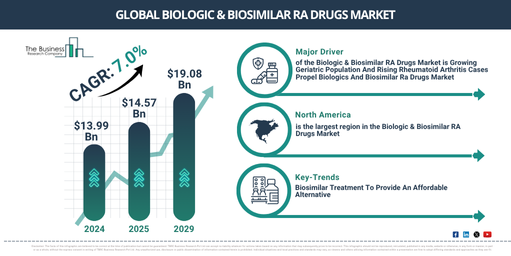
    In the past few years, the market size for biologic and biosimilar ra drugs has shown a consistent growth. The market is expected to expand from $13.99 billion in 2024 to $14.57 billion in 2025, representing a compound annual growth rate (CAGR) of 4.1%. Factors such as market adoption rates, results of clinical trials, changes in market share, long-term patient outcomes, and pricing strategies can be credited for the growth during the historic period.

    The market for biologic & biosimilar ra drugs is forecasted to experience robust expansion in the upcoming years, reaching a worth of $19.08 billion in 2029 with a compound annual growth rate (CAGR) of 7.0%. This expected growth during the forecast period is due to factors such as enhanced biologic drug creation, industry rivalry, healthcare reforms, patient choices, and clinical research & innovation. Some of the major trends projected for this period are an increase in biosimilar market rivalry, custom-tailored medicine and precision treatment, advancements in medication delivery methods, prioritizing safety and effectiveness, and a more patient-focused approach to healthcare.

    Download The Free Sample Report Here:

    https://www.thebusinessresearchcompany.com/sample.aspx?id=9255&type=smp

    Which Factors Are Pushing The Biologic & Biosimilar RA Drugs Market Forward?

    The escalating elderly population, coupled with a rising occurrence of rheumatoid arthritis, stimulates growth in the biologics and biosimilar RA drugs market. The term “older population” denotes individuals aged 60 or above. An autoimmune disorder, rheumatoid arthritis produces a response whereby a person’s immune system targets its healthy cells, impacting the person’s joints. This condition is particularly prevalent amongst the elderly as the immune system diminishes with age. Biologics and biosimilar RA drugs offer significantly effective treatment for rheumatoid arthritis when compared to traditional medications. For instance, The World Health Organization (WHO), a UN-affiliated specialized health entity based in Switzerland, reported approximately 1 billion seniors aged 60 and above globally in 2020. Moreover, this demographic is forecasted to surge to 1.4 billion by 2030 and ultimately reach 2.1 billion by 2050. Besides, the Centers for Disease Control and Prevention, a US government public health entity, predicted that the number of adults afflicted by arthritis in the USA could rise to 78.4 million by 2040. Meanwhile, arthritis-related activity limitations might impact 34.6 million people. Consequently, the augmenting elderly population, combined with an increase in RA cases, fuels the expansion of the biologics and biosimilars RA drugs market.

    Which Segment Held The Largest Share In The Biologic & Biosimilar RA Drugs Market In 2025?

    The biologic & biosimilar ra drugs market covered in this report is segmented –

    1) By Source: Microbial, Mammalian, Other Sources

    2) By Disease: Oncology, Immunological Disorders, Cardiovascular Disorders, Hematological Disorders, Other Diseases

    3) By Manufacturing: Outsourced, In-House

    4) By Mode Of Purchase: Prescription Drugs, Over-The-Counter (OTC) Drugs

    5) By Distribution Channel: Hospital Pharmacies, Retail Pharmacies, Online Pharmacies

    Subsegments:

    1) By Microbial: Bacterial Sources, Fungal Sources, Yeast Sources

    2) By Mammalian: Chinese Hamster Ovary (CHO) Cells, Human Embryonic Kidney (HEK) Cells, Other Mammalian Cell Lines

    3) By Other Sources: Plant-Based Sources, Insect-Based Sources, Synthetic Biology Approaches

    How Are Key Trends Driving Expansion In The Biologic & Biosimilar RA Drugs Industry?

    The rising popularity in the biologic & biosimilar RA drugs market is greatly influenced by new innovations. To provide a more affordable option, leading companies in this sector are focused on creating biosimilar treatments like Dual Concentration Biosimilar Options. Notably, Organon, an American healthcare company, teamed up with Samsung Bioepis, a biopharmaceutical company based in South Korea, to debut HADLIMA, a Humira (adalimumab) biosimilar, in the US in July 2023. HADLIMA, offered in both high and low concentrations, aims to improve accessibility and affordability for those struggling with autoimmune diseases. The biosimilar is available at a whopping 85% discount compared to Humira, thereby facilitating improved access for patients. The Arthritis Foundation has recognized HADLIMA’s autoinjector, and a patient support program named HADLIMA For You also accompanies the biosimilar, granting educational resources and co-pay assistance. This medication is recommended for multiple health conditions including Crohn’s disease and rheumatoid arthritis. Available in both citrate-free high concentration (100 mg/mL) and citrate-inclusive low concentration (50 mg/mL) forms, HADLIMA ensures an uninterrupted continuity of care for patients.

    Which Organizations Are Driving Progress In The Biologic & Biosimilar RA Drugs Industry?

    Major companies operating in the biologic & biosimilar RA drugs market include Samsung BioLogics Co. Ltd., Amgen Inc., Novo Nordisk A/S, AbbVie Inc., Johnson & Johnson Services Inc., Pfizer Inc., Merck & Co. Inc., Eli Lilly and Company, Novartis AG, Bayer AG, F. Hoffmann-La Roche Ltd., AstraZeneca PLC., Teva Pharmaceutical Industries Ltd., Fresenius Se & Co. KGaA, Stada Arzneimittel AG, Boehringer Ingelheim Pharmaceuticals Inc., Gedeon Richter Plc., La Roche Ltd., Regeneron Pharmaceuticals Inc., Bristol-Myers Squibb Company, Dr. Reddy’s Laboratories Ltd., Biogen Inc., Genentech Inc., GlaxoSmithKline plc, Mylan N.V., Sandoz International GmbH, Amneal Pharmaceuticals LLC, Apotex Inc., Biocon Ltd., Coherus BioSciences Inc.

    Get The Full Report Here:

    https://www.thebusinessresearchcompany.com/report/biologic-and-biosimilar-ra-drugs-global-market-report

    Which Region Is Expected To Experience The Highest Growth In The Biologic & Biosimilar RA Drugs Industry?

    North America was the largest region in the biologic & biosimilar RA drugs market in 2024. Asia-Pacific is expected to be the fastest-growing region in the biologic & biosimilar RA drugs market report during the forecast period. The regions covered in the biologic & biosimilar ra drugs market report are Asia-Pacific, Western Europe, Eastern Europe, North America, South America, Middle East, Africa

    Request For A Customized Report:

    https://www.thebusinessresearchcompany.com/customise?id=9255&type=smp

    About The Business Research Company:

    With over 15000+ reports from 27 industries covering 60+ geographies, The Business Research Company has built a reputation for offering comprehensive, data-rich research and insights. Armed with 1,500,000 datasets, the optimistic contribution of in-depth secondary research, and unique insights from industry leaders, you can get the information you need to stay ahead in the game.

    Get in touch with us:

    The Business Research Company: https://www.thebusinessresearchcompany.com/

    Americas +1 310-496-7795

    Asia +44 7882 955267 & +91 8897263534

    Europe +44 7882 955267

    Email us at info@tbrc.info

    Follow us on:

    LinkedIn: https://in.linkedin.com/company/the-business-research-company

    YouTube: https://www.youtube.com/channel/UC24_fI0rV8cR5DxlCpgmyFQ

    Global Market Model: https://www.thebusinessresearchcompany.com/global-market-model
  • Global Asthma Treatment Market Landscape: Trends and Market Share to 2029

    Global Asthma Treatment Market Landscape: Trends and Market Share to 2029

    Claim your 30% discount on Global Market Reports with code ONLINE30. Limited time only.

    Claim your 30% discount on Global Market Reports with code ONLINE30. Limited time only.

    What Is the Estimated Industry Valuation for the Asthma Treatment Sector?

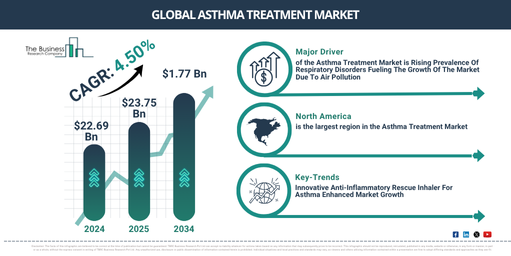
    The market size for asthma treatment has been on a stable growth pattern in the past few years. The market is projected to increase from $22.69 billion in 2024 to $23.75 billion in 2025, showing a compound annual growth rate (CAGR) of 4.7%. The growth during the historical period is linked to factors such as a rise in urbanization and pollution levels, an increased use of inhalers and nebulizers, improved access to healthcare in developing economies, heightened awareness and diagnosis rates, and an escalation in exposure to allergens.

    The market size for asthma treatment is predicted to experience consistent expansion in the following years. By 2029, it is projected to rise to $28.27 billion with a compound annual growth rate (CAGR) of 4.5%. The upsurge during the projected period could be linked to the escalating emphasis on individualized asthma therapies, the growth in the use of biologics and monoclonal antibodies, more significant investment in respiratory drug research and development, increasing utilization of telehealth and digital tools for asthma management, and the rise of government initiatives targeting chronic respiratory care. Noteworthy trends for the forecast period include progress in biologic therapies for intense asthma, high-tech digital inhalers with tracking capabilities, the evolution of personalized medicine strategies, breakthroughs in drug-delivery technologies, and enhancement in AI-operated platforms for asthma management.

    Download The Free Sample Report Here:

    https://www.thebusinessresearchcompany.com/sample.aspx?id=25703&type=smp

    What Forces Are Driving The Growth Of The Asthma Treatment Market?

    The escalating occurrence of respiratory conditions is anticipated to stimulate the advancement of the asthma treatment market in the future. These disorders, such as chronic obstructive pulmonary disease (COPD), bronchitis, and asthma, are associated with lung function and breathing. The rise in respiratory conditions is primarily due to air contamination, where pollutants like particulate matter and nitrogen oxides can cause irritation and inflammation of the airways, resulting in breathing issues and exacerbating conditions like asthma. As a result, the demand for asthma treatments, including medication, inhalers, and changes in lifestyle to manage airway inflammation and symptoms, is on the rise. In December 2023, the US-based National Library of Medicine predicted that by 2050, the number of COPD cases in low- and middle-income countries would outpace those in high-income countries, with a 59% surge projected for sub-Saharan Africa, thereby global leaders in terms of COPD prevalence and cases by 2040. Consequently, the growing occurrence of respiratory conditions is a primary driving factor for the expansion of the asthma treatment market.

    How Is The Asthma Treatment Industry Segmented Across Key Parameters?

    The asthma treatment market covered in this report is segmented –

    1) By Treatment: Long-Term Control Medications, Quick-Relief Medications

    2) By Device Type: Inhalers, Dry Powder, Metered Dose, Soft Mist Nebulizers

    3) By Drug Class: Short-Acting Beta-Agonists (SABA), Long-Acting Beta-Agonists (LABA), Inhaled Corticosteroids (ICS), Leukotriene Modifiers, Immunomodulators, Combination Drugs, Other Drug Class

    4) By Route Of Administration: Oral, Inhaled, Intravenous, Subcutaneous

    5) By Distribution Channel: Hospital Pharmacies, Retail Pharmacies, Online Pharmacies, Other Distribution Channels

    Subsegments:

    1) By Long-Term Control Medications: Inhaled Corticosteroids (ICS), Long-Acting Beta-Agonists (LABA), Leukotriene Receptor Antagonists (LTRA), Long-Acting Muscarinic Antagonists (LAMA), Methylxanthines, Biologics

    2) By Quick-Relief Medications: Short-Acting Beta-Agonists (SABA), Systemic Corticosteroids, Anticholinergics

    What Notable Trends Are Shaping The Direction Of The Asthma Treatment Market?

    Key players in the asthma treatment market are focusing their efforts on creating pioneering solutions, such as anti-inflammatory rescue inhalers. These are designed to provide speedy relief from the symptoms of asthma whilst also tackling the root cause of the illness – airway inflammation. These inhalers give immediate relief to asthma symptoms (acting as a rescue function) while also fighting inflammation in the airways (delivering an anti-inflammatory action) during an asthma attack. For example, AstraZeneca, a UK-based biopharmaceutical company, introduced AIRSUPRA (albuterol/budesonide), a revolutionary inhaler for asthma in January 2024. This novel inhaler is the first and only FDA-approved treatment that combines a fixed-dose of albuterol, a short-acting beta2-agonist (SABA), and budesonide, an inhaled corticosteroid (ICS), as a rescue medication for asthma. It offers rapid bronchodilation and targets airway inflammation during asthma flare-ups, tackling both the symptoms and the underlying inflammation in one go. This inhaler, which is designed for patients 18 years and older, promotes improved overall control of asthma while lessening dependency on separate controller medications.

    Which Companies Currently Dominate The Competitive Landscape In The Asthma Treatment Industry?

    Major companies operating in the asthma treatment market are Pfizer Inc., Johnson & Johnson, F. Hoffmann-La Roche Ltd., Merck & Co. Inc., AbbVie Inc., Bayer AG, Novartis AG, Sanofi S.A., AstraZeneca PLC, GlaxoSmithKline plc, Takeda Pharmaceutical Company Limited, Amgen Inc., Boehringer Ingelheim International GmbH, Teva Pharmaceutical Industries Limited, Regeneron Pharmaceuticals Inc., Sun Pharmaceutical Industries Limited, Genentech Inc., Sumitomo Pharma Co Ltd., Chiesi Farmaceutici S.p.A., Cipla Limited.

    Get The Full Report Here:

    https://www.thebusinessresearchcompany.com/report/asthma-treatment-global-market-report

    Which Geographic Regions Are Driving Demand In The Asthma Treatment Market?

    North America was the largest region in the asthma treatment market in 2024. Asia-Pacific is expected to be the fastest-growing region in the forecast period. The regions covered in the asthma treatment market report are Asia-Pacific, Western Europe, Eastern Europe, North America, South America, Middle East, Africa.

    Request For A Customized Report:

    https://www.thebusinessresearchcompany.com/customise?id=25703&type=smp

    About The Business Research Company:

    With over 15000+ reports from 27 industries covering 60+ geographies, The Business Research Company has built a reputation for offering comprehensive, data-rich research and insights. Armed with 1,500,000 datasets, the optimistic contribution of in-depth secondary research, and unique insights from industry leaders, you can get the information you need to stay ahead in the game.

    Get in touch with us:

    The Business Research Company: https://www.thebusinessresearchcompany.com/

    Americas +1 310-496-7795

    Asia +44 7882 955267 & +91 8897263534

    Europe +44 7882 955267

    Email us at info@tbrc.info

    Follow us on:

    LinkedIn: https://in.linkedin.com/company/the-business-research-company

    YouTube: https://www.youtube.com/channel/UC24_fI0rV8cR5DxlCpgmyFQ

    Global Market Model: https://www.thebusinessresearchcompany.com/global-market-model

  • Inhalation And Nasal Spray Generic Drugs Market Revenue Outlook: Strategic Insights and Forecast to 2029

    Inhalation And Nasal Spray Generic Drugs Market Revenue Outlook: Strategic Insights and Forecast to 2029

    Claim your 30% discount on Global Market Reports with code ONLINE30. Limited time only.

    Claim your 30% discount on Global Market Reports with code ONLINE30. Limited time only.

    What Is the Current and Projected Market Size of the Inhalation And Nasal Spray Generic Drugs Industry?

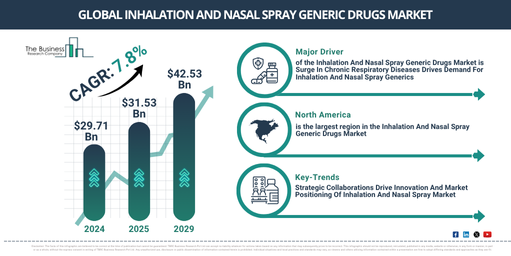
    The market for inhalation and nasal spray generic drugs has experienced substantial growth recently. This trend is projected to continue, with the market expected to expand from $29.71 billion in 2024 to $31.53 billion in 2025, reflecting a compound annual growth rate (CAGR) of 6.1%. The remarkable growth during the historic period can be ascribed to increasing instances of respiratory disorders, the affordability of alternatives, government campaigns advocating for generics, the arrival of new generic manufacturers in the market, generic exchange policies, and regulatory backing for generics.

    Predictions show a solid increase in the size of the inhalation and nasal spray generic drugs market over the coming years, expanding to an impressive $42.53 billion by 2029, calculated at a compound annual growth rate (CAGR) of 7.8%. This expected surge in the forecast period can be linked to factors such as the increase in the elderly population, the growth of the generic pipeline, initiatives by pharmacies and retailers, the worldwide burden of respiratory diseases, the competition from biosimilars, and the preference of patients for generic alternatives. The forecast duration also indicates main trends like advancements in inhalation drug delivery systems, emphasis on biosimilar nasal sprays, mergers and alliances, patient-focused inhaler designs, and a shift towards over-the-counter nasal sprays.

    Download The Free Sample Report Here:

    https://www.thebusinessresearchcompany.com/sample.aspx?id=8088&type=smp

    #Which Factors Are Currently Driving The Growth Of The Inhalation And Nasal Spray Generic Drugs Market?

    An increase in global cases of chronic respiratory diseases is anticipated to drive the growth of the inhalation and nasal spray generic drugs market. Chronic respiratory conditions impact the airways and other components of the lungs. As per the Australian Institute of Health and Welfare, a national agency based in Australia, in June 2023, approximately one-third (30%) of Australians, equating to 7.5 million people, have been reported with chronic respiratory diseases. Consequently, the global rise in chronic respiratory diseases will contribute to the expansion of the market.

    How Is The Global Inhalation And Nasal Spray Generic Drugs Market Structured In Terms Of Segments?

    The inhalation and nasal spray generic drugs market covered in this report is segmented –

    1) By Drug Class: Corticosteroids, Bronchodilators, Antihistamines, Combinations, Decongestant Sprays

    2) By Indication: Asthma, Chronic Obstructive Pulmonary Disease (COPD), Allergic Rhinitis, Other Indications

    3) By Patient Demographics: Geriatric Patient, Adult Patient, Pediatric Patient

    4) By End-User: Hospitals, Homecare, Other End-Users

    Subsegments:

    1) By Corticosteroids: Fluticasone, Budesonide, Beclomethasone, Mometasone

    2) By Bronchodilators: Short-Acting Beta Agonists (SABAs), Long-Acting Beta Agonists (LABAs), Anticholinergics

    3) By Antihistamines: Azelastine, Olopatadine, Levocabastine

    4) By Combinations: Corticosteroid And Long-Acting Beta Agonist (LABA) Combinations, Antihistamine And Decongestant Combinations

    5) By Decongestant Sprays: Oxymetazoline, Phenylephrine, Xylometazoline

    What Trends Are Currently Influencing Growth In The Inhalation And Nasal Spray Generic Drugs Market?

    Establishing strategic alliances and joint efforts have become primary trends in the market. The leading participants in the inhalation and nasal spray generic drugs market are leaning towards these connections to solidify their standing. For example, in February 2022, Glenmark Pharmaceuticals Limited, an integrated research-rooted global pharmaceutical firm based in India, formed a partnership with SaNOtize, a biotech firm from Canada. Their goal with this partnership is to launch the Nitric Oxide Nasal Spray (NONS) as a treatment for COVID-19 in adult patients in India.

    Who Are The Main Participants Shaping The Inhalation And Nasal Spray Generic Drugs Market Landscape?

    Major companies operating in the inhalation and nasal spray generic drugs market are Teva Pharmaceuticals Inc., Sandoz International GmbH, Akorn Operating Company LLC, Cipla Inc., Apotex Inc., Impax Laboratories LLC, Bausch Health Companies Inc., Hikma Pharmaceuticals PLC, Lupin Limited, Sun Pharmaceutical Industries Ltd., Dr. Reddy’s Laboratories Ltd., Aurobindo Pharma Limited, Zydus Lifesciences Ltd., Torrent Pharmaceuticals Limited, Glenmark Pharmaceuticals Limited, Jubilant Biosys Limited, Alembic Pharmaceuticals Limited, Laurus Labs Limited, Macleods Pharmaceuticals Ltd., Intas Pharmaceuticals Ltd., Wockhardt Limited, Alkem Laboratories Limited, Unichem Laboratories Limited, Indoco Remedies Limited, Natco Pharma Limited, Aesica Pharmaceuticals Limited, Labiana Pharmaceuticals S.L.U., Summit Biosciences Inc.

    Get The Full Report Here:

    https://www.thebusinessresearchcompany.com/report/inhalation-and-nasal-spray-generic-drugs-global-market-report

    Which Region Currently Holds The Largest Share In The Inhalation And Nasal Spray Generic Drugs Market?

    North America was the largest region in the inhalation and nasal spray generic drugs market in 2024 and is expected to be the fastest-growing region in the forecast period. The regions covered in the inhalation and nasal spray generic drugs market report are Asia-Pacific, Western Europe, Eastern Europe, North America, South America, Middle East, Africa.

    Request For A Customized Report:

    https://www.thebusinessresearchcompany.com/customise?id=8088&type=smp

    About The Business Research Company:

    With over 15000+ reports from 27 industries covering 60+ geographies, The Business Research Company has built a reputation for offering comprehensive, data-rich research and insights. Armed with 1,500,000 datasets, the optimistic contribution of in-depth secondary research, and unique insights from industry leaders, you can get the information you need to stay ahead in the game.

    Get in touch with us:

    The Business Research Company: https://www.thebusinessresearchcompany.com/

    Americas +1 310-496-7795

    Asia +44 7882 955267 & +91 8897263534

    Europe +44 7882 955267

    Email us at info@tbrc.info

    Follow us on:

    LinkedIn: https://in.linkedin.com/company/the-business-research-company

    YouTube: https://www.youtube.com/channel/UC24_fI0rV8cR5DxlCpgmyFQ

    Global Market Model: https://www.thebusinessresearchcompany.com/global-market-model