Blog

  • Industry Forecast: Antimicrobial Resistance Diagnostics Market to Generate $5.82  Billion Revenue by 2029

    Industry Forecast: Antimicrobial Resistance Diagnostics Market to Generate $5.82 Billion Revenue by 2029

    Claim your 30% discount on Global Market Reports with code ONLINE30. Limited time only.

    Claim your 30% discount on Global Market Reports with code ONLINE30. Limited time only.

    What CAGR Is Anticipated for the Antimicrobial Resistance Diagnostics Market Through 2029?

    The market size for diagnostics of antimicrobial resistance has seen significant growth in the past few years, set to expand from $4.10 billion in 2024 to $4.41 billion in 2025, achieving a compound annual growth rate (CAGR) of 7.5%. The surge observed in the historic period can be connected to the rising rates of infections acquired in hospitals, increased misuse of antibiotics in humans and animals, a growing problem with multi-drug resistant organisms, growth in public health surveillance programs, and an increase in diagnostic testing for infectious diseases.

    The market size for antimicrobial resistance diagnostics is forecasted to witness significant expansion in the upcoming years, projected to reach $5.82 billion by 2029 with a CAGR of 7.2%. Factors contributing to this growth within the forecast period include the increasing demand for quick diagnostic tools, heightened awareness of antimicrobial stewardship, growing allocation of government funds towards resistance monitoring, widening adoption of point-of-care testing, and a rising necessity for early detection of infections. Some identifiable trends for the forecast period encompass technological progress in diagnostic platforms, new methods for resistance gene detection, an increase in research and development investments, the emergence of portable testing devices, and advancements in multiplex and high-throughput testing.

    Download The Free Sample Report Here:

    https://www.thebusinessresearchcompany.com/sample.aspx?id=25696&type=smp

    What Market Forces Are Driving The Antimicrobial Resistance Diagnostics Sector In 2025 And Beyond?

    The growth of the antimicrobial resistance diagnostics market is expected to be fueled by the increasing incidence of drug-resistant infections. These infections result from the evolution of bacteria, viruses, fungi, or parasites, as they develop mechanisms to withstand exposure to drugs that once effectively treated them, thus rendering traditional treatments useless and infections more difficult to manage. The escalating occurrence of drug-resistant infections is attributed to the excessive use of antibiotics in agriculture, where animals are routinely fed with low-dose antimicrobials, fostering a resistance that can be transferred to humans through the food chain. Instruments like rapid genetic assays and culture-based sensitivity tests, which fall under antimicrobial resistance diagnostics, are pivotal in battling the rising predominance of drug-resistant infections as they allow for the early detection of resistant pathogens, aid in directing targeted therapies, and mitigate the misapplication of wide-ranging antibiotics. An instance that highlights this growing concern is a report released by the UK Health Security Agency, a government body, in November 2023. This report documented a rise in antibiotic-resistant infections in England from 55,792 cases in 2021 to around 58,224 in 2022, indicating a year-on-year increase of 4% in antimicrobial resistance across the nation. As such, the escalating incidence of drug-resistant infections is fueling the expansion of the antimicrobial resistance diagnostics market.

    How Is The Global Antimicrobial Resistance Diagnostics Market Categorized By Segments?

    The antimicrobial resistance diagnostics market covered in this report is segmented –

    1) By Product Type: Kits And Reagents, Instruments And Consumables

    2) By Pathogen: Drug-Resistant Streptococcus Pneumoniae (DRSP), Drug Resistant Campylobacter (DRC), Clostridium Difficile (CD), Methicillin Resistant Staphylococcus Aureus (MRSA), Drug Resistant Neisseria Gonorrhoeae (DRNG), Drug Resistant Salmonella (DRntS), Other Pathogens

    3) By Technology: Microbiology Culture, Immunoassay, PCR (Polymerase Chain Reaction), NGS (Next-Generation Sequencing), Mass Spectrometry, Rapid And Point Of Care, Other Technologies

    4) By End-User: Hospitals And Clinics, Diagnostics Laboratories, Research Institutes, Pharmaceutical And Biotechnology Companies, Other End Users

    Subsegments:

    1) By Kits And Reagents: Deoxyribonucleic Acid (DNA) Extraction Kits, Ribonucleic Acid (RNA) Extraction Kits, Polymerase Chain Reaction (PCR) Reagents, Immunoassay Reagents, Stains And Dyes, Culture Media

    2) By Instruments And Consumables: Polymerase Chain Reaction (PCR) Machines, Ultraviolet-Visible (UV-Vis) Spectrophotometers, Next-Generation Sequencing (NGS) Systems, Microarray Scanners, Automated Liquid Handlers, Sample Collection Tubes And Swabs

    What Long-Term Trends Are Likely To Affect The Antimicrobial Resistance Diagnostics Market?

    Prominent corporations in the antimicrobial resistance diagnostics market are honing their focus on the creation of novel products like multiplex polymerase chain reaction (PCR) assays, enabling simultaneous detection of numerous pathogens and resistance genes for the enhancement of diagnostic precision and effectiveness. The multiplex PCR aids in identifying different DNA targets in a single reaction, promoting significant time and resource efficiency. For instance, Vela Diagnostics, a molecular diagnostics firm based in Singapore, introduced the PathoKey MP urinary tract infections (UTI) ID and antimicrobial resistance (AMR) PCR test in May 2022. This product facilitates the concurrent detection of 14 UTI pathogens and 14 antimicrobial resistance genes, offering both automated and manual workflows. It also delivers results in as little as four hours, thus bolstering rapid, lab-scale AMR profiling. The PathoKey MP UTI ID & AMR PCR Test aims to equip clinical labs with swifter, high-throughput detection abilities to steer early interventions and effective antibiotic therapy.

    Which Firms Are Considered Leaders In The Antimicrobial Resistance Diagnostics Market Space?

    Major companies operating in the antimicrobial resistance diagnostics market are F. Hoffmann-La Roche AG, Thermo Fisher Scientific Inc., Abbott Laboratories, Danaher Corporation, Becton Dickinson and Company, bioMérieux S.A., Sysmex Corporation, Bio-Rad Laboratories Inc., QIAGEN N.V., Seegene Inc., Alifax S.r.l., Accelerate Diagnostics Inc., Lumos Diagnostics Holdings Pty Ltd, Molsid SAS, Genetic Signatures Limited, iFAST Diagnostics Ltd, Astek Diagnostics Inc., OpGen Inc., T2 Biosystems, Jiangsu Medomics Medical Technology Co. Ltd.

    Get The Full Report Here:

    https://www.thebusinessresearchcompany.com/report/antimicrobial-resistance-diagnostics-global-market-report

    What Role Do Regional Policies And Investments Play In Antimicrobial Resistance Diagnostics Market Expansion?

    North America was the largest region in the antimicrobial resistance diagnostics market in 2024. Asia-Pacific is expected to be the fastest-growing region in the forecast period. The regions covered in the antimicrobial resistance diagnostics market report are Asia-Pacific, Western Europe, Eastern Europe, North America, South America, Middle East, Africa.

    Request For A Customized Report:

    https://www.thebusinessresearchcompany.com/customise?id=25696&type=smp

    About The Business Research Company:

    With over 15000+ reports from 27 industries covering 60+ geographies, The Business Research Company has built a reputation for offering comprehensive, data-rich research and insights. Armed with 1,500,000 datasets, the optimistic contribution of in-depth secondary research, and unique insights from industry leaders, you can get the information you need to stay ahead in the game.

    Get in touch with us:

    The Business Research Company: https://www.thebusinessresearchcompany.com/

    Americas +1 310-496-7795

    Asia +44 7882 955267 & +91 8897263534

    Europe +44 7882 955267

    Email us at info@tbrc.info

    Follow us on:

    LinkedIn: https://in.linkedin.com/company/the-business-research-company

    YouTube: https://www.youtube.com/channel/UC24_fI0rV8cR5DxlCpgmyFQ

    Global Market Model: https://www.thebusinessresearchcompany.com/global-market-model
  • 2025 Thalassemia Drugs Market Outlook: Opportunities, Growth Trends, and Strategic Analysis

    2025 Thalassemia Drugs Market Outlook: Opportunities, Growth Trends, and Strategic Analysis

    Claim your 30% discount on Global Market Reports with code ONLINE30. Limited time only.

    Claim your 30% discount on Global Market Reports with code ONLINE30. Limited time only.

    What Is the Current and Projected Market Size of the Thalassemia Drugs Industry?

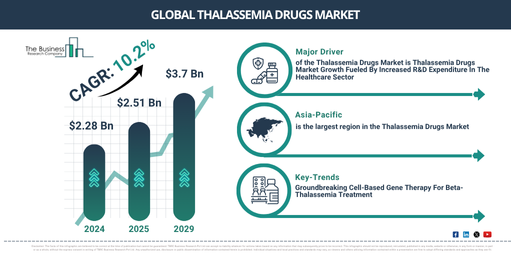
    In the past few years, the market size for thalassemia drugs has seen a quick expansion. It’s projected to increase from $2.28 billion in 2024 to $2.51 billion in 2025, with a compound annual growth rate (CAGR) of 10.1%. The growth during the historical period is primarily due to a rise in thalassemia cases, genetic susceptibility, and prevalence, along with advanced healthcare facilities, heightened awareness about thalassemia, and improved diagnostic abilities.

    The market for thalassemia medications is predicted to experience significant expansion in the upcoming years, reaching a value of $3.7 billion in 2029 with a compound annual growth rate (CAGR) of 10.2%. The anticipated growth in this period can be accredited to the increase in gene therapies for thalassemia, a rising demand for bespoke and targeted treatments, more investment in the development of drugs for rare diseases, a surge in healthcare expenditure, and global efforts for elevating thalassemia awareness. In the forecast period, primary trends such as personalized treatment plans, the incorporation of digital health technologies in managing thalassemia, advancements in research for curative therapies, the creation of combination drug therapies, and the augmentation of patient support schemes are expected to be observed.

    Download The Free Sample Report Here:

    https://www.thebusinessresearchcompany.com/sample.aspx?id=12213&type=smp

    #Which Factors Are Currently Driving The Growth Of The Thalassemia Drugs Market?

    The thalassemia drug market is expected to expand due to increasing investments in research and development (R&D). The term R&D investment pertains to the funds a company allocates towards the enhancement and development of its products or services. This surge in expenditure is likely to stimulate innovation, thereby contributing to efficient drug design and creation specifically for the treatment of thalassemia. For example, a report released by Statistics Sweden, a government entity, in July 2024 stated that Sweden’s intramural R&D spending in 2023 was $21.03 billion (SEK 221.8 billion). The amount marks an increase of $0.559 billion (SEK 5.9 billion) from the previous year and an R&D intensity of 3.57 percent, indicating a 0.45 percentage point growth from the previous decade. Consequently, this escalating R&D expenditure is propelling the thalassemia drug market forward.

    How Is The Global Thalassemia Drugs Market Structured In Terms Of Segments?

    The thalassemia drugs market covered in this report is segmented –

    1) By Type: Alpha Thalassemia Drugs, Beta Thalassemia Drugs

    2) By Treatment Type: Iron Chelation Therapy, Other Treatments

    3) By Distribution Channel: Hospital Pharmacies, Online Providers, Drug Stores And Retail Pharmacies

    Subsegments:

    1) By Alpha Thalassemia Drugs: Hydroxyurea, Luspatercept, Blood Transfusion Agents, Iron Chelators

    2) By Beta Thalassemia Drugs: Hydroxyurea, Luspatercept, Gene Therapy Products, Blood Transfusion Agents, Iron Chelators

    What Trends Are Currently Influencing Growth In The Thalassemia Drugs Market?

    Emphasizing product innovation is a trending strategy being adopted by leading players in the single-cell omics market as it gains more popularity. These enterprises are inventing novel products to retain their market dominance. For instance, in May 2023, Deepcell, a US-based company offering software for single-cell dimensional morphology analysis, introduced the REM-I Platform. This scalable single-cell imaging, high-dimensional analysis and cell sorting platform promises unprecedented insights into cell biology. It is expected to ignite new modalities of discovery in a wide range of fields such as cancer biology, stem cell biology, gene therapy, developmental biology and functional screening, among others. This is achieved by the platform’s inherent capacity to merge single-cell imaging, sorting, and high-dimensional analysis.

    Who Are The Main Participants Shaping The Thalassemia Drugs Market Landscape?

    Major companies operating in the thalassemia drugs market include Merck & Co. Inc., Novartis AG, Sanofi S.A., Fresenius Kabi AG, Bristol Myers Squibb Co., Fresenius SE & Co. KGaA, Teva Pharmaceutical Industries Ltd., Cipla Ltd., Panacea Biotec Ltd., Ionis Pharmaceuticals Inc., Alvogen Inc., Apotex Inc., Acceleron Pharma Inc., Alnylam Pharmaceuticals Inc., Shanghai Bioray Laboratory Inc., La Jolla Pharmaceutical Company, Editas Medicine Inc., Agios Pharmaceuticals Inc., Bluebird Bio Inc., Gamida Cell Ltd., CRISPR Therapeutics AG

    Get The Full Report Here:

    https://www.thebusinessresearchcompany.com/report/thalassemia-drugs-global-market-report

    Which Region Currently Holds The Largest Share In The Thalassemia Drugs Market?

    Asia-Pacific was the largest region in the thalassemia drugs market in 2024. The regions covered in the thalassemia drugs market report are Asia-Pacific, Western Europe, Eastern Europe, North America, South America, Middle East, Africa.

    Request For A Customized Report:

    https://www.thebusinessresearchcompany.com/customise?id=12213&type=smp

    About The Business Research Company:

    With over 15000+ reports from 27 industries covering 60+ geographies, The Business Research Company has built a reputation for offering comprehensive, data-rich research and insights. Armed with 1,500,000 datasets, the optimistic contribution of in-depth secondary research, and unique insights from industry leaders, you can get the information you need to stay ahead in the game.

    Get in touch with us:

    The Business Research Company: https://www.thebusinessresearchcompany.com/

    Americas +1 310-496-7795

    Asia +44 7882 955267 & +91 8897263534

    Europe +44 7882 955267

    Email us at info@tbrc.info

    Follow us on:

    LinkedIn: https://in.linkedin.com/company/the-business-research-company

    YouTube: https://www.youtube.com/channel/UC24_fI0rV8cR5DxlCpgmyFQ

    Global Market Model: https://www.thebusinessresearchcompany.com/global-market-model
  • Future Demand and Leading Companies Shaping the Active Pharmaceutical Ingredients Market to 2029

    Future Demand and Leading Companies Shaping the Active Pharmaceutical Ingredients Market to 2029

    Claim your 30% discount on Global Market Reports with code ONLINE30. Limited time only.

    Claim your 30% discount on Global Market Reports with code ONLINE30. Limited time only.

    How Large Is the Active Pharmaceutical Ingredients Market Expected to Be in 2029?

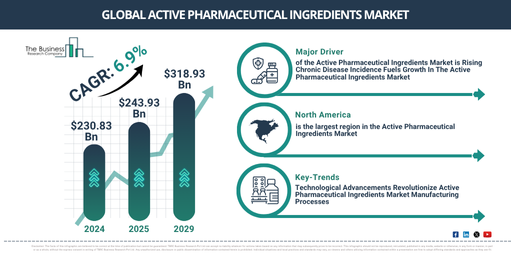
    The market size for active pharmaceutical ingredients has seen robust growth in the recent past. It is anticipated to increase from $230.83 billion in 2024 to $243.93 billion in 2025, representing a compound annual growth rate (CAGR) of 5.7%. Various factors have driven growth in the previous era, such as improvements in drug development, the expansion of the generic drug market, the internationalization of pharmaceutical manufacturing, regulatory measures for drug safety, the rise in contract manufacturing organizations (CMOs), precision medicine focus, the introduction of biopharmaceuticals, and health challenges including global pandemics.

    The market for active pharmaceutical ingredients is predicted to experience substantial growth in the approaching years. It is projected to elevate to $318.93 billion in 2029 at a Compound Annual Growth Rate (CAGR) of 6.9%. The expansion over the forecast period can be associated with the rise in healthcare spending, heightened focus on uncommon diseases, enlargement of the biosimilars market, advancements in green chemistry, emphasis on continuous production, regulatory assistance for innovation, and globalizing clinical trials, in conjunction with a focus on sustainable and ethical practices. Key trends envisaged during the forecast period involve the digitalization of drug creation, investment in sophisticated manufacturing technologies, APIs for rare diseases and orphan drugs, regulatory focus on quality, API serialization, traceability, and development in biopharmaceuticals and biotechnology products.

    Download The Free Sample Report Here:

    https://www.thebusinessresearchcompany.com/sample.aspx?id=8539&type=smp

    What Are The Contributors To Demand In The Active Pharmaceutical Ingredients Market?

    The continued rise in chronic illnesses is predicted to fuel the expansion of the active pharmaceutical ingredients market. A chronic disease typically lasts for a minimum of three months and may progressively deteriorate over time. The most common chronic conditions include cancer, heart disease, stroke, diabetes, and arthritis. Active pharmaceutical ingredients (APIs) are employed in the production of high-grade medicines for the treatment of diseases across oncology, cardiology, neurology, orthopedic, among others. For example, the International Diabetes Federation (IDF) in Belgium, in its IDF Diabetes Atlas, projects that the global diabetic population is set to rise to 578 million and 700 million by years 2030 and 2045 respectively. It has also been observed that almost half of diabetes-related deaths occur in individuals under 60 years of age, thus making it one of the top 10 causes of death. Consequently, the rising prevalence of chronic diseases will drive the growth of the active pharmaceutical ingredients market.

    What Segmentation Categories Are Included In The Active Pharmaceutical Ingredients Market Analysis?

    The active pharmaceutical ingredients market covered in this report is segmented –

    1) By Type: Innovative APIs (Active Pharmaceutical Ingredient), Generic APIs (Active Pharmaceutical Ingredient)

    2) By Manufacturer: Captive Manufacturers, Merchant Manufacturers

    3) By Type Of Drug: Prescription Drugs, Over-The-Counter Drugs

    4) By Therapeutic Application: Communicable Diseases, Oncology, Diabetes, Cardiovascular Disease, Pain Management, Respiratory Diseases, Other Therapeutic Applications

    Subsegments:

    1) By Innovative APIs: Biologics, Novel Chemical Entities (NCEs), Targeted Therapies

    2) By Generic APIs: Off-Patent Pharmaceuticals, Biosimilars, Over-The-Counter (OTC) Generic Drugs

    What Upcoming Trends Are Expected To Impact The Active Pharmaceutical Ingredients Market Globally?

    The development of technology in the active pharmaceutical ingredients market is an emerging trend in the same field. Leading companies in this sector are making strategic moves with the help of innovative technologies and processes for efficiently manufacturing APIs such as advancements in lyophilization, powder handling, and process control, and continuous flow chemistry. For instance, in May 2022, collaboration between several enterprises including NovAliX, a clinical research organization with a focus on drug discovery based in France, ALYSOPHIL SAS, another France-based company that develops innovative industrial strategies based on continuous flow chemistry, De Dietrich Process Systems, a France-based global provider of engineered systems, process solutions, and process equipment, and Bruker, a US-based company that focuses on creating, manufacturing, and selling top-grade scientific equipment and solutions for analysis and diagnosis resulted in an innovative production method for active pharmaceutical ingredients (APIs). The partnership resulted in the creation of the PIPAc (Production Intelligente de Principes Actifs) project, which aims to improve API manufacturing by cutting short the lengthy and often intricate supply chains linked to pharmaceutical manufacturing and establishing quick-response mobile API manufacturing units that are ready for deployment worldwide. Sporting a Smart Production of Active Ingredients model, PIPAc plans to design advanced, autonomous, and efficient units by combining advanced synthesis, continuous flow chemistry, in-flow analysis with the utilization of artificial intelligence.

    Who Are The Top-Ranked Companies In The Active Pharmaceutical Ingredients Market Today?

    Major companies operating in the active pharmaceutical ingredients market are Albemarle Corporation, Aurobindo Pharma Limited, Dr. Reddy’s Laboratories Limited, AbbVie Inc., Teva Pharmaceutical Industries Limited, Cipla Limited, Boehringer Ingelheim International GmbH, Merck KGaA, Sun Pharmaceutical Industries Limited, Bristol-Myers Squibb Company, Mylan Pharmaceuticals ULC, BASF SE, Lupin Limited, Johnson & Johnson Services Inc., F. Hoffmann-La Roche AG, Pfizer Inc., Novartis International AG, Sanofi S.A, Viatris Inc., Cadila Pharmaceuticals Limited, Amneal Pharmaceuticals Inc., Apotex Inc., Lonza Group AG, HPM Chemicals and Fertilizers Ltd., GlaxoSmithKline PLC, Godrej Consumer Products, Daiichi Sankyo Inc., Catalent Inc.

    Get The Full Report Here:

    https://www.thebusinessresearchcompany.com/report/active-pharmaceutical-ingredients-global-market-report

    How Is Active Pharmaceutical Ingredients Market Adoption Varying Across Different Regions And Sectors?

    North America was the largest region in the active pharmaceutical ingredients market share in 2024. The regions covered in the active pharmaceutical ingredients market report are Asia-Pacific, Western Europe, Eastern Europe, North America, South America, Middle East, Africa.

    Request For A Customized Report:

    https://www.thebusinessresearchcompany.com/customise?id=8539&type=smp

    About The Business Research Company:

    With over 15000+ reports from 27 industries covering 60+ geographies, The Business Research Company has built a reputation for offering comprehensive, data-rich research and insights. Armed with 1,500,000 datasets, the optimistic contribution of in-depth secondary research, and unique insights from industry leaders, you can get the information you need to stay ahead in the game.

    Get in touch with us:

    The Business Research Company: https://www.thebusinessresearchcompany.com/

    Americas +1 310-496-7795

    Asia +44 7882 955267 & +91 8897263534

    Europe +44 7882 955267

    Email us at info@tbrc.info

    Follow us on:

    LinkedIn: https://in.linkedin.com/company/the-business-research-company

    YouTube: https://www.youtube.com/channel/UC24_fI0rV8cR5DxlCpgmyFQ

    Global Market Model: https://www.thebusinessresearchcompany.com/global-market-model

  • Anti-Inflammatory Biologics Market Revenue Outlook: Strategic Insights and Forecast to 2029

    Anti-Inflammatory Biologics Market Revenue Outlook: Strategic Insights and Forecast to 2029

    Claim your 30% discount on Global Market Reports with code ONLINE30. Limited time only.

    Claim your 30% discount on Global Market Reports with code ONLINE30. Limited time only.

    What Are the Latest Market Insights for the Anti-Inflammatory Biologics Industry?

    The market size of anti-inflammatory biologics has seen a robust growth in the past few years. Predictions suggest that it will rise from $108.11 billion in 2024 to $118.02 billion in 2025, with a compound annual growth rate (CAGR) of 9.2%. The growth experienced in the historic period is due to factors such as a higher prevalence of arthritis, increased understanding of autoimmune disorders, the introduction of new biologic products, improved healthcare infrastructure, and a rise in regulatory validation.

    Explosive expansion is projected for the anti-inflammatory biologics market in the upcoming years, with the valuation set to reach $166.28 billion by 2029, boasting a compound annual growth rate (CAGR) of 9.0%. This projected growth within the forecast duration ties to the increasing preference for biologics, escalating demand for specific treatments, growing inclination towards long-term symptom relief, expanded utilization of biomarkers for disease tracking, and surging appetite for bespoke medication. The forecast span is also expected to see notable trends such as progress in the creation of biologic drugs, emergence of oral biologics for inflammation, the rise of tech-based drug delivery systems, growth in biosimilar development, and enhancement in diagnostic tools.

    Download The Free Sample Report Here:

    https://www.thebusinessresearchcompany.com/sample.aspx?id=25695&type=smp

    What Forces Are Driving The Growth Of The Anti-Inflammatory Biologics Industry?

    The escalating occurrence of arthritis is anticipated to boost the expansion of the anti-inflammatory biologics market in the future. Arthritis signifies inflammation or swelling in one or more joints, which results in pain, rigidity, and limited movement, often deteriorating with age. The surging occurrence of arthritis is chiefly owing to escalating obesity rates, since excessive body weight exerts added stress on joints, leading to inflammation and joint degeneration. Anti-inflammatory biologics are beneficial for arthritis by aiming at precise elements of the immune system to lessen inflammation, decelerate joint damage, alleviate symptoms, and improve physical capability and quality of life for individuals with moderate to severe arthritis. For example, in March 2023, the Office for Health Improvement and Disparities, a government department based in the UK, reported that in 2022, 17.6% of individuals aged 16 or older had a long-term MSK condition such as arthritis or a persistent back or joint issue, an increase from 17.0% in 2021. As such, the escalating occurrence of arthritis is propelling the expansion of the anti-inflammatory biologics market.

    What Is The Overview Of Market Segmentation In The Anti-Inflammatory Biologics Industry?

    The anti-inflammatory biologics market covered in this report is segmented –

    1) By Drug Class: Tumor Necrosis Factor Inhibitors, Interleukin Inhibitors, B-Cell Inhibitors, T-Cell Inhibitors, Other Drug Classes

    2) By Route Of Administration: Oral, Injection, Intravenous, Subcutaneous

    3) By Application: Rheumatoid Arthritis, Inflammatory Bowel Disease, Psoriasis, Other Applications

    4) By Distribution Channel: Hospital Pharmacies, Retail Pharmacies, Online Pharmacies, Other Distribution Channels

    5) By End-Users: Hospital, Clinics, Home Care Settings, Research And Academic Institutes

    Subsegments:

    1) By Tumor Necrosis Factor Inhibitors: Adalimumab, Infliximab, Etanercept, Golimumab, Certolizumab Pegol

    2) By Interleukin Inhibitors: Interleukin-1 Inhibitors, Interleukin-6 Inhibitors, Interleukin -12 Or 23 Inhibitors, Interleukin -17 Inhibitors, Interleukin -23 Inhibitors

    3) By B-Cell Inhibitors: Rituximab, Ocrelizumab, Ofatumumab

    4) By T-Cell Inhibitors: Abatacept, Alefacept

    5) By Other Drug Classes: Janus Kinase Inhibitors, Phosphodiesterase-4 Inhibitors, Sphingosine 1-Phosphate Receptor Modulators, Anti-IgE And Other Biologics

    What Future Market Trends Are Projected For The Anti-Inflammatory Biologics Industry?

    Leading corporations in the anti-inflammatory biologics market are concentrating on the creation of advanced solutions, such as interleukin-6 (IL-6) receptor antagonists, to more precisely target chronic inflammation diseases and minimize adverse effects. Interleukin-6 (IL-6) receptor antagonists are a type of biologic medicine designed to obstruct the IL-6 receptor, thereby reducing inflammation and immune response for ailments like rheumatoid arthritis. For example, in February 2023, the US-based biotech firm, Regeneron Pharmaceuticals Inc., obtained the approval from the US Food and Drug Administration (FDA) for Kevzara – it’s the first and exclusive biologic treatment intended for those suffering from polymyalgia rheumatica (PMR) who are not adequately reacting to corticosteroids. Kevzara is a fully human monoclonal antibody that obstructs the IL-6 receptor and is effective in reducing inflammation related to PMR, a disease causing muscle pain and rigidity, primarily in seniors. Contrary to conventional steroids, which pose risks such as osteoporosis and diabetes with long-term use, Kevzara offers a more specific, steroid-saving method that contributes to improved patient results and superior long-term safety.

    Who Are The Primary Players Operating Across The Global Anti-Inflammatory Biologics Market?

    Major companies operating in the anti-inflammatory biologics market are Pfizer Inc., Johnson And Johnson, Roche Holding AG, AbbVie Inc, Sanofi S.A, Bristol-Myers Squibb, AstraZeneca PLC, Novartis AG, GSK plc, Eli Lilly and Company, Gilead Sciences Inc, Amgen Inc., Regeneron Pharmaceuticals Inc, Biogen Inc., UCB S.A, UCB S.A./N.V, Swedish Orphan Biovitrum AB, Almirall S.A., Evotec SE, Hansa Biopharma AB.

    Get The Full Report Here:

    https://www.thebusinessresearchcompany.com/report/anti-inflammatory-biologics-global-market-report

    Which Region Offers The Most Growth Potential For The Anti-Inflammatory Biologics Market Through 2029?

    North America was the largest region in the anti-inflammatory biologics market in 2024. Europe is expected to be the fastest-growing region in the forecast period. The regions covered in the anti-inflammatory biologics market report are Asia-Pacific, Western Europe, Eastern Europe, North America, South America, Middle East, Africa.

    Request For A Customized Report:

    https://www.thebusinessresearchcompany.com/customise?id=25695&type=smp

    About The Business Research Company:

    With over 15000+ reports from 27 industries covering 60+ geographies, The Business Research Company has built a reputation for offering comprehensive, data-rich research and insights. Armed with 1,500,000 datasets, the optimistic contribution of in-depth secondary research, and unique insights from industry leaders, you can get the information you need to stay ahead in the game.

    Get in touch with us:

    The Business Research Company: https://www.thebusinessresearchcompany.com/

    Americas +1 310-496-7795

    Asia +44 7882 955267 & +91 8897263534

    Europe +44 7882 955267

    Email us at info@tbrc.info

    Follow us on:

    LinkedIn: https://in.linkedin.com/company/the-business-research-company

    YouTube: https://www.youtube.com/channel/UC24_fI0rV8cR5DxlCpgmyFQ

    Global Market Model: https://www.thebusinessresearchcompany.com/global-market-model

  • Global Insights: Sustained Release Excipients Market Expected to Surpass $2.1 Billion by 2029

    Global Insights: Sustained Release Excipients Market Expected to Surpass $2.1 Billion by 2029

    Claim your 30% discount on Global Market Reports with code ONLINE30. Limited time only.

    Claim your 30% discount on Global Market Reports with code ONLINE30. Limited time only.

    How Will the Sustained Release Excipients Market Evolve in Terms of Growth and Size by 2029?

    In the past few years, the market size for sustained release excipients has seen substantial growth. The market is projected to expand from $1.4 billion in 2024 to $1.51 billion in 2025, with an 8.1% compound annual growth rate (CAGR). This upward trend in the historical period can be credited to factors such as the rising demand for controlled drug release, the prevalent cases of chronic diseases, patient compliance and convenience, innovative strides in the pharmaceutical industry, and regulatory backing for extended-release formulations.

    The market size of sustained release excipients is projected to significantly expand in the coming years, with an estimation of reaching $2.1 billion in 2029, growing at a compound annual growth rate (CAGR) of 8.5%. The driving forces behind this anticipated growth during the forecast period may be the growing elderly population, increased attention towards personalized medication, patient adherence challenges, the rise of complex drug formulations, advancements in disease management, and the expansion of global healthcare. Key trends predicted within this time frame include a focus on patient-focused drug delivery, partnerships for formulation development, regulatory compliance and safety, worldwide extension of drug formulation technologies, and the impact of biopharmaceuticals.

    Download The Free Sample Report Here:

    https://www.thebusinessresearchcompany.com/sample.aspx?id=10822&type=smp

    What factors are expected to fuel Sustained Release Excipients market growth in the coming years?

    The sustained-release excipients market growth is anticipated to surge owing to the escalating prevalence of chronic and acute diseases. Chronic ailments, which last for an extended time, typically more than three months, and acute illnesses, characterized by rapid and usually severe but short-lived symptoms, are two categories that illnesses are classified into. The formulations of pharmaceutical products for both types of diseases extensively involve the use of sustained-release excipients. It enhances patient compliance, ensures uniform drug levels, minimizes side effects, and streamlines disease management, factors that augment the sales of sustained-release excipients. As reported by the World Health Organization (WHO), a health agency based in Switzerland, in September 2022, the most deaths from non-communicable diseases were due to cardiovascular diseases, amounting to 17.9 million people annually. This was followed by chronic respiratory diseases (4.1 million), diabetes (2.0 million, inclusive of deaths from kidney disease caused by diabetes), and cancer (9.3 million). An August 2022 report published by the American College of Cardiology, a non-profit medical association based in the US, projected significant rises from 2025 to 2060 in all four major cardiovascular risk factors in the US. It anticipates diabetes witnessing the highest proportional rise, soaring by 39.3% to 55 million individuals. This will be closely followed by dyslipidemia (increasing by 27.6% to 126 million), hypertension (rising by 25.1% to 162 million), and obesity (escalating by 18.3% to 126 million). Moreover, considerable rises are predicted in stroke rates (33.8% to 15 million) and heart failure (33.4% to 13 million), with ischemic heart disease (30.7% to 29 million) and heart attack (16.9% to 16 million) right on their heels. Therefore, the burgeoning prevalence of chronic and acute diseases is projected to drive the growth of the sustained-release excipients market.

    What Are The Key Findings From The Segmentation Analysis Of The Sustained Release Excipients Market?

    The sustained release excipients market covered in this report is segmented –

    1) By Product: Gelatin, Polymers, Minerals, Sugars, Alcohol, Chitosan

    2) By Route of Administration: Oral, Intramuscular, Subcutaneous, Transdermal, Vaginal, Ophthalmic, Intravenous, Other Routes of Administration

    3) By Technology: Targeted Delivery, Micro Encapsulation, Wurster Technique, Transdermal, Implants, Coacervation

    Subsegments:

    1) By Gelatin: Type A Gelatin, Type B Gelatin

    2) By Polymers: Natural Polymers, Synthetic Polymers

    3) By Minerals: Calcium Compounds, Magnesium Compounds, Other Mineral Excipients

    4) By Sugars: Sucrose, Lactose, Glucose, Other Sugars

    5) By Alcohol: Ethanol, Isopropyl Alcohol, Other Alcohols

    6) By Chitosan: Low Molecular Weight Chitosan, High Molecular Weight Chitosan

    Which Trends Are Expected To Shape The Future Of The Sustained Release Excipients Market?

    Innovations in product development are becoming a significant trend in the scar treatment market. Key market players are evolving skincare technology with the intention to boost treatment effectiveness, better patient outcomes, and offer non-invasive alternatives for those desiring scar diminution. The objective of this technology is to augment the efficiency of treatments, increase safety measures, and deliver ideal results for a range of skin worries. For example, Doctors Aesthetics Centre, a company based in India, introduced Picocare Majesty, an innovative laser skincare gadget, for the first time in South India in March 2023. This tool employs the latest picosecond technology to specifically address and manage diverse scar issues, encompassing acne scars, surgical scars, and pigmentation problems.

    What Are The Most Active Companies In The Sustained Release Excipients Market Today?

    Major companies operating in the sustained release excipients market include BASF SE, Ashland Global Holdings Inc., Colorcon Inc., Croda International Plc, Dow Chemical Company, DuPont de Nemours Inc., Roquette Frères, Evonik Industries AG, Lubrizol Corporation, Merck KGaA, JRS Pharma GmbH & Co. KG, Shin-Etsu Chemical Co.Ltd., Gattefossé SAS, Eastman Chemical Company, Cellulose Solutions Private Limited, Avantor Inc., SPI Pharma Inc., Asahi Kasei Corporation, Chemische Fabrik Budenheim KG, Associated British Foods plc, Ransom Naturals Ltd, Balchem Corporation, IMCD Group, Lonza Group AG

    Get The Full Report Here:

    https://www.thebusinessresearchcompany.com/report/sustained-release-excipients-global-market-report

    Which Regional Markets Are Attracting The Most Investment In Sustained Release Excipients?

    North America was the largest region in the global sustained release excipients market in 2024.Asia-Pacific is expected to be the fastest-growing region in the forecast period. The regions covered in the sustained release excipients market report are Asia-Pacific, Western Europe, Eastern Europe, North America, South America, Middle East, Africa

    Request For A Customized Report:

    https://www.thebusinessresearchcompany.com/customise?id=10822&type=smp

    About The Business Research Company:

    With over 15000+ reports from 27 industries covering 60+ geographies, The Business Research Company has built a reputation for offering comprehensive, data-rich research and insights. Armed with 1,500,000 datasets, the optimistic contribution of in-depth secondary research, and unique insights from industry leaders, you can get the information you need to stay ahead in the game.

    Get in touch with us:

    The Business Research Company: https://www.thebusinessresearchcompany.com/

    Americas +1 310-496-7795

    Asia +44 7882 955267 & +91 8897263534

    Europe +44 7882 955267

    Email us at info@tbrc.info

    Follow us on:

    LinkedIn: https://in.linkedin.com/company/the-business-research-company

    YouTube: https://www.youtube.com/channel/UC24_fI0rV8cR5DxlCpgmyFQ

    Global Market Model: https://www.thebusinessresearchcompany.com/global-market-model

  • Future Projections: Anti-D Immunoglobulin Market to Reach $3.34  Billion by 2029 at 6.6% CAGR

    Future Projections: Anti-D Immunoglobulin Market to Reach $3.34 Billion by 2029 at 6.6% CAGR

    Claim your 30% discount on Global Market Reports with code ONLINE30. Limited time only.

    Claim your 30% discount on Global Market Reports with code ONLINE30. Limited time only.

    What Are the Forecasted Growth Rate and Market Size of the Anti-D Immunoglobulin Market?

    In recent times, there has been a robust growth in the market size of anti-D immunoglobulin. We can anticipate seeing the market grow from $2.42 billion in 2024 to $2.59 billion in 2025, which translates to a compound annual growth rate (CAGR) of 6.9%. This growth in previous years has been driven by several factors such as burgeoning awareness about the risks of rhesus incompatibility, expansion of national immunization programs, establishment of maternal and neonatal health policies, an increase in global birth rates, and a surge in blood transfusion procedures.

    In the coming years, the market size of anti-D immunoglobulin is predicted to experience robust growth, reaching $3.34 billion in 2029 at a 6.6% Compound Annual Growth Rate (CAGR). The surge within the forecasted period can be linked to the increasing demand for antenatal and perinatal care, the heightened focus on maternal health in low- to middle-income countries, a rise in investments in healthcare infrastructure, the expansion of universal health coverage programs, and legal support for immunoglobulin treatments. Major trends to watch during the forecast period include enhancements in plasma fractionation technology, the creation of recombinant antibody alternatives, increased automation in immunoglobulin production, the use of high-purity formulation methods, and the incorporation of cold chain monitoring systems.

    Download The Free Sample Report Here:

    https://www.thebusinessresearchcompany.com/sample.aspx?id=25694&type=smp

    Which Factor Is Shaping The Future Of The Anti-D Immunoglobulin Market?

    The anticipated spike in birth rates is predicted to spur the expansion of the anti-D immunoglobulin market. The annual tally of live births per 1,000 people within a populace is referred to as birth rates. Limited access to education and family planning services contributes to an increase in birth rates by fostering higher fertility and larger families. With its crucial role in mitigating Rh conflict during pregnancy, anti-D immunoglobulin promotes healthier birth outcomes and decreases the threat of hemolytic disease in newborns. As noted by the Centers for Disease Control and Prevention, a US-based government organization, in April 2025, there was a 1% surge in the birth rate in 2024 with 3,622,673 reported births, compared to the previous year. Hence, the escalating birth rates have been instrumental in boosting the anti-D immunoglobulin market. The rise of healthcare infrastructure attributes to better access to maternal health services, thereby promoting the growth of the anti-D immunoglobulin market. Healthcare infrastructure denotes the integral resources including facilities, equipment, workforce and support services necessary to provide healthcare within a populace. The ever-increasing global populace necessitates the expansion of healthcare infrastructure to meet the ever-growing medical needs, paving the way for more hospitals, clinics and complementary resources. This escalated infrastructure growth improves access to maternal health services, facilitating effective screening and timely administration of anti-D immunoglobulin to avert hemolytic disease in newborns. Illustratively, in May 2023, the UK-based Department of Health and Social Care announced an allocation exceeding $27 billion (£20 billion) towards building new hospital facilities. Under the New Hospital Programme, while two facilities are already operational and five are in progress, over 20 others are scheduled to be either underway or finalized by the end of the subsequent year. Hence, the expansion of healthcare infrastructure contributes significantly to the progression of the anti-D immunoglobulin market.

    What Is The Segment-Wise Breakdown Of The Anti-D Immunoglobulin Market?

    The anti-d immunoglobulin market covered in this report is segmented –

    1) By Product Type: Intramuscular Anti-D Immunoglobulin, Intravenous Anti-D Immunoglobulin

    2) By Distribution Channel: Hospital Pharmacies, Retail Pharmacies, Online Pharmacies, Other Distribution Channel

    3) By Application: Hemolytic Disease Of The Newborn, Immune Thrombocytopenic Purpura, Antenatal And Postnatal Prophylaxis, Other Applications

    4) By End-User: Hospitals, Clinics, Blood Banks, Research Laboratories

    Subsegments:

    1) By Intramuscular Anti-D Immunoglobulin: Standard Dose, High Dose, Pre-Filled Syringes, Vials

    2) By Intravenous Anti-D Immunoglobulin: Lyophilized Powder, Liquid Formulation, Single-Use Vials, Multi-Dose Vials

    Which Trends Are Redefining The Future Landscape Of The Anti-D Immunoglobulin Industry?

    Top-tier entities in the anti-D immunoglobulin sector are emphasizing on the creation of cutting-edge solutions like recombinant anti-D immunoglobulin, intending to broaden the scope of safe and trustworthy prophylaxis for Rh-negative expectant individuals, thus enhancing maternal results. A recombinant anti-D immunoglobulin is a laboratory-fashioned monoclonal antibody that aims to curtail Rh incompatibility in Rh-negative personalities, giving another possibility over plasma-derived anti-D therapies with augmented consistency, safety, and scalability. For example, Bharat Serums and Vaccines (BSV), an Indian biopharmaceutical firm, launched the first worldwide marketed recombinant anti-Rho(D) immunoglobulin in January 2022. The offering leverages a scientifically advanced method for Rh prophylaxis via recombinant tech, increasing product dependability while decreasing variability linked with plasma-derived alternatives. This product is notably vital in areas reporting high occurrences of Rh-negative pregnancies as it can enhance preventive treatment and lower the threat of hemolytic disease in infants.

    Which Companies Hold The Largest Market Share In The Anti-D Immunoglobulin Sector?

    Major companies operating in the anti-d immunoglobulin market are Merck Group, Bayer AG, CSL Behring, Baxter International Inc., Intas Pharmaceuticals Ltd., Octapharma AG, Zydus Lifesciences Limited, Emergent BioSolutions Inc., Kedrion Biopharma Inc., Biotest AG, Sanquin, Taj Pharmaceuticals Limited, Kamada Pharmaceuticals, Bharat Serums and Vaccines Limited, Saol Therapeutics Inc., Aetos Pharma Private Limited, Avin Darou, PV Pharma Healthcare Pvt. Ltd., Sichuan Yuanda Shuyang Pharmaceutical Co. Ltd., Ocean Pharmacoat Pvt. Ltd.

    Get The Full Report Here:

    https://www.thebusinessresearchcompany.com/report/anti-d-immunoglobulin-global-market-report

    How Does Regional Performance Compare Across The Anti-D Immunoglobulin Industry?

    North America was the largest region in the anti-D immunoglobulin market in 2024. Asia-Pacific is expected to be the fastest-growing region in the forecast period. The regions covered in the anti-d immunoglobulin market report are Asia-Pacific, Western Europe, Eastern Europe, North America, South America, Middle East, Africa.

    Request For A Customized Report:

    https://www.thebusinessresearchcompany.com/customise?id=25694&type=smp

    About The Business Research Company:

    With over 15000+ reports from 27 industries covering 60+ geographies, The Business Research Company has built a reputation for offering comprehensive, data-rich research and insights. Armed with 1,500,000 datasets, the optimistic contribution of in-depth secondary research, and unique insights from industry leaders, you can get the information you need to stay ahead in the game.

    Get in touch with us:

    The Business Research Company: https://www.thebusinessresearchcompany.com/

    Americas +1 310-496-7795

    Asia +44 7882 955267 & +91 8897263534

    Europe +44 7882 955267

    Email us at info@tbrc.info

    Follow us on:

    LinkedIn: https://in.linkedin.com/company/the-business-research-company

    YouTube: https://www.youtube.com/channel/UC24_fI0rV8cR5DxlCpgmyFQ

    Global Market Model: https://www.thebusinessresearchcompany.com/global-market-model

  • 2025 Analysis: Opportunities and Risks in the Evolving STAY-C For Feed Market

    2025 Analysis: Opportunities and Risks in the Evolving STAY-C For Feed Market

    Claim your 30% discount on Global Market Reports with code ONLINE30. Limited time only.

    Claim your 30% discount on Global Market Reports with code ONLINE30. Limited time only.

    What CAGR Is Anticipated for the STAY-C For Feed Market Through 2029?

    In recent times, the Stay-C for feed market has experienced significant growth. Its size is projected to increase from $4.34 billion in 2024 to $4.68 billion in 2025, with a compound annual growth rate (CAGR) of 7.8%. This growth during the historic period is attributed to factors such as concerns about livestock health, compliance with regulations, increased meat consumption, a focus on feed efficiency, and disease outbreaks.

    In the upcoming years, the market size for the stay-C for feed is anticipated to undergo robust growth. It is projected to expand to $6.38 billion by 2029 with a Compound Annual Growth Rate (CAGR) of 8.1%. This growth expected in the forecast period can be ascribed to the growing preference for alternatives to antibiotics, a surge in consumer demand for high-quality meat, concerns about environmental sustainability, precision livestock farming, and strategic partnerships within the livestock sector. Significant trends for the forecast period encompass improvements in feed additive technology, enhanced research and development, traceability in feed supply chains using blockchain, plant-based additives, and the digital transformation of feed management.

    Download The Free Sample Report Here:

    https://www.thebusinessresearchcompany.com/sample.aspx?id=12007&type=smp

    What Market Forces Are Driving The STAY-C For Feed Sector In 2025 And Beyond?

    The surge in demand for meat and poultry products is anticipated to stimulate the expansion of the STAY-C for feed market. Meat, encompassing fish and poultry, is the consumption of animal flesh as sustenance. The inclusion of STAY-C in feed is essential to sustain its health and generate collagen, a component crucial for the wellbeing of muscles, vascular tissues, bones, and cartilage. For instance, as per the records of The United States Department of Agriculture (USDA), a federal agency based in the US, in February 2023, consumers devoured an average of 227 pounds of poultry, beef, and pork in 2022, regardless of the hike in meat prices, a rise from 224.9 pounds in 2021. Hence, the escalating demand for meat and poultry products fuels the growth of the STAY-C for feed market.

    How Is The Global STAY-C For Feed Market Categorized By Segments?

    The stay-c for feed market covered in this report is segmented –

    1) By Function: Single Functioned, Multi Functioned

    2) By Formulation: Dry, Liquid, Other Formulations

    3) By Livestock: Swine, Ruminants, Poultry, Aquatic Animals, Other Livestock

    Subsegments:

    1) By Single Functioned: Stay-c For Specific Feed Types, Basic Formulations With A Single Benefit

    2) By Multi Functioned: Stay-c With Multiple Benefits, Formulations Combining Various Ingredients For Enhanced Performance

    What Long-Term Trends Are Likely To Affect The STAY-C For Feed Market?

    Leading corporations in the sarcoma drugs landscape are investing efforts to devise innovative, modern oral medicines to amplify patient compliance and augment the results of treatment. Oral medications, which are typically ingested in forms like tablets, capsules, or liquid concoctions, are processed through the digestive system and offer a practical and non-invasive approach to treatment administration. For example, in April 2024, Novugen Pharma LLC, a company in the pharmaceutical field based in the United States, introduced pazopanib tablets of 200 mg as a generic substitute for votrient which has received approval from the USFDA for the therapy of advanced renal cell carcinoma (RCC) and advanced soft tissue sarcoma (STS). This introduction underscores Novugen’s proficiency in complicated anti-cancer formulas and expands patient accessibility to effective treatments, creating a substantial impact on the sarcoma drug market by responding to a formerly restrained competition field.

    Which Firms Are Considered Leaders In The STAY-C For Feed Market Space?

    Major companies operating in the stay-C for feed market include Cargill Incorporated, Archer-Daniels-Midland Company, BASF SE, Charoen Pokphand Foods Public Company Limited, Evonik Industries AG, CP Group, Solvay Group, DSM, Guangdong Haid Group Co Ltd, ForFarmers N.V., Nutreco N.V., Chr. Hansen Holding A/S, New Hope Group, Balchem Corporation, Longxing Chemical Stock Co. Ltd., Spectrum Chemical Manufacturing Corporation, Plamed Group, Lallemand Inc., Polifar Group, Hugestone Enterprise Co. Ltd., Kangcare Bioindustry Co. Ltd., Shanghai Longyu Biotechnology Co. Ltd., Tianjin YR Chemspec Technology Co. Ltd., Ajinomoto Co. Inc., Hubei Artec Biotechnology Co. Ltd.

    Get The Full Report Here:

    https://www.thebusinessresearchcompany.com/report/stay-c-for-feed-global-market-report

    What Role Do Regional Policies And Investments Play In STAY-C For Feed Market Expansion?

    Asia-Pacific was the largest region in the STAY-C for feed market in 2024. The regions covered in the stay-C for feed market report are Asia-Pacific, Western Europe, Eastern Europe, North America, South America, Middle East, Africa.

    Request For A Customized Report:

    https://www.thebusinessresearchcompany.com/customise?id=12007&type=smp

    About The Business Research Company:

    With over 15000+ reports from 27 industries covering 60+ geographies, The Business Research Company has built a reputation for offering comprehensive, data-rich research and insights. Armed with 1,500,000 datasets, the optimistic contribution of in-depth secondary research, and unique insights from industry leaders, you can get the information you need to stay ahead in the game.

    Get in touch with us:

    The Business Research Company: https://www.thebusinessresearchcompany.com/

    Americas +1 310-496-7795

    Asia +44 7882 955267 & +91 8897263534

    Europe +44 7882 955267

    Email us at info@tbrc.info

    Follow us on:

    LinkedIn: https://in.linkedin.com/company/the-business-research-company

    YouTube: https://www.youtube.com/channel/UC24_fI0rV8cR5DxlCpgmyFQ

    Global Market Model: https://www.thebusinessresearchcompany.com/global-market-model

  • 2025 Anti-CD20 Monoclonal Antibodies Market Outlook: Opportunities, Growth Trends, and Strategic Analysis

    2025 Anti-CD20 Monoclonal Antibodies Market Outlook: Opportunities, Growth Trends, and Strategic Analysis

    Claim your 30% discount on Global Market Reports with code ONLINE30. Limited time only.

    Claim your 30% discount on Global Market Reports with code ONLINE30. Limited time only.

    What Is the Estimated Industry Valuation for the Anti-CD20 Monoclonal Antibodies Sector?

    In the past few years, the market size for anti-CD20 monoclonal antibodies has seen a robust expansion. It is anticipated to develop from $8.33 billion in 2024 to $9.00 billion in 2025, maintaining a compound annual growth rate (CAGR) of 7.9%. The surge in growth during the historical period can be associated with the escalating prevalence of B-cell malignancies, increased utilization in autoimmune disease remedies, a rise in FDA and EMA approvals for new anti-CD20 treatments, and an expanding elderly population worldwide.

    The market for anti-CD20 monoclonal antibodies is projected to experience significant expansion in the coming years, reaching a value of $12.05 billion by 2029, growing at a compound annual growth rate (CAGR) of 7.6%. The surge during this forecasted period can be ascribed to factors such as escalating strategic partnerships and licensing transactions, widening use in combination treatments, increasing instances of relapsed or unresponsive cases, growth in healthcare spending and access in emerging markets, and the rise in biosimilar creation and approvals. Key trends for this forecast period encompass progress in monoclonal antibody engineering, the incorporation of anti-CD20 antibodies into combination treatments, technological enhancements in personalizing cancer treatments, improvements in subcutaneous and long-acting formulations, as well as strides in bispecific and next-generation antibodies.

    Download The Free Sample Report Here:

    https://www.thebusinessresearchcompany.com/sample.aspx?id=25693&type=smp

    What Forces Are Driving The Growth Of The Anti-CD20 Monoclonal Antibodies Market?

    The surge in autoimmune diseases is anticipated to drive the expansion of the anti-CD20 monoclonal antibodies market in the future. When the body’s own cells are inaccurately targeted as threats by the immune system, such diseases occur. The rise in autoimmune diseases can be attributed to the increase in exposure to environmental pollutants which can damage immune regulation, leading to the body’s tissues being targeted. The treatment of autoimmune diseases involves the use of anti-CD20 monoclonal antibodies which eliminate B cells responsible for the production of autoantibodies and inflammation. They oversee the immune response and ease the symptoms of the disease. For example, the Australian Institute of Health and Welfare, a government organization based in Australia, reported in June 2024 that in 2022, approximately 514,000 individuals (2.0%) in Australia suffered from rheumatoid arthritis, a systemic autoimmune disorder. This affected 2.5% of females and 1.6% of males. Hence, the uptick in autoimmune diseases is fueling the growth of the anti-CD20 monoclonal antibodies market.

    How Is The Anti-CD20 Monoclonal Antibodies Industry Segmented Across Key Parameters?

    The anti-cd20 monoclonal antibodies market covered in this report is segmented –

    1) By Product Type: Rituximab, Obinutuzumab, Ofatumumab, Other Product Types

    2) By Route Of Administration: Intravenous, Subcutaneous

    3) By Distribution Channel: Hospital Pharmacies, Retail Pharmacies, Online Pharmacies

    4) By Application: Non-Hodgkin’s Lymphoma (NHL), Chronic Lymphocytic Leukemia (Cll), Rheumatoid Arthritis, Multiple Sclerosis, Pemphigus Vulgaris, Other Applications

    5) By End-User: Hospitals, Surgical Centers and Diagnostic Centers, Maternity Centers, Ambulatory Care Centers, Research And Academia, Other End-Users

    Subsegments:

    1) By Rituximab: Rituxan, Truxima, Ruxience, Reditux

    2) By Obinutuzumab: Gazyva, Biosimilar Candidates

    3) By Ofatumumab: Arzerra, Kesimpta

    4) By Other Product Types: Ublituximab, Veltuzumab, Ocrelizumab, Mosunetuzumab

    What Notable Trends Are Shaping The Direction Of The Anti-CD20 Monoclonal Antibodies Market?

    Leading firms in the anti-CD20 monoclonal antibody sector are concentrating their efforts on the creation of sophisticated products such as obinutuzumab in order to more effectively tackle resistant or recurring B-cell malignancies. Obinutuzumab, a humanized type II anti-CD20 monoclonal antibody, is engineered to specifically target and eradicate CD20-positive B cells, which are implicated in certain blood cancers and autoimmune disorders. For example, in March 2025, Roche, a biopharmaceutical corporation based in Switzerland, disclosed that the U.S. Food and Drug Administration (FDA) approved a supplemental Biologics License Application (sBLA) for Gazyva/Gazyvaro (obinutuzumab) to be used in the treatment of lupus nephritis. This action is driven by promising findings from the Phase III REGENCY clinical trial, which revealed a better complete renal response (CRR) when integrated with a regular treatment plan compared to a standard treatment alone. This achievement distinguishes Gazyva/Gazyvaro as the only anti-CD20 monoclonal antibody to display such an advantage in treating lupus nephritis, a severe inflammation triggered by lupus that can result in kidney failure.

    Which Companies Currently Dominate The Competitive Landscape In The Anti-CD20 Monoclonal Antibodies Industry?

    Major companies operating in the anti-cd20 monoclonal antibodies market are Pfizer Inc., F. Hoffmann-La Roche Ltd., AbbVie Inc., Novartis AG, GlaxoSmithKline plc, Amgen Inc., Teva Pharmaceutical Industries Ltd., Regeneron Pharmaceuticals, Inc., Chugai Pharmaceutical Co. Ltd., Dr. Reddy’s Laboratories, Genmab A/S, Celltrion Inc., Innovent Biologics, Immunomedics, HLL Lifecare Limited, Shanghai Henlius Biotech Inc., TG Therapeutics, Biogen Idec, Aetos Pharma, Nycomed GmbH

    Get The Full Report Here:

    https://www.thebusinessresearchcompany.com/report/anti-cd20-monoclonal-antibodies-global-market-report

    Which Geographic Regions Are Driving Demand In The Anti-CD20 Monoclonal Antibodies Market?

    North America was the largest region in the Anti-CD20 monoclonal antibodies market in 2024. Asia-Pacific is expected to be the fastest-growing region in the forecast period. The regions covered in the anti-cd20 monoclonal antibodies market report are Asia-Pacific, Western Europe, Eastern Europe, North America, South America, Middle East, Africa.

    Request For A Customized Report:

    https://www.thebusinessresearchcompany.com/customise?id=25693&type=smp

    About The Business Research Company:

    With over 15000+ reports from 27 industries covering 60+ geographies, The Business Research Company has built a reputation for offering comprehensive, data-rich research and insights. Armed with 1,500,000 datasets, the optimistic contribution of in-depth secondary research, and unique insights from industry leaders, you can get the information you need to stay ahead in the game.

    Get in touch with us:

    The Business Research Company: https://www.thebusinessresearchcompany.com/

    Americas +1 310-496-7795

    Asia +44 7882 955267 & +91 8897263534

    Europe +44 7882 955267

    Email us at info@tbrc.info

    Follow us on:

    LinkedIn: https://in.linkedin.com/company/the-business-research-company

    YouTube: https://www.youtube.com/channel/UC24_fI0rV8cR5DxlCpgmyFQ

    Global Market Model: https://www.thebusinessresearchcompany.com/global-market-model

  • In-Depth Skin Booster Market Report: Business Trends, Growth Factors, and Forecast to 2029

    Claim your 30% discount on Global Market Reports with code ONLINE30. Limited time only.

    Claim your 30% discount on Global Market Reports with code ONLINE30. Limited time only.

    What Are the Latest Market Insights for the Skin Booster Industry?

    The market size for skin boosters has witnessed considerable growth in recent years. The market, which was valued at $1.17 billion in 2024, is projected to achieve a value of $1.27 billion in 2025, at a compound annual growth rate (CAGR) of 8.7%. The growth observed in the historical period can be ascribed to factors such as the evolution of the cosmetic industry, progress in cosmetic science, increased awareness of beauty standards, the impact of medical aesthetics, as well as endorsements from celebrities and influencers.

    The skin booster market is projected to experience robust expansion in the years to come, reaching a valuation of $1.88 billion by 2029 with a compound annual growth rate (CAGR) of 10.3%. The increase projected within this duration can be associated with the escalating demand for non-invasive methods, personalized and targeted treatments, the advent of digitalization in the beauty sector, the growing needs of the aging population, and heightened beauty awareness. Noteworthy trends for the forecast period incorporate AI-driven natural and clean beauty, hydration emphasis, personalized solutions, and product novelties.

    Download The Free Sample Report Here:

    https://www.thebusinessresearchcompany.com/sample.aspx?id=10456&type=smp

    What Forces Are Driving The Growth Of The Skin Booster Industry?

    The skin booster market’s growth is predicted to be fueled by the rising demand for wrinkle treatments. Wrinkle treatments, which include the use of creams, laser therapy, Botox, and other methods to manage skin creases, folds, or ridges, are aimed at minimizing the visibility of wrinkles to enhance aesthetic appeal. Skin boosters, which frequently involve the injection of hyaluronic acid into the skin, are often used in wrinkle treatments. These treatments tend to enhance the skin’s texture, elasticity, and moisture levels by boosting hydration and volume, contributing to a younger-looking appearance. For example, the British Association of Aesthetic Plastic Surgeons reported in March 2023 that there were 31,057 cosmetic procedures in the UK in 2022, an increase of 102% compared to the previous year. Hence, the growing demand for wrinkle treatments is fuelling the expansion of the skin booster market.

    What Is The Overview Of Market Segmentation In The Skin Booster Industry?

    The skin booster market covered in this report is segmented –

    1) By Type: Mesotherapy, Micro-Needle

    2) By Gender: Male, Female

    3) By End-Use: Dermatology Clinics, MedSpa

    Subsegments:

    1) By Mesotherapy: Injectables, Non-Invasive Treatments

    2) By Micro-Needle: Dermarollers, Automated Micro-Needling Devices

    What Future Market Trends Are Projected For The Skin Booster Industry?

    The growth of strategic collaborations is a notable prevailing trend in the RNA-targeting small molecule therapeutics market. Numerous leading firms in this market are embarking on partnerships to develop fresh collaborative ideas, resulting in the invention of novel products. For instance, Otsuka Pharmaceutical Co. Ltd., a pharmaceutical producer from Japan, entered into a partnership with the Japan-based drug discovery platform developer, xFOREST Therapeutics Co. Ltd., in June 2022. This association enables Otsuka to utilize the Forest technology offered by xFOREST for enhancing systemic small-molecule drug discovery research focused on RNA structures. Additionally, in April 2024, Ipsen, a biopharmaceutical company from France, collaborated with Skyhawk Therapeutics, an American clinical-stage biotechnology firm dealing with RNA-targeting small molecule therapeutics. Through this alliance, Ipsen is aiming towards the creation of RNA-targeting small molecule medication for rare neurological conditions, and also integrates several datasets for identifying and creating small molecules capable of modulating RNA.

    Who Are The Primary Players Operating Across The Global Skin Booster Market?

    Major companies operating in the skin booster market include Galderma S.A., Merz Pharmaceuticals GmbH, Bloomage BioTechnology Corporation Limited, Teoxane Laboratories, Filorga, Professional Derma SA, IBSA Group, Lemonbottle SA, Fox Group International, Sinclair Pharma, BioScience GmbH, Vivacy Laboratories, SciVision Biotech Inc., Prollenium Medical Technologies Inc., MD Skin Solutions, Cytocare International, Cellfill SA, BCN Medical Institute, Hymagic Corporation, Skin Tech Pharma Group, Regenyal Laboratories LLC, Bioxis Pharmaceuticals Inc., Aqtis Medical Inc., Q-Med AB, Luminera Derm, Suneva Medical Inc., Polymekon Incorporated, Fidia Farmaceutici S.p.A., Aesthetic Dermal LLC, Genyal Global

    Get The Full Report Here:

    https://www.thebusinessresearchcompany.com/report/skin-booster-global-market-report

    Which Region Offers The Most Growth Potential For The Skin Booster Market Through 2029?

    North America was the largest region in the skin boosters market in 2024. Asia-Pacific is expected to be the fastest-growing region in the global skin booster market during the forecast period. The regions covered in the skin booster market report are Asia-Pacific, Western Europe, Eastern Europe, North America, South America, Middle East, Africa

    Request For A Customized Report:

    https://www.thebusinessresearchcompany.com/customise?id=10456&type=smp

    About The Business Research Company:

    With over 15000+ reports from 27 industries covering 60+ geographies, The Business Research Company has built a reputation for offering comprehensive, data-rich research and insights. Armed with 1,500,000 datasets, the optimistic contribution of in-depth secondary research, and unique insights from industry leaders, you can get the information you need to stay ahead in the game.

    Get in touch with us:

    The Business Research Company: https://www.thebusinessresearchcompany.com/

    Americas +1 310-496-7795

    Asia +44 7882 955267 & +91 8897263534

    Europe +44 7882 955267

    Email us at info@tbrc.info

    Follow us on:

    LinkedIn: https://in.linkedin.com/company/the-business-research-company

    YouTube: https://www.youtube.com/channel/UC24_fI0rV8cR5DxlCpgmyFQ

    Global Market Model: https://www.thebusinessresearchcompany.com/global-market-model

  • Global Insights: Androgen Deprivation Therapy Market Expected to Surpass $10.49  Billion by 2029

    Global Insights: Androgen Deprivation Therapy Market Expected to Surpass $10.49 Billion by 2029

    Claim your 30% discount on Global Market Reports with code ONLINE30. Limited time only.

    Claim your 30% discount on Global Market Reports with code ONLINE30. Limited time only.

    How Large Is the Androgen Deprivation Therapy Market Expected to Be in 2029?

    In the past few years, the market size of androgen deprivation therapy has seen substantial growth. There is an expected increase from $7.81 billion in 2024 to $8.31 billion in 2025, with a compound annual growth rate (CAGR) of 6.3%. The growth observed in the historic period has been led by factors such as a global rise in prostate cancer cases, an expanding aging male demographic, a high recurrence rate of prostate cancer, enhanced survival rates prompting extended treatment, and growing cognizance regarding early prostate cancer screening.

    Strong expansion is predicted for the androgen deprivation therapy market in the coming years, with an expected growth to $10.49 billion in 2029 and a compound annual growth rate (CAGR) of 6.0%. This projected growth over the forecast period is due to factors such as the rising acceptance of combination therapies in oncology, an increase in hormone-sensitive cancers, a high number of localized and advanced prostate cancer diagnoses, expanded usage of ADT for non-oncologic hormonal conditions, and a growing preference among patients for non-invasive treatments. Key trends anticipated for the forecast period involve advancements in depot formulations and delivery methods, the creation of oral ADT drugs, the rise of long-acting ADT injectables, the introduction of innovative androgen receptor inhibitors, and technological advancements in digital pathology and diagnostics.

    Download The Free Sample Report Here:

    https://www.thebusinessresearchcompany.com/sample.aspx?id=25692&type=smp

    What Are The Contributors To Demand In The Androgen Deprivation Therapy Market?

    The escalation in prostate cancer cases is anticipated to propel the expansion of the androgen deprivation therapy market in the imminent years. Prostate cancer, which starts in the prostate gland responsible for creating seminal fluid in the male reproductive system, is seeing a rising trend primarily due to extended lifespans, as advancing age notably increases the likelihood of this disease. The primary treatment approach for prostate cancer is Androgen deprivation therapy (ADT), which works by reducing androgen levels that stimulate tumor growth. This treatment is commonly used in advanced or metastatic phases to decelerate disease progression. For example, a report published by Prostate Cancer UK, a prostate cancer research, awareness, and support organisation based in the UK, showed that the number of prostate cancer diagnoses in England rose from 50,751 cases in 2022 to 55,033 cases in 2023, clearly showing annual growth. As a result, the growing incidence of prostate cancer is driving the surge in the androgen deprivation therapy market.

    What Segmentation Categories Are Included In The Androgen Deprivation Therapy Market Analysis?

    The androgen deprivation therapy market covered in this report is segmented –

    1) By Type: Medicine, Surgery, Other Types

    2) By Route Of Administration: Injectable, Oral

    3) By Patient Demographics: Men Aged 40-60, Men Aged 61-75, Men Above 75

    4) By Application: Prostate Cancer, Other Applications

    5) By End-User: Hospitals, Specialty Clinics, Other End-Users

    Subsegments:

    1) By Medicine: LHRH Agonists, LHRH Antagonists, Anti-Androgens, CYP17 Inhibitors, Steroidal Anti-Androgens, Non-Steroidal Anti-Androgens, Estrogen-Based Therapies, Combination Therapies

    2) By Surgery: Bilateral Orchiectomy, Subcapsular Orchiectomy, Simple Orchiectomy

    3) By Other Types: Radiopharmaceutical Therapy, Gene Therapy, Immunotherapy, Targeted Therapy, Cryotherapy, High-Intensity Focused Ultrasound (HIFU

    What Upcoming Trends Are Expected To Impact The Androgen Deprivation Therapy Market Globally?

    Leading corporations in the androgen deprivation therapy market are concentrating on the creation of cutting-edge solutions such as combination therapies to enhance the results of advanced prostate cancer treatments. This involves employing multiple treatment types, including hormone therapy and chemotherapy, to bolster therapeutic efficiency and slow the development of the disease. For example, in August 2022, Bayer AG, a German company specializing in life sciences, obtained approval from the U.S. Food and Drug Administration for the additional use of darolutamide in conjunction with docetaxel to treat metastatic hormone-sensitive prostate cancer (mHSPC). The newly authorized combination therapy seeks to improve survival rates and postpone disease escalation in patients with metastatic hormone-sensitive prostate cancer (mHSPC), a scenario where the cancer is spread but remains responsive to hormone therapy. The therapy’s key distinguishing feature is darolutamide – an orally ingested medication that concentrates on androgen receptors. Its distinct molecular structure allows it to securely bind to these receptors, functionally limiting their activity to assist in preventing the growth and dispersion of prostate cancer cells.

    Who Are The Top-Ranked Companies In The Androgen Deprivation Therapy Market Today?

    Major companies operating in the androgen deprivation therapy market are Pfizer Inc., Johnson & Johnson Services Inc., Merck & Co. Inc., Bayer AG, Bristol-Myers Squibb Company, AstraZeneca PLC, Novartis AG, Astellas Pharma Inc., Ipsen S.A., Dr. Reddy’s Laboratories Ltd., Orion Corporation, Arvinas Inc., Ferring Pharmaceuticals SA, Tolmar Pharmaceuticals Inc., Besins Healthcare S.A., Veru Inc., Kintor Pharmaceutical Limited, Foresee Pharmaceuticals Co. Ltd., Verity Pharmaceuticals Inc., Lawley Pharmaceuticals Pty Ltd.

    Get The Full Report Here:

    https://www.thebusinessresearchcompany.com/report/androgen-deprivation-therapy-global-market-report

    How Is Androgen Deprivation Therapy Market Adoption Varying Across Different Regions And Sectors?

    North America was the largest region in the androgen deprivation therapy market in 2024. Asia-Pacific is expected to be the fastest-growing region in the forecast period. The regions covered in the androgen deprivation therapy market report are Asia-Pacific, Western Europe, Eastern Europe, North America, South America, Middle East, Africa.

    Request For A Customized Report:

    https://www.thebusinessresearchcompany.com/customise?id=25692&type=smp

    About The Business Research Company:

    With over 15000+ reports from 27 industries covering 60+ geographies, The Business Research Company has built a reputation for offering comprehensive, data-rich research and insights. Armed with 1,500,000 datasets, the optimistic contribution of in-depth secondary research, and unique insights from industry leaders, you can get the information you need to stay ahead in the game.

    Get in touch with us:

    The Business Research Company: https://www.thebusinessresearchcompany.com/

    Americas +1 310-496-7795

    Asia +44 7882 955267 & +91 8897263534

    Europe +44 7882 955267

    Email us at info@tbrc.info

    Follow us on:

    LinkedIn: https://in.linkedin.com/company/the-business-research-company

    YouTube: https://www.youtube.com/channel/UC24_fI0rV8cR5DxlCpgmyFQ

    Global Market Model: https://www.thebusinessresearchcompany.com/global-market-model