Blog

  • Nerve Growth Factor Market Trends Supporting 7.6% CAGR Growth Through 2030

    Nerve Growth Factor Market Trends Supporting 7.6% CAGR Growth Through 2030

    Featuring market attractiveness scoring, total addressable market sizing, company benchmarking matrices, interactive Excel dashboards, deeper supply chain intelligence, emerging startup tracking, and granular product-level insights, The Business Research Company’s 2026 market reports are built to deliver research that is both more actionable and more strategically valuable.

    Nerve Growth Factor Market Size And Revenue Outlook Through 2030

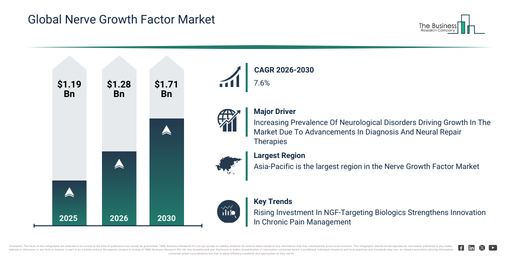
    The nerve growth factor market size has shown significant growth in recent years. This market is expected to expand from $1.19 billion in 2025 to $1.28 billion in 2026, achieving a compound annual growth rate (CAGR) of 7.6%. The expansion observed historically can be attributed to developments in neurobiology research, the clinical progression of cenegermin, a rising incidence of neurological disorders, broader acceptance of ophthalmology treatments, and the growth in biologics manufacturing.

    The nerve growth factor market is anticipated to experience substantial expansion over the upcoming years. It is projected to reach $1.71 billion in 2030, exhibiting a compound annual growth rate (CAGR) of 7.6%. This forecasted growth is attributable to factors such as an escalating occurrence of neurodegenerative conditions, the broadening of regenerative medicine initiatives, a surge in clinical trials focusing on nerve repair, increased funding for biologics R&D, and advancements in NGF delivery systems. Key trends influencing this period encompass intensified research into neuroregeneration therapies, a heightened emphasis on treating neurodegenerative diseases, the widespread adoption of recombinant protein therapeutics, expanding clinical applications in ophthalmic disorders, and augmented investment in nerve repair technologies.

    Get A Free Sample Report With In-Depth Market Insights:

    https://thebusinessresearchcompany.com/sample_request?id=10653749&type=smp&name=Nerve%20Growth%20Factor%20Market%20Report%202026&utm_source=Blogs&utm_medium=Paid&utm_campaign=Oct_PR

    Nerve Growth Factor Market Expansion Drivers: What’s Shaping Future Growth?

    The rising occurrence of neurological conditions is anticipated to fuel the expansion of the nerve growth factor market in the future. These disorders are defined as medical ailments impacting the brain, spinal cord, and nerves, stemming from structural, biochemical, or electrical irregularities. The heightened incidence of neurological disorders can be attributed to an aging global demographic and advancements in diagnostic tools, which enhance the identification and reporting of these conditions, consequently resulting in elevated recorded rates of occurrence. Nerve growth factor (NGF) is vital for the upkeep, survival, and regeneration of neurons, thus becoming instrumental in managing the widespread nature of neurological disorders by facilitating neural restoration and potentially delaying the advancement of diseases. For example, data from the Australian Institute of Health and Welfare, an Australia-based government agency, indicated in September 2024 that cases of dementia (a neurological disorder) in Australia are forecasted to increase from approximately 411,100 in 2023 to 849,300 by 2058. Consequently, the growing prevalence of neurological disorders is propelling the growth of the nerve growth factor market.

    Nerve Growth Factor Market Segment Performance And Emerging Opportunities

    The nerve growth factor market covered in this report is segmented –

    1) By Type: Alpha-Nerve Growth Factor (NGF), Beta-Nerve Growth Factor (NGF), Gamma-Nerve Growth Factor (NGF), Other Types

    2) By Agents: Cenegermin, Other Agents

    3) By Indication: Neurodegenerative Disorders, Spinal Cord Injuries, Eye Disorders, Epithelial Diseases, Tissue Healing, Other Indications

    4) By Distribution Channel: Hospital Pharmacy, Online Pharmacy, Retail Pharmacy

    5) By End-User: Hospitals, Homecare, Specialty Clinics, Other End-Users

    Subsegments:

    1) By Alpha-Nerve Growth Factor (a-NGF): Natural Alpha-NGF, Recombinant Alpha-NGF, Synthetic Alpha-NGF, Alpha-NGF For Research Applications

    2) By Beta-Nerve Growth Factor (ß-NGF): Human Beta-NGF, Animal-Derived Beta-NGF, Recombinant Beta-NGF, Therapeutic Beta-NGF, Research-Grade Beta-NGF

    3) By Gamma-Nerve Growth Factor (?-NGF): Natural Gamma-NGF, Recombinant Gamma-NGF, Synthetic Gamma-NGF, Gamma-NGF for Neurodegenerative Research

    4) By Other Types: Hybrid NGF Molecules, NGF Mimetics, NGF Gene Therapy-Based Products, NGF-Infused Biomaterials

    Nerve Growth Factor Market Strategic Trends: What Defines The Next Growth Phase?

    Key companies in the nerve growth factor market are prioritizing the development of NGF-targeting biologic treatments, including anti-NGF monoclonal antibodies, which are designed to suppress NGF activity and alleviate chronic pain. An anti-NGF monoclonal antibody operates by binding to nerve growth factor, preventing it from activating its receptors, thereby helping to diminish pain signaling and inflammatory responses in patients afflicted with degenerative or neuropathic disorders. For instance, in May 2023, Jiangsu Hengrui Pharmaceuticals, a biopharmaceutical company based in China, launched SHR-1314, an advanced anti-NGF monoclonal antibody approved for clinical testing in individuals with osteoarthritis-related pain. This therapy exhibits a highly selective binding profile that reduces NGF-mediated sensitization and possesses a prolonged serum half-life that facilitates less frequent dosing, aiming to offer sustained pain relief for those with chronic joint disease.

    Nerve Growth Factor Market Key Players: Which Companies Lead Industry Competition?

    Major companies operating in the nerve growth factor market are Dompé farmaceutici S.p.A., Regeneron Pharmaceuticals Inc., Mimetogen Pharmaceuticals, MimeTech Srl, Herantis Pharma, PainCeptor Pharma, Beike Biotechnology, Akeso Inc., Promega Corporation, Enzo Life Sciences Inc., Alomone Labs, Prospec-Tany Technogene Ltd., CUSABIO Technology LLC, Genexis Biotech Pvt. Ltd., Staidson Beijing BioPharmaceuticals, Biomol GmbH, Sino Biological Inc., PeproTech Inc., Abcam plc, Creative BioMart Inc.

    View The Full Nerve Growth Factor Market Report:

    https://thebusinessresearchcompany.com/report/nerve-growth-factor-global-market-report?utm_source=Blogs&utm_medium=Paid&utm_campaign=Oct_PR

    Nerve Growth Factor Market Largest Region By Revenue And Market Share

    Asia-Pacific was the largest region in the nerve growth factor market in 2025. The regions covered in the nerve growth factor market report are Asia-Pacific, South East Asia, Western Europe, Eastern Europe, North America, South America, Middle East, Africa.

    Reach Out To Our Team:

    The Business Research Company: https://www.thebusinessresearchcompany.com/

    Americas: +1 310-496-7795

    Asia: +44 7882 955267 & +91 8897263534

    Europe: +44 7882 955267

    Email us at: marketing@tbrc.info

    Follow us on:

    LinkedIn: https://in.linkedin.com/company/the-business-research-company

    YouTube: https://www.youtube.com/channel/UC24_fI0rV8cR5DxlCpgmyFQ

    Global Market Model: https://www.thebusinessresearchcompany.com/global-market-model
  • Nephrology Drugs Market Forecast Highlights A $24.31 Billion Opportunity For Industry Participants

    Nephrology Drugs Market Forecast Highlights A $24.31 Billion Opportunity For Industry Participants

    Built to provide research that’s more actionable and strategically valuable, The Business Research Company’s 2026 market reports include market attractiveness analysis, total addressable market sizing, company benchmarking matrices, interactive Excel dashboards, broader supply chain intelligence, emerging startup tracking, and in-depth product insights.

    Nephrology Drugs Market Growth From $18.73 Billion In 2026 To $24.31 Billion By 2030 At A CAGR Of 6.7%

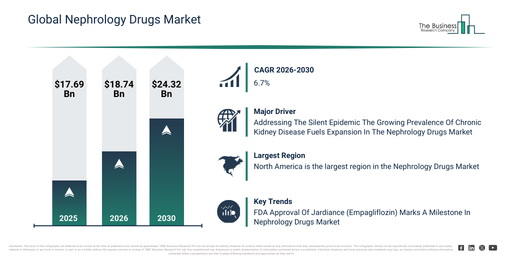
    The nephrology drugs market has experienced substantial growth in recent years. It is projected to expand from $17.69 billion in 2025 to $18.74 billion in 2026, exhibiting a compound annual growth rate (CAGR) of 5.9%. This historical expansion is attributable to factors such as the early adoption of antihypertensive agents, an increase in chronic kidney disease cases, the growing hospital infrastructure dedicated to renal care, advancements in dialysis and parenteral treatments, and a rising awareness of kidney-related disorders.

    The nephrology drugs market is projected to experience substantial expansion over the upcoming years, with its size forecast to reach $24.32 billion by 2030, exhibiting a compound annual growth rate (CAGR) of 6.7%. This anticipated growth during the forecast period is fueled by several factors, including the progress in precision medicine for nephrology, the incorporation of AI into renal drug development, the broadening of homecare treatment options, increased investment in biotechnology for kidney-related therapies, and the widespread adoption of digital health monitoring for individuals with kidney conditions. Key developments expected during this period involve tailored kidney care solutions, an increase in kidney disorders linked to hypertension, innovations in renal drug formulations, greater understanding of chronic kidney disease management, and a surge in the use of home-based renal treatments.

    Get A Free Sample Report With In-Depth Market Insights:

    https://thebusinessresearchcompany.com/sample_request?id=60488112&type=smp&name=Nephrology%20Drugs%20Market%20Report%202026&utm_source=Blogs&utm_medium=Paid&utm_campaign=Oct_PR

    Nephrology Drugs Market Development Factors: What’s Supporting Demand?

    The growing incidence of chronic kidney disease is anticipated to drive the expansion of the nephrology drugs market. Chronic kidney disease (CKD) refers to damaged kidneys that are unable to filter blood effectively. This kidney impairment progresses slowly over an extended period, potentially leading to the accumulation of waste products in the body. Nephrology drugs are primarily utilized in the treatment of chronic kidney disease to enhance kidney function and decelerate the disease’s progression, thereby preventing further bodily harm, which collectively contributes to the growth of the nephrology drug market. For instance, in June 2023, Oxford Academic, Oxford University Press’s academic research platform based in the UK, reported that the prevalence of CKD in the UK is projected to rise by 4% from 8.27 million to 8.61 million people between 2022 and 2032. The expected stage distribution in 2032 is 30.36% for stage 1, 21.07% for stage 2, 29.78% for stage 3a, 11.86% for stage 3b, 4.15% for stage 4, and 2.78% for stage 5. Therefore, the increasing prevalence of chronic kidney disease is a key factor driving the growth of the nephrology drug market.

    Nephrology Drugs Market Segment Landscape And Growth Outlook

    The nephrology drugs market covered in this report is segmented –

    1) By Drugs: Antihypertensive Agents, Erythropoiesis-Stimulating Agents, Diuretics, ACE Inhibitors, Antidiabetic Agents, Other Drugs

    2) By Route Of Administration: Oral, Parenteral, Other Route Of Administration

    3) By Distribution Channel: Hospital Pharmacy, Online Pharmacy, Retail Pharmacy

    4) By End User: Hospitals, Homecare, Specialty Clinics, Other End Users

    Subsegments:

    1) By Antihypertensive Agents: Calcium Channel Blockers, Beta-Blockers, Angiotensin II Receptor Blockers (ARBs)

    2) By Erythropoiesis-Stimulating Agents: Epoetin Alfa, Darbepoetin Alfa

    3) By Diuretics: Loop Diuretics, Thiazide Diuretics, Potassium-Sparing Diuretics

    4) By ACE Inhibitors: Lisinopril, Enalapril

    5) By Antidiabetic Agents: Metformin, Insulin

    6) By Other Drugs: Phosphate Binders, Vitamin D Analogues, Renin Inhibitors

    Nephrology Drugs Market Transformation Trends: What Innovations Are Driving Change?

    Major companies operating in the nephrology drugs market are directing their efforts towards securing approvals for innovative products, such as the U.S. Food and Drug Administration’s clearance of Jardiance (empagliflozin), to better address the needs of their existing clientele. Empagliflozin is a diabetes medication utilized for the control and treatment of type 2 diabetes mellitus. It belongs to the sodium-glucose co-transporter (SGLT-2) group of diabetic drugs. Empagliflozin functions by prompting the kidneys to excrete more glucose in the urine, thereby reducing blood sugar levels. An example of this trend occurred in January 2023, when Eli Lilly and Company, a US-based pharmaceutical firm, and Germany-based Boehringer Ingelheim announced that the Food and Drug Administration had approved a supplemental New Drug Application (sNDA) for Jardiance (empagliflozin) tablets. These tablets are being evaluated as a potential therapy to mitigate the risk of advancing kidney disease and cardiovascular death in adults afflicted with chronic kidney disease (CKD).

    Nephrology Drugs Market Competitive Landscape: Who Leads The Industry?

    Major companies operating in the nephrology drugs market are AstraZeneca plc, AbbVie Inc., Akebia Therapeutics Inc., Amgen Inc., FibroGen Inc., Johnson And Johnson, Pfizer Inc., GlaxoSmithKline plc, Teva Pharmaceutical Industries Limited, Boehringer Ingelheim International GmbH, Reata Pharmaceuticals Inc., Ardelyx Inc., Novo Nordisk A/S, Novartis AG, Baxter International Inc., Bristol Myers Squibb Company, Kissei Pharmaceutical Co. Ltd., Kyowa Kirin Co. Ltd., Mallinckrodt Pharmaceuticals, OPKO Health Inc., Sanofi S.A., Takeda Pharmaceutical Company Limited, Vifor Pharma Group, Bayer AG, Otsuka Pharmaceutical Co. Ltd., Mylan N.V.

    View The Full Nephrology Drugs Market Report:

    https://thebusinessresearchcompany.com/report/nephrology-drugs-global-market-report?utm_source=Blogs&utm_medium=Paid&utm_campaign=Oct_PR

    Nephrology Drugs Market Regional Analysis And Leading Geography

    North America was the largest region in the nephrology drug market in 2025. Europe will be the second-largest growing region in the nephrology drug market in 2025. The regions covered in the nephrology drugs market report are Asia-Pacific, South East Asia, Western Europe, Eastern Europe, North America, South America, Middle East, Africa.

    Reach Out To Our Team:

    The Business Research Company: https://www.thebusinessresearchcompany.com/

    Americas: +1 310-496-7795

    Asia: +44 7882 955267 & +91 8897263534

    Europe: +44 7882 955267

    Email us at: marketing@tbrc.info

    Follow us on:

    LinkedIn: https://in.linkedin.com/company/the-business-research-company

    YouTube: https://www.youtube.com/channel/UC24_fI0rV8cR5DxlCpgmyFQ

    Global Market Model: https://www.thebusinessresearchcompany.com/global-market-model
  • Interleukin Inhibitors Market Forecast 2026–2030: Market Size, Trends And Growth Opportunities

    Interleukin Inhibitors Market Forecast 2026–2030: Market Size, Trends And Growth Opportunities

    Backed by market attractiveness analysis, total addressable market sizing, company benchmarking matrices, interactive Excel dashboards, wider supply chain intelligence, emerging startup coverage, and detailed product-level insights, The Business Research Company’s 2026 market reports are designed to offer research that is more actionable and strategically valuable than ever.

    Interleukin Inhibitors Market Size, Value And Growth Trajectory Through 2030

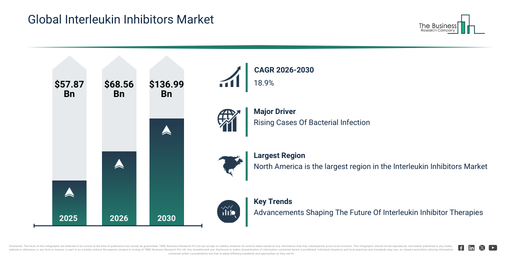
    The market size for interleukin inhibitors has experienced substantial growth in recent years. It is projected to expand from $57.87 billion in 2025 to $68.56 billion in 2026, demonstrating a compound annual growth rate (CAGR) of 18.5%. Historically, this growth can be attributed to several factors, including the limited availability of interleukin inhibitors, an increasing prevalence of autoimmune diseases, heightened physician awareness and prescribing practices, continued reliance on conventional therapies, and the expansion of hospital pharmacies and specialty clinics.

    The interleukin inhibitors market is anticipated to experience substantial growth over the next few years. It is predicted to reach $136.99 billion in 2030, growing at a compound annual growth rate (CAGR) of 18.9%. This expansion during the forecast period is driven by the development of next-generation biologics, increasing investment in personalized immunotherapies, the expansion of online pharmacies and telemedicine platforms, a rise in regulatory approvals for novel interleukin inhibitors, and growing government and healthcare initiatives focused on chronic disease management. Key trends for this period include the rising adoption of interleukin inhibitors for autoimmune disorders, the growth of biologic therapies targeting IL-17, IL-23, IL-1, IL-5, and IL-6, an increasing focus on personalized and targeted immunotherapies, the expansion of hospital and specialty clinic distribution channels, and the integration of telemedicine and digital platforms into chronic disease management.

    Get A Free Sample Report With In-Depth Market Insights:

    https://thebusinessresearchcompany.com/sample_request?id=3469&type=smp&name=Interleukin%20Inhibitors%20Market%20Report%202026&utm_source=Blogs&utm_medium=Paid&utm_campaign=Oct_PR

    Interleukin Inhibitors Market Industry Drivers: What’s Behind The Revenue Growth?

    The increasing occurrence of bacterial infections is anticipated to propel the interleukin inhibitors market moving ahead. Bacterial infections are illnesses stemming from bacteria, which are minute single-celled organisms. Interleukin inhibitors offer significant benefits in managing and averting bacterial diseases by inhibiting bacterial proliferation. As an illustration, in March 2024, data from the Centers for Disease Control and Prevention, a US-based government agency, indicated an escalation in tuberculosis cases from 8,320 in 2022 to 9,615 in 2023, marking an increase of 1,295 cases. Consequently, the growing prevalence of bacterial infections is a key driver for the interleukin inhibitors market.

    Interleukin Inhibitors Market Segment Analysis And Revenue Potential

    The interleukin inhibitors market covered in this report is segmented –

    1) By Type: IL-17, IL-23, IL-1, IL-5, IL-6

    2) By Application: Psoriasis, Psoriatic Arthritis, Rheumatoid Arthritis, Asthma, Inflammatory Bowel Disease, Other Applications

    3) By Distribution Channel: Hospital Pharmacies, Retail Pharmacies, Online Pharmacies

    Subsegments:

    1) By IL-17: Secukinumab, Ixekizumab, Brodalumab

    2) By IL-23: Ustekinumab, Guselkumab, Tildrakizumab

    3) By IL-1: Anakinra, Canakinumab

    4) By IL-5: Mepolizumab, Reslizumab, Benralizumab

    5) By IL-6: Tocilizumab, Sarilumab

    #Interleukin Inhibitors Market Growth Trends: What’s Shaping The Future Outlook?

    Companies operating in the interleukin inhibitors market are actively focusing on the development of innovative therapies, such as monoclonal antibody biosimilars, to improve treatment efficacy, reduce costs, and enhance patient accessibility. A monoclonal antibody biosimilar is defined as a biologic product that is highly similar to an already approved reference antibody, exhibiting no clinically meaningful differences in terms of safety or efficacy. For instance, in October 2025, Celltrion Inc., a biopharmaceutical company based in South Korea, launched its AVTOZMA (tocilizumab-anoh) intravenous (IV) formulation within the United States. This therapy targets interleukin-6 receptors to manage conditions like rheumatoid arthritis and other inflammatory disorders. The introduction of this treatment aims to improve patient access and clinical outcomes by expanding the availability of advanced biologic treatments.

    Interleukin Inhibitors Market Key Players Shaping Industry Direction

    Major companies operating in the interleukin inhibitors market are Sanofi S.A., GlaxoSmithKline plc, Novartis International AG, Johnson & Johnson Services Inc., F. Hoffmann-La Roche Ltd., Eli Lilly and Company, AstraZeneca plc, Teva Pharmaceutical Industries Ltd., Regeneron Pharmaceuticals Inc., Bausch Health Companies Inc., AbbVie Inc., Sun Pharmaceutical Industries Limited, Boehringer Ingelheim International GmbH, Janssen Biotech Inc., Ortho Dermatologics, Amgen Inc., Celgene Corporation, Bristol-Myers Squibb Company, Pfizer Inc., Merck & Co. Inc., Takeda Pharmaceutical Company Limited, Biogen Inc., Incyte Corporation, Kyowa Kirin Co Ltd., Astellas Pharma Inc., Ipsen Biopharmaceuticals Inc.

    View The Full Interleukin Inhibitors Market Report:

    https://thebusinessresearchcompany.com/report/Interleukin-Inhibitor-global-market-report?utm_source=Blogs&utm_medium=Paid&utm_campaign=Oct_PR

    Interleukin Inhibitors Market Global Footprint: Which Region Leads The Market?

    North America was the largest region in the interleukin inhibitors market in 2025. The regions covered in the interleukin inhibitors market report are Asia-Pacific, South East Asia, Western Europe, Eastern Europe, North America, South America, Middle East, Africa.

    Reach Out To Our Team:

    The Business Research Company: https://www.thebusinessresearchcompany.com/

    Americas: +1 310-496-7795

    Asia: +44 7882 955267 & +91 8897263534

    Europe: +44 7882 955267

    Email us at: marketing@tbrc.info

    Follow us on:

    LinkedIn: https://in.linkedin.com/company/the-business-research-company

    YouTube: https://www.youtube.com/channel/UC24_fI0rV8cR5DxlCpgmyFQ

    Global Market Model: https://www.thebusinessresearchcompany.com/global-market-model
  • Interferons Market Size Reaches $10.54 Billion In 2026: What Is Driving Growth?

    Interferons Market Size Reaches $10.54 Billion In 2026: What Is Driving Growth?

    Featuring market attractiveness scoring, total addressable market sizing, company benchmarking matrices, interactive Excel dashboards, deeper supply chain intelligence, emerging startup tracking, and granular product-level insights, The Business Research Company’s 2026 market reports are built to deliver research that is both more actionable and more strategically valuable.

    Interferons Market CAGR Outlook And Future Development

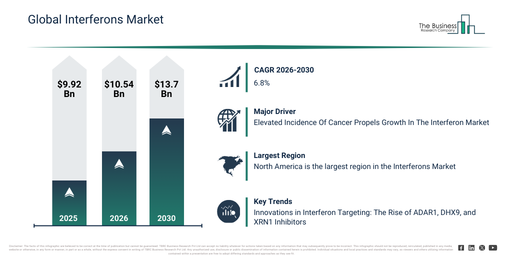
    The interferons market size has demonstrated strong growth in recent years. It is anticipated to expand from $9.92 billion in 2025 to $10.54 billion in 2026, achieving a compound annual growth rate (CAGR) of 6.3%. This historical growth can be linked to several factors, including the limited availability of recombinant interferons, the increasing prevalence of hepatitis b and c, a rise in the incidence of melanoma and leukemia, continued reliance on conventional interferon therapies, and the expansion of hospital pharmacy networks.

    The interferons market size is projected to experience substantial expansion over the next few years, reaching $13.7 billion in 2030 with a compound annual growth rate (CAGR) of 6.8%. This anticipated growth during the forecast period is fueled by the creation of pegylated and long-acting interferons, their increasing application in multiple sclerosis and renal cell carcinoma, wider access through online and retail pharmacies, the growing embrace of combination therapies, and increasing government support for immunotherapy initiatives. Significant trends expected during this period include the rising adoption of interferon therapies for viral infections, their expanding use in oncology treatments, the broader application of interferon beta in multiple sclerosis treatment, an increase in hospital and online pharmacy distribution channels, and a continued emphasis on developing long-acting and enhanced formulations.

    Get A Free Sample Report With In-Depth Market Insights:

    https://thebusinessresearchcompany.com/sample_request?id=13197609&type=smp&name=Interferons%20Market%20Report%202026&utm_source=Blogs&utm_medium=Paid&utm_campaign=Oct_PR

    Interferons Market Growth Factors: What’s Supporting Expansion?

    An anticipated increase in cancer cases is projected to stimulate the expansion of the interferon market going forward. Cancer encompasses a range of illnesses defined by the unchecked proliferation of aberrant cells, which possess the capability to metastasize throughout the body. Interferons find application in managing diverse forms of cancer, such as melanoma, Kaposi’s sarcoma, and specific leukemias. Frequently, these are incorporated into multi-drug treatment regimens, thereby enhancing the immune system’s efficacy against malignant cells. As an illustration, data from July 2024, provided by the Australian Institute of Health and Welfare, an Australia-based government agency, indicated that approximately 165,000 Australians received a new cancer diagnosis in 2023. This averages more than 450 new cases daily, with males accounting for roughly 55% of these reported diagnoses. Consequently, the escalating incidence of cancer is propelling the interferon market’s expansion.

    Interferons Market Segmentation And Category Overview

    The interferons market covered in this report is segmented –

    1) By Type: Interferon Alpha, Interferon Beta, Interferon Gamma

    2) By Application: Hepatitis B, Hepatitis C, Melanoma, Leukemia, Multiple Sclerosis, Renal Cell Carcinoma

    3) By Distribution Channel: Hospital Pharmacies, Online Pharmacies, Retail Pharmacies, Other Distribution Channels

    Subsegments:

    1) By Interferon Alpha: Interferon Alpha-2a, Interferon Alpha-2b

    2) By Interferon Beta: Interferon Beta-1a, Interferon Beta-1b

    3) By Interferon Gamma: Interferon Gamma-1b, Interferon Gamma Receptor 2

    Interferons Market Industry Trends: What’s Reshaping Demand?

    Leading companies within the interferon market are advancing innovative programs, such as ADAR1 and DHX9 inhibitors, designed to induce replication stress and foster cell death in microsatellite unstable tumors. ADAR1 inhibitors are specifically engineered to block ADAR1, a target implicated in immune activation within cancer cells. Evidence suggests that inhibiting ADAR1 can trigger cell death in cells characterized by high type I interferon signaling. DHX9 inhibitors involve small-molecule compounds that target DHX9, an RNA helicase crucial for maintaining genomic stability in various cancers. Suppressing DHX9 has the potential to induce replication stress and subsequent cell death in particular tumor types. For instance, in October 2023, Accent Therapeutics, a US-based biopharmaceutical company, introduced its XRN1 program. This XRN1 program is dedicated to developing small molecule inhibitors against the enzyme XRN1, which is essential for RNA degradation and plays a role in innate immunity. This initiative aims to combat tumors exhibiting elevated interferon signaling, potentially enhancing cancer cell death. In line with Accent Therapeutics’ mission to develop precision cancer therapies, recent presentations at the 35th AACR-NCI-EORTC Symposium highlighted preclinical validations and the progress made in developing selective inhibitors for this vital oncology target.

    Interferons Market Competitive Analysis Of Leading Industry Participants

    Major companies operating in the interferons market are Roche Holding AG, Merck & Co. Inc., Bristol-Myers Squibb Company, Biogen Inc., Bayer AG, Zydus Cadila Health Care Limited, Biosidus S.A., Nanogen Biopharmaceutical Co. Ltd., Amega Biotech Inc., Rhein Minapharm Biogenetics S.A.E., PROBIOMED S.A. de C.V., Schering-Plough Corporation, 3SBio Inc., Genentech Inc., Teva Pharmaceutical Industries Ltd., Biocad, Cipla Limited, Dr. Reddy’s Laboratories Ltd., Hetero Drugs Limited

    View The Full Interferons Market Report:

    https://thebusinessresearchcompany.com/report/Interferon-global-market-report?utm_source=Blogs&utm_medium=Paid&utm_campaign=Oct_PR

    Interferons Market Regional Split: Which Areas Are Fueling Growth?

    North America was the largest region in the interferons market in 2025. Middle East is expected to be the fastest-growing region in the interferons market during the forecast period. The regions covered in the interferons market report are Asia-Pacific, South East Asia, Western Europe, Eastern Europe, North America, South America, Middle East, Africa.

    Reach Out To Our Team:

    The Business Research Company: https://www.thebusinessresearchcompany.com/

    Americas: +1 310-496-7795

    Asia: +44 7882 955267 & +91 8897263534

    Europe: +44 7882 955267

    Email us at: marketing@tbrc.info

    Follow us on:

    LinkedIn: https://in.linkedin.com/company/the-business-research-company

    YouTube: https://www.youtube.com/channel/UC24_fI0rV8cR5DxlCpgmyFQ

    Global Market Model: https://www.thebusinessresearchcompany.com/global-market-model
  • Intelligent Pills Market Valued At $8.65 Billion In 2026: Key Trends And Growth Drivers

    Intelligent Pills Market Valued At $8.65 Billion In 2026: Key Trends And Growth Drivers

    Built to provide research that’s more actionable and strategically valuable, The Business Research Company’s 2026 market reports include market attractiveness analysis, total addressable market sizing, company benchmarking matrices, interactive Excel dashboards, broader supply chain intelligence, emerging startup tracking, and in-depth product insights.

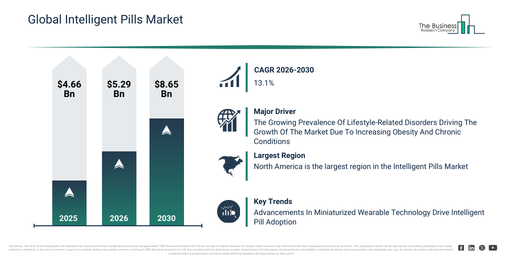
    Intelligent Pills Market Set To Climb From $5.28 Billion In 2026 To $8.65 Billion By 2030

    The intelligent pills market has experienced significant expansion recently. It is projected to expand from $4.66 billion in 2025 to $5.29 billion in 2026, at a compound annual growth rate (CAGR) of 13.4%. The increase observed in previous periods is largely due to developments in medical imaging, the demand for gastrointestinal disease diagnosis, the rise of minimally invasive diagnostics, the integration of technology in hospitals, and breakthroughs in wireless sensor innovation.

    The intelligent pills market size is projected to experience substantial expansion in the coming years, reaching $8.65 billion in 2030 at a compound annual growth rate (CAGR) of 13.1%. This anticipated expansion during the forecast period is driven by factors such as the widening reach of remote healthcare, the advent of AI-enabled diagnostic tools, the evolution of the digital health ecosystem, the increasing necessity for chronic disease monitoring, and advancements in smart medical device innovation. Significant trends shaping the market during this period encompass the increasing utilization of capsule endoscopy technologies, a surge in the adoption of ingestible sensors, the broader deployment of remote patient monitoring applications, the growing need for non-invasive diagnostic instruments, and the incorporation of wireless data transmission into diagnostics.

    Get A Free Sample Report With In-Depth Market Insights:

    https://thebusinessresearchcompany.com/sample_request?id=90489469&type=smp&name=Intelligent%20Pills%20Market%20Report%202026&utm_source=Blogs&utm_medium=Paid&utm_campaign=Oct_PR

    Intelligent Pills Market Demand Drivers: What’s Powering Industry Growth?

    The intelligent pills market is anticipated to grow as the number of lifestyle-related disorders increases. These disorders are non-communicable illnesses primarily influenced by an individual’s daily habits, behaviors, and life choices. The rising incidence of lifestyle-related disorders is largely fueled by poor dietary habits, which contribute to conditions like obesity, heart disease, and diabetes. Intelligent pills offer customized treatment for lifestyle-related disorders by enabling real-time health monitoring, providing data-driven insights, improving medication adherence, and optimizing therapeutic outcomes. For instance, in May 2025, according to the Office for Health Improvement and Disparities, a UK-based government body, an estimated 64.5% of adults aged 18 and over in England were overweight or living with obesity from 2023 to 2024, up from 64.0% in 2022 to 2023. Thus, the increasing prevalence of lifestyle-related disorders is a significant driver for the intelligent pills market.

    Intelligent Pills Market Segment Outlook: Which Categories Are Growing Fastest?

    The intelligent pills market covered in this report is segmented –

    1) By Type: Occult GI Bleeding, Chron’s Disease, Small Bowel Tumors, Celiac Disease, Inherited Polyposis Syndromes

    2) By Target Area: Esophagus, Stomach, Small Intestine, Large Intestine

    3) By Application: Capsule Endoscopy, Drug Delivery, Patient Monitoring

    4) By End-User: Hospital Pharmacy, Clinics, Research Institutes, Home Healthcare

    Subsegments:

    1) By Occult GI Bleeding: Detection Of Hidden Gastrointestinal Bleeding, Non-Invasive Diagnosis Of Occult Blood Loss

    2) By Crohn’s Disease: Monitoring Disease Progression, Assessment Of Intestinal Inflammation

    3) By Small Bowel Tumors: Tumor Identification In The Small Intestine, Tumor Monitoring And Diagnosis

    4) By Celiac Disease: Detection Of Gluten-Induced Damage In The Intestine, Monitoring Adherence To Gluten-Free Diet

    5) By Inherited Polyposis Syndromes: Detection Of Polyps In The Gastrointestinal Tract, Risk Assessment And Monitoring For Genetic Polyposis

    Intelligent Pills Market Innovation Trends: What Developments Are Reshaping The Industry?

    Leading companies in the Intelligent Pills market are prioritizing the utilization of innovative technologies, such as wearable ingestion tracking devices, to improve medication compliance and patient supervision. These wearable ingestion tracking devices are gadgets designed to be worn on the wrist or body, monitoring when patients take their medication to help ensure timely doses, enhance adherence, and provide real-time data to healthcare providers for improved treatment outcomes. For example, in November 2023, etectRx Inc., a US-based digital health company, unveiled the Wrist-Worn Reader, an advanced technology designed to augment the ID-Cap System. This device integrates smoothly with the existing ID-Cap medication monitoring capsule, offering a convenient wrist-worn alternative to the previous necklace-style reader, thereby boosting comfort and ease of use. The Wrist-Worn Reader continuously records ingestion events, provides alerts for missed doses, and supports clinical studies like HIV PrEP trials, consequently enhancing adherence and patient outcomes. Its adaptability to diverse user preferences and lifestyles sets it apart from conventional monitoring solutions.

    Intelligent Pills Market Leading Companies And Competitive Benchmarking

    Major companies operating in the intelligent pills market are RF Co. Ltd., OMOMED S.A., Shangxian Minimal Invasive Inc., Medtronic Given Imaging (PillCam Division), Shenzhen ANX Robotica, Capsovision Europe GmbH, BDD (Bio-Medical Device Development Ltd.), SmartPill Corporation, ReX Medical, Sensilize Ltd., HQ Inc., JIFU Medical, Chongqing Jinshan Capsule Endoscopy, CapsoVision Asia, NaviCam Medical Systems, IntroMedic Europe, EBS Medical, Check-Cap Imaging, Biora Therapeutics, etectRx Digital Health

    View The Full Intelligent Pills Market Report:

    https://thebusinessresearchcompany.com/report/intelligent-pills-global-market-report?utm_source=Blogs&utm_medium=Paid&utm_campaign=Oct_PR

    Intelligent Pills Market Top Region: Where Does Most Revenue Come From?

    North America was the largest region in the intelligent pills market in 2025. The regions covered in the intelligent pills market report are Asia-Pacific, South East Asia, Western Europe, Eastern Europe, North America, South America, Middle East, Africa.

    Reach Out To Our Team:

    The Business Research Company: https://www.thebusinessresearchcompany.com/

    Americas: +1 310-496-7795

    Asia: +44 7882 955267 & +91 8897263534

    Europe: +44 7882 955267

    Email us at: marketing@tbrc.info

    Follow us on:

    LinkedIn: https://in.linkedin.com/company/the-business-research-company

    YouTube: https://www.youtube.com/channel/UC24_fI0rV8cR5DxlCpgmyFQ

    Global Market Model: https://www.thebusinessresearchcompany.com/global-market-model
  • Insulin Drugs Market Size In 2026: Growth Outlook And Forecast Through 2030

    Insulin Drugs Market Size In 2026: Growth Outlook And Forecast Through 2030

    Backed by market attractiveness analysis, total addressable market sizing, company benchmarking matrices, interactive Excel dashboards, wider supply chain intelligence, emerging startup coverage, and detailed product-level insights, The Business Research Company’s 2026 market reports are designed to offer research that is more actionable and strategically valuable than ever.

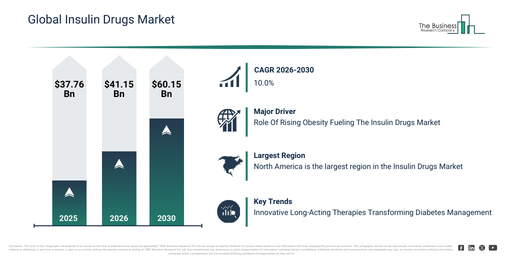
    Insulin Drugs Market Forecast: Value Set To Climb From $41.15 Billion To $60.14 Billion

    The insulin drugs market size has experienced significant expansion in recent years. Its value is anticipated to increase from $37.76 billion in 2025 to $41.15 billion in 2026, registering a compound annual growth rate (CAGR) of 9.0%. Historically, this growth was primarily influenced by the limited availability of insulin analogs, the reliance on human insulin, the rising incidence of type 2 diabetes, the development of hospital and retail pharmacy networks, and enhanced awareness concerning diabetes management.

    The insulin drugs market size is projected to experience substantial expansion in the coming years. It is forecast to reach $60.15 billion by 2030, exhibiting a compound annual growth rate (CAGR) of 10.0%. This growth during the forecast period is attributable to several factors, including the development of ultra-long-acting and fast-acting insulins, the proliferation of digital health monitoring tools, the rising uptake of pre-mixed insulin therapies, increasing government efforts for diabetes care, and the incorporation of insulin therapy with personalized medicine. Key trends anticipated in the forecast period involve a greater acceptance of insulin analogs and branded drugs, an expanding utilization of pre-mixed and combination insulin formulations, an increase in diabetes prevalence along with improved type 2 diabetes management, the enlargement of online pharmacies and retail distribution channels, and the merging of continuous glucose monitoring with digital health platforms.

    Get A Free Sample Report With In-Depth Market Insights:

    https://thebusinessresearchcompany.com/sample_request?id=2674&type=smp&name=Insulin%20Drugs%20Market%20Report%202026&utm_source=Blogs&utm_medium=Paid&utm_campaign=Oct_PR

    Insulin Drugs Market Growth Drivers: What’s Behind The Acceleration?

    The expanding prevalence of obesity is projected to fuel the advancement of the insulin drugs market moving forward. Obesity is defined as a condition characterized by excessive body fat that can negatively impact an individual’s health, typically assessed via body mass index (BMI). The escalation in obesity rates stems from sedentary lifestyles and increased intake of high-calorie, processed foods, which elevate the likelihood of developing type 2 diabetes. The insulin drugs market plays a crucial role in addressing this challenge by offering therapeutic interventions designed to manage blood glucose levels and prevent diabetes-related complications in patients affected by obesity. For illustration, a report released by the Office for Health Improvement & Disparities (OHID), a UK-based government public health organization, in May 2025, indicated that in 2023–2024, 26.5% of adults were obese, showing a slight increase from 26.2% in 2022–2023. This report also highlighted that obesity was more common in women (26.9%) compared to men (26.2%), reached its highest point at 32.5% among those aged 55–64, and demonstrated a range of 11.0–37.9% across different local authorities. Consequently, the increasing occurrence of obesity is a significant driver for the growth of the insulin drugs market.

    Insulin Drugs Market Segment Landscape: Which Areas Lead Development?

    The insulin drugs market covered in this report is segmented –

    1) By Product Type: Basal Or Long-Acting Insulins, Bolus Or Fast-Acting Insulins, Pre-Mixed, Intermediate And Short Acting Insulins

    2) By Source Type: Insulin Analogs, And Human Insulin

    3) By Drug Classification: Branded Drugs, And Generic Drugs

    4) By Application: Type 2 Diabetes, Type 1 Diabetes, And Gestational Diabetes

    5) By Distribution Channel: Hospital Pharmacies, Retail Pharmacies, And Online

    Subsegments:

    1) By Basal Or Long-Acting Insulins: Insulin Glargine, Insulin Detemir, Insulin Degludec

    2) By Bolus Or Fast-Acting Insulins: Insulin Aspart, Insulin Lispro, Insulin Glulisine

    3) By Pre-Mixed: Biphasic Insulin Formulations, Pre-Mixed Combinations Of Long-Acting And Fast-Acting Insulins

    4) By Intermediate And Short-Acting Insulins: Insulin NPH (Neutral Protamine Hagedorn), Regular Insulin (Short-Acting)

    Insulin Drugs Market Trends: What’s Defining The Industry’s Next Phase?

    Major companies operating in the insulin drug market are concentrating their efforts on advancements in diabetes treatment, particularly long-acting insulin, which offers continuous blood glucose control with reduced injection frequency and enhanced patient adherence. Long-acting insulin refers to formulations specifically engineered to release slowly over an extended duration, ensuring stable blood glucose levels throughout the entire day. For example, in November 2023, Sanofi S.A., a France-based pharmaceutical company, introduced Soliqua in India. Soliqua is a fixed-ratio blend of long-acting insulin glargine and lixisenatide, delivered through a once-daily pre-filled pen. It empowers patients with type 2 diabetes who are not adequately controlled on oral or injectable therapies to more effectively manage both fasting and post-meal blood glucose levels, thereby simplifying their treatment while mitigating the risk of hypoglycemia and weight gain.

    Insulin Drugs Market Industry Leaders And Competitive Landscape

    Major companies operating in the insulin drugs market are Novo Nordisk, Sanofi S.A., Eli Lilly And Company, Biocon Ltd, and Gan & Lee Pharmaceuticals, Bioton, Wockhardt Ltd, Julphar, Tonghua Dongbao Pharmaceutical, AJA Pharma, SEDICO Pharmaceutical Company, Pfizer.

    View The Full Insulin Drugs Market Report:

    https://thebusinessresearchcompany.com/report/Insulin-Drugs-Global-Market-Report?utm_source=Blogs&utm_medium=Paid&utm_campaign=Oct_PR

    Insulin Drugs Market Regional Breakdown: Where Is Demand Concentrated?

    North America was the largest region in the insulin drugs market in 2025. Middle East is expected to be the largest growing region in the global insulin drugs market share during the forecast period. The regions covered in the insulin drugs market report are Asia-Pacific, South East Asia, Western Europe, Eastern Europe, North America, South America, Middle East, Africa.

    Reach Out To Our Team:

    The Business Research Company: https://www.thebusinessresearchcompany.com/

    Americas: +1 310-496-7795

    Asia: +44 7882 955267 & +91 8897263534

    Europe: +44 7882 955267

    Email us at: marketing@tbrc.info

    Follow us on:

    LinkedIn: https://in.linkedin.com/company/the-business-research-company

    YouTube: https://www.youtube.com/channel/UC24_fI0rV8cR5DxlCpgmyFQ

    Global Market Model: https://www.thebusinessresearchcompany.com/global-market-model
  • Insulin biosimilars Market Trends Supporting 14.4% CAGR Growth Through 2030

    Insulin biosimilars Market Trends Supporting 14.4% CAGR Growth Through 2030

    Featuring market attractiveness scoring, total addressable market sizing, company benchmarking matrices, interactive Excel dashboards, deeper supply chain intelligence, emerging startup tracking, and granular product-level insights, The Business Research Company’s 2026 market reports are built to deliver research that is both more actionable and more strategically valuable.

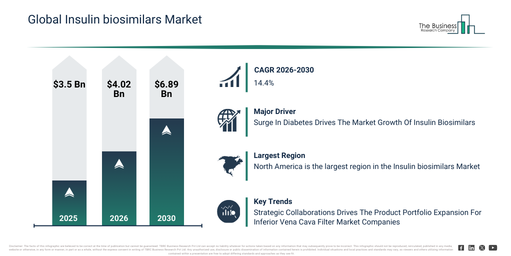
    Insulin biosimilars Market Revenue Growth On Track For A 14.4% CAGR Through 2030

    The insulin biosimilars market has demonstrated substantial expansion in recent years. Its valuation is set to climb from $3.5 billion in 2025 to $4.02 billion in 2026, reflecting a compound annual growth rate (CAGR) of 14.8%. The observed growth during earlier periods can be attributed to the rising occurrence of diabetes, the high costs associated with originator insulin, heightened awareness regarding biosimilars, the expiration of patents for reference insulin products, and governmental initiatives aimed at promoting biosimilars.

    The insulin biosimilars market size is anticipated to experience rapid expansion in the coming years, with projections indicating it will reach $6.89 billion in 2030, growing at a compound annual growth rate (CAGR) of 14.4%. This growth throughout the forecast period can be attributed to advancements in biosimilar production technologies, the expansion of healthcare infrastructure, supportive regulatory frameworks, the increasing adoption of telemedicine, and rising demand within emerging markets. Key trends expected during this period include a greater uptake of biosimilar insulins, the escalating global incidence of diabetes, the development of cost-effective diabetes management solutions, the proliferation of online and retail pharmacy channels, and an enhanced focus on patient-centric care.

    Get A Free Sample Report With In-Depth Market Insights:

    https://thebusinessresearchcompany.com/sample_request?id=51168990&type=smp&name=Insulin%20biosimilars%20Market%20Report%202026&utm_source=Blogs&utm_medium=Paid&utm_campaign=Oct_PR

    Insulin biosimilars Market Growth Factors Behind Sustained Expansion

    The rising incidence of diabetes is anticipated to fuel the expansion of the insulin biosimilars market. Diabetes is defined as a collection of chronic metabolic conditions characterized by persistently high blood sugar levels. Biosimilars are crucial in diabetes treatment, presenting an alternative for insulin therapy, which in turn leads to increased demand for the insulin biosimilars market due to the growing prevalence of diabetes. For example, data from March 2024, released by the Office for Health Improvement and Disparities, a UK-based government department, shows that between March 2022 and March 2023, the percentage of individuals with type 1 diabetes who received all eight recommended care processes went up by 22%, and for type 2 diabetes, this figure increased by 21%. Furthermore, the percentage achieving target HbA1c levels reached 37.9%, marking the highest value ever reported by the National Diabetes Audit (NDA). Consequently, the growing prevalence of diabetes propels the insulin biosimilar market.

    Insulin biosimilars Market Segments: Where Is Growth Concentrated?

    The insulin biosimilars market covered in this report is segmented –

    1) By Biosimilars Type: Rapid Acting biosimilars, Long Acting biosimilars, Premixed Acting biosimilars

    2) By Disease Indication Type: Type I Diabetes, Type II Diabetes

    3) By Distribution Channel: Hospital Pharmacies, Retail Pharmacies, Online Pharmacies

    4) By End User: Hospitals, Ambulatory Surgical Centers, Other End Users

    Subsegments:

    1) By Rapid Acting Biosimilars: Insulin Aspart Biosimilars, Insulin Lispro Biosimilars, Insulin Glulisine Biosimilars

    2) By Long Acting Biosimilars: Insulin Glargine Biosimilars, Insulin Detemir Biosimilars, Insulin Degludec Biosimilars

    3) By Premixed Acting Biosimilars: Insulin Aspart Protamine Biosimilars, Insulin Lispro Protamine Biosimilars, Biphasic Insulin Biosimilars

    Insulin biosimilars Market Industry Trends Fueling Future Revenue Growth

    Key players within the insulin biosimilar market are forging partnerships to innovate new offerings and solidify their standing. These strategic collaborations involve companies leveraging each other’s strengths and resources to achieve shared benefits and success. For example, in September 2023, Meitheal Pharmaceuticals, Inc., a US-based pharmaceutical entity, entered a partnership with Tonghua Dongbao Pharmaceutical Co. Ltd., a China-based Active Pharmaceutical Ingredients (API) manufacturing company. This alliance is set to commercialize three insulin biosimilars, specifically insulin lispro, insulin glargine, and insulin aspart. Through this collaboration, Meitheal Pharmaceuticals intends to expand its product range and bolster its worldwide reach.

    Insulin biosimilars Market Key Participants And Competitive Landscape

    Major companies operating in the insulin biosimilars market are Eli Lilly and Company, Biocon Ltd., Mylan N.V., NOVO Nordisk A/S, Sanofi S.A, Sandoz International GmbH, Dr. Reddy’s Laboratories Ltd., Samsungbioepis Co. Ltd., Teva Pharmaceutical Industries Ltd., Stada Arzneimittel AG, Celltrion Inc., Fujifilm Kyowa Kirin Biologics Co. Ltd., Green Cross Corporation, Aurobindo Pharma Ltd., Intas Pharmaceuticals Ltd., Lupin Limited, Torrent Pharmaceuticals Ltd., Zydus Lifescience Ltd., Boehringer Ingelheim GmbH, Wockhardt Limited, Cadila Pharmaceuticals Ltd.

    View The Full Insulin biosimilars Market Report:

    https://thebusinessresearchcompany.com/report/insulin-biosimilars-global-market-report?utm_source=Blogs&utm_medium=Paid&utm_campaign=Oct_PR

    Insulin biosimilars Market Geographic Landscape: Which Region Dominates Industry Growth?

    North America was the largest region in the insulin biosimilars market in 2025. Asia-Pacific is expected to be the fastest-growing region in the global insulin biosimilars market report during the forecast period. The regions covered in the insulin biosimilars market report are Asia-Pacific, South East Asia, Western Europe, Eastern Europe, North America, South America, Middle East, Africa.

    Reach Out To Our Team:

    The Business Research Company: https://www.thebusinessresearchcompany.com/

    Americas: +1 310-496-7795

    Asia: +44 7882 955267 & +91 8897263534

    Europe: +44 7882 955267

    Email us at: marketing@tbrc.info

    Follow us on:

    LinkedIn: https://in.linkedin.com/company/the-business-research-company

    YouTube: https://www.youtube.com/channel/UC24_fI0rV8cR5DxlCpgmyFQ

    Global Market Model: https://www.thebusinessresearchcompany.com/global-market-model
  • Insulin Aspart Market Forecast Highlights A $4.9 Billion Opportunity For Industry Participants

    Insulin Aspart Market Forecast Highlights A $4.9 Billion Opportunity For Industry Participants

    Built to provide research that’s more actionable and strategically valuable, The Business Research Company’s 2026 market reports include market attractiveness analysis, total addressable market sizing, company benchmarking matrices, interactive Excel dashboards, broader supply chain intelligence, emerging startup tracking, and in-depth product insights.

    Insulin Aspart Market Value Growth And Long-Term Outlook

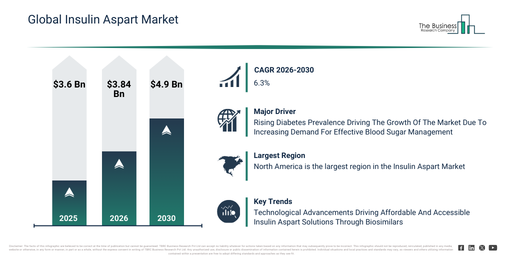
    The insulin aspart market has observed substantial growth in recent years. It is anticipated to expand from $3.6 billion in 2025 to $3.84 billion in 2026, demonstrating a compound annual growth rate (CAGR) of 6.6%. This historical development can be attributed to several factors including the rising prevalence of diabetes, the standardization of insulin therapy, the management of diabetes within hospital settings, the necessity for postprandial glucose regulation, and the adoption of endocrinology guidelines.

    The insulin aspart market is projected to experience substantial expansion over the upcoming years. Its valuation is anticipated to reach $4.9 billion by 2030, exhibiting a compound annual growth rate (CAGR) of 6.3%. This growth throughout the forecast period stems from factors such as the increasing global diabetes burden, a rising demand for fast-acting insulin, advancements in insulin delivery systems, the emergence of personalized diabetes care, and the broadened scope of outpatient insulin therapy. Key trends anticipated during the same period encompass the growing acceptance of rapid-acting insulin analogs, a surge in the utilization of pre-filled insulin delivery devices, the proliferation of intensive insulin therapy regimens, an increasing inclination towards mealtime glycemic control, and enhanced patient adherence facilitated by flexible dosing options.

    Get A Free Sample Report With In-Depth Market Insights:

    https://thebusinessresearchcompany.com/sample_request?id=19690084&type=smp&name=Insulin%20Aspart%20Market%20Report%202026&utm_source=Blogs&utm_medium=Paid&utm_campaign=Oct_PR

    Insulin Aspart Market Demand Drivers Opening New Revenue Streams

    The increasing occurrence of diabetes is projected to fuel the expansion of the insulin aspart market moving ahead. Diabetes is defined as a long-term health condition marked by elevated blood sugar (glucose) levels, resulting from the body’s failure to produce or efficiently utilize insulin. The growing incidence of diabetes stems from inactive lifestyles and poor diets rich in sugar and processed items, factors that lead to obesity and insulin resistance. Insulin aspart addresses the increasing prevalence of diabetes by providing fast-acting insulin, which efficiently manages post-meal blood sugar surges and subsequently enhances overall blood glucose control for patients with diabetes. For example, in March 2025, a report from the Office for Health Improvement and Disparities, a UK-based government department, indicated that the documented prevalence of type 2 diabetes among adults aged 17 and over in England stood at 7.0% as of March 2024, an increase from 6.8% in March 2023. Consequently, the growing occurrence of diabetes is propelling the insulin aspart market.

    Insulin Aspart Market Segment Analysis: What Are The Core Market Categories?

    The insulin aspart market covered in this report is segmented –

    1) By Insulin Type: Human Insulin, Analog Insulin

    2) By Product Type: Vials, Pre-Filled Pens, Cartridges

    3) By Application: Type 1 Diabetes, Type 2 Diabetes, Gestational Diabetes

    4) By End User: Hospitals, Home Care, Specialty Clinics, Diabetes Care Centers, Other End Users

    Subsegments:

    1) By Human Insulin: Regular Insulin, Neutral Protamine Hagedorn (NPH) Insulin, Other Human Insulin Types

    2) By Analog Insulin: Rapid-Acting Analog Insulin, Long-Acting Analog Insulin, Other Analog Insulin Types

    Insulin Aspart Market Trends Powering Strategic Industry Growth

    Major companies operating in the insulin aspart market are increasingly prioritizing the development of innovative products, such as biosimilars, to offer cost-effective alternatives and expand patient access to high-quality insulin therapies. A biosimilar is described as a biologic medical product that bears a high degree of similarity to an already approved reference biologic, showing no clinically significant differences in terms of safety, purity, or effectiveness. For instance, in November 2023, USV Pvt Ltd, an India-based pharmaceutical company, introduced INSUQUICK, India’s first biosimilar insulin aspart, which marked a significant milestone in diabetes care within the country. INSUQUICK is a rapid-acting insulin analog, developed and manufactured entirely in India using 100% indigenous technology, and it has undergone a rigorous clinical program to meet global quality standards. The pens are designed with a legible scale and audible clicks for precise dosing, and the product is widely accessible across all metropolitan areas as well as tier I and II cities. INSUQUICK aims to enhance treatment accessibility for India’s large diabetic population by providing a high-quality, locally produced, and more affordable rapid-acting insulin alternative, representing a significant advancement in improving diabetes care in the country.

    Insulin Aspart Market Top Companies Driving Competitive Growth

    Major companies operating in the insulin aspart market are Sanofi S.A., AstraZeneca plc, Novo Nordisk A/S, Cipla Limited, Lupin Limited, Zhejiang Hisun Pharmaceutical Co Ltd., Biocon Limited, Amphastar Pharmaceuticals Inc., Civica Inc., Wockhardt Limited, Gulf Pharmaceutical Industries PSC (Julphar), GEROPHARM LLC, HEC Pharm Co Ltd., USV Private Limited, Aqlivia Private Limited, Gan & Lee Pharmaceuticals Co Ltd., GeneSys Biologics Private Limited, Biogenomics Limited, MJ Biopharma Private Limited, Paras Biopharmaceuticals Finland Oy.

    View The Full Insulin Aspart Market Report:

    https://thebusinessresearchcompany.com/report/insulin-aspart-global-market-report?utm_source=Blogs&utm_medium=Paid&utm_campaign=Oct_PR

    Insulin Aspart Market Largest Region: Which Geography Holds The Highest Market Share?

    North America was the largest region in the insulin aspart market in 2025. Asia-Pacific is expected to be the fastest-growing region in the forecast period. The regions covered in the insulin aspart market report are Asia-Pacific, South East Asia, Western Europe, Eastern Europe, North America, South America, Middle East, Africa.

    Reach Out To Our Team:

    The Business Research Company: https://www.thebusinessresearchcompany.com/

    Americas: +1 310-496-7795

    Asia: +44 7882 955267 & +91 8897263534

    Europe: +44 7882 955267

    Email us at: marketing@tbrc.info

    Follow us on:

    LinkedIn: https://in.linkedin.com/company/the-business-research-company

    YouTube: https://www.youtube.com/channel/UC24_fI0rV8cR5DxlCpgmyFQ

    Global Market Model: https://www.thebusinessresearchcompany.com/global-market-model
  • Insomnia Therapeutics Market Analysis: How The Industry Is Evolving Toward A $4.18 Billion Future

    Insomnia Therapeutics Market Analysis: How The Industry Is Evolving Toward A $4.18 Billion Future

    Backed by market attractiveness analysis, total addressable market sizing, company benchmarking matrices, interactive Excel dashboards, wider supply chain intelligence, emerging startup coverage, and detailed product-level insights, The Business Research Company’s 2026 market reports are designed to offer research that is more actionable and strategically valuable than ever.

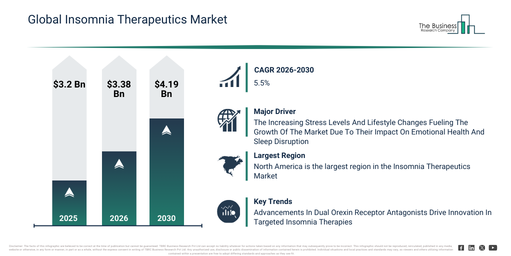
    Insomnia Therapeutics Market Poised To Hit $4.18 Billion By 2030 With A 5.5% CAGR

    The insomnia therapeutics market size has seen robust expansion in recent years. It is anticipated to increase from $3.2 billion in 2025 to $3.38 billion in 2026, reflecting a compound annual growth rate (CAGR) of 5.7%. This historic period growth can be linked to the escalating prevalence of sleep disorders, amplified stress and lifestyle-associated insomnia, the extensive use of prescription sleep aids, broadened retail pharmacy access, and a growing understanding of sleep health.

    The insomnia therapeutics market size is projected to experience substantial expansion over the upcoming years. This market is anticipated to reach $4.19 billion by 2030, exhibiting a compound annual growth rate (CAGR) of 5.5%. Contributing factors to this growth during the projected timeframe include the rise of digital sleep therapies, a growing inclination towards non-pharmacological interventions, an expanding elderly demographic, wider embrace of wearable sleep technology, and the broadening availability of telehealth solutions for insomnia management. Key trends foreseen in this period encompass the increasing acceptance of cognitive behavioral therapy for insomnia, a surging need for sleep medications that are not habit-forming, augmented utilization of orexin receptor antagonists, the spread of home-based sleep therapy options, and enhanced incorporation of sleep tracking into treatment regimens.

    Get A Free Sample Report With In-Depth Market Insights:

    https://thebusinessresearchcompany.com/sample_request?id=53941377&type=smp&name=Insomnia%20Therapeutics%20Market%20Report%202026&utm_source=Blogs&utm_medium=Paid&utm_campaign=Oct_PR

    Insomnia Therapeutics Market Growth Backed By Core Demand Fundamentals

    Elevated stress levels and evolving lifestyles are expected to stimulate the growth of the insomnia therapeutics market. Stress levels and lifestyle changes denote the psychological and behavioral modifications in daily routines and responsibilities that lead to emotional strain and disrupted sleep patterns. The increase in stress levels and lifestyle changes is primarily driven by constant digital connectivity, which blurs work-life boundaries and limits time for adequate mental rest. Insomnia therapeutics plays a vital role by providing effective, evidence-based treatment solutions that assist in restoring healthy sleep patterns, alleviating sleep-related anxiety, and supporting mental well-being amidst modern stressors. For instance, in May 2024, according to the American Psychiatric Association (APA), a US-based organization of psychiatrists, the proportion of U.S. adults reporting increased anxiety rose from 32% in 2022 to 37% in 2023, reaching 43% in 2024. Therefore, the escalating stress levels and lifestyle changes are contributing to the expansion of the insomnia therapeutics market.

    Insomnia Therapeutics Market Segment Breakdown: Which Categories Lead On Revenue?

    The insomnia therapeutics market covered in this report is segmented –

    1) By Treatment Type: Drugs, Medical Devices

    2) By Formulation: Tablets, Capsules, Liquid Solutions, Patches

    3) By Route Of Administration: Oral, Intravenous, Transdermal, Other Routes Of Administration

    4) By Distribution Channel: Hospital Pharmacies, Retail Pharmacies, Online Pharmacies, Clinics, Wellness Centers

    Subsegments:

    1) By Drugs: Benzodiazepines, Nonbenzodiazepines, Antidepressants, Orexin Antagonists, Melatonin Antagonists, Other Drugs

    2) By Medical Devices: Cognitive Behavioral Therapy Devices (CBT-I Devices), Polysomnography Devices, Sleep Tracking Devices, Neurostimulation Devices, Light Therapy Devices

    Insomnia Therapeutics Market Growth Trends Reshaping The Competitive Landscape

    Leading companies in the insomnia therapeutics market are concentrating on developing advanced therapies, such as dual orexin receptor antagonists (DORAs), to deliver targeted treatment choices that feature reduced side effects and enhanced safety profiles. A dual orexin receptor antagonist (DORA) is a category of medication that functions by blocking both orexin-1 and orexin-2 receptors in the brain, thereby promoting sleep through the inhibition of the wakefulness signaling pathway; these are commonly utilized in the management of insomnia. For instance, in June 2023, Idorsia Pharmaceuticals Ltd., a Switzerland-based pharmaceutical firm, launched QUVIVIQ (daridorexant), a first-in-class dual orexin receptor antagonist (DORA) designed for the treatment of chronic insomnia disorder. This therapy is formulated to decrease nighttime wakefulness without disturbing natural sleep architecture, offering patients better sleep initiation, continuity, and improved daytime performance. Its approval represents a substantial stride in insomnia treatment, offering a targeted mechanism of action that differs from traditional sedative-hypnotics and addressing the existing demand for long-term, non-habit-forming therapeutic solutions.

    Insomnia Therapeutics Market Leading Players And Competitive Positioning

    Major companies operating in the insomnia therapeutics market are Pfizer Inc., Sanofi S.A., Takeda Pharmaceutical Company Limited, Eli Lilly and Company, Merck KGaA, Eisai Co. Ltd., Sumitomo Pharma Co. Ltd., Astellas Pharma Inc., Acadia Pharmaceuticals Inc., Vanda Pharmaceuticals Inc., Idorsia Ltd., Minerva Neurosciences, Neurim Pharmaceuticals Ltd., Big Health, Cerêve Inc., Innovative Neurological Devices, Neurovalens, Electromedical Products International Inc., Pear Therapeutics, ResMed Inc.

    View The Full Insomnia Therapeutics Market Report:

    https://thebusinessresearchcompany.com/report/insomnia-therapeutics-global-market-report?utm_source=Blogs&utm_medium=Paid&utm_campaign=Oct_PR

    Insomnia Therapeutics Market Regional Analysis: Which Region Leads By Revenue?

    North America was the largest region in the insomnia therapeutics market in 2025. Asia-Pacific is expected to be the fastest-growing region in the forecast period. The regions covered in the insomnia therapeutics market report are Asia-Pacific, South East Asia, Western Europe, Eastern Europe, North America, South America, Middle East, Africa.

    Reach Out To Our Team:

    The Business Research Company: https://www.thebusinessresearchcompany.com/

    Americas: +1 310-496-7795

    Asia: +44 7882 955267 & +91 8897263534

    Europe: +44 7882 955267

    Email us at: marketing@tbrc.info

    Follow us on:

    LinkedIn: https://in.linkedin.com/company/the-business-research-company

    YouTube: https://www.youtube.com/channel/UC24_fI0rV8cR5DxlCpgmyFQ

    Global Market Model: https://www.thebusinessresearchcompany.com/global-market-model
  • Inotropic Agents Market Outlook Through 2030: Understanding The Growth Opportunity

    Inotropic Agents Market Outlook Through 2030: Understanding The Growth Opportunity

    Featuring market attractiveness scoring, total addressable market sizing, company benchmarking matrices, interactive Excel dashboards, deeper supply chain intelligence, emerging startup tracking, and granular product-level insights, The Business Research Company’s 2026 market reports are built to deliver research that is both more actionable and more strategically valuable.

    Inotropic Agents Market Size And Revenue Outlook Through 2030

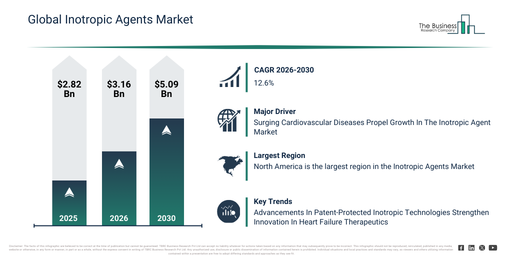
    The market size for inotropic agents has experienced substantial growth in recent years. It is projected to increase from $2.82 billion in 2025 to $3.16 billion in 2026, demonstrating a compound annual growth rate (CAGR) of 11.8%. This historical expansion can be attributed to advancements in cardiac research, the rising occurrence of heart failure, enhancements in hospital infrastructure, the wider availability of positive inotropic drugs, and a growing public awareness of cardiovascular diseases.

    The inotropic agents market size is projected to experience substantial growth in the upcoming years, with forecasts indicating it will expand to $5.09 billion by 2030, achieving a compound annual growth rate (CAGR) of 12.6%. This growth during the forecast period is driven by factors such as the emergence of personalized medicine, the development of novel inotropic agents, the integration of digital health technologies, the expansion of homecare services, and the adoption of minimally invasive drug delivery systems. Major trends expected in this period include personalized inotropic therapy, the development of new drug formulations, the broadening of home-based cardiac care, an increased focus on managing heart failure, and the widespread adoption of minimally invasive drug delivery.

    Get A Free Sample Report With In-Depth Market Insights:

    https://thebusinessresearchcompany.com/sample_request?id=66932342&type=smp&name=Inotropic%20Agents%20Market%20Report%202026&utm_source=Blogs&utm_medium=Paid&utm_campaign=Oct_PR

    Inotropic Agents Market Growth Catalysts And Demand Drivers

    The increasing occurrence of cardiovascular diseases is fueling the inotropic agent market. Cardiovascular diseases (CVDs) are conditions affecting the heart and vascular system. Inotropic agents are employed to manage cardiovascular diseases by enhancing the heart’s contractility and function, treating cardiac shock, and regulating heart rate, as they boost the heart’s pumping strength, thereby increasing blood circulation. This, in turn, helps to stimulate the inotropic agent market. For example, in September 2025, data from the British Heart Foundation, a UK-based charity, revealed that over 7.6 million people in the UK—comprising more than 4 million men and over 3.6 million women—are living with cardiovascular disease. Projections indicate that this number is expected to climb by approximately 1 million by 2030 and around 2 million by 2040, primarily due to an aging population and improved survival rates. Consequently, the rising prevalence of cardiovascular diseases is pushing the inotropic agent market forward. The growth of the inotropic agents market is anticipated to be driven by increasing healthcare expenditure. Healthcare expenditure denotes the total sum of money allocated to healthcare services, related goods, and activities within a specific healthcare system or economy over a defined period. A rise in healthcare spending positively impacts the use of inotropic agents by cultivating an environment that encourages innovation, supports research and development, enhances diagnostic capabilities, and ensures wider access to advanced cardiac care. For instance, in April 2025, the Office for National Statistics (ONS), an independent producer of official statistics based in the UK, reported that overall healthcare expenditure saw a rise of 6.5% in nominal terms and 2.4% in real terms between 2023 and 2024, with healthcare’s share of GDP remaining stable at 11.1% in 2024. Thus, escalating healthcare expenditures are propelling the inotropic agents market’s expansion.

    Inotropic Agents Market Segmentation: How Does The Market Break Down By Category?

    The inotropic agents market covered in this report is segmented –

    1) By Type: Positive Inotropic Drugs, Negative Inotropic Drugs, Other Types

    2) By Route Of Administration: Oral, Parenteral, Other Routes Of Administration

    3) By Indication: Heart Attack, Heart Failure, Angina, Arrhythmia, Other Indications

    4) By Distribution Channel: Hospital Pharmacy, Retail Pharmacy, Other Distribution Channels

    5) By End User: Hospital, Homecare, Specialty Centers, Other End Users

    Subsegments:

    1) By Positive Inotropic Drugs: Cardiac Glycosides, Catecholamines, Phosphodiesterase Inhibitors

    2) By Negative Inotropic Drugs: Beta Blockers, Calcium Channel Blockers

    3) By Other Types: Mixed Inotropic Drugs, Experimental Inotropic Agents

    Inotropic Agents Market Trends Shaping Long-Term Demand

    Key players within the inotropic agents market are concentrating on enlarging their intellectual property holdings, aiming to improve product uniqueness, protect new drug functionalities, and speed up breakthroughs in sophisticated cardiac treatments. Here, patent expansion denotes the deliberate submission and acquisition of patents, regulatory safeguards, and formulation assertions designed to facilitate the creation and subsequent market introduction of advanced inotropic compounds. As an illustration, in October 2024, Windtree Therapeutics Inc., a biotechnology firm based in the U.S., reported substantial advancements in the patent domain for istaroxime, its investigational, pioneering inotropic drug candidate featuring a dual action that improves both systolic contraction and diastolic relaxation. The company submitted national-phase patent applications across key international areas such as the United States, Germany, France, Italy, Japan, and China for an intravenous form of istaroxime designed for managing pre-cardiogenic shock and cardiogenic shock, thereby underlining its dedication to developing novel treatments for severe cardiovascular ailments.

    Inotropic Agents Market Competitive Overview And Top Companies

    Major companies operating in the inotropic agents market are Pfizer Inc., Novartis AG, Boehringer Ingelheim International GmbH, AstraZeneca plc, Johnson & Johnson, Bayer AG, Merck & Co. Inc., Bristol-Myers Squibb Company, Cipla Ltd., Eli Lilly and Company, Sanofi S.A., Baxter International Inc., Hikma Pharmaceuticals plc, Sun Pharmaceuticals Industries Ltd., Cadila Pharmaceuticals Ltd., AbbVie Inc., Amgen Inc., Daiichi Sankyo Company Limited, Eisai Co. Ltd., Fresenius Kabi AG, GlaxoSmithKline plc, Intas Pharmaceuticals Ltd., Lupin Limited, Regeneron Pharmaceuticals Inc., Roche Holding AG

    View The Full Inotropic Agents Market Report:

    https://thebusinessresearchcompany.com/report/inotropic-agents-global-market-report?utm_source=Blogs&utm_medium=Paid&utm_campaign=Oct_PR

    Inotropic Agents Market Geographic Distribution And Regional Opportunities

    North America was the largest region in the inotropic agents market in 2025. Asia-Pacific is expected to be the fastest-growing region in the global inotropic agents market report during the forecast period. The regions covered in the inotropic agents market report are Asia-Pacific, South East Asia, Western Europe, Eastern Europe, North America, South America, Middle East, Africa.

    Reach Out To Our Team:

    The Business Research Company: https://www.thebusinessresearchcompany.com/

    Americas: +1 310-496-7795

    Asia: +44 7882 955267 & +91 8897263534

    Europe: +44 7882 955267

    Email us at: marketing@tbrc.info

    Follow us on:

    LinkedIn: https://in.linkedin.com/company/the-business-research-company

    YouTube: https://www.youtube.com/channel/UC24_fI0rV8cR5DxlCpgmyFQ

    Global Market Model: https://www.thebusinessresearchcompany.com/global-market-model