Blog

  • Sarcoidosis Market Size to Exceed $61.45 Billion by 2029 | Growth and Industry Trends

    Sarcoidosis Market Size to Exceed $61.45 Billion by 2029 | Growth and Industry Trends

    Claim your 30% discount on Global Market Reports with code ONLINE30. Limited time only.

    How Has the Sarcoidosis Market Grown from 2024 to 2025?

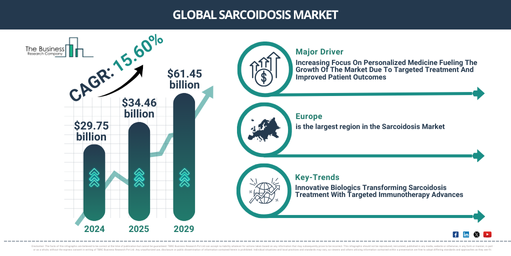
    In recent times, the market size for sarcoidosis has seen a significant increase. The market, which was predicted to be valued at $29.75 billion in 2024, is expected to grow to $34.46 billion in 2025 with a compound annual growth rate (CAGR) of 15.8%. This substantial historical growth is due to a variety of factors. These include the heightened awareness of sarcoidosis among healthcare workers, an increase in sarcoidosis cases in developed countries, the adoption of corticosteroid-based treatments as the preferred first-line therapy, the increase in research funding allocated for rare diseases, and the growing number of clinical trials focused on therapies for sarcoidosis.

    What Growth Rate Is Anticipated for the Sarcoidosis Market in the Coming Years?

    A significant rise is anticipated in the sarcoidosis market size in the upcoming years, projecting to reach $61.45 billion in 2029 with a compound annual growth rate (CAGR) of 15.6%. This expansion during the forecast period is due to the growing demand for innovative biologic therapies, the surge in the adoption of individualized medicine strategies, increased funding towards gene therapy for sarcoidosis, heightened concentration on targeted immunotherapy advancements, and the escalation in the number of pipeline drugs focused on refractory sarcoidosis cases. The period of forecast highlights several trends including progress in biologic therapies, advancement in nanotechnology for drug delivery, regenerative and stem cell therapies, improvements in 3D imagery and radiomics, along with the application of blockchain in handling clinical data.

    Download The Free Sample Report Here:

    https://www.thebusinessresearchcompany.com/sample.aspx?id=23508&type=smp

    Who Are the Leading Companies in the Sarcoidosis Market?

    Major companies operating in the sarcoidosis market are Pfizer Inc., F. Hoffmann-La Roche AG, Merck & Co. Inc., AbbVie Inc., Novartis AG, Bristol-Myers Squibb Company, Fresenius Kabi USA LLC, AstraZeneca plc, GlaxoSmithKline plc (GSK), Eli Lilly and Company, Boehringer Ingelheim GmbH, Regeneron Pharmaceuticals Inc., UCB Pharma, Sun Pharmaceutical Industries Ltd., Cipla Ltd., Lupin Limited, Mallinckrodt Pharmaceuticals, Xentria Inc., Molecure SA, Relief Therapeutics Holding AG.

    What Are the Key Drivers of the Sarcoidosis Market?

    The upsurge in personalized medicine is anticipated to stimulate the sarcoidosis market’s expansion in the future. This progressive approach to healthcare involves customizing therapeutic tactics for individual patients, taking into account their genetic information, biomarkers, environmental variables, and lifestyle, for more precise, effective, and focused interventions. Personalized medicine is experiencing increased demand due to its ability to adapt treatments to a patient’s unique genetic and biological profile, which not only increases effectiveness but also minimizes side effects. In the case of sarcoidosis, treatments are customized based on genetic, biomarker, and clinical profiles, enhancing efficacy while minimizing side effects. This method boosts targeted therapy, addressing the diversity of the disease and individual patient responses. For instance, in February 2024, the Personalized Medicine Coalition, a non-profit organization based in the US, reported that the U.S. Food and Drug Administration (FDA), a US government regulatory agency, had endorsed 16 new personalized treatments for rare disease patients in 2023. This was a substantial boost from the 6 personalized treatments approved in 2022. Consequently, the amplified focus on personalized medicine is fueling the growth of the sarcoidosis market.

    Request For A Customized Report:

    https://www.thebusinessresearchcompany.com/customise?id=23508&type=smp

    What Are the Key Market Segments in the Sarcoidosis Industry?

    The sarcoidosis market covered in this report is segmented –

    1) By Type: Pulmonary Sarcoidosis, Ocular Sarcoidosis, Neurosarcoidosis, Cardiac Sarcoidosis, Musculoskeletal Sarcoidosis, Cutaneous Sarcoidosis, Renal Sarcoidosis, Hepatic Sarcoidosis, Sarcoidosis Of The Spleen And Bone Marrow

    2) By Diagnostic Method: Imaging Technique, Biopsy, Blood Tests

    3) By Treatment Type: Corticosteroids, Immunosuppressive Agents, Biologics, Anti-Malarial Drugs

    4) By Route Of Administration: Oral, Parenteral, Other Routes Of Administration

    5) By End Uses: Hospitals And Clinics, Surgical Centers, Diagnostic Centers, Other End Uses

    Subsegments:

    1) By Pulmonary Sarcoidosis: Acute Pulmonary Sarcoidosis, Chronic Pulmonary Sarcoidosis, Fibrotic Pulmonary Sarcoidosis

    2) By Ocular Sarcoidosis: Anterior Uveitis, Posterior Uveitis, Intermediate Uveitis, Panuveitis, Optic Neuropathy

    3) By Neurosarcoidosis: Meningeal Neurosarcoidosis, Cranial Nerve Neurosarcoidosis, Peripheral Neuropathy, Spinal Cord Involvement, Hypothalamic-Pituitary Involvement

    4) By Cardiac Sarcoidosis: Atrioventricular Block, Ventricular Arrhythmias, Heart Failure, Myocarditis, Sudden Cardiac Arrest

    5) By Musculoskeletal Sarcoidosis: Arthritis, Myopathy, Bone Lesions

    6) By Cutaneous Sarcoidosis: Lupus Pernio, Erythema Nodosum, Papular Sarcoidosis, Plaque Sarcoidosis, Subcutaneous Sarcoidosis

    7) By Renal Sarcoidosis: Granulomatous Interstitial Nephritis, Nephrocalcinosis, Hypercalciuria-Induced Kidney Disease

    8) By Hepatic Sarcoidosis: Granulomatous Hepatitis, Portal Hypertension, Hepatic Fibrosis

    9) By Sarcoidosis Of The Spleen And Bone Marrow: Splenomegaly, Pancytopenia, Bone Marrow Granulomas

    What Are the Latest Trends in the Sarcoidosis Market?

    Key businesses within the sarcoidosis market are dedicating resources toward the creation of new and innovative products such as anti-TNFα monoclonal antibody therapy. This novel biologic treatment aims to address the pressing need for improved management of inflammatory diseases. Anti-TNFα monoclonal antibody therapy is specialized immunotherapy using monoclonal antibodies to block TNFα, a substance that contributes to inflammation, thereby helping to control autoimmune diseases. A noteworthy example occurred in November 2023 when the US clinical-stage biotherapeutics business Xentria, Inc. reached a significant landmark. XTMAB-16, its primary drug candidate, was granted Orphan Drug Status by the European Medicines Agency (EMA), and concurrently, Xentria initiated its global clinical trial for pulmonary sarcoidosis, enrolling its first patient. XTMAB-16, which targets TNFα, is under investigation for its potential to regulate the inflammatory process in pulmonary sarcoidosis, providing a targeted replacement for corticosteroid-based treatments. The regulatory approval and progress in the clinical study underline the increasing international interest in innovative biologic treatments for rare diseases, thus cementing Xentria’s dedication to providing transformative treatments for critical, unmet medical needs.

    Access The Full Report Here:

    https://www.thebusinessresearchcompany.com/report/sarcoidosis-global-market-report

    What Are the Key Regional Markets in the Sarcoidosis Industry?

    Europe was the largest region in the sarcoidosis market in 2024. The regions covered in the sarcoidosis market report are Asia-Pacific, Western Europe, Eastern Europe, North America, South America, Middle East, Africa.

    Purchase The Full Report Today:

    https://www.thebusinessresearchcompany.com/purchaseoptions.aspx?id=23508

    This Report Delivers Insight On:

    1. How big is the sarcoidosis market, and how is it changing globally?

    2. Who are the major companies in the sarcoidosis market, and how are they performing?

    3. What are the key opportunities and risks in the sarcoidosis market right now?

    4. Which products or customer segments are growing the most in the sarcoidosis market?

    5. What factors are helping or slowing down the growth of the sarcoidosis market?

    About The Business Research Company:

    With over 15000+ reports from 27 industries covering 60+ geographies, The Business Research Company has built a reputation for offering comprehensive, data-rich research and insights. Armed with 1,500,000 datasets, the optimistic contribution of in-depth secondary research, and unique insights from industry leaders, you can get the information you need to stay ahead in the game.

    Get in touch with us:

    The Business Research Company: https://www.thebusinessresearchcompany.com/

    Americas +1 310-496-7795

    Europe +44 7882 955267

    Asia & Others +44 7882 955267 & +91 8897263534

    Email us at info@tbrc.info

    Follow us on:

    LinkedIn: https://in.linkedin.com/company/the-business-research-company

    YouTube: https://www.youtube.com/channel/UC24_fI0rV8cR5DxlCpgmyFQ

    Global Market Model: https://www.thebusinessresearchcompany.com/global-market-model
  • Sanfilippo Syndrome Industry Insights 2025 – Market Forecast for Executives and Planners

    Sanfilippo Syndrome Industry Insights 2025 – Market Forecast for Executives and Planners

    Claim your 30% discount on Global Market Reports with code ONLINE30. Limited time only.

    How Has the Sanfilippo Syndrome Market Size Changed, over the years?

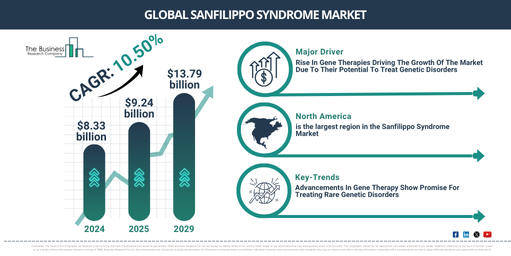
    Rapid expansion has been observed in the market size of sanfilippo syndrome in the past few years. The market, which was valued at $8.33 billion in 2024, is projected to increase to $9.24 billion in 2025, indicating a compound annual growth rate (CAGR) of 10.8%. The historic growth is credited to heightened awareness of uncommon genetic disorders, an increase in government-sponsored funding for research on rare diseases, the proliferation of patient advocacy groups and support organizations, expansion in genetic screening programs, and an increase in orphan drug designations for rare diseases.

    How Much Will the Sanfilippo Syndrome Market Be Worth in 2029?

    The market for Sanfilippo Syndrome is anticipated to witness a swift escalation in its size over the next couple of years, with the potential to reach $13.79 billion by 2029, achieving a compound annual growth rate (CAGR) of 10.5%. Factors contributing to this projected growth during the forecast period, include the growth in personalized medicine approaches for Sanfilippo Syndrome, an increased interest in gene therapy as a healing method, growing prominence for targeted drug delivery systems, surge in adoption of stem cell therapies for better efficacy, and the growth of global newborn screening programs. Key developments expected during this period are in the areas of gene therapy technology, stem cell therapy advancements, targeted drug delivery systems, progress in strategies for penetrating the blood-brain barrier (bbb), and major strides in small molecules for neuroprotection.

    Download The Free Sample Report Here:

    https://www.thebusinessresearchcompany.com/sample.aspx?id=23507&type=smp

    Which is the Largest Company in the Sanfilippo Syndrome Market?

    Major companies operating in the sanfilippo syndrome market are Takeda Pharmaceutical Company Limited, BioMarin Pharmaceutical Inc., Qiagen N.V., Natera Inc., Guardant Health Inc., Novogene Corporation, Ultragenyx Pharmaceutical Inc., JCR Pharmaceuticals Co. Ltd., Oxford Nanopore Technologies plc, Pacific Biosciences of California Inc., Denali Therapeutics Inc., Macrogen Inc., REGENXBIO Inc., Personalis Inc., Veritas Genetics Inc., Greenwood Genetic Center, ArmaGen Inc., Abeona Therapeutics Inc., Orchard Therapeutics plc, Allievex Corporation.

    What Are the Main Market Drivers in the Sanfilippo Syndrome Industry?

    As the focus on gene therapies intensifies, it is projected to drive the growth of the sanfilippo syndrome market in the future. Gene therapies are essentially medical procedures that amend or substitute flawed genes in order to treat or hinder diseases. The escalating attention on gene therapies stems from their capacity to address genetic disorders, unusual diseases and chronic conditions by targeting the core cause at a molecular level. They aid in treating Sanfilippo syndrome through the delivery of functional gene copies to replenish enzyme production and lower the build-up of injurious substances in cells. For instance, the American Society of Gene & Cell Therapy, a US-based gene and cell therapy organization, reported in January 2024 that there was a 10% increment in gene therapies in Phase III clinical trials in the fourth quarter, indicating the first increase of this nature since the third quarter of 2022. Consequently, the rising emphasis on gene therapies is pushing the growth of the sanfilippo syndrome market.

    Request For A Customized Report:

    https://www.thebusinessresearchcompany.com/customise?id=23507&type=smp

    How Is the Sanfilippo Syndrome Market Segments Structured?

    The sanfilippo syndrome market covered in this report is segmented –

    1) By Treatment: Enzyme Replacement Therapy, Gene Therapy, Genistein, Other Treatments

    2) By Diagnosis: Glycosaminoglycan Analysis (GAG Analysis), Genomic Deoxyribonucleic Acid Sequencing (Genomic DNA Sequencing), Activity Assay, Other Diagnosis

    3) By End-User: Hospitals, Research Institutions

    Subsegments:

    1) By Enzyme Replacement Therapy: Intravenous Enzyme Replacement Therapy, Intrathecal Enzyme Replacement Therapy, Intracerebroventricular (ICV) Enzyme Replacement Therapy

    2) By Gene Therapy: Adeno-Associated Virus (AAV)-Based In Vivo Gene Therapy, Lentiviral Vector–Based Ex Vivo Gene Therapy, Non-Viral Vector Gene Delivery

    3) By Genistein: Oral Genistein Supplementation, High-Dose Genistein Regimens, Low-Dose Genistein Regimens

    4) By Other Treatments: Substrate Reduction Therapy (SRT), Stem Cell Therapy, Anti-Inflammatory Agents, Symptomatic Management Drugs

    What Strategic Trends Are Transforming the Sanfilippo Syndrome Market?

    Leading entities in the sanfilippo syndrome market are concentrating on the evolution of groundbreaking treatments like gene therapies to enhance patient results and decelerate illness development. Gene therapy represents a medical methodology that employs genes to hinder, manage, or remedy disorders by rectifying or substituting defective genes within the human body. For instance, Ultragenyx Pharmaceutical Inc., an American based biopharmaceutical establishment, revealed innovative results on UX111 (ABO-102), an AAV gene therapy for sanfilippo syndrome Type A (MPS IIIA) in February 2025. This therapy presented statistically considerable enhancements in cognition, receptive communication, and expressive communication according to Bayley-III raw scores. Moreover, it resulted in a significant and long-lasting decrease in heparan sulfate (HS) levels within the cerebrospinal fluid (CSF), coinciding with improved clinical results.

    Access The Full Report Here:

    https://www.thebusinessresearchcompany.com/report/sanfilippo-syndrome-global-market-report

    Which Global Regions Offer the Highest Growth in the Sanfilippo Syndrome Market?

    North America was the largest region in the sanfilippo syndrome market in 2024. The regions covered in the sanfilippo syndrome market report are Asia-Pacific, Western Europe, Eastern Europe, North America, South America, Middle East, Africa.

    Purchase The Full Report Today:

    https://www.thebusinessresearchcompany.com/purchaseoptions.aspx?id=23507

    This Report Delivers Insight On:

    1. How big is the sanfilippo syndrome market, and how is it changing globally?

    2. Who are the major companies in the sanfilippo syndrome market, and how are they performing?

    3. What are the key opportunities and risks in the sanfilippo syndrome market right now?

    4. Which products or customer segments are growing the most in the sanfilippo syndrome market?

    5. What factors are helping or slowing down the growth of the sanfilippo syndrome market?

    About The Business Research Company:

    With over 15000+ reports from 27 industries covering 60+ geographies, The Business Research Company has built a reputation for offering comprehensive, data-rich research and insights. Armed with 1,500,000 datasets, the optimistic contribution of in-depth secondary research, and unique insights from industry leaders, you can get the information you need to stay ahead in the game.

    Get in touch with us:

    The Business Research Company: https://www.thebusinessresearchcompany.com/

    Americas +1 310-496-7795

    Europe +44 7882 955267

    Asia & Others +44 7882 955267 & +91 8897263534

    Email us at info@tbrc.info

    Follow us on:

    LinkedIn: https://in.linkedin.com/company/the-business-research-company

    YouTube: https://www.youtube.com/channel/UC24_fI0rV8cR5DxlCpgmyFQ

    Global Market Model: https://www.thebusinessresearchcompany.com/global-market-model
  • Rhinovirus Infections Drug  Market Trends Report 2025 – For Business Development and Strategy Teams

    Rhinovirus Infections Drug Market Trends Report 2025 – For Business Development and Strategy Teams

    Claim your 30% discount on Global Market Reports with code ONLINE30. Limited time only.

    What Is the Forecast for the Rhinovirus Infections Drug Market Growth in 2025?

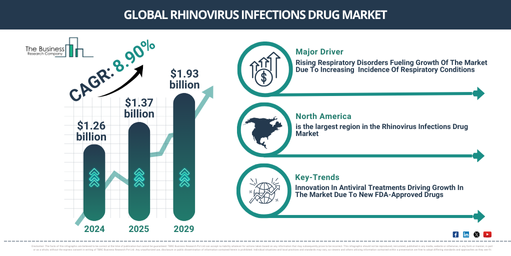
    In recent years, the market size for rhinovirus infection drugs has seen significant growth. This market is projected to expand from $1.26 billion in 2024 to $1.37 billion in 2025, reflecting a compound annual growth rate (CAGR) of 9.3%. Factors contributing to the historic period growth of this market include an increase in the common cold incidents, an amplified consciousness about respiratory infections, a rise in the need for over-the-counter medications, an escalation in healthcare spending, and an increased utilization of combination therapies.

    What Is the Forecast for the Rhinovirus Infections Drug Market Size Through 2029?

    The market size for drugs treating rhinovirus infections is anticipated to witness a robust expansion in the upcoming years, reaching $1.93 billion in 2029 with a compound annual growth rate (CAGR) of 8.9%. Factors attributing to the anticipated growth in the projection period includes the escalated investments in antiviral medications, surging demand for specialized treatments, a rise in respiratory conditions, expanded healthcare accessibility in developing markets, and an increased application of biologics and monoclonal antibodies. Notable trends for the projection period are progress in antiviral research, advancements in the field of vaccine research, innovation in the development of biologics and monoclonal antibodies, creation of wide-spectrum antivirals, and breakthroughs in nanotechnology for drug delivery.

    Download The Free Sample Report Here:

    https://www.thebusinessresearchcompany.com/sample.aspx?id=23503&type=smp

    What are the Key Market Players in Rhinovirus Infections Drug Market and How They’re Evolving?

    Major companies operating in the rhinovirus infections drug market are Pfizer Inc., Gilead Sciences Inc., Teva Pharmaceutical Industries Ltd., BioFire Diagnostics LLC, hVIVO Services Limited, Romark Laboratories L.C., Cocrystal Pharma Inc., Altamira Therapeutics Ltd., Biota Pharmaceuticals Inc., Aditum Bio Management Company LLC, MetP Pharma AG, Via Nova Therapeutics Inc., Maxwell Biosciences Inc., Altesa BioSciences Inc., Apollo Therapeutics Group Limited, AIM ImmunoTech Inc., Bakar Labs, Ntvirin Pharma, bioRxiv, Pneumagen Ltd.

    What Are the Primary Growth Drivers in the Rhinovirus Infections Drug Market?

    The rhinovirus infections drug market is predicted to expand due to the rise in respiratory ailments. These health complications, encompassing conditions such as asthma, chronic obstructive pulmonary disease (COPD), and pneumonia, involve issues with the lungs and airways that can cause breathing difficulty. Elevated levels of air pollution and occupational hazards are key contributors to the growth of these disorders, leading to a higher prevalence of conditions like asthma, COPD, and pneumonia in the affected demographic. The role of rhinovirus infections drug in managing these disorders is by inhibiting viral replication, minimizing inflammation, and relieving symptoms to better respiratory function. To illustrate, the National Asthma Council, a non-profit organization based in Australia, reported in November 2023 that there were 467 asthma-related fatalities, comprising 299 females and 168 males, in Australia during 2022. This data marked an increase from the 355 deaths recorded in 2021. Consequently, the escalation in respiratory disorders is propelling the growth of the rhinovirus infections drug market.

    Request For A Customized Report:

    https://www.thebusinessresearchcompany.com/customise?id=23503&type=smp

    What Are the Leading Segments in the Global Rhinovirus Infections Drug Industry?

    The rhinovirus infections drug market covered in this report is segmented –

    1) By Product: Antivirals, Immunomodulators, Vaccines, Nasal Sprays, Symptomatic Treatments

    2) By Patient Age Group: Infants, Children, Adults, Elderly

    3) By Route Of Administration: Oral, Intranasal, Injectable

    4) By Indication: Common Cold, Asthma Exacerbation, Chronic Obstructive Pulmonary Disease (COPD) Exacerbation, Other Indications

    5) By Distribution Channel: Hospital Pharmacies, Retail Pharmacies, Online Pharmacies, Specialty Pharmacies

    Subsegments:

    1) By Antivirals: Pleconaril, Vapendavir, Rupintrivir, Other Antivirals

    2) By Immunomodulators: Interferons, Toll-Like Receptor Agonists, Other Immunomodulators

    3) By Vaccines: Live Attenuated Vaccines, Inactivated Vaccines, Recombinant Vaccines

    4) By Nasal Sprays: Antihistamine Nasal Sprays, Decongestant Nasal Sprays, Steroid Nasal Sprays, Saline Nasal Sprays

    5) By Symptomatic Treatments: Analgesics, Antipyretics, Cough Suppressants, Expectorants, Antihistamines

    What Are the Key Market Trends in the Rhinovirus Infections Drug Industry?

    Leading firms in the rhinovirus infections drug market are concentrating on the creation of innovative solutions, such as antiviral medicines, to enhance the effectiveness of treatment, alleviate symptoms, and speed up patient recovery. These antiviral medications work by preventing viral replication within the body and are effective against diseases such as influenza, HIV, hepatitis, and rhinovirus. Some of these drugs limit the entry of viruses into host cells, while others inhibit viral replication or assembly. For example, in March 2025, Altesa BioSciences Inc., a biotechnology company based in the United States, got approval from the U.S. Food and Drug Administration (FDA) for its Investigational New Drug (IND) application for vapendavir, which treats rhinovirus infections in individuals with COPD. Vapendavir, an oral broad-spectrum antiviral medication, keeps the rhinovirus from entering and replicating in human cells. It has proven effective against 97% of rhinoviruses and other respiratory enteroviruses. Altesa BioSciences has exclusive worldwide rights to develop, produce, and sell vapendavir. The drug is designed to provide targeted therapy for at-risk groups, such as those suffering from COPD and asthma.

    Access The Full Report Here:

    https://www.thebusinessresearchcompany.com/report/rhinovirus-infections-drug-global-market-report

    What Is the Regional Outlook for the Rhinovirus Infections Drug Market?

    North America was the largest region in the rhinovirus infection drug market in 2024. Asia-Pacific is expected to be the fastest-growing region in the forecast period. The regions covered in the rhinovirus infections drug market report are Asia-Pacific, Western Europe, Eastern Europe, North America, South America, Middle East, Africa.

    Purchase The Full Report Today:

    https://www.thebusinessresearchcompany.com/purchaseoptions.aspx?id=23503

    This Report Delivers Insight On:

    1. How big is the rhinovirus infections drug market, and how is it changing globally?

    2. Who are the major companies in the rhinovirus infections drug market, and how are they performing?

    3. What are the key opportunities and risks in the rhinovirus infections drug market right now?

    4. Which products or customer segments are growing the most in the rhinovirus infections drug market?

    5. What factors are helping or slowing down the growth of the rhinovirus infections drug market?

    About The Business Research Company:

    With over 15000+ reports from 27 industries covering 60+ geographies, The Business Research Company has built a reputation for offering comprehensive, data-rich research and insights. Armed with 1,500,000 datasets, the optimistic contribution of in-depth secondary research, and unique insights from industry leaders, you can get the information you need to stay ahead in the game.

    Get in touch with us:

    The Business Research Company: https://www.thebusinessresearchcompany.com/

    Americas +1 310-496-7795

    Europe +44 7882 955267

    Asia & Others +44 7882 955267 & +91 8897263534

    Email us at info@tbrc.info

    Follow us on:

    LinkedIn: https://in.linkedin.com/company/the-business-research-company

    YouTube: https://www.youtube.com/channel/UC24_fI0rV8cR5DxlCpgmyFQ

    Global Market Model: https://www.thebusinessresearchcompany.com/global-market-model
  • Market Analysis on Rheumatic Heart Disease Industry – Insights for Corporate Strategy and R&D

    Market Analysis on Rheumatic Heart Disease Industry – Insights for Corporate Strategy and R&D

    Claim your 30% discount on Global Market Reports with code ONLINE30. Limited time only.

    What Is the Forecast for the Rheumatic Heart Disease Market from 2024 to 2025?

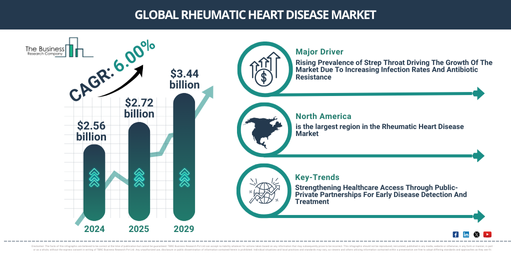
    In recent times, there has been a significant expansion in the size of the rheumatic heart disease market. Its growth trajectory is projected to escalate from $2.56 billion in 2024 to $2.72 billion in 2025, with a compound annual growth rate (CAGR) of 6.3%. The historical growth in this market stems from factors such as the widespread occurrence of untreated strep infections, restricted healthcare accessibility in impoverished areas, a general lack of knowledge about rheumatic heart disease, a lag in diagnosis and treatment, as well as ineffective vaccination programs.

    What Is the Projected Market Size of the Rheumatic Heart Disease Market?

    In the coming years, the market size of Rheumatic heart disease is projected to experience a strong expansion, elevating to $3.44 billion in 2029 with a compound annual growth rate (CAGR) of 6.0%. This surging growth during the projection period can be ascribed to factors such as the rising implementation of preventive screening programs, heightened awareness for early diagnosis, an increase in healthcare investment in developing economies, proliferation of telemedicine for distant diagnosis, and government strategies aimed at disease prevention. The prediction period will also witness trends like escalating utilization of AI for diagnosis, growth of echocardiography-based screening, the adoption of mobile health solutions, the creation of innovative anti-inflammatory treatments, and strategic partnerships for worldwide disease elimination.

    Download The Free Sample Report Here:

    https://www.thebusinessresearchcompany.com/sample.aspx?id=23502&type=smp

    Who are the Major Competitors in the Rheumatic Heart Disease Market Outlook?

    Major companies operating in the rheumatic heart disease market are Pfizer Inc., Merck & Co. Inc., Bayer AG, Sanofi S.A., AstraZeneca plc, Novartis AG, Abbott Laboratories, GlaxoSmithKline plc (GSK), Medtronic plc, Siemens Healthineers AG, Fresenius Medical Care AG & Co. KGaA, Becton Dickinson and Company (BD), GE HealthCare Technologies Inc., Mayo Clinic, Boston Scientific Corporation, Johns Hopkins Medicine, Terumo Corporation, The Mount Sinai Health System Inc., Apollo Hospitals Enterprise Limited, Fortis Healthcare Limited, Medanta.

    What Is Fueling Growth in the Rheumatic Heart Disease Market?

    The rise in the occurrence of strep throat is projected to boost the rheumatic heart disease market’s expansion in the future. Strep throat is defined as a bacterial infection instigated by streptococcus pyogenes (group a streptococcus), resulting in inflammation and throat pain, often with fever, heightened lymph nodes, and swallowing difficulty. Growing resistance to antibiotics makes it challenging to treat streptococcal infections effectively, leading to extended sickness and heightened transmission rates in communities. Rheumatic heart disease is a long-lasting complication of recurring or untreated strep throat infections, emphasizing the critical nature of early detection and treatment of streptococcal infections to avoid severe heart damage. The Centers for Disease Control and Prevention, a US government department, reported in April 2023, for example, that strep throat is responsible for approximately 5.2 million annual outpatient visits amongst those under 65 years. These visits result in 2.8 million antibiotic prescriptions each year. Hence, the climbing incidence of strep throat is propelling the rheumatic heart disease market’s growth.

    Request For A Customized Report:

    https://www.thebusinessresearchcompany.com/customise?id=23502&type=smp

    Which Rheumatic Heart Disease Market Segments Are Growing the Fastest?

    The rheumatic heart disease market covered in this report is segmented –

    1) By Type: Valve, Myocarditis, Pericarditis

    2) By Age Group: Pediatric, Adolescent, Adult, Geriatric

    3) By Application: Hospital, Diagnostic Centre, Research Centre

    4) By Distribution Channel: Hospital Pharmacies, Retail Pharmacies, Online Pharmacies, Direct Sales

    Subsegments:

    1) By Valve: Mitral Valve Disease, Aortic Valve Disease, Tricuspid Valve Disease, Pulmonary Valve Disease

    2) By Myocarditis: Acute Myocarditis, Chronic Myocarditis, Fulminant Myocarditis

    3) By Pericarditis: Acute Pericarditis, Chronic Pericarditis, Constrictive Pericarditis, Effusive Pericarditis

    Which Industry Trends Are Shaping the Future of the Rheumatic Heart Disease Market?

    Leading corporations in the rheumatic heart disease market are utilizing strategic collaborations to pioneer breakthrough therapies and diagnoses. These partnerships within the RHD management arena consolidate resources and know-how, pushing forward research and development, boosting innovation in diagnostics and treatments, broadening market reach, and accelerating product launch. For example, in July 2023, the Switzerland-based World Heart Federation (WHF) forged a partnership with the Philips Foundation, a non-profit organization from the Netherlands, with a mission to heighten awareness, enhance medical education, and promote early detection of RHD in the Asia-Pacific region. Initiated in the Philippines, the project aims at improving healthcare access for more than half a million Filipino children susceptible to the disease by stocking facilities with skilled professionals and state-of-the-art diagnostic tools. This cooperative effort reaffirms their mutual pledge to augment healthcare infrastructure and assure prompt medical attention to patients with RHD.

    Access The Full Report Here:

    https://www.thebusinessresearchcompany.com/report/rheumatic-heart-disease-global-market-report

    Which Countries Are Leading the Rheumatic Heart Disease Market?

    North America was the largest region in the rheumatic heart disease market in 2024. The regions covered in the rheumatic heart disease market report are Asia-Pacific, Western Europe, Eastern Europe, North America, South America, Middle East, Africa.

    Purchase The Full Report Today:

    https://www.thebusinessresearchcompany.com/purchaseoptions.aspx?id=23502

    This Report Delivers Insight On:

    1. How big is the rheumatic heart disease market, and how is it changing globally?

    2. Who are the major companies in the rheumatic heart disease market, and how are they performing?

    3. What are the key opportunities and risks in the rheumatic heart disease market right now?

    4. Which products or customer segments are growing the most in the rheumatic heart disease market?

    5. What factors are helping or slowing down the growth of the rheumatic heart disease market?

    About The Business Research Company:

    With over 15000+ reports from 27 industries covering 60+ geographies, The Business Research Company has built a reputation for offering comprehensive, data-rich research and insights. Armed with 1,500,000 datasets, the optimistic contribution of in-depth secondary research, and unique insights from industry leaders, you can get the information you need to stay ahead in the game.

    Get in touch with us:

    The Business Research Company: https://www.thebusinessresearchcompany.com/

    Americas +1 310-496-7795

    Europe +44 7882 955267

    Asia & Others +44 7882 955267 & +91 8897263534

    Email us at info@tbrc.info

    Follow us on:

    LinkedIn: https://in.linkedin.com/company/the-business-research-company

    YouTube: https://www.youtube.com/channel/UC24_fI0rV8cR5DxlCpgmyFQ

    Global Market Model: https://www.thebusinessresearchcompany.com/global-market-model
  • Retractable Needle Safety Syringes Forecast Report – Designed for Decision Makers and Product Teams

    Retractable Needle Safety Syringes Forecast Report – Designed for Decision Makers and Product Teams

    Claim your 30% discount on Global Market Reports with code ONLINE30. Limited time only.

    What Is the Growth Rate of the Retractable Needle Safety Syringes Market?

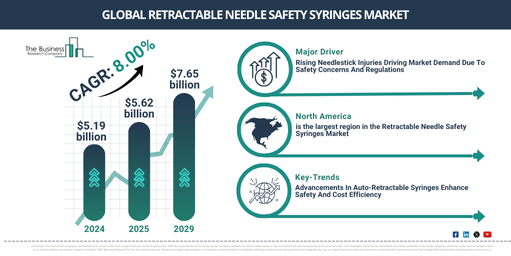
    The market size of retractable needle safety syringes has seen significant growth in the past few years. The market is projected to expand from $5.19 billion in 2024 to $5.62 billion in 2025, boasting a compound annual growth rate (CAGR) of 8.3%. The growth experienced during the historical period can be linked to factors such as the increase in measures to prevent needlestick injuries, the advancement of safety regulations for healthcare workers, the surge in hospital-acquired infections, the expansion of vaccination schemes, and the growing demand for disposable syringes.

    What Growth Rate Is Forecasted for the Retractable Needle Safety Syringes Market by 2029?

    The market for retractable needle safety syringes is projected to witness substantial growth in the coming years, reaching a value of $7.65 billion in 2029, with a compound annual growth rate (CAGR) of 8.0%. This anticipated growth during the projected period can be ascribed to stringent work safety regulations, surging uptake in developing markets, a rising inclination for innovative injection procedures, an escalating consciousness about infection prevention, and governmental drives for safer medical equipment. Main trends for the period of projection encompass the incorporation of intelligent syringes, enhancements in retractable needle mechanics, environmentally friendly and decomposable materials, the evolution of compact and less weighty syringe designs, and a focus on cost-effective safety syringes.

    Download The Free Sample Report Here:

    https://www.thebusinessresearchcompany.com/sample.aspx?id=23501&type=smp

    Which Key Companies Are Shaping the Future of the Retractable Needle Safety Syringes Market?

    Major companies operating in the retractable needle safety syringes market are Cardinal Health Inc., Becton Dickinson and Company, Terumo Corporation, Nipro Corporation, Jiangsu Sainty Corp. Ltd., Westlab Pty. Ltd., Hindustan Syringes And Medical Devices Ltd., Owen Mumford, Retractable Technologies Inc., Thomas Scientific, Zhejiang Lingyang Medical Apparatus Co. Ltd , Changzhou Medical Appliances General Factory Co. Ltd., G&N Medical, Anhui Tiankang Medical Technology Co. Ltd., Jiangsu caina medical co.ltd., Kohope Medical, Numedico Technologies Pty Ltd., Sharps Technology Inc., Ningbo Jumbo Medical Instruments Co. Ltd, C-Major Limited, Improve Medical USA.

    Which Factors Are Driving Demand in the Retractable Needle Safety Syringes Industry?

    The growth of the retractable needle safety syringes market is projected to be driven by an increasing occurrence of needlestick injuries. Needlestick injuries, which are inadvertent skin punctures by a needle often taking place in the healthcare environment, can expose individuals to bloodborne pathogens and present significant hazards to healthcare workers. The escalating rate of needlestick injuries can be attributed to the rising number of medical procedures that require injections, combined with insufficient safety measures and inappropriate waste disposal methods. Retractable needle safety syringes are instrumental in reducing the risk of needlestick injuries by integrating an automated feature that pulls the needle back after usage, thereby averting unintended exposure to potentially harmful pathogens and enhancing safety measures for healthcare professionals. As per the data released by the Centers for Disease Control and Prevention (CDC), a public health agency based in the US, roughly 385,000 needlesticks and other injuries related to sharp objects occur every year among hospital-based healthcare staff as of April 2024. This growing apprehension about needlestick injuries is thus boosting the demand for safer syringe technologies.

    Request For A Customized Report:

    https://www.thebusinessresearchcompany.com/customise?id=23501&type=smp

    How Is the Retractable Needle Safety Syringes Market Segmented by Several Divisions?

    The retractable needle safety syringes market covered in this report is segmented –

    1) By Product: Manual Retractable Safety Syringe, Auto-Retractable Safety Syringe

    2) By Material Type: Plastic, Glass, Metal

    3) By Needle Length: 1 Inch, 1.5 Inch, Other Needle Lengths

    4) By Application: Subcutaneous (Sub-Q), Intramuscular (IM), Intravenous (IV)

    5) By End-User: Hospitals, Clinics, Ambulatory Surgical Centers, Other End-Users

    Subsegments:

    1) By Manual Retractable Safety Syringe: Single-Use Manual Retractable Safety Syringe, Multiple-Use Manual Retractable Safety Syringe

    2) By Auto-Retractable Safety Syringe: Passive Auto-Retractable Safety Syringe, Active Auto-Retractable Safety Syringe

    What are the Emerging Market Trends Driving the Growth of the Retractable Needle Safety Syringes Industry?

    Leading firms in the retractable needle safety syringes market are centering their efforts on creating technological advancements such as auto-retractable safety syringes. The objective is to bolster safety and efficiency in health care environments by offering a safer, more economically beneficial solution for injections that use needles. Auto-retractable safety syringes are medical tools designed to pull back their needles into the barrel automatically after an injection, minimising needlestick injury risks and promoting safer disposal. For example, Zephyrus Innovations, a medical device company located in the US, received approval for its Aeroject 3ml safety syringe from the U.S. Food and Drug Administration (FDA) in February 2023. This innovative syringe comes equipped with a novel gas-powered retraction system, guaranteeing that the needle recedes into the syringe securely and automatically after utilization, averting unintentional contact with dangerous pathogens. Also, the syringe has been designed with minimal wasted space, enabling more doses to be obtained from every vial and thus increasing cost efficiency and curtailing medication wastage in healthcare institutes.

    Access The Full Report Here:

    https://www.thebusinessresearchcompany.com/report/retractable-needle-safety-syringes-global-market-report

    Which Regions Are Driving Growth in the Retractable Needle Safety Syringes Market?

    North America was the largest region in the retractable needle safety syringes market in 2024. Asia-Pacific is expected to be the fastest-growing region in the forecast period. The regions covered in the retractable needle safety syringes market report are Asia-Pacific, Western Europe, Eastern Europe, North America, South America, Middle East, Africa.

    Purchase The Full Report Today:

    https://www.thebusinessresearchcompany.com/purchaseoptions.aspx?id=23501

    This Report Delivers Insight On:

    1. How big is the retractable needle safety syringes market, and how is it changing globally?

    2. Who are the major companies in the retractable needle safety syringes market, and how are they performing?

    3. What are the key opportunities and risks in the retractable needle safety syringes market right now?

    4. Which products or customer segments are growing the most in the retractable needle safety syringes market?

    5. What factors are helping or slowing down the growth of the retractable needle safety syringes market?

    About The Business Research Company:

    With over 15000+ reports from 27 industries covering 60+ geographies, The Business Research Company has built a reputation for offering comprehensive, data-rich research and insights. Armed with 1,500,000 datasets, the optimistic contribution of in-depth secondary research, and unique insights from industry leaders, you can get the information you need to stay ahead in the game.

    Get in touch with us:

    The Business Research Company: https://www.thebusinessresearchcompany.com/

    Americas +1 310-496-7795

    Europe +44 7882 955267

    Asia & Others +44 7882 955267 & +91 8897263534

    Email us at info@tbrc.info

    Follow us on:

    LinkedIn: https://in.linkedin.com/company/the-business-research-company

    YouTube: https://www.youtube.com/channel/UC24_fI0rV8cR5DxlCpgmyFQ

    Global Market Model: https://www.thebusinessresearchcompany.com/global-market-model
  • Retinal Detachment Market Outlook 2025 – Insights for Executive and Strategic Planning

    Claim your 30% discount on Global Market Reports with code ONLINE30. Limited time only.

    How Has the Retinal Detachment Market Grown from 2024 to 2025?

    Over the past few years, the market size of retinal detachment has seen robust growth. It is projected to expand from $2.16 billion in 2024 to $2.30 billion in 2025, with a compound annual growth rate (CAGR) of 6.9%. The notable growth in the past has been linked to factors such as the rise in the older population, an increased incidence of diabetes, a higher number of eye injuries, heightened awareness of retinal ailments, and the development of healthcare infrastructure.

    What Growth Rate Is Anticipated for the Retinal Detachment Market in the Coming Years?

    The market for retinal detachment is projected to experience significant expansion in the coming years, estimated to reach $2.98 billion by 2029, growing at a compound annual growth rate (CAGR) of 6.6%. Factors contributing to this progression in the forecast period include a rise in high myopia cases, increased preference for minimally invasive procedures, improved access to expert eye care, increased health insurance coverage, and intensified gene therapy research. The forecast period is expected to witness key trends such as the production of artificial retina implants, broadening teleophthalmology services, advancements in stem cell therapy for retinal repair, the incorporation of robot-assisted surgical procedures for the retina, and advancements in retinal imaging technology.

    Download The Free Sample Report Here:

    https://www.thebusinessresearchcompany.com/sample.aspx?id=23500&type=smp

    Who Are the Leading Companies in the Retinal Detachment Market?

    Major companies operating in the retinal detachment market are Baxter International Inc., Alcon Vision LLC, Bausch & Lomb Incorporated, Carl Zeiss Meditec AG, Santen Pharmaceutical Co. Ltd., Optos plc, IRIDEX Corporation, Keeler Ltd. (A Halma Company), Rudolf Riester GmbH, Lombart Instrument Inc., Synergy Eye Care Pvt. Ltd., Ellex Medical Lasers Ltd., Millennium Surgical Corp., iCare World (iCare Finland Oy), Surtex Instruments Limited​, Eyenuk Inc., Lumibird Medical, NIDEK Co. Ltd., ONL Therapeutics Inc., FCI Ophthalmics.

    What Are the Key Drivers of the Retinal Detachment Market?

    The growth of the retinal detachment market is projected to be stimulated by the rising count of eye operations. Eye surgeries involve medical interventions carried out on the eye to rectify visual impairments, manage diseases, or mend injuries. The rise in the frequency of these surgeries can be traced back to extended exposure to screens, which triggers digital eye fatigue and exacerbates vision complications. This eventually leads to conditions like cataracts and myopia, which call for surgical solutions. Additionally, the shift in lifestyle patterns and the growing reliance on digital gadgets are contributing to an increase in vision-related problems. The importance of retinal detachment stands out as it necessitates the creation of innovative procedures and technology, geared at restoring sight, enhancing surgical accuracy, and improving the patient’s prognosis. For instance, the Eye Bank Association of America, a transplant association based in the United States, reported a 2.7% increase in domestic keratoplasty procedures, rising from 49,597 in 2022 to 50,925 in 2023. Consequently, the surge in eye surgeries is fostering the expansion of the retinal detachment market.

    Request For A Customized Report:

    https://www.thebusinessresearchcompany.com/customise?id=23500&type=smp

    What Are the Key Market Segments in the Retinal Detachment Industry?

    The retinal detachment market covered in this report is segmented –

    1) By Condition Type: Rhegmatogenous Retinal Detachment, Tractional Retinal Detachment, Exudative Retinal Detachment

    2) By Treatment: Photocoagulation, Cryopexy, Pneumatic Retinopexy, Scleral Buckling, Vitrectomy

    3) By End User: Hospitals And Clinics, Specialty Centers, Other End Users

    Subsegments:

    1) By Rhegmatogenous Retinal Detachment: Retinal Tears, Retinal Holes, Giant Retinal Tears

    2) By Tractional Retinal Detachment: Diabetic Tractional Detachment, Proliferative Vitreoretinopathy (PVR), Retinopathy of Prematurity (ROP)

    3) By Exudative Retinal Detachment: Inflammatory Disorders, Tumors, Vascular Disorders

    What Are the Latest Trends in the Retinal Detachment Market?

    Major firms in the retinal detachment market are concentrating their efforts on creating novel services like surgical retina services in a bid to elevate treatment results and patient care. Surgical retina services introduce a bespoke medical program or center that offers cutting-edge surgical solutions for retinal conditions. These services prioritize the diagnosis and treatment of retinal disorders such as retinal detachment, macular holes, diabetic retinopathy, and age-related macular degeneration. For instance, in July 2024, NYC Health + Hospitals/Harlem, a US teaching hospital, initiated a new Surgical Retina Service to amplify its capabilities in ophthalmology for managing complex retinal conditions within the Harlem community. This service, conceived in collaboration with Edward S. Harkness Eye Institute at the Columbia University Irving Medical Center—providing technical support—addresses the diagnosis and treatment of various retinal diseases, with retinal detachment being one of the most common reasons for retinal surgery.

    Access The Full Report Here:

    https://www.thebusinessresearchcompany.com/report/retinal-detachment-global-market-report

    What Are the Key Regional Markets in the Retinal Detachment Industry?

    North America was the largest region in the retinal detachment market in 2024. Asia-Pacific is expected to be the fastest-growing region in the forecast period. The regions covered in the retinal detachment market report are Asia-Pacific, Western Europe, Eastern Europe, North America, South America, Middle East, Africa.

    Purchase The Full Report Today:

    https://www.thebusinessresearchcompany.com/purchaseoptions.aspx?id=23500

    This Report Delivers Insight On:

    1. How big is the retinal detachment market, and how is it changing globally?

    2. Who are the major companies in the retinal detachment market, and how are they performing?

    3. What are the key opportunities and risks in the retinal detachment market right now?

    4. Which products or customer segments are growing the most in the retinal detachment market?

    5. What factors are helping or slowing down the growth of the retinal detachment market?

    About The Business Research Company:

    With over 15000+ reports from 27 industries covering 60+ geographies, The Business Research Company has built a reputation for offering comprehensive, data-rich research and insights. Armed with 1,500,000 datasets, the optimistic contribution of in-depth secondary research, and unique insights from industry leaders, you can get the information you need to stay ahead in the game.

    Get in touch with us:

    The Business Research Company: https://www.thebusinessresearchcompany.com/

    Americas +1 310-496-7795

    Europe +44 7882 955267

    Asia & Others +44 7882 955267 & +91 8897263534

    Email us at info@tbrc.info

    Follow us on:

    LinkedIn: https://in.linkedin.com/company/the-business-research-company

    YouTube: https://www.youtube.com/channel/UC24_fI0rV8cR5DxlCpgmyFQ

    Global Market Model: https://www.thebusinessresearchcompany.com/global-market-model
  • Respiratory Biologics Market Projected at $13.83 Billion by 2029 | Strategic Insights and Forecast Data

    Respiratory Biologics Market Projected at $13.83 Billion by 2029 | Strategic Insights and Forecast Data

    Claim your 30% discount on Global Market Reports with code ONLINE30. Limited time only.

    How Has the Respiratory Biologics Market Size Changed, over the years?

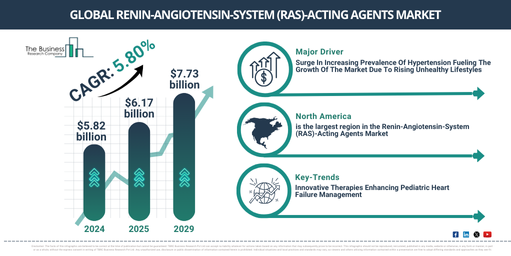
    Recent years have seen a swift expansion in the size of the respiratory biologics market. The forecast indicates a growth from $6.38 billion in 2024 to $7.47 billion in 2025, displaying a compound annual growth rate (CAGR) of 17.0%. The burgeoning growth observed in the past can be associated with factors such as the upsurge in respiratory diseases, a rise in the acceptance of personalized medicine, increased spending on healthcare worldwide, improved awareness and diagnosis of respiratory conditions, coupled with a growing older population suffering from respiratory disorders.

    How Much Will the Respiratory Biologics Market Be Worth in 2029?

    It is projected that the market size for respiratory biologics will experience fast-paced growth in the coming years, escalating to $13.84 billion by 2029, with a substantive compound annual growth rate (CAGR) of 16.7%. Several factors are responsible for this growth during the forecast period, including the increasing prevalence of ailments such as asthma and COPD, augmented use of biologic therapies, increased spending on R&D endeavors, heightened demand for non-invasive methods of drug delivery, and broader reimbursement policies. Key factors expected to shape the market in this forecast period include the application of monoclonal antibodies in treating respiratory diseases, breakthroughs in the formulation and delivery of biologic drugs, regulatory approvals, strategic partnerships and acquisitions among leading players, and the incorporation of artificial intelligence in the discovery and development of new drugs.

    Download The Free Sample Report Here:

    https://www.thebusinessresearchcompany.com/sample.aspx?id=23497&type=smp

    Which is the Largest Company in the Respiratory Biologics Market?

    Major companies operating in the respiratory biologics market are Pfizer Inc., Johnson & Johnson, F. Hoffmann-La Roche Ltd., Merck & Co. Inc., AbbVie Inc., Sanofi S.A., AstraZeneca plc, Novartis AG, GlaxoSmithKline plc, Amgen Inc., Viatris Inc., Regeneron Pharmaceuticals Inc., Boehringer Ingelheim International GmbH, Biogen Inc., Vertex Pharmaceuticals Incorporated, Swedish Orphan Biovitrum AB, Glenmark Pharmaceuticals Ltd., Zymeworks Inc., Kiniksa Pharmaceuticals Ltd., Pieris Pharmaceuticals Inc.

    What Are the Main Market Drivers in the Respiratory Biologics Industry?

    The growth of the respiratory biologics market is being accelerated by the uptick in air pollution. Air pollution, which encompasses the introduction of damaging substances like gases, particulate matter, and biological molecules into the Earth’s atmosphere, poses significant threats to both human health and the environment. Factors such as growing industrialization and urbanization are escalating air pollution levels as they trigger an increase in pollutant emissions from factories, vehicles, and construction activities. To mitigate the detrimental health implications of air pollution, respiratory biologics offers targeted treatments that alleviate inflammation and enhance lung functionality in individuals exposed to airborne contaminants. For example, the Environmental Protection Agency, a US government body, reported in January 2025 that the United States had discharged over 66 million tons of pollutants into the atmosphere in 2023. Furthermore, the United Nations Environment Programme, an environmental authority based in Kenya, stated in September 2022 that due to air pollution, 7 million premature deaths occur annually, and 99% of the global population inhales unclean air. Consequently, the escalation in air pollution is catalyzing the expansion of the respiratory biologics market.

    Request For A Customized Report:

    https://www.thebusinessresearchcompany.com/customise?id=23497&type=smp

    How Is the Respiratory Biologics Market Segments Structured?

    The respiratory biologics market covered in this report is segmented –

    1) By Disease Indication: Asthma, Chronic Rhinosinasitis, Hypereosinophilic Syndrome

    2) By Route Of Administration: Intravenous, Subcuteneous

    3) By Sales Channel: Hospitals, Specialty Clinics, Retail Pharmacies, Mail Order Pharmacies

    Subsegment:

    1) By Asthma: Severe Eosinophilic Asthma, Allergic Asthma, Non-Allergic Asthma

    2) By Type: Chronic Rhinosinusitis: Chronic Rhinosinusitis with Nasal Polyps, Chronic Rhinosinusitis without Nasal Polyps

    3) By Hypereosinophilic Syndrome (HES): Idiopathic HES, Lymphocytic Variant HES, Myeloproliferative HES

    What Strategic Trends Are Transforming the Respiratory Biologics Market?

    Leading firms in the respiratory biologics market are prioritizing the development of novel biologic therapies, such as targeted immune therapies for chronic respiratory ailments, in order to deliver more precise treatments that alleviate inflammation and enhance lung functionality. These targeted immune therapies aim to manage the body’s immune response so as to decrease swelling and alleviate breathing issues linked to long-term lung diseases. To illustrate, Sanofi S.A., a pharmaceutical company based in France, made an announcement in September 2024 that Dupixent (dupilumab) had received approval from the US Food and Drug Administration (FDA) for use as an adjunct maintenance therapy in adults suffering from inadequately managed chronic obstructive pulmonary disease (COPD) exhibiting an eosinophilic phenotype. This authorization symbolizes a significant breakthrough, with Dupixent being the first biologic drug to get approval in the US for the treatment of this particular subset of COPD patients.

    Access The Full Report Here:

    https://www.thebusinessresearchcompany.com/report/respiratory-biologics-global-market-report

    Which Global Regions Offer the Highest Growth in the Respiratory Biologics Market?

    North America was the largest region in the respiratory biologics market in 2024. Asia-Pacific is expected to be the fastest-growing region in the forecast period. The regions covered in the respiratory biologics market report are Asia-Pacific, Western Europe, Eastern Europe, North America, South America, Middle East, Africa.

    Purchase The Full Report Today:

    https://www.thebusinessresearchcompany.com/purchaseoptions.aspx?id=23497

    This Report Delivers Insight On:

    1. How big is the respiratory biologics market, and how is it changing globally?

    2. Who are the major companies in the respiratory biologics market, and how are they performing?

    3. What are the key opportunities and risks in the respiratory biologics market right now?

    4. Which products or customer segments are growing the most in the respiratory biologics market?

    5. What factors are helping or slowing down the growth of the respiratory biologics market?

    About The Business Research Company:

    With over 15000+ reports from 27 industries covering 60+ geographies, The Business Research Company has built a reputation for offering comprehensive, data-rich research and insights. Armed with 1,500,000 datasets, the optimistic contribution of in-depth secondary research, and unique insights from industry leaders, you can get the information you need to stay ahead in the game.

    Get in touch with us:

    The Business Research Company: https://www.thebusinessresearchcompany.com/

    Americas +1 310-496-7795

    Europe +44 7882 955267

    Asia & Others +44 7882 955267 & +91 8897263534

    Email us at info@tbrc.info

    Follow us on:

    LinkedIn: https://in.linkedin.com/company/the-business-research-company

    YouTube: https://www.youtube.com/channel/UC24_fI0rV8cR5DxlCpgmyFQ

    Global Market Model: https://www.thebusinessresearchcompany.com/global-market-model
  • Renin-Angiotensin-System (RAS)-Acting Agents Industry Growth Expected to Reach $7.72 Billion by 2029 at a CAGR of 5.7% | Segmentation and Growth Opportunities

    Renin-Angiotensin-System (RAS)-Acting Agents Industry Growth Expected to Reach $7.72 Billion by 2029 at a CAGR of 5.7% | Segmentation and Growth Opportunities

    Claim your 30% discount on Global Market Reports with code ONLINE30. Limited time only.

    What Is the Forecast for the Renin-Angiotensin-System (RAS)-Acting Agents Market Growth in 2025?

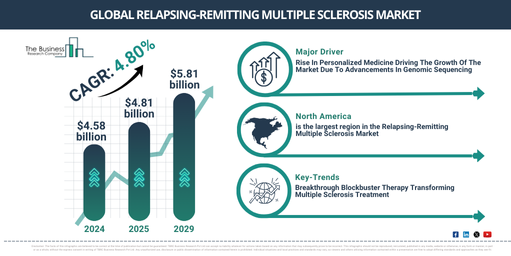
    In recent times, there has been a robust growth in the market size of the renin-angiotensin-system (RAS)-acting agents. It is projected to climb from $5.82 billion in 2024 to $6.17 billion in 2025, securing a compound annual growth rate (CAGR) of 6.0%. The growth during the former period can be credited to factors such as the escalating prevalence of hypertension, growth in cardiovascular disease cases, the rise in elderly population, increased cognizance regarding blood pressure management, substantial clinical research backing, and the granting of regulatory approvals for new drugs.

    What Is the Forecast for the Renin-Angiotensin-System (RAS)-Acting Agents Market Size Through 2029?

    The market for renin-angiotensin-system (RAS)-acting agents is projected to experience substantial growth in the coming years, increasing to $7.73 billion in 2029 with a compound annual growth rate (CAGR) of 5.8%. This anticipated growth during the forecast period is due to factors such as an increasing emphasis on customized therapies, growing demand for fixed-dose combinations, heightened investment in cardiovascular study, expanding healthcare availability in developing markets, and the rising occurrence of diseases related to lifestyle. Noteworthy developments expected in the forecast period include drug development driven by artificial intelligence (AI), nanotechnology-assisted drug delivery, advancements in personalized medicine, application of blockchain for secure clinical data storage, wearable biosensors for monitoring hypertension, and the use of digital twin technology in patient simulation.

    Download The Free Sample Report Here:

    https://www.thebusinessresearchcompany.com/sample.aspx?id=23496&type=smp

    What are the Key Market Players in Renin-Angiotensin-System (RAS)-Acting Agents Market and How They’re Evolving?

    Major companies operating in the renin-angiotensin-system (RAS)-acting agents market are Pfizer Inc., Merck And Co. Inc., Bayer AG, Sanofi S.A., Bristol-Myers Squibb Company, AstraZeneca plc, Novartis AG, GSK plc, Teva Pharmaceutical Industries Ltd., Boehringer Ingelheim GmbH, Sandoz International GmbH, Astellas Pharma Inc., Bausch Health Companies Inc., Aurobindo Pharma Limited, Cipla Limited, Dr. Reddy’s Laboratories Ltd., Biocon Limited, Daiichi Sankyo Company Limited, Glenmark Pharmaceuticals Ltd., Torrent Pharmaceuticals Ltd.

    What Are the Primary Growth Drivers in the Renin-Angiotensin-System (RAS)-Acting Agents Market?

    Expected growth in the renin-angiotensin system (RAS)-acting agents market is believed to be driven by the escalating occurrence of hypertension. Hypertension, also known as high blood pressure, is a chronic health issue where the blood pressure against the artery walls is persistently too high. The spike in hypertension is attributed to unhealthy eating habits, especially diets rich in salt and processed foods leading to heightened blood pressure and stress on the cardiovascular system. Renin-angiotensin system (RAS)-acting agents assist in controlling hypertension by managing blood pressure. They work by curbing angiotensin II, a hormone that tightens blood vessels and boosts fluid retention, thereby facilitating vasodilation and reducing blood pressure. As evidence, as of October 2024, the Australian Bureau of Statistics, a government agency in Australia, reported that 11.6% (3.0 million) of Australians were diagnosed with hypertension in 2022, with similar figures for both men (11.7%) and women (11.6%). For these reasons, the escalating prevalence of hypertension is contributing to the expansion of the renin-angiotensin system (RAS)-acting agents market.

    Request For A Customized Report:

    https://www.thebusinessresearchcompany.com/customise?id=23496&type=smp

    What Are the Leading Segments in the Global Renin-Angiotensin-System (RAS)-Acting Agents Industry?

    The renin-angiotensin-system (RAS)-acting agents market covered in this report is segmented –

    1) By Drug Class: Angiotensin-Converting Enzyme (ACE) Inhibitors, Angiotensin II Receptor Blockers (ARBs), Renin Inhibitors, Aldosterone Antagonists, Other Drug Classes

    2) By Indication: Hypertension, Heart Failure, Chronic Kidney Disease, Diabetic Nephropathy, Coronary Artery Disease

    3) By Distribution Channel: Hospital Pharmacies, Retail Pharmacies, Online Pharmacies, Specialty Clinics

    4) By End-User: Hospitals, Research Institutes, Pharmaceutical Companies, Other End-Users

    Subsegments:

    1) By Angiotensin-Converting Enzyme (ACE) Inhibitors: Captopril, Enalapril, Lisinopril, Ramipril, Perindopril

    2) By Angiotensin II Receptor Blockers (ARBs): Losartan, Valsartan, Irbesartan, Olmesartan, Telmisartan

    3) By Renin Inhibitors: Aliskiren

    4) By Aldosterone Antagonists: Spironolactone, Eplerenone

    5) By Other Drug Classes: Dual Angiotensin Receptor-Neprilysin Inhibitors (ARNIs), Endothelin Receptor Antagonists, Vasopeptidase Inhibitors, Mineralocorticoid Receptor Antagonists (MRAs), Angiotensin Receptor Blockers With Neprilysin Inhibitors (ARNBIs)

    What Are the Key Market Trends in the Renin-Angiotensin-System (RAS)-Acting Agents Industry?

    Primary businesses in the market for renin-angiotensin system (RAS)-acting agents are concentrating their efforts on the creation of new renin-angiotensin system (RAS) blockers, including angiotensin-converting enzyme (ACE) inhibitors. The aim is to maximize effectiveness, decrease adverse reactions, enhance patient adherence, and address conditions like hypertension, heart failure, and kidney disease. ACE inhibitors are medications that manipulate blood pressure and inhibit the enzyme responsible for converting angiotensin I into angiotensin II, a substance that constricts blood vessels. For example, in November 2023, UK pharmaceutical company Proveca Ltd. was granted a pediatric use marketing authorization (PUMA) by the European Commission for Aqumeldi (enalapril maleate) oro-dispersible tablets, which are meant for the treatment of heart failure in children aged newborn to under 18. By blocking the ACE and halting the conversion from angiotensin I to angiotensin II, Aqumeldi relaxes the blood vessels, enhances blood circulation, and reduces the heart’s workload in treatment of pediatric heart failure.

    Access The Full Report Here:

    https://www.thebusinessresearchcompany.com/report/renin-angiotensin-system-ras-acting-agents-global-market-report

    What Is the Regional Outlook for the Renin-Angiotensin-System (RAS)-Acting Agents Market?

    North America was the largest region in the renin-angiotensin-system (RAS)-acting agents market in 2024. Asia-Pacific is expected to be the fastest-growing region in the forecast period. The regions covered in the renin-angiotensin-system (RAS)-acting agents market report are Asia-Pacific, Western Europe, Eastern Europe, North America, South America, Middle East, Africa.

    Purchase The Full Report Today:

    https://www.thebusinessresearchcompany.com/purchaseoptions.aspx?id=23496

    This Report Delivers Insight On:

    1. How big is the renin-angiotensin-system (ras)-acting agents market, and how is it changing globally?

    2. Who are the major companies in the renin-angiotensin-system (ras)-acting agents market, and how are they performing?

    3. What are the key opportunities and risks in the renin-angiotensin-system (ras)-acting agents market right now?

    4. Which products or customer segments are growing the most in the renin-angiotensin-system (ras)-acting agents market?

    5. What factors are helping or slowing down the growth of the renin-angiotensin-system (ras)-acting agents market?

    About The Business Research Company:

    With over 15000+ reports from 27 industries covering 60+ geographies, The Business Research Company has built a reputation for offering comprehensive, data-rich research and insights. Armed with 1,500,000 datasets, the optimistic contribution of in-depth secondary research, and unique insights from industry leaders, you can get the information you need to stay ahead in the game.

    Get in touch with us:

    The Business Research Company: https://www.thebusinessresearchcompany.com/

    Americas +1 310-496-7795

    Europe +44 7882 955267

    Asia & Others +44 7882 955267 & +91 8897263534

    Email us at info@tbrc.info

    Follow us on:

    LinkedIn: https://in.linkedin.com/company/the-business-research-company

    YouTube: https://www.youtube.com/channel/UC24_fI0rV8cR5DxlCpgmyFQ

    Global Market Model: https://www.thebusinessresearchcompany.com/global-market-model
  • Relapsing-Remitting Multiple Sclerosis Industry Valued at $5.81 Billion by 2029 With CAGR of 4.8% | Size and Share Insights

    Relapsing-Remitting Multiple Sclerosis Industry Valued at $5.81 Billion by 2029 With CAGR of 4.8% | Size and Share Insights

    Claim your 30% discount on Global Market Reports with code ONLINE30. Limited time only.

    What Is the Forecast for the Relapsing-Remitting Multiple Sclerosis Market from 2024 to 2025?

    In recent times, the market size for relapsing-remitting multiple sclerosis has shown substantial growth. It is predicted that the market will expand from $4.58 billion in 2024 to $4.81 billion in 2025, demonstrating a compound annual growth rate (CAGR) of 5.1%. Factors like rising number of multiple sclerosis cases, improved awareness leading to early diagnosis, development in healthcare infrastructure, increased government support towards neurological disorders, and improved access to treatment for patients, have significantly led to the growth in the previous period.

    What Is the Projected Market Size of the Relapsing-Remitting Multiple Sclerosis Market?

    In the coming years, the market size for relapsing-remitting multiple sclerosis is anticipated to witness significant expansion and is projected to reach $5.81 billion in 2029 with a compound annual growth rate (CAGR) of 4.8%. This surging outlook for the forecast period can be credited to the increasing adaptation of personalized medicine, amplified focus on biomarker research, growing investments in innovative therapeutic procedures, the widening application of AI in disease management, and governmental aid for groundbreaking treatments. The forecast period will see major trends like the rise of gene and cell therapies, a pivot towards oral disease-modifying therapies, progress in blood-brain barrier drug delivery systems, advancements in disease-altering therapies, and the evolution of next-generation monoclonal antibodies.

    Download The Free Sample Report Here:

    https://www.thebusinessresearchcompany.com/sample.aspx?id=23495&type=smp

    Who are the Major Competitors in the Relapsing-Remitting Multiple Sclerosis Market Outlook?

    Major companies operating in the relapsing-remitting multiple sclerosis market are Pfizer Inc., Johnson & Johnson Services Inc., F. Hoffmann-La Roche Ltd., AbbVie Inc., Bayer AG, Sanofi S.A., Bristol-Myers Squibb Company, Novartis AG, GSK plc, Eli Lilly and Company, Merck KGaA, Viatris Inc., Teva Pharmaceutical Industries Ltd., Biogen Inc., Eisai Co. Ltd., Genentech Inc., Hikma Pharmaceuticals LLC, Glenmark Pharmaceuticals Limited, CinnaGen Co, Zenas BioPharma Inc.

    What Is Fueling Growth in the Relapsing-Remitting Multiple Sclerosis Market?

    The growth of the relapsing-remitting multiple sclerosis (RRMS) market is expected to be propelled by the rising acceptance of personalized medicine. Customized medical treatments that consider an individual’s genetic makeup, environmental factors, and lifestyle habits to enhance healthcare results are gaining traction. The surge in personalized medicine can be attributed to the progress in genomic sequencing allowing the precise identification of genetic variations and biomarkers, thus providing more targeted and potent treatments. The role of personalized medicine is underlined by RRMS, which demonstrates that individual variability in disease progression, symptom intensity, and response to treatment can be addressed with tailored treatments, thereby enhancing patient outcomes. To illustrate, the Personalized Medicine Coalition, an organization promoting personalized medicine based in the U.S., reported in February 2024, that the U.S. Food and Drug Administration sanctioned 16 new personalized treatments for patients with rare diseases, a considerable increase from 6 in 2022. Therefore, the growing acceptance of personalized medicine is propelling the relapsing-remitting multiple sclerosis market’s expansion.

    Request For A Customized Report:

    https://www.thebusinessresearchcompany.com/customise?id=23495&type=smp

    Which Relapsing-Remitting Multiple Sclerosis Market Segments Are Growing the Fastest?

    The relapsing-remitting multiple sclerosis market covered in this report is segmented –

    1) By Drug Type: Beta-Interferon, Cladribine, Dimethyl Fumarate, Fingolimod, Ozanimod, Other Drug Types

    2) By Route Of Administration: Subcutaneous, Intravenous

    3) By Treatment: Immunomodulating Drugs, NrF2 Activators, Interferons, Other Treatments

    4) By End-User: Hospitals, Clinics, Other End-Users

    Subsegments:

    1) By Beta-Interferon: Interferon Beta-1a, Interferon Beta-1b

    2) By Cladribine: Oral Cladribine, Injectable Cladribine

    3) By Dimethyl Fumarate: Tecfidera, Vumerity

    4) By Fingolimod: Gilenya Fingolimod, Generic Fingolimod

    5) By Ozanimod: Zeposia

    6) By Other Drug Types: Natalizumab, Alemtuzumab, Ocrelizumab, Siponimod, Teriflunomide

    Which Industry Trends Are Shaping the Future of the Relapsing-Remitting Multiple Sclerosis Market?

    Leading businesses in the relapsing-remitting multiple sclerosis market are directing their efforts towards creating novel treatment methodologies, such as pioneering blockbuster therapy, to augment the effectiveness of treatment, improve patient welfare, and set new care standards for relapsing-remitting multiple sclerosis (RRMS). Pioneering blockbuster therapy is indicative of a groundbreaking, highly efficient treatment that significantly propels advancements in medical care, typically addressing unfulfilled needs or offering better results than present therapies. To illustrate, Roche Products (India) Pvt. Ltd., a pharmaceutical firm based in India, in February 2024 premiered Ocrevus (Ocrelizumab), an innovative solution for multiple sclerosis (MS), to enrich its neurology inventory and meet the unfulfilled medical requirements of Indian patients. Ocrevus is specifically engineered to target CD20-positive B cells, known to be involved in the progression of MS, with the aim to minimize relapses and decelerate the disability advancements in those affected. It possesses a unique method of action that selectively reduces B cells, thereby altering the course of the disease to enhance long-term patient results.

    Access The Full Report Here:

    https://www.thebusinessresearchcompany.com/report/relapsing-remitting-multiple-sclerosis-global-market-report

    Which Countries Are Leading the Relapsing-Remitting Multiple Sclerosis Market?

    North America was the largest region in the relapsing-remitting multiple sclerosis market in 2024. Asia-Pacific is expected to be the fastest-growing region in the forecast period. The regions covered in the relapsing-remitting multiple sclerosis market report are Asia-Pacific, Western Europe, Eastern Europe, North America, South America, Middle East, Africa.

    Purchase The Full Report Today:

    https://www.thebusinessresearchcompany.com/purchaseoptions.aspx?id=23495

    This Report Delivers Insight On:

    1. How big is the relapsing-remitting multiple sclerosis market, and how is it changing globally?

    2. Who are the major companies in the relapsing-remitting multiple sclerosis market, and how are they performing?

    3. What are the key opportunities and risks in the relapsing-remitting multiple sclerosis market right now?

    4. Which products or customer segments are growing the most in the relapsing-remitting multiple sclerosis market?

    5. What factors are helping or slowing down the growth of the relapsing-remitting multiple sclerosis market?

    About The Business Research Company:

    With over 15000+ reports from 27 industries covering 60+ geographies, The Business Research Company has built a reputation for offering comprehensive, data-rich research and insights. Armed with 1,500,000 datasets, the optimistic contribution of in-depth secondary research, and unique insights from industry leaders, you can get the information you need to stay ahead in the game.

    Get in touch with us:

    The Business Research Company: https://www.thebusinessresearchcompany.com/

    Americas +1 310-496-7795

    Europe +44 7882 955267

    Asia & Others +44 7882 955267 & +91 8897263534

    Email us at info@tbrc.info

    Follow us on:

    LinkedIn: https://in.linkedin.com/company/the-business-research-company

    YouTube: https://www.youtube.com/channel/UC24_fI0rV8cR5DxlCpgmyFQ

    Global Market Model: https://www.thebusinessresearchcompany.com/global-market-model

  • Radiation Oncology Market to Reach $12.51 Billion by 2029 | Key Drivers and Future Outlook

    Radiation Oncology Market to Reach $12.51 Billion by 2029 | Key Drivers and Future Outlook

    Claim your 30% discount on Global Market Reports with code ONLINE30. Limited time only.

    What Is the Growth Rate of the Radiation Oncology Market?

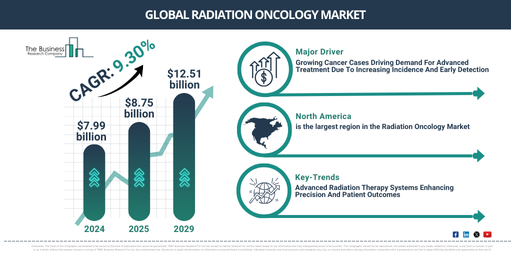
    Over the past few years, there has been significant growth in the size of the radiation oncology market. Its progression from $7.99 billion in 2024 to $8.75 billion in 2025, signifying a compound annual growth rate (CAGR) of 9.6%, is noteworthy. Factors contributing to this growth throughout the historic period include an increase in cancer cases, heightened healthcare expenditure, expanded investments in healthcare infrastructure, an aging demographic, and an increasing number of intricate cancer cases.

    What Growth Rate Is Forecasted for the Radiation Oncology Market by 2029?

    Anticipated robust expansion is predicted in the radiation oncology market in the coming years. It is projected to ramp up to $12.51 billion in 2029 with a compound annual growth rate (CAGR) of 9.3%. The impetus for growth during the projected timeframe can be traced to factors like increasing preference for precise treatment methods, growth of outpatient cancer facilities, rising uptake of treatment planning software, expanded government initiatives towards cancer care, and improved healthcare infrastructure. Foreseeable trends over the forecast period encompass individualized treatment strategies, superior quality imaging, AI-integrated imaging, stereotactic body radiation therapy (SBRT), and advancements in brachytherapy.

    Download The Free Sample Report Here:

    https://www.thebusinessresearchcompany.com/sample.aspx?id=23494&type=smp

    Which Key Companies Are Shaping the Future of the Radiation Oncology Market?

    Major companies operating in the radiation oncology market are Hitachi Ltd., Siemens Healthineers, Philips Healthcare, GE Healthcare Technologies Inc., Varian Medical Systems, Shimadzu Corporation, Elekta AB, Mirion Technologies, Ion Beam Applications (IBA), Accuray Incorporated, Canon Medical Systems, Eckert & Ziegler BEBIG, ViewRay Inc., MDS Nordion, Mevion Medical Systems, PTW-Freiburg, Toshiba Medical Systems, CivaTech Oncology, ProTom International, Radcal Corporation, ScandiDos.

    Which Factors Are Driving Demand in the Radiation Oncology Industry?

    The rise in cancer diagnoses is anticipated to stimulate expansion in the radiation oncology sector in the near future. Those diagnosed with cancer, a disorder marked by unregulated cell proliferation and dispersal throughout the body, are referred to as cancer patients. The mounting rate of these diagnoses is predominantly attributed to an increasing prevalence of unhealthy lifestyle habits that contribute to heightened cancer risks. High-energy radiation is employed in radiation oncology to annihilate cancer cells, reduce tumor size, alleviate symptoms, and augment the effectiveness of surgeries and chemotherapy, with advancements in methodology enhancing accuracy and results. For instance, the National Health Service, a UK government agency, reported in October 2024 that 346,217 new cancer cases were reported in 2022, which averages to 948 daily diagnoses, a 5% rise from 329,664 in 2021. Consequently, the surge in cancer patients is fuelling the expansion of the radiation oncology sector.

    Request For A Customized Report:

    https://www.thebusinessresearchcompany.com/customise?id=23494&type=smp

    How Is the Radiation Oncology Market Segmented by Several Divisions?

    The radiation oncology market covered in this report is segmented –

    1) By Type: External Beam Radiation Therapy, Internal Beam Radiation Therapy

    2) By Application: Prostate Cancer, Breast Cancer, Lung Cancer, Head And Neck Cancer, Colorectal Cancer, Cervical Cancer, Gynecological Cancer, Other Applications

    3) By End-User: Hospitals, Cancer Research Institutes, Other End-Users

    Subsegments:

    1) By Internal Beam Radiation Therapy, Brachytherapy, Endocavitary Brachytherapy, Interstitial Brachytherapy, Intraluminal Brachytherapy

    2) By External Beam Radiation Therapy, 3D Conformal Radiation Therapy (3DCRT), Intensity-Modulated Radiation Therapy (IMRT), Stereotactic Radiosurgery (SRS), Stereotactic Body Radiation Therapy (SBRT), Image-Guided Radiation Therapy (IGRT)

    What are the Emerging Market Trends Driving the Growth of the Radiation Oncology Industry?

    Leading businesses in the radiation oncology market are concentrating on the creation of sophisticated radiation therapy systems. These systems combine AI-empowered imaging and adaptive technologies to boost the accuracy of treatments, lessen the adverse effects, and better patient results in varied cancer treatment procedures. Artificial intelligence-enhanced radiotherapy involves the utilization of AI tech to improve several components of radiation therapy, such as treatment planning, imaging, delivery, and supervising. For instance, Elekta, a medical tech firm based in Sweden, unveiled Evo, its newest CT-Linac, in May 2024 with high-definition AI-boosted imaging meant to refine radiation therapy methodologies. This multifaceted system is capable of supporting offline and online adaptive radiation therapy and even enhances the standard image-guided radiation therapy. This system offers medical professionals improved precision and adaptability in customizing treatments for each patient. The aim of this improvement is to promote patient outcomes through the optimization of treatment precision and versatility.

    Access The Full Report Here:

    https://www.thebusinessresearchcompany.com/report/radiation-oncology-global-market-report

    Which Regions Are Driving Growth in the Radiation Oncology Market?

    North America was the largest region in the radiation oncology market in 2024. Asia-Pacific is expected to be the fastest-growing region in the forecast period. The regions covered in the radiation oncology market report are Asia-Pacific, Western Europe, Eastern Europe, North America, South America, Middle East, Africa.

    Purchase The Full Report Today:

    https://www.thebusinessresearchcompany.com/purchaseoptions.aspx?id=23494

    This Report Delivers Insight On:

    1. How big is the radiation oncology market, and how is it changing globally?

    2. Who are the major companies in the radiation oncology market, and how are they performing?

    3. What are the key opportunities and risks in the radiation oncology market right now?

    4. Which products or customer segments are growing the most in the radiation oncology market?

    5. What factors are helping or slowing down the growth of the radiation oncology market?

    About The Business Research Company:

    With over 15000+ reports from 27 industries covering 60+ geographies, The Business Research Company has built a reputation for offering comprehensive, data-rich research and insights. Armed with 1,500,000 datasets, the optimistic contribution of in-depth secondary research, and unique insights from industry leaders, you can get the information you need to stay ahead in the game.

    Get in touch with us:

    The Business Research Company: https://www.thebusinessresearchcompany.com/

    Americas +1 310-496-7795

    Europe +44 7882 955267

    Asia & Others +44 7882 955267 & +91 8897263534

    Email us at info@tbrc.info

    Follow us on:

    LinkedIn: https://in.linkedin.com/company/the-business-research-company

    YouTube: https://www.youtube.com/channel/UC24_fI0rV8cR5DxlCpgmyFQ

    Global Market Model: https://www.thebusinessresearchcompany.com/global-market-model