Blog

  • Market Analysis on Personalized Medicine Biomarkers Industry – Insights for Corporate Strategy and R&D

    Market Analysis on Personalized Medicine Biomarkers Industry – Insights for Corporate Strategy and R&D

    Claim your 30% discount on Global Market Reports with code ONLINE30. Limited time only.

    What Is the Forecast for the Personalized Medicine Biomarkers Market from 2024 to 2025?

    The biomarkers market for personalized medicine has witnessed a significant expansion in recent times. The market value will surge from $22.85 billion in 2024 to $26.98 billion in 2025, displaying a compound annual growth rate (CAGR) of 18.0%. The exponential growth during the historic period was due to several factors such as the rising incidences of chronic illnesses, escalating use of companion diagnostics, increased funding in biomarker research, emphasis on early detection and preventive healthcare measures, along with regulatory backing for therapies based on biomarkers.

    What Is the Projected Market Size of the Personalized Medicine Biomarkers Market?

    In the coming years, the personalized medicine biomarkers market is projected to experience brisk expansion. The market size is set to surge to $51.53 billion in 2029, registering a compound annual growth rate (CAGR) of 17.6%. The accelerated growth during the forecast period is due to factors such as broadening application of precision oncology, heightened demand for targeted treatments, emphasis on early illness detection, increasing consumer preference for personalized methods, and encouraging government policies and funding. The forecast period will witness significant trends like a multi-omics technique for biomarker discovery, the evolution of liquid biopsy-based biomarkers, rising utilization of digital biomarkers, application of AI and machine learning in biomarker identification, and the use of real-world evidence in biomarker validation.

    Download The Free Sample Report Here:

    https://www.thebusinessresearchcompany.com/sample.aspx?id=23471&type=smp

    Who are the Major Competitors in the Personalized Medicine Biomarkers Market Outlook?

    Major companies operating in the personalized medicine biomarkers market are AbbVie Inc., Bristol-Myers Squibb Company, Thermo Fisher Scientific Inc., Abbott Laboratories, Novartis AG, Merck KGaA, GE Healthcare, Laboratory Corporation of America Holdings (LabCorp), Agilent Technologies Inc., Hologic Inc., Illumina Inc., PerkinElmer Inc., Beckman Coulter Inc., Bio-Rad Laboratories Inc., QIAGEN N.V., DH Life Sciences LLC, Myriad Genetics Inc., Guardant Health Inc., Cardiff Oncology Inc., 23andMe Inc., Coriell Life Sciences Inc.

    What Is Fueling Growth in the Personalized Medicine Biomarkers Market?

    The increase in chronic illnesses is anticipated to drive the expansion of the personalized medicine biomarkers market. Chronic illnesses are prolonged medical issues that progress gradually, lasting for more than a year, and necessitate steady medical care while impacting daily routines. This increase can be attributed to poor lifestyle choices, subpar diets, inactive lifestyle, and elevated stress levels. Personalized medicine biomarkers provide a way to customise treatments for chronic diseases by identifying potent therapies, forecasting disease progression, and reducing negative side effects based on individual genetic and molecular profiles. For example, the World Health Organization (WHO), a Switzerland-based health body, stated in February 2024 that by 2050, the number of new cancer incidences is likely to exceed 35 million, marking a 77% increase from the projected 20 million cases in 2022. Hence, the rise in chronic diseases is stimulating the expansion of the personalized medicine biomarkers market.

    Request For A Customized Report:

    https://www.thebusinessresearchcompany.com/customise?id=23471&type=smp

    Which Personalized Medicine Biomarkers Market Segments Are Growing the Fastest?

    The personalized medicine biomarkers market covered in this report is segmented –

    1) By Biomarker Type: Genomic, Proteomics, Metabolic, Other Biomarker Types

    2) By Disease Indication: Oncology, Neurology, Diabetes, Autoimmune Diseases, Cardiology, Other Indications

    3) By Application: Early Detection Or Screening, Diagnosis, Treatment Selection, Monitoring

    4) By End Use: Hospitals And Clinics, Pharmaceutical And Biotechnology Companies, Diagnostic Labs, Other End Users

    Subsegments:

    1) By Genomic: Single Nucleotide Polymorphisms (SNPs), Copy Number Variations (CNVs), Gene Expression Biomarkers, Epigenetic Biomarkers

    2) By Proteomics: Protein Expression Biomarkers, Post-Translational Modification (PTM) Biomarkers, Protein-Protein Interaction Biomarkers, Enzyme Activity Biomarkers

    3) By Metabolic: Lipid Biomarkers, Amino Acid Biomarkers, Carbohydrate Biomarkers, Hormone Biomarkers

    4) By Other Biomarker Types: Inflammatory Biomarkers, Microbiome Biomarkers, Autoantibody Biomarkers, Extracellular Vesicle Biomarkers

    Which Industry Trends Are Shaping the Future of the Personalized Medicine Biomarkers Market?

    Top-tier companies in the personalized medicine biomarkers industry are diligently working to secure regulatory approvals for their products. These approvals, granted by health authorities, verify that a medical product or treatment is safe, effective, and meets quality standards for public utilization. This strategy is employed to bolster the authenticity of their offerings, enlarge their market footprint, and boost patient results. For instance, Illumina, Inc., a leading biotech enterprise based in the US, was approved by the Food and Drug Administration (FDA) for its cancer biomarker test and two associated diagnostics in August 2024. They utilize next-generation sequencing (NGS) technology in their test to pinpoint genetic alterations in cancer cells. This assists medical professionals in determining the most effective treatment options based on unique biomarkers. The FDA’s approval of this test represents a substantial progression in precision oncology. Its ultimate goal is to amplify the rate of accuracy when choosing treatments for cancer patients, leading to superior personalized healthcare.

    Access The Full Report Here:

    https://www.thebusinessresearchcompany.com/report/personalized-medicine-biomarkers-global-market-report

    Which Countries Are Leading the Personalized Medicine Biomarkers Market?

    North America was the largest region in the personalized medicine biomarkers market in 2024. Asia-Pacific is expected to be the fastest-growing region in the forecast period. The regions covered in the personalized medicine biomarkers market report are Asia-Pacific, Western Europe, Eastern Europe, North America, South America, Middle East, Africa.

    Purchase The Full Report Today:

    https://www.thebusinessresearchcompany.com/purchaseoptions.aspx?id=23471

    This Report Delivers Insight On:

    1. How big is the personalized medicine biomarkers market, and how is it changing globally?

    2. Who are the major companies in the personalized medicine biomarkers market, and how are they performing?

    3. What are the key opportunities and risks in the personalized medicine biomarkers market right now?

    4. Which products or customer segments are growing the most in the personalized medicine biomarkers market?

    5. What factors are helping or slowing down the growth of the personalized medicine biomarkers market?

    About The Business Research Company:

    With over 15000+ reports from 27 industries covering 60+ geographies, The Business Research Company has built a reputation for offering comprehensive, data-rich research and insights. Armed with 1,500,000 datasets, the optimistic contribution of in-depth secondary research, and unique insights from industry leaders, you can get the information you need to stay ahead in the game.

    Get in touch with us:

    The Business Research Company: https://www.thebusinessresearchcompany.com/

    Americas +1 310-496-7795

    Europe +44 7882 955267

    Asia & Others +44 7882 955267 & +91 8897263534

    Email us at info@tbrc.info

    Follow us on:

    LinkedIn: https://in.linkedin.com/company/the-business-research-company

    YouTube: https://www.youtube.com/channel/UC24_fI0rV8cR5DxlCpgmyFQ

    Global Market Model: https://www.thebusinessresearchcompany.com/global-market-model

  • Pelvic Cancer Induced Hemorrhagic Cystitis Forecast Report – Designed for Decision Makers and Product Teams

    Pelvic Cancer Induced Hemorrhagic Cystitis Forecast Report – Designed for Decision Makers and Product Teams

    Claim your 30% discount on Global Market Reports with code ONLINE30. Limited time only.

    What Is the Growth Rate of the Pelvic Cancer Induced Hemorrhagic Cystitis Market?

    The market size for hemorrhagic cystitis caused by pelvic cancer has seen a significant expansion in the past few years. The market, projected at $2.57 billion in 2024, is expected to increase to $3.11 billion in 2025, which indicates a compound annual growth rate (CAGR) of 21.1%. Various factors like the upsurge of pelvic cancers, age-related health issues, surge in cervical cancer cases, initiatives taken by the government, and beneficial reimbursement plans have contributed to the growth during the historical period.

    What Growth Rate Is Forecasted for the Pelvic Cancer Induced Hemorrhagic Cystitis Market by 2029?

    In the next few years, the market for hemorrhagic cystitis caused by pelvic cancer is projected to experience a considerable surge, growing to $6.68 billion in 2029 at a compound annual growth rate (CAGR) of 21.0%. This projected growth during the forecast period is mainly due to the heightened awareness among the individuals, the shifting trend towards unhealthy dietary patterns and sedentary lifestyles, expansion of healthcare facilities and infrastructures, improved patient compliance, and the preference for cost-effective drugs with minimal side effects. The forecast period is also anticipated to witness significant trends such as the enhancement in drug development, advancements in targeted therapies and immunotherapies, increased utilization of combination therapies, the trend of personalized medicine, and the embrace of ground-breaking treatments.

    Download The Free Sample Report Here:

    https://www.thebusinessresearchcompany.com/sample.aspx?id=23470&type=smp

    Which Key Companies Are Shaping the Future of the Pelvic Cancer Induced Hemorrhagic Cystitis Market?

    Major companies operating in the pelvic cancer induced hemorrhagic cystitis market are Pfizer Inc., Johnson & Johnson Services Inc., F. Hoffmann-La Roche Ltd, Merck & Co. Inc., AbbVie Inc., Bayer AG, Sanofi SA, Bristol-Myers Squibb Company, AstraZeneca PLC, Novartis AG, Amgen Inc., Mayo Clinic, Cleveland Clinic Foundation, Astellas Pharma Inc., Fresenius Kabi AG, Bausch Health Companies Inc., Medicover Hospitals, Urigen Pharmaceuticals Inc., Lipella Pharmaceuticals Inc., Hemogenyx Pharmaceuticals plc

    Which Factors Are Driving Demand in the Pelvic Cancer Induced Hemorrhagic Cystitis Industry?

    The cervical cancer-induced hemorrhagic cystitis market is predicted to expand due to an upsurge in cervical cancer occurrences. Cervical cancer originates from cervical malignancy, primarily resulting from prolonged high-risk HPV strains infection, which can result in unchecked cellular growth, surrounding tissue invasion, and possible metastasis if medical attention is not sought. The escalating cervical cancer prevalence is attributed to inadequate access to preventative healthcare, with deficient cervical screening programs playing a decisive role. By augmenting clinical consciousness and surveillance in impacted patients, pelvic cancer-induced hemorrhagic cystitis positively impacts cervical cancer. This prompts timely detection and intervention, potentially bettering patient prognosis and promoting progressive oncological care growth. For example, in January 2025, the American Cancer Society, a nonprofit organization based in the US, projected roughly 13,360 new invasive cervical cancer diagnoses, and anticipated 4,320 women to succumb to the disease in the US for 2025. Consequently, increasing cervical cancer occurrences is pushing the cervical cancer-induced hemorrhagic cystitis market’s growth. The pelvic cancer-induced hemorrhagic cystitis market is forecasted to grow following a shift towards unhealthy dietary habits and sedentary lifestyles. This transition refers to a pattern of overconsumption of nutrient-deficient, high-calorie foods with minimal physical activity. The consequences can include excessive weight, heart diseases, and metabolic disorders. The shift towards an unhealthy lifestyle is driven by increasing processed food consumption leading to unhealthy dietary choices and long-standing health issues. Pelvic cancer-induced hemorrhagic cystitis underscores the need for a healthy lifestyle, where proactive modifications in diet and physical activity can bolster total health, enhance treatment outcomes, and improve affected individuals’ quality of life. For example, in June 2024, a data from the American Heart Association, Inc., a nonprofit organization based in the US, provided that over 150 million US residents will follow a poor diet by 2050. This not-so-healthy lifestyle could lead to a nearly 40% increase in adult obesity. As a result, the turn towards an unhealthy lifestyle and lack of physical activity is propelling the growth of the pelvic cancer-induced hemorrhagic cystitis market.

    Request For A Customized Report:

    https://www.thebusinessresearchcompany.com/customise?id=23470&type=smp

    How Is the Pelvic Cancer Induced Hemorrhagic Cystitis Market Segmented by Several Divisions?

    The pelvic cancer induced hemorrhagic cystitis market covered in this report is segmented –

    1) By Treatment: Bone Marrow Transplant, Chemotherapy, Radiation Therapy, Other Treatments

    2) By Route Of Administration: Oral, Injectable, Intravesical

    3) By Distribution Channel: Hospital Pharmacies, Retail Pharmacies, Online Pharmacies

    Subsegments:

    1) By Bone Marrow Transplant: Autologous Bone Marrow Transplant, Allogeneic Bone Marrow Transplant, Haploidentical Transplant

    2) By Chemotherapy: Systemic Chemotherapy, Intravesical Chemotherapy, Targeted Chemotherapy

    3) By Radiation Therapy: External Beam Radiation Therapy (EBRT), Brachytherapy, Intensity-Modulated Radiation Therapy (IMRT)

    4) By Other Treatments: Hyperbaric Oxygen Therapy (HBOT), Intravesical Therapy, Bladder Irrigation And Catheterization, Surgical Interventions, Regenerative Medicine Approaches, Pain Management And Palliative Care

    What are the Emerging Market Trends Driving the Growth of the Pelvic Cancer Induced Hemorrhagic Cystitis Industry?

    Key players in the market for hemorrhagic cystitis due to pelvic cancer are concentrating on groundbreaking drug developments, such as liposomal tacrolimus treatment, as well as the launch of superior drug formulations that boost targeted therapy delivery and enhance safety and effectiveness. Liposomal tacrolimus treatment is a drug delivery method that houses tacrolimus in liposomes to boost its bioavailability, enhance targeted immunosuppression, and decrease systemic toxicity when treating autoimmune diseases and rejection of organ transplants. For example, Lipella Pharmaceuticals Inc., a biotechnology firm based in the US, reported in October 2024 that it had been granted a United States patent for its novel liposomal drug delivery system, which increases the targeted dispensing of therapeutic agents for several medical conditions, including hemorrhagic cystitis. This sophisticated liposomal technology maximizes drug delivery to epithelial tissues such as the bladder, mouth, colon, and urethra, ensuring greater effectiveness and minimized systemic side effects. Moreover, the market exclusivity secured through this patent bolsters Lipella’s competitive standing and encourages the evolution of its primary clinical asset, LP-10, an encouraging intravesical treatment for hemorrhagic cystitis.

    Access The Full Report Here:

    https://www.thebusinessresearchcompany.com/report/pelvic-cancer-induced-hemorrhagic-cystitis-global-market-report

    Which Regions Are Driving Growth in the Pelvic Cancer Induced Hemorrhagic Cystitis Market?

    North America was the largest region in the pelvic cancer induced hemorrhagic cystitis market in 2024. Asia-Pacific is expected to be the fastest-growing region in the forecast period. The regions covered in the pelvic cancer induced hemorrhagic cystitis market report are Asia-Pacific, Western Europe, Eastern Europe, North America, South America, Middle East, Africa.

    Purchase The Full Report Today:

    https://www.thebusinessresearchcompany.com/purchaseoptions.aspx?id=23470

    This Report Delivers Insight On:

    1. How big is the pelvic cancer induced hemorrhagic cystitis market, and how is it changing globally?

    2. Who are the major companies in the pelvic cancer induced hemorrhagic cystitis market, and how are they performing?

    3. What are the key opportunities and risks in the pelvic cancer induced hemorrhagic cystitis market right now?

    4. Which products or customer segments are growing the most in the pelvic cancer induced hemorrhagic cystitis market?

    5. What factors are helping or slowing down the growth of the pelvic cancer induced hemorrhagic cystitis market?

    About The Business Research Company:

    With over 15000+ reports from 27 industries covering 60+ geographies, The Business Research Company has built a reputation for offering comprehensive, data-rich research and insights. Armed with 1,500,000 datasets, the optimistic contribution of in-depth secondary research, and unique insights from industry leaders, you can get the information you need to stay ahead in the game.

    Get in touch with us:

    The Business Research Company: https://www.thebusinessresearchcompany.com/

    Americas +1 310-496-7795

    Europe +44 7882 955267

    Asia & Others +44 7882 955267 & +91 8897263534

    Email us at info@tbrc.info

    Follow us on:

    LinkedIn: https://in.linkedin.com/company/the-business-research-company

    YouTube: https://www.youtube.com/channel/UC24_fI0rV8cR5DxlCpgmyFQ

    Global Market Model: https://www.thebusinessresearchcompany.com/global-market-model

  • Paroxysmal Nocturnal Hemoglobinuria (PNH) Treatment Market Outlook 2025 – Insights for Executive and Strategic Planning

    Paroxysmal Nocturnal Hemoglobinuria (PNH) Treatment Market Outlook 2025 – Insights for Executive and Strategic Planning

    Claim your 30% discount on Global Market Reports with code ONLINE30. Limited time only.

    How Has the Paroxysmal Nocturnal Hemoglobinuria (PNH) Treatment Market Grown from 2024 to 2025?

    The market size for the treatment of paroxysmal nocturnal hemoglobinuria (PNH) has experienced swift expansion in the past few years. It’s projected to increase from $5.35 billion in 2024 to $6.09 billion in 2025, with a compound annual growth rate (CAGR) of 13.8%. The escalation in the historical timeframe is due to several factors, such as the rising occurrence of neurological disorders and chronic pain conditions, heightened awareness of the disease, a surge in cases of paroxysmal nocturnal hemoglobinuria (PNH), increased consciousness about unusual hematological disorders, and an upswing in regulatory approvals along with research and development (R&D) activities.

    What Growth Rate Is Anticipated for the Paroxysmal Nocturnal Hemoglobinuria (PNH) Treatment Market in the Coming Years?

    In the coming years, the market size for the treatment of paroxysmal nocturnal hemoglobinuria (PNH) is predicted to experience swift expansion, reaching $10.09 billion in 2029, with a compound annual growth rate (CAGR) of 13.5%. This growth projection is based on factors including a rising occurrence of rare diseases, growth in healthcare spending and deeper access to progressive therapies, increased investment in healthcare facilities, a surge in home-based tests and remote monitoring, and accelerated research and development activities. Significant trends that are projected for the forecast period are advancements in genetic testing and biomarkers, therapeutic progression, the emergence of targeted therapies, biotechnological advances, and the creation of innovative treatments.

    Download The Free Sample Report Here:

    https://www.thebusinessresearchcompany.com/sample.aspx?id=23469&type=smp

    Who Are the Leading Companies in the Paroxysmal Nocturnal Hemoglobinuria (PNH) Treatment Market?

    Major companies operating in the paroxysmal nocturnal hemoglobinuria (PNH) treatment market are F. Hoffmann-La Roche Ltd, AstraZeneca PLC, Novartis AG, Amgen Inc., Mayo Clinic, Regeneron Pharmaceuticals, Cleveland Clinic Foundation, Johns Hopkins Medicine, Memorial Sloan Kettering Cancer Center, Stanford Health Care, University of California San Francisco (UCSF) Health, Emory Healthcare, Cedars-Sinai Medical Center, Duke University Health System, Mount Sinai Health System, Dana-Farber Cancer Institute, Swedish Orphan Biovitrum, Alnylam Pharmaceuticals, BioCryst Pharmaceuticals, Apellis Pharmaceuticals

    What Are the Key Drivers of the Paroxysmal Nocturnal Hemoglobinuria (PNH) Treatment Market?

    As hematologic disorders become more prevalent, the paroxysmal nocturnal hemoglobinuria (PNH) treatment market is anticipated to experience growth. Hematologic disorders encompass a wide array of medical issues affecting blood and associated organs, including irregularities in red and white blood cells, platelets, bone marrow, and the clotting system. This can result in various health complications like anemia, clotting irregularities, and cancers. Aspects such as aging populations and genetic predispositions are contributing to the rise of these blood-related disorders, with genetic aberrations playing a pivotal role as they can initiate the production of abnormal blood cells, leading to varied hematologic health issues. PNH treatment effectively manages these disorders by providing specially designed therapies that lessen complement-mediated hemolysis, decrease thrombotic complications, and improve patient survival rates. In fact, Cancer Research UK, a charity organization headquartered in the UK, projected in July 2024 that there will be an upswing in new leukemia cases (a hematologic condition), with expected cases to rise from roughly 12,400 between 2023-2025 to about 14,500 by the years 2038-2040. Hence, the surge in hematologic disorders is propelling the growth of the paroxysmal nocturnal hemoglobinuria (PNH) treatment market.

    Request For A Customized Report:

    https://www.thebusinessresearchcompany.com/customise?id=23469&type=smp

    What Are the Key Market Segments in the Paroxysmal Nocturnal Hemoglobinuria (PNH) Treatment Industry?

    The paroxysmal nocturnal hemoglobinuria (PNH) treatment market covered in this report is segmented –

    1) By Treatment Type: Complement C5 Inhibitors, Anti-Complement Component 5a Receptor (C5aR) Monoclonal Antibodies, Alternative Pathway Inhibitors, Hematopoietic Stem Cell Transplantation, Other Therapies

    2) By Route Of Administration: Intravenous, Subcutaneous, Oral

    3) By market Availability: Approved, In Pipeline, Investigational

    4) By End-Use: Hospitals, Specialty Clinics, Homecare Settings, Other End-Users

    Subsegments:

    1) By Complement : C5 InhibitorsEculizumab (Soliris), Ravulizumab (Ultomiris), Emerging C5 Inhibitors, Biosimilars Of C5 Inhibitors,

    2) By Anti-Complement Component 5a Receptor Monoclonal Antibodies: Avacopan (Tavneos), Other Investigational C5aR mAbs, Monotherapy vs Combination Therapy, Clinical Trial Phase (Phase I, II, III)

    3) By Alternative Pathway Inhibitors: C3 Inhibitors, Factor B Inhibitors, Factor D Inhibitors, Targeting Complement Amplification, Combination Therapies And Dual Inhibition

    4) By Hematopoietic Stem Cell Transplantation (HSCT) : Autologous HSCT vs. Allogeneic HSCT, Pre-Transplant Conditioning Therapies, Post-Transplant Immunosuppressive Therapies

    5) By Other Therapies: Immunosuppressive Therapy, Supportive Care, Anticoagulation Therapy, Gene Therapy

    What Are the Latest Trends in the Paroxysmal Nocturnal Hemoglobinuria (PNH) Treatment Market?

    Leading companies in the field of PNH treatment are increasingly concentrating on developing innovative therapies, such as oral factor B inhibitors, providing a new treatment alternative that improves both the effectiveness and the patient comfort in dealing with PNH. An oral Factor B inhibitor is a specially formulated medication that selectively blocks Factor B in the alternative complement pathway with the goal of managing excessive immune system activity and reducing inflammation in diseases caused by the complement system. For example, in December 2023, Novartis AG, a pharmaceutical firm based in Switzerland, proclaimed the approval of Fabhalta (iptacopan) by the FDA, marking its introduction as the initial oral monotherapy for PNH treatment. This ground-breaking Factor B inhibitor offers a more inclusive technique towards managing complement-mediated hemolysis by intervening in the alternative complement pathway sooner, this leads to improved hemoglobin levels and less dependency on blood transfusions. Fabhalta’s approval signifies a monumental step forward in PNH treatment as it offers heightened effectiveness, improved acceptance by patients, and an alternative to intravenous therapies, altogether revolutionizing the therapeutic regimen for this rare hematologic disorder.

    Access The Full Report Here:

    https://www.thebusinessresearchcompany.com/report/paroxysmal-nocturnal-hemoglobinuria-pnh-treatment-global-market-report

    What Are the Key Regional Markets in the Paroxysmal Nocturnal Hemoglobinuria (PNH) Treatment Industry?

    North America was the largest region in the paroxysmal nocturnal hemoglobinuria (PNH) treatment market in 2024. Asia-Pacific is expected to be the fastest-growing region in the forecast period. The regions covered in the paroxysmal nocturnal hemoglobinuria (PNH) treatment market report are Asia-Pacific, Western Europe, Eastern Europe, North America, South America, Middle East, Africa.

    Purchase The Full Report Today:

    https://www.thebusinessresearchcompany.com/purchaseoptions.aspx?id=23469

    This Report Delivers Insight On:

    1. How big is the paroxysmal nocturnal hemoglobinuria (pnh) treatment market, and how is it changing globally?

    2. Who are the major companies in the paroxysmal nocturnal hemoglobinuria (pnh) treatment market, and how are they performing?

    3. What are the key opportunities and risks in the paroxysmal nocturnal hemoglobinuria (pnh) treatment market right now?

    4. Which products or customer segments are growing the most in the paroxysmal nocturnal hemoglobinuria (pnh) treatment market?

    5. What factors are helping or slowing down the growth of the paroxysmal nocturnal hemoglobinuria (pnh) treatment market?

    About The Business Research Company:

    With over 15000+ reports from 27 industries covering 60+ geographies, The Business Research Company has built a reputation for offering comprehensive, data-rich research and insights. Armed with 1,500,000 datasets, the optimistic contribution of in-depth secondary research, and unique insights from industry leaders, you can get the information you need to stay ahead in the game.

    Get in touch with us:

    The Business Research Company: https://www.thebusinessresearchcompany.com/

    Americas +1 310-496-7795

    Europe +44 7882 955267

    Asia & Others +44 7882 955267 & +91 8897263534

    Email us at info@tbrc.info

    Follow us on:

    LinkedIn: https://in.linkedin.com/company/the-business-research-company

    YouTube: https://www.youtube.com/channel/UC24_fI0rV8cR5DxlCpgmyFQ

    Global Market Model: https://www.thebusinessresearchcompany.com/global-market-model

  • Oxygen Conserving Devices Market Projected at $3.41 Billion by 2029 | Strategic Insights and Forecast Data

    Claim your 30% discount on Global Market Reports with code ONLINE30. Limited time only.

    How Has the Oxygen Conserving Devices Market Size Changed, over the years?

    The market size of oxygen conserving devices has experienced a swift expansion in the last few years. It is projected to increase from $1.66 billion in 2024 to $1.92 billion in 2025, with a compound annual growth rate (CAGR) of 15.7%. The growth observed in the past period is due to factors such as the escalating incidence of respiratory conditions, the growth of the elderly population, an increase in the adoption of home healthcare, government initiatives aimed at respiratory care, and a growing consciousness regarding oxygen conservation.

    How Much Will the Oxygen Conserving Devices Market Be Worth in 2029?

    In the following years, the market for oxygen conserving devices is anticipated to experience an accelerated expansion, growing to $3.41 billion in 2029, with a compound annual growth rate (CAGR) of 15.4%. The growth during the projection period is primarily due to the increasing demand for oxygen therapy at home, escalating incidences of chronic respiratory diseases, heightened uptake of smart and connected healthcare devices, and improved healthcare infrastructure. Key trends during the forecast period include oxygen flow regulation powered by artificial intelligence (AI), intelligent sensors for real-time oxygen tracking, compatibility with the internet of medical things (IoMT), patient management via cloud-based data tracking, and adaptive, self-learning oxygen regulators.

    Download The Free Sample Report Here:

    https://www.thebusinessresearchcompany.com/sample.aspx?id=23468&type=smp

    Which is the Largest Company in the Oxygen Conserving Devices Market?

    Major companies operating in the oxygen conserving devices market are Medline Industries LP, Ballad Health, Drive DeVilbiss Healthcare LLC, React Health, GF Health Products Inc., Essex Industries Inc., Compass Health Brands, Sunset Healthcare Solutions Inc., Vitality Medical Inc., First Nation Group LLC, CHAD Therapeutics, Precision Medical Inc., Cobalt Health, Tri-Med Inc., Air Liquide Healthcare, Inovo Inc., HERSILL, Beechfield Healthcare, GCE Group, Responsive Respiratory Inc.

    What Are the Main Market Drivers in the Oxygen Conserving Devices Industry?

    The prevalence of chronic respiratory ailments is projected to fuel the expansion of the market for oxygen conserving devices. Chronic respiratory diseases, long-term ailments that impede normal breathing by affecting the lungs and airways, are on the rise due largely to persistent smoking and tobacco use, which lead to conditions such as COPD and lung cancer. Oxygen conserving devices, which effectively supply supplemental oxygen, are instrumental in managing chronic respiratory diseases, promoting patient mobility and comfort while maintaining sufficient oxygen levels. The Australian Institute of Health and Welfare, in November 2024, noted that there were 2.8 million asthma sufferers (11%) in 2022, contributing to 2.5% of the total disease burden and 35% of the respiratory disease load in 2023. It was also recorded that there were 467 deaths (1.8 per 100,000 population) in 2022, making up 0.2% of all fatalities. Hence, the growing occurrence of chronic respiratory diseases is propelling the oxygen conserving devices market. The Continued Expansion Of Healthcare Infrastructure Boosting The Market Growth Through Improved Medical Facilities

    Request For A Customized Report:

    https://www.thebusinessresearchcompany.com/customise?id=23468&type=smp

    How Is the Oxygen Conserving Devices Market Segments Structured?

    The oxygen conserving devices market covered in this report is segmented –

    1) By Product: Reservoir Cannula, Transtracheal Catheters, Intermittent Flow Device, Continuous Flow Device, Other Products

    2) By Indication: Chronic Obstructive Pulmonary Disease (COPD), Pneumonia, Asthma, Other Respiratory Disorders

    3) By End-User: Hospitals And Clinics, Long-Term Care Units, Home Care, Other End-Users

    Subsegments:

    1) Reservoir Cannula: Pendant Reservoir Cannula, Mustache Reservoir Cannula, Pediatric Reservoir Cannula

    2) Transtracheal Catheters: Micro-Trach Catheter, Scoop-Tip Catheter, Extended-Length Catheter

    3) Intermittent Flow Device: Pulse Dose Oxygen Conserving Device, Demand Oxygen Delivery System, Electronic Oxygen Conserving Device

    4) Continuous Flow Device: Portable Oxygen Concentrators, Stationary Oxygen Concentrators, High-Flow Oxygen Therapy Device

    5) Other Products: Oxygen Masks, Oxygen-Conserving Regulators, Oxygen Reservoir Bags, Nasal Oxygen Prongs, Oxygen Humidifiers

    Access The Full Report Here:

    https://www.thebusinessresearchcompany.com/report/oxygen-conserving-devices-global-market-report

    Which Global Regions Offer the Highest Growth in the Oxygen Conserving Devices Market?

    North America was the largest region in the oxygen conserving devices market in 2024. Asia-Pacific is expected to be the fastest-growing region in the forecast period. The regions covered in the oxygen conserving devices market report are Asia-Pacific, Western Europe, Eastern Europe, North America, South America, Middle East, Africa.

    Purchase The Full Report Today:

    https://www.thebusinessresearchcompany.com/purchaseoptions.aspx?id=23468

    This Report Delivers Insight On:

    1. How big is the oxygen conserving devices market, and how is it changing globally?

    2. Who are the major companies in the oxygen conserving devices market, and how are they performing?

    3. What are the key opportunities and risks in the oxygen conserving devices market right now?

    4. Which products or customer segments are growing the most in the oxygen conserving devices market?

    5. What factors are helping or slowing down the growth of the oxygen conserving devices market?

    About The Business Research Company:

    With over 15000+ reports from 27 industries covering 60+ geographies, The Business Research Company has built a reputation for offering comprehensive, data-rich research and insights. Armed with 1,500,000 datasets, the optimistic contribution of in-depth secondary research, and unique insights from industry leaders, you can get the information you need to stay ahead in the game.

    Get in touch with us:

    The Business Research Company: https://www.thebusinessresearchcompany.com/

    Americas +1 310-496-7795

    Europe +44 7882 955267

    Asia & Others +44 7882 955267 & +91 8897263534

    Email us at info@tbrc.info

    Follow us on:

    LinkedIn: https://in.linkedin.com/company/the-business-research-company

    YouTube: https://www.youtube.com/channel/UC24_fI0rV8cR5DxlCpgmyFQ

    Global Market Model: https://www.thebusinessresearchcompany.com/global-market-model

  • Oxygen Conservers Industry Growth Expected to Reach $3.1 Billion by 2029 at a CAGR of 13.7% | Segmentation and Growth Opportunities

    Oxygen Conservers Industry Growth Expected to Reach $3.1 Billion by 2029 at a CAGR of 13.7% | Segmentation and Growth Opportunities

    Claim your 30% discount on Global Market Reports with code ONLINE30. Limited time only.

    What Is the Forecast for the Oxygen Conservers Market Growth in 2025?

    In recent years, the oxygen conservers market has expanded significantly and is projected to swell further, moving from $1.63 billion in 2024 to $1.85 billion in 2025, with a compound annual growth rate (CAGR) of 14.1%. The growth during the historic period is a result of various factors, which include the growing instances of chronic obstructive pulmonary disease (COPD), the augmented usage of home oxygen therapy, increasing backing from government for oxygen therapy projects, an aging population, and elevated health care expenditure.

    What Is the Forecast for the Oxygen Conservers Market Size Through 2029?

    In the forthcoming years, the market size for oxygen conservers is projected to experience a swift growth, reaching $3.11 billion in 2029 with an annual growth rate of 13.8%. The projected growth during the forecast period can be credited to the escalating demand for smart oxygen devices, a growing emphasis on eco-friendly medical devices, an upsurge in respiratory illnesses, increased policies for home oxygen therapy reimbursement, and a growing preference for adaptive oxygen delivery systems. The forecast period will be marked by notable trends such as artificial intelligence (AI) driven oxygen delivery adaptation, internet of things (IoT) enabled remote monitoring, ultra-low power usage designs, wireless charging technology, and intelligent sensors for breath detection.

    Download The Free Sample Report Here:

    https://www.thebusinessresearchcompany.com/sample.aspx?id=23467&type=smp

    What are the Key Market Players in Oxygen Conservers Market and How They’re Evolving?

    Major companies operating in the oxygen conservers market are Medline Industries LP, Ballad Health, Drive DeVilbiss Healthcare LLC, React Health, GF Health Products Inc., Essex Industries Inc., Compass Health Brands, Sunset Healthcare Solutions Inc., Vitality Medical Inc., First Nation Group LLC, CHAD Therapeutics, Precision Medical Inc., Cobalt Health, Tri-Med Inc., Air Liquide Healthcare, Inovo Inc., HERSILL, Beechfield Healthcare, GCE Group, Responsive Respiratory Inc.

    What Are the Primary Growth Drivers in the Oxygen Conservers Market?

    The escalating occurrence of lung disorders is projected to drive the expansion of the oxygen conservers market. These diseases impact the lungs and air passages, resulting in difficulty in breathing and symptoms such as breathlessness. Surging exposure to air pollution escalates these diseases as pollutants harm lung tissues, weaken the immunity system, and provoke chronic ailments. Oxygen conservers play a significant role in respiratory treatment by enhancing oxygen supply — a crucial aid for patients with chronic lung diseases. These devices prolong the oxygen delivery by dispensing it only during breathing in, enhancing the effectiveness of the therapy and the convenience of patients. For example, according to the Australian Institute of Health and Welfare’s data of November 2024, approximately 2.8 million individuals (11%) were suffering from asthma in 2022, adding to 2.5% of the entire ailment load and 35% of lung ailment load in 2023. The statistic also recorded 467 deaths (1.8 per 100,000 population) in 2022, making up 0.2% of overall deaths. Consequently, the rising occurrence of lung diseases is propelling the growth of the oxygen conservers market. The market is also experiencing growth due to the progressively expanding healthcare infrastructure, which is anticipated to fuel the development of the oxygen conservers market. The term healthcare infrastructure refers to the physical, organizational, and digital systems needed for delivering medical assistance, encompassing medical facilities like hospitals, clinics, medical apparatus, and digital health mechanisms. This infrastructure is witnessing growth owing to increasing governmental investments in healthcare facilities and technology, which improves the approachability of patient care and overall health results. Oxygen conservers enhance oxygen supply in healthcare infrastructure by prolonging the supply span and heightening patient mobilization. For instance, as per the American Health Care Association in May 2023, the US comprised 6,129 hospitals, demonstrating a 0.591% rise from the previous year, when there were 6,093 hospitals. Therefore, the escalating healthcare infrastructure is boosting the expansion of the oxygen conservers market.

    Request For A Customized Report:

    https://www.thebusinessresearchcompany.com/customise?id=23467&type=smp

    What Are the Leading Segments in the Global Oxygen Conservers Industry?

    The oxygen conservers market covered in this report is segmented –

    1) By Product Type: Continuous Flow Oxygen Conservers, Pulse Dose Oxygen Conservers, Wall-Mount Oxygen Conservers, Portable Oxygen Conservers

    2) By Technology: Electronic Oxygen Conservers, Mechanical Oxygen Conservers, Integrated Systems with Nebulizers

    3) By Application: Respiratory Diseases, Chronic Obstructive Pulmonary Disease (COPD), Liquid Oxygen Systems, Fitness And Sports Applications

    4) By End-User: Hospitals, Clinics, Nursing Homes, HomeCare, Other End-Users

    Subsegments:

    1) By Continuous Flow Oxygen Conservers: High-Flow Continuous Oxygen Conservers, Low-Flow Continuous Oxygen Conservers, Dual-Mode Continuous Flow Oxygen Conservers, Pediatric Continuous Flow Oxygen Conservers, Stationary Continuous Flow Oxygen Conservers

    2) By Pulse Dose Oxygen Conservers: Adjustable Pulse Dose Oxygen Conservers, Fixed-Setting Pulse Dose Oxygen Conservers, Smart Sensor Pulse Dose Oxygen Conservers, High-Volume Pulse Dose Oxygen Conservers, Battery-Operated Pulse Dose Oxygen Conservers

    3) By Wall-Mount Oxygen Conservers: Hospital Room Wall-Mount Oxygen Conservers, Intensive Care Unit (ICU) Wall-Mount Oxygen Conservers, Emergency Department Wall-Mount Oxygen Conservers, Modular Wall-Mount Oxygen Conservers, High-Capacity Wall-Mount Oxygen Conservers

    4) By Portable Oxygen Conservers: Wearable Portable Oxygen Conservers, Compact Travel-Friendly Oxygen Conservers, Rechargeable Battery-Powered Oxygen Conservers, Hybrid Portable And Stationary Oxygen Conservers, Lightweight Backpack Oxygen Conservers

    Access The Full Report Here:

    https://www.thebusinessresearchcompany.com/report/oxygen-conservers-global-market-report

    What Is the Regional Outlook for the Oxygen Conservers Market?

    North America was the largest region in the oxygen conservers market in 2024. Asia-Pacific is expected to be the fastest-growing region in the forecast period. The regions covered in the oxygen conservers market report are Asia-Pacific, Western Europe, Eastern Europe, North America, South America, Middle East, Africa.

    Purchase The Full Report Today:

    https://www.thebusinessresearchcompany.com/purchaseoptions.aspx?id=23467

    This Report Delivers Insight On:

    1. How big is the oxygen conservers market, and how is it changing globally?

    2. Who are the major companies in the oxygen conservers market, and how are they performing?

    3. What are the key opportunities and risks in the oxygen conservers market right now?

    4. Which products or customer segments are growing the most in the oxygen conservers market?

    5. What factors are helping or slowing down the growth of the oxygen conservers market?

    About The Business Research Company:

    With over 15000+ reports from 27 industries covering 60+ geographies, The Business Research Company has built a reputation for offering comprehensive, data-rich research and insights. Armed with 1,500,000 datasets, the optimistic contribution of in-depth secondary research, and unique insights from industry leaders, you can get the information you need to stay ahead in the game.

    Get in touch with us:

    The Business Research Company: https://www.thebusinessresearchcompany.com/

    Americas +1 310-496-7795

    Europe +44 7882 955267

    Asia & Others +44 7882 955267 & +91 8897263534

    Email us at info@tbrc.info

    Follow us on:

    LinkedIn: https://in.linkedin.com/company/the-business-research-company

    YouTube: https://www.youtube.com/channel/UC24_fI0rV8cR5DxlCpgmyFQ

    Global Market Model: https://www.thebusinessresearchcompany.com/global-market-model

  • Orthopedic Trauma Devices Industry Valued at $12.3 Billion by 2029 With CAGR of 6.8% | Size and Share Insights

    Orthopedic Trauma Devices Industry Valued at $12.3 Billion by 2029 With CAGR of 6.8% | Size and Share Insights

    Claim your 30% discount on Global Market Reports with code ONLINE30. Limited time only.

    What Is the Forecast for the Orthopedic Trauma Devices Market from 2024 to 2025?

    In recent times, there has been a robust growth in the market size for orthopedic trauma devices. The market, which is projected to escalate from $8.80 billion in 2024 to $9.43 billion in 2025, will experience a compound annual growth rate (CAGR) of 7.1%. The escalating growth during the historic period is the result of several factors, including an aging population, a surge in healthcare spending, enhanced awareness and education, increased demand for less invasive surgical procedures, and a rising number of orthopedic injuries.

    What Is the Projected Market Size of the Orthopedic Trauma Devices Market?

    The market for orthopedic trauma devices is expected to exhibit substantial growth in the upcoming years. The market is projected to expand to $12.31 billion by 2029, with a compound annual growth rate (CAGR) of 6.9%. Factors contributing to this predicted growth include an increased incidence of injuries, higher disposable income levels, a rise in engaging in sporting activities, heightened awareness of health, and a surge in road accidents. Upcoming trends forecasted for this period involve the combination of digital imaging, advancements in the field of medical technology, strategic partnerships, the refinement of orthopedic procedures, and the evolution in smart implants.

    Download The Free Sample Report Here:

    https://www.thebusinessresearchcompany.com/sample.aspx?id=23466&type=smp

    Who are the Major Competitors in the Orthopedic Trauma Devices Market Outlook?

    Major companies operating in the orthopedic trauma devices market are Johnson & Johnson Services Inc., Evonik Industries AG, Stryker Corporation, Smith And Nephew Plc, Globus Medical Inc., Acrotec Medtech, Double Medical Technology Inc., Meril Life Sciences Pvt. Ltd, Capsur Enterprises, Narang Medical Limited, GPC Medical Ltd., Aysam Orthopaedics And Medical Devices, Auxein Corp., Inion Inc., Advanced Orthopaedic Solutions Inc., Uteshiya Medicare Pvt Ltd., AF MEDICAL GmbH, Austofix Australia Pty Ltd, Bonebridge AG, Citieffe s.r.l., Madison Ortho Inc., Orthomed Inc., OrthoXel.

    What Is Fueling Growth in the Orthopedic Trauma Devices Market?

    The surge in sports-related injuries is predicted to spur the expansion of the orthopedic trauma devices market in the future. Sports-related injuries pertain to physical injury or damage suffered during sports activities, commonly impacting the muscles, joints, or bones. The rise in sports-related injuries is attributed to numerous athletes using incorrect methods or unsuitable equipment, placing extreme stress on their bodies and increasing the chance of injury. Orthopedic trauma devices are vital in the treatment of sports-related injuries, as they help stabilize fractures, maintain correct bone alignment, and expedite a more efficient recovery. For example, as per the National Institutes of Health (NIH), a US governmental agency, it was forecasted in January 2025 that the count of sports-related injuries among the aged population is predicted to witness a 119% increase, hitting 111,245 by 2040 from 2021. Consequently, the escalating number of sports-related injuries is fueling the expansion of the orthopedic trauma devices market.

    Request For A Customized Report:

    https://www.thebusinessresearchcompany.com/customise?id=23466&type=smp

    Which Orthopedic Trauma Devices Market Segments Are Growing the Fastest?

    The orthopedic trauma devices market covered in this report is segmented –

    1) By Product: Internal Fixators, External Fixators

    2) By Material Type: Bioabsorbable Materials, Non-Absorbable Materials, Other Material Types

    3) By Application: Fractures, Soft Tissue Injuries, Joint Reconstruction, Spinal Injuries, Arthroplasty

    4) By End-Users: Hospitals And Clinics, Ambulatory Surgical Centers, Orthopedic Centers, Emergency Departments, Other End-Users

    Subsegments:

    1) By Internal Fixators: Screws, Plates, Intramedullary Nails, Other Internal Fixators

    2) By External Fixators: Unilateral Fixators, Circular Fixators, Hybrid Fixators

    Which Industry Trends Are Shaping the Future of the Orthopedic Trauma Devices Market?

    Leading enterprises within the orthopedic trauma devices market are directing their efforts toward creating novel orthopedic trauma solutions aimed at bolstering fracture stabilization, advancing surgical results, and enhancing the efficiency of procedures. Such innovative solutions pertain to state-of-the-art medical devices and methodologies that boost the management of bone and joint injuries via superior surgical accuracy, expedited recuperation, and improved patient outcomes. As an example, Globus Medical Inc., an American orthopedic medical device firm, unveiled a new series of orthopedic trauma solutions in October 2024, thereby reinforcing its trauma care provisions. The introduction highlighted the TENSOR Suture Button System, their inaugural suture-based device purposely built for single-incision syndesmotic repair. These items strive to elevate surgical results using advanced attributes like polyaxial locking technology, simplified suture handling, and detailed fixation for small bone fractures. Moreover, the suite incorporates PRECICE limb-lengthening nail technologies suitable for complex trauma instances.

    Access The Full Report Here:

    https://www.thebusinessresearchcompany.com/report/orthopedic-trauma-devices-global-market-report

    Which Countries Are Leading the Orthopedic Trauma Devices Market?

    North America was the largest region in the orthopedic trauma devices market in 2024. Asia-Pacific is expected to be the fastest-growing region in the forecast period. The regions covered in the orthopedic trauma devices market report are Asia-Pacific, Western Europe, Eastern Europe, North America, South America, Middle East, Africa.

    Purchase The Full Report Today:

    https://www.thebusinessresearchcompany.com/purchaseoptions.aspx?id=23466

    This Report Delivers Insight On:

    1. How big is the orthopedic trauma devices market, and how is it changing globally?

    2. Who are the major companies in the orthopedic trauma devices market, and how are they performing?

    3. What are the key opportunities and risks in the orthopedic trauma devices market right now?

    4. Which products or customer segments are growing the most in the orthopedic trauma devices market?

    5. What factors are helping or slowing down the growth of the orthopedic trauma devices market?

    About The Business Research Company:

    With over 15000+ reports from 27 industries covering 60+ geographies, The Business Research Company has built a reputation for offering comprehensive, data-rich research and insights. Armed with 1,500,000 datasets, the optimistic contribution of in-depth secondary research, and unique insights from industry leaders, you can get the information you need to stay ahead in the game.

    Get in touch with us:

    The Business Research Company: https://www.thebusinessresearchcompany.com/

    Americas +1 310-496-7795

    Europe +44 7882 955267

    Asia & Others +44 7882 955267 & +91 8897263534

    Email us at info@tbrc.info

    Follow us on:

    LinkedIn: https://in.linkedin.com/company/the-business-research-company

    YouTube: https://www.youtube.com/channel/UC24_fI0rV8cR5DxlCpgmyFQ

    Global Market Model: https://www.thebusinessresearchcompany.com/global-market-model
  • Orthopedic Splints Market to Reach $3.24 Billion by 2029 | Key Drivers and Future Outlook

    Orthopedic Splints Market to Reach $3.24 Billion by 2029 | Key Drivers and Future Outlook

    Claim your 30% discount on Global Market Reports with code ONLINE30. Limited time only.

    What Is the Growth Rate of the Orthopedic Splints Market?

    In recent times, there has been significant expansion in the market size of orthopedic splints. The market, which was valued at $2.13 billion in 2024, is expected to reach $2.32 billion in 2025, with a compound annual growth rate (CAGR) of 9.0%. This growth in the past period has been fueled by factors such as the growing acceptance of cutting-edge technologies, heightened demand for custom-made solutions, increased investment in R&D, expansion of healthcare facilities, and rising government initiatives.

    What Growth Rate Is Forecasted for the Orthopedic Splints Market by 2029?

    In the coming years, the orthopedic splints market is poised for robust expansion. It is projected to reach $3.24 billion by 2029, growing at a compound annual growth rate (CAGR) of 8.8%. Factors fueling growth during the forecasted period encompass enhanced adoption of cutting-edge technologies, growing preference for tailor-made solutions, escalated investment in R&D, growing healthcare infrastructure, and positive governmental initiatives. Trends to look out for during this period involve the incorporation of artificial intelligence, advances in 3D printing technology, use of wearable sensors, creation of innovative materials, and improvements in data analytics employing predictive modeling.

    Download The Free Sample Report Here:

    https://www.thebusinessresearchcompany.com/sample.aspx?id=23465&type=smp

    Which Key Companies Are Shaping the Future of the Orthopedic Splints Market?

    Major companies operating in the orthopedic splints market are 3M Company, Essity AB, Zimmer Biomet Holdings Inc., Ossur hf., DeRoyal Industries Inc., Breg Inc., Trulife, Tynor Orthotics Pvt Ltd., Dynatronics Corporation, Bauerfeind AG, Alimed, Bird & Cronin Inc., Medi GmbH & Co KG, GPC Medical Ltd, SAM Medical Products, United Medicare, Otto Bock Healthcare, Orthosys, DJO Global, Thuasne Group, Navchetan Orthopedic Appliances.

    Which Factors Are Driving Demand in the Orthopedic Splints Industry?

    The burgeoning rates of musculoskeletal conditions are set to stimulate the development of the orthopedic splints marketplace. Such conditions influence muscles, bones, joints, tendons, and ligaments, resulting in pain, rigidity, and limited motion. An increase in musculoskeletal conditions can be attributed to inactive lifestyles as sustained immobility weakens muscles, diminishes flexibility, and raises the likelihood of problems related to joints and bones. Orthopedic splints boost the management of musculoskeletal disorders by offering specific support, stabilizing impacted zones, lessening strain to mitigate pain, and bettering joint alignment, thus facilitating recovery and enhancing maneuverability. To illustrate, as per Gov.UK, a government agency based in the UK, in January 2024, there was a rise in the prevalence of long-standing musculoskeletal conditions among people 16 years and older, moving from 17.6% in 2022 to 18.4% in 2023, with the prevalence standing at 20.9% in women and 15.8% in men. Consequently, the escalating rates of musculoskeletal conditions are fueling the expansion of the orthopedic splints market.

    Request For A Customized Report:

    https://www.thebusinessresearchcompany.com/customise?id=23465&type=smp

    How Is the Orthopedic Splints Market Segmented by Several Divisions?

    The orthopedic splints market covered in this report is segmented –

    1) By Product: Fiberglass Splints, Plastic Splints, Tools And Accessories, Other Products

    2) By Application: Lower Extremity, Upper Extremity, Spinal

    3) By End-User: Hospitals, Specialty Centers, Other End-User

    Subsegments:

    1) By Fiberglass Splints: Pre-Cut Fiberglass Splints, Roll Fiberglass Splints, Waterproof Fiberglass Splints, Padded Fiberglass Splints

    2) By Plastic Splints: Rigid Plastic Splints, Moldable Plastic Splints, Transparent Plastic Splints, Perforated Plastic Splints

    3) By Tools And Accessories: Splint Rollers, Splint Padding, Fasteners And Straps, Cutting Tools

    4) By Other Products: Hybrid Splints, Inflatable Splints, Metal Reinforced Splints, Custom Splints

    What are the Emerging Market Trends Driving the Growth of the Orthopedic Splints Industry?

    Key players in the orthopedic splints industry are concentrating on producing advanced items such as lightweight biodegradable splints, aiding environmental conservation in health facilities. These eco-friendly medical aids offer solid immobilization while cutting down on waste and eliminating the necessity for extraction. One example took place in January 2022 when Dassiet, a Finnish medical tech firm, launched UCAST splints which are biodegradable and lightweight, intended for hospitals and health centers. Made from thermoplastic wood cast and padded material, the UCAST splint accelerates the application process, enhances patient’s comfort, supports sustainability through its biodegradable and recyclable nature, and streamlines fracture treatment by mitigating patient wait times and obviating the need for extra casting materials.

    Access The Full Report Here:

    https://www.thebusinessresearchcompany.com/report/orthopedic-splints-global-market-report

    Which Regions Are Driving Growth in the Orthopedic Splints Market?

    North America was the largest region in the orthopedic splints market in 2024. Asia-Pacific is expected to be the fastest-growing region in the forecast period. The regions covered in the orthopedic splints market report are Asia-Pacific, Western Europe, Eastern Europe, North America, South America, Middle East, Africa.

    Purchase The Full Report Today:

    https://www.thebusinessresearchcompany.com/purchaseoptions.aspx?id=23465

    This Report Delivers Insight On:

    1. How big is the orthopedic splints market, and how is it changing globally?

    2. Who are the major companies in the orthopedic splints market, and how are they performing?

    3. What are the key opportunities and risks in the orthopedic splints market right now?

    4. Which products or customer segments are growing the most in the orthopedic splints market?

    5. What factors are helping or slowing down the growth of the orthopedic splints market?

    About The Business Research Company:

    With over 15000+ reports from 27 industries covering 60+ geographies, The Business Research Company has built a reputation for offering comprehensive, data-rich research and insights. Armed with 1,500,000 datasets, the optimistic contribution of in-depth secondary research, and unique insights from industry leaders, you can get the information you need to stay ahead in the game.

    Get in touch with us:

    The Business Research Company: https://www.thebusinessresearchcompany.com/

    Americas +1 310-496-7795

    Europe +44 7882 955267

    Asia & Others +44 7882 955267 & +91 8897263534

    Email us at info@tbrc.info

    Follow us on:

    LinkedIn: https://in.linkedin.com/company/the-business-research-company

    YouTube: https://www.youtube.com/channel/UC24_fI0rV8cR5DxlCpgmyFQ

    Global Market Model: https://www.thebusinessresearchcompany.com/global-market-model

  • Orthopedic 3D Printing Devices Market Size to Exceed $3.39 Billion by 2029 | Growth and Industry Trends

    Claim your 30% discount on Global Market Reports with code ONLINE30. Limited time only.

    How Has the Orthopedic 3D Printing Devices Market Grown from 2024 to 2025?

    In recent times, the market for orthopedic 3D printing devices has experienced a swift expansion. It is projected to rise from $2.04 billion in 2024 to $2.26 billion in 2025, with a compound annual growth rate (CAGR) of 11.0%. The historic growth can be linked to a surge in orthopedic illnesses, an uptick in musculoskeletal diseases, an increase in the frequency of surgical operations, a growing elderly population, and a heightened occurrence of osteoarthritis.

    What Growth Rate Is Anticipated for the Orthopedic 3D Printing Devices Market in the Coming Years?

    The market for 3D printed orthopedic devices is projected to experience swift expansion in the coming years, reaching an anticipated market value of $3.40 billion by 2029, with an annual compound growth rate (CAGR) of 10.7%. This growth projection for the period ahead is due to factors such as improvement in healthcare systems, increased funding for healthcare institutions, the increasing adoption of 3D printing systems, emerging opportunities for research and development, and the increasing demand for personalized implants. Prevailing trends contributing to this forecast include enhancements in 3D printing technology, the incorporation of artificial intelligence (AI), breakthroughs in material technology, the introduction of biocompatible materials, and progress in other medical fields.

    Download The Free Sample Report Here:

    https://www.thebusinessresearchcompany.com/sample.aspx?id=23464&type=smp

    Who Are the Leading Companies in the Orthopedic 3D Printing Devices Market?

    Major companies operating in the orthopedic 3d printing devices market are Medtronic PLC, Stryker Corporation, Zimmer Biomet Holding Inc., Orthofix Medical Inc., Tecomet Inc., 3D Systems Inc., Materialise NV, LimaCorporate S.p.A., Cretex Medical, SPINEART, PrinterPrezz, Oxford Performance Materials (OPM), Uteshiya Medicare Pvt Ltd, Tangible Solutions Inc, Lynxter, Anatomics Pty Ltd, Osteo3D, Smit MediMed Pvt Ltd, Spentys, PEEK HEALTH S.A.

    What Are the Key Drivers of the Orthopedic 3D Printing Devices Market?

    The rise in orthopedic ailments is anticipated to fuel the expansion of the orthopedic 3D printing devices market. These disorders, which include conditions affecting the bones, joints, ligaments, tendons, and muscles, often result in pain, disability, and reduced mobility. The growing trend of these diseases is predominantly due to the aging population, as aging-associated issues like osteoarthritis and osteoporosis become more widespread, resulting in increased incidents of musculoskeletal problems. Orthopedic 3D printing devices can assist in managing these disorders by developing personalized implants, prosthetics, and surgical guides, which enhance precision, aid in recuperation, and provide patient-specific solutions for sophisticated musculoskeletal conditions. For example, in March 2023, the Office for Health Improvement and Disparities, a government agency in the UK, reported that the rate of musculoskeletal (MSK)-related issues had risen to 12.8% in 2022, up from 12.1% in 2021. Hence, the escalating prevalence of orthopedic diseases is promoting the expansion of the orthopedic 3D printing devices market.

    Request For A Customized Report:

    https://www.thebusinessresearchcompany.com/customise?id=23464&type=smp

    What Are the Key Market Segments in the Orthopedic 3D Printing Devices Industry?

    The orthopedic 3d printing devices market covered in this report is segmented –

    1) By Product Type: Printers, Materials, Software, Services

    2) By Technology: Stereolithography, Fused Deposition Modeling, Selective Laser Sintering, Other Technologies

    3) By Application: Joint Replacement, Spinal Implants, Craniomaxillofacial Implants, Dental Implants, Other Applications

    4) By End-User: Hospitals, Ambulatory Surgical Centers, Specialty Clinics, Other End-Users

    Subsegments:

    1) By Printers: Desktop 3D Printers, Industrial 3D Printers

    2) By Materials: Metals, Polymers, Ceramics, Biomaterials, Composites

    3) By Software: Design Software, Printing Software, Simulation Software

    4) By Services: Printing Services, Post-processing Services, Consulting Services, Maintenance Services

    What Are the Latest Trends in the Orthopedic 3D Printing Devices Market?

    Predominant businesses in the orthopedic 3D printing devices industry are strategically allying to augment their product offerings, broaden their global footprint, and consolidate their market influence. These strategic collaborations typically involve formal agreements between organizations aimed at realizing shared objectives through combining capital, talent, or technology to foster innovation, increase market influence, or facilitate product growth. For example, in May 2022, Sculpteo, a French firm focusing on cloud-based 3D printing, joined forces with Daniel Robert Orthopedie, a Swiss company specializing in technical orthopedics, to birth the first eco-responsible, wholly customizable 3D-printed orthopedic orthosis. This ground-breaking device, composed of polyamide 11 (PA11), a recyclable and bio-sourced material derived from castor oil, provides an environment-friendly alternative to conventional materials. The alliance facilitates the quick manufacture of custom orthoses that are light, breathable and adjustable to diverse pathologies for patients of every age group.

    Access The Full Report Here:

    https://www.thebusinessresearchcompany.com/report/orthopedic-3d-printing-devices-global-market-report

    What Are the Key Regional Markets in the Orthopedic 3D Printing Devices Industry?

    North America was the largest region in the orthopedic 3D printing devices market in 2024. Asia-Pacific is expected to be the fastest-growing region in the forecast period. The regions covered in the orthopedic 3d printing devices market report are Asia-Pacific, Western Europe, Eastern Europe, North America, South America, Middle East, Africa.

    Purchase The Full Report Today:

    https://www.thebusinessresearchcompany.com/purchaseoptions.aspx?id=23464

    This Report Delivers Insight On:

    1. How big is the orthopedic 3d printing devices market, and how is it changing globally?

    2. Who are the major companies in the orthopedic 3d printing devices market, and how are they performing?

    3. What are the key opportunities and risks in the orthopedic 3d printing devices market right now?

    4. Which products or customer segments are growing the most in the orthopedic 3d printing devices market?

    5. What factors are helping or slowing down the growth of the orthopedic 3d printing devices market?

    About The Business Research Company:

    With over 15000+ reports from 27 industries covering 60+ geographies, The Business Research Company has built a reputation for offering comprehensive, data-rich research and insights. Armed with 1,500,000 datasets, the optimistic contribution of in-depth secondary research, and unique insights from industry leaders, you can get the information you need to stay ahead in the game.

    Get in touch with us:

    The Business Research Company: https://www.thebusinessresearchcompany.com/

    Americas +1 310-496-7795

    Europe +44 7882 955267

    Asia & Others +44 7882 955267 & +91 8897263534

    Email us at info@tbrc.info

    Follow us on:

    LinkedIn: https://in.linkedin.com/company/the-business-research-company

    YouTube: https://www.youtube.com/channel/UC24_fI0rV8cR5DxlCpgmyFQ

    Global Market Model: https://www.thebusinessresearchcompany.com/global-market-model

  • Niemann-Pick Disease Type C Treatment Industry Insights 2025 – Market Forecast for Executives and Planners

    Niemann-Pick Disease Type C Treatment Industry Insights 2025 – Market Forecast for Executives and Planners

    Claim your 30% discount on Global Market Reports with code ONLINE30. Limited time only.

    How Has the Niemann-Pick Disease Type C Treatment Market Size Changed, over the years?

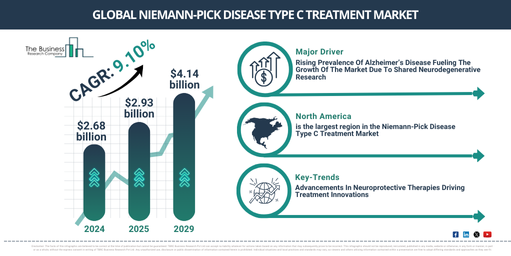
    The market for Niemann-Pick disease type C treatment has seen robust growth lately. Its market size is projected to rise from $2.68 billion in 2024 to $2.93 billion in 2025, marking a compound annual growth rate (CAGR) of 9.2%. The historic growth can be credited to an upscale in healthcare infrastructure, rising incidences of NPC1 and NPC2 gene mutations, a surge in Niemann-Pick disease cases, heightened government funding for research into rare disease treatments, and an increase in awareness and advocacy initiatives.

    How Much Will the Niemann-Pick Disease Type C Treatment Market Be Worth in 2029?

    In the upcoming years, the treatment market for Niemann-Pick disease type C is expected to witness substantial growth. The market is projected to expand to $4.14 billion in 2029, with a compound annual growth rate (CAGR) of 9.1%. The expansion in the forecast period may be due to escalating research and development efforts, increasing pipeline drugs, high incidence of rare illnesses, increased awareness of gene therapy, and advancements in genetic therapies. Key future trends encompass advancements in technology, the emergence of personalized medicine for lysosomal storage disorders, progress in genetic and molecular research, advancements in biotechnology, and the creation of innovative therapeutics.

    Download The Free Sample Report Here:

    https://www.thebusinessresearchcompany.com/sample.aspx?id=23458&type=smp

    Which is the Largest Company in the Niemann-Pick Disease Type C Treatment Market?

    Major companies operating in the niemann-pick disease type c treatment market are Merck & Co. Inc., Mayo Clinic, Boston Children’s Hospital, Cincinnati Children’s Hospital Medical Center, Mallinckrodt Pharmaceuticals, Myriad Genetics Inc., Rainbow Children’s Hospital, CENTOGENE N.V., The Florey Institute of Neuroscience and Mental Health, Insilico Medicine Inc., National Organization for Rare Disorders (NORD), Zevra Therapeutics Inc., Azafaros A.G., IntraBio Inc., National Niemann-Pick Disease Foundation (NNPDF), Bloomsbury Genetic Therapies Ltd., CTD Holdings Inc., Okklo Life Sciences, Vtesse Inc., Cyclo Therapeutics Inc., Mandos Health

    What Are the Main Market Drivers in the Niemann-Pick Disease Type C Treatment Industry?

    The escalation in Alzheimer’s disease cases is predicted to stimulate the expansion of the Niemann-Pick disease type C treatment market. Alzheimer’s disease, a progressive neurodegenerative disorder, is identified by the buildup of beta-amyloid plaques and tau protein tangles in the brain. This leads to a decline in cognition, memory loss, and difficulty in daily activity functioning, all of which ultimately result in severe dementia and neurodegeneration. The surge in Alzheimer’s disease is attributable to the globally aging population. With increased longevity, particularly noticeable in developed nations, the risk of age-centric diseases like Alzheimer’s drastically augments, with age being its most potent known risk factor. Treatment of Niemann-Pick disease type C (NPC) bolsters research into Alzheimer’s Disease by offering understanding into lysosomal storage disorders and dysfunction of lipid metabolism. For instance, the Alzheimer’s Society, a voluntary health organization based in the UK, stated in May 2024 that approximately 982,000 individuals in the UK were projected to be living with dementia in 2024. However, over a third remain undiagnosed, with the count expected to rise to 1.4 million by 2040. Consequently, the escalating prevalence of Alzheimer’s disease is boosting the expansion of the Niemann-Pick disease type C treatment market.

    Request For A Customized Report:

    https://www.thebusinessresearchcompany.com/customise?id=23458&type=smp

    How Is the Niemann-Pick Disease Type C Treatment Market Segments Structured?

    The niemann-pick disease type c treatment market covered in this report is segmented –

    1) By Disease Type: Niemann-Pick Diseases Type C1, Niemann-Pick Diseases Type C2

    2) By Age Group: Infantile, Juvenile, Adult

    3) By End-User: Hospitals, Specialty Clinics, Research And Academic Institutes

    Subsegments:

    1) By Niemann-Pick Disease Type C1: Pharmacological Treatment, Gene Therapy, Substrate Reduction Therapy, Supportive Care

    2) By Niemann-Pick Disease Type C2: Enzyme Replacement Therapy, Pharmacological Treatment, Gene Therapy, Supportive Care

    What Strategic Trends Are Transforming the Niemann-Pick Disease Type C Treatment Market?

    Leading corporations in the Niemann-pick disease type C (NPC) treatment market are channeling their efforts towards the creation of novel therapies such as neuroprotective treatments, with the goal of decelerating the progression of the disease and enhancing patient prognosis. Neuroprotective treatments aim to shield the brain and the nervous system from harm or decay, with a focus on maintaining neurological function in scenarios like neurodegenerative disorders. For example, in September 2024, US-based biopharmaceutical company IntraBio Inc. received approval from the United States Food and Drug Administration (FDA) for AQNEURSA (levacetylleucine), marking it as the first independent treatment for Niemann-Pick Disease Type C (NPC). This endorsement comes on the heels of encouraging results from a Phase III trial, with noticeable neurological benefits observed in NPC patients within a 12-week timeframe. AQNEURSA paves the way for a much-needed treatment alternative for those battling this uncommon lysosomal storage disorder, affecting mobility, cognition, and everyday functioning. IntraBio has future plans to investigate the applicability of AQNEURSA in dealing with other neurodegenerative and neurodevelopmental disorders.

    Access The Full Report Here:

    https://www.thebusinessresearchcompany.com/report/niemann-pick-disease-type-c-treatment-global-market-report

    Which Global Regions Offer the Highest Growth in the Niemann-Pick Disease Type C Treatment Market?

    North America was the largest region in the niemann-pick disease type C treatment market in 2024. Asia-Pacific is expected to be the fastest-growing region in the forecast period. The regions covered in the niemann-pick disease type c treatment market report are Asia-Pacific, Western Europe, Eastern Europe, North America, South America, Middle East, Africa.

    Purchase The Full Report Today:

    https://www.thebusinessresearchcompany.com/purchaseoptions.aspx?id=23458

    This Report Delivers Insight On:

    1. How big is the niemann-pick disease type c treatment market, and how is it changing globally?

    2. Who are the major companies in the niemann-pick disease type c treatment market, and how are they performing?

    3. What are the key opportunities and risks in the niemann-pick disease type c treatment market right now?

    4. Which products or customer segments are growing the most in the niemann-pick disease type c treatment market?

    5. What factors are helping or slowing down the growth of the niemann-pick disease type c treatment market?

    About The Business Research Company:

    With over 15000+ reports from 27 industries covering 60+ geographies, The Business Research Company has built a reputation for offering comprehensive, data-rich research and insights. Armed with 1,500,000 datasets, the optimistic contribution of in-depth secondary research, and unique insights from industry leaders, you can get the information you need to stay ahead in the game.

    Get in touch with us:

    The Business Research Company: https://www.thebusinessresearchcompany.com/

    Americas +1 310-496-7795

    Europe +44 7882 955267

    Asia & Others +44 7882 955267 & +91 8897263534

    Email us at info@tbrc.info

    Follow us on:

    LinkedIn: https://in.linkedin.com/company/the-business-research-company

    YouTube: https://www.youtube.com/channel/UC24_fI0rV8cR5DxlCpgmyFQ

    Global Market Model: https://www.thebusinessresearchcompany.com/global-market-model