Blog

  • Palmoplantar Pustulosis Market Outlook 2025 – Insights for Executive and Strategic Planning

    Palmoplantar Pustulosis Market Outlook 2025 – Insights for Executive and Strategic Planning

    Claim your 30% discount on Global Market Reports with code ONLINE30. Limited time only.

    How Has the Palmoplantar Pustulosis Market Grown from 2024 to 2025?

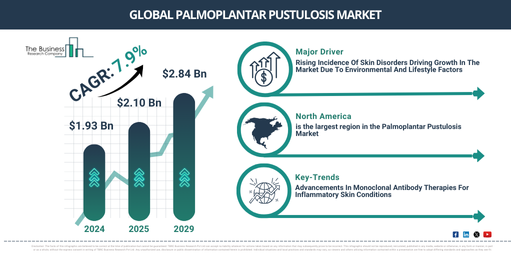
    In the past few years, the market size for palmoplantar pustulosis has experienced significant growth. Projections show its increase from $1.93 billion in 2024 to $2.10 billion in 2025, with a compound annual growth rate (CAGR) of 8.3%. The growth during the historic period can be linked to factors such as the escalating prevalence of autoimmune disorders, heightened awareness of rare skin conditions, an increase in healthcare spending, and the expanding adoption of telemedicine for dermatology.

    What Growth Rate Is Anticipated for the Palmoplantar Pustulosis Market in the Coming Years?

    In the upcoming years, the palmoplantar pustulosis market is projected to experience substantial growth, reaching $2.84 billion by 2029, with a compound annual growth rate (CAGR) of 7.9%. The anticipated expansion during this forecast period can be linked to the increased use of biologic therapies, escalating investments in dermatology research, a proliferating pipeline of innovative treatments, a surge in demand for personalized medicine, and a rising prevalence of chronic skin conditions. Progress in dermatology research, a shift towards biologics and immunomodulators, the application of artificial intelligence in dermatological diagnosis, the creation of advanced topical formulations, and the incorporation of machine learning in dermatological research are all key trends anticipated for this forecast period.

    Download The Free Sample Report Here:

    https://www.thebusinessresearchcompany.com/sample.aspx?id=22090&type=smp

    Who Are the Leading Companies in the Palmoplantar Pustulosis Market?

    Major companies operating in the palmoplantar pustulosis market are Pfizer Inc., AbbVie Inc., Sanofi S.A., Bristol-Myers Squibb Company, Novartis International AG, GlaxoSmithKline PLC (GSK), Amgen Inc., C.H. Boehringer Sohn AG & Co. KG, Bausch Health Companies Inc., Chugai Pharmaceutical Co. Ltd., Janssen Pharmaceuticals Inc., Kyowa Kirin Co. Ltd., Swedish Orphan Biovitrum AB (Sobi), Almirall S.A., MorphoSys AG, MoonLake Immunotherapeutics AG, Aristea Therapeutics Inc., AnaptysBio Inc., Taiho Pharmaceutical Co. Ltd., Kamari Pharma Ltd.

    What Are the Key Drivers of the Palmoplantar Pustulosis Market?

    The growth of the palmoplantar pustulosis market is expected to accelerate due to the rising prevalence of skin disorders. These disorders, impacting the structure, function, or look of the skin, are increasingly common due to environmental shifts, lifestyle practices, and genetic factors. Environmental conditions such as air contamination, severe weather patterns, and interaction with harmful substances can provoke skin irritation, resulting in issues like eczema or acne. Palmoplantar pustulosis is a long-running skin disease that significantly impacts the skin on the hand palms and foot soles, causing pustules, inflammation, and flaking, which can be managed with various therapies to enhance skin wellness and relieve distress. For example, the International Eczema Council, a US-based entity, reported in 2022 that approximately 223 million individuals suffered from atopic dermatitis, with 43 million of them aged between 1 and 4. Consequently, the escalating prevalence of skin disorders fuels the growth of the palmoplantar pustulosis market.

    Request For A Customized Report:

    https://www.thebusinessresearchcompany.com/customise?id=22090&type=smp

    What Are the Key Market Segments in the Palmoplantar Pustulosis Industry?

    The palmoplantar pustulosis market covered in this report is segmented –

    1) By Treatment Type: Topical Treatments, Systemic Treatments, Biologics, Phototherapy

    2) By Application: Hospitals, Dermatology Clinics, Homecare Settings

    3) By Distribution Channel: Online Pharmacies, Retail Pharmacies, Hospitals

    Subsegments:

    1) By Topical Treatments: Corticosteroids, Vitamin D Analogues, Calcineurin Inhibitors, Keratolytics

    2) By Systemic Treatments: Retinoids, Immunosuppressants, Phosphodiesterase-4 (PDE4) Inhibitors, Corticosteroids

    3) By Biologics: Tumor Necrosis Factor (TNF) Inhibitors, Interleukin-17 (IL-17) Inhibitors, Interleukin-23 (IL-23) Inhibitors, Interleukin-12/23 (IL-12/23) Inhibitors

    4) By Phototherapy: Narrowband UVB Therapy (NB-UVB), Psoralen plus Ultraviolet A (PUVA) Therapy, Excimer Laser Therapy, Targeted Phototherapy

    What Are the Latest Trends in the Palmoplantar Pustulosis Market?

    Key players in the palmoplantar pustulosis market are concentrating their efforts on the creation of innovative treatments, such as monoclonal antibodies that specifically target inflammation pathways, to enhance the health results of patients. Monoclonal antibodies (mAb) are identical antibodies created by a solitary clone of B cells that focus on a particular antigen for therapeutic or identifying purposes. For example, in August 2023, Japanese pharmaceutical firm Kyowa Kirin Co., Ltd., gained restrictive modification approval for LUMICEF for treating palmoplantar pustulosis in Japan. LUMICEF is a specific treatment designed to obstruct IL-17, providing immediate and prolonged relief from inflammatory disorders such as psoriasis and palmoplantar pustulosis. The primary goal of this therapy is to decrease inflammation and boost the life quality of patients affected by these persistent diseases.

    Access The Full Report Here:

    https://www.thebusinessresearchcompany.com/report/palmoplantar-pustulosis-global-market-report

    What Are the Key Regional Markets in the Palmoplantar Pustulosis Industry?

    North America was the largest region in the palmoplantar pustulosis market in 2024. The regions covered in the palmoplantar pustulosis market report are Asia-Pacific, Western Europe, Eastern Europe, North America, South America, Middle East, Africa.

    Purchase The Full Report Today:

    https://www.thebusinessresearchcompany.com/purchaseoptions.aspx?id=22090

    This Report Delivers Insight On:

    1. How big is the palmoplantar pustulosis market, and how is it changing globally?

    2. Who are the major companies in the palmoplantar pustulosis market, and how are they performing?

    3. What are the key opportunities and risks in the palmoplantar pustulosis market right now?

    4. Which products or customer segments are growing the most in the palmoplantar pustulosis market?

    5. What factors are helping or slowing down the growth of the palmoplantar pustulosis market?

    About The Business Research Company:

    With over 15000+ reports from 27 industries covering 60+ geographies, The Business Research Company has built a reputation for offering comprehensive, data-rich research and insights. Armed with 1,500,000 datasets, the optimistic contribution of in-depth secondary research, and unique insights from industry leaders, you can get the information you need to stay ahead in the game.

    Get in touch with us:

    The Business Research Company: https://www.thebusinessresearchcompany.com/

    Americas +1 310-496-7795

    Europe +44 7882 955267

    Asia & Others +44 7882 955267 & +91 8897263534

    Email us at info@tbrc.info

    Follow us on:

    LinkedIn: https://in.linkedin.com/company/the-business-research-company

    YouTube: https://www.youtube.com/channel/UC24_fI0rV8cR5DxlCpgmyFQ

    Global Market Model: https://www.thebusinessresearchcompany.com/global-market-model
  • Poly(ADP-Ribose) Polymerase (PARP) Inhibitors Industry Valued at $2.51 Billion by 2029 With CAGR of 6% | Size and Share Insights

    Claim your 30% discount on Global Market Reports with code ONLINE30. Limited time only.

    What Is the Forecast for the Poly(ADP-Ribose) Polymerase (PARP) Inhibitors Market from 2024 to 2025?

    Over the past few years, the market size for poly(ADP-ribose) polymerase (PARP) inhibitors has been expanding swiftly. This market, from its $6.53 billion size in 2024, is projected to develop to $7.56 billion in 2025, with a compound annual growth rate (CAGR) of 15.7%. Factors contributing to the growth in this historic period include higher instances of cancer, a surge in genetic testing, increased success rates in clinical trials, expanded insurance coverage, and advancements in cancer research.

    What Is the Projected Market Size of the Poly(ADP-Ribose) Polymerase (PARP) Inhibitors Market?

    The market size of poly(ADP-ribose) polymerase (PARP) inhibitors is projected to experience a rapid surge in the coming years, reaching $13.45 billion by 2029 with a compound annual growth rate (CAGR) of 15.5%. The anticipated growth can be linked to several factors such as the escalated manufacturing and supply of drugs, increased incidence of BRCA-mutated cancers, growing cases of breast cancer, expanding use of monoclonal antibodies, and amplified healthcare spending. Key trends expected to emerge during the forecast period are progress in biomarker research, application of combination therapies, incorporation of artificial intelligence in drug discovery, advancements in biomarker-triggered therapy, and the creation of next-generation PARP inhibitors.

    Download The Free Sample Report Here:

    https://www.thebusinessresearchcompany.com/sample.aspx?id=22102&type=smp

    Who are the Major Competitors in the Poly(ADP-Ribose) Polymerase (PARP) Inhibitors Market Outlook?

    Major companies operating in the poly(ADP-ribose) polymerase (PARP) inhibitors market are Pfizer Inc., Johnson & Johnson Services Inc., AbbVie Inc., Merck & Co. Inc., Bayer AG, AstraZeneca plc, Bristol-Myers Squibb Company, GSK plc, Takeda Pharmaceutical Company Limited, Boehringer Ingelheim, Vertex Pharmaceuticals Inc., Jiangsu Hengrui Pharmaceuticals Co. Ltd., BeiGene LTD, Karyopharm Therapeutics Inc., Clovis Oncology Inc., Repare Therapeutics Inc., Ribon Therapeutics, Artios Pharma, IMPACT Therapeutics Inc., BiPar Sciences Inc., Allarity Therapeutics Inc.

    What Is Fueling Growth in the Poly(ADP-Ribose) Polymerase (PARP) Inhibitors Market?

    The increased frequency of breast cancer is anticipated to drive the expansion of the poly(ADP-ribose) polymerase (PARP) inhibitors market. Breast cancer is a condition characterized by unrestricted cell growth in the breast, creating a malignant tumor that can metastasize to other bodily regions. The escalation in breast cancer cases is linked to factors such as aging populations, lifestyle modifications, genetic susceptibility, hormonal imbalances, obesity, alcohol intake, and heightened exposure to environmental hazards. PARP inhibitors assist breast cancer patients by impeding the repair of DNA damage in the cancer cells by the PARP enzyme, causing cell death, especially in tumors with BRCA1 or BRCA2 mutations. For example, the National Breast Cancer Foundation, a US-based entity, stated in January 2025 that one in every eight women in the USA will be diagnosed with breast cancer at some point in her life. In 2024, 310,720 women and 2,800 men received a diagnosis of invasive breast cancer. Consequently, the increasing incidence of breast cancer is spurring the growth of the poly(ADP-ribose) polymerase (PARP) inhibitors market.

    Request For A Customized Report:

    https://www.thebusinessresearchcompany.com/customise?id=22102&type=smp

    Which Poly(ADP-Ribose) Polymerase (PARP) Inhibitors Market Segments Are Growing the Fastest?

    The poly(ADP-ribose) polymerase (PARP) inhibitors market covered in this report is segmented –

    1) By Type: Olaparib, Rucaparib, Niraparib, Talazoparib, Other Types

    2) By Indication: Ovarian Cancer, Breast Cancer, Prostate Cancer, Pancreatic Cancer

    3) By Distribution Channel: Hospital Pharmacies, Retail Pharmacies, Online Pharmacies

    4) By End-User: Hospitals, Specialty Clinics, Research Institutions, Other End-Users

    Subsegments:

    1) By Olaparib: BRCA-Mutated Cancers, HRD-Positive Cancers, Maintenance Therapy

    2) By Rucaparib: Ovarian Cancer, Prostate Cancer, Pancreatic Cancer

    3) By Niraparib: First-Line Treatment, Recurrent Cancer Treatment, Late-Stage Cancer

    4) By Talazoparib: Breast Cancer, Germline BRCA-Mutated Tumors, Neoadjuvant Or Adjuvant Therapy

    5) By Other Types: Emerging PARP Inhibitors, Investigational Therapies, Novel Combinations

    Which Industry Trends Are Shaping the Future of the Poly(ADP-Ribose) Polymerase (PARP) Inhibitors Market?

    Leading businesses in the poly(ADP-ribose) polymerase (PARP) inhibitors market are concentrating on advancing treatments for cancer, such as anticancer medications targeted at specific genetic mutations in certain types of cancer. These drugs, aimed at cancer treatment, work by hampering the proliferation of cancer cells, curbing their spread, or annihilating them. The drugs achieve this via different methods, such as interrupting cellular division, targeting specific proteins crucial for tumor development, or invigorating the immune system to counteract cancer. For example, Zydus Lifesciences Limited, based in India, introduced IBYRA, a generic form of the Parp inhibitor olaparib, in India in March 2024. This medication offers an economical and precise treatment option for those suffering from HRD-positive and BRCA-positive cancers, substantially lowering treatment expenses compared to the original drug.

    Access The Full Report Here:

    https://www.thebusinessresearchcompany.com/report/polyadp-ribose-polymerase-parp-inhibitors-global-market-report

    Which Countries Are Leading the Poly(ADP-Ribose) Polymerase (PARP) Inhibitors Market?

    North America was the largest region in the poly(ADP-ribose) polymerase (PARP) inhibitors market in 2024. Asia-Pacific is expected to be the fastest-growing region in the forecast period. The regions covered in the poly(ADP-ribose) polymerase (PARP) inhibitors market report are Asia-Pacific, Western Europe, Eastern Europe, North America, South America, Middle East, Africa.

    Purchase The Full Report Today:

    https://www.thebusinessresearchcompany.com/purchaseoptions.aspx?id=22102

    This Report Delivers Insight On:

    1. How big is the poly(adp-ribose) polymerase (parp) inhibitors market, and how is it changing globally?

    2. Who are the major companies in the poly(adp-ribose) polymerase (parp) inhibitors market, and how are they performing?

    3. What are the key opportunities and risks in the poly(adp-ribose) polymerase (parp) inhibitors market right now?

    4. Which products or customer segments are growing the most in the poly(adp-ribose) polymerase (parp) inhibitors market?

    5. What factors are helping or slowing down the growth of the poly(adp-ribose) polymerase (parp) inhibitors market?

    About The Business Research Company:

    With over 15000+ reports from 27 industries covering 60+ geographies, The Business Research Company has built a reputation for offering comprehensive, data-rich research and insights. Armed with 1,500,000 datasets, the optimistic contribution of in-depth secondary research, and unique insights from industry leaders, you can get the information you need to stay ahead in the game.

    Get in touch with us:

    The Business Research Company: https://www.thebusinessresearchcompany.com/

    Americas +1 310-496-7795

    Europe +44 7882 955267

    Asia & Others +44 7882 955267 & +91 8897263534

    Email us at info@tbrc.info

    Follow us on:

    LinkedIn: https://in.linkedin.com/company/the-business-research-company

    YouTube: https://www.youtube.com/channel/UC24_fI0rV8cR5DxlCpgmyFQ

    Global Market Model: https://www.thebusinessresearchcompany.com/global-market-model

  • Ornithine Transcarbamylase Deficiency (OTC Deficiency) Industry Valued at $1.16 Billion by 2029 With CAGR of 6.8% | Size and Share Insights

    Ornithine Transcarbamylase Deficiency (OTC Deficiency) Industry Valued at $1.16 Billion by 2029 With CAGR of 6.8% | Size and Share Insights

    Claim your 30% discount on Global Market Reports with code ONLINE30. Limited time only.

    What Is the Forecast for the Ornithine Transcarbamylase Deficiency (OTC Deficiency) Market from 2024 to 2025?

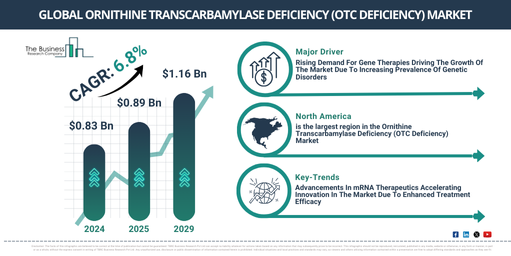
    The OTC deficiency market size has seen robust growth over the past few years. It is predicted to expand from $0.83 billion in 2024 to $0.89 billion in 2025, signaling a Compound Annual Growth Rate (CAGR) of 7.1%. Factors leading to remarkable growth in the historical period include heightened awareness of uncommon metabolic disorders, advancements in genetic screening and diagnostic methods, enhanced neonatal screening programs, the rise in genetic testing for rare diseases, and improvements in neonatal screening procedures.

    What Is the Projected Market Size of the Ornithine Transcarbamylase Deficiency (OTC Deficiency) Market?

    The market size for ornithine transcarbamylase deficiency (OTC deficiency) is anticipated to experience robust expansion in the upcoming years, reaching $1.16 billion by 2029 with a Compound Annual Growth Rate (CAGR) of 6.8%. The predicted growth during the forecast period is ascribed to the expanding awareness and detection, an escalating incidence of urea cycle disorders, increasing emphasis on rare disease treatments, augmented research and clinical trials, and enhanced access to treatments for patients. Noteworthy trends during the forecast period encompass advancements in the field of genetic therapies and gene-editing methodologies, the development of enzyme replacement therapies, collective research efforts and partnerships, technological progress in diagnostic instruments, and government investments and incentives for orphan drugs.

    Download The Free Sample Report Here:

    https://www.thebusinessresearchcompany.com/sample.aspx?id=22084&type=smp

    Who are the Major Competitors in the Ornithine Transcarbamylase Deficiency (OTC Deficiency) Market Outlook?

    Major companies operating in the ornithine transcarbamylase deficiency (OTC deficiency) market are Thermo Fisher Scientific, Novartis AG, GlaxoSmithKline plc, Roche Holding AG, Eli Lilly and Company, Amgen Inc., Merck & Co. Inc, Biogen Idec, Bausch Health Companies Inc, Alexion Pharmaceuticals, Sobi, BioMarin Pharmaceutical Inc, Glenmark Pharmaceuticals Ltd., Nutricia, Vertex Pharmaceuticals Incorporated, Ultragenyx Pharmaceutical Inc, Arcturus Therapeutics, Regenxbio, OrphanPacific Inc, Ucyclyd Pharma Inc.

    What Is Fueling Growth in the Ornithine Transcarbamylase Deficiency (OTC Deficiency) Market?

    The anticipated expansion of the ornithine transcarbamylase deficiency market is largely attributed to the increasing need for gene therapies. Gene therapy involves modifying or changing an individual’s genetic material as a means to cure or hinder diseases. The surging interest in gene therapies is largely due to the growing occurrence of genetic disorders. These disorders often have scarce treatment options, making gene therapy an expected solution as it directly targets the primary issue instead of simply managing the symptoms. Gene therapies are particularly promising for disorders like ornithine transcarbamylase deficiency where a gene mutation disrupts the urea cycle. By correcting this mutation, gene therapy offers a specific solution to restore metabolic functionality and prevent the harmful buildup of ammonia. Notably, the American Society of Gene & Cell Therapy reported in January 2024 that the number of gene therapies in Phase III had grown by 10% in Q4 2023. This was the first increase since Q3 2022, indicating the escalating demand for gene therapies is fueling the growth of the ornithine transcarbamylase deficiency market.

    Request For A Customized Report:

    https://www.thebusinessresearchcompany.com/customise?id=22084&type=smp

    Which Ornithine Transcarbamylase Deficiency (OTC Deficiency) Market Segments Are Growing the Fastest?

    The ornithine transcarbamylase deficiency (OTC deficiency) market covered in this report is segmented –

    1) By Product Type: DTX-301, SEL-313, SHP-641, PRX-OTC

    2) By Treatment Type: Gene Therapy, Liver Transplant, Dietary Management, Other Treatement Type

    3) By Diagnosis: Genetic Testing, Ammonia Level Testing

    4) By End-User: Hospitals, Specialty Clinics, Research Institutes, Other End Users

    Subsegmentss:

    1) By DTX-301: Adeno-Associated Virus (AAV)-Based Gene Therapy, Intravenous Dosing Formulation

    2) By SEL-313: Immune Tolerance-Inducing Therapy, Enzyme Replacement Therapy (ERT) Combination

    3) By SHP-641: Small Molecule Therapy, mRNA-Based Therapeutic Approach

    4) By PRX-OTC: Recombinant Enzyme Replacement Therapy, Protein Engineering-Based Therapy

    Which Industry Trends Are Shaping the Future of the Ornithine Transcarbamylase Deficiency (OTC Deficiency) Market?

    The key players engaged in the ornithine transcarbamylase deficiency (OTC Deficiency) market are actively working on the creation of groundbreaking treatments like mRNA therapeutics to increase the quality of treatment and tackle the genetic root of OTC deficiency. Therapies that utilize messenger RNA (mRNA) are known as mRNA therapeutics, they function by directing cells to generate specific proteins for medicinal purposes. These cutting-edge therapies take advantage of the body’s innate protein synthesis system to address diseases including genetic conditions, infectious diseases, and even cancers. For instance, Arcturus Therapeutics Holdings Inc., a biotechnology firm based in the U.S, was granted Fast Track Designation by the U.S. Food and Drug Administration (FDA) in June 2023 for their mRNA therapeutic prospect, ARCT-810, aimed at OTC deficiency. This designation seeks to hurry up the development and evaluation process of the drug, with possible advantages such as increased interaction with the FDA and prioritized review. The goal of ARCT-810 is to help OTC deficiency patients, individuals who suffer from a urea cycle disorder, to generate functional OTC enzyme in their hepatic cells, addressing the fundamental cause of the ailment and potentially enhancing their life quality.

    Access The Full Report Here:

    https://www.thebusinessresearchcompany.com/report/ornithine-transcarbamylase-deficiency-otc-deficiency-global-market-report

    Which Countries Are Leading the Ornithine Transcarbamylase Deficiency (OTC Deficiency) Market?

    North America was the largest region in the ornithine transcarbamylase deficiency (OTC Deficiency) market in 2024. Asia-Pacific is expected to be the fastest-growing region in the forecast period. The regions covered in the ornithine transcarbamylase deficiency (OTC deficiency) market report are Asia-Pacific, Western Europe, Eastern Europe, North America, South America, Middle East, Africa.

    Purchase The Full Report Today:

    https://www.thebusinessresearchcompany.com/purchaseoptions.aspx?id=22084

    This Report Delivers Insight On:

    1. How big is the ornithine transcarbamylase deficiency (otc deficiency) market, and how is it changing globally?

    2. Who are the major companies in the ornithine transcarbamylase deficiency (otc deficiency) market, and how are they performing?

    3. What are the key opportunities and risks in the ornithine transcarbamylase deficiency (otc deficiency) market right now?

    4. Which products or customer segments are growing the most in the ornithine transcarbamylase deficiency (otc deficiency) market?

    5. What factors are helping or slowing down the growth of the ornithine transcarbamylase deficiency (otc deficiency) market?

    About The Business Research Company:

    With over 15000+ reports from 27 industries covering 60+ geographies, The Business Research Company has built a reputation for offering comprehensive, data-rich research and insights. Armed with 1,500,000 datasets, the optimistic contribution of in-depth secondary research, and unique insights from industry leaders, you can get the information you need to stay ahead in the game.

    Get in touch with us:

    The Business Research Company: https://www.thebusinessresearchcompany.com/

    Americas +1 310-496-7795

    Europe +44 7882 955267

    Asia & Others +44 7882 955267 & +91 8897263534

    Email us at info@tbrc.info

    Follow us on:

    LinkedIn: https://in.linkedin.com/company/the-business-research-company

    YouTube: https://www.youtube.com/channel/UC24_fI0rV8cR5DxlCpgmyFQ

    Global Market Model: https://www.thebusinessresearchcompany.com/global-market-model

  • Pleural Diseases Market to Reach $6.93 Billion by 2029 | Key Drivers and Future Outlook

    Pleural Diseases Market to Reach $6.93 Billion by 2029 | Key Drivers and Future Outlook

    Claim your 30% discount on Global Market Reports with code ONLINE30. Limited time only.

    What Is the Growth Rate of the Pleural Diseases Market?

    In recent years, the market size of pleural diseases has significantly expanded. Projected growth is expected to continue from $4.86 billion in 2024 to $5.23 billion in 2025, exhibiting a compound annual growth rate (CAGR) of 7.6%. This expansion in the historical period is a result of an increasing prevalence of pleural effusion, heightening awareness of pleural diseases, a growing emphasis on early detection, an increase in healthcare facilities, and a rise in clinical trials for pleural diseases.

    What Growth Rate Is Forecasted for the Pleural Diseases Market by 2029?

    The market for pleural diseases is anticipated to witness robust expansion in the upcoming years, expecting to reach $6.94 billion by 2029, growing at a compound annual growth rate (CAGR) of 7.3%. The growth during the forecast period can be credited to an increase in pleural diseases prevalence, an escalating elderly population, a surge in occupational risks, a rising number of clinical investigations, and a mounting number of diagnostic centers. Significant trends to watch during this period include progress in diagnostic methodologies, enhancement in diagnostic tools, the uptake of minimally invasive procedures, refined drug development, and the implementation of telemedicine.

    Download The Free Sample Report Here:

    https://www.thebusinessresearchcompany.com/sample.aspx?id=22099&type=smp

    Which Key Companies Are Shaping the Future of the Pleural Diseases Market?

    Major companies operating in the pleural diseases market are Pfizer Inc., Merck & Co. Inc., Bristol Myers Squibb Company, GSK plc, Astrazeneca plc, Koninklijke Philips N.V., Becton Dickinson and Company, Boehringer Ingelheim International GmbH, Sanofi SA, Penn Medicine, Henry Ford Health, Dragerwerk AG, Emory Healthcare, Boston Medical Center, Cook Medical, WakeMed, Weill Cornell Medicine, Fox Chase Cancer Center, B. Braun SE, Bicakcilar, Redax S.p.a, Rocket Medical

    Which Factors Are Driving Demand in the Pleural Diseases Industry?

    The growth of the pleural diseases market is anticipated to be fueled by the escalating occurrence of infectious diseases. These diseases are provoked by harmful microorganisms such as fungi, parasites, bacteria, or viruses. Global travel advancements and changes in human behavior and environment contribute to the rising incidence of these diseases. Bacterial pneumonia, viral infections, and tuberculosis are examples of infectious diseases that instigate pleural disease through infection, inflammation, or the build-up of fluid in the pleural cavity. As per statistics from the National Library of Medicine, a US-based research and medical information library, in January 2023, infectious diseases were responsible for over 52 million deaths annually, endangering half of the world’s population. Additionally, about 14 million children under five years old lose their lives each year, with preventative diseases via vaccination accounting for 70% of this figure. Therefore, the spike in infectious diseases occurrence is fueling the expansion of the pleural diseases market.

    Request For A Customized Report:

    https://www.thebusinessresearchcompany.com/customise?id=22099&type=smp

    How Is the Pleural Diseases Market Segmented by Several Divisions?

    The pleural diseases market covered in this report is segmented –

    1) By Disease Type: Pleurisy, Pleural Effusion, Pneumothelioma, Mesothelioma, Other Disease Types

    2) By Treatment Modalities: Medications, Thoracentesis And Pleurodesis, Minimally Invasive Interventions, Surgical Interventions

    3) By Diagnostic Tools: Imaging Techniques, Molecular Diagnostics, Thoracoscopy, Pleuroscopy

    4) By End User: Hospitals And Clinics, Diagnostic Centers, Research And Academic Institutions

    Subsegments:

    1) By Pleurisy: Acute Pleurisy, Chronic Pleurisy, Infectious Pleurisy, Non-infectious Pleurisy

    2) By Pleural Effusion: Transudative Pleural Effusion, Exudative Pleural Effusion, Malignant Pleural Effusion, Parapneumonic Pleural Effusion, Hemothorax, Chylothorax

    3) By Pneumothelioma: Primary Pneumothelioma, Secondary Pneumothelioma (Metastatic), Localized Pneumothelioma, Diffuse Pneumothelioma

    4) By Mesothelioma: Pleural Mesothelioma, Peritoneal Mesothelioma, Pericardial Mesothelioma, Testicular Mesothelioma

    5) Other Disease Types: Pulmonary Embolism, Fibrothorax, Pneumothorax, Lung Cancer, Tuberculosis-Related Pleural Disease, Sarcoidosis

    What are the Emerging Market Trends Driving the Growth of the Pleural Diseases Industry?

    Leading businesses in the field of pleural diseases are concentrating on pioneering new treatment choices. These include the development of ready-to-use injections aimed at enhancing comfort, shortening preparation time, and lowering the risk of dosage errors. These ready-to-use injections are pre-mixed, pre-diluted medications that do not need any reconstitution or mixing prior to administration, offering accuracy, convenience, and a shorter preparation process. For example, Amneal Pharmaceuticals, a pharmaceutical firm based in the United States, launched PEMRYDI RTU in April 2024. This was the first ready-to-use offering of pemetrexed for injection. This product benefits individuals suffering from pleural diseases by delivering a user-friendly, ready-to-use treatment. It does away with the necessity for reconstitution or dilution, shortens the preparation time, reduces the chance of dosage errors, and enhances the accessibility of effective treatments for conditions such as malignant pleural mesothelioma.

    Access The Full Report Here:

    https://www.thebusinessresearchcompany.com/report/pleural-diseases-global-market-report

    Which Regions Are Driving Growth in the Pleural Diseases Market?

    North America was the largest region in the pleural diseases market in 2024. Asia-Pacific is expected to be the fastest-growing region in the forecast period. The regions covered in the pleural diseases market report are Asia-Pacific, Western Europe, Eastern Europe, North America, South America, Middle East, Africa.

    Purchase The Full Report Today:

    https://www.thebusinessresearchcompany.com/purchaseoptions.aspx?id=22099

    This Report Delivers Insight On:

    1. How big is the pleural diseases market, and how is it changing globally?

    2. Who are the major companies in the pleural diseases market, and how are they performing?

    3. What are the key opportunities and risks in the pleural diseases market right now?

    4. Which products or customer segments are growing the most in the pleural diseases market?

    5. What factors are helping or slowing down the growth of the pleural diseases market?

    About The Business Research Company:

    With over 15000+ reports from 27 industries covering 60+ geographies, The Business Research Company has built a reputation for offering comprehensive, data-rich research and insights. Armed with 1,500,000 datasets, the optimistic contribution of in-depth secondary research, and unique insights from industry leaders, you can get the information you need to stay ahead in the game.

    Get in touch with us:

    The Business Research Company: https://www.thebusinessresearchcompany.com/

    Americas +1 310-496-7795

    Europe +44 7882 955267

    Asia & Others +44 7882 955267 & +91 8897263534

    Email us at info@tbrc.info

    Follow us on:

    LinkedIn: https://in.linkedin.com/company/the-business-research-company

    YouTube: https://www.youtube.com/channel/UC24_fI0rV8cR5DxlCpgmyFQ

    Global Market Model: https://www.thebusinessresearchcompany.com/global-market-model
  • Neuromyelitis Optica Spectrum Disorder Industry Insights 2025 – Market Forecast for Executives and Planners

    Neuromyelitis Optica Spectrum Disorder Industry Insights 2025 – Market Forecast for Executives and Planners

    Claim your 30% discount on Global Market Reports with code ONLINE30. Limited time only.

    How Has the Neuromyelitis Optica Spectrum Disorder Market Size Changed, over the years?

    In recent times, the market size for neuromyelitis optica spectrum disorder has experienced robust growth. It is projected to expand from a value of $2.35 billion in 2024 to about $2.55 billion in 2025, attaining a compound annual growth rate (CAGR) of 8.7%. This significant growth during the historical period is attributable to factors such as the increased prevalence of Neuromyelitis Optica Spectrum Disorder (NMOSD), greater awareness and earlier diagnosis, an increase in therapeutic alternatives and FDA sanctions, a surge in research and development initiatives, as well as the increase in clinical trials exploring new treatments.

    How Much Will the Neuromyelitis Optica Spectrum Disorder Market Be Worth in 2029?

    Substantial expansion is anticipated in the neuromyelitis optica spectrum disorder market size over the next couple of years. It will escalate to $3.52 billion by 2029, reflecting an 8.4% compound annual growth rate (CAGR). Factors such as growing awareness and early detection, increased spending on healthcare, heightened investment in R&D, rising incidence of autoimmune diseases, a surge in clinical trials for NMOSD treatments, and burgeoning demand for personalized medicine contribute to this growth during the forecast period. The emerging trends projected for this period comprise advancements in precision medicine, collaborations and partnerships, technological breakthroughs, application of AI and big data in research, and a transition towards home-based care.

    Download The Free Sample Report Here:

    https://www.thebusinessresearchcompany.com/sample.aspx?id=22072&type=smp

    Which is the Largest Company in the Neuromyelitis Optica Spectrum Disorder Market?

    Major companies operating in the neuromyelitis optica spectrum disorder market are F. Hoffmann-La Roche Ltd., AstraZeneca, Merck KGaA, Laboratory Corporation of America Holding, Chugai Pharmaceutical Co. Ltd., Mayo Foundation for Medical Education and Research, Penn Medicine, Genentech Inc., Oregon Health & Science University, Arup Laboratories, Argenx SE, TG Therapeutics Inc., RemeGen Co. Ltd., Metropolis Healthcare, IASO Biotherapeutics, Harbour BioMed, Rush University Medical Center, Bio-Thera Solutions Ltd., Mitsubishi Tanabe Pharma Corporation, Viela Bio, Opexa Therapeutics

    What Are the Main Market Drivers in the Neuromyelitis Optica Spectrum Disorder Industry?

    The growth of the neuromyelitis optica spectrum disorder market is anticipated to accelerate due to the escalating incidence of multiple sclerosis. Multiple sclerosis, a chronic autoimmune disorder, impacts the central nervous system by inducing inflammation, contributing to nerve damage and spawning neurological symptoms. This escalating incidence can be linked to enhanced diagnostic methods, impact from the environment, and genetic predisposition. Medical imaging advancements, such as MRI, have facilitated earlier and more precise diagnoses, thus, raising the detected number of cases. With an increase in MS diagnosis, there is an amplified awareness of neurological autoimmune disorders. This leads to the refinement of diagnostic techniques and elevated identification of neuromyelitis optica spectrum disorder. For example, the Multiple Sclerosis Trust, a national charity based in the UK, noted in May 2024 that the UK records about 7,100 fresh cases of multiple sclerosis every year and around 135 individuals receive an MS diagnosis each week. Thus, the escalating incidence of multiple sclerosis is propelling the growth of the neuromyelitis optica spectrum disorder market.

    Request For A Customized Report:

    https://www.thebusinessresearchcompany.com/customise?id=22072&type=smp

    How Is the Neuromyelitis Optica Spectrum Disorder Market Segments Structured?

    The neuromyelitis optica spectrum disorder market covered in this report is segmented –

    1) By Type: Neuromyelitis Optica Spectrum Disorder With Aquaporin-4 Antibodies, Neuromyelitis Optica Spectrum Disorder Without Aquaporin-4 Antibodies

    2) By Diagnosis: Imaging Tests, Magnetic Resonance Imaging (MRI), Blood Tests, Others Diagnosis

    3) By Treatment Type: C5 Protein Inhibitor, Monoclonal Antibodies, Plasma Exchange Therapy, Corticosteroids, Immunoglobulin Therapy, Medication, Other Treatment Types

    4) By Distribution Channel: Hospital Pharmacy, Retail Pharmacy, Online Pharmacy

    5) By End-User: Hospitals, Specialty Clinics, Homecare, Other End-Users

    Subsegments:

    1) By Neuromyelitis Optica Spectrum Disorder (NMOSD) With Aquaporin-4 (AQP4) Antibodies: Relapsing NMOSD with AQP4-IgG, Monophasic NMOSD with AQP4-IgG, Severe Optic Neuritis with AQP4-IgG, Longitudinally Extensive Transverse Myelitis (LETM) with AQP4-IgG

    2) By Neuromyelitis Optica Spectrum Disorder (NMOSD) Without Aquaporin-4 (AQP4) Antibodies: NMOSD with Myelin Oligodendrocyte Glycoprotein (MOG) Antibodies (MOG-IgG), Seronegative NMOSD, Idiopathic NMOSD Cases, NMOSD Associated With Other Autoimmune Disorders

    What Strategic Trends Are Transforming the Neuromyelitis Optica Spectrum Disorder Market?

    Key players in the neuromyelitis optica spectrum disorder market are prioritizing the creation of novel products such as long-acting complement inhibitors. These innovative treatments aim to increase the efficiency of treatment and enhance patient outcomes by offering extended suppression of the complement system to prevent inflammation and nerve damage in NMOSD. They also aid in reducing relapse episodes and maintaining long-term disease management. For example, in March 2024, Alexion Pharmaceuticals, a company based in the US, and AstraZeneca, a UK-based firm, received authorization for ULTOMIRIS (ravulizumab-cwvz), a treatment for adults Neuromyelitis Optica Spectrum Disorder (NMOSD) with anti-aquaporin-4 (AQP4) antibody positivity. This sanction represents a significant milestone, positioning Ultomiris as the single long-acting C5 complement inhibitor approved for treating NMOSD. This approval was granted following the successful Phase III CHAMPION-NMOSD trial where Ultomiris indicated a 98.6% decrease in relapse risk over a span of 73 weeks, compared to placebo. The trial reported zero relapses and no new safety issues were discovered.

    Access The Full Report Here:

    https://www.thebusinessresearchcompany.com/report/neuromyelitis-optica-spectrum-disorder-global-market-report

    Which Global Regions Offer the Highest Growth in the Neuromyelitis Optica Spectrum Disorder Market?

    North America was the largest region in the neuromyelitis optica spectrum disorder market in 2024. Asia-Pacific is expected to be the fastest-growing region in the forecast period. The regions covered in the neuromyelitis optica spectrum disorder market report are Asia-Pacific, Western Europe, Eastern Europe, North America, South America, Middle East, Africa.

    Purchase The Full Report Today:

    https://www.thebusinessresearchcompany.com/purchaseoptions.aspx?id=22072

    This Report Delivers Insight On:

    1. How big is the neuromyelitis optica spectrum disorder market, and how is it changing globally?

    2. Who are the major companies in the neuromyelitis optica spectrum disorder market, and how are they performing?

    3. What are the key opportunities and risks in the neuromyelitis optica spectrum disorder market right now?

    4. Which products or customer segments are growing the most in the neuromyelitis optica spectrum disorder market?

    5. What factors are helping or slowing down the growth of the neuromyelitis optica spectrum disorder market?

    About The Business Research Company:

    With over 15000+ reports from 27 industries covering 60+ geographies, The Business Research Company has built a reputation for offering comprehensive, data-rich research and insights. Armed with 1,500,000 datasets, the optimistic contribution of in-depth secondary research, and unique insights from industry leaders, you can get the information you need to stay ahead in the game.

    Get in touch with us:

    The Business Research Company: https://www.thebusinessresearchcompany.com/

    Americas +1 310-496-7795

    Europe +44 7882 955267

    Asia & Others +44 7882 955267 & +91 8897263534

    Email us at info@tbrc.info

    Follow us on:

    LinkedIn: https://in.linkedin.com/company/the-business-research-company

    YouTube: https://www.youtube.com/channel/UC24_fI0rV8cR5DxlCpgmyFQ

    Global Market Model: https://www.thebusinessresearchcompany.com/global-market-model
  • Physiotherapy Equipment Market Size to Exceed $27.87 Billion by 2029 | Growth and Industry Trends

    Physiotherapy Equipment Market Size to Exceed $27.87 Billion by 2029 | Growth and Industry Trends

    Claim your 30% discount on Global Market Reports with code ONLINE30. Limited time only.

    How Has the Physiotherapy Equipment Market Grown from 2024 to 2025?

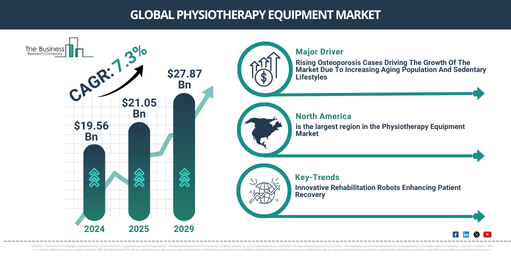
    The recent years have seen a substantial expansion in the size of the physiotherapy equipment market. The market, which was valued at $19.56 billion in 2024, is projected to reach $21.05 billion by 2025, showing a compound annual growth rate (CAGR) of 7.6%. This growth in the historic phase can be ascribed to factors like the growing need for physical rehabilitation, increasing emphasis on individualized healthcare, a marked increase in the elderly population, a surge in sports-related injuries, and a heightened occurrence of chronic diseases.

    What Growth Rate Is Anticipated for the Physiotherapy Equipment Market in the Coming Years?

    The market for physiotherapy equipment is anticipated to experience notable growth in the upcoming years, with its projected value reaching $27.87 billion by 2029 and a compound annual growth rate (CAGR) of 7.3%. Several factors, including the increase in healthcare expenditure, higher rates of musculoskeletal issues, the expansion in digital physiotherapy solutions, a rising incidence of obesity, and an intensified emphasis on augmenting patient results, account for this growth. Key tendencies expected during this forecasted period involve evolved healthcare systems, sophisticated medical technologies, upgraded physiotherapy equipment, and inventive physiotherapy apparatuses.

    Download The Free Sample Report Here:

    https://www.thebusinessresearchcompany.com/sample.aspx?id=22097&type=smp

    Who Are the Leading Companies in the Physiotherapy Equipment Market?

    Major companies operating in the physiotherapy equipment market are Medtronic plc, Zimmer Biomet Holdings Inc., Oceanic Healthcare, Dynatronics Corporation, Chirag Electronics Pvt. Ltd., HMS Medical Systems, Bio-Med International Pvt Ltd., Naugra Medical, Hi-Tech Surgical Company, Bit & Byte Technosys Private Limited, Johari Digital, Physio Medicare, Cerabest Healthcare, Bharath Medical Systems, Divine Physiotherapy Equipments, JaincoLab, Syrebo, Sonka Medical, Maktrex International, Life Care Systems, Tapsi Electro Medical Systems & Services, Physio International

    What Are the Key Drivers of the Physiotherapy Equipment Market?

    The physiotherapy equipment market’s expansion is anticipated to be fueled by the rising prevalence of osteoporosis. Osteoporosis is marked by a decrease in bone density and strength, leading to brittle bones that are highly susceptible to fractures. The increase in osteoporosis cases can be attributed to factors such as an aging population, physically inactive lifestyles, and unhealthy eating practices. With people living longer, more of them are reaching an age where their bone density naturally reduces, hence, increasing the risk of osteoporosis. Physiotherapy equipment plays a crucial role in managing osteoporosis by offering treatments that not only enhance bone strength but also improve balance and muscle function, thereby reducing the likelihood of slips and broken bones. To illustrate, in June 2024, the Australian Institute of Health and Welfare, a government agency located in Australia, reported that osteoporosis accounted for 2,659 deaths in 2022, or 10.2 deaths per 100,000 people, contributing to 1.4% of all deaths. Thus, the escalating prevalence of osteoporosis is contributing to the growth of the physiotherapy equipment market.

    Request For A Customized Report:

    https://www.thebusinessresearchcompany.com/customise?id=22097&type=smp

    What Are the Key Market Segments in the Physiotherapy Equipment Industry?

    The physiotherapy equipment market covered in this report is segmented –

    1) By Type: Cryotherapy, Hydrotherapy, Continuous Passive Motion (CPM), Ultrasound, Electric Stimulation, Heat Therapy, Therapeutic Exercise, Other Types

    2) By Application: Neurology, Musculoskeletal, Pediatric, Cardiovascular And Pulmonary, Other Applications

    3) By End-User: Hospitals And Clinics, Rehabilitation Centers, Other End-Users

    Subsegments:

    1) By Cryotherapy: Ice Packs, Cold Compression Therapy Units, Cryo Chambers, Vapocoolant Sprays

    2) By Hydrotherapy: Whirlpool Therapy Equipment, Underwater Treadmills, Aquatic Therapy Pools, Hydrotherapy Tanks

    3) By Continuous Passive Motion (CPM): Knee CPM Machines, Shoulder CPM Machines, Elbow CPM Machines, Ankle CPM Machines

    4) By Ultrasound: Therapeutic Ultrasound Devices, High-Intensity Focused Ultrasound (HIFU), Low-Intensity Pulsed Ultrasound (LIPUS)

    5) By Electric Stimulation: Transcutaneous Electrical Nerve Stimulation (TENS) Units, Neuromuscular Electrical Stimulation (NMES) Devices, Functional Electrical Stimulation (FES) Devices, Interferential Current Therapy (IFC) Units

    6) By Heat Therapy: Infrared Lamps, Heating Pads, Paraffin Wax Baths, Hot Packs

    7) By Therapeutic Exercise: Resistance Bands And Tubes, Balance And Stability Equipment, Exercise Balls, Strength Training Machines

    8) By Other Types: Laser Therapy Devices, Traction Therapy Equipment, Shockwave Therapy Machines, Magnetotherapy Devices

    What Are the Latest Trends in the Physiotherapy Equipment Market?

    Leading corporations in the physiotherapy equipment sector are concentrating on the creation of cutting-edge tools like rehabilitation robots to boost patient recuperation and enhance treatment results. These pioneering rehabilitation robots are sophisticated robotic systems that incorporate state-of-the-art technologies such as AI, brain-computer interfaces (BCI), and high-precision sensors to expedite patient recovery, refurbish motor skills, and boost rehabilitation outcomes. For example, Syrebo, a tech-company based in China, unveiled the Hand Rehabilitation Robot (BCI) SY-BR09 and Upper Limb Rehabilitation Robot SY-UEA2 in November 2023. The Hand Rehabilitation Robot (BCI) SY-BR09 utilizes brain-computer interface (BCI) technology to stimulate brain activity for ‘top-down’ neural reorganization and amplify active movement consciousness, thereby greatly bolstering rehabilitation efficiency. On the other hand, the Upper Limb Rehabilitation Robot SY-UEA2, equipped with a diverse mobile base and precise optical positioning technology, provides targeted upper limb training to support functional recuperation.

    Access The Full Report Here:

    https://www.thebusinessresearchcompany.com/report/physiotherapy-equipment-global-market-report

    What Are the Key Regional Markets in the Physiotherapy Equipment Industry?

    North America was the largest region in the physiotherapy equipment market in 2024. The regions covered in the physiotherapy equipment market report are Asia-Pacific, Western Europe, Eastern Europe, North America, South America, Middle East, Africa.

    Purchase The Full Report Today:

    https://www.thebusinessresearchcompany.com/purchaseoptions.aspx?id=22097

    This Report Delivers Insight On:

    1. How big is the physiotherapy equipment market, and how is it changing globally?

    2. Who are the major companies in the physiotherapy equipment market, and how are they performing?

    3. What are the key opportunities and risks in the physiotherapy equipment market right now?

    4. Which products or customer segments are growing the most in the physiotherapy equipment market?

    5. What factors are helping or slowing down the growth of the physiotherapy equipment market?

    About The Business Research Company:

    With over 15000+ reports from 27 industries covering 60+ geographies, The Business Research Company has built a reputation for offering comprehensive, data-rich research and insights. Armed with 1,500,000 datasets, the optimistic contribution of in-depth secondary research, and unique insights from industry leaders, you can get the information you need to stay ahead in the game.

    Get in touch with us:

    The Business Research Company: https://www.thebusinessresearchcompany.com/

    Americas +1 310-496-7795

    Europe +44 7882 955267

    Asia & Others +44 7882 955267 & +91 8897263534

    Email us at info@tbrc.info

    Follow us on:

    LinkedIn: https://in.linkedin.com/company/the-business-research-company

    YouTube: https://www.youtube.com/channel/UC24_fI0rV8cR5DxlCpgmyFQ

    Global Market Model: https://www.thebusinessresearchcompany.com/global-market-model

  • Phosphoramidite Industry Insights 2025 – Market Forecast for Executives and Planners

    Phosphoramidite Industry Insights 2025 – Market Forecast for Executives and Planners

    Claim your 30% discount on Global Market Reports with code ONLINE30. Limited time only.

    How Has the Phosphoramidite Market Size Changed, over the years?

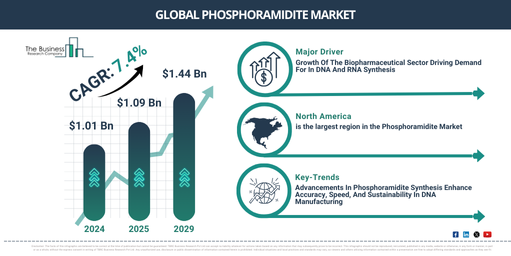
    In recent times, the size of the phosphoramidite market has shown a robust upward trend. It’s forecasted to expand from its current size of $1.01 billion in 2024 to $1.09 billion in 2025, demonstrating a compound annual growth rate (CAGR) of 7.7%. The unprecedented growth during the historic period is a consequence of escalating demand for DNA and RNA synthesis, wider acceptance of mRNA-based therapies, increasing occurrence of genetic diseases, the surge in demand for synthetic biology, and significant augmentation in investments towards genomic research.

    How Much Will the Phosphoramidite Market Be Worth in 2029?

    In the forthcoming years, a robust expansion is forecasted for the phosphoramidite industry, which is projected to reach a market size of $1.44 billion in 2029, growing at a Compound Annual Growth Rate (CAGR) of 7.4%. This growth over the projected period can be ascribed to the escalating use of phosphoramidites, an increase in the demand for bespoke DNA and RNA synthesis, the need for high-purity phosphoramidites, a mounting emphasis on tailored medicine, and the proliferation of biopharmaceutical firms. Key trends anticipated during the forecast period encompass the extension of synthetic biology, the advent of innovative phosphoramidite chemistries, progress in genomic technologies, development strides in biotechnology, and the progression of individualized medicine.

    Download The Free Sample Report Here:

    https://www.thebusinessresearchcompany.com/sample.aspx?id=22096&type=smp

    Which is the Largest Company in the Phosphoramidite Market?

    Major companies operating in the phosphoramidite market are Thermo Fisher Scientific Inc., Agilent Technologies Inc., Aragen Life Sciences, Twist Bioscience, Innovassynth Technologies (I) Ltd., Tokyo Chemical Industry Co. Ltd. (TCI), Aurigene Services, Eurofins Genomics, LGC Biosearch Technologies, Link Technologies Ltd., Creative Biolabs, Biosynth Carbosynth, TriLink BioTechnologies, ChemGenes Corporation, Berry & Associates Inc., Lumiprobe Corporation, Hongene Biotech Corporation, Carbolink India Pvt. Ltd., PolyOrg Inc., Glen Research, Gene Link Inc., emp BIOTECH GmbH

    What Are the Main Market Drivers in the Phosphoramidite Industry?

    The phosphoramidite market is projected to surge due to the expansion of the biopharmaceutical sector. The biopharmaceutical sphere involves the investigation, formulation, production, and marketing of medical goods derived from biological sources, such as vaccines, gene therapies, monoclonal antibodies, and recombinant proteins. This expansion is attributed to advancements in biotech, escalating incidences of chronic illnesses, and increased investment in R&D. Innovations in biotech like gene editing and monoclonal antibody therapies have led to more efficient and focused treatments. The need for phosphoramidites will increase with the growth of the biopharmaceutical sector, as they play a significant role in creating DNA and RNA for gene therapies, mRNA vaccines, and oligonucleotide-based medicines. As acceptance and traction for these therapies rise, synthetic nucleic acids produced by phosphoramidites also become more necessary, prompting their increased utilization in biopharmaceutical research and production. For example, the central biopharmaceutical sector produced £46.7 ($58.4 billion) billion in revenue in 2022, according to the UK government, accounting for 43% of the life sciences industry’s overall earnings. Moreover, the sector supports more than 126,000 jobs and has seen a major increase in R&D investment. As a result, the growth of the biopharmaceutical market is fueling the expansion of the phosphoramidite market.

    Request For A Customized Report:

    https://www.thebusinessresearchcompany.com/customise?id=22096&type=smp

    How Is the Phosphoramidite Market Segments Structured?

    The phosphoramidite market covered in this report is segmented –

    1) By Type: Deoxyribonucleic Acid (DNA) Phosphoramidites, Ribonucleic Acid (RNA) Phosphoramidites, Labeled Phosphoramidites, Modifier Phosphoramidites, Other Types

    2) By Synthesis Method: H-Phosphonate Method, Phosphoramidite Method, Trivalent Phosphorus Compounds Method

    3) By Application: Gene Synthesis, Deoxyribonucleic Acid (DNA) Sequencing, Deoxyribonucleic Acid (DNA) Amplification

    4) By End-User: Academic Research, Pharmaceutical Industry, Biotechnology Industry

    Subsegments:

    1) By Deoxyribonucleic Acid (DNA) Phosphoramidites: Standard DNA Phosphoramidites, Degenerate DNA Phosphoramidites, Methylated DNA Phosphoramidites, Backbone-Modified DNA Phosphoramidites

    2) By Ribonucleic Acid (RNA) Phosphoramidites: Standard RNA Phosphoramidites, 2′-O-Methyl RNA Phosphoramidites, 2′-Fluoro RNA Phosphoramidites, 2′-O-TBDMS Protected RNA Phosphoramidites

    3) By Labeled Phosphoramidites: Fluorescent-Labeled Phosphoramidites, Biotin-Labeled Phosphoramidites, Digoxigenin-Labeled Phosphoramidites, Radioisotope-Labeled Phosphoramidites

    4) By Modifier Phosphoramidites: Amine-Modified Phosphoramidites, Thiol-Modified Phosphoramidites, Spacer Phosphoramidites, Azide-Modified Phosphoramidites

    5) By Other Types: Chimeric Phosphoramidites, Phosphorothioate Phosphoramidites, PEGylated Phosphoramidites, Photo-Cleavable Phosphoramidites

    What Strategic Trends Are Transforming the Phosphoramidite Market?

    Prominent entities in the phosphoramidite industry are concentrating their efforts on the creation of enhanced DNA synthesis services to improve precision, speed, and sustainability, all while minimizing the generation of harmful waste in the production of DNA. DNA synthesis, which relies on enzymes rather than chemical reagents to generate DNA sequences, offers increased accuracy, speediness, and sustainability. This is exemplified by the recent announcement in April 2022, where US-based biotech firm Ansa Biotechnologies Inc. reported an oversubscribed Series A financing round amounting to $68 million, led by Northpond Ventures and supported by a range of new and continuing investors. These funds are aimed at hastening the progress of Ansa’s future enzymatic DNA synthesis technology, or phosphoramidite synthesis, as well as enlarging its research and development and manufacturing infrastructure, and rolling out a bespoke DNA synthesis service. This company, a spin-off from the University of California, Berkeley, employs a patented technique that ensures swift and precise synthesis of lengthy DNA sequences, addressing existent constraints within the sector.

    Access The Full Report Here:

    https://www.thebusinessresearchcompany.com/report/phosphoramidite-global-market-report

    Which Global Regions Offer the Highest Growth in the Phosphoramidite Market?

    North America was the largest region in the phosphoramidite market in 2024. Europe is expected to be the fastest-growing region during the forecast period. The regions covered in the phosphoramidite market report are Asia-Pacific, Western Europe, Eastern Europe, North America, South America, Middle East, Africa.

    Purchase The Full Report Today:

    https://www.thebusinessresearchcompany.com/purchaseoptions.aspx?id=22096

    This Report Delivers Insight On:

    1. How big is the phosphoramidite market, and how is it changing globally?

    2. Who are the major companies in the phosphoramidite market, and how are they performing?

    3. What are the key opportunities and risks in the phosphoramidite market right now?

    4. Which products or customer segments are growing the most in the phosphoramidite market?

    5. What factors are helping or slowing down the growth of the phosphoramidite market?

    About The Business Research Company:

    With over 15000+ reports from 27 industries covering 60+ geographies, The Business Research Company has built a reputation for offering comprehensive, data-rich research and insights. Armed with 1,500,000 datasets, the optimistic contribution of in-depth secondary research, and unique insights from industry leaders, you can get the information you need to stay ahead in the game.

    Get in touch with us:

    The Business Research Company: https://www.thebusinessresearchcompany.com/

    Americas +1 310-496-7795

    Europe +44 7882 955267

    Asia & Others +44 7882 955267 & +91 8897263534

    Email us at info@tbrc.info

    Follow us on:

    LinkedIn: https://in.linkedin.com/company/the-business-research-company

    YouTube: https://www.youtube.com/channel/UC24_fI0rV8cR5DxlCpgmyFQ

    Global Market Model: https://www.thebusinessresearchcompany.com/global-market-model

  • Personal Emergency Response Systems (PERS) Market Trends Report 2025 – For Business Development and Strategy Teams

    Personal Emergency Response Systems (PERS) Market Trends Report 2025 – For Business Development and Strategy Teams

    Claim your 30% discount on Global Market Reports with code ONLINE30. Limited time only.

    What Is the Forecast for the Personal Emergency Response Systems (PERS) Market Growth in 2025?

    In recent times, the personal emergency response systems (PERS) market has witnessed significant growth. The market size, which stood at $7.58 billion in 2024, is projected to expand to $8.30 billion in 2025, translating to a compound annual growth rate (CAGR) of 9.5%. Factors that fueled this growth in the historical period include the growing trend of smart home integration, heightened healthcare consciousness, an escalating need for emergency assistance, increased occurrence of heart conditions, and larger investments in healthcare technology.

    What Is the Forecast for the Personal Emergency Response Systems (PERS) Market Size Through 2029?

    Over the coming years, the personal emergency response systems (PERS) market is predicted to experience robust growth. By 2029, it’s projected to reach a market size of $11.83 billion, growing at a compound annual growth rate (CAGR) of 9.3%. This anticipated growth is largely due to an increased necessity for elderly care solutions, a growing aging demographic, a rise in the number of insurance policies, greater reliance on Internet of Things (IoT) devices as well as enhanced integration of GPS technology. The forecasted period will witness several key trends, including improvements in fall detection technology, advancements in remote monitoring services, growing adoption of wearable medical devices, emerging geofencing technology, and advancements in smartphone technologies.

    Download The Free Sample Report Here:

    https://www.thebusinessresearchcompany.com/sample.aspx?id=22095&type=smp

    What are the Key Market Players in Personal Emergency Response Systems (PERS) Market and How They’re Evolving?

    Major companies operating in the personal emergency response systems (PERS) market are ADT Inc, Sentara Health, Connect America, Comfort Keepers, Tunstall Healthcare, Lifeline Systems Company, Medical Guardian, LifeStation, LifeFone Medical Alert Services, LifeWatch, Life Ems Ambulance, Clear Arch Health, Rescue Alert, AlertOne Services LLC, GreatCall, Bay Alarm Medical, Lifelink USA, Galaxy Medical Alert Systems, Alarm Systems, MediPendant, QMedic, Life Guardian, LLC, VRI Cares

    What Are the Primary Growth Drivers in the Personal Emergency Response Systems (PERS) Market?

    The increasing occurrence of chronic illnesses is anticipated to drive the expansion of the personal emergency response systems (PERS) market. These chronic diseases, including diabetes, heart ailments, and arthritis, develop slowly and require consistent care. The surge in these illnesses is often attributed to poor lifestyle decisions and an aging demographic. Contributing factors such as unhealthy eating habits, sedentary lifestyles, smoking, and excessive alcohol intake play a significant role in the emergence of these chronic conditions like diabetes, hypertension, and heart disease. Such unhealthy habits amplify the chances of obesity, insulin resistance, and inflammation, all crucial elements in the development of chronic issues. This spike in long-term illnesses increases the demand for PERS, capable of offering uninterrupted monitoring and instant access to medical assistance. PERS proves to be an essential solution, enabling users to signal emergency services or caretakers during health emergencies, bolstering patient security and mental comfort. For example, in June 2024, the National Health Service, a UK government agency, noted an increase of 549,000 possible type 2 diabetes cases in 2023, taking the total count of pre-diabetes or non-diabetic hyperglycemia registered with a GP to 3,615,330. This is a substantial jump from 3,065,825 in 2022, marking an approximate 20% increase. Hence, the escalating occurrence of chronic diseases stimulates the growth of the personal emergency response systems (PERS) market.

    Request For A Customized Report:

    https://www.thebusinessresearchcompany.com/customise?id=22095&type=smp

    What Are the Leading Segments in the Global Personal Emergency Response Systems (PERS) Industry?

    The personal emergency response systems (PERS) market covered in this report is segmented –

    1) By Type: Landline Personal Emergency Response System (PERS), Mobile Personal Emergency Response System (PERS)

    2) By Component: Smoke Detectors, Bed Sensors, Pull-Cord Residential, Fall Detection Sensors, Flood Detectors

    3) By End-User: Nursing Home, Home-Based User, Assisted Living Facilities, Hospices, Senior Living Facilities

    Subsegments:

    1) By Landline Personal Emergency Response System (PERS): Basic Landline PERS, Auto-Alert Landline PERS, Voice-Activated Landline PERS

    2) By Mobile Personal Emergency Response System (PERS): GPS-enabled Mobile PERS, Non-GPS Mobile PERS, Wearable Mobile PERS, Smartphone-based Mobile PERS

    What Are the Key Market Trends in the Personal Emergency Response Systems (PERS) Industry?

    Leading firms in the personal emergency response systems (PERS) industry are concentrating on the creation of superior products such as medical alert systems, aiming to enhance the efficiency of real-time surveillance for improved emergency measures and proactive healthcare management. A medical alert system is an electronic setup that provides instant support during health crisis situations, featuring a wearable assistance button that connects users with emergency response services. For instance, LogicMark, Inc., a manufacturing enterprise based in the US that specializes in medical equipment, introduced the upgraded version of Guardian Alert 911 Plus in February 2025. This advanced PERS device comes with features like fall detection, 4G LTE technology, and a sleek and unobtrusive design. It delivers crucial, hands-free fall detection and immediate connection to emergency services. This technology provides seniors and people with medical conditions increased safety and autonomy, without the stress of ongoing expenses.

    Access The Full Report Here:

    https://www.thebusinessresearchcompany.com/report/personal-emergency-response-systems-pers-global-market-report

    What Is the Regional Outlook for the Personal Emergency Response Systems (PERS) Market?

    North America was the largest region in the personal emergency response systems market in 2024. The regions covered in the personal emergency response systems (PERS) market report are Asia-Pacific, Western Europe, Eastern Europe, North America, South America, Middle East, Africa.

    Purchase The Full Report Today:

    https://www.thebusinessresearchcompany.com/purchaseoptions.aspx?id=22095

    This Report Delivers Insight On:

    1. How big is the personal emergency response systems (pers) market, and how is it changing globally?

    2. Who are the major companies in the personal emergency response systems (pers) market, and how are they performing?

    3. What are the key opportunities and risks in the personal emergency response systems (pers) market right now?

    4. Which products or customer segments are growing the most in the personal emergency response systems (pers) market?

    5. What factors are helping or slowing down the growth of the personal emergency response systems (pers) market?

    About The Business Research Company:

    With over 15000+ reports from 27 industries covering 60+ geographies, The Business Research Company has built a reputation for offering comprehensive, data-rich research and insights. Armed with 1,500,000 datasets, the optimistic contribution of in-depth secondary research, and unique insights from industry leaders, you can get the information you need to stay ahead in the game.

    Get in touch with us:

    The Business Research Company: https://www.thebusinessresearchcompany.com/

    Americas +1 310-496-7795

    Europe +44 7882 955267

    Asia & Others +44 7882 955267 & +91 8897263534

    Email us at info@tbrc.info

    Follow us on:

    LinkedIn: https://in.linkedin.com/company/the-business-research-company

    YouTube: https://www.youtube.com/channel/UC24_fI0rV8cR5DxlCpgmyFQ

    Global Market Model: https://www.thebusinessresearchcompany.com/global-market-model

  • Dyslipidemia Forecast Report – Designed for Decision Makers and Product Teams

    Dyslipidemia Forecast Report – Designed for Decision Makers and Product Teams

    Claim your 30% discount on Global Market Reports with code ONLINE30. Limited time only.

    What Is the Growth Rate of the Dyslipidemia Market?

    Recently, the size of the dyslipidemia market has seen rapid expansion. Projected to rise from a market worth of $16.31 billion in 2024 to $18.08 billion in 2025, it holds a compound annual growth rate (CAGR) of 10.8%. The growth within this historic period can be traced back to factors like increased genetic predisposition, a surge in sedentary lifestyles, a rise in unhealthy dietary habits, a growing aging population, and heightened obesity rates.

    What Growth Rate Is Forecasted for the Dyslipidemia Market by 2029?

    In the upcoming years, the dyslipidemia market is predicted to experience significant expansion. The market size is projected to reach value of $27.04 billion by 2029, with a 10.6% compound annual growth rate. This predicted growth during the forecasted period is due to factors such as the enhancement of lipid-lowering treatments, increased awareness and screening programs, the increasing incidence of metabolic disorders, heightened healthcare spending, and a growing number of dyslipidemia cases. Key trends within this forecast period include advancements in gene therapy, the development of RNA-based treatments, progress in AI-assisted drug discovery, advancements in tailored medicine, and digital health monitoring innovations.

    Download The Free Sample Report Here:

    https://www.thebusinessresearchcompany.com/sample.aspx?id=21945&type=smp

    Which Key Companies Are Shaping the Future of the Dyslipidemia Market?

    Major companies operating in the dyslipidemia market are Pfizer Inc., Merck & Co. Inc., Sanofi SA, AstraZeneca plc, Novartis AG, Eli Lilly and Company, Amgen Inc., Viatris Inc., Teva Pharmaceutical Industries Ltd., Daiichi Sankyo Company Limited, Zydus Lifesciences Ltd., Lupin Pharmaceuticals Inc., Alnylam Pharmaceuticals Inc., Amarin Corporation, Esperion Therapeutics Inc., Arrowhead Pharmaceuticals Inc., Outsource Strategies International, Catabasis Pharmaceuticals, NewAmsterdam Pharma Holding BV, JW Pharmaceutical

    Which Factors Are Driving Demand in the Dyslipidemia Industry?

    The dyslipidemia market’s growth is anticipated to be driven by the rising prevalence of obesity. Obesity refers to an unhealthy excess of body fat that can negatively affect a person’s health. Shifts in lifestyle leading to prolonged energy imbalances have contributed to the rising rates of obesity, which in turn promotes gradual weight increase and associated health problems. The correlation between obesity and dyslipidemia rests in the former’s disruption of lipid metabolism, leading to abnormal cholesterol and triglyceride levels that heighten the risk of cardiovascular diseases. For instance, the World Health Organization (WHO), an intergovernmental organization based in Switzerland, reported in March 2024 that roughly one in eight people globally grapple with obesity. This includes 2.5 billion adults over the age of 18. The figure of overweight children below five years has also hit 37 million. Consequently, the escalating scales of the obese population are fueling the dyslipidemia market.

    Request For A Customized Report:

    https://www.thebusinessresearchcompany.com/customise?id=21945&type=smp

    How Is the Dyslipidemia Market Segmented by Several Divisions?

    The dyslipidemia market covered in this report is segmented –

    1) By Treatment: Statins, Bile Acid Sequestrants, PCSK9 Inhibitors, Small Interfering RNA (siRNA), Cholesterol Absorption Inhibitors, Fibrates, Niacins, Omega-3 Fatty Acid Derivatives, Other Treatments

    2) By Route Of Administration: Oral, Parental

    3) By Distribution Channel: Hospital Pharmacies, Retail Pharmacies, Drug Store, Online Pharmacies

    Subsegmentss:

    1) By Statins: Atorvastatin, Simvastatin, Rosuvastatin, Pravastatin

    2) By Bile Acid Sequestrants: Cholestyramine, Colesevelam

    3) By PCSK9 Inhibitors: Evolocumab, Alirocumab

    4) By Small Interfering RNA (siRNA): Inclisiran

    5) By Cholesterol Absorption Inhibitors: Ezetimibe

    6) By Fibrates: Fenofibrate, Gemfibrozil

    7) By Niacins: Nicotinic Acid

    8) By Omega-3 Fatty Acid Derivatives: Eicosapentaenoic Acid (EPA), Docosahexaenoic Acid (DHA)

    9) By Other Treatments: Herbal Supplements, Combination Therapies

    What are the Emerging Market Trends Driving the Growth of the Dyslipidemia Industry?

    Leading firms in the dyslipidemia market are prioritizing the development of innovative combination therapies to boost treatment effectiveness, increase patient adherence, and address multiple lipid disorders at once. These cutting-edge combination therapies entail the use of two or more medicinal agents in a singular treatment plan to amplify efficacy, diminish side effects, and simultaneously target various disease pathways. For example, in March 2024, a pharmaceutical corporation based in the US, known as Esperion Therapeutics Inc., announced the FDA approval of NEXLETOL (bempedoic acid) and NEXLIZET (a combined treatment of bempedoic acid and ezetimibe). These innovative non-statin oral drugs are formulated to decrease low-density lipoprotein cholesterol (LDL-C) and minimize the risk of cardiovascular incidents. The new labels authorize the standalone use of NEXLETOL and NEXLIZET or their usage in tandem with statins, a widely used class of cholesterol-lowering medications. This flexibility proves especially advantageous for patients who don’t tolerate statins well or opt for non-statin alternatives.

    Access The Full Report Here:

    https://www.thebusinessresearchcompany.com/report/dyslipidemia-global-market-report

    Which Regions Are Driving Growth in the Dyslipidemia Market?

    North America was the largest region in the dyslipidemia market in 2024. Asia-Pacific is expected to be the fastest-growing region in the forecast period. The regions covered in the dyslipidemia market report are Asia-Pacific, Western Europe, Eastern Europe, North America, South America, Middle East, Africa.

    Purchase The Full Report Today:

    https://www.thebusinessresearchcompany.com/purchaseoptions.aspx?id=21945

    This Report Delivers Insight On:

    1. How big is the dyslipidemia market, and how is it changing globally?

    2. Who are the major companies in the dyslipidemia market, and how are they performing?

    3. What are the key opportunities and risks in the dyslipidemia market right now?

    4. Which products or customer segments are growing the most in the dyslipidemia market?

    5. What factors are helping or slowing down the growth of the dyslipidemia market?

    About The Business Research Company:

    With over 15000+ reports from 27 industries covering 60+ geographies, The Business Research Company has built a reputation for offering comprehensive, data-rich research and insights. Armed with 1,500,000 datasets, the optimistic contribution of in-depth secondary research, and unique insights from industry leaders, you can get the information you need to stay ahead in the game.

    Get in touch with us:

    The Business Research Company: https://www.thebusinessresearchcompany.com/

    Americas +1 310-496-7795

    Europe +44 7882 955267

    Asia & Others +44 7882 955267 & +91 8897263534

    Email us at info@tbrc.info

    Follow us on:

    LinkedIn: https://in.linkedin.com/company/the-business-research-company

    YouTube: https://www.youtube.com/channel/UC24_fI0rV8cR5DxlCpgmyFQ

    Global Market Model: https://www.thebusinessresearchcompany.com/global-market-model