Blog

  • Spinal Muscular Atrophy  Market to Reach $6.59 Billion by 2029 | Key Drivers and Future Outlook

    Spinal Muscular Atrophy Market to Reach $6.59 Billion by 2029 | Key Drivers and Future Outlook

    Claim your 30% discount on Global Market Reports with code ONLINE30. Limited time only.

    What Is the Growth Rate of the Spinal Muscular Atrophy Market?

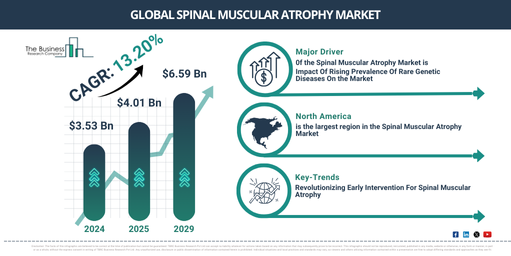
    In the last few years, the spinal muscular atrophy market has seen significant growth. It is projected to expand from $3.53 billion in 2024 to $4.01 billion in 2025, with a compound annual growth rate (CAGR) of 13.5%. The surge during the past period has been driven by factors such as escalated diagnosis and early detection, rising incidences of uncommon genetic diseases, enhanced healthcare infrastructure, government and regulatory backing, as well as an upswing in unresolved healthcare requirements.

    What Growth Rate Is Forecasted for the Spinal Muscular Atrophy Market by 2029?

    There is anticipated rapid expansion in the spinal muscular atrophy market in the ensuing years. It is projected to reach $6.59 billion in 2029, with a compound annual growth rate (CAGR) of 13.2%. Factors contributing to this growth in the forecast period include enhanced awareness and diagnosis, wider access to treatment, an increase in healthcare investments that target rare diseases, a conducive regulatory environment, and escalating healthcare expenditure. Noteworthy trends in the anticipated period comprise breakthroughs in oral therapies, the utilization of gene therapy, advances in technologies for drug delivery systems, the use of artificial intelligence in the development of SMA treatments, and cutting-edge gene editing technologies.

    Download The Free Sample Report Here:

    https://www.thebusinessresearchcompany.com/sample.aspx?id=20965&type=smp

    Which Key Companies Are Shaping the Future of the Spinal Muscular Atrophy Market?

    Major companies operating in the spinal muscular atrophy market are Pfizer Inc., F. Hoffmann-La Roche Ltd, Bayer AG, Novartis AG, Biogen Inc., Chugai Pharmaceutical Co. Ltd., Genentech Inc., PTC Therapeutics Inc., Ionis Pharmaceuticals Inc., Biohaven Ltd., Catalyst Pharmaceuticals Inc., RegenXBio Inc., Cytokinetics Inc., AveXis Inc., Scholar Rock Inc., Genethon, CANbridge Pharmaceuticals Inc., NMD Pharma A/S, Hanugen Therapeutics Inc., Beijing Jinlan Gene Technology Co. Ltd.

    Which Factors Are Driving Demand in the Spinal Muscular Atrophy Industry?

    The growth of the spinal muscular atrophy market is anticipated to be accelerated by the escalating rates of rare genetic disorders. These genetic disorders, which affect a small portion of the overall population, are born out of mutated genes and often lead to intense, chronic health issues. Upgraded diagnostic technologies, heightened public consciousness, and enhanced access to genetic testing have all contributed to the increase in recognized and reported cases of rare genetic disorders. Spinal muscular atrophy (SMA), a peculiar genetic disorder, epitomizes the difficulties and possibilities of comprehending inherited maladies, highlighting the urgency of progressing genetic condition-related research. For example, in July 2023, a study by the Office for National Statistics, a governmental department in the UK, made it known that genetic testing of SMN1 has paved the way for exact epidemiological studies. It confirmed that SMA is found in 1 in 10,000 to 20,000 live births, with over 95% of patients affected being homozygous for SMN1 deletion. Consequently, the increasing rates of rare genetic disorders are set to stimulate the expansion of the spinal muscular atrophy market.

    Request For A Customized Report:

    https://www.thebusinessresearchcompany.com/customise?id=20965&type=smp

    How Is the Spinal Muscular Atrophy Market Segmented by Several Divisions?

    The spinal muscular atrophy market covered in this report is segmented –

    1) By Type: Type 1 (Severe), Type 2 (Intermediate), Type 3 (Mild), Type 4 (Adult)

    2) By Age: Pediatric, Adults

    3) By Treatment: Drug Therapy, Gene Therapy

    4) By End User: Hospital pharmacy, Online pharmacy, Retail pharmacy

    Subsegments:

    1) By Type 1 (Severe): Infantile-Onset SMA, Severe Progressive SMA

    2) By Type 2 (Intermediate): Early-Onset SMA, Non-progressive SMA

    3) By Type 3 (Mild): Juvenile-Onset SMA, Mild Progressive SMA

    4) By Type 4 (Adult): Adult-Onset SMA, Late-Onset SMA

    What are the Emerging Market Trends Driving the Growth of the Spinal Muscular Atrophy Industry?

    Leading firms in the spinal muscular atrophy market are advancing their product offerings by developing unique solutions like dry syrup. This innovation aims to aid medication compliance and simplify administration for pediatric patients and other groups who experience difficulty swallowing. Dry syrup, a medication in powdered form, is mixed with water prior to consumption and is usually prescribed for children and patients who struggle with intaking tablets or capsules. Chugai Pharmaceutical Co., Ltd., a pharmaceutical organization based in Japan, reported in September 2024 that it had received regulatory approval from the nation’s Ministry of Health, Labour and Welfare for widened usage of their drug, Evrysdi (risdiplam). The approval allows Evrysdi to be used in pre-symptomatic spinal muscular atrophy (SMA) and expands dosing to infants younger than two months. This development is significant as it allows treatment to start before symptoms manifest, potentially improving therapeutic results in affected infants. The decision was backed by the RAINBOWFISH study’s findings, which evaluated the safety and efficacy of Evrysdi in infants diagnosed with SMA but not yet showing symptoms. The results demonstrated that infants treated with the drug reached developmental milestones including unsupported sitting and better motor skills within 12 months, pointing to the drug’s capacity to alter the course of the disease when administered promptly.

    Access The Full Report Here:

    https://www.thebusinessresearchcompany.com/report/spinal-muscular-atrophy-global-market-report

    Which Regions Are Driving Growth in the Spinal Muscular Atrophy Market?

    North America was the largest region in the spinal muscular atrophy market in 2024. Asia-Pacific is expected to be the fastest-growing region in the forecast period. The regions covered in the spinal muscular atrophy market report are Asia-Pacific, Western Europe, Eastern Europe, North America, South America, Middle East, Africa.

    Purchase The Full Report Today:

    https://www.thebusinessresearchcompany.com/purchaseoptions.aspx?id=20965

    This Report Delivers Insight On:

    1. How big is the spinal muscular atrophy market, and how is it changing globally?

    2. Who are the major companies in the spinal muscular atrophy market, and how are they performing?

    3. What are the key opportunities and risks in the spinal muscular atrophy market right now?

    4. Which products or customer segments are growing the most in the spinal muscular atrophy market?

    5. What factors are helping or slowing down the growth of the spinal muscular atrophy market?

    About The Business Research Company:

    With over 15000+ reports from 27 industries covering 60+ geographies, The Business Research Company has built a reputation for offering comprehensive, data-rich research and insights. Armed with 1,500,000 datasets, the optimistic contribution of in-depth secondary research, and unique insights from industry leaders, you can get the information you need to stay ahead in the game.

    Get in touch with us:

    The Business Research Company: https://www.thebusinessresearchcompany.com/

    Americas +1 310-496-7795

    Europe +44 7882 955267

    Asia & Others +44 7882 955267 & +91 8897263534

    Email us at info@tbrc.info

    Follow us on:

    LinkedIn: https://in.linkedin.com/company/the-business-research-company

    YouTube: https://www.youtube.com/channel/UC24_fI0rV8cR5DxlCpgmyFQ

    Global Market Model: https://www.thebusinessresearchcompany.com/global-market-model
  • Functional Dyspepsia Drug Market Trends Report 2025 – For Business Development and Strategy Teams

    Functional Dyspepsia Drug Market Trends Report 2025 – For Business Development and Strategy Teams

    Claim your 30% discount on Global Market Reports with code ONLINE30. Limited time only.

    What Is the Forecast for the Functional Dyspepsia Drug Market Growth in 2025?

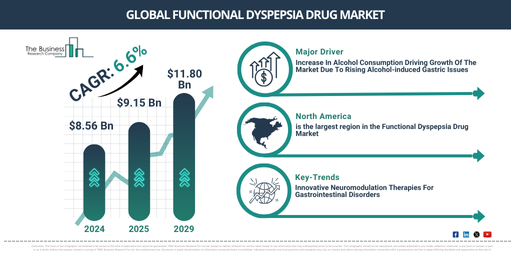
    In recent times, the market size for functional dyspepsia drugs has experienced substantial growth. The rise is expected to continue from $8.56 billion in 2024 up to $9.15 billion in 2025, representing a Compound Annual Growth Rate (CAGR) of 6.8%. The previous growth can be credited to a variety of factors such as an increase in associated risk factors, augmented healthcare costs, a rising number of cases of dyspepsia, a boost in gastrointestinal issues, as well as an expanding ageing population.

    What Is the Forecast for the Functional Dyspepsia Drug Market Size Through 2029?

    The market size for drugs treating functional dyspepsia is projected to experience robust growth in the forthcoming years, increasing to a valuation of $11.80 billion by 2029 at a compound annual growth rate of 6.6%. This growth trend in the projection period may be credited to factors such as a rising consumer inclination towards holistic health and lifestyle-centric therapies, growing acceptance of combination treatments and lifestyle changes, escalated research on the gut-brain relationship, and a surge in the implementation of non-drug-based interventions. Moving forward into the forecast period, we can expect key trends such as progression in drug formulation methods, partnerships between healthcare providers and pharmaceutical firms, a shift towards precision healthcare strategies, the incorporation of telemedicine and digital health technologies, and individualized medical treatment approaches.

    Download The Free Sample Report Here:

    https://www.thebusinessresearchcompany.com/sample.aspx?id=21979&type=smp

    What are the Key Market Players in Functional Dyspepsia Drug Market and How They’re Evolving?

    Major companies operating in the functional dyspepsia drug market are Pfizer Inc., Abbvie Inc., Bayer AG, AstraZeneca plc, Astellas Pharma Inc., Eisai Co. Ltd., Menarini Group, Dr. Reddy’s Laboratories Ltd., Lupin Limited, Daewoong Pharmaceutical Co. Ltd., Phathom Pharmaceuticals, Zeria Pharmaceutical Co. Ltd., Ironwood Pharmaceuticals Inc., Salix Pharmaceuticals Inc., RedHill Biopharma, RaQualia Pharma Inc., MetaMe Health, Renexxion LLC, Processa Pharmaceuticals, Evoke Pharma Inc.

    What Are the Primary Growth Drivers in the Functional Dyspepsia Drug Market?

    The progression of the functional dyspepsia drug market is expected to be propelled by an increase in alcohol intake. Alcohol, commonly found in drinks such as beer, wine, and spirits, is a significant source of ethanol, an organic compound that impacts the central nervous system and induces intoxication upon consumption. The rise in alcohol intake is due to factors such as social and cultural acceptance, stress management, easy access, and frequent advertising campaigns by liquor companies. Medications for functional dyspepsia can be utilized to relieve stomach discomfort caused by alcohol by decreasing acid secretion and enhancing digestion. The Office for Health Improvement & Disparities (OHID), a UK government agency, documented in March 2023 that between 2021 and 2022, there were 342,795 hospitalizations solely due to alcohol, resulting in a rate of 626 admissions per 100,000 people. Thus, the growing consumption of alcohol is fuelling the functional dyspepsia drug market’s expansion. An upsurge in metabolic disorders and related gastrointestinal problems is anticipated to contribute to the progression of the market. Metabolic disorders disrupt the body’s regular metabolic activities and result in nutrient, energy, or waste processing imbalances. The rise in these disorders is attributed to ineffective diets, sedentary lifestyles, genetic susceptibility, and increasing obesity levels. In managing these disorders, functional dyspepsia drugs are utilized to control gastrointestinal complaints and enhance digestive function. As reported by the World Health Organization (WHO), a Switzerland-based government organization, in November 2024, in 2022, 14% of adults aged 18 and older were diagnosed with diabetes. Therefore, the increased prevalence of metabolic disorders is propelling the expansion of the functional dyspepsia drug market.

    Request For A Customized Report:

    https://www.thebusinessresearchcompany.com/customise?id=21979&type=smp

    What Are the Leading Segments in the Global Functional Dyspepsia Drug Industry?

    The functional dyspepsia drug market covered in this report is segmented –

    1) By Drug Type: Proton Pump Inhibitors, H-2-Receptor Antagonists, Antacids, Antibiotics, Prokinetics, Antidepressants

    2) By Indication: Functional Dyspepsia, Organic Dyspepsia

    3) By Distribution Channel: Retail Pharmacies, Hospital Pharmacies, Online Pharmacies

    Subsegments:

    1) By Proton Pump Inhibitors: Omeprazole, Esomeprazole, Lansoprazole, Pantoprazole, Rabeprazole

    2) By H-2-Receptor Antagonists: Ranitidine, Famotidine, Cimetidine, Nizatidine

    3) By Antacids: Aluminum Hydroxide, Magnesium Hydroxide, Calcium Carbonate, Sodium Bicarbonate

    4) By Antibiotics: Clarithromycin, Amoxicillin, Metronidazole, Tetracycline

    5) By Prokinetics: Domperidone, Metoclopramide, Itopride, Mosapride

    6) By Antidepressants: Tricyclic Antidepressants, Selective Serotonin Reuptake Inhibitors, Serotonin-Norepinephrine Reuptake Inhibitors

    What Are the Key Market Trends in the Functional Dyspepsia Drug Industry?

    Prominent businesses in the functional dyspepsia drug market are prioritizing the execution of clinical trials. The aim is to create innovative treatments that target the root causes of the disorder, enhance the effectiveness of treatment, and cater to the unmet needs of patients. In the development of functional dyspepsia drugs, clinical trials are critical for evaluating safety, efficacy, and optimal treatment approaches. For instance, in December 2022, electroCore Inc., a medical tech firm based in the US, reported that the United States Patent and Trademark Office (USPTO) awarded two patents pertaining to its pioneering non-invasive vagus nerve stimulation (nVNS) tech. The first patent, U.S. Patent No. 11,511,109, pertained to a method for dealing with gastrointestinal problems, including functional dyspepsia, by making use of vagus nerve stimulation. The second patent, U.S. Patent No. 11,511,110, was related to a system that provides non-invasive electrical stimulation to the vagus nerve. These patents helped bolster electroCore’s standing in the sphere of non-invasive neuromodulation therapies.

    Access The Full Report Here:

    https://www.thebusinessresearchcompany.com/report/functional-dyspepsia-drug-global-market-report

    What Is the Regional Outlook for the Functional Dyspepsia Drug Market?

    North America was the largest region in the functional dyspepsia drug market in 2024. Asia-Pacific is expected to be the fastest-growing region in the forecast period. The regions covered in the functional dyspepsia drug market report are Asia-Pacific, Western Europe, Eastern Europe, North America, South America, Middle East, Africa.

    Purchase The Full Report Today:

    https://www.thebusinessresearchcompany.com/purchaseoptions.aspx?id=21979

    This Report Delivers Insight On:

    1. How big is the functional dyspepsia drug market, and how is it changing globally?

    2. Who are the major companies in the functional dyspepsia drug market, and how are they performing?

    3. What are the key opportunities and risks in the functional dyspepsia drug market right now?

    4. Which products or customer segments are growing the most in the functional dyspepsia drug market?

    5. What factors are helping or slowing down the growth of the functional dyspepsia drug market?

    About The Business Research Company:

    With over 15000+ reports from 27 industries covering 60+ geographies, The Business Research Company has built a reputation for offering comprehensive, data-rich research and insights. Armed with 1,500,000 datasets, the optimistic contribution of in-depth secondary research, and unique insights from industry leaders, you can get the information you need to stay ahead in the game.

    Get in touch with us:

    The Business Research Company: https://www.thebusinessresearchcompany.com/

    Americas +1 310-496-7795

    Europe +44 7882 955267

    Asia & Others +44 7882 955267 & +91 8897263534

    Email us at info@tbrc.info

    Follow us on:

    LinkedIn: https://in.linkedin.com/company/the-business-research-company

    YouTube: https://www.youtube.com/channel/UC24_fI0rV8cR5DxlCpgmyFQ

    Global Market Model: https://www.thebusinessresearchcompany.com/global-market-model
  • Spinal Cord Stimulation Devices  Market Size to Exceed $4.18 Billion by 2029 | Growth and Industry Trends

    Spinal Cord Stimulation Devices Market Size to Exceed $4.18 Billion by 2029 | Growth and Industry Trends

    Claim your 30% discount on Global Market Reports with code ONLINE30. Limited time only.

    How Has the Spinal Cord Stimulation Devices Market Grown from 2024 to 2025?

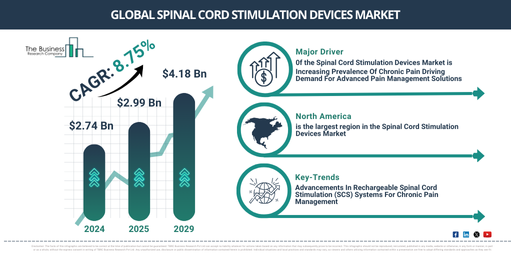
    There has been significant progress in the market size for spinal cord stimulation devices in the previous years. The market, which is expected to leap from $2.74 billion in 2024 to $2.99 billion in 2025, will do so at a compound annual growth rate (CAGR) of 9.01%. Factors that contributed to this growth during the historical period include enhanced clinical results and patient satisfaction, heightened awareness of pain management alternatives, an increase in support for reimbursements, a surge in clinical research and regulatory approvals, and the development of pain management clinics and centers.

    What Growth Rate Is Anticipated for the Spinal Cord Stimulation Devices Market in the Coming Years?

    The market size for spinal cord stimulation devices is anticipated to experience robust growth in the coming years, with an expected value of $4.18 billion in 2029, demonstrating a compound annual growth rate (CAGR) of 8.75%. The upward trajectory during the forecast period can be credited to factors such as growing instances of chronic pain conditions, a rising preference for non-opioid pain control methods, an expanding elderly population base, favorable reimbursement policies, increased use of wireless and rechargeable appliances, and heightened knowledge about neuromodulation therapies amongst medical professionals and patients. The forecast period will also witness significant trends such as improvements in minimally invasive techniques, advancements in wireless and rechargeable devices, progress in frequency stimulation, the adoption of closed-loop feedback mechanisms, the incorporation of wireless connectivity, development of advanced waveform selections, and the customization of pain management algorithms.

    Download The Free Sample Report Here:

    https://www.thebusinessresearchcompany.com/sample.aspx?id=20964&type=smp

    Who Are the Leading Companies in the Spinal Cord Stimulation Devices Market?

    Major companies operating in the spinal cord stimulation devices market are Abbott Laboratories, Medtronic plc, Boston Scientific Corporation, Nevro Corp., Bluewind Medical, NeuroPace Inc., Vertos Medical Inc., SPR Therapeutics Inc., Saluda Medical Pty Ltd., Stimwave Technologies Inc., Nuvectra Inc., Soterix Medical Inc., Synapse Biomedical, ONWARD Medical NV, NeuroSigma Inc., Nalu Medical Inc., Neurostim Technologies, SpineX Inc., Aleva Neurotherapeutics SA, GTX Medical BV

    What Are the Key Drivers of the Spinal Cord Stimulation Devices Market?

    The escalation in chronic pain incidents is anticipated to propel the expansion of the spinal cord stimulation devices market. Chronic pain is a persistent discomfort that lasts for 12 weeks or more and originates from conditions such as arthritis, neuropathy, or lower back pain. The surge in these incidents is the result of several factors, such as aging population, lifestyle modifications, chronic health ailments, and injuries or trauma. Spinal cord stimulation (SCS) devices counter chronic pain by manipulating pain signals through electrical impulses, thus offering a respite from enduring conditions. For instance, Centers for Disease Control and Prevention, a US government agency, reported in November 2024 that in 2023, 24.3% of adults experienced chronic pain, with 8.5% suffering from high-impact chronic pain, making up 34.9% of those dealing with chronic pain. Consequently, the increasing frequency of chronic pain incidents is energizing the growth of the spinal cord stimulation devices market.

    Request For A Customized Report:

    https://www.thebusinessresearchcompany.com/customise?id=20964&type=smp

    What Are the Key Market Segments in the Spinal Cord Stimulation Devices Industry?

    The spinal cord stimulation devices market covered in this report is segmented –

    1) By Type: Implantable Spinal Cord Stimulators, Non-Implantable Spinal Cord Stimulators

    2) By Product Type: Rechargeable Devices, Non-Rechargeable Devices

    3) By Application: Failed Back Surgery Syndrome, Complex Regional Pain Syndrome, Degenerative Disc Disease, Unsuccessful Disk Surgery, Other Applications

    4) By End User: Hospitals, Ambulatory Surgical Centers, Neuro Clinics

    Subsegments:

    1) By Implantable Spinal Cord Stimulators: Rechargeable Spinal Cord Stimulators, Non-Rechargeable Spinal Cord Stimulators, Multi-Lead Implantable Spinal Cord Stimulators

    2) By Non-Implantable Spinal Cord Stimulators: External Spinal Cord Stimulators, Wearable Spinal Cord Stimulators, Transcutaneous Spinal Cord Stimulators

    What Are the Latest Trends in the Spinal Cord Stimulation Devices Market?

    Top companies in the spinal cord stimulation devices industry are concentrating on creating innovative technologies like rechargeable spinal cord stimulation systems. They aim to improve patient results, extend the life span of devices, and present customized pain management solutions for chronic pain sufferers. Rechargeable spinal cord stimulation (SCS) systems are sophisticated devices that alleviate chronic pain by providing electrical shocks to the spinal cord. Notably, in December 2022, Abbott Laboratories, an American medical device manufacturer, was granted approval for its Eterna spinal cord stimulation (SCS) system by the US Food and Drug Administration (FDA). This revolutionary device presents a solution for managing chronic pain, using a compact design combined with leading-edge functions, enhancing the comfort and lessening the physical strain on patients. Its rechargeability ensures longevity, reducing the necessity for surgical replacements and adding convenience. The system comes with exact pain relief capabilities that can be personalized according to individual patient needs. The design of the system is simple yet innovative, facilitating minimally invasive implantation, which cuts down recovery time and enhances patient results overall.

    Access The Full Report Here:

    https://www.thebusinessresearchcompany.com/report/spinal-cord-stimulation-devices-global-market-report

    What Are the Key Regional Markets in the Spinal Cord Stimulation Devices Industry?

    North America was the largest region in the spinal cord stimulation devices market in 2024. Asia-Pacific is expected to be the fastest-growing region in the forecast period. The regions covered in the spinal cord stimulation devices market report are Asia-Pacific, Western Europe, Eastern Europe, North America, South America, Middle East, Africa.

    Purchase The Full Report Today:

    https://www.thebusinessresearchcompany.com/purchaseoptions.aspx?id=20964

    This Report Delivers Insight On:

    1. How big is the spinal cord stimulation devices market, and how is it changing globally?

    2. Who are the major companies in the spinal cord stimulation devices market, and how are they performing?

    3. What are the key opportunities and risks in the spinal cord stimulation devices market right now?

    4. Which products or customer segments are growing the most in the spinal cord stimulation devices market?

    5. What factors are helping or slowing down the growth of the spinal cord stimulation devices market?

    About The Business Research Company:

    With over 15000+ reports from 27 industries covering 60+ geographies, The Business Research Company has built a reputation for offering comprehensive, data-rich research and insights. Armed with 1,500,000 datasets, the optimistic contribution of in-depth secondary research, and unique insights from industry leaders, you can get the information you need to stay ahead in the game.

    Get in touch with us:

    The Business Research Company: https://www.thebusinessresearchcompany.com/

    Americas +1 310-496-7795

    Europe +44 7882 955267

    Asia & Others +44 7882 955267 & +91 8897263534

    Email us at info@tbrc.info

    Follow us on:

    LinkedIn: https://in.linkedin.com/company/the-business-research-company

    YouTube: https://www.youtube.com/channel/UC24_fI0rV8cR5DxlCpgmyFQ

    Global Market Model: https://www.thebusinessresearchcompany.com/global-market-model
  • Market Analysis on Fibrodysplasia Ossificans Progressiva (FOP) Treatment Industry – Insights for Corporate Strategy and R&D

    Market Analysis on Fibrodysplasia Ossificans Progressiva (FOP) Treatment Industry – Insights for Corporate Strategy and R&D

    Claim your 30% discount on Global Market Reports with code ONLINE30. Limited time only.

    What Is the Forecast for the Fibrodysplasia Ossificans Progressiva (FOP) Treatment Market from 2024 to 2025?

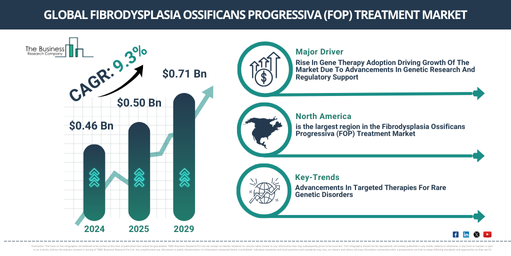
    In the last few years, the market size for the treatment of fibrodysplasia ossificans progressiva (FOP) has exhibited robust growth. It is forecasted to increase from $0.46 billion in 2024 to reach $0.50 billion in 2025, representing a compound annual growth rate (CAGR) of 9.6%. This growth experienced during the historic period can be credited to factors such as heightened awareness surrounding rare diseases, an increase in recorded FOP cases, a surge in investment towards the development of orphan drugs, collaborations between biotechnology firms and research institutions, and regulatory support for treatments of rare diseases.

    What Is the Projected Market Size of the Fibrodysplasia Ossificans Progressiva (FOP) Treatment Market?

    In the coming years, the market for fibrodysplasia ossificans progressiva (FOP) treatment is predicted to experience significant growth, with an estimated worth of $0.71 billion by 2029. This signifies a compound annual growth rate (CAGR) of 9.3%. Several factors can be credited for this predicted growth within the forecasted period, including the upsurge in clinical trials for new treatment methods, amplified investments in research for rare diseases, heightened patient awareness initiatives, improved diagnostic tools, favorable regulations for orphan drugs, and healthcare infrastructure enhancement in emerging markets. Key trends within this forecasted period are developments in gene therapy, CRISPR-based edits of the genome, the usage of anti-inflammatory biologicals, small molecule inhibitors designed to target ACVR1 mutations, strategies for personalized medicine, innovations in imaging techniques, and rehabilitation programs that focus on patient needs.

    Download The Free Sample Report Here:

    https://www.thebusinessresearchcompany.com/sample.aspx?id=21968&type=smp

    Who are the Major Competitors in the Fibrodysplasia Ossificans Progressiva (FOP) Treatment Market Outlook?

    Major companies operating in the fibrodysplasia ossificans progressiva (FOP) treatment market are Pfizer Inc., Roche Holding AG, Merck & Co. Inc., Bristol Myers Squibb Company, Novartis AG, AstraZeneca plc, GSK plc, Takeda Pharmaceutical Company Limited, Eli Lilly and Company, Gilead Sciences Inc., Amgen Inc., Boehringer Ingelheim GmbH, Regeneron Pharmaceuticals Inc., Daiichi Sankyo Company Limited, UCB S.A., Incyte Corporation, Ipsen Pharma, Alnylam Pharmaceuticals Inc., Mallinckrodt Pharmaceuticals, Blueprint Medicines Corporation, BioCryst Pharmaceuticals Inc., Ashibio.

    What Is Fueling Growth in the Fibrodysplasia Ossificans Progressiva (FOP) Treatment Market?

    The expansion of the fibrodysplasia ossificans progressiva (FOP) treatment market is predicted to be propelled by the growing implementation of gene therapy. The practice of gene therapy involves modifying or substituting genes within an individual’s cells in order to combat or prevent illnesses. Factors encouraging the wider adoption of gene therapy include advancements in genetic study, improved results in treating previously incurable conditions, and increased regulatory backing for innovative treatments. Gene therapy for fibrodysplasia ossificans progressiva focuses on tackling and correcting anomalies in the ACVR1 gene that lead to abnormal bone growth. To illustrate, the American Society of Gene & Cell Therapy confirmed in April 2024 that phase III gene therapy clinical trials saw a growth of 10% in the fourth quarter, a first since the previous rise in the third quarter of 2022. Consequently, the accelerated application of gene therapy is contributing to the growth of the fibrodysplasia ossificans progressiva (FOP) treatment market.

    Request For A Customized Report:

    https://www.thebusinessresearchcompany.com/customise?id=21968&type=smp

    Which Fibrodysplasia Ossificans Progressiva (FOP) Treatment Market Segments Are Growing the Fastest?

    The fibrodysplasia ossificans progressiva (FOP) treatment market covered in this report is segmented –

    1) By Drug Class: Corticosteroids, Non-Steroidal Anti-Inflammatory Drugs (NSAIDs), Bisphosphonates, Other Drug Classes

    2) By Treatment: Surgery, Medication, Occupational Therapy

    3) By Route Of Administration: Oral, Topical, Parenteral

    4) By End-User: Hospitals, Research Institutes, Specialty Clinics

    Subsegments:

    1) By Corticosteroids: Prednisone, Dexamethasone, Methylprednisolone

    2) By Non-Steroidal Anti-Inflammatory Drugs (NSAIDs): Ibuprofen, Naproxen, Celecoxib

    3) By Bisphosphonates: Alendronate, Risedronate, Zoledronic Acid

    4) By Other Drug Classes: Monoclonal Antibodies, Immunosuppressants, Gene Therapy Drugs

    Which Industry Trends Are Shaping the Future of the Fibrodysplasia Ossificans Progressiva (FOP) Treatment Market?

    Leading businesses in the fibrodysplasia ossificans progressiva (FOP) treatment industry are concentrating on the development of innovative drugs like retinoid-induced capsules. This is in an effort to cater to unfulfilled medical requirements of patients by targeting specific genetic mutations linked to the disorder. The goal is to enhance treatment results and patients’ living standards. Retinoids, derivatives of vitamin A, are utilised in medical procedures to control cellular growth and bolster immune responses, specifically for skin and certain cancer treatments. For example, in August 2023, Ipsen, a pharmaceutical firm based in France, gained the US Food and Drug Administration’s (FDA) approval for its sohonos capsules. These are retinoid-designed drugs for fibrodysplasia ossificans progressiva (FOP), intended to decrease new abnormal bone growth (heterotopic ossification). This provides an essential treatment alternative for adult and pediatric patients alike, contributing to an enhanced mobility and comprehensive life quality.

    Access The Full Report Here:

    https://www.thebusinessresearchcompany.com/report/fibrodysplasia-ossificans-progressiva-fop-treatment-global-market-report

    Which Countries Are Leading the Fibrodysplasia Ossificans Progressiva (FOP) Treatment Market?

    North America was the largest region in the fibrodysplasia ossificans progressiva (FOP) treatment market in 2024. Asia-Pacific is expected to be the fastest-growing region in the forecast period. The regions covered in the fibrodysplasia ossificans progressiva (FOP) treatment market report are Asia-Pacific, Western Europe, Eastern Europe, North America, South America, Middle East, Africa.

    Purchase The Full Report Today:

    https://www.thebusinessresearchcompany.com/purchaseoptions.aspx?id=21968

    This Report Delivers Insight On:

    1. How big is the fibrodysplasia ossificans progressiva (fop) treatment market, and how is it changing globally?

    2. Who are the major companies in the fibrodysplasia ossificans progressiva (fop) treatment market, and how are they performing?

    3. What are the key opportunities and risks in the fibrodysplasia ossificans progressiva (fop) treatment market right now?

    4. Which products or customer segments are growing the most in the fibrodysplasia ossificans progressiva (fop) treatment market?

    5. What factors are helping or slowing down the growth of the fibrodysplasia ossificans progressiva (fop) treatment market?

    About The Business Research Company:

    With over 15000+ reports from 27 industries covering 60+ geographies, The Business Research Company has built a reputation for offering comprehensive, data-rich research and insights. Armed with 1,500,000 datasets, the optimistic contribution of in-depth secondary research, and unique insights from industry leaders, you can get the information you need to stay ahead in the game.

    Get in touch with us:

    The Business Research Company: https://www.thebusinessresearchcompany.com/

    Americas +1 310-496-7795

    Europe +44 7882 955267

    Asia & Others +44 7882 955267 & +91 8897263534

    Email us at info@tbrc.info

    Follow us on:

    LinkedIn: https://in.linkedin.com/company/the-business-research-company

    YouTube: https://www.youtube.com/channel/UC24_fI0rV8cR5DxlCpgmyFQ

    Global Market Model: https://www.thebusinessresearchcompany.com/global-market-model
  • Small Lymphocytic Lymphoma  Industry Insights 2025 – Market Forecast for Executives and Planners

    Small Lymphocytic Lymphoma Industry Insights 2025 – Market Forecast for Executives and Planners

    Claim your 30% discount on Global Market Reports with code ONLINE30. Limited time only.

    How Has the Small Lymphocytic Lymphoma Market Size Changed, over the years?

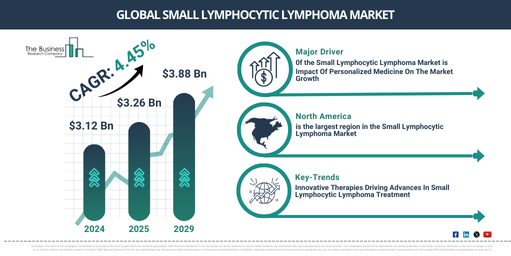
    In recent times, the market size for small lymphocytic lymphoma has seen steady growth. The market is projected to expand from a $3.12 billion value in 2024 to a $3.26 billion value in 2025, reflecting a compound annual growth rate (CAGR) of 4.71%. The factors contributing to the growth during the historic period include heightened awareness and early detection, regulatory approvals, enlargement of clinical trials, escalating consciousness about SLL, and a rise in involvement in clinical trials.

    How Much Will the Small Lymphocytic Lymphoma Market Be Worth in 2029?

    Anticipations reveal stable growth in the small lymphocytic lymphoma market in the coming years, hitting an estimated value of $3.88 billion by 2029 with a compound annual growth rate (CAGR) set at 4.45%. The predicted growth over the forecast period is associated with factors such as increased attention to immunotherapies, escalating research on targeted therapies, the expansion of precision medicine, amplified investment in cancer research, and an increasing number of clinical trials. Foreseen trends over the forecast period comprise advancements in targeted therapies, breakthroughs in immunotherapy, integrated therapies, the inclusion of digital health solutions, and progress in supportive care therapies.

    Download The Free Sample Report Here:

    https://www.thebusinessresearchcompany.com/sample.aspx?id=20957&type=smp

    Which is the Largest Company in the Small Lymphocytic Lymphoma Market?

    Major companies operating in the small lymphocytic lymphoma market are Pfizer Inc., Johnson & Johnson, AbbVie Inc., Bayer AG, Sanofi S.A., Bristol-Myers Squibb Company, AstraZeneca PLC, Eli Lilly and Company, Gilead Sciences Inc., Amgen Inc., Regeneron Pharmaceuticals, Incyte Corporation, Exelixis Inc., Moffitt Cancer Center, Kite Pharma Inc., Spectrum Pharmaceuticals Inc., Aptose Biosciences Inc., Secura Bio Inc., Infinity Pharmaceuticals Inc., TG Therapeutics Inc.

    What Are the Main Market Drivers in the Small Lymphocytic Lymphoma Industry?

    The small lymphocytic lymphoma market is projected to be driven by the increasing influence of personalized medicine. Personalized medicine, characterized by the adaptation of treatments and healthcare options to individual genetic, environmental, and lifestyle elements, is expanding due to advances in genomics, biotechnology, and data analysis. These advancements allow for the development of more accurate and effective personalized treatments. As it provides key discoveries of specific genetic mutations and biomarkers, Small lymphocytic lymphoma (SLL) plays a crucial role in the expansion of personalized medicine, paving the way for tailor-made therapies and personalized treatment plans. For example, the US-based non-profit organization Personalized Medicine Coalition announced in February 2024 that the FDA approved 16 novel personalized treatments for patients with rare diseases in 2023, marking a substantial growth from the six approved in 2022. Thus, the rise of personalized medicine is predicted to stimulate the growth of the small lymphocytic lymphoma market.

    Request For A Customized Report:

    https://www.thebusinessresearchcompany.com/customise?id=20957&type=smp

    How Is the Small Lymphocytic Lymphoma Market Segments Structured?

    The small lymphocytic lymphoma market covered in this report is segmented –

    1) By Product: Capsules, Tablets, Injections, Other Products

    2) By Route of Administration: Oral, Parenteral, Other Route of Administrations

    3) By Treatment: Chemotherapy, Targeted Therapy, Stem Cell Transplant, Monoclonal antibody therapy, Other Treatments

    4) By Distribution Channel: Hospital Pharmacy, Retail Pharmacy, Online Pharmacy, Other Distribution Channels

    5) By End-Users: Hospitals, Specialty Clinics, Homecare, Other End Users

    Subsegments:

    1) By Capsules: Oral Chemotherapy Capsules, Targeted Therapy Capsules, Immunomodulatory Capsules

    2) By Tablets: Oral Chemotherapy Tablets, Targeted Therapy Tablets, Immunotherapy Tablets

    3) By Injections: Chemotherapy Injections, Monoclonal Antibody Injections, Immunotherapy Injections, Biologic Injections

    4) By Other Products: Topical Medications, Infusion Therapies, Biosimilars For SLL, Radiopharmaceuticals

    What Strategic Trends Are Transforming the Small Lymphocytic Lymphoma Market?

    Key players in the small lymphocytic lymphoma market are focusing on creating inventive solutions like non-covalent BTK inhibitors to boost treatment effectiveness, combat resistance to current therapies, and advance patient outcomes. Non-covalent BTK inhibitors are a drug class that binds reversibly to the Bruton’s tyrosine kinase (BTK) enzyme, addressing B-cell diseases while decreasing resistance and side effects linked with covalent inhibitors. For example, in December 2023, U.S.-based Eli Lilly and Company announced FDA approval for Jaypirca (pirtobrutinib) for adult patients with chronic lymphocytic leukemia or small lymphocytic lymphoma (CLL/SLL). This approval stands out for its emphasis on patients who have already received at least two lines of therapy, including a Bruton’s Tyrosine Kinase (BTK) inhibitor and a BCL-2 inhibitor, catering to an urgent unmet need in highly treated populations. The product’s oral delivery method provides ease to patients while still delivering powerful, targeted treatment.

    Access The Full Report Here:

    https://www.thebusinessresearchcompany.com/report/small-lymphocytic-lymphoma-global-market-report

    Which Global Regions Offer the Highest Growth in the Small Lymphocytic Lymphoma Market?

    North America was the largest region in the small lymphocytic lymphoma market in 2024. Asia-Pacific is expected to be the fastest-growing region in the forecast period. The regions covered in the small lymphocytic lymphoma market report are Asia-Pacific, Western Europe, Eastern Europe, North America, South America, Middle East, Africa.

    Purchase The Full Report Today:

    https://www.thebusinessresearchcompany.com/purchaseoptions.aspx?id=20957

    This Report Delivers Insight On:

    1. How big is the small lymphocytic lymphoma market, and how is it changing globally?

    2. Who are the major companies in the small lymphocytic lymphoma market, and how are they performing?

    3. What are the key opportunities and risks in the small lymphocytic lymphoma market right now?

    4. Which products or customer segments are growing the most in the small lymphocytic lymphoma market?

    5. What factors are helping or slowing down the growth of the small lymphocytic lymphoma market?

    About The Business Research Company:

    With over 15000+ reports from 27 industries covering 60+ geographies, The Business Research Company has built a reputation for offering comprehensive, data-rich research and insights. Armed with 1,500,000 datasets, the optimistic contribution of in-depth secondary research, and unique insights from industry leaders, you can get the information you need to stay ahead in the game.

    Get in touch with us:

    The Business Research Company: https://www.thebusinessresearchcompany.com/

    Americas +1 310-496-7795

    Europe +44 7882 955267

    Asia & Others +44 7882 955267 & +91 8897263534

    Email us at info@tbrc.info

    Follow us on:

    LinkedIn: https://in.linkedin.com/company/the-business-research-company

    YouTube: https://www.youtube.com/channel/UC24_fI0rV8cR5DxlCpgmyFQ

    Global Market Model: https://www.thebusinessresearchcompany.com/global-market-model
  • Fibrocystic Breast Condition Forecast Report – Designed for Decision Makers and Product Teams

    Fibrocystic Breast Condition Forecast Report – Designed for Decision Makers and Product Teams

    Claim your 30% discount on Global Market Reports with code ONLINE30. Limited time only.

    What Is the Growth Rate of the Fibrocystic Breast Condition Market?

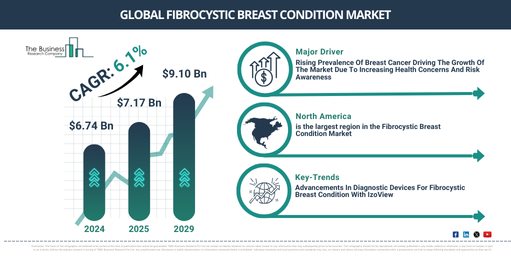
    In the past few years, the fibrocystic breast condition market has seen robust growth with its market size set to rise from $6.74 billion in 2024 to $7.17 billion in 2025. This signifies a compound annual growth rate (CAGR) of 6.4%. The surge during the historic period is as a result of increasing breast cancer rates, higher health care spending, urban development, growing awareness, lifestyle changes, and increased disposable income.

    What Growth Rate Is Forecasted for the Fibrocystic Breast Condition Market by 2029?

    The market for fibrocystic breast conditions is projected to experience significant growth in the coming years, with its value predicted to reach $9.10 billion by 2029, at a compound annual growth rate (CAGR) of 6.1%. This growth during the forecast period is expected due to several factors, including escalating demand for diagnostic tools and treatments, greater government funding, an augmented demand for potent therapies, an increase in the elderly population, initiatives undertaken by public and private organizations, and an upsurge in research and development activities. Top trends for the forecast period encompass minimally invasive devices for breast biopsy, strategic partnerships and collaborations, a heightened focus on personalized medicine, incorporation of artificial intelligence (AI), and technological breakthroughs.

    Download The Free Sample Report Here:

    https://www.thebusinessresearchcompany.com/sample.aspx?id=21967&type=smp

    Which Key Companies Are Shaping the Future of the Fibrocystic Breast Condition Market?

    Major companies operating in the fibrocystic breast condition market are Pfizer Inc., Hitachi Medical Systems, Roche Diagnostics, Merck & Co Inc., Bayer AG, Sanofi SA, Novartis AG, GlaxoSmithKline plc, Eli Lilly and Company, Siemens Healthineers AG, Fujifilm Holdings Corporation, Philips Healthcare, Becton Dickinson and Company, GE Healthcare Technologies Inc., Teva Pharmaceutical Industries Ltd, Hologic Inc., Canon Medical Systems Corporation, Hikma Pharmaceuticals plc, Steris Pharma, Lannett Company Inc., Argon Medical Devices Inc., AdvaCare Pharma USA LLC.

    Which Factors Are Driving Demand in the Fibrocystic Breast Condition Industry?

    The growing incidence of breast cancer is poised to fuel the expansion of the fibrocystic breast condition market. Originating in the breast cells, breast cancer predominantly impacts women. An increase in this cancer type is traced back to factors like an aging population, unhealthy lifestyles, genetic tendencies, more frequent screenings and exposure to certain environments. A fibrocystic breast condition (FBC) could escalate the risk of breast cancer by developing dense breast tissue. This dense tissue can potentially encourage cellular shifts, heightened sensitivity towards hormones, and prolonged inflammation, thereby fostering conditions ideal for cancerous growth. Data from the American Cancer Society Facts and Figures, a reputable US-based organization, forecasts an increase in new breast cancer cases in the US from 300,590 in 2023 to 313,510 in 2024. Consequently, the surge in breast cancer cases is spurring the growth of the fibrocystic breast condition market. Driving the FBC market’s growth is the widespread availability of telemedicine services arising from increased adoption of digital health. Telemedicine services imply the application of digital communication platforms, like video calls and mobile apps, to extend remote medical advice, diagnosis, and treatment. The broader scope of telemedicine services can be credited to the surge in usage of digital health platforms, better internet connectivity, and a rising patient inclination for remote consultations for effective management of fibrocystic breast conditions. FBC stimulates the need for telemedicine services by allowing remote consultations, alleviating symptoms promptly, and providing expert input, diminishing the necessity for physical appointments and boosting patient comfort. As per Rock Health, a US-based entity, a 2022 survey revealed that 80% of its respondents reported using telemedicine at some stage. This is an increase of 8 percentage points from the previous year’s 72%. Hence, the proliferation of telemedicine services is propelling the growth of the fibrocystic breast condition market.

    Request For A Customized Report:

    https://www.thebusinessresearchcompany.com/customise?id=21967&type=smp

    How Is the Fibrocystic Breast Condition Market Segmented by Several Divisions?

    The fibrocystic breast condition market covered in this report is segmented –

    1) By Treatment: Medication, Oral Contraceptives, Fine-Needle Aspiration, Other Treatments

    2) By Diagnosis: Mammogram, Ultrasound, Clinical Breast Exam, Other Diagnosis

    3) By End-Users: Hospital, Clinic, Other End-Users

    Subsegments:

    1) By Medication: Over-the-Counter (OTC) Pain Relievers, Prescription Pain Relievers, Hormonal Therapy

    2) By Oral Contraceptives: Combination Pills, Progestin-Only Pills

    3) By Fine-Needle Aspiration: Ultrasound-Guided Fine-Needle Aspiration, Manual Fine-Needle Aspiration

    4) By Other Treatments: Lifestyle And Dietary Changes, Cyst Drainage Procedures, Supportive Therapy, Herbal And Dietary Supplements

    What are the Emerging Market Trends Driving the Growth of the Fibrocystic Breast Condition Industry?

    Leaders in the fibrocystic breast condition market, like major corporations, are innovating and creating advanced technologies such as diagnostic devices. These instrumental tools aim to enhance the precision of diagnosis and the results of treatment. A pertinent example is the IzoView, a breast CT imaging system introduced in August 2024 by Izotropic Corporation. This medical device organization, based in Canada, targets the diagnosis of breast cancer in females who have dense breast tissue. To gain regulatory endorsement, the company is conducting a clinical investigation to prove the superiority of IzoView when utilized with digital breast tomosynthesis (DBT), over the use of DBT alone. Considering IzoView’s high-resolution 3D imaging capabilities and its non-reliance on breast compression, it aims to upgrade the detection of breast cancer in women with dense breast tissue, a demographic who are statistically more susceptible to developing the disease.

    Access The Full Report Here:

    https://www.thebusinessresearchcompany.com/report/fibrocystic-breast-condition-global-market-report

    Which Regions Are Driving Growth in the Fibrocystic Breast Condition Market?

    North America was the largest region in the fibrocystic breast condition market in 2024. The regions covered in the fibrocystic breast condition market report are Asia-Pacific, Western Europe, Eastern Europe, North America, South America, Middle East, Africa.

    Purchase The Full Report Today:

    https://www.thebusinessresearchcompany.com/purchaseoptions.aspx?id=21967

    This Report Delivers Insight On:

    1. How big is the fibrocystic breast condition market, and how is it changing globally?

    2. Who are the major companies in the fibrocystic breast condition market, and how are they performing?

    3. What are the key opportunities and risks in the fibrocystic breast condition market right now?

    4. Which products or customer segments are growing the most in the fibrocystic breast condition market?

    5. What factors are helping or slowing down the growth of the fibrocystic breast condition market?

    About The Business Research Company:

    With over 15000+ reports from 27 industries covering 60+ geographies, The Business Research Company has built a reputation for offering comprehensive, data-rich research and insights. Armed with 1,500,000 datasets, the optimistic contribution of in-depth secondary research, and unique insights from industry leaders, you can get the information you need to stay ahead in the game.

    Get in touch with us:

    The Business Research Company: https://www.thebusinessresearchcompany.com/

    Americas +1 310-496-7795

    Europe +44 7882 955267

    Asia & Others +44 7882 955267 & +91 8897263534

    Email us at info@tbrc.info

    Follow us on:

    LinkedIn: https://in.linkedin.com/company/the-business-research-company

    YouTube: https://www.youtube.com/channel/UC24_fI0rV8cR5DxlCpgmyFQ

    Global Market Model: https://www.thebusinessresearchcompany.com/global-market-model
  • Sleep Apnea Diagnostic Systems  Market Trends Report 2025 – For Business Development and Strategy Teams

    Sleep Apnea Diagnostic Systems Market Trends Report 2025 – For Business Development and Strategy Teams

    Claim your 30% discount on Global Market Reports with code ONLINE30. Limited time only.

    What Is the Forecast for the Sleep Apnea Diagnostic Systems Market Growth in 2025?

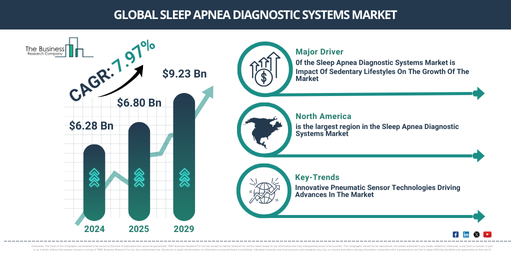
    In recent years, there has been robust growth in the market size of sleep apnea diagnostic systems. The market is forecasted to increase from $6.28 billion in 2024 to $6.80 billion in 2025, with a compound annual growth rate (CAGR) of 8.23%. This upward trend observed in the historical period is due to increased awareness regarding sleep disorders, a growing incidence of obesity and aging populations, a surge in the use of home-based sleep testing devices, favorable healthcare policies, and a developing healthcare infrastructure in emerging economies.

    What Is the Forecast for the Sleep Apnea Diagnostic Systems Market Size Through 2029?

    In the coming years, the market for sleep apnea diagnostic systems is projected to experience significant growth. By 2029, it is slated to reach a market value of $9.23 billion, with a compound annual growth rate (CAGR) of 7.97%. The anticipated growth for the forecasted period is largely due to factors such as the increasing use of home sleep testing devices, the advancing awareness of sleep disorders and subsequent health implications, the supports of governmental and insurance policies, a growing prevalence of obesity and older populations, and the expansion of telemedicine. The forecast period sees emerging trends in this field like the advent of portable diagnostic devices, incorporation of cloud-based data management, improvements in polysomnography technology, the integration of smart home ecosystems, advancements in home sleep testing devices, and inclusion of AI for improved data analysis and diagnosis.

    Download The Free Sample Report Here:

    https://www.thebusinessresearchcompany.com/sample.aspx?id=20956&type=smp

    What are the Key Market Players in Sleep Apnea Diagnostic Systems Market and How They’re Evolving?

    Major companies operating in the sleep apnea diagnostic systems market are Koninklijke Philips N.V., GE Healthcare Technologies Inc., ResMed Inc., Teleflex Incorporated, Nihon Kohden Corporation, Fisher And Paykel Healthcare, DeVilbiss Healthcare LLC, Natus Medical Incorporated, Itamar Medical Ltd., BMC Medical Co. Ltd., Compumedics Ltd., Advanced Brain Monitoring Inc., Cleveland Medical Devices Inc., NeuroVirtual, FusionSleep, Lowenstein Medical, Braebon Medical Corporation, Acurable, SOMNOmedics GmbH, Nox Medical

    What Are the Primary Growth Drivers in the Sleep Apnea Diagnostic Systems Market?

    The surge in sedentary lifestyles is likely to catalyze the growth of the sleep apnea diagnostic systems market in forthcoming years. A sedentary lifestyle, typified by little-to-no physical activity and lengthy stretches of sitting or reclining, is on the rise owing to factors such as the escalating dependence on technology, urbanization, the quest for convenience, and extensive working hours. Sleep apnea diagnostic systems aid in addressing health issues arising from idle lifestyles. They do so by identifying and observing sleep ailments promptly, which allows for early interventions that enhance sleep quality and combat related issues such as obesity, cardiovascular problems, and fatigue. For example, the Australian Institute of Health and Welfare, a government agency, reported in June 2024 that as per self-reported data from the ABS National Health Survey (NHS) in 2022, 83% of adolescents aged 15–17 and nearly 4 in 10 (37%) adults aged 18–64 lacked the requisite physical activity levels. Moreover, data from the UK’s Office for National Statistics in December 2022 revealed that between April 2021 and March 2022, 15.8% of people aged 50 to 54, 24.1% of those aged 55 to 59, 43.4% of those aged 60 to 64, and 89.3% of those aged 65 and up were categorized as inactive. Consequently, the growth in sedentary lifestyles is propelling the sleep apnea diagnostic systems market.

    Request For A Customized Report:

    https://www.thebusinessresearchcompany.com/customise?id=20956&type=smp

    What Are the Leading Segments in the Global Sleep Apnea Diagnostic Systems Industry?

    The sleep apnea diagnostic systems market covered in this report is segmented –

    1) By Product: Polysomnography Devices, Nasal Flow Sensors, Peripheral Capillary Oxygen Saturation, Actigraphy Monitoring Devices

    2) By Technology: Non-Invasive Technology, Invasive Technology, Wearable Technology, Diagnostic Software

    3) By End Users: Home Care Settings, Hospitals, Sleep Centers And Clinics

    Subsegments:

    1) By Polysomnography Devices: Full-Polysomnography Systems, Portable Polysomnography Devices, Wireless Polysomnography Devices

    2) By Nasal Flow Sensors: Single-Channel Nasal Flow Sensors, Multi-Channel Nasal Flow Sensors, Wireless Nasal Flow Sensors

    3) By Peripheral Capillary Oxygen Saturation (SpO2) Monitors: Finger Pulse Oximeters, Wrist Pulse Oximeters, Fingertip Pulse Oximeters

    4) By Actigraphy Monitoring Devices: Wrist-Worn Actigraphs, Chest-Worn Actigraphs, Smartwatch-Based Actigraphy Systems

    What Are the Key Market Trends in the Sleep Apnea Diagnostic Systems Industry?

    Top companies in the sleep apnea diagnostic systems market are intensifying their focus on creating novel technologies such as pneumatic sensors. These innovations are aimed to increase the preciseness, efficiency, and comfort in sleep apnea detection and management. In the long run, this is expected to improve patient health results and extend their market reach. Pneumatic sensors help in tracking airflow and fluctuations in pressure within the respiratory system, thereby identifying irregular breaths patterns and assisting in diagnosing sleep apnea. An illustration of this was witnessed in September 2024, when Withings Inc., a firm dealing in consumer electronics rooted in France, was awarded the approval seal by the U.S Food and Drug Administration. They received the nod for Sleep Rx Mat, a device free of contact intended for sleep apnea diagnosis, functional to supervise sleep patterns, recognize instances of apnea and offer useful insights for enhancing healthy sleep. This exceptional sleep monitoring apparatus is integrated with a pneumatic sensor to follow respiratory and heart rates continuously as well as body movements. Crafted as an unnoticeable mat, this gadget requires a single setup and blends perfectly underneath any mattress, thus avoiding the necessity for masks or heavy outfits. Once fixed, it offers thorough analyses of sleep rhythms, breathing activities and cardiovascular movements throughout the night.

    Access The Full Report Here:

    https://www.thebusinessresearchcompany.com/report/sleep-apnea-diagnostic-systems-global-market-report

    What Is the Regional Outlook for the Sleep Apnea Diagnostic Systems Market?

    North America was the largest region in the sleep apnea diagnostic systems market in 2024. Asia-Pacific is expected to be the fastest-growing region in the forecast period. The regions covered in the sleep apnea diagnostic systems market report are Asia-Pacific, Western Europe, Eastern Europe, North America, South America, Middle East, Africa.

    Purchase The Full Report Today:

    https://www.thebusinessresearchcompany.com/purchaseoptions.aspx?id=20956

    This Report Delivers Insight On:

    1. How big is the sleep apnea diagnostic systems market, and how is it changing globally?

    2. Who are the major companies in the sleep apnea diagnostic systems market, and how are they performing?

    3. What are the key opportunities and risks in the sleep apnea diagnostic systems market right now?

    4. Which products or customer segments are growing the most in the sleep apnea diagnostic systems market?

    5. What factors are helping or slowing down the growth of the sleep apnea diagnostic systems market?

    About The Business Research Company:

    With over 15000+ reports from 27 industries covering 60+ geographies, The Business Research Company has built a reputation for offering comprehensive, data-rich research and insights. Armed with 1,500,000 datasets, the optimistic contribution of in-depth secondary research, and unique insights from industry leaders, you can get the information you need to stay ahead in the game.

    Get in touch with us:

    The Business Research Company: https://www.thebusinessresearchcompany.com/

    Americas +1 310-496-7795

    Europe +44 7882 955267

    Asia & Others +44 7882 955267 & +91 8897263534

    Email us at info@tbrc.info

    Follow us on:

    LinkedIn: https://in.linkedin.com/company/the-business-research-company

    YouTube: https://www.youtube.com/channel/UC24_fI0rV8cR5DxlCpgmyFQ

    Global Market Model: https://www.thebusinessresearchcompany.com/global-market-model
  • Market Analysis on Single Tooth Implants And Dental Bridges  Industry – Insights for Corporate Strategy and R&D

    Market Analysis on Single Tooth Implants And Dental Bridges Industry – Insights for Corporate Strategy and R&D

    Claim your 30% discount on Global Market Reports with code ONLINE30. Limited time only.

    What Is the Forecast for the Single Tooth Implants And Dental Bridges Market from 2024 to 2025?

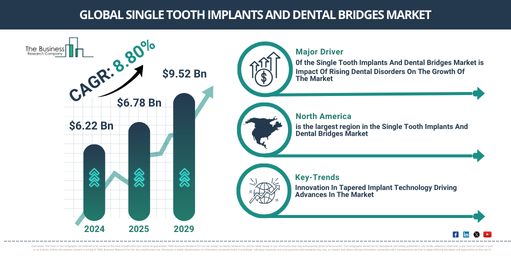
    The market size of single tooth implants and dental bridges has seen robust growth in recent periods. The value is set to escalate from $6.22 billion in 2024 to an impressive $6.78 billion in 2025, demonstrating a compound annual growth rate (CAGR) of 9.1%. This growth during the historic period is a reflection of progress in implant technology, an expanding elderly population, wider dental insurance coverage, enhancement in material longevity, and heightened consciousness about dental aesthetics.

    What Is the Projected Market Size of the Single Tooth Implants And Dental Bridges Market?

    The market for single tooth implants and dental bridges is projected to experience robust growth in the coming years. The market value is set to reach $9.52 billion by 2029, with a compound annual growth rate of 8.8%. This projected growth is driven by factors such as progression in 3D printing technology, a growing preference for minimally invasive procedures, heightened awareness of oral health, an increasing elderly population, and enhancement of the dental healthcare infrastructure. Key trends to watch out for include the adoption of artificial intelligence in treatment design, an increase in tailored dental solutions, a rise in demand for metal-free implants, advances in implant surface technology, and the transition towards cost-effective dental care choices.

    Download The Free Sample Report Here:

    https://www.thebusinessresearchcompany.com/sample.aspx?id=20955&type=smp

    Who are the Major Competitors in the Single Tooth Implants And Dental Bridges Market Outlook?

    Major companies operating in the single tooth implants and dental bridges market are 3M Company, Danaher Corporation, Henry Schein Inc., Zimmer Biomet Holdings Inc., Straumann Group, Envista Holdings Corporation, Nobel BioCare Services AG, Zim Vie Inc., Osstem Implant Co. Ltd., Bio Horizons IPH Inc., Keystone Dental Inc., Zest Dental Solutions, Neoss Limited, Thommen Medical AG, Southern Implants (Pty) Ltd., Meagan Implant Co. Ltd., AVINENT Implant System S.L., CAMLOG Biotechnologies AG, Dentsply Sirona, TBR Dental

    What Is Fueling Growth in the Single Tooth Implants And Dental Bridges Market?

    The surge in dental disorders is predicted to stimulate the single tooth implants and dental bridges market’s expansion. Dental disorders encompass diverse diseases that impact the teeth, gums, jaw, or oral cavity, compromising oral health and functionality. A rise in these disorders is attributable to factors like a higher intake of sugary foods, inadequate oral hygiene, aging populations, and the increasing incidence of lifestyle diseases such as diabetes. Single tooth implants and dental bridges offer potent solutions for patients suffering from dental pathologies by replenishing missing or damaged teeth, upgrading oral function, enhancing aesthetic aspects, and bolstering overall self-assurance while preventing complications such as teeth shifting and jawbone degeneration. For instance, data from the National Board of Health and Welfare—a government agency based in Sweden—indicated that in May 2024 roughly 3.9 million individuals aged 24 or older obtained dental care in Sweden in 2023, showing a surge from 2022. Therefore, the rising prevalence of dental disorders is propelling the growth of the single tooth implants and dental bridges market.

    Request For A Customized Report:

    https://www.thebusinessresearchcompany.com/customise?id=20955&type=smp

    Which Single Tooth Implants And Dental Bridges Market Segments Are Growing the Fastest?

    The single tooth implants and dental bridges market covered in this report is segmented –

    1) By Type: 3-Unit Bridges, 4-Unit Bridges, Titanium Bridges, Silicone Bridges, Maryland Bridges, Cantilever Bridges, Partial Bridges

    2) By Material: Porcelain-Fused-To-Metal (PFM), All Ceramics, Metal Alloys

    3) By Application: Hospitals, Density, Ambulatory Surgical Centers, Organ Transplant Centers, Orthopedic And Traumas Centers

    Subsegments:

    1) By 3-Unit Bridges: Fixed 3-Unit Bridges, Resin-Bonded 3-Unit Bridges

    2) By 4-Unit Bridges: Fixed 4-Unit Bridges, Cantilever 4-Unit Bridges

    3) By Titanium Bridges: Titanium-Alloy Bridges, Titanium-Based Fixed Bridges

    4) By Silicone Bridges: Flexible Silicone Bridges, Temporary Silicone Bridges

    5) By Maryland Bridges: Resin-Bonded Maryland Bridges, Metallic Framework Maryland Bridges

    6) By Cantilever Bridges: Single Cantilever Bridges, Multiple Cantilever Bridges

    7) By Partial Bridges: Partial Fixed Bridges, Removable Partial Bridges

    Which Industry Trends Are Shaping the Future of the Single Tooth Implants And Dental Bridges Market?

    Companies that are major players in the single tooth implants and dental bridges market are focusing on innovation, developing new products like tapered implant technology to enhance osseointegration, increase stability, and shorten patient recovery periods. Tapered implant technology is a dental implant design featuring a conical or tapered shape that emulates the natural structure of a tooth root. This design boosts primary stability by securing a strong fit in the jawbone, especially in areas where bone density or volume is insufficient. For example, in June 2022, ZimVie Inc., a dental implant maker based in the United States, introduced the T3 PRO Tapered Implant and Encode System using this innovative technology. The tapered design simplifies placement in diverse bone types and improves primary stability, particularly in softer bone. The implant employs a unique surface treatment that promotes osseointegration, resulting in accelerated healing times and improved long-term results.

    Access The Full Report Here:

    https://www.thebusinessresearchcompany.com/report/single-tooth-implants-and-dental-bridges-global-market-report

    Which Countries Are Leading the Single Tooth Implants And Dental Bridges Market?

    North America was the largest region in the single tooth implants and dental bridges market in 2024. Asia-Pacific is expected to be the fastest-growing region in the forecast period. The regions covered in the single tooth implants and dental bridges market report are Asia-Pacific, Western Europe, Eastern Europe, North America, South America, Middle East, Africa.

    Purchase The Full Report Today:

    https://www.thebusinessresearchcompany.com/purchaseoptions.aspx?id=20955

    This Report Delivers Insight On:

    1. How big is the single tooth implants and dental bridges market, and how is it changing globally?

    2. Who are the major companies in the single tooth implants and dental bridges market, and how are they performing?

    3. What are the key opportunities and risks in the single tooth implants and dental bridges market right now?

    4. Which products or customer segments are growing the most in the single tooth implants and dental bridges market?

    5. What factors are helping or slowing down the growth of the single tooth implants and dental bridges market?

    About The Business Research Company:

    With over 15000+ reports from 27 industries covering 60+ geographies, The Business Research Company has built a reputation for offering comprehensive, data-rich research and insights. Armed with 1,500,000 datasets, the optimistic contribution of in-depth secondary research, and unique insights from industry leaders, you can get the information you need to stay ahead in the game.

    Get in touch with us:

    The Business Research Company: https://www.thebusinessresearchcompany.com/

    Americas +1 310-496-7795

    Europe +44 7882 955267

    Asia & Others +44 7882 955267 & +91 8897263534

    Email us at info@tbrc.info

    Follow us on:

    LinkedIn: https://in.linkedin.com/company/the-business-research-company

    YouTube: https://www.youtube.com/channel/UC24_fI0rV8cR5DxlCpgmyFQ

    Global Market Model: https://www.thebusinessresearchcompany.com/global-market-model

  • Shoulder Replacement Devices Forecast Report – Designed for Decision Makers and Product Teams

    Claim your 30% discount on Global Market Reports with code ONLINE30. Limited time only.

    What Is the Growth Rate of the Shoulder Replacement Devices Market?

    In the past few years, the market size for shoulder replacement devices has seen robust growth. It is anticipated to rise from $1.54 billion in 2024 to $1.66 billion in 2025, representing a compound annual growth rate (CAGR) of 8.1%. This surge during the historical period can be traced back to factors such as the increasing incidence of shoulder fractures, enhancements in surgical instruments and procedures, expanded insurance cover for surgeries, advancements in reverse shoulder prostheses, and escalated patient need for functional recuperation.

    What Growth Rate Is Forecasted for the Shoulder Replacement Devices Market by 2029?

    Expectations set for the shoulder replacement devices market indicates a substantive escalation in the coming years. The anticipated market growth is predicted to reach $2.24 billion by 2029, with a compound annual growth rate (CAGR) of 7.8%. Enhanced advancements in robot-assisted surgical procedures, the ascending adoption of 3D printing for custom-made implants, heightened cognizance of joint health, an upswing in sports-related injuries, and improved healthcare accessibility in developing markets are propelling this growth forward. Emerging major trends encompass rising demand for implants catered to an active lifestyle, an intensifying focus on post-operative therapy technologies, the enlargement of robot-assisted shoulder procedures, the leverage of advanced imagery techniques for pre-operative planning, and a trend favoring more cost-effective shoulder replacement alternatives.

    Download The Free Sample Report Here:

    https://www.thebusinessresearchcompany.com/sample.aspx?id=20953&type=smp

    Which Key Companies Are Shaping the Future of the Shoulder Replacement Devices Market?

    Major companies operating in the shoulder replacement devices market are Johnson & Johnson Services Inc., Stryker Corporation, Zimmer Biomet Holdings Inc., Smith & Nephew plc, Arthrex Inc., Enovis Corp., Integra Life Sciences Corporation, Wright Medical Group N.V., Medaka International, Exactech Inc., Tornier Inc., Kina med Incorporated, Catalyst OrthoScience, FX Solutions LLC, Evolutis SA., Aevumed Inc., FH Orthopedics Inc., Shoulder Innovations Inc., Biotechpromed SA, MedicalExpo

    Which Factors Are Driving Demand in the Shoulder Replacement Devices Industry?

    The escalation in road accidents is projected to drive the expansion of the shoulder replacement devices market in the future. An boost in road accidents is traced back to rising vehicular use, deficient road safety norms, and inattentive driving, which elevate accident statistics and road dangers. For those who have sustained extensive shoulder damage via road accidents, shoulder replacement devices offer crucial solutions by reviving joint functionality, reducing the pain, and enabling a return to daily routines with enhanced life quality thanks to personalized surgical procedures suited for their unique injuries. Take, for example, in December of 2023. The Bureau of Infrastructure and Transport Research Economics, a governmental entity from Australia, reported 1,266 road-related deaths in 2023, indicating a 7.3% increase in comparison to the 1,178 deaths documented in 2022. Consequently, the escalating rate of road accidents is propelling the growth of the shoulder replacement devices market.

    Request For A Customized Report:

    https://www.thebusinessresearchcompany.com/customise?id=20953&type=smp

    How Is the Shoulder Replacement Devices Market Segmented by Several Divisions?

    The shoulder replacement devices market covered in this report is segmented –

    1) By Type: Anatomical Shoulder Prosthesis, Reverse Shoulder Prosthesis

    2) By Material: Metal, Polyethylene, Ceramic

    3) By Procedure: Partial Shoulder Arthroplasty, Total Shoulder Arthroplasty, Revision Shoulder Arthroplasty

    4) By End-User: Hospitals, Clinics, Outpatient Surgical Centers

    Subsegments:

    1) By Anatomical Shoulder Prosthesis: Humeral Head Prosthesis, Total Shoulder Prosthesis (Humeral And Glenoid Components), Partial Shoulder Prosthesis

    2) By Reverse Shoulder Prosthesis: Reverse Total Shoulder Prosthesis (RTSA), Reverse Hemiarthroplasty, Inverted Ball-And-Socket Designs

    What are the Emerging Market Trends Driving the Growth of the Shoulder Replacement Devices Industry?

    Major corporations active in the shoulder replacement devices market are pioneering new technologies like OsseoTi porous metal technology to enhance patient results and cater to precise medical requirements. Designed to emulate the composition of natural bone, OsseoTi porous metal technology is an innovative development in material engineering, facilitating a highly porous surface that fosters osseointegration. For example, Zimmer Biomet Holdings Inc., a medical technology firm based in the US, acquired US FDA 510(k) authorization in January 2024 for its Osseo Fit Stemless Shoulder System. The system serves the purpose of total shoulder replacement and leverages OsseoTi porous metal technology, which supports improved biological fixation through bone proliferation. The implant features a press-fit mechanism, ensuring robust initial fixation without endangering bone integrity and is compatible with existing Identity Humeral Heads, offering surgical versatility. The system also comes with strategically located suture holes for subscapularis repair and is bundled in a single instrument tray for efficient surgical procedures.

    Access The Full Report Here:

    https://www.thebusinessresearchcompany.com/report/shoulder-replacement-devices-global-market-report

    Which Regions Are Driving Growth in the Shoulder Replacement Devices Market?

    North America was the largest region in the shoulder replacement devices market in 2024. Asia-Pacific is expected to be the fastest-growing region in the forecast period. The regions covered in the shoulder replacement devices market report are Asia-Pacific, Western Europe, Eastern Europe, North America, South America, Middle East, Africa.

    Purchase The Full Report Today:

    https://www.thebusinessresearchcompany.com/purchaseoptions.aspx?id=20953

    This Report Delivers Insight On:

    1. How big is the shoulder replacement devices market, and how is it changing globally?

    2. Who are the major companies in the shoulder replacement devices market, and how are they performing?

    3. What are the key opportunities and risks in the shoulder replacement devices market right now?

    4. Which products or customer segments are growing the most in the shoulder replacement devices market?

    5. What factors are helping or slowing down the growth of the shoulder replacement devices market?

    About The Business Research Company:

    With over 15000+ reports from 27 industries covering 60+ geographies, The Business Research Company has built a reputation for offering comprehensive, data-rich research and insights. Armed with 1,500,000 datasets, the optimistic contribution of in-depth secondary research, and unique insights from industry leaders, you can get the information you need to stay ahead in the game.

    Get in touch with us:

    The Business Research Company: https://www.thebusinessresearchcompany.com/

    Americas +1 310-496-7795

    Europe +44 7882 955267

    Asia & Others +44 7882 955267 & +91 8897263534

    Email us at info@tbrc.info

    Follow us on:

    LinkedIn: https://in.linkedin.com/company/the-business-research-company

    YouTube: https://www.youtube.com/channel/UC24_fI0rV8cR5DxlCpgmyFQ

    Global Market Model: https://www.thebusinessresearchcompany.com/global-market-model

  • Schizophrenia Drugs Market Outlook 2025 – Insights for Executive and Strategic Planning

    Claim your 30% discount on Global Market Reports with code ONLINE30. Limited time only.

    How Has the Schizophrenia Drugs Market Grown from 2024 to 2025?

    The market size for schizophrenia drugs has witnessed substantial growth in the past few years. Its size is projected to increase from $7.96 billion in 2024 to $8.49 billion in 2025, with a compound annual growth rate (CAGR) of 6.6%. Several factors have contributed to this historical growth. These include the introduction of newer medications such as second and third-generation antipsychotics, a surging rate of mental disruptions and schizophrenia, increased consciousness about mental health, an escalation in mental health promotion efforts by both government and non-government bodies, and a rise in the elderly population.

    What Growth Rate Is Anticipated for the Schizophrenia Drugs Market in the Coming Years?

    Expectations are high for robust growth in the schizophrenia drugs market over the next few years, with its worth predicted to escalate to $10.85 billion by 2029 with a CAGR of 6.3%. The anticipation of growth in the future is due to numerous factors such as the pressing demand for superior and more efficient treatment outcomes, increased R&D efforts aimed at enhancing antipsychotic drugs, unveiling of new products and their subsequent approval, burgeoning investments targeted at formulating innovative medicines tackling mental health problems, improved safety nets for mental health treatments, as well as government initiatives and support. The foresight for this period also includes trends like the creation of long-acting injectable solutions, the debut of technological aids like mobile applications and wearable devices, the upsurge in drugs focusing on glutamatergic routes, the exploitation of genetic and biomarker analysis, and a heightened emphasis on supplementary therapies.

    Download The Free Sample Report Here:

    https://www.thebusinessresearchcompany.com/sample.aspx?id=20948&type=smp

    Who Are the Leading Companies in the Schizophrenia Drugs Market?

    Major companies operating in the schizophrenia drugs market are Pfizer Inc., Johnson & Johnson Services Inc., Merck & Co., Novartis AG, Sanofi S.A., Bristol Myers Squibb, AstraZeneca PLC, Eli Lilly and Company, Amgen Inc., F. Hoffmann-La Roche Ltd., Teva Pharmaceutical Industries Ltd., UCB S.A., Sun Pharmaceutical Industries Ltd., AbbVie Inc., H. Lundbeck A/S, Cipla Ltd., Lupin Limited, Alkermes plc, Vanda Pharmaceuticals Inc., Sumitomo Pharma Co. Ltd., Mylan NV, Otsuka Pharmaceutical Co. Ltd., Reviva Pharmaceuticals Holdings Inc., Lifegenix, Flagship Biotech International Pvt. Ltd.

    What Are the Key Drivers of the Schizophrenia Drugs Market?

    The escalation in schizophrenia instances are anticipated to stimulate the expansion of the schizophrenia drugs market in the future. Schizophrenia is characterized as a chronic mental disorder signified by distorted thoughts, senses, emotions, and actions that often result in hallucinations and delusions. This upsurge in schizophrenia instances could be ascribed to certain key factors such as genetic predispositions, environmental stressors, abuse of harmful substances, and disruptions in the neurochemical makeup of the brain. Medications for schizophrenia are employed to manage the symptoms effectively, thereby lessening the disorder’s influence on everyday life and ameliorating overall treatment results. For example, as per the National Library of Medicine, a prestigious biomedical library based in the US, the occurrence of psychotic disorders linked to schizophrenia ranged between 0.25% and 0.64% of the total US populace in February 2024. Moreover, as per the statistics shared by the British Columbia Schizophrenia Society, a Canadian nonprofit organization, in January 2024, schizophrenia was identified as the leading reason for psychiatric hospital admissions, accounting for 19.9% of standard hospital intakes and 30.9% of stays in mental health facilities. Therefore, the surge in schizophrenia instances will likely be a significant factor propelling the growth of the schizophrenia drugs market.

    Request For A Customized Report:

    https://www.thebusinessresearchcompany.com/customise?id=20948&type=smp

    What Are the Key Market Segments in the Schizophrenia Drugs Industry?

    The schizophrenia drugs market covered in this report is segmented –

    1) By Therapeutic Class: Second Generation, Third Generation, Other Therapeutic Classes

    2) By Treatment: Oral, Injectable

    3) By Distribution Channel: Hospital Pharmacies, Retail Pharmacies, Online Pharmacies, Other Distribution Channels

    Subsegments:

    1) By Second Generation: Risperidone, Olanzapine, Quetiapine, Aripiprazole, Paliperidone, Ziprasidone, Others

    2) By Third Generation: Brexpiprazole, Cariprazine, Others

    3) By Other Therapeutic Classes: First-Generation Antipsychotics, Combination Therapies, Others

    What Are the Latest Trends in the Schizophrenia Drugs Market?

    Significant players in the schizophrenia drugs market, like Bristol Myers Squibb, are concentrating on launching innovative products, including schizophrenia oral drugs, to improve patient management and treatment results. These oral treatments are typically antipsychotic medications aimed at stabilising mood, thoughts, and perceptions in patients dealing with this condition. In September 2024, the U.S. biopharmaceutical company, Bristol Myers Squibb, achieved a milestone when their new oral medication, Cobenfy, received approval from the U.S. Food and Drug Administration (FDA) to manage schizophrenia in adults. Unlike conventional antipsychotics that target dopamine receptors, Cobenfy, an amalgamation of xanomeline and trospium chloride, focuses on cholinergic receptors. This innovative strategy could potentially ease symptoms like delusions and disorganised thinking while minimising the usual side effects of older antipsychotic drugs, setting up Cobenfy as a potential game-changer in the realm of schizophrenia treatment options.

    Access The Full Report Here:

    https://www.thebusinessresearchcompany.com/report/schizophrenia-drugs-global-market-report

    What Are the Key Regional Markets in the Schizophrenia Drugs Industry?

    North America was the largest region in the schizophrenia drugs market in 2024. Asia-Pacific is expected to be the fastest-growing region in the forecast period. The regions covered in the schizophrenia drugs market report are Asia-Pacific, Western Europe, Eastern Europe, North America, South America, Middle East, Africa.

    Purchase The Full Report Today:

    https://www.thebusinessresearchcompany.com/purchaseoptions.aspx?id=20948

    This Report Delivers Insight On:

    1. How big is the schizophrenia drugs market, and how is it changing globally?

    2. Who are the major companies in the schizophrenia drugs market, and how are they performing?

    3. What are the key opportunities and risks in the schizophrenia drugs market right now?

    4. Which products or customer segments are growing the most in the schizophrenia drugs market?

    5. What factors are helping or slowing down the growth of the schizophrenia drugs market?

    About The Business Research Company:

    With over 15000+ reports from 27 industries covering 60+ geographies, The Business Research Company has built a reputation for offering comprehensive, data-rich research and insights. Armed with 1,500,000 datasets, the optimistic contribution of in-depth secondary research, and unique insights from industry leaders, you can get the information you need to stay ahead in the game.

    Get in touch with us:

    The Business Research Company: https://www.thebusinessresearchcompany.com/

    Americas +1 310-496-7795

    Europe +44 7882 955267

    Asia & Others +44 7882 955267 & +91 8897263534

    Email us at info@tbrc.info

    Follow us on:

    LinkedIn: https://in.linkedin.com/company/the-business-research-company

    YouTube: https://www.youtube.com/channel/UC24_fI0rV8cR5DxlCpgmyFQ

    Global Market Model: https://www.thebusinessresearchcompany.com/global-market-model