Blog

  • Non-Muscle Invasive Bladder Cancer  Market to Reach $4.61 Billion by 2029 | Key Drivers and Future Outlook

    Non-Muscle Invasive Bladder Cancer Market to Reach $4.61 Billion by 2029 | Key Drivers and Future Outlook

    Claim your 30% discount on Global Market Reports with code ONLINE30. Limited time only.

    What Is the Growth Rate of the Non-Muscle Invasive Bladder Cancer Market?

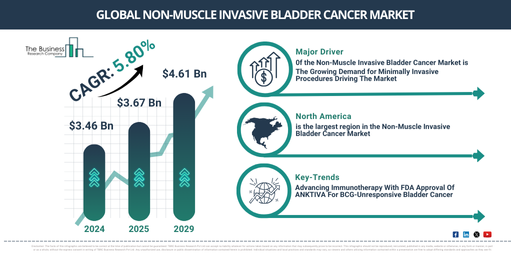
    The market size for non-muscle invasive bladder cancer has seen robust growth in the past few years. It’s projected to expand from $3.46 billion in 2024 to $3.67 billion in 2025, indicating a compound annual growth rate (CAGR) of 6.1%. This market growth in the historical period can be linked to an increase in the elderly population, higher healthcare expenditure, improved healthcare infrastructure, a surge in telemedicine along with an increase in smoking rates.

    What Growth Rate Is Forecasted for the Non-Muscle Invasive Bladder Cancer Market by 2029?

    Expect a substantial expansion in the non-muscle invasive bladder cancer market sector in the upcoming years. The projected growth figure stands at $4.61 billion by 2029, with an annual compound growth rate (CAGR) of 5.8%. Multiple factors are predicted to contribute to this increase over the forecast period, including a surge in targeted therapy adoption, a rising emphasis on personalized treatment approaches, increased funding for oncology research, and a growing preference for minimally invasive procedures. Expect to see an increased number of chronic bladder cases as well. The forecast period also points towards major trends like advancements in technology, precision medicine, utilization of artificial intelligence, the rise of telemedicine, and the embrace of digital health tools.

    Download The Free Sample Report Here:

    https://www.thebusinessresearchcompany.com/sample.aspx?id=20904&type=smp

    Which Key Companies Are Shaping the Future of the Non-Muscle Invasive Bladder Cancer Market?

    Major companies operating in the non-muscle invasive bladder cancer market are Johnson & Johnson, Janssen Research & Development LLC, Merck & Co. Inc., AstraZeneca plc, Moderna Inc., Astellas Pharma US Inc., Ferring Pharmaceuticals, EMD Serono Inc., Fidia Farmaceutici SpA, Genentech Inc., Aura Biosciences Inc., UroGen Pharma Ltd., Asieris Pharmaceuticals, Protara Therapeutics Inc., Hamlet Pharma AB, Istari Oncology Inc., Heat Biologics Inc., Telormedix SA, Viventia Bio Inc., Theralase Technologies Inc., Vaxiion Therapeutics Inc., ImmunityBio Inc., Altor BioScience Corporation, SURGE Therapeutics Inc.

    Which Factors Are Driving Demand in the Non-Muscle Invasive Bladder Cancer Industry?

    The rising preference for minimally invasive procedures is set to accelerate the expansion of the non-muscle invasive bladder cancer market. These procedures employ smaller incisions and specialized equipment and cause less tissue damage, thereby lowering pain, shortening recovery periods, and minimizing scarring as compared to traditional surgery techniques. The shift towards minimally invasive procedures is spurred by factors such as shortened recovery duration, better patient results, and the increasing elderly population. These aspects together improve patient safety, satisfaction, and healthcare efficiency, and the approach to non-muscle invasive bladder cancer supports this by providing localized treatments like transurethral resection and intravesical therapy. These focus on the tumor and avoid the need for comprehensive surgical intervention. For example, The Aesthetic Society reports that Americans spent over $11.8 billion on aesthetic procedures in August 2023, an increase of 2% from the prior year. Therefore, the rising demand for minimally invasive procedures is bolstering the non-muscle invasive bladder cancer market. Influence Of Personalized Medicine On Patient Outcomes In Cancer Care

    Request For A Customized Report:

    https://www.thebusinessresearchcompany.com/customise?id=20904&type=smp

    How Is the Non-Muscle Invasive Bladder Cancer Market Segmented by Several Divisions?

    The non-muscle invasive bladder cancer market covered in this report is segmented –

    1) By Stage: Carcinoma In Situ (CIS), T1 Stage, Ta Stage

    2) By Treatment: Immunotherapy, Chemotherapy, Surgery, Intravesical Therapy, Others Treatments

    3) By Tumor: Low-Grade Tumours, High-Grade Tumours

    4) By End-User: Hospital Pharmacy, Retail Pharmacy, Online Pharmacy

    Subsegments:

    1) By Carcinoma In Situ (CIS): High-Grade CIS, Low-Grade CIS

    2) By T1 Stage: T1a Stage (Superficial Tumors), T1b Stage (Invasive Into Lamina Propria)

    3) By Ta Stage: Low-Grade Ta Stage, High-Grade Ta Stage

    What are the Emerging Market Trends Driving the Growth of the Non-Muscle Invasive Bladder Cancer Industry?

    Key players in the non-muscle invasive bladder cancer market are emphasizing the development of cutting-edge innovations like immunotherapy to advance patient treatment options and results. Immunotherapy involves using the immune system of the body to identify and fight cancer cells by bolstering or initiating immune responses. For instance, the US Food and Drug Administration (FDA) gave the green light in March 2024 to ImmunityBio Inc., an American biotech firm, for ANKTIVA (N-803). This is for the treatment of BCG-unresponsive non-muscle invasive bladder cancer (NMIBC), which includes carcinoma in situ (CIS), regardless of the presence of papillary tumors. Based on encouraging clinical trial outcomes, ANKTIVA, when administered alongside Bacillus Calmette-Guérin (BCG), presents a potent treatment pathway for those patients who haven’t shown response to regular BCG therapy. ANKTIVA, a trailblazer IL-15 agonist immunotherapy, operates by fortifying the immune system, mainly triggering natural killer (NK) cells and CD8+ killer T cells to aim and kill cancer cells.

    Access The Full Report Here:

    https://www.thebusinessresearchcompany.com/report/non-muscle-invasive-bladder-cancer-global-market-report

    Which Regions Are Driving Growth in the Non-Muscle Invasive Bladder Cancer Market?

    North America was the largest region in the non-muscle invasive bladder cancer market in 2024. Asia-Pacific is expected to be the fastest-growing region in the forecast period. The regions covered in the non-muscle invasive bladder cancer market report are Asia-Pacific, Western Europe, Eastern Europe, North America, South America, Middle East, Africa.

    Purchase The Full Report Today:

    https://www.thebusinessresearchcompany.com/purchaseoptions.aspx?id=20904

    This Report Delivers Insight On:

    1. How big is the non-muscle invasive bladder cancer market, and how is it changing globally?

    2. Who are the major companies in the non-muscle invasive bladder cancer market, and how are they performing?

    3. What are the key opportunities and risks in the non-muscle invasive bladder cancer market right now?

    4. Which products or customer segments are growing the most in the non-muscle invasive bladder cancer market?

    5. What factors are helping or slowing down the growth of the non-muscle invasive bladder cancer market?

    About The Business Research Company:

    With over 15000+ reports from 27 industries covering 60+ geographies, The Business Research Company has built a reputation for offering comprehensive, data-rich research and insights. Armed with 1,500,000 datasets, the optimistic contribution of in-depth secondary research, and unique insights from industry leaders, you can get the information you need to stay ahead in the game.

    Get in touch with us:

    The Business Research Company: https://www.thebusinessresearchcompany.com/

    Americas +1 310-496-7795

    Europe +44 7882 955267

    Asia & Others +44 7882 955267 & +91 8897263534

    Email us at info@tbrc.info

    Follow us on:

    LinkedIn: https://in.linkedin.com/company/the-business-research-company

    YouTube: https://www.youtube.com/channel/UC24_fI0rV8cR5DxlCpgmyFQ

    Global Market Model: https://www.thebusinessresearchcompany.com/global-market-model
  • Neurodiagnostics  Market Size to Exceed $12.79 Billion by 2029 | Growth and Industry Trends

    Neurodiagnostics Market Size to Exceed $12.79 Billion by 2029 | Growth and Industry Trends

    Claim your 30% discount on Global Market Reports with code ONLINE30. Limited time only.

    How Has the Neurodiagnostics Market Grown from 2024 to 2025?

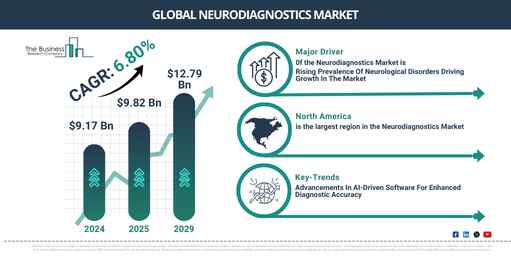
    The market for neurodiagnostics has experienced robust growth over recent years. The market value, which sits at $9.17 billion as of 2024, is projected to rise to $9.82 billion in 2025, with a compound annual growth rate (CAGR) of 7.1%. This historical growth is largely due to an increase in neurological disorders, heightened uptake of cutting-edge imaging technologies, growth of the elderly demographic, awareness of the importance of early disease diagnosis, expanding healthcare infrastructure, and increased financial investments in neuroscience research and development.

    What Growth Rate Is Anticipated for the Neurodiagnostics Market in the Coming Years?

    The size of the neurodiagnostics market is forecasted to experience robust growth in the approaching years. The market is set to expand to $12.79 billion by 2029, with a compound annual growth rate (CAGR) of 6.8%. The surge in growth during the forecast period can be traced back to factors such as the increased demand for non-invasive diagnostic methods, a higher occurrence of neurological disorders, increased investment in healthcare infrastructure by the government, raising awareness and initiatives for early detection, and the broadening scope of personalized medicine. Significant trends predicted for this period include the creation of more portable EEG devices, incorporation of AI for heightened diagnostic precision, advanced MRI technologies for brain imaging, utilisation of wearables for constant monitoring, advancements in neurogenetic testing, and the implementation of real-time data analytics for bespoke treatment plans.

    Download The Free Sample Report Here:

    https://www.thebusinessresearchcompany.com/sample.aspx?id=20902&type=smp

    Who Are the Leading Companies in the Neurodiagnostics Market?

    Major companies operating in the neurodiagnostics market are Nihon Kohden Corporation, Cephalon LLC, Stratus Neuro LLC, Cadwell Industries Inc., Compumedics Limited, Ceribell Inc., CND Life Sciences Inc., Lifelines Neuro Inc., ANT Neuro B.V., Neurovative Diagnostics LLC, Firefly Neuroscience Inc, IntraNerve Neuroscience Inc, NeuroDiagnostics Laboratories LLC, Advanced Brain Monitoring Inc, Spes Medica S.r.l., BioSignal Group Inc, Combinostics Inc., Deymed Diagnostic LLC, NeuLine Health Inc., Ridge Diagnostics Inc., Beacon Biosignals Inc., Intch Inc.

    What Are the Key Drivers of the Neurodiagnostics Market?

    The escalating occurrence of brain-related disorders is anticipated to propel the expansion of the neurodiagnostics market. Neurological disorders, which involve conditions influencing the brain, spinal cord or nerves, can lead to numerous cognitive, motor, and sensory disabilities. A surge in these disorders can be attributed to various factors such as aging populations, environmental influences, changes in lifestyle, genetics, and improved diagnostic techniques. Neurodiagnostics play a crucial role in the precise identification, assessment, and surveillance of these disorders. They facilitate accurate diagnoses, well-informed treatment choices, and efficient management of conditions involving the brain, spinal cord, and nerves. As an example, the National Library of Medicine, a US-based medical library for medical research information, reported in April 2023, that 6.7 million Americans were affected by Alzheimer’s in 2023, with the figure expected to climb to 13.8 million by 2060. Consequently, the escalating occurrence of neurological disorders is stimulating the expansion of the neurodiagnostics market.

    Request For A Customized Report:

    https://www.thebusinessresearchcompany.com/customise?id=20902&type=smp

    What Are the Key Market Segments in the Neurodiagnostics Industry?

    The neurodiagnostics market covered in this report is segmented –

    1) By Type: Diagnostic And Imaging Solutions, In-Vitro Diagnostics

    2) By Technology: Neuroimaging Technologies, Computed Tomography (CT), Magnetic Resonance Imaging (MRI), Nuclear Medicine Imaging (PET, SPECT), Near Infrared Spectroscopic Imaging (NIRS), Electro-Encephalography (EEG), Magneto-Encephalography (MEG), Voxel Based Morphometry (VBM), Neuroinformatics

    3) By Condition: Epilepsy, Alzheimer’s Disease, Parkinson’s Disease, Stroke, Joint Health, Other Conditions

    4) By End Use : Hospitals And Clinics, Diagnostic Laboratories, Imaging Centers, Other End Uses

    Subsegments:

    1) By Diagnostic And Imaging Solutions: MRI (Magnetic Resonance Imaging) Systems, CT (Computed Tomography) Scanners, EEG (Electroencephalogram) Systems, EMG (Electromyography) Systems, MEG (Magnetoencephalography) Systems, PET (Positron Emission Tomography) Scanners, SPECT (Single Photon Emission Computed Tomography) Scanners, Functional MRI (fMRI) Systems, Intracranial Pressure Monitors

    2) By In-Vitro Diagnostics: Blood-Based Diagnostics, Cerebrospinal Fluid (Csf) Analysis, Genetic Testing And Biomarkers, Neurochemical Diagnostics, Point-Of-Care Neurodiagnostics, Diagnostic Kits For Neurodegenerative Disorders

    What Are the Latest Trends in the Neurodiagnostics Market?

    Leading firms in the field of neurodiagnostics are concentrating their efforts on technological innovations, with a particular focus on the development of advanced software algorithms. This push for innovative technology is aimed at boosting the precision of diagnoses and increasing patient recovery rates. The term “advanced software algorithm” refers to a complex series of instructions capable of processing and evaluating data using artificial intelligence (AI) or machine learning. This aids in enhancing decision-making processes and the overall diagnostic capabilities. A notable example of this can be seen in October 2023, when Ceribell Inc., a medical equipment manufacturing firm based in the US, unveiled its ClarityPro AI algorithm. This launch marked a significant milestone in the diagnosis of electrographic status epilepticus (ESE). This leading-edge software, when integrated into the Ceribell EEG system, uses machine learning to examine EEG waveforms and promptly provides alerts about potential seizure activity. It is especially noteworthy that ClarityPro is the first acute care device to receive FDA approval for autonomous diagnosis. This revolutionary technology is envisioned to refine clinical decision-making by continuously monitoring brain functions, providing key insights, and facilitating speedy and effective responses to treatment tactics.

    Access The Full Report Here:

    https://www.thebusinessresearchcompany.com/report/neurodiagnostics-global-market-report

    What Are the Key Regional Markets in the Neurodiagnostics Industry?

    North America was the largest region in the neurodiagnostics market in 2024. Asia-Pacific is expected to be the fastest-growing region in the forecast period. The regions covered in the neurodiagnostics market report are Asia-Pacific, Western Europe, Eastern Europe, North America, South America, Middle East, Africa.

    Purchase The Full Report Today:

    https://www.thebusinessresearchcompany.com/purchaseoptions.aspx?id=20902

    This Report Delivers Insight On:

    1. How big is the neurodiagnostics market, and how is it changing globally?

    2. Who are the major companies in the neurodiagnostics market, and how are they performing?

    3. What are the key opportunities and risks in the neurodiagnostics market right now?

    4. Which products or customer segments are growing the most in the neurodiagnostics market?

    5. What factors are helping or slowing down the growth of the neurodiagnostics market?

    About The Business Research Company:

    With over 15000+ reports from 27 industries covering 60+ geographies, The Business Research Company has built a reputation for offering comprehensive, data-rich research and insights. Armed with 1,500,000 datasets, the optimistic contribution of in-depth secondary research, and unique insights from industry leaders, you can get the information you need to stay ahead in the game.

    Get in touch with us:

    The Business Research Company: https://www.thebusinessresearchcompany.com/

    Americas +1 310-496-7795

    Europe +44 7882 955267

    Asia & Others +44 7882 955267 & +91 8897263534

    Email us at info@tbrc.info

    Follow us on:

    LinkedIn: https://in.linkedin.com/company/the-business-research-company

    YouTube: https://www.youtube.com/channel/UC24_fI0rV8cR5DxlCpgmyFQ

    Global Market Model: https://www.thebusinessresearchcompany.com/global-market-model
  • Disposable Contact Lenses Market Projected at $3.63 Billion by 2029 | Strategic Insights and Forecast Data

    Disposable Contact Lenses Market Projected at $3.63 Billion by 2029 | Strategic Insights and Forecast Data

    Claim your 30% discount on Global Market Reports with code ONLINE30. Limited time only.

    How Has the Disposable Contact Lenses Market Size Changed, over the years?

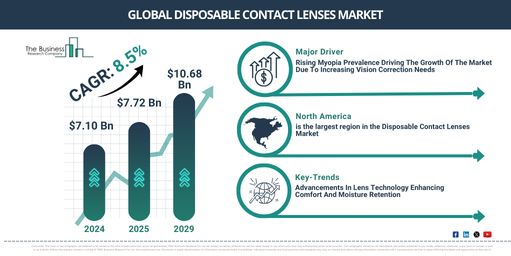
    In the past few years, there has been a significant growth in the market size of disposable contact lenses. The market is projected to expand from $7.10 billion in 2024 to $7.72 billion in 2025, maintaining a compound annual growth rate (CAGR) of 8.7%. The growth during the historical period can be a consequence of factors such as the rising incidence of vision-related issues, increased awareness regarding ocular health, a shift in preference from glasses to contact lenses, the increasing effect of digital eye strain on lens demand, and the growing acceptance of subscription-based lens delivery services.

    How Much Will the Disposable Contact Lenses Market Be Worth in 2029?

    The market size for disposable contact lenses is projected to experience substantial growth in the coming years, reaching a value of $10.68 billion in 2029 at a compound annual growth rate (CAGR) of 8.5%. Factors contributing to this growth during the forecast period include increasing demand for daily disposable lenses, a growing number of myopia cases in the younger generation, preference for hygiene and convenience, an expanding elderly population requiring vision correction, and customization and personalization of lenses. The primary trends expected during this period involve technological progress in lens materials, developments in silicone hydrogel lenses, a move towards sustainable and biodegradable lenses, the application of smart technology in contact lenses, and improvements in oxygen permeability and moisture retention.

    Download The Free Sample Report Here:

    https://www.thebusinessresearchcompany.com/sample.aspx?id=21940&type=smp

    Which is the Largest Company in the Disposable Contact Lenses Market?

    Major companies operating in the disposable contact lenses market are Johnson & Johnson Vision Care Inc., Carl Zeiss AG, Alcon Inc., HOYA Corporation, Bausch + Lomb Incorporated, CooperVision Inc., Menicon Co. Ltd., BenQ Materials Corporation, St.Shine Optical Co. Ltd., SEED Co. Ltd., Interojo Co. Ltd., Hubble Contacts Inc., Oculus Optikgeräte GmbH, ClearLab International, Visioneering Technologies Inc., UltraVision CLPL, Visco Vision Inc., Sensimed AG, Maxvue Vision Sdn Bhd, Shinagawa Contact Lens Co. Ltd.

    What Are the Main Market Drivers in the Disposable Contact Lenses Industry?

    The rise in myopia cases is anticipated to drive the growth of the disposable contact lens market. Known as nearsightedness, myopia is a common visual condition which results in distant objects seemingly blurry, whereas nearby objects are seen clearly. The heightened incidences of myopia are majorly attributed to decreased exposure to the outdoors, as natural light is crucial in regulating the growth of the eye and inhibits over-elongation of the eyeball. The rise in myopia cases fuels the demand for disposable contact lenses, which offer a practical and hygienic approach to correcting vision. For instance, the Lions Eye institute, a non-profit organization based in Australia, reported in October 2024 that the rates of myopia globally are escalating swiftly. Over 90% of Chinese university students and more than 6 million Australians (more than 20% of the population) are living with myopia. If this trend continues, by 2050, myopia could affect 50% of the world’s population. Hence, the growing prevalence of myopia is fuelling the expansion of the disposable contact lens market.

    Request For A Customized Report:

    https://www.thebusinessresearchcompany.com/customise?id=21940&type=smp

    How Is the Disposable Contact Lenses Market Segments Structured?

    The disposable contact lenses market covered in this report is segmented –

    1) By Type: Cylindrical Lenses, Toric Lenses, Spherical Lenses

    2) By Material: Silicon, Hydrogel, Polymers

    3) By Distribution Channel: Optical Stores, Online Stores

    4) By Applications: Corrective, Therapeutic, Cosmetic

    Subsegments:

    1) By Cylindrical Lenses: Soft Cylindrical Lenses, Rigid Gas Permeable (RGP) Cylindrical Lenses, Hybrid Cylindrical Lenses

    2) By Toric Lenses: Daily Disposable Toric Lenses, Weekly Disposable Toric Lenses, Monthly Disposable Toric Lenses

    3) By Spherical Lenses: Daily Disposable Spherical Lenses, Weekly Disposable Spherical Lenses, Monthly Disposable Spherical Lenses

    What Strategic Trends Are Transforming the Disposable Contact Lenses Market?

    Leading businesses in the disposable contact lenses market are prioritizing advancements in lens technology, such as ProBalance technology, to attain a competitive advantage in the industry. ProBalance Technology is an innovative lens development that integrates hydrating components to preserve the equilibrium of the ocular surface, alleviate dryness, and amplify comfort during wearing of contact lenses. For example, in May 2023, the US-based healthcare firm, Bausch + Lomb Incorporated, introduced Infuse Multifocal silicone hydrogel daily disposable contact lenses in the US. These lenses are designed to offer clear sight over all distances for individuals with presbyopia. The lenses incorporate ProBalance technology to sustain hydration and decrease dryness, tackling typical problems encountered by users of multifocal lenses. Constructed from the advanced SiHy material (kalifilcon A), they provide superior breathability, comfort, and extended moisture retention.

    Access The Full Report Here:

    https://www.thebusinessresearchcompany.com/report/disposable-contact-lenses-global-market-report

    Which Global Regions Offer the Highest Growth in the Disposable Contact Lenses Market?

    North America was the largest region in the disposable contact lenses market in 2024. Asia-Pacific is expected to be the fastest-growing region in the forecast period. The regions covered in the disposable contact lenses market report are Asia-Pacific, Western Europe, Eastern Europe, North America, South America, Middle East, Africa.

    Purchase The Full Report Today:

    https://www.thebusinessresearchcompany.com/purchaseoptions.aspx?id=21940

    This Report Delivers Insight On:

    1. How big is the disposable contact lenses market, and how is it changing globally?

    2. Who are the major companies in the disposable contact lenses market, and how are they performing?

    3. What are the key opportunities and risks in the disposable contact lenses market right now?

    4. Which products or customer segments are growing the most in the disposable contact lenses market?

    5. What factors are helping or slowing down the growth of the disposable contact lenses market?

    About The Business Research Company:

    With over 15000+ reports from 27 industries covering 60+ geographies, The Business Research Company has built a reputation for offering comprehensive, data-rich research and insights. Armed with 1,500,000 datasets, the optimistic contribution of in-depth secondary research, and unique insights from industry leaders, you can get the information you need to stay ahead in the game.

    Get in touch with us:

    The Business Research Company: https://www.thebusinessresearchcompany.com/

    Americas +1 310-496-7795

    Europe +44 7882 955267

    Asia & Others +44 7882 955267 & +91 8897263534

    Email us at info@tbrc.info

    Follow us on:

    LinkedIn: https://in.linkedin.com/company/the-business-research-company

    YouTube: https://www.youtube.com/channel/UC24_fI0rV8cR5DxlCpgmyFQ

    Global Market Model: https://www.thebusinessresearchcompany.com/global-market-model
  • Dermatomycoses Industry Growth Expected to Reach $378.27 Billion by 2029 at a CAGR of 8.6% | Segmentation and Growth Opportunities

    Dermatomycoses Industry Growth Expected to Reach $378.27 Billion by 2029 at a CAGR of 8.6% | Segmentation and Growth Opportunities

    Claim your 30% discount on Global Market Reports with code ONLINE30. Limited time only.

    What Is the Forecast for the Dermatomycoses Market Growth in 2025?

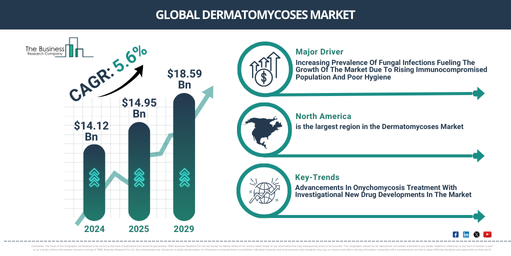
    The market for dermatomycoses has seen robust growth recently. It is forecasted to expand from a size of $14.12 billion in 2024 to $14.95 billion in 2025, signifying a compound annual growth rate (CAGR) of 5.9%. The growth witnessed in the historical period is linked to advancements in antifungal treatments, a rising incidence of fungal infections, growing consciousness about skin health, improved diagnostic methods, and widened availability of over-the-counter antifungal products.

    What Is the Forecast for the Dermatomycoses Market Size Through 2029?

    The market size for dermatomycoses is set to experience significant growth in the upcoming years, escalating to $18.59 billion by 2029 with a Compound Annual Growth Rate (CAGR) of 5.6%. This predicted growth is due to factors such as a rising aging population, an increase in drug-resistant fungal strains, an escalated demand for natural and organic antifungal products, advancements in the field of biotechnology and antifungal research, and greater accessibility to healthcare in developing regions. The forecast period will likely witness key trends such as the creation of new antifungal medications, progress in quick diagnostic methods, the application of artificial intelligence in dermatology, advancements in nanotechnology for antifungal treatments, and breakthroughs in microbiome-based therapies.

    Download The Free Sample Report Here:

    https://www.thebusinessresearchcompany.com/sample.aspx?id=21934&type=smp

    What are the Key Market Players in Dermatomycoses Market and How They’re Evolving?

    Major companies operating in the dermatomycoses market are Pfizer Inc., Bayer AG, Saphnix Life Sciences, MITS Healthcare Private Limited, Weefsel Pharma, AdvaCare Pharma, Associated Biotech, Healthy Life Pharma Private Limited, Blueberry Therapeutics Ltd., Livealth Biopharma Pvt. Ltd., LGM Pharma, SiNi Pharma Pvt. Ltd., Joshi Agrochem Pharma Private Limited, Wellona Pharma, Abiba Pharmacia Pvt. Ltd., Vee Excel Drugs & Pharmaceuticals Pvt. Ltd., Femcorp Pharma, Lexicare Pharma Pvt. Ltd., Glamris Dermacare, Henin Lukinz

    What Are the Primary Growth Drivers in the Dermatomycoses Market?

    The surge in the number of fungal infections is anticipated to stimulate the expansion of the dermatomycoses market. These infections are caused by fungi that compromise the skin, nails, hair, or internal organs, leading to a variety of health complications. The use of wide-ranging antibiotics in excess can disrupt the natural microbiome, allowing fungi to proliferate and cause infections. This microbial imbalance diminishes the body’s innate defense mechanisms, making people more susceptible to opportunistic fungal infections. Dermatomycoses, produced by dermatophytes, yeasts, and molds, account for fungal diseases, influencing various tissues and leading to widespread superficial and systemic infections. For instance, as per the UK Health Security Agency’s report in November 2023, global incidence estimates point to 6.5 million invasive fungal infections annually, leading to roughly 3.8 million fatalities, with 2.5 million directly related to these infections. Hence, the rise in fungal infection occurrences is stimulating the growth of the dermatomycoses market. The growing preference for oral drugs, due to their convenience and effectiveness, is expected to propel the dermatomycoses market’s expansion. Oral medications, which come in the form of tablets, capsules, or liquids and are digested through the gastrointestinal system, are experiencing a surge in demand. These drugs are more favored than injections or other delivery modes because they are convenient and capable of treating a wide array of conditions effectively. Dermatomycoses accentuate the use of oral medicines, allowing systemic antifungal agents to reach the infected skin, hair, or nails via the bloodstream—ensuring a deeper and more extended treatment compared to topical applications. In October 2022, the Centers for Disease Control and Prevention, an agency of the US government, reported that the dispensing of oral antivirals had increased by 57%, up from 643 per 100,000 individuals between April 24 and May 21, 2022, to 1,012 per 100,000 individuals between July 31 and August 28, 2022. Thus, the growing demand for oral medications is accelerating the growth of the dermatomycoses market.

    Request For A Customized Report:

    https://www.thebusinessresearchcompany.com/customise?id=21934&type=smp

    What Are the Leading Segments in the Global Dermatomycoses Industry?

    The dermatomycoses market covered in this report is segmented –

    1) By Drugs: Corticosteroids, Corticosteroid-Sparing Agents, Immunosuppressive, Immunomodulator, Antifungals, Other Drugs

    2) By Route Of Administration: Oral, Parenteral, Topical, Other Routes Of Administration

    3) By End-User: Hospitals, Specialty Clinics, Other End-Users

    Subsegmentss:

    1) By Corticosteroids: Topical Corticosteroids, Oral Corticosteroids, Injectable Corticosteroids

    2) By Corticosteroid-Sparing Agents: Tacrolimus, Pimecrolimus

    3) By Immunosuppressive: Methotrexate, Azathioprine, Cyclophosphamide

    4) By Immunomodulator: Interferon-Gamma, Thalidomide

    5) By Antifungals: Topical Antifungals, Oral Antifungals, Systemic Antifungals

    6) By Other Drugs: Antihistamines, Antibacterial Agents

    What Are the Key Market Trends in the Dermatomycoses Industry?

    Key enterprises in the dermatomycoses market are concentrating on exploring new potential drugs to enhance the treatment of onychomycosis and its results. Investigational new drug (IND) candidates, pharmaceutical compounds that undergo preclinical or clinical trials to assess their safety, effectiveness, and potential for being approved as treatments, are being specifically focused on. For example, in January 2024, the US Food and Drug Administration (FDA) approved a US-based biopharmaceutical firm, Vanda Pharmaceuticals Inc.’s Investigational New Drug candidate VTR-297 for onychomycosis treatment. The distinguishing aspect of VTR-297 is its histone deacetylase (HDAC) inhibitor properties, which sets it apart from conventional antifungal treatments. It targets the core issue of fungal proliferation, showing strong antifungal effects against dermatophytes and other fungi. This unique mode of action has the potential to provide quicker and more potent treatment outcomes while minimizing the risk of re-infection, thus addressing a major gap in the treatment of onychomycosis.

    Access The Full Report Here:

    https://www.thebusinessresearchcompany.com/report/dermatomycoses-global-market-report

    What Is the Regional Outlook for the Dermatomycoses Market?

    North America was the largest region in the dermatomycoses market in 2024. Asia-Pacific is expected to be the fastest-growing region in the forecast period. The regions covered in the dermatomycoses market report are Asia-Pacific, Western Europe, Eastern Europe, North America, South America, Middle East, Africa.

    Purchase The Full Report Today:

    https://www.thebusinessresearchcompany.com/purchaseoptions.aspx?id=21934

    This Report Delivers Insight On:

    1. How big is the dermatomycoses market, and how is it changing globally?

    2. Who are the major companies in the dermatomycoses market, and how are they performing?

    3. What are the key opportunities and risks in the dermatomycoses market right now?

    4. Which products or customer segments are growing the most in the dermatomycoses market?

    5. What factors are helping or slowing down the growth of the dermatomycoses market?

    About The Business Research Company:

    With over 15000+ reports from 27 industries covering 60+ geographies, The Business Research Company has built a reputation for offering comprehensive, data-rich research and insights. Armed with 1,500,000 datasets, the optimistic contribution of in-depth secondary research, and unique insights from industry leaders, you can get the information you need to stay ahead in the game.

    Get in touch with us:

    The Business Research Company: https://www.thebusinessresearchcompany.com/

    Americas +1 310-496-7795

    Europe +44 7882 955267

    Asia & Others +44 7882 955267 & +91 8897263534

    Email us at info@tbrc.info

    Follow us on:

    LinkedIn: https://in.linkedin.com/company/the-business-research-company

    YouTube: https://www.youtube.com/channel/UC24_fI0rV8cR5DxlCpgmyFQ

    Global Market Model: https://www.thebusinessresearchcompany.com/global-market-model
  • Cryptococcosis Industry Valued at $24.24 Billion by 2029 With CAGR of 12.2% | Size and Share Insights

    Cryptococcosis Industry Valued at $24.24 Billion by 2029 With CAGR of 12.2% | Size and Share Insights

    Claim your 30% discount on Global Market Reports with code ONLINE30. Limited time only.

    What Is the Forecast for the Cryptococcosis Market from 2024 to 2025?

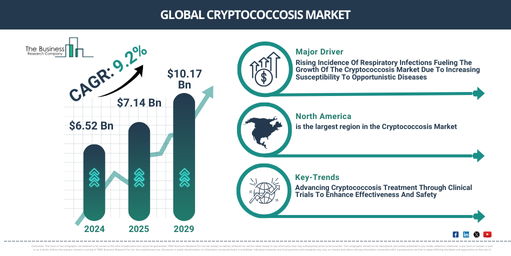
    The market size for cryptococcosis has seen substantial growth in recent times. The forecast predicts that this market will expand from $6.52 billion in 2024 to $7.14 billion in 2025, showing a compound annual growth rate (CAGR) of 9.5%. Factors like the escalating number of immunosuppressive conditions, advancements in the field of antifungal therapies, increase in organ transplant procedures, rising cognizance of fungal infections, advancement in the formulations of amphotericin B, coming forth of cryptococcus gattii outbreaks, healthcare infrastructure enlarging, and regulatory endorsements for antifungal medications are responsible for the growth seen in the historic period.

    What Is the Projected Market Size of the Cryptococcosis Market?

    Anticipated to experience significant growth in the upcoming years, the cryptococcosis market is projected to reach $10.17 billion in 2029, boasting a compound annual growth rate (CAGR) of 9.2%. This anticipated growth in the specified period could be due to factors such as an increase in the number of human immunodeficiency virus (HIV)/acquired immunodeficiency syndrome (AIDS) and immunosuppressive diseases, the growing acceptance of innovative antifungal therapies, increased funding in the study and development of antifungal medicines, improved healthcare availability in developing countries, the advent of combination antifungal treatments, escalating governmental efforts to control infectious diseases and a heightened awareness of cryptococcal infections. The forecast period is set to witness major trends including the development of next-generation antifungal drugs, artificial intelligence (AI)-enabled predictive analytics for infection outbreaks, the implementation of nanotechnology in drug delivery systems, the use of wearable biosensors for early detection of diseases, the utilization of blockchain for ensuring secure pharmaceutical supply chains, 3d bioprinting for fungal infection modeling, machine learning applications in antifungal drug discovery, and advancements in immunotherapy for the treatment of cryptococcosis.

    Download The Free Sample Report Here:

    https://www.thebusinessresearchcompany.com/sample.aspx?id=21929&type=smp

    Who are the Major Competitors in the Cryptococcosis Market Outlook?

    Major companies operating in the cryptococcosis market are Pfizer Inc., Johnson & Johnson, Merck & Co. Inc., Abbott Laboratories, Gilead Sciences Inc., Asahi Kasei Pharma Corporation, Viatris Inc., Astellas Pharma Inc., Bausch Health Companies Inc., Sun Pharmaceutical Industries Ltd., Cipla Limited, Dr. Reddy’s Laboratories, Century Pharmaceuticals Ltd., Beijing Lunarsun Pharmaceutical Co. Ltd., PharmaCompass, Matinas Biopharma Holdings Inc., LGM Pharma, Atom Pharma, Brundavan Laboratories Pvt. Ltd., Zeon Health Industries, Amar Healthcare.

    What Is Fueling Growth in the Cryptococcosis Market?

    The expansion of the cryptococcosis market appears to be bolstered by the increasing occurrence of respiratory infections. These infections, which affect the respiratory tract, are caused by viruses, bacteria, or fungi and are becoming more common due to environmental pollution. Lung function is significantly hampered by pollutants like dust, smoke, and harmful chemicals, making individuals more vulnerable to sickness. This paves the way for opportunistic diseases like cryptococcosis to proliferate. This fungal infection, predominantly impacting the lungs and central nervous system, poses a severe threat to those with compromised immunity. For example, in 2024, the Australian Bureau of Statistics noted that influenza-related fatalities had surged to 951, a huge increase from 427 in 2022. Consequently, the acceleration of respiratory infections is fuelling the growth of the cryptococcosis market. The escalation of human immunodeficiency virus (HIV) prevalence is likely to further induce the growth of the cryptococcosis market. The HIV virus erodes the immune system, in particular the CD4 cells, leaving the body susceptible to various infections and diseases. The absence of proper education and understanding about HIV’s prevention and transmission enhances its frequency. This leads to risky behaviours, late identification, and wider virus spread. Given that HIV deteriorates the immunity, it makes those afflicted more prone to opportunistic infections like cryptococcosis. An increase in the number of HIV cases boosts the risk of cryptococcal infections and consequently the demand for effective therapies, driving the market growth. For instance, in 2024, the UK Health Security Agency reported that HIV diagnoses had spiked to 6,008 in 2023, a 51% increase from 3,975 in 2022. Thus, the escalating prevalence of HIV is spurring the growth of the cryptococcosis market.

    Request For A Customized Report:

    https://www.thebusinessresearchcompany.com/customise?id=21929&type=smp

    Which Cryptococcosis Market Segments Are Growing the Fastest?

    The cryptococcosis market covered in this report is segmented –

    1) By Treatment Type: Adjunctive Therapies, Antifungal Drugs

    2) By Diagnostic Technique: Culture Methods, Microscopic Examination, Molecular Methods

    3) By Infection Type: Cerebral Cryptococcosis, Pulmonary Cryptococcosis

    4) By End User: Clinics, Home Healthcare, Hospitals, Research Institutes

    Subsegments:

    1) By Adjunctive Therapies: Immunotherapy, Surgery, Supportive Care

    2) By Antifungal Drugs: Amphotericin B, Fluconazole, Itraconazole, Voriconazole, Other Azoles

    Which Industry Trends Are Shaping the Future of the Cryptococcosis Market?

    Leading firms in the cryptococcosis market are heavily invested in clinical trials to create more secure and effective antifungal treatments. Clinical studies can assess new treatments and enhance the results of treatments for patients suffering from serious fungal infections. For example, Matinas BioPharma Holdings Inc., a clinical-stage biopharmaceutical firm based in the US, revealed encouraging results from the Phase II EnACT trial in August 2023, which tested MAT2203 for treating cryptococcal meningitis. MAT2203 is a lipid nanocrystal version of amphotericin B that is taken orally and works by targeting and disturbing the structure of fungal cell membranes, leading to the death of the fungal cells. The research showed better survival rates for patients and a reassuring safety record, indicating MAT2203’s potential as an innovative treatment for cryptococcosis, including cryptococcal meningitis.

    Access The Full Report Here:

    https://www.thebusinessresearchcompany.com/report/cryptococcosis-global-market-report

    Which Countries Are Leading the Cryptococcosis Market?

    North America was the largest region in the cryptococcosis market in 2024. Asia-Pacific is expected to be the fastest-growing region in the forecast period. The regions covered in the cryptococcosis market report are Asia-Pacific, Western Europe, Eastern Europe, North America, South America, Middle East, Africa.

    Purchase The Full Report Today:

    https://www.thebusinessresearchcompany.com/purchaseoptions.aspx?id=21929

    This Report Delivers Insight On:

    1. How big is the cryptococcosis market, and how is it changing globally?

    2. Who are the major companies in the cryptococcosis market, and how are they performing?

    3. What are the key opportunities and risks in the cryptococcosis market right now?

    4. Which products or customer segments are growing the most in the cryptococcosis market?

    5. What factors are helping or slowing down the growth of the cryptococcosis market?

    About The Business Research Company:

    With over 15000+ reports from 27 industries covering 60+ geographies, The Business Research Company has built a reputation for offering comprehensive, data-rich research and insights. Armed with 1,500,000 datasets, the optimistic contribution of in-depth secondary research, and unique insights from industry leaders, you can get the information you need to stay ahead in the game.

    Get in touch with us:

    The Business Research Company: https://www.thebusinessresearchcompany.com/

    Americas +1 310-496-7795

    Europe +44 7882 955267

    Asia & Others +44 7882 955267 & +91 8897263534

    Email us at info@tbrc.info

    Follow us on:

    LinkedIn: https://in.linkedin.com/company/the-business-research-company

    YouTube: https://www.youtube.com/channel/UC24_fI0rV8cR5DxlCpgmyFQ

    Global Market Model: https://www.thebusinessresearchcompany.com/global-market-model
  • Arteriovenous Malformations Market Size to Exceed $4.92 Billion by 2029 | Growth and Industry Trends

    Arteriovenous Malformations Market Size to Exceed $4.92 Billion by 2029 | Growth and Industry Trends

    Claim your 30% discount on Global Market Reports with code ONLINE30. Limited time only.

    How Has the Arteriovenous Malformations Market Grown from 2024 to 2025?

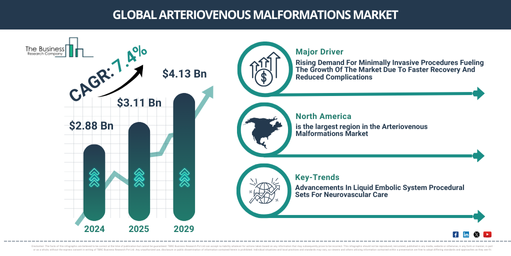
    In recent times, the arteriovenous malformations market has witnessed robust growth. It is projected to expand from $2.88 billion in 2024 to $3.11 billion in 2025, with a compound annual growth rate (CAGR) of 7.7%. Factors contributing to this growth during the historic period include a rise in arteriovenous malformations cases, a surge in neurological or brain conditions, an increasing demand for improved treatment for rare diseases, enhanced government backing for research and development, and a burgeoning business sector.

    What Growth Rate Is Anticipated for the Arteriovenous Malformations Market in the Coming Years?

    The market for arteriovenous malformations is projected to experience substantial growth in the forthcoming years, reaching a value of $4.13 billion in 2029, with a compound annual growth rate (CAGR) of 7.4%. The predicted expansion during the forecast period is anticipated to be driven by factors such as the increased application of gene therapy, the escalating demand for state-of-the-art medical technology and quality healthcare, the burgeoning consumption of neurological medicines, and the growth parallel to the aging population. Notable trends expected during the forecast period encompass advancements in treatment practices, medical technology, microsurgical techniques, improvements in catheter technology, and progress in minimally invasive surgical procedures.

    Download The Free Sample Report Here:

    https://www.thebusinessresearchcompany.com/sample.aspx?id=21888&type=smp

    Who Are the Leading Companies in the Arteriovenous Malformations Market?

    Major companies operating in the arteriovenous malformations market are Johnson And Johnson Services Inc., Siemens AG, Medtronic Plc, Koninklijke Philips N V, Stryker Corporation, GE Healthcare Technologies Inc, Cedars-Sinai, Penn Medicine, Terumo Corporation, Eisai Co Ltd, Cook Medical LLC, Elekta AB, Merit Medical Systems Inc., Penumbra Inc., Max Healthcare, RWJBarnabas Health, Balt LLC, Booking Health GmbH, Duke University Health System, Shape Memory Medical Inc.

    What Are the Key Drivers of the Arteriovenous Malformations Market?

    The arteriovenous malformations market is getting a hefty boost from the surging interest in minimally invasive procedures. These types of procedures, which involve therapeutic interventions done via small surgical incisions or catheter-based approaches, are increasingly appealing due to their lesser influence on patients’ tissues, shorter recovery duration, and reduced risk of complications. They allow for quicker resumption of everyday activities when compared to traditional surgeries. Arteriovenous malformations (AVMs) go hand-in-hand with these types of modern techniques, enabling approaches like endovascular embolization. Data from the American Society of Plastic Surgeons as of September 2023, shows a rise in minimally invasive cosmetic procedures from 23,672,269 in 2022 to 25,442,640 in 2023 — a 7% growth for both genders — a trend that is fueling the arteriovenous malformations market size. Another factor propelling the arteriovenous malformations market is increased investment in biotechnology, due largely to notable advances in arteriovenous malformations treatment and neurovascular innovations. Biotechnology applies biological processes and systems to develop healthcare products and technologies. Breakthroughs like the precise genetic modifications abilities of CRISPR have sparked further investment into the field. For AVMs, these investments mean enhanced technologies for medical imaging, gene therapy, and minimally invasive treatments, as well as the development of biotech solutions like targeted drug delivery, vascular repair biomaterials, and AI-assisted diagnostics. The BioIndustry Association (BIA) reported in August 2024 that the UK life sciences and biotech sector’s investment outstripped that of 2023: $2.55 billion against $2.32 billion. This increase in biotechnology investment is driving the arteriovenous malformations market’s expansion.

    Request For A Customized Report:

    https://www.thebusinessresearchcompany.com/customise?id=21888&type=smp

    What Are the Key Market Segments in the Arteriovenous Malformations Industry?

    The arteriovenous malformations market covered in this report is segmented –

    1) By Type: True Arteriovenous Malformation, Occult Or Cryptic, Cavernous Malformations, Venous Malformation, Hemangioma, Dural Fistula, Other Types

    2) By Diagnosis: Physical examination, Brain Scans, Other Diagnosis

    3) By Treatment: Endovascular Embolization, Neurosurgery

    4) By Age Group: Adult Patients, Pediatric Patients

    5) By End-User: Hospitals And Clinics, Research laboratories, Other End-Users

    Subsegmentss:

    1) By True Arteriovenous Malformation Type: Pial AVMs, Spinal AVMs, Brain AVMs, Extremity AVMs, Visceral AVMs

    2) By Occult or Cryptic Type: Micro-AVMs, Hidden AVMs, Asymptomatic AVMs, Deep-Seated AVMs, Small-Scale AVMs

    3) By Cavernous Malformations Type: Cerebral Cavernous Malformations (CCMs), Spinal Cavernous Malformations, Familial Cavernous Malformations, Solitary Cavernous Malformations, Multiple Cavernous Malformations

    4) By Venous Malformation Type: Superficial Venous Malformations, Deep Venous Malformations, Mixed Venous Malformations, Syndromic Venous Malformations, Blue Rubber Bleb Nevus Syndrome

    5) By Hemangioma Type: Infantile Hemangiomas, Capillary Hemangiomas, Lobular Capillary Hemangiomas, Cavernous Hemangiomas, Compound Hemangiomas

    6) By Dural Fistula Type: Cranial Dural Arteriovenous Fistula (dAVF), Spinal Dural Arteriovenous Fistula, Direct Dural AV Fistula, Indirect Dural AV Fistula, High-Flow Dural Fistula

    7) By Other Types: Lymphatic Malformations, Mixed Vascular Malformations, Arteriovenous Aneurysms, Hereditary Hemorrhagic Telangiectasia (HHT)-Associated AVMs, Rare Congenital AVMs

    What Are the Latest Trends in the Arteriovenous Malformations Market?

    Leading firms in the arteriovenous malformations industry are concentrating on technological innovation, such as liquid embolic system procedural kits, designed to enhance treatment protocols and patient outcomes. These liquid embolic procedural kits are pre-packaged, sterilized assortments that contain all the needed elements for using liquid embolic agents in managing vascular anomalies like arteriovenous malformations (AVMs). For example, in March 2024, CERENOVUS Inc., a neurovascular healthcare company under Johnson and Johnson MedTech in the US, introduced the TRUFILL n-BCA liquid embolic system procedural kit. This new package features dual configurations and all required accessories to prepare and dispense the n-BCA liquid embolic system in one sterilized set, thereby refining the procedure setup for addressing cerebral arteriovenous malformations (AVMs).

    Access The Full Report Here:

    https://www.thebusinessresearchcompany.com/report/arteriovenous-malformations-global-market-report

    What Are the Key Regional Markets in the Arteriovenous Malformations Industry?

    North America was the largest region in the arteriovenous malformations market in 2024. Asia-Pacific is expected to be the fastest-growing region in the forecast period. The regions covered in the arteriovenous malformations market report are Asia-Pacific, Western Europe, Eastern Europe, North America, South America, Middle East, Africa.

    Purchase The Full Report Today:

    https://www.thebusinessresearchcompany.com/purchaseoptions.aspx?id=21888

    This Report Delivers Insight On:

    1. How big is the arteriovenous malformations market, and how is it changing globally?

    2. Who are the major companies in the arteriovenous malformations market, and how are they performing?

    3. What are the key opportunities and risks in the arteriovenous malformations market right now?

    4. Which products or customer segments are growing the most in the arteriovenous malformations market?

    5. What factors are helping or slowing down the growth of the arteriovenous malformations market?

    About The Business Research Company:

    With over 15000+ reports from 27 industries covering 60+ geographies, The Business Research Company has built a reputation for offering comprehensive, data-rich research and insights. Armed with 1,500,000 datasets, the optimistic contribution of in-depth secondary research, and unique insights from industry leaders, you can get the information you need to stay ahead in the game.

    Get in touch with us:

    The Business Research Company: https://www.thebusinessresearchcompany.com/

    Americas +1 310-496-7795

    Europe +44 7882 955267

    Asia & Others +44 7882 955267 & +91 8897263534

    Email us at info@tbrc.info

    Follow us on:

    LinkedIn: https://in.linkedin.com/company/the-business-research-company

    YouTube: https://www.youtube.com/channel/UC24_fI0rV8cR5DxlCpgmyFQ

    Global Market Model: https://www.thebusinessresearchcompany.com/global-market-model
  • Neuroblastoma   Industry Insights 2025 – Market Forecast for Executives and Planners

    Neuroblastoma Industry Insights 2025 – Market Forecast for Executives and Planners

    Claim your 30% discount on Global Market Reports with code ONLINE30. Limited time only.

    How Has the Neuroblastoma Market Size Changed, over the years?

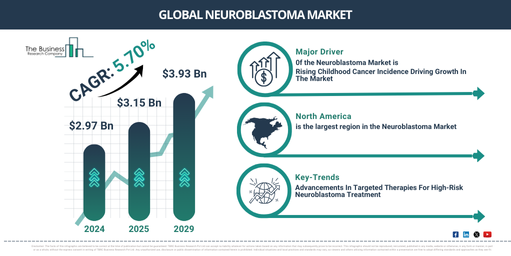
    Recently, the neuroblastoma market has noted robust growth. The market is projected to expand from $2.97 billion in 2024 to $3.15 billion in 2025, manifesting a compound annual growth rate (CAGR) of 6.1%. This progress in the former period can be ascribed to a rise in the occurrence of neuroblastoma, an escalation in research and development aimed at pediatric neuroblastoma treatments, a surge in childhood cancer cases, and increasing financial backing and assistance from the government.

    How Much Will the Neuroblastoma Market Be Worth in 2029?

    In the coming years, the neuroblastoma market is anticipated to experience robust growth, expanding to a size of $3.93 billion by 2029, with a compound annual growth rate (CAGR) of 5.7%. The projected growth for this period can be ascribed to various factors such as enhanced government funding, an escalating number of disease occurrences, an increased emphasis on early detection, growing instance of genetic mutations, and the intensification of understanding and advances in research. Notable trends during this forecast period enclose the progression of drugs that aim at specific molecular pathways, breakthroughs in non-invasive imaging technologies, progress in gene-editing technologies, intensified attention towards individualized treatments, and the maturation of radiolabeled compounds.

    Download The Free Sample Report Here:

    https://www.thebusinessresearchcompany.com/sample.aspx?id=20901&type=smp

    Which is the Largest Company in the Neuroblastoma Market?

    Major companies operating in the neuroblastoma market are Pfizer Inc., F. Hoffmann-La Roche Ltd., Eli Lilly and Company, Sartorius AG, Recordati S.p.A, United Therapeutics Corporation, BeiGene Ltd., MacroGenics Inc., Y-mAbs Therapeutics Inc., RedHill Biopharma Ltd., Clarity Pharmaceuticals Ltd., EUSA Pharma (UK) Ltd., US WorldMeds LLC, Healio Inc., Ascentage Pharma, Laboratorio Elea Phoenix S.A, Curis Inc., PersonGen BioTherapeutics (Suzhou) Co. Ltd., Essential Pharma S.A, Cellectar Biosciences Inc., Provectus Biopharmaceuticals Inc.

    What Are the Main Market Drivers in the Neuroblastoma Industry?

    The neuroblastoma market is predicted to experience expansion due to a rise in instances of childhood cancer. This category of cancers mostly affects children and adolescents, commonly hitting areas like the brain, blood, and bones requiring specialized treatment methodologies. Enhanced diagnostic methods, heightened awareness, environmental exposure, genetic predispositions, and advances in medical research are credited with the surge in childhood cancer incidences. Neuroblastoma treatment offers targeted solutions for this form of cancer, enabling early and effective measures that reduce recurrence possibilities and improve results for younger patients. For example, as per the American Cancer Society, it is estimated that around 9,620 children under the age of 15 will be diagnosed with cancer in the United States in 2024, a significant rise from 5,290 cases in 2023. As a result, the escalated occurrence of childhood cancer is fueling the expansion of the neuroblastoma market.

    Request For A Customized Report:

    https://www.thebusinessresearchcompany.com/customise?id=20901&type=smp

    How Is the Neuroblastoma Market Segments Structured?

    The neuroblastoma market covered in this report is segmented –

    1) By Product Types: Tablets, Vaccines, Other Product Types

    2) By Treatment Type: Chemotherapy, Immunotherapy, Other Treatment Types

    3) By Distribution Channel: Online, Offline

    4) By End-User: Hospitals, Clinics

    Subsegments:

    1) By Tablets: Oral Chemotherapy Tablets, Targeted Therapy Tablets

    2) By Vaccines: Immunotherapy Vaccines, Therapeutic Vaccines

    3) By Other Product Types: Injectable Drugs, Monoclonal Antibodies, Cell Therapy Products

    What Strategic Trends Are Transforming the Neuroblastoma Market?

    Leading companies in the neuroblastoma market are concentrating on the creation of innovative therapeutic treatments, such as humanized anti-GD2 monoclonal antibodies, to more effectively and safely address cancer cells. This type of antibody is designed to target the GD2 molecule present on cancer cells while minimizing immune rejection through the integration of human elements. For example, Renaissance Pharma Ltd., a clinical-stage pharmaceutical firm based in the UK, announced the in-licensing of Hu14.18K322A (Hu14.18) from St. Jude Children’s Research Hospital in August 2023. This antibody is engineered to combat newly diagnosed high-risk neuroblastoma, which is a rare and severe form of cancer affecting children. As per the agreement’s conditions, Renaissance has obtained exclusive rights to develop, manufacture, and market Hu14.18 in major international markets, including the United States, Canada, Europe, China, Japan, and Turkey.

    Access The Full Report Here:

    https://www.thebusinessresearchcompany.com/report/neuroblastoma–global-market-report

    Which Global Regions Offer the Highest Growth in the Neuroblastoma Market?

    North America was the largest region in the neuroblastoma market in 2024. Asia-Pacific is expected to be the fastest-growing region in the forecast period. The regions covered in the neuroblastoma market report are Asia-Pacific, Western Europe, Eastern Europe, North America, South America, Middle East, Africa.

    Purchase The Full Report Today:

    https://www.thebusinessresearchcompany.com/purchaseoptions.aspx?id=20901

    This Report Delivers Insight On:

    1. How big is the neuroblastoma market, and how is it changing globally?

    2. Who are the major companies in the neuroblastoma market, and how are they performing?

    3. What are the key opportunities and risks in the neuroblastoma market right now?

    4. Which products or customer segments are growing the most in the neuroblastoma market?

    5. What factors are helping or slowing down the growth of the neuroblastoma market?

    About The Business Research Company:

    With over 15000+ reports from 27 industries covering 60+ geographies, The Business Research Company has built a reputation for offering comprehensive, data-rich research and insights. Armed with 1,500,000 datasets, the optimistic contribution of in-depth secondary research, and unique insights from industry leaders, you can get the information you need to stay ahead in the game.

    Get in touch with us:

    The Business Research Company: https://www.thebusinessresearchcompany.com/

    Americas +1 310-496-7795

    Europe +44 7882 955267

    Asia & Others +44 7882 955267 & +91 8897263534

    Email us at info@tbrc.info

    Follow us on:

    LinkedIn: https://in.linkedin.com/company/the-business-research-company

    YouTube: https://www.youtube.com/channel/UC24_fI0rV8cR5DxlCpgmyFQ

    Global Market Model: https://www.thebusinessresearchcompany.com/global-market-model
  • Neonatal Respiratory Distress Syndrome Treatment  Market Trends Report 2025 – For Business Development and Strategy Teams

    Neonatal Respiratory Distress Syndrome Treatment Market Trends Report 2025 – For Business Development and Strategy Teams

    Claim your 30% discount on Global Market Reports with code ONLINE30. Limited time only.

    What Is the Forecast for the Neonatal Respiratory Distress Syndrome Treatment Market Growth in 2025?

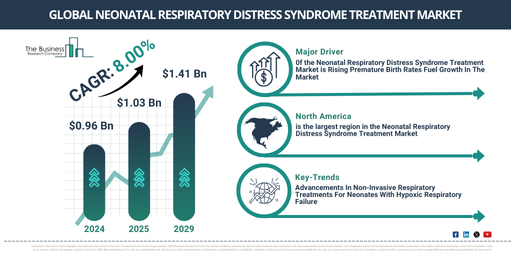
    In the past few years, the neonatal respiratory distress syndrome treatment market has seen substantial growth. It is anticipated to rise from $0.96 billion in 2024 to $1.03 billion in 2025, with a compound annual growth rate (CAGR) of 8.3%. Factors contributing to this growth during the historical period include enhanced permeability and fluid build-up within the alveoli, an increase in alveolar-capillary permeability, increased use of mechanical ventilation, heightened awareness of neonatal care importance among healthcare providers and parents, as well as greater investments in healthcare.

    What Is the Forecast for the Neonatal Respiratory Distress Syndrome Treatment Market Size Through 2029?

    Anticipations are set for a robust expansion in the neonatal respiratory distress syndrome treatment market in the upcoming years. The predicted growth places it at $1.41 billion by 2029, with a compound annual growth rate (CAGR) of 8.0%. Increased attraction towards accessories and consumables, an upswing in NICU admissions, growing demand for personalised medicine, rising instances of premature birth, and an upturn in research and development initiatives are all contributing factors for the growth projected in this period. Key trends foresee an increase in automation within neonatal intensive care units (NICUs), artificial intelligence (AI) integration, progresses in neonatal care technology, surfactant therapy advances, and evolution in ventilator technologies.

    Download The Free Sample Report Here:

    https://www.thebusinessresearchcompany.com/sample.aspx?id=20899&type=smp

    What are the Key Market Players in Neonatal Respiratory Distress Syndrome Treatment Market and How They’re Evolving?

    Major companies operating in the neonatal respiratory distress syndrome treatment market are Merck & Co. Inc., AbbVie Inc., Bayer AG, Abbott Laboratories, Medtronic Plc, Medline Industries, Becton Dickinson, Stryker Corporation, GE Healthcare, Koninklijke Philips NV, ResMed Inc., Drägerwerk AG & Co. KGaA, Chiesi Farmaceutici, ICU Medical Inc., Fisher & Paykel Healthcare, Vyaire Medical, Laerdal Medical, Hamilton Medical, Inspiration Healthcare, Ventec Life Systems, Neotech Products, Aerogen Pharma Corp., Windtree Therapeutics Inc., Discovery Laboratories Inc., Lyomark Pharma GmbH

    What Are the Primary Growth Drivers in the Neonatal Respiratory Distress Syndrome Treatment Market?

    The increase in premature births is expected to stimulate growth in the neonatal respiratory distress syndrome treatment market. A premature birth, or preterm birth, occurs when a baby is born before the 37th week of pregnancy. Babies born prior to the 32nd week are at the highest risk due to their underdeveloped lungs and insufficient production of surfactant. The incidence of premature births is on the rise due to factors including advanced maternal age, multiple pregnancies, existing health problems, lifestyle choices, use of fertility treatments, infections, and environmental influences. Neonatal respiratory distress syndrome (NRDS) treatment is often necessary for these premature babies, as it aids in improving lung function, stabilizing breaths, and minimizing the threat of respiratory failure. For example, Tommy’s, a charity organization based in the UK, reported in December 2022 that the percentage of live premature births in England and Wales rose from 7.5% in 2021 to 7.9% in 2022, marking the second successive year of growth in premature births. Over 53,000 babies were born prematurely in 2022 as a result. Therefore, the escalating incidence of premature births is fueling the growth of the neonatal respiratory distress syndrome treatment market.

    Request For A Customized Report:

    https://www.thebusinessresearchcompany.com/customise?id=20899&type=smp

    What Are the Leading Segments in the Global Neonatal Respiratory Distress Syndrome Treatment Industry?

    The neonatal respiratory distress syndrome treatment market covered in this report is segmented –

    1) By Therapy: Oxygen Therapy, Surfactant Therapy

    2) By Route Of Administration: Parenteral, Inhalation, Other Routes Of Administration

    3) By End User: Hospitals, Sub-Acute Facilities, Home Care, Retail Pharmacies

    Subsegments:

    1) By Oxygen Therapy: Conventional Oxygen Therapy, High-Flow Nasal Cannula (HFNC) Oxygen Therapy, Continuous Positive Airway Pressure (CPAP) Oxygen Therapy, Invasive Mechanical Ventilation With Oxygen Therapy

    2) By Surfactant Therapy: Natural Surfactants, Synthetic Surfactants, Combined Surfactant Therapy (Natural + Synthetic), Prophylactic Surfactant Therapy, Rescue Surfactant Therapy

    What Are the Key Market Trends in the Neonatal Respiratory Distress Syndrome Treatment Industry?

    In the neonatal respiratory distress syndrome treatment market, leading corporations are focusing on developing cutting-edge technology, such as nitric oxide generators, to improve oxygenation, reduce respiratory problems, and provide non-invasive therapies for newborns with hypoxic respiratory failure. A nitric oxide generator, as a medical instrument, generates and delivers nitric oxide gas which is usually employed to address respiratory complications by increasing oxygenation and alleviating pulmonary hypertension, mainly in newborns and seriously ill individuals. For instance, Beyond Air Inc., a medical device and biopharmaceutical corporation based in the US, achieved FDA approval for LungFit PH in June 2022. This novel nitric oxide generator is manufactured to treat term and near-term newborns with hypoxic respiratory failure, encompassing persistent pulmonary hypertension of the newborn (PPHN). The device uses Beyond Air’s proprietary Ionizer technology to produce nitric oxide from surrounding air on demand, ensuring an unlimited supply without concerns about dosage or flow. It employs a low-energy compressor to ionize nitrogen and oxygen, thereby curbing nitrogen dioxide (NO2) production, which is then safely removed through a smart filter.

    Access The Full Report Here:

    https://www.thebusinessresearchcompany.com/report/neonatal-respiratory-distress-syndrome-treatment-global-market-report

    What Is the Regional Outlook for the Neonatal Respiratory Distress Syndrome Treatment Market?

    North America was the largest region in the neonatal respiratory distress syndrome treatment market in 2024. Asia-Pacific is expected to be the fastest-growing region in the forecast period. The regions covered in the neonatal respiratory distress syndrome treatment market report are Asia-Pacific, Western Europe, Eastern Europe, North America, South America, Middle East, Africa.

    Purchase The Full Report Today:

    https://www.thebusinessresearchcompany.com/purchaseoptions.aspx?id=20899

    This Report Delivers Insight On:

    1. How big is the neonatal respiratory distress syndrome treatment market, and how is it changing globally?

    2. Who are the major companies in the neonatal respiratory distress syndrome treatment market, and how are they performing?

    3. What are the key opportunities and risks in the neonatal respiratory distress syndrome treatment market right now?

    4. Which products or customer segments are growing the most in the neonatal respiratory distress syndrome treatment market?

    5. What factors are helping or slowing down the growth of the neonatal respiratory distress syndrome treatment market?

    About The Business Research Company:

    With over 15000+ reports from 27 industries covering 60+ geographies, The Business Research Company has built a reputation for offering comprehensive, data-rich research and insights. Armed with 1,500,000 datasets, the optimistic contribution of in-depth secondary research, and unique insights from industry leaders, you can get the information you need to stay ahead in the game.

    Get in touch with us:

    The Business Research Company: https://www.thebusinessresearchcompany.com/

    Americas +1 310-496-7795

    Europe +44 7882 955267

    Asia & Others +44 7882 955267 & +91 8897263534

    Email us at info@tbrc.info

    Follow us on:

    LinkedIn: https://in.linkedin.com/company/the-business-research-company

    YouTube: https://www.youtube.com/channel/UC24_fI0rV8cR5DxlCpgmyFQ

    Global Market Model: https://www.thebusinessresearchcompany.com/global-market-model
  • Market Analysis on Neonatal Phototherapy  Industry – Insights for Corporate Strategy and R&D

    Market Analysis on Neonatal Phototherapy Industry – Insights for Corporate Strategy and R&D

    Claim your 30% discount on Global Market Reports with code ONLINE30. Limited time only.

    What Is the Forecast for the Neonatal Phototherapy Market from 2024 to 2025?

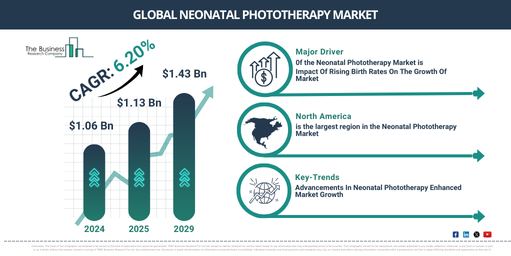
    The size of the neonatal phototherapy market has seen robust growth in the past few years. An increase from $1.06 billion in 2024 to $1.13 billion in 2025, with a compound annual growth rate (CAGR) of 6.4%, is projected. This development during the historical period can be accredited to enhancements in healthcare infrastructure, government healthcare initiatives, educational training programs, assistance from non-profit entities, and clinical research and studies.

    What Is the Projected Market Size of the Neonatal Phototherapy Market?

    In the upcoming years, the neonatal phototherapy market is predicted to experience robust growth, rising to a value of $1.43 billion by 2029, with a compound annual growth rate (CAGR) of 6.2%. This growth over the forecast period can be traced back to factors such as an expanding healthcare accessibility, government health regulations, economic development in burgeoning economies, improved training programs, and public health schemes. The forecast period also sees notable trends including the use of portable phototherapy devices, phototherapy incorporating light-emitting diodes (LEDs), compact devices, integration of artificial intelligence (AI) into phototherapy, and the adoption of blue and green light technologies.

    Download The Free Sample Report Here:

    https://www.thebusinessresearchcompany.com/sample.aspx?id=20898&type=smp

    Who are the Major Competitors in the Neonatal Phototherapy Market Outlook?

    Major companies operating in the neonatal phototherapy market are Siemens Healthcare GmbH, Koninklijke Philips N.V., GE HealthCare Technologies Inc., Drägerwerk Aktiengesellschaft & Co. Kommanditgesellschaft auf Aktien, Medela AG, Heal Force Bio-Meditech Holdings Limited, Advanced Instrumentations Inc., Natus Medical Incorporated, Ningbo David Medical Device Co Ltd, BPL Medical Technologies Pvt Ltd, Zhengzhou Dison Instrument and Meter Co Ltd., NeoLight LLC, Okuman Medikal Sistemler Anonim Sirketi, Atom Medical Corporation, BabyBloom Healthcare B.V., Bistos Co Ltd., Elektro-Mag Medical Systems Inc., GINEVRI srl, Ibis Medical Equipment and Systems Pvt. Ltd., Weyer GmbH

    What Is Fueling Growth in the Neonatal Phototherapy Market?

    A surge in birth rates is anticipated to boost the neonatal phototherapy market’s expansion in the future. Factors contributing to increased birth rates include better healthcare, higher fertility levels, cultural leanings towards larger families, and significant immigration surge in some areas. Neonatal phototherapy is crucial in treating jaundice in premature babies by utilizing light to reduce high bilirubin levels in their bloodstream. This strategy minimizes the probability of severe complications, such as brain damage, which are more prevalent among preterm infants owing to their immature liver function and higher risk of jaundice. For example, a report from the Centers for Disease Control and Prevention, a leading public health organization in the US, revealed in January 2023 that the country saw a 1% rise in reported births, amounting to 3,664,292, relative to the previous year. Consequently, escalating birth rates are propelling neonatal phototherapy market growth.

    Request For A Customized Report:

    https://www.thebusinessresearchcompany.com/customise?id=20898&type=smp

    Which Neonatal Phototherapy Market Segments Are Growing the Fastest?

    The neonatal phototherapy market covered in this report is segmented –

    1) By Type: Convectional Phototherapy Equipment, LED Phototherapy Equipment, Fiber Optic Phototherapy Equipment

    2) By Product Type: Traditional Phototherapy Lamps, Phototherapy Beds, Flexible Phototherapy Lamps

    3) By Application: Skin Diseases Treatment, Neonatal Jaundice Management

    Subsegments:

    1) By Conventional Phototherapy Equipment: Fluorescent Tube Phototherapy Units, Incandescent Lamp Phototherapy Units

    2) By LED Phototherapy Equipment: Blue LED Phototherapy Units, White LED Phototherapy Units

    3) By Fiber Optic Phototherapy Equipment: Overhead Fiber Optic Phototherapy Units, Blanket Or Pad-Type Fiber Optic Phototherapy Units

    Which Industry Trends Are Shaping the Future of the Neonatal Phototherapy Market?

    Key players in the neonatal phototherapy market are striving to introduce ground-breaking solutions such as sophisticated open warmers to improve postnatal care for newborns. The term advanced open warmer (AOW) is often used to describe a medical tool extensively utilized in neonatal and pediatric contexts for maintaining steady body temperatures in newborns and infants, primarily those who are preterm or have low birth weights. For instance, in October 2024, Draeger India Pvt. Ltd, a company based in India that specializes in medical and safety technology, introduced the BabyRoo TN300. This device has been designed to provide versatility in labor and delivery spaces as well as in neonatal intensive care units. Its primary objective is to provide the highest degree of care for newborns, particularly those requiring intensive care post-birth. The BabyRoo TN300 includes two sources of heat for maintaining a steady temperature, skin temperature control for custom warming, a prewarm capability for swift readiness, inbuilt thermomonitoring to identify thermal stress, respiratory assistance that protects the lungs via an AutoBreath module, and a design centered on family care to encourage parental participation in caring for the infant.

    Access The Full Report Here:

    https://www.thebusinessresearchcompany.com/report/neonatal-phototherapy-global-market-report

    Which Countries Are Leading the Neonatal Phototherapy Market?

    North America was the largest region in the neonatal phototherapy market in 2024. The regions covered in the neonatal phototherapy market report are Asia-Pacific, Western Europe, Eastern Europe, North America, South America, Middle East, Africa.

    Purchase The Full Report Today:

    https://www.thebusinessresearchcompany.com/purchaseoptions.aspx?id=20898

    This Report Delivers Insight On:

    1. How big is the neonatal phototherapy market, and how is it changing globally?

    2. Who are the major companies in the neonatal phototherapy market, and how are they performing?

    3. What are the key opportunities and risks in the neonatal phototherapy market right now?

    4. Which products or customer segments are growing the most in the neonatal phototherapy market?

    5. What factors are helping or slowing down the growth of the neonatal phototherapy market?

    About The Business Research Company:

    With over 15000+ reports from 27 industries covering 60+ geographies, The Business Research Company has built a reputation for offering comprehensive, data-rich research and insights. Armed with 1,500,000 datasets, the optimistic contribution of in-depth secondary research, and unique insights from industry leaders, you can get the information you need to stay ahead in the game.

    Get in touch with us:

    The Business Research Company: https://www.thebusinessresearchcompany.com/

    Americas +1 310-496-7795

    Europe +44 7882 955267

    Asia & Others +44 7882 955267 & +91 8897263534

    Email us at info@tbrc.info

    Follow us on:

    LinkedIn: https://in.linkedin.com/company/the-business-research-company

    YouTube: https://www.youtube.com/channel/UC24_fI0rV8cR5DxlCpgmyFQ

    Global Market Model: https://www.thebusinessresearchcompany.com/global-market-model

  • Natural Insect Repellents Forecast Report – Designed for Decision Makers and Product Teams

    Claim your 30% discount on Global Market Reports with code ONLINE30. Limited time only.

    What Is the Growth Rate of the Natural Insect Repellents Market?

    The market size for natural insect repellents has seen a significant increase in the past few years. The growth from $1.90 billion in 2024 to an estimated $2.07 billion in 2025 represents a compound annual growth rate (CAGR) of 8.9%. This expansion during the historic period owes its momentum to escalating government measures aimed at preventing vector-borne diseases, environmental protection tactics promoting eco-friendly commodities, a rise in consumer inclination towards products free from toxins, balloon demand for repellents safe for both children and pets, along with the increasing admiration for sustainable and decomposable products.

    What Growth Rate Is Forecasted for the Natural Insect Repellents Market by 2029?

    In the coming years, the market size for natural insect repellents is predicted to experience robust growth, swelling to a value of $2.88 billion by 2029 with a compound annual growth rate (CAGR) of 8.7%. The expected growth can be linked to a surge in vector-borne diseases, increasing initiatives across the globe for disease prevention, a rise in the adoption of repellents based on aromatherapy, an increase in disposable income, and a growing middle-class population. Key trends anticipated during this forecast period encompass improvements in plant extraction technologies, the creation of durable natural repellents, the launch of multifunctional products, innovative packaging for ease of transportation and convenience, and a heightened preference for organic and plant-derived products.

    Download The Free Sample Report Here:

    https://www.thebusinessresearchcompany.com/sample.aspx?id=20896&type=smp

    Which Key Companies Are Shaping the Future of the Natural Insect Repellents Market?

    Major companies operating in the natural insect repellents market are Reckitt Benckiser Group PLC, Avon Products Inc., Godrej Consumer Products Limited, Earth Corporation, Quantum Health, iHerb LLC, Mamaearth, Babyganics, Repel Products Inc., W. S. Badger Company, Pro Products LLC, Eco Lips Inc., Sawyer Products, Thistle Farms Ltd., California Baby, Dabur International Ltd., PARA’KITO, Bates Family Farm LLC, Nantucket Spider, Sue’s Salves, Murphy’s Naturals Inc., Cutter, All Terrain, Aunt Fannie’s, Greenerways LLC

    Which Factors Are Driving Demand in the Natural Insect Repellents Industry?

    The growth of the natural insect repellents market is projected to be spurred by the increasing prevalence of insect-borne illnesses. These diseases are instigated by pathogens that are relentlessly transferred to humans or animals via infected insects such as mosquitoes, ticks, and flies. The proliferation of these diseases can be attributed to factors like climate change, urbanization, deforestation, and an escalation in global travel. These factors broaden the habitats and provide more opportunities for infected insects to transmit diseases. Natural insect repellents present a much-needed solution by offering a safe, environment-friendly, and non-toxic alternative to synthetic repellents. They effectively lower the risk of insect bites and thriving disease transmission. For example, data from the European Centre for Disease Prevention and Control, a government agency based in Sweden, revealed in June 2024 that the EU/EEA had recorded 130 locally acquired dengue cases in 2023, marking a significant surge from the 71 cases tracked in 2022. There was also a substantial increase in imported dengue cases, from 1,572 in 2022 to more than 4,900 cases in 2023. As such, the escalating prevalence of insect-borne diseases is fuelling the expansion of the natural insect repellents market.

    Request For A Customized Report:

    https://www.thebusinessresearchcompany.com/customise?id=20896&type=smp

    How Is the Natural Insect Repellents Market Segmented by Several Divisions?

    The natural insect repellents market covered in this report is segmented –

    1) By Product Type: Spray Or Aerosols, Creams Or Lotions, Others Product Types

    2) By Distribution: Supermarkets Or Hypermarkets, Online, Other Distributions

    3) By Application: Special Population, General Population

    Subsegments:

    1) By Spray Or Aerosols: Pump Sprays, Aerosol Sprays, Natural Mist Sprays

    2) By Creams Or Lotions: Herbal Creams, Essential Oil-based Lotions, Organic Insect Repellent Creams, Gel-based Repellents

    3) By Other Product Types: Insect Repellent Patches, Insect Repellent Bracelets, Insect Repellent Candles, Insect Repellent Oils (Essential Oils), Insect Repellent Powders

    What are the Emerging Market Trends Driving the Growth of the Natural Insect Repellents Industry?

    Top players in the natural insect repellent market are concentrating on creating novel compositions, such as sprays that repel mosquitoes, in order to offer immediate safeguards against mosquito bites, thereby reducing the chances of contracting diseases transmitted by insects. Mosquito-repellent sprays, which can be aerosol or liquid-based, are aimed to prevent mosquito bites by imposing an active ingredient barrier on the skin or the surrounding area. For instance, Diptyque, a luxury fragrance brand from France, introduced a body spray with mosquito repelling abilities in June 2023. Their limited-edition summer body spray combines convenience with enjoyment, providing a unique blend of essential oils renowned for their mosquito-deterrent qualities, including lemongrass, geranium, and lemon eucalyptus. These oils are harmoniously matched with the invigorating, aromatic tones of neroli and orange blossom, resulting in a vibrant and floral scent that also offers mosquito protection.

    Access The Full Report Here:

    https://www.thebusinessresearchcompany.com/report/natural-insect-repellents-global-market-report

    Which Regions Are Driving Growth in the Natural Insect Repellents Market?

    Asia-Pacific was the largest region in the natural insect repellents market in 2024 and it is expected to be the fastest-growing region in the forecast period. The regions covered in the natural insect repellents market report are Asia-Pacific, Western Europe, Eastern Europe, North America, South America, Middle East, Africa.

    Purchase The Full Report Today:

    https://www.thebusinessresearchcompany.com/purchaseoptions.aspx?id=20896

    This Report Delivers Insight On:

    1. How big is the natural insect repellents market, and how is it changing globally?

    2. Who are the major companies in the natural insect repellents market, and how are they performing?

    3. What are the key opportunities and risks in the natural insect repellents market right now?

    4. Which products or customer segments are growing the most in the natural insect repellents market?

    5. What factors are helping or slowing down the growth of the natural insect repellents market?

    About The Business Research Company:

    With over 15000+ reports from 27 industries covering 60+ geographies, The Business Research Company has built a reputation for offering comprehensive, data-rich research and insights. Armed with 1,500,000 datasets, the optimistic contribution of in-depth secondary research, and unique insights from industry leaders, you can get the information you need to stay ahead in the game.

    Get in touch with us:

    The Business Research Company: https://www.thebusinessresearchcompany.com/

    Americas +1 310-496-7795

    Europe +44 7882 955267

    Asia & Others +44 7882 955267 & +91 8897263534

    Email us at info@tbrc.info

    Follow us on:

    LinkedIn: https://in.linkedin.com/company/the-business-research-company

    YouTube: https://www.youtube.com/channel/UC24_fI0rV8cR5DxlCpgmyFQ

    Global Market Model: https://www.thebusinessresearchcompany.com/global-market-model