Blog

  • Increlex Industry Insights 2025 – Market Forecast for Executives and Planners

    Increlex Industry Insights 2025 – Market Forecast for Executives and Planners

    Claim your 30% discount on Global Market Reports with code ONLINE30. Limited time only.

    How Has the Increlex Market Size Changed, over the years?

    In recent times, the market size of Increlex has seen a notable growth rate of XX (HCAGR). Predictions suggest a rise from $XX million in 2024 to $XX million in 2025, showcasing a compound annual growth rate (CAGR) of XX%. This expansion over the precedent era can be tied to the rise in cases of growth hormone insensitivity syndrome (GHIS) and pediatric growth hormone deficiency (PGHD). Other factors contributing include an increased frequency of endocrine disorders, beneficial government policies, and heightened awareness concerning uncommon pediatric endocrine disorders.

    How Much Will the Increlex Market Be Worth in 2029?

    Anticipations suggest a substantial growth in the Increlex market, with a forecasted CAGR of XX% in the imminent years. By 2029, the market is projected to escalate to a staggering $XX million. Several factors contribute to this forecasted expansion in the period ahead, including an uptick in demand for effective solutions for growth hormone insensitivity, the prevalence of personalized medication, burgeoning clinical trials aimed at extensive therapeutic applications, a surge in the approval ratings of novel formulations from regulatory bodies, the enlargement of healthcare infrastructure within emerging economies, and increased global consciousness about pediatric growth disorders. The future market trends predicted include strides in recombinant DNA technology, enhancements in the systems established for subcutaneous injection deliveries, breakthroughs in solutions for patient monitoring, telemedicine incorporation for monitoring patients, and progress in systems dealing with drug delivery.

    Download The Free Sample Report Here:

    https://www.thebusinessresearchcompany.com/sample.aspx?id=20313&type=smp

    Which is the Largest Company in the Increlex Market?

    Major companies operating in the increlex market are Ipsen S.A

    What Are the Main Market Drivers in the Increlex Industry?

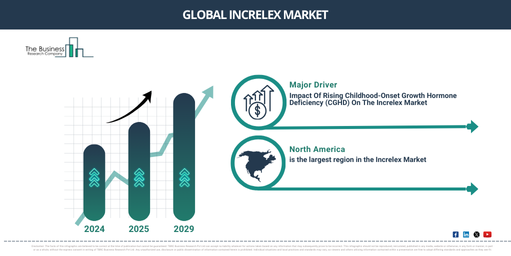
    The growing incidence of childhood-onset growth hormone deficiency (CGHD) is projected to boost the increlex market in the future. CGHD is a condition experienced during childhood where the body is unable to produce adequate growth hormone, resulting in slower progress in growth and shorter stature. The escalation in CGHD can be linked to several factors, especially improvements in diagnostic techniques and heightened awareness of the condition. As awareness and detection rates of CGHD rise, so does the demand for Increlex, a man-made IGF-1 treatment, enhancing the market as more children undergo suitable therapy. For example, in November 2023, the Council of Health Insurance, a government agency based in Saudi Arabia responsible for regulatory decisions, estimated that CGHD affects between 1 in 3,500 to 1 in 10,000 children, with a noticeable higher prevalence in boys. Hence, the growing prevalence of CGHD is fueling the growth of the increlex market.

    Request For A Customized Report:

    https://www.thebusinessresearchcompany.com/customise?id=20313&type=smp

    How Is the Increlex Market Segments Structured?

    The increlex market covered in this report is segmented –

    1) By Age Group: Infants, Toddlers, Children Aged 5-12 Years

    2) By Distribution Channel: Hospitals; Specialty Clinics; Online Pharmacies; Pharmacies

    3) By Application: Growth Hormone Deficiency; Other Indications

    Access The Full Report Here:

    https://www.thebusinessresearchcompany.com/report/increlex-global-market-report

    Which Global Regions Offer the Highest Growth in the Increlex Market?

    North America was the largest region in the increlex market in 2024. The regions covered in the increlex market report are Asia-Pacific, Western Europe, Eastern Europe, North America, South America, Middle East, Africa.

    Purchase The Full Report Today:

    https://www.thebusinessresearchcompany.com/purchaseoptions.aspx?id=20313

    This Report Delivers Insight On:

    1. How big is the increlex market, and how is it changing globally?

    2. Who are the major companies in the increlex market, and how are they performing?

    3. What are the key opportunities and risks in the increlex market right now?

    4. Which products or customer segments are growing the most in the increlex market?

    5. What factors are helping or slowing down the growth of the increlex market?

    About The Business Research Company:

    With over 15000+ reports from 27 industries covering 60+ geographies, The Business Research Company has built a reputation for offering comprehensive, data-rich research and insights. Armed with 1,500,000 datasets, the optimistic contribution of in-depth secondary research, and unique insights from industry leaders, you can get the information you need to stay ahead in the game.

    Get in touch with us:

    The Business Research Company: https://www.thebusinessresearchcompany.com/

    Americas +1 310-496-7795

    Asia +44 2071930708

    Europe +44 7882 955267

    Email us at info@tbrc.info

    Follow us on:

    LinkedIn: https://in.linkedin.com/company/the-business-research-company

    YouTube: https://www.youtube.com/channel/UC24_fI0rV8cR5DxlCpgmyFQ

    Global Market Model: https://www.thebusinessresearchcompany.com/global-market-model
  • Cerebral Amyloid Angiopathy Treatment  Market to Reach $3.18 Billion by 2029 | Key Drivers and Future Outlook

    Cerebral Amyloid Angiopathy Treatment Market to Reach $3.18 Billion by 2029 | Key Drivers and Future Outlook

    Claim your 30% discount on Global Market Reports with code ONLINE30. Limited time only.

    What Is the Growth Rate of the Cerebral Amyloid Angiopathy Treatment Market?

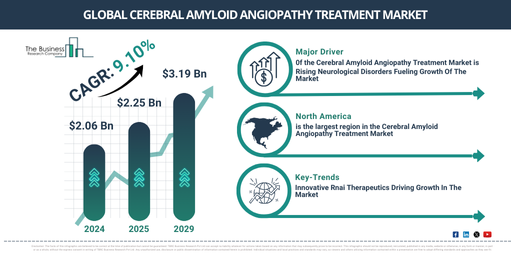
    The market for treatment of cerebral amyloid angiopathy has been experiencing robust growth recently. It is expected to expand from a value of $2.06 billion in 2024 to a projected $2.25 billion in 2025, representing a compound annual growth rate (CAGR) of 9.4%. Several factors have contributed to its growth in the historic period, including the rise in aging populations, heightened consciousness regarding cerebrovascular diseases, an increase in intracerebral hemorrhage incidents, growing governmental support for neurological studies, reliance on symptom management, and an escalated use of MRI and other neuroimaging techniques for diagnosis.

    What Growth Rate Is Forecasted for the Cerebral Amyloid Angiopathy Treatment Market by 2029?

    The market size for cerebral amyloid angiopathy treatment is predicted to exhibit a robust increase in the coming years, expanding to $3.19 billion by 2029, boasting a compound annual growth rate (CAGR) of 9.1%. This anticipated increase within the forecast period is linked to various factors such as the amplified embrace of personalized medicine, the expansion in biomarker-based detection, an upsurge in research around neuroinflammation treatments, steep investments in the development of neurological drugs, a growing inclination towards minimally invasive treatment avenues, and increased monetary support for neurological disorder research. Noteworthy trends within this period consist of the exploration into combination therapies, breakthroughs in MRI and PET imaging, reinforcement of health system infrastructure in developing markets, creation of minimally invasive treatments, cooperative efforts between pharmaceutical and biotech entities, and the incorporation of wearable technology for monitoring purposes.

    Download The Free Sample Report Here:

    https://www.thebusinessresearchcompany.com/sample.aspx?id=21136&type=smp

    Which Key Companies Are Shaping the Future of the Cerebral Amyloid Angiopathy Treatment Market?

    Major companies operating in the cerebral amyloid angiopathy treatment market are Pfizer Inc., Johnson & Johnson Services Inc., F. Hoffmann-La Roche Limited, Merck & Co. Inc., Bayer AG, Novartis International AG, Sanofi S.A., Bristol-Myers Squibb Company, AstraZeneca Public Limited Company, Abbott Laboratories, GlaxoSmithKline plc, Medtronic PLC, Eli Lilly and Company, Boehringer Ingelheim International Limited, Viatris Incorporated, Biogen Idec Inc., Sandoz Group AG, Daiichi Sankyo Company Limited, Amneal Pharmaceuticals LLC, Lupin Limited, Glenmark Pharmaceuticals Limited, Alnylam Pharmaceuticals Incorporated, Amydis Inc.

    Which Factors Are Driving Demand in the Cerebral Amyloid Angiopathy Treatment Industry?

    The escalating occurrence of neurological diseases is anticipated to bolster the expansion of the cerebral amyloid angiopathy treatment market. Medical conditions impacting the brain, spinal cord, or nerves, which lead to complications in movement, cognition, sensation, or other bodily functionalities, are known as neurological disorders. The surge in neurological disorders can be ascribed to factors like aging populations, lifestyle habits, environmental exposures, genetic susceptibility, and enhanced diagnostic capabilities. Cerebral amyloid angiopathy treatment aids neurological disorders by diminishing amyloid accumulation in blood vessels, amplifying cerebral blood flow, and lessening the probability of cognitive deterioration and stroke-related issues. For example, in March 2023, the Alzheimer’s Association, a US-based voluntary health NGO, reported that about 6.7 million Americans aged 65 or above were suffering from Alzheimer’s dementia in 2023, with forecasts showing a rise to 13.8 million by 2060. Consequently, the escalating occurrence of neurological diseases is fueling the growth of the cerebral amyloid angiopathy treatment market. An upward trend in healthcare expenditure is also catalysing the growth of the cerebral amyloid angiopathy treatment market. The term ‘healthcare expenditure’ denotes the cumulative sum of monetary resources exhausted on healthcare services, inclusive of medical remedies, hospital care, pharmaceuticals, and preventive services, by individuals, governments, and organizations. The growth in healthcare expenditure is accredited to elements like an aging populace, increasing prevalence of chronic illnesses, innovations in medical technology, and a higher necessity for healthcare services and treatments. Cerebral amyloid angiopathy treatment contributes to healthcare expenditure by propelling the progression of targeted therapies, enhancing patient results, and cutting down long-term care expenses, thereby leading to a more effective distribution of healthcare resources. For instance, in December 2023, as per the Centers for Medicare & Medicaid Services, a federal agency based in the US, US health care expenditure augmented by 4.1% in 2022 to reach a total of $4.5 trillion, exceeding the growth of 3.2% noted in 2021. Hence, the upward trend in healthcare expenditure is catalysing the growth of the cerebral amyloid angiopathy treatment market.

    Request For A Customized Report:

    https://www.thebusinessresearchcompany.com/customise?id=21136&type=smp

    How Is the Cerebral Amyloid Angiopathy Treatment Market Segmented by Several Divisions?

    The cerebral amyloid angiopathy treatment market covered in this report is segmented –

    1) By Type: Medication, Therapeutic Procedures, Surgery, Supportive Care

    2) By Route Of Administration: Oral, Intravenous, Intramuscular

    3) By Patient Type: Geriatric, Adult, Pediatric

    4) By End User: Hospitals, Clinics, Homecare Settings

    Subsegments:

    1) By Medication: Antihypertensive Drugs, Antiplatelet Drugs, Statins, Monoclonal Antibodies, Anti-amyloid Agents

    2) By Therapeutic Procedures: Plasma Exchange, Gene Therapy, Immunotherapy

    3) By Surgery: Cranial Decompression Surgery, Surgical Drainage Of Hematomas, Vascular Reconstruction Surgery

    4) By Supportive Care: Cognitive Rehabilitation, Physical Therapy, Pain Management, Nutritional Support

    What are the Emerging Market Trends Driving the Growth of the Cerebral Amyloid Angiopathy Treatment Industry?

    Prominent players in the cerebral amyloid angiopathy treatment market are directing their efforts towards the creation of novel products such as RNAi therapeutics aiming to manipulate gene expression related to the disease and lessen amyloid accumulation in cerebral vessels. RNAi therapeutics belong to a category of medications that use RNA interference (RNAi) to mute particular genes, barring the generation of proteins that cause diseases. For instance, Alnylam Pharmaceuticals Inc., a pharmaceutical company based in the U.S., is scheduled to commence the multiple-dose phase of its ALN-APP clinical trial in authorized regions in July 2023. This trial of ALN-APP is meant to evaluate the security and effectiveness of RNAi-based therapeutics in lowering amyloid precursor proteins (APP), which crucially participate in the formation of amyloid plaque in the brain. By silencing the gene responsible for these proteins, the trial intends to find out if ALN-APP can assist in impeding or even reversing the advancement of cerebral amyloid angiopathy (CAA).

    Access The Full Report Here:

    https://www.thebusinessresearchcompany.com/report/cerebral-amyloid-angiopathy-treatment-global-market-report

    Which Regions Are Driving Growth in the Cerebral Amyloid Angiopathy Treatment Market?

    North America was the largest region in the Largest cerebral amyloid angiopathy treatment market in 2024. The regions covered in the cerebral amyloid angiopathy treatment market report are Asia-Pacific, Western Europe, Eastern Europe, North America, South America, Middle East, Africa.

    Purchase The Full Report Today:

    https://www.thebusinessresearchcompany.com/purchaseoptions.aspx?id=21136

    This Report Delivers Insight On:

    1. How big is the cerebral amyloid angiopathy treatment market, and how is it changing globally?

    2. Who are the major companies in the cerebral amyloid angiopathy treatment market, and how are they performing?

    3. What are the key opportunities and risks in the cerebral amyloid angiopathy treatment market right now?

    4. Which products or customer segments are growing the most in the cerebral amyloid angiopathy treatment market?

    5. What factors are helping or slowing down the growth of the cerebral amyloid angiopathy treatment market?

    About The Business Research Company:

    With over 15000+ reports from 27 industries covering 60+ geographies, The Business Research Company has built a reputation for offering comprehensive, data-rich research and insights. Armed with 1,500,000 datasets, the optimistic contribution of in-depth secondary research, and unique insights from industry leaders, you can get the information you need to stay ahead in the game.

    Get in touch with us:

    The Business Research Company: https://www.thebusinessresearchcompany.com/

    Americas +1 310-496-7795

    Asia +44 2071930708

    Europe +44 7882 955267

    Email us at info@tbrc.info

    Follow us on:

    LinkedIn: https://in.linkedin.com/company/the-business-research-company

    YouTube: https://www.youtube.com/channel/UC24_fI0rV8cR5DxlCpgmyFQ

    Global Market Model: https://www.thebusinessresearchcompany.com/global-market-model
  • Pediatric Drugs Market Projected at $316 Billion by 2029 | Strategic Insights and Forecast Data

    Pediatric Drugs Market Projected at $316 Billion by 2029 | Strategic Insights and Forecast Data

    Claim your 30% discount on Global Market Reports with code ONLINE30. Limited time only.

    How Has the Pediatric Drugs Market Size Changed, over the years?

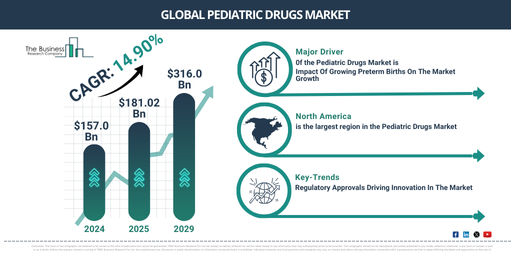
    Recent years have seen the pediatric drugs market expand swiftly. Its size is projected to increase from $157.0 billion in 2024, to $181.02 billion in 2025, demonstrating a compound annual growth rate (CAGR) of 15.3%. The considerable growth in the previous timeline can be linked to the increasing demand for corresponding medicines, a higher pediatric populace, better knowledge and recognition of pediatric ailments, the development of pediatric oncology, the advent of digital health and telemedicine, and intensified collaboration in the formulation of pediatric drugs.

    How Much Will the Pediatric Drugs Market Be Worth in 2029?

    The market for pediatric drugs is predicted to experience significant expansion in the upcoming years, expecting to reach $316.0 billion in 2029, with a compound annual growth rate (CAGR) of 14.9%. This surge during the forecast period can be attributed to several factors, such as an increase in the pediatric population, a surge in pediatric mental health disorders, a rise in chronic conditions among children, elevated vaccination rates among children, and an increased demand for pediatric mental health medications. Key trends anticipated in the forecast period include individualized pediatric medications, the integration of technology in pediatric drug delivery, the use of telemedicine and digital health solutions, improvements in pediatric clinical trials, and the collaboration of pediatricians and pharmacists.

    Download The Free Sample Report Here:

    https://www.thebusinessresearchcompany.com/sample.aspx?id=21249&type=smp

    Which is the Largest Company in the Pediatric Drugs Market?

    Major companies operating in the pediatric drugs market are Pfizer Inc., Johnson & Johnson, Merck & Co. Inc., Bayer AG, Sanofi S.A., Bristol-Myers Squibb, AstraZeneca Plc, Novartis AG, GlaxoSmithKline plc, Takeda Pharmaceutical Company, Eli Lilly and Co., Gilead Sciences Inc., Amgen Inc., Teva Pharmaceutical Industries Ltd., Otsuka Pharmaceutical Co. Ltd., Vertex Pharmaceuticals, UCB Pharma, Sun Pharmaceutical Industries Ltd., Perrigo Company, Shionogi & Co. Ltd., Mallinckrodt, Torrent Pharmaceuticals Ltd, Sarepta Therapeutics, Zydus Cadila

    What Are the Main Market Drivers in the Pediatric Drugs Industry?

    An increase in preterm births, babies born prior to the 37th week of gestation rather than the standard 40 weeks, is anticipated to boost the expansion of the pediatric drugs market. This surge in early deliveries is related to a multitude of factors including advanced maternal age, lifestyle factors, pre-existing health conditions, multiple gestations, and insufficient prenatal care. Pediatric drugs play a crucial role in fostering the health and growth of premature infants, by providing specialized treatments for issues such as respiratory complications, infections, and nutritional deficiencies. As per a report released by Tommy’s, a charity organization from the UK, in December 2022, there was an increase in the rate of premature live births in England and Wales from 7.5% in 2021 to 7.9% in 2022, equating to over 53,000 premature births in 2022. Subsequently, this upswing in preterm births is sparking the development of the pediatric drugs market.

    Request For A Customized Report:

    https://www.thebusinessresearchcompany.com/customise?id=21249&type=smp

    How Is the Pediatric Drugs Market Segments Structured?

    The pediatric drugs market covered in this report is segmented –

    1) By Type: Respiratory Disorder Drugs, Autoimmune Disorder Drugs, Gastrointestinal Drugs, Cardiovascular Drugs

    2) By Route Of Administration: Oral, Topical, Parenteral, Other Route Of Administrations

    3) By Distribution Channel: Hospital Pharmacy, Retail Pharmacy, Online Pharmacy, Other Distribution Channels

    4) By End-Users: Hospitals, Specialty Clinics, Homecare, Other End-Users

    Subsegments:

    1) By Respiratory Disorder Drugs: Asthma Medications, Cystic Fibrosis Treatments, Bronchodilators, Corticosteroids

    2) By Autoimmune Disorder Drugs: Immunosuppressants, Biologic Therapies, Disease-Modifying Antirheumatic Drugs (DMARDs)

    3) By Gastrointestinal Drugs: Proton Pump Inhibitors (PPIs), Antiemetics, Antidiarrheals, Laxatives

    4) By Cardiovascular Drugs: Antihypertensive Medications, Heart Failure Treatments, Antiarrhythmic Drugs, Lipid-lowering Agents

    What Strategic Trends Are Transforming the Pediatric Drugs Market?

    Leading pediatric drug market firms are concentrating on creating innovative medicines, like fully human monoclonal antibodies, to enhance treatment results and limit side effects in young patients. A fully human monoclonal antibody (mAb) is entirely formed from human genetic sequences, thus reducing the likelihood of immune system responses compared to chimeric or humanized monoclonal antibodies. These antibodies are created using sophisticated biotech methods, such as transgenic mice carrying human antibody genes or phage display technology. For example, in August 2022, Johnson and Johnson, an American pharmaceutical firm, obtained FDA approval for STELARA (ustekinumab) to treat pediatric patients six years and older suffering active PsA. This approval is a milestone since STELARA is the first and only biologic therapy that targets interleukin-12 (IL-12) and interleukin-23 (IL-23), which are crucial cytokines involved in the inflammatory responses connected with autoimmune diseases. Active PsA is an uncommon condition influencing about 5-8% of kids with chronic inflammatory arthritis, causing symptoms like joint swelling and skin lesions.

    Access The Full Report Here:

    https://www.thebusinessresearchcompany.com/report/pediatric-drugs-global-market-report

    Which Global Regions Offer the Highest Growth in the Pediatric Drugs Market?

    North America was the largest region in the pediatric drugs market in 2024. Asia-Pacific is expected to be the fastest-growing region in the forecast period. The regions covered in the pediatric drugs market report are Asia-Pacific, Western Europe, Eastern Europe, North America, South America, Middle East, Africa.

    Purchase The Full Report Today:

    https://www.thebusinessresearchcompany.com/purchaseoptions.aspx?id=21249

    This Report Delivers Insight On:

    1. How big is the pediatric drugs market, and how is it changing globally?

    2. Who are the major companies in the pediatric drugs market, and how are they performing?

    3. What are the key opportunities and risks in the pediatric drugs market right now?

    4. Which products or customer segments are growing the most in the pediatric drugs market?

    5. What factors are helping or slowing down the growth of the pediatric drugs market?

    About The Business Research Company:

    With over 15000+ reports from 27 industries covering 60+ geographies, The Business Research Company has built a reputation for offering comprehensive, data-rich research and insights. Armed with 1,500,000 datasets, the optimistic contribution of in-depth secondary research, and unique insights from industry leaders, you can get the information you need to stay ahead in the game.

    Get in touch with us:

    The Business Research Company: https://www.thebusinessresearchcompany.com/

    Americas +1 310-496-7795

    Asia +44 2071930708

    Europe +44 7882 955267

    Email us at info@tbrc.info

    Follow us on:

    LinkedIn: https://in.linkedin.com/company/the-business-research-company

    YouTube: https://www.youtube.com/channel/UC24_fI0rV8cR5DxlCpgmyFQ

    Global Market Model: https://www.thebusinessresearchcompany.com/global-market-model
  • Cuvitru Market Trends Report 2025 – For Business Development and Strategy Teams

    Cuvitru Market Trends Report 2025 – For Business Development and Strategy Teams

    Claim your 30% discount on Global Market Reports with code ONLINE30. Limited time only.

    What Is the Forecast for the Cuvitru Market Growth in 2025?

    The market size of cuvitru has seen a compound annual growth rate (HCAGR) of XX in the past few years. It is projected to expand from a value of $XX million in 2024 to $XX million in 2025, representing a Compound Annual Growth Rate (CAGR) of XX%. Factors contributing to this historic growth include an uptick in the incidence of immunodeficiencies, enhanced recognition of primary immune deficiencies, overall improvement in healthcare availability, an increase in the elderly population necessitating immunotherapy, a surge in demand for subcutaneous immunoglobulin therapies, and the development of healthcare infrastructure in emerging markets.

    What Is the Forecast for the Cuvitru Market Size Through 2029?

    In the forthcoming years, the cuvitru market size is projected to see an XX(FCAGR). By 2029, it is anticipated to escalate to $XX million with a compound annual growth rate (CAGR) of XX%. The predicted growth during the forecast period can be credited to several factors such as the heightening prevalence of immunodeficiencies, growing enlightenment regarding the advantages of immunoglobulin therapies, improved accessibility to healthcare, enhancement of homecare spheres for immunoglobulin delivery, elevated government backing for healthcare and patient care, as well as a rising number of older individuals globally. Top forecast period trends include the enhancement of more effective subcutaneous infusion systems, innovative self-administration devices for use at home, progress in patient observation systems, incorporation of AI in personalized treatment plan management, and developments in formulations.

    Download The Free Sample Report Here:

    https://www.thebusinessresearchcompany.com/sample.aspx?id=20312&type=smp

    What are the Key Market Players in Cuvitru Market and How They’re Evolving?

    Major companies operating in the cuvitru market are Takeda Pharmaceutical Company Limited (Baxalta US Inc.)

    What Are the Primary Growth Drivers in the Cuvitru Market?

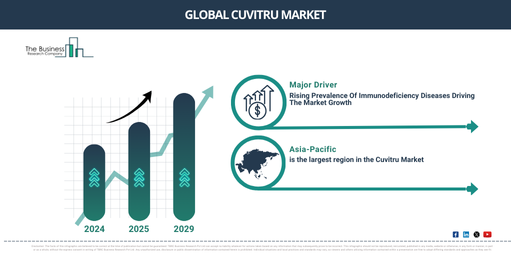
    The rise in the occurrence of immunodeficiency diseases is anticipated to fuel the expansion of the cuvitru market in the future. These diseases refer to a variety of conditions where the immune system isn’t able to function optimally, leaving people more vulnerable to infections and certain other health issues. The escalation in immunodeficiency diseases can be ascribed to multiple aspects, such as improved diagnostic tools resulting in increased detection, environmental elements like pollution and climate change impacting immune functionality, and an older population more susceptible to the decline in the immune system. Cuvitru serves as an essential therapy for those suffering from immunodeficiency diseases, offering subcutaneous immunoglobulin replacement therapy, thereby aiding in the restoration of the immune system and decreasing the frequency and intensity of infections in patients with either primary or secondary immunodeficiencies. For example, in 2023, the Immune Deficiency Foundation (IDF), a non-profit organization based in the US, reported that approximately 1,177 patients were diagnosed with primary immunodeficiency (PI), with common variable immune deficiency (CVID) being the most common diagnosis, accounting for 62%. Hence, the rise in the occurrence of immune deficiency diseases is predicted to stimulate the expansion of the cuvitru market.

    Request For A Customized Report:

    https://www.thebusinessresearchcompany.com/customise?id=20312&type=smp

    What Are the Leading Segments in the Global Cuvitru Industry?

    The cuvitru market covered in this report is segmented –

    1) By Indication: Common Variable Immunodeficiency (CVID); X-Linked Agammaglobulinemia; Severe Combined Immunodeficiency (SCID)

    2) By Distribution Channel: Hospital Pharmacies; Specialty Pharmacies; Home Healthcare Providers

    3) By End-Use: Clinics; Homecare; Hospitals; Other End-Uses

    Access The Full Report Here:

    https://www.thebusinessresearchcompany.com/report/cuvitru-global-market-report

    What Is the Regional Outlook for the Cuvitru Market?

    Asia-Pacific was the largest region in the cuvitru market in 2024. The regions covered in the cuvitru market report are Asia-Pacific, Western Europe, Eastern Europe, North America, South America, Middle East, Africa.

    Purchase The Full Report Today:

    https://www.thebusinessresearchcompany.com/purchaseoptions.aspx?id=20312

    This Report Delivers Insight On:

    1. How big is the cuvitru market, and how is it changing globally?

    2. Who are the major companies in the cuvitru market, and how are they performing?

    3. What are the key opportunities and risks in the cuvitru market right now?

    4. Which products or customer segments are growing the most in the cuvitru market?

    5. What factors are helping or slowing down the growth of the cuvitru market?

    About The Business Research Company:

    With over 15000+ reports from 27 industries covering 60+ geographies, The Business Research Company has built a reputation for offering comprehensive, data-rich research and insights. Armed with 1,500,000 datasets, the optimistic contribution of in-depth secondary research, and unique insights from industry leaders, you can get the information you need to stay ahead in the game.

    Get in touch with us:

    The Business Research Company: https://www.thebusinessresearchcompany.com/

    Americas +1 310-496-7795

    Asia +44 2071930708

    Europe +44 7882 955267

    Email us at info@tbrc.info

    Follow us on:

    LinkedIn: https://in.linkedin.com/company/the-business-research-company

    YouTube: https://www.youtube.com/channel/UC24_fI0rV8cR5DxlCpgmyFQ

    Global Market Model: https://www.thebusinessresearchcompany.com/global-market-model
  • Cerebral Adrenoleukodystrophy (CALD) Market Size to Exceed $13.04 Billion by 2029 | Growth and Industry Trends

    Cerebral Adrenoleukodystrophy (CALD) Market Size to Exceed $13.04 Billion by 2029 | Growth and Industry Trends

    Claim your 30% discount on Global Market Reports with code ONLINE30. Limited time only.

    How Has the Cerebral Adrenoleukodystrophy (CALD) Market Grown from 2024 to 2025?

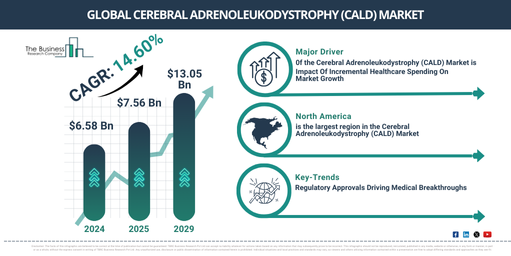
    The market for cerebral adrenoleukodystrophy (CALD) has seen a quick expansion in its size in the past few years. Projections show a growth from $6.58 billion in 2024 to $7.56 billion in 2025, boasting a compound annual growth rate (CAGR) of 14.9%. Factors such as an increased recognition of rare illnesses, expansion of newborn screening initiatives, a greater emphasis on neurodegenerative disorders, the introduction of Lorenzo’s oil, studies on peroxisomal disorders, the advocacy work of patient support groups, and enhancements in healthcare infrastructure can be accredited for the growth experienced in the historic period.

    What Growth Rate Is Anticipated for the Cerebral Adrenoleukodystrophy (CALD) Market in the Coming Years?

    In the upcoming years, the cerebral adrenoleukodystrophy (CALD) market is projected to witness speedy expansion, predicting growth to $13.05 billion by 2029 at a compound annual growth rate (CAGR) of 14.6%. This anticipated growth during the forecast period is linked to the introduction of gene therapy solutions, the broadening of newborn screening technologies, the advancement in targeted drug delivery systems, increased funding in rare disease research, rising use of digital health instruments, growing demand for tailored treatments, partnerships between biotech and pharmaceutical companies and improved consciousness through worldwide advocacy campaigns. Key trends in the forecast period are gene editing using clustered regularly interspaced short palindromic repeats (CRISPR), diagnostic algorithms powered by AI, sophisticated neuroimaging methods, progress in next-generation sequencing, nanomedicine targeted at the brain, wearable devices for neuro-monitoring, digital twin simulations for therapy planning, sharing of genomic data through cloud, virtual reality for training caregivers and blockchain for secure handling of patient data.

    Download The Free Sample Report Here:

    https://www.thebusinessresearchcompany.com/sample.aspx?id=21135&type=smp

    Who Are the Leading Companies in the Cerebral Adrenoleukodystrophy (CALD) Market?

    Major companies operating in the cerebral adrenoleukodystrophy (CALD) market are Pfizer Inc., Sanofi S.A., Novartis AG, Regeneron Pharmaceuticals, Vertex Pharmaceuticals, Poxel S.A., Neuraxpharm Group, Viking Therapeutics Inc., MedDay Pharmaceuticals SAS, Calico Life Sciences, Magenta Therapeutics Inc., SOM Biotech, Minoryx Therapeutics S.L., NeuroVia Inc., SwanBio Therapeutics Inc., Autobahn Therapeutics Inc., Bluebird Bio Inc., Orpheris Inc., Sperogenix Therapeutics, Abliva

    What Are the Key Drivers of the Cerebral Adrenoleukodystrophy (CALD) Market?

    The rise in healthcare expenditure is predicted to stimulate the growth of the Cerebral Adrenoleukodystrophy (CALD) market. The escalation in healthcare expenditure can be attributed to factors such as an aging population, the prevalence of chronic conditions, advancements in medical technology, increased drug pricing, and extended healthcare protection. Such spending aids the CALD market by facilitating the advancement in diagnostic procedures, financing novel treatments like gene therapy and stem cell transplantation, and enhances the accessibility of patients to specialized care and early intervention. As an example, the Centers for Medicare And Medicaid Services (CMS), a federal agency located in the US, reported that the National Health Expenditures (NHE) raised by 7.5% in 2023, surpassing the GDP growth, which stood at 6.1%. In the duration between 2023 and 2032, the Neutral Health Expenditures (NHE) is expected to witness an average annual growth of 5.6%, escalating the portion of health spending in the GDP from the 17.3% in 2022 to a projected 19.7% in 2032. Hence, the increased healthcare spending is a substantial driver for the growth of the Cerebral Adrenoleukodystrophy (CALD) market.

    Request For A Customized Report:

    https://www.thebusinessresearchcompany.com/customise?id=21135&type=smp

    What Are the Key Market Segments in the Cerebral Adrenoleukodystrophy (CALD) Industry?

    The cerebral adrenoleukodystrophy (CALD) market covered in this report is segmented –

    1) By Type Of Treatment: Dietary Management, Medications, Stem Cell Therapy

    2) By Patient Age Group: Adults, Children, Infants, Teens

    3) By End User: Healthcare Facilities, Patients And Caregivers, Pharmaceutical Companies

    Subsegments:

    1) By Dietary Management: Lorenzo’s Oil, Omega-3 Fatty Acids, Fatty Acid Supplements

    2) By Medications: Corticosteroids, Antioxidants, Anti-inflammatory Drugs

    3) By Stem Cell Therapy: Hematopoietic Stem Cell Transplantation (HSCT), Gene Therapy

    What Are the Latest Trends in the Cerebral Adrenoleukodystrophy (CALD) Market?

    The cerebral adrenoleukodystrophy (CALD) market is witnessing a shift in focus towards the development of innovative therapeutic treatments among main organisations. These treatments such as gene therapies, are designed to offer a more beneficial long-lasting solution to halt disease progression, improve patient prognosis and potentially provide curative solutions for this uncommon, lethal condition. Gene therapy is a medical procedure that rectifies or substitutes defective genes in a patient’s cells to cure diseases. An example from September 2022 is the American biotech firm, Bluebird Bio Inc., which got fast-tracked approval for Skysona (elivaldogene autotemcel) from the US Food and Drug Administration (FDA) to decelerate the progression of neural dysfunction in young male patients, aged 4-17, with early-stage, active CALD. Skysona, an isolated gene therapy, utilises ex-vivo transduction with the Lenti-D lentiviral vector (LVV) to integrate working copies of the ABCD1 gene into a patient’s hematopoietic stem cells (HSCs). The newly inserted gene facilitates the production of the ALD protein (ALDP) in their body. ALDP helps in the local breakdown of long-chain fatty acids (VLCFAs), potentially halting further inflammation and demyelination.

    Access The Full Report Here:

    https://www.thebusinessresearchcompany.com/report/cerebral-adrenoleukodystrophy-cald-global-market-report

    What Are the Key Regional Markets in the Cerebral Adrenoleukodystrophy (CALD) Industry?

    North America was the largest region in the cerebral adrenoleukodystrophy (CALD) market in 2024. The regions covered in the cerebral adrenoleukodystrophy (CALD) market report are Asia-Pacific, Western Europe, Eastern Europe, North America, South America, Middle East, Africa.

    Purchase The Full Report Today:

    https://www.thebusinessresearchcompany.com/purchaseoptions.aspx?id=21135

    This Report Delivers Insight On:

    1. How big is the cerebral adrenoleukodystrophy (cald) market, and how is it changing globally?

    2. Who are the major companies in the cerebral adrenoleukodystrophy (cald) market, and how are they performing?

    3. What are the key opportunities and risks in the cerebral adrenoleukodystrophy (cald) market right now?

    4. Which products or customer segments are growing the most in the cerebral adrenoleukodystrophy (cald) market?

    5. What factors are helping or slowing down the growth of the cerebral adrenoleukodystrophy (cald) market?

    About The Business Research Company:

    With over 15000+ reports from 27 industries covering 60+ geographies, The Business Research Company has built a reputation for offering comprehensive, data-rich research and insights. Armed with 1,500,000 datasets, the optimistic contribution of in-depth secondary research, and unique insights from industry leaders, you can get the information you need to stay ahead in the game.

    Get in touch with us:

    The Business Research Company: https://www.thebusinessresearchcompany.com/

    Americas +1 310-496-7795

    Asia +44 2071930708

    Europe +44 7882 955267

    Email us at info@tbrc.info

    Follow us on:

    LinkedIn: https://in.linkedin.com/company/the-business-research-company

    YouTube: https://www.youtube.com/channel/UC24_fI0rV8cR5DxlCpgmyFQ

    Global Market Model: https://www.thebusinessresearchcompany.com/global-market-model
  • Pediatric Brain Tumors Industry Growth Expected to Reach $1.82 Billion by 2029 at a CAGR of 6.9% | Segmentation and Growth Opportunities

    Pediatric Brain Tumors Industry Growth Expected to Reach $1.82 Billion by 2029 at a CAGR of 6.9% | Segmentation and Growth Opportunities

    Claim your 30% discount on Global Market Reports with code ONLINE30. Limited time only.

    What Is the Forecast for the Pediatric Brain Tumors Market Growth in 2025?

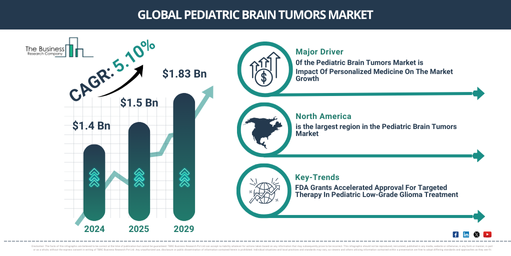
    In recent times, the market size of pediatric brain tumors has seen substantial growth. It is projected to advance from a value of $1.4 billion in 2024 to a value of $1.5 billion in 2025, signalling a compound annual growth rate (CAGR) of 7.1%. Factors contributing to this acceleration in the historical period include a spike in cases of pediatric brain tumors, evolving economies, increased focus on research and development, and a heightened need for diagnostic technology. Moreover, global cases of pediatric tumors are on the rise.

    What Is the Forecast for the Pediatric Brain Tumors Market Size Through 2029?

    Expectations for the pediatric brain tumor market show a robust increase in the coming years, with projections for a rise to $1.83 billion in 2029 and a CAGR of 5.1%. Factors responsible for this prospective growth include precision medicinal practices, molecular profiling, specifically targeted therapies, improved healthcare systems, and a wider insurance coverage. Foreseen trends of this period are enhancements in methodologies such as magnetic resonance imaging (MRI), positron emission tomography (PET), and computed tomography (CT) scanning. Additionally, the utilization of genetic and molecular profiling, the creation of targeted treatments, the implementation of immunotherapies, and the emergence of minimally invasive surgical approaches all play a vital role.

    Download The Free Sample Report Here:

    https://www.thebusinessresearchcompany.com/sample.aspx?id=21248&type=smp

    What are the Key Market Players in Pediatric Brain Tumors Market and How They’re Evolving?

    Major companies operating in the pediatric brain tumors market are AbbVie Inc., Bayer AG, Novartis AG, Roche Holding AG, Takeda Pharmaceutical Company, UCLA Health, Ipsen Pharma, Novocure, Blueprint Medicines, Karyopharm Therapeutics Inc., Renaissance Pharma, Servier Laboratories, Matica Biotechnology, Curis Inc., Oncoheroes Biosciences, Treovir Inc., Plus Therapeutics Inc., Stemline Therapeutics Inc., BrainChild Bio Inc., Seattle Children’s Therapeutics

    What Are the Primary Growth Drivers in the Pediatric Brain Tumors Market?

    The pediatric brain tumors market is expected to experience significant growth due to an increasing demand for personalized medicine. This strategic approach to healthcare tailors treatments and medical decisions to an individual’s genetic makeup, lifestyle and unique health needs. Developments in genetic research, improvements in diagnostic tools, and the capacity for targeted treatments stimulate the demand for personalized medicine. As a result of treating the specific type of tumor, mutation and response of the child, personalized medicine offers targeted therapies that are more potent and inflict less damage to healthy tissues, thus increasing outcomes and minimising side effects. For example, the Personalized Medicine Coalition, a US-based healthcare and hospital organization reported that in February 2024, 16 new personalized therapies for rare diseases patients were granted FDA approval, a notable increase from six in 2022. Hence, the rise in demand for personalized medicine is fueling the expansion of the pediatric brain tumor market.

    Request For A Customized Report:

    https://www.thebusinessresearchcompany.com/customise?id=21248&type=smp

    What Are the Leading Segments in the Global Pediatric Brain Tumors Industry?

    The pediatric brain tumors market covered in this report is segmented –

    1) By Type: Gliomas, Mixed Neuronal-Glial Tumors, Embryonal Tumors, Choroid Plexus Papilloma Or Carcinoma, Tumors Arising From Non-Neuroepithelial Tissue, Meningeal Tumors

    2) By Treatment Type: Surgery, Radiation Therapy, Chemotherapy, Targeted Therapy, Immunotherapy

    3) By Diagnosis Method: Imaging Techniques, Biopsy, Neurological Exam, Lumbar Puncture

    4) By Age Group: Infants, Toddlers, Children, Adolescents

    5) By Application: Hospitals And Clinics, Medical Research Centers, Academic Institutes, Other Applications

    Subsegments:

    1) By Gliomas: Low-Grade Gliomas, High-Grade Gliomas

    2) By Mixed Neuronal-Glial Tumors: Gangliogliomas, Dysembryoplastic Neuroepithelial Tumors (DNET)

    3) By Embryonal Tumors: Medulloblastoma, Atypical Teratoid Rhabdoid Tumor (ATRT), Primitive Neuroectodermal Tumors (PNET)

    4) By Choroid Plexus Papilloma or Carcinoma: Choroid Plexus Papilloma, Choroid Plexus Carcinoma

    5) By Tumors Arising from Non-Neuroepithelial Tissue: Rhabdomyosarcoma, Ewing’s Sarcoma

    6) By Meningeal Tumors: Meningiomas, Hemangiopericytomas

    What Are the Key Market Trends in the Pediatric Brain Tumors Industry?

    Prominent organizations in the pediatric brain tumors market are concentrating on creating advanced treatments like Type II RAF inhibitors to augment targeted therapies and promote improved results for patients. Type II RAF inhibitors are specialized therapies that inhibit RAF kinases, particularly those related to mutations which facilitate tumor growth. Crafted to target irregular RAF protein formations discovered in distinct pediatric low-grade glioma (pLGG) subcategories, these inhibitors successfully block the erroneous signaling pathways causing tumor cell multiplication and existence. For example, in April 2024, the U.S. FDA granted Day One Biopharmaceuticals, a US biotech firm, expedited approval for OJEMDA (tovorafenib), meant for treating relapsed or unresponsive pediatric low-grade glioma (pLGG) in patients of 6 months and above bearing specific BRAF alterations. Such approval turns OJEMDA into the first FDA-sanctioned therapy aimed at BRAF fusions or mutations within this demographic. The sanction hinges on the documented overall response rate of 51% from FIREFLY-1 clinical trial checking the drug’s effectiveness in this symptom. This therapy is particularly geared towards minors with brain tumor unresponsive to earlier treatments.

    Access The Full Report Here:

    https://www.thebusinessresearchcompany.com/report/pediatric-brain-tumors-global-market-report

    What Is the Regional Outlook for the Pediatric Brain Tumors Market?

    North America was the largest region in the pediatric brain tumors market in 2024. The regions covered in the pediatric brain tumors market report are Asia-Pacific, Western Europe, Eastern Europe, North America, South America, Middle East, Africa.

    Purchase The Full Report Today:

    https://www.thebusinessresearchcompany.com/purchaseoptions.aspx?id=21248

    This Report Delivers Insight On:

    1. How big is the pediatric brain tumors market, and how is it changing globally?

    2. Who are the major companies in the pediatric brain tumors market, and how are they performing?

    3. What are the key opportunities and risks in the pediatric brain tumors market right now?

    4. Which products or customer segments are growing the most in the pediatric brain tumors market?

    5. What factors are helping or slowing down the growth of the pediatric brain tumors market?

    About The Business Research Company:

    With over 15000+ reports from 27 industries covering 60+ geographies, The Business Research Company has built a reputation for offering comprehensive, data-rich research and insights. Armed with 1,500,000 datasets, the optimistic contribution of in-depth secondary research, and unique insights from industry leaders, you can get the information you need to stay ahead in the game.

    Get in touch with us:

    The Business Research Company: https://www.thebusinessresearchcompany.com/

    Americas +1 310-496-7795

    Asia +44 2071930708

    Europe +44 7882 955267

    Email us at info@tbrc.info

    Follow us on:

    LinkedIn: https://in.linkedin.com/company/the-business-research-company

    YouTube: https://www.youtube.com/channel/UC24_fI0rV8cR5DxlCpgmyFQ

    Global Market Model: https://www.thebusinessresearchcompany.com/global-market-model
  • Market Analysis on Saphnelo Industry – Insights for Corporate Strategy and R&D

    Market Analysis on Saphnelo Industry – Insights for Corporate Strategy and R&D

    Claim your 30% discount on Global Market Reports with code ONLINE30. Limited time only.

    What Is the Forecast for the Saphnelo Market from 2024 to 2025?

    In the past few years, the saphnelo market size has shown a XX (HCAGR). The value is anticipated to escalate from $XX million in 2024 to $XX million in 2025, indicating a compound annual growth rate (CAGR) of XX%. Factors contributing to this growth in the historic period consist of increased expenditure on healthcare, enhanced focus on R&D, growing attention towards rare diseases, an increasing elderly population, and improved access to healthcare.

    What Is the Projected Market Size of the Saphnelo Market?

    Predictions indicate that the saphnelo market size will experience a compound annual growth rate (FCAGR) of XX% over the coming years, growing to an estimated $XX million by 2029. Factors contributing to this projected growth can be attributed to a rise in awareness and diagnosis, increased biopharmaceutical investments, the expansion of patient assistance programs, the rise in educational initiatives centering around lupus and advanced therapies, and an increased demand for personalized medicine. Future trends likely to impact the market across the forecast period include the incorporation of AI in research and development, advancements in drug delivery system innovations, evolution in biologic manufacturing, a focus on ecologically sustainable manufacturing practices, and the integration of telehealth for treatment monitoring.

    Download The Free Sample Report Here:

    https://www.thebusinessresearchcompany.com/sample.aspx?id=20311&type=smp

    Who are the Major Competitors in the Saphnelo Market Outlook?

    Major companies operating in the saphnelo market are AstraZeneca PLC.

    What Is Fueling Growth in the Saphnelo Market?

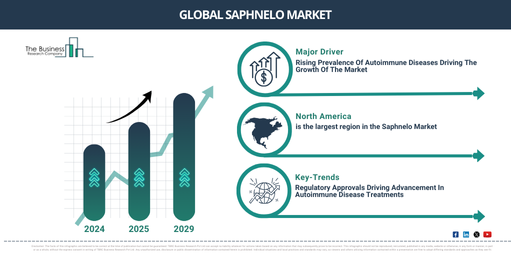
    The increasing incidence of autoimmune disorders is projected to drive the expansion of the saphnelo market in the future. Autoimmune diseases are conditions in which the body’s immune system wrongly targets and attacks its own tissues, confusing them as dangerous aggressors. Genetic factors, environmental triggers, lifestyle alterations, and escalated awareness are among the reasons contributed to the prevalence of these diseases. Saphnelo (anifrolumab) works by attacking and inhibiting the type I interferon receptor, a significant part of the immune system that often becomes overactive in these diseases, thereby decreasing inflammation and disease activity. For example, the National Library of Medicine, a medical library based in the United States, reported in August 2022 that a systematic review of 464 studies detected 928 instances of autoimmune disorders linked to COVID-19 vaccination. Out of these, 81.5% (756 instances) were new-onset autoimmune diseases, typically manifesting symptoms eight days after vaccination. Women, accounting for 53.6% of the cases, with a median age of 48, were the most impacted. Hence, the soaring occurrence of autoimmune disorders is bolstering the growth of the saphnelo market.

    Request For A Customized Report:

    https://www.thebusinessresearchcompany.com/customise?id=20311&type=smp

    Which Saphnelo Market Segments Are Growing the Fastest?

    The saphnelo market covered in this report is segmented –

    1) By Indication: Systemic Lupus Erythematosus; Lupus Nephritis; Cutaneous Lupus; Systemic Sclerosis; Myositis

    2) By Distribution Channe: Hospital Pharmacies; Retail Pharmacies; Online Pharmacies

    3) By End Use: Hospitals; Clinics; Ambulatory Care; Home Care

    Which Industry Trends Are Shaping the Future of the Saphnelo Market?

    The main trend observed within the Saphnelo market is the acquisition of regulatory authorizations for antibody treatments against autoimmune diseases. The term regulatory approvals denote the official permission given by governmental or regulatory agencies to introduce a medical device, drug, or treatment to the market for public use. For instance, AstraZeneca Plc, a UK-based pharmaceutical firm, in February 2022, procured approval for Saphnelo from the European Union. Saphnelo (anifrolumab) stands as the pioneer in its class as a type I interferon receptor antibody, used in conjunction with other treatments for moderate to severe systemic lupus erythematosus (SLE), in order to debilitate disease activity and reduce oral corticosteroid intake. As the first biologic unrestricted to high disease progression in over ten years, it improves the prognosis for SLE patients. The European Commission’s consent was achieved based on data collected from the Saphnelo clinical development program, inclusive of the TULIP Phase III and MUSE Phase II tests. During these tests, a larger number of patients administered with Saphnelo displayed a decrease in overall disease activity across multiple body systems and maintained reduced intake of oral corticosteroids (OCS), as compared to those who were given a placebo.

    Access The Full Report Here:

    https://www.thebusinessresearchcompany.com/report/saphnelo–global-market-report

    Which Countries Are Leading the Saphnelo Market?

    North America was the largest region in the saphnelo market in 2024. The regions covered in the saphnelo market report are Asia-Pacific, Western Europe, Eastern Europe, North America, South America, Middle East, Africa.

    Purchase The Full Report Today:

    https://www.thebusinessresearchcompany.com/purchaseoptions.aspx?id=20311

    This Report Delivers Insight On:

    1. How big is the saphnelo market, and how is it changing globally?

    2. Who are the major companies in the saphnelo market, and how are they performing?

    3. What are the key opportunities and risks in the saphnelo market right now?

    4. Which products or customer segments are growing the most in the saphnelo market?

    5. What factors are helping or slowing down the growth of the saphnelo market?

    About The Business Research Company:

    With over 15000+ reports from 27 industries covering 60+ geographies, The Business Research Company has built a reputation for offering comprehensive, data-rich research and insights. Armed with 1,500,000 datasets, the optimistic contribution of in-depth secondary research, and unique insights from industry leaders, you can get the information you need to stay ahead in the game.

    Get in touch with us:

    The Business Research Company: https://www.thebusinessresearchcompany.com/

    Americas +1 310-496-7795

    Asia +44 2071930708

    Europe +44 7882 955267

    Email us at info@tbrc.info

    Follow us on:

    LinkedIn: https://in.linkedin.com/company/the-business-research-company

    YouTube: https://www.youtube.com/channel/UC24_fI0rV8cR5DxlCpgmyFQ

    Global Market Model: https://www.thebusinessresearchcompany.com/global-market-model

  • Central Nervous System Lymphoma Treatment Industry Insights 2025 – Market Forecast for Executives and Planners

    Central Nervous System Lymphoma Treatment Industry Insights 2025 – Market Forecast for Executives and Planners

    Claim your 30% discount on Global Market Reports with code ONLINE30. Limited time only.

    How Has the Central Nervous System Lymphoma Treatment Market Size Changed, over the years?

    The market size of treatment for central nervous system lymphoma has experienced robust growth in the past few years. The market is anticipated to expand from $1.19 billion in 2024 to $1.28 billion in 2025, boasting a compound annual growth rate (CAGR) of 7.2%. Factors contributing to this historical growth include the rising incidence of central nervous system (CNS) lymphoma, heightened use of targeted therapies, increased awareness about cancer, rising healthcare spending, advancements in immunotherapy, the rollout of high-dose chemotherapy, expanded clinical trials, and better access to specialized healthcare services.

    How Much Will the Central Nervous System Lymphoma Treatment Market Be Worth in 2029?

    The market for central nervous system lymphoma treatment is predicted to undergo significant expansion in the coming years, rising to $1.67 billion in revenue by 2029 with a compound annual growth rate of 6.9%. The impressive growth expected in the forecasting period can be associated with the increasing demand for customized medication, the emphasis on early detection, escalating funding in the field of oncology research, the launch of cutting-edge drug delivery systems, developing healthcare infrastructure in progressing markets, higher occurrences of autoimmune diseases, the advent of combined therapies, increased accessibility to biosimilars and the rising enrollment of telemedicine for cancer treatment. Noteworthy trends for the forecasting period include advancements in precision medication, incorporation of artificial intelligence for diagnosis, liquid biopsy usage for monitoring, embracing nanotechnology for better drug delivery, improved imaging technologies, creation of bispecific antibodies, application of gene manipulation techniques like CRISPR, the deployment of wearable devices for health monitoring, and larger telehealth platforms for providing oncology services.

    Download The Free Sample Report Here:

    https://www.thebusinessresearchcompany.com/sample.aspx?id=21134&type=smp

    Which is the Largest Company in the Central Nervous System Lymphoma Treatment Market?

    Major companies operating in the central nervous system lymphoma treatment market are Pfizer Inc., Johnson & Johnson, F Hoffmann-La Roche AG, Merck & Co. Inc, AbbVie Inc., Bristol-Myers Squibb, Astrazeneca plc, Novartis AG, GlaxoSmithKline Plc, Gilead Sciences, Amgen Inc, Viatris Inc., Teva Pharmaceutical Industries Ltd., Baxter International Inc., Regeneron Pharmaceuticals, Biogen Inc., UCB Pharma, Incyte Corporation, Takeda Pharmaceutical Company Limited, Seagen Inc., MorphoSys AG, Nurix Therapeutics, Fresenius SE & Co KGaA, Astellas Pharma, Sandoz Group AG, BeiGene Ltd.

    What Are the Main Market Drivers in the Central Nervous System Lymphoma Treatment Industry?

    The expansion of the pharmaceutical industry is projected to boost the development of the central nervous system lymphoma treatment market. This industry sector concentrates on the creation, production, distribution, and study of drugs that are used to manage, cure, and prevent various diseases. Factors such as advancements in medical research, global healthcare accessibility, aging populace, rising chronic diseases, global health emergencies, regulatory support, and increased healthcare expenditure are propelling the growth of the pharmaceutical industry. This growth fuels progress in the central nervous system lymphoma treatment market by fostering inventive targeted therapies, advancing diagnostic capabilities, and pouring funds into research for rare types of cancer. For instance, data from the European Federation of Pharmaceutical Industries and Associations (EFPIA) revealed that pharmaceutical production in Europe escalated from $3,88,141 million (€363,300 million) in 2022 to $4,17,300 million (€390,000 million) in 2023. Thus, the continuous expansion in the pharmaceutical industry pushes the growth of the central nervous system lymphoma treatment market. The ongoing transition towards personalized medicine is anticipated to fuel the growth of the central nervous system lymphoma treatment market. Personalized medicine optimizes healthcare outcomes and elevates care quality by individualizing treatments based on a person’s environment, habits, and genetic background. Innovations in genomics, greater accessibility to biomarker-based diagnostics, improved data analytics, and escalating demand for more effective and precise treatments urge the call for personalized medicine. This practice improves the treatment of central nervous system lymphoma by providing individualized therapies centered on a patient’s unique genetic and molecular features of the lymphoma, thus enhancing the precision of the treatment, minimizing adverse effects, and augmenting the probability of successful results, especially in complex or unresponsive cases. For instance, in 2023, the Food and Drug Administration (FDA) approved 7 new personalized cancer treatments out of total 26, according to the Personalized Medicine Coalition (PMC), which signals a considerable increase from the 12 approved treatments in 2022. Therefore, the shift towards personalized medicine spurs the growth of the central nervous system lymphoma treatment market.

    Request For A Customized Report:

    https://www.thebusinessresearchcompany.com/customise?id=21134&type=smp

    How Is the Central Nervous System Lymphoma Treatment Market Segments Structured?

    The central nervous system lymphoma treatment market covered in this report is segmented –

    1) By Treatment Type: Chemotherapy, Radiation Therapy, Targeted Therapy, Corticosteroids, Immunotherapy

    2) By Route Of Administration: Intravenous, Oral, Intrathecal

    3) By Distribution Channel: Direct Sales, Third-Party Distributors

    4) By End User: Hospitals, Clinics, Ambulatory Surgical Centers

    Subsegments:

    1) By Chemotherapy: High-Dose Methotrexate, Temozolomide, Rituximab-Based Regimens, Carmustine, Cytarabine

    2) By Radiation Therapy: Whole Brain Radiation Therapy (WBRT), Stereotactic Radiosurgery (SRS), Brachytherapy

    3) By Targeted Therapy: Monoclonal Antibodies, Tyrosine Kinase Inhibitors, B-Cell Antigen Inhibitors, PI3K Inhibitors

    4) By Corticosteroids: Dexamethasone, Prednisone, Methylprednisolone

    5) By Immunotherapy: Checkpoint Inhibitors, Chimeric Antigen Receptor T-Cell (CAR-T) Therapy, Monoclonal Antibodies, Immune Modulators

    What Strategic Trends Are Transforming the Central Nervous System Lymphoma Treatment Market?

    Leading entities in the central nervous system lymphoma market are shifting their focus to the creation of ground-breaking treatments like the chimeric antigen receptor (CAR) T-cell therapy. This is in an effort to improve treatment efficiency, offer bespoke therapy alternatives, and enhance patient results, particularly for patients experiencing relapses or difficult-to-treat cases. CAR T-cell therapy is an immunotherapy approach where the patient’s T-cells are altered to better detect and combat cancer cells. For instance, Kite Pharma, a company based in the US, joined forces with the US-based Dana-Farber Cancer Institute in June 2024 to unveil Yescarta (axicabtagene ciloleucel). This CAR T-cell therapy, which was found to have a good tolerance level, uses the patient’s T-cells and adjusts them to combat cancer cells effectively, before infusing them back into the patient’s body. These altered T-cells work to eliminate lymphoma cells, including those in the central nervous system, most notably in relapsed or resistant cases.

    Access The Full Report Here:

    https://www.thebusinessresearchcompany.com/report/central-nervous-system-lymphoma-treatment-global-market-report

    Which Global Regions Offer the Highest Growth in the Central Nervous System Lymphoma Treatment Market?

    North America was the largest region in the central nervous system lymphoma treatment market in 2024. Asia-Pacific is expected to be the fastest-growing region in the forecast period. The regions covered in the central nervous system lymphoma treatment market report are Asia-Pacific, Western Europe, Eastern Europe, North America, South America, Middle East, Africa.

    Purchase The Full Report Today:

    https://www.thebusinessresearchcompany.com/purchaseoptions.aspx?id=21134

    This Report Delivers Insight On:

    1. How big is the central nervous system lymphoma treatment market, and how is it changing globally?

    2. Who are the major companies in the central nervous system lymphoma treatment market, and how are they performing?

    3. What are the key opportunities and risks in the central nervous system lymphoma treatment market right now?

    4. Which products or customer segments are growing the most in the central nervous system lymphoma treatment market?

    5. What factors are helping or slowing down the growth of the central nervous system lymphoma treatment market?

    About The Business Research Company:

    With over 15000+ reports from 27 industries covering 60+ geographies, The Business Research Company has built a reputation for offering comprehensive, data-rich research and insights. Armed with 1,500,000 datasets, the optimistic contribution of in-depth secondary research, and unique insights from industry leaders, you can get the information you need to stay ahead in the game.

    Get in touch with us:

    The Business Research Company: https://www.thebusinessresearchcompany.com/

    Americas +1 310-496-7795

    Asia +44 2071930708

    Europe +44 7882 955267

    Email us at info@tbrc.info

    Follow us on:

    LinkedIn: https://in.linkedin.com/company/the-business-research-company

    YouTube: https://www.youtube.com/channel/UC24_fI0rV8cR5DxlCpgmyFQ

    Global Market Model: https://www.thebusinessresearchcompany.com/global-market-model
  • Parkinson’s Disease Industry Valued at $4.97 Billion by 2029 With CAGR of 8.2% | Size and Share Insights

    Parkinson’s Disease Industry Valued at $4.97 Billion by 2029 With CAGR of 8.2% | Size and Share Insights

    Claim your 30% discount on Global Market Reports with code ONLINE30. Limited time only.

    What Is the Forecast for the Parkinson’s Disease Market from 2024 to 2025?

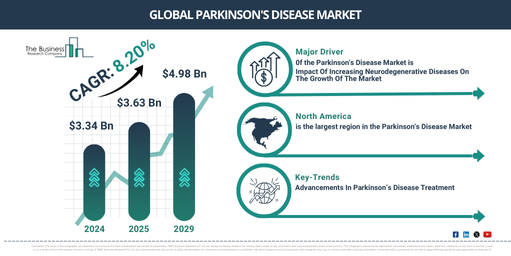
    The Parkinson’s disease market has experienced significant expansion in the last few years. The market, which was worth $3.34 billion in 2024, is predicted to increase to $3.63 billion in 2025, with a compound annual growth rate (CAGR) of 8.5%. The surge in the market during the historic period is creditable to the rise in research and development efforts, enhanced government funding, increased personalized treatment plans, bolstered support networks for those suffering from Parkinson’s, and the growing implementation of sophisticated rehabilitation therapies.

    What Is the Projected Market Size of the Parkinson’s Disease Market?

    The market size of Parkinson’s disease is predicted to surge significantly in the upcoming years, reaching a valuation of $4.98 billion in 2029 with a compound annual growth rate (CAGR) of 8.2%. This anticipated growth during the forecast period can be associated with factors such as increased knowledge about the symptoms of Parkinson’s disease, proactive government efforts, augmented healthcare expenditure, a growing number of clinical trials related to Parkinson’s disease, and a higher acceptance of gene therapies. Key factors expected to influence the market during forecast period are developments in technology, government funding and initiatives, application of artificial intelligence in disease diagnosis, innovative solutions, and the advent of personalised medicine.

    Download The Free Sample Report Here:

    https://www.thebusinessresearchcompany.com/sample.aspx?id=21247&type=smp

    Who are the Major Competitors in the Parkinson’s Disease Market Outlook?

    Major companies operating in the parkinson’s disease market are Roche Holding AG, AbbVie Inc., Novo Nordisk A/S, Takeda Pharmaceutical Company Limited, UCB S.A., Eisai Co. Ltd., Kyowa Kirin Co. Ltd., Amneal Pharmaceuticals Inc., Neurocrine Biosciences Inc., Supernus Pharmaceuticals Inc., Sunovion Pharmaceuticals Inc., Intracellular Therapies Inc., Voyager Therapeutics Inc., Sage Therapeutics Inc., Adamas Pharmaceuticals Inc., Sun Pharma Advanced Research Company Ltd., Neuraly Inc., Mitsubishi Tanabe Pharma Corporation, Athira Pharma Inc., VistaGen Therapeutics Inc.

    What Is Fueling Growth in the Parkinson’s Disease Market?

    The rising occurrence of neurodegenerative diseases is anticipated to boost the growth of the parkinson’s disease market in the future. These disorders are characterized by the gradual deterioration and loss of neuron functionality in the brain and nervous system. This increasing prevalence is owed to various factors such as aging demographics, environmental impacts, improved diagnostic methods, an increase in chronic health issues, genetic factors, and changes in lifestyle. Parkinson’s disease contributes significantly to the comprehension of neurodegenerative diseases, offering critical knowledge about their underlying mechanisms, potential therapeutic targets, and paving the way for innovative treatment strategies. For instance, the European Brain Council, a non-profit organization based in Belgium, reported in April 2022 that globally, over 600 neurological diseases and close to 300 psychiatric conditions affect millions, including 65 million individuals suffering from epilepsy. In Europe alone, it’s estimated that 10.5 million individuals are afflicted with dementia, with expected numbers to rise to 18.7 million by 2050. Thus, the growing occurrence of neurodegenerative diseases is bolstering the expansion of the parkinson’s disease market.

    Request For A Customized Report:

    https://www.thebusinessresearchcompany.com/customise?id=21247&type=smp

    Which Parkinson’s Disease Market Segments Are Growing the Fastest?

    The parkinson’s disease market covered in this report is segmented –

    1) By Drug Class: Dopamine Agonists, Catechol-O-Methyltransferase Inhibitors, Monoamine Oxidase B Inhibitors, Anticholinergics, Carbidopa-Levodopa, Other Drug Classes

    2) By Route Of Administration: Oral, Injectable, Intestinal infusion, Subcutaneous, Other Route Of Administrations

    3) By Distribution Channel: Retail Pharmacies, Hospital Pharmacies, Online Pharmacies

    4) By Patient Care Setting: Clinics, Hospitals

    Subsegments:

    1) By Dopamine Agonists: Ergot Derivatives, Non-Ergot Derivatives

    2) By Catechol-O-Methyltransferase (COMT) Inhibitors: Entacapone, Tolcapone, Opicapone

    3) By Monoamine Oxidase B (MAO-B) Inhibitors: Selegiline, Rasagiline, Safinamide

    4) By Anticholinergics: Trihexyphenidyl, Benztropine, Procyclidine

    5) By Carbidopa-Levodopa: Immediate-Release Formulation, Extended-Release Formulation, Inhaled And Intestinal Gel Formulations

    6) By Other Drug Classes: Amantadine And Derivatives, Adenosine A2A Receptor Antagonists, Glutamate Antagonists

    Which Industry Trends Are Shaping the Future of the Parkinson’s Disease Market?

    Numerous leading firms in the parkinson’s disease market are honing in on the generation of new and cutting-edge solutions, such as levodopa-oriented therapy, to boost motor function and ensure ongoing symptom care for individuals diagnosed with advanced parkinson’s disease. Levodopa-based treatments utilize levodopa, a type of medication that transforms into dopamine in the brain, to hone motor functionality and bring relief from the symptoms of Parkinson’s disease. Take, for example, in October 2024 when AbbVie Inc., an American biopharmaceutical enterprise, had their combination therapy named VYALEV, which includes levodopa and carbidopa, greenlit by the US Food and Drug Administration (FDA) for use in Parkinson’s disease treatment. This particular formulation is designed to elevate the efficiency of levodopa by blocking its premature breakdown, thereby ensuring dopamine levels are raised. This treatment proves successful in controlling the motor symptoms of Parkinson’s disease, including rigidity, tremors, and bradykinesia, subsequently improving a patient’s capacity to perform everyday activities. Consequently, it’s gained recognition as a pivotal therapeutic option for those parkinson’s disease patients dealing with motor fluctuations.

    Access The Full Report Here:

    https://www.thebusinessresearchcompany.com/report/parkinsons-disease-global-market-report

    Which Countries Are Leading the Parkinson’s Disease Market?

    North America was the largest region in the parkinson’s disease market in 2024. Asia-Pacific is expected to be the fastest-growing region in the forecast period. The regions covered in the parkinson’s disease market report are Asia-Pacific, Western Europe, Eastern Europe, North America, South America, Middle East, Africa.

    Purchase The Full Report Today:

    https://www.thebusinessresearchcompany.com/purchaseoptions.aspx?id=21247

    This Report Delivers Insight On:

    1. How big is the parkinson’s disease market, and how is it changing globally?

    2. Who are the major companies in the parkinson’s disease market, and how are they performing?

    3. What are the key opportunities and risks in the parkinson’s disease market right now?

    4. Which products or customer segments are growing the most in the parkinson’s disease market?

    5. What factors are helping or slowing down the growth of the parkinson’s disease market?

    About The Business Research Company:

    With over 15000+ reports from 27 industries covering 60+ geographies, The Business Research Company has built a reputation for offering comprehensive, data-rich research and insights. Armed with 1,500,000 datasets, the optimistic contribution of in-depth secondary research, and unique insights from industry leaders, you can get the information you need to stay ahead in the game.

    Get in touch with us:

    The Business Research Company: https://www.thebusinessresearchcompany.com/

    Americas +1 310-496-7795

    Asia +44 2071930708

    Europe +44 7882 955267

    Email us at info@tbrc.info

    Follow us on:

    LinkedIn: https://in.linkedin.com/company/the-business-research-company

    YouTube: https://www.youtube.com/channel/UC24_fI0rV8cR5DxlCpgmyFQ

    Global Market Model: https://www.thebusinessresearchcompany.com/global-market-model
  • Obiltoxaximab (Anthim) Forecast Report – Designed for Decision Makers and Product Teams

    Obiltoxaximab (Anthim) Forecast Report – Designed for Decision Makers and Product Teams

    Claim your 30% discount on Global Market Reports with code ONLINE30. Limited time only.

    What Is the Growth Rate of the Obiltoxaximab (Anthim) Market?

    The market size for obiltoxaximab (anthim) has seen a significant increase of XX (HCAGR) over the recent years. Projections show that it is set to escalate from a value of $XX million in 2024, to a value of $XX million in 2025, reflecting a compound annual growth rate (CAGR) of XX%. The historical growth of this market is largely due to the growing preference for monoclonal antibodies, augmented funding for pandemic-based research, the advent of personalized medicine, increased stockpiling by defense sectors, and the expansion of healthcare infrastructure in areas vulnerable to bio-terrorism incidents.

    What Growth Rate Is Forecasted for the Obiltoxaximab (Anthim) Market by 2029?

    In the coming years, the obiltoxaximab (anthim) market is projected to experience a compounded annual growth rate (CAGR) of XX%. This implies a growth to $XX million by 2029. The upsurge during this time can be connected to intensifying bioterrorism threats worldwide, merited by an increased demand for medical countermeasures. This is also spurred by better awareness of the risks involved with anthrax exposure, amplified government funding towards bioterrorism preparedness, and a global increase in bioterrorism prevention budgets. The forecast period will also witness significant trends including collaborations between government entities and pharmaceutical companies, the progress in the production of rapid diagnostic tools for anthrax, the introduction of more effective and new monoclonal antibodies, the emergence of biosimilars, and advancements in targeted delivery systems.

    Download The Free Sample Report Here:

    https://www.thebusinessresearchcompany.com/sample.aspx?id=20310&type=smp

    Which Key Companies Are Shaping the Future of the Obiltoxaximab (Anthim) Market?

    Major companies operating in the obiltoxaximab (anthim) market are Scorpius Holdings Inc.

    Which Factors Are Driving Demand in the Obiltoxaximab (Anthim) Industry?

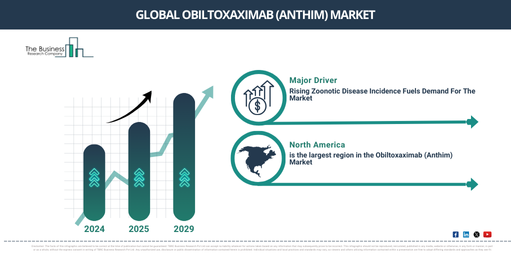
    An escalation in the occurrence of zoonotic diseases is anticipated to fuel the expansion of the obiltoxaximab (anthim) market in the future. These are diseases that are transferred from animals to people, either directly or by means of contact with animal products or vectors such as insects. Various factors like increased interaction between humans and wildlife, urbanization, climate change, and global travel are causing a rise in zoonotic disease incidence, thus promoting the transmission of infections from animals to humans. The growing case numbers underscore the demand for successful therapies like obiltoxaximab (anthim), designed to combat anthrax, a dangerous zoonotic infection, by offering crucial protection against mounting outbreaks. For instance, the World Health Organization, based in Switzerland, reported in December 2023 that as of November 20, 2023, there have been 684 suspected anthrax cases in nine of Zambia’s ten provinces, indicating a particularly severe outbreak, with four verified fatalities resulting from the epidemic, which translates to a case mortality rate of 0.6%. Consequently, the escalating frequency of zoonotic diseases is anticipated to stimulate the obiltoxaximab (anthim) market.

    Request For A Customized Report:

    https://www.thebusinessresearchcompany.com/customise?id=20310&type=smp

    How Is the Obiltoxaximab (Anthim) Market Segmented by Several Divisions?

    The obiltoxaximab (anthim) market covered in this report is segmented –

    1) By Distribution Channel: Distributors; Online Pharmacies

    2) By Application: Bioterrorism Treatment; Inhalational Anthrax; Cutaneous Anthrax; Gastrointestinal Anthrax

    3) By End User: Hospitals; Outpatient Clinics

    Access The Full Report Here:

    https://www.thebusinessresearchcompany.com/report/obiltoxaximab-anthim-global-market-report

    Which Regions Are Driving Growth in the Obiltoxaximab (Anthim) Market?

    North America was the largest region in the obiltoxaximab (anthim) market in 2024. The regions covered in the obiltoxaximab (anthim) market report are Asia-Pacific, Western Europe, Eastern Europe, North America, South America, Middle East, Africa.

    Purchase The Full Report Today:

    https://www.thebusinessresearchcompany.com/purchaseoptions.aspx?id=20310

    This Report Delivers Insight On:

    1. How big is the obiltoxaximab (anthim) market, and how is it changing globally?

    2. Who are the major companies in the obiltoxaximab (anthim) market, and how are they performing?

    3. What are the key opportunities and risks in the obiltoxaximab (anthim) market right now?

    4. Which products or customer segments are growing the most in the obiltoxaximab (anthim) market?

    5. What factors are helping or slowing down the growth of the obiltoxaximab (anthim) market?

    About The Business Research Company:

    With over 15000+ reports from 27 industries covering 60+ geographies, The Business Research Company has built a reputation for offering comprehensive, data-rich research and insights. Armed with 1,500,000 datasets, the optimistic contribution of in-depth secondary research, and unique insights from industry leaders, you can get the information you need to stay ahead in the game.

    Get in touch with us:

    The Business Research Company: https://www.thebusinessresearchcompany.com/

    Americas +1 310-496-7795

    Asia +44 2071930708

    Europe +44 7882 955267

    Email us at info@tbrc.info

    Follow us on:

    LinkedIn: https://in.linkedin.com/company/the-business-research-company

    YouTube: https://www.youtube.com/channel/UC24_fI0rV8cR5DxlCpgmyFQ

    Global Market Model: https://www.thebusinessresearchcompany.com/global-market-model