Blog

  • Electrocompetent Cells Market Projected at $2.31 Billion by 2029 | Strategic Insights and Forecast Data

    Electrocompetent Cells Market Projected at $2.31 Billion by 2029 | Strategic Insights and Forecast Data

    Claim your 30% discount on Global Market Reports with code ONLINE30. Limited time only.

    How Has the Electrocompetent Cells Market Size Changed, over the years?

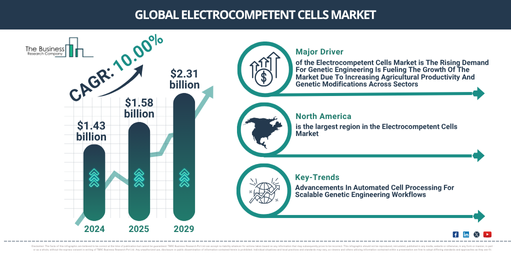
    The market for electrocompetent cells has witnessed a swift expansion in the last few years. From $1.43 billion in 2024, it is predicted to catapult to $1.58 billion in 2025, registering a Compound Annual Growth Rate (CAGR) of 10.2%. Factors such as the rising call for recombinant protein production, an upsurge in academic and government research funds, the widening of molecular biology research, the application of gene cloning methods and the accessibility of high-production E. coli strains have contributed to the historical growth.

    How Much Will the Electrocompetent Cells Market Be Worth in 2029?

    The market for electrocompetent cells is anticipated to experience a swift expansion in the upcoming years, increasing to $2.31 billion by 2029 with a compound annual growth rate (CAGR) of 10.0%. Factors contributing to the growth during the forecast period encompass the expanding use in synthetic biology, surge in demand for CRISPR-based gene editing, enhancement of personalized medicine research, automation in transformation protocols, and a rise in investment from biotech startups. Key trends expected during the forecast period include the emergence of CRISPR-compatible electrocompetent cells, development of high-efficiency transformation strains, the introduction of chemically defined growth media integration, automation in cell preparation, and the evolution of cold-chain optimized packaging for stability.

    Download The Free Sample Report Here:

    https://www.thebusinessresearchcompany.com/sample.aspx?id=24214&type=smp

    Which is the Largest Company in the Electrocompetent Cells Market?

    Major companies operating in the electrocompetent cells market are Thermo Fisher Scientific Inc., Merck KGaA, Agilent Technologies Inc., Lonza Biosciences, Bio-Rad Laboratories Inc., Takara Bio Inc., Promega Corporation, New England Biolabs, OriGene Technologies, MaxCyte, LGC Biosearch Technologies, IBA GmbH, Zymo Research, Creative Biolabs, Inovio Pharmaceuticals Inc., Canvax, Yeastern Biotech, ZellBio GmbH, Scarab Genomics LLC, Intact Genomics.

    What Are the Main Market Drivers in the Electrocompetent Cells Industry?

    The increase in the requirement for genetic engineering is predicted to fuel the electrocompetent cells market’s expansion. Genetic engineering is the deliberate alteration of an organism’s DNA to change its characteristics or behavior. The surge in genetic engineering is prompted by the necessity for higher farming efficiency, enabling the development of crops with better yields and protection against pests, while decreasing the dependency on chemicals. The escalating requirement for genetic engineering enhances the demand for electrocompetent cells, which are vital for effective DNA alteration. As genetic adjustments extend to the sectors of research, healthcare, and farming, the demand for superior electrocompetent cells is increasing. For example, in April 2025, as reported by the Economic Research Service, a government agency in the USA, in 2024, genetically modified, insect-resistant seeds were utilized in 90% of the cotton acreage in the U.S. Consequently, the growing requirement for genetic engineering is pushing the growth of the electrocompetent cells market.

    Request For A Customized Report:

    https://www.thebusinessresearchcompany.com/sample.aspx?id=24214&type=smp

    How Is the Electrocompetent Cells Market Segments Structured?

    The electrocompetent cells market covered in this report is segmented –

    1) By Product Type: Bacterial Electrocompetent Cells, Yeast Electrocompetent Cells, Plant Electrocompetent Cells, Mammalian Electrocompetent Cells

    2) By Technology: Electroporation Technology, Chemical Transformation Technology, Other Technologies

    3) By Packaging Format: Tubes, Plates, Custom Formats

    4) By Application: Gene Cloning, Protein Expression, Transfection Studies, Gene Editing, Therapeutic Applications, Other Applications

    5) By End-User: Pharmaceutical And Biotechnology Companies, Academic And Research Institutes, Contract Research Organizations (CROs), Other End-Users

    Subsegments:

    1) By Bacterial Electrocompetent Cells: E. coli Electrocompetent Cells, Salmonella Electrocompetent Cells, Clostridium Electrocompetent Cells, Bacillus Electrocompetent Cells

    2) By Yeast Electrocompetent Cells: Saccharomyces Cerevisiae Electrocompetent Cells, Pichia Pastoris Electrocompetent Cells, Schizosaccharomyces Pombe Electrocompetent Cells

    3) By Plant Electrocompetent Cells: Arabidopsis Thaliana Electrocompetent Cells, Nicotiana Benthamiana Electrocompetent Cells, Maize Electrocompetent Cells

    4) By Mammalian Electrocompetent Cells: HEK293 Electrocompetent Cells, Chinese Hamster Ovary (CHO) Electrocompetent Cells, NIH 3T3 Electrocompetent Cells

    What Strategic Trends Are Transforming the Electrocompetent Cells Market?

    Major enterprises in the electrocompetent cells market are prioritizing the design of high-tech solutions, such as automated cell processing technology, to enhance scalability in genetic engineering processes. Automated cell processing technology comprises software-led systems that oversee the manipulation, growth, alteration, and safeguarding of cells, reducing the requirement for manual intervention. This method heightens operational competency, standardization, and scalability in sectors such as cell therapy, regenerative medicine, and biomanufacturing. For example, Thermo Fisher Scientific Inc., a biotechnology firm based in the United States, introduced the Gibco CTS Xenon electroporation system in March 2022. This is a complete, large-volume electroporation platform that allows speedy, efficient, and non-viral gene alteration for cell therapy creation and production. The system affords developers the ability to effortlessly scale from clinical development to commercial manufacturing, providing programmable electroporation conditions, high cell survivability (up to 80%), and efficient gene deactivation (up to 90%) for cells that are traditionally challenging to transfect, all within a secure, sterile, and adaptable workflow.

    Access The Full Report Here:

    https://www.thebusinessresearchcompany.com/report/electrocompetent-cells-global-market-report

    Which Global Regions Offer the Highest Growth in the Electrocompetent Cells Market?

    North America was the largest region in the electrocompetent cells market in 2024. Asia-Pacific is expected to be the fastest-growing region in the forecast period. The regions covered in the electrocompetent cells market report are Asia-Pacific, Western Europe, Eastern Europe, North America, South America, Middle East, Africa.

    Purchase The Full Report Today:

    https://www.thebusinessresearchcompany.com/customise?id=24214&type=smp

    This Report Delivers Insight On:

    1. How big is the electrocompetent cells market, and how is it changing globally?

    2. Who are the major companies in the electrocompetent cells market, and how are they performing?

    3. What are the key opportunities and risks in the electrocompetent cells market right now?

    4. Which products or customer segments are growing the most in the electrocompetent cells market?

    5. What factors are helping or slowing down the growth of the electrocompetent cells market?

    About The Business Research Company:

    With over 15000+ reports from 27 industries covering 60+ geographies, The Business Research Company has built a reputation for offering comprehensive, data-rich research and insights. Armed with 1,500,000 datasets, the optimistic contribution of in-depth secondary research, and unique insights from industry leaders, you can get the information you need to stay ahead in the game.

    Get in touch with us:

    The Business Research Company: https://www.thebusinessresearchcompany.com/

    Americas +1 310-496-7795

    Europe +44 7882 955267

    Asia & Others +44 7882 955267 & +91 8897263534

    Email us at info@tbrc.info

    Follow us on:

    LinkedIn: https://in.linkedin.com/company/the-business-research-company

    YouTube: https://www.youtube.com/channel/UC24_fI0rV8cR5DxlCpgmyFQ

    Global Market Model: https://www.thebusinessresearchcompany.com/global-market-model
  • Thrombotic Thrombocytopenic Purpura (TTP) Market Projected at $1.26 Billion by 2029 | Strategic Insights and Forecast Data

    Thrombotic Thrombocytopenic Purpura (TTP) Market Projected at $1.26 Billion by 2029 | Strategic Insights and Forecast Data

    Claim your 30% discount on Global Market Reports with code ONLINE30. Limited time only.

    How Has the Thrombotic Thrombocytopenic Purpura (TTP) Market Size Changed, over the years?

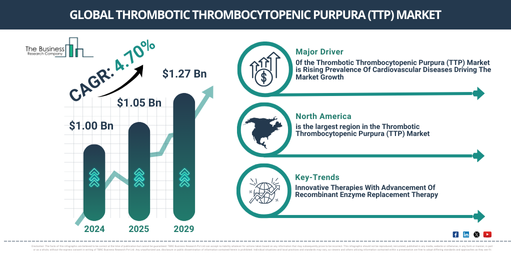
    The market for thrombotic thrombocytopenic purpura (TTP) has recently demonstrated significant growth. It’s predicted to expand from $1.00 billion in 2024 to $1.05 billion in 2025, at a compound annual growth rate (CAGR) of 5.1%. This growth over the historical period is due to various factors such as the heightened awareness regarding uncommon blood disorders, an upsurge in the occurrence of autoimmune diseases leading to secondary TTP, enhancements in the structure of immunosuppressive drugs, global expansion of healthcare infrastructure, increased attention on educational programs for patients suffering from chronic diseases, and the establishment of guidelines for TTP care by healthcare organizations.

    How Much Will the Thrombotic Thrombocytopenic Purpura (TTP) Market Be Worth in 2029?

    The market size for thrombotic thrombocytopenic purpura (TTP) is projected to witness consistent growth over the next several years, expanding to $1.27 billion in 2029 at a compound annual growth rate (CAGR) of 4.7%. The anticipated growth during this period can be credited to increasing investment in research on rare diseases, enhanced governmental funding for treatments of uncommon diseases, escalation in the use of artificial intelligence and machine learning in diagnosing unusual conditions, a rise in the aging population, and an increased incidence of cardiovascular diseases. Key trends anticipated during this time frame include the development of recombinant adamts13 enzyme therapies for improved disease control, the rising acceptance of biosimilar drugs to minimize treatment expenses, the application of advanced next-generation sequencing and lab processes for precise diagnoses, the use of AI technologies for TTP early detection and differentiation from other thrombotic diseases, the creation of personalized treatment methods tied to individual patient profiles, and the involvement of both public and private sectors in funding rare disease research projects.

    Download The Free Sample Report Here:

    https://www.thebusinessresearchcompany.com/sample.aspx?id=21299&type=smp

    Which is the Largest Company in the Thrombotic Thrombocytopenic Purpura (TTP) Market?

    Major companies operating in the thrombotic thrombocytopenic purpura (TTP) market are Pfizer Inc., Merck & Co. Inc., Carelon Research, Sanofi S.A., Bristol Myers Squibb Company, AstraZeneca, GlaxoSmithKline plc, Takeda Pharmaceutical Company, Amgen Inc., Boehringer Ingelheim International GmbH, Teva Pharmaceutical Industries Ltd., Baxter International Inc., Astellas Pharma, Novartis AG, Eisai Co. Ltd., Octapharma AG, Kite Pharma, Medscape, Omeros Corporation, Rigel Pharmaceuticals Inc.

    What Are the Main Market Drivers in the Thrombotic Thrombocytopenic Purpura (TTP) Industry?

    The increase in cardiovascular ailments is projected to drive the thrombotic thrombocytopenic purpura (TTP) market’s growth in the future. Cardiovascular ailments are a range of disorders that hampers the heart and blood vessels and include conditions like coronary artery disease, heart failure, and stroke. This escalating prevalence of cardiovascular diseases can be traced back to aging populations, unhealthy diets, lack of physical activity, obesity, smoking, excessive alcohol consumption, and growing stress levels. By inducing widespread microvascular thrombosis, endothelial corruption, and systemic inflammation, thrombotic thrombocytopenic purpura (TTP) increases the risk of hypertension, myocardial infarction, and other cardiovascular complexities. As an example, the Australian Institute of Health and Welfare reported in December 2023 that deaths due to coronary heart disease (CHD) had increased to 14,900 in 2022 from 14,100 in 2021. Therefore, the expanding prevalence of cardiovascular diseases is bolstering the thrombotic thrombocytopenic purpura (TTP) market’s growth. Moreover, escalating healthcare expenditure is anticipated to provide an impetus to the thrombotic thrombocytopenic purpura (TTP) market’s growth. Healthcare expenditure includes total spending on health services and products such as medical care, hospital services, preventative care, medication, research, infrastructure, and administrative costs with the aim to uphold or enhance individuals’ and populations’ health and well-being. Factors contributing to healthcare expenditure include an aging population, medical technology advancements, increasing chronic disease prevalence, and a heightened demand for healthcare services. The TTP landscape benefits from healthcare expenditure by availing advanced diagnostics, vital treatments like plasma exchange and immunosuppressive therapy, continuous patient vigilance, and ongoing innovative therapeutic research, thereby improving patient outcomes and mitigating complications. In May 2024, the UK Office for National Statistics declared that compared to the growth of 0.9% in 2022, UK healthcare spending had amplified by 5.6% between 2022 and 2023. The expenditure on UK healthcare approximated $317.63 billion (£292 billion) in 2023. Therefore, the accelerated healthcare spending is fueling the thrombotic thrombocytopenic purpura (TTP) market’s growth.

    Request For A Customized Report:

    https://www.thebusinessresearchcompany.com/customise?id=21299&type=smp

    How Is the Thrombotic Thrombocytopenic Purpura (TTP) Market Segments Structured?

    The thrombotic thrombocytopenic purpura (TTP) market covered in this report is segmented –

    1) By Type: Inherited Thrombotic Thrombocytopenic Purpura (TTP), Acquired Thrombotic Thrombocytopenic Purpura (TTP)

    2) By Treatment: Plasma Exchange, Corticosteroids, Rituximab, Caplacizumab, Other Treatment Types

    3) By End-Users: Hospitals, Speciality Centres, Other End Users

    Subsegments:

    1) By Inherited Thrombotic Thrombocytopenic Purpura (TTP): Congenital ADAMTS13 Deficiency, Upshaw-Schulman Syndrome

    2) By Acquired Thrombotic Thrombocytopenic Purpura (TTP): Immune-Mediated TTP, Secondary TTP

    What Strategic Trends Are Transforming the Thrombotic Thrombocytopenic Purpura (TTP) Market?

    Key players in the thrombotic thrombocytopenic purpura (TTP) market are striving towards the creation of novel treatments such as recombinant enzyme replacement therapy to enhance the effectiveness of the treatment and the wellbeing of patients. This specific type of therapy involves the provision of synthetic or bioengineered enzymes to individuals suffering from enzyme deficiency conditions in order to re-establish normal metabolic functionality. For example, in November 2023, Takeda Pharmaceutical Company Limited, a pharmaceutical company headquartered in Japan, launched ADZYNMA, a recombinant ADAMTS13 enzyme replacement therapy. This therapy gained approval from the U.S. Food and Drug Administration (FDA), a government organization based in the United States. It was the first and unique treatment available for congenital thrombotic thrombocytopenic purpura (cTTP) catering to both adult and pediatric patients. This extremely rare blood clotting disorder, cTTP, is a result of an ADAMTS13 enzyme deficiency. Clinical studies on ADZYNMA demonstrated its efficiency in lowering the chances of acute TTP episodes, making it a treatment option for both preventive measures and immediate use in the U.S.

    Access The Full Report Here:

    https://www.thebusinessresearchcompany.com/report/thrombotic-thrombocytopenic-purpura-ttp-global-market-report

    Which Global Regions Offer the Highest Growth in the Thrombotic Thrombocytopenic Purpura (TTP) Market?

    North America was the largest region in the thrombotic thrombocytopenic purpura (TTP) market in 2024. Asia-Pacific is expected to be the fastest-growing region in the forecast period. The regions covered in the thrombotic thrombocytopenic purpura (TTP) market report are Asia-Pacific, Western Europe, Eastern Europe, North America, South America, Middle East, Africa.

    Purchase The Full Report Today:

    https://www.thebusinessresearchcompany.com/purchaseoptions.aspx?id=21299

    This Report Delivers Insight On:

    1. How big is the thrombotic thrombocytopenic purpura (ttp) market, and how is it changing globally?

    2. Who are the major companies in the thrombotic thrombocytopenic purpura (ttp) market, and how are they performing?

    3. What are the key opportunities and risks in the thrombotic thrombocytopenic purpura (ttp) market right now?

    4. Which products or customer segments are growing the most in the thrombotic thrombocytopenic purpura (ttp) market?

    5. What factors are helping or slowing down the growth of the thrombotic thrombocytopenic purpura (ttp) market?

    About The Business Research Company:

    With over 15000+ reports from 27 industries covering 60+ geographies, The Business Research Company has built a reputation for offering comprehensive, data-rich research and insights. Armed with 1,500,000 datasets, the optimistic contribution of in-depth secondary research, and unique insights from industry leaders, you can get the information you need to stay ahead in the game.

    Get in touch with us:

    The Business Research Company: https://www.thebusinessresearchcompany.com/

    Americas +1 310-496-7795

    Asia +44 2071930708

    Europe +44 7882 955267

    Email us at info@tbrc.info

    Follow us on:

    LinkedIn: https://in.linkedin.com/company/the-business-research-company

    YouTube: https://www.youtube.com/channel/UC24_fI0rV8cR5DxlCpgmyFQ

    Global Market Model: https://www.thebusinessresearchcompany.com/global-market-model

  • Duchenne Muscular Dystrophy Drugs  Industry Growth Expected to Reach $5.42 Billion by 2029 at a CAGR of 13.8% | Segmentation and Growth Opportunities

    Duchenne Muscular Dystrophy Drugs Industry Growth Expected to Reach $5.42 Billion by 2029 at a CAGR of 13.8% | Segmentation and Growth Opportunities

    Claim your 30% discount on Global Market Reports with code ONLINE30. Limited time only.

    What Is the Forecast for the Duchenne Muscular Dystrophy Drugs Market Growth in 2025?

    In recent times, there has been a significant expansion in the duchenne muscular dystrophy (DMD) drug market. The market size, which stands at $2.83 billion in 2024, is projected to increase to $3.23 billion in 2025, signifying a compound annual growth rate (CAGR) of 14.2%. Factors contributing to this growth during the historic time frame include advanced diagnostic capabilities, an increase in patient registries and data collection, high demand, an expanding line of clinical-stage therapies, and an upsurge in regulatory incentives.

    What Is the Forecast for the Duchenne Muscular Dystrophy Drugs Market Size Through 2029?

    The market size for drugs treating Duchenne Muscular Dystrophy (DMD) is poised for rapid expansion in the coming years, anticipated to reach $5.42 billion in 2029, at a compound annual growth rate (CAGR) of 13.8%. Several factors contributing to this growth include an increase in early-stage biotechnology companies entering the market, a rise in real-world evidence and post-marketing data, heightened health spending, expanding demand for early intervention methods, and an increase in off-label corticosteroid use. Key trends propelling this growth further during the forecast period include the booming innovation in biotechnology, the maturing integration of digital health and wearable technology, heightened interest in personalized and mutation-specific treatments, as well as advancements in gene therapy and CRISPR technology.

    Download The Free Sample Report Here:

    https://www.thebusinessresearchcompany.com/sample.aspx?id=24213&type=smp

    What are the Key Market Players in Duchenne Muscular Dystrophy Drugs Market and How They’re Evolving?

    Major companies operating in the duchenne muscular dystrophy drugs market are Pfizer Inc., Sanofi S.A., Bristol-Myers Squibb, Novartis AG, GSK plc, Eli Lilly and Company, Aurobindo Pharma Limited, Italfarmaco S.p.A, Sarepta Therapeutics Inc., PTC Therapeutics Inc., FibroGen Inc., Wave Life Sciences Ltd., Solid Biosciences Inc., NS Pharma, Capricor Therapeutics Inc., Santhera Pharmaceuticals, ReveraGen BioPharma, Antisense Therapeutics Limited, Catalyst Pharmaceuticals Inc., EspeRare Foundation, Satellos Bioscience Inc.

    What Are the Primary Growth Drivers in the Duchenne Muscular Dystrophy Drugs Market?

    The expansion of personalized medicine is set to stimulate the advancement of the Duchenne muscular dystrophy (DMD) drugs market in the future. Adopted as an approach in the medical field, personalized medicine applies treatments adjusted to each patient’s genetic, environmental, and lifestyle attributes, with the aim to maximize results and enhance care. With breakthroughs in genomic technologies, there is more demand for personalized medicine as it facilitates precise detection of genetic disparities and customized treatments for individuals. This aspect benefits Duchenne muscular dystrophy (DMD) drugs as it propels the production of targeted therapies based on individual genetic patterns, making treatments more efficacious for patients. Focusing on distinct genetic mutations, it boosts drug development, betters treatment results, and elevates the overall care provided to patients. The Personalized Medicine Coalition (PMC), a nonprofit organization from the U.S, reported in February 2024 that the U.S. Food and Drug Administration (FDA) approved 26 novel personalized medicines in 2023, which was a considerable jump from the 12 approved in 2022. Thus, the Duchenne muscular dystrophy (DMD) drugs market is driven by the growth in personalized medicine.

    Request For A Customized Report:

    https://www.thebusinessresearchcompany.com/sample.aspx?id=24213&type=smp

    What Are the Leading Segments in the Global Duchenne Muscular Dystrophy Drugs Industry?

    The duchenne muscular dystrophy drugs market covered in this report is segmented –

    1) By Drug Type: Exon Skipping Drugs, Corticosteroids, Gene Therapy, Other Drug Types

    2) By Route Of Administration: Oral, Injectable

    3) By Distribution Channel: Hospital Pharmacies, Retail Pharmacies, Online Pharmacies

    Subsegments:

    1) Exon Skipping Drugs: Eteplirsen, Golodirsen, Viltolarsen, Casimersen, Other Exon Skipping Therapies

    2) Corticosteroids: Prednisone, Deflazacort, Other Corticosteroids

    3) Gene Therapy: Micro-dystrophin Gene Therapy, CRISPR/Cas9-Based Gene Editing, Stem Cell-Based Gene Therapy, Other Gene Therapies

    4) Other Drug Types: Utrophin Modulators, Anti-Inflammatory Agents, Antisense Oligonucleotides, Myostatin Inhibitors, Other Supportive Therapies

    What Are the Key Market Trends in the Duchenne Muscular Dystrophy Drugs Industry?

    Leading corporations in the DMD drugs market are making efforts to develop groundbreaking technologies such as corticosteroids, as a way to enhance muscle power, decelerate disease advancement, and improve patient outcomes overall. Corticosteroids are a type of steroid hormones either naturally produced in the adrenal glands or created as medication to decrease inflammation and restrain the immune system. For example, in March 2024, Catalyst Pharmaceuticals, a biopharmaceutical firm based in the US, introduced AGAMREE (vamorolone) oral suspension 40 mg/mL. This FDA-approved treatment is utilized for treating Duchenne muscular dystrophy in patients who are two years old or older. AGAMREE is a corticosteroid that operates by suppressing inflammation and stabilizing muscle cell membranes, which aids in slowing the progression of the disease.

    Access The Full Report Here:

    https://www.thebusinessresearchcompany.com/report/duchenne-muscular-dystrophy-drugs-global-market-report

    What Is the Regional Outlook for the Duchenne Muscular Dystrophy Drugs Market?

    North America was the largest region in the duchenne muscular dystrophy (DMD) drugs market in 2024. Asia-Pacific is expected to be the fastest-growing region in the forecast period. The regions covered in the duchenne muscular dystrophy drugs market report are Asia-Pacific, Western Europe, Eastern Europe, North America, South America, Middle East, Africa.

    Purchase The Full Report Today:

    https://www.thebusinessresearchcompany.com/customise?id=24213&type=smp

    This Report Delivers Insight On:

    1. How big is the duchenne muscular dystrophy drugs market, and how is it changing globally?

    2. Who are the major companies in the duchenne muscular dystrophy drugs market, and how are they performing?

    3. What are the key opportunities and risks in the duchenne muscular dystrophy drugs market right now?

    4. Which products or customer segments are growing the most in the duchenne muscular dystrophy drugs market?

    5. What factors are helping or slowing down the growth of the duchenne muscular dystrophy drugs market?

    About The Business Research Company:

    With over 15000+ reports from 27 industries covering 60+ geographies, The Business Research Company has built a reputation for offering comprehensive, data-rich research and insights. Armed with 1,500,000 datasets, the optimistic contribution of in-depth secondary research, and unique insights from industry leaders, you can get the information you need to stay ahead in the game.

    Get in touch with us:

    The Business Research Company: https://www.thebusinessresearchcompany.com/

    Americas +1 310-496-7795

    Europe +44 7882 955267

    Asia & Others +44 7882 955267 & +91 8897263534

    Email us at info@tbrc.info

    Follow us on:

    LinkedIn: https://in.linkedin.com/company/the-business-research-company

    YouTube: https://www.youtube.com/channel/UC24_fI0rV8cR5DxlCpgmyFQ

    Global Market Model: https://www.thebusinessresearchcompany.com/global-market-model
  • Cathepsin Inhibitor Market Outlook 2025 – Insights for Executive and Strategic Planning

    Cathepsin Inhibitor Market Outlook 2025 – Insights for Executive and Strategic Planning

    Claim your 30% discount on Global Market Reports with code ONLINE30. Limited time only.

    How Has the Cathepsin Inhibitor Market Grown from 2024 to 2025?

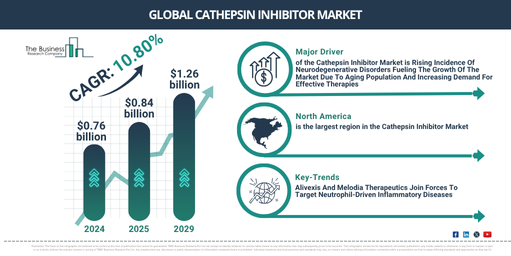
    In recent times, the size of the cathepsin inhibitor market has experienced significant growth. The market is projected to expand from $0.76 billion in 2024, to $0.84 billion in 2025, demonstrating a compound annual growth rate (CAGR) of 11.0%. The historic growth period is believed to have been driven by factors such as increasing occurrence of cancer, a growing propensity of inflammatory diseases, escalating investments in drug discovery, innovations in protease research, and a widening application in the treatment of bone disorders.

    What Growth Rate Is Anticipated for the Cathepsin Inhibitor Market in the Coming Years?

    The market size for the cathepsin inhibitor is projected to experience an accelerated growth over the next few years, expanding to $1.26 billion in 2029 with an annual compound growth rate (CAGR) of 10.8%. This predicted increase during the forecast period can be credited to factors such as the evolution of targeted therapies, growth in treatments for neurodegenerative diseases, surge in research and development funding, the need for precision medicine, and their rising use in handling infectious diseases. Key trends during the forecast period include the appearance of selective cathepsin inhibitors, partnerships within the biotech industry, focus on drug formulations that can be orally administered, application of artificial intelligence in drug discovery, and spreading into the arena of rare disease therapeutics.

    Download The Free Sample Report Here:

    https://www.thebusinessresearchcompany.com/sample.aspx?id=24185&type=smp

    Who Are the Leading Companies in the Cathepsin Inhibitor Market?

    Major companies operating in the cathepsin inhibitor market are Merck KGaA, Eli Lilly and Company, Boehringer Ingelheim International GmbH, Bio-Techne Corporation, AddLife AB, BioVision, R&D Systems Inc., Cayman Chemical, Selleck Chemicals, Santa Cruz Animal Health, Tocris Bioscience, Virobay Inc., MedChemExpress, BOC Sciences, Biorbyt Ltd, GlpBio Technology, Echelon Biosciences, AG Scientific, ApexBio Technology, OXiGENE Inc.

    What Are the Key Drivers of the Cathepsin Inhibitor Market?

    The escalating prevalence of neurodegenerative disorders is anticipated to boost the expansion of the cathepsin inhibitor market in the future. Neurodegenerative disorders, characterized by the steady degeneration or death of neurons within the central nervous system, especially impacting the brain, are progressive and generally irreversible. The swell in these disorders is intimately tied to an aging population. As average lifespan expands, age-related ailments such as Alzheimer’s and Parkinson’s become increasingly widespread, further burdening healthcare systems. Cathepsin inhibitors are currently under investigation as possible treatment options for neurodegenerative disorders due to their ability to regulate amyloid-beta (Aβ) production and neuroinflammation. For instance, the Alzheimer’s Association, a nonprofit health organization in the US, has predicted that around 6.9 million Americans aged 65 and older will be living with Alzheimer’s dementia in 2024. This estimated figure is expected to nearly double to 13.8 million by 2060. Consequently, the surge in neurodegenerative disorders is fueling the growth of the cathepsin inhibitor market.

    Request For A Customized Report:

    https://www.thebusinessresearchcompany.com/sample.aspx?id=24185&type=smp

    What Are the Key Market Segments in the Cathepsin Inhibitor Industry?

    The cathepsin inhibitor market covered in this report is segmented –

    1) By Type: Small Molecule Inhibitors, Peptide Inhibitors, Monoclonal Antibodies

    2) By Application: Cancer Treatment, Autoimmune Diseases, Inflammatory Diseases, Neurodegenerative Disorders, Other Therapeutic Areas

    3) By Distribution Channel: Online Pharmacies, Retail Pharmacies, Hospitals And Clinics

    4) By End User: Pharmaceutical Companies, Academic And Research Institutes, Contract Research Organizations (CROs)

    Subsegments:

    1) Small Molecule Inhibitors: Reversible Inhibitors, Irreversible Inhibitors, Synthetic Compounds, Natural Product-Derived Inhibitors

    2) Peptide Inhibitors: Linear Peptides, Cyclic Peptides, Modified Peptides, Peptidomimetics

    3) Monoclonal Antibodies: Humanized Monoclonal Antibodies, Fully Human Monoclonal Antibodies, Chimeric Monoclonal Antibodies, Bispecific Antibodies

    What Are the Latest Trends in the Cathepsin Inhibitor Market?

    The cathepsin inhibitor market is seeing a trend among major players, focusing their resources on corporate alliances to facilitate innovative drug discovery, broaden product lines, and expedite market entry. These strategic partnerships aim at capitalizing on shared expertise and resources to increase the success rates of clinical trials and obtain regulatory approvals. For example, in June 2024, the Japan-based drug discovery firm Alivexis entered into a unique licensing agreement with Melodia Therapeutics, a biotech company from Switzerland. This agreement extended global rights for the development, manufacture, and sale of MDI-0151, a new cathepsin C inhibitor. Alivexis’ MOD-A discovery program identified MDI-0151 as a clinical candidate, focusing on neutrophil-induced inflammatory conditions like ANCA-associated vasculitis. Melodia is set to initiate IND-enabling actions to pave the way for Phase 1/2a studies in these areas, with the goal of achieving clinical validity.

    Access The Full Report Here:

    https://www.thebusinessresearchcompany.com/report/cathepsin-inhibitor-global-market-report

    What Are the Key Regional Markets in the Cathepsin Inhibitor Industry?

    North America was the largest region in the cathepsin Inhibitor market in 2024. Asia-Pacific is expected to be the fastest-growing region in the forecast period. The regions covered in the cathepsin inhibitor market report are Asia-Pacific, Western Europe, Eastern Europe, North America, South America, Middle East, Africa.

    Purchase The Full Report Today:

    https://www.thebusinessresearchcompany.com/customise?id=24185&type=smp

    This Report Delivers Insight On:

    1. How big is the cathepsin inhibitor market, and how is it changing globally?

    2. Who are the major companies in the cathepsin inhibitor market, and how are they performing?

    3. What are the key opportunities and risks in the cathepsin inhibitor market right now?

    4. Which products or customer segments are growing the most in the cathepsin inhibitor market?

    5. What factors are helping or slowing down the growth of the cathepsin inhibitor market?

    About The Business Research Company:

    With over 15000+ reports from 27 industries covering 60+ geographies, The Business Research Company has built a reputation for offering comprehensive, data-rich research and insights. Armed with 1,500,000 datasets, the optimistic contribution of in-depth secondary research, and unique insights from industry leaders, you can get the information you need to stay ahead in the game.

    Get in touch with us:

    The Business Research Company: https://www.thebusinessresearchcompany.com/

    Americas +1 310-496-7795

    Europe +44 7882 955267

    Asia & Others +44 7882 955267 & +91 8897263534

    Email us at info@tbrc.info

    Follow us on:

    LinkedIn: https://in.linkedin.com/company/the-business-research-company

    YouTube: https://www.youtube.com/channel/UC24_fI0rV8cR5DxlCpgmyFQ

    Global Market Model: https://www.thebusinessresearchcompany.com/global-market-model
  • Thrombocytopenia  Industry Growth Expected to Reach $6.29 Billion by 2029 at a CAGR of 7.5% | Segmentation and Growth Opportunities

    Thrombocytopenia Industry Growth Expected to Reach $6.29 Billion by 2029 at a CAGR of 7.5% | Segmentation and Growth Opportunities

    Claim your 30% discount on Global Market Reports with code ONLINE30. Limited time only.

    What Is the Forecast for the Thrombocytopenia Market Growth in 2025?

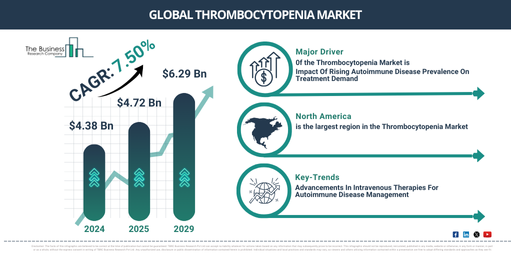
    In recent years, the market size of thrombocytopenia has seen significant growth. The value is projected to increase from $4.38 billion in 2024 to $4.72 billion in 2025, charting a compound annual growth rate (CAGR) of 7.7%. Factors contributing to this growth during the historic period include the growing prevalence of autoimmune disorders, an incline in chronic liver diseases cases, deeper penetration of healthcare services, development of healthcare infrastructure, and enhanced government support.

    What Is the Forecast for the Thrombocytopenia Market Size Through 2029?

    The market for thrombocytopenia is anticipated to experience robust growth in the upcoming years. It is expected to reach a value of $6.29 billion in 2029, with a compound annual growth rate (CAGR) of 7.5%. This growth over the forecast period is primarily due to an increase in thrombocytopenia cases, heightened health care spending, the worldwide spread of therapies, a surge in blood disorder cases and an expanding elderly population. Significant trends for the forecast period encompass the integration of innovative thrombopoietin receptor agonists, breakthroughs in diagnostic procedures, progress in gene therapies, development in monoclonal antibody treatments, sophisticated patient monitoring technologies, personalized treatment methods, and active clinical research for pioneering therapies.

    Download The Free Sample Report Here:

    https://www.thebusinessresearchcompany.com/sample.aspx?id=21298&type=smp

    What are the Key Market Players in Thrombocytopenia Market and How They’re Evolving?

    Major companies operating in the thrombocytopenia market are Pfizer Inc., Johnson & Johnson, Bayer AG, Sanofi S.A., Novartis AG, GSK Plc, Takeda Pharmaceutical Company Limited, Eli Lilly and Company, Amgen Inc., Merck & Co. Inc., Teva Pharmaceutical Industries Ltd., Swedish Orphan Biovitrum AB, Argenx SE, GC Pharma, Biotest AG, UCB Biopharma, Rigel Pharmaceuticals, Millennium Pharmaceuticals, Keros Therapeutics Inc., Baxalta.

    What Are the Primary Growth Drivers in the Thrombocytopenia Market?

    The increase in autoimmune diseases is projected to fuel the expansion of the thrombocytopenia market. Autoimmune diseases transpire when the immune system erroneously targets the body’s healthy cells and tissues, viewing them as foreign invaders. This errant response elicits inflammation and harm to different organs and systems. The escalation in autoimmune diseases can be attributed to genetic predispositions, environmental influences, lifestyle shifts, and heightened awareness leading to improved diagnosis. Autoimmune diseases provoke thrombocytopenia by prompting the immune system to assault and eliminate the body’s platelets or hinder their production in the bone marrow. For example, Versorgungsatlas.de, a German governmental organization, reported in November 2024 that in 2022, out of 73,241,305 insured individuals, 6,304,340 were identified with at least one autoimmune disease, yielding a raw prevalence rate of 8.61%. Consequently, the ascending prevalence of autoimmune diseases is propelling the development of the thrombocytopenia market.

    Request For A Customized Report:

    https://www.thebusinessresearchcompany.com/customise?id=21298&type=smp

    What Are the Leading Segments in the Global Thrombocytopenia Industry?

    The thrombocytopenia market covered in this report is segmented –

    1) By Type: Idiopathic Thrombocytopenic, Thrombotic Thrombocytopenic, Drug-Induced Thrombocytopenia

    2) By Drugs: Danazol, Intravenous Immune Globulin, Rituximab, Eltrombopag, Romiplostim, Splenectomy, Corticosteroid, Other Drugs

    3) By Route Of Administration: Oral, Parenteral, Other Routes Of Administration

    4) By End User: Hospitals, Specialty Clinics, Homecare, Other End Users

    Subsegments:

    1) By Idiopathic Thrombocytopenic Purpura (ITP): Acute ITP, Chronic ITP

    2) By Thrombotic Thrombocytopenic Purpura (TTP): Congenital TTP (Hereditary ADAMTS13 Deficiency), Acquired TTP (Immune-Mediated)

    3) By Drug-Induced Thrombocytopenia (DITP): Heparin-Induced Thrombocytopenia (HIT), Chemotherapy-Induced Thrombocytopenia, Other Medication-Related Thrombocytopenia

    What Are the Key Market Trends in the Thrombocytopenia Industry?

    Prominent enterprises active in the thrombocytopenia market are focusing on advancements, such as the formulation of intravenous therapy, to enhance treatment efficacy, speed up reaction time, improve patient compliance, and address unfulfilled medicinal demands. Intravenous therapy guarantees swift improvements in platelet counts for thrombocytopenia patients, providing immediate symptom alleviation and lowering the probability of hemorrhagic complications. It also refines treatment accuracy, supplying controlled and effective platelet reinforcement in patients with severe or persistent conditions. For example, Argenx SE, a biotech organization based in the Netherlands, was given approval by Japan’s Ministry of Health, Labor, and Welfare (MHLW) in March 2024, for the intravenous application of VYVGART in adults suffering from primary immune thrombocytopenia (ITP). This endorsement signifies a considerable progression, providing a specific treatment with swift effectiveness and continuous platelet reaction, catering to unattended needs in autoimmune disease management.

    Access The Full Report Here:

    https://www.thebusinessresearchcompany.com/report/thrombocytopenia-global-market-report

    What Is the Regional Outlook for the Thrombocytopenia Market?

    North America was the largest region in the thrombocytopenia market in 2024. Asia-Pacific is expected to be the fastest-growing region in the forecast period. The regions covered in the thrombocytopenia market report are Asia-Pacific, Western Europe, Eastern Europe, North America, South America, Middle East, Africa.

    Purchase The Full Report Today:

    https://www.thebusinessresearchcompany.com/purchaseoptions.aspx?id=21298

    This Report Delivers Insight On:

    1. How big is the thrombocytopenia market, and how is it changing globally?

    2. Who are the major companies in the thrombocytopenia market, and how are they performing?

    3. What are the key opportunities and risks in the thrombocytopenia market right now?

    4. Which products or customer segments are growing the most in the thrombocytopenia market?

    5. What factors are helping or slowing down the growth of the thrombocytopenia market?

    About The Business Research Company:

    With over 15000+ reports from 27 industries covering 60+ geographies, The Business Research Company has built a reputation for offering comprehensive, data-rich research and insights. Armed with 1,500,000 datasets, the optimistic contribution of in-depth secondary research, and unique insights from industry leaders, you can get the information you need to stay ahead in the game.

    Get in touch with us:

    The Business Research Company: https://www.thebusinessresearchcompany.com/

    Americas +1 310-496-7795

    Asia +44 2071930708

    Europe +44 7882 955267

    Email us at info@tbrc.info

    Follow us on:

    LinkedIn: https://in.linkedin.com/company/the-business-research-company

    YouTube: https://www.youtube.com/channel/UC24_fI0rV8cR5DxlCpgmyFQ

    Global Market Model: https://www.thebusinessresearchcompany.com/global-market-model
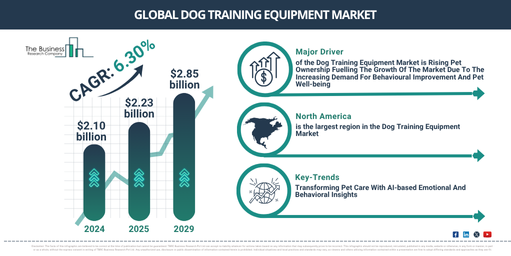
  • Dog Training Equipment Industry Valued at $2.85 Billion by 2029 With CAGR of 6.3% | Size and Share Insights

    Dog Training Equipment Industry Valued at $2.85 Billion by 2029 With CAGR of 6.3% | Size and Share Insights

    Claim your 30% discount on Global Market Reports with code ONLINE30. Limited time only.

    What Is the Forecast for the Dog Training Equipment Market from 2024 to 2025?

    The market size for dog training equipment has seen significant growth in the past few years. It is projected to expand from $2.10 billion in 2024 to $2.23 billion in 2025, with a compound annual growth rate (CAGR) of 6.5%. This growth from the historical period can be tied to the rise in pet ownership, increased knowledge about pet health and behavior, the need for professional pet training, a surge in pet care services, and a rise in disposable income.

    What Is the Projected Market Size of the Dog Training Equipment Market?

    In the coming years, the dog training equipment market is anticipated to experience robust growth. The market is projected to expand to $2.85 billion by 2029, with a compound annual growth rate of 6.3%. This growth within the forecast period can be ascribed to a myriad of factors such as escalating focus on averting behavioral issues, growing appeal for bespoke training solutions, a surge in pet adoption, the widening scope of pet retail and e-commerce, along with the advancement in professional training services. Key trends within the forecast duration comprise the blending of artificial intelligence into training instruments, adopting telehealth services for training pets, technological breakthroughs, advanced remote training systems, and brainy training collars and leads.

    Download The Free Sample Report Here:

    https://www.thebusinessresearchcompany.com/sample.aspx?id=24212&type=smp

    Who are the Major Competitors in the Dog Training Equipment Market Outlook?

    Major companies operating in the dog training equipment market are Garmin Ltd, PetSafe, Coastal Pet Products Inc., SportDOG Brand, Julius-K9, Prevue Pet Products Inc., Ray Allen Manufacturing LLC, Delta Canine, The Company of Animals Ltd, Kyjen, Dogtra Company, E-Collar Technologies Inc., ActiveDogs Inc., Zorba International, Harddog’s Requisites, Mendota Products, Black Dog Wear, TrustyPaws, Better Sporting Dogs, Shenzhen SmartPet Technology Co. Ltd

    What Is Fueling Growth in the Dog Training Equipment Market?

    An increase in pet ownership is anticipated to fuel the advancement of the dog training equipment market. The concept of pet ownership involves the obligation and care of pets, encompassing provision of sustenance and lodging. The surge in pet ownership is facilitated by a growing emotional bond that individuals develop with their pets, longing for company and relief from stress in their routine existence. Dog training equipment enriches the pet ownership experience by fostering improved communication and endorsing good conduct in dogs. This makes the training process far more effective, leading to a better mannered and more content pet. For instance, data from the American Pet Products Association, a non-profit trade organisation based in the US, stated that as of March 2023, 86.9 million US households had a pet in the year 2023-2024. This accounts for 66% of households, which is a rise from 62% in 2022. Hence, the expanding pet ownership sector is the driving force behind the growth of the dog training equipment market.

    Request For A Customized Report:

    https://www.thebusinessresearchcompany.com/sample.aspx?id=24212&type=smp

    Which Dog Training Equipment Market Segments Are Growing the Fastest?

    The dog training equipment market covered in this report is segmented –

    1) By Product Type: Collars, Leashes, Harnesses, Training Pads, Clickers, Whistles, Other Product Types

    2) By Material Type: Nylon, Leather, Metal, Plastic, Other Material Types

    3) By Dog Size: Small Dogs, Medium Dogs, Large Dogs, Extra Large Dogs

    4) By Distribution Channel: Online Stores, Pet Specialty Stores, Super markets Or Hyper markets, Other Distribution Channels

    5) By Application: Household, Professional Training, Other Applications

    Subsegments:

    1) By Collars: Standard Collars, Martingale Collars, Electronic (E-Collars), Head Collars, Global Positioning System (GPS) Tracking Collars

    2) By Leashes: Standard Leashes, Retractable Leashes, Slip Leashes, Adjustable Leashes, Training Leashes

    3) By Harnesses: Front-Clip Harnesses, Back-Clip Harnesses, Dual-Clip Harnesses, No-Pull Harnesses, Step-In Harnesses

    4) By Training Pads: Disposable Training Pads, Reusable Or Washable Training Pads, Scented Training Pads, Attractant Training Pads, Grass Training Pads

    5) By Clickers: Standard Clickers, Box Clickers, Button Clickers, Adjustable Volume Clickers, Wristband Clickers

    6) By Whistles: Standard Whistles, Silent Whistles, Dual-Tone Whistles, Pea Whistles, Electronic Whistles

    7) By Other Product Types: Muzzles, Agility Training Tools, Treat Dispensers, Target Sticks, Remote Trainers

    Which Industry Trends Are Shaping the Future of the Dog Training Equipment Market?

    Leading businesses within the dog training equipment market are concentrating on technological advancements, like artificial intelligence (AI)-infused training tools, to boost training efficiency, offer customised insights, and refine the user experience for pet enthusiasts and trainers. AI-driven dog training apparatuses leverage machine learning to observe a dog’s actions in real-time and provide customised suggestions or automatic adjustments to improve the efficacy of training. For example, in January 2025, Traini, a company from the US specialising in dog training equipment, rolled out an AI-operated smart dog collar engineered to track a dog’s emotional and physiological conditions through the analysis of barks, heart rate, temperature, and movement. This collar is capable of autonomously detecting more than 10 emotional states with the help of sophisticated AI algorithms, including emotions like joy, anxiety, and distress. The partnered smartphone application offers live feedback, monitors emotional patterns, sends warnings about stress or health issues, and provides tailored care suggestions, thus empowering owners to manage behavioural problems and enhance their dog’s overall health.

    Access The Full Report Here:

    https://www.thebusinessresearchcompany.com/report/dog-training-equipment-global-market-report

    Which Countries Are Leading the Dog Training Equipment Market?

    North America was the largest region in the dog training equipment market in 2024. Asia-Pacific is expected to be the fastest-growing region in the forecast period. The regions covered in the dog training equipment market report are Asia-Pacific, Western Europe, Eastern Europe, North America, South America, Middle East, Africa.

    Purchase The Full Report Today:

    https://www.thebusinessresearchcompany.com/customise?id=24212&type=smp

    This Report Delivers Insight On:

    1. How big is the dog training equipment market, and how is it changing globally?

    2. Who are the major companies in the dog training equipment market, and how are they performing?

    3. What are the key opportunities and risks in the dog training equipment market right now?

    4. Which products or customer segments are growing the most in the dog training equipment market?

    5. What factors are helping or slowing down the growth of the dog training equipment market?

    About The Business Research Company:

    With over 15000+ reports from 27 industries covering 60+ geographies, The Business Research Company has built a reputation for offering comprehensive, data-rich research and insights. Armed with 1,500,000 datasets, the optimistic contribution of in-depth secondary research, and unique insights from industry leaders, you can get the information you need to stay ahead in the game.

    Get in touch with us:

    The Business Research Company: https://www.thebusinessresearchcompany.com/

    Americas +1 310-496-7795

    Europe +44 7882 955267

    Asia & Others +44 7882 955267 & +91 8897263534

    Email us at info@tbrc.info

    Follow us on:

    LinkedIn: https://in.linkedin.com/company/the-business-research-company

    YouTube: https://www.youtube.com/channel/UC24_fI0rV8cR5DxlCpgmyFQ

    Global Market Model: https://www.thebusinessresearchcompany.com/global-market-model
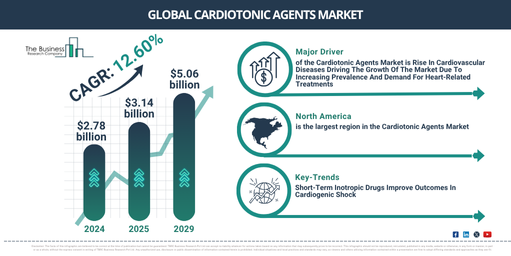
  • Cardiotonic Agents Market Projected at $5.06 Billion by 2029 | Strategic Insights and Forecast Data

    Cardiotonic Agents Market Projected at $5.06 Billion by 2029 | Strategic Insights and Forecast Data

    Claim your 30% discount on Global Market Reports with code ONLINE30. Limited time only.

    How Has the Cardiotonic Agents Market Size Changed, over the years?

    The market for cardiotonic agents has seen a quick expansion in recent times. Its size is predicted to increase from $2.78 billion in 2024 to $3.14 billion in 2025, at a compound annual growth rate (CAGR) of 12.9%. The significant growth during the historic period can be owed to various factors such as a higher frequency of heart failure, an aged population that is increasing, a greater incidence of coronary artery disease, a rise in sedentary lifestyles adoption, and increased pressure of hypertension and diabetes.

    How Much Will the Cardiotonic Agents Market Be Worth in 2029?

    The market for cardiotonic agents is predicted to witness accelerated expansion in the approaching years, with a projection to reach $5.06 billion by 2029, boasting a compound annual growth rate (CAGR) of 12.6%. This remarkable surge in the predicted period can be credited to the escalation in cardiovascular death rates, increasing clinical tests focused on enhancing cardiotonic formulations, growth of public-private collaborations in the development of cardiovascular drugs, an influx in hospital admissions due to heart-related issues, and a rising demand for personalized cardiovascular treatment. Key trends in the projected period comprise the development of peptide-based cardiotonic agents, evolution of dual-mechanism drugs, the inclusion of pharmacogenomics, advancements in injectable depot formulations, and the innovation of combination therapies.

    Download The Free Sample Report Here:

    https://www.thebusinessresearchcompany.com/sample.aspx?id=24184&type=smp

    Which is the Largest Company in the Cardiotonic Agents Market?

    Major companies operating in the cardiotonic agents market are Pfizer Inc., F. Hoffmann-La Roche AG, Merck & Co. Inc., Bayer AG, Sanofi S.A., Bristol-Myers Squibb Company, AstraZeneca plc, Novartis AG, Eli Lilly and Company, Fresenius Kabi, Aurobindo Pharma Limited, Hikma Pharmaceuticals PLC, Alchem International Private Ltd, Farbe Firma Private Limited, Salius Pharma Pvt. Ltd., Johnlee Pharmaceuticals Pvt. Ltd., Healthy Life Pharma Pvt Ltd, Anwita Drugs, Varion Lifesciences, Deccan Nutraceuticals Pvt. Ltd.

    What Are the Main Market Drivers in the Cardiotonic Agents Industry?

    The cardiotonic agents market is expected to expand due to the escalating prevalence of cardiovascular diseases. These diseases encompass disorders impacting the heart and blood vessels, with coronary artery disease, heart failure, arrhythmias, and stroke among them. The unhealthy eating habits, replete with saturated fats, trans fats, salt, and extra sugars, lead to conditions such as obesity, high blood pressure, and high cholesterol levels, thereby causing a surge in cardiovascular diseases. Cardiotonic agents enhance the heart muscle’s efficiency and contraction strength, leading to better blood circulation and diminished symptoms of various cardiovascular diseases. In December 2023, as per the Australian Institute of Health and Welfare, a governmental agency in Australia, there was a rise in doctor-certified deaths due to coronary heart disease (CHD) from 14,100 in 2021 to 14,900 in 2022. Hence, the increasing prevalence of cardiovascular diseases is fueling the cardiotonic agents market’s growth.

    Request For A Customized Report:

    https://www.thebusinessresearchcompany.com/sample.aspx?id=24184&type=smp

    How Is the Cardiotonic Agents Market Segments Structured?

    The cardiotonic agents market covered in this report is segmented –

    1) By Drug Type: Digitalis Glycosides, Phosphodiesterase Inhibitors, Cardioprotectants, Sympathomimetic Agents, Other Drug Types

    2) By Route Of Administration: Oral, Intravenous, Other Route Of Administrations

    3) By Dosage Form: Tablet, Solution, Other Dosage Forms

    4) By Application: Cardiac Surgical Procedures, Atrial Fibrillation, Heart Failure, Pulmonary Hypertension, Other Applications

    5) By Distribution Channel: Hospital Pharmacies, Retail Pharmacies, Online Pharmacies

    Subsegments:

    1) By Digitalis Glycoside: Digoxin, Digitoxin, Lanatoside C

    2) By Phosphodiesterase Inhibitors: Milrinone, Enoximone, Amrinone

    3) By Cardioprotectants: Coenzyme Q10, Dexrazoxane, Trimetazidine

    4) By Sympathomimetic Agents: Dobutamine, Dopamine, Norepinephrine

    5) By Other Drug Types: Levosimendan, Omecamtiv Mecarbil, Cilostazol

    What Strategic Trends Are Transforming the Cardiotonic Agents Market?

    Prominent entities in the cardiotonic agents market are concentrating on the creation of novel products such as short-term inotropic medications to ameliorate cardiovascular performance in severe heart failure and cardiogenic shock scenarios. These drugs are utilized to momentarily augment the contraction ability of the heart, leading to improved cardiac output. As an illustration, in June 2023, Hikma Pharmaceuticals plc, a pharmaceutical firm based in the UK, introduced Dobutamine Injection, USP, packaged in a 250 mg/20 mL vial. This injection is employed for short-term inotropic support in adults undergoing cardiac decompensation resulting from diminished heart contractility, usually a consequence of heart disease or post-cardiac surgery. The mode of action involves stimulating beta-1 receptors to boost muscle contractility of the heart and cardiac output swiftly (within 1–2 minutes). The injection is given intravenously and typically administered in a hospital environment under close observation.

    Access The Full Report Here:

    https://www.thebusinessresearchcompany.com/report/cardiotonic-agents-global-market-report

    Which Global Regions Offer the Highest Growth in the Cardiotonic Agents Market?

    North America was the largest region in the cardiotonic agents market in 2024. Asia-Pacific is expected to be the fastest-growing region in the forecast period. The regions covered in the cardiotonic agents market report are Asia-Pacific, Western Europe, Eastern Europe, North America, South America, Middle East, Africa.

    Purchase The Full Report Today:

    https://www.thebusinessresearchcompany.com/customise?id=24184&type=smp

    This Report Delivers Insight On:

    1. How big is the cardiotonic agents market, and how is it changing globally?

    2. Who are the major companies in the cardiotonic agents market, and how are they performing?

    3. What are the key opportunities and risks in the cardiotonic agents market right now?

    4. Which products or customer segments are growing the most in the cardiotonic agents market?

    5. What factors are helping or slowing down the growth of the cardiotonic agents market?

    About The Business Research Company:

    With over 15000+ reports from 27 industries covering 60+ geographies, The Business Research Company has built a reputation for offering comprehensive, data-rich research and insights. Armed with 1,500,000 datasets, the optimistic contribution of in-depth secondary research, and unique insights from industry leaders, you can get the information you need to stay ahead in the game.

    Get in touch with us:

    The Business Research Company: https://www.thebusinessresearchcompany.com/

    Americas +1 310-496-7795

    Europe +44 7882 955267

    Asia & Others +44 7882 955267 & +91 8897263534

    Email us at info@tbrc.info

    Follow us on:

    LinkedIn: https://in.linkedin.com/company/the-business-research-company

    YouTube: https://www.youtube.com/channel/UC24_fI0rV8cR5DxlCpgmyFQ

    Global Market Model: https://www.thebusinessresearchcompany.com/global-market-model
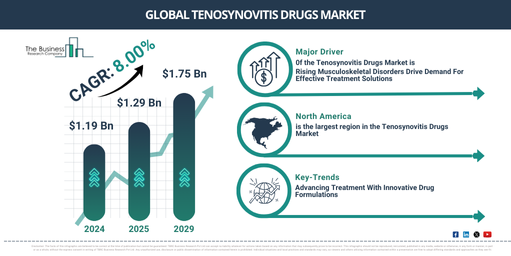
  • Tenosynovitis Drugs Industry Valued at $1.74 Billion by 2029 With CAGR of 8% | Size and Share Insights

    Tenosynovitis Drugs Industry Valued at $1.74 Billion by 2029 With CAGR of 8% | Size and Share Insights

    Claim your 30% discount on Global Market Reports with code ONLINE30. Limited time only.

    What Is the Forecast for the Tenosynovitis Drugs Market from 2024 to 2025?

    The market size for drugs targeting tenosynovitis has seen vigorous growth in the past few years, and is projected to expand from $1.19 billion in 2024 to $1.29 billion in 2025, marking an 8.3% compound annual growth rate (CAGR). This substantial growth within the historic period is attributable to factors such as an upsurge in sports-related injuries, an aging demographic, escalated healthcare spending, heightened awareness regarding tenosynovitis, and a growing preference for biologic therapies.

    What Is the Projected Market Size of the Tenosynovitis Drugs Market?

    The market for tenosynovitis medication is projected to experience significant growth in the coming years, with an anticipated value of $1.75 billion in 2029, reflecting a compound annual growth rate (CAGR) of 8.0%. This growth during the prognosticated period can be accounted to factors such as the increased use of telehealth services, the broadening scopes of global health initiatives, the rising occurrence of musculoskeletal conditions, an escalating demand for tenosynovitis medication, and the mounting prevalence of chronic diseases. Key trends for the forecasted period include advancements in surgery methods, the adoption of robots for surgical procedures, progress in minimally invasive techniques, enhancements in nanotechnology, and novel ideas in drug formulation.

    Download The Free Sample Report Here:

    https://www.thebusinessresearchcompany.com/sample.aspx?id=21297&type=smp

    Who are the Major Competitors in the Tenosynovitis Drugs Market Outlook?

    Major companies operating in the tenosynovitis drugs market are Pfizer Inc., Roche Holding AG, Bayer AG, Sanofi S.A., AstraZeneca plc, GSK plc, Takeda Pharmaceutical Company Limited, Eli Lilly and Company, Amgen Inc., Teva Pharmaceutical Industries Ltd., Sun Pharmaceutical Industries Ltd., Perrigo Company plc, Cipla Limited, Dr. Reddy’s Laboratories Ltd., Aurobindo Pharma Limited, Endo International plc, Lupin Limited, Mallinckrodt Pharmaceuticals, Zydus Cadila Healthcare, AdvaCare Pharma.

    What Is Fueling Growth in the Tenosynovitis Drugs Market?

    The escalating occurrence of musculoskeletal conditions is predicted to fuel the expansion of the tenosynovitis drugs market. Musculoskeletal disorders entail injuries to muscles, tendons, ligaments, nerves, and joint areas, causing impaired movement and discomfort. Aging populations, sedentary lifestyles, and occupational hazards contribute significantly to the increasing prevalence of these disorders. Anti-inflammatory medicines and corticosteroids, classified as tenosynovitis drugs, are deployed to lessen inflammation and pain resulting from musculoskeletal disorders that affect tendons and their sheaths. The Office for Health Improvement and Disparities reported in March 2023 that the percentage of those aged 16 and over with a long-term musculoskeletal problem increased from 17.0% in 2021 to 17.6% in 2022. As a result, the escalating occurrence of these disorders propels the tenosynovitis drugs market forward. As sports-related injuries rise, a growing demand for advanced therapeutic solutions emerges. This trend is anticipated to further drive the expansion of the tenosynovitis drugs industry. Sports injuries include any physical damage during athletic activities or exercises, ranging from mild sprains to severe fractures or dislocations. Over usage, lack of proper technique, insufficient warm-up or stretching, and collisions frequently result in these injuries. These injuries can be treated with tenosynovitis drugs, medications that aid in reducing tendon inflammation and pain, leading to expedited recovery and enhanced mobility. In the English Premier League, the severity of ankle injuries saw a drastic increase of 170% between October 2022 and January 2023, as well as increases in calf/shin and hamstring injuries by 200% and 130% respectively after the FIFA World Cup in Qatar 2022, according to the Howden Group Holdings Ltd. Therefore, the escalating incidence of sports injuries amplifies the growth of the tenosynovitis drugs market.

    Request For A Customized Report:

    https://www.thebusinessresearchcompany.com/customise?id=21297&type=smp

    Which Tenosynovitis Drugs Market Segments Are Growing the Fastest?

    The tenosynovitis drugs market covered in this report is segmented –

    1) By Drug Type: Nonsteroidal Anti-Inflammatory Drugs (NSAIDS), Corticosteroids, Antibiotics, Other Drug Types

    2) By Indication: De Quervain Tenosynovitis, Stenosing Tenosynovitis, Trigger Finger, Other Indications

    3) By Route Of Administration: Oral, Injectable, Topical

    4) By Distribution Channel: Hospital Pharmacies, Retail Pharmacies, Online Pharmacies

    Subsegments:

    1) By Nonsteroidal Anti-Inflammatory Drugs (NSAIDs): Ibuprofen, Naproxen, Diclofenac, Celecoxib

    2) By Corticosteroids: Prednisone, Methylprednisolone, Dexamethasone, Triamcinolone

    3) By Antibiotics: Penicillins, Cephalosporins, Fluoroquinolones, Macrolides

    4) By Other Drug Types: Disease-Modifying Anti-Rheumatic Drugs (DMARDs), Biologics, Analgesics

    Which Industry Trends Are Shaping the Future of the Tenosynovitis Drugs Market?

    Leading firms in the tenosynovitis medications market are prioritizing the modification of formulations as a strategy to increase efficiency, decrease adverse effects, and boost patient compliance. Improved drug formulas, including delayed-release and controlled-release methodologies, offer extended clinical benefits, decrease dosage intervals, and lessen stomach discomfort, culminating in better patient satisfaction and adherence. For example, ANI Pharmaceuticals Inc., an American pharmaceutical corporation, announced in July 2024 that it had secured U.S. Food and Drug Administration (FDA) endorsement for its abbreviated new drug application (ANDA) and launched Naproxen delayed-release tablets, USP. This drug was presented as a generic counterpart to the reference listed drug (RLD), EC-Naprosyn, offering equivalent therapeutic advantages at a lower cost. The delayed-release formulation was created to provide longer-lasting pain alleviation and lessen stomach irritation, making it a suitable treatment for inflammatory ailments such as arthritis, tendonitis, and tenosynovitis.

    Access The Full Report Here:

    https://www.thebusinessresearchcompany.com/report/tenosynovitis-drugs-global-market-report

    Which Countries Are Leading the Tenosynovitis Drugs Market?

    North America was the largest region in the tenosynovitis drugs market in 2024. The regions covered in the tenosynovitis drugs market report are Asia-Pacific, Western Europe, Eastern Europe, North America, South America, Middle East, Africa.

    Purchase The Full Report Today:

    https://www.thebusinessresearchcompany.com/purchaseoptions.aspx?id=21297

    This Report Delivers Insight On:

    1. How big is the tenosynovitis drugs market, and how is it changing globally?

    2. Who are the major companies in the tenosynovitis drugs market, and how are they performing?

    3. What are the key opportunities and risks in the tenosynovitis drugs market right now?

    4. Which products or customer segments are growing the most in the tenosynovitis drugs market?

    5. What factors are helping or slowing down the growth of the tenosynovitis drugs market?

    About The Business Research Company:

    With over 15000+ reports from 27 industries covering 60+ geographies, The Business Research Company has built a reputation for offering comprehensive, data-rich research and insights. Armed with 1,500,000 datasets, the optimistic contribution of in-depth secondary research, and unique insights from industry leaders, you can get the information you need to stay ahead in the game.

    Get in touch with us:

    The Business Research Company: https://www.thebusinessresearchcompany.com/

    Americas +1 310-496-7795

    Asia +44 2071930708

    Europe +44 7882 955267

    Email us at info@tbrc.info

    Follow us on:

    LinkedIn: https://in.linkedin.com/company/the-business-research-company

    YouTube: https://www.youtube.com/channel/UC24_fI0rV8cR5DxlCpgmyFQ

    Global Market Model: https://www.thebusinessresearchcompany.com/global-market-model
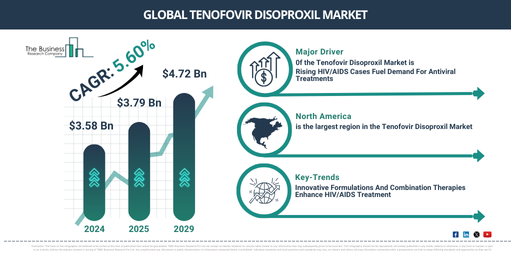
  • Tenofovir Disoproxil  Market to Reach $4.71 Billion by 2029 | Key Drivers and Future Outlook

    Tenofovir Disoproxil Market to Reach $4.71 Billion by 2029 | Key Drivers and Future Outlook

    Claim your 30% discount on Global Market Reports with code ONLINE30. Limited time only.

    What Is the Growth Rate of the Tenofovir Disoproxil Market?

    In recent times, there has been a robust growth in the market size of Tenofovir Disoproxil. It is projected to increase from a worth of $3.58 billion in 2024 to $3.79 billion in 2025, showcasing a compound annual growth rate (CAGR) of 5.9%. Factors contributing to this historic period growth include an increase in awareness and early identification of viral infections, a rise in hepatitis B cases, the expansion in the manufacturing of generic drugs for Tenofovir Disoproxil, an increase in the number of clinical trials that affirm the effectiveness of Tenofovir, and an increase in funding for healthcare aimed at treating infectious diseases.

    What Growth Rate Is Forecasted for the Tenofovir Disoproxil Market by 2029?

    Anticipations are high for robust growth in the tenofovir disoproxil market size in the coming years. The market is predicted to expand to a value of $4.72 billion by 2029, registering a compound annual growth rate (CAGR) of 5.6%. The growth factors driving this forecast period can be linked to the increasing demand for long-lasting tenofovir formulations and an intensified emphasis on combination therapies with fresh antivirals. Furthermore, a surge in regulatory approvals for innovative tenofovir combinations, heightened attention towards pediatric formulations of tenofovir, and a rising need for tenofovir in post-exposure prophylaxis contribute to the expansion. Notable trends for this period include the development of innovative drug delivery systems, the application of artificial intelligence in drug development, breakthroughs in combination therapies, progress in nanotechnology-based delivery, and advancements in fixed-dose combination therapies.

    Download The Free Sample Report Here:

    https://www.thebusinessresearchcompany.com/sample.aspx?id=21296&type=smp

    Which Key Companies Are Shaping the Future of the Tenofovir Disoproxil Market?

    Major companies operating in the tenofovir disoproxil market are Gilead Sciences Inc., Viatris Inc., Teva Pharmaceuticals Limited, Cipla Ltd, Lupin Limited, Mylan NV, Blanver, SMS Pharmaceuticals, Bajaj Healthcare, Mangalam Drugs & Organics Ltd, Nortec Quimica, Arene Lifesciences, Cdymax, HRV Global Life Sciences, Pipelinepharma, Qilu Pharmaceutical, Jai Radhe Sales, Sinoway Industrial Co. Ltd, Aurisco Pharmaceutical, Huangshi Fuertai Pharmaceutical Tech Co. Ltd

    Which Factors Are Driving Demand in the Tenofovir Disoproxil Industry?

    The tenofovir disoproxil market is anticipated to grow due to the escalating figures of HIV and AIDS. This viral infection is chronic in nature and depletes the strength of the immune system by targeting CD4 cells. This leaves the body susceptible to various other infections and diseases. Factors such as unprotected sex, ignorance, inadequate healthcare facilities, and drug-resistant virus strains contribute to the upsurge in HIV and AIDS. As a result, there’s an increasingly high demand for tenofovir disoproxil, an antiretroviral drug used for both treatment and prevention. The Joint United Nations Programme on HIV/AIDS (UNAIDS), a government organization based in Switzerland, in a report published in July 2024, stated that by the end of 2022, around 39.5 million people worldwide were infected with HIV. Furthermore, around 630,000 AIDS-related deaths were reported globally in that year. The next year, in 2023, the global count of people living with HIV rose to 39.9 million. These factors imply that the surging numbers of HIV and AIDS would boost the growth of the tenofovir disoproxil market. Simultaneously, the stepping-up of hepatitis B cases will also drive the progress of the tenofovir disoproxil market. Hepatitis B, a viral infection that affects the liver, may cause acute or chronic diseases, and spreads through contact with tainted blood or bodily fluids. The rise in hepatitis B can be attributed to factors like perinatal transmission, unhygienic measures in medical practice, absence of vaccination coverage, and persisting chronic infections within specific populations. Tenofovir disoproxil plays a role in the treatment of chronic hepatitis B by suppressing viral replication and minimizing liver damage. A report published by the Centers for Disease Control and Prevention in March 2023 revealed that between 580,000 to 2.4 million people in the United States were living with hepatitis B infection, with about two-thirds possibly unaware of their infection. These circumstances indicate that the increasing prevalence of hepatitis B will act as a stimulus to the growth of the tenofovir disoproxil market.

    Request For A Customized Report:

    https://www.thebusinessresearchcompany.com/customise?id=21296&type=smp

    How Is the Tenofovir Disoproxil Market Segmented by Several Divisions?

    The tenofovir disoproxil market covered in this report is segmented –

    1) By Type: Tablet, Powder

    2) By Distribution Channel: Online Pharmacies, Retail Pharmacies, Wholesalers Or Distributors

    3) By Application: Hospital, Clinic

    Subsegments:

    1) By Tablet: Single-Drug Tablets, Fixed-Dose Combination Tablets

    2) By Powder: Oral Powder, Reconstitutable Powder

    What are the Emerging Market Trends Driving the Growth of the Tenofovir Disoproxil Industry?

    Prominent firms in the tenofovir disoproxil industry are concentrating their efforts on introducing novel therapies, like combination therapy, to secure a competitive advantage and boost HIV/AIDS treatment success. The term “combination therapy” denotes the concurrent use of multiple treatments, often pharmaceuticals, to amplify therapeutic benefits and lift patient results for specific diseases. For instance, in July 2022, Gilead Sciences Inc., a biopharmaceutical enterprise in the United States, received approval from the U.S. Food and Drug Administration (FDA) for Vemlidy (tenofovir alafenamide) which is used in the treatment of chronic hepatitis B virus (HBV) infection in pediatric patients aged six years and above who have a weight of at least 25 kg and compensated liver disease. This age group’s acceptance of Vemlidy was endorsed by the FDA based on results from a Phase II clinical trial demonstrating the medication’s safety and effectiveness in children as young as six.

    Access The Full Report Here:

    https://www.thebusinessresearchcompany.com/report/tenofovir-disoproxil-global-market-report

    Which Regions Are Driving Growth in the Tenofovir Disoproxil Market?

    North America was the largest region in the tenofovir disoproxil market in 2024. Asia-Pacific is expected to be the fastest-growing region in the forecast period. The regions covered in the tenofovir disoproxil market report are Asia-Pacific, Western Europe, Eastern Europe, North America, South America, Middle East, Africa.

    Purchase The Full Report Today:

    https://www.thebusinessresearchcompany.com/purchaseoptions.aspx?id=21296

    This Report Delivers Insight On:

    1. How big is the tenofovir disoproxil market, and how is it changing globally?

    2. Who are the major companies in the tenofovir disoproxil market, and how are they performing?

    3. What are the key opportunities and risks in the tenofovir disoproxil market right now?

    4. Which products or customer segments are growing the most in the tenofovir disoproxil market?

    5. What factors are helping or slowing down the growth of the tenofovir disoproxil market?

    About The Business Research Company:

    With over 15000+ reports from 27 industries covering 60+ geographies, The Business Research Company has built a reputation for offering comprehensive, data-rich research and insights. Armed with 1,500,000 datasets, the optimistic contribution of in-depth secondary research, and unique insights from industry leaders, you can get the information you need to stay ahead in the game.

    Get in touch with us:

    The Business Research Company: https://www.thebusinessresearchcompany.com/

    Americas +1 310-496-7795

    Asia +44 2071930708

    Europe +44 7882 955267

    Email us at info@tbrc.info

    Follow us on:

    LinkedIn: https://in.linkedin.com/company/the-business-research-company

    YouTube: https://www.youtube.com/channel/UC24_fI0rV8cR5DxlCpgmyFQ

    Global Market Model: https://www.thebusinessresearchcompany.com/global-market-model
  • Tay-Sachs Disease Treatment Market Size to Exceed $3.25 Billion by 2029 | Growth and Industry Trends

    Tay-Sachs Disease Treatment Market Size to Exceed $3.25 Billion by 2029 | Growth and Industry Trends

    Claim your 30% discount on Global Market Reports with code ONLINE30. Limited time only.

    How Has the Tay-Sachs Disease Treatment Market Grown from 2024 to 2025?

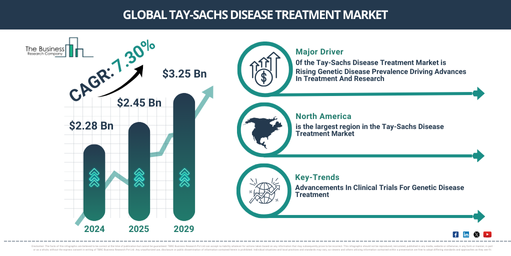
    The market for Tay-Sachs disease treatment has seen robust growth in the past few years. The market size is projected to escalate from $2.28 billion in 2024 to $2.45 billion in 2025, growing at a compound annual growth rate (CAGR) of 7.5%. This growth in the historical period is credited to the rise in genetic testing, an increased emphasis on rare illnesses, higher demand for quality healthcare services, a surge in Tay-Sachs disease instances, and an increase in chronic conditions.

    What Growth Rate Is Anticipated for the Tay-Sachs Disease Treatment Market in the Coming Years?

    A significant surge in the tay-sachs disease treatment market size is expected in the coming years, escalating to $3.25 billion in 2022, at a compound annual growth rate (CAGR) of 7.3%. Factors propelling this anticipated growth include the increasing incidence of lysosomal storage disorders, initiatives to raise awareness, enhancements in genetic testing services, robust demand for symptomatic treatments, and growing rates of genetic diseases. Key trends predicted for the forecast period involve progress in gene therapy, cost-effectiveness of next-generation sequencing, automation of cloning platforms, advancements in medication delivery systems, incorporation of AI and machine learning, and the utilization of telemedicine solutions.

    Download The Free Sample Report Here:

    https://www.thebusinessresearchcompany.com/sample.aspx?id=21295&type=smp

    Who Are the Leading Companies in the Tay-Sachs Disease Treatment Market?

    Major companies operating in the tay-sachs disease treatment market are Pfizer Inc., Sanofi S.A., Novartis AG, Takeda Pharmaceutical Company Limited, Regeneron Pharmaceuticals Inc., Biogen Inc., Vertex Pharmaceuticals Incorporated, BioMarin Pharmaceutical Inc., Sarepta Therapeutics Inc., Ultragenyx Pharmaceutical Inc., Amicus Therapeutics Inc., Spark Therapeutics Inc., Rocket Pharmaceuticals Inc., RegenxBio Inc., Forge Biologics Inc., Passage Bio Inc., Protalix BioTherapeutics Inc., Orchard Therapeutics plc, Affinia Therapeutics Inc., IntraBio Inc., Taysha Gene Therapies Inc.

    What Are the Key Drivers of the Tay-Sachs Disease Treatment Market?

    The rise in genetic diseases is projected to propel the tay-sachs disease treatment market in the future. Genetic diseases, which can be inherited or sprout from spontaneous mutations, are those disorders that originate from irregularities in a person’s DNA. The increasing numbers of genetic diseases can be attributed to enhanced diagnostics, heightened awareness, environmental elements, and augmented mutation rates triggered by late parenthood and lifestyle modifications. The escalating occurrence of genetic diseases underscores the necessity for progress in tay-sachs disease treatment, prompting investigations into gene therapies, enzyme replacements, and premature diagnostics. For example, Genomics England, a government organization based in the UK, reported in February 2022 that there are over 7,000 acknowledged rare diseases, affecting roughly 1 in 17 people, or 3.5 million, in the UK. Hence, the escalating occurrence of genetic diseases is set to propel the tay-sachs disease treatment market.

    Request For A Customized Report:

    https://www.thebusinessresearchcompany.com/customise?id=21295&type=smp

    What Are the Key Market Segments in the Tay-Sachs Disease Treatment Industry?

    The tay-sachs disease treatment market covered in this report is segmented –

    1) By Treatment: Medication, Respiratory Care, Physical Therapy

    2) By Mode Of Administration: Injectable, Oral, Other Mode Of Administration

    3) By End-Users: Hospitals, Homecare, Specialty Clinics

    Subsegments:

    1) By Medication: Antiepileptic Drugs, Miglustat, Supportive Symptomatic Medications

    2) By Respiratory Care: Mechanical Ventilation, Airway Clearance Therapy, Oxygen Therapy

    3) By Physical Therapy: Motor Function Exercises, Hydrotherapy, Assistive Mobility Devices

    What Are the Latest Trends in the Tay-Sachs Disease Treatment Market?

    Major corporations in the Tay-Sachs disease treatment market are focusing on the development of cutting-edge treatments, such as gene therapy, small-molecule drugs, and enzyme replacement. This includes executing clinical trials to assess their safety, efficacy, and potential side effects. An example of this was in July 2024 when IntraBio Inc., an American biopharmaceutical firm, announced approval from the US Food and Drug Administration (FDA) to run a clinical trial (IB1001-202) for its medicinal product, IB1001. The trial targeted a condition called GM2 Gangliosidosis (inclusive of Tay-Sachs and Sandhoff Disease), and was carried out in several countries including the US, UK, Germany, and Spain. Currently, there are no authorized treatments for these lethal neurodegenerative disorders that this trial aimed to tackle, something IntraBio’s chairman stressed the importance of tackling swiftly.

    Access The Full Report Here:

    https://www.thebusinessresearchcompany.com/report/tay-sachs-disease-treatment-global-market-report

    What Are the Key Regional Markets in the Tay-Sachs Disease Treatment Industry?

    North America was the largest region in the tay-sachs disease treatment market in 2024. Asia-Pacific is expected to be the fastest-growing region in the forecast period. The regions covered in the tay-sachs disease treatment market report are Asia-Pacific, Western Europe, Eastern Europe, North America, South America, Middle East, Africa.

    Purchase The Full Report Today:

    https://www.thebusinessresearchcompany.com/purchaseoptions.aspx?id=21295

    This Report Delivers Insight On:

    1. How big is the tay-sachs disease treatment market, and how is it changing globally?

    2. Who are the major companies in the tay-sachs disease treatment market, and how are they performing?

    3. What are the key opportunities and risks in the tay-sachs disease treatment market right now?

    4. Which products or customer segments are growing the most in the tay-sachs disease treatment market?

    5. What factors are helping or slowing down the growth of the tay-sachs disease treatment market?

    About The Business Research Company:

    With over 15000+ reports from 27 industries covering 60+ geographies, The Business Research Company has built a reputation for offering comprehensive, data-rich research and insights. Armed with 1,500,000 datasets, the optimistic contribution of in-depth secondary research, and unique insights from industry leaders, you can get the information you need to stay ahead in the game.

    Get in touch with us:

    The Business Research Company: https://www.thebusinessresearchcompany.com/

    Americas +1 310-496-7795

    Asia +44 2071930708

    Europe +44 7882 955267

    Email us at info@tbrc.info

    Follow us on:

    LinkedIn: https://in.linkedin.com/company/the-business-research-company

    YouTube: https://www.youtube.com/channel/UC24_fI0rV8cR5DxlCpgmyFQ

    Global Market Model: https://www.thebusinessresearchcompany.com/global-market-model