Blog

  • Ganciclovir Market Growth In 2026: Market Size, Key Drivers And Future Outlook

    Ganciclovir Market Growth In 2026: Market Size, Key Drivers And Future Outlook

    Built to provide research that’s more actionable and strategically valuable, The Business Research Company’s 2026 market reports include market attractiveness analysis, total addressable market sizing, company benchmarking matrices, interactive Excel dashboards, broader supply chain intelligence, emerging startup tracking, and in-depth product insights.

    Ganciclovir Market CAGR Outlook And Future Development

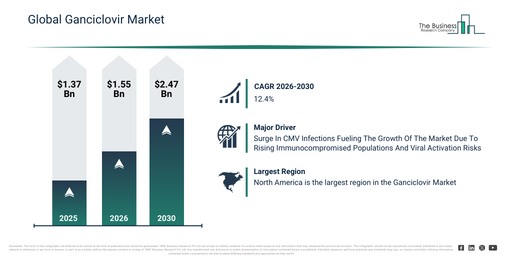
    The ganciclovir market size has experienced rapid expansion in recent years. It is forecast to grow from $1.37 billion in 2025 to $1.55 billion in 2026, exhibiting a compound annual growth rate (CAGR) of 12.7%. This historic growth can be attributed to factors such as increasing organ transplants, the prevalence of HIV, new antiviral drug approvals, advancements in hospital infection control, and the utilization of immunosuppressive therapy.

    The ganciclovir market size is projected to undergo significant expansion in the coming years. It is forecast to grow to $2.47 billion in 2030, demonstrating a compound annual growth rate (CAGR) of 12.4%. This anticipated growth during the forecast period can be attributed to factors such as an increase in transplant procedures, continuous antiviral resistance monitoring, advancements in viral diagnostics, the growth of hospital pharmacies, and the demand for specialty antivirals. Prominent trends observed in this period encompass a greater utilization in immunocompromised patients, the development of CMV prevention therapies, a rising adoption of injectable antivirals, the broadening of transplant care programs, and improved hospital antiviral protocols.

    Get A Free Sample Report With In-Depth Market Insights:

    https://thebusinessresearchcompany.com/sample_request?id=65428996&type=smp&name=Ganciclovir%20Market%20Report%202026&utm_source=Blogs&utm_medium=Paid&utm_campaign=Oct_PR

    Ganciclovir Market Demand Drivers Opening New Revenue Streams

    The ganciclovir market is anticipated to expand due to increasing healthcare expenditure. This expenditure represents the total funds allocated by individuals, insurance providers, and governmental bodies towards medical services, therapies, and public health initiatives. The upward trend in healthcare spending can be attributed to innovations in medical technology, which frequently incur significant costs for development and deployment, necessitate specialized expertise and apparatus, and promote the adoption of costly diagnostic and therapeutic methods. Elevated healthcare spending facilitates the greater availability of ganciclovir by improving access to antiviral therapies necessary for managing cytomegalovirus (CMV) infections, particularly among patients with compromised immune systems. For instance, in May 2024, the Office for National Statistics, a UK-based government department, reported that in 2024, the UK’s healthcare expenditure reached approximately $421.32 billion (£317 billion), reflecting a 6.5% increase compared to 2023. Consequently, the expansion of healthcare expenditure is a key factor propelling the growth of the ganciclovir market.

    Ganciclovir Market Segmentation: How Does The Market Break Down By Category?

    The ganciclovir market covered in this report is segmented –

    1) By Type: Injection, Oral

    2) By Dosage Form: Tablets, Intravenous (IV) Solution, Ophthalmic Gel

    3) By Distribution Channel: Hospital Pharmacies, Retail Pharmacies, Online Pharmacies

    4) By Application: Cytomegalovirus (CMV) Retinitis, Cytomegalovirus (CMV) Prevention In Organ Transplant Patients

    Subsegments:

    1) By Injection: Lyophilized Powder for Injection, Premixed IV Bags, Intravitreal Injection

    2) By Oral: Capsules, Oral Solution

    Ganciclovir Market Competitive Overview And Top Companies

    Major companies operating in the ganciclovir market are Roche Holding AG, Teva Pharmaceutical Industries Ltd., Fresenius Kabi AG, Dr. Reddy’s Laboratories Ltd., Cipla Ltd., Fareva Group, Zydus Lifesciences Ltd., Natco Pharma Ltd., Ajanta Pharma Ltd., Micro Labs Ltd., Taj Pharmaceuticals Ltd., Sunways Pvt. Ltd., Accord Healthcare Ltd., AdvaCare Pharma USA, Trifarma S.p.A., Actiza Pharmaceutical Pvt. Ltd., Bakul Group of Companies, Doctor Wonder Healthcare Pvt. Ltd., Sujalam Chemicals, Aetos Pharma Pvt. Ltd.

    View The Full Ganciclovir Market Report:

    https://thebusinessresearchcompany.com/report/ganciclovir-global-market-report?utm_source=Blogs&utm_medium=Paid&utm_campaign=Oct_PR

    Ganciclovir Market Largest Region: Which Geography Holds The Highest Market Share?

    North America was the largest region in the ganciclovir market in 2025. Asia-Pacific is expected to be the fastest-growing region in the forecast period. The regions covered in the ganciclovir market report are Asia-Pacific, South East Asia, Western Europe, Eastern Europe, North America, South America, Middle East, Africa.

    Reach Out To Our Team:

    The Business Research Company: https://www.thebusinessresearchcompany.com/

    Americas: +1 310-496-7795

    Asia: +44 7882 955267 & +91 8897263534

    Europe: +44 7882 955267

    Email us at: marketing@tbrc.info

    Follow us on:

    LinkedIn: https://in.linkedin.com/company/the-business-research-company

    YouTube: https://www.youtube.com/channel/UC24_fI0rV8cR5DxlCpgmyFQ

    Global Market Model: https://www.thebusinessresearchcompany.com/global-market-model
  • Gamma Delta T Cell Cancer Therapy Market Size And Forecast 2026–2030: Trends Driving Industry Expansion

    Gamma Delta T Cell Cancer Therapy Market Size And Forecast 2026–2030: Trends Driving Industry Expansion

    Backed by market attractiveness analysis, total addressable market sizing, company benchmarking matrices, interactive Excel dashboards, wider supply chain intelligence, emerging startup coverage, and detailed product-level insights, The Business Research Company’s 2026 market reports are designed to offer research that is more actionable and strategically valuable than ever.

    Gamma Delta T Cell Cancer Therapy Market Set To Climb From $2.51 Billion In 2026 To $4.94 Billion By 2030

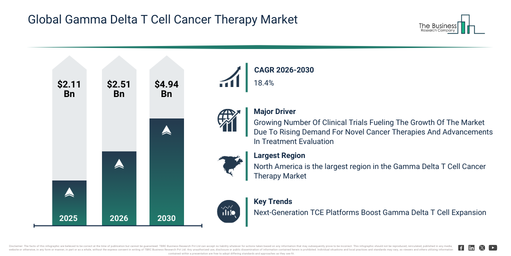
    The gamma delta t cell cancer therapy market has experienced substantial expansion in recent years. This market is projected to expand from $2.11 billion in 2025 to $2.51 billion in 2026, demonstrating a compound annual growth rate (CAGR) of 19.0%. Factors contributing to this historical growth include the constrained supply of gamma delta t cell therapies, a continued dependence on traditional chemotherapy and monoclonal antibodies, an expanding population of oncology patients, a rise in clinical trials focused on adoptive cell therapy, and heightened understanding of immunotherapy’s advantages.

    The gamma delta t cell cancer therapy market size is poised for substantial growth in the upcoming years, with estimations suggesting it will reach $4.94 billion by 2030, exhibiting a compound annual growth rate (CAGR) of 18.4%. This expansion during the forecast period stems from various factors, including advancements in chimeric antigen receptor t cell therapies, the wider application of cytokine and checkpoint inhibitor combination therapies, a rise in investment in personalized oncology, the development of fully human monoclonal antibodies, and the integration of AI for patient monitoring and treatment optimization. Noteworthy trends anticipated in this period encompass the increasing adoption of gamma delta t cell-based adoptive cell therapies, enhanced development of combination immunotherapies, a sharpened focus on addressing rare and refractory cancers, the expansion of personalized and precision oncology programs, and the incorporation of immune checkpoint inhibition alongside cell therapy.

    Get A Free Sample Report With In-Depth Market Insights:

    https://thebusinessresearchcompany.com/sample_request?id=66977696&type=smp&name=Gamma%20Delta%20T%20Cell%20Cancer%20Therapy%20Market%20Report%202026&utm_source=Blogs&utm_medium=Paid&utm_campaign=Oct_PR

    Gamma Delta T Cell Cancer Therapy Market Growth Backed By Core Demand Fundamentals

    The increasing volume of clinical trials is anticipated to significantly boost the expansion of the gamma delta T cell cancer therapy market in the future. These systematic research studies conducted in humans serve to assess the safety, effectiveness, and potential side effects of various medical treatments, drugs, or interventions. The rise in clinical trial activity is driven by the escalating demand for innovative therapies designed to address unmet medical needs and improve patient outcomes. Clinical trials are instrumental in advancing gamma delta T cell cancer therapy by validating their safety and efficacy, accelerating regulatory approvals, and facilitating the development of optimized treatment protocols. They enhance therapeutic outcomes by providing crucial data that supports both innovation and broader clinical adoption. For instance, in December 2024, a report from the Association of the British Pharmaceutical Industry (ABPI), a UK-based organisation, revealed that the total number of industry clinical trials initiated in the UK grew from 411 trials in 2022 to 426 in 2023. Thus, the expanding number of clinical trials is a primary factor driving the growth of the gamma delta T cell cancer therapy market.

    Gamma Delta T Cell Cancer Therapy Market Segment Trends And Revenue Contributors

    The gamma delta t cell cancer therapy market covered in this report is segmented –

    1) By Therapy Type: Cytokine Therapy, Monoclonal Antibodies, Combination Therapies

    2) By Cancer Type: Leukemia, Lymphoma, Solid Tumors, Certain Rare Cancers

    3) By Stage Of Cancer: Early Stage, Advanced Stage, Relapsed Or Refractory

    4) By Mechanism Of Action: Activation Of T Cells, Inhibition Of Tumor Microenvironment, Targeting Tumor Antigens, Enhancing Immune Checkpoint Inhibition

    5) By End User: Hospitals, Specialized Clinics, Research Institutions, Pharmaceutical Companies

    Subsegments:

    1) By Cytokine Therapy: Interleukin Based Therapy, Interferon Based Therapy, Tumor Necrosis Factor Therapy, Colony Stimulating Factor Therapy, Transforming Growth Factor Therapy

    2) By Monoclonal Antibodies: Naked Monoclonal Antibodies, Conjugated Monoclonal Antibodies, Bispecific Monoclonal Antibodies, Humanized Monoclonal Antibodies, Fully Human Monoclonal Antibodies

    3) By Combination Therapies: Monoclonal Antibodies And Cytokines Combination, Checkpoint Inhibitors And Cell Therapy Combination, Chemotherapy And Immunotherapy Combination, Radiation Therapy And Immunotherapy Combination

    Gamma Delta T Cell Cancer Therapy Market Growth Trends Reshaping The Competitive Landscape

    Leading companies within the gamma delta T cell cancer therapy market are channeling their efforts into developing innovative solutions, such as gamma delta (?d) T cell engager (TCE) platforms, to boost efficacy, refine targeting, and minimize off-tumor toxicity. These gamma delta (?d) T cell engager (TCE) platforms are sophisticated immunotherapies engineered to redirect and activate ?d T cells, enabling them to specifically identify and eliminate cancer cells by bridging them with tumor-associated antigens. For instance, in March 2025, IN8bio Inc., a US-based biotechnology company, unveiled the INB 600, its next-generation ?d TCE platform, which is designed to address both cancer and autoimmune diseases. The platform’s foremost candidate, INB 619, specifically targets CD19 and has demonstrated the capacity to expand ?d T cells by up to 450 times in preclinical studies, culminating in significant B-cell depletion. This platform harnesses the unique attributes of gamma delta T cells, which naturally target malignant cells, and integrates them with engineered engagers to bolster their tumor-killing capabilities. The TCE platform is constructed to surmount the limitations of traditional immunotherapies by enhancing specificity, reducing systemic side effects, and broadening the array of treatable cancers.

    Gamma Delta T Cell Cancer Therapy Market Competitive Landscape: Which Companies Lead The Industry?

    Major companies operating in the gamma delta t cell cancer therapy market are IN8bio Inc., American Gene Technologies International Inc., Adicet Bio Inc., LAVA Therapeutics N.V., Acepodia Inc., TC BioPharm (Holdings) plc, Century Therapeutics Inc., CytoMed Therapeutics Ltd., Appia Bio Inc., ImCheck Therapeutics S.A.S., JY BioMed Inc., Luminary Therapeutics Inc.

    View The Full Gamma Delta T Cell Cancer Therapy Market Report:

    https://thebusinessresearchcompany.com/report/gamma-delta-t-cell-cancer-therapy-global-market-report?utm_source=Blogs&utm_medium=Paid&utm_campaign=Oct_PR

    Gamma Delta T Cell Cancer Therapy Market Regional Analysis: Which Region Leads By Revenue?

    North America was the largest region in the gamma delta T cell cancer therapy market in 2025. Asia-Pacific is expected to be the fastest-growing region in the forecast period. The regions covered in the gamma delta t cell cancer therapy market report are Asia-Pacific, South East Asia, Western Europe, Eastern Europe, North America, South America, Middle East, Africa.

    Reach Out To Our Team:

    The Business Research Company: https://www.thebusinessresearchcompany.com/

    Americas: +1 310-496-7795

    Asia: +44 7882 955267 & +91 8897263534

    Europe: +44 7882 955267

    Email us at: marketing@tbrc.info

    Follow us on:

    LinkedIn: https://in.linkedin.com/company/the-business-research-company

    YouTube: https://www.youtube.com/channel/UC24_fI0rV8cR5DxlCpgmyFQ

    Global Market Model: https://www.thebusinessresearchcompany.com/global-market-model
  • Galantamine Hydrobromide Market 2026 Outlook: Market Size, CAGR And Key Growth Opportunities

    Galantamine Hydrobromide Market 2026 Outlook: Market Size, CAGR And Key Growth Opportunities

    Featuring market attractiveness scoring, total addressable market sizing, company benchmarking matrices, interactive Excel dashboards, deeper supply chain intelligence, emerging startup tracking, and granular product-level insights, The Business Research Company’s 2026 market reports are built to deliver research that is both more actionable and more strategically valuable.

    Galantamine Hydrobromide Market Forecast: Value Set To Climb From $0.8 Billion To $1.16 Billion

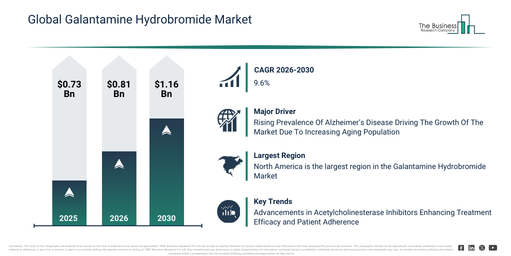
    The galantamine hydrobromide market size has experienced significant expansion in recent years. It is projected to increase from $0.73 billion in 2025 to $0.81 billion in 2026, demonstrating a compound annual growth rate (CAGR) of 9.8%. The historical growth of this market can be attributed to factors such as an aging global population, early approval for Alzheimer’s treatment, the lack of curative therapies for dementia, the expansion of long-term care facilities, and an increased diagnosis of cognitive disorders.

    The market for galantamine hydrobromide is projected to experience robust expansion over the coming years. Its value is anticipated to reach $1.16 billion in 2030, exhibiting a compound annual growth rate (CAGR) of 9.6%. This growth during the projection period stems from factors such as the increasing incidence of Alzheimer’s disease, an expanding elderly demographic, the need for therapies focused on symptom management, the broadening of home-based dementia care services, and continuous research into neurodegenerative conditions. Key trends anticipated during this timeframe involve its sustained application in managing Alzheimer’s disease, a rising demand for treatments that boost cognitive function, the development of more extended-release formulations, increasing implementation in settings for geriatric care, and a heightened emphasis on addressing neurodegenerative diseases.

    Get A Free Sample Report With In-Depth Market Insights:

    https://thebusinessresearchcompany.com/sample_request?id=95899204&type=smp&name=Galantamine%20Hydrobromide%20Market%20Report%202026&utm_source=Blogs&utm_medium=Paid&utm_campaign=Oct_PR

    Galantamine Hydrobromide Market Growth Catalysts And Demand Drivers

    A projected increase in Alzheimer’s disease cases is anticipated to drive expansion within the galantamine hydrobromide market throughout the forecast period. This condition, Alzheimer’s disease, is a progressive neurodegenerative disorder characterized by memory loss, declining cognitive abilities, and altered behavior, frequently resulting in difficulty with everyday activities. The rise in Alzheimer’s disease prevalence stems from an aging global population, given that the likelihood of developing the disorder substantially escalates with age, attributed to cumulative changes in the brain and genetic predispositions. Galantamine Hydrobromide is vital for Alzheimer’s treatment, functioning to elevate acetylcholine levels by preventing its degradation, thereby assisting in retarding cognitive deterioration and enhancing memory for individuals experiencing reduced neurotransmitter function. For example, data from August 2024, provided by the Centers for Disease Control and Prevention, a federal agency in the US, indicates that the population living with Alzheimer’s is projected to grow from 6.9 million to approximately 14 million by 2060. Consequently, the growing occurrence of Alzheimer’s disease is propelling the expansion of the galantamine hydrobromide market.

    Galantamine Hydrobromide Market Segment Analysis Spotlighting Growth Areas

    The galantamine hydrobromide market covered in this report is segmented –

    1) By Product Type: Tablet, Capsule, Oral Solution

    2) By Application: Alzheimer’s Disease Treatment, Cognitive Enhancements, Other Applications

    3) By End-User: Hospitals, Research Institutions, Homecare Settings, Long-term Care Facilities

    Subsegments:

    1) By Tablet: Immediate-Release Tablets, Extended-Release Tablets

    2) By Capsule: Hard Gelatin Capsules, Soft Gelatin Capsules

    3) By Oral Solution: Ready-to-Use Oral Solution, Concentrated Oral Solution

    Galantamine Hydrobromide Market Trends Shaping Long-Term Demand

    Key players in the galantamine hydrobromide market are concentrating on creating innovative therapies, like advanced acetylcholinesterase inhibitors (AChEIs), aimed at boosting effectiveness, minimizing adverse reactions, and increasing patient compliance. These next-generation acetylcholinesterase inhibitors (AChEIs) are sophisticated medications developed to improve cognitive abilities in neurodegenerative conditions by enhancing their absorption and lessening unwanted effects. As an example, in July 2024, Alpha Cognition Inc., a biopharmaceutical firm based in Canada, declared that the U.S. Food and Drug Administration (FDA) had approved ALPHA-1062 (Zunveyl). This compound is a prodrug of galantamine, an established acetylcholinesterase inhibitor (AChEI), indicated for mild to moderate Alzheimer’s disease. ALPHA-1062 distinguishes itself with enhanced safety and better bioavailability when compared to existing galantamine preparations. In contrast to conventional galantamine, it is absorbed in the small intestine in an inactive state, thereby avoiding premature interaction with acetylcholinesterase (AChE) within the gastrointestinal nervous system. This benefit is achieved through the inclusion of a benzyl ester, which serves to lessen local neuronal overstimulation, alleviate digestive side effects, and improve overall absorption. After undergoing metabolism in the liver, ALPHA-1062 transforms into its active state, facilitating the delivery of galantamine to the brain via the bloodstream.

    Galantamine Hydrobromide Market Leading Companies: Who Holds The Strongest Market Presence?

    Major companies operating in the galantamine hydrobromide market are Teva Pharmaceutical Industries Ltd., Sandoz International GmbH, Ajinomoto Co. Inc., Sun Pharmaceutical Industries Ltd., Aurobindo Pharma Limited, Dr. Reddy’s Laboratories Ltd., Jubilant Pharmova Limited, Cohance Lifesciences Limited, Indena S.p.A., ScinoPharm Taiwan Ltd., Estechpharma Co. Ltd.?, Nortec Química S.A., Metrochem API Private Limited, Sanochemia Pharmazeutika AG, Pellets Pharma Limited, Midas Pharma GmbH, Jubilant Generics?, Capital Farma, Wuhan Shiji Pharmaceutical Co. Ltd., Credo Life Sciences Pvt. Ltd.

    View The Full Galantamine Hydrobromide Market Report:

    https://thebusinessresearchcompany.com/report/galantamine-hydrobromide-global-market-report?utm_source=Blogs&utm_medium=Paid&utm_campaign=Oct_PR

    Galantamine Hydrobromide Market Geographic Distribution And Regional Opportunities

    North America was the largest region in the galantamine hydrobromide market in 2025. Asia-Pacific is expected to be the fastest-growing region in the forecast period. The regions covered in the galantamine hydrobromide market report are Asia-Pacific, South East Asia, Western Europe, Eastern Europe, North America, South America, Middle East, Africa.

    Reach Out To Our Team:

    The Business Research Company: https://www.thebusinessresearchcompany.com/

    Americas: +1 310-496-7795

    Asia: +44 7882 955267 & +91 8897263534

    Europe: +44 7882 955267

    Email us at: marketing@tbrc.info

    Follow us on:

    LinkedIn: https://in.linkedin.com/company/the-business-research-company

    YouTube: https://www.youtube.com/channel/UC24_fI0rV8cR5DxlCpgmyFQ

    Global Market Model: https://www.thebusinessresearchcompany.com/global-market-model
  • Gabapentin Market Size Growth: From $3.26 Billion In 2026 To $4.45 Billion By 2030

    Gabapentin Market Size Growth: From $3.26 Billion In 2026 To $4.45 Billion By 2030

    Built to provide research that’s more actionable and strategically valuable, The Business Research Company’s 2026 market reports include market attractiveness analysis, total addressable market sizing, company benchmarking matrices, interactive Excel dashboards, broader supply chain intelligence, emerging startup tracking, and in-depth product insights.

    Gabapentin Market Revenue Growth On Track For A 8.1% CAGR Through 2030

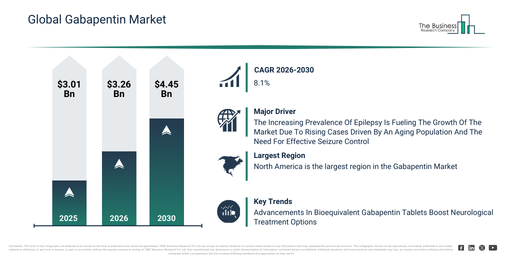
    The gabapentin market has experienced robust expansion over the past few years. It is projected to expand from $3.01 billion in 2025 to $3.26 billion in 2026, demonstrating a compound annual growth rate (CAGR) of 8.4%. The historical growth of this market can be attributed to the increasing adoption of epilepsy treatments, the widespread prevalence of neuropathic pain, the accessibility of generic drugs, prevailing physician prescribing patterns, and the rising burden of chronic diseases.

    The gabapentin market is projected to experience robust expansion over the coming years. Its valuation is expected to reach $4.45 billion by 2030, demonstrating a compound annual growth rate (CAGR) of 8.1%. This anticipated growth during the forecast period is attributable to factors such as an increasing aging population, the rise in diabetic neuropathy, wider generic drug penetration, advancements in outpatient pain management, and the growth of telemedicine prescriptions. Prominent trends expected in this period include a heightened application in neuropathic pain management, an increased preference for generic formulations, the broadening of chronic pain treatment programs, the evolution of oral solid dosage forms, and an uptick in prescriptions for neurological disorders.

    Get A Free Sample Report With In-Depth Market Insights:

    https://thebusinessresearchcompany.com/sample_request?id=60800362&type=smp&name=Gabapentin%20Market%20Report%202026&utm_source=Blogs&utm_medium=Paid&utm_campaign=Oct_PR

    Gabapentin Market Opportunity Drivers: What’s Unlocking New Revenue Potential?

    The rising incidence of epilepsy is anticipated to propel the expansion of the gabapentin market in the future. This neurological condition, epilepsy, involves recurrent seizures resulting from abnormal electrical signals in the brain. The surge in epilepsy cases is primarily linked to an expanding older demographic, as advanced age elevates the likelihood of neurological ailments leading to seizures. Gabapentin manages epilepsy by moderating atypical nerve impulses within the brain and diminishing signals that trigger seizures. Its mechanism involves targeting calcium channels to aid in averting seizure episodes. For example, data from February 2024 by the World Health Organization (WHO), a Switzerland-based intergovernmental body, indicates that approximately 50 million individuals worldwide suffer from epilepsy, with nearly 80% residing in low- and middle-income nations, and as many as 70% could achieve a seizure-free life through adequate diagnosis and treatment. Annually, an estimated 5 million people globally receive a new diagnosis of epilepsy; this rate stands at around 49 per 100,000 in high-income countries, whereas it can reach 139 per 100,000 in low- and middle-income countries. Consequently, the expanding incidence of epilepsy is fueling the growth of the gabapentin market.

    Gabapentin Market Segment Performance And Emerging Opportunities

    The gabapentin market covered in this report is segmented –

    1) By Type: Generic, Branded

    2) By Dosage Form: Tablet, Capsule, Oral Solution

    3) By Distribution Channel: Hospital Pharmacies, Retail Pharmacies, Online Pharmacies, Other Distribution Channels

    4) By Application: Epilepsy, Neuropathic Pain, Restless Legs Syndrome, Other Applications

    Subsegments:

    1) By Generic: Gabapentin Immediate Release (IR), Gabapentin Extended Release (ER), Gabapentin Capsules, Gabapentin Tablets, Gabapentin Oral Solution

    2) By Branded: Neurontin, Gralise, Horizant, Other Branded Formulations

    Gabapentin Market Innovation Trends Shaping Future Development

    Leading companies in the gabapentin market are concentrating on developing advanced formulations, such as bioequivalent tablets, to enhance therapeutic efficacy and broaden treatment options for neurological conditions. Bioequivalent tablets are generic medications designed to release an identical dose of the active ingredient into the bloodstream with the same speed and efficiency as the branded version, guaranteeing similar safety and therapeutic effects. For instance, in March 2024, Strides Pharma Science Limited, an India-based pharmaceutical company, introduced Gabapentin Tablets USP in 600 mg and 800 mg strengths, following approval from the United States Food & Drug Administration (USFDA), to expand its neurology portfolio in the US market. This innovative gabapentin product features enhanced bioavailability, precise dosing, and patient-friendly administration, facilitating more consistent therapeutic outcomes, improved symptom control, and greater convenience for long-term therapy. Gabapentin tablets USP, 600 mg, offer versatile therapeutic potential, providing effective management for a range of neurological conditions like neuropathic pain and partial seizures through reliable dosing and proven clinical efficacy.

    Gabapentin Market Key Players: Which Companies Lead Industry Competition?

    Major companies operating in the gabapentin market are Pfizer Inc., Teva Pharmaceutical Industries Ltd., Mylan Inc., Apotex Inc., Sun Pharmaceutical Industries Ltd., Aurobindo Pharma Limited, Cipla Limited, Lupin Limited, Zydus Lifesciences Limited, Glenmark Pharmaceuticals Limited, Torrent Pharmaceuticals Ltd., Ipca Laboratories Private Limited, Granules India Limited, Medley Pharmaceuticals Limited, Wockhardt Limited, Epic Pharma LLC, Healing Pharma India Pvt. Ltd., Rochem International Inc., Accord Healthcare Limited, Strides Pharma Science Limited, Ascend Laboratories LLC

    View The Full Gabapentin Market Report:

    https://thebusinessresearchcompany.com/report/gabapentin-global-market-report?utm_source=Blogs&utm_medium=Paid&utm_campaign=Oct_PR

    Gabapentin Market Largest Region By Revenue And Market Share

    North America was the largest region in the gabapentin market in 2025. Asia-Pacific is expected to be the fastest-growing region in the forecast period. The regions covered in the gabapentin market report are Asia-Pacific, South East Asia, Western Europe, Eastern Europe, North America, South America, Middle East, Africa.

    Reach Out To Our Team:

    The Business Research Company: https://www.thebusinessresearchcompany.com/

    Americas: +1 310-496-7795

    Asia: +44 7882 955267 & +91 8897263534

    Europe: +44 7882 955267

    Email us at: marketing@tbrc.info

    Follow us on:

    LinkedIn: https://in.linkedin.com/company/the-business-research-company

    YouTube: https://www.youtube.com/channel/UC24_fI0rV8cR5DxlCpgmyFQ

    Global Market Model: https://www.thebusinessresearchcompany.com/global-market-model
  • G Protein-Coupled Receptors (GPCR) Structure-Based Drug Design Market Analysis 2026: Market Size, Growth Trends And Industry Outlook

    G Protein-Coupled Receptors (GPCR) Structure-Based Drug Design Market Analysis 2026: Market Size, Growth Trends And Industry Outlook

    Backed by market attractiveness analysis, total addressable market sizing, company benchmarking matrices, interactive Excel dashboards, wider supply chain intelligence, emerging startup coverage, and detailed product-level insights, The Business Research Company’s 2026 market reports are designed to offer research that is more actionable and strategically valuable than ever.

    G Protein-Coupled Receptors (GPCR) Structure-Based Drug Design Market Value Growth And Long-Term Outlook

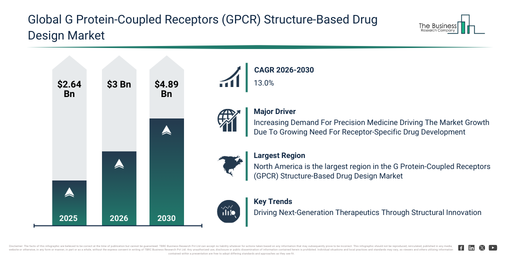
    The g protein-coupled receptors (gpcr) structure-based drug design market size has experienced significant expansion recently. Forecasts indicate its size will increase from $2.64 billion in 2025 to $3 billion in 2026, demonstrating a compound annual growth rate (CAGR) of 13.3%. This historical growth is primarily due to progress in gpcr crystallography techniques, a rise in pharmaceutical research and development expenditure, the presence of high-resolution receptor structures, an improved comprehension of gpcr signaling pathways, and the broadening of small molecule drug discovery platforms.

    The g protein-coupled receptors (gpcr) structure-based drug design market is set to experience significant expansion over the next few years. It will grow to $4.89 billion in 2030 at a compound annual growth rate (CAGR) of 13.0%. This anticipated growth during the forecast period is driven by several factors, including the increasing implementation of AI-assisted molecular design, a heightened focus on precision medicine drug development, the broadening of gpcr targets in areas such as oncology and neurology, growing investments in next-generation structural biology tools, and a rising demand for highly selective therapeutics. Noteworthy trends for the forecast period include the expanding application of structure-guided ligand optimization, the increasing adoption of cryo-electron microscopy for gpcr analysis, the deeper integration of computational modeling in drug discovery, the development of more allosteric modulators, and an enhanced emphasis on improving receptor selectivity.

    Get A Free Sample Report With In-Depth Market Insights:

    https://thebusinessresearchcompany.com/sample_request?id=85992445&type=smp&name=G%20Protein-Coupled%20Receptors%20%28GPCR%29%20Structure-Based%20Drug%20Design%20Market%20Report%202026&utm_source=Blogs&utm_medium=Paid&utm_campaign=Oct_PR

    G Protein-Coupled Receptors (GPCR) Structure-Based Drug Design Market Growth Momentum: What Factors Are Shaping Demand?

    The future expansion of the G protein-coupled receptors (GPCR) structure-based drug design market is anticipated due to the escalating need for precision medicine. These innovative therapeutic strategies utilize distinct biological indicators to direct the selection and formulation of treatments customized for unique patient traits and illness patterns. The growing preference for precision medicine stems from its enhanced effectiveness and fewer adverse reactions when contrasted with conventional therapies, as health systems increasingly favor individualized strategies that focus on particular molecular pathways over generalized treatments. This heightened focus on precision medicine directly hastens the integration of GPCR structure-based drug design platforms, given that pharmaceutical firms are increasingly seeking advanced computational tools to pinpoint and refine receptor-specific compounds, essential for achieving the molecular exactness required by personalized treatment methods. Illustratively, the Personalized Medicine Coalition, a US-based non-profit organization, reported in February 2024 that the FDA cleared 16 new personalized treatments for rare disease patients in 2023, marking a substantial rise from the six approvals in 2022. Of these recently approved therapies, seven are for cancer, and three target other diseases and conditions. Consequently, the escalating need for precision medicine is propelling expansion within the G protein-coupled receptors (GPCR) structure-based drug design market.

    G Protein-Coupled Receptors (GPCR) Structure-Based Drug Design Market Segment Landscape And Growth Outlook

    The g protein-coupled receptors (gpcr) structure-based drug design market covered in this report is segmented –

    1) By Drug Type: Small Molecule Drugs, Biologics, Peptides, Other Drug Types

    2) By Technology: X-Ray Crystallography, Cryo-Electron Microscopy, Computational Modeling, Nuclear Magnetic Resonance Spectroscopy, Other Technologies

    3) By Application: Oncology, Cardiovascular Diseases, Neurological Disorders, Metabolic Disorders, Other Applications

    4) By End-User: Pharmaceutical Companies, Biotechnology Companies, Academic And Research Institutes, Other End-Users

    Subsegments:

    1) By Small Molecule Drugs: Agonists, Antagonists, Allosteric Modulators, Enzyme Inhibitors

    2) By Biologics: Monoclonal Antibodies, Therapeutic Proteins, Vaccines, Fusion Proteins

    3) By Peptides: Linear Peptides, Cyclic Peptides, Modified Peptides, Peptidomimetics

    4) By Other Drug Types: Nucleic Acid Based Drugs, Cell Based Therapies, Gene Therapies, Conjugated Drugs

    G Protein-Coupled Receptors (GPCR) Structure-Based Drug Design Market Trends Redefining Industry Growth

    Key players within the G-protein coupled receptor (GPCR) structure-based drug design market are concentrating on creating advanced solutions, including structure-based drug design platforms, to expedite new drug discovery and enhance the precision of therapeutic targeting. These platforms incorporate computational and experimental methodologies, utilizing the three-dimensional (3D) structures of target proteins for the design and refinement of drug candidates, thereby facilitating the identification of more accurate, potent, and secure treatments. An example of this is Septerna Inc., a US-based pharmaceutical company, which in January 2025, initiated new efforts to progress its Native Complex Platform, leveraging the $100 million Series A financing it had previously acquired. This platform specifically allows for structure-based drug design targeting GPCRs by preserving their natural structure and movement outside of a cell. This supports the creation of numerous GPCR-targeted treatments for difficult-to-treat targets across various medical fields. Additionally, it establishes a scalable framework for industrial-scale drug discovery, the incorporation of advanced screening techniques, and the identification of new ways to modulate GPCRs. Furthermore, the platform offers prospects for a systematic exploration of the complete GPCR superfamily, which broadens the scope for diverse therapeutic applications.

    G Protein-Coupled Receptors (GPCR) Structure-Based Drug Design Market Competitive Landscape: Who Leads The Industry?

    Major companies operating in the g protein-coupled receptors (gpcr) structure-based drug design market are F. Hoffmann-La Roche Ltd., Pfizer Inc., Sanofi S.A., AstraZeneca plc, Thermo Fisher Scientific Inc., Boehringer Ingelheim International GmbH, WuXi AppTec Co. Ltd., Charles River Laboratories International Inc., Evotec SE, Acadia Pharmaceuticals Inc., Promega Corporation, Domain Therapeutics SA, Schrödinger Inc., Kallyope Inc., Domainex Ltd., Structure Therapeutics Inc., Creative Biolabs Inc., InterAx Biotech Inc., Abalone Bio Inc., Octant Inc.

    View The Full G Protein-Coupled Receptors (GPCR) Structure-Based Drug Design Market Report:

    https://thebusinessresearchcompany.com/report/g-protein-coupled-receptors-gpcr-structure-based-drug-design-global-market-report?utm_source=Blogs&utm_medium=Paid&utm_campaign=Oct_PR

    G Protein-Coupled Receptors (GPCR) Structure-Based Drug Design Market Regional Analysis And Leading Geography

    North America was the largest region in the G protein-coupled receptors (GPCR) structure-based drug design market in 2025. The regions covered in the g protein-coupled receptors (gpcr) structure-based drug design market report are Asia-Pacific, South East Asia, Western Europe, Eastern Europe, North America, South America, Middle East, Africa.

    Reach Out To Our Team:

    The Business Research Company: https://www.thebusinessresearchcompany.com/

    Americas: +1 310-496-7795

    Asia: +44 7882 955267 & +91 8897263534

    Europe: +44 7882 955267

    Email us at: marketing@tbrc.info

    Follow us on:

    LinkedIn: https://in.linkedin.com/company/the-business-research-company

    YouTube: https://www.youtube.com/channel/UC24_fI0rV8cR5DxlCpgmyFQ

    Global Market Model: https://www.thebusinessresearchcompany.com/global-market-model
  • Functional Supplements Market Forecast To 2030: Starting From $104.42 Billion In 2026

    Functional Supplements Market Forecast To 2030: Starting From $104.42 Billion In 2026

    Featuring market attractiveness scoring, total addressable market sizing, company benchmarking matrices, interactive Excel dashboards, deeper supply chain intelligence, emerging startup tracking, and granular product-level insights, The Business Research Company’s 2026 market reports are built to deliver research that is both more actionable and more strategically valuable.

    Functional Supplements Market Poised To Hit $104.42 Billion By 2030 With A 9.4% CAGR

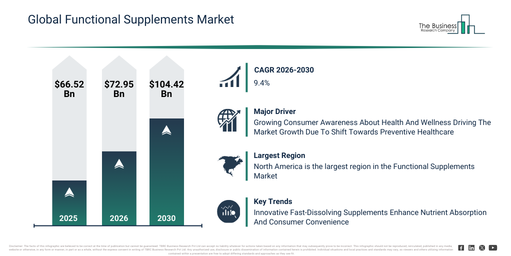
    The functional supplements market has experienced robust expansion in recent years. It is projected to increase from $66.52 billion in 2025 to $72.95 billion in 2026, exhibiting a compound annual growth rate (CAGR) of 9.7%. The historical growth of this market is attributable to heightened consumer health awareness, the expanding consumption of dietary supplements, rising disposable income levels, a burgeoning fitness and wellness culture, and the broader availability of nutraceutical products.

    The functional supplements market is projected to experience substantial expansion over the upcoming years. This market is anticipated to reach $104.42 billion by 2030, exhibiting a compound annual growth rate (CAGR) of 9.4%. This growth throughout the forecast period stems from factors such as the increasing integration of personalized nutrition technologies, a rising demand for products supporting immune and cognitive health, the expansion of online supplement retail channels, greater regulatory standardization, and increased adoption among older demographics. Key trends shaping the forecast period encompass an increasing demand for personalized nutrition solutions, a growing uptake of plant-based and clean-label supplements, a heightened emphasis on preventive healthcare nutrition, the broadening of condition-specific supplement formulations, and the enhanced utilization of digital health and wellness platforms.

    Get A Free Sample Report With In-Depth Market Insights:

    https://thebusinessresearchcompany.com/sample_request?id=13700438&type=smp&name=Functional%20Supplements%20Market%20Report%202026&utm_source=Blogs&utm_medium=Paid&utm_campaign=Oct_PR

    Functional Supplements Market Expansion Drivers: What’s Shaping Future Growth?

    The increasing consumer understanding of health and well-being is anticipated to fuel the expansion of the functional supplements market in the future. This heightened awareness stems from improved access to health data via digital channels, enabling individuals to make proactive choices for their well-being and encouraging a move from treating illness reactively to adopting preventive healthcare. This elevated consumer focus on health and wellness, in turn, fuels the demand for functional supplements, as a greater number of people actively look for products that enhance immunity, boost energy, aid digestion, and contribute to overall preventive health. An example of this trend is seen in June 2024, where the International Food Information Council (IFIC), a US-based non-profit organization, reported that a substantial 54% of Americans continued to adhere to a specific diet or eating pattern during the previous year. Furthermore, a significant majority of individuals are keen on elevating their protein consumption, with this interest rising steadily from 59% in 2022 to 67% in 2023, and further to 71% in 2024. Consequently, the increasing consumer consciousness regarding health and wellness is a primary driver for the expansion of the functional supplements market.

    Functional Supplements Market Breakdown By Product Type And Application

    The functional supplements market covered in this report is segmented –

    1) By Product Type: Vitamins, Minerals, Amino Acids, Probiotics, Herbal Supplements, Protein Supplements, Omega Fatty Acids, Energy Supplements

    2) By Formulation Type: Pills And Capsules, Powders, Liquids, Gummies, Bars

    3) By Distribution Channel: Online Retail, Supermarkets Or Hypermarkets, Specialty Stores, Pharmacies, Health Food Stores, Fitness Centers

    4) By Application: Sports Nutrition, Weight Management, Immune Health, Digestive Health, Other Applications

    5) By Target Audience: Athletes, Health Conscious Consumers, Elderly Population, Patients With Specific Health Condition, Working Professional

    Subsegments:

    1) By Vitamins: Vitamin A Supplements, Vitamin B-Complex Supplements, Vitamin C Supplements, Vitamin D Supplements, Vitamin E Supplements, Multivitamin Supplements

    2) By Minerals: Calcium Supplements, Iron Supplements, Magnesium Supplements, Zinc Supplements, Potassium Supplements, Selenium Supplements

    3) By Amino Acids: Branched-Chain Amino Acids (BCAAs), Essential Amino Acids (EAAs), Glutamine Supplements, Arginine Supplements, Lysine Supplements

    4) By Probiotics: Lactobacillus-Based Probiotics, Bifidobacterium-Based Probiotics, Spore-Forming Probiotics, Multi-Strain Probiotic Blends

    5) By Herbal Supplements: Ginseng Supplements, Ashwagandha Supplements, Turmeric (Curcumin) Supplements, Green Tea Extracts, Adaptogenic Herbal Blends

    6) By Protein Supplements: Whey Protein, Casein Protein, Plant-Based Protein, Collagen Protein, Blended Protein Formulations

    7) By Omega Fatty Acids: Omega-3 Supplements, Omega-6 Supplements, Omega-9 Supplements, Algal Oil-Based Omega Supplements

    8) By Energy Supplements: Caffeine-Based Supplements, Creatine Supplements, Nitric Oxide Boosters, Adaptogenic Energy Formulas

    Functional Supplements Market Strategic Trends: What Defines The Next Growth Phase?

    Leading companies in the functional supplements market are concentrating on developing innovative product forms, such as orosoluble film supplements, to improve how nutrients are absorbed, make them easier for consumers to use, and encourage consistent intake. Orosoluble film supplements are thin, quickly dissolving strips that melt in the mouth without water, allowing nutrients to enter the bloodstream rapidly for faster assimilation and greater convenience than traditional pills or capsules. An illustration of this is IBSA Group, a pharmaceutical and nutraceutical company from Switzerland, which in August 2025, launched orodispersible film supplements containing iron, vitamin D3, and vitamin B12 in several European countries. These slim, fast-dissolving films provide precise nutrient dosing and quick delivery, making supplementation simpler and more practical, especially for individuals who struggle with swallowing. This introduction expands IBSA’s international presence and demonstrates its dedication to creating innovative, person-centered solutions that enhance the quality of life by providing easier access to essential nutrients, supporting overall health, and meeting the specific needs of various populations across different nations.

    Functional Supplements Market Company Landscape And Competitive Strategy

    Major companies operating in the functional supplements market are Nestlé S.A., PepsiCo Inc., Bayer AG, Abbott Nutrition Inc., Lonza Group Ltd., Herbalife Nutrition Ltd., Amway Corporation, USANA Health Sciences Inc., Glanbia Nutritionals Inc., Clif Bar & Company, Jamieson Wellness Inc., Blackmores Limited, Thorne HealthTech Inc., Himalaya Global Holdings Ltd., Quest Nutrition LLC, Life Extension Foundation Buyers Club Inc., OZiva Naturals Pvt. Ltd., Life Seasons Inc., NOW Health Group Inc. (NOW Foods), Sona Nutrition Pvt. Ltd.

    View The Full Functional Supplements Market Report:

    https://thebusinessresearchcompany.com/report/global-functional-supplements-market-report?utm_source=Blogs&utm_medium=Paid&utm_campaign=Oct_PR

    Functional Supplements Market Geographic Analysis: Where Is Demand Accelerating Fastest?

    North America was the largest region in the functional supplements market in 2025. Asia-Pacific is expected to be the fastest-growing region in the forecast period. The regions covered in the functional supplements market report are Asia-Pacific, South East Asia, Western Europe, Eastern Europe, North America, South America, Middle East, Africa.

    Reach Out To Our Team:

    The Business Research Company: https://www.thebusinessresearchcompany.com/

    Americas: +1 310-496-7795

    Asia: +44 7882 955267 & +91 8897263534

    Europe: +44 7882 955267

    Email us at: marketing@tbrc.info

    Follow us on:

    LinkedIn: https://in.linkedin.com/company/the-business-research-company

    YouTube: https://www.youtube.com/channel/UC24_fI0rV8cR5DxlCpgmyFQ

    Global Market Model: https://www.thebusinessresearchcompany.com/global-market-model
  • Functional Dyspepsia Drug Market Size In 2026 And Beyond: Understanding Future Growth Potential

    Functional Dyspepsia Drug Market Size In 2026 And Beyond: Understanding Future Growth Potential

    Built to provide research that’s more actionable and strategically valuable, The Business Research Company’s 2026 market reports include market attractiveness analysis, total addressable market sizing, company benchmarking matrices, interactive Excel dashboards, broader supply chain intelligence, emerging startup tracking, and in-depth product insights.

    Functional Dyspepsia Drug Market Size And Revenue Outlook Through 2030

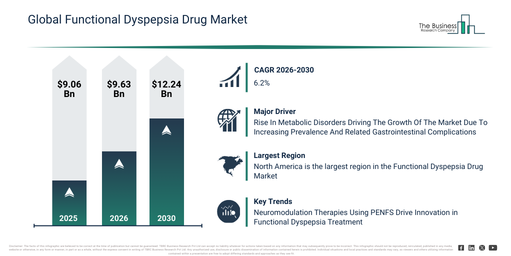
    The functional dyspepsia drug market has demonstrated significant growth in recent years. It is forecast to expand from $9.06 billion in 2025 to $9.63 billion in 2026, reflecting a compound annual growth rate (CAGR) of 6.2%. The historical development of this market can be linked to factors such as an increase in gastrointestinal disorder diagnoses, the extensive use of acid suppression therapies, the establishment of more gastroenterology clinics, heightened patient understanding of dyspepsia, and the availability of generic GI drugs.

    The functional dyspepsia drug market is projected to experience robust expansion over the coming years. This market is set to reach $12.24 billion by 2030, exhibiting a compound annual growth rate (CAGR) of 6.2%. This anticipated growth during the forecast period is largely due to factors such as an increase in stress-related digestive issues, a heightened need for managing chronic symptoms, the broadening of outpatient gastrointestinal care, greater uptake of prokinetic treatments, and advancements in functional GI therapies. Key trends anticipated during this period encompass a higher incidence of functional gastrointestinal disorders, a rise in the application of combination drug regimens, a developing preference for treatment strategies based on symptoms, the shift from over-the-counter to prescription medications, and an intensified emphasis on managing the gut-brain axis.

    Get A Free Sample Report With In-Depth Market Insights:

    https://thebusinessresearchcompany.com/sample_request?id=55593521&type=smp&name=Functional%20Dyspepsia%20Drug%20Market%20Report%202026&utm_source=Blogs&utm_medium=Paid&utm_campaign=Oct_PR

    Functional Dyspepsia Drug Market Development Factors: What’s Supporting Demand?

    The expanding occurrence of metabolic disorders is projected to propel the functional dyspepsia drug market forward. A metabolic disorder arises when the body’s usual metabolic functions are interrupted, causing an imbalance in the handling of nutrients, energy, or waste materials. The growing incidence of these disorders stems from factors like unhealthy eating habits, inactive lifestyles, inherited predispositions, and rising levels of obesity. Functional dyspepsia medications are administered in cases of metabolic disorders to alleviate gastrointestinal issues and enhance digestive well-being. For example, in December 2023, as reported by Diabetes Australia, an organization based in Australia dedicated to diabetes awareness, roughly 134,000 Australians were affected by Type 1 diabetes in 2022. This number rose to 135,423 by 2023. Consequently, the rising frequency of metabolic disorders is fostering the expansion of the functional dyspepsia drug market.

    Functional Dyspepsia Drug Market Segment Analysis And Revenue Potential

    The functional dyspepsia drug market covered in this report is segmented –

    1) By Drug Type: Proton Pump Inhibitors, H-2-Receptor Antagonists, Antacids, Antibiotics, Prokinetics, Antidepressants

    2) By Indication: Functional Dyspepsia, Postprandial Distress Syndrome, Epigastric Pain Syndrome, Helicobacter Pylori-Associated Dyspepsia (Functional Presentation)

    3) By Distribution Channel: Retail Pharmacies, Hospital Pharmacies, Online Pharmacies

    Subsegments:

    1) By Proton Pump Inhibitors: Omeprazole, Esomeprazole, Lansoprazole, Pantoprazole, Rabeprazole

    2) By H-2-Receptor Antagonists: Ranitidine, Famotidine, Cimetidine, Nizatidine

    3) By Antacids: Aluminum Hydroxide, Magnesium Hydroxide, Calcium Carbonate, Sodium Bicarbonate

    4) By Antibiotics: Clarithromycin, Amoxicillin, Metronidazole, Tetracycline

    5) By Prokinetics: Domperidone, Metoclopramide, Itopride, Mosapride

    6) By Antidepressants: Tricyclic Antidepressants, Selective Serotonin Reuptake Inhibitors, Serotonin-Norepinephrine Reuptake Inhibitors

    Functional Dyspepsia Drug Market Transformation Trends: What Innovations Are Driving Change?

    Leading companies active in the functional dyspepsia drug market are advancing neuromodulation therapies through regulatory approvals to expand treatment options, improve symptom management, and address unmet needs in patients who do not respond adequately to conventional pharmacological therapies. Regulatory approvals refer to official authorizations from health authorities that allow new drugs or therapies to be marketed and used after meeting required safety and efficacy standards. For instance, in July 2023, Meiji Seika Pharma, a Japan-based pharmaceutical company, and Zeria Pharmaceutical, a Japan-based company focused on the development and manufacturing of ethical and consumer healthcare products, received regulatory approval for their drug Acofide (acotiamide) to treat functional dyspepsia in Thailand. Acofide is the world’s first drug specifically proven effective for functional dyspepsia, targeting symptoms like postprandial fullness, abdominal bloating, and early satiety. This approval expands the companies’ presence in Southeast Asia, addressing a significant patient population with this chronic gastrointestinal condition. The drug has marketing approval in multiple countries, including Japan, and is recognized as a prokinetic agent that modulates upper gastrointestinal motility to relieve symptoms in patients diagnosed by established clinical criteria.

    Functional Dyspepsia Drug Market Key Players Shaping Industry Direction

    Major companies operating in the functional dyspepsia drug market are Pfizer Inc., Abbvie Inc., Bayer AG, AstraZeneca plc, Astellas Pharma Inc., Eisai Co. Ltd., Menarini Group, Dr. Reddy’s Laboratories Ltd., Lupin Limited, Daewoong Pharmaceutical Co. Ltd., Phathom Pharmaceuticals, Zeria Pharmaceutical Co. Ltd., Ironwood Pharmaceuticals Inc., Salix Pharmaceuticals Inc., RedHill Biopharma, RaQualia Pharma Inc., MetaMe Health, Renexxion LLC, Processa Pharmaceuticals, Evoke Pharma Inc.

    View The Full Functional Dyspepsia Drug Market Report:

    https://thebusinessresearchcompany.com/report/functional-dyspepsia-drug-global-market-report?utm_source=Blogs&utm_medium=Paid&utm_campaign=Oct_PR

    Functional Dyspepsia Drug Market Global Footprint: Which Region Leads The Industry?

    North America was the largest region in the functional dyspepsia drug market in 2025. Asia-Pacific is expected to be the fastest-growing region in the forecast period. The regions covered in the functional dyspepsia drug market report are Asia-Pacific, South East Asia, Western Europe, Eastern Europe, North America, South America, Middle East, Africa.

    Reach Out To Our Team:

    The Business Research Company: https://www.thebusinessresearchcompany.com/

    Americas: +1 310-496-7795

    Asia: +44 7882 955267 & +91 8897263534

    Europe: +44 7882 955267

    Email us at: marketing@tbrc.info

    Follow us on:

    LinkedIn: https://in.linkedin.com/company/the-business-research-company

    YouTube: https://www.youtube.com/channel/UC24_fI0rV8cR5DxlCpgmyFQ

    Global Market Model: https://www.thebusinessresearchcompany.com/global-market-model
  • Fulvestrant Injection Market Reaches $1.97 Billion In 2026: Key Developments Shaping Expansion

    Fulvestrant Injection Market Reaches $1.97 Billion In 2026: Key Developments Shaping Expansion

    Backed by market attractiveness analysis, total addressable market sizing, company benchmarking matrices, interactive Excel dashboards, wider supply chain intelligence, emerging startup coverage, and detailed product-level insights, The Business Research Company’s 2026 market reports are designed to offer research that is more actionable and strategically valuable than ever.

    Fulvestrant Injection Market Growth From $1.45 Billion In 2026 To $1.97 Billion By 2030 At A CAGR Of 8%

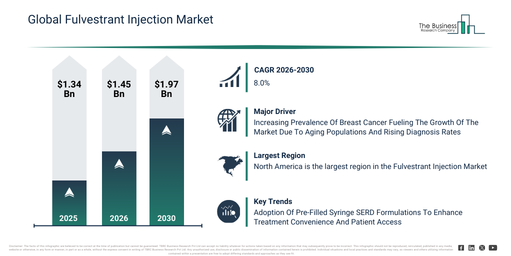
    The fulvestrant injection market has experienced substantial expansion in recent years. It is projected to increase from $1.34 billion in 2025 to $1.45 billion in 2026, demonstrating a compound annual growth rate (CAGR) of 8.3%. Historically, this growth has been driven by factors such as the prevalence of breast cancer, targeted estrogen receptor therapies, the approval of new oncology drugs, the expansion of hospital oncology facilities, and the growing acceptance of injectable treatments.

    The fulvestrant injection market size is anticipated to experience substantial growth in the coming years. It is projected to expand to $1.97 billion by 2030, achieving a compound annual growth rate (CAGR) of 8.0%. This expansion during the forecast period can be attributed to the proliferation of the generic market, the widespread occurrence of metastatic cancer, the emergence of personalized oncology regimens, the development of specialty pharmacies, and ongoing combination therapy trials. Key trends expected in the forecast period encompass an increased application in hormone receptor-positive breast cancer, the growth of combination oncology therapies, rising acceptance of generic fulvestrant, the broadening of hospital-based oncology care, and enhanced patient adherence through the use of pre-filled syringes.

    Get A Free Sample Report With In-Depth Market Insights:

    https://thebusinessresearchcompany.com/sample_request?id=30723928&type=smp&name=Fulvestrant%20Injection%20Market%20Report%202026&utm_source=Blogs&utm_medium=Paid&utm_campaign=Oct_PR

    Fulvestrant Injection Market Industry Drivers: What’s Behind The Revenue Growth?

    The rising occurrence of breast cancer is anticipated to drive the expansion of the fulvestrant injection market in the future. Breast cancer is characterized by the unchecked proliferation of atypical cells within the breast tissue, leading to a malignant tumor capable of invading nearby tissues or metastasizing to other bodily regions. This rising incidence of breast cancer is linked to aging demographics, given that the likelihood of developing the condition increases with age, primarily due to prolonged exposure to estrogen and the gradual buildup of genetic mutations. Fulvestrant injection assists in managing breast cancer by targeting hormone receptor-positive tumors, thereby effectively inhibiting estrogen from stimulating the proliferation of cancer cells. This treatment expands the available options for patients suffering from advanced or resistant manifestations of the disease, thus enhancing overall therapeutic results. For example, as reported by Breastcancer.org, a US-based nonprofit organization, in March 2025, breast cancer represents approximately 32% of all new cancer diagnoses. It is projected that around 316,950 women will receive an invasive breast cancer diagnosis, alongside 59,080 non-invasive cases, by the year 2025. Consequently, the growing occurrence of breast cancer is propelling the expansion of the fulvestrant injection market.

    Fulvestrant Injection Market Segmentation And Category Overview

    The fulvestrant injection market covered in this report is segmented –

    1) By Type: Original Drugs, Generic Drugs

    2) By Dosage Formulation: Single-Dose Vials, Multi-Dose Vials, Pre-Filled Syringes

    3) By Administration Route: Intramuscular Injection, Subcutaneous Injection, Intravenous Injection

    4) By Application: Breast Cancer Treatment, Hormone Receptor-Positive Metastatic Breast Cancer

    5) By Distribution Channel: Hospital Pharmacies, Retail Pharmacies

    Subsegments:

    1) By Original Drugs: Branded Formulations, Patented Molecules, Hospital-Procured Brands, Oncologist-Prescribed Brands, High-Cost Segment

    2) By Generic Drugs: Branded Generics, Non-Branded Generics, Low-Cost Institutional Generics, Tender-Based Supply Generics

    #Fulvestrant Injection Market Growth Trends: What’s Shaping The Future Outlook?

    Leading companies in the fulvestrant injection market are concentrating on developing innovative solutions, such as ready-to-use generic injectable formulations, to enhance dosing convenience, minimize preparation errors, and boost clinical workflow efficiency. These ready-to-use generic injectable formulations are pre-prepared, pre-measured injections frequently supplied in prefilled syringes, requiring no mixing or reconstitution, which helps reduce dosing errors, save preparation time, and improve safety and efficiency in clinical settings. For example, in March 2024, Avenacy Inc., a US-based specialty pharmaceutical company, introduced Fulvestrant Injection, a therapeutic-equivalent generic provided as 5 mL pre-filled syringes containing 250 mg per 5 mL. This formulation includes fulvestrant for intramuscular delivery, operates by binding to and down-regulating estrogen receptors in breast cancer cells, and offers unique attributes such as ready-to-administer syringes and distinctively differentiated packaging designed to lessen selection errors. Its applications encompass use as monotherapy or in combination regimens for HR-positive, HER2-negative advanced or metastatic breast cancer, and its benefits include enhanced convenience, improved safety, and superior clinical workflow efficiency.

    Fulvestrant Injection Market Competitive Analysis Of Leading Industry Participants

    Major companies operating in the fulvestrant injection market are AstraZeneca plc, Fresenius Kabi AG, Intas Pharmaceuticals Limited, Sandoz Group AG, Apotex Inc., Dr. Reddy’s Laboratories, Cadila Pharmaceuticals Ltd., Amneal Pharmaceuticals Inc., Biocon Ltd., Glenmark Pharmaceuticals Ltd., Alkem Laboratories Ltd., Alembic Pharmaceuticals, Eskayef Pharmaceuticals Ltd., Natco Pharma Ltd., Celon Laboratories Ltd., Therdose Pharma, Eugia Pharma, Formative Pharma, Halsted Pharma, Metta Life Sciences.

    View The Full Fulvestrant Injection Market Report:

    https://thebusinessresearchcompany.com/report/fulvestrant-injection-global-market-report?utm_source=Blogs&utm_medium=Paid&utm_campaign=Oct_PR

    Fulvestrant Injection Market Regional Distribution: Which Areas Power Market Growth?

    North America was the largest region in the fulvestrant injection market in 2025. Asia-Pacific is expected to be the fastest-growing region in the forecast period. The regions covered in the fulvestrant injection market report are Asia-Pacific, South East Asia, Western Europe, Eastern Europe, North America, South America, Middle East, Africa.

    Reach Out To Our Team:

    The Business Research Company: https://www.thebusinessresearchcompany.com/

    Americas: +1 310-496-7795

    Asia: +44 7882 955267 & +91 8897263534

    Europe: +44 7882 955267

    Email us at: marketing@tbrc.info

    Follow us on:

    LinkedIn: https://in.linkedin.com/company/the-business-research-company

    YouTube: https://www.youtube.com/channel/UC24_fI0rV8cR5DxlCpgmyFQ

    Global Market Model: https://www.thebusinessresearchcompany.com/global-market-model
  • Fuchs Endothelial Corneal Dystrophy Market Growth Outlook For 2026: Drivers, Trends And Future Opportunities

    Fuchs Endothelial Corneal Dystrophy Market Growth Outlook For 2026: Drivers, Trends And Future Opportunities

    Featuring market attractiveness scoring, total addressable market sizing, company benchmarking matrices, interactive Excel dashboards, deeper supply chain intelligence, emerging startup tracking, and granular product-level insights, The Business Research Company’s 2026 market reports are built to deliver research that is both more actionable and more strategically valuable.

    Fuchs Endothelial Corneal Dystrophy Market Expansion Outlook: What Revenue Opportunities Are Ahead?

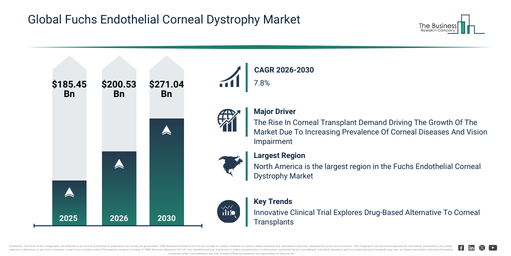
    The fuchs endothelial corneal dystrophy market has witnessed robust expansion over recent years. Forecasts indicate it will expand from $185.45 billion in 2025 to $200.53 billion in 2026, achieving a compound annual growth rate (CAGR) of 8.1%. This historical development can be ascribed to an aging population, the widespread occurrence of cataract surgery, the expansion of ophthalmology services, the accessibility of corneal imaging, and heightened awareness regarding vision impairment.

    The fuchs endothelial corneal dystrophy market is projected to experience robust expansion in the coming years. It will grow to $271.04 billion in 2030 at a compound annual growth rate (CAGR) of 7.8%. This anticipated growth during the forecast period is propelled by factors such as sophisticated corneal imaging, advancements in regenerative ophthalmology research, an increase in outpatient eye care services, proactive early screening programs, and the expansion of specialized eye clinics. Key trends for the forecast duration involve a greater uptake of innovative corneal diagnostic methods, the proliferation of less invasive corneal surgical techniques, the broadening reach of ophthalmic specialty centers, a heightened emphasis on identifying diseases early, and the incorporation of comprehensive long-term vision care strategies.

    Get A Free Sample Report With In-Depth Market Insights:

    https://thebusinessresearchcompany.com/sample_request?id=51990313&type=smp&name=Fuchs%20Endothelial%20Corneal%20Dystrophy%20Market%20Report%202026&utm_source=Blogs&utm_medium=Paid&utm_campaign=Oct_PR

    Fuchs Endothelial Corneal Dystrophy Market Growth Factors: What’s Supporting Expansion?

    An increasing need for corneal transplants is anticipated to boost the expansion of the fuchs endothelial corneal dystrophy market moving ahead. Corneal transplants are surgical operations where healthy donor corneal tissue replaces a damaged or diseased cornea to bring back vision and eye functionality. This rising demand for corneal transplants stems from the growing incidence of corneal conditions that cause vision loss and necessitate surgery to regain sight. Fuchs endothelial corneal dystrophy elevates the requirement for corneal transplants, as it progressively damages the corneal endothelium, resulting in vision impairment that frequently calls for surgical treatment. For example, data from the Eye Bank Association of America, a US-based transplant association, showed that in 2023, domestic keratoplasty procedures saw a 2.7% rise, climbing from 49,597 in 2022 to reach 50,925 in 2023. Consequently, the heightened demand for corneal transplants is fueling the expansion of the fuchs endothelial corneal dystrophy market.

    Fuchs Endothelial Corneal Dystrophy Market Segment Outlook: Which Categories Are Growing Fastest?

    The fuchs endothelial corneal dystrophy market covered in this report is segmented –

    1) By Treatment: Endothelial Keratoplasty, Amniotic Membrane Transplants, Rho-Kinase (ROCK) Inhibitor Therapy, Hypertonic Saline Therapy

    2) By Diagnosis: Cornea Examination And Grading, Corneal Tomography, Corneal Pachymetry, Corneal Cell Count, Other Diagnosis

    3) By Route Of Administration: Injectable (Intracameral / Intraocular), Topical, Other Routes Of Administration

    4) By End-Users: Hospital, Specialty Clinics, Homecare, Other End-Users

    Subsegments:

    1) By Endothelial Keratoplasty: Descemet Membrane Endothelial Keratoplasty (DMEK), Descemet Stripping Automated Endothelial Keratoplasty (DSAEK), Ultra-Thin DSAEK, Pre-Descemet Endothelial Keratoplasty (PDEK)

    2) By Amniotic Membrane Transplants: Cryopreserved Amniotic Membrane, Dehydrated Amniotic Membrane, Single-Layer Membrane Transplant, Multi-Layer Membrane Transplant

    3) By Rho-Kinase (ROCK) Inhibitor Therapy: Ripasudil, Netarsudil, Y-27632, Combination With Endothelial Cell Injection

    4) By Hypertonic Saline Therapy: 5% Sodium Chloride Eye Drops, 6% Sodium Chloride Ointment, Preservative-Free Hypertonic Saline, Combination With Lubricants

    Fuchs Endothelial Corneal Dystrophy Market Industry Trends: What’s Reshaping Demand?

    Leading companies active in the fuchs endothelial corneal dystrophy market are prioritizing clinical trials to develop innovative products, such as rho kinase inhibitors, with the goal of improving corneal cell regeneration and restoring vision. Rho kinase inhibitors are a category of drugs that facilitate corneal cell regeneration and diminish cell stress by blocking the rho kinase pathway, indicating their potential for treating conditions like Fuchs endothelial corneal dystrophy. For instance, in April 2023, Kowa Company, Ltd., a pharmaceutical company based in Japan, disclosed the initiation of a global Phase 3 clinical trial to assess the safety and efficacy of K-321 (Ripasudil Hydrochloride Dihydrate) ophthalmic solution for patients with fuchs endothelial corneal dystrophy (FECD) who have undergone descemetorhexis. This study endeavors to provide a non-surgical treatment approach for FECD, a progressive eye condition that often requires corneal transplantation in its advanced stages. By exploring rho kinase inhibitors beyond their traditional use in glaucoma therapy, this trial represents a significant stride in creating pharmacological solutions to address the unmet needs in FECD management.

    Fuchs Endothelial Corneal Dystrophy Market Leading Companies And Competitive Benchmarking

    Major companies operating in the fuchs endothelial corneal dystrophy market are Aurion Biotech Inc., Trefoil Therapeutics, CorneaGen, Moria Surgical, Alcon Inc., Bausch + Lomb, Carl Zeiss Meditec (Ophthalmic Diagnostics Division), Haag-Streit Group, Topcon Corporation, NIDEK Co. Ltd., Kowa Company Ltd., Santen Pharmaceutical Co. Ltd., Dompé Farmaceutici S.p.A., Oculis Holding AG, EyeYon Medical, CryoLife (BioTissue), Amniox Medical, TissueTech Inc., Japan Tissue Engineering Co. Ltd., Cellusion Inc.

    View The Full Fuchs Endothelial Corneal Dystrophy Market Report:

    https://thebusinessresearchcompany.com/report/fuchs-endothelial-corneal-dystrophy-global-market-report?utm_source=Blogs&utm_medium=Paid&utm_campaign=Oct_PR

    Fuchs Endothelial Corneal Dystrophy Market Leading Geography: Which Region Contributes The Most Revenue?

    North America was the largest region in the fuchs endothelial corneal dystrophy market in 2025. Asia-Pacific is expected to be the fastest-growing region in the forecast period. The regions covered in the fuchs endothelial corneal dystrophy market report are Asia-Pacific, South East Asia, Western Europe, Eastern Europe, North America, South America, Middle East, Africa.

    Reach Out To Our Team:

    The Business Research Company: https://www.thebusinessresearchcompany.com/

    Americas: +1 310-496-7795

    Asia: +44 7882 955267 & +91 8897263534

    Europe: +44 7882 955267

    Email us at: marketing@tbrc.info

    Follow us on:

    LinkedIn: https://in.linkedin.com/company/the-business-research-company

    YouTube: https://www.youtube.com/channel/UC24_fI0rV8cR5DxlCpgmyFQ

    Global Market Model: https://www.thebusinessresearchcompany.com/global-market-model
  • Fracture Management Products Market Size Forecast From 2026 To 2030: Key Industry Trends

    Fracture Management Products Market Size Forecast From 2026 To 2030: Key Industry Trends

    Built to provide research that’s more actionable and strategically valuable, The Business Research Company’s 2026 market reports include market attractiveness analysis, total addressable market sizing, company benchmarking matrices, interactive Excel dashboards, broader supply chain intelligence, emerging startup tracking, and in-depth product insights.

    Fracture Management Products Market Growth Potential: How Will Market Size Shift Through 2030?

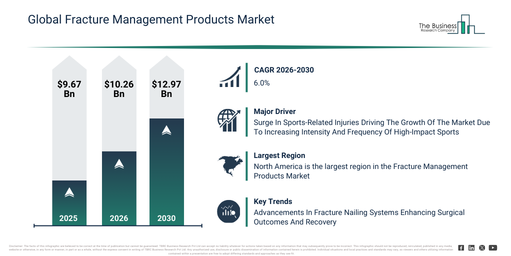
    The fracture management products market has seen considerable growth recently. Its expansion is anticipated to move from $9.67 billion in 2025 to $10.26 billion in 2026, achieving a compound annual growth rate (CAGR) of 6.1%. This historic growth can be attributed to several factors including an increase in road and sports injuries, aging population growth, expansion of orthopedic hospitals, rising surgical procedure volumes, and improved trauma care infrastructure.

    The fracture management products market size is anticipated to undergo significant expansion over the next few years, projected to reach $12.97 billion in 2030 at a compound annual growth rate (CAGR) of 6.0%. This growth during the forecast period is primarily attributed to advancements in orthopedic implant innovation, the increasing number of outpatient orthopedic surgeries, a rising demand for bioresorbable implants, an increase in accident rates, and improvements in surgical techniques. Major trends expected in the forecast period include the growing utilization of advanced internal fixation devices, increased adoption of biodegradable materials, a heightened demand for minimally invasive procedures, the expansion of ambulatory surgical treatments, and a greater emphasis on accelerating patient recovery.

    Get A Free Sample Report With In-Depth Market Insights:

    https://thebusinessresearchcompany.com/sample_request?id=90601308&type=smp&name=Fracture%20Management%20Products%20Market%20Report%202026&utm_source=Blogs&utm_medium=Paid&utm_campaign=Oct_PR

    Fracture Management Products Market Demand Drivers: What’s Powering Industry Growth?

    The escalating number of sports-related injuries is projected to propel the expansion of the fracture management products market in the coming years. Sports-related injuries involve physical harm to the musculoskeletal system, often caused by overexertion, direct impact, or improper technique during athletic activities. The surge in these injuries is attributed to the rising intensity and frequency of high-impact sports, which place significant strain on the body and increase the likelihood of injury, particularly as athletes often exceed their limits without sufficient recovery or protective measures. Fracture management products are crucial for stabilizing fractured bones, ensuring proper alignment, and aiding the healing process, thereby helping athletes regain full function and return to their sports. For instance, in June 2024, data from the U.S. Centers for Disease Control and Prevention (CDC) indicated that sports and recreation–related emergency-department injury cases climbed from 2,298,832 in 2022 to 2,458,235 in 2023, demonstrating a clear year-on-year increase. Thus, the increasing incidence of sports-related injuries is a key driver for the growth of the fracture management products market.

    Fracture Management Products Market Segment Landscape: Which Areas Lead Development?

    The fracture management products market covered in this report is segmented –

    1) By Product Type: Internal Fixation Devices, External Fixation Devices, Fracture Fixation Consumables

    2) By Material Type: Stainless Steel, Titanium, Biodegradable Materials, Polymer-Based Products, Composite Materials

    3) By Distribution Channel: Direct Sales, Online Sales, Distributors And Wholesalers, Retail Pharmacies, Speciality Centers

    4) By Application: Upper Extremity Fractures, Lower Extremity Fractures, Other Applications

    5) By End-User: Hospitals, Orthopedic Clinics, Ambulatory Surgery Centers, Rehabilitation Centers, Research Institutes, Home Care Settings

    Subsegments:

    1) By Internal Fixation Devices: Plates And Screws, Intramedullary Nails Or Rods, Pins And Wires, Bone Screws, Orthopedic Compression Devices

    2) By External Fixation Devices: Unilateral And Bilateral Fixators, Circular Fixators, Hybrid Fixators, Bone Lengthening Devices

    3) By Fracture Fixation Consumables: Orthopedic Drills And Blades, Bone Cements, Bone Grafts And Substitutes, Surgical Sutures, Screws And Pins

    Fracture Management Products Market Innovation Trends: What Developments Are Reshaping The Industry?

    Leading companies within the fracture management products market are concentrating on developing technologically advanced solutions, such as fracture nailing systems, to decrease the likelihood of complications and enhance recovery outcomes. These fracture-nailing systems are internal fixation devices, typically metal rods or nails, which are inserted into the bone marrow to stabilize and align fractures, particularly in long bones like the femur or tibia. For example, in March 2024, Stryker Corporation, a US-based medical technology company, introduced the Gamma4 Hip Fracture Nailing System. This system features an advanced intramedullary nailing design for hip and femur fractures, developed for improved anatomical fit by utilizing the SOMA database, which contains over 34,000 3D bone models. Its benefits include a chamfered distal tip, a proximal body that is 5 mm shorter, and a length-dependent radius of curvature for long nails. The system also includes a precision pin, which reduces skiving by 66% and offers superior resistance to pull-out compared to conventional Ø3.2 K-wires. Additionally, both Gamma4 and T2Alpha nails can be used with the same instrument platform, thereby streamlining surgical operations and standardizing procedures.

    Fracture Management Products Market Industry Leaders And Competitive Landscape

    Major companies operating in the fracture management products market are Johnson & Johnson Inc, Medtronic plc, Stryker Corporation, Zimmer Biomet Holdings Inc., Olympus Corporation, Smith & Nephew plc, DePuy Synthes Inc, Arthrex Inc., Integra LifeSciences Corporation, NuVasive Inc., Conmed Corporation, Globus Medical Inc, DJO Global Inc., Ossur hf., Wright Medical Group, KLS Martin SE, Orthofix Medical Inc., Richard Wolf GmbH, Acumed LLC, B. Braun Melsungen AG, Paragon 28 Inc., Narang Medical Ltd., TriMed Inc., Sonoma Orthopedic Products Inc, Extremity Medical LLC, Synthes Inc.

    View The Full Fracture Management Products Market Report:

    https://thebusinessresearchcompany.com/report/fracture-management-products-global-market-report?utm_source=Blogs&utm_medium=Paid&utm_campaign=Oct_PR

    Fracture Management Products Market Regional Outlook: Where Is Opportunity Concentrated?

    North America was the largest region in the fracture management products market in 2025. Asia-Pacific is expected to be the fastest-growing region in the forecast period. The regions covered in the fracture management products market report are Asia-Pacific, South East Asia, Western Europe, Eastern Europe, North America, South America, Middle East, Africa.

    Reach Out To Our Team:

    The Business Research Company: https://www.thebusinessresearchcompany.com/

    Americas: +1 310-496-7795

    Asia: +44 7882 955267 & +91 8897263534

    Europe: +44 7882 955267

    Email us at: marketing@tbrc.info

    Follow us on:

    LinkedIn: https://in.linkedin.com/company/the-business-research-company

    YouTube: https://www.youtube.com/channel/UC24_fI0rV8cR5DxlCpgmyFQ

    Global Market Model: https://www.thebusinessresearchcompany.com/global-market-model