Blog

  • Contraceptives Market Size Reaches $32.02 Billion In 2026: What Is Driving Growth?

    Contraceptives Market Size Reaches $32.02 Billion In 2026: What Is Driving Growth?

    Featuring market attractiveness scoring, total addressable market sizing, company benchmarking matrices, interactive Excel dashboards, deeper supply chain intelligence, emerging startup tracking, and granular product-level insights, The Business Research Company’s 2026 market reports are built to deliver research that is both more actionable and more strategically valuable.

    Contraceptives Market Size Forecast: How Big Could The Market Get By 2030?

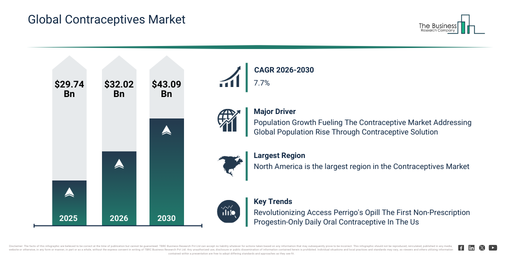
    The contraceptives market size has demonstrated significant expansion in recent years. It is projected to expand from $29.74 billion in 2025 to $32.02 billion in 2026, driven by a compound annual growth rate (CAGR) of 7.7%. The observed growth in previous periods can be linked to factors such as government-led family planning programs, improved access to oral contraceptive pills, an increase in urban female workforce participation, public health campaigns aimed at population control, and the expansion of contraceptive services offered by hospitals and clinics.

    The contraceptives market is projected to experience substantial growth in the upcoming years. It is anticipated to reach $43.09 billion by 2030, exhibiting a compound annual growth rate (CAGR) of 7.7%. This expansion during the forecast period is fueled by several factors, including advancements in non-hormonal and male contraceptive innovations, the increasing reach of online pharmacies, heightened reproductive health awareness among adolescents, continuous technological progress in implantable devices, and favorable regulatory approvals for new contraceptives. Key trends expected in this period encompass a rise in the adoption of long-acting reversible contraceptives, a growing inclination towards non-hormonal contraceptive choices, an increased demand for female-controlled birth control methods, the wider availability of over-the-counter and self-administered products, and an intensified focus on contraceptive education for adolescents and young adults.

    Get A Free Sample Report With In-Depth Market Insights:

    https://thebusinessresearchcompany.com/sample_request?id=39730992&type=smp&name=Contraceptives%20Market%20Report%202026&utm_source=Blogs&utm_medium=Paid&utm_campaign=Oct_PR

    Contraceptives Market Growth Factors: What’s Supporting Expansion?

    The worldwide increase in population rates is projected to stimulate the growth of the contraceptive market in the upcoming years. Population denotes the overall number of individuals, species, or people residing within a particular geographic region, country, or the entire world. Contraceptives play a crucial role in reducing population by allowing couples and individuals to manage and plan their family size and the spacing of their children. As an illustration, in December 2024, according to the United States Census Bureau, a US-based federal agency, the U.S. population reached 340.1 million as of July 1, 2024, which indicated a 0.98% increase from 336.8 million in 2023, marking the highest annual growth rate recorded. Therefore, the global rise in population rates is significantly driving the contraceptive market.

    Contraceptives Market Segment Outlook: Which Categories Are Growing Fastest?

    The contraceptives market covered in this report is segmented –

    1) By Product: Oral Contraceptive Pills, Topical Contraceptives, Injectables, Diaphragms, Vaginal Rings, Condoms, Contraceptive Sponges, Subdermal Implants, Intra-Uterine Devices

    2) By Age Group: 15-24 Years, 25-34 Years, 35-44 Years, 44 Years

    3) By Distribution Channel: Hospital Pharmacies, Independent Pharmacies, Online Pharmacies, Clinics, Other Distribution Channels

    Subsegments:

    1) By Oral Contraceptive Pills: Combination Pills, Progestin-Only Pills

    2) By Topical Contraceptives: Transdermal Patches, Gel Applications

    3) By Injectables: Hormonal Injectables, Non-Hormonal Injectables

    4) By Diaphragms: Silicone Diaphragms, Latex Diaphragms

    5) By Vaginal Rings: Hormonal Rings, Non-Hormonal Rings

    6) By Condoms: Male Condoms, Female Condoms

    7) By Contraceptive Sponges: Non-Hormonal Sponges, Hormonal Sponges

    8) By Subdermal Implants: Hormonal Implants, Non-Hormonal Implants

    9) By Intra-Uterine Devices (IUDs): Hormonal IUDs, Copper IUDs

    Contraceptives Market Industry Trends: What’s Reshaping Demand?

    Leading firms in the contraceptives sector are prioritizing new products, including Opill, progestin-only daily oral contraceptives, to more effectively address the demands of their current user base. Frequently referred to as the mini-pill, Opill progestin-only daily oral contraceptives are a contraceptive pill type containing solely progestin, which is a synthesized form of the hormone progesterone. An example of this is when, in July 2023, Perrigo Company plc, an Ireland-based manufacturer of over-the-counter pharmaceuticals, declared that the U. S. Food and Drug Administration (FDA) had approved Opill progestin-only daily oral contraceptives. In the United States, Opill marks the inaugural birth control pill accessible without a prescription. This product has the potential to considerably enhance women’s access to contraceptives and stands as a true reflection of Perrigo’s ongoing commitment to providing impactful solutions that positively affect individuals’ lives.

    Contraceptives Market Leading Companies And Competitive Benchmarking

    Major companies operating in the contraceptives market are Merck & Co. Inc., Bayer AG, Church & Dwight Co. Inc., Cipla Inc., Reckitt Benckiser Group plc, Agile Therapeutics Inc., Allergan Ltd., Aurobindo Pharma Limited, Famy Care Ltd., Glenmark Pharmaceuticals Limited, HLL Lifecare Limited, Johnson & Johnson, Laboratoire HRA Pharma SAS, Lupin Limited, Mankind Pharma Ltd., Mayer Laboratories Inc., Mithra Pharmaceuticals SA, Mylan NV, Okamoto Industries Inc., Pfizer Inc., Pregna International Ltd., Syncom Pharmaceuticals, Teva Pharmaceutical Industries Ltd., The Population Council, Veru Inc., Zydus Cadila, Shanghai Dahua Pharmaceutical Co. Ltd., Sichuan Kangdi Pharmaceutical Co. Ltd., Beijing Zhengyuan Pharmaceutical Co. Ltd., Zhejiang Huahai Pharmaceutical Co. Ltd., Chongqing Pharmaceutical Group Co. Ltd.

    View The Full Contraceptives Market Report:

    https://thebusinessresearchcompany.com/report/contraceptives-global-market-report?utm_source=Blogs&utm_medium=Paid&utm_campaign=Oct_PR

    Contraceptives Market Geographic Landscape: Which Region Leads Industry Growth?

    North America was the largest region in the contraceptives market in 2025. Asia-Pacific is expected to be the fastest-growing region in the forecast period. The regions covered in the contraceptives market report are Asia-Pacific, South East Asia, Western Europe, Eastern Europe, North America, South America, Middle East, Africa.

    Reach Out To Our Team:

    The Business Research Company: https://www.thebusinessresearchcompany.com/

    Americas: +1 310-496-7795

    Asia: +44 7882 955267 & +91 8897263534

    Europe: +44 7882 955267

    Email us at: marketing@tbrc.info

    Follow us on:

    LinkedIn: https://in.linkedin.com/company/the-business-research-company

    YouTube: https://www.youtube.com/channel/UC24_fI0rV8cR5DxlCpgmyFQ

    Global Market Model: https://www.thebusinessresearchcompany.com/global-market-model
  • Contraceptive Drugs And Devices Market Valued At $38.08 Billion In 2026: Key Trends And Growth Drivers

    Contraceptive Drugs And Devices Market Valued At $38.08 Billion In 2026: Key Trends And Growth Drivers

    Built to provide research that’s more actionable and strategically valuable, The Business Research Company’s 2026 market reports include market attractiveness analysis, total addressable market sizing, company benchmarking matrices, interactive Excel dashboards, broader supply chain intelligence, emerging startup tracking, and in-depth product insights.

    Contraceptive Drugs And Devices Market Revenue Outlook: What CAGR Lies Ahead Through 2030?

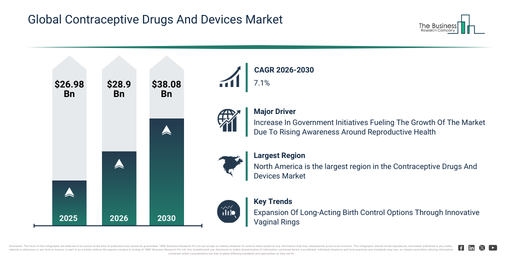
    The market for contraceptive drugs and devices has experienced robust expansion over recent years. This market is projected to expand from $26.98 billion in 2025 to $28.9 billion in 2026, demonstrating a compound annual growth rate (CAGR) of 7.1%. Historically, this expansion can be linked to several factors, including government-spearheaded family planning programs, a heightened understanding of reproductive health, increasing levels of urbanization and education, broader access to oral contraceptives, and public health initiatives promoting birth control.

    The contraceptive drugs and devices market is projected to experience substantial expansion over the coming years. Its valuation is anticipated to reach $38.08 billion by 2030, exhibiting a compound annual growth rate (CAGR) of 7.1%. This projected growth during the forecast period is driven by increased integration of digital health, a rising demand for non-invasive contraceptive methods, the expansion of telehealth-based prescriptions, a growing emphasis on male contraception research, and supportive reproductive health policies. Noteworthy trends for this period include a greater adoption of long-acting reversible contraceptives, increased use of hormonal combination therapies, a burgeoning demand for female-centric contraceptive solutions, the wider availability of over-the-counter contraceptive products, and enhanced acceptance of digital contraceptive platforms.

    Get A Free Sample Report With In-Depth Market Insights:

    https://thebusinessresearchcompany.com/sample_request?id=81086806&type=smp&name=Contraceptive%20Drugs%20And%20Devices%20Market%20Report%202026&utm_source=Blogs&utm_medium=Paid&utm_campaign=Oct_PR

    Contraceptive Drugs And Devices Market Demand Drivers: What’s Powering Industry Growth?

    The growing count of government efforts regarding reproductive health is anticipated to stimulate the advancement of the contraceptive drugs and devices market in the future. These government initiatives champion reproductive well-being by fostering awareness, providing funding, and ensuring access to relevant services. The increase in government initiatives concerning reproductive health stems from a heightened acknowledgment of the necessity to tackle crucial matters such as maternal health, family planning, and the availability of fundamental healthcare services, all of which are essential for overall societal welfare and development. Government programs for contraceptive drugs and devices are designed to broaden access to economical and effective family planning solutions, enabling individuals to make informed decisions regarding their reproductive health. As an illustration, in November 2024, the Australian Government Department of Foreign Affairs and Trade, an Australia-based government agency, confirmed that Australia will commit $56.8 million to a fresh program focused on advancing sexual and reproductive health and rights across Southeast Asia. Hence, the rising volume of government initiatives concerning reproductive health is fueling the expansion of the contraceptive drugs and devices market.

    Contraceptive Drugs And Devices Market Segment Landscape: Which Areas Lead Development?

    The contraceptive drugs and devices market covered in this report is segmented –

    1) By Product: Contraceptive Drugs, Contraceptive Devices

    2) By Technology: Traditional Methods, Wearable Devices, Long-Acting Reversible Contraceptives (LARCs)

    3) By Distribution Channel: Hospital Pharmacy, Retail Pharmacy, Clinics, Online Channels, Public Channels And Non-Governmental Organizations, Other Distribution Channels

    4) By End User: Male, Female

    Subsegments:

    1) By Contraceptive Drugs: Oral Contraceptive Pills, Injectable Contraceptives, Contraceptive Patches, Vaginal Rings, Emergency Contraceptive Pills, Hormonal Implants

    2) By Contraceptive Devices: Male Condoms, Female Condoms, Intrauterine Devices (IUDs), Diaphragms And Cervical Caps, Contraceptive Sponges, Sterilization Devices

    Contraceptive Drugs And Devices Market Innovation Trends: What Developments Are Reshaping The Industry?

    Leading companies within the contraceptive drugs and devices market are engaged in developing innovative products, such as contraceptive vaginal rings, to enhance user convenience and expand the array of long-acting contraceptive options. A contraceptive vaginal ring is a pliant, hormone-releasing device designed for vaginal insertion to prevent pregnancy by inhibiting ovulation. For instance, in October 2023, Xiromed LLC, a US-based pharmaceutical company, launched EnilloRing, a soft, flexible contraceptive vaginal ring. It is specifically designed for insertion into the vagina, where it steadily releases a combination of etonogestrel (a progestin) and ethinyl estradiol (an estrogen) over three weeks to prevent ovulation. As a bioequivalent generic to NuvaRing, it offers women a convenient, discreet, and cost-effective monthly birth control choice that removes the necessity for daily dosing while maintaining the identical safety, efficacy, and tolerability profile as the branded version.

    Contraceptive Drugs And Devices Market Industry Leaders And Competitive Landscape

    Major companies operating in the contraceptive drugs and devices market are Pfizer Inc., Johnson & Johnson Services Inc., Merck & Co Inc., Bayer AG, Viatris Inc., Teva Pharmaceuticals Ltd, Lupin Limited, CooperSurgical Inc., Mithra Pharmaceuticals, DKT International, Fuji Latex Co Ltd, Agile Therapeutics Inc., Cupid Limited, Veru Inc., Eskag Pharma Pvt. Ltd., Biosante Pharmaceuticals Inc., HLL Lifecare Limited, Afaxys Inc., The Female Health Company (FC2), Mayer Laboratories Inc., Daré Bioscience Inc.

    View The Full Contraceptive Drugs And Devices Market Report:

    https://thebusinessresearchcompany.com/report/contraceptive-drugs-and-devices-global-market-report?utm_source=Blogs&utm_medium=Paid&utm_campaign=Oct_PR

    Contraceptive Drugs And Devices Market Largest Region: Which Geography Holds The Biggest Share?

    North America was the largest region in the contraceptive drugs and devices market in 2025. Asia-Pacific is expected to be the fastest-growing region in the forecast period. The regions covered in the contraceptive drugs and devices market report are Asia-Pacific, South East Asia, Western Europe, Eastern Europe, North America, South America, Middle East, Africa.

    Reach Out To Our Team:

    The Business Research Company: https://www.thebusinessresearchcompany.com/

    Americas: +1 310-496-7795

    Asia: +44 7882 955267 & +91 8897263534

    Europe: +44 7882 955267

    Email us at: marketing@tbrc.info

    Follow us on:

    LinkedIn: https://in.linkedin.com/company/the-business-research-company

    YouTube: https://www.youtube.com/channel/UC24_fI0rV8cR5DxlCpgmyFQ

    Global Market Model: https://www.thebusinessresearchcompany.com/global-market-model
  • Continuous Bio-Manufacturing Skid Market Size In 2026: Growth Outlook And Forecast Through 2030

    Continuous Bio-Manufacturing Skid Market Size In 2026: Growth Outlook And Forecast Through 2030

    Backed by market attractiveness analysis, total addressable market sizing, company benchmarking matrices, interactive Excel dashboards, wider supply chain intelligence, emerging startup coverage, and detailed product-level insights, The Business Research Company’s 2026 market reports are designed to offer research that is more actionable and strategically valuable than ever.

    Continuous Bio-Manufacturing Skid Market Growth Analysis: How Will Revenue Trend Over The Forecast Period?

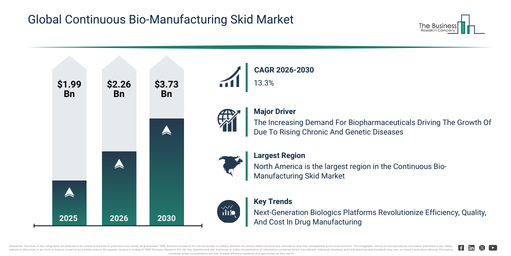
    The continuous bio-manufacturing skid market has seen rapid expansion in recent years. Its market size is anticipated to grow from $1.99 billion in 2025 to $2.26 billion in 2026, achieving a compound annual growth rate (CAGR) of 13.6%. In the past, this growth was primarily due to increased biologics production volumes, an early shift from batch to continuous processing, the growing adoption of modular manufacturing concepts, the expansion of facilities for vaccine and enzyme production, and a heightened demand for flexible manufacturing setups.

    The continuous bio-manufacturing skid market is projected for significant expansion in the coming years. Its value is set to reach $3.73 billion by 2030, exhibiting a compound annual growth rate (CAGR) of 13.3%. This anticipated growth stems from factors such as the increasing implementation of fully continuous biologics production, greater investments in sophisticated bioprocess automation, a heightened need for rapid scale-up functionalities, the broadening of cell and gene therapy manufacturing, and an intensified emphasis on economical biologics production. Key trends expected during this period include a rise in the uptake of continuous and integrated bioprocessing skids, growing preference for modular and plug-and-play manufacturing systems, wider utilization of real-time process monitoring and control, the expansion of single-use continuous biomanufacturing platforms, and an elevated focus on process efficiency and throughput.

    Get A Free Sample Report With In-Depth Market Insights:

    https://thebusinessresearchcompany.com/sample_request?id=14514685&type=smp&name=Continuous%20Bio-Manufacturing%20Skid%20Market%20Report%202026&utm_source=Blogs&utm_medium=Paid&utm_campaign=Oct_PR

    Continuous Bio-Manufacturing Skid Market Growth Drivers: What’s Behind The Acceleration?

    The anticipated expansion of the continuous bio-manufacturing skid market is linked to the growing need for biopharmaceuticals. Biopharmaceuticals are defined as medical products derived from biological origins, like proteins, nucleic acids, or live cells, utilized for disease treatment, prevention, or diagnosis. This heightened demand for biopharmaceuticals largely stems from the increasing incidence of chronic and genetic conditions, which necessitate advanced biologic treatments for proper care and control. Continuous bio-manufacturing skids improve biopharmaceutical output through efficient, automated, and scalable processes, boosting the effectiveness, uniformity, and pace of creating intricate therapies. For example, data from Cardinal Health Inc., a US-based healthcare company, revealed that by January 2023, the U.S. featured 40 FDA-approved biosimilar products, with 25 available on the market. This marks an increase from January 2022, when 33 FDA-approved biosimilars existed, with 21 commercially available. Consequently, the expanding need for biopharmaceuticals is fueling the growth within the continuous bio-manufacturing skid market.

    Continuous Bio-Manufacturing Skid Market Segments: Where Is Growth Concentrated?

    The continuous bio-manufacturing skid market covered in this report is segmented –

    1) By Product Type: Single-Use Skids, Multi-Use Skids, Modular Skids

    2) By Process: Upstream, Downstream, Integrated

    3) By Application: Biopharmaceutical Production, Vaccine Manufacturing, Enzyme Production, Cell And Gene Therapy, Other Applications

    4) By End-User: Pharmaceutical Companies, Biotechnology Companies, Contract Manufacturing Organizations, Research Institutes, Other End-Users

    Subsegments:

    1) By Single-Use Skids: Perfusion Bioreactor Skid, Tangential Flow Filtration Skid, Chromatography Skid, Buffer Preparation Skid

    2) By Multi-Use Skids: Fed-Batch Bioreactor Skid, Downstream Purification Skid, Ultrafiltration Skid, Viral Inactivation Skid

    3) By Modular Skid: Plug And Play Bioreactor Skid, Integrated Downstream Skid, Automated Sampling Skid, Real-Time Monitoring Skid

    Continuous Bio-Manufacturing Skid Market Trends: What’s Defining The Industry’s Next Phase?

    Leading firms within the continuous bio-manufacturing skid market are concentrating on creating novel solutions, including advanced biologics manufacturing platforms, aimed at improving efficiency, scalability, and the caliber of their products. These next-generation platforms represent sophisticated systems designed for fully integrated, uninterrupted production of biologics, featuring real-time oversight, greater efficiency, and uniform product quality. An example of this is the launch of EnzeneX 2.0, the subsequent iteration of its fully connected continuous manufacturing (FCCM) technology for biologics, by Enzene Biosciences Ltd., an India-based contract development and manufacturing organization, at CPHI Milan 2024 in October 2024. This patented system facilitates smooth, continuous processing from the perfusion stage to the final drug substance. Through the utilization of high-titer clones and optimized cell media, it boosts productivity, elevates target protein concentrations, and reduces variability between batches. Furthermore, the system integrates process analytical technology (PAT) to enable real-time monitoring and control, thereby guaranteeing consistent quality and operational effectiveness, alongside providing up to a 50% reduction in per-gram production costs. Ultimately, these platforms deliver scalable, economical biologics manufacturing capabilities that can be tailored to various modalities and media formulations.

    Continuous Bio-Manufacturing Skid Market Key Participants And Competitive Landscape

    Major companies operating in the continuous bio-manufacturing skid market are Thermo Fisher Scientific Inc., Danaher Corporation, Merck KGaA, Garrett Industrial Systems Ltd., Sartorius AG, Getinge AB, ZETA GmbH, Pall Corporation, Repligen Corporation, ABEC Inc., Enzene Biosciences Limited, Pierre Guerin Technologies, Bioengineering AG, KeyPlants GmbH, G&G Technologies Pvt. Ltd., Scigenics Pvt. Ltd, Exentec B.V., PAK BioSolutions Inc., Stobbe Pharma GmbH, CPi Biotech Inc.

    View The Full Continuous Bio-Manufacturing Skid Market Report:

    https://thebusinessresearchcompany.com/report/continuous-bio-manufacturing-skid-global-market-report?utm_source=Blogs&utm_medium=Paid&utm_campaign=Oct_PR

    Continuous Bio-Manufacturing Skid Market Regional Analysis: Which Geography Leads On Revenue?

    North America was the largest region in the continuous bio-manufacturing skid market in 2025. The regions covered in the continuous bio-manufacturing skid market report are Asia-Pacific, South East Asia, Western Europe, Eastern Europe, North America, South America, Middle East, Africa.

    Reach Out To Our Team:

    The Business Research Company: https://www.thebusinessresearchcompany.com/

    Americas: +1 310-496-7795

    Asia: +44 7882 955267 & +91 8897263534

    Europe: +44 7882 955267

    Email us at: marketing@tbrc.info

    Follow us on:

    LinkedIn: https://in.linkedin.com/company/the-business-research-company

    YouTube: https://www.youtube.com/channel/UC24_fI0rV8cR5DxlCpgmyFQ

    Global Market Model: https://www.thebusinessresearchcompany.com/global-market-model
  • Consumer Health Contract Manufacturing Market Trends Supporting 11.6% CAGR Growth Through 2030

    Consumer Health Contract Manufacturing Market Trends Supporting 11.6% CAGR Growth Through 2030

    Featuring market attractiveness scoring, total addressable market sizing, company benchmarking matrices, interactive Excel dashboards, deeper supply chain intelligence, emerging startup tracking, and granular product-level insights, The Business Research Company’s 2026 market reports are built to deliver research that is both more actionable and more strategically valuable.

    Consumer Health Contract Manufacturing Market Forecast: What Value Will The Market Reach By 2030?

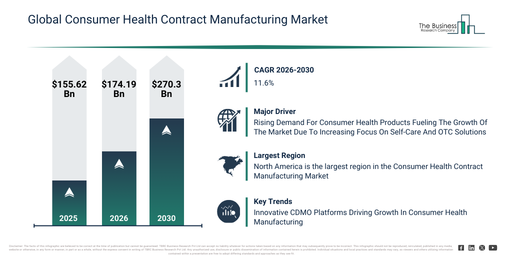
    The consumer health contract manufacturing market has experienced rapid expansion in its size recently. Forecasts indicate it will increase from $155.62 billion in 2025 to $174.19 billion in 2026, demonstrating a compound annual growth rate (CAGR) of 11.9%. Historically, this growth is primarily due to factors such as limited in-house manufacturing capabilities, a surge in demand for consumer health products, a heightened emphasis on cost optimization, the increasing presence of small and mid-size brands, and a shortage of specialized manufacturing expertise.

    The consumer health contract manufacturing market is projected to experience substantial expansion over the coming years. This market is anticipated to reach a valuation of $270.3 billion by 2030, exhibiting a compound annual growth rate (CAGR) of 11.6%. Factors contributing to this growth during the projected timeframe include the broadening of contract manufacturing facilities, the implementation of advanced automation and Industry 4.0 technologies, a surge in consumer health consciousness, the expanding global outsourcing of personal care manufacturing, and the incorporation of digital supply chain management systems. Key trends identified for the forecast period encompass an increasing demand for outsourced OTC drug production, an upswing in contract services for nutritional supplements and personal care, a heightened emphasis on regulatory adherence and quality benchmarks, the proliferation of packaging and labeling options, and a growing embrace of flexible manufacturing collaborations.

    Get A Free Sample Report With In-Depth Market Insights:

    https://thebusinessresearchcompany.com/sample_request?id=86667597&type=smp&name=Consumer%20Health%20Contract%20Manufacturing%20Market%20Report%202026&utm_source=Blogs&utm_medium=Paid&utm_campaign=Oct_PR

    Consumer Health Contract Manufacturing Market Growth Factors Behind Sustained Expansion

    The consumer health contract manufacturing market is projected to expand due to the increasing demand for consumer health products. These products encompass non-prescription medications, dietary supplements, and personal care items that individuals utilize for managing their health and well-being without requiring a prescription. This heightened demand stems from a growing public focus on self-care and a preference for accessible, over-the-counter options to manage health conditions without frequent medical consultations. Consumer health contract manufacturing enables companies to efficiently create high-quality consumer health products by delegating production to specialized firms, thereby allowing brands to concentrate on marketing and innovation. For example, in September 2024, Barclays Bank UK PLC, a UK-based provider of retail banking operations, reported that data from July and August 2024 indicated a thriving health and beauty industry, with consumer spending in this area climbing by 7.3% year-on-year in August 2024. Consequently, the escalating demand for consumer health products is a key factor boosting the consumer health contract manufacturing market.

    Consumer Health Contract Manufacturing Market Segment Analysis: What Are The Core Market Categories?

    The consumer health contract manufacturing market covered in this report is segmented –

    1) By Product: Over-The-Counter (OTC) Drugs, Nutritional Supplements, Personal Care Products, Medical Devices, Other Products

    2) By Service: Active Pharmaceutical Ingredient (API) Manufacturing, Finished Dose Manufacturing, Medical Device Manufacturing, Packaging And Labelling, Other Services

    3) By End Use: Pharmaceutical And Biopharmaceutical Companies, Nutraceutical Companies, Cosmeceutical Companies, Medical Device Companies, Other End Uses

    Subsegments:

    1) By Over-The-Counter (OTC) Drugs: Pain Relief, Cold And Allergy, Digestive Health, Vitamins And Minerals, Respiratory Products, Topical Products

    2) By Nutritional Supplements: Vitamins, Minerals, Herbal Supplements, Protein And Sports Nutrition, Omega Fatty Acids, Probiotics

    3) By Personal Care Products: Skincare Products, Hair Care Products, Oral Care Products, Baby Care Products, Feminine Hygiene Products, Cosmetics And Makeup

    4) By Medical Devices: Diagnostic Devices, Monitoring Devices, Therapeutic Devices, Surgical Instruments, Consumables And Accessories

    5) By Other Products: Wellness Products, Functional Foods And Beverages, Home Health Care Products, Herbal And Traditional Medicines

    Consumer Health Contract Manufacturing Market Industry Trends Fueling Future Revenue Growth

    Leading companies within the consumer health contract manufacturing market are concentrating on implementing innovative solutions, such as contract development and manufacturing platforms, to optimize production workflows, enhance scalability, and accelerate the market entry of consumer health products. A contract development and manufacturing platform signifies an all-encompassing system or service model that integrates product conceptualization (including formulation and testing) with extensive manufacturing capabilities under one roof. For instance, in October 2023, Lallemand Inc., a Canada-based company specializing in microorganism development, launched Expert Biome CDMO, a robust contract development and manufacturing platform crafted to facilitate the advancement and creation of next-generation probiotic and live biotherapeutic strains. This platform provides complete services, encompassing microbial strain research and development, bioprocess expansion, pharmaceutical manufacturing, formulation, and assistance with regulatory compliance. Expert Biome adheres to the most stringent quality protocols, such as cGMP Pharma, with the objective of tackling significant issues within the health supplements and live biotherapeutics markets.

    Consumer Health Contract Manufacturing Market Top Companies Driving Competitive Growth

    Major companies operating in the consumer health contract manufacturing market are Sirio Pharma Co. Ltd., Aenova Group, Vit-Best Nutrition Inc., Robinson Pharma Inc., Trividia Health Inc., Tishcon Corporation, SCN BestCo, Akums Drugs And Pharmaceuticals, Bactolac Pharmaceutical Inc., ION Labs Inc., Captek Softgel International.

    View The Full Consumer Health Contract Manufacturing Market Report:

    https://thebusinessresearchcompany.com/report/consumer-health-contract-manufacturing-global-market-report?utm_source=Blogs&utm_medium=Paid&utm_campaign=Oct_PR

    Consumer Health Contract Manufacturing Market Geographic Spread And Regional Opportunities

    North America was the largest region in the consumer health contract manufacturing market in 2025. Asia-Pacific is expected to be the fastest-growing region in the forecast period. The regions covered in the consumer health contract manufacturing market report are Asia-Pacific, South East Asia, Western Europe, Eastern Europe, North America, South America, Middle East, Africa.

    Reach Out To Our Team:

    The Business Research Company: https://www.thebusinessresearchcompany.com/

    Americas: +1 310-496-7795

    Asia: +44 7882 955267 & +91 8897263534

    Europe: +44 7882 955267

    Email us at: marketing@tbrc.info

    Follow us on:

    LinkedIn: https://in.linkedin.com/company/the-business-research-company

    YouTube: https://www.youtube.com/channel/UC24_fI0rV8cR5DxlCpgmyFQ

    Global Market Model: https://www.thebusinessresearchcompany.com/global-market-model

  • Constrained Peptide Drugs Market Forecast Highlights A $7.15 Billion Opportunity For Industry Participants

    Constrained Peptide Drugs Market Forecast Highlights A $7.15 Billion Opportunity For Industry Participants

    Built to provide research that’s more actionable and strategically valuable, The Business Research Company’s 2026 market reports include market attractiveness analysis, total addressable market sizing, company benchmarking matrices, interactive Excel dashboards, broader supply chain intelligence, emerging startup tracking, and in-depth product insights.

    Constrained Peptide Drugs Market Size Outlook: How Quickly Will Revenue Expand Through 2030?

    The market size for constrained peptide drugs has expanded considerably in recent years. This market is projected to expand from $3.27 billion in 2025 to $3.83 billion in 2026, demonstrating a compound annual growth rate (CAGR) of 17.2%. Historically, this expansion can be ascribed to several factors, including the limitations of small molecules, progress in peptide synthesis, competition from biologics, increased pharmaceutical R&D investment, and the growth of academic research.

    The constrained peptide drugs market is anticipated to experience substantial expansion in the coming years. This market is projected to reach a value of $7.15 billion by 2030, demonstrating a compound annual growth rate (CAGR) of 16.9%. This growth during the forecast period is attributable to factors such as increased demand for precision therapeutics, AI-driven drug design advancements, developments in rare disease drug treatments, innovations in peptide delivery, and the expansion of pharmaceutical pipelines. Key trends anticipated within the forecast period encompass a growing acceptance of cyclic and stapled peptides, the expansion of peptide drug development pipelines, their increased application in oncology and rare conditions, an emphasis on improving drug stability, and the advancement of targeted therapeutics.

    Get A Free Sample Report With In-Depth Market Insights:

    https://thebusinessresearchcompany.com/sample_request?id=42772415&type=smp&name=Constrained%20Peptide%20Drugs%20Market%20Report%202026&utm_source=Blogs&utm_medium=Paid&utm_campaign=Oct_PR

    Constrained Peptide Drugs Market Demand Drivers Opening New Revenue Streams

    The constrained peptide drugs market is expected to experience future growth, propelled by the escalating demand for targeted therapies. These therapies are medical interventions specifically designed to target and disrupt the molecular pathways involved in how diseases develop and spread. The increased demand for targeted therapies is attributed to their enhanced precision and reduced adverse effects when contrasted with conventional treatments. They facilitate the development of constrained peptide drugs by homing in on particular molecular pathways, thereby boosting treatment accuracy. This approach improves drug efficacy and minimizes side effects, making constrained peptides excellent candidates for focused intervention in complex illnesses. For instance, in December 2024, the American Society of Gene & Cell Therapy (ASGCT), a US-based non-profit medical and scientific organization, noted that the Food and Drug Administration (FDA) approved six gene therapy products in 2023, which was an increase from five approvals in 2022. Thus, the growing need for targeted therapies is stimulating expansion within the constrained peptide drugs market.

    Constrained Peptide Drugs Market Segment Breakdown: Which Categories Lead On Revenue?

    The constrained peptide drugs market covered in this report is segmented –

    1) By Drug Type: Cyclic Peptides, Stapled Peptides, Multivalent Peptides

    2) By Route Of Administration: Injectable, Intranasal, Transdermal, Oral

    3) By Application: Oncology, Metabolic Disorders, Cardiovascular Diseases, Infectious Diseases, Neurological Disorders

    4) By Distribution Channel: Direct Sales, Third-Party Distributors, Online Pharmacies, Retail Pharmacies

    5) By End User: Hospitals, Pharmaceutical Companies, Research Laboratories, Specialty Clinics

    Subsegments:

    1) By Cyclic Peptides: Natural Cyclic Peptides, Synthetic Cyclic Peptides, Disulfide-Bridged Peptides, Head-To-Tail Cyclized Peptides

    2) By Stapled Peptides: Alpha-Helix Stabilized Peptides, Hydrocarbon-Stapled Peptides, Double-Stapled Peptides, Backbone-Stapled Peptides

    3) By Multivalent Peptides: Bivalent Peptides, Trivalent Peptides, Tetravalent Peptides, Peptide-Drug Conjugates

    Constrained Peptide Drugs Market Trends Powering Strategic Industry Growth

    Leading companies in the constrained peptide drugs market are concentrating on developing advanced drug delivery solutions, such as oral macrocyclic peptides, with the aim of enhancing bioavailability, improving patient adherence, and addressing previously untreatable conditions. Oral macrocyclic peptides are defined as cyclic peptide-based drugs specifically engineered to maintain stability and be absorbed when consumed orally, rather than through injection. For example, in February 2024, Insamo, a US-based biotechnology company, introduced oral cyclic peptides. These products are membrane-permeable, orally available macrocyclic peptides that merge the high specificity found in biologics with the convenience of oral intake. Their underlying platform integrates machine learning-driven molecular design, ultra-high-throughput molecular biology, and parallel synthetic chemistry to quickly pinpoint preclinical candidates with advantageous pharmacological properties, even for demanding drug targets.

    Constrained Peptide Drugs Market Leading Players And Competitive Positioning

    Major companies operating in the constrained peptide drugs market are Amgen Inc., Novo Nordisk A/S, Ipsen S.A., Sanofi S.A., Eli Lilly and Company, Roche Holding AG, Pfizer Inc., Takeda Pharmaceutical Company Limited, Johnson & Johnson, Bristol-Myers Squibb Company, Kymera Therapeutics Inc., Polyphor AG, Novartis Institutes for BioMedical Research (NIBR), Hoffmann-La Roche Ltd., Merck & Co. Inc., Almirall S.A., CSL Limited, Rhythm Pharmaceuticals Inc., Zogenix Inc., Ironwood Pharmaceuticals Inc.

    View The Full Constrained Peptide Drugs Market Report:

    https://thebusinessresearchcompany.com/report/constrained-peptide-drugs-global-market-report?utm_source=Blogs&utm_medium=Paid&utm_campaign=Oct_PR

    Constrained Peptide Drugs Market Top Region By Revenue And Market Share

    North America was the largest region in the constrained peptide drugs market in 2025. The regions covered in the constrained peptide drugs market report are Asia-Pacific, South East Asia, Western Europe, Eastern Europe, North America, South America, Middle East, Africa.

    Reach Out To Our Team:

    The Business Research Company: https://www.thebusinessresearchcompany.com/

    Americas: +1 310-496-7795

    Asia: +44 7882 955267 & +91 8897263534

    Europe: +44 7882 955267

    Email us at: marketing@tbrc.info

    Follow us on:

    LinkedIn: https://in.linkedin.com/company/the-business-research-company

    YouTube: https://www.youtube.com/channel/UC24_fI0rV8cR5DxlCpgmyFQ

    Global Market Model: https://www.thebusinessresearchcompany.com/global-market-model
  • Constipation Laxative Market Analysis: How The Industry Is Evolving Toward A $9.8 Billion Future

    Constipation Laxative Market Analysis: How The Industry Is Evolving Toward A $9.8 Billion Future

    Backed by market attractiveness analysis, total addressable market sizing, company benchmarking matrices, interactive Excel dashboards, wider supply chain intelligence, emerging startup coverage, and detailed product-level insights, The Business Research Company’s 2026 market reports are designed to offer research that is more actionable and strategically valuable than ever.

    Constipation Laxative Market Size, Value And Growth Trajectory Through 2030

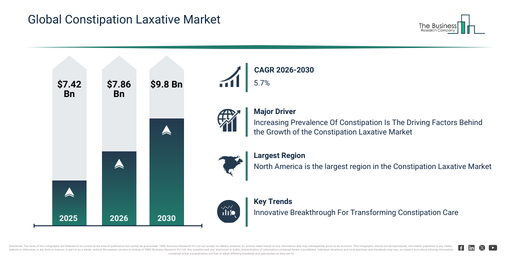
    The constipation laxative market has demonstrated significant expansion in recent years. It will grow from $7.42 billion in 2025 to $7.86 billion in 2026 at a compound annual growth rate (CAGR) of 5.9%. This historical development can be ascribed to several factors, including the widespread prevalence of constipation disorders, the long-standing use of stimulant and osmotic laxatives, the availability of affordable over-the-counter treatments, increasing urban sedentary lifestyles, and the established presence of hospital and retail pharmacy distribution networks.

    The constipation laxative market is set for significant expansion in the coming years. It is projected to achieve a size of $9.8 billion by 2030, advancing at a compound annual growth rate (CAGR) of 5.7%. This anticipated growth during the forecast period stems from the aging global population, a rise in chronic digestive disorders, increased public understanding of gut health, a surge in self-medication habits, and wider availability through online pharmacies. Prominent trends for this period include a growing preference for mild and sustained constipation management, an increasing need for bulk-forming and fiber-based laxatives, greater utilization of osmotic laxatives for ongoing constipation, an increase in the accessibility of over-the-counter laxatives, and a rising uptake of oral laxative preparations.

    Get A Free Sample Report With In-Depth Market Insights:

    https://thebusinessresearchcompany.com/sample_request?id=16021&type=smp&name=Constipation%20Laxative%20Market%20Report%202026&utm_source=Blogs&utm_medium=Paid&utm_campaign=Oct_PR

    Constipation Laxative Market Growth Backed By Core Demand Fundamentals

    The rising occurrence of constipation is expected to fuel the expansion of the constipation laxative market in the coming years. Constipation is a condition marked by infrequent bowel movements, typically fewer than three times per week, and difficulty passing hard, dry stools. The incidence of constipation has been increasing due to various elements, including changes in dietary habits, inactive lifestyles, inadequate fluid intake, and certain medical conditions or medications. Constipation laxatives are utilized to alleviate constipation by either stimulating bowel movements or softening stools, helping to restore regularity and ease discomfort when dietary and lifestyle adjustments are insufficient. For instance, in January 2024, a survey conducted in Saudi Arabia by Cureus, a US-based peer-reviewed journal, involving 1,139 participants aged 18 and above, indicated that a total of 811 participants, comprising 71.2% of the total, reported current or past experiences with constipation. Therefore, the growing prevalence of constipation is a primary driver for the growth of the constipation laxative market.

    Constipation Laxative Market Segmentation: How Does The Market Break Down By Category?

    The constipation laxative market covered in this report is segmented –

    1) By Drug Type: Bulk-Forming Laxatives, Stimulant Laxatives, Osmotic Laxative, Other Drugs

    2) By Route Of Administration: Oral, Rectal

    3) By Distribution Channel: Hospital Pharmacies, Retail Pharmacies, Online Pharmacies, Drug Stores

    Subsegments:

    1) By Bulk-Forming Laxatives: Psyllium, Methylcellulose, Polycarbophil

    2) By Stimulant Laxatives: Bisacodyl, Senna, Castor Oil

    3) By Osmotic Laxatives: Lactulose, Polyethylene Glycol (PEG), Magnesium-Based Laxatives, Sorbitol

    4) By Other Drugs: Lubiprostone, Linaclotide, Plecanatide, Prucalopride

    Constipation Laxative Market Growth Trends Reshaping The Competitive Landscape

    Major companies within the constipation laxative market are concentrating on developing novel products, like ayurvedic liquid laxatives, to satisfy consumer requirements for an efficient and pleasant-tasting constipation solution. An ayurvedic liquid laxative is a herbal-based remedy designed to alleviate constipation by encouraging bowel movements, offering a natural alternative within the range of constipation laxatives. For instance, in December 2023, Lupin Life, an India-based pharmaceutical company, launched Softovac Liquifibre, a 100% Ayurvedic liquid laxative. This innovative product combines Isabgol fiber with natural active ingredients such as Sonamukhi, Harad, Mulethi, Saunf, Amaltas, and Gulab Dal. Softovac Liquifibre provides a gentle and non-habit-forming method for constipation relief. It is further enhanced with advanced technologies for optimal particle size and mango flavor, addressing consumers’ preferences for palatable and diabetic-friendly options.

    Constipation Laxative Market Competitive Overview And Top Companies

    Major companies operating in the constipation laxative market are Procter & Gamble Corporation, Johnson & Johnson Services Inc., Merck & Co. Inc., Bayer AG, Sanofi S.A, AstraZeneca PLC, Abott Laboratories, GlaxoSmithKline Plc, Takeda Pharmaceutical Company Limited, Boehringer Ingelheim International GmBH, Reckitt Benckiser Group plc, Fresenius Kabi AG, Daiichi Sankya Company Limited, Eisai Co. Ltd, Sun Pharmaceutical Ltd, Shionogi & Co. Ltd, Dr. Reddy’s Laboratories Ltd., Cipla Limited, Mallinckrodt Pharmaceuticals, Ironwood Pharmaceuticals, Beutlich Pharmaceuticals LLC

    View The Full Constipation Laxative Market Report:

    https://thebusinessresearchcompany.com/report/constipation-laxative-global-market-report?utm_source=Blogs&utm_medium=Paid&utm_campaign=Oct_PR

    Constipation Laxative Market Regional Analysis And Top Geography

    North America was the largest region in the constipation laxative market in 2025. The regions covered in the constipation laxative market report are Asia-Pacific, South East Asia, Western Europe, Eastern Europe, North America, South America, Middle East, Africa.

    Reach Out To Our Team:

    The Business Research Company: https://www.thebusinessresearchcompany.com/

    Americas: +1 310-496-7795

    Asia: +44 7882 955267 & +91 8897263534

    Europe: +44 7882 955267

    Email us at: marketing@tbrc.info

    Follow us on:

    LinkedIn: https://in.linkedin.com/company/the-business-research-company

    YouTube: https://www.youtube.com/channel/UC24_fI0rV8cR5DxlCpgmyFQ

    Global Market Model: https://www.thebusinessresearchcompany.com/global-market-model
  • Connective Tissue Disease Treatment Market Outlook Through 2030: Understanding The Growth Opportunity

    Connective Tissue Disease Treatment Market Outlook Through 2030: Understanding The Growth Opportunity

    Featuring market attractiveness scoring, total addressable market sizing, company benchmarking matrices, interactive Excel dashboards, deeper supply chain intelligence, emerging startup tracking, and granular product-level insights, The Business Research Company’s 2026 market reports are built to deliver research that is both more actionable and more strategically valuable.

    Connective Tissue Disease Treatment Market CAGR Outlook And Future Development

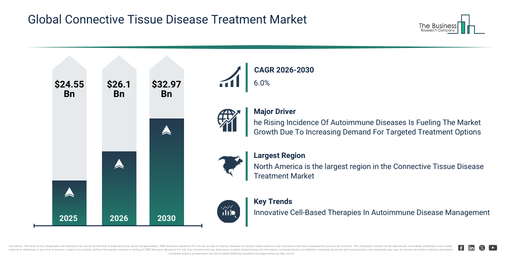
    The market size for connective tissue disease treatment has experienced robust growth over recent years. It is forecast to increase from $24.55 billion in 2025 to $26.1 billion in 2026, at a compound annual growth rate (CAGR) of 6.3%. The expansion observed in the past period can be attributed to factors such as the limited availability of biologic therapies, a reliance on conventional DMARDs, the rising prevalence of autoimmune connective tissue diseases, increasing adoption of hospital-based treatments, and enhanced awareness of disease management programs.

    The market for connective tissue disease treatment is projected to experience substantial expansion over the coming years, predicted to reach $32.97 billion in 2030, driven by a compound annual growth rate (CAGR) of 6.0%. This anticipated growth during the forecast period is primarily attributed to several factors: the advancement of targeted synthetic DMARDs and JAKs, increased investment in biologics and immunosuppressants, the broadening availability of homecare and outpatient treatment options, a heightened emphasis on personalized medicine and patient-centric care, and the incorporation of digital health and telemedicine technologies. Key trends anticipated during this period encompass the growing uptake of biologics and targeted therapies, a stronger inclination towards individualized treatment strategies, the expansion of homecare and outpatient care environments, an increasing requirement for oral and injectable drug delivery methods, and an emphasis on early diagnosis along with effective disease management initiatives.

    Get A Free Sample Report With In-Depth Market Insights:

    https://thebusinessresearchcompany.com/sample_request?id=88503375&type=smp&name=Connective%20Tissue%20Disease%20Treatment%20Market%20Report%202026&utm_source=Blogs&utm_medium=Paid&utm_campaign=Oct_PR

    Connective Tissue Disease Treatment Market Growth Catalysts And Demand Drivers

    The growing prevalence of autoimmune diseases is anticipated to propel the growth of the connective tissue disease treatment market. Autoimmune diseases refer to medical conditions where the body’s immune system erroneously attacks its healthy tissues and organs. The increasing occurrence of these diseases stems largely from a blend of genetic susceptibility, predisposing certain individuals to immune system malfunctions, and environmental influences such as infections, diet, stress, and toxic exposures, which can trigger or exacerbate these conditions. Connective tissue disease treatment plays a crucial role in managing autoimmune diseases by addressing the underlying immune system dysfunction responsible for inflammation and tissue damage. This approach helps in alleviating symptoms, retarding disease progression, and improving the general quality of life for patients afflicted with conditions like lupus, rheumatoid arthritis, and scleroderma. For example, in February 2024, Arthritis Australia reported that approximately 562,378 Australians are projected to be living with RA in 2025, representing 14% of all arthritis cases in that year. By 2040, this figure is expected to surge by 33% to 748,721 people, indicating an additional 186,343 Australians living with RA in 2040 compared to 2025. Thus, the escalating incidence of autoimmune diseases is a key factor driving the expansion of the connective tissue disease treatment market.

    Connective Tissue Disease Treatment Market Segment Trends And Revenue Contributors

    The connective tissue disease treatment market covered in this report is segmented –

    1) By Drug Class: Anti-Inammatory Drugs, Immunosuppressants, Biologics And Targeted Therapy, Disease-Modifying Anti-Rheumatic Drugs (DMARDs), Other Drug Classes

    2) By Disease Type: Systemic Lupus Erythematosus (SLE), Rheumatoid Arthritis (RA), Scleroderma, Dermatomyositis, Mixed Connective Tissue Disease (MCTD), Polymyositis, Sjögren’s Syndrome, Vasculitis, Antiphospholipid Syndrome (APS)

    3) By Route Of Administration: Oral, Injectable, Topical

    4) By Distribution Channel: Hospital Pharmacies, Retail Pharmacies, Online Pharmacies

    5) By End-User: Hospitals, Clinics, Homecare Settings

    Subsegments:

    1) By Anti-Inflammatory Drugs: Nonsteroidal Anti-Inflammatory Drugs (NSAIDs), Systemic Corticosteroids

    2) By Immunosuppressants: Calcineurin Inhibitors, Mammalian Target Of Rapamycin (mTOR) Inhibitors, Antimetabolites, Alkylating Agents

    3) By Biologics And Targeted Therapy: Tumor Necrosis Factor (TNF) Inhibitors, Interleukin-6 (IL-6) Inhibitors, B-Cell Inhibitors, T-Cell Co-Stimulation Modulators, Janus Kinase (JAK) Inhibitors

    4) By Disease-Modifying Anti-Rheumatic Drugs (DMARDs): Conventional Synthetic Disease-Modifying Anti-Rheumatic Drugs (DMARDs), Biologic Disease-Modifying Anti-Rheumatic Drugs (DMARDs), Targeted Synthetic Disease-Modifying Anti-Rheumatic Drugs (DMARDs)

    5) By Other Drug Classes: Analgesics, Antimalarial Drugs, Antibiotics, Monoclonal Antibodies

    Connective Tissue Disease Treatment Market Trends Shaping Long-Term Demand

    Leading companies in the connective tissue disease treatment market are dedicating efforts to clinical trials to develop innovative treatments, such as allogeneic CAR-NK cell therapy, aiming to boost efficacy and address existing unmet needs in autoimmune conditions. Allogeneic CAR-NK cell therapy is a therapeutic approach that utilizes natural killer (NK) cells obtained from healthy donors, which are then genetically modified with a chimeric antigen receptor (CAR) to specifically target and eliminate disease-causing cells. This therapy functions by enhancing the immune system’s capacity to remove harmful B-cells involved in autoimmune diseases, thus presenting a potentially safer and more accessible alternative to traditional cell therapies. For example, in July 2024, Nkarta Inc., a US-based clinical-stage biotechnology company, initiated the Ntrust-1 clinical trial to evaluate NKX019, an investigational allogeneic CAR-NK cell therapy, for treating lupus nephritis. Furthermore, it received FDA clearance to launch a separate trial (Ntrust-2) for systemic sclerosis, idiopathic inflammatory myopathy, and ANCA-associated vasculitis. These endeavors are designed to address significant unmet needs in autoimmune diseases by enhancing the safety, accessibility, and efficacy of cell-based therapies through genetically engineered NK cells that selectively target CD19-expressing B-cells.

    Connective Tissue Disease Treatment Market Competitive Landscape: Which Companies Lead The Industry?

    Major companies operating in the connective tissue disease treatment market are Pfizer Inc., F. Hoffmann‑La Roche AG, AbbVie Inc., Sanofi S.A., Bristol Myers Squibb Company, AstraZeneca PLC, Novartis AG, GlaxoSmithKline (GSK) PLC, Eli Lilly and Company, Amgen Inc., Biogen Inc., Vertex Pharmaceuticals, UCB S.A., Hikma Pharmaceuticals PLC, Innovent Biologics Inc., RemeGen Co. Ltd, Kymera Therapeutics, Adicet Bio, Equillium Inc.

    View The Full Connective Tissue Disease Treatment Market Report:

    https://thebusinessresearchcompany.com/report/connective-tissue-disease-treatment-global-market-report?utm_source=Blogs&utm_medium=Paid&utm_campaign=Oct_PR

    Connective Tissue Disease Treatment Market Geographic Analysis: Where Is Demand Rising Fastest?

    North America was the largest region in the connective tissue disease treatment market in 2025. Asia-Pacific is expected to be the fastest-growing region in the forecast period. The regions covered in the connective tissue disease treatment market report are Asia-Pacific, South East Asia, Western Europe, Eastern Europe, North America, South America, Middle East, Africa.

    Reach Out To Our Team:

    The Business Research Company: https://www.thebusinessresearchcompany.com/

    Americas: +1 310-496-7795

    Asia: +44 7882 955267 & +91 8897263534

    Europe: +44 7882 955267

    Email us at: marketing@tbrc.info

    Follow us on:

    LinkedIn: https://in.linkedin.com/company/the-business-research-company

    YouTube: https://www.youtube.com/channel/UC24_fI0rV8cR5DxlCpgmyFQ

    Global Market Model: https://www.thebusinessresearchcompany.com/global-market-model
  • Connected Drug Delivery Devices Market Growth Potential: What The Latest Forecast Reveals

    Connected Drug Delivery Devices Market Growth Potential: What The Latest Forecast Reveals

    Built to provide research that’s more actionable and strategically valuable, The Business Research Company’s 2026 market reports include market attractiveness analysis, total addressable market sizing, company benchmarking matrices, interactive Excel dashboards, broader supply chain intelligence, emerging startup tracking, and in-depth product insights.

    Connected Drug Delivery Devices Market Set To Climb From $11.48 Billion In 2026 To $27.01 Billion By 2030

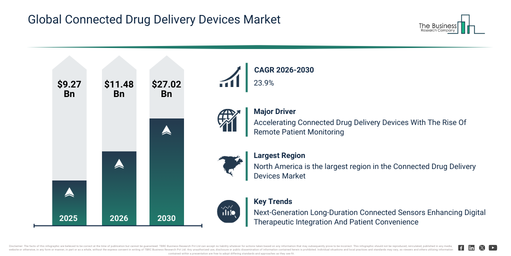
    The market size for connected drug delivery devices has expanded exponentially in recent years. It is forecast to increase from $9.27 billion in 2025 to $11.48 billion in 2026, exhibiting a compound annual growth rate (CAGR) of 23.8%. This historical growth is linked to the growing adoption of chronic disease management devices, an increasing prevalence of diabetes and respiratory disorders, technological advancements in smart syringes and inhalers, rising healthcare digitization initiatives, and increasing awareness about medication adherence.

    The connected drug delivery devices market is projected to experience substantial growth in the upcoming years. It is anticipated to reach $27.02 billion by 2030, exhibiting a compound annual growth rate (CAGR) of 23.9%. This expansion during the forecast period is driven by factors such as increasing demand for remote patient monitoring, the development of connected healthcare ecosystems, the incorporation of AI-based predictive analytics, the rise of wearable drug delivery devices, and supportive government policies for digital health adoption. Key trends identified for this period encompass personalized medication adherence monitoring, remote patient monitoring solutions, integration with electronic health records (EHR), data-driven dose optimization, and the provision of real-time alerts and notifications.

    Get A Free Sample Report With In-Depth Market Insights:

    https://thebusinessresearchcompany.com/sample_request?id=23350811&type=smp&name=Connected%20Drug%20Delivery%20Devices%20Market%20Report%202026&utm_source=Blogs&utm_medium=Paid&utm_campaign=Oct_PR

    Connected Drug Delivery Devices Market Opportunity Drivers: What’s Unlocking New Revenue Potential?

    The escalating significance of remote patient monitoring is projected to stimulate expansion within the connected drug delivery device market moving ahead. This method of healthcare delivery utilizes technology to remotely monitor patient health and medical information. Connected drug delivery devices augment RPM by allowing precise tracking of drug consumption and compliance, thereby facilitating prompt medical responses and offering customized care strategies. As an illustration, the Journal of Medical Internet Research, a peer-reviewed publication based in Canada, stated in May 2024 that 38.78% of adults in the US had utilized telehealth services over the preceding year. Consequently, the heightened emphasis on remote patient monitoring is fueling the expansion of the connected drug delivery device market.

    Connected Drug Delivery Devices Market Segment Analysis Spotlighting Growth Areas

    The connected drug delivery devices market covered in this report is segmented –

    1) By Type: Standalone Components And Software, Integrated Devices

    2) By Technology: Bluetooth, Near-Field Communication (NFC), Other Technologies

    3) By Administration: Parenteral, Inhalational

    4) By Application: Asthma, Chronic Obstructive Pulmonary Disease, Diabetes Management, Other Applications

    Subsegments:

    1) By Standalone Components And Software: Mobile Applications, Connectivity Modules, Data Analytics Software

    2) By Integrated Devices: Smart Inhalers, Smart Auto-injectors, Connected Syringes, Wearable Drug Delivery Devices

    Connected Drug Delivery Devices Market Innovation Trends Shaping Future Development

    Leading companies within the connected drug delivery devices market are concentrating on introducing advanced, longer-lasting, and more integrated digital health solutions. These innovations are designed to enhance treatment convenience, improve monitoring accuracy, and facilitate seamless connectivity with automated therapy systems. For instance, Dexcom, a US-based healthcare company, announced in November 2025 the upcoming launch of its new G7 15 Day continuous glucose monitor in the U.S. on December 1, 2025, for adults with diabetes. This device, having recently received FDA clearance, will become the longest-wearing CGM available, offering up to 15.5 days of use with an improved accuracy MARD of 8%. Upon its release, it will be accessible through DME providers and covered for Medicare users. The updated sensor is compatible with the iLet Bionic Pancreas, Omnipod 5, and will soon integrate with Tandem pumps, in addition to supporting Dexcom’s new Smart Basal insulin optimization system. With advantages like fewer sensor changes, a waterproof design, smartwatch connectivity, and simplified logging features, the G7 15 Day aims to provide greater convenience and superior long-term glucose management.

    Connected Drug Delivery Devices Market Leading Companies: Who Holds The Strongest Market Presence?

    Major companies operating in the connected drug delivery devices market are Pfizer Inc., Johnson & Johnson, Abbott Laboratories, Medtronic PLC, Eli Lilly and Company, Novo Nordisk A/S, Becton Dickinson and Company, Phillips-Medisize Corporation, AptarGroup Inc., Dexcom Inc., West Pharmaceutical Services Inc., Insulet Corporation, Tandem Diabetes Care Inc., Ypsomed AG, Meridian Medical Technologies LLC, Propeller Health, Findair Sp. z.o.o, Omron Healthcare Co. Ltd, Omnicell Inc., BD Medical

    View The Full Connected Drug Delivery Devices Market Report:

    https://thebusinessresearchcompany.com/report/connected-drug-delivery-devices-global-market-report?utm_source=Blogs&utm_medium=Paid&utm_campaign=Oct_PR

    Connected Drug Delivery Devices Market Global Footprint: Which Region Leads The Market?

    North America was the largest region in the connected drug delivery market in 2025. The regions covered in the connected drug delivery devices market report are Asia-Pacific, South East Asia, Western Europe, Eastern Europe, North America, South America, Middle East, Africa.

    Reach Out To Our Team:

    The Business Research Company: https://www.thebusinessresearchcompany.com/

    Americas: +1 310-496-7795

    Asia: +44 7882 955267 & +91 8897263534

    Europe: +44 7882 955267

    Email us at: marketing@tbrc.info

    Follow us on:

    LinkedIn: https://in.linkedin.com/company/the-business-research-company

    YouTube: https://www.youtube.com/channel/UC24_fI0rV8cR5DxlCpgmyFQ

    Global Market Model: https://www.thebusinessresearchcompany.com/global-market-model
  • Conjugated Monoclonal Antibodies Market Growth Outlook: Why Analysts Expect Continued Expansion

    Conjugated Monoclonal Antibodies Market Growth Outlook: Why Analysts Expect Continued Expansion

    Backed by market attractiveness analysis, total addressable market sizing, company benchmarking matrices, interactive Excel dashboards, wider supply chain intelligence, emerging startup coverage, and detailed product-level insights, The Business Research Company’s 2026 market reports are designed to offer research that is more actionable and strategically valuable than ever.

    Conjugated Monoclonal Antibodies Market Forecast: Value Set To Climb From $12.86 Billion To $16.76 Billion

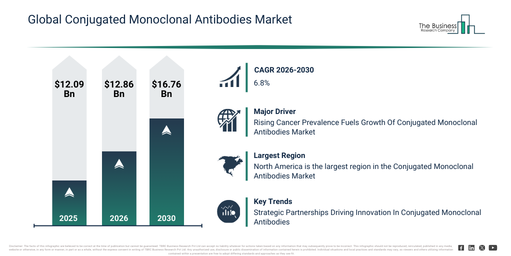
    The conjugated monoclonal antibodies market has seen strong growth in recent years. It is anticipated to increase from $12.09 billion in 2025 to $12.86 billion in 2026, demonstrating a compound annual growth rate (CAGR) of 6.4%. The historical period’s growth can be attributed to the limited availability of conjugated monoclonal antibodies, a reliance on conventional chemotherapy, the rising prevalence of cancer, intensified research into targeted therapies, and the initial approvals of ADC-based drugs.

    The market size for conjugated monoclonal antibodies is projected to experience substantial growth in the coming years. It is anticipated to reach $16.76 billion by 2030, progressing at a compound annual growth rate (CAGR) of 6.8%. This growth during the forecast period is attributable to the advancement of new linker technologies, the expansion of ADC applications to multiple cancers, an increasing adoption of personalized medicine approaches, augmented funding for oncology research, and a rising number of clinical trials and pipeline drugs. Key trends for the forecast period include the increasing integration of conjugated monoclonal antibodies in oncology, the expansion of targeted therapies for blood and solid tumors, the ongoing development of cleavable and non-cleavable linker technologies, the broader application of personalized medicine and precision oncology, and a boost in investment for clinical trials and cancer research.

    Get A Free Sample Report With In-Depth Market Insights:

    https://thebusinessresearchcompany.com/sample_request?id=51066408&type=smp&name=Conjugated%20Monoclonal%20Antibodies%20Market%20Report%202026&utm_source=Blogs&utm_medium=Paid&utm_campaign=Oct_PR

    Conjugated Monoclonal Antibodies Market Growth Momentum: What Factors Are Shaping Demand?

    The market for conjugated monoclonal antibodies is projected to expand significantly due to the widespread occurrence of cancer. Cancer is defined as a group of diseases characterized by the uncontrolled multiplication and spread of abnormal cells within the body. The increasing incidence of cancer is attributed to aging populations, given that the risk of developing the disease rises with age and individuals are now living longer. Conjugated monoclonal antibodies aid in treating cancer by precisely targeting cancer cells and delivering potent therapeutic agents directly to them, thus enhancing treatment efficacy while minimizing damage to healthy tissue. For example, in October 2025, according to the NHS England, a UK-based publicly funded healthcare system, there were 354,820 new cancer diagnoses in 2023, which signifies an increase of 8,605 from 2022. Consequently, the high prevalence of cancer is a key factor driving the growth of the conjugated monoclonal antibodies market.

    Conjugated Monoclonal Antibodies Market Segment Performance And Emerging Opportunities

    The conjugated monoclonal antibodies market covered in this report is segmented –

    1) By Drugs: Adcetris, Kadcyla

    2) By Technology: Cleavable Linker, Non-cleavable Linker

    3) By Application: Blood Cancer, Breast Cancer, Ovarian Cancer, Lung Cancer, Brain Tumor, Other Applications

    Conjugated Monoclonal Antibodies Market Trends Redefining Industry Growth

    Key companies engaged in conjugated monoclonal antibodies are increasingly embracing a strategic collaboration model to offer extensive solutions and bolster their capabilities. These strategic alliances involve businesses leveraging one another’s strengths and resources to secure mutual advantages and success. For example, in July 2023, BeiGene Ltd., a US-based biotechnology company, formed a partnership with Duality Biologics, a China-based clinical-stage company. Through this alliance, they intend to develop and commercialize a preclinical antibody-drug conjugate (ADC) therapy for individuals suffering from specific solid tumors. The combined strengths of both companies are anticipated to accelerate the progress of this promising ADC therapy through development and into the market.

    Conjugated Monoclonal Antibodies Market Key Players: Which Companies Lead Industry Competition?

    Major companies operating in the conjugated monoclonal antibodies market are Pfizer Inc., F. Hoffmann-La Roche AG, Bristol -Myers Squibb, Merck & Co. Inc., Immunomedics Inc., Takeda Pharmaceuticals Industries Ltd., Daiichi Sankyo Company Limited, Actinium Pharmaceutical, Nordic Nanovector Inc., AbbVie Inc., Bayer AG, AstraZeneca plc, Novartis AG, Amgen, Celgene, Genzyme, Incyte Corporation, MorphoSys AG, Regeneron Pharmaceuticals, Seattle Genetics

    View The Full Conjugated Monoclonal Antibodies Market Report:

    https://thebusinessresearchcompany.com/report/Conjugated-Monoclonal-Antibodie-global-market-report?utm_source=Blogs&utm_medium=Paid&utm_campaign=Oct_PR

    Conjugated Monoclonal Antibodies Market Regional Split: Which Areas Are Fueling Growth?

    North America was the largest region in the conjugated monoclonal antibody market in 2025. The Middle East is expected to be the fastest-growing region in the global conjugated monoclonal antibodies market share during the forecast period. The regions covered in the conjugated monoclonal antibodies market report are Asia-Pacific, South East Asia, Western Europe, Eastern Europe, North America, South America, Middle East, Africa.

    Reach Out To Our Team:

    The Business Research Company: https://www.thebusinessresearchcompany.com/

    Americas: +1 310-496-7795

    Asia: +44 7882 955267 & +91 8897263534

    Europe: +44 7882 955267

    Email us at: marketing@tbrc.info

    Follow us on:

    LinkedIn: https://in.linkedin.com/company/the-business-research-company

    YouTube: https://www.youtube.com/channel/UC24_fI0rV8cR5DxlCpgmyFQ

    Global Market Model: https://www.thebusinessresearchcompany.com/global-market-model
  • Conjugate Vaccine Market Forecast Insights: The Road To $38.53 Billion By 2030

    Conjugate Vaccine Market Forecast Insights: The Road To $38.53 Billion By 2030

    Featuring market attractiveness scoring, total addressable market sizing, company benchmarking matrices, interactive Excel dashboards, deeper supply chain intelligence, emerging startup tracking, and granular product-level insights, The Business Research Company’s 2026 market reports are built to deliver research that is both more actionable and more strategically valuable.

    Conjugate Vaccine Market Revenue Growth On Track For A 12.8% CAGR Through 2030

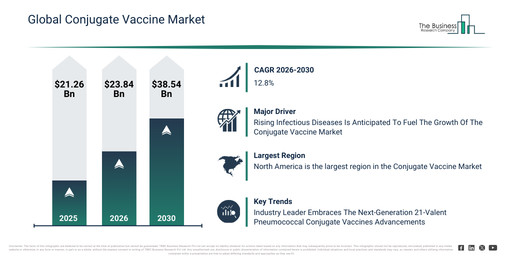
    The conjugate vaccine market size has experienced substantial expansion recently. It is projected to increase from $21.26 billion in 2025 to $23.84 billion by 2026, achieving a compound annual growth rate (CAGR) of 12.1%. Historically, this growth can be ascribed to government-led immunization initiatives, the high prevalence of bacterial infections, support from global health organizations, the proven efficacy of conjugate vaccines, and an expanding pediatric population.

    The conjugate vaccine market is projected to experience substantial expansion over the upcoming years. It is anticipated to reach a valuation of $38.54 billion by 2030, exhibiting a compound annual growth rate (CAGR) of 12.8%. This anticipated growth during the forecast period can be primarily attributed to several factors, including an increasing demand for combination vaccines, the broadening of adult vaccination programs, augmented funding for vaccine research and development, a heightened focus on antimicrobial resistance, and enhancements in cold chain infrastructure. Key trends expected within this period encompass the expansion of pediatric immunization initiatives, a growing embrace of multivalent conjugate vaccines, an intensified emphasis on long-term immunogenicity, an increase in public-private collaborations for vaccines, and progress in carrier protein technologies.

    Get A Free Sample Report With In-Depth Market Insights:

    https://thebusinessresearchcompany.com/sample_request?id=22738356&type=smp&name=Conjugate%20Vaccine%20Market%20Report%202026&utm_source=Blogs&utm_medium=Paid&utm_campaign=Oct_PR

    Conjugate Vaccine Market Expansion Drivers: What’s Shaping Future Growth?

    The conjugate vaccine market is projected to experience growth due to the escalating incidence of infectious diseases. These conditions are health ailments caused by pathogenic microorganisms, including bacteria, viruses, parasites, or fungi, which can be transmitted directly or indirectly between people, from animals to humans, or through environmental factors. Conjugate vaccines are crucial for preventing infectious diseases stemming from certain bacteria, particularly in vulnerable demographics such as infants and young children. For instance, data from the Centers for Disease Control and Prevention, a US government agency, indicates that tuberculosis cases increased from 8,320 in 2022 to 9,615 in 2023, showing an increase of 1,295 cases. Additionally, the incidence rate rose from 2.5 per 100,000 individuals in 2022 to 2.9 in 2023. Thus, the increasing occurrence of infectious diseases is a key driver for the expansion of the conjugate vaccine market.

    Conjugate Vaccine Market Segment Landscape And Growth Outlook

    The conjugate vaccine market covered in this report is segmented –

    1) By Product Type: Monovalent Conjugate Vaccines, Multivalent Conjugate Vaccine

    2) By Pathogen: Bacterial, Viral

    3) By Disease Indication: Pneumococcal, Influenza, Meningococcal, Typhoid

    4) By Patient: Pediatric, Adults

    5) By End-User: Hospitals, Clinics, Homecare Settings, Other End Users

    Conjugate Vaccine Market Strategic Trends: What Defines The Next Growth Phase?

    Leading companies in the conjugate vaccine market are prioritizing the creation of next-generation conjugate vaccines to deliver more extensive protection against various pneumococcal serotypes, thereby lessening the disease burden among susceptible demographics. These advanced conjugate vaccines operate by linking bacterial polysaccharides to carrier proteins to enhance the immune response, particularly in infants and immunocompromised individuals, providing superior protection, extended immunity, and increased efficacy compared to conventional vaccines. For example, in August 2025, Pfizer Ltd., an India-based pharmaceutical company, unveiled its next-generation 20-valent Pneumococcal Polysaccharide Conjugate Vaccine (Adsorbed) I.P., PCV20, for adults in India, thereby bolstering its conjugate vaccine offerings by ensuring broader defense against pneumococcal disease and aiding in improved public health outcomes.

    Conjugate Vaccine Market Competitive Landscape: Who Leads The Industry?

    Major companies operating in the conjugate vaccine market are Sanofi S.A., Pfizer Inc., Merck & Co. Inc., GlaxoSmithKline plc, Bharat Biotech International Limited, Serum Institute of India Private Limited, Biological E. Limited, Bavarian Nordic A/S, CSL Limited, Novartis AG, GreenSignal Bio Pharma Limited, Taj Pharmaceuticals Limited, Vaxcyte Inc., Neuron Biotech Co. Ltd., Bio-Med Pvt. Ltd., Sinovac Biotech Ltd., Takeda Pharmaceutical Company Limited, Valneva SE, Dynavax Technologies Corporation, Emergent BioSolutions Inc., Hualan Biological Engineering Inc., Panacea Biotec Ltd., Protein Sciences Corporation, Seqirus

    View The Full Conjugate Vaccine Market Report:

    https://thebusinessresearchcompany.com/report/conjugate-vaccine-global-market-report?utm_source=Blogs&utm_medium=Paid&utm_campaign=Oct_PR

    Conjugate Vaccine Market Top Region: Where Does Most Revenue Come From?

    North America was the largest region in the global conjugate vaccine market in 2025. The regions covered in the conjugate vaccine market report are Asia-Pacific, South East Asia, Western Europe, Eastern Europe, North America, South America, Middle East, Africa.

    Reach Out To Our Team:

    The Business Research Company: https://www.thebusinessresearchcompany.com/

    Americas: +1 310-496-7795

    Asia: +44 7882 955267 & +91 8897263534

    Europe: +44 7882 955267

    Email us at: marketing@tbrc.info

    Follow us on:

    LinkedIn: https://in.linkedin.com/company/the-business-research-company

    YouTube: https://www.youtube.com/channel/UC24_fI0rV8cR5DxlCpgmyFQ

    Global Market Model: https://www.thebusinessresearchcompany.com/global-market-model