Blog

  • Blood Bank Industry Insights 2025 – Market Forecast for Executives and Planners

    Blood Bank Industry Insights 2025 – Market Forecast for Executives and Planners

    Claim your 30% discount on Global Market Reports with code ONLINE30. Limited time only.

    How Has the Blood Bank Market Size Changed, over the years?

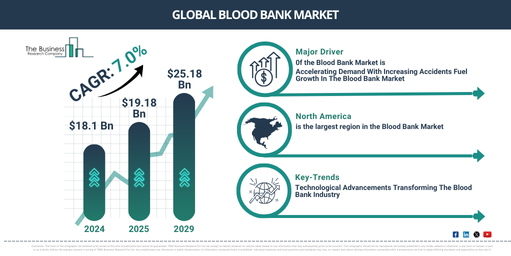
    In the past few years, the blood bank market size has seen significant growth. Rising from $18.1 billion in 2024, it is expected that the figure will reach $19.18 billion in 2025, maintaining a compound annual growth rate (CAGR) of 5.9%. Factors such as a rise in trauma incidents, surgical procedures, blood disorders, chronic illnesses, and maternal health have all contributed to the growth experienced in the historic period.

    How Much Will the Blood Bank Market Be Worth in 2029?

    Expectations are high for the blood bank market to experience significant growth in the coming years. The market is projected to reach a value of $25.18 billion by 2029, growing at a compound annual growth rate (CAGR) of 7.0%. The growth during this forecast period is primarily driven by factors such as the expansion into new markets, advances in telemedicine and remote blood banking, developments in gene editing and therapies, global health crisis, and an increasing elderly population. The forecast period will also see a growth in trends such as increased diversity of the donor pool, implementation of blood utilization review programs, growth of cord blood banking, application of blockchain in tracking blood supply, and enhanced blood processing technologies.

    Download The Free Sample Report Here:

    https://www.thebusinessresearchcompany.com/sample.aspx?id=9837&type=smp

    Which is the Largest Company in the Blood Bank Market?

    Major companies operating in the blood bank market include American Association of Blood Banks, Blood Bank of Alaska, Canadian Blood Services, The Japanese Red Cross Society, New York Blood Center, NHS Blood And Transplant, Sanquin Blood Supply Foundation, The American Red Cross, Vitalant, America’s Blood Centers, Australian Red Cross, Terumo Corporation, Haemonetics Corporation, National Blood Transfusion Council, Shire Plc, Abbott, Beckman Coulter Inc., Polymedicure, Thermo Fisher Scientific Inc., Becton Dickinson and Company, Bio-Rad Laboratories Inc., F. Hoffman La Roche, Siemens Healthcare Private Limited, BioMérieux, CSL Behring, Takeda, Octapharma, Kedrion, Macopharma, Fresenius Kabi AG, B. Braun Melsungen AG, Grifols SA, Hologic Inc., Ortho Clinical Diagnostics, Merck KGaA, Roche Diagnostics, Quotient Limited

    What Are the Main Market Drivers in the Blood Bank Industry?

    The growth of the blood bank market is anticipated to be driven by the escalating number of accidents. The increase in accidents can be attributed to more frequent and unexpected events that lead to injuries, damage, or even loss of life, encompassing a variety of incidents such as automobile and workplace accidents. With the surge in accidents comes a heightened need for prompt blood transfusions to address injuries, compensate for blood loss, and ensure proper circulation resulting from these accidents. For instance, in June 2022, the World Health Organization (WHO), a Switzerland-based global public health agency, affirmed through an article that road traffic crashes resulted in roughly 1.3 million deaths, while non-fatal injuries affected between 20 to 50 million individuals. Moreover, more than 90 percent of these road traffic deaths occurred in low and middle-income countries. Thus, the blood bank market is expected to thrive due to the escalating rate of accidents.

    Request For A Customized Report:

    https://www.thebusinessresearchcompany.com/customise?id=9837&type=smp

    How Is the Blood Bank Market Segments Structured?

    The blood bank market covered in this report is segmented –

    1) By Bank Type: Private Blood Bank, Public Blood Bank

    2) By Function: Collection, Processing, Testing, Storage, Transportation

    3) By Product Type: Whole Blood, Red Blood Cells, Platelet, Plasma, White Blood Cells

    4) By End User: Hospitals, Ambulatory Surgical Centers, Clinics, Pharmaceutical Companies

    Subsegments:

    1) By Private Blood Bank: Commercial Blood Banks, Specialty Blood Banks

    2) By Public Blood Bank: Government-Funded Blood Banks, Non-Profit Blood Banks

    What Strategic Trends Are Transforming the Blood Bank Market?

    The blood bank market is witnessing a significant trend in the form of technological innovation. To keep pace with the rapidly expanding industry demand and augment their global business outreach, key companies involved in blood collection and storage are introducing revolutionary technologies. Illustrating this trend, Abbott Laboratories, a leading healthcare and medical devices firm in the United States, formed a strategic alliance with the US-based independent blood center, Blood Centers of America, in January 2023. They unveiled a consumer-centric app that harmonizes with Abbott’s technology in a mixed reality format. This futuristic app, primed for blood donors, offers a digital experience aimed at streamlining the blood donation process, appealing to potential donors, and inspiring the younger generation to contribute towards blood donation.

    Access The Full Report Here:

    https://www.thebusinessresearchcompany.com/report/blood-bank-global-market-report

    Which Global Regions Offer the Highest Growth in the Blood Bank Market?

    North America was the largest region in the blood bank market in 2024. Asia-Pacific is expected to be the fastest-growing region in the blood bank market report during the forecast period. The regions covered in the blood bank market report are Asia-Pacific, Western Europe, Eastern Europe, North America, South America, Middle East, Africa

    Purchase The Full Report Today:

    https://www.thebusinessresearchcompany.com/purchaseoptions.aspx?id=9837

    This Report Delivers Insight On:

    1. How big is the blood bank market, and how is it changing globally?

    2. Who are the major companies in the blood bank market, and how are they performing?

    3. What are the key opportunities and risks in the blood bank market right now?

    4. Which products or customer segments are growing the most in the blood bank market?

    5. What factors are helping or slowing down the growth of the blood bank market?

    About The Business Research Company:

    With over 15000+ reports from 27 industries covering 60+ geographies, The Business Research Company has built a reputation for offering comprehensive, data-rich research and insights. Armed with 1,500,000 datasets, the optimistic contribution of in-depth secondary research, and unique insights from industry leaders, you can get the information you need to stay ahead in the game.

    Get in touch with us:

    The Business Research Company: https://www.thebusinessresearchcompany.com/

    Americas +1 3156230293

    Asia +44 2071930708

    Europe +44 2071930708

    Email us at info@tbrc.info

    Follow us on:

    LinkedIn: https://in.linkedin.com/company/the-business-research-company

    YouTube: https://www.youtube.com/channel/UC24_fI0rV8cR5DxlCpgmyFQ

    Global Market Model: https://www.thebusinessresearchcompany.com/global-market-model
  • Artificial Tears Industry Valued at $4.86 Billion by 2029 With CAGR of 6.5% | Size and Share Insights

    Artificial Tears Industry Valued at $4.86 Billion by 2029 With CAGR of 6.5% | Size and Share Insights

    Claim your 30% discount on Global Market Reports with code ONLINE30. Limited time only.

    What Is the Forecast for the Artificial Tears Market from 2024 to 2025?

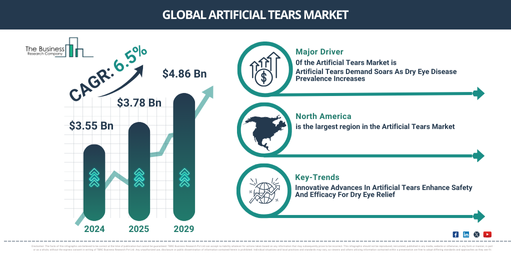
    In recent times, the artificial tears market has been experiencing robust growth. This market is projected to rise from $3.55 billion in 2024 to $3.78 billion in 2025, exhibiting a compound annual growth rate (CAGR) of 6.5%. Factors contributing to growth during the historical phase include an older population, extended screen usage, expenditure on healthcare, a transition from prescription to over-the-counter (OTC), and regulatory modifications.

    What Is the Projected Market Size of the Artificial Tears Market?

    Predictions indicate a robust expansion of the artificial tears market in the upcoming years, targeting a valuation of $4.86 billion by 2029, with a compound annual growth rate (CAGR) of 6.5%. The upswing in the projected timeline is primarily due to factors such as the rising cases of dry eye syndrome, increased use of contact lenses, widespread urbanization, escalating pollution levels, and the growth of e-commerce. Key trends expected during this projected period encompass technological progression, incorporation of artificial intelligence, collaborations with healthcare practitioners, usage of natural components, progression in product formulation techniques, advanced drug delivery methodologies and focus on eco-friendly, sustainable products.

    Download The Free Sample Report Here:

    https://www.thebusinessresearchcompany.com/sample.aspx?id=13799&type=smp

    Who are the Major Competitors in the Artificial Tears Market Outlook?

    Major companies operating in the artificial tears market report are Pfizer Inc., Johnson & Johnson, AbbVie Inc., Novartis AG, Abbott Laboratories, Otsuka Pharmaceutical Co. Ltd., Alcon, Bausch Health Companies Inc., Sun Pharmaceutical Industries Ltd., Dr Reddy’s Laboratories, Santen Pharmaceutical Co. Ltd., Lupin Limited, Rohto Pharmaceutical Co. Ltd., Prestige Consumer Healthcare Inc., Thea Pharma Inc., OPTIMA pharma GmbH, Sentiss Pharma Pvt. Ltd., VISUfarma B.V., OASIS Medical Inc., Hilco Vision, Similasan Corporation, Eyevance Pharmaceuticals LLC, Nicox S.A., I-MED Pharma Inc., Velocity Pharma LLC

    What Is Fueling Growth in the Artificial Tears Market?

    The artificial tear market is projected to experience growth due to the ever-increasing presence of dry eye disease. This ailment occurs when eyes don’t create a sufficient volume of tears, or the tears are not of premium quality, causing pain and uneasiness. Artificial tears are used to augment natural tear production, supplying lubrication and easing the discomfort associated with dry eyes. As an example, a study from Macquarie University in Australia revealed in March 2022 that of 5,000 participants aged 50 and older, 13% (15 of 120 people) displayed clinical signs of dry eye disease (DED), with 8.2% mild, 2.5% moderate, and 1.6% in the severe category. Furthermore, in the same month, Eyes On Eyecare, a US digital news source for ophthalmology, communicated that the application of prescribed and in-clinic remedies for dry eye disease escalated from 5.8% in 2021 to 7.56% in 2022. The data showed that the use of prescription treatments such as topical steroids had a striking increase from 0.9% to 9.1% in that time-frame. Due to these reasons, the escalating presence of dry eye disease has spurred the growth of the artificial tear market.

    Request For A Customized Report:

    https://www.thebusinessresearchcompany.com/customise?id=13799&type=smp

    Which Artificial Tears Market Segments Are Growing the Fastest?

    The artificial tears market covered in this report is segmented –

    1) By Type: Glycerin Tears, Cellulose Tears, Oil-Based Emulsion Tears, Polyethylene Glycol-based Tears, Sodium Hyaluronate Based Artificial Tears, Propylene Glycol-based Tears

    2) By Dosage: Suspensions, Solution, Ointment, Emulsion, Gel, Spray

    3) By Indication: Dry Eye Syndrome, Allergies, Infections, UV And Blue Light Protection, Contact Lens Moisture Retention, Other Indications

    4) By Distribution: Retail Pharmacies, Hospital Pharmacies, Online Pharmacies, Ophthalmic Stores

    Subsegments:

    1) By Glycerin Tears: Preserved Glycerin Tears, Preservative-Free Glycerin Tears

    2) By Cellulose Tears: Hydroxypropyl Methylcellulose (HPMC) Tears, Carboxymethylcellulose (CMC) Tears

    3) By Oil-Based Emulsion Tears: Mineral Oil-based Tears, Castor Oil-based Tears

    4) By Polyethylene Glycol-based Tears: PEG 400 Tears, PEG 3350 Tears

    5) By Sodium Hyaluronate Based Artificial Tears: Low Molecular Weight Sodium Hyaluronate Tears, High Molecular Weight Sodium Hyaluronate Tears

    6) By Propylene Glycol-based Tears: Preserved Propylene Glycol Tears, Preservative-Free Propylene Glycol Tears

    Which Industry Trends Are Shaping the Future of the Artificial Tears Market?

    Key players in the artificial tears market are innovating and incorporating technologies such as patented pureflow technology in their products to improve safety and ease of use. Patented pureflow technology is a unique delivery mechanism that uses a unidirectional valve to safeguard the sterile dispensation of preservative-free eye drops, thus averting contamination and preserving the product’s integrity. For example, Alcon Inc., a medical device and pharmaceutical company based in Switzerland, unveiled the Systane Complete Preservative-Free Lubricant Eye Drops in January 2022. These advanced artificial tears are uniquely designed to alleviate symptoms connected to all major kinds of dry eye, including evaporative dry eye and aqueous tear deficiency. Being a preservative-free compound, they offer continuous relief of up to eight hours by hydrating and safeguarding every layer of the tear film. With the use of nano-droplet technology, the drops provide immediate hydration to the eye’s surface, prevent tear evaporation, and provide prompt, efficient relief. Enclosed in a handy multi-dose bottle featuring the PureFlow technology, the design safeguards by averting contamination, proving it to be an excellent choice for regular users and those having prone eyes.

    Access The Full Report Here:

    https://www.thebusinessresearchcompany.com/report/artificial-tears-global-market-report

    Which Countries Are Leading the Artificial Tears Market?

    North America was the largest region in the artificial tears market in 2024. Asia-Pacific is expected to be the fastest-growing region in the forecast period. The regions covered in the artificial tears market report are Asia-Pacific, Western Europe, Eastern Europe, North America, South America, Middle East, Africa.

    Purchase The Full Report Today:

    https://www.thebusinessresearchcompany.com/purchaseoptions.aspx?id=13799

    This Report Delivers Insight On:

    1. How big is the artificial tears market, and how is it changing globally?

    2. Who are the major companies in the artificial tears market, and how are they performing?

    3. What are the key opportunities and risks in the artificial tears market right now?

    4. Which products or customer segments are growing the most in the artificial tears market?

    5. What factors are helping or slowing down the growth of the artificial tears market?

    About The Business Research Company:

    With over 15000+ reports from 27 industries covering 60+ geographies, The Business Research Company has built a reputation for offering comprehensive, data-rich research and insights. Armed with 1,500,000 datasets, the optimistic contribution of in-depth secondary research, and unique insights from industry leaders, you can get the information you need to stay ahead in the game.

    Get in touch with us:

    The Business Research Company: https://www.thebusinessresearchcompany.com/

    Americas +1 310-496-7795

    Asia +44 2071930708

    Europe +44 7882 955267

    Email us at info@tbrc.info

    Follow us on:

    LinkedIn: https://in.linkedin.com/company/the-business-research-company

    YouTube: https://www.youtube.com/channel/UC24_fI0rV8cR5DxlCpgmyFQ

    Global Market Model: https://www.thebusinessresearchcompany.com/global-market-model
  • Acute Spinal Cord Injury Industry Insights 2025 – Market Forecast for Executives and Planners

    Acute Spinal Cord Injury Industry Insights 2025 – Market Forecast for Executives and Planners

    Claim your 30% discount on Global Market Reports with code ONLINE30. Limited time only.

    How Has the Acute Spinal Cord Injury Market Size Changed, over the years?

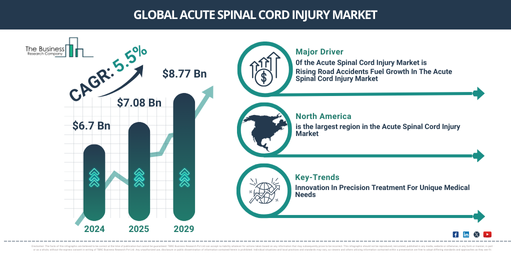
    The market for acute spinal cord injury has seen robust growth in the past few years. The size of the market is expected to increase from $6.7 billion in 2024 to $7.08 billion in 2025, exhibiting a compound annual growth rate (CAGR) of 5.6%. Factors such as the increasing number of acute spinal cord injury cases, heightened awareness about the condition and its treatment methods, surging demand for tailored care, rising levels of disposable income, and greater government expenditure on research and development for acute spinal cord injury have contributed to the growth in the historical period.

    How Much Will the Acute Spinal Cord Injury Market Be Worth in 2029?

    In the upcoming years, the market size of acute spinal cord injury is anticipated to experience robust growth. It is projected to escalate to $8.77 billion by 2029, with a compound annual growth rate (CAGR) of 5.5%. The growth during the forecast period may be attributed to the advent of new therapies, adoption of telemedicine, implementation of patient-focused care models, and an increased emphasis on preventive healthcare and injury prevention. Key trends in the forecast period encompass medical developments, rehabilitation methods, neuroprotection treatments, psychosocial support, advocacy, and accessibility.

    Download The Free Sample Report Here:

    https://www.thebusinessresearchcompany.com/sample.aspx?id=12960&type=smp

    Which is the Largest Company in the Acute Spinal Cord Injury Market?

    Major companies operating in the acute spinal cord injury market are Pfizer Inc., AbbVie Inc., Novartis AG, Teva Pharmaceutical Industries Ltd., Biogen Inc., Vertex Pharmaceuticals Inc., Mitsubishi Tanabe Pharma Corporation, Stanford Health Care, BioMarin Pharmaceutical Inc., Neuralstem Inc., Kennedy Krieger Institute, Acorda Therapeutics Inc., Craig Hospital, Omeros Corporation, Lineage Cell Therapeutics Inc., Pharmazz Inc., Asterias Biotherapeutics Inc., Histocell S.L., Athersys Inc., ReNetX Bio, Kringle Pharma Inc., BioArctic AB, BioAxone BioSciences Inc., InVivo Therapeutics Holdings Corp, Geron Corporation, Neuronax SA, Tenax Therapeutics, Eusol Biotech Co. Ltd.

    What Are the Main Market Drivers in the Acute Spinal Cord Injury Industry?

    The acute spinal cord injury market is anticipated to grow, propelled by escalating counts of road mishaps. An event that involves a motor vehicle collision resulting in severe wounds or fatalities is termed a road accident. Accidental injuries to the spine can potentially damage the central nervous system (CNS), interrupting the flow of nerves necessary for functional and sensory skills. The intensity of a collision could induce trauma to the cervical, lumbar, or thoracic spine, damaging or possibly severing the spinal cord, leading to paralysis. For example, the Llywodraeth Cymru / Welsh Government, an administrative body based in Wales, reported a total of 4,348 road casualties in 2023 as reported by police forces in Wales. This figure indicated a 2% rise compared to 2022. Hence, the rise in road accidents is reinforcing the growth of the acute spinal cord injury market. Market Driver for Acute Spinal Cord Injury: Growth Induced by Increased Clinical Trials

    Request For A Customized Report:

    https://www.thebusinessresearchcompany.com/customise?id=12960&type=smp

    How Is the Acute Spinal Cord Injury Market Segments Structured?

    The acute spinal cord injury market covered in this report is segmented –

    1) By Type: Complete Spinal Cord Injury, Incomplete Spinal Cord Injury

    2) By Diagnosis Type: Laboratory Tests, Imaging Tests

    3) By Application: Hospitals, Clinics

    Subsegments:

    1) By Complete Spinal Cord Injury: Tetraplegia, Paraplegia

    2) By Incomplete Spinal Cord Injury: Central Cord Syndrome, Anterior Cord Syndrome, Brown-Séquard Syndrome, Conus Medullaris Syndrome, Cauda Equina Syndrome

    What Strategic Trends Are Transforming the Acute Spinal Cord Injury Market?

    Key players in the acute spinal cord injury market are concentrating on the development of novel drugs to cater to patients’ needs and maintain their market position. The creation of new medications, such as LYVISPAH, may enhance results for patients undergoing combination treatments. For example, Amneal Pharmaceuticals, an American pharmaceutical firm, initiated LYVISPAH in July 2022 — a baclofen oral granule available in doses of 5, 10, and 20 mg, certified by the U.S. Food and Drug Administration (FDA) to treat spasticity related to multiple types of spinal cord disorders. LYVISPAH offer relief from flexor spasms and related pain, clones, and muscular stiffness while allowing adjustable dosages with single-use granule packages of dosages 5 mg, 10 mg, and 20 mg, with biological equivalence to oral baclofen tablets. This medication can also benefit patients suffering from spinal cord injuries and other related disorders.

    Access The Full Report Here:

    https://www.thebusinessresearchcompany.com/report/acute-spinal-cord-injury-global-market-report

    Which Global Regions Offer the Highest Growth in the Acute Spinal Cord Injury Market?

    North America was the largest region in the acute spinal cord injury market in 2024. The regions covered in acute spinal cord injury market report are Asia-Pacific, Western Europe, Eastern Europe, North America, South America, Middle East and Africa.

    Purchase The Full Report Today:

    https://www.thebusinessresearchcompany.com/purchaseoptions.aspx?id=12960

    This Report Delivers Insight On:

    1. How big is the acute spinal cord injury market, and how is it changing globally?

    2. Who are the major companies in the acute spinal cord injury market, and how are they performing?

    3. What are the key opportunities and risks in the acute spinal cord injury market right now?

    4. Which products or customer segments are growing the most in the acute spinal cord injury market?

    5. What factors are helping or slowing down the growth of the acute spinal cord injury market?

    About The Business Research Company:

    With over 15000+ reports from 27 industries covering 60+ geographies, The Business Research Company has built a reputation for offering comprehensive, data-rich research and insights. Armed with 1,500,000 datasets, the optimistic contribution of in-depth secondary research, and unique insights from industry leaders, you can get the information you need to stay ahead in the game.

    Get in touch with us:

    The Business Research Company: https://www.thebusinessresearchcompany.com/

    Americas +1 310-496-7795

    Asia +44 2071930708

    Europe +44 7882 955267

    Email us at info@tbrc.info

    Follow us on:

    LinkedIn: https://in.linkedin.com/company/the-business-research-company

    YouTube: https://www.youtube.com/channel/UC24_fI0rV8cR5DxlCpgmyFQ

    Global Market Model: https://www.thebusinessresearchcompany.com/global-market-model
  • Biotech Ingredient Market Trends Report 2025 – For Business Development and Strategy Teams

    Biotech Ingredient Market Trends Report 2025 – For Business Development and Strategy Teams

    Claim your 30% discount on Global Market Reports with code ONLINE30. Limited time only.

    What Is the Forecast for the Biotech Ingredient Market Growth in 2025?

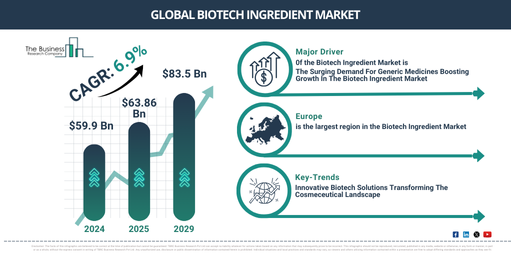
    Recent years have seen a significant expansion in the biotech ingredient market size. It is forecasted to rise from $59.9 billion in 2024 to $63.86 billion in 2025, showcasing a compound annual growth rate (CAGR) of 6.6%. This growth during the historic period can be linked to novel developments in the food and beverage sector, the escalating popularity of biofuel, the rising consumer demand for functional foods, and breakthroughs in genetic engineering.

    What Is the Forecast for the Biotech Ingredient Market Size Through 2029?

    The market size of biotech ingredients is predicted to witness robust expansion in the upcoming years, escalating to $83.5 billion in 2029 with a CAGR of 6.9%. The growth throughout the forecast period is likely due to the emphasis on customized nutrition, the widening of cell-based meat manufacturing, the advancement of therapeutic biotech components, bio ingredients aimed at waste minimization, and the transition to bioplastics. Significant trends during this predicted period encompass biotech-facilitated functional foods, biotech solutions intended for circular economy practices, therapeutic biotech components, biotech ingredients aimed at clean energy generation, and a worldwide focus on preserving biodiversity.

    Download The Free Sample Report Here:

    https://www.thebusinessresearchcompany.com/sample.aspx?id=9817&type=smp

    What are the Key Market Players in Biotech Ingredient Market and How They’re Evolving?

    Major companies operating in the biotech ingredient market include Merck & Co. Inc., Sanofi S.A., AbbVie Inc., International Flavors & Fragrance (IFF) Inc., Novartis AG, Pfizer Inc., Teva Pharmaceutical Industries Ltd., Mylan Inc., Boehringer Ingelheim International GmbH., AstraZeneca plc., Givaudan, Firmenich SA, Amyris Inc., Advanced BioTech, Sollice Biotech, Novocap S.A., Eli Lilly, Bristol-Myers Squibb Company, GlaxoSmithKline plc., F. Hoffmann-La Roche AG, Biogen Inc., Amgen Inc., Johnson & Johnson, Genentech Inc., Regeneron Pharmaceuticals Inc., Vertex Pharmaceuticals Incorporated, Alexion Pharmaceuticals Inc., Celgene Corporation, Gilead Sciences Inc., BioMarin Pharmaceutical Inc., Incyte Corporation, Seattle Genetics Inc., Alnylam Pharmaceuticals Inc., Ionis Pharmaceuticals Inc., Moderna Inc., Editas Medicine Inc., Intellia Therapeutics Inc., Sangamo Therapeutics Inc., Bluebird Bio Inc., Spark Therapeutics Inc.

    What Are the Primary Growth Drivers in the Biotech Ingredient Market?

    The expected surge in the biotech ingredient market can be contributed to the rising demand for generic medicines. A generic medicine, by definition, is a drug formulated to have identical properties to another already approved medicine. Biotech ingredients play an essential role in generic medicine, notably as a critical source for creating a variety of active ingredients that are remarkably similar to the original product, at a lower cost and increased effectiveness. The oversight for these substances is typically under an augmented set of regulations. For example, the Personalized Medicine Coalition, a professional membership organization based in the United States, reported that in 2022, the authorization of 12 new personalized medicines represented about 34% of all groundbreaking approved therapies. This is a notable upturn compared to preceding years. As a result, the surging demand for generic medicines is fuelling the expansion of the biotech ingredient market.

    Request For A Customized Report:

    https://www.thebusinessresearchcompany.com/customise?id=9817&type=smp

    What Are the Leading Segments in the Global Biotech Ingredient Industry?

    The biotech ingredient market covered in this report is segmented –

    1) By Type: Active Pharmaceutical Ingredients, Biosimilars

    2) By Expression Systems: Mammalian Expression Systems, Microbial Expression Systems, Yeast Expression Systems, Plant Expression Systems, Insect Expression Systems

    3) By Application: Food And Beverages, Personal Care And Cosmetics, Cleaning Products, Other Applications

    Subsegments:

    1) By Active Pharmaceutical Ingredients (APIs): Biologic APIs, Synthetic APIs

    2) By Biosimilars: Monoclonal Antibodies, Recombinant Proteins, Insulin Biosimilars

    What Are the Key Market Trends in the Biotech Ingredient Industry?

    The rise in technological progress is becoming a crucial trend that’s garnering attention in the biotech ingredient industry. To sustain their competitive edge in the market, key corporations in the biotech ingredient field are implementing novel technologies to create enhanced products. As an example, International Flavors & Fragrances Inc., a US-based firm specializing in the production of fragrance, biotech solutions, cosmetic energetics, and organic health elements, unveiled Aurist AGC in March 2023. This innovative biopolymer for hair care exemplifies the potential of the new DEB platform, leveraging IFF’s extensive biotechnological capabilities to deliver consistent, high-performance glamour solutions that can affect real change in the cosmeceutical sector. This ingredient utilizes IFF’s exclusive Designed Enzymatic Biopolymers (DEB) technology, a cutting-edge biotechnology able to generate unique biobased polysaccharides with distinct structures and product characteristics.

    Access The Full Report Here:

    https://www.thebusinessresearchcompany.com/report/biotech-ingredient-global-market-report

    What Is the Regional Outlook for the Biotech Ingredient Market?

    Europe was the largest region in the biotech ingredient market in 2024. Asia-Pacific is expected to be the fastest-growing region in the biotech ingredients market report during the forecast period. The regions covered in the biotech ingredient market report are Asia-Pacific, Western Europe, Eastern Europe, North America, South America, Middle East, Africa

    Purchase The Full Report Today:

    https://www.thebusinessresearchcompany.com/purchaseoptions.aspx?id=9817

    This Report Delivers Insight On:

    1. How big is the biotech ingredient market, and how is it changing globally?

    2. Who are the major companies in the biotech ingredient market, and how are they performing?

    3. What are the key opportunities and risks in the biotech ingredient market right now?

    4. Which products or customer segments are growing the most in the biotech ingredient market?

    5. What factors are helping or slowing down the growth of the biotech ingredient market?

    About The Business Research Company:

    With over 15000+ reports from 27 industries covering 60+ geographies, The Business Research Company has built a reputation for offering comprehensive, data-rich research and insights. Armed with 1,500,000 datasets, the optimistic contribution of in-depth secondary research, and unique insights from industry leaders, you can get the information you need to stay ahead in the game.

    Get in touch with us:

    The Business Research Company: https://www.thebusinessresearchcompany.com/

    Americas +1 3156230293

    Asia +44 2071930708

    Europe +44 2071930708

    Email us at info@tbrc.info

    Follow us on:

    LinkedIn: https://in.linkedin.com/company/the-business-research-company

    YouTube: https://www.youtube.com/channel/UC24_fI0rV8cR5DxlCpgmyFQ

    Global Market Model: https://www.thebusinessresearchcompany.com/global-market-model
  • Nicotine Replacement Therapy Industry Valued at $4.33 Billion by 2029 With CAGR of 5.8% | Size and Share Insights

    Nicotine Replacement Therapy Industry Valued at $4.33 Billion by 2029 With CAGR of 5.8% | Size and Share Insights

    Claim your 30% discount on Global Market Reports with code ONLINE30. Limited time only.

    #What Is the Forecast for the Nicotine Replacement Therapy Market from 2024 to 2025?#_x000D_

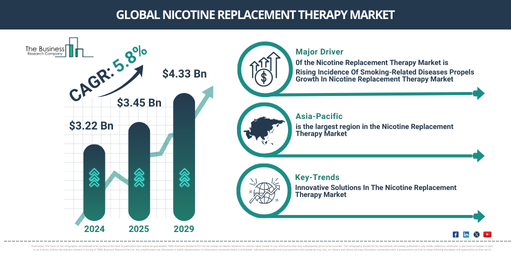
    In recent times, the nicotine replacement therapy market has seen consistent expansion. The market size is forecasted to surge from $3.22 billion in 2024 to $3.45 billion in 2025, indicating a compound annual growth rate (CAGR) of 7.4%. The significant growth observed in the past can be credited to public health campaigns, shifts in lifestyle trends, advice from doctors, competitive market dynamics, and enhanced consumer knowledge._x000D_

    _x000D_

    #What Is the Projected Market Size of the Nicotine Replacement Therapy Market?#_x000D_

    Expectations are high for robust expansion of the nicotine replacement therapy market in the coming years. Forecasts predict a surge to a worth of $4.33 billion by 2029, with a compound annual growth rate (CAGR) of 5.8%. This anticipated growth during the forecast period is driven by factors such as new markets, personalized treatments, public sector interventions, improved healthcare accessibility, and demographic shifts. Major trends to watch over the forecast period include technological innovation, advancements in scientific research, the rise of digital health solutions, the integration of digital therapeutics, and the adoption of corporate wellness programs._x000D_

    _x000D_

    #Download The Free Sample Report Here:#_x000D_

    https://www.thebusinessresearchcompany.com/sample.aspx?id=13887&type=smp_x000D_

    _x000D_

    #Who are the Major Competitors in the Nicotine Replacement Therapy Market Outlook?#_x000D_

    Major companies operating in the nicotine replacement therapy market report are Pfizer Inc., Johnson & Johnson, Philip Morris International Inc., Bayer AG, Sanofi S.A., Abbott Laboratories, Novartis International AG, Imperial Brands, GlaxoSmithKline plc, Takeda Pharmaceutical Company Limited, Haleon Group of Companies, Perrigo Company plc, Reynolds American Inc., Cipla Limited, Swedish Match AB, Lucy Goods, Fertin Pharma Limited, Innokin Technology Co. Ltd., 22nd Century Group, Fontem Ventures, PAX Labs, Zydus Cadila, Gamucci Electronic Cigarettes, Revolymer plc_x000D_

    _x000D_

    #What Is Fueling Growth in the Nicotine Replacement Therapy Market?#_x000D_

    The acceleration in the prevalence of illnesses caused by smoking is projected to augment growth of the market for nicotine replacement therapy. Health conditions directly resulting from tobacco product consumption, especially smoking, are known as smoking-related diseases. The main use of nicotine replacement therapy (NRT) is to assist individuals in quitting smoking, which in turn decreases the incidence of such diseases and aids in counseling, support, and lifestyle modifications. For instance, the National Health Service (NHS), a publicly funded healthcare scheme based in the UK, reported that hospital admissions due to smoking-related diseases rose to an approximate 408,700 admissions in 2022-23, up from 389,800 in 2021–22, signifying an increase of 4.8%. Consequently, the expanded prevalence of smoking-related diseases is propelling the nicotine replacement therapy market’s growth._x000D_

    _x000D_

    #Request For A Customized Report:#_x000D_

    https://www.thebusinessresearchcompany.com/customise?id=13887&type=smp_x000D_

    _x000D_

    #Which Nicotine Replacement Therapy Market Segments Are Growing the Fastest?#_x000D_

    The nicotine replacement therapy market covered in this report is segmented –_x000D_

    _x000D_

    1) By Product Type: Patch, Gum, Lozenge, Inhaler, Spray, Other Products_x000D_

    2) By Distribution Channel: Hospital Pharmacy, Retail Pharmacy, Online Pharmacy_x000D_

    3) By Location: Hospitals And Deaddiction Centers, Home_x000D_

    _x000D_

    Subsegments:_x000D_

    1) By Patch: Transdermal Nicotine Patches, Extended-Release Patches, Combination Patches_x000D_

    2) By Gum: Nicotine Chewing Gum, Sugar-Free Nicotine Gum, Different Strengths Of Nicotine Gum_x000D_

    3) By Lozenge: Nicotine Lozenges, Different Strengths Of Nicotine Lozenges_x000D_

    4) By Inhaler: Nicotine Inhalation Devices, Disposable Inhalers, Refillable Inhaler Systems_x000D_

    5) By Spray: Nasal Nicotine Spray, Oral Nicotine Spray, Metered-Dose Spray Systems_x000D_

    6) By Other Products: Nicotine Tablets, Electronic Cigarettes As NRT, Nicotine Pouches, Herbal Cigarettes And Other Smoking Cessation Aids_x000D_

    _x000D_

    _x000D_

    #Which Industry Trends Are Shaping the Future of the Nicotine Replacement Therapy Market?#_x000D_

    Prominent businesses in the nicotine replacement therapy market are concentrating on progressive solutions like Cigibud smoking cessation filters to tackle the considerable health hazards linked to smoking. The smoking cessation filter is a specially designed product that aids people in kicking their smoking habit by lowering the intake of detrimental substances from cigarettes. For example, in March 2023, the world’s pioneer smoking cessation filter, called Cigibud, was introduced by an Indian nanotechnology startup company, Nanoclean Global Pvt. Ltd. It’s a scientifically tested therapy to break free from smoking, devised with patented nanofiber technology. This filter reduces tar and nicotine from cigarettes, thereby making quitting smoking more accessible. The filter is environmental-friendly being biodegradable and biocompatible, with the holes so minuscule that not even the smallest particle can get through. Its method of operation involves systematic reduction of nicotine levels, which is influenced by nicotine replacement therapy (NRT). Furthermore, these filters work by cutting down the tar and nicotine from cigarettes, aimed at facilitating individuals to quit smoking._x000D_

    _x000D_

    #Access The Full Report Here:#_x000D_

    https://www.thebusinessresearchcompany.com/report/nicotine-replacement-therapy-global-market-report_x000D_

    _x000D_

    #Which Countries Are Leading the Nicotine Replacement Therapy Market?#_x000D_

    Asia-Pacific was the largest region in the nicotine replacement therapy market in 2024. It is expected to be the fastest-growing region in the forecast period. The regions covered in the nicotine replacement therapy market report are Asia-Pacific, Western Europe, Eastern Europe, North America, South America, Middle East, Africa._x000D_

    _x000D_

    #Purchase The Full Report Today:#_x000D_

    https://www.thebusinessresearchcompany.com/purchaseoptions.aspx?id=13887_x000D_

    _x000D_

    #This Report Delivers Insight On: #_x000D_

    1. How big is the nicotine replacement therapy market, and how is it changing globally?_x000D_

    2. Who are the major companies in the nicotine replacement therapy market, and how are they performing?_x000D_

    3. What are the key opportunities and risks in the nicotine replacement therapy market right now?_x000D_

    4. Which products or customer segments are growing the most in the nicotine replacement therapy market?_x000D_

    5. What factors are helping or slowing down the growth of the nicotine replacement therapy market?_x000D_

    _x000D_

    #About The Business Research Company:#_x000D_

    With over 15000+ reports from 27 industries covering 60+ geographies, The Business Research Company has built a reputation for offering comprehensive, data-rich research and insights. Armed with 1,500,000 datasets, the optimistic contribution of in-depth secondary research, and unique insights from industry leaders, you can get the information you need to stay ahead in the game._x000D_

    _x000D_

    #Get in touch with us:#_x000D_

    The Business Research Company: https://www.thebusinessresearchcompany.com/_x000D_

    Americas +1 310-496-7795_x000D_

    Asia +44 2071930708_x000D_

    Europe +44 7882 955267_x000D_

    Email us at info@tbrc.info_x000D_

    _x000D_

    #Follow us on:#_x000D_

    _x000D_

    LinkedIn: https://in.linkedin.com/company/the-business-research-company_x000D_

    YouTube: https://www.youtube.com/channel/UC24_fI0rV8cR5DxlCpgmyFQ_x000D_

    Global Market Model: https://www.thebusinessresearchcompany.com/global-market-model

  • Acute Respiratory Distress Syndrome (ARDS) Market Trends Report 2025 – For Business Development and Strategy Teams

    Acute Respiratory Distress Syndrome (ARDS) Market Trends Report 2025 – For Business Development and Strategy Teams

    Claim your 30% discount on Global Market Reports with code ONLINE30. Limited time only.

    What Is the Forecast for the Acute Respiratory Distress Syndrome (ARDS) Market Growth in 2025?

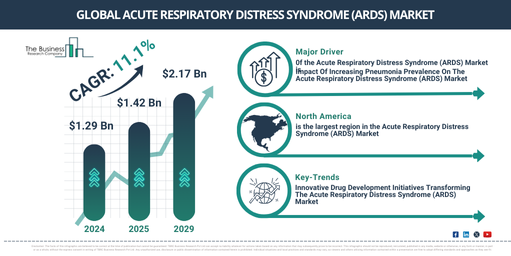
    The market for Acute Respiratory Distress Syndrome (ARDS) has experienced a swift expansion over the past few years. It is projected to escalate from $1.29 billion in 2024 to $1.42 billion in 2025, at a Compound Annual Growth Rate (CAGR) of 10.4%. Progress in critical care medicine, the aging demographic, lung rehabilitation, and interdisciplinary care teams have all contributed to this significant growth in the historic period.

    What Is the Forecast for the Acute Respiratory Distress Syndrome (ARDS) Market Size Through 2029?

    The market size for acute respiratory distress syndrome (ARDS) is anticipated to experience quick expansion in the upcoming years, reaching $2.17 billion in 2029 with a compound annual growth rate (CAGR) of 11.1%. Factors contributing to growth during the projected period include global readiness for healthcare crises, advancements in vaccines and the management of infectious diseases, the rise of telemedicine and remote patient monitoring, and the implementation of patient-centric care models. Key trends to watch for during this period are the emergence of artificial lung devices, customized ventilation strategies, protective ventilation methods for the lungs, and drug therapies tailored for various ARDS subclasses.

    Download The Free Sample Report Here:

    https://www.thebusinessresearchcompany.com/sample.aspx?id=13005&type=smp

    What are the Key Market Players in Acute Respiratory Distress Syndrome (ARDS) Market and How They’re Evolving?

    Major companies operating in the acute respiratory distress syndrome (ards) market are Johnson & Johnson Services Inc., Novartis AG, GlaxoSmithKline PLC, Medtronic PLC, Boehringer Ingelheim International GmbH, Gilead Sciences Inc., Amgen Inc., Fresenius SE & Co. KGaA, Koninklijke Philips N.V., Baxter International Inc., Teva Pharmaceutical Industries Ltd., CSL Behring, Terumo Corporation, ResMed Inc., Smiths Medical Inc., Dräger Safety AG & Co. KGaA., Getinge AB, Mallinckrodt PLC, Masimo Corporation, United Therapeutics Corporation, Fisher & Paykel Healthcare Corporation Limited, Hamilton Medical AG, Zuventus Healthcare Ltd., Windtree Therapeutics Inc., Faron Pharmaceuticals Oy, AcelRx Pharmaceuticals Inc.

    What Are the Primary Growth Drivers in the Acute Respiratory Distress Syndrome (ARDS) Market?

    The rise in pneumonia cases is predicted to fuel the expansion of the acute respiratory distress syndrome (ARDS) market. The infection known as pneumonia impacts either or both lungs, leading to the air sacs, or alveoli, being filled with fluid or pus. The resulting inflammation of the lungs escalates blood vessel permeability and causes fluid to leak into the alveoli. This fluid accumulation hampers the exchange of oxygen and carbon dioxide, resulting in respiratory discomfort. As reported by the Centre for Tropical Medicine and Global Health, a healthcare research organization based in the UK, as of November 2023, pneumonia cases in Kenya had significantly surged to 793,864 in 2022-2023, a leap from the 477,186 cases in 2020-2021. Consequently, the rising prevalence of pneumonia is driving the acute respiratory distress syndrome (ARDS) market’s growth.

    Acute Respiratory Distress Syndrome (ARDS) Market Driver: The Expected Rise in Respiratory Diseases is Predicted to Propel the Acute Respiratory Distress Syndrome (ARDS) Market


    Request For A Customized Report:

    https://www.thebusinessresearchcompany.com/customise?id=13005&type=smp

    What Are the Leading Segments in the Global Acute Respiratory Distress Syndrome (ARDS) Industry?

    The acute respiratory distress syndrome (ARDS) market covered in this report is segmented –

    1) By Type: Diagnosis, Treatment

    2) By Cause: COVID-19 Disease 2019 (COVID-19), Sepsis, Inhalation Of Harmful Substances, Severe Pneumonia, Other Causes

    3) By Severity: Mild, Moderate, Severe

    4) By End User: Hospitals, Clinics, Ambulatory Service Centers, Other End Users

    Subsegments:

    1) By Diagnosis: Imaging Tests, Blood Tests, Lung Function Tests, Other Diagnostic Methods

    2) By Treatment: Mechanical Ventilation, Medications, Extracorporeal Membrane Oxygenation (ECMO), Supportive Care, Other Treatment Options

    What Are the Key Market Trends in the Acute Respiratory Distress Syndrome (ARDS) Industry?

    Leading firms in the acute respiratory distress syndrome (ARDS) sector are concentrating their efforts on creating innovative medicines and supplements, such as Aviptadil, HSP90 inhibitors, among others, to maintain their market status. Aviptadil, a synthetic version of the vasoactive intestinal peptide (VIP), specifically targets receptors on type II alveolar cells of the lungs. For instance, in November 2022, Zuventus Healthcare Ltd., a major pharmaceutical manufacturer based in India, introduced Aviptadil as a treatment for acute respiratory distress syndrome. This vasoactive intestinal peptide supplement improves breathing and reduces mortality rates in ARDS patients by safeguarding and regenerating Type-2 Pneumocytes, rejuvenating Type-1 Pneumocytes, boosting surfactant production, and inhibiting IL-6 (interleukin 6) and tumor necrosis factor (TNF)-alpha.

    Access The Full Report Here:

    https://www.thebusinessresearchcompany.com/report/acute-respiratory-distress-syndrome-ards-global-market-report

    What Is the Regional Outlook for the Acute Respiratory Distress Syndrome (ARDS) Market?

    North America was the largest region in the acute respiratory distress syndrome (ARDS) market in 2024. The regions covered in acute respiratory distress syndrome (ARDS) market report are Asia-Pacific, Western Europe, Eastern Europe, North America, South America, Middle East and Africa.

    Purchase The Full Report Today:

    https://www.thebusinessresearchcompany.com/purchaseoptions.aspx?id=13005

    This Report Delivers Insight On:

    1. How big is the acute respiratory distress syndrome (ards) market, and how is it changing globally?

    2. Who are the major companies in the acute respiratory distress syndrome (ards) market, and how are they performing?

    3. What are the key opportunities and risks in the acute respiratory distress syndrome (ards) market right now?

    4. Which products or customer segments are growing the most in the acute respiratory distress syndrome (ards) market?

    5. What factors are helping or slowing down the growth of the acute respiratory distress syndrome (ards) market?

    About The Business Research Company:

    With over 15000+ reports from 27 industries covering 60+ geographies, The Business Research Company has built a reputation for offering comprehensive, data-rich research and insights. Armed with 1,500,000 datasets, the optimistic contribution of in-depth secondary research, and unique insights from industry leaders, you can get the information you need to stay ahead in the game.

    Get in touch with us:

    The Business Research Company: https://www.thebusinessresearchcompany.com/

    Americas +1 310-496-7795

    Asia +44 2071930708

    Europe +44 7882 955267

    Email us at info@tbrc.info

    Follow us on:

    LinkedIn: https://in.linkedin.com/company/the-business-research-company

    YouTube: https://www.youtube.com/channel/UC24_fI0rV8cR5DxlCpgmyFQ

    Global Market Model: https://www.thebusinessresearchcompany.com/global-market-model
  • Artificial Intelligence In The Diagnostic Market to Reach $22.59 Billion by 2029 | Key Drivers and Future Outlook

    Artificial Intelligence In The Diagnostic Market to Reach $22.59 Billion by 2029 | Key Drivers and Future Outlook

    Claim your 30% discount on Global Market Reports with code ONLINE30. Limited time only.

    What Is the Growth Rate of the Artificial Intelligence In The Diagnostic Market?

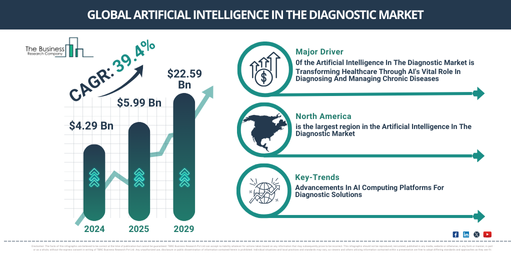
    There has been a striking growth in recent years in the market size for artificial intelligence in diagnostics. The market, which is projected to expand from $4.29 billion in 2024 to $5.99 billion in 2025, will witness a compound annual growth rate (CAGR) of 39.5%. Factors such as an uptick in disease burden, greater availability of data, reduced costs, regulatory backing, and increased awareness have contributed to this growth during the historical period.

    What Growth Rate Is Forecasted for the Artificial Intelligence In The Diagnostic Market by 2029?

    The diagnostic market size for artificial intelligence is anticipated to undergo substantial growth in the coming years, with forecasts predicting a rise to $22.59 billion by 2029, maintaining a compound annual growth rate (CAGR) of 39.4%. This growth during the forecast period is likely due to trends in personalized medicine, a swift escalation in healthcare data, global health crises, increased financial investments, and improved integration with healthcare systems. Key trends projected in the forecast period involve collaboration and investment, technological advancements, concerns over data privacy and security, the growth of explainable AI (XAI), and an expanding role for computer vision.

    Download The Free Sample Report Here:

    https://www.thebusinessresearchcompany.com/sample.aspx?id=13593&type=smp

    Which Key Companies Are Shaping the Future of the Artificial Intelligence In The Diagnostic Market?

    Major companies operating in the artificial intelligence in the diagnostic market report are Google LLC, Microsoft Corporation, Intel Corporation, IBM Corporation, Siemens Healthineers, Koninklijke Philips N.V., GE Healthcare Technologies Inc., Paige.AI Inc., HeartFlow Inc., Aidoc Medical Ltd., AliveCor Inc., Butterfly Network Inc., Imagen Technologies, Digital Diagnostics Inc., Brainomix Ltd., NovaSignal Corp., Enlitic Inc., Nano-X Imaging LTD., EchoNous Inc., Zebra Medical Vision Ltd., Aidence B.V., Neural Analytics Inc., IDx Technologies Inc., icometrix N.V., Vuno Inc.

    Which Factors Are Driving Demand in the Artificial Intelligence In The Diagnostic Industry?

    The escalating rate of chronic illnesses is anticipated to stimulate the expansion of the AI diagnostics market in the future. Chronic ailments refer to persistent health issues that often last for the length of an individual’s life. The utilization of AI-powered diagnostic procedures in handling chronic diseases allows for early identification, forecasting, and advanced decision-making systems, remote patient monitoring, reducing costs, and adapting treatments to each patient by scrutinizing their genetic pattern and disease development. For instance, the World Health Organization, a Switzerland based agency of the United Nations, reported in September 2023 that 41 million people die each year, making up 74% of deaths related to non-communicable disease (NCD) or chronic ailments globally. Further, approximately 17.9 million deaths are due to cardiovascular diseases, 9.3 million to cancer, 4.1 million to chronic respiratory diseases, and 2.0 million to diabetes. Consequently, the increasing occurrence of chronic diseases is spurring the growth of AI in the diagnostics market.

    Request For A Customized Report:

    https://www.thebusinessresearchcompany.com/customise?id=13593&type=smp

    How Is the Artificial Intelligence In The Diagnostic Market Segmented by Several Divisions?

    The artificial intelligence in the diagnostic market covered in this report is segmented –

    1) By Component: Hardware, Software, Services

    2) By Technology: Machine Learning, NLP (Natural Language Processing), Context-Aware Computing, Computer Vision

    3) By Diagnosis Type: Radiology, Pathology, Cardiology, Oncology, Neurology, Chest And Lung, Other Diagnosis Types

    Subsegments:

    1) By Hardware: Imaging Devices, Diagnostic Equipment, Wearable Devices

    2) By Software: Diagnostic Imaging Software, Data Analytics Software, Machine Learning Algorithms, Clinical Decision Support Systems

    3) By Services: Consulting Services, Integration Services, Maintenance And Support Services, Training Services

    What are the Emerging Market Trends Driving the Growth of the Artificial Intelligence In The Diagnostic Industry?

    Key players in the AI in diagnostics market are pioneering new technologies, such as AI modules, in order to establish a superior position in the market. AI modules are self-sufficient software elements that embody certain AI abilities or functionalities. As an illustration, Qritive, an AI-driven solutions company based in Singapore, released QAi Prostate, a tool specifically for diagnosing prostate cancer, in March 2023. This advanced solution can effectively identify the most prevalent type of prostate cancer, potentially enhancing diagnostic precision and minimizing false positives. By differentiating between cancerous and non-cancerous tissue areas, the tool assists pathologists in making well-informed treatment decisions. Furthermore, QAi Prostate can prioritize cases for expedited diagnoses and reporting, therefore improving both efficiency and patient care.

    Access The Full Report Here:

    https://www.thebusinessresearchcompany.com/report/artificial-intelligence-in-the-diagnostic-global-market-report

    Which Regions Are Driving Growth in the Artificial Intelligence In The Diagnostic Market?

    North America was the largest region in the artificial intelligence in diagnostics market in 2024. Asia-Pacific is expected to be the fastest-growing region in the forecast period. The regions covered in the artificial intelligence in the diagnostic market report are Asia-Pacific, Western Europe, Eastern Europe, North America, South America, Middle East, Africa.

    Purchase The Full Report Today:

    https://www.thebusinessresearchcompany.com/purchaseoptions.aspx?id=13593

    This Report Delivers Insight On:

    1. How big is the artificial intelligence in the diagnostic market, and how is it changing globally?

    2. Who are the major companies in the artificial intelligence in the diagnostic market, and how are they performing?

    3. What are the key opportunities and risks in the artificial intelligence in the diagnostic market right now?

    4. Which products or customer segments are growing the most in the artificial intelligence in the diagnostic market?

    5. What factors are helping or slowing down the growth of the artificial intelligence in the diagnostic market?

    About The Business Research Company:

    With over 15000+ reports from 27 industries covering 60+ geographies, The Business Research Company has built a reputation for offering comprehensive, data-rich research and insights. Armed with 1,500,000 datasets, the optimistic contribution of in-depth secondary research, and unique insights from industry leaders, you can get the information you need to stay ahead in the game.

    Get in touch with us:

    The Business Research Company: https://www.thebusinessresearchcompany.com/

    Americas +1 310-496-7795

    Asia +44 2071930708

    Europe +44 7882 955267

    Email us at info@tbrc.info

    Follow us on:

    LinkedIn: https://in.linkedin.com/company/the-business-research-company

    YouTube: https://www.youtube.com/channel/UC24_fI0rV8cR5DxlCpgmyFQ

    Global Market Model: https://www.thebusinessresearchcompany.com/global-market-model
  • Market Analysis on Biosurgery Industry – Insights for Corporate Strategy and R&D

    Market Analysis on Biosurgery Industry – Insights for Corporate Strategy and R&D

    Claim your 30% discount on Global Market Reports with code ONLINE30. Limited time only.

    What Is the Forecast for the Biosurgery Market from 2024 to 2025?

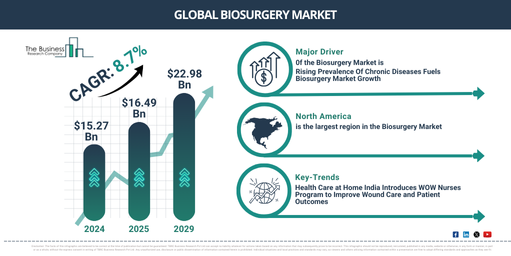
    The dimensions of the biosurgery market have witnessed a substantial expansion in the last few years. Projected to increase from $15.27 billion in 2024 to $16.49 billion in 2025, this progression yields a compound annual growth rate (CAGR) of 8.0%. The escalation observed in the historical phase can be credited to several factors including an upsurge in surgical procedures, growth in the incidents of chronic diseases, a rising aging population, a shift in preference toward biodegradable products, as well as regulatory alterations and approvals.

    What Is the Projected Market Size of the Biosurgery Market?

    In the following years, a robust expansion is anticipated in the biosurgery market, with projections indicating its worth will reach $22.98 billion in 2029, demonstrating a compound annual growth rate (CAGR) of 8.7%. Factors influencing this expected growth during the forecast period include progression in tissue engineering, increased popularity of minimally invasive procedures, emphasis on regenerative medicine, a shift in approach towards biologics and meeting the requirements of an aging population. The forecast period will also see major trends developing, such as the amplification of minimally invasive procedures, an upsurge in cosmetic and plastic surgeries, a concentration on stem cell therapies, advancements in wound care, and the introduction of biodegradable products.

    Download The Free Sample Report Here:

    https://www.thebusinessresearchcompany.com/sample.aspx?id=9380&type=smp

    Who are the Major Competitors in the Biosurgery Market Outlook?

    Major companies operating in the biosurgery market include Baxter International Inc., B. Braun SE, Becton, Dickinson and Company, Hemostasis LLC, Integra LifeSciences Corporation, Johnson & Johnson Services Inc., CryoLife Inc., CSL Limited, Pfizer Inc., Zimmer Biomet Holdings Inc., Kuros Biosciences AG, Orthofix Medical Inc., Smiths & Nephew plc, Medtronic plc, Stryker Corp., Betatech Medical, Tissue Regenix Group plc, Aroa Biosurgery Ltd., Anika Therapeutics Inc., Arthrex Inc., B Braun Surgical SA, Biom’Up SA, Boston Scientific Corporation, Coloplast Corp., Cook Medical Inc., Endo International plc, Genzyme Corporation, Takeda Pharmaceutical Company Limited, Cerus Corporation

    What Is Fueling Growth in the Biosurgery Market?

    The upward trend in chronic disease occurrence is predicted to drive the biosurgery market’s expansion in the future. Chronic diseases, which are health issues lasting a year or longer that require ongoing medical attention and limit daily activities, are the primary causes of death and disability in the United States, with diabetes, cancer, and heart disease being among the most prevalent. Biosurgery provides a solution to these issues by removing dead tissue, reducing infection risk and accelerating the healing process for chronic wounds. For example, a March 2022 report from the Australian Bureau of Statistics, an independent legal entity in Australia tasked with data collection and analysis as well as the provision of evidence-based recommendations to various government levels, revealed that 78.6% of Australians were dealing with at least one chronic ailment. This equates to 11.6 million people, or more than half the population, living with one or more chronic diseases. Consequently, the surge in chronic disease prevalence is stimulating the biosurgery market’s growth.

    Request For A Customized Report:

    https://www.thebusinessresearchcompany.com/customise?id=9380&type=smp

    Which Biosurgery Market Segments Are Growing the Fastest?

    The biosurgery market covered in this report is segmented –

    1) By Product: Bone-Graft Substitutes, Soft-Tissue Attachments, Hemostatic Agents, Surgical Sealants And Adhesives, Adhesion Barriers, Staple Line Reinforcement

    2) By Source: Natural Or Biologics Products, Synthetic Products

    3) By Application: Orthopedic Surgery, General Surgery, Neurological Surgery, Cardiovascular Surgery, Gynecological Surgery, Other Applications

    4) By End-User: Hospitals, Clinics, Other End-Users

    Subsegments,

    1) By Bone-Graft Substitutes: Synthetic Bone Grafts, Natural Bone Grafts

    2) By Soft-Tissue Attachments: Mesh Products, Biological Grafts

    3) By Hemostatic Agents: Powdered Agents, Gel-based Agents

    4) By Surgical Sealants And Adhesives: Fibrin Sealants, Synthetic Sealants

    5) By Adhesion Barriers: Absorbable Barriers, Non-absorbable Barriers

    6) By Staple Line Reinforcement: Reinforcement Devices, Surgical Staples

    Which Industry Trends Are Shaping the Future of the Biosurgery Market?

    Leading firms in the biosurgery sector are capitalizing on technological advancements, including cutting-edge wound care technology, to improve healing results, lower instances of infection, and hasten the recovery process of patients through novel products and methods. This sort of technology involves inventive techniques and products aimed at enhancing wound care, preventing infections, and improving patient outcomes. For example, in September 2024, Health Care at Home India Pvt Ltd—a medical product manufacturer based in India—launched their initiative Warriors of Woundcare (WOW) Nurses. The aim of the WOW Nurses campaign is to actively prevent and manage bedsores, which are frequent issues for patients with restricted mobility. Bedsores can considerably hinder recovery, extend hospital stays, and heighten the risk of infections.

    Access The Full Report Here:

    https://www.thebusinessresearchcompany.com/report/biosurgery-global-market-report

    Which Countries Are Leading the Biosurgery Market?

    North America was the largest region in the biosurgery market in 2024. Asia-Pacific is expected to be the fastest-growing region in the biosurgery market report during the forecast period. The regions covered in the biosurgery market report are Asia-Pacific, Western Europe, Eastern Europe, North America, South America, Middle East, Africa

    Purchase The Full Report Today:

    https://www.thebusinessresearchcompany.com/purchaseoptions.aspx?id=9380

    This Report Delivers Insight On:

    1. How big is the biosurgery market, and how is it changing globally?

    2. Who are the major companies in the biosurgery market, and how are they performing?

    3. What are the key opportunities and risks in the biosurgery market right now?

    4. Which products or customer segments are growing the most in the biosurgery market?

    5. What factors are helping or slowing down the growth of the biosurgery market?

    About The Business Research Company:

    With over 15000+ reports from 27 industries covering 60+ geographies, The Business Research Company has built a reputation for offering comprehensive, data-rich research and insights. Armed with 1,500,000 datasets, the optimistic contribution of in-depth secondary research, and unique insights from industry leaders, you can get the information you need to stay ahead in the game.

    Get in touch with us:

    The Business Research Company: https://www.thebusinessresearchcompany.com/

    Americas +1 3156230293

    Asia +44 2071930708

    Europe +44 2071930708

    Email us at info@tbrc.info

    Follow us on:

    LinkedIn: https://in.linkedin.com/company/the-business-research-company

    YouTube: https://www.youtube.com/channel/UC24_fI0rV8cR5DxlCpgmyFQ

    Global Market Model: https://www.thebusinessresearchcompany.com/global-market-model
  • Neurotrophic Keratitis Treatment Market to Reach $7.39 Billion by 2029 | Key Drivers and Future Outlook

    Claim your 30% discount on Global Market Reports with code ONLINE30. Limited time only.

    #What Is the Growth Rate of the Neurotrophic Keratitis Treatment Market?#_x000D_

    In recent years, there has been a robust growth in the size of the neurotrophic keratitis treatment market. The market is projected to expand from $5.1 billion in 2024 to $5.51 billion in 2025, with a compound annual growth rate (CAGR) of 8.1%. The growth during the historic period can be traced back to factors such as increased diagnoses, enhancements in injury and surgical procedures, upsurge in research and development, and betterment of global health care infrastructure._x000D_

    _x000D_

    #What Growth Rate Is Forecasted for the Neurotrophic Keratitis Treatment Market by 2029?#_x000D_

    The market for the treatment of neurotrophic keratitis is predicted to witness robust expansion in the upcoming years. The industry’s size is projected to increase to $7.39 billion by 2029, with a compound annual growth rate (CAGR) of 7.6%. This surging forecasted growth can be ascribed to factors such as educational initiatives, the rise in clinical trials, the emergence of advanced therapies, and regulatory approvals. The forthcoming period is likely to see the emergence of trends such as enhanced diagnostic tools, digital health solution advancements, strategies for neuroprotection, and sophisticated ocular surface imaging._x000D_

    _x000D_

    #Download The Free Sample Report Here:#_x000D_

    https://www.thebusinessresearchcompany.com/sample.aspx?id=12968&type=smp_x000D_

    _x000D_

    #Which Key Companies Are Shaping the Future of the Neurotrophic Keratitis Treatment Market?#_x000D_

    Major companies operating in the neurotrophic keratitis treatment market are Eyevance Pharmaceuticals LLC, Grand Pharma Co. Ltd., Walgreen Co., Pfizer Inc., Johnson and Johnson, Bayer AG, Novartis AG, Abbott Laboratories, Gilead Biosciences Inc., Merck and Co. Inc., Allergan Inc., Alcon Inc., Bausch Health Companies Inc., Bausch & Lomb Inc., CooperVision Inc., Rohto Pharmaceutical Co. Ltd., Santen Pharmaceutical Co. Ltd., Zhejiang Conba Pharmaceutical Co. Ltd., Glenmark Pharmaceuticals Limited, Dompe farmaceutici S.p.A, Aurolab, Ocular Therapeutix Inc., Laboratoires Thea SAS, Leadiant Biosciences Inc., ReGenTree LLC, Contacare Opthalmic Private Limited, Neuroptika Inc., Surgitech Innovation Private Limited._x000D_

    _x000D_

    #Which Factors Are Driving Demand in the Neurotrophic Keratitis Treatment Industry?#_x000D_

    The neurotrophic keratitis treatment market is projected to expand due to an observed increase in the prevalence of eye diseases. Disorders affecting the eye’s structure and function make up a vast array of medical complications known as eye diseases. The management of neurotrophic keratitis aids in enhancing corneal sensation, promoting healing processes, preventing infections, and alleviating pain and discomfort. A report released by Eye Care One, an American eyecare career development services platform, in March 2022 highlighted that an estimated 35 million people in the US would be affected by dry eye disease (DED) in 2022, with an escalating rate of prevalence each year. Furthermore, data from the Centers for Disease Control and Prevention, a US-based federal agency operating under the Department of Health and Human Services indicates that as of May 2024, over 3.4 million Americans aged 40 and above are either visually impaired or blind. This demographic is predicted to double by 2030, hence underscoring the rising incidence of eye diseases as a primary factor propelling the growth of the neurotrophic keratitis treatment market. An upward trend in healthcare investments, particularly those related to eye care, is also contributing to the anticipated growth of the neurotrophic keratitis treatment market. These investments, which are essentially financial resources allocated to enhance and expand access to medical treatments and services, can be instrumental in furthering the treatment of neurotrophic keratitis. They may catalyse innovations in therapies, improve patient prognosis, and enhance the life quality of individuals suffering from this eye condition. According to Australia’s Department of Health and Aged Care, a governmental institution overseeing health research, promotional activities, funding, and regulation, health system investments reached $132 billion during 2022–23. These investments are set to grow to $140 billion by 2025–26, emphasizing a total commitment of $537 billion within the span of the next four years. This surge in healthcare investments, including in eye care, is consequently steering the expansion of the neurotrophic keratitis treatment market._x000D_

    _x000D_

    #Request For A Customized Report:#_x000D_

    https://www.thebusinessresearchcompany.com/customise?id=12968&type=smp_x000D_

    _x000D_

    #How Is the Neurotrophic Keratitis Treatment Market Segmented by Several Divisions?#_x000D_

    The neurotrophic keratitis treatment market covered in this report is segmented –_x000D_

    _x000D_

    1) By Treatment: Topical Antibiotics, Recombinant Human Nerve Growth Factor (rhNGF), Amniotic Membrane Transplantation, Keratoplasty, Other Treatments_x000D_

    2) By Route of Administration: Oral, Topical, Other Routes of Administration_x000D_

    3) By Application: Stage I, Stage II, Stage III_x000D_

    4) By End-User: Hospitals, Homecare, Specialty Clinics, Other End-Users_x000D_

    _x000D_

    Subsegments:_x000D_

    1) By Topical Antibiotics: Broad-Spectrum Antibiotics, Narrow-Spectrum Antibiotics_x000D_

    2) By Recombinant Human Nerve Growth Factor (rhNGF): Cenegermin Ophthalmic Solution, Other rhNGF-Based Solutions_x000D_

    3) By Amniotic Membrane Transplantation: Cryopreserved Amniotic Membrane, Dehydrated Amniotic Membrane_x000D_

    4) By Keratoplasty: Penetrating Keratoplasty, Lamellar Keratoplasty_x000D_

    5) By Other Treatments: Tarsorrhaphy, Therapeutic Contact Lenses_x000D_

    _x000D_

    #What are the Emerging Market Trends Driving the Growth of the Neurotrophic Keratitis Treatment Industry?#_x000D_

    Key players in the neurotrophic keratitis treatment market are continually striving to develop innovative medicines and get them certified to maintain their market standing. The creation of new drugs is critical in this field as current therapies are limited and there is a demand for more efficient ones to halt the disease’s progression. An illustrating example is from December 2022 when BRIM Biotechnology Inc., a clinical-stage company based in Taiwan, was granted Orphan Drug Designation (ODD) by the U.S. Food and Drug Administration (FDA) for BRM424 in the treatment of neurotrophic keratitis (NK). This is a type of human nerve growth factor in its recombinant form, which is designed to stimulate corneal limbal stem cells to proliferate and differentiate. This in turn helps the regeneration and restoration of the cornea’s health in patients affected by neurotrophic keratitis._x000D_

    _x000D_

    #Access The Full Report Here:#_x000D_

    https://www.thebusinessresearchcompany.com/report/neurotrophic-keratitis-treatment-global-market-report_x000D_

    _x000D_

    #Which Regions Are Driving Growth in the Neurotrophic Keratitis Treatment Market?#_x000D_

    North America was the largest region in the neurotrophic keratitis treatment market in 2024. The regions covered in neurotrophic keratitis treatment market report are Asia-Pacific, Western Europe, Eastern Europe, North America, South America, Middle East and Africa._x000D_

    _x000D_

    #Purchase The Full Report Today:#_x000D_

    https://www.thebusinessresearchcompany.com/purchaseoptions.aspx?id=12968_x000D_

    _x000D_

    #This Report Delivers Insight On: #_x000D_

    1. How big is the neurotrophic keratitis treatment market, and how is it changing globally?_x000D_

    2. Who are the major companies in the neurotrophic keratitis treatment market, and how are they performing?_x000D_

    3. What are the key opportunities and risks in the neurotrophic keratitis treatment market right now?_x000D_

    4. Which products or customer segments are growing the most in the neurotrophic keratitis treatment market?_x000D_

    5. What factors are helping or slowing down the growth of the neurotrophic keratitis treatment market?_x000D_

    _x000D_

    #About The Business Research Company:#_x000D_

    With over 15000+ reports from 27 industries covering 60+ geographies, The Business Research Company has built a reputation for offering comprehensive, data-rich research and insights. Armed with 1,500,000 datasets, the optimistic contribution of in-depth secondary research, and unique insights from industry leaders, you can get the information you need to stay ahead in the game._x000D_

    _x000D_

    #Get in touch with us:#_x000D_

    The Business Research Company: https://www.thebusinessresearchcompany.com/_x000D_

    Americas +1 310-496-7795_x000D_

    Asia +44 2071930708_x000D_

    Europe +44 7882 955267_x000D_

    Email us at info@tbrc.info_x000D_

    _x000D_

    #Follow us on:#_x000D_

    _x000D_

    LinkedIn: https://in.linkedin.com/company/the-business-research-company_x000D_

    YouTube: https://www.youtube.com/channel/UC24_fI0rV8cR5DxlCpgmyFQ_x000D_

    Global Market Model: https://www.thebusinessresearchcompany.com/global-market-model
  • Market Analysis on Acute Lymphocytic-Lymphoblastic Leukemia Therapeutics Industry – Insights for Corporate Strategy and R&D

    Market Analysis on Acute Lymphocytic-Lymphoblastic Leukemia Therapeutics Industry – Insights for Corporate Strategy and R&D

    Claim your 30% discount on Global Market Reports with code ONLINE30. Limited time only.

    What Is the Forecast for the Acute Lymphocytic-Lymphoblastic Leukemia Therapeutics Market from 2024 to 2025?

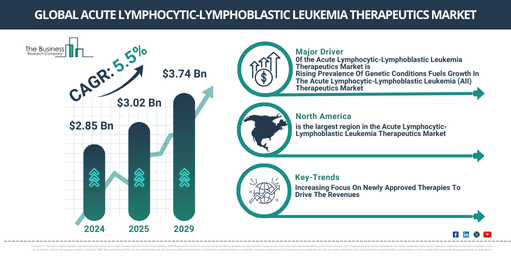
    The market size for therapeutics in acute lymphocytic-lymphoblastic leukemia has exhibited robust growth in the past few years. The market is projected to progress from $2.85 billion in 2024 to $3.02 billion in 2025, reflecting a compound annual growth rate (CAGR) of 5.9%. The impressive growth during the historic period is attributable to advancements in chemotherapy, the development of biological and targeted therapies, ongoing research in pediatric oncology, enhanced supportive care, and stem cell transplantation.

    What Is the Projected Market Size of the Acute Lymphocytic-Lymphoblastic Leukemia Therapeutics Market?

    The market size of therapeutics for acute lymphocytic-lymphoblastic leukemia is projected to witness substantial growth in the coming years, anticipated to reach $3.74 billion by 2029 with a compound annual growth rate (CAGR) of 5.5%. This growth throughout the forecast period can be credited to the approach of personalized medicine, increased availability of new agents, international health initiatives, patient advocacy and awareness, and streamlined regulatory pathways. The forecast period is expected to observe major trends such as innovative supporting care, collaborative research activities, advancements in diagnostics, car-t cell therapies, and breakthroughs in biologics.

    Download The Free Sample Report Here:

    https://www.thebusinessresearchcompany.com/sample.aspx?id=13239&type=smp

    Who are the Major Competitors in the Acute Lymphocytic-Lymphoblastic Leukemia Therapeutics Market Outlook?

    Major companies operating in the acute lymphocytic-lymphoblastic leukemia therapeutics market report are Pfizer Inc., F. Hoffmann-La Roche Ltd., AbbVie Inc., Novartis AG, Sanofi S.A., Bristol-Myers Squibb Company, GlaxoSmithKline PLC, Takeda Pharmaceutical Company Limited, Gilead Sciences Inc., Amgen Inc., Baxter International Inc., Astellas Pharma Inc., Eisai Co. Ltd., Jazz Pharmaceuticals Inc., Ono Pharmaceutical Co. Ltd., Genmab A/S, Kite Pharma, ADC Therapeutics, Kiadis Pharma, SymBio Pharmaceuticals Limited, Celyad Oncology SA, Precigen Inc., Leadiant Biosciences Inc., Medexus Pharma Inc., Spectrum Pharmaceuticals Inc., OBI Pharma Inc.

    What Is Fueling Growth in the Acute Lymphocytic-Lymphoblastic Leukemia Therapeutics Market?

    There is an anticipated surge in the acute lymphocytic-lymphoblastic leukemia (ALL) therapeutics market due to an increase in genetic conditions. These conditions stem from alterations in a person’s DNA or genes, leading to cell abnormalities and further potential to develop into cancer. The medical field relies on genetic testing to uncover these specific changes in patients suffering from acute lymphocytic-lymphoblastic leukemia, guiding treatment decision-making. As an example, the incidence of Cystic Fibrosis (without a lung transplant) rose from 31,171 in 2022 to 31,752 in 2023 as per data from the US-based non-profit, Cystic Fibrosis Foundation. Thus, an uptick in genetic conditions underlines the expansion of the acute lymphocytic-lymphoblastic leukemia (ALL) therapeutics market. The Acute Lymphocytic-Lymphoblastic Leukemia Therapeutics Market is also poised for growth due to an increased appetite for bone marrow transplantation. Bone marrow transplantation is a key medical procedure where a patient’s damaged or diseased bone marrow is supplanted with viable hematopoietic stem cells. It has shown several benefits in relieving acute lymphocytic-lymphoblastic leukemia, including higher remission rates, symptom reduction, eradication of minimal residual disease (MRD), and the potential for a total cure. As evidence, the Health Resources and Services Administration reported anincrease in bone marrow registered donors from 9,285,029 in 2021 to 9,475,534 in 2022 in June 2023. Hence, the escalating demand for bone marrow transplantation underpins the development of the acute lymphocytic-lymphoblastic leukemia therapeutics market.

    Request For A Customized Report:

    https://www.thebusinessresearchcompany.com/customise?id=13239&type=smp

    Which Acute Lymphocytic-Lymphoblastic Leukemia Therapeutics Market Segments Are Growing the Fastest?

    The acute lymphocytic-lymphoblastic leukemia therapeutics market covered in this report is segmented –

    1) By Therapy Type: Chemotherapy, Targeted Therapy, Radiation Therapy, Stem Cell Transplantation

    2) By Diagnosis: Biopsy And Bone Marrow Aspiration, Complete Blood Count (CBC) And Differential, Presence Of Philadelphia Chromosome, Spinal Tap And Cerebrospinal Fluid (CSF) Analysis, Immunophenotyping Or Phenotyping By Flow Cytometry, Polymerase Chain Reaction (PCR)

    3) By Cell Type: Philadelphia Chromosome, Precursor B-Cell Acute Lymphoblastic Leukemia (ALL), T-Cell Acute Lymphoblastic Leukemia (ALL)

    4) By Route Of Administration: Oral, Parenteral

    5) By Age Group: Pediatrics, Adults

    Subsegments:

    1) By Chemotherapy: Induction Chemotherapy, Consolidation Chemotherapy, Maintenance Chemotherapy

    2) By Targeted Therapy: Tyrosine Kinase Inhibitors, Monoclonal Antibodies

    3) By Radiation Therapy: Cranial Radiation Therapy, Total Body Irradiation

    4) By Stem Cell Transplantation: Autologous Stem Cell Transplant, Allogeneic Stem Cell Transplant

    Which Industry Trends Are Shaping the Future of the Acute Lymphocytic-Lymphoblastic Leukemia Therapeutics Market?

    Leading firms in the acute lymphocytic-lymphoblastic leukemia (ALL) therapeutics market are creating cutting-edge treatments such as Tecartus (brexucabtagene autoleucel) using chimeric antigen receptor (CAR) T-cell therapy and achieving regulatory approvals to better satisfy their current consumers. CAR T-cell therapy is an immunotherapy form that utilizes an individual’s own T cells to combat cancer. To illustrate, Janssen Research & Development LLC, a pharmaceutical company based in the US, in July 2024, obtained authorization for its daratumumab and hyaluronidase-fish in conjunction with bortezomib, lenalidomide, and dexamethasone from the US Food and Drug Administration (FDA), a US federal agency, for the induction and consolidation of multiple myeloma in autologous stem cell transplant (ASCT) situations.

    Access The Full Report Here:

    https://www.thebusinessresearchcompany.com/report/acute-lymphocytic-lymphoblastic-leukemia-therapeutics-global-market-report

    Which Countries Are Leading the Acute Lymphocytic-Lymphoblastic Leukemia Therapeutics Market?

    North America was the largest region in the acute lymphocytic-lymphoblastic leukemia (ALL) therapeutics market in 2024. Asia-Pacific is expected to be the fastest-growing region in the forecast period. The regions covered in the acute lymphocytic-lymphoblastic leukemia therapeutics market report are Asia-Pacific, Western Europe, Eastern Europe, North America, South America, Middle East, Africa

    Purchase The Full Report Today:

    https://www.thebusinessresearchcompany.com/purchaseoptions.aspx?id=13239

    This Report Delivers Insight On:

    1. How big is the acute lymphocytic-lymphoblastic leukemia therapeutics market, and how is it changing globally?

    2. Who are the major companies in the acute lymphocytic-lymphoblastic leukemia therapeutics market, and how are they performing?

    3. What are the key opportunities and risks in the acute lymphocytic-lymphoblastic leukemia therapeutics market right now?

    4. Which products or customer segments are growing the most in the acute lymphocytic-lymphoblastic leukemia therapeutics market?

    5. What factors are helping or slowing down the growth of the acute lymphocytic-lymphoblastic leukemia therapeutics market?

    About The Business Research Company:

    With over 15000+ reports from 27 industries covering 60+ geographies, The Business Research Company has built a reputation for offering comprehensive, data-rich research and insights. Armed with 1,500,000 datasets, the optimistic contribution of in-depth secondary research, and unique insights from industry leaders, you can get the information you need to stay ahead in the game.

    Get in touch with us:

    The Business Research Company: https://www.thebusinessresearchcompany.com/

    Americas +1 310-496-7795

    Asia +44 2071930708

    Europe +44 7882 955267

    Email us at info@tbrc.info

    Follow us on:

    LinkedIn: https://in.linkedin.com/company/the-business-research-company

    YouTube: https://www.youtube.com/channel/UC24_fI0rV8cR5DxlCpgmyFQ

    Global Market Model: https://www.thebusinessresearchcompany.com/global-market-model