Blog

  • Lipid Nanoparticles Industry Valued at $2.27 Billion by 2029 With CAGR of 16.9% | Size and Share Insights

    Lipid Nanoparticles Industry Valued at $2.27 Billion by 2029 With CAGR of 16.9% | Size and Share Insights

    Claim your 30% discount on Global Market Reports with code ONLINE30. Limited time only.

    What Is the Forecast for the Lipid Nanoparticles Market from 2024 to 2025?

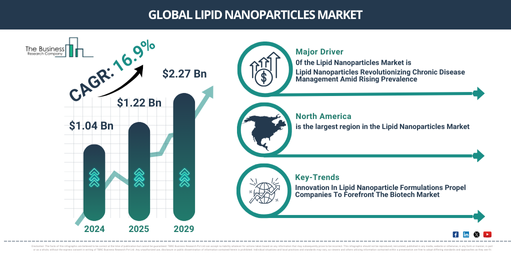
    The market dimension of lipid nanoparticles has expanded swiftly over recent years. It is projected to surge from $1.04 billion in 2024 to $1.22 billion in 2025 with a compound annual growth rate (CAGR) of 17.3%. The historical period’s growth owes its impact to the heightened focus on creating drugs based on LNP, significant investments in research facilities, and the growing expenditures in healthcare.

    What Is the Projected Market Size of the Lipid Nanoparticles Market?

    Expect a swift expansion in the lipid nanoparticles market size within the forthcoming years. By 2029, its size is projected to reach $2.27 billion, with a compound annual growth rate (CAGR) of around 16.9%. This expected augmentation can be linked to the increased incidence of chronic ailments, burgeoning requirements for RNA-based treatments, growing demand for superior gene delivery mechanisms, heightened concentration on individualized medicine, and escalation in research and development investments. Looking ahead, the chief trends would involve progress in drug delivery technologies, the emergence of groundbreaking drug delivery systems, and the incorporation of artificial intelligence in LNP growth.

    Download The Free Sample Report Here:

    https://www.thebusinessresearchcompany.com/sample.aspx?id=15210&type=smp

    Who are the Major Competitors in the Lipid Nanoparticles Market Outlook?

    Major companies operating in the lipid nanoparticles (LNPs) market report are Pfizer Inc.; Johnson & Johnson; AbbVie Inc.; Bayer AG; Abbott Laboratories; Amgen Inc; The Merck Group; Evonik Industries AG; BioNTech SE; Moderna Inc.; Sanofi SA; Solid Biosciences Inc.; AstraZeneca PLC; NOF Corporation; Alnylam Pharmaceuticals Inc.; Nanomerics Ltd.; CordenPharma International; Nippon Fine Chemical; Helix Biotech Inc.; Dicerna Pharmaceuticals; Gattefossé SAS; Arbutus Biopharma; Avanti Polar Lipids; IOI Oleo GmbH; Evox Therapeutics Ltd.

    What Is Fueling Growth in the Lipid Nanoparticles Market?

    The lipid nanoparticles (LNPs) market is experiencing growth due to the heightened occurrence of chronic diseases. Chronic illnesses are long-term conditions persisting for at least three months, like diabetes and hypertension among others. The surge in chronic diseases is attributed to factors such as unhealthy lifestyle choices, older populations, tobacco usage, poor diet, lack of physical activity, and overconsumption of alcohol. Lipid nanoparticles (LNPs) present a viable solution for managing chronic diseases because they boost the performance of mRNA therapeutics and vaccines. They better the therapeutic landscape for numerous chronic conditions, providing the possibility of more efficient management methods and potentially superior patient results. For example, the National Health Service, a government entity based in the UK, stated in June 2024 that it had identified an additional 549,000 individuals at risk of developing type 2 diabetes in 2023, raising the total number of people with non-diabetic hyperglycemia, or pre-diabetes, registered with a GP to 3,615,330. This is a sizeable increase from the prior year’s figure of 3,065,825, representing a nearly 20% rise. As a result, the surging occurrence of chronic illnesses is fueling the expansion of the lipid nanoparticle market.

    Request For A Customized Report:

    https://www.thebusinessresearchcompany.com/customise?id=15210&type=smp

    Which Lipid Nanoparticles Market Segments Are Growing the Fastest?

    The lipid nanoparticles market covered in this report is segmented –

    1) By Type: Nano-Structured Lipid Carriers (NLCs), Solid Lipid Nanoparticles (SLNs), Other Types

    2) By Application: Research, Therapeutics

    3) By End User: Pharmaceutical And Biotechnology Companies, Academics And Research Centers, Other End Users

    Subsegments:

    1) By Nano-Structured Lipid Carriers (NLCs): Hard NLCs, Soft NLCs

    2) By Solid Lipid Nanoparticles (SLNs): Conventional SLNs, Modified SLNs

    3) By Other Types: Lipid-Core Micelles, Liposomes

    Which Industry Trends Are Shaping the Future of the Lipid Nanoparticles Market?

    Leading businesses in the lipid nanoparticles (LNPs) market are striving for superiority by advancing their circular RNA (circRNA) and lipid nanoparticle (LNP) concoctions. Broadening the use of circRNA and LNP solutions facilitates a broader spectrum of RNA types, which include circRNA, a solitary-stranded RNA that morphs into a chemically closed loop. For example, GenScript Biotech, an American life sciences organization, augmented its reagent services to integrate circRNA and LNP solutions in September 2023. These fresh services, part of GenScript’s pledge to offer protein replacement treatments and gene and cell therapy, are available instantly as an integral component of GenScript’s contract-based reagent services. CircRNA outperforms conventional linear RNA in numerous ways, offering greater stability, slower degradation, and the ability to reach satisfactory therapeutic protein concentrations with less dosage.

    Access The Full Report Here:

    https://www.thebusinessresearchcompany.com/report/lipid-nanoparticles-global-market-report

    Which Countries Are Leading the Lipid Nanoparticles Market?

    North America was the largest region in the lipid nanoparticles (LNPs) market in 2024. The regions covered in the lipid nanoparticles (LNPs) market report are Asia-Pacific, Western Europe, Eastern Europe, North America, South America, Middle East, Africa.

    Purchase The Full Report Today:

    https://www.thebusinessresearchcompany.com/purchaseoptions.aspx?id=15210

    This Report Delivers Insight On:

    1. How big is the lipid nanoparticles market, and how is it changing globally?

    2. Who are the major companies in the lipid nanoparticles market, and how are they performing?

    3. What are the key opportunities and risks in the lipid nanoparticles market right now?

    4. Which products or customer segments are growing the most in the lipid nanoparticles market?

    5. What factors are helping or slowing down the growth of the lipid nanoparticles market?

    About The Business Research Company:

    With over 15000+ reports from 27 industries covering 60+ geographies, The Business Research Company has built a reputation for offering comprehensive, data-rich research and insights. Armed with 1,500,000 datasets, the optimistic contribution of in-depth secondary research, and unique insights from industry leaders, you can get the information you need to stay ahead in the game.

    Get in touch with us:

    The Business Research Company: https://www.thebusinessresearchcompany.com/

    Americas +1 310-496-7795

    Asia +44 2071930708

    Europe +44 7882 955267

    Email us at info@tbrc.info

    Follow us on:

    LinkedIn: https://in.linkedin.com/company/the-business-research-company

    YouTube: https://www.youtube.com/channel/UC24_fI0rV8cR5DxlCpgmyFQ

    Global Market Model: https://www.thebusinessresearchcompany.com/global-market-model
  • Automated Compounding Devices Market Trends Report 2025 – For Business Development and Strategy Teams

    Automated Compounding Devices Market Trends Report 2025 – For Business Development and Strategy Teams

    Claim your 30% discount on Global Market Reports with code ONLINE30. Limited time only.

    #How Has the Automated Compounding Devices Market Growth Performance Trended Historically, And What Lies Ahead?

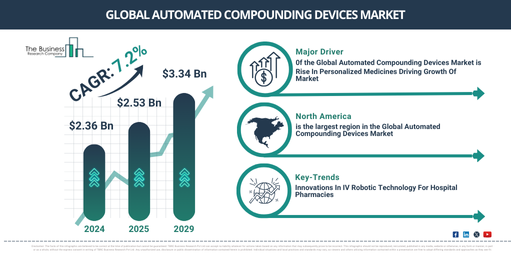
    The market for automated compounding devices has seen robust growth in recent years. Its value is projected to increase from $2.36 billion in 2024 to $2.53 billion in 2025, with a compound annual growth rate (CAGR) of 7.4%. The historic growth in this market can be attributed to factors such as an increase in chronic diseases, a growing older population, the development of healthcare infrastructure, regulatory mandates, and a rise in medication errors.

    What Is the Forecast for the Automated Compounding Devices Market Size Through 2029?

    Strong expansion is anticipated in the automated compounding devices market over the coming years, with predicted growth up to $3.34 billion by 2029, and a compound annual growth rate (CAGR) of 7.2%. Factors contributing to the projected growth during this forecast period include increasing rates of cancer, expansion of global healthcare, heightened focus on patient safety, regulatory backing, and a rising emphasis on sustainability. Significant trends for this period will involve telemedicine, remote healthcare services, breakthroughs in artificial intelligence, the digital transformation of healthcare, and instantaneous monitoring.

    Download The Free Sample Report Here:

    https://www.thebusinessresearchcompany.com/sample.aspx?id=18231&type=smp

    What are the Key Market Players in Automated Compounding Devices Market and How They’re Evolving?

    Major companies operating in the automated compounding devices market are McKesson Corporation, Amerisource Bergen Corporation, Medtronic PLC, Becton Dickinson and Company, Baxter International Inc, B. Braun Melsungen AG, Fresenius Kabi AG, Grifols International S.A., Terumo Corporation, ICU Medical Inc., Omnicell Inc., Tecan Group Ltd., Cantel Medical Corp., Fagron N.V., Swisslog Healthcare, ScriptPro LLC, PharMEDium Services LLC, Loccioni Group S.p.A., ARxIUM Inc., Codonics Inc., Apexus Inc., Equashield LLC, Yuyama Mfg Co. Ltd., Shanghai Weibond Technology Co. Ltd., Quirem Medical B.V

    What Are the Primary Growth Drivers in the Automated Compounding Devices Market?

    The rise in the use of personalized medicines is projected to stimulate the progression of the automated compounding devices market. Personalized medicine involves a healthcare strategy that customizes healthcare decisions, practices, interventions, and treatments based on each patient’s unique characteristics. This growth in the number of personalized medicines can be attributed to advancements in genetics, patient-specific data, and regulatory support. Automated compounding devices (ACDs) have an integral status in personalized medicine as they allow for the reliable and precise preparation of medications distinctively made for each patient’s requirements. These apparatuses mechanize the process of integrating different pharmaceutical ingredients in exact proportions, which is vital for the creation of personalized treatments. For example, the Personalized Medicine Coalition, a non-profit organization headquartered in the US, reported in February 2024 that the FDA sanctioned 16 new personalized therapies for patients suffering from uncommon diseases in 2023, which is an increase from six in 2022. Hence, the rise in the number of personalized medicines is propelling the advancement of the automated compounding devices market.

    Request For A Customized Report:

    https://www.thebusinessresearchcompany.com/customise?id=18231&type=smp

    What Are the Leading Segments in the Global Automated Compounding Devices Industry?

    The automated compounding devices market covered in this report is segmented –

    1) By Component: Automated Compounding Systems Equipment, Automated Compounding Systems Software

    2) By Product Type: Intravenous Compounding Systems, Oral Compounding Systems, Total Parenteral Nutrition (TPN) Compounding Systems

    3) By Mode Of Operation: Fully Automated Compounding Systems, Semi-Automated Compounding Systems

    4) By End-User: Hospitals, Ambulatory Surgical Centers, Other End Users

    Subsegments:

    1) By Automated Compounding Systems Equipment: Compounding Workstations, Compounding Pumps, Mixing Chambers, Scales And Balances, Dispensing Units, Vial And Syringe Filling Systems, Other Related Equipment (Filtration Devices)

    2) By Automated Compounding Systems Software: Prescription Management Software, Workflow Management Software, Monitoring And Control Software, Data Analytics And Reporting Software, Safety And Compliance Software, Integration Software For Hospital Or Pharmacy Management Systems

    What Are the Key Market Trends in the Automated Compounding Devices Industry?

    Leading organizations in the landscape of automated compounding devices are honing their strategies to lessen medication mistakes and advance patient safety. By incorporating high-tech systems such as robotic compounding machines, these firms aim to increase customer trust, adhere to regulatory norms and establish a strong market position. Robotic compounding machines streamline and automate the process of preparing and mixing medical compounds via sophisticated robot interfaces, consequently, improving precision, efficacy, and the safety of medication preparations. For example, in March 2022, a prominent healthcare technology firm based in the US, Omnicell Inc., unveiled the IVX Station, a modern automated compounding apparatus. This inventive product is designed to broaden the reach of IV robotic technology across a wider market, and it brings improvements in patient safety, precision, cost-effectiveness, supply chain administration, and regulatory adherence. The IVX station provides throughput that is triple the speed of the current IV robotic systems, features a highly dependable design to curb downtime and comes with a compact design apt for pharmacy practices.

    Access The Full Report Here:

    https://www.thebusinessresearchcompany.com/report/automated-compounding-devices-global-market-report

    What Is the Regional Outlook for the Automated Compounding Devices Market?

    North America was the largest region in the automated compounding devices market in 2023. Asia-Pacific is expected to be the fastest-growing region in the forecast period. The regions covered in the automated compounding devices market report are Asia-Pacific, Western Europe, Eastern Europe, North America, South America, Middle East, Africa.

    Purchase The Full Report Today:

    https://www.thebusinessresearchcompany.com/purchaseoptions.aspx?id=18231

    This Report Delivers Insight On:

    1. How big is the automated compounding devices market, and how is it changing globally?

    2. Who are the major companies in the automated compounding devices market, and how are they performing?

    3. What are the key opportunities and risks in the automated compounding devices market right now?

    4. Which products or customer segments are growing the most in the automated compounding devices market?

    5. What factors are helping or slowing down the growth of the automated compounding devices market?

    About The Business Research Company:

    With over 15000+ reports from 27 industries covering 60+ geographies, The Business Research Company has built a reputation for offering comprehensive, data-rich research and insights. Armed with 1,500,000 datasets, the optimistic contribution of in-depth secondary research, and unique insights from industry leaders, you can get the information you need to stay ahead in the game.

    Get in touch with us:

    The Business Research Company: https://www.thebusinessresearchcompany.com/

    Americas +1 310-496-7795

    Asia +44 2071930708

    Europe +44 7882 955267

    Email us at info@tbrc.info

    Follow us on:

    LinkedIn: https://in.linkedin.com/company/the-business-research-company

    YouTube: https://www.youtube.com/channel/UC24_fI0rV8cR5DxlCpgmyFQ

    Global Market Model: https://www.thebusinessresearchcompany.com/global-market-model
  • Life Sciences BPO Market to Reach $431.96 Billion by 2029 | Key Drivers and Future Outlook

    Life Sciences BPO Market to Reach $431.96 Billion by 2029 | Key Drivers and Future Outlook

    Claim your 30% discount on Global Market Reports with code ONLINE30. Limited time only.

    What Is the Growth Rate of the Life Sciences BPO Market?

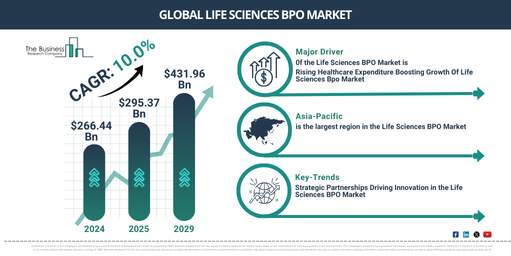
    The size of the life sciences BPO market has expanded significantly in the most recent years. It is projected to escalate from $266.44 billion in 2024 to $295.37 billion in 2025, with a compound annual growth rate (CAGR) of 10.9%. The notable growth during the historical period is due to the shift towards patient-oriented healthcare solutions, rising issues in data management, augmenting market competitiveness and pressure on time-to-market, globalization and expansion, along with the intricacies associated with clinical trials.

    What Growth Rate Is Forecasted for the Life Sciences BPO Market by 2029?

    Expectations are high for the life sciences BPO market to experience robust growth in the coming years, with estimates predicting a surge to $431.96 billion by 2029. This is equivalent to a Compound Annual Growth Rate (CAGR) of 10.0%. Factors contributing to this projected growth during the forecast period include a rise in demand for assistance in drug development, an emphasis on real-world evidence and data analytics, globalization and growth strategies, an increased focus on precision medicine, and a surge in clinical trial management outsourcing. Key trends to watch out for during this period include the integration of AI and advanced analytics, implementation of virtual trials and remote monitoring, emphasis on solutions for regulatory compliance, advancements in precision medicine and personalized healthcare, and the utilization of blockchain for data security solutions.

    Download The Free Sample Report Here:

    https://www.thebusinessresearchcompany.com/sample.aspx?id=13293&type=smp

    Which Key Companies Are Shaping the Future of the Life Sciences BPO Market?

    Major companies operating in the life sciences bpo market report are Accenture PLC, Atos SE, Catalent Inc., Covance Inc., Genpact Ltd., ICON PLC, Infosys Ltd., Lonza Group, PAREXEL International Corp., IQVIA Holdings Inc., International Business Machines Corp., ProMab Biotechnologies Inc., Cognizant Technology Solutions, Syneos Health Inc., R1 RCM Inc., Charles River Laboratories International Inc., Sartorius AG, WuXi AppTec Co. Ltd., Medpace Holdings Inc., Pharmaceutical Product Development LLC, Medidata Solutions, Health Decisions Inc., FAREVA Unterach GmbH, Bioclinica Inc., Navitas Life Sciences Private Limited, SGS SA, PRA Health Sciences Inc., Clinipace Worldwide, ClinTec International Ltd., Cromsource Ltd.

    Which Factors Are Driving Demand in the Life Sciences BPO Industry?

    The surge in healthcare expenditure is likely to fuel the expansion of the life sciences BPO market. This expenditure encompasses funds spent on various aspects of healthcare, such as medical treatments, drugs, hospitalizations, doctor’s appointments, medical equipment, health insurance, and other relevant medical expenses. Life sciences BPO solutions assist healthcare organizations in delivering vital drugs, devices, and services to patients. These growing healthcare investments further amplify their capability to lower costs, accelerate development, introduce new treatments to the market swiftly, and bring down research and development costs. For instance, the Centers for Medicare & Medicaid Services, a US federal agency, reported that health care spending in the U.S. went up by 4.1% in 2022, reaching $4.5 trillion. This rate of increase surpasses the 3.2% growth observed in 2021. Hence, the rising healthcare expenditure is a significant driver of growth for the life sciences BPO market. As we shift our focus to another critical driver of the life sciences BPO market, we find the importance of clinical trials support. Services that assist with and manage clinical trials – research studies involving human participants for evaluating the safety and effectiveness of new medical treatments, drugs, therapies, medical equipment, or strategies – come under clinical trials support. Professionals in this arena strive to preserve the quality and accuracy of clinical trial data, ensuring it adheres to standard regulations. This adherence to data quality becomes integral for BPO providers dealing with clinical trial data, a central service provided to life sciences firms. According to Xtalks, a Canadian digital health company, the global registration of clinical trials stood at 452,604 as of May 17, 2023, with 64,838 actively seeking participants. This marks a significant increase compared to the over 365,000 registered trials reported early in 2021. Therefore, this boost from clinical trials support is leading the growth of the life sciences BPO market.

    Request For A Customized Report:

    https://www.thebusinessresearchcompany.com/customise?id=13293&type=smp

    How Is the Life Sciences BPO Market Segmented by Several Divisions?

    The life sciences bpo market covered in this report is segmented –

    1) By Services: Pharmaceutical Outsourcing, Medical Devices Outsourcing, Contract Sales And marketing Outsourcing, Other Services

    2) By Application: Clinical Testing Methods, Environmental Testing Methods, Other Applications

    3) By End User: Hospitals And Clinics, Diagnostic Laboratories, Other End Users

    Subsegments:

    1) By Pharmaceutical Outsourcing: Drug Development Services, Clinical Trials Management, Regulatory Affairs Services, Pharmacovigilance

    2) By Medical Devices Outsourcing: Product Development Services, Regulatory Compliance, Quality Assurance And Testing, Supply Chain Management

    3) By Contract Sales And marketing Outsourcing: Sales Force Outsourcing, marketing Strategy Development, market Access And Pricing Strategies, Promotional Activities

    4) By Other Services: Data Management And Analytics, IT Services, Training And Education, Consulting Services

    What are the Emerging Market Trends Driving the Growth of the Life Sciences BPO Industry?

    Tactical alliances are being pursued by major businesses in the life sciences BPO market to promote the creation of groundbreaking solutions. These strategic partnerships serve to merge resources and expertise, boost research and development abilities, broaden market outreach, and hasten commercialization, all contributing to innovation and expansion in the life sciences BPO sector. A case in point is the alliance formed in March 2024 between US-based Cognizant Technology Solutions Corp and software company NVIDIA, also based in the US. The goal of this partnership is to expedite drug discovery with the use of NVIDIA’s BioNeMo generative AI system, promoting quicker, more efficient dissection of complex datasets. The partnership aims to bolster research capacities and speed up the creation of life-saving therapies.

    Access The Full Report Here:

    https://www.thebusinessresearchcompany.com/report/life-sciences-bpo-global-market-report

    Which Regions Are Driving Growth in the Life Sciences BPO Market?

    Asia-Pacific was the largest region in the life sciences BPO market in 2024. The regions covered in the life sciences bpo market report are Asia-Pacific, Western Europe, Eastern Europe, North America, South America, Middle East, Africa

    Purchase The Full Report Today:

    https://www.thebusinessresearchcompany.com/purchaseoptions.aspx?id=13293

    This Report Delivers Insight On:

    1. How big is the life sciences bpo market, and how is it changing globally?

    2. Who are the major companies in the life sciences bpo market, and how are they performing?

    3. What are the key opportunities and risks in the life sciences bpo market right now?

    4. Which products or customer segments are growing the most in the life sciences bpo market?

    5. What factors are helping or slowing down the growth of the life sciences bpo market?

    About The Business Research Company:

    With over 15000+ reports from 27 industries covering 60+ geographies, The Business Research Company has built a reputation for offering comprehensive, data-rich research and insights. Armed with 1,500,000 datasets, the optimistic contribution of in-depth secondary research, and unique insights from industry leaders, you can get the information you need to stay ahead in the game.

    Get in touch with us:

    The Business Research Company: https://www.thebusinessresearchcompany.com/

    Americas +1 310-496-7795

    Asia +44 2071930708

    Europe +44 7882 955267

    Email us at info@tbrc.info

    Follow us on:

    LinkedIn: https://in.linkedin.com/company/the-business-research-company

    YouTube: https://www.youtube.com/channel/UC24_fI0rV8cR5DxlCpgmyFQ

    Global Market Model: https://www.thebusinessresearchcompany.com/global-market-model
  • Market Analysis on Autologous Stem Cell And Non-Stem Cell Based Therapies Industry – Insights for Corporate Strategy and R&D

    Market Analysis on Autologous Stem Cell And Non-Stem Cell Based Therapies Industry – Insights for Corporate Strategy and R&D

    Claim your 30% discount on Global Market Reports with code ONLINE30. Limited time only.

    What Are the Projected Market Size and Growth Rates for the Autologous Stem Cell And Non-Stem Cell Based Therapies Market From 2025 To 2029?

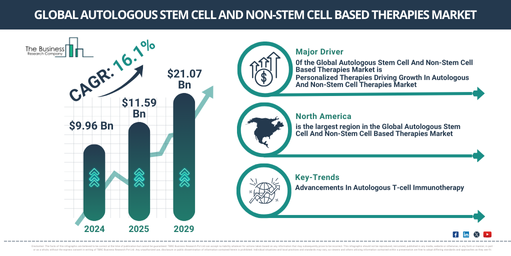
    The market size for autologous stem cell and non-stem cell based therapies has seen a swift expansion in the recent years. Projected to rise from $9.96 billion in 2024 to $11.59 billion in 2025, this growth implies a Compound Annual Growth Rate (CAGR) of 16.5%. Possible factors for this past growth may include higher occurrences of conditions like cancer and diabetes, increased elderly population, amplified healthcare consciousness, a surge in research and development activities, a rise in the number of clinical trials, and added regulatory approvals.

    What Is the Projected Market Size of the Autologous Stem Cell And Non-Stem Cell Based Therapies Market?

    In the coming years, the market size for autologous stem cell and non-stem cell based therapies is predicted to experience significant expansion. The market is projected to reach $21.07 billion in 2029, growing at a Compound Annual Growth Rate (CAGR) of 16.1%. This increase in the forecast period can be attributed to various factors such as the rising instances of specific diseases, growth in the elderly population, heightened occurrence of neurodegenerative illnesses, an influx in cancer cases, escalating demand for skin transplantation, expanding awareness about regenerative medicine, strategic collaborations and partnerships between major players, and improved reimbursement policies for certified therapies. Major anticipated trends within the prediction period include the incorporation of artificial intelligence and machine learning, the emergence of readymade allogeneic stem cell products, extended reimbursement policies, adoption of innovative biomaterials, advancements in cell manufacturing processes, increased application of autologous stem cell therapies, and integration of gene editing technologies.

    Download The Free Sample Report Here:

    https://www.thebusinessresearchcompany.com/sample.aspx?id=15729&type=smp

    Who are the Major Competitors in the Autologous Stem Cell And Non-Stem Cell Based Therapies Market Outlook?

    Major companies operating in the autologous stem cell and non-stem cell based therapies market are Bayer AG, Novartis AG, Takeda Pharmaceutical Company Limited, Gilead Sciences Inc., Merck & Co. Inc., Stemcell Technologies Inc., Dendreon Corporation, Vericel Corporation, Sangamo Therapeutics Inc., NEOSTEM, Orgenesis Inc., Adaptimmune Therapeutics, Stempeutics Research Pvt Ltd., MEDIPOST, Castle Creek Biosciences Inc., BrainStorm Cell Limited, Athersys Inc., Cytori Therapeutics Inc., Opexa Therapeutics, Gamida Cell, Regen BioPharma Inc., RepliCel Life Sciences, InGeneron Inc., BioCardia Inc., ReNeuron Group

    What Is Fueling Growth in the Autologous Stem Cell And Non-Stem Cell Based Therapies Market?

    The surge in demands for tailor-made treatments is predicted to fuel the expansion of the autologous stem cell and non-stem cell-based therapies market in the future. These customized treatments are medical interventions developed to optimize advantages and reduce unfavorable effects based on a person’s distinctive genetic makeup, lifestyle, and choices. They are increasingly popular due to factors such as breakthroughs in genetics and technology that enable more accurate and potent interventions with fewer complications, heightened patient needs for individualized care, and the potential to decrease healthcare expenses. Personalized therapies enhance the utilization of autologous stem cell and non-stem cell-based therapies by adapting them to a person’s specific genetic and health traits, yielding superior outcomes and reduced complications. For example, the Personalized Medicine Coalition — a professional membership organization based in the US — reported that in 2022, the validation of 12 new personalized medications accounted for about 34% of all freshly approved therapies; this shows a notable rise from preceding years. Therefore, the increasing demands for personalized treatments are driving the autologous stem cell and non-stem cell-based therapies market growth.

    Request For A Customized Report:

    https://www.thebusinessresearchcompany.com/customise?id=15729&type=smp

    Which Autologous Stem Cell And Non-Stem Cell Based Therapies Market Segments Are Growing the Fastest?

    The autologous stem cell and non-stem cell based therapies market covered in this report is segmented –

    1) By Type: Autologous Stem Cells, Autologous Non-Stem Cells, Other Types

    2) By Application: Cancer, Neurodegenerative Disorders, Cardiovascular Disease, Orthopedic Diseases, Other Applications

    3) By End-User: Hospitals, Ambulatory Surgical Centers, Research Facilities, Other End Users

    Subsegments:

    1) By Autologous Stem Cells: Hematopoietic Stem Cells, Mesenchymal Stem Cells, Neural Stem Cells, Endothelial Stem Cells

    2) By Autologous Non-Stem Cells: Platelet-Rich Plasma (Prp), Adipose-Derived Cells, Peripheral Blood Cells

    3) By Other Types: Exosome-Based Therapies, Tissue-Engineered Constructs

    Which Industry Trends Are Shaping the Future of the Autologous Stem Cell And Non-Stem Cell Based Therapies Market?

    Significant players in the autologous stem cell and non-stem cell-based therapies sector are focusing on the development of tumor-derived autologous T-cell immunotherapy to improve tailored cancer treatments. This method involves the extraction, activation, and expansion of T-cells from a patient’s tumor before reintroducing them to the patient’s body. This enhances the immune system’s capacity to target and eradicate cancer cells specifically. As an example, Iovance Biotherapeutics, a US-based biotech firm, in February 2024, gained fast-tracked approval from the Food and Drug Administration, a US federal body, for Amtagvi (lifileucel), a novel cellular therapy designed for adult melanoma patients. Lifileucel, a tumor-derived autologous T-cell immunotherapy, consists of patient’s naturally-occurring immune cells, also known as tumor-infiltrating lymphocytes (TILs), thereby boosting the patient’s immune system’s ability to recognize and combat cancer efficiently.

    Access The Full Report Here:

    https://www.thebusinessresearchcompany.com/report/autologous-stem-cell-and-non-stem-cell-based-therapies-global-market-report

    Which Countries Are Leading the Autologous Stem Cell And Non-Stem Cell Based Therapies Market?

    North America was the largest region in the autologous stem cell and non-stem cell based therapies market in 2023. Asia-Pacific is expected to be the fastest-growing region in the forecast period. The regions covered in the autologous stem cell and non-stem cell based therapies market report are Asia-Pacific, Western Europe, Eastern Europe, North America, South America, Middle East and Africa.

    Purchase The Full Report Today:

    https://www.thebusinessresearchcompany.com/purchaseoptions.aspx?id=15729

    This Report Delivers Insight On:

    1. How big is the autologous stem cell and non-stem cell based therapies market, and how is it changing globally?

    2. Who are the major companies in the autologous stem cell and non-stem cell based therapies market, and how are they performing?

    3. What are the key opportunities and risks in the autologous stem cell and non-stem cell based therapies market right now?

    4. Which products or customer segments are growing the most in the autologous stem cell and non-stem cell based therapies market?

    5. What factors are helping or slowing down the growth of the autologous stem cell and non-stem cell based therapies market?

    About The Business Research Company:

    With over 15000+ reports from 27 industries covering 60+ geographies, The Business Research Company has built a reputation for offering comprehensive, data-rich research and insights. Armed with 1,500,000 datasets, the optimistic contribution of in-depth secondary research, and unique insights from industry leaders, you can get the information you need to stay ahead in the game.

    Get in touch with us:

    The Business Research Company: https://www.thebusinessresearchcompany.com/

    Americas +1 310-496-7795

    Asia +44 2071930708

    Europe +44 7882 955267

    Email us at info@tbrc.info

    Follow us on:

    LinkedIn: https://in.linkedin.com/company/the-business-research-company

    YouTube: https://www.youtube.com/channel/UC24_fI0rV8cR5DxlCpgmyFQ

    Global Market Model: https://www.thebusinessresearchcompany.com/global-market-model
  • Life Science Software Market Size to Exceed $43.28 Billion by 2029 | Growth and Industry Trends

    Life Science Software Market Size to Exceed $43.28 Billion by 2029 | Growth and Industry Trends

    Claim your 30% discount on Global Market Reports with code ONLINE30. Limited time only.

    How Has the Life Science Software Market Grown from 2024 to 2025?

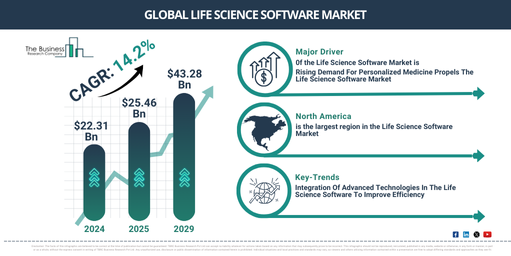
    The market size for life science software has experienced a swift expansion in the past few years. The market, which is projected to progress from $22.31 billion in 2024 to $25.46 billion in 2025, has a compound annual growth rate (CAGR) of 14.1%. This growth during the historical period is due to factors like requirements for regulatory compliance, the necessity for data integration and management, an increasing need for personalized medicine, the global reach of clinical trials, and a focus on patient-centric approaches.

    What Growth Rate Is Anticipated for the Life Science Software Market in the Coming Years?

    Predictions reveal significant expansion in the life science software market over the forthcoming years, reaching a whopping $43.28 billion by 2029 with a compounded annual growth rate (CAGR) of 14.2%. This anticipated surge over the forecast period stems from a growing focus on real-world evidence (RWE), streamlined cybersecurity measures, and adoption of artificial intelligence (AI) and machine learning (ML). The rising preference for cloud-based solutions and an enlarged capacity in precision medicine also contribute to this growth. The forecast period additionally hints at sustained technological progress, fast-tracked digital transition, enhanced collaborations and networking, heightened research and development undertakings, and breakthroughs in technology.

    Download The Free Sample Report Here:

    https://www.thebusinessresearchcompany.com/sample.aspx?id=13690&type=smp

    Who Are the Leading Companies in the Life Science Software Market?

    Major companies operating in the life science software market report are Meta Platforms Inc., Optum Inc., International Business Machines Corp., Deloitte, Thermo Fisher Scientific Inc., Oracle, SAP, Fujitsu Ltd., Cognizant, DXC Technology Co, HCL Technologies Ltd., Dassault Systèmes, EPIC Systems Corporation, SAS Institute Inc., INFOR, PAREXEL International Corporation, MEDICAL Information Technology Inc., Veeva Systems Inc., TIBCO Software Inc., PTC Therapeutics Inc., Cegedim SA, CPSI, Model N Inc., Medidata Solution Inc., ArisGlobal LLC, Perceptive Informatics Inc., Elinext, Signiant Inc., Allscripts Healthcare LLC, Jag products LLC

    What Are the Key Drivers of the Life Science Software Market?

    The surge in preference for personalized healthcare is anticipated to fuel the rise of life science software. Personalized healthcare is a specialized approach in medicine that adapts healthcare determinations and treatments according to individual specifics such as environmental factors, lifestyle, and genetics. State-of-the-art software solutions are indispensable for personalized medicine to regularize and incorporate data from various sources like electronic health records, wearable, and genetic testing. Life science software holds a crucial position in expediting the examination and understanding of intricate biological data, empowering researchers and medical practitioners to customize treatment procedures based on individual patient’s traits. For example, as per a report by the Personalized Medicine Coalition (PMC), a nonprofit organization based in the US, in February 2023, personalized medications constituted 35% of newly approved NMEs in 2021, and with 12 new accreditations in 2022, they have constantly held at least a quarter of new drug approvals for the last eight years, marking a substantial escalation from less than 10% ten years prior. Consequently, the surging preference for personalized healthcare is stimulating the expansion of the life science software market.

    Request For A Customized Report:

    https://www.thebusinessresearchcompany.com/customise?id=13690&type=smp

    What Are the Key Market Segments in the Life Science Software Industry?

    The life science software market covered in this report is segmented –

    1) By Type: Predictive, Descriptive, Prescriptive

    2) By Deployment: On-Premise, Hosted

    3) By Application: marketing, Compliance, R&D, Pharmacovigilance, SCM

    4) By End User: Healthcare Institutes, Biopharmaceutical Industry, Medical Devices Industry, Medical Research Centers

    Subsegments:

    1) By Predictive: Predictive Analytics Tools, Risk Assessment Software, Patient Outcome Prediction

    2) By Descriptive: Data Visualization Tools, Reporting Software, Statistical Analysis Software

    3) By Prescriptive: Decision Support Systems, Optimization Tools, Treatment Recommendation Software

    What Are the Latest Trends in the Life Science Software Market?

    In the life science software market, leading companies are merging cutting-edge technologies such as generative AI, machine learning (ML), and computer-aided drug-design (CADD) to streamline drug discovery, boost efficiency and hasten innovations. Generative AI is used for the creation of new molecular structures, and ML’s role is to sift through enormous datasets to pinpoint promising drug candidates and evaluate their likely effectiveness. In combination with CADD tools, these technologies provide researchers the power to computationally simulate and refine drug interactions, therefore, greatly expediting the discovery and creation of viable compounds. For example, in December 2023, Merck, a prominent science and technology company based in Germany, unveiled a drug discovery software called AIDDISON. The aim of AIDDISON is to expedite the detection of new medications and to enhance the effectiveness of the drug development process. This platform is built on artificial intelligence (AI) and machine learning (ML) technologies, which enables it to process large amounts of data and identify potential medication candidates more rapidly and efficiently than traditional methods.

    Access The Full Report Here:

    https://www.thebusinessresearchcompany.com/report/life-science-software-global-market-report

    What Are the Key Regional Markets in the Life Science Software Industry?

    North America was the largest region in the life science software market in 2024. Asia-Pacific is expected to be the fastest-growing region in the forecast period. The regions covered in the life science software market report are Asia-Pacific, Western Europe, Eastern Europe, North America, South America, Middle East, Africa.

    Purchase The Full Report Today:

    https://www.thebusinessresearchcompany.com/purchaseoptions.aspx?id=13690

    This Report Delivers Insight On:

    1. How big is the life science software market, and how is it changing globally?

    2. Who are the major companies in the life science software market, and how are they performing?

    3. What are the key opportunities and risks in the life science software market right now?

    4. Which products or customer segments are growing the most in the life science software market?

    5. What factors are helping or slowing down the growth of the life science software market?

    About The Business Research Company:

    With over 15000+ reports from 27 industries covering 60+ geographies, The Business Research Company has built a reputation for offering comprehensive, data-rich research and insights. Armed with 1,500,000 datasets, the optimistic contribution of in-depth secondary research, and unique insights from industry leaders, you can get the information you need to stay ahead in the game.

    Get in touch with us:

    The Business Research Company: https://www.thebusinessresearchcompany.com/

    Americas +1 310-496-7795

    Asia +44 2071930708

    Europe +44 7882 955267

    Email us at info@tbrc.info

    Follow us on:

    LinkedIn: https://in.linkedin.com/company/the-business-research-company

    YouTube: https://www.youtube.com/channel/UC24_fI0rV8cR5DxlCpgmyFQ

    Global Market Model: https://www.thebusinessresearchcompany.com/global-market-model
  • Autism Spectrum Disorder Diagnostics Forecast Report – Designed for Decision Makers and Product Teams

    Autism Spectrum Disorder Diagnostics Forecast Report – Designed for Decision Makers and Product Teams

    Claim your 30% discount on Global Market Reports with code ONLINE30. Limited time only.

    What Is the Estimated Market Size of the Autism Spectrum Disorder Diagnostics Market In 2029?

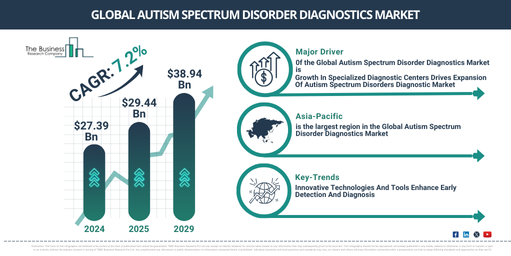
    In recent years, the market size for diagnosis of autism spectrum disorder has experienced solid growth. It is projected to expand from $27.39 billion in 2024 to $29.44 billion in 2025, with a compound annual growth rate (CAGR) of 7.5%. The historical period growth can be credited to elements such as increased awareness and identification of ASD, the broadening of diagnostic criteria, progress in diagnostic equipment, the enhancement of the healthcare system, and public health campaigns.

    What Growth Rate Is Forecasted for the Autism Spectrum Disorder Diagnostics Market by 2029?

    In the coming years, the autism spectrum disorder diagnostics market size is predicted to witness robust growth. The market is projected to reach $38.94 billion by 2029, registering a compound annual growth rate (CAGR) of 7.2%. This predicted growth during the forecast period is linked to rising occurrences of autism spectrum disorder, increased consciousness and preliminary screening programs, emphasis on precision medicine and biomarkers. Some key trends expected within the forecast period include the continuous development of inventive technologies, an emerging focus on adult diagnosis, growing demand for point-of-care testing, the incorporation of artificial intelligence (AI) and machine learning, as well as an increase in research activity.

    Download The Free Sample Report Here:

    https://www.thebusinessresearchcompany.com/sample.aspx?id=16593&type=smp

    Which Key Companies Are Shaping the Future of the Autism Spectrum Disorder Diagnostics Market?

    Major companies operating in the autism spectrum disorder diagnostics market are F. Hoffmann-La Roche AG, Merck & Co. Inc., AbbVie Inc., Bristol Myers Squibb Company, Thermo Fisher Scientific Inc., Abbott Laboratories, Novartis AG, Siemens Healthineers, Quest Diagnostics Incorporated, Agilent Technologies Inc., Otsuka Pharmaceutical Co. Ltd., ARUP Laboratories, Invitae Corporation, Ambry Genetics, Cortica Inc., GeneDx, Cognoa Inc., Axial Therapeutics Inc., Curemark, EarliTec Diagnostics Inc., Yamo Pharmaceuticals

    Which Factors Are Driving Demand in the Autism Spectrum Disorder Diagnostics Industry?

    The expansion of specific diagnostic facilities is anticipated to spur the progression of the autism spectrum disorders diagnostic market. An autism-focused diagnostic center encompasses healthcare practitioners, psychologists, and specialists, carrying out extensive examinations and evaluations to diagnose the autism spectrum disorder. The surge in these specialized diagnostic centers is attributed to diagnostic improvements, the need for all-encompassing care, professional education, research, and autism recognition as a public health concern. These centers play a crucial role by improving diagnoses precision, enabling early interventions, and improving the results for individuals with ASD, through specialized expertise, sophisticated diagnostic instruments, comprehensive evaluations, personalized treatment strategies, family assistance, and research collaboration opportunities. For example, as per Autism Speaks, a non-profit autism awareness organization based in the US, the number of autism care network sites in North America rose from 20 to 25 during 2021-2022. Therefore, the rise in specific diagnostic facilities is propelling the growth of the autism spectrum disorders diagnostic market.

    Request For A Customized Report:

    https://www.thebusinessresearchcompany.com/customise?id=16593&type=smp

    How Is the Autism Spectrum Disorder Diagnostics Market Segmented by Several Divisions?

    The autism spectrum disorder diagnostics market covered in this report is segmented –

    1) By Type: Autistic Disorder, Asperger Syndrome, Pervasive Development Disorder (PDD), Other Types

    2) By Service: Behavioral Approaches, Early Intervention, Medication, Other Services

    3) By Distribution Channel: Hospital Pharmacies, Drug Stores And Retail Pharmacies, Online Pharmacies

    Subsegments:

    1) By Autistic Disorder: Classic Autism, Severe Autism, Mild Autism

    2) By Asperger Syndrome: High Functioning Asperger Syndrome, Low Functioning Asperger Syndrome

    3) By Pervasive Developmental Disorder (PDD): PDD-NOS, Childhood Disintegrative Disorder: Rett Syndrome

    4) By Other Types: Childhood Autism Spectrum Disorder, Atypical Autism, Other Related Developmental Disorders

    What are the Emerging Market Trends Driving the Growth of the Autism Spectrum Disorder Diagnostics Industry?

    In an effort to gain a competitive advantage in the autism spectrum disorder diagnostics market, major companies are developing innovative solutions like devices that rely on Dynamic Quantification of Social-Visual Engagement (DQSVE) to capture and analyze a child’s looking behavior on a constant basis up to 120 times per second. For example, in September 2023, the Marcus Autism Center, a nonprofit healthcare and research organization in the US, launched EarliPoint™ Evaluation. This groundbreaking, FDA-approved device is developed for the early detection of autism spectrum disorder (ASD) in children from 16 to 30 months old. The novel instrument leverages eye-tracking technology to evaluate children’s social behaviors, significantly cutting down the diagnostic time from hours to only about 12 minutes.

    Access The Full Report Here:

    https://www.thebusinessresearchcompany.com/report/autism-spectrum-disorder-diagnostics-global-market-report

    Which Regions Are Driving Growth in the Autism Spectrum Disorder Diagnostics Market?

    Asia-Pacific was the largest region in the autism spectrum disorder diagnostics market in 2024. The regions covered in the autism spectrum disorder diagnostics market report are Asia-Pacific, Western Europe, Eastern Europe, North America, South America, Middle East, Africa.

    Purchase The Full Report Today:

    https://www.thebusinessresearchcompany.com/purchaseoptions.aspx?id=16593

    This Report Delivers Insight On:

    1. How big is the autism spectrum disorder diagnostics market, and how is it changing globally?

    2. Who are the major companies in the autism spectrum disorder diagnostics market, and how are they performing?

    3. What are the key opportunities and risks in the autism spectrum disorder diagnostics market right now?

    4. Which products or customer segments are growing the most in the autism spectrum disorder diagnostics market?

    5. What factors are helping or slowing down the growth of the autism spectrum disorder diagnostics market?

    About The Business Research Company:

    With over 15000+ reports from 27 industries covering 60+ geographies, The Business Research Company has built a reputation for offering comprehensive, data-rich research and insights. Armed with 1,500,000 datasets, the optimistic contribution of in-depth secondary research, and unique insights from industry leaders, you can get the information you need to stay ahead in the game.

    Get in touch with us:

    The Business Research Company: https://www.thebusinessresearchcompany.com/

    Americas +1 310-496-7795

    Asia +44 2071930708

    Europe +44 7882 955267

    Email us at info@tbrc.info

    Follow us on:

    LinkedIn: https://in.linkedin.com/company/the-business-research-company

    YouTube: https://www.youtube.com/channel/UC24_fI0rV8cR5DxlCpgmyFQ

    Global Market Model: https://www.thebusinessresearchcompany.com/global-market-model
  • Leukocyte Adhesion Deficiency Management Industry Insights 2025 – Market Forecast for Executives and Planners

    Leukocyte Adhesion Deficiency Management Industry Insights 2025 – Market Forecast for Executives and Planners

    Claim your 30% discount on Global Market Reports with code ONLINE30. Limited time only.

    How Has the Leukocyte Adhesion Deficiency Management Market Size Changed, over the years?

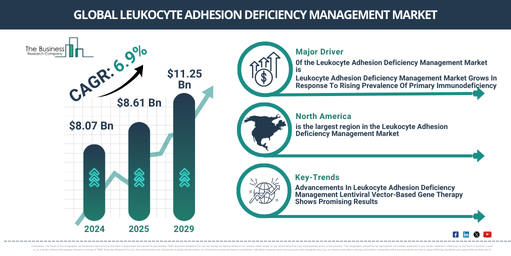
    In recent times, there has been a robust expansion in the market size of leukocyte adhesion deficiency management. The market is predicted to escalate from the value of $8.07 billion in 2024 to approximately $8.61 billion in 2025 with a compound annual growth rate (CAGR) of 6.7%. Factors contributing to the growth in the historic period include heightened awareness and education, advancements in genetic testing, the establishment of orphan drug designations, development of global health policies, intervention of patient advocacy groups, and progression in pediatric healthcare.

    How Much Will the Leukocyte Adhesion Deficiency Management Market Be Worth in 2029?

    The market for managing leukocyte adhesion deficiency is predicted to experience considerable growth in the upcoming years, with an estimated valuation of $11.25 billion in 2029, boasting a compound annual growth rate (CAGR) of 6.9%. The expected growth in this period can be traced back to advancements in precision medicine methods, the advent of new therapeutics, increased accessibility to genetic testing, patient-focused drug development, and progress in immunomodulatory treatments. Forecast period trends include innovative stem cell transplantation techniques, incorporating supportive therapies, telemedicine for distant consultations, collaboration and research networks, and the inclusion of biomarker technologies.

    Download The Free Sample Report Here:

    https://www.thebusinessresearchcompany.com/sample.aspx?id=13172&type=smp

    Which is the Largest Company in the Leukocyte Adhesion Deficiency Management Market?

    Major companies operating in the leukocyte adhesion deficiency management market report are F. Hoffmann-La Roche Ltd., Novartis AG, GlaxoSmithKline PLC, Gilead Sciences Inc., Teva Pharmaceuticals Industries Limited, CSL Behring LLC, Vertex Pharmaceuticals Inc., Grifols International S.A., Aurobindo Pharma Ltd., BioMarin Pharmaceutical Inc., Cadila Healthcare Ltd., Ipca Laboratories Ltd., Sana Biotechnology Inc., Rocket Pharmaceuticals Inc., PT Sanbe Farma, Magenta Therapeutics Inc., Avalo Therapeutics Inc., Aspen Neuroscience Inc., Sandoz International GmbH, Orpha Labs Inc., Swiss Pharm Holding AG, Rubius Therapeutics Inc., Enochian Biosciences Inc., Sigma-Aldrich LLC, Bluebird Bio Inc.

    What Are the Main Market Drivers in the Leukocyte Adhesion Deficiency Management Industry?

    The growth of the leukocyte adhesion deficiency management market is anticipated to see an upswing due to the escalating occurrence of primary immunodeficiency. Primary immunodeficiency constitutes a series of genetic disorders that debilitate the immune system of the body, thereby making individuals more prone to contract infections and diseases due to immune response abnormalities. Leukocyte adhesion deficiency management aids primary immunodeficiency by furthering the comprehension of immune system disorders and possibly fostering the development of superior diagnostic tools and treatments beneficial for both conditions. For instance, the Peace Hospital, a multispecialty hospital located in India, reported in April 2023 that data accrued during the World Primary Immunodeficiency Awareness Week 2023 depicts that approximately 60 lakh people worldwide are afflicted by primary immunodeficiency, and a staggering 70% to 90% amongst them have undiagnosed primary immunodeficiency. Hence, the increasing incidence of primary immunodeficiency will expedite the growth of the leukocyte adhesion deficiency management market. The prospective growth of the leukocyte adhesion deficiency management market is also set to be augmented by a rising incidence of spinal cord injuries. A spinal cord injury, a condition that transpires due to damage to any part of the spinal cord or neurons at the cauda equina, can result in autonomic dysfunction, inclusive of hyperhidrosis. This is linked to sympathetic overactivity of the cephalad part of the spinal cord directly beneath the injury zone. As per the statistics released by the National Spinal Cord Injury Statistical Center (NSCISC), a US-based entity that oversees and administers the collection, management, and scrutiny of spinal cord injury research databases, in March 2022, it is estimated that the yearly rate of traumatic spinal cord injury is close to 54 cases per one million individuals in the United States, corresponding to nearly 18,000 fresh spinal cord injury cases annually. Additionally, it is estimated that approximately 299,000 individuals in the United States are living with spinal cord injuries, the figures ranging between 253,000 to 378,000. Thus, the burgeoning incidence of spinal cord injuries propels the advancement of the leukocyte adhesion deficiency management market.

    Request For A Customized Report:

    https://www.thebusinessresearchcompany.com/customise?id=13172&type=smp

    How Is the Leukocyte Adhesion Deficiency Management Market Segments Structured?

    The leukocyte adhesion deficiency management market covered in this report is segmented –

    1) By Treatment: Hematopoietic Stem Cell Transplantation, Recombinant Human Interferon-Gamma Treatment, Prophylactic Immunoglobulin Therapy, Antimicrobial Therapy, Prophylactic Therapy, Fucose Supplementation, Monoclonal Antibodies, Coagulation Factors

    2) By Diagnosis: Blood Test, Genetic Testing, Biopsy, Other Types

    3) By End-Users: Hospitals, Specialty Clinics, Other End-Users

    Subsegments:

    1) By Hematopoietic Stem Cell Transplantation: Related Donor Transplant, Unrelated Donor Transplant

    2) By Recombinant Human Interferon-Gamma Treatment: Standard Dosing, Customized Dosing

    3) By Prophylactic Immunoglobulin Therapy: Intravenous Immunoglobulin (IVIG), Subcutaneous Immunoglobulin (SCIG)

    4) By Antimicrobial Therapy: Antibiotics, Antifungal Treatments

    5) By Prophylactic Therapy: Vaccination Strategies, Infection Prevention Protocols

    6) By Fucose Supplementation: Oral Supplements, Intravenous Supplements

    7) By Monoclonal Antibodies: Specific Target Monoclonal Antibodies, Combination Therapy Monoclonal Antibodies

    8) By Coagulation Factors: Factor Replacement Therapies, Novel Coagulation Agents

    What Strategic Trends Are Transforming the Leukocyte Adhesion Deficiency Management Market?

    Major market players in the management of leukocyte adhesion deficiency are advancing lentiviral vector-based gene therapy technology to enhance targeted treatments and boost patient results. By delivering rectifying genes directly into cells, this therapy provides a targeted method for managing leukocyte adhesion deficiency, potentially reinstating immune function. In February 2024, Rocket Pharmaceuticals, a US-based biotechnology firm, introduced kresladi (marnetegragene autotemcel), a treatment for severe leukocyte adhesion deficiency-I (LAD-I). The treatment showed a survival rate of 100% at 12 months in a Phase 1/2 study and significantly lessened infections while improving symptoms. Kresladi presents a revolutionary solution in the LAD management market, addressing vital unmet needs.

    Access The Full Report Here:

    https://www.thebusinessresearchcompany.com/report/leukocyte-adhesion-deficiency-management-global-market-report

    Which Global Regions Offer the Highest Growth in the Leukocyte Adhesion Deficiency Management Market?

    North America was the largest region in the leukocyte adhesion deficiency management market in 2024. Asia-Pacific is expected to be the fastest-growing region in the forecast period. The regions covered in the leukocyte adhesion deficiency management market report are Asia-Pacific, Western Europe, Eastern Europe, North America, South America, Middle East, Africa

    Purchase The Full Report Today:

    https://www.thebusinessresearchcompany.com/purchaseoptions.aspx?id=13172

    This Report Delivers Insight On:

    1. How big is the leukocyte adhesion deficiency management market, and how is it changing globally?

    2. Who are the major companies in the leukocyte adhesion deficiency management market, and how are they performing?

    3. What are the key opportunities and risks in the leukocyte adhesion deficiency management market right now?

    4. Which products or customer segments are growing the most in the leukocyte adhesion deficiency management market?

    5. What factors are helping or slowing down the growth of the leukocyte adhesion deficiency management market?

    About The Business Research Company:

    With over 15000+ reports from 27 industries covering 60+ geographies, The Business Research Company has built a reputation for offering comprehensive, data-rich research and insights. Armed with 1,500,000 datasets, the optimistic contribution of in-depth secondary research, and unique insights from industry leaders, you can get the information you need to stay ahead in the game.

    Get in touch with us:

    The Business Research Company: https://www.thebusinessresearchcompany.com/

    Americas +1 310-496-7795

    Asia +44 2071930708

    Europe +44 7882 955267

    Email us at info@tbrc.info

    Follow us on:

    LinkedIn: https://in.linkedin.com/company/the-business-research-company

    YouTube: https://www.youtube.com/channel/UC24_fI0rV8cR5DxlCpgmyFQ

    Global Market Model: https://www.thebusinessresearchcompany.com/global-market-model
  • Atrial Septal Defect Market Outlook 2025 – Insights for Executive and Strategic Planning

    Atrial Septal Defect Market Outlook 2025 – Insights for Executive and Strategic Planning

    Claim your 30% discount on Global Market Reports with code ONLINE30. Limited time only.

    How Fast Is The Atrial Septal Defect Market Expected to Grow Between 2025 And 2029?

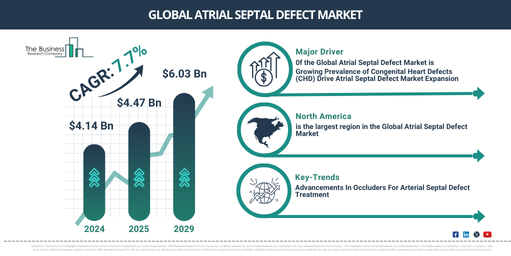
    The market for atrial septal defect has seen a significant expansion in recent years. It is projected to escalate from $4.14 billion in 2024 to $4.47 billion in 2025, demonstrating a compound annual growth rate (CAGR) of 8.0%. The historical growth is credited to factors such as an increasing number of congenital heart disease cases, enhanced funding allocated to the research and development of ASD solutions, heightened awareness about congenital heart defects among parents and caregivers, increase in pediatric surgeries, the introduction of new ASD closure devices and treatment methods approved by regulatory authorities like the FDA, and the broadening of healthcare facilities.

    What Growth Rate Is Anticipated for the Atrial Septal Defect Market in the Coming Years?

    A strong surge in growth is projected for the atrial septal defect market size in the coming years, estimated to reach $6.03 billion in 2029, boasting a compound annual growth rate (CAGR) of 7.7%. The anticipated expansion during the forecast period can be ascribed to a rise in the application of telemedicine for pre and post-surgery care, advancement in customized treatment strategies anchored in genetic and phenotypic data, sustained escalation in worldwide healthcare expenditure, especially in up-and-coming markets and an aging global population contributing to late life detection of congenital heart defects. Enhancement in the international standardization of medical device legislature boosts global market penetration, and the establishment of local and global health initiatives centred on early diagnosis and treatment of congenital heart ailments, are also contributing factors. Noteworthy advancements in the forecast period incorporate the evolution of new, less invasive atrial septal defect closure devices, the deployment of artificial intelligence and machine learning for enhanced diagnostics and tailor-made treatment planning, the endorsement of biodegradable and bioresorbable materials for device production, AI-propelled apparatus for real-time observation and decision assistance during atrial septal defect procedures, and the adoption of remote monitoring technologies for patient recovery tracking and early detection of complications.

    Download The Free Sample Report Here:

    https://www.thebusinessresearchcompany.com/sample.aspx?id=16345&type=smp

    Who Are the Leading Companies in the Atrial Septal Defect Market?

    Major companies operating in the atrial septal defect market are Abbott Laboratories, Medtronic plc, Siemens Healthineers, Boston Scientific Corporation, Philips Healthcare, Edwards Lifesciences Corporation, W. L. Gore & Associates Inc., St. Jude Medical LLC, Cook Medical, Lepu Medical Technology Co. Ltd., MicroPort Scientific Corporation, Lifetech Scientific Corporation, Venus Medtech Hangzhou Inc, Occlutech Holding AG, Coherex Medical, Osypka AG, Arjo AB, Heart Medical Europe BV, AtriCure Inc., Asklepion Pharmaceuticals LLC

    What Are the Key Drivers of the Atrial Septal Defect Market?

    Growing occurrences of congenital heart defects (CHD) are set to fuel the expansion of the atrial septal defect market. These defects denote structural anomalies in the heart that are present from birth. An increasing number of individuals being diagnosed with these birth origin structural abnormalities signifies the rising prevalence of these defects. To address these defects, atrial septal defect treatments are utilized, which aim to rectify irregular blood circulation between the chambers of the heart, enhance overall cardiac function, and minimize related complications. For instance, data from the Australian Institute of Health and Welfare, a national institute based in Australia, in June 2024 indicated that nearly 65,000 adults and children in Australia were living with congenital heart disease. During the 2020–21 period, congenital heart disease accounted for around 5,900 hospitalizations, 79 infant deaths under one year of age, which equates to 7.8% of total infant mortality. Consequently, the market for atrial septal defect is driven by the increasing incidence of congenital heart defects.

    Request For A Customized Report:

    https://www.thebusinessresearchcompany.com/customise?id=16345&type=smp

    What Are the Key Market Segments in the Atrial Septal Defect Industry?

    The atrial septal defect market covered in this report is segmented –

    1) By Treatment Procedure: Surgical Closure, Transcatheter Closure, Hybrid Procedures, Medication Therapy

    2) By Diagnosis: Chest X-Ray, Electrocardiogram, Cardiac Catheterization, Transesophageal Echocardiography, Pulse Oximetry

    3) By Product Type: Medical Devices, Pharmaceutical Products

    4) By Age Group: Pediatric, Adult

    5) By End-User: Hospitals, Ambulatory Surgical Centers, Cardiac Clinics, Other End-Users

    Subsegments:

    1) By Surgical Closure: Open Heart Surgery (Traditional Surgical Closure), Minimally Invasive Surgical Closure, Patches (Pericardial, Synthetic) For Asd Closure

    2) By Transcatheter Closure: Device-Based Closure (Amplatzer Septal Occluder), Transcatheter Plug Closure Techniques, Catheter-Based Asd Repair For Adult And Pediatric Patients

    3) By Hybrid Procedures: Combination Of Surgical And Transcatheter Techniques, Minimally Invasive Hybrid Procedures, Hybrid Closure For Complex Or Large Asds

    4) By Medication Therapy: Anticoagulant Therapy (To Prevent Stroke), Diuretics (For Managing Symptoms), Antihypertensive Drugs (For Managing Associated Conditions), Off-Label Use Of Other Medications

    What Are the Latest Trends in the Atrial Septal Defect Market?

    Key enterprises involved in the arterial septal defect market are innovating advanced gadgets and seeking official validation to enhance their utility and accessibility. Gaining approval for a device implies securing official endorsement or accreditation from an authoritative entity or regulator in order to legally reproduce, distribute, or utilize the device in a designated market or for a specified function. For example, Occlutech GmbH, an expertise-based establishment from Sweden that produces minimally invasive cardiac devices, proclaimed in March 2024 that the United States Food and Drug Administration (FDA) had authorized Occlutech ASD Occluder and Occlutech Pistol Pusher for addressing atrial septal defects (ASD). This authorization signifies a major turning point for the firm, which is committed to enhancing healthcare worldwide. Designed to provide lasting results for patients confirmed with defects through echocardiography, the Occlutech ASD Occluder is a self-expanding nitinol instrument comprising of pair of adaptable discs attached to both sides of the patient’s atrial septum with the help of the Occlutech Pistol Pusher. This authorization permits Occlutech to commence US marketing through an exclusive alliance with B. Braun Interventional Systems.

    Access The Full Report Here:

    https://www.thebusinessresearchcompany.com/report/atrial-septal-defect-global-market-report

    What Are the Key Regional Markets in the Atrial Septal Defect Industry?

    North America was the largest region in the atrial septal defect market in 2023. Asia-Pacific is expected to be the fastest-growing region in the forecast period. The regions covered in the atrial septal defect market report are Asia-Pacific, Western Europe, Eastern Europe, North America, South America, Middle East, Africa.

    Purchase The Full Report Today:

    https://www.thebusinessresearchcompany.com/purchaseoptions.aspx?id=16345

    This Report Delivers Insight On:

    1. How big is the atrial septal defect market, and how is it changing globally?

    2. Who are the major companies in the atrial septal defect market, and how are they performing?

    3. What are the key opportunities and risks in the atrial septal defect market right now?

    4. Which products or customer segments are growing the most in the atrial septal defect market?

    5. What factors are helping or slowing down the growth of the atrial septal defect market?

    About The Business Research Company:

    With over 15000+ reports from 27 industries covering 60+ geographies, The Business Research Company has built a reputation for offering comprehensive, data-rich research and insights. Armed with 1,500,000 datasets, the optimistic contribution of in-depth secondary research, and unique insights from industry leaders, you can get the information you need to stay ahead in the game.

    Get in touch with us:

    The Business Research Company: https://www.thebusinessresearchcompany.com/

    Americas +1 310-496-7795

    Asia +44 2071930708

    Europe +44 7882 955267

    Email us at info@tbrc.info

    Follow us on:

    LinkedIn: https://in.linkedin.com/company/the-business-research-company

    YouTube: https://www.youtube.com/channel/UC24_fI0rV8cR5DxlCpgmyFQ

    Global Market Model: https://www.thebusinessresearchcompany.com/global-market-model
  • Lentiviral Vector Market Trends Report 2025 – For Business Development and Strategy Teams

    Lentiviral Vector Market Trends Report 2025 – For Business Development and Strategy Teams

    Claim your 30% discount on Global Market Reports with code ONLINE30. Limited time only.

    What Is the Forecast for the Lentiviral Vector Market Growth in 2025?

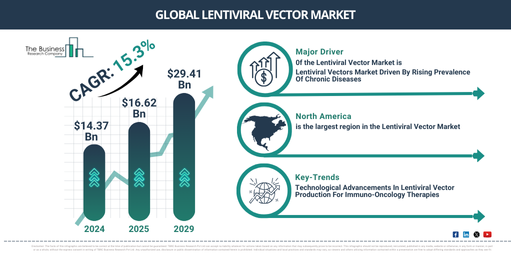
    In recent times, there has been rapid growth in the market size of lentiviral vectors. The market which is poised to grow from a value of $14.37 billion in 2024 to $16.62 billion in 2025, anticipates a compound annual growth rate (CAGR) of 15.7%. Factors such as the rising incidence of genetic disorders, the burgeoning demand for gene delivery, the expansion of biotech and pharma industries, investment in clinical trials, and regulatory approvals have largely contributed to the growth experienced during the historic period.

    What Is the Forecast for the Lentiviral Vector Market Size Through 2029?

    In the upcoming years, the lentiviral vector market is projected to undergo significant expansion, reaching $29.41 billion by 2029 with an annual compounded growth of 15.3%. This expected growth during the forecast period can be attributed to several factors such as an increase in personalized medicine, advancements in gene editing, a surge in demand for rare disease therapies, the adoption of lentiviral vector, financial backings in genomic medicine, and a concentrated focus on the scalability of manufacturing. Key trends anticipated for the future include the broadening of research and development, its integration into CAR-T cell therapy, the creation of next-generation vectors, its employment in the development of vaccines, and the advancement of production technologies.

    Download The Free Sample Report Here:

    https://www.thebusinessresearchcompany.com/sample.aspx?id=14742&type=smp

    What are the Key Market Players in Lentiviral Vector Market and How They’re Evolving?

    Major companies operating in the lentiviral vector market are Pfizer Inc., AbbVie Inc., Bayer AG, Sanofi SA, Bristol Myers Squibb Company, Thermo Fisher Scientific Inc., AstraZeneca plc, Novartis AG, GlaxoSmithKline plc (GSK), Eli Lilly and Company, Agilent Technologies Inc., Amgen Inc., Merck KGaA, Lonza Group Ag, Cytiva, Charles River Laboratories, Bio-Rad Laboratories Inc., Promega Corporation, Takara Bio Inc., Sino Biological Inc., OriGene Technologies Inc., Applied Biological Materials Inc., Oxford Biomedica, Sirion-Biotech GmbH, Yposkesi

    What Are the Primary Growth Drivers in the Lentiviral Vector Market?

    The rise in chronic diseases is projected to fuel growth in the lentiviral vectors market. Chronic diseases are long duration health conditions that usually develop slowly and can persist for several years or even a lifetime. Factors such as growing elderly population, unhealthy lifestyles, urbanization, and environmental factors have led to an increase in chronic diseases. Lentiviral vectors provide adaptable and effective methods for creating vaccines and treatment approaches for chronic diseases, meeting untapped medical demands, and enhancing patient results. For example, data from the British Heart Foundation, a cardiovascular research charity in the UK, in September 2024 stated that nearly 7.6 million people in the UK suffer from heart and circulatory diseases. About 4 million men and 3.6 million women are living with these conditions. These diseases account for roughly 27% of all deaths in the UK, resulting in over 170,000 deaths each year, which is approximately 480 deaths per day or one death every three minutes. As such, the growing occurrence of chronic diseases is stimulating the expansion of the lentiviral vectors market.

    Request For A Customized Report:

    https://www.thebusinessresearchcompany.com/customise?id=14742&type=smp

    What Are the Leading Segments in the Global Lentiviral Vector Industry?

    The lentiviral vector market covered in this report is segmented –

    1) By Product Type: Kits, Reagents And Consumables

    2) By Indication: Cancer, Genetic Disorder, Infectious Disease, Veterinary Disease, Other Indications

    3) By End User: Biotechnology Companies, Pharmaceutical Companies, Contract Research Organization (CRO), Academic And Research Institutes

    Subsegments:

    1) By Kits: Lentiviral Transduction Kits, Lentiviral Packaging Kits, Lentiviral Vector Production Kits

    2) By Reagents and Consumables: Lentiviral Packaging Reagents, Lentiviral Vector Concentration Reagents, Transfection Reagents for Lentiviral Vectors

    What Are the Key Market Trends in the Lentiviral Vector Industry?

    Key players in the lentiviral vectors market are concentrating on creating LV vector production platforms like LentiSure, with the aim of boosting the effectiveness and reliability of producing lentiviral vectors for cell-based immuno-oncology treatments. LentiSure, an LV vector production platform, is designed to elevate the generation efficiency and reliability of lentiviral vectors for cell-based immuno-oncology therapies. For instance, Yposkesi sk pharmteco, a viral vector manufacturing company in France introduced LentiSure in May 2023. This revolutionary platform aims to enhance lentiviral (LV) vector production, with an emphasis on improving the efficiency and resilience of producing lentiviruses. It caters to the increasing demand for sturdy and economically scalable viral-vector manufacturing technologies required for cell and gene therapies. With average titers at cell culture harvest at 10e7 IG/mL bioreactor volume, the platform assures consistent product quality with greater productivity and success for cell therapy developers.

    Access The Full Report Here:

    https://www.thebusinessresearchcompany.com/report/lentiviral-vector-global-market-report

    What Is the Regional Outlook for the Lentiviral Vector Market?

    North America was the largest region in the lentiviral vector market in 2024. Asia-Pacific is expected to be the fastest-growing region in the forecast period. The regions covered in the lentiviral vector market report are Asia-Pacific, Western Europe, Eastern Europe, North America, South America, Middle East and Africa.

    Purchase The Full Report Today:

    https://www.thebusinessresearchcompany.com/purchaseoptions.aspx?id=14742

    This Report Delivers Insight On:

    1. How big is the lentiviral vector market, and how is it changing globally?

    2. Who are the major companies in the lentiviral vector market, and how are they performing?

    3. What are the key opportunities and risks in the lentiviral vector market right now?

    4. Which products or customer segments are growing the most in the lentiviral vector market?

    5. What factors are helping or slowing down the growth of the lentiviral vector market?

    About The Business Research Company:

    With over 15000+ reports from 27 industries covering 60+ geographies, The Business Research Company has built a reputation for offering comprehensive, data-rich research and insights. Armed with 1,500,000 datasets, the optimistic contribution of in-depth secondary research, and unique insights from industry leaders, you can get the information you need to stay ahead in the game.

    Get in touch with us:

    The Business Research Company: https://www.thebusinessresearchcompany.com/

    Americas +1 310-496-7795

    Asia +44 2071930708

    Europe +44 7882 955267

    Email us at info@tbrc.info

    Follow us on:

    LinkedIn: https://in.linkedin.com/company/the-business-research-company

    YouTube: https://www.youtube.com/channel/UC24_fI0rV8cR5DxlCpgmyFQ

    Global Market Model: https://www.thebusinessresearchcompany.com/global-market-model
  • Atorvastatin Market Projected at $19.57 Billion by 2029 | Strategic Insights and Forecast Data

    Atorvastatin Market Projected at $19.57 Billion by 2029 | Strategic Insights and Forecast Data

    Claim your 30% discount on Global Market Reports with code ONLINE30. Limited time only.

    #How Has The Atorvastatin Market Size Shifted, And What Is the Outlook Through 2034?

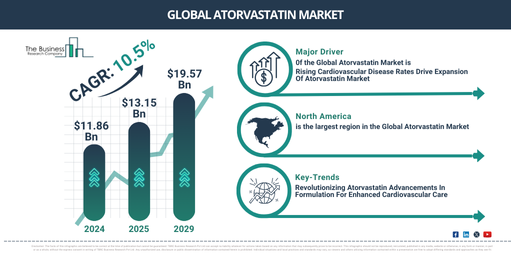
    The market size for atorvastatin has experienced rapid expansion in the recent past. Its projected growth is from $11.86 billion in 2024 to $13.15 billion in 2025, exhibiting a compound annual growth rate (CAGR) of 10.8%. This rise during the historical period can be traced back to factors such as heightened spending on healthcare, a surge in the occurrence of metabolic issues and obesity on a global scale, inactive lifestyles and poor eating habits among several populations, insufficient physical activity and exercise, and an amplified focus on preventative healthcare and overall wellness worldwide.

    How Much Will the Atorvastatin Market Be Worth in 2029?

    The market for atorvastatin is predicted to experience swift expansion in the forthcoming years, with a projection to reach $19.57 billion by 2029, escalating at a compound annual growth rate (CAGR) of 10.5%. This surge during the projected period can be credited to the escalating incidences of cardiac ailments, elevated cholesterol levels, a rising aged population who are more prone to heart conditions, heightened awareness surrounding cholesterol control and screening initiatives, and the availability of atorvastatin as a competitively priced generic drug. Key trends expected during this period include increased investment in the research and development of novel atorvastatin formulations, the adoption of environmentally friendly chemistry in production, a shift towards customized medicine and treatments based on pharmacogenomics, the integration of digital health technologies, and innovative atorvastatin formulations.

    Download The Free Sample Report Here:

    https://www.thebusinessresearchcompany.com/sample.aspx?id=16344&type=smp

    Which is the Largest Company in the Atorvastatin Market?

    Major companies operating in the atorvastatin market are Zydus Lifesciences, Pfizer Inc., Viatris Inc., Teva Pharmaceutical Industries Ltd., Hetero Ltd., Sun Pharmaceutical Industries Ltd., Dr. Reddy’s Laboratories Ltd., Cadila Pharmaceuticals Ltd., Apotex Pharmachem Inc., Glenmark Pharmaceuticals Ltd., Alembic Pharmaceuticals Ltd., Centrient Pharmaceuticals, Accord Healthcare Ltd., Wockhardt Ltd., Zhejiang Hisun Pharmaceutical Co. Ltd., Unichem Laboratories Ltd., Morepen, Ind-Swift Labs Ltd., Smilax Laboratories Limited, Saneca Pharmaceuticals AS, Combi-Blocks Inc., Shree HariKrishna Group, Srini Pharmaceuticals Pvt. Ltd., Suvan Lifesciences Ltd., Zenfold Sustainable Technologies

    What Are the Main Market Drivers in the Atorvastatin Industry?

    The escalating occurrence of cardiovascular diseases is set to drive the expansion of the atorvastatin market. Cardiovascular diseases encompass myriad disorders targeting the heart and blood vessels. Lifestyle changes, demographic evolution, and environmental elements can be credited for the escalating prevalence of these diseases. Atorvastatin plays a crucial role in mitigating the risk of major cardiovascular events such as heart attacks and strokes by targeting these crux factors. Its comprehensive application in patients with high cholesterol and other risk factors for cardiovascular diseases has significantly mitigated the overall impact of these ailments. For instance, the American Heart Association, a non-profit based in the US, reported in January 2024 that the total number of fatalities in the cardiovascular sector saw a marginal rise of 3,000 deaths to reach 931,578 as compared to the previous year’s figure of 928,741. Hence, the increasing prevalence of cardiovascular diseases is fueling the expansion of the atorvastatin market.

    Request For A Customized Report:

    https://www.thebusinessresearchcompany.com/customise?id=16344&type=smp

    How Is the Atorvastatin Market Segments Structured?

    The atorvastatin market covered in this report is segmented –

    1) By Type: Chemical Synthesis, Biocatalysis

    2) By Therapeutic Treatment: Cardiovascular Disorders, Obesity, Inflammatory Disorders, Other Therapeutic Treatments

    3) By Application: Hospital Pharmacy, Retail Pharmacy, Online Pharmacy

    Subsegments:

    1) By Chemical Synthesis: Traditional Chemical Synthesis Of Atorvastatin, Semi-Synthetic Atorvastatin Production, Large-Scale Chemical Synthesis For Commercial Production

    2) By Biocatalysis: Enzyme-Catalyzed Synthesis Of Atorvastatin, Biocatalytic Pathways For Efficient Production, Green Chemistry Approaches In Atorvastatin Manufacturing, Biocatalysis For Higher Yield And Purity

    What Strategic Trends Are Transforming the Atorvastatin Market?

    As part of their strategy in the atorvastatin market, key players are concentrating on product innovation. They are developing products, for instance, ready-made oral suspension, to enhance the treatment of elevated cholesterol levels and some risk factors for cardiovascular or cerebrovascular disease. Ready-made liquid oral suspension is an efficient and convenient pharmaceutical formula that facilitates the easy administration of medicines, especially for patients who find swallowing solid drugs challenging. One example of this is Atorvaliq (atorvastatin calcium) Oral Suspension, 20 mg/5 mL, launched by CMP Pharma, Inc., a US-based pharmaceutical enterprise, in June 2023. This product received approval from the US-based government agency, the Food and Drug Administration. Atorvaliq is tailored for a particular group of patients who need atorvastatin but have trouble swallowing pills. Thus, it provides healthcare providers and appropriate patients with a convenient, safe, and FDA-approved liquid formulation option.

    Access The Full Report Here:

    https://www.thebusinessresearchcompany.com/report/atorvastatin-global-market-report

    Which Global Regions Offer the Highest Growth in the Atorvastatin Market?

    North America was the largest region in the atorvastatin market in 2024. Asia-Pacific is expected to be the fastest-growing region in the forecast period. The regions covered in the atorvastatin market report are Asia-Pacific, Western Europe, Eastern Europe, North America, South America, Middle East, Africa.

    Purchase The Full Report Today:

    https://www.thebusinessresearchcompany.com/purchaseoptions.aspx?id=16344

    This Report Delivers Insight On:

    1. How big is the atorvastatin market, and how is it changing globally?

    2. Who are the major companies in the atorvastatin market, and how are they performing?

    3. What are the key opportunities and risks in the atorvastatin market right now?

    4. Which products or customer segments are growing the most in the atorvastatin market?

    5. What factors are helping or slowing down the growth of the atorvastatin market?

    About The Business Research Company:

    With over 15000+ reports from 27 industries covering 60+ geographies, The Business Research Company has built a reputation for offering comprehensive, data-rich research and insights. Armed with 1,500,000 datasets, the optimistic contribution of in-depth secondary research, and unique insights from industry leaders, you can get the information you need to stay ahead in the game.

    Get in touch with us:

    The Business Research Company: https://www.thebusinessresearchcompany.com/

    Americas +1 310-496-7795

    Asia +44 2071930708

    Europe +44 7882 955267

    Email us at info@tbrc.info

    Follow us on:

    LinkedIn: https://in.linkedin.com/company/the-business-research-company

    YouTube: https://www.youtube.com/channel/UC24_fI0rV8cR5DxlCpgmyFQ

    Global Market Model: https://www.thebusinessresearchcompany.com/global-market-model