Blog

  • Diagnostic Imaging Services Industry Valued at $713.03 Billion by 2029 With CAGR of 5.8% | Size and Share Insights

    Diagnostic Imaging Services Industry Valued at $713.03 Billion by 2029 With CAGR of 5.8% | Size and Share Insights

    Claim your 30% discount on Global Market Reports with code ONLINE30. Limited time only.

    What Is the Forecast for the Diagnostic Imaging Services Market from 2024 to 2025?

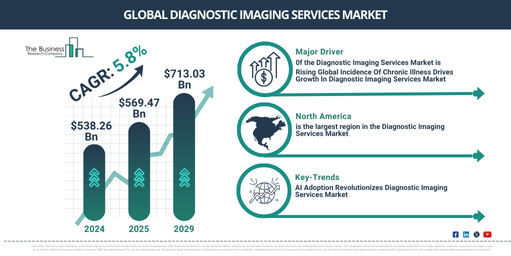
    Recent years have seen a robust growth in the market size of diagnostic imaging services. The market is set to expand from $538.26 billion in 2024 to $569.47 billion in 2025, reflecting a compound annual growth rate (CAGR) of 5.8%. This growth trajectory in the historical phase is a direct result of factors such as an aging population, advances in healthcare infrastructure, burgeoning medical tourism, an increase in disease prevalence, and advancements in research and development.

    What Is the Projected Market Size of the Diagnostic Imaging Services Market?

    In the forthcoming years, the market size for diagnostic imaging services is projected to witness robust expansion. The market is poised to rise to $713.03 billion by 2029, climbing at a compound annual growth rate (CAGR) of 5.8%. The surge observed in the forecast timeframe is due to a growing demand for remote diagnostics, the integration of telemedicine, the shift towards results-based remuneration models, and the adoption of environment-friendly procedures. The period predicts key trends such as application of blockchain in healthcare, use of augmented reality (AR) in imaging, outsourced diagnostic services, inclusive imaging, and the continuous evolution of imaging technology.

    Download The Free Sample Report Here:

    https://www.thebusinessresearchcompany.com/sample.aspx?id=8083&type=smp

    Who are the Major Competitors in the Diagnostic Imaging Services Market Outlook?

    Major companies operating in the diagnostic imaging services market include Hitachi Ltd., Siemens Healthineers AG, Fujifilm Holdings Corporation, Koninklijke Philips N.V., GE HealthCare Technologies Inc., Sonic Healthcare Ltd., Hologic Inc., Mindray Medical International Limited, Varian Medical Systems Inc., Shimadzu Corporation, Agfa-Gevaert Group NV, Carestream Health Inc., Bracco Imaging S.p.A., RadNet Inc., Neusoft Medical Systems Co. Ltd., Konica Minolta Healthcare Americas Inc., Alliance Healthcare Services Inc., Analogic Corporation, Samsung Medison Co. Ltd., Canon Medical Systems Corporation, Esaote S.p.A., MedQuest Associates Inc., Novarad Corporation, Swissray Global Healthcare Holding Ltd., Aurora Imaging Technology Inc., Planmed Oyj, CurveBeam LLC

    What Is Fueling Growth in the Diagnostic Imaging Services Market?

    The global increase in instances of chronic disease is projected to drive the growth of the diagnostic imaging services market. These services, which include ultrasound, fluoroscopy or nuclear medicine, radiographs, and CT scans, allow for the internal visualization of the body to diagnose a variety of chronic or non-communicable diseases. For example, the World Health Organization reported in February 2022 that cancer was the main cause of death globally, accounting for nearly one in six deaths or around 10 million in total. In the United States, one individual passes away from cardiovascular disease every 34 seconds. The World Health Organization estimates that cardiovascular disease results in 17.9 million deaths globally per year. Therefore, the escalating prevalence of chronic illnesses such as cardiovascular disease, cancer, diabetes, stroke, and arthritis is expected to boost demand in the diagnostic imaging services market.

    Request For A Customized Report:

    https://www.thebusinessresearchcompany.com/customise?id=8083&type=smp

    Which Diagnostic Imaging Services Market Segments Are Growing the Fastest?

    The diagnostic imaging services market covered in this report is segmented –

    1) By Type: X-Ray Imaging, Ultrasound, Magnetic Resource Imaging, Computed Tomography, Nuclear Imaging, Mammography

    2) By Application: Cardiology, Gynecology Or OBS, Orthopedics And Musculoskeletal, Oncology, Neurology And Spine, General Imaging

    3) By End User: Hospitals, Diagnostic Imaging Centers, Ambulatory Imaging Centers, Other End Users

    Subsegments:

    1) By X-Ray Imaging: Conventional X-Ray, Digital X-Ray, Fluoroscopy

    2) By Ultrasound: Diagnostic Ultrasound, 3D Or 4D Ultrasound, Doppler Ultrasound

    3) By Magnetic Resonance Imaging (MRI): Closed MRI, Open MRI, Functional MRI (fMRI)

    4) By Computed Tomography (CT): Single-Slice CT, Multi-Slice CT, Cone Beam CT

    5) By Nuclear Imaging: Positron Emission Tomography (PET), Single Photon Emission Computed Tomography (SPECT), Bone Scintigraphy

    6) By Mammography: Screen-Film Mammography, Digital Mammography, 3D Mammography

    Which Industry Trends Are Shaping the Future of the Diagnostic Imaging Services Market?

    Major corporations in the diagnostic imaging services sector are prioritizing the incorporation of artificial intelligence and the implementation of blockchain technology as a means to transform diagnostic imaging. Essentially, artificial intelligence, or AI, is the replication of human intellect through machines, designed to execute tasks typically performed by humans. For example, in February 2023, RadNet, an American healthcare firm, introduced an upgraded breast cancer detection (EBCD) service that aims to enhance the accuracy of breast cancer screening for women. This service further includes an extra AI-facilitated review, “Accord”, for certain potentially problematic exams, ensuring comprehensive evaluations. Additionally, EBCD offers an extensive lifetime risk assessment for breast cancer, which helps patients comprehend their personal risk factors and in designing tailored screening protocols.

    Access The Full Report Here:

    https://www.thebusinessresearchcompany.com/report/diagnostic-imaging-services-global-market-report

    Which Countries Are Leading the Diagnostic Imaging Services Market?

    North America was the largest region in the diagnostic imaging services market in 2024. Asia-Pacific is expected to be the fastest-growing region in the forecast period. The regions covered in the diagnostic imaging services market report are Asia-Pacific, Western Europe, Eastern Europe, North America, South America, Middle East, Africa.

    Purchase The Full Report Today:

    https://www.thebusinessresearchcompany.com/purchaseoptions.aspx?id=8083

    This Report Delivers Insight On:

    1. How big is the diagnostic imaging services market, and how is it changing globally?

    2. Who are the major companies in the diagnostic imaging services market, and how are they performing?

    3. What are the key opportunities and risks in the diagnostic imaging services market right now?

    4. Which products or customer segments are growing the most in the diagnostic imaging services market?

    5. What factors are helping or slowing down the growth of the diagnostic imaging services market?

    About The Business Research Company:

    With over 15000+ reports from 27 industries covering 60+ geographies, The Business Research Company has built a reputation for offering comprehensive, data-rich research and insights. Armed with 1,500,000 datasets, the optimistic contribution of in-depth secondary research, and unique insights from industry leaders, you can get the information you need to stay ahead in the game.

    Get in touch with us:

    The Business Research Company: https://www.thebusinessresearchcompany.com/

    Americas +1 310-496-7795

    Asia +44 2071930708

    Europe +44 7882 955267

    Email us at info@tbrc.info

    Follow us on:

    LinkedIn: https://in.linkedin.com/company/the-business-research-company

    YouTube: https://www.youtube.com/channel/UC24_fI0rV8cR5DxlCpgmyFQ

    Global Market Model: https://www.thebusinessresearchcompany.com/global-market-model
  • Urothelial Cancer Drugs Industry Valued at $7.04 Billion by 2029 With CAGR of 20% | Size and Share Insights

    Urothelial Cancer Drugs Industry Valued at $7.04 Billion by 2029 With CAGR of 20% | Size and Share Insights

    Claim your 30% discount on Global Market Reports with code ONLINE30. Limited time only.

    What Is the Forecast for the Urothelial Cancer Drugs Market from 2024 to 2025?

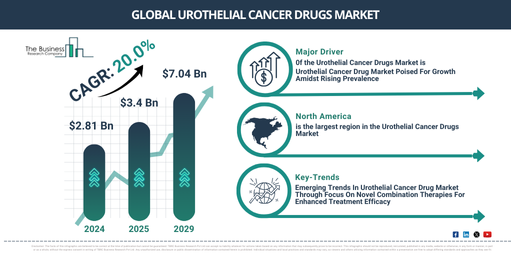
    In recent times, there has been a significant expansion in the market size of drugs for urothelial cancer. A rise from $2.81 billion in 2024 to $3.4 billion in 2025 is projected, indicating a compound annual growth rate (CAGR) of 21.1%. Factors such as increased awareness, early detection efforts, training and education for physicians, patient advocacy organizations, enhancements in the standard of care, and identification of biomarkers can be credited for the growth during the historical period.

    What Is the Projected Market Size of the Urothelial Cancer Drugs Market?

    The market size of drugs for urothelial cancer is anticipated to undergo swift escalation in the coming years. It is projected to reach up to $7.04 billion by 2029 with an annual compound growth rate (CAGR) of 20.0%. This expected growth during the forecasted period could be attributed to the enhancement in diagnostic imaging, use of artificial intelligence for drug development, patient-oriented care, investments in research and development, and regulatory changes. Some of the significant trends during the forecasted period involve advancements in imaging technologies, focus on patient-centered care, healthcare reimbursement, genomic profiling, and changes in regulatory frameworks.

    Download The Free Sample Report Here:

    https://www.thebusinessresearchcompany.com/sample.aspx?id=8214&type=smp

    Who are the Major Competitors in the Urothelial Cancer Drugs Market Outlook?

    Major companies operating in the urothelial cancer drugs market are F Hoffmann La Roche AG, The Bristol-Myers Squibb Company, Merck & Co Inc., Pfizer Inc., Genentech Inc., GSK PLC, UroGen Pharma Inc., Johnson & Johnson Inc., Astellas Pharma Inc., Sesen Bio Inc., Seagen Inc., Eisai Co. Ltd., Agensys Inc., AstraZeneca, Novartis AG, GlaxoSmithKline PLC, Sanofi SA, Janssen Pharmaceuticals Inc., Seattle Genetics Inc., AbbVie Inc., Millennium Pharmaceuticals Inc., Takeda Pharmaceutical Company Limited, Spectrum Pharmaceuticals Inc., Zydus Lifesciences Ltd.

    What Is Fueling Growth in the Urothelial Cancer Drugs Market?

    The escalating occurrence of urothelial cancer is anticipated to stimulate the growth of the urothelial cancer drug market. Urothelial cancer is linked to the urothelial cells lining the urethra, bladder, ureters, renal pelvis, and various other organs. This increasing incidence of urothelial cancer demands innovative drugs and treatment techniques to mitigate death rates. For example, as reported by the American Cancer Society Inc., a non-profit health organization based in the US, in January 2023, out of 82,290 new cases, roughly 62,420 men and 19,870 women are identified with bladder cancer. There were 16,710 casualties from bladder cancer, including 4,550 females and 12,160 males. Thus, the escalating occurrence of urothelial cancer will stimulate the expansion of the urothelial cancer drug market.

    Request For A Customized Report:

    https://www.thebusinessresearchcompany.com/customise?id=8214&type=smp

    Which Urothelial Cancer Drugs Market Segments Are Growing the Fastest?

    The urothelial cancer drugs market covered in this report is segmented –

    1) By Type: Urothelial Carcinoma, Squamous Cell Carcinoma, Adenocarcinoma

    2) By Treatment: Immunotherapy, Chemotherapy, Preservation Therapy

    3) By Distribution Channel: Hospital Pharmacies, Specialty Clinics, Cancer Institutes, Ambulatory Surgical Centers

    Subsegments:

    1) By Urothelial Carcinoma: Chemotherapy Agents, Immunotherapy Agents, Targeted Therapy Drugs

    2) By Squamous Cell Carcinoma: Chemotherapy Agents, Immunotherapy Agents, Targeted Therapy Drugs

    3) By Adenocarcinoma: Chemotherapy Agents, Immunotherapy Agents, Targeted Therapy Drugs

    Which Industry Trends Are Shaping the Future of the Urothelial Cancer Drugs Market?

    Emerging trends in the urothelial cancer drug market are heavily centered around innovative combination therapies. These therapies, which pair two or more therapeutic agents together, are being heavily pursued by prominent market players seeking to cement their place in the industry. The appeal lies in integrating immunotherapy with target-specific drugs, a strategic approach that aims to reduce cancer resistance and enhance overall response to treatment. One such example is the biologics license application (BLA) for ImmunityBio’s N-803 paired with the Bacillus Calmette-Guerin (BCG) vaccine for bladder cancer, which was accepted by the United States Food and Drug Administration in July 2022. This BLA approval marks the first time an immunotherapy combination could be directly administered to stimulate natural killer cells and T cells in the bladder.

    Access The Full Report Here:

    https://www.thebusinessresearchcompany.com/report/urothelial-cancer-drugs-global-market-report

    Which Countries Are Leading the Urothelial Cancer Drugs Market?

    North America was the largest region in the urothelial cancer drugs market share in 2024. Asia-Pacific is expected to be the fastest-growing region in the forecast period. The regions covered in the urothelial cancer drugs market report are Asia-Pacific, Western Europe, Eastern Europe, North America, South America, Middle East, Africa.

    Purchase The Full Report Today:

    https://www.thebusinessresearchcompany.com/purchaseoptions.aspx?id=8214

    This Report Delivers Insight On:

    1. How big is the urothelial cancer drugs market, and how is it changing globally?

    2. Who are the major companies in the urothelial cancer drugs market, and how are they performing?

    3. What are the key opportunities and risks in the urothelial cancer drugs market right now?

    4. Which products or customer segments are growing the most in the urothelial cancer drugs market?

    5. What factors are helping or slowing down the growth of the urothelial cancer drugs market?

    About The Business Research Company:

    With over 15000+ reports from 27 industries covering 60+ geographies, The Business Research Company has built a reputation for offering comprehensive, data-rich research and insights. Armed with 1,500,000 datasets, the optimistic contribution of in-depth secondary research, and unique insights from industry leaders, you can get the information you need to stay ahead in the game.

    Get in touch with us:

    The Business Research Company: https://www.thebusinessresearchcompany.com/

    Americas +1 3156230293

    Asia +44 2071930708

    Europe +44 2071930708

    Email us at info@tbrc.info

    Follow us on:

    LinkedIn: https://in.linkedin.com/company/the-business-research-company

    YouTube: https://www.youtube.com/channel/UC24_fI0rV8cR5DxlCpgmyFQ

    Global Market Model: https://www.thebusinessresearchcompany.com/global-market-model
  • Hemodynamic Monitoring Systems Forecast Report – Designed for Decision Makers and Product Teams

    Claim your 30% discount on Global Market Reports with code ONLINE30. Limited time only.

    What Is the Growth Rate of the Hemodynamic Monitoring Systems Market?

    In recent times, the market size of hemodynamic monitoring systems has seen remarkable growth. Projected to increase from $1.57 billion in 2024 to $1.68 billion in 2025, this market is set to experience a compound annual growth rate (CAGR) of 7.2%. Factors contributing to this significant growth during the past years include a surge in cardiovascular diseases, a growing aged population and persistent health conditions, the high frequency of surgical procedures and intensive care units (ICUs), a clinical focus on patient safety, and improvements in healthcare infrastructure.

    What Growth Rate Is Forecasted for the Hemodynamic Monitoring Systems Market by 2029?

    Expectations are for notable expansion in the hemodynamic monitoring systems market in the coming years. By 2029, it’s projected to reach a value of $2.22 billion, growing at a compound annual growth rate (CAGR) of 7.3%. Factors contributing to this growth during the forecast period include the shift towards less invasive medical procedures, incorporation with electronic health records (EHRs), remote strategies for patient monitoring, a focus on early detection and intervention, international health issues and critical care needs. Leading trends for this period are set to include the deployment of artificial intelligence (AI) and machine learning (ML), the integration of remote monitoring and telehealth, widespread application of hemodynamic monitoring in critical care scenarios, partnerships aimed at technological progress, and an emphasis on securing patient data and privacy.

    Download The Free Sample Report Here:

    https://www.thebusinessresearchcompany.com/sample.aspx?id=13152&type=smp

    Which Key Companies Are Shaping the Future of the Hemodynamic Monitoring Systems Market?

    Major companies operating in the hemodynamic monitoring systems market report are Abbott Laboratories, Medtronic Plc., Siemens Healthineers AG, Koninklijke Philips N.V., GE HealthCare Technologies Inc., Baxter International Inc., CNSystems Medizintechnik GmbH, Edwards Lifesciences Corporation, Drägerwerk AG & Co. KGaA, Getinge AB, Vitech Systems Group Inc., ICU Medical Inc., Masimo Corporation, N.I. Medical Ltd., Nihon Kohden Corporation, Deltex Medical Group PLC, Shenzhen Keman Medical Equipment Co. Ltd., Schwarzer Cardiotek GmbH, CareTaker Medical, Biocare Medical LLC, Osypka Medical GmbH, Cnoga Digital Care, Tensys Medical Inc., EMTEL Śliwa sp. k., Uscom Limited

    Which Factors Are Driving Demand in the Hemodynamic Monitoring Systems Industry?

    The escalating occurrence of cardiovascular diseases is anticipated to boost the expansion of the hemodynamic monitoring systems market in the future. Conditions that affect the heart and blood vessels collectively make up cardiovascular disease. Providing real-time data on a patient’s cardiovascular health is the key role of hemodynamic monitoring systems. This enables medical professionals to timely intervene, fine-tune treatment plans, and enhance patient recovery. For example, in March 2024, a UK government-supported website revealed that more than 1,862,500 individuals in England, comprising 3% of the overall population, were diagnosed with coronary heart disease (CHD) by a GP in the financial year that ended in 2023. Hence, the escalating number of cardiovascular diseases will spur the growth of the hemodynamic monitoring systems market. A surge in the number of respiratory diseases is predicted to stimulate the growth of the hemodynamic monitoring systems market. Conditions impacting the organs and structures that contribute to breathing are known as respiratory diseases. Hemodynamic monitoring systems are vital in the management of respiratory diseases by offering real-time data on a patient’s cardiovascular health to medical practitioners. As an example, the Australian Institute of Health and Welfare, a national agency of Australia, stated in June 2023 that about a third (30%) of Australians, equating to approximately 7.5 million individuals, are dealing with chronic respiratory diseases. Consequently, the rising incidence of respiratory diseases propels the growth of the hemodynamic monitoring systems market.

    Request For A Customized Report:

    https://www.thebusinessresearchcompany.com/customise?id=13152&type=smp

    How Is the Hemodynamic Monitoring Systems Market Segmented by Several Divisions?

    The hemodynamic monitoring systems market covered in this report is segmented –

    1) By Product: Monitors, Consumables

    2) By Technique Type: Invasive, Non-Invasive

    3) By End-User: Hospitals, Cath Labs, Other End-Users

    Subsegments:

    1) By Monitors: Bedside Monitors, Handheld Monitors, Portable Monitors

    2) By Consumables: Catheters, Sensors, Tubing and Accessories

    What are the Emerging Market Trends Driving the Growth of the Hemodynamic Monitoring Systems Industry?

    Major firms in the hemodynamic monitoring systems market are prioritizing the development of high-level hemodynamic monitoring solutions to boost patient results, enhance precision in cardiovascular evaluations, and facilitate real-time data interpretation for improved critical care clinical decision-making. The FloTrac Sensor is a minimal intrusion device tailored for continuous hemodynamic observation in critically unwell patients. It offers immediate readouts of cardiac output and other vital hemodynamic factors by carrying out arterial waveform analysis via a regular arterial catheter. For example, in June 2023, Mindray Medical International Ltd, based in China, and Edwards Lifesciences, a US-based company, jointly introduced a hemodynamic monitoring solution. This solution features the FloTrac™ sensor that links to an arterial line, and automatically calculates vital hemodynamic parameters like Cardiac Output (CO), Stroke Volume (SV), Stroke Volume Variation (SVV), Systemic Vascular Resistance (SVR), and Mean Arterial Pressure (MAP) every 20 seconds. Mindray’s BeneVision N series patient monitors provide the platform for this integration.

    Access The Full Report Here:

    https://www.thebusinessresearchcompany.com/report/hemodynamic-monitoring-systems-global-market-report

    Which Regions Are Driving Growth in the Hemodynamic Monitoring Systems Market?

    North America was the largest region in the hemodynamic monitoring systems market in 2024. The regions covered in the hemodynamic monitoring systems market report are Asia-Pacific, Western Europe, Eastern Europe, North America, South America, Middle East, Africa

    Purchase The Full Report Today:

    https://www.thebusinessresearchcompany.com/purchaseoptions.aspx?id=13152

    This Report Delivers Insight On:

    1. How big is the hemodynamic monitoring systems market, and how is it changing globally?

    2. Who are the major companies in the hemodynamic monitoring systems market, and how are they performing?

    3. What are the key opportunities and risks in the hemodynamic monitoring systems market right now?

    4. Which products or customer segments are growing the most in the hemodynamic monitoring systems market?

    5. What factors are helping or slowing down the growth of the hemodynamic monitoring systems market?

    About The Business Research Company:

    With over 15000+ reports from 27 industries covering 60+ geographies, The Business Research Company has built a reputation for offering comprehensive, data-rich research and insights. Armed with 1,500,000 datasets, the optimistic contribution of in-depth secondary research, and unique insights from industry leaders, you can get the information you need to stay ahead in the game.

    Get in touch with us:

    The Business Research Company: https://www.thebusinessresearchcompany.com/

    Americas +1 310-496-7795

    Asia +44 2071930708

    Europe +44 7882 955267

    Email us at info@tbrc.info

    Follow us on:

    LinkedIn: https://in.linkedin.com/company/the-business-research-company

    YouTube: https://www.youtube.com/channel/UC24_fI0rV8cR5DxlCpgmyFQ

    Global Market Model: https://www.thebusinessresearchcompany.com/global-market-model
  • Urinalysis Market to Reach $5.47 Billion by 2029 | Key Drivers and Future Outlook

    Urinalysis Market to Reach $5.47 Billion by 2029 | Key Drivers and Future Outlook

    Claim your 30% discount on Global Market Reports with code ONLINE30. Limited time only.

    What Is the Growth Rate of the Urinalysis Market?

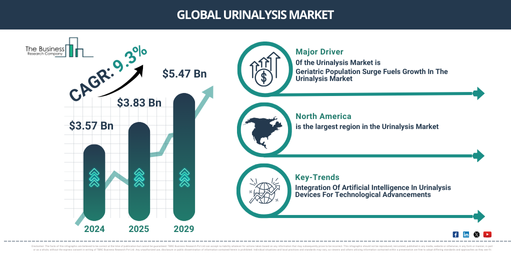
    The size of the urinalysis market has witnessed substantial growth in the past few years. The market is predicted to increase from $3.57 billion in 2024 to $3.83 billion in 2025, signifying a compound annual growth rate (CAGR) of 7.2%. Factors such as escalating healthcare costs, improvements in healthcare infrastructure, regulatory modifications and standardization, drug inspection and forensics, and the practice in clinical laboratories have largely contributed to this growth during the historical phase.

    What Growth Rate Is Forecasted for the Urinalysis Market by 2029?

    Expectations are high for the urinalysis market size to experience robust expansion in the upcoming years. The market is projected to reach a value of $5.47 billion in 2029, with a compound annual growth rate (CAGR) of 9.3%. This predicted growth during the forecast period can be linked to several factors such as point-of-care testing (POCT), management of chronic diseases, an aging population, preventive healthcare, remote patient monitoring and telemedicine. Key trends anticipated to shape the forecast period include the approval of innovative drugs, advancements in technology, customised medicine, and monitoring of chronic diseases.

    Download The Free Sample Report Here:

    https://www.thebusinessresearchcompany.com/sample.aspx?id=8623&type=smp

    Which Key Companies Are Shaping the Future of the Urinalysis Market?

    Major companies operating in the urinalysis market are Siemens Healthineers AG, F. Hoffmann-La Roche Ltd., Cardinal Health Inc., Abbott Laboratories, Danaher Corporation, Beckman Coulter Inc., Sysmex Corporation, ARKRAY Inc., ACON Laboratories Inc., Bio-Rad Laboratories Inc., URIT Medical Electronic Group Co Ltd., 77 Elektronika Kft, Thermo Fisher Scientific Inc., Teco Diagnostics, Mindray Medical International Limited, Quidel Corporation, Becton Dickinson and Company, EKF Diagnostics, Shenzhen Mindray Bio-Medical Electronics Co. Ltd., Guangzhou Wondfo Biotech Co. Ltd., Chembio Diagnostic Systems Inc, Immunostics Inc., Inova Diagnostics Inc., Meridian Bioscience Inc., Fapon Biotech Inc., Nanjing Norman Biological Technology Co. Ltd., OraSure Technologies Inc., Hologic Inc., Randox Laboratories Ltd., Qiagen N.V

    Which Factors Are Driving Demand in the Urinalysis Industry?

    The upward trend in the geriatric population is anticipated to accelerate growth in the urinalysis market. This population segment refers to individuals aged 65 and above. Owing to reduced immunity and the effects of aging, this demographic is more susceptible to various diseases. Owing to aging, urinary tract infections (UTI) are particularly prevalent in the geriatric community. Therefore, urinalysis, which involves the examination of the visual, chemical, and microscopic properties of urine, is extensively used to detect and manage several conditions such as diabetes, urinary tract issues, and kidney diseases. The World Health Organization revealed in October 2022 that by 2030, six individuals within the captured global population will be aged 60 and above. In addition, the global geriatric population will expand from 1 billion in 2020 to 1.4 billion by 2030. Furthermore, the number of individuals aged 60 and older will double to reach 2.1 billion by 2050. The period of 2020 to 2050 will also see a drastic increase in the population of individuals aged 80 and above, with an additional 426 million compared to today’s figures. Consequently, the growing geriatric population is fueling the demand in the urinalysis market.

    Request For A Customized Report:

    https://www.thebusinessresearchcompany.com/customise?id=8623&type=smp

    How Is the Urinalysis Market Segmented by Several Divisions?

    The urinalysis market covered in this report is segmented –

    1) By Test Type: Pregnancy And Fertility Tests, Biochemical Urinalysis, Sediment Urinalysis

    2) By Product: Consumables, Instruments

    3) By Application: Urinary Tract infections (UTI’s), Kidney Disease, Liver Disease, Diabetes, Hypertension, Other Applications

    4) By End Users: Diagnostic Laboratories, Hospitals And Clinics, Home Care Settings, Research Laboratories And Institutes

    Subsegments:

    1) By Pregnancy And Fertility Tests: Urine Pregnancy Tests, Ovulation Prediction Tests

    2) By Biochemical Urinalysis: Dipstick Tests, Reagent Strip Tests, Microalbumin Tests

    3) By Sediment Urinalysis: Microscopic Examination, Chemical Analysis Of Sediment, Culture Tests

    What are the Emerging Market Trends Driving the Growth of the Urinalysis Industry?

    The adoption of technologically sophisticated tools is a growing trend in the urinalysis market. Many leading players in this market are beginning to leverage artificial intelligence technology in their urine testing devices. For instance, in February 2022, Olive Diagnostics, a health tech firm based in Israel that provides diagnostic tools, introduced Olive KG. This is an AI-based urinalysis sensor device that offers instant health notifications and early detection of potential illnesses. The system can accurately measure various aspects including red blood cells, proteins, ketones, nitrites, pH levels, volume, pressure, color, and frequency of urine among others. What’s more, this device comes equipped with an IoMT (Internet of Medical Things) feature that can be mounted on toilets, and it produces real-time personal data securely maintained by GDPR and HIPPA act standards.

    Access The Full Report Here:

    https://www.thebusinessresearchcompany.com/report/urinalysis-global-market-report

    Which Regions Are Driving Growth in the Urinalysis Market?

    North America was the largest region in the urinalysis market in 2024. The regions covered in the urinalysis market report are Asia-Pacific, Western Europe, Eastern Europe, North America, South America, Middle East, Africa.

    Purchase The Full Report Today:

    https://www.thebusinessresearchcompany.com/purchaseoptions.aspx?id=8623

    This Report Delivers Insight On:

    1. How big is the urinalysis market, and how is it changing globally?

    2. Who are the major companies in the urinalysis market, and how are they performing?

    3. What are the key opportunities and risks in the urinalysis market right now?

    4. Which products or customer segments are growing the most in the urinalysis market?

    5. What factors are helping or slowing down the growth of the urinalysis market?

    About The Business Research Company:

    With over 15000+ reports from 27 industries covering 60+ geographies, The Business Research Company has built a reputation for offering comprehensive, data-rich research and insights. Armed with 1,500,000 datasets, the optimistic contribution of in-depth secondary research, and unique insights from industry leaders, you can get the information you need to stay ahead in the game.

    Get in touch with us:

    The Business Research Company: https://www.thebusinessresearchcompany.com/

    Americas +1 3156230293

    Asia +44 2071930708

    Europe +44 2071930708

    Email us at info@tbrc.info

    Follow us on:

    LinkedIn: https://in.linkedin.com/company/the-business-research-company

    YouTube: https://www.youtube.com/channel/UC24_fI0rV8cR5DxlCpgmyFQ

    Global Market Model: https://www.thebusinessresearchcompany.com/global-market-model
  • Hemodialysis Chairs Market Outlook 2025 – Insights for Executive and Strategic Planning

    Hemodialysis Chairs Market Outlook 2025 – Insights for Executive and Strategic Planning

    Claim your 30% discount on Global Market Reports with code ONLINE30. Limited time only.

    How Has the Hemodialysis Chairs Market Grown from 2024 to 2025?

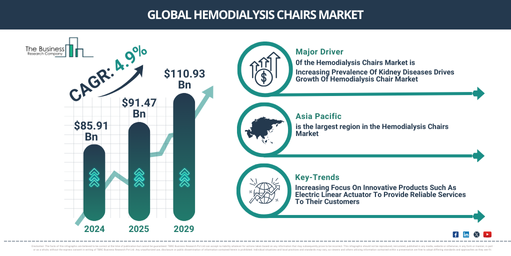
    The market size of hemodialysis chairs has seen robust growth in the past few years. Projected to expand from $85.91 billion in 2024 to $91.47 billion in 2025, it’s set to experience a compound annual growth rate (CAGR) of 6.5%. The historic period growth is driven by several factors such as a rise in hernia cases, increased obesity rates, an ageing population, patient inclination towards minimally invasive procedures, changes in the regulatory landscape, and partnerships between surgeons and manufacturers.

    What Growth Rate Is Anticipated for the Hemodialysis Chairs Market in the Coming Years?

    Over the following few years, the market size for hemodialysis chairs is predicted to experience a stable expansion, escalating to a total of $110.93 billion in 2029, with a compound annual growth rate (CAGR) of 4.9%. This growth throughout the forecast period is credited to the concentration on biocompatible materials, tailored treatment strategies, global health agendas, increased knowledge and learning among patients and physicians, as well as the rising demand for robotic-assisted surgery. The expectation for the forecast period sees significant trends like enhancement in biocompatible materials, increased emphasis on minimally invasive procedures, innovative developments in absorbable mesh technology, customization for complex hernias and the incorporation of barrier coatings.

    Download The Free Sample Report Here:

    https://www.thebusinessresearchcompany.com/sample.aspx?id=13452&type=smp

    Who Are the Leading Companies in the Hemodialysis Chairs Market?

    Major companies operating in the hemodialysis chairs market report are Greiner Bio-One, Rockwell Medical Inc., Honeywell International Inc., Medtronic PLC, Asahi Kasei Medical Co. Ltd., Kimberly-Clark Corporation, Toray Medical Co. Ltd., DaVita Healthcare Partners Inc., Nipro Corporation, Ahlstrom Munksjo Oy, Getinge Group, Nikkiso Co. Ltd., Belimed AG, NxStage Medical Inc., Champion Manufacturing Inc., Digiterm Ltd., Euroclinic SpA, Seers Medical Ltd., Acime-Frame, Health Tec Medical Ltd., Medi-Plinth Equipment Ltd., Actualway Holdings Ltd., Matachana Group, Diasol Inc., Synergy Health PLC, Fresenius SE & Co KGaA, Acime-Frame, Sakura Global Holding Company Ltd., Cisa S.p.A, Medivators Inc.

    What Are the Key Drivers of the Hemodialysis Chairs Market?

    The escalation in kidney disease instances is anticipated to fuel the expansion of the hemodialysis chair market. Kidney diseases disrupt the structure and function of kidneys, requiring crucial medical intervention. Hemodialysis chairs serve as pivotal aids to kidney patients enduring extended dialysis sessions allowing for comfort, security, cushioning, and patient monitorisation. For example, a 2023 report from ZS Associates, a UK Kidney Research Commission, anticipates kidney disease to impact 7.19 million individuals or over 10% of the UK population in 2023, with this figure expected to climb to 7.61 million by 2033. Additionally, the percentage of patients in advanced disease stages is projected to surge from 45% to 51%. Thus, the growth of kidney diseases is augmenting the hemodialysis chair market.

    Market Driver for Hemodialysis Chairs: Diabetes Growth Fosters Expansion


    Request For A Customized Report:

    https://www.thebusinessresearchcompany.com/customise?id=13452&type=smp

    What Are the Key Market Segments in the Hemodialysis Chairs Industry?

    The hemodialysis chairs market covered in this report is segmented –

    1) By Product: Manual Hemodialysis Chair, Electrical Hemodialysis Chair

    2) By Material: Leather, Vinyl, Other Material

    3) By End User: Hospitals, Hemodialysis Research Centers, Government Organizations, Ambulatory Centers, Home Care

    Subsegments:

    1) By Manual Hemodialysis Chair: Fixed Manual Hemodialysis Chair, Adjustable Manual Hemodialysis Chair

    2) By Electrical Hemodialysis Chair: Fully Electric Hemodialysis Chair, Semi-Electric Hemodialysis Chair

    What Are the Latest Trends in the Hemodialysis Chairs Market?

    Leading businesses in the hemodialysis chairs market are focusing on creating innovative electric linear actuators equipped with IO-link to deliver trustworthy customer service. A motor-driven linear drive used for positioning, assembly, and handling systems is known as the electric linear actuator. For example, in 2022, the Tecan Group Ltd, a Swiss organization with a European base, known for supplying laboratory tools and solutions for biopharmaceuticals, forensics, medical technology, and clinical diagnostics, has reported the launch of their automated liquid handling systems (Fluent) that leverage electric linear actuators to achieve consistent and precise pipetting. This precision is crucial for several tasks, ranging from sample preparation and setting up assays to reagent dispensing. The precision offered by these actuators considerably enhances the dependability and efficiency of lab processes, ensuring efficient and smooth workflows. Tecan plays a significant role in cancer treatment by fostering progress from research to clinical applications. Their technologies support early diagnosis, robotic surgery, and preventive care, thereby helping to expand health care innovations across the globe.

    Access The Full Report Here:

    https://www.thebusinessresearchcompany.com/report/hemodialysis-chairs-global-market-report

    What Are the Key Regional Markets in the Hemodialysis Chairs Industry?

    Asia Pacific was the largest region in the hemodialysis chairs market in 2024. The regions covered in the hemodialysis chairs market report are Asia-Pacific, Western Europe, Eastern Europe, North America, South America, Middle East, Africa.

    Purchase The Full Report Today:

    https://www.thebusinessresearchcompany.com/purchaseoptions.aspx?id=13452

    This Report Delivers Insight On:

    1. How big is the hemodialysis chairs market, and how is it changing globally?

    2. Who are the major companies in the hemodialysis chairs market, and how are they performing?

    3. What are the key opportunities and risks in the hemodialysis chairs market right now?

    4. Which products or customer segments are growing the most in the hemodialysis chairs market?

    5. What factors are helping or slowing down the growth of the hemodialysis chairs market?

    About The Business Research Company:

    With over 15000+ reports from 27 industries covering 60+ geographies, The Business Research Company has built a reputation for offering comprehensive, data-rich research and insights. Armed with 1,500,000 datasets, the optimistic contribution of in-depth secondary research, and unique insights from industry leaders, you can get the information you need to stay ahead in the game.

    Get in touch with us:

    The Business Research Company: https://www.thebusinessresearchcompany.com/

    Americas +1 310-496-7795

    Asia +44 2071930708

    Europe +44 7882 955267

    Email us at info@tbrc.info

    Follow us on:

    LinkedIn: https://in.linkedin.com/company/the-business-research-company

    YouTube: https://www.youtube.com/channel/UC24_fI0rV8cR5DxlCpgmyFQ

    Global Market Model: https://www.thebusinessresearchcompany.com/global-market-model
  • Urgent Care Center Market Size to Exceed $36.42 Billion by 2029 | Growth and Industry Trends

    Urgent Care Center Market Size to Exceed $36.42 Billion by 2029 | Growth and Industry Trends

    Claim your 30% discount on Global Market Reports with code ONLINE30. Limited time only.

    How Has the Urgent Care Center Market Grown from 2024 to 2025?

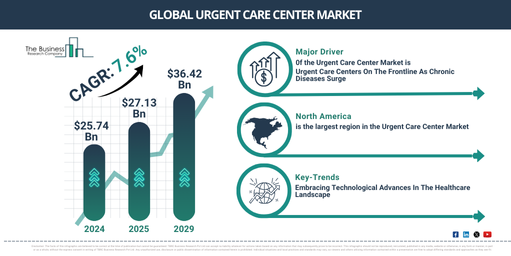
    The market size of urgent care centers has seen robust growth in the last few years. This market is forecasted to expand from its current size of $25.74 billion in 2024 to a larger size of $27.13 billion by the end of 2025, projecting a compound annual growth rate (CAGR) of 5.4%. Factors causing this impressive growth throughout the historical period include a shift in the healthcare landscape, rising demand from patients for accessible care, cost-effectiveness, improved awareness and education, increased urbanization and population density, along with support from healthcare payers.

    What Growth Rate Is Anticipated for the Urgent Care Center Market in the Coming Years?

    The urgent care center market is projected to experience substantial expansion in the forthcoming years, reaching a value of $36.42 billion in 2029 with a compound annual growth rate (CAGR) of 7.6%. The growth anticipated in the forecast period may be ascribed to the increasing focus on preventive and primary health care, the integration of technology into health care services, greater cooperation with traditional health care providers, and the shift towards value-based care models. Other contributing factors include a concentrated effort towards managing chronic diseases and initiatives targeting the health of the entire population. Significant trends predicted for this period comprise of community education and outreach programs, the establishment of retail health clinics, the integration of point-of-care testing and an emphasis on quality metrics and patient outcomes.

    Download The Free Sample Report Here:

    https://www.thebusinessresearchcompany.com/sample.aspx?id=8807&type=smp

    Who Are the Leading Companies in the Urgent Care Center Market?

    Major companies operating in the urgent care center market are NextCare Holdings Inc., Concentra Inc., HCA Healthcare Inc., MedExpress Urgent Care, American Family Care, FastMed Urgent Care, CareNow Healthcare Private Limited, St Joseph’s Health Care London, U.S. HealthWorks Inc., CityMD Healthcare Private Limited, GoHealth Urgent Care, CareSpot Urgent Care, Dignity Health Care, United Health Group, Texas MedClinic, Patient First Corporation, Aurora Urgent Care, Bellin Health Systems, MD Now Medical Centers Inc., ZOOM Care, Adventist Healthcare, AtlantiCare, CRH Healthcare LLC, Excel Urgent Care, Premier Health Partners, Summit Health, AFC Urgent Care, CityDoc Urgent Care, Fast Pace Medical Clinic PLLC, Geisinger Careworks

    What Are the Key Drivers of the Urgent Care Center Market?

    The surge in chronic conditions is predicted to fuel the urgent care center market’s growth in the future. Chronic illnesses, if not managed through lifestyle modifications, tend to persist and typically deteriorate with time. Examples of such illnesses include Alzheimer’s disease, rheumatoid arthritis, Parkinson’s disease, and cancer. The proper healthcare services and medication required by these disease conditions necessitate the presence of urgent care centers. For example, data released by Macmillan Cancer Support, a cancer charity based in the UK, revealed that the population of people living with cancer in June 2022 had touched 3 million. Projections for 2025 suggest this figure could increase to nearly 3.5 million, and by 2030 it may rise up to 4 million in the UK. Consequently, the escalating incidence of chronic diseases is fuelling the expansion of the urgent care center market.

    Request For A Customized Report:

    https://www.thebusinessresearchcompany.com/customise?id=8807&type=smp

    What Are the Key Market Segments in the Urgent Care Center Industry?

    The urgent care center market covered in this report is segmented –

    1) By Service: Trauma Or Injury Services, Vaccination Services, Acute Illness Treatment Solutions, Other Services

    2) By Ownership: Corporate Owned, Hospital Owned, Physician Owned, Other Ownerships

    Subsegments:

    1) By Trauma Or Injury Services: Minor Injury Treatment, Fracture Care, Laceration Repair

    2) By Vaccination Services: Routine Immunizations, Travel Vaccinations, Flu Shots

    3) By Acute Illness Treatment Solutions: Cold And Flu Treatment, Gastrointestinal Issues, Skin Infections And Rashes

    4) By Other Services: Diagnostic Services, Physical Exams, Occupational Health Services

    What Are the Latest Trends in the Urgent Care Center Market?

    In the urgent care center market, technological innovation is increasingly recognized as a significant trend. Major players in this sector actively work on creating new advancements to retain their market position. For example, DocGo, a US company that provides mobile medical services and solutions, launched the revolutionary mobile app DocGo On-Demand in October 2022. The app enables users to schedule urgent home visits, thus, making top-tier healthcare conveniently accessible. DocGo’s pioneering health model merges house visits with telemedicine consultations to offer a service much more extensive than ordinary telehealth. By blending both telehealth and house visits, DocGo provides the most suitable mode of care for each patient, ensuring high-quality care, delivered in the most effective manner. Utilizing their unique technology, DocGo can offer home visits at a cost similar to a regular urgent care center visit.

    Access The Full Report Here:

    https://www.thebusinessresearchcompany.com/report/urgent-care-center-global-market-report

    What Are the Key Regional Markets in the Urgent Care Center Industry?

    North America was the largest region in the urgent care center market share in 2024. Asia-Pacific is expected to be the fastest-growing region in the forecast period. The regions covered in the urgent care center market report are Asia-Pacific, Western Europe, Eastern Europe, North America, South America, Middle East, Africa.

    Purchase The Full Report Today:

    https://www.thebusinessresearchcompany.com/purchaseoptions.aspx?id=8807

    This Report Delivers Insight On:

    1. How big is the urgent care center market, and how is it changing globally?

    2. Who are the major companies in the urgent care center market, and how are they performing?

    3. What are the key opportunities and risks in the urgent care center market right now?

    4. Which products or customer segments are growing the most in the urgent care center market?

    5. What factors are helping or slowing down the growth of the urgent care center market?

    About The Business Research Company:

    With over 15000+ reports from 27 industries covering 60+ geographies, The Business Research Company has built a reputation for offering comprehensive, data-rich research and insights. Armed with 1,500,000 datasets, the optimistic contribution of in-depth secondary research, and unique insights from industry leaders, you can get the information you need to stay ahead in the game.

    Get in touch with us:

    The Business Research Company: https://www.thebusinessresearchcompany.com/

    Americas +1 3156230293

    Asia +44 2071930708

    Europe +44 2071930708

    Email us at info@tbrc.info

    Follow us on:

    LinkedIn: https://in.linkedin.com/company/the-business-research-company

    YouTube: https://www.youtube.com/channel/UC24_fI0rV8cR5DxlCpgmyFQ

    Global Market Model: https://www.thebusinessresearchcompany.com/global-market-model
  • Hemochromatosis (Iron Overload) Disease Treatment Market Projected at $33.11 Billion by 2029 | Strategic Insights and Forecast Data

    Hemochromatosis (Iron Overload) Disease Treatment Market Projected at $33.11 Billion by 2029 | Strategic Insights and Forecast Data

    Claim your 30% discount on Global Market Reports with code ONLINE30. Limited time only.

    How Has the Hemochromatosis (Iron Overload) Disease Treatment Market Size Changed, over the years?

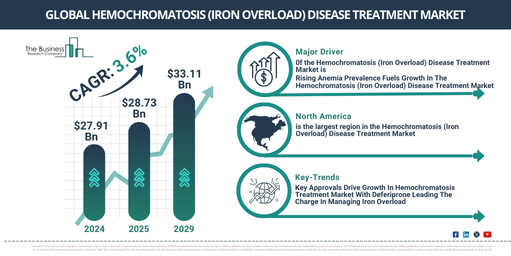
    The market size for the treatment of hemochromatosis (iron overload) has been on a consistent growth trajectory in the past few years. It is expected to expand from a value of $27.91 billion in 2024 to $28.73 billion in 2025, yielding a compound annual growth rate (CAGR) of 2.9%. The historical growth can be attributed to factors such as heightened clinical awareness and diagnosis, advancements in therapy, genetic screening, early detection, the prevalence of hereditary hemochromatosis, as well as ongoing research and clinical trials.

    How Much Will the Hemochromatosis (Iron Overload) Disease Treatment Market Be Worth in 2029?

    The market size for treating hemochromatosis (iron overload) disease is predicted to experience consistent expansion in the following years, escalating to a value of $33.11 billion in 2029 with a compound annual growth rate (CAGR) of 3.6%. The predicted upsurge during the projection period can be credited to a shift towards personalized medicinal practices, progress in therapeutic innovations, enhanced screening and awareness movements, collaborations in genetic studies, and international health measures. Noteworthy trends to observe during this period encompass concentration on patient consciousness and knowledge, investigation of genetic and molecular therapy options, the utilization of telemedicine and remote patient monitoring services, the inclusion of digital health platforms, and the worldwide enlargement of treatment accessibility.

    Download The Free Sample Report Here:

    https://www.thebusinessresearchcompany.com/sample.aspx?id=13151&type=smp

    Which is the Largest Company in the Hemochromatosis (Iron Overload) Disease Treatment Market?

    Major companies operating in the hemochromatosis (iron overload) disease treatment market report are Pfizer Inc., AbbVie Inc., Novartis AG, Fresenius Kabi AG, Abbott Laboratories, Merck KGaA, Laboratory Corporation, Quest Diagnostics, Chiesi Farmaceutici S.p.A., Apotex Inc., Shire PLC, CSL Vifor, ARUP Laboratories, Myriad Genetics Inc., Fulgent Genetics, Ionis Pharmaceuticals Inc., Invitae Corp., Abcam plc., GeneDx, Ambry Genetics, La Jolla Pharmaceutical Company, Silence Therapeutics, PreventionGenetics, DisperSol Technologies LLC., Hinoman Ltd.

    What Are the Main Market Drivers in the Hemochromatosis (Iron Overload) Disease Treatment Industry?

    The rise in anemia cases is predicted to enhance the expansion of the hemochromatosis (iron overload) disease treatment market. Anemia, a blood-related disorder, signifies a decline in red blood cell count or hemoglobin content, resulting in the blood’s lack of capacity to deliver oxygen to various body organs and tissues. Hemochromatosis (iron overload) disease treatment is designed to inhibit anemia using iron chelator medications that avert organ damage and complications tied to blood disorders. For example, as of December 2023, World Health Organization (WHO), based in Switzerland, stated approximately 40% of children between 6-59 months, 37% of pregnant females and 30% of women from 15 to 49 globally have been diagnosed with anemia. Consequently, the rising incidence of anemia is likely to stimulate the growth of the hemochromatosis (iron overload) disease treatment market. The continuing rise in stressful lifestyles is also anticipated to boost the growth of the hemochromatosis (iron overload) disease treatment market. High-stress levels in daily life can severely affect an individual’s physical and emotional health, potentially leading to various health conditions, including hemochromatosis (iron overload) disease. The therapy for hemochromatosis, marked by excess iron in the body, tackles not only the physical aspects of the disease, but also has a significant part in lowering the emotional and psychological stress often linked with navigating a chronic health issue. For example, in December 2022, the American Psychiatric Association, a professional group of psychiatrists based in the US, stated that over one in four Americans (26%) anticipated higher stress levels at the onset of 2023, an increase from one in five (20%) the previous year. Consequently, an increase in a stressful lifestyle propels the hemochromatosis (iron overload) disease treatment market.

    Request For A Customized Report:

    https://www.thebusinessresearchcompany.com/customise?id=13151&type=smp

    How Is the Hemochromatosis (Iron Overload) Disease Treatment Market Segments Structured?

    The hemochromatosis (iron overload) disease treatment market covered in this report is segmented –

    1) By Type: Hereditary Hemochromatosis, Acquired Hemochromatosis

    2) By Treatment: Therapeutic Phlebotomy, Iron Chelation Therapy, Other Treatments

    3) By End-Users: Hospitals, Surgical Centers, Other End-Users

    Subsegments:

    1) By Hereditary Hemochromatosis: Genetic Counseling, Phlebotomy, Chelation Therapy

    2) By Acquired Hemochromatosis: Treatment Of Underlying Conditions, Phlebotomy, Chelation Therapy

    What Strategic Trends Are Transforming the Hemochromatosis (Iron Overload) Disease Treatment Market?

    Prominent businesses in the hemochromatosis (iron overload) disease treatment market get the green light for drugs like deferiprone, intended for patients suffering from transfusional iron overload. The aim is to decrease excess iron in the system and avoid complications related to iron build-up, such as organ impairment. Deferiprone is a drug used to counteract iron overload in people who have undergone multiple blood transfusions. Such cases are often seen in conditions like thalassemia, sickle cell anemia or other persistent anemias. For example, in March 2023, Chiesi Global Rare Diseases Inc, an American company, proclaimed the endorsement of FERRIPROX MR (deferiprone) extended-release tablets in Canada. FERRIPROX MR is recommended for treating transfusional iron overload in patients with thalassemia syndromes, particularly when the current chelation treatment is insufficient. It is also effective for patients with sickle cell disease (SCD) or other forms of anemia. Deferiprone, an orally administered iron chelator, proficiently lowers the body’s iron concentration. It does so by infiltrating cell membranes, connecting to excess iron, and enabling its extraction from organs and tissues.

    Access The Full Report Here:

    https://www.thebusinessresearchcompany.com/report/hemochromatosis-iron-overload-disease-treatment-global-market-report

    Which Global Regions Offer the Highest Growth in the Hemochromatosis (Iron Overload) Disease Treatment Market?

    North America was the largest region in the hemochromatosis (Iron Overload) disease treatment market in 2024. The regions covered in the hemochromatosis (iron overload) disease treatment market report are Asia-Pacific, Western Europe, Eastern Europe, North America, South America, Middle East, Africa

    Purchase The Full Report Today:

    https://www.thebusinessresearchcompany.com/purchaseoptions.aspx?id=13151

    This Report Delivers Insight On:

    1. How big is the hemochromatosis (iron overload) disease treatment market, and how is it changing globally?

    2. Who are the major companies in the hemochromatosis (iron overload) disease treatment market, and how are they performing?

    3. What are the key opportunities and risks in the hemochromatosis (iron overload) disease treatment market right now?

    4. Which products or customer segments are growing the most in the hemochromatosis (iron overload) disease treatment market?

    5. What factors are helping or slowing down the growth of the hemochromatosis (iron overload) disease treatment market?

    About The Business Research Company:

    With over 15000+ reports from 27 industries covering 60+ geographies, The Business Research Company has built a reputation for offering comprehensive, data-rich research and insights. Armed with 1,500,000 datasets, the optimistic contribution of in-depth secondary research, and unique insights from industry leaders, you can get the information you need to stay ahead in the game.

    Get in touch with us:

    The Business Research Company: https://www.thebusinessresearchcompany.com/

    Americas +1 310-496-7795

    Asia +44 2071930708

    Europe +44 7882 955267

    Email us at info@tbrc.info

    Follow us on:

    LinkedIn: https://in.linkedin.com/company/the-business-research-company

    YouTube: https://www.youtube.com/channel/UC24_fI0rV8cR5DxlCpgmyFQ

    Global Market Model: https://www.thebusinessresearchcompany.com/global-market-model
  • Typhoid Vi Polysaccharide Vaccine Industry Insights 2025 – Market Forecast for Executives and Planners

    Typhoid Vi Polysaccharide Vaccine Industry Insights 2025 – Market Forecast for Executives and Planners

    Claim your 30% discount on Global Market Reports with code ONLINE30. Limited time only.

    How Has the Typhoid Vi Polysaccharide Vaccine Market Size Changed, over the years?

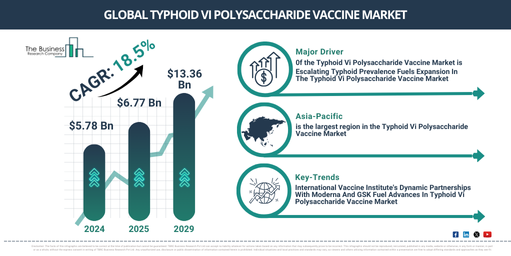
    The market size for the typhoid vi polysaccharide vaccine has seen a swift expansion in the past few years. Its growth is projected to accelerate from $5.78 billion in 2024 to $6.77 billion in 2025, demonstrating a compound annual growth rate (CAGR) of 17.1%. Various factors driving the growth during the historic period include disease prevalence, global health initiatives, traveler vaccinations, governmental vaccination drives, as well as the effectiveness and safety of the vaccine.

    How Much Will the Typhoid Vi Polysaccharide Vaccine Market Be Worth in 2029?

    Expectations are high for the typhoid vi polysaccharide vaccine market to experience significant growth in the coming years, with projections estimating that it will reach $13.36 billion by 2029, growing at a compound annual growth rate (CAGR) of 18.5%. The predicted growth during the forecast period can be attributed to factors such as increased immunization initiatives, a growing focus on global health policies, epidemiological monitoring, a rise in demand within the field of travel medicine, as well as environmental and societal factors. Looking ahead, R&D investments, regulatory backing, epidemiological research, and public health awareness are key trends expected to shape the forecast period.

    Download The Free Sample Report Here:

    https://www.thebusinessresearchcompany.com/sample.aspx?id=8313&type=smp

    Which is the Largest Company in the Typhoid Vi Polysaccharide Vaccine Market?

    Major companies operating in the typhoid vi polysaccharide vaccine market are Sanofi S.A., GlaxoSmithKline PLC, Merck & Co. Inc., Pfizer Inc., Johnson & Johnson Private Limited, AstraZeneca PLC, Takeda Pharmaceutical Company Limited, Sun Pharmaceutical Industries Ltd., Mallinckrodt Pharmaceuticals, Emergent Biosolutions Inc., PT Bio Farma, Bharat Biotech International Limited, Teva Pharmaceutical Industries Ltd., Novartis AG, Bio-Med Pvt. Ltd., LG Chem, SK Chemicals Co. Ltd., Crucell Switzerland AG, Hualan Biological Engineering Inc., Indian Immunologicals Limited

    What Are the Main Market Drivers in the Typhoid Vi Polysaccharide Vaccine Industry?

    The escalating occurrence of typhoid is anticipated to fuel the expansion of the typhoid VI polysaccharide vaccine market. Typhoid, a potentially fatal disease, is brought on by the bacteria Salmonella typhi and is typically spread via infected beverages and food. The vaccine for Typhoid VI polysaccharide is utilized to protect both adults and children 2 years and over from typhoid fever, induced by Salmonella enterica serovar Typhi, S. Typhi. The UK Health Security Agency, a government establishment from the UK, shared data in August 2024 that proved a surge in the confirmed symptomatic cases of enteric fever in England, Wales, and Northern Ireland from 2021 to 2022. The figures showed that S. Typhi cases escalated from 108 to 313, S. Paratyphi A from 31 to 135, and S. Paratyphi B from 13 to 18 cases, respectively. As a result, the rising typhoid prevalence continues to drive the growth of the typhoid Vi polysaccharide vaccine market.

    Request For A Customized Report:

    https://www.thebusinessresearchcompany.com/customise?id=8313&type=smp

    How Is the Typhoid Vi Polysaccharide Vaccine Market Segments Structured?

    The typhoid vi polysaccharide vaccine market covered in this report is segmented –

    1) By Type: Child, Adult

    2) By Route Of Administration: Oral, Parenteral

    3) By Application: Government Institution, Private Sector, Other Applications

    Subsegments:

    1) By Child: Pediatric Formulations, Age-Specific Dosages

    2) By Adult: Standard Adult Formulations, High-Risk Population Formulations

    What Strategic Trends Are Transforming the Typhoid Vi Polysaccharide Vaccine Market?

    Key alliances are an emerging trend within the typhoid Vi polysaccharide vaccine market. Major players in this market are establishing partnerships that amplify their influence and solidify their standing in the market. For instance, in July 2022, the South Korea-based organization, The International Vaccine Institute, which focuses on infectious diseases of global significance like cholera, typhoid, shigella, and salmonella, formed a collaboration with Moderna, a biopharmaceutical firm based in the US. This collaboration resulted in the creation of the world’s first reasonably priced oral cholera vaccine and a new-generation typhoid conjugate vaccine.

    Access The Full Report Here:

    https://www.thebusinessresearchcompany.com/report/typhoid-vi-polysaccharide-vaccine-global-market-report

    Which Global Regions Offer the Highest Growth in the Typhoid Vi Polysaccharide Vaccine Market?

    Asia-Pacific was the largest region in the typhoid Vi polysaccharide vaccine market share in 2024. The regions covered in the typhoid vi polysaccharide vaccine market report are Asia-Pacific, Western Europe, Eastern Europe, North America, South America, Middle East, Africa.

    Purchase The Full Report Today:

    https://www.thebusinessresearchcompany.com/purchaseoptions.aspx?id=8313

    This Report Delivers Insight On:

    1. How big is the typhoid vi polysaccharide vaccine market, and how is it changing globally?

    2. Who are the major companies in the typhoid vi polysaccharide vaccine market, and how are they performing?

    3. What are the key opportunities and risks in the typhoid vi polysaccharide vaccine market right now?

    4. Which products or customer segments are growing the most in the typhoid vi polysaccharide vaccine market?

    5. What factors are helping or slowing down the growth of the typhoid vi polysaccharide vaccine market?

    About The Business Research Company:

    With over 15000+ reports from 27 industries covering 60+ geographies, The Business Research Company has built a reputation for offering comprehensive, data-rich research and insights. Armed with 1,500,000 datasets, the optimistic contribution of in-depth secondary research, and unique insights from industry leaders, you can get the information you need to stay ahead in the game.

    Get in touch with us:

    The Business Research Company: https://www.thebusinessresearchcompany.com/

    Americas +1 3156230293

    Asia +44 2071930708

    Europe +44 2071930708

    Email us at info@tbrc.info

    Follow us on:

    LinkedIn: https://in.linkedin.com/company/the-business-research-company

    YouTube: https://www.youtube.com/channel/UC24_fI0rV8cR5DxlCpgmyFQ

    Global Market Model: https://www.thebusinessresearchcompany.com/global-market-model
  • Tele Intensive Care Unit Market Trends Report 2025 – For Business Development and Strategy Teams

    Tele Intensive Care Unit Market Trends Report 2025 – For Business Development and Strategy Teams

    Claim your 30% discount on Global Market Reports with code ONLINE30. Limited time only.

    What Is the Forecast for the Tele Intensive Care Unit Market Growth in 2025?

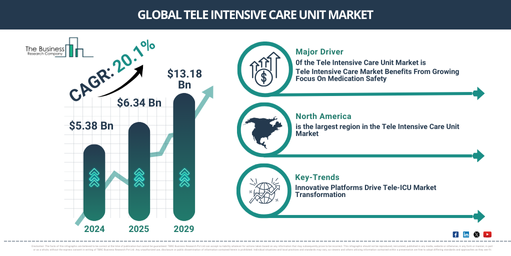
    The market size for the tele-intensive care unit has seen substantial growth in the past few years. The market is predicted to advance from $5.38 billion in 2024 to $6.34 billion in 2025, with a compound annual growth rate (CAGR) of 17.9%. Factors contributing to the historical growth period include the effect of the COVID-19 pandemic, early assimilation and pilot schemes, a heightened concentration on patient results, a deficiency of intensive care experts, and the increasing prominence of telemedicine.

    What Is the Forecast for the Tele Intensive Care Unit Market Size Through 2029?

    In the coming years, the tele-intensive care unit market is poised for substantial growth and is projected to reach a value of $13.18 billion by 2029, with a compound annual growth rate (CAGR) of 20.1%. Several factors contributing to this growth within the forecast period are the scarcity of intensivists, educational measures, management of chronic diseases from a distance, incorporation with health care systems, regulatory progress, and post-pandemic continuation. Key trends expected during this forecast period encompass geographic accessibility, cost efficiency, patient-focused care, and technological advancements.

    Download The Free Sample Report Here:

    https://www.thebusinessresearchcompany.com/sample.aspx?id=8164&type=smp

    What are the Key Market Players in Tele Intensive Care Unit Market and How They’re Evolving?

    Major companies operating in the tele intensive care unit market are Hicuity Health LLC, Banner Health System, Teladoc Health Inc., Koninklijke Philips NV, University of Pittsburgh Medical Center, Inova Health System, Apollo TeleHealth Services Limited, Eagle Telemedicine LLC, iMDsoft Ltd., CLEW Medical Ltd., Intercept Telemed, General Electric Company, Cloudphysician Healthcare Company, CyberMed Inc., Dignity Health Telemedicine, EagleForce Health Inc., GlobalMed Inc., Mercy Virtual Inc., SynsorMed Inc., TeleICU by eCatalyst Healthcare Solutions LLC, Vidyo Inc., Vituity Telehealth Services Inc., Zipnosis Inc.

    What Are the Primary Growth Drivers in the Tele Intensive Care Unit Market?

    The rise in instances of medication errors is leading to an expansion of the tele-intensive care unit market. Medication errors are described as any avoidable event that may cause inappropriate use of pharmaceuticals. One advantage of tele-intensive care is that it significantly reduces prescription errors through alerts and urgent reminders by the physician and guides patients about drug interactions. For instance, a July 2022 article by the National Institutes of Health (NIH), a biomedical research organization based in the U.S., cited that medication errors annually result in 7,000-9,000 fatalities within the U.S. Over 7 million patients are impacted, and the cost of treating patients with medication-related errors exceeds $40 billion per year. Hence, the growing prevalence of medication errors is fueling the expansion of the tele-intensive care unit market.

    Request For A Customized Report:

    https://www.thebusinessresearchcompany.com/customise?id=8164&type=smp

    What Are the Leading Segments in the Global Tele Intensive Care Unit Industry?

    The tele intensive care unit market covered in this report is segmented –

    1) By Type: Centralized Models, Decentralized Models, Other Models

    2) By Type Of Management: Intensivist, Open, Co-Managed, Open With Consultants, Other Type Of Management

    3) By Component: Hardware, Software

    4) By End User: Hospitals, Clinics, Other End Users

    Subsegments:

    1) By Centralized Models: Single Hub With Multiple Remote ICUs, Centralized Monitoring Systems, Integrated Care Coordination Platforms

    2) By Decentralized Models: Distributed Care Teams Across Multiple Locations, Localized Monitoring With Remote Support, Hybrid Care Models

    3) By Other Models: Mobile Tele-ICU Units, Cloud-Based Tele-ICU Solutions, Specialized Tele-ICU Applications

    What Are the Key Market Trends in the Tele Intensive Care Unit Industry?

    The primary trend that’s driving the tele-intensive care unit market is innovation in technology. Many prominent firms are developing unique platforms to stay competitive in the market. A prime example is VA New York Harbor Healthcare System, a US firm that launched a TeleCritical Care Program at Brooklyn VA Medical Center’s Intensive Care Unit in June 2022. This program employs cutting-edge telehealth technology to provide ICU patients with remote support from highly trained intensive care physicians and nurses. The venture, named Tele-ICU, offers continuous bedside access to specialized experts for the local medical staff, catering to the needs of critically sick patients.

    Access The Full Report Here:

    https://www.thebusinessresearchcompany.com/report/tele-intensive-care-unit-global-market-report

    What Is the Regional Outlook for the Tele Intensive Care Unit Market?

    North America was the largest region in the tele intensive care unit market in 2024. The regions covered in the tele intensive care unit market report are Asia-Pacific, Western Europe, Eastern Europe, North America, South America, Middle East, Africa.

    Purchase The Full Report Today:

    https://www.thebusinessresearchcompany.com/purchaseoptions.aspx?id=8164

    This Report Delivers Insight On:

    1. How big is the tele intensive care unit market, and how is it changing globally?

    2. Who are the major companies in the tele intensive care unit market, and how are they performing?

    3. What are the key opportunities and risks in the tele intensive care unit market right now?

    4. Which products or customer segments are growing the most in the tele intensive care unit market?

    5. What factors are helping or slowing down the growth of the tele intensive care unit market?

    About The Business Research Company:

    With over 15000+ reports from 27 industries covering 60+ geographies, The Business Research Company has built a reputation for offering comprehensive, data-rich research and insights. Armed with 1,500,000 datasets, the optimistic contribution of in-depth secondary research, and unique insights from industry leaders, you can get the information you need to stay ahead in the game.

    Get in touch with us:

    The Business Research Company: https://www.thebusinessresearchcompany.com/

    Americas +1 3156230293

    Asia +44 2071930708

    Europe +44 2071930708

    Email us at info@tbrc.info

    Follow us on:

    LinkedIn: https://in.linkedin.com/company/the-business-research-company

    YouTube: https://www.youtube.com/channel/UC24_fI0rV8cR5DxlCpgmyFQ

    Global Market Model: https://www.thebusinessresearchcompany.com/global-market-model

  • Dental X-Ray Equipment Market to Reach $5.6 Billion by 2029 | Key Drivers and Future Outlook

    Dental X-Ray Equipment Market to Reach $5.6 Billion by 2029 | Key Drivers and Future Outlook

    Claim your 30% discount on Global Market Reports with code ONLINE30. Limited time only.

    What Is the Growth Rate of the Dental X-Ray Equipment Market?

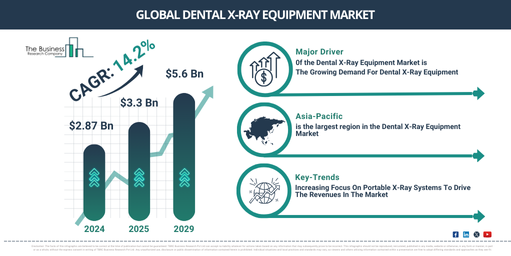
    The market size for dental X-ray equipment has seen a swift expansion in the recent past. The projection is set to rise from $2.87 billion in 2024 to a staggering $3.3 billion in 2025, marking a compound annual growth rate (CAGR) of 14.7%. The growth during the historic period is due to factors such as a rise in dental illnesses and conditions, progress in diagnostic imaging, the adoption of preventive dental practices, increasing consciousness about dental health, and the establishment of improved dental care infrastructures.

    What Growth Rate Is Forecasted for the Dental X-Ray Equipment Market by 2029?

    In the upcoming years, the dental X-ray equipment market is poised for swift expansion, with a projected growth to $5.6 billion in 2029, representing a compound annual growth rate (CAGR) of 14.2%. This growth in the prediction period can be credited to factors such as the aging populace and oral health issues, technological advancements for better efficiency, a focus on minimally invasive dental practices, the advent of 3D imaging in dental procedures, and government’s thrust on dental healthcare. Cloud-based imaging solutions, the use of augmented reality (AR) in dentistry, ergonomic design coupled with workflow integration, wider applications in orthodontics, and regulatory compliance and standardization are expected to be some of the primary trends in the forecast timeline.

    Download The Free Sample Report Here:

    https://www.thebusinessresearchcompany.com/sample.aspx?id=3286&type=smp

    Which Key Companies Are Shaping the Future of the Dental X-Ray Equipment Market?

    Major companies operating in the dental X-ray equipment market include DanaherCorporation, Fujifilm Holdings Corporation, Sirona Dental Systems Inc., Envista Holdings Corporation, Planmeca OY, Carestream Health Inc., VAREX IMAGING CORPORATION, Acteon Group SA, Vatech Co. Ltd., KaVo Kerr Group, Midmark Corporation, Ray Co. Ltd., Air Techniques Inc., DEXIS LLC, Panoramic Corporation, SuniRay LLC, PreXion Inc., The Yoshida Dental Mfg. Co. Ltd., LED Medical Diagnostics Inc., Xograph Healthcare LLC, Sigma Digital X-Ray LLC, FONA Dental s.r.o.

    Which Factors Are Driving Demand in the Dental X-Ray Equipment Industry?

    The rising incidence of oral diseases is significantly driving the need for dental X-ray equipment. Dental X-rays, also known as panoramic images, play a crucial role in dental care, enabling dentists to examine oral health, including unseen dental structures, bone loss, malignant or benign masses, and cavities. In 2022, the World Health Organization (WHO), based in Switzerland, recorded that approximately 3.5 billion individuals globally are afflicted with oral maladies, with three-fourths of these cases originating from middle-income countries. In addition, about 514 million children globally are affected by primary tooth caries, and an estimated 2 billion adults suffer from permanent teeth caries. Furthermore, in the Asia-Pacific region, oral cancer ranks as the third most common cancer. Hence, the escalating prevalence of dental diseases is increasing the requirement for dental imaging systems, such as dental X-rays, for the diagnosis and treatment of these conditions.

    Request For A Customized Report:

    https://www.thebusinessresearchcompany.com/customise?id=3286&type=smp

    How Is the Dental X-Ray Equipment Market Segmented by Several Divisions?

    The dental X-ray equipment market covered in this report is segmented –

    1) By Type: Extraoral X-Ray Systems, Intraoral X-Ray Systems, Hybrid X-Ray Systems

    2) By Technology: Digital, Analog

    3) By Application: Cosmetics, Medical, Forensics

    Subsegments:

    1) By Extraoral X-Ray Systems: Panoramic X-ray Machines, Cephalometric X-ray Machines, Cone Beam Computed Tomography (CBCT)

    2) By Intraoral X-Ray Systems: Bitewing X-ray Units, Periapical X-ray Units, Occlusal X-ray Units

    3) By Hybrid X-Ray Systems: Cone Beam And 2D X-ray Systems, Digital Sensors With Multiple Imaging

    What are the Emerging Market Trends Driving the Growth of the Dental X-Ray Equipment Industry?

    Key players in the dental X-ray equipment market are progressing towards portable technologies like handheld X-ray devices to expand their market share, streamline operations, and offer better patient care through advanced imaging solutions. Handheld X-ray devices are mobile imaging instruments applicable in medical, dental, and industrial fields. Thanks to its compact, battery-powered design, it can be easily transported and used in numerous environments, such as clinics and remote areas. For instance, Mid America Dental Sales, a dental supply firm based in the US, unveiled the X4 Handheld X-Ray Device in February 2024. This state-of-the-art dental x-ray solution is both lightweight and efficient. Equipped with a protective scatter shield meeting and exceeding 0.5 mm lead equivalence, the X4 Handheld ensures optimum safety for its users. It functions with a steady beam of 70kV/2mA and features a focal spot of 0.4 mm, making it versatile for different dental applications. This is specifically advantageous for clinicians dealing with implants or tending to young patients.

    Access The Full Report Here:

    https://www.thebusinessresearchcompany.com/report/dental-x-ray-equipment-global-market-report

    Which Regions Are Driving Growth in the Dental X-Ray Equipment Market?

    Asia-Pacific was the largest region in the dental X-ray equipment market in 2024. Western Europe was the second-largest region in the dental X-ray equipment market report. The regions covered in the dental X-ray equipment market report are Asia-Pacific, Western Europe, Eastern Europe, North America, South America, Middle East, Africa.

    Purchase The Full Report Today:

    https://www.thebusinessresearchcompany.com/purchaseoptions.aspx?id=3286

    This Report Delivers Insight On:

    1. How big is the dental x-ray equipment market, and how is it changing globally?

    2. Who are the major companies in the dental x-ray equipment market, and how are they performing?

    3. What are the key opportunities and risks in the dental x-ray equipment market right now?

    4. Which products or customer segments are growing the most in the dental x-ray equipment market?

    5. What factors are helping or slowing down the growth of the dental x-ray equipment market?

    About The Business Research Company:

    With over 15000+ reports from 27 industries covering 60+ geographies, The Business Research Company has built a reputation for offering comprehensive, data-rich research and insights. Armed with 1,500,000 datasets, the optimistic contribution of in-depth secondary research, and unique insights from industry leaders, you can get the information you need to stay ahead in the game.

    Get in touch with us:

    The Business Research Company: https://www.thebusinessresearchcompany.com/

    Americas +1 310-496-7795

    Asia +44 2071930708

    Europe +44 7882 955267

    Email us at info@tbrc.info

    Follow us on:

    LinkedIn: https://in.linkedin.com/company/the-business-research-company

    YouTube: https://www.youtube.com/channel/UC24_fI0rV8cR5DxlCpgmyFQ

    Global Market Model: https://www.thebusinessresearchcompany.com/global-market-model