Blog

  • $31.75 Billion Forecast for Dermatological Drugs Market by 2029, Backed by Demand and Innovation

    $31.75 Billion Forecast for Dermatological Drugs Market by 2029, Backed by Demand and Innovation

    Our market reports now include the latest updates on global tariffs, trade impacts, and evolving supply chain dynamics.

    How Has the Dermatological Drugs Market Growth Performance Trended Historically, And What Lies Ahead?

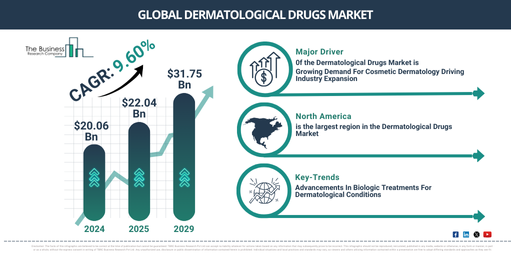
    The market size for dermatological drugs has seen robust growth in the past few years. The market, which stood at $20.06 billion in 2024, is expected to rise to $22.04 billion in 2025, representing a compound annual growth rate (CAGR) of 9.8%. The surge during the historical period is a result of the increasing occurrence of skin disorders, progress in drug formation and provision, heightened consciousness about skincare and aesthetics, the extension of the elderly population, and the escalating demand for over-the-counter dermatological offerings.

    The market for dermatological drugs is predicted to witness robust expansion in the upcoming years, scaling up to a value of $31.75 billion in 2029 with a CAGR of 9.6%. This surge in the upcoming period can be credited to the progression in biologics and specifically targeted therapies, rising implementation of teledermatology and digital health, an uptick in lifestyle-related skin ailments, increased requirement for personalized and regenerative treatments, and broader research in microbiome-oriented dermatological cures. Core trends anticipated in the forecast period involve drug delivery based on nanotechnology, dermatological diagnostics steered by artificial intelligence, treatments targeted at the microbiome, 3D bioprinting for skin regeneration, and treatments based on gene alteration and RNA.

    Download a free sample to assess the report’s scope and structure:

    https://www.thebusinessresearchcompany.com/sample.aspx?id=21166&type=smp

    What Are the Core Growth Drivers Propelling the Dermatological Drugs Market Forward?

    The increase in demand for procedures in cosmetic dermatology is anticipated to boost the expansion of the dermatological drugs market. Cosmetic dermatology, a specialized area of dermatology, is dedicated to improving an individual’s physical appearance through numerous non-operative treatments and processes. The growing interest in cosmetic dermatology can be attributed to rising consumer cognizance about aesthetic therapies, advancements in skin care technology, and a heightened liking for non-surgical procedures to enhance looks and counter aging. The escalating demand for cosmetic dermatology treatments, like anti-aging and skin reviving therapies, is contributing to the progress of inventive dermatological drugs that provide secure, efficient, and minimally intrusive resolutions. For instance, the International Society of Aesthetic Plastic Surgery, a US-based professional entity, advised in January 2023 that over 12.8 million surgical and 17.5 million non-surgical procedures were implemented globally, marking a boost of 19.3% in the total number of procedures compared to the last reported period. Moreover, over 14.9 million surgical and 18.8 million non-surgical procedures will be executed internationally by plastic surgeons in 2022, indicating an 11.2% increase in the total number of procedures carried out. Consequently, the expanding procedures in cosmetic dermatology are stimulating the advancement of the dermatological drugs market.

    What Segment Types Define the Dermatological Drugs Market Structure?

    The dermatological drugs market covered in this report is segmented –

    1) By Drug Class: Corticosteroids, Retinoids, Antibiotics, Antifungals, Calcineurin Inhibitors, Other Drug Classes

    2) By Administration: Topical Administration, Oral Administration, Parenteral Administration

    3) By Indication: Acne, Psoriasis, Rosacea, Alopecia, Other Indications

    4) By Distribution Channel: Hospital Pharmacies, Retail Pharmacies, Other Distribution Channels

    Subsegments:

    1) By Corticosteroids: Topical Corticosteroids, Oral Corticosteroids, Injectable Corticosteroids

    2) By Retinoids: Topical Retinoids, Oral Retinoids

    3) By Antibiotics: Topical Antibiotics, Oral Antibiotics

    4) By Antifungals: Topical Antifungals, Oral Antifungals

    5) By Calcineurin Inhibitors: Topical Calcineurin Inhibitors, Systemic Calcineurin Inhibitors

    6) By Other Drug Classes: Biologics, JAK Inhibitors, Antihistamines, Photodynamic Therapy Agents

    Request customized data on this market:

    https://www.thebusinessresearchcompany.com/customise?id=21166&type=smp

    Which Geographic Areas Hold the Strongest Growth Potential in the Dermatological Drugs Market?

    North America was the largest region in the dermatological drugs market in 2024. Asia-Pacific is expected to be the fastest-growing region in the forecast period. The regions covered in the dermatological drugs market report are Asia-Pacific, Western Europe, Eastern Europe, North America, South America, Middle East, Africa.

    Which Emerging Trends that Are Influencing theDermatological Drugs Industry Evolution?

    Major firms in the dermatological drugs market are focusing on formulating biologic therapies to treat chronic skin ailments like psoriasis, atopic dermatitis, and hidradenitis suppurativa. These biologics target specific immune pathways and are more potent with lasting effects than conventional therapies. For instance, in September 2024, Eli Lilly and Company, a U.S. pharmaceutical giant, got approval for Ebglyss (lebrikizumab), which specifically inhibits interleukin-13 (IL-13) and is utilized to treat moderate-to-severe atopic dermatitis in both adults and children aged 12 and up. This authorization represents a significant breakthrough by providing a novel biologic treatment choice for patients whose symptoms are not adequately managed with topical therapies. Ebglyss aspires to enhance patient quality of life by mitigating severe itching and skin inflammation correlated with moderate-to-severe atopic dermatitis.

    View the full report here:

    https://www.thebusinessresearchcompany.com/report/dermatological-drugs-global-market-report

    What Is the Definition of the Dermatological Drugs Market?

    Dermatological drugs refer to medications designed to treat conditions affecting the skin, hair, and nails by reducing inflammation, controlling infections, or managing symptoms such as itching and redness. These drugs play a crucial role in dermatology by addressing both common and severe skin disorders, improving patient comfort and quality of life.

    Purchase the full report and get a swift delivery:

    https://www.thebusinessresearchcompany.com/purchaseoptions.aspx?id=21166

    About The Business Research Company:

    With over 15000+ reports from 27 industries covering 60+ geographies, The Business Research Company has built a reputation for offering comprehensive, data-rich research and insights. Armed with 1,500,000 datasets, the optimistic contribution of in-depth secondary research, and unique insights from industry leaders, you can get the information you need to stay ahead in the game.

    Get in touch with us:

    The Business Research Company: https://www.thebusinessresearchcompany.com/

    Americas +1 3156230293

    Asia +44 2071930708

    Europe +44 2071930708

    Email us at info@tbrc.info

    Follow us on:

    LinkedIn: https://in.linkedin.com/company/the-business-research-company

    YouTube: https://www.youtube.com/channel/UC24_fI0rV8cR5DxlCpgmyFQ

    Global Market Model: https://www.thebusinessresearchcompany.com/global-market-model
  • Nephrotic Syndrome Market Valuation Expected To Reach $1.44 Billion By 2029, Growing At A Rate Of 10.7%

    Nephrotic Syndrome Market Valuation Expected To Reach $1.44 Billion By 2029, Growing At A Rate Of 10.7%

    Our market reports now include the latest updates on global tariffs, trade impacts, and evolving supply chain dynamics.

    #What Are the Key Projections for the CAGR of the Nephrotic Syndrome Market Size From 2025 to 2034?#_x000D_

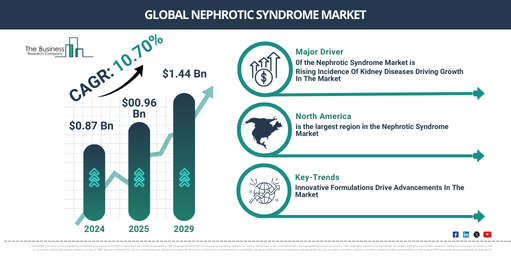
    The market size for nephrotic syndrome has experienced rapid expansion in the previous few years. Its size is projected to increase from $0.87 billion in 2024 to $0.96 billion in 2025, displaying a compound annual growth rate (CAGR) of 11.0%. This growth throughout the historic period is due to factors such as the escalating occurrence of nephrotic syndrome, a surge in genetic disorders, the rising incidence of obesity, an increased reliance on immunosuppressive drugs, and a heightened influence of genetic factors._x000D_

    _x000D_

    The market for nephrotic syndrome is forecasted to experience robust growth in the coming years, reaching a value of $1.44 billion by 2029, with a compound annual growth rate (CAGR) of 10.7%. The predicted growth during this period can be linked to factors such as increased awareness of Nephrotic Syndrome disease, a higher prevalence of Chronic Kidney Disease (CKD), the growing frequency of metabolic disorders, an aging population, and an uptick in autoimmune diseases. Key market trends for this forecasted period encompass the implementation of telemedicine and remote patient monitoring, the creation of novel drug delivery systems, fresh innovations in treatment methods, strides in biotech, and the incorporation of digital health technologies._x000D_

    _x000D_

    #Download a free sample to assess the report’s scope and structure:#_x000D_

    https://www.thebusinessresearchcompany.com/sample.aspx?id=21228&type=smp_x000D_

    _x000D_

    #Which Factors and External Forces Are Driving Demand in the Nephrotic Syndrome Market?#_x000D_

    The rise in kidney disease cases is likely to fuel the expansion of the nephrotic syndrome market. Kidney ailments entail any conditions that compromise the kidneys’ capability to sieve waste and surplus fluids from the bloodstream. These organs are crucial for this purpose. Driving factors behind the growth of kidney diseases include diabetes, high blood pressure, obesity, aged populations, and lifestyle shifts such as elevated sodium consumption and insufficient hydration. Nephrotic syndrome aggravates kidney diseases by damaging the glomeruli, hindering the kidney’s functionality to filter waste and withhold vital proteins. For example, data from the Australian Institute of Health and Welfare, a government institution from Australia, showed that the chronic kidney disease (CKD) death rate in Australia escalated from 4.2% in 2021 to 6.2% in 2022, as of June 2024. Thus, the accelerating prevalence of kidney diseases is propelling the nephrotic syndrome market’s growth._x000D_

    _x000D_

    #Which Segments in the Nephrotic Syndrome Offer the Most Growth?#_x000D_

    The nephrotic syndrome market covered in this report is segmented –_x000D_

    _x000D_

    1) By Type: Drugs, Devices_x000D_

    2) By Diagnosis Tests: Urinalysis, Glomerular Filtration Rate (GFR), Blood Test, Kidney Biopsy, Computerized Tomography (CT) Scan_x000D_

    3) By Application: Clinics, Hospitals, Speciality Centres, Other Applications_x000D_

    _x000D_

    Subsegments:_x000D_

    1) By Drugs: Steroids, Immunosuppressants, Diuretics, ACE Inhibitors Or ARBs, Other Drugs_x000D_

    2) By Devices: Dialysis Machines, Peritoneal Dialysis Catheters, Hemodialysis Catheters, Kidney Replacement Therapy Devices_x000D_

    _x000D_

    #Request customized data on this market:#_x000D_

    https://www.thebusinessresearchcompany.com/customise?id=21228&type=smp_x000D_

    _x000D_

    #What Are the Fastest-Growing Geographies in the #Which Factors and External Forces Are Driving Demand in the Nephrotic Syndrome Market?# Market?#_x000D_

    North America was the largest region in the nephrotic syndrome market in 2024. The regions covered in the nephrotic syndrome market report are Asia-Pacific, Western Europe, Eastern Europe, North America, South America, Middle East, Africa._x000D_

    _x000D_

    #Which Cutting-Edge Market Trends Are Expected to Drive theNephrotic Syndrome Market’s Growth?#_x000D_

    Key players in the nephrotic syndrome market are concentrating their efforts on the creation of novel formulations like loop diuretic injections, aimed at better fluid control and diminishing edema in those suffering from nephrotic syndrome. A loop diuretic injection is a medication that prevents the reabsorption of sodium and chloride in the loop of Henle, encouraging quick urine production. It’s employed to address conditions such as acute pulmonary edema, heart failure, and serious hypertension by lessening fluid overload. For example, in March 2024, Avenacy Inc., an American pharmaceutical firm, introduced furosemide for Injection in the U.S., a generic version of Lasix, acknowledged by the Food and Drug Administration for the treatment of edema linked with heart failure, liver cirrhosis, and kidney diseases. The injection, presented in 25-unit packs of 100 mg/10 mL doses, forms part of Avenacy’s wider plan to enhance its injectable medication range, with the intention to introduce over 20 products in 2024. The medication is recommended for use in both adults and children for treating edema connected to congestive heart failure, liver cirrhosis, and renal disease, including nephrotic syndrome._x000D_

    _x000D_

    #View the full report here:#_x000D_

    https://www.thebusinessresearchcompany.com/report/nephrotic-syndrome-global-market-report_x000D_

    _x000D_

    #What Are the Key Elements That Define the Nephrotic Syndrome Market?#_x000D_

    Nephrotic syndrome is a kidney disorder characterized by excessive protein loss in the urine (proteinuria), low levels of protein in the blood (hypoalbuminemia), high cholesterol levels (hyperlipidemia), and swelling (edema), especially in the legs, feet, and around the eyes. It occurs due to damage to the glomeruli, the kidney’s filtering units, which allows the protein to leak into the urine._x000D_

    _x000D_

    #Purchase the full report and get a swift delivery:#_x000D_

    https://www.thebusinessresearchcompany.com/purchaseoptions.aspx?id=21228_x000D_

    _x000D_

    #About The Business Research Company:#_x000D_

    With over 15000+ reports from 27 industries covering 60+ geographies, The Business Research Company has built a reputation for offering comprehensive, data-rich research and insights. Armed with 1,500,000 datasets, the optimistic contribution of in-depth secondary research, and unique insights from industry leaders, you can get the information you need to stay ahead in the game._x000D_

    _x000D_

    #Get in touch with us:#_x000D_

    The Business Research Company: https://www.thebusinessresearchcompany.com/_x000D_

    Americas +1 3156230293_x000D_

    Asia +44 2071930708_x000D_

    Europe +44 2071930708_x000D_

    Email us at info@tbrc.info_x000D_

    _x000D_

    #Follow us on:#_x000D_

    _x000D_

    LinkedIn: https://in.linkedin.com/company/the-business-research-company_x000D_

    YouTube: https://www.youtube.com/channel/UC24_fI0rV8cR5DxlCpgmyFQ_x000D_

    Global Market Model: https://www.thebusinessresearchcompany.com/global-market-model

  • Key Developments and Trends Steering the Alzheimer’s Disease Diagnostic Market Forward: Advancements In Technology In Alzheimer’s Diagnostic With Accurate Test Results

    Key Developments and Trends Steering the Alzheimer’s Disease Diagnostic Market Forward: Advancements In Technology In Alzheimer’s Diagnostic With Accurate Test Results

    Our market reports now include the latest updates on global tariffs, trade impacts, and evolving supply chain dynamics.

    What Is the Current and Projected Market Size of the Alzheimer’s Disease Diagnostic Market Through 2034?

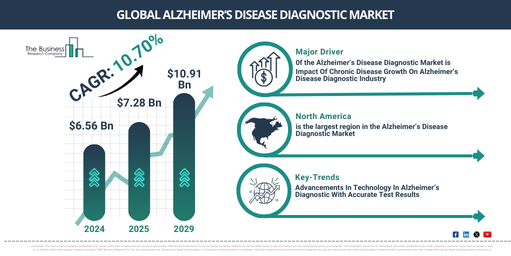
    The market size for diagnosing Alzheimer’s disease has seen a swift expansion in the recent past. From $6.56 billion in 2024, the market is projected to rise to $7.28 billion in 2025, indicating a compound annual growth rate (CAGR) of 11%. The expansion in this historic period has been spurred by factors such as a rising number of Alzheimer’s and dementia cases, growing sensitivity towards early diagnosis for improved management, advancements in imaging technologies like MRI and PET scans, increased research and development investment in neurodegenerative diseases, as well as government-led initiatives and funding dedicated to Alzheimer’s research and diagnostics.

    The alzheimer’s disease diagnostic market is all set for rapid growth in the upcoming years, predicted to bolster to a whopping $10.91 billion by 2029, expanding at an impressive compound annual growth rate (CAGR) of 10.7%. This outstanding growth projection for the forecast period can be attributed to several factors such as the development of blood-based biomarkers that enable non-invasive diagnosis, a surge in demand for both personalized medicine and precision diagnostics, merging of AI and machine learning into diagnostic tools to enable early detection, an increase in the adoption of digital health technologies for diagnoses and remote monitoring, and the continued expansion of healthcare infrastructures in emerging markets to improve accessibility. Throughout the forecast period, key trends include the emergence of multi-modal diagnostic approaches that combine imaging, biomarkers, and cognitive tests, an amplified focus on point-of-care diagnostic solutions that deliver quick results, crafting of wearable devices designed for continuous cognitive health monitoring, an upward trend in collaborations between biotech companies and research institutions towards innovation, and a growing prominence in direct-to-consumer genetic testing for Alzheimer’s risk assessment.

    Download a free sample to assess the report’s scope and structure:

    https://www.thebusinessresearchcompany.com/sample.aspx?id=21093&type=smp

    How Are Key Drivers in the Industry Acting as Catalysts for the Growth of the Alzheimer’s Disease Diagnostic Market?

    The surge in chronic illnesses is anticipated to fuel the expansion of the Alzheimer’s disease diagnostic market in the future. Chronic disease refers to a health issue that lasts more than three months. Several interconnected factors, such as lifestyle decisions, environmental factors, genetic factors, and socioeconomic conditions, contribute to this surge in chronic illnesses. The likelihood of developing Alzheimer’s disease (AD) and other types of dementia is heightened by the existence of chronic conditions like cardiovascular issues, diabetes, and hypertension. For example, the American Heart Association Inc., a volunteer organization based in the U.S., revealed in a report in January 2022 that brain disorders are projected to affect 9.3 million people in the U.S by 2060. At this time, the figure is on a rise with every sixth person around the globe suffering from a brain disease. By 2021, it is projected that 1 billion people across the globe will suffer from brain disorders. Consequently, the uptick in chronic diseases will steer the growth of the Alzheimer’s disease diagnostic market.

    Which Segments in the Alzheimer’s Disease Diagnostic Offer the Most Growth?

    The alzheimer’s disease diagnostic market covered in this report is segmented –

    1) By Type: Triage, Diagnosis, Screening

    2) By Diagnostic Technique: Biomarkers, Imaging Techniques, Genetic Testing, Cognitive Assessment Tests

    3) By End User: Clinics, Hospitals, Diagnostic Centers, Pharmaceutical Companies, Academic Research Center

    Subsegments:

    1) By Triage: Cognitive Testing, Imaging Techniques

    2) By Diagnosis: Biomarker Testing, Neuroimaging

    3) By Screening: Neuropsychological Testing, Genetic Testing

    Request customized data on this market:

    https://www.thebusinessresearchcompany.com/customise?id=21093&type=smp

    What Are the Fastest-Growing Geographies in the #How Are Key Drivers in the Industry Acting as Catalysts for the Growth of the Alzheimer’s Disease Diagnostic Market?# Market?

    North America was the largest region in the alzheimer’s disease diagnostic market in 2024. Asia-Pacific is expected to be the fastest-growing region in the forecast period. The regions covered in the alzheimer’s disease diagnostic market report are Asia-Pacific, Western Europe, Eastern Europe, North America, South America, Middle East, Africa.

    What Are the Current Market Growth and Trends in the Alzheimer’s Disease Diagnostic Industry?

    Prominent firms engaged in the Alzheimer’s disease diagnostic market are emphasizing cutting-edge developments for a blood-based biomarker test that is likely to streamline Alzheimer’s disease diagnosis, lessen the dependency on more invasive methods, and enhance patient access to expedient therapy. In October 2023, Quanterix, a biotech research firm based in the US, introduced LucentAD p-Tau 217 test, a blood-based Alzheimer’s disease biomarker known for its clinical sensitivity and specificity. Traditional methods for examining cerebrospinal fluid (CSF) biomarkers, such as positron emission tomography (PET) or lumbar puncture, are expensive, invasive, and not ubiquitously available. Furthermore, this test integrates Quanterix’s highly sensitive SimoaÒ technology with J&J Innovative Medicine’s thoroughly tested p-Tau 217 antibodies, providing superb accuracy and a more streamlined process.

    View the full report here:

    https://www.thebusinessresearchcompany.com/report/alzheimers-disease-diagnostic-global-market-report

    What Are the Key Elements That Define the Alzheimer’s Disease Diagnostic Market?

    Alzheimer’s disease diagnostics encompass methods and tools used to detect and confirm the presence of Alzheimer’s disease, a progressive neurodegenerative disorder. These diagnostics include cognitive assessments, imaging techniques such as magnetic resonance imaging (MRI) and positron emission tomography (PET) scans, and biomarker tests analyzing cerebrospinal fluid (CSF) or blood for amyloid-beta and tau proteins.

    Purchase the full report and get a swift delivery:

    https://www.thebusinessresearchcompany.com/purchaseoptions.aspx?id=21093

    About The Business Research Company:

    With over 15000+ reports from 27 industries covering 60+ geographies, The Business Research Company has built a reputation for offering comprehensive, data-rich research and insights. Armed with 1,500,000 datasets, the optimistic contribution of in-depth secondary research, and unique insights from industry leaders, you can get the information you need to stay ahead in the game.

    Get in touch with us:

    The Business Research Company: https://www.thebusinessresearchcompany.com/

    Americas +1 3156230293

    Asia +44 2071930708

    Europe +44 2071930708

    Email us at info@tbrc.info

    Follow us on:

    LinkedIn: https://in.linkedin.com/company/the-business-research-company

    YouTube: https://www.youtube.com/channel/UC24_fI0rV8cR5DxlCpgmyFQ

    Global Market Model: https://www.thebusinessresearchcompany.com/global-market-model
  • Global Cytotoxic T-Lymphocyte-Associated Protein 4 (CTLA-4) Inhibitors Market Projected to Reach $20.77 Billion by 2029 at a CAGR of 14.7%

    Our market reports now include the latest updates on global tariffs, trade impacts, and evolving supply chain dynamics.

    What Are the Projected Market Size and Growth Rates for the Cytotoxic T-Lymphocyte-Associated Protein 4 (CTLA-4) Inhibitors Market From 2025 To 2029?

    The market size of the cytotoxic T-lymphocyte-associated protein 4 (CTLA-4) has been expanding swiftly in the past few years. The market, currently valued at $10.43 billion in 2024, is expected to surge to $11.99 billion in 2025, with a compound annual growth rate (CAGR) of 15.0%. Several factors underpin this significant growth. These include an increase in cancer cases, an increase in clinical trials, a growing use of checkpoint inhibitors, improved healthcare structures, increasing funding for cancer research, advancements in combination treatments, heightened awareness of immune-oncology treatments, and partnerships within the pharmaceutical industry.

    Expectations are high for the cytotoxic T-lymphocyte-associated protein 4 (CTLA-4) market, with anticipated swift expansion in the coming years. The market is projected to inflate to $20.77 billion by 2029, reflecting a compound annual growth rate (CAGR) of 14.7%. Factors triggering growth for the forecast period include the escalating demand for fusion therapies, an upsurge in cancer cases, increased acceptance in emerging markets, continuous clinical trials and advancements in the pipeline, regulatory backing for immunotherapies, enhanced patient engagement for targeted treatments, and strategic collaborations and takeovers. Noteworthy trends for the forecast period encompass next-gen cytotoxic T-lymphocyte-associated protein 4 (CTLA-4) inhibitors, bispecific antibodies, immunotherapy combinations, custom cancer vaccines, AI-supported drug advent, biomarkers to aid patient selection, enhanced engineering of monoclonal antibodies, targeted drug distribution systems, modern clinical trial frameworks and the inclusion of real-world data in optimizing treatments.

    Download a free sample to assess the report’s scope and structure:

    https://www.thebusinessresearchcompany.com/sample.aspx?id=21165&type=smp

    What are the Fundamental Drivers and Innovations Shaping the Cytotoxic T-Lymphocyte-Associated Protein 4 (CTLA-4) Inhibitors Market?

    The surge in capital put into oncology research and development (R&D) is set to stimulate the expansion of the cytotoxic T-lymphocyte-associated protein 4 (CTLA-4) inhibitors market. The rising tendency toward investment in this field can be credited to the escalating global rate of cancer, improvements in immunotherapy and targeted treatments, and a high demand for groundbreaking therapies which can better patient survival rates and their quality of life. Investment in oncology R&D acts as a catalyst for the growth of the CTLA-4 inhibitors by quickening the discovery of unique therapies and heightening the focus of clinical trials on ameliorating immune checkpoint treatments for cancer. To illustrate, the National Cancer Institute (NCI) requested a $9.988 billion budget for cancer research in 2024, as reported by the US-based organization American Society for Radiation Oncology (ASTRO) in May 2023. This marks an increase of $2.7 billion from the $7.3 billion earmarked in 2023. Consequently, this uptick in investment within oncology R&D is fueling the ascension of the cytotoxic T-lymphocyte-associated protein 4 (CTLA-4) inhibitors market.

    How Is the Cytotoxic T-Lymphocyte-Associated Protein 4 (CTLA-4) Inhibitors Market Segmented?

    The cytotoxic T-lymphocyte-associated protein 4 (CTLA-4) inhibitors market covered in this report is segmented –

    1) By Type: Monotherapy, Combination Therapy

    2) By Application: Melanoma, Renal Cell Carcinoma, Colorectal Cancer, Other Applications

    3) By Distribution Channel: Hospital Pharmacies, Retail Pharmacies, Online Pharmacies, Other Distribution Channels

    Subsegments:

    1) By Monotherapy: Ipilimumab (Yervoy), Tremelimumab

    2) By Combination Therapy: CTLA-4 Inhibitors + PD-1/PD-L1 Inhibitors, CTLA-4 Inhibitors + Chemotherapy, CTLA-4 Inhibitors + Targeted Therapy, CTLA-4 Inhibitors + Radiotherapy, CTLA-4 Inhibitors + Other Immunotherapies

    Request customized data on this market:

    https://www.thebusinessresearchcompany.com/customise?id=21165&type=smp

    Which Regions Are Driving the Next Phase of the Cytotoxic T-Lymphocyte-Associated Protein 4 (CTLA-4) Inhibitors Market Growth?

    North America was the largest region in the cytotoxic T-lymphocyte-associated protein 4 (CTLA-4) market in 2024. Asia-Pacific is expected to be the fastest-growing region in the forecast period. The regions covered in the cytotoxic T-lymphocyte-associated protein 4 (CTLA-4) inhibitors market report are Asia-Pacific, Western Europe, Eastern Europe, North America, South America, Middle East, Africa.

    What Key Trends Are Shaping the Future of the Cytotoxic T-Lymphocyte-Associated Protein 4 (CTLA-4) Inhibitors Market?

    Leading corporations in the cytotoxic T-lymphocyte-associated protein 4 (CTLA-4) inhibitors market are prioritizing clinical trials to evaluate the efficacy of innovative drug formulations, fine-tune dosage routines, and amplify the response rates to treatment in cancer patients. Such clinical experiments contribute to uncovering the capabilities of CTLA-4 inhibitors when used in synergy with other immunotherapies with the goal to widen their use beyond melanoma and escalate overall survival rates in diverse cancer varieties. For illustration, Akeso Inc., a biopharmaceutical firm based in China, disclosed the phase Ib/II clinical evaluation (AK104-IIT-018) of cadonilimab in December 2024. This is a combination therapy for patients suffering from advanced or metastatic non-small cell lung cancer (NSCLC) who had shown progress post prior treatment with programmed cell death ligand 1 (PD-L1) inhibitor. Cadonilimab, a programmable cell death protein 1 (PD-1)/ cytotoxic T-lymphocyte-associated protein 4 (CTLA-4) bispecific antibody works by concurrently blocking the PD-1 and CTLA-4 immune checkpoints. This boosts T-cell activation and immune-response against tumors, while simultaneously reducing immune suppression.

    View the full report here:

    https://www.thebusinessresearchcompany.com/report/cytotoxic-t-lymphocyte-associated-protein-4-ctla-4-inhibitors-global-market-report

    How Is the Cytotoxic T-Lymphocyte-Associated Protein 4 (CTLA-4) Inhibitors Market Defined and What Are Its Core Parameters?

    Cytotoxic T-lymphocyte-associated protein 4 (CTLA-4) inhibitors refer to a class of immunotherapy drugs that block the CTLA-4 protein on T cells, enhancing the immune system’s ability to attack cancer cells. By preventing CTLA-4 from downregulating immune responses, these inhibitors help sustain T-cell activation, making them effective in treating cancers. These inhibitors are used alone or in combination with other immune checkpoint inhibitors to enhance anti-tumor responses and improve patient outcomes in various cancers.

    Purchase the full report and get a swift delivery:

    https://www.thebusinessresearchcompany.com/purchaseoptions.aspx?id=21165

    About The Business Research Company:

    With over 15000+ reports from 27 industries covering 60+ geographies, The Business Research Company has built a reputation for offering comprehensive, data-rich research and insights. Armed with 1,500,000 datasets, the optimistic contribution of in-depth secondary research, and unique insights from industry leaders, you can get the information you need to stay ahead in the game.

    Get in touch with us:

    The Business Research Company: https://www.thebusinessresearchcompany.com/

    Americas +1 3156230293

    Asia +44 2071930708

    Europe +44 2071930708

    Email us at info@tbrc.info

    Follow us on:

    LinkedIn: https://in.linkedin.com/company/the-business-research-company

    YouTube: https://www.youtube.com/channel/UC24_fI0rV8cR5DxlCpgmyFQ

    Global Market Model: https://www.thebusinessresearchcompany.com/global-market-model
  • Market Trends Influencing Strategic Decisions in the Allergic Contact Dermatitis Industry: Advanced Digital Solutions For Managing Allergic Contact Dermatitis

    Market Trends Influencing Strategic Decisions in the Allergic Contact Dermatitis Industry: Advanced Digital Solutions For Managing Allergic Contact Dermatitis

    Our market reports now include the latest updates on global tariffs, trade impacts, and evolving supply chain dynamics.

    What is the Anticipated CAGR of the Allergic Contact Dermatitis Market, and What Factors Will Drive It?

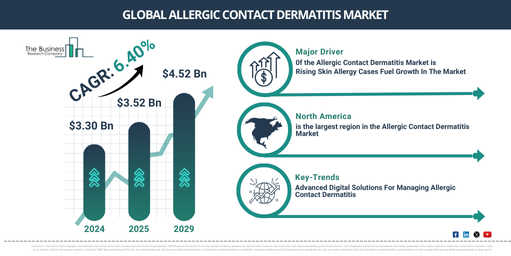
    In recent times, the market size of allergic contact dermatitis has notably escalated. It is projected to surge from $3.30 billion in 2024 to $3.52 billion in 2025, boasting a compound annual growth rate (CAGR) of 6.8%. The historical growth pattern can be linked to several factors, including the rising prevalence of allergic contact dermatitis, heightened awareness of skin conditions, an increase in consumer healthcare expenditure, regulatory shifts and approvals, and an escalating need for allergy testing.

    In the coming years, the allergic contact dermatitis market is anticipated to experience considerable expansion. The market is projected to reach $4.52 billion in 2029, growing at a compound annual growth rate (CAGR) of 6.4%. The surge during the predicted period can be credited to factors such as the rise in the aging population, heightened awareness about skin health, an increased emphasis on preventive strategies, expansion in educational campaigns, and awareness about timely diagnosis and intervention. The forecast period will also see major trends including the emergence of monoclonal antibodies that target inflammatory pathways, advancements in nanotechnology-based creams, exploration of genetic elements for tailored treatment, skin microbiome modulation, and progress in real-time tracking of allergic reactions and triggers.

    Download a free sample to assess the report’s scope and structure:

    https://www.thebusinessresearchcompany.com/sample.aspx?id=21092&type=smp

    What Are the Major Market Drivers Behind the Rising Adoption of Allergic Contact Dermatitis Market?

    The allergic contact dermatitis market is anticipated to expand due to the rising occurrence of skin allergies. These allergies trigger when the immune system excessively responds to allergens, leading to symptoms like redness, swelling, itching, or rashes. Such reactions could be linked to factors including exposure to allergens, immune system irregularities, genetic tendencies, or a compromised skin barrier. Treatments for allergic contact dermatitis help manage skin allergies by calming inflammation, soothing irritation, preventing additional allergic reactions, and facilitating skin recovery. These interventions range from medications, topical corticosteroids, antihistamines, to lifestyle changes aiming to minimize interaction with allergens. Notably, WebMD LLC reported in February 2024 that around 9.2 million children had dealt with skin allergies like eczema or hives in 2022. Hence, the escalating rate of skin allergies stimulates the upward trajectory of the allergic contact dermatitis market. The Evolution Of Healthcare Infrastructure Fuels Market Growth

    Which Key Market Segments Comprise the Allergic Contact Dermatitis Market and Drive Its Revenue Growth?

    The allergic contact dermatitis market covered in this report is segmented –

    1) By Allergen Type: Metals, Chemicals, Latex, Fragrances, Preservatives

    2) By Diagnosis Method: Patch Testing, Clinical Evaluation, Laboratory Tests, Skin Prick Testing

    3) By Treatment Type: Topical Corticosteroids, Immunomodulators, Antihistamines, Oral Corticosteroids

    4) By Severity Level: Mild, Moderate, Severe

    5) By Patient Demographics: Children, Adults, Elderly

    Subsegments:

    1) By Metals: Nickel, Cobalt, Chromium

    2) By Chemicals: Pesticides, Solvents, Cleaning Agents

    3) By Latex: Natural Rubber Latex, Synthetic Latex

    4) By Fragrances: Synthetic Fragrances, Natural Fragrances

    5) By Preservatives: Parabens, Formaldehyde Releasers, Isothiazolinones

    Request customized data on this market:

    https://www.thebusinessresearchcompany.com/customise?id=21092&type=smp

    Which Areas Are Leading Regions in the Allergic Contact Dermatitis Market Expansion Across the Globe?

    North America was the largest region in the allergic contact dermatitis market in 2024. Asia-Pacific is expected to be the fastest-growing region in the forecast period. The regions covered in the allergic contact dermatitis market report are Asia-Pacific, Western Europe, Eastern Europe, North America, South America, Middle East, Africa.

    What Are the Strategic Trends Steering theAllergic Contact Dermatitis Market Direction?

    Leading firms in the allergic contact dermatitis market have directed their focus towards creating innovative, web-based and mobile app resources that enable remote conversations with health specialists. Such digital platforms, accessible through websites and mobile apps, provide comprehensive tools, data, and interactive features to cater to patients’ needs, thereby augmenting their capacity for self-care and consistency in treatment. In a notable example from November 2024, the American Contact Dermatitis Society, a non-profit entity in the U.S committed to the educational, research, and advocacy aspects of dermatitis diagnosis and treatment, unveiled the Contact Allergen Management Program (CAMP) 2.0. This program assists patients in managing allergic contact dermatitis by facilitating the identification of safe products through comprehensive product and allergen descriptions. The platform includes enhancements such as a better provider interface, allergen search, cross-reactor groups, and automated allergen information sheets, among other features. Patients are allowed to recommend products, share their experiences, file reports, and perform instant safety checks by scanning UPC codes. CAMP 2.0 has further broadened its scope to include a clearly highlighted list of unsafe allergens, also documenting the impact of allergic contact dermatitis on the quality of life.

    View the full report here:

    https://www.thebusinessresearchcompany.com/report/allergic-contact-dermatitis-global-market-report

    How Is the Allergic Contact Dermatitis Market Conceptually Defined?

    Allergic contact dermatitis (ACD) is a delayed immune response triggered by skin contact with an allergen, causing inflammation, redness, itching, and blistering. Understanding and diagnosing ACD helps identify and avoid triggers, preventing flare-ups. Awareness enables better symptom management and informed product choices to minimize exposure.

    Purchase the full report and get a swift delivery:

    https://www.thebusinessresearchcompany.com/purchaseoptions.aspx?id=21092

    About The Business Research Company:

    With over 15000+ reports from 27 industries covering 60+ geographies, The Business Research Company has built a reputation for offering comprehensive, data-rich research and insights. Armed with 1,500,000 datasets, the optimistic contribution of in-depth secondary research, and unique insights from industry leaders, you can get the information you need to stay ahead in the game.

    Get in touch with us:

    The Business Research Company: https://www.thebusinessresearchcompany.com/

    Americas +1 3156230293

    Asia +44 2071930708

    Europe +44 2071930708

    Email us at info@tbrc.info

    Follow us on:

    LinkedIn: https://in.linkedin.com/company/the-business-research-company

    YouTube: https://www.youtube.com/channel/UC24_fI0rV8cR5DxlCpgmyFQ

    Global Market Model: https://www.thebusinessresearchcompany.com/global-market-model
  • Myocarditis Disease Market Forecast Reaching $2.07 Billion by 2029 at 6.5% CAGR

    Myocarditis Disease Market Forecast Reaching $2.07 Billion by 2029 at 6.5% CAGR

    Our market reports now include the latest updates on global tariffs, trade impacts, and evolving supply chain dynamics.

    #How Has The Myocarditis Disease Market Growth Evolved From 2024 To 2025, And What’s Ahead?#_x000D_

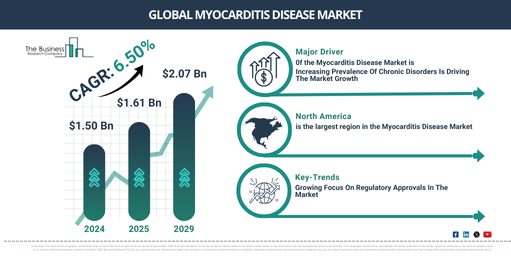
    The market scale of myocarditis disease has seen a phenomenal uptick in the past few years. The growth trajectory projects a rise from $1.50 billion in 2024 to $1.61 billion in 2025, reflecting a CAGR of 6.8%. This considerable increase during the historic period can be traced back to a surge in viral infections, heightened awareness surrounding autoimmune diseases, an escalation in cardiovascular disease cases, improvements in heart inflammation treatments, and an upswing in funding devoted to cardiovascular research._x000D_

    _x000D_

    The market size for myocarditis disease is anticipated to witness robust growth in the coming years, burgeoning to $2.07 billion by 2029 at a compound annual growth rate (CAGR) of 6.5%. The surge in the forecast period can be linked to governmental backing and regulations, the presence of specific therapies, the proliferation of clinical trials, enhancements in health care facilities, and the transformation of treatment guidelines. Dominant trends projected in the forecast period consist of CRISPR-Cas9 technology, three-dimensional printing, predictive analytics powered by artificial intelligence, virtual reality technologies, and wearable electrocardiogram (ECG) devices._x000D_

    _x000D_

    #Download a free sample to assess the report’s scope and structure:#_x000D_

    https://www.thebusinessresearchcompany.com/sample.aspx?id=21227&type=smp_x000D_

    _x000D_

    #Which Major Market Drivers Are Expected to Boost the Growth Potential of the Myocarditis Disease Market?#_x000D_

    The myocarditis disease market is set to expand as chronic disorders become increasingly common. Chronic disorders are long-lasting health issues that usually require continuous medical care, management, or lifestyle alterations. The growing incidence of these diseases is attributed to various factors such as aging populations, inactive lifestyles, poor eating habits, escalating obesity, and greater exposure to environmental pollution. Myocarditis, an inflammation of the heart muscle, adds to the burden of chronic disorders as it can trigger long-term issues like heart failure, arrhythmias, and cardiomyopathy. These complications call for continuous management and can significantly impact cardiovascular health over time. For example, data from the British Heart Foundation, a UK-based cardiovascular research charity, disclosed in September 2024 that approximately 7.6 million people in the UK suffer from heart and circulatory diseases, including roughly 4 million men and 3.6 million women. These diseases account for around 27% of all UK deaths, resulting in more than 170,000 deaths per year, or about 480 deaths every day, which amounts to one death every three minutes. Consequently, the rise in chronic disorders is fueling the growth of the myocarditis disease market._x000D_

    _x000D_

    #Which Key Market Segments Comprise the Myocarditis Disease Market and Drive Its Revenue Growth?#_x000D_

    The myocarditis disease market covered in this report is segmented –_x000D_

    _x000D_

    1) By Type: Acute Myocarditis, Chronic Myocarditis, Lymphocytic Myocarditis_x000D_

    2) By Treatment: Medication, Surgery, Other Treatments_x000D_

    3) By Diagnosis: Blood Tests, Imaging Tests, Cardiac Catheterization, Heart Muscle Biopsy, Others Diagnosis_x000D_

    4) By Distribution Channel: Hospital Pharmacy, Retail Pharmacy, Online Pharmacy, Other Distribution Channels_x000D_

    5) By End-Users: Hospitals, Specialty Clinics, Homecare, Other End-Users_x000D_

    _x000D_

    Subsegments:_x000D_

    1) By Acute Myocarditis: Viral Myocarditis, Bacterial Myocarditis, Fungal Myocarditis_x000D_

    2) By Chronic Myocarditis: Autoimmune Myocarditis, Chronic Active Myocarditis, Chronic Inflammatory Myocarditis_x000D_

    3) By Lymphocytic Myocarditis: Idiopathic Lymphocytic Myocarditis, Drug-Induced Lymphocytic Myocarditis, Lymphocytic Myocarditis Associated with Viral Infections_x000D_

    _x000D_

    #Request customized data on this market:#_x000D_

    https://www.thebusinessresearchcompany.com/customise?id=21227&type=smp_x000D_

    _x000D_

    #Which Areas Are Leading Regions in the Myocarditis Disease Market Expansion Across the Globe?#_x000D_

    North America was the largest region in the myocarditis disease market in 2024. The regions covered in the myocarditis disease market report are Asia-Pacific, Western Europe, Eastern Europe, North America, South America, Middle East, Africa._x000D_

    _x000D_

    #What Are the Key Market Trends in theMyocarditis Disease Market Over the Coming Years?#_x000D_

    Major corporations in the myocarditis disease market are concentrating on acquiring regulatory endorsement for new medications to widen the variety of treatment options and improve patient outcomes. These authorizations are official permissions given by government or regulatory entities, allowing the marketing and public use of drugs, medical tools, or therapies. Take for instance, in May 2022, Cardiol Therapeutics Inc., a pharmaceutical corporation from Canada, disclosed that it has acquired FDA Investigational New Drug (IND) approval for a multicenter Phase II open-label pilot study of CardiolRx for recurrent pericarditis. This examination will be conducted simultaneously with the multinational Phase II test for acute myocarditis, which is set to start soon. Both studies are directed towards the creation of innovative anti-inflammatory remedies for cardiovascular diseases. Moreover, CardiolRx has been bestowed with orphan drug status for both recurrent pericarditis and acute myocarditis, signifying its potential in treating these ailments._x000D_

    _x000D_

    #View the full report here:#_x000D_

    https://www.thebusinessresearchcompany.com/report/myocarditis-disease-global-market-report_x000D_

    _x000D_

    #How Is the Myocarditis Disease Market Conceptually Defined?#_x000D_

    Myocarditis disease refers to a rare condition characterized by inflammation of the heart muscle, known as the myocardium. Myocarditis utilizes various treatment approaches, including medications to reduce inflammation, manage symptoms, and address the underlying cause, such as infections or autoimmune disorders._x000D_

    _x000D_

    #Purchase the full report and get a swift delivery:#_x000D_

    https://www.thebusinessresearchcompany.com/purchaseoptions.aspx?id=21227_x000D_

    _x000D_

    #About The Business Research Company:#_x000D_

    With over 15000+ reports from 27 industries covering 60+ geographies, The Business Research Company has built a reputation for offering comprehensive, data-rich research and insights. Armed with 1,500,000 datasets, the optimistic contribution of in-depth secondary research, and unique insights from industry leaders, you can get the information you need to stay ahead in the game._x000D_

    _x000D_

    #Get in touch with us:#_x000D_

    The Business Research Company: https://www.thebusinessresearchcompany.com/_x000D_

    Americas +1 3156230293_x000D_

    Asia +44 2071930708_x000D_

    Europe +44 2071930708_x000D_

    Email us at info@tbrc.info_x000D_

    _x000D_

    #Follow us on:#_x000D_

    _x000D_

    LinkedIn: https://in.linkedin.com/company/the-business-research-company_x000D_

    YouTube: https://www.youtube.com/channel/UC24_fI0rV8cR5DxlCpgmyFQ_x000D_

    Global Market Model: https://www.thebusinessresearchcompany.com/global-market-model

  • Next-Gen Seizures : Market Forecast, Transformation, and Long-Term Trajectories

    Next-Gen Seizures : Market Forecast, Transformation, and Long-Term Trajectories

    Get 30% off on our Global Market Reports with code ONLINE30 – Hurry, limited time offer!

    What Are the Projected Market Size and Growth Rates for the Seizures Market From 2025 To 2029?

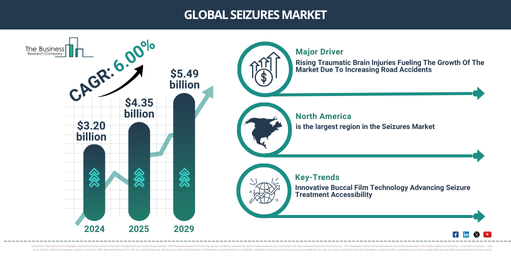
    The market size for seizures has significantly expanded in the past few years. Projected growth is from $3.20 billion in 2024 to $4.35 billion in 2025, indicating a compound annual growth rate (CAGR) of 6.2%. This historical growth can largely be credited to factors such as the growing occurrence of epilepsy and seizure disorders, heightened awareness and diagnosis rates, increased research and development in the area of neurological disorders, a rise in governmental and non-profit epilepsy awareness initiatives, and an increasing elderly population.

    Strong growth is anticipated in the seizures market size over the coming years, with projections suggesting it will reach $5.49 billion in 2029, showcasing a compound annual growth rate (CAGR) of 6.0%. This growth during the forecast period can be credited to various factors such as a growing geriatric population susceptible to neurological disorders, increased research and development funding for seizure therapy, a rise in global healthcare expenditure, heightened demand for epilepsy medicines, and an increase in the number of seizure disorder cases. Upcoming trends for the forecast period include progress in the development of seizure detection and monitoring equipment, improvements affecting drug approvals and reimbursements, advancements in genetic research for bespoke seizure treatments, the incorporation of digital health solutions for off-site seizure supervision, and the evolution of epilepsy medication.

    Download a free sample to assess the report’s scope and structure:

    https://www.thebusinessresearchcompany.com/sample.aspx?id=23511&type=smp

    Which Major Market Drivers Are Expected to Boost the Growth Potential of the Seizures Market?

    The escalating occurrence of traumatic brain injuries (TBI) is anticipated to fuel the expansion of the seizures market in the future. TBI is the injury to the brain caused by an abrupt foreign impact, including a hit, sudden shake, or piercing injury to the head. The increasing instances of TBI are linked to escalating road accidents, where high-speed crashes and inattentive driving result in intense head injuries. Seizures often serve as preliminary signs of traumatic brain injuries, assisting medical professionals in diagnosing and treating the underlying brain damage more effectively. For example, the South Dakota Department of Health (SDDOH) reported in October 2023 that South Dakota had the 9th highest age-adjusted TBI-related death rate in 2022 at 26.4 per 100,000. Additionally, the American Association of Neurological Surgeons projected in April 2024 that anywhere from 1.7 to 3.8 million TBIs occur annually in the US. Therefore, the escalating occurrence of TBI is propelling the growth of the seizures market.

    Which Key Market Segments Comprise the Seizures Market and Drive Its Revenue Growth?

    The seizures market covered in this report is segmented –

    1) By Drug Type: First Generation Anti-Epileptics, Second Generation Anti-Epileptics, Third Generation Anti-Epileptics

    2) By Route Of Administration: Oral, Parenteral, Topical

    3) By Distribution Channel: Hospitals Pharmacies, Independent Pharmacies, Online Pharmacies

    4) By End-User: Hospitals And Clinics, Ambulatory Surgical Centers, Homecare Settings, Other End-Users

    Subsegments:

    1) By First Generation Anti-Epileptics: Phenytoin, Carbamazepine, Valproate, Phenobarbital, Primidone, Ethosuximide

    2) By Second Generation Anti-Epileptics: Lamotrigine, Levetiracetam, Topiramate, Oxcarbazepine, Zonisamide, Gabapentin, Pregabalin

    3) By Third Generation Anti-Epileptics: Lacosamide, Perampanel, Brivaracetam, Eslicarbazepine, Cenobamate

    Request customized data on this market:

    https://www.thebusinessresearchcompany.com/customise?id=23511&type=smp

    Which Areas Are Leading Regions in the Seizures Market Expansion Across the Globe?

    North America was the largest region in the seizures market in 2024. Asia-Pacific is expected to be the fastest-growing region in the forecast period. The regions covered in the seizures market report are Asia-Pacific, Western Europe, Eastern Europe, North America, South America, Middle East, Africa.

    What Are the Key Market Trends in the Seizures Market Over the Coming Years?

    Major corporations involved in the seizures market are advancing their services by innovating new products like buccal film, which enrich treatment ease and patient adherence. The buccal film is a slim dispersive strip that is delivered by positioning it against the internal side of the cheek (buccal mucosa), where the medication directly permeates into the bloodstream. In December 2024, for example, Aquestive Therapeutics Inc., a company specialized in pharmaceuticals based in the U.S., won U.S. Food and Drug Administration (FDA) approval for their exclusive orphan drug, Libervant (diazepam) buccal film, focusing on seizure clusters in toddlers between the ages of two and five. This unique formulation offers an uncomplicated, non-aggressive option to conventional diazepam administration methods, promising quick absorption via the buccal mucosa for a more immediate response. Being the maiden and sole orally used diazepam film authorized for this juvenile age bracket, Libervant is designed to ease caregiver administration and foster patient adherence. This exclusivity in turn fortifies Aquestive’s standing in the development of oral film-based therapies for epilepsy.

    View the full report here:

    https://www.thebusinessresearchcompany.com/report/seizures-global-market-report

    How Is the Seizures Market Conceptually Defined?

    Seizures refer to sudden, uncontrolled electrical activity in the brain that can lead to changes in movement, behavior, sensation, or awareness. They occur due to abnormal neuronal activity and can be triggered by epilepsy, head injuries, infections, or other medical conditions.

    Purchase the full report and get a swift delivery:

    https://www.thebusinessresearchcompany.com/purchaseoptions.aspx?id=23511

    About The Business Research Company:

    With over 15000+ reports from 27 industries covering 60+ geographies, The Business Research Company has built a reputation for offering comprehensive, data-rich research and insights. Armed with 1,500,000 datasets, the optimistic contribution of in-depth secondary research, and unique insights from industry leaders, you can get the information you need to stay ahead in the game.

    Get in touch with us:

    The Business Research Company: https://www.thebusinessresearchcompany.com/

    Americas +1 3156230293

    Asia +44 2071930708

    Europe +44 2071930708

    Email us at info@tbrc.info

    Follow us on:

    LinkedIn: https://in.linkedin.com/company/the-business-research-company

    YouTube: https://www.youtube.com/channel/UC24_fI0rV8cR5DxlCpgmyFQ

    Global Market Model: https://www.thebusinessresearchcompany.com/global-market-model
  • Cutaneous Squamous Cell Carcinoma (CSCC) Market Forecast 2025–2034: Trends Reshaping Demand, Investment, and Innovation

    Cutaneous Squamous Cell Carcinoma (CSCC) Market Forecast 2025–2034: Trends Reshaping Demand, Investment, and Innovation

    Our market reports now include the latest updates on global tariffs, trade impacts, and evolving supply chain dynamics.

    What Is the Estimated Market Size of the Cutaneous T-Cell Lymphoma Market In 2029?

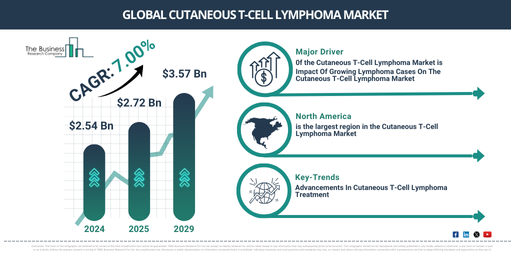
    The market size for cutaneous T-cell lymphoma has seen a significant surge in the past few years. The sector is projected to rise from a worth of $2.54 billion in 2024 to approximately $2.72 billion in 2025, illustrating a compound annual growth rate (CAGR) of 7.4%. The growth observed in the historic period can be traced back to factors such as the rising prevalence of cutaneous T-cell lymphoma, an increased awareness about rare cancers, a burgeoning elderly population, the advent of targeted therapies, and the provision of supportive care.

    Forecasted robust expansion is anticipated in the cutaneous T-cell lymphoma market in the forthcoming years, with projections showing growth to $3.57 billion by 2029. This represents a compound annual growth rate (CAGR) of 7.0%. The predicted growth throughout the forecast period is largely credited to factors such as increased expenditure in the healthcare sector, the prioritization of orphan drug development, advancements in diagnostic methods, escalating initiatives for patient support, and a surge in approvals for combination therapy treatments. Key trends to observe during this period comprise the shift towards personalized medicine, the introduction of biosimilars, an augmentation in clinical trials, amplified collaborations among key players in the market, and increased reliance on telemedicine platforms.

    Download a free sample to assess the report’s scope and structure:

    https://www.thebusinessresearchcompany.com/sample.aspx?id=21164&type=smp

    What Are the Primary Drivers Supporting the Market Growth of the Cutaneous T-Cell Lymphoma Market?

    The surge in lymphoma cases is anticipated to accelerate the expansion of the cutaneous T-cell lymphoma market. Originating from lymphocytes found in the lymphatic system, lymphoma is a cancer variety. Factors contributing to the escalation in lymphoma diagnoses include aging populations, exposure to environmental elements, and inherited tendencies. Cutaneous T-cell lymphoma aids lymphoma patients by delivering specific diagnostic and treatment strategies, primarily when the lymphoma is skin-centric. This differentiates it from other lymphoma types, facilitating targeted treatments. To illustrate, a 2024 article by the American Cancer Society, a non-profit entity from the US committed to eradicating cancer, documented that roughly 553,000 non-Hodgkin lymphoma and 84,000 Hodgkin lymphoma cases were newly diagnosed in 2022, along with 250,000 and 22,000 respective deaths. Non-Hodgkin lymphoma is the tenth most common cancer diagnosis and the eleventh highest in cancer-related global mortality. Hence, the escalating lymphoma cases bolster the development of the cutaneous T-cell lymphoma market.

    Which Primary Segments of the Cutaneous T-Cell Lymphoma Market Are Driving Growth and Industry Transformations?

    The cutaneous T-cell lymphoma market covered in this report is segmented –

    1) By Type: Mycosis Fungoides, Sezary Syndrome

    2) By Treatment: Radiation Therapy, Chemotherapy, Immunotherapy, Targeted Therapy, Other Treatments

    3) By End-User: Hospitals, Diagnostic Centres, Clinics

    Subsegments:

    1) By Mycosis Fungoides: Patch-Stage Mycosis Fungoides, Plaque-Stage Mycosis Fungoides, Tumor-Stage Mycosis Fungoides, Erythrodermic Mycosis Fungoides

    2) By Sezary Syndrome: Classic Sezary Syndrome, Atypical Sezary Syndrome

    Request customized data on this market:

    https://www.thebusinessresearchcompany.com/customise?id=21164&type=smp

    Which Regions Are Key Players in the Growth of the What Are the Primary Drivers Supporting the Market Growth of the Cutaneous T-Cell Lymphoma Market? Market?

    North America was the largest region in the cutaneous T-cell lymphoma market in 2024. Asia-Pacific is expected to be the fastest-growing region in the forecast period. The regions covered in the cutaneous T-cell lymphoma market report are Asia-Pacific, Western Europe, Eastern Europe, North America, South America, Middle East, Africa.

    What Are the Most Significant Market Trends in the Cutaneous T-Cell Lymphoma Market?

    Leading companies in the cutaneous T-cell lymphoma market are directing their efforts towards the development of superior treatments like targeted mechanisms that simultaneously focus on both malignant T-cells and immunosuppressive regulatory T-cells (Tregs). This strategy gives products like LYMPHIR an advantage as they can destroy tumor cells directly and temporarily deplete Tregs, thereby augmenting the body’s immune response against tumors. For example, in August 2024, a pharmaceutical company based in the USA received FDA authorization for the use of LYMPHIR (denileukin diftitox-cxdl), which represents a considerable progression in treating relapsed or refractory cutaneous T-cell lymphoma (CTCL). LYMPHIR’s unique approach sets it apart from other treatments, providing a new therapy alternative for patients with relapsed or refractory cutaneous T-cell lymphoma (CTCL).

    View the full report here:

    https://www.thebusinessresearchcompany.com/report/cutaneous-t-cell-lymphoma-global-market-report

    What Parameters Are Used to Define the Cutaneous T-Cell Lymphoma Market?

    Cutaneous T-cell lymphoma refers to a rare type of cancer that affects the T-cells of the skin, leading to symptoms such as rashes, tumors, and skin lesions. The most common subtypes include mycosis fungoides and Sézary syndrome. Symptoms often include itching, skin thickening, and swollen lymph nodes. While typically slow-growing, advanced cases may spread to other organs.

    Purchase the full report and get a swift delivery:

    https://www.thebusinessresearchcompany.com/purchaseoptions.aspx?id=21164

    About The Business Research Company:

    With over 15000+ reports from 27 industries covering 60+ geographies, The Business Research Company has built a reputation for offering comprehensive, data-rich research and insights. Armed with 1,500,000 datasets, the optimistic contribution of in-depth secondary research, and unique insights from industry leaders, you can get the information you need to stay ahead in the game.

    Get in touch with us:

    The Business Research Company: https://www.thebusinessresearchcompany.com/

    Americas +1 3156230293

    Asia +44 2071930708

    Europe +44 2071930708

    Email us at info@tbrc.info

    Follow us on:

    LinkedIn: https://in.linkedin.com/company/the-business-research-company

    YouTube: https://www.youtube.com/channel/UC24_fI0rV8cR5DxlCpgmyFQ

    Global Market Model: https://www.thebusinessresearchcompany.com/global-market-model
  • $1.76 Billion Forecast for Myelofibrosis (MF) Market by 2029, Backed by Demand and Innovation

    $1.76 Billion Forecast for Myelofibrosis (MF) Market by 2029, Backed by Demand and Innovation

    Our market reports now include the latest updates on global tariffs, trade impacts, and evolving supply chain dynamics.

    #What is the Projected CAGR for the Myelofibrosis (MF) Market Size from 2025 to 2034?#_x000D_

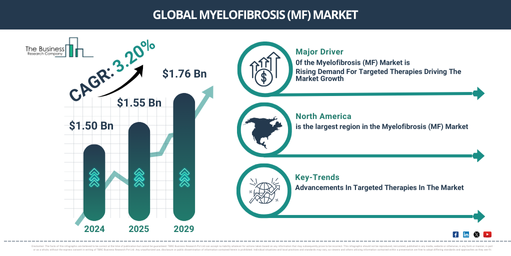
    Over the years, the market size for myelofibrosis (MF) has progressively expanded. The projected growth is from $1.50 billion in 2024 to $1.55 billion in 2025, with a compound annual growth rate (CAGR) of 3.5%. Elements contributing to this growth during the historical period include a higher incidence of myeloproliferative neoplasms, improved awareness and early detection, increased use of JAK inhibitors, broader access to bone marrow transplants, and a rise in regulatory approvals for novel treatments._x000D_

    _x000D_

    In the near future, the myelofibrosis (MF) market is projected to experience consistent growth, reaching $1.76 billion by 2029, with a compound annual growth rate (CAGR) of 3.2%. This growth during the forecast period can be linked to an increased need for personalized treatments, more clinical trials focusing on gene and cell therapies, wider use of combination therapies, comprehensive healthcare coverage for rare diseases, and greater investment in hematology care. Key trends for this period include progress in gene-editing technologies, innovative fibrosis-targeting medications, advancements in next-generation JAK inhibitors, heightened interest in myelofibrosis immunotherapy, and wider application of artificial intelligence in drug development._x000D_

    _x000D_

    #Download a free sample to assess the report’s scope and structure:#_x000D_

    https://www.thebusinessresearchcompany.com/sample.aspx?id=21226&type=smp_x000D_

    _x000D_

    #What Are the Core Growth Drivers Propelling the Myelofibrosis (MF) Market Forward?#_x000D_

    The escalating need for tailored treatment solutions is anticipated to fuel the evolution of the myelofibrosis (MF) market. Tailored therapies are a medical strategy that personalizes healthcare interventions and decisions according to each person’s genetic, environmental, and lifestyle factors. The surging demand for these therapies is powered by advancements in genomics, biotech, and data analytics that support more accurate, efficient, and personalized treatments. Myelofibrosis (MF) offers a crucial foundation for the formulation of tailored therapies by pinpointing essential molecular pathways, such as JAK-STAT signaling. This allows for the creation of precision treatments, like JAK inhibitors (Ruxolitinib, Fedratinib, and Pacritinib), to control symptoms and decelerate disease progression. For example, in April 2024, the American Society of Gene & Cell Therapy, a government organization based in the US, stated that the total count of therapies at all phases of clinical pipeline development has seen growth, with Phase I therapies witnessing the most substantial increase—by 11%—the highest growth rate since Q4 2022. Therefore, the escalating demand for tailored therapies is propelling the growth of the myelofibrosis (MF) market._x000D_

    _x000D_

    #What Segment Types Define the Myelofibrosis (MF) Market Structure?#_x000D_

    The myelofibrosis (MF) market covered in this report is segmented –_x000D_

    _x000D_

    1) By Drug Type: Jak Inhibitor, Immunomodulators, Hydroxyurea, Other Drug Types_x000D_

    2) By Treatment Type: Chemotherapy, Targeted Therapy, Other Treatment Types_x000D_

    3) By Route Of Administration: Oral, Parenteral, Other Routes Of Administration_x000D_

    4) By Distribution Channel: Hospital Pharmacy, Online Pharmacy, Retail Pharmacy_x000D_

    5) By End User: Hospitals, Homecare, Specialty Clinics, Other End Users_x000D_

    _x000D_

    Subsegments:_x000D_

    1) By Jak Inhibitor: Ruxolitinib, Fedratinib, Momelotinib, Itacitinib_x000D_

    2) By Immunomodulators: Thalidomide, Lenalidomide, Pomalidomide_x000D_

    3) By Hydroxyurea: Oral Hydroxyurea, Injectable Hydroxyurea_x000D_

    4) By Other Drug Types: Erythropoiesis-Stimulating Agents (ESAs), Danazol, Monoclonal Antibodies, Chemotherapy Agents_x000D_

    _x000D_

    #Request customized data on this market:#_x000D_

    https://www.thebusinessresearchcompany.com/customise?id=21226&type=smp_x000D_

    _x000D_

    #Which Geographic Areas Hold the Strongest Growth Potential in the Myelofibrosis (MF) Market?#_x000D_

    North America was the largest region in the myelofibrosis (MF) market in 2024. Asia-Pacific is expected to be the fastest-growing region in the forecast period. The regions covered in the myelofibrosis (MF) market report are Asia-Pacific, Western Europe, Eastern Europe, North America, South America, Middle East, Africa._x000D_

    _x000D_

    #Which Emerging Trends that Are Influencing theMyelofibrosis (MF) Industry Evolution?#_x000D_

    Significant players in the myelofibrosis (MF) market are prioritizing the advancement of targeted therapies such as JAK1/JAK2 and ACVR1 inhibitors. Their aim is to increase treatment effectiveness, tackle disease progression, and enhance patient prognosis in MF. JAK1/JAK2 inhibitors operate by targeting the Janus kinase pathway to diminish inflammation and irregular blood cell manufacture in MF, whereas ACVR1 inhibitors obstruct activin receptor-like kinase 2 (ALK2) to control bone marrow fibrosis and the progression of the disease. For example, the UK-based firm GSK plc obtained approval for Ojjaara (momelotinib), an MF treatment, from the US Food and Drug Administration in September 2023. Targeting both JAK1/JAK2 and ACVR1, it’s duel action mechanism helps manage inflammatory pathways while also elevating hemoglobin levels, diminishing the requirement for transfusions. This approval not only broadens the treatment opportunities but also establishes a novel benchmark in the management of MF, especially for patients suffering from anemia – a significant unaddressed need in the disease field._x000D_

    _x000D_

    #View the full report here:#_x000D_

    https://www.thebusinessresearchcompany.com/report/myelofibrosis-mf-global-market-report_x000D_

    _x000D_

    #What Is the Definition of the Myelofibrosis (MF) Market?#_x000D_

    Myelofibrosis (MF) refers to a rare bone marrow disorder characterized by excessive scar tissue formation, which disrupts normal blood cell production. This condition can lead to anemia, an enlarged spleen, and symptoms such as fatigue, night sweats, and bone pain._x000D_

    _x000D_

    #Purchase the full report and get a swift delivery:#_x000D_

    https://www.thebusinessresearchcompany.com/purchaseoptions.aspx?id=21226_x000D_

    _x000D_

    #About The Business Research Company:#_x000D_

    With over 15000+ reports from 27 industries covering 60+ geographies, The Business Research Company has built a reputation for offering comprehensive, data-rich research and insights. Armed with 1,500,000 datasets, the optimistic contribution of in-depth secondary research, and unique insights from industry leaders, you can get the information you need to stay ahead in the game._x000D_

    _x000D_

    #Get in touch with us:#_x000D_

    The Business Research Company: https://www.thebusinessresearchcompany.com/_x000D_

    Americas +1 3156230293_x000D_

    Asia +44 2071930708_x000D_

    Europe +44 2071930708_x000D_

    Email us at info@tbrc.info_x000D_

    _x000D_

    #Follow us on:#_x000D_

    _x000D_

    LinkedIn: https://in.linkedin.com/company/the-business-research-company_x000D_

    YouTube: https://www.youtube.com/channel/UC24_fI0rV8cR5DxlCpgmyFQ_x000D_

    Global Market Model: https://www.thebusinessresearchcompany.com/global-market-model
  • Cutaneous Squamous Cell Carcinoma (CSCC) Market 2025-2034: Key Highlights, Growth Dynamics, and Emerging Trends

    Cutaneous Squamous Cell Carcinoma (CSCC) Market 2025-2034: Key Highlights, Growth Dynamics, and Emerging Trends

    Our market reports now include the latest updates on global tariffs, trade impacts, and evolving supply chain dynamics.

    How Fast Is The Cutaneous Squamous Cell Carcinoma (CSCC) Market Expected to Grow Between 2025 And 2029?

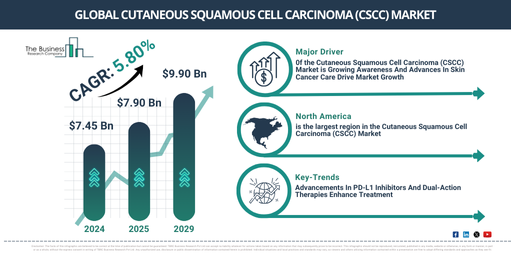
    In previous years, the market size of cutaneous squamous cell carcinoma (cSCC) has seen marked growth and is projected to further increase from $7.45 billion in 2024 to $7.90 billion in 2025, at a compound annual growth rate (CAGR) of 6.1%. This past growth surge in the market can be traced back to several factors, including an expanding elderly population, a rise in non-melanoma skin cancer cases, greater exposure to ultraviolet radiation, enhancements in healthcare infrastructure, and a rising trend in the use of immunotherapy for cancer treatment.

    The market size for cutaneous squamous cell carcinoma (cSCC) is set for a robust expansion in the ensuing years. This growth is anticipated to reach $9.90 billion by 2029 with a compound annual growth rate (CAGR) of 5.8%. This surge during the forecast period is accredited to the growing availability of targeted treatments, an escalated awareness of preventing skin cancer, a broadening scope of medical tourism focusing on cancer therapy, the increasing shift towards minimally invasive surgical procedures, and supportive government schemes focused on cancer care. The forthcoming time period is expected to see trends such as progress in dermatology diagnostics, the emergence of advanced radiotherapy methods, integration of technology in Dermatology, breakthroughs in the immunotherapeutic treatment sector, and forward strides in photodynamic therapy.

    Download a free sample to assess the report’s scope and structure:

    https://www.thebusinessresearchcompany.com/sample.aspx?id=21163&type=smp

    How Are Key Drivers in the Industry Acting as Catalysts for the Growth of the Cutaneous Squamous Cell Carcinoma (CSCC) Market?

    The escalating consciousness around skin cancer is anticipated to drive the expansion of the cutaneous squamous cell carcinoma (cSCC) market in the future. This type of cancer involves an uncommon proliferation of skin cells, often instigated by extreme exposure to UV rays, and its severity can fluctuate from harmless to critically life-threatening. The marked rise in awareness about skin cancer can be attributed to amplified public health movements, bettered access to information, and a surging emphasis on preemptive detection and prevention, thus escalating the demand for diagnostic and treatment procedures. Cutaneous squamous cell carcinoma (cSCC) contributes significantly to the progression of skin cancer care through its role in enabling focused treatments, ameliorating diagnosis, and augmenting patient results, thereby bolstering superior disease management. For example, in January 2024, the American Cancer Society, a non-profit organization in the US striving to eradicate cancer, reported that there were 104,930 cases of skin cancer in 2023, a 3.2% rise from the 108,270 cases recorded in 2022. Therefore, the increasing consciousness about skin cancer will stimulate growth in the cutaneous squamous cell carcinoma (cSCC) market.

    Which Segments in the Cutaneous Squamous Cell Carcinoma (CSCC) Offer the Most Growth?

    The cutaneous squamous cell carcinoma (CSCC) market covered in this report is segmented –

    1) By Treatment: Surgical Treatment, Non-Surgical Treatment

    2) By Diagnosis: Computed Tomography (CT), Magnetic Resonance Imaging (MRI), Biopsy

    3) By Application: Hospitals, Cancer Institutes, Ambulatory Surgical Centers, Other Applications

    Subsegments:

    1) By Surgical Treatment: Excisional Surgery, Mohs Micrographic Surgery, Curettage And Electrodessication

    2) By Non-Surgical Treatment: Radiation Therapy, Cryotherapy, Photodynamic Therapy, Topical Therapies, Systemic Therapies

    Request customized data on this market:

    https://www.thebusinessresearchcompany.com/customise?id=21163&type=smp

    What Are the Fastest-Growing Geographies in the How Are Key Drivers in the Industry Acting as Catalysts for the Growth of the Cutaneous Squamous Cell Carcinoma (CSCC) Market? Market?

    North America was the largest region in the cutaneous squamous cell carcinoma (CSCC) market in 2024. Asia-Pacific is expected to be the fastest-growing region in the forecast period. The regions covered in the cutaneous squamous cell carcinoma (CSCC) market report are Asia-Pacific, Western Europe, Eastern Europe, North America, South America, Middle East, Africa.

    What Are the Current Market Growth and Trends in the Cutaneous Squamous Cell Carcinoma (CSCC) Industry?

    Firms at the forefront of the cutaneous squamous cell carcinoma (cSCC) market are prioritizing innovations in immuno-oncology treatments like PD-L1 inhibitors and targeted therapies with the goal of enhancing patient outcomes and providing efficient ways of managing serious skin cancer. The protein PD-L1, standing for programmed death-ligand 1, plays a role in hampering the immune response by attaching to PD-1 receptors on T-cells, thus enabling cancer cells to avoid immune spotting. In the last month of 2024, for example, American biotech firm Checkpoint Therapeutics Inc. gained FDA clearance for their product Unloxcyt (cosibelimab-ipdl). The novelty of this product is its capacity to obstruct PD-L1, therefore boosting the immune system’s cancer-fighting potential and presenting a safer, yet more effective treatment possibility. Furthermore, its dual action mechanisms present an optimistic method for managing advanced cutaneous squamous cell carcinoma (cSCC). The clearance was given on the basis of the outcomes from the CK-301-101 trial, which exhibited significant objective response rates and sustained responses in patients dealing with advanced cSCC.

    View the full report here:

    https://www.thebusinessresearchcompany.com/report/cutaneous-squamous-cell-carcinoma-cscc-global-market-report

    What Are the Key Elements That Define the Cutaneous Squamous Cell Carcinoma (CSCC) Market?

    Cutaneous squamous cell carcinoma (cSCC) is a type of skin cancer that develops in the squamous cells of the skin’s outer layer. It typically occurs in sun-exposed areas and can range from localized lesions to more aggressive forms that may spread to other parts of the body.

    Purchase the full report and get a swift delivery:

    https://www.thebusinessresearchcompany.com/purchaseoptions.aspx?id=21163

    About The Business Research Company:

    With over 15000+ reports from 27 industries covering 60+ geographies, The Business Research Company has built a reputation for offering comprehensive, data-rich research and insights. Armed with 1,500,000 datasets, the optimistic contribution of in-depth secondary research, and unique insights from industry leaders, you can get the information you need to stay ahead in the game.

    Get in touch with us:

    The Business Research Company: https://www.thebusinessresearchcompany.com/

    Americas +1 3156230293

    Asia +44 2071930708

    Europe +44 2071930708

    Email us at info@tbrc.info

    Follow us on:

    LinkedIn: https://in.linkedin.com/company/the-business-research-company

    YouTube: https://www.youtube.com/channel/UC24_fI0rV8cR5DxlCpgmyFQ

    Global Market Model: https://www.thebusinessresearchcompany.com/global-market-model