Blog

  • Next Generation Immunotherapies Market Outlook 2025: Mapping Growth, Innovation, and Regional Shifts

    Next Generation Immunotherapies Market Outlook 2025: Mapping Growth, Innovation, and Regional Shifts

    Our market reports now include the latest updates on global tariffs, trade impacts, and evolving supply chain dynamics.

    #What Are the Projected Market Size and Growth Rates for the Next Generation Immunotherapies Market From 2025 To 2029?#_x000D_

    The market size of next-generation immunotherapies has seen a swift expansion in the past few years. It is projected to rise from $133.81 billion in 2024 to $150.54 billion in 2025, demonstrating a compound annual growth rate (CAGR) of 12.5%. The notable growth during the historic period could be credited to the increased prevalence of oncology diseases, an escalation in research and development funding, more government initiatives, a surge in government health expenditure, and widened indications._x000D_

    _x000D_

    The market size of next generation immunotherapies is projected to witness substantial expansion in the upcoming years, reaching $238.04 billion in 2029, with a compound annual growth rate (CAGR) of 12.1%. Factors contributing to this growth during the forecasted period include the escalating incidence of cancer, increased spending on healthcare, wider acceptance of chimeric antigen receptor (CAR) T-cell therapy, growing chronic disease burden and continued investment in next-generation drug research. Key trends for this period are a shift towards combination therapies, technological innovation, new avenues in therapeutic strategies, progressions in personalized medicine, and advancements supported by regulatory bodies._x000D_

    _x000D_

    #Download a free sample to assess the report’s scope and structure:#_x000D_

    https://www.thebusinessresearchcompany.com/sample.aspx?id=21231&type=smp_x000D_

    _x000D_

    #What External and Internal Drivers Are Contributing to the Growth of the Next Generation Immunotherapies Market?#_x000D_

    The surge in cancer cases is anticipated to stimulate the expansion of the next-generation immunotherapies market. Cancer, a collection of diseases marked by unchecked growth and dissemination of abnormal body cells, is becoming more commonplace due to aging populations, lifestyle modifications, environmental exposures, and better detection techniques. Next-generation immunotherapies represent a step forward in personalized treatments, enhancing the body’s ability to fight cancer with greater effectiveness and longevity. According to data from the National Cancer Institute, a United States government agency, there were nearly 20 million new cancer diagnoses and 9.7 million cancer-related fatalities worldwide in 2022. By 2040, these figures are expected to rise to 29.9 million new cases and 15.3 million deaths. Thus, the escalating cancer rate is a key driver for the growth of the next-generation immunotherapies market._x000D_

    _x000D_

    #What Segment Types Define the Next Generation Immunotherapies Market Structure?#_x000D_

    The next generation immunotherapies market covered in this report is segmented –_x000D_

    _x000D_

    1) By Drug Class: Monoclonal Antibodies, Antibody-Drug Conjugates – ADC’s, Angiotensin-Converting Enzyme (ACE) Inhibitors, Immune Checkpoint Inhibitors_x000D_

    2) By Route Of Administration: Intravenous, Parenteral, Intratumoral, Subcutaneous, Oral_x000D_

    3) By Distribution Channel: Hospital Pharmacies, Clinical Pharmacies, Other Distribution channels_x000D_

    _x000D_

    Subsegments:_x000D_

    1) By Monoclonal Antibodies: Anti-PD-1 Antibodies, Anti-PD-L1 Antibodies, Anti-CTLA-4 Antibodies, Anti-CD20 Antibodies, Other Monoclonal Antibodies_x000D_

    2) By Antibody-Drug Conjugates (ADC’s): HER2-targeted ADCs, CD30-targeted ADCs, CD19-targeted ADCs, Other ADCs_x000D_

    3) By Angiotensin-Converting Enzyme (ACE) Inhibitors: ACE Inhibitors For Cancer Therapy, ACE Inhibitors For Other Indications_x000D_

    4) By Immune Checkpoint Inhibitors: PD-1 Or PD-L1 Inhibitors, CTLA-4 Inhibitors, Other Immune Checkpoint Inhibitors_x000D_

    _x000D_

    #Request customized data on this market:#_x000D_

    https://www.thebusinessresearchcompany.com/customise?id=21231&type=smp_x000D_

    _x000D_

    #Which Geographic Areas Hold the Strongest Growth Potential in the Next Generation Immunotherapies Market?#_x000D_

    North America was the largest region in the next-generation immunotherapies market in 2024. Asia-Pacific is expected to be the fastest-growing region in the forecast period. The regions covered in the next generation immunotherapies market report are Asia-Pacific, Western Europe, Eastern Europe, North America, South America, Middle East, Africa._x000D_

    _x000D_

    #What Long-Term Trends Are Transforming the Competitive Landscape of the Next Generation Immunotherapies Market?#_x000D_

    Prominent businesses in the next-generation immunotherapies market are zeroing in on the creation of groundbreaking therapies like CAR T-cell therapy, aimed at treating cancers, autoimmune diseases, and infectious diseases. The specific therapy involves the genetic modification of a patient’s T cells (a type of immune cell) to carry chimeric antigen receptors (CARs). To illustrate, Immuneel Therapeutics Private Limited, a cell and gene therapy innovator based in India, initiated Qartemi, the first CAR T-cell therapy in India, in January 2025. This therapy serves adult B-cell non-Hodgkin lymphoma by genetically altering a patient’s immune cells to target and kill cancer cells, providing a highly efficient and individualized treatment method. It offers renewed optimism to patients for whom standard treatments have fallen short, with the added benefit of being more cost-effective than comparable global alternatives._x000D_

    _x000D_

    #View the full report here:#_x000D_

    https://www.thebusinessresearchcompany.com/report/next-generation-immunotherapies-global-market-report_x000D_

    _x000D_

    #What Is the Definition of the Next Generation Immunotherapies Market?#_x000D_

    Next-generation immunotherapies refer to advanced treatments designed to enhance the body’s immune system to fight diseases, particularly cancer, with improved precision, efficacy, and safety. These therapies go beyond traditional immune-based treatments by leveraging cutting-edge technologies and aim to overcome earlier immunotherapies’ limitations, reduce side effects, and offer long-lasting immune responses._x000D_

    _x000D_

    #Purchase the full report and get a swift delivery:#_x000D_

    https://www.thebusinessresearchcompany.com/purchaseoptions.aspx?id=21231_x000D_

    _x000D_

    #About The Business Research Company:#_x000D_

    With over 15000+ reports from 27 industries covering 60+ geographies, The Business Research Company has built a reputation for offering comprehensive, data-rich research and insights. Armed with 1,500,000 datasets, the optimistic contribution of in-depth secondary research, and unique insights from industry leaders, you can get the information you need to stay ahead in the game._x000D_

    _x000D_

    #Get in touch with us:#_x000D_

    The Business Research Company: https://www.thebusinessresearchcompany.com/_x000D_

    Americas +1 3156230293_x000D_

    Asia +44 2071930708_x000D_

    Europe +44 2071930708_x000D_

    Email us at info@tbrc.info_x000D_

    _x000D_

    #Follow us on:#_x000D_

    _x000D_

    LinkedIn: https://in.linkedin.com/company/the-business-research-company_x000D_

    YouTube: https://www.youtube.com/channel/UC24_fI0rV8cR5DxlCpgmyFQ_x000D_

    Global Market Model: https://www.thebusinessresearchcompany.com/global-market-model

  • Major Drivers Propelling the Growth oh theAnaplastic Large Cell Lymphoma Therapeutics Market Forward: Growing Adoption Of Targeted Therapies Driving The Market Expansion

    Our market reports now include the latest updates on global tariffs, trade impacts, and evolving supply chain dynamics.

    How Fast Is The Anaplastic Large Cell Lymphoma Therapeutics Market Expected to Grow Between 2025 And 2029?

    In recent times, the market for anaplastic large cell lymphoma therapeutics has registered robust growth. The market is slated to expand from a size of $10.98 billion in 2024 to $11.72 billion in 2025, reflecting a compound annual growth rate (CAGR) of 6.7%. This growth during the historic period can be linked to factors such as heightened cancer awareness, increase in anaplastic large cell lymphoma cases, advancements in medical research, improved understanding of the importance of early diagnosis for anaplastic large cell lymphoma, and more efficient use of existing medications.

    Anticipated to witness robust expansion in the forthcoming years, the anaplastic large cell lymphoma therapeutics market is predicted to reach $14.99 billion by 2029, showcasing a compound annual growth rate (CAGR) of 6.3%. The surge in this forecast period is credited to an emphasis on immuno-oncology, sanctioning support for novel therapies, governmental initiatives and financial backing, escalating research and development investment, and burgeoning patient advocacy. The forecast period will also see major trends like progress in targeted therapies, innovations in novel drug conjugates, emphasis on personalized medicine, a rising trend of combination therapies, and technological progress in diagnostics.

    Download a free sample to assess the report’s scope and structure:

    https://www.thebusinessresearchcompany.com/sample.aspx?id=21097&type=smp

    Which Major Market Drivers Are Expected to Boost the Growth Potential of the Anaplastic Large Cell Lymphoma Therapeutics Market?

    The enhancement in the anaplastic large cell lymphoma therapeutics market is projected to be driven by the increased utilization of targeted therapies. These sophisticated treatments are expressly engineered to impede molecules or pathways that cause cancer progression while mitigating harm to healthy cells. The popularity of targeted therapies is ascending due to factors like advancements in precision medicine, widened clinical research and innovation, and the increasing prevalence of cancer. Anaplastic large cell lymphoma (ALCL) therapeutics are aided by these targeted therapies as they selectively invade cancer cells exhibiting specific molecular changes, such as ALK gene rearrangements or CD30 expression. This helps to augment the efficacy of treatments, lessen damage inflicted on healthy cells, curtail systemic toxicity, and elevate patient outcomes through precision medicine approaches. For example, a report by the American Society of Gene & Cell Therapy (ASGCT), a professional membership organization in the US, and Citeline, a US supplier of drugs and devices, revealed that in July 2023, there were 247 gene therapies in Phase II at the close of Q1 2023. This figure, however, experienced a 5% increase to 260 by the close of Q2. Therefore, it can be deduced that the continued uptake of targeted therapies is propelling the growth of the anaplastic large cell lymphoma therapeutics market.

    Which Key Market Segments Comprise the Anaplastic Large Cell Lymphoma Therapeutics Market and Drive Its Revenue Growth?

    The anaplastic large cell lymphoma therapeutics market covered in this report is segmented –

    1) By Disease Type: Primary Anaplastic Large Cell Lymphoma, Relapsed Anaplastic Large Cell Lymphoma

    2) By Treatment Type: Chemotherapy, Cyclophosphamide, Doxorubicin, Vincristine, And Prednisone (CHOP), Brentuximab Vedotin, Pralatrexate, Surgery, Radiation Therapy, Stem Cell Transplant

    3) By Application: In-Patient, Out-Patient

    Subsegments:

    1) By Primary Anaplastic Large Cell Lymphoma: Cutaneous Type, Systemic Type, Primary Pulmonary Type

    2) By Relapsed Anaplastic Large Cell Lymphoma: Early Relapse, Late Relapse

    Request customized data on this market:

    https://www.thebusinessresearchcompany.com/customise?id=21097&type=smp

    Which Areas Are Leading Regions in the Anaplastic Large Cell Lymphoma Therapeutics Market Expansion Across the Globe?

    North America was the largest region in the anaplastic large cell lymphoma therapeutics market in 2024. Asia-Pacific is expected to be the fastest-growing region in the forecast period. The regions covered in the anaplastic large cell lymphoma therapeutics market report are Asia-Pacific, Western Europe, Eastern Europe, North America, South America, Middle East, Africa.

    What Are the Key Market Trends in theAnaplastic Large Cell Lymphoma Therapeutics Market Over the Coming Years?

    Key players in the anaplastic large cell lymphoma therapeutics market are directing their efforts and resources towards clinical trials to improve treatment effectiveness and broaden therapeutic choices. This involves financial and resource commitments to the creation, examination, and evaluation of new medications, therapies, or medical devices, ensuring they are safe, effective, and approved for market use. For example, March Biosciences, a US-based clinical-stage company specializing in cell therapy, reported a $4.8 million injection from the Cancer Focus Fund in November 2023. This funding is aimed at supporting a phase 2 clinical trial of MB-105, an innovative CAR-T therapy targeting CD5 for the treatment of relapsed T-cell leukemias and lymphomas. An open-label, multi-center trial will be carried out to evaluate MB-105’s impact on CD5-positive relapsed or refractory T-cell lymphoma patients. The firm holds the optimistic view that MB-105 could potentially emerge as a pioneering, life-saving treatment for relapsed T-cell lymphoma patients with limited treatment alternatives.

    View the full report here:

    https://www.thebusinessresearchcompany.com/report/anaplastic-large-cell-lymphoma-therapeutics-global-market-report

    How Is the Anaplastic Large Cell Lymphoma Therapeutics Market Conceptually Defined?

    Anaplastic large cell lymphoma (ALCL) therapeutics encompass various treatment approaches aimed at managing this rare and aggressive T-cell non-Hodgkin lymphoma (NHL). The primary goal is to eradicate malignant T-cells, achieve remission, and reduce the risk of relapse while minimizing adverse effects.

    Purchase the full report and get a swift delivery:

    https://www.thebusinessresearchcompany.com/purchaseoptions.aspx?id=21097

    About The Business Research Company:

    With over 15000+ reports from 27 industries covering 60+ geographies, The Business Research Company has built a reputation for offering comprehensive, data-rich research and insights. Armed with 1,500,000 datasets, the optimistic contribution of in-depth secondary research, and unique insights from industry leaders, you can get the information you need to stay ahead in the game.

    Get in touch with us:

    The Business Research Company: https://www.thebusinessresearchcompany.com/

    Americas +1 3156230293

    Asia +44 2071930708

    Europe +44 2071930708

    Email us at info@tbrc.info

    Follow us on:

    LinkedIn: https://in.linkedin.com/company/the-business-research-company

    YouTube: https://www.youtube.com/channel/UC24_fI0rV8cR5DxlCpgmyFQ

    Global Market Model: https://www.thebusinessresearchcompany.com/global-market-model

  • Critical Market Drivers Shaping the Outlook for Anaphylaxis Market from 2025-2034: Impact of Rising Food Allergies on the Growth Of The Market

    Our market reports now include the latest updates on global tariffs, trade impacts, and evolving supply chain dynamics.

    What Are the Key Projections for the CAGR of the Anaphylaxis Market Size From 2025 to 2034?

    The market size of anaphylaxis has recorded a significant increase in the past few years. Its value is projected to rise from $3.24 billion in 2024 to $3.51 billion in 2025, with a compound annual growth rate (CAGR) of 8.4%. The past growth has been influenced by factors such as the increasing incidence of food allergies, heightened awareness of anaphylaxis, enhancement in healthcare infrastructure, improved diagnostic procedures and management, and the growing presence of epinephrine auto-injectors.

    In the succeeding years, a robust expansion is forecasted for the anaphylaxis market, with projections reaching $4.81 billion in 2029, boasting a compound annual growth rate (CAGR) of 8.2%. The surge anticipated during the forecast period is influenced by factors such as enhanced urbanization and lifestyle adjustments, escalating incidences of anaphylaxis, swelling disposable earnings in burgeoning markets, government support for allergy research, and advancements in emergency treatment delivery systems. Key trends in the projected period include surging requests for auto-injector injections, the integration of digital health solutions into anaphylaxis care, a heightened emphasis on product affordability, growth in preventative remedies and vaccinations, and the escalated application of biologics for treating allergies.

    Download a free sample to assess the report’s scope and structure:

    https://www.thebusinessresearchcompany.com/sample.aspx?id=21096&type=smp

    What Are the Core Growth Drivers Propelling the Anaphylaxis Market Forward?

    The growth of the anaphylaxis market is anticipated to be fueled by the increasing incidence of food allergies. Food allergies are reactions of the immune system provoked by specific foods, leading to a range of symptoms that can vary from mild to severe, including life-threatening anaphylaxis. The upsurge in food allergy incidents can be attributed to factors such as changes in eating habits, environmental influences, and heightened awareness and diagnostic precision. The intervention provided by anaphylaxis treatment is crucial for food allergy sufferers as it immediately reverses severe allergic reactions, mitigating symptoms like swelling, respiratory difficulty, and decreased blood pressure, thereby ensuring immediate stabilization. Furthermore, it aids in averting potentially fatal outcomes by equipping patients with the necessary tools to promptly react to future allergic episodes. The World Health Organization (WHO), a Switzerland-based United Nations (UN) organization, noted in September 2024 that approximately 220 million individuals worldwide are affected by food allergies. A single food item can contain various allergens, and a person can be allergic to multiple foods. Moreover, the Patterns and Prevalence of Adult Food Allergy (PAFA) report released by the Food Standards Agency (FSA), a non-ministerial department based in the UK, showed in May 2024 that over 30% of adults experienced adverse reactions to food. Clinical evaluations affirmed food allergies in roughly 6% of UK adults, approximating to about 2.4 million individuals. As a result, the anaphylaxis market is experiencing growth due to the escalating incidence of food allergies.

    What Segment Types Define the Anaphylaxis Market Structure?

    The anaphylaxis market covered in this report is segmented –

    1) By Drug Class: Epinephrine, Steroids, Antihistamines, Beta-antagonists, Other Drug Class

    2) By Route Of Administration: Parenteral, Oral, Other Routes Of Administration

    3) By Application: Food Allergy, Pollen Allergy, Dust Mites Allergy, Other Applications

    Subsegments:

    1) By Epinephrine: Auto-injectors, Prefilled Syringes, Vials

    2) By Steroids: Corticosteroids, Glucocorticoids, Mineralocorticoids

    3) By Antihistamines: H1-receptor Antagonists, H2-receptor Antagonists

    4) By Beta-antagonists: Selective Beta-blockers, Non-selective Beta-blockers

    5) By Other Drug Class: Leukotriene Receptor Antagonists, Mast Cell Stabilizers

    Request customized data on this market:

    https://www.thebusinessresearchcompany.com/customise?id=21096&type=smp

    Which Geographic Areas Hold the Strongest Growth Potential in the Anaphylaxis Market?

    North America was the largest region in the anaphylaxis market in 2024. The regions covered in the anaphylaxis market report are Asia-Pacific, Western Europe, Eastern Europe, North America, South America, Middle East, Africa.

    Which Emerging Trends that Are Influencing theAnaphylaxis Industry Evolution?

    Key players in the anaphylaxis market are shifting their focus towards the creation of advanced epinephrine nasal sprays, aiming to provide faster and more effective medication delivery in emergency situations. This nasal spray is a medical device designed to administer epinephrine, also known as adrenaline, through the nostrils to treat severe allergic reactions, including anaphylaxis. For example, in August 2024, ARS Pharmaceuticals, a biotechnology firm based in the US, received approval from the Food and Drug Administration, a government agency in the US, for their product Neffy (an epinephrine nasal spray). This marked the product as the first and only non-needle treatment for type I allergic reactions, including anaphylaxis. This groundbreaking nasal spray promises a less threatening alternative to traditional epinephrine autoinjectors, potentially making emergency treatment more accessible. Neffy is designed to increase patient consent by removing the need for needles and providing quick, potentially life-saving epinephrine during severe allergic attacks.

    View the full report here:

    https://www.thebusinessresearchcompany.com/report/anaphylaxis-global-market-report

    What Is the Definition of the Anaphylaxis Market?

    Anaphylaxis is a severe, life-threatening allergic reaction that occurs rapidly, often resulting in difficulty breathing, swelling, and a drop in blood pressure, requiring immediate medical intervention. Management of anaphylaxis involves prompt administration of epinephrine, followed by monitoring in a healthcare setting to stabilize the patient and prevent further complications.

    Purchase the full report and get a swift delivery:

    https://www.thebusinessresearchcompany.com/purchaseoptions.aspx?id=21096

    About The Business Research Company:

    With over 15000+ reports from 27 industries covering 60+ geographies, The Business Research Company has built a reputation for offering comprehensive, data-rich research and insights. Armed with 1,500,000 datasets, the optimistic contribution of in-depth secondary research, and unique insights from industry leaders, you can get the information you need to stay ahead in the game.

    Get in touch with us:

    The Business Research Company: https://www.thebusinessresearchcompany.com/

    Americas +1 3156230293

    Asia +44 2071930708

    Europe +44 2071930708

    Email us at info@tbrc.info

    Follow us on:

    LinkedIn: https://in.linkedin.com/company/the-business-research-company

    YouTube: https://www.youtube.com/channel/UC24_fI0rV8cR5DxlCpgmyFQ

    Global Market Model: https://www.thebusinessresearchcompany.com/global-market-model

  • Neurofibromatosis Type 1 Market in Focus: Forecasting Growth Drivers, Scaling Potential, and Global Opportunities

    Neurofibromatosis Type 1 Market in Focus: Forecasting Growth Drivers, Scaling Potential, and Global Opportunities

    Our market reports now include the latest updates on global tariffs, trade impacts, and evolving supply chain dynamics.

    #What Is the Estimated Market Size of the Neurofibromatosis Type 1 Market In 2029?#_x000D_

    The market size of neurofibromatosis type 1 (NF1) has experienced substantial growth in the recent past. The market value is projected to increase from $8.06 billion in 2024 to approximately $8.86 billion in 2025, marking a compound annual growth rate (CAGR) of 9.9%. The notable growth during the historical period can be credited to factors such as the elevated awareness, increase in healthcare spending, population increase, supportive government policies and the upgrade of medical infrastructure._x000D_

    _x000D_

    The market for neurofibromatosis type 1 (NF1) is anticipated to experience substantial growth in the following years, reaching $12.77 billion in 2029 with a compound annual growth rate (CAGR) of 9.6%. Several factors contribute to this predicted upswing during the forecast period, such as the growing number of blood cancer occurrences, increased cases of plexiform and nerve sheath tumors, a surge in neurofibromatosis incidents, and an uptick in the use of neurofibromatosis treatment options. Key elements within the forecast period encompass progress in research and development, the creation of innovative therapies, enhancement in diagnostic techniques, therapeutics specifically geared towards tumors, and the invention of new drugs._x000D_

    _x000D_

    #Download a free sample to assess the report’s scope and structure:#_x000D_

    https://www.thebusinessresearchcompany.com/sample.aspx?id=21230&type=smp_x000D_

    _x000D_

    #What Are the Core Market Drivers Propelling Growth in the Neurofibromatosis Type 1 Industry?#_x000D_

    The growth of the neurofibromatosis type 1 (NF1) market is predicted to surge due to the spontaneous (de novo) mutation. Spontaneous (de novo) mutation involves a novel genetic alteration in an individual, resulting from DNA replication errors or environmental impacts, and is not passed down from the parents. The rise in spontaneous (de novo) mutation can be ascribed to increased age of parents, exposure to environmental factors like radiation and chemicals, and DNA replication mistakes during cell division. The NF1 gene’s high mutation rate accounts for neurofibromatosis type 1 (NF1) contribution to spontaneous (de novo) mutations. This gene often experiences considerable deletions, insertions or point mutations in the gametogenesis process, causing new cases where there is no familial history. As an example, in August 2023, a report from the Molecular Biology and Evolution, a US-based peer-reviewed journal, highlighted a total of 1.17 million autosomal and pseudoautosomal variations, with an average of 11,007 variations per offspring surpassing the Mendelian violation filter. Out of this total, 534 presumed de novo mutations (DNMs) were discovered in POR and TVA families, excluding any shared among siblings. Hence, the spontaneous (de novo) mutation plays a crucial role in propelling the neurofibromatosis type 1 (NF1) market._x000D_

    _x000D_

    #How Is the Neurofibromatosis Type 1 Market Segmented?#_x000D_

    The neurofibromatosis type 1 market covered in this report is segmented –_x000D_

    _x000D_

    1) By Treatment: Medication, Surgery, Radiation Therapy, Other Treatments_x000D_

    2) By Disease Type: Plexiform Neurofibromas, Cutaneous Neurofibromas, Optic Gliomas, Other Diseases_x000D_

    3) By Distribution Channel: Hospital Pharmacies, Retail Pharmacies, Online Pharmacies_x000D_

    4) By End Users: Hospitals, Speciality Clinics, Ambulatory Surgical Centers, Other End Users_x000D_

    _x000D_

    Subsegments:_x000D_

    1) By Medication: Targeted Therapy, Pain Management Medications, Anticonvulsants_x000D_

    2) By Surgery: Tumor Removal Surgery, Nerve Decompression Surgery_x000D_

    3) By Radiation Therapy: Stereotactic Radiosurgery, External Beam Radiation Therapy_x000D_

    4) By Other Treatments: Physical Therapy, Genetic Counseling, Psychological Support And Counseling_x000D_

    _x000D_

    #Request customized data on this market:#_x000D_

    https://www.thebusinessresearchcompany.com/customise?id=21230&type=smp_x000D_

    _x000D_

    #Which Regions Are Driving the Next Phase of the Neurofibromatosis Type 1 Market Growth?#_x000D_

    North America was the largest region in the neurofibromatosis type 1 (NF1) market in 2024. Asia-Pacific is expected to be the fastest-growing region in the forecast period. The regions covered in the neurofibromatosis type 1 market report are Asia-Pacific, Western Europe, Eastern Europe, North America, South America, Middle East, Africa._x000D_

    _x000D_

    #What Key Market Trends and Innovations Are Shaping the Future of the Neurofibromatosis Type 1 Industry?#_x000D_

    Leading firms in the neurofibromatosis type 1 (NF1) sector are concentrating on the introduction of novel products like kinase inhibitors to enhance targeted therapies and outcomes for patients. Kinase inhibitors are a type of medicine that hinders kinases’ activity, the enzymes tasked with delivering phosphate groups to proteins, thus controlling various cell processes. For example, in May 2023, the China approved UK pharmaceutical giant AstraZeneca plc’s Koselugo (selumetinib), a drug designated for the treatment of symptomatic, inoperable plexiform neurofibromas (PN) in children aged three years and older diagnosed with neurofibromatosis type 1 (NF1). This approval enhances the range of targeted therapy opportunities for young NF1 patients, leading to better disease management and improved life quality. The launch of Koselugo (selumetinib) in China is in line with the growing emphasis on precision medicine, offering a non-surgical solution for handling inoperable plexiform neurofibromas._x000D_

    _x000D_

    #View the full report here:#_x000D_

    https://www.thebusinessresearchcompany.com/report/neurofibromatosis-type-1-global-market-report_x000D_

    _x000D_

    #How Is the Neurofibromatosis Type 1 Market Defined and What Are Its Core Parameters?#_x000D_

    Neurofibromatosis type 1 (NF1) is a genetic disorder that primarily affects the nervous system, causing the growth of benign tumors along nerves in the skin, brain, and other parts of the body. It is caused by mutations in the NF1 gene, leading to neurofibromin deficiency, a protein that helps regulate cell growth. This results in various symptoms, including café-au-lait spots (light brown skin patches), freckling in unusual areas, learning disabilities, skeletal abnormalities, and, in some cases, vision or nerve-related complications._x000D_

    _x000D_

    #Purchase the full report and get a swift delivery:#_x000D_

    https://www.thebusinessresearchcompany.com/purchaseoptions.aspx?id=21230_x000D_

    _x000D_

    #About The Business Research Company:#_x000D_

    With over 15000+ reports from 27 industries covering 60+ geographies, The Business Research Company has built a reputation for offering comprehensive, data-rich research and insights. Armed with 1,500,000 datasets, the optimistic contribution of in-depth secondary research, and unique insights from industry leaders, you can get the information you need to stay ahead in the game._x000D_

    _x000D_

    #Get in touch with us:#_x000D_

    The Business Research Company: https://www.thebusinessresearchcompany.com/_x000D_

    Americas +1 3156230293_x000D_

    Asia +44 2071930708_x000D_

    Europe +44 2071930708_x000D_

    Email us at info@tbrc.info_x000D_

    _x000D_

    #Follow us on:#_x000D_

    _x000D_

    LinkedIn: https://in.linkedin.com/company/the-business-research-company_x000D_

    YouTube: https://www.youtube.com/channel/UC24_fI0rV8cR5DxlCpgmyFQ_x000D_

    Global Market Model: https://www.thebusinessresearchcompany.com/global-market-model
  • Diabetic Ketoacidosis (DKA) Market Valuation Expected To Reach $4.37 Billion By 2029, Growing At A Rate Of 8.5%

    Diabetic Ketoacidosis (DKA) Market Valuation Expected To Reach $4.37 Billion By 2029, Growing At A Rate Of 8.5%

    Our market reports now include the latest updates on global tariffs, trade impacts, and evolving supply chain dynamics.

    What Are the Key Milestones in the Diabetic Ketoacidosis (DKA) Market’s Growth Trajectory From 2025 To 2034?

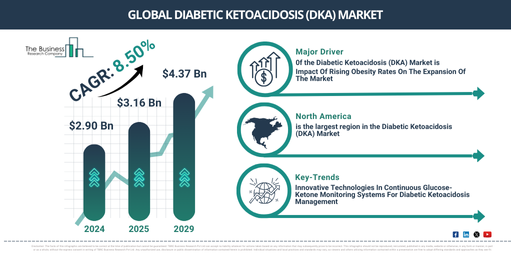
    The market size for diabetic ketoacidosis (DKA) has seen robust growth in recent years, expected to increase from $2.90 billion in 2024 to $3.16 billion in 2025, witnessing a compound annual growth rate (CAGR) of 8.8%. Several factors have contributed to the growth during the historic period, including a rise in diabetes prevalence, late diagnosis of type 1 diabetes, non-adherence to insulin therapy, a surge in obesity, and the absence of diabetes awareness programs.

    In the forthcoming years, a steady surge is expected in the market size of diabetic ketoacidosis (DKA), reaching $4.37 billion in 2029, with a compound annual growth rate (CAGR) of 8.5%. The progression within the projected period is a result of improvements in insulin delivery systems, a rise in the adoption of continuous glucose observation, expanding awareness of diabetes-related complications, the extension of telemedicine in diabetes management, and escalated healthcare expenditure. The key trends anticipated during the projection period comprise the endorsement of artificial intelligence in the management of diabetes, the creation of closed-loop insulin delivery systems, personalized medicine, cutting-edge technology, and novel therapeutic approaches.

    Download a free sample to assess the report’s scope and structure:

    https://www.thebusinessresearchcompany.com/sample.aspx?id=21168&type=smp

    Which Factors and External Forces Are Driving Demand in the Diabetic Ketoacidosis (DKA) Market?

    The surge in obesity cases is propelling the growth of the diabetic ketoacidosis (DKA) market. Obesity, a health condition marked by excessive fat accumulation, can adversely affect health and increase susceptibility to numerous diseases. The rise in obesity can be attributed to multiple factors such as unhealthy, processed food diets, sedentary lifestyles with low physical exertion, increased screen time, and social and economic factors like access to cost-effective wholesome food and healthcare. The prevalence of obesity amplifies the risk of DKA by aiding insulin resistance and development of type 2 diabetes, which can lead to poor blood sugar regulation and subsequent DKA episodes. For instance, a Switzerland-based intergovernmental organization, World Health Organization (WHO), stated in March 2024 that about one-eighth of the global population was grappling with obesity. This constituted 2.5 billion adults (aged 18 years and above), who were overweight, with 890 million amongst them dealing with obesity. Among adult population, 43% were overweight and 16% were categorized as obese. Moreover, the count of overweight children below five years of age touched 37 million. Thus, the escalating incidence of obesity is facilitating the expansion of the diabetic ketoacidosis market.

    Which Segments in the Diabetic Ketoacidosis (DKA) Offer the Most Growth?

    The diabetic ketoacidosis (DKA) market covered in this report is segmented –

    1) By Type: Pediatric Diabetic Ketoacidosis, Adult Diabetic Ketoacidosis

    2) By Treatment Type: Fluid Replacement, Electrolyte Replacement, Insulin Therapy, Intermediate-Acting Insulin, Long-Acting Insulin

    3) By Route of Administration: Oral, Parenteral, Other

    4) By Distribution Channel: Online Channel, Offline Channel

    5) By End Use: Hospitals, Ambulatory Care Center, Specialty Clinics

    Subsegments:

    1) By Pediatric Diabetic Ketoacidosis: Mild Pediatric DKA, Moderate Pediatric DKA, Severe Pediatric DKA

    2) By Adult Diabetic Ketoacidosis: Mild Adult DKA, Moderate Adult DKA, Severe Adult DKA

    Request customized data on this market:

    https://www.thebusinessresearchcompany.com/customise?id=21168&type=smp

    What Are the Fastest-Growing Geographies in the Which Factors and External Forces Are Driving Demand in the Diabetic Ketoacidosis (DKA) Market? Market?

    North America was the largest region in the diabetic ketoacidosis (DKA) market in 2024. Asia-Pacific is expected to be the fastest-growing region in the forecast period. The regions covered in the diabetic ketoacidosis (DKA) market report are Asia-Pacific, Western Europe, Eastern Europe, North America, South America, Middle East, Africa.

    Which Cutting-Edge Market Trends Are Expected to Drive theDiabetic Ketoacidosis (DKA) Market’s Growth?

    Key players in the global diabetic ketoacidosis market are concentrating their efforts on adopting cutting-edge technologies like continuous glucose monitor tools. Their objective is to enhance early detection, effectively manage blood sugar and ketone levels, and ultimately lower the occurrences and seriousness of DKA events in diabetic patients. Continuous Glucose Monitor (CGM) tools are devices that keep track of glucose levels constantly, delivering on-the-spot data to aid diabetes patients in controlling their blood sugar. For example, in June 2022, Abbott Laboratories, a medical device corporation based in the USA, introduced their latest continuous glucose-ketone tracking systems for simultaneous monitoring of glucose and ketone levels. By tracking the two substances concurrently, the system provides a holistic perspective of a patient’s metabolic condition. The equipment is engineered for consistent tracking, providing users with accessible and continuous data updates, eliminating the need for separate testing.

    View the full report here:

    https://www.thebusinessresearchcompany.com/report/diabetic-ketoacidosis-dka-global-market-report

    What Are the Key Elements That Define the Diabetic Ketoacidosis (DKA) Market?

    Diabetic ketoacidosis (DKA) refers to a serious diabetes complication where the body produces high levels of blood acids called ketones, often due to insufficient insulin, leading to dehydration, electrolyte imbalances, and potentially life-threatening conditions. They are used for diagnosing and managing severe metabolic imbalances in diabetic patients to prevent complications such as dehydration, organ failure, and coma.

    Purchase the full report and get a swift delivery:

    https://www.thebusinessresearchcompany.com/purchaseoptions.aspx?id=21168

    About The Business Research Company:

    With over 15000+ reports from 27 industries covering 60+ geographies, The Business Research Company has built a reputation for offering comprehensive, data-rich research and insights. Armed with 1,500,000 datasets, the optimistic contribution of in-depth secondary research, and unique insights from industry leaders, you can get the information you need to stay ahead in the game.

    Get in touch with us:

    The Business Research Company: https://www.thebusinessresearchcompany.com/

    Americas +1 3156230293

    Asia +44 2071930708

    Europe +44 2071930708

    Email us at info@tbrc.info

    Follow us on:

    LinkedIn: https://in.linkedin.com/company/the-business-research-company

    YouTube: https://www.youtube.com/channel/UC24_fI0rV8cR5DxlCpgmyFQ

    Global Market Model: https://www.thebusinessresearchcompany.com/global-market-model

  • Key Factors Fueling the Growth of the Anakinra Market in 2025: Impact Of Autoimmune Disorders Growth On The Industry

    Key Factors Fueling the Growth of the Anakinra Market in 2025: Impact Of Autoimmune Disorders Growth On The Industry

    Our market reports now include the latest updates on global tariffs, trade impacts, and evolving supply chain dynamics.

    How Has The Anakinra Market Growth Evolved From 2024 To 2025, And What’s Ahead?

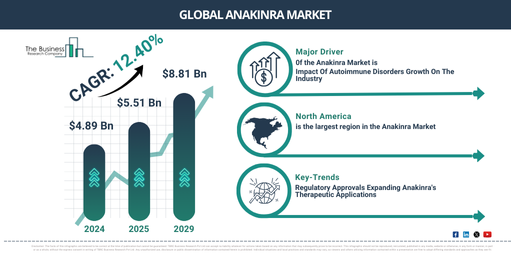
    In recent times, there has been a significant surge in the market size of Anakinra. Projected growth from 2024 estimates the market to be worth $4.89 billion and expanding to $5.51 billion in 2025 with a Compound Annual Growth Rate (CAGR) of 12.8%. The historical growth trajectory can be linked to the surge in cases of rheumatoid arthritis, the endorsement of Anakinra in treating uncommon autoinflammatory diseases like NOMID, heightened awareness of biologics in the management of recurring inflammatory conditions, and the increasing preference for targeted therapies.

    In the ensuing years, the market size for anakinra is projected to experience accelerated growth, with an estimated value of $8.81 billion by 2029, boasting a 12.4% compound annual growth rate (CAGR). Key factors contributing to this projected growth span the board, including the expanding indications for anakinra in various conditions, a heightened interest in personalized medicine, the increasing prevalence of uncommon autoinflammatory disorders, progress in drug delivery systems, and enhanced healthcare accessibility in emerging markets promoting the demand for biologics. Future trends forecasted include the production of biosimilars and next-generation IL-1 inhibitors, a shift towards home-based and self-administered treatments, strategic partnerships between biotech firms and academic institutions, and an increased utilization of digital health solutions to bolster patient adherence.

    Download a free sample to assess the report’s scope and structure:

    https://www.thebusinessresearchcompany.com/sample.aspx?id=21095&type=smp

    What are the Fundamental Drivers and Innovations Shaping the Anakinra Market?

    The surge in cases of autoimmune disorders, where the body’s immune system mistakenly targets and destroys healthy tissues and organs, is slated to fuel the anakinra market’s expansion. Autoimmune disorders are typically caused by a combination of genetic predisposition and environmental influences, such as infections, pollution, and alterations in diet. Anakinra works to curb these disorders through interruption of interleukin-1 (IL-1) activity, thereby lessening inflammation in ailments like rheumatoid arthritis, Still’s disease, and periodic fever syndromes. As an example, the Australian Institute of Health and Welfare reported in June 2024 that in 2021-22, rheumatoid arthritis hospitalizations increased 25% from the prior year, totaling 10,000, or 39 hospitalizations per 100,000 population. Therefore, the escalating frequency of autoimmune disorders is propelling the anakinra market. Additionally, the increase in healthcare expenditure is anticipated to drive the anakinra market’s upward trend. Healthcare expenditure encompasses the total funds spent on healthcare services and products, from hospital care and physician services to medications, devices, public health initiatives and more. The rise in healthcare expenditure is influenced by factors such as a growing elderly population, advancements in medicine, prevalence of chronic diseases, higher drug costs, increased healthcare use, administrative expenses, and inflation. Funds spent on healthcare bolster the anakinra market by promoting anakinra’s development, availability, and constant administration as an effective remedy for inflammatory conditions like rheumatoid arthritis, and by aiding its integration into healthcare systems via insurance coverage and patient access schemes. In May 2023, the Office for National Statistics reported that in 2022, the UK’s healthcare expenditure swelled to nearly $352 billion (£283 billion), a 0.7% nominal increase from 2021. Consequently, the upswing in healthcare expenditure is contributing to the anakinra market’s growth.

    How Is the Anakinra Market Segmented?

    The anakinra market covered in this report is segmented –

    1) By Indication: Rheumatoid Arthritis, Cryopyrin-Associated Periodic Syndromes, Familial Cold Autoinflammatory Syndrome, Systemic Juvenile Idiopathic Arthritis, Adult-Onset Still’s Disease, Neonatal-Onset Multisystem Inflammatory Disease, Other Indications

    2) By Distribution Channel: Hospital Pharmacies, Retail Pharmacies, Online Pharmacies, Wholesale Pharmacies

    3) By End-User: Hospitals, Clinics, Homecare Settings

    Subsegments:

    1) By Rheumatoid Arthritis: Moderate-to-Severe Disease, Early-stage Disease

    2) By Cryopyrin-Associated Periodic Syndromes: Muckle-Wells Syndrome, Neonatal-Onset Multisystem Inflammatory Disease

    3) By Familial Cold Autoinflammatory Syndrome: Acute Episodes, Chronic Symptoms

    4) By Systemic Juvenile Idiopathic Arthritis: Active Systemic Disease, Inactive Disease With Flares

    5) By Adult-Onset Still’s Disease: Active Disease, Remission Induction

    6) By Neonatal-Onset Multisystem Inflammatory Disease: Acute Disease Episodes, Long-term Disease Management

    7) By Other Indications: Gouty Arthritis, Osteoarthritis, Spondyloarthritis

    Request customized data on this market:

    https://www.thebusinessresearchcompany.com/customise?id=21095&type=smp

    Which Regions Are Driving the Next Phase of the Anakinra Market Growth?

    North America was the largest region in the anakinra market in 2024. Asia-Pacific is expected to be the fastest-growing region in the forecast period. The regions covered in the anakinra market report are Asia-Pacific, Western Europe, Eastern Europe, North America, South America, Middle East, Africa.

    What Key Trends Are Shaping the Future of the Anakinra Market?

    Principal businesses in the Anakinra market are securing regulatory assents to include indications for innovative therapeutic uses. Such authorizations are essentially official permissions from government bodies which, after assessing the safety, effectiveness, and quality of a drug, allow it to be marketed and suggested for certain illnesses. In November 2022, for example, the US government body, the Food and Drug Administration, issued an Emergency Use Authorization (EUA) for Kineret (anakinra) to administer treatment to adult patients hospitalized with pneumonia due to COVID-19 who required additional oxygen, with the goal of minimizing the probability of serious respiratory failure. The affirmation was on the basis of the SAVE-MORE Phase 3 study, demonstrating that preemptive treatment with Kineret enhanced patient outcomes. Kineret operates by obstructing cytokines IL-1a and IL-1ß which catalyze the extreme inflammatory response seen in critical cases of COVID-19. Even though it doesn’t have full FDA approval for this specific indication, it has been authorized for transitory use in the course of the public health crisis.

    View the full report here:

    https://www.thebusinessresearchcompany.com/report/anakinra-global-market-report

    How Is the Anakinra Market Defined and What Are Its Core Parameters?

    Anakinra refers to a biopharmaceutical medication that acts as a recombinant version of the human interleukin-1 receptor antagonist. It is generally used to treat moderate-to-severe rheumatoid arthritis in individuals who have not reacted well to other disease-modifying antirheumatic medications.

    Purchase the full report and get a swift delivery:

    https://www.thebusinessresearchcompany.com/purchaseoptions.aspx?id=21095

    About The Business Research Company:

    With over 15000+ reports from 27 industries covering 60+ geographies, The Business Research Company has built a reputation for offering comprehensive, data-rich research and insights. Armed with 1,500,000 datasets, the optimistic contribution of in-depth secondary research, and unique insights from industry leaders, you can get the information you need to stay ahead in the game.

    Get in touch with us:

    The Business Research Company: https://www.thebusinessresearchcompany.com/

    Americas +1 3156230293

    Asia +44 2071930708

    Europe +44 2071930708

    Email us at info@tbrc.info

    Follow us on:

    LinkedIn: https://in.linkedin.com/company/the-business-research-company

    YouTube: https://www.youtube.com/channel/UC24_fI0rV8cR5DxlCpgmyFQ

    Global Market Model: https://www.thebusinessresearchcompany.com/global-market-model

  • Strong CAGR to Propel in the Neuroendocrine Carcinoma Market and Beyond upto $2.33 Billion by 2029

    Strong CAGR to Propel in the Neuroendocrine Carcinoma Market and Beyond upto $2.33 Billion by 2029

    Our market reports now include the latest updates on global tariffs, trade impacts, and evolving supply chain dynamics.

    #How Fast Is The Neuroendocrine Carcinoma Market Expected to Grow Between 2025 And 2029?#_x000D_

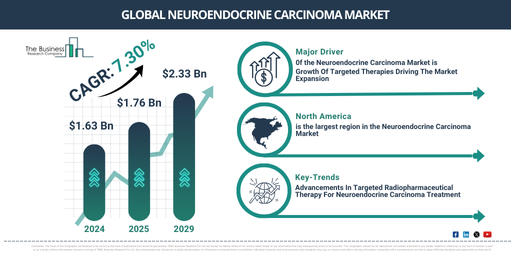
    In the past few years, there has been a significant increase in the size of the neuroendocrine carcinoma market. This market is projected to grow from a value of $1.63 billion in 2024 to $1.76 billion in 2025, demonstrating a compound annual growth rate (CAGR) of 7.7%. The historical growth of this market can be traced back to the burgeoning imaging sector, increased prevalence of neuroendocrine tumors, substantial investments, expanding government initiatives, and heightened demand for effective neuroendocrine tumor treatments._x000D_

    _x000D_

    A significant increase in the neuroendocrine carcinoma market size is anticipated in the coming years, with projections estimating a rise to $2.33 billion by 2029. This growth, which indicates a compound annual growth rate (CAGR) of 7.3%, can be largely attributed to factors such as the heightened incidence of cancer, a growing rate of product approvals, the escalating usage of advanced diagnostic imaging techniques, the development of targeted therapies, and an increase in available diagnosis and treatment options. Some prevalent trends during the forecast period involve the evolution of diagnostic technology, improvement in imaging technologies, targeted treatment strategies, advancements in managing neuroendocrine tumors, and progressing targeted therapies and immunotherapies._x000D_

    _x000D_

    #Download a free sample to assess the report’s scope and structure:#_x000D_

    https://www.thebusinessresearchcompany.com/sample.aspx?id=21229&type=smp_x000D_

    _x000D_

    #Which Primay Drivers Are Accelerating Growth in the Neuroendocrine Carcinoma Market?#_x000D_

    The escalation in targeted therapies is predicted to spur the neuroendocrine carcinoma market expansion. These therapies are specifically made to accurately target and impede the molecular or genetic changes responsible for a disease, often cancer. Factors like specificity in treating individual genetic mutations, progress in personalized medicine, and enhanced patient outcomes with minimal side effects spur the demand for these therapies. The nature of neuroendocrine carcinoma facilitates the creation of targeted therapies that cater specifically to the tumour’s genetic and biochemical profile, leading to improved treatment precision and efficacy. For instance, as per a report from the American Society of Gene & Cell Therapy (ASGCT), a US professional membership body, and Citeline, a US provider of drugs and devices, in July 2023, there were 247 gene therapies in Phase II at the end of Q1 2023. However, this number saw a 5% surge reaching 260 by Q2’s end. Hence, the rise in targeted therapies is stimulating the neuroendocrine carcinoma market’s growth._x000D_

    _x000D_

    #Which Primary Segments of the Neuroendocrine Carcinoma Market Are Driving Growth and Industry Transformations?#_x000D_

    The neuroendocrine carcinoma market covered in this report is segmented –_x000D_

    _x000D_

    1) By Type: Gastroenteropancreatic Neuroendocrine Tumors, Carcinoid Tumors, Pheochromocytoma, Medullary Thyroid Carcinoma_x000D_

    2) By Diagnostic Tools: Imaging, Biopsy, Serology_x000D_

    3) By Treatment: Chemotherapy, Radiotherapy, Surgery, Other Treatments_x000D_

    4) By Distribution Channel: Hospital Pharmacies, Retail Pharmacies, Online Pharmacies_x000D_

    5) By End-User: Hospitals, Clinics, Oncology Centers, Ambulatory Surgery Centers_x000D_

    _x000D_

    Subsegments:_x000D_

    1) By Gastroenteropancreatic Neuroendocrine Tumors (GEP-NETs): Pancreatic Neuroendocrine Tumors (pNETs), Small Intestinal Neuroendocrine Tumors, Gastric Neuroendocrine Tumors, Colorectal Neuroendocrine Tumors_x000D_

    2) By Carcinoid Tumors: Pulmonary Carcinoid Tumors, Gastrointestinal Carcinoid Tumors_x000D_

    3) By Pheochromocytoma: Adrenal Pheochromocytoma, Extra-Adrenal Paraganglioma_x000D_

    4) By Medullary Thyroid Carcinoma: Sporadic Medullary Thyroid Carcinoma, Hereditary Medullary Thyroid Carcinoma (MEN2-Associated)_x000D_

    _x000D_

    #Request customized data on this market:#_x000D_

    https://www.thebusinessresearchcompany.com/customise?id=21229&type=smp_x000D_

    _x000D_

    #Which Regions Are Key Players in the Growth of the #Which Primay Drivers Are Accelerating Growth in the Neuroendocrine Carcinoma Market?# Market?#_x000D_

    North America was the largest region in the neuroendocrine carcinoma market in 2024. Asia-Pacific is expected to be the fastest-growing region in the forecast period. The regions covered in the neuroendocrine carcinoma market report are Asia-Pacific, Western Europe, Eastern Europe, North America, South America, Middle East, Africa._x000D_

    _x000D_

    #Which Technological Trends Are Reshaping the Neuroendocrine Carcinoma Industry Dynamics?#_x000D_

    Leading firms in the neuroendocrine carcinoma market are heavily investing in the development of superior treatments like targeted radiopharmaceutical therapy, aimed at enhancing the accuracy of treatment and patient recovery results. This therapy uses radioactive molecules that are developed to specifically aim at and radiate cancer cells, therefore restricting damage to healthy tissue. Abdera Therapeutics Inc., a Biotech firm based in Canada for example, obtained an orphan drug designation from the FDA for ABD-147, meant for neuroendocrine carcinoma treatment, in September 2024. The drug is engineered to selectively aim at tumors expressing the DLL3 protein, which is often enhanced in aggressive neuroendocrine cancers like small cell lung cancer (SCLC) and large cell neuroendocrine carcinoma (LCNEC). This recognition brings with it notable advancement benefits such as tax credit for clinical trials and the possibility of market exclusivity, making ABD-147 a potential future contender in this specific oncology field._x000D_

    _x000D_

    #View the full report here:#_x000D_

    https://www.thebusinessresearchcompany.com/report/neuroendocrine-carcinoma-global-market-report_x000D_

    _x000D_

    #What Parameters Are Used to Define the Neuroendocrine Carcinoma Market?#_x000D_

    Neuroendocrine carcinoma (NEC) refers to a rare and aggressive type of cancer that originates in neuroendocrine cells, which have traits of both nerve cells and hormone-producing cells. They are used for identifying and treating tumors that can develop in various organs, including the lungs, pancreas, and gastrointestinal tract, often requiring a combination of surgery, chemotherapy, and targeted therapies._x000D_

    _x000D_

    #Purchase the full report and get a swift delivery:#_x000D_

    https://www.thebusinessresearchcompany.com/purchaseoptions.aspx?id=21229_x000D_

    _x000D_

    #About The Business Research Company:#_x000D_

    With over 15000+ reports from 27 industries covering 60+ geographies, The Business Research Company has built a reputation for offering comprehensive, data-rich research and insights. Armed with 1,500,000 datasets, the optimistic contribution of in-depth secondary research, and unique insights from industry leaders, you can get the information you need to stay ahead in the game._x000D_

    _x000D_

    #Get in touch with us:#_x000D_

    The Business Research Company: https://www.thebusinessresearchcompany.com/_x000D_

    Americas +1 3156230293_x000D_

    Asia +44 2071930708_x000D_

    Europe +44 2071930708_x000D_

    Email us at info@tbrc.info_x000D_

    _x000D_

    #Follow us on:#_x000D_

    _x000D_

    LinkedIn: https://in.linkedin.com/company/the-business-research-company_x000D_

    YouTube: https://www.youtube.com/channel/UC24_fI0rV8cR5DxlCpgmyFQ_x000D_

    Global Market Model: https://www.thebusinessresearchcompany.com/global-market-model
  • Diabetes Diagnostics Market Forecast Reaching $36.72 Billion by 2029 at 7.6% CAGR

    Diabetes Diagnostics Market Forecast Reaching $36.72 Billion by 2029 at 7.6% CAGR

    Our market reports now include the latest updates on global tariffs, trade impacts, and evolving supply chain dynamics.

    How Has The Diabetes Diagnostics Market Size Shifted, And What Is the Outlook Through 2034?

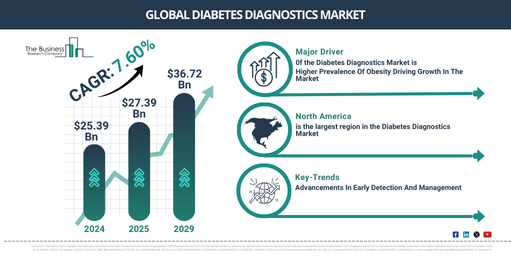
    The market size for diabetes diagnostics has seen a robust growth in the past few years. This is projected to grow from a value of $25.39 billion in 2024 to about $27.39 billion in 2025 with a compound annual growth rate (CAGR) of 7.9%. Factors contributing to this growth during the historic period include an increased occurrence of diabetes, growth in the elderly population, a rise in sedentary lifestyles, a surge in the uptake of minimally invasive diagnostics, and an increasing prevalence of obesity.

    The market size for diabetes diagnostics is poised for robust expansion in the coming years, anticipated to reach $36.72 billion by 2029, with a CAGR of 7.6%. Several factors could drive this growth during the projected period, such as the increasing use of insulin pumps, advancements in diabetes-related technology, unhealthy lifestyle choices on the rise, and a surge in both type 1 and type 2 diabetes incidents. There’s also the aspect of expanding healthcare infrastructure. The forecast period is expected to see significant trends like progress in biosensor technology, technological advancements overall, improved diagnostic technologies, personalized medicine and targeted therapies, as well as refined technologies in in vitro diagnostic products.

    Download a free sample to assess the report’s scope and structure:

    https://www.thebusinessresearchcompany.com/sample.aspx?id=21167&type=smp

    Which Major Market Drivers Are Expected to Boost the Growth Potential of the Diabetes Diagnostics Market?

    The escalation in obesity rates is anticipated to spur the expansion of the diabetes diagnostics market. Obesity, defined as the excessive buildup of body fat, elevates the likelihood of several health issues, including heart disease and diabetes. The surge in obesity rates can be linked to factors like inactive lifestyles, higher intake of processed and calorie-rich foods, genetic factors, and lack of physical exercise. Diabetes diagnostics aid in managing obesity by detecting early signs of insulin resistance and glucose metabolic problems, which allows for prompt actions to prevent weight gain and associated health risks. For example, data from the Centers for Disease Control and Prevention, a US government agency, in September 2023 highlighted that in 2022, 22 states had an adult obesity prevalence of 35% or more, rising from 19 states the previous year. Hence, the escalating rates of obesity are fueling the growth of the diabetes diagnostics market.

    Which Key Market Segments Comprise the Diabetes Diagnostics Market and Drive Its Revenue Growth?

    The diabetes diagnostics market covered in this report is segmented –

    1) By Product Type: Blood Glucose Meters, Continuous Glucose Monitoring Devices, Lancets, Test Strips, Other Product Types

    2) By Diabetes Type: Diabetes I, Diabetes II, Gestational Diabetes

    3) By End-User: Hospitals, Diagnostic Centers, Homecare Settings, Other End-Users

    Subsegments:

    1) By Blood Glucose Meters: Traditional Blood Glucose Meters, Smart Blood Glucose Meters, Bluetooth-enabled Blood Glucose Meters

    2) By Continuous Glucose Monitoring Devices: Wearable CGM Systems, Implantable CGM Systems, Flash Glucose Monitoring Devices

    3) By Lancets: Single-use Lancets, Multi-use Lancets

    4) By Test Strips: Standard Test Strips, Smart Test Strips

    5) By Other Product Types: Hemoglobin A1c Testing Kits, Urine Glucose Test Strips, Blood Ketone Meters

    Request customized data on this market:

    https://www.thebusinessresearchcompany.com/customise?id=21167&type=smp

    Which Areas Are Leading Regions in the Diabetes Diagnostics Market Expansion Across the Globe?

    North America was the largest region in the diabetes diagnostics market in 2024. The regions covered in the diabetes diagnostics market report are Asia-Pacific, Western Europe, Eastern Europe, North America, South America, Middle East, Africa.

    What Are the Key Market Trends in theDiabetes Diagnostics Market Over the Coming Years?

    Key businesses in the diabetes diagnostics market are striving to innovate, focusing on the creation of advanced products like gestational diabetes diagnostic equipment. This pushes their product range to cover the burgeoning need for earlier detection and management of diabetes during pregnancy. Gestational diabetes diagnostic tools refer to medical tests or devices that monitor and detect gestational diabetes – diabetes developing during pregnancy, usually employing blood sugar tests like the oral glucose tolerance test (OGTT) to measure sugar processing efficiency during pregnancy. For example, in August 2024, an innovative biosensor tool called XpressGT RUO kit was launched for detecting insulin-resistant conditions like gestational diabetes, endometriosis, and liver disease by DirectSens GmbH, a biotechnological company based in Austria. The kit gives rapid results by measuring 2-hydroxybutyrate (2-HB) levels in venous blood and is compatible with typical clinical analysers. This creative solution aims to provide earlier diagnosis, potentially improving the results for millions of patients across the globe.

    View the full report here:

    https://www.thebusinessresearchcompany.com/report/diabetes-diagnostics-global-market-report

    How Is the Diabetes Diagnostics Market Conceptually Defined?

    Diabetes diagnostics refers to the methods and tests used to identify and monitor diabetes by measuring blood glucose levels and other relevant biomarkers. It involves various medical assessments to detect abnormal glucose metabolism and assess the risk or presence of diabetes. Accurate diagnostics aid in early detection, disease management, and treatment planning.

    Purchase the full report and get a swift delivery:

    https://www.thebusinessresearchcompany.com/purchaseoptions.aspx?id=21167

    About The Business Research Company:

    With over 15000+ reports from 27 industries covering 60+ geographies, The Business Research Company has built a reputation for offering comprehensive, data-rich research and insights. Armed with 1,500,000 datasets, the optimistic contribution of in-depth secondary research, and unique insights from industry leaders, you can get the information you need to stay ahead in the game.

    Get in touch with us:

    The Business Research Company: https://www.thebusinessresearchcompany.com/

    Americas +1 3156230293

    Asia +44 2071930708

    Europe +44 2071930708

    Email us at info@tbrc.info

    Follow us on:

    LinkedIn: https://in.linkedin.com/company/the-business-research-company

    YouTube: https://www.youtube.com/channel/UC24_fI0rV8cR5DxlCpgmyFQ

    Global Market Model: https://www.thebusinessresearchcompany.com/global-market-model
  • Major Trends and Emerging Patterns in the Amebiasis Market: Development Of Ready-To-Use Oral Liquid Metronidazole In The Market

    Our market reports now include the latest updates on global tariffs, trade impacts, and evolving supply chain dynamics.

    What is the Projected CAGR for the Amebiasis Market Size from 2025 to 2034?

    The market value for amebiasis has experienced substantial growth in the past few years. It is predicted to increase from $0.82 billion in 2024 to approximately $0.88 billion in 2025, with a compound annual growth rate (CAGR) of 6.9%. Factors contributing to the growth during the historical period include the rise of amoebic infections in tropical areas, inadequate sanitation and hygiene conditions in developing countries, increased international travel particularly to endemic zones, heightened awareness concerning the illness, and a deficit of clean drinking water in rural regions.

    The market size for amebiasis is set to witness robust growth in the upcoming years. By 2029, it is projected to reach $1.14 billion, with a compound annual growth rate (CAGR) of 6.6%. The predicted growth within this period can be credited to factors such as the growing number of immune-compromised individuals, increasing governmental actions to enhance sanitation and medical facilities, augmented fund allocation for researching novel treatments, enhanced importance on health initiatives to eradicate parasitic diseases, and an increased demand for efficient oral drugs. Significant trends in the forecast period encompass increasing acceptance of combination therapies, vaccine development, progress in drug delivery systems, advancements in pharmaceutical study, and the emergence of new antiprotozoal drugs.

    Download a free sample to assess the report’s scope and structure:

    https://www.thebusinessresearchcompany.com/sample.aspx?id=21094&type=smp

    What Are the Primary Drivers Supporting the Market Growth of the Amebiasis Market?

    The rise in parasitic infections is expected to fuel the growth of the amebiasis market in the future. These infections encompass diseases caused by parasites including protozoa, helminths, and ectoparasites, which thrive within or on a host, feeding off host resources. The uptick in parasitic infections can be attributed to numerous factors such as increased travel, changes in the climate, inadequate sanitation, and the emergence of drug-resistant parasites, which collectively enable the spread and persistence of these infections. Amebiasis is a parasitic infection caused by the entamoeba histolytica parasite, which attacks the intestines, resulting in diarrhea, abdominal pain, and potentially serious complications like tissue damage and liver abscesses. As an example, the Animal and Plant Health Agency, a government agency in the UK, reported 1,071 diagnoses of Parasitic Gastroenteritis (PGE) in 2022, of which 190 were cases of haemonchosis and 95 were cases of nematodirosis. The number of occurrences of haemonchosis in 2022 witnessed a considerable increase from the previous year. Hence, the surge in parasitic infections is contributing to the rise of the amebiasis market. The rising incidence of poor sanitation is projected to augment the growth of the amebiasis market. Poor sanitation signifies a lack of access to clean water, proper waste disposal systems, and sanitary facilities, which often result in the spread of diseases. The increasing rates of poor sanitation can be linked to elements such as insufficient infrastructure, improper waste management, and fast-paced urbanization. Amebiasis thrives in environments of poor sanitation, as the Entamoeba histolytica parasite proliferates in contaminated water and food sources. It spreads swiftly in environments that lack sufficient hygiene measures and waste management. As an illustration, in 2022, the United Nations Water, an agency in the US, stated that 2 billion people still lacked basic hygiene services, while 3.5 billion were without safely managed sanitation. Consequently, the growing issue of poor sanitation is a major contributing factor towards the expansion of the amebiasis market.

    Which Primary Segments of the Amebiasis Market Are Driving Growth and Industry Transformations?

    The amebiasis market covered in this report is segmented –

    1) By Type: Metronidazole, Paromomycin, Tinidazole

    2) By Route Of Administration: Oral, Intravenous

    3) By Application: Hospital, Pharmacy

    Subsegments:

    1) By Metronidazole: Oral Metronidazole, Intravenous Metronidazole, Combination Therapy with Metronidazole

    2) By Paromomycin: Oral Paromomycin, Paromomycin in Combination with Other Drugs

    3) By Tinidazole: Oral Tinidazole, Tinidazole for Severe Infections

    Request customized data on this market:

    https://www.thebusinessresearchcompany.com/customise?id=21094&type=smp

    Which Regions Are Key Players in the Growth of the #What Are the Primary Drivers Supporting the Market Growth of the Amebiasis Market?# Market?

    North America was the largest region in the amebiasis market in 2024. Asia-Pacific is expected to be the fastest-growing region in the forecast period. The regions covered in the amebiasis market report are Asia-Pacific, Western Europe, Eastern Europe, North America, South America, Middle East, Africa.

    What Are the Most Significant Market Trends in the Amebiasis Market?

    Leading firms in the amebiasis market are zeroing in on the creation of sophisticated solutions such as pre-prepared oral liquid metronidazole, to enhance patient adherence and effectiveness of treatment. This ready-to-use liquid formulation of the antibiotic used for treating infections such as amebiasis, is intended to benefit patients who find it challenging to consume pills. Kesin Pharma Corporation, a pharmaceutical conglomerate based in the US, is one such example that got the stamp of approval from the U.S. Food and Drug Administration in November 2023 for Likmez (metronidazole) oral suspension – 500 mg/5 mL, confirming it as the premier ready-to-use oral liquid version of metronidazole. This oral suspension variant empowers a more child-friendly approach, simplifying accurate dosage for children and promoting increased adherence to treatment methodologies. The liquid version provides dosage flexibility, enabling healthcare professionals to tailor treatments as per the distinct needs of each patient, especially for varying degrees of infection severity.

    View the full report here:

    https://www.thebusinessresearchcompany.com/report/amebiasis-global-market-report

    What Parameters Are Used to Define the Amebiasis Market?

    Amebiasis refers to an intestinal infection caused by the parasite Entamoeba histolytica, often leading to symptoms such as diarrhea, abdominal pain, and sometimes liver abscesses. It is used for the treatment of this infection through medications such as metronidazole and tinidazole, which target the parasite in the gut and tissues.

    Purchase the full report and get a swift delivery:

    https://www.thebusinessresearchcompany.com/purchaseoptions.aspx?id=21094

    About The Business Research Company:

    With over 15000+ reports from 27 industries covering 60+ geographies, The Business Research Company has built a reputation for offering comprehensive, data-rich research and insights. Armed with 1,500,000 datasets, the optimistic contribution of in-depth secondary research, and unique insights from industry leaders, you can get the information you need to stay ahead in the game.

    Get in touch with us:

    The Business Research Company: https://www.thebusinessresearchcompany.com/

    Americas +1 3156230293

    Asia +44 2071930708

    Europe +44 2071930708

    Email us at info@tbrc.info

    Follow us on:

    LinkedIn: https://in.linkedin.com/company/the-business-research-company

    YouTube: https://www.youtube.com/channel/UC24_fI0rV8cR5DxlCpgmyFQ

    Global Market Model: https://www.thebusinessresearchcompany.com/global-market-model
  • $31.75 Billion Forecast for Dermatological Drugs Market by 2029, Backed by Demand and Innovation

    $31.75 Billion Forecast for Dermatological Drugs Market by 2029, Backed by Demand and Innovation

    Our market reports now include the latest updates on global tariffs, trade impacts, and evolving supply chain dynamics.

    How Has the Dermatological Drugs Market Growth Performance Trended Historically, And What Lies Ahead?

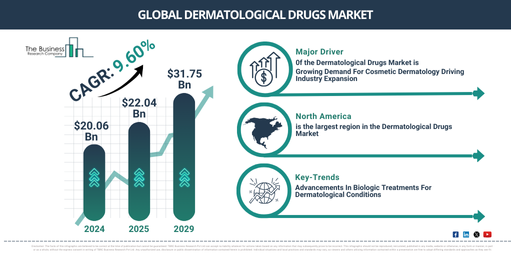
    The market size for dermatological drugs has seen robust growth in the past few years. The market, which stood at $20.06 billion in 2024, is expected to rise to $22.04 billion in 2025, representing a compound annual growth rate (CAGR) of 9.8%. The surge during the historical period is a result of the increasing occurrence of skin disorders, progress in drug formation and provision, heightened consciousness about skincare and aesthetics, the extension of the elderly population, and the escalating demand for over-the-counter dermatological offerings.

    The market for dermatological drugs is predicted to witness robust expansion in the upcoming years, scaling up to a value of $31.75 billion in 2029 with a CAGR of 9.6%. This surge in the upcoming period can be credited to the progression in biologics and specifically targeted therapies, rising implementation of teledermatology and digital health, an uptick in lifestyle-related skin ailments, increased requirement for personalized and regenerative treatments, and broader research in microbiome-oriented dermatological cures. Core trends anticipated in the forecast period involve drug delivery based on nanotechnology, dermatological diagnostics steered by artificial intelligence, treatments targeted at the microbiome, 3D bioprinting for skin regeneration, and treatments based on gene alteration and RNA.

    Download a free sample to assess the report’s scope and structure:

    https://www.thebusinessresearchcompany.com/sample.aspx?id=21166&type=smp

    What Are the Core Growth Drivers Propelling the Dermatological Drugs Market Forward?

    The increase in demand for procedures in cosmetic dermatology is anticipated to boost the expansion of the dermatological drugs market. Cosmetic dermatology, a specialized area of dermatology, is dedicated to improving an individual’s physical appearance through numerous non-operative treatments and processes. The growing interest in cosmetic dermatology can be attributed to rising consumer cognizance about aesthetic therapies, advancements in skin care technology, and a heightened liking for non-surgical procedures to enhance looks and counter aging. The escalating demand for cosmetic dermatology treatments, like anti-aging and skin reviving therapies, is contributing to the progress of inventive dermatological drugs that provide secure, efficient, and minimally intrusive resolutions. For instance, the International Society of Aesthetic Plastic Surgery, a US-based professional entity, advised in January 2023 that over 12.8 million surgical and 17.5 million non-surgical procedures were implemented globally, marking a boost of 19.3% in the total number of procedures compared to the last reported period. Moreover, over 14.9 million surgical and 18.8 million non-surgical procedures will be executed internationally by plastic surgeons in 2022, indicating an 11.2% increase in the total number of procedures carried out. Consequently, the expanding procedures in cosmetic dermatology are stimulating the advancement of the dermatological drugs market.

    What Segment Types Define the Dermatological Drugs Market Structure?

    The dermatological drugs market covered in this report is segmented –

    1) By Drug Class: Corticosteroids, Retinoids, Antibiotics, Antifungals, Calcineurin Inhibitors, Other Drug Classes

    2) By Administration: Topical Administration, Oral Administration, Parenteral Administration

    3) By Indication: Acne, Psoriasis, Rosacea, Alopecia, Other Indications

    4) By Distribution Channel: Hospital Pharmacies, Retail Pharmacies, Other Distribution Channels

    Subsegments:

    1) By Corticosteroids: Topical Corticosteroids, Oral Corticosteroids, Injectable Corticosteroids

    2) By Retinoids: Topical Retinoids, Oral Retinoids

    3) By Antibiotics: Topical Antibiotics, Oral Antibiotics

    4) By Antifungals: Topical Antifungals, Oral Antifungals

    5) By Calcineurin Inhibitors: Topical Calcineurin Inhibitors, Systemic Calcineurin Inhibitors

    6) By Other Drug Classes: Biologics, JAK Inhibitors, Antihistamines, Photodynamic Therapy Agents

    Request customized data on this market:

    https://www.thebusinessresearchcompany.com/customise?id=21166&type=smp

    Which Geographic Areas Hold the Strongest Growth Potential in the Dermatological Drugs Market?

    North America was the largest region in the dermatological drugs market in 2024. Asia-Pacific is expected to be the fastest-growing region in the forecast period. The regions covered in the dermatological drugs market report are Asia-Pacific, Western Europe, Eastern Europe, North America, South America, Middle East, Africa.

    Which Emerging Trends that Are Influencing theDermatological Drugs Industry Evolution?

    Major firms in the dermatological drugs market are focusing on formulating biologic therapies to treat chronic skin ailments like psoriasis, atopic dermatitis, and hidradenitis suppurativa. These biologics target specific immune pathways and are more potent with lasting effects than conventional therapies. For instance, in September 2024, Eli Lilly and Company, a U.S. pharmaceutical giant, got approval for Ebglyss (lebrikizumab), which specifically inhibits interleukin-13 (IL-13) and is utilized to treat moderate-to-severe atopic dermatitis in both adults and children aged 12 and up. This authorization represents a significant breakthrough by providing a novel biologic treatment choice for patients whose symptoms are not adequately managed with topical therapies. Ebglyss aspires to enhance patient quality of life by mitigating severe itching and skin inflammation correlated with moderate-to-severe atopic dermatitis.

    View the full report here:

    https://www.thebusinessresearchcompany.com/report/dermatological-drugs-global-market-report

    What Is the Definition of the Dermatological Drugs Market?

    Dermatological drugs refer to medications designed to treat conditions affecting the skin, hair, and nails by reducing inflammation, controlling infections, or managing symptoms such as itching and redness. These drugs play a crucial role in dermatology by addressing both common and severe skin disorders, improving patient comfort and quality of life.

    Purchase the full report and get a swift delivery:

    https://www.thebusinessresearchcompany.com/purchaseoptions.aspx?id=21166

    About The Business Research Company:

    With over 15000+ reports from 27 industries covering 60+ geographies, The Business Research Company has built a reputation for offering comprehensive, data-rich research and insights. Armed with 1,500,000 datasets, the optimistic contribution of in-depth secondary research, and unique insights from industry leaders, you can get the information you need to stay ahead in the game.

    Get in touch with us:

    The Business Research Company: https://www.thebusinessresearchcompany.com/

    Americas +1 3156230293

    Asia +44 2071930708

    Europe +44 2071930708

    Email us at info@tbrc.info

    Follow us on:

    LinkedIn: https://in.linkedin.com/company/the-business-research-company

    YouTube: https://www.youtube.com/channel/UC24_fI0rV8cR5DxlCpgmyFQ

    Global Market Model: https://www.thebusinessresearchcompany.com/global-market-model