Blog

  • Custom Antibody Market Trends 2025-2034: Growth, Strategic Insights, and Opportunities Ahead

    Custom Antibody Market Trends 2025-2034: Growth, Strategic Insights, and Opportunities Ahead

    Our market reports now include the latest updates on global tariffs, trade impacts, and evolving supply chain dynamics.

    What Are the Key Projections for the CAGR of the Custom Antibody Market Size From 2025 to 2034?

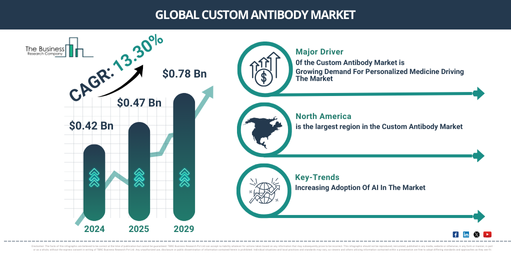
    Significant growth has been noted in the custom antibody market size over the recent years. It is projected to rise from $0.42 billion in 2024 to $0.47 billion in 2025, marking a compound annual growth rate (CAGR) of 13.6%. This remarkable growth during the historic period is the result of factors such as increased demand for custom antibodies, widespread use of precision medicine, escalating incidence of chronic diseases and cancer, an uptick in research and development activities, and a surge in clinical trials.

    The custom antibody market is predicted to witness a significant surge in its size over the coming years, growing to $0.78 billion by 2029 with a 13.3% compound annual growth rate (CAGR). This projected growth during the forecast period can be attributed to various factors like the increased adoption of targeted immunotherapy, expanding investments in the biopharmaceutical sector, the rising prevalence of neurodegenerative disorders, amplified demand for in vitro diagnostics (IVD) applications, as well as increasing expenditure in healthcare. The forecast period is also expected to see key trends such as the rise of personalized medicine, advancements in antibody engineering technology, progress in biotechnology and genetic engineering, widening therapeutic applications, and advancing technology in antibody purification.

    Download a free sample to assess the report’s scope and structure:

    https://www.thebusinessresearchcompany.com/sample.aspx?id=21162&type=smp

    What Are the Major Market Drivers Behind the Rising Adoption of Custom Antibody Market?

    The increasing preference for personalized medical treatments is anticipated to bolster the custom antibody market’s growth in the future. Personalized medicine entails a healthcare strategy that customizes prevention and treatment plans based on a person’s genetics, lifestyle, and environment. This increasing preference for personalized medicine is due to advancements in the field of genomics, broader access to therapies rooted in biomarkers, and growing consumer inclination towards personalized treatment options that enhance effectiveness and minimize negative side effects. Custom antibodies contribute to personalized medicine by offering specific, adapted immune reagents, thereby enhancing the detection of diseases, therapeutic targeting, and identification of biomarkers for tailored treatment plans. To illustrate, in February 2024, the US-based non-profit organization, Personalized Medicine Coalition, reported that the Food and Drug Administration (FDA) approved 16 new personalized treatments in 2023 for those with rare diseases, a significant increase from 6 in 2022. As a result, this swelling demand for personalized medicine is sparking the growth of the custom antibody market.

    Which Key Market Segments Comprise the Custom Antibody Market and Drive Its Revenue Growth?

    The custom antibody market covered in this report is segmented –

    1) By Type: Monoclonal Antibodies, Polyclonal Antibodies, Recombinant Antibodies, Other Types

    2) By Service: Antibody Development, Antibody Production And Purification, Antibody Fragmentation And Labeling

    3) By Source: Mice, Rabbit, Other Sources

    4) By Application: Oncology, Infectious Diseases, Neurology, Stem Cells, Immunology, Cardiovascular Diseases, Other Applications

    5) By End-User: Pharmaceutical And Biotechnology Companies, Academic And Research Institutes, Contract Research Organization, Hospitals And Clinics

    Subsegments:

    1) By Monoclonal Antibodies: Murine Monoclonal Antibodies, Chimeric Monoclonal Antibodies, Humanized Monoclonal Antibodies, Fully Human Monoclonal Antibodies

    2) By Polyclonal Antibodies: Rabbit Polyclonal Antibodies, Goat Polyclonal Antibodies, Sheep Polyclonal Antibodies, Other Animal-Derived Polyclonal Antibodies

    3) By Recombinant Antibodies: Single-Chain Variable Fragment (scFv), Nanobodies, Bispecific Antibodies, Antibody Fragments

    4) By Other Types: Aptamers, Nanobodies (Camelid Antibodies), Hybridomas

    Request customized data on this market:

    https://www.thebusinessresearchcompany.com/customise?id=21162&type=smp

    Which Areas Are Leading Regions in the Custom Antibody Market Expansion Across the Globe?

    North America was the largest region in the custom antibody market in 2024. Asia-Pacific is expected to be the fastest-growing region in the forecast period. The regions covered in the custom antibody market report are Asia-Pacific, Western Europe, Eastern Europe, North America, South America, Middle East, Africa.

    What Are the Strategic Trends Steering theCustom Antibody Market Direction?

    Leading firms in the custom antibody market are concentrating on incorporating cutting-edge technologies like artificial intelligence to advance antibody discovery, refine specificity, and speed up development procedures. Artificial intelligence bolsters custom antibody development by improving antigen choice, forecasting antibody-antigen interaction, and expediting candidate screening using machine learning, resulting in quicker and more cost-efficient biopharmaceutical research. For example, in October 2024, Archon Biosciences Inc., an American biotech firm, was launched with funding of $20 million to create computationally designed antibody cages. These cages help in tailoring existing antibodies for therapeutic use. Archon’s unique technology constructs antibodies into cage structures, allowing changes in their attributes without tampering with their core structures. This advancement attempts to increase antibody affinity for therapeutic targets while curtailing off-target interactions, hence enhancing efficacy and safety.

    View the full report here:

    https://www.thebusinessresearchcompany.com/report/custom-antibody-global-market-report

    How Is the Custom Antibody Market Conceptually Defined?

    A custom antibody is a laboratory-produced antibody specifically designed and generated to target a particular antigen of interest. These antibodies are tailored for research, diagnostic, or therapeutic applications based on the unique needs of scientists or healthcare professionals. Custom antibodies are widely used in biomedical research, diagnostics, and drug development, enabling precise detection and targeting of biomolecules.

    Purchase the full report and get a swift delivery:

    https://www.thebusinessresearchcompany.com/purchaseoptions.aspx?id=21162

    About The Business Research Company:

    With over 15000+ reports from 27 industries covering 60+ geographies, The Business Research Company has built a reputation for offering comprehensive, data-rich research and insights. Armed with 1,500,000 datasets, the optimistic contribution of in-depth secondary research, and unique insights from industry leaders, you can get the information you need to stay ahead in the game.

    Get in touch with us:

    The Business Research Company: https://www.thebusinessresearchcompany.com/

    Americas +1 3156230293

    Asia +44 2071930708

    Europe +44 2071930708

    Email us at info@tbrc.info

    Follow us on:

    LinkedIn: https://in.linkedin.com/company/the-business-research-company

    YouTube: https://www.youtube.com/channel/UC24_fI0rV8cR5DxlCpgmyFQ

    Global Market Model: https://www.thebusinessresearchcompany.com/global-market-model

  • SarcoidosisMarket Overview 2025–2034: CAGR Trends, Long-Term Growth Paths, and Business Implications

    SarcoidosisMarket Overview 2025–2034: CAGR Trends, Long-Term Growth Paths, and Business Implications

    Get 30% off on our Global Market Reports with code ONLINE30 – Hurry, limited time offer!

    What Are the Key Projections for the CAGR of the Sarcoidosis Market Size From 2025 to 2034?

    The market for sarcoidosis has seen rapid expansion in recent years. It is anticipated to increase from a value of $29.75 billion in 2024 to $34.46 billion in 2025, fueling a compound annual growth rate (CAGR) of 15.8%. The significant growth experienced in the past can be linked to the heightened awareness of the condition amongst healthcare professionals, an uptick in the number of sarcoidosis cases in developed countries, a surge in corticosteroid-based treatments serving as the initial course of therapy, an influx of research funding dedicated to rare diseases, and the continuous rise of clinical trials aimed at creating therapies for sarcoidosis.

    The market size for sarcoidosis is projected to experience a significant increase in the forthcoming years, expanding to $61.45 billion by 2029 with a compound annual growth rate (CAGR) of 15.6%. This growth over the prediction period can be associated with the escalating demand for innovative biologic therapies, the surge in the adoption of personalized medical treatments, the rise in funding for gene therapy targeting sarcoidosis, the intensifying concentration on specialized immunotherapy developments, and the growing stockpile of drugs for intractable sarcoidosis cases. Key trends anticipated during the forecast period include progress in biologic therapies, developments in nanotechnology-facilitated drug delivery, regenerative medicine and stem cell therapy, improvements in 3D imaging and radiomics, along with the use of blockchain technology in the management of clinical data.

    Download a free sample to assess the report’s scope and structure:

    https://www.thebusinessresearchcompany.com/sample.aspx?id=23508&type=smp

    What Are the Primary Drivers Supporting the Market Growth of the Sarcoidosis Market?

    The expansion of the sarcoidosis market is anticipated to be driven by a heightened emphasis on personalized medicine. This modern method of medical treatment customizes therapeutic interventions based on each patient’s genetic profile, biomarkers, environmental factors, and lifestyle, guaranteeing more accurate, potent, and specific interventions. Personalized medicine is becoming increasingly popular as it allows for treatments tailored to an individual’s genetic disposition and biological profile, thereby boosting efficacy and minimizing side effects. This method is shaping the future of sarcoidosis treatment by adjusting the therapy according to genetic, biomarker, and clinical profiling, subsequently improving efficacy and reducing side effects. This strategy improves targeted therapy, tackling disease variability and unique patient responses. For example, in February 2024, the Personalized Medicine Coalition, a nonprofit organization based in the US, reported that the U.S. Food and Drug Administration (FDA), a US-based government regulatory agency, gave the green light to 16 new personalized treatments for rare disease patients in 2023. This represents a considerable increase from the six personalized treatments approved in 2022. As such, the growing attention on personalized medicine is propelling the sarcoidosis market’s expansion.

    Which Primary Segments of the Sarcoidosis Market Are Driving Growth and Industry Transformations?

    The sarcoidosis market covered in this report is segmented –

    1) By Type: Pulmonary Sarcoidosis, Ocular Sarcoidosis, Neurosarcoidosis, Cardiac Sarcoidosis, Musculoskeletal Sarcoidosis, Cutaneous Sarcoidosis, Renal Sarcoidosis, Hepatic Sarcoidosis, Sarcoidosis Of The Spleen And Bone Marrow

    2) By Diagnostic Method: Imaging Technique, Biopsy, Blood Tests

    3) By Treatment Type: Corticosteroids, Immunosuppressive Agents, Biologics, Anti-Malarial Drugs

    4) By Route Of Administration: Oral, Parenteral, Other Routes Of Administration

    5) By End Uses: Hospitals And Clinics, Surgical Centers, Diagnostic Centers, Other End Uses

    Subsegments:

    1) By Pulmonary Sarcoidosis: Acute Pulmonary Sarcoidosis, Chronic Pulmonary Sarcoidosis, Fibrotic Pulmonary Sarcoidosis

    2) By Ocular Sarcoidosis: Anterior Uveitis, Posterior Uveitis, Intermediate Uveitis, Panuveitis, Optic Neuropathy

    3) By Neurosarcoidosis: Meningeal Neurosarcoidosis, Cranial Nerve Neurosarcoidosis, Peripheral Neuropathy, Spinal Cord Involvement, Hypothalamic-Pituitary Involvement

    4) By Cardiac Sarcoidosis: Atrioventricular Block, Ventricular Arrhythmias, Heart Failure, Myocarditis, Sudden Cardiac Arrest

    5) By Musculoskeletal Sarcoidosis: Arthritis, Myopathy, Bone Lesions

    6) By Cutaneous Sarcoidosis: Lupus Pernio, Erythema Nodosum, Papular Sarcoidosis, Plaque Sarcoidosis, Subcutaneous Sarcoidosis

    7) By Renal Sarcoidosis: Granulomatous Interstitial Nephritis, Nephrocalcinosis, Hypercalciuria-Induced Kidney Disease

    8) By Hepatic Sarcoidosis: Granulomatous Hepatitis, Portal Hypertension, Hepatic Fibrosis

    9) By Sarcoidosis Of The Spleen And Bone Marrow: Splenomegaly, Pancytopenia, Bone Marrow Granulomas

    Request customized data on this market:

    https://www.thebusinessresearchcompany.com/customise?id=23508&type=smp

    Which Regions Are Key Players in the Growth of the Sarcoidosis Market?

    Europe was the largest region in the sarcoidosis market in 2024. The regions covered in the sarcoidosis market report are Asia-Pacific, Western Europe, Eastern Europe, North America, South America, Middle East, Africa.

    What Are the Most Significant Market Trends in the Sarcoidosis Market?

    Leading firms in the sarcoidosis market are concentrating their efforts on the creation of innovative products such as anti-TNFα monoclonal antibody therapy as a new biologic solution to a pressing medical requirement in the handling of inflammatory diseases. The anti-tumor necrosis factor-alpha (anti-TNFα) monoclonal antibody therapy is a specific immunotherapy that utilises monoclonal antibodies to impede TNFα, an inflammatory cytokine, thereby mitigating inflammation and managing autoimmune diseases. As an example, Xentria, Inc., a clinical-stage biotherapeutics corporation based in the US, made noteworthy progress when its leading candidate, XTMAB-16, was granted Orphan Drug Designation by the European Medicines Agency (EMA) in November 2023. Alongside this, the corporation initiated its international clinical trial for pulmonary sarcoidosis, with the first patient enrolment. XTMAB-16, a monoclonal antibody that targets tumor necrosis factor-alpha (TNFα), is under investigation for its capacity to regulate inflammatory pathways in pulmonary sarcoidosis, offering a targeted substitute to corticosteroid-based therapy. This regulatory endorsement and clinical advancement underscore the intensifying global interest in innovative biologics for rare diseases, thus strengthening Xentria’s dedication to addressing pressing medical needs with ground-breaking treatment alternatives.

    View the full report here:

    https://www.thebusinessresearchcompany.com/report/sarcoidosis-global-market-report

    What Parameters Are Used to Define the Sarcoidosis Market?

    Sarcoidosis is a complex inflammatory disease characterized by the formation of granulomas, small clumps of immune cells that can develop in various organs, most commonly the lungs and lymph nodes, potentially leading to organ dysfunction, respiratory issues, or systemic complications, with its exact cause remaining unknown but suspected to involve an abnormal immune response to environmental or genetic factors.

    Purchase the full report and get a swift delivery:

    https://www.thebusinessresearchcompany.com/purchaseoptions.aspx?id=23508

    About The Business Research Company:

    With over 15000+ reports from 27 industries covering 60+ geographies, The Business Research Company has built a reputation for offering comprehensive, data-rich research and insights. Armed with 1,500,000 datasets, the optimistic contribution of in-depth secondary research, and unique insights from industry leaders, you can get the information you need to stay ahead in the game.

    Get in touch with us:

    The Business Research Company: https://www.thebusinessresearchcompany.com/

    Americas +1 3156230293

    Asia +44 2071930708

    Europe +44 2071930708

    Email us at info@tbrc.info

    Follow us on:

    LinkedIn: https://in.linkedin.com/company/the-business-research-company

    YouTube: https://www.youtube.com/channel/UC24_fI0rV8cR5DxlCpgmyFQ

    Global Market Model: https://www.thebusinessresearchcompany.com/global-market-model
  • Crow’s Feet Market Insights: In-Depth Look at Growth Trends, Market Size, and Opportunities for 2025-2034

    Crow’s Feet Market Insights: In-Depth Look at Growth Trends, Market Size, and Opportunities for 2025-2034

    Our market reports now include the latest updates on global tariffs, trade impacts, and evolving supply chain dynamics.

    How Has The Crow’s Feet Market Growth Evolved From 2024 To 2025, And What’s Ahead?

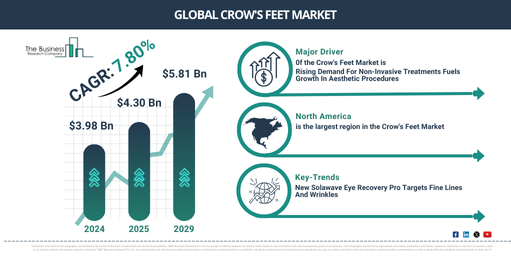
    The market size for crow’s feet has expanded robustly over the past few years. Projected to grow from $3.98 billion in 2024 to $4.30 billion in 2025, it predicts a compound annual growth rate (CAGR) of 8.0%. Factors contributing to this growth during the historic period include the increasing elderly population, heightened awareness around beauty, rising disposable income, the influential role of social media, escalating demand for non-invasive treatments, broader acceptance towards aesthetic procedures, raising awareness about dermatology globally, and a cultural leaning towards maintaining youthfulness.

    In the forthcoming years, the market for crow’s feet is predicted to experience substantial growth, and it is projected to attain a value of $5.81 billion by 2029 with a compound annual growth rate (CAGR) of 7.8%. Numerous factors such as the surge in the use of beauty devices at home, the enhanced embrace of personalized skincare, increasing demand for anti-aging products that are natural and organic, expansion of cosmetic treatment medical tourism, heightened awareness of preventative skincare, the rise in the male skincare market, and escalation in minimally invasive cosmetic treatments can be credited for the growth during the projected period. Key trends to watch in the forecast period comprise AI-assisted skincare analysis, intelligent skincare devices featuring biometric tracking, advanced technology incorporated at-home anti-aging devices, 3D skin imaging for individualized treatments, micro-needling via automated systems, sophisticated laser technologies for skin rejuvenation, ultrasonic and radiofrequency-based wrinkle treatments, nanotechnology for specific delivery of anti-aging components, wearable skin monitoring devices, and pioneering gene and stem cell therapies for skin regeneration.

    Download a free sample to assess the report’s scope and structure:

    https://www.thebusinessresearchcompany.com/sample.aspx?id=21161&type=smp

    What External and Internal Drivers Are Contributing to the Growth of the Crow’s Feet Market?

    Crow’s feet market expansion is likely to be boosted by the rising customer inclination towards non-invasive procedures. Non-invasive treatments are aesthetic processes which enhance skin look without necessitating surgery or extended recovery duration. Factors such as increasing customer interest in quick and effective solutions, technologic progress, shorter recovery period, lesser risk compared to surgical alternatives, affordability and better recognition of beauty treatments are leading to increased use of non-invasive treatments. Non-invasive methods such as botulinum toxin injections, laser resurfacing, microneedling, radiofrequency treatment, chemical peels, and LED light therapies are proven to minimize crow’s feet by relaxing facial muscles, stimulating collagen production, enhancing skin texture, and boosting elasticity, all without surgery. For example, in September 2023, the International Society of Aesthetic Plastic Surgery (ISAPS), an organization based in the US, reported that 9,221,419 Botox procedures were carried out globally in 2022 indicating a 26.1% rise compared to the 7.3 million procedures done in 2021. Hence, the rising consumer preference for non-invasive procedures is fuelling the crow’s feet market’s growth.

    What Segment Types Define the Crow’s Feet Market Structure?

    The crow’s feet market covered in this report is segmented –

    1) By Treatment Type: Topical Creams, Botulinum Toxin (Botox), Chemical Peels, Dermal Fillers, Other Treatment Types

    2) By Application: Hospitals And Clinics, Dermatology Centers, Homecare, Other Applications

    3) By Distribution Channel: Hospital Pharmacy, Retail Pharmacy, Online Pharmacy

    Subsegments:

    1) By Topical Creams: Retinoids, Peptides, Antioxidants, Hyaluronic Acid-based Creams, Alpha Hydroxy Acids (AHAs) And Beta Hydroxy Acids (BHAs)

    2) By Botulinum Toxin (Botox): OnabotulinumtoxinA, AbobotulinumtoxinA (Dysport), IncobotulinumtoxinA (Xeomin), PrabotulinumtoxinA (Jeuveau)

    3) Chemical Peels: Superficial Peels, Medium Peels, Deep Peels

    4) Dermal Fillers: Hyaluronic Acid Fillers, Collagen-based Fillers, Poly-L-Lactic Acid Fillers (Sculptra), Calcium Hydroxylapatite Fillers (Radiesse)

    5) Other Treatment Types: Laser Resurfacing, Microneedling, Radiofrequency Treatments, Ultrasound Therapy (Ultherapy), Surgical Interventions

    Request customized data on this market:

    https://www.thebusinessresearchcompany.com/customise?id=21161&type=smp

    Which Geographic Areas Hold the Strongest Growth Potential in the Crow’s Feet Market?

    North America was the largest region in the crow’s feet market in 2024. Asia-Pacific is expected to be the fastest-growing region in the forecast period. The regions covered in the crow’s feet market report are Asia-Pacific, Western Europe, Eastern Europe, North America, South America, Middle East, Africa.

    What Long-Term Trends Are Transforming the Competitive Landscape of the Crow’s Feet Market?

    Leading businesses in the crow’s feet market are channeling their efforts towards the creation of red and infrared light therapy masks. These skincare devices are non-invasive, efficient, and intended for home usage, for the purpose of reducing eye wrinkles and fine lines. The masks operate by emitting specific light wavelengths that can permeate the skin, which aids in boosting collagen production and reducing signs of aging such as wrinkles, fine lines, and more. As an example, Solawave – a skincare technology company based in the United States, released Eye Recovery Pro in October 2024, integrating a red and infrared light therapy mask. They designed the mask specifically to target early aging signs around the eyes such as wrinkles, crow’s feet, 11s, puffiness, dark circles, eyelid drooping, uneven skin tone, and more. The mask employs a combination of red, deep red, near-infrared, and amber light therapies that, when used consistently for three minutes three times a week, can yield transformative results within just a few weeks.

    View the full report here:

    https://www.thebusinessresearchcompany.com/report/crows-feet-global-market-report

    What Is the Definition of the Crow’s Feet Market?

    Crow’s feet are the fine lines and wrinkles that appear at the outer corners of the eyes, often becoming more prominent with age. They develop due to repeated facial expressions such as smiling and squinting, as well as a natural loss of collagen and skin elasticity. Regular use of anti-aging ingredients such as retinol and hyaluronic acid may also improve skin texture and minimize fine lines over time.

    Purchase the full report and get a swift delivery:

    https://www.thebusinessresearchcompany.com/purchaseoptions.aspx?id=21161

    About The Business Research Company:

    With over 15000+ reports from 27 industries covering 60+ geographies, The Business Research Company has built a reputation for offering comprehensive, data-rich research and insights. Armed with 1,500,000 datasets, the optimistic contribution of in-depth secondary research, and unique insights from industry leaders, you can get the information you need to stay ahead in the game.

    Get in touch with us:

    The Business Research Company: https://www.thebusinessresearchcompany.com/

    Americas +1 3156230293

    Asia +44 2071930708

    Europe +44 2071930708

    Email us at info@tbrc.info

    Follow us on:

    LinkedIn: https://in.linkedin.com/company/the-business-research-company

    YouTube: https://www.youtube.com/channel/UC24_fI0rV8cR5DxlCpgmyFQ

    Global Market Model: https://www.thebusinessresearchcompany.com/global-market-model
  • Cranial Fixation System Market Outlook 2025–2034: Identifying Growth Drivers, Technology Trends, and Policy Impact

    Our market reports now include the latest updates on global tariffs, trade impacts, and evolving supply chain dynamics.

    What is the Projected CAGR for the Cranial Fixation System Market Size from 2025 to 2034?

    Over the past few years, the cranial fixation system market has experienced significant growth. This market is projected to expand from $1.50 billion in 2024 to $1.62 billion in 2025, with a compound annual growth rate (CAGR) of 8.0%. The growth in this historical period is linked to an increase in traumatic brain injuries, a rise in neurological disorders, an escalating demand for neurosurgeries, an uptick in road accidents, and a surge in orthopedic disease incidence.

    Expectations for the cranial fixation system market size point to a strong upswing in the coming years. It’s predicted to escalate to $2.18 billion in 2029, boasting a compound annual growth rate (CAGR) of 7.7%. Factors attributed to the prospective growth during the projected period include the surging prevalence of robotic-assisted surgeries, higher acceptability of minimally invasive operations, an increase in trauma cases and spinal conditions, the influx of medical tourism, and the on-going trend in the acceptance of deep brain stimulation procedures. Additional significant trends within the projection period encompass progress in product development, a tangible shift towards patient-specific implants, advancement in surgical techniques and materials, a drive towards customization and patient-centric solutions, and a heightened emphasis on personalized medicine.

    Download a free sample to assess the report’s scope and structure:

    https://www.thebusinessresearchcompany.com/sample.aspx?id=21160&type=smp

    What Are the Core Market Drivers Propelling Growth in the Cranial Fixation System Industry?

    The increase in cases of traumatic brain injuries (TBI) is anticipated to fuel the expansion of the cranial fixation system market. Traumatic brain injuries are defined as injuries resulting from an external force like a hit or a shock to the head, leading to brain damage. There’s a surge in TBI cases due to rising instances of road accidents, sports injuries, falls in the aging population, and military-related trauma. The cranial fixation system aids in stabilizing skull fractures and keeping bone fragments secured, encouraging proper healing and decreasing complications for TBI patients. For example, a report by the State of Alaska in November 2023 stated that around 3,263 Alaskans suffered TBI in 2022, encompassing both fatal and non-fatal cases requiring hospital or emergency department discharges. Out of these, 264 people (equivalent to 36 per 100,000 population) had TBI as a reported cause of death. Consequently, the increase in traumatic brain injuries is steering the cranial fixation system market’s growth.

    How Is the Cranial Fixation System Market Segmented?

    The cranial fixation system market covered in this report is segmented –

    1) By Product Type: Implants, Mesh, Plates And Screws, Other Product Types

    2) By Indications: Brain Aneurysm, Brain Cancer, Hydrocephalous, Other Indications

    3) By Absorbability: Non Absorbable, Absorbable

    4) By End-User: Hospitals, Ambulatory Surgical Centers, Other End-Users

    Subsegments:

    1) By Implants: Cranial Implants, Biocompatible Implants, Custom Implants

    2) By Mesh: Titanium Mesh, Polymer Mesh, PEEK Mesh

    3) By Plates and Screws: Titanium Plates and Screws, Stainless Steel Plates and Screws, Absorbable Plates and Screws

    4) By Other Product Types: Cranial Staplers, Cranial Drills, Cranial Fixation Accessories

    Request customized data on this market:

    https://www.thebusinessresearchcompany.com/customise?id=21160&type=smp

    Which Regions Are Driving the Next Phase of the Cranial Fixation System Market Growth?

    North America was the largest region in the cranial fixation system market in 2024. The regions covered in the cranial fixation system market report are Asia-Pacific, Western Europe, Eastern Europe, North America, South America, Middle East, Africa.

    What Key Market Trends and Innovations Are Shaping the Future of the Cranial Fixation System Industry?

    Prominent players in the cranial fixation system market are prioritizing the production of cutting-edge products like advanced skull stabilization apparatus. These are specialized medical implements created to securely hold and stabilize the skull during neurological surgeries. For example, in July 2023, Stryker Corporation – a US medication firm, introduced the Q guidance system that includes cranial guidance software. The technology of the Q guidance system which includes cranial guidance software, fosters better cranial operations by providing improved navigation and superior imaging capabilities, thus optimizing surgical planning and precision. The system’s simplicity of use and fast operation simplify work processes and consequently enhance patient outcomes.

    View the full report here:

    https://www.thebusinessresearchcompany.com/report/cranial-fixation-system-global-market-report

    How Is the Cranial Fixation System Market Defined and What Are Its Core Parameters?

    A cranial fixation system is a medical device to stabilize and secure cranial bones following neurosurgery, trauma, or cranial reconstruction procedures. This system typically includes components that work together to hold the head fixed, preventing movement during delicate operations such as brain surgery. Cranial fixation systems are essential in neurosurgery and trauma care, ensuring precise bone alignment and long-term stability.

    Purchase the full report and get a swift delivery:

    https://www.thebusinessresearchcompany.com/purchaseoptions.aspx?id=21160

    About The Business Research Company:

    With over 15000+ reports from 27 industries covering 60+ geographies, The Business Research Company has built a reputation for offering comprehensive, data-rich research and insights. Armed with 1,500,000 datasets, the optimistic contribution of in-depth secondary research, and unique insights from industry leaders, you can get the information you need to stay ahead in the game.

    Get in touch with us:

    The Business Research Company: https://www.thebusinessresearchcompany.com/

    Americas +1 3156230293

    Asia +44 2071930708

    Europe +44 2071930708

    Email us at info@tbrc.info

    Follow us on:

    LinkedIn: https://in.linkedin.com/company/the-business-research-company

    YouTube: https://www.youtube.com/channel/UC24_fI0rV8cR5DxlCpgmyFQ

    Global Market Model: https://www.thebusinessresearchcompany.com/global-market-model

  • Strong CAGR to Propel in the Rhinovirus Infections Drug Market and Beyond upto $1.93 Billion by 2029

    Strong CAGR to Propel in the Rhinovirus Infections Drug Market and Beyond upto $1.93 Billion by 2029

    Get 30% off on our Global Market Reports with code ONLINE30 – Hurry, limited time offer!

    What Are the Key Milestones in the Rhinovirus Infections Drug Market’s Growth Trajectory From 2025 To 2034?

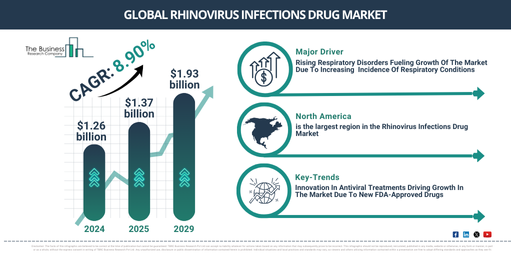
    The market size for drugs dealing with rhinovirus infections has seen significant growth in recent periods. There is anticipated growth from $1.26 billion in 2024 moving up to $1.37 billion in 2025, which indicates a compound annual growth rate (CAGR) of 9.3%. The growth recorded in the historic period can be linked to the increasing occurrence of the common cold, heightened knowledge about respiratory infections, an upsurge in the need for over-the-counter medications, a rise in health care spending and the growing use of combination therapies.

    The market for rhinovirus infection drugs is projected to exhibit robust expansion in the coming years, escalating to a valuation of $1.93 billion in 2029 with a compound annual growth rate (CAGR) of 8.9%. Various factors influencing this growth during the forecast period include the surge in antiviral drug investment, the escalating demand for specialized therapies, a rise in respiratory disorders, enhanced accessibility to healthcare in budding markets, and increased usage of biologics and monoclonal antibodies. The forecast period is also anticipated to witness major trends such as progress in antiviral research, advancements in creating vaccines, innovation regarding biologics and monoclonal antibodies, the production of wide-ranging antivirals, and breakthroughs in nanotechnology for delivering drugs.

    Download a free sample to assess the report’s scope and structure:

    https://www.thebusinessresearchcompany.com/sample.aspx?id=23503&type=smp

    Which Primay Drivers Are Accelerating Growth in the Rhinovirus Infections Drug Market?

    The escalating occurrence of respiratory ailments is predicted to catalyze the expansion of the rhinovirus infections drug sector. Respiratory diseases pertain to health issues involving the lungs and air passages, such as asthma, chronic obstructive pulmonary disease (COPD), and pneumonia, which cause breathing troubles. The upsurge in such diseases is chiefly attributed to ascending air pollution and exposure to job-related risks, thus, leading to conditions like asthma, COPD, and pneumonia becoming more common in impacted demographics. A rhinovirus infections drug aids in managing respiratory diseases by concentrating on viral multiplication, dampening inflammation, and alleviating symptoms to boost respiratory functionality. As per the National Asthma Council, a non-profit organization located in Australia, for example, in November 2023, there were 467 fatalities in Australia due to asthma in 2022, consisting of 299 females and 168 males. This number had risen from 355 fatalities in 2021. Thus, the escalating occurrence of respiratory ailments is fueling growth in the rhinovirus infections drug sector.

    Which Primary Segments of the Rhinovirus Infections Drug Market Are Driving Growth and Industry Transformations?

    The rhinovirus infections drug market covered in this report is segmented –

    1) By Product: Antivirals, Immunomodulators, Vaccines, Nasal Sprays, Symptomatic Treatments

    2) By Patient Age Group: Infants, Children, Adults, Elderly

    3) By Route Of Administration: Oral, Intranasal, Injectable

    4) By Indication: Common Cold, Asthma Exacerbation, Chronic Obstructive Pulmonary Disease (COPD) Exacerbation, Other Indications

    5) By Distribution Channel: Hospital Pharmacies, Retail Pharmacies, Online Pharmacies, Specialty Pharmacies

    Subsegments:

    1) By Antivirals: Pleconaril, Vapendavir, Rupintrivir, Other Antivirals

    2) By Immunomodulators: Interferons, Toll-Like Receptor Agonists, Other Immunomodulators

    3) By Vaccines: Live Attenuated Vaccines, Inactivated Vaccines, Recombinant Vaccines

    4) By Nasal Sprays: Antihistamine Nasal Sprays, Decongestant Nasal Sprays, Steroid Nasal Sprays, Saline Nasal Sprays

    5) By Symptomatic Treatments: Analgesics, Antipyretics, Cough Suppressants, Expectorants, Antihistamines

    Request customized data on this market:

    https://www.thebusinessresearchcompany.com/customise?id=23503&type=smp

    Which Regions Are Key Players in the Growth of the Rhinovirus Infections Drug Market?

    North America was the largest region in the rhinovirus infection drug market in 2024. Asia-Pacific is expected to be the fastest-growing region in the forecast period. The regions covered in the rhinovirus infections drug market report are Asia-Pacific, Western Europe, Eastern Europe, North America, South America, Middle East, Africa.

    Which Technological Trends Are Reshaping the Rhinovirus Infections Drug Industry Dynamics?

    Key players in the rhinovirus infections drug market are concentrating their efforts on creating novel treatment solutions such as antiviral drugs. The goal is to improve treatment efficacy, lessen symptom severity and speed up patient recovery. Antiviral medications inhibit the replication of viruses within the body, offering a way to control diseases like influenza, HIV, hepatitis, and rhinovirus. They work by either preventing the virus from entering host cells or stopping it from replicating or assembling. For example, in March 2025, Altesa BioSciences Inc., a biotech firm in the U.S., was granted approval from the U.S. Food and Drug Administration (FDA) for its Investigational New Drug (IND) application to use vapendavir for rhinovirus infections treatment in individuals with COPD. Vapendavir is a broad-spectrum oral antiviral treatment that inhibits the entry and replication of rhinovirus in human cells. Having proven successful against 97% of rhinoviruses and various respiratory enteroviruses, Altesa BioSciences has exclusive worldwide rights for the development, production and commercialization of vapendavir. This drug aims to deliver targeted therapy for high-risk groups, including patients with COPD and asthma.

    View the full report here:

    https://www.thebusinessresearchcompany.com/report/rhinovirus-infections-drug-global-market-report

    What Parameters Are Used to Define the Rhinovirus Infections Drug Market?

    A rhinovirus infections drug is a pharmaceutical agent designed to prevent, treat, or manage infections caused by rhinoviruses, which are the primary cause of the common cold. These drugs work by inhibiting viral replication, blocking viral entry into host cells, or modulating the immune response to reduce symptom severity and infection duration.

    Purchase the full report and get a swift delivery:

    https://www.thebusinessresearchcompany.com/purchaseoptions.aspx?id=23503

    About The Business Research Company:

    With over 15000+ reports from 27 industries covering 60+ geographies, The Business Research Company has built a reputation for offering comprehensive, data-rich research and insights. Armed with 1,500,000 datasets, the optimistic contribution of in-depth secondary research, and unique insights from industry leaders, you can get the information you need to stay ahead in the game.

    Get in touch with us:

    The Business Research Company: https://www.thebusinessresearchcompany.com/

    Americas +1 3156230293

    Asia +44 2071930708

    Europe +44 2071930708

    Email us at info@tbrc.info

    Follow us on:

    LinkedIn: https://in.linkedin.com/company/the-business-research-company

    YouTube: https://www.youtube.com/channel/UC24_fI0rV8cR5DxlCpgmyFQ

    Global Market Model: https://www.thebusinessresearchcompany.com/global-market-model
  • Top Trends Driving Innovation and Change in the Albumin And Creatinine Tests Market: Technological Innovations In Kidney Testing With AI-Integrated Smartphone App

    Top Trends Driving Innovation and Change in the Albumin And Creatinine Tests Market: Technological Innovations In Kidney Testing With AI-Integrated Smartphone App

    Our market reports now include the latest updates on global tariffs, trade impacts, and evolving supply chain dynamics.

    What Are the Key Milestones in the Albumin And Creatinine Tests Market’s Growth Trajectory From 2025 To 2034?

    The sector encompassing albumin and creatinine testing has seen remarkable growth in recent times, expanding from a worth of $2.95 billion in 2024, to a projected value of $3.61 billion in 2025. This suggests a compound annual growth rate (CAGR) of 22.6%. Factors contributing to this growth during the historic period include the increased incidence of conditions such as chronic kidney diseases (CKD) and diabetes, the heightened awareness about early detection strategies for kidney health, the growing popularity of point-of-care testing equipment, the spread of healthcare infrastructure into up-and-coming markets, and developments in the technology used for diagnostic testing.

    Significant expansion is predicted in the albumin and creatinine tests market in the upcoming years, with the expected market value to reach $8.05 billion by 2029, growing at a compound annual growth rate (CAGR) of 22.2%. The predicted growth for this period is attributed to the escalating demand for home-based and remote diagnostic options, the burgeoning role of AI in diagnostic tools for accurate testing, an increased focus on preventive health measures and early disease diagnosis, the broadening scope of personalized medicine, and related government initiatives and funding towards kidney health awareness. Future trends expected in the market include the creation of automated and portable diagnostic tools, growing acceptance of telemedicine-powered diagnostic solutions, progress in biomarkers for improved renal function testing, expansion in lab-on-chip technologies for point-of-care use, and increased cooperation between diagnostic organizations and research institutions.

    Download a free sample to assess the report’s scope and structure:

    https://www.thebusinessresearchcompany.com/sample.aspx?id=21091&type=smp

    What External and Internal Drivers Are Contributing to the Growth of the Albumin And Creatinine Tests Market?

    The growing prevalence of chronic kidney diseases is anticipated to fuel the expansion of the albumin and creatinine tests market. Chronic kidney disease (CKD) is characterized by the progressive deterioration of kidney functionality over time, resulting in the kidneys’ inability to properly filter out waste and surplus fluids from the bloodstream. This can lead to an accumulation of toxins and potentially cause a variety of systemic complications. Factors such as diabetes, hypertension, and obesity contribute to the increased prevalence of chronic kidney diseases. Albumin and creatinine tests play a critical role in diagnosing and tracking chronic kidney disease, as they assess protein levels, like albumin, in the urine and evaluate kidney performance via creatinine levels. This facilitates early detection and treatment of kidney damage. For example, a report released by Kidney Research UK in June 2023 indicates that currently, around 7.2 million people in the UK, or more than 10% of the population, suffer from chronic kidney disease, including 3.25 million in late stages and 3.9 million in early stages. By 2033, the number of affected individuals is projected to rise to 7.61 million. Consequently, the escalating prevalence of chronic kidney disease is spurring the growth of the albumin and creatinine tests market.

    What Segment Types Define the Albumin And Creatinine Tests Market Structure?

    The albumin and creatinine tests market covered in this report is segmented –

    1) By Product: Dipsticks And Kits, Analyzers, Cartridges, Reagents, Other Products

    2) By Type: Blood And Urine Creatinine, Urine Albumin, Glycated Albumin

    3) By End-User: Hospital And Clinics, Diagnostic Laboratories, Research Laboratories And Institutes, Other End-User

    Subsegments:

    1) By Dipsticks And Kits: Urine Dipstick Tests, Microalbumin Test Kits, Point-of-Care Test Kits

    2) By Analyzers: Automated Urine Analyzers, Benchtop Analyzers, Handheld Analyzers

    3) By Cartridges: Single-Use Cartridges, Multi-Parameter Cartridges

    4) By Reagents: Colorimetric Reagents, Enzymatic Reagents, Immunoassay Reagents

    5) By Other Products: Control Solutions, Calibration Standards, Accessories And Consumables

    Request customized data on this market:

    https://www.thebusinessresearchcompany.com/customise?id=21091&type=smp

    Which Geographic Areas Hold the Strongest Growth Potential in the Albumin And Creatinine Tests Market?

    North America was the largest region in the albumin and creatinine tests market in 2024. Asia-Pacific is expected to be the fastest-growing region in the forecast period. The regions covered in the albumin and creatinine tests market report are Asia-Pacific, Western Europe, Eastern Europe, North America, South America, Middle East, Africa.

    What Long-Term Trends Are Transforming the Competitive Landscape of the Albumin And Creatinine Tests Market?

    Leading firms in the albumin and creatinine tests market are prioritizing cutting-edge technologies, such as testing using smartphones, to evaluate urine samples and calculate a person’s albumin-to-creatinine ratio which could aid in prognosticating chronic kidney disease. The testing with smartphones involves the employment of mobile technology, inclusive of applications and peripheral equipment, for carrying out diagnostic examinations and health data analysis, offering rapid and accessible results. For example, in July 2022, a health tech firm based in the UK, Healthy-io, acquired a green signal from the United States FDA for their latest invention, the Minuteful Kidney Test. This is an AI-powered diagnostic instrument that employs smartphones. This non-intrusive, user-friendly test can be performed by patients domestically using only a smartphone and a distinctive test strip, giving instantaneous results. By facilitating the premature detection of kidney disease, it allows patients to scrutinize their health and obtain medical intervention promptly, potentially diminishing the necessity for repeated doctor consultations.

    View the full report here:

    https://www.thebusinessresearchcompany.com/report/albumin-and-creatinine-tests-global-market-report

    What Is the Definition of the Albumin And Creatinine Tests Market?

    Albumin and creatinine tests refer to the tests that combine these two values to offer a more accurate evaluation of kidney health by comparing the concentrations of albumin and creatinine in urine samples. This ratio serves to adjust albumin levels based on creatinine levels, which might change depending on factors such as hydration level.

    Purchase the full report and get a swift delivery:

    https://www.thebusinessresearchcompany.com/purchaseoptions.aspx?id=21091

    About The Business Research Company:

    With over 15000+ reports from 27 industries covering 60+ geographies, The Business Research Company has built a reputation for offering comprehensive, data-rich research and insights. Armed with 1,500,000 datasets, the optimistic contribution of in-depth secondary research, and unique insights from industry leaders, you can get the information you need to stay ahead in the game.

    Get in touch with us:

    The Business Research Company: https://www.thebusinessresearchcompany.com/

    Americas +1 3156230293

    Asia +44 2071930708

    Europe +44 2071930708

    Email us at info@tbrc.info

    Follow us on:

    LinkedIn: https://in.linkedin.com/company/the-business-research-company

    YouTube: https://www.youtube.com/channel/UC24_fI0rV8cR5DxlCpgmyFQ

    Global Market Model: https://www.thebusinessresearchcompany.com/global-market-model

  • Emerging Growth Drivers in the Coxsackievirus Infections Treatment Market Landscape: Rising Prevalence Of Hand, Foot And Mouth Disease (HFMD) And Its Impact On Healthcare Demand

    Emerging Growth Drivers in the Coxsackievirus Infections Treatment Market Landscape: Rising Prevalence Of Hand, Foot And Mouth Disease (HFMD) And Its Impact On Healthcare Demand

    Our market reports now include the latest updates on global tariffs, trade impacts, and evolving supply chain dynamics.

    What Is the Current and Projected Market Size of the Coxsackievirus Infections Treatment Market Through 2034?

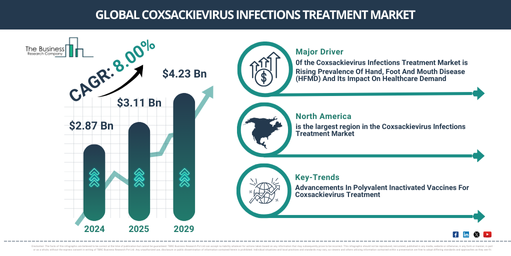
    In recent times, the market size for treatment of coxsackievirus infections has seen robust growth. The market is projected to expand from $2.87 billion in 2024 to $3.11 billion in 2025, with a compound annual growth rate (CAGR) of 8.3%. Multiple factors have contributed to the growth witnessed during the historic period, including rising cases of hand, foot, and mouth disease, heightened awareness concerning viral infections, enhancements in healthcare infrastructure and an increased need for pediatric care. Other reasons include increased healthcare expenditure, regular virus outbreaks in Asia-Pacific regions, enhanced government health initiatives, and improved access to over-the-counter treatments.

    Anticipated to witness substantial growth in the upcoming years, the coxsackievirus infections treatment market is expected to surge to a value of $4.23 billion by 2029 with a compound annual growth rate (CAGR) of 8.0%. Several factors that contribute to this growth in the forecast period include an increasing prevalence of coxsackievirus infections, increased prioritization of preventive healthcare, wider healthcare accessibility in emerging regions, the growing acceptance of supportive care goods, escalating demand for antiviral treatments, enhanced treatment procedures, increased resources for research and development, heightened awareness of viral conditions and increased healthcare spending in developing economies. The forecast period will also see several developing trends such as the creation of immediate diagnostic tools, the application of artificial intelligence in predicting treatment, the incorporation of telemedicine for remote healthcare, advancements in molecular diagnostics, manufacture of targeted antiviral drugs, usage of portable health monitoring equipment, the expansion of personalized medicine, integration of digital health solutions, innovative vaccine delivery systems, and the establishment of combination therapies for superior efficacy.

    Download a free sample to assess the report’s scope and structure:

    https://www.thebusinessresearchcompany.com/sample.aspx?id=21159&type=smp

    Which Primay Drivers Are Accelerating Growth in the Coxsackievirus Infections Treatment Market?

    The coxsackievirus infections treatment market is projected to expand owing to the high occurrence of viral infections leading to hand, foot, and mouth disease (HFMD). Common among children, HFMD is a viral illness marked by fever, mouth sores, and a rash on the hands and feet. It is primarily caused by coxsackievirus A16 and enterovirus 71. The disease spreads mainly through close interaction with infected people, bad hygiene, or dealing with contaminated surfaces or respiratory droplets. Treatments for coxsackievirus infections are primarily concerned with managing HFMD symptoms such as pain, dehydration, and fever. For instance, the Indonesia Ministry of Health (MoH) announced in April 2024 that the first quarter of 2024 witnessed 6,500 HFMD cases, more than half the 11,000 cases documented in 2023. As such, the high incidence of viral infections such as HFMD fuels the expansion of the coxsackievirus infections treatment market.

    Which Primary Segments of the Coxsackievirus Infections Treatment Market Are Driving Growth and Industry Transformations?

    The coxsackievirus infections treatment market covered in this report is segmented –

    1) By Treatment Type: Antiviral Medications, Non-Steroidal Anti-Inflammatory Drugs (NSAIDs), Corticosteroids, Supportive Care

    2) By Route Of Administration: Oral, Intravenous (IV), Topical, Inhalation

    3) By Age Group: Pediatric Patients, Adult Patients, Geriatric Patients

    4) By Distribution Channel: Hospital Pharmacies, Retail Pharmacies, Online Pharmacies

    5) By End-User: Hospitals, Outpatient Clinics, Home Care Settings, Educational Institutions (Daycare, Schools)

    Subsegments:

    1) By Antiviral Medications: Nucleoside Analogues, Protease Inhibitors, Polymerase Inhibitors

    2) By Non-Steroidal Anti-Inflammatory Drugs (NSAIDs): Ibuprofen, Aspirin, Naproxen, Diclofenac

    3) By Corticosteroids: Prednisone, Hydrocortisone, Methylprednisolone, Dexamethasone

    4) By Supportive Care: Fluid Replacement Therapy, Pain Management, Fever Management, Rest and Nutrition

    Request customized data on this market:

    https://www.thebusinessresearchcompany.com/customise?id=21159&type=smp

    Which Regions Are Key Players in the Growth of the Which Primay Drivers Are Accelerating Growth in the Coxsackievirus Infections Treatment Market? Market?

    North America was the largest region in the coxsackievirus infections treatment market in 2024. Asia-Pacific is expected to be the fastest-growing region in the forecast period. The regions covered in the coxsackievirus infections treatment market report are Asia-Pacific, Western Europe, Eastern Europe, North America, South America, Middle East, Africa.

    Which Technological Trends Are Reshaping the Coxsackievirus Infections Treatment Industry Dynamics?

    Prominent businesses in the coxsackievirus infection treatment market are advancing in the development of polyvalent inactivated vaccines. This is aimed at providing comprehensive protection, lowering infection rates, and boosting public health outcomes. These types of vaccines contain inactivated forms of several pathogens or strains, offering protection against multiple diseases or infections. For example, in March 2022, Provention Bio Inc., a biopharmaceutical organization based in the U.S., disclosed promising outcomes from its definitive analysis of the first human trial of PRV-101, its vaccine candidate, which is a polyvalent inactivated Coxsackievirus B (CVB) vaccine that targets CVB strains linked with type 1 diabetes autoimmunity. PRV-101 encourages immunity against multiple strains without causing infection, as it introduces inactivated coxsackievirus B serotypes to the immune system.

    View the full report here:

    https://www.thebusinessresearchcompany.com/report/coxsackievirus-infections-treatment-global-market-report

    What Parameters Are Used to Define the Coxsackievirus Infections Treatment Market?

    Coxsackievirus infection treatment refers to the management of symptoms caused by Coxsackievirus, as there is no specific antiviral cure. Treatment focuses on supportive care, including rest, hydration, fever reducers, and pain relievers to alleviate symptoms. In severe cases, medical intervention may be required to address complications such as viral meningitis or myocarditis.

    Purchase the full report and get a swift delivery:

    https://www.thebusinessresearchcompany.com/purchaseoptions.aspx?id=21159

    About The Business Research Company:

    With over 15000+ reports from 27 industries covering 60+ geographies, The Business Research Company has built a reputation for offering comprehensive, data-rich research and insights. Armed with 1,500,000 datasets, the optimistic contribution of in-depth secondary research, and unique insights from industry leaders, you can get the information you need to stay ahead in the game.

    Get in touch with us:

    The Business Research Company: https://www.thebusinessresearchcompany.com/

    Americas +1 3156230293

    Asia +44 2071930708

    Europe +44 2071930708

    Email us at info@tbrc.info

    Follow us on:

    LinkedIn: https://in.linkedin.com/company/the-business-research-company

    YouTube: https://www.youtube.com/channel/UC24_fI0rV8cR5DxlCpgmyFQ

    Global Market Model: https://www.thebusinessresearchcompany.com/global-market-model

  • Emerging Trends Redefining the Advanced Recurrent Ovarian Cancer Market Landscape: Innovative HIF-2a Inhibitors Transforming Advanced Renal Cell Carcinoma Treatment

    Emerging Trends Redefining the Advanced Recurrent Ovarian Cancer Market Landscape: Innovative HIF-2a Inhibitors Transforming Advanced Renal Cell Carcinoma Treatment

    Our market reports now include the latest updates on global tariffs, trade impacts, and evolving supply chain dynamics.

    How Has The Advanced Renal Cell Carcinoma Treatment Market Size Shifted, And What Is the Outlook Through 2034?

    In the past few years, the market size for advanced renal cell carcinoma treatment has seen substantial growth. The market is projected to expand from $8.10 billion in 2024 to $8.75 billion in 2025, with a compound annual growth rate (CAGR) of 8.1%. Factors contributing to this growth in the historic period include the rising percentage of older adults, an increase in smoking, a surge in instances of hypertension, higher healthcare spending, and a growing number of renal cancer cases.

    Anticipated growth in the advanced renal cell carcinoma treatment market should be robust in the upcoming years, with projections showing it could reach $11.77 billion by 2029, increasing at a compound annual growth rate (CAGR) of 7.7%. This projected surge during the forecast time frame can be attributed to various factors including an increase in genetic condition cases, an escalating prevalence of chronic hypertension, the use of tyrosine kinase inhibitors, growing knowledge about kidney cancer, and higher investment in research and development. Key trends anticipated in the forecast duration encompass technological progression in diagnostic techniques, advances in targeted therapies, oral treatment development, advancements in liquid biopsy technology, and the integration of artificial intelligence in drug research and development.

    Download a free sample to assess the report’s scope and structure:

    https://www.thebusinessresearchcompany.com/sample.aspx?id=21090&type=smp

    What Are the Core Market Drivers Propelling Growth in the Advanced Renal Cell Carcinoma Treatment Industry?

    The upward trend in genetic condition cases is anticipated to fuel the expansion of the advanced renal cell carcinoma (RCC) treatment market. Genetic conditions, which are disorders or diseases instigated by DNA abnormalities that could be inherited from either or both parents or result from mutations occurring in a person’s lifespan, are on the rise due to factors like advancements in diagnostic methods, improved awareness and reporting, and environmental influences and lifestyle changes that could coincide with genetic predispositions. By targeting specific molecular pathways, advanced renal cell carcinoma (RCC) treatment aids in managing genetic conditions, paving the way for personalized therapies that treat the genetic components of tumor growth and progression. As per Gene People, a registered UK-based charity, in June 2023, it was estimated that 1 in 25 kids is impacted by genetic conditions, with over 2.4 million individuals in the UK grappling with a genetic disorder. Furthermore, approximately 30,000 infants and children are identified with genetic conditions annually in the UK. Consequently, the increasing instances of genetic conditions are catalyzing the growth of the advanced renal cell carcinoma (RCC) treatment market.

    How Is the Advanced Renal Cell Carcinoma Treatment Market Segmented?

    The advanced renal cell carcinoma treatment market covered in this report is segmented –

    1) By Treatment: Biologics, Radiation Therapy, Chemotherapy, Hormone, Vaccine Therapy, Other Treatments

    2) By Route Of Administration: Parental, Oral, Other Route Of Administrations

    3) By End User: Hospitals, Cancer Research Institutes, Ambulatory Surgical Centers, Other End Users

    Subsegments:

    1) By Biologics: Monoclonal Antibodies, Immune Checkpoint Inhibitors, Cytokine Therapy, Targeted Small Molecule Inhibitors

    2) By Radiation Therapy: External Beam Radiation Therapy (EBRT), Stereotactic Body Radiation Therapy (SBRT), Proton Beam Therapy

    3) By Chemotherapy: Platinum-Based Chemotherapy, Antimetabolites, Alkylating Agents

    4) By Hormone Therapy: Androgen Deprivation Therapy (ADT), Estrogen Receptor Modulators

    5) By Vaccine Therapy: Peptide-Based Cancer Vaccines, Dendritic Cell Vaccines, DNA-Based Cancer Vaccines

    6) By Other Treatments: Cryoablation, Radiofrequency Ablation (RFA), Combination Therapy

    Request customized data on this market:

    https://www.thebusinessresearchcompany.com/customise?id=21090&type=smp

    Which Regions Are Driving the Next Phase of the Advanced Renal Cell Carcinoma Treatment Market Growth?

    North America was the largest region in the advanced renal cell carcinoma treatment market in 2024. The regions covered in the advanced renal cell carcinoma treatment market report are Asia-Pacific, Western Europe, Eastern Europe, North America, South America, Middle East, Africa.

    What Key Market Trends and Innovations Are Shaping the Future of the Advanced Renal Cell Carcinoma Treatment Industry?

    Leading firms in the advanced renal cell carcinoma (RCC) treatment market are concentrating their efforts on creating novel products, such as hypoxia-inducible factor-2 alpha (HIF-2a) inhibitors, with the intention to increase treatment effectiveness and enhance patient results. Hypoxia-inducible factor-2 alpha (HIF-2a) inhibitors are a group of drugs specifically developed to inhibit the function of HIF-2a, a crucial protein involved in controlling the body’s reaction to low oxygen levels. For example, in December 2023, the American healthcare corporation, Merck & Co. Inc., achieved approval from the U.S. Food and Drug Administration (FDA) for their oral HIF-2a inhibitor, WELIREG (belzutifan). This groundbreaking treatment is tailored for patients who have already received PD-1 or PD-L1 inhibitors and VEGF-TKI therapies. The authorization particularly stands out as it introduces a fresh therapeutic strategy for a group with scarce treatment choices, offering promise for improved patient prognosis and superior management of advanced RCC.

    View the full report here:

    https://www.thebusinessresearchcompany.com/report/advanced-renal-cell-carcinoma-treatment-global-market-report

    How Is the Advanced Renal Cell Carcinoma Treatment Market Defined and What Are Its Core Parameters?

    Advanced renal cell carcinoma (RCC) treatment refers to the medical interventions and therapies aimed at managing and improving the outcomes of RCC in its advanced stages, where the cancer has spread beyond the kidney. This treatment typically involves targeted therapies, immunotherapy, and sometimes radiation to control the progression of the cancer and alleviate symptoms.

    Purchase the full report and get a swift delivery:

    https://www.thebusinessresearchcompany.com/purchaseoptions.aspx?id=21090

    About The Business Research Company:

    With over 15000+ reports from 27 industries covering 60+ geographies, The Business Research Company has built a reputation for offering comprehensive, data-rich research and insights. Armed with 1,500,000 datasets, the optimistic contribution of in-depth secondary research, and unique insights from industry leaders, you can get the information you need to stay ahead in the game.

    Get in touch with us:

    The Business Research Company: https://www.thebusinessresearchcompany.com/

    Americas +1 3156230293

    Asia +44 2071930708

    Europe +44 2071930708

    Email us at info@tbrc.info

    Follow us on:

    LinkedIn: https://in.linkedin.com/company/the-business-research-company

    YouTube: https://www.youtube.com/channel/UC24_fI0rV8cR5DxlCpgmyFQ

    Global Market Model: https://www.thebusinessresearchcompany.com/global-market-model

  • $2.98 Billion Forecast for Retinal Detachment Market by 2029, Backed by Demand and Innovation

    $2.98 Billion Forecast for Retinal Detachment Market by 2029, Backed by Demand and Innovation

    Get 30% off on our Global Market Reports with code ONLINE30 – Hurry, limited time offer!

    What Are the Projected Market Size and Growth Rates for the Retinal Detachment Market From 2025 To 2029?

    The market size for retinal detachment has really expanded in the last few years. Projected growth is from $2.16 billion in 2024 to a promising $2.30 billion in 2025, with a compound annual growth rate (CAGR) of 6.9%. Factors attributing to this significant growth in the earlier years include an aging demographic, a rise in diabetes diagnosis, increased instances of eye injuries, heightened awareness regarding retinal diseases, and the extensive development of healthcare systems.

    The market for retinal detachment is projected to witness substantial growth in the upcoming years, with its value anticipated to reach $2.98 billion by 2029, reflecting a compound annual growth rate (CAGR) of 6.6%. This growth during the forecast period can be linked to several factors such as the escalating prevalence of high myopia, growing acceptance of minimally invasive techniques, increased availability of specialized eye care, broader health insurance availability, and advanced research in gene therapy. Key market trends for the forecast period include the creation of artificial retina implants, growth of teleophthalmology services, progress in stem cell therapy for retinal repairs, involvement of robotic-assisted procedures in retinal surgeries, and enhancement in retinal imaging.

    Download a free sample to assess the report’s scope and structure:

    https://www.thebusinessresearchcompany.com/sample.aspx?id=23500&type=smp

    What Are the Core Growth Drivers Propelling the Retinal Detachment Market Forward?

    The surge in eye surgeries is anticipated to foster the expansion of the retinal detachment market in the future. These surgeries, which are medical procedures carried out on the eye to rectify vision defects, manage diseases, or mend injuries, are on the rise because extensive screen usage causes digital eye strain, which exacerbates vision problems. This leads to conditions like cataracts and myopia that require surgical intervention. Furthermore, modifications in lifestyle and a growing dependency on electronic gadgets are adding to the upsurge of eye-related dilemmas. Retinal detachment contributes to the progression in eye surgeries by necessitating novel methods and technologies to reinstate vision, refine surgical accuracy, and improve patient results. For instance, data from the Eye Bank Association of America, a US transplant organization, shows a 2.7% increase in domestic keratoplasty procedures in 2023, up from 49,597 in 2022 to 50,925. Consequently, the upswing in the number of eye surgeries is propelling the development of the retinal detachment market.

    What Segment Types Define the Retinal Detachment Market Structure?

    The retinal detachment market covered in this report is segmented –

    1) By Condition Type: Rhegmatogenous Retinal Detachment, Tractional Retinal Detachment, Exudative Retinal Detachment

    2) By Treatment: Photocoagulation, Cryopexy, Pneumatic Retinopexy, Scleral Buckling, Vitrectomy

    3) By End User: Hospitals And Clinics, Specialty Centers, Other End Users

    Subsegments:

    1) By Rhegmatogenous Retinal Detachment: Retinal Tears, Retinal Holes, Giant Retinal Tears

    2) By Tractional Retinal Detachment: Diabetic Tractional Detachment, Proliferative Vitreoretinopathy (PVR), Retinopathy of Prematurity (ROP)

    3) By Exudative Retinal Detachment: Inflammatory Disorders, Tumors, Vascular Disorders

    Request customized data on this market:

    https://www.thebusinessresearchcompany.com/customise?id=23500&type=smp

    Which Geographic Areas Hold the Strongest Growth Potential in the Retinal Detachment Market?

    North America was the largest region in the retinal detachment market in 2024. Asia-Pacific is expected to be the fastest-growing region in the forecast period. The regions covered in the retinal detachment market report are Asia-Pacific, Western Europe, Eastern Europe, North America, South America, Middle East, Africa.

    Which Emerging Trends that Are Influencing the Retinal Detachment Industry Evolution?

    Leading corporations in the retinal detachment market are concentrating their efforts on creating innovative services such as surgical retina services to better treatment results and patient care quality. A surgical retina service incorporates a unique medical scheme or center providing advanced surgical solutions for retinal conditions. It is centered on diagnosing and providing treatments for conditions that affect the retina, including retinal detachment, macular holes, diabetic retinopathy, and age-related macular degeneration. For example, NYC Health + Hospitals/Harlem, a teaching hospital in the US, in July 2024, initiated a new Surgical Retina Service to boost its capability in treating intricate retinal conditions specifically in the Harlem community. This service was developed in association with Columbia University Irving Medical Center’s Edward S. Harkness Eye Institute, who assisted technically. The service aims to diagnose and treat various retinal ailments, with retinal detachment being the most frequent indication for retinal surgery.

    View the full report here:

    https://www.thebusinessresearchcompany.com/report/retinal-detachment-global-market-report

    What Is the Definition of the Retinal Detachment Market?

    Retinal detachment refers to a medical condition in which the retina, the light-sensitive layer of tissue at the back of the eye, separates from its underlying supportive tissue. This separation disrupts the retina’s normal function, leading to vision loss or blindness if not treated promptly.

    Purchase the full report and get a swift delivery:

    https://www.thebusinessresearchcompany.com/purchaseoptions.aspx?id=23500

    About The Business Research Company:

    With over 15000+ reports from 27 industries covering 60+ geographies, The Business Research Company has built a reputation for offering comprehensive, data-rich research and insights. Armed with 1,500,000 datasets, the optimistic contribution of in-depth secondary research, and unique insights from industry leaders, you can get the information you need to stay ahead in the game.

    Get in touch with us:

    The Business Research Company: https://www.thebusinessresearchcompany.com/

    Americas +1 3156230293

    Asia +44 2071930708

    Europe +44 2071930708

    Email us at info@tbrc.info

    Follow us on:

    LinkedIn: https://in.linkedin.com/company/the-business-research-company

    YouTube: https://www.youtube.com/channel/UC24_fI0rV8cR5DxlCpgmyFQ

    Global Market Model: https://www.thebusinessresearchcompany.com/global-market-model

  • Strategic Growth Drivers Shaping the Corneal Endothelial Dystrophy Market Outlook 2025- 2034:Growing Demand For Corneal Transplantation Driving The Market

    Our market reports now include the latest updates on global tariffs, trade impacts, and evolving supply chain dynamics.

    What is the Anticipated CAGR of the Corneal Endothelial Dystrophy Market, and What Factors Will Drive It?

    The market for corneal endothelial dystrophy has seen significant growth in the past few years. Its size is predicted to increase from $170.96 billion in 2024 to $185.38 billion in 2025, representing a compound annual growth rate (CAGR) of 8.4%. The growth in prior years can be credited to factors such as increased healthcare spending, a rise in the incidence of this type of corneal dystrophy, an aging population, higher rates of eye disorders, and a surge in the prevalence of corneal conditions.

    Anticipated robust expansion is set for the corneal endothelial dystrophy market in the coming years, with projections set at $252.88 billion by 2029, marking a compound annual growth rate (CAGR) of 8.1%. This anticipated expansion during the projected period can be credited to an increase in cases of corneal blindness in developing countries, heightened consciousness regarding eye health, increased demand for corneal transplants, improved healthcare facilities, and the escalating incidence of chronic disorders. Key trends identified for the projection period include progressive developments in regenerative therapies, advancements in healthcare technologies, improvements in diagnostic procedures, technological strides in ophthalmic lasers, and innovative technologies.

    Download a free sample to assess the report’s scope and structure:

    https://www.thebusinessresearchcompany.com/sample.aspx?id=21158&type=smp

    Which Factors and External Forces Are Driving Demand in the Corneal Endothelial Dystrophy Market?

    The surging requirement for corneal transplantation is anticipated to propel the expansion of the corneal endothelial dystrophy market in the future. In this surgical procedure, a damaged or diseased cornea is substituted with a healthy one from a donor in order to restore vision and better eye health. The need for such transplantation arises due to an increase in incidents of corneal ailments, advancements in surgical procedures, and enhanced rates of organ donation. Corneal endothelial dystrophy is managed through corneal transplantation, substituting the impaired endothelium with a healthy one from a donor, as a means of restoring corneal clarity, reducing edema, and enhancing vision. For instance, the Eye Bank Association of America, a US-based transplant association, revealed that in 2023 the number of domestic keratoplasty procedures (a type of corneal transplantation) rose by 2.7%, jumping from 49,597 in 2022 to 50,925 in 2023. As such, the intensified demand for corneal transplantation is supporting the growth of the corneal endothelial dystrophy market.

    Which Segments in the Corneal Endothelial Dystrophy Offer the Most Growth?

    The corneal endothelial dystrophy market covered in this report is segmented –

    1) By Treatment: Phototherapeutic Keratectomy, Amniotic Membrane Transplants, Anterior Stromal Puncture, Conjunctival Flaps

    2) By Disease Type: Congenital Hereditary Endothelial Dystrophy 1, Congenital Hereditary Endothelial Dystrophy 2, Posterior Polymorphous Corneal Dystrophy, Fuchs Endothelial Corneal Dystrophy

    3) By Diagnosis: Cornea Examination And Grading, Corneal Tomography, Corneal Pachymetry, Corneal Cell Count

    4) By End-User: Hospitals, Clinics, Other End Users

    Subsegments:

    1) By Phototherapeutic Keratectomy: Excimer Laser Therapy, Corneal Reshaping

    2) By Amniotic Membrane Transplants: Fresh Amniotic Membrane Transplant, Cryopreserved Amniotic Membrane Transplant

    3) By Anterior Stromal Puncture: Manual Technique, Laser-Assisted Technique

    4) By Conjunctival Flaps: Partial Flap Technique, Full Flap Technique

    Request customized data on this market:

    https://www.thebusinessresearchcompany.com/customise?id=21158&type=smp

    What Are the Fastest-Growing Geographies in the Which Factors and External Forces Are Driving Demand in the Corneal Endothelial Dystrophy Market? Market?

    North America was the largest region in the corneal endothelial dystrophy market in 2024. Asia-Pacific is expected to be the fastest-growing region in the forecast period. The regions covered in the corneal endothelial dystrophy market report are Asia-Pacific, Western Europe, Eastern Europe, North America, South America, Middle East, Africa.

    Which Cutting-Edge Market Trends Are Expected to Drive theCorneal Endothelial Dystrophy Market’s Growth?

    Leading firms in the corneal endothelial dystrophy market are prioritizing the creation of novel therapeutic methods like allogeneic cell therapy, aiming to fill the gap in medical solutions with minimally invasive, progressive treatment options that enhance patient recovery. Allogeneic cell therapy is a procedure where cells from a donor of the same species, yet genetically different, are used for treatment of a recipient. For example, Aurion Biotech Inc., a clinical-stage biotech organization based in the US, introduced Vyznova (neltependocel) in Japan in September 2024 for tackling bullous keratopathy, a type of corneal endothelial disorder. Vyznova (neltependocel), a cell therapy contrived by Aurion Biotech, is designed to treat bullous keratopathy, a condition that deteriorates the corneal endothelial cells, leading to vision impairment. This cell therapy is the inaugural approved treatment for corneal endothelial disease, having gained approval in Japan. Vyznova cultivates corneal endothelial cells in a lab, enabling the creation of up to 1,000 doses using a single donation. This advanced therapy presents an option that is less invasive than corneal transplants, addressing the cornea donor scarcity and offering a novel approach for vision restoration in patients suffering from corneal disorders.

    View the full report here:

    https://www.thebusinessresearchcompany.com/report/corneal-endothelial-dystrophy-global-market-report

    What Are the Key Elements That Define the Corneal Endothelial Dystrophy Market?

    Corneal endothelial dystrophy is a genetic eye disorder that affects the cornea’s endothelium (the inner layer of cells), leading to progressive loss of corneal clarity. The condition is characterized by the degeneration of the endothelial cells responsible for maintaining proper fluid balance within the cornea.

    Purchase the full report and get a swift delivery:

    https://www.thebusinessresearchcompany.com/purchaseoptions.aspx?id=21158

    About The Business Research Company:

    With over 15000+ reports from 27 industries covering 60+ geographies, The Business Research Company has built a reputation for offering comprehensive, data-rich research and insights. Armed with 1,500,000 datasets, the optimistic contribution of in-depth secondary research, and unique insights from industry leaders, you can get the information you need to stay ahead in the game.

    Get in touch with us:

    The Business Research Company: https://www.thebusinessresearchcompany.com/

    Americas +1 3156230293

    Asia +44 2071930708

    Europe +44 2071930708

    Email us at info@tbrc.info

    Follow us on:

    LinkedIn: https://in.linkedin.com/company/the-business-research-company

    YouTube: https://www.youtube.com/channel/UC24_fI0rV8cR5DxlCpgmyFQ

    Global Market Model: https://www.thebusinessresearchcompany.com/global-market-model