Blog

  • $6.68 Billion Forecast for Pelvic Cancer Induced Hemorrhagic Cystitis Market by 2029, Backed by Demand and Innovation

    $6.68 Billion Forecast for Pelvic Cancer Induced Hemorrhagic Cystitis Market by 2029, Backed by Demand and Innovation

    Get 30% off on our Global Market Reports with code ONLINE30 – Hurry, limited time offer!

    What Are the Key Milestones in the Pelvic Cancer Induced Hemorrhagic Cystitis Market’s Growth Trajectory From 2025 To 2034?

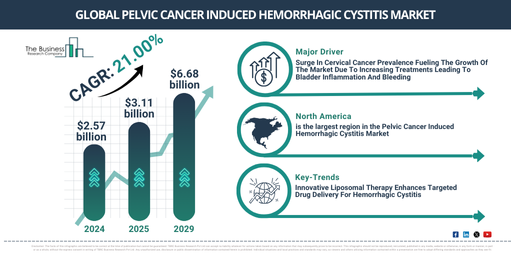
    The market size of hemorrhagic cystitis caused by pelvic cancer has experienced remarkable expansion in the past few years. It is projected to surge from $2.57 billion in 2024 to $3.11 billion in 2025, maintaining a compound annual growth rate (CAGR) of 21.1%. Factors contributing to this historic period growth include the rise in pelvic cancer incidences, an aging populace, an increase in cases of cervical cancer, governmental initiatives and the establishment of supportive reimbursement policies.

    The market size of hemorrhagic cystitis prompted by pelvic cancer is anticipated to experience significant expansion in the upcoming years. The market value is set to reach $6.68 billion by 2029, propelled by a compound annual growth rate (CAGR) of 21.0%. The growth projected for this period is attributed to factors such as heightened public awareness, a growing trend towards unhealthy eating habits and sedentary lifestyles, an expanding healthcare framework, increased patient compliance, and the preference for cost-effective drugs that are devoid of side effects. Over the forecast period, key trends are expected to include advancements in medicinal development, progression in targeted therapies and immunotherapies, the uptake of combination therapies, the rise in personalized medicine, and the adoption of innovative therapies.

    Download a free sample to assess the report’s scope and structure:

    https://www.thebusinessresearchcompany.com/sample.aspx?id=23470&type=smp

    What Are the Core Growth Drivers Propelling the Pelvic Cancer Induced Hemorrhagic Cystitis Market Forward?

    The expected surge in cervical cancer incidences is likely to accelerate the growth of the cervical cancer-induced hemorrhagic cystitis market. Cervical cancer, a malignant neoplasm that originates in the cervix, is predominantly due to enduring infection from high-risk strains of the human papillomavirus (HPV). Without treatment, it can lead to unregulated cell multiplication, invasion of nearby tissues, and potential metastasis. The increasing instances of cervical cancer can be attributed to an insufficient access to preventative healthcare, with ineffective cervical screening programs being a crucial factor. Complications like pelvic cancer-induced hemorrhagic cystitis broaden clinical awareness and surveillance of cervical cancer, encouraging early detection and prompt treatment which can ultimately enhance patient outcomes and push progress in cancer care. For instance, as per the data provided by the American Cancer Society, a non-profit organization from the U.S., around 13,360 new invasive cervical cancer cases are anticipated in 2025 in the U.S., with about 4,320 women estimated to fall victim to the disease. Therefore, the upturn in cervical cancer cases is fueling the expansion of the cervical cancer-induced hemorrhagic cystitis market. The move towards detrimental diets and inactive lifestyles is anticipated to augment the growth of the pelvic cancer-induced hemorrhagic cystitis market. This refers to a lifestyle of consuming high-calorie, nutrient-deficient foods and performing less physical exercise, resulting in negative health circumstances such as obesity, cardiovascular diseases, and metabolic disorders. The shift towards unwholesome diets and inactive lifestyles is encouraged by the increasing intake of processed foods, promoting unhealthy eating habits and leading to long-term health hazards. Pelvic cancer-induced hemorrhagic cystitis underlines the significance of maintaining a healthier lifestyle. Positive dietary changes and an active lifestyle support overall wellness, advance treatment outcomes, and enrich the quality of life. For instance, the American Heart Association, Inc., a non-profit organization in the U.S., projected that by 2050 over 150 million Americans will have an unhealthy diet resulting in nearly a 40% rise in adult obesity. Consequently, the move towards unhealthy diets and inactive lifestyles is propelling the growth of the pelvic cancer-induced hemorrhagic cystitis market.

    What Segment Types Define the Pelvic Cancer Induced Hemorrhagic Cystitis Market Structure?

    The pelvic cancer induced hemorrhagic cystitis market covered in this report is segmented –

    1) By Treatment: Bone Marrow Transplant, Chemotherapy, Radiation Therapy, Other Treatments

    2) By Route Of Administration: Oral, Injectable, Intravesical

    3) By Distribution Channel: Hospital Pharmacies, Retail Pharmacies, Online Pharmacies

    Subsegments:

    1) By Bone Marrow Transplant: Autologous Bone Marrow Transplant, Allogeneic Bone Marrow Transplant, Haploidentical Transplant

    2) By Chemotherapy: Systemic Chemotherapy, Intravesical Chemotherapy, Targeted Chemotherapy

    3) By Radiation Therapy: External Beam Radiation Therapy (EBRT), Brachytherapy, Intensity-Modulated Radiation Therapy (IMRT)

    4) By Other Treatments: Hyperbaric Oxygen Therapy (HBOT), Intravesical Therapy, Bladder Irrigation And Catheterization, Surgical Interventions, Regenerative Medicine Approaches, Pain Management And Palliative Care

    Request customized data on this market:

    https://www.thebusinessresearchcompany.com/customise?id=23470&type=smp

    Which Geographic Areas Hold the Strongest Growth Potential in the Pelvic Cancer Induced Hemorrhagic Cystitis Market?

    North America was the largest region in the pelvic cancer induced hemorrhagic cystitis market in 2024. Asia-Pacific is expected to be the fastest-growing region in the forecast period. The regions covered in the pelvic cancer induced hemorrhagic cystitis market report are Asia-Pacific, Western Europe, Eastern Europe, North America, South America, Middle East, Africa.

    Which Emerging Trends that Are Influencing the Pelvic Cancer Induced Hemorrhagic Cystitis Industry Evolution?

    Leading businesses in the pelvic cancer-induced hemorrhagic cystitis market are concentrating on the development of innovative drug treatments, such as liposomal tacrolimus therapy. This involves the creation of sophisticated drug formulations that amplify targeted treatment delivery, while also heightening safety and efficacy. Liposomal tacrolimus therapy is a treatment method that involves enclosing tacrolimus in liposomes to boost its bioavailability, enhance targeted immunosuppression, and lessen systemic toxicity when treating autoimmune disorders and organ transplant rejection. For instance, Lipella Pharmaceuticals Inc., a biotechnology firm based in the US, revealed the patent allowance in the country for its novel liposomal drug delivery platform in October 2024. This platform is designed to improve the focused application of therapeutic agents for multiple medical conditions, including hemorrhagic cystitis. Notably, this cutting-edge liposomal technology increases drug delivery to epithelial tissues such as the bladder, mouth, colon, and urethra. Such targeted delivery makes the treatment more effective and reduces systemic side effects. Also, the market exclusivity obtained via this patent enhances Lipella’s competitive advantage and bolsters the advancement of LP-10, its primary clinical asset and a potential intravesical treatment for hemorrhagic cystitis.

    View the full report here:

    https://www.thebusinessresearchcompany.com/report/pelvic-cancer-induced-hemorrhagic-cystitis-global-market-report

    What Is the Definition of the Pelvic Cancer Induced Hemorrhagic Cystitis Market?

    Pelvic cancer-induced hemorrhagic cystitis refers to inflammation and bleeding of the bladder (cystitis) caused by pelvic cancer or its treatments (such as radiation therapy or chemotherapy). It occurs due to direct tumor invasion, radiation-induced damage, or chemotherapy agents such as cyclophosphamide and ifosfamide, which can irritate the bladder lining. Treatment typically involves supportive care like hydration and bladder irrigation, medications to manage pain and protect the bladder, and, in severe cases, procedures such as cystoscopy or surgery to manage complications.

    Purchase the full report and get a swift delivery:

    https://www.thebusinessresearchcompany.com/purchaseoptions.aspx?id=23470

    About The Business Research Company:

    With over 15000+ reports from 27 industries covering 60+ geographies, The Business Research Company has built a reputation for offering comprehensive, data-rich research and insights. Armed with 1,500,000 datasets, the optimistic contribution of in-depth secondary research, and unique insights from industry leaders, you can get the information you need to stay ahead in the game.

    Get in touch with us:

    The Business Research Company: https://www.thebusinessresearchcompany.com/

    Americas +1 3156230293

    Asia +44 2071930708

    Europe +44 2071930708

    Email us at info@tbrc.info

    Follow us on:

    LinkedIn: https://in.linkedin.com/company/the-business-research-company

    YouTube: https://www.youtube.com/channel/UC24_fI0rV8cR5DxlCpgmyFQ

    Global Market Model: https://www.thebusinessresearchcompany.com/global-market-model
  • Global Paroxysmal Nocturnal Hemoglobinuria (PNH) Treatment Market Projected to Reach $10.09 Billion by 2029 at a CAGR of 13.5%

    Global Paroxysmal Nocturnal Hemoglobinuria (PNH) Treatment Market Projected to Reach $10.09 Billion by 2029 at a CAGR of 13.5%

    Get 30% off on our Global Market Reports with code ONLINE30 – Hurry, limited time offer!

    How Has The Paroxysmal Nocturnal Hemoglobinuria (PNH) Treatment Market Size Shifted, And What Is the Outlook Through 2034?

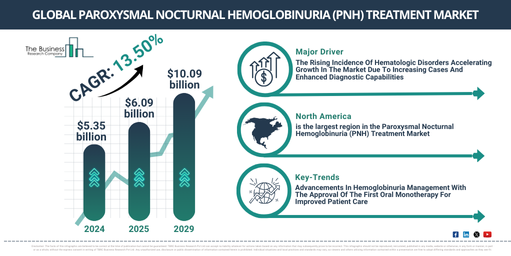
    The market size for the paroxysmal nocturnal hemoglobinuria (PNH) treatment has seen a fast-paced growth in recent years. It’s projected to expand from $5.35 billion in 2024 to $6.09 billion in 2025, marking a compound annual growth rate (CAGR) of 13.8%. This expansion observed in the historic period can be credited to several factors such as a rising incidence of neurological disorders and chronic pain conditions, a heightened awareness about the disease, an upsurge in the occurrence of paroxysmal nocturnal hemoglobinuria (PNH), a growing awareness of rare blood disorders, and an increase in regulatory approvals and research and development (R&D).

    Expectations suggest that the market for paroxysmal nocturnal hemoglobinuria (PNH) treatment will expand quickly in the coming years, with projections reaching $10.09 billion by 2029, reflecting a compound annual growth rate (CAGR) of 13.5%. Factors contributing to this growth during the forecast period include the escalating prevalence of rare diseases, increased spending and advanced treatment accessibility in healthcare, heightened investment in healthcare infrastructure, and the rising trend of home-based testing and telemonitoring, along with a spike in research and development activities. The forecast period also sees progressive trends like improvements in genetic testing and biomarkers, therapy advances, development of target-specific therapies, biotechnological advancements, and the creation of new therapeutic methods.

    Download a free sample to assess the report’s scope and structure:

    https://www.thebusinessresearchcompany.com/sample.aspx?id=23469&type=smp

    What are the Fundamental Drivers and Innovations Shaping the Paroxysmal Nocturnal Hemoglobinuria (PNH) Treatment Market?

    The escalating occurrence of blood-related disorders is anticipated to push the expansion of the paroxysmal nocturnal hemoglobinuria (PNH) treatment market. Hematologic disorders encompass a wide range of health issues that impact blood and blood-producing organs, which can lead to abnormalities in red blood cells, white blood cells, platelets, bone marrow, and the coagulation system, resulting in anemia, clotting disorders, or cancers. The heightened occurrence of such disorders is fueled by elements like an aging population and genetic predispositions, with genetic anomalies playing a crucial role in triggering irregular blood cell production, which subsequently leads to different hematologic conditions. Treatment for paroxysmal nocturnal hemoglobinuria (PNH) positively controls these disorders by implementing targeted therapies that lessen complement-mediated hemolysis, decrease thrombotic complications, and enhance survival outcomes for patients. For example, Cancer Research UK, a UK-based charity organization, projected in July 2024 that the average number of new leukemia cases, a kind of hematologic disorder is predicted to rise from roughly 12,400 in 2023-2025 to about 14,500 by 2038-2040. Thus, the growing incidence of hematologic disorders propels the paroxysmal nocturnal hemoglobinuria (PNH) treatment market forward.

    How Is the Paroxysmal Nocturnal Hemoglobinuria (PNH) Treatment Market Segmented?

    The paroxysmal nocturnal hemoglobinuria (PNH) treatment market covered in this report is segmented –

    1) By Treatment Type: Complement C5 Inhibitors, Anti-Complement Component 5a Receptor (C5aR) Monoclonal Antibodies, Alternative Pathway Inhibitors, Hematopoietic Stem Cell Transplantation, Other Therapies

    2) By Route Of Administration: Intravenous, Subcutaneous, Oral

    3) By market Availability: Approved, In Pipeline, Investigational

    4) By End-Use: Hospitals, Specialty Clinics, Homecare Settings, Other End-Users

    Subsegments:

    1) By Complement : C5 InhibitorsEculizumab (Soliris), Ravulizumab (Ultomiris), Emerging C5 Inhibitors, Biosimilars Of C5 Inhibitors,

    2) By Anti-Complement Component 5a Receptor Monoclonal Antibodies: Avacopan (Tavneos), Other Investigational C5aR mAbs, Monotherapy vs Combination Therapy, Clinical Trial Phase (Phase I, II, III)

    3) By Alternative Pathway Inhibitors: C3 Inhibitors, Factor B Inhibitors, Factor D Inhibitors, Targeting Complement Amplification, Combination Therapies And Dual Inhibition

    4) By Hematopoietic Stem Cell Transplantation (HSCT) : Autologous HSCT vs. Allogeneic HSCT, Pre-Transplant Conditioning Therapies, Post-Transplant Immunosuppressive Therapies

    5) By Other Therapies: Immunosuppressive Therapy, Supportive Care, Anticoagulation Therapy, Gene Therapy

    Request customized data on this market:

    https://www.thebusinessresearchcompany.com/customise?id=23469&type=smp

    Which Regions Are Driving the Next Phase of the Paroxysmal Nocturnal Hemoglobinuria (PNH) Treatment Market Growth?

    North America was the largest region in the paroxysmal nocturnal hemoglobinuria (PNH) treatment market in 2024. Asia-Pacific is expected to be the fastest-growing region in the forecast period. The regions covered in the paroxysmal nocturnal hemoglobinuria (PNH) treatment market report are Asia-Pacific, Western Europe, Eastern Europe, North America, South America, Middle East, Africa.

    What Key Trends Are Shaping the Future of the Paroxysmal Nocturnal Hemoglobinuria (PNH) Treatment Market?

    Key players in the paroxysmal nocturnal hemoglobinuria (PNH) treatment sector are striving to innovate by conceiving new solutions such as oral Factor B inhibitors. Their goal is to provide enhanced therapeutic effectiveness and make it easier for patients to handle PNH. An oral Factor B inhibitor is a unique, small-molecule medication that selectively impedes Factor B in the alternative complement pathway, helping control hyperactive immune responses and mitigate inflammation in diseases driven by complement-mediated mechanisms. For example, in December 2023, the Switzerland-based pharmaceutical company, Novartis AG, revealed the FDA’s approval of Fabhalta (iptacopan), the first oral standalone treatment for PNH. This new Factor B inhibitor provides a more holistic way to manage complement-mediated hemolysis, by targeting the alternative complement pathway earlier, which leads to increased hemoglobin levels and less requirement for blood transfusions. The authorization of Fabhalta signifies a pioneering leap forward in PNH therapy, presenting heightened effectiveness, improved patient adherence, and a substitute for IV therapies, thus revolutionizing the treatment options for this rare blood disorder.

    View the full report here:

    https://www.thebusinessresearchcompany.com/report/paroxysmal-nocturnal-hemoglobinuria-pnh-treatment-global-market-report

    How Is the Paroxysmal Nocturnal Hemoglobinuria (PNH) Treatment Market Defined and What Are Its Core Parameters?

    Paroxysmal nocturnal hemoglobinuria (PNH) treatment refers to medical therapies to manage PNH, a rare blood disorder characterized by hemolysis (destruction of red blood cells), blood clots, and bone marrow dysfunction. Paroxysmal nocturnal hemoglobinuria (PNH) is a rare, acquired hematologic disorder characterized by the destruction of red blood cells due to complement-mediated hemolysis, bone marrow dysfunction leading to cytopenias, and an increased risk of thrombosis. Paroxysmal nocturnal hemoglobinuria (PNH) management focuses on inhibiting complement activation to prevent hemolysis, addressing bone marrow failure, and mitigating thrombotic complications to improve patient outcomes and quality of life.

    Purchase the full report and get a swift delivery:

    https://www.thebusinessresearchcompany.com/purchaseoptions.aspx?id=23469

    About The Business Research Company:

    With over 15000+ reports from 27 industries covering 60+ geographies, The Business Research Company has built a reputation for offering comprehensive, data-rich research and insights. Armed with 1,500,000 datasets, the optimistic contribution of in-depth secondary research, and unique insights from industry leaders, you can get the information you need to stay ahead in the game.

    Get in touch with us:

    The Business Research Company: https://www.thebusinessresearchcompany.com/

    Americas +1 3156230293

    Asia +44 2071930708

    Europe +44 2071930708

    Email us at info@tbrc.info

    Follow us on:

    LinkedIn: https://in.linkedin.com/company/the-business-research-company

    YouTube: https://www.youtube.com/channel/UC24_fI0rV8cR5DxlCpgmyFQ

    Global Market Model: https://www.thebusinessresearchcompany.com/global-market-model
  • Oxygen Conserving Devices Market Forecast 2025–2034: Trends Reshaping Demand, Investment, and Innovation

    Oxygen Conserving Devices Market Forecast 2025–2034: Trends Reshaping Demand, Investment, and Innovation

    Get 30% off on our Global Market Reports with code ONLINE30 – Hurry, limited time offer!

    How Has the Oxygen Conserving Devices Market Growth Performance Trended Historically, And What Lies Ahead?

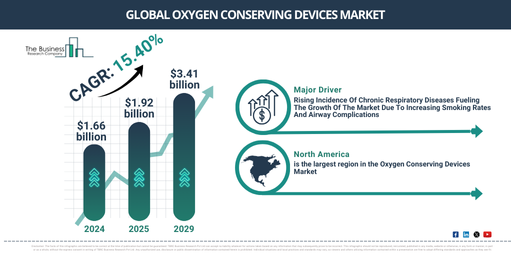
    In recent times, the market size of oxygen conserving devices has seen swift growth. Estimates suggest an increase from $1.66 billion in 2024 to $1.92 billion in 2025, projecting a compound annual growth rate (CAGR) of 15.7%. Factors contributing to the recorded growth in the past include an increased incidence of respiratory ailments, a rise in the elderly population, expanded adoption of home healthcare, initiatives by the government for respiratory care, and heightened awareness regarding oxygen conservation.

    Expectations for the oxygen conserving devices market point towards a speedy escalation in the coming years. Projections indicate a surge to $3.41 billion in 2029 with a compound annual growth rate (CAGR) of 15.4%. The expected growth within this forecast period is linked to factors such as the escalating demand for oxygen therapies at home, the rise in incidence of chronic respiratory ailments, heightened usage of smart healthcare devices, and developments in healthcare infrastructure. Key trends set to influence the forecast period encompass AI-enabled oxygen flow control, smart sensors facilitating real-time oxygen tracking, incorporation of IoT in the medical domain, supervision of patient data via cloud, and adaptive oxygen regulators with self-learning features.

    Download a free sample to assess the report’s scope and structure:

    https://www.thebusinessresearchcompany.com/sample.aspx?id=23468&type=smp

    What Are the Primary Drivers Supporting the Market Growth of the Oxygen Conserving Devices Market?

    The escalation in chronic respiratory disease occurrences is projected to stimulate the oxygen conserving devices market’s expansion. Chronic respiratory diseases, long-lasting disorders affecting the lungs and airways, complicate breathing. This surge is primarily fueled by continuous smoking and tobacco usage, major contributors to ailments such as COPD and lung cancer. Oxygen conserving devices are advantageous for chronic respiratory diseases, effectively offering supplemental oxygen, boosting mobility and comfort while preserving sufficient oxygen levels. For example, the Australian Institute of Health and Welfare disclosed in November 2024 that approximately 2.8 million individuals or 11% dealt with asthma in 2022, leading to 2.5% of the total disease burden and 35% of the respiratory disease burden in 2023, with 467 related deaths (1.8 per 100,000 population) in 2022, making up 0.2% of all deaths. Hence, the escalating chronic respiratory disease prevalence propels the oxygen conserving devices market’s growth. The enhancement of healthcare infrastructure is anticipated to stimulate the expansion of the oxygen conserving devices market. Healthcare infrastructure encompasses the physical and institutional structures, facilities, systems, and resources crucial for effective healthcare service delivery. This infrastructure is growing due to the increasing chronic disease prevalence, such as diabetes and heart conditions, bolstering the need for specialized care facilities and resources for lengthy patient management. The healthcare infrastructure promotes oxygen conserving devices by ensuring reliable accessibility, efficient distribution, and thorough maintenance in both medical facilities and homecare settings. For example, in May 2023, as per the U.S.-based non-profit organization, the American Health Care Association, the United States had 6,129 hospitals, a 0.591% growth from the prior year with 6,093 hospitals. Therefore, the enhancement of healthcare infrastructure propels the growth of the oxygen conserving devices market.

    Which Primary Segments of the Oxygen Conserving Devices Market Are Driving Growth and Industry Transformations?

    The oxygen conserving devices market covered in this report is segmented –

    1) By Product: Reservoir Cannula, Transtracheal Catheters, Intermittent Flow Device, Continuous Flow Device, Other Products

    2) By Indication: Chronic Obstructive Pulmonary Disease (COPD), Pneumonia, Asthma, Other Respiratory Disorders

    3) By End-User: Hospitals And Clinics, Long-Term Care Units, Home Care, Other End-Users

    Subsegments:

    1) Reservoir Cannula: Pendant Reservoir Cannula, Mustache Reservoir Cannula, Pediatric Reservoir Cannula

    2) Transtracheal Catheters: Micro-Trach Catheter, Scoop-Tip Catheter, Extended-Length Catheter

    3) Intermittent Flow Device: Pulse Dose Oxygen Conserving Device, Demand Oxygen Delivery System, Electronic Oxygen Conserving Device

    4) Continuous Flow Device: Portable Oxygen Concentrators, Stationary Oxygen Concentrators, High-Flow Oxygen Therapy Device

    5) Other Products: Oxygen Masks, Oxygen-Conserving Regulators, Oxygen Reservoir Bags, Nasal Oxygen Prongs, Oxygen Humidifiers

    Request customized data on this market:

    https://www.thebusinessresearchcompany.com/customise?id=23468&type=smp

    Which Regions Are Key Players in the Growth of the Oxygen Conserving Devices Market?

    North America was the largest region in the oxygen conserving devices market in 2024. Asia-Pacific is expected to be the fastest-growing region in the forecast period. The regions covered in the oxygen conserving devices market report are Asia-Pacific, Western Europe, Eastern Europe, North America, South America, Middle East, Africa.

    View the full report here:

    https://www.thebusinessresearchcompany.com/report/oxygen-conserving-devices-global-market-report

    What Parameters Are Used to Define the Oxygen Conserving Devices Market?

    Oxygen conserving devices (OCDs) are medical devices designed to optimize oxygen delivery to patients with respiratory conditions. These devices reduce the wastage of oxygen by delivering it only during inhalation rather than continuously, thereby extending the life of oxygen tanks or concentrators.

    Purchase the full report and get a swift delivery:

    https://www.thebusinessresearchcompany.com/purchaseoptions.aspx?id=23468

    About The Business Research Company:

    With over 15000+ reports from 27 industries covering 60+ geographies, The Business Research Company has built a reputation for offering comprehensive, data-rich research and insights. Armed with 1,500,000 datasets, the optimistic contribution of in-depth secondary research, and unique insights from industry leaders, you can get the information you need to stay ahead in the game.

    Get in touch with us:

    The Business Research Company: https://www.thebusinessresearchcompany.com/

    Americas +1 3156230293

    Asia +44 2071930708

    Europe +44 2071930708

    Email us at info@tbrc.info

    Follow us on:

    LinkedIn: https://in.linkedin.com/company/the-business-research-company

    YouTube: https://www.youtube.com/channel/UC24_fI0rV8cR5DxlCpgmyFQ

    Global Market Model: https://www.thebusinessresearchcompany.com/global-market-model
  • Oxygen Conservers Market 2025-2034: Key Highlights, Growth Dynamics, and Emerging Trends

    Oxygen Conservers Market 2025-2034: Key Highlights, Growth Dynamics, and Emerging Trends

    Get 30% off on our Global Market Reports with code ONLINE30 – Hurry, limited time offer!

    What Are the Projected Market Size and Growth Rates for the Oxygen Conservers Market From 2025 To 2029?

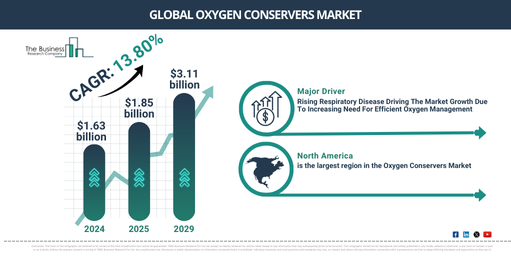
    The market for oxygen conservers has experienced significant expansion in recent years. The figures indicate an increase from $1.63 billion in 2024 to $1.85 billion in 2025, reflecting a compound annual growth rate (CAGR) of 14.1%. The surge observed in the past can be credited to factors such as the increasing incidence of chronic obstructive pulmonary disease (COPD), the growing acceptance of home oxygen therapy, increased government backing for oxygen therapy schemes, a rising older population, and increased spending on healthcare.

    The market size for oxygen conservers is predicted to experience a swift expansion in the coming years, reaching a value of $3.11 billion in 2029, with a compound annual growth rate (CAGR) of 13.8%. Factors contributing to this forecasted growth include an increase in demand for intelligent oxygen utilities, a heightened emphasis on eco-friendly medical tools, a rising incidence of respiratory illnesses, improved insurance policies for home oxygen treatments, and an elevated preference for flexible oxygen provision systems. Key emerging trends for the predicted period encompass artificial intelligence (AI)-enhanced adaptive oxygen allocation, remote monitoring facilitated by the internet of things (IoT), extremely low-energy consuming configurations, cordless recharge systems, and intelligent breath detection sensors.

    Download a free sample to assess the report’s scope and structure:

    https://www.thebusinessresearchcompany.com/sample.aspx?id=23467&type=smp

    How Are Key Drivers in the Industry Acting as Catalysts for the Growth of the Oxygen Conservers Market?

    As respiratory diseases become increasingly common, the oxygen conservers market is anticipated to expand. These medical conditions have a major impact on lungs and airways, making breathing difficult and causing symptoms like breathlessness. The increase in air pollution exposure enhances the prevalence of respiratory diseases, leading to lung tissue damage, weakened immune responses, and initiating chronic conditions. Oxygen conservers boost respiratory care by maximizing oxygen delivery, which is beneficial for patients with persistent lung problems. They extend the duration of the oxygen supply by releasing it only during the inhalation process, enhancing the effectiveness of the therapy and patient mobility. For example, in November 2024, the Australian Institute of Health and Welfare, a government agency in Australia, stated that 2.8 million people (11%) had asthma in 2022, making up 2.5% of all diseases and 35% of respiratory disease burden in 2023. It also reported 467 deaths (1.8 per 100,000 population) in 2022, which is 0.2% of all deaths. Therefore, the growing incidence of respiratory diseases is propelling the oxygen conservers market’s growth. The expansion of the oxygen conservers market is also linked to the growth of healthcare infrastructure, which includes the physical, organizational, and technological systems essential for providing medical services. Government investments in healthcare are increasing to enhance the accessibility of patient care and improve overall health results. Oxygen conservers play a crucial role in healthcare infrastructure by lengthening the supply duration and improving patient mobility. For instance, in May 2023, the American Health Care Association, a non-profit organization in the US, reported that the number of hospitals increased by 0.591% from the previous year, totalling 6,129, up from 6,093. Therefore, the increasing healthcare infrastructure is contributing to the growth of the oxygen conservers market.

    Which Segments in the Oxygen Conservers Offer the Most Growth?

    The oxygen conservers market covered in this report is segmented –

    1) By Product Type: Continuous Flow Oxygen Conservers, Pulse Dose Oxygen Conservers, Wall-Mount Oxygen Conservers, Portable Oxygen Conservers

    2) By Technology: Electronic Oxygen Conservers, Mechanical Oxygen Conservers, Integrated Systems with Nebulizers

    3) By Application: Respiratory Diseases, Chronic Obstructive Pulmonary Disease (COPD), Liquid Oxygen Systems, Fitness And Sports Applications

    4) By End-User: Hospitals, Clinics, Nursing Homes, HomeCare, Other End-Users

    Subsegments:

    1) By Continuous Flow Oxygen Conservers: High-Flow Continuous Oxygen Conservers, Low-Flow Continuous Oxygen Conservers, Dual-Mode Continuous Flow Oxygen Conservers, Pediatric Continuous Flow Oxygen Conservers, Stationary Continuous Flow Oxygen Conservers

    2) By Pulse Dose Oxygen Conservers: Adjustable Pulse Dose Oxygen Conservers, Fixed-Setting Pulse Dose Oxygen Conservers, Smart Sensor Pulse Dose Oxygen Conservers, High-Volume Pulse Dose Oxygen Conservers, Battery-Operated Pulse Dose Oxygen Conservers

    3) By Wall-Mount Oxygen Conservers: Hospital Room Wall-Mount Oxygen Conservers, Intensive Care Unit (ICU) Wall-Mount Oxygen Conservers, Emergency Department Wall-Mount Oxygen Conservers, Modular Wall-Mount Oxygen Conservers, High-Capacity Wall-Mount Oxygen Conservers

    4) By Portable Oxygen Conservers: Wearable Portable Oxygen Conservers, Compact Travel-Friendly Oxygen Conservers, Rechargeable Battery-Powered Oxygen Conservers, Hybrid Portable And Stationary Oxygen Conservers, Lightweight Backpack Oxygen Conservers

    Request customized data on this market:

    https://www.thebusinessresearchcompany.com/customise?id=23467&type=smp

    What Are the Fastest-Growing Geographies in the Oxygen Conservers Market?

    North America was the largest region in the oxygen conservers market in 2024. Asia-Pacific is expected to be the fastest-growing region in the forecast period. The regions covered in the oxygen conservers market report are Asia-Pacific, Western Europe, Eastern Europe, North America, South America, Middle East, Africa.

    View the full report here:

    https://www.thebusinessresearchcompany.com/report/oxygen-conservers-global-market-report

    What Are the Key Elements That Define the Oxygen Conservers Market?

    Oxygen conservers are medical devices that efficiently regulate oxygen flow from a cylinder or concentrator, delivering it only during inhalation. It uses pulse-dose technology, which minimizes oxygen waste, extends equipment longevity, and enhances patient mobility with lighter, more efficient systems.

    Purchase the full report and get a swift delivery:

    https://www.thebusinessresearchcompany.com/purchaseoptions.aspx?id=23467

    About The Business Research Company:

    With over 15000+ reports from 27 industries covering 60+ geographies, The Business Research Company has built a reputation for offering comprehensive, data-rich research and insights. Armed with 1,500,000 datasets, the optimistic contribution of in-depth secondary research, and unique insights from industry leaders, you can get the information you need to stay ahead in the game.

    Get in touch with us:

    The Business Research Company: https://www.thebusinessresearchcompany.com/

    Americas +1 3156230293

    Asia +44 2071930708

    Europe +44 2071930708

    Email us at info@tbrc.info

    Follow us on:

    LinkedIn: https://in.linkedin.com/company/the-business-research-company

    YouTube: https://www.youtube.com/channel/UC24_fI0rV8cR5DxlCpgmyFQ

    Global Market Model: https://www.thebusinessresearchcompany.com/global-market-model
  • Orthopedic Trauma Devices Market Trends 2025-2034: Growth, Strategic Insights, and Opportunities Ahead

    Orthopedic Trauma Devices Market Trends 2025-2034: Growth, Strategic Insights, and Opportunities Ahead

    Get 30% off on our Global Market Reports with code ONLINE30 – Hurry, limited time offer!

    What Is the Estimated Market Size of the Orthopedic Trauma Devices Market In 2029?

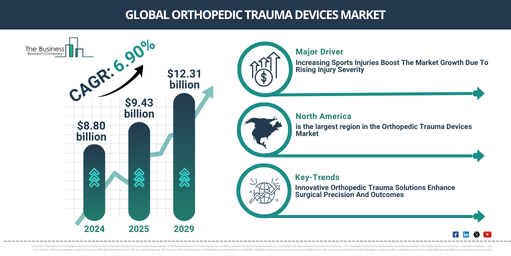
    In recent times, there has been significant growth in the orthopedic trauma devices market, with its value predicted to escalate from $8.80 billion in 2024 to $9.43 billion in 2025, reflecting a compound annual growth rate (CAGR) of 7.1%. Key factors that have contributed to this historical growth pattern include an expanding elderly population, increased health care spending, heightened knowledge and education, a surge in demand for less invasive surgical operations, and a rising number of orthopedic injuries.

    The market for orthopedic trauma devices is predicted to experience robust expansion in the forthcoming years, escalating to $12.31 billion by 2029 with a compound annual growth rate (CAGR) of 6.9%. Factors contributing to this predicted growth include increased instances of injuries, enhanced disposable income, escalated participation in sports, a rise in health awareness, and a surge in road accidents. Foreseen trends for this forecast period encompass the merger of digital imaging, cutting-edge improvements in medical technology, strategic partnerships, advanced orthopedic surgical procedures, and breakthroughs in smart implants.

    Download a free sample to assess the report’s scope and structure:

    https://www.thebusinessresearchcompany.com/sample.aspx?id=23466&type=smp

    What Are the Major Market Drivers Behind the Rising Adoption of Orthopedic Trauma Devices Market?

    The rise in sports-related injuries is anticipated to fuel the expansion of the orthopedic trauma devices market. These types of injuries, typically affecting muscles, joints, or bones, are incurred during athletic pursuits. The uptick in sports-related injuries can be attributed to athletes employing improper methods or unsuitable equipment, thereby adding undue pressure on their bodies and increasing the probability of injury. Orthopedic trauma devices play a key role in addressing these injuries by stabilizing fractures, ensuring bones are correctly aligned, and fostering more efficient and speedier recovery. For instance, the National Institutes of Health (NIH), a U.S. government agency, predicted in January 2025 that the count of sports-related injuries among the aged population is set to increase by 119%, hitting 111,245 by 2040 in comparison to 2021. Hence, the escalating cases of sports-related injuries are contributing to the growth of the orthopedic trauma devices market.

    Which Key Market Segments Comprise the Orthopedic Trauma Devices Market and Drive Its Revenue Growth?

    The orthopedic trauma devices market covered in this report is segmented –

    1) By Product: Internal Fixators, External Fixators

    2) By Material Type: Bioabsorbable Materials, Non-Absorbable Materials, Other Material Types

    3) By Application: Fractures, Soft Tissue Injuries, Joint Reconstruction, Spinal Injuries, Arthroplasty

    4) By End-Users: Hospitals And Clinics, Ambulatory Surgical Centers, Orthopedic Centers, Emergency Departments, Other End-Users

    Subsegments:

    1) By Internal Fixators: Screws, Plates, Intramedullary Nails, Other Internal Fixators

    2) By External Fixators: Unilateral Fixators, Circular Fixators, Hybrid Fixators

    Request customized data on this market:

    https://www.thebusinessresearchcompany.com/customise?id=23466&type=smp

    Which Areas Are Leading Regions in the Orthopedic Trauma Devices Market Expansion Across the Globe?

    North America was the largest region in the orthopedic trauma devices market in 2024. Asia-Pacific is expected to be the fastest-growing region in the forecast period. The regions covered in the orthopedic trauma devices market report are Asia-Pacific, Western Europe, Eastern Europe, North America, South America, Middle East, Africa.

    What Are the Key Market Trends in the Orthopedic Trauma Devices Market Over the Coming Years?

    Several key players in the orthopedic trauma devices market are turning their attention towards the creation of cutting-edge solutions in orthopedic trauma. This is a way to improve fracture stabilization, enhance the results of surgical procedures, and make procedures more efficient. The revolutionary orthopedic trauma solutions in question are high-tech medical devices and techniques that aim to advance the management of bone and joint injuries through a higher level of surgical accuracy, quicker healing, and superior patient results. For example, October 2024 saw Globus Medical Inc., an American orthopedic medical device firm, unveil a fresh selection of orthopedic trauma solutions, thereby amplifying its trauma care capabilities. The release saw the inclusion of the TENSOR Suture Button System, the company’s premiere suture-based device crafted for single-cut syndesmotic repair. These offerings are engineered to better surgical results by offering advanced features like polyaxial locking technology, swift suture management, and reliable fixation for small bone fractures. Moreover, the range also incorporates PRECICE limb-lengthening nail systems for handling intricate trauma instances.

    View the full report here:

    https://www.thebusinessresearchcompany.com/report/orthopedic-trauma-devices-global-market-report

    How Is the Orthopedic Trauma Devices Market Conceptually Defined?

    Orthopedic trauma devices are specialized medical tools and implants designed to treat injuries to the musculoskeletal system, particularly bones and joints, resulting from traumatic incidents such as accidents or falls. These devices play a critical role in stabilizing the injured area, maintaining proper alignment, and promoting effective healing and functional recovery.

    Purchase the full report and get a swift delivery:

    https://www.thebusinessresearchcompany.com/purchaseoptions.aspx?id=23466

    About The Business Research Company:

    With over 15000+ reports from 27 industries covering 60+ geographies, The Business Research Company has built a reputation for offering comprehensive, data-rich research and insights. Armed with 1,500,000 datasets, the optimistic contribution of in-depth secondary research, and unique insights from industry leaders, you can get the information you need to stay ahead in the game.

    Get in touch with us:

    The Business Research Company: https://www.thebusinessresearchcompany.com/

    Americas +1 3156230293

    Asia +44 2071930708

    Europe +44 2071930708

    Email us at info@tbrc.info

    Follow us on:

    LinkedIn: https://in.linkedin.com/company/the-business-research-company

    YouTube: https://www.youtube.com/channel/UC24_fI0rV8cR5DxlCpgmyFQ

    Global Market Model: https://www.thebusinessresearchcompany.com/global-market-model
  • Orthopedic Splints Market Insights: In-Depth Look at Growth Trends, Market Size, and Opportunities for 2025-2034

    Orthopedic Splints Market Insights: In-Depth Look at Growth Trends, Market Size, and Opportunities for 2025-2034

    Get 30% off on our Global Market Reports with code ONLINE30 – Hurry, limited time offer!

    How Fast Is The Orthopedic Splints Market Expected to Grow Between 2025 And 2029?

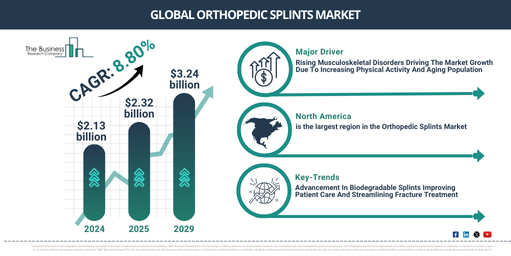
    The market for orthopedic splints has experienced robust growth over the past few years. The market value is predicted to escalate from $2.13 billion in 2024 to $2.32 billion in 2025, with a compound annual growth rate (CAGR) of 9.0%. The historical growth can be linked to factors such as the widespread adoption of new technologies, growing demand for custom-made solutions, increased research and development investment, enhancements in healthcare infrastructure, and escalation in public initiatives.

    The market size for orthopedic splints is predicted to witness considerable growth in the coming years, rising to a value of $3.24 billion in 2029, accompanied by an 8.8% compound annual growth rate (CAGR). This anticipated growth within the forecast period is due to the expanded adoption of cutting-edge technology, an increased demand for tailored solutions, burgeoning investments in R&D, development of healthcare infrastructure, and supportive government initiatives. Key trends for this forecast period encompass the incorporation of artificial intelligence, progression in 3D printing technology, the usage of wearable sensors, the creation of intelligent materials, and enhanced data analysis alongside predictive modelling.

    Download a free sample to assess the report’s scope and structure:

    https://www.thebusinessresearchcompany.com/sample.aspx?id=23465&type=smp

    What External and Internal Drivers Are Contributing to the Growth of the Orthopedic Splints Market?

    The growth trajectory of the orthopedic splints market is projected to soar due to the increasing prevalence of musculoskeletal disorders. Such disorders afflict the body’s muscles, bones, joints, tendons, and ligaments, manifesting as pain, rigidity, and hampered mobility. Sedentary lifestyles contribute to a rise in these disorders, as lack of physical activity weakens muscles, diminishes suppleness, and escalates the propensity for joint and bone complications. Orthopedic splints contribute to the alleviation of these disorders by delivering specified support and stabilization, mitigating strain to mollify discomfort, and facilitating joint alignment that expedites recovery and improves movement. For instance, the Gov.UK, a government agency of the United Kingdom, reports in January 2024 that long-term musculoskeletal conditions had risen from 17.6% in 2022 to 18.4% in 2023 in individuals 16 years and older—with the prevalence of these conditions being 20.9% in females and 15.8% in males. Given these factors, the escalating prevalence of musculoskeletal disorders serves as a powerful growth engine for the orthopedic splints market.

    What Segment Types Define the Orthopedic Splints Market Structure?

    The orthopedic splints market covered in this report is segmented –

    1) By Product: Fiberglass Splints, Plastic Splints, Tools And Accessories, Other Products

    2) By Application: Lower Extremity, Upper Extremity, Spinal

    3) By End-User: Hospitals, Specialty Centers, Other End-User

    Subsegments:

    1) By Fiberglass Splints: Pre-Cut Fiberglass Splints, Roll Fiberglass Splints, Waterproof Fiberglass Splints, Padded Fiberglass Splints

    2) By Plastic Splints: Rigid Plastic Splints, Moldable Plastic Splints, Transparent Plastic Splints, Perforated Plastic Splints

    3) By Tools And Accessories: Splint Rollers, Splint Padding, Fasteners And Straps, Cutting Tools

    4) By Other Products: Hybrid Splints, Inflatable Splints, Metal Reinforced Splints, Custom Splints

    Request customized data on this market:

    https://www.thebusinessresearchcompany.com/customise?id=23465&type=smp

    Which Geographic Areas Hold the Strongest Growth Potential in the Orthopedic Splints Market?

    North America was the largest region in the orthopedic splints market in 2024. Asia-Pacific is expected to be the fastest-growing region in the forecast period. The regions covered in the orthopedic splints market report are Asia-Pacific, Western Europe, Eastern Europe, North America, South America, Middle East, Africa.

    Which Emerging Trends that Are Influencing the Orthopedic Splints Industry Evolution?

    The focus of major companies in the orthopedic splints market is on the innovation of advanced products like lightweight biodegradable splints, aiming to enhance environmental sustainability in healthcare facilities. Eco-friendly lightweight biodegradable splints provide stable immobilization, reducing waste and obviating the necessity for removal. Dassiet, a medical technology firm based in Finland, launched UCAST, a biodegradable and lightweight splint designed for use in hospitals and healthcare centers in January 2022, for example. UCAST splints, made from a combination of thermoplastic wood cast material and padded fabric, offer advantages like a quicker application process, increased patient comfort, augmented sustainability as they are both biodegradable and recyclable, and simplified fracture treatment, done by diminishing patient waiting times and removing the need for supplemental casting materials.

    View the full report here:

    https://www.thebusinessresearchcompany.com/report/orthopedic-splints-global-market-report

    What Is the Definition of the Orthopedic Splints Market?

    Orthopedic splints are medical devices designed to support, stabilize, or immobilize injured bones, joints, or soft tissues to promote proper healing. They are commonly used to reduce movement and provide structural support during the healing process. Depending on the injury, they can be custom-molded or prefabricated to ensure a secure and comfortable fit.

    Purchase the full report and get a swift delivery:

    https://www.thebusinessresearchcompany.com/purchaseoptions.aspx?id=23465

    About The Business Research Company:

    With over 15000+ reports from 27 industries covering 60+ geographies, The Business Research Company has built a reputation for offering comprehensive, data-rich research and insights. Armed with 1,500,000 datasets, the optimistic contribution of in-depth secondary research, and unique insights from industry leaders, you can get the information you need to stay ahead in the game.

    Get in touch with us:

    The Business Research Company: https://www.thebusinessresearchcompany.com/

    Americas +1 3156230293

    Asia +44 2071930708

    Europe +44 2071930708

    Email us at info@tbrc.info

    Follow us on:

    LinkedIn: https://in.linkedin.com/company/the-business-research-company

    YouTube: https://www.youtube.com/channel/UC24_fI0rV8cR5DxlCpgmyFQ

    Global Market Model: https://www.thebusinessresearchcompany.com/global-market-model
  • Orthopedic 3D Printing Devices Market Outlook 2025–2034: Identifying Growth Drivers, Technology Trends, and Policy Impact

    Orthopedic 3D Printing Devices Market Outlook 2025–2034: Identifying Growth Drivers, Technology Trends, and Policy Impact

    Get 30% off on our Global Market Reports with code ONLINE30 – Hurry, limited time offer!

    What Are the Key Projections for the CAGR of the Orthopedic 3D Printing Devices Market Size From 2025 to 2034?

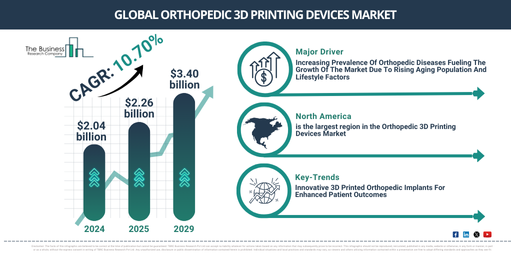
    Over the past few years, the orthopedic 3D printing devices market has seen a rapid expansion. Its value is set to rise from $2.04 billion in 2024 to $2.26 billion in 2025, showcasing a compound annual growth rate (CAGR) of 11.0%. The remarkable growth during the historical period is linked to factors such as an upsurge in orthopedic diseases, increasing cases of musculoskeletal conditions, a rise in surgical procedures, an expanding aged population, and growth in osteoarthritis diagnoses.

    The market for orthopedic 3D printing devices is predicted to experience substantial growth shortly, expanding to a worth of $3.40 billion in 2029, marking a compound annual growth rate of 10.7%. Reasons for this expected surge in the forecast period are numerous, including advances in healthcare infrastructure, increased funding for healthcare facilities, heightened use of 3D printing technology, more opportunities for research and development, and a greater need for personalized implants. Within this forecast period, key trends to watch out for include progress in 3D printing technology, the fusion of artificial intelligence (AI), advances in material technology, innovations in biocompatible materials, and progress in other medical domains.

    Download a free sample to assess the report’s scope and structure:

    https://www.thebusinessresearchcompany.com/sample.aspx?id=23464&type=smp

    What Are the Core Market Drivers Propelling Growth in the Orthopedic 3D Printing Devices Industry?

    The surge in orthopedic illnesses is projected to fuel the expansion of the orthopedic 3D printing devices market. These diseases encompass a variety of conditions affecting the bones, joints, ligaments, tendons, and muscles, often resulting in pain, disability, and reduced mobility. The growth in the frequency of these ailments is predominantly due to the aging populace, as disorders like osteoarthritis and osteoporosis become more widespread with age, generating a higher number of musculoskeletal problems. Orthopedic 3D printing devices are beneficial in treating these diseases as they can produce tailored implants, prosthetics, and surgical guides that improve accuracy, facilitate recovery, and offer specific solutions for intricate musculoskeletal conditions. For example, in March 2023, it was reported by the UK’s Office for Health Improvement and Disparities that the prevalence of musculoskeletal-related issues was 12.8% in 2022, up from 12.1% in 2021. As a result, the rising incidence of orthopedic diseases is nurturing the growth of the orthopedic 3D printing devices market.

    How Is the Orthopedic 3D Printing Devices Market Segmented?

    The orthopedic 3d printing devices market covered in this report is segmented –

    1) By Product Type: Printers, Materials, Software, Services

    2) By Technology: Stereolithography, Fused Deposition Modeling, Selective Laser Sintering, Other Technologies

    3) By Application: Joint Replacement, Spinal Implants, Craniomaxillofacial Implants, Dental Implants, Other Applications

    4) By End-User: Hospitals, Ambulatory Surgical Centers, Specialty Clinics, Other End-Users

    Subsegments:

    1) By Printers: Desktop 3D Printers, Industrial 3D Printers

    2) By Materials: Metals, Polymers, Ceramics, Biomaterials, Composites

    3) By Software: Design Software, Printing Software, Simulation Software

    4) By Services: Printing Services, Post-processing Services, Consulting Services, Maintenance Services

    Request customized data on this market:

    https://www.thebusinessresearchcompany.com/customise?id=23464&type=smp

    Which Regions Are Driving the Next Phase of the Orthopedic 3D Printing Devices Market Growth?

    North America was the largest region in the orthopedic 3D printing devices market in 2024. Asia-Pacific is expected to be the fastest-growing region in the forecast period. The regions covered in the orthopedic 3d printing devices market report are Asia-Pacific, Western Europe, Eastern Europe, North America, South America, Middle East, Africa.

    What Key Trends Are Shaping the Future of the Orthopedic 3D Printing Devices Market?

    Prominent corporations in the orthopedic 3D printing devices market are employing strategic collaborations to augment their product offerings, broaden their geographic coverage, and solidify their market standing. These collaborations entail formal alliances between organizations aimed at fulfilling mutual objectives by amalgamating resources, knowledge, or technology to bolster innovation, increase market penetration, or enhance product invention. For instance, in May 2022, Sculpteo, a 3D printing cloud-based company from France, joined forces with Daniel Robert Orthopedie, a Swiss specialist in technical orthopedics, to create the first fully customizable, eco-friendly 3D-printed orthopedic orthosis. This groundbreaking device is crafted from polyamide 11 (PA11), a biodegradable, recyclable material sourced from castor oil, providing an eco-friendly alternative solution to conventional materials. This partnership facilitates swift manufacturing of bespoke orthoses which are light, breathable, and adjustable to diverse pathologies for patients across all age groups.

    View the full report here:

    https://www.thebusinessresearchcompany.com/report/orthopedic-3d-printing-devices-global-market-report

    How Is the Orthopedic 3D Printing Devices Market Defined and What Are Its Core Parameters?

    Orthopedic 3D printing devices refer to medical devices created using three-dimensional printing technology specifically for orthopedic applications. These devices enable the customization of implants and prosthetics to fit individual patient’s anatomy with high precision, enhancing surgical outcomes and patient comfort. Additionally, it allows for the rapid prototyping of surgical instruments and models, improving preoperative planning and reducing surgery time.

    Purchase the full report and get a swift delivery:

    https://www.thebusinessresearchcompany.com/purchaseoptions.aspx?id=23464

    About The Business Research Company:

    With over 15000+ reports from 27 industries covering 60+ geographies, The Business Research Company has built a reputation for offering comprehensive, data-rich research and insights. Armed with 1,500,000 datasets, the optimistic contribution of in-depth secondary research, and unique insights from industry leaders, you can get the information you need to stay ahead in the game.

    Get in touch with us:

    The Business Research Company: https://www.thebusinessresearchcompany.com/

    Americas +1 3156230293

    Asia +44 2071930708

    Europe +44 2071930708

    Email us at info@tbrc.info

    Follow us on:

    LinkedIn: https://in.linkedin.com/company/the-business-research-company

    YouTube: https://www.youtube.com/channel/UC24_fI0rV8cR5DxlCpgmyFQ

    Global Market Model: https://www.thebusinessresearchcompany.com/global-market-model
  • Major Trends and Emerging Patterns in the Niemann-Pick Disease Type C Treatment Market: Advancements In Neuroprotective Therapies Driving Treatment Innovations

    Major Trends and Emerging Patterns in the Niemann-Pick Disease Type C Treatment Market: Advancements In Neuroprotective Therapies Driving Treatment Innovations

    Get 30% off on our Global Market Reports with code ONLINE30 – Hurry, limited time offer!

    How Has The Niemann-Pick Disease Type C Treatment Market Size Shifted, And What Is the Outlook Through 2034?

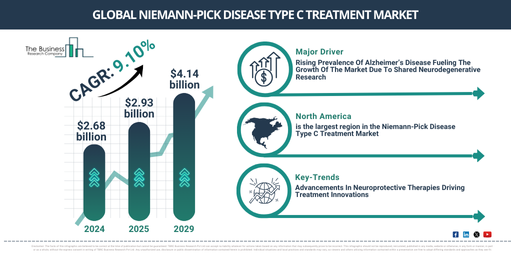
    The treatment market for Niemann-Pick disease type C has seen significant growth in recent years and is expected to continue this trend. The market value is projected to increase from $2.68 billion in 2024 to $2.93 billion in 2025, marking a compound annual growth rate (CAGR) of 9.2%. This considerable growth in the historical segment can be traced back to the expansion of healthcare facilities, a rise in instances of NPC1 and NPC2 gene mutations, an increasing occurrence of Niemann-Pick disease, enhanced government support for research into rare disease treatments, and growing public consciousness and advocacy efforts.

    The market focused on treatments for Niemann-Pick disease type C is projected to experience considerable expansion in the coming years, with predictions seeing it grow to $4.14 billion in 2029, boasting a compound annual growth rate (CAGR) of 9.1%. This growth during the forecasted period is likely due to an uptick in research and development efforts, a rising count of drugs in the pipeline, greater incidences of rare diseases, an increased interest in gene therapy, and continual progress in the field of genetic therapies. Key trends expected during this forecasted period include technological advancements, the emergence of personalized medicine for lysosomal storage disorders, enhanced genetic and molecular research, biotechnological progress, and the creation of novel therapeutics.

    Download a free sample to assess the report’s scope and structure:

    https://www.thebusinessresearchcompany.com/sample.aspx?id=23458&type=smp

    What Are the Primary Drivers Supporting the Market Growth of the Niemann-Pick Disease Type C Treatment Market?

    The surge in Alzheimer’s disease cases globally is poised to spur the expansion of the Niemann-Pick disease type C treatments market. Alzheimer’s disease, a progressive neurodegenerative disorder typified by beta-amyloid plaques and tau protein tangles’ build-up in the brain, leads to cognitive impairment, memory loss, and difficulties in daily function, escalating to severe dementia and neurodegeneration eventually. This surge can be attributed to the global aging population, with the risk of age-related diseases like Alzheimer’s increasing significantly as people’s lifespan increases, especially in developed nations. The fundamental cause of Alzheimer’s, advancing age, is also the disease’s most prominent known risk factor. Treatments for Niemann-pick disease type C (NPC) have the potential to further Alzheimer’s Disease research thanks to the insights they offer into lysosomal storage disorders and lipid metabolism dysfunction. The Alzheimer’s Society, based in the UK, reported in May 2024 that an approximate 982,000 people in the UK were living with dementia in 2024, with over a third still to be diagnosed. This figure is projected to escalate to 1.4 million by 2040. Henceforth, the burgeoning cases of Alzheimer’s disease are propelling the Niemann-Pick disease type C treatments market’s growth.

    Which Primary Segments of the Niemann-Pick Disease Type C Treatment Market Are Driving Growth and Industry Transformations?

    The niemann-pick disease type c treatment market covered in this report is segmented –

    1) By Disease Type: Niemann-Pick Diseases Type C1, Niemann-Pick Diseases Type C2

    2) By Age Group: Infantile, Juvenile, Adult

    3) By End-User: Hospitals, Specialty Clinics, Research And Academic Institutes

    Subsegments:

    1) By Niemann-Pick Disease Type C1: Pharmacological Treatment, Gene Therapy, Substrate Reduction Therapy, Supportive Care

    2) By Niemann-Pick Disease Type C2: Enzyme Replacement Therapy, Pharmacological Treatment, Gene Therapy, Supportive Care

    Request customized data on this market:

    https://www.thebusinessresearchcompany.com/customise?id=23458&type=smp

    Which Regions Are Key Players in the Growth of the Niemann-Pick Disease Type C Treatment Market?

    North America was the largest region in the niemann-pick disease type C treatment market in 2024. Asia-Pacific is expected to be the fastest-growing region in the forecast period. The regions covered in the niemann-pick disease type c treatment market report are Asia-Pacific, Western Europe, Eastern Europe, North America, South America, Middle East, Africa.

    Which Technological Trends Are Reshaping the Niemann-Pick Disease Type C Treatment Industry Dynamics?

    Major players in the Niemann-pick disease type C (NPC) treatment market are channeling their efforts into the creation of groundbreaking therapeutic treatments, such as neuroprotective therapies. These are designed safeguard the brain and nervous system from ruin or decay, often intending to keep neurological function intact in diseases such as neurodegenerative conditions. For instance, IntraBio Inc., a US-based biopharmaceutical firm, gained approval from the United States Food and Drug Administration (FDA), a US-based regulatory body, for AQNEURSA (levacetylleucine) in September 2024, making it the leading stand-alone therapy for Niemann-Pick Disease Type C (NPC). This approval comes in the aftermath of successful Phase III trial results, which demonstrated considerable neurological enhancements in NPC patients within a 12-week timeframe. AQNEURSA presents an eagerly awaited treatment alternative for those afflicted by this rare lysosomal storage disorder, which affects movement, cognition, and ordinary functionality. IntraBio is also considering exploring the potential use of AQNEURSA for other neurodegenerative and neurodevelopmental disorders.

    View the full report here:

    https://www.thebusinessresearchcompany.com/report/niemann-pick-disease-type-c-treatment-global-market-report

    What Parameters Are Used to Define the Niemann-Pick Disease Type C Treatment Market?

    Niemann-Pick disease type C (NPC) treatment refers to the medical approaches used to manage and slow the progression of Niemann-Pick disease type C, a rare, inherited neurodegenerative disorder that affects the body’s ability to metabolize cholesterol and other lipids within cells. It involves pharmacological and supportive therapies to reduce neurological symptoms, stabilize the disease, and improve quality of life.

    Purchase the full report and get a swift delivery:

    https://www.thebusinessresearchcompany.com/purchaseoptions.aspx?id=23458

    About The Business Research Company:

    With over 15000+ reports from 27 industries covering 60+ geographies, The Business Research Company has built a reputation for offering comprehensive, data-rich research and insights. Armed with 1,500,000 datasets, the optimistic contribution of in-depth secondary research, and unique insights from industry leaders, you can get the information you need to stay ahead in the game.

    Get in touch with us:

    The Business Research Company: https://www.thebusinessresearchcompany.com/

    Americas +1 3156230293

    Asia +44 2071930708

    Europe +44 2071930708

    Email us at info@tbrc.info

    Follow us on:

    LinkedIn: https://in.linkedin.com/company/the-business-research-company

    YouTube: https://www.youtube.com/channel/UC24_fI0rV8cR5DxlCpgmyFQ

    Global Market Model: https://www.thebusinessresearchcompany.com/global-market-model
  • Key Developments and Trends Steering the Niemann-Pick Disease (NPD) Market Forward: Advancements In Combination Therapy For Niemann-Pick Disease Type C Treatment

    Key Developments and Trends Steering the Niemann-Pick Disease (NPD) Market Forward: Advancements In Combination Therapy For Niemann-Pick Disease Type C Treatment

    Get 30% off on our Global Market Reports with code ONLINE30 – Hurry, limited time offer!

    How Has the Niemann-Pick Disease (NPD) Market Growth Performance Trended Historically, And What Lies Ahead?

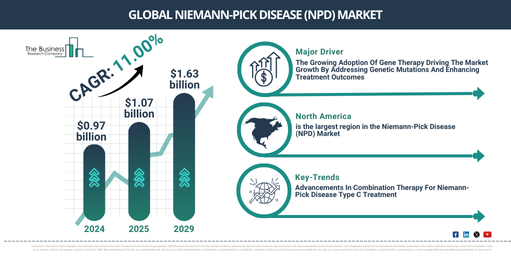
    Over the past few years, the market size for Niemann-Pick Disease (NPD) has seen rapid expansion. It is predicted to swell from $0.97 billion in 2024 to $1.07 billion in 2025, representing a compound annual growth rate (CAGR) of 11.3%. This growth during the historic period has likely been driven by factors such as the rise in genetic counselors, an increase in funding allocated to rare disease research, a surge in investment from venture capital firms, a growing application of biomarkers, and enhanced access to healthcare services.

    The market for Niemann-Pick Disease (NPD) is anticipated to experience a substantial expansion in the forthcoming years, projecting to swell to $1.63 billion in 2029, with a compound annual growth rate (CAGR) of 11.0%. The predicted increase within this timeframe can be ascribed to the escalating demand for bespoke medicine, amplified interest in lysosomal storage disorders, increasing regulatory accreditations for rare medications, surging demand for targeted treatment approaches and elevated demand for advanced diagnostic resources. Key trends during this forecast period encompass advancements in treatment alternatives, technological developments in diagnostic instruments, the application of artificial intelligence in diagnoses, advances in enzyme replacement therapies (ERT), and progress in clinical trials considering novel drugs.

    Download a free sample to assess the report’s scope and structure:

    https://www.thebusinessresearchcompany.com/sample.aspx?id=23457&type=smp

    How Are Key Drivers in the Industry Acting as Catalysts for the Growth of the Niemann-Pick Disease (NPD) Market?

    The increased acceptance of gene therapy is projected to thrust forward the Niemann-Pick Disease (NPD) market’s expansion. Gene therapy is a medical procedure that relies on adjusting or controlling an individual’s genes to prevent or treat diseases. It is seeing notable growth due to advancements in genetic engineering, which allow precise, effective modifications to genes, enhancing treatment results for genetic disorders. Gene therapy facilitates improvement in Niemann-Pick Disease (NPD) treatment by addressing the foundational genetic anomalies, intending to rectify enzyme deficiencies that cause the disease and enhance cellular capability. For example, in January 2024, data from the American Society of Gene and Cell Therapy, a US organization dedicated to gene and cell therapy, indicated a 10% increase in Phase III gene therapy trials in the final quarter of 2023, the first such rise since Q3 2022. Hence, the surging acceptance of gene therapy is fueling the Niemann-Pick Disease (NPD) market’s growth.

    Which Segments in the Niemann-Pick Disease (NPD) Offer the Most Growth?

    The niemann-pick disease (NPD) market covered in this report is segmented –

    1) By Type: Niemann-Pick Disease Type A, Niemann-Pick Disease Type B, Niemann-Pick Disease Type C

    2) By Treatment Type: Drugs, Physical Therapy, Other Treatment Types

    3) By Route Of Administration: Oral, Intravenous, Subcutaneous

    4) By Distribution Channel: Hospital Pharmacies, Retail Pharmacies, Other Distribution Channels

    5) By End-User: Hospitals, Clinics, Homecare Settings

    Subsegments:

    1) By Niemann-Pick Disease Type A: Infantile-Onset Niemann-Pick Disease, Neurodegenerative Niemann-Pick Disease, Acute Visceral Niemann-Pick Disease, Severe Lysosomal Storage Disorder

    2) By Niemann-Pick Disease Type B: Late-Onset Niemann-Pick Disease, Non-Neurological Niemann-Pick Disease, Chronic Visceral Niemann-Pick Disease, Mild Lysosomal Storage Disorder

    3) By Niemann-Pick Disease Type C: Early-Onset Niemann-Pick Disease, Juvenile Niemann-Pick Disease, Adult-Onset Niemann-Pick Disease, Progressive Neurodegenerative Niemann-Pick Disease

    Request customized data on this market:

    https://www.thebusinessresearchcompany.com/customise?id=23457&type=smp

    What Are the Fastest-Growing Geographies in the Niemann-Pick Disease (NPD) Market?

    North America was the largest region in the niemann-pick disease (NPD) market in 2024. Asia-Pacific is expected to be the fastest-growing region in the forecast period. The regions covered in the niemann-pick disease (NPD) market report are Asia-Pacific, Western Europe, Eastern Europe, North America, South America, Middle East, Africa.

    Which Cutting-Edge Market Trends Are Expected to Drive the Niemann-Pick Disease (NPD) Market’s Growth?

    Leading organizations in the Niemann-Pick disease (NPD) market are prioritizing the advancement of innovative treatments like combination therapy to elevate treatment effectiveness and enhance patient prognosis. The combination therapy approach entails the use of multiple treatment methods or medicinal substances to combat a disease or health issue, with the intention of maximizing efficiency and lessening resistance to single-agent therapy (monotherapy). An example of this is when Zevra Therapeutics Inc., an American biopharmaceutical firm, gained U.S. Food and Drug Administration (FDA) endorsement for MIPLYFFA, combined with miglustat, in September 2024. This combination was designed to treat neurological implications of Niemann-Pick disease type C (NPC) in both grown-ups and children who are 2 years old and above. The function of MIPLYFFA (arimoclomol) is to stimulate the creation of heat shock proteins (HSPs) which assist in eliminating harmful lipid accumulation and safeguard neurons from harm, while miglustat works to prevent glucosylceramide synthase thus decreasing lipid accumulation. Together, these two treatments aid in slowing down the deterioration of the neurological state in NPC patients.

    View the full report here:

    https://www.thebusinessresearchcompany.com/report/niemann-pick-disease-npd-global-market-report

    What Are the Key Elements That Define the Niemann-Pick Disease (NPD) Market?

    Niemann-pick disease (NPD) is a rare inherited lysosomal storage disorder caused by mutations in the SMPD1 (Types A and B) or NPC1/NPC2 (Type C) genes, leading to excessive lipid accumulation in cells. This buildup causes progressive damage to the brain, liver, spleen, and other organs. Its symptoms vary by type and may include neurodegeneration, hepatosplenomegaly, respiratory complications, and developmental delays.

    Purchase the full report and get a swift delivery:

    https://www.thebusinessresearchcompany.com/purchaseoptions.aspx?id=23457

    About The Business Research Company:

    With over 15000+ reports from 27 industries covering 60+ geographies, The Business Research Company has built a reputation for offering comprehensive, data-rich research and insights. Armed with 1,500,000 datasets, the optimistic contribution of in-depth secondary research, and unique insights from industry leaders, you can get the information you need to stay ahead in the game.

    Get in touch with us:

    The Business Research Company: https://www.thebusinessresearchcompany.com/

    Americas +1 3156230293

    Asia +44 2071930708

    Europe +44 2071930708

    Email us at info@tbrc.info

    Follow us on:

    LinkedIn: https://in.linkedin.com/company/the-business-research-company

    YouTube: https://www.youtube.com/channel/UC24_fI0rV8cR5DxlCpgmyFQ

    Global Market Model: https://www.thebusinessresearchcompany.com/global-market-model
  • Major Drivers Propelling the Growth oh theVeterinary Intravenous (IV) Solutions Market Forward: Rising Prevalence Of Animal Diseases Fuels Market Growth

    Major Drivers Propelling the Growth oh theVeterinary Intravenous (IV) Solutions Market Forward: Rising Prevalence Of Animal Diseases Fuels Market Growth

    Discover trends, market shifts, and competitive outlooks for the veterinary intravenous (iv) solutions industry through 2025-2034 with The Business Research Company’s reliable data and in-depth research

    #What Is the Estimated Market Size of the Veterinary Intravenous (IV) Solutions Market In 2029?#_x000D_

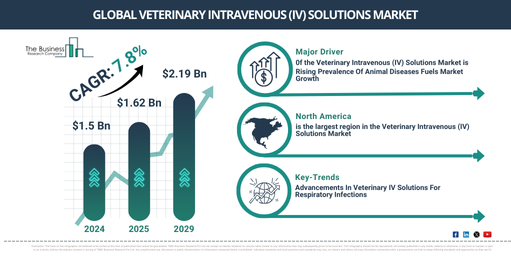
    The market for veterinary intravenous (IV) solutions has seen robust growth in the past few years. The industry is projected to increase from a value of $1.5 billion in 2024 to $1.62 billion in 2025, with a compound annual growth rate (CAGR) of 8.1%. The historical growth is due to several factors, which include an uptick in animal clinics, a surge in dehydration incidents, an increase in livestock farming, a growth in the number of pet animals, and advancements in veterinary diagnostics._x000D_

    _x000D_

    The market size for veterinary intravenous (IV) solutions is predicted to witness substantial growth in the coming years, expanding to a value of $2.19 billion in 2029 with a compound annual growth rate (CAGR) of 7.8%. Factors contributing to this anticipated growth within the forecast period include an increase in pet insurance adoption, heightened expenditure on animal healthcare, improving awareness around animal healthcare, a rise in animal disease instances and an expansion in pet insurance coverage. Key trends anticipated in the forecast period encompass advancements in technology, a variety of product formulations, the integration of telemedicine, cutting-edge veterinary intravenous (IV) delivery systems and the emergence of intelligent veterinary intravenous (IV) systems._x000D_

    _x000D_

    #Download a free sample to assess the report’s scope and structure:#_x000D_

    https://www.thebusinessresearchcompany.com/sample.aspx?id=20686&type=smp_x000D_

    _x000D_

    #Which Major Market Drivers Are Expected to Boost the Growth Potential of the Veterinary Intravenous (IV) Solutions Market?#_x000D_

    The surge in the occurrence of numerous diseases among animals is anticipated to spur the expansion of the veterinary intravenous (IV) solutions market in the coming years. These diseases, comprising ailments such as anthrax, canine distemper, heartworm disease, and more, adversely affect the health and functioning of animals. A rise in such diseases is propelled by factors like intensive farming methods, intrusion of wildlife, and resistance to antibiotics. Veterinary IV solutions are vital in treating animals suffering from dehydration-causing ailments like gastroenteritis or severe infections, by providing ideal hydration and enhancing overall health outcomes. For example, AVMA Publications, a publishing division of the American Veterinary Medical Association based in the US, reported that around 345 domestic animals were diagnosed with rabies in 2022, a 10.9% increase from the 311 cases accounted for in 2021. Thus, the increasing number of animal diseases is contributing to the growth of the veterinary intravenous (IV) solutions market. An uptick in the expenditure on animal health products is projected to fuel the growth of the veterinary intravenous (IV) solutions market in the near future. Animal health product encompasses items like medications, supplements and treatments used to preserve or enhance the wellness of animals. The escalation in expenditure on animal health products arises from factors such as the growth of pet ownership, increasing knowledge of animal health, advancements in veterinary care and the requirement for enhanced disease prevention and treatment options. Veterinary IV solutions contribute to the increase in expenditure on animal health products by satisfying immediate medical needs and progressing veterinary care. As an indication, the Republic of Estonia Agency of Medicines revealed in March 2024 that in 2023, the market for veterinary medicinal products increased by 6.9% to reach $20.54 million (18.6 million euros), up from USD 19.21 million (17.40 million euros) in 2022. Therefore, the growing expenditure on animal health products is influencing the growth of the veterinary intravenous (IV) solutions market._x000D_

    _x000D_

    #Which Key Market Segments Comprise the Veterinary Intravenous (IV) Solutions Market and Drive Its Revenue Growth?#_x000D_

    The veterinary intravenous (IV) solutions market covered in this report is segmented –_x000D_

    _x000D_

    1) By Product: Isotonic Crystalloids, Dextrose Solutions, Synthetic Colloids, Natural Colloids, Parenteral Nutrition_x000D_

    2) By Animal Type: Companion Animals, Production Animals_x000D_

    3) By End-User: Veterinary Hospitals And Clinics, Research Institutes, Other End-Users_x000D_

    _x000D_

    Subsegments:_x000D_

    1) Isotonic Crystalloids: Normal Saline (0.9% NaCl), Lactated Ringer’s Solution, Dextrose in Water (D5W), Ringer’s Solution, Balanced Electrolyte Solutions_x000D_

    2) Dextrose Solutions: Dextrose 5% in Water (D5W), Dextrose 10% in Water (D10W), Dextrose 20% in Water (D20W), Dextrose 50% in Water (D50W)_x000D_

    3) Synthetic Colloids: Hydroxyethyl Starch (HES), Dextran, Gelatins_x000D_

    4) Natural Colloids: Albumin, Fresh Frozen Plasma (FFP), Blood Products_x000D_

    5) Parenteral Nutrition: Total Parenteral Nutrition (TPN) Solutions, Partial Parenteral Nutrition Solutions, Lipid Emulsions, Amino Acid Solutions_x000D_

    _x000D_

    #Request customized data on this market:#_x000D_

    https://www.thebusinessresearchcompany.com/customise?id=20686&type=smp_x000D_

    _x000D_

    #Which Areas Are Leading Regions in the Veterinary Intravenous (IV) Solutions Market Expansion Across the Globe?#_x000D_

    North America was the largest region in the veterinary intravenous (IV) solutions market in 2024. Asia-Pacific is expected to be the fastest-growing region in the forecast period. The regions covered in the veterinary intravenous (IV) solutions market report are Asia-Pacific, Western Europe, Eastern Europe, North America, South America, Middle East, Africa._x000D_

    _x000D_

    #What Are the Most Significant Market Trends in the Veterinary Intravenous (IV) Solutions Market?#_x000D_

    Leading organizations in the veterinary intravenous (IV) solutions market are concentrating on the innovation of state-of-the-art products like fluoroquinolones, aiming to enhance their efficacy and safety aspects. Fluoroquinolones, being potent antibiotics, are utilized in both human and animal healthcare to address a range of bacterial infections with caution to limit resistance and side effects occurrence. For instance, in April 2024, Elanco, an American pharmaceutical enterprise, publicized the approval of Pradalex, a pradofloxacin injection solution granted by the US Food and Drug Administration (FDA), a healthcare organization in the United States. This permits swine treatment for swine respiratory disease (SRD) linked to pathogens like bordetella bronchiseptica, Glaesserella (Haemophilus) parasuis, Pasteurella multocida, streptococcus suis, and mycoplasma hyopneumoniae. Recognized as a critical antimicrobial, Pradalex is a 3rd generation fluoroquinolone. The medication’s label underlines its application only when other therapeutic options beyond fluoroquinolones have been explored._x000D_

    _x000D_

    #View the full report here:#_x000D_

    https://www.thebusinessresearchcompany.com/report/veterinary-intravenous-iv-solutions-global-market-report_x000D_

    _x000D_

    #How Is the Veterinary Intravenous (IV) Solutions Market Conceptually Defined?#_x000D_

    Veterinary intravenous (IV) solutions are sterile fluids administered directly into the bloodstream of animals through a vein, typically via an IV catheter. These solutions are used in veterinary medicine to treat dehydration and electrolyte imbalances, deliver medications, or provide nutrients. Veterinary intravenous (IV) solutions are essential for maintaining or restoring the proper fluid and electrolyte balance in animals, especially in illness, surgery, or trauma cases._x000D_

    _x000D_

    #Purchase the full report and get a swift delivery:#_x000D_

    https://www.thebusinessresearchcompany.com/purchaseoptions.aspx?id=20686_x000D_

    _x000D_

    #About The Business Research Company:#_x000D_

    With over 15000+ reports from 27 industries covering 60+ geographies, The Business Research Company has built a reputation for offering comprehensive, data-rich research and insights. Armed with 1,500,000 datasets, the optimistic contribution of in-depth secondary research, and unique insights from industry leaders, you can get the information you need to stay ahead in the game._x000D_

    _x000D_

    #Get in touch with us:#_x000D_

    The Business Research Company: https://www.thebusinessresearchcompany.com/_x000D_

    Americas +1 3156230293_x000D_

    Asia +44 2071930708_x000D_

    Europe +44 2071930708_x000D_

    Email us at info@tbrc.info_x000D_

    _x000D_

    #Follow us on:#_x000D_

    _x000D_

    LinkedIn: https://in.linkedin.com/company/the-business-research-company_x000D_

    YouTube: https://www.youtube.com/channel/UC24_fI0rV8cR5DxlCpgmyFQ_x000D_

    Global Market Model: https://www.thebusinessresearchcompany.com/global-market-model