Blog

  • Critical Market Drivers Shaping the Outlook for Malignant Melanoma Treatment Market from 2025-2034: Rising Ultraviolet (UV) Radiation Exposure To Fuel Malignant Melanoma Treatment Market

    Critical Market Drivers Shaping the Outlook for Malignant Melanoma Treatment Market from 2025-2034: Rising Ultraviolet (UV) Radiation Exposure To Fuel Malignant Melanoma Treatment Market

    Discover trends, market shifts, and competitive outlooks for the malignant melanoma treatment industry through 2025-2034 with The Business Research Company’s reliable data and in-depth research

    How Has the Malignant Melanoma Treatment Market Growth Performance Trended Historically, And What Lies Ahead?

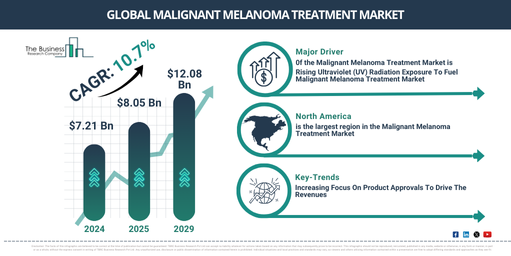
    The size of the market for malignant melanoma treatment has seen swift expansion in the past few years. It is projected to increase from $7.21 billion in 2024 to $8.05 billion in 2025, with a compound annual growth rate (CAGR) of 11.7%. Factors responsible for this growth during the historical period include targeted therapies, patient awareness and education, joint research initiatives, and regulatory authorizations.

    Expectations are high for the malignant melanoma treatment market, with projections showing a sharp increase in its size in the coming years. By 2029, the market is estimated to attain a valuation of $12.08 billion, expanding at a compound annual growth rate (CAGR) of 10.7%. This expected surge during the forecast period can be credited to factors such as personalized medicine, worldwide health campaigns, extended genomic profiling, value-oriented healthcare models and patient-first strategies. Noteworthy trends for the forecast period incorporate the implementation of artificial intelligence (AI), technologies for early detection, real-world evidence and data analytics, integration of precision medicine, and combination therapies.

    Download a free sample to assess the report’s scope and structure:

    https://www.thebusinessresearchcompany.com/sample.aspx?id=13252&type=smp

    What Are the Core Growth Drivers Propelling the Malignant Melanoma Treatment Market Forward?

    Anticipated market growth for malignant melanoma treatment is driven by escalating exposure to ultraviolet (UV) radiation. As a sort of electromagnetic radiation, UV has a wavelength that is shorter than visible light, but longer than X-rays. The development of malignant melanoma is significantly associated with exposure to UV radiation, particularly UVA (315–400 nm) and UVB (280–315 nm). DNA in skin cells can be compromised by UV radiation, leading to mutations. These cause cells to multiply and split uncontrollably, resulting in a tumor. For example, the Melanoma Research Foundation reported the total number of melanoma cases in 2023 in the United States was 1,87,000. This figure increased by 7.3% to 2,00,651 in 2024. Furthermore, the United States Environmental Protection Agency stated in February 2024 that skin cancer is the most prevalent type of cancer in the U.S., with unprotected UV exposure being the primary preventable risk factor, affecting one in five Americans throughout their lives. Thus, the surge in UV radiation exposure is fueling the malignant melanoma treatment market’s expansion. A surge in melanoma cases is also pushing the malignant melanoma treatment market’s growth. Melanoma is a variant of skin cancer originating from melanocytes, the cells responsible for skin pigment. Melanoma treatment typically involves surgical removal of the tumor, with additional treatment like immunotherapy or targeted therapy possibly recommended depending on the cancer’s stage and extent. For example, The Melanoma Research Foundation reported in February 2023 that the total number melanoma cases in the United States that year was 1,87,000, and this number rose by 7.3% to 2,00,651 in 2024. Consequently, the rise in melanoma incidence is stimulating the growth of the malignant melanoma treatment market.

    What Segment Types Define the Malignant Melanoma Treatment Market Structure?

    The malignant melanoma treatment market covered in this report is segmented –

    1) By Treatment: Immunotherapy, Radiation Therapy, Chemotherapy, Other Treatments

    2) By Disease Type: Lentigo Maligna Melanoma, Acral Lentiginous Melanoma, Nodular Melanoma, Superficial Spreading Melanoma

    3) By End-User: Hospitals, Specialty clinics, Other End Users

    Subsegments:

    1) By Immunotherapy: Checkpoint Inhibitors, Cytokine Therapy, Oncolytic Virus Therapy

    2) By Radiation Therapy: External Beam Radiation Therapy, Stereotactic Radiation Therapy

    3) By Chemotherapy: Traditional Chemotherapy Agents, Combination Chemotherapy Regimens

    4) By Other Treatments: Targeted Therapy, Surgical Interventions, Clinical Trials For Novel Therapies

    Request customized data on this market:

    https://www.thebusinessresearchcompany.com/customise?id=13252&type=smp

    Which Geographic Areas Hold the Strongest Growth Potential in the Malignant Melanoma Treatment Market?

    North America was the largest region in the malignant melanoma treatment market in 2024. Asia-Pacific is expected to be the fastest-growing region in the forecast period. The regions covered in the malignant melanoma treatment market report are Asia-Pacific, Western Europe, Eastern Europe, North America, South America, Middle East, Africa

    Which Emerging Trends that Are Influencing theMalignant Melanoma Treatment Industry Evolution?

    Leading firms in the malignant melanoma treatment market are concentrating on the creation and approval of innovative medicines to maintain their competitive edge. There’s a surge in drug approvals for malignant melanoma treatments, driven by the demand for more efficient and safer solutions, such as Opdualag. This drug, a fixed-dose fusion of the immunotherapies nivolumab and relatlimab-rmbw, is a novel treatment option for inoperable or metastatic melanoma. For example, in March 2022, the US pharmaceutical company, Bristol Myers Squibb, gained approval for Opdualag from the Food and Drug Administration to treat particular forms of melanoma through a single intravenous infusion. This is the first application of a fixed-dose combination of nivolumab and relatlimab-rmbw for adults and children aged 12 and over with metastatic or inoperable melanoma. Relatlimab-rmbw, a human IgG4 monoclonal antibody, attaches to the LAG-3 receptor. Opdualag is a significant enhancement to BMS’s range of cancer therapies, and it’s successful introduction has favorably impacted the company’s growth.

    View the full report here:

    https://www.thebusinessresearchcompany.com/report/malignant-melanoma-treatment-global-market-report

    What Is the Definition of the Malignant Melanoma Treatment Market?

    Malignant melanoma treatment refers to the medical interventions and therapies aimed at managing and potentially curing malignant melanoma, a type of skin cancer that develops from melanocytes, the cells responsible for producing the skin pigment melanin. The treatment of malignant melanoma offers several advantages critical for the well-being and potential recovery of individuals diagnosed with this aggressive form of skin cancer.

    Purchase the full report and get a swift delivery:

    https://www.thebusinessresearchcompany.com/purchaseoptions.aspx?id=13252

    About The Business Research Company:

    With over 15000+ reports from 27 industries covering 60+ geographies, The Business Research Company has built a reputation for offering comprehensive, data-rich research and insights. Armed with 1,500,000 datasets, the optimistic contribution of in-depth secondary research, and unique insights from industry leaders, you can get the information you need to stay ahead in the game.

    Get in touch with us:

    The Business Research Company: https://www.thebusinessresearchcompany.com/

    Americas +1 3156230293

    Asia +44 2071930708

    Europe +44 2071930708

    Email us at info@tbrc.info

    Follow us on:

    LinkedIn: https://in.linkedin.com/company/the-business-research-company

    YouTube: https://www.youtube.com/channel/UC24_fI0rV8cR5DxlCpgmyFQ

    Global Market Model: https://www.thebusinessresearchcompany.com/global-market-model
  • Key Factors Fueling the Growth of the Male Fertility Market in 2025: Increasing Funding For Fertility Research Spurs Growth In The Male Fertility Market

    Key Factors Fueling the Growth of the Male Fertility Market in 2025: Increasing Funding For Fertility Research Spurs Growth In The Male Fertility Market

    Discover trends, market shifts, and competitive outlooks for the male fertility industry through 2025-2034 with The Business Research Company’s reliable data and in-depth research

    What Are the Projected Market Size and Growth Rates for the Male Fertility Market From 2025 To 2029?

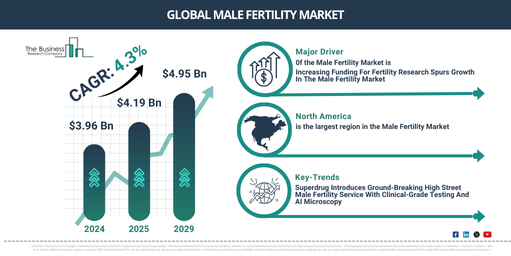
    The market size for male fertility has seen significant expansion over the past few years. It is projected to escalate from $3.96 billion in 2024 to $4.19 billion in 2025, with a compound annual growth rate (CAGR) of 5.8%. Factors attributing to the growth during this historic period include changes in lifestyle and habits, environmental influences, progression in medical technology, rising consciousness and approval of male fertility issues, as well as socioeconomic elements.

    There is a projected stable expansion in the male fertility market in the forthcoming years. It’s predicted to rise to $4.95 billion by 2029, with a compound annual growth rate (CAGR) of 4.3%. The anticipated growth through this period could be linked to an aging population, a surge in male fertility disorders, an upswing in demand for assisted reproductive methodologies, more comprehensive access to fertility therapies, and increased R&D in male fertility treatments. Some significant trends for the future include custom-tailored treatments in male fertility, the amalgamation of AI and big data analysis in diagnostics and treatment, a shift towards natural and holistic remedies to enhance male fertility, utilization of telemedicine and remote assessments for fertility advice, and a strong focus on mental health and stress control within male fertility healthcare.

    Download a free sample to assess the report’s scope and structure:

    https://www.thebusinessresearchcompany.com/sample.aspx?id=13699&type=smp

    What are the Fundamental Drivers and Innovations Shaping the Male Fertility Market?

    The growth of the male fertility market is anticipated to be fueled by the escalating funding for fertility research. This spectrum of research includes the scientific exploration and scrutiny of elements affecting reproductive health, such as conception, pregnancy, and the enhancement of fertility results. Investigations into male fertility are given priority in fertility research funding to holistically apprehend reproductive health, enhance overall fertility results, and acknowledge the crucial role of male factors in conception and reproductive prosperity. For example, the Eunice Kennedy Shriver National Institute of Child Health and Human Development, based in the US, granted $2.26 million towards studying fertility-conserving treatments in October 2023. In addition to this, in September 2022, the Medical Research Future Fund (MRFF), a medical research body located in Australia, provided a total of $3.3 million in grants to help endometriosis sufferers, investigate fertility alternatives, and advance clinical registries. Hence, the rising funding for fertility research is steering the expansion of the male fertility market.

    How Is the Male Fertility Market Segmented?

    The male fertility market covered in this report is segmented –

    1) By Test Type: Sperm Agglutination, DNA Fragmentation Technique, Oxidative Stress Analysis, Computer Assisted Semen Analysis, Sperm Penetration Assay, Other Test Types

    2) By Treatment Type: Assisted Reproductive Technology, Varicocele Surgery, Medication

    3) By Supplement: Antioxidants, Vitamins, Minerals, Amino Acids, Enzymes

    4) By End User: Hospitals And Clinics, Fertility Centers, Research Institutes, Other End Users

    Subsegments:

    1) By Sperm Agglutination: Seminal Plasma Agglutination Test, Sperm-Bound Antibody Tests

    2) By DNA Fragmentation Technique: Sperm DNA Fragmentation Index (DFI) Tests, Comet Assay

    3) By Oxidative Stress Analysis: Reactive Oxygen Species (ROS) Measurement, Antioxidant Capacity Tests

    4) By Computer Assisted Semen Analysis (CASA): Motility Analysis, Morphology Assessment

    5) By Sperm Penetration Assay: Sperm-oocyte Interaction Tests, In Vitro Fertilization (IVF) Models

    6) By Other Test Types: Hormonal Tests, Genetic Testing, Semen Culture Tests

    Request customized data on this market:

    https://www.thebusinessresearchcompany.com/customise?id=13699&type=smp

    Which Regions Are Driving the Next Phase of the Male Fertility Market Growth?

    North America was the largest region in the male fertility market in 2024. Asia-Pacific is expected to be the fastest-growing region in the forecast period. The regions covered in the male fertility market report are Asia-Pacific, Western Europe, Eastern Europe, North America, South America, Middle East, Africa.

    What Key Trends Are Shaping the Future of the Male Fertility Market?

    Major firms in the male fertility marketplace are prioritizing service innovations such as testing services. These services enable individuals to obtain information about their fertility, thus empowering them to manage their reproductive health effectively. Testing services involve the assessment or evaluation of a specific condition or substance. For example, Superdrug Stores PLC, a retail company based in the UK, introduced the first high street male fertility service in the country in November 2022. This service incorporates a clinical-grade sperm test akin to an NHS or World Health Organization test and is acknowledged by the majority of fertility treatment providers. The services also provide a clinical-grade semen analysis employing cutting-edge AI microscopes. This analysis assesses 22 different factors, such as sperm morphology — the size and shape of sperm. The confidential, at-home test kit can be collected from the store and performed at home. A courier will later collect the sample, with results being obtainable 48 hours after the laboratory receives them. A comprehensive diagnostic report will be supplied, which can be used for subsequent referrals or consultations with a fertility expert.

    View the full report here:

    https://www.thebusinessresearchcompany.com/report/male-fertility-global-market-report

    How Is the Male Fertility Market Defined and What Are Its Core Parameters?

    Male fertility is usually defined as the ability of a man to impregnate his female partner. It is a complex process that depends on the production of healthy sperm, the functionality of the male reproductive organs, and the ability to have an erection and ejaculate so that the sperm can reach the egg.

    Purchase the full report and get a swift delivery:

    https://www.thebusinessresearchcompany.com/purchaseoptions.aspx?id=13699

    About The Business Research Company:

    With over 15000+ reports from 27 industries covering 60+ geographies, The Business Research Company has built a reputation for offering comprehensive, data-rich research and insights. Armed with 1,500,000 datasets, the optimistic contribution of in-depth secondary research, and unique insights from industry leaders, you can get the information you need to stay ahead in the game.

    Get in touch with us:

    The Business Research Company: https://www.thebusinessresearchcompany.com/

    Americas +1 3156230293

    Asia +44 2071930708

    Europe +44 2071930708

    Email us at info@tbrc.info

    Follow us on:

    LinkedIn: https://in.linkedin.com/company/the-business-research-company

    YouTube: https://www.youtube.com/channel/UC24_fI0rV8cR5DxlCpgmyFQ

    Global Market Model: https://www.thebusinessresearchcompany.com/global-market-model
  • Major Trends and Emerging Patterns in the Malaria Vaccines Market: Innovations And Strategies To Combat Mosquito-Borne Diseases

    Major Trends and Emerging Patterns in the Malaria Vaccines Market: Innovations And Strategies To Combat Mosquito-Borne Diseases

    Discover trends, market shifts, and competitive outlooks for the malaria vaccines industry through 2025-2034 with The Business Research Company’s reliable data and in-depth research

    What Is the Estimated Market Size of the Malaria Vaccines Market In 2029?

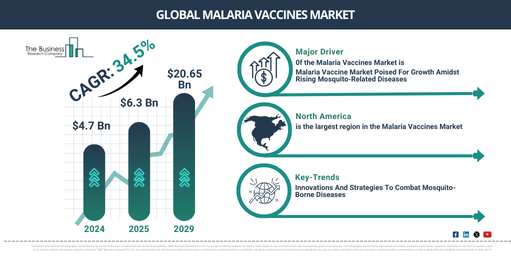
    The size of the malaria vaccines market has seen a substantial rise recently, and it is projected to expand from $4.7 billion in 2024 to $6.3 billion in 2025, demonstrating a compound annual growth rate (CAGR) of 34.0%. The historic surge is linked to a high incidence of malaria, coordinated efforts aimed at global health, the allocation of funds and grants, efforts towards malaria control, government backing, and policy frameworks.

    The size of the malaria vaccines market is projected to increase enormously in the upcoming years, reaching $20.65 billion by 2029 with a compound annual growth rate (CAGR) of 34.5%. The surge expected in the forecast period can be credited to global eradication efforts, extensive access schemes, escalated vaccine coverage, global vaccine collaborations, and effects of climate change. Key trends seen in the forecast period comprise of tech-innovations, partnerships between the public and private sector, international cooperation, and enhancements in vaccine technology.

    Download a free sample to assess the report’s scope and structure:

    https://www.thebusinessresearchcompany.com/sample.aspx?id=13698&type=smp

    What Are the Primary Drivers Supporting the Market Growth of the Malaria Vaccines Market?

    The predicted increase in mosquito-borne diseases is set to stimulate the expansion of the malaria vaccine market in the future. Mosquito-related diseases cover a wide range of illnesses spread via the bites of infected mosquitoes. The malaria vaccine, specifically the RTS, S/AS01 (RTS, S) vaccine, serves to counteract and lessen the effects of mosquito-transmitted diseases by preparing the immune system to recognize and combat the parasite. For example, a report by the World Health Organization, a Switzerland-based intergovernmental organization, in November 2023 estimated that there were 249 million cases of malaria worldwide in 2022, an increase of 5 million cases from 2021. Additionally, Pakistan recorded an estimated 2.6 million cases in 2022, a significant increment from the 500,000 cases in 2021. Consequently, the escalation in mosquito-related disease incidents is propelling the growth of the malaria vaccine market.

    Which Primary Segments of the Malaria Vaccines Market Are Driving Growth and Industry Transformations?

    The malaria vaccines market covered in this report is segmented –

    1) By Agent: Plasmodium Falciparum, Plasmodium Vivax, Anopheles Species

    2) By Vaccine Type: Pre-Erythrocytic, Erythrocytic, Multi-antigen, Other Vaccines

    3) By Route Of Administration: Intramuscular, Subcutaneous, Intradermal, Other Routes

    4) By Distribution Channel: Public, Private

    Subsegments:

    1) By Plasmodium Falciparum: RTS,S/AS01 Vaccine, Other Experimental Vaccines

    2) By Plasmodium Vivax: Candidate Vaccines In Development, Combination Vaccines

    3) By Anopheles Species: Transmission-Blocking Vaccines, Vector Control Approaches

    Request customized data on this market:

    https://www.thebusinessresearchcompany.com/customise?id=13698&type=smp

    Which Regions Are Key Players in the Growth of the Malaria Vaccines Market?

    North America was the largest region in the malaria vaccines market in 2024. Asia-Pacific is expected to be the fastest growing region in the forecast period. The regions covered in the malaria vaccines market report are Asia-Pacific, Western Europe, Eastern Europe, North America, South America, Middle East, Africa.

    What Are the Most Significant Market Trends in the Malaria Vaccines Market?

    Leading firms in the malaria vaccine market are creating unique products such as vaccines specifically for children’s malaria. This is being done in order to expand their customer base, enhance sales, and boost their revenue. The vaccines for mosquito-borne diseases are essentially immunological concoctions aimed at providing protection against diseases spread by mosquitoes. They are essentially pediatric vaccines aimed at combating Plasmodium falciparum, which is globally the most lethal malaria parasite and predominantly found in Africa. For instance, Malawi, an East African country, in collaboration with the World Health Organization, a Switzerland-based intergovernmental organization, initiated the first children’s malaria vaccine in Africa in November 2022. The RTSS vaccine, designed specifically for youngsters, has the unique ability to lower mortality rates from the mosquito-transmitted disease. Despite having only a 30% efficacy rate, the vaccine, which has been piloted tested on over a million children in Ghana, Kenya, and Malawi, has generated hope as it could potentially save the lives of the 400,000 individuals who die from malaria each year.

    View the full report here:

    https://www.thebusinessresearchcompany.com/report/malaria-vaccines-global-market-report

    What Parameters Are Used to Define the Malaria Vaccines Market?

    Malaria vaccines are specific vaccines designed to prevent malaria, a potentially deadly mosquito-borne infectious disease caused by parasites from the Plasmodium genus. These vaccines aim to provide immunity against the plasmodium parasites that cause malaria.

    Purchase the full report and get a swift delivery:

    https://www.thebusinessresearchcompany.com/purchaseoptions.aspx?id=13698

    About The Business Research Company:

    With over 15000+ reports from 27 industries covering 60+ geographies, The Business Research Company has built a reputation for offering comprehensive, data-rich research and insights. Armed with 1,500,000 datasets, the optimistic contribution of in-depth secondary research, and unique insights from industry leaders, you can get the information you need to stay ahead in the game.

    Get in touch with us:

    The Business Research Company: https://www.thebusinessresearchcompany.com/

    Americas +1 3156230293

    Asia +44 2071930708

    Europe +44 2071930708

    Email us at info@tbrc.info

    Follow us on:

    LinkedIn: https://in.linkedin.com/company/the-business-research-company

    YouTube: https://www.youtube.com/channel/UC24_fI0rV8cR5DxlCpgmyFQ

    Global Market Model: https://www.thebusinessresearchcompany.com/global-market-model
  • Top Trends Driving Innovation and Change in the Major Depressive Disorder Market: Innovative Approaches And Approvals Reshaping Major Depressive Disorder Treatment Market

    Top Trends Driving Innovation and Change in the Major Depressive Disorder Market: Innovative Approaches And Approvals Reshaping Major Depressive Disorder Treatment Market

    Discover trends, market shifts, and competitive outlooks for the major depressive disorder industry through 2025-2034 with The Business Research Company’s reliable data and in-depth research

    How Has The Major Depressive Disorder Market Growth Evolved From 2024 To 2025, And What’s Ahead?

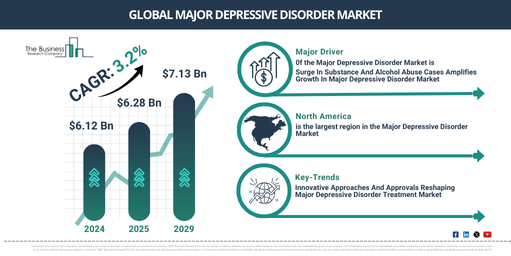
    Over the years, the market size for major depressive disorder has experienced a consistent growth. It is set to expand from a value of $6.12 billion in 2024 to reach $6.28 billion by 2025, showcasing a compound annual growth rate (CAGR) of 2.6%. The significant rise during the historical period is the result of advancements in pharmaceuticals, heightened mental health consciousness, the provision of psychological therapies, and diverse public health campaigns.

    In the coming years, the market size for major depressive disorder is projected to experience consistent growth, ultimately reaching $7.13 billion in 2029 with a compound annual growth rate (CAGR) of 3.2%. This predicted growth during the forecast period can be credited to the advancements in precision medicine, the emergence of telepsychiatry and teletherapy, new treatment methods, as well as the worldwide expansion of mental health services. Key trends during the forecast period likely to influence the market are early intervention, peer assistance and online gatherings, holistic methodologies, and resilience and coping tactics.

    Download a free sample to assess the report’s scope and structure:

    https://www.thebusinessresearchcompany.com/sample.aspx?id=13042&type=smp

    What External and Internal Drivers Are Contributing to the Growth of the Major Depressive Disorder Market?

    The increasing prevalence of substance and alcohol misuse is expected to boost the development of the major depressive disorder market. Substance and alcohol misuse is marked by hazardous overconsumption of substances, including alcohol, leading to adverse physical, psychological, and societal impacts. This behavior often coincides with major depressive disorder, with both conditions escalating one’s risk of mental and physical harms. In a 2024 report by the Substance Abuse and Mental Health Services Administration, a US health and human services department, data showed that 3.1% of the population (8.9 million people) abused opioids in 2023, while 21.8% of individuals over 12 consumed marijuana, the most commonly misused drug. Furthermore, there was an increase in nicotine vaping among those 12 or older from 8.3% in 2022 to 9.4% in 2024. Consequently, these increasing levels of substance and alcohol misuse are fueling the expansion of the major depressive disorder market. In another driver, the rise in anxiety cases is also expected to contribute to the growth of the major depressive disorder market. Anxiety, a normal reaction to stress, elicits feelings of fear, apprehension, and discomfort. This temporary state of severe and constant worry about everyday situations has a significant effect on major depressive disorders, leading to nervousness, irritability, and issues with sleep and concentration. Evidence from the American Psychiatric Association, a non-profit organization based in the US, indicated that in 2024, 43% of adults reported more anxiety than the previous year, an increase from 37% in 2023 and 32% in 2022. This rise in anxiety cases is thus propelling the growth of the major depressive disorder market.

    What Segment Types Define the Major Depressive Disorder Market Structure?

    The major depressive disorder market covered in this report is segmented –

    1) By Treatment: Psychotherapy, Medications, Electroconvulsive Therapy (ECT), Transcranial Magnetic Stimulation (TMS), Other Treatments

    2) By Diagnosis: Physical Examinations, Laboratory Tests, Psychiatric Evaluations, Diagnostic And Statistical Manual of Mental Disorders (DSM-5), Other Diagnosis

    3) By End-User: Clinics, Hospitals, Other End-Users

    Subsegments:

    1) By Psychotherapy: Cognitive Behavioral Therapy (CBT), Interpersonal Therapy (IPT), Dialectical Behavior Therapy (DBT), Psychodynamic Therapy

    2) By Medications: Selective Serotonin Reuptake Inhibitors (SSRIs), Serotonin and Norepinephrine Reuptake Inhibitors (SNRIs), Tricyclic Antidepressants (TCAs), Monoamine Oxidase Inhibitors (MAOIs), Atypical Antidepressants

    3) Electroconvulsive Therapy (ECT): Unilateral ECT, Bilateral ECT, Modified ECT

    4) Transcranial Magnetic Stimulation (TMS): Repetitive Transcranial Magnetic Stimulation (rTMS), Deep Transcranial Magnetic Stimulation (dTMS), Theta Burst Stimulation (TBS), Navigated Brain Stimulation (nTMS)

    5) Other: Cognitive Behavioral Therapy (CBT), Psychodynamic Therapy, Interpersonal Therapy (IPT), Vagus Nerve Stimulation (VNS), Ketamine Therapy, Bright Light Therapy, Psychedelic-Assisted Therapy, Medication (Antidepressants)

    Request customized data on this market:

    https://www.thebusinessresearchcompany.com/customise?id=13042&type=smp

    Which Geographic Areas Hold the Strongest Growth Potential in the Major Depressive Disorder Market?

    North America was the largest region in the major depressive disorder market in 2024. The regions covered in major depressive disorder market report are Asia-Pacific, Western Europe, Eastern Europe, North America, South America, Middle East and Africa.

    What Long-Term Trends Are Transforming the Competitive Landscape of the Major Depressive Disorder Market?

    Leading enterprises in the major depressive disorder market are concentrating on creating innovative products and securing their approval to gain a competitive edge. The approval rate of drugs for treating major depressive disorder, such as VRAYLAR (cariprazine), is on a rise due to the increasing need for safer and more effective treatment options. For example, in December 2022, the US-based pharmaceutical company AbbVie Inc., received an approval for VRAYLAR (cariprazine) as a supplemental treatment to antidepressants for adult patients of major depressive disorder (MDD), granted by Food and Drug Administration (FDA), a U.S. federal agency. VRAYLAR, an innovative atypical antipsychotic medication, helps in maintaining a balance between dopamine and serotonin levels in the brain. It’s the first of its kind to be approved as a supplemental treatment for major depressive disorder. Additionally, it comes in the form of a capsule and is taken once a day.

    View the full report here:

    https://www.thebusinessresearchcompany.com/report/major-depressive-disorder-global-market-report

    What Is the Definition of the Major Depressive Disorder Market?

    Major depressive disorder refers to a mood disorder or depression that causes a persistent feeling of sadness and loss of interest, which can interfere with daily activities such as sleeping, eating, or working. It goes beyond normal fluctuations in mood and can significantly impact a person’s thoughts, feelings, behavior and physical well-being. The treatment for major depressive disorder involves several medical interventions that support the emotional well-being of an individual.

    Purchase the full report and get a swift delivery:

    https://www.thebusinessresearchcompany.com/purchaseoptions.aspx?id=13042

    About The Business Research Company:

    With over 15000+ reports from 27 industries covering 60+ geographies, The Business Research Company has built a reputation for offering comprehensive, data-rich research and insights. Armed with 1,500,000 datasets, the optimistic contribution of in-depth secondary research, and unique insights from industry leaders, you can get the information you need to stay ahead in the game.

    Get in touch with us:

    The Business Research Company: https://www.thebusinessresearchcompany.com/

    Americas +1 3156230293

    Asia +44 2071930708

    Europe +44 2071930708

    Email us at info@tbrc.info

    Follow us on:

    LinkedIn: https://in.linkedin.com/company/the-business-research-company

    YouTube: https://www.youtube.com/channel/UC24_fI0rV8cR5DxlCpgmyFQ

    Global Market Model: https://www.thebusinessresearchcompany.com/global-market-model
  • Macular Edema and Macular Degeneration Growth Trajectory: Key Forecasts and Strategic Insights

    Macular Edema and Macular Degeneration Growth Trajectory: Key Forecasts and Strategic Insights

    Discover trends, market shifts, and competitive outlooks for the macular edema and macular degeneration industry through 2025-2034 with The Business Research Company’s reliable data and in-depth research

    What is the Anticipated CAGR of the Macular Edema and Macular Degeneration Market, and What Factors Will Drive It?

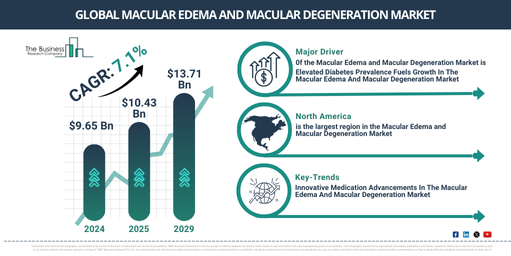
    The market for macular edema and macular degeneration has experienced healthy expansion recently. It is projected to increase in size from $9.65 billion in 2024 to $10.43 billion in 2025, representing a compound annual growth rate (CAGR) of 8.1%. Factors that have contributed to this growth historically include an older demographic, higher cases of diabetes, increased awareness and early detection, international efforts towards eye health, advances in pharmaceuticals, and the role of patient advocacy and support.

    The market size for macular edema and macular degeneration is forecasted to experience significant growth in the upcoming years. By 2029, it’s projected to reach $13.71 billion, with a compound annual growth rate (CAGR) of 7.1%. This anticipated growth within the forecast period is due to various factors such as the implementation of personalized medicine strategies, increased awareness in developing markets, emphasis on combined therapies, and the incorporation of teleophthalmology services amidst a globally aging population. Future trends expected to shape the market during this period encompass advancements in prolonged-release drug distribution, the inclusion of gene therapies, the progression of innovative imaging techniques, individualized treatment methods utilizing biomarkers, the use of teleophthalmology for distance monitoring, and improvements in artificial intelligence for diagnostic purposes.

    Download a free sample to assess the report’s scope and structure:

    https://www.thebusinessresearchcompany.com/sample.aspx?id=13479&type=smp

    Which Factors and External Forces Are Driving Demand in the Macular Edema and Macular Degeneration Market?

    The expansion of the macular edema and macular degeneration market is anticipated due to the escalating number of diabetes patients. High blood sugar levels characterize diabetes, a chronic health disorder which harms the eye’s blood vessels, leading to macular edema and macular degeneration. As stated by The National Health Service (NHS England), a UK-based state-funded healthcare system, in 2024, there was an 18% increase in pre-diabetes cases identified by NHS in England, rising from 3,065,825 in 2022 to 3,615,330 in 2023. Notably, in individuals younger than 40, there was almost a 25% rise in cases from 173,166 in 2022 to 216,440 in 2023. Thus, the growing diabetes population is fueling the progression of the macular edema and macular degeneration market.

    Macular Edema and Macular Degeneration Market Driver: Rising Occurrences of Eye Conditions Boosts Macular Edema and Macular Degeneration Market


    Which Segments in the Macular Edema and Macular Degeneration Offer the Most Growth?

    The macular edema and macular degeneration market covered in this report is segmented –

    1) By Treatment Type: Drug Therapy, Laser Treatment

    2) By Application: Macular Edema, Diabetic Macular Edema (DME), Cystoid Macular Edema (CME), Macular Degeneration, Dry age-related macular degeneration, Wet age-related macular degeneration

    3) By End User: Hospitals, Clinics, Other End Users

    Subsegments:

    1) By Drug Therapy: Anti-VEGF (Vascular Endothelial Growth Factor) Injections, Steroid Injections, Oral Medications, Combination Therapy (Anti-VEGF + Steroids)

    2) By Laser Treatment: Focal Laser Photocoagulation, Panretinal Photocoagulation (PRP), Subthreshold Laser Therapy, MicroPulse Laser Therapy

    Request customized data on this market:

    https://www.thebusinessresearchcompany.com/customise?id=13479&type=smp

    What Are the Fastest-Growing Geographies in the Macular Edema and Macular Degeneration Market?

    North America was the largest region in the macular edema and macular degeneration market in 2024. The regions covered in the macular edema and macular degeneration market report are Asia-Pacific, Western Europe, Eastern Europe, North America, South America, Middle East, Africa.

    Which Cutting-Edge Market Trends Are Expected to Drive theMacular Edema and Macular Degeneration Market’s Growth?

    Key businesses in the macular edema and macular degeneration market are channeling their efforts towards designing new products like Vabysmo (faricimab-svoa) to enhance their market profitability. Vabysmo is a medicinal product used in the treatment of neovascular age-related macular degeneration (nAMD) and diabetic macular edema (DME). A notable example of this is Genentech Inc., a biotech company from the US, which received FDA approval for Vabysmo in January 2022. This medicine is the first of its kind bispecific monoclonal antibody, targeting vascular endothelial growth factor (VEGF) and angiopoietin 2 (Ang-2). With the potential to emerge as a popular solution for nAMD and DME, the approval of faricimab by the FDA and EU marks a significant milestone for Genentech and Roche.

    View the full report here:

    https://www.thebusinessresearchcompany.com/report/macular-edema-and-macular-degeneration-global-market-report

    What Are the Key Elements That Define the Macular Edema and Macular Degeneration Market?

    Macular edema and macular degeneration are two different eye conditions that can affect vision. Macular edema is swelling in the part of the retina at the back of the eye, which can cause blurry vision. Macular degeneration is a condition that affects the macula, a part of the retina at the back of the eye that is responsible for central vision. They can be caused by many different conditions, including diabetic retinopathy, retinal vein occlusion, and inflammation, and include age, genetics, smoking, high blood pressure, and obesity.

    Purchase the full report and get a swift delivery:

    https://www.thebusinessresearchcompany.com/purchaseoptions.aspx?id=13479

    About The Business Research Company:

    With over 15000+ reports from 27 industries covering 60+ geographies, The Business Research Company has built a reputation for offering comprehensive, data-rich research and insights. Armed with 1,500,000 datasets, the optimistic contribution of in-depth secondary research, and unique insights from industry leaders, you can get the information you need to stay ahead in the game.

    Get in touch with us:

    The Business Research Company: https://www.thebusinessresearchcompany.com/

    Americas +1 3156230293

    Asia +44 2071930708

    Europe +44 2071930708

    Email us at info@tbrc.info

    Follow us on:

    LinkedIn: https://in.linkedin.com/company/the-business-research-company

    YouTube: https://www.youtube.com/channel/UC24_fI0rV8cR5DxlCpgmyFQ

    Global Market Model: https://www.thebusinessresearchcompany.com/global-market-model
  • Strong CAGR to Propel in the Machine Learning (ML) in The Pharmaceutical Industry Market and Beyond upto $13.99 Billion by 2029

    Strong CAGR to Propel in the Machine Learning (ML) in The Pharmaceutical Industry Market and Beyond upto $13.99 Billion by 2029

    Discover trends, market shifts, and competitive outlooks for the machine learning (ml) in the pharmaceutical industry industry through 2025-2034 with The Business Research Company’s reliable data and in-depth research

    What is the Projected CAGR for the Machine Learning (ML) in The Pharmaceutical Industry Market Size from 2025 to 2034?

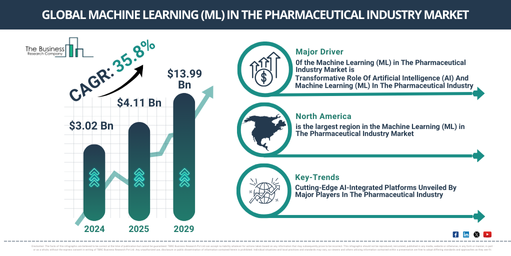
    The market size for machine learning (ML) in the pharmaceutical industry has seen an impressive surge in recent years. The value of the market is expected to increase from $3.02 billion in 2024 to $4.11 billion in 2025, with a compound annual growth rate (CAGR) of 35.9%. The significant growth observed in the historical period can be linked to the rising acceptance of federated learning, the acceleration of drug discovery timelines, improved drug safety measures and pharmacovigilance, as well as the broadening scope of precision medicine applications.

    Anticipated exponential expansion is projected for the machine learning (ML) in the pharmaceutical industry market in the coming years, reaching $13.99 billion in 2029, with a compound annual growth rate (CAGR) of 35.8%. The leap in the projected timeframe is linked to the increasing complexity of biological data, heightened computational power, heightened industry understanding, and education, as well as a focus on patient-centric healthcare responses. Key trends for this forecast period incorporate partnerships and collaborations between AI and pharma, drug-agnostic treatments, ML system interoperability, the decentralization of clinical trials, and the discovery of AI-propelled biomarkers.

    Download a free sample to assess the report’s scope and structure:

    https://www.thebusinessresearchcompany.com/sample.aspx?id=13872&type=smp

    Which Primay Drivers Are Accelerating Growth in the Machine Learning (ML) in The Pharmaceutical Industry Market?

    The pharmaceutical industry is being propelled by the rising uptake of artificial intelligence (AI) and machine learning (ML). AI is defined as computer software that emulates human cognitive functions to carry out intricate tasks such as evaluation, reasoning, and learning. ML, on the other hand, is an aspect of AI that utilises data-trained algorithms to generate models capable of executing complex tasks. The implementation of AI and ML in pharmaceutical technology and drug delivery design provides swift remedies to intricate problems. It carries the potential to alliterate the drug delivery procedure, enrich decision-making instruments, and manipulate huge amounts of data for more effectual decisions. For example, Forbes, a US-based business magazine, reported in June 2023 approximately 432,000 UK firms, equivalent to one in six, have integrated at least one AI technology into their operations. In addition, at least one AI technology has been embraced by 68% of major businesses, 33% of medium-sized enterprises, and 15% of small businesses. As a result, the escalating uptake of artificial intelligence (AI) is set to push forward machine learning (ML) within the pharmaceutical industry.

    Which Primary Segments of the Machine Learning (ML) in The Pharmaceutical Industry Market Are Driving Growth and Industry Transformations?

    The machine learning (ML) in the pharmaceutical industry market covered in this report is segmented –

    1) By Component: Solution, Services

    2) By Component: Cloud, On-premise

    3) By Enterprise Size: Small and Medium Enterprises (SMEs), Large Enterprises

    Subsegments:

    1) By Solution: Drug Discovery Platforms, Predictive Analytics Tools, Clinical Trial Optimization Solutions, Patient Data Management Systems, Personalized Medicine Applications

    2) By Services: Consulting Services, Implementation And Integration Services, Data Analysis And Modeling Services, Training And Support Services, Managed Services

    Request customized data on this market:

    https://www.thebusinessresearchcompany.com/customise?id=13872&type=smp

    Which Regions Are Key Players in the Growth of the Machine Learning (ML) in The Pharmaceutical Industry Market?

    North America was the largest region in the machine learning in the pharmaceutical industry market in 2024. Asia-Pacific is expected to be the fastest-growing region in the forecast period. The regions covered in the machine learning (ML) in the pharmaceutical industry market report are Asia-Pacific, Western Europe, Eastern Europe, North America, South America, Middle East, Africa.

    Which Technological Trends Are Reshaping the Machine Learning (ML) in The Pharmaceutical Industry Industry Dynamics?

    Prominent firms in the pharmaceutical industry dealing with machine learning (ML) are dedicated to creating accessible software platforms, like drug discovery software, to augment their pharmaceutical discovery prowess. Drug discovery software includes numerous specific tools and platforms utilized throughout the procedure of recognizing and crafting new pharmaceutical drugs. For example, in December 2023, the US pharmaceutical company Merck & Co. Inc., introduced the AIDDISON drug discovery software. This is the first software-as-a-service platform that marries drug discovery and synthesis through the application of generative AI, machine learning, and computer-aided drug design. It equips labs with the ability to pinpoint suitable drug candidates within an expansive chemical space, virtually assess compounds from a pool of more than 60 billion chemical targets, and analyze synthesis routes for more secure, economically efficient, and higher yield drug production.

    View the full report here:

    https://www.thebusinessresearchcompany.com/report/machine-learning-ml-in-the-pharmaceutical-industry-global-market-report

    What Parameters Are Used to Define the Machine Learning (ML) in The Pharmaceutical Industry Market?

    Machine learning (ML) in the pharmaceutical industry market refers to the use of artificial intelligence (AI) algorithms and techniques. They are used to improve various aspects of drug discovery, development, and manufacturing processes. The implementation of ML solutions in the pharmaceutical industry requires careful regulatory compliance and addressing potential challenges related to data quality, research gaps, and regulatory uncertainty.

    Purchase the full report and get a swift delivery:

    https://www.thebusinessresearchcompany.com/purchaseoptions.aspx?id=13872

    About The Business Research Company:

    With over 15000+ reports from 27 industries covering 60+ geographies, The Business Research Company has built a reputation for offering comprehensive, data-rich research and insights. Armed with 1,500,000 datasets, the optimistic contribution of in-depth secondary research, and unique insights from industry leaders, you can get the information you need to stay ahead in the game.

    Get in touch with us:

    The Business Research Company: https://www.thebusinessresearchcompany.com/

    Americas +1 3156230293

    Asia +44 2071930708

    Europe +44 2071930708

    Email us at info@tbrc.info

    Follow us on:

    LinkedIn: https://in.linkedin.com/company/the-business-research-company

    YouTube: https://www.youtube.com/channel/UC24_fI0rV8cR5DxlCpgmyFQ

    Global Market Model: https://www.thebusinessresearchcompany.com/global-market-model
  • Major Trends and Emerging Patterns in the Liver Health Supplements Market: Market Leaders Introduce Breakthrough Products To Boost Liver Health

    Major Trends and Emerging Patterns in the Liver Health Supplements Market: Market Leaders Introduce Breakthrough Products To Boost Liver Health

    Discover trends, market shifts, and competitive outlooks for the liver health supplements industry through 2025-2034 with The Business Research Company’s reliable data and in-depth research

    How Has The Liver Health Supplements Market Size Shifted, And What Is the Outlook Through 2034?

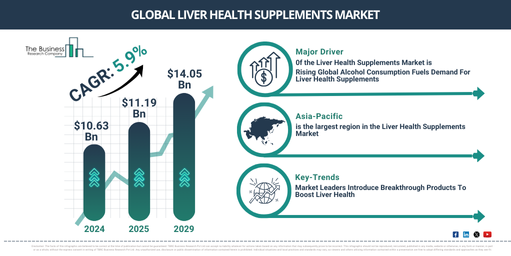
    The market for liver health supplements has seen robust growth in the past few years. The market, which was valued at $10.63 billion in 2024, is expected to increase to $11.19 billion in 2025, representing a compound annual growth rate (CAGR) of 5.2%. Growth factors in the historic period include an increase in liver disease, an uptick in awareness surrounding liver health, an aging demographic, and dietary and lifestyle factors.

    Anticipated to witness robust growth in the coming years, the liver health supplements market is projected to expand to $14.05 billion by 2029, with a compound annual growth rate (CAGR) of 5.9%. The potential market growth during the forecast period can be associated with factors like rising self-care conscious, increasing instances of non-alcoholic fatty liver disease, personalized nutrition, the surge in e-commerce, and a holistic approach to health. The period is also expected to see leading trends including progressions in the research and development of liver health supplements, the usage of natural and herbal ingredients, clinical research and transparency, detoxification products, and innovative nutraceuticals.

    Download a free sample to assess the report’s scope and structure:

    https://www.thebusinessresearchcompany.com/sample.aspx?id=12953&type=smp

    What Are the Primary Drivers Supporting the Market Growth of the Liver Health Supplements Market?

    The increase in alcohol consumption is anticipated to fuel the advancement of the liver health supplements market. Drinking alcohol involves the intake of alcoholic beverages containing the key ingredient, ethanol. Those consuming high levels of alcohol potentially gain protective benefits from liver health supplements, as these products play a significant role in eliminating toxins from the body. Ingredients such as milk thistle, dandelion root, and kudzu root found in considerable supplements can boost liver health by encouraging detoxification and decreasing inflammation. An example of this trend was seen in February 2024, where the Australian Institute of Health and Welfare, a governmental organization in Australia, reported that during 2022-2023, around 31% or 6.6 million people aged 14 and up put their health at risk due to alcohol consumption. Consequently, the uptick in alcohol consumption is contributing to the surge of the liver health supplements market. Liver Health Supplements Market Driver: the Increasing Incidence of Chronic Liver Diseases Accelerates the Growth of the Liver Health Supplements Market.

    Which Primary Segments of the Liver Health Supplements Market Are Driving Growth and Industry Transformations?

    The liver health supplements market covered in this report is segmented –

    1) By Product: Vitamin And Minerals, Herbal Supplements, Other Products

    2) By Nature: Organic, Conventional

    3) By Form: Dry, Tablets, Powder, Liquid

    4) By Distribution Channel: Hospital Pharmacies, Retail Pharmacies, Online Pharmacies

    Subsegments:

    1) By Vitamin And Minerals: Vitamin E, Vitamin C, B-complex Vitamins, Minerals

    2) By Herbal Supplements: Milk Thistle, Dandelion Root, Turmeric, Artichoke Extract

    3) By Other Products: Amino Acids, Probiotics, Fatty Acids

    Request customized data on this market:

    https://www.thebusinessresearchcompany.com/customise?id=12953&type=smp

    Which Regions Are Key Players in the Growth of the Liver Health Supplements Market?

    Asia-Pacific was the largest region in the liver health supplements market in 2024. North America is expected to be the fastest-growing region in the forecast period. The regions covered in liver health supplements market report are Asia-Pacific, Western Europe, Eastern Europe, North America, South America, Middle East and Africa.

    What Are the Most Significant Market Trends in the Liver Health Supplements Market?

    In an attempt to maintain their dominance in the liver health supplements market, primary corporations are focusing on the creation of groundbreaking products. The rising innovation in supplements plays a crucial role in driving the expansion of new liver cells, thereby enhancing liver functionality. For example, a new dietary supplement known as Evogen Liver Longer was introduced by Evogen Nutrition, an American company specializing in healthy lifestyle nutrition, in March 2023. This innovative supplement aims to support liver health holistically and compose of various liver-beneficial constituents such as tauroursodeoxycholic acid (TUDCA), siphons, and milk thistle extract. These elements offer potent antioxidant support, ensuring the protection and improvement of liver function.

    View the full report here:

    https://www.thebusinessresearchcompany.com/report/liver-health-supplements-global-market-report

    What Parameters Are Used to Define the Liver Health Supplements Market?

    Liver health supplements refer to a category of dietary supplements that are designed to support and promote the health and functioning of the liver. Its purpose is to improve liver function and health by assisting the liver’s natural detoxifying mechanisms.

    Purchase the full report and get a swift delivery:

    https://www.thebusinessresearchcompany.com/purchaseoptions.aspx?id=12953

    About The Business Research Company:

    With over 15000+ reports from 27 industries covering 60+ geographies, The Business Research Company has built a reputation for offering comprehensive, data-rich research and insights. Armed with 1,500,000 datasets, the optimistic contribution of in-depth secondary research, and unique insights from industry leaders, you can get the information you need to stay ahead in the game.

    Get in touch with us:

    The Business Research Company: https://www.thebusinessresearchcompany.com/

    Americas +1 3156230293

    Asia +44 2071930708

    Europe +44 2071930708

    Email us at info@tbrc.info

    Follow us on:

    LinkedIn: https://in.linkedin.com/company/the-business-research-company

    YouTube: https://www.youtube.com/channel/UC24_fI0rV8cR5DxlCpgmyFQ

    Global Market Model: https://www.thebusinessresearchcompany.com/global-market-model

  • Lipid Nanoparticles Market Overview 2025: Competitive Shifts, Forecast Models, and Emerging Opportunities

    Discover trends, market shifts, and competitive outlooks for the lipid nanoparticles industry through 2025-2034 with The Business Research Company’s reliable data and in-depth research

    What Is the Current and Projected Market Size of the Lipid Nanoparticles Market Through 2034?

    The market size of lipid nanoparticles has witnessed a rapid increase in the past few years. It is projected to expand from $1.04 billion in 2024, escalating to $1.22 billion in 2025, demonstrating a compound annual growth rate (CAGR) of 17.3%. The historical growth is credited to increased attention on the creation of LNP-centric medications, robust investment in research facilities, along with heightened healthcare spending.

    Anticipated for a swift expansion in the impending years, the lipid nanoparticles market size is projected to increase up to $2.27 billion by 2029 with a compound annual growth rate (CAGR) of 16.9%. This surge during the forecast period stems from a growing incidence of chronic illnesses, heightened demand for RNA-based therapeutics and advanced gene delivery systems, a rising emphasis on personalized medicine, and more investments in research and development. The forecast period also foresees significant trends such as enhancements in drug delivery technologies, inventive drug delivery structures, and artificial intelligence’s incorporation in LNP development.

    Download a free sample to assess the report’s scope and structure:

    https://www.thebusinessresearchcompany.com/sample.aspx?id=15210&type=smp

    What Are the Core Growth Drivers Propelling the Lipid Nanoparticles Market Forward?

    The escalation of chronic diseases is catalyzing the expansion of the Lipid Nanoparticles (LNPs) market. Chronic conditions are typically defined as illnesses that persist for a considerable period, generally beyond three months, and encompass diseases such as diabetes and hypertension among others. The upswing in chronic diseases is attributed to factors such as poor health habits, aging demographics, lifestyle decisions, usage of tobacco, inadequate diets, lack of physical activities, and excessive consumption of alcohol. The deployment of Lipid Nanoparticles (LNPs) represents a pragmatic approach to managing chronic diseases given their capacity to magnify the efficacy of mRNA therapeutic methods and vaccines. LNPs are transforming the treatment framework for a spectrum of chronic diseases, presenting improved management alternatives and possibly superior patient outcomes. For instance, the National Health Service, a UK governmental agency, reported in June 2024 that in 2023, it had detected an additional 549,000 individuals in England who were at risk of developing type 2 diabetes, bringing the total population with non-diabetic hyperglycemia, or pre-diabetes, registered with a GP to 3,615,330. This denoted a notable surge in comparison to the 3,065,825 registered in 2022, marking a growth of roughly 20%. Hence, the escalating incidence of chronic diseases is fueling the expansion of the lipid nanoparticle market.

    What Segment Types Define the Lipid Nanoparticles Market Structure?

    The lipid nanoparticles market covered in this report is segmented –

    1) By Type: Nano-Structured Lipid Carriers (NLCs), Solid Lipid Nanoparticles (SLNs), Other Types

    2) By Application: Research, Therapeutics

    3) By End User: Pharmaceutical And Biotechnology Companies, Academics And Research Centers, Other End Users

    Subsegments:

    1) By Nano-Structured Lipid Carriers (NLCs): Hard NLCs, Soft NLCs

    2) By Solid Lipid Nanoparticles (SLNs): Conventional SLNs, Modified SLNs

    3) By Other Types: Lipid-Core Micelles, Liposomes

    Request customized data on this market:

    https://www.thebusinessresearchcompany.com/customise?id=15210&type=smp

    Which Geographic Areas Hold the Strongest Growth Potential in the Lipid Nanoparticles Market?

    North America was the largest region in the lipid nanoparticles (LNPs) market in 2024. The regions covered in the lipid nanoparticles (LNPs) market report are Asia-Pacific, Western Europe, Eastern Europe, North America, South America, Middle East, Africa.

    Which Emerging Trends that Are Influencing theLipid Nanoparticles Industry Evolution?

    Major companies in the lipid nanoparticles (LNPs) market are creating innovative circular RNA (circRNA) and lipid nanoparticle (LNP) formulations to gain an advantage over competitors. The development of circRNA and LNP formulations broadens the variety of RNA formats available, including circRNA, which is a single-stranded RNA forming a loop that’s covalently closed. In September 2023, for example, GenScript Biotech, a life sciences company hailing from the US, broadened its reagent services to cover circRNA and LNP formulation. As part of GenScript’s commitment to protein replacement therapies and gene and cell treatment, these new services were implemented immediately into their contract-manufactured reagent services. CircRNA has multiple benefits over traditional linear RNA, such as enhanced stability, slower degradation, and the potential to reach optimal therapeutic protein levels at a smaller dosage.

    View the full report here:

    https://www.thebusinessresearchcompany.com/report/lipid-nanoparticles-global-market-report

    What Is the Definition of the Lipid Nanoparticles Market?

    Lipid nanoparticles (LNPs) refer to the type of nanoparticle composed primarily of lipids, which are fatty substances that are essential components of cell membranes. These nanoparticles are typically composed of a lipid bilayer or a solid lipid matrix and are characterized by their small size, generally ranging from 10 to 1000 nanometers in diameter.

    Purchase the full report and get a swift delivery:

    https://www.thebusinessresearchcompany.com/purchaseoptions.aspx?id=15210

    About The Business Research Company:

    With over 15000+ reports from 27 industries covering 60+ geographies, The Business Research Company has built a reputation for offering comprehensive, data-rich research and insights. Armed with 1,500,000 datasets, the optimistic contribution of in-depth secondary research, and unique insights from industry leaders, you can get the information you need to stay ahead in the game.

    Get in touch with us:

    The Business Research Company: https://www.thebusinessresearchcompany.com/

    Americas +1 3156230293

    Asia +44 2071930708

    Europe +44 2071930708

    Email us at info@tbrc.info

    Follow us on:

    LinkedIn: https://in.linkedin.com/company/the-business-research-company

    YouTube: https://www.youtube.com/channel/UC24_fI0rV8cR5DxlCpgmyFQ

    Global Market Model: https://www.thebusinessresearchcompany.com/global-market-model
  • Life Sciences BPO Market in Focus: Forecasting Growth Drivers, Scaling Potential, and Global Opportunities

    Life Sciences BPO Market in Focus: Forecasting Growth Drivers, Scaling Potential, and Global Opportunities

    Discover trends, market shifts, and competitive outlooks for the life sciences bpo industry through 2025-2034 with The Business Research Company’s reliable data and in-depth research

    What Is the Estimated Market Size of the Life Sciences BPO Market In 2029?

    In recent times, the size of the life sciences bpo market has experienced significant growth. The predicted expansion is from $266.44 billion in 2024 to a worth of $295.37 billion in 2025, recording a compound annual growth rate (CAGR) of 10.9%. Various factors contributed to this growth in the historic period including an emphasis on patient-centric healthcare solutions, escalating difficulties in data management, market competition, time-to-market pressures, globalization, and the complexities in clinical trials.

    Expectations are high for substantial growth in the life sciences BPO market in the upcoming years. In 2029, predictions suggest it will reach a value of $431.96 billion, with a compound annual growth rate (CAGR) of 10.0%. This anticipated increase over the forecast period is mainly due to a rise in the demand for drug development support, a focus on real-world evidence and data analytics, ambitions for globalization and expansion, a heightened emphasis on precision medicine, and a surge in outsourcing clinical trial management. Key trends projected for this period encompass AI and advanced analytics integration, virtual trials and remote monitoring, emphasis on regulatory compliance solutions, precision medicine and personalized healthcare, plus blockchain and data security solutions.

    Download a free sample to assess the report’s scope and structure:

    https://www.thebusinessresearchcompany.com/sample.aspx?id=13293&type=smp

    What Are the Core Market Drivers Propelling Growth in the Life Sciences BPO Industry?

    The life sciences BPO market is anticipated to experience growth, largely driven by a surge in healthcare spending. This refers to the total funds disbursed on a variety of healthcare-related goods and services, such as medical treatments, hospital stays, drugs, doctor visits, medical devices, health insurance, and other related healthcare costs. Providers of life sciences BPO solutions assist healthcare organizations in supplying vital medicines, medical products, and services to patients. This service becomes even more valuable in the light of increasing healthcare investments, enabling these providers to cut costs, speed up development, bring new therapies to market quicker, and decrease research and development costs. As an illustration, data from the Centers for Medicare & Medicaid Services, a US federal agency, revealed that US healthcare spending grew by 4.1% in 2022, touching $4.5 trillion, which is a quicker increase than the 3.2% rise in 2021. As such, the mounting healthcare expenditure is fueling the expansion of the life sciences BPO market. The crucial part played by clinical trial support is tipped to spur the growth of the life sciences BPO market even further. Essentially, clinical trial support entails the services and measures instituted to organize and manage clinical research, which involve human participants and aim to ascertain the safety and efficacy of new medical interventions, therapies, drugs, and medical devices. Professionals who work in clinical trial support are responsible for preserving the quality and integrity of the data generated from these trials to make sure they align with regulatory norms. For firms engaged in BPO services that handle clinical trial data, largely as a core service offering to life science corporations, commitment to data quality is of paramount importance. A report by Xtalks, a digital health firm based in Canada, indicated that as of May 17, 2023, there were 452,604 clinical trials registered across the world with 64,838 actively recruiting participants. With a sharp increase from the 365,000 registered trials reported early in 2021, the role of clinical trial support is undoubtedly pushing the growth of the life sciences BPO market.

    How Is the Life Sciences BPO Market Segmented?

    The life sciences bpo market covered in this report is segmented –

    1) By Services: Pharmaceutical Outsourcing, Medical Devices Outsourcing, Contract Sales And marketing Outsourcing, Other Services

    2) By Application: Clinical Testing Methods, Environmental Testing Methods, Other Applications

    3) By End User: Hospitals And Clinics, Diagnostic Laboratories, Other End Users

    Subsegments:

    1) By Pharmaceutical Outsourcing: Drug Development Services, Clinical Trials Management, Regulatory Affairs Services, Pharmacovigilance

    2) By Medical Devices Outsourcing: Product Development Services, Regulatory Compliance, Quality Assurance And Testing, Supply Chain Management

    3) By Contract Sales And marketing Outsourcing: Sales Force Outsourcing, marketing Strategy Development, market Access And Pricing Strategies, Promotional Activities

    4) By Other Services: Data Management And Analytics, IT Services, Training And Education, Consulting Services

    Request customized data on this market:

    https://www.thebusinessresearchcompany.com/customise?id=13293&type=smp

    Which Regions Are Driving the Next Phase of the Life Sciences BPO Market Growth?

    Asia-Pacific was the largest region in the life sciences BPO market in 2024. The regions covered in the life sciences bpo market report are Asia-Pacific, Western Europe, Eastern Europe, North America, South America, Middle East, Africa

    What Key Market Trends and Innovations Are Shaping the Future of the Life Sciences BPO Industry?

    Significant players in the life sciences bpo market, like Cognizant Technology Solutions Corp and NVIDIA, are strategically partnering to develop breakthrough solutions. By pooling their resources and expertise, these companies can bolster their research and development skills, extend their market footprint, and quicken the product launch process, thereby fostering innovation and growth in the life sciences bpo sector. For example, Cognizant, a US-based firm, teamed up with NVIDIA, another US-based software company, in March 2024. This alliance allows the use of NVIDIA’s BioNeMo generative AI platform to speed up drug discovery by improving the speed and efficiency of analyzing complex datasets. The aim of this joint venture is to boost research abilities and hasten the creation of life-saving therapies.

    View the full report here:

    https://www.thebusinessresearchcompany.com/report/life-sciences-bpo-global-market-report

    How Is the Life Sciences BPO Market Defined and What Are Its Core Parameters?

    Life sciences BPO (business process outsourcing) refers to a service that supports life sciences companies in various areas of their business processes. It is delegating specialized tasks such as data management, regulatory adherence, and customer support associated with the life sciences sector to third-party experts.

    Purchase the full report and get a swift delivery:

    https://www.thebusinessresearchcompany.com/purchaseoptions.aspx?id=13293

    About The Business Research Company:

    With over 15000+ reports from 27 industries covering 60+ geographies, The Business Research Company has built a reputation for offering comprehensive, data-rich research and insights. Armed with 1,500,000 datasets, the optimistic contribution of in-depth secondary research, and unique insights from industry leaders, you can get the information you need to stay ahead in the game.

    Get in touch with us:

    The Business Research Company: https://www.thebusinessresearchcompany.com/

    Americas +1 3156230293

    Asia +44 2071930708

    Europe +44 2071930708

    Email us at info@tbrc.info

    Follow us on:

    LinkedIn: https://in.linkedin.com/company/the-business-research-company

    YouTube: https://www.youtube.com/channel/UC24_fI0rV8cR5DxlCpgmyFQ

    Global Market Model: https://www.thebusinessresearchcompany.com/global-market-model

  • Strong CAGR to Propel in the Life Science Software Market and Beyond upto $43.28 Billion by 2029

    Strong CAGR to Propel in the Life Science Software Market and Beyond upto $43.28 Billion by 2029

    Discover trends, market shifts, and competitive outlooks for the life science software industry through 2025-2034 with The Business Research Company’s reliable data and in-depth research

    How Fast Is The Life Science Software Market Expected to Grow Between 2025 And 2029?

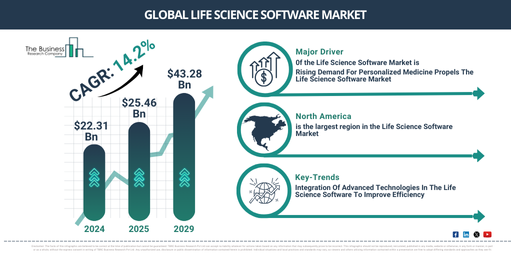
    In recent times, the life science software market has witnessed significant growth. The market, which will stand at $22.31 billion in 2024, is predicted to escalate to a value of $25.46 billion in 2025 with a compound annual growth rate (CAGR) of 14.1%. Factors such as data integration and management necessitates, regulatory compliance stipulations, growing preference for personalized medicine, worldwide spread of clinical trials, and patient-oriented strategies have contributed to the growth experienced in the historical period.

    In the forthcoming years, a swift expansion is anticipated in the life science software market size, increasing to $43.28 billion in 2029 with a compound annual growth rate (CAGR) of 14.2%. The expected growth during the prediction period is largely due to a heightened focus on real-world evidence (RWE), improved cybersecurity protocols, the incorporation of Artificial Intelligence (AI) and Machine Learning (ML), a rising demand for cloud-oriented solutions, and an extended involvement in precision medicine. The forecast period will also see persisting technological progress, expedited digital transition, increased collaboration and networking, enhanced research and development efforts, and technological advancements.

    Download a free sample to assess the report’s scope and structure:

    https://www.thebusinessresearchcompany.com/sample.aspx?id=13690&type=smp

    Which Primay Drivers Are Accelerating Growth in the Life Science Software Market?

    The growth of life science software is anticipated to be propelled by the increasing demand for personalized medicine. This medical approach adapts healthcare choices and treatments based on unique aspects like genetics, lifestyle, and environmental factors. Sophisticated software solutions are crucial for personalized medicine as they standardize and amalgamate data from diverse sources such as wearable devices, genetic tests, and electronic health records. Life science software is instrumental in enabling the examination and interpretation of complex biological data, aiding researchers and healthcare professionals to design treatment plans based on patient-specific characteristics. For instance, a report by the US-based nonprofit, the Personalized Medicine Coalition (PMC), in February 2023, revealed that personalized medicines comprised 35% of newly approved NMEs in 2021. With a dozen new approvals in 2022, they continue to hold at least a quarter of new drug approvals over the past eight years, a remarkable increment from less than 10% ten years ago. Hence, the surging demand for personalized medicine is spurring the expansion of the life science software market.

    Which Primary Segments of the Life Science Software Market Are Driving Growth and Industry Transformations?

    The life science software market covered in this report is segmented –

    1) By Type: Predictive, Descriptive, Prescriptive

    2) By Deployment: On-Premise, Hosted

    3) By Application: marketing, Compliance, R&D, Pharmacovigilance, SCM

    4) By End User: Healthcare Institutes, Biopharmaceutical Industry, Medical Devices Industry, Medical Research Centers

    Subsegments:

    1) By Predictive: Predictive Analytics Tools, Risk Assessment Software, Patient Outcome Prediction

    2) By Descriptive: Data Visualization Tools, Reporting Software, Statistical Analysis Software

    3) By Prescriptive: Decision Support Systems, Optimization Tools, Treatment Recommendation Software

    Request customized data on this market:

    https://www.thebusinessresearchcompany.com/customise?id=13690&type=smp

    Which Regions Are Key Players in the Growth of the Life Science Software Market?

    North America was the largest region in the life science software market in 2024. Asia-Pacific is expected to be the fastest-growing region in the forecast period. The regions covered in the life science software market report are Asia-Pacific, Western Europe, Eastern Europe, North America, South America, Middle East, Africa.

    Which Technological Trends Are Reshaping the Life Science Software Industry Dynamics?

    Leading organizations in the life science software market are now utilizing cutting-edge tech innovations like generative AI, machine learning (ML), and computer-aided drug-design (CADD) to elevate efficiency, accelerate revolutions, and overhaul the drug discovery process. Generative AI is used to craft new molecular formations while ML algorithms sift through immense data pools to pinpoint probable drug candidates and forecast their effectiveness. These technologies, combined with CADD tools, give researchers the capacity to digitally mimic and enhance drug interactions, considerably simplifying the identification and creation of potential compounds. As an example in December 2023, Merck, a German science and technology firm, introduced AIDDISON, its new drug discovery software. The goal of AIDDISON is to expedite the discovery of unique medications and boost the productivity of the drug advancement procedure. The platform leverages the power of AI and ML technologies, thereby granting it the ability to assess vast quantities of data and recognize potential medication prospects more rapidly and successfully than conventional methods.

    View the full report here:

    https://www.thebusinessresearchcompany.com/report/life-science-software-global-market-report

    What Parameters Are Used to Define the Life Science Software Market?

    Life science software refers to specialized software applications and platforms designed to support and streamline various processes within the field of life sciences. It is utilized across various domains within the life sciences industry to enhance research, streamline processes and improve overall efficiency.

    Purchase the full report and get a swift delivery:

    https://www.thebusinessresearchcompany.com/purchaseoptions.aspx?id=13690

    About The Business Research Company:

    With over 15000+ reports from 27 industries covering 60+ geographies, The Business Research Company has built a reputation for offering comprehensive, data-rich research and insights. Armed with 1,500,000 datasets, the optimistic contribution of in-depth secondary research, and unique insights from industry leaders, you can get the information you need to stay ahead in the game.

    Get in touch with us:

    The Business Research Company: https://www.thebusinessresearchcompany.com/

    Americas +1 3156230293

    Asia +44 2071930708

    Europe +44 2071930708

    Email us at info@tbrc.info

    Follow us on:

    LinkedIn: https://in.linkedin.com/company/the-business-research-company

    YouTube: https://www.youtube.com/channel/UC24_fI0rV8cR5DxlCpgmyFQ

    Global Market Model: https://www.thebusinessresearchcompany.com/global-market-model