Blog

  • Alzheimer’s Disease Treatment Market Growth Forecast Through 2030: Market Size And Trends In 2026

    Alzheimer’s Disease Treatment Market Growth Forecast Through 2030: Market Size And Trends In 2026

    Backed by market attractiveness analysis, total addressable market sizing, company benchmarking matrices, interactive Excel dashboards, wider supply chain intelligence, emerging startup coverage, and detailed product-level insights, The Business Research Company’s 2026 market reports are designed to offer research that is more actionable and strategically valuable than ever.

    Alzheimer’s Disease Treatment Market Revenue Growth On Track For A 6.6% CAGR Through 2030

    The alzheimer’s disease treatment market size has demonstrated substantial growth in recent years. It is anticipated to expand from $6.94 billion in 2025 to $7.37 billion in 2026, at a compound annual growth rate (CAGR) of 6.2%. Historically, this growth can be ascribed to the increasing prevalence of alzheimer’s disease, an aging global population, limited availability of effective therapies, growing awareness regarding cognitive disorders, and the rising healthcare infrastructure for neurological diseases.

    The Alzheimer’s disease treatment market is projected to experience substantial expansion in the coming years. Its valuation is anticipated to reach $9.51 billion in 2030, exhibiting a compound annual growth rate (CAGR) of 6.6%. This projected growth during the forecast period is driven by factors such as the advancement of beta-amyloid targeted immunotherapies, the broader availability of monoclonal antibody treatments, the increasing use of combination therapies, the rise of home care and telemedicine services for Alzheimer’s patients, and increased funding for early detection and diagnostic biomarkers. Key developments expected during this period include a surge in investment in immunotherapy and monoclonal antibodies, a greater embrace of multi-pathway combination drugs, an increase in early diagnosis and biomarker-guided treatments, a heightened focus on preserving cognitive function and enhancing memory, and the incorporation of home-based care and remote monitoring for Alzheimer’s patients.

    Get A Free Sample Report With In-Depth Market Insights:

    https://www.thebusinessresearchcompany.com/sample.aspx?id=3409&type=smp&utm_source=Blogs&utm_medium=Paid&utm_campaign=Oct_PR

    Alzheimer’s Disease Treatment Market Growth Backed By Core Demand Fundamentals

    Government-led efforts are projected to boost the expansion of the Alzheimer’s disease treatment market. Such initiatives involve governmental plans or actions designed to tackle particular problems or issues, drawing funding from diverse sources like taxes, grants, and donations. In the context of Alzheimer’s disease treatment, these initiatives support research endeavors, specifically clinical trials for novel drugs and therapies. For example, the American Medical Association, a US-based professional organization, reported in April 2025 that U.S. health spending surged by 7.5% to reach $4.9 trillion, equating to $14,570 per capita in 2023, a rise that exceeded the 4.6% increase recorded in 2022. Consequently, these governmental endeavors are a primary catalyst for the expansion of the Alzheimer’s disease treatment market.

    Alzheimer’s Disease Treatment Market Segment Performance And Emerging Opportunities

    The alzheimer’s disease treatment market covered in this report is segmented –

    1) By Drug Class: Cholinergic, Memantine, Combined Drug, AChE inhibitors, Immunoglobulins

    2) By Drug Type: Cholinesterase Inhibitors, NMDA Receptor Antagonists

    Subsegments:

    1) By Cholinergic: Donepezil, Galantamine, Rivastigmine

    2) By Memantine: Memantine Hydrochloride, Extended-Release Memantine

    3) By Combined Drug: Donepezil and Memantine Combination

    4) By AChE Inhibitors: Tacrine, Physical Inhibitors

    5) By Immunoglobulins: IVIG (Intravenous Immunoglobulin), Monoclonal Antibodies

    Alzheimer’s Disease Treatment Market Growth Trends Reshaping The Competitive Landscape

    Leading companies operating within the Alzheimer’s disease treatment market are concentrating on achieving regulatory approvals to gain a competitive advantage and enhance their product offerings. Regulatory approvals signify the formal authorization granted by government agencies, such as the U.S. Food and Drug Administration (FDA) or the European Medicines Agency (EMA), for a product to be commercially marketed and sold to the public. For instance, in July 2024, Eli Lilly and Company, a US-based pharmaceutical company, obtained FDA approval for its Alzheimer’s treatment, Kisunla (donanemab-azbt), which is indicated for adults with early symptomatic Alzheimer’s disease, including those experiencing mild cognitive impairment and mild dementia. The drug is delivered via monthly intravenous infusion and has demonstrated effectiveness in slowing the progression of the disease in clinical trials. The approval reflects its potential impact, having received Fast Track, Priority Review, and Breakthrough Therapy designations.

    Alzheimer’s Disease Treatment Market Key Players: Which Companies Lead Industry Competition?

    Major companies operating in the alzheimer’s disease treatment market are Pfizer Inc., F. Hoffmann-La Roche Ltd., AbbVie Inc., Bayer AG, Novartis AG, Bristol-Myers Squibb Company, AstraZeneca plc, Merck Sharp & Dohme Corp., Takeda Pharmaceutical Company Limited, Eli Lilly and Company, Amgen Inc., Teva Pharmaceutical Industries Ltd., Biogen Inc., UCB S.A., Eisai Co. Ltd., Forest Laboratories LLC, Ono Pharmaceutical Co. Ltd., H. Lundbeck A/S, Allergan plc, Luye Pharma Group, Avanir Pharmaceuticals Inc., Denali Therapeutics Inc., Athira Pharma Inc., ProMIS Neurosciences Inc., AC Immune SA, vTv Therapeutics Inc., AB Science SA, TauRx Pharmaceuticals Ltd., Alzheon Inc.

    View The Full Alzheimer’s Disease Treatment Market Report:

    https://www.thebusinessresearchcompany.com/report/alzheimer-disease-treatment-global-market-report?utm_source=Blogs&utm_medium=Paid&utm_campaign=Oct_PR

    Alzheimer’s Disease Treatment Market Geographic Analysis: Where Is Demand Accelerating Fastest?

    North America is the largest region in the Alzheimer’s disease treatment market in 2025. Middle East is expected to be the fastest growing region in the Alzheimer’s disease treatment market share during the forecast period. The regions covered in the alzheimer’s disease treatment market report are Asia-Pacific, South East Asia, Western Europe, Eastern Europe, North America, South America, Middle East, Africa.

    Reach Out To Our Team:

    The Business Research Company: https://www.thebusinessresearchcompany.com/

    Americas: +1 310-496-7795

    Asia: +44 7882 955267 & +91 8897263534

    Europe: +44 7882 955267

    Email us at: marketing@tbrc.info

    Follow us on:

    LinkedIn: https://in.linkedin.com/company/the-business-research-company

    YouTube: https://www.youtube.com/channel/UC24_fI0rV8cR5DxlCpgmyFQ

    Global Market Model: https://www.thebusinessresearchcompany.com/global-market-model
  • Alpha Methyldopa Market Analysis: $12.31 Billion Market Size In 2026 And Future Growth Prospects

    Alpha Methyldopa Market Analysis: $12.31 Billion Market Size In 2026 And Future Growth Prospects

    Featuring market attractiveness scoring, total addressable market sizing, company benchmarking matrices, interactive Excel dashboards, deeper supply chain intelligence, emerging startup tracking, and granular product-level insights, The Business Research Company’s 2026 market reports are built to deliver research that is both more actionable and more strategically valuable.

    Alpha Methyldopa Market Value Growth And Long-Term Outlook

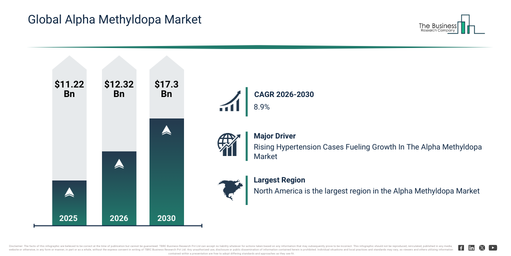
    The alpha methyldopa market size has demonstrated strong growth in recent years. It is anticipated to increase from $11.22 billion in 2025 to $12.32 billion in 2026, achieving a compound annual growth rate (CAGR) of 9.8%. The expansion witnessed in the past can be credited to factors such as limited treatment alternatives for hypertension, an escalating prevalence of preeclampsia, the adoption of established oral antihypertensive therapies, enhanced awareness regarding hypertension management, and the expansion of hospital and clinical facilities.

    The alpha methyldopa market is anticipated to experience substantial expansion over the next few years, with its size expected to ascend to $17.3 billion in 2030, achieving a compound annual growth rate (CAGR) of 8.9%. This projected growth is driven by factors such as the refinement of high-purity alpha methyldopa tablets and injectables, its increasing use in maternal healthcare, the rising preference for oral dosage forms, its incorporation into telemedicine-based hypertension monitoring, and the expansion of global programs for hypertension treatment. Major shifts expected during this period include a worldwide increase in hypertension prevalence, the broader application of alpha methyldopa for conditions related to pregnancy, a growing preference for oral administration over injectable solutions, the proliferation of hospital and clinic-based hypertension management initiatives, and the ongoing development of high-purity alpha methyldopa formulations.

    Get A Free Sample Report With In-Depth Market Insights:

    https://www.thebusinessresearchcompany.com/sample.aspx?id=17059&type=smp&utm_source=Blogs&utm_medium=Paid&utm_campaign=Oct_PR

    Alpha Methyldopa Market Growth Catalysts And Demand Drivers

    The alpha methyldopa market is anticipated to expand due to the growing incidence of hypertension. Hypertension, recognized as elevated blood pressure, is a condition characterized by persistently excessive force of blood against artery walls. Factors contributing to the increase in hypertension cases include unhealthy diets, insufficient physical activity, obesity, and heightened stress. Alpha methyldopa addresses hypertension by lowering specific blood chemicals, leading to the relaxation and widening of blood vessels, thereby reducing blood pressure. An example from January 2024, provided by the Heart Foundation, an Australia-based charity, indicates that around 1 in 4 adults in Australia suffer from high blood pressure (23%). It also noted that hypertension affects men more than women, with 25% of men and 22% of women impacted. Consequently, the rising number of hypertension cases is projected to boost the growth of the α-methyldopa market.

    Alpha Methyldopa Market Segment Landscape And Growth Outlook

    The alpha methyldopa market covered in this report is segmented –

    1) By Type: Oral, Intravenous Drip

    2) By Purity Type: Purity: ≥98%, Purity:≥99%

    3) By Application: Parkinsonism, Hepatic Coma

    Subsegments:

    1) By Oral: Tablets, Capsules

    2) By Intravenous Drip: Injectable Solutions, Pre-filled Syringes

    Alpha Methyldopa Market Competitive Landscape: Who Leads The Industry?

    Major companies operating in the alpha methyldopa market are Pfizer Inc., Merck & Co. Inc., Bayer AG, Novartis International AG, Abbott Laboratories, GlaxoSmithKline plc, Teva Pharmaceutical Industries Ltd., Dr. Reddy’s Laboratories Ltd., Mylan N.V., Bausch Health Companies Inc., Intas Pharmaceuticals Ltd., Apotex Inc., Glenmark Pharmaceuticals Ltd., Alkem Laboratories Ltd., Torrent Pharmaceuticals Ltd., Alembic Pharmaceuticals Ltd., Wockhardt Ltd., Laboratories Confab, Globela Pharma Pvt. Ltd., Pro Doc Ltée, AA Pharma inc., LGM Pharma

    View The Full Alpha Methyldopa Market Report:

    https://www.thebusinessresearchcompany.com/report/alpha-methyldopa-global-market-report?utm_source=Blogs&utm_medium=Paid&utm_campaign=Oct_PR

    Alpha Methyldopa Market Global Footprint: Which Region Leads The Industry?

    North America was the largest region in the alpha methyldopa market in 2025. The regions covered in the alpha methyldopa market report are Asia-Pacific, South East Asia, Western Europe, Eastern Europe, North America, South America, Middle East, Africa.

    Reach Out To Our Team:

    The Business Research Company: https://www.thebusinessresearchcompany.com/

    Americas: +1 310-496-7795

    Asia: +44 7882 955267 & +91 8897263534

    Europe: +44 7882 955267

    Email us at: marketing@tbrc.info

    Follow us on:

    LinkedIn: https://in.linkedin.com/company/the-business-research-company

    YouTube: https://www.youtube.com/channel/UC24_fI0rV8cR5DxlCpgmyFQ

    Global Market Model: https://www.thebusinessresearchcompany.com/global-market-model
  • Alpha Mannosidosis Market 2026 Market Size And Growth Forecast: Key Trends To Watch

    Alpha Mannosidosis Market 2026 Market Size And Growth Forecast: Key Trends To Watch

    Built to provide research that’s more actionable and strategically valuable, The Business Research Company’s 2026 market reports include market attractiveness analysis, total addressable market sizing, company benchmarking matrices, interactive Excel dashboards, broader supply chain intelligence, emerging startup tracking, and in-depth product insights.

    Alpha Mannosidosis Market Poised To Hit $39.41 Billion By 2030 With A 17% CAGR

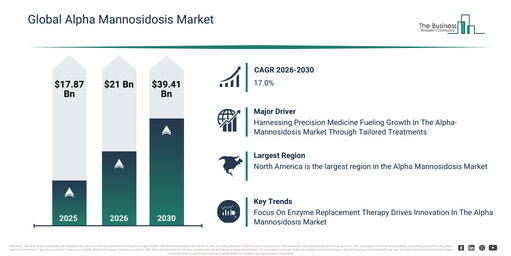
    The alpha mannosidosis market has experienced rapid expansion recently. Projections indicate it will expand from $17.87 billion in 2025 to reach $21 billion by 2026, demonstrating a compound annual growth rate (CAGR) of 17.5%. Historically, this growth was influenced by factors such as underdeveloped diagnostic infrastructure, a lack of awareness regarding the disease, a dependence on traditional treatments, inconsistent treatment protocols, and limited investment in research and development.

    The alpha mannosidosis market size is projected to experience substantial growth in the upcoming years. It is expected to reach $39.41 billion in 2030, with a compound annual growth rate (CAGR) of 17.0%. This expansion during the forecast period can be attributed to increased investment in gene therapies, a rising adoption of enzyme replacement therapies, the development of healthcare infrastructure, advancements in diagnostic technologies, and regulatory incentives for rare diseases. Key trends anticipated in the forecast period include early genetic screening programs, the development of orphan drugs, personalized enzyme replacement therapy, the expansion of rare disease clinics, and collaborative research initiatives.

    Get A Free Sample Report With In-Depth Market Insights:

    https://www.thebusinessresearchcompany.com/sample.aspx?id=4093&type=smp&utm_source=Blogs&utm_medium=Paid&utm_campaign=Oct_PR

    Alpha Mannosidosis Market Opportunity Drivers: What’s Unlocking New Revenue Potential?

    The increasing need for precision medicine is projected to stimulate the expansion of the alpha mannosidosis market. Precision medicine, a customized healthcare strategy, takes into account distinct patient characteristics such as genetic makeup, environmental factors, and lifestyle choices to enhance treatment and preventative measures. The growing adoption of precision medicine stems from progress in genomic technologies and data analytics, facilitating a more precise detection of genetic variations and their consequences for health. Furthermore, a heightened desire for individualized treatment plans, coupled with an increasing recognition of the shortcomings of standardized approaches, has intensified focus on customized healthcare remedies. This approach to medicine aids in developing targeted therapies specifically designed for the genetic mutations and patient profiles linked to this uncommon condition. To illustrate, in February 2024, data from the Personalized Medicine Coalition (PMC), a US-based nonprofit organization, indicated that in 2023, the FDA sanctioned 16 new personalized treatments for rare diseases, representing a notable rise from merely six approvals in 2022. Consequently, the escalating demand for precision medicine is fueling the expansion of the alpha mannosidosis market.

    Alpha Mannosidosis Market Breakdown By Product Type And Application

    The alpha mannosidosis market covered in this report is segmented –

    1) By Therapy Type: Bone Marrow Transplant (BMT), Enzyme Replacement Therapy (ERT), Other Therapies

    2) By Indication: Type I, Type II, Type III

    3) By End-User: Hospitals, Speciality Clinics

    Subsegments:

    1) By Bone Marrow Transplant (BMT): Autologous BMT, Allogeneic BMT

    2) By Enzyme Replacement Therapy (ERT): Recombinant Enzymes, Long-acting Enzyme Formulations

    3) By Other Therapies: Symptomatic Treatments, Gene Therapy, Supportive Care

    Alpha Mannosidosis Market Innovation Trends Shaping Future Development

    Companies active in the alpha mannosidosis market are concentrating on developing enzyme replacement therapy for rare alpha-mannosidosis. This therapy helps diminish the build-up of mannose-rich oligosaccharides in various tissues and organs by providing exogenous alpha-mannosidase. Such accumulation is a hallmark of alpha-mannosidosis and contributes to its pathological effects. For example, in February 2023, Chiesi Global Rare Diseases, a US-based pharmaceutical company, launched Lamzede (velmanase alfa). This product is the first enzyme replacement therapy authorized in the United States for treating alpha-mannosidosis, a rare genetic disorder characterized by the absence of the alpha-mannosidase enzyme in the body, and its manifestations outside the central nervous system. Lamzede works to restore normal cellular activity in patients by mimicking the function of the human body’s alpha-mannosidase enzyme. Patients receive a 10 mg injection of Lamzede once a week.

    Alpha Mannosidosis Market Company Landscape And Competitive Strategy

    Major companies operating in the alpha mannosidosis market are Chiesi Farmaceutici S.p.A., Cipla, Daiichi Sankyo Company, Ultragenyx Pharmaceutical Inc, Mitsubishi Tanabe Pharma, Zymenex A/S, Albumedix Ltd, Freeline Therapeutics, Avectas, DiNAQOR AG, Vivet Therapeutics, Herantis Pharma Plc, PTC Therapeutics, Biocad, Sanofi, Orchard Therapeutics, Shire Pharmaceuticals, Amicus Therapeutics, BioMarin Pharmaceutical Inc, Genzyme

    View The Full Alpha Mannosidosis Market Report:

    https://www.thebusinessresearchcompany.com/report/alphas-mannosidosis-global-market-report?utm_source=Blogs&utm_medium=Paid&utm_campaign=Oct_PR

    Alpha Mannosidosis Market Regional Distribution: Which Areas Power Market Growth?

    North America was the largest region in the alpha mannosidosis market in 2025. Asia-Pacific is expected to be the fastest-growing region in the forecast period. The regions covered in the alpha mannosidosis market report are Asia-Pacific, South East Asia, Western Europe, Eastern Europe, North America, South America, Middle East, Africa.

    Reach Out To Our Team:

    The Business Research Company: https://www.thebusinessresearchcompany.com/

    Americas: +1 310-496-7795

    Asia: +44 7882 955267 & +91 8897263534

    Europe: +44 7882 955267

    Email us at: marketing@tbrc.info

    Follow us on:

    LinkedIn: https://in.linkedin.com/company/the-business-research-company

    YouTube: https://www.youtube.com/channel/UC24_fI0rV8cR5DxlCpgmyFQ

    Global Market Model: https://www.thebusinessresearchcompany.com/global-market-model

  • Alpha Glucosidase Inhibitors Market Size Forecast: How The Industry Is Expected To Grow From 2026 To 2030

    Alpha Glucosidase Inhibitors Market Size Forecast: How The Industry Is Expected To Grow From 2026 To 2030

    Backed by market attractiveness analysis, total addressable market sizing, company benchmarking matrices, interactive Excel dashboards, wider supply chain intelligence, emerging startup coverage, and detailed product-level insights, The Business Research Company’s 2026 market reports are designed to offer research that is more actionable and strategically valuable than ever.

    Alpha Glucosidase Inhibitors Market Size And Revenue Outlook Through 2030

    The alpha glucosidase inhibitors market has experienced robust growth in recent years. This market is projected to expand from $4.84 billion in 2025 to $5.19 billion by 2026, demonstrating a compound annual growth rate (CAGR) of 7.2%. Historically, this expansion has been driven by factors such as the increasing prevalence of type 2 diabetes, the growing elderly population, governmental efforts to raise diabetes awareness, the constrained access to sophisticated treatments in developing economies, and increased research activity concerning alpha-glucosidase inhibitors.

    The alpha glucosidase inhibitors market size is poised for significant expansion over the next few years. It is anticipated to grow to $7.05 billion in 2030, demonstrating a compound annual growth rate (CAGR) of 8.0%. This growth during the forecast period is driven by factors such as technological progress in drug formulation, the increasing adoption of combination therapies, greater investment in digital health monitoring, the expansion of online pharmacy channels, and the development of precision medicine solutions. Prominent trends expected in this period include personalized diabetes management solutions, the creation of therapies that incorporate low-glycemic diets, an enhanced focus on hypoglycemia-safe medications, the rise of combination therapy approaches, and the broadening of patient-centric digital health platforms.

    Get A Free Sample Report With In-Depth Market Insights:

    https://www.thebusinessresearchcompany.com/sample.aspx?id=11880&type=smp&utm_source=Blogs&utm_medium=Paid&utm_campaign=Oct_PR

    Alpha Glucosidase Inhibitors Market Growth Momentum: What Factors Are Shaping Demand?

    The global rise in diabetes prevalence is projected to drive the expansion of the alpha-glucosidase inhibitors market. Diabetes is a chronic metabolic disorder defined by elevated blood glucose levels, which can lead to severe damage to the heart, blood vessels, eyes, kidneys, and nerves over an extended period. Alpha-glucosidase inhibitors work by inhibiting carbohydrate absorption from the small intestine, thereby preventing the increase in postprandial blood glucose concentrations and assisting in diabetes control. For instance, in June 2024, according to the National Health Service, a UK-based government department, in 2023, the NHS identified over 549,000 new individuals in England at risk of developing type 2 diabetes, bringing the total number of people with non-diabetic hyperglycemia, or pre-diabetes, registered with a GP to 3,615,330. This represents a notable increase compared to 3,065,825 in 2022, indicating a rise of nearly 20%. Consequently, the increasing prevalence of diabetes worldwide is fueling the growth of the alpha-glucosidase inhibitors market.

    Alpha Glucosidase Inhibitors Market Segment Analysis And Revenue Potential

    The alpha glucosidase inhibitors market covered in this report is segmented –

    1) By Type: Dumping Syndrome, Type 2 Diabetes

    2) By Drug Class: Acarbose, Miglitol, Voglibose

    3) By Constituent: Glucoamylase, Isomaltase, Maltase, Sucrase

    4) By Distribution Channel: Online Pharmacies, Retail Pharmacies, Hospital Pharmacies

    Subsegments:

    1) By Dumping Syndrome: Post-Gastric Surgery Management, Symptomatic Treatment

    2) By Type 2 Diabetes: Monotherapy, Combination Therapy

    Alpha Glucosidase Inhibitors Market Trends Redefining Industry Growth

    Leading companies active in the type 2 diabetes market are concentrating on developing novel therapies to enhance glycemic control and improve patient outcomes. SGLT2 inhibitors operate by promoting the excretion of glucose through urine, aiding in the reduction of blood sugar levels for individuals with type 2 diabetes. For instance, in January 2023, TheracosBio, a US-based pharmaceutical entity, secured approval from the U.S. Food and Drug Administration (FDA) for Brenzavvy (bexagliflozin) intended for the treatment of adults with type 2 diabetes. Brenzavvy is a distinctive oral inhibitor of sodium-glucose cotransporter 2 (SGLT2). It is advised as a complement to diet and exercise to help people with type 2 diabetes better manage their blood sugar levels by prompting the kidneys to eliminate sugar through urine.

    Alpha Glucosidase Inhibitors Market Key Players Shaping Industry Direction

    Major companies operating in the alpha glucosidase inhibitors market are Bayer AG, Merck & Co., Alkem Laboratories Ltd., Cipla Limited, Dr. Reddy’s Laboratories Ltd., Emcure Pharmaceuticals Ltd., Lupin Ltd., Novartis AG, Sanofi SA, Sun Pharmaceutical Industries Ltd., Takeda Pharmaceutical Company, Torrent Pharmaceuticals Ltd., Unichem Laboratories Ltd., Pfizer Inc., Boehringer Ingelheim International GmbH, AstraZeneca PLC, Mitsubishi Tanabe Pharma Corporation, Eli Lilly and Company, Johnson & Johnson, Bristol-Myers Squibb, Teva Pharmaceutical Industries Ltd., Hanmi Pharmaceuticals Co. Ltd., Eisai Co. Ltd., Biocon Limited, Cadila Pharmaceuticals Ltd

    View The Full Alpha Glucosidase Inhibitors Market Report:

    https://www.thebusinessresearchcompany.com/report/alpha-glucosidase-inhibitors-global-market-report?utm_source=Blogs&utm_medium=Paid&utm_campaign=Oct_PR

    Alpha Glucosidase Inhibitors Market Leading Geography: Which Region Contributes The Most Revenue?

    North America was the largest region in the alpha glucosidase inhibitors market in 2025. Middle-East is expected to be the fastest-growing region in the forecast period. The regions covered in the alpha glucosidase inhibitors market report are Asia-Pacific, South East Asia, Western Europe, Eastern Europe, North America, South America, Middle East, Africa.

    Reach Out To Our Team:

    The Business Research Company: https://www.thebusinessresearchcompany.com/

    Americas: +1 310-496-7795

    Asia: +44 7882 955267 & +91 8897263534

    Europe: +44 7882 955267

    Email us at: marketing@tbrc.info

    Follow us on:

    LinkedIn: https://in.linkedin.com/company/the-business-research-company

    YouTube: https://www.youtube.com/channel/UC24_fI0rV8cR5DxlCpgmyFQ

    Global Market Model: https://www.thebusinessresearchcompany.com/global-market-model
  • Alopecia Treatment Market Reaches $13.74 Billion In 2026: Forecast And Growth Opportunities

    Alopecia Treatment Market Reaches $13.74 Billion In 2026: Forecast And Growth Opportunities

    Featuring market attractiveness scoring, total addressable market sizing, company benchmarking matrices, interactive Excel dashboards, deeper supply chain intelligence, emerging startup tracking, and granular product-level insights, The Business Research Company’s 2026 market reports are built to deliver research that is both more actionable and more strategically valuable.

    Alopecia Treatment Market Growth From $10.76 Billion In 2026 To $13.74 Billion By 2030 At A CAGR Of 6.3%

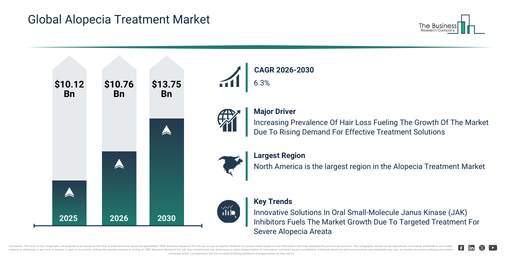
    The alopecia treatment market size has shown substantial growth in recent years. It is forecast to increase from $10.12 billion in 2025 to $10.76 billion in 2026, exhibiting a compound annual growth rate (CAGR) of 6.3%. This historical expansion can be attributed to several factors including cosmetic treatment demand growth, the diagnosis of alopecia areata, the widespread use of topical therapy, the expansion of dermatology services, and a rise in aesthetic awareness.

    The alopecia treatment market size is anticipated to expand significantly in the coming years, with projections indicating it will reach $13.75 billion by 2030, exhibiting a compound annual growth rate (CAGR) of 6.3%. This growth during the forecast period is fueled by advancements in autoimmune research, the approval of biologic drugs, increased adoption of minimally invasive therapies, the growth of medical tourism, and personalized dermatology. Prominent trends for this period encompass the rising uptake of janus kinase inhibitors, an increase in hair transplant procedures, a growing demand for non-invasive therapies, the expansion of dermatology clinics, and a heightened focus on managing autoimmune alopecia.

    Get A Free Sample Report With In-Depth Market Insights:

    https://www.thebusinessresearchcompany.com/sample.aspx?id=24140&type=smp&utm_source=Blogs&utm_medium=Paid&utm_campaign=Oct_PR

    Alopecia Treatment Market Expansion Drivers: What’s Shaping Future Growth?

    The rising occurrence of hair loss is anticipated to drive the expansion of the alopecia treatment market in the future. Hair loss describes a condition characterized by an individual losing hair, either partially or entirely, from their scalp or other bodily areas. The frequency of hair loss is escalating, attributed to elevated stress levels. These stress levels can interfere with the natural hair growth cycle and provoke conditions like telogen effluvium, resulting in significant hair shedding. With a growing number of people looking for effective ways to manage and reverse hair loss, the need for sophisticated and readily available alopecia treatments is increasing. To illustrate, in October 2024, data from the American Academy of Dermatology, a US-based professional medical association specializing in dermatology, indicated that 80 million Americans experienced hair loss, comprising 50 million men and 30 million women. Consequently, the growing prevalence of hair loss is a primary factor fueling the expansion of the alopecia treatment market.

    Alopecia Treatment Market Segmentation And Category Overview

    The alopecia treatment market covered in this report is segmented –

    1) By Dosage Form: Drug Therapy, Hair Transplant Services, Low-Level Laser Therapy

    2) By Route of Administration: Topical, Injectable, Oral

    3) By Indication: Alopecia Areata, Alopecia Totalis, Alopecia Universalis, Alopecia Barbae, Chemotherapy Induced Alopecia, Other Indications

    4) By Gender Type: Male, Female

    5) By End User: Hospitals And Physicians Offices, Dermatology Clinics, Other End Users

    Subsegments:

    1) By Drug Therapy: Topical Solutions, Oral Medications, Injectable Treatments, Immunosuppressants, Janus Kinase Inhibitors

    2) By Hair Transplant Services: Follicular Unit Transplantation (FUT), Follicular Unit Extraction (FUE), Robotic Hair Transplantation, Direct Hair Implantation (DHI)

    3) By Low-Level Laser Therapy (LLLT): Laser Helmets, Laser Combs, Laser Caps, In-Clinic Laser Devices

    Alopecia Treatment Market Strategic Trends: What Defines The Next Growth Phase?

    Leading companies in the alopecia treatment market are focusing on developing innovative solutions, such as oral small-molecule Janus kinase (JAK) inhibitors, to boost treatment efficacy, accelerate hair regrowth, and provide targeted therapy for patients with severe or resistant forms of alopecia areata. Oral small-molecule Janus kinase (JAK) inhibitors represent a class of targeted pharmaceutical drugs designed to obstruct the activity of one or more of the Janus kinase enzymes (JAK1, JAK2, JAK3, and TYK2). For instance, in July 2024, Sun Pharmaceutical Industries Limited, an India-based pharmaceutical company, secured US Food and Drug Administration (FDA) approval for LEQSELVI, an oral Janus kinase (JAK) inhibitor, for the treatment of adults with severe alopecia areata. This drug acts as a selective inhibitor of JAK1 and JAK2 enzymes, which are implicated in the immune system’s attack on hair follicles in this autoimmune disorder. The recommended dosage is 8 mg orally twice daily, with or without food. This approval of LEQSELVI introduces a new, effective treatment option for individuals grappling with this condition, which can have significant physical, emotional, and social consequences.

    Alopecia Treatment Market Competitive Analysis Of Leading Industry Participants

    Major companies operating in the alopecia treatment market are Pfizer Inc., Eli Lilly and Company, Sun Pharmaceutical Industries Inc., Incyte Corporation, Hims & Hers Health Inc., Bosley Inc., Hair Club Co., Dermavant Sciences Inc., Histogen Inc., Capillus llc, Aclaris Therapeutics Inc., Nutrafol, Alvi Armani Co, Rogaine, Theradome Inc., Viviscal Ltd, Cassiopea SA, Follica Inc., RepliCel Life Sciences Inc., HairClone Ltd, Revian Inc., Nioxin.

    View The Full Alopecia Treatment Market Report:

    https://www.thebusinessresearchcompany.com/report/alopecia-treatment-global-market-report?utm_source=Blogs&utm_medium=Paid&utm_campaign=Oct_PR

    Alopecia Treatment Market Regional Outlook: Where Is Opportunity Concentrated?

    North America was the largest region in the alopecia treatment market in 2025. Asia-Pacific is expected to be the fastest-growing region in the forecast period. The regions covered in the alopecia treatment market report are Asia-Pacific, South East Asia, Western Europe, Eastern Europe, North America, South America, Middle East, Africa.

    Reach Out To Our Team:

    The Business Research Company: https://www.thebusinessresearchcompany.com/

    Americas: +1 310-496-7795

    Asia: +44 7882 955267 & +91 8897263534

    Europe: +44 7882 955267

    Email us at: marketing@tbrc.info

    Follow us on:

    LinkedIn: https://in.linkedin.com/company/the-business-research-company

    YouTube: https://www.youtube.com/channel/UC24_fI0rV8cR5DxlCpgmyFQ

    Global Market Model: https://www.thebusinessresearchcompany.com/global-market-model
  • Allogeneic T Cell Therapies Market Growth In 2026: Market Size, Key Drivers And Future Outlook

    Allogeneic T Cell Therapies Market Growth In 2026: Market Size, Key Drivers And Future Outlook

    Built to provide research that’s more actionable and strategically valuable, The Business Research Company’s 2026 market reports include market attractiveness analysis, total addressable market sizing, company benchmarking matrices, interactive Excel dashboards, broader supply chain intelligence, emerging startup tracking, and in-depth product insights.

    Allogeneic T Cell Therapies Market Expansion Outlook: What Revenue Opportunities Are Ahead?

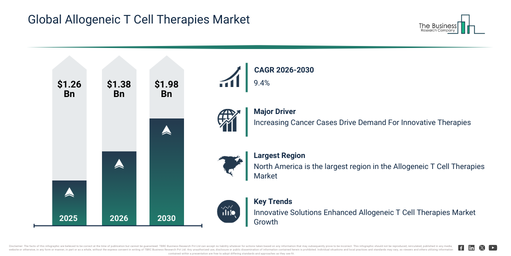
    The allogeneic t cell therapies market has experienced robust expansion over recent years. This market is projected to expand from $1.26 billion in 2025 to $1.38 billion in 2026, demonstrating a compound annual growth rate (CAGR) of 9.4%. Historical growth in this sector is largely due to factors such as the limitations of autologous therapies, the early successes of CAR-T treatments, increasing instances of cancer, advancements in immunotherapy research, and the expansion of hospital-based oncology.

    The allogeneic t cell therapies market is anticipated to experience robust expansion in the coming years, with its size projected to reach $1.98 billion by 2030, advancing at a compound annual growth rate (CAGR) of 9.4%. This growth during the forecast period is influenced by factors such as the demand for affordable cell therapies, the expansion of oncology treatment pipelines, better donor matching techniques, regulatory backing for cell therapies, and the rise of specialty cancer centers. Significant trends expected in this period include a move towards off-the-shelf cell therapies, an increase in oncology-related clinical trials, a greater emphasis on scalable cell manufacturing, heightened investment in cell engineering, and the proliferation of specialized treatment facilities.

    Get A Free Sample Report With In-Depth Market Insights:

    https://www.thebusinessresearchcompany.com/sample.aspx?id=18952&type=smp&utm_source=Blogs&utm_medium=Paid&utm_campaign=Oct_PR

    Allogeneic T Cell Therapies Market Development Factors: What’s Supporting Demand?

    The escalating incidence of cancer is anticipated to drive the expansion of the allogeneic T cell therapies market in the future. Cancer encompasses a variety of illnesses defined by the unchecked proliferation and dissemination of atypical cells throughout the body. The surge in cancer cases stems from several factors, including extended lifespans, evolving lifestyle habits, exposure to environmental hazards, infections, hereditary predispositions, and shifts in reproductive trends, all of which contribute to an elevated occurrence and detection rate of the condition. Allogeneic T cell therapies are administered to cancer patients to target and eliminate malignant cells through the infusion of genetically modified donor T cells engineered to identify particular tumor antigens. For instance, data from May 2024, released by the National Cancer Institute, a US-based government agency, indicated approximately 18.1 million cancer survivors in the United States. This number is forecast to climb to 22.5 million by 2032. By 2040, the annual count of new cancer diagnoses is predicted to hit 29.9 million, with cancer-related fatalities projected to escalate to 15.3 million. Consequently, the rising prevalence of cancer acts as a significant impetus for the allogeneic T cell therapies market.

    Allogeneic T Cell Therapies Market Segment Outlook: Which Categories Are Growing Fastest?

    The allogeneic t cell therapies market covered in this report is segmented –

    1) By Product Type: Chimeric Antigen Receptor (CAR) T Cell Therapies, T Cell Receptor (TCR) Therapies

    2) By Antigen Type: CD 19, CD 20, Egfrvlll, GD2, CD22, CD30, CD33, Meso, HER1, Other Antigen Types

    3) By Therapeutics Indications: Cancer, Autoimmune Diseases, Infectious Diseases, Other Therapeutics Indications

    4) By End-User: Hospitals, Specialty Clinics, Research Institutes, Other End-Users

    Subsegments:

    1) By Chimeric Antigen Receptor (CAR) T Cell Therapies: CD19-targeted CAR T Therapies, BCMA-targeted CAR T Therapies, CD22-targeted CAR T Therapies

    2) By T Cell Receptor (TCR) Therapies: Neoantigen-targeted TCR Therapies, Viral Antigen-targeted TCR Therapies

    Allogeneic T Cell Therapies Market Transformation Trends: What Innovations Are Driving Change?

    Leading companies in the allogeneic T cell therapies market are concentrating on developing advanced products, such as gene-edited donor-derived CAR-T and TCR T cell therapies, to secure a competitive advantage. These gene-edited donor-derived T cell therapies involve immune-effector T cells sourced from healthy donors that are genetically manipulated (e.g., by knocking out T cell receptor (TCR) and HLA genes, inserting CAR/TCR constructs, and incorporating built-in safety switches) to create universal off-the-shelf products. These products can be manufactured in bulk, cryopreserved, and administered rapidly without requiring patient-specific manufacturing. For instance, in January 2024, Allogene Therapeutics, a US-based cell therapy company, announced its 2024 platform vision centered on ALPHA3, which is the industry’s first pivotal trial of an allogeneic CAR-T program utilizing gene-editing technologies to eliminate graft-versus-host disease (GvHD) risk and enable rapid donor-based delivery. The product features include donor-derived T cells edited to remove endogenous TCR and HLA molecules to reduce host immune rejection and GvHD, a chimeric antigen receptor targeting a tumor antigen to enable prompt anti-cancer activity, and a cryopreserved ready-to-infuse format to shorten the time to treatment compared to autologous therapies.

    Allogeneic T Cell Therapies Market Leading Companies And Competitive Benchmarking

    Major companies operating in the allogeneic t cell therapies market are Allogene Therapeutics Inc., Cellectis SA, Fate Therapeutics Inc., Poseida Therapeutics Inc., Atara Biotherapeutics Inc., Autolus Therapeutics Plc, Adaptimmune Therapeutics Plc, Immatics NV, Medigene AG, Celyad Oncology SA, Bristol-Myers Squibb Company, Novartis AG, Gilead Sciences Inc., Sangamo Therapeutics Inc., MaxCyte Inc., Tessa Therapeutics Pte Ltd., Cell Medica Inc., Bellicum Pharmaceuticals Inc., Enlivex Therapeutics Ltd., Sorrento Therapeutics Inc.

    View The Full Allogeneic T Cell Therapies Market Report:

    https://www.thebusinessresearchcompany.com/report/allogeneic-t-cell-therapies-global-market-report?utm_source=Blogs&utm_medium=Paid&utm_campaign=Oct_PR

    Allogeneic T Cell Therapies Market Geographic Landscape: Which Region Leads Industry Growth?

    North America was the largest region in the allogeneic T cell therapies market in 2025. The regions covered in the allogeneic t cell therapies market report are Asia-Pacific, South East Asia, Western Europe, Eastern Europe, North America, South America, Middle East, Africa.

    Reach Out To Our Team:

    The Business Research Company: https://www.thebusinessresearchcompany.com/

    Americas: +1 310-496-7795

    Asia: +44 7882 955267 & +91 8897263534

    Europe: +44 7882 955267

    Email us at: marketing@tbrc.info

    Follow us on:

    LinkedIn: https://in.linkedin.com/company/the-business-research-company

    YouTube: https://www.youtube.com/channel/UC24_fI0rV8cR5DxlCpgmyFQ

    Global Market Model: https://www.thebusinessresearchcompany.com/global-market-model
  • Allergy Conjunctivitis Market Size And Forecast 2026–2030: Trends Driving Industry Expansion

    Allergy Conjunctivitis Market Size And Forecast 2026–2030: Trends Driving Industry Expansion

    Backed by market attractiveness analysis, total addressable market sizing, company benchmarking matrices, interactive Excel dashboards, wider supply chain intelligence, emerging startup coverage, and detailed product-level insights, The Business Research Company’s 2026 market reports are designed to offer research that is more actionable and strategically valuable than ever.

    Allergy Conjunctivitis Market Growth Potential: How Will Market Size Shift Through 2030?

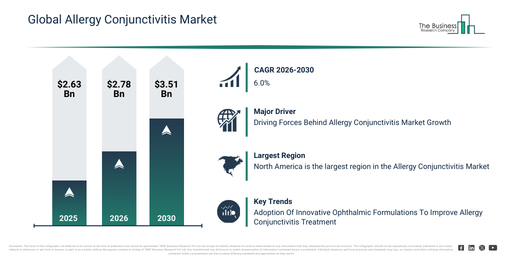
    The allergy conjunctivitis market has experienced significant expansion over recent years. Projections show it will increase from $2.63 billion in 2025 to $2.78 billion in 2026, achieving a compound annual growth rate (CAGR) of 5.9%. This historical growth can be linked to factors such as the rising occurrence of allergic conditions, insufficient knowledge about advanced therapeutic options, the widespread use of conventional antihistamines, uneven access to healthcare across different regions, and a reliance on hospital-based pharmacies.

    The allergy conjunctivitis market is projected to experience robust expansion over the coming years. By 2030, this market is anticipated to reach a valuation of $3.51 billion, driven by a compound annual growth rate (CAGR) of 6.0%. This anticipated growth is primarily fueled by factors such as the increasing embrace of biologics and immunotherapies, the proliferation of telemedicine and digital health solutions, the widening reach of e-commerce in the pharmaceutical sector, heightened governmental efforts concerning eye care, and advancements in patient-specific drug delivery systems. Key trends during the forecast horizon encompass the growing incidence of seasonal allergies, a surge in the need for non-steroidal therapeutic options, the development of online pharmacy platforms, enhanced understanding of eye health and preventive measures, and the broadening scope of allergy care for both pediatric and elderly populations.

    Get A Free Sample Report With In-Depth Market Insights:

    https://www.thebusinessresearchcompany.com/sample.aspx?id=8806&type=smp&utm_source=Blogs&utm_medium=Paid&utm_campaign=Oct_PR

    Allergy Conjunctivitis Market Industry Drivers: What’s Behind The Revenue Growth?

    The increasing incidence of eye disorders is anticipated to fuel the expansion of the allergy conjunctivitis market. An eye disorder is defined as any condition or abnormality impacting the eyes’ structure or function, resulting in vision impairment or other symptoms related to ocular health. Allergy conjunctivitis constitutes a significant segment within the range of eye disorders, particularly when instigated by allergic responses. This type of conjunctivitis is identified by inflammation of the conjunctiva, the delicate membrane covering the eye’s surface, often brought on by contact with allergens like pollen, dust, or pet dander. The growing levels of environmental pollutants and chemicals have led to a surge in allergic conjunctivitis incidents. For example, in August 2023, the World Health Organization, a Switzerland-based specialized agency of the United Nations, released an article stating that globally, at least 2.2 billion individuals suffer from near or distance vision impairment. Of these, 1 billion people experience distance vision impairment or blindness primarily due to cataracts (94 million), refractive error (88.4 million), age-related macular degeneration (8 million), glaucoma (7.7 million), and diabetic retinopathy (3.9 million). Consequently, the widespread occurrence of eye disorders is serving as a key driver for the allergy conjunctivitis market.

    Allergy Conjunctivitis Market Segment Landscape: Which Areas Lead Development?

    The allergy conjunctivitis market covered in this report is segmented –

    1) By Drug Class: Antihistamines And Mast Cell Stabilizers, Corticosteroids, Other Drug Classes

    2) By Disease Type: Mild, Severe

    3) By Distribution Channel: Hospital Pharmacies, Drug Stores And Retail Pharmacies, Online Pharmacies

    Subsegments:

    1) By Antihistamines And Mast Cell Stabilizers: Topical Antihistamines, Oral Antihistamines, Mast Cell Stabilizers

    2) By Corticosteroids: Topical Corticosteroids, Systemic Corticosteroids

    3) By Other Drug Classes: Non-Steroidal Anti-Inflammatory Drugs (NSAIDs), Combination Therapy, Immunotherapy, Leukotriene Receptor Antagonists

    #Allergy Conjunctivitis Market Growth Trends: What’s Shaping The Future Outlook?

    Leading companies within the allergy conjunctivitis market are concentrating on advancing technology, particularly through the development of eyelid-applied cream formulations. These innovations aim for improved drug delivery, greater patient compliance, and less frequent administration. An eyelid-applied cream formulation is designed for application to the eyelids rather than directly into the eyes, enabling a sustained release of antihistamines while minimizing irritation and enhancing patient adherence compared to conventional eye drops. For example, in May 2024, Santen Pharmaceutical, a Japan-based ophthalmology company, introduced Alesion Eyelid Cream 0.5%, specifically for individuals with allergic conjunctivitis. This product administers epinastine hydrochloride via the eyelids, effectively reducing itching and redness, offers the convenience of once-daily application, and presents a favorable safety profile for long-term usage.

    Allergy Conjunctivitis Market Industry Leaders And Competitive Landscape

    Major companies operating in the allergy conjunctivitis market are Allergan PLC, AbbVie Inc., Ajanta Pharma Limited, Akron Operating Company LLC, Alcon Inc., Alembic Pharmaceuticals Ltd., Atopix Therapeutics Ltd., Auven Therapeutics Management LLLP, Bausch & Lomb, Cipla Ltd., Grevis Pharmaceutical Private Limited, Indoco Remedies Ltd., Jabs Biotech Pvt. Ltd., JAWA Pharmaceuticals Pvt. Ltd., Novartis AG, Ocular Therapeutix Inc., Santen Pharmaceutical Co. Ltd., Sun Pharmaceutical Industries Ltd., Laboratoires Thea SAS, Aciex Therapeutics Inc., Bausch Health Companies Inc., C.H. Boehringer Sohn AG & Co. KG, Eyevance Pharmaceuticals LLC, Johnson & Johnson Services Inc., Mylan N.V., Nicox S.A., Omeros Corporation, Otsuka Pharmaceutical Co. Ltd., Pfizer Inc., Regeneron Pharmaceuticals Inc., Shire PLC, Teva Pharmaceutical Industries Ltd., Zydus Cadila

    View The Full Allergy Conjunctivitis Market Report:

    https://www.thebusinessresearchcompany.com/report/allergy-conjunctivitis-global-market-report?utm_source=Blogs&utm_medium=Paid&utm_campaign=Oct_PR

    Allergy Conjunctivitis Market Largest Region: Which Geography Holds The Biggest Share?

    North America was the largest region in the allergy conjunctivitis market share in 2025. The regions covered in the allergy conjunctivitis market report are Asia-Pacific, South East Asia, Western Europe, Eastern Europe, North America, South America, Middle East, Africa.

    Reach Out To Our Team:

    The Business Research Company: https://www.thebusinessresearchcompany.com/

    Americas: +1 310-496-7795

    Asia: +44 7882 955267 & +91 8897263534

    Europe: +44 7882 955267

    Email us at: marketing@tbrc.info

    Follow us on:

    LinkedIn: https://in.linkedin.com/company/the-business-research-company

    YouTube: https://www.youtube.com/channel/UC24_fI0rV8cR5DxlCpgmyFQ

    Global Market Model: https://www.thebusinessresearchcompany.com/global-market-model

  • Allergic Rhinitis Drugs Market 2026 Outlook: Market Size, CAGR And Key Growth Opportunities

    Allergic Rhinitis Drugs Market 2026 Outlook: Market Size, CAGR And Key Growth Opportunities

    Featuring market attractiveness scoring, total addressable market sizing, company benchmarking matrices, interactive Excel dashboards, deeper supply chain intelligence, emerging startup tracking, and granular product-level insights, The Business Research Company’s 2026 market reports are built to deliver research that is both more actionable and more strategically valuable.

    Allergic Rhinitis Drugs Market Value Analysis: What Growth Lies Ahead Over The Forecast Period?

    The market for allergic rhinitis drugs has demonstrated steady expansion over recent years. Its value is anticipated to rise from $16.26 billion in 2025 to $16.95 billion in 2026, reflecting a compound annual growth rate (CAGR) of 4.2%. The past growth in this sector can be ascribed to a number of elements, including the increasing prevalence of seasonal and perennial allergic rhinitis, insufficient awareness and access to allergy treatments, continued reliance on conventional antihistamines and corticosteroids, rising levels of environmental allergens and pollution, and a growing urban demographic with greater exposure to allergens.

    The allergic rhinitis drugs market size is projected to experience sustained expansion in the coming years, reaching $20 billion in 2030 at a compound annual growth rate (CAGR) of 4.2%. This growth in the forecast period is attributable to several factors, including advancements in biologics and immunotherapy, the growing adoption of digital health platforms for allergy management, increased research and development in pediatric and precision medicine, the expansion of e-commerce and online pharmacy channels, and rising government initiatives promoting allergy awareness and early diagnosis. Major trends anticipated during this period include the rise of personalized allergy treatments, the growth of biologic-based allergic rhinitis drugs, the expansion of online pharmacies and e-pharmacy platforms, an increasing focus on pediatric allergic rhinitis management, and the adoption of non-steroidal anti-inflammatory therapies.

    Get A Free Sample Report With In-Depth Market Insights:

    https://www.thebusinessresearchcompany.com/sample.aspx?id=18218&type=smp&utm_source=Blogs&utm_medium=Paid&utm_campaign=Oct_PR

    Allergic Rhinitis Drugs Market Growth Factors: What’s Supporting Expansion?

    The rising incidence of respiratory conditions is projected to stimulate expansion in the allergic rhinitis drug market moving ahead. Conditions like asthma, which are long-term ailments impacting the lungs and respiratory passages, are becoming more common. This increase is attributable to factors like deteriorating air quality, elevated concentrations of airborne allergens, and shifts in the environment linked to climate change. Specifically, escalating air pollution contributes to this surge by harming lung tissue and initiating persistent respiratory illnesses, resulting in a greater occurrence of conditions such as asthma and COPD globally. Medications for allergic rhinitis assist with respiratory disorders by diminishing nasal inflammation and blockage, consequently enhancing airflow and simplifying respiration, which in turn prevents lower respiratory tract issues. An illustration of this trend is seen in January 2025, when data from the 2023 Behavioral Risk Factor Surveillance System Asthma Call-Back Survey (ACBS), cited by the U.S.-based federal agency Centers for Disease Control and Prevention (CDC), indicated that around 81.7% of U.S. adults experienced current asthma. Consequently, the expanding occurrence of respiratory disorders is propelling the growth of the allergic rhinitis drug market.

    Allergic Rhinitis Drugs Market Segments: Where Is Growth Concentrated?

    The allergic rhinitis drugs market covered in this report is segmented –

    1) By Disease: Seasonal Allergic Rhinitis, Perennial Allergic Rhinitis, Occupational Allergic Rhinitis

    2) By Treatment: Antihistamines, Immunotherapy, Corticosteroids, Decongestants, Other Treatments

    3) By Route Of Administration: Oral, Nasal, Intraocular

    4) By Distribution Channel: Retail Pharmacies, Hospital Pharmacies, Online Channel

    Subsegments:

    1) By Seasonal Allergic Rhinitis: Hay Fever, Pollen Allergy, Spring And Summer Allergies

    2) By Perennial Allergic Rhinitis: Dust Mite Allergy, Pet Dander Allergy, Mold Allergy

    3) By Occupational Allergic Rhinitis: Chemical Exposure Allergies, Occupational Dust And Fume Allergies, Allergies Related To Specific Work Environments

    Allergic Rhinitis Drugs Market Industry Trends: What’s Reshaping Demand?

    Leading firms within the Allergic Rhinitis Drugs market are concentrating on creating advanced products, like new probiotics, to effectively boost immune system reactions and diminish allergy manifestations. The potential of new probiotics is under investigation for their capacity to regulate the immune system and lessen the symptoms of allergic rhinitis. By fostering a healthy balance in the gut microbiome, these products present a promising natural alternative compared to conventional therapies. An example of this is when Entod Pharma, an India-based pharmaceutical company, introduced Lactoshield RH in March 2024, specifically for addressing nasal allergies, such as allergic rhinitis. This particular product incorporates clinically assessed probiotic strains designed to stabilize gut bacteria and modify immune responses, which could potentially relieve symptoms linked to nasal allergies.

    Allergic Rhinitis Drugs Market Key Participants And Competitive Landscape

    Major companies operating in the allergic rhinitis drugs market are Pfizer Inc., Johnson & Johnson, Merck & Co., Bayer AG, Sanofi SA, AstraZeneca plc, Novartis AG, GlaxoSmithKline PLC, Boehringer Ingelheim International GmbH, Viatris Inc., Teva Pharmaceutical Industries Ltd., Regeneron Pharmaceuticals Inc., Bausch Health Companies Inc., Sun Pharmaceuticals Industries Ltd., Perrigo Company plc, Dr. Reddy’s Laboratories, Apotex Inc., Meda AB, Amneal Pharmaceuticals Inc., Glenmark Pharmaceuticals Ltd, ALK-Abelló A/S, Stallergenes Greer plc, Himalaya Wellness Company, Aytu BioPharma Inc., Allergy Therapeutics PLC

    View The Full Allergic Rhinitis Drugs Market Report:

    https://www.thebusinessresearchcompany.com/report/allergic-rhinitis-drugs-global-market-report?utm_source=Blogs&utm_medium=Paid&utm_campaign=Oct_PR

    Allergic Rhinitis Drugs Market Regional Analysis: Which Geography Leads On Revenue?

    Asia-Pacific was the largest region in the allergic rhinitis drugs market in 2025. The regions covered in the allergic rhinitis drugs market report are Asia-Pacific, South East Asia, Western Europe, Eastern Europe, North America, South America, Middle East, Africa.

    Reach Out To Our Team:

    The Business Research Company: https://www.thebusinessresearchcompany.com/

    Americas: +1 310-496-7795

    Asia: +44 7882 955267 & +91 8897263534

    Europe: +44 7882 955267

    Email us at: marketing@tbrc.info

    Follow us on:

    LinkedIn: https://in.linkedin.com/company/the-business-research-company

    YouTube: https://www.youtube.com/channel/UC24_fI0rV8cR5DxlCpgmyFQ

    Global Market Model: https://www.thebusinessresearchcompany.com/global-market-model
  • Alkylating Agents Market Size Growth: From $5.63 Billion In 2026 To $6.9 Billion By 2030

    Alkylating Agents Market Size Growth: From $5.63 Billion In 2026 To $6.9 Billion By 2030

    Built to provide research that’s more actionable and strategically valuable, The Business Research Company’s 2026 market reports include market attractiveness analysis, total addressable market sizing, company benchmarking matrices, interactive Excel dashboards, broader supply chain intelligence, emerging startup tracking, and in-depth product insights.

    Alkylating Agents Market Size Forecast: How Big Could The Market Get By 2030?

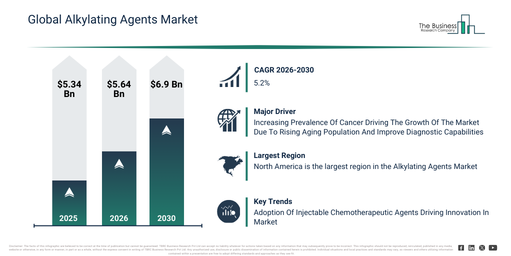
    The alkylating agents market has shown strong growth in recent years. It is forecast to increase from $5.34 billion in 2025 to $5.64 billion in 2026, demonstrating a compound annual growth rate (CAGR) of 5.5%. The historical growth in this market can be attributed to factors such as cancer prevalence, established hospital oncology protocols, the widespread adoption of chemotherapy, the availability of alkylating drugs, and ongoing oncology research.

    The alkylating agents market size is projected to undergo significant expansion in the foreseeable future. By 2030, it is anticipated to attain a valuation of $6.9 billion, growing at a compound annual growth rate (CAGR) of 5.2%. This projected increase during the forecast period is driven by factors such as the expanding oncology drug development pipeline, the proliferation of biosimilars, wider embrace of combination therapy, an aging demographic, and the implementation of cancer screening initiatives. Notable trends for the coming period include their continued integration into chemotherapy regimens, increasing demand for their use in hematological malignancies, the rise of combination cancer therapies, the broadening reach of generic oncology medications, and a concerted effort towards enhancing toxicity management.

    Get A Free Sample Report With In-Depth Market Insights:

    https://www.thebusinessresearchcompany.com/sample.aspx?id=24457&type=smp&utm_source=Blogs&utm_medium=Paid&utm_campaign=Oct_PR

    Alkylating Agents Market Demand Drivers: What’s Powering Industry Growth?

    The escalating prevalence of cancer is anticipated to drive the expansion of the alkylating agents market in the future. Cancer is defined as the uncontrolled proliferation and spread of abnormal cells within the body, which can invade or damage healthy tissue. It has the potential to develop in almost any organ or tissue and may metastasize to other parts of the body via the blood and lymph systems. The rising incidence of cancer is primarily attributed to aging populations, as the risk of developing cancer significantly increases with age; older individuals have had more prolonged exposure to risk factors, and their cells accumulate genetic mutations over time. Alkylating agents are effective in treating cancer by attaching alkyl groups to the deoxyribonucleic acid of cancer cells, thereby disrupting their ability to replicate, leading to cancer cell death, and slowing tumor growth. For example, in October 2025, the National Health Service (NHS), a UK-based government health agency, stated there were 354,820 new cancer diagnoses in 2023, averaging 972 per day, which signifies 8,605 more than in 2022. Hence, the increasing occurrence of cancer is a primary catalyst for the growth of the alkylating agents market.

    Alkylating Agents Market Segment Analysis: What Are The Core Market Categories?

    The alkylating agents market covered in this report is segmented –

    1) By Type: Nitrogen Mustards, Nitrosoureas, Aziridines, Ethylenimines, Triazines, Alkyl Sulfonates

    2) By Route Of Administration: Oral, Intravenous, Other Route Of Administrations

    3) By Application: Oncology, Hematology, Other Applications

    4) By End-Users: Hospitals, Specialty Clinics, Homecare, Other End-Users

    Subsegments:

    1) By Nitrogen Mustards: Mechlorethamine, Cyclophosphamide, Ifosfamide, Melphalan, Chlorambucil

    2) By Nitrosoureas: Carmustine, Lomustine, Streptozocin, Semustine

    3) By Aziridines: Thiotepa, Mitomycin C

    4) By Ethylenimines: Hexamethylmelamine (HMM), Altretamine

    5) By Triazines: Dacarbazine, Temozolomide

    6) By Alkyl Sulfonates: Busulfan, Sulfur Mustard

    Alkylating Agents Market Innovation Trends: What Developments Are Reshaping The Industry?

    Leading firms within the alkylating agents market are concentrating on creating novel products, like injectable chemotherapeutic agents, to improve their transportability and simplify their application across diverse healthcare environments. These injectable agents are pharmaceuticals given either intravenously or via injection, facilitating the direct delivery of anticancer medications into the bloodstream or specific tissues, which ensures swift absorption and precise tumor treatment. An example of this is Avenacy Inc., a US-based pharmaceutical manufacturing company, which introduced Melphalan Hydrochloride in January 2024. This is a recognized alkylating agent employed in chemotherapy for cancer therapy. The product comprises a 50 mg vial of lyophilized melphalan along with a 10 mL vial of sterile diluent, designed for storage at room temperature, thereby boosting its transportability and availability in clinical environments. Its unique packaging and labeling guarantee correct medication identification, positioning it as a therapeutically equivalent generic to Alkeran for Injection. It is particularly prescribed for the palliative management of multiple myeloma patients when oral treatment is unsuitable.

    Alkylating Agents Market Top Companies Driving Competitive Growth

    Major companies operating in the alkylating agents market are Pfizer Inc., Merck KGaA, AstraZeneca PLC, Novartis AG, Fresenius Kabi AG, Teva Pharmaceuticals USA Inc., Baxter Healthcare Corporation, Apotex Inc., Jiangsu Hengrui Pharmaceuticals Co. Ltd., Dr. Reddy’s Laboratories Ltd., Hikma Pharmaceuticals PLC, Cipla Limited, Aspen Pharmacare Holdings Limited, Zydus Lifesciences Limited, Emcure Pharmaceuticals Ltd., KRKA d. d. Novo mesto, Sagent Pharmaceuticals Inc., Debiopharm International SA, Accord Healthcare Ltd., NextSource Biotechnology LLC

    View The Full Alkylating Agents Market Report:

    https://www.thebusinessresearchcompany.com/report/alkylating-agents-global-market-report?utm_source=Blogs&utm_medium=Paid&utm_campaign=Oct_PR

    Alkylating Agents Market Geographic Spread And Regional Opportunities

    North America was the largest region in the alkylating agents market in 2025. Asia-Pacific is expected to be the fastest-growing region in the forecast period. The regions covered in the alkylating agents market report are Asia-Pacific, South East Asia, Western Europe, Eastern Europe, North America, South America, Middle East, Africa.

    Reach Out To Our Team:

    The Business Research Company: https://www.thebusinessresearchcompany.com/

    Americas: +1 310-496-7795

    Asia: +44 7882 955267 & +91 8897263534

    Europe: +44 7882 955267

    Email us at: marketing@tbrc.info

    Follow us on:

    LinkedIn: https://in.linkedin.com/company/the-business-research-company

    YouTube: https://www.youtube.com/channel/UC24_fI0rV8cR5DxlCpgmyFQ

    Global Market Model: https://www.thebusinessresearchcompany.com/global-market-model
  • Poultry Diagnostics Market Forecast Highlights A $1.11 Billion Opportunity For Industry Participants

    Poultry Diagnostics Market Forecast Highlights A $1.11 Billion Opportunity For Industry Participants

    Featuring market attractiveness scoring, total addressable market sizing, company benchmarking matrices, interactive Excel dashboards, deeper supply chain intelligence, emerging startup tracking, and granular product-level insights, The Business Research Company’s 2026 market reports are built to deliver research that is both more actionable and more strategically valuable.

    Poultry Diagnostics Market Poised To Hit $1.11 Billion By 2030 With A 9.7% CAGR

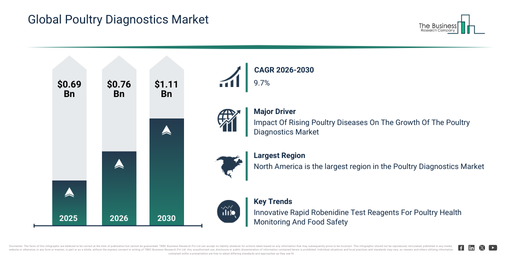
    The poultry diagnostics market has experienced significant expansion in recent years. This market is projected to grow from $0.69 billion in 2025 to $0.76 billion in 2026, exhibiting a compound annual growth rate (CAGR) of 10.1%. The historical growth can be attributed to elements like frequent outbreaks of avian diseases, an expanding poultry population, limited access to advanced diagnostics, increasing demand for poultry products, and the continuous development of veterinary healthcare infrastructure.

    The poultry diagnostics market is projected to experience substantial expansion over the coming years. It is anticipated to reach $1.11 billion by 2030, exhibiting a compound annual growth rate (CAGR) of 9.7%. This growth during the forecast period can be attributed to several factors, including advancements in poultry diagnostic technology, greater uptake of automated diagnostic tools, increased understanding of preventive poultry health, the incorporation of digital farm management with diagnostic methods, and the rise of rapid and point-of-care testing options. Key developments expected in this period include the increased embrace of PCR and ELISA-based diagnostic techniques, more frequent use of rapid test kits for early disease detection, the expansion of programs for poultry disease surveillance, a heightened emphasis on biosecurity and preventive care in poultry farming, and the merging of veterinary diagnostic services with broader farm management systems.

    Get A Free Sample Report With In-Depth Market Insights:

    https://thebusinessresearchcompany.com/sample_request?id=20591&type=smp&name=Poultry%20Diagnostics%20Market%20Report%202026&utm_source=Blogs&utm_medium=Paid&utm_campaign=Oct_PR

    Poultry Diagnostics Market Demand Drivers Opening New Revenue Streams

    The increasing occurrence of poultry illnesses is anticipated to fuel the expansion of the poultry diagnostics market in the future. These diseases encompass diverse health problems impacting domestic birds bred for meat, eggs, or feathers. Such conditions can substantially diminish poultry health and productivity, resulting in financial setbacks for the poultry sector. The growing prevalence of poultry diseases stems from multiple factors, including intensive farming methods, lack of proper nutrition, environmental pressures, and the emergence of new pathogens. Poultry diagnostics plays a crucial role in countering the increase in poultry diseases by facilitating early detection, guaranteeing product safety, aiding research, and promoting a thorough grasp of flock well-being; thus, diagnostics substantially enhance the poultry industry’s sustainability and productivity. For example, in April 2025, the World Organisation for Animal Health (WOAH), an intergovernmental animal health organization based in France, reported 949 worldwide outbreaks of highly pathogenic avian influenza (HPAI) among poultry from October 2024 to February 2025. This figure exceeded the total outbreaks documented in the previous season, indicating an escalating global pattern in the occurrence of poultry diseases. Consequently, the increasing occurrence of poultry diseases is propelling the expansion of the poultry diagnostics market.

    Poultry Diagnostics Market Segment Analysis And Revenue Potential

    The poultry diagnostics market covered in this report is segmented –

    1) By Product: Instruments, Consumables, Kits

    2) By Technology: Enzyme-linked Immunosorbent Assay (ELISA), Polymerase Chain Reaction (PCR), Immunofluorescent Assay, Hemagglutination Assay, Other Technologies

    3) By Disease Indication: Avian Salmonellosis, Avian Influenza, Newcastle Disease, Mycoplasma, Infectious Bursal Disease, Other Disease Indications

    4) By End-User: Veterinary Hospitals And Clinics, Veterinary Diagnostics Laboratories, Other End-Users

    Subsegments:

    1) By Instruments: PCR Machines, Microbiological Analyzers, Immunoassay Analyzers, Hematology Analyzers, Spectrophotometers, Diagnostic Imaging Equipment, Electrolyte Analyzers

    2) By Consumables: Test Reagents, Diagnostic Kits, Culture Media, Antibodies And Antigens, PCR Kits, Disposable Pipettes And Tips, Blood Collection Tubes

    3) By Kits: PCR Diagnostic Kits, ELISA Kits, Rapid Test Kits, Serological Test Kits, Antibody Detection Kits, PCR-Based Poultry Disease Kits, Disease-Specific Diagnostic Kits

    Poultry Diagnostics Market Trends Powering Strategic Industry Growth

    Leading companies within the poultry diagnostics market are prioritizing the creation of novel products, such as test reagents, to boost the effectiveness and precision of poultry health diagnosis and monitoring, particularly for identifying robenidine, an anticoccidial substance employed to prevent coccidiosis in poultry. These specialized diagnostic tools are crucial for uncovering robenidine residues in poultry meat and organs. Such reagents are vital for upholding food safety and ensuring regulatory adherence concerning the use of robenidine, an antibiotic frequently utilized in veterinary medicine to address coccidiosis in poultry. For example, in October 2024, Creative Diagnostics, a US-based firm, introduced Rapid Robenidine Test Reagents to assay anticoccidial residues. These reagents are engineered for the swift and accurate detection of robenidine, an anticoccidial agent, in poultry and other specimens to guarantee compliance with safety and quality requirements.

    Poultry Diagnostics Market Company Landscape And Competitive Strategy

    Major companies operating in the poultry diagnostics market are IDEXX Laboratories Inc., Thermo Fisher Scientific Inc., Zoetis Inc., BioMérieux SA, Bio-Rad Laboratories Inc., QIAGEN NV, Neogen Corporation, GD Animal Health, Innovative Diagnostics SAS, MEGACOR Diagnostik GmbH, BioChek BV, Ring Biotechnology Co Ltd, Agrolabo SpA, IDvet, Bionote Inc., Bio-X Diagnostics, Biogal Galed Labs, AffiniTech Ltd, Randox Laboratories Ltd, INDICAL Bioscience GmbH, Bioneer Corporation, Antech Diagnostics Inc., Embark Veterinary Inc., Merck Animal Health, Meridian Bioscience Inc., Biodyne USA LLC, Avioq Inc., AniCon Labor GmbH

    View The Full Poultry Diagnostics Market Report:

    https://thebusinessresearchcompany.com/report/poultry-diagnostics-global-market-report?utm_source=Blogs&utm_medium=Paid&utm_campaign=Oct_PR

    Poultry Diagnostics Market Largest Region: Which Geography Holds The Highest Market Share?

    North America was the largest region in the poultry diagnostics market in 2025. The regions covered in the poultry diagnostics market report are Asia-Pacific, South East Asia, Western Europe, Eastern Europe, North America, South America, Middle East, Africa.

    Reach Out To Our Team:

    The Business Research Company: https://www.thebusinessresearchcompany.com/

    Americas: +1 310-496-7795

    Asia: +44 7882 955267 & +91 8897263534

    Europe: +44 7882 955267

    Email us at: marketing@tbrc.info

    Follow us on:

    LinkedIn: https://in.linkedin.com/company/the-business-research-company

    YouTube: https://www.youtube.com/channel/UC24_fI0rV8cR5DxlCpgmyFQ

    Global Market Model: https://www.thebusinessresearchcompany.com/global-market-model