Blog

  • Albuterol Sulfate Metered Dose InhalersMarket Overview 2025–2034: CAGR Trends, Long-Term Growth Paths, and Business Implications

    Albuterol Sulfate Metered Dose InhalersMarket Overview 2025–2034: CAGR Trends, Long-Term Growth Paths, and Business Implications

    We’ve updated all our reports with current data on tariff changes, trade developments, and supply chain shifts affecting key industries.

    How Has The Albuterol Sulfate Metered Dose Inhalers Market Growth Evolved From 2024 To 2025, And What’s Ahead?

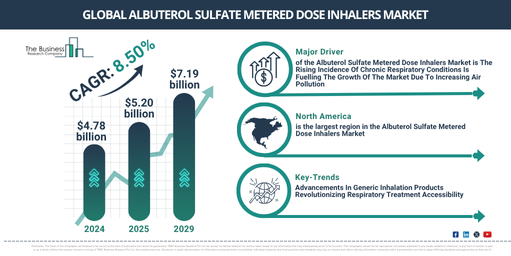
    The market for albuterol sulfate metered dose inhalers has seen robust growth in recent years, with an increase from $4.78 billion in 2024 to $5.20 billion in 2025, corresponding to a compound annual growth rate (CAGR) of 8.8%. This upward trend during the historical period is due to increased understanding of respiratory health, the escalating use of fast-acting bronchodilators, increased demand for handheld inhalation devices, a surge in respiratory emergencies, and a rise in the endorsement of generic inhalers.

    The market for albuterol sulfate metered dose inhalers is predicted to experience noteworthy expansion in the coming years, swelling to $7.19 billion in 2029 with a compound annual growth rate (CAGR) of 8.5%. This growth across the forecast period can be accredited to the increasing demand for economical treatment possibilities, heightened emphasis on preventive pulmonary care, rising investments in inhaler innovation, growing educational initiatives from health organisations, and the ongoing surge in respiratory allergy prevalence. The forecast period also evinces major trends such as progress in drug formulation for improved effectiveness, incorporation of digital dose monitoring systems, advanced production methods for reliable dosing, innovation in green propellants, and the inclusion of telemedicine in inhaler usage.

    Download a free sample to assess the report’s scope and structure:

    https://www.thebusinessresearchcompany.com/sample.aspx?id=24139&type=smp

    What Are the Primary Drivers Supporting the Market Growth of the Albuterol Sulfate Metered Dose Inhalers Market?

    The increasing occurrence of respiratory diseases is anticipated to enhance the expansion of the albuterol sulfate metered-dose inhalers market. Respiratory ailments refer to disorders affecting the lungs and air passages, causing difficulties in breathing and a decrease in oxygen intake. This includes diseases such as asthma, chronic obstructive pulmonary disease (COPD), pneumonia, bronchitis, and lung infections. The escalation of these respiratory diseases is associated with increasing air pollution, which heightens exposure to detrimental pollutants that irritate the air passages and impair lung function. Albuterol sulfate metered-dose inhalers aid in easing symptoms of respiratory diseases by relaxing the muscles in the air passages, enhancing airflow and simplifying respiration. They rapidly ease symptoms like wheezing, coughing, and shortness of breath, providing instant relief. For instance, as reported by the Australian Bureau of Statistics, a government agency based in Australia, in December 2023, the prevalence of chronic obstructive pulmonary disease (COPD) grew from 2.4% in 2021 to 2.5% in 2022. Consequently, the escalating occurrence of respiratory diseases propels the growth of the albuterol sulfate metered-dose inhalers market.

    Which Primary Segments of the Albuterol Sulfate Metered Dose Inhalers Market Are Driving Growth and Industry Transformations?

    The albuterol sulfate metered dose inhalers market covered in this report is segmented –

    1) By Product Type: Pressurized Metered Dose Inhalers (pMDIs), Breath-Activated Metered Dose Inhalers

    2) By Formulation: Single-Unit Dose Inhalers, Multiple-Unit Dose Inhalers

    3) By Distribution Channel: Hospital Pharmacies, Retail Pharmacies, Online Pharmacies, Other Distribution Channels

    4) By Application: Asthma, Chronic Obstructive Pulmonary Disease (COPD), Other Applications

    Subsegments:

    1) By Pressurized Metered Dose Inhalers (pMDIs): Chlorofluorocarbon-Based Pressurized Metered Dose Inhalers, Hydrofluoroalkane-Based Pressurized Metered Dose Inhalers

    2) By Breath-Activated Metered Dose Inhalers: Passive Breath-Activated Inhalers, Active Breath-Activated Inhalers

    Request customized data on this market:

    https://www.thebusinessresearchcompany.com/sample.aspx?id=24139&type=smp

    Which Regions Are Key Players in the Growth of the Albuterol Sulfate Metered Dose Inhalers Market?

    North America was the largest region in the albuterol sulfate metered dose inhalers market in 2024. Asia-Pacific is expected to be the fastest-growing region in the forecast period. The regions covered in the albuterol sulfate metered dose inhalers market report are Asia-Pacific, Western Europe, Eastern Europe, North America, South America, Middle East, Africa.

    What Are the Most Significant Market Trends in the Albuterol Sulfate Metered Dose Inhalers Market?

    Key players in the albuterol sulfate metered-dose inhalers market are strategically focusing on the creation of advanced items such as generic inhalation products. These are non-branded versions of inhaled medications, targeted to increase accessibility for individuals suffering from enduring respiratory issues. They deliver similar active ingredients, dosages, and therapeutic results as the branded versions, but they are generally more cost-effective. For example, Amphastar Pharmaceuticals Inc., a company based in the U.S., gained approval for an abbreviated new drug application (ANDA) from the Food and Drug Administration (FDA) in May 2024. This approval was for their Albuterol Sulfate inhalation aerosol, which is used for either the prevention or treatment of bronchospasm in patients who are at least four years old. It functions by relaxing the muscles in the airway to enhance airflow, offering immediate alleviation from symptoms such as wheezing and breathlessness often found in conditions like asthma.

    View the full report here:

    https://www.thebusinessresearchcompany.com/report/albuterol-sulfate-metered-dose-inhalers-global-market-report

    What Parameters Are Used to Define the Albuterol Sulfate Metered Dose Inhalers Market?

    Albuterol sulfate metered dose inhalers (MDIs) are portable devices designed to deliver a precise dose of albuterol sulfate directly to the lungs. They help relax airway muscles, improving airflow and quickly relieving breathing difficulties. Albuterol sulfate metered dose inhalers are mainly used for managing and alleviating symptoms associated with respiratory conditions.

    Purchase the full report and get a swift delivery:

    https://www.thebusinessresearchcompany.com/customise?id=24139&type=smp

    About The Business Research Company:

    With over 15000+ reports from 27 industries covering 60+ geographies, The Business Research Company has built a reputation for offering comprehensive, data-rich research and insights. Armed with 1,500,000 datasets, the optimistic contribution of in-depth secondary research, and unique insights from industry leaders, you can get the information you need to stay ahead in the game.

    Get in touch with us:

    The Business Research Company: https://www.thebusinessresearchcompany.com/

    Americas +1 3156230293

    Asia +44 2071930708

    Europe +44 2071930708

    Email us at info@tbrc.info

    Follow us on:

    LinkedIn: https://in.linkedin.com/company/the-business-research-company

    YouTube: https://www.youtube.com/channel/UC24_fI0rV8cR5DxlCpgmyFQ

    Global Market Model: https://www.thebusinessresearchcompany.com/global-market-model
  • Albuterol Outlook 2034: Key Drivers, Trends, and Market Frontiers

    Albuterol Outlook 2034: Key Drivers, Trends, and Market Frontiers

    We’ve updated all our reports with current data on tariff changes, trade developments, and supply chain shifts affecting key industries.

    What is the Projected CAGR for the Albuterol Market Size from 2025 to 2034?

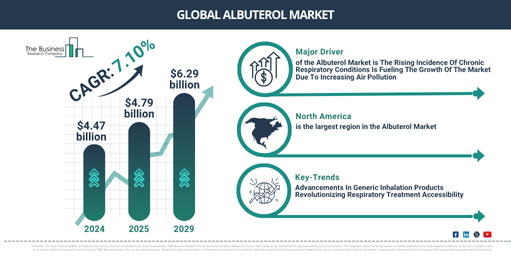
    The albuterol market has witnessed solid growth in the past few years. It is predicted to expand from $4.47 billion in 2024 to $4.79 billion in 2025, exhibiting a compound annual growth rate (CAGR) of 7.0%. Factors contributing to the growth during the historical timeframe were heightened consciousness about respiratory health, the escalation in air pollution levels, surging demand for quick-action inhalers, an increase in the use of nebulizers, and more availability of generic albuterol.

    The albuterol industry is forecasted to witness robust growth in the upcoming years, with its size projected to reach $6.29 billion by 2029, registering a compound annual growth rate (CAGR) of 7.1%. Various factors contributing to this growth within the forecast period include the escalating demand for home-based healthcare options, increased investments in research for respiratory drugs, a heightened emphasis on personalized medicine, the rising uptake of digital inhalers, and the increasing incidents of respiratory disorders linked to lifestyle choices. Trends set to shape the forecast period include advances in inhaler technology, innovative patient monitoring systems, progress in AI-driven treatment strategies, respiratory care’s incorporation with telemedicine, and novelty in personalized asthma control.

    Download a free sample to assess the report’s scope and structure:

    https://www.thebusinessresearchcompany.com/sample.aspx?id=24138&type=smp

    How Are Key Drivers in the Industry Acting as Catalysts for the Growth of the Albuterol Market?

    The albuterol market is anticipated to expand due to the escalating rate of chronic respiratory conditions. These long-standing diseases, including asthma, chronic obstructive pulmonary disease (COPD), and bronchitis, negatively affect the lungs and airways, resulting in continuous breathing problems. The worsening air quality has led to an increase in the incidence of these conditions, as harmful pollutants in the air irritate the airways and deteriorate lung function. Albuterol assists in enhancing the symptoms of chronic respiratory conditions by relaxing the muscles in the airways, improving airflow, and thus simplifying breathing. It promptly relieves wheezing, coughing, and breathlessness, providing immediate comfort. For example, the Australian Bureau of Statistics reported in December 2023 that the rate of chronic obstructive pulmonary disease (COPD) in Australia increased from 2.4% in 2021 to 2.5% in 2022. Consequently, the rising frequency of chronic respiratory conditions is fueling the growth of the albuterol market.

    Which Segments in the Albuterol Offer the Most Growth?

    The albuterol market covered in this report is segmented –

    1) By Product Type: Inhalers, Nebulizers, Tablets, Syrups

    2) By Route Of Administration: Inhalation, Oral, Intravenous

    3) By Distribution Channel: Hospital Pharmacies, Retail Pharmacies, Online Pharmacies, Other Distribution Channels

    4) By Application: Asthma, Chronic Obstructive Pulmonary Disease (COPD), Bronchospasm, Other Applications

    5) By End-User: Hospitals, Clinics, Home Care Settings, Pharmacies

    Subsegments:

    1) By Inhalers: Metered Dose Inhalers (MDIs), Dry Powder Inhalers (DPIs), Soft Mist Inhalers (SMIs)

    2) By Nebulizers: Jet Nebulizers, Ultrasonic Nebulizers, Mesh Nebulizers

    3) By Tablets: Immediate-Release Tablets, Extended-Release Tablets

    4) By Syrups: Pediatric Formulation, Adult Formulation

    Request customized data on this market:

    https://www.thebusinessresearchcompany.com/sample.aspx?id=24138&type=smp

    What Are the Fastest-Growing Geographies in the Albuterol Market?

    North America was the largest region in the albuterol market in 2024. Asia-Pacific is expected to be the fastest-growing region in the forecast period. The regions covered in the albuterol market report are Asia-Pacific, Western Europe, Eastern Europe, North America, South America, Middle East, Africa.

    What Are the Current Market Growth and Trends in the Albuterol Industry?

    Key players in the albuterol market are actively engaged in creating innovative offerings, including non-branded inhalation products. These generic inhalation products deliver the same efficacy, dosage and therapeutic results as their branded equivalents but at a reduced price, enhancing patient access to chronically needed respiratory treatments. In May 2024, for example, Amphastar Pharmaceuticals Inc., a pharmaceutical firm in the U.S., secured approval for its Albuterol Sulfate inhalation aerosol from the Food and Drug Administration (FDA) after filing an abbreviated new drug application (ANDA). This treatment presents a solution for bronchospasm prevention or treatment in patients aged four and up. By relaxing the muscles in the airway, Albuterol sulfate inhalation aerosol increases airflow, providing quick relief from asthma symptoms such as breathlessness and wheezing.

    View the full report here:

    https://www.thebusinessresearchcompany.com/report/albuterol-global-market-report

    What Are the Key Elements That Define the Albuterol Market?

    Albuterol is a quick-relief bronchodilator used to manage or prevent bronchospasm (narrowing of the airways). It helps open the airways by relaxing the surrounding muscles, allowing for easier breathing. Albuterol acts within minutes, making it ideal for immediate symptom relief during respiratory distress.

    Purchase the full report and get a swift delivery:

    https://www.thebusinessresearchcompany.com/customise?id=24138&type=smp

    About The Business Research Company:

    With over 15000+ reports from 27 industries covering 60+ geographies, The Business Research Company has built a reputation for offering comprehensive, data-rich research and insights. Armed with 1,500,000 datasets, the optimistic contribution of in-depth secondary research, and unique insights from industry leaders, you can get the information you need to stay ahead in the game.

    Get in touch with us:

    The Business Research Company: https://www.thebusinessresearchcompany.com/

    Americas +1 3156230293

    Asia +44 2071930708

    Europe +44 2071930708

    Email us at info@tbrc.info

    Follow us on:

    LinkedIn: https://in.linkedin.com/company/the-business-research-company

    YouTube: https://www.youtube.com/channel/UC24_fI0rV8cR5DxlCpgmyFQ

    Global Market Model: https://www.thebusinessresearchcompany.com/global-market-model
  • Global AI Skin Analysis Instruments Market Trends: Regional Breakdowns and Strategic Insights

    Global AI Skin Analysis Instruments Market Trends: Regional Breakdowns and Strategic Insights

    We’ve updated all our reports with current data on tariff changes, trade developments, and supply chain shifts affecting key industries.

    What Is the Current and Projected Market Size of the AI Skin Analysis Instruments Market Through 2034?

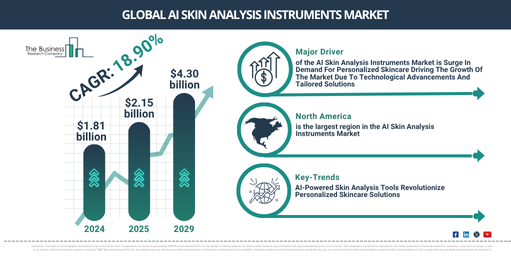
    There has been a swift expansion in the market size of AI skin analysis instruments in the past few years. The market, which is predicted to increase from $1.81 billion in 2024 to $2.15 billion in 2025, boasts a compound annual growth rate (CAGR) of 19.1%. The surge experienced during the historical period is a result of factors such as heightened interest in early diagnosis, augmented investment in imaging technologies, growing consciousness of preventive healthcare, increased demand for diagnostic imaging, and a rise in chronic disease prevalence.

    In the coming years, the AI skin analysis instruments market is projected to experience swift expansion. The market is anticipated to reach a value of $4.30 billion by 2029, with a compound annual growth rate (CAGR) of 18.9%. This predicted progression in the forecast period stems from a rise in minimally invasive imaging procedures, a surging demand for personalized skincare products, amplified public understanding of skin health and early detection, along with a growing incidence of skin conditions. Key trends anticipated during the forecast timeframe include progress in deep learning algorithms, incorporation of mobile technology that allows real-time imaging, advancements in skin imaging equipment, and improvements in personalization algorithms.

    Download a free sample to assess the report’s scope and structure:

    https://www.thebusinessresearchcompany.com/sample.aspx?id=24137&type=smp

    What Are the Major Market Drivers Behind the Rising Adoption of AI Skin Analysis Instruments Market?

    The escalating demand for bespoke skincare products is projected to stimulate the expansion of the AI skin analysis instruments market. These products are specifically designed keeping in mind an individual’s unique skin features, preferences, and necessities for enhanced care. The expansion in demand for these specialized skincare products can be attributed to advancements in technology that enable firms to offer solutions specifically tailored to each individual’s skin type, concerns, and genetic predispositions. AI skin analysis instruments play a vital role in personal skincare by offering accurate data about an individual’s skin health, facilitating the formulation of customized skincare routines and products for the best outcome. For instance, Tracksuit, a brand tracking insights company based in New Zealand, reported in April 2023 that the number of Australians buying skincare products in the last six months had risen from 7.3 million in November 2021 to 7.8 million in February 2023. Thus, the increasing requirement for personalized skincare products is predicted to boost the growth of the AI skin analysis instruments market.

    Which Key Market Segments Comprise the AI Skin Analysis Instruments Market and Drive Its Revenue Growth?

    The AI skin analysis instruments market covered in this report is segmented –

    1) By Product Type: Handheld Skin Analysis Devices, Desktop Skin Analyzers, Wearable Skin Monitors, Mobile Application-Based Analyzers

    2) By Technology: Multispectral Imaging, Optical Coherence Tomography (OCT), Ultrasound Technology, Artificial Intelligence Algorithms

    3) By Distribution Channel: Online Sales, Retail Stores, Direct Sales, Distributor Partnerships

    4) By Application: Skin Type Analysis, Skin Condition Diagnosis, Product Recommendations, Home Skincare Routine Optimization

    5) By End User: Hospitals And Clinics, Beauty And Skincare Clinics, Research Institutions, Home Users, Cosmetics Manufacturers

    Subsegments:

    1) By Handheld Skin Analysis Devices: AI-Enabled Dermatoscopes, Portable Spectrometers With AI Skin Diagnostics, Smart Beauty Scanners With AI Integration

    2) By Desktop Skin Analyzers: Multi-Spectrum Imaging Systems With AI Analysis, Clinical-Grade AI Diagnostic Platforms, AI-Assisted Diagnostic Imaging Stations

    3) By Wearable Skin Monitors: AI-Powered UV Exposure Trackers, Smart Patches For Hydration And PH Monitoring, Continuous Skin Health Monitoring Bands With AI

    4) By Mobile Application-Based Analyzers: AI Skin Health Apps Using Smartphone Cameras, Cloud-Based AI Dermatology Platforms, Real-Time Acne, Wrinkle, And Pigmentation Analyzers Via Mobile

    Request customized data on this market:

    https://www.thebusinessresearchcompany.com/sample.aspx?id=24137&type=smp

    Which Areas Are Leading Regions in the AI Skin Analysis Instruments Market Expansion Across the Globe?

    North America was the largest region in the AI skin analysis instruments market in 2024. Asia-Pacific is expected to be the fastest-growing region in the forecast period. The regions covered in the AI skin analysis instruments market report are Asia-Pacific, Western Europe, Eastern Europe, North America, South America, Middle East, Africa.

    What Are the Strategic Trends Steering the AI Skin Analysis Instruments Market Direction?

    Major corporations in the AI skin analysis instruments market are prioritizing the development of cutting-edge technology products like AI-based skin diagnostic instruments to maximize precision in diagnosis, deliver personalized skincare advice and enhance the end-user experience. AI-based skin diagnostic tools use smart diagnostic systems powered by machine learning and computer vision to evaluate skin conditions and give bespoke skincare advice. A case in point is when Douglas, a perfumery and cosmetics firm based in Germany, collaborated with Perfect Corp., a software company based in Taiwan, to introduce an AI-based skin analysis instrument in July 2022. This revolutionary tool leverages the camera technology of smartphones to swiftly scan and analyze the skin of the users by measuring attributes like hydration levels, oiliness and presence of wrinkles. Based on the analysis, it gives tailored skincare advice to users, improving their shopping journey via the DOUGLAS app. By delivering precise and individualized advice, the tool enables customers to make choices that are more informed, thereby facilitating consumer satisfaction and endorsing sustainable beauty practices.

    View the full report here:

    https://www.thebusinessresearchcompany.com/report/ai-skin-analysis-instruments-global-market-report

    How Is the AI Skin Analysis Instruments Market Conceptually Defined?

    Artificial Intelligence (AI) skin analysis instruments are advanced diagnostic tools designed to assess the condition of the skin using intelligent algorithms. These devices capture detailed visual data and evaluate various skin attributes through automated processing, delivering accurate and consistent insights. By leveraging data-driven analysis, they help professionals make informed decisions related to skin health and appearance.

    Purchase the full report and get a swift delivery:

    https://www.thebusinessresearchcompany.com/customise?id=24137&type=smp

    About The Business Research Company:

    With over 15000+ reports from 27 industries covering 60+ geographies, The Business Research Company has built a reputation for offering comprehensive, data-rich research and insights. Armed with 1,500,000 datasets, the optimistic contribution of in-depth secondary research, and unique insights from industry leaders, you can get the information you need to stay ahead in the game.

    Get in touch with us:

    The Business Research Company: https://www.thebusinessresearchcompany.com/

    Americas +1 3156230293

    Asia +44 2071930708

    Europe +44 2071930708

    Email us at info@tbrc.info

    Follow us on:

    LinkedIn: https://in.linkedin.com/company/the-business-research-company

    YouTube: https://www.youtube.com/channel/UC24_fI0rV8cR5DxlCpgmyFQ

    Global Market Model: https://www.thebusinessresearchcompany.com/global-market-model
  • Age-Related Hearing Loss Market Outlook 2025: Mapping Growth, Innovation, and Regional Shifts

    Age-Related Hearing Loss Market Outlook 2025: Mapping Growth, Innovation, and Regional Shifts

    We’ve updated all our reports with current data on tariff changes, trade developments, and supply chain shifts affecting key industries.

    What is the Anticipated CAGR of the Age-Related Hearing Loss Market, and What Factors Will Drive It?

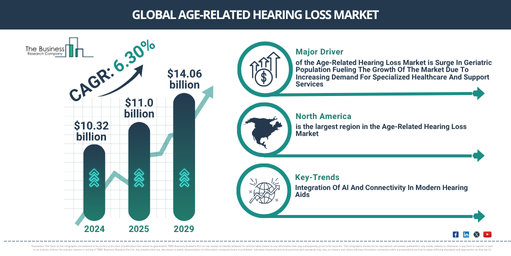
    Recent years have witnessed significant expansion in the market size for age-related hearing loss. Current projections estimate growth from $10.32 billion in 2024, to a value of $11.0 billion in 2025 with a compound annual growth rate (CAGR) of 6.6%. This previous growth can be traced back to several factors: greater exposure to ototoxic drugs, an uptick in genetic predispositions towards hearing loss, increasing urbanization, escalating environmental factors jeopardizing auditory health, and an enhanced supply of treatments for hearing loss.

    In the upcoming years, a solid expansion is anticipated for the market of age-related Hearing Loss, with predictions projecting growth to $14.06 billion by 2029, reflecting a compound annual growth rate (CAGR) of 6.3%. The consequential growth over the forecast period is largely due to the ascending demand for non-invasive treatments, progressive advancements in hearing aid technology, government initiatives aimed at enhancing auditory health, a heightened emphasis on early detection and prevention along with a surge in investments for audiology research and development. Key trends for the forecast period encompass progress in personalized hearing solutions, novel hearing implant technologies, the evolution of gene therapies to combat hearing loss, innovations in readily available over-the-counter hearing aids, and breakthroughs in teleaudiology services.

    Download a free sample to assess the report’s scope and structure:

    https://www.thebusinessresearchcompany.com/sample.aspx?id=24136&type=smp

    What External and Internal Drivers Are Contributing to the Growth of the Age-Related Hearing Loss Market?

    The anticipated expansion of the age-related hearing loss market is likely to be fueled by the increasing elderly population. This term is utilized to describe those who are 65 years of age or older. Healthcare advancements, enhanced living environments, and effective management of persistent illnesses have led to a surge in life expectancy, thus causing an uptick in the elderly population. These factors allow more individuals to thrive in their later years. The need for special hearing aids, effective communication approaches, and specialized healthcare services, provided via age-related hearing loss management, can significantly enhance the elderly population’s life quality and social involvement. California Health Advocates, a non-profit based in the US, noted that as of June 2024, the elderly made up 17.3% of the population in 2022, a figure estimated to escalate to 22% by 2040. Hence, the swelling elderly population serves as a catalyst for the expansion of the age-related hearing loss market.

    What Segment Types Define the Age-Related Hearing Loss Market Structure?

    The age-related hearing loss market covered in this report is segmented –

    1) By Product Type: Hearing Aids, Cochlear Implants, Assistive Listening Devices, Other Product Type

    2) By Distribution Channel: Hospitals, Audiology Clinics, Online Stores, Other Distribution Channel

    3) By End-User: Adults, Geriatric Population

    Subsegments:

    1) By Hearing Aids: Behind-the-Ear (BTE), In-the-Ear (ITE), Receiver-in-the-Ear (RITE), Completely-in-the-Canal (CIC), In-the-Canal (ITC), Invisible-in-the-Canal (IIC), Smart Hearing Aids

    2) By Assistive Listening Devices: FM Systems, Infrared Systems, Induction Loop Systems, Personal Amplifiers, TV Streamers and Amplifiers

    3) By Cochlear Implants: Unilateral Cochlear Implants, Bilateral Cochlear Implants, Wireless Cochlear Implants, Hybrid Cochlear Implants

    4) By Other Product Type: Bone Anchored Hearing Systems, Auditory Brainstem Implants, Hearing Protection Devices, Tinnitus Maskers

    Request customized data on this market:

    https://www.thebusinessresearchcompany.com/sample.aspx?id=24136&type=smp

    Which Geographic Areas Hold the Strongest Growth Potential in the Age-Related Hearing Loss Market?

    North America was the largest region in the age-related hearing loss market in 2024. Asia-Pacific is expected to be the fastest-growing region in the forecast period. The regions covered in the age-related hearing loss market report are Asia-Pacific, Western Europe, Eastern Europe, North America, South America, Middle East, Africa.

    What Long-Term Trends Are Transforming the Competitive Landscape of the Age-Related Hearing Loss Market?

    Leading businesses in the age-related hearing loss marketplace are prioritizing the creation of advanced technologies, like intelligent hearing aids equipped with AI-based audio processing and Bluetooth features, to better auditory capabilities, lessen auditory exertion, and augment user experience and quality of life. AI-equipped and Bluetooth-enabled hearing aids automatically adjust to various auditory settings by maximizing sound in real time, and offer smooth audio streaming and device management through integration with smartphones. For example, Phonak, a Switzerland-based provider of hearing solutions, in August 2024, released the Audéo Sphere Infinio hearing aid, the globe’s first to possess a dedicated real-time AI chip for separating speech from noise. It boasts a unique real-time AI chip that significantly enhances speech clarity in noisy surroundings, thereby boosting auditory performance and user satisfaction. It offers dynamic, real-time speech improvement from any direction, catering to the most pressing difficulty faced by individuals with hearing loss.

    View the full report here:

    https://www.thebusinessresearchcompany.com/report/age-related-hearing-loss-global-market-report

    What Is the Definition of the Age-Related Hearing Loss Market?

    Age-related hearing loss, also known as presbycusis, is a gradual, progressive loss of hearing that occurs as people age. It typically affects both ears and is most noticeable with high-pitched sounds or noisy environments. Age-related hearing loss is caused by changes in the inner ear, auditory nerve, or brain pathways involved in hearing.

    Purchase the full report and get a swift delivery:

    https://www.thebusinessresearchcompany.com/customise?id=24136&type=smp

    About The Business Research Company:

    With over 15000+ reports from 27 industries covering 60+ geographies, The Business Research Company has built a reputation for offering comprehensive, data-rich research and insights. Armed with 1,500,000 datasets, the optimistic contribution of in-depth secondary research, and unique insights from industry leaders, you can get the information you need to stay ahead in the game.

    Get in touch with us:

    The Business Research Company: https://www.thebusinessresearchcompany.com/

    Americas +1 3156230293

    Asia +44 2071930708

    Europe +44 2071930708

    Email us at info@tbrc.info

    Follow us on:

    LinkedIn: https://in.linkedin.com/company/the-business-research-company

    YouTube: https://www.youtube.com/channel/UC24_fI0rV8cR5DxlCpgmyFQ

    Global Market Model: https://www.thebusinessresearchcompany.com/global-market-model
  • Adeno-Associated Virus (AVV) Vectors In Gene Therapy Market in Focus: Forecasting Growth Drivers, Scaling Potential, and Global Opportunities

    Adeno-Associated Virus (AVV) Vectors In Gene Therapy Market in Focus: Forecasting Growth Drivers, Scaling Potential, and Global Opportunities

    We’ve updated all our reports with current data on tariff changes, trade developments, and supply chain shifts affecting key industries.

    What Are the Key Milestones in the Adeno-Associated Virus (AVV) Vectors In Gene Therapy Market’s Growth Trajectory From 2025 To 2034?

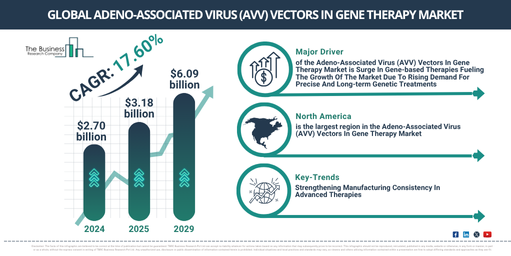
    The market size for adeno-associated virus (AVV) vectors in gene therapy has seen a significant expansion in the past few years. The market is projected to balloon from $2.70 billion in 2024 to $3.18 billion in 2025, reflecting a compound annual growth rate (CAGR) of 17.7%. The exponential growth during the historical period is a result of escalated investments in gene therapy research, the surging uptake of gene editing technologies, a growing number of genetic disorders and unmet medical requirements, an increased need for targeted therapies, and an uptick in partnerships between biotech firms and research institutions.

    The market size for adeno-associated virus (AVV) vectors utilized in gene therapy is predicted to undergo swift expansion in the following years, reaching a value of $6.09 billion by 2029, with a projected compound annual growth rate (CAGR) of 17.6%. The majority of this growth in the forecast period is expected to come from enhancements in AAV capsid engineering, a heightened emphasis on precision medicine, augmented financial investment in genetic research and biotechnology, an upsurge in gene therapy clinical trials and approvals, and an increased demand for personalized treatments. Key trends during the forecast period include AI advancements applied to AAV capsid engineering, the creation of hybrid AAV vectors capable of holding larger genetic payloads, the innovative approach to bispecific antibody-mediated AAV targeting, advancements in scalable AAV production and purification methodologies, and the creation of versatile AAV platforms capable of handling various viral vectors.

    Download a free sample to assess the report’s scope and structure:

    https://www.thebusinessresearchcompany.com/sample.aspx?id=24135&type=smp

    What Are the Core Market Drivers Propelling Growth in the Adeno-Associated Virus (AVV) Vectors In Gene Therapy Industry?

    The growth of the adeno-associated virus (AAV) vectors in the gene therapy market is anticipated to be fueled by the escalating emphasis on gene-based treatments. These treatments manipulate or modify genes to treat, prevent, or cure diseases at a molecular level. The burgeoning focus on gene-based therapies is driven by advancements in genetic research which heightens the accuracy and potency of gene editing methodologies. The utilization of adeno-associated virus (AAV) vectors in gene therapy facilitates the development of gene-based therapies by safely and efficiently introducing therapeutic genes into target cells, due to their minimal immunogenicity and capacity for long-term gene expression. For example, data from IQVIA, a US-based firm providing advanced analytics and technological solutions for the life sciences industry, showed that global expenditure on cell and gene therapies hit $5.9 billion in 2023, a 38% rise from 2022. Consequently, the growing emphasis on the development of gene-based therapies is fueling the expansion of the adeno-associated virus (AAV) vectors market.

    How Is the Adeno-Associated Virus (AVV) Vectors In Gene Therapy Market Segmented?

    The adeno-associated virus (AVV) vectors in gene therapy market covered in this report is segmented –

    1) By Type of Therapy: Gene Augmentation, Immunotherapy, Other Type of Therapy

    2) By Type of Gene Delivery Method Used: Ex Vivo, In Vivo

    3) By Scale of Operation: Preclinical, Clinical, Commercial

    4) By Target Therapeutic Area: Genetic Disorders, Hematological Disorders, Infectious Diseases, Metabolic Disorders, Ophthalmic Disorders, Muscle Disorders, Neurological Disorders, Other Target Therapeutic Area

    Subsegments:

    1) By Gene Augmentation: Monogenic Disorders, Neurological Disorders, Muscular Disorders, Ophthalmological Disorders, Metabolic Disorders

    2) By Immunotherapy: Oncology, Infectious Diseases, Autoimmune Disorders, Vaccine Development, T-Cell Engineering

    3) By Other Type of Therapy: Gene Editing Support, RNA Interference, Neuroprotection and Neuroregeneration, Anti-Inflammatory Applications, Regenerative Medicine

    Request customized data on this market:

    https://www.thebusinessresearchcompany.com/sample.aspx?id=24135&type=smp

    Which Regions Are Driving the Next Phase of the Adeno-Associated Virus (AVV) Vectors In Gene Therapy Market Growth?

    North America was the largest region in the adeno-associated virus (AVV) vectors in gene therapy market in 2024. The regions covered in the adeno-associated virus (AVV) vectors in gene therapy market report are Asia-Pacific, Western Europe, Eastern Europe, North America, South America, Middle East, Africa.

    What Key Market Trends and Innovations Are Shaping the Future of the Adeno-Associated Virus (AVV) Vectors In Gene Therapy Industry?

    Prominent companies in the adeno-associated virus (AAV) vector segment of the gene therapy market are honing their focus on sophisticated innovation, including the adaptation of vector diversity for assay versatility. This is expected to augment the specificity of target tissue, enhance therapeutic effectiveness and speed up the formulation of customized gene therapies for an array of medical conditions. The modified vector diversity for assay versatility involves the use of numerous AAV serotypes or constructs, aiding a range of analytical examinations and therapeutic uses. To illustrate, Charles River Laboratories, a pharmaceutical firm in the US, launched new reference materials for adeno-associated virus (AAV) and lentiviral vectors (LVV) in May 2024. These resources are designed to meet the increasing demands of cell and gene therapy (CGT) advancement. The portfolio eases the transition from early-stage research to GMP-grade production, providing a more streamlined process and augmenting the consistency in viral vector manufacturing. This launch aims to tackle a significant hurdle in elevating CGT programs to clinical and commercial readiness.

    View the full report here:

    https://www.thebusinessresearchcompany.com/report/adeno-associated-virus-avv-vectors-in-gene-therapy-global-market-report

    How Is the Adeno-Associated Virus (AVV) Vectors In Gene Therapy Market Defined and What Are Its Core Parameters?

    Adeno-associated virus (AAV) vectors in gene therapy are advanced delivery tools that transport genetic material into cells to treat various genetic disorders. Their primary goal is to enable targeted, long-lasting therapeutic effects by correcting or modifying faulty genes. AAV vectors are valued for their safety, low immunogenicity, and ability to deliver genes to both dividing and non-dividing cells, supporting the development of precise and durable gene therapies that advance personalized medicine and transform the treatment of rare and inherited diseases.

    Purchase the full report and get a swift delivery:

    https://www.thebusinessresearchcompany.com/customise?id=24135&type=smp

    About The Business Research Company:

    With over 15000+ reports from 27 industries covering 60+ geographies, The Business Research Company has built a reputation for offering comprehensive, data-rich research and insights. Armed with 1,500,000 datasets, the optimistic contribution of in-depth secondary research, and unique insights from industry leaders, you can get the information you need to stay ahead in the game.

    Get in touch with us:

    The Business Research Company: https://www.thebusinessresearchcompany.com/

    Americas +1 3156230293

    Asia +44 2071930708

    Europe +44 2071930708

    Email us at info@tbrc.info

    Follow us on:

    LinkedIn: https://in.linkedin.com/company/the-business-research-company

    YouTube: https://www.youtube.com/channel/UC24_fI0rV8cR5DxlCpgmyFQ

    Global Market Model: https://www.thebusinessresearchcompany.com/global-market-model
  • Strong CAGR to Propel in the Acute Hospital Care Market and Beyond upto $4300.23 Billion by 2029

    Strong CAGR to Propel in the Acute Hospital Care Market and Beyond upto $4300.23 Billion by 2029

    We’ve updated all our reports with current data on tariff changes, trade developments, and supply chain shifts affecting key industries.

    How Has The Acute Hospital Care Market Size Shifted, And What Is the Outlook Through 2034?

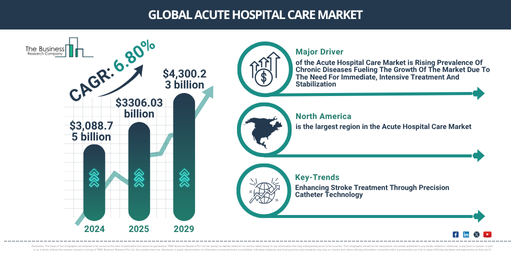
    The market size of acute hospital care has been experiencing robust growth over the past few years. The market, which stood at $3,088.75 billion in 2024, is projected to reach $3306.03 billion in 2025, growing at a compound annual growth rate (CAGR) of 7.0%. This growth during the historic period is credited to factors like the surge in chronic disease cases, an aging worldwide population, expansion of healthcare infrastructure, a rise in emergency room visits, and urbanization.

    The expectation for the forthcoming years is a robust growth forecast for the acute hospital care market, which is anticipated to reach $4,300.23 billion in 2029, growing at a compound annual growth rate (CAGR) of 6.8%. The predicted growth over this period can be linked to the escalating demand for specialized acute care facilities, growth in multi-morbidity instances, escalating elderly population globally, increasing lifestyle-related illnesses, and a global upsurge in critical care beds. Key trends projected during this period encompass the amalgamation of electronic health records (EHRs) with intelligent analytics, the adoption of advanced robotics and automation in surgical procedures, integration of telemedicine and telehealth, adoption of cloud-based healthcare solutions, and the use of blockchain technology for securing healthcare data.

    Download a free sample to assess the report’s scope and structure:

    https://www.thebusinessresearchcompany.com/sample.aspx?id=24134&type=smp

    Which Primay Drivers Are Accelerating Growth in the Acute Hospital Care Market?

    The escalating prevalence of chronic diseases is set to boost the expansion of the acute hospital care market in the future. Chronic illnesses are persistent health conditions that extend over one year, require constant medical care or hamper day-to-day activities. The increasing occurrence of these conditions is attributed mainly to aging populations and lifestyle-related risk factors. Acute hospital care plays a crucial role in managing the escalation of chronic diseases by offering immediate, concentrated treatment and stabilization to forestall complications and enhance patient outcomes. To illustrate, the Centers for Disease Control and Prevention (CDC), in October 2024 mentioned coronary heart disease as the most prevalent heart ailment. This US-based data-driven, service organization, which safeguards public health, reported 371,506 deaths in 2022 due to it. Approximately one in every 20 adults aged 20 and above, or 5%, is diagnosed with CAD. Furthermore, in 2022, cardiovascular disease-related deaths gripped nearly 20% of adults below 65. Consequently, the upswing in the occurrence of chronic diseases will catalyze the growth of the acute hospital care market.

    Which Primary Segments of the Acute Hospital Care Market Are Driving Growth and Industry Transformations?

    The acute hospital care market covered in this report is segmented –

    1) By Service: Intensive Care Unit (ICU), Coronary Care Unit (CCU), Neonatal Intensive Care Unit (NICU), Other Services

    2) By Medical Condition: Emergency Care, Trauma Care, Acute Care Surgery, Short-term Stabilization

    3) By Facility Type: General Acute Care Hospitals, Psychiatric Hospitals, Specialized Hospitals, Rehabilitation Hospitals, Long-term Acute Care

    Subsegments:

    1) By Intensive Care Unit (ICU): Medical ICU (MICU), Surgical ICU (SICU), Trauma ICU (TICU), Pediatric ICU (PICU), Cardiac ICU (CCU)

    2) By Coronary Care Unit (CCU): General Cardiac Care, Acute Myocardial Infarction Care, Post-surgical Cardiac Care, Arrhythmia Management, Cardiac Monitoring

    3) By Neonatal Intensive Care Unit (NICU): Level I Neonatal Intensive Care Unit (NICU), Level II Neonatal Intensive Care Unit (NICU), Level III Neonatal Intensive Care Unit (NICU), Level IV Neonatal Intensive Care Unit (NICU)

    4) By Other Services: Emergency Department Care, Post-Anesthesia Care Unit (PACU), Stroke Care Units, Burns Care Units, Dialysis Units

    Request customized data on this market:

    https://www.thebusinessresearchcompany.com/sample.aspx?id=24134&type=smp

    Which Regions Are Key Players in the Growth of the Acute Hospital Care Market?

    North America was the largest region in the acute hospital care market in 2024. Asia-Pacific is expected to be the fastest-growing region in the forecast period. The regions covered in the acute hospital care market report are Asia-Pacific, Western Europe, Eastern Europe, North America, South America, Middle East, Africa.

    Which Technological Trends Are Reshaping the Acute Hospital Care Industry Dynamics?

    Key players in the acute hospital care market are concentrating on technological improvements like inner diameter catheter systems to boost accuracy, efficiency, and patient care. They aim to minimize complications and enhance overall treatment results. An inner diameter catheter system is a specialized medical apparatus with a particular internal diameter for accurate insertion and fluid or medication flow, frequently utilized in procedures like intravenous therapy or catheterization. For example, in February 2025, Johnson & Johnson MedTech, an American medical technology arm of Johnson & Johnson, released the CEREGLIDE 92 Catheter System for acute ischemic stroke treatment. This upgraded catheter, equipped with a bigger 0.092-inch inner diameter, permits superior distal access- a vital aspect for treating stroke patients adequately. The CEREGLIDE 92 catheter aids in the insertion and guidance of interventional gadgets in the neurovascular framework, particularly in the M1 segment of the middle cerebral artery, a common area affected during ischemic strokes.

    View the full report here:

    https://www.thebusinessresearchcompany.com/report/acute-hospital-care-global-market-report

    What Parameters Are Used to Define the Acute Hospital Care Market?

    Acute hospital care is the short-term treatment given to people who are very sick or injured. It usually happens in a hospital and focuses on helping the person feel better quickly. This type of care often includes things like surgery, medicine, or special tests. The goal is to treat serious health problems right away.

    Purchase the full report and get a swift delivery:

    https://www.thebusinessresearchcompany.com/customise?id=24134&type=smp

    About The Business Research Company:

    With over 15000+ reports from 27 industries covering 60+ geographies, The Business Research Company has built a reputation for offering comprehensive, data-rich research and insights. Armed with 1,500,000 datasets, the optimistic contribution of in-depth secondary research, and unique insights from industry leaders, you can get the information you need to stay ahead in the game.

    Get in touch with us:

    The Business Research Company: https://www.thebusinessresearchcompany.com/

    Americas +1 3156230293

    Asia +44 2071930708

    Europe +44 2071930708

    Email us at info@tbrc.info

    Follow us on:

    LinkedIn: https://in.linkedin.com/company/the-business-research-company

    YouTube: https://www.youtube.com/channel/UC24_fI0rV8cR5DxlCpgmyFQ

    Global Market Model: https://www.thebusinessresearchcompany.com/global-market-model
  • Actigraphy Devices Market Valuation Expected To Reach $5.81 Billion By 2029, Growing At A Rate Of 8.8%

    Actigraphy Devices Market Valuation Expected To Reach $5.81 Billion By 2029, Growing At A Rate Of 8.8%

    We’ve updated all our reports with current data on tariff changes, trade developments, and supply chain shifts affecting key industries.

    How Has the Actigraphy Devices Market Growth Performance Trended Historically, And What Lies Ahead?

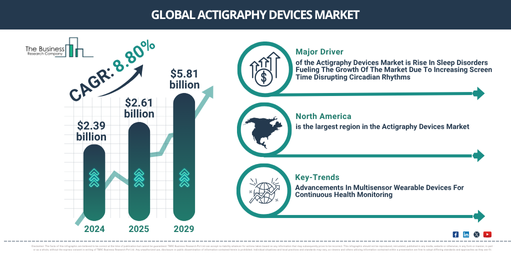
    The market for actigraphy devices has seen robust expansion in the past few years. The market value is expected to increase from $2.39 billion in 2024 to $2.61 billion in 2025, with a compound annual growth rate (CAGR) of 9.1%. Factors contributing to this growth during the historical period include government efforts to stimulate healthcare innovations, augmented funding for research into sleep and motion disorders, the swelling aged population, an upsurge in the want for individualized healthcare solutions, and a growing need for prolonged health data monitoring.

    In the coming years, the market size for actigraphy devices is anticipated to experience significant growth. It’s projected to reach $5.81 billion by 2029, with an 8.8% compound annual growth rate (CAGR). This growth during the estimated period can be linked to an increase in sleep disorder cases, more awareness about sleep health, the rise in chronic diseases needing monitoring, the expansion of clinical studies concerning sleep and movement disorders, and the emergence of telemedicine and remote patient healthcare. Notable trends during this period involve the need for non-invasive monitoring gadgets, advancements in wearable tech, the combination of actigraphy with mobile health applications, augmented functionalities of actigraphy devices in monitoring sleep routines, and integration with electronic health records.

    Download a free sample to assess the report’s scope and structure:

    https://www.thebusinessresearchcompany.com/sample.aspx?id=24133&type=smp

    Which Factors and External Forces Are Driving Demand in the Actigraphy Devices Market?

    The growth of the actigraphy devices market is anticipated to be driven by the escalating occurrence of sleep disorders. Sleep disorders, which affect the quality, timing or length of sleep and have a detrimental impact on overall health and daily activities, are on the rise due to increased screen time. The human body’s natural circadian rhythm can be disturbed by prolonged exposure to blue light, which hampers melatonin production, causing such disorders. Actigraphy devices are indispensable for sleep disorders as they allow for prolonged non-intrusive monitoring of sleep-awake cycles, providing tangible data for accurate evaluation and treatment planning. For example, National Health Service, a publicly funded healthcare system based in UK, reported in November 2023 that 37.8% of 8-16 year-old children experienced sleep problems at least three times in the preceding week. Furthermore, 76.5% of individuals with probable mental disorders and 25.0% of individuals without them were affected by sleep issues. Hence, the escalating occurrence of sleep disorders is expected to spur the growth of the actigraphy devices market.

    Which Segments in the Actigraphy Devices Offer the Most Growth?

    The actigraphy devices market covered in this report is segmented –

    1) By Product: Wearable Actigraphy Devices, Handheld Actigraphy Devices

    2) By Distribution Channel: Online, Brick And Mortar

    3) By Application: Sleep Disorders Monitoring, Circadian Rhythm Disorder Monitoring, Insomnia And Restless Leg Syndrome Diagnosis, Other Applications

    4) By End Use: Healthcare Providers, Research Institutions, Homecare Settings, Fitness And Sports Centers

    Subsegments:

    1) By Wearable Actigraphy Devices: Wrist-Worn Devices, Ankle-Worn Devices, Waist-Worn Devices, Clip-On Devices, Headband-Style Devices

    2) By Handheld Actigraphy Devices: Portable Monitors, Sleep Analyzers, Multi-Parameter Trackers, Clinical Diagnostic Tools, Pediatric Handheld Units

    Request customized data on this market:

    https://www.thebusinessresearchcompany.com/sample.aspx?id=24133&type=smp

    What Are the Fastest-Growing Geographies in the Actigraphy Devices Market?

    North America was the largest region in the actigraphy devices market in 2024. Asia-Pacific is expected to be the fastest-growing region in the forecast period. The regions covered in the actigraphy devices market report are Asia-Pacific, Western Europe, Eastern Europe, North America, South America, Middle East, Africa.

    Which Cutting-Edge Market Trends Are Expected to Drive the Actigraphy Devices Market’s Growth?

    Reputed firms in the actigraphy devices market are channeling their resources into innovating technologically superior products such as multisensor wearable devices to facilitate uninterrupted, hands-free monitoring. These advanced wearable devices come with an amalgamation of integrated sensors that can monitor a variety of physiological and environmental parameters such as movement, heart rate, temperature, and sleeping patterns, all at once. For instance, ActiGraph LLC, an eminent digital health company based in the United States, introduced the ActiGraph LEAP, a multisensor wearable device, in November 2023. ActiGraph LEAP is comprised of a suite of sensors that together facilitate real-time digital monitoring of various aspects like physical activity, sleep, mobility, and vital signs through a single device. This device is intended to cater to the changing needs of demonstrating treatment efficacy and is leading the way in patient-centric digital measurement collection. The device uses its six integrated sensors to record more than 25 distinct digital health metrics, including heart rate, oxygen saturation, blood pressure, skin temperature, activity data, sleep data, and gait data. The recorded data is effortlessly transferred to the CentrePoint platform for processing through top-tier, validated algorithms to yield precise insights.

    View the full report here:

    https://www.thebusinessresearchcompany.com/report/actigraphy-devices-global-market-report

    What Are the Key Elements That Define the Actigraphy Devices Market?

    Actigraphy devices are non-invasive wearable tools designed to monitor and record physical activity and rest patterns over extended periods. The primary purpose of actigraphy devices is to monitor and assess sleep-wake patterns and physical activity levels by tracking movement, helping diagnose sleep disorders and evaluate circadian rhythm disturbances.

    Purchase the full report and get a swift delivery:

    https://www.thebusinessresearchcompany.com/customise?id=24133&type=smp

    About The Business Research Company:

    With over 15000+ reports from 27 industries covering 60+ geographies, The Business Research Company has built a reputation for offering comprehensive, data-rich research and insights. Armed with 1,500,000 datasets, the optimistic contribution of in-depth secondary research, and unique insights from industry leaders, you can get the information you need to stay ahead in the game.

    Get in touch with us:

    The Business Research Company: https://www.thebusinessresearchcompany.com/

    Americas +1 3156230293

    Asia +44 2071930708

    Europe +44 2071930708

    Email us at info@tbrc.info

    Follow us on:

    LinkedIn: https://in.linkedin.com/company/the-business-research-company

    YouTube: https://www.youtube.com/channel/UC24_fI0rV8cR5DxlCpgmyFQ

    Global Market Model: https://www.thebusinessresearchcompany.com/global-market-model

  • Acquired Autoimmune Hemolytic Anemia Market Forecast Reaching $2.88 Billion by 2029 at 7.4% CAGR

    Acquired Autoimmune Hemolytic Anemia Market Forecast Reaching $2.88 Billion by 2029 at 7.4% CAGR

    We’ve updated all our reports with current data on tariff changes, trade developments, and supply chain shifts affecting key industries.

    What Are the Projected Market Size and Growth Rates for the Acquired Autoimmune Hemolytic Anemia Market From 2025 To 2029?

    The market size for acquired autoimmune hemolytic anemia has been expanding remarkably in the past few years. Its growth is predicted to elevate from $2.01 billion in 2024 to $2.16 billion in 2025, reflecting a compound annual growth rate (CAGR) of 7.5%. The growth observed in the precedent period can be credited to factors such as rising diagnosis rates, increasing instances of secondary AIHA, the development of hospital hematology units, governmental and regulatory backing, and escalated investments in hematology.

    In the next few years, the market size for acquired autoimmune hemolytic anemia is projected to experience significant growth, expected to reach $2.88 billion by 2029, with a compound annual growth rate (CAGR) of 7.4%. Factors contributing to this growth during the forecast period comprise an increase in the prevalence of autoimmune diseases, enhanced understanding of the complement system’s function, escalating collaboration between biopharma and academia, a rise in the application of personalized medicine, and an aging population. Emerging trends in the forecast period involve the adoption of targeted biologic therapies, progress in complement pathway inhibitors, the use of AI and data analytics in managing disease, the introduction of AI in designing clinical trials, and advancements in orphan drug development.

    Download a free sample to assess the report’s scope and structure:

    https://www.thebusinessresearchcompany.com/sample.aspx?id=24132&type=smp

    Which Major Market Drivers Are Expected to Boost the Growth Potential of the Acquired Autoimmune Hemolytic Anemia Market?

    The growth of the acquired autoimmune hemolytic anemia market is predicted to be fueled by the rising occurrence of autoimmune disorders. Autoimmune disorders occur when the immune system erroneously attacks the body’s own healthy cells and tissues, mistaking them for harmful invaders. This increasing prevalence is largely due to the impact of environmental triggers and lifestyle alterations that may interfere with the immune system’s regulation. This surge in autoimmune disorders results in a greater incidence of acquired autoimmune hemolytic anemia since individuals with autoimmune conditions have a higher likelihood of developing secondary AIHA due to the misregulation of the immune system. For example, the autoimmune registry, a US-based organization that collects and assesses information about autoimmune disorders, reported in 2022 that the percentage of patients diagnosed with multiple autoimmune conditions increased from 52% in 2021 to 55% in 2022. Hence, as autoimmune disorders become more prevalent, they are likely to influence the acquired autoimmune hemolytic anemia market’s growth.

    Which Key Market Segments Comprise the Acquired Autoimmune Hemolytic Anemia Market and Drive Its Revenue Growth?

    The acquired autoimmune hemolytic anemia market covered in this report is segmented –

    1) By Diagnosis Method: Complete Blood Count, Peripheral Blood Smear, Direct Coombs Test, Indirect Coombs Test

    2) By Treatment Type: Corticosteroids, Immunosuppressive Agents, Intravenous Immunoglobulin, Rituximab

    3) By Severity: Mild, Moderate, Severe

    4) By End User: Hospitals, Specialty Clinics, Research Institutions

    Subsegment:

    1) By Complete Blood Count: Hemoglobin Level, Hematocrit (HCT), Reticulocyte Count, White Blood Cell Count, Platelet Count

    2) By Peripheral Blood Smear: Spherocytes, Polychromasia, Schistocytes, Increased Reticulocyte Count

    3) By Direct Coombs Test: Immunoglobulin G Coombs Test, Immunoglobulin M Coombs Test, Complement Coombs Test

    4) By Indirect Coombs Test: Screening For Alloantibodies, Detection Of Sensitizing Antibodies, Crossmatch Testing

    Request customized data on this market:

    https://www.thebusinessresearchcompany.com/sample.aspx?id=24132&type=smp

    Which Areas Are Leading Regions in the Acquired Autoimmune Hemolytic Anemia Market Expansion Across the Globe?

    North America was the largest region in the acquired autoimmune hemolytic anemia market in 2024. Europe is expected to be the fastest-growing region in the forecast period. The regions covered in the acquired autoimmune hemolytic anemia market report are Asia-Pacific, Western Europe, Eastern Europe, North America, South America, Middle East, Africa.

    What Are the Key Market Trends in the Acquired Autoimmune Hemolytic Anemia Market Over the Coming Years?

    Major businesses that dominate the acquired autoimmune hemolytic anemia market are focusing on enhancing targeted treatments like humanized monoclonal antibodies. The goal is to increase the efficacy of therapies, minimize side effects, and offer more customized treatment alternatives for those dealing with autoimmune hemolytic anemia. A humanized monoclonal antibody is a lab-created protein made to replicate human antibodies and include small sections of non-human (usually mouse) antibodies to boost its targeted antigen interaction and lower immune system rejection. As an example, in February 2022, Sanofi, healthcare firm from France, gained approval from the U.S. Food and Drug Administration (FDA) for Enjaymo (sutimlimab-jome), making it the first exclusive treatment for cold agglutinin disease (CAD), a rare type of autoimmune hemolytic anemia. It inhibits C1s in the classical complement pathway, reducing the immune system’s premature destruction of healthy red blood cells thus lessening the necessity of red blood cell transfusions in CAD patients. Enjaymo has a specific selectivity for C1-activated hemolysis without interfering with the lectin or alternative complement pathways.

    View the full report here:

    https://www.thebusinessresearchcompany.com/report/acquired-autoimmune-hemolytic-anemia-global-market-report

    How Is the Acquired Autoimmune Hemolytic Anemia Market Conceptually Defined?

    Acquired autoimmune hemolytic anemia (AIHA) is a rare disorder that causes anemia when the body’s immune system unintentionally targets and kills its own red blood cells it is frequently brought on by infections, autoimmune disorders, malignancies, or specific drugs, and it can appear suddenly or gradually. This happens as a result of the body producing antibodies that attack its own red blood cells, causing hemolysis, or the premature breakdown of those cells.

    Purchase the full report and get a swift delivery:

    https://www.thebusinessresearchcompany.com/customise?id=24132&type=smp

    About The Business Research Company:

    With over 15000+ reports from 27 industries covering 60+ geographies, The Business Research Company has built a reputation for offering comprehensive, data-rich research and insights. Armed with 1,500,000 datasets, the optimistic contribution of in-depth secondary research, and unique insights from industry leaders, you can get the information you need to stay ahead in the game.

    Get in touch with us:

    The Business Research Company: https://www.thebusinessresearchcompany.com/

    Americas +1 3156230293

    Asia +44 2071930708

    Europe +44 2071930708

    Email us at info@tbrc.info

    Follow us on:

    LinkedIn: https://in.linkedin.com/company/the-business-research-company

    YouTube: https://www.youtube.com/channel/UC24_fI0rV8cR5DxlCpgmyFQ

    Global Market Model: https://www.thebusinessresearchcompany.com/global-market-model
  • $9.1 Billion Forecast for Acne Treatment Devices Market by 2029, Backed by Demand and Innovation

    $9.1 Billion Forecast for Acne Treatment Devices Market by 2029, Backed by Demand and Innovation

    We’ve updated all our reports with current data on tariff changes, trade developments, and supply chain shifts affecting key industries.

    What Is the Estimated Market Size of the Acne Treatment Devices Market In 2029?

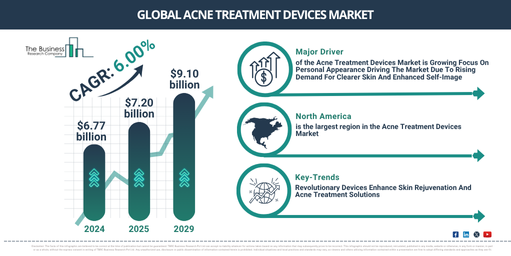
    The market for acne treatment devices has seen significant expansion in the last few years. The market is set to rise from $6.77 billion in 2024 to $7.20 billion in 2025, registering a compound annual growth rate (CAGR) of 6.3%. The historical growth is mainly due to factors such as a higher incidence of acne in teenagers, a growing understanding of skin health, increased disposable income, the proliferation of aesthetic clinics, and the media’s impact on the awareness of appearance.

    In the upcoming years, a robust growth is anticipated in the acne treatment devices market, which is projected to reach $9.10 billion by 2029, with a Compound Annual Growth Rate (CAGR) of 6.0%. This growth during the forecast period can be tied to factors such as the rising demand for acne treatment devices intended for home use, the expansion of teledermatology, an increasing preference for self-care and beauty tools, escalating healthcare expenditure, and the heightened accessibility of these devices through online shopping. Key trends during this period encompass the incorporation of artificial intelligence into acne devices, the creation of multifunction skincare equipment, the emergence of subscription-based device schemes, a growing consumer shift towards natural and phototherapy treatments, and the downsizing and portability of devices.

    Download a free sample to assess the report’s scope and structure:

    https://www.thebusinessresearchcompany.com/sample.aspx?id=24131&type=smp

    What Are the Core Growth Drivers Propelling the Acne Treatment Devices Market Forward?

    The burgeoning emphasis on individual aesthetics is anticipated to fuel the expansion of the acne treatment devices market in the future. Personal aesthetics is the external perception one portrays through personal grooming, attire, cleanliness, and overall visual representation. The increase in attention towards personal aesthetics is sparked by the image-centric culture of social media and the heightened interest in self-representation and personal brand portrayal. Acne treatment devices significantly contribute to personal aesthetics by offering effective solutions for healthier skin, thus enhancing personal assurance and promoting a refined and well-groomed image. For instance, in August 2024, the Bureau of Labor Statistics, a US federal agency, projected that employment in personal care and service sectors would grow faster than the average from 2023 to 2033, with roughly 794,500 yearly opportunities arising from growth and workforce substitution needs. Consequently, the heightened emphasis on personal aesthetics is accelerating the expansion of the acne treatment devices market.

    What Segment Types Define the Acne Treatment Devices Market Structure?

    The acne treatment devices market covered in this report is segmented –

    1) By Type: Light Therapy Devices, Microneedling Devices, Laser Therapy Devices, High-Frequency Devices, LED Acne Treatment Devices

    2) By Technology: Blue Light Therapy, Red Light Therapy, Fractional Laser, Radio Frequency Technology, Microcurrent Technology

    3) By Distribution Channel: Online Sales, Retail Pharmacies, Direct Sales, Beauty And Wellness Stores, Hyper markets And Super markets

    4) By Application: Home Use, Dermatology Clinics, Beauty Clinics, Other Applications

    Subsegments:

    1) By Light Therapy Devices: Infrared Light Therapy, Yellow Light Therapy, Green Light Therapy, Pulsed Light Therapy

    2) By Microneedling Devices: Manual Dermarollers, Automated Microneedling Pens, Microneedling RF Devices, Microneedling Cartridges

    3) By Laser Therapy Devices: Carbon Dioxide (CO2) Lasers, Erbium YAG Lasers, Diode Lasers, Pulsed Dye Lasers (PDL)

    4) By High-Frequency Devices: Argon Gas Electrodes, Neon Gas Electrodes, Portable High-Frequency Wands, Salon-Grade High-Frequency Machines

    5) By LED Acne Treatment Devices: Multispectrum LED Devices, Wearable LED Masks, Handheld LED Devices, Professional LED Panels

    Request customized data on this market:

    https://www.thebusinessresearchcompany.com/sample.aspx?id=24131&type=smp

    Which Geographic Areas Hold the Strongest Growth Potential in the Acne Treatment Devices Market?

    North America was the largest region in the acne treatment devices market in 2024. Asia-Pacific is expected to be the fastest-growing region in the forecast period. The regions covered in the acne treatment devices market report are Asia-Pacific, Western Europe, Eastern Europe, North America, South America, Middle East, Africa.

    Which Emerging Trends that Are Influencing the Acne Treatment Devices Industry Evolution?

    Key players in the acne treatment devices market are channelizing their efforts towards the development of innovative products like advanced skin treatment devices. These are aimed at introducing state-of-the-art skincare technologies that cater to a variety of skin issues and boost the effectiveness of treatments. These advanced skin treatment devices, which are electronic or mechanical in nature, employ technologies such as light therapy, radiofrequency, lasers, and ultrasound to address skin problems like acne, wrinkles, and pigmentation, offering skin rejuvenation and care solutions that are non-invasive. For instance, Skinnovation Pvt. Ltd., a dermatological company based in India, launched two cutting-edge medical devices – Meta Cell Technology (MCT) and MIRApeel – in October 2024. The MCT device uses photothermal energy to enhance the efficiency of regenerative therapies such as platelet-rich plasma (PRP) and exosomes, thereby aiding in skin rejuvenation and tissue repair. On the other hand, MIRApeel is a medi-facial device that combines hydrodermabrasion with serum-infused microchanneling to provide customized treatments for issues like pigmentation, acne scars, and uneven skin texture, offering a comprehensive solution for healthier skin.

    View the full report here:

    https://www.thebusinessresearchcompany.com/report/acne-treatment-devices-global-market-report

    What Is the Definition of the Acne Treatment Devices Market?

    Acne treatment devices are medical-grade tools designed to help reduce or eliminate acne by using various technologies such as light therapy, radiofrequency, and microdermabrasion to target the root causes of acne, including excess oil production, clogged pores, and bacterial growth. These devices are primarily used to reduce inflammation, prevent new acne breakouts, promote skin healing, and enhance the overall appearance of the skin by stimulating collagen production and improving skin texture.

    Purchase the full report and get a swift delivery:

    https://www.thebusinessresearchcompany.com/customise?id=24131&type=smp

    About The Business Research Company:

    With over 15000+ reports from 27 industries covering 60+ geographies, The Business Research Company has built a reputation for offering comprehensive, data-rich research and insights. Armed with 1,500,000 datasets, the optimistic contribution of in-depth secondary research, and unique insights from industry leaders, you can get the information you need to stay ahead in the game.

    Get in touch with us:

    The Business Research Company: https://www.thebusinessresearchcompany.com/

    Americas +1 3156230293

    Asia +44 2071930708

    Europe +44 2071930708

    Email us at info@tbrc.info

    Follow us on:

    LinkedIn: https://in.linkedin.com/company/the-business-research-company

    YouTube: https://www.youtube.com/channel/UC24_fI0rV8cR5DxlCpgmyFQ

    Global Market Model: https://www.thebusinessresearchcompany.com/global-market-model
  • Global Acellular Dermal Matrices Market Projected to Reach $2.36 Billion by 2029 at a CAGR of 9.8%

    Global Acellular Dermal Matrices Market Projected to Reach $2.36 Billion by 2029 at a CAGR of 9.8%

    We’ve updated all our reports with current data on tariff changes, trade developments, and supply chain shifts affecting key industries.

    How Fast Is The Acellular Dermal Matrices Market Expected to Grow Between 2025 And 2029?

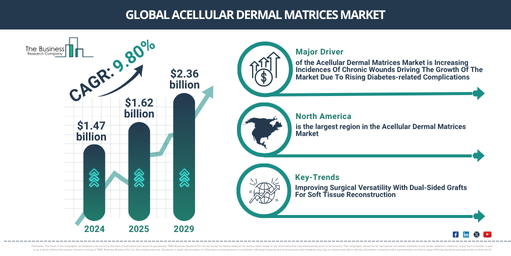
    In recent times, the market size for acellular dermal matrices has seen substantial growth. The market value is projected to rise from $1.47 billion in 2024 to $1.62 billion in 2025, signaling a compound annual growth rate (CAGR) of 10.1%. The notable growth in the previous years can be associated with a rise in breast cancer incidence and mastectomies, an increase in reconstructive and cosmetic surgeries, expanding uses in hernia and orthopedic repairs, burgeoning recognition and acceptance of biologic grafts, coupled with a spike in trauma and accident cases.

    In the coming years, the acellular dermal matrices market is poised for considerable growth, reaching an estimated $2.36 billion by 2029 with a compound annual growth rate (CAGR) of 9.8%. This projected growth can be attributed to various factors such as increasing demand for less invasive procedures, the rise in the elderly population, growing emphasis on patient-specific and customizable ADM solutions, an escalating number of reconstruction surgeries, and a rise in chronic conditions incidence. During the forecast period, key trends like the integration of minimally invasive surgeries, advancements in tissue engineering, integration with stem cell therapies, the development of synthetic and hybrid ADMs, and new designs for dual-sided and meshed ADMs are expected to influence the market.

    Download a free sample to assess the report’s scope and structure:

    https://www.thebusinessresearchcompany.com/sample.aspx?id=24130&type=smp

    What are the Fundamental Drivers and Innovations Shaping the Acellular Dermal Matrices Market?

    The growth of the acellular dermal matrices market is expected to be driven by the escalating instances of chronic wounds. Chronic wounds are defined as lacerations or sores that take an extended period to heal, if they heal at all. They often recur and may require specialized treatment to improve. The prevalence of chronic wounds is on the rise, mainly due to an increase in diabetic patients. Diabetes can lead to reduced blood circulation and nerve damage, thereby impairing the body’s ability to heal wounds. Consequently, even minor cuts can evolve into serious, persistent wounds. Acellular dermal matrices contribute to reducing the occurrence of chronic wounds by delivering a supportive layer that promotes natural skin regeneration and expedited healing. For example, OSF HealthCare, a US-based nonprofit healthcare organization, reported in July 2023 that 6.7 million people in the US are currently dealing with chronic wounds, a number expected to surge by 2% annually over the forthcoming ten years. Therefore, the escalation in chronic wounds cases is the primary growth factor for the acellular dermal matrices market.

    How Is the Acellular Dermal Matrices Market Segmented?

    The acellular dermal matrices market covered in this report is segmented –

    1) By Product Type: Human Acellular Dermal Matrices, Porcine Acellular Dermal Matrices, Other Source Acellular Dermal Matrices

    2) By Distribution Channel: Direct Sales, Online Sales, Distributor Sales

    3) By Application: Breast Reconstruction, Dental Surgery, Orthopedic Surgery, Wound Care, Other Applications

    4) By End-User: Hospitals, Ambulatory Surgical Centers, Specialty Clinics, Research Laboratories

    Subsegments:

    1) By Human Acellular Dermal Matrices: Cryopreserved Human Acellular Dermal Matrices, Freeze-dried Human Acellular Dermal Matrices, Ready-to-use Human Acellular Dermal Matrices

    2) By Porcine Acellular Dermal Matrices: Cross-linked Porcine Dermis, Non-cross-linked Porcine Dermis, Gamma-irradiated Porcine Matrices

    3) By Other Source Acellular Dermal Matrices: Bovine-derived Dermal Matrices, Fish-derived Dermal Matrices, Synthetic Or acellular Composite Matrices

    Request customized data on this market:

    https://www.thebusinessresearchcompany.com/sample.aspx?id=24130&type=smp

    Which Regions Are Driving the Next Phase of the Acellular Dermal Matrices Market Growth?

    North America was the largest region in the acellular dermal matrices market in 2024. Asia-Pacific is expected to be the fastest-growing region in the forecast period. The regions covered in the acellular dermal matrices market report are Asia-Pacific, Western Europe, Eastern Europe, North America, South America, Middle East, Africa.

    What Key Trends Are Shaping the Future of the Acellular Dermal Matrices Market?

    Key players in the acellular dermal matrices market are prioritizing the development of innovative products like dual-sided acellular dermal matrices. These revolutionize surgical versatility and integration efficiency. The designed grafts of dual-sided acellular dermal matrices have surfaces appropriate for implantation in multiple directions, simplifying the handling process and enhancing surgical results. For instance, in May 2023, AlloSource, a non-profit organization based in the US that specializes in supplying allografts from human tissue for medical procedures, unveiled the AlloMend Duo Acellular Dermal Matrix (ADM). This creative solution is used in soft tissue reconstruction, providing surgeons with a dependable tool for the repair and reconstruction of soft tissue defects with enduring structural support. The deep reticular dermal allograft blends effortlessly with the surrounding tissue, establishing a scaffold that encourages cell repopulation and the regeneration of organic host tissues.

    View the full report here:

    https://www.thebusinessresearchcompany.com/report/acellular-dermal-matrices-global-market-report

    How Is the Acellular Dermal Matrices Market Defined and What Are Its Core Parameters?

    Acellular dermal matrices (ADMs) are natural materials made from skin tissue that have been processed to remove all cells. These materials are used in surgeries to help repair or replace damaged tissue. They act as a scaffold that encourages new tissue to grow and heal. ADMs are commonly used in procedures such as breast reconstruction or wound healing to support and regenerate the skin and soft tissues.

    Purchase the full report and get a swift delivery:

    https://www.thebusinessresearchcompany.com/customise?id=24130&type=smp

    About The Business Research Company:

    With over 15000+ reports from 27 industries covering 60+ geographies, The Business Research Company has built a reputation for offering comprehensive, data-rich research and insights. Armed with 1,500,000 datasets, the optimistic contribution of in-depth secondary research, and unique insights from industry leaders, you can get the information you need to stay ahead in the game.

    Get in touch with us:

    The Business Research Company: https://www.thebusinessresearchcompany.com/

    Americas +1 3156230293

    Asia +44 2071930708

    Europe +44 2071930708

    Email us at info@tbrc.info

    Follow us on:

    LinkedIn: https://in.linkedin.com/company/the-business-research-company

    YouTube: https://www.youtube.com/channel/UC24_fI0rV8cR5DxlCpgmyFQ

    Global Market Model: https://www.thebusinessresearchcompany.com/global-market-model