Blog

  • From Insight to Impact: Strategic Growth Mapping in the Urinary Catheters Market

    From Insight to Impact: Strategic Growth Mapping in the Urinary Catheters Market

    Discover trends, market shifts, and competitive outlooks for the urinary catheters industry through 2025-2034 with The Business Research Company’s reliable data and in-depth research

    #How Has The Urinary Catheters Market Size Shifted, And What Is the Outlook Through 2034?#_x000D_

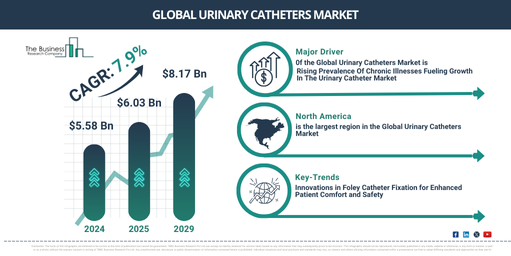
    The market size of urinary catheters has significantly expanded in the past few years. The market’s worth is forecasted to surge from $5.58 billion in 2024 to $6.03 billion in 2025, recording a compound annual growth rate (CAGR) of 8.0%. The past growth in this sector can be credited to progressions in medical science, heightened awareness of infection control, improved patient care standards, the increasing cases of surgery and anesthesia, and the industrial revolution._x000D_

    _x000D_

    The market for urinary catheters is poised for substantial growth in the coming years, rising to an estimated worth of $8.17 billion by 2029 with a compound annual growth rate (CAGR) of 7.9%. This impressive growth during the forecast period can be credited to factors such as an aging population, heightened focus on infection control, an escalation in healthcare expenditures, a move towards minimally invasive procedures, advancements in telemedicine, and improved remote patient monitoring. Significant trends expected to contribute to this progress during the forecast period include the integration of digital health technologies, personalized catheterization solutions, advancements in technology, increasing partnerships, and strategic investments._x000D_

    _x000D_

    #Download a free sample to assess the report’s scope and structure:#_x000D_

    https://www.thebusinessresearchcompany.com/sample.aspx?id=15690&type=smp_x000D_

    _x000D_

    #How Are Key Drivers in the Industry Acting as Catalysts for the Growth of the Urinary Catheters Market?#_x000D_

    The urinary catheter market is projected to grow due to the increasing prevalence of chronic diseases. Chronic diseases are health issues that last long-term, often necessitating continuous treatment and management as they typically cannot be cured. These conditions arise due to factors like an aging population, unhealthy lifestyles, and the state of healthcare infrastructure and access. For people living with chronic diseases, urinary catheters play a crucial role. They improve the person’s quality of life, assist in effectively managing symptoms, and lower the potential for additional health problems. The American Cancer Society, a non-profit advocacy organization for cancer in the US, reported an increase in cancer cases to 1,958,310 in January 2023, signifying a 3.16% growth from the 1,898,160 cases in 2021. Thus, the urinary catheter market’s growth is being driven by the escalating prevalence of chronic diseases._x000D_

    _x000D_

    #How Is the Urinary Catheters Market Segmented?#_x000D_

    The urinary catheters market covered in this report is segmented –_x000D_

    _x000D_

    1) By Type: Coated Catheters, Uncoated Catheters_x000D_

    2) By Application: Benign Prostate Hyperplasia And Prostate Surgeries, Urinary Incontinence, Spinal Cord Injury, Other Applications_x000D_

    3) By End-User: Hospital, Clinics, Long-Term Care Facilities, Other End-Users_x000D_

    _x000D_

    Subsegments:_x000D_

    1) By Coated Catheters: Hydrophilic Coated Catheters, Silicone Coated Catheters, Antimicrobial Coated Catheters_x000D_

    2) By Uncoated Catheters: Latex Catheters, Pvc Catheters, Silicone Catheters_x000D_

    _x000D_

    #Request customized data on this market:#_x000D_

    https://www.thebusinessresearchcompany.com/customise?id=15690&type=smp_x000D_

    _x000D_

    #What Are the Fastest-Growing Geographies in the Urinary Catheters Market?#_x000D_

    North America was the largest region in the urinary catheters market in 2023. Asia-Pacific is expected to be the fastest-growing region in the forecast period. The regions covered in the urinary catheters market report are Asia-Pacific, Western Europe, Eastern Europe, North America, South America, Middle East, Africa._x000D_

    _x000D_

    #What Are the Current Market Growth and Trends in the Urinary Catheters Industry?#_x000D_

    Leading entities in the urinary catheter market are advancing their offerings with innovations like foley catheter fixation to mitigate complications and augment patient comfort. This medical equipment is engineered to secure a Foley catheter, eliminating unwanted movement or inadvertent displacement. Such devices are generally inclusive of adhesive pads or straps for attaching to the patient’s skin, along with clips or mechanisms for firmly gripping the catheter. For example, Cathetrix, an Israel-based manufacturer noted for intelligent catheter fixation devices, introduced Foley/Safe in January 2023. This catheter stabilizer proactively restricts accidental extractions, anchors the catheter and restricts surplus movement. The device features a proprietary locking system to prevent unplanned dislodgement, a critical aspect in curtailing catheter-linked urinary tract infections (CAUTI) and boosting patient comfort. Also, its innovative design provides hassle-free access to the catheter insertion point, aiding frequent inspection and sanitation._x000D_

    _x000D_

    #View the full report here:#_x000D_

    https://www.thebusinessresearchcompany.com/report/urinary-catheters-global-market-report_x000D_

    _x000D_

    #How Is the Urinary Catheters Market Defined and What Are Its Core Parameters?#_x000D_

    Urinary catheters are medical devices used to drain urine from the bladder when a person is unable to do so naturally. These tubes are inserted into the bladder through the urethra or a small surgical opening in the abdomen. Urinary catheters are commonly used in various medical situations for patients with urinary retention or incontinence or those who are bedridden and unable to use a toilet._x000D_

    _x000D_

    #Purchase the full report and get a swift delivery:#_x000D_

    https://www.thebusinessresearchcompany.com/purchaseoptions.aspx?id=15690_x000D_

    _x000D_

    #About The Business Research Company:#_x000D_

    With over 15000+ reports from 27 industries covering 60+ geographies, The Business Research Company has built a reputation for offering comprehensive, data-rich research and insights. Armed with 1,500,000 datasets, the optimistic contribution of in-depth secondary research, and unique insights from industry leaders, you can get the information you need to stay ahead in the game._x000D_

    _x000D_

    #Get in touch with us:#_x000D_

    The Business Research Company: https://www.thebusinessresearchcompany.com/_x000D_

    Americas +1 3156230293_x000D_

    Asia +44 2071930708_x000D_

    Europe +44 2071930708_x000D_

    Email us at info@tbrc.info_x000D_

    _x000D_

    #Follow us on:#_x000D_

    _x000D_

    LinkedIn: https://in.linkedin.com/company/the-business-research-company_x000D_

    YouTube: https://www.youtube.com/channel/UC24_fI0rV8cR5DxlCpgmyFQ_x000D_

    Global Market Model: https://www.thebusinessresearchcompany.com/global-market-model
  • Critical Market Drivers Shaping the Outlook for Kidney Fibrosis Treatment Market from 2025-2034: Rising Prevalence Of Chronic Kidney Disease Driving Growth In The Market Due To Increasing Rates Of Diabetes And Hypertension

    We’ve updated all our reports with current data on tariff changes, trade developments, and supply chain shifts affecting key industries.

    How Has The Kidney Fibrosis Treatment Market Growth Evolved From 2024 To 2025, And What’s Ahead?

    The market for kidney fibrosis treatment has seen robust growth in the past few years, and it is set to further swell from $6.93 billion in 2024 to $7.58 billion in 2025, implying a compound annual growth rate (CAGR) of 9.4%. The past growth can be credited to factors such as increasing investments in research and development targeted towards fibrosis therapies, augmented government support in managing kidney diseases, heightened patient knowledge about kidney transplants and fibrosis treatment alternatives, improvement in healthcare infrastructure, and a rise in the elderly population.

    It is projected that the kidney fibrosis treatment market will experience substantial expansion in the coming years, with its worth estimated to reach $10.78 billion by the year 2029, as it grows at a compound annual growth rate (CAGR) of 11.7%. This anticipated expansion during the forecast period can be tied to the growing rates of chronic kidney ailments, the mounting need for advanced renal fibrosis therapies, increased recognition of the importance of identifying kidney fibrosis at its early stages, the growing use of personalized treatments for kidney disease, and the rising cases of diabetes and hypertension. Significant trends to look out for in the forecast period include advancements in technology for early detection and diagnosis, progression in gene therapy, the integration of technology in telemedicine and remote monitoring, improvements in stem cell therapies, and developments in drug delivery systems.

    Download a free sample to assess the report’s scope and structure:

    https://www.thebusinessresearchcompany.com/sample.aspx?id=24271&type=smp

    What Are the Core Growth Drivers Propelling the Kidney Fibrosis Treatment Market Forward?

    The escalating occurrence of chronic kidney diseases is anticipated to fuel the expansion of the kidney fibrosis treatment market. Chronic kidney disease (CKD), which commonly results from conditions like diabetes or hypertension, involves the gradual loss of kidney function, leading to the accumulation of waste products in the body. The escalating occurrence of CKD is largely influenced by growing diabetes rates, a condition that harms kidney blood vessels and compromises their filtration capabilities. Kidney fibrosis treatment provides support for CKD patients by addressing kidney tissue scarring, reducing inflammation, and decelerating kidney damage progression, thereby maintaining kidney function. For example, in May 2024, the Centers for Disease Control and Prevention (CDC), stated that it was estimated that approximately 14% of U.S. adults, roughly 35.5 million individuals, are thought to be dealing with chronic kidney diseases. Hence, the escalating occurrence of chronic kidney disease supports the growth of the kidney fibrosis treatment market. As for the stimulation of market growth due to demand for pioneering and personalized treatments, the mounting activities in clinical trials are projected to thrust the expansion of the kidney fibrosis treatment market. Clinical trials are human-based research studies aimed at examining the safety, efficacy, and side effects of medical treatments or interventions. The rise in clinical trials is attributable to the increasing demand for innovative and personalized treatments that require thorough examination for safety and results. Kidney fibrosis treatment aids clinical trials by offering a concentrated area to examine novel anti-fibrotic therapies, thus enabling researchers to assess the efficacy of new medications in the deceleration or reversal of kidney damage. For instance, in November 2023, according to the Association of the British Pharmaceutical Industry, there was a 15% annual increase in the number of participants in industry clinical trials in the UK, moving up from 36,722 participants in 2021-22 to 42,088 in 2022-23. As a result, the escalating clinical trials collectively drive the expansion of the kidney fibrosis treatment market.

    What Segment Types Define the Kidney Fibrosis Treatment Market Structure?

    The kidney fibrosis treatment market covered in this report is segmented –

    1) By Treatment Type: Angiotensin-Converting Enzyme (Ace) Inhibitors, Angiotensin Ii Receptor Blockers (Arbs), Pirfenidone, Renin Inhibitors, Vasopeptidase Inhibitors, Other Treatment Types

    2) By Diagnosis: Blood Tests, Urine Tests, Imaging Tests, Kidney Biopsy

    3) By Application: Chronic Kidney Diseases, Kidney Cancer Treatment, Other Applications

    4) By End-User: Clinics, Research Center, Hospitals

    Subsegments:

    1) By Angiotensin-Converting Enzyme (Ace) Inhibitors: Enalapril, Captopri, Lisinopril, Ramipril

    2) By Angiotensin Ii Receptor Blockers (Arbs): Losartan, Telmisartan, Valsartan, Irbesartan

    3) By Pirfenidone: Branded Pirfenidone, Generic Pirfenidone

    4) By Renin Inhibitors: Aliskiren, Experimental Renin Inhibitors

    5) By Vasopeptidase Inhibitors: Omapatrilat, Sampatrilat

    6) By Other Treatment Types: Anti-Inflammatory Agents, Stem Cell Therapy, Antifibrotic Agents Under Clinical Trials, Gene Therapy

    Request customized data on this market:

    https://www.thebusinessresearchcompany.com/sample.aspx?id=24271&type=smp

    Which Geographic Areas Hold the Strongest Growth Potential in the Kidney Fibrosis Treatment Market?

    North America was the largest region in the kidney fibrosis treatment market in 2024. Asia-Pacific is expected to be the fastest-growing region in the forecast period. The regions covered in the kidney fibrosis treatment market report are Asia-Pacific, Western Europe, Eastern Europe, North America, South America, Middle East, Africa.

    View the full report here:

    https://www.thebusinessresearchcompany.com/report/kidney-fibrosis-treatment-global-market-report

    What Is the Definition of the Kidney Fibrosis Treatment Market?

    Kidney fibrosis treatment refers to therapeutic strategies aimed at slowing, halting, or reversing the progression of fibrosis in the kidneys. Kidney fibrosis is the excessive accumulation of extracellular matrix proteins such as collagen, resulting to scarring and functional decline of kidney tissue, commonly associated with chronic kidney disease (CKD).

    Purchase the full report and get a swift delivery:

    https://www.thebusinessresearchcompany.com/customise?id=24271&type=smp

    About The Business Research Company:

    With over 15000+ reports from 27 industries covering 60+ geographies, The Business Research Company has built a reputation for offering comprehensive, data-rich research and insights. Armed with 1,500,000 datasets, the optimistic contribution of in-depth secondary research, and unique insights from industry leaders, you can get the information you need to stay ahead in the game.

    Get in touch with us:

    The Business Research Company: https://www.thebusinessresearchcompany.com/

    Americas +1 3156230293

    Asia +44 2071930708

    Europe +44 2071930708

    Email us at info@tbrc.info

    Follow us on:

    LinkedIn: https://in.linkedin.com/company/the-business-research-company

    YouTube: https://www.youtube.com/channel/UC24_fI0rV8cR5DxlCpgmyFQ

    Global Market Model: https://www.thebusinessresearchcompany.com/global-market-model

  • Pharmaceuticals Native Starch Market Outlook 2025: Mapping Growth, Innovation, and Regional Shifts

    Pharmaceuticals Native Starch Market Outlook 2025: Mapping Growth, Innovation, and Regional Shifts

    We’ve updated all our reports with current data on tariff changes, trade developments, and supply chain shifts affecting key industries.

    How Has The Pharmaceuticals Native Starch Market Size Shifted, And What Is the Outlook Through 2034?

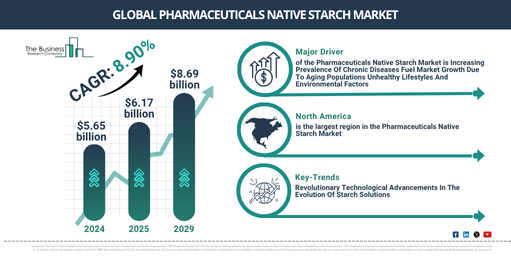
    The growth of the pharmaceutical native starch market has been robust over recent years. The market which stood at $5.65 billion in 2024 is projected to escalate to $6.17 billion by 2025, delivering a compound annual growth rate (CAGR) of 9.1%. Factors contributing to this significant growth in the past include a heightened demand for natural excipients, a surge in pharmaceutical manufacturing, an increased inclination towards biocompatible ingredients, an expansion of generic drug manufacturing, and increased regulatory backing for natural constituents.

    Expectations for the pharmaceutical native starch market size predict robust expansion in the years to come, rising to the value of $8.69 billion in 2029 with a compound annual growth rate (CAGR) of 8.9%. This projected growth during the forecast period can be attributed to factors such as increased investments in pharmaceutical innovation, a growing emphasis on sustainable sourcing, extended applications in innovative drug formulations, a rise in demand for pharmaceutical products with clean labels, and increased healthcare expenditures in developing markets. Future trends projected during this period are technological advancements in starch processing, innovations in systems for drug delivery, progress in bio-based pharmaceutical ingredients, as well as research and development in plant-based excipients, and development of solubility and stability solutions.

    Download a free sample to assess the report’s scope and structure:

    https://www.thebusinessresearchcompany.com/sample.aspx?id=24376&type=smp

    What External and Internal Drivers Are Contributing to the Growth of the Pharmaceuticals Native Starch Market?

    The escalating occurrence of chronic illnesses is anticipated to spur the expansion of the pharmaceuticals native starch market. Chronic illnesses are enduring health issues that usually progress at a slow pace and last for over a year. The surge in chronic illnesses is mainly due to the increasing elderly population who are more prone to persistent ailments such as diabetes, cardiovascular diseases, arthritis, and cancer; these health issues commonly increase with age. The pharmaceuticals native starch aids in chronic disease management by boosting drug formulation stability, improving bioavailability, providing controlled drug release, assisting patient adherence, and ultimately reinforcing the effectiveness and long-term control of chronic health conditions. For instance, in June 2024, the Australian Institute of Health and Welfare, a government organization in Australia, reported a rise in the mortality rate due to chronic conditions, surging from 459 per 100,000 individuals in 2021 to 490 per 100,000 individuals in 2022. Hence, the escalating occurrence of chronic diseases is fueling the growth of the pharmaceuticals native starch market.

    What Segment Types Define the Pharmaceuticals Native Starch Market Structure?

    The pharmaceuticals native starch market covered in this report is segmented –

    1) By Type: Potato Starch, Corn Starch, Other Types

    2) By Formulation Type: Oral Solid Dosage Forms, Liquid Dosage Forms, Topical Formulations, Injectable Drugs, Controlled Release Formulations

    3) By Functionality: Texturizing Agent, Moisture Retention Agent, Bulking Agent, Emulsifying Agent, Film-Forming Agent

    4) By Application: Binders And Coating Agents, Disintegrants, Fillers And Extenders, Stabilizers, Thickening Agents

    5) By End-User: Pharmaceutical Manufacturers, Contract Research Organizations (CROs), Contract Manufacturing Organizations (CMOs), Research And Development Labs, Academic Institutions, Other End-users

    Subsegments:

    1) By Potato Starch: Modified Potato Starch, Native Potato Starch

    2) By Corn Starch: Modified Corn Starch, Native Corn Starch

    3) By Other Types: Rice Starch, Wheat Starch, Tapioca Starch

    Request customized data on this market:

    https://www.thebusinessresearchcompany.com/sample.aspx?id=24376&type=smp

    Which Geographic Areas Hold the Strongest Growth Potential in the Pharmaceuticals Native Starch Market?

    North America was the largest region in the pharmaceuticals native starch market in 2024. Asia-Pacific is expected to be the fastest-growing region in the forecast period. The regions covered in the pharmaceuticals native starch market report are Asia-Pacific, Western Europe, Eastern Europe, North America, South America, Middle East, Africa.

    What Long-Term Trends Are Transforming the Competitive Landscape of the Pharmaceuticals Native Starch Market?

    Leading businesses in the native starch market for pharmaceuticals are prioritizing the creation of innovative plant-based textured products to optimize medication formulation and increase patient adherence. Plant-based texture, derived from plant ingredients like thickness and gel strength, aids pharmaceutical companies in utilizing native starch to improve tablet binding, disintegration, and mouthfeel for more natural drug formulations. For example, Ingredion Incorporated, a food company based in the US, introduced Novation Indulge 2940 starch in February 2024 — a clean-label texturizer targeted at improving texture and stability in dairy and non-dairy products. This novel native starch for pharmaceutical use offers functional characteristics that boost medication formulation effectiveness, bioavailability, and timed release while promoting the creation of clean-label, eco-friendly products. NOVATION Indulge 2940 starch is a flexible ingredient that enhances texture, stability, and consumer approval in dairy and non-dairy products, utilizing clean-label, natural constituents.

    View the full report here:

    https://www.thebusinessresearchcompany.com/report/pharmaceuticals-native-starch-global-market-report

    What Is the Definition of the Pharmaceuticals Native Starch Market?

    Pharmaceutical native starch is unaltered starch derived from natural sources such as corn, potato, wheat, or tapioca and utilized as an excipient in pharmaceutical formulations. It functions as a binder, disintegrant, or filler in tablets and capsules, helping to control medication release, increase stability, and maintain appropriate tablet formation without requiring chemical or physical change.

    Purchase the full report and get a swift delivery:

    https://www.thebusinessresearchcompany.com/customise?id=24376&type=smp

    About The Business Research Company:

    With over 15000+ reports from 27 industries covering 60+ geographies, The Business Research Company has built a reputation for offering comprehensive, data-rich research and insights. Armed with 1,500,000 datasets, the optimistic contribution of in-depth secondary research, and unique insights from industry leaders, you can get the information you need to stay ahead in the game.

    Get in touch with us:

    The Business Research Company: https://www.thebusinessresearchcompany.com/

    Americas +1 3156230293

    Asia +44 2071930708

    Europe +44 2071930708

    Email us at info@tbrc.info

    Follow us on:

    LinkedIn: https://in.linkedin.com/company/the-business-research-company

    YouTube: https://www.youtube.com/channel/UC24_fI0rV8cR5DxlCpgmyFQ

    Global Market Model: https://www.thebusinessresearchcompany.com/global-market-model

  • UreteroscopeMarket Overview 2025–2034: CAGR Trends, Long-Term Growth Paths, and Business Implications

    UreteroscopeMarket Overview 2025–2034: CAGR Trends, Long-Term Growth Paths, and Business Implications

    Discover trends, market shifts, and competitive outlooks for the ureteroscope industry through 2025-2034 with The Business Research Company’s reliable data and in-depth research

    #How Has the Ureteroscope Market Growth Performance Trended Historically, And What Lies Ahead?3_x000D_

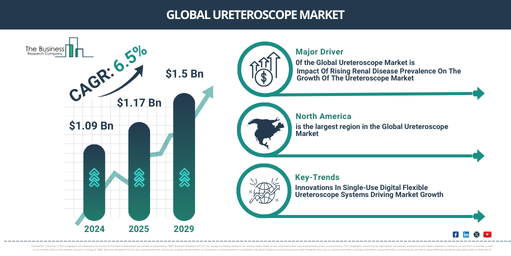
    The expansion of the ureteroscope market has been robust in the past years, escalating from $1.09 billion in 2024 to $1.17 billion in 2025 at a compound annual growth rate (CAGR) of 6.8%. The historic rise can be linked to the heightened occurrence of kidney stones, amplified need for minimally invasive techniques, increased understanding of the significance of prompt diagnosis and treatment, expanding healthcare spending, an aging population, increased episodes of urinary tract infections (UTIs), a rise in the number of proficient urologists, and a surge in demand for ureteroscopes in emerging markets._x000D_

    _x000D_

    In the coming years, the ureteroscope market is anticipated to witness robust growth, rearing to $1.5 billion by 2029 with a compound annual growth rate (CAGR) of 6.5%. This expansion during the projection period is likely due to various factors like an escalating prevalence of kidney-related ailments such as renal calculi, a surge in disposable income and a growing tendency towards outpatient procedures. Other significant contributors include intensifying R&D undertakings for the creation of novel ureteroscope technologies, rising requirement for flexible ureteroscopes, as well as an increase in endourology procedures. Elevated emphasis on early diagnosis, increasing reimbursement aid for ureteroscopy procedures and intensified partnerships among medical device companies also play a role. Notable trends throughout the forecast period include the use of digital imaging, advancements in miniaturization, disposable ureteroscope implementation, development of flexible ureteroscopes, laser technology adoption, robotic-assisted ureteroscopy implementation, expansion of wireless connectivity, AI algorithm integration, irrigation system advancements and adoption of cost-effective solutions._x000D_

    _x000D_

    #Download a free sample to assess the report’s scope and structure:#_x000D_

    https://www.thebusinessresearchcompany.com/sample.aspx?id=16562&type=smp_x000D_

    _x000D_

    #What Are the Major Market Drivers Behind the Rising Adoption of Ureteroscope Market?#_x000D_

    The rise in kidney diseases is anticipated to boost the progression of the ureteroscope market. These diseases, which affect the kidneys’ function and structure, are driven by a variety of factors that include genetic predisposition, lifestyle choices, environmental aspects, and pre-existing health conditions. Ureteroscopes offer a solution to these diseases by facilitating the diagnosis and treatment of kidney stones, tumors, and blockages in a minimally invasive manner, while providing a clear visual and accessible pathway to the urinary tract. As noted by the Australian Bureau of Statistics in December 2023, approximately 2.46 million individuals (or 1.0% of the population) were afflicted with kidney diseases in 2022, signifying a 0.2% rise over the past ten years. Consequently, this growing incidence of kidney diseases is a primary factor contributing to the expansion of the ureteroscope market._x000D_

    _x000D_

    #Which Primary Segments of the Ureteroscope Market Are Driving Growth and Industry Transformations?#_x000D_

    The ureteroscope market covered in this report is segmented –_x000D_

    _x000D_

    1) By Product: Digital Ureteroscopes, Flexible Ureteroscopes, Rigid Ureteroscope, Semi-Rigid Ureteroscopes, Fiberoptic Ureteroscopes_x000D_

    2) By Application: Urinary Stricture, Urolithiasis, Kidney Cancer, Diagnostics_x000D_

    3) By End-User: Ambulatory Surgical Centers, Specialty Clinics, Hospitals, Urology Clinics, Diagnostic Centers, Endoscopic Clinic, Other End-Users_x000D_

    _x000D_

    Subsegments:_x000D_

    1) By Digital Ureteroscopes: Standard Digital Ureteroscopes, High-Definition (HD) Digital Ureteroscopes, Single-Use Digital Ureteroscopes_x000D_

    2) By Flexible Ureteroscopes: Semi-Flexible Ureteroscopes, Fully Flexible Ureteroscopes, Single-Use Flexible Ureteroscopes_x000D_

    3) By Rigid Ureteroscope: Standard Rigid Ureteroscopes, High-Definition (HD) Rigid Ureteroscopes, Single-Use Rigid Ureteroscopes_x000D_

    4) By Semi-Rigid Ureteroscopes: Standard Semi-Rigid Ureteroscopes, Flexible Semi-Rigid Ureteroscopes_x000D_

    5) By Fiberoptic Ureteroscopes: Standard Fiberoptic Ureteroscopes, High-Performance Fiberoptic Ureteroscopes_x000D_

    _x000D_

    #Request customized data on this market:#_x000D_

    https://www.thebusinessresearchcompany.com/customise?id=16562&type=smp_x000D_

    _x000D_

    #Which Areas Are Leading Regions in the Ureteroscope Market Expansion Across the Globe?#_x000D_

    North America was the largest region in the ureteroscope market in 2024. Asia-Pacific is expected to be the fastest-growing region in the forecast period. The regions covered in the ureteroscope market report are Asia-Pacific, Western Europe, Eastern Europe, North America, South America, Middle East, Africa._x000D_

    _x000D_

    #What Are the Strategic Trends Steering the Ureteroscope Market Direction?#_x000D_

    Prominent players in the ureteroscope market are designing novel products like single-use digital flexible ureteroscope systems to boost patient safety by lowering the chances of cross-contamination. These disposable ureteroscopes for one-time usage are equipped with flexible shafts and high-end digital imaging technology. For instance, Boston Scientific, a medical device manufacturing company based in the US, received clearance from the U.S. FDA in February 2023 for their LithoVue Elite System, a single-use digital flexible ureteroscope system. This system boasts superior image quality, intrarenal pressure monitoring, direct control over video and image capture, and seamless integration with pre-existing operating room visualization towers and endoscopic monitors. In addition, the system comes with an inbuilt sensor that enables urologists to track intrarenal pressure live during procedures, thereby facilitating pressure-related decisions._x000D_

    _x000D_

    #View the full report here:#_x000D_

    https://www.thebusinessresearchcompany.com/report/ureteroscope-global-market-report_x000D_

    _x000D_

    #What Parameters Are Used to Define the Ureteroscope Market?#_x000D_

    A ureteroscope is a specialized medical instrument used primarily for diagnosing and treating conditions affecting the ureters, the tubes that carry urine from the kidneys to the bladder. It is a thin, flexible, or rigid endoscopic device equipped with a light source and camera, allowing urologists to inspect the urinary tract visually. Ureteroscopes enable the performance of various therapeutic procedures, such as lithotripsy and biopsy._x000D_

    _x000D_

    #Purchase the full report and get a swift delivery:#_x000D_

    https://www.thebusinessresearchcompany.com/purchaseoptions.aspx?id=16562_x000D_

    _x000D_

    #About The Business Research Company:#_x000D_

    With over 15000+ reports from 27 industries covering 60+ geographies, The Business Research Company has built a reputation for offering comprehensive, data-rich research and insights. Armed with 1,500,000 datasets, the optimistic contribution of in-depth secondary research, and unique insights from industry leaders, you can get the information you need to stay ahead in the game._x000D_

    _x000D_

    #Get in touch with us:#_x000D_

    The Business Research Company: https://www.thebusinessresearchcompany.com/_x000D_

    Americas +1 3156230293_x000D_

    Asia +44 2071930708_x000D_

    Europe +44 2071930708_x000D_

    Email us at info@tbrc.info_x000D_

    _x000D_

    #Follow us on:#_x000D_

    _x000D_

    LinkedIn: https://in.linkedin.com/company/the-business-research-company_x000D_

    YouTube: https://www.youtube.com/channel/UC24_fI0rV8cR5DxlCpgmyFQ_x000D_

    Global Market Model: https://www.thebusinessresearchcompany.com/global-market-model
  • Pharmaceutical Manufacturing Market in Focus: Forecasting Growth Drivers, Scaling Potential, and Global Opportunities

    Pharmaceutical Manufacturing Market in Focus: Forecasting Growth Drivers, Scaling Potential, and Global Opportunities

    We’ve updated all our reports with current data on tariff changes, trade developments, and supply chain shifts affecting key industries.

    How Has the Pharmaceutical Manufacturing Market Growth Performance Trended Historically, And What Lies Ahead?

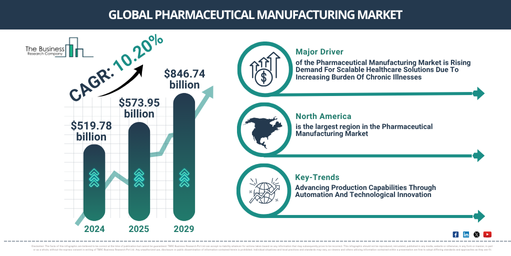
    The size of the pharmaceutical manufacturing market has seen a substantial increase recently. It is anticipated to escalate from $519.78 billion in 2024 to $573.95 billion in 2025, with a compound annual growth rate (CAGR) of 10.4%. Factors driving this growth during the historical period include a rise in global health complications, an upturn in healthcare expenditure, an expanding requirement for generic drugs, the expiry of patents for top-selling drugs, and the growth in the capacity of pharmaceutical production.

    In the coming years, the pharmaceutical manufacturing market size is projected to experience swift expansion, reaching $846.74 billion in 2029 with a 10.2% compound annual growth rate (CAGR). Factors contributing to the growth in this projected period include the rise of personalized medicine, increasing older population, surging demand for biosimilars, support from the government for local production, and the growing prevalence of chronic diseases. Major trends for the forecast period encompass advancements in ongoing manufacturing, the incorporation of artificial intelligence, embracing smart manufacturing technologies, innovations in the production of biologics, and an emphasis on research and development efficiency.

    Download a free sample to assess the report’s scope and structure:

    https://www.thebusinessresearchcompany.com/sample.aspx?id=24375&type=smp

    What Are the Core Market Drivers Propelling Growth in the Pharmaceutical Manufacturing Industry?

    The pharmaceutical manufacturing market is projected to expand due to the growing incidence of chronic diseases. These are health issues that typically evolve gradually and persist for at least a year, often necessitating continued medical care or hindering daily activities. The rise in chronic ailments is driven by increased life expectancy, lack of physical activity, and poor dietary patterns, which in turn stimulates the demand for sustainable healthcare remedies and preventative wellness strategies. Pharmaceutical manufacturing plays a crucial role for chronic diseases as it assures a regular provision of vital drugs, fosters innovation in drug manufacturing, and fulfils the escalating requirement for efficient long-term treatment options. For instance, the National Health Service, a government department in the UK, indicated in September 2024 that 11% of adults 35 or above are suffering from advanced chronic kidney disease, with both prevalence and severity increasing with age. Approximately 48% of individuals aged 75 and older suffer from this disease to some degree, and another 36% are in more severe stages. Consequently, the increasing incidence of chronic diseases is fuelling the surge in the pharmaceutical manufacturing market.

    How Is the Pharmaceutical Manufacturing Market Segmented?

    The pharmaceutical manufacturing market covered in this report is segmented –

    1) By Molecule Type: Biologics And Biosimilars, Conventional Drugs

    2) By Formulation: Tablets, Capsules, Injectable, Sprays, Suspensions, Powders, Other Formulations

    3) By Route Of Administration: Oral, Topical, Parenteral, Inhalations, Other Route Of Administrations

    4) By Therapy Area: Cardiovascular Diseases (CVDs), Pain, Diabetes, Cancer, Respiratory Diseases, Other Diseases

    5) By Sales Channel: Retail, Non-retail

    Subsegments:

    1) By Biologics And Biosimilars: Monoclonal Antibodies, Vaccines, Recombinant Proteins, Cell Therapies, Gene Therapies, Hormones, Blood And Plasma Products

    2) By Conventional Drugs: Analgesics, Antipyretics, Antibiotics, Antivirals, Antifungals, Antihypertensives, Antidepressants, Antidiabetics

    Request customized data on this market:

    https://www.thebusinessresearchcompany.com/sample.aspx?id=24375&type=smp

    Which Regions Are Driving the Next Phase of the Pharmaceutical Manufacturing Market Growth?

    North America was the largest region in the pharmaceutical manufacturing market in 2024. Asia-Pacific is expected to be the fastest-growing region in the forecast period. The regions covered in the pharmaceutical manufacturing market report are Asia-Pacific, Western Europe, Eastern Europe, North America, South America, Middle East, Africa.

    What Key Market Trends and Innovations Are Shaping the Future of the Pharmaceutical Manufacturing Industry?

    Leading pharmaceutical manufacturing market players are concentrating on the creation of sophisticated solutions such as fully automated Radioligand Therapy (RLT) manufacturing facilities. This is being done to improve production efficiency, maintain high-quality standards, and satisfy the increasing demand for targeted cancer treatments. An automated RLT facility is a modern production environment that employs cutting-edge automation technologies to simplify and enhance radioligand therapy production, guaranteeing steady, efficient, and scalable manufacturing. For example, in January 2024, Swiss-based pharma corporation Novartis AG gained approval from the US Food and Drug Administration (FDA) for producing Pluvicto in a new generation RLT manufacturing facility based in Indianapolis. This will considerably boost their production capacity for radioligand therapy drugs, including Pluvicto and Lutathera. Novartis is implementing this expansion as a part of their broader strategy to match the surging global demand for targeted cancer treatments and enhance patient access globally.

    View the full report here:

    https://www.thebusinessresearchcompany.com/report/pharmaceutical-manufacturing-global-market-report

    How Is the Pharmaceutical Manufacturing Market Defined and What Are Its Core Parameters?

    Pharmaceutical manufacturing is the industrial process of developing, producing, and packaging medications and medical products at scale through chemical synthesis, biological processing, and formulation of active and inactive ingredients, carried out under stringent regulatory and quality control standards to ensure the safety, efficacy, consistency, and compliance of drugs intended for human and veterinary use across global healthcare systems.

    Purchase the full report and get a swift delivery:

    https://www.thebusinessresearchcompany.com/customise?id=24375&type=smp

    About The Business Research Company:

    With over 15000+ reports from 27 industries covering 60+ geographies, The Business Research Company has built a reputation for offering comprehensive, data-rich research and insights. Armed with 1,500,000 datasets, the optimistic contribution of in-depth secondary research, and unique insights from industry leaders, you can get the information you need to stay ahead in the game.

    Get in touch with us:

    The Business Research Company: https://www.thebusinessresearchcompany.com/

    Americas +1 3156230293

    Asia +44 2071930708

    Europe +44 2071930708

    Email us at info@tbrc.info

    Follow us on:

    LinkedIn: https://in.linkedin.com/company/the-business-research-company

    YouTube: https://www.youtube.com/channel/UC24_fI0rV8cR5DxlCpgmyFQ

    Global Market Model: https://www.thebusinessresearchcompany.com/global-market-model

  • Upstream Bioprocessing Outlook 2034: Key Drivers, Trends, and Market Frontiers

    Upstream Bioprocessing Outlook 2034: Key Drivers, Trends, and Market Frontiers

    Discover trends, market shifts, and competitive outlooks for the upstream bioprocessing industry through 2025-2034 with The Business Research Company’s reliable data and in-depth research

    #What Are the Projected Market Size and Growth Rates for the Upstream Bioprocessing Market From 2025 To 2029?#_x000D_

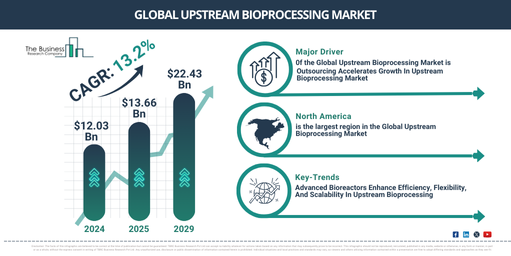
    The market size for upstream bioprocessing has seen significant expansion in the past few years. Estimated at $12.03 billion in 2024, it is projected to reach $13.66 billion in 2025, exhibiting a compound annual growth rate (CAGR) of 13.6%. This expansion in the historical period is linked to several factors such as the escalating demand for process optimization and contamination-free, secure, and efficient production of biomolecules. Moreover, the commercial success and growing demand for bio-therapeutics, increased adoption of process analytical technology, prevalence of chronic diseases, and enhanced research in biosimilar production have also contributed to the growth._x000D_

    _x000D_

    The market size of upstream bioprocessing is anticipated to experience swift expansion in the upcoming years, reaching a value of $22.43 billion in 2029 with a compound annual growth rate (CAGR) of 13.2%. This growth during the predicted period is due to factors such as the commercial application of single-use bioreactors, the outsourcing of biopharmaceutical production, the rapid expansion of the pharmaceutical and biotech sectors, the rising implementation of single-use upstream bioprocessing, and an increase in joint ventures, mergers, purchases, and collaborations. In the forecast period, significant trends will include escalated investments in research and development within the biopharmaceutical industry, technological progress, enhancements in upstream bioprocessing technologies, and the emergence of new technologies as well as advanced filtration technologies._x000D_

    _x000D_

    #Download a free sample to assess the report’s scope and structure:#_x000D_

    https://www.thebusinessresearchcompany.com/sample.aspx?id=15950&type=smp_x000D_

    _x000D_

    #What External and Internal Drivers Are Contributing to the Growth of the Upstream Bioprocessing Market?#_x000D_

    The growth of the upstream bioprocessing market is anticipated to be driven by the increased outsourcing of biopharmaceutical manufacturing. This involves assigning various stages of the production process to external entities, including contract manufacturing organizations (CMOs) or contract development and manufacturing organizations (CDMOs). Such outsourcing is motivated by elements like cost efficiency, a focus on primary skills, the ability to scale production flexibly, availability of specialized expertise, and risk reduction. The outsourcing in the upstream bioprocessing market helps to speed up product development by utilizing external competence, improving operations, and lowering expenses. As an example, data from BDO USA, an American arm of BDO International, shows that by 2025, CDMOs and hybrid manufacturing companies will dominate 44% of the anticipated 7,500kL global mammalian capacity. This demonstrates how outsourcing biopharmaceutical manufacturing is stimulating the development of the upstream bioprocessing market._x000D_

    _x000D_

    #Which Segments in the Upstream Bioprocessing Offer the Most Growth?#_x000D_

    The upstream bioprocessing market covered in this report is segmented –_x000D_

    _x000D_

    1) By Product type: Bioreactors, Fermenters, Cell Culture Media, Filters, Bags And Containers_x000D_

    2) By Workflow: Media Preparation, Cell Culture, Cell Separation_x000D_

    3) By Usage type: Single-Use, Multi-Use_x000D_

    4) By Mode: In House, Outsourced_x000D_

    5) By End User: Contract Development and Manufacturing Organization (CDMOs) Or Contract Research Organization (CROs), Research And Academic Institutes, Biopharmaceutical Companies_x000D_

    _x000D_

    Subsegments:_x000D_

    1) By Bioreactors: Single-Use Bioreactors, Multi-Use Bioreactors_x000D_

    2) By Fermenters: Laboratory Fermenters, Pilot Scale Fermenters, Industrial Fermenters_x000D_

    3) By Cell Culture Media: Powdered Media, Liquid Media_x000D_

    4) By Filters: Sterile Filters, Air Filters, Capsule Filters_x000D_

    5) By Bags And Containers: Single-Use Bags, Bioprocess Containers, Storage Bags_x000D_

    _x000D_

    #Request customized data on this market:#_x000D_

    https://www.thebusinessresearchcompany.com/customise?id=15950&type=smp_x000D_

    _x000D_

    #Which Geographic Areas Hold the Strongest Growth Potential in the Upstream Bioprocessing Market?#_x000D_

    North America was the largest region in the upstream bioprocessing market in 2023. Asia-Pacific is expected to be the fastest-growing region in the forecast period. The regions covered in the upstream bioprocessing market report are Asia-Pacific, Western Europe, Eastern Europe, North America, South America, Middle East and Africa._x000D_

    _x000D_

    #What Long-Term Trends Are Transforming the Competitive Landscape of the Upstream Bioprocessing Market?#_x000D_

    Top-tier firms in the upstream bioprocessing market are concentrating their efforts on developing innovative bioreactors to address the requirements of cell culture processes that boost performance, flexibility, and scalability. Bioreactors serve as crucial elements in upstream bioprocessing, permitting the effective, regulated production of biopharmaceuticals through cell culture and biomolecule generation. For example, in April 2023, life sciences product and solution provider Cytiva, based in the US, launched X-platform bioreactors, designed to simplify single-use upstream bioprocessing techniques. These bioreactors incorporate a tank, cabinet construction, and human-machine interface (HMI). The modular format enables versatile configurations without the requirement of customized hardware or single-use bags. The design offers user-friendly components like an optimized container with a comprehensive opening door, baffles, and enhanced cable administration. An additional feature, the online Bioreactor Scaler tool, aids in establishing the best parameters for successful scale-up._x000D_

    _x000D_

    #View the full report here:#_x000D_

    https://www.thebusinessresearchcompany.com/report/upstream-bioprocessing-global-market-report_x000D_

    _x000D_

    #What Are the Key Elements That Define the Upstream Bioprocessing Market?#_x000D_

    Upstream bioprocessing involves preparing and growing cells to produce biological products such as proteins and vaccines, focusing on cell line development, and cell culture. Upstream bioprocessing used to create a scalable system that maximizes yield and quality, ensuring reproducibility and efficiency for downstream purification and formulation._x000D_

    _x000D_

    #Purchase the full report and get a swift delivery:#_x000D_

    https://www.thebusinessresearchcompany.com/purchaseoptions.aspx?id=15950_x000D_

    _x000D_

    #About The Business Research Company:#_x000D_

    With over 15000+ reports from 27 industries covering 60+ geographies, The Business Research Company has built a reputation for offering comprehensive, data-rich research and insights. Armed with 1,500,000 datasets, the optimistic contribution of in-depth secondary research, and unique insights from industry leaders, you can get the information you need to stay ahead in the game._x000D_

    _x000D_

    #Get in touch with us:#_x000D_

    The Business Research Company: https://www.thebusinessresearchcompany.com/_x000D_

    Americas +1 3156230293_x000D_

    Asia +44 2071930708_x000D_

    Europe +44 2071930708_x000D_

    Email us at info@tbrc.info_x000D_

    _x000D_

    #Follow us on:#_x000D_

    _x000D_

    LinkedIn: https://in.linkedin.com/company/the-business-research-company_x000D_

    YouTube: https://www.youtube.com/channel/UC24_fI0rV8cR5DxlCpgmyFQ_x000D_

    Global Market Model: https://www.thebusinessresearchcompany.com/global-market-model
  • Strong CAGR to Propel in the Pharmaceutical Lipid-Based Excipients Market and Beyond upto $2.22 Billion by 2029

    Strong CAGR to Propel in the Pharmaceutical Lipid-Based Excipients Market and Beyond upto $2.22 Billion by 2029

    We’ve updated all our reports with current data on tariff changes, trade developments, and supply chain shifts affecting key industries.

    What Are the Projected Market Size and Growth Rates for the Pharmaceutical Lipid-Based Excipients Market From 2025 To 2029?

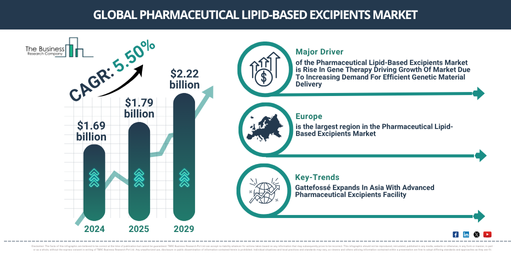
    In recent times, there has been substantial growth in the size of the pharmaceutical lipid-based excipients market. The market, which was valued at $1.69 billion in 2024, is projected to expand to $1.79 billion in 2025, with a compound annual growth rate (CAGR) of 5.8%. The surge during the historical period can be linked to several factors such as the rise of drugs that are poorly soluble in water, the growing demand for targeted and controlled drug release, increasing investments in the pharmaceutical sector, the widespread usage of oral solid dosage forms, a heightened emphasis on enhancing drug bioavailability, and the regulatory approval of lipid excipients in novel formulations.

    In the coming years, the market size for pharmaceutical lipid-based excipients is anticipated to witness significant expansion. The projection is for it to reach $2.22 billion in 2029, with a compound annual growth rate (CAGR) of 5.5%. Several factors could contribute to growth during the projected period such as an increased demand for cutting-edge drug delivery systems, rising usage of mRNA and gene therapies, swelling pipeline for drugs with poor water solubility, a heightened emphasis on individualized medicine, beneficial regulatory oversight, and strategic capital injections in biopharmaceutical manufacturing infrastructure. Noteworthy trends throughout this period include advancements in lipid nanoparticle delivery systems, the embracement of mRNA and gene therapies, upgraded solubility solutions for poorly water-soluble drugs, the broadening of biocompatible and eco-friendly lipid sources, improved manufacturing scalability, and wider usage in oral and injectable formulations.

    Download a free sample to assess the report’s scope and structure:

    https://www.thebusinessresearchcompany.com/sample.aspx?id=24374&type=smp

    Which Primay Drivers Are Accelerating Growth in the Pharmaceutical Lipid-Based Excipients Market?

    The growth of the pharmaceutical lipid-based excipients market is anticipated to be driven by the advancement in gene therapy. Gene therapy is a cutting-edge medical approach that manipulates or alters a person’s genes to battle or avert illnesses. The surge in popularity of gene therapy is primarily due to the progress of delivery systems that guarantee safe, efficient, and focused transportation of genetic materials into cells. Pharmaceutical lipid-based excipients play a crucial role in improving gene therapy as they facilitate efficient delivery systems, ensure stability and maintain targeted transport of genetic materials. The therapeutic outcomes are improved as these excipients protect nucleic acids and boost cellular uptake, thereby enhancing the potency of contemporary treatments. For example, in December 2024, the American Society of Gene & Cell Therapy (ASGCT), a notable non-profit medical and scientific organization in the United States, noted that the Food and Drug Administration (FDA) has increased gene therapy product approvals from five in 2022 to six in 2023. Consequently, the pharmaceutical lipid-based excipients market’s growth is propelled by the expansion in gene therapy.

    Which Primary Segments of the Pharmaceutical Lipid-Based Excipients Market Are Driving Growth and Industry Transformations?

    The pharmaceutical lipid-based excipients market covered in this report is segmented –

    1) By Excipient Type: Oils, Hydrogenated Vegetable Oils, GMCC, Hard Fats, Medium Chain Triglycerides, Lecithin And Phospholipids, Sodium Oleate, Capri Caprylic Mono Diglyceride, Other Excipient Types

    2) By Product Applications: Oral Formulations, Parenteral, Topical Applications, Ophthalmic Applications, Suppositories, Other Product Applications

    3) By Disease Application: Cardiovascular Diseases, Neurological Disorders, Oncology, Metabolic Disorders, Hormonal Therapies, Infectious Diseases, Other Disease Applications

    4) By Age Group: Pediatric Products (0-18 years), Adult Products (19-64 years), Geriatric Products (65+ years)

    5) By End-Use: Pharmaceutical Manufacturers, Contract Development And Manufacturing Organizations, Other End Users

    Subsegments:

    1) By Oils: Soybean Oil, Olive Oil, Palm Oil, Sunflower Oil, Other Oils

    2) By Hydrogenated Vegetable Oils: Hydrogenated Soybean Oil, Hydrogenated Palm Oil, Hydrogenated Cottonseed Oil, Other Hydrogenated Vegetable Oils

    3) By GMCC (Glyceryl Mono/Diesters of C16/C18): Glyceryl Monostearate, Glyceryl Distearate, Glyceryl Monopalmitate, Other GMCC

    4) By Hard Fats: Hydrogenated Castor Oil, Hydrogenated Palm Kernel Oil, Hydrogenated Coconut Oil, Other Hard Fats

    5) By Medium Chain Triglycerides (MCTs): Capric Triglycerides, Caprylic Triglycerides, Caprylic-Capric Triglycerides, Other MCTs

    6) By Lecithin and Phospholipids: Soy Lecithin, Egg Lecithin, Phosphatidylcholine, Phosphatidylserine, Other Lecithin and Phospholipids

    7) By Sodium Oleate: Pharmaceutical Grade Sodium Oleate, Food Grade Sodium Oleate, Industrial Grade Sodium Oleate

    8) By Capri-Caprylic Mono/Diglycerides: Capric-Caprylic Monoglycerides, Capric-Caprylic Diglycerides

    9) By Other Excipient Types: Sucrose Esters, Fatty Acid Esters, PEGylated Lipids, Other Miscellaneous Lipids

    Request customized data on this market:

    https://www.thebusinessresearchcompany.com/sample.aspx?id=24374&type=smp

    Which Regions Are Key Players in the Growth of the Pharmaceutical Lipid-Based Excipients Market?

    Europe was the largest region in the pharmaceutical lipid-based excipients market in 2024. Asia-Pacific is expected to be the fastest-growing region in the forecast period. The regions covered in the pharmaceutical lipid-based excipients market report are Asia-Pacific, Western Europe, Eastern Europe, North America, South America, Middle East, Africa.

    Which Technological Trends Are Reshaping the Pharmaceutical Lipid-Based Excipients Industry Dynamics?

    Major pharmaceutical lipid-based excipients market players are prioritizing strategic investments aimed at establishing cutting-edge Centers of Excellence to propel innovation, augment formulary skills, back drug delivery research, and boost their competitive edge in burgeoning therapeutic fields. A case in point is Gattefossé SAS, a chemical manufacturing firm from France. In November 2024, the company opened a state-of-the-art Technical Center of Excellence in Mumbai, India, aiming to support the escalating pharma market in the country. The center offers dedicated labs and personalized assistance for excipient innovation, concentrating on bioavailability, sustained release, and topical formulations, thereby fortifying its footprint in the Asia-Pacific market. This ultra-modern facility features pharmaceutical and personal care application labs designed to stimulate innovation, promote teamwork, and offer a conducive working atmosphere.

    View the full report here:

    https://www.thebusinessresearchcompany.com/report/pharmaceutical-lipid-based-excipients-global-market-report

    What Parameters Are Used to Define the Pharmaceutical Lipid-Based Excipients Market?

    Pharmaceutical lipid-based excipients are non-active (inactive) substances derived from lipids used in drug formulations to help deliver, stabilize, or enhance the absorption of the active pharmaceutical ingredient (API). Pharmaceutical lipid-based excipients aim to improve drug solubility, stability, and bioavailability, particularly for poorly water-soluble drugs.

    Purchase the full report and get a swift delivery:

    https://www.thebusinessresearchcompany.com/customise?id=24374&type=smp

    About The Business Research Company:

    With over 15000+ reports from 27 industries covering 60+ geographies, The Business Research Company has built a reputation for offering comprehensive, data-rich research and insights. Armed with 1,500,000 datasets, the optimistic contribution of in-depth secondary research, and unique insights from industry leaders, you can get the information you need to stay ahead in the game.

    Get in touch with us:

    The Business Research Company: https://www.thebusinessresearchcompany.com/

    Americas +1 3156230293

    Asia +44 2071930708

    Europe +44 2071930708

    Email us at info@tbrc.info

    Follow us on:

    LinkedIn: https://in.linkedin.com/company/the-business-research-company

    YouTube: https://www.youtube.com/channel/UC24_fI0rV8cR5DxlCpgmyFQ

    Global Market Model: https://www.thebusinessresearchcompany.com/global-market-model
  • Market Trends Influencing Strategic Decisions in the Iron Fortified Infant Formula Industry: The Impact Of Powder Blend Formulas On Infant Health And Development

    We’ve updated all our reports with current data on tariff changes, trade developments, and supply chain shifts affecting key industries.

    What Are the Key Milestones in the Iron Fortified Infant Formula Market’s Growth Trajectory From 2025 To 2034?

    In recent years, the market for iron-fortified infant formula has seen robust growth. The projection for this growth is an increase from $2.30 billion in 2024 to $2.46 billion in 2025, boasting a compound annual growth rate (CAGR) of 6.9%. This significant growth during the historic period is largely because of the increasing incidents of iron deficiency anemia, heightened understanding and emphasis on infant nutrition, increased urbanization and the number of working mothers, an uptick in retail presence in developing regions, and escalating government initiatives focused on child health.

    The market size of iron-fortified infant formula is anticipated to experience robust growth in the upcoming years. The market is projected to reach $3.17 billion in 2029 with an annual growth rate of 6.5%. The expansion expected in the forecast period can be linked to the increasing focus on early childhood nutrition, growth in disposable income in budding economies, heightened preference for fortified child products, growing parental worries about baby health, and surging demand for high-end baby nutrition. Key trends in the forecast period comprise advancements in formula composition technology, progress in iron encapsulation methods, creation of organic and clean-label formulas, investments in research and development, and breakthroughs in solutions for digestive tolerance.

    Download a free sample to assess the report’s scope and structure:

    https://www.thebusinessresearchcompany.com/sample.aspx?id=24267&type=smp

    What Are the Major Market Drivers Behind the Rising Adoption of Iron Fortified Infant Formula Market?

    The surge in the need for infant nutrition is predicted to fuel the expansion of the iron-fortified infant formula market. Infant nutrition involves providing appropriate nutrients to newborns and toddlers between birth and two years old for improved physical growth, cerebral development, enhanced immune function, and general wellness. The growing demand for infant nutrition is primarily due to enhanced awareness among parents concerning the significance of nutrition in early childhood for robust growth and development. Iron-fortified infant formula is a key player in infant nutrition, providing vital nutrients that foster healthy growth and development, particularly when breastfeeding is unattainable or insufficient. For example, the 2023 report by the United Nations International Children’s Emergency Fund, a humanitarian aid organization based in the United States, indicated that UNICEF distributed almost 480 million Vitamin A capsules to 71 nations, allowing over 320 million children to receive two rounds of Vitamin A Supplementation (VAS). This showed a 26% climb from reaching nearly 252 million children in 2021. For this reason, the upsurge in the call for infant nutrition is propelling the growth of the iron-fortified infant formula market.

    Which Key Market Segments Comprise the Iron Fortified Infant Formula Market and Drive Its Revenue Growth?

    The iron fortified infant formula market covered in this report is segmented –

    1) By Product Type: Powdered Iron-Fortified Infant Formula, Liquid Concentrates, Ready-To-Use Liquids

    2) By Feeding Method: Breastfeeding Supplement, Exclusive Formula Feeding, Combination Feeding

    3) By Packaging Type: Tin Cans, Plastic Containers, Pouches, Single-Serve Sachets

    4) By Age Group: Newborn, Infants (1-6 Months), Crawlers (6-12 Months), Toddlers (12+ Months)

    5) By Distribution Channel: Online Retail, Super markets Or Hyper markets, Pharmacies, Specialty Stores

    Subsegments:

    1) By Powdered Iron-Fortified Infant Formula: Cow Milk-Based Powder, Soy-Based Powder, Specialty Powder, Organic Powder

    2) By Liquid Concentrates: Cow Milk-Based Concentrate, Soy-Based Concentrate, Specialty Concentrate, Organic Concentrate

    3) By Ready-To-Use Liquids: Cow Milk-Based Ready-To-Use, Soy-Based Ready-To-Use, Specialty Ready-To-Use, Organic Ready-To-Use

    Request customized data on this market:

    https://www.thebusinessresearchcompany.com/sample.aspx?id=24267&type=smp

    Which Areas Are Leading Regions in the Iron Fortified Infant Formula Market Expansion Across the Globe?

    North America was the largest region in the iron fortified infant formula market in 2024. Asia-Pacific is expected to be the fastest-growing region in the forecast period. The regions covered in the iron fortified infant formula market report are Asia-Pacific, Western Europe, Eastern Europe, North America, South America, Middle East, Africa.

    What Are the Strategic Trends Steering the Iron Fortified Infant Formula Market Direction?

    Leading companies in the iron-fortified infant formula market are concentrating on creating new products such as powder blends to boost nutrient absorption and improve the health of infants. Powder blends, which are an even mixture of powdered ingredients, play a crucial role in iron-fortified infant formula by ensuring the regular distribution of iron as well as other nutrients, increasing steadiness, absorption, and maintaining steady nutritional value per serving. For example, in July 2023, Danone S.A., a food company based in France, introduced their dairy and plant milk powder blend for babies. This powder blend, which combines 60% dairy protein derived from whey and casein with 40% non-GMO soy protein, was designed keeping in mind the growing demand for plant-based products and providing a full nutritional support for toddlers. This product is enriched with critical micronutrients like zinc, iron, folate, and vitamins A, B6, B12, C, and D, supporting the immune system’s functioning. The formula caters to parents’ increasing interest in plant-based diets for their kids, without sacrificing the key nutrients necessary for infant and toddler growth.

    View the full report here:

    https://www.thebusinessresearchcompany.com/report/iron-fortified-infant-formula-global-market-report

    How Is the Iron Fortified Infant Formula Market Conceptually Defined?

    Iron-fortified infant formula is a specially formulated milk substitute for babies that includes added iron to support healthy growth and development. It is designed to prevent iron deficiency anemia, a common concern in infants as their natural iron stores acquired during pregnancy begin to deplete around 4 to 6 months.

    Purchase the full report and get a swift delivery:

    https://www.thebusinessresearchcompany.com/customise?id=24267&type=smp

    About The Business Research Company:

    With over 15000+ reports from 27 industries covering 60+ geographies, The Business Research Company has built a reputation for offering comprehensive, data-rich research and insights. Armed with 1,500,000 datasets, the optimistic contribution of in-depth secondary research, and unique insights from industry leaders, you can get the information you need to stay ahead in the game.

    Get in touch with us:

    The Business Research Company: https://www.thebusinessresearchcompany.com/

    Americas +1 3156230293

    Asia +44 2071930708

    Europe +44 2071930708

    Email us at info@tbrc.info

    Follow us on:

    LinkedIn: https://in.linkedin.com/company/the-business-research-company

    YouTube: https://www.youtube.com/channel/UC24_fI0rV8cR5DxlCpgmyFQ

    Global Market Model: https://www.thebusinessresearchcompany.com/global-market-model
  • Pharma Grade Cellulose Powder Market Valuation Expected To Reach $1.62 Billion By 2029, Growing At A Rate Of 6.2%

    Pharma Grade Cellulose Powder Market Valuation Expected To Reach $1.62 Billion By 2029, Growing At A Rate Of 6.2%

    We’ve updated all our reports with current data on tariff changes, trade developments, and supply chain shifts affecting key industries.

    What Is the Estimated Market Size of the Pharma Grade Cellulose Powder Market In 2029?

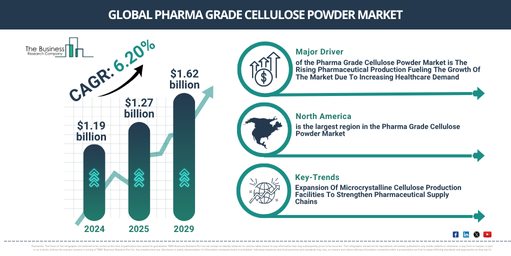
    The market size for pharma-grade cellulose powder has observed robust growth in the past few years. Its size is forecasted to expand from $1.19 billion in 2024 to $1.27 billion in 2025, with a compound annual growth rate (CAGR) of 6.5%. The growth witnessed during the historic period may be due to factors such as the increased demand for tablet binders, a rise in the production of generic drugs, the escalation in pharmaceutical research and development, the growth in the manufacturing capacity of excipients, and regulatory endorsements for cellulose-based excipients.

    The market for pharma-grade cellulose powder is forecasted to experience significant growth in the upcoming years, with a predicted market size of $1.62 billion in 2029 and a compound annual growth rate (CAGR) of 6.2%. The robust growth during the forecast period may be due to the increasing emphasis on personalized medicine, the use of sustainable excipients, growth in biologics and biosimilars, and augmented attention on revolutionary oral drug delivery systems, as well as significant investments in the pharmaceutical infrastructure in developing markets. The future trends anticipated during this period comprise an enhanced demand for excipient-grade materials for drug formulation, increased uptake in controlled-release drug delivery systems, a shift towards plant-based and renewable excipients, a rise in the implementation in controlled drug delivery systems, and progressive improvements in cellulose processing technologies to achieve better purity and efficiency.

    Download a free sample to assess the report’s scope and structure:

    https://www.thebusinessresearchcompany.com/sample.aspx?id=24373&type=smp

    Which Factors and External Forces Are Driving Demand in the Pharma Grade Cellulose Powder Market?

    The growth of the pharma-grade cellulose powder market is anticipated to be driven by the burgeoning production of pharmaceutical goods. The creation of medications consists of formulating, synthesizing, and implementing stringent quality control on active ingredients and excipients, all to ensure that they are safe, efficient, and comply with all required regulations. The upsurge in chronic illnesses, which necessitate sustained and long-term treatment for effective control, is causing an increase in pharmaceutical production. Pharma-grade cellulose powder plays a crucial role in pharmaceutical production, serving as a reliable binder, filler, and stabilizer, thus preserving the integrity of tablets and facilitating equal drug dissemination. For example, the total pharmaceutical production in Europe, as reported by the Belgium-based European Federation of Pharmaceutical Industries and Associations (EFPIA), which represents the European pharmaceutical industry, amounted to $422,803 million (€390,000 million) in June 2023, a rise from $393,857 million (€363,300 million) in 2022. Hence, the escalating pharmaceutical production is stimulating the pharma-grade cellulose powder market’s growth.

    Which Segments in the Pharma Grade Cellulose Powder Offer the Most Growth?

    The pharma grade cellulose powder market covered in this report is segmented –

    1) By Product Type: Microcrystalline Cellulose (MCC), Carboxymethyl Cellulose (CMC), Hydroxypropyl Methylcellulose (HPMC), Hydroxypropyl Cellulose (HPC)

    2) By Functionality: Binding Agent, Thickening Agent, Stabilizer, Disintegrant, Coating Agent

    3) By Application: Pharmaceuticals, Nutraceuticals, Cosmetics, Other Applications

    4) By End-User: Contract Research Organizations (CROs), Pharmaceutical and Biotechnology Companies, Academic And Research Institutions, Manufacturers Of Dietary Supplements, Food And Beverage Industries

    Subsegments:

    1) By Microcrystalline Cellulose: Powder, Granules

    2) By Carboxymethyl Cellulose (CMC): Sodium Carboxymethyl Cellulose (CMC), Calcium Carboxymethyl Cellulose (CMC), Other Carboxymethyl Cellulose (CMC) Variants

    3) By Hydroxypropyl Methylcellulose (HPMC): Low Viscosity Hydroxypropyl Methylcellulose (HPMC), Medium Viscosity Hydroxypropyl Methylcellulose (HPMC), High Viscosity Hydroxypropyl Methylcellulose (HPMC)

    4) By Hydroxypropyl Cellulose: Low Substitution Hydroxypropyl Cellulose (HPC), High Substitution Hydroxypropyl Cellulose (HPC)

    Request customized data on this market:

    https://www.thebusinessresearchcompany.com/sample.aspx?id=24373&type=smp

    What Are the Fastest-Growing Geographies in the Pharma Grade Cellulose Powder Market?

    North America was the largest region in the pharma-grade cellulose powder market in 2024. The regions covered in the pharma grade cellulose powder market report are Asia-Pacific, Western Europe, Eastern Europe, North America, South America, Middle East, Africa.

    Which Cutting-Edge Market Trends Are Expected to Drive the Pharma Grade Cellulose Powder Market’s Growth?

    Major firms in the pharma-grade cellulose powder industry are centered around establishing a new microcrystalline cellulose plant to extend their production potential and bolster their supply chain efficiency for pharmaceutical excipients. A microcrystalline cellulose site is a specific factory where refined cellulose is put through controlled chemical and mechanical procedures to produce uniform, premium-grade particles for medicinal usage. For instance, Nitika Pharmaceuticals Specialties, a reputed excipient manufacturing firm from India, marked the inception of Tabcell, India’s largest microcrystalline cellulose (MCC) production hub situated in Nagpur, in September 2023. With avant-garde technology and a capacity of 1200 metric tons, this plant was unveiled by Union Minister Nitin Gadkari, marking a significant achievement under the Production Linked Incentive (PLI) scheme for excipients by the Government of India. This new establishment reinforces Nitika Pharmaceutical’s status as a global front-runner in pharmaceutical excipients, catering to local demands as well as exporting to over 92 countries. It also supports the “Make in India” drive and significantly boosts local employment prospects.

    View the full report here:

    https://www.thebusinessresearchcompany.com/report/pharma-grade-cellulose-powder-global-market-report

    What Are the Key Elements That Define the Pharma Grade Cellulose Powder Market?

    Pharma grade cellulose powder is a refined, plant-based material designed to meet stringent pharmaceutical quality standards. It is commonly used as an excipient in drug formulations. Its chemically inert, non-toxic, and stable properties ensure compatibility with active pharmaceutical ingredients (APIs). It also enhances the uniformity and production efficiency of oral solid dosage forms.

    Purchase the full report and get a swift delivery:

    https://www.thebusinessresearchcompany.com/customise?id=24373&type=smp

    About The Business Research Company:

    With over 15000+ reports from 27 industries covering 60+ geographies, The Business Research Company has built a reputation for offering comprehensive, data-rich research and insights. Armed with 1,500,000 datasets, the optimistic contribution of in-depth secondary research, and unique insights from industry leaders, you can get the information you need to stay ahead in the game.

    Get in touch with us:

    The Business Research Company: https://www.thebusinessresearchcompany.com/

    Americas +1 3156230293

    Asia +44 2071930708

    Europe +44 2071930708

    Email us at info@tbrc.info

    Follow us on:

    LinkedIn: https://in.linkedin.com/company/the-business-research-company

    YouTube: https://www.youtube.com/channel/UC24_fI0rV8cR5DxlCpgmyFQ

    Global Market Model: https://www.thebusinessresearchcompany.com/global-market-model
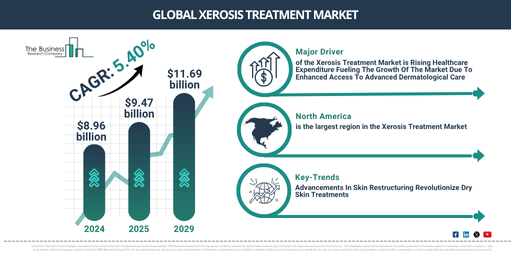
  • Xerosis Treatment Market Forecast Reaching $11.69 Billion by 2029 at 5.4% CAGR

    Xerosis Treatment Market Forecast Reaching $11.69 Billion by 2029 at 5.4% CAGR

    We’ve updated all our reports with current data on tariff changes, trade developments, and supply chain shifts affecting key industries.

    #What Are the Key Milestones in the Xerosis Treatment Market’s Growth Trajectory From 2025 To 2034?#_x000D_

    The market size for xerosis treatment has witnessed robust growth in the past few years. The market, which stood at $8.96 billion in 2024, is predicted to reach $9.47 billion in 2025, with a compound annual growth rate (CAGR) of 5.7%. Key growth drivers in the historic period include a higher occurrence of dry skin conditions, greater consciousness about skin health, an increase in dermatological consultations, the more common availability of over-the-counter moisturizers, and the growing consumer demand for natural and organic skincare products._x000D_

    _x000D_

    Anticipated to undergo robust expansion in the coming years, the xerosis treatment market is projected to reach a valuation of $11.69 billion by 2029, with a compound annual growth rate (CAGR) of about 5.4%. Factors that boost this growth during the projected period include the surge in the senior citizen population, escalating environmental pollution, intensifying focus on enhancements in skincare regimens, a growing number of skin health issues, and a higher uptake of customized skincare items. The upcoming years are expected to witness significant strides in topical treatments, the development of innovative formulation techniques for moisturizers, novel shifts in prescription skincare formulas, advancements in clinical trials for fresh treatment options, and the advent of wearable skincare technology solutions._x000D_

    _x000D_

    #Download a free sample to assess the report’s scope and structure:#_x000D_

    https://www.thebusinessresearchcompany.com/sample.aspx?id=24432&type=smp_x000D_

    _x000D_

    #Which Major Market Drivers Are Expected to Boost the Growth Potential of the Xerosis Treatment Market?#_x000D_

    The escalation in the expenses related to healthcare is predicted to stimulate the progress of the xerosis treatment market. The term healthcare expenditure is used to classify the cumulative sum of funds utilized for health services, encompassing disease prevention, diagnosis, treatment, and management; this amount is contributed by the government, organizations, and individuals. The evolution in medical technology escalates the healthcare spending as the development, practice, and patient care of the innovative diagnostic tools and treatments are often accompanied by higher costs. The rise in healthcare expenditure promotes access to specialist skin care, allowing for early detection and consistent handling of xerosis via expert recommendations and improved treatment choices. For example, as per the data shared by the Office for National Statistics, a governmental agency based in UK, in May 2024, there was a 5.6% increment in the overall healthcare expenses in 2023, while the expenditure for long-term health and social care in actual terms had seen a rise of 2.8% back in 2022. Hence, the rising expenditure in healthcare is propelling the growth of the xerosis treatment market._x000D_

    _x000D_

    #Which Key Market Segments Comprise the Xerosis Treatment Market and Drive Its Revenue Growth?#_x000D_

    The xerosis treatment market covered in this report is segmented –_x000D_

    _x000D_

    1) By Type: Medication, Personal Care Products_x000D_

    2) By Form: Tablets, Lotion, Cream, Ointment, Shower Forms, Other Forms_x000D_

    3) By Symptoms: Roughness, Tightness, Itching, Flaky Skin_x000D_

    4) By End Users: Hospitals, Clinics, Homecare Settings, Other End Users_x000D_

    _x000D_

    Subsegments:_x000D_

    1) By Medication: Topical Corticosteroids, Oral Antihistamines, Immunomodulators, Antibacterial Agents, Antifungal Agents_x000D_

    2) By Personal Care Products: Moisturizers, Emollients, Humectants, Bath Additives, Cleansers_x000D_

    _x000D_

    #Request customized data on this market:#_x000D_

    https://www.thebusinessresearchcompany.com/sample.aspx?id=24432&type=smp_x000D_

    _x000D_

    #Which Areas Are Leading Regions in the Xerosis Treatment Market Expansion Across the Globe?#_x000D_

    North America was the largest region in the xerosis treatment market in 2024. Asia-Pacific is expected to be the fastest-growing region in the forecast period. The regions covered in the xerosis treatment market report are Asia-Pacific, Western Europe, Eastern Europe, North America, South America, Middle East, Africa._x000D_

    _x000D_

    #What Are the Key Market Trends in the Xerosis Treatment Market Over the Coming Years?#_x000D_

    A significant focus of key players in the xerosis treatment market is the creation of superior solutions, such as gentle lotions, that improve the skin’s barrier function and deliver longer-lasting moisture for improved management of dry skin conditions. Soft lotion is a non-oily, lightweight moisturizing product created to mildly hydrate the skin and is generally appropriate for everyday use on sensitive or standard skin types. For example, Cadila Pharmaceuticals, a pharmaceutical company based in India, launched Laglo Soft Lotion in February 2022, specifically formulated to treat different dry skin conditions. The lotion is effective in managing conditions such as Xerosis, Ichthyosis, Atopic Dermatitis, and Psoriasis. Alongside addressing skin aging, it can also be used as co-therapy with corticosteroids. The lotion is designed to provide relief by deeply moisturizing and enhancing skin health. Laglo Soft Lotion, demonstrating proven efficacy, offers a holistic approach to skin care._x000D_

    _x000D_

    #View the full report here:#_x000D_

    https://www.thebusinessresearchcompany.com/report/xerosis-treatment-global-market-report_x000D_

    _x000D_

    #How Is the Xerosis Treatment Market Conceptually Defined?#_x000D_

    Xerosis treatment focuses on restoring moisture to the skin and repairing the skin barrier to relieve dryness, flaking, and discomfort. This typically involves the use of emollients and moisturizers that help hydrate the skin and prevent further water loss. Gentle skin care practices, such as using mild, fragrance-free cleansers and avoiding hot water or harsh scrubbing, are also important._x000D_

    _x000D_

    #Purchase the full report and get a swift delivery:#_x000D_

    https://www.thebusinessresearchcompany.com/customise?id=24432&type=smp_x000D_

    _x000D_

    #About The Business Research Company:#_x000D_

    With over 15000+ reports from 27 industries covering 60+ geographies, The Business Research Company has built a reputation for offering comprehensive, data-rich research and insights. Armed with 1,500,000 datasets, the optimistic contribution of in-depth secondary research, and unique insights from industry leaders, you can get the information you need to stay ahead in the game._x000D_

    _x000D_

    #Get in touch with us:#_x000D_

    The Business Research Company: https://www.thebusinessresearchcompany.com/_x000D_

    Americas +1 3156230293_x000D_

    Asia +44 2071930708_x000D_

    Europe +44 2071930708_x000D_

    Email us at info@tbrc.info_x000D_

    _x000D_

    #Follow us on:#_x000D_

    _x000D_

    LinkedIn: https://in.linkedin.com/company/the-business-research-company_x000D_

    YouTube: https://www.youtube.com/channel/UC24_fI0rV8cR5DxlCpgmyFQ_x000D_

    Global Market Model: https://www.thebusinessresearchcompany.com/global-market-model