Blog

  • Sequencing Consumables Market Size Reaches $15.66 Billion In 2026: What Is Driving Growth?

    Sequencing Consumables Market Size Reaches $15.66 Billion In 2026: What Is Driving Growth?

    Featuring market attractiveness scoring, total addressable market sizing, company benchmarking matrices, interactive Excel dashboards, deeper supply chain intelligence, emerging startup tracking, and granular product-level insights, The Business Research Company’s 2026 market reports are built to deliver research that is both more actionable and more strategically valuable.

    Sequencing Consumables Market Size, Value And Growth Trajectory Through 2030

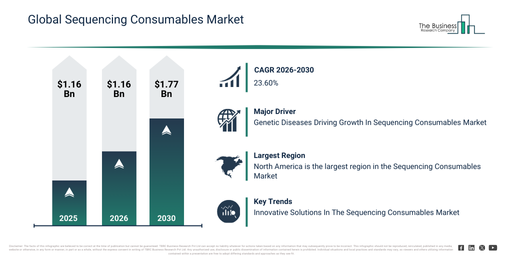
    The sequencing consumables market has demonstrated significant expansion in recent times. Its valuation is anticipated to rise from $12.36 billion in 2025 to $15.66 billion in 2026, achieving a compound annual growth rate (CAGR) of 26.7%. Historically, this growth can be ascribed to several factors, including the increase in genomic research activities, the rising integration of sequencing into clinical diagnostics, enhanced funding for life sciences research, broader access to sequencing platforms, and the expanding utilization of consumables in oncology studies.

    The sequencing consumables market is anticipated to undergo significant growth over the next few years, with its size projected to reach $36.6 billion by 2030, achieving a compound annual growth rate (CAGR) of 23.6%. This expansion during the forecast period is primarily driven by an escalating demand for personalized medicine, the widening field of infectious disease genomics, a growing embrace of third-generation sequencing technologies, increased investments in genomic data analysis, and the expanding application of sequencing in population health studies. Concurrently, key trends expected within this period include a heightened demand for high-throughput sequencing consumables, the increasing adoption of next-generation sequencing kits, the broader utilization of specialized reagents for precision diagnostics, the expansion of platform-specific consumable offerings, and a sharpened focus on both workflow efficiency and accuracy.

    Get A Free Sample Report With In-Depth Market Insights:

    https://thebusinessresearchcompany.com/sample_request?id=89485408&type=smp&name=Sequencing%20Consumables%20Market%20Report%202026&utm_source=Blogs&utm_medium=Paid&utm_campaign=Oct_PR

    Sequencing Consumables Market Demand Drivers Opening New Revenue Streams

    An increase in genetic disease cases is projected to fuel the expansion of the sequencing consumables market in the future. These conditions are defined as ailments resulting from irregularities in a person’s DNA or genetic makeup, frequently passed down from progenitors. The growing occurrence of genetic diseases stems from contributors like enhanced public understanding, advancements in diagnostic methods, and evolving environmental circumstances. In the context of genetic diseases, sequencing consumables find application in processes such as DNA extraction, preparing libraries, conducting sequencing, and performing analysis to pinpoint disease-linked genetic variations. As an illustration, the National Blood Authority, an Australia-based blood management agency, reported in July 2025 that 2,788 patients were living with hereditary haemophilia A (HMA) during 2023–2024, representing an increase from 2,681 patients in 2022–2023. Consequently, the increased incidence of genetic diseases is stimulating the development of the sequencing consumables market.

    Sequencing Consumables Market Segmentation: How Does The Market Break Down By Category?

    The sequencing consumables market covered in this report is segmented –

    1) By Product: Kits, Reagents, Accessories

    2) By Platform: 1st Generation Sequencing Consumables, 2nd Generation Sequencing Consumables, 3rd Generation Sequencing Consumables

    3) By Application: Cancer Diagnostics, Infectious Disease Diagnostics, Reproductive Health Diagnostics, Pharmacogenomics, Agrigenomics, Others Application

    4) By End-Use: Pharmaceutical And Biotechnology Companies, Hospitals And Laboratories, Academic Research Institutes, Other End-Uses

    Subsegments:

    1) By Kits: Library Preparation Kits, DNA Or RNA Amplification Kits, Sequencing Kits

    2) By Reagents: PCR Reagents, DNA Or RNA Reagents, Enzymes

    3) By Accessories: Sequencing Chips, Primers And Probes, Sample Preparation Tools

    Sequencing Consumables Market Trends Powering Strategic Industry Growth

    Key enterprises within the sequencing consumables market are directing their efforts toward creating advanced solutions, notably human whole-genome sequencing (WGS) assays, aimed at improving the precision, effectiveness, and pace of genomic analysis. These human whole-genome sequencing (WGS) assays encompass a thorough examination of an individual’s complete genome, comprising all their DNA, with the goal of identifying genetic variations, mutations, and biomarkers linked to health status, disease susceptibility, and responses to therapy. An illustrative example occurred in March 2023 when Illumina Inc., a US-based biotechnology company, introduced Illumina Complete Long Read Prep- Human, which is a high-performance, long-read human whole-genome sequencing (WGS) assay. This Illumina Complete Long Read Prep, Human product demonstrates compatibility with Illumina NovaSeq X Plus, NovaSeq X, and NovaSeq 6000 Sequencing Systems. For the initial time, it grants users the capability to access both long- and short-read data on a singular Illumina instrument. Such an offering streamlines operational procedures and considerably decreases the necessary DNA input, especially when contrasted with alternative long-read choices.

    Sequencing Consumables Market Competitive Landscape: Who Leads The Industry?

    Major companies operating in the sequencing consumables market are F. Hoffmann-La Roche Ltd, Thermo Fisher Scientific Inc, Merck KGaA, Becton Dickinson And Company, Agilent Technologies Inc, Illumina Inc, PerkinElmer Inc, Beckman Coulter Inc, Bio-Rad Laboratories Inc, QIAGEN N.V., Tecan Group AG, BGI Genomics Co Ltd, Promega Corporation, Abcam Limited, Integrated DNA Technologies Inc., Takara Bio Inc, Oxford Nanopore Technologies plc, Pacific Biosciences Of California Inc, Analytik Jena GmbH, Standard BioTools Inc, LGC Biosearch Technologies Inc., Apex Biotechnology Corp., Lexogen GmbH

    View The Full Sequencing Consumables Market Report:

    https://thebusinessresearchcompany.com/report/sequencing-consumables-global-market-report?utm_source=Blogs&utm_medium=Paid&utm_campaign=Oct_PR

    Sequencing Consumables Market Geographic Landscape: Which Region Leads Industry Growth?

    North America was the largest region in the sequencing consumables market in 2025. Asia-Pacific is expected to be the fastest-growing region in the forecast period. The regions covered in the sequencing consumables market report are Asia-Pacific, South East Asia, Western Europe, Eastern Europe, North America, South America, Middle East, Africa.

    Reach Out To Our Team:

    The Business Research Company: https://www.thebusinessresearchcompany.com/

    Americas: +1 310-496-7795

    Asia: +44 7882 955267 & +91 8897263534

    Europe: +44 7882 955267

    Email us at: marketing@tbrc.info

    Follow us on:

    LinkedIn: https://in.linkedin.com/company/the-business-research-company

    YouTube: https://www.youtube.com/channel/UC24_fI0rV8cR5DxlCpgmyFQ

    Global Market Model: https://www.thebusinessresearchcompany.com/global-market-model
  • Sepsis Therapeutics Market Valued At $6.92 Billion In 2026: Key Trends And Growth Drivers

    Sepsis Therapeutics Market Valued At $6.92 Billion In 2026: Key Trends And Growth Drivers

    Built to provide research that’s more actionable and strategically valuable, The Business Research Company’s 2026 market reports include market attractiveness analysis, total addressable market sizing, company benchmarking matrices, interactive Excel dashboards, broader supply chain intelligence, emerging startup tracking, and in-depth product insights.

    Sepsis Therapeutics Market CAGR Outlook And Future Development

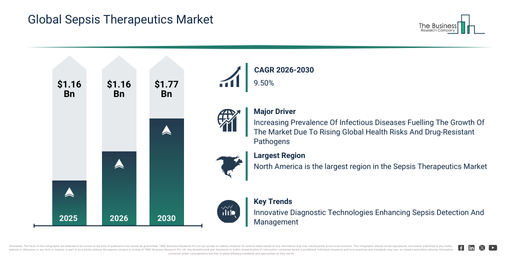
    The sepsis therapeutics market has demonstrated robust expansion recently. Its valuation is anticipated to climb from $4.39 billion in 2025 to $4.82 billion in 2026, reflecting a compound annual growth rate (CAGR) of 9.6%. Historically, this market growth has been linked to factors including the restricted supply of advanced sepsis treatments, the high incidence of hospital-acquired infections, a reliance on conventional antibiotics, increasing understanding of sepsis management, and insufficient critical care infrastructure.

    The sepsis therapeutics market is projected to experience substantial expansion over the upcoming years. Its value is anticipated to reach $6.92 billion by 2030, demonstrating a compound annual growth rate (CAGR) of 9.5%. This forecasted growth is attributable to several factors, including the emergence of new antibiotic classes and biologics, increased funding for sepsis research, the expansion of critical care units in hospitals, the implementation of sophisticated patient monitoring technologies, and the incorporation of telemedicine and digital health solutions. Key developments expected during this period involve a greater uptake of injectable sepsis treatments, the proliferation of hospital and critical care infrastructure, the creation of broad-spectrum antibiotics, an intensified focus on patient monitoring and prompt diagnosis, and the advancement of telemedicine and remote healthcare services.

    Get A Free Sample Report With In-Depth Market Insights:

    https://thebusinessresearchcompany.com/sample_request?id=61893505&type=smp&name=Sepsis%20Therapeutics%20Market%20Report%202026&utm_source=Blogs&utm_medium=Paid&utm_campaign=Oct_PR

    Sepsis Therapeutics Market Growth Backed By Core Demand Fundamentals

    The rising incidence of infectious diseases is projected to stimulate the growth of the sepsis therapeutics market moving forward. Infectious diseases are illnesses stemming from harmful microorganisms such as bacteria, viruses, fungi, or parasites. This growing occurrence of infectious diseases is primarily linked to climate change, as escalating temperatures and shifting ecosystems broaden the habitats of disease-carrying vectors like mosquitoes, leading to the spread of conditions such as malaria and dengue fever. Sepsis therapeutics address infectious diseases by targeting the underlying infection, reducing inflammation, and supporting organ function to prevent life-threatening complications. For instance, in January 2023, the National Library of Medicine, a US-based medical library for research and information, reported that infectious diseases are responsible for over 52 million deaths annually, jeopardizing half of the global population. Each year, approximately 14 million children under the age of five die, with 70% of these deaths attributed to illnesses preventable by vaccination. Hence, the increasing prevalence of infectious disease is propelling the expansion of the sepsis therapeutics market.

    Sepsis Therapeutics Market Segment Trends And Revenue Contributors

    The sepsis therapeutics market covered in this report is segmented –

    1) By Drug Class: Cephalosporin, Aminoglycosides, Glycopeptide, Other Drug Classes

    2) By Route Of Administration: Oral, Injectable

    3) By Distribution Channel: Hospital Pharmacies, Retail Pharmacies, Online Pharmacies

    4) By Application: Hospitals, Clinics, Other Applications

    Subsegments:

    1) By Cephalosporin: First-Generation Cephalosporins, Second-Generation Cephalosporins, Third-Generation Cephalosporins, Fourth-Generation Cephalosporins, Fifth-Generation Cephalosporins

    2) By Aminoglycosides: Gentamicin, Amikacin, Tobramycin, Streptomycin, Other Aminoglycosides

    3) By Glycopeptide: Vancomycin, Teicoplanin, Dalbavancin, Oritavancin, Other Glycopeptides

    4) By Other Drug Classes: Carbapenems, Beta-Lactamase Inhibitors, Fluoroquinolones, Macrolides, Polymyxins

    Sepsis Therapeutics Market Growth Trends Reshaping The Competitive Landscape

    Leading companies within the sepsis diagnostics market are prioritizing advancements in diagnostic methodologies, such as the creation of swift molecular tests, to facilitate the prompt and precise identification of sepsis. This focus aims to improve patient health results and diminish the death rates linked to diagnoses that are not made in time. Swift molecular tests represent quick diagnostic approaches that pinpoint pathogens by detecting their genetic material through sophisticated techniques like PCR or isothermal amplification. As an illustration, in November 2023, Inflammatix Inc., a US-based biotechnology research firm, declared the culmination of technical development for its TriVerity Acute Infection and Sepsis Test System, which comprises the Myrna Instrument and the TriVerity Cartridge. The TriVerity system is designed for application in emergency department environments to evaluate the probability of bacterial or viral infections and the potential for acute decompensation in individuals suspected of having an acute infection and sepsis.

    Sepsis Therapeutics Market Company Landscape And Competitive Strategy

    Major companies operating in the sepsis therapeutics market are Pfizer Inc, AstraZeneca plc, GSK plc, Eli Lilly and Company, Viatris Inc, Astellas Pharma Inc, La Jolla Pharmaceutical Company, Aridis Pharmaceuticals Inc, Partner Therapeutics Inc, InflaRx GmbH, Adrenomed AG, Sepsia Therapeutics, Endpoint Health, Prenosis Inc, Spectral Medical Inc, Modus Therapeutics, Cytovale Inc, T2 Biosystems Inc, AbbVie Inc, Merck and Co Inc

    View The Full Sepsis Therapeutics Market Report:

    https://thebusinessresearchcompany.com/report/sepsis-therapeutics-global-market-report?utm_source=Blogs&utm_medium=Paid&utm_campaign=Oct_PR

    Sepsis Therapeutics Market Largest Region: Which Geography Holds The Biggest Share?

    North America was the largest region in the sepsis therapeutics market in 2025. Asia-Pacific is expected to be the fastest-growing region in the forecast period. The regions covered in the sepsis therapeutics market report are Asia-Pacific, South East Asia, Western Europe, Eastern Europe, North America, South America, Middle East, Africa.

    Reach Out To Our Team:

    The Business Research Company: https://www.thebusinessresearchcompany.com/

    Americas: +1 310-496-7795

    Asia: +44 7882 955267 & +91 8897263534

    Europe: +44 7882 955267

    Email us at: marketing@tbrc.info

    Follow us on:

    LinkedIn: https://in.linkedin.com/company/the-business-research-company

    YouTube: https://www.youtube.com/channel/UC24_fI0rV8cR5DxlCpgmyFQ

    Global Market Model: https://www.thebusinessresearchcompany.com/global-market-model
  • Sensory Analysis Devices Market Size In 2026: Growth Outlook And Forecast Through 2030

    Sensory Analysis Devices Market Size In 2026: Growth Outlook And Forecast Through 2030

    Backed by market attractiveness analysis, total addressable market sizing, company benchmarking matrices, interactive Excel dashboards, wider supply chain intelligence, emerging startup coverage, and detailed product-level insights, The Business Research Company’s 2026 market reports are designed to offer research that is more actionable and strategically valuable than ever.

    Sensory Analysis Devices Market Set To Climb From $2.91 Billion In 2026 To $4.35 Billion By 2030

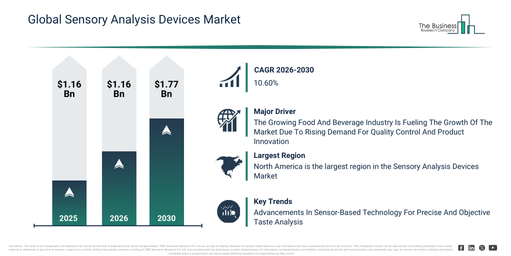
    The sensory analysis devices market has experienced rapid expansion in recent years. It is anticipated to expand from $2.63 billion in 2025 to $2.91 billion in 2026, achieving a compound annual growth rate (CAGR) of 10.6%. The market’s expansion historically has been driven by factors such as the reliance on human sensory panels, a heightened need for quality assurance in food products, the increase in packaged and processed foods, the early adoption of gas chromatography systems, and the demand for standardized sensory testing methods.

    The sensory analysis devices market is projected to experience substantial expansion over the coming years. Its valuation is anticipated to reach $4.35 billion by 2030, exhibiting a compound annual growth rate (CAGR) of 10.6%. This anticipated growth during the forecast period is primarily driven by enhancements in sensor accuracy and repeatability, the incorporation of AI-based data interpretation, increased investment in product innovation, the broadening of portable and in-line sensory systems, and an intensifying regulatory emphasis on product quality and safety. Key trends expected over this period encompass a heightened demand for objective sensory evaluation instruments, the greater uptake of electronic nose and electronic tongue systems, a reinforced focus on ensuring product consistency and quality control, the extended application of sensory analysis in food and beverage assessment, and the escalating utilization of sensory devices in cosmetic and pharmaceutical research and development.

    Get A Free Sample Report With In-Depth Market Insights:

    https://thebusinessresearchcompany.com/sample_request?id=48950391&type=smp&name=Sensory%20Analysis%20Devices%20Market%20Report%202026&utm_source=Blogs&utm_medium=Paid&utm_campaign=Oct_PR

    Sensory Analysis Devices Market Growth Catalysts And Demand Drivers

    The expansion of the food and beverage industry is anticipated to fuel the growth of the sensory analysis devices market in the future. This sector encompasses businesses involved in the creation, preparation, packaging, distribution, and sale of food and drink products. Urbanization is a key factor in the industry’s expansion, leading to increased demand for convenient ready-to-eat items, as urban lifestyles promote reliance on packaged and processed sustenance. Sensory analysis devices aid the food and beverage industry by evaluating attributes such as taste, aroma, texture, and visual appeal, thereby ensuring consistent quality, assisting in product innovation, and assessing consumer preferences. For example, data from the Government of Canada, a federal administrative body based in Canada, indicated in July 2025 that processed food and beverage product exports hit a record $59.8 billion in 2024, marking a 3.8% increase from 2023 and accounting for 34.5% of the total production value. Consequently, the expanding food and beverage industry is a significant impetus behind the growth of the sensory analysis devices market.

    Sensory Analysis Devices Market Segment Analysis Spotlighting Growth Areas

    The sensory analysis devices market covered in this report is segmented –

    1) By Product Type: Electronic Nose, Electronic Tongue, Gas Chromatography Systems, Olfactometry Devices, Image Analysis Systems

    2) By Technology: Sensor Technology, Data Processing Technology

    3) By Mode Of Operation: Portable Devices, Desktop Devices, In-Line Systems, Handheld Devices

    4) By End User: Food Manufacturers, Pharmaceutical Companies, Cosmetic Manufacturers, Agricultural Research Institutes, Environmental Agencies

    Subsegments:

    1) By Electronic Nose: Metal Oxide Semiconductor Sensors, Quartz Crystal Microbalance Sensors, Conducting Polymer Sensors, Surface Acoustic Wave Sensors, Field Effect Transistor Sensors

    2) By Electronic Tongue: Potentiometric Sensors, Voltammetric Sensors, Optical Sensors, Piezoelectric Sensors, Bioelectronic Sensors

    3) By Gas Chromatography Systems: Flame Ionization Detectors, Thermal Conductivity Detectors, Electron Capture Detectors, Photoionization Detectors, Mass Spectrometry Detectors

    4) By Olfactometry Devices: Dynamic Olfactometers, Field Olfactometers, Laboratory Olfactometers, Portable Olfactometers, Threshold Olfactometers

    5) By Image Analysis Systems: Texture Analysis Systems, Color Analysis Systems, Shape Analysis Systems, Size Analysis Systems, Pattern Recognition Systems

    Sensory Analysis Devices Market Trends Shaping Long-Term Demand

    Leading firms within the sensory analysis devices market are concentrating on creating sophisticated products, like electronic tongue technology, to elevate the precision and uniformity of taste assessment and enhance product quality management. Electronic tongue technology employs sensor arrays and advanced algorithms to identify, measure, and distinguish tastes, emulating human tongue perception to provide impartial, reliable, and swift taste analysis for both quality assurance and product creation. For example, in December 2023, a partnership was formed between Daegu Gyeongbuk Institute of Science & Technology, a university located in South Korea, and Korea Advanced Institute of Science & Technology, a national research university also based in South Korea, to engineer an advanced electronic tongue. This device replicates the human gustatory system by combining multiple taste sensors with deep-learning algorithms, enabling the accurate and objective identification and measurement of flavors such as saltiness, sourness, bitterness, and sweetness.

    Sensory Analysis Devices Market Key Players Shaping Industry Direction

    Major companies operating in the sensory analysis devices market are Brechbühler AG, Odournet Group B.V., Scentroid, AIRSENSE Analytics GmbH, Alpha MOS SA, St. Croix Sensory Inc., Burghart Messtechnik GmbH, Ockenfels Syntech GmbH, SRA Instruments S.p.A., Aryballe Technologies SA, Olfasense GmbH, E-Nose Pty Ltd., Insent Inc., The eNose Company, Aromyx Corporation, Biosystems Diagnostics Pvt. Ltd., Agilent Technologies, Danaher Corporation, Shimadzu Corporation, PerkinElmer Inc., Thermo Fisher Scientific Inc., FlavourTech Pty Ltd.

    View The Full Sensory Analysis Devices Market Report:

    https://thebusinessresearchcompany.com/report/sensory-analysis-devices-global-market-report?utm_source=Blogs&utm_medium=Paid&utm_campaign=Oct_PR

    Sensory Analysis Devices Market Regional Analysis: Which Geography Leads On Revenue?

    North America was the largest region in the sensory analysis devices market in 2025. Asia Pacific is expected to be the fastest-growing region in the forecast period. The regions covered in the sensory analysis devices market report are Asia-Pacific, South East Asia, Western Europe, Eastern Europe, North America, South America, Middle East, Africa.

    Reach Out To Our Team:

    The Business Research Company: https://www.thebusinessresearchcompany.com/

    Americas: +1 310-496-7795

    Asia: +44 7882 955267 & +91 8897263534

    Europe: +44 7882 955267

    Email us at: marketing@tbrc.info

    Follow us on:

    LinkedIn: https://in.linkedin.com/company/the-business-research-company

    YouTube: https://www.youtube.com/channel/UC24_fI0rV8cR5DxlCpgmyFQ

    Global Market Model: https://www.thebusinessresearchcompany.com/global-market-model
  • Sensor-Based Smart Catheters Market Trends Supporting 8.3% CAGR Growth Through 2030

    Sensor-Based Smart Catheters Market Trends Supporting 8.3% CAGR Growth Through 2030

    Featuring market attractiveness scoring, total addressable market sizing, company benchmarking matrices, interactive Excel dashboards, deeper supply chain intelligence, emerging startup tracking, and granular product-level insights, The Business Research Company’s 2026 market reports are built to deliver research that is both more actionable and more strategically valuable.

    Sensor-Based Smart Catheters Market Forecast: Value Set To Climb From $4.43 Billion To $6.11 Billion

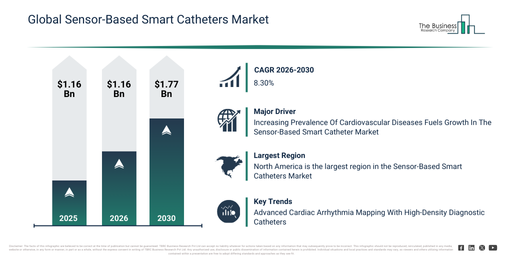
    The sensor-based smart catheters market size has experienced robust growth in recent years. Its value is projected to climb from $4.08 billion in 2025 to $4.43 billion in 2026, at a compound annual growth rate (CAGR) of 8.7%. This historical expansion can be attributed to advancements in catheter materials, an increase in cardiovascular diseases, growth in interventional procedures, hospital infrastructure development, and the demand for patient safety.

    The sensor-based smart catheters market is projected to experience substantial expansion over the upcoming years, reaching a valuation of $6.11 billion by 2030, driven by a compound annual growth rate (CAGR) of 8.3%. This anticipated growth stems from factors such as an increase in chronic diseases, the broadening of digital health initiatives, the need for precision medicine, the proliferation of smart medical devices, and greater technological integration within healthcare. Significant developments expected during this period involve the increasing uptake of real-time monitoring tools, a rise in minimally invasive surgical techniques, growing interest in multi-sensor catheters, an expansion of remote patient monitoring capabilities, and an enhanced emphasis on accuracy during procedures.

    Get A Free Sample Report With In-Depth Market Insights:

    https://thebusinessresearchcompany.com/sample_request?id=20625&type=smp&name=Sensor-Based%20Smart%20Catheters%20Market%20Report%202026&utm_source=Blogs&utm_medium=Paid&utm_campaign=Oct_PR

    Sensor-Based Smart Catheters Market Opportunity Drivers: What’s Unlocking New Revenue Potential?

    The increasing occurrence of cardiovascular conditions is anticipated to propel the expansion of the sensor-based smart catheter market in the future. These diseases encompass various ailments impacting the heart and vascular system. The rising incidence of cardiovascular diseases is largely attributed to increasingly inactive lifestyles, fostering conditions such as obesity, hypertension, and diabetes. Smart catheters outfitted with sensors assist in managing cardiovascular ailments by delivering immediate data on diverse bodily metrics like blood pressure, circulation, and tissue warmth, directly from inside the heart and blood vessels. As an illustration, in April 2023, the World Heart Federation, a Switzerland-based nonprofit organization, disclosed that the number of cardiovascular disease cases is forecast to escalate to 22.2 million by 2030 and 32.3 million by 2050. Consequently, the increasing prevalence of cardiovascular diseases is spurring growth within the sensor-based smart catheter market.

    Sensor-Based Smart Catheters Market Segment Performance And Emerging Opportunities

    The sensor-based smart catheters market covered in this report is segmented –

    1) By Product Type: Temperature Sensing Foley Catheter, Pressure Catheter, Mapping Catheter, Other Product Types

    2) By Catheter Type: Single Lumen, Multi Lumen

    3) By Material: Silicon, Polytetrafluoroethylene, Polyetheretherketone, Other Materials

    4) By Application: Cardiovascular, Urology, Gynecology, Neurovascular, Other Applications

    Subsegments:

    1) By Temperature Sensing Foley Catheter: Standard Temperature Sensing Foley Catheters, Wireless Temperature Sensing Catheters, High-Precision Temperature Sensing Catheters

    2) By Pressure Catheter: Intra-Abdominal Pressure Catheters, Central Venous Pressure Catheters, Intracranial Pressure Catheters

    3) By Mapping Catheter: Electrophysiology Mapping Catheters, 3D Mapping Catheters, Contact Force Sensing Mapping Catheters

    4) By Other Product Types: Multi-sensor Catheters, Biochemical Sensor Catheters, Optical Sensor Catheters

    Sensor-Based Smart Catheters Market Innovation Trends Shaping Future Development

    Leading companies in the sensor-based smart catheter market are developing their electrophysiology to improve the accuracy of cardiac mapping, enhance the precision of ablation procedures, and enable real-time monitoring of electrical signals within the heart. The goal of electrophysiology is to offer superior diagnostic capabilities for arrhythmias and other heart conditions, lessen procedural complications, and improve patient outcomes. For instance, in February 2023, Abbott, a US-based healthcare company, launched the TactiFlex ablation catheter- sensor enabled, recognized as the world’s first ablation catheter equipped with a flexible tip and contact force sensing technology, for the management of atrial fibrillation (AFib). The TactiFlex catheter boasts a flexible tip design featuring a laser-cut pattern that flexes upon contact with the heart wall. This design allows for more accurate positioning and offers up to twice the stability on a beating heart. Moreover, the catheter’s contact force sensor ensures consistent therapy, leads to shorter operation times, and provides improved safety compared to earlier generations.

    Sensor-Based Smart Catheters Market Competitive Analysis Of Leading Industry Participants

    Major companies operating in the sensor-based smart catheters market are Cardinal Health Inc., Johnson & Johnson, Abbott Laboratories, Medtronic plc, Medline Industries LP, Becton Dickinson and Company, TE Connectivity Corporation, Boston Scientific Corporation, Smiths Group, COOK Medical LLC, ICU Medical Inc., Biotronik SE & Co. KG, Spacelabs Healthcare Inc., MicroPort Scientific Corporation, Freudenberg Medical LLC, Baylis Medical Company Inc., Bactiguard AB, Stereotaxis Inc., Acutus Medical Inc., Osypka AG, CathRx Ltd.

    View The Full Sensor-Based Smart Catheters Market Report:

    https://thebusinessresearchcompany.com/report/sensor-based-smart-catheters-global-market-report?utm_source=Blogs&utm_medium=Paid&utm_campaign=Oct_PR

    Sensor-Based Smart Catheters Market Geographic Spread And Regional Opportunities

    North America was the largest region in the sensor-based smart catheters market in 2025. The regions covered in the sensor-based smart catheters market report are Asia-Pacific, South East Asia, Western Europe, Eastern Europe, North America, South America, Middle East, Africa.

    Reach Out To Our Team:

    The Business Research Company: https://www.thebusinessresearchcompany.com/

    Americas: +1 310-496-7795

    Asia: +44 7882 955267 & +91 8897263534

    Europe: +44 7882 955267

    Email us at: marketing@tbrc.info

    Follow us on:

    LinkedIn: https://in.linkedin.com/company/the-business-research-company

    YouTube: https://www.youtube.com/channel/UC24_fI0rV8cR5DxlCpgmyFQ

    Global Market Model: https://www.thebusinessresearchcompany.com/global-market-model
  • Sensor Patch Market Forecast Highlights A $39 Billion Opportunity For Industry Participants

    Sensor Patch Market Forecast Highlights A $39 Billion Opportunity For Industry Participants

    Built to provide research that’s more actionable and strategically valuable, The Business Research Company’s 2026 market reports include market attractiveness analysis, total addressable market sizing, company benchmarking matrices, interactive Excel dashboards, broader supply chain intelligence, emerging startup tracking, and in-depth product insights.

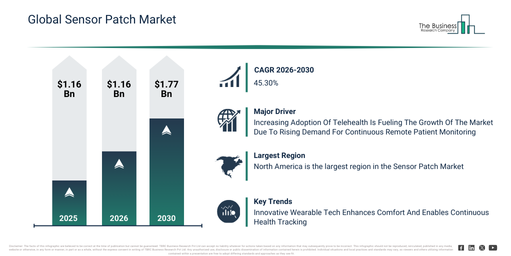
    Sensor Patch Market Revenue Growth On Track For A 45.3% CAGR Through 2030

    The sensor patch market has experienced significant expansion in recent years. Its size is expected to grow from $6.01 billion in 2025 to $8.75 billion in 2026, at a compound annual growth rate (CAGR) of 45.6%. The market’s historical growth can be attributed to several factors, including restricted choices for wearable sensor technology, the elevated cost of early sensor patches, insufficient consumer knowledge, reliance on conventional monitoring equipment, and limited integration with digital health platforms.

    The sensor patch market is poised for substantial growth over the next few years, with its size anticipated to reach $39 billion by 2030, demonstrating a compound annual growth rate (CAGR) of 45.3%. This expansion during the forecast period is driven by advancements in flexible electronics and biosensors, an increasing demand for remote patient monitoring, the expansion of telehealth and digital therapeutics, the rising geriatric and chronic disease population, and the adoption of AI-based predictive analytics in healthcare. Prominent trends expected in this period include the growing adoption of continuous health monitoring devices, a rising demand for non-invasive wearable technologies, integration with mobile health and telemedicine platforms, an increasing emphasis on personalized healthcare solutions, and the development of multi-parameter sensor patches.

    Get A Free Sample Report With In-Depth Market Insights:

    https://thebusinessresearchcompany.com/sample_request?id=95491057&type=smp&name=Sensor%20Patch%20Market%20Report%202026&utm_source=Blogs&utm_medium=Paid&utm_campaign=Oct_PR

    Sensor Patch Market Growth Momentum: What Factors Are Shaping Demand?

    The sensor patch market is poised for growth due to the rising adoption of telehealth. Telehealth encompasses the utilization of digital communication technologies to provide healthcare services and information remotely. The increasing embrace of telehealth is driven by the escalating demand for continuous remote patient monitoring, which enables early detection of health issues and reduces the need for in-person visits. Sensor patches enhance telehealth by delivering real-time, non-invasive health monitoring, making them ideal for remote care and chronic disease management. They decrease the necessity for frequent clinic visits by consistently transmitting vital data, thereby improving healthcare accessibility and patient outcomes. For instance, in April 2023, according to FAIR Health Inc., a US-based non-profit organization, national telehealth use in 2023 saw an increase of 7.3%, climbing from 5.5% of medical claim lines in December 2022 to 5.9% in January 2023. Therefore, the expanding adoption of telehealth is a significant driver for the growth of the sensor patch market.

    Sensor Patch Market Segment Landscape And Growth Outlook

    The sensor patch market covered in this report is segmented –

    1) By Product Type: Temperature Sensor Patch, Blood Glucose Sensor Patch, Blood Pressure Or Flow Sensor Patch, Heart Rate Sensor Patch, Electrocardiogram(ECG) Sensor Patch, Blood Oxygen Sensor Patch, Other Product Types

    2) By Wearable Type: Wristwear, Bodywear

    3) By Application: Monitoring, Diagnostics, Medical Therapeutics

    4) By End-Use: Fitness, Healthcare, Sports, Other End-Uses

    Subsegments:

    1) By Temperature Sensor Patch: Continuous Temperature Monitoring Patch, Spot-Check Temperature Patch

    2) By Blood Glucose Sensor Patch: Continuous Glucose Monitoring (CGM) Patch, Intermittent Glucose Monitoring Patch

    3) By Blood Pressure Or Flow Sensor Patch: Continuous Blood Pressure Monitoring Patch, Intermittent Blood Pressure Monitoring Patch, Blood Flow Monitoring Patch

    4) By Heart Rate Sensor Patch: Continuous Heart Rate Monitoring Patch, Spot-Check Heart Rate Patch

    5) By Electrocardiogram (ECG) Sensor Patch: Single-Lead Electrocardiogram Patch, Multi-Lead Electrocardiogram Patch, Wearable Or Extended Monitoring Electrocardiogram Patch

    6) By Blood Oxygen Sensor Patch: Continuous Blood Oxygen Monitoring Patch, Spot-Check Blood Oxygen Patch

    7) By Other Product Types: Motion Sensor Patch, Hydration Sensor Patch, Sweat Analysis Sensor Patch, Respiratory Rate Sensor Patch

    Sensor Patch Market Trends Redefining Industry Growth

    Leading companies in the sensor patch market are focused on developing innovative devices, such as those that are lightweight and adhesive, to enhance comfort and provide continuous health monitoring. These lightweight and adhesive devices are compact, easy-to-wear sensors that securely attach to the skin for ongoing and comfortable health tracking. For example, in 2023, VivaLNK Inc., a US-based software developer company, launched a 14-day live stream wearable electrocardiogram (ECG) patch. This medical device continuously monitors a patient’s heart activity for up to 14 days, streaming cardiac data in real-time. It tracks multiple parameters, including heart rate, respiratory rate, and skin temperature, and includes robust onboard memory to ensure uninterrupted data recording even during network outages. The patch is compact, reusable, water-resistant, and integrates smoothly with mobile and clinical applications to support remote patient monitoring and advanced arrhythmia detection.

    Sensor Patch Market Leading Companies And Competitive Benchmarking

    Major companies operating in the sensor patch market are Abbott Laboratories, Medtronic plc, Dexcom Inc, iRhythm Technologies Inc, AliveCor Inc, Onera Health B V, Nemaura Medical Inc, VitalConnect Inc, Rhaeos Inc, Theranica Bio Electronics Ltd, GENTAG Inc, G Tech Medical Inc, Isansys Lifecare Limited, Kenzen Inc, SmartCardia SA, VivaLNK Inc, BioIntelliSense Inc, Preventice Solutions Inc, Bardy Diagnostics Inc, Current Health Ltd, Biofourmis Inc, Zephyr Technology Corporation

    View The Full Sensor Patch Market Report:

    https://thebusinessresearchcompany.com/report/sensor-patch-global-market-report?utm_source=Blogs&utm_medium=Paid&utm_campaign=Oct_PR

    Sensor Patch Market Top Region By Revenue And Market Share

    North America was the largest region in the sensor patch market in 2025. Asia-Pacific is expected to be the fastest-growing region in the forecast period. The regions covered in the sensor patch market report are Asia-Pacific, South East Asia, Western Europe, Eastern Europe, North America, South America, Middle East, Africa.

    Reach Out To Our Team:

    The Business Research Company: https://www.thebusinessresearchcompany.com/

    Americas: +1 310-496-7795

    Asia: +44 7882 955267 & +91 8897263534

    Europe: +44 7882 955267

    Email us at: marketing@tbrc.info

    Follow us on:

    LinkedIn: https://in.linkedin.com/company/the-business-research-company

    YouTube: https://www.youtube.com/channel/UC24_fI0rV8cR5DxlCpgmyFQ

    Global Market Model: https://www.thebusinessresearchcompany.com/global-market-model
  • Sensitive Skin Adhesive Tape Market Analysis: How The Industry Is Evolving Toward A $1.81 Billion Future

    Sensitive Skin Adhesive Tape Market Analysis: How The Industry Is Evolving Toward A $1.81 Billion Future

    Backed by market attractiveness analysis, total addressable market sizing, company benchmarking matrices, interactive Excel dashboards, wider supply chain intelligence, emerging startup coverage, and detailed product-level insights, The Business Research Company’s 2026 market reports are designed to offer research that is more actionable and strategically valuable than ever.

    Sensitive Skin Adhesive Tape Market Value Growth And Long-Term Outlook

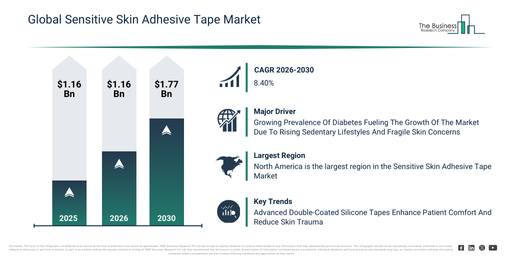
    The sensitive skin adhesive tape market has demonstrated robust growth in recent years. Its valuation is anticipated to climb from $1.2 billion in 2025 to $1.31 billion in 2026, at a compound annual growth rate (CAGR) of 8.7%. This historical expansion can be attributed to several factors including an increased use of medical devices, a rise in sensitive skin conditions, the adoption of hospital safety protocols, a growth in wound care products, and the expansion of surgical procedures.

    The sensitive skin adhesive tape market is projected to experience substantial expansion over the coming years. This market is predicted to reach a valuation of $1.81 billion by the year 2030, showing a compound annual growth rate (CAGR) of 8.4%. Factors driving this growth during the projected timeframe include the rise in the aging population, the wider embrace of homecare medical solutions, continuous advancements in gentle adhesive technologies, the broadening scope of dermatology treatments, and an uptick in outpatient procedures. Key trends anticipated during the forecast period encompass hypoallergenic medical adhesives, specialized skin care products for pediatric and geriatric patients, the increasing use of silicone-based tapes, the development of medical tapes for frequent application, and adhesive solutions formulated to be safe for dermatological use.

    Get A Free Sample Report With In-Depth Market Insights:

    https://thebusinessresearchcompany.com/sample_request?id=40867154&type=smp&name=Sensitive%20Skin%20Adhesive%20Tape%20Market%20Report%202026&utm_source=Blogs&utm_medium=Paid&utm_campaign=Oct_PR

    Sensitive Skin Adhesive Tape Market Expansion Drivers: What’s Shaping Future Growth?

    The expanding incidence of diabetes is anticipated to boost the sensitive skin adhesive tape market’s expansion moving ahead. This condition is a chronic ailment characterized by the body’s difficulty in controlling blood sugar levels, stemming from problems with insulin generation or its effectiveness. Its occurrence is escalating, largely attributed to increasingly inactive lifestyles that contribute to elevated rates of obesity and diminished insulin sensitivity among individuals. Sensitive skin adhesive tapes play a crucial role in improving diabetes management by offering soft, firm attachment for glucose monitoring devices and insulin delivery systems, thereby minimizing the likelihood of dermal irritation. These tapes enhance user comfort and the dependable functioning of medical devices, simplifying and streamlining routine diabetes care. As an illustration, in May 2024, data from the British Diabetic Association (Diabetes UK), a UK-based charitable organization, indicated that approximately 4.4 million individuals in the UK live with diabetes, where type 1 diabetes constitutes about 8% of instances, and type 2 diabetes makes up nearly 90%. Consequently, the increasing prevalence of diabetes acts as a significant impetus for the growth of the sensitive skin adhesive tape market.

    Sensitive Skin Adhesive Tape Market Breakdown By Product Type And Application

    The sensitive skin adhesive tape market covered in this report is segmented –

    1) By Product Type: Silicone-Based Adhesive Tapes, Gentle Acrylic-Based Adhesive Tapes, Hydrogel-Based Adhesive Tapes, Paper-Based Hypoallergenic Adhesive Tapes, Fabric-Based Hypoallergenic Adhesive Tapes

    2) By Distribution Channel: Hospital And Medical Supply Stores, Retail Pharmacies, Online Medical And Healthcare Platforms

    3) By Application: Wound Dressing Fixation, Post-Surgical Dressing Fixation, Medical Device And Sensor Securement, Pediatric And Neonatal Skin Protection, Dermatology And Cosmetic Procedures

    4) By End-User: Hospitals, Clinics And Specialty Care Centers, Homecare Settings, Pediatric And Neonatal Care Centers

    Subsegments:

    1) By Silicone-Based Adhesive Tapes: Silicone Gel Fixation Tapes, Silicone Foam Fixation Tapes, Soft Silicone Adhesive Tapes

    2) By Gentle Acrylic-Based Adhesive Tapes: Low-Tack Transparent Acrylic Tapes, Hypoallergenic Foam Acrylic Tapes

    3) By Hydrogel-Based Adhesive Tapes: Hydrogel Fixation Sheet Tapes

    4) By Paper-Based Hypoallergenic Adhesive Tapes: Microporous Paper Tapes, Breathable Surgical Paper Tapes (Sensitive Skin)

    5) By Fabric-Based Hypoallergenic Adhesive Tapes: Soft Cloth Adhesive Tapes, Elastic Fabric Fixation Tapes

    Sensitive Skin Adhesive Tape Market Strategic Trends: What Defines The Next Growth Phase?

    Leading companies within the sensitive skin adhesive tape market are prioritizing the creation of innovative solutions, such as double-coated silicone medical tapes, aiming to improve patient comfort, broaden device compatibility, and lessen skin trauma during application. These double-coated silicone medical tapes are adhesive products featuring soft silicone on the side touching the skin, complemented by acrylate or alternative adhesives on the device-facing side, thereby offering strong fixation while remaining safe for delicate or vulnerable skin. As an illustration, in October 2024, the US-based medical technology firm Solventum Operations Pty Ltd. introduced the 2487 Hi-Tack Silicone Tape, intended for patients across all age groups, including children and individuals with chronic conditions impacting skin integrity. This tape incorporates double-coated silicone and boasts a non-fluorinated release liner, resistance to fluids, compatibility with sterilization, and leaves minimal residue after removal, allowing producers of medical wearables to make their products available to a wider patient demographic while guaranteeing excellent skin protection and comfort. Furthermore, its flexible backing enables close conformity to the body’s contours, ensuring adherence even on curved or moving regions.

    Sensitive Skin Adhesive Tape Market Industry Leaders And Competitive Landscape

    Major companies operating in the sensitive skin adhesive tape market are 3M, Johnson & Johnson Services Inc., Smith & Nephew Plc, Mölnlycke Health Care AB, Paul Hartmann AG, ConvaTec Group Plc, Coloplast A/S, B. Braun SE, Cardinal Health Inc., Medline Industries LP, NICHIBAN Co. Ltd., Lohmann GmbH & Co. KG, Scapa Group Ltd., Adhesives Research Inc., Winner Medical Co. Ltd., DermaRite Industries LLC, Dynarex Corporation, Hy-Tape International Inc., Nitto Denko Corporation, Avery Dennison Corporation, Berry Global Group Inc., Hollister Incorporated

    View The Full Sensitive Skin Adhesive Tape Market Report:

    https://thebusinessresearchcompany.com/report/sensitive-skin-adhesive-tape-global-market-report?utm_source=Blogs&utm_medium=Paid&utm_campaign=Oct_PR

    Sensitive Skin Adhesive Tape Market Regional Analysis And Top Geography

    North America was the largest region in the sensitive skin adhesive tape market in 2025. Asia-Pacific is expected to be the fastest-growing region in the forecast period. The regions covered in the sensitive skin adhesive tape market report are Asia-Pacific, South East Asia, Western Europe, Eastern Europe, North America, South America, Middle East, Africa.

    Reach Out To Our Team:

    The Business Research Company: https://www.thebusinessresearchcompany.com/

    Americas: +1 310-496-7795

    Asia: +44 7882 955267 & +91 8897263534

    Europe: +44 7882 955267

    Email us at: marketing@tbrc.info

    Follow us on:

    LinkedIn: https://in.linkedin.com/company/the-business-research-company

    YouTube: https://www.youtube.com/channel/UC24_fI0rV8cR5DxlCpgmyFQ

    Global Market Model: https://www.thebusinessresearchcompany.com/global-market-model
  • Senior Mobility Aid Devices Market Outlook Through 2030: Understanding The Growth Opportunity

    Senior Mobility Aid Devices Market Outlook Through 2030: Understanding The Growth Opportunity

    Featuring market attractiveness scoring, total addressable market sizing, company benchmarking matrices, interactive Excel dashboards, deeper supply chain intelligence, emerging startup tracking, and granular product-level insights, The Business Research Company’s 2026 market reports are built to deliver research that is both more actionable and more strategically valuable.

    Senior Mobility Aid Devices Market Poised To Hit $17.12 Billion By 2030 With A 7.3% CAGR

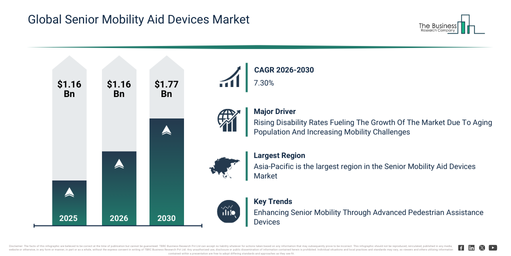
    The senior mobility aid devices market has demonstrated robust expansion in recent years. Its value is expected to escalate from $11.98 billion in 2025 to $12.9 billion in 2026, reflecting a compound annual growth rate (CAGR) of 7.7%. This historical growth can be ascribed to elements such as the rising elderly population, an increased prevalence of mobility challenges, greater consciousness of fall hazards, constrained entry to rehabilitation services, and the expanding need for home healthcare solutions.

    The senior mobility aid devices market is projected to experience substantial expansion over the upcoming years. This market is set to reach a valuation of $17.12 billion by 2030, demonstrating a compound annual growth rate (CAGR) of 7.3%. Key factors driving this expansion during the forecast period include the increasing adoption of AI-enabled mobility devices, the integration of IoT in mobility aids, a wider expansion of electric wheelchairs and scooters, the emergence of personalized rehabilitation programs, and the development of smart assisted living infrastructure. Prominent trends anticipated within this forecast period encompass smart mobility integration, advancements in fall detection & prevention technology, the availability of personalized mobility solutions, an emphasis on ergonomic & lightweight design, and the provision of home-based mobility assistance.

    Get A Free Sample Report With In-Depth Market Insights:

    https://thebusinessresearchcompany.com/sample_request?id=60582310&type=smp&name=Senior%20Mobility%20Aid%20Devices%20Market%20Report%202026&utm_source=Blogs&utm_medium=Paid&utm_campaign=Oct_PR

    Senior Mobility Aid Devices Market Development Factors: What’s Supporting Demand?

    The expanding occurrence of disabilities is anticipated to drive forward the senior mobility aid devices market. Disabilities are defined as enduring physical, mental, intellectual, or sensory conditions that might prevent an individual from fully and effectively participating in society on par with others. The rise in disabilities stems from the world’s aging populace, leading to more prevalent age-associated health issues like arthritis, dementia, and vision or hearing loss, which contribute to lasting impairments. Senior mobility aid devices are crucial for improving the independence and daily activities of individuals with disabilities by providing vital support, stability, and simpler movement. For instance, in October 2024, according to the House of Commons Library, a UK-based library and information resource of the lower house of the British Parliament, 16.1 million people in the UK were reported to have a disability during the 2022-23 financial year, making up 24% of the country’s population. Consequently, the growing incidence of disabilities will stimulate the expansion of the senior mobility aid devices market.

    Senior Mobility Aid Devices Market Segment Analysis And Revenue Potential

    The senior mobility aid devices market covered in this report is segmented –

    1) By Product Type: Wheelchairs, Scooters, Walking Aids, Mobility Lift, Other Product Types

    2) By Price: Low, Medium, High

    3) By Distribution Channel: Online Channels, Offline Channels

    4) By End-User: Individual, Hospitals And Nursing Homes, Assisted Living, Other End-Users

    Subsegments:

    1) By Wheelchairs: Manual Wheelchairs, Electric Wheelchairs, Transport Wheelchairs, Positioning Wheelchairs, Bariatric Wheelchairs

    2) By Scooters: 3-Wheel Scooters, 4-Wheel Scooters, Foldable Mobility Scooters, Heavy-Duty Mobility Scooters

    3) By Walking Aids: Canes, Crutches, Walkers, Rollators, Gait Trainers

    4) By Mobility Lifts: Stair Lifts, Vehicle Lifts, Ceiling Lifts, Portable Lifts, Pool Lifts

    5) By Other Product Types: Transfer Boards, Patient Lifting Slings, Knee Walkers, Mobility Accessories, Standing Aids

    Senior Mobility Aid Devices Market Transformation Trends: What Innovations Are Driving Change?

    Leading companies within the senior mobility aid devices market are concentrating on developing sophisticated solutions, such as pedestrian-mobility-assistance models, to provide an affordable and non-intrusive method for improving mobility. These pedestrian-mobility-assistance models are tools or devices that assist individuals with mobility challenges in navigating walking environments safely and autonomously. For example, in March 2023, Toyota Motor Corporation, a Japan-based automotive manufacturer, introduced C+walk S, a pedestrian-mobility-assistance model. This three-wheeled mobility device is specifically designed for seniors and individuals who find walking long distances difficult, offering a safe and straightforward way to move. It is engineered to operate at average walking speeds and features a compact design that integrates seamlessly into urban settings, facilitating easy side-by-side travel and interaction with others. The device can also assess upcoming path conditions, making it well-suited for sidewalk use. Additionally, it is equipped with safety sensors that detect obstacles and help users prevent potential collisions.

    Senior Mobility Aid Devices Market Key Participants And Competitive Landscape

    Major companies operating in the senior mobility aid devices market are Medline Industries LP, Ottobock, Invacare Corporation, Permobil, Sunrise Medical LLC, Drive DeVilbiss Healthcare, Handicare AB, Pride Mobility Products Ltd., Vissco Rehabilitation Aids Pvt. Ltd., Graham Field Health Products Inc., Merits Health Products Co. Ltd., Nova Medical Products, Meyra Group GmbH, Karma Medical Products Co. Ltd., Narula Udyog India Pvt. Ltd., Heartway Medical Products Co. Ltd., Arcatron Mobility Pvt. Ltd., Antano Group, PEAAR Healthtech LLP, Golden Technologies Inc., GF Health Products Inc., Kymco Healthcare

    View The Full Senior Mobility Aid Devices Market Report:

    https://thebusinessresearchcompany.com/report/senior-mobility-aid-devices-global-market-report?utm_source=Blogs&utm_medium=Paid&utm_campaign=Oct_PR

    Senior Mobility Aid Devices Market Geographic Analysis: Where Is Demand Rising Fastest?

    Asia-Pacific was the largest region in the senior mobility aid devices market in 2025. The regions covered in the senior mobility aid devices market report are Asia-Pacific, South East Asia, Western Europe, Eastern Europe, North America, South America, Middle East, Africa.

    Reach Out To Our Team:

    The Business Research Company: https://www.thebusinessresearchcompany.com/

    Americas: +1 310-496-7795

    Asia: +44 7882 955267 & +91 8897263534

    Europe: +44 7882 955267

    Email us at: marketing@tbrc.info

    Follow us on:

    LinkedIn: https://in.linkedin.com/company/the-business-research-company

    YouTube: https://www.youtube.com/channel/UC24_fI0rV8cR5DxlCpgmyFQ

    Global Market Model: https://www.thebusinessresearchcompany.com/global-market-model
  • Self-Sampling Blood Collection And Storage Device Market Growth Potential: What The Latest Forecast Reveals

    Self-Sampling Blood Collection And Storage Device Market Growth Potential: What The Latest Forecast Reveals

    Built to provide research that’s more actionable and strategically valuable, The Business Research Company’s 2026 market reports include market attractiveness analysis, total addressable market sizing, company benchmarking matrices, interactive Excel dashboards, broader supply chain intelligence, emerging startup tracking, and in-depth product insights.

    Self-Sampling Blood Collection And Storage Device Market Size And Revenue Outlook Through 2030

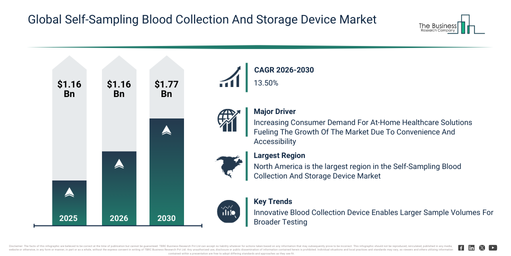
    The market size for self-sampling blood collection and storage devices has seen rapid expansion in recent years. This market is set to increase from $0.95 billion in 2025 to $1.08 billion in 2026, achieving a compound annual growth rate (CAGR) of 13.8%. The historical growth can be attributed to several factors, including the initial limited availability of self-sampling devices, the conventional dependence on clinical visits for blood collection, an increasing awareness of home diagnostics, the rising prevalence of chronic diseases, and the development of basic blood collection kits.

    The self-sampling blood collection and storage device market is anticipated to experience swift expansion over the coming years. This market is projected to reach $1.79 billion by 2030, exhibiting a compound annual growth rate (CAGR) of 13.5%. This expansion during the forecast period stems from advancements in micro-needle and fingerstick technologies, the growing acceptance of personalized healthcare, the proliferation of telemedicine and remote monitoring, a heightened need for genetic and drug testing, and the creation of integrated digital health platforms. Key developments expected during this timeframe involve the increased use of at-home blood collection devices, a surge in demand for remote diagnostic testing, advancements in stabilization and preservation reagents, broader application of genetic and infectious disease testing, and improved user-friendliness and safety characteristics in these devices.

    Get A Free Sample Report With In-Depth Market Insights:

    https://thebusinessresearchcompany.com/sample_request?id=45700903&type=smp&name=Self-Sampling%20Blood%20Collection%20And%20Storage%20Device%20Market%20Report%202026&utm_source=Blogs&utm_medium=Paid&utm_campaign=Oct_PR

    Self-Sampling Blood Collection And Storage Device Market Industry Drivers: What’s Behind The Revenue Growth?

    The anticipated expansion of the self-sampling blood collection and storage devices market is fueled by the rising consumer demand for at-home healthcare solutions. These solutions encompass medical services, devices, and technologies that allow individuals to access care, monitor their health, and manage conditions remotely, thereby avoiding trips to clinics or hospitals. The heightened demand for at-home healthcare stems from the desire for enhanced convenience, as it removes the necessity of traveling to clinics and shortens wait times. Self-sampling blood collection and storage devices facilitate at-home healthcare by offering a convenient and precise method for sample collection, eliminating the need for clinic visits. These devices streamline the process, boost patient comfort, and enable prompt diagnostics, thus enhancing overall access to healthcare. An illustrative example from July 2024, as reported by the US-based federal agency, the Bureau of Labor Statistics, showed that home- and community-based care reached 4.3 million jobs. This was primarily driven by 2.5 million workers in services for the elderly and people with disabilities, and an additional 1.8 million in home health care. Consequently, the growing consumer preference for at-home healthcare solutions is propelling the expansion of the self-sampling blood collection and storage devices market.

    Self-Sampling Blood Collection And Storage Device Market Segmentation And Category Overview

    The self-sampling blood collection and storage device market covered in this report is segmented –

    1) By Product Type: Kits, Tubes, Lancets, Others Product Type

    2) By Material Type: Plastic, Glass, Silicone, Metal, Composite Materials

    3) By Sample Type: Blood, Urine, Saliva

    4) By Application: Genetic Testing, Infectious Disease Testing, Drug Testing, Blood Chemistry Testing

    5) By End-User: Hospitals, Diagnostic Laboratories, Research Institutes, Home Care Settings, Other End-Users

    Subsegments:

    1) By Kits: Dried Blood Spot (DBS) Collection Kits, Microtube Collection Kits, Plasma Separation Kits, DNA/RNA Collection Kits, At-home Diagnostic Test Kits

    2) By Tubes: EDTA Tubes, Heparin Tubes, Serum Separator Tubes, Plasma Separator Tubes, Micro Collection Tubes

    3) By Lancets: Push-Button Lancets, Pressure-Activated Lancets, Safety Lancets, Retractable Lancets, Adjustable Depth Lancets

    4) By Others Product Type: Capillary Blood Collection Devices, Blood Collection Cards, Transfer Devices, Filter Paper Devices, Preservation And Stabilization Reagents

    #Self-Sampling Blood Collection And Storage Device Market Growth Trends: What’s Shaping The Future Outlook?

    Major companies operating within the self-sampling blood collection and storage device market are focusing on developing innovative solutions, such as novel self-sampling blood collection devices, to improve sample integrity, user convenience, and diagnostic accuracy. A new self-sampling blood collection device refers to the latest generation of technologies that enable individuals to collect their blood samples with minimal or no assistance from healthcare professionals. For instance, in February 2023, Capitainer AB, a medical technology company based in Sweden, introduced Capitainer B 50, a self-sampling blood collection card engineered to allow patients to collect and store significantly larger volumes of blood. It provides features that enable patients to obtain two precise 50 µL blood samples from a finger stick, supporting a wider range of lab analyses due to the increased sample volume. This device incorporates a precise filling mechanism that automatically meters the blood, thereby minimizing the risk of over- or under-filling, and includes a sampling indicator for user confirmation.

    Self-Sampling Blood Collection And Storage Device Market Top Companies Driving Competitive Growth

    Major companies operating in the self-sampling blood collection and storage device market are Becton Dickinson And Company, DBS System SA, Terumo Corporation, Sysmex Corporation, Qiagen N V, PerkinElmer Inc, Sarstedt AG And Co KG, Greiner Bio One International GmbH, Trajan Group Holdings Limited, Tasso Inc, PanoHealth, Boston Microfluidics Inc, LAMEDITECH Co Ltd, YourBio Health Inc, Capitainer, Drawbridge Health Inc, Spot On Sciences, Neoteryx LLC, Hemaxis SA, Microsampling Systems Ltd

    View The Full Self-Sampling Blood Collection And Storage Device Market Report:

    https://thebusinessresearchcompany.com/report/self-sampling-blood-collection-and-storage-device-global-market-report?utm_source=Blogs&utm_medium=Paid&utm_campaign=Oct_PR

    Self-Sampling Blood Collection And Storage Device Market Global Footprint: Which Region Leads The Market?

    North America was the largest region in the self-sampling blood collection and storage device market in2025. Asia-Pacific is expected to be the fastest-growing region in the forecast period. The regions covered in the self-sampling blood collection and storage device market report are Asia-Pacific, South East Asia, Western Europe, Eastern Europe, North America, South America, Middle East, Africa.

    Reach Out To Our Team:

    The Business Research Company: https://www.thebusinessresearchcompany.com/

    Americas: +1 310-496-7795

    Asia: +44 7882 955267 & +91 8897263534

    Europe: +44 7882 955267

    Email us at: marketing@tbrc.info

    Follow us on:

    LinkedIn: https://in.linkedin.com/company/the-business-research-company

    YouTube: https://www.youtube.com/channel/UC24_fI0rV8cR5DxlCpgmyFQ

    Global Market Model: https://www.thebusinessresearchcompany.com/global-market-model
  • Self-Monitoring Blood Glucose (SMBG) Devices Market Growth Outlook: Why Analysts Expect Continued Expansion

    Self-Monitoring Blood Glucose (SMBG) Devices Market Growth Outlook: Why Analysts Expect Continued Expansion

    Backed by market attractiveness analysis, total addressable market sizing, company benchmarking matrices, interactive Excel dashboards, wider supply chain intelligence, emerging startup coverage, and detailed product-level insights, The Business Research Company’s 2026 market reports are designed to offer research that is more actionable and strategically valuable than ever.

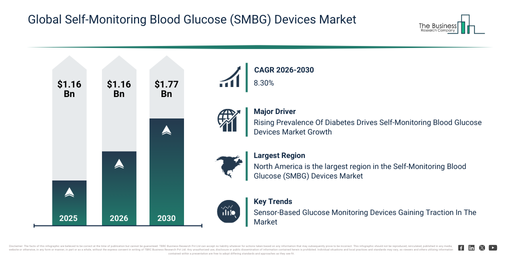
    Self-Monitoring Blood Glucose (SMBG) Devices Market Growth From $17.56 Billion In 2026 To $24.17 Billion By 2030 At A CAGR Of 8.3%

    The self-monitoring blood glucose (smbg) devices market has experienced significant growth in recent years. It is anticipated to expand from $16.19 billion in 2025 to $17.56 billion in 2026, demonstrating a compound annual growth rate (CAGR) of 8.5%. The historical rise of this market can be linked to the increasing prevalence of diabetes, a growing understanding of self-monitoring practices, the broader adoption of home healthcare, the accessibility of affordable glucose meters, and improved diabetes management guidelines.

    The self-monitoring blood glucose (SMBG) devices market size is anticipated to undergo substantial expansion in the coming years. This market is forecast to grow to $24.17 billion in 2030 at a compound annual growth rate (CAGR) of 8.3%. The drivers for this growth during the forecast period include an escalating demand for connected health solutions, increased adoption of continuous glucose monitoring, the broadening of telehealth-based diabetes care, a heightened emphasis on preventive healthcare, and growing investments in digital diabetes management. Key trends expected in this period encompass the rising uptake of smart glucose monitoring devices, the expanding utilization of continuous glucose monitoring systems, the increasing integration of mobile health applications, the extension of remote patient monitoring solutions, and an enhanced focus on designing patient-friendly devices.

    Get A Free Sample Report With In-Depth Market Insights:

    https://thebusinessresearchcompany.com/sample_request?id=92278566&type=smp&name=Self-Monitoring%20Blood%20Glucose%20%28SMBG%29%20Devices%20Market%20Report%202026&utm_source=Blogs&utm_medium=Paid&utm_campaign=Oct_PR

    Self-Monitoring Blood Glucose (SMBG) Devices Market Growth Factors: What’s Supporting Expansion?

    The growing incidence of diabetes is anticipated to fuel the expansion of the self-monitoring blood glucose device market in the coming years. Diabetes is defined as a chronic metabolic condition where the body either fails to produce sufficient insulin or cannot effectively utilize it, leading to elevated blood glucose levels that can harm various organs and systems over time. This increase in diabetes prevalence mainly stems from unhealthy eating habits, which incrementally raise long-term blood sugar levels and gradually impair metabolic health. Self-Monitoring Blood Glucose (SMBG) Devices assist in managing diabetes by allowing individuals to monitor their real-time blood sugar levels, facilitating prompt adjustments in diet, medication, or physical activity to achieve superior glycemic control. For instance, in June 2024, the National Health Service, a UK-based government body, reported that in 2023, the NHS identified an additional over half a million (549,000) people in England susceptible to developing type 2 diabetes. This pushed the total count of individuals with non-diabetic hyperglycemia, or pre-diabetes, registered with a GP, to 3,615,330. This figure signifies a substantial rise compared to 3,065,825 in 2022, indicating an increase of nearly 20%. Consequently, the escalating prevalence of diabetes is propelling the growth of the self-monitoring blood glucose devices market.

    Self-Monitoring Blood Glucose (SMBG) Devices Market Segment Outlook: Which Categories Are Growing Fastest?

    The self-monitoring blood glucose (smbg) devices market covered in this report is segmented –

    1) By Product: Self-Monitoring Blood Glucose Meters, Testing Strips, Lancets

    2) By Distribution Channel: Hospital Pharmacies, Retail Pharmacies, Online Sales, Diabetes Clinics & Centers

    3) By Application: Type 1 Diabetes, Type 2 Diabetes, Gestational Diabetes

    Subsegments:

    1) By Self-Monitoring Blood Glucose Meters: Traditional Glucose Meters, Smart Glucose Meters

    2) By Testing Strips: Standard Testing Strips, Test Strips for Specific Meters

    3) By Lancets: Standard Lancets, Safety Lancets

    Self-Monitoring Blood Glucose (SMBG) Devices Market Industry Trends: What’s Reshaping Demand?

    Leading companies in the self-monitoring blood glucose (SMBG) devices market are prioritizing the development of innovative solutions, such as continuous glucose monitoring (CGM) systems, to address the increasing need for less burdensome glucose tracking, improved glycemic management, remote patient monitoring, and better compatibility with insulin delivery and digital health platforms. CGM systems are wearable sensors that continuously measure interstitial glucose, providing trend data, alerts, and cloud-connected reporting; their key functionalities include real-time glucose readings, trend arrows, customizable alarms, and data sharing capabilities. Unlike traditional fingerstick SMBG (glucometers) which require discrete capillary blood samples and offer only point-in-time values, CGMs enable proactive therapy adjustments and richer longitudinal insights, thereby reducing the risk of hypoglycemia and improving time-in-range. For example, in August 2024, Medtronic plc, an Ireland-based medical technology company, introduced Simplera CGM, a compact, disposable, all-in-one continuous glucose monitor designed for easier self-application, real-time glucose sensing, and seamless operation with both the InPen smart insulin pen and the MiniMed 780G system, offering users a smaller form factor, simplified wear, and enhanced interoperability that supports continuous visibility for Smart MDI users, redundant sensing for pump users, and overall improved comfort, adherence, and clinical decision-making through the integration of continuous glucose trend data.

    Self-Monitoring Blood Glucose (SMBG) Devices Market Leading Players And Competitive Positioning

    Major companies operating in the self-monitoring blood glucose (smbg) devices market are Abbott Laboratories, Bionime Corporation, B Braun Melsungen AG, F Hoffmann La Roche Ltd, LifeScan Inc, PHC Holdings Corporation, Home Diagnostics Inc, ARKRAY Inc, Ypsomed Holding AG, Dexcom Inc, Medtronic plc, Senseonics Holdings Inc, AgaMatrix Inc, All Medicus Co Ltd, Ascensia Diabetes Care Holdings AG, Bayer AG, Becton Dickinson and Company, Cnoga Medical Ltd, ForaCare Inc, Infopia Co Ltd, Menarini Diagnostics, Nipro Corporation, Nova Biomedical Corporation, Omron Healthcare Inc, OrSense Ltd, Prodigy Diabetes Care LLC, PTS Diagnostics, TaiDoc Technology Corporation, Trividia Health Inc

    View The Full Self-Monitoring Blood Glucose (SMBG) Devices Market Report:

    https://thebusinessresearchcompany.com/report/self-monitoring-blood-glucose-SMBG-devices-global-market-report?utm_source=Blogs&utm_medium=Paid&utm_campaign=Oct_PR

    Self-Monitoring Blood Glucose (SMBG) Devices Market Regional Split: Which Areas Are Fueling Growth?

    North America was the largest region in the self-monitoring blood glucose (SMBG) devices market in 2025. Europe is expected to be the fastest-growing region in the forecast period. The regions covered in the self-monitoring blood glucose (smbg) devices market report are Asia-Pacific, South East Asia, Western Europe, Eastern Europe, North America, South America, Middle East, Africa.

    Reach Out To Our Team:

    The Business Research Company: https://www.thebusinessresearchcompany.com/

    Americas: +1 310-496-7795

    Asia: +44 7882 955267 & +91 8897263534

    Europe: +44 7882 955267

    Email us at: marketing@tbrc.info

    Follow us on:

    LinkedIn: https://in.linkedin.com/company/the-business-research-company

    YouTube: https://www.youtube.com/channel/UC24_fI0rV8cR5DxlCpgmyFQ

    Global Market Model: https://www.thebusinessresearchcompany.com/global-market-model
  • Self-Injections Market Forecast Insights: The Road To $15.05 Billion By 2030

    Self-Injections Market Forecast Insights: The Road To $15.05 Billion By 2030

    Featuring market attractiveness scoring, total addressable market sizing, company benchmarking matrices, interactive Excel dashboards, deeper supply chain intelligence, emerging startup tracking, and granular product-level insights, The Business Research Company’s 2026 market reports are built to deliver research that is both more actionable and more strategically valuable.

    Self-Injections Market Expansion Outlook: What Revenue Opportunities Are Ahead?

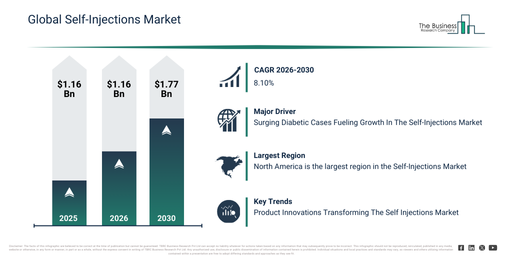
    The self-injections market has experienced substantial growth in recent years. Its valuation is set to expand from $10.22 billion in 2025 to $11.04 billion in 2026, achieving a compound annual growth rate (CAGR) of 8.1%. This historic market expansion is attributed to factors such as the increasing prevalence of chronic diseases, greater availability of injectable biologics, a rising preference for treatment at home, the expansion of specialty pharmaceuticals, and enhancements in the ergonomic design of injection devices.

    The self-injections market size is anticipated to undergo significant expansion over the next few years. It is forecast to grow to $15.05 billion in 2030, achieving a compound annual growth rate (CAGR) of 8.1%. This growth during the forecast period can be attributed to several factors, including an escalating demand for self-care therapies, the increasing adoption of digital health-enabled injectors, the expansion of biologics pipelines, a heightened focus on adherence-enhancing drug delivery, and the growing use of connected medical devices. Prominent trends anticipated in this period encompass the increasing integration of auto-injector devices, a rising demand for wearable injection systems, the growing utilization of biologic self-administered therapies, the development of patient-centric drug delivery designs, and an enhanced emphasis on safety and dose accuracy.

    Get A Free Sample Report With In-Depth Market Insights:

    https://thebusinessresearchcompany.com/sample_request?id=51197499&type=smp&name=Self-Injections%20Market%20Report%202026&utm_source=Blogs&utm_medium=Paid&utm_campaign=Oct_PR

    Self-Injections Market Demand Drivers: What’s Powering Industry Growth?

    The increasing count of diabetic patients is anticipated to propel the expansion of the self-injections market in the future. Diabetes describes a condition where the pancreas, the human organ producing insulin, generates an inadequate amount of insulin, which results in the breakdown of blood sugars and contributes to serious health issues like heart disease, vision loss, and kidney problems. Self-injections empower diabetic patients to administer insulin and other medicines, thereby helping to sustain optimal blood sugar levels and prevent any surplus blood sugars at any time without needing a medical professional. For instance, in November 2025, according to Diabetes Care, a US-based international peer-reviewed medical journal, an estimated 634.8 million adults, representing 12.0 percent of the global adult population, were living with impaired glucose tolerance in 2024, with this figure projected to climb to 846.5 million adults or 12.9 percent of the world’s adult population by 2050. Therefore, the rising number of diabetic patients is stimulating the growth of the self-injections market.

    Self-Injections Market Segment Landscape: Which Areas Lead Development?

    The self-injections market covered in this report is segmented –

    1) By Type: Devices, Formulations

    2) By Dosage: Single Dose, Multi Dose

    3) By Application: Autoimmune Diseases, Hormonal Disorders, Orphan Diseases, Pain Management, Other Applications

    4) By Distribution Channel: Chemist, Online Pharmacies

    Subsegments:

    1) By Devices: Pre-Filled Syringes, Auto-Injectors, Microneedle Devices, Wearable Injectors

    2) By Formulations: Biologics, Small Molecules, Combination Products

    Self-Injections Market Innovation Trends: What Developments Are Reshaping The Industry?

    Leading companies in the self-injections market are concentrating on innovations in drug delivery, such as hands-free, hidden-needle subcutaneous delivery, to simplify patients’ self-administration of large-volume biologics. This hands-free, hidden-needle subcutaneous delivery refers to a wearable injector that discretely delivers medication without manual operation, while keeping the needle concealed for enhanced comfort and safety. For instance, in November 2023, Enable Injections Inc., a US-based drug-delivery technology firm, obtained its first US Food and Drug Administration (FDA) approval for the enFuse large-volume wearable injector, to be used with EMPAVELI (pegcetacoplan). This compact, mechanical, body-worn device delivers up to 25 mL subcutaneously, allowing for self-administration or in-clinic administration with features like hands-free operation and reduced disruption to patients’ daily activities. The enFuse platform improves convenience, supports home-based care, and enhances the overall patient experience for large-volume therapy delivery.

    Self-Injections Market Competitive Overview And Top Companies

    Major companies operating in the self-injections market are AbbVie Inc., Antares Pharma Inc., Baxter International Inc., Bayer AG, Becton Dickinson and Company, Bristol-Myers Squibb Company, Credence MedSystems Inc., Dali Medical Devices Ltd., Eli Lilly and Company, Enable Injections Inc., Gerresheimer AG, Insulet Corporation, Merck & Co. Inc., Owen Mumford Limited, Pfizer Inc., PharmaJet Inc., Recipharm AB, Schott AG, SHL Group Limited, Terumo Corporation, West Pharmaceutical Services Inc., Wilhelm Haselmeier GmbH & Co. KG, Ypsomed Holding AG, APTAR PHARMA INDIA PVT LTD, Bespak Europe Ltd., Bioject Medical Technologies Inc., Catalent Inc., Crossject SA, Injex Pharma AG, Medeca Pharma AB, Medimop Medical Projects Ltd., Mylan N.V., Nemera Development S.A., Noble Medical Inc.

    View The Full Self-Injections Market Report:

    https://thebusinessresearchcompany.com/report/self-injections-global-market-report?utm_source=Blogs&utm_medium=Paid&utm_campaign=Oct_PR

    Self-Injections Market Top Region: Where Does Most Revenue Come From?

    North America was the largest region in the self-injections market in 2025. Asia-Pacific is expected to be the fastest-growing region in the forecast period. The regions covered in the self-injections market report are Asia-Pacific, South East Asia, Western Europe, Eastern Europe, North America, South America, Middle East, Africa.

    Reach Out To Our Team:

    The Business Research Company: https://www.thebusinessresearchcompany.com/

    Americas: +1 310-496-7795

    Asia: +44 7882 955267 & +91 8897263534

    Europe: +44 7882 955267

    Email us at: marketing@tbrc.info

    Follow us on:

    LinkedIn: https://in.linkedin.com/company/the-business-research-company

    YouTube: https://www.youtube.com/channel/UC24_fI0rV8cR5DxlCpgmyFQ

    Global Market Model: https://www.thebusinessresearchcompany.com/global-market-model