Blog

  • Neurophysiology Devices And Equipment Market Projected For Strong Expansion Through 2030: Key Trends And Future Outlook

    Neurophysiology Devices And Equipment Market Projected For Strong Expansion Through 2030: Key Trends And Future Outlook

    Built to provide research that’s more actionable and strategically valuable, The Business Research Company’s 2026 market reports include market attractiveness analysis, total addressable market sizing, company benchmarking matrices, interactive Excel dashboards, broader supply chain intelligence, emerging startup tracking, and in-depth product insights.

    Neurophysiology Devices And Equipment Market CAGR Outlook And Future Development

    The neurophysiology devices and equipment market has experienced modest growth in recent years. It is anticipated to increase from $1.72 billion in 2025 to $1.76 billion in 2026, achieving a compound annual growth rate (CAGR) of 2.3%. This historical expansion can be attributed to factors such as an increase in neurological testing, developments in EMG and EEG technologies, a rise in surgical volumes, the expansion of neurology departments within hospitals, and the growth of clinical research.

    The neurophysiology devices and equipment market is projected to experience substantial expansion over the coming years. Its valuation is forecast to reach $2.51 billion in 2030, demonstrating a compound annual growth rate (CAGR) of 9.3%. This anticipated growth during the period stems from factors such as increased demand for point-of-care diagnostics, a growing incidence of nerve disorders, advancements in technological miniaturization, the proliferation of ambulatory centers, and expanded training and education initiatives. Key trends foreseen for the period encompass a heightened uptake of portable neurophysiology devices, their expanded application in intraoperative monitoring, an increasing need for wireless recording systems, the enlargement of neurology and neurodiagnostic laboratories, and an intensified emphasis on the early detection of nerve disorders.

    Get A Free Sample Report With In-Depth Market Insights:

    https://thebusinessresearchcompany.com/sample_request?id=43909326&type=smp&name=Neurophysiology%20Devices%20And%20Equipment%20Market%20Report%202026&utm_source=Blogs&utm_medium=Paid&utm_campaign=Sep_PR

    Neurophysiology Devices And Equipment Market Demand Drivers Opening New Revenue Streams

    The future expansion of the neurophysiology devices and equipment market is anticipated to be driven by government programs aimed at next-generation invasive devices. These initiatives encompass particular actions, schemes, regulations, or undertakings by governmental bodies at various tiers (local, regional, national, or international) with the goal of tackling specific problems, attaining objectives, or fostering societal improvements. Numerous governmental bodies are launching various healthcare programs to back different facets of advanced invasive devices. For example, in 2023, the Department of Health and Human Services, a US-based government agency, reported that the National Institutes of Health (NIH) released a funding opportunity announcement (FOA), urging researchers to conduct first-in-human or early-stage clinical studies for next-generation invasive devices. Consequently, government initiatives for next-generation invasive devices are fueling the neurophysiology devices and equipment market.

    Neurophysiology Devices And Equipment Market Segment Breakdown: Which Categories Lead On Revenue?

    The neurophysiology devices and equipment market covered in this report is segmented –

    1) By Technology: Electromyography (EMG), Electroencephalography (EEG), Electrocorticography (ECoG), Evoked Potential (EP)

    2) By Modality: Standalone, Portable

    3) By End Users: Hospitals, Ambulatory Surgical Centers

    Subsegments:

    1) By Electromyography (EMG): Surface EMG Devices, Needle EMG Devices, Wireless EMG Devices

    2) By Electroencephalography (EEG): Conventional EEG Systems, Portable EEG Systems, Wireless EEG Systems

    3) By Electrocorticography (ECoG): Grid Electrodes, Strip Electrodes, Subdural Electrodes

    4) By Evoked Potential (EP): Visual Evoked Potential (VEP) Devices, Auditory Evoked Potential (AEP) Devices, Somatosensory Evoked Potential (SEP) Devices

    Neurophysiology Devices And Equipment Market Trends Powering Strategic Industry Growth

    Leading firms operating within the neurophysiology devices and equipment market are creating innovative products like Evo sEEG electrodes to boost market revenues. The Evo sEEG electrode is a high-definition, minimally invasive thin film electrode crafted for the diagnosis and treatment of various neurological conditions. For instance, in May 2023, NeuroOne Medical Technologies Corporation, a US-based medical technology company, introduced Evo sEEG electrodes. The Evo sEEG electrode exhibits potential for future capabilities concerning spinal cord stimulation and ablation solutions. This electrode features hi-definition, thin film electrodes that can potentially enhance signal clarity and provide secure, precise, and less invasive diagnostic procedures for patients with epilepsy, chronic back pain, and Parkinson’s disease.

    Neurophysiology Devices And Equipment Market Industry Leaders And Competitive Landscape

    Major companies operating in the neurophysiology devices and equipment market are Medtronic Plc, Nihon Kohden Corporation, Dr. Langer Medical GmbH, Natus Medical Incorporated, Inomed Medizintechnik, NuVasive Inc, Axon Healthcare Ltd., Bovie Medical Corporation, Neurosign, Neurowave Systems, Cadwell Industries, Brainsway, Checkpoint Surgical, Deymed Diagnostic Inc., EMS Biomedical, Compumedics Limited, Magtism, Langer Medical, Shanghai NCC Medical, Ambu, Blackrock Microsystems, Cognionics, Morningside Medical Equipment, BeckerSmith Medical, Cognivue, Helius Medical Technologies, inTRAvent Medical Partners, Neural Diagnostics Pty Ltd, Irras AB

    View The Full Neurophysiology Devices And Equipment Market Report:

    https://thebusinessresearchcompany.com/report/neurophysiology-devices-and-equipment-global-market-report?utm_source=Blogs&utm_medium=Paid&utm_campaign=Sep_PR

    Neurophysiology Devices And Equipment Market Regional Analysis And Leading Geography

    North America was the largest region in the neurophysiology devices and equipment market in 2025. Western Europe was the second-largest region in the global neurophysiology devices and equipment market share. The regions covered in the neurophysiology devices and equipment market report are Asia-Pacific, South East Asia, Western Europe, Eastern Europe, North America, South America, Middle East, Africa.

    Reach Out To Our Team:

    The Business Research Company: https://www.thebusinessresearchcompany.com/

    Americas: +1 310-496-7795

    Asia: +44 7882 955267 & +91 8897263534

    Europe: +44 7882 955267

    Email us at: marketing@tbrc.info

    Follow us on:

    LinkedIn: https://in.linkedin.com/company/the-business-research-company

    YouTube: https://www.youtube.com/channel/UC24_fI0rV8cR5DxlCpgmyFQ

    Global Market Model: https://www.thebusinessresearchcompany.com/global-market-model

  • Neuro-Navigation Systems Market Outlook 2026–2030: Growth Trends, Market Dynamics And Emerging Opportunities

    Neuro-Navigation Systems Market Outlook 2026–2030: Growth Trends, Market Dynamics And Emerging Opportunities

    Backed by market attractiveness analysis, total addressable market sizing, company benchmarking matrices, interactive Excel dashboards, wider supply chain intelligence, emerging startup coverage, and detailed product-level insights, The Business Research Company’s 2026 market reports are designed to offer research that is more actionable and strategically valuable than ever.

    Neuro-Navigation Systems Market Set To Climb From $3.44 Billion In 2026 To $4.96 Billion By 2030

    The neuro-navigation systems market has experienced substantial expansion in recent years. It is anticipated to increase from $3.13 billion in 2025 to $3.44 billion in 2026, exhibiting a compound annual growth rate (CAGR) of 9.9%. The market’s historical development can be attributed to factors like growth in neurological disorders, neurosurgical precision demand, imaging technology advancement, hospital infrastructure upgrades, and an emphasis on improving surgical outcomes.

    The neuro-navigation systems market size is projected to experience robust growth in the upcoming years. It will grow to $4.96 billion in 2030 at a compound annual growth rate (CAGR) of 9.6%. The expansion during the forecast period can be attributed to the rise in robot-assisted surgery, an increase in complex brain surgeries, the integration of AI into navigation, the demand for spine surgery, and the expansion of specialty hospitals. Key trends anticipated in the forecast period include image-guided brain surgery, minimally invasive neurosurgery, real-time surgical navigation, robotic-assisted neurosurgical procedures, and precision spine surgery.

    Get A Free Sample Report With In-Depth Market Insights:

    https://thebusinessresearchcompany.com/sample_request?id=32208450&type=smp&name=Neuro-Navigation%20Systems%20Market%20Report%202026&utm_source=Blogs&utm_medium=Paid&utm_campaign=Sep_PR

    Neuro-Navigation Systems Market Growth Backed By Core Demand Fundamentals

    The increasing utilization of minimally invasive surgical techniques is anticipated to drive expansion in the neuro-navigation systems market. These procedures involve conducting operations through small incisions or natural body openings using specialized tools and methods. The growing embrace of minimally invasive methods is fueled by their benefits, such as reduced pain, quicker recovery, and a lower risk of complications. Neuro-navigation systems enhance the precision and effectiveness of minimally invasive surgeries by providing real-time, detailed guidance, which allows surgeons to accurately navigate complex anatomical structures. For instance, in January 2023, data published by the American Society of Plastic Surgeons, a US-based association of plastic surgeons, showed that approximately 23,672,269 minimally invasive cosmetic surgeries were performed in the USA in 2022, increasing by 7% to 25,442,640 surgeries in 2023. Consequently, the rising adoption of minimally invasive surgical procedures is a key factor propelling the growth of the neuro-navigation systems market.

    Neuro-Navigation Systems Market Segmentation: How Does The Market Break Down By Category?

    The neuro-navigation systems market covered in this report is segmented –

    1) By Type: Optical Surgical Navigation Systems, Electromagnetic Surgical Navigation Systems, Robotic Navigation Systems

    2) By Application: Neurosurgery, Craniomaxillofacial Surgery, Spinal Surgery, Other Applications

    3) By End User: Hospitals, Neurology Clinic, Ambulatory Surgical Centers (ASC), Research Centers, Other End Users

    Subsegments:

    1) By Optical Surgical Navigation Systems: 2D Optical Navigation Systems, 3D Optical Navigation Systems, Optical Tracking Devices, Image-Guided Surgery Systems

    2) By Electromagnetic Surgical Navigation Systems: Electromagnetic Tracking Systems, Wireless Electromagnetic Navigation Devices, Electromagnetic Guidance Systems for Biopsies

    3) By Robotic Navigation Systems: Robotic-Assisted Surgical Systems, Telemanipulation Navigation Systems

    Neuro-Navigation Systems Market Growth Trends Reshaping The Competitive Landscape

    Major companies operating in the neuro-navigation systems market are prioritizing the development of sophisticated products, such as advanced surgical planning and navigation platforms, to elevate surgical precision, minimize operation durations, and improve patient outcomes. These advanced platforms are intricate systems that integrate imaging technologies with real-time tracking, aiding surgeons in accurately navigating complex anatomical structures during procedures, thereby enhancing precision and improving patient outcomes. As an example, in July 2023, Stryker, a US-based medical technology company, launched its Q Guidance System with Cranial Guidance Software. This Q Guidance System with Cranial Guidance Software functions as a next-generation neuro-navigation tool, designed to offer real-time, high-resolution imaging and precise navigation for complex cranial surgeries. It significantly improves surgical precision and patient outcomes by providing surgeons with 3D visualization and advanced guidance during operations. This system is poised to streamline workflows, reduce operating room time, and contribute to the evolving landscape of neuro-navigation systems.

    Neuro-Navigation Systems Market Key Participants And Competitive Landscape

    Major companies operating in the neuro-navigation systems market are Medtronic Plc, Stryker Corporation, BrainLAB AG, Synaptive Medical, ClearPoint Neuro Inc., ClaroNav, Scopis GmbH, Northern Digital Inc., Philips Healthcare, GE HealthCare Technologies Inc., Canon Medical Systems, Hitachi Medical Systems, Siemens Healthineers, Zimmer Biomet, Johnson And Johnson Medical Devices, Mazor Robotics, Brainlab Spine, FHC Inc., Inomed Medizintechnik GmbH, Renishaw Plc, Leica Microsystems

    View The Full Neuro-Navigation Systems Market Report:

    https://thebusinessresearchcompany.com/report/neuro-navigation-systems-global-market-report?utm_source=Blogs&utm_medium=Paid&utm_campaign=Sep_PR

    Neuro-Navigation Systems Market Geographic Analysis: Where Is Demand Accelerating Fastest?

    North America was the largest region in the neuro-navigation systems market in 2025. Asia-Pacific is expected to be the fastest-growing region in the forecast period. The regions covered in the neuro-navigation systems market report are Asia-Pacific, South East Asia, Western Europe, Eastern Europe, North America, South America, Middle East, Africa.

    Reach Out To Our Team:

    The Business Research Company: https://www.thebusinessresearchcompany.com/

    Americas: +1 310-496-7795

    Asia: +44 7882 955267 & +91 8897263534

    Europe: +44 7882 955267

    Email us at: marketing@tbrc.info

    Follow us on:

    LinkedIn: https://in.linkedin.com/company/the-business-research-company

    YouTube: https://www.youtube.com/channel/UC24_fI0rV8cR5DxlCpgmyFQ

    Global Market Model: https://www.thebusinessresearchcompany.com/global-market-model
  • Neuromodulation Market Growth Outlook From $8.45 Billion In 2026 To $12.88 Billion By 2030

    Neuromodulation Market Growth Outlook From $8.45 Billion In 2026 To $12.88 Billion By 2030

    Featuring market attractiveness scoring, total addressable market sizing, company benchmarking matrices, interactive Excel dashboards, deeper supply chain intelligence, emerging startup tracking, and granular product-level insights, The Business Research Company’s 2026 market reports are built to deliver research that is both more actionable and more strategically valuable.

    Neuromodulation Market Forecast: Value Set To Climb From $8.45 Billion To $12.88 Billion

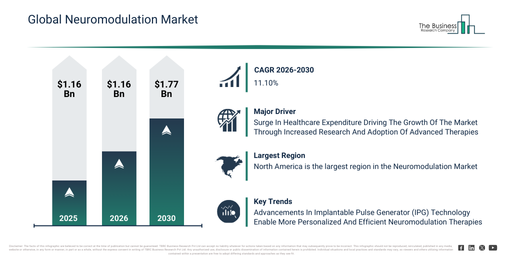
    The neuromodulation market has experienced substantial growth in its size over recent years. It will grow from $7.62 billion in 2025 to $8.45 billion in 2026 at a compound annual growth rate (CAGR) of 10.9%. The historical expansion can be primarily attributed to several factors including the rising prevalence of chronic pain conditions, an increasing incidence of neurological disorders, greater acceptance of minimally invasive therapies, the expansion of specialized pain management centers, and the availability of advanced implantable devices.

    The neuromodulation market is anticipated to experience substantial expansion over the upcoming years. This market is projected to reach $12.88 billion by 2030, exhibiting a compound annual growth rate (CAGR) of 11.1%. The growth expected during the forecast period stems from factors such as the increasing integration of AI-assisted neuromodulation systems, a rising demand for home-based neuromodulation therapies, the broadening of indications for psychiatric and neurological disorders, a heightened focus on patient-specific stimulation protocols, and continuous technological progress in biomaterials and device miniaturization. Furthermore, major developments predicted for this period encompass a greater adoption of implantable neuromodulation devices, an increase in the use of non-invasive neuromodulation therapies, a growing incorporation of smart and programmable stimulators, the expansion of neuromodulation applications beyond pain management, and an enhanced emphasis on personalized neurotherapy.

    Get A Free Sample Report With In-Depth Market Insights:

    https://thebusinessresearchcompany.com/sample_request?id=96267021&type=smp&name=Neuromodulation%20Market%20Report%202026&utm_source=Blogs&utm_medium=Paid&utm_campaign=Sep_PR

    Neuromodulation Market Growth Catalysts And Demand Drivers

    Anticipated increases in healthcare spending are projected to fuel the expansion of the neuromodulation market in the future. This spending encompasses the overall funds dedicated to healthcare and associated endeavors, such as delivering health services, private and public health coverage, health-related research, and public health initiatives. Elevated outlays facilitate the creation and implementation of novel treatments and diagnostic approaches for neurological conditions, with enhanced financial backing enabling greater investigation into emerging neuromodulation technologies, thereby boosting their effectiveness, security, and precision in targeting. A notable example is the total healthcare expenditure in 2023, which, as reported by the UK-based Office for National Statistics in May 2024, experienced a 5.6% rise in nominal terms, marking a 0.9% acceleration in growth compared to 2022. Consequently, the increasing healthcare expenditure is serving as a catalyst for the expansion of the neuromodulation market.

    Neuromodulation Market Segment Trends And Revenue Contributors

    The neuromodulation market covered in this report is segmented –

    1) By Technology: Internal Neuromodulation, External Neuromodulation (Non-invasive)

    2) By Biomaterial: Polymeric Biomaterial, Metallic Biomaterial, Ceramic Biomaterial

    3) By Application: Chronic Pain, Urinary And Fecal Incontinence, Migraine, Failed Back Syndrome, Parkinson Disease, Epilepsy, Tremor, Depression, Other Applications

    4) By End-User: Hospitals, Clinics, Home Healthcare

    Subsegments:

    1) By Internal Neuromodulation: Implantable Devices, Intrathecal Drug Delivery Systems

    2) By External Neuromodulation (Non-invasive): Transcranial Magnetic Stimulation (TMS), Transcranial Direct Current Stimulation (tDCS), Transcutaneous Electrical Nerve Stimulation (TENS), Peripheral Nerve Stimulation (PNS)

    Neuromodulation Market Trends Shaping Long-Term Demand

    Leading companies in the neuromodulation market are concentrating on developing next-generation devices, such as advanced implantable pulse generators (IPGs), to enhance therapeutic precision, improve patient comfort, and maintain a competitive advantage. An IPG is a compact, battery-powered device typically implanted under the skin, often in the chest or abdomen, which delivers targeted electrical stimulation to manage neurological disorders. These innovations aim to offer greater customization, improved battery performance, and more streamlined implantation procedures. For example, in July 2023, Boston Scientific Corporation, a US-based biotechnology and biomedical engineering firm, obtained FDA approval for its Vercise Neural Navigator 5 software with STIMVIEW XT technology, designed for use with the fourth-generation Vercise Genus Deep Brain Stimulation (DBS) System. This platform features both rechargeable and non-rechargeable IPGs and supports five MR-Conditional implantable pulse generators (IPGs), providing the broadest range of therapy options to personalize DBS therapy for individuals with Parkinson’s disease or essential tremor.

    Neuromodulation Market Top Companies Driving Competitive Growth

    Major companies operating in the neuromodulation market are Abbott Laboratories, Soterix Medical Inc., Boston Scientific Corporation, Medtronic plc, Synapse Biomedical Inc., Nevro Corp, NeuroPace Inc., LivaNova PLC, NeuroSigma Inc., Neuronetics Inc., Bioness Inc., Aleva Neurotherapeutics S.A., Integer Holdings Corporation, Inspire Medical Systems Inc., Saluda Medical Pty Ltd, Inbrain Neuroelectronics SAS, Pixium Vision SA, Neuromod Devices Limited, Cognito Therapeutics Inc., PathMaker Neurosystems Inc., Dignify Therapeutics Inc., Neuros Medical Inc., Koninklijke Philips N.V., Omron Corporation

    View The Full Neuromodulation Market Report:

    https://thebusinessresearchcompany.com/report/neuromodulation-global-market-report?utm_source=Blogs&utm_medium=Paid&utm_campaign=Sep_PR

    Neuromodulation Market Global Footprint: Which Region Leads The Industry?

    North America was the largest region in the neuromodulation market in 2025. The regions covered in the neuromodulation market report are Asia-Pacific, South East Asia, Western Europe, Eastern Europe, North America, South America, Middle East, Africa.

    Reach Out To Our Team:

    The Business Research Company: https://www.thebusinessresearchcompany.com/

    Americas: +1 310-496-7795

    Asia: +44 7882 955267 & +91 8897263534

    Europe: +44 7882 955267

    Email us at: marketing@tbrc.info

    Follow us on:

    LinkedIn: https://in.linkedin.com/company/the-business-research-company

    YouTube: https://www.youtube.com/channel/UC24_fI0rV8cR5DxlCpgmyFQ

    Global Market Model: https://www.thebusinessresearchcompany.com/global-market-model

  • Neurology Monitoring Market Forecast To Reach $9.08 Billion By 2030: Key Growth Drivers And Industry Trends

    Neurology Monitoring Market Forecast To Reach $9.08 Billion By 2030: Key Growth Drivers And Industry Trends

    Built to provide research that’s more actionable and strategically valuable, The Business Research Company’s 2026 market reports include market attractiveness analysis, total addressable market sizing, company benchmarking matrices, interactive Excel dashboards, broader supply chain intelligence, emerging startup tracking, and in-depth product insights.

    Neurology Monitoring Market Revenue Growth On Track For A 5.5% CAGR Through 2030

    The neurology monitoring market has experienced robust expansion in recent years. Its valuation is set to increase from $6.95 billion in 2025 to $7.34 billion in 2026, achieving a compound annual growth rate (CAGR) of 5.5%. This growth observed in past periods is attributable to an expanding number of intricate neurological surgeries, the escalating prevalence of neurological conditions, the establishment of more specialized neurology centers, the widespread adoption of intraoperative monitoring benchmarks, and continuous advancements in neurodiagnostic technologies.

    The neurology monitoring market is anticipated to experience substantial expansion over the coming years. Its valuation is projected to reach $9.08 billion in 2030 at a compound annual growth rate (CAGR) of 5.5%. This projected growth during the forecast period can be primarily attributed to several factors, including the escalating need for continuous brain monitoring solutions, increased investments in cutting-edge neuromonitoring technologies, the broadening scope of minimally invasive neurosurgeries, a heightened emphasis on patient safety outcomes, and the increasing incorporation of AI-powered neurological analytics. Key developments expected during this period involve a greater uptake of real-time neuromonitoring systems, a surge in the utilization of portable and wireless monitoring devices, the expanding integration of multi-parameter neurological monitoring, the wider application of intraoperative monitoring, and an intensified focus on data-driven clinical decision support.

    Get A Free Sample Report With In-Depth Market Insights:

    https://thebusinessresearchcompany.com/sample_request?id=70729177&type=smp&name=Neurology%20Monitoring%20Market%20Report%202026&utm_source=Blogs&utm_medium=Paid&utm_campaign=Sep_PR

    Neurology Monitoring Market Opportunity Drivers: What’s Unlocking New Revenue Potential?

    The escalating occurrence of traumatic brain injuries is projected to fuel the expansion of the neurology monitoring market in the future. A traumatic brain injury (TBI) involves damage to the brain resulting from external force or trauma. The rising incidence of these injuries stems from an increase in road traffic accidents, where greater vehicle use and risky driving practices contribute to more head injuries. Neurology monitoring plays a crucial role in managing TBIs by assessing a patient’s brain function, keeping track of intracranial pressure, and detecting any shifts in neurological status. This assistance enables medical professionals to determine appropriate treatment plans and interventions, thus ensuring patients receive prompt and personalized care. For example, in March 2023, the Colorado Department of Human Services (CDHS), a US-based government agency, reported that roughly 2.8 million Americans suffer a traumatic brain injury each year, resulting in almost 2.5 million emergency department visits, 225,000 hospitalizations, and 65,000 deaths annually. Consequently, the increasing prevalence of traumatic brain injuries significantly propels the neurology monitoring market.

    Neurology Monitoring Market Segment Analysis Spotlighting Growth Areas

    The neurology monitoring market covered in this report is segmented –

    1) By Product Type: Magnetic Resonance Imaging (MRI) Devices, Electroencephalography Devices, Cerebral Oximeters, Intracranial Pressure Monitors, Other Product Types

    2) By Disease Type: Traumatic Brain Injury (TBI), Stroke, Sleep Disorders, Parkinson’s Disease, Epilepsy, Other Disease Types

    3) By End User: Hospitals, Neurology Centers, Diagnostic Centers, Advancing Surgical Care And Clinics, Other End Users

    Subsegments:

    1) By Magnetic Resonance Imaging (MRI) Devices: Functional MRI (fMRI), Closed MRI Systems, Open MRI Systems, Portable MRI Systems

    2) By Electroencephalography (EEG) Devices: Portable EEG Devices, Wireless EEG Devices, Ambulatory EEG Devices, Clinical EEG Devices

    3) By Cerebral Oximeters: Non-Invasive Cerebral Oximeters, Handheld Cerebral Oximeters

    4) By Intracranial Pressure Monitors: Invasive Intracranial Pressure Monitors, Non-Invasive Intracranial Pressure Monitors

    5) By Other Product Types: Electromyography (EMG) Devices, Transcranial Doppler (TCD) Devices, Evoked Potential Systems, Near-Infrared Spectroscopy (NIRS) Devices

    Neurology Monitoring Market Innovation Trends Shaping Future Development

    Leading companies within the neurology monitoring market are channeling their efforts into developing innovative electroencephalogram (EEG) monitoring devices, such as cloud-linked portable EEG devices, aiming to deliver reliable services to their customers. A cloud-linked portable EEG device enables the real-time observation of brain activity by wirelessly transmitting gathered data to the cloud for remote examination and storage. For instance, BioSerenity, a France-based healthcare company, received FDA clearance in November 2023 for Neuronaute Plus, a comprehensive and simplified EEG device it developed. This portable medical device collects EEG data that can be uploaded to the cloud, providing easy access for specialists in Europe, Canada, and the U.S. to analyze the recordings. Furthermore, it is designed for user-friendliness, requiring minimal training, and is accompanied by the Icecap, an innovative EEG electrode net that simplifies the recording process.

    Neurology Monitoring Market Leading Players And Competitive Positioning

    Major companies operating in the neurology monitoring market are Medtronic plc, Siemens Healthcare GmbH, GE Healthcare, Philips Healthcare, Drägerwerk AG & Co. KgaA, Masimo Corporation, Nihon Kohden Corporation, Integra LifeSciences Corporation, Natus Medical Incorporated, Raumedic AG, Neurosoft LLC, Cadwell Laboratories Inc., Compumedics Limited, Sophysa SA, Electrical Geodesics Inc., BrainScope Company Inc., G.Tec Medical Engineering GmbH, Persyst Development Corporation, Advanced Brain Monitoring Inc., NeuroWave Systems Inc., Spiegelberg GmbH & Co. KG, BrainMaster Technologies Inc., DEYMED Diagnostic s.r.o., Inomed Medizintechnik GmbH, Novela Neurotechnologies Inc

    View The Full Neurology Monitoring Market Report:

    https://thebusinessresearchcompany.com/report/neurology-monitoring-global-market-report?utm_source=Blogs&utm_medium=Paid&utm_campaign=Sep_PR

    Neurology Monitoring Market Regional Distribution: Which Areas Power Market Growth?

    North America was the largest region in the neurology monitoring market in 2025. Asia-Pacific is expected to be the fastest-growing region in the forecast period. The regions covered in the neurology monitoring market report are Asia-Pacific, South East Asia, Western Europe, Eastern Europe, North America, South America, Middle East, Africa.

    Reach Out To Our Team:

    The Business Research Company: https://www.thebusinessresearchcompany.com/

    Americas: +1 310-496-7795

    Asia: +44 7882 955267 & +91 8897263534

    Europe: +44 7882 955267

    Email us at: marketing@tbrc.info

    Follow us on:

    LinkedIn: https://in.linkedin.com/company/the-business-research-company

    YouTube: https://www.youtube.com/channel/UC24_fI0rV8cR5DxlCpgmyFQ

    Global Market Model: https://www.thebusinessresearchcompany.com/global-market-model
  • Neurology Diagnostic And Monitoring Devices Market Research 2026: Market Size, Trends, Segments And Growth Forecast

    Neurology Diagnostic And Monitoring Devices Market Research 2026: Market Size, Trends, Segments And Growth Forecast

    Backed by market attractiveness analysis, total addressable market sizing, company benchmarking matrices, interactive Excel dashboards, wider supply chain intelligence, emerging startup coverage, and detailed product-level insights, The Business Research Company’s 2026 market reports are designed to offer research that is more actionable and strategically valuable than ever.

    Neurology Diagnostic And Monitoring Devices Market Value Growth And Long-Term Outlook

    The neurology diagnostic and monitoring devices market has experienced robust growth in recent years. This market is projected to expand from $9.32 billion in 2025 to $10.19 billion in 2026, demonstrating a compound annual growth rate (CAGR) of 9.3%. Historically, this growth can be attributed to several factors, including rising neurological disorder prevalence, growth in imaging infrastructure, advancements in EEG and MRI systems, increased hospital diagnostics, and an aging population.

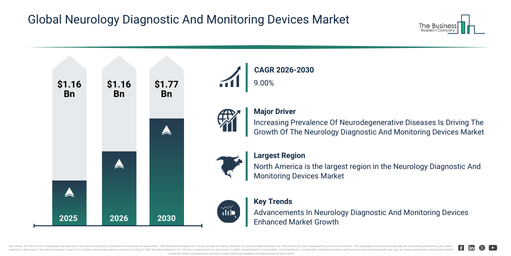
    The neurology diagnostic and monitoring devices market is anticipated to show significant expansion in the upcoming years, with its size projected to reach $14.38 billion by 2030, exhibiting a compound annual growth rate (CAGR) of 9.0%. This expected growth during the forecast period is fueled by factors such as the demand for remote patient monitoring, the increase in neurology centers, a heightened awareness of brain health, innovations in imaging technology, and greater investments in research. Prominent trends for this period encompass the growing use of portable neurology devices, an increasing need for early disease diagnosis, the broader availability of remote neurological monitoring, a rise in the adoption of non-invasive diagnostic tools, and the development of multimodal imaging approaches.

    Get A Free Sample Report With In-Depth Market Insights:

    https://thebusinessresearchcompany.com/sample_request?id=76793746&type=smp&name=Neurology%20Diagnostic%20And%20Monitoring%20Devices%20Market%20Report%202026&utm_source=Blogs&utm_medium=Paid&utm_campaign=Sep_PR

    Neurology Diagnostic And Monitoring Devices Market Growth Momentum: What Factors Are Shaping Demand?

    The rising occurrence of neurodegenerative conditions is projected to boost the expansion of the neurology diagnostic and monitoring devices market in the future. These diseases encompass a range of disorders marked by the gradual deterioration or demise of nerve cells (neurons) within the brain and/or spinal cord. Their increase is attributed to an aging global population, longer life expectancies, and heightened exposure to both environmental and genetic risk factors. Neurology diagnostic and monitoring devices assist in managing neurodegenerative diseases through their capacity to offer accurate and instantaneous evaluations of brain function and disease advancement, thereby facilitating prompt diagnosis, personalized treatment strategies, and diligent tracking of therapeutic outcomes. For example, in April 2025, data from the Alzheimer’s Association, a US-based non-profit body, indicated that over 7 million Americans are presently affected by Alzheimer’s, a figure anticipated to climb to approximately 13 million by 2050. Consequently, the expanding prevalence of neurodegenerative diseases is fueling the growth of the neurology diagnostic and monitoring devices market.

    Neurology Diagnostic And Monitoring Devices Market Segment Performance And Emerging Opportunities

    The neurology diagnostic and monitoring devices market covered in this report is segmented –

    1) By Device Type: Electroencephalogram (EEG) Systems, Magnetic Resonance Imaging (MRI) Systems, Computed Tomography (CT) Scanner, Position Emission Tomography (PET) System, Ultrasound Imaging Systems, Other Device Types

    2) By Indication: Neurodegenerative Disease, Epilepsy, Stroke, Other Indications

    3) By End-User: Hospitals And Surgery Centers, Neurology Centers, Ambulatory Care Centers, Diagnostic Laboratories And Imaging Centers, Research Laboratories And Academic Institutes

    Subsegments:

    1) By Electroencephalogram (EEG) Systems: Portable EEG Systems, Clinical EEG Systems, Wireless EEG Systems

    2) By Magnetic Resonance Imaging (MRI) Systems: Closed MRI Systems, Open MRI Systems, Functional MRI (fMRI) Systems

    3) By Computed Tomography (CT) Scanner: Standard CT Scanners, High-Definition CT Scanners, 3D CT Scanners

    4) By Position Emission Tomography (PET) System: PET-CT Scanners, PET-MRI Scanners

    5) By Ultrasound Imaging Systems: Diagnostic Ultrasound Systems, 3D And 4D Ultrasound Systems, Portable Ultrasound Systems

    6) By Other Device Types: Nerve Conduction Study (NCS) Devices, Evoked Potential (EP) Systems, Brain Implants And Neurostimulators

    Neurology Diagnostic And Monitoring Devices Market Trends Redefining Industry Growth

    Key companies within the neurology diagnostic and monitoring devices market are concentrating on developing advanced solutions, such as an image-guided therapy system, to boost precision in neurovascular procedures. An image-guided therapy system is a medical technology employed to assist in the planning, navigation, and execution of various therapeutic procedures, often in real-time. For instance, in February 2024, Koninklijke Philips N.V., the Netherlands-based health technology company, unveiled the new Azurion neuro biplane system to accelerate and enhance the minimally invasive diagnosis and treatment of neurovascular patients. This system provides distinct features including enhanced C-arm rotation and angulation for improved imaging flexibility, swift transitions between 2D and 3D imaging for an optimized workflow, extensive table-side control to maintain a sterile field, automatic beam rotation for accurate image orientation, a new head immobilizer to support stroke patient care, and the integration of AI and machine learning to monitor performance and predict service issues.

    Neurology Diagnostic And Monitoring Devices Market Competitive Overview And Top Companies

    Major companies operating in the neurology diagnostic and monitoring devices market are Siemens Healthineers, Koninklijke Philips N.V., GE HealthCare Technologies Inc., Shimadzu Corporation, Masimo Corporation, Nihon Kohden Corporation, Elekta AB, Natus Medical Incorporated, Esaote S.p.A., Zynex Medical Inc., Canon Medical Systems Corporation, Neurosoft S.A., Cadwell Industries Inc., Cogito Brains Inc., Blackrock Neurotech Inc., Compumedics Limited, Ceribell Inc., Nexstim Plc, NeuroMetrix Inc., Lumos Labs Inc., Soterix Medical Inc., Advanced Brain Monitoring Inc., Sense Neuro Diagnostics Inc.

    View The Full Neurology Diagnostic And Monitoring Devices Market Report:

    https://thebusinessresearchcompany.com/report/neurology-diagnostic-and-monitoring-devices-global-market-report?utm_source=Blogs&utm_medium=Paid&utm_campaign=Sep_PR

    Neurology Diagnostic And Monitoring Devices Market Leading Geography: Which Region Contributes The Most Revenue?

    North America was the largest region in the neurology diagnostic and monitoring devices market in 2025. Asia-Pacific is expected to be the fastest-growing region in the forecast period. The regions covered in the neurology diagnostic and monitoring devices market report are Asia-Pacific, South East Asia, Western Europe, Eastern Europe, North America, South America, Middle East, Africa.

    Reach Out To Our Team:

    The Business Research Company: https://www.thebusinessresearchcompany.com/

    Americas: +1 310-496-7795

    Asia: +44 7882 955267 & +91 8897263534

    Europe: +44 7882 955267

    Email us at: marketing@tbrc.info

    Follow us on:

    LinkedIn: https://in.linkedin.com/company/the-business-research-company

    YouTube: https://www.youtube.com/channel/UC24_fI0rV8cR5DxlCpgmyFQ

    Global Market Model: https://www.thebusinessresearchcompany.com/global-market-model
  • Neurology Devices Market Forecast 2026: Market Size, Competitive Landscape And Growth Drivers

    Neurology Devices Market Forecast 2026: Market Size, Competitive Landscape And Growth Drivers

    Featuring market attractiveness scoring, total addressable market sizing, company benchmarking matrices, interactive Excel dashboards, deeper supply chain intelligence, emerging startup tracking, and granular product-level insights, The Business Research Company’s 2026 market reports are built to deliver research that is both more actionable and more strategically valuable.

    Neurology Devices Market Poised To Hit $35.94 Billion By 2030 With A 12.5% CAGR

    The neurology devices market has seen rapid expansion in recent years. Its valuation is expected to rise from $20.09 billion in 2025 to $22.44 billion in 2026, exhibiting a compound annual growth rate (CAGR) of 11.7%. The market’s past growth is attributable to an increase in the prevalence of neurological disorders, the expansion of neurosurgical capabilities within hospitals, broader availability of advanced imaging technologies, a rising demand for minimally invasive procedures, and enhanced clinical outcomes associated with neurology devices.

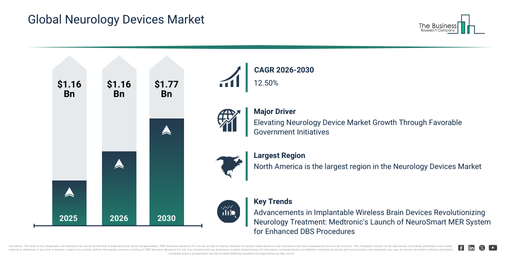
    The market for neurology devices is anticipated to experience swift expansion over the coming years. This market is projected to reach $35.94 billion by 2030, exhibiting a compound annual growth rate (CAGR) of 12.5%. Drivers for this growth during the forecast period include greater investments in brain-computer interface research, increased use of precision neurology methods, the proliferation of outpatient neurology treatment facilities, an escalating need for non-invasive neurodiagnostic instruments, and an amplified emphasis on remote neurological monitoring. Key trends anticipated within the same period encompass the wider acceptance of neurostimulation therapies, the increased deployment of image-guided neurosurgical systems, the expanding incorporation of AI in neurological diagnostics, the broadening scope of minimally invasive neurology procedures, and a heightened emphasis on individualized neurological treatments.

    Get A Free Sample Report With In-Depth Market Insights:

    https://thebusinessresearchcompany.com/sample_request?id=86724818&type=smp&name=Neurology%20Devices%20Market%20Report%202026&utm_source=Blogs&utm_medium=Paid&utm_campaign=Sep_PR

    Neurology Devices Market Expansion Drivers: What’s Shaping Future Growth?

    Positive government efforts are projected to boost the expansion of the neurology device market in the upcoming period. Such government undertakings for medical devices involve policies, regulatory frameworks, and programs designed to guarantee the safety, quality, and pioneering development of healthcare goods. These actions can spur market development by impacting regulations, financing research and development, providing monetary incentives, broadening telemedicine services, fostering public health understanding, and enhancing general access to healthcare. As an illustration, in October 2023, the Food and Drug Administration, a federal agency in the US operating under the Department of Health and Human Services, broadened its Total Product Life Cycle Advisory Programme (TAP) to cover neurological and physical medicine devices, with the goal of speeding up technological progress in these fields. The FDA intends to incorporate four more offices into the program and include up to 65 more devices by the first quarter of 2025. Consequently, supportive government initiatives are fueling the expansion of the neurology device market.

    Neurology Devices Market Segment Landscape And Growth Outlook

    The neurology devices market covered in this report is segmented –

    1) By Type: Cerebrospinal Fluid Management (CSF) Devices And Equipment, Interventional Neurology Devices And Equipment, Neurosurgery Devices And Equipment, Neurostimulation Devices

    2) By Type of Expenditure: Public, Private

    3) By End User: Hospitals And Clinics, Diagnostic Laboratories, Other End Users

    Subsegments:

    1) By Cerebrospinal Fluid Management (CSF) Devices And Equipment: CSF Shunts, CSF Drainage Systems, Ventriculostomy Devices

    2) By Interventional Neurology Devices And Equipment: Intracranial Stents, Embolic Coils, Neurovascular Catheters

    3) By Neurosurgery Devices And Equipment: Surgical Microscopes, Surgical Navigation Systems, Neurosurgical Instruments

    4) By Neurostimulation Devices: Deep Brain Stimulation Devices, Spinal Cord Stimulation Devices, Transcranial Magnetic Stimulation Devices

    Neurology Devices Market Strategic Trends: What Defines The Next Growth Phase?

    Major companies active in the neurology devices market are concentrating on creating Advancements in Implantable Wireless Brain Devices Transforming Neurology Treatment, including sophisticated medical instruments designed to enhance treatment for neurological disorders by offering real-time monitoring and brain-computer interfaces. These new developments aim for minimally invasive techniques, improved patient outcomes, and personalized therapies. An advanced medical device is a complex tool that utilizes cutting-edge technology for diagnostic, therapeutic, or monitoring functions. For instance, in April 2024, Medtronic, an Ireland-based medical device company, introduced a NeuroSmart Portable Micro Electrode Recording (MER) Navigation System. This system significantly enhances Deep Brain Stimulation (DBS) procedures for Parkinson’s disease by providing real-time, precise electrode placement and automatic navigation, which results in improved patient outcomes and reduced side effects. Its portability and advanced technology empower clinicians to deliver tailored treatments effectively.

    Neurology Devices Market Competitive Landscape: Which Companies Lead The Industry?

    Major companies operating in the neurology devices market are Medtronic PLC, Stryker Corporation, Boston Scientific Corporation, Integra LifeSciences, Abbott Laboratories, LivaNova PLC, Integer, Penumbra Inc., B. Braun Group, Johnson & Johnson, W.L Gore, St. Jude Medical LLC, Parasym, Smiths Medical, Cizeta Surgical, Neuro France Implants, Ectron, Accentus Medical Ltd, Argonaut Therapeutics, Brainwave Discovery, Cerus Endovascular, Chronus Therapeutics, Natus Medical Incorporated, Cerenovus, Nevro, Aleva Neurotherapeutics SA, Cyberonics Inc.

    View The Full Neurology Devices Market Report:

    https://thebusinessresearchcompany.com/report/neurology-devices-global-market-report?utm_source=Blogs&utm_medium=Paid&utm_campaign=Sep_PR

    Neurology Devices Market Regional Outlook: Where Is Opportunity Concentrated?

    North America was the largest region in the global neurology devices market in 2025. Asia-Pacific is expected to be the fastest-growing region in the forecast period. The regions covered in the neurology devices market report are Asia-Pacific, South East Asia, Western Europe, Eastern Europe, North America, South America, Middle East, Africa.

    Reach Out To Our Team:

    The Business Research Company: https://www.thebusinessresearchcompany.com/

    Americas: +1 310-496-7795

    Asia: +44 7882 955267 & +91 8897263534

    Europe: +44 7882 955267

    Email us at: marketing@tbrc.info

    Follow us on:

    LinkedIn: https://in.linkedin.com/company/the-business-research-company

    YouTube: https://www.youtube.com/channel/UC24_fI0rV8cR5DxlCpgmyFQ

    Global Market Model: https://www.thebusinessresearchcompany.com/global-market-model
  • Neurointerventional Devices Market Size In 2026: Regional Growth, Key Segments And Future Outlook

    Neurointerventional Devices Market Size In 2026: Regional Growth, Key Segments And Future Outlook

    Built to provide research that’s more actionable and strategically valuable, The Business Research Company’s 2026 market reports include market attractiveness analysis, total addressable market sizing, company benchmarking matrices, interactive Excel dashboards, broader supply chain intelligence, emerging startup tracking, and in-depth product insights.

    Neurointerventional Devices Market Size And Revenue Outlook Through 2030

    The neurointerventional devices market size has shown substantial growth in recent years. This market is set to expand from $2.76 billion in 2025 to $2.97 billion in 2026, demonstrating a compound annual growth rate (CAGR) of 7.6%. The expansion observed historically can be attributed to the rising incidence of stroke and aneurysm, ongoing improvements in catheter and stent design, an increase in neurology specialist training programs, the wider adoption of minimally invasive procedures, and the expansion of neurovascular departments in hospitals.

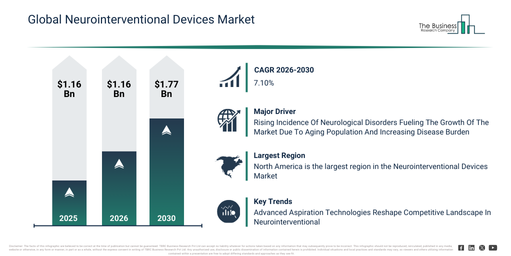
    The neurointerventional devices market is projected to experience substantial expansion in the coming years. By 2030, this market is anticipated to reach a valuation of $3.91 billion, demonstrating a compound annual growth rate (CAGR) of 7.1%. Key factors driving this growth during the forecast period include the expanding aging population, increased funding for neurovascular research, the proliferation of comprehensive stroke centers, the necessity for quicker reperfusion results, and rising healthcare spending in developing nations. Significant trends expected during this period involve the advancement of image-guided neurointervention, a move towards less invasive stroke treatments, greater uptake of flow diversion technologies, increased need for devices that rapidly retrieve clots, and the wider availability of neurointerventional procedures in emerging markets.

    Get A Free Sample Report With In-Depth Market Insights:

    https://thebusinessresearchcompany.com/sample_request?id=42564684&type=smp&name=Neurointerventional%20Devices%20Market%20Report%202026&utm_source=Blogs&utm_medium=Paid&utm_campaign=Sep_PR

    Neurointerventional Devices Market Development Factors: What’s Supporting Demand?

    The increasing occurrence of neurological disorders is anticipated to stimulate the expansion of the neurointerventional devices market going forward. A neurological disorder refers to any condition impacting the brain, spinal cord, or nerves, thereby disrupting their normal functioning. The escalation in neurological disorders is primarily driven by an aging global population, as advancing age heightens the risk of neurodegenerative conditions due to the natural decline in brain function and cellular repair mechanisms. Neurointerventional devices aid in managing neurological disorders by enabling minimally invasive procedures for the diagnosis and treatment of conditions such as brain aneurysms, strokes, and vascular malformations, consequently reducing risk and recovery time and improving patient outcomes. For instance, in April 2024, according to a report by the Alzheimer’s Association, a US-based nonprofit voluntary health organization, in 2022, 6.5 million Americans aged 65 and older were diagnosed with Alzheimer’s dementia, a number projected to increase to 6.9 million in 2024. Therefore, the rising incidence of neurological disorders is fueling the growth of the neurointerventional devices market.

    Neurointerventional Devices Market Breakdown By Product Type And Application

    The neurointerventional devices market covered in this report is segmented –

    1) By Product: Embolic Coils, Carotid Stents, Intracranial Stents, Neurovascular Thrombectomy, Embolic Protection Device, Flow Diverters Device, Intrasaccular Device, Other Products

    2) By Indication: Brain Aneurysm, Stroke, Other Indications

    3) By Technique: Neurothrombectomy Procedure, Cerebral Angiography, Stenting, Coiling Procedures, Flow Disruption

    4) By End User: Hospitals, Ambulatory Surgical Centers, Specialty Clinics, Research Institutes

    Subsegments:

    1) By Embolic Coils: Bare Platinum Coils, Coated Or Modified Coils, Complex-Shaped Coils, Detachable Coils

    2) By Carotid Stents: Open-Cell Stents, Closed-Cell Stents, Hybrid-Cell Stents, Drug-Eluting Stents

    3) By Intracranial Stents: Self-Expanding Stents, Balloon-Expandable Stents, Drug-Eluting Stents

    4) By Neurovascular Thrombectomy Devices: Stent Retrievers, Aspiration Catheters, Combined Thrombectomy Systems

    5) By Embolic Protection Devices: Distal Filters, Proximal Occlusion Devices, Distal Occlusion Devices

    6) By Flow Diverters Devices: Braided Flow Diverters, Dual-Layer Flow Diverters, Coated Flow Diverters

    7) By Intrasaccular Devices: Woven Mesh Implants, Expandable Mesh Baskets, Flow Disrupting Implants

    8) By Other Products: Microcatheters, Guidewires, Balloon Catheters, Distal Access Catheters

    Neurointerventional Devices Market Transformation Trends: What Innovations Are Driving Change?

    Leading companies within the neurointerventional devices market are focusing on developing advanced solutions, such as large-bore aspiration reperfusion catheters equipped with sophisticated delivery aids. These aspiration reperfusion catheters are elongated, flexible devices featuring a large lumen, specifically engineered to deliver powerful distal vacuum aspiration directly to the clot site. Unlike conventional stent-retriever techniques, they emphasize direct aspiration, sometimes in conjunction with adjunctive devices, to clear occlusions with fewer device passes, reduced device complexity at the clot interface, and potentially a more efficient procedure workflow. For instance, in May 2024, Penumbra Inc., a US-based medical device company, introduced RED 43, RED 72 with SENDit Technology, and RED 78, a new line of neurovascular reperfusion catheters launched in Europe, expanding the company’s aspiration-based thrombectomy portfolio. The RED devices are constructed with multi-layer catheter shafts, incorporating PTFE liners and hybrid stainless steel/nitinol coils, along with precision polymer distal tips, to balance lumen size with distal trackability. They operate by advancing the catheter to or near the thrombus and applying aspiration through Penumbra’s ENGINE aspiration source to extract the clot. Distinctive features include engineered transition zones and REDglide technology for enhanced deliverability through tortuous vessels, alongside a diverse selection of lumen sizes.

    Neurointerventional Devices Market Competitive Landscape: Who Leads The Industry?

    Major companies operating in the neurointerventional devices market are Medtronic plc, Stryker Corporation, Johnson And Johnson, Abbott Laboratories, Boston Scientific Corporation, Terumo Corporation, Kaneka Corporation, Cook Medical LLC, Merit Medical Systems Inc., MicroPort Scientific Corporation, Penumbra Inc., Asahi Intecc Co Ltd, MicroVention Inc, Phenox GmbH, Balt Group SAS, Balton Sp z o o, Zylox Tonbridge Medical Technology Co Ltd, Veiva Scientific Co Ltd, InspireMD Inc, Rapid Medical Ltd, Wallaby Medical, Cerus Endovascular Ltd

    View The Full Neurointerventional Devices Market Report:

    https://thebusinessresearchcompany.com/report/neurointerventional-devices-global-market-report?utm_source=Blogs&utm_medium=Paid&utm_campaign=Sep_PR

    Neurointerventional Devices Market Geographic Landscape: Which Region Leads Industry Growth?

    North America was the largest region in the neurointerventional market in 2025. The regions covered in the neurointerventional devices market report are Asia-Pacific, South East Asia, Western Europe, Eastern Europe, North America, South America, Middle East, Africa.

    Reach Out To Our Team:

    The Business Research Company: https://www.thebusinessresearchcompany.com/

    Americas: +1 310-496-7795

    Asia: +44 7882 955267 & +91 8897263534

    Europe: +44 7882 955267

    Email us at: marketing@tbrc.info

    Follow us on:

    LinkedIn: https://in.linkedin.com/company/the-business-research-company

    YouTube: https://www.youtube.com/channel/UC24_fI0rV8cR5DxlCpgmyFQ

    Global Market Model: https://www.thebusinessresearchcompany.com/global-market-model
  • Neuroendovascular Coil Market Growth Forecast Through 2030: Market Size And Trends In 2026

    Neuroendovascular Coil Market Growth Forecast Through 2030: Market Size And Trends In 2026

    Backed by market attractiveness analysis, total addressable market sizing, company benchmarking matrices, interactive Excel dashboards, wider supply chain intelligence, emerging startup coverage, and detailed product-level insights, The Business Research Company’s 2026 market reports are designed to offer research that is more actionable and strategically valuable than ever.

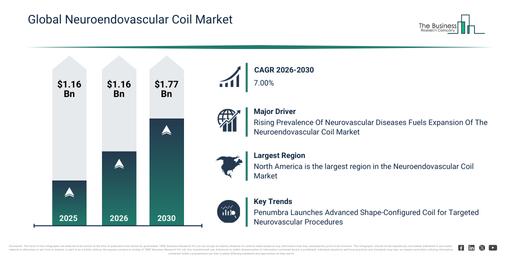
    Neuroendovascular Coil Market Growth From $1.49 Billion In 2026 To $1.96 Billion By 2030 At A CAGR Of 7%

    The neuroendovascular coil market size has demonstrated robust expansion over recent years. This market is expected to increase from $1.39 billion in 2025 to $1.49 billion in 2026, achieving a compound annual growth rate (CAGR) of 7.1%. Key factors contributing to its historical growth include a rising incidence of cerebral aneurysms, ongoing advancements in endovascular treatment techniques, an upsurge in neurointerventional procedures, the proliferation of stroke treatment centers, and enhanced clinician proficiency in neurovascular care.

    The neuroendovascular coil market is anticipated to show considerable expansion in the coming years. Its valuation is predicted to reach $1.96 billion by 2030, demonstrating a compound annual growth rate (CAGR) of 7.0%. This projected growth throughout the forecast period can be attributed to the increasing adoption of next-generation embolization devices, a rise in investments towards neurovascular research, the broadening availability of minimally invasive treatment options, a growing demand for safer aneurysm management, and an increasing focus on personalized neurointerventional care. Key trends for the forecast period include the increasing uptake of advanced detachable coil designs, a rising utilization of flow-diverter and matrix coils, a growing preference for minimally invasive neurovascular procedures, the expansion of high-precision coil deployment techniques, and an enhanced emphasis on long-term treatment outcomes.

    Get A Free Sample Report With In-Depth Market Insights:

    https://thebusinessresearchcompany.com/sample_request?id=96825269&type=smp&name=Neuroendovascular%20Coil%20Market%20Report%202026&utm_source=Blogs&utm_medium=Paid&utm_campaign=Sep_PR

    Neuroendovascular Coil Market Industry Drivers: What’s Behind The Revenue Growth?

    The increasing incidence of neurovascular diseases is projected to stimulate expansion in the Neuroendovascular Coil Market moving forward. Neurovascular diseases are conditions that impact the blood vessels supplying the nervous system, frequently leading to neurological symptoms and complications. The rise in these diseases is attributed to an aging global population, as older individuals are more susceptible to conditions such as strokes and aneurysms, thereby escalating the overall disease burden. Neuroendovascular coils are utilized to treat neurovascular diseases by being inserted into blood vessels to either block off or stabilize abnormal blood vessel structures, thereby mitigating the risk of hemorrhage or other complications. For instance, a report published by the Stroke Association, a UK-based stroke support charity, in March 2025, indicated that in 2024, the UK had 1.3 million stroke survivors, a figure anticipated to climb to 2.1 million by 2035. Consequently, the growing prevalence of neurovascular diseases is a significant driver for the Neuroendovascular Coil Market’s growth.

    Neuroendovascular Coil Market Driver: Surge In Healthcare Expenditure Fuels Neuroendovascular Coil Market Growth

    Neuroendovascular Coil Market Segment Analysis And Revenue Potential

    The neuroendovascular coil market covered in this report is segmented –

    1) By Product Type: Guglielmi Detachable Coils (GDCs), Matrix Coils

    2) By Indication: Ruptured Aneurysm, Unruptured Aneurysm

    3) By Application: Medical Teaching, Cerebral Aneurysm Treatment, Other Vascular Abnormalities

    4) By End User: Hospitals, Ambulatory Surgical Centers (ASCs), Stroke Centers, Other End Users

    Subsegments:

    1) By Guglielmi Detachable Coils (GDCs): Soft GDCs, Standard GDCs, Detachable GDCs With Various Configurations

    2) By Matrix Coils: Soft Matrix Coils, Coated Matrix Coils, Detachable Matrix Coils, Flow Diverter Matrix Coils

    #Neuroendovascular Coil Market Growth Trends: What’s Shaping The Future Outlook?

    Leading companies in the neuroendovascular coil market are prioritizing technological advancements, particularly in developing shape-configured, adaptive embolization coils. These innovations facilitate accurate vessel wall contact, regulated placement, and comprehensive blockage within intricate and diminutive neurovascular formations. Such adaptive embolization coils utilize unique coil shapes and anchoring mechanisms to align with vessel anatomy, enhance occlusion effectiveness, and permit subsequent filling with supplementary coils, thereby boosting the precision and steadiness of procedures for intracranial aneurysms and other neurovascular conditions. A notable example is Penumbra, a US-based neurovascular medical device company, which introduced its SwiftSET Neuro Embolization Coil in October 2025. This coil boasts a .135 primary diameter, a shape-optimized design for vessel wall apposition, and an anchoring structure that enables medical professionals to establish an initial anchor and then populate the space with SwiftPAC coils, ensuring precise, manageable, and stable embolization, even in constricted or winding vessels.

    Neuroendovascular Coil Market Company Landscape And Competitive Strategy

    Major companies operating in the neuroendovascular coil market are Johnson & Johnson Services Inc., Medtronic PLC, Stryker Corporation, Boston Scientific Corporation, Terumo Corporation, Kaneka Neurovascular USA, W.L. Gore & Associates Inc., Merit Medical Systems Inc., MicroPort Scientific Corporation, Penumbra Inc., MicroVention Inc., Medikit Co. Ltd., Balt USA LLC, Acandis GmbH, Rapid Medical Ltd., Shape Memory Medical Inc., Wuhan HNC Technology Co. Ltd., Intratech Medical Inc., Phenox GmbH, Cerenovus, Svelte Medical Systems

    View The Full Neuroendovascular Coil Market Report:

    https://thebusinessresearchcompany.com/report/neuroendovascular-coil-global-market-report?utm_source=Blogs&utm_medium=Paid&utm_campaign=Sep_PR

    Neuroendovascular Coil Market Largest Region: Which Geography Holds The Biggest Share?

    North America was the largest region in the neuroendovascular coil market in 2025. Asia-Pacific is expected to be the fastest-growing region in the forecast period. The regions covered in the neuroendovascular coil market report are Asia-Pacific, South East Asia, Western Europe, Eastern Europe, North America, South America, Middle East, Africa.

    Reach Out To Our Team:

    The Business Research Company: https://www.thebusinessresearchcompany.com/

    Americas: +1 310-496-7795

    Asia: +44 7882 955267 & +91 8897263534

    Europe: +44 7882 955267

    Email us at: marketing@tbrc.info

    Follow us on:

    LinkedIn: https://in.linkedin.com/company/the-business-research-company

    YouTube: https://www.youtube.com/channel/UC24_fI0rV8cR5DxlCpgmyFQ

    Global Market Model: https://www.thebusinessresearchcompany.com/global-market-model
  • Neuroendoscopy Market Analysis: $0.83 Billion Market Size In 2026 And Future Growth Prospects

    Neuroendoscopy Market Analysis: $0.83 Billion Market Size In 2026 And Future Growth Prospects

    Featuring market attractiveness scoring, total addressable market sizing, company benchmarking matrices, interactive Excel dashboards, deeper supply chain intelligence, emerging startup tracking, and granular product-level insights, The Business Research Company’s 2026 market reports are built to deliver research that is both more actionable and more strategically valuable.

    Neuroendoscopy Market Expansion Outlook: What Revenue Opportunities Are Ahead?

    The neuroendoscopy market has shown robust expansion in recent years. It is anticipated to increase from $0.78 billion in 2025 to $0.83 billion in 2026, achieving a compound annual growth rate (CAGR) of 6.9%. This past growth is largely due to factors such as the rising incidence of neurological disorders, the broadening array of neurosurgical treatment options, the integration of endoscopic surgical techniques, the availability of advanced visualization tools, and the proliferation of specialized neurosurgery centers.

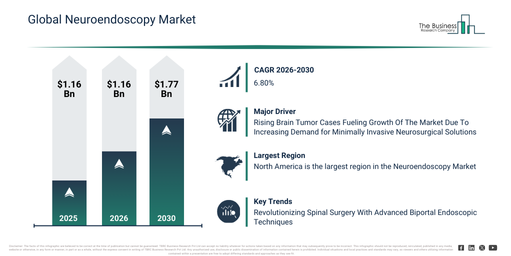
    The neuroendoscopy market is anticipated to experience substantial expansion in the coming years. It is projected to reach $1.09 billion by 2030, exhibiting a compound annual growth rate (CAGR) of 6.8%. This expansion during the projection period stems from a heightened need for minimally invasive brain procedures, increased capital directed towards sophisticated surgical imaging, the broadening of pediatric neurosurgery offerings, an intensified emphasis on quicker patient recuperation, and ongoing advancements in neuroendoscopic tools. Key trends anticipated during this period encompass the wider acceptance of minimally invasive neuroendoscopic operations, the growing utilization of HD and 4K visualization technologies, an increasing need for adaptable neuroendoscopes, the widening scope of pediatric neuroendoscopy uses, and a stronger emphasis on operational accuracy and patient safety.

    Get A Free Sample Report With In-Depth Market Insights:

    https://thebusinessresearchcompany.com/sample_request?id=33980241&type=smp&name=Neuroendoscopy%20Market%20Report%202026&utm_source=Blogs&utm_medium=Paid&utm_campaign=Sep_PR

    Neuroendoscopy Market Growth Factors: What’s Supporting Expansion?

    The escalating number of brain tumor cases is projected to fuel the advancement of the neuroendoscopy market moving forward. Brain tumors are characterized by unusual cell proliferation within the brain or central spinal canal, which can be either cancerous or non-cancerous. These growths can impact brain function and might demand surgical, radiological, or medical interventions, depending on their specific nature and location. The reported increase in brain tumor cases has been influenced by enhanced diagnostic imaging coupled with greater exposure to environmental hazards such as ionizing radiation and industrial contaminants. Neuroendoscopy aids in managing brain tumors by offering minimally invasive access to the brain, thereby enabling tumor removal or biopsy with less harm, quicker healing, and reduced complications. For instance, in 2023, Cancer Australia, an Australia-based government agency, reported an estimated 1,924 new diagnoses of brain cancer in the country, consisting of 1,183 males and 741 females, accounting for 1.2% of all new cancer cases. Thus, the increasing occurrence of brain tumors is a significant driver for the growth of the neuroendoscopy market.

    Neuroendoscopy Market Segmentation And Category Overview

    The neuroendoscopy market covered in this report is segmented –

    1) By Product: Rigid Neuroendoscope, Rigid Fiberscopes, Rigid Videoscopes, Flexible Neuroendoscopes

    2) By Patient: Adult, Pediatric

    3) By Application: Tumor Removal, Endoscopic Third Ventriculostomy

    4) By End User: Hospitals And Clinics, Neurosurgical Centers, Other End-Users

    Subsegments:

    1) By Rigid Neuroendoscope: Ventriculoscope, Ventricular Neuroendoscope, Skull Base Neuroendoscope

    2) By Rigid Fiberscopes: Non Video Transmitting Fiberscopes, High Definition Fiberscopes, Disposable Rigid Fiberscopes

    3) By Rigid Videoscopes: Camera Integrated Videoscopes, HD Or 4K Videoscopes, Modular Videoscopes

    4) By Flexible Neuroendoscopes: Fiber Optic Flexible Endoscopes, Video Flexible Endoscopes, Steerable Flexible Endoscopes

    Neuroendoscopy Market Industry Trends: What’s Reshaping Demand?

    Leading companies within the neuroendoscopy market are concentrating on innovations such as the biportal endoscopic surgical system, with the aim to improve surgical accuracy, decrease invasiveness, shorten patient recovery periods, and broaden the array of neurological conditions treatable. This biportal endoscopic system enables minimally invasive surgery by utilizing two separate entry points – one for viewing and another for operating – which results in clearer imaging, more precise procedures, and faster patient recuperation. For instance, in October 2023, Joimax, a US-based surgical system manufacturing company, introduced its iLESSYS biportable endoscopic system designed for spinal surgery, which provides superior freedom of movement and exactitude through biportal access. Equipped with tools for triangulation, irrigation control, and tissue resection, this system supports both biportal and bimanual surgical methods.

    Neuroendoscopy Market Key Players Shaping Industry Direction

    Major companies operating in the neuroendoscopy market are Medtronic plc, Stryker Corporation, Karl Storz SE & Co. KG, Carl Zeiss Meditec AG, Aesculap AG, B. Braun Melsungen AG, Richard Wolf GmbH, Integra LifeSciences Holdings Corporation, Schindler Endoskopie Technologie GmbH, Machida Endoscope Co. Ltd., Adeor Medical AG, Inova Technology GmbH, Zhejiang Tiansong Medical Instrument Co. Ltd., Tonglu WANHE Medical Instrument Co. Ltd., Olympus Corporation, Fujifilm Holdings Corporation, ConMed Corporation, Schoelly Fiberoptic GmbH, Endoservice GmbH, Ackermann Instrumente GmbH, XION Medical GmbH, Happersberger Otopront GmbH

    View The Full Neuroendoscopy Market Report:

    https://thebusinessresearchcompany.com/report/neuroendoscopy-global-market-report?utm_source=Blogs&utm_medium=Paid&utm_campaign=Sep_PR

    Neuroendoscopy Market Regional Analysis: Which Geography Leads On Revenue?

    North America was the largest region in the neuroendoscopy market in 2025. Asia-Pacific is expected to be the fastest-growing region in the forecast period. The regions covered in the neuroendoscopy market report are Asia-Pacific, South East Asia, Western Europe, Eastern Europe, North America, South America, Middle East, Africa.

    Reach Out To Our Team:

    The Business Research Company: https://www.thebusinessresearchcompany.com/

    Americas: +1 310-496-7795

    Asia: +44 7882 955267 & +91 8897263534

    Europe: +44 7882 955267

    Email us at: marketing@tbrc.info

    Follow us on:

    LinkedIn: https://in.linkedin.com/company/the-business-research-company

    YouTube: https://www.youtube.com/channel/UC24_fI0rV8cR5DxlCpgmyFQ

    Global Market Model: https://www.thebusinessresearchcompany.com/global-market-model
  • Neural Implants Market 2026 Market Size And Growth Forecast: Key Trends To Watch

    Neural Implants Market 2026 Market Size And Growth Forecast: Key Trends To Watch

    Built to provide research that’s more actionable and strategically valuable, The Business Research Company’s 2026 market reports include market attractiveness analysis, total addressable market sizing, company benchmarking matrices, interactive Excel dashboards, broader supply chain intelligence, emerging startup tracking, and in-depth product insights.

    Neural Implants Market Growth Potential: How Will Market Size Shift Through 2030?

    The neural implants market has observed significant growth recently. Its value is projected to rise from $5.91 billion in 2025 to $6.53 billion in 2026, exhibiting a compound annual growth rate (CAGR) of 10.4%. Historically, this expansion has been driven by factors such as a greater occurrence of neurological conditions, an expanding population of individuals suffering from chronic pain, the increasing uptake of deep brain stimulation treatments, the proliferation of specialized neurology centers, and a growing body of clinical evidence supporting neuromodulation techniques.

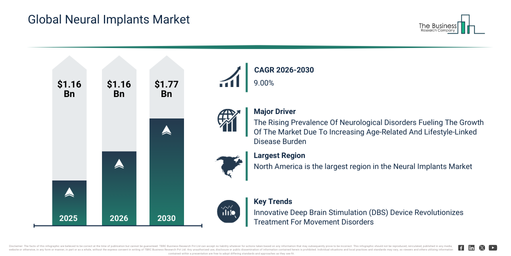
    The neural implants market is projected to experience substantial expansion in the coming years. This market is anticipated to reach a valuation of $9.2 billion by 2030, exhibiting a compound annual growth rate (CAGR) of 9.0%. Key drivers for this growth during the forecast period include progress in implantable neurotechnology, an expanding elderly demographic experiencing neurological disorders, an increasing need for tailored neurology treatments, the proliferation of outpatient neurological procedures, and enhanced investment in neurotechnology research. Significant trends expected during this period involve the increasing embrace of neurostimulation therapies for chronic ailments, greater utilization of implantable devices for movement-related conditions, wider clinical acceptance of brain-computer interface technologies, the broadening of neuromodulation’s utility beyond pain relief, and a surging requirement for prolonged neurological disorder management solutions.

    Get A Free Sample Report With In-Depth Market Insights:

    https://thebusinessresearchcompany.com/sample_request?id=91006177&type=smp&name=Neural%20Implants%20Market%20Report%202026&utm_source=Blogs&utm_medium=Paid&utm_campaign=Sep_PR

    Neural Implants Market Demand Drivers: What’s Powering Industry Growth?

    The increasing occurrence of neurological disorders is anticipated to stimulate the expansion of the neural implants market in the future. A neurological disorder is defined as any condition of the nervous system characterized by anatomical, biochemical, or electrical irregularities in the brain, spinal cord, or peripheral nerves. The rise in these disorders stems from several factors, including aging populations, genetic predispositions, and shifts in diagnostic criteria. Neural implants address and control various neurological diseases by directly interacting with the nervous system to regain or improve nervous system capabilities. These implants offer a customized solution, which can enhance treatment effectiveness while minimizing side effects, especially for conditions like Parkinson’s disease, epilepsy, and spinal cord injuries. As an illustration, in 2024, according to the Department of Health and Human Services, a US-based federal cabinet-level department that protects the health and well-being of Americans through various programs, in 2023, more than 6 million Americans were living with Alzheimer’s disease, and forecasts project that this number will increase significantly each year as the population ages, reaching 13 million by 2060. Consequently, the growing prevalence of neurological disorders is fueling the growth of the neural implants market.

    Neural Implants Market Segment Outlook: Which Categories Are Growing Fastest?

    The neural implants market covered in this report is segmented –

    1) By Product: F And B Spinal Cord Stimulation (SCS), Deep Brain Stimulation (DBS), Vagus Nerve Stimulation (VNS)

    2) By Application: Chronic Pain, Parkinson’s Disease (PD), Epilepsy, Other Applications

    3) By End-User: Hospitals, Specialized Neurological Centers (SNCs), Outpatient Surgery Centers

    Subsegments:

    1) By F And B Spinal Cord Stimulation (SCS): Traditional Spinal Cord Stimulation, High-Frequency Spinal Cord Stimulation, Burst Spinal Cord Stimulation

    2) By Deep Brain Stimulation (DBS): Subthalamic Nucleus (Stn) Dbs, Globus Pallidus Internus (Gpi) Dbs, Ventral Intermediate Nucleus (Vim) Dbs

    3) By Vagus Nerve Stimulation (VNS): Implantable Vagus Nerve Stimulators, Non-Invasive Vagus Nerve Stimulators

    Neural Implants Market Innovation Trends: What Developments Are Reshaping The Industry?

    Major companies in the neural implant market are concentrating on developing innovative products, such as deep brain stimulation (DBS) devices, to treat movement disorders like Parkinson’s disease and essential tremors, aiming to gain a competitive advantage. Deep Brain Stimulation (DBS) devices are medical implants designed to treat neurological disorders by delivering electrical impulses to specific brain areas. For instance, in January 2024, Abbott Laboratories, a US-based medical devices and healthcare company, launched Liberta RC, which is the world’s smallest rechargeable deep brain stimulation (DBS) device with remote programming, to assist individuals living with movement disorders. It boasts the fewest recharges of any FDA-approved DBS system, requiring only 10 recharge sessions per year for the majority of users. This product integrates with Abbott’s proprietary NeuroSphere virtual clinic, allowing customers to communicate with clinicians, confirm proper settings and functionality, and receive updated treatment settings remotely. The system utilizes a wireless charger that can be placed over the product, enabling users to remain active while wearing it. Additionally, the device provides customers with useful notifications and customized settings to ensure a personalized charging experience.

    Neural Implants Market Competitive Analysis Of Leading Industry Participants

    Major companies operating in the neural implants market are Medtronic plc, Abbott Laboratories, Boston Scientific Corporation, LivaNova PLC, Nevro Corp., NeuroPace Inc., Axonics Modulation Technologies Inc., Saluda Medical, Nuvectra Corporation, Cerbomed GmbH, Inspire Medical Systems Inc., Synchron Inc., Blackrock Neurotech, Neuralink, BrainGate, Bioinduction Ltd, SetPoint Medical, CereGate, Gyrus ACMI, Aleva Neurotherapeutics

    View The Full Neural Implants Market Report:

    https://thebusinessresearchcompany.com/report/neural-implants-global-market-report?utm_source=Blogs&utm_medium=Paid&utm_campaign=Sep_PR

    Neural Implants Market Geographic Spread And Regional Opportunities

    North America was the largest region in the neural implants market in 2025. Asia-Pacific is expected to be the fastest-growing region in the forecast period. The regions covered in the neural implants market report are Asia-Pacific, South East Asia, Western Europe, Eastern Europe, North America, South America, Middle East, Africa.

    Reach Out To Our Team:

    The Business Research Company: https://www.thebusinessresearchcompany.com/

    Americas: +1 310-496-7795

    Asia: +44 7882 955267 & +91 8897263534

    Europe: +44 7882 955267

    Email us at: marketing@tbrc.info

    Follow us on:

    LinkedIn: https://in.linkedin.com/company/the-business-research-company

    YouTube: https://www.youtube.com/channel/UC24_fI0rV8cR5DxlCpgmyFQ

    Global Market Model: https://www.thebusinessresearchcompany.com/global-market-model