Blog

  • In-Depth Insights into the Diagnostic Biomarkers Market: Growth, Trends, and Opportunities for 2025-2034

    In-Depth Insights into the Diagnostic Biomarkers Market: Growth, Trends, and Opportunities for 2025-2034

    Updated 2025 Market Reports Released: Trends, Forecasts to 2034 – Early Purchase Your Competitive Edge Today!

    What Are the Projected Expansion Rates of the Diagnostic Biomarkers Market for the Next Decade?

    The size of the diagnostic biomarkers market has seen a significant increase in the past few years. An expansion from $65.25 billion in 2024 to $75.67 billion in 2025 is anticipated, representing a compound annual growth rate (CAGR) of 16.0%. Factors such as an increase in the occurrence of chronic illnesses, progress in omics technologies, enhanced demand for individually tailored medicine, heightened awareness of initial disease detection, and the rise in non-invasive diagnostic procedures are responsible for the previous period’s growth.

    It is anticipated that the diagnostic biomarkers market will experience a significant expansion in the coming years, reaching a market value of $136.57 billion by 2029 with a compound annual growth rate (CAGR) of 15.9%. Factors contributing to this anticipated growth within the projection period include an increased implementation of liquid biopsy methods, a surge in investment for biomarker study, a heightened focus on precision medicinal practises, and an expansion in its applicability within neurodegenerative disease treatments. Key trends shaping this sector during the forecast period are innovations in artificial intelligence as well as machine learning, the merger of multi-omics strategies, the emergence of point-of-care diagnostic instruments, transition towards digital biomarkers, the rise of wearable health monitoring devices, and a concentrated emphasis on the validation and standardization of biomarkers.

    Which Factors Are Enhancing the Growth of the Diagnostic Biomarkers Market?

    The surge in cancer incidence fuels the expansion of the diagnostic biomarkers market. Factors such as an aging population, changes in lifestyles, environmental exposures, and enhanced diagnostic capacities are propelling the growing incidence of cancer. Diagnostic biomarkers are pivotal in cancer management as they facilitate early detection, accurate diagnosis, and tailored treatment plans, thereby improving patient outcomes. For example, the American Cancer Society, a non-profit cancer advocacy organization based in the US, reported in January 2024 an increase in cancer cases to 2,001,140 from 1,958,310 in 2023, marking a growth of 2.19%. This rising incidence of cancer is stimulating the growth of the diagnostic biomarkers market.

    Request Your Free Diagnostic Biomarkers Market Report Sample Now!

    https://www.thebusinessresearchcompany.com/sample.aspx?id=21171&type=smp

    Which Companies Are Redefining the Future of the Diagnostic Biomarkers Market?

    Major companies operating in the diagnostic biomarkers market are Johnson & Johnson Services Inc., F. Hoffmann-La Roche AG, Thermo Fisher Scientific Inc., Abbott Laboratories, PerkinElmer Inc., Siemens Healthineers AG, Merck KGaA, Agilent Technologies Inc., Charles River Laboratories International Inc., Bio-Rad Laboratories Inc., Bruker Corporation, Qiagen N.V., Myriad Genetics Inc., Meso Scale Diagnostics LLC, EKF Diagnostics Holdings Plc, Sino Biological Inc., Enzo Biochem Inc., Biomarker Technologies Inc., Cisbio Bioassays, Signosis Inc., Epigenomics AG, LifeSign LLC, Banyan Biomarkers Inc., Biosims Technologies SAS

    What Trends Are Poised to Drive the Future Success of the Diagnostic Biomarkers Market?

    Leading firms in the diagnostic biomarkers market are improving patient experience and accessibility by focusing on the development of non-invasive testing methods, such as blood-based biomarker tests. These are diagnostic tools used to detect and manage diseases like Alzheimer’s by analyzing unique biological markers in the blood, with minimal invasiveness. An example of this was when Quanterix Corporation, a life sciences company based in the US, in July 2023, introduced LucentAD. This is a blood-based biomarker test created to help healthcare providers diagnose Alzheimer’s disease in patients showing early signs of cognitive problems. LucentAD measures the plasma concentrations of the 181 residue phosphorylated tau protein (p-Tau 181), a biomarker linked with amyloid pathology in the brain, which is a significant indicator of Alzheimer’s disease. LucentAD offers a more accessible and less invasive diagnostic tool compared to traditional methods such as cerebrospinal fluid analysis or amyloid positron emission tomography, thereby simplifying the assessment procedure for potential Alzheimer’s patients.

    Pre-order Your Report for Quick and Easy Delivery!

    https://www.thebusinessresearchcompany.com/report/diagnostic-biomarkers-global-market-report

    How Are Key Segments Defining the Competitive Landscape of the Diagnostic Biomarkers Market?

    The diagnostic biomarkers market covered in this report is segmented –

    1) By Product: Safety Biomarkers, Efficacy Biomarkers, Validation Biomarkers

    2) By Application: Oncology, Metabolic Disease, Neurological Disease

    3) By End User: Hospitals, Cancer Research Institutes, Diagnostic Labs

    Subsegments:

    1) By Safety Biomarkers: Toxicity Biomarkers, Organ-Specific Safety Biomarkers, Drug-Induced Injury Biomarkers

    2) By Efficacy Biomarkers: Predictive Biomarkers, Prognostic Biomarkers, Pharmacodynamic Biomarkers

    3) By Validation Biomarkers: Genomic Biomarkers, Proteomic Biomarkers, Metabolomic Biomarkers

    What Are the Leading Regions in the Diagnostic Biomarkers Market Expansion?

    North America was the largest region in the diagnostic biomarkers market in 2024. The regions covered in the diagnostic biomarkers market report are Asia-Pacific, Western Europe, Eastern Europe, North America, South America, Middle East, Africa.

    What Are the Core Features That Define the Diagnostic Biomarkers Market?

    A diagnostic biomarker is a biological measure that assists in the diagnosis of a disease, helping to differentiate it from other conditions. It can encompass various findings, including laboratory results, radiological images, genetic markers, and physiological changes, and may also provide insights into disease progression and treatment efficacy.

    Browse Through More Similar Reports By The Business Research Company:

    Breast Cancer Monoclonal Antibodies Global Market Report 2025

    https://www.thebusinessresearchcompany.com/report/breast-cancer-monoclonal-antibodie-global-market-report

    Cancer Biologics Global Market Report 2025

    https://www.thebusinessresearchcompany.com/report/cancer-biologics-global-market-report

    Cell and Gene Therapy Global Market Report 2025

    https://thebusinessresearchcompany.com/report/cell-and-genes-therapy-global-market-report

    About The Business Research Company:

    With over 15000+ reports from 27 industries covering 60+ geographies, The Business Research Company has built a reputation for offering comprehensive, data-rich research and insights. Armed with 1,500,000 datasets, the optimistic contribution of in-depth secondary research, and unique insights from industry leaders, you can get the information you need to stay ahead in the game.

    Contact us at:

    The Business Research Company: https://www.thebusinessresearchcompany.com/

    Americas +1 3156230293

    Asia +44 2071930708

    Europe +44 2071930708

    Email us at info@tbrc.info

    Follow us on:

    LinkedIn: https://in.linkedin.com/company/the-business-research-company

    YouTube: https://www.youtube.com/channel/UC24_fI0rV8cR5DxlCpgmyFQ

    Global Market Model: https://www.thebusinessresearchcompany.com/global-market-model

    Found this article helpful? Share it on:

  • How Will the Diabetic Peripheral Neuropathy Market Grow? Key Trends and Opportunities for 2025 and Beyond

    How Will the Diabetic Peripheral Neuropathy Market Grow? Key Trends and Opportunities for 2025 and Beyond

    Updated 2025 Market Reports Released: Trends, Forecasts to 2034 – Early Purchase Your Competitive Edge Today!

    How Will the Diabetic Peripheral Neuropathy Market Grow Over the Forecast Period Based on Its Expected CAGR?

    The market size of diabetic peripheral neuropathy has seen a robust increase in the past few years. The market is projected to escalate from $3.51 billion in 2024 to $3.84 billion in 2025, reflecting a compound annual growth rate (CAGR) of 9.4%. This upward trend in the past stage can be credited to factors such as the growing elderly population, escalated occurrence of diabetes, surge in healthcare spending, heightened awareness of diabetes-related complications, and advancement in healthcare infrastructure.

    Expectations are high for a robust expansion in the diabetic peripheral neuropathy market in the coming years, with projections pointing to an increase of $5.43 billion by 2029, reflecting a compound annual growth rate (CAGR) of 9.1%. The anticipated growth in the market during the forecast period is linked to a rise in inactive lifestyle patterns, augmented government initiatives and funding, a rising presence of neuropathy risk factors, bettered accuracy in diagnostics, and an expanded focus on early identification and prevention. The forecast period is also expected to see significant trends such as progress in diagnostic technologies, advancements in treatment modalities, increased financial input into research and development, the evolution of minimally invasive procedures, and a heightened emphasis on collaborative research and development.

    What Major Innovations Are Driving the Accelerated Growth of the Diabetic Peripheral Neuropathy Market?

    Growth in the market for diabetic peripheral neuropathy is expected to be driven by the rise in health complications related to obesity. Excessive accumulation of body fat, which is a defining attribute of obesity, can lead to health impairment and an increased predisposition to various chronic conditions. The uptick in health problems associated with obesity can be attributed to heightened awareness, lifestyle modifications, and an emerging demand for preventative and therapeutic solutions, which in turn inflate the demand for healthcare. The role of diabetic peripheral neuropathy in managing obesity is vital, as it offers essential insight into nerve damage engendered by conditions linked to obesity. This facilitates tailored interventions that enhance a patient’s overall wellness and quality of life. For example, the World Health Organization (WHO), a Switzerland-based specialized agency of the United Nations tasked with global public health, reported in March 2024 that in 2022, 43% of adults over the age of 18 were considered overweight, and 16% were diagnosed with obesity. Also, 37 million children under five were overweight. In the 5 to 19 age bracket, more than 390 million children and adolescents were overweight, including 160 million who were obese. This surge in obesity-related health complications is triggering growth in the diabetic peripheral neuropathy market.

    Explore Comprehensive Insights Into The Global Diabetic Peripheral Neuropathy Market With A Free Sample Report:

    https://www.thebusinessresearchcompany.com/sample.aspx?id=21170&type=smp

    Who Are the Dominant Players Expanding Their Reach in the Diabetic Peripheral Neuropathy Market?

    Major companies operating in the diabetic peripheral neuropathy market are Pfizer Inc., Merck & Co. Inc., GlaxoSmithKline plc., Eli Lilly and Company, Astellas Pharma Inc., Biogen Inc., Vertex Pharmaceuticals Incorporated, Sun Pharmaceutical Industries Limited, Lupin Pharmaceuticals Inc., Chemie Grünenthal GmbH, Alkem Laboratories Limited, Acorda Therapeutics Inc., Mitsubishi Tanabe Pharma Corporation, NeuroMetrix Inc., Regenacy Pharmaceuticals Inc., Helixmith Co. Ltd., Aptinyx Inc., WinSanTor Inc., Sonnet BioTherapeutics Holdings Inc., OLYS Pharma Inc.

    What Are the Top Trends Shaping the Evolution of the Diabetic Peripheral Neuropathy Market?

    Leading entities in the diabetic peripheral neuropathy market are shifting their emphasis towards technological advancements such as NaV1.8 pain signal inhibitors. The intention is to provide patients with modern, non-opioid therapies that enhance pain control and overall life quality. A NaV1.8 pain signal inhibitor is a unique medication that obstructs the NaV1.8 sodium channel, a crucial facilitator of pain signals in sensory neurons. It offers respite from acute and neuropathic pain without the need for opioids. For example, Vertex Pharmaceuticals Incorporated, a biotech company from the US, announced progress in its suzetrigine pain program in April 2024. This included the start of a Phase 3 pivotal program for managing pain related to diabetic peripheral neuropathy (DPN). Suzetrigine, a particular NaV1.8 pain signal inhibitor, has displayed encouraging outcomes in prior studies and recently obtained a breakthrough therapy designation for diabetic Peripheral Neuropathy (DPN) pain management from the Food and Drug Administration (FDA), a federal agency in the US.

    Secure Your Global Diabetic Peripheral Neuropathy Market Report Now for Fast and Efficient Delivery!

    https://www.thebusinessresearchcompany.com/report/diabetic-peripheral-neuropathy-global-market-report

    Which Market Segments Are Driving Strategic Growth and Trends in the Diabetic Peripheral Neuropathy Market?

    The diabetic peripheral neuropathy market covered in this report is segmented –

    1) By Disease: Type 2 Diabetic Peripheral Neuropathy, Type 1 Diabetic Peripheral Neuropathy

    2) By Treatment: Pain Management Drugs, Gene Therapies

    3) By Therapy: Antidepressants, Anticonvulsants

    4) By Patient Population: Adult Patients, Geriatric Patients

    Subsegments:

    1) By Type 2 Diabetic Peripheral Neuropathy: Sensory Neuropathy, Motor Neuropathy, Autonomic Neuropathy

    2) By Type 1 Diabetic Peripheral Neuropathy: Distal Symmetric Neuropathy, Mononeuropathy, Polyradiculopathy

    Which Regions Are Setting the Pace for Diabetic Peripheral Neuropathy Market Growth?

    North America was the largest region in the diabetic peripheral neuropathy market in 2024. Asia-Pacific is expected to be the fastest-growing region in the forecast period. The regions covered in the diabetic peripheral neuropathy market report are Asia-Pacific, Western Europe, Eastern Europe, North America, South America, Middle East, Africa.

    How Is the Diabetic Peripheral Neuropathy Market Defined Across Different Regions?

    Diabetic Peripheral Neuropathy (DPN) is a nerve disorder caused by prolonged high blood sugar levels in individuals with diabetes, leading to nerve damage primarily in the legs, feet, arms, and hands. This condition occurs due to long-term high blood sugar levels, which damage the nerves and blood vessels, impairing nerve function and blood flow to the affected areas.

    Browse Through More Similar Reports By The Business Research Company:

    Hormone Therapy Global Market Report 2025

    https://www.thebusinessresearchcompany.com/report/hormone-therapy-global-market-report

    Parathyroid Hormone Global Market Report 2025

    https://www.thebusinessresearchcompany.com/report/parathyroid-hormones-global-market-report

    Global Transdermal Skin Patches Global Market Report 2025

    https://thebusinessresearchcompany.com/report/transdermal-skin-patches-market

    About The Business Research Company:

    With over 15000+ reports from 27 industries covering 60+ geographies, The Business Research Company has built a reputation for offering comprehensive, data-rich research and insights. Armed with 1,500,000 datasets, the optimistic contribution of in-depth secondary research, and unique insights from industry leaders, you can get the information you need to stay ahead in the game.

    Contact us at:

    The Business Research Company: https://www.thebusinessresearchcompany.com/

    Americas +1 3156230293

    Asia +44 2071930708

    Europe +44 2071930708

    Email us at info@tbrc.info

    Follow us on:

    LinkedIn: https://in.linkedin.com/company/the-business-research-company

    YouTube: https://www.youtube.com/channel/UC24_fI0rV8cR5DxlCpgmyFQ

    Global Market Model: https://www.thebusinessresearchcompany.com/global-market-model

    Found this article helpful? Share it on:

  • Diabetic Macular Edema (DME) Market Insights 2025-2034: Growth Dynamics, Trends, and Strategic Opportunities

    Diabetic Macular Edema (DME) Market Insights 2025-2034: Growth Dynamics, Trends, and Strategic Opportunities

    Updated 2025 Market Reports Released: Trends, Forecasts to 2034 – Early Purchase Your Competitive Edge Today!

    What are the Key Projections for the CAGR of the Diabetic Macular Edema (DME) Market From 2025 to 2034?

    The market size for diabetic macular edema (DME) has exhibited consistent expansion over recent years. There is a forecasted climb from $4.67 billion in 2024 to $4.89 billion in 2025, indicating a compound annual growth rate (CAGR) of 4.7%. The past growth has been linked to a higher frequency of diabetes, a rise in edema-related conditions, an increase in occurrences of diabetic eye diseases, a surge in the ageing population, and a growing number of blindness cases.

    The market size for diabetic macular edema (DME) is projected to experience consistent expansion in the upcoming years, reaching $5.82 billion in 2029 with a compound annual growth rate (CAGR) of 4.4%. The predicted growth during the forecast period is due to factors such as enhanced access to healthcare, increased government funding in healthcare, heightened awareness of diabetic-related complications, the rising use of telemedicine for eye care, and the proliferation of dedicated diabetic eye care centers. Key trends anticipated in the forecast period encompass the creation of anti-VEGF therapies, the utilization of corticosteroid implants, strides in drug delivery systems, innovations in retinal laser treatments, AI-driven diagnostic tools, and the implementation of minimally invasive surgical techniques.

    How Are Key Drivers in the Industry Acting as Catalysts for the Growth of the Diabetic Macular Edema (DME) Market?

    The upswing in the incidence of diabetes is anticipated to propel the diabetic macular edema (DME) market’s expansion in the future. The escalating incidence of diabetes can be credited to variables like inactive lifestyles, poor dietary habits, rising obesity figures, growing older populations, and genetic susceptibility. Diabetic macular edema is a result of diabetes impairing retinal blood vessels, leading to a fluid leak into the macula which causes swelling. For instance, in June 2023, a US-based public health research institute, The Institute for Health Metrics and Evaluation, reported that more than half a billion worldwide population were diagnosed with diabetes. This figure is projected to surge, reaching 1.3 billion individuals by 2050. Thus, the rise in the incidence of diabetes is fueling the ascension of the diabetic macular edema (DME) market.

    Get Your Free Sample of the Global Diabetic Macular Edema (DME) Market Report Now!

    https://www.thebusinessresearchcompany.com/sample.aspx?id=21169&type=smp

    What Are the Key Industry Players Leading the Charge in the Diabetic Macular Edema (DME) Market’s Growth?

    Major companies operating in the diabetic macular edema (DME) market are Pfizer Inc., Johnson & Johnson, F. Hoffmann-La Roche AG, Merck & Co. Inc., Bayer AG, Novartis AG, Boehringer Ingelheim International GmbH, Regeneron Pharmaceuticals, Carl Zeiss Meditec AG, Bausch & Lomb, Santen Pharmaceutical Co. Ltd., Carl Zeiss AG, Topcon Corporation, Ypsomed AG, ARKRAY Inc, Hugel Inc., Optos plc, Noven Pharmaceuticals Inc., Alimera Sciences Inc., Allergan plc.

    How Are Market Trends and Shifts Impacting the Growth Trajectory of the Diabetic Macular Edema (DME) Market?

    Leading firms in the market for the treatment of diabetic macular edema (DME) are concentrating on technological breakthroughs, such as enhanced drug therapies, to improve patient management and treatment results. These innovative treatments focus on increasing efficiency, decreasing side effects, and delivering superior patient outcomes, using new technology and research for the effective treatment of complex health disorders. For example, in March 2022, Novartis AG, a pharmaceutical company based in Switzerland, declared that Beovu had been approved by the European Commission for the treatment of visual impairment resulting from diabetic macular edema (DME). The approval was dependent on the findings from Phase III KESTREL and KITE studies that showcased the similar efficacy of Beovu in comparison to aflibercept in improving vision over a year. Notably, more than half of the patients treated with Beovu were able to sustain a 12-week treatment schedule with fewer instances of retinal fluid compared to those treated with aflibercept.

    Get Instant Access to the Global Diabetic Macular Edema (DME) Market Report with Swift Delivery!

    https://www.thebusinessresearchcompany.com/report/diabetic-macular-edema-dme-global-market-report

    Which Growth-Oriented Segments of the Diabetic Macular Edema (DME) Market Are Leading the Industry’s Development?

    The diabetic macular edema (DME) market covered in this report is segmented –

    1) By Treatment: Anti-VEGF Therapy, Corticosteroids, Laser Therapy, Surgical Intervention

    2) By Disease Stage: Early Stage, Moderate Stage, Advanced Stage

    3) By Patient Demographics: Adults, Elderly, Children

    4) By Route Of Administration: Intravitreal Injection, Topical, Systemic

    5) By Distribution Channel: Hospital Pharmacies, Retail Pharmacies, Online Pharmacies

    Subsegments:

    1) By Anti-VEGF Therapy: Monoclonal Antibodies, Recombinant Protein-Based Therapies

    2) By Corticosteroids: Intravitreal Steroid Injections, Injectable Sustained-Release Corticosteroids

    3) By Laser Therapy: Focal Laser Photocoagulation, Panretinal Photocoagulation

    4) By Surgical Intervention: Vitrectomy, Membrane Peeling

    What Regions Are Influencing the Dynamics of the Diabetic Macular Edema (DME) Market?

    North America was the largest region in the diabetic macular edema (DME) market in 2024. Europe is expected to be the fastest-growing region in the forecast period. The regions covered in the diabetic macular edema (DME) market report are Asia-Pacific, Western Europe, Eastern Europe, North America, South America, Middle East, Africa.

    What Key Elements Shape the Definition of the Diabetic Macular Edema (DME) Market?

    Diabetic macular edema (DME) is a complication of diabetes that occurs when fluid accumulates in the macula, the central part of the retina responsible for sharp vision. This swelling is caused by damaged blood vessels leaking fluid and proteins into the retinal tissue, leading to vision impairment or blindness if left untreated. DME is a common cause of vision loss in diabetic patients and is associated with diabetic retinopathy.

    Browse Through More Similar Reports By The Business Research Company:

    Antibody Contract Manufacturing Global Market Report 2025

    https://www.thebusinessresearchcompany.com/report/antibody-contract-manufacturing-global-market-report

    Next-Generation Antibody Therapeutics Global Market Report 2025

    https://www.thebusinessresearchcompany.com/report/next-generation-antibody-therapeutics-global-market-report

    Global Biosimilar Hormones Global Market Report 2025

    https://thebusinessresearchcompany.com/report/biosimilar-hormone-global-market-report

    About The Business Research Company:

    With over 15000+ reports from 27 industries covering 60+ geographies, The Business Research Company has built a reputation for offering comprehensive, data-rich research and insights. Armed with 1,500,000 datasets, the optimistic contribution of in-depth secondary research, and unique insights from industry leaders, you can get the information you need to stay ahead in the game.

    Contact us at:

    The Business Research Company: https://www.thebusinessresearchcompany.com/

    Americas +1 3156230293

    Asia +44 2071930708

    Europe +44 2071930708

    Email us at info@tbrc.info

    Follow us on:

    LinkedIn: https://in.linkedin.com/company/the-business-research-company

    YouTube: https://www.youtube.com/channel/UC24_fI0rV8cR5DxlCpgmyFQ

    Global Market Model: https://www.thebusinessresearchcompany.com/global-market-model

    Found this article helpful? Share it on:

  • Unlocking Opportunities in the Diabetic Ketoacidosis (DKA) Market: Key Growth Trends and Forecast Insights

    Unlocking Opportunities in the Diabetic Ketoacidosis (DKA) Market: Key Growth Trends and Forecast Insights

    Updated 2025 Market Reports Released: Trends, Forecasts to 2034 – Early Purchase Your Competitive Edge Today!

    What is the Growth Potential of the Diabetic Ketoacidosis (DKA) Market, and How Will It Perform by 2034?

    In recent times, the market for diabetic ketoacidosis (DKA) has witnessed robust growth. It is projected to expand from a value of $2.90 billion in 2024 to $3.16 billion in 2025, achieving a compound annual growth rate (CAGR) of 8.8%. The substantial growth in the past can be credited to a surge in diabetes cases, late detection of type 1 diabetes, inadequate adherence to insulin treatment, a rise in obesity, and a dearth of educational programs about diabetes.

    Expectations indicate a robust expansion in the market size of diabetic ketoacidosis (DKA) over the next several years. By 2029, its projected growth is an impressive $4.37 billion, with a compound annual growth rate (CAGR) of 8.5%. This positive forecast for the mentioned period hinges on various factors such as improvements in insulin delivery systems, escalated adoption of continuous glucose monitoring, surging cognizance of diabetes-related complications, enhancement of telemedicine for managing diabetes, and the upward trajectory of healthcare spending. Looking ahead, key trends set to shape the forecast period include the incorporation of artificial intelligence in diabetes treatment, the inception of closed-loop insulin delivery systems, tailored medical treatment, advanced tech, and pioneering treatments.

    Which Primary Drivers Are Supporting the Continued Expansion of the Diabetic Ketoacidosis (DKA) Market?

    The escalating incidence of obesity is fuelling the growth of the diabetic ketoacidosis (DKA) market. Obesity, a medical condition marked by an excessive accumulation of body fat that can adversely affect health, increases the risk of various diseases. The surge in obesity rates can be attributed to a range of factors such as unhealthy diets rich in processed foods, sugars, and fats, sedentary behaviours with a lack of physical activity, extended periods of screen time, and socioeconomic factors like the availability of affordable healthful food and medical care. The rise in obesity rates enhances the risk of diabetic ketoacidosis (DKA) by promoting insulin resistance and the progression of type 2 diabetes, which may lead to poor blood glucose management and subsequent DKA episodes. For instance, the World Health Organization (WHO), an intergovernmental organization based in Switzerland, reported in March 2024 that about one in eight people globally were dealing with obesity. This included 2.5 billion adults (those 18 years and above) who were overweight, with 890 million of them struggling with obesity. Among the adult population, 43% were overweight and 16% fell into the obese category. Moreover, the count of children under 5 years of age who were overweight reached 37 million. As a result, the escalating incidence of obesity is propelling the uplift of the diabetic ketoacidosis market.

    Request Your Free Diabetic Ketoacidosis (DKA) Market Report Sample Now!

    https://www.thebusinessresearchcompany.com/sample.aspx?id=21168&type=smp

    Who Are the Major Companies Shaping the Competitive Landscape of the Diabetic Ketoacidosis (DKA) Market?

    Major companies operating in the diabetic ketoacidosis (DKA) market are Merck And Co. Inc., Pfizer Inc., Sanofi S.A., Bristol Myers Squibb, Novartis AG, Roche Holding AG, GlaxoSmithKline plc, Eli Lilly and Company, Boehringer Ingelheim International GmbH, Novo Nordisk A/S, Teva Pharmaceutical Industries Ltd., Regeneron Pharmaceuticals Inc., B. Braun Medical Inc., Fresenius Kabi, Merit Pharmaceutical, Oramed Pharmaceuticals Inc., ICU Medical Inc., Tonghua Dongbao Pharmaceutical Co. Ltd., Wockhardt Ltd., Biocon Limited

    What Are the Key Emerging Trends in the Diabetic Ketoacidosis (DKA) Market for the Next Decade?

    Prominent corporations involved in the diabetic ketoacidosis market, are shifting their focus to the creation of pioneering technologies, like continuous glucose monitor tools. These innovative tools are beneficial in enhancing early identification, successfully controlling the balance of blood sugar and ketones, and ultimately decreasing the occurrence and impact of DKA bouts in people suffering from diabetes. Continuous glucose monitor (CGM) devices are those which consistently track glucose amounts in the body, supplying immediate data that aids individuals with diabetes in regulating their blood sugar levels. To illustrate, Abbott Laboratories, a medical device firm based in the U.S, introduced innovative continuous glucose-ketone monitoring systems in June 2022 intended for real-time tracking of glucose and ketone levels. This system unites the tracking functionalities for both glucose and ketones, offering a comprehensive picture of a patient’s metabolic status in real time. The dual measurement capability of this system facilitates the early identification of potential diabetic complications like diabetic ketoacidosis (DKA), enabling intervention before they escalate to critical levels. The system is structured to support continuous monitoring, continuously supplying users with crucial data updates, eliminating the requirement for manual testing.

    Pre-order Your Report for Quick and Easy Delivery!

    https://www.thebusinessresearchcompany.com/report/diabetic-ketoacidosis-dka-global-market-report

    What Are the Core Categories and Segments in the Diabetic Ketoacidosis (DKA) Market Driving Demand and Growth?

    The diabetic ketoacidosis (DKA) market covered in this report is segmented –

    1) By Type: Pediatric Diabetic Ketoacidosis, Adult Diabetic Ketoacidosis

    2) By Treatment Type: Fluid Replacement, Electrolyte Replacement, Insulin Therapy, Intermediate-Acting Insulin, Long-Acting Insulin

    3) By Route of Administration: Oral, Parenteral, Other

    4) By Distribution Channel: Online Channel, Offline Channel

    5) By End Use: Hospitals, Ambulatory Care Center, Specialty Clinics

    Subsegments:

    1) By Pediatric Diabetic Ketoacidosis: Mild Pediatric DKA, Moderate Pediatric DKA, Severe Pediatric DKA

    2) By Adult Diabetic Ketoacidosis: Mild Adult DKA, Moderate Adult DKA, Severe Adult DKA

    Which Regions Are Making a Mark in the Diabetic Ketoacidosis (DKA) Market Growth?

    North America was the largest region in the diabetic ketoacidosis (DKA) market in 2024. Asia-Pacific is expected to be the fastest-growing region in the forecast period. The regions covered in the diabetic ketoacidosis (DKA) market report are Asia-Pacific, Western Europe, Eastern Europe, North America, South America, Middle East, Africa.

    How Is the Diabetic Ketoacidosis (DKA) Market Categorized and Defined in the Industry?

    Diabetic ketoacidosis (DKA) refers to a serious diabetes complication where the body produces high levels of blood acids called ketones, often due to insufficient insulin, leading to dehydration, electrolyte imbalances, and potentially life-threatening conditions. They are used for diagnosing and managing severe metabolic imbalances in diabetic patients to prevent complications such as dehydration, organ failure, and coma.

    Browse Through More Similar Reports By The Business Research Company:

    Neurotoxin Global Market Report 2025

    https://www.thebusinessresearchcompany.com/report/neurotoxin-global-market-report

    Rare Neurological Disease Treatment Global Market Report 2025

    https://www.thebusinessresearchcompany.com/report/rare-neurological-disease-treatment-global-market-report

    Global Biosimilar Hormones Global Market Report 2025

    https://thebusinessresearchcompany.com/report/biosimilar-hormone-global-market-report

    About The Business Research Company:

    With over 15000+ reports from 27 industries covering 60+ geographies, The Business Research Company has built a reputation for offering comprehensive, data-rich research and insights. Armed with 1,500,000 datasets, the optimistic contribution of in-depth secondary research, and unique insights from industry leaders, you can get the information you need to stay ahead in the game.

    Contact us at:

    The Business Research Company: https://www.thebusinessresearchcompany.com/

    Americas +1 3156230293

    Asia +44 2071930708

    Europe +44 2071930708

    Email us at info@tbrc.info

    Follow us on:

    LinkedIn: https://in.linkedin.com/company/the-business-research-company

    YouTube: https://www.youtube.com/channel/UC24_fI0rV8cR5DxlCpgmyFQ

    Global Market Model: https://www.thebusinessresearchcompany.com/global-market-model

    Found this article helpful? Share it on:
  • Unlocking the Future of the Acute Care Syndromic Testing Market: Growth Rate, Key Trends, and Opportunities for 2025-2034

    Unlocking the Future of the Acute Care Syndromic Testing Market: Growth Rate, Key Trends, and Opportunities for 2025-2034

    Updated 2025 Market Reports Released: Trends, Forecasts to 2034 – Early Purchase Your Competitive Edge Today!

    Analyzing the Growth Rate of the Acute Care Syndromic Testing Market: What’s the Expected CAGR for the Next Decade?

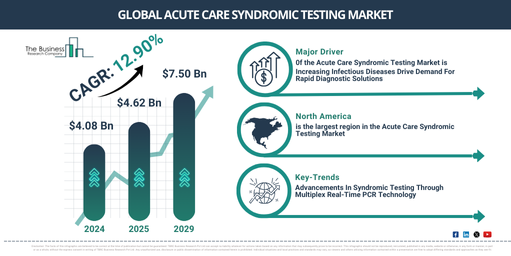
    The market size for acute care syndromic testing has seen a swift surge in recent times. The market, which stood at $4.08 billion in 2024, is projected to reach $4.62 billion in 2025, growing at a compound annual growth rate (CAGR) of 13.2%. The observed growth in the previous period is linked to an increase in awareness about antimicrobial resistance and an upsurge in government funding for infectious diseases. Additionally, rising investments in healthcare infrastructure, heightened focus on syndromic testing, the expansion of telemedicine, and an increase in infectious diseases have also contributed to this growth.

    In the next few years, the acute care syndromic testing market size is set to experience rapid expansion. Expected to reach a valuation of $7.50 billion in 2029 with a compound annual growth rate (CAGR) of 12.9%, numerous factors are driving this growth. These factors include an increase in infectious diseases, a greater need for quicker diagnostic solutions, healthcare services’ expansion, a rise in the use of multiplex syndromic panels, and the escalating number of elderly people. Key trends in the prediction period encompass the transition to point-of-care testing, the integration of cloud-based platforms, the adoption of multiplex panels, AI-powered tools’ development, and automation in syndromic testing.

    Which Major Market Drivers Are Expected to Boost the Acute Care Syndromic Testing Market’s Growth Potential?

    The upsurge in infectious diseases is anticipated to boost the acute care syndromic testing market. Infectious diseases, brought about by harmful microorganisms such as bacteria, viruses, fungi, or parasites, can be transmitted between individuals, animals, or even from the environment. The increasing prevalence of these diseases is attributed to factors like population growth, urbanization, international travel, resistance to antimicrobials, and changes in climate, amplifying the necessity for effective countermeasures and treatments. Acute care syndromic testing plays a crucial role in infectious diseases by quickly pinpointing pathogens and co-infections using multiplex molecular diagnostics, facilitating targeted treatment interventions. For example, data from the Health Security Agency, a government agency in the UK, showed that in February 2024, the influenza positivity rate rose to 16.6%, a rise from 14.0% the week prior. Similarly, influenza-like illness (ILI) consultations also escalated, reaching 9.8 per 100,000 people, as opposed to 7.5 per 100,000 in the preceding week. Furthermore, hospitalizations due to influenza surged to 7.63 per 100,000, an increase from the previous week’s 5.12 per 100,000. Consequently, the rising prevalence of infectious diseases is propelling the acute care syndromic testing market.

    Request Your Free Acute Care Syndromic Testing Market Report Sample Now!

    https://www.thebusinessresearchcompany.com/sample.aspx?id=21078&type=smp

    What are the leading organizations impacting the Acute Care Syndromic Testing market’s growth?

    Major companies operating in the acute care syndromic testing market are Siemens Healthineers AG, F. Hoffmann-La Roche Ltd, Thermo Fisher Scientific Inc., Danaher Corporation, Becton, Dickinson and Company, Seegene Inc., bioMérieux SA, Sysmex Corporation, Bio-Rad Laboratories Inc., QIAGEN N.V., Werfen, DiaSorin S.p.A., Quidel Corporation, Luminex Corporation, Biocartis NV, Microbiologics Inc., QuantuMDx Group Ltd., Curetis GmbH by OpGen Inc., Genetic Signatures Ltd., Applied BioCode Inc.

    What Are the Most Prominent Trends Driving Change in the Acute Care Syndromic Testing Market?

    Leading firms in the acute care syndromic testing industry are prioritizing technological progress such as the multiplex real-time polymerase chain reaction (PCR) technology to enrich diagnostic precision, expedite pathogen identification, sharpen laboratory processes, lessen response time, and boost patient results through precise and timely treatment measures. Multiplex real-time PCR technology is an innovative molecular diagnostic technique that concurrently detects and measures multiple pathogens or genetic targets in a single PCR reaction, enhancing efficacy and precision in disease diagnosis. As an illustration, in April 2023, QIAGEN N.V., a biotech research firm based in the Netherlands, initiated the QIAstat-Dx syndromic testing solution in Japan, inclusive of a SARS-CoV-2 respiratory panel proficient in identifying over 20 pathogens from a single sample. Using the multiplex real-time PCR technology, it renders swift outcomes with lesser labor compared to individual PCR assays. As of the close of 2022, more than 3,500 systems were globally installed, aiding the diagnosis of respiratory, gastrointestinal, and meningitis-associated conditions. The system is available in over 100 nations, thereby improving syndromic testing access globally.

    Pre-order Your Report for Quick and Easy Delivery!

    https://www.thebusinessresearchcompany.com/report/acute-care-syndromic-testing-global-market-report

    What Are the Core Segments of the Acute Care Syndromic Testing Market, and How Do They Contribute to Growth?

    The acute care syndromic testing market covered in this report is segmented –

    1) By Disease Type: Respiratory Diseases, Gastrointestinal Diseases, Genitourinary Diseases, Tropical Diseases, Other Disease Types

    2) By Sample Type: Blood, Urine, Biofluids, Stool, Swabs, Other Sample Types

    3) By Target: Bacteria, Viruses, Fungi, Parasites

    4) By End User: Hospitals, Clinical And Diagnostic Laboratories, Research And Academic Institutions, Other End Users

    Subsegments:

    1) By Respiratory Diseases: Influenza, Respiratory Syncytial Virus (RSV), COVID-19, Tuberculosis, Other Respiratory Diseases

    2) By Gastrointestinal Diseases: Clostridium Difficile Infection, Norovirus, Rotavirus, Salmonella, Other Gastrointestinal Diseases

    3) By Genitourinary Diseases: Urinary Tract Infections (UTIs), Sexually Transmitted Infections (STIs), Vaginal Infections, Other Genitourinary Diseases

    4) By Tropical Diseases: Malaria, Dengue, Chikungunya, Zika Virus, Other Tropical Diseases

    5) By Other Disease Types: Meningitis, Sepsis, Other Emerging Infectious Diseases

    What Regions Are Leading the Charge in the Acute Care Syndromic Testing Market?

    North America was the largest region in the acute care syndromic testing market in 2024. The regions covered in the acute care syndromic testing market report are Asia-Pacific, Western Europe, Eastern Europe, North America, South America, Middle East, Africa.

    How Is the Acute Care Syndromic Testing Market Categorized and Defined in the Industry?

    Acute care syndromic testing refers to a rapid molecular diagnostic approach that detects multiple pathogens simultaneously from a single patient sample. It is used in emergency and critical care settings to quickly diagnose infectious diseases. This enables faster treatment decisions, improved patient outcomes, and reduced hospital stays.

    Browse Through More Similar Reports By The Business Research Company:

    Anthrax Vaccine Global Market Report 2025

    https://www.thebusinessresearchcompany.com/report/anthrax-vaccine-global-market-report

    Dendritic Cell Cancer Vaccine Global Market Report 2025

    https://www.thebusinessresearchcompany.com/report/dendritic-cell-cancer-vaccine-global-market-report

    Cell and Gene Therapy Global Market Report 2025

    https://thebusinessresearchcompany.com/report/cell-and-genes-therapy-global-market-report

    About The Business Research Company:

    With over 15000+ reports from 27 industries covering 60+ geographies, The Business Research Company has built a reputation for offering comprehensive, data-rich research and insights. Armed with 1,500,000 datasets, the optimistic contribution of in-depth secondary research, and unique insights from industry leaders, you can get the information you need to stay ahead in the game.

    Contact us at:

    The Business Research Company: https://www.thebusinessresearchcompany.com/

    Americas +1 3156230293

    Asia +44 2071930708

    Europe +44 2071930708

    Email us at info@tbrc.info

    Follow us on:

    LinkedIn: https://in.linkedin.com/company/the-business-research-company

    YouTube: https://www.youtube.com/channel/UC24_fI0rV8cR5DxlCpgmyFQ

    Global Market Model: https://www.thebusinessresearchcompany.com/global-market-model

    Found this article helpful? Share it on:

  • Key Trends and Insights into the Diabetes Diagnostics Market: Growth Rate and Opportunities to 2034

    Key Trends and Insights into the Diabetes Diagnostics Market: Growth Rate and Opportunities to 2034

    Updated 2025 Market Reports Released: Trends, Forecasts to 2034 – Early Purchase Your Competitive Edge Today!

    What Future CAGR is Anticipated for the Diabetes Diagnostics Market Over the 2025–2034 Period?

    The market size for diabetes diagnostics has shown robust growth in the past few years. The market is predicted to expand from $25.39 billion in 2024 to reach a size of $27.39 billion in 2025, reflecting a compound annual growth rate (CAGR) of 7.9%. The substantial growth witnessed in the past was prompted by factors such as a rising rate of diabetes, growth in the elderly population, a surge in inactive lifestyles, an increase in the uptake of minimally invasive diagnostics, and an escalating prevalence of obesity.

    In the upcoming years, the diabetes diagnostics market is anticipated to witness significant expansion. The market size is predicted to reach $36.72 billion in 2029, growing at a compound annual growth rate (CAGR) of 7.6%. This projected growth is due to factors such as the increasing use of insulin pumps, advancements in diabetes technology, the rise in unhealthy lifestyle habits, and the increasing occurrence of type 1 and type 2 diabetes, in addition to the growing healthcare infrastructure. The forecast period is also expected to see major trends such as the advancement in biosensor technologies, technological progress, advancements in diagnostic technologies, personalized medicines and targeted therapies, and innovative technology in in vitro diagnostic products.

    What External and Internal Drivers Are Contributing to the Growth of the Diabetes Diagnostics Market’s Growth?

    The rise in obesity rates is anticipated to fuel the expansion of the diabetes diagnostics market. Obesity is defined as an excessive build-up of body fat, which escalates the potential for various health issues including heart disease and diabetes. Factors such as inactive lifestyles, an amplified intake of processed and high-calorie foods, genetic susceptibility, and inadequate physical exercise contribute to the higher prevalence of obesity. Diabetes diagnostics plays a critical role in managing obesity by early detection of insulin resistance and issues with glucose metabolism, thus facilitating prompt actions to prevent weight increase and associated health risks. For example, the Centers for Disease Control and Prevention, a government agency in the U.S., reported in September 2023, that in 2022, the obesity rate among adults in 22 states was 35% or more, marking a rise from 19 states in the previous year, 2021. Hence, the increased prevalence of obesity is stimulating the progression of the diabetes diagnostics market.

    Explore Comprehensive Insights Into The Global Diabetes Diagnostics Market With A Free Sample Report:

    https://www.thebusinessresearchcompany.com/sample.aspx?id=21167&type=smp

    Who Are the Influential Players Fueling Innovation and Growth in the Diabetes Diagnostics Market?

    Major companies operating in the diabetes diagnostics market are Pfizer Inc., F. Hoffmann-La Roche AG, Merck & Co. Inc., Bayer AG, Abbott Laboratories, Novartis AG, 3M Company, Medtronic plc, Regeneron Pharmaceuticals Inc., Carl Zeiss Meditec AG, Bausch & Lomb Incorporated, DexCom Inc, Santen Pharmaceutical Co. Ltd., Topcon Corporation, Tandem Diabetes Care Inc, Ypsomed AG, LifeScan Inc, Nova Biomedical Corporation, Ascensia Diabetes Care Holdings AG, ARKRAY Inc, Optos plc, Bioland Technology Ltd, PTS Diagnostics Inc, AgaMatrix Inc, Senseonics Holdings Inc, DarioHealth Corp.

    What Impact Are Industry Trends Having on the Diabetes Diagnostics Market’s Future Prospects?

    Big names in the diabetes diagnostics market are concentrating their efforts on crafting innovative products, including gestational diabetes diagnostic devices, to broaden their offerings and satisfy the increasing need for early identification and control of diabetes during pregnancy. In the realm of medical devices and tests, these devices are utilized to spot and supervise gestational diabetes in expectant mothers, with predominant reliance on blood glucose tests like the oral glucose tolerance test (OGTT). This helps in gauging the efficiency of the body’s sugar processing during pregnancy. For instance, an innovative biosensor tool called XpressGT RUO kit was launched by DirectSens GmbH, an Austrian biotech firm, in August 2024. The tool, designed to detect conditions related to insulin resistance, such as gestational diabetes, endometriosis, and liver disease, provides prompt results by measuring 2-hydroxybutyrate (2-HB) in venous blood and is perfect for standard clinical analyzers. This pioneering development is expected to provide early detection and possibly enhance millions of patients’ health all over the world.

    Secure Your Global Diabetes Diagnostics Market Report Now for Fast and Efficient Delivery!

    https://www.thebusinessresearchcompany.com/report/diabetes-diagnostics-global-market-report

    How Are the Key Segments of the Diabetes Diagnostics Market Impacting Its Expansion and Revenue Streams?

    The diabetes diagnostics market covered in this report is segmented –

    1) By Product Type: Blood Glucose Meters, Continuous Glucose Monitoring Devices, Lancets, Test Strips, Other Product Types

    2) By Diabetes Type: Diabetes I, Diabetes II, Gestational Diabetes

    3) By End-User: Hospitals, Diagnostic Centers, Homecare Settings, Other End-Users

    Subsegments:

    1) By Blood Glucose Meters: Traditional Blood Glucose Meters, Smart Blood Glucose Meters, Bluetooth-enabled Blood Glucose Meters

    2) By Continuous Glucose Monitoring Devices: Wearable CGM Systems, Implantable CGM Systems, Flash Glucose Monitoring Devices

    3) By Lancets: Single-use Lancets, Multi-use Lancets

    4) By Test Strips: Standard Test Strips, Smart Test Strips

    5) By Other Product Types: Hemoglobin A1c Testing Kits, Urine Glucose Test Strips, Blood Ketone Meters

    What Regions Are Leading the Growth Trajectory of the Diabetes Diagnostics Market?

    North America was the largest region in the diabetes diagnostics market in 2024. The regions covered in the diabetes diagnostics market report are Asia-Pacific, Western Europe, Eastern Europe, North America, South America, Middle East, Africa.

    How Do Experts Define the Scope of the Diabetes Diagnostics Market?

    Diabetes diagnostics refers to the methods and tests used to identify and monitor diabetes by measuring blood glucose levels and other relevant biomarkers. It involves various medical assessments to detect abnormal glucose metabolism and assess the risk or presence of diabetes. Accurate diagnostics aid in early detection, disease management, and treatment planning.

    Browse Through More Similar Reports By The Business Research Company:

    Pertussis Vaccine Global Market Report 2025

    https://www.thebusinessresearchcompany.com/report/pertussis-vaccine-global-market-report

    Influenza A Virus Vaccine Global Market Report 2025

    https://www.thebusinessresearchcompany.com/report/h1n1-vaccine-global-market-report

    Weight Loss Supplements Global Market Report 2025

    https://thebusinessresearchcompany.com/report/weight-loss-supplements-global-market-report

    About The Business Research Company:

    With over 15000+ reports from 27 industries covering 60+ geographies, The Business Research Company has built a reputation for offering comprehensive, data-rich research and insights. Armed with 1,500,000 datasets, the optimistic contribution of in-depth secondary research, and unique insights from industry leaders, you can get the information you need to stay ahead in the game.

    Contact us at:

    The Business Research Company: https://www.thebusinessresearchcompany.com/

    Americas +1 3156230293

    Asia +44 2071930708

    Europe +44 2071930708

    Email us at info@tbrc.info

    Follow us on:

    LinkedIn: https://in.linkedin.com/company/the-business-research-company

    YouTube: https://www.youtube.com/channel/UC24_fI0rV8cR5DxlCpgmyFQ

    Global Market Model: https://www.thebusinessresearchcompany.com/global-market-model

    Found this article helpful? Share it on:

  • Dermatological Drugs Market Growth Forecast: Exploring Trends and Opportunities for the Next Decade

    Dermatological Drugs Market Growth Forecast: Exploring Trends and Opportunities for the Next Decade

    Updated 2025 Market Reports Released: Trends, Forecasts to 2034 – Early Purchase Your Competitive Edge Today!

    What Growth Opportunities are Expected to Drive the Dermatological Drugs Market’s CAGR Through 2034?

    The market size for dermatological drugs has seen robust expansion in the recent past. This market is projected to swell from $20.06 billion in 2024 to $22.04 billion in 2025, exhibiting a compound annual growth rate (CAGR) of 9.8%. The historical growth is primarily driven by increasing incidences of skin ailments, advancements in medication formulation and delivery systems, rising consciousness about skin health and aesthetics, an expanding older population, and escalating demand for over-the-counter skincare products.

    Anticipated robust growth is on the horizon for the dermatological drugs market in the upcoming years, as it is projected to expand to $31.75 billion in 2029 with a 9.6% compound annual growth rate (CAGR). Factors contributing to this projected growth in the forecast period includes advancements in biologics and targeted therapies, the rising adoption of teledermatology and digital health, an increased prevalence of skin conditions tied to lifestyle habits, an uptick in the demand for personalized and regenerative medicine, and heightened research in microbiome-based skin treatments. Key trends for the forecast period include dermatological drug delivery via nanotechnology, AI-enhanced dermatological diagnostics, microbiome-focused therapies, skin regeneration through 3D bioprinting, and treatments using gene editing and RNA.

    What Industry-Specific Factors Are Fueling the Growth of the Dermatological Drugs Market?

    The surge in demand for procedures related to cosmetic dermatology is anticipated to accelerate the expansion of the dermatological drugs market. Cosmetic dermatology is a particular subset of dermatology that aims at enhancing an individual’s looks through several non-invasive treatments and procedures. The demand for this branch of dermatology is escalating due to heightened consumer understanding of aesthetic treatments, advancements made in skincare technology, and an increasing inclination toward non-invasive procedures to improve looks and tackle aging. The escalating demand for cosmetic dermatology procedures, such as treatments geared toward rejuvenation of the skin and combating aging, is propelling the creation of superior dermatological drugs that deliver safe, effective and minimally invasive outcomes. For example, in January 2023, as per data from the International Society of Aesthetic Plastic Surgery, a US-based professional body, over 12.8 million surgical and 17.5 million non-surgical procedures were undertaken worldwide, representing a surge of 19.3% in total procedures compared to the previous reporting period. Furthermore, more than 14.9 million surgical and 18.8 million non-surgical procedures are expected to be performed worldwide by plastic surgeons in 2022, marking an 11.2% increase in total procedures executed. Consequently, the upsurge in cosmetic dermatology procedures is fostering the growth of the dermatological drugs market.

    Get Your Free Sample of the Global Dermatological Drugs Market Report Now!

    https://www.thebusinessresearchcompany.com/sample.aspx?id=21166&type=smp

    What Are the Leading Industry Players Dominating the Dermatological Drugs Market?

    Major companies operating in the dermatological drugs market are Pfizer Inc., Johnson & Johnson Services Inc., AbbVie Inc., Bayer AG, AstraZeneca plc, Novartis AG, GlaxoSmithKline Plc, Eli Lilly and Company, Amgen Inc., Bausch Health Companies Inc., Organon International, Galderma, Incyte Corporation, Glenmark Pharmaceuticals Ltd., Mayne Pharma Group Limited, Dermavant Sciences Inc., Taro Pharmaceutical Industries Ltd., Biofrontera AG, Almirall SA, UCB SA, LEO Pharma A/S, Dermira Inc.

    What Are the Latest Trends Leading to Disruption in the Dermatological Drugs Market?

    Established organizations in the dermatological drugs market are focusing on the creation of biologic therapies to treat chronic skin ailments such as psoriasis, atopic dermatitis, and hidradenitis suppurativa. Biologics, by addressing specific immune pathways, offer a more potent and enduring solution than conventional treatments. For example, in September 2024, US pharmaceutical firm Eli Lilly and Company gained approval for Ebglyss (lebrikizumab), a focussed interleukin-13 (IL-13) inhibitor, to treat moderate-to-severe atopic dermatitis in adults and children aged 12 years and above. This authorization signifies a crucial progression by introducing a new biologic treatment option for patients who haven’t found satisfactory symptom control with topical therapies. With the goal of providing more efficient solutions, Ebglyss aims to enhance patients’ quality of life by alleviating severe itching and skin inflammation associated with moderate-to-severe atopic dermatitis.

    Get Instant Access to the Global Dermatological Drugs Market Report with Swift Delivery!

    https://www.thebusinessresearchcompany.com/report/dermatological-drugs-global-market-report

    What Are the Strategic Segments Comprising the Dermatological Drugs Market and Their Growth Contributions?

    The dermatological drugs market covered in this report is segmented –

    1) By Drug Class: Corticosteroids, Retinoids, Antibiotics, Antifungals, Calcineurin Inhibitors, Other Drug Classes

    2) By Administration: Topical Administration, Oral Administration, Parenteral Administration

    3) By Indication: Acne, Psoriasis, Rosacea, Alopecia, Other Indications

    4) By Distribution Channel: Hospital Pharmacies, Retail Pharmacies, Other Distribution Channels

    Subsegments:

    1) By Corticosteroids: Topical Corticosteroids, Oral Corticosteroids, Injectable Corticosteroids

    2) By Retinoids: Topical Retinoids, Oral Retinoids

    3) By Antibiotics: Topical Antibiotics, Oral Antibiotics

    4) By Antifungals: Topical Antifungals, Oral Antifungals

    5) By Calcineurin Inhibitors: Topical Calcineurin Inhibitors, Systemic Calcineurin Inhibitors

    6) By Other Drug Classes: Biologics, JAK Inhibitors, Antihistamines, Photodynamic Therapy Agents

    Which Regions Are Significant to the Growth of the Dermatological Drugs Market?

    North America was the largest region in the dermatological drugs market in 2024. Asia-Pacific is expected to be the fastest-growing region in the forecast period. The regions covered in the dermatological drugs market report are Asia-Pacific, Western Europe, Eastern Europe, North America, South America, Middle East, Africa.

    How Can We Define the Dermatological Drugs Market and Its Key Components?

    Dermatological drugs refer to medications designed to treat conditions affecting the skin, hair, and nails by reducing inflammation, controlling infections, or managing symptoms such as itching and redness. These drugs play a crucial role in dermatology by addressing both common and severe skin disorders, improving patient comfort and quality of life.

    Browse Through More Similar Reports By The Business Research Company:

    Systemic Lupus Erythematosus Treatment Global Market Report 2025

    https://www.thebusinessresearchcompany.com/report/systemic-lupus-erythematosus-treatment-global-market-report

    Hematopoietic Stem Cell Transplantation Global Market Report 2025

    https://www.thebusinessresearchcompany.com/report/hematopoietic-stem-cell-transplantation-global-market-report

    Negative Pressure Wound Therapy Global Market Report 2025

    https://thebusinessresearchcompany.com/report/negative-pressure-wound-therapy-global-market-report

    About The Business Research Company:

    With over 15000+ reports from 27 industries covering 60+ geographies, The Business Research Company has built a reputation for offering comprehensive, data-rich research and insights. Armed with 1,500,000 datasets, the optimistic contribution of in-depth secondary research, and unique insights from industry leaders, you can get the information you need to stay ahead in the game.

    Contact us at:

    The Business Research Company: https://www.thebusinessresearchcompany.com/

    Americas +1 3156230293

    Asia +44 2071930708

    Europe +44 2071930708

    Email us at info@tbrc.info

    Follow us on:

    LinkedIn: https://in.linkedin.com/company/the-business-research-company

    YouTube: https://www.youtube.com/channel/UC24_fI0rV8cR5DxlCpgmyFQ

    Global Market Model: https://www.thebusinessresearchcompany.com/global-market-model

    Found this article helpful? Share it on:
  • What’s Driving Growth in the Cytotoxic T-Lymphocyte-Associated Protein 4 (CTLA-4) Inhibitors Market? Insights into Key Trends and Opportunities

    What’s Driving Growth in the Cytotoxic T-Lymphocyte-Associated Protein 4 (CTLA-4) Inhibitors Market? Insights into Key Trends and Opportunities

    Updated 2025 Market Reports Released: Trends, Forecasts to 2034 – Early Purchase Your Competitive Edge Today!

    What is the Anticipated CAGR of the Cytotoxic T-Lymphocyte-Associated Protein 4 (CTLA-4) Inhibitors Market, and What Factors Will Drive It?

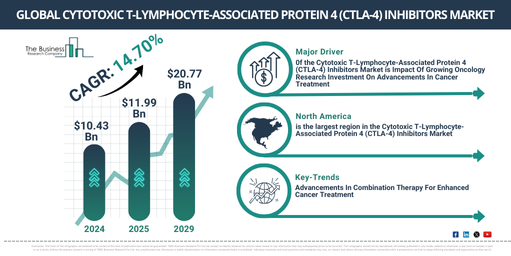
    Over the past few years, the cytotoxic T-lymphocyte-associated protein 4 (CTLA-4) market has experienced substantial growth. This market is projected to expand from $10.43 billion in 2024 to $11.99 billion in 2025, with a compound annual growth rate (CAGR) of 15.0%. The historical growth of this market can be linked to an increase in cancer cases, the rise in clinical trials, wider usage of checkpoint inhibitors, enhancements in healthcare infrastructure, elevated investment into oncology research, the development of combined therapies, a heightened understanding of immuno-oncology treatments, and collaborations in the pharmaceutical industry.

    Anticipated to experience substantial expansion in the ensuing years, the growth of the cytotoxic T-lymphocyte-associated protein 4 (CTLA-4) market size is expected to reach $20.77 billion by 2029 with a compound annual growth rate (CAGR) of 14.7%. Several factors driving the growth during the forecast period include increased demand for combination therapies, a surge in cancer cases, acceptance and use in emerging markets, continuous clinical trials and pipeline creation, regulatory backing for immunotherapies, enhanced patient access to targeted therapies, and strategic alliances and acquisitions. Trends to watch during the forecast period would include next-generation of cytotoxic T-lymphocyte-associated protein 4 (CTLA-4) inhibitors, bispecific antibodies, combined immunotherapies, tailored cancer vaccines, artificial intelligence-led drug discovery, biomarkers for selecting appropriate patients, progress in monoclonal antibody engineering, targeted drug delivery systems, sophisticated clinical trial designs, and the incorporation of real-world data in optimizing treatments.

    What Are the Primary Drivers Supporting the Growth of the Cytotoxic T-Lymphocyte-Associated Protein 4 (CTLA-4) Inhibitors Market?

    The anticipated advancement of the cytotoxic T-lymphocyte-associated protein 4 (CTLA-4) inhibitors market is being driven by the escalating investments in cancer research and development. Global efforts to combat the growing cancer burden are stimulating increased support for oncology research and development, extending beyond traditional treatments to breakthroughs in immunotherapy and targeted therapies. This renewed focus on improving patient survival rates and their overall quality of life has led to the acceleration of research into novel therapies and the enhancement of clinical trials focusing on the advancement of immune checkpoint treatments for cancer. For instance, the American Society for Radiation Oncology (ASTRO) reported in May 2023 that the National Cancer Institute (NCI) is seeking $9.988 billion for cancer research in 2024. This is a leap of $2.7 billion from the $7.3 billion allocated in 2023. Hence, the upward trend in oncology research and development investment is fuelling the growth of the cytotoxic T-lymphocyte-associated protein 4 (CTLA-4) inhibitors market.

    Request Your Free Cytotoxic T-Lymphocyte-Associated Protein 4 (CTLA-4) Inhibitors Market Report Sample Now!

    https://www.thebusinessresearchcompany.com/sample.aspx?id=21165&type=smp

    Who Are the Top Companies Contributing to the Growth of the Cytotoxic T-Lymphocyte-Associated Protein 4 (CTLA-4) Inhibitors Market?

    Major companies operating in the cytotoxic T-lymphocyte-associated protein 4 (CTLA-4) inhibitors market are Pfizer Inc., Merck & Co. Inc., Bristol Myers Squibb, AstraZeneca plc, Novartis AG, GSK plc, Eli Lilly and Company, BioNTech SE, Regeneron Pharmaceuticals Inc., Astellas Pharma Inc., Shanghai Fosun Pharmaceutical (Group) Co. Ltd., Jiangsu Hengrui Pharmaceuticals Co. Ltd., Incyte Corporation, Ono Pharmaceutical Co. Ltd., Bio-Techne Corporation, Innovent Biologics Inc., Akeso Inc., Shanghai Junshi Biosciences Co. Ltd., Xencor, Agenus Inc., Harbour BioMed, Molecular Templates Inc., BioAtla Inc., OncoC4 Inc., Xilio Therapeutics Inc.

    How Are Technological Trends Affecting the Growth and Development of the Cytotoxic T-Lymphocyte-Associated Protein 4 (CTLA-4) Inhibitors Market?

    Key players in the market for cytotoxic T-lymphocyte-associated protein 4 (CTLA-4) inhibitors are concentrating on executing clinical studies to evaluate the performance of novel drug formulations, fine-tune dosage strategies, and boost response rates in cancer treatment. These clinical studies assist in investigating the capabilities of CTLA-4 inhibitors when used along with other immunotherapies, with a goal to diversify their uses beyond just melanoma and better the overall survival rates in diverse cancer forms. For example, Akeso Inc., a biopharmaceutical firm based in China, disclosed the phase Ib/II clinical trial (AK104-IIT-018) of cadonilimab, a combination therapy for patients with advanced or metastatic non-small cell lung cancer (NSCLC) that had advanced after previous programmed cell death ligand 1 (PD-L1) inhibitor treatment, in December 2024. Cadonilimab, a CTLA-4/PD-1 bispecific antibody, operates by simultaneously obstructing the PD-1 and CTLA-4 immune checkpoints, thereby augmenting T-cell activation and the immune response towards tumors, and reducing immune suppression.

    Pre-order Your Report for Quick and Easy Delivery!

    https://www.thebusinessresearchcompany.com/report/cytotoxic-t-lymphocyte-associated-protein-4-ctla-4-inhibitors-global-market-report

    Which Segments of the Cytotoxic T-Lymphocyte-Associated Protein 4 (CTLA-4) Inhibitors Market Hold the Most Potential for Future Development?

    The cytotoxic T-lymphocyte-associated protein 4 (CTLA-4) inhibitors market covered in this report is segmented –

    1) By Type: Monotherapy, Combination Therapy

    2) By Application: Melanoma, Renal Cell Carcinoma, Colorectal Cancer, Other Applications

    3) By Distribution Channel: Hospital Pharmacies, Retail Pharmacies, Online Pharmacies, Other Distribution Channels

    Subsegments:

    1) By Monotherapy: Ipilimumab (Yervoy), Tremelimumab

    2) By Combination Therapy: CTLA-4 Inhibitors + PD-1/PD-L1 Inhibitors, CTLA-4 Inhibitors + Chemotherapy, CTLA-4 Inhibitors + Targeted Therapy, CTLA-4 Inhibitors + Radiotherapy, CTLA-4 Inhibitors + Other Immunotherapies

    What Are the Key Regions Powering Growth in the Cytotoxic T-Lymphocyte-Associated Protein 4 (CTLA-4) Inhibitors Market?

    North America was the largest region in the cytotoxic T-lymphocyte-associated protein 4 (CTLA-4) market in 2024. Asia-Pacific is expected to be the fastest-growing region in the forecast period. The regions covered in the cytotoxic T-lymphocyte-associated protein 4 (CTLA-4) inhibitors market report are Asia-Pacific, Western Europe, Eastern Europe, North America, South America, Middle East, Africa.

    What Defines the Scope of the Cytotoxic T-Lymphocyte-Associated Protein 4 (CTLA-4) Inhibitors Market?

    Cytotoxic T-lymphocyte-associated protein 4 (CTLA-4) inhibitors refer to a class of immunotherapy drugs that block the CTLA-4 protein on T cells, enhancing the immune system’s ability to attack cancer cells. By preventing CTLA-4 from downregulating immune responses, these inhibitors help sustain T-cell activation, making them effective in treating cancers. These inhibitors are used alone or in combination with other immune checkpoint inhibitors to enhance anti-tumor responses and improve patient outcomes in various cancers.

    Browse Through More Similar Reports By The Business Research Company:

    Influenza Diagnostic Global Market Report 2025

    https://www.thebusinessresearchcompany.com/report/influenza-diagnostic-global-market-report

    Medical And Diagnostic Laboratory Services Global Market Report 2025

    https://www.thebusinessresearchcompany.com/report/medical-and-diagnostic-laboratory-services-global-market-report

    Smart Insulin Pens Global Market Report 2025

    https://thebusinessresearchcompany.com/report/smart-insulin-pens-global-market-report

    About The Business Research Company:

    With over 15000+ reports from 27 industries covering 60+ geographies, The Business Research Company has built a reputation for offering comprehensive, data-rich research and insights. Armed with 1,500,000 datasets, the optimistic contribution of in-depth secondary research, and unique insights from industry leaders, you can get the information you need to stay ahead in the game.

    Contact us at:

    The Business Research Company: https://www.thebusinessresearchcompany.com/

    Americas +1 3156230293

    Asia +44 2071930708

    Europe +44 2071930708

    Email us at info@tbrc.info

    Follow us on:

    LinkedIn: https://in.linkedin.com/company/the-business-research-company

    YouTube: https://www.youtube.com/channel/UC24_fI0rV8cR5DxlCpgmyFQ

    Global Market Model: https://www.thebusinessresearchcompany.com/global-market-model

    Found this article helpful? Share it on:

  • Growth Opportunities and Trends in the Cutaneous T-Cell Lymphoma Market: Key Insights for 2025-2034

    Growth Opportunities and Trends in the Cutaneous T-Cell Lymphoma Market: Key Insights for 2025-2034

    Updated 2025 Market Reports Released: Trends, Forecasts to 2034 – Early Purchase Your Competitive Edge Today!

    How Will the CAGR of the Cutaneous T-Cell Lymphoma Market Influence Its Overall Growth by 2034?

    In recent times, there has been a robust expansion in the market size of cutaneous T-cell lymphoma. Predictions indicate a growth from $2.54 billion in 2024 to $2.72 billion in 2025, translating to a compound annual growth rate (CAGR) of 7.4%. This substantial growth in the prior period is credited to the escalating count of cutaneous T-cell lymphoma cases, heightened consciousness regarding rare cancers, an increasing elderly population, the provision of targeted treatments, and supportive care services.

    There is a forecast for significant expansion in the cutaneous T-cell lymphoma market over the coming years. The market is projected to increase to $3.57 billion in 2029, with a compound annual growth rate (CAGR) of 7.0%. Factors contributing to this projected growth include a rise in healthcare spending, heightened focus on developing orphan drugs, improved diagnostic methods, enhanced patient support programs, and an increase in the approval of combination therapies. Noteworthy trends predicted for the forecast period are a shift towards personalized medicine, the development of biosimilars, a surge in clinical trials, heightened collaboration between market participants, and an increase in the adoption of telemedicine platforms.

    What Drivers Are Shaping the Growth of the Cutaneous T-Cell Lymphoma Market?

    The escalating number of lymphoma cases is anticipated to stimulate the advancement of the cutaneous T-cell lymphoma market. Lymphocytes, a type of white blood cell in the lymphatic system, are the origin of lymphoma, a cancer variant. The surge in lymphoma occurrences can be accredited to factors like aging populations, environmental exposures and genetic susceptibilities. Cutaneous T-cell lymphoma plays a crucial role in these cases by offering a distinct diagnosis and treatment approach for patients where the lymphoma primarily appears in the skin. It assists in distinguishing it from other lymphoma types and directs targeted therapies. In April 2024, the American Cancer Society, a US-based non-profit aiming to eradicate cancer, published an article revealing that around 553,000 new cases of non-Hodgkin lymphoma were diagnosed in 2022, leading to 250,000 related deaths as well as 84,000 fresh cases of Hodgkin lymphoma that caused 22,000 deaths. Non-Hodgkin lymphoma is globally ranked as the 10th most commonly diagnosed cancer and the 11th highest cause of cancer-related deaths. Hence, the rising number of lymphoma cases fuels the growth of the cutaneous T-cell lymphoma market.

    Explore Comprehensive Insights Into The Global Cutaneous T-Cell Lymphoma Market With A Free Sample Report:

    https://www.thebusinessresearchcompany.com/sample.aspx?id=21164&type=smp

    Who Are the Leading Companies Pioneering Change in the Cutaneous T-Cell Lymphoma Market?

    Major companies operating in the cutaneous T-cell lymphoma market are Merck & Co. Inc., Pfizer Inc., Bristol Myers Squibb Company, Novartis AG, Takeda Pharmaceutical Company Limited, GlaxoSmithKline plc, Bausch Health Companies Inc., Eisai Co. Ltd., Galderma S.A., Kyowa Hakko Kirin Co. Ltd., Cipla Inc., Actelion Pharmaceuticals Ltd., Soligenix Inc., Helsinn Healthcare SA, Innate Pharma SA, 4SC AG, Equillium Inc., Avik Pharma Inc., Citius Pharmaceuticals Inc., Medivir AB

    What Are the Most Significant Trends Transforming the Cutaneous T-Cell Lymphoma Market Today?

    Leading firms in the cutaneous T-cell lymphoma market are prioritizing the creation of innovative treatment methods, such as targeted action mechanisms that aim at both malignant T-cells and immunosuppressive regulatory T-cells (Tregs). This strategy offers an advantageous position, as it allows LYMPHIR to destroy tumor cells directly and temporarily reduce Tregs, enhancing the body’s capability to fight tumors. In August 2024, the FDA gave approval to a US pharmaceutical company for LYMPHIR (denileukin diftitox-cxdl), a considerable step forward in treating relapsed or refractory cutaneous T-cell lymphoma (CTCL). This unique strategy sets LYMPHIR apart from other available therapies, giving patients with relapsed or refractory cutaneous T-cell lymphoma (CTCL) a new, innovative option for treatment.

    Secure Your Global Cutaneous T-Cell Lymphoma Market Report Now for Fast and Efficient Delivery!

    https://www.thebusinessresearchcompany.com/report/cutaneous-t-cell-lymphoma-global-market-report

    What Are the Primary Segments of the Cutaneous T-Cell Lymphoma Market and Their Roles in Growth Dynamics?

    The cutaneous T-cell lymphoma market covered in this report is segmented –

    1) By Type: Mycosis Fungoides, Sezary Syndrome

    2) By Treatment: Radiation Therapy, Chemotherapy, Immunotherapy, Targeted Therapy, Other Treatments

    3) By End-User: Hospitals, Diagnostic Centres, Clinics

    Subsegments:

    1) By Mycosis Fungoides: Patch-Stage Mycosis Fungoides, Plaque-Stage Mycosis Fungoides, Tumor-Stage Mycosis Fungoides, Erythrodermic Mycosis Fungoides

    2) By Sezary Syndrome: Classic Sezary Syndrome, Atypical Sezary Syndrome

    Which Regions Are Leading the Charge in Cutaneous T-Cell Lymphoma Market Development?

    North America was the largest region in the cutaneous T-cell lymphoma market in 2024. Asia-Pacific is expected to be the fastest-growing region in the forecast period. The regions covered in the cutaneous T-cell lymphoma market report are Asia-Pacific, Western Europe, Eastern Europe, North America, South America, Middle East, Africa.

    How Is the Definition of the Cutaneous T-Cell Lymphoma Market Impacting Future Growth?

    Cutaneous T-cell lymphoma refers to a rare type of cancer that affects the T-cells of the skin, leading to symptoms such as rashes, tumors, and skin lesions. The most common subtypes include mycosis fungoides and Sézary syndrome. Symptoms often include itching, skin thickening, and swollen lymph nodes. While typically slow-growing, advanced cases may spread to other organs.

    Browse Through More Similar Reports By The Business Research Company:

    Cancer Clinical Decision Tools Global Market Report 2025

    https://www.thebusinessresearchcompany.com/report/cancer-clinical-decision-tool-global-market-report

    Exploring the Clinical Nutrition Global Market Report 2025

    https://www.thebusinessresearchcompany.com/report/clinical-nutritions-global-market-report

    Chemotherapy Induced Peripheral Neuropathy Treatment Global Market Report 2025

    https://thebusinessresearchcompany.com/report/chemotherapy-induced-peripheral-neuropathy-treatment-global-market-report

    About The Business Research Company:

    With over 15000+ reports from 27 industries covering 60+ geographies, The Business Research Company has built a reputation for offering comprehensive, data-rich research and insights. Armed with 1,500,000 datasets, the optimistic contribution of in-depth secondary research, and unique insights from industry leaders, you can get the information you need to stay ahead in the game.

    Contact us at:

    The Business Research Company: https://www.thebusinessresearchcompany.com/

    Americas +1 3156230293

    Asia +44 2071930708

    Europe +44 2071930708

    Email us at info@tbrc.info

    Follow us on:

    LinkedIn: https://in.linkedin.com/company/the-business-research-company

    YouTube: https://www.youtube.com/channel/UC24_fI0rV8cR5DxlCpgmyFQ

    Global Market Model: https://www.thebusinessresearchcompany.com/global-market-model

    Found this article helpful? Share it on:
  • Key Drivers and Opportunities in the Cutaneous Squamous Cell Carcinoma (CSCC) Market: Insights into Trends and Growth

    Key Drivers and Opportunities in the Cutaneous Squamous Cell Carcinoma (CSCC) Market: Insights into Trends and Growth

    Updated 2025 Market Reports Released: Trends, Forecasts to 2034 – Early Purchase Your Competitive Edge Today!

    What Long-Term Growth Rate is Expected for the Cutaneous Squamous Cell Carcinoma (CSCC) Market Between 2025 and 2034?

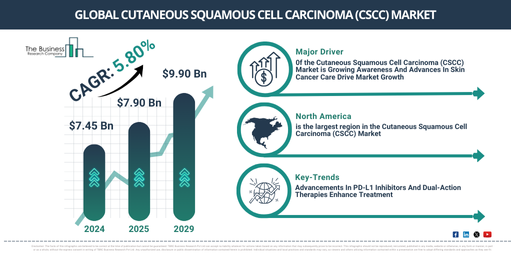
    The market size for cutaneous squamous cell carcinoma (cSCC) has seen robust growth recently and is projected to expand from $7.45 billion in 2024 to $7.90 billion in 2025, with a compound annual growth rate (CAGR) of 6.1%. The considerable growth during the past years can be due to factors such as the increase in non-melanoma skin cancer cases, an expanding aging populace, more exposure to ultraviolet rays, advances in healthcare infrastructure, and the increased adoption of immunotherapy in cancer treatment.

    The market for cutaneous squamous cell carcinoma (cSCC) is projected to experience robust growth in the coming years, soaring to $9.90 billion by 2029 with a compound annual growth rate (CAGR) of 5.8%. The predicted growth during the forecast period can be tied to the increasing prevalence of targeted therapies, heightened consciousness regarding skin cancer prevention, a rise in medical tourism specifically for cancer treatments, the growing preference for minimally invasive surgeries, and supportive government programs for cancer care. Predicted trends for the forecast period encompass advancements in the field of dermatology diagnostics, the creation of sophisticated radiotherapy techniques, technological progression in dermatology, ground-breaking developments in immunotherapy treatments, and enhancements in photodynamic therapy.

    Which Major Market Drivers Are Expected to Boost the Cutaneous Squamous Cell Carcinoma (CSCC) Market’s Growth Potential?

    Projected growth in the cutaneous squamous cell carcinoma (cSCC) market is linked to a rising understanding of skin cancer. Skin cancer, characterized by atypical skin cell development usually from extensive UV exposure, can vary from benign to potentially lethal. The escalating consciousness surrounding skin cancer can be attributed to the proliferation of public health campaigns, easy access to relevant information, and amplified focus on preliminary detection and prevention, which subsequently drives up the demand for diagnostic and treatment methods. The role of cutaneous squamous cell carcinoma (cSCC) in championing skin cancer care is becoming increasingly important by paving the way for focused therapies, enhancing diagnostic processes and improving patient results, thereby facilitating superior disease control. For instance, data from the American Cancer Society, a US non-profit institution committed to fighting cancer, reveals a 3.2% rise in skin cancer cases from 108,270 in 2022 to 104,930 in 2023. As such, the burgeoning awareness of skin cancer is anticipated to spur growth in the cutaneous squamous cell carcinoma (cSCC) market.

    Get Your Free Sample of the Global Cutaneous Squamous Cell Carcinoma (CSCC) Market Report Now!

    https://www.thebusinessresearchcompany.com/sample.aspx?id=21163&type=smp

    What Are the Key Firms That Are Driving Transformation in the Cutaneous Squamous Cell Carcinoma (CSCC) Market?

    Major companies operating in the cutaneous squamous cell carcinoma (CSCC) market are F. Hoffmann-La Roche AG, Merck & Co. Inc., Sanofi S.A., Bristol-Myers Squibb Company, Novartis AG, GSK plc, 3M Company, Eli Lilly and Company, Amgen Inc., Boehringer Ingelheim, Regeneron Pharmaceuticals Inc., Astellas Pharma Inc., Incyte Corporation, Hikma Pharmaceuticals plc, Shanghai Henlius Biotech Inc., Fortress Biotech Inc., Rakuten Medical Inc., Morphogenesis Inc., CureVac N.V., Vidac Pharma Inc.

    What Current Trends in the Cutaneous Squamous Cell Carcinoma (CSCC) Market Should Industry Players Pay Attention To?

    Major players in the cutaneous squamous cell carcinoma (cSCC) market are focusing on enhancing immuno-oncology therapies, including PD-L1 inhibitors and targeted therapies, with the aim to improve patient outcomes and offer effective treatments for advanced skin cancer. PD-L1, also known as programmed death-ligand 1, is a protein that hampers the immune response by binding with PD-1 receptors present on T-cells, thus assisting cancer cells in evading immune detection. For instance, in December 2024, the US-based biotech firm, Checkpoint Therapeutics Inc., garnered FDA approval for Unloxcyt (cosibelimab-ipdl). The groundbreaking aspect of Unloxcyt is its capacity to inhibit PD-L1, which bolsters the immune system’s potential to combat cancer, thereby providing a safer and more efficient treatment alternative. Moreover, its dual action mechanism presents a promising strategy for managing advanced cutaneous squamous cell carcinoma (cSCC). The sanction was grounded on outcomes from the CK-301-101 trial, which exhibited clinically significant objective response rates and sustained responses in patients with advanced cSCC.

    Get Instant Access to the Global Cutaneous Squamous Cell Carcinoma (CSCC) Market Report with Swift Delivery!

    https://www.thebusinessresearchcompany.com/report/cutaneous-squamous-cell-carcinoma-cscc-global-market-report

    How Are Market Segments in the Cutaneous Squamous Cell Carcinoma (CSCC) Industry Positioned for Long-Term Growth?

    The cutaneous squamous cell carcinoma (CSCC) market covered in this report is segmented –

    1) By Treatment: Surgical Treatment, Non-Surgical Treatment

    2) By Diagnosis: Computed Tomography (CT), Magnetic Resonance Imaging (MRI), Biopsy

    3) By Application: Hospitals, Cancer Institutes, Ambulatory Surgical Centers, Other Applications

    Subsegments:

    1) By Surgical Treatment: Excisional Surgery, Mohs Micrographic Surgery, Curettage And Electrodessication

    2) By Non-Surgical Treatment: Radiation Therapy, Cryotherapy, Photodynamic Therapy, Topical Therapies, Systemic Therapies

    What Regions Are Driving Expansion in the Cutaneous Squamous Cell Carcinoma (CSCC) Market?

    North America was the largest region in the cutaneous squamous cell carcinoma (CSCC) market in 2024. Asia-Pacific is expected to be the fastest-growing region in the forecast period. The regions covered in the cutaneous squamous cell carcinoma (CSCC) market report are Asia-Pacific, Western Europe, Eastern Europe, North America, South America, Middle East, Africa.

    What Key Parameters Define the Cutaneous Squamous Cell Carcinoma (CSCC) Market’s Scope?

    Cutaneous squamous cell carcinoma (cSCC) is a type of skin cancer that develops in the squamous cells of the skin’s outer layer. It typically occurs in sun-exposed areas and can range from localized lesions to more aggressive forms that may spread to other parts of the body.

    Browse Through More Similar Reports By The Business Research Company:

    Chromatin immunoprecipitation (ChIP) Sequencing Global Market Report 2025

    https://www.thebusinessresearchcompany.com/report/chromatin-immunoprecipitation-chip-sequencing-global-market-report

    Autoimmune Disease Diagnosis Global Market Report 2025

    https://www.thebusinessresearchcompany.com/report/autoimmune-disease-diagnosis-global-market-report

    Cyclic Heavy Menstrual Bleeding Global Market Report 2025

    https://thebusinessresearchcompany.com/report/cyclic-heavy-menstrual-bleeding-global-market-report

    About The Business Research Company:

    With over 15000+ reports from 27 industries covering 60+ geographies, The Business Research Company has built a reputation for offering comprehensive, data-rich research and insights. Armed with 1,500,000 datasets, the optimistic contribution of in-depth secondary research, and unique insights from industry leaders, you can get the information you need to stay ahead in the game.

    Contact us at:

    The Business Research Company: https://www.thebusinessresearchcompany.com/

    Americas +1 3156230293

    Asia +44 2071930708

    Europe +44 2071930708

    Email us at info@tbrc.info

    Follow us on:

    LinkedIn: https://in.linkedin.com/company/the-business-research-company

    YouTube: https://www.youtube.com/channel/UC24_fI0rV8cR5DxlCpgmyFQ

    Global Market Model: https://www.thebusinessresearchcompany.com/global-market-model

    Found this article helpful? Share it on: