Blog

  • Analyzing the Future of Influenza Diagnostic Market Dynamics 2025-2034: Growth Rate, Trends, and Major Opportunities

    Updated 2025 Market Reports Released: Trends, Forecasts to 2034 – Early Purchase Your Competitive Edge Today!

    What key factors are powering the surge in the influenza diagnostic market right now?

    There has been substantial growth in the influenza diagnostic market size in recent years. An expansion from $2.73 billion in 2024 to $2.89 billion in 2025, reflecting a compound annual growth rate (CAGR) of 5.9%, is anticipated. The growth experienced in the historic period is largely due to the boost in e-commerce, labor shortages, automation and productivity, optimization of supply chains, increasing labor costs, and government backing for automation and robotics.

    How fast Is the influenza diagnostic market expected to grow, and what’s its future value?

    Expectations are high for significant expansion in the influenza diagnostic market in the upcoming years. With a compound annual growth rate (CAGR) of 8.5%, the market is anticipated to reach $4.01 billion in 2029. Factors contributing to this predicted growth during the forecast period include the need for customization and scalability, environmental and sustainability targets, efficiency enhancement requirements, and the necessity to conform to the demands of contemporary supply chain dynamics. The forecast period is also likely to witness key trends such as integration of cutting-edge technology, robot-assisted picking and packing, autonomous mobile robots, on-the-spot data and analytics, AI-powered decision making, cooperative robots, and progress in robotic technology.

    Get your influenza diagnostic market report here!

    https://www.thebusinessresearchcompany.com/sample.aspx?id=3237&type=smp

    What are the leading drivers of growth in the influenza diagnostic market?

    The influenza diagnostic market is projected to be propelled forward by the rise of rapid diagnostic tests. These medical tools or procedures are used to establish or dispel the presence of a condition or disease. With an increasing demand for quick and accurate outcomes in healthcare, Rapid diagnostic tests (RDTs) are on the rise. Rapid influenza diagnostic tests (RIDTs) are capable of identifying influenza viral antigens within 10-15 minutes with a moderate sensitivity of 50-70%. For example, the Australian Institute of Health and Welfare, an Australian government agency that focuses on health and disease information, reported in July 2024 that diagnostic imaging services had increased from 28.4 million in 2021-22 to 29.7 million in 2022-23. Therefore, rapid diagnostic tests are playing a significant part in the expansion of the influenza diagnostic market.

    What are the key segments defining the influenza diagnostic market?

    The influenza diagnostic market covered in this report is segmented –

    1) By Traditional diagnostic tests: Rapid influenza diagnostic tests (RIDT), Viral Culture, DFA, Serological assays, Other Traditional diagnostic tests

    2) By Molecular diagnostic tests: Reverse Transcription Polymerase Chain Reaction (RT-PCR), Isothermal Nucleic Acid Amplification Tests (INAAT), Loop Mediated Isothermal Based Amplification Assays, Transcription Mediated Isothermal Based Amplification Assays, Transcription Mediated Isothermal Based Amplification Assays, Other Isothermal Nucleic Acid Amplification Tests, Other Molecular Diagnostic Tests

    3) By End User: Hospitals And Clinical Laboratories, Diagnostic Reference Laboratories, Academic/Research Institutes, Other End Users

    Subsegments:

    1) By Rapid Influenza Diagnostic Tests (RIDT): Immunoassay-based Tests, Lateral Flow Assays, Enzyme Immunoassays (EIA)

    2) By Viral Culture: Cell Culture, Egg-based Culture

    3) By Direct Fluorescent Antibody (DFA) Test: Direct Fluorescent Antibody Staining

    4) By Serological Assays: Hemagglutination Inhibition (HI) Assay, Enzyme-Linked Immunosorbent Assay (ELISA), Western Blotting Assay

    5) By Other Traditional Diagnostic Tests: Polymerase Chain Reaction (PCR), Immunofluorescence Assays

    Get your free sample now – explore exclusive market insights:

    https://www.thebusinessresearchcompany.com/sample.aspx?id=3237&type=smp

    Who are the key players steering the development of the influenza diagnostic market?

    Major companies operating in the influenza diagnostic market include F. Hoffmann-La Roche Ltd., Quidel Corporation, Thermo Fisher Scientific Inc., Abbott Laboratories, Hologic Inc., Becton Dickinson and Company, DiaSorin SpA, Luminex Corporation, Meridian Bioscience Inc., GenMark Diagnostics Inc., SA Scientific Ltd., Sekisui Diagnostics LLC, bioMérieux Inc., Danaher Corporation, Siemens Healthineers AG, Coris Bioconcept Sprl, Mast Group, Elitech Technology lnc., Analytik Jena AG, altona Diagnostics GmbH, Tecan Trading AG, Genome Diagnostics Pvt Ltd., Germaine Laboratories Inc., Response Biomedical Corporation, TAUNS Laboratories Inc., TRUPCR Europe Ltd., Quest Diagnostics Inc., Labcorp Employer Services Inc., TotalWellness Ltd., Health Advocate Inc., Optum Global Solutions Private Ltd.

    What emerging trends are influencing the growth of the influenza diagnostic market?

    In the influenza diagnostic market, prominent businesses are introducing state-of-the-art products like the Lucira COVID-19 & Flu Home Test, designed for quick qualitative detection. Its application involves a single-use at-home test kit, providing results from self-obtained nasal swabs in roughly half an hour. An example is Pfizer Inc., a pharmaceutical corporation based in the United States, which secured approval for the Lucira COVID-19 & Flu Home Test in February 2023. This test can identify both influenza A and B, usually referred to as the flu, and SARS-CoV-2, which is the virus causing COVID-19.

    Unlock exclusive market insights – purchase your research report now for a swift delivery!

    https://www.thebusinessresearchcompany.com/purchaseoptions.aspx?id=3237

    Which regions are most influential in expanding the influenza diagnostic market?

    North America was the largest region in the influenza diagnostics market in 2023. Western Europe was the second largest region in the influenza diagnostics market. The regions covered in the influenza diagnostic market report are Asia-Pacific, Western Europe, Eastern Europe, North America, South America, Middle East, Africa

    Browse Through More Similar Reports By The Business Research Company:

    Immunofluorescence Assay Global Market Report 2024

    https://www.thebusinessresearchcompany.com/report/immunofluorescence-assay-global-market-report

    Diagnostic Enzyme Global Market Report 2024

    https://www.thebusinessresearchcompany.com/report/diagnostic-enzymes-global-market-report

    Isothermal Nucleic Acid Amplification Technology (INAAT) Global Market Report 2024

    https://www.thebusinessresearchcompany.com/report/isothermal-nucleic-acid-amplification-technology-global-market-report

    About The Business Research Company:

    With over 15000+ reports from 27 industries covering 60+ geographies, The Business Research Company has built a reputation for offering comprehensive, data-rich research and insights. Armed with 1,500,000 datasets, the optimistic contribution of in-depth secondary research, and unique insights from industry leaders, you can get the information you need to stay ahead in the game.

    Contact us at:

    The Business Research Company: https://www.thebusinessresearchcompany.com/

    Americas +1 3156230293

    Asia +44 2071930708

    Europe +44 2071930708

    Email us at info@tbrc.info

    Follow us on:

    LinkedIn: https://in.linkedin.com/company/the-business-research-company

    YouTube: https://www.youtube.com/channel/UC24_fI0rV8cR5DxlCpgmyFQ

    Global Market Model: https://www.thebusinessresearchcompany.com/global-market-model

    Found this article helpful? Share it on:

  • Exploring Key Insights of the In Vitro Diagnostics Market: Growth Prospects, Emerging Trends, and Opportunities

    Exploring Key Insights of the In Vitro Diagnostics Market: Growth Prospects, Emerging Trends, and Opportunities

    Updated 2025 Market Reports Released: Trends, Forecasts to 2034 – Early Purchase Your Competitive Edge Today!

    How has the in vitro diagnostics market grown over the years?

    The market size for in-vitro diagnostics has experienced substantial growth in the previous years. It’s projected to rise from $130.74 billion in 2024 to $149.01 billion in 2025, demonstrating a compound annual growth rate (CAGR) of 14.0%. The historic period’s growth is owing to the emergence of automated analyzers and molecular diagnostics, an increase in the elderly population, disease outbreaks, healthcare legislation, and precision medicine.

    What Is the forecasted market size and growth rate for the in vitro diagnostics market?

    The market size for in-vitro diagnostics is anticipated to experience a swift expansion in the upcoming years, scaling up to $232.69 billion by 2029 with a compound annual growth rate (CAGR) of 11.8%. Factors that are contributing to the projected growth within this forecast period include advances in precision medicine, point-of-care testing, digital health and data analytics, and readiness for pandemics. Key trends for the forecast period are expected to be technological innovation, integration with digital health, tailored diagnostics, home testing kits and molecular diagnostics.

    Get your in vitro diagnostics market report here!

    https://www.thebusinessresearchcompany.com/sample.aspx?id=13065&type=smp

    What are the major factors driving growth in the in vitro diagnostics market?

    The growing trend of using self-administered test kits is poised to boost the in vitro diagnostics market’s expansion. These kits are medical or diagnostic tools that individuals can use independently without requiring healthcare experts or trained staff to facilitate the test at home. The kits improve access by allowing people to carry out these diagnostic tests at their homes, providing comfort and possibly amplifying the demand for testing, specifically for conditions previously unidentified. For example, data from the United States-based national public health agency, the Centers for Disease Control and Prevention, showed a notable rise in the usage of at-home COVID-19 tests amongst U.S. adults aged 18 and above, from the Delta-dominated period (August to December 2021) to the Omicron-dominated period (December to March 2022) in April 2022. The utilization of at-home tests amongst participants who noticed COVID-19-like symptoms rose from 5.7% to 20.1%. As such, the increasing preference for self-administered test kits will fuel the in vitro diagnostics market’s growth.

    What key areas define the segmentation of the global in vitro diagnostics Market?

    The in vitro diagnostics market covered in this report is segmented –

    1) By Type: Point-of-Care Diagnostics Devices And Equipment, Immunochemistry Diagnostic Devices And Equipment, Clinical Chemistry Diagnostics Devices And Equipment, Molecular Diagnostics Devices And Equipment, Microbiology Diagnostic Devices And Equipment, Hemostasis Diagnostic Devices And Equipment, Hematology Diagnostic Devices And Equipment, Immunohematology Diagnostic Devices And Equipment

    2) By End User: Hospitals And Clinics, Diagnostic Laboratories, Other End Users

    3) By Type of Expenditure: Public, Private

    4) By Product: Instruments/Equipment, Disposables

    Subsegments:

    1) By Point-Of-Care Diagnostics Devices And Equipment: Blood Glucose Monitoring, Pregnancy And Fertility Testing, Infectious Disease Testing, Cardiac Markers Testing, Coagulation Testing

    2) By Immunochemistry Diagnostic Devices And Equipment: Enzyme-Linked Immunosorbent Assay (ELISA), Radioimmunoassay (RIA), Western Blot, Immunofluorescence Assay, Chemiluminescence Immunoassay (CLIA)

    3) By Clinical Chemistry Diagnostic Devices And Equipment: Blood Glucose Testing, Cholesterol Testing, Liver Function Testing, Kidney Function Testing, Electrolyte Testing

    4) By Molecular Diagnostics Devices And Equipment: PCR (Polymerase Chain Reaction) Instruments, Next-Generation Sequencing (NGS) Instruments, Microarray Instruments, FISH (Fluorescence In Situ Hybridization) Devices

    5) By Microbiology Diagnostic Devices And Equipment: Microbial Culture Systems, Automated Identification Systems, Antimicrobial Susceptibility Testing Systems, Blood Culture Systems

    6) By Hemostasis Diagnostic Devices and Equipment: Coagulation Analyzers, Thromboelastography Systems, Platelet Function Analyzers, Clotting Factor Analyzers

    7) By Hematology Diagnostic Devices and Equipment: Hematology Analyzers, Hemoglobin Testing Systems, Complete Blood Count (CBC) Devices, Blood Cell Counters

    8) By Immunohematology Diagnostic Devices and Equipment: Blood Typing Systems, Crossmatching Systems, Antibody Screening Systems, Blood Bank Analyzers

    Get your free sample now – explore exclusive market insights:

    https://www.thebusinessresearchcompany.com/sample.aspx?id=13065&type=smp

    What are the top market players propelling the growth of the in vitro diagnostics industry?

    Major companies operating in the in vitro diagnostics market include Siemens Healthineers, F. Hoffmann-La Roche AG, Danaher Corporation, Abbott Laboratories Inc., Thermo Fisher Scientific Inc., Agilent Technologies Inc., Alere Inc., Arkray Inc., Becton, Dickinson and Company (BD), Bio-Rad Laboratories Inc., bioMérieux SA, Grifols SA, Hologic Inc., Werfen SA, Laboratory Corporation, Luminex Corporation, Ortho Clinical Diagnostics, PerkinElmer Inc., Qiagen NV, Quest Diagnostics Inc., QuidelOrtho Corporation, Sysmex Corporation, Illumina Inc., Menarini Silicon Biosystems SPA, SpeeDx Pty. Ltd., GENSPEED Biotech GmbH, Accelerate Diagnostics Inc., Merck KGaA, Caris Life Sciences Inc., Bio-Techne Corporation, Myriad Genetics Inc., Genomic Health Inc., Exact Sciences Crop., Natera Inc., Invitae Crop., Veracyte Inc.

    What are the key trends shaping the future of the in vitro diagnostics market?

    In an attempt to bolster their profitability, key players in the in vitro diagnostics market are concentrating on the creation of innovative products like the Cobas pulse system. The Cobas pulse system is an advanced professional blood sugar management solution enriched with mobile digital health functionalities to elevate the level of patient care. For example, in January 2022, Roche Diagnostics, an American company known for its pioneering products and services aimed at disease prevention, diagnosis, monitoring, screening, and treatment, introduced the Cobas pulse system. This compact device comes with an automatic glucose test strip reader, a camera, and a touchscreen for capturing additional diagnostic information. The easy-to-use interface is conceived for seamless adoption and includes handy features that reduce work, save time, and improve working procedures.

    Unlock exclusive market insights – purchase your research report now for a swift delivery!

    https://www.thebusinessresearchcompany.com/purchaseoptions.aspx?id=13065

    What regions are dominating the in vitro diagnostics market growth?

    North America was the largest region in the global in-vitro diagnostics market in 2023. Asia-Pacific was the second largest region in the global in-vitro diagnostics market. The regions covered in the in-vitro diagnostics devices and equipment market report are Asia-Pacific, Western Europe, Eastern Europe, North America, South America, Middle East, and Africa.

    Browse Through More Similar Reports By The Business Research Company:

    Cardiovascular Monitoring And Diagnostic Devices And Equipment Global Market Report 2024

    https://www.thebusinessresearchcompany.com/report/cardiovascular-monitoring-and-diagnostic-devices-and-equipment-global-market-report

    Hearing Diagnostic Devices And Equipment Global Market Report 2024

    https://www.thebusinessresearchcompany.com/report/hearing-diagnostic-devices-and-equipment-global-market-report

    Hematology Diagnostic Devices And Equipment Global Market Report 2024

    https://www.thebusinessresearchcompany.com/report/hematology-diagnostic-devices-and-equipment-global-market-report

    About The Business Research Company:

    With over 15000+ reports from 27 industries covering 60+ geographies, The Business Research Company has built a reputation for offering comprehensive, data-rich research and insights. Armed with 1,500,000 datasets, the optimistic contribution of in-depth secondary research, and unique insights from industry leaders, you can get the information you need to stay ahead in the game.

    Contact us at:

    The Business Research Company: https://www.thebusinessresearchcompany.com/

    Americas +1 3156230293

    Asia +44 2071930708

    Europe +44 2071930708

    Email us at info@tbrc.info

    Follow us on:

    LinkedIn: https://in.linkedin.com/company/the-business-research-company

    YouTube: https://www.youtube.com/channel/UC24_fI0rV8cR5DxlCpgmyFQ

    Global Market Model: https://www.thebusinessresearchcompany.com/global-market-model

    Found this article helpful? Share it on:

  • Key Trends and Insights into the Implantable Infusion Pumps Market: Growth Rate and Opportunities to 2034

    Key Trends and Insights into the Implantable Infusion Pumps Market: Growth Rate and Opportunities to 2034

    Updated 2025 Market Reports Released: Trends, Forecasts to 2034 – Early Purchase Your Competitive Edge Today!

    How has the implantable infusion pumps market grown in recent years?

    In the past few years, there has been a consistent expansion in the market size of implantable infusion pumps. The progression is expected from $19.59 billion in 2024 to $20.48 billion in 2025, exhibiting a compound annual growth rate (CAGR) of 4.6%. Elements that contributed to this incline during the historical phase include management of chronic diseases, an increasing elderly population, pain management techniques, and regulatory approvals.

    How is the implantable infusion pumps market size expected to evolve during the forecast period?

    The market size for implantable infusion pumps is anticipated to witness robust growth in the upcoming years, reaching $26.89 billion in 2029 with a compound annual growth rate (CAGR) of 7.0%. The projected growth can be credited to factors such as customized medicine, remote patient surveillance, drug advancement, and management of chronic illnesses. Key trends anticipated in this forecast period encompass minimally invasive implantation, remote monitoring and programming, intrathecal pain management, and interdisciplinary cooperation.

    Get your implantable infusion pumps market report here!

    https://www.thebusinessresearchcompany.com/sample.aspx?id=3347&type=smp

    Which key drivers are propelling the implantable infusion pumps market’s growth?

    The burgeoning number of individuals suffering from chronic pain, cancer, and diabetes is projected to spur the need for implantable infusion pumps. These pumps are frequently employed to administer therapeutic drugs for these ailments. The global escalation of chronic diseases and disorders can be attributed to an ageing populace and societal behavior changes leading to a steady surge in these illnesses. In conditions like chronic arachnoiditis, where swelling occurs in one membrane that encases the spinal cord, implantable infusion pumps provide smaller doses of medication, resulting in more effective pain management. For example, a January 2022 report by the American Cancer Society, a health organization based in the US, predicted that 609,360 cancer-related deaths and 1.9 million fresh cancer instances would occur in the US in 2022. It is also anticipated that there will be 10,470 cases of pediatric cancer and 5,480 teenagers will be diagnosed with cancer in 2022. Consequently, the soaring cases of chronic diseases is projected to fuel the expansion of the implantable infusion pumps market.

    What are the market segments in the implantable infusion pumps industry?

    The implantable infusion pumps market covered in this report is segmented –

    1) By Type: Patient-Controlled Analgesia (PCA) Pumps, Enteral Pumps, Insulin Pumps, Elastomeric Pumps, Syringe Pumps, Other Types

    2) By Applications: Oncology, Pediatrics Or Neonatology, Gastroenterology, Hematology, Diabetes, Other Applications

    3) By End User: Hospitals, Ambulatory Surgical Centers, Specialty Clinics

    Subsegments:

    1) By Patient-Controlled Analgesia (PCA) Pumps: Morphine PCA Pumps, Fentanyl PCA Pumps, Other Opioid PCA Pumps

    2) By Enteral Pumps: Tube Feeding Pumps, Syringe-based Enteral Pumps, Continuous Or Intermittent Feeding Pumps

    3) By Insulin Pumps: Insulin Delivery Pumps, Insulin Patch Pumps, Smart Insulin Pumps

    4) By Elastomeric Pumps: Disposable Elastomeric Pumps, Reusable Elastomeric Pumps

    5) By Syringe Pumps: Small Volume Syringe Pumps, Large Volume Syringe Pumps

    6) By Other Types: Chemotherapy Infusion Pumps, Antibiotic Infusion Pumps, Pain Management Pumps

    Get your free sample now – explore exclusive market insights:

    https://www.thebusinessresearchcompany.com/sample.aspx?id=3347&type=smp

    Which leading companies are shaping the growth of the implantable infusion pumps market?

    Major companies operating in the implantable infusion pumps market include Medtronic plc, Boston Scientific Corporation, Nevro Corp, LivaNova PLC, Baxter International Inc., B. Braun Melsungen AG, Fresenius Kabi AG, Smiths Medical a Smiths Group company, Terumo Corporation, Johnson & Johnson, Greatbatch Medical, NeuroPace Inc., Primetech Corporation, Flowonix Medical Inc., F. Hoffmann-La Roche Ltd, Shenzhen Mindray Bio-Medical Electronics Co. Ltd., Micrel Medical, Insulet Corporation, ICU Medical Inc., Becton Dickinson and Company (BD), Roche Diagnostics International AG, Abbott Laboratories, Hospira, Stryker Corporation, Zimmer Biomet Holdings Inc., Teleflex Incorporated, C. R. Bard Inc., AngioDynamics Inc., Merit Medical Systems Inc., NIPRO Medical Corporation, IRadimed Corporation, Zyno Medical, Tricumed Medizintechnik GmbH, Q Core Medical Ltd., Ivenix Inc., Tandem Diabetes Care Inc.

    What key trends are currently impacting the implantable infusion pumps market’s development?

    Firms operating in the implantable infusion pump industry are directing more attention towards the creation of intelligent infusion pumps. The utilization of wireless technology is becoming more prevalent in health monitoring equipment, improving user-friendliness, connectivity, and data analysis. By integrating wireless technology, information can be sent from the device to a smartphone or another wireless gadget via Bluetooth or a cellular network for data analysis, subsequently displaying the results. This data can then be utilized for additional research and to assess the person’s health status. Software platforms are being created to facilitate patient monitoring and minimize human mistakes.

    Unlock exclusive market insights – purchase your research report now for a swift delivery!

    https://www.thebusinessresearchcompany.com/purchaseoptions.aspx?id=3347

    Which geographic areas are influencing the growth of the implantable infusion pumps market?

    North America was the largest region in the implantable infusion pumps market in 2023. Asia-Pacific was the second-largest region in the implantable infusion pumps market. The regions covered in the implantable infusion pumps market report are Asia-Pacific, Western Europe, Eastern Europe, North America, South America, Middle East, Africa

    Browse Through More Similar Reports By The Business Research Company:

    Implantable Drug Delivery Devices Global Market Report 2024

    https://www.thebusinessresearchcompany.com/report/implantable-drug-delivery-devices-global-market-report

    Insulin Pens, Syringes, Pumps And Injectors Global Market Report 2024

    https://www.thebusinessresearchcompany.com/report/insulin-pens-syringes-pumps-and-injectors-global-market-report

    Peristaltic Pumps Global Market Report 2024

    https://www.thebusinessresearchcompany.com/report/peristaltic-pumps-global-market-report

    About The Business Research Company:

    With over 15000+ reports from 27 industries covering 60+ geographies, The Business Research Company has built a reputation for offering comprehensive, data-rich research and insights. Armed with 1,500,000 datasets, the optimistic contribution of in-depth secondary research, and unique insights from industry leaders, you can get the information you need to stay ahead in the game.

    Contact us at:

    The Business Research Company: https://www.thebusinessresearchcompany.com/

    Americas +1 3156230293

    Asia +44 2071930708

    Europe +44 2071930708

    Email us at info@tbrc.info

    Follow us on:

    LinkedIn: https://in.linkedin.com/company/the-business-research-company

    YouTube: https://www.youtube.com/channel/UC24_fI0rV8cR5DxlCpgmyFQ

    Global Market Model: https://www.thebusinessresearchcompany.com/global-market-model

    Found this article helpful? Share it on:

  • How Will the Implantable Drug Delivery Devices Market Grow? Key Trends and Opportunities for 2025 and Beyond

    How Will the Implantable Drug Delivery Devices Market Grow? Key Trends and Opportunities for 2025 and Beyond

    Updated 2025 Market Reports Released: Trends, Forecasts to 2034 – Early Purchase Your Competitive Edge Today!

    What fueled the previous growth in the implantable drug delivery devices market?

    The market for implantable drug delivery devices has seen a robust expansion in the recent years. The market is projected to increase from $20.65 billion in 2024 to $22.11 billion in 2025, reflecting a compound annual growth rate (CAGR) of 7.1%. This phenomenal growth during the historic period can be attributed to factors such as an aging population, high occurrence of chronic diseases, increased consumer awareness, growing emphasis on preventive healthcare, and a rising demand for personalized medicine.

    What will be the implantable drug delivery devices market size in the future?

    The market for implantable drug delivery devices is projected to experience substantial growth in the coming years. By 2029, it’s expected to reach $31.25 billion, showing a compound annual growth rate (CAGR) of 9.0%. The significant growth anticipated within this time frame can be linked to factors such as personalized drug delivery, an upsurge in demand for minimally invasive procedures, increased healthcare spending, the expansion of global healthcare, and the emergence of regenerative and genomic medicine. Key trends during this forecast period are expected to be technological advancements, progress in biotechnology, the introduction of micro-implants, the utilization of AI in dosage adjustments, the integration of telemedicine, the development of advanced bio-compatible materials, and enhancements in drug delivery technology.

    Get your implantable drug delivery devices market report here!

    https://www.thebusinessresearchcompany.com/sample.aspx?id=3303&type=smp

    What main drivers are fueling expansion in the implantable drug delivery devices market?

    Increased incidences of specific illnesses such as diabetic retinopathy, cancer, cardiovascular diseases, and other chronic conditions are anticipated to enhance the market demand for implantable drug delivery devices. Notably, the Centers for Disease Control and Prevention reported that the number of tuberculosis cases elevated from 8,320 in 2022 to 9,615 in 2023, signifying a rise of 1,295 cases or 16% in March 2024. Consequently, the use of implantable drug devices for site-specific medication administration, beneficial in treating these diseases, is bolstering the growth of the implantable drug delivery devices market.

    What key areas define the segmentation of the global implantable drug delivery devices market?

    The implantable drug delivery devices market covered in this report is segmented –

    1) By Product: Contraceptive Implants, Spinal Implants, Brachytherapy Seeds, Drug-Eluting Stents, Bio-absorbable Stents, Intraocular Stents, Infusion Pumps, Other Applications

    2) By Technology: Diffusion, Osmotic, Magnetic, Other Technologies

    3) By Application: Contraception, Ophthalmology, Cardiovascular, Diabetes, Oncology, Autoimmune Diseases, Other Applications

    Subsegments:

    1) By Contraceptive Implants: Hormonal Contraceptive Implants, Non-hormonal Contraceptive Implants

    2) By Spinal Implants: Biodegradable Spinal Implants, Non-biodegradable Spinal Implants

    3) By Brachytherapy Seeds: Iodine-125 Seeds, Palladium-103 Seeds, Cesium-131 Seeds, Other Brachytherapy Seeds

    4) By Drug-Eluting Stents: Coronary Drug-Eluting Stents, Peripheral Drug-Eluting Stents

    5) By Bio-absorbable Stents: Polymer-based Bio-absorbable Stents, Metal-based Bio-absorbable Stents

    6) By Intraocular Stents: Glaucoma Intraocular Stents, Cataract Surgery Intraocular Stents

    7) By Infusion Pumps: Insulin Pumps, Chemotherapy Infusion Pumps, Pain Management Infusion Pumps, Other Infusion Pumps

    8) By Other Applications: Implantable Reservoirs, Implantable Micro-pumps, Implantable Drug Elution Devices

    Get your free sample now – explore exclusive market insights:

    https://www.thebusinessresearchcompany.com/sample.aspx?id=3303&type=smp

    Who are the dominant players expanding their reach in the implantable drug delivery devices market?

    Major companies operating in the implantable drug delivery devices market include AbbVie Inc., Bayer HealthCare, Medtronic Inc., Nucletron, Boston Scientific Corporation, Abbott Laboratories, Bausch and Lomb Inc., Merck & Co. Inc., Genentech Inc, EyePoint Pharmaceuticals Inc., DSM Biomedical, Delpor Inc., Teleflex Incorporated, 3M Company, Biotronik Inc., Alcon Inc., Terumo Corporation, Endologix Inc., TransEnterix Inc., China Grand Pharmaceutical and Healthcare Holdings, Innocoll Biotherapeutics, Atossa Therapeutics Inc., Intersect ENT, Microchips Biotech, Theradaptive Inc., CollPlant, Intarcia Therapeutics, Glaukos Corporation

    How are evolving market trends shaping implantable drug delivery devices Strategies?

    A focus is currently being put by corporations and researchers on evolving 3D printing materials used to assist drug delivery devices that can be implanted. The reference here is to bespoke materials used for drug delivery devices in 3D printing and other additive manufacturing processes, which are aimed at designing drug delivery systems with precision and customization. For example, a research conducted in 2022, and published by the National Center for Biotechnology Information (NCBI), suggested the merging of 3D-printed implants with biodegradable rate-controlling membranes, with the aim of generating devices with the ability to continuously deliver hydrophobic drugs.

    Unlock exclusive market insights – purchase your research report now for a swift delivery!

    https://www.thebusinessresearchcompany.com/purchaseoptions.aspx?id=3303

    Which regions are emerging as leaders in the implantable drug delivery devices market?

    North America was the largest region in the implantable drug delivery devices market in 2023. Asia-Pacific was the second-largest region in the implantable drug delivery devices market report. The regions covered in the implantable drug delivery devices market report are Asia-Pacific, Western Europe, Eastern Europe, North America, South America, Middle East, and Africa.

    Browse Through More Similar Reports By The Business Research Company:

    Drugs for Immunotherapy Global Market Report 2024

    https://www.thebusinessresearchcompany.com/report/drugs-for-immunotherapy-global-market-report

    Liposomal Drug Delivery Devices Global Market Report 2024

    https://www.thebusinessresearchcompany.com/report/liposomal-drug-delivery-devices-global-market-report

    Drug Delivery Devices Global Market Report 2024

    https://www.thebusinessresearchcompany.com/report/drug-delivery-devices-global-market-report

    About The Business Research Company:

    With over 15000+ reports from 27 industries covering 60+ geographies, The Business Research Company has built a reputation for offering comprehensive, data-rich research and insights. Armed with 1,500,000 datasets, the optimistic contribution of in-depth secondary research, and unique insights from industry leaders, you can get the information you need to stay ahead in the game.

    Contact us at:

    The Business Research Company: https://www.thebusinessresearchcompany.com/

    Americas +1 3156230293

    Asia +44 2071930708

    Europe +44 2071930708

    Email us at info@tbrc.info

    Follow us on:

    LinkedIn: https://in.linkedin.com/company/the-business-research-company

    YouTube: https://www.youtube.com/channel/UC24_fI0rV8cR5DxlCpgmyFQ

    Global Market Model: https://www.thebusinessresearchcompany.com/global-market-model

    Found this article helpful? Share it on:
  • Immunochemistry Diagnostic Devices And Equipment Market Growth Forecast: Exploring Trends and Opportunities for the Next Decade

    Immunochemistry Diagnostic Devices And Equipment Market Growth Forecast: Exploring Trends and Opportunities for the Next Decade

    Updated 2025 Market Reports Released: Trends, Forecasts to 2034 – Early Purchase Your Competitive Edge Today!

    How has the immunochemistry diagnostic devices and equipment market size evolved in recent years?

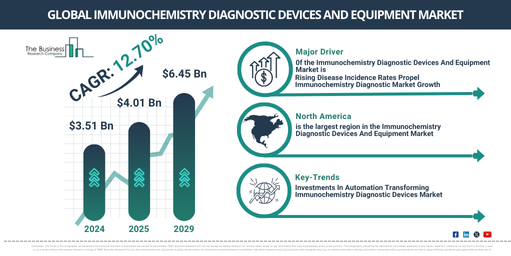
    In recent years, the market size for immunochemistry diagnostic devices and equipment has experienced rapid expansion. It is expected to increase from $3.51 billion in 2024 to $4.01 billion in 2025, with a compound annual growth rate (CAGR) of 14.2%. Factors such as disease detection, improvements in healthcare, point-of-care testing, and therapeutic monitoring have contributed to this growth in the historical period.

    What are the predictions for the immunochemistry diagnostic devices and equipment market size in the coming years?

    In the near future, substantial growth is projected in the market size for immunochemistry diagnostic devices and equipment. By 2029, the market is expected to expand to $6.45 billion, growing at a compound annual growth rate (CAGR) of 12.7%. A variety of factors, such as an aging population, companion diagnostics, telemedicine and remote monitoring, as well as biomarker discovery, contribute to this growth during the forecast period. Trending aspects include the miniaturization and portability, multiplex testing, automation of systems, and the integration of biosensors.

    Get your immunochemistry diagnostic devices and equipment market report here!

    https://www.thebusinessresearchcompany.com/sample.aspx?id=2547&type=smp

    What key factors are fueling the growth of the immunochemistry diagnostic devices and equipment market?

    The growth of the immunochemistry diagnostic devices and equipment market is largely fuelled by a rise in the prevalence of certain target diseases. Global rates of illnesses like viral infections, cardiovascular diseases, cancer, and hormonal disorders are increasing, largely due to unhealthy lifestyle habits. The American Heart Association, for instance, reports that cardiovascular disease is the primary cause of death worldwide, causing more than 17.6 million fatalities annually. This figure is anticipated to rise to over 23.6 million by the year 2030.

    How is the global immunochemistry diagnostic devices and equipment market divided into key segments?

    The immunochemistry diagnostic devices and equipment market covered in this report is segmented –

    1) By Product Type: Immunochemistry Analyzers, Immunochemistry Stainers, Incubators, Microscopes, Centrifuges, Autoclaves, Consumables

    2) By Consumables: Antibodies, Antigens, Enzymes, Reagents, Stains, Buffers, Disposables, Other Consumables

    3) By Application: Endocrinology, Oncology, Cardiology, Therapeutic Drug Development And Monitoring, Infectious Disease Testing, Drugs Of Abuse Testing, Other Applications

    4) By End Users: Hospitals And Clinics, Diagnostic Laboratories, Research Labs And Institutes, Biopharmaceutical And Biotechnology Companies, Other End Users

    Subsegments:

    1) By Immunochemistry Analyzers: Chemiluminescence Immunoassay (CLIA) Analyzers, Enzyme-Linked Immunosorbent Assay (ELISA) Analyzers, Radioimmunoassay (RIA) Analyzers, Fluorescence Immunoassay (FIA) Analyzers

    2) By Immunochemistry Stainers: Automated Stainers, Manual Stainers

    3) By Incubators: CO2 Incubators, Shaking Incubators, Heated Incubators

    4) By Microscopes: Light Microscopes, Fluorescence Microscopes, Electron Microscopes

    5) By Centrifuges: Microcentrifuges, Refrigerated Centrifuges, Ultracentrifuges

    6) By Autoclaves: Tabletop Autoclaves, Vertical Autoclaves, Horizontal Autoclaves

    7) By Consumables: Reagents and Kits, Test Plates, Filters and Membranes, Microplates and Accessories

    Get your free sample now – explore exclusive market insights:

    https://www.thebusinessresearchcompany.com/sample.aspx?id=2547&type=smp

    Who are the key firms paving the way for growth in the immunochemistry diagnostic devices and equipment market?

    Major companies operating in the immunochemistry diagnostic devices and equipment market include Abbott Diagnostics, Roche Diagnostics, Siemens Healthcare Diagnostics, Diamond Diagnostics Inc., Dynex Technologies Inc., Grifols S.A., Hycor Biomedical LLC, Immunodiagnostic Systems, Inova Diagnostics, LabCorp, Mindray Medical International Limited, Ortho Clinical Diagnostics, Quest Diagnostics, Randox Laboratories, Sysmex Corporation, ThermoFisher Scientific Inc., Tosoh Bioscience, Danaher Corporation, Johnson & Johnson, Boditech Med Inc., Beckman Coulter Inc., Bio-Rad Laboratories, bioMérieux Clinical Diagnostics, Carolina Liquid Chemistries Corporate, DiaSorin Inc., Agilent Technologies Inc., Merck KGAA, Eagle Biosciences Inc., Biocare Medical LLC, Elabscience Biotechnology Inc., Bio-Genex Laboratories Inc., Diagnostic Biosystem, Histo-Line Laboratories, Rockland Immunochemicals Inc., Abcam plc, Becton Dickinson & Company, Cell Signaling Technology Inc., ImmunoChemistry Technologies LLC, Genemed Biotechnologies Inc., Miltenyi Biotec GmbH, PerkinElmer Inc., Takara Bio. Inc, Immucor Inc., Quidel Corporation

    Which trends are expected to transform the immunochemistry diagnostic devices and equipment market?

    An increasing number of organizations within the immunochemistry diagnostic apparatus and equipment industry are shifting their investments towards automated immunoassay systems. This trend is predominantly motivated by the enhanced abilities of diagnostic devices to assess larger quantities of patient samples due to automation. Moreover, the creation of several integrated clinical chemistry systems has significantly enhanced the efficacy of the analytic phase of clinical chemistry laboratory assessments, paving the way for more automation. For instance, ichroma-50, an automatic immunoassay analyzer from Boditech Med Inc., can determine the amount of the intended analyte in various body fluids like blood, urine, and other specimens within a short period of time, thereby reducing labor costs and minimizing the possibility of human errors.

    Unlock exclusive market insights – purchase your research report now for a swift delivery!

    https://www.thebusinessresearchcompany.com/purchaseoptions.aspx?id=2547

    What regions are contributing significantly to the growth of the immunochemistry diagnostic devices and equipment market?

    North America was the largest region in the global immunochemistry diagnostic devices and equipment market in 2023. Asia-Pacific was the second-largest region in the immunochemistry diagnostic devices and equipment market. The regions covered in the immunochemistry diagnostic devices and equipment market report are Asia-Pacific, Western Europe, Eastern Europe, North America, South America, Middle East, and Africa.

    Browse Through More Similar Reports By The Business Research Company:

    Immunofluorescence Assay Global Market Report 2024

    https://www.thebusinessresearchcompany.com/report/immunofluorescence-assay-global-market-report

    Medical Equipment Global Market Report 2024

    https://www.thebusinessresearchcompany.com/report/medical-equipment-global-market-report

    Cancer Immunotherapy Global Market Report 2024

    https://www.thebusinessresearchcompany.com/report/cancer-immunotherapy-global-market-report

    About The Business Research Company:

    With over 15000+ reports from 27 industries covering 60+ geographies, The Business Research Company has built a reputation for offering comprehensive, data-rich research and insights. Armed with 1,500,000 datasets, the optimistic contribution of in-depth secondary research, and unique insights from industry leaders, you can get the information you need to stay ahead in the game.

    Contact us at:

    The Business Research Company: https://www.thebusinessresearchcompany.com/

    Americas +1 3156230293

    Asia +44 2071930708

    Europe +44 2071930708

    Email us at info@tbrc.info

    Follow us on:

    LinkedIn: https://in.linkedin.com/company/the-business-research-company

    YouTube: https://www.youtube.com/channel/UC24_fI0rV8cR5DxlCpgmyFQ

    Global Market Model: https://www.thebusinessresearchcompany.com/global-market-model

    Found this article helpful? Share it on:

  • What’s Driving Growth in the Hypolipidemics Market? Insights into Key Trends and Opportunities

    What’s Driving Growth in the Hypolipidemics Market? Insights into Key Trends and Opportunities

    Updated 2025 Market Reports Released: Trends, Forecasts to 2034 – Early Purchase Your Competitive Edge Today!

    What fueled the previous growth in the hypolipidemics market?

    The market for hypolipidemics has been consistently expanding over recent years. It is projected to escalate from $29.95 billion in 2024 to $31.26 billion in 2025, with a compound annual growth rate (CAGR) of 4.4%. The growth during the historical period can be linked to the rising occurrence of hyperlipidemia, alterations in lifestyles, an aging population, enhanced awareness and screening, and the dominance of statins.

    What will be the hypolipidemics market size in the future?

    The market size for hypolipidemics is projected to experience a stable increment over the approaching years, rising to an estimated $35.53 billion in 2029 at a Compound Annual Growth Rate (CAGR) of 3.3%. This projected growth during the forecast period could be due to factors such as personalized medicine, an expanding patient base, developing markets, government initiatives, and combination therapies. Significant trends expected during this forecast period are a transition from LDL to non-HDL cholesterol management, a rise in digital health and telemedicine, market consolidation and competition, and patient-centric methods.

    Get your hypolipidemics market report here!

    https://www.thebusinessresearchcompany.com/sample.aspx?id=2435&type=smp

    What main drivers are fueling expansion in the hypolipidemics market?

    The upswing in the hypolipidemic drugs market is attributed to alterations in people’s dietary habits and lifestyle changes. The escalating consumption of food detrimental to health, and an upsurge in smoking and drinking rates have amplified the cholesterol levels in individuals. For example, the Office for National Statistics, a UK-based governmental department, reported in July 2023 that responses collected in the period of May to June 2023 showed that over 86% of adults in Great Britain had made lifestyle modifications due to environmental concerns. The escalating cholesterol levels, triggered by lifestyle modifications, is amplifying demand for hypolipidemic drugs, known for their cholesterol-lowering characteristics.

    What key areas define the segmentation of the global hypolipidemics market?

    The hypolipidemics market covered in this report is segmented –

    1) By Product Type: Cholic Acid Regulator, HMG-CoA Reductase Inhibitors, Adenylate Cyclase Inhibitors, Nicotinic Acid Drugs, Other Types

    2) By Drug Type: Statins, Bile Acid Sequestrants, Cholesterol Absorption Inhibitors, PCSK9 Inhibitors, Other Drug Types

    3) By Application: Hospital, Clinics, Pharmacy, Cardiovasology

    Subsegments:

    1) By Cholic Acid Regulator: Bile Acid Sequestrants, Fibrates

    2) By HMG-CoA Reductase Inhibitors: Atorvastatin, Rosuvastatin, Simvastatin, Lovastatin, Pravastatin, Fluvastatin

    3) By Adenylate Cyclase Inhibitors: Cilostazol, Milrinone

    4) By Nicotinic Acid Drugs: Niacin (Vitamin B3), Extended-release Niacin

    5) By Other Types: Omega-3 Fatty Acid Derivatives, PCSK9 Inhibitors, Ezetimibe, Bempedoic Acid

    Get your free sample now – explore exclusive market insights:

    https://www.thebusinessresearchcompany.com/sample.aspx?id=2435&type=smp

    Who are the dominant players expanding their reach in the hypolipidemics market?

    Major companies operating in the hypolipidemics market include Abbott Laboratories Limited, Apotex Fermentation Inc., Biocon Limited, Cadila Healthcare Limited, Chunghwa Chem Syn& Biotech Co. Ltd., Concord Biotech Limited, Croda Europe Limited, Daiichi Sankyo Company Limited, Dr. Reddy’s Laboratories Ltd., DSM Sinochem Pharma India Pvt. Ltd., Hikal Chemicals Industries Limited, Ipca Laboratories Ltd., Lek Pharmaceuticals D.d, Lupin Limited, Merck Sharp & Dohme B.V, Mylan N.V, Nexchem Pharmaceutical Co. Ltd., Olon S.p.A, Sun Pharmaceutical Industries Limited, Teva Pharmaceutical Industries Ltd., Zhejiang Jiangbei Pharma Co. Ltd., Moehs Iberica S.L. ES, Pfizer Inc., Recordati S.p.A., AstraZeneca Plc, Amgen Plc, Daiichi Sankyo Company Limited, Kowa Company Ltd., Sanofi-Aventis, Novartis AG, Viatris Inc., Pfizer Inc., GlaxoSmithKline plc, Cipla Limited, Torrent Pharmaceuticals Ltd., Zydus Lifesciences Limited, Wockhardt Limited, Alembic Pharmaceuticals Limited, Jubilant Life Sciences Limited, Hetero Drugs Limited, Ind-Swift Laboratories Ltd., Intas Pharmaceuticals Ltd., Unichem Laboratories Ltd.

    How are evolving market trends shaping hypolipidemics Strategies?

    Increasingly, companies within this market are beginning to utilize data derived from wearables during clinical trials with the aim of enhancing the pace and proficiency of these trials while consequently cutting overall expenses. Continual data capture from patients, facilitated by wearable technologies, could potentially lessen the necessity for repeated site visits, potentially leading to improved patient retention rates and general clinical trial efficiencies. Wearable technology offers solutions to obstacles in patient recruitment, provides continuous patient monitoring, delivers real-time and accurate data, and earlier opportunities for decision-making during the course of a clinical trial. Companies such as Sanofi and Pfizer have already begun to employ wearable technology towards the treatment of hypolipidemia.

    Unlock exclusive market insights – purchase your research report now for a swift delivery!

    https://www.thebusinessresearchcompany.com/purchaseoptions.aspx?id=2435

    Which regions are emerging as leaders in the hypolipidemics market?

    North America was the largest region in the hypolipidemic drugs market in 2023. The Middle East is expected to be the fastest-growing region in the hypolipidemic drugs market during the forecast period. The regions covered in the hypolipidemics market report are Asia-Pacific, Western Europe, Eastern Europe, North America, South America, Middle East, Africa

    Browse Through More Similar Reports By The Business Research Company:

    Hormonal Contraceptives Global Market Report 2024

    https://www.thebusinessresearchcompany.com/report/hormonal-contraceptives-global-market-report

    Metabolic Disorders Drugs Global Market Report 2022

    https://www.thebusinessresearchcompany.com/report/metabolic-disorders-drugs-global-market-report

    Drugs For Hormonal Replacement Therapy Global Market Report 2024

    https://www.thebusinessresearchcompany.com/report/drugs-for-hormonal-replacement-therapy-global-market-report

    About The Business Research Company:

    With over 15000+ reports from 27 industries covering 60+ geographies, The Business Research Company has built a reputation for offering comprehensive, data-rich research and insights. Armed with 1,500,000 datasets, the optimistic contribution of in-depth secondary research, and unique insights from industry leaders, you can get the information you need to stay ahead in the game.

    Contact us at:

    The Business Research Company: https://www.thebusinessresearchcompany.com/

    Americas +1 3156230293

    Asia +44 2071930708

    Europe +44 2071930708

    Email us at info@tbrc.info

    Follow us on:

    LinkedIn: https://in.linkedin.com/company/the-business-research-company

    YouTube: https://www.youtube.com/channel/UC24_fI0rV8cR5DxlCpgmyFQ

    Global Market Model: https://www.thebusinessresearchcompany.com/global-market-model

    Found this article helpful? Share it on:

  • Exploring Key Insights of the Hospital Supplies Market: Growth Prospects, Emerging Trends, and Opportunities

    Exploring Key Insights of the Hospital Supplies Market: Growth Prospects, Emerging Trends, and Opportunities

    Updated 2025 Market Reports Released: Trends, Forecasts to 2034 – Early Purchase Your Competitive Edge Today!

    How has the hospital supplies market grown in recent years?

    The market size for hospital supplies has experienced robust growth in past years. It is projected to elevate from $52.4 billion in 2024 to $56.15 billion in 2025, with a compound annual growth rate (CAGR) of 7.1%. Factors influencing this growth during the historic period include the development of healthcare infrastructure, an aging population, compliance with regulations, economic development, and advancements in medical device and supply technology.

    How is the hospital supplies market size expected to evolve during the forecast period?

    In the forthcoming years, the hospital supplies market is anticipated to experience robust expansion. It is set to rise to a market valuation of $71.94 billion in 2029, reflecting a compound annual growth rate (CAGR) of 6.4%. The surge during the anticipated period can be linked to being ready for pandemics, the utilization of telemedicine and remote monitoring, sustainability efforts, value-driven care, and the expansion of emerging markets. The period is set to witness significant trends such as the use of disposable medical devices, remote management of supply chains, 3D manufacturing of medical supplies, smart hospital supplies, and bespoke supplies.

    Get your hospital supplies market report here!

    https://www.thebusinessresearchcompany.com/sample.aspx?id=1973&type=smp

    Which key drivers are propelling the hospital supplies market’s growth?

    The surge in the number of hospitals is anticipated to drive the expansion of the hospital supplies market. Hospitals are establishments dedicated to offering medical and surgical care to individuals who are sick or injured. A broad range of medical supplies and equipment is essential for hospitals to provide top-notch care to their patients. For example, a report issued in May 2023 by the American Hospital Association (AHA), a US-based healthcare association representing hospitals and healthcare networks, indicated that there was an increase in the total number of hospitals from 6,093 in 2022 to 6,129. Additionally, the total admissions in all US hospitals came in at 34,011,386, which is an increase from 33,356,853 in 2022. Consequently, the rise in the number of hospitals is projected to fuel the growth of the hospital supplies market.

    What are the market segments in the hospital supplies industry?

    The hospital supplies market covered in this report is segmented –

    1) By Type: Disposable Hospital Supplies, Sterilization Equipment And Disinfectants, Mobility Aids And Transportation Equipment, Operating Room Equipment

    2) By End User: Hospitals And Clinics, Diagnostic Laboratories, Other End Users

    3) By Type of Expenditure: Public, Private

    4) By Product: Instruments Or Equipment, Disposables

    Subsegments:

    1) By Disposable Hospital Supplies: Surgical Masks, Gloves, Drapes And Gowns, IV Consumables, Wound Care Products

    2) By Sterilization Equipment And Disinfectants: Sterilizers (Autoclaves), Disinfectants Andsanitizers, Sterilization Indicators, UV Sterilizers

    3) By Mobility Aids And Transportation Equipment: Wheelchairs, Walkers, Crutches, Patient Lifts, Stretchers

    4) By Operating Room Equipment: Surgical Tables, Operating Room Lights, Surgical Instruments, Anesthesia Machines, Patient Monitors

    Get your free sample now – explore exclusive market insights:

    https://www.thebusinessresearchcompany.com/sample.aspx?id=1973&type=smp

    Which leading companies are shaping the growth of the hospital supplies market?

    Major companies operating in the hospital supplies market include Becton, Dickinson and Company, B. Braun Melsungen AG, Steris plc, Baxter International Inc., Stryker Corporation, Cardinal Health Inc., Hill-Rom Holdings Inc., Terumo Corporation, Medtronic plc, 3M Company, CVS Health Corporation, McKesson Corporation, Cencora Inc., GE HealthCare Technologies Inc., Koninklijke Philips NV, Boston Scientific Corporation, Danaher Corporation, Varian Medical Systems Inc., Dentsply Sirona Inc., Masimo Corporation, Olympus Corporation, ResMed Inc., Smith & Nephew plc, Align Technology Inc., The Cooper Companies Inc., Teleflex Incorporated, Waters Corporation, West Pharmaceutical Services Inc., Straumann Group, Fresenius Medical Care AG & Co KGaA.

    What key trends are currently impacting the hospital supplies market’s development?

    Significant businesses in the Hospital Supplies market are concentrating on creating innovative products like the AESCULAP Aicon Sterile Container System to boost their market profitability. Specifically tailored to streamline operations and cut down the likelihood of dampness, the AESCULAP Aicon Sterile Container System was launched by Aesculap Inc., a surgical instruments manufacturer based in the US, in March 2022. This Sterile Container System is designed to make procedures easier while reducing the risk of sets getting damp. It provides a 100% sterilization guarantee and helps to reduce the likelihood of surgical delays in the operating room due to sets not being ready.

    Unlock exclusive market insights – purchase your research report now for a swift delivery!

    https://www.thebusinessresearchcompany.com/purchaseoptions.aspx?id=1973

    Which geographic areas are influencing the growth of the hospital supplies market?

    Asia-Pacific was the largest region in the global hospital supplies market in 2023. North America was the second largest region in the global hospital supplies market. The regions covered in the hospital supplies market report are Asia-Pacific, Western Europe, Eastern Europe, North America, South America, Middle East, and Africa.

    Browse Through More Similar Reports By The Business Research Company:

    ENT Surgical Devices And Equipment Global Market Report 2024

    https://www.thebusinessresearchcompany.com/report/ent-surgical-devices-and-equipment-global-market-report

    Orthobiologics Devices And Equipment Global Market Report 2024

    https://www.thebusinessresearchcompany.com/report/orthobiologics-devices-and-equipment-global-market-report

    Refractive Surgery Devices And Equipment Global Market Report 2024

    https://www.thebusinessresearchcompany.com/report/refractive-surgery-devices-and-equipment-global-market-report

    About The Business Research Company:

    With over 15000+ reports from 27 industries covering 60+ geographies, The Business Research Company has built a reputation for offering comprehensive, data-rich research and insights. Armed with 1,500,000 datasets, the optimistic contribution of in-depth secondary research, and unique insights from industry leaders, you can get the information you need to stay ahead in the game.

    Contact us at:

    The Business Research Company: https://www.thebusinessresearchcompany.com/

    Americas +1 3156230293

    Asia +44 2071930708

    Europe +44 2071930708

    Email us at info@tbrc.info

    Follow us on:

    LinkedIn: https://in.linkedin.com/company/the-business-research-company

    YouTube: https://www.youtube.com/channel/UC24_fI0rV8cR5DxlCpgmyFQ

    Global Market Model: https://www.thebusinessresearchcompany.com/global-market-model

    Found this article helpful? Share it on:
  • Top Growth Trends in the Hemostasis Diagnostic Devices And Equipment Market: Key Insights and Opportunities for 2025-2034

    Top Growth Trends in the Hemostasis Diagnostic Devices And Equipment Market: Key Insights and Opportunities for 2025-2034

    Updated 2025 Market Reports Released: Trends, Forecasts to 2034 – Early Purchase Your Competitive Edge Today!

    How has the hemostasis diagnostic devices and equipment market grown in recent years?

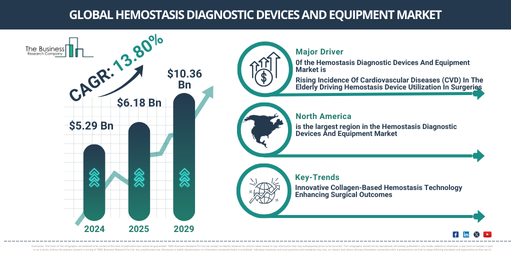
    Recently, there has been a rapid expansion in the market size of hemostasis diagnostic devices and equipment. This market is projected to increase from $5.29 billion in 2024 to $6.18 billion in 2025, with a compound annual growth rate (CAGR) of 16.8%. Factors that contributed to the market growth during the historic period include clinical diagnostics, surgical procedures, anticoagulant therapy monitoring, and the presence of hemophilia and bleeding disorders.

    How is the hemostasis diagnostic devices and equipment market size expected to evolve during the forecast period?

    In the following years, it’s predicted that the market size of hemostasis diagnostic devices and equipment will experience rapid expansion. The anticipated growth sees it augmenting to $10.36 billion in 2029 with a compound annual growth rate (CAGR) of 13.8%. Factors contributing to growth in the forecast period include the aging population, presence of cardiovascular and chronic diseases, personalized medicine, and a rise in surgical procedures. Noteworthy trends during the projected period encompass point-of-care testing, the utilization of automation and robotics, the discovery of biomarkers, telemedicine, and remote monitoring.

    Get your hemostasis diagnostic devices and equipment market report here!

    https://www.thebusinessresearchcompany.com/sample.aspx?id=2598&type=smp

    Which key drivers are propelling the hemostasis diagnostic devices and equipment market’s growth?

    The surge in disease diagnosis among the elderly populations, which in turn escalates the prevalence of cardiovascular disease (CVD) operations utilizing hemostasis tools, is becoming more prevalent. This is predominantly due to a heightened rate of disease occurrence as people age, leading to a greater proportion of surgeries being conducted on older people. Hemostasis gadgets have proven to be extremely effective in accelerating the body’s natural clotting process. They are also capable of overseeing anticoagulation and providing guidance for transfusion treatment during operations. As indicated in the American Heart Association’s report, Americans over the age of 80 are at a significant risk of encountering cardiovascular disease (CVD) with approximately 83% of men and 87.1% of women likely to experience some form of CVD. That said, the wide-spread usage of the hemostasis device has been able to enhance patient comfort and the success rate of operations.

    What are the market segments in the hemostasis diagnostic devices and equipment industry?

    The hemostasis diagnostic devices and equipment market covered in this report is segmented –

    1) By Product: Analyzers, Coagulation Instrument, Other Hemostasis Instruments, Reagents and Kits

    2) By Device Technology: Automated, Semi-Automated, Manual

    3) By End User: Hospitals, Clinics, Independent Diagnostic, Laboratories, Other End Users

    Subsegments:

    1) By Analyzers: Hematology Analyzers, Platelet Function Analyzers, Thromboelastography (TEG) Analyzers

    2) By Coagulation Instruments: Prothrombin Time (PT) Instruments, Activated Partial Thromboplastin Time (aPTT) Instruments, Fibrinogen Testing Instruments, Thrombin Time (TT) Instruments

    3) By Other Hemostasis Instruments: Blood Clotting Time (BCT) Instruments, Bleeding Time (BT) Test Devices, Hemostatic Forceps and Clips

    4) By Reagents and Kits: Coagulation Reagents, Blood Collection Kits, Point-of-care Testing Kits, Thrombosis Kits

    Get your free sample now – explore exclusive market insights:

    https://www.thebusinessresearchcompany.com/sample.aspx?id=2598&type=smp

    Which leading companies are shaping the growth of the hemostasis diagnostic devices and equipment market?

    Major companies operating in the hemostasis diagnostic devices and equipment market include C. R. Bard Inc., Baxter International Inc., Pfizer Inc., Johnson & Johnson, Abbott Laboratories, Beckman Coulter Inc., Becton Dickinson and Company, Chrono-Log Corporation, CSL Behring LLC, F. Hoffmann-La Roche Ltd., Grifols S.A., HemCon Medical Technologies Inc., Integra Life Sciences Corporation, Medtronic plc, Siemens AG, Thermo Fisher Scientific Inc., Trinity Biotech plc., Ethicon Inc., Boston Scientific Corporation, Olympus Corporation, Cook Group Inc., Halyard Health, Medline Industries Inc., ConMed Corporation, Moog Inc., Argon Medical Devices Inc., B. Braun Interventional Systems Inc., Bio-Rad Laboratories Inc., CareFusion Corporation, Danaher Corporation, DemeTECH Corporation, Diagnostica Stago SAS, Dolphin Sutures, EndoEvolution LLC, Haemonetics Corporation, Internacional Farmacéutica S.A. de C.V., Merit Medical Systems Inc., Quidelortho Corp, STAGO, Stryker Corporation

    What key trends are currently impacting the hemostasis diagnostic devices and equipment market’s development?

    The hemostasis diagnostic device and equipment market has seen advancements with the introduction of new technology aimed at enhancing the quality and success rate of surgeries. This has seen the inclusion of devices such as collagen vascular hemostasis devices. Collagen is a primary structure protein present in skin and other connective tissues, and is commonly used in cosmetic surgeries in its purified form. Now, it has found its use in the hemostasis diagnostic devices market. Patients often face immobilization immediately after femoral surgery, causing increased discomfort. To mitigate this, collagen-based closure devices have been introduced. According to a survey of 698 Angio-Seal closures by the American Journal of Neuroradiology, the use of the Angio seal cuts down the average mobilization time by roughly 15 minutes, without introducing significant complications. Angio seal is a kind of collagen hemostasis device that enhances hemostasis time and improves patient mobilization.

    Unlock exclusive market insights – purchase your research report now for a swift delivery!

    https://www.thebusinessresearchcompany.com/purchaseoptions.aspx?id=2598

    Which geographic areas are influencing the growth of the hemostasis diagnostic devices and equipment market?

    North America was the largest region in the global hemostasis diagnostic devices and equipment market in 2023. Asia-Pacific was the second-largest region in the hemostasis diagnostic devices and equipment market. The regions covered in the hemostasis diagnostic devices and equipment market report are Asia-Pacific, Western Europe, Eastern Europe, North America, South America, Middle East, and Africa.

    Browse Through More Similar Reports By The Business Research Company:

    Hematology Diagnostic Devices And Equipment Global Market Report 2024

    https://www.thebusinessresearchcompany.com/report/hematology-diagnostic-devices-and-equipment-global-market-report

    Hematology Drugs Global Market Report 2022

    https://www.thebusinessresearchcompany.com/report/hematology-drug-global-market-report

    Vascular Grafts Global Market Report 2024

    https://www.thebusinessresearchcompany.com/report/vascular-grafts-global-market-report

    About The Business Research Company:

    With over 15000+ reports from 27 industries covering 60+ geographies, The Business Research Company has built a reputation for offering comprehensive, data-rich research and insights. Armed with 1,500,000 datasets, the optimistic contribution of in-depth secondary research, and unique insights from industry leaders, you can get the information you need to stay ahead in the game.

    Contact us at:

    The Business Research Company: https://www.thebusinessresearchcompany.com/

    Americas +1 3156230293

    Asia +44 2071930708

    Europe +44 2071930708

    Email us at info@tbrc.info

    Follow us on:

    LinkedIn: https://in.linkedin.com/company/the-business-research-company

    YouTube: https://www.youtube.com/channel/UC24_fI0rV8cR5DxlCpgmyFQ

    Global Market Model: https://www.thebusinessresearchcompany.com/global-market-model

    Found this article helpful? Share it on:
  • How is the Hematology Diagnostic Devices And Equipment Market Poised for Growth: Trends and Opportunities Through 2034

    How is the Hematology Diagnostic Devices And Equipment Market Poised for Growth: Trends and Opportunities Through 2034

    Updated 2025 Market Reports Released: Trends, Forecasts to 2034 – Early Purchase Your Competitive Edge Today!

    What fueled the previous growth in the hematology diagnostic devices and equipment market?

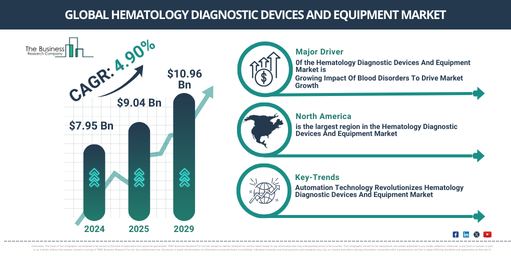
    The market for hematology diagnostic devices and equipment has experienced swift expansion in recent times. Projected growth will see it increase from a value of $7.95 billion in 2024, to $9.04 billion in 2025, showcasing a compound annual growth rate (CAGR) of 13.7%. The past growth in this sector can be credited to factors such as clinical diagnostics, blood banking, oncology and hematological disorders, as well as disease progression monitoring.

    What will be the hematology diagnostic devices and equipment market size in the future?

    The market for hematology diagnostic devices and equipment is forecasted to increase consistently in the coming years, reaching $10.96 billion in 2029 with a 4.9% compound annual growth rate (CAGR). This expansion in the forecast period can be credited to factors such as an aging populace, personalized healthcare, the surge in blood-related diseases, and hematological biomarkers. The future trends predicted during this forecast period encompass improvements in technology, point-of-care hematology examinations, integration and automation, in addition to telemedicine and remote supervision.

    Get your hematology diagnostic devices and equipment market report here!

    https://www.thebusinessresearchcompany.com/sample.aspx?id=2536&type=smp

    What main drivers are fueling expansion in the hematology diagnostic devices and equipment market?

    The surge in blood disorders is a significant driving force behind the popularity of hematology diagnostic devices. These devices are extensively utilized to determine the precise nature of any blood disorder. Blood disorders are conditions that influence the number of various types of blood cells, including red blood cells, white blood cells, and platelets. Regardless of age, race, or gender, blood disorders afflict millions of individuals worldwide every year. The World Health Organization, for instance, reports that the Hemoglobin disorder impacts 75% of all global births, and the occurrence of Anemia is about 12.7% in men.

    What key areas define the segmentation of the global hematology diagnostic devices and equipment market?

    The hematology diagnostic devices and equipment market covered in this report is segmented –

    1) By Product: Instruments, Consumables

    2) By Instruments: Analyzers, Flow cytometers, Other Instruments

    3) By Consumables: Reagents, Stains, Other Consumables

    4) By Application: Drug Testing, Auto-Immune Disease, Cancer, Diabetes Mellitus, Infectious Disease, Other Applications

    5) By End User: Hospitals, Specialized Diagnostic Centers, Specialized Research Institutes

    Subsegments:

    1) By Instruments: Hematology Analyzers, Flow Cytometers, Coagulation Analyzers, Hemoglobin Analyzers, Blood Gas Analyzers

    2) By Consumables: Reagents, Test Strips, Blood Collection Tubes, Slides and Cover Slips, Others (calibration and quality control materials)

    Get your free sample now – explore exclusive market insights:

    https://www.thebusinessresearchcompany.com/sample.aspx?id=2536&type=smp

    Who are the dominant players expanding their reach in the hematology diagnostic devices and equipment market?

    Major companies operating in the hematology diagnostic devices and equipment market include Abbott Diagnostics, Beckman Coulter Inc., Bio-Rad Laboratories Inc., Drucker Diagnostics Inc., Horiba Ltd., Instrumentation Laboratory Inc., Siemens Healthcare, Shenzhen Mindray Bio-Medical Electronics Co. Ltd., F.Hoffmann-La Roche AG, Thermo Fisher Scientific Inc., HemoCue AB, Mindray Medical International Limited, NORMA Group, Danaher Corporation, Edan Instruments Inc., Novo Nordisk, Sysmex Corporation, Fluidigm Corporation, CellaVision, Maccura Biotechnology Co., DY mind Biotech, Balio Diagnostics, BioSystems Diagnostics Pvt. Ltd., Wiener Lab, Accurex Biomedical Pvt. Ltd., ARKRAY USA, Boule Diagnostics AB, DermaFlow, Diagnostics Holdings, Diatron Group, EKF Diagnostics Holdings, Grifols, S.A., ICU Medical Inc., Nihon Kohden Corporation, Ortho Clinical Diagnostics, PixCell Medical, STRATEC Biomedical AG, Terumo BCT, Z-Medica Corporation

    How are evolving market trends shaping hematology diagnostic devices and equipment Strategies?

    There is a growing trend among hematology diagnostic device companies to invest in automation technology. The development of this technology is fueling the demand for hematology analyzers since it lowers the risk of errors found in manual procedures carried out in diagnostic centers. For instance, leading companies such as Sysmex have received a CLIA waiver for their new automated hematology analyzer. The selling of this product allows clinical facilities to conduct hematology tests without any manual inaccuracies. CLIA regulations set the quality standards for laboratory tests conducted on human samples like blood, body fluids, or tissues, meant for diagnosing, preventing diseases, or for health assessments.

    Unlock exclusive market insights – purchase your research report now for a swift delivery!

    https://www.thebusinessresearchcompany.com/purchaseoptions.aspx?id=2536

    Which regions are emerging as leaders in the hematology diagnostic devices and equipment market?

    North America was the largest region in the global hematology diagnostics devices and equipment market in 2023. Asia-Pacific was the second-largest region in the hematology diagnostics devices and equipment market. The regions covered in the hematology diagnostic devices and equipment market report are Asia-Pacific, Western Europe, Eastern Europe, North America, South America, Middle East, and Africa.

    Browse Through More Similar Reports By The Business Research Company:

    Hemostasis Analyzers Global Market Report 2024

    https://www.thebusinessresearchcompany.com/report/hemostasis-analyzers-global-market-report

    Hematology Analyzers and Reagents Global Market Report 2024

    https://www.thebusinessresearchcompany.com/report/hematology-analyzers-and-reagents-global-market-report

    Medical Equipment Global Market Report 2024

    https://www.thebusinessresearchcompany.com/report/medical-equipment-global-market-report

    About The Business Research Company:

    With over 15000+ reports from 27 industries covering 60+ geographies, The Business Research Company has built a reputation for offering comprehensive, data-rich research and insights. Armed with 1,500,000 datasets, the optimistic contribution of in-depth secondary research, and unique insights from industry leaders, you can get the information you need to stay ahead in the game.

    Contact us at:

    The Business Research Company: https://www.thebusinessresearchcompany.com/

    Americas +1 3156230293

    Asia +44 2071930708

    Europe +44 2071930708

    Email us at info@tbrc.info

    Follow us on:

    LinkedIn: https://in.linkedin.com/company/the-business-research-company

    YouTube: https://www.youtube.com/channel/UC24_fI0rV8cR5DxlCpgmyFQ

    Global Market Model: https://www.thebusinessresearchcompany.com/global-market-model

    Found this article helpful? Share it on:

  • Growth Opportunities and Trends in the Healthcare Services Market: Key Insights for 2025-2034

    Growth Opportunities and Trends in the Healthcare Services Market: Key Insights for 2025-2034

    Updated 2025 Market Reports Released: Trends, Forecasts to 2034 – Early Purchase Your Competitive Edge Today!

    What key factors are powering the surge in the healthcare services market right now?

    In the past few years, the healthcare services market size has seen a robust growth. Expected to expand from $8778.73 billion in 2024 to $9255.77 billion in 2025, it will display a compound annual growth rate (CAGR) of 5.4%. This increase during the historic period is due to factors such as medical breakthroughs, an aging population, the extension of health insurance, public healthcare schemes, and regulations in the healthcare sector.

    How fast Is the healthcare services market expected to grow, and what’s its future value?

    The market size of healthcare services is predicted to experience consistent expansion in the forthcoming years, reaching a valuation of $11222.08 billion in 2029, with a compound annual growth rate (CAGR) of 4.9%. Factors contributing to growth during this prediction period include advancements in telehealth and digital health, a shortage in the healthcare workforce, initiatives for health equality, value-based healthcare, and probable changes to reimbursement models. The projection period will likely witness key trends like the integration of telemedicine, a focus on patient-centered care, an emphasis on preventive care and wellness, personalizing medicine, and consolidation in healthcare.

    Get your healthcare services market report here!

    https://www.thebusinessresearchcompany.com/sample.aspx?id=3612&type=smp

    What are the leading drivers of growth in the healthcare services market?

    The last ten years have seen significant improvements in survival rates and the quality of life, largely due to medical and technological advancements. The incorporation of high-tech diagnostic and therapeutic equipment into physician practice has significantly enhanced healthcare service provision. A TrendWatch study points out that medical advancements are accountable for a 70% increase in the survival rate for heart attack sufferers and a two-thirds decrease in death rates for cancer victims. These elements indicate a potential expansion in the market.

    What are the key segments defining the healthcare services market?

    The healthcare services market covered in this report is segmented –

    1) By Type: Medical And Diagnostic Laboratory Services, Dental Services, Home Health Care And Residential Nursing Care Services, Residential Substance Abuse And Mental Health Facilities, Hospitals And Outpatient Care Centers, Physicians And Other Health Practitioners, All Other Ambulatory Health Care Services, Ambulance Services

    3) By Type of Expenditure: Public, Private

    3) By End User Gender: Male, Female

    Subsegments:

    1) By Medical and Diagnostic Laboratory Services: Clinical Laboratories, Diagnostic Imaging Services

    2) By Dental Services: General Dentistry, Specialized Dental Services (Orthodontics, Periodontics)

    3) By Home Health Care and Residential Nursing Care Services: Home Health Care, Nursing Care Facilities (Assisted Living, Skilled Nursing Facilities)

    4) By Residential Substance Abuse and Mental Health Facilities: Residential Mental Health Facilities, Substance Abuse Rehabilitation Centers

    5) By Hospitals and Outpatient Care Centers: General Medical and Surgical Hospitals, Specialty Hospitals (Psychiatric, Rehabilitation), Outpatient Care Centers (Surgery Centers, Dialysis Centers)

    6) By Physicians and Other Health Practitioners: General Practitioners, Specialist Physicians (e.g., Cardiologists, Dermatologists), Chiropractors and Other Health Practitioners

    7) By All Other Ambulatory Health Care Services: Medical Imaging Centers, Outpatient Diagnostic and Treatment Centers

    8) By Ambulance Services: Ground Ambulance Services, Air Ambulance Services

    Get your free sample now – explore exclusive market insights:

    https://www.thebusinessresearchcompany.com/sample.aspx?id=3612&type=smp

    Who are the key players steering the development of the healthcare services market?

    Major companies operating in the healthcare services market include UnitedHealth Group Incorporated, Kaiser Permanente, HCA Healthcare, Fresenius Medical Care AG & Co. KGaA, Tenet Healthcare, Mayo Clinic, Community Health Systems, Laboratory Corporation of America, Cleveland Clinic, Davita Inc., CVS Health, McKesson Corporation, AmerisourceBergen Corporation, Cardinal Health Inc., Cigna Corporation, Elevance Health, Centene Corporation, Pfizer Inc., Johnson & Johnson, Humana Inc., Merck & Co. Inc., AbbVie Inc., Bristol-Myers Squibb Company, Abbott Laboratories, Molina Healthcare Inc., Danaher Corporation, Eli Lilly and Company, Gilead Sciences Inc., Regeneron Pharmaceuticals Inc., Zoetis Inc., Stryker Corporation, Baxter International Inc., Boston Scientific Corporation, Quest Diagnostics Incorporated, Agilent Technologies Inc., West Pharmaceutical Services Inc., Align Technology Inc.

    What emerging trends are influencing the growth of the healthcare services market?

    The use of the shared medical appointment (SMA) model on a global scale is steadily growing as it aids in maximizing resources and minimizing costs. Typically, this model involves a group of patients with similar health conditions being treated by a variety of doctors at once, for either routine care or follow-up appointments. It’s a model employed by hospitals to provide both education and advice to individuals dealing with similar health challenges. The SMA, while augmenting the customary single physician-patient appointments, allows for tailored assessment and disease control for every patient simultaneously, along with group counseling. At this time, SMAs are employed to manage varying conditions like diabetes, asthma, MS, ulcerative colitis, cancer, HIV, menopause, insomnia, and stress.

    Unlock exclusive market insights – purchase your research report now for a swift delivery!

    https://www.thebusinessresearchcompany.com/purchaseoptions.aspx?id=3612

    Which regions are most influential in expanding the healthcare services market?

    North America was the largest region in the healthcare services market in 2023. Western Europe was the second largest region in the healthcare services market. The regions covered in the healthcare services market report are Asia-Pacific, Western Europe, Eastern Europe, North America, South America, Middle East, and Africa.

    Browse Through More Similar Reports By The Business Research Company:

    Medical Billing Outsourcing Global Market Report 2024

    https://www.thebusinessresearchcompany.com/report/medical-billing-outsourcing-global-market-report

    Ambulance Services Global Market Report 2024

    https://www.thebusinessresearchcompany.com/report/ambulance-service-global-market-report

    IVF Services Global Market Report 2024

    https://www.thebusinessresearchcompany.com/report/ivf-services-global-market-report

    About The Business Research Company:

    With over 15000+ reports from 27 industries covering 60+ geographies, The Business Research Company has built a reputation for offering comprehensive, data-rich research and insights. Armed with 1,500,000 datasets, the optimistic contribution of in-depth secondary research, and unique insights from industry leaders, you can get the information you need to stay ahead in the game.

    Contact us at:

    The Business Research Company: https://www.thebusinessresearchcompany.com/

    Americas +1 3156230293

    Asia +44 2071930708

    Europe +44 2071930708

    Email us at info@tbrc.info

    Follow us on:

    LinkedIn: https://in.linkedin.com/company/the-business-research-company

    YouTube: https://www.youtube.com/channel/UC24_fI0rV8cR5DxlCpgmyFQ

    Global Market Model: https://www.thebusinessresearchcompany.com/global-market-model

    Found this article helpful? Share it on: