Blog

  • Key Trends and Insights into the Non-injectable Insulin Market: Growth Rate and Opportunities to 2034

    Key Trends and Insights into the Non-injectable Insulin Market: Growth Rate and Opportunities to 2034

    Updated 2025 Market Reports Released: Trends, Forecasts to 2034 – Early Purchase Your Competitive Edge Today!

    How has the non-injectable insulin market grown in recent years?

    The non-injectable insulin market has expanded significantly in recent years and is expected to increase from $1.92 billion in 2024 to $2.16 billion in 2025 at a CAGR of 12.1%. Key factors driving past growth include enhanced patient compliance, addressing needle phobia, improved quality of life, easier administration, and better blood glucose control.

    How is the non-injectable insulin market size expected to evolve during the forecast period?

    The non-injectable insulin market is projected to experience rapid expansion in the coming years, reaching $3.17 billion in 2029 at a CAGR of 10.1%. Growth factors include a strong focus on patient compliance, ongoing solutions for needle phobia, enhanced quality of life, improved safety measures, and reduced infection and injury risks. Key trends include technological advancements, digital health integration, nanotechnology applications, and combination therapies.

    Get your non-injectable insulin market report here!

    https://www.thebusinessresearchcompany.com/report/non-injectable-insulin-global-market-report

    Which key drivers are propelling the non-injectable insulin market’s growth?

    The growing prevalence of obesity and diabetes is anticipated to drive the expansion of the non-injectable insulin market. Obesity results from an imbalance between calorie intake and expenditure, leading to excessive fat accumulation, while diabetes is a group of metabolic disorders characterized by prolonged high blood sugar levels. Non-injectable insulin plays a key role in managing both conditions by improving adherence, aiding weight management, and offering convenient treatment alternatives. For example, in 2022, the World Heart Federation reported that global obesity rates were rising, with 2.3 billion individuals—both children and adults—classified as overweight or obese in 2021, a number expected to reach 2.7 billion by 2025. Additionally, an April 2023 report from the British Diabetic Association indicated that 4.3 million people in the UK have diabetes, while over 2.4 million are at high risk of developing type 2 diabetes. The 2021-22 registration figures saw an increase of 148,951 from the previous year. Consequently, the increasing rates of obesity and diabetes are fueling the non-injectable insulin market’s growth.

    What are the market segments in the non-injectable insulin industry?

    The non-injectable insulin market covered in this report is segmented –

    1) By Type: Synthetic Insulin, Semi Synthetic Insulin

    2) By Product: Pills, Sprays, Other Products

    3) By Distribution Channel: Hospital Pharmacies, Online Pharmacies, Drug Stores

    Subsegments:

    1) By Synthetic Insulin: Rapid-Acting Synthetic Insulin, Short-Acting Synthetic Insulin, Intermediate-Acting Synthetic Insulin, Long-Acting Synthetic Insulin

    2) By Semi-Synthetic Insulin: Modified Insulin Analogs, Combination Insulins, Biosimilar Insulins, Insulin With Extended Release Formulations

    Get your free sample now – explore exclusive market insights:

    https://www.thebusinessresearchcompany.com/sample.aspx?id=13888&type=smp

    Which leading companies are shaping the growth of the non-injectable insulin market?

    Major companies operating in the non-injectable insulin market report are Pfizer Inc., Johnson & Johnson, F. Hoffmann-La Roche Ltd., Merck & Co. Inc., Novartis AG, Sanofi S.A, Bristol-Myers Squibb Company, AstraZeneca, Abbott Laboratories, GlaxoSmithKline, Takeda Pharmaceutical, Eli Lilly and Company, Boehringer Ingelheim, Novo Nordisk A/S, Teva Pharmaceutical Industries Ltd., Mylan N.V., Sun Pharmaceutical Industries Ltd., Ipsen S.A., Cadila Healthcare Limited, Dr. Reddy’s Laboratories Limited, Cipla Limited, Lupin Pharmaceuticals, Glenmark Pharmaceuticals, Torrent Pharmaceuticals, Biocon Limited, Wockhardt Limited

    What key trends are currently impacting the non-injectable insulin market’s development?

    Major players in the non-injectable insulin market are concentrating their efforts on the innovation of drug delivery technologies, such as needle-free oral insulin sprays, in order to enhance the quality of life of individuals who need to manage their diabetes with multiple insulin injections. A needle-free insulin spray offers an uncomplicated and painless method for controlling blood sugar levels, as doses can be administered directly into the mouth. To illustrate, NiedlFree Technologies, an Indian technology firm, launched Ozulin, an oral insulin spray, in November 2023. Designed to be more user-friendly and beneficial for those who struggle with traditional injectable insulin procedures, this spray is particularly aimed at diabetics. Should it gain approval, Ozulin could revolutionise the experience of diabetes patients, providing a pain-free and more practical substitute for insulin injections.

    Unlock exclusive market insights – purchase your research report now for a swift delivery!

    https://www.thebusinessresearchcompany.com/purchaseoptions.aspx?id=13888

    Which geographic areas are influencing the growth of the non-injectable insulin market?

    North America was the largest region in the non-injectable insulin market in 2024. Asia-Pacific is expected to be the fastest-growing region in the forecast period. The regions covered in the non-injectable insulin market report are Asia-Pacific, Western Europe, Eastern Europe, North America, South America, Middle East, Africa.

    Browse Through More Similar Reports By The Business Research Company:

    Insulin Drugs Global Market Report 2024

    https://www.thebusinessresearchcompany.com/report/insulin-drugs-global-market-report

    Insulin Patch Pumps Global Market Report 2024

    https://www.thebusinessresearchcompany.com/report/insulin-patch-pumps-global-market-report

    Iron Deficiency Injectable Global Market Report 2024

    https://www.thebusinessresearchcompany.com/report/iron-deficiency-injectable-global-market-report

    About The Business Research Company:

    With over 15000+ reports from 27 industries covering 60+ geographies, The Business Research Company has built a reputation for offering comprehensive, data-rich research and insights. Armed with 1,500,000 datasets, the optimistic contribution of in-depth secondary research, and unique insights from industry leaders, you can get the information you need to stay ahead in the game.

    Contact us at:

    The Business Research Company: https://www.thebusinessresearchcompany.com/

    Americas +1 3156230293

    Asia +44 2071930708

    Europe +44 2071930708

    Email us at info@tbrc.info

    Follow us on:

    LinkedIn: https://in.linkedin.com/company/the-business-research-company

    YouTube: https://www.youtube.com/channel/UC24_fI0rV8cR5DxlCpgmyFQ

    Global Market Model: https://www.thebusinessresearchcompany.com/global-market-model

    Found this article helpful? Share it on:

  • Image-Guided Radiation Therapy Market Growth Forecast: Exploring Trends and Opportunities for the Next Decade

    Image-Guided Radiation Therapy Market Growth Forecast: Exploring Trends and Opportunities for the Next Decade

    Updated 2025 Market Reports Released: Trends, Forecasts to 2034 – Early Purchase Your Competitive Edge Today!

    What key factors are powering the surge in the Image-Guided Radiation Therapy market right now?

    The market size for image-guided radiation therapy has seen a robust expansion in the last few years. Its growth is expected to increase from $1.89 billion in 2024 to $2.01 billion in 2025, maintaining a compound annual growth rate (CAGR) of 6.1%. This growth during the historical period can be credited to factors such as escalating industrialization, the need for quality assurance, adherence to regulatory standards, the growth of infrastructure projects, and the internationalization of supply chains.

    How fast Is the image-guided radiation therapy market expected to grow, and what’s its future value?

    The market for image-guided radiation therapy is projected to experience steady growth in the coming years, reaching a valuation of $2.4 billion in 2029, expanding at a CAGR of 4.6%. This growth during the forecast period is anticipated to be driven by ongoing infrastructure development, changes in the regulatory environment, the expansion of renewable energy, heightened sustainability practices, along with an increase in aerospace and automotive production. Key trends anticipated during this forecast period comprise of miniaturization and portability, innovations in x-ray tube technology, adoption of digital radiography, artificial intelligence (AI) integration, and customisation for specific applications.

    Get your image-guided radiation therapy market report here!

    https://www.thebusinessresearchcompany.com/report/image-guided-radiation-therapy-global-market-report

    What are the leading drivers of growth in the image-guided radiation therapy market?

    The image-guided radiation therapy market is expected to be driven by the growing prevalence of cancer. Cancer, characterized by unregulated growth and spread of abnormal cells, is treated using image-guided radiation therapy (IGRT) as it can precisely direct radiation to cancer cells, while mitigating harm to healthy tissues and reducing adverse effects. The American Cancer Society, a US-based non-profit, reported in January 2022 that the projected number of new cancer diagnoses would be roughly 2 million, marking an increase of well over 10%. Consequently, the escalating cancer incidence contributes to the image-guided radiation therapy market’s advancement.

    Boost in Healthcare Expenditure Propels Image-Guided Radiation Therapy Market Growth


    What are the key segments defining the image-guided radiation therapy market?

    The image-guided radiation therapy market covered in this report is segmented –

    1) By Product Type: 4D Gating And 4D RT, Linear Accelerator (LINAC), PET And MRI Guided Radiation Therapy, Portal Imaging, CT Scanning

    2) By Procedure: Intensity-Modulation Radiation Therapy, 3D Conformal Radiation Therapy, Stereotactic Therapy, Proton Beam Therapy, Particle Therapy

    3) By Application: Lung Cancer, Prostate Cancer, Head And Neck Cancer, Gynecological Cancer, Gastrointestinal Cancer, Other Applications

    4) By End User: Hospitals, Independent Radiotherapy Centers

    Subsegments:

    1) By 4D Gating and 4D RT: 4D Gating Systems, 4D Radiation Therapy Systems

    2) By Linear Accelerator (LINAC): Conventional LINAC Systems, Advanced LINAC Systems

    3) By PET And MRI Guided Radiation Therapy: PET/CT Guided Radiation Therapy, MRI Guided Radiation Therapy

    4) By Portal Imaging: Electronic Portal Imaging, Conventional Portal Imaging

    5) By CT Scanning: CT Imaging For Radiation Therapy Planning, Cone Beam CT For Radiation Therapy

    Get your free sample now – explore exclusive market insights:

    https://www.thebusinessresearchcompany.com/sample.aspx?id=13458&type=smp

    Who are the key players steering the development of the image-guided radiation therapy market?

    Major companies operating in the image-guided radiation therapy market report are Hitachi Ltd., Toshiba Corporation, Siemens Healthcare GmbH, Koninklijke Philips N.V., GE Healthcare Company, Varian Medical Systems Inc., Elekta AB, Canon Medical Systems R&D (Dalian) Co. Ltd., Accuray Incorporated, Ion Beam Applications S.A., Brainlab AG, ViewRay Technologies Inc., Mevion Medical Systems Inc., RaySearch Laboratories AB, Vision RT Ltd., Sun Nuclear Corporation, IZI Medical Products LLC, Eckert & Ziegler BEBIG GmbH, C-RAD AB, Standard Imaging Inc., CIVCO Radiotherapy Inc., IntraOp Medical Corporation, RTsafe Solutions Ltd., ASG Superconductors S.p.A., Mirada Medical Corporation, Xstrahl Ltd., Mobius Medical Systems LP, Precision X-Ray Inc., RefleXion Medical Inc., Panacea Medical Technologies Pvt. Ltd.

    What emerging trends are influencing the growth of the image-guided radiation therapy market?

    Leading companies in the image-guided radiation therapy market are concentrating on advancements in technology, such as the Cenos system which provides an adaptable online therapy option for radiotherapy procedures. Cenos enables healthcare professionals to swiftly and efficiently adjust a radiation therapy plan as and when required while the patient is still receiving treatment. For example, in October 2023, Accuray Incorporated, an American firm that manufactures radiation therapy systems, in association with Limbus AI, a Canadian AI firm, introduced the Cenos platform for their Radixact System. This modern treatment delivery system can treat various types of cancer, including breast, prostate, lung and head/neck cancer, as well as complex treatments like total marrow irradiation. The system has distinct features such as a high-speed multileaf collimator, a fully unified platform, and the Tomo C platform. Furthermore, the therapy option offers healthcare providers the flexibility to digitally adjust their treatment plan to accommodate any changes that might occur between treatment sessions.

    Unlock exclusive market insights – purchase your research report now for a swift delivery!

    https://www.thebusinessresearchcompany.com/purchaseoptions.aspx?id=13458

    Which regions are most influential in expanding the image-guided radiation therapy market?

    North America was the largest region in the image-guided radiation therapy market in 2024. The regions covered in the image-guided radiation therapy market report are Asia-Pacific, Western Europe, Eastern Europe, North America, South America, Middle East, Africa.

    Browse Through More Similar Reports By The Business Research Company:

    Radiotherapy Devices Global Market Report 2024

    https://www.thebusinessresearchcompany.com/report/radiotherapy-devices-global-market-report

    Convalescent Plasma Therapy Global Market Report 2024

    https://www.thebusinessresearchcompany.com/report/convalescent-plasma-therapy-global-market-report

    Drugs For Hormonal Replacement Therapy Global Market Report 2024

    https://www.thebusinessresearchcompany.com/report/drugs-for-hormonal-replacement-therapy-global-market-report

    About The Business Research Company:

    With over 15000+ reports from 27 industries covering 60+ geographies, The Business Research Company has built a reputation for offering comprehensive, data-rich research and insights. Armed with 1,500,000 datasets, the optimistic contribution of in-depth secondary research, and unique insights from industry leaders, you can get the information you need to stay ahead in the game.

    Contact us at:

    The Business Research Company: https://www.thebusinessresearchcompany.com/

    Americas +1 3156230293

    Asia +44 2071930708

    Europe +44 2071930708

    Email us at info@tbrc.info

    Follow us on:

    LinkedIn: https://in.linkedin.com/company/the-business-research-company

    YouTube: https://www.youtube.com/channel/UC24_fI0rV8cR5DxlCpgmyFQ

    Global Market Model: https://www.thebusinessresearchcompany.com/global-market-model

    Found this article helpful? Share it on:

  • What’s Driving Growth in the Ibrutinib Market? Insights into Key Trends and Opportunities

    What’s Driving Growth in the Ibrutinib Market? Insights into Key Trends and Opportunities

    Updated 2025 Market Reports Released: Trends, Forecasts to 2034 – Early Purchase Your Competitive Edge Today!

    How has the Ibrutinib market size evolved in recent years?

    In recent times, there has been a substantial surge in the market size of ibrutinib. The market is anticipated to expand from $18.29 billion in 2024 to $22.47 billion in 2025, with a compound annual growth rate (CAGR) of 22.9%. This substantial growth during the historic period can be credited to factors such as FDA approvals and regulatory milestones, successful clinical trials, an enhanced comprehension of the b-cell receptor pathway, broadened indications, and the embracement by physicians.

    What are the predictions for the ibrutinib market size in the coming years?

    The market for ibrutinib is anticipated to experience a significant expansion in the coming years and is projected to reach $52.28 billion by 2029 with a Compound Annual Growth Rate (CAGR) of 23.5%. This surge is linked to potential label expansions, worldwide market development, the impact of biosimilar competition, and the application of a patient-first approach in healthcare models. Noteworthy trends for the forecast period include a rise in indications and clinical trials, a shift in the competitive landscape, market introduction, the emergence of biosimilars alongwith generics, technological advancements in health and access to the market, and the importance of real-world evidence coupled with long-term safety profiles.

    Get your ibrutinib market report here!

    https://www.thebusinessresearchcompany.com/report/ibrutinib-global-market-report

    What key factors are fueling the growth of the ibrutinib market?

    The escalating occurrence of lymphoma is anticipated to stimulate the expansion of the ibrutinib market. Lymphoma, a cancer emerging from lymphocytes, is the immune system’s primary defense against infections. Abnormal growth of lymphocytes, vital white blood cells crucial for immune response, characterizes this disease. Ibrutinib intervenes in the treatment of lymphoma, particularly B-cell malignancies, by inhibiting the activity of tyrosine kinase enzymes, critical cell growth messengers. For instance, the Leukemia and Lymphoma Society, a US firm, revealed in August 2023 that the prevalence of non-Hodgkin lymphoma per 100,000 citizens increased from 19 cases in 2021 to 19.6 cases in 2022. Thus, the escalating occurrence of lymphoma is propelling the growth of the ibrutinib market. The advancement of the ibrutinib market is forecasted to be further supported by government initiatives aimed at improving cancer treatment and care. Such initiatives are defined by policies, financing, and programs devised by the government to enhance the availability, cost-effectiveness, and quality of care for cancer patients. The implementation of these initiatives boosted access to Ibrutinib, an innovative cancer treatment, through sponsored programs and research grants, hence improving patient care and outcomes. For instance, the American Cancer Society, a US health organization, stated in September 2023, that the US government announced the re-launch of the Cancer Moonshot project in 2022, targeting to reduce the cancer mortality rate by half within 25 years. The Centers for Disease Control and Prevention (CDC) endorsed the Cancer Moonshot project that aimed at achieving this ambitious goal while offering comprehensive support to cancer survivors and their families. Therefore, government initiatives enhancing cancer care and treatment are propelling the expansion of the ibrutinib market.

    How is the global ibrutinib market divided into key segments?

    The ibrutinib market covered in this report is segmented –

    1) By Type: Capsules, Tablets

    2) By Distribution Channel: Hospital Pharmacies, Retail Pharmacies, Online Pharmacies

    3) By Applications: Chronic Lymphocytic Leukemia (CLL), Small Lymphocytic Lymphoma (SLL), Other Applications

    4) By End-User: Hospitals, Clinics, Specialty Centers, Ambulatory Surgical Centers

    Subsegments:

    1) By Capsules: Hard Gelatin Capsules, Soft Gelatin Capsules

    2) By Tablets: Immediate Release Tablets, Extended Release Tablets

    Get your free sample now – explore exclusive market insights:

    https://www.thebusinessresearchcompany.com/sample.aspx?id=13250&type=smp

    Who are the key firms paving the way for growth in the ibrutinib market?

    Major companies operating in the ibrutinib market report are Johnson And Johnson Pvt Ltd., AbbVie Inc., Novartis AG, Bristol-Myers Squibb Company, Fresenius Kabi Oncology Ltd., Teva Pharmaceutical Industries Limited, Dr. Reddy’s Laboratories Ltd., Apotex Inc., Cipla Limited, Zydus Lifesciences Limited, Sun Pharmaceutical Industries Ltd., Supriya Lifescience Ltd., Incepta Pharmaceuticals Ltd., Accord Healthcare Limited, Natco Pharma Ltd., Haoyuan Chemexpress, Toronto Research Chemicals, Shilpa Medicare Limited, ScinoPharm Taiwan Ltd., Beacon Pharmaceuticals PLC, Minakem SAS, Wisdom Pharmaceutical Co Ltd., Bluepharma Group, Clearsynth Labs Limited, LGM Pharma LLC, MSN Laboratories Pvt Ltd., Bulat Pharmaceutical Private Limited, A.R. Life Science Pvt. Ltd., Hetero Drugs Ltd., Anant Pharmaceuticals Pvt. Ltd.

    Which trends are expected to transform the ibrutinib market?

    Trend 1:

    Prominent businesses in the ibrutinib market are engaging in the development of cutting-edge medications like imbruvica and obtaining authorization to improve patient care. Imbruvica (ibrutinib) is a kinase inhibitor indicated for treating pediatric patients suffering from chronic graft-versus-host disease (cGVHD) when initial systemic therapy proves ineffective. Janssen Pharmaceutical, an enterprise of Johnson & Johnson, a leading pharmaceutical and medical technology firm in the US, was granted approval by the US Food and Drug Administration (FDA) in August 2022 for Imbruvica (ibrutinib), an oral medication taken once daily. Ibrutinib functions by inhibiting the BTK protein, which plays a role in cGVHD progression. It represents a monumental stride in treating this disease and gives patients unresponsive to existing treatments a new therapeutic option.

    Creating Innovative Oral Suspension Formulations Enhances Accessibility for Patients Struggling with Swallowing

    Leading corporations in the ibrutinib market focus on forging innovative solutions such as adaptable cancer treatments which afford a versatile formulation for patients who struggle with swallowing pills or capsules, thereby enhancing accessibility and convenience. An adaptable cancer therapy is a patient-oriented approach intended to boost accessibility and convenience in treatment by presenting alternatives like orally disintegrating tablets, chewable formulas, granules, or liquid suspensions which can be effortlessly ingested. For example, in February 2024, Johnson & Johnson, a renowned healthcare company in the US, together with its alliance partner Pharmacyclics LLC, a biopharmaceutical firm in the US, announced the FDA’s approval for an oral suspension formulation of IMBRUVICA (ibrutinib). This label enhancement for IMBRUVICA includes remedies for adult patients with chronic lymphocytic leukemia (CLL), small lymphocytic lymphoma (SLL), Waldenström’s macroglobulinemia (WM), and chronic graft versus host disease (cGVHD). It presents patients struggling with swallowing capsules or pills a more reachable alternative.

    Unlock exclusive market insights – purchase your research report now for a swift delivery!

    https://www.thebusinessresearchcompany.com/purchaseoptions.aspx?id=13250

    What regions are contributing significantly to the growth of the ibrutinib market?

    North America was the largest region in the ibrutinib market in 2024. The regions covered in the ibrutinib market report are Asia-Pacific, Western Europe, Eastern Europe, North America, South America, Middle East, Africa

    Browse Through More Similar Reports By The Business Research Company:

    Nivolumab Global Market Report 2024

    https://www.thebusinessresearchcompany.com/report/nivolumab-global-market-report

    Antiobesity Global Market Report 2024

    https://www.thebusinessresearchcompany.com/report/antiobesity-global-market-report

    Dermatitis Global Market Report 2024

    https://www.thebusinessresearchcompany.com/report/dermatitis-drugs-global-market-report

    About The Business Research Company:

    With over 15000+ reports from 27 industries covering 60+ geographies, The Business Research Company has built a reputation for offering comprehensive, data-rich research and insights. Armed with 1,500,000 datasets, the optimistic contribution of in-depth secondary research, and unique insights from industry leaders, you can get the information you need to stay ahead in the game.

    Contact us at:

    The Business Research Company: https://www.thebusinessresearchcompany.com/

    Americas +1 3156230293

    Asia +44 2071930708

    Europe +44 2071930708

    Email us at info@tbrc.info

    Follow us on:

    LinkedIn: https://in.linkedin.com/company/the-business-research-company

    YouTube: https://www.youtube.com/channel/UC24_fI0rV8cR5DxlCpgmyFQ

    Global Market Model: https://www.thebusinessresearchcompany.com/global-market-model

    Found this article helpful? Share it on:

  • Growth Opportunities and Trends in the Hypertrophic Cardiomyopathy Treatment Market: Key Insights for 2025-2034

    Growth Opportunities and Trends in the Hypertrophic Cardiomyopathy Treatment Market: Key Insights for 2025-2034

    Updated 2025 Market Reports Released: Trends, Forecasts to 2034 – Early Purchase Your Competitive Edge Today!

    What key factors are powering the surge in the Hypertrophic Cardiomyopathy Treatment market right now?

    In recent times, there has been stable growth in the market size of hypertrophic cardiomyopathy treatment. The market, which currently stands at $1.37 billion in 2024, is projected to increase to $1.42 billion in 2025 with a compound annual growth rate (CAGR) of 4.2%. This growth during the historical period can be accredited to the advancements in diagnostic technologies, drug therapies, surgical interventions, and clinical guidelines.

    How fast Is the hypertrophic cardiomyopathy treatment market expected to grow, and what’s its future value?

    In the coming years, it is projected that the hypertrophic cardiomyopathy treatment market will witness consistent growth. The market is poised to reach $1.72 billion in 2029, with a compound annual growth rate (CAGR) of 4.9%. Factors contributing to this growth during the forecast period are targeted treatments, utilization of telemedicine and remote monitoring, personalization of medicine, and regenerative medicine. Leading trends for the forecast period encompass early intervention tactics, care that is focused on the patient, the usage of wearable health technology, and initiatives promoting health equity.

    Get your hypertrophic cardiomyopathy treatment market report here!

    https://www.thebusinessresearchcompany.com/report/hypertrophic-cardiomyopathy-treatment-global-market-report

    What are the leading drivers of growth in the hypertrophic cardiomyopathy treatment market?

    The swelling rates of obesity worldwide are anticipated to contribute to the escalation of the hypertrophic cardiomyopathy treatment market. A build-up of excessive or abnormal fat is denoted by obesity, which can have harmful effects on health. Most commonly, obesity results from a higher calorie intake compared to the calories expended in daily physical activities and exercise. The physical manifestation of hypertrophic cardiomyopathy (HCM) is speculated to be affected by obesity, a frequent occurrence amongst HCM sufferers. As per a March 2022 report by the World Health Organization, a public health organization based in Switzerland, the global impact of obesity is vast, spanning over a billion people, inclusive of 650 million adults, 340 million teenagers, and 39 million kids. Additionally, it is projected that by 2025, approximately 167 million more individuals will experience deteriorated health due to obesity or overweight concerns. Hence, obesity escalation is a significant driving force for the hypertrophic cardiomyopathy treatment market. The hypertrophic cardiomyopathy treatment market is set to benefit from the increasing patient awareness and the development of educational programmes. These initiatives are instrumental in shaping patient behaviour, and in altering their comprehension, attitudes, and skills to preserve or improve health by offering data and knowledge. Hypertrophic cardiomyopathy, a rare genetic disorder, remains an unfamiliar disease to many, often staying undiagnosed due to a dearth of awareness. Initiatives that spread awareness and education concerning this illness aid in reducing disease risk via early diagnosis and intervention. As per the GOV.UK, a government body from the UK, there was an adult enrolment in additional education and skills of 1,627,320 in the UK, marking a 0.9% increase from 2022/23 as of September 2024. Adult education and training participation have risen by 4.6% to 863,790, strengthening patient awareness and education programmes and in turn, propelling the hypertrophic cardiomyopathy treatment market.

    What are the key segments defining the hypertrophic cardiomyopathy treatment market?

    The hypertrophic cardiomyopathy treatment market covered in this report is segmented –

    1) By Disease Type: Obstructive Hypertrophic Cardiomyopathy Treatment, Non-Obstructive Hypertrophic Cardiomyopathy Treatment

    2) By Diagnosis: Chest X-Ray, Echocardiogram, Electrocardiogram (ECG), Treadmill Stress Test, Cardiac Catheterization, Cardiac MRI, Cardiac CT Scan, Blood Tests, Genetic Testing Or Screening

    3) By Treatment: Medication, Surgically Implanted Devices, Nonsurgical Procedures, Surgery

    4) By End-User: Hospitals, Research Institutes, Specialty Clinics

    Subsegments:

    1) By Obstructive Hypertrophic Cardiomyopathy Treatment: Medications, Surgical Procedures, Alcohol Septal Ablation, Implantable Cardioverter Defibrillators (ICDs)

    2) By Non-Obstructive Hypertrophic Cardiomyopathy Treatment: Medications, Lifestyle Modifications, Genetic Counseling And Testing, Monitoring And Follow-Up Care

    Get your free sample now – explore exclusive market insights:

    https://www.thebusinessresearchcompany.com/sample.aspx?id=13017&type=smp

    Who are the key players steering the development of the hypertrophic cardiomyopathy treatment market?

    Major companies operating in the hypertrophic cardiomyopathy treatment market are Pfizer Inc., F. Hoffmann-La Roche AG, Merck & Co. Inc., Novartis AG, Sanofi S.A., Bristol-Myers Squibb Company, AstraZeneca PLC, Abbott Laboratories Ltd., GlaxoSmithKline PLC, Takeda Pharmaceutical Company Limited, Gilead Sciences Inc., Teva Pharmaceutical Industries Ltd., Boston Scientific Corporation, Mylan N.V., Sun Pharmaceutical Industries Ltd., PerkinElmer Inc., Cipla Ltd., Aurobindo Pharma Ltd., Bio-Rad Laboratories Inc., Covance Laboratories Ltd., Hikma Pharmaceuticals PLC, Endo International Inc., Lupin Limited, Zydus Lifesciences Limited, XyloCor Therapeutics Inc., Cytokinetics Inc., Santhera Pharmaceuticals Holding AG, DiNAQOR AG, Correvio Pharma Corp, Cardurion Pharmaceuticals Inc.

    What emerging trends are influencing the growth of the hypertrophic cardiomyopathy treatment market?

    Firms active in the hypertrophic cardiomyopathy therapy sector are focusing on the creation of novel drugs to keep their market standing. The practice of drug creation and advancement enhances disease understanding and facilitates the discovery of new therapies. For example, in April 2022, the US pharmaceutical firm Bristol Myers Squibb Co. reported that the US Food and Drug Administration (FDA) had given approval for Camzyos (mavacamten) to be deployed for treating individuals with symptoms of obstructive hypertrophic cardiomyopathy (obstructive HCM), specifically those who are classified as New York Heart Association (NYHA) class II-III. This innovative allosteric and reversible inhibitor of cardiac myosin interacts with the primary pathology of obstructive HCM. Consequently, with this FDA authorization, American cardiologists will be equipped with a new medicinal option for suitable patients, addressing the root cause of the disease.

    Unlock exclusive market insights – purchase your research report now for a swift delivery!

    https://www.thebusinessresearchcompany.com/purchaseoptions.aspx?id=13017

    Which regions are most influential in expanding the hypertrophic cardiomyopathy treatment market?

    North America was the largest region in the hypertrophic cardiomyopathy treatment market in 2024. The regions covered in hypertrophic cardiomyopathy treatment market report are Asia-Pacific, Western Europe, Eastern Europe, North America, South America, Middle East and Africa.

    Browse Through More Similar Reports By The Business Research Company:

    Cardiac Biomarkers Testing Global Market Report 2024

    https://www.thebusinessresearchcompany.com/report/cardiac-biomarkers-testing-global-market-report

    Cardiac Marker Global Market Report 2024

    https://www.thebusinessresearchcompany.com/report/cardiac-marker-global-market-report

    Cardiac Valve Global Market Report 2024

    https://www.thebusinessresearchcompany.com/report/cardiac-valve-global-market-report

    About The Business Research Company:

    With over 15000+ reports from 27 industries covering 60+ geographies, The Business Research Company has built a reputation for offering comprehensive, data-rich research and insights. Armed with 1,500,000 datasets, the optimistic contribution of in-depth secondary research, and unique insights from industry leaders, you can get the information you need to stay ahead in the game.

    Contact us at:

    The Business Research Company: https://www.thebusinessresearchcompany.com/

    Americas +1 3156230293

    Asia +44 2071930708

    Europe +44 2071930708

    Email us at info@tbrc.info

    Follow us on:

    LinkedIn: https://in.linkedin.com/company/the-business-research-company

    YouTube: https://www.youtube.com/channel/UC24_fI0rV8cR5DxlCpgmyFQ

    Global Market Model: https://www.thebusinessresearchcompany.com/global-market-model

    Found this article helpful? Share it on:

  • Analyzing the Future of Hyperlipidemia Market Dynamics 2025-2034: Growth Rate, Trends, and Major Opportunities

    Analyzing the Future of Hyperlipidemia Market Dynamics 2025-2034: Growth Rate, Trends, and Major Opportunities

    Updated 2025 Market Reports Released: Trends, Forecasts to 2034 – Early Purchase Your Competitive Edge Today!

    How has the Hyperlipidemia market grown in recent years?

    In recent times, the hyperlipidemia market has seen consistent growth. The projection is that it’ll increase from a size of $20.24 billion in 2024 to $21.03 billion in 2025, with a compound annual growth rate (CAGR) of 3.9%. The historic period’s growth can be credited to factors like the increased demand for effective remedies, expansion into new regions, heightened public knowledge of hyperlipidemia, and the consumption of tobacco.

    How is the hyperlipidemia market size expected to evolve during the forecast period?

    It is anticipated that the market size of hyperlipidemia will experience consistent expansion in the upcoming years. The market is projected to reach $24.3 billion by 2029, with a compound annual growth rate (CAGR) of 3.7%. The surge in this duration can be credited to the escalating requirement for hyperlipidemia medicines, worldwide health campaigns, an increasing elderly population, preventive healthcare, and early intervention strategies. Significant trends expected during this forecast period are new treatment methods, the application of digital health technologies for managing hyperlipidemia, usage of biomarkers in hyperlipidemia detection and therapy, along with the research and development endeavors of pharmaceutical treatment options.

    Get your hyperlipidemia market report here!

    https://www.thebusinessresearchcompany.com/report/hyperlipidemia-global-market-report

    Which key drivers are propelling the hyperlipidemia market’s growth?

    The rise in chronic illnesses like heart disease is anticipated to stimulate the expansion of the hyperlipidemia market. Heart diseases impact the heart and its functionality. Those suffering from heart ailments can benefit from hyperlipidemia treatment as it lessens the chances of heart attacks, prevents strokes, enhances endothelial function, and reduces invasive intervention requirements. For instance, data released by the British Heart Foundation, a UK-based cardiovascular research charity, revealed that heart and circulatory diseases impact nearly 7.6 million people in the UK in September 2024, of which around 4 million are men and 3.6 million are women. These illnesses account for roughly 27% of all UK deaths, leading to over 170,000 deaths per annum or approximately 480 deaths daily, meaning one death occurs every three minutes. Therefore, the hyperlipidemia market grows with the increased occurrence of chronic heart conditions. Furthermore, the rising rate of tobacco use, associated with health risks commonly linked to hyperlipidemia such as obesity and insulin resistance, is anticipated to drive the growth of the hyperlipidemia market. Smoking, which entails the combustion of tobacco and inhalation of the smoke for taste, allows for the absorption of components into the blood. Over time, these factors can trigger dyslipidemia, an abnormal lipid level condition that may cause hyperlipidemia. Useful evidence of this trend can be seen in July 2022 data from Statistics Canada, a government agency, which reported a 5.8% increase in cigarette production compared to June 2021, with total cigarette sales peaking at 1.4 billion in June 2022. Hence, the proliferation of smoking is a significant driver of the hyperlipidemia market.

    What are the market segments in the hyperlipidemia industry?

    The hyperlipidemia market covered in this report is segmented –

    1) By Type: Familial, Acquired

    2) By Treatment: Statins, PCSK9 Inhibitors, Bile Acid Sequestrants, Cholesterol Absorption Inhibitors, Fibric Acid Derivatives, Combination, Other Treatment

    3) By Route of Administration: Oral, Parenteral

    4) By End-Users: Hospitals, Specialty Clinics, Homecare, Other End Users

    Subsegments:

    1) By Familial Hyperlipidemia: Familial Hypercholesterolemia (FH), Familial Combined Hyperlipidemia, Familial Dysbetalipoproteinemia

    2) By Acquired Hyperlipidemia: Diet-Related Hyperlipidemia, Secondary Hyperlipidemia, Drug-Induced Hyperlipidemia

    Get your free sample now – explore exclusive market insights:

    https://www.thebusinessresearchcompany.com/sample.aspx?id=12873&type=smp

    Which leading companies are shaping the growth of the hyperlipidemia market?

    Major companies operating in the hyperlipidemia market are Pfizer Inc., Johnson and Johnson Limited, Merck and Co. Inc., AbbVie Inc., Bayer AG, Novartis AG, Sanofi-Aventis LLC., Bristol-Myers Squibb Company, GlaxoSmithKline plc., Eli Lilly and Co Ltd., Boehringer Ingelheim International GmbH, Teva Pharmaceutical Industries Ltd., Daiichi Sankyo Company Limited, Sun Pharmaceutical Industries Limited, Otsuka Pharmaceutical Co. Ltd., Menarini Group, Ipsen S.A., Dr. Reddy’s Laboratories Ltd., Apotex Inc., Hikma Pharmaceuticals PLC, Cipla Inc., Endo International PLC, Aspen Pharmacare Holdings Limited, Zydus Lifesciences Ltd., LEO Pharma A/S.

    What key trends are currently impacting the hyperlipidemia market’s development?

    Predominant businesses in the hyperlipidemia market are investing in the creation of novel products including groundbreaking therapies to lower LDL cholesterol, with the aim of maintaining their market presence. For instance, in March 2024, Regeneron Pharmaceuticals, Inc., a biotech firm based in the U.S., revealed the approval of their product, Praluent (alirocumab) Injection, by the U.S. Food & Drug Administration (FDA). This is a significant progression in treating patients, especially children aged 8 and above, with heterozygous familial hypercholesterolemia (HeFH) by targeting perilously high LDL cholesterol (LDL-C) levels. The recent FDA approval indicates the successful results of the Phase 3 trials which resulted in reducing LDL-C levels by 31% during regular dosage. Given its proven safety track record consistent with adults and being the pioneering therapy to target the genetically-validated PCSK9 protein, Praluent sets a landmark in treating heart disease. Taken together, these characteristics underline Praluent as a valuable alternative for managing elevated cholesterol in HeFH children.

    Unlock exclusive market insights – purchase your research report now for a swift delivery!

    https://www.thebusinessresearchcompany.com/purchaseoptions.aspx?id=12873

    Which geographic areas are influencing the growth of the hyperlipidemia market?

    North America was the largest region in the hyperlipidemia market in 2024. The regions covered in hyperlipidemia market report are Asia-Pacific, Western Europe, Eastern Europe, North America, South America, Middle East and Africa.

    Browse Through More Similar Reports By The Business Research Company:

    Fatty Amines Global Market Report 2024

    https://www.thebusinessresearchcompany.com/report/fatty-amines-global-market-report

    Specialty Fats And Oils Global Market Report 2024

    https://www.thebusinessresearchcompany.com/report/specialty-fats-and-oils-global-market-report

    Fats And Oils Global Market Report 2024

    https://www.thebusinessresearchcompany.com/report/fats-and-oils-global-market-report

    About The Business Research Company:

    With over 15000+ reports from 27 industries covering 60+ geographies, The Business Research Company has built a reputation for offering comprehensive, data-rich research and insights. Armed with 1,500,000 datasets, the optimistic contribution of in-depth secondary research, and unique insights from industry leaders, you can get the information you need to stay ahead in the game.

    Contact us at:

    The Business Research Company: https://www.thebusinessresearchcompany.com/

    Americas +1 3156230293

    Asia +44 2071930708

    Europe +44 2071930708

    Email us at info@tbrc.info

    Follow us on:

    LinkedIn: https://in.linkedin.com/company/the-business-research-company

    YouTube: https://www.youtube.com/channel/UC24_fI0rV8cR5DxlCpgmyFQ

    Global Market Model: https://www.thebusinessresearchcompany.com/global-market-model

    Found this article helpful? Share it on:

  • Hyperhidrosis Treatment Market Insights 2025-2034: Growth Dynamics, Trends, and Strategic Opportunities

    Updated 2025 Market Reports Released: Trends, Forecasts to 2034 – Early Purchase Your Competitive Edge Today!

    What fueled the previous growth in the Hyperhidrosis Treatment market?

    The market size for hyperhidrosis treatment has seen a substantial increase in recent years. It is projected to expand from $1.58 billion in 2024 to $1.67 billion in 2025, yielding a compound annual growth rate (CAGR) of 5.9%. The expansion during the historical period can be traced back to factors such as aesthetic considerations, awareness of psychosocial impacts, and regulatory backing.

    What will be the hyperlipidemia market size in the future?

    Expectations are high for strong expansion of the hyperhidrosis treatment market in the coming years, with projected growth reaching $2.13 billion in 2029, reflecting a compound annual growth rate (CAGR) of 6.2%. This anticipated growth in the forecast period is connected to an emphasis on treatment centered around patient needs, increased global health consciousness, advances in topical therapy methods, procedural surgical innovations, and incorporation into comprehensive dermatology practices. Key trends anticipated in the forecast period include customized treatment modalities, technological advancements in medical equipment, focused research on oral medication development, the utilization of telemedicine for patient consultations and check-ins, along with collaborative efforts and strategic partnerships.

    Get your hyperhidrosis treatment market report here!

    https://www.thebusinessresearchcompany.com/report/hyperhidrosis-treatment-global-market-report

    What main drivers are fueling expansion in the hyperhidrosis treatment market?

    The expected rise in cases of diabetes mellitus is likely to contribute to the expansion of the hyperhidrosis treatment market. Diabetes mellitus is a health condition characterized by inadequate insulin production or improper response to insulin by the body, leading to abnormally high levels of blood sugar (glucose). This disease can negatively affect the nerves that regulate sweat glands, resulting in intense sweating or hyperhidrosis. This may challenge the body’s ability to retain a consistent temperature and generate the desired quantity of sweat for cooling the body. For example, records from the Office for Health Improvement & Disparities, a UK governmental entity, show that between March 2022 and March 2023, the proportion of individuals with type 1 diabetes getting all eight advised care processes rose by 22%, and for those with type 2 diabetes, the figure increased by 21%. Furthermore, the rate of reaching target HbA1c levels climbed to 37.9%, the highest recorded value by the National Diabetes Audit (NDA). Thus, the rise in prevalence of diabetes mellitus is fueling the growth of the hyperhidrosis treatment market. Hyperhidrosis Treatment Market Driver: Flourishing Hyperhidrosis Treatment Market amidst Growing Healthcare Expenditures

    What key areas define the segmentation of the global hyperhidrosis treatment market?

    The hyperhidrosis treatment market covered in this report is segmented –

    1) By Treatment Type: Topical Treatments, Surgical Treatments, Botulin Toxin A, Iontophoresis, Laser Treatments, Other Treatments

    2) By Route Of Administration: Oral, Injectable

    3) By Disease Type: Axillary Hyperhidrosis, Palmar Hyperhidrosis, Plantar Hyperhidrosis, Other Diseases

    4) By Distribution Channel: Hospitals, Ambulatory Surgical Centers, Retail Pharmacies, Online

    Subsegments:

    1) By Topical Treatments: Aluminum Chloride Solutions, Antiperspirants

    2) By Surgical Treatments: Sympathectomy, Excision

    3) By Botulin Toxin A: Injection Treatments, Combination Therapies

    4) By Iontophoresis: Home Devices, Clinical Devices

    5) By Laser Treatments: Microwave Therapy, Laser Ablation

    6) By Other Treatments: Oral Medications, Alternative Therapies

    Get your free sample now – explore exclusive market insights:

    https://www.thebusinessresearchcompany.com/sample.aspx?id=13171&type=smp

    Who are the dominant players expanding their reach in the hyperhidrosis treatment market?

    Major companies operating in the hyperhidrosis treatment market report are Pfizer Inc., AbbVie Inc., Sanofi S.A., AstraZeneca PLC, GSK PLC, Teva Pharmaceutical Industries Ltd., Mylan N.V., Cynosure LLC, Ipsen SA, Galderma S.A., Merz Pharma GmbH & Co. KGaA, Daewoong Pharmaceutical Co. Ltd., Supernus Pharmaceuticals Inc., Kaken Pharmaceutical Co Ltd., Avanor Healthcare Ltd., HUGEL Inc., Evolus Inc., Revance Therapeutics Inc., Dermira Inc., Sesderma SL, Miramar Labs Inc., Dermavant Sciences Inc., Theravida Inc., SweatBlock, Brickell Biotech Inc., Fresh Tracks Therapeutics Inc., Advin Health Care Inc., Dermadry Laboratories Inc., Ulthera Inc., Dermata Therapeutics Inc.

    How are evolving market trends shaping hyperhidrosis treatment Strategies?

    Major players in the hyperhidrosis treatment market are shifting their attention to the production of wipe formulations in order to boost their financial performance in the market. Wipe formulation is a delivery method involving moistened wipes for applying medication or antiperspirant on the skin, targeting the reduction of excessive sweating. An example would be Maruho Co. Ltd., a pharmaceutical firm based in Japan, which rolled out their product Rapifort Wipes 2.5% in May 2022. This product, designed to treat primary axillary hyperhidrosis in Japan, includes an active component called glycopyrronium tosilate hydrate that contributes to decreased sweat production by blocking the activation of acetylcholine receptors in sweat glands. Daily application of the medication solution on both underarms using a single sheet of non-woven cloth from one packet can reduce sweating. The product is not only simple but also ensures hygienic use as it is single-use wipe composition. Primary axillary hyperhidrosis is a disorder characterized by excessive underarm sweating without any known trigger, affecting individuals’ everyday activities.

    Unlock exclusive market insights – purchase your research report now for a swift delivery!

    https://www.thebusinessresearchcompany.com/purchaseoptions.aspx?id=13171

    Which regions are emerging as leaders in the hyperhidrosis treatment market?

    North America was the largest region in the hyperhidrosis treatment market in 2024. Asia-Pacific is expected to be the fastest-growing region in the forecast period. The regions covered in the hyperhidrosis treatment market report are Asia-Pacific, Western Europe, Eastern Europe, North America, South America, Middle East, Africa

    Browse Through More Similar Reports By The Business Research Company:

    Progressive Multifocal Leukoencephalopathy Treatment Global Market Report 2024

    https://www.thebusinessresearchcompany.com/report/progressive-multifocal-leukoencephalopathy-treatment-global-market-report

    Basal Cell Carcinoma Treatment Global Market Report 2024

    https://www.thebusinessresearchcompany.com/report/basal-cell-carcinoma-treatment-global-market-report

    Encephalitis Treatment Global Market Report 2024

    https://www.thebusinessresearchcompany.com/report/encephalitis-treatment-global-market-report

    About The Business Research Company:

    With over 15000+ reports from 27 industries covering 60+ geographies, The Business Research Company has built a reputation for offering comprehensive, data-rich research and insights. Armed with 1,500,000 datasets, the optimistic contribution of in-depth secondary research, and unique insights from industry leaders, you can get the information you need to stay ahead in the game.

    Contact us at:

    The Business Research Company: https://www.thebusinessresearchcompany.com/

    Americas +1 3156230293

    Asia +44 2071930708

    Europe +44 2071930708

    Email us at info@tbrc.info

    Follow us on:

    LinkedIn: https://in.linkedin.com/company/the-business-research-company

    YouTube: https://www.youtube.com/channel/UC24_fI0rV8cR5DxlCpgmyFQ

    Global Market Model: https://www.thebusinessresearchcompany.com/global-market-model

    Found this article helpful? Share it on:

  • Unlocking the Future of the Hospital Robots Market: Growth Rate, Key Trends, and Opportunities for 2025-2034

    Unlocking the Future of the Hospital Robots Market: Growth Rate, Key Trends, and Opportunities for 2025-2034

    Updated 2025 Market Reports Released: Trends, Forecasts to 2034 – Early Purchase Your Competitive Edge Today!

    How has the Hospital Robots market grown in recent years?

    In recent years, the market size for hospital robots has seen exponential growth. From an estimation of $2 billion in 2024, it’s predicted to rise to $2.28 billion in 2025, indicating a compound annual growth rate (CAGR) of 14.1%. Factors such as the scarcity of healthcare professionals, an increase in senior citizens, a surge in requests for less invasive surgeries, and the demand for patient safety have all contributed to the market’s growth in the historical period.

    How is the hospital robots market size expected to evolve during the forecast period?

    In the coming years, the hospital robots market is projected to experience swift expansion, with an estimated value of $3.96 billion by 2029, representing a compound annual growth rate (CAGR) of 14.8%. Various factors contribute to this forecasted growth, including the expansion of telemedicine, government initiatives, increasing demand for rehabilitation and surgical robots, the growth in image-guided surgeries and a growing understanding of the benefits offered by hospital robots. Key trends in this period are expected to be improvements in artificial intelligence (AI) and machine learning (ML), the implementation of 5G technology, AI-guided personalized healthcare, robotic process automation (RPA), integration of the Internet of Things (IoT), robotic sterilisation and cleaning practices, and patient data security.

    Get your hospital robots market report here!

    https://www.thebusinessresearchcompany.com/report/hospital-robots-global-market-report

    Which key drivers are propelling the hospital robots market’s growth?

    The surge in healthcare automation is set to boost the growth trajectory of the hospital robot market. Healthcare automation implies the use of technology and software to refine and enhance the various processes within the healthcare sector. In this context, hospital robots play a significant role, particularly in aiding surgeons during minimally invasive operations. A report from the World Economic Forum in September 2024, a Switzerland-based international non-governmental entity, predicted discernible expansion in the robotic-assisted surgical market, with a projected worth exceeding $14 billion by 2026, a significant increase from merely over $10 billion in 2023. Thus, the growth in healthcare automation is a significant driver for the expansion of the hospital robot market.

    Hospital Robots Market Driver: Hospital Robots Market Expanding due to Increase in Surgical Procedures


    What are the market segments in the hospital robots industry?

    The hospital robots market covered in this report is segmented –

    1) By Product Type: Autonomous Mobile Robots, Disinfecting or Sterilization Robots, Laboratory Robots, Pharmacy Robots

    2) By Deployment: Laparoscopy, Pharmacy Applications, Orthopedic Surgery, External Beam Radiation Therapy, Physical Rehabilitation, Neurosurgery, Other Deployments

    3) By End User: Hospitals, Ambulatory Surgery Centers, Rehabilitation Centers, Other End Users

    Subsegments:

    1) By Autonomous Mobile Robots: Patient Transport Robots, Supply Delivery Robots, Waste Management Robots

    2) By Disinfecting Or Sterilization Robots: UV Light Sterilization Robots, Hydrogen Peroxide Sterilization Robots, Ozone Sterilization Robots

    3) By Laboratory Robots: Sample Handling Robots, Specimen Transport Robots, Lab Automation Robots

    4) By Pharmacy Robots: Medication Dispensing Robots, Prescription Filling Robots, Inventory Management Robots

    Get your free sample now – explore exclusive market insights:

    https://www.thebusinessresearchcompany.com/sample.aspx?id=12891&type=smp

    Which leading companies are shaping the growth of the hospital robots market?

    Major companies operating in the hospital robots market are McKesson Corporation, Johnson and Johnson, Siemens Healthineers, Yujin Robot, Medtronic PLC, ABB Group, Aethon, Becton Dickinson and Company, Stryker Healthcare, Zimmer Biomet Robotics, Intuitive Surgical Inc., KUKA, Omnicell Inc., iRobot Corporation, Globus Medical, Renishaw PLC, Auris Health Inc., Blue Ocean Robotics, PAL Robotics, SoftBank Robotics, Stereotaxis Inc., Verb Surgical Inc., Cyberdyne Inc., Mazor Robotics, Medrobotics Corporation.

    What key trends are currently impacting the hospital robots market’s development?

    Prominent enterprises in the hospital robot market are enhancing their focus on the deployment of hospital delivery robots equipped with elevator technology, to optimize their market revenues. Elevator technology allows hospital robots to travel effectively and swiftly across different floors. For example, in June 2023, Relay Robotics Inc., an American robotics solution firm, introduced RelayRx for healthcare. This hospital delivery robot, designed to mitigate nursing deficiencies, aids in carrying hospital necessities such as test samples, medicine, and equipment. It guarantees secure transit in populated hospital environments due to its superior navigational skills and chain-of-custody security attributes. The robot can efficiently connect locations such as the pharmacy and the blood bank to patients’ rooms in roughly seven minutes, leveraging Relay’s distinctive elevator technology.

    Unlock exclusive market insights – purchase your research report now for a swift delivery!

    https://www.thebusinessresearchcompany.com/purchaseoptions.aspx?id=12891

    Which geographic areas are influencing the growth of the hospital robots market?

    North America was the largest region in the hospital robots market in 2024. The regions covered in hospital robots market report are Asia-Pacific, Western Europe, Eastern Europe, North America, South America, Middle East and Africa.

    Browse Through More Similar Reports By The Business Research Company:

    AI-based Surgical Robots Global Market Report 2024

    https://www.thebusinessresearchcompany.com/report/ai-based-surgical-robots-global-market-report

    Robotic Surgery Services Global Market Report 2024

    https://www.thebusinessresearchcompany.com/report/robotic-surgery-services-global-market-report

    Industrial Robots Global Market Report 2024

    https://www.thebusinessresearchcompany.com/report/industrial-robots-global-market-report

    About The Business Research Company:

    With over 15000+ reports from 27 industries covering 60+ geographies, The Business Research Company has built a reputation for offering comprehensive, data-rich research and insights. Armed with 1,500,000 datasets, the optimistic contribution of in-depth secondary research, and unique insights from industry leaders, you can get the information you need to stay ahead in the game.

    Contact us at:

    The Business Research Company: https://www.thebusinessresearchcompany.com/

    Americas +1 3156230293

    Asia +44 2071930708

    Europe +44 2071930708

    Email us at info@tbrc.info

    Follow us on:

    LinkedIn: https://in.linkedin.com/company/the-business-research-company

    YouTube: https://www.youtube.com/channel/UC24_fI0rV8cR5DxlCpgmyFQ

    Global Market Model: https://www.thebusinessresearchcompany.com/global-market-model

    Found this article helpful? Share it on:

  • In-Depth Insights into the Hospital Bed Management Systems Market: Growth, Trends, and Opportunities for 2025-2034

    In-Depth Insights into the Hospital Bed Management Systems Market: Growth, Trends, and Opportunities for 2025-2034

    Updated 2025 Market Reports Released: Trends, Forecasts to 2034 – Early Purchase Your Competitive Edge Today!

    What fueled the previous growth in the Hospital Bed Management Systems market?

    The market size for hospital bed management systems has experienced swift expansion recently. The market that is projected to be worth $2.17 billion in 2024 will surge to $2.39 billion in 2025, representing a compound annual growth rate (CAGR) of 10.2%. The surge during the historical period is due to the demand from the aerospace industry, initiatives towards automotive lightweighting, the expansion of renewable energy infrastructure, applications within the marine industry, and sports and leisure equipment.

    What will be the hospital bed management systems market size in the future?

    Expectations are high for substantial expansion in the hospital bed management systems market over the coming years. By 2029, projections indicate it will reach $3.48 billion, expanding at a compound annual growth rate (CAGR) of 9.8%. This anticipated growth in the future duration can be linked to the rise of electric vehicles, the burgeoning wind energy sector, infrastructure renovation projects, an intensified focus on eco-friendly construction, and applications in the medical field. The forecast period will witness crucial trends such as advancements in manufacturing techniques, innovation in material formulation, growing applications in the renewable energy sector, market escalation in construction and infrastructure, and augmented adoption in automobile manufacturing.

    Get your hospital bed management systems market report here!

    https://www.thebusinessresearchcompany.com/report/hospital-bed-management-systems-global-market-report

    What main drivers are fueling expansion in the hospital bed management systems market?

    An upward trend in hospital admissions is speculated to accelerate the expansion of the hospital bed management systems market. The term hospitalization is associated with the admission of a patient into a healthcare institution for medical surveillance, treatment, or care. Throughout this procedure, hospital bed management systems play a crucial role in providing effective and efficient distribution of hospital beds and resources to those patients who are in need of inpatient care. For instance, in November 2022, a progress report generated by the HAI (Healthcare-Associated Infections) revealed that there was an overall increase of 12% in ventilator-associated events (VAE), including a 12% hike in intensive care units and a 16% rise in non-intensive care units, as reported by the Centers for Disease Control and Prevention (CDC), a nationwide public health agency based in the US. Hence, this elevation in hospital admission rates is fueling the growth of the market for hospital bed management systems. The hospital bed management systems market is projected to be propelled further by an escalation in healthcare expenditure. Here, healthcare expenditure implies the total resources attributed to the healthcare industry within a specific geographic location, establishment, or nation. A boost in this expenditure can pave the way for the integration of more sophisticated HBMS, leading to enhanced efficiency, superior patient care, optimal utilization of resources, and increased bed capacity. This augmented expenditure can back the introduction of HBMS and aid in the economical use of resources. As an illustration, a report disclosed by the Office for National Statistics, a government agency in the UK, stated in May 2023 that the UK’s healthcare expenditure witnessed a rise of 5.6% between 2022 and 2023, in comparison to a growth rate of 0.9% reported in 2022. The healthcare spending in the UK stood approximately at $317.63 billion (£292 billion) for the year 2023. Consequently, the increment in healthcare expenditure is driving the expansion of the hospital bed management systems market.

    What key areas define the segmentation of the global hospital bed management systems market?

    The hospital bed management systems market covered in this report is segmented –

    1) By Component: Services, Software

    2) By Mode Of Delivery: On-Premise, Cloud-Based

    3) By Hospital Bed Management Systems Type: Acute Care Bed, Critical Care Bed, Long-Term Care Bed, Other Types

    4) By End User: Hospitals, Ambulatory Surgical Centers, Other End Users

    Subsegments:

    1) By Services: Consulting Services, Implementation Services, Training And Support Services

    2) By Software: Bed Management Software, Patient Flow Management Software, Bed Occupancy And Allocation Software, Reporting And Analytics Software

    Get your free sample now – explore exclusive market insights:

    https://www.thebusinessresearchcompany.com/sample.aspx?id=13456&type=smp

    Who are the dominant players expanding their reach in the hospital bed management systems market?

    Major companies operating in the hospital bed management systems market report are McKesson Corporation, Oracle Corporation, SAP SE, Koninklijke Philips N.V., Stryker Corporation, GE Healthcare Technologies Inc., Infor Inc., Epic Systems Corporation, Getinge AB, Oracle Cerner, Veradigm Inc., Kronos Incorporated, Omnicell Inc., athenahealth Inc., Medical Information Technology Inc., CentralSquare Technologies LLC, Mcleod Health Services Inc., Egton Medical Information Systems Limited, CareCloud Corporation, Lyngsoe Systems A/S, Advanced Data Systems Corporation, PatientKeeper Inc., Siemens Healthcare GmbH, Central Logic Inc., LeanTaaS Inc., Terawe Corporation, TeleTracking Technologies Inc., The Access Group

    How are evolving market trends shaping hospital bed management systems Strategies?

    Leading corporations in the hospital bed management systems sector are strategically partnering to create breakthrough solutions and stand out in the industry. Strategic partnerships entail a cooperative deal between two or more firms aimed at fulfilling shared advantages that would otherwise be challenging or impossible to achieve independently. For example, in August 2023, TeleTracking Technologies, a firm based in the US that focuses on healthcare operations platforms, brought forward electronic bed management systems that provide real-time data on bed availability and patient status. This advancement in bed management not only mechanizes bed turnover and patient placement processes but also decreases the duration of bed inactivity and boosts efficiency. Predictive analytics are utilized to foresee future bed needs, which then enables hospitals to reallocate resources as necessary. Inter-departmental communication is improved, reducing hold-ups and resulting in timely and appropriate patient care, thereby enhancing their overall experience. Similarly, Maidstone and Tunbridge Wells NHS Trust established a new bed management system, effectively improving bed turnover rates and patient care. These technologies better the communication between various departments, decrease waiting periods and significantly improve overall hospital functions.

    Unlock exclusive market insights – purchase your research report now for a swift delivery!

    https://www.thebusinessresearchcompany.com/purchaseoptions.aspx?id=13456

    Which regions are emerging as leaders in the hospital bed management systems market?

    North America was the largest region in the hospital bed management systems market in 2024. The regions covered in the hospital bed management systems market report are Asia-Pacific, Western Europe, Eastern Europe, North America, South America, Middle East, Africa.

    Browse Through More Similar Reports By The Business Research Company:

    Video on Demand in Hospitality Global Market Report 2024

    https://www.thebusinessresearchcompany.com/report/video-on-demand-in-hospitality-global-market-report

    Hospital EMR Systems Global Market Report 2024

    https://www.thebusinessresearchcompany.com/report/hospital-emr-systems-global-market-report

    Hospitality Property Management Software Global Market Report 2024

    https://www.thebusinessresearchcompany.com/report/hospitality-property-management-software-global-market-report

    About The Business Research Company:

    With over 15000+ reports from 27 industries covering 60+ geographies, The Business Research Company has built a reputation for offering comprehensive, data-rich research and insights. Armed with 1,500,000 datasets, the optimistic contribution of in-depth secondary research, and unique insights from industry leaders, you can get the information you need to stay ahead in the game.

    Contact us at:

    The Business Research Company: https://www.thebusinessresearchcompany.com/

    Americas +1 3156230293

    Asia +44 2071930708

    Europe +44 2071930708

    Email us at info@tbrc.info

    Follow us on:

    LinkedIn: https://in.linkedin.com/company/the-business-research-company

    YouTube: https://www.youtube.com/channel/UC24_fI0rV8cR5DxlCpgmyFQ

    Global Market Model: https://www.thebusinessresearchcompany.com/global-market-model

    Found this article helpful? Share it on:
  • Home Sequential Compression Devices Market Growth Forecast: Exploring Trends and Opportunities for the Next Decade

    Home Sequential Compression Devices Market Growth Forecast: Exploring Trends and Opportunities for the Next Decade

    Updated 2025 Market Reports Released: Trends, Forecasts to 2034 – Early Purchase Your Competitive Edge Today!

    How has the Home Sequential Compression Devices market grown in recent years?

    The market size for sequential compression devices at-home usage has seen robust growth in the recent past. The market is projected to expand from $1.09 billion in 2024 to $1.18 billion in 2025, with a compound annual growth rate (CAGR) of 8.0%. This growth during the historical period is linked to an increase in diabetes cases, a growing older population, escalation in healthcare expenses, post-surgery recuperation, and a tilt towards home healthcare.

    How is the home sequential compression devices market size expected to evolve during the forecast period?

    The market for home sequential compression devices is expected to experience robust growth in the coming years. It’s anticipated to expand to a value of $1.58 billion by 2029, with a compound annual growth rate (CAGR) of 7.6%. This growth during the prediction period can be traced back to increased global health consciousness, government activities and regulations, widening of distribution methods, patient inclination towards non-invasive procedures, and the aging demographic. The forecast period is also expected to witness significant trends like technological progress, the rise of telemedicine, customized healthcare solutions, the trend of remote working and integration with smart devices.

    Get your home sequential compression devices market report here!

    https://www.thebusinessresearchcompany.com/report/home-sequential-compression-devices-global-market-report

    Which key drivers are propelling the home sequential compression devices market’s growth?

    Diabetes is on the rise, which is predicted to boost the growth of the home sequential compression device market. This chronic metabolic disorder is typified by heightened blood sugar levels caused by the body’s inability to produce sufficient insulin or use it effectively. Factors like unhealthy eating habits, a sedentary lifestyle, an aging demographic, stress, and mental health are contributing to a spike in diabetes rates. Home sequential compression devices are useful for handling complications related to diabetes. They aid in circulation, diminish the chance of ulcers and infections, and improve the overall health of limbs. They can be used regularly at home, eliminating the need for frequent healthcare visits. For example, in July 2024, the Switzerland-based World Health Organization predicted that by 2045, one in ten Europeans could be diagnosed with diabetes. As such, the growing diabetes rates are fueling the home sequential compression device market’s expansion. The prevalence of obesity is expected to increase, thus stimulating the home sequential compression devices market’s growth. Obesity, the medical issue defined by excess body fat accumulation that jeopardizes health, is on the rise. These devices help handle obesity by enhancing circulation and mitigating the risk of venous thromboembolism in those with limited mobility or inactive lifestyles. They facilitate better blood flow, reduce swelling, and potentially improve metabolic functions, assisting with weight management. According to 2022 data from the Centers for Disease Control and Prevention, a US government agency, adult obesity prevalence has risen from 35% in 19 states in 2021 to 22 states, fueling the growth of the home sequential compression devices market.

    What are the market segments in the home sequential compression devices industry?

    The home sequential compression devices market covered in this report is segmented –

    1) By Type: Standard, Portable

    2) By Device Type: Simultaneous Sequential Compression Device (SSCD), Alternate Sequential Compression Device (ASCD)

    3) By Application: Deep Vein Thrombosis (DVT), Lymphedema Management, Chronic Venous Insufficiency (CVI), Other Applications

    Subsegments:

    1) By Standard: Non-Portable Models, Tabletop Models, Clinical-Grade Devices

    2) By Portable: Battery-Operated Models, Wearable Models, Rechargeable Portable Devices

    Get your free sample now – explore exclusive market insights:

    https://www.thebusinessresearchcompany.com/sample.aspx?id=14930&type=smp

    Which leading companies are shaping the growth of the home sequential compression devices market?

    Major companies operating in the home sequential compression devices market are Cardinal Health Inc., Medtronic plc, Essity Health & Medical, DJO LLC, Arjo Medical Devices, BTL Corporate, Tactile Medical, Amoena Medical, Performance Health Supply Inc., Sigvaris Group, Huntleigh Healthcare Limited, Breg Inc., NormaTec, Abigo Medical AB, Medcom Group, BIOCOMPRESSION SYSTEMS, Precision Medical Products, Devon Medical Inc., AIROS Medical Inc., Mego Afek ltd., Remark Medical Services

    What key trends are currently impacting the home sequential compression devices market’s development?

    Leading firms in the home sequential compression devices market are concentrating on innovating advanced products, such as sequential compression devices and pants-like compression garments, to secure a competitive advantage. A sequential compression device (SCD) is a technique used to prevent deep vein thrombosis (DVT) by enhancing blood flow in the legs. Compression garments are lower body attire suitable for individuals with lymphedema to treat the lower legs, back, abdomen, pelvic, and hip areas. For example, in September 2023, AIROS Medical Inc., a medical equipment manufacturer based in the US, introduced AIROS 6P and compression pants. This device, which operates between 100-240 VAC, can be utilized globally. It provides treatment opportunities for lymphedema patients needing new, larger garments. The lower truncal pants garments target additional swelling areas in the legs and abdomen.

    Unlock exclusive market insights – purchase your research report now for a swift delivery!

    https://www.thebusinessresearchcompany.com/purchaseoptions.aspx?id=14930

    Which geographic areas are influencing the growth of the home sequential compression devices market?

    North America was the largest region in the home sequential compression devices market in 2024. The regions covered in the home sequential compression devices market report are Asia-Pacific, Western Europe, Eastern Europe, North America, South America, Middle East, Africa.

    Browse Through More Similar Reports By The Business Research Company:

    Compression Therapy Global Market Report 2024

    https://www.thebusinessresearchcompany.com/report/compression-therapy-global-market-report

    Home Theatre Systems Global Market Report 2024

    https://www.thebusinessresearchcompany.com/report/home-theatre-systems-global-market-report

    Out-of-Home Advertising Global Market Report 2024

    https://www.thebusinessresearchcompany.com/report/out-of-home-advertising-global-market-report

    About The Business Research Company:

    With over 15000+ reports from 27 industries covering 60+ geographies, The Business Research Company has built a reputation for offering comprehensive, data-rich research and insights. Armed with 1,500,000 datasets, the optimistic contribution of in-depth secondary research, and unique insights from industry leaders, you can get the information you need to stay ahead in the game.

    Contact us at:

    The Business Research Company: https://www.thebusinessresearchcompany.com/

    Americas +1 3156230293

    Asia +44 2071930708

    Europe +44 2071930708

    Email us at info@tbrc.info

    Follow us on:

    LinkedIn: https://in.linkedin.com/company/the-business-research-company

    YouTube: https://www.youtube.com/channel/UC24_fI0rV8cR5DxlCpgmyFQ

    Global Market Model: https://www.thebusinessresearchcompany.com/global-market-model

    Found this article helpful? Share it on:

  • Future Outlook of the Home Healthcare Software Market: Growth, Trends, and Emerging Opportunities Explored

    Future Outlook of the Home Healthcare Software Market: Growth, Trends, and Emerging Opportunities Explored

    Updated 2025 Market Reports Released: Trends, Forecasts to 2034 – Early Purchase Your Competitive Edge Today!

    What fueled the previous growth in the Home Healthcare Software market?

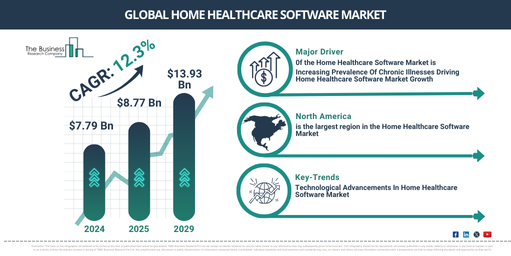
    The market size for home healthcare software has experienced rapid expansion in recent years. The projection indicates a rise from $7.79 billion in 2024 to $8.77 billion in 2025, exhibiting a compound annual growth rate (CAGR) of 12.6%. This growth during the historic period can be traced back to factors such as an increasing prevalence of chronic diseases, governmental initiatives, and incentive programs aimed at homecare providers. Additionally, a move towards cloud-based solutions in home healthcare software, the integration of telehealth capabilities, and swift digital transformation also contributed to the growth.

    What will be the home sequential compression devices market size in the future?

    In the coming years, the home healthcare software market is projected to experience swift expansion, with its size poised to reach $13.93 billion in 2029, reflecting a compound annual growth rate (CAGR) of 12.3%. The exponential growth forecasted for this period is fuelled by factors such as an enhanced focus on safeguarding aspects and conformation to healthcare standards, intensified attention to mental health and wellness capabilities in home healthcare software, as well as a growing emphasis on patient-oriented healthcare solutions. Trend-setting developments expected within this period embrace the advent of new digital innovations like the Internet of Things (IoT), artificial intelligence (AI), and virtual reality (VR), a drift towards mobile-based solutions in home healthcare, accelerated adherence to telehealth and remote surveillance, incorporation of rapid healthcare interoperability resources (FHIR), and the usage of AI-driven chatbots and virtual aides to boost patient engagement.

    Get your home healthcare software market report here!

    https://www.thebusinessresearchcompany.com/report/home-healthcare-software-global-market-report

    What main drivers are fueling expansion in the home healthcare software market?

    The escalating occurrence of chronic diseases is anticipated to boost the expansion of the home healthcare software market. Chronic ailments are issues that persist for a year or more, necessitating ongoing medical intervention and constraining daily tasks, or both. The occurrence of chronic diseases is escalating due to an aging demographic, unhealthy lifestyle norms, urbanization, genetic susceptibility, enhanced illness treatment and detection, and modifications in food systems. Home healthcare software supports chronic illness management by allowing healthcare providers to remotely observe patients’ health, follow their improvement, and ensure they stick to treatment plans. For example, Preventing Chronic Disease stated that in February 2024, nearly 129 million people in the U.S. bear at least one significant chronic health concern, such as heart disease, cancer, diabetes, obesity, or hypertension. An increasing count of Americans is also handling multiple conditions; 42% possess two or more chronic diseases, while 12% deal with five or more. These chronic conditions exert a heavy pressure on the U.S. healthcare system, with around 90% of the $4.1 trillion annual healthcare expenditures being diverted to the treatment and control of chronic and mental health conditions. Hence, the escalating occurrence of chronic diseases is contributing to the expansion of the home healthcare software market.

    What key areas define the segmentation of the global home healthcare software market?

    The home healthcare software market covered in this report is segmented –

    1) By Product: Clinical Management Systems, Hospice Systems, Agency Software Systems, Tele-Health Systems

    2) By Usage: Clinical Homecare Systems, Non-Clinical Homecare Systems

    3) By Delivery Mode: Web-Based Software, On-Premises Software, Cloud-Based Software

    4) By End User: Hospice Agencies, Homecare Agencies, Private Duty, Other End Users

    Subsegments:

    1) By Clinical Management Systems: Electronic Health Records (EHR), Patient Scheduling And Workflow Management, Care Plan Management, Clinical Decision Support

    2) By Hospice Systems: Hospice Care Management, Palliative Care Documentation, Hospice Billing And Reporting

    3) By Agency Software Systems: Home Care Agency Management, Billing And Scheduling Software, Employee Management And Compliance, Patient And Family Communication Tools

    4) By Tele-Health Systems: Telemedicine Platforms, Remote Patient Monitoring, Video Consultation Software, Telehealth Reporting And Analytics

    Get your free sample now – explore exclusive market insights:

    https://www.thebusinessresearchcompany.com/sample.aspx?id=15199&type=smp

    Who are the dominant players expanding their reach in the home healthcare software market?

    Major companies operating in the home healthcare software market report are Mckesson Corporation; DarioHealth Corp.; Koninklijke Philips N.V.; GE HealthCare Technologies Inc.; B. Braun SE; Cerner Corporation; ResMed Inc.; NextGen Healthcare Information System LLC; Medical Information Technology Inc. (Meditech); Homecare Homebase LLC; AlayaCare USA Inc.; Omada Health Inc.; Loyal Healthcare LLC; Casamba Home & Hospice; Axxess Technology Solutions Inc.; Delta Health Technologies Inc.; Family First Inc.; KanTime Inc.; ClearCare Inc. (WellSky); Thornberry Ltd.; Centex AxisCare LLC; Alora Healthcare Systems Inc.; Carallel LLC; HomeHero Inc.

    How are evolving market trends shaping home healthcare software Strategies?

    Leading businesses in the home healthcare software market are capitalizing on the incorporation of artificial intelligence (AI) within their products, for example, Home Smart Clinic solutions. These solutions serve as a competitive advantage in the market. The Home Smart Clinic solution functions as a virtual healthcare tool that allows families to carry out remote physical check-ups with a medical professional, imitating the experience of in-clinic examinations from the comfort of their homes. For example, in September 2022, TytoCare, a virtual care firm based in the US, unveiled their Home Smart Clinic solution. This solution empowers clinicians to perform remote physical examinations, ensuring easily accessible, top-notch virtual care from home. The package includes handheld medical examination devices and AI-driven support software. This software assists patients in conducting a variety of medical tests such as ear, chest, and throat exams while securely linked to an off-site doctor. This solution received recognition for its effectiveness in reducing the overall cost of healthcare, averting visits to the emergency room, increasing the use of primary care, and also in significantly enhancing patient results.

    Unlock exclusive market insights – purchase your research report now for a swift delivery!

    https://www.thebusinessresearchcompany.com/purchaseoptions.aspx?id=15199

    Which regions are emerging as leaders in the home healthcare software market?

    North America was the largest region in the home healthcare software market in 2024. Asia-Pacific is expected to be the fastest-growing region in the forecast period. The regions covered in the home healthcare software market report are Asia-Pacific, Western Europe, Eastern Europe, North America, South America, Middle East, Africa.

    Browse Through More Similar Reports By The Business Research Company:

    Home Healthcare Equipment Global Market Report 2024

    https://www.thebusinessresearchcompany.com/report/home-healthcare-equipment-global-market-report

    Home Healthcare Global Market Report 2024

    https://www.thebusinessresearchcompany.com/report/home-healthcare-global-market-report

    Middleware Software Global Market Report 2024

    https://www.thebusinessresearchcompany.com/report/middleware-software-global-market-report

    About The Business Research Company:

    With over 15000+ reports from 27 industries covering 60+ geographies, The Business Research Company has built a reputation for offering comprehensive, data-rich research and insights. Armed with 1,500,000 datasets, the optimistic contribution of in-depth secondary research, and unique insights from industry leaders, you can get the information you need to stay ahead in the game.

    Contact us at:

    The Business Research Company: https://www.thebusinessresearchcompany.com/

    Americas +1 3156230293

    Asia +44 2071930708

    Europe +44 2071930708

    Email us at info@tbrc.info

    Follow us on:

    LinkedIn: https://in.linkedin.com/company/the-business-research-company

    YouTube: https://www.youtube.com/channel/UC24_fI0rV8cR5DxlCpgmyFQ

    Global Market Model: https://www.thebusinessresearchcompany.com/global-market-model

    Found this article helpful? Share it on: