Blog

  • Top 5 Insights From The Intravascular Ultrasound Market Report 2024

    Top 5 Insights From The Intravascular Ultrasound Market Report 2024

    The Business Research Company’s global market reports are now updated with the latest market sizing information for the year 2024 and forecasted to 2033

    According to The Business Research Company’s Intravascular Ultrasound Global Market Report 2024, the intravascular ultrasound market is expected to show promising growth in the forecast period.

    The intravascular ultrasound (IVUS) market has shown robust growth in recent years. In 2023, it was valued at $2.28 billion and is expected to reach $2.49 billion in 2024, reflecting a compound annual growth rate (CAGR) of 8.9%. Key drivers for this growth include:

    • Increasing prevalence of cardiovascular diseases (CVDs)
    • Rising demand for minimally invasive procedures
    • Growing geriatric population
    • Expansion of healthcare infrastructure
    • Increasing healthcare expenditure

    Future Growth of the Intravascular Ultrasound Market

    The market is expected to maintain strong growth, projected to reach $3.52 billion by 2028 at a CAGR of 9.1%. Contributing factors include:

    • Increased adoption of IVUS in coronary interventions
    • Rising awareness of early diagnosis and treatment of heart diseases
    • Development of high-definition IVUS catheters
    • Growth in research and development activities in medical imaging
    • Higher prevalence of diabetes, which increases cardiovascular risks

    View More On The Intravascular Ultrasound Market Report 2024 – https://www.thebusinessresearchcompany.com/report/intravascular-ultrasound-global-market-report

    Trends Shaping the Future of IVUS Technology

    Several key trends are expected to influence the market during the forecast period:

    • Growing use of AI and machine learning algorithms for more accurate diagnoses
    • Development of portable and miniaturized IVUS devices
    • Implementation of 3D IVUS imaging for enhanced visualization of blood vessels
    • Real-time feedback systems and advancements in image resolution to improve diagnostic accuracy

    Rising Cardiovascular Disease Prevalence Driving Market Expansion

    The increasing prevalence of cardiovascular diseases (CVDs) is a major factor propelling the growth of the IVUS market. Key contributing factors to the rise in CVD cases include:

    • Lack of physical activity
    • Unhealthy diet, smoking, and alcohol consumption
    • Chronic stress

    IVUS plays a critical role in diagnosing and managing CVDs by providing detailed images of blood vessels, particularly coronary arteries. For example, in the UK, deaths from coronary heart disease rose from 64,170 in 2020 to 65,579 in 2021, highlighting the growing need for advanced diagnostic tools like IVUS.

    Key Players in the Intravascular Ultrasound Market

    Several prominent companies are driving innovation and competition in the IVUS market, including:

    • Abbott Laboratories
    • Medtronic plc
    • Siemens Healthcare GmbH
    • GE Healthcare Technologies Inc.
    • Boston Scientific Corporation These companies are investing heavily in R&D, with a focus on technological advancements that improve patient outcomes.

    Technological Advancements in Intravascular Ultrasound

    Technological innovation is a major trend in the IVUS market. Companies are focusing on enhancing diagnostic capabilities through advanced tools like Sonic Lumen Tomography (SLT). SLT technology provides high-resolution, cross-sectional images of blood vessels, aiding in better decision-making during cardiovascular procedures. For example, Provisio Medical Inc. launched its Provisio SLT IVUS system in May 2024, improving data acquisition while reducing contrast media use and radiation exposure.

    Mergers and Acquisitions Expanding Market Reach

    Mergers and acquisitions are further driving growth in the IVUS market. In March 2024, Titan Medical Inc. merged with Conavi Medical to create a leading company specializing in hybrid intravascular imaging. This merger will combine resources and expertise, aiming to accelerate commercialization and global deployment of advanced imaging technologies.

    Regional Outlook for the IVUS Market

    In 2023, North America dominated the intravascular ultrasound market, driven by high healthcare spending and advanced medical infrastructure. However, the Asia-Pacific region is expected to experience the fastest growth in the coming years, owing to increasing healthcare investments and expanding access to advanced medical technologies.

    The intravascular ultrasound market is poised for significant growth, driven by technological advancements, rising CVD cases, and increased global demand for minimally invasive diagnostic tools.

    Request A Sample Of The Global Intravascular Ultrasound Market Report 2024:
    https://www.thebusinessresearchcompany.com/sample_request?id=18395&type=smp

  • Top 5 Insights From The Histone Deacetylase (HDAC) Inhibitors Market Report 2024

    Top 5 Insights From The Histone Deacetylase (HDAC) Inhibitors Market Report 2024

    The Business Research Company’s global market reports are now updated with the latest market sizing information for the year 2024 and forecasted to 2033

    According to The Business Research Company’s Histone Deacetylase (HDAC) Inhibitors Global Market Report 2024, the histone deacetylase (HDAC) inhibitors market is expected to show promising growth in the forecast period.

    Market Growth Overview

    • The histone deacetylase (HDAC) inhibitors market has experienced significant growth in recent years, increasing from $1.15 billion in 2023 to $1.23 billion in 2024 at a compound annual growth rate (CAGR) of 7.3%.
    • Factors contributing to this growth include increased funding for epigenetic research, the rise of drug-resistant cancers, growing healthcare expenditure, and the expanding use of HDAC inhibitors in veterinary medicine.

    Future Growth Forecast

    • The market is projected to reach $1.65 billion by 2028, growing at a CAGR of 7.6%.
    • Key drivers for this growth include the rising prevalence of neurodegenerative disorders, growing awareness about cancer, increased investment in drug development, and the rising adoption of personalized medicine.
    • Technological advancements, synergies with cancer immunotherapy, and the integration of bioinformatics will also contribute to market expansion.

    Rising Neurodegenerative Disorders Driving Market Growth

    • Neurodegenerative disorders like Alzheimer’s are expected to drive the growth of HDAC inhibitors, as these conditions are linked to the progressive degeneration of neurons in the brain and spinal cord.
    • HDAC inhibitors show promise in modulating gene expression and providing neuroprotective effects, which are beneficial for conditions like Alzheimer’s, where memory loss and cognitive decline are prominent.
    • According to the National Institutes of Health (NIH), 6.2 million older Americans currently live with Alzheimer’s, a number expected to rise to 13.8 million by 2060, underscoring the growing demand for HDAC-based treatments.

    View More On The Histone Deacetylase (HDAC) Inhibitors Market Report 2024 – https://www.thebusinessresearchcompany.com/report/histone-deacetylase-hdac-inhibitors-global-market-report

    Major Players in the Global HDAC Inhibitors Market

    • Key players in the market include Bristol-Myers Squibb, Novartis AG, Merck KGaA, and Pharmacyclics LLC, among others.
    • These companies are driving innovation and research, with a focus on cancer treatments and expanding the therapeutic applications of HDAC inhibitors.

    Technological Innovation in Cancer Treatment

    • Companies are increasingly focusing on developing HDAC inhibitors for cancer treatment, as these inhibitors have the potential to disrupt aberrant gene expression associated with cancer progression.
    • In September 2023, Shuttle Pharmaceuticals was awarded new patents for HDAC inhibitors targeting specific enzymes implicated in cancer, aiming to enhance treatment efficacy while minimizing side effects.

    Mergers and Acquisitions Shaping the Market

    • Strategic mergers and acquisitions are playing a significant role in expanding product portfolios in the HDAC inhibitors market. For example, in October 2021, Abcam plc acquired BioVision Inc. for $340 million, strengthening its position in the life sciences sector.
    • This acquisition is expected to expand Abcam’s range of research reagents and tools, including those targeting HDAC enzymes.

    Segmentation of the HDAC Inhibitors Market

    • The market is segmented by class (Class I, II, III, and IV HDACs), route of administration (oral and parenteral), and application (oncology, neurology, and other applications).
    • The end users of HDAC inhibitors include hospitals, academic and research institutes, and pharmaceutical companies.

    Regional Outlook

    • North America was the largest region in the HDAC inhibitors market in 2023, driven by advanced healthcare infrastructure and significant investment in research.
    • Asia-Pacific is expected to be the fastest-growing region during the forecast period, fueled by increasing healthcare investments and a growing focus on epigenetic therapies.

    Conclusion: A Promising Future for HDAC Inhibitors

    • The histone deacetylase (HDAC) inhibitors market is poised for continued growth, driven by increasing demand for innovative cancer treatments and neurodegenerative disorder therapies.
    • With rising investments in drug development, personalized medicine, and bioinformatics, the market is set to offer exciting opportunities for both established pharmaceutical companies and emerging biotech firms.

    Request A Sample Of The Global Histone Deacetylase (HDAC) Inhibitors Market Report 2024:
    https://www.thebusinessresearchcompany.com/sample_request?id=18386&type=smp

  • Understand How The Digital Pharmacy Market Is Poised To Grow Through 2024-2033

    Understand How The Digital Pharmacy Market Is Poised To Grow Through 2024-2033

    The Business Research Company’s global market reports are now updated with the latest market sizing information for the year 2024 and forecasted to 2033

    As per The Business Research Company’s Digital Pharmacy Global Market Report 2024, the digital pharmacy market is expected to show significant growth in the forecast period.

    Market Overview

    • The digital pharmacy market has grown significantly, increasing from $116.60 billion in 2023 to $139.91 billion in 2024, with a compound annual growth rate (CAGR) of 20.0%.
    • This growth has been fueled by factors like the increasing penetration of internet users, growing life science research, rising demand for remote consultations, expanded diagnostic offerings, and the proliferation of illegal online pharmacies.

    Forecast for Future Growth

    • The digital pharmacy market is expected to reach $292.29 billion by 2028, growing at a CAGR of 20.2%.
    • Key factors driving future growth include rising demand for over-the-counter (OTC) products, the increasing prominence of online drug procurement, adoption of automation, growing consumer preference for online pharmacies, and the rise of chronic conditions that require continuous medication management.

    E-Commerce Driving Market Expansion

    • The rise of e-commerce in healthcare is a critical driver for the digital pharmacy market, as it offers convenience, accessibility, and enhanced patient engagement.
    • Digital pharmacies enhance healthcare e-commerce by providing easy access to a wide range of medications, personalized care, cost savings, and integration with telemedicine services.
    • For instance, in 2022, the Australian Digital Health Agency reported that over 118.2 million telehealth services were delivered to 18 million patients, showcasing the growing adoption of digital healthcare solutions.

    View More On The Digital Pharmacy Market Report 2024 – https://www.thebusinessresearchcompany.com/report/digital-pharmacy-global-market-report

    Key Market Players

    • Leading companies in the digital pharmacy market include Walmart Inc., Amazon.com Inc., MetLife Inc., Omnicell Inc., Hims & Hers Health Inc., Tata 1MG Technologies Pvt Ltd., Ro, and Pharmacy2U Ltd.
    • These players are innovating with new technologies and expanding their service offerings to meet the growing demand for digital healthcare.

    Innovation in Digital Pharmacy Platforms

    • Companies are focusing on user-friendly digital pharmacy platforms, allowing patients to manage prescriptions, order medications, and access healthcare information more efficiently.
    • In November 2023, Pure Health launched “Dawak,” an online digital pharmacy platform in the UAE, streamlining medication access with features such as easy prescription management, medication refills, and home delivery options. The platform also promotes medication adherence with individually sealed sachets sorted by date and time.

    Mergers and Acquisitions Boost Market Position

    • Mergers and acquisitions are shaping the digital pharmacy landscape. In April 2023, Phlo, a UK-based digital pharmacy, acquired Truepill, a US-based digital health solutions provider. This acquisition strengthened Phlo’s position as a leader in business-to-business pharmacy services in the UK, expanding its reach and capabilities in digital healthcare.

    Market Segmentation

    • The digital pharmacy market is segmented by:
      • Product: Medicines and Treatments, Personal Care Products, Vitamins and Supplements
      • Drug Type: Prescription Medicines, Over-The-Counter (OTC) Products
      • Business Model: Captive, Franchise, Aggregator
      • Platform: App-Based, Web-Based
      • Application: Urban Areas, Rural Areas

    Regional Outlook

    • North America was the largest region in the digital pharmacy market in 2023, driven by advanced healthcare infrastructure and high internet penetration.
    • Asia-Pacific is projected to be the fastest-growing region in the forecast period due to increasing internet accessibility, rising healthcare expenditure, and a growing aging population.

    Conclusion: The Future of Digital Pharmacies

    • The digital pharmacy market is set for exponential growth, driven by the rise of e-commerce, advancements in healthcare technology, and increasing demand for remote healthcare solutions.
    • Innovations in user-friendly platforms, strategic mergers, and expanding global reach position digital pharmacies as a key player in the future of healthcare delivery.

    Request A Sample Of The Global Digital Pharmacy Market Report 2024:
    https://www.thebusinessresearchcompany.com/sample_request?id=18334&type=smp

  • Key Trends And Drivers In The Diagnostic Electrocardiograph Market 2024

    Key Trends And Drivers In The Diagnostic Electrocardiograph Market 2024

    The Business Research Company’s market reports offer an in-depth analysis on the market’s growth potential, major drivers, key trends and more.

    The diagnostic electrocardiograph market has experienced significant growth in recent years. The market grew from $7.59 billion in 2023 and is expected to reach $8.12 billion in 2024, with a compound annual growth rate (CAGR) of 7%. This growth has been driven by:

    • The aging global population
    • Rising incidence of cardiovascular diseases (CVDs)
    • Increased global healthcare spending
    • Growing awareness and screening programs for cardiovascular health
    • Regulatory support for early diagnosis and treatment of cardiac conditions

    Market Growth Forecast

    Looking ahead, the diagnostic electrocardiograph market is expected to continue its growth, reaching $10.66 billion by 2028, with a CAGR of 7.1%. Factors driving this future growth include:

    • Expanding healthcare infrastructure in emerging markets
    • Increasing investments in healthcare systems
    • Rising awareness among consumers about proactive health management
    • Growing geriatric population
    • Regulatory initiatives promoting early diagnosis

    Trends that will shape the market include AI integration in diagnostic devices, portable and wireless ECG technologies, adoption of telehealth, advancements in wearable ECG technology, and the rise of personalized medicine.

    Read More On The Diagnostic Electrocardiograph Market Report 2024 – https://www.thebusinessresearchcompany.com/report/diagnostic-electrocardiograph-global-market-report

    Impact of Heart Disorder Prevalence on Market Growth

    The rising prevalence of heart disorders globally is a significant driver of the diagnostic electrocardiograph market. Heart disorders, such as arrhythmias, heart attacks, and heart failure, are increasing due to factors such as:

    • Sedentary lifestyles
    • Unhealthy diets
    • Aging populations
    • Rising obesity and hypertension rates

    Diagnostic ECG systems play a crucial role in early detection and management of these conditions. For instance, the American Heart Association reported a slight increase in cardiovascular-related deaths in 2024, reaching 931,578 deaths in the US, up from 928,741 the previous year. As heart conditions continue to rise, the demand for diagnostic ECG solutions will grow.

    Key Players in the Global Diagnostic Electrocardiograph Market

    Several major companies are leading the diagnostic electrocardiograph market, including:

    • Koninklijke Philips N.V.
    • GE Healthcare Inc.
    • Mindray Medical International Limited
    • Nihon Kohden Corporation
    • OSI Systems Inc.
    • Schiller AG

    These companies are focusing on innovation and expansion through mergers and acquisitions to meet the growing demand for diagnostic ECG solutions.

    AI-Powered Solutions in the Diagnostic ECG Market

    Artificial intelligence (AI) is transforming the diagnostic ECG market by enhancing the accuracy and efficiency of cardiac diagnosis. Major companies are introducing AI-powered ECG systems that provide advanced diagnostic capabilities. For example, AliveCor launched its KAI 12L AI technology in June 2024, which can detect critical cardiac conditions using a simplified leadset. The Kardia 12L ECG System is the world’s first handheld 12-lead ECG device powered by AI, making it a groundbreaking tool for healthcare providers.

    Mergers and Acquisitions: Inuvi Health Expands Diagnostics

    Mergers and acquisitions are shaping the diagnostic ECG market by expanding the capabilities of key players. In July 2023, Inuvi Health Ltd. acquired Express Diagnostics, a company specializing in diagnostic testing solutions, including electrocardiographs. This acquisition allows Inuvi to broaden its diagnostic services and reach a larger client base, strengthening its position in the market.

    Market Segmentation

    The diagnostic electrocardiograph market is segmented by product, lead type, and end-user:

    1. By Product and Service: Resting ECG, Stress ECG Devices, Holter Monitors, Implantable Loop Recorders, Event Monitors, Mobile Cardiac Telemetry (MCT) Devices, Smart ECG Monitors
    2. By Lead Type: 12 Lead, 5 Lead, 3 Lead, Other Lead Types
    3. By End-User: Hospitals, Clinics and Cardiac Centers, Ambulatory Surgical Centers, Other End Users

    Regional Outlook

    In 2023, North America was the largest region in the diagnostic electrocardiograph market, driven by high healthcare spending and advanced technology adoption. However, Asia-Pacific is expected to be the fastest-growing region during the forecast period, thanks to increasing healthcare investments, growing awareness of cardiovascular health, and rising geriatric populations.

    The diagnostic electrocardiograph market is set to expand rapidly due to the increasing prevalence of cardiovascular conditions and the continuous advancements in ECG technology. With the integration of AI, wearable devices, and personalized medicine, the market will play a critical role in improving cardiac care globally.

    Request for A Sample Of The Global Diagnostic Electrocardiograph Market Report:
    https://www.thebusinessresearchcompany.com/sample_request?id=18333&type=smp

  • Key Trends And Drivers In The Dental Tourism Market 2024   

    Key Trends And Drivers In The Dental Tourism Market 2024  

    The Business Research Company’s market reports offer an in-depth analysis on the market’s growth potential, major drivers, key trends and more.

    Current Market Dynamics

    The dental tourism market has experienced significant growth in recent years. It is projected to expand from $5.79 billion in 2023 to $6.49 billion in 2024, marking a compound annual growth rate (CAGR) of 12.1%.
    Factors driving this growth include:

    • Rising dental care costs in developed countries
    • Increased awareness of affordable treatment options abroad
    • Growing internet accessibility
    • Surge in medical tourism
    • Expanding number of dental clinics worldwide

    Forecasted Growth to 2028

    The dental tourism market is expected to continue its upward trajectory, reaching $10.35 billion by 2028 with a CAGR of 12.4%.
    Key growth drivers for the forecast period include:

    • Expanding global middle-class seeking cost-effective dental care
    • Growing acceptance of international accreditation standards
    • Increased prevalence of dental insurance
    • Rising number of qualified dental professionals
    • Enhanced collaborations between dental professionals and tourism agencies
      Major trends to watch include:
    • Adoption of tele-dentistry for remote consultations
    • Development of digital platforms for booking and reviewing services
    • Emergence of technologically sophisticated dental clinics
    • Integration of eco-friendly practices in dental tourism

    Impact of Rising Oral Diseases

    The increasing prevalence of oral diseases is a significant driver of the dental tourism market.
    Key insights include:

    • Oral diseases include dental caries, periodontal diseases, and oral cancer
    • Contributing factors include poor oral hygiene, unhealthy diets, and inadequate local dental care
    • Dental tourism offers access to affordable, high-quality treatments, improving oral health for those who might otherwise lack such opportunities
    • According to WHO, nearly 3.5 billion people suffer from oral diseases globally, highlighting a large potential market

    View More On The Digital Pharmacy Market Report 2024 –
    https://www.thebusinessresearchcompany.com/report/dental-tourism-global-market-report

    Major Players in the Dental Tourism Market

    Several key companies dominate the dental tourism sector, providing a range of high-quality dental services to international patients.
    Notable players include:

    • Aetna Inc.
    • Apollo Hospitals Enterprise Ltd.
    • Fortis Healthcare Limited
    • KPJ Healthcare Berhad
    • Bangkok International Dental Center (BIDC)
      These companies are expanding their services to attract and accommodate international patients seeking dental care.

    Innovations in Dental Tourism

    Advancements in dental tourism are enhancing the quality and accessibility of care for patients.
    Recent developments include:

    • Introduction of state-of-the-art clinics and equipment
    • Innovations such as digital smile design and laser dentistry
    • Example: In October 2022, MOS Dental in Bangkok unveiled its 28th clinic, featuring advanced technologies to improve patient care

    Market Mergers and Acquisitions

    Strategic mergers and acquisitions are shaping the dental tourism landscape.
    For instance:

    • In May 2022, EC Healthcare acquired Mobile Medical International Holdings Limited for $5.28 million
    • This acquisition expands EC Healthcare’s market presence with additional health screening centers in Hong Kong

    Market Segmentation

    The dental tourism market is segmented into various categories:

    • By Services: Dental Implants, Periodontics, Endodontics, Dental Prosthetics, Orthodontics, Pedodontics, Oral Surgery, Dental Cosmetics, Dental Consultation
    • By Providers: Hospital Chains, Multi-Specialty Clinics, Independent Clinics
    • By End-User: Senior Citizens, Education Travelers, Business Travelers, Family Travelers, Other End-Users

    Regional Outlook

    Regional dynamics reveal varying growth patterns:

    • Asia-Pacific: The largest region in 2023, known for its cost-effective dental care options
    • Europe: Expected to be the fastest-growing region in the forecast period due to increasing medical tourism and enhanced dental care standards

    Request for A Sample Of The Global Dental Tourism Market Report:
    https://www.thebusinessresearchcompany.com/sample_request?id=18331&type=smp

  • Key Trends And Drivers In The C-X-C Chemokine Receptor 4 (CXCR4) Antagonists Market 2024

    Key Trends And Drivers In The C-X-C Chemokine Receptor 4 (CXCR4) Antagonists Market 2024

    The Business Research Company’s market reports offer an in-depth analysis on the market’s growth potential, major drivers, key trends and more.

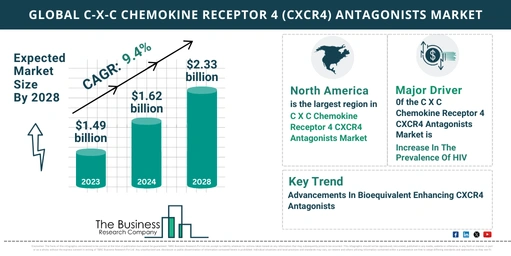
    The C-X-C chemokine receptor 4 (CXCR4) antagonist market has shown robust growth in recent years. In 2023, the market was valued at $1.49 billion and is projected to increase to $1.62 billion in 2024, reflecting a compound annual growth rate (CAGR) of 9.3%. Key drivers behind this growth include:

    • Increased transparency in clinical trial data
    • Patient-centric healthcare policies
    • Rising prevalence of chemotherapy resistance
    • Emphasis on patient-centered care and access
    • Growing preference for targeted therapies

    Market Growth Forecast

    The CXCR4 antagonist market is expected to continue expanding, reaching $2.33 billion by 2028, with a CAGR of 9.4%. The anticipated growth is attributed to several factors:

    • Expanding applications in HIV/AIDS treatment
    • Increased demand for stem cell mobilization
    • Potential applications in autoimmune diseases
    • Growth in biobanking initiatives
    • Integration of artificial intelligence (AI) in drug discovery

    Major trends to watch include:

    • Focus on orphan drug development
    • Development of combination therapies
    • Adoption of precision oncology approaches
    • Expanding clinical trials for novel therapies
    • Advancements in drug delivery technologies

    Read More On The C-X-C Chemokine Receptor 4 (CXCR4) Antagonists Market Report 2024 – https://www.thebusinessresearchcompany.com/report/c-x-c-chemokine-receptor-4-cxcr4-antagonists-global-market-report

    Impact of HIV Prevalence on Market Growth

    The rising prevalence of human immunodeficiency virus (HIV) is a significant driver for the CXCR4 antagonist market. HIV weakens the immune system by targeting CD4 (T) cells and can lead to AIDS if untreated. The increasing prevalence is due to:

    • Low awareness
    • Limited healthcare access
    • Higher transmission rates
    • Inadequate prevention measures

    CXCR4 antagonists block the CXCR4 receptor, preventing HIV from infecting immune cells, thereby controlling the virus and enhancing immune response. According to UNAIDS, in 2022, there were 39 million HIV-positive individuals globally, with 1.3 million new infections. This growing prevalence drives demand for CXCR4 antagonists.

    Major Players in the Market

    Key companies in the CXCR4 antagonist market include:

    • Pfizer Inc.
    • F. Hoffmann-La Roche Ltd.
    • Sanofi
    • Bristol-Myers Squibb Company
    • AstraZeneca plc
    • GlaxoSmithKline
    • Eli Lilly and Company
    • Amgen Inc.
    • Takeda Chemical Industries Ltd.
    • Kyowa Kirin Co. Ltd.

    These companies are actively involved in developing and commercializing CXCR4 antagonists, driving innovation and market expansion.

    Trend: Advancements in Bioequivalent CXCR4 Antagonists

    A notable trend in the market is the development of bioequivalents to enhance treatment options. Bioequivalents offer similar bioavailability as existing drugs under similar conditions. For instance, in May 2024, Gland Pharma received FDA approval for Plerixafor Injection, which is bioequivalent to the reference drug MOZOBIL. This drug helps mobilize stem cells for transplantation in patients with non-Hodgkin’s lymphoma and multiple myeloma.

    Merger and Acquisition: Pantherx and X4 Pharmaceuticals Partnership

    In April 2024, PANTHERx, a US-based specialty pharmacy, partnered with X4 Pharmaceuticals Inc. to distribute XOLREMDI (mavorixafor). This oral CXCR4 antagonist is the first FDA-approved therapy for WHIM syndrome, affecting patients with warts, hypogammaglobulinemia, infections, and myelokathexis. This partnership enhances distribution and expands treatment options for rare diseases.

    Market Segmentation

    The CXCR4 antagonist market is segmented as follows:

    1. By Type: BL-8040, GMI-1359, Plerixafor (AMD3100), Balixafortide (POL6326), USL311, Burixafor (GPC-100), Other Types
    2. By Route of Administration: Oral, Injectable
    3. By Product Pipeline: Approved, Clinical Trials, Pre-Clinical
    4. By Application: Cancer, HIV, Chronic Inflammatory Disease, Stem Cell Mobilization, Immune and Autoimmune Diseases
    5. By Distribution Channel: Hospital Pharmacies, Retail Pharmacies, Online Pharmacies

    Regional Outlook

    North America was the largest region in the CXCR4 antagonist market in 2023. However, the market is expected to grow rapidly in other regions, including Asia-Pacific, Western Europe, Eastern Europe, South America, the Middle East, and Africa, due to increasing healthcare investments and expanding access to treatments.

    Request for A Sample Of The Global C-X-C Chemokine Receptor 4 (CXCR4) Antagonists Market Report:
    https://www.thebusinessresearchcompany.com/sample_request?id=18329&type=smp

  • Understand How The Cutaneous Lupus Erythematosus Market Is Poised To Grow Through 2024-2033

    Understand How The Cutaneous Lupus Erythematosus Market Is Poised To Grow Through 2024-2033

    The Business Research Company’s global market reports are now updated with the latest market sizing information for the year 2024 and forecasted to 2033

    As per The Business Research Company’s Cutaneous Lupus Erythematosus Global Market Report 2024, the cutaneous lupus erythematosus market is expected to show significant growth in the forecast period.

    The cutaneous lupus erythematosus (CLE) market has experienced significant growth recently, driven by a combination of increasing prevalence and advancements in treatment options. This blog delves into the current state and future projections of the CLE market.

    Market Overview and Recent Growth

    • The CLE market expanded from $2.01 billion in 2023 to $2.24 billion in 2024, achieving a compound annual growth rate (CAGR) of 11.7%.
    • This growth is fueled by factors such as increased funding from government and private sectors, expanded healthcare infrastructure, greater patient awareness, enhanced support systems, and a rising prevalence of autoimmune disorders.

    Future Growth Forecast

    • The market is expected to reach $3.5 billion by 2028, with a CAGR of 11.8%.
    • Key drivers for this growth include heightened investment in research and development, supportive regulatory environments, an aging population, and enhanced patient education and awareness campaigns.
    • Major trends expected to shape the market include the expansion of telemedicine, advanced patient monitoring, technological integration in healthcare, and growth in personalized medicine and genomic technologies.

    View More On The Cutaneous Lupus Erythematosus Market Report 2024 – https://www.thebusinessresearchcompany.com/report/cutaneous-lupus-erythematosus-global-market-report

    Key Driver: Rising Prevalence of Skin Infections

    • The increasing prevalence of skin infections is a significant driver for the CLE market.
    • Skin infections, caused by bacteria, fungi, or viruses, can exacerbate CLE symptoms by triggering an immune response that affects skin cells.
    • For example, in September 2022, the UK Health Security Agency reported a rise in Methicillin-resistant Staphylococcus aureus (MRSA) cases linked to skin infections, highlighting the growing burden of skin-related conditions.
    • This rising incidence of infections contributes to the increased demand for effective CLE treatments.

    Major Market Players

    • Prominent companies in the CLE market include Pfizer Inc., Johnson & Johnson, F. Hoffmann-La Roche Ltd., Merck & Co., AbbVie Inc., and Sanofi S.A.
    • Other significant players are AstraZeneca PLC, Abbott Laboratories, Novartis AG, and Eli Lilly and Company.
    • These companies are pivotal in driving innovation and expanding treatment options for CLE.

    Market Trend: Innovations in Drug Delivery

    • Innovations in drug delivery are transforming CLE treatment approaches.
    • One notable advancement is the development of monoclonal antibody treatments aimed at enhancing treatment efficacy and targeting specific disease processes.
    • For instance, AstraZeneca’s Saphnelo (anifrolumab) is a monoclonal antibody approved for treating systemic lupus erythematosus (SLE) and is undergoing trials for CLE. It works by inhibiting type I interferon activity, which is linked to disease severity.
    • Such innovations promise to improve patient outcomes and provide more targeted therapies.

    Merger and Acquisition: Amgen’s Strategic Expansion

    • In October 2023, Amgen Inc. acquired Horizon Therapeutics plc for $27.8 billion.
    • This acquisition enhances Amgen’s portfolio in rare disease treatments, including lupus erythematosus, and supports its goal of advancing inflammation therapeutics.
    • Horizon Therapeutics is recognized for its development of rare disease medications, further solidifying Amgen’s position in the market.

    Market Segmentation

    • The CLE market is segmented by type into acute, subacute, intermittent, and chronic forms.
    • Drug classes used in treatment include retinoids, corticosteroids, immunosuppressants, and antimalarial drugs, among others.
    • Administration routes are diverse, including oral, injections, topical, and other methods.
    • End-users of CLE treatments span hospitals, specialty clinics, homecare settings, and other healthcare facilities.

    Regional Outlook

    • North America was the largest market for CLE in 2023, driven by advanced healthcare systems and high disease prevalence.
    • The market is also expanding rapidly in regions such as Asia-Pacific and Western Europe, fueled by increasing healthcare access and awareness.

    In conclusion, the cutaneous lupus erythematosus market is poised for robust growth, driven by rising skin infections, advancements in drug delivery, and strategic mergers and acquisitions. With ongoing innovations and increased global market expansion, the future of CLE treatment looks promising, offering new hope for affected individuals worldwide.

    Request A Sample Of The Global Cutaneous Lupus Erythematosus Market Report 2024:
    https://www.thebusinessresearchcompany.com/sample_request?id=18328&type=smp

  • Empagliflozin, Dapagliflozin And Canagliflozin Global Market Outlook 2024-2033: Size And Growth Rate Analysis

    Empagliflozin, Dapagliflozin And Canagliflozin Global Market Outlook 2024-2033: Size And Growth Rate Analysis

    The Business Research Company’s global market reports provide comprehensive analysis on the various markets in 27 industries across 60 geographies.

    Market Overview

    • The market for empagliflozin, dapagliflozin, and canagliflozin has shown steady growth, increasing from $9.41 billion in 2023 to $9.64 billion in 2024, with a compound annual growth rate (CAGR) of 2.4%.
    • Key drivers include the rising prevalence of type 2 diabetes, heightened awareness of SGLT2 inhibitors, an aging population, growing obesity rates, and a focus on personalized medicine.

    Growth Forecast

    • The market is projected to reach $10.78 billion by 2028, growing at a CAGR of 2.8%.
    • This growth will be fueled by increasing demand for oral diabetes medications, rising investments in diabetes research, heightened healthcare spending, greater awareness of pre-diabetes, and a focus on combination therapies.
    • Major trends to watch include technological advancements, integration of telehealth, health data analytics, and improved patient data security.

    Rising Diabetes Prevalence as a Growth Driver

    • The increasing prevalence of diabetes is a significant factor driving the growth of the market. Diabetes, marked by high blood sugar levels due to ineffective insulin production or use, is exacerbated by factors like sedentary lifestyles, poor diet, genetic predisposition, and aging.
    • Empagliflozin, dapagliflozin, and canagliflozin work by inhibiting the sodium-glucose co-transporter-2 (SGLT2) in the kidneys, which helps lower blood sugar levels by promoting glucose excretion through urine.
    • According to the International Diabetes Federation, the number of individuals with diabetes is expected to rise to 643 million by 2030 and 783 million by 2045, driving demand for these medications.

    View More On The Empagliflozin, Dapagliflozin And Canagliflozin Market Report 2024 – https://www.thebusinessresearchcompany.com/report/empagliflozin-dapagliflozin-and-canagliflozin-global-market-report

    Major Market Players

    • Key players in the market include Pfizer Inc., Merck & Co., Sanofi S.A., Bristol-Myers Squibb, AstraZeneca PLC, and GlaxoSmithKline, among others.
    • These companies are leading the way in developing and delivering SGLT2 inhibitors, contributing to the market’s expansion.

    Innovative Pediatric Diabetes Treatments

    • Companies are expanding their product offerings to include pediatric type-2 diabetes treatments, addressing the needs of younger patients.
    • In June 2024, AstraZeneca received FDA approval for Farxiga (dapagliflozin) to improve glycemic control in pediatric patients aged 10 years and older with type 2 diabetes.
    • This approval, based on the T2NOW Phase III clinical trial, highlights the effectiveness and safety of Farxiga in reducing HbA1c levels in children, marking a significant advancement in pediatric diabetes care.

    Strategic Mergers and Acquisitions

    • Mergers and acquisitions are shaping the market landscape. In May 2021, Sun Pharmaceutical Industries acquired the trademarks for the diabetes drugs Oxra, Oxramet, and Oxraduo from AstraZeneca.
    • This acquisition enhances Sun Pharma’s market position and expands its diabetes treatment portfolio in India, offering more options to patients and increasing market share.

    Market Segmentation

    • The empagliflozin, dapagliflozin, and canagliflozin market is segmented by drug type, application, and distribution channel.
      • By Type: Empagliflozin, dapagliflozin, canagliflozin
      • By Application: Various therapeutic applications
      • By Channel: Hospitals, pharmacies

    Regional Outlook

    • North America was the largest region in the market in 2023, driven by advanced healthcare infrastructure and high diabetes prevalence.
    • Asia-Pacific is expected to be the fastest-growing region, with increasing healthcare investments and rising awareness about diabetes management.

    Conclusion: A Promising Future for SGLT2 Inhibitors

    • The market for empagliflozin, dapagliflozin, and canagliflozin is poised for steady growth, supported by rising diabetes prevalence, innovations in diabetes care, and strategic industry developments.
    • As new treatments and technologies emerge, the market will continue to evolve, offering expanded options for managing type 2 diabetes and improving patient outcomes globally.

    Request A Sample Of The Global Empagliflozin, Dapagliflozin And Canagliflozin Market Report 2024:
    https://www.thebusinessresearchcompany.com/sample_request?id=18350&type=smp

  • What’s The Growth Forecast For Hair Restoration Market Through 2024-2033?

    What’s The Growth Forecast For Hair Restoration Market Through 2024-2033?

    The Business Research Company’s global market reports provide comprehensive analysis on the various markets in 27 industries across 60 geographies.

    Rapid Market Growth in 2023-2024

    The global hair restoration market is experiencing rapid growth, expanding from $5.88 billion in 2023 to $6.58 billion in 2024 at a compound annual growth rate (CAGR) of 12%.
    Key factors contributing to this growth include:

    • Increasing awareness about hair loss solutions
    • Technological advancements in hair restoration
    • An aging population and changing lifestyles
    • Regulatory approvals for new treatments
    • Growing popularity of cosmetic procedures and medical tourism

    Projected Market Growth to 2028

    The market is projected to grow even further, reaching $10.4 billion by 2028 with a CAGR of 12.1%.
    Drivers for future growth include:

    • Personalized medicine approaches
    • Rising disposable income
    • Improved healthcare infrastructure
    • Integration of digital health and telemedicine
    • Increasing consumer expectations for non-invasive and effective treatments

    View More On The Hair Restoration Market Report 2024 – https://www.thebusinessresearchcompany.com/report/hair-restoration-global-market-report

    Surge in Hair Transplants

    Hair transplants are a major driver of the hair restoration market’s expansion. This surgical procedure, where hair follicles are moved from one part of the body to another, is becoming increasingly popular due to advancements in surgical techniques and precision tools, which have improved success rates.
    Additional factors boosting demand:

    • Rising incidence of hair loss due to environmental factors like pollution
    • High demand for effective, natural-looking results from hair transplants
    • Growing awareness and accessibility of hair transplant options globally

    Leading Companies in the Hair Restoration Market

    Several key players are dominating the global hair restoration market, driving innovation in treatments and solutions. Major companies include:

    • Pfizer Inc.
    • Johnson & Johnson
    • Merck & Co. Inc.
    • AbbVie Inc.
    • Shiseido Company Limited

    These companies are at the forefront of advancing hair restoration technologies, from surgical procedures to non-invasive therapies.

    Advancements in Regenerative Medicine

    A significant trend in the hair restoration market is the development of advanced regenerative medicine solutions. One example is the scalp serums being introduced to improve scalp health and reactivate hair growth.
    For instance, BioPhotas Inc. recently launched the Restore Hair Serum, designed to complement light therapy devices and nourish hair follicle stem cells. These advancements represent a shift towards non-invasive, regenerative treatments that address the root causes of hair loss.

    Strategic Acquisitions Driving Market Innovation

    Mergers and acquisitions are shaping the competitive landscape of the hair restoration market. In March 2023, Sun Pharmaceutical Industries acquired Concert Pharmaceuticals, expanding its dermatology portfolio with deuruxolitinib, a promising treatment for alopecia areata. This acquisition enables Sun Pharma to accelerate the development and commercialization of hair regrowth solutions for patients worldwide.

    Global and Regional Market Outlook

    North America was the largest region in the hair restoration market in 2023, with a significant share driven by technological innovations and high consumer demand. Looking forward, Asia-Pacific is expected to be the fastest-growing region due to increasing awareness, rising disposable incomes, and growing adoption of hair restoration procedures.

    Request A Sample Of The Global Hair Restoration Market Report 2024:
    https://www.thebusinessresearchcompany.com/sample_request?id=18384&type=smp


  • What’s The Growth Forecast For Genital Warts Market Through 2024-2033?

    What’s The Growth Forecast For Genital Warts Market Through 2024-2033?

    The Business Research Company’s global market reports provide comprehensive analysis on the various markets in 27 industries across 60 geographies.

    The genital warts market has shown robust growth over the past few years, driven by a variety of factors such as increasing awareness, advances in treatment options, and growing clinical trials. Here’s a detailed overview of the market’s current state, growth prospects, and key trends.

    Strong Market Growth

    • The genital warts market grew from $1.87 billion in 2023 to $1.97 billion in 2024, representing a compound annual growth rate (CAGR) of 5.4%.
    • Growth has been fueled by a focus on patient-centered care, increased emphasis on early detection and treatment, and the growing availability of self-targeted therapies.
    • The rising recurrence of genital warts has also driven the market’s expansion.

    Future Growth Forecast

    • The market is expected to grow to $2.44 billion by 2028, with a CAGR of 5.5%.
    • Factors contributing to this growth include the adoption of telemedicine and digital health platforms for remote consultation and treatment monitoring.
    • Increasing demand for affordable treatments for sexually transmitted infections (STIs) and innovative procedures like loop electrosurgical excision are also key drivers.

    View More On The Genital Warts Market Report 2024 – https://www.thebusinessresearchcompany.com/report/genital-warts-global-market-report

    Key Trends Shaping the Market

    • The shift towards combination therapies and advancements in diagnostic technologies are emerging trends in the market.
    • Expansion of telehealth and online consultations allows for more accessible treatment, especially in remote areas.
    • Emerging markets are expected to see significant growth, providing a wider global footprint for genital warts treatments.

    Rising STI Rates Driving Market Growth

    • The increasing prevalence of sexually transmitted infections (STIs) is a major factor driving the genital warts market forward.
    • Genital warts, caused by certain strains of the human papillomavirus (HPV), spread through skin-to-skin contact during sexual activity.
    • STI rates are rising globally, partly due to increased sexual activity, inadequate use of protection, and limited access to healthcare. For example, HIV cases increased from 38.7 million in 2021 to 39.0 million in 2022.

    Major Players in the Genital Warts Market

    • Key companies include Merck & Co. Inc., AbbVie Inc, Sanofi S.A, Novartis AG, and 3M Company.
    • Other significant players include Bausch Health Companies Inc, Sun Pharmaceuticals, and Verrica Pharmaceuticals Inc.
    • These companies are focused on developing innovative treatments to improve patient outcomes and reduce recurrence rates.

    Innovative Dermatology Drugs

    • Innovation is a key trend, with companies developing new dermatology drugs specifically for genital warts.
    • For instance, Verrica Pharmaceuticals received New Chemical Entity (NCE) status from the FDA for YCANTH, a drug candidate for genital warts.
    • The NCE status grants Verrica at least five years of protection from generic competition, encouraging further investment in new treatments.

    Partnerships and Collaborations Boost Market Growth

    • In March 2021, Verrica Pharmaceuticals partnered with Torii Pharmaceutical Co. Ltd. to commercialize YCANTH in Japan for treating genital warts.
    • Such partnerships enhance the development and availability of novel treatments across different markets, accelerating market growth.

    Regional Outlook

    • North America was the largest region in the genital warts market in 2023, driven by advanced healthcare systems and widespread access to treatment.
    • However, Asia-Pacific is expected to be the fastest-growing region due to increased healthcare investments and improving healthcare infrastructure.

    The genital warts market is on a solid growth trajectory, driven by rising STI rates, innovations in treatment options, and the expanding use of telehealth. As the market continues to evolve, key players are expected to focus on developing affordable, effective, and accessible treatments to meet the growing demand worldwide.

    Request A Sample Of The Global Genital Warts Market Report 2024:
    https://www.thebusinessresearchcompany.com/sample_request?id=18374&type=smp