Blog

  • How Is The Holter Monitor Market Expected To Grow Through 2024-2033

    How Is The Holter Monitor Market Expected To Grow Through 2024-2033

    The Business Research Company’s global market reports are now updated with the latest market sizing information for the year 2024 and forecasted to 2033

    Overview of Market Growth

    • Current Market Size: The Holter monitor market was valued at $0.93 billion in 2023.
    • Short-Term Growth: Expected to reach $1.02 billion in 2024, growing at a 9.5% CAGR.
    • Long-Term Forecast: Predicted to expand to $1.48 billion by 2028, with a 9.7% CAGR.

    The market has seen robust growth due to increasing adoption of remote monitoring solutions and a heightened focus on cardiac health.

    Key Drivers of Growth

    • Emergence of Remote Monitoring: Enhanced remote patient monitoring solutions are a major growth factor.
    • Elderly Population: Rising adoption among the elderly due to higher cardiac issues.
    • Healthcare Expenditure: Global increase in healthcare spending contributes to market expansion.
    • Evolving Guidelines: Continuous cardiac monitoring is increasingly recommended.
    • Early Detection: Growing emphasis on detecting cardiac abnormalities early.

    View More On The Holter Monitor Market Report 2024 – https://www.thebusinessresearchcompany.com/report/holter-monitor-global-market-report

    Future Market Trends

    • Telemedicine Expansion: Growth in remote healthcare services will drive demand.
    • Aging Population: Increased longevity and age-related health issues bolster market growth.
    • Cardiovascular Disease Prevalence: Rising rates of cardiovascular diseases boost the need for monitoring.
    • Technological Advancements: Innovations in data analytics and AI enhance monitoring capabilities.
    • Personalized Medicine: Rising interest in tailored healthcare solutions fuels demand.

    Innovations and Technological Advancements

    • Wireless and Patch-Style Monitors: Increased adoption of convenient and non-intrusive monitoring devices.
    • Ambulatory ECG Monitoring: Expansion of services that allow for continuous heart rhythm monitoring outside clinical settings.
    • Home-Based Programs: Growth of at-home cardiac monitoring solutions.
    • Compact Devices: Development of smaller, user-friendly devices to enhance patient experience.
    • Telemedicine Integration: Seamless integration with telehealth platforms for remote care.

    Impact of Cardiovascular Disease Surge

    • Rising Incidence: Sedentary lifestyles, unhealthy diets, and obesity contribute to higher cardiovascular disease rates.
    • Holter Monitors: Essential for continuous heart rhythm monitoring, aiding in the diagnosis and management of conditions like arrhythmias and ischemic events.
    • CDC Statistics: The number of heart disease-related deaths in the US increased from 690,882 in 2020 to 695,000 in 2021, highlighting the urgent need for effective monitoring solutions.

    Leading Companies in the Market

    • Major Players: Koninklijke Philips N.V., GE HealthCare Technologies, Baxter Laboratories Inc., and others.
    • Technological Focus: Companies are developing advanced Holter monitors with high-quality ECG recording capabilities, such as Norav Medical’s NR-314P device.

    Strategic Acquisitions and Partnerships

    • Philips and BioTelemetry: In February 2021, Philips acquired BioTelemetry Inc. for $2.8 billion to enhance its cardiac care and remote monitoring services. This acquisition strengthens Philips’ position in the remote monitoring market and broadens its cardiac care offerings.

    Market Segmentation

    • By Product Type: Wired and Wireless.
    • By Channel Type: 3 Channel, 12 Channel, and Other Channel Types.
    • By Monitoring Capacity: Up to 7 Days, Above 7 Days.
    • By End User: Hospitals, Specialty Cardiac Centers, and Other End Users.

    Regional Insights

    • North America: The largest market in 2023, reflecting the high demand for advanced cardiac monitoring solutions in the region.

    Conclusion
    The Holter monitor market is on a strong growth trajectory, driven by technological advancements, increasing healthcare expenditure, and a growing focus on remote and continuous cardiac monitoring. As the market evolves, key trends such as the rise of telemedicine and innovations in monitoring devices will continue to shape its future.

    Request A Sample Of The Global Holter Monitor Market Report 2024:
    https://www.thebusinessresearchcompany.com/sample_request?id=15584&type=smp

  • Global Hemoglobinopathies Treatment Market Overview 2024: Size, Drivers, And Trends

    Global Hemoglobinopathies Treatment Market Overview 2024: Size, Drivers, And Trends

    The Business Research Company’s global market reports provide comprehensive analysis on the various markets in 27 industries across 60 geographies.

    Overview of Market Growth
    The hemoglobinopathies treatment market has demonstrated significant growth recently, reflecting advances in medical science and patient care.

    • Market Size Growth: From $8.2 billion in 2023, the market is projected to reach $9.01 billion in 2024, driven by a compound annual growth rate (CAGR) of 9.9%.
    • Historical Drivers: This expansion can be attributed to scientific discoveries, medical advances, patient advocacy, increased public health awareness, international collaboration, and research consortia.

    Future Projections and Drivers
    Looking ahead, the market is expected to experience even more rapid growth, with projections indicating a rise to $13.2 billion by 2028 at a CAGR of 10%.

    • Forecast Drivers: Key factors include a growing emphasis on personalized medicine, regulatory support for rare diseases, implementation of prenatal screening programs, and expanded adoption of disease-modifying therapies.
    • Emerging Trends: The forecast period will likely see novel drug therapies, cellular therapies, advancements in precision therapeutics, and improved diagnostic tools.

    View More On The Hemoglobinopathies Treatment Market Report 2024 – https://www.thebusinessresearchcompany.com/report/hemoglobinopathies-treatment-global-market-report

    Genetic Inheritance and Market Growth
    Genetic inheritance plays a crucial role in driving the growth of the hemoglobinopathies treatment market.

    • Role of Genetic Inheritance: This process, where traits are passed from parents to offspring through DNA, has gained significance due to advancements in genetic research and technology.
    • Impact on Treatment: Improved understanding of genetic factors has led to better-targeted therapies, personalized medicine, and drug development. For example, Gene People estimates that 1 in every 25 children has a genetic condition, underscoring the importance of genetic research in treatment development.

    Innovations in Cell-Based Gene Therapies
    Cell-based gene therapies are emerging as a promising avenue for treating hemoglobinopathies.

    • Recent Developments: Companies are working on therapies that could potentially cure genetic defects. For instance, Vertex Pharmaceuticals launched Casgevy in December 2023, a CRISPR/Cas9-based therapy for sickle cell disease (SCD) and transfusion-dependent beta thalassemia.
    • Therapy Details: Casgevy involves editing a patient’s stem cells to increase fetal hemoglobin production, aiming to reduce symptoms and complications associated with SCD.

    Pfizer’s Strategic Acquisition
    In a notable strategic move, Pfizer Inc. acquired Global Blood Therapeutics Inc. in October 2022 for $5.4 billion.

    • Acquisition Objectives: The acquisition aims to enhance Pfizer’s pipeline and portfolio for rare hematology, particularly in treating SCD. This move is expected to improve Pfizer’s capabilities in serving the SCD patient community.

    Market Segmentation
    The hemoglobinopathies treatment market is segmented into various categories:

    • By Treatment: Stem Cell Therapy, Blood Transfusion
    • By Application: Thalassemia, Sickle Cell Anemia
    • By Distribution Channel: Hospital Pharmacy, Online Providers, Drug Stores, and Retail Pharmacy

    Regional Insights

    • Current Leader: North America was the largest region in the hemoglobinopathies treatment market in 2023.
    • Future Growth: The Asia-Pacific region is anticipated to be the fastest-growing market segment in the forecast period.

    Conclusion
    The hemoglobinopathies treatment market is on a robust growth trajectory, fueled by technological advancements, increased genetic research, and strategic industry developments. As personalized medicine and innovative therapies continue to evolve, the market is set to provide enhanced treatment options and improved outcomes for patients worldwide.

    Request A Sample Of The Global Hemoglobinopathies Treatment Market Report 2024:
    https://www.thebusinessresearchcompany.com/sample_request?id=15583&type=smp

  • 5 Key Insights On The Hematocrit Test Devices Market 2024

    5 Key Insights On The Hematocrit Test Devices Market 2024

    The Business Research Company’s global market reports are now updated with the latest market sizing information for the year 2024 and forecasted to 2033

    Market Overview and Growth

    • Current Market Size: The hematocrit test devices market was valued at $4.35 billion in 2023.
    • Projected Growth: Expected to reach $4.63 billion in 2024, with a compound annual growth rate (CAGR) of 6.4%.
    • Historic Growth Drivers:
      • Increased awareness of anemia and nutritional deficiencies.
      • Rising incidence of chronic illnesses.
      • Surge in government funding and population growth.

    Future Growth Projections

    • Forecasted Market Size: Anticipated to grow to $5.98 billion by 2028.
    • Future CAGR: Expected to maintain a CAGR of 6.6%.
    • Key Growth Factors:
      • Rising prevalence of anemia and blood disorders.
      • Increasing geriatric population and focus on health.
      • Expanding need for cardiovascular diagnostic tools.

    View More On The Hematocrit Test Devices Market Report 2024 – https://www.thebusinessresearchcompany.com/report/hematocrit-test-devices-global-market-report

    Impact of Blood Disorders

    • Prevalence of Blood Disorders:
      • Growing due to genetic factors, environmental pollution, and lifestyle changes.
      • Blood disorders impact components like red blood cells, white blood cells, and platelets.
    • Market Implications:
      • Hematocrit test devices are crucial for measuring red blood cell volume in whole blood.
      • Example: In January 2024, the American Cancer Society projected around 62,770 new leukemia cases in the U.S., boosting demand for hematocrit testing.

    Major Market Players

    • Leading Companies:
      • F. Hoffmann-La Roche Ltd.
      • Merck & Co. Inc.
      • Thermo Fisher Scientific Inc.
      • Abbott Laboratories
      • Siemens Healthcare GmbH
    • Innovative Developments: Companies are introducing advanced solutions and technologies, such as complete blood count (CBC) hematology analyzers.

    Innovative Products in the Market

    • CBC Hematology Analyzers:
      • Functionality: Measure and analyze red and white blood cells, and platelets.
      • Example: Mindray Medical’s BC-700 Series, featuring advanced SF Cube 3D technology for precise analysis.
    • Technological Advancements:
      • Integration of fluorescence and bi-angular laser scatter for detailed cell analysis.

    Strategic Moves and Acquisitions

    • Mars Incorporated and Heska Corporation:
      • Acquisition: Mars acquired Heska Corporation in June 2023 for $1.3 billion.
      • Impact: Expansion of Mars Petcare’s diagnostic capabilities and enhanced global pet healthcare solutions.

    Market Segmentation

    • By Product:
      • Hematocrit Test Meter
      • Hematocrit Test Analyzer
      • Reagents and Consumables
    • By Application:
      • Anemia
      • Polycythemia Vera
      • Congenital Heart Diseases
      • Other Applications
    • By End-User:
      • Hospitals and Ambulatory Surgical Centers
      • Clinics
      • Diagnostic and Pathology Labs
      • Other End-Users

    Regional Insights

    • Current Leader: North America was the largest market in 2023.
    • Future Growth: Asia-Pacific is anticipated to be the fastest-growing region in the forecast period.

    Conclusion
    The hematocrit test devices market is experiencing robust growth driven by increasing awareness of blood disorders, technological advancements, and strategic acquisitions. With a forecasted rise in market size and the introduction of innovative products, the industry is set for a promising future

    Request A Sample Of The Global Hematocrit Test Devices Market Report 2024:
    https://www.thebusinessresearchcompany.com/sample_request?id=15582&type=smp

  • What Is The Forecast Growth Rate For The Guillain-Barre Syndrome Drugs Market?

    What Is The Forecast Growth Rate For The Guillain-Barre Syndrome Drugs Market?

    The Business Research Company’s market reports offer an in-depth analysis on the market’s growth potential, major drivers, key trends and more.

    Rapid Market Expansion in Recent Years

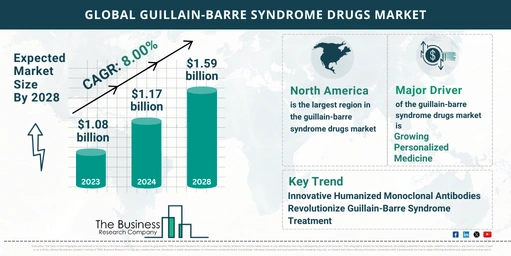
    • Market Growth: The Guillain-Barre Syndrome (GBS) drugs market has experienced significant growth, increasing from $1.08 billion in 2023 to $1.17 billion in 2024, with a compound annual growth rate (CAGR) of 7.8%.
    • Contributing Factors: This growth can be attributed to advancements in research and development, governmental support, and a heightened focus on neurology and autoimmune diseases.
    • Healthcare Demand: The rise in demand for hospital and clinic services has further driven the market’s expansion.

    Future Market Projections

    • Forecasted Growth: The GBS drugs market is expected to continue its strong upward trajectory, reaching $1.59 billion by 2028 at a CAGR of 8.0%.
    • Drivers of Growth: Key factors include an increasing incidence of GBS, a growing geriatric population, and rising demand for oral and parenteral medications.
    • Pharmacy Impact: The growing role of hospital and retail pharmacies will play a crucial part in this expansion.

    Read More On The Guillain-Barre Syndrome Drugs Market Report 2024 – https://www.thebusinessresearchcompany.com/report/guillain-barre-syndrome-drugs-global-market-report

    Personalized Medicine: A Key Growth Driver

    • Tailored Treatments: Personalized medicine, which tailors treatments based on individual characteristics such as genetics, is becoming increasingly important in GBS treatment.
    • Regulatory Support: Regulatory bodies are recognizing the potential of personalized therapies, as seen in the FDA’s approval of 16 novel personalized therapies for rare diseases in 2023.
    • Improved Outcomes: By tailoring treatments to individual patient profiles, personalized medicine aims to enhance therapeutic outcomes and reduce adverse effects.

    Innovations in Humanized Monoclonal Antibodies

    • Advanced Therapies: Leading pharmaceutical companies are developing humanized monoclonal antibodies to revolutionize GBS treatment.
    • Targeted Treatment: These antibodies target specific components of the immune system involved in GBS, offering more precise and effective therapies.
    • Recent Developments: Annexon Inc.’s ANX005, a humanized monoclonal antibody, has received orphan drug designation from both the EMA and FDA. The drug shows promise in reducing inflammation and nerve damage in GBS patients.

    Strategic Acquisitions Bolster Market Position

    • Grifols SA Acquisition: In 2022, Grifols SA acquired Biotest AG for $1.17 billion, a strategic move to expand its plasma supply and strengthen its market presence.
    • Global Reach: This acquisition enhances Grifols’ operations in Europe, the Middle East, and Africa, and supports the global availability of plasma-derived therapies.
    • Collaborative Efforts: The partnership between Grifols and Biotest aims to advance the treatment options for GBS and improve patient outcomes.

    Market Segmentation and Regional Growth

    • Drug Class Segmentation: The market is segmented into immunoglobulins (IVIG), corticosteroids, and plasma exchange.
    • Treatment Type: It includes first-line treatments and adjunctive or supportive treatments.
    • Regional Insights: North America was the largest region in the GBS drugs market in 2023, with Asia-Pacific expected to be the fastest-growing region during the forecast period.

    Conclusion
    The Guillain-Barre Syndrome drugs market is set for continued growth, driven by advancements in personalized medicine, innovative therapies like humanized monoclonal antibodies, and strategic acquisitions. With a strong focus on improving patient outcomes and expanding treatment options, the market will likely see significant developments in the coming years.

    Request for A Sample Of The Global Guillain-Barre Syndrome Drugs Market Report:
    https://www.thebusinessresearchcompany.com/sample_request?id=15581&type=smp

  • Overview Of The Graft Versus Host Disease (GVHD) Treatment Market 2024-2033: Growth And Major Players Analysis

    Overview Of The Graft Versus Host Disease (GVHD) Treatment Market 2024-2033: Growth And Major Players Analysis

    The Business Research Company’s global market reports are now updated with the latest market sizing information for the year 2024 and forecasted to 2033

    The graft versus host disease (GVHD) market has shown remarkable growth recently and is expected to continue its upward trajectory. Here’s an in-depth look at the factors driving this growth and what the future holds for this critical treatment sector.

    Current Market Overview

    • Market Size and Growth:
      • The GVHD market size surged from $2.65 billion in 2023 to $2.85 billion in 2024.
      • This growth represents a compound annual growth rate (CAGR) of 7.5%.
    • Factors Driving Growth:
      • Increase in allogeneic transplantations.
      • Rising incidence of acute GVHD and chronic GVHD.
      • Growth in hematopoietic stem cell treatments and bone marrow transplants.
      • Advancements in technology and an expanding patient population.

    Future Market Projections

    • Expected Growth:
      • The GVHD market is projected to reach $3.82 billion by 2028.
      • This reflects a CAGR of 7.6% over the forecast period.
    • Drivers of Future Growth:
      • Continued increase in allogeneic transplantations and GVHD cases.
      • Advances in technology and treatment methods.
      • Rise in demand for bone marrow transplants and effective management of chronic GVHD.
    • Key Trends:
      • Partnerships, investments, product approvals, and customizations will shape the market.

    View More On The Graft Versus Host Disease (GVHD) Treatment Market Report 2024 – https://www.thebusinessresearchcompany.com/report/graft-versus-host-disease-gvhd-treatment-global-market-report

    Hematological Disorders and Market Impact

    • Role of Hematological Disorders:
      • Blood disorders such as leukemia, lymphoma, and myeloma are significant contributors to GVHD market growth.
      • These conditions are becoming more prevalent due to unhealthy lifestyles and environmental factors.
    • Market Implications:
      • Treatments developed for GVHD offer new avenues for managing hematological disorders.
      • Example: In 2023, the Leukemia & Lymphoma Society reported an estimated 57,380 deaths from blood cancers in the US, highlighting the critical need for effective treatments.

    Major Companies and Innovations

    • Leading Companies:
      • Key players include Pfizer, Johnson & Johnson, Roche, Merck, Sanofi, Novartis, Bristol Myers Squibb, and others.
    • Innovative Developments:
      • Advanced Drug Development:
        • Companies are developing new drugs and seeking approvals to stay competitive.
        • Example: In March 2023, Incyte’s ruxolitinib extended-release tablets were approved for treating specific types of GVHD.
      • Strategic Acquisitions:
        • In September 2021, Sanofi acquired Kadmon for $1.9 billion, enhancing its transplant portfolio with Rezurock (belumosudil) for chronic GVHD.

    Market Segmentation

    • By Product Type:
      • Corticosteroids, Monoclonal Antibodies, Immunosuppressants, Others.
    • By Disease Type:
      • Acute GVHD, Prophylaxis GVHD, Chronic GVHD.
    • By End User:
      • Hospitals, Retail Pharmacies, Online Pharmacies.

    Regional Insights

    • Current Leader:
      • North America was the largest market region in 2023.
    • Future Outlook:
      • Asia-Pacific is anticipated to be the fastest-growing region during the forecast period.

    Conclusion
    The GVHD market is poised for robust growth driven by increasing transplantations, rising incidence of GVHD, and continuous technological advancements. With key players pushing innovation and strategic acquisitions strengthening market portfolios, the future of GVHD treatment looks promising. As the demand for effective treatments grows, stakeholders must stay abreast of market trends to leverage opportunities and address the evolving needs of patients worldwide.

    Request A Sample Of The Global Graft Versus Host Disease (GVHD) Treatment Market Report 2024:
    https://www.thebusinessresearchcompany.com/sample_request?id=15579&type=smp

  • What Is The Forecast Growth Rate For The Geriatric Care Services Market?

    What Is The Forecast Growth Rate For The Geriatric Care Services Market?

    The Business Research Company’s market reports offer an in-depth analysis on the market’s growth potential, major drivers, key trends and more.

    The geriatric care services market has been experiencing significant growth and is projected to continue this trend in the coming years. As the global population ages, the demand for specialized care services tailored to older adults is increasing. This blog explores the current landscape and future outlook of the geriatric care services market, highlighting key drivers, trends, and major players.

    Strong Growth in Recent Years

    • Current Market Size and Growth: The geriatric care services market grew from $1,007.33 billion in 2023 to $1,076.85 billion in 2024. This represents a robust compound annual growth rate (CAGR) of 6.9%.
    • Historical Drivers: The growth can be attributed to several factors:
      • Rising prevalence of chronic health conditions
      • Increase in government initiatives
      • Expanding geriatric population
      • Increased incidence of obesity

    Future Projections and Trends

    • Expected Market Size: The market is anticipated to reach $1,479.04 billion by 2028, with a projected CAGR of 7.1%.
    • Forecast Drivers:
      • Increase in medical facilities
      • Rising cases of dementia
      • Growing demand for personalized and home-based care services
      • Enhanced palliative and hospice care options
    • Major Trends:
      • Innovations in medical technology and healthcare delivery
      • Remote consultations and monitoring
      • Advancements in artificial intelligence (AI) for wearable devices
      • Strategic partnerships and product developments

    Read More On The Geriatric Care Services Market Report 2024 – https://www.thebusinessresearchcompany.com/report/geriatric-care-services-global-market-report

    Growing Prevalence of Chronic Diseases

    • Impact on Market Growth: Chronic diseases are a major factor driving the expansion of geriatric care services. These long-term conditions often require continuous management and tailored care.
    • Statistics and Projections:
      • By 2050, the number of people aged 50 and older with at least one chronic illness is expected to nearly double to 142.66 million.
      • Multimorbidity cases are anticipated to grow by 91.16% by 2050.
    • Importance of Geriatric Care: Geriatric care services are crucial for improving the quality of life for seniors with chronic conditions through comprehensive, patient-centered care.

    Technological Innovations in Geriatric Care

    • AI-Driven Assistants: Companies are increasingly integrating AI technology to enhance elder care. For example:
      • IvedaCare: Launched in November 2022 by Iveda Solutions, this AI-driven assistant provides enhanced safety and security for elderly care through predictive software and sensors.
    • Benefits:
      • Reduces false alarms
      • Allows for non-intrusive monitoring
      • Supports caregivers with intelligent decision-making

    Strategic Acquisitions and Market Dynamics

    • Honor Technology Inc.’s Acquisition: In August 2021, Honor Technology Inc. acquired Home Instead Inc. This move is expected to enhance the quality and efficiency of care services by combining the strengths of both companies.
    • Market Segmentation:
      • By Type: Homecare, healthcare, institutional care centers, non-medical health care, and more.
      • By Age Group: 65 to 70 years, 70 to 75 years, 75 to 80 years, and more than 80 years.
      • By Application: Respiratory diseases, diabetes, osteoporosis, and other conditions.
      • By End User: Institutional care services, nursing homes, rehabilitation centers, hospitals.

    Regional Insights

    • Current Leaders: North America was the largest market for geriatric care services in 2023.
    • Future Growth: Asia-Pacific is expected to be the fastest-growing region in the forecast period due to its expanding elderly population and increasing healthcare infrastructure.

    Request for A Sample Of The Global Geriatric Care Services Market Report:
    https://www.thebusinessresearchcompany.com/sample_request?id=15577&type=smp

  • Key Insights On The Rare Inflammatory Disease Treatment Market 2024 – Size, Driver, And Major Players

    Key Insights On The Rare Inflammatory Disease Treatment Market 2024 – Size, Driver, And Major Players

    The Business Research Company’s global market reports are now updated with the latest market sizing information for the year 2024 and forecasted to 2033

    The rare inflammatory disease treatment market has experienced significant growth in recent years, with promising projections for the future. Below, we delve into the key factors driving this expansion and the trends that are shaping the market.

    Market Growth Overview

    • 2023 Market Size: $13.04 billion
    • 2024 Projected Market Size: $13.82 billion
    • CAGR 2023-2024: 6%

    The market is on a steady upward trajectory, driven by advances in immunology research, targeted therapies, and the increased prevalence of rare inflammatory diseases. Additionally, the development of orphan drug regulations and the expanded use of biological agents have played a crucial role in the market’s growth.

    Future Market Projections

    • 2028 Projected Market Size: $17.56 billion
    • CAGR 2024-2028: 6.2%

    The rare inflammatory disease treatment market is expected to maintain its growth momentum, fueled by several key factors:

    • Accelerated Drug Development: Advancements in drug pipelines are leading to quicker and more effective treatments.
    • Precision Medicine: Investments in precision medicine are enabling more personalized and effective treatment options.
    • Advanced Diagnostics: Expanded access to sophisticated diagnostics is improving early detection and treatment efficacy.
    • Rising Prevalence: Increased awareness and diagnosis rates are driving demand for treatments.
    • Patient Advocacy: Growing patient advocacy efforts are pushing for better treatment options and broader access.

    View More On The Rare Inflammatory Disease Treatment Market Report 2024 – https://www.thebusinessresearchcompany.com/report/rare-inflammatory-disease-treatment-global-market-report

    Rising Autoimmune Conditions Drive Market Expansion

    The increasing prevalence of autoimmune diseases is a major driver of growth in the rare inflammatory disease treatment market. Autoimmune conditions, where the immune system mistakenly attacks healthy tissues, are on the rise due to factors such as:

    • Genetic Predisposition
    • Environmental Triggers
    • Lifestyle Changes
    • Improved Diagnostics

    These factors have led to better detection and recognition of autoimmune conditions, increasing the demand for treatments that reduce inflammation and protect healthy tissues.

    • Global Impact: Over 300 million people worldwide suffer from rare diseases, affecting up to 5.9% of the global population.
    • Kidney Diseases: Rare kidney ailments have high prevalence rates, particularly in America and Europe.

    Precision Medicines Lead the Way

    Pharmaceutical companies are focusing on developing advanced precision medicines, such as monoclonal antibodies, to gain a competitive edge in the market. These treatments are designed to target specific parts of the immune system, improving outcomes for patients.

    • Monoclonal Antibodies: A critical modality in treating rare inflammatory diseases.
    • Example: Boehringer Ingelheim’s SPEVIGO, approved by the FDA in 2022, is the first medication for treating generalized pustular psoriasis (GPP). It targets the interleukin-36 receptor, a key pathway in the immune system.

    Strategic Acquisitions Strengthen Market Position

    To bolster their portfolios and enhance service offerings, major pharmaceutical companies are engaging in strategic acquisitions.

    • Pfizer and Arena Pharmaceuticals: In March 2022, Pfizer acquired Arena Pharmaceuticals for $6.7 billion. This acquisition was a strategic move to strengthen Pfizer’s position in the immuno-inflammatory diseases market.

    Regional Insights

    • North America: The largest market for rare inflammatory disease treatments as of 2023.
    • Asia-Pacific: Expected to be the fastest-growing region in the coming years.

    Conclusion

    The rare inflammatory disease treatment market is poised for significant growth, driven by advances in drug development, precision medicine, and increasing prevalence of autoimmune diseases. As the market evolves, personalized treatment approaches, digital health integration, and strategic collaborations will be key trends to watch. With North America leading the market and Asia-Pacific emerging as a growth hub, the global landscape for rare inflammatory disease treatments is set to expand rapidly.

    Request A Sample Of The Global Rare Inflammatory Disease Treatment Market Report 2024:
    https://www.thebusinessresearchcompany.com/sample_request?id=15656&type=smp

  • Protein Extracts From Single Cell Protein And Other Conventional Sources Global Market Outlook 2024-2033: Size And Growth Rate Analysis

    Protein Extracts From Single Cell Protein And Other Conventional Sources Global Market Outlook 2024-2033: Size And Growth Rate Analysis

    The Business Research Company’s global market reports provide comprehensive analysis on the various markets in 27 industries across 60 geographies.

    • Market Expansion: The protein extracts from single-cell protein and other conventional sources market has witnessed significant growth, rising from $23.36 billion in 2023 to an estimated $25.76 billion in 2024, reflecting a robust compound annual growth rate (CAGR) of 10.6%.
    • Historical Drivers: This growth is driven by various factors, including population growth, environmental concerns, resource scarcity, food security, and the need to mitigate environmental impact.

    Future Outlook: Continued Growth Ahead

    • Projected Growth: The market is expected to maintain its upward trajectory, projected to reach $38.25 billion by 2028, growing at a CAGR of 10.4%.
    • Key Drivers: Factors fueling this growth include increasing health consciousness, sustainability concerns, supportive regulatory frameworks, and shifting consumer preferences towards alternative protein sources.

    Emerging Trends in the Protein Extracts Market

    • Single-Cell Protein Industry: The single-cell protein industry is set to expand, providing a sustainable and nutritionally enhanced protein source.
    • Personalized Nutrition: Advances in personalized nutrition are driving demand for tailored protein solutions.
    • Collaboration and Partnerships: Strategic partnerships and collaborations are crucial in driving innovation and market penetration.
    • Technological Advancements: Technological innovations in protein extraction and processing are propelling market growth.

    View More On The Protein Extracts From Single Cell Protein And Other Conventional Sources Market Report 2024 –

     https://www.thebusinessresearchcompany.com/report/protein-extracts-from-single-cell-protein-and-other-conventional-sources-global-market-report

    Growing Demand for Plant-Based Protein Sources

    • Consumer Shift: There is a rising demand for plant-based protein sources due to environmental sustainability, health benefits, and ethical concerns about animal agriculture.
    • Key Sources: Plant-based proteins include legumes, nuts, seeds, tofu, tempeh, and whole grains like quinoa and buckwheat.
    • Market Impact: This shift is driving the growth of protein extracts from single-cell and conventional sources, offering diverse amino acid profiles and sustainable food production practices.

    Biomass Fermentation: A Technological Leap

    • Biomass Fermentation: Companies are leveraging biomass fermentation technology to enhance the production process of single-cell protein ingredients.
    • Case Study: MicroHarvest GmbH launched a pilot plant in Lisbon in November 2023 to accelerate the commercialization of its single-cell protein ingredients. This technology enables the production of high-quality protein ingredients with over 60% raw protein within 24 hours.

    Strategic Acquisitions Boost Market Strength

    • Avril Group’s Acquisition: In April 2023, Avril Group acquired Sunbloom Proteins GmbH, enhancing its production capacity and enriching its product portfolio.
    • Impact of Acquisition: The acquisition allows Avril to combine research and development capabilities, offering a more robust range of functional, plant-based protein ingredients.

    Market Segmentation Overview

    • By Source: The market is segmented into plant protein extract sources, microbial sources (single-cell proteins), and microbial sources (direct use).
    • By Feedstock: It is further divided into organic and conventional feedstock.
    • By Application: Applications include biotechnology, animal feed, agriculture and fertilizers, among others.

    North America Leads the Market

    • Regional Dominance: North America was the largest region in the protein extracts from single-cell protein and other conventional sources market in 2023, driven by strong consumer demand and advanced production technologies.

    Conclusion

    The protein extracts from single-cell protein and other conventional sources market is poised for continued growth, driven by technological advancements, changing consumer preferences, and strategic industry moves. As the market evolves, key players and emerging companies will play crucial roles in shaping the future of sustainable and nutritionally rich protein sources.

    Request A Sample Of The Global Protein Extracts From Single Cell Protein And Other Conventional Sources Market Report 2024:

    https://www.thebusinessresearchcompany.com/sample_request?id=15644&type=smp

  • Global Primary Care POC Diagnostics Market Key Insights 2024-2033

    Global Primary Care POC Diagnostics Market Key Insights 2024-2033

    The Business Research Company’s global market reports are now updated with the latest market sizing information for the year 2024 and forecasted to 2033

    The primary care point-of-care (POC) diagnostics market is witnessing significant growth, driven by a range of factors that are reshaping the healthcare landscape. Below, we explore the key elements fueling this expansion, future trends, and the leading players in the industry.

    Market Overview and Current Growth

    • Current Market Size and Growth Rate:
      • In 2023, the primary care POC diagnostics market was valued at $15.32 billion.
      • It’s projected to grow to $16.46 billion in 2024, with a compound annual growth rate (CAGR) of 7.5%.
      • Growth drivers include the rising prevalence of chronic diseases, personalized medicine trends, and increased healthcare expenditure.

    Future Market Projections

    • Growth Forecast:
      • By 2028, the market size is expected to reach $22.19 billion, at a CAGR of 7.8%.
      • Factors such as emerging infectious diseases, adoption in home healthcare, and precision medicine initiatives are key contributors.

    View More On The Primary Care POC Diagnostics Market Report 2024 – https://www.thebusinessresearchcompany.com/report/primary-care-poc-diagnostics-global-market-report

    Key Drivers of Market Growth

    • Infectious Disease Outbreaks:
      • Increasing prevalence of infectious diseases is a primary driver.
      • For example, the UK reported a 22% increase in HIV diagnoses from 2021 to 2022.
      • Globally, tuberculosis cases reached 10.6 million in 2022, underscoring the need for rapid diagnostics.
    • Personalized Medicine and Precision Healthcare:
      • Shift towards personalized medicine and precision healthcare is accelerating demand.
      • POC diagnostics enable early disease detection and tailored treatment plans, making them integral in modern healthcare.

    Technological Advancements Shaping the Market

    • Artificial Intelligence (AI) Integration:
      • AI and machine learning are increasingly being integrated into POC diagnostics, enhancing accuracy and efficiency.
      • These technologies facilitate real-time data analysis, improving diagnostic outcomes.
    • Portable POC Devices:
      • Miniaturization and portability are key trends, allowing diagnostics to be conducted in various settings, including remote areas.
      • For instance, the Rapi-Q Point of Care RT-PCR solution by Genes2Me Pvt. Ltd. is a portable device offering rapid and accurate results.
    • Molecular Diagnostics and Multiplexing:
      • Advances in molecular diagnostics are expanding the capabilities of POC devices.
      • Multiplexing and panel testing enable simultaneous detection of multiple pathogens, improving diagnostic efficiency.

    Regional Insights

    • North America:
      • Dominated the market in 2023, driven by advanced healthcare infrastructure and high adoption rates of POC diagnostics.
    • Asia-Pacific:
      • Expected to be the fastest-growing region in the forecast period.
      • Rising healthcare investments and increasing disease burden are propelling growth.

    Major Market Players

    • Leading Companies:
      • Notable companies include Hoffmann-La Roche Ltd., Abbott Laboratories, Siemens Healthineers AG, and Thermo Fisher Scientific.
      • These companies are investing in innovations and acquisitions to expand their product offerings and market presence.

    Recent Industry Developments

    • Thermo Fisher’s Acquisition of Mesa Biotech:
      • In 2021, Thermo Fisher acquired Mesa Biotech for $450 million, enhancing its molecular diagnostics capabilities.
      • This acquisition strengthens Thermo Fisher’s portfolio, particularly in the POC testing domain.

    Conclusion

    The primary care POC diagnostics market is on a robust growth trajectory, driven by technological advancements, the increasing burden of diseases, and the global shift towards personalized healthcare. As the market continues to expand, innovations in portable devices, AI integration, and molecular diagnostics will be crucial in shaping its future. The Asia-Pacific region is expected to lead the next wave of growth, supported by rising healthcare investments and a growing awareness of early disease detection. The leading companies in this space are well-positioned to capitalize on these trends, ensuring that POC diagnostics remain at the forefront of healthcare delivery.

    Request A Sample Of The Global Primary Care POC Diagnostics Market Report 2024:
    https://www.thebusinessresearchcompany.com/sample_request?id=15642&type=smp

  • Top 5 Insights From The Prescription To Over-The-Counter (Rx-to-OTC) Switches Market Report 2024

    Top 5 Insights From The Prescription To Over-The-Counter (Rx-to-OTC) Switches Market Report 2024

    The Business Research Company’s global market reports are now updated with the latest market sizing information for the year 2024 and forecasted to 2033

    The prescription to over-the-counter (Rx-to-OTC) switches market has seen significant growth in recent years, and its future looks even brighter. From consumer demand for self-care to innovations in drug delivery, several factors contribute to this expansion. Below, we explore the key drivers and trends shaping this rapidly growing market.

    Impressive Market Growth

    • Current Market Size: The Rx-to-OTC switches market reached $39.41 billion in 2023.
    • Growth in 2024: Expected to grow to $42.76 billion, with a CAGR of 8.5%.
    • Future Outlook: Projected to hit $59.58 billion by 2028, with a CAGR of 8.6%.

    Driving Forces Behind the Growth

    • Consumer Preference for Self-Care: More individuals are taking charge of their health, leading to an increased demand for OTC products.
    • Government Support and Innovation: Considerable investments and supportive policies are spurring growth in the healthcare sector.
    • Increased Awareness: A growing understanding of OTC products is driving consumer confidence and market expansion.

    View More On The Prescription To Over-The-Counter (Rx-to-OTC) Switches Market Report 2024 – https://www.thebusinessresearchcompany.com/report/prescription-to-over-the-counter-rx-to-otc-switches-global-market-report

    Rising Consumer Demand for OTC Products

    Consumer demand for OTC products is a key factor in the market’s growth. OTC products allow individuals to manage minor health issues without needing a prescription, which has led to their rising popularity.

    Why OTC Products are Gaining Traction

    • Accessibility: OTC products are widely available, making healthcare more accessible to everyone.
    • Time-Saving: Consumers appreciate the convenience of purchasing medicines without visiting a healthcare provider.
    • Awareness and Education: Increased knowledge about the benefits of OTC products has boosted consumer confidence.
    • Digital Health and E-Commerce: The rise of online pharmacies and digital health platforms has made it easier to purchase OTC products.

    For instance, the Consumer Healthcare Products Association (CHPA) reported a retail sales increase of OTC medicines to $43.4 billion in 2023, up from $42.1 billion in 2022. This growing consumer demand is a key driver for the Rx-to-OTC switches market.

    Key Players in the Market

    The Rx-to-OTC switches market is populated by major pharmaceutical companies, including:

    • Pfizer Inc.
    • Johnson & Johnson
    • Procter & Gamble Company
    • Merck & Co. Inc.
    • AbbVie Inc.
    • Bayer AG
    • Sanofi S.A.
    • Bristol Myers Squibb
    • AstraZeneca plc

    These companies are at the forefront of innovation and market expansion, contributing to the rapid growth of Rx-to-OTC switches.

    Innovations in OTC Products

    Innovation is a significant trend in the Rx-to-OTC market, particularly in developing new products that cater to consumer needs. One such innovation is the development of over-the-counter eye drops for itch relief.

    Innovative Eye Drops for Allergy Relief

    • Product Launch: In March 2022, Allergan plc introduced LASTACAFT, an OTC eye drop designed to provide rapid and long-lasting relief from itchy eyes caused by allergies.
    • Unique Features: LASTACAFT contains 0.25% alcaftadine, an antihistamine that blocks histamine H1 receptors and prevents further histamine release. It offers quick relief within minutes and lasts up to 16 hours.
    • Target Audience: Suitable for adults and children aged 2 and older, LASTACAFT addresses both seasonal and year-round allergies.

    This innovation highlights the market’s focus on developing products that meet specific consumer needs and enhance the overall self-care experience.

    Strategic Partnerships Driving Market Growth

    Collaborations between companies are also shaping the Rx-to-OTC switches market. A recent example is the partnership between Petros Pharmaceuticals Inc. and Idea Evolver.

    Petros Pharmaceuticals and Idea Evolver Partnership

    • Objective: The partnership aims to transition STENDRA from prescription to OTC status by integrating technology features such as human factors, usability engineering, and artificial intelligence.
    • Impact: This collaboration is expected to streamline the self-selection process, making OTC products more accessible and user-friendly.

    Such partnerships are essential for driving innovation and expanding the reach of OTC products.

    Market Segmentation and Regional Growth

    The Rx-to-OTC switches market is segmented by product, distribution channel, and end-user.

    • Product Segmentation: Includes allergy and respiratory products, gastrointestinal drugs, oral contraceptives, and more.
    • Distribution Channels: Retail pharmacies, hospital pharmacies, drug stores, and online pharmacies.
    • End-User: Hospital-based laboratories, diagnostic laboratories, and academic research institutes.

    Regional Insights

    • North America: The largest market for Rx-to-OTC switches in 2023.
    • Asia-Pacific: Expected to be the fastest-growing region during the forecast period.

    Conclusion

    The prescription to over-the-counter (Rx-to-OTC) switches market is on a robust growth trajectory, driven by consumer demand, innovation, and strategic partnerships. As the market continues to evolve, companies that focus on meeting consumer needs and embracing new technologies are well-positioned to succeed in this expanding sector.

    Request A Sample Of The Global Prescription To Over-The-Counter (Rx-to-OTC) Switches Market Report 2024:

    https://www.thebusinessresearchcompany.com/sample_request?id=15640&type=smp