Blog

  • Growth Trajectory Of The Cell Signaling Market 2024-2033

    Growth Trajectory Of The Cell Signaling Market 2024-2033

    The Business Research Company’s global market reports are now updated with the latest market sizing information for the year 2024 and forecasted to 2033

    A Strong Market Growth Trajectory

    • The cell signaling market has experienced robust growth, expanding from $4.25 billion in 2023 to $4.59 billion in 2024.
    • The market’s compound annual growth rate (CAGR) stands at 8.1%, fueled by advancements in the pharmaceutical and biotechnology industries.
    • Factors like the aging population, the rise of regenerative medicine, personalized medicine initiatives, and the increasing burden of chronic diseases are major growth contributors.

    Future Outlook: A Promising Growth Forecast

    • The cell signaling market is projected to grow further, reaching $6.32 billion by 2028.
    • A CAGR of 8.3% is expected, driven by the growing adoption of precision medicine and increasing research funding.
    • Government support and the rise in endocrine-related conditions are also key drivers.
    • The forecast period is set to witness technological advancements, including the integration of machine learning, artificial intelligence, and bioprinting technology in cell signaling analysis.

    View More On The Cell Signaling Market Report 2024 – https://www.thebusinessresearchcompany.com/report/cell-signaling-global-market-report

    Chronic Diseases: A Catalyst for Market Expansion

    • The rising prevalence of chronic diseases significantly contributes to the cell signaling market’s growth.
    • Chronic diseases, characterized by their long-lasting nature, require ongoing management and treatment.
    • The aging population and unhealthy lifestyles are leading to an increase in chronic conditions, highlighting the importance of cell signaling research in diagnosing and treating these diseases.
    • The number of people aged 50 and older with at least one chronic illness is expected to nearly double by 2050, underscoring the market’s growth potential.

    Major Players in the Cell Signaling Market

    • Leading companies in the market include Johnson & Johnson, Pfizer Inc., Bayer AG, and Bristol-Myers Squibb Company.
    • Other notable players are Thermo Fisher Scientific Inc., Novartis AG, GlaxoSmithKline plc, and Merck KGaA.
    • These companies are actively involved in innovative research and development to maintain their market position.

    Technological Advancements Driving Innovation

    • Innovation in cell signaling is driven by advancements in Immunohistochemistry (IHC) technology.
    • Companies like Cell Signaling Technology (CST) are developing new IHC assays, such as the SignalStar Multiplex IHC technology, which allows for high-sensitivity and specificity in detecting multiple targets within tissue samples.
    • This technology is particularly useful for spatial biology research, enabling the detection of up to eight proteins in a single tissue sample.

    Strategic Acquisitions Strengthening Market Positions

    • Strategic acquisitions are a common trend, with companies aiming to enhance their portfolios and pipelines.
    • For example, Merck’s acquisition of Acceleron Pharma Inc. in November 2021 aimed to strengthen its cardiovascular portfolio by leveraging Acceleron’s innovative research in proteins.

    Market Segmentation and Regional Insights

    • The cell signaling market is segmented by product, signaling type, pathway, technology, and application.
    • Products are divided into consumables and instruments, while signaling types include endocrine, paracrine, autocrine, and synaptic signaling.
    • The market is also segmented by pathways such as Akt, AMPK, and ErbB/HER signaling pathways.
    • Technologies like microscopy, Western blotting, and mass spectrometry are key in cell signaling research.
    • North America was the largest region in the market in 2023, but Asia-Pacific is expected to be the fastest-growing region during the forecast period.

    Conclusion

    • The cell signaling market is on a strong growth trajectory, with significant opportunities for expansion.
    • The rise of chronic diseases, technological advancements, and strategic acquisitions are key factors driving this growth.
    • As the market continues to evolve, it will play a crucial role in advancing medical research and improving healthcare outcomes.

    Request A Sample Of The Global Cell Signaling Market Report 2024:
    https://www.thebusinessresearchcompany.com/sample_request?id=15758&type=smp
  • Global Cell Free DNA (cfDNA) Testing Market Key Insights 2024-2033

    Global Cell Free DNA (cfDNA) Testing Market Key Insights 2024-2033

    The Business Research Company’s global market reports are now updated with the latest market sizing information for the year 2024 and forecasted to 2033

    Introduction: A Rapidly Growing Sector
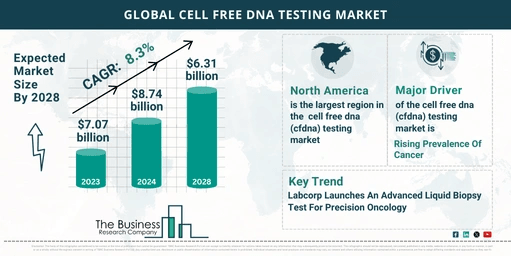
    The cell-free DNA (cfDNA) testing market is experiencing remarkable growth, driven by advancements in technology and increasing medical applications. The market size surged from $7.07 billion in 2023 to $8.74 billion in 2024, reflecting a robust compound annual growth rate (CAGR) of 23.6%. This growth trajectory highlights the expanding role of cfDNA testing in modern healthcare.

    Key Drivers of Growth

    • Increased Adoption in Prenatal Care: cfDNA testing has become a critical tool in prenatal care, providing early detection of genetic disorders with minimal risk to the mother and fetus.
    • Advancements in cfDNA Analysis: Enhanced analytical techniques are broadening the scope of cfDNA testing, making it applicable across various medical fields.
    • Regulatory Approvals: Growing approvals from regulatory bodies have facilitated the wider use of cfDNA tests, ensuring their reliability and efficacy.

    Future Market Projections
    The cfDNA testing market is projected to grow to $20.63 billion by 2028, with a CAGR of 23.9%. This continued expansion is fueled by several factors:

    • Personalized Medicine: The shift towards personalized medicine emphasizes the need for precise diagnostic tools like cfDNA testing.
    • Healthcare Infrastructure: Improvements in healthcare infrastructure are supporting the adoption of advanced diagnostic technologies.
    • Aging Population and Cancer Incidence: The growing aging population and rising cancer rates are increasing the demand for early and accurate diagnostic methods.

    View More On The Cell Free DNA (cfDNA) Testing Market Report 2024 – https://www.thebusinessresearchcompany.com/report/cell-free-dna-cfdna-testing-global-market-report

    Trends Shaping the Market

    • Liquid Biopsy Technologies: Adoption of liquid biopsy techniques is enhancing the sensitivity and specificity of cancer detection.
    • Next-Generation Sequencing (NGS): Advancements in NGS technology are enabling more detailed genetic analysis.
    • AI and Machine Learning: Integration of AI and machine learning is improving data interpretation and diagnostic accuracy.
    • Point-of-Care Testing: Development of point-of-care cfDNA tests offers convenience and rapid results.
    • Cloud-Based Platforms: Implementation of cloud-based platforms for data storage and analysis is facilitating better data management and accessibility.

    The Impact of Rising Cancer Prevalence
    The increasing prevalence of cancer is a significant driver of cfDNA testing market growth. cfDNA tests can detect genetic mutations associated with cancer at an early stage, often before symptoms appear. This early detection allows for timely intervention and improved patient outcomes.

    • Cancer Statistics: According to the World Health Organization (WHO), the number of new cancer cases is expected to rise from 20 million in 2022 to over 35 million by 2050.
    • Early Intervention: cfDNA testing aids in identifying cancer in its initial stages, enhancing treatment efficacy and survival rates.

    Innovations by Major Companies
    Labcorp Launches Advanced Liquid Biopsy Test

    • Product Launch: In May 2023, Laboratory Corporation of America Holdings (Labcorp) introduced Labcorp Plasma Focus, a liquid biopsy test designed for patients with advanced or metastatic solid tumors.
    • Benefits: This test, which requires only a standard blood draw, enhances precision oncology by identifying actionable biomarkers across various cancers.

    LabCorp Enhances Capabilities Through Acquisition

    • Strategic Acquisition: In February 2022, Labcorp acquired Personal Genome Diagnostics Inc., a leader in precision oncology diagnostics.
    • Objective: The acquisition aims to advance Labcorp’s liquid biopsy capabilities and expand its genomic profiling tools for cancer.

    Market Segmentation
    The cfDNA testing market is segmented into:

    1. By Product:
      • Donor-Derived Cell-Free DNA
      • Circulating Cell-Free Tumor DNA
      • Cell-Free Fetal DNA
    2. By Platforms:
      • Next Generation Sequencing (NGS)
      • rPCR and Multiplexed PCR
      • qPCR and dPCR
      • Other Platforms
    3. By Application:
      • Oncology
      • Non-Invasive Prenatal Testing (NIPT)
      • Gynecology
      • Transplantation
      • Other Applications

    Regional Insights

    • North America: Held the largest share of the cfDNA testing market in 2023.
    • Asia-Pacific: Expected to be the fastest-growing region due to increasing healthcare investments and rising awareness.

    Conclusion
    The cell-free DNA testing market is on a dynamic growth path, driven by technological innovations, increasing cancer prevalence, and a shift towards personalized medicine. With ongoing advancements and a broadening application scope, cfDNA testing is set to play an increasingly vital role in modern healthcare.

    Request A Sample Of The Global Cell Free DNA (cfDNA) Testing Market Report 2024:
    https://www.thebusinessresearchcompany.com/sample_request?id=15757&type=smp

  • Cell Culture Media Storage Containers Global Market Outlook 2024-2033: Size And Growth Rate Analysis

    Cell Culture Media Storage Containers Global Market Outlook 2024-2033: Size And Growth Rate Analysis

    The Business Research Company’s global market reports provide comprehensive analysis on the various markets in 27 industries across 60 geographies.

    Introduction
    The cell culture media storage containers market has experienced substantial growth recently, driven by advancements in life sciences and increasing demand for personalized medicine. From $2.18 billion in 2023, the market is set to expand to $2.51 billion in 2024, with a robust compound annual growth rate (CAGR) of 15.1%. This trend reflects a broader shift in the biopharmaceutical and biotechnology sectors.

    Historical Growth Factors

    • Increased Research Activities: Surge in life sciences research has fueled demand for cell culture media storage solutions.
    • Rise in Cell-Based Therapies: Growth in cell-based therapies has heightened the need for efficient storage containers.
    • Personalized Medicine: Advances in genomics and precision healthcare technologies have pushed the demand for customized storage solutions.
    • Biopharmaceutical and Biotechnology Expansion: The overall growth in these sectors has contributed significantly to market expansion.

    View More On The Cell Culture Media Storage Containers Market Report 2024 – https://www.thebusinessresearchcompany.com/report/cell-culture-media-storage-containers-global-market-report

    Future Market Projections

    • Rapid Growth Expected: The market is forecasted to reach $4.44 billion by 2028, with a CAGR of 15.3%.
    • Key Drivers:
      • Regenerative Medicine: Expansion in regenerative medicine applications is boosting demand.
      • Emerging Technologies: New cell therapy technologies are contributing to market growth.
      • 3D Cell Culture Systems: Growing use of 3D cell cultures requires advanced storage solutions.
      • Automated Processes: Adoption of automated cell culture processes enhances efficiency.
      • Cell-Based Assays: Increased focus on these assays drives the need for reliable storage containers.

    Trends Shaping the Market

    • Single-Use Systems: Adoption of single-use systems is increasing due to their convenience and cost-effectiveness.
    • Eco-Friendly Packaging: Development of sustainable and eco-friendly packaging options is on the rise.
    • Smart Technology Integration: Advanced monitoring and control through smart technology are becoming standard.
    • Customization and Modular Designs: Flexible and modular designs cater to varied storage needs.
    • Traceability and Quality Assurance: Emphasis on ensuring traceability and high quality in storage solutions.

    Impact of Personalized Medicine

    • Tailored Treatments: Personalized medicine focuses on customizing treatments based on individual patient characteristics, leading to a higher demand for specialized storage solutions.
    • Patient-Specific Therapies: The production of personalized therapies relies on maintaining and preserving cell cultures accurately.
    • Regulatory Approvals: Recent approvals of personalized treatments, such as the 16 new therapies approved by the FDA in February 2024, highlight the growing importance of cell culture media storage.

    Innovations Driving the Industry

    • Single-Use Bioprocess Containers: Companies like Single Use Support GmbH are pioneering innovations with products like the IRIS single-use bioprocess containers, designed for reliable storage and handling of biopharmaceutical substances.
    • Customizable Solutions: These innovations offer robust and customizable storage options, enhancing the efficiency of drug substance management.

    Strategic Developments

    • Sartorius and CellGenix Acquisition: Sartorius AG’s acquisition of a 51% stake in CellGenix GmbH in July 2021 strengthens its portfolio, particularly in cell and gene therapies. CellGenix’s expertise in GMP-quality cell culture components complements Sartorius’s offerings, enhancing market positioning.

    Market Segmentation

    • By Product:
      • Storage Bag
      • Storage Bottle
      • Storage Bin and Drum
      • Other Products
    • By Application:
      • Biopharmaceutical Production
      • Tissue Engineering
      • Diagnostic
      • Regenerative Medicine
    • By End Use:
      • Pharmaceutical and Biotechnology Companies
      • Contract Research Organizations and Contract Manufacturing Organizations
      • Academic and Research Institutes

    Regional Insights

    • North America: Dominated the market in 2023, reflecting its strong presence in life sciences and biopharmaceutical industries.
    • Asia-Pacific: Expected to be the fastest-growing region, driven by increasing research activities and expanding biotechnology sectors.

    Conclusion
    The cell culture media storage containers market is poised for substantial growth, driven by technological advancements, increasing demand for personalized medicine, and innovations in storage solutions. As the industry evolves, key trends and strategic developments will continue to shape the market’s trajectory, offering exciting opportunities for stakeholders across the globe.

    Request A Sample Of The Global Cell Culture Media Storage Containers Market Report 2024:
    https://www.thebusinessresearchcompany.com/sample_request?id=15756&type=smp

  • Top 5 Insights From The Cell Cryopreservation Market Report 2024

    Top 5 Insights From The Cell Cryopreservation Market Report 2024

    The Business Research Company’s global market reports are now updated with the latest market sizing information for the year 2024 and forecasted to 2033

    The cell cryopreservation market is experiencing unprecedented growth, driven by various factors ranging from advances in biomedical research to the rising demand for organ transplantation. This blog will delve into the key drivers, trends, and major players contributing to this exponential market expansion.

    Exponential Growth in Market Size

    • 2023 Market Size: The cell cryopreservation market was valued at $10.21 billion in 2023.
    • 2024 Forecast: It is projected to grow to $12.65 billion in 2024, with a compound annual growth rate (CAGR) of 23.8%.
    • 2028 Forecast: By 2028, the market is expected to reach $29.9 billion, with a CAGR of 24%.

    Key Drivers of Growth

    • Demand for Cell-Based Therapies: The increasing application of cell-based therapies in treating various conditions is a significant driver.
    • Organ Transplantation: The growing need for organ transplantation, fueled by rising cases of organ failure, is propelling the market forward.
    • Biomedical Research: Enhanced R&D activities in cell-based therapies and the increasing use of cryopreserved cells are boosting market demand.
    • In Vitro Fertilization (IVF) Procedures: A rise in IVF procedures is also expected to contribute to market growth.

    View More On The Cell Cryopreservation Market Report 2024 – https://www.thebusinessresearchcompany.com/report/cell-cryopreservation-global-market-report

    Trends Shaping the Future

    • Advancements in Cryopreservation Techniques: Innovations in cryoprotectants and freezing methods are enhancing the effectiveness of cell cryopreservation.
    • MRNA Vaccine Storage: The development of advanced storage solutions for MRNA vaccines is expected to support market growth.
    • Personalized Medicine: The shift towards personalized medicine is creating new opportunities for cell cryopreservation, particularly in the storage of stem cells.
    • Stem Cell Research: Continued advancements in stem cell research will drive demand for cryopreservation solutions.

    Organ Transplantation: A Key Growth Driver

    • Increase in Transplant Procedures: Organ transplant procedures have seen a significant increase, with 46,632 transplants performed in 2023, an 8.7% rise from the previous year.
    • Role of Cryopreservation: Cryopreservation helps in preserving cells from organs, increasing graft success and reducing immune rejection in transplantation.

    Major Players in the Market

    • Thermo Fisher Scientific Inc.
    • Danaher Corporation
    • Merck KGaA
    • Corning Inc.
    • STEMCELL Technologies
    • Cryoport Inc.
    • BioLife Solutions Inc.
    • Nkarta Inc.
    • Fujifilm Irvine Scientific
    • Artiva Biotherapeutics

    Innovations in Cryopreservation Media

    • Pluristyx Inc.’s PluriFreeze: A notable innovation is Pluristyx Inc.’s PluriFreeze cryopreservation medium solution, launched in April 2024. This product is designed to accelerate stem cell therapy development by enhancing the growth of induced pluripotent stem cells (iPSCs).

    Strategic Acquisitions to Expand Services

    • CooperSurgical’s Acquisition: In December 2021, CooperSurgical Inc. acquired Generate Life Sciences for $1.6 billion. This acquisition expanded CooperSurgical’s portfolio in fertility and cryopreservation services, enhancing its offerings to fertility clinics and obstetricians.

    Regional Insights

    • North America: North America was the largest region in the cell cryopreservation market in 2023, driven by advanced healthcare infrastructure and significant R&D activities.
    • Asia-Pacific: The Asia-Pacific region is expected to be the fastest-growing market, supported by increasing healthcare investments and a rising focus on biobanking and IVF procedures.

    Conclusion
    The cell cryopreservation market is on a trajectory of significant growth, with numerous factors contributing to its expansion. The advancements in cryopreservation technologies, coupled with rising demand for organ transplantation and IVF procedures, are expected to continue driving this market forward. As major companies innovate and expand their offerings, the market is poised for further developments, making it an exciting space to watch in the coming years.

    Request A Sample Of The Global Cell Cryopreservation Market Report 2024:
    https://www.thebusinessresearchcompany.com/sample_request?id=15755&type=smp

  • Cell Banking Outsourcing Global Market Outlook 2024-2033: Size And Growth Rate Analysis

    Cell Banking Outsourcing Global Market Outlook 2024-2033: Size And Growth Rate Analysis

    The Business Research Company’s global market reports provide comprehensive analysis on the various markets in 27 industries across 60 geographies.

    The cell banking outsourcing market is experiencing a remarkable surge, driven by technological advancements, an increasing burden of chronic diseases, and the rising adoption of cell-based therapies. This blog delves into the factors contributing to the market’s rapid growth and explores the future trends shaping this dynamic industry.

    Current Market Overview

    • Market Growth: The cell banking outsourcing market size has grown significantly in recent years, expanding from $9.76 billion in 2023 to $11.19 billion in 2024, with a robust compound annual growth rate (CAGR) of 14.7%.
    • Key Drivers: This growth is fueled by the rising prevalence of chronic diseases, increased government initiatives, and the establishment of new banking services.
    • Geographic Insights: North America held the largest share of the market in 2023, while Asia-Pacific is anticipated to be the fastest-growing region in the coming years.

    Forecast for the Future

    • Projected Growth: The market is expected to continue its upward trajectory, reaching $19.51 billion by 2028, with an even higher CAGR of 14.9%.
    • Influential Factors: Key drivers include the increasing adoption of cellular products, the rising demand for monoclonal antibodies, and a growing geriatric population.
    • Emerging Trends: The forecast period is likely to witness significant trends such as product innovations, technological advancements, and increased collaboration between biotech companies and specialized cell banking services.

    View More On The Cell Banking Outsourcing Market Report 2024 – https://www.thebusinessresearchcompany.com/report/cell-banking-outsourcing-global-market-report

    Chronic Diseases as a Growth Catalyst

    • Increasing Burden: The rising prevalence of chronic diseases is a major factor propelling the cell banking outsourcing market forward. Chronic diseases, such as diabetes and cardiovascular conditions, are long-lasting and require ongoing management.
    • Outsourcing Benefits: Cell banking outsourcing provides critical support for research and development in addressing chronic diseases, offering access to specialized expertise and infrastructure.
    • Global Impact: For example, in Australia, nearly half of the population had one or more chronic diseases in 2020-21, highlighting the urgent need for advanced cell-based therapies.

    Innovations Driving the Market

    • Technological Advancements: Major companies are investing in cutting-edge technologies like single-cell potency characterization platforms, which offer detailed analysis of individual cell potency.
    • Case in Point: In January 2024, Cellply Srl launched VivaCyte, a groundbreaking platform designed to streamline cell therapy research. This platform allows rapid testing and characterization of cell therapy candidates, reducing development times and costs.

    Strategic Acquisitions and Expansions

    • KCAS and FlowMetric: In July 2022, KCAS Bioanalytical & Biomarker Services acquired FlowMetric LLC, enhancing its capabilities in cell and gene therapy programs. This acquisition allows KCAS to better meet the growing industry demands by providing comprehensive bioanalytical services.
    • Market Segmentation: The cell banking outsourcing market is segmented by type (Master Cell Banking, Working Cell Banking, Viral Cell Banking), cell type (Stem Cell Banking, Non-Stem Cell Banking), and phase (Bank Storage, Bank Characterization and Testing, Bank Preparation).

    Regional Insights

    • North America: As the largest region in the market, North America continues to dominate due to its advanced healthcare infrastructure and strong biotech industry presence.
    • Asia-Pacific: This region is poised for rapid growth, driven by increasing healthcare investments and a growing focus on biotechnology in countries like China and India.

    Conclusion
    The cell banking outsourcing market is set for substantial growth, driven by the rising demand for advanced cellular products, innovations in cell therapy research, and the increasing burden of chronic diseases. As the market evolves, companies will continue to invest in new technologies and strategic partnerships to stay competitive. With Asia-Pacific emerging as a key player, the global landscape of cell banking outsourcing is set to transform significantly in the coming years.

    Request A Sample Of The Global Cell Banking Outsourcing Market Report 2024:
    https://www.thebusinessresearchcompany.com/sample_request?id=15754&type=smp

  • Understand How The Cell And Gene Therapy Contract Development And Manufacturing Organization (CDMO) Market Is Poised To Grow Through 2024-2033

    Understand How The Cell And Gene Therapy Contract Development And Manufacturing Organization (CDMO) Market Is Poised To Grow Through 2024-2033

    The Business Research Company’s global market reports are now updated with the latest market sizing information for the year 2024 and forecasted to 2033

    The cell and gene therapy contract development and manufacturing organization (CDMO) market has witnessed exponential growth in recent years. This surge is driven by various factors, and its trajectory shows no signs of slowing down. Let’s explore the dynamics fueling this market.

    Market Growth Overview

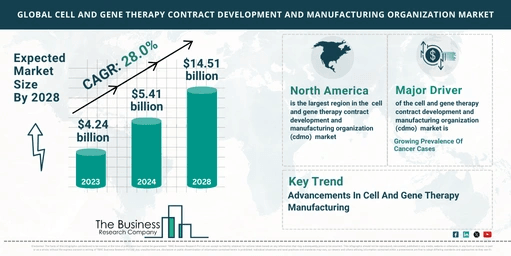
    • 2023 Growth Stats: The market grew from $4.24 billion in 2023 to $5.41 billion in 2024, reflecting a compound annual growth rate (CAGR) of 27.7%.
    • Projected Growth: By 2028, the market is expected to reach $14.52 billion, with a CAGR of 28.0%.

    Key Drivers of Historic Growth

    • Technological Advancements: Rapid improvements in technology have accelerated the development and manufacturing processes.
    • Favorable Regulatory Frameworks: Governments and regulatory bodies have created environments conducive to innovation and growth.
    • Increased Investment: Significant capital infusion has supported research, development, and scaling of production.
    • High Prevalence of Genetic Disorders: The rise in genetic disorders has necessitated the development of targeted therapies.
    • Strategic Partnerships: Collaborations between companies have enhanced capabilities and expanded market reach.

    View More On The Cell And Gene Therapy Contract Development And Manufacturing Organization (CDMO) Market Report 2024 – https://www.thebusinessresearchcompany.com/report/cell-and-gene-therapy-contract-development-and-manufacturing-organization-cdmo-global-market-report

    Future Growth Catalysts

    • Expanded Therapeutic Applications: Broader applications for cell and gene therapies are driving demand.
    • Regulatory Evolution: Ongoing regulatory changes are expected to further support innovation and market expansion.
    • Increased Investment: Continued financial backing will propel research and development.
    • Technological Innovations: New technologies will continue to improve efficiency and scalability.
    • Global Collaboration: Partnerships across borders are fostering knowledge sharing and resource pooling.

    Major Trends Shaping the Future

    • Personalized Therapies: Growing demand for therapies tailored to individual patients.
    • Automation and Digitalization: The rise of automated processes and digital tools to enhance production efficiency.
    • Manufacturing Capacity Expansion: Companies are increasing their production capabilities to meet rising demand.
    • Novel Delivery Systems: Development of new methods to deliver therapies more effectively.
    • Sustainability Focus: Heightened emphasis on reducing the environmental impact of manufacturing processes.

    Rising Cancer Rates Fuel Market Expansion

    • Cancer Prevalence: The growing number of cancer cases globally is a significant driver of the CDMO market.
      • Factors include aging populations, lifestyle changes, environmental exposures, and improved detection.
    • Role of CDMOs: These organizations are crucial in developing and manufacturing innovative treatments that target cancer more effectively.
      • Example: In the UK, cancer cases are projected to rise from 3 million in 2022 to 5.3 million by 2040, emphasizing the need for advanced therapies.

    Innovations in Cell and Gene Therapy Manufacturing

    • PluriMatrix Technology: Companies like Pluri are introducing advanced technologies to improve manufacturing processes.
      • Key Features: 3D cell expansion, high yield, consistent quality, automation, and control.
      • PluriCDMO: Launched in January 2024, this division offers end-to-end cell therapy manufacturing services, leveraging PluriMatrix technology.

    Strategic Acquisitions and Expansions

    • Ajinomoto’s Acquisition of Forge Biologics:
      • Details: In November 2023, Ajinomoto Co. Inc. acquired Forge Biologics for $620 million.
      • Impact: This acquisition strengthens Ajinomoto’s global capabilities in gene therapy manufacturing, particularly in adeno-associated virus (AAV) and plasmid gene therapy.

    Regional Insights and Market Segmentation

    • Leading Regions:
      • North America: The largest region in the market in 2023.
      • Asia-Pacific: Expected to be the fastest-growing region during the forecast period.
    • Market Segmentation:
      • By Product Type: Gene Therapy, Gene-Modified Cell Therapy, Cell Therapy.
      • By Phase: Phase 1, Phase 2, Phase 3, Phase 4.
      • By Indication: Oncology, Infectious Diseases, Neurological Disorders, Rare Diseases, Other Indications.

    Conclusion
    The cell and gene therapy CDMO market is on a trajectory of rapid growth, driven by technological advancements, increased investment, and the rising demand for personalized therapies. As the market continues to evolve, it will play a crucial role in addressing global health challenges, particularly in the fight against cancer. With continued innovation and strategic expansions, the future looks promising for this dynamic and transformative industry.

    Request A Sample Of The Global Cell And Gene Therapy Contract Development And Manufacturing Organization (CDMO) Market Report 2024:
    https://www.thebusinessresearchcompany.com/sample_request?id=15753&type=smp

  • Overview Of The Androgenetic Alopecia Treatment Market 2024-2033: Growth And Major Players Analysis

    Overview Of The Androgenetic Alopecia Treatment Market 2024-2033: Growth And Major Players Analysis

    The Business Research Company’s global market reports are now updated with the latest market sizing information for the year 2024 and forecasted to 2033

    Market Expansion and Current Trends
    The androgenetic alopecia treatment market has seen substantial growth in recent years. From a valuation of $2.13 billion in 2023, it is projected to increase to $2.29 billion by 2024. This represents a compound annual growth rate (CAGR) of 7.5%.

    • Historical Growth Drivers:
      • Improved patient outcomes and quality of life.
      • Increasing geriatric population.
      • Rising healthcare expenditure.

    Future Projections and Market Dynamics
    Looking ahead, the market is anticipated to grow even further. By 2028, the market size is expected to reach $3.07 billion, with a CAGR of 7.7%.

    • Future Growth Catalysts:
      • Rising incidence of hair loss.
      • Prevalence of chronic diseases like cancer and PCOS.
      • Growing demand for effective hair loss solutions.

    View More On The Androgenetic Alopecia Treatment Market Report 2024 – https://www.thebusinessresearchcompany.com/report/androgenetic-alopecia-treatment-global-market-report

    Rising Hair Loss Cases Fuel Market Demand
    The surge in hair loss cases is a significant driver for the androgenetic alopecia treatment market. Alopecia, characterized by partial or complete hair loss, can stem from nutritional deficiencies, hormonal changes, genetics, and stress.

    • Key Statistics:
      • 21 million women and 35 million men affected globally.
      • In the UK alone, about 8 million women and 6.5 million men experience hair loss.
      • Over 650,000 hair transplants conducted annually.

    Innovations and FDA Approvals Lead the Way
    The market is witnessing notable advancements due to innovative treatments and FDA approvals. Companies are focusing on developing new drugs and technologies to combat hair loss more effectively.

    • Recent Innovations:
      • LITFULO: Pfizer’s FDA-approved oral treatment for severe alopecia areata, showing promising results with 23% of patients achieving significant scalp hair coverage in six months.
      • Mechanisms: New treatments are targeting hair follicle regeneration, hormone inhibition, and novel delivery systems.

    Strategic Moves by Major Companies
    Several companies are expanding their portfolios and capabilities through strategic acquisitions and partnerships.

    • Teva Pharmaceutical and Marksans Pharma:
      • In April 2023, Marksans Pharma acquired a manufacturing facility from Teva Pharmaceuticals, enhancing its production capacity and product range.

    Market Segmentation and Regional Insights
    The androgenetic alopecia treatment market is segmented by treatment type, medication type, gender, and end-user.

    • Segmentation:
    • Treatment Type: Pharmaceutical, Device.
    • Medication Type: Prescription, Over-The-Counter.
    • Gender: Male, Female.
    • End-User: Homecare Settings, Dermatology, Clinics, Other.
    • Regional Insights:
    • Current Leader: North America holds the largest market share.
    • Fastest Growing Region: Asia-Pacific is expected to see the highest growth during the forecast period.

    Conclusion
    The androgenetic alopecia treatment market is experiencing robust growth driven by increasing hair loss cases, advancements in treatment technologies, and strategic company moves. As the market continues to evolve, innovative solutions and expanding regional markets will play a crucial role in shaping its future.

    Request A Sample Of The Global Androgenetic Alopecia Treatment Market Report 2024:
    https://www.thebusinessresearchcompany.com/sample_request?id=15721&type=smp

  • Carboprost Tromethamine Market Forecast Until 2033 – Estimated Market Size And Growth Rate

    Carboprost Tromethamine Market Forecast Until 2033 – Estimated Market Size And Growth Rate

    The Business Research Company’s market reports offer an in-depth analysis on the market’s growth potential, major drivers, key trends and more.

    Market Overview: Strong Growth Trends

    • Market Size and Growth Rate: The carboprost tromethamine market has been witnessing strong growth, with the market size increasing from $1.55 billion in 2023 to an anticipated $1.64 billion in 2024, reflecting a compound annual growth rate (CAGR) of 6.1%.
    • Key Drivers: This growth is driven by factors such as the rising incidence of postpartum hemorrhage, increasing maternal mortality rates, heightened awareness about maternal health, and the availability of government funding for maternal health programs.

    Future Outlook: Continued Expansion

    • Forecasted Growth: The market is expected to reach $2.09 billion by 2028, growing at a slightly higher CAGR of 6.2%.
    • Driving Factors: The forecasted growth can be attributed to increasing demand for effective postpartum hemorrhage treatments, government initiatives aimed at improving maternal healthcare, rising healthcare expenditure in developing countries, and growing awareness of carboprost tromethamine’s benefits.
    • Emerging Trends:
      • Adoption of combination therapies for improved outcomes
      • Focus on minimally invasive surgical techniques
      • Development of new formulations for enhanced efficacy
      • Increased partnerships between pharmaceutical companies and healthcare providers
      • Growth in clinical trials for novel therapeutic applications

    Read More On The Carboprost Tromethamine Market Report 2024 – https://www.thebusinessresearchcompany.com/report/carboprost-tromethamine-global-market-report

    Rising Maternal Health Initiatives Drive Market Growth

    • Impact of Maternal Health Initiatives: Initiatives aimed at improving maternal health are pivotal in driving the growth of the carboprost tromethamine market. These initiatives focus on enhancing maternal care before, during, and after childbirth, which in turn promotes the use of carboprost tromethamine for managing postpartum hemorrhage.
    • Increased Funding: For instance, in the U.S., funding for Maternal and Child Health (MCH) programs has seen a steady rise, from $1.241 billion in 2021 to $1.302 billion in 2023, underscoring the growing emphasis on maternal health.
    • Global Advocacy and Policy Changes: Growing global awareness and advocacy efforts have led to policy changes that support maternal healthcare, further bolstering the demand for carboprost tromethamine.

    Innovation and Strategic Expansions in the Market

    • Development of New Formulations: Companies are increasingly focusing on developing single-dose carboprost tromethamine injections. These injections are designed to enhance patient convenience, ensure precise dosing, and improve treatment outcomes, particularly for managing postpartum hemorrhage.
    • Case Study – Eugia Pharma: In May 2023, Eugia Pharma received USFDA approval for its single-dose carboprost tromethamine injection, highlighting the ongoing innovation in the market.

    Strategic Acquisitions Strengthening Market Position

    • Amneal Pharmaceuticals’ Acquisition of Puniska Healthcare: In November 2021, Amneal Pharmaceuticals acquired Puniska Healthcare Pvt. Ltd. for $0.084 billion. This acquisition significantly expanded Amneal’s injectable manufacturing capabilities, reinforcing its market position both in the U.S. and internationally.
    • Enhancing Manufacturing Infrastructure: The acquisition underscores the strategic importance of expanding manufacturing infrastructure to meet growing demand, particularly for carboprost tromethamine injections.

    Regional Insights: A Global Perspective

    • North America: North America was the largest region in the carboprost tromethamine market in 2023, driven by advanced healthcare systems and robust maternal health programs.
    • Asia-Pacific: Asia-Pacific is expected to be the fastest-growing region during the forecast period, supported by rising healthcare investments and increasing awareness about maternal health.

    Conclusion: A Market Poised for Growth

    • Sustained Demand: The carboprost tromethamine market is poised for sustained growth, driven by the rising demand for effective postpartum hemorrhage treatments and the expansion of maternal health initiatives.
    • Ongoing Innovation: Continued innovation in product formulations and strategic acquisitions will further enhance the market’s growth trajectory.
    • Global Impact: With strong regional growth in both North America and Asia-Pacific, the market is set to play a crucial role in improving maternal healthcare outcomes globally.

    Request for A Sample Of The Global Carboprost Tromethamine Market Report:
    https://www.thebusinessresearchcompany.com/sample_request?id=15750&type=smp

  • Overview Of The Bionic Contact Lenses Market 2024-2033: Growth And Major Players Analysis

    Overview Of The Bionic Contact Lenses Market 2024-2033: Growth And Major Players Analysis

    The Business Research Company’s global market reports are now updated with the latest market sizing information for the year 2024 and forecasted to 2033

    A Surge in Market Growth

    • Current Market Size: The bionic contact lenses market has seen a substantial rise, expanding from $0.26 billion in 2023 to an anticipated $0.29 billion in 2024.
    • Growth Rate: This increase reflects a compound annual growth rate (CAGR) of 11.0%.
    • Historical Drivers: Key factors driving this growth include a rising prevalence of eye disorders, growing demand for wearable tech, an aging population, heightened awareness of eye health, and advancements in contact lens materials.

    Future Growth Projections

    • Projected Market Size: The market is expected to surge to $0.45 billion by 2028.
    • Forecast CAGR: This growth will occur at a CAGR of 11.3%.
    • Future Drivers: Expected growth will be fueled by a demand for minimally invasive solutions, expanding healthcare applications, a shift towards personalized medicine, increased consumer health consciousness, and supportive government initiatives.
    • Emerging Trends: Look out for trends such as multi-functional lenses, integration with artificial intelligence, use in sports and fitness, advancements in wireless connectivity, and increased collaboration between tech and healthcare companies.

     View More On The Bionic Contact Lenses Market Report 2024 – https://www.thebusinessresearchcompany.com/report/bionic-contact-lenses-global-market-report

    Impact of Vision Impairments

    • Increasing Prevalence: Rising vision impairments are a significant driver for the bionic contact lenses market. Conditions range from common refractive errors to severe issues like macular degeneration.
    • Contributing Factors: Aging populations, increased screen time, and lifestyle changes contribute to this trend.
    • Market Response: Bionic contact lenses offer advanced vision correction and functionalities like augmented reality to address these impairments. For example, nearly 2 million people in the UK experienced sight loss in 2021, with projections indicating a near doubling of this number by 2050, further fueling market demand.

    Innovations in Bionic Contact Lenses

    • Soft Electronic Lenses: Major players are focusing on innovative solutions such as soft electronic contact lenses. These lenses incorporate flexible electronics for functions like augmented reality and medical monitoring.
    • Breakthrough Example: In January 2022, InWith Corp. launched the world’s first electronic contact lens with an augmented reality vision chip, marking a significant advancement in integrating solid components into hydrogel lenses.

    Mergers and Market Dynamics

    • Recent Merger: In August 2022, Second Sight Medical Products Inc. merged with Nano Precision Medical Inc., forming Vivani Medical Inc. This merger enhances research and development capabilities and creates potential synergies, likely accelerating technological advancements in the sector.
    • Impact: The merger is expected to increase competition and foster innovation in the bionic contact lenses market.

    Market Segmentation

    • By Type: Bionic contact lenses are segmented into Vision Correction, Therapeutic, Augmented Reality (AR), and Virtual Reality (VR).
    • By Application: They are used in Medical, Military, and other applications.
    • By Distribution Channel: Distribution channels include Hospitals and Clinics, Retail Stores, and Online Platforms.
    • Regional Insights: North America was the leading region in the bionic contact lenses market in 2023.

     Request A Sample Of The Global Bionic Contact Lenses Market Report 2024:
    https://www.thebusinessresearchcompany.com/sample_request?id=15743&type=smp\

  • Global Biomaterial Wound Dressing Market Key Insights 2024-2033

    Global Biomaterial Wound Dressing Market Key Insights 2024-2033

    The Business Research Company’s global market reports are now updated with the latest market sizing information for the year 2024 and forecasted to 2033

    The biomaterial wound dressing market has experienced robust growth in recent years and is poised for continued expansion. This blog explores the factors driving the growth of this market, significant trends, and future projections.

    Recent Market Growth and Future Projections

    • Current Market Size: In 2023, the biomaterial wound dressing market was valued at $5.34 billion.
    • Short-Term Growth: Expected to reach $5.74 billion in 2024, growing at a compound annual growth rate (CAGR) of 7.6%.
    • Long-Term Forecast: By 2028, the market is anticipated to grow to $7.73 billion, with a CAGR of 7.7%.

    Key Drivers of Growth:

    • Biocompatibility: Biomaterial wound dressings are praised for their compatibility with the human body, reducing adverse reactions.
    • Cost-Effectiveness: They offer a more affordable alternative compared to traditional wound care methods.
    • Environmental Concerns: The development of biodegradable wound dressings addresses growing environmental concerns.
    • Infection Control: The use of antimicrobial biomaterial dressings is on the rise due to increased focus on infection prevention.

    View More On The Biomaterial Wound Dressing Market Report 2024 – https://www.thebusinessresearchcompany.com/report/biomaterial-wound-dressing-global-market-report

    Factors Contributing to Market Expansion

    • Development of Natural Polymers: Innovations in natural polymers are enhancing the effectiveness of biomaterials.
    • Improved Patient Outcomes: Advances in material properties such as flexibility, absorbency, and durability are leading to better patient care.
    • Economic Improvements: Economic growth supports increased healthcare spending and investment in advanced wound care solutions.
    • Public Health Initiatives: Enhanced public health measures are driving the adoption of more effective wound care products.

    Impact of Rising Surgery Rates

    • Increased Surgical Procedures: The rising number of surgeries due to chronic diseases, medical tourism, and advanced health technologies is boosting demand for wound dressings.
    • Surgical Site Infections (SSIs): Biomaterial dressings provide a protective barrier against pathogens, reducing the risk of SSIs.
    • Statistics: For example, in 2022, there was a significant 19% rise in cosmetic surgical treatments, underscoring the growing need for effective wound care solutions.

    Advancements in Targeted Wound Treatments

    • Innovative Solutions: Companies are developing targeted treatments for specific wound types.
    • Smart Bandages: A notable example is the Smart Bandage introduced by researchers at the California Institute of Technology in March 2023. These bandages, made from a flexible polymer with embedded electronics, can monitor wound indicators and deliver targeted treatments.
    • Enhanced Healing: Such advancements promise more efficient and personalized wound care, improving healing outcomes.

    Industry Consolidation and Notable Acquisitions

    • Convatec Group plc: In March 2022, Convatec Group plc expanded its advanced wound care portfolio by acquiring Triad Life Sciences Inc., enhancing its presence in the wound biologics sector.
    • Triad Life Sciences Inc.: This acquisition supports Convatec’s focus on biologically-derived products and unmet clinical needs in surgical wounds.

    Market Segmentation and Regional Insights

    • By Type: The market is segmented into hydrogel, alginate dressing, hydrocolloid dressings, and skin substitutes.
    • By Application: Key applications include burns, pressure ulcers, surgical wounds, lacerations and cuts, and skin grafts.
    • By End User: Segmented into hospitals and clinics, ambulatory surgical centers, and homecare settings.

    Regional Dynamics:

      • North America: Held the largest market share in 2023.
      • Asia-Pacific: Expected to be the fastest-growing region due to increasing healthcare infrastructure and demand for advanced wound care solutions.

    Conclusion
    The biomaterial wound dressing market is on an upward trajectory, driven by technological advancements, increased surgical procedures, and growing environmental concerns. With ongoing innovations and a focus on improving patient outcomes, the market is set to experience significant growth in the coming years.

    Request A Sample Of The Global Biomaterial Wound Dressing Market Report 2024:
    https://www.thebusinessresearchcompany.com/sample_request?id=15742&type=smp