Blog

  • How Is The Vaccine Delivery Devices Market Expected To Grow Through 2024-2033

    How Is The Vaccine Delivery Devices Market Expected To Grow Through 2024-2033

    The Business Research Company’s global market reports are now updated with the latest market sizing information for the year 2024 and forecasted to 2033

    According to The Business Research Company’s Vaccine Delivery Devices Global Market Report 2024, the vaccine delivery devices market is expected to show promising growth in the forecast period.

    Rapid Market Growth

    • Current Market Size: The vaccine delivery devices market has experienced significant growth recently, expanding from $5.81 billion in 2023 to $6.39 billion in 2024. This represents a robust compound annual growth rate (CAGR) of 10.1%.
    • Historical Drivers: Past growth can be attributed to large-scale vaccination campaigns, such as polio eradication efforts, the expansion of immunization programs (EPI), and the adoption of disposable syringes. Additionally, initiatives like the Global Alliance for Vaccines and Immunization (GAVI) have played a pivotal role.

    Future Market Projections

    • Forecast Growth: The market is projected to continue its upward trajectory, reaching $9.45 billion by 2028 at a CAGR of 10.3%.
    • Future Drivers: This growth is driven by an increased emphasis on immunization, expanding vaccine development pipelines, and a focus on cold chain management. Rising awareness about preventive healthcare and the expansion of pediatric and geriatric populations also contribute to this growth.
    • Major Trends: Key trends include innovations in vaccine delivery technologies, needle-free solutions, advancements in personalized medicine, new self-administered vaccines, and strategic partnerships.

    View More On The Vaccine Delivery Devices Market Report 2024 – https://www.thebusinessresearchcompany.com/report/vaccine-delivery-devices-global-market-report

    Infectious Diseases and Market Growth

    • Role of Infectious Diseases: The prevalence of infectious diseases is a major driver for the vaccine delivery devices market. Diseases caused by pathogens like bacteria, viruses, fungi, or parasites continue to spread due to factors like increased international travel, urbanization, climate change, and population growth.
    • Market Impact: Effective vaccine delivery is crucial for controlling these diseases. For example, the World Health Organization reported 10.6 million tuberculosis (TB) cases globally in 2022, highlighting the urgent need for effective vaccine delivery solutions to manage such widespread diseases.

    Key Players and Innovations

    • Leading Companies: Major players in the market include Pfizer Inc., Johnson & Johnson, Merck & Co. Inc., Sanofi S.A., Novartis International AG, and many others. These companies are continuously advancing their technologies to enhance vaccine delivery.
    • Innovative Products: For instance, Becton, Dickinson, and Company (BD) introduced the BD Effivax Glass Prefillable Syringe in September 2022. This next-generation device aims to improve reliability and efficiency in vaccine administration with advanced technology and tighter specifications.

    Strategic Moves in the Industry

    • ICU Medical Acquisition: In January 2022, ICU Medical Inc. acquired Smiths Medical, incorporating syringe and infusion devices into its portfolio. This move is intended to strengthen ICU Medical’s position in the vaccine delivery devices market by integrating Smiths Medical’s advanced products.

    Market Segmentation

    1. By Type of Device:
      • Needle-Free Injection Systems
      • Oral Delivery Systems
      • Nasal Delivery Systems
      • Jet Injectors
      • Microneedle Patches and Microinjectors
    2. By Route of Administration:
      • Intradermal Vaccination
      • Intramuscular Vaccination
      • Subcutaneous Vaccination
      • Other Vaccinations
    3. By End Users:
      • Hospitals
      • Clinics
      • Other End Users

    Regional Insights

    • Current Leaders: North America was the largest market region in 2023.
    • Future Growth: Asia-Pacific is expected to be the fastest-growing region in the forecast period, driven by increasing healthcare investments and improving vaccine delivery infrastructure.

    Conclusion

    The vaccine delivery devices market is set for continued growth, driven by advancements in technology, the increasing burden of infectious diseases, and expanding immunization efforts. As the industry evolves, innovations such as prefillable syringes and needle-free solutions are expected to enhance vaccine administration, making a significant impact on global health.

    Request A Sample Of The Global Vaccine Delivery Devices Market Report 2024:
    https://www.thebusinessresearchcompany.com/sample_request?id=15952&type=smp

  • Urology Supplements Global Market Outlook 2024-2033: Size And Growth Rate Analysis

    Urology Supplements Global Market Outlook 2024-2033: Size And Growth Rate Analysis

    The Business Research Company’s global market reports provide comprehensive analysis on the various markets in 27 industries across 60 geographies.

    Market Growth Overview

    The urology supplements market has experienced robust growth recently, with expectations to continue this trend in the coming years. In 2023, the market was valued at $1.66 billion. This is projected to increase to $1.80 billion in 2024, representing a compound annual growth rate (CAGR) of 8.9%. Several factors contribute to this growth:

    • Rise in Elderly Population: An aging demographic is driving higher demand for supplements.
    • Increasing Health Concerns: Greater awareness about health issues boosts supplement consumption.
    • Healthcare Expenditure: Higher spending in healthcare supports the growth of this market.
    • Preventive Healthcare: A shift towards preventive measures increases the use of supplements.

    Looking ahead, the market is forecasted to reach $2.55 billion by 2028, with a CAGR of 9%. Key drivers include:

    • Rising Urinary Infections: Increased incidence of urinary tract infections (UTIs) fuels demand.
    • Increasing Disposable Income: More disposable income enables more spending on health products.
    • Enhanced Healthcare Access: Better healthcare access supports market expansion.
    • Antibiotic Resistance Concerns: Growing worries about antibiotic resistance promote the use of supplements.

    View More On The Urology Supplements Market Report 2024 – https://www.thebusinessresearchcompany.com/report/urology-supplements-global-market-report

    Rising UTI Prevalence and Market Demand

    The prevalence of urinary tract infections is a significant factor in the market’s expansion. UTIs affect various parts of the urinary system and are rising due to:

    • Aging Population: Older individuals are more prone to UTIs.
    • Antibiotic Resistance: Growing resistance to antibiotics increases reliance on supplements.
    • Chronic Health Conditions: Conditions like diabetes heighten UTI risks.
    • Kidney Stones: Frequent kidney stones contribute to higher UTI rates.

    Urology supplements play a crucial role in managing urinary tract health by:

    • Preventing Infections: Supplements help reduce the risk of UTIs.
    • Reducing Inflammation: They alleviate inflammation in the urinary tract.
    • Supporting Kidney and Bladder Function: They enhance overall urinary health.
    • Enhancing Prostate Health: Supplements aid in maintaining prostate health.
    • Regulating Urine pH: They help maintain balanced urine pH levels.
    • Increasing Immunity: Supplements boost the body’s ability to fight infections.

    According to recent data:

    • UK Statistics: In 2022-23, there were 147,285 admissions with a primary diagnosis of UTI.
    • US Statistics: Approximately 62 million new cases of gonococcal urethritis and 89 million new cases of nongonococcal urethritis occur annually.

    Innovations in Urological Health

    Major players in the urology supplements market are pushing the envelope with innovative products. Notable advancements include:

    • Moonstone Stone Stopper Gummy:Launched in September 2022, this is the world’s first gummy aimed at preventing kidney stones. The product provides a convenient and palatable method for consuming key ingredients to support kidney health.

    Strategic Acquisitions and Market Expansion

    Strategic moves by companies are shaping the market:

    • Acino Holding’s Acquisition of IlmixGroup:In April 2021, Acino Holding acquired brands from IlmixGroup, expanding its portfolio and global reach. This acquisition strengthens Acino’s position in the urology supplements market by adding innovative drug offerings.

    Market Segmentation

    The urology supplements market is segmented as follows:

    1. By Type:
      • Multi-Ingredient
      • Single-Ingredient
    2. By Formulation:
      • Capsules
      • Softgels
      • Tablets
      • Liquid
      • Other Formulations
    3. By Distribution Channel:
      • Brick and Mortar
      • E-commerce
    4. By Application:
      • Urinary Tract Infections
      • Kidney Health
      • Prostate Health
      • Bladder Health

    Regional Insights

    In 2023, Asia-Pacific led the urology supplements market, reflecting its substantial consumer base and increasing healthcare investments in the region.

    Conclusion

    The urology supplements market is on a strong growth trajectory, driven by increasing health concerns, demographic changes, and innovations in product offerings. As the prevalence of urinary tract infections rises and new solutions like the Moonstone Stone Stopper Gummy emerge, the market is set to expand significantly, benefiting from evolving consumer needs and strategic industry advancements.

    Request A Sample Of The Global Urology Supplements Market Report 2024:
    https://www.thebusinessresearchcompany.com/sample_request?id=15951&type=smp

  • 5 Key Insights On The Upstream Bioprocessing Market 2024

    5 Key Insights On The Upstream Bioprocessing Market 2024

    The Business Research Company’s global market reports are now updated with the latest market sizing information for the year 2024 and forecasted to 2033

    As per The Business Research Company’s Upstream Bioprocessing Global Market Report 2024, the upstream bioprocessing market is expected to show significant growth in the forecast period.

    The upstream bioprocessing market has experienced impressive growth in recent years and is poised for further expansion. This blog explores the factors driving this growth, the impact of outsourcing, advancements in technology, and the future outlook of the industry.

    Market Growth Overview

    • Current and Projected Market Size
      • The market size surged from $10.63 billion in 2023 to $12.03 billion in 2024.
      • The compound annual growth rate (CAGR) for this period is 13.1%.
      • Projected growth will see the market reach $19.84 billion by 2028 with a CAGR of 13.3%.
    • Historical Growth Drivers
      • Increased need for process optimization and contamination-free production.
      • Rising demand for bio-therapeutics and biosimilars.
      • Growing prevalence of chronic diseases and implementation of process analytical technology.

    View More On The Upstream Bioprocessing Market Report 2024 – https://www.thebusinessresearchcompany.com/report/upstream-bioprocessing-global-market-report

    Outsourcing: A Key Growth Catalyst

    • Impact on Market Expansion
      • Outsourcing biopharmaceutical manufacturing to contract organizations is accelerating growth.
      • Benefits include cost efficiency, access to specialized expertise, and flexibility in production.
    • Industry Statistics
      • By 2025, contract development and manufacturing organizations (CDMOs) are expected to control 44% of global mammalian capacity.

    Advanced Bioreactors: Enhancing Efficiency and Scalability

    • Technological Advancements
      • Companies are focusing on developing advanced bioreactors to improve cell culture processes.
      • Notable example: Cytiva’s X-platform bioreactors introduced in April 2023, designed for flexible, single-use upstream bioprocessing.
    • Features and Benefits
      • Modular design with user-friendly features such as optimized vessels and improved cable management.
      • Online Bioreactor Scaler tool for successful scale-up.

    Licensing and Innovation

    • Lonza and Adva Biotechnology Partnership
      • In May 2022, Lonza granted Adva Biotechnology a license for smart automation and bioreactor patents.
      • This agreement supports Adva’s global expansion in automated bioreactors.
    • Strategic Importance
      • The partnership highlights the trend towards innovative upstream bioprocessing technologies.

    Market Segmentation

    • By Product Type
      • Bioreactors, fermenters, cell culture media, filters, bags, and containers.
    • By Workflow
      • Media preparation, cell culture, cell separation.
    • By Usage Type
      • Single-use and multi-use.
    • By Mode
      • In-house and outsourced.
    • By End User
      • CDMOs, research and academic institutes, and biopharmaceutical companies.

    Regional Insights

    • Current Trends
      • North America was the largest region in 2023.
    • Future Projections
      • Asia-Pacific is anticipated to be the fastest-growing region in the forecast period.

    The upstream bioprocessing market is evolving rapidly, driven by technological advancements, increased outsourcing, and strategic partnerships. As the industry continues to grow, these trends and innovations will play a critical role in shaping its future trajectory.

    Request A Sample Of The Global Upstream Bioprocessing Market Report 2024:
    https://www.thebusinessresearchcompany.com/sample_request?id=15950&type=smp

  • What’s The Growth Forecast For Traumatic Brain Injuries Assessment And Management Devices Market Through 2024-2033?

    What’s The Growth Forecast For Traumatic Brain Injuries Assessment And Management Devices Market Through 2024-2033?

    The Business Research Company’s global market reports provide comprehensive analysis on the various markets in 27 industries across 60 geographies.

    Current Market Trends and Growth
    The traumatic brain injury (TBI) assessment and management devices market has experienced significant growth in recent years. From $3.21 billion in 2023, it is projected to increase to $3.49 billion in 2024, reflecting a compound annual growth rate (CAGR) of 8.6%. This growth is driven by several factors:

    • Advancements in Imaging Modalities: Improved imaging technologies have enhanced the ability to diagnose and manage TBIs effectively.
    • Military Research and Funding: Increased research and investment from military sectors have contributed to advancements in TBI management.
    • Clinical Research and Evidence-Based Practices: Ongoing research and the adoption of evidence-based practices have improved treatment outcomes.
    • Regulatory Framework Development: Stronger regulations ensure higher standards in TBI management.
    • Awareness of Early Detection: Growing recognition of the importance of early detection and management of TBIs has driven market growth.

    Forecast for Future Growth
    Looking ahead, the TBI assessment and management devices market is expected to expand further, reaching $4.89 billion by 2028 at a CAGR of 8.8%. The anticipated growth can be attributed to:

    • Rising Incidence of TBIs: Increasing cases of traumatic brain injuries are fueling demand for assessment and management devices.
    • Aging Population: The elderly are more susceptible to falls and age-related brain injuries.
    • Awareness of Concussion Consequences: Greater awareness of the long-term effects of concussions is leading to increased demand for monitoring and management.
    • Government-Supported Research: Enhanced funding and support for research into TBI prevention and treatment are driving innovations.

    View More On The Traumatic Brain Injuries Assessment And Management Devices Market Report 2024 – https://www.thebusinessresearchcompany.com/report/traumatic-brain-injuries-assessment-and-management-devices-global-market-report

    Key Trends Shaping the Market
    Several trends are expected to shape the future of the TBI devices market:

    • Integration of Artificial Intelligence (AI): AI is increasingly being used to enhance diagnostic accuracy and treatment strategies.
    • Wearable Monitoring Devices: These devices offer real-time monitoring and data collection for better management of brain injuries.
    • Expansion of Telemedicine: Remote consultation services and telemedicine platforms are improving accessibility to TBI care.
    • Advancements in Non-Invasive Techniques: New techniques, such as non-invasive brain stimulation, are advancing treatment options.
    • Growth of Virtual Reality (VR): VR is being explored for its potential in therapy and rehabilitation of TBI patients.

    Impact of Rising Road Traffic Crashes
    The increase in road traffic crashes is a significant driver for the growth of the TBI assessment and management devices market. Road traffic accidents, which often result in property damage, injuries, or fatalities, are linked to factors such as:

    • Higher Vehicle Numbers: More vehicles on the road increase the likelihood of accidents.
    • Distracted Driving: Increased distractions while driving contribute to more crashes.
    • Speeding and Inadequate Infrastructure: These factors exacerbate the severity of accidents.

    According to the National Highway Traffic Safety Administration (NHTSA), fatalities from motor vehicle crashes increased by 10.5% in 2021, highlighting the urgent need for effective TBI management solutions. TBI devices play a crucial role in providing prompt evaluation and treatment for crash victims, driving market growth.

    Technological Innovations in TBI Devices
    Technological advancements are revolutionizing the TBI assessment and management market. Companies are focusing on:

    • Diagnostic Handheld Devices: Portable tools that allow for quick assessment and immediate results outside of clinical settings.
    • Innovative Detection Methods: For example, a new device developed by the University of Birmingham uses a laser and Raman spectroscopy to detect brain injuries.

    Collaborative Research and Development
    Collaborations are enhancing TBI research and treatment options. Notably:

    • NeuroCatch Inc. and BioFlex Inc.: This partnership is advancing research into photobiomodulation therapy (PBMT) for brain health.
    • Meditech International Inc.: Focuses on PBMT to support brain recovery and function.

    Market Segmentation
    The market is segmented into:

    • Devices: Imaging Devices, Monitoring Devices
    • Technology: Intracranial Pressure (ICP) Monitoring, Partial Pressure of Oxygen in Brain Tissue
    • End-Users: Hospitals, Diagnostic Centers, Other End-Users

    Regional Insights

    • North America: Was the largest market in 2023.
    • Asia-Pacific: Expected to be the fastest-growing region in the forecast period.

    In conclusion, the TBI assessment and management devices market is set for substantial growth, driven by technological advancements, increasing awareness, and rising road traffic incidents.

    Request A Sample Of The Global Traumatic Brain Injuries Assessment And Management Devices Market Report 2024:
    https://www.thebusinessresearchcompany.com/sample_request?id=15945&type=smp

  • Understand How The Transcatheter Embolization And Occlusion Devices Market Is Poised To Grow Through 2024-2033

    Understand How The Transcatheter Embolization And Occlusion Devices Market Is Poised To Grow Through 2024-2033

    The Business Research Company’s global market reports are now updated with the latest market sizing information for the year 2024 and forecasted to 2033

    As per The Business Research Company’s Transcatheter Embolization And Occlusion Devices Global Market Report 2024, the transcatheter embolization and occlusion devices market is expected to show significant growth in the forecast period.

    Rapid Market Expansion
    The transcatheter embolization and occlusion devices market has experienced significant growth recently. The market size, valued at $4.31 billion in 2023, is expected to rise to $4.76 billion in 2024, reflecting a compound annual growth rate (CAGR) of 10.4%. This increase is driven by several factors:

    • Expansion of the target patient population
    • Rise in minimally invasive vascular surgeries
    • Growing incidence of vascular and chronic diseases
    • Demand for effective treatment options

    Forecasted Market Growth
    Looking ahead, the market is projected to reach $7.13 billion by 2028, with a CAGR of 10.6%. This anticipated growth is attributed to:

    • Increased research and development activities
    • Expansion of the healthcare sector
    • Growing adoption of minimally invasive techniques
    • Rising older population
    • Increased workshops and awareness initiatives

    View More On The Transcatheter Embolization And Occlusion Devices Market Report 2024 – https://www.thebusinessresearchcompany.com/report/transcatheter-embolization-and-occlusion-devices-global-market-report

    Key trends influencing this period include:

    • Technological advancements
    • Improved imaging techniques
    • Integration of artificial intelligence and machine learning
    • Ongoing improvements in device design and delivery systems

    Minimally Invasive Surgery Driving Demand
    Minimally invasive surgical techniques are significantly propelling the growth of the transcatheter embolization and occlusion devices market. These techniques use small incisions or natural openings to minimize trauma, offering benefits such as:

    • Reduced invasiveness
    • Shorter recovery times
    • Localized treatment
    • Less pain
    • Lower risk of complications
    • Potential for outpatient procedures

    For instance, Intuitive Surgical Inc. reported that in 2022, around 1,875,000 surgeries were performed with Vinci systems, marking an 18% increase from the previous year. This growing preference for minimally invasive techniques is driving market expansion.

    Technological Advancements
    Major companies in the market are focusing on technological innovations to stay competitive. Advanced features such as multi-catheter compatibility enhance versatility and efficiency in procedures. Notable advancements include:

    • Boston Scientific’s EMBOLD Fibered Detachable Coil: Received FDA clearance in April 2022, designed for embolization in peripheral vasculature. This device features multi-catheter compatibility and a nitinol delivery system to streamline procedures and reduce complications.

    Strategic Acquisitions
    Boston Scientific’s acquisition of Obsidio Inc. in August 2022 exemplifies strategic moves to strengthen their embolization portfolio. Obsidio Inc. is known for its novel transcatheter embolic hydrogel (GEM) designed for minimally invasive delivery. This acquisition enhances Boston Scientific’s offerings in interventional oncology and embolization.

    Market Segmentation
    The transcatheter embolization and occlusion devices market is segmented as follows:

    1. By Type: Coil, Non-Coil
    2. By Application: Peripheral Vascular Disease, Oncology, Neurology, Urology, Other Applications
    3. By End User: Hospitals, Ambulatory Surgical Centers, Clinics, Other End Users

    Regional Insights
    In 2023, North America was the leading region in the transcatheter embolization and occlusion devices market. The region’s dominance is attributed to advanced healthcare infrastructure, high prevalence of vascular diseases, and significant investment in medical technologies.

    Conclusion
    The transcatheter embolization and occlusion devices market is poised for substantial growth, driven by advancements in technology, increasing demand for minimally invasive procedures, and strategic industry developments. As the market evolves, continued innovation and strategic acquisitions will play a crucial role in shaping its future.

    Request A Sample Of The Global Transcatheter Embolization And Occlusion Devices Market Report 2024:
    https://www.thebusinessresearchcompany.com/sample_request?id=15944&type=smp

  • Key Trends And Drivers In The Topical Wound Agents Market 2024

    Key Trends And Drivers In The Topical Wound Agents Market 2024

    The Business Research Company’s market reports offer an in-depth analysis on the market’s growth potential, major drivers, key trends and more.

    The topical wound agents market has seen significant growth in recent years and is poised for continued expansion. This blog explores the factors driving the market’s growth, major trends, and the impact of road accidents and technological advancements.

    Market Growth Overview

    • Current Market Size: The topical wound agents market was valued at $1.62 billion in 2023.
    • Short-Term Forecast: It is projected to grow to $1.76 billion in 2024, reflecting a compound annual growth rate (CAGR) of 8.7%.
    • Long-Term Outlook: By 2028, the market is expected to reach $2.46 billion, with a CAGR of 8.8%.

    Key Growth Drivers

    1. Increased Prevalence of Chronic Diseases: A rise in chronic conditions, such as diabetes, has spurred demand for wound care products.
    2. Traumatic Injuries and Surgical Procedures: The frequency of injuries and surgeries necessitates effective wound management solutions.
    3. Improved Awareness and Infrastructure: Enhanced public awareness and better healthcare infrastructure contribute to market growth.
    4. Regulatory and Policy Improvements: Better regulatory environments support market expansion.

    Read More On The Topical Wound Agents Market Report 2024 – https://www.thebusinessresearchcompany.com/report/topical-wound-agents-global-market-report

    Factors Influencing Future Growth

    1. Aging Population: The growing elderly population requires more advanced wound care solutions.
    2. Funding and Research: Increased investment in wound care research fuels innovation.
    3. Adoption of Advanced Products: Rising use of new wound care technologies drives market growth.
    4. Diabetes and Obesity Trends: Higher incidences of these conditions amplify the need for effective wound care.

    Emerging Trends

    • Bioactive Dressings: Advances in dressings that promote healing and reduce infection.
    • Technological Innovations: New technologies improve the efficacy of wound care products.
    • Artificial Intelligence: AI enhances personalized wound treatment.
    • Tissue-Engineered Skin: Innovations in skin substitutes offer new solutions for wound management.
    • Telemedicine: Advancements in remote wound care management are becoming increasingly common.

    Road Accidents Driving Market Growth

    • Impact of Road Accidents: Increasing road accidents, driven by factors like human error and vehicle malfunctions, contribute to the demand for topical wound agents.
    • Market Contribution: These agents provide crucial immediate care, reducing infection risk, pain, and scarring while promoting faster healing.
    • Statistics: In 2022, the National Highway Traffic Safety Administration reported a 10.5% increase in motor vehicle crash fatalities, highlighting the growing need for effective wound care solutions.

    Adoption of Advanced Silicone Technology

    • Enhanced Wound Care: Silicone technology improves the effectiveness of wound dressings by offering better adhesion and comfort.
    • New Products: Convatec Group’s ConvaFoam, launched in January 2023, exemplifies the latest in advanced foam dressings designed for various wound types and stages.
    • Features: These dressings provide superior absorbency, patient comfort, and extended wear time.

    Strategic Acquisitions

    • Chiesi’s Acquisition of Amryt: In April 2023, Chiesi Farmaceutici acquired Amryt Pharma, enhancing its portfolio with innovative treatments for rare diseases and topical wound agents.
    • Impact: This acquisition underscores Chiesi’s commitment to advancing patient care and addressing high unmet medical needs.

    Market Segmentation

    1. By Drug Type: Includes antiseptics, antibiotics, NSAIDs, and other drugs.
    2. By Dosage Forms: Encompasses creams, lotions, powders, emulsions, gels, and other forms.
    3. By Application: Covers chronic and acute wounds.
    4. By End-Use: Targets hospitals, clinics, and other healthcare facilities.

    Regional Insights

    • North America: Held the largest market share in 2022.
    • Asia-Pacific: Expected to be the fastest-growing region in the forecast period, driven by increasing healthcare needs and rising awareness.

    In conclusion, the topical wound agents market is on a robust growth trajectory, fueled by various factors such as technological advancements, demographic changes, and rising injury rates. With ongoing innovations and strategic investments, the market is set to continue its expansion, addressing diverse wound care needs worldwide.

    Request for A Sample Of The Global Topical Wound Agents Market Report:
    https://www.thebusinessresearchcompany.com/sample_request?id=15943&type=smp

  • Key Trends And Drivers In The Zoonotic Disease Treatment Market 2024

    Key Trends And Drivers In The Zoonotic Disease Treatment Market 2024

    The Business Research Company’s market reports offer an in-depth analysis on the market’s growth potential, major drivers, key trends and more.

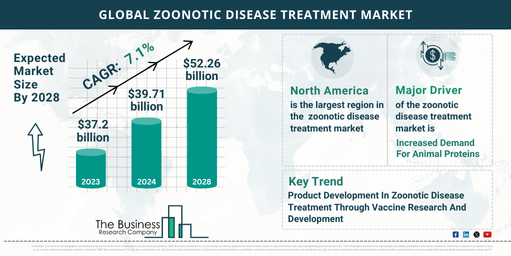
    The zoonotic disease treatment market has shown remarkable growth in recent years. From a size of $37.20 billion in 2023, it is projected to expand to $39.71 billion by 2024, reflecting a compound annual growth rate (CAGR) of 6.7%. This growth can be attributed to several factors:

    • Emergence of Major Zoonotic Outbreaks: Increased disease outbreaks in animals impacting human health.
    • Urbanization and Habitat Encroachment: Expansion into wildlife habitats increasing the risk of zoonotic diseases.
    • One Health Approach: Emphasis on integrating human, animal, and environmental health strategies.
    • Increased Surveillance and Reporting: Enhanced monitoring and data collection.
    • Globalization and Increased Travel: Higher mobility contributing to disease spread.
    • Public Awareness and Education: Greater knowledge about zoonotic diseases improving prevention and treatment efforts.

    Future Growth Projections

    Looking ahead, the zoonotic disease treatment market is expected to grow significantly, reaching $52.26 billion by 2028 at a CAGR of 7.1%. The anticipated growth can be attributed to:

    • Climate Change and Environmental Factors: Altered disease patterns due to shifting climates.
    • Government and International Funding: Increased financial support for disease management.
    • Advancements in Medical Technology: Innovations improving treatment efficacy.
    • Regulatory Support and Streamlined Approvals: Faster drug development and approval processes.
    • Collaborative Research and Development: Partnerships enhancing disease research and solutions.

    Read More On The Zoonotic Disease Treatment Market Report 2024 – https://www.thebusinessresearchcompany.com/report/zoonotic-disease-treatment-global-market-report

    Key Trends Shaping the Market

    Several trends are expected to influence the market:

    • Broad-Spectrum Antivirals: Development of drugs targeting multiple viruses.
    • Strengthening Global Health Infrastructure: Improved health systems to handle zoonotic diseases.
    • Advances in Diagnostic Technology: Enhanced tools for early and accurate disease detection.
    • Growth in Vaccine Development Platforms: Increased focus on vaccine research and production.
    • Focus on Preventive Measures: Emphasis on prevention to reduce disease incidence.

    Increased Demand for Animal Proteins

    The rising demand for animal proteins is a significant driver of market growth. Key factors include:

    • Global Population Growth: More people requiring protein sources.
    • Higher Income Levels and Urbanization: Increased access to animal-based foods.
    • Nutritional Awareness: Recognition of the health benefits of animal proteins.

    For instance, global meat protein consumption is expected to rise by 14% by 2030, with significant increases in beef, pork, poultry, and sheep meat. This growth in animal protein consumption drives the need for effective zoonotic disease treatments to manage and prevent diseases transmitted from animals to humans.

    Major Companies and Innovations

    Several leading companies are advancing the field with innovative solutions:

    • Pfizer Inc., Johnson & Johnson Services Inc., Merck & Co. Inc., Bayer AG among others are major players.
    • Product Development: Companies like Pfizer have introduced the TICOVAC vaccine for tick-borne encephalitis, providing critical preventive measures against zoonotic diseases.

    Strategic Acquisitions

    • Ceva Santé Animale’s Acquisition of Artemis Technologies Inc.: This move enhances Ceva’s rabies vaccine portfolio and strengthens its presence in North America, reflecting strategic growth and market expansion.

    Market Segmentation

    The zoonotic disease treatment market is segmented into various categories:

    • By Disease Type: Rabies, Tuberculosis, Malaria, Leishmaniasis, Ebola Virus Disease, Other Diseases.
    • By Drug Class: Anti-Fungal, Anti-Bacterial, Antibiotics, Other Drug Classes.
    • By Causative Agent: Bacteria, Virus, Nematode, Rodents, Ticks, Other Agents.
    • By Route of Administration: Oral, Topical, Other Routes.
    • By Distribution Channel: Hospital Pharmacy, Retail Pharmacy, Online Pharmacy, Other Channels.

    Regional Insights

    • North America: Dominated the market in 2023.
    • Asia-Pacific: Expected to be the fastest-growing region due to increasing healthcare investments and rising disease prevalence.

    Conclusion

    The zoonotic disease treatment market is poised for robust growth driven by various factors including increasing demand for animal proteins, technological advancements, and strategic market expansions. As global health infrastructure strengthens and new treatments emerge, the market will continue to evolve to meet the challenges posed by zoonotic diseases.

    Request for A Sample Of The Global Zoonotic Disease Treatment Market Report:
    https://www.thebusinessresearchcompany.com/sample_request?id=15965&type=smp

  • Understand How The Wound Contact Layer Dressing Market Is Poised To Grow Through 2024-2033

    Understand How The Wound Contact Layer Dressing Market Is Poised To Grow Through 2024-2033

    The Business Research Company’s global market reports are now updated with the latest market sizing information for the year 2024 and forecasted to 2033

    As per The Business Research Company’s Wound Contact Layer Dressing Global Market Report 2024, the wound contact layer dressing market is expected to show significant growth in the forecast period.

    The wound contact layer dressing market has experienced rapid expansion in recent years and is set to continue growing. This blog explores the market dynamics, including current trends, drivers of growth, and future prospects.

    Current Market Overview

    Growth Trajectory

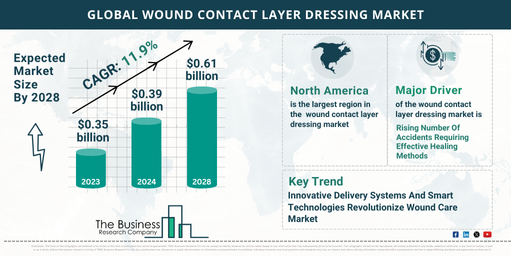
    • 2023: Market size was $0.35 billion.
    • 2024: Expected to reach $0.39 billion.
    • CAGR: 11.8% during this period.

    Key Growth Drivers

    • Aging Population: An increasing number of elderly individuals requiring wound care.
    • Awareness and Expenditure: Rising awareness about wound care products and increased healthcare spending.
    • Home Healthcare Services: Growth in services provided at home.
    • Regulatory Approvals: More products gaining regulatory approvals and market entry.
    • Diabetes and Obesity: Increased incidence contributing to higher demand for wound care solutions.

    Future Market Prospects

    Projected Growth

    • 2028: Market size anticipated to reach $0.62 billion.
    • CAGR: 11.9% from 2024 to 2028.

    View More On The Wound Contact Layer Dressing Market Report 2024 – https://www.thebusinessresearchcompany.com/report/wound-contact-layer-dressing-global-market-report

    Forecast Drivers

    • Chronic Wounds: Increasing prevalence of chronic wounds requiring advanced care.
    • Geriatric Population: Growing number of elderly individuals needing specialized wound care.
    • Advanced Wound Care Awareness: Rising understanding and use of advanced wound care solutions.
    • Healthcare Infrastructure: Expansion and improvement of healthcare facilities.

    Trends to Watch

    • Advanced Materials: Development of new, more effective materials.
    • Biodegradable Solutions: Emphasis on environmentally friendly and sustainable products.
    • Customization: Increased focus on tailored wound care solutions.
    • Smart Technology: Integration of smart technologies for better wound management.
    • Chronic Wounds Focus: Greater attention on addressing chronic wounds.

    Accident-Driven Market Growth

    Impact of Accidents

    • Increased Incidents: Higher accident rates due to vehicle usage, distracted driving, and insufficient safety measures.
    • Demand for Dressings: Increased need for effective wound care products to manage injuries from accidents.

    Statistics

    • 2022: 2.8 million nonfatal workplace injuries and illnesses reported, a 7.5% increase from 2021.
    • Injury Increase: 4.5% rise in injuries and 26.1% rise in illnesses.

    Innovative Developments

    Smart Technologies and Delivery Systems

    • Dynamic Exudate Removal: Advanced technologies like dynamic exudate removal are enhancing wound care outcomes.
    • Example: Medela’s Invia integrated wound dressing launched in August 2023, featuring a three-layer fluid handling pad and Quick-Connector.

    Strategic Moves in the Market

    Essity’s Acquisition

    • December 2021: Essity AB acquired Hydrofera LLC for $116 million.
    • Purpose: To strengthen its advanced wound care portfolio and market position.

    Market Segmentation

    By Type

    • Silver, Silicone, Honey, Other Types

    By Product

    • Antimicrobial, Non-Antimicrobial

    By Application

    • Hospital, Clinic, Homecare, Other Applications

    Regional Insights

    • 2023: North America was the largest market.
    • Forecast: Asia-Pacific is expected to be the fastest-growing region.

    The wound contact layer dressing market is on a strong growth trajectory, driven by technological advancements, increasing healthcare needs, and strategic market expansions. The focus on innovation and addressing chronic wounds will be crucial for market participants aiming to capture future opportunities.

    Request A Sample Of The Global Wound Contact Layer Dressing Market Report 2024:
    https://www.thebusinessresearchcompany.com/sample_request?id=15964&type=smp

  • What’s The Growth Forecast For Wound Care Centers Market Through 2024-2033?

    What’s The Growth Forecast For Wound Care Centers Market Through 2024-2033?

    The Business Research Company’s global market reports provide comprehensive analysis on the various markets in 27 industries across 60 geographies. 

    Overview

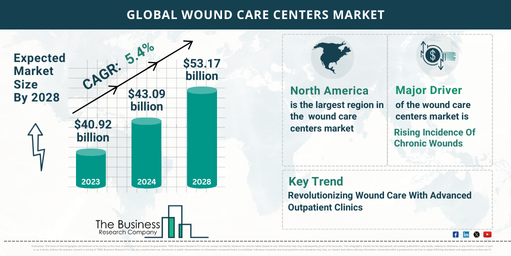
    The wound care centers market has experienced robust growth in recent years. From a market size of $40.92 billion in 2023, it is projected to grow to $43.09 billion in 2024, reflecting a compound annual growth rate (CAGR) of 5.3%. This upward trajectory is expected to continue, with the market anticipated to reach $53.18 billion by 2028, driven by a slightly higher CAGR of 5.4%.

    Factors Driving Market Growth

    • Increased Focus on Quality of Life: Improved quality of life for patients with chronic wounds is a significant driver.
    • Economic Burden of Chronic Wounds: The financial strain caused by chronic wounds propels the demand for specialized care.
    • Professional Training and Certification: Enhanced training and certification in wound care improve treatment outcomes.
    • Multidisciplinary Care Approach: A comprehensive approach to wound care, involving various healthcare professionals, is contributing to market growth.
    • Patient Advocacy and Support Groups: Support from advocacy groups is raising awareness and improving access to care.

    Future Growth Drivers

    • Rising Demand for Remote Monitoring: Technology-driven remote monitoring is expected to enhance patient care and support market growth.
    • Collaborative Care Models: Integration of collaborative care models in wound management is gaining traction.
    • Advanced Diagnostics: Innovations in diagnostics are expected to improve wound assessment and treatment.
    • Patient-Centric Care: A shift towards patient-centered care is anticipated to drive growth.
    • Focus on Preventive Care: Emphasis on preventing wound complications is shaping the future of wound care.

    View More On The Wound Care Centers Market Report 2024 – https://www.thebusinessresearchcompany.com/report/wound-care-centers-global-market-report

    Major Trends

    • Healthcare Policy and Reimbursement: Changes in policy and reimbursement practices are influencing the wound care market.
    • Public and Professional Education: Increased education for both the public and professionals is improving wound care practices.
    • 3D Printing Technology: Adoption of 3D printing technology for wound care solutions is becoming more common.
    • Integrated Healthcare Systems: The integration of healthcare systems is enhancing wound care management.
    • Sustainability and Innovation: Focus on sustainable practices and innovative solutions is driving the market forward.

    Rising Incidence of Chronic Wounds

    • Prevalence of Chronic Wounds: Chronic wounds, defined as those not healing within the expected timeframe, are becoming more common.
    • Impact of Diabetes and Obesity: The increasing prevalence of diabetes and obesity impairs healing processes, leading to a higher incidence of chronic wounds.
    • Psychosocial Support: Specialized centers provide both advanced treatments and psychosocial support to help patients manage the emotional aspects of their condition.
    • Current Statistics: As of July 2023, approximately 6.7 million people in the US are affected by chronic wounds, with an anticipated 2% annual increase over the next decade.

    Innovations in Wound Care

    • Advanced Outpatient Clinics: Companies are establishing specialized outpatient wound care clinics to handle complex cases more effectively.
    • Case Example: Jovive Health’s launch of outpatient clinics in Mission Viejo and Loma Linda, CA, features advanced wound assessment technologies and personalized treatment plans.

    Strategic Acquisitions

    • Personic Healthcare Expansion: In October 2023, Personic Healthcare acquired American Wound Care for $2 million, aiming to expand its range of services and expertise in wound management.

    Market Segmentation

    • By Type: Hospitals, Clinics
    • By Wound Type: Acute Wound, Chronic Wound
    • By Procedure: Debridement, Negative Pressure Wound Therapy, Compression Therapy, Hyperbaric Oxygen Therapy, Specialized Dressings, Infection Control

    Regional Insights

    • North America: The largest market in 2023.
    • Asia-Pacific: Expected to be the fastest-growing region in the forecast period.

    Conclusion

    The wound care centers market is set for significant growth, driven by factors such as increased demand for specialized care, technological advancements, and strategic industry developments. As the market evolves, continued focus on innovation and patient-centered care will be crucial in meeting the needs of those affected by chronic wounds.

    Request A Sample Of The Global Wound Care Centers Market Report 2024:
    https://www.thebusinessresearchcompany.com/sample_request?id=15963&type=smp

  • 5 Key Insights On The Veterinary Renal Disease Market 2024

    5 Key Insights On The Veterinary Renal Disease Market 2024

    The Business Research Company’s global market reports are now updated with the latest market sizing information for the year 2024 and forecasted to 2033

    As per The Business Research Company’s Veterinary Renal Disease Global Market Report 2024, the veterinary renal disease market is expected to show significant growth in the forecast period.

    The veterinary renal disease market has experienced substantial growth recently and is poised for further expansion. This blog explores the key drivers, emerging trends, and future outlook for the market, highlighting the impact of increasing pet ownership, advancements in veterinary medicine, and strategic corporate developments.

    Market Growth Overview

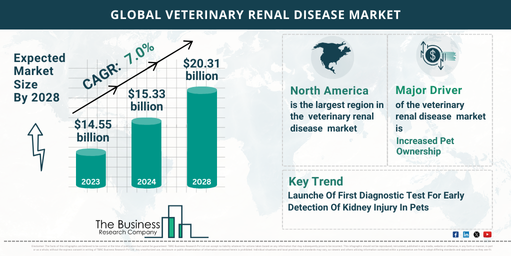
    • Current Market Size: The veterinary renal disease market was valued at $14.55 billion in 2023.
    • Short-Term Growth: It is projected to grow to $15.33 billion in 2024, reflecting a compound annual growth rate (CAGR) of 6.8%.
    • Long-Term Projections: By 2028, the market is expected to reach $20.36 billion, with a CAGR of 7%.

    Key Drivers:

    • Disease Awareness Initiatives: Increased efforts to educate pet owners about renal diseases.
    • Natural and Organic Pet Food: A shift towards healthier pet diets.
    • Rising Pet Ownership: Higher global rates of pet ownership.
    • Regulatory Changes: New regulations in veterinary pharmaceuticals.
    • Pet Health Awareness: Growing focus on overall pet health and nutrition.

    View More On The Veterinary Renal Disease Market Report 2024 – https://www.thebusinessresearchcompany.com/report/veterinary-renal-disease-global-market-report

    Increasing Pet Ownership Fuels Market Expansion

    • Impact of Pet Ownership: The surge in pet ownership significantly drives market growth, as more pets mean a higher incidence of renal diseases.
    • Disease Impact: Veterinary renal diseases, such as chronic kidney disease (CKD), affect kidney function in pets, causing symptoms like increased thirst and weight loss.
    • Pet Population: As reported by Cooper Pet Care, Europe saw an increase in pet population to approximately 145 million in 2022, including 66 million dogs and 79 million cats.

    Growth Factors:

    • Longer Pet Lifespans: Pets are living longer, increasing the incidence of chronic diseases.
    • Environmental and Dietary Factors: Exposure to toxins and dietary factors contribute to renal diseases.
    • Genetic Predispositions: Some pets are more prone to kidney issues due to genetics.

    Advancements in Diagnosis and Treatment

    • New Diagnostic Tools: IDEXX Laboratories launched the IDEXX Cystatin B Test in June 2023. This test detects kidney injury before noticeable symptoms arise, allowing for early intervention and better outcomes.
    • Technological Integration: The test will be included in panels used during millions of patient visits annually, enhancing diagnostic accuracy.

    Innovation Focus:

    • Early Detection: New tests aim to identify subtle changes in kidney function or structure.
    • Treatment Improvements: Enhanced treatment options for managing symptoms and slowing disease progression.

    Strategic Corporate Developments

    • Dechra Pharmaceuticals Acquisition: In July 2022, Dechra Pharmaceuticals acquired Piedmont Animal Health for $210 million. This acquisition strengthens Dechra’s product development capabilities and expands its portfolio in veterinary renal disease treatments.

    Strategic Moves:

    • Enhanced Product Pipeline: The acquisition accelerates innovation in veterinary renal disease treatments.
    • Market Positioning: Strengthens Dechra’s presence in the veterinary market.

    Market Segmentation and Regional Insights

    • By Type: Diagnosis, Treatment
    • By Animal Type: Canine, Feline, Bovine, Equine, Other
    • By Indication: Renal Failure, Chronic Kidney Disease (CKD), Renal Cystitis, Kidney Stones, Nephritis, Other
    • By Route of Administration: Injectable, Oral
    • By Distribution Channel: Pharmacies, Pet Specialty Stores, E-commerce, Other

    Regional Insights:

    • North America: The largest market in 2023.
    • Asia-Pacific: Expected to be the fastest-growing region in the forecast period.

    The veterinary renal disease market is set for robust growth, driven by increasing pet ownership, advancements in diagnostic and treatment technologies, and strategic corporate expansions. As the industry evolves, emerging trends and innovations will continue to shape the future of veterinary care.

    Request A Sample Of The Global Veterinary Renal Disease Market Report 2024:
    https://www.thebusinessresearchcompany.com/sample_request?id=15957&type=smp