Blog

  • Prescription Lens Market Growth Analysis Till 2033 By The Business Research Company

    Prescription Lens Market Growth Analysis Till 2033 By The Business Research Company

    The Business Research Company’s market reports offer an in-depth analysis on the market’s growth potential, major drivers, key trends and more.

    Strong Market Growth

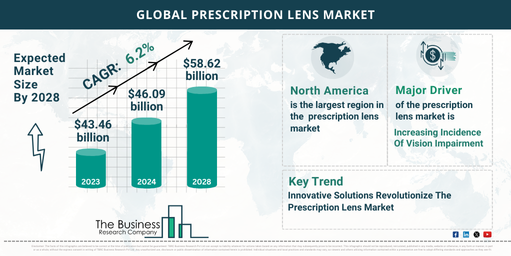
    • Current Market Size: The prescription lens market has shown robust growth, increasing from $43.46 billion in 2023 to $46.09 billion in 2024, reflecting a CAGR of 6.1%.
    • Historical Growth Drivers: This growth is attributed to:
      • Increased awareness and diagnosis of vision problems.
      • Higher demand due to the rise of computers and smartphones.
      • Growing popularity of fashion and designer eyewear.
      • Emergence of online retailers and direct-to-consumer brands.

    Future Market Projections

    • Expected Market Size: The market is projected to reach $58.62 billion by 2028, with a CAGR of 6.2%.
    • Forecasted Growth Drivers: Future growth will be driven by:
      • Enhanced public awareness and education about eye health.
      • Expansion of online retail channels.
      • Improved economic conditions and disposable income.
      • Better insurance coverage for vision care and eyewear.
      • Increased urbanization and prolonged digital screen use.

    Key Trends in Prescription Lens Market

    • Technological Integration: Incorporation of AR and VR technologies.
    • Blue Light Filtering: Rising demand for lenses that protect against blue light from screens.
    • Photochromic Lenses: Advancements in lenses that adapt to changing light conditions.
    • Anti-Fog Technologies: Improvements to prevent lens fogging.
    • Diagnostics and 3D Printing: Use of digital eye strain diagnostics and 3D printing for custom lenses.

    Read More On The Prescription Lens Market Report 2024 – https://www.thebusinessresearchcompany.com/report/prescription-lens-global-market-report

    Rising Ophthalmic Disorders Propel Market Growth

    • Vision Impairment: Increasing incidence due to screen time, digital device usage, and aging populations.
      • Common Conditions: Myopia, hyperopia, astigmatism, and presbyopia.
      • Statistics: According to a 2023 NCBI report, 200 million people had age-related macular degeneration (AMD) in 2020, expected to rise to 288 million by 2040.
    • Market Impact: Growing vision impairment drives the need for corrective lenses, boosting market growth.

    Major Companies and Innovations

    • Leading Companies: Johnson And Johnson Inc., Essilor Luxottica S.A., Carl Zeiss AG, Seiko Optical Products, and more.
    • Innovative Solutions: Companies are developing myopia management lenses for children.
      • Example: In November 2023, Shamir Optical Industry launched Shamir Optimee, a myopia management lens for children, incorporating advanced defocus technology.

    Strategic Acquisitions

    • Meta’s Acquisition of Luxexcel: In December 2022, Meta Platforms Inc. acquired Luxexcel to enhance AR and VR wearables with 3D-printed prescription lenses, aiming for an optimal user experience in smart glasses.

    Market Segmentation

    • By Type: Single Vision, Bifocal, Trifocal, Progressive, Active, Other Types.
    • By Coating: Anti-Reflective, Scratch Resistant, Anti-Fog, Ultraviolet Treatment.
    • By Application: Myopia, Hyperopia, Astigmatism, Presbyopia.

    Regional Insights

    • Largest Market: North America led the prescription lens market in 2023.
    • Fastest Growing Region: Asia-Pacific is expected to see the fastest growth in the forecast period.

    The prescription lens market is poised for significant growth, driven by technological advancements, increasing awareness of eye health, and rising incidences of vision impairment. Major companies continue to innovate and expand, ensuring a dynamic and evolving market landscape.

    Request for A Sample Of The Global Prescription Lens Market Report:
    https://www.thebusinessresearchcompany.com/sample_request?id=15902&type=smp
  • Key Trends And Drivers In The Postpartum Health Supplements Market 2024

    Key Trends And Drivers In The Postpartum Health Supplements Market 2024

    The Business Research Company’s market reports offer an in-depth analysis on the market’s growth potential, major drivers, key trends and more.

    Rapid Market Growth

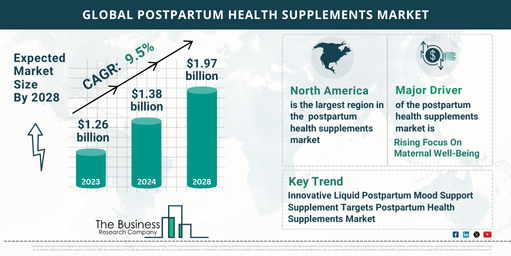
    • Market Size Increase: The postpartum health supplements market has experienced significant growth, increasing from $1.26 billion in 2023 to $1.38 billion in 2024.
    • CAGR: The market is growing at a compound annual growth rate (CAGR) of 9.2%.

    Factors Driving Growth

    • Awareness: Increased awareness of postpartum health issues.
    • Maternal Nutrition: Growing emphasis on maternal nutrition.
    • Postpartum Depression: Rising prevalence of postpartum depression.
    • Lifestyle Changes: Changing lifestyles and dietary habits.
    • Government Initiatives: Government programs promoting maternal health.

    Future Prospects of the Market

    Projected Growth

    • Market Size in 2028: Expected to reach $1.98 billion by 2028.
    • CAGR: Anticipated to grow at a CAGR of 9.5%.

    Read More On The Postpartum Health Supplements Market Report 2024 – https://www.thebusinessresearchcompany.com/report/postpartum-health-supplements-global-market-report

    Growth Drivers

    • Marketing Strategies: Focus on evidence-based marketing.
    • Demand for Organic Products: Rising demand for organic and natural supplements.
    • Sustainable Practices: Incorporation of sustainable manufacturing processes.
    • Income Rise: Increasing disposable income in developing countries.
    • Social Media Influence: Influence of social media on health trends.

    Emerging Trends

    • Product Innovation: Continuous innovation in products.
    • Customized Regimens: Tailored supplement regimens for individual needs.
    • Plant-Based Options: Introduction of plant-based and vegan supplements.
    • Product Line Expansion: Expansion of products targeting specific postpartum challenges.
    • Tech Integration: Integration of technology for health monitoring and tracking.

    Maternal Well-Being and Market Growth

    Importance of Maternal Well-Being

    • Definition: Maternal well-being encompasses a mother’s physical, mental, and emotional health during and after pregnancy.
    • Increased Awareness: Rising awareness of maternal health issues.
    • Medical Advancements: Advancements in medical research and technology.
    • Impact on Infant Health: Maternal well-being significantly impacts infant health.

    Role of Postpartum Supplements

    • Recovery Assistance: Supplements help new mothers regain strength and energy.
    • Comprehensive Support: Address various aspects of postpartum recovery.
    • Example: In May 2024, the CDC reported a rise in US maternal mortality rates, emphasizing the need for postpartum health support.

    Key Players in the Market

    Major Companies

    • Leading Firms: Abbott Laboratories, DSM-Firmenich, Church & Dwight Co. Inc., Pharmavite LLC, The Honest Company Inc., Garden of Life, and more.
    • Innovative Solutions: Companies are focusing on developing innovative products for postpartum health.

    Product Innovations and Market Strategies

    Liquid Postpartum Mood Support Supplements

    • Innovative Products: Development of mood support supplements to address emotional and mental health needs.
    • Example: In April 2024, Exeltis USA Inc. launched Blues Away, a unique liquid supplement for postpartum mood support.

    Strategic Acquisitions

    • Pharmavite’s Acquisition: In November 2023, Pharmavite LLC acquired Bonafide Health for $450 million.
    • Enhancing Market Position: Aims to strengthen its position in the women’s health nutraceutical market.

    Market Segmentation

    By Product Type

    • Categories: Iron Supplements, Calcium Supplements, Herbal Supplements, Other Product Types.

    By Formulation

    • Forms: Capsules or Tablets, Softgels, Powder, Liquid, Other Formulations.

    By Application

    • Sales Channels: Online Sales, Offline Sales.

    Regional Insights

    North America and Asia-Pacific

    • Largest Market: North America was the largest region in the postpartum health supplements market in 2023.
    • Fastest-Growing Region: Asia-Pacific is expected to be the fastest-growing region in the forecast period.

    The postpartum health supplements market is poised for substantial growth, driven by increased awareness, innovative product development, and strategic market positioning. With a strong focus on maternal well-being and evolving consumer demands, this market will continue to expand and adapt to new trends and challenges.

    Request for A Sample Of The Global Postpartum Health Supplements Market Report:
    https://www.thebusinessresearchcompany.com/sample_request?id=15900&type=smp

  • Understand How The Research-Grade Proteins Market Is Poised To Grow Through 2024-2033

    Understand How The Research-Grade Proteins Market Is Poised To Grow Through 2024-2033

    The Business Research Company’s global market reports are now updated with the latest market sizing information for the year 2024 and forecasted to 2033

    As per The Business Research Company’s Research-Grade Proteins Global Market Report 2024, the research-grade proteins market is expected to show significant growth in the forecast period.

    The research-grade proteins market has experienced significant growth and is expected to continue on this upward trajectory in the coming years. This blog explores the current market landscape, key drivers of growth, and major players in the field.

    Market Overview

    • Current Market Size: The research-grade proteins market was valued at $0.91 billion in 2023.
    • Growth Forecast: It is anticipated to grow to $1.11 billion by 2024, reflecting a compound annual growth rate (CAGR) of 21.1%.
    • Long-Term Outlook: By 2028, the market is projected to reach $2.4 billion, with a CAGR of 21.3%.

    Drivers of Growth

    • Increasing Research Activities: There is a growing emphasis on research across pharmaceutical and biotechnology sectors.
    • Rising Demand for Personalized Medicine: Tailoring treatments to individual genetic profiles boosts the need for specialized research-grade proteins.
    • Government and Academic Investments: Increased funding and strategic collaborations support market expansion.
    • Technological Advancements: Innovations in proteomics and data analytics are driving demand for advanced research tools.

    View More On The Research-Grade Proteins Market Report 2024 – https://www.thebusinessresearchcompany.com/report/research-grade-proteins-global-market-report

    Impact of Clinical Trials

    • Rising Number of Trials: Clinical trials are on the rise, with 477,234 registered globally by the end of 2023.
    • Role of Research-Grade Proteins: These proteins are crucial for biomarker development, assay development, drug target identification, and quality control, ensuring reliable experimental outcomes.

    Major Companies in the Market

    • Key Players:Thermo Fisher Scientific Inc., Bio-Rad Laboratories Inc., Bio-Techne, Stemcell Technologies Inc., Miltenyi Biotec, and GenScript Biotech Corporation are leading the market.
    • Recent Developments:
      • Thermo Fisher Scientific Inc.: Acquired PeproTech in January 2022 for $1.85 billion, enhancing its research-grade protein portfolio.

    Cas9 Protein Development

    • Advancements in Genome Editing: Cas9 proteins act as molecular scissors for precise DNA editing. Thermo Fisher’s introduction of the GMP-manufactured Gibco CTS TrueCut Cas9 Protein in April 2022 highlights innovation in this area.
    • Applications: These developments facilitate advancements in genetic engineering and therapeutic research.

    Market Segmentation

    • By Product:Includes cytokines and growth factors, antibodies, immune checkpoint proteins, virus antigens, enzymes, recombinant regulatory proteins, hormones, and other products.
    • By Host Cell:Segmented into mammalian cells, bacterial cells, fungi and yeast, insect cells, and other host cells.
    • By End-Use:Covers pharmaceutical and biotechnology companies, academic and research institutes, and other end-users.

    Regional Insights

    • North America: The largest market for research-grade proteins in 2023.
    • Asia-Pacific: Expected to be the fastest-growing region in the forecast period, driven by increasing research activities and investments in biotechnology.

    Conclusion

    The research-grade proteins market is on a robust growth trajectory, fueled by advancements in research, rising demand for personalized medicine, and significant investments in the sector. With key players innovating and expanding their portfolios, the market is set to witness continued expansion and evolving opportunities in the years to come.

    Request A Sample Of The Global Research-Grade Proteins Market Report 2024:
    https://www.thebusinessresearchcompany.com/sample_request?id=15917&type=smp

  • Key Trends And Drivers In The Refurbished MRI Systems Market 2024

    Key Trends And Drivers In The Refurbished MRI Systems Market 2024

    The Business Research Company’s market reports offer an in-depth analysis on the market’s growth potential, major drivers, key trends and more.

    Current Market Overview

    The refurbished MRI systems market has experienced substantial growth in recent years. The market size increased from $0.70 billion in 2023 to $0.77 billion in 2024, reflecting a compound annual growth rate (CAGR) of 10.2%. Key factors driving this growth include:

    • Cost-Effective Solutions: Refurbished MRI systems offer a budget-friendly alternative to new equipment.
    • Healthcare Budget Constraints: Limited budgets push healthcare facilities to seek more affordable options.
    • Rise in Chronic Diseases: Increasing prevalence of chronic conditions boosts demand for diagnostic imaging.
    • Advancements in Diagnostic Tools: Growing need for advanced imaging technologies.

    Projected Growth and Future Trends

    Looking ahead, the refurbished MRI systems market is set to expand significantly, reaching $1.15 billion by 2028. This forecasted growth corresponds to a CAGR of 10.5%. Contributing factors to this anticipated growth include:

    • Affordable Medical Devices: Rising demand for cost-effective imaging solutions.
    • Healthcare Awareness: Increased public awareness about healthcare benefits.
    • Aging Population: Expanding demographic of elderly individuals requiring diagnostic services.
    • Government Initiatives: Programs aimed at enhancing healthcare accessibility.
    • Sustainability Focus: Emphasis on eco-friendly practices in refurbishment processes.

    Read More On The Refurbished MRI Systems Market Report 2024 – https://www.thebusinessresearchcompany.com/report/refurbished-mri-systems-global-market-report

    Key trends influencing the market include:

    • Technological Advancements: Innovations in refurbishment techniques.
    • Certified Pre-Owned Systems: Growing availability of high-quality pre-owned MRI systems.
    • Independent Refurbishing Companies: Expansion of businesses specializing in MRI refurbishment.
    • Sustainability Initiatives: Enhanced focus on environmentally friendly practices.
    • Online Sales Channels: Growth in e-commerce platforms for MRI systems.

    Increasing Demand for Healthcare Services

    The rising demand for healthcare services significantly impacts the refurbished MRI systems market. Key factors driving this demand include:

    • Aging Population: Older demographics require more diagnostic services.
    • Chronic Diseases: Higher prevalence necessitates advanced imaging solutions.
    • Medical Technology Advancements: Improved diagnostic capabilities drive demand.
    • Expanded Healthcare Access: Increased availability of healthcare services.

    For example, the UK saw a 9.4% increase in healthcare spending from 2020 to 2021, with preventive care expenditures more than doubling within the same period. Refurbished MRI systems contribute to meeting this growing demand by offering cost-effective and high-quality imaging solutions.

    Strategic Collaborations in the Refurbished MRI Market

    Strategic partnerships are becoming more common in the refurbished MRI systems market. A notable example includes:

    • Surrey and Sussex Healthcare NHS Trust (SASH): In April 2021, SASH, in collaboration with InHealth Group, opened a refurbished MRI department at East Surrey Hospital. This facility features Siemens Sola MRI scanners and a ceiling-mounted MRI injector system, enhancing patient comfort and accessibility.

    This partnership highlights the trend of integrating state-of-the-art technology with refurbished systems, setting new standards for imaging quality and cost-effective upgrades in healthcare settings.

    Siemens Healthineers and CommonSpirit Health Acquisition

    In May 2023, Siemens Healthineers and CommonSpirit Health acquired Block Imaging, a US-based provider of refurbished medical imaging equipment. This acquisition aims to:

    • Enhance Sustainability: Offer more sustainable imaging solutions.
    • Meet Growing Demand: Address the increasing need for multi-vendor imaging parts and services.

    This move reflects a broader trend towards integrating sustainable practices in medical imaging and meeting the growing demand for refurbishment services.

    Market Segmentation

    The refurbished MRI systems market is segmented as follows:

    1. By Architecture:
      • Closed System
      • Open System
    2. By Field Strength:
      • Low Field Strength
      • Mid Field Strength
      • High Field Strength
    3. By End Use:
      • Hospitals
      • Imaging Centers
      • Ambulatory Surgical Centers
      • Other End Users

    Regional Insights

    • North America: The largest market for refurbished MRI systems in 2023.
    • Asia-Pacific: Expected to be the fastest-growing region in the forecast period.

    In conclusion, the refurbished MRI systems market is poised for significant growth, driven by increasing healthcare demands, technological advancements, and strategic industry collaborations. As the market evolves, affordability, sustainability, and innovation will remain key factors shaping its future.

    Request for A Sample Of The Global Refurbished MRI Systems Market Report:
    https://www.thebusinessresearchcompany.com/sample_request?id=15916&type=smp

  • Top 5 Insights From The Rare Biomarkers Specimen Collection And Stabilization Market Report 2024

    Top 5 Insights From The Rare Biomarkers Specimen Collection And Stabilization Market Report 2024

    The Business Research Company’s global market reports are now updated with the latest market sizing information for the year 2024 and forecasted to 2033

    According to The Business Research Company’s Rare Biomarkers Specimen Collection And Stabilization Global Market Report 2024, the rare biomarkers specimen collection and stabilization market is expected to show promising growth in the forecast period.

    Introduction

    The rare biomarkers specimen collection and stabilization market has witnessed substantial growth in recent years and is poised for further expansion. This blog explores the market dynamics, major drivers, and future trends shaping this sector.

    Current Market Overview

    • 2023 Market Size:$29.02 billion
    • 2024 Projected Market Size:$32.01 billion
    • CAGR (2023-2024):3%

    The market’s recent growth is driven by advancements in the human genome project, increased cancer research, pharmaceutical R&D investments, and progress in genomics and proteomics. Improved data management and bioinformatics also contribute significantly.

    Future Growth Projections

    • 2028 Projected Market Size: $47.59 billion
    • CAGR (2024-2028): 10.4%

    The market is expected to continue its robust growth due to several key factors:

    • Expansion of Liquid Biopsy Applications: Enhancing non-invasive diagnostic techniques.
    • Consumer Awareness and Demand: Increased focus on personalized medicine.
    • Biomarker Discovery in Rare Diseases: Facilitating early detection and treatment.

    Major Trends Shaping the Market

    • Advancements in Preservation Technology: Innovations improving sample integrity.
    • Growth in Genomic and Proteomic Research: Expanding the scope of research and diagnostics.
    • Emergence of Point-of-Care Testing: Streamlining the diagnostic process.
    • Regulatory Advancements and Standardization: Ensuring quality and consistency.
    • Enhanced Data Analytics and AI Integration: Leveraging technology for better insights.

    View More On The Rare Biomarkers Specimen Collection And Stabilization Market Report 2024 – https://www.thebusinessresearchcompany.com/report/rare-biomarkers-specimen-collection-and-stabilization-global-market-report

    Cancer Prevalence Driving Market Growth

    The rising prevalence of cancer significantly impacts the rare biomarkers specimen collection and stabilization market. Key factors include:

    • Environmental Pollutants and Lifestyle Factors:Contributing to higher cancer rates.
    • Utilization in Cancer Studies:Enhancing the accuracy of cancer detection and monitoring.

    For instance, new cancer cases in Europe rose to 2.74 million in 2022, indicating a 2.3% increase from 2020, highlighting the urgent need for advanced biomarker collection and stabilization methods.

    Innovative Solutions in the Market

    • Automated Pre-Analytical Platforms:Companies are developing platforms like Tethis S.p.A.’s See.d, which automates plasma and cell sample preparation, ensuring sample integrity and consistency.
    • Technological Innovations:Features include precise sample handling, efficient plasma separation, and quality control scoring for sample stability.

    Strategic Acquisitions and Market Expansion

    • DiaSorin’s Acquisition of Luminex Corporation:In October 2022, DiaSorin acquired Luminex to enhance its diagnostic testing capabilities and expand its market presence. This move leverages multiplexing technology to strengthen rare biomarker specimen collection and stabilization.

    Market Segmentation

    1. By Type:
      • Circulating Cell Free DNA (CCFDNA)
      • Circulating Tumor Cells (CTCs)
      • Exosomes or Extracellular Vesicles
    2. By Specimen:
      • Serum or Plasma
      • Other Specimens
    3. By Application:
      • Non-Invasive Prenatal Testing (NIPT)
      • Oncology
      • Transcriptomics
      • Pharmacogenomics
      • Transplant Rejection
      • Population Screening
      • Cardiovascular Diseases
      • Other Applications
    4. By End-User:
      • Hospitals
      • Perinatal Clinics
      • Public Health Labs
      • Private or Commercial Labs
      • Physician Labs
      • Research Institutes
      • Other End-Users

    Regional Insights

    • North America:The largest market region in 2023.
    • Asia-Pacific:Expected to be the fastest-growing region during the forecast period.

    Conclusion

    The rare biomarkers specimen collection and stabilization market is set for significant growth, driven by advancements in technology, increasing cancer prevalence, and a growing demand for non-invasive diagnostic methods. With innovative solutions and strategic acquisitions, the market is evolving rapidly, offering new opportunities and advancements in biomarker research and applications.

    Request A Sample Of The Global Rare Biomarkers Specimen Collection And Stabilization Market Report 2024:
    https://www.thebusinessresearchcompany.com/sample_request?id=15913&type=smp

  • What’s The Growth Forecast For Radiation Dose Management Market Through 2024-2033?

    What’s The Growth Forecast For Radiation Dose Management Market Through 2024-2033?

    The Business Research Company’s global market reports provide comprehensive analysis on the various markets in 27 industries across 60 geographies.

    Market Overview

    • Current Market Size and Growth
      • The radiation dose management market has experienced significant growth, with its size increasing from $0.71 billion in 2023 to $0.85 billion in 2024. This growth reflects a robust compound annual growth rate (CAGR) of 19.1%.
      • Factors contributing to this growth include heightened awareness of radiation risks, stricter regulatory requirements, an increase in diagnostic imaging procedures, and advancements in imaging technologies.
    • Future Projections
      • The market is anticipated to reach $1.73 billion by 2028, with a CAGR of 19.4%.
      • Key drivers include the expansion of cloud-based solutions, increased awareness of patient safety, integration of artificial intelligence (AI), a rise in diagnostic centers, and advancements in imaging modalities.

    Key Trends Influencing the Market

    • Technological Advancements
      • The market is witnessing rapid advancements in technology, including the development of new radiation dose-managing devices and innovations in product offerings.
    • Integration of AI and IoT
      • The integration of artificial intelligence (AI) and the Internet of Things (IoT) is enhancing radiation dose management, leading to more efficient and accurate monitoring solutions.

    View More On The Radiation Dose Management Market Report 2024 – https://www.thebusinessresearchcompany.com/report/radiation-dose-management-global-market-report

    Increasing Cancer Incidences Driving Growth

    • Rising Cancer Cases
      • The growing incidence of cancer is a major factor driving the radiation dose management market. Cancer’s prevalence is attributed to various factors such as family history, lifestyle choices, genetic predispositions, and environmental exposures.
    • Market Impact
      • With over 35 million new cancer cases expected by 2050, radiation dose management solutions are crucial in diagnosing and treating cancer while minimizing radiation risks. This significant increase in cancer cases is set to further propel market growth.

    Innovative Developments by Major Companies

    • Tracerco’s Next-Generation Dosimeters
      • In March 2022, Tracerco launched the PED2 range of personal electronic dosimeters. These devices offer advanced detection technology and are supported by the DoseVision2 cloud-based management platform, enhancing radiological safety and compliance.
    • AURELIUS Group’s Acquisition
      • In April 2023, AURELIUS Group acquired Agfa-Gevaert’s Offset Solutions division. This strategic move is aimed at bolstering the company’s consumables and services portfolio, further strengthening its position in the market.

    Market Segmentation

    • By Component
      • The market is divided into Software and Services.
    • By Modality
      • Segments include Computed Tomography, Fluoroscopy and Interventional Imaging, Radiography and Mammography, and Nuclear Medicine.
    • By Application
      • The market serves applications in Oncology, Cardiology, Orthopedic Applications, and other fields.
    • By End-User
      • End-users include Hospitals, Ambulatory Care Settings, and other institutions.

    Regional Insights

    • North America
      • North America was the largest market in 2023, reflecting strong demand and established infrastructure.
    • Asia-Pacific
      • Asia-Pacific is expected to be the fastest-growing region, driven by increasing healthcare investments and rising awareness of radiation safety.

    Conclusion

    The radiation dose management market is poised for continued rapid growth, driven by technological advancements, increasing cancer incidences, and strategic moves by major players. As the industry evolves, the integration of AI and IoT will play a crucial role in enhancing radiation safety and efficiency. With a promising outlook, the market is set to expand significantly, benefiting from advancements and innovations in radiation dose management.

    Request A Sample Of The Global Radiation Dose Management Market Report 2024:
    https://www.thebusinessresearchcompany.com/sample_request?id=15912&type=smp

  • How Is The Sacroiliac Joint Fusion Market Expected To Grow Through 2024-2033

    How Is The Sacroiliac Joint Fusion Market Expected To Grow Through 2024-2033

    The Business Research Company’s global market reports are now updated with the latest market sizing information for the year 2024 and forecasted to 2033

    According to The Business Research Company’s Sacroiliac Joint Fusion Global Market Report 2024, the sacroiliac joint fusion market is expected to show promising growth in the forecast period.

    Market Overview

    • Recent Growth: The sacroiliac joint fusion market has seen substantial growth, expanding from $0.57 billion in 2023 to $0.68 billion in 2024, marking a compound annual growth rate (CAGR) of 17.8%.
    • Historic Growth Drivers: This growth is driven by increasing chronic diseases, the rise in joint pain prevalence, improved surgical techniques, demand for safer joint fusion systems, and expanded reimbursement coverage for minimally invasive procedures.

    Future Market Projections

    • Forecast Growth: The market is projected to reach $1.32 billion by 2028, with a CAGR of 18.1%.
    • Forecast Drivers: Expected growth factors include the rising prevalence of lower back pain, increasing incidence of sacroiliitis, demand for less painful procedures, preference for minimally invasive surgeries, and a growing geriatric population.

    Key Trends

    • Innovative Technologies: Significant investments are being made in new technologies and procedures.
    • Advanced Materials: Adoption of new materials and 3D-printed titanium implants.
    • Enhanced Diagnostics: Improvements in diagnostic capabilities for sacroiliac joint disorders.
    • Healthcare Infrastructure: Advancements in healthcare infrastructure support the market’s growth.

    View More On The Sacroiliac Joint Fusion Market Report 2024 – https://www.thebusinessresearchcompany.com/report/sacroiliac-joint-fusion-global-market-report

    Rising Prevalence of Lower Back and Sacroiliac Joint Pain

    • Prevalence Impact: The increasing prevalence of lower back pain is a major driver for the sacroiliac joint fusion market.
      • Conditions: Lower back pain, often caused by stress, sedentary lifestyles, obesity, and poor diet, can vary from a dull ache to sharp pain.
      • Market Demand: Sacroiliac joint fusion helps stabilize the joint, reducing pain and improving quality of life.
      • Statistics: As reported by the National Center for Biotechnology Information, low back pain affected 619 million people globally in 2020, expected to rise to 843 million by 2050.

    Leading Companies

    • Key Players: Major companies in the market include Medtronic Plc, Zimmer Biomet Holdings Inc., Integra LifeSciences, NuVasive Inc., and SI-BONE Inc.
      • Innovations: Companies are developing advanced implants, such as the granite implant system for sacroiliac joint fusion.
      • Example: In May 2024, SI-BONE Inc. launched the iFuse Bedrock Granite Implant System, which received Breakthrough Device Designation from the FDA.

    Strategic Acquisitions

    • Nevro Corp’s Move: In November 2023, Nevro Corp acquired Vyrsa Technologies for $75 million.
      • Purpose: This acquisition aims to enhance Nevro’s offerings in minimally invasive treatments for chronic sacroiliac joint pain.
      • Focus: Vyrsa Technologies specializes in minimally invasive solutions, complementing Nevro’s strategic goals.

    Market Segmentation

    • By Product: Implants, Accessories, Injections, Diagnosis, Treatment, RF Ablation.
    • By Indication Type: Degenerative Sacroiliitis, Sacral Disruption, Trauma.
    • By Approach: Dorsal, Anterior.
    • By End-user: Hospitals, Ambulatory Surgical Centers, Other End Users.

    Regional Insights

    • Current Leader: North America was the largest market region in 2023.
    • Future Growth: Asia-Pacific is expected to be the fastest-growing region in the forecast period.

    The sacroiliac joint fusion market is poised for continued growth, driven by advancements in technology, increasing prevalence of lower back pain, and strategic expansions by major players. The focus on minimally invasive procedures and innovative implants will shape the future of the market.

    Request A Sample Of The Global Sacroiliac Joint Fusion Market Report 2024:
    https://www.thebusinessresearchcompany.com/sample_request?id=15921&type=smp

  • 5 Key Insights On The Rhinoplasty Market 2024

    5 Key Insights On The Rhinoplasty Market 2024

    The Business Research Company’s global market reports are now updated with the latest market sizing information for the year 2024 and forecasted to 2033

    As per The Business Research Company’s Rhinoplasty Global Market Report 2024, the rhinoplasty market is expected to show significant growth in the forecast period.

    Current Market Trends

    • Recent Growth:
      • The rhinoplasty market grew from $5.55 billion in 2023 to $5.98 billion in 2024.
      • Represents a compound annual growth rate (CAGR) of 7.8%.
      • Growth drivers:
        • Shifts in beauty standards and cultural perceptions.
        • Rising disposable income.
        • Influence of celebrities and public figures.
    • Future Projections:
      • Expected to reach $8.17 billion by 2028.
      • Anticipated CAGR of 8.1%.
      • Future growth drivers:
        • Changing aesthetic preferences.
        • Updates in healthcare regulations.
        • Economic fluctuations.
        • Population growth and aging demographics.
      • Major trends:
        • Focus on functional improvements.
        • Integration of virtual reality (VR), augmented reality (AR), and artificial intelligence (AI).
        • Increased demand among men.

    View More On The Rhinoplasty Market Report 2024 – https://www.thebusinessresearchcompany.com/report/rhinoplasty-global-market-report

    Impact of Rising Road Accidents

    • Driving Factors:
      • The increase in road accidents is expected to boost the rhinoplasty market.
      • Road accidents lead to nasal injuries that require reconstruction and repair through rhinoplasty.
      • Rising accidents due to increased vehicle numbers, distracted driving, and inadequate road safety.
      • Rhinoplasty addresses trauma-related deformities and breathing issues caused by nasal fractures.
      • Example: In 2021, approximately 42,915 people died in motor vehicle traffic crashes in the US, a 10.5% rise from 2020.

    Major Market Players

    • Key Companies:
      • Medtronic PLC
      • Stryker Corporation
      • Zimmer Biomet
      • Integra Lifesciences Holdings Corporation
      • MTF Biologics
      • KLS Martin Group
      • Syneron Medical Ltd.
      • Pristyn Care
      • Sientra Inc.
      • Koken Co. Ltd.
      • Graham Plastic Surgery
      • GC Aesthetics
      • Merz Aesthetics
      • Luminera Derm Ltd.
      • NOUVAG AG
      • COMEG Medical Technologies

    Development of Advanced Nonsurgical Procedures

    • Innovations:
      • Companies are focusing on advanced nonsurgical procedures to remain competitive.
      • Nonsurgical procedures involve minimal invasion and recovery time.
      • Example: In February 2023, TrueAesthetics introduced a nonsurgical nose job.
      • The procedure involves injecting fillers to achieve a smoother nose without surgery.
      • Commonly used to correct bumps on the bridge by filling the radix area.

    Strategic Acquisitions

    • Recent Acquisition:
      • In November 2023, Norwest Venture Partners acquired a minority stake in Aesthetic Partners.
      • The acquisition aims to accelerate growth and expand offerings in the aesthetic market.
      • Aesthetic Partners specializes in rhinoplasty services.

    Market Segmentation

    • By Treatment Type:
      • Augmentation
      • Reduction
      • Post-traumatic
      • Reconstructive
      • Revision
      • Filler
      • Other Treatments
    • By Technique:
      • Open Rhinoplasty
      • Closed Rhinoplasty
    • By End User:
      • Hospitals
      • Specialty Clinics
      • Aesthetic Clinics
      • Other End-Users

    Geographical Insights

    • Largest Market:
      • North America was the largest region in the rhinoplasty market in 2023.
    • Fastest-Growing Region:
      • Asia-Pacific is expected to be the fastest-growing region during the forecast period.

    Request A Sample Of The Global Rhinoplasty Market Report 2024:
    https://www.thebusinessresearchcompany.com/sample_request?id=15919&type=smp

  • Robot Assisted Endoscope Global Market Outlook 2024-2033: Size And Growth Rate Analysis

    Robot Assisted Endoscope Global Market Outlook 2024-2033: Size And Growth Rate Analysis

    The Business Research Company’s global market reports provide comprehensive analysis on the various markets in 27 industries across 60 geographies.

    Market Overview

    • Current Size and Growth: The robot-assisted endoscope market has experienced rapid growth, rising from $2.01 billion in 2023 to $2.3 billion in 2024. This represents a compound annual growth rate (CAGR) of 14.4%.
    • Future Projections: The market is expected to continue its upward trend, reaching $3.97 billion by 2028, with a CAGR of 14.6%.

    Factors Driving Historical Growth

    • Increasing Prevalence of Gastrointestinal Illnesses: Higher incidence of gastrointestinal disorders has boosted demand for advanced diagnostic tools.
    • Adoption of Robot-Assisted Procedures: Growing use of robot-assisted techniques in healthcare settings.
    • Rising Awareness: Increased awareness among healthcare professionals and patients about the benefits of robot-assisted endoscopes.
    • Expansion of Healthcare Infrastructure: Development of healthcare facilities in emerging markets.
    • Regulatory Approvals and Reimbursement: More approvals and favorable reimbursement policies have facilitated market growth.

    View More On The Robot Assisted Endoscope Market Report 2024 – https://www.thebusinessresearchcompany.com/report/robot-assisted-endoscope-global-market-report

    Projected Growth Drivers

    • Aging Population: The increasing geriatric population and prevalence of chronic diseases.
    • Healthcare Investments: Rising healthcare expenditure and investments in advanced technologies.
    • Telemedicine Adoption: Growing use of telemedicine and remote surgical procedures.
    • Value-Based Healthcare Models: Shift towards models focusing on value-based care.
    • Expanding Applications: Broader indications and applications for robot-assisted endoscopes.

    Major Trends in Robot-Assisted Endoscopy

    • Advancements in Imaging Technology: Innovations enhancing visualization and precision.
    • Miniaturization: Development of smaller, more flexible, and steerable endoscopic devices.
    • Integration of AR and VR: Use of augmented and virtual reality for improved procedural guidance.
    • Cloud-Based Platforms: Adoption of platforms for remote monitoring and data analytics.

    Advancing Gastrointestinal Healthcare

    • Prevalence and Impact:
      • Gastrointestinal diseases are becoming more common due to changes in diet, contamination, infections, and lifestyle factors.
      • Robot-assisted endoscopes offer improved visualization and maneuverability, leading to better patient outcomes and early detection of conditions.
    • Statistical Insight:
      • As reported by the American Cancer Society in January 2023, gastrointestinal cancers in the U.S. increased to 348,840 cases, underscoring the need for advanced diagnostic tools.

    Leading Companies in the Market

    • Major Players:
      • Johnson & Johnson Inc.
      • Medtronic plc
      • Siemens Healthineers
      • Fujifilm Holdings Corporation
      • Stryker Corporation
      • Olympus Corporation
      • Intuitive Surgical Inc.
      • Karl Storz SE & Co. KG
      • Renishaw plc
      • Pentax Medical
      • Avatera Medical GmbH
      • Stereotaxis Inc.
      • Titan Medical Inc.
      • Microbot Medical Inc.

    Innovations Shaping the Market

    • Optical Technology:
      • Adoption of aspherical lenses to enhance image quality and reduce distortion.
      • Example: In February 2023, AnX Robotica Corporation launched the NaviCam Small Bowel System, utilizing aspherical lens technology for improved diagnostic accuracy and efficiency.
    • Enhanced Visualization:
      • Advanced systems reduce processing time and enhance diagnostic capabilities, benefiting both clinicians and patients.

    Strategic Collaborations

    • Creo Medical and Intuitive Surgical Partnership:
      • In May 2023, Creo Medical Group plc and Intuitive Surgical Inc. partnered to integrate Creo’s products with Intuitive’s robotic technology. This collaboration aims to optimize products and conduct joint clinical studies, further advancing the field of robotic endoscopy.

    Market Segmentation

    • By Product:
      • Diagnostic
      • Therapeutic
    • By Application:
      • Laparoscopy
      • Bronchoscopy
      • Colonoscopy
    • By End-User:
      • Hospitals
      • Ambulatory Surgical Centers
      • Other End-Users

    Regional Insights

    • North America: Dominated the market in 2023.
    • Emerging Markets: Expected to see significant growth, with expanding healthcare infrastructure and rising adoption of advanced medical technologies.

    Request A Sample Of The Global Robot Assisted Endoscope Market Report 2024:
    https://www.thebusinessresearchcompany.com/sample_request?id=15920&type=smp

  • Pulmonary Drug Delivery Devices Market Growth Analysis Till 2033 By The Business Research Company

    Pulmonary Drug Delivery Devices Market Growth Analysis Till 2033 By The Business Research Company

    The Business Research Company’s market reports offer an in-depth analysis on the market’s growth potential, major drivers, key trends and more.

    Market Overview
    The pulmonary drug delivery devices market has experienced robust growth in recent years. In 2023, the market size was valued at $46.27 billion and is projected to reach $49.52 billion in 2024, growing at a compound annual growth rate (CAGR) of 7.0%. This growth is driven by increasing prevalence of respiratory diseases, the aging global population, and heightened awareness of respiratory health.

    • 2023 Market Size: $46.27 billion
    • 2024 Market Size: $49.52 billion
    • CAGR: 7.0%

    Future Growth Projections
    Looking ahead, the market is expected to grow to $65.33 billion by 2028, with a CAGR of 7.2%. Factors contributing to this growth include the rise in demand for personalized medicine, expansion of home healthcare services, and advancements in technology.

    • 2028 Market Size: $65.33 billion
    • CAGR (2024-2028): 7.2%

    Major Trends:

    • Technological innovations
    • Shift towards value-based care
    • Integration of telehealth and remote monitoring
    • Utilization of wearables and mobile apps
    • Adoption of 3D printing and digital manufacturing

    Read More On The Pulmonary Drug Delivery Devices Market Report 2024 – https://www.thebusinessresearchcompany.com/report/pulmonary-drug-delivery-devices-global-market-report

    Driving Factors
    The escalating prevalence of respiratory disorders is a significant driver of market growth. Conditions like asthma, chronic obstructive pulmonary disease (COPD), and cystic fibrosis are becoming more common due to factors such as air pollution, smoking, and aging.

    • Increasing Prevalence: Asthma prevalence in adults rose from 8.0% in 2021 to 8.7% in 2022 (CDC)
    • Key Drivers: Air pollution, smoking, urbanization, climate change, aging population

    Innovation and Product Development
    Innovation is at the forefront of the pulmonary drug delivery devices market. Companies are developing advanced devices like small-volume nebulizers to enhance patient care.

    • Example: Medline Industries’ Hudson RCI TurboMist nebulizer, launched in May 2024, delivers medication 2.5 times faster than standard nebulizers, reducing treatment times by 70%.

    Strategic Acquisitions
    In August 2022, Sandoz Group AG acquired Coalesce Product Development Limited to bolster its respiratory medicine portfolio. This acquisition reflects the growing importance of advancing pulmonary drug delivery technologies and improving patient access to high-quality therapies.

    • Acquisition: Sandoz Group AG acquired Coalesce Product Development Limited
    • Objective: Strengthen respiratory medicine portfolio and enhance patient access

    Market Segmentation
    The pulmonary drug delivery devices market is segmented by:

    1. Product Type:
      • Dry Powder Inhalers
      • Metered Dose Inhalers
      • Nebulizers
    2. Application:
      • Asthma
      • Cystic Fibrosis
      • Chronic Obstructive Pulmonary Disease (COPD)
      • Other Applications
    3. Distribution Channel:
      • Retail Pharmacies
      • Hospital Pharmacies
      • E-Commerce

    Regional Insights
    In 2023, North America was the largest market for pulmonary drug delivery devices, reflecting the region’s advanced healthcare infrastructure and high prevalence of respiratory conditions.

    Conclusion
    The pulmonary drug delivery devices market is on a strong upward trajectory, driven by an increasing prevalence of respiratory disorders and significant advancements in technology. With ongoing innovations and strategic acquisitions, the market is set for continued growth, offering promising opportunities for stakeholders and improved outcomes for patients worldwide.

    Request for A Sample Of The Global Pulmonary Drug Delivery Devices Market Report:
    https://www.thebusinessresearchcompany.com/sample_request?id=15907&type=smp