Blog

  • Biofuel Enzymes Market Report 2024: Market Size, Drivers, And Trends

    Biofuel Enzymes Market Report 2024: Market Size, Drivers, And Trends

    The Business Research Company’s global market reports are now updated with the latest market sizing information for the year 2024 and forecasted to 2033

    Market Overview

    The biofuel enzymes market has experienced robust growth in recent years, driven by a surge in demand for renewable energy sources and biofuel products. The market size is expected to grow from $1.60 billion in 2023 to $1.73 billion in 2024, reflecting a compound annual growth rate (CAGR) of 8.5%. This growth trajectory highlights the increasing consumer awareness of biodiesel additives, the rising demand for bio-based ethanol and biodiesel, and the broader shift towards renewable and sustainable energy solutions. Fuel-efficient automobiles and biofuels are becoming more integral, contributing to this upward trend.

    Future Growth Projections

    Looking ahead, the biofuel enzymes market is anticipated to reach $2.43 billion by 2028, with a CAGR of 8.8%. This forecasted growth is fueled by several factors including heightened demand for biodiesel, stringent environmental regulations, and a general transition towards biofuels. Key trends shaping this period include government mandates, advancements in enzyme technology, and increased strategic partnerships and acquisitions. Technological innovations in enzymatic production are also set to play a pivotal role in driving market expansion.

    View More On The Biofuel Enzymes Market Report 2024 – https://www.thebusinessresearchcompany.com/report/biofuel-enzymes-global-market-report

    Rising Demand for Biodiesel
    The burgeoning demand for biodiesel is a primary driver of the biofuel enzyme market. Biodiesel, derived from renewable biological sources such as vegetable oils and animal fats, addresses environmental concerns and supports sustainability. Government policies and incentives further bolster this demand. Biofuel enzymes enhance biodiesel production by improving efficiency, yield, and feedstock compatibility. For instance, the UK Department for Transport reported an increase in biodiesel availability from 1,329 million liters in 2021 to 1,500 million liters in 2022, underscoring the growing market for biodiesel and, by extension, biofuel enzymes.

    Major Companies and Innovations
    Several key players are instrumental in shaping the biofuel enzyme market. Prominent companies include BASF SE, AB Enzymes GmbH, Koninklijke DSM N.V., Novozymes A/S, and many others. These companies are at the forefront of developing advanced enzyme technologies. For example, Fermbox Bio Pvt. Ltd. launched EN3ZYME in May 2024, a sophisticated enzyme cocktail designed to enhance the efficiency of converting pretreated agricultural residues into fermentable sugars. This innovation is crucial for second-generation ethanol production and biomanufacturing, offering high stability and performance.

    Strategic Acquisitions
    Strategic acquisitions are another significant trend in the market. In December 2023, Versalis acquired DSM N.V.’s Proesa technology, which is pivotal for producing enzymes for second-generation ethanol. This acquisition allows Versalis to leverage DSM’s expertise in enzyme technology, further strengthening its position in sustainable bioethanol production.

    Market Segmentation
    The biofuel enzymes market is segmented into various categories:

    1. By Type: Amylases, Cellulases, Proteases, Lipases, and Other Types
    2. By Source: Microorganisms, Plants, and Animals
    3. By Reaction Type: Hydrolase, Lyase, and Other Reaction Types
    4. By Application: Biodiesel, Starch-Based Ethanol, Sugar-Based Ethanol, and Other Applications

    North America led the market in 2023, reflecting its advanced infrastructure and strong demand for biofuel enzymes.

    Conclusion

    The biofuel enzymes market is poised for significant growth, driven by increasing demand for biodiesel, advancements in enzyme technology, and strategic industry moves. As the sector continues to evolve, innovations and regulatory support will be critical in shaping the future of biofuel production and its environmental impact.

    Request A Sample Of The Global Biofuel Enzymes Market Report 2024:
    https://www.thebusinessresearchcompany.com/sample_request?id=15994&type=smp

  • Understand How The Blood Brain Barrier Technologies Market Is Poised To Grow Through 2024-2033

    Understand How The Blood Brain Barrier Technologies Market Is Poised To Grow Through 2024-2033

    The Business Research Company’s global market reports are now updated with the latest market sizing information for the year 2024 and forecasted to 2033

    As per The Business Research Company’s Blood Brain Barrier Technologies Global Market Report 2024, the blood brain barrier technologies market is expected to show significant growth in the forecast period.

    Exponential Growth and Market Size

    • Recent Growth: The blood-brain barrier (BBB) technologies market has seen remarkable expansion, growing from $1.23 billion in 2023 to $1.57 billion in 2024. This represents a compound annual growth rate (CAGR) of 27.8%.
    • Historical Drivers: The growth has been fueled by a shift towards patient-centric drug development, increased research funding, heightened disease awareness, a rise in neurological disorders, and innovations in drug delivery systems.

    Future Projections

    • Expected Growth: The market is projected to reach $4.20 billion by 2028, maintaining a CAGR of 27.9%.
    • Forecast Drivers: Key factors include a focus on orphan drugs and rare neurological disorders, growing central nervous system (CNS) burden, increasing neurological disease incidence, an aging population, advancements in biomarker discovery, and robust healthcare infrastructure.
    • Trends to Watch: Anticipated trends include advancements in nanotechnology, rising research funding, expanded CNS disorder treatments, non-invasive delivery methods, novel drug delivery systems, enhanced pharmaceutical-biotech collaborations, and increased regulatory support.

    View More On The Blood Brain Barrier Technologies Market Report 2024 – https://www.thebusinessresearchcompany.com/report/blood-brain-barrier-technologies-global-market-report

    Impact of Neurological Disease Incidence

    • Rising Prevalence: The incidence of neurological diseases is on the rise due to an aging population, better diagnostic techniques, and lifestyle changes such as obesity and sedentary behavior.
    • Technological Role: Blood-brain barrier technologies are crucial for enhancing drug delivery to the brain, addressing one of the main challenges in treating neurological disorders. For example, the incidence of Parkinson’s disease in the U.S. saw a 50% increase from 2021 to 2022, underscoring the need for effective BBB technologies.

    Leading Companies and Innovations

    • Key Players: Major companies in this sector include Pfizer Inc., Johnson & Johnson, F. Hoffmann-La Roche Ltd., Merck & Co. Inc., and others.
    • Technological Advances: Companies are focused on innovative, patented technologies to improve drug delivery to the brain. For instance, BioArctic AB received a patent in 2022 for a technology enhancing biopharmaceutical transport across the BBB.

    Strategic Developments

    • Eli Lilly and Prevail Therapeutics: In January 2021, Eli Lilly acquired Prevail Therapeutics to enhance its capabilities in neuroscience drug development. This acquisition aims to advance gene therapy programs and develop treatments for neurodegenerative diseases.

    Market Segmentation

    • By Technology:
      • Bispecific Antibody Receptor-Mediated Transcytosis (RMT)
      • Trojan Horse Approach
      • Increasing Permeability
      • Passive Diffusion
      • Other Technologies
    • By Application:
      • Alzheimer’s Disease
      • Epilepsy
      • Parkinson’s Disease
      • Multiple Sclerosis
      • Hunter’s Syndrome
      • Brain Cancer
      • Other Applications
    • By End-User:
      • Hospitals
      • Surgical Centers
      • Research Institutes
      • Other End-Users

    Regional Insights

    • North America: In 2023, North America was the largest market for blood-brain barrier technologies, reflecting strong regional investment and research infrastructure.

    The blood-brain barrier technologies market is evolving rapidly, driven by technological advancements and increasing neurological disease incidence. As the market continues to expand, innovations in drug delivery and strategic acquisitions will play crucial roles in shaping its future trajectory.

    Request A Sample Of The Global Blood Brain Barrier Technologies Market Report 2024:
    https://www.thebusinessresearchcompany.com/sample_request?id=16000&type=smp

  • How Is The Biological Sample Collection Kits Market Expected To Grow Through 2024-2033

    How Is The Biological Sample Collection Kits Market Expected To Grow Through 2024-2033

    The Business Research Company’s global market reports are now updated with the latest market sizing information for the year 2024 and forecasted to 2033

    According to The Business Research Company’s Biological Sample Collection Kits Global Market Report 2024, the biological sample collection kits market is expected to show promising growth in the forecast period.

    The biological sample collection kits market has experienced substantial growth in recent years and is set for continued expansion. The market size surged from $9.09 billion in 2023 to $10.20 billion in 2024, reflecting a compound annual growth rate (CAGR) of 12.2%. This growth is driven by several factors, including heightened disease screening awareness, a rise in home healthcare, an aging population, and an increased focus on preventive medicine. The expansion of infectious disease testing also plays a significant role.

    Future Growth Projections

    Looking ahead, the market is expected to reach $16.23 billion by 2028, maintaining a CAGR of 12.3%. This anticipated growth is attributed to several trends:

    • Point-of-Care Testing: Increasing preference for immediate test results.
    • Chronic Diseases: Higher incidence rates of chronic conditions.
    • Remote Patient Monitoring: Rising demand for monitoring patients from a distance.
    • Preventive Healthcare: Growing emphasis on health maintenance.
    • Infectious Diseases Awareness: Increased public knowledge about infections.

    Key trends for the future include advancements in point-of-care testing, microfluidics, personalized medicine, and technological innovations.

    View More On The Biological Sample Collection Kits Market Report 2024 – https://www.thebusinessresearchcompany.com/report/biological-sample-collection-kits-global-market-report

     Impact of Infectious Diseases

    The rise in infectious diseases significantly impacts the biological sample collection kits market. Infectious diseases, caused by pathogens like bacteria and viruses, are increasing due to global travel, urbanization, antimicrobial resistance, and environmental changes. Biological sample collection kits are essential for diagnosing, monitoring, and researching these diseases. For example, the CDC reported a 5.9% rise in tuberculosis (TB) cases in the U.S. in 2022, highlighting the growing need for efficient diagnostic tools.

    Innovations Enhancing Market Growth

    Innovation is a key driver of market growth. Companies are developing advanced products like personalized diagnostic test kits, tailored to individual health profiles. For instance, Cue Health’s at-home diagnostic test kits, launched in March 2023, offer a convenient solution for private and secure sample collection. Results are processed by a CLIA-certified lab and delivered through the Cue Health App.

    Strategic Partnerships and Market Expansion

    Strategic partnerships also play a crucial role in market development. In May 2022, Babson Diagnostics Inc. and Becton, Dickinson, and Company expanded their partnership to improve diagnostic blood collection in retail settings. This collaboration aims to deliver laboratory-quality results from small-volume capillary blood samples, enhancing accessibility and efficiency.

    Market Segmentation and Regional Insights

    The biological sample collection kits market is segmented as follows:

    • By Product: Swabs, Viral Transport Media, Blood Collection Kits, Other Products
    • By Application: Diagnostics, Research
    • By End-Use: Hospitals and Clinics, Homecare, Diagnostics Centers, Other End-Uses

    In 2023, North America was the largest market region. However, the Asia-Pacific region is projected to experience the fastest growth in the coming years, driven by increasing healthcare needs and technological advancements.

    Conclusion

    The biological sample collection kits market is on a strong upward trajectory, fueled by innovations, increased disease screening, and strategic partnerships. With ongoing advancements and a rising focus on personalized and preventive healthcare, the market is well-positioned for continued growth and development.

    Request A Sample Of The Global Biological Sample Collection Kits Market Report 2024:
    https://www.thebusinessresearchcompany.com/sample_request?id=15995&type=smp

  • Key Trends And Drivers In The Biodefense Market 2024

    Key Trends And Drivers In The Biodefense Market 2024

    The Business Research Company’s market reports offer an in-depth analysis on the market’s growth potential, major drivers, key trends and more.

    Introduction
    The biodefense market has experienced significant growth in recent years, driven by increased investments and advancements in technology. This blog delves into the current trends, factors driving growth, and future projections for the biodefense sector.

    Current Market Growth

    • 2023-2024 Expansion: The biodefense market grew from $17.01 billion in 2023 to an expected $18.55 billion in 2024, reflecting a robust compound annual growth rate (CAGR) of 9.1%.
    • Key Drivers: This growth is fueled by increased government investment, strengthened regulatory frameworks, enhanced collaboration between various sectors, and rising geopolitical tensions.

    Future Market Projections

    • Growth Forecast: By 2028, the market is anticipated to reach $26.38 billion, with a CAGR of 9.2%.
    • Drivers of Future Growth: Continued emergence of new infectious diseases, breakthroughs in biotechnology, and increased international collaboration are key factors.
    • Major Trends: Innovations such as AI-driven predictive modeling, telehealth integration, and next-generation vaccines are expected to shape the future of biodefense.

    Read More On The Biodefense Market Report 2024 – https://www.thebusinessresearchcompany.com/report/biodefense-global-market-report

    Impact of Emerging Infectious Diseases

    • Increased Market Demand: The recurring threat of infectious diseases drives demand for enhanced biodefense measures.
    • Case Example: The World Health Organization estimated around 10.6 million cases of tuberculosis in 2022, highlighting the critical need for improved biodefense strategies.

    Innovations in Biodefense Technologies

    • Nasal Vaccines: Companies like Bharat Biotech are developing nasal COVID-19 vaccines, which offer easier administration and potential for improved immune responses.
    • Example: The iNCOVACC Nasal COVID-19 vaccine, launched in January 2023, represents a significant advancement in biodefense technology.

    Acquisitions and Strategic Developments

    • Emergent BioSolutions Inc.: In September 2022, this company acquired worldwide rights for TEMBEXA, an antiviral drug for smallpox, demonstrating a strong commitment to enhancing global health preparedness.
    • Significance: This acquisition underscores the growing focus on addressing critical biothreats and improving response capabilities.

    Market Segmentation

    • By Type: Includes anthrax, smallpox, botulism, radiation or nuclear threats, and other types.
    • By Biothreat Detection Device: Features samplers, detectors, identifiers, assays, and other devices.
    • By Application: Covers hospitals, clinics, ambulatory care centers, and other applications.

    Regional Insights

    • Current Leader: North America was the largest market region in 2023.
    • Future Growth: Asia-Pacific is expected to be the fastest-growing region in the forecast period.

    Conclusion
    The biodefense market is on a strong growth trajectory, driven by advancements in technology, increased investment, and a heightened focus on emerging biological threats. As the sector continues to evolve, innovations in detection, treatment, and prevention will play a crucial role in shaping its future.

    Request for A Sample Of The Global Biodefense Market Report:
    https://www.thebusinessresearchcompany.com/sample_request?id=15993&type=smp

  • 5 Key Insights On The Apixaban Market 2024

    5 Key Insights On The Apixaban Market 2024

    The Business Research Company’s global market reports are now updated with the latest market sizing information for the year 2024 and forecasted to 2033

    As per The Business Research Company’s Apixaban Global Market Report 2024, the apixaban market is expected to show significant growth in the forecast period.

    Current Market Dynamics

    • Market Growth: The apixaban market has experienced robust growth in recent years. From a size of $2.69 billion in 2023, it is projected to rise to $2.92 billion in 2024. This represents a compound annual growth rate (CAGR) of 8.7%.
    • Historical Drivers: This growth can be attributed to several factors including increased incidence of atrial fibrillation, an aging population, regulatory approvals, favorable clinical outcomes, and a shift from warfarin to novel oral anticoagulants (NOACs).

    Future Outlook

    • Projected Growth: The market is expected to grow significantly in the coming years, reaching $4.12 billion by 2028, with a CAGR of 9.0%.
    • Forecast Drivers: This anticipated growth is driven by the continued incidence of cardiovascular diseases, higher awareness and diagnosis rates, expansion into emerging markets, an aging global population, and changes in health policies and reimbursements. Major trends include advancements in drug delivery systems, increased research and development, innovation and collaborations, FDA approvals, and the rise of digital health and telemedicine.

    View More On The Apixaban Market Report 2024 – https://www.thebusinessresearchcompany.com/report/apixaban-global-market-report

    Impact of Cardiovascular Disease Prevalence

    • Rising Cardiovascular Disease Rates: Cardiovascular diseases, including coronary artery disease, stroke, and heart failure, are on the rise due to factors like sedentary lifestyles, poor diet, tobacco use, obesity, high blood pressure, diabetes, and an aging population.
    • Role of Apixaban: Apixaban is critical in managing cardiovascular conditions by reducing the risk of blood clots, which helps prevent strokes, deep vein thrombosis, and pulmonary embolism. The American Heart Association reported 931,578 deaths from cardiovascular diseases in January 2024, underscoring the increasing demand for effective treatments like apixaban.

    Major Companies and Market Players

    • Key Players: Major companies in the apixaban market include Pfizer Inc., Johnson & Johnson, F. Hoffmann-La Roche Ltd, Merck & Co. Inc., Sanofi S.A., Bristol-Myers Squibb Company, Eli Lilly and Company, and others.
    • Focus Areas: These companies are advancing the market through innovation in drug development, including the introduction of generic versions of apixaban to increase affordability and access.

    Rise of Generic Apixaban

    • Increased Accessibility: The launch of generic apixaban versions is expanding access and affordability for patients. For instance, Tiefenbacher Pharmaceuticals introduced a generic form in Canada in October 2022. This move is set to enhance accessibility and provide cost savings in global healthcare systems.
    • Product Availability: The generic versions include 2.5 mg and 5 mg tablets and are used for a range of thrombotic disorders including stroke prevention in atrial fibrillation and treatment of deep vein thrombosis and pulmonary embolism.

    Strategic Acquisitions and Market Expansion

    • SK Capital Partners Acquisition: In September 2022, SK Capital Partners acquired Apotex Pharmaceutical Holdings Inc., a Canadian company specializing in apixaban. This acquisition is expected to significantly impact drug manufacturing, distribution, and research.
    • Pharmaceutical Segmentation: The apixaban market is segmented by dosage form (capsules, tablets), application (deep vein thrombosis, pulmonary embolism), and end-users (hospitals, homecare, specialty clinics).

    Regional Insights

    • Regional Market: North America was the largest market for apixaban in 2023. Looking ahead, the Asia-Pacific region is anticipated to be the fastest-growing area due to increasing healthcare investments and rising awareness.

    The apixaban market is set for considerable growth, driven by a combination of rising cardiovascular disease prevalence, regulatory advancements, and market expansions. With innovations in drug delivery and the rise of generics, the landscape for apixaban continues to evolve, offering promising prospects for patients and healthcare systems alike.

    Request A Sample Of The Global Apixaban Market Report 2024:
    https://www.thebusinessresearchcompany.com/sample_request?id=15979&type=smp

  • Animal Genetics Global Market Outlook 2024-2033: Size And Growth Rate Analysis

    Animal Genetics Global Market Outlook 2024-2033: Size And Growth Rate Analysis

    The Business Research Company’s global market reports provide comprehensive analysis on the various markets in 27 industries across 60 geographies.

    Strong Recent Growth

    • Current Market Size: The animal genetics market was valued at $6.29 billion in 2023.
    • Short-Term Outlook: Expected to grow to $6.76 billion by 2024, achieving a compound annual growth rate (CAGR) of 7.5%.
    • Historic Growth Drivers:
      • Increased Demand: Higher demand for quality animal proteins and meat.
      • Government Support: Initiatives and funding to advance genetic research.
      • Prevalence of Genetic Diseases: Rising incidence driving research and solutions.
      • Growing Livestock: Expanding populations necessitate genetic improvements.
      • Animal Welfare Awareness: Increased focus on humane treatment.

    Future Growth Projections

    • Forecasted Market Size: Anticipated to reach $9.11 billion by 2028.
    • Future CAGR: Projected CAGR of 7.7%.
    • Future Growth Drivers:
      • Advanced Genomic Technologies: Adoption of cutting-edge tools and methods.
      • Cost-Effective Testing: Development of affordable, portable genetic tests.
      • Increased Animal-Derived Products: Growing demand for such products.
      • Enhanced Nutrition: Rising need for improved animal nutrition.
      • Animal-Derived Supplements: Higher demand for dietary supplements.

    View More On The Animal Genetics Market Report 2024 – https://www.thebusinessresearchcompany.com/report/animal-genetics-global-market-report

    Major Trends in Animal Genetics

    • Next-Generation Sequencing (NGS): Revolutionizing genetic analysis.
    • CRISPR-Cas9 Technology: Allowing precise genetic modifications.
    • Genetic Identification: Techniques like DNA typing and genetic disease tests.
    • Reproductive Technologies: Advances improving breeding efficiency.

    Rising Demand for Animal Protein

    • Protein Preference: Increased consumption of animal protein in developed nations due to health and cultural factors.
    • Impact on Genetics: Enhancements in animal traits for better production.
    • Production Data: Global meat production grew from 350 million tons in 2021 to 355 million tons in 2022.

    Leading Companies in the Market

    • Major Players:
      • Zoetis Services LLC
      • CRV
      • Genus
      • Neogen Corporation
      • Groupe Grimaud
      • URUS Group LP
      • Cobb-Vantress Inc.
      • Topigs Norsvin
      • Hendrix Genetics BV
      • Accelerated Genetics
      • Cogent Breeding
      • Alta Genetics Inc.
      • ABS Global
      • Trans Ova Genetics
      • Orivet
      • EasyDNA
      • Sandor Animal Biogenics Pvt. Ltd.
      • SEK Genetics

    Integration of Artificial Intelligence

    • Innovative Solutions: AI applications for precise trait identification and genetic disorder prediction.
    • Example: Zoetis’s Vetscan Imagyst platform using deep machine learning AI for blood smear analysis, improving diagnostic accuracy and efficiency.

    Zoetis Expands Offerings

    • Acquisition of Basepaws: In June 2021, Zoetis acquired Basepaws to enhance pet genetic testing services.
    • Basepaws Specialty: Focuses on DNA testing for cats, providing insights into ancestry and health risks.

    Market Segmentation

    • By Type:
      • Animal Genetics Products
      • Genetic Materials
      • Embryo
    • By Service:
      • Genetic Disease Tests
      • DNA Typing
      • Genetic Trait Tests
      • Other Services
    • By Animal Type:
      • Cattle
      • Pigs
      • Sheep and Goats
      • Companion Animals
      • Other Animals
    • By End User:
      • Veterinary Hospitals and Clinics
      • Academic and Research Institutes
      • Animal Breeders
      • Pet Owners

    Regional Insights

    • Current Leader: North America was the largest market region in 2023.
    • Fastest-Growing Region: Asia-Pacific is expected to see the highest growth in the forecast period.

    Request A Sample Of The Global Animal Genetics Market Report 2024:
    https://www.thebusinessresearchcompany.com/sample_request?id=15978&type=smp

  • Understand How The Diagnostic Contract Manufacturing Market Is Poised To Grow Through 2024-2033

    Understand How The Diagnostic Contract Manufacturing Market Is Poised To Grow Through 2024-2033

    The Business Research Company’s global market reports are now updated with the latest market sizing information for the year 2024 and forecasted to 2033

    As per The Business Research Company’s Diagnostic Contract Manufacturing Global Market Report 2024, the diagnostic contract manufacturing market is expected to show significant growth in the forecast period.

    • Market Size and Growth Rates:
      • In 2023, the diagnostic contract manufacturing market was valued at $27.44 billion.
      • The market is expected to reach $31.29 billion in 2024, growing at a compound annual growth rate (CAGR) of 14.0%.
      • By 2028, the market size is projected to expand to $53.74 billion, with an increased CAGR of 14.5%.
    • Historic Growth Factors:
      • Outsourcing Demand: Increasing reliance on outsourcing to achieve cost efficiency.
      • Regulatory Compliance: Stricter regulatory requirements for quality and compliance.
      • Shortened Product Lifecycles: Need for flexible manufacturing solutions.
      • Globalization: Expanded operations and supply chains of diagnostic companies.

    Future Growth Drivers

    • Personalized Diagnostics: Rising demand for personalized diagnostic tests and companion diagnostics.
    • Point-of-Care Testing: Expansion of decentralized diagnostic platforms.
    • Specialty Testing Outsourcing: Increase in outsourcing molecular diagnostics and immunoassays.
    • Flexible Manufacturing: Shift towards more adaptable manufacturing processes.
    • Technological Advancements:
      • Automation and Robotics: Adoption in manufacturing processes.
      • 3D Printing: Utilized for rapid prototyping and customization.
      • AI and Data Analytics: Integration into manufacturing processes.
      • Digital Twin Technology: Simulation and optimization of manufacturing processes virtually before physical implementation.

    Preventive Healthcare’s Impact on Market Growth

    • Preventive Healthcare:
      • Focus on measures to prevent disease and injury, driven by rising healthcare costs, chronic disease prevalence, and an aging population.
      • Diagnostic contract manufacturing supports preventive healthcare by providing essential diagnostic tools and tests.
    • Market Impact:
      • Customized solutions, quality assurance, scalability, and cost-effective solutions for early disease intervention.
      • Significant increase in preventive healthcare spending noted in the EU, with expenditure reaching 0.65% of GDP in 2021, and a rise in immunization program spending.

    View More On The Diagnostic Contract Manufacturing Market Report 2024 – https://www.thebusinessresearchcompany.com/report/diagnostic-contract-manufacturing-global-market-report

    Key Market Players

    • Major Companies:
      • Thermo Fisher Scientific Inc., Abbott Laboratories, Jabil Inc., Flex Ltd., Becton Dickinson and Company (BD)
      • TE Connectivity Ltd., Sekisui Diagnostics LLC, Sanmina Corporation, Celestica Inc., Nipro Medical Corporation
      • Philips-Medisize Corporation, Plexus Corp, West Pharmaceutical Services Inc., Benchmark Electronics Inc., Bio-Rad Laboratories
      • QIAGEN N.V., Kimball Electronics Inc., Integer Holdings Corporation, Bio-Techne Corporation, Nolato AB
      • Nova Biomedical Corporation, Meridian Bioscience Inc., Fujirebio Inc., Biokit S.A., Invetech Pty. Ltd.
      • KMC Systems, Savyon Diagnostics Ltd., Prestige Diagnostics U.K. Ltd., Cenogenic Corporation, Avioq Inc.

    Strategic Partnerships Enhancing Innovation

    • Collaborations:
      • Companies are forming strategic partnerships to support diagnostic equipment production and gain a competitive edge.
      • Example: Highfield Diagnostics Ltd. collaborated with SCIENION GmbH in July 2022 for mass manufacturing lateral flow tests (LFTs) incorporating flowDx technology. This partnership aims to enhance production efficiency and accuracy in LFTs.

    Market Consolidation Through Acquisitions

    • Recent Acquisition:
      • In August 2023, RQM Ltd. acquired Kottmann GmbH, enhancing its presence in the European MedTech market.
      • The acquisition aims to improve operational efficiency and accelerate client market entry, solidifying RQM’s position in the MedTech CRO space.

    Market Segmentation

    • By Service:
      • Device Development and Manufacturing Services
      • Quality Management Services
      • Packaging and Assembly Services
      • Other Services
    • By Application:
      • In Vitro Diagnostic Devices
      • Diagnostic Imaging Devices
      • Other Applications
    • By End User:
      • Medical Device Companies
      • Pharmaceutical and Biopharmaceutical Companies
      • Other End Users

    Regional Insights

    • Largest Region:
      • North America was the largest region in the diagnostic contract manufacturing market in 2023.

    By focusing on these growth drivers, technological advancements, and strategic partnerships, the diagnostic contract manufacturing market is poised for significant expansion in the coming years.

    Request A Sample Of The Global Diagnostic Contract Manufacturing Market Report 2024:
    https://www.thebusinessresearchcompany.com/sample_request?id=16032&type=smp

  • What’s The Growth Forecast For Dendritic Cell Cancer Vaccine Market Through 2024-2033?

    What’s The Growth Forecast For Dendritic Cell Cancer Vaccine Market Through 2024-2033?

    The Business Research Company’s global market reports provide comprehensive analysis on the various markets in 27 industries across 60 geographies.

     The dendritic cell cancer vaccine market has experienced significant growth in recent years and is projected to continue this trend. Key factors driving this expansion include increased cancer awareness, advancements in medical technology, and strategic industry collaborations.

    Market Overview and Recent Growth

    • 2023-2024 Market Size and Growth:
      • Market size increased from $2.23 billion in 2023 to $2.46 billion in 2024.
      • Compound Annual Growth Rate (CAGR): 10.1%.
      • Growth drivers: Cancer awareness initiatives, investments in manufacturing infrastructure, exploration of combination therapies, adoption of precision medicine, and improved understanding of the immune system.

    Future Market Projections

    • 2024-2028 Market Size and Growth:
      • Expected growth to $3.63 billion by 2028.
      • Projected CAGR: 10.3%.
      • Growth drivers: Integration of omics technologies, global aging population, emergence of digital health solutions, increasing patient advocacy efforts, integration of artificial intelligence (AI), and focus on biomarker-driven therapies.

    Major Trends in the Dendritic Cell Cancer Vaccine Market

    • Regenerative Medicine Advances: New developments in regenerative medicine are enhancing the effectiveness of cancer vaccines.
    • Innovations in Vaccine Delivery Systems: Improved methods for delivering vaccines are making treatments more accessible and effective.
    • Patient-Centric Drug Development: A focus on patient-specific treatments is leading to more personalized and effective cancer therapies.
    • Advances in Neoantigen Identification: Identifying new antigens specific to cancer cells is helping create more targeted vaccines.
    • Next-Generation Vaccine Platforms: Developing advanced platforms for vaccine creation is speeding up the production and distribution of new vaccines.

    Rising Cancer Cases and Market Growth

    • Increase in Cancer Cases:
      • Cancer cases expected to rise due to lifestyle choices, environmental exposures, and genetic predispositions.
      • World Health Organization predicts approximately 35 million new cancer cases by 2050, a 77% increase from 2022.
      • Dendritic cell cancer vaccines play a crucial role in stimulating the immune system to target and destroy cancer cells, improving patient outcomes.

    Key Companies in the Market

    • Major Players:
      • Dendreon Pharmaceuticals LLC
      • Celgene Corporation
      • Cognate BioServices Inc.
      • APAC Biotech
      • Asterias Biotherapeutics Inc.
      • Batavia Biosciences
      • Medigene AG
      • Zelluna Immunotherapy AS
      • Diakonos Oncology
      • Elios Therapeutics LLC
      • Northwest Biotherapeutics
      • Oncopep Inc.
      • PDC*line Pharma SA
      • SillaJen Biotherapeutics Inc.
      • NuGenerex Immuno-Oncology

    Strategic Collaborations in the Industry

    • Collaboration Example:
      • Walter and Eliza Hall Institute of Medical Research and Peter MacCallum Cancer Centre:
        • In May 2023, these institutions received over $900,000 in MRFF funding to develop a cancer vaccine for patients with few therapeutic alternatives.
        • The collaboration aims to improve dendritic cell-based vaccinations, leveraging a groundbreaking discovery made 30 years ago.

    Industry Acquisitions to Enhance Capabilities

    • Charles River Laboratories and Cognate BioServices:
      • In March 2021, Charles River Laboratories acquired Cognate BioServices to expand its cell and gene therapy capabilities.
      • This acquisition aimed to provide an integrated solution for clients, enhancing efficiency and accelerating speed-to-market.

    Market Segmentation

    • By Product:
      • CreaVax
      • Sipuleucel-T (Provenge)
      • Other Products
    • By Distribution Channel:
      • Hospitals
      • Cancer Centers
      • Ambulatory Surgical Centers
      • Clinics
    • By Application:
      • Pediatrics
      • Adults
    • By End User:
      • Oncology
      • Research Institutions
      • Biopharmaceutical Companies

    Regional Insights

    • North America:
      • Largest region in the dendritic cell cancer vaccine market in 2023, driven by robust healthcare infrastructure and high cancer prevalence.

    The dendritic cell cancer vaccine market is poised for significant growth, fueled by rising cancer cases, advancements in medical technology, and strategic industry partnerships. As the market expands, innovations in vaccine delivery, patient-centric approaches, and next-generation platforms will continue to shape the future of cancer treatment.

    View More On The Dendritic Cell Cancer Vaccine Market Report 2024 – https://www.thebusinessresearchcompany.com/report/dendritic-cell-cancer-vaccine-global-market-report

    Request A Sample Of The Global Dendritic Cell Cancer Vaccine Market Report 2024:
    https://www.thebusinessresearchcompany.com/sample_request?id=16031&type=smp

  • COVID-19 Saliva Screening Test Potential Market Report 2024: Market Size, Drivers, And Trends

    COVID-19 Saliva Screening Test Potential Market Report 2024: Market Size, Drivers, And Trends

    The Business Research Company’s global market reports are now updated with the latest market sizing information for the year 2024 and forecasted to 2033

    Market Overview

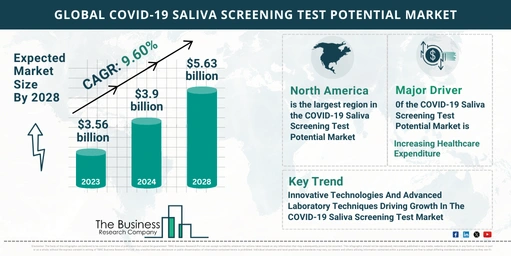
    The COVID-19 saliva screening test market has shown significant growth, expanding from $3.57 billion in 2023 to an expected $3.90 billion in 2024, reflecting a compound annual growth rate (CAGR) of 9.3%. This robust growth is driven by:

    • Potential for home testing
    • Unprecedented need for diagnostic testing
    • Increased public awareness
    • Investment in research and development

    Future Market Projections

    The market is anticipated to continue its upward trajectory, reaching $5.64 billion by 2028 with a CAGR of 9.6%. Key factors contributing to this growth include:

    • Integration with screening programs
    • Regulatory support
    • Growing demand for speedy, point-of-care tests
    • Increasing population
    • Rise of e-commerce

    Major Trends

    • Increased adoption in non-healthcare settings
    • Integration with digital health platforms
    • Emergence of next-generation technologies
    • Technological advancements
    • Strategic partnerships

    View More On The COVID-19 Saliva Screening Test Potential Market Report 2024 – https://www.thebusinessresearchcompany.com/report/covid-19-saliva-screening-test-potential-global-market-report

    Impact of Healthcare Expenditure

    Increasing healthcare expenditure is a significant driver of market growth. Factors contributing to higher healthcare spending include:

    • Minimally invasive surgeries
    • Cutting-edge diagnostic tools
    • Increased R&D for new drugs
    • Greater utilization of healthcare services
    • Specialty medications

    Example

    In the UK, healthcare expenditure grew by 9.7% in real terms and 9.4% in nominal terms in 2021. This included a substantial increase in spending on pharmaceuticals and preventative care, highlighting the importance of resource allocation in pandemic management and public health outcomes.

    Key Players in the Market

    Several major companies dominate the COVID-19 saliva screening test market:

    • Roche Diagnostics Corporation
    • Thermo Fisher Scientific Inc.
    • Abbott Laboratories
    • Becton Dickinson and Company
    • Danaher Corporation
    • Hologic Inc.
    • PerkinElmer Inc.
    • Quidel Corporation
    • Cepheid
    • Seegene Inc.

    Innovative Technologies and Programs

    Innovation is a cornerstone of market growth, with companies developing advanced testing programs to meet rising demand. For instance:

    Mount Sinai Health System

    In April 2021, Mount Sinai Health System launched a COVID-19 PCR Saliva Testing program. Key features of this program include:

    • Quick, noninvasive, and precise testing
    • Scalability to process up to 100,000 daily tests
    • Results within 24 hours for most tests
    • Child-friendly and comfortable testing options

    Strategic Acquisitions

    Strategic acquisitions are bolstering market presence and expanding capabilities:

    Hologic Inc. and Mobidiag Oy

    In June 2021, Hologic Inc. acquired Mobidiag Oy, enhancing its diagnostics market presence with innovative near-patient molecular diagnostic instruments and tests. This acquisition highlights the strategic moves companies are making to stay competitive and expand their product offerings.

    Market Segmentation

    The COVID-19 saliva screening test market is segmented by:

    Location

    • Travel Stations
    • Sports Arenas
    • Entertainment Venues
    • Corporate Campus Environments
    • Universities and Colleges
    • Factories
    • Other Locations

    Technology

    • Fluorescence-Labelled Antigen
    • RT-PCR
    • CRISPR-Cas9

    Mode of Testing

    • Centralized Testing
    • Decentralized Testing

    Regional Insights

    North America was the largest region in the COVID-19 saliva screening test market in 2023, driven by strong healthcare infrastructure, regulatory support, and high public awareness.

    The continuous advancements and strategic initiatives in the COVID-19 saliva screening test market underscore its critical role in pandemic management and public health. As the market evolves, it will play a pivotal role in shaping the future of diagnostic testing and healthcare delivery.

    Request A Sample Of The Global COVID-19 Saliva Screening Test Potential Market Report 2024:
    https://www.thebusinessresearchcompany.com/sample_request?id=16026&type=smp

  • Key Trends And Drivers In The Heart Defect Closure Device Market 2024

    Key Trends And Drivers In The Heart Defect Closure Device Market 2024

    The Business Research Company’s market reports offer an in-depth analysis on the market’s growth potential, major drivers, key trends and more.

    Market Overview

    The heart defect closure device market has experienced significant growth recently and is projected to continue expanding.

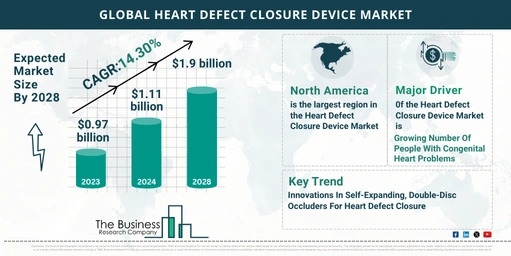
    • 2023: $0.97 billion
    • 2024: $1.11 billion (CAGR of 14.2%)
    • 2028: $1.90 billion (CAGR of 14.3%)

    This growth is driven by several factors, including the increasing prevalence of congenital heart problems, an aging population, rising health awareness, and advancements in medical technology.

    Key Drivers of Market Growth

    1. Rising Incidence of Congenital Heart Problems
    • Structural defects in the heart present from birth are on the rise.
    • Genetic factors, environmental influences, and maternal health issues contribute to the growing incidence.
    • Heart defect closure devices provide minimally invasive treatments to correct these defects, improving cardiac function and reducing complications.
    1. Technological Advancements
    • Improvements in catheterization techniques and diagnostic technologies are driving market growth.
    • The rise in MRI procedures and the use of 3D imaging in heart defect closure are notable trends.
    1. Aging Population
    • The prevalence of heart defects increases with age, impacting a significant portion of the elderly population.

    Read More On The Heart Defect Closure Device Market Report 2024 – https://www.thebusinessresearchcompany.com/report/heart-defect-closure-device-global-market-report

    Innovations in Heart Defect Closure Devices

    1. Self-Expanding, Double-Disc Occluders
    • Companies are developing advanced occluders that enhance procedural safety and patient outcomes.
    • Example: Abbott Laboratories’ Amplatzer Talisman PFO Occlusion System, launched in September 2022, uses a self-expanding, double-disc occluder to seal patent foramen ovale (PFO) with minimal invasiveness.
    1. Expansion of Product Portfolios
    • Haemonetics Corporation’s acquisition of Cardiva Medical in March 2021 expands its range of vascular closure solutions, offering more options for heart defect treatments.

    Major Market Players

    The heart defect closure device market features several prominent companies:

    • Abbott Laboratories
    • Medtronic
    • Koninklijke Philips N.V.
    • Boston Scientific Corporation
    • Terumo Corporation
    • Edwards Lifesciences
    • W L Gore and Associates
    • BIOTRONIK SE & Co. KG
    • Lepu Medical Technology
    • Meril Life Sciences Pvt. Ltd.
    • MicroPort Scientific Corporation
    • AtriCure Inc.
    • LifeTech Scientific Corporation
    • Baylis Medical Company Inc.

    Market Segmentation

    1. By Type
    • Atrial Septal Defect (ASD) Closure Devices
    • Left Atrial Appendage (LAA) Closure Devices
    • Patent Foramen Ovale (PFO) Closure Devices
    • Patent Ductus Arteriosus (PDA) Closure Devices
    • Ventricular Septal Defect (VSD) Closure Devices
    1. By Material
    • Nitinol-Based Devices
    • Stainless Steel Devices
    • Other Materials
    1. By Mode of Delivery
    • Transcatheter Delivery
    • Surgical Delivery
    • Other Modes
    1. By End-User
    • Hospitals
    • Clinics
    • Ambulatory Surgical Centers
    • Other End-Users

    Regional Insights

    • North America: The largest market in 2023.
    • Asia-Pacific: Expected to be the fastest-growing region in the forecast period.

    Conclusion

    The heart defect closure device market is poised for robust growth, fueled by technological innovations, increasing prevalence of heart defects, and advancements in diagnostic and treatment methods. The market’s future looks promising with continued development and adoption of advanced devices aimed at improving patient outcomes.

    Request for A Sample Of The Global Heart Defect Closure Device Market Report:
    https://www.thebusinessresearchcompany.com/sample_request?id=16074&type=smp