Blog

  • Overview Of The Non-Emergency Medical Transportation Market 2024-2033: Growth And Major Players Analysis

    Overview Of The Non-Emergency Medical Transportation Market 2024-2033: Growth And Major Players Analysis

    The Business Research Company’s global market reports are now updated with the latest market sizing information for the year 2024 and forecasted to 2033

    The non-emergency medical transportation (NEMT) market has experienced significant growth recently and is poised to continue expanding in the coming years. This blog delves into the factors driving this growth, the emerging trends, and the strategic moves by key players in the industry.

    Market Overview

    • 2023 to 2024 Growth:
      • Market Size: $8.86 billion in 2023 to $9.72 billion in 2024.
      • CAGR: 9.7%.
      • Drivers: Aging population, government-funded healthcare programs, private pay patient transportation, focus on patient-centric care, telehealth adoption.
    • 2024 to 2028 Forecast:
      • Market Size: Expected to reach $13.31 billion by 2028.
      • CAGR: 8.2%.
      • Drivers: Regulatory changes, advancements in medical treatments, rural healthcare access, transportation infrastructure development, community health initiatives.

    Key Trends in the Non-Emergency Medical Transportation Market

    • Technology Integration: Enhanced scheduling and coordination of transportation services.
    • Patient-Centric Solutions: Focused on improving patient experience and satisfaction.
    • Collaboration with Ride-Sharing Platforms: Partnerships to expand service offerings.
    • Predictive Analytics for Demand Planning: Utilizing data to forecast and meet transportation needs.
    • Flexible Payment Models: Catering to various patient payment preferences.

    View More On The Non-Emergency Medical Transportation Market Report 2024 – https://www.thebusinessresearchcompany.com/report/non-emergency-medical-transportation-global-market-report

    Surge in Chronic Diseases Driving Market Growth

    • Chronic Disease Impact:
      • Chronic diseases require ongoing medical attention and impede daily activities.
      • NEMT ensures consistent access to medical appointments and treatments.
    • Example: According to the National Center for Biotechnology Information, the number of people aged 50 and above with chronic illnesses in the US is expected to nearly double from 71.52 million in 2020 to 142.66 million by 2050.

    Major Companies in the NEMT Market
    Prominent players in the market include:

    • Transdev
    • FirstGroup PLC
    • Lyft Inc.
    • ModivCare Inc.
    • Falck A/S
    • LogistiCare Solutions LLC
    • Kinetik
    • American Medical Response Inc.
    • MTM Inc.
    • Global Medical Response Inc.
    • Ride Health

    Innovation with NEMT Apps

    • Efficiency Improvement: Development of NEMT apps for better scheduling and coordination.
    • Example: In April 2021, Lyft Inc. launched Lyft Pass for Healthcare, an app enabling hospitals to manage transportation budgets and ride logistics for patients. Patients receive notifications and can use the pass for their transportation needs seamlessly through the Lyft app.

    Strategic Acquisitions in the Market

    • Expansion Example: In September 2022, Coastal Medical Transportation Systems LLC acquired Transformative Healthcare, expanding its service area to include the Cape and Islands, Boston Metro, South Shore, and Central Massachusetts. Transformative Healthcare provides mobile healthcare services and logistics management solutions.

    Market Segmentation

    • By Type: Courier Services, Insurance Backed Patient Transportation, Private Pay Patient Transportation.
    • By Product Type: Ambulatory Vans, Minivans, Wheelchair-Lift-Equipped Vehicles, Stretcher Vans.
    • By Application: Dialysis, Routine Doctor Visits, Mental Health Related Appointments, Rehabilitation, Other Applications.
    • By End User: Airport Shuttle, Hospital Medical Laboratories, Nursing Care Facilities.

    Regional Insights

    • North America: The largest region in the NEMT market in 2023, driven by a well-established healthcare infrastructure and high demand for medical transportation services.

    Conclusion
    The non-emergency medical transportation market is set for robust growth, driven by technological advancements, rising chronic disease incidence, and strategic industry collaborations. With the integration of innovative solutions like NEMT apps and predictive analytics, the market is well-positioned to meet the evolving needs of patients and healthcare providers, ensuring efficient and accessible transportation services.

    Request A Sample Of The Global Non-Emergency Medical Transportation Market Report 2024:
    https://www.thebusinessresearchcompany.com/sample_request?id=13715&type=smp

  • Key Trends And Drivers In The Muscle Wasting Disorders Market 2024

    Key Trends And Drivers In The Muscle Wasting Disorders Market 2024

    The Business Research Company’s market reports offer an in-depth analysis on the market’s growth potential, major drivers, key trends and more.

    Market Growth Dynamics

    Recent Market Growth

    • Significant Expansion: The muscle wasting disorders market has grown from $12.91 billion in 2023 to $15.06 billion in 2024.
    • CAGR: Achieved a compound annual growth rate (CAGR) of 16.6% in recent years.
    • Drivers: Growth attributed to aging population, rising chronic diseases, R&D advancements, early diagnosis awareness, and emerging therapies.

    Future Market Projections

    • Projected Growth: Expected to reach $26.11 billion by 2028.
    • Forecast CAGR: Anticipated CAGR of 14.8%.
    • Factors: Driven by regulatory support, patient advocacy, healthcare infrastructure development, globalization of clinical trials, and personalized medicine approaches.

    Read More On The Muscle Wasting Disorders Market Report 2024 – https://www.thebusinessresearchcompany.com/report/muscle-wasting-disorders-global-market-report

    Sedentary Lifestyle and Market Growth

    Impact of Sedentary Lifestyle

    • Growing Concern: Rising adherence to sedentary lifestyles is a significant factor fueling market growth.
    • Consequences: Sedentary behavior contributes to muscle weakening and increased susceptibility to muscle wasting disorders.
    • Statistics: Over 80% of adolescents and 27% of adults did not meet WHO physical activity recommendations in 2022.

    Key Players in the Market

    Major Companies

    • Industry Leaders: Pfizer Inc., Roche Holding AG, Novartis AG, Sanofi, GSK, among others.
    • Diverse Offerings: These companies provide a range of treatments and therapies for muscle wasting disorders.

    Innovations in Therapeutics

    Advancements in Gene Therapy

    • Technological Breakthrough: Companies are focusing on gene therapy to address muscle wasting disorders.
    • Example: Sarepta Therapeutics’ Elevidys, FDA-approved gene therapy for Duchenne muscular dystrophy, represents a significant innovation.
    • Mechanism: Administered via single intravenous infusion to deliver targeted gene sequences.

    Strategic Acquisitions

    • Biogen’s Expansion: Biogen Inc.’s acquisition of Reata Pharmaceuticals enhances its rare disease portfolio with a focus on neuromuscular disorders like Friedreich’s ataxia.
    • Strategic Benefits: Strengthens Biogen’s position in treating muscle wasting disorders.

    Market Segmentation

    Treatment Types

    • Varied Approaches: Medications, Physical Therapy, Nutritional Therapy, Surgery, Gene Therapy, and Other Treatment Types.

    Disorder Types

    • Wide Spectrum: Includes Muscular Dystrophy, Amyotrophic Lateral Sclerosis (ALS), and Other Disorder Types.

    End Users

    • Diverse Applications: Hospitals, Rehab Centers, Specialty Clinics, and Other End Users.

    Regional Insights

    Geographic Influence

    • Current Leader: North America led the muscle wasting disorders market in 2023.
    • Growth Potential: Asia-Pacific expected to show the fastest growth in the forecast period.

    Conclusion

    The muscle wasting disorders market is experiencing rapid growth driven by factors such as increasing chronic diseases, technological advancements in gene therapy, and rising awareness of sedentary lifestyles’ impact. Innovations in therapeutic approaches, strategic acquisitions, and regional expansions underscore a dynamic market landscape poised for substantial growth and development in the coming years. As the market expands, collaborations and advancements in diagnostics and therapeutics will play pivotal roles in shaping future treatment paradigms for muscle wasting disorders globally.

    Request for A Sample Of The Global Muscle Wasting Disorders Market Report:
    https://www.thebusinessresearchcompany.com/sample_request?id=13706&type=smp

  • How Is The Menstrual Health Apps Market Expected To Grow Through 2024-2033

    How Is The Menstrual Health Apps Market Expected To Grow Through 2024-2033

    The Business Research Company’s global market reports are now updated with the latest market sizing information for the year 2024 and forecasted to 2033

    According to The Business Research Company’s Menstrual Health Apps Global Market Report 2024, the menstrual health apps market is expected to show promising growth in the forecast period.

    The menstrual health apps market has witnessed rapid growth, driven by increased smartphone adoption and advancements in digital health technologies. This blog explores the current landscape, future projections, and key trends shaping the menstrual health apps industry.

    Current Market Dynamics

    Market Size and Growth

    • 2023 Market Size: $1.38 billion
    • 2024 Projection: $1.65 billion
    • CAGR (2023-2024): 19.7%

    The historic growth is attributed to:

    • Increased awareness of menstrual health
    • Empowerment and education initiatives
    • Women’s health movement
    • Focus on fertility awareness
    • User-centric app design

    Future Market Projections

    Expected Growth

    • 2028 Market Size Projection: $3.33 billion
    • CAGR (2024-2028): 19.2%

    Future growth drivers include:

    • Integration with wearable devices
    • Personalized health and wellness features
    • Global accessibility of apps
    • Incorporation of artificial intelligence
    • Expanded health monitoring capabilities

    View More On The Menstrual Health Apps Market Report 2024 – https://www.thebusinessresearchcompany.com/report/menstrual-health-apps-global-market-report

    Key Trends in Menstrual Health Apps

    Advancements in Mobile Technology

    • Continuous improvement in app functionalities and user interfaces
    • Enhanced user experience through intuitive design and seamless navigation

    Rise of Digital Health and Wellness Trends

    • Increasing focus on holistic health management
    • Integration with broader wellness platforms and ecosystems

    Menstrual Health Research Collaborations

    • Collaborative efforts between tech companies and healthcare providers
    • Research initiatives to improve app accuracy and efficacy

    Data Privacy and Security

    • Implementation of robust security measures
    • Compliance with data protection regulations to safeguard user information

    Period-Related Symptom Tracking

    • Development of features to monitor and manage menstrual symptoms
    • Customized insights for better understanding and management of menstrual cycles

    Integration of Artificial Intelligence

    Enhanced User Experience

    • AI-driven algorithms for accurate cycle predictions
    • Personalized health recommendations based on user data analysis

    Example: Orchyd LLC’s period-tracking app with AI features offers:

    • Cycle alerts and reminders
    • Telehealth options for women’s health concerns
    • Integration with smart devices for comprehensive menstrual health management

    Industry Developments

    Apricity Fertility Expands with WOOM Fertility Acquisition

    • Acquisition aimed at enhancing fertility solutions and menstrual health management
    • Integration of WOOM’s AI-based app to offer comprehensive fertility tracking and community support

    Market Segmentation

    Types of Apps

    • Nutrition and Fitness
    • Menstrual Health
    • Pregnancy Tracking
    • Menopause
    • Disease Management

    Platforms

    • Android
    • iOS (iPhone Operating System)

    Applications

    • Period Cycle Tracking
    • Fertility and Ovulation Management
    • Menstrual Health Management

    Regional Insights

    Current Dominance and Growth Prospects

    • North America leads in market size (2023)
    • Asia-Pacific poised for fastest growth in the forecast period

    Conclusion

    The menstrual health apps market is at the forefront of digital health innovation, driven by smartphone penetration and technological advancements. As these apps continue to evolve with AI integration, wearable compatibility, and enhanced user engagement features, they play a crucial role in empowering individuals to manage their menstrual health effectively. With ongoing advancements and collaborations, the future promises further growth and innovation in this dynamic sector, benefiting users worldwide with personalized, accessible, and effective menstrual health solutions.

    Request A Sample Of The Global Menstrual Health Apps Market Report 2024:
    https://www.thebusinessresearchcompany.com/sample_request?id=13701&type=smp

  • Future Growth Forecast For The Medical Bed Global Market 2024-2033

    Future Growth Forecast For The Medical Bed Global Market 2024-2033

    The Business Research Company’s global market reports provide comprehensive analysis on the various markets in 27 industries across 60 geographies.

     The medical bed market has witnessed robust growth in recent years, driven by factors like an aging population, increasing chronic diseases, and advancements in healthcare infrastructure. Let’s delve into the dynamics shaping this market and its future prospects.

    Market Growth Dynamics

    • Recent Market Size: In 2023, the medical bed market reached $3.82 billion.
    • Projected Growth: Expected to grow to $4.11 billion in 2024, with a CAGR of 7.7%.
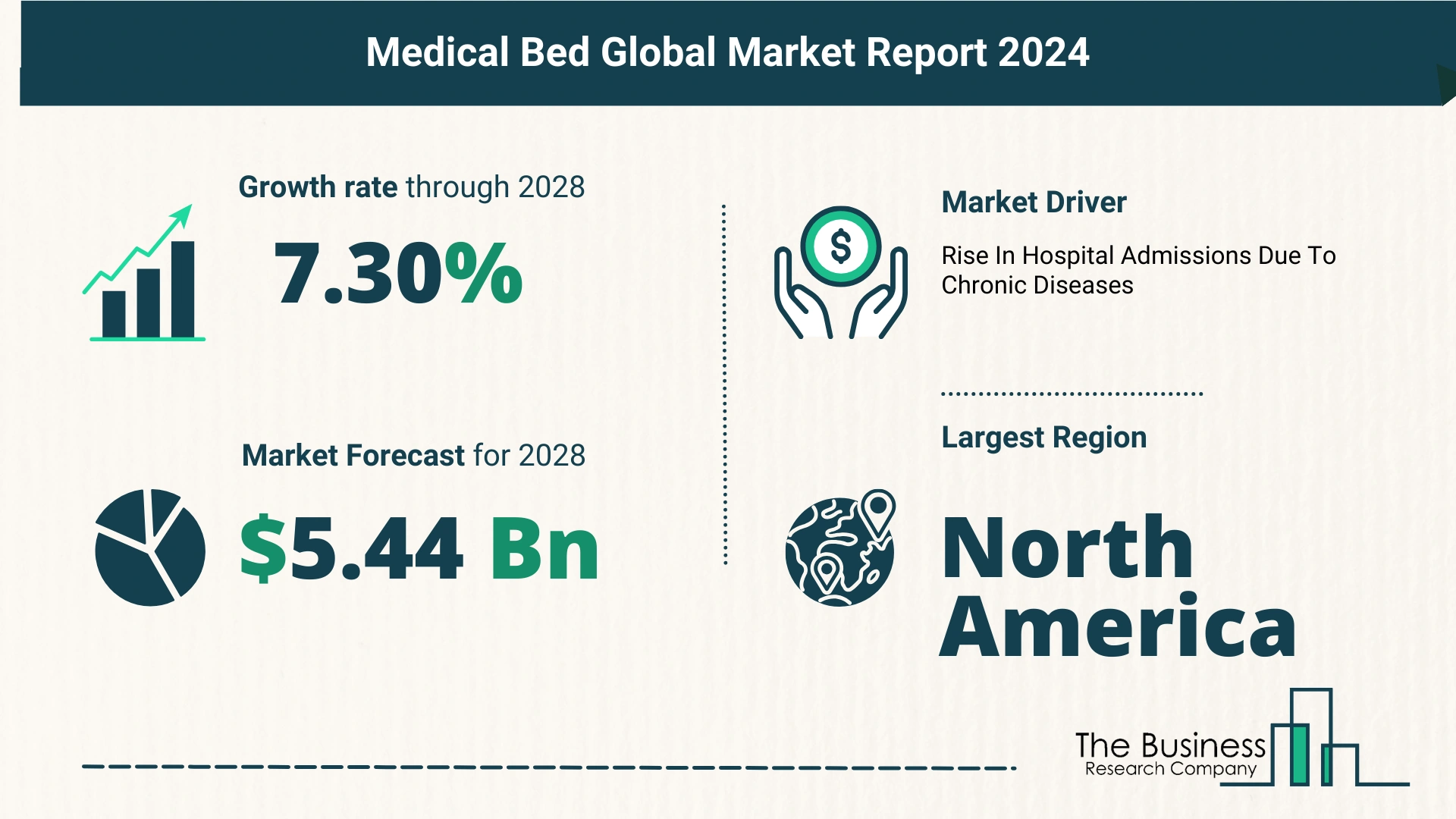
    • Future Outlook: Forecasted to reach $5.44 billion by 2028, growing at a CAGR of 7.3%.

    Drivers of Recent Growth

    • Aging Population: Higher demand for healthcare services.
    • Prevalence of Chronic Diseases: Increased need for long-term care solutions.
    • Advancements in Healthcare Infrastructure: Improved healthcare facilities globally.
    • Rising Healthcare Expenditure: Investments in hospital equipment and facilities.
    • Bariatric Patient Care Needs: Specialized beds for overweight and obese patients.

    Future Growth Factors

    • Focus on Patient Safety and Comfort: Innovations to enhance patient experience.
    • Global Pandemic Preparedness: Heightened awareness and readiness for healthcare emergencies.
    • Increasing Surgical Procedures: Demand for specialized beds in surgical settings.
    • Demographic Shifts: Aging population and changing healthcare needs.
    • Rising Incidence of Lifestyle-related Diseases: Chronic disease management and care.

    View More On The Medical Bed Market Report 2024 – https://www.thebusinessresearchcompany.com/report/medical-bed-global-market-report

    Impact of Rising Hospital Admissions

    The increase in hospital admissions due to chronic diseases is a significant driver for the medical bed market. Medical beds play a crucial role in patient care and management during hospital stays. They ensure comfort, safety, and effective medical treatment, supporting healthcare providers in delivering quality care.

    Key Industry Players and Innovations

    • Major Companies: Leading players include Stryker Corporation, Getinge AB, Hillrom (now part of Baxter International), and Arjo.
    • Innovative Products: Companies are focusing on developing advanced medical beds to cater to evolving healthcare needs.

    Case Study: Stryker’s ProCuity Wireless Hospital Bed

    Stryker’s ProCuity is a pioneering wireless hospital bed designed to enhance patient safety and improve workflow efficiencies for nurses. Launched in February 2021, it features seamless integration with nurse call systems and ergonomic design to prevent in-hospital patient falls. This innovation underscores the industry’s move towards smarter, more efficient healthcare solutions.

    Baxter International’s Strategic Acquisition of Hillrom

    In December 2021, Baxter International acquired Hillrom for $12.5 billion, expanding its footprint in the medical bed market. Hillrom’s range of beds complements Baxter’s healthcare solutions, enhancing patient care capabilities and operational efficiencies across global markets.

    Market Segmentation and Regional Insights

    • By Type: Electric Medical Beds, Semi Electric Medical Beds, Manual Medical Beds
    • By Usage: Intensive Care, Non-intensive Care
    • By End-user: Hospitals, Home Care Settings, Rehabilitation Centers, Other End-Users
    • Regional Dynamics: North America dominated the market in 2023, while Asia-Pacific is poised for rapid growth.

    Future Trends and Opportunities

    • Technological Advancements: Integration of smart technologies for enhanced patient monitoring and comfort.
    • Medical Tourism: Increasing demand for specialized healthcare services globally.
    • Regulatory Standards and Compliance: Stricter regulations driving product innovation and safety standards.
    • Innovations in Materials: Lightweight and durable materials improving bed design and functionality.
    • Telemedicine Adoption: Beds equipped for telemedicine consultations and remote patient monitoring.
    • Holistic Patient Care Approach: Focus on patient-centered care and multidisciplinary treatment strategies.

    Conclusion

    The medical bed market continues to expand, driven by demographic shifts, technological advancements, and the increasing prevalence of chronic diseases. As healthcare providers strive to enhance patient outcomes and operational efficiencies, investments in innovative medical beds and patient care solutions will remain pivotal. With ongoing advancements and strategic acquisitions, the future of the medical bed market looks promising, poised for sustained growth and innovation

    Request A Sample Of The Global Medical Bed Market Report 2024:
    https://www.thebusinessresearchcompany.com/sample_request?id=13700&type=smp

  • Global Male Fertility Market Analysis: Estimated Market Size And Growth Rate

    Global Male Fertility Market Analysis: Estimated Market Size And Growth Rate

    The Business Research Company’s global market reports are now updated with the latest market sizing information for the year 2024 and forecasted to 2033

    The male fertility market has witnessed robust growth in recent years, driven by various factors such as changing lifestyles, advancements in medical technology, and increasing awareness of fertility issues among men.

    Market Dynamics

    • Recent Growth:
      • Increased from $3.74 billion in 2023 to $3.96 billion in 2024.
      • CAGR of 5.9%.
      • Drivers: changing lifestyles, environmental factors, medical technology advancements, increased awareness, and socio-economic factors.
    • Future Outlook:
      • Expected to reach $4.76 billion by 2028.
      • CAGR of 4.7%.
      • Factors: aging population, rising prevalence of male fertility disorders, demand for assisted reproductive technologies (ART), expanded access to fertility treatments.

    View More On The Male Fertility Market Report 2024 – https://www.thebusinessresearchcompany.com/report/male-fertility-global-market-report

    Drivers of Market Expansion

    Funding for Fertility Research

    • Research Investments:
      • Funding supports investigations into male fertility and reproductive health.
      • Initiatives aim to improve fertility outcomes and address male factors in conception.
    • Examples:
      • Eunice Kennedy Shriver National Institute of Child Health and Human Development granted $2.26 million for fertility-sparing treatments in October 2023.
      • Medical Research Future Fund (MRFF) awarded $3.3 million for fertility options and clinical registries in September 2022.

    Industry Innovations

    Technological Advancements

    • AI and Big Data Integration:
      • AI tools for diagnosis and treatment planning.
      • Use of big data analytics to enhance personalized medicine in fertility treatments.
    • Service Innovations:
      • Superdrug’s AI microscopy for clinical-grade sperm analysis, launched in November 2022.
      • Comprehensive at-home testing kits enhancing accessibility and convenience.

    Market Developments

    • Strategic Acquisitions:
      • Ro’s acquisition of Dadi in March 2022 to expand fertility services.
      • Focus on enhancing accessibility and affordability of fertility testing and storage.

    Market Segmentation

    • By Test Type:
      • Sperm Agglutination
      • DNA Fragmentation Technique
      • Oxidative Stress Analysis
      • Computer Assisted Semen Analysis
      • Other Test Types
    • By Treatment Type:
      • Assisted Reproductive Technology (ART)
      • Varicocele Surgery
      • Medication
    • By Supplement:
      • Antioxidants
      • Vitamins
      • Minerals
      • Amino Acids
      • Enzymes
    • By End User:
      • Hospitals and Clinics
      • Fertility Centers
      • Research Institutes
      • Other End Users

    Regional Insights

    • North America:
      • Largest region in the male fertility market in 2023, driven by technological advancements and healthcare infrastructure.
    • Asia-Pacific:
      • Expected to grow fastest due to increasing healthcare expenditure and rising awareness.

    Conclusion

    The male fertility market is poised for steady growth, fueled by technological advancements, increased research funding, and growing demand for fertility solutions. As innovations in AI, telemedicine, and personalized medicine continue to reshape the landscape, the market strives to offer more accessible, effective, and patient-centric fertility care. With strategic acquisitions and ongoing research, the industry aims to address evolving fertility challenges and improve outcomes for men seeking reproductive assistance.

    Request A Sample Of The Global Male Fertility Market Report 2024:
    https://www.thebusinessresearchcompany.com/sample_request?id=13699&type=smp

  • 5 Key Insights On The Malaria Vaccines Market 2024

    5 Key Insights On The Malaria Vaccines Market 2024

    The Business Research Company’s global market reports are now updated with the latest market sizing information for the year 2024 and forecasted to 2033


    As per The Business Research Company’s Malaria Vaccines Global Market Report 2024, the malaria vaccines market is expected to show significant growth in the forecast period.

    The malaria vaccines market has witnessed exponential growth in recent years and is poised for significant expansion in the near future. This blog explores the market’s current trajectory, growth drivers, key players, and future trends shaping the industry.

    Market Growth Trends

    Historic Growth

    • 2023 Market Size: $3.48 billion
    • 2024 Market Size: $4.7 billion
    • CAGR: 35.2%
    • Drivers:
      • High malaria burden
      • Global health initiatives
      • Funding and grants
      • Malaria control programs
      • Government support and regulatory frameworks

    Forecast Growth

    • 2028 Market Size: $15.32 billion
    • CAGR: 34.3%
    • Drivers:
      • Global elimination goals
      • Expanded access programs
      • Increasing vaccine coverage
      • Global vaccine alliances
      • Climate change impact

    View More On The Malaria Vaccines Market Report 2024 – https://www.thebusinessresearchcompany.com/report/malaria-vaccines-global-market-report

    Key Market Drivers

    Rise in Mosquito-Related Diseases

    • Impact on Market:
      • Prevention and reduction of mosquito-borne diseases
      • Focus on RTS, S/AS01 (RTS, S) vaccine
    • Statistics:
      • WHO Report (November 2023): Estimated 249 million malaria cases globally in 2022

    Major Industry Players

    Notable Companies

    • Pfizer Inc.
    • Novartis AG
    • Sanofi SA
    • GlaxoSmithKline Plc.
    • Takeda Pharmaceutical Co Ltd.

    Innovations and Strategies

    Combatting Mosquito-Borne Diseases

    • Technological Innovations:
      • Development of pediatric vaccines
      • Emphasis on Plasmodium falciparum
    • Example:
      • Children’s Malaria Vaccine (November 2022): Launched in Malawi, Ghana, and Kenya

    Strategic Moves

    • Acquisition:
      • GlaxoSmithKline’s Acquisition of Affinivax Inc. (August 2022): Enhancing vaccine technology and market presence

    Market Segmentation

    By Agent

    • Plasmodium Falciparum
    • Plasmodium Vivax
    • Anopheles Species

    By Vaccine Type

    • Pre-Erythrocytic
    • Erythrocytic
    • Multi-antigen
    • Other Vaccines

    By Route of Administration

    • Intramuscular
    • Subcutaneous
    • Intradermal
    • Other Routes

    By Distribution Channel

    • Public
    • Private

    Regional Insights

    North America

    • 2023: Largest market region

    Asia-Pacific

    • Forecast Period: Expected fastest-growing region

    Conclusion

    The malaria vaccines market is at a pivotal point with rapid growth anticipated in the coming years. Driven by technological advancements, strategic acquisitions, and global health initiatives, this market is crucial in combating mosquito-borne diseases worldwide. As innovations continue and global efforts intensify, the outlook for malaria prevention and treatment through vaccines remains promising.

    Request A Sample Of The Global Malaria Vaccines Market Report 2024:
    https://www.thebusinessresearchcompany.com/sample_request?id=13698&type=smp

  • Global Topical Pain Relief Market Overview 2024: Size, Drivers, And Trends

    Global Topical Pain Relief Market Overview 2024: Size, Drivers, And Trends

    The Business Research Company’s global market reports provide comprehensive analysis on the various markets in 27 industries across 60 geographies.

     The topical pain relief market has been experiencing robust growth, and projections indicate this trend will continue. With an increase in the prevalence of chronic conditions, sports injuries, and a growing elderly population, the demand for effective pain relief solutions is on the rise. This blog delves into the key factors driving this market, the expected growth, and notable trends shaping its future.

    Market Overview and Growth Projections

    Impressive Market Expansion

    • Current Market Size: In 2023, the topical pain relief market was valued at $9.98 billion.
    • 2024 Forecast: Expected to grow to $10.74 billion, marking a 7.6% compound annual growth rate (CAGR).
    • Long-Term Growth: By 2028, the market is projected to reach $13.68 billion at a 6.2% CAGR.

    Historic Growth Drivers

    • Chronic Conditions: Increasing cases of chronic conditions drive demand for pain relief.
    • Sports Injuries: Prevalence of sports-related injuries boosts market need.
    • Online Pharmacy Understanding: Greater awareness and use of online pharmacies expand market reach.
    • Arthritis Prevalence: Rising arthritis cases necessitate effective pain management solutions.
    • Aging Population: An increasing number of elderly individuals require pain relief for various ailments.

    View More On The Topical Pain Relief Market Report 2024 – https://www.thebusinessresearchcompany.com/report/topical-pain-relief-global-market-report

    Future Growth Catalysts

    Factors Fueling Future Market Expansion

    • Joint Pains and Arthritis: Growing cases of joint pain and arthritis will continue to propel market demand.
    • Athletic Demand: Increasing participation in sports activities increases the need for pain relief products.
    • Pain Management Devices: Rising adoption of innovative pain management devices and patches.
    • E-Commerce Growth: Expansion of e-commerce platforms enhances product availability.
    • Healthcare Costs: Rising healthcare costs drive demand for effective over-the-counter pain relief solutions.

    Notable Trends

    • Cancer Patient Increase: More cancer patients lead to higher demand for pain management products.
    • Product Availability: Easier access to products through various channels, including home delivery models.
    • Formulation Innovations: Ongoing innovation in pain relief formulations to meet consumer needs.

    Arthritis and Bone-Related Disorders: Key Market Drivers

    Prevalence and Impact

    • Growing Arthritis Cases: As of 2021, 54.4 million adults in the US had arthritis, expected to reach 78 million by 2040.
    • Work-Related Disorders: Significant numbers of workers suffer from musculoskeletal disorders, necessitating effective pain relief solutions.
    • Localized Pain Management: Topical pain relief products are crucial for managing localized pain and inflammation associated with these conditions.

    Leading Companies in the Market

    Major Players

    • Pfizer Inc.
    • Johnson & Johnson
    • Abbvie Inc.
    • Bayer AG
    • Novartis AG
    • Sanofi S.A.
    • Bristol Myers Squibb Co.
    • GlaxoSmithKline PLC
    • Acella Pharmaceuticals LLC
    • Eli Lilly and Company

    Innovation and Product Development

    Addressing Consumer Preferences

    • Innovative Products: Companies are focusing on developing new products to meet consumer demands.
    • Pain Relieving Creams: Launches such as Tylenol’s maximum-strength lidocaine cream cater to consumers seeking effective pain relief.
    • Convenient Formats: Products like rollerball applicators provide no-mess, easy-to-use options for consumers.

    Strategic Acquisitions

    Enhancing Market Position

    • Wellnex Life Limited: Acquired Painaway Australia Pty Ltd. for $13.6 million to strengthen its portfolio.
    • Strategic Growth: This acquisition aims to scale Wellnex’s brand in the topical pain relief segment.

    Market Segmentation

    Product Types and Distribution Channels

    • By Type: Prescription Pain Relief, Over-The-Counter (OTC) Pain Relief.
    • By Formulation: Cream, Gel, Spray, Patch, Other Formulations.
    • By Therapeutic Category: Non-Opioids, Opioids.
    • By Distribution Channel: Pharmacies and Drug Stores, E-Commerce, Retail and Grocery Stores.

    Geographic Dominance

    • North America: The largest region in the topical pain relief market as of 2023, driven by advanced healthcare infrastructure and high consumer awareness.

    Conclusion

    The topical pain relief market is poised for significant growth driven by various factors, including rising arthritis cases, increasing sports injuries, and the expansion of e-commerce platforms. Innovation in product formulations and strategic acquisitions further bolster market prospects. With a strong growth trajectory, the market offers ample opportunities for companies to develop effective and consumer-friendly pain relief solutions.

    Request A Sample Of The Global Topical Pain Relief Market Report 2024:
    https://www.thebusinessresearchcompany.com/sample_request?id=13744&type=smp

  • Understand How The Surrogacy Market Is Poised To Grow Through 2024-2033

    Understand How The Surrogacy Market Is Poised To Grow Through 2024-2033

    The Business Research Company’s global market reports are now updated with the latest market sizing information for the year 2024 and forecasted to 2033

    As per The Business Research Company’s Surrogacy Global Market Report 2024, the surrogacy market is expected to show significant growth in the forecast period.

    Exponential Market Growth

    • Current Market Size: The surrogacy market was valued at $13.21 billion in 2023.
    • 2024 Projections: Expected to grow to $16.01 billion, with a compound annual growth rate (CAGR) of 21.2%.
    • Future Outlook: Predicted to reach $32.03 billion by 2028, sustaining a CAGR of 18.9%.

    Key Growth Drivers

    Increasing Infertility Rates

    • Infertility Prevalence: About 17.5% of adults globally face infertility.
    • Alternative Solutions: Surrogacy offers a viable option for those unable to conceive or carry a pregnancy to term.
    • Healthcare Accessibility: Emphasizes the need for affordable, high-quality fertility care.

    Gestational Surrogacy Dominance

    • Preferred Method: Gestational surrogacy is more common due to its effectiveness and acceptance.
    • Market Segmentation: Focus on gestational surrogacy as a dominant type.

    Regional Market Growth

    • North America: Largest market region in 2023.
    • Asia-Pacific: Expected to be the fastest-growing region through the forecast period.

    View More On The Surrogacy Market Report 2024 – https://www.thebusinessresearchcompany.com/report/surrogacy-global-market-report

    Future Growth Factors

    Changing Social Perceptions

    • Evolving Views: Increasing acceptance of diverse family structures boosts market growth.
    • Legal and Ethical Complexities: Navigating these challenges is crucial for sustained growth.

    Partnerships and Collaborations

    • Strategic Alliances: Key for technological advancements and expanding services.
    • Example: Kindbody’s acquisition of Alternative Reproductive Resources to enhance service delivery.

    Technological Advancements

    • Medical Technology: Improvements in reproductive technologies drive market growth.
    • Genetic Testing: Advancements allow for better planning and outcomes in surrogacy.

    Major Market Trends

    Medical Technology Advancements

    • Enhanced Procedures: Innovations in IVF and ICSI improve success rates.
    • Patient Experience: New technologies aim to provide seamless and cost-effective solutions.

    Cultural Sensitivity and Diversity

    • Inclusive Practices: Embracing cultural sensitivity ensures wider acceptance and participation.
    • Family Structures: Supporting various family forms promotes inclusivity in surrogacy services.

    Technological Integration

    • Digital Platforms: Launch of supportive platforms like surrogacy.com to aid surrogates.
    • Community Support: Connecting surrogates with necessary resources and communities.

    Innovations and Key Players

    Surrogacy.com Initiative

    • Launch: Introduced by Northstar Fertility in November 2023.
    • Purpose: Provides a platform for surrogates to access support and resources.
    • Community Engagement: Connects experienced surrogates with those new to the process.

    Kindbody’s Strategic Expansion

    • Acquisition: Acquired Alternative Reproductive Resources in August 2022.
    • Integrated Services: Combines gestational surrogacy with fertility services for comprehensive care.

    Market Segmentation

    By Type

    • Gestational Surrogacy: The most common and preferred method.
    • Traditional Surrogacy: Less common, involves different legal and ethical considerations.

    By Technology

    • IVF with ICSI: High success rate, often used in complex cases.
    • IVF without ICSI: Standard procedure for many surrogacy cases.
    • Intrauterine Insemination (IUI): Less invasive, used in specific situations.

    By Application

    • Fertility Clinics: Provide comprehensive fertility and surrogacy services.
    • Surrogacy Agencies: Facilitate the surrogacy process and match surrogates with intended parents.
    • Surrogacy Lawyers: Ensure legal compliance and handle contractual agreements.

    Conclusion

    The surrogacy market is experiencing significant growth due to increasing infertility rates, advancements in reproductive technology, and changing social perceptions. Key players are innovating to provide better support and resources for surrogates and intended parents. The market is poised for continued expansion, driven by technological advancements and strategic collaborations.

    Request A Sample Of The Global Surrogacy Market Report 2024:
    https://www.thebusinessresearchcompany.com/sample_request?id=13741&type=smp

  • Smart Hospital Market Growth Analysis Till 2033 By The Business Research Company

    Smart Hospital Market Growth Analysis Till 2033 By The Business Research Company

    The Business Research Company’s market reports offer an in-depth analysis on the market’s growth potential, major drivers, key trends and more.

    The smart hospital market has seen tremendous growth in recent years, reflecting advancements in technology and increasing healthcare demands. This blog explores the factors driving this market expansion, key trends, and the significant role of connected devices and instruments.

    Market Overview

    • 2023 to 2024 Growth:
      • Market Size: $47.91 billion in 2023 to $58.58 billion in 2024.
      • CAGR: 22.3%.
      • Drivers: Patient safety initiatives, integrated healthcare solutions, workforce shortages, digital transformation, regulatory mandates.
    • 2024 to 2028 Forecast:
      • Market Size: Expected to reach $129.15 billion by 2028.
      • CAGR: 21.9%.
      • Drivers: Focus on preventive care, demand for real-time data, proliferation of IoMT devices, rising healthcare costs, aging population.

    Key Trends in the Smart Hospital Market

    • Telemedicine and Remote Patient Monitoring: Enhanced patient care through virtual consultations and continuous monitoring.
    • AI and Machine Learning Applications: Improved diagnostics, personalized treatment plans, and operational efficiency.
    • Healthcare IoT Security: Robust security measures to protect sensitive patient data.
    • Wearable Health Devices: Increased adoption of devices for continuous health monitoring.
    • Smart Hospital Infrastructure: Advanced facilities incorporating cutting-edge technologies.

    Read More On The Smart Hospital Market Report 2024 – https://www.thebusinessresearchcompany.com/report/smart-hospital-global-market-report

    Role of Connected Devices and Instruments

    • Enhanced Patient Care: Real-time health monitoring and faster response to patient needs.
    • Operational Efficiency: Streamlined processes and better resource management.
    • Data-Driven Decision Making: Improved diagnostics and treatment plans through comprehensive data analysis.

    Example: In October 2023, the FDA reported a significant increase in AI/ML-enabled medical devices, with 171 devices added, marking a 30% growth compared to the previous year.

    Strategic Partnerships and Technological Advancements

    • 5G Technology: Transforming healthcare delivery with faster and more reliable connectivity.
    • Collaborative Innovations: Companies are forming strategic partnerships to develop and implement smart hospital solutions.

    Example: In March 2023, LifeSigns partnered with Amala Hospital to launch a smart ward utilizing wearable wireless sensors for continuous patient monitoring.

    Expansion and Acquisitions in the Smart Hospital Market

    • Tampa General Hospital: Expanded its footprint in Florida by acquiring Community Health Systems for $294 million, adding three hospitals and creating TGH North.

    Major Players in the Smart Hospital Market

    Key companies driving innovations and growth in the smart hospital market include:

    • Apple Inc.
    • Alphabet Inc.
    • Microsoft Corporation
    • AT&T Inc.
    • Intel Corporation
    • IBM
    • Cisco Systems, Inc.
    • Qualcomm Life

    Market Segmentation

    • By Component: Hardware, Software System, Services.
    • By Technology: Cloud Computing, Artificial Intelligence, Wearable Technologies, Radio Frequencies Identification, Other Technologies.
    • By Connectivity: Wired, Wireless.
    • By Application: Remote Medicine Management, Medical Connected Imaging, Medical Assistance, Electronic Health Record, Outpatient Vigilance.

    Regional Insights

    • North America: The largest market in 2023, driven by advanced healthcare infrastructure and technological adoption.
    • Asia-Pacific: Expected to be the fastest-growing region, fueled by increasing investments in healthcare and technology.

    Conclusion

    The smart hospital market is poised for exponential growth, driven by technological advancements, strategic partnerships, and the increasing demand for efficient and effective healthcare solutions. As the market continues to expand, the integration of connected devices and the adoption of innovative technologies will play a crucial role in transforming healthcare delivery and improving patient outcomes.

    Request for A Sample Of The Global Smart Hospital Market Report:
    https://www.thebusinessresearchcompany.com/sample_request?id=13734&type=smp

  • Growth Trajectory Of The Small Molecule CMO or CDMO Market 2024-2033

    Growth Trajectory Of The Small Molecule CMO or CDMO Market 2024-2033

    The Business Research Company’s global market reports are now updated with the latest market sizing information for the year 2024 and forecasted to 2033

    The small molecule Contract Manufacturing Organization (CMO) and Contract Development and Manufacturing Organization (CDMO) market has experienced robust growth in recent years, driven by various factors such as government support, cost-effectiveness, and industry trends. This blog explores the current market landscape, future growth projections, and key trends shaping the industry.

    Current Market Landscape

    Market Size and Growth Rate

    • 2023 Market Size: $46.83 billion
    • 2024 Projection: $50.58 billion
    • CAGR (2023-2024): 8.0%

    The strong growth observed in recent years is largely due to:

    • Favorable government support
    • Cost-effective solutions
    • Growing complexity in drug development
    • Industry consolidation
    • Focus on core competencies

    Future Market Projections

    Expected Market Growth

    • 2028 Market Size Projection: $68.04 billion
    • CAGR (2024-2028): 7.7%

    Key drivers for future growth include:

    • Increase in drug pipelines
    • Globalization of pharmaceutical operations
    • Demand for flexible manufacturing solutions
    • Expertise in regulatory compliance
    • Convergence of biopharmaceuticals

    View More On The Small Molecule CMO or CDMO Market Report 2024 – https://www.thebusinessresearchcompany.com/report/small-molecule-cmo-or-cdmo-global-market-report

    Key Trends in the Small Molecule CMO/CDMO Market

    Sustainable and Green Manufacturing Practices

    • Adoption of environmentally friendly production methods
    • Focus on reducing the carbon footprint of pharmaceutical manufacturing

    Increased Collaboration and Partnerships

    • Greater emphasis on strategic partnerships to enhance development and manufacturing capabilities
    • Example: Catalent Inc. and Grünenthal GmbH’s partnership in March 2023 to expedite clinical development timelines

    Personalized Medicine and Niche Therapies

    • Rise in demand for tailored treatments targeting specific patient populations
    • Focus on developing niche therapies for rare diseases

    Rise of Virtual and Virtual-to-Reality Companies

    • Emergence of companies operating with minimal physical infrastructure
    • Leveraging digital platforms for drug development and manufacturing

    Integration of Digital Technologies

    • Adoption of advanced digital solutions for process optimization
    • Use of data analytics, AI, and machine learning to enhance efficiency

    Rapid Response Manufacturing

    • Ability to quickly scale production in response to market demands
    • Agile manufacturing practices to meet urgent pharmaceutical needs

    Surge in Pharmaceutical Demand

    Pharmaceutical Industry Growth

    • Projected US Pharmaceutical Expenditure by 2025: $380-$400 billion
    • 2020 Expenditure: $359 billion
    • CAGR: 3%

    The rising demand for pharmaceuticals drives the growth of the small molecule CMO/CDMO market, as companies increasingly outsource development, manufacturing, and packaging to streamline processes and reduce costs.

    Major Players in the Market

    Leading companies operating in the small molecule CMO/CDMO market include:

    • Patheon NV (Thermo Fisher Scientific)
    • GlaxoSmithKline
    • Johnson Matthey PLC
    • Lonza Group Ltd.
    • WuXi AppTec
    • Catalent Inc.
    • Aurobindo Pharma
    • Fareva
    • Aesica Pharmaceuticals Limited
    • Siegfried Holdings AG
    • Recipharm AB
    • Jubilant Life Sciences Limited
    • Almac Group
    • Piramal Pharma Solutions

    Industry Innovations

    Innovative Small-Molecule Platforms

    • Example: Porton Pharma Solutions Ltd. launched a state-of-the-art small-molecule platform in Shanghai in June 2023
    • Benefits: Holistic approach combining cutting-edge technologies, one-stop-shop solutions, flexibility, and digital transformation

    These innovative platforms represent the forefront of technological advancements in the development and production of small-molecule drugs, enhancing safety, efficacy, and manufacturing efficiency.

    Conclusion

    The small molecule CMO/CDMO market is poised for significant growth in the coming years, driven by rising pharmaceutical demand, technological innovations, and strategic partnerships. As the industry continues to evolve, it will play a crucial role in advancing drug development and manufacturing, ultimately benefiting patients and healthcare systems worldwide.

    Request A Sample Of The Global Small Molecule CMO or CDMO Market Report 2024:
    https://www.thebusinessresearchcompany.com/sample_request?id=13733&type=smp